Retail Insider is streamlining its Canadian retail news from around the web to include a handful of top news stories that can be viewed quickly during the day. Here are the top stories from the past several days.
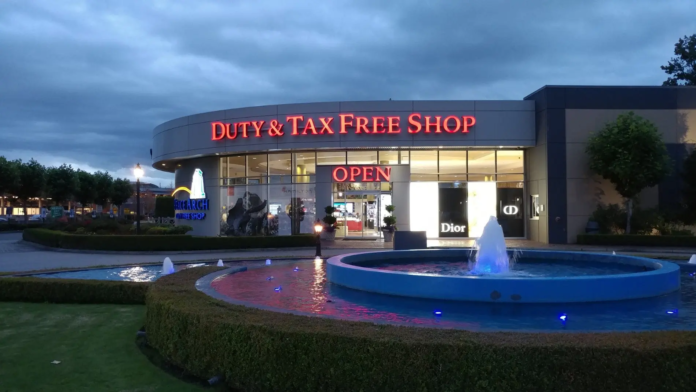
Peace Arch Duty Free store near Vancouver. Photo: Peace Arch Duty Free
Peter Raju, President and owner of Peace Arch Duty Free, is facing one of the biggest challenges in the store’s history. The well-known duty-free retailer, located at the Peace Arch border crossing in Surrey, British Columbia, has seen an 80% drop in sales following Premier David Eby’s recent remarks to shop local while discouraging British Columbians from crossing into the U.S.
“We noticed an immediate impact after the Premier made his statement,” said Raju. “Today is the first day since then that I’ve even seen a lineup at the border, but people are still not coming into the store.”
The situation is dire. For most of last week, border lineups have been non-existent, an unusual sight for a crossing that typically sees a steady flow of travelers. “There were zero lineups. You could cross in less than five minutes,” Raju noted.
With fewer travelers following Donald Trumps remarks about Canada, sales have plummeted, and Raju has had to make tough operational decisions. “Our business is down substantially. We’ve had to reduce staffing, and if things don’t improve, we’ll have to close on weekdays,” he said. Currently, the store operates seven days a week with two shifts, but with no relief in sight, further reductions are likely.
Image: Peace Arch Duty Free
Liquor Sales and Regulatory Hurdles
A major issue exacerbating the crisis is British Columbia’s liquor regulations. Duty-free stores in Canada must purchase alcohol through their respective provincial liquor boards, unlike their international counterparts. “This has been our biggest issue for over ten years,” Raju explained. “When Premier Gordon Campbell was in office, he reduced our markup from 50% to 20%, but now we need another reassessment given the challenges we’re facing.”
According to Raju, duty-free stores should be exempt from these restrictions. “We operate in a federally regulated, sterile zone. Once a customer enters, they cannot return to Canada with their purchase. There’s no reason for the Liquor Board to interfere in our business.”
Despite repeated efforts to engage government officials, Raju says his concerns have largely fallen on deaf ears. “We’ve tried reaching out to the Minister of Public Safety, but they won’t even return our calls. The Liquor Board won’t sit down with us to discuss these issues.”
Adding to the frustration is the competition from Alberta’s liquor market, where consumers can access lower prices without the same level of restrictions. “With interprovincial trade barriers, I could load up a truck in Alberta, drive back, and legally sell liquor for less. It makes no sense,” Raju said.
Peace Arch at the Canada-US border — a symbol of friendlier times between the two countries. Photo: Discover Surrey
Tourism and Retail Implications
The decline in business at Peace Arch Duty Free reflects broader concerns for cross-border traffic amid Trump’s tariff threats. “We rely heavily on cross-border traffic,” said Raju. “If American visitors stop coming, it’s not just our business that suffers—it’s hotels, restaurants, and other retailers.”
Despite being Canada’s largest land border duty-free store, and the second-best land border duty-free shop in the world, Raju feels that government policies are stifling potential growth. “Why can’t we be left alone to double or triple our business? Why are these restrictions holding us back?” he asked.
The store, spanning 18,000 square feet with ample parking for 300 vehicles, has seen as few as 2,000–3,000 visitors in a week—a low figure given the facility’s size. “We’ve invested over $12 million into this business. We employ people. We should be given the opportunity to thrive.”
Looking Ahead: Will the Government Step Up?
Raju is calling for immediate policy changes to help stabilize the business. “We need an exemption from the Liquor Board. If they remove these restrictions, we can turn things around overnight,” he asserted.
He also points to the disparity in how duty-free stores are treated compared to domestic liquor retailers. “Duty-free stores shouldn’t have to pay fees that don’t exist anywhere else in the world. It’s a tariff on our industry.”
There’s a glimmer of hope, as media attention has begun to shine a light on the issue. “We’ve had national news coverage and even U.S. media attention,” Raju said. “Hopefully, this will put pressure on officials to reconsider.”
Until then, Raju remains focused on keeping his business afloat. “We’ll do everything possible to survive, but the government needs to recognize the damage being done. We retain Canadian dollars in Canada. We sell to Americans. This benefits the economy. So why aren’t we getting the support we need?”
“Our shopping centre portfolio performed very well in 2024, with NOI growth coming from strong rental revenue growth, rising occupancy, and falling non-recoverable expenses,” said Patrick Sullivan, President and Chief Operating Officer. “Over the last four months, Primaris has acquired approximately $910 million of dominant enclosed shopping centres, and our team is doing an excellent job integrating these assets into our national, full-service platform. Primaris is very quickly moving towards our ambition of becoming the first call for retailers looking to grow and expand their footprint in Canada.”
Q4 2024 Financial and Operating Highlights
$143.2 million total rental revenue.
9.1% Same Properties Cash Net Operating Income (Cash NOI) growth.
9.5% Same Properties shopping centres Cash NOI growth.
95.6% committed occupancy, 94.5% in-place occupancy, and 90.4% long-term occupancy.
5.3% weighted average spread on renewing rents across 446,000 square feet.
14.5% Funds from Operations (FFO) per average diluted unit growth to $0.460.
48.9% FFO Payout Ratio.
$4.3 billion total assets.
$589.8 million in liquidity and $3.6 billion in unencumbered assets.
$21.55 Net Asset Value (NAV) per unit.
Annual 2024 Financial and Operating Highlights
4.5% Same Properties Cash NOI growth.
4.8% weighted average spread on renewing rents across 1,246,000 square feet.
$705 same-store sales productivity.
6.5% FFO per average diluted unit growth to $1.690.
52.4% FFO Payout Ratio.
Leasing and Occupancy Performance
In the quarter, Primaris completed 137 leasing deals totaling 0.6 million square feet. The weighted average spread on renewing rents (for the 87 leases renewed in the quarter) was 5.3% (5.8% for commercial retail unit renewals and 2.6% for large format renewals). Included in the leasing activity for the quarter were 19 leases that were for a lease term of less than one year, or for percentage rent in lieu of base rent. While these lease structures have always been a tool to manage tenant relocations and the timing of development plans, during the pandemic, leases structured as percentage rent in lieu of base rent were more prevalent to assist tenants and to maintain occupancy rates. As these leases mature, management anticipates moving tenants back to traditional lease structures. At December 31, 2024, percentage rent in lieu of base rent leases were in place for 0.6 million square feet of GLA, or 3.1% of in-place leases and had a weighted average lease term of approximately 2.7 years.
Rags Davloor
“Primaris’ low leverage balance sheet, a key pillar to our strategy, is a critical enabler to our acquisition strategy,” said Chief Financial Officer Rags Davloor. “We are well on our way to achieving our three-year target of acquiring over $1 billion in assets, while maintaining industry-leading leverage metrics. With unencumbered assets of $3.6 billion and no unfunded debt maturing until 2027, we have reduced refinancing risk, with significant access to liquidity. Our commitment to maintaining an extremely well-capitalized balance sheet positions Primaris as a highly credible transaction counterparty, at a time when many other groups are finding access to capital, and particularly financing, challenging.”
Strategic Acquisitions and Portfolio Growth
Primaris continued its expansion strategy in 2024 with major acquisitions and divestitures:
October 1, 2024 – Acquired Les Galeries de la Capitale in Quebec City, Quebec.
January 31, 2025 – Acquired a 50% co-ownership interest in Southgate Centre in Edmonton, Alberta, and a 100% interest in Oshawa Centre in Oshawa, Ontario for $585.0 million.
Waived conditions on the disposal of Sherwood Park Mall, Sherwood Park Professional Centre, and a parcel of excess land for $107.0 million, expected to close on February 28, 2025.
Redevelopment contributions added $2.5 million in incremental rent to the portfolio in 2024.
Alex Avery
“We are very pleased with our 2024 results, driven by outperformance in same property NOI growth, and FFO per unit growth,” said Alex Avery, Chief Executive Officer. “With the acquisition of Oshawa Centre and a 50% interest in Southgate Centre, we are increasing our relevance with retailers and building on Primaris’ profile as an attractive buyer of large, high-quality assets. Consistent with prior acquisitions, these additions to our portfolio are designed to deliver higher internal growth, driving NAV per unit growth, FFO per unit growth and ultimately distribution per unit growth. As we look forward to 2025 and beyond, we see a long runway of opportunity embedded within our existing portfolio, and a variety of acquisition opportunities that can enhance our value proposition with retailers, and our total return to unitholders. We are well positioned to capitalize on these opportunities with the right team and platform, and the right financial model for the road ahead.”
Primaris is Canada’s only enclosed shopping centre focused REIT, with ownership interests in leading enclosed shopping centres located in growing Canadian markets. The current portfolio totals 15.0 million square feet valued at approximately $4.6 billion at Primaris’ share. Economies of scale are achieved through its fully internal, vertically integrated, full-service national management platform. Primaris is very well-capitalized and is exceptionally well positioned to take advantage of market opportunities at an extraordinary moment in the evolution of the Canadian retail property landscape.
Roots CEO Meghan Roach, centre, with Roots founders Don Green (left) and Michael Budman (right). The three are standing at the original cabin where Roots started, in celebration of the 50th anniversary of Roots in the summer of 2024 (Image Provided)
Roots, a brand synonymous with Canadian heritage and outdoor lifestyle, continues to reinforce its strong national identity as it grows. Meghan Roach, President and CEO of Roots, highlighted the importance of supporting the Canadian economy amid tariff threats in an interview.
“There’s been a renewed sense of patriotism, not just around Roots, but Canada as a whole,” said Roach. “It’s been amazing to see people thinking about how they can support the Canadian economy.”
Roach emphasized that Roots remains deeply entrenched in the country’s retail landscape, with its leather factory, distribution centre, and the majority of its employees based in Canada. “We are a Canadian public company, and it’s encouraging to see people recognizing the value of investing in homegrown businesses.”
Meghan Roach
The Roots Story: Built on a Love for Canada
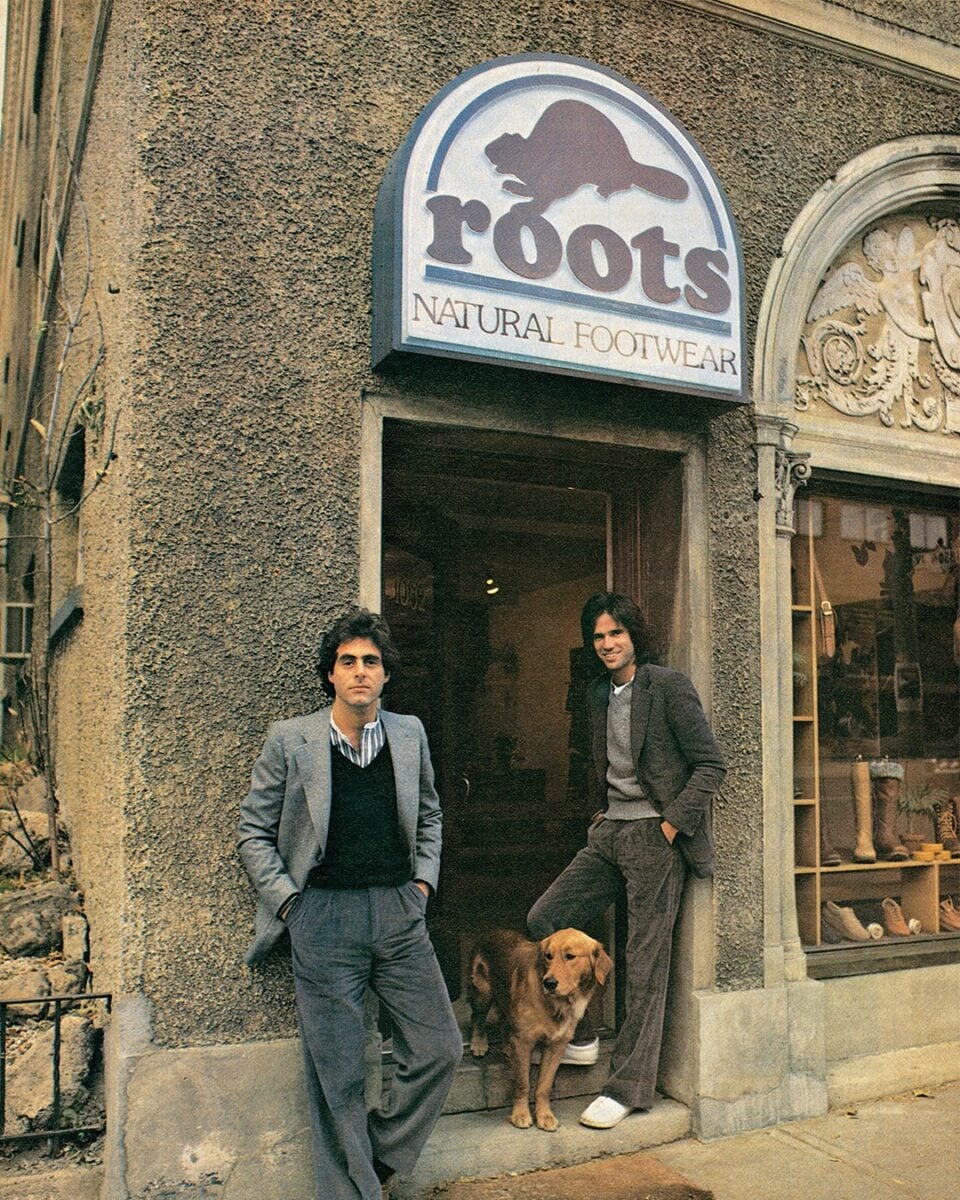
Roots was founded in 1973 by Michael Budman and Don Green, two Detroit natives who fell in love with the Canadian outdoors. “It’s kind of a great Canadian dream,” Roach remarked. “These two young guys came to Canada, embraced the culture and landscape, and decided to build a brand around it.”
Their dedication to Canadian identity extended beyond their products. “They were the first to really lean into the Canadian Olympic teams,” Roach said. “It wasn’t just about outfitting athletes—it was about putting Canada on a global stage.”
Today, Roots operates 115 stores worldwide and employs over 2,000 people. The brand’s co-founders have been recognized with the Order of Canada and inducted into Canada’s Walk of Fame. Roots’ founders also became proud Canadian citizens.
From Private to Public: The Evolution of Roots
Roots transitioned from a privately owned company to a publicly traded one under Searchlight Capital Partners, a firm with headquarters in Toronto, New York, and London. “When Searchlight acquired Roots, it was driven by a passion for this great Canadian company,” Roach explained. “Now, as a public company, it’s owned by Canadians again. Our board is fully Canadian, reinforcing our deep national ties.”
Beyond ownership, Roots has built a legacy of giving back. “We launched Roots Cares, a program that has donated over $4 million in cash and in-kind goods over the last five years,” said Roach. “From supporting the Nature Conservancy of Canada to donating 20,000 pieces of clothing to schools annually, we’re committed to strengthening Canadian communities.”
On August 15, 1973, Roots Founders Michael Budman and Don Green opened the first store in Toronto at 1052 Yonge Street (Image: Roots)
Balancing Canadian Manufacturing and Global Supply Chains
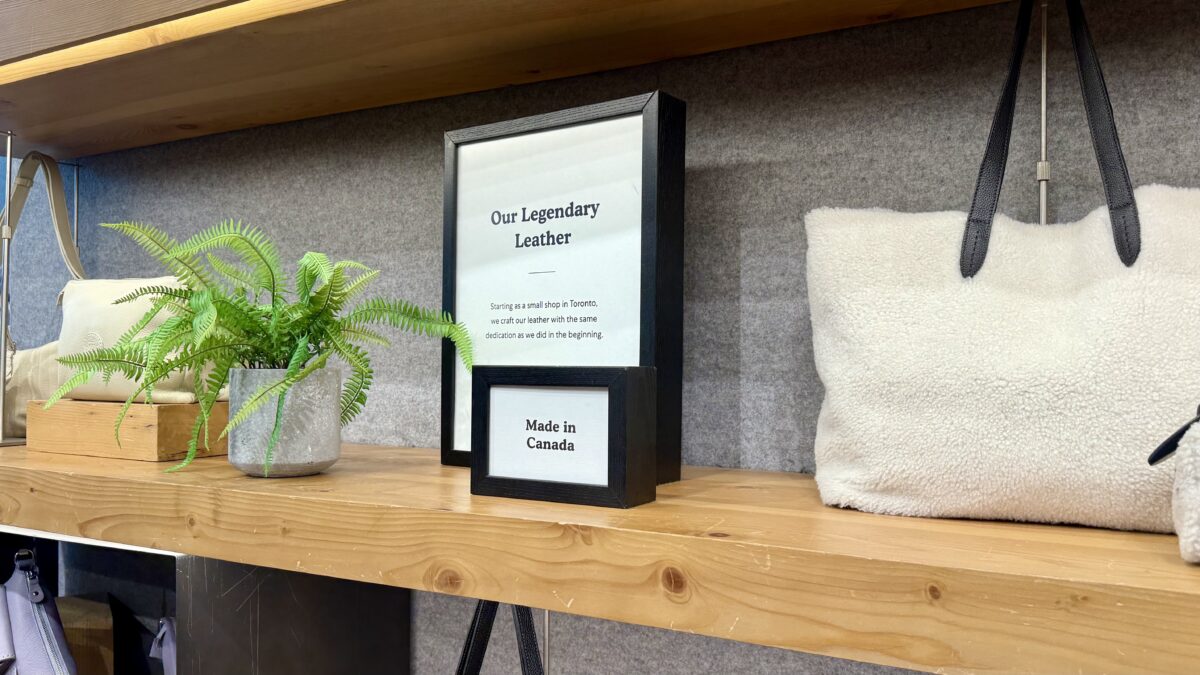
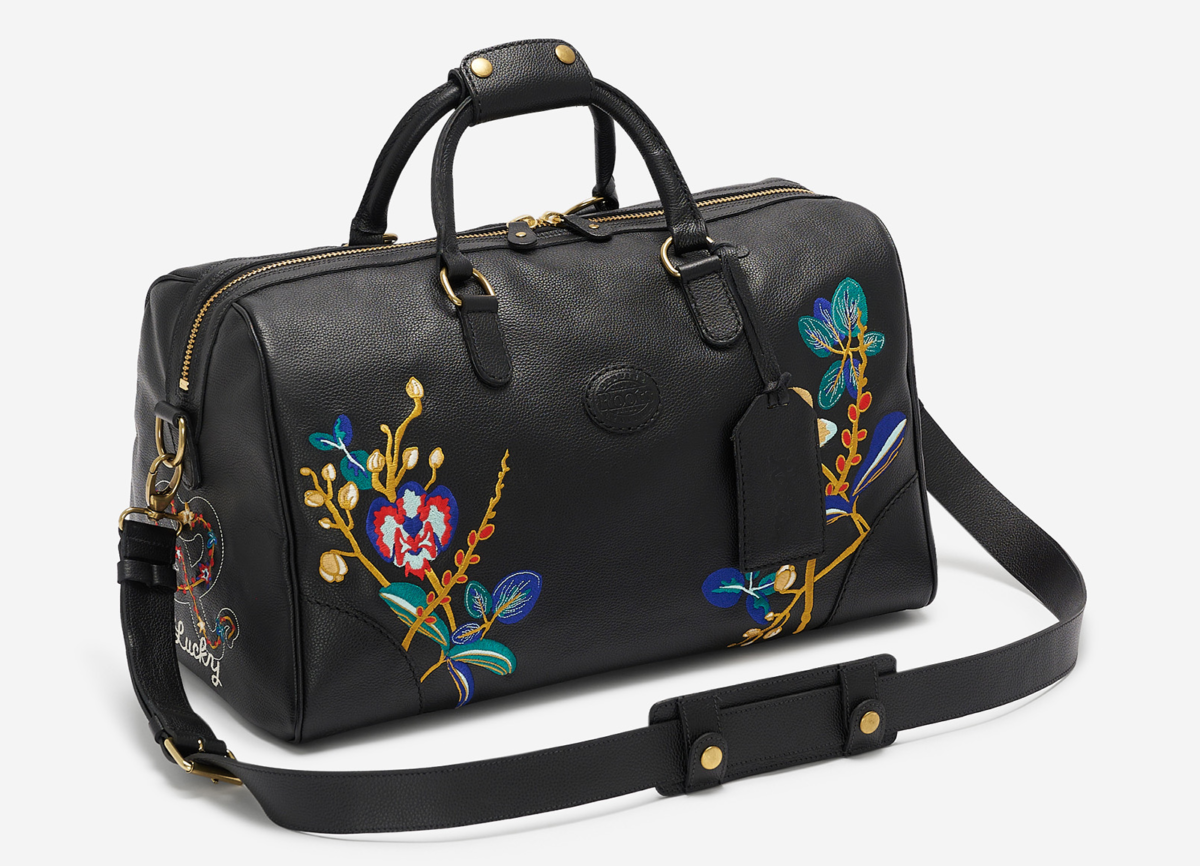
Manufacturing is a key part of Roots’ strategy, with an emphasis on Canadian craftsmanship. “Our leather goods—jackets, bags, and accessories—are all made in Canada at our leather factory,” Roach said. “We also have our Canada Collection and Studio Fleece, which are made domestically.”
However, like many Canadian apparel brands, Roots also relies on international production. “If every apparel company tried to manufacture solely in Canada, we wouldn’t have the infrastructure to support it,” Roach noted. “We continue to invest in Canadian manufacturing where possible while recognizing the realities of a global supply chain.”
A key challenge is skilled labour. “Even in our leather factory, we have programs in place to train new talent,” she said. “There’s a real need to develop the next generation of skilled workers in Canada.”
Made-in-Canada signage at Roots, Yorkdale Shopping Centre in Toronto, February 2025. Photo: Craig PattersonRoots Valentine’s leather bag, handcrafted in the company’s Leather Factory. Photo: Roots
Addressing Tariffs and Economic Shifts
With shifting global trade policies, Roots is keeping a close watch on tariffs and the de minimis threshold, which affects duties on low-value imports. “It’s a constantly evolving situation,” Roach said. “While our U.S. exposure is lower than some brands, we are monitoring how tariffs impact the Canadian consumer.”
She remains optimistic about Canada’s global standing. “We’ve always had strong relationships with international markets. We believe Canadian brands can succeed both at home and globally.”
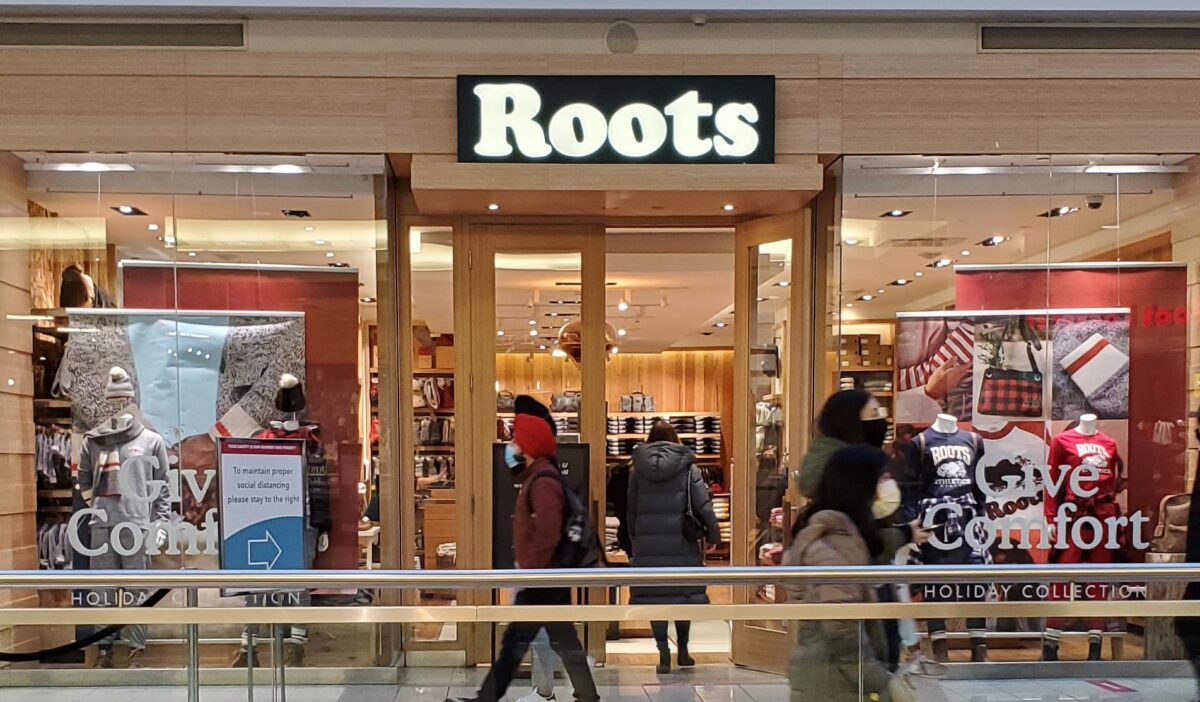
Roots Store at Metropolis at Metrotown in Burnaby, BC – Photo by Geetanjali Sharma
Collaborating with Canadian Designers and Artists
Roots has a strong track record of collaborations with Canadian brands and artists. “We don’t just focus on big-name partnerships like Barbie or Wicked—we also work with homegrown brands,” Roach said.
The company has collaborated with local brands like Alder Apparel and partnered with Canadian sports teams, including the Toronto Raptors and the newly formed Toronto Tempo of the WNBA. “When the Raptors won their championship, we made their official jackets,” Roach added. “We’ve done similar projects with the Toronto Maple Leafs and across the hockey world.”
Roots has also supported Canadian talent beyond sports. “We’ve worked with celebrities such as Canadian Lorne Michaels, and other influential figures. It’s about bringing Canadian culture to a global stage.”
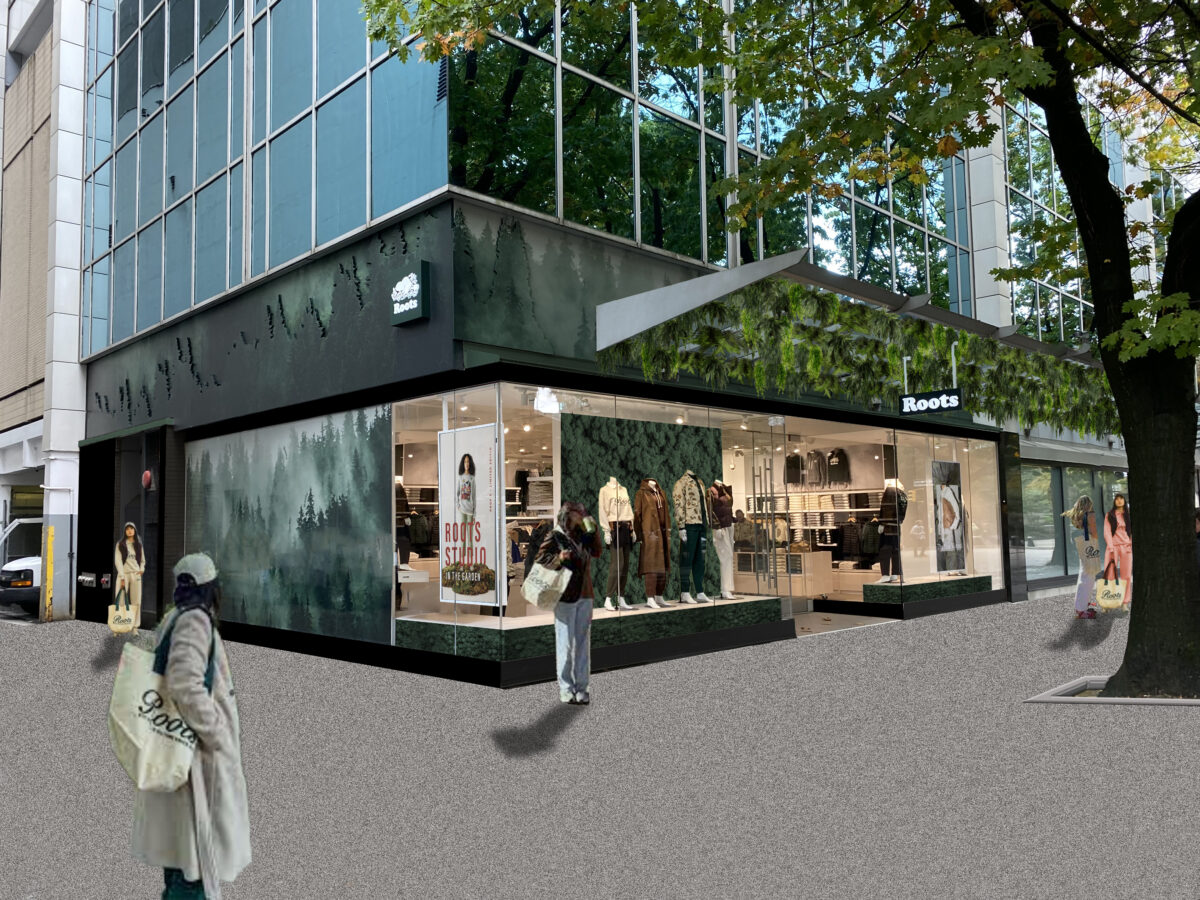
Rendering of the Roots on Robson Street — image is of the current 919 Robson Street space. Image supplied
Expansion and Store Renovations
Roots is investing in major store renovations and expansions. “Our Robson Street flagship in Vancouver is undergoing a major renovation and will reopen by summer,” Roach revealed. “Having a flagship on Robson Street is crucial, given its status as a premier Canadian retail destination.”
Additional renovations are underway at Vaughan Mills and Champlain Mall. “We’re also launching a pop-up store at at unique location, which will open in the coming months,” she said. “It’s part of our strategy to test new locations and evolve our store experience.”
Roots leather bag – Spring floral edit, manufactured and embroidered in Toronto at Roots’ factory in North York. Photo: Roots
Roots as a Canadian Brand
Roots remains committed to its Canadian foundation while growing its global footprint. “We continue to design everything in Toronto, and we’re focused on investing in Canada,” Roach said. “From employing Canadians to supporting local brands, we want to ensure our business has a positive impact on the economy.”
For Roach, the future of Roots is about more than just retail—it’s about fostering national pride. “At the end of the day, we want people to feel connected to Canada. Whether it’s through a Roots hoodie or a leather bag, we want to give people something that makes them proud to be Canadian.”
Toronto-based Icy Studios is rapidly emerging as one of Canada’s leading custom apparel manufacturers and printing companies. Specializing in custom streetwear, the company offers a range of services including screen printing, direct-to-garment (DTG) printing, direct-to-film (DTF) printing, embroidery, live printing, and even sticker production. The company has built a reputation for its high-quality apparel and rapid turnaround times, catering to a diverse clientele that includes corporate businesses, influencers, musicians, retail brands, and artists.
“We started as a vintage clothing brand in my dorm room back in 2018,” said Manik Kundra, founder and CEO of Icy Studios. “I was working at Subway at the time and eventually decided to drop out of school to pursue this business full-time. We initially focused on selling vintage clothing before transitioning into our own designs. We opened our first showroom in 2020, followed by a warehouse in 2021, and have been scaling ever since.”
The Evolution from Vintage to Custom Apparel Manufacturer
Icy Studios originally launched as a vintage clothing retailer but evolved into a full-scale custom apparel manufacturing company after facing challenges with sourcing products. “We had issues with sourcing apparel from China and India,” Kundra explained. “We were ordering containers full of faulty goods. Eventually, we realized that producing our own garments was the best way forward.”
Today, the company imports raw fabric from Asia and manufactures its own products from scratch in its Scarborough warehouse. This shift has allowed Icy Studios to ensure quality control and develop a strong reputation for craftsmanship. “Now, we’re creating apparel for some major corporations like Amazon and Microsoft, in addition to our own retail brand,” Kundra added.
High-Profile Collaborations and Expanding Reach
Icy Studios has collaborated with several high-profile clients, including La Maison Simons, Warner Music Group, and Microsoft. “One of our most exciting projects was working with Punjabi artist Diljit Dosanjh, who sold out Scotiabank Arena recently,” said Kundra. “We built his website, designed his merchandise, and handled production. Working with artists and major corporations has really helped us grow.”
The company’s streetwear aesthetic, combined with its expertise in apparel manufacturing, has positioned it as a go-to provider for custom merch in Canada. “Since we have a background in fashion design, brands trust us not just for manufacturing but also for creative direction,” Kundra noted.
A Unique Retail Experience: Live Printing and Interactive Showroom
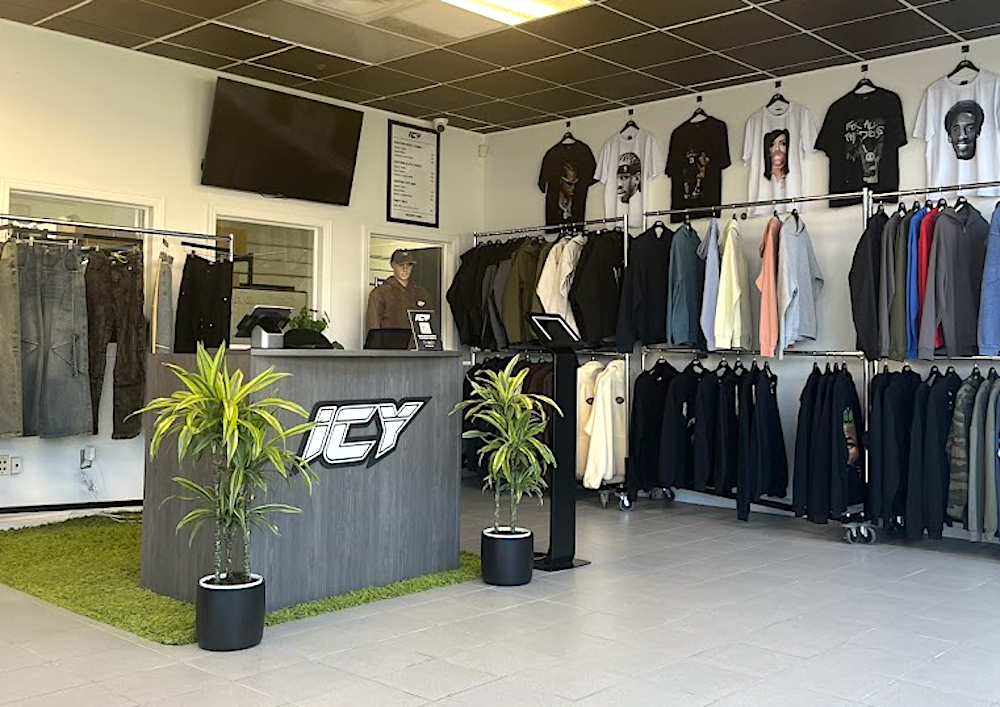
Icy Studios offers a hands-on retail experience at its Markham showroom, allowing customers to create their own custom apparel on-site. “People come in groups like it’s an excursion—designing their own tees and engaging with our team,” said Kundra. The interactive nature of the showroom has made it a destination for those looking to create one-of-a-kind apparel pieces.
Leveraging Social Media for Explosive Growth
A major factor in Icy Studios’ success has been its strong social media presence. Kundra has grown the brand’s following to over 100,000 on both Instagram and TikTok by consistently sharing content. “I made a promise to a friend that if I ever missed a day of posting, I’d give them $50,” he said. “That really motivated me to stay consistent. Our TikTok has some videos with over 7 million views, and it’s all organic reach.”
This approach has played a key role in Icy Studios’ rise to nearly eight-figure revenue. “We didn’t start spending money on ads until our fourth year,” Kundra revealed. “Organic marketing on TikTok and Instagram has been our biggest driver of sales.”
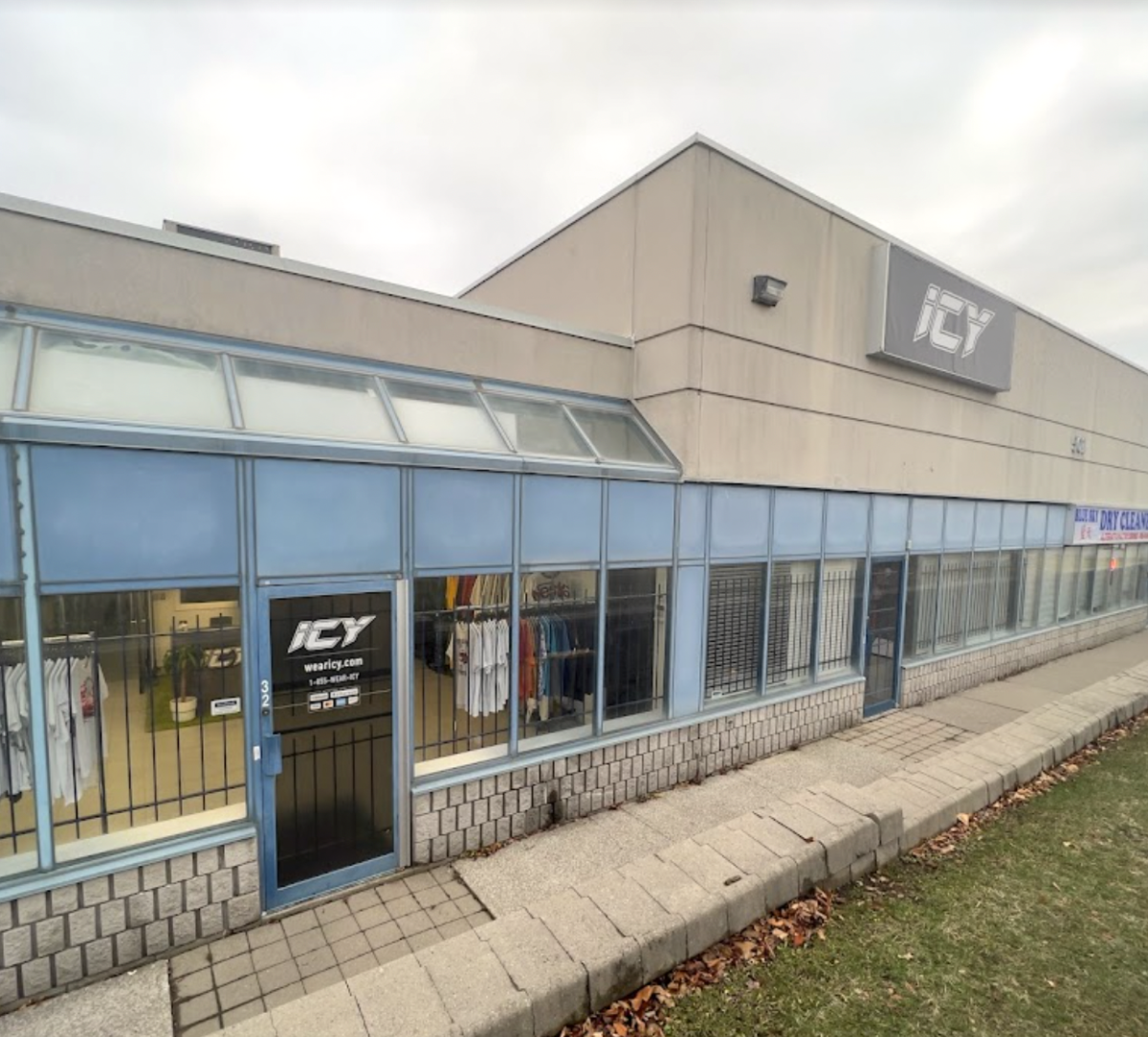
Icy Studios showroom in Markham. Photo: wtrmln via Google Maps
Scaling Smartly, Expansion into the U.S.
The company is now setting its sights on the U.S. market, with a new warehouse opening in Miami this year. “90% of our sales now come from the U.S., so it made sense to establish a distribution center there,” Kundra explained. “Miami is a growing manufacturing hub, and being a port city makes logistics easier for us.”
Looking ahead, Kundra has ambitious plans for Icy Studios. “We’re planning to open our own factory in India,” he revealed. “Right now, we import fabric, but we want to go a step further—importing raw cotton and making garments from scratch. There’s an opportunity to build a factory that prioritizes ethical labor practices and produces high-quality apparel.”
Kundra has visited factories in India, China, and Vietnam and has seen firsthand the unethical labor practices in many locations. “I saw a lot of child labor and extremely low wages. If we build a factory in India, it would operate with fair wages and ethical working conditions,” he said.
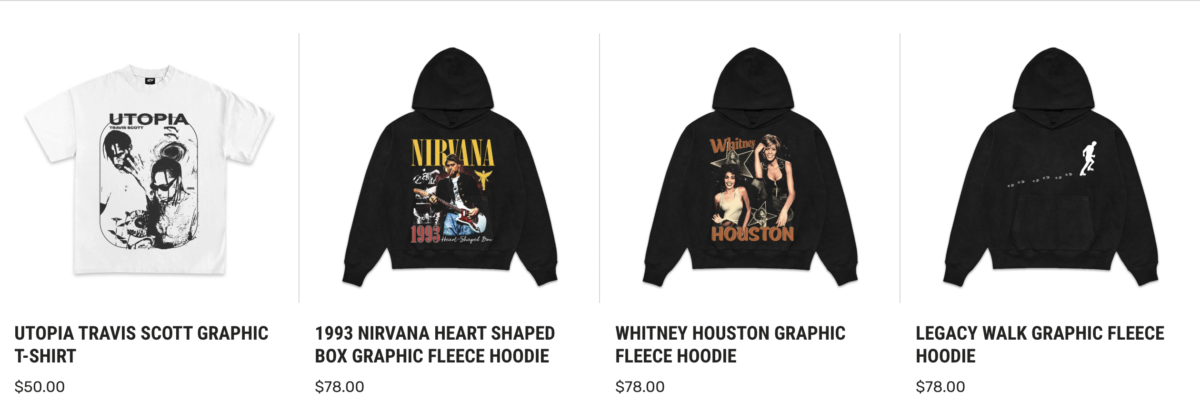
Photo: Icy Studios website
The Family Business Element
Despite its rapid growth, Icy Studios remains a family business. “My parents were working traditional nine-to-five jobs until we opened our warehouse in Scarborough in 2021,” Kundra shared. “Once they saw how serious this was, they left their jobs to help me build the company. My mom handles payroll and finance, and my dad helps manage production. It’s been amazing to have their support.”
Competing with Fast Fashion Giants
Kundra also envisions competing with global fast-fashion giants like Zara and H&M. “We want to make apparel that lasts decades, not just a season,” he said. “We see a huge gap between the vintage clothes from the ’70s and ’80s that are still in great condition today versus the disposable fast fashion we see now.”
The company is expanding into new apparel categories, including denim and windbreaker jackets, with plans to eventually offer shoes and accessories. “The goal is to provide a full range of clothing so customers can be dressed head to toe in Icy Studios,” Kundra explained.
Icy Studios showroom and facility in Markham. Photo Icy Studios via Google Maps
Advice for Aspiring Entrepreneurs
Kundra attributes his success to taking action early. “I started at 19, and that gave me time to learn and make mistakes. I always tell people—just start. You’ll learn more from doing than from four years of business school.”
For those looking to scale a business, he emphasizes the importance of social media. “Posting online is free. Every post is like a lottery ticket—one viral video can change your life. I think in the future, platforms might charge for posts, so people should take advantage of it while it’s still free.”
MTY Food Group Inc., one of the largest franchisors and operators of multiple restaurant concepts worldwide, has announced its financial results for the fourth quarter of fiscal 2024, which ended on November 30, 2024. The company highlighted strong network expansion and positive system sales growth despite economic challenges.
Store Growth and System Sales Performance
Eric Lefebvre
MTY Food Group continued its expansion momentum in Q4, achieving a net store opening of 13 locations. “I’m happy to share that we expanded our footprint in the fourth quarter, ending strong with a net store opening of 13 locations,” said Eric Lefebvre, CEO of MTY Food Group. “This positive store count is the result of diligent team efforts at MTY, and we’re proud to be strengthening our presence and increasing our availability to guests.”
System sales saw a year-over-year increase of 2%, reaching $1.37 billion compared to $1.34 billion in Q4 2023. The growth was largely driven by strong performances in MTY’s U.S. snack brands and the casual dining segment in Canada. “Year over year, the fourth quarter saw organic growth of system sales, with an improvement of 2% compared to Q4 2023,” Lefebvre noted. “These results were mainly attributable to the impressive performance of our snack brands in the U.S. and our casual dining segment in Canada.”
Franchising Strength and Financial Performance
The company’s franchising segment was a standout performer in Q4, reporting an 8% increase in normalized adjusted EBITDA compared to Q4 2023. “With regards to normalized adjusted EBITDA, I would like to highlight the performance from our franchising segment this quarter, with an 8% increase compared to Q4 2023,” Lefebvre stated. “It is a pleasure to see the dedicated work of our franchise owners and MTY team reflected in these results.”
Overall, revenue for the quarter rose by 2% to $284.5 million, largely due to increased revenues from corporate stores. In Canada, corporate store revenues nearly doubled to $13.9 million, while franchise operations declined by 5% and food processing, distribution, and retail sales dropped by 10%. The U.S. and international segments saw revenue growth, benefiting from a 10% rise in promotional fund revenues and a 2% increase from franchise operations.
However, net income was negatively impacted by impairment charges and foreign exchange losses. MTY reported a net loss of $55.3 million, or $(2.34) per share, compared to a net income of $16.4 million ($0.67 per share) in Q4 2023. This decline was primarily due to a $64.6 million impairment charge on goodwill related to the Papa Murphy’s brand and a $26.3 million foreign exchange loss on intercompany loans.
Liquidity, Debt Management, and Dividends
MTY continued to demonstrate disciplined financial management in Q4, generating $43.7 million in cash flows from operating activities. The company reimbursed $17.5 million in long-term debt, paid $6.6 million in dividends to shareholders, and repurchased 314,700 shares for $14.0 million.
As of November 30, 2024, MTY had $50.4 million in cash on hand and $706.6 million in long-term debt. The company’s hedging strategies provided quarterly interest savings of approximately $0.8 million.
On January 22, 2025, MTY declared a quarterly dividend of $0.33 per common share, payable on February 14, 2025, to shareholders of record as of February 4, 2025.
About MTY Food Group
Headquartered in Montreal, MTY Food Group operates and franchises quick-service, fast-casual, and casual dining restaurants under 85 different banners across Canada, the U.S., and internationally. With a network of 7,079 locations, MTY continues to expand its presence through strategic growth initiatives, acquisitions, and franchise development.
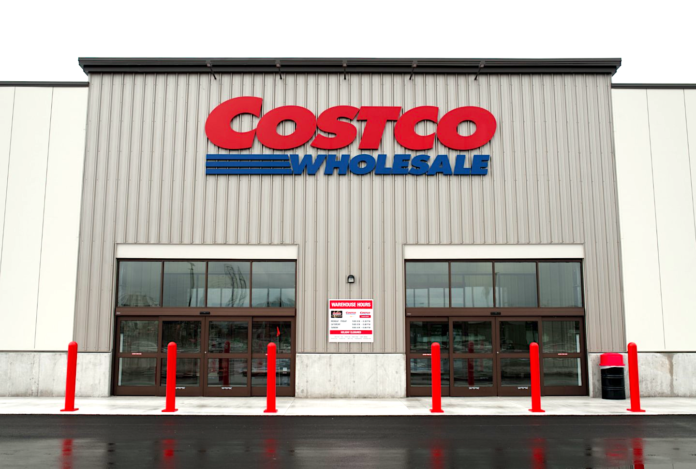
Costco is opening a store in Brantford, Ontario this week, with Ontario's first Costco sushi bar. Photo Costco
Winnipeg-based Shindico, a commercial real estate firm, has announced that Costco will be opening up at Westport in the Manitoba city in late 2025.
Construction of the new 166,984-square-foot Costco store has already started. The store will offer its usual inventory of grocery and household products and will complement the existing store locations in the city, while also providing a convenient place to shop for destinations west of the City, said Shindico.
Sandy Shindleman
“We’re very excited to have Costco join our Westport development. They will be a great amenity for all of Western Manitoba and will spur more retail development at Westport. Congratulations to Costco on their fourth store in Winnipeg,” said Sandy Shindleman, Founder and Chairman at Shindico.
Shindico said Westport is an exciting new mixed-use development with 1,000,000 square feet of proposed building area on 70 acres of land featuring retail, hotels, restaurants, offices, warehouses and multi-family opportunities.
Located near the intersection of the Perimeter Highway and Portage Avenue, Westport is situated in the heart of the largest concentration of sporting and recreational complexes in Manitoba, including the 460-acre Red River Exhibition Park (“Manitoba’s State Fair Grounds”), Assiniboia Downs Horse Racing and Hockey for all Centre — NHL Winnipeg Jets and AHL Manitoba Moose practice facility and home to a world-class concussion centre, it said.
Founded in 1975, Shindico Realty Inc. is a full-service commercial real estate company and one of the largest privately owned real estate firms in Manitoba. As owners and managers of commercial real estate, Shindico’s diverse portfolio of properties includes shopping centres, office buildings, industrial parks, multifamily apartments, personal storage, and mixed-use developments.
Restaurant transactions increased by 7.6 percentage points on average during the GST and HST holiday, according to new data released Friday by Restaurants Canada.
“Canada is facing potentially one the biggest economic threats in its history. When we have something like the GST/HST holiday stimulating job growth across the country now is not the time to disrupt that momentum. Now is the time to make bold moves to bolster our local economies, protect Canadian jobs and help Canadians bridge to better times.”
Restaurants Canada is a national, not-for-profit association advancing Canada’s diverse and dynamic foodservice industry. Restaurants are a $120 billion industry employing nearly 1.2 million Canadians and is the number one source of first-time jobs in Canada.
The association said the average transaction size at table-service restaurants rose by 5.4% year-over-year in the first six weeks of the GST and HST holiday, based on transaction data from Moneris and applying Restaurant Canada methodology. This represents a 7.6 percentage point swing compared to the three weeks before the tax holiday, when transactions were on average 2.2% lower year-over-year. Quick service restaurants saw an 8.3 percentage point increase in transaction sizes and drinking places saw a 7.5 percentage point boost.
Extending the tax holiday
“Restaurants Canada’s early estimate was that the tax holiday would lead to a 5% to 7% increase in restaurant sales, the equivalent of an additional $1.5 billion during the two-month period. This has been a lifeline for an industry that is in worse shape now than it was during the pandemic. More than half of restaurants are operating at a loss of just breaking even, compared to just 12% pre-pandemic,” added Chris Elliott, Restaurants Canada Chief Economist and Vice-President of Research.
The association said it has been calling on the federal government to extend the tax relief until the tariff dispute with the United States is resolved and pass legislation to make prepared food permanently tax-free once Parliament is back in session.
“Last week, job numbers from Statistics Canada showed employment in the industry is also up by 6%, creating 34,600 new jobs at a time of low job security and worries about the impact of tariffs on employment. Extending the holiday would not only protect jobs it would create additional ones, providing security for many Canadians,” it said.
Few topics in Canadian agriculture generate as much debate as supply management in the dairy sector. The issue gained renewed attention when in his first term, U.S. President Donald Trump criticized Canada’s protectionist stance during NAFTA renegotiations, underscoring the need to reassess the system’s long-term viability. While proponents argue that supply management ensures financial stability for farmers and shields them from global market volatility, critics contend that it inflates consumer prices, limits competition, and stifles innovation.
The Origins and Evolution of Canada’s Supply Management System
Designed in the 1970s to regulate production and stabilize dairy prices, Canada’s supply management system operates through strict production quotas and high import tariffs. However, as successive trade agreements such as the USMCA, CETA, and CPTPP erode these protections, the system appears increasingly fragile. The federal government’s $3 billion compensation package to dairy farmers for hypothetical trade losses is a clear indication that the current structure is unsustainable.
Instead of fostering resilience, supply management has created an industry that is increasingly dependent on government payouts rather than market-driven efficiencies. If current trends persist, Canada could lose nearly half of its dairy farms by 2030—regardless of who is in the White House.
Consumer Trust in the Dairy Industry is Declining
Consumer sentiment is also shifting. Younger generations are questioning the sustainability and transparency of the dairy industry, particularly in light of scandals such as ButterGate, where palm oil supplements were used in cow feed to alter butterfat content, making butter harder at room temperature. Additionally, undisclosed milk dumping of anywhere between 600 million to 1 billion liters annually has further eroded public trust. These factors indicate that the industry is failing to align with evolving consumer expectations.
One of the most alarming findings in the policy assessment is the extent of overcapitalization in the dairy sector. Government compensation payments, coupled with rigid production quotas, have encouraged inefficiency rather than fostering innovation. Unlike their counterparts in Australia and the European Union—where deregulation has driven productivity gains—Canadian dairy farmers remain insulated from competitive pressures that could otherwise drive modernization.
Geographic Imbalance in Dairy Production is Creating Disparities
The policy assessment also highlights a growing geographic imbalance in dairy production. Over 74% of Canada’s dairy farms are concentrated in Quebec and Ontario, despite only 61% of the national population residing in these provinces.
This concentration exacerbates supply chain inefficiencies and increases price disparities. As a result, consumers in Atlantic Canada, the North, and Indigenous communities face disproportionately high dairy costs, raising serious food security concerns. Addressing these imbalances requires policies that promote regional diversification in dairy production.
Reforming Production Quotas and Tariffs for a More Competitive Market
A key element of modernization must involve a gradual reform of production quotas and tariffs. The existing quota system restricts farmers’ ability to respond dynamically to market signals. While quota allocation is managed provincially, harmonizing the system at the federal level would create a more cohesive market. Moving toward a flexible quota model, with expansion mechanisms based on demand, would increase competitiveness and efficiency.
Tariff policies also warrant reassessment. While tariffs provide necessary protection for domestic producers, they currently contribute to artificially inflated consumer prices. A phased reduction in tariffs, complemented by direct incentives for farmers investing in productivity-enhancing innovations and sustainability initiatives, could strike a balance between maintaining food sovereignty and fostering competitiveness.
Resistance to Change and the Risk of Inaction
Despite calls for reform, inertia persists due to entrenched interests within the sector. However, resistance is not a viable long-term strategy. Industrial milk prices in Canada are now the highest in the Western world, making the sector increasingly uncompetitive on a global scale. While supply management also governs poultry and eggs, these industries have adapted more effectively, remaining competitive through efficiency improvements and innovation. In contrast, the dairy sector continues to grapple with structural inefficiencies and a lack of modernization.
That said, abolishing supply management outright is neither desirable nor practical. A sudden removal of protections would expose Canadian dairy farmers to aggressive foreign competition, risking rural economic stability and jeopardizing domestic food security. Instead, a balanced approach is needed—one that preserves the core benefits of supply management while integrating market-driven reforms to ensure the industry remains competitive, innovative, and sustainable.
The Future of Canada’s Dairy Industry
Canada’s supply management system, once a pillar of stability, has become an impediment to progress. As global trade dynamics shift and consumer expectations evolve, policymakers have an opportunity to modernize the system in a way that balances fair pricing with market efficiency. The recommendations from Supply Management 2.0 suggest that regional diversification of dairy production, value-chain-based pricing models that align production with actual market demand, and a stronger emphasis on research and development could help modernize the industry. Performance-based government compensation, rather than blanket payouts that preserve inefficiencies, would also improve long-term sustainability.
The question is no longer whether reform is necessary, but whether the dairy industry and policymakers are prepared to embrace it. A smarter, more flexible supply management framework will be crucial in ensuring that Canadian dairy remains resilient, competitive, and sustainable for future generations.
Retail Insider is streamlining its Canadian retail news from around the web to include a handful of top news stories that can be viewed quickly during the day. Here are the top stories from the past 48 hours.