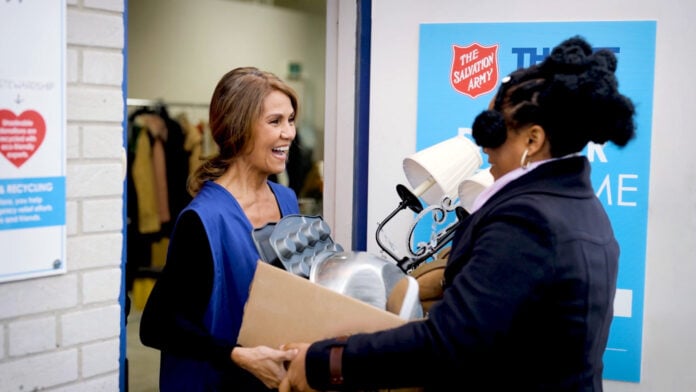
By donating to The Salvation Army Thrift Store, Canadians actively participate in extending the lifecycle of clothing and household items, reducing waste, and supporting a circular economy. (CNW Group/The Salvation Army Thrift Store – National Recycling Operations)
As environmental challenges continue to grow, the need for sustainable action has never been more urgent. In response to this growing issue and the increasing demand for affordable items, The Salvation Army Thrift Store is launching their #EarthLovesThrift campaign. This initiative encourages Canadians to embrace thrift as a lifestyle change—not just on Earth Day, but every day—to contribute to environmental conservation.
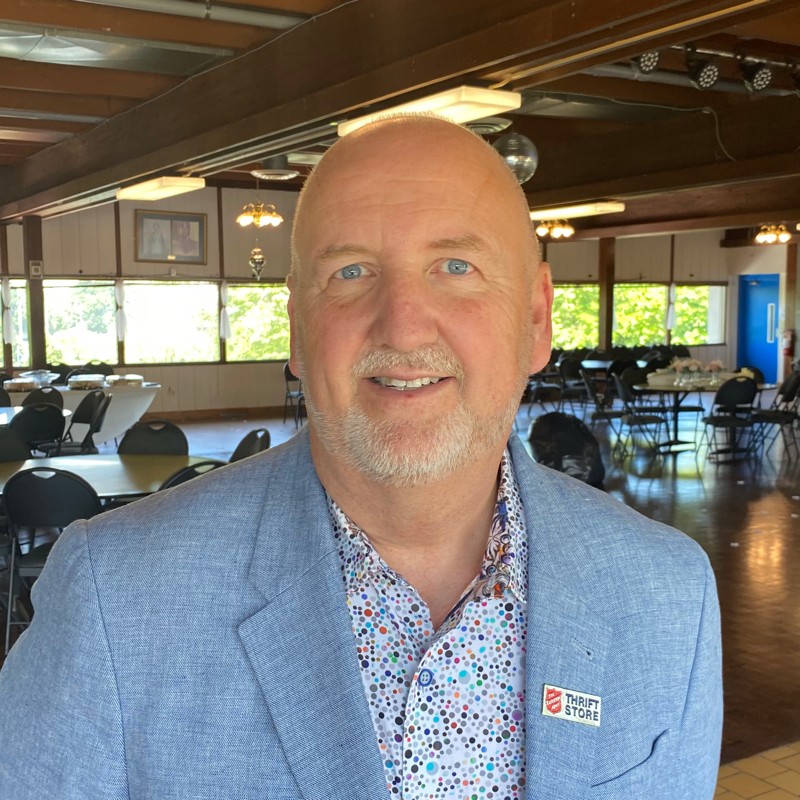
Ted Troughton
“Your unwanted clothing and household items have the potential to become someone else’s treasure,” said Ted Troughton, Managing Director at The Salvation Army Thrift Store. “By donating to The Salvation Army Thrift Store, you actively participate in extending the lifecycle of these goods, reducing waste, and supporting a circular economy.
“We hope that individuals will remember us and consider donating their gently used items, knowing that each contribution makes a significant difference in preserving our planet and caring for local communities.
“Our Thrift Stores are more than just retail spaces; they are an integral part of our mission to serve and uplift our communities across Canada.”
Last year alone, the Thrift Store said it diverted over 94 million pounds of clothing and household items from local landfills.
“In addition to environmental benefits, every donation and purchase at their Thrift Stores directly supports critical programs and services offered by The Salvation Army across Canada, including foodbanks, shelters, rehabilitation for those struggling with addictions, modern slavery and human trafficking prevention, emergency relief efforts, and more,” it said.
“As many Canadians embark on their spring cleaning journeys, now is the perfect time to make sustainable choices. To kick off the #EarthLovesThrift campaign, The Salvation Army Thrift Store is offering an exclusive incentive. Leading up to Earth Day on April 22, anyone who drops off a donation will receive a special #EarthLovesThrift offer of 25% off on all clothing. Additionally, donors will receive a Thank You coupon to enjoy savings on their next purchase.”
Donations can be made at any of the 113 Donor Welcome Centres across Canada.
The Salvation Army Thrift Store (National Recycling Operations) is a non-profit organization and the only national division of The Salvation Army. Through its 94 Thrift Stores across Canada, the organization offers savings on gently used clothing, textiles, and household items while generating funds to support local Salvation Army programs, services, and emergency relief efforts.
Dollarama Inc. reported Thursday its financial results for the fourth quarter and fiscal year ended February 2, 2025 showing a 9.3% increase in annual sales to $6.4 billion.
“Through Fiscal 2025 and in a weakening economic environment, Dollarama was there for Canadians by delivering compelling year-round value across our broad assortment of everyday goods and convenience through our growing national store network. This enabled us to meet or exceed our annual guidance on all metrics,” said Neil Rossy, President and CEO, in a news release.
“In the last year, we have made excellent progress advancing our growth prospects in Canada and in Latin America and furthering our international expansion with the proposed acquisition of The Reject Shop in Australia, reflecting our conviction in the relevance of our business model across demographics and geographies. As we enter Fiscal 2026, we are confident in our ability to execute on our growth plans, and to leverage our sourcing and merchandising strengths to deliver the best relative value for our customers while continuing to generate profitable growth for our shareholders.”
Sales increased by 14.8% to $1,881.3 million, compared to $1,639.2 million
Comparable store sales increased by 4.9%, over and above 8.7% growth in the corresponding period of the previous year
EBITDA increased by 19.9% to $670.1 million, representing an EBITDA margin of 35.6%, compared to 34.1%
Operating income increased by 20.1% to $558.3 million, representing an operating margin of 29.7%, compared to 28.3%
Diluted net earnings per common share increased by 21.7% to $1.40, compared to $1.15
15 net new stores opened, compared to 10 net new stores
3,373,479 common shares repurchased for cancellation for $473.3 million
Fiscal 2025 Highlights Compared to Fiscal 2024 Results
Sales increased by 9.3% to $6,413.1 million, compared to $5,867.3 million
Comparable store sales increased by 4.6%, over and above 12.8% growth in the corresponding period of the previous year
EBITDA increased by 14.0% to $2,121.8 million, representing an EBITDA margin of 33.1%, compared to 31.7%
Operating income increased by 14.4% to $1,710.7 million, representing an operating margin of 26.7%, compared to 25.5%
Diluted net earnings per common share increased by 16.9% to $4.16, compared to $3.56
65 net new stores opened, same as prior year, bringing total store count to 1,616
8,119,971 common shares repurchased for cancellation for $1,068.2 million
The company said sales growth in Q4 was driven by growth in the total number of stores over the past 12 months (from 1,551 on January 28, 2024 to 1,616 on February 2, 2025) and comparable store sales growth. Sales for the fourth quarter of Fiscal 2025 include the 53rd week.
“On December 18, 2024, the Corporation completed the previously announced acquisition of land in the Calgary, Alberta region for a total cash consideration of $46.7 million, which takes into account closing adjustments. The purchase price was paid with available cash on hand,” it said.
“As previously announced, the Corporation intends to build a logistics hub in the Calgary, Alberta region, to service stores in Western Canada, with an estimated total capital expenditure of approximately $450.0 million to be disbursed over a three-year period. Capital expenditures in respect of the Fiscal 2026 outlook currently excludes the portion that will be deployed in the year as the Corporation is in the process of completing its three-year plan and the timing of such expenditures.
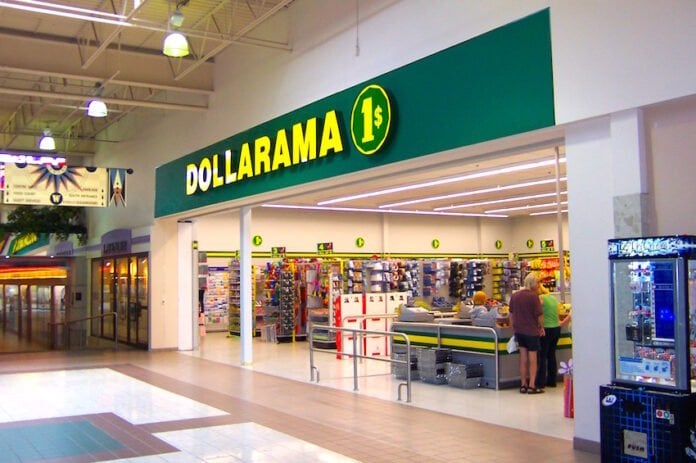
Dollarama on Front Street in Toronto (Image: Dustin Fuhs)
Fiscal 2026 Outlook and Capital Allocation Strategy
While consumer behaviour and the path of the economy remain hard to predict, Dollarama said it believes that consumers will continue to respond positively to the affordability of its products, the convenience and proximity of its national store network, and its commitment to offering compelling value across its broad assortment of consumables, seasonal items and general merchandise.
“Given heightened uncertainty stemming from the current economic and trade environment, the 17.4% cumulative increase in comparable stores sales over the last two fiscal years, and assuming continued cautious discretionary spending by consumers, the Corporation anticipates generating comparable store sales growth of between 3.0% and 4.0% in Fiscal 2026, supported by its strong product sourcing and merchandising expertise and the regular refresh of its assortment. The Corporation improved its guidance range for gross margin as a percentage of sales compared to prior year, based on its ability to actively manage product margins, partially offset by higher inbound shipping costs. It also expects ongoing efficiency and labour productivity initiatives to offset the impact of higher store labour and operating costs, resulting in an improved guidance range in SG&A as a percentage of sales compared to the prior year,” it said.
“As a result of opportunities to take over leases from certain retailers exiting the market and its strong real estate pipeline, the Corporation may exceptionally open a higher number of net new stores during Fiscal 2026 compared to historical levels. As such, the Corporation has increased its net new store openings guidance range compared to the prior year.
“In addition to the logistics hub, the Corporation expects to allocate capital expenditures towards new store openings, maintenance and other transformational capital requirements, which are expected to be mainly funded with cash flow from operating activities and are not anticipated to impact the Corporation’s shareholder capital return strategy. In addition to its intent to maintain a dividend subject to quarterly approval, the Corporation anticipates to continue allocating the majority of excess cash toward the repurchase of shares through its normal course issuer bid.”
Founded in 1992 and headquartered in Montréal, Dollarama is a recognized Canadian value retailer offering a broad assortment of consumable products, general merchandise and seasonal items both in-store and online.
Dollarama also owns a 60.1% interest in Dollarcity, a growing Latin American value retailer. Dollarcity offers a broad assortment of consumable products, general merchandise and seasonal items at select, fixed price points up to US$4.00 (or the equivalent in local currency) in 632 conveniently located stores in Colombia, Guatemala, El Salvador and Peru.
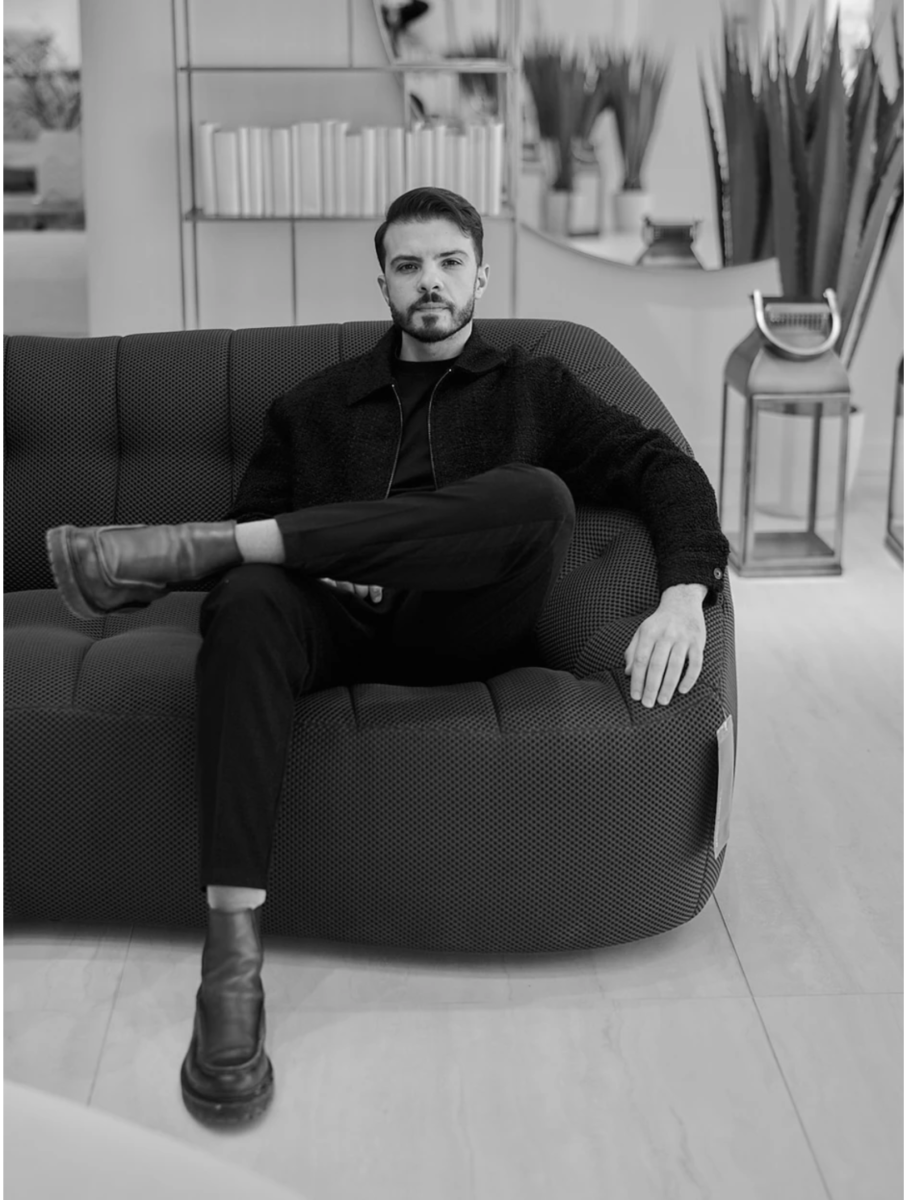
Walid Laaraba, an experienced marketing and data-driven technology expert, shared insights into his dynamic career and the future of retail marketing in a recent interview. Laaraba, originally from Algeria, moved to Canada in 2005 and has since become a key player in shaping marketing strategies for prominent brands.
In his early years, Laaraba, who is President of Home Société Group, was drawn to two major influences: his mother, a psychologist, and his grandfather, a self-made entrepreneur. “My grandfather couldn’t read or write, but he built a successful business. I was fascinated by his ability to lead without traditional education,” Laaraba shared. “I was equally interested in psychology and wanted to understand human behaviour. But I also loved business. As I went through university, I realized marketing was the perfect blend of psychology and business.”
Laaraba’s academic journey took him to Sherbrooke, where he earned multiple degrees, including two bachelor’s degrees and a master’s. He initially considered staying in Sherbrooke forever, but a desire for new opportunities led him to make the move to larger cities. His career took off with an internship at Molson Coors, where he first encountered the growing role of technology in marketing.
Walid Laaraba
“After my first year in marketing, I did an internship at Molson Coors. That’s where I realized technology was crucial to the future of marketing, especially for customer acquisition, retention, and loyalty,” said Laaraba. This sparked his pursuit of a second bachelor’s degree in technology. During his time at Desjardins, he was introduced to data science, machine learning, and AI, which only deepened his understanding of how data could be leveraged to enhance customer experiences.
From there, Laaraba continued to hone his skills in leading marketing campaigns at major brands such as Reitmans, Ardene, Metro, and Telus. However, his entrepreneurial spirit eventually led him to explore opportunities with smaller companies.
“I was looking for a new challenge, and I felt an intuitive connection with a smaller company. I spoke with the founders for about five months before making the decision to join,” Laaraba explained. “The founders were incredibly nice, humble people, and the company was well-positioned. I was excited about the potential to innovate and make a difference in a smaller but successful organization.”
Laaraba’s career trajectory highlights his deep connection to the retail sector, which he finds both challenging and rewarding. “The competition is one of the things I enjoy most about retail. It’s a fast-paced environment, and I thrive on the challenge of customer acquisition and loyalty. I find it exciting to work in an industry where you can see clear winners and losers,” he said. “I love working with marketing calendars, launching campaigns, and building brands—it’s all about sustainable growth, and I find that really rewarding.”
He described himself as a brand builder.
Walid Laaraba
When asked about his leadership philosophy, Laaraba emphasized the importance of clarity, collaboration, and empowerment. “I believe in clarity, collaboration, and empowerment. I set a strong vision but trust my team to bring creativity and expertise. As a leader, my goal is to inspire and push people to reach their potential,” Laaraba explained. “Leadership is a huge responsibility—I’ve had great leaders in my life who mentored me, and I want to do the same for others.”
In addition to his professional insights, Laaraba shared his approach to work-life integration. “I don’t believe in the word ‘balance’ because it suggests that something is off. For me, I don’t feel the need to separate work and life. I enjoy my work and don’t see it as a burden. I also love spending time with my family, especially my son, Noah. When I’m with them, I’m fully present, but when it’s time to work, I’m fully focused on that.”
Laaraba’s perspective on personal growth is equally motivating. “You don’t need 40 years of experience to make an impact—you just need optimism, hard work, and the belief that you can do anything you set your mind to,” he said. “I’m proud of my journey, but I think it’s just the beginning. There’s still so much I want to learn and accomplish.”
Laaraba’s journey offers a glimpse into the future of retail marketing, where technology, data-driven decisions, and a customer-centric approach will continue to drive success. His passion for innovation and growth serves as a valuable inspiration for both emerging and established professionals in the retail industry.
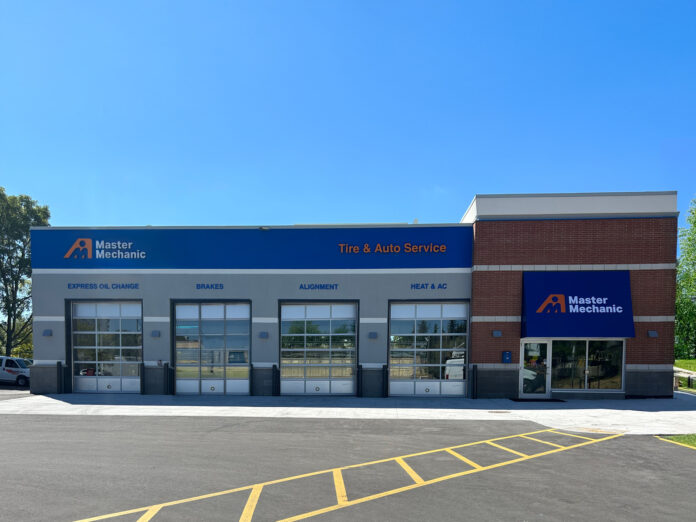
Master Mechanic, a trusted leader in automotive repair and maintenance services, is accelerating its growth in Canada with plans to expand its footprint beyond Ontario.
The company, which started in Mississauga in 1982, now boasts 46 locations, with recent agreements to open in Edmonton and Prince Albert, marking the brand’s first steps into Alberta and Saskatchewan. Since being acquired by Omnigence, a Canadian equity firm, in 2019, the company has focused on expanding its franchise model, attracting multi-unit operators and strengthening its network of franchisees.
The Canadian automotive aftermarket is experiencing a surge in franchise opportunities, and Master Mechanic is capitalizing on this trend by offering franchisees a proven business model supported by training, brand recognition, and operational expertise.
Todd Wylie
Todd Wylie, a key figure behind the company’s expansion, explained how Master Mechanic provides franchisees the ability to run their own businesses with the backing of a trusted brand. The company’s strategic focus on providing value to customers, offering warranty-approved services for all vehicle types—including electric and hybrid engines—positions Master Mechanic as a strong alternative to traditional dealerships.
As the automotive repair market continues to grow, Master Mechanic’s franchise model is attracting entrepreneurs looking for a reliable, risk-mitigated business opportunity. With a current mix of corporate and franchise locations, the company has expanded its base of multi-unit operators from just one in 2019 to six today, signaling the brand’s increasing appeal. As the company looks to expand into new regions, its focus on real estate and finding the right locations for its franchisees remains central to its success.
Wylie, who is President, has been with the company since 2019.
“We have three corporate stores. The rest are owned by franchise partners, and six are multi-unit operators,” said Wylie. “When we took over in 2019 we had one multi-unit operator.
“The challenge is finding the right real estate. We have a lot of interest, but finding the right location is key.
“We provide professional automotive repair and maintenance services for all types of vehicles—cars, trucks, electric, hybrid, and internal combustion engines. We’re warranty-approved, offering value to customers who might otherwise only consider dealerships.
“Franchising allows you to be in business for yourself, but not by yourself. It offers brand awareness, systems, training, and support, which is hard to get when starting from scratch. It mitigates the risks of business ownership. It’s about the support and guidance you get. You don’t have to go through the school of hard knocks with your own money. Franchising helps you avoid that.”
When looking at franchises, it has to be the right fit for both the franchisor and franchisee, explained Wylie.
“It’s about the people. The success of the business depends on the strength of your team. Do your due diligence and make sure you align with the values of the business,” he said.
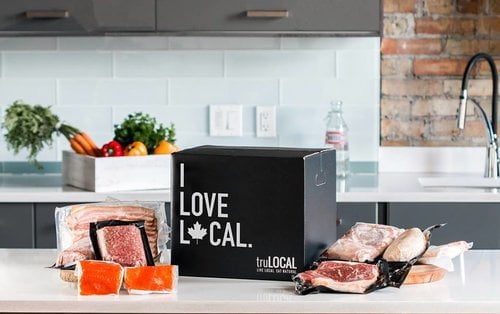
EMERGE Commerce Ltd., a Canadian e-commerce brand portfolio, says its truLOCAL banner, a premium meat and seafood subscription brand that connects local farmers with a health-conscious audience across Canada, is seeing a surge in growth.
truLOCAL, EMERGE’s largest brand by revenue, experienced a surge in new customer acquisitions in February 2025, following the growing “Support Local” movement sweeping the country, it said, adding that during February 2025 growth was 193% increase in net new subscriptions compared to February 2024.
Net new subscriptions is defined as new (paid) subscriptions initiated minus subscriptions cancelled in that same period.
Despite it being a shorter month, February 2025 was truLOCAL’s highest month of net new subscriptions since May 2020, during the height of the pandemic, said the company.
Contributing to these results, truLOCAL benefited from a reduced cost per customer acquisition of nearly 20% YoY in February 2025, implying increased brand resonance and product appeal with Canadian customers prioritizing local options, it said.
Ghassan Halazon
“We believe the Support LOCAL movement is here to stay and has the potential to be a defining moment for truLOCAL, and for ‘Made in Canada” businesses at large. We are thrilled to see this influx of new members joining our growing community and believe this is exactly the right time to double down on our truly, local brand and business model,” said Ghassan Halazon, EMERGE CEO and truLOCAL President.
He described it as an “explosive level of growth.”
In light of these positive trends and favourable unit economics, truLOCAL has been ramping up advertising to drive brand awareness and grow market share with a focus on high ROI opportunities.
As an example, the company launched its “truLOCAL Retaliates: 25% OFF Campaign Meat and Seafood” ad campaign on February 5 as a response to the escalating tariff situation with the U.S., added Halazon.
“truLOCAL is like a premium meat and seafood subscription business. It connects local farmers with Canadian customers across the country on things like organic chicken, grass-fed beef, wild-caught salmon, that sort of thing. And then it’s a sort of a monthly delivery box. We’ve started to see some really exciting signs,” he said.
Unlike the COVID lift driven by the circumstances of the pandemic with store closures and people cautious of going out, this trend truLOCAL is seeing is driven by sentiment. “And we believe it’s here to stay. These are choices they’re making and they really believe supporting local is a priority now.”
Just last week, EMERGE announced the signing of a definitive agreement to acquire all issued and outstanding shares of Tee 2 Green Ltd.
The company said T2G is a profitable, discount golf apparel and equipment business with a 38-year track recordof operations, focused on the Canadian market. T2G achieved revenue of $6.4M, Adjusted EBITDA of $1M and positive net income of $700K in 2024 (unaudited). T2G is based in Ontario and was founded in 1987 by Robert J. Fell, who will continue to support T2G under EMERGE in his capacity as a consultant. T2G has a diversified revenue stream comprising two retail stores, dozens of roadshows, an online store, and a private label golf apparel brand, NORTHERN SPIRIT, added the company.
Retail Insider is streamlining its Canadian retail news from around the web to include a handful of top news stories that can be viewed quickly during the day. Here are the top stories from the past 24 hours.
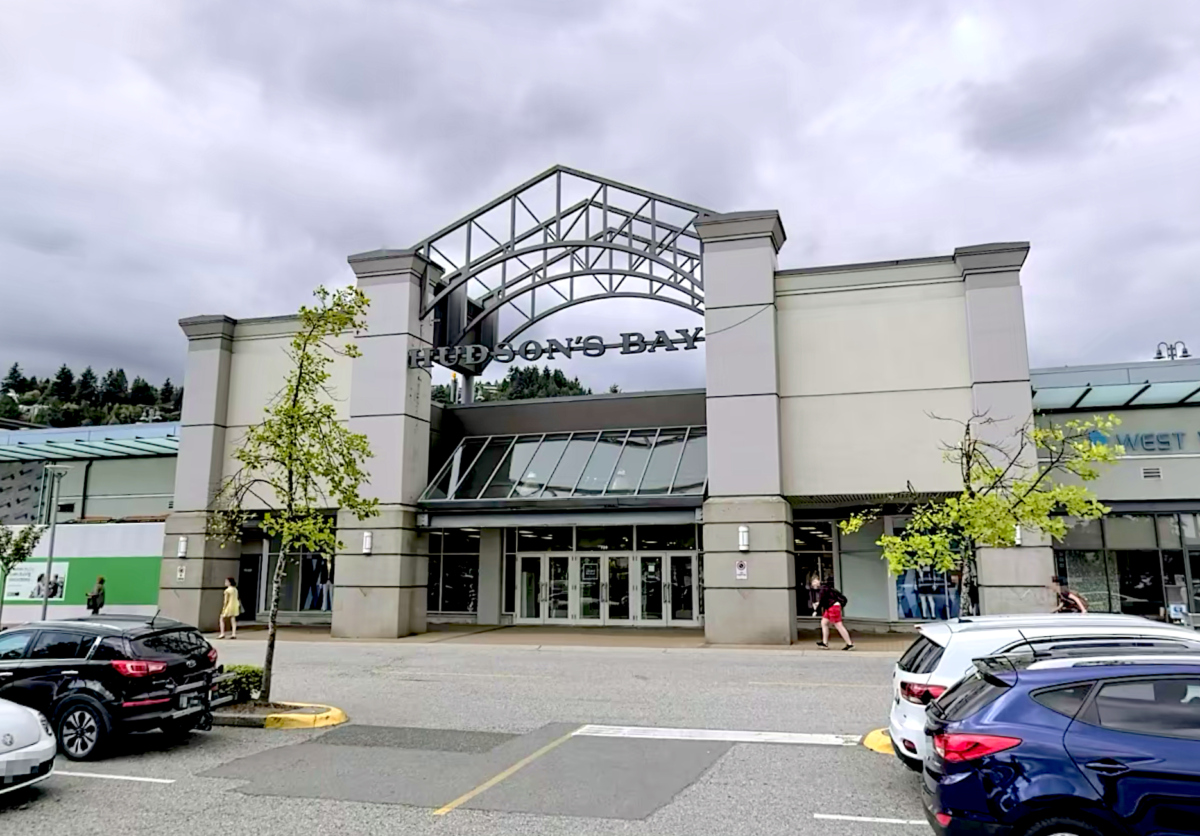
Hudson's Bay at Park Royal in West Vancouver, BC. The store originally opened in 1950 as a Woodward's store -- Woodward's was also the developer of Park Royal at the time. Photo: Apple Maps
Hudson’s Bay Company ULC, the Canadian entity encompassing department store chain Hudson’s Bay and e-commerce platform TheBay.com, announced the launch of a court-approved sale and investment solicitation process (SISP), along with a separate lease monetization initiative. Both processes are being conducted under the supervision of the Ontario Superior Court of Justice as part of the company’s ongoing efforts to restructure under the Companies’ Creditors Arrangement Act (CCAA).
The move comes just weeks after Hudson’s Bay filed for CCAA protection on March 7, seeking breathing room to reorganize its operations amid mounting financial pressures. The company’s future has since been the subject of significant uncertainty following the announcement that 74 of its 80 department stores, as well as all Saks OFF 5TH locations in Canada and likely all Saks Fifth Avenue stores, would shutter in the coming months.
A Court-Supervised Process to Solicit Offers for Assets and Investment
The SISP is designed to attract interest in the purchase or refinancing of Hudson’s Bay’s assets. Reflect Advisors, LLC, acting as financial advisor, will manage the process in coordination with Alvarez & Marsal Canada Inc., the court-appointed monitor.
The objective is to solicit interest in all or part of the company’s business—whether through asset sales, investment, or refinancing—on either a liquidation or going concern basis. Interested parties will gain access to a virtual data room and confidential materials, provided they sign a non-disclosure agreement approved by both the company and the Monitor.
According to documents filed with the court, binding proposals from qualified parties must be submitted by April 30, 2025, at 5:00 p.m. EDT. The SISP outlines further terms and deadlines for those wishing to participate in what is expected to be a highly scrutinized process given Hudson’s Bay’s historical significance in Canadian retail.
Separate Lease Monetization Process Underway
In tandem with the sale and investment process, the company has also initiated a court-approved Lease Monetization Process aimed at disposing of or otherwise transacting its leasehold interests. This includes potential assignments, surrenders, or sales of leases across the country.
This lease-focused effort is being led by Oberfeld Snowcap Inc., a prominent retail real estate advisory firm. Under the supervision of the Monitor, Oberfeld Snowcap will work to secure proposals related to the leases held by Hudson’s Bay and affiliated entities. As with the SISP, the lease process includes access to a virtual data room and documentation, also contingent on an NDA.
Non-binding letters of intent for the lease process are due earlier—by April 15, 2025, at 5:00 p.m. EDT. Jay freedman at Oberfeld Snowcap can be reached at: jay@oberfeldsnowcap.com
Scope of Store Closures and Impact on Canadian Retail Landscape
The restructuring plan announced earlier in March signaled a seismic shift in the Canadian retail landscape. Of Hudson’s Bay’s 80 stores nationwide, 74 are expected to permanently close. The closures also encompass the entire Saks OFF 5TH portfolio in Canada, totaling 13 stores, and two of the three Saks Fifth Avenue stores, with sources indicating that the third location in downtown Toronto is also likely to close.
The decisions could result in the loss of more than 9,000 jobs, marking one of the largest retail layoffs in Canadian history. Liquidation sales began on March 25, 2025, with the bulk of store closures anticipated by June.
However, six Hudson’s Bay stores have been temporarily excluded from liquidation due to unexpectedly strong sales performance. These include the flagship store on Yonge Street in downtown Toronto, Yorkdale Shopping Centre, and Hillcrest Mall in Richmond Hill. In Quebec, three high-performing stores were spared for now: downtown Montreal, CF Carrefour Laval, and CF Fairview Pointe-Claire.
Hudson’s Bay at Park Royal in West Vancouver, BC. The store originally opened in 1950 as a Woodward’s store — Woodward’s was also the developer of Park Royal at the time. Photo: Apple Maps
A recent court decision has thrown a wrench into Hudson’s Bay’s restructuring roadmap. Ontario Superior Court Judge Peter Osborne rejected a proposed agreement between the company and its lenders, ruling it was “neither necessary nor appropriate at this time.” The rejection raises the stakes, as some lenders may now seek to move the company into receivership—an outcome that would strip HBC’s management of operational control.
Despite the legal roadblock, Hudson’s Bay continues to explore various strategic alternatives, hoping to secure new investment or a buyer to preserve part of the business. Industry observers believe the company may be seeking a buyer for its e-commerce operations and its remaining high-performing stores, while simultaneously offloading real estate leases and shuttering underperforming locations.
A Legacy in Question
Founded in 1670, Hudson’s Bay is Canada’s oldest retailer and the oldest operating company in North America. Once a fur trading giant, the company evolved into a dominant department store chain and was long considered a pillar of Canadian commerce.
In recent years, however, Hudson’s Bay struggled with a changing retail environment, rising operating costs, and intense competition from online players and off-price retailers. A series of ownership changes, divestments, and leveraged financing left the company increasingly vulnerable to macroeconomic pressures. Some are also accusing owner Richard Baker of ‘demolition by neglect’, as the condition of stores and the online business deteriorated significantly in recent memory.
Though some assets like real estate holdings and the e-commerce platform TheBay.com have value, some retail experts suggest that a complete revival of the brand in its traditional format may be unlikely without a significant strategic overhaul and capital injection.
Monitor and Advisors Now at the Helm
While Hudson’s Bay continues to operate under CCAA protection, much of the restructuring will now be steered by court-appointed advisors. The Monitor, Alvarez & Marsal Canada Inc., is overseeing the company’s operations, while Reflect Advisors and Oberfeld Snowcap are responsible for navigating the sale and lease processes.
The next several weeks will be crucial. Should no satisfactory bids emerge by the respective April deadlines, Hudson’s Bay may face further asset liquidations or creditor actions, including receivership.
Future La Maison Générale storefront at 237 Laurier Street W. in Montreal. Image: La Maison Générale
French lifestyle retailer La Maison Générale, known for its refined blend of décor, design, and culture, is opening its first store outside of France this spring in Montreal. The new 3,000 square foot boutique, located at 237 Laurier Avenue West, is set to open April 17, 2025, coinciding with both Easter weekend and the birthday of the brand’s original founder, Lucienne Thibaut.
“This expansion is deeply personal,” said Gwenaelle Thibaut, co-founder of La Maison Générale Montreal and granddaughter of the brand’s founder. “Our boutique here in Montreal is not only the brand’s first international store, it’s also a way to honour my family’s heritage while connecting it to the city I call home.”
Founded in Saint-Malo, France in 1946, the brand has grown from a household linen shop into a destination for home décor, custom furnishings, and curated lifestyle objects. La Maison Générale currently operates three stores in France, along with a design studio, sewing workshop, and tearoom.
Photo: La Maison Générale
A Transatlantic Family Collaboration
La Maison Générale Montreal is a collaboration between cousins Gwenaelle Thibaut and Dominique Tosiani, the latter serving as artistic director of the brand in France. While Dominique continues to lead the brand’s creative direction, Gwenaelle Thibaut brings the concept to life in Canada, merging her Quebec roots with her family’s French legacy.
“When my father passed away and Dominique lost his mother, we realized we needed to find a new way to preserve the connection between our two sides of the family,” said Ms. Thibaut. “Opening this store became the perfect way to honour that connection.”
She emphasized the significance of the store’s launch date. “My grandmother, who started the business in 1946 when women couldn’t even sign documents, was born on April 19. Easter weekend was always when she visited Montreal. Opening during that time felt like a tribute.”
La Maison Générale in Saint Malo. Image: La Maison Générale
An Immersive Concept Store
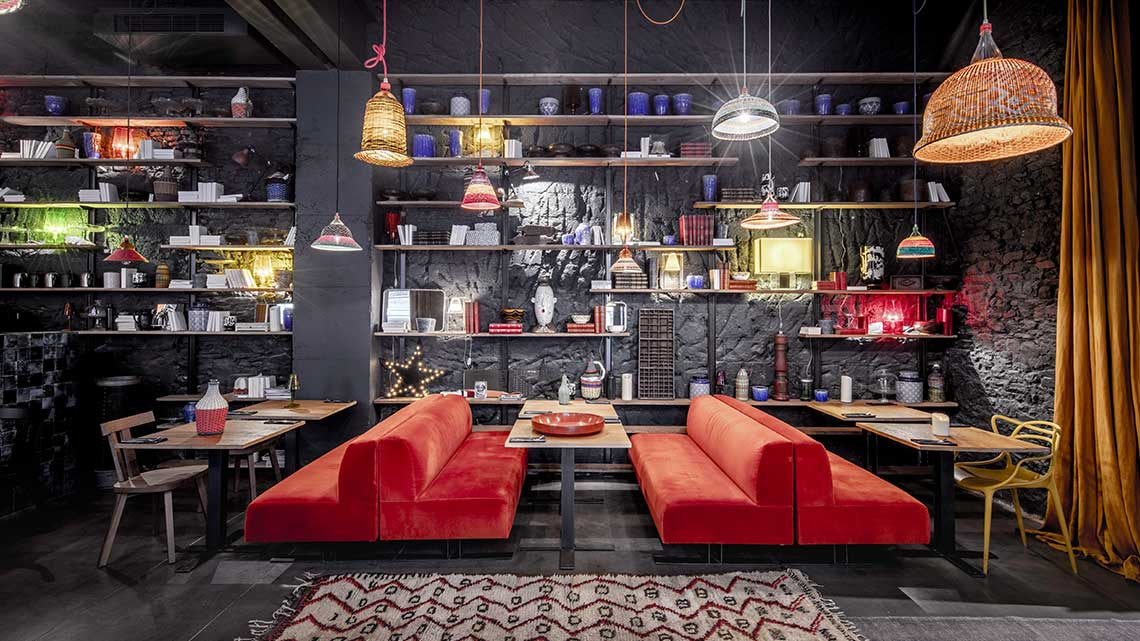
The Montreal location will reflect the same design-forward, multi-sensory experience as its French counterparts. Spanning approximately 3,000 square feet, the space will include:
A small café and tea room
Curated collections of European furniture and home goods
A rotating selection of handmade rugs from Morocco, Turkey, and Afghanistan
A “made-to-measure” curtain service, honouring the brand’s origins in sewing
A variety of clothing and artisanal objects from both France and Quebec
“We want to create a space where you can wander, discover, and be inspired,” said Ms. Thibaut. “It’s not about buying something every time you visit—it’s about experiencing something.”
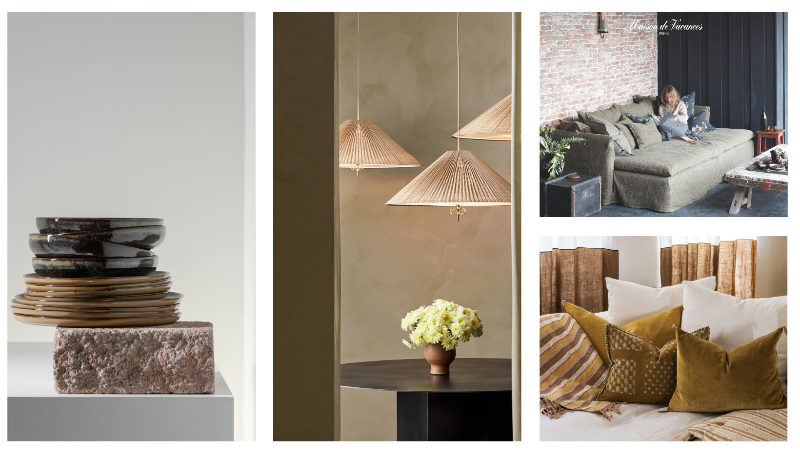
The store will carry renowned French brands such as Le Mont Saint-Michel, Yves Delorme, and Maison de Vacances, alongside Quebec-based names including Kanopé Fragrances natural perfumes and Akua Nature, an Indigenous herbal products brand founded by Mélanie Paul. Partnerships with other local producers are underway, including a bakery and seasonal produce providers for the café.
“We want to bring Canadian products to France too—creating a two-way exchange,” she added.
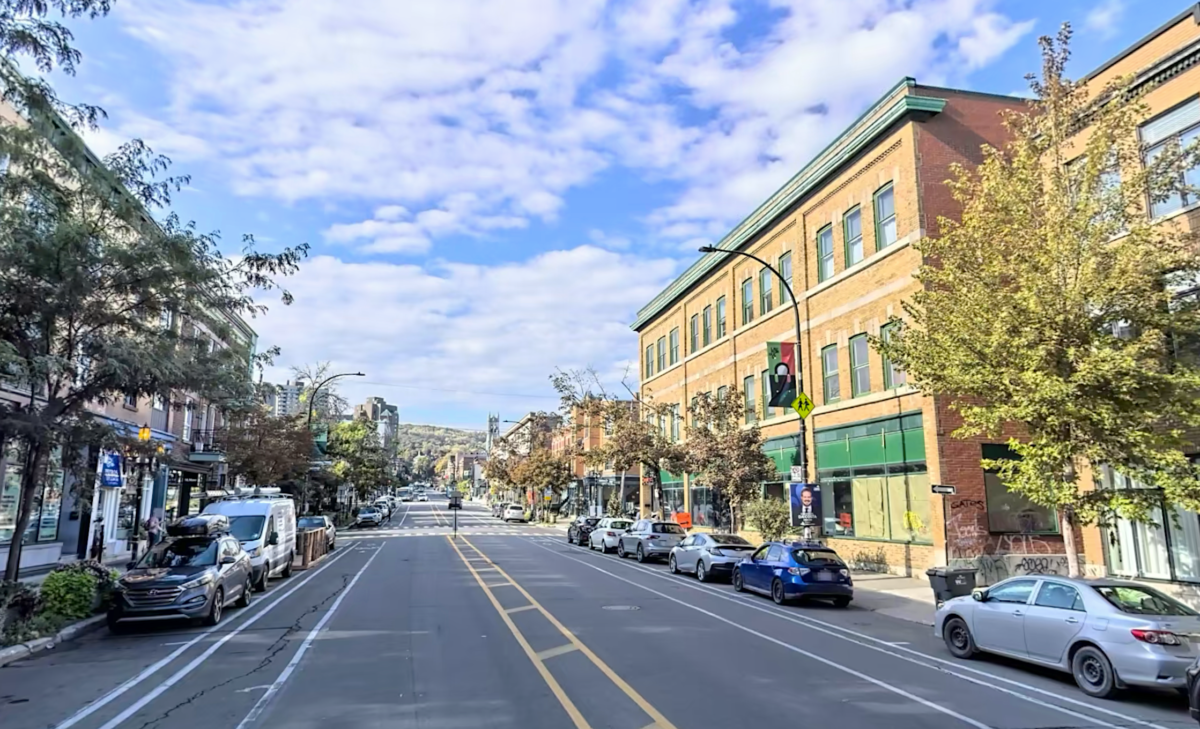
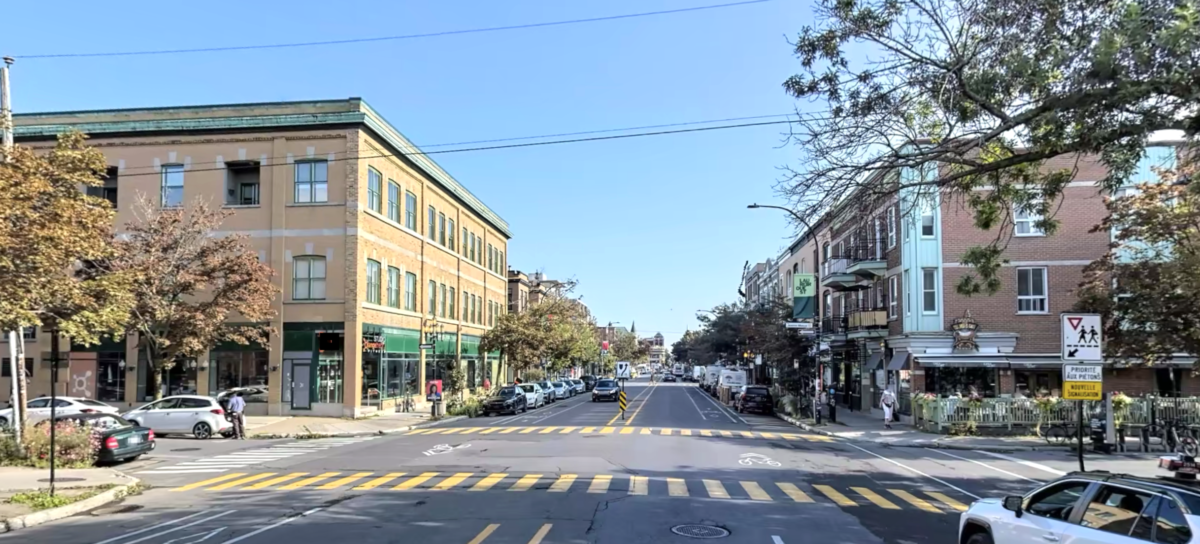
Future La Maison Générale storefront (building on the right in the photo) at 237 Laurier Street W. in Montreal. Image: Apple Maps
A New Approach to Retail Management
La Maison Générale Montreal will also differentiate itself through its management style. Ms. Thibaut described it as a “lean company” model, empowering the six-person team to take ownership over their work.
“We give the vision and the values,” she said, “but our employees shape the experience. They know everyone’s salaries, they organize events, build partnerships, and truly open their wings. It creates an energy where everyone moves in the same direction.”
This structure, she noted, helps attract passionate talent and cultivates a sense of community. “We’re not just opening a store; we’re building a creative hub.”
A Neighbourhood Rich in Culture
The boutique is nestled at the intersection of three of Montreal’s most vibrant districts: the Plateau, Mile End, and Outremont. According to Ms. Thibaut, it was important to choose a location with both character and connectivity.
“We wanted a space that had soul,” she explained. “This area is a destination in itself, surrounded by great restaurants, shops, and cultural life. It’s accessible from across the city, and it reflects the creative energy we want to tap into.”
The Laurier West corridor has long been known for its cosmopolitan charm, making it a natural fit for the brand’s blend of European sophistication and local artistry.
La Maison Générale in Saint Malo. Image: La Maison Générale
More Than Retail: Building Community
La Maison Générale Montreal is designed not just as a retail destination, but as a gathering space. The team plans to host events including book launches, running clubs, and meet-ups for female entrepreneurs.
“Retail should be about more than just transactions,” Ms. Thibaut emphasized. “We want people to feel welcome whether they’re grabbing a coffee, buying a candle, or just connecting with others.”
This vision of retail as a lifestyle—rooted in tradition, community, and curated design—is what Ms. Thibaut believes will resonate with Montrealers.
Eyes on Future Growth
When asked about potential expansion, Ms. Thibaut said the team is focused on making the Montreal location a success, but other Canadian cities could be on the horizon.
“We’d love to explore Toronto eventually,” she said. “Even the South Shore of Montreal could be interesting. But for now, our energy is here—creating something meaningful, grounded, and sustainable.”
Future La Maison Générale storefront (building at the left in the photo) at 237 Laurier Street W. in Montreal. Image: Apple Maps
Grand Opening on April 17
Montrealers can experience the world of La Maison Générale for themselves beginning April 17, 2025. The boutique promises to bring together design, culture, and a sense of belonging—rooted in nearly 80 years of French family tradition, and now reimagined for a new city and a new audience.
“We’re bringing a little piece of Saint-Malo to Montreal,” said Ms. Thibaut. “And we can’t wait to welcome everyone in.”
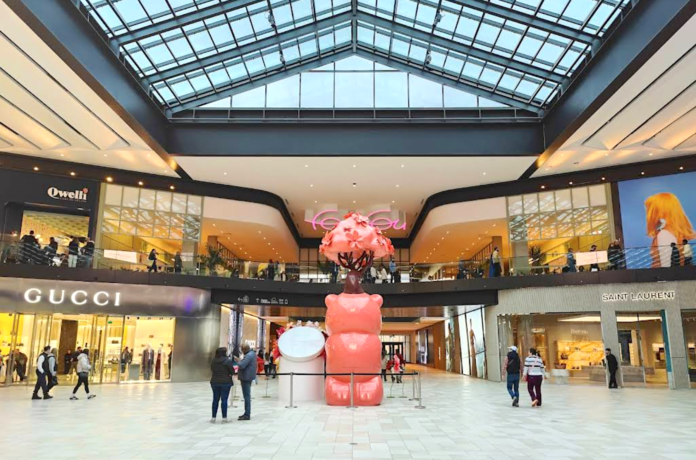
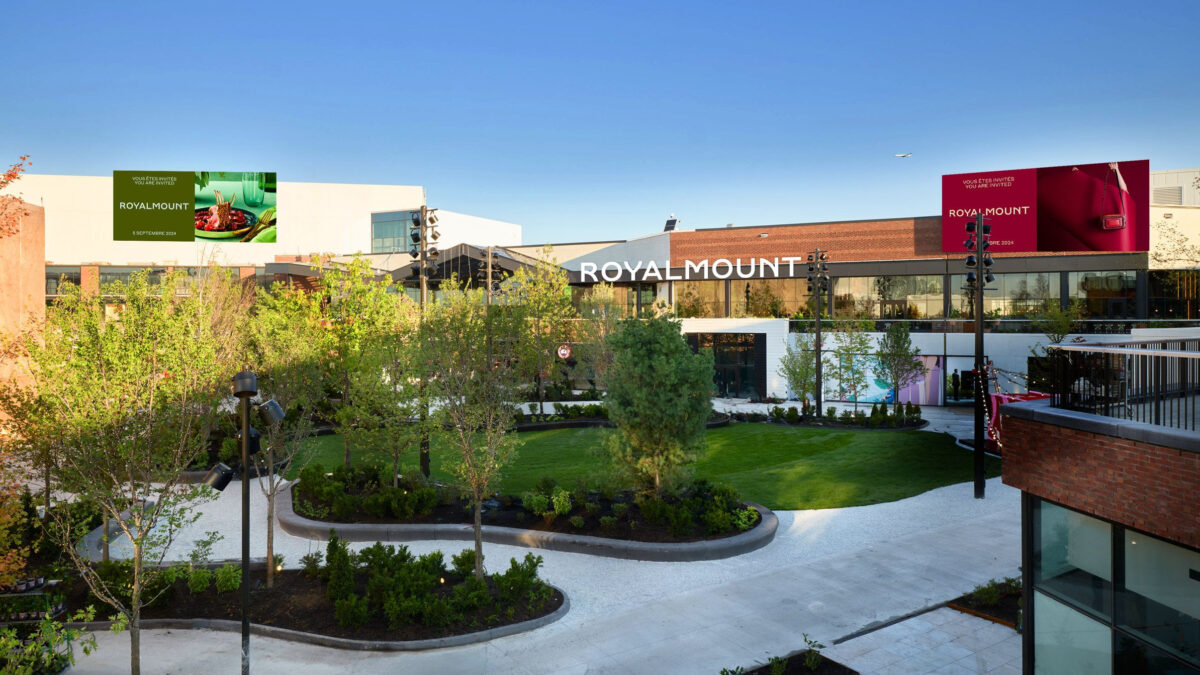
Royalmount in Montreal. Photo: Sara Sanjou/Google Maps
Contributors: Vanessa Velentzas, Michael Black, and Gavin Reiff of Richter
Once the epicenter of social life, malls were where teenagers gathered, seniors exercised, and shoppers found everything they needed—long before the days of Amazon and online retail. But over the years, their relevance faded, and the surge in e-commerce during the pandemic only accelerated their decline. So, what’s bringing people back to the in-store experience? The demand for something greater than what’s on the hanger. Because after all, the items can all be found online. What’s really drawing the attention of both brands and consumers is the next step in the evolution of shopping. Luxury brands – both those established, international labels, and emerging, Canadian names – are finding a new home in innovative, enticing spaces. Destination shopping, at its core, is all about the experience, as much as it is the inventory. It’s a concept that combines retail with engaging experiences. This approach goes beyond traditional storefronts, transforming retail into a curated, sensory-driven journey to attract affluent audiences.
“While e-commerce offers convenience, physical retail is adapting to provide something the internet cannot: a multi-sensory brand experience,” says Vanessa Velentzas, partner at Richter and retail advisory expert. “Luxury retail is evolving. These stores are no longer just places to buy products — they are becoming immersive environments designed to evoke emotion. Everything from the lighting to the scent to the music plays a role in transporting customers into a brand’s world.”
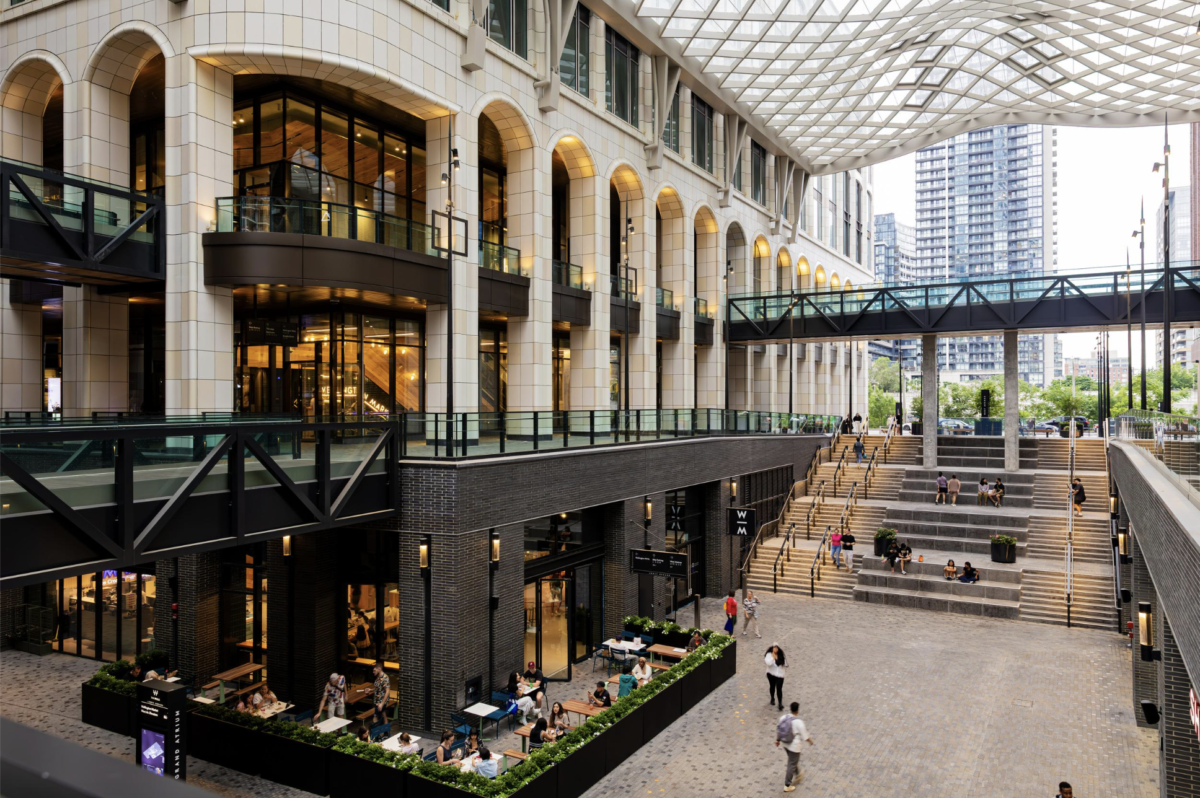
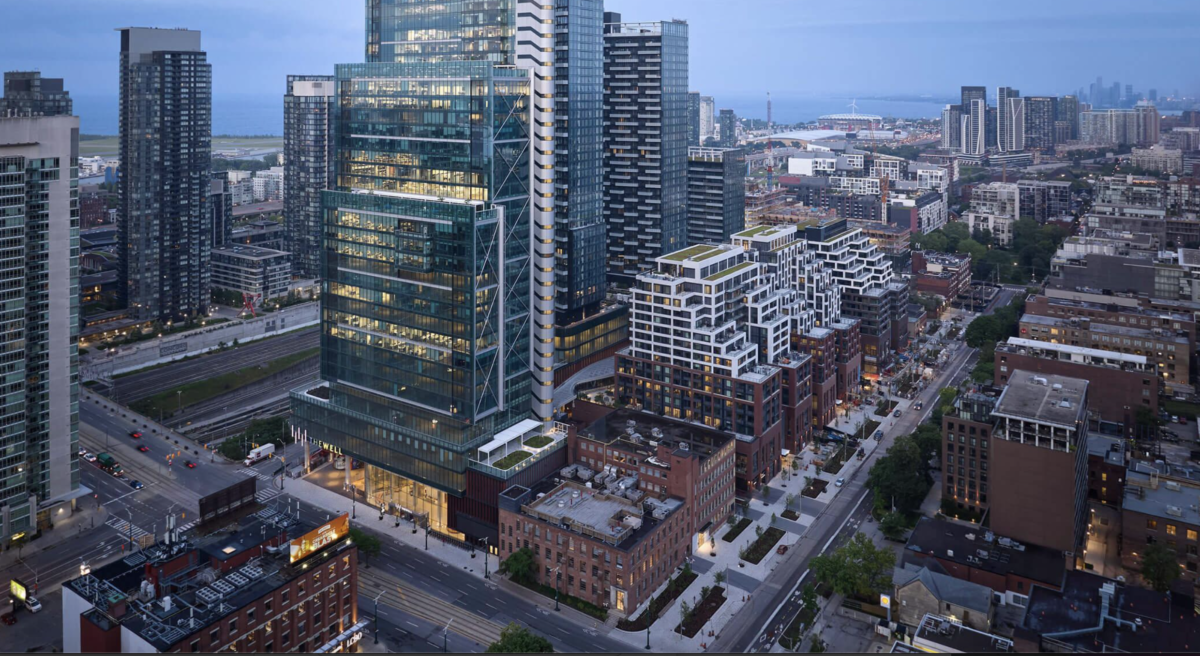
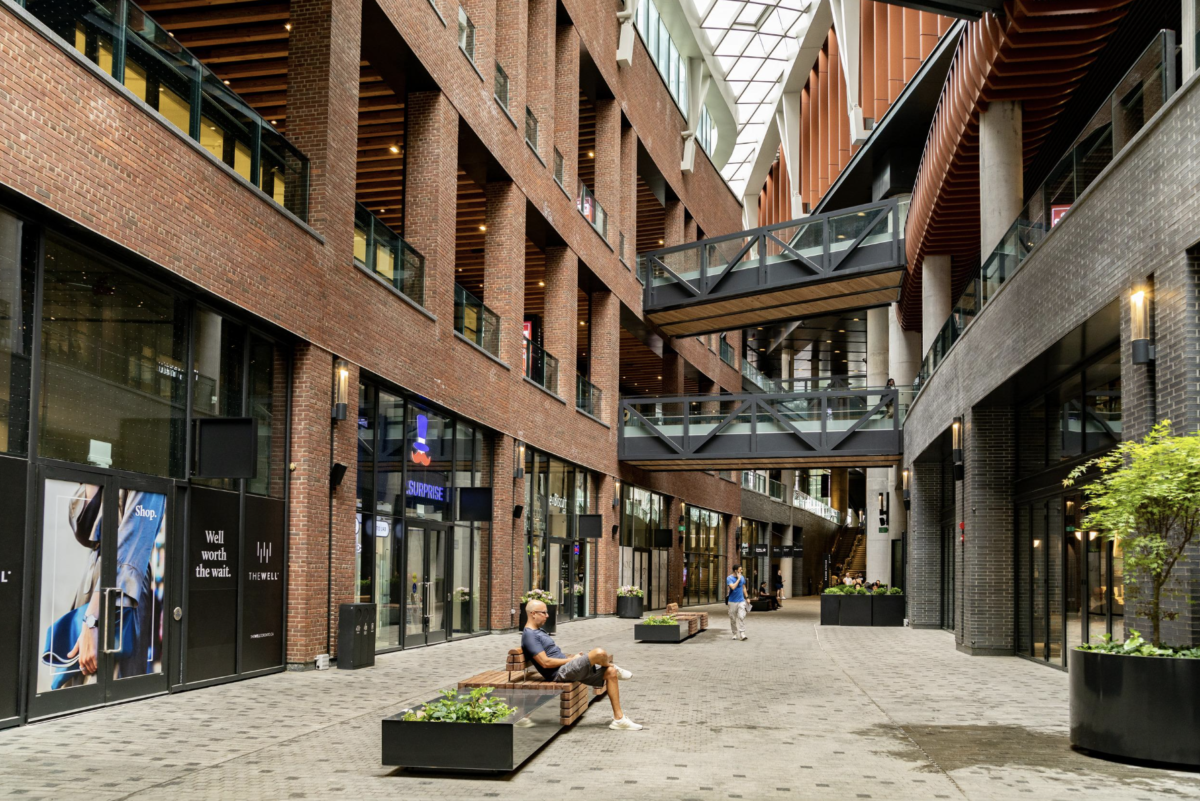
The Well in Toronto. Photo: Hariri Pontarini Architects
So where do shoppers go to find such experiences? Traditionally, those looking for luxury have sought out established destinations, like Toronto’s “Mink Mile” of Bloor St. with its many high-profile flagship stores. As Retail Insider noted in a previous article, in the last year and a half alone, “Bloor Street saw the openings of flagship Rolex, Van Cleef & Arpels, Ferragamo, Alexander Wang, …as well as a 10,400 square foot Saint Laurent.” And just around the corner from the Mink Mile is Yorkville. The quaint outdoor-indoor neighborhood where the well-heeled love to dine, shop, and see and be seen. Or Montreal, once Canada’s garment producing powerhouse, is seeing a slow-but-steady revitalization of neighbourhoods like Sainte-Catherine Street, and Quartier des Spectacles, a district where fashion, art, and entertainment intersect. But harkening this new era in experiential retail are two new destination-shopping-darlings, housing some of the world’s most iconic brands and attracting attention from both locals and tourists, alike: The Well in Toronto, and Montreal’s Royalmount.
What draws such prominent brands – think Louis Vuitton, Gucci, and Saint Laurent – to such corridors? “What brands have with The Well and Royalmount, is the opportunity to build their environments from the ground up. It’s an enticing way for brands to express themselves,” says Richter partner and strategy advisor, Michael Black. “They are young, fresh, sought-after spaces that encourage more than just shopping. They are new destinations for residents of these bustling cities and they’re also garnering international attention and attracting tourist dollars.” Not only are these big-name luxury brands setting up shop, but so too are unique, more boutique, local, and emerging brands which offer products and places you just can’t find anywhere else.
Royalmount in Montreal. Photo: www.geminy.ca
The Well, a $3.5 billion mixed-use project, is located in the heart of downtown Toronto, adjacent to both the financial core and the entertainment district. This transformative space blends upscale retail with office spaces, high-end residences, and entertainment, creating a self-contained ecosystem where shoppers can experience world-class fashion, fine dining, and leisure all in one place. It’s an architectural feat that welcomes the outside in and uses dynamic materials to uniquely define its various spaces and buildings.
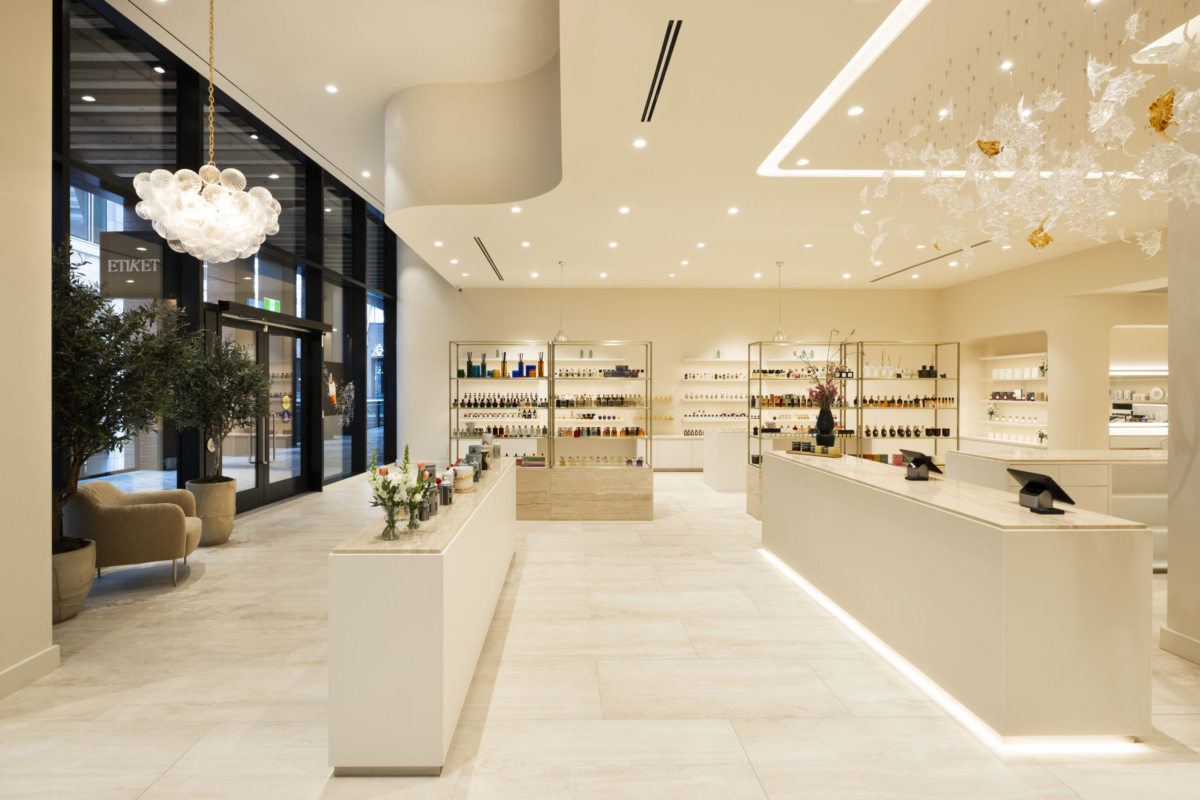
“Based on the tenants that call The Well home, it’s clear they’ve created space for Canadian brands that want to give shoppers more,” says Black. “Take, for example, a Canadian brand like Etiket. They are committed to bringing a luxury experience to shoppers with their spa treatments at The Well. They also carry full product lines, which contrasts with traditional department stores that may only offer one or two top-selling items for purchase in store.”
Etiket at The Well in Toronto. Photo: Etiket
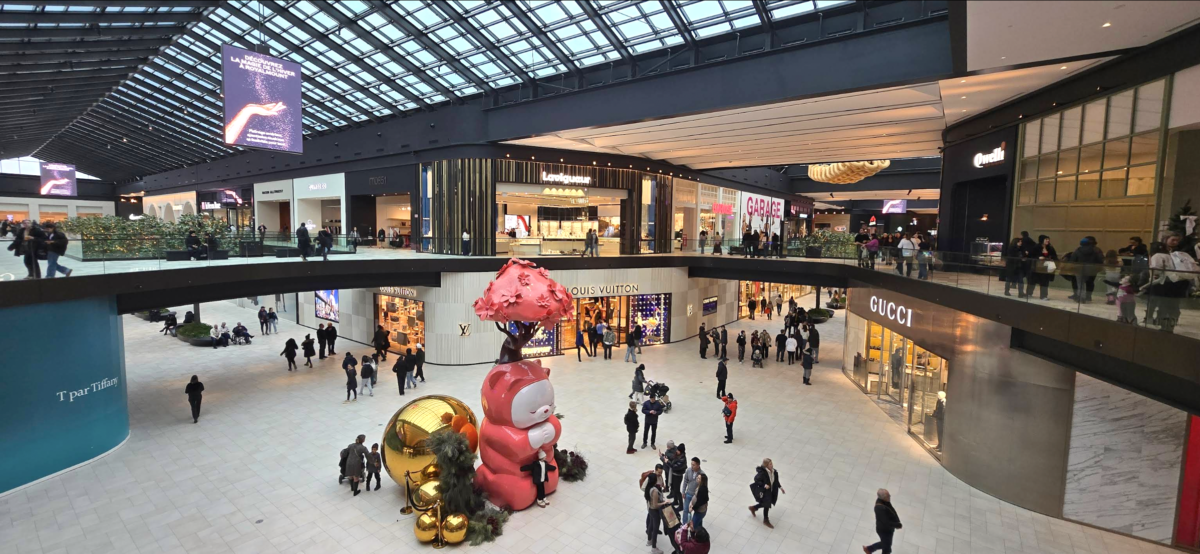
Another new destination shopping hub is Royalmount, a $7 billion mixed-use project that is reshaping Montreal’s retail landscape by integrating upscale shopping with dining, cultural venues, entertainment, and green spaces. Notably, developer Carbonleo highlighted Royalmount’s food hall in a previous interview with Retail Insider: “Le Fou Fou, [the food hall] will span about 35,000 square feet and be run by MTB Collective. The European-style food hall will have 12 distinct culinary offerings including catering plus four bars with indoor/outdoor dining that seats over 900 guests. It’s described as being Montreal’s first food hall to combine top-tier talent, hi-touch technology and programming all year round.” This immersive, walkable environment is set to become a central lifestyle destination for both locals and international visitors. “While each retail outlet is offering their own experiences, developers are taking this to heart, too,” says Velentzas. “Beyond shopping you can spend an entire day discovering amazing venues and attractions at a place like Royalmount. It’s a multi-branded, layered experience that offers so much more than window shopping.”
Royalmount in Montreal. Photo: Bruno Ranieri
Key Drivers of Growth
Several factors are contributing to the rapid growth of luxury retail in Montreal and Toronto, making these cities increasingly attractive to both developers and retailers.
1. Tourism and Globalization
Both Montreal and Toronto benefit from a rising influx of international tourists, many of whom are drawn to luxury shopping offerings. This influx of tourism — coupled with the global recognition of Canadian cities as luxury destinations — helps drive demand for high-end retail experiences.
2. Affluent Local Consumer Base
Canada’s growing affluent population, particularly in urban centres like Montreal and Toronto, is another key driver of the luxury retail boom. High-net-worth individuals (HNWIs) are increasingly looking for curated shopping experiences that reflect their status and tastes.
3. Experiential Shopping
Modern luxury consumers are no longer content with traditional retail transactions. Today’s shoppers are seeking experiences, not just products. This shift reflects the concept of place – where visitors can interact with their environment. This concept is key in the design of developments like Royalmount and in the architectural highlights that make up The Well. Here, retail is integrated with entertainment, art, and dining to create a holistic experience. Whether through the physical environment, location, materials, VIP lounges, personal shoppers, or curated events, these developments are reshaping what it means to shop for luxury goods.
The Well in Toronto. Photo: Hariri Pontarini Architects
The Trend to Support Local
As luxury hubs like Royalmount and The Well gain prominence, smaller luxury retailers or independent Canadian brands may feel like it would be direct competition to be next to bigger brands in these larger developments. On the contrary, “there are opportunities for emerging labels to find space within these mixed-use developments,” says Richter VP and real estate advisor, Gavin Reiff. “Limited duration shopping experiences or special events assist in reaching a broader audience. Landlords also seek differentiation along with a mix of complementary offerings. Including local brands within their business plans and market positioning is a meaningful point of differentiation.” Focusing on niche products or services that cannot easily be replicated by larger luxury juggernauts can also give smaller retailers a competitive edge, which is something landlords may be looking for when curating the overall shopping experience for its audience, as well.
Further, while the recent threat of tariffs is causing economic uncertainty, it is also renewing a sense of local pride and an impetus to shop Canadian-made. And generally, high net worth individuals generally will maintain spending patterns under a variety of economic conditions. Luxury spending is also generally more resilient during economic downturns. In 2024, luxury apparel sales increased by 4.2%, with projections suggesting an 18.8% growth by 2027.
The Well in Toronto. Photo: Hariri Pontarini Architects
Montreal and Toronto have evolved into major players on the global retail stage, thanks to their embrace of the destination shopping concept. The integration of high-end retail with entertainment, culture, and leisure is reshaping the way consumers engage with brands. So where does this leave Canadian brands that are looking to establish themselves on the scene? For retailers, the key to success in this new era will be to adapt to the demand for experiential, immersive shopping experiences while finding ways to collaborate with larger developments like Royalmount and The Well.
“Many businesses have been challenged within this prolonged retail transition,” says Reiff. “However, there are opportunities where Canadian brands can benefit from this dislocation.” Michael Black adds to this: “this is a good time to ensure you are surrounded by the right people and to determine what is best for your brand’s vision, for your commercial objectives, and for your own personal goals.” Even if this is to be seen as an opportunity, Velentzas notes that, “retailers still must remain agile and responsive to shifts in consumer behavior.”
With strong local economies, a growing affluent consumer base, and an influx of international tourists, Montreal and Toronto are setting a global standard for destination shopping. Royalmount and The Well are proving that the future of retail isn’t just about what’s being sold, but rather how it is felt and experienced with all five senses. For Canadian brands, this presents an undeniable opportunity: the chance to stand alongside brand powerhouses, redefine what homegrown prestige looks like, and carve out a space in the next era of retail that’s all their own. A promising future for emerging and established brands right here in Canada, indeed.
*Partner Content: Retail Insider worked with Richter to publish this article. To work with Retail Insider, contact Craig Patterson at craig@retail-insider.com
Greek quick-service restaurant and beloved Canadian family business, Jimmy The Greek, announced Wednesday its multi-year partnership with Toronto FC.
Rooted in a shared commitment to community, this partnership celebrates two key things that bring people together, food and sports, said the company in a news release.
James Mitrothanasis
“Toronto FC represents passion, tradition, and a strong connection to the community—values that align closely with our own,” said James Mitrothanasis, Director, Network Development. “As a Toronto-born brand with longstanding roots in the city, we’re thrilled to support the Toronto FC team and its fans by creating new opportunities for shared experiences.”
Jordan Vader
“As two organizations with community at the forefront, we are proud to partner with Jimmy The Greek to further our shared commitment to engaging fans across the Global Toronto Area,” said Jordan Vader, Senior Vice President, Global Partnerships, MLSE. “Toronto FC fans
can look forward to new activations and collaborations on and off the pitch as we celebrate the diverse community of the game and Toronto with Jimmy The Greek.”
As an official partner of Toronto FC, Jimmy The Greek said it will be the first ever brand to present all pre-match player walkout ceremonies during regular season home games as well as present a dedicated promotional night.
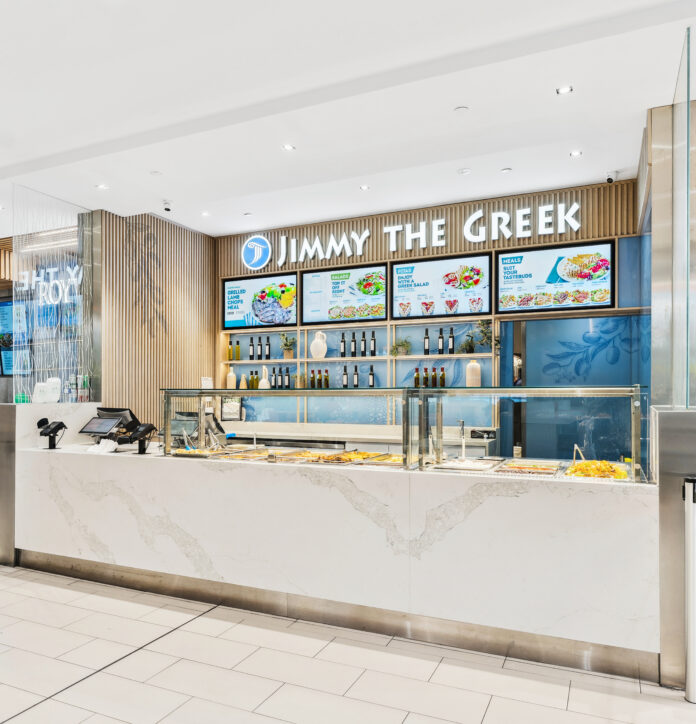
Jimmy The Greek celebrates its 40th anniversary this year, having opened its first location in downtown Toronto in 1985. With 55+ locations, the brand continues to expand its footprint in Canada, building on momentum after the opening of its first dine-in restaurant concept introduced last year.
Nicole Mitrothanasis
“We’re incredibly excited for what’s ahead,” said Nicole Mitrothanasis, Director of Operations, Jimmy The Greek. “This is a pivotal moment for us, not just in celebrating our history, but in shaping our future. We can’t wait to bring fans and customers together in new and exciting ways as part of what will be a truly memorable partnership.”