Retail Insider is streamlining its Canadian retail news from around the web to include a handful of top news stories that can be viewed quickly during the day. Here are the top stories from the past 24 hours.
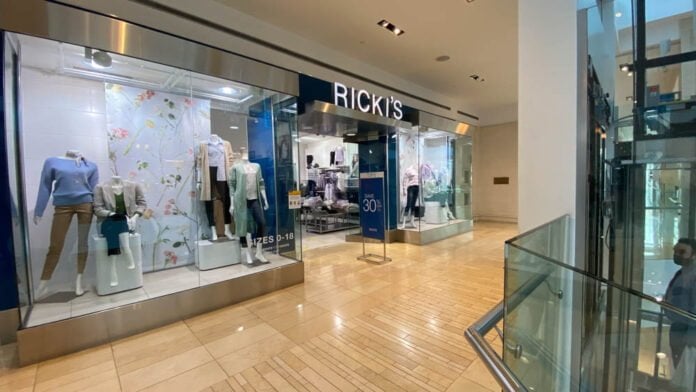
Ricki's at The CORE in Calgary. Photo: Jessica Finch
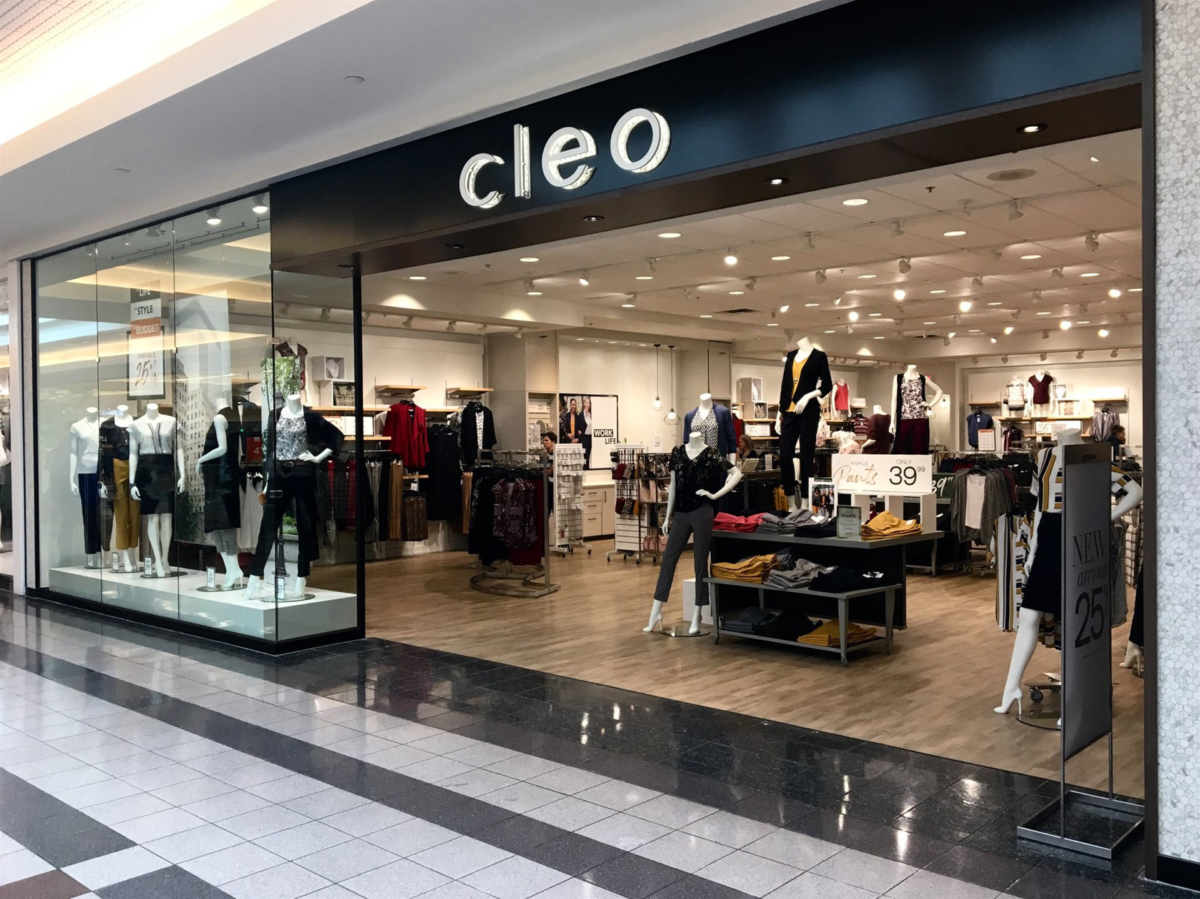
An Ontario court has granted approval for Comark Holdings Inc. to sell its struggling Ricki’s and Cleo apparel banners to Putman Investments Inc., the retail group behind Toys “R” Us Canada and HMV, among others. The deal, valued at approximately $12.8 million, includes the brands’ inventory, furnishings, intellectual property, trademarks, and select store leases.
The sale offers a lifeline to Ricki’s and Cleo, both of which have been under significant financial strain in recent years. The court approval also paves the way for Comark to explore options for its third brand, Bootlegger, with Winnipeg-based Warehouse One emerging as a potential buyer.
Putman Investments Expands Retail Portfolio
The acquisition aligns with Putman Investments’ strategy of acquiring distressed retail brands and attempting to revitalize them. Led by entrepreneur Doug Putman, the Ancaster, Ontario-based company has steadily expanded its retail holdings, purchasing Sunrise Records in 2014, HMV in 2019, Toys “R” Us Canada in 2021, and most recently, womenswear retailer Northern Reflections earlier this year.
Doug Putman
In the apparel space, Putman has taken over Northern Reflections and now Ricki’s and Cleo. His past ventures include acquiring and rebranding 45 former DavidsTea locations into T. Kettle, though the chain now operates only two locations. His Rooms + Spaces concept, which sought to capitalize on Bed Bath & Beyond’s closure, has also shut down after struggling to gain traction in the home goods market.
Job Retention and Store Footprint Adjustments
While Comark has been liquidating Ricki’s and Cleo locations under its court-supervised restructuring, the acquisition by Putman means that many retail employees will be offered continued employment. Comark employs 2,056 workers across its three brands, though the exact number of jobs retained under the new ownership remains uncertain.
The future footprint of Ricki’s and Cleo is also unclear, with Comark currently operating 75 Ricki’s stores, 54 Cleo locations, 20 combined locations, and 19 locations shared between these two brands and Bootlegger. The court ruling indicates that the businesses will continue under Putman with a “reduced footprint,” suggesting some store closures or lease renegotiations may follow.
Comark’s Financial Troubles and Creditor Protection
Comark filed for creditor protection last month, citing several major financial setbacks, including:
The impact of the COVID-19 pandemic on consumer shopping habits
A 2021 ransomware attack that disrupted operations
Increased competition from ultra-low-cost retailers such as Shein and Temu
Supply chain and vendor challenges
In an affidavit filed in court, Comark CEO Shamsh Kassam stated that despite cost-cutting efforts, the company’s liquidity position had “rapidly deteriorated,” particularly in the slower post-holiday season. These challenges ultimately led the company to seek buyers for its struggling brands.
Cleo store in Lethbridge, AB. Photo: Downtown Lethbridge
Warehouse One Eyes Bootlegger Purchase
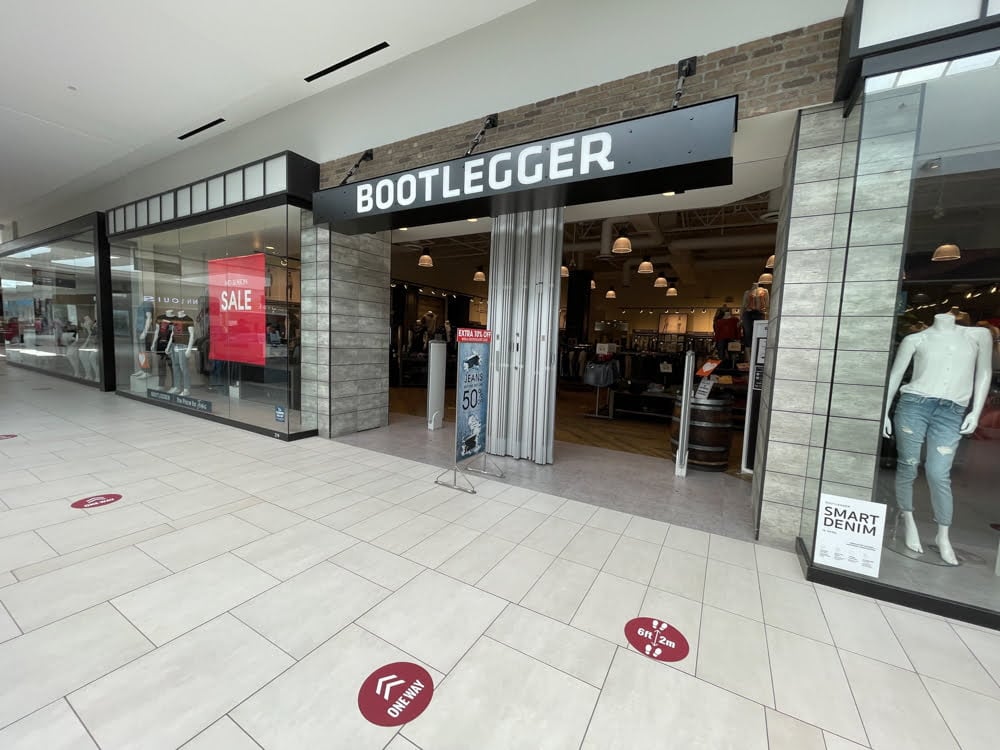
Alongside the Ricki’s and Cleo sale, Comark is exploring the sale of Bootlegger through a stalking horse bid process, where an initial bidder sets the floor price for other potential offers. Winnipeg-based Warehouse One, owned by Stern Partners, has emerged as the stalking horse bidder.
Interested parties have until Thursday to submit competing bids. If no alternative offers materialize, Comark will seek court approval to sell Bootlegger to Warehouse One, which plans to maintain at least 25 of Bootlegger’s current 53 stores. However, the financial terms of Warehouse One’s bid have not been disclosed.
Ronald Stern’s Connection to Comark
Stern Partners, which owns Warehouse One, also has direct ties to Comark itself. Government business registry filings indicate that Ronald Stern, founder and president of Stern Partners, is a director and major shareholder of a numbered company that wholly owns Comark. Stern Partners also owns Tip Top Tailors, Urban Barn, Silver Jeans Co., and Mr. Big & Tall.
Stern Partners has not publicly commented on its involvement in Comark’s restructuring or why Putman Investments did not bid on Bootlegger, despite acquiring the other two brands.
Bootlegger at Willowbrook Mall (July 2021). Photo: Lee Rivett.
Putman Investments’ Growing Retail Footprint
Doug Putman has made a name for himself by acquiring struggling but recognizable retail brands. His retail empire started in 2014 with the purchase of Sunrise Records, expanding into HMV and Toys “R” Us Canada.
In the apparel space, Putman has taken over Northern Reflections and now Ricki’s and Cleo. His past ventures include acquiring and rebranding 45 former DavidsTea locations into T. Kettle, though the chain now operates only two locations. His Rooms + Spaces concept, which sought to capitalize on Bed Bath & Beyond’s closure, has also shut down after struggling to gain traction in the home goods market.
The company stated in a news release these were the key highlights:
High demand locations generate new leasing spreads of 36.7% for 2024; blended leasing spreads of 18.7%
Record-breaking committed occupancy at 98.0%; retail committed occupancy at high water mark of 98.7%
98% completion of the 372 expected Fourth Quarter condominium and townhouse interim closings to date
Adjusted Debt to Adjusted EBITDA improved to 8.98x from 9.28x at the end of the prior year
Jonathan Gitlin
“RioCan had another exceptional year, continuing its trend of achieving its operational and financial objectives, reaching record occupancy and leasing spreads”, said Jonathan Gitlin, President and CEO of RioCan. “RioCan is well positioned to capitalize on the favourable retail real estate fundamentals in the under supplied Canadian market.
“Our recent Unit buybacks and the Board of Trustees’ decision to increase our distribution for the fourth consecutive year demonstrate confidence in our core business and our team’s ability to maximize asset value while strategically managing capital.”
RioCan said full year Funds From Operations Adjusted per unit was $1.81, an increase of $0.04 per unit or 2.3% compared to the prior year. This growth resulted from strong operating performance and completed developments, partially offset by reduced Net Operating Income related to the sale of lower growth commercial properties. Higher residential inventory gains and increases in interest income were offset by higher interest expense, it said.
Net income per unit for the year of $1.58, was $1.45 per unit higher than the prior year. In addition to the FFO items described above, net income included a $29.4 million reduction in the fair value of investment properties, compared to a fair value loss of $450.4 million in the prior year, contributing $1.40 per unit to the year-over-year increase, added the REIT.
It also said adjusted Debt to Adjusted EBITDA improved to 8.98x, FFO Payout Ratio1 was 61.9% and Liquidity1 was $1.7 billion.
“In 2024, RioCan achieved a record blended leasing spread of 18.7% with a new leasing spread of 36.7% and a renewal leasing spread of 13.1%. Leasing momentum grew steadily throughout the year, culminating in a strong Fourth Quarter performance and four consecutive quarters of double-digit leasing spread,” noted RioCan.
“Strong demand for space in RioCan’s premium portfolio drove committed occupancy and retail committed occupancy to record highs of 98.0% and 98.7%.
“4.8 million square feet were leased in 2024, including 1.5 million square feet of new leases. Our ongoing initiatives to continuously improve tenant quality and the productivity of our shopping centres, included the following: seven new grocery leases, three of which transformed retail assets into highly valued grocery-anchored centres; a 135,000 square foot lease with Canadian Tire in the GTA; and 40,000 square feet leased to Royal Bank of Canada including office space and a store front unit formally occupied by a fashion tenant at Yonge Eglinton Centre; An additional land lease for a 158,000 square foot Costco was finalized at RioCan Centre Burloak, replacing less resilient fashion-focused tenants with a strong, serviced-base anchor.
Residential rental operations
RioCan said residential rental operations generated $29.2 million of NOI, an increase of $7.7 million or 36.1% over last year. Residential Same Property NOI1 grew by 5.1% over the prior year. The 13 operating buildings have a fair value of $0.9 billion. Upon completion of construction at FourFifty The Well in the second quarter of 2024, capitalization of related costs ceased, leading to a short-term negative FFO impact of $2.1 million in 2024. We expect a positive contribution in 2025 as the NOI from the property ramps up.
For the full year, $225.8 million or 180,000 square feet of properties under development were transferred to income producing properties. In Q2 2024, the Wellington Market opened, significantly increasing foot traffic at The Well, it added.
RioCan is one of Canada’s largest real estate investment trusts. RioCan owns, manages and develops retail-focused, mixed-use properties located in prime, high-density transit-oriented areas where Canadians want to shop, live and work. As at September 30, 2024, its portfolio is comprised of 186 properties with an aggregate net leasable area of approximately 33 million square feet (at RioCan’s interest).
“This project is in line with our ongoing strategy of investing in next-generation warehousing and logistics facilities in desirable locations,” said Steven Marino, Executive Vice President, Portfolio Management. “This project not only supports our strategic vision, but also demonstrates our strength in managing and developing industrial assets.”
Upon completion, Stoney North Logistic Centre, co-developed by GWLRA and Enright Capital Ltd., will offer over 2 million square feet of Tier 1 industrial warehouse space across 118 acres. The first building will comprise a 605,000 square foot warehouse, exclusively developed for Princess Auto Ltd., a prominent Canadian retail chain specializing in farm, industrial, garage, hydraulics, and surplus items, said GWLRA in a news release.
Robert Kavanagh
“GWLRA is very pleased to have completed this lease transaction, and we look forward to welcoming Princess Auto to the property upon completion in 2026,” said Robert Kavanagh, Senior Vice President for Western Canada for GWLRA. “Princess Auto Ltd. will occupy the property on a 15-year lease. They are a great lead tenant for our Stoney North Logistics Centre.”
The facility will include features sought by large-scale distribution tenants, such as a 40-foot ceiling height, ample loading doors, and trailer storage, said GWLRA.
It said Balzac serves as a primary distribution hub for Western Canada, attracting major retailers to establish their logistics facilities there. Stoney North Logistics Centre is particularly well located just north of the City of Calgary, offering easy access to Stoney Trail (Calgary’s ring highway) and Deerfoot Trail (Highway 2).
Kris Heieie
“We are thrilled to expand our distribution capabilities to better serve Canadians nationwide,” said Kris Heieie, Vice President of Supply Chain. “Staying in Northeast Calgary was important to us because of our incredible team. We wanted a location that supports our growth while keeping our team members close to home.”
GWL Realty Advisors manages an $18B portfolio of which just over 30% is invested in the industrial sector. Princess Auto is a private, Canadian-owned company that has been providing tradespeople, farmers, inventors, industrial workers, and Canadians with tools and equipment for nearly 100 years.
Silver Jeans, a Canadian denim brand with a history spanning over a century, is taking bold steps to modernize and attract a new generation of consumers. With the resurgence of denim fashion in a highly competitive market, the brand is strategically positioning itself to capture the attention of Gen Z while staying true to its heritage of craftsmanship and quality.
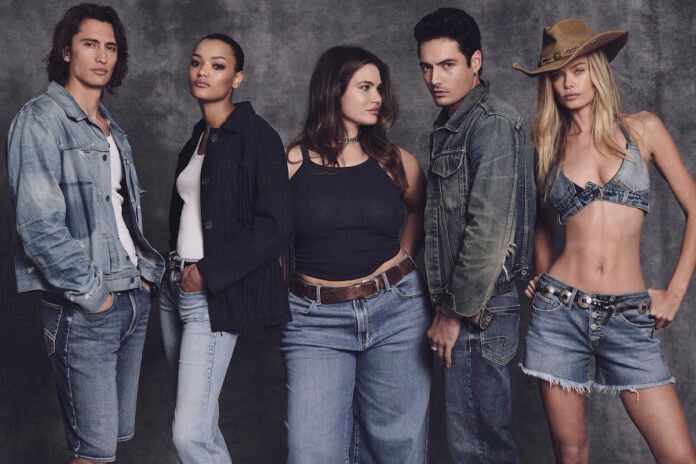
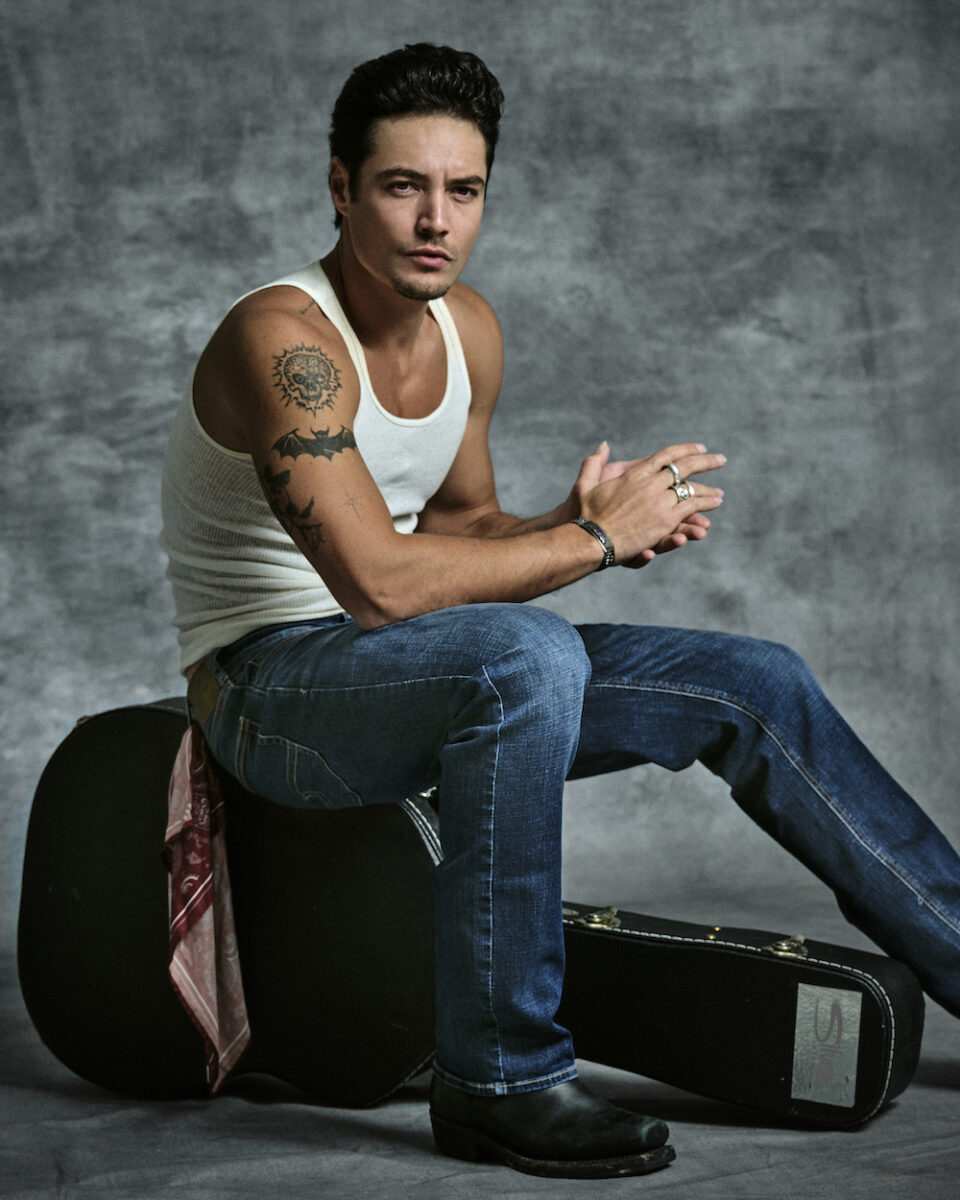
Under the leadership of Suzanne Silverstein, CEO of Silver Jeans, and Amy Pascal, CMO of Silver Jeans, the company is launching its first-ever national campaign featuring Levi Dylan—grandson of Bob Dylan and son of Jakob Dylan. This campaign, crafted in collaboration with legendary creative director David Lipman (known for campaigns for Burberry, David Yurman, and La Mer), tells a raw, rock-and-roll-infused story that resonates with consumers who live and breathe in their jeans.
Suzanne Silverstein, CEO of Silver Jeans
“We want people to see these images and say, ‘I want those jeans,’” said Lipman.
The campaign, titled Spring 2025, features notable talent such as James Turlington (nephew of Christy Turlington), plus-size supermodel Tara Lynn, Frida Aasen, and Lameka Fox. This fresh, star-studded approach aims to position Silver Jeans as a modern, trend-forward brand while celebrating its 100+ years of denim expertise.
The Legacy and Evolution of Silver Jeans
Founded as part of Western Glove Works in Winnipeg, Manitoba, Silver Jeans has long been known for its durable, well-fitting jeans. While the brand has always focused on quality and craftsmanship, it is now broadening its offering to appeal to younger consumers.
“Our Canadian values of craftsmanship and quality remain core to who we are,” said Silverstein. “We’ve been making denim for over 100 years, and our expertise allows us to produce premium-quality denim at accessible prices.”
Amy Pascal, CMO of Silver Jeans
The brand is focusing on diversification with new product categories, including wide-leg, barrel-leg, and low-loose jeans, along with core staples such as black and white denim. “Our black denim launched in Fall 2024, and white denim is rolling out now,” noted Silverstein. “These are areas we’ve never been in before, but we see tremendous potential.”
A Stronger Presence in the U.S.
While Silver Jeans enjoys strong brand recognition in Canada, the U.S. market presents significant growth opportunities. Currently, half of Silver Jeans’ business comes from the U.S., and the company is executing a branding strategy to solidify its presence south of the border.
“We started by defining our DNA and voice internally before amplifying our story through marketing,” explained Pascal. “We needed to ensure that our U.S. customers understand what makes Silver Jeans special.”
The strategy has already yielded results, with an increase in engagement across Silver Jeans’ social media channels and e-commerce platform. The brand has been actively engaging with influencers and media, hosting events in New York, Toronto, and Montreal to build buzz and create long-term relationships within the fashion space.
Targeting Gen Z with Digital and Influencer Marketing
Understanding the importance of digital engagement, Silver Jeans has made significant investments in TikTok and Instagram to connect with Gen Z shoppers.
“TikTok is the new TV,” said Pascal. “Young consumers don’t just watch—it’s their primary source of entertainment, shopping discovery, and brand interaction. We’ve leaned into this space with a strategy focused on branded content, styling advice, and influencer collaborations.”
Silver Jeans has significantly grown its TikTok presence, increasing its audience by several hundred-fold. Through strategic partnerships with over 100 influencers, the brand has been able to create authentic, engaging content that resonates with younger consumers. These collaborations include styling videos, behind-the-scenes denim craftsmanship stories, and live shopping events.
“In-person activations help us create a deeper connection with our audience,” said Pascal. “We recently hosted a launch event in New York and plan to do the same in Toronto and Montreal.”
Image: Silver Jeans
Expanding the E-Commerce and Wholesale Business
E-commerce remains a crucial growth avenue for Silver Jeans, which relaunched its website in early 2024 to enhance the shopping experience.
“Our online business is growing at 25% year-over-year, thanks to a more intuitive user experience, better product discovery, and enhanced styling guides,” explained Silverstein. “We are also launching a loyalty program to reward our longtime customers and encourage repeat purchases.”
Beyond direct-to-consumer sales, wholesale partnerships remain essential. Silver Jeans is available at major retailers such as Marks in Canada and various department stores in the U.S., allowing consumers to experience the brand in-store.
Limited-Edition Capsule Collection
To coincide with the Spring 2025 campaign, Silver Jeans is launching a limited-edition capsule collection featuring studded vests and denim jackets. These exclusive pieces showcase the artistry of denim craftsmanship and will be available in limited quantities.
“The capsule collection is about pushing boundaries while maintaining affordability,” said Silverstein. “These exclusive designs will be priced slightly higher than our regular offerings but remain accessible to our customers.”
Levi Dylan. Image: Silver Jeans
Levi Dylan and the New Campaign: A Perfect Fit
The decision to feature Levi Dylan as the face of the Spring 2025 campaign aligns perfectly with the brand’s mission.
“Levi embodies everything that Silver Jeans stands for—authenticity, individuality, and effortless style,” said Pascal. “His rock-and-roll DNA makes him the perfect ambassador for a brand that champions self-expression through denim.”
The campaign will be a multi-channel initiative, spanning connected TV (CTV), online video ads (YouTube), and paid social media (TikTok & Instagram).
Looking Ahead: Silver Jeans’ Vision for the Future
With its momentum building, Silver Jeans has a clear roadmap for the next five years.
“Product will always be at the heart of what we do,” said Silverstein. “We’ll continue to evolve our offering, making sure we balance core styles with the latest trends.”
Marketing will also play a larger role in driving awareness, with plans to launch collaborations with artists, additional influencer partnerships, and expanded retail distribution.
A Commitment to Giving Back
Beyond fashion, Silver Jeans is also preparing to launch a charitable initiative in 2026. While details have yet to be fully unveiled, the program will align with the company’s values and give back to communities in meaningful ways.
“We believe in doing more than just making great jeans,” said Silverstein. “We’re dedicated to creating a positive impact, and our upcoming charitable partnership will reflect that commitment.”
For the first time since May 2017, food inflation in Canada dipped into negative territory, reaching -0.6% in January. The numbers seem reassuring—on the surface. Inflation at restaurants plummeted to an all-time low of -5.1%, while inflation for food purchased in stores stood at +1.9%. But before Canadians celebrate a rare break on their food bills, a deeper look at the data raises questions about whether these figures tell the full story.
One major factor at play is the temporary GST Holiday introduced nationwide, which slashed sales taxes on restaurant meals. While some provinces, such as Newfoundland & Labrador, Nova Scotia, Prince Edward Island, and New Brunswick, saw a 15% drop in GST/HST, others had lower reductions, like Ontario with a 13% decrease and most western provinces with a 5% decrease. Yet, despite this tax relief, restaurant inflation didn’t fall as much as one might expect, suggesting that underlying cost pressures in the food service sector remain significant. January 2025 was the only month when the GST Holiday covered the entire month, making its impact on inflation particularly pronounced. However, with the GST Holiday ending last weekend, consumers may soon feel the effects of returning taxes.
The declines in restaurant inflation varied across regions, indicating that restaurant price reductions have been more about tax cuts than true cost relief. If the GST Holiday masked the real trends, what happens now that it has ended? A snapback effect, with higher restaurant inflation, could hit consumers hard.
Grocery Store Inflation Still a Concern
Meanwhile, grocery store inflation also appears deflated, but not across the board. Some categories, like eggs and fresh and frozen meats, are rising, bucking the trend. These increases suggest that cost pressures remain in certain areas of the food sector, despite overall declines in food prices. Wages, uncertainty around borders, and tariffs are impacting prices. Additionally, the potential for opportunity pricing—where businesses raise prices opportunistically due to temporary market distortions like the GST Holiday—could further exacerbate cost increases for consumers. This brief period of negative food inflation may be more of an anomaly than a sign of lasting relief.
If the GST Holiday were removed from the equation, the true food inflation level would likely be significantly higher. Adjusting for tax relief, restaurant inflation would have been closer to 3-5%, rather than -5.1%, while grocery store food inflation would have been closer to 3-4%, instead of +1.9%. This suggests that the underlying cost pressures are still driving prices up, and consumers may face a stark reality now that the temporary tax break has expired.
Should the GST Holiday Have Been Made Permanent?
The bottom line? The GST Holiday should have been made permanent to prevent businesses from engaging in opportunity pricing. Without it, consumers are left vulnerable to sudden price hikes that exploit temporary market distortions. The GST Holiday may have temporarily softened food inflation, but it hasn’t resolved the structural issues keeping food prices high. With tax relief now expired, Canadians should brace for a potential rebound in prices.
Policymakers and industry leaders must focus on long-term solutions to address food affordability beyond temporary tax breaks—because now that the GST Holiday has ended, the real test begins. The GST Holiday may have temporarily softened food inflation, but it hasn’t resolved the structural issues keeping food prices high. With tax relief now expired, Canadians should brace for a potential rebound in prices. Policymakers and industry leaders must focus on long-term solutions to address food affordability beyond temporary tax breaks—because now that the GST Holiday has ended, the real test begins.
A key driver behind the January inflation increase was rising energy prices, particularly gasoline and natural gas. Gasoline prices surged 8.6% year over year, more than doubling December’s 3.5% increase. Manitoba saw the largest jump at 25.9%, following the reintroduction of the provincial gas tax at a lower rate after a one-year suspension. Meanwhile, natural gas prices rebounded, rising 4.8% year over year in January after declining 5.5% in December, explained the federal agency.
Food Prices Decline for the First Time Since 2017
Despite inflationary pressures in the energy sector, food prices provided some relief for consumers. The food component of the CPI dropped by 0.6% in January, marking the first annual decline since May 2017. Restaurant food prices plummeted by 5.1%, the steepest drop on record, more than tripling December’s 1.6% decrease. The decline is largely attributed to the goods and services tax (GST)/harmonized sales tax (HST) exemption introduced in December, said Statistics Canada.
Automotive Sector Sees Mixed Trends
The report said the purchase of passenger vehicles index posted a 0.4% increase in January, marking the first yearly gain in eight months. New vehicle prices rose 2.3% year over year, accelerating from a 0.9% increase in December. However, used vehicle prices continued their downward trend, falling 3.4% year over year—though at a slower rate compared to December’s 4.1% drop. This marks the 13th consecutive month of declining used vehicle prices.
GST/HST Tax Break Continues to Influence Prices
The GST/HST tax exemption, introduced in December 2024, continued to exert downward pressure on select price indexes. In addition to restaurant food prices, alcoholic beverages purchased from stores saw a 3.6% decline year over year in January, following a 1.3% drop in December. Toys, games (excluding video games), and hobby supplies also saw prices fall by 6.8% in January, following a 7.2% decline the previous month, added Statistics Canada.
The tax exemption, which applies to approximately 10% of the all-items CPI basket, remains in effect until February 15, 2025, suggesting continued impacts on the February CPI data, it said.
Inside Bathing Belle Swimwear at 355 Roncesvalles Ave, Toronto. Image supplied
In the heart of Toronto’s Roncesvalles Village, Bathing Belle Swimwear is redefining what it means to shop for the perfect swimsuit. Founded by designer Danica Salajko, the boutique specializes in creating custom swimwear that not only fits well but also makes every customer feel confident and celebrated. Since opening its brick-and-mortar location in 2018, Bathing Belle has gained a reputation for its personalized service, unique designs, and commitment to inclusivity.
For Salajko, swimwear design is more than just a business—it’s a lifelong passion. “I’ve always been doing bathing suits,” she shares. “My mom and my aunt owned a custom swimsuit shop when I was growing up, so I was always around it.” This early exposure to the industry, combined with her background in fashion, film, and photography, gave Salajko the skills to launch her own brand, which now caters to a diverse range of body types and personal needs.
Danica Salajko
The Journey to Opening a Storefront
The journey to Bathing Belle’s physical location began unexpectedly. While on vacation in Bonaire, a friend encouraged Salajko to take the leap into opening a store. At the time, she hesitated due to family obligations, but the idea stayed with her. Eventually, she secured a space at 355 Roncesvalles Avenue in Toronto, an area known for its vibrant mix of independent retailers and community-focused businesses.
“I saw a sign for an available space and just knew I had to have it,” she recalls. “I didn’t even see it first, but sometimes you just get a feeling about something.” With a loan from BDC, she transformed the second-floor apartment into a boutique, showroom, and production space, complete with a dedicated sewing room and a back patio used for customer appreciation events.
More Than Just a Swimwear Store
What sets Bathing Belle apart from other swimwear retailers is its commitment to personalization. The store offers both ready-to-wear pieces and custom alterations, ensuring that customers leave with a swimsuit that fits them perfectly.
“We offer free alterations for any suit purchased from us,” Salajko explains. “A lot of women settle for a swimsuit that doesn’t fit well just because they’re in a pinch. We’re changing that.”
Bathing Belle also provides specialized options, including mastectomy swimwear, suits for individuals with ileostomies, and custom designs that accommodate body changes due to menopause. “We want people to feel comfortable and confident, no matter their shape or size, offering specialized options for individuals with unique needs, including those undergoing gender transition, mastectomy patients, and people with medical conditions requiring tailored swimwear. “We take pride in creating a space where everyone feels accepted and celebrated,” Salajko adds.” she says.
In addition to women’s swimwear, Bathing Belle caters to men as well—although on a custom-only basis. “We mainly do James Bond-style boxer briefs, Speedos, and even the occasional Borat suit,” Salajko laughs. “We’ve also recreated vintage 1920s men’s swimsuits and would love to get into making wrestling outfits!”
Inclusive designs, spring collection from Bathing Belle Swimwear
Inclusive Representation in Swimwear
Salajko is passionate about showcasing real bodies in her designs. “Having a girl with a few more curves actually sells bathing suits better than using thin models,” she explains. “Women want to see themselves in the photos. That’s how I shop online, and that’s how I want to present my brand.”
Bathing Belle has also expanded its offerings to serve the transgender community. “We provide swimwear for transgender men and women. It’s a learning process, but we’ve had great success working with clients to create pieces that make them feel comfortable.”
Surviving and Thriving Through COVID-19
When the COVID-19 pandemic hit, Bathing Belle faced an existential crisis, like many small businesses.” With travel grinding to a halt, demand for swimwear plummeted. But instead of waiting for the situation to improve, Salajko pivoted.
“I started making masks using the fun prints from our bathing suits,” she recalls. “At first, I was donating them to frontline workers and seniors’ homes, but when I posted about it online, things took off.”
A news story on CTV catapulted Bathing Belle into the national spotlight. “That one feature changed everything. My website went from zero to a gajillion overnight,” she says. “Hearing that ‘cha-ching’ sound every time we made a sale was surreal.”
Despite not qualifying for government assistance, the sudden boom in mask sales allowed Bathing Belle to stay afloat. “It saved my business,” Salajko says. “I was working 16-hour days, living at the store, sewing non-stop. It was exhausting but necessary.”
Inside Bathing Belle Swimwear’s showroom at 355 Roncesvalles Ave, Toronto. Photo supplied
Looking Ahead: Expansion and Growth
With Bathing Belle’s strong footing in Toronto, Salajko is now considering the brand’s next steps. “I’d love to open another location in Toronto ” she says. “I’ve also thought about mass manufacturing certain styles that we know our clients love, so we can focus on the more fun, custom pieces in-house.”
The brand’s commitment to sustainability also plays a role in its growth strategy. “All of our swimsuits are made in-house by me and my colleague Jennifer, who has been with me since the beginning. We source high-quality, eco-friendly fabrics from Canadian and UK suppliers. It’s important to us that our products last and that we support local businesses.”
A Unique Approach to Swimwear Shopping
For many, swimsuit shopping is a dreaded experience. Bathing Belle aims to change that. “We create a welcoming space where people can feel comfortable,” Salajko says. “We offer one-on-one consultations, and I can often tell a customer’s size and the best style for them just by looking at them.”
One loyal customer told her recently: “I don’t know why anyone would shop for swimsuits anywhere else. It’s so easy and stress-free here—you can pick a style, choose a fabric, and it just fits.”
Steve Madden at CF Market Mall. Photo: Jessica Finch
Steve Madden, a leading designer and marketer of fashion footwear, accessories, and apparel, has announced a definitive agreement to acquire UK-based Kurt Geiger from a group led by international private equity firm Cinven. The deal, valued at approximately £289 million (about $517 million Canadian) in cash, marks a significant expansion for Steve Madden into the European market.
Edward Rosenfeld, Chairman and Chief Executive Officer of Steve Madden, expressed enthusiasm for the acquisition: “With this acquisition, we are excited to add Kurt Geiger London, a brand that has exhibited exceptional growth over the last several years. Kurt Geiger London’s unique brand image, high-quality and statement-making styles, and compelling value proposition have driven success across multiple product categories, led by handbags. Its differentiated and elevated positioning within the market – and its alignment with our strategic initiatives of expanding in international markets, accessories categories, and direct-to-consumer channels – make this a highly attractive and complementary addition to our portfolio.”
Neil Clifford, CEO of Kurt Geiger, shared his perspective on the deal, emphasizing the brand’s evolution: “We couldn’t be prouder of the progress our team has made over the last few years in building Kurt Geiger London into a globally recognizable fashion brand. It’s been gratifying to see how consumers have responded to our unique design aesthetic and strong British DNA. While we’ve delivered remarkable growth in recent years, we believe we are in the early stages of our growth journey, with significant expansion opportunities available to us. With its global infrastructure and proven track record of supporting and growing its brands, we believe Steve Madden is the right strategic partner to help us reach our potential.”
Steve Madden, Founder and Creative and Design Chief of Steve Madden, reflected on the company’s growth and the significance of the acquisition: “When I started this company in 1990, I never dreamed we would be where we are today. Owning Dolce Vita, one of the most talked-about brands in America, Betsey Johnson, and ATM Collection, and now being able to partner with Kurt Geiger, is one of the great accomplishments of my career. The brand is doing better and better every year, and the opportunity to collaborate with them is thrilling. I get goosebumps just thinking about it.”
Kurt Geiger’s brand portfolio includes Kurt Geiger London, KG Kurt Geiger, and Carvela. Additionally, the company operates footwear concessions within luxury and premium department stores across the United Kingdom, including Harrods and Selfridges, offering both in-house and third-party brands. For the 12 months ending February 1, 2025, Kurt Geiger reported estimated revenue of approximately £400 million (about $715.6 million in Canadian dollars).
Transaction Details
The Steve Madden Board of Directors has unanimously approved the transaction, which is expected to be funded through a combination of committed debt financing and cash on hand. The acquisition is anticipated to close in the second quarter of 2025, pending regulatory approval and other customary closing conditions.
Advisors
Solomon Partners, L.P. is serving as Steve Madden’s financial advisor, with Travers Smith LLP and Foley & Lardner LLP as legal advisors. BofA Securities is advising Cinven, with Freshfields LLP as its legal counsel. Kinmont is serving as the financial advisor for Kurt Geiger senior management, with Addleshaw Goddard LLP as legal advisor.
About Steve Madden
Steve Madden designs, sources, and markets fashion-forward footwear, accessories, and apparel under its brands, including Steve Madden®, Dolce Vita®, Betsey Johnson®, Blondo®, and ATM®. The company also licenses footwear, handbags, and accessories for Anne Klein® and designs private label products for major retailers. Steve Madden distributes its products through department stores, mass merchants, off-price retailers, shoe chains, online platforms, and its owned retail stores and e-commerce sites.
Jasper’s tourism industry has taken a significant step forward in its recovery from last summer’s devastating wildfires, with a collective pledge of more than $5.5 million from leading tourism companies. The initiative, spearheaded by Pursuit, Fairmont Jasper Park Lodge, and Rocky Mountaineer, aims to support community revitalization and reinforce the community’s status as a premier travel destination.
Stuart Back
“This donation underscores Pursuit’s deep commitment to the people of Jasper,” said Stuart Back, Chief Operating Officer, Banff Jasper Collection by Pursuit. “To help drive the town’s continued recovery, these funds are an investment in a sustainable future that benefits visitors, local businesses, and the national park we all treasure. We stand with our community and tourism partners in rebuilding and strengthening Jasper as a premier destination, and we welcome others to join us in ensuring a resilient future for the region.”
The commitment reflects a collective effort to aid long-term sustainability, bolstering both the local economy and its position within Canada’s tourism sector. The pledged funds will be directed towards high-impact recovery projects, local business support, and community programs, managed transparently through trusted organizations such as the Banff Community Foundation and Jasper Community Team Society.
Garrett Turta
“The wildfires have had a profound impact, and we continue to be deeply grateful for the efforts of first responders who worked relentlessly to protect and support our community,” said Garrett Turta, General Manager, Fairmont Jasper Park Lodge. “For over a century, our resort has stood alongside Jasper through both triumphs and challenges—and, together with our partners, we are committed to investing in its recovery, helping to rebuild and reaffirm Jasper’s position as one of Canada’s most cherished destinations.”
Over the next three years, the breakdown of funding includes:
$3 million from Pursuit, a hospitality brand renowned for its attractions and experiences in the Canadian Rockies.
$1.5 million from Fairmont Jasper Park Lodge, an iconic luxury resort in Jasper National Park.
$1 million from Rocky Mountaineer, a world-class luxury train company.
More than $300,000 from Jasper Brewing and Maligne Range Distilling, raised through auction proceeds.
Tristan Armstrong
“Jasper is home to our team members and has been welcoming our guests from around the world for 35 years. As part of this donation pledge, we will work with our tourism partners, community organizations, and businesses to support the community’s full recovery and future growth. We are wholly committed to contributing to a vibrant, welcoming Jasper for decades to come,” said Tristan Armstrong, CEO, Rocky Mountaineer.
Jasper, a cornerstone of Alberta’s tourism industry, attracts millions of visitors annually who seek to experience its pristine natural beauty, adventure opportunities, and rich history. This funding initiative represents a major investment in the town’s resilience, ensuring it remains a top-tier travel destination for generations to come.