Home Blog Page 542

Icy Studios Expanding Custom Apparel Business Rapidly

Photo: Icy Studios

Toronto-based Icy Studios is rapidly emerging as one of Canada’s leading custom apparel manufacturers and printing companies. Specializing in custom streetwear, the company offers a range of services including screen printing, direct-to-garment (DTG) printing, direct-to-film (DTF) printing, embroidery, live printing, and even sticker production. The company has built a reputation for its high-quality apparel and rapid turnaround times, catering to a diverse clientele that includes corporate businesses, influencers, musicians, retail brands, and artists.

“We started as a vintage clothing brand in my dorm room back in 2018,” said Manik Kundra, founder and CEO of Icy Studios. “I was working at Subway at the time and eventually decided to drop out of school to pursue this business full-time. We initially focused on selling vintage clothing before transitioning into our own designs. We opened our first showroom in 2020, followed by a warehouse in 2021, and have been scaling ever since.”

The Evolution from Vintage to Custom Apparel Manufacturer

Icy Studios originally launched as a vintage clothing retailer but evolved into a full-scale custom apparel manufacturing company after facing challenges with sourcing products. “We had issues with sourcing apparel from China and India,” Kundra explained. “We were ordering containers full of faulty goods. Eventually, we realized that producing our own garments was the best way forward.”

Today, the company imports raw fabric from Asia and manufactures its own products from scratch in its Scarborough warehouse. This shift has allowed Icy Studios to ensure quality control and develop a strong reputation for craftsmanship. “Now, we’re creating apparel for some major corporations like Amazon and Microsoft, in addition to our own retail brand,” Kundra added.

High-Profile Collaborations and Expanding Reach

Icy Studios has collaborated with several high-profile clients, including La Maison Simons, Warner Music Group, and Microsoft. “One of our most exciting projects was working with Punjabi artist Diljit Dosanjh, who sold out Scotiabank Arena recently,” said Kundra. “We built his website, designed his merchandise, and handled production. Working with artists and major corporations has really helped us grow.”

The company’s streetwear aesthetic, combined with its expertise in apparel manufacturing, has positioned it as a go-to provider for custom merch in Canada. “Since we have a background in fashion design, brands trust us not just for manufacturing but also for creative direction,” Kundra noted.

A Unique Retail Experience: Live Printing and Interactive Showroom

Icy Studios offers a hands-on retail experience at its Markham showroom, allowing customers to create their own custom apparel on-site. “People come in groups like it’s an excursion—designing their own tees and engaging with our team,” said Kundra. The interactive nature of the showroom has made it a destination for those looking to create one-of-a-kind apparel pieces.

Leveraging Social Media for Explosive Growth

A major factor in Icy Studios’ success has been its strong social media presence. Kundra has grown the brand’s following to over 100,000 on both Instagram and TikTok by consistently sharing content. “I made a promise to a friend that if I ever missed a day of posting, I’d give them $50,” he said. “That really motivated me to stay consistent. Our TikTok has some videos with over 7 million views, and it’s all organic reach.”

This approach has played a key role in Icy Studios’ rise to nearly eight-figure revenue. “We didn’t start spending money on ads until our fourth year,” Kundra revealed. “Organic marketing on TikTok and Instagram has been our biggest driver of sales.”
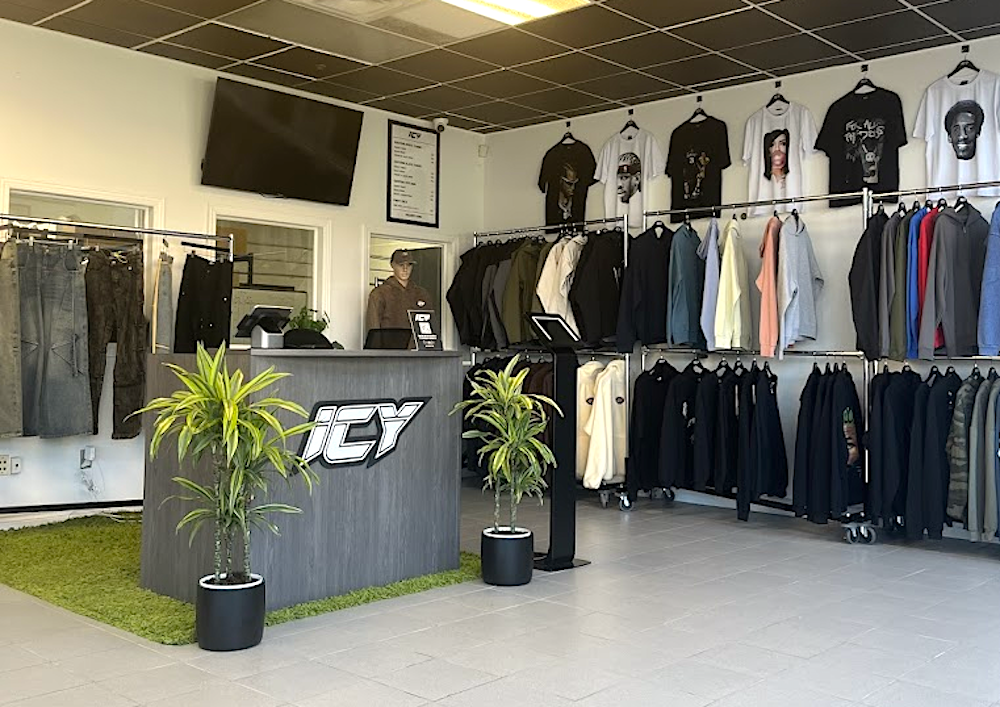
Icy Studios showroom in Markham. Photo: wtrmln via Google Maps

Scaling Smartly, Expansion into the U.S. 

The company is now setting its sights on the U.S. market, with a new warehouse opening in Miami this year. “90% of our sales now come from the U.S., so it made sense to establish a distribution center there,” Kundra explained. “Miami is a growing manufacturing hub, and being a port city makes logistics easier for us.”

Looking ahead, Kundra has ambitious plans for Icy Studios. “We’re planning to open our own factory in India,” he revealed. “Right now, we import fabric, but we want to go a step further—importing raw cotton and making garments from scratch. There’s an opportunity to build a factory that prioritizes ethical labor practices and produces high-quality apparel.”

Kundra has visited factories in India, China, and Vietnam and has seen firsthand the unethical labor practices in many locations. “I saw a lot of child labor and extremely low wages. If we build a factory in India, it would operate with fair wages and ethical working conditions,” he said.
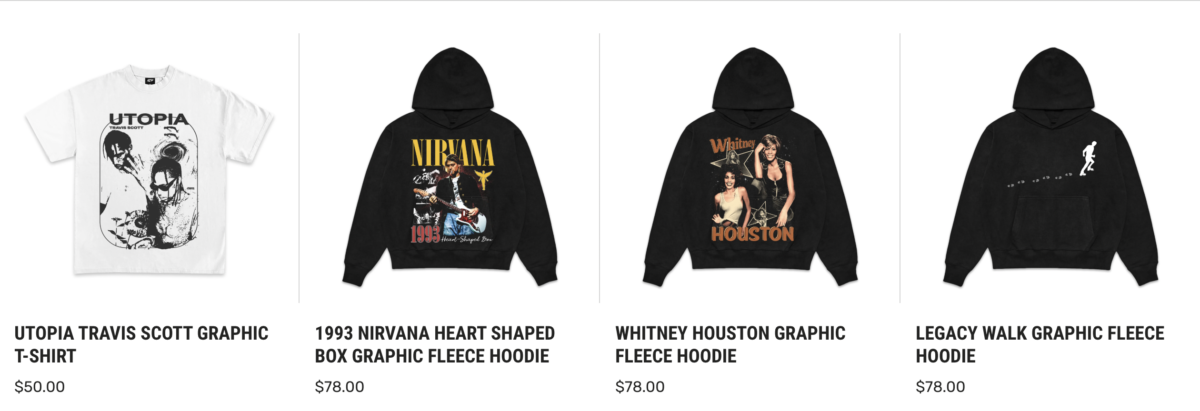
Photo: Icy Studios website

The Family Business Element

Despite its rapid growth, Icy Studios remains a family business. “My parents were working traditional nine-to-five jobs until we opened our warehouse in Scarborough in 2021,” Kundra shared. “Once they saw how serious this was, they left their jobs to help me build the company. My mom handles payroll and finance, and my dad helps manage production. It’s been amazing to have their support.”

Competing with Fast Fashion Giants

Kundra also envisions competing with global fast-fashion giants like Zara and H&M. “We want to make apparel that lasts decades, not just a season,” he said. “We see a huge gap between the vintage clothes from the ’70s and ’80s that are still in great condition today versus the disposable fast fashion we see now.”

The company is expanding into new apparel categories, including denim and windbreaker jackets, with plans to eventually offer shoes and accessories. “The goal is to provide a full range of clothing so customers can be dressed head to toe in Icy Studios,” Kundra explained.
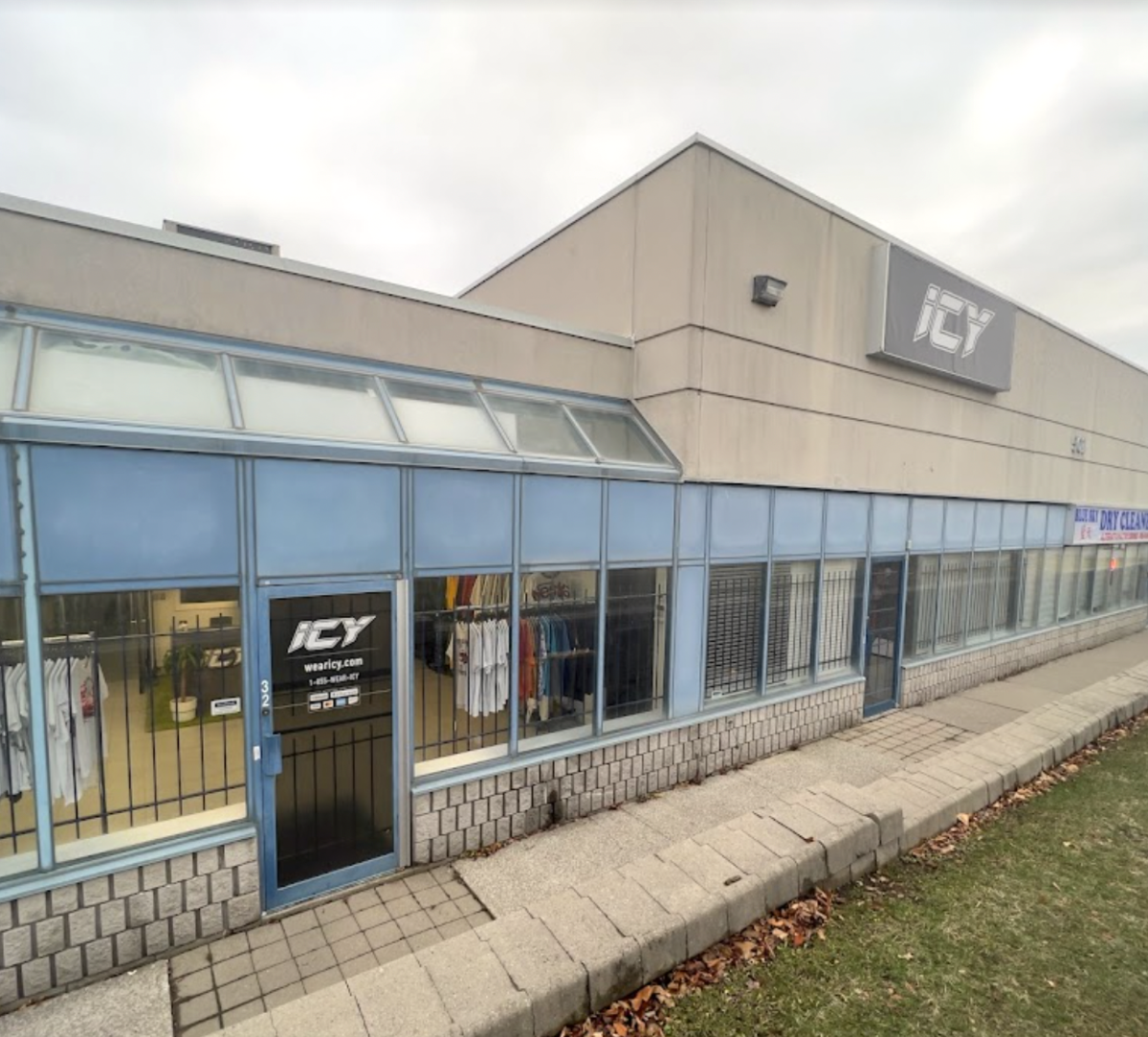
Icy Studios showroom and facility in Markham. Photo Icy Studios via Google Maps

Advice for Aspiring Entrepreneurs

Kundra attributes his success to taking action early. “I started at 19, and that gave me time to learn and make mistakes. I always tell people—just start. You’ll learn more from doing than from four years of business school.”

For those looking to scale a business, he emphasizes the importance of social media. “Posting online is free. Every post is like a lottery ticket—one viral video can change your life. I think in the future, platforms might charge for posts, so people should take advantage of it while it’s still free.”

More from Retail Insider:

MTY Food Group reports Q4 2024 results, expands footprint with positive store growth

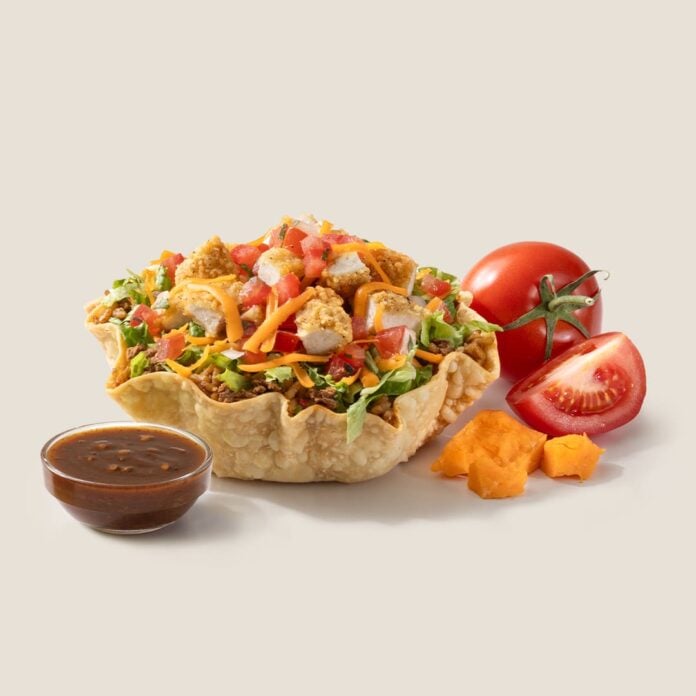
Source- Taco Time
Source- Taco Time

MTY Food Group Inc., one of the largest franchisors and operators of multiple restaurant concepts worldwide, has announced its financial results for the fourth quarter of fiscal 2024, which ended on November 30, 2024. The company highlighted strong network expansion and positive system sales growth despite economic challenges.

Store Growth and System Sales Performance

Eric Lefebvre
Eric Lefebvre

MTY Food Group continued its expansion momentum in Q4, achieving a net store opening of 13 locations. “I’m happy to share that we expanded our footprint in the fourth quarter, ending strong with a net store opening of 13 locations,” said Eric Lefebvre, CEO of MTY Food Group. “This positive store count is the result of diligent team efforts at MTY, and we’re proud to be strengthening our presence and increasing our availability to guests.”

System sales saw a year-over-year increase of 2%, reaching $1.37 billion compared to $1.34 billion in Q4 2023. The growth was largely driven by strong performances in MTY’s U.S. snack brands and the casual dining segment in Canada. “Year over year, the fourth quarter saw organic growth of system sales, with an improvement of 2% compared to Q4 2023,” Lefebvre noted. “These results were mainly attributable to the impressive performance of our snack brands in the U.S. and our casual dining segment in Canada.”

Franchising Strength and Financial Performance

The company’s franchising segment was a standout performer in Q4, reporting an 8% increase in normalized adjusted EBITDA compared to Q4 2023. “With regards to normalized adjusted EBITDA, I would like to highlight the performance from our franchising segment this quarter, with an 8% increase compared to Q4 2023,” Lefebvre stated. “It is a pleasure to see the dedicated work of our franchise owners and MTY team reflected in these results.”

Overall, revenue for the quarter rose by 2% to $284.5 million, largely due to increased revenues from corporate stores. In Canada, corporate store revenues nearly doubled to $13.9 million, while franchise operations declined by 5% and food processing, distribution, and retail sales dropped by 10%. The U.S. and international segments saw revenue growth, benefiting from a 10% rise in promotional fund revenues and a 2% increase from franchise operations.

However, net income was negatively impacted by impairment charges and foreign exchange losses. MTY reported a net loss of $55.3 million, or $(2.34) per share, compared to a net income of $16.4 million ($0.67 per share) in Q4 2023. This decline was primarily due to a $64.6 million impairment charge on goodwill related to the Papa Murphy’s brand and a $26.3 million foreign exchange loss on intercompany loans.

Liquidity, Debt Management, and Dividends

MTY continued to demonstrate disciplined financial management in Q4, generating $43.7 million in cash flows from operating activities. The company reimbursed $17.5 million in long-term debt, paid $6.6 million in dividends to shareholders, and repurchased 314,700 shares for $14.0 million.

As of November 30, 2024, MTY had $50.4 million in cash on hand and $706.6 million in long-term debt. The company’s hedging strategies provided quarterly interest savings of approximately $0.8 million.

On January 22, 2025, MTY declared a quarterly dividend of $0.33 per common share, payable on February 14, 2025, to shareholders of record as of February 4, 2025.

About MTY Food Group

Headquartered in Montreal, MTY Food Group operates and franchises quick-service, fast-casual, and casual dining restaurants under 85 different banners across Canada, the U.S., and internationally. With a network of 7,079 locations, MTY continues to expand its presence through strategic growth initiatives, acquisitions, and franchise development.

Related Retail Insider stories:

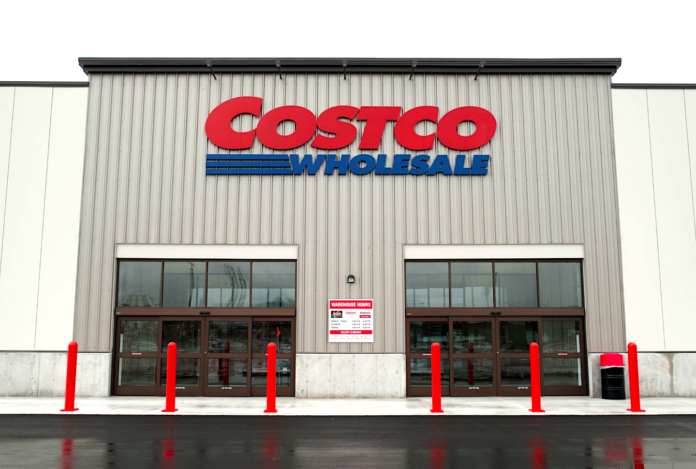
Costco opening in Winnipeg’s Westport

Costco is opening a store in Brantford, Ontario this week, with Ontario's first Costco sushi bar. Photo Costco

Winnipeg-based Shindico, a commercial real estate firm, has announced that Costco will be opening up at Westport in the Manitoba city in late 2025.

Construction of the new 166,984-square-foot Costco store has already started. The store will offer its usual inventory of grocery and household products and will complement the existing store locations in the city, while also providing a convenient place to shop for destinations west of the City, said Shindico.

Sandy Shindleman
Sandy Shindleman

“We’re very excited to have Costco join our Westport development. They will be a great amenity for all of Western Manitoba and will spur more retail development at Westport. Congratulations to Costco on their fourth store in Winnipeg,” said Sandy Shindleman, Founder and Chairman at Shindico.

Shindico said Westport is an exciting new mixed-use development with 1,000,000 square feet of proposed building area on 70 acres of land featuring retail, hotels, restaurants, offices, warehouses and multi-family opportunities.

Located near the intersection of the Perimeter Highway and Portage Avenue, Westport is situated in the heart of the largest concentration of sporting and recreational complexes in Manitoba, including the 460-acre Red River Exhibition Park (“Manitoba’s State Fair Grounds”), Assiniboia Downs Horse Racing and Hockey for all Centre — NHL Winnipeg Jets and AHL Manitoba Moose practice facility and home to a world-class concussion centre, it said.

Founded in 1975, Shindico Realty Inc. is a full-service commercial real estate company and one of the largest privately owned real estate firms in Manitoba. As owners and managers of commercial real estate, Shindico’s diverse portfolio of properties includes shopping centres, office buildings, industrial parks, multifamily apartments, personal storage, and mixed-use developments.

Related Retail Insider stories:

Restaurant transactions 7.6% higher during GST and HST holiday

Photo by Andrea Piacquadio

Restaurant transactions increased by 7.6 percentage points on average during the GST and HST holiday, according to new data released Friday by Restaurants Canada.

Kelly Higginson
Kelly Higginson

“The data is in: restaurant visits, employment levels and transaction sizes were all up during the GST and HST holiday,” said Kelly Higginson, Restaurants Canada President and CEO. “Anecdotally, restaurant operators have been raving about the impact this has had on their businesses. We call on the federal government to extend the tax holiday.

“Canada is facing potentially one the biggest economic threats in its history. When we have something like the GST/HST holiday stimulating job growth across the country now is not the time to disrupt that momentum. Now is the time to make bold moves to bolster our local economies, protect Canadian jobs and help Canadians bridge to better times.”

Restaurants Canada is a national, not-for-profit association advancing Canada’s diverse and dynamic foodservice industry. Restaurants are a $120 billion industry employing nearly 1.2 million Canadians and is the number one source of first-time jobs in Canada.

The association said the average transaction size at table-service restaurants rose by 5.4% year-over-year in the first six weeks of the GST and HST holiday, based on transaction data from Moneris and applying Restaurant Canada methodology. This represents a 7.6 percentage point swing compared to the three weeks before the tax holiday, when transactions were on average 2.2% lower year-over-year. Quick service restaurants saw an 8.3 percentage point increase in transaction sizes and drinking places saw a 7.5 percentage point boost.

Extending the tax holiday

“Restaurants Canada’s early estimate was that the tax holiday would lead to a 5% to 7% increase in restaurant sales, the equivalent of an additional $1.5 billion during the two-month period. This has been a lifeline for an industry that is in worse shape now than it was during the pandemic. More than half of restaurants are operating at a loss of just breaking even, compared to just 12% pre-pandemic,” added Chris Elliott, Restaurants Canada Chief Economist and Vice-President of Research.

The association said it has been calling on the federal government to extend the tax relief until the tariff dispute with the United States is resolved and pass legislation to make prepared food permanently tax-free once Parliament is back in session.

“Last week, job numbers from Statistics Canada showed employment in the industry is also up by 6%, creating 34,600 new jobs at a time of low job security and worries about the impact of tariffs on employment. Extending the holiday would not only protect jobs it would create additional ones, providing security for many Canadians,” it said.

Related Retail Insider stories:

Foodservice sector reaches highest employment since start of pandemic: Restaurants Canada
Restaurants Canada calling for federal government action on labour shortages


Trump’s Criticism Sparks Debate on Canada’s Dairy Policy

US President Donald Trump. Photo: Slate.com

Few topics in Canadian agriculture generate as much debate as supply management in the dairy sector. The issue gained renewed attention when in his first term, U.S. President Donald Trump criticized Canada’s protectionist stance during NAFTA renegotiations, underscoring the need to reassess the system’s long-term viability. While proponents argue that supply management ensures financial stability for farmers and shields them from global market volatility, critics contend that it inflates consumer prices, limits competition, and stifles innovation.

A policy assessment titled Supply Management 2.0: A Policy Assessment and a Possible Roadmap for the Canadian Dairy Sector, conducted by researchers at Dalhousie University and the University of Guelph, sheds light on the system’s inefficiencies and presents a compelling case for reform.

The Origins and Evolution of Canada’s Supply Management System

Designed in the 1970s to regulate production and stabilize dairy prices, Canada’s supply management system operates through strict production quotas and high import tariffs. However, as successive trade agreements such as the USMCA, CETA, and CPTPP erode these protections, the system appears increasingly fragile. The federal government’s $3 billion compensation package to dairy farmers for hypothetical trade losses is a clear indication that the current structure is unsustainable.

Instead of fostering resilience, supply management has created an industry that is increasingly dependent on government payouts rather than market-driven efficiencies. If current trends persist, Canada could lose nearly half of its dairy farms by 2030—regardless of who is in the White House.

Consumer Trust in the Dairy Industry is Declining

Consumer sentiment is also shifting. Younger generations are questioning the sustainability and transparency of the dairy industry, particularly in light of scandals such as ButterGate, where palm oil supplements were used in cow feed to alter butterfat content, making butter harder at room temperature. Additionally, undisclosed milk dumping of anywhere between 600 million to 1 billion liters annually has further eroded public trust. These factors indicate that the industry is failing to align with evolving consumer expectations.

One of the most alarming findings in the policy assessment is the extent of overcapitalization in the dairy sector. Government compensation payments, coupled with rigid production quotas, have encouraged inefficiency rather than fostering innovation. Unlike their counterparts in Australia and the European Union—where deregulation has driven productivity gains—Canadian dairy farmers remain insulated from competitive pressures that could otherwise drive modernization.

Geographic Imbalance in Dairy Production is Creating Disparities

The policy assessment also highlights a growing geographic imbalance in dairy production. Over 74% of Canada’s dairy farms are concentrated in Quebec and Ontario, despite only 61% of the national population residing in these provinces.

This concentration exacerbates supply chain inefficiencies and increases price disparities. As a result, consumers in Atlantic Canada, the North, and Indigenous communities face disproportionately high dairy costs, raising serious food security concerns. Addressing these imbalances requires policies that promote regional diversification in dairy production.

Reforming Production Quotas and Tariffs for a More Competitive Market

A key element of modernization must involve a gradual reform of production quotas and tariffs. The existing quota system restricts farmers’ ability to respond dynamically to market signals. While quota allocation is managed provincially, harmonizing the system at the federal level would create a more cohesive market. Moving toward a flexible quota model, with expansion mechanisms based on demand, would increase competitiveness and efficiency.

Tariff policies also warrant reassessment. While tariffs provide necessary protection for domestic producers, they currently contribute to artificially inflated consumer prices. A phased reduction in tariffs, complemented by direct incentives for farmers investing in productivity-enhancing innovations and sustainability initiatives, could strike a balance between maintaining food sovereignty and fostering competitiveness.

Resistance to Change and the Risk of Inaction

Despite calls for reform, inertia persists due to entrenched interests within the sector. However, resistance is not a viable long-term strategy. Industrial milk prices in Canada are now the highest in the Western world, making the sector increasingly uncompetitive on a global scale. While supply management also governs poultry and eggs, these industries have adapted more effectively, remaining competitive through efficiency improvements and innovation. In contrast, the dairy sector continues to grapple with structural inefficiencies and a lack of modernization.

That said, abolishing supply management outright is neither desirable nor practical. A sudden removal of protections would expose Canadian dairy farmers to aggressive foreign competition, risking rural economic stability and jeopardizing domestic food security. Instead, a balanced approach is needed—one that preserves the core benefits of supply management while integrating market-driven reforms to ensure the industry remains competitive, innovative, and sustainable.

The Future of Canada’s Dairy Industry

Canada’s supply management system, once a pillar of stability, has become an impediment to progress. As global trade dynamics shift and consumer expectations evolve, policymakers have an opportunity to modernize the system in a way that balances fair pricing with market efficiency. The recommendations from Supply Management 2.0 suggest that regional diversification of dairy production, value-chain-based pricing models that align production with actual market demand, and a stronger emphasis on research and development could help modernize the industry. Performance-based government compensation, rather than blanket payouts that preserve inefficiencies, would also improve long-term sustainability.

The question is no longer whether reform is necessary, but whether the dairy industry and policymakers are prepared to embrace it. A smarter, more flexible supply management framework will be crucial in ensuring that Canadian dairy remains resilient, competitive, and sustainable for future generations.

More from Dr. Sylvain Charlebois:

Canadian Retail News From Around The Web For February 14, 2025

Canadian Retail News From Around The Web

News at a Glance

Retail Insider is streamlining its Canadian retail news from around the web to include a handful of top news stories that can be viewed quickly during the day. Here are the top stories from the past 48 hours.

Canadian Tire expects tariffs to crater consumer confidence (Financial Post)

Canadian Tire CEO says tariffs could ‘substantially erase’ signs of economic rebound (BNN)

Why Aritzia founder Brian Hill is selling shares (BIV)

Dartmouth shop seeing big demand for Canadian flags (CBC)

Should all grocery stores clearly label Canadian and U.S. products to help shoppers buy Canadian? (Castanet)

‘Buy Canadian’ movement sees support in northern communities — even if it’s not always easy (CBC)

Loblaw and Flashfood helped Canadians save over $50 million in 2024 (Grocery Business)

Parker: ‘An exciting chapter’ in Calgary: Vesta Properties plans mixed-use project on prime inner-city land (Calgary Herald)

Quebec considering allowing grocery stores to increase evening staff (CTV)

Toronto grocer The Sweet Potato closing Leaside store (Canadian Grocer)

Jewelry store smash-and-grab in Kitchener mall caught on tape (CBC)

Two Loblaw locations in Abbotsford introduce body cameras (Abbotsford News)

New Winnipeg Costco Set for Late 2025 Opening (ChrisD)

Toronto’s Cask Music Closing Leslieville Location (Exclaim)

Former Winnipeg bagel shop owner sentenced to over 4 years for possessing proceeds of crime linked to drugs (CBC)

T&T Supermarket opens its 2nd downtown Toronto store (Photos)

Source: T&T
T&T Downtown Toronto

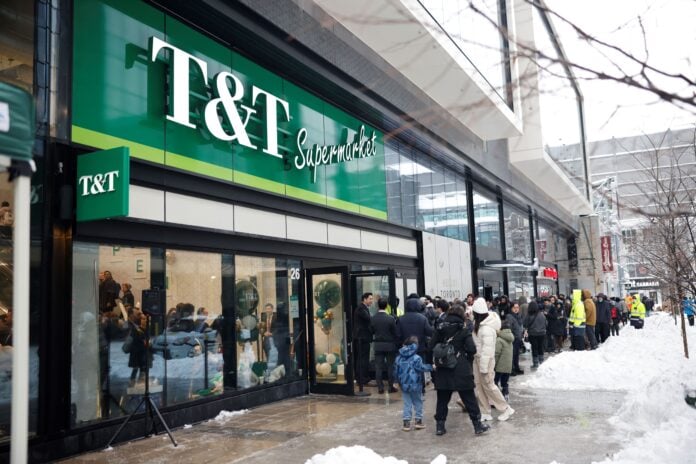
T&T Supermarket has opened its second store in Downtown Toronto, and it’s near the intersection of Yonge & Dundas, and in close proximity to Toronto Metropolitan University.

Despite the heavy snowstorm, people were lined up outside the store starting at 4 a.m. to be first in for the grand opening.

This is the company’s 38th store in North America, with the previous store opening in Bellevue, Washington. It is also the second downtown Toronto location, with the store size of 31,000 square feet, fairly the same as T&T College store.

The store will be open seven days a week, from 9 a.m. to 10 p.m.

The store is bringing food offerings that T&T fans know and love, including a street food section, self-serve hot food, sushi, PaPa Chicken, Egg Tart and more!

CEO Tina Lee. Source: T&T

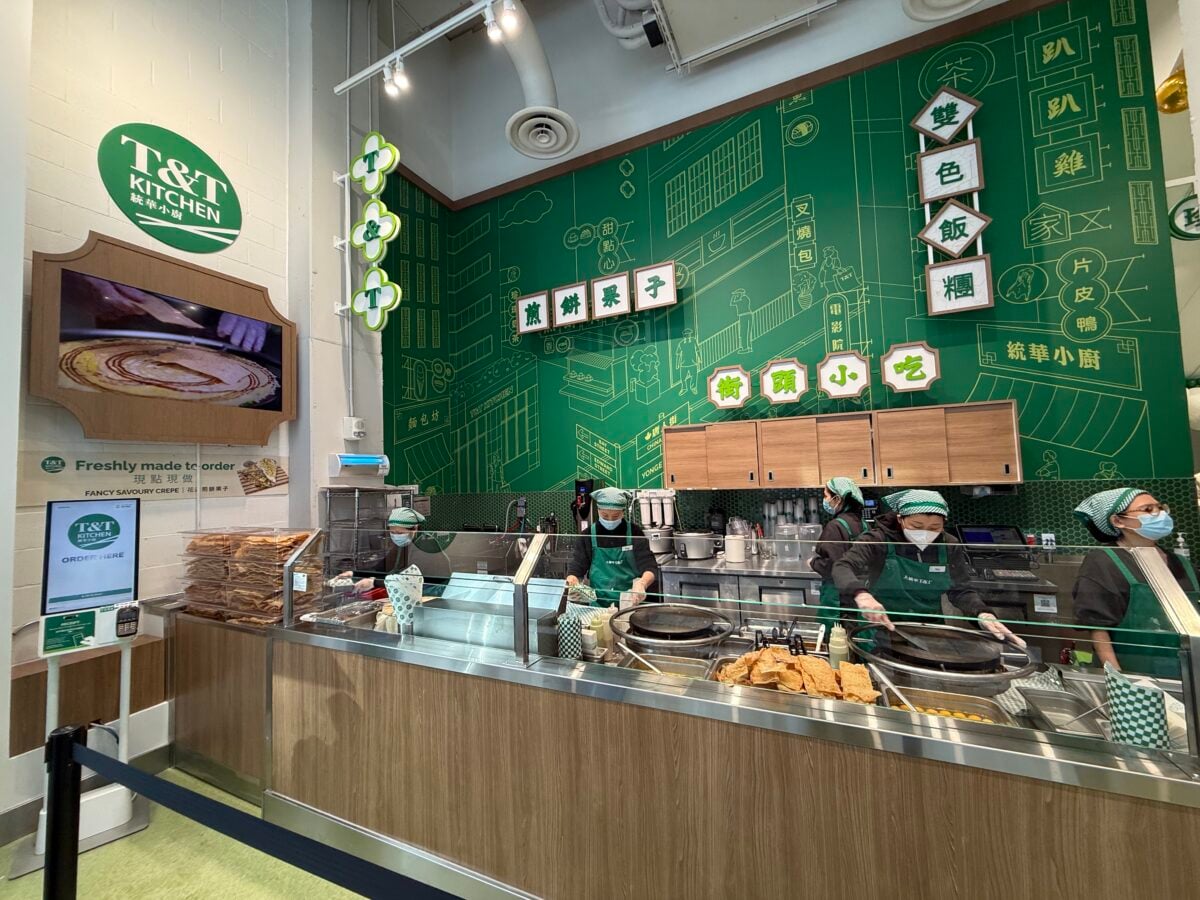
This is the only store in the GTA that features a self-serve kiosk in its street food section, allowing customers to order fancy Chinese crepes, rice wraps and more street foods on their own, said the company.

“We’ve seen such overwhelming demand at our College and Spadina location, we knew the city was ready for more. When deciding on the location of the new store, we knew a large portion of our delivery orders were going to the Yonge and Dundas area, so it was the natural choice,” said Tina Lee, CEO, in a previous story with Retail Insider.

“University students, with their busy schedules and often on their own for the first time, may not have the time or the knowhow to cook for themselves. In addition to ready-to-eat meals, fresh fruits and vegetables, and, of course, late-night study snacks, we’re happy to offer students in the area some familiar flavours from home.”

“Yonge and Dundas is the most iconic intersection in the whole country. So it’s very exciting to be there together and alongside some of the biggest brands in Canada and some of the biggest international brands that come to Canada. They want to be at that intersection as well,” said Lee.

T&T Beauty Section. Source: T&T
Beauty Section. Source: T&T
T&T Hot Food Bar. Source: T&T
Hot Food Bar. Source: T&T
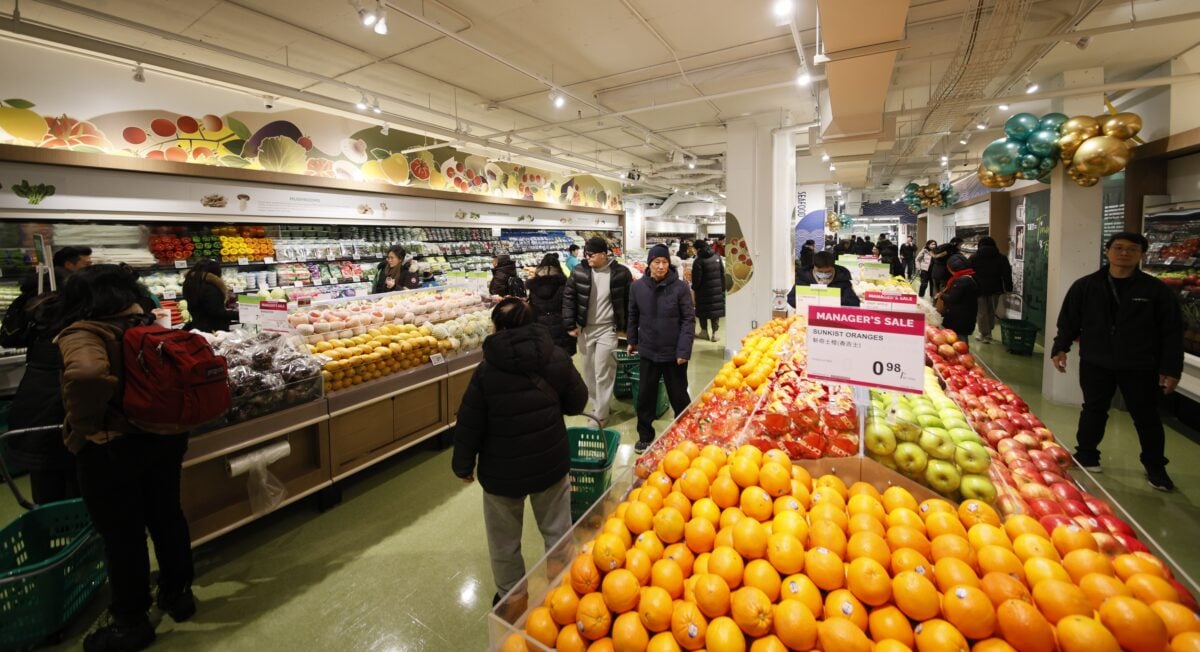
T&T Produce section. Source: T&T
Produce section. Source: T&T
T&T Street food section. Source: T&T
Street food section. Source: T&T

The Whole Sale: Liza Amlani on Why Wholesale Still Matters

For years, the retail industry has debated the benefits of wholesale versus direct-to-consumer (DTC) sales. While DTC has been celebrated as a profitable alternative, many brands are discovering that eliminating wholesale partnerships is not the silver bullet they once thought. In her new book, The Whole Sale, Liza Amlani, Principal and Founder of Retail Strategy Group, challenges this misconception and offers a comprehensive guide for brands navigating the wholesale landscape.

Amlani, a retail expert with over two decades of experience, co-authored the book with her husband, Raj Dhiman, PhD. The book provides insights and practical tools for brands looking to establish and maintain successful wholesale partnerships. In an interview, Amlani shares her perspective on why wholesale remains a crucial strategy for growth and long-term profitability.

The Genesis of The Whole Sale

“The idea for the book actually came from our newsletter, The Merchant Life,” Amlani explains. “We wrote an article called ‘Wholesale Isms’ about what brands need to succeed in wholesale, and it really resonated. It got forwarded around and referenced often, so we realized there was a gap in the market for a comprehensive guide.”

Liza Amlani and Raj Dhiman, PHD

After conducting research, Amlani found a surprising lack of resources available for brands looking to navigate wholesale effectively. “I taught at the Fashion Institute of Technology (FIT), and they had a wholesale course, but it focused on sales rather than strategy. That was another signal that brands needed more guidance. We also saw a widespread misconception that wholesale isn’t as profitable as DTC, which we knew wasn’t true,” she says.

Structuring the Guide

Designed as a practical toolkit, The Whole Sale offers brands step-by-step guidance, complete with templates, tables, and tools to streamline wholesale operations. “The book isn’t a heavy lift—it’s only 40 pages—but it’s packed with actionable insights,” Amlani says. “I’ve even sent it to retail buyers, and they’ve told me, ‘I wish brands had this before they came to see us.’”

Having spent 20 years as a buyer, Amlani saw firsthand the inconsistencies in how brands presented themselves. “Every brand came in with different formats for line sheets, different negotiation strategies, and often without doing the necessary homework. The book helps brands not only get onto shelves but also stay there,” she emphasizes.

Wholesale vs. DTC: A Profitability Misconception

The narrative around DTC has often positioned it as a more lucrative strategy, but Amlani argues that wholesale offers critical advantages. “When brands go DTC, they take on all the costs of inventory, marketing, customer acquisition, and logistics. These costs eat into margins,” she explains. “With wholesale, retailers absorb a lot of those operational costs, making it a highly profitable channel in many cases.”

Wholesale also enables brands to scale efficiently. “If a brand wants to enter a new market, setting up stores or e-commerce fulfillment in that region is incredibly expensive and resource-intensive. Partnering with a retailer that already has a footprint there provides access to customers without the same level of investment,” Amlani adds.

The Modern Wholesale Landscape

The past decade has seen dramatic shifts in retail, especially post-pandemic. Amlani notes that brands today must be more strategic than ever when approaching wholesale. “Retailers are constantly looking for fresh, exciting products to keep their customers engaged. Some Canadian retailers, for instance, are prioritizing ‘Made in Canada’ products or those with a transparent supply chain,” she points out.

Technology has also played a role in reshaping wholesale relationships. “Retailers and brands are using insights from data to refine their strategies. Localization, curated product assortments, and personalized customer service are now table stakes,” she explains. “Brands that can offer retailers a clear merchandising strategy and performance insights have a better chance of securing partnerships.”

The Wholesale Conditions Test

For brands considering wholesale, Amlani and Dhiman developed the Wholesale Conditions Test—three key questions to determine the right retail partners:

  1. Where are your target customers shopping?
  2. Where are your competitors selling?
  3. Which retailers align with your brand DNA?

“This helps brands narrow down their approach and ensure they’re targeting the right retailers,” Amlani says. “For instance, should they be in luxury, off-price, grocery, or specialty stores? A retailer like Joe Fresh carries brands like Levi’s and Puma, so there’s a fit for wholesale across different categories.”

Wholesale in the Next Five Years

Looking ahead, Amlani predicts continued growth in wholesale, driven by the need for retailers to offer unique, curated assortments. “Retailers are always looking for exciting products to differentiate themselves and keep customers coming back,” she says. “At the same time, brands will need to be more strategic, ensuring they’re offering the right products to the right retailers.”

She also anticipates shifts in merchandising strategies. “We’ll see retailers refining their product assortments to meet changing consumer demands. Sustainability, resale models, and community-building will become more important,” she notes. “Brands that align with these trends will have an advantage.”

Advice for Brands Hesitant About Wholesale

For brands hesitant to enter wholesale, Amlani has clear advice: preparation is key. “Retail buyers are inundated with pitches, and many brands don’t get a response. But if you come to the table with a well-thought-out plan, you have a better chance of standing out,” she advises.

One of the key concepts in The Whole Sale is merchandising strategy, which Amlani defines as the intersection of product, distribution, and pricing. “It’s about what you sell, where you sell it, and at what price. Brands need to curate their product mix for each retailer or platform they work with,” she says.

Negotiation is another critical skill. “Brands can—and should—negotiate product placement, pricing, and marketing support. Many brands assume retailers will automatically provide these things, but it’s always best to clarify terms upfront,” Amlani adds.

A Must-Have Resource for Brands

Now available in paperback, The Whole Sale is positioned as an essential resource for brands attending trade shows or meeting with retail buyers. “It’s designed to be a reference guide that brands can bring with them to meetings and use in real time,” Amlani says. “It includes prompts for talking to buyers, strategies for getting retail-ready, and even real-world examples from my own experience.”

Ultimately, Amlani believes wholesale remains an essential growth avenue for brands, particularly in today’s complex retail landscape. “The goal isn’t just to get on shelves—it’s to stay there. That’s where preparation, strategy, and the right partnerships make all the difference.”

More from Retail Insider:

Toronto-Based Luxury Brand Arpinō Looks to Growth 

Image: Arpino

In an era dominated by fast fashion and rapidly shifting retail landscapes, Toronto-based luxury brand Arpinō is carving a niche with its authentic craftsmanship and timeless elegance. Founded by Mina Elyasian, Arpinō redefines luxury through bespoke knitwear and outerwear crafted from the finest Italian materials.

The Story Behind Arpinō: Rooted in Heritage and Experience

“After COVID, the retail landscape changed dramatically,” Elyasian reflects. “I took time to reassess where I wanted to go and how to pursue it.” Drawing from her deep connections in Italy, she decided to create her own brand, sourcing materials directly from family-owned factories in the Arpinō region near Rome.

Mina Elyasian

Elyasian’s journey spans over two decades in the fashion industry, with experience in retail, styling, and consulting. “Retail is in my DNA,” she says. From owning boutiques to serving as a sales director and stylist for brands like Millie’s and Andrews, Mina’s career is rooted in both the art of fashion and consumer connection. “I’ve traveled the world of retail, from buying to consulting, and styled countless clients. Arpinō is the culmination of everything I’ve learned.”

The name Arpinō honors this rich history. “Arpinō comes from a beautiful region near Rome, filled with olive groves and artisanal traditions,” says Elyasian. “It’s deeply personal to me and my partner, connecting our story with the community that inspires us.”

Redefining Retail: A Bespoke Luxury Experience

Unlike traditional retail models, Arpinō thrives through exclusive trunk shows and private appointments. “I call it a transformational experience,” Elyasian explains. “There’s often a disconnect in retail between product and brand identity. I wanted to change that.”

Arpinō plans to eventually open a showroom atelier in Toronto’s Rosedale or Yonge and St. Clair areas, designed for intimate, by-appointment experiences. “I don’t want a conventional retail store,” Elyasian emphasizes. “It’s about creating a space where luxury feels personal and immersive.”

Image: Arpinō

Italian Craftsmanship: From Artisans to Wardrobes

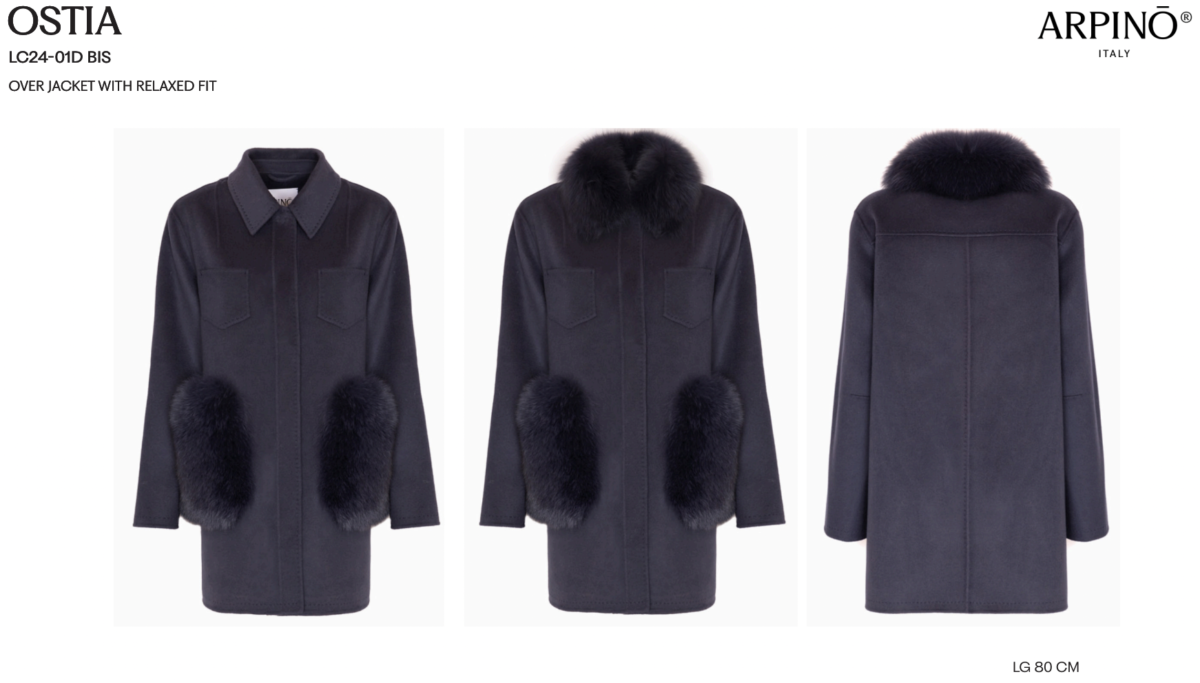
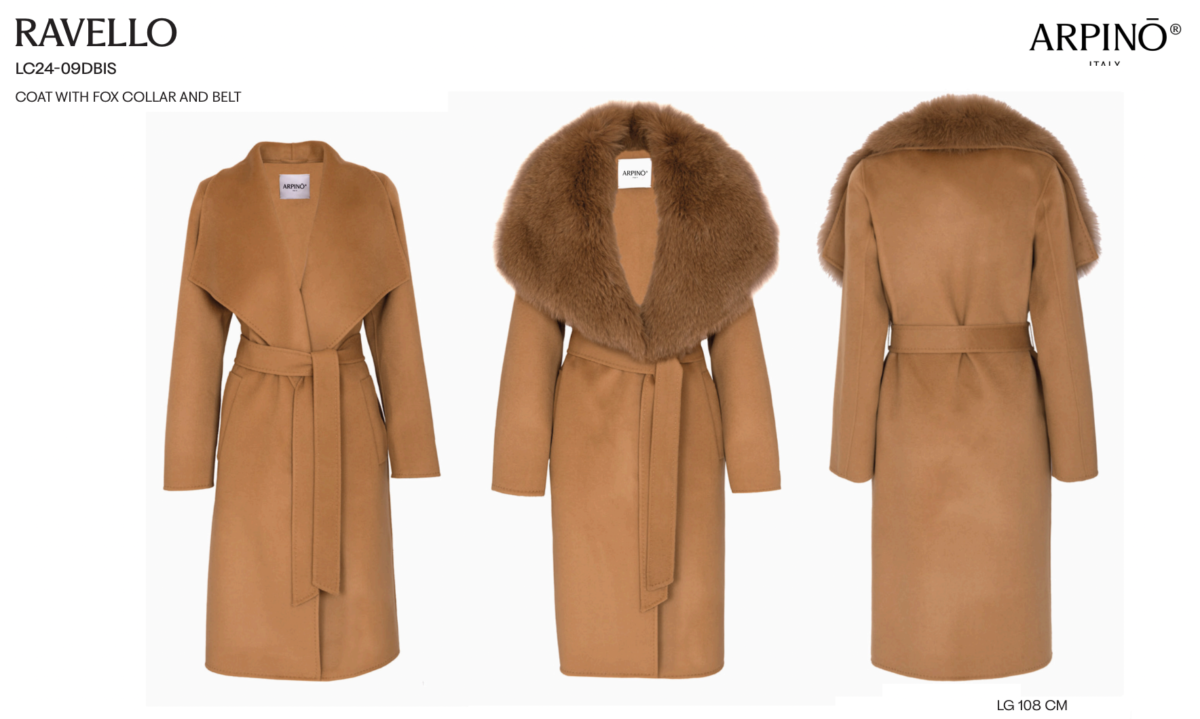
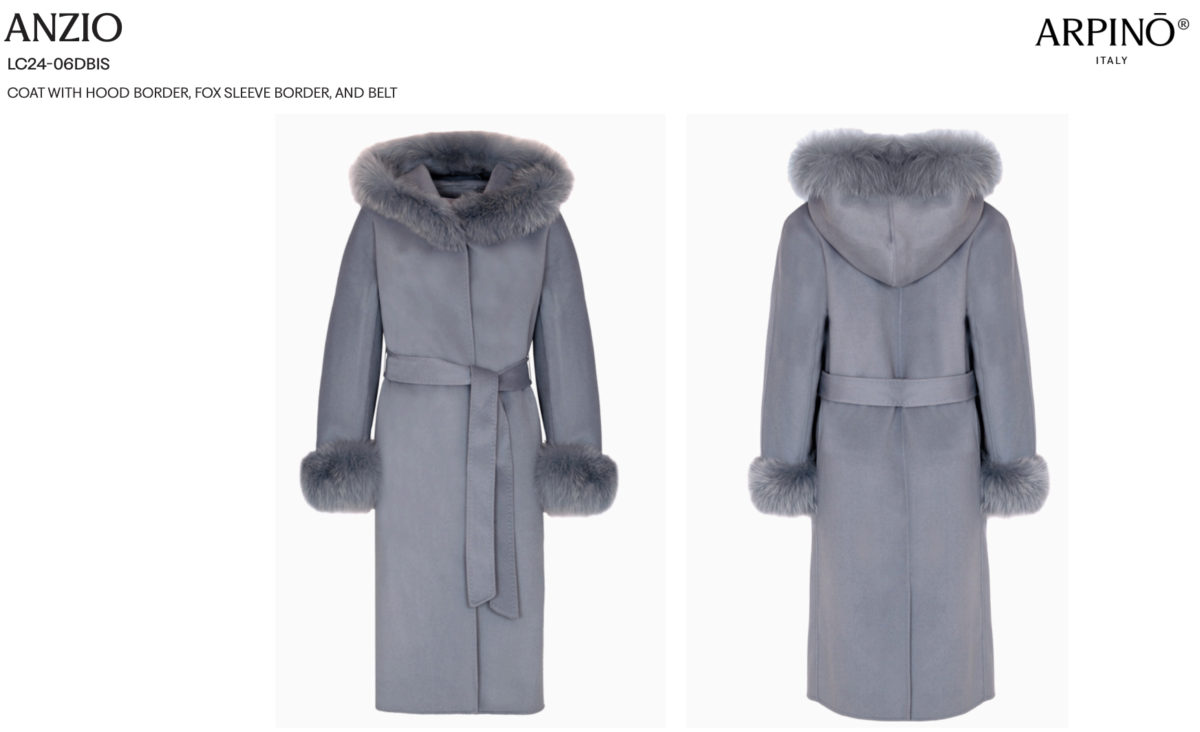
Arpinō’s product range is crafted in Italy, focusing on small-batch production and sustainable sourcing. The luxury outerwear collection features sophisticated styles made from Sable Wool and Cashmere blends, with optional fox fur trims.

“There’s a niche in Canada for elevated coats beyond parkas and puffers,” Elyasian notes. “We offer elegant, unlined cashmere and sable wool coats, sourced from small, family-owned Italian factories.”

Every garment connects directly to the artisans. “I visit the factories, have meals with the families, and witness the craftsmanship firsthand,” says Elyasian. “When a client buys a piece, I can show them exactly who made it and how it was crafted.”

Bespoke Fashion: Personalization at Its Core

Arpinō’s commitment to bespoke fashion allows clients to select from a variety of colours, styles, and fur trims, with custom orders delivered in four to six weeks. “It’s about creating pieces that reflect individuality,” Elyasian explains. “One client spent $17,000 on custom coats, choosing every detail herself. That’s the level of connection we offer.”

Knitwear, another cornerstone of Arpinō, features materials like cashmere, merino wool, and silk. Priced around $595 for alpaca blends, these knits merge contemporary design with traditional craftsmanship. “If you’re spending $300 on a mass-produced sweater, why not invest a little more in something timeless from Italy?” Elyasian suggests.

Image: Arpinō

Addressing fur’s environmental impact, Elyasian is candid. “Our furs come from ethical sources in Denmark and Finland, crafted by generational Italian furriers,” she explains. “Interestingly, real fur has less environmental impact than synthetic alternatives, which are petroleum-based and harmful to ecosystems.”

She elaborates, “People often overlook that fake fur contributes significantly to environmental degradation because it’s made from plastic-based materials that don’t biodegrade. In contrast, real fur is a natural product with a much smaller ecological footprint over its lifecycle.”

Arpinō’s sustainability commitment extends to small-batch production, emphasizing quality over quantity. “We’re not fast fashion,” Elyasian states. “Our pieces are meant to last, becoming treasured items in a client’s wardrobe.”

Mentorship and Industry Influence

With two decades of industry experience, Elyasian also mentors aspiring fashion professionals. “I believe in homegrown talent,” she shares. “I recruit from schools like Ryerson, where I graduated, to give back and support future fashion leaders.” She frequently lectures at fashion programs, providing real-world insights to the next generation of designers and retailers.

Image: Arpinō

Strategic Growth: The Future of Arpinō

Looking ahead, Arpinō plans to expand thoughtfully. “We’re considering a permanent showroom, possibly converting a heritage brownstone into an atelier,” says Elyasian. “I love the idea of transforming a character-filled space into an intimate showroom where clients can immerse themselves in our brand’s story.”

“It’s not about rapid growth,” she adds. “It’s about perfecting each collection before moving to the next.”

The brand also plans trunk shows at luxury ski clubs and private events across North America. “Our clients are global,” Elyasian notes. “From Aspen to Banff, we meet them where they are, offering personalized experiences.”

Authentic Marketing and Brand Loyalty

Elyasian employs traditional marketing strategies to build genuine relationships. “A lot of my marketing is old-school,” she says. “I reach out directly to people, host trunk shows, and focus on personal connections. It’s about engaging with clients one-on-one and building trust.”

This personal approach fosters strong client loyalty. “When you build real relationships, clients don’t just buy your products; they believe in your brand,” Elyasian explains. “That’s the foundation of everything we do at Arpinō.”

More from Retail Insider:

Rains Opens First Canadian Store in Vancouver

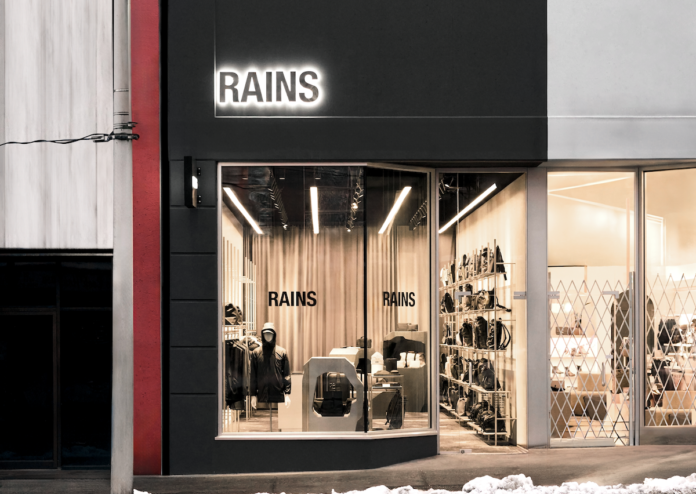
Rains store at 2142 W 4th Ave, Vancouver. Photo: Rains

Danish outerwear brand Rains has officially entered the Canadian retail market with the opening of its first standalone store in Vancouver. The 1,175-square-foot boutique, located at 2142 West 4th Avenue in the Kitsilano neighbourhood, marks a milestone in the brand’s global expansion. This is Rains’ 30th store worldwide and the seventh in North America.

The store’s design reflects both Vancouver’s rugged, outdoor-centric environment and Rains’ signature neo-Scandinavian aesthetic. It features artwork by Danish artist Jacob Egeberg, a frequent collaborator with the brand. The store offers a curated selection of Rains’ core outerwear styles, bags, and seasonal collections designed for the urban consumer facing varied climates.

Building a Stronger Canadian Presence

Rains has been steadily growing its presence in Canada for over a decade. Initially operating through a distributor based in Vancouver, the company took over its own distribution in the market approximately two years ago. This shift allowed the brand to refine its strategic approach to retail expansion in Canada.

“We’re excited to solidify our ties to Canada,” said Daniel Brix Hesselager, Co-Founder of Rains. “We’ve been working with renowned retailers including SSENSE, Holt Renfrew, and La Maison Simons for some time, and it felt like the perfect time to cement our presence with a store. It’s crucial to have that physical connection to consumers, and our locations are the truest representation of our vision and ethos as a company. By stepping inside, customers can be immersed in both our products and wider universe.”

Jan Stig Andersen, CEO of Rains North America, emphasized the importance of the brand’s investment in Canada: “Canada has always been a key region for Rains, and we are excited to bring our brand closer to consumers here through these strategic partnerships and store openings. We believe that our continued investment in this market will solidify our presence and set the stage for long-term success.”

Rains Spring/Summer 2025 campaign image

Toronto Showroom Strengthens Wholesale Business

In addition to the Vancouver store, Rains recently opened a showroom in Toronto on Wingold Avenue. The showroom is part of the brand’s strategy to strengthen its wholesale relationships and provide retail buyers with a comprehensive look at its offerings.

“The showroom is something we do both for our internal teams and for retailers,” said Andersen. “It allows our partners to see the full breadth of our collection, how it’s merchandised, and the potential for their stores. Branding-wise, it’s been very important for us.”

Having a physical space has also been a game-changer for the brand’s operations. “Previously, without a showroom or stores, many of our team members were working remotely. Now, we have a space where we can immerse both our team and visitors in the Rains brand experience,” he added.

Inside the RAINS showroom at 90 Wingold Avenue in Toronto. Photo supplied

Retail Distribution and Growth Strategy in Canada

Beyond its direct-to-consumer retail expansion, Rains maintains a strong presence in Canada through partnerships with key retailers. The brand is currently stocked at approximately 30-40 independent stores. The company is actively expanding its reach among high-end independents, leveraging the Toronto showroom to build deeper relationships with retailers across the country.

In terms of retail stores, Rains follows a ‘cluster strategy’ for retail expansion, focusing on key cities and growing within those markets before expanding further. “When we built our presence in New York, we started with one store. Now, we have six locations there,” Andersen explained. “We plan to follow a similar approach in Canada, beginning with Vancouver and eventually expanding into Toronto and Montreal.”

West 4th Avenue in Vancouver. Image: Apple Maps

Product Offering and Customer Segments

Rains’ product range in Canada consists of outerwear, bags, and accessories, with an even split between apparel and bags. The brand has experienced significant growth in the travel segment, as consumers seek innovative and stylish luggage solutions. Additionally, demand for outerwear—particularly puffer jackets and layered transitional pieces—continues to rise.

The brand attracts two primary consumer groups: those looking for functional, waterproof gear, and a younger, fashion-forward audience drawn to its minimalist, urban aesthetic. “You have the cool young people wearing Rains every day and their parents who might only use it when it rains,” Andersen noted. While rainwear remains core to the business, it represents only about 20-25% of overall sales.

Omnichannel Synergy and Future Expansion

A key element of Rains’ strategy is its focus on creating a seamless shopping experience across retail, wholesale, and e-commerce channels. “The synergy between revenue streams is what’s important,” Andersen said.

“Consumers might see a product in-store, then buy it online, or discover something online and go to a store to try it in person. The key is providing a cohesive experience across all touchpoints.”

Online sales data also plays a critical role in determining retail expansion. By analyzing web traffic and conversion rates in different cities, Rains identifies where consumer interest is highest. “Vancouver is our number one city in Canada, followed by Toronto and Montreal. That’s why our expansion starts in these markets,” he explained.

Distinct Store Design Approach

Unlike many brands that maintain uniform store designs globally, Rains tailors each location’s interior to reflect its surroundings. “Each of our six stores in New York looks different,” Andersen said. “We want each location to feel unique while still aligning with our brand DNA. Some stores serve as community hubs with events and activations, while others focus purely on retail.”

The Vancouver store offers a balanced presentation of outerwear and bags, reflecting the city’s climate and consumer needs. While it isn’t one of Rains’ larger ‘community’ stores, future expansions in Canada could see more flagship-style locations.

More from Retail Insider: