Canadian specialty pet retailer Ren’s Pets has partnered with Affirm, the payment network that empowers consumers and helps merchants drive growth, to offer approved customers the option to use Affirm’s flexible, transparent payment options when shopping on the Ren’s website.
Ren’s carries premium food, treats, and toys for your pet’s best life, plus a wide assortment of professional grooming products.
Larissa Wasyliw
“We’re thrilled to bring this payment option to our customers through Affirm,” said Larissa Wasyliw, VP of Ecommerce & Marketing at Ren’s Pets. “Pet parents may find it a good solution for their shopping needs, especially when bringing a new pet home, and our pet professionals will be able to utilize Affirm for their purchases. We’re always looking for ways to bring more value to our customers and providing them with additional payment options is a great way to do so.”
When shopping on the Ren’s website, approved customers can select Affirm at checkout to pay over time in biweekly or monthly payments. They are shown the total cost of their purchase up front and Affirm never charges customers any late or hidden fees, said the retailer.
Yvonne Herrera
“Pets are a beloved member of the household for many families, so we’re proud to partner with Ren’s Pets to offer approved Canadians the option to pay over time with Affirm,” said Yvonne Herrera, Vice President, Sales & Client Success at Affirm. “While life with pets can sometimes be unpredictable, Affirm can help owners take control of their finances so they can focus on helping their pet live its best life.”
“This is an excellent option for our customers,” added Wasyliw. “We’re excited for them to shop on the Ren’s website and be able to use Affirm’s flexible payment options at checkout.”
Source: Ren’s Pets
Ren’s Pets has 60 stores in Ontario and Atlantic Canada plus a best-in-class ecommerce site shipping nationally.
Affirm said its mission is to deliver honest financial products that improve lives.
“By building a new kind of payment network – one based on trust, transparency and putting people first – we empower millions of consumers to spend and save responsibly, and give thousands of businesses the tools to fuel growth. Unlike most credit cards and other pay-over-time options, we show consumers exactly what they will pay up front and never charge any late or hidden fees,” it said.
Cineplex, Canada’s leading entertainment and media company, reported Thursday box office revenues of $35.2 million for September, exceeding September 2023 levels by three per cent.
The company said it outperformed the North American box office relative to 2019 by nearly four per cent despite a tough comparison, as September 2019 was the second highest September ever with the record-breaking title IT Chapter Two.
It said top films for the month included the long-awaited Beetlejuice Beetlejuice, which delivered an impressive domestic opening weekend of $111 million. Deadpool & Wolverine continued to perform strongly, generating a staggering $1.3 billion at the global box office to date. Guests continued to elevate their movie-going experience with 70.1 per cent of Transformers One box office revenues coming from premium formats such as 3D, IMAX, ScreenX, D-BOX, VIP and UltraAVX.
“Cineplex saw increased momentum in international programming, with it accounting for a tremendous 14.9 per cent of September’s box office revenue, compared to North American peers at 4.8 per cent. The three highest-grossing international films for September included Ardaas Sarbat De Bhalle Di, Bibi Rajni and Stree 2, all of which were in Cineplex’s top 10 films for the month,” said Cineplex in a news release.
“Third quarter 2024 box office revenues of $174.9 million, represented 98 per cent of 2019 levels in the same period and 93 per cent of 2023, despite the tough benchmark of the ‘Barbenheimer’ cultural phenomenon in 2023. Box office performance this past quarter was driven by the success of Disney’s two major titles, Deadpool & Wolverine and Inside Out 2, along with Universal’s hit Despicable Me 4, which collectively accounted for approximately half of Cineplex’s box office.”
Ellis Jacob
“Our third quarter saw a steady stream of diverse film content which drove audiences into our theatres and again signified the strength of sustained movie-going,” said Ellis Jacob, President and CEO, Cineplex. “With highly anticipated titles like Gladiator II, Wicked, Moana 2, The Lord of the Rings: The War of the Rohirrim, Mufasa: The Lion King and Sonic the Hedgehog 3, we foresee a strong fourth quarter for the business. This represents an exciting moment for our company and highlights shareholders have much to look forward to.”
Period
2019 Box Office
2023 Box Office
2024 Box Office
2024 as a Percentage of 2019
2024 as a Percentage of 2023
July
$76,935
$86,388
$72,468
94 %
84 %
August
$56,537
$67,592
$67,199
119 %
99 %
September
$44,393
$34,253
$35,217
79 %
103 %
Q3 Total
$177,869
$188,233
$174,884
98 %
93 %
(i) Balances are in thousands of dollars.
Source: Cineplex
Cineplex has 169 movie theatres and location-based entertainment venues. It operates Canada’s favourite destination for ‘Eats & Entertainment’ (The Rec Room), complexes specially designed for teens and families (Playdium), and an entertainment concept that brings movies, amusement gaming, dining, and live performances together under one roof (Cineplex Junxion). It also operates successful businesses in digital commerce (CineplexStore.com), alternative programming (Cineplex Events), motion picture distribution (Cineplex Pictures), cinema media (Cineplex Media) and digital place-based media (Cineplex Digital Media).
A recent survey by Stifel Financial Corp. suggests that consumer confidence has improved recently, highlighted by the sequential increase of 600bps in spending intentions on discretionary items and the annual increase of 700bps on spending intentions for the holidays.
The company said it is the first time in five quarters that a majority of respondents (54 per cent) indicate a willingness to increase their spending on discretionary items, suggesting that the depressed consumer spending patterns seen in the last 12-18 months could rebound.
“The increase in spending intentions for the holidays is noteworthy and is the highest of the last four years. Of the seven categories we track, spending intentions on pet food and pet accessories have increased the most sequentially. This survey is positive for Pet Valu, Dollarama, Aritzia, Gildan, Premium Brands, Kits Eyecare and mixed for BRP and Spin Master,” said the company of its clients.
Martin Landry
“We believe that Canadians are encouraged by inflation abating and interest rates declining. This translated into healthy spending intentions for the Holidays. According to our survey, spending intentions for the holidays have increased by 700bps vs last year, to reach 49 per cent, the highest level of the last four years. These results bode well for the upcoming holiday shopping season where we should see better spending patterns than last year,” said Martin Landry, Managing Director of Stifel.
“It is still early to project how consumers will react in 2025, but if the results of our last two quarterly surveys are an indication, we believe that consumer spending could continue their rebound in 2025 and grow at a pace close to historical levels. Obviously, further reductions in interest rates will go a long way to bring back confidence and stimulate spending.”
Stifel’s key findings from the report:
54 per cent of respondents expect to increase their spending on discretionary items in the coming 12 months, up 600bps sequentially from July 2024. Most of the increase comes from respondents who answered “my spending will increase slightly,” which suggests that it is a tempered increase in spending intentions, but positive nonetheless. Regionally, there has been a material increase of 1,400bps sequentially in Ontario, a positive surprise which could come from increased confidence due to declining interest rates as house prices and affordability are issues predominant in Ontario;
Spending intentions for the holidays have increased by 700bps vs last year, to reach 49 per cent, the highest level of the last four years. We saw a significant increase in spending intentions from 18- to 34-year-olds. Holiday spending intentions for respondents in that age group have increased by 1,500bps vs last year, a positive for Spin Master as this age group is the likely target market to buy children toys. This would suggest that the young demographic may indulge more this holiday season than last year, which is also a positive for Aritzia, given the company over indexes with young women;
55 per cent of respondents to our survey expect to increase their spending on clothing and apparel in the next 12 months. This is the third-straight quarter of spending intentions above 50 per cent, suggesting a continuation of expansionary spending patterns for the clothing and apparel category. We have seen a pivot in the answers with spending intentions of female respondents declining 600bps sequentially from July, while spending intentions for males are up 800bps sequentially. This would be a negative read-through for Aritzia. However, this may be partly offset by a sequential increase of 800bps in spending intentions for respondents earning an income above $75k, traditionally the target market of Aritzia;
74 per cent of the respondents to our survey indicated that they would increase their spending on pet food and accessories in the next 12 months, an increase of 400bps sequentially and 800bps Y/Y. This is the highest level in the last six quarters and is a positive for Pet Valu. However, similar to other categories, the increase comes from respondents who have answered “my spending will increase slightly,” hence, while this is positive, it needs to be taken into account when interpreting the results given that we have seen a slight decrease of 100bps sequentially in the respondent answering “my spending will increase significantly.”;
7 per cent of respondents to our survey indicated being “very likely to purchase or upgrade a powersport vehicle in the next 12 months, a decline of 170bps sequentially. Spending intentions by male respondents decreased by 130bps sequentially, males being the key target market for the powersports industry. However, looking at the younger demographics paints a different picture. 11 per cent of respondents aged 18 to 54 said they were very likely to purchase or upgrade a powersport vehicle in the next 12 months, an increase of 110bps sequentially;
According to our survey, 73 per cent of respondents expect to increase their spending at dollar stores in the next 12 months, up 200bps sequentially. This is the highest reading of the last five surveys and suggests that the dollar store channel remains a favorite place for Canadians to stretch their dollars;
49 per cent of respondents to our survey expect their spending on toys to increase in the next 12 months, a decrease of 500bps sequentially. Amongst the past five surveys, this is the first time that spending intentions are below 50 per cent, suggesting that toys could be a category where Canadians may reduce spending in the coming months. However, within respondents aged between 18 and 54 years, an important cohort representing parents, spending intentions remained stable Y/Y at 58 per cent. These results are mixed for Spin Master, in our view.
CFIB’s estimates and forecasts in partnership with AppEco suggest Canadian economic growth slowed down to 1.2 per cent in the third quarter of the year. The GDPis expected to continue growing at a slow pace in Q4, at 1.4 per cent, as the economy continues to face some headwinds;
The Q3 estimate for the total Consumer Price Index (CPI) inflation dropped to 2.1 per cent year-over-year, and according to the Q4 forecast, it is expected to further recede to 2.0 per cent in the last part of this year;
The Q3 private sector job vacancy rate fell in all provinces and sectors. Nationally, it dropped to 2.7 per cent, a level last seen in mid-2017. This represents 379,000 unfilled positions;
A special analysis in this edition focuses on struggling and growing businesses. There were nearly twice as many struggling firms in the first three quarters of 2024 (at 5.8 per cent) compared to the 2014-19 average (3.9 per cent). On the other hand, the share of growing firms has almost halved, to 6.0 per cent in 2024 from 10.8% in the pre-pandemic years. Businesses that are doing well are mostly constrained by a lack of labour and space, while struggling firms report a lack of demand and working capital;
The quarterly sectoral profile focuses on firms in the health and education subsectors. Firms operating in these sectors are more optimistic than those in other sectors, however their confidence is on a downward trend in 2024. These businesses are mostly limited by skilled labour shortages and limited space. Their main cost constraints are occupancy costs and wage costs.
Simon Gaudreault
“The good news is that inflation is on the right path and expected to remain within the Bank of Canada’s target range in Q4. This should be a strong motivator for the Bank to make repeated and larger interest rate cuts in the coming months,” said CFIB’s chief economist and vice-president of research Simon Gaudreault.
“Monetary policy is very restrictive at the moment, and we are seeing an important impact on demand, sales and the overall health of a weakened and not-so-optimistic SME sector. Both consumers and firms are impacted by the still-high interest rates. All of this helps to put in context our forecast that Canada’s GDP will continue seeing modest growth in the next quarter.
‘While it is going to take some time for the interest rate cuts to completely work their way through the economy, there’s clearly an imbalance in the economic environment as the higher costs of doing business, already fully being felt and here to stay, continue to make it very difficult for small- and medium-sized firms to operate and grow.”
After falling for much of the past two years, per capita consumer spending will be on a steady path upward over the final three months of the year;
Businesses have remained cautious in 2024 about investment decisions. But investment is poised to turn the corner soon, spearheaded by the automotive and resource sectors;
Housing affordability remains top of mind for many Canadians. Recent policy changes targeted at reducing the number of migrants and boosting housing supply will temper housing costs, but the impact may be marginal;
In terms of U.S. trade and tax policy, our outlook is murkier. Both parties in the upcoming election have the potential to blindside Canada on tax and trade policies;
Further down the line, Canada’s growth path will be determined by how effectively the economy manages its transition to lower-emission energy sources
IKEA at Deerfoot Meadows (Image: Ivanhoe Cambridge)
IKEA Canada prioritized lower prices and continued investment in omnichannel transformation as fiscal year 2024 rang in $2.87 billion in annual sales, reported the retailer on Thursday.
“To close the fiscal year ending August 31, 2024, the renowned home furnishing retailer maintained $2.87 billion in retail sales (-1.4 per cent compared to FY23) while remaining focused on lowering prices as Canadians continue to navigate economic challenges,” it said in a news release.
“Responding to insights revealed in its 10th annual IKEA Life at Home report, where 45 per cent of Canadians say their household finances and disposable income are a top concern, IKEA Canada lowered prices on more than 1,500 products throughout 2024 including much loved classics like the STRANDMON Armchair, and icons of the brand’s Democratic Design like the BILLY Bookcase.
“IKEA further demonstrated its commitment to meeting customers with meaningful solutions in the face of ongoing affordability pressures with the introduction of 50 per cent off restaurant dishes every Thursday throughout the summer that led to $137 million in food sales (+11.3 per cent compared to FY23). IKEA stores throughout the Greater Toronto Area also saw investments into increased automation and infrastructure to improve operational efficiency through the fiscal year.”
Selwyn Crittendon
“We are proud of the ongoing dedication of our co-workers from coast to coast who meet our customers with care, support our communities in need, and help to create a better everyday life for the many Canadians who seek affordable solutions that help them live more sustainable and fulfilling lives at home,” said Selwyn Crittendon, CEO and Chief Sustainability Officer at IKEA Canada.
“During challenging times, we remain focused on lowering prices and siding with Canadians when they need us most. We are optimistic for the year ahead and know that our continued investments will help to make an even better IKEA to meet the needs of our co-workers, customers, and communities for generations to come.”
He said affordability has been the number one challenge for many Canadians this year.
Crittendon said the company reinforced its commitment to affordability by investing $120 million to reduce prices and introduced new financial services to help more people bring their dream homes to life. The retailer welcomed 32.6 million customers into its stores and 162.6 million online.
Photo: IKEA Canada
Food sales have become an important part of the IKEA experience.
$137 million total food sales (11.3 per cent increase)
22.9 million+ IKEA meatballs
2.9 million+ IKEA plant balls
3.3 million+ IKEA hot dogs
2 million+ frozen yogurts
“What we started to see this past year really making sure that we do our part with really advancing lowering our prices, we’ll continue this year. We’re going to go after more lower prices on many more articles and I’m happy to say that many of these articles are priced lower than they were in 2019,” he said.
“We’re going to also introduce even more sustainable food this year. So the plant dog is coming. We’re going to introduce a new cod nugget. We’ll have so many new options for plant-based eating and we will have more opportunities for many more people who desire a healthy, sustainable lifestyle.
“But I think more importantly this year is we’re going to double down in the areas that we’re already in. So you’re going to continue to hear about the wonderful products that we delivered last year.”
IKEA Canada said it introduced SHT (Second-Hand Tax) in 2024, drawing attention to the unfair double tax on second-hand goods. For a limited time, customers in Ontario saved the tax on second-hand purchases and an online petition garnered more than 35,000 signatures to spark conversation about the issue.
“IKEA Canada aims to continue the conversation with retailers and government officials to end the taxation on second-hand goods, while the brand remains committed to helping Canadians do more with less. IKEA continues to invest in its suite of services as more Canadians aim to make their homes better to meet the needs of evolving living situations from multi-generational families to smaller spaces,” it said.
“Through 2024, IKEA expanded its network of Plan and order points in Ontario and Quebec offering personalized services where customers can meet with knowledgeable IKEA specialists to design complex home furnishing projects for the kitchen, bedroom, and bathroom. Once designs are complete, the products can be ordered for home delivery or retrieved at a local pick-up point.
Photo: IKEA Canada
“Continuing growth in the Quebec market, IKEA is slated to open two new Plan and order points in Sherbrooke and Vaudreuil in Spring 2025 where the brand will be able to meet more of the many Quebecers and support them with custom design needs, closer to home. IKEA Canada also introduced Financial Services so that customers can spread out payments for their larger purchases over time.”
Last fiscal, IKEA Canada said it saw a significant decrease in co-worker turnover rate, starting the year at 35 per cent and ending at 24.5 per cent, the lowest turnover rate in a decade and more than 10 per cent less than the industry average of 37.4 per cent.
“The magic behind IKEA Canada is the wonderful co-workers,” added Crittendon. “I really appreciate all their efforts. It’s because of them
Founded in 1943 in Sweden, IKEA is a leading home furnishing retailer, offering a wide range of well-designed, functional home furnishing products. IKEA Canada is part of Ingka Group which operates 389 IKEA stores in 31 countries, including 16 in Canada. Last year, IKEA Canada welcomed 32.6 million visitors to its stores and 162.6 million visitors to IKEA.ca.
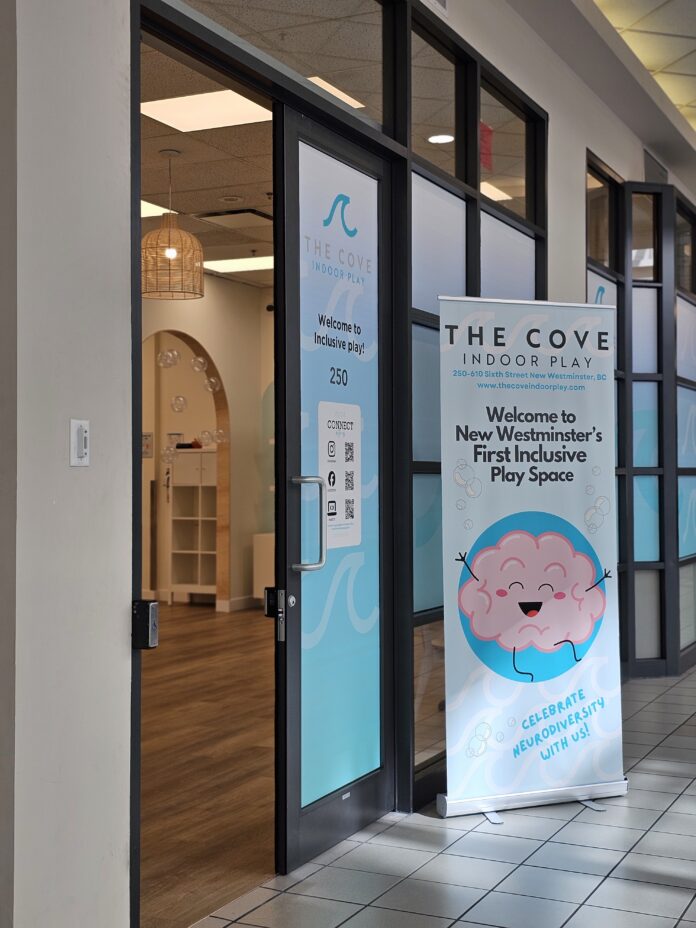
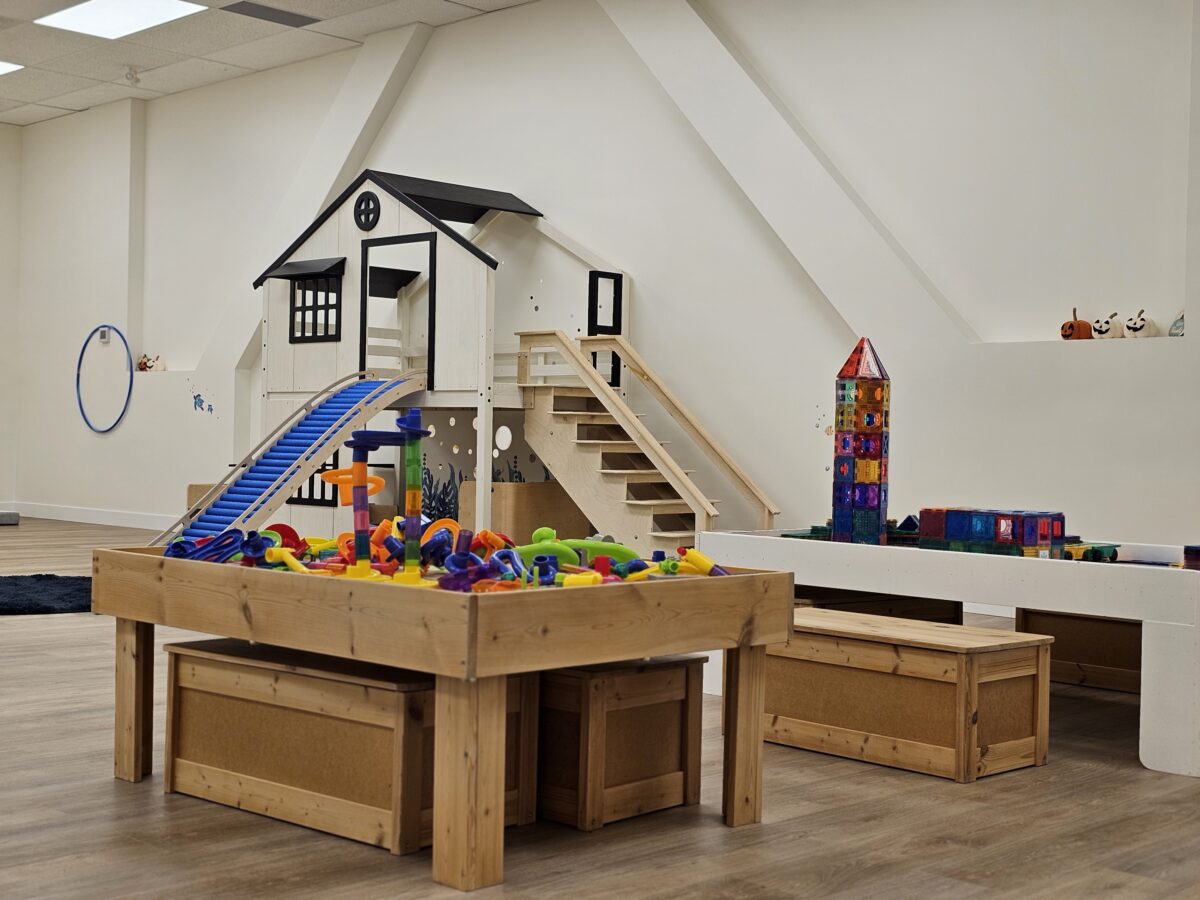
The Cove Indoor Play, an inclusive indoor play centre, has opened at Royal City Centre Mall in New Westminster, BC. The 4,200 square foot facility is designed for families and children of all abilities.
Photo: Geetanjali Sharma
Creating a Haven for Neurodiverse Children
The Cove Indoor Play offers a safe and engaging environment where neurodiversity is celebrated. The expansive space aims to cater to the unique needs of children with various neurological differences, including autism spectrum disorder (ASD), attention-deficit/hyperactivity disorder (ADHD), and dyslexia.
“Understanding neurodiversity is at the core of our mission,” says Trisha Ocampo, founder of The Cove Indoor Play. “Each child experiences the world uniquely, and our goal is to create a space that accommodates these diverse needs and preferences.”
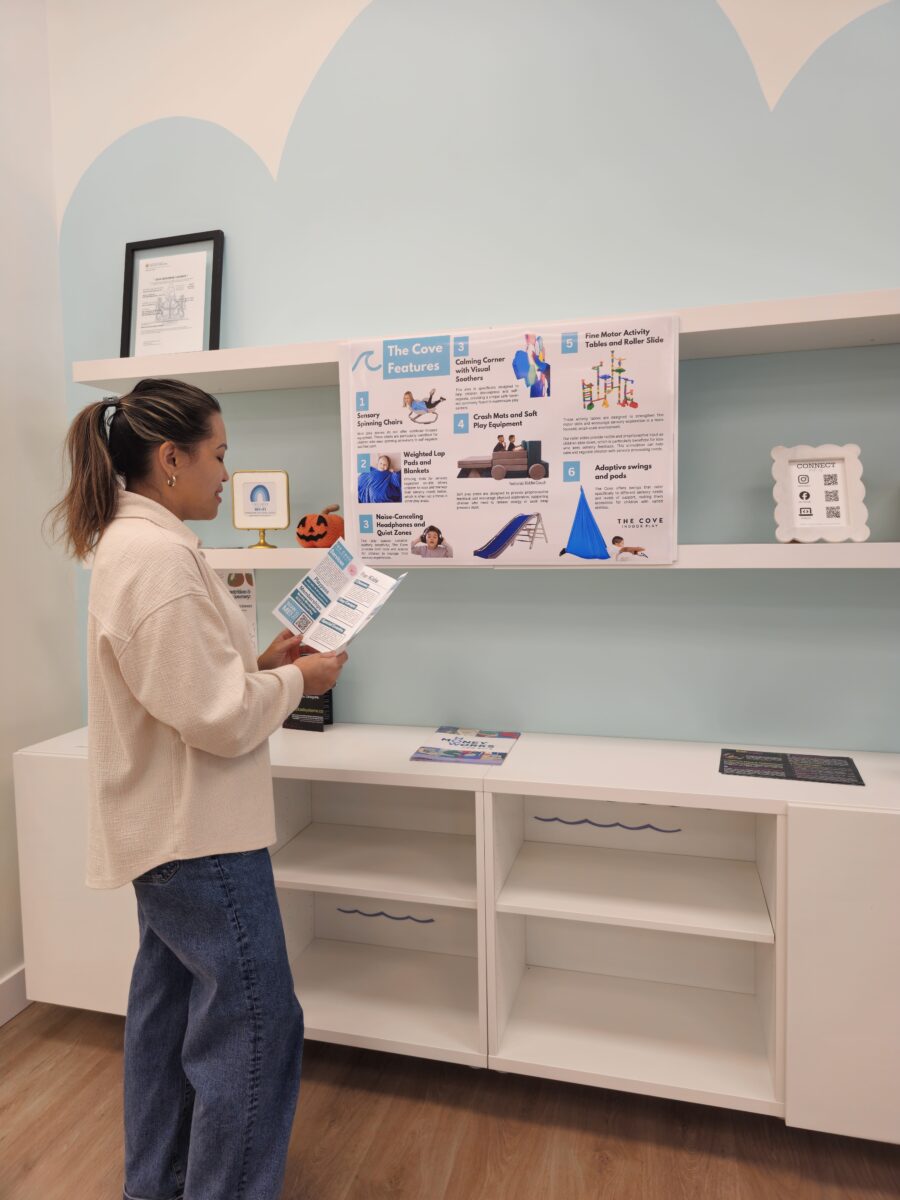
Ocampo reading pamphlet about upcoming social activities. Photo: Geetanjali Sharma
Key Features of The Cove’s Inclusive Playground
The Cove’s large space on the second level of Royal City Centre has been thoughtfully designed to include several key features that cater to neurodiverse children:
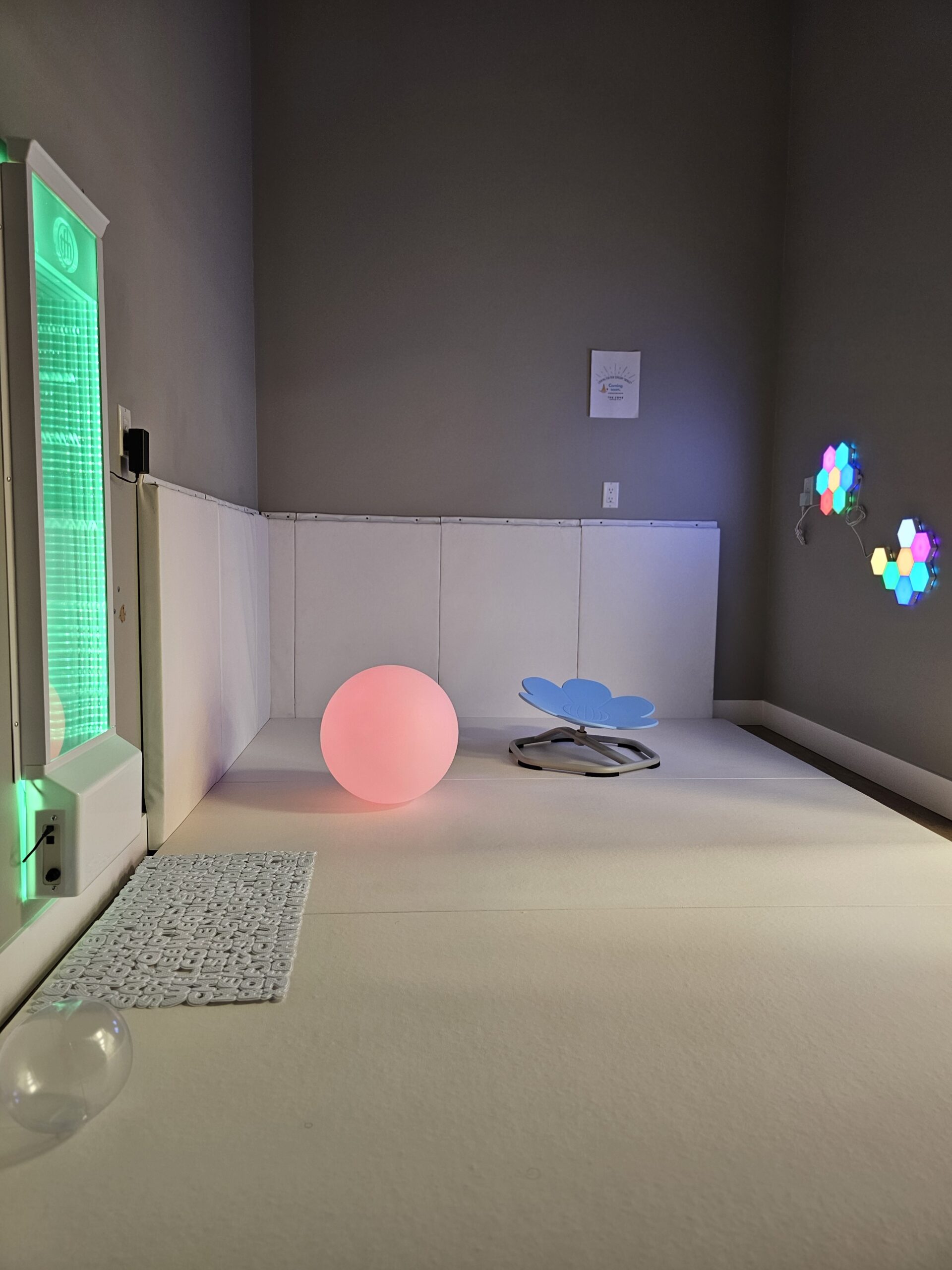
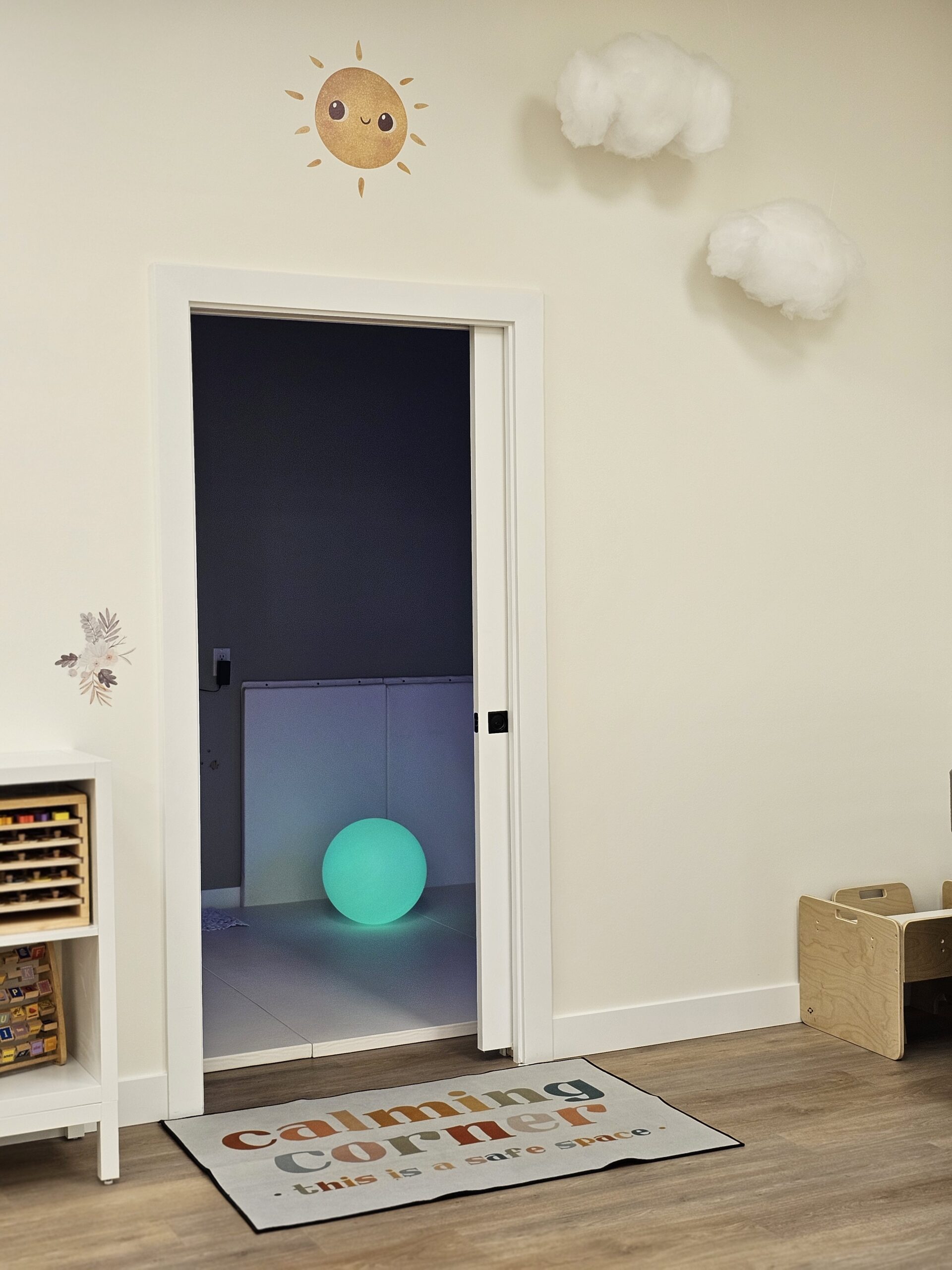
Sensory-Friendly Areas: The centre boasts designated quiet zones with soft lighting and minimal noise, allowing children to take breaks when feeling overwhelmed. Sensory play equipment, including textured walls and interactive panels, stimulates various senses without being overwhelming.
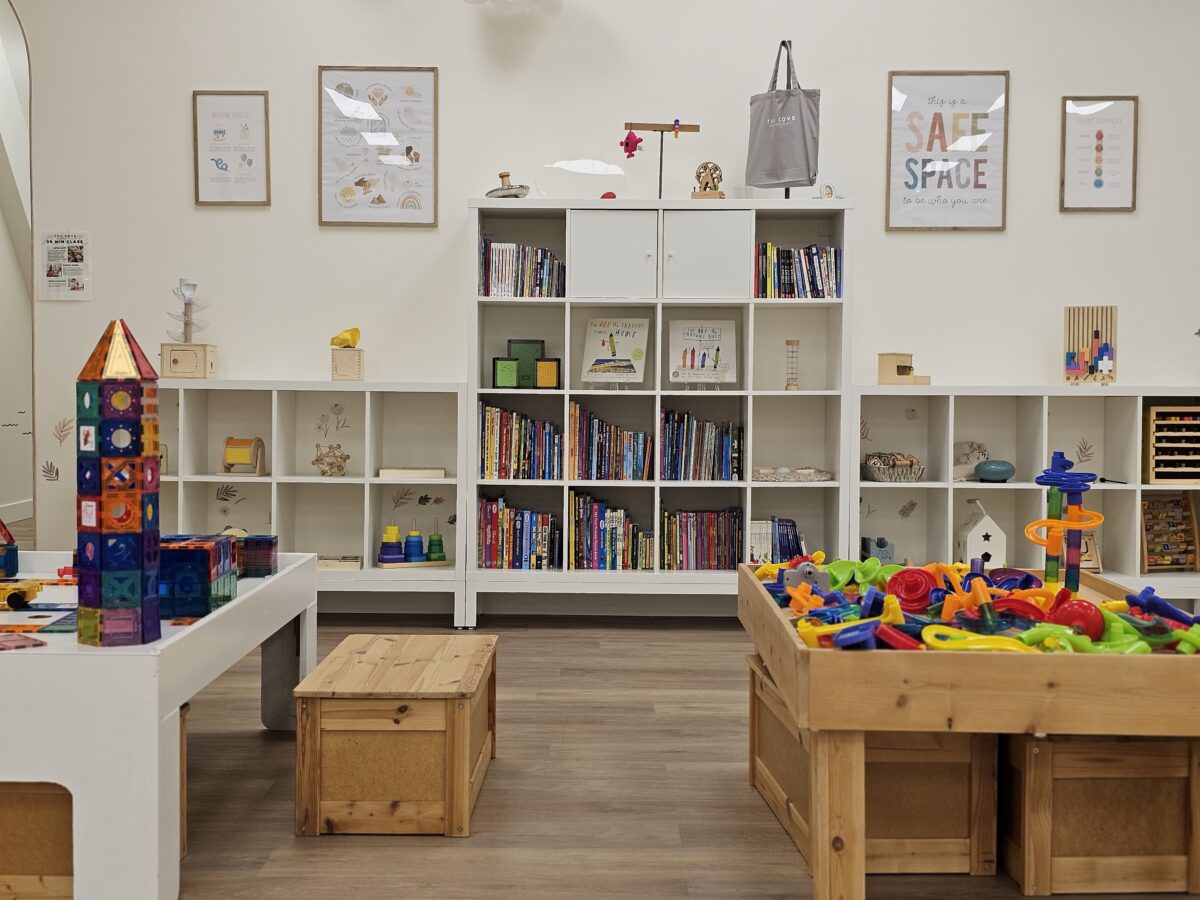
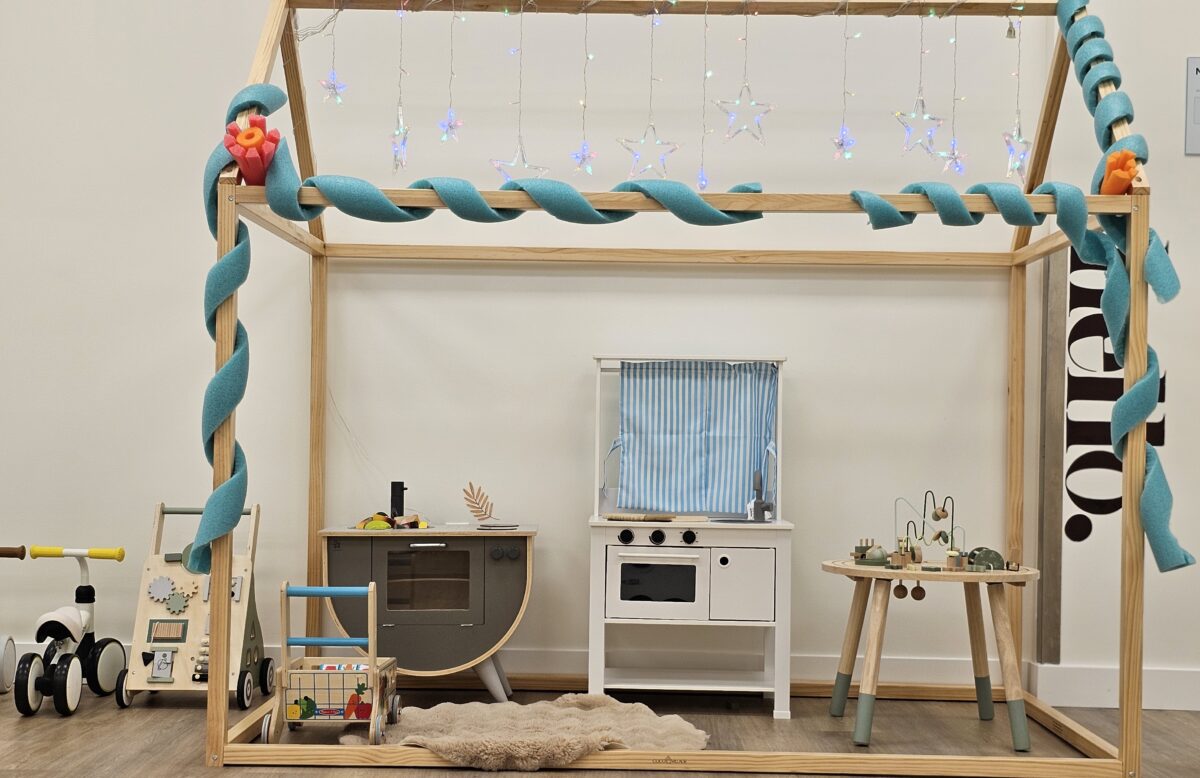
Varied Play Structures: The Cove offers flexible play options such as climbing walls, slides, and soft play areas that cater to different abilities and preferences. Multi-sensory experiences like ball pits and foam block areas engage children in diverse ways.
Social Skills Areas: Zones specifically designed for cooperative play, such as group games and collaborative building stations, encourage social interaction in a structured, supportive environment.
Adaptive Equipment: The Cove ensures inclusivity by providing equipment that accommodates different physical abilities, including swings with harnesses and wheelchair-accessible play structures.
Ocampo emphasizes, “Our staff undergoes rigorous training to understand neurodiversity and effectively support all children. This fosters a welcoming atmosphere where every child feels valued and understood.”
Calming Room. Photo: Geetanjali Sharma
Calming Room. Photo: Geetanjali Sharma
Community-Driven Design
The creation of The Cove was a collaborative effort involving neurodiverse families, educators, and therapists. “Engaging with the community during our planning process provided invaluable insights,” Ocampo explains. “Their feedback has shaped our design choices and ensures that our playground truly meets the diverse needs of its users.”
Photo: Geetanjali SharmaPhoto: Geetanjali Sharma
Benefits of The Cove’s Inclusive Approach
The Cove’s inclusive design offers numerous benefits for children:
Enhanced Social Skills: By encouraging play with peers, The Cove fosters social interactions that help children develop crucial communication and collaboration skills.
Improved Self-Esteem: The inclusive environment at The Cove boosts confidence, allowing children to explore their interests without fear of judgment.
Better Emotional Regulation: The sensory-friendly spaces help children learn to manage overwhelming feelings, teaching valuable coping strategies.
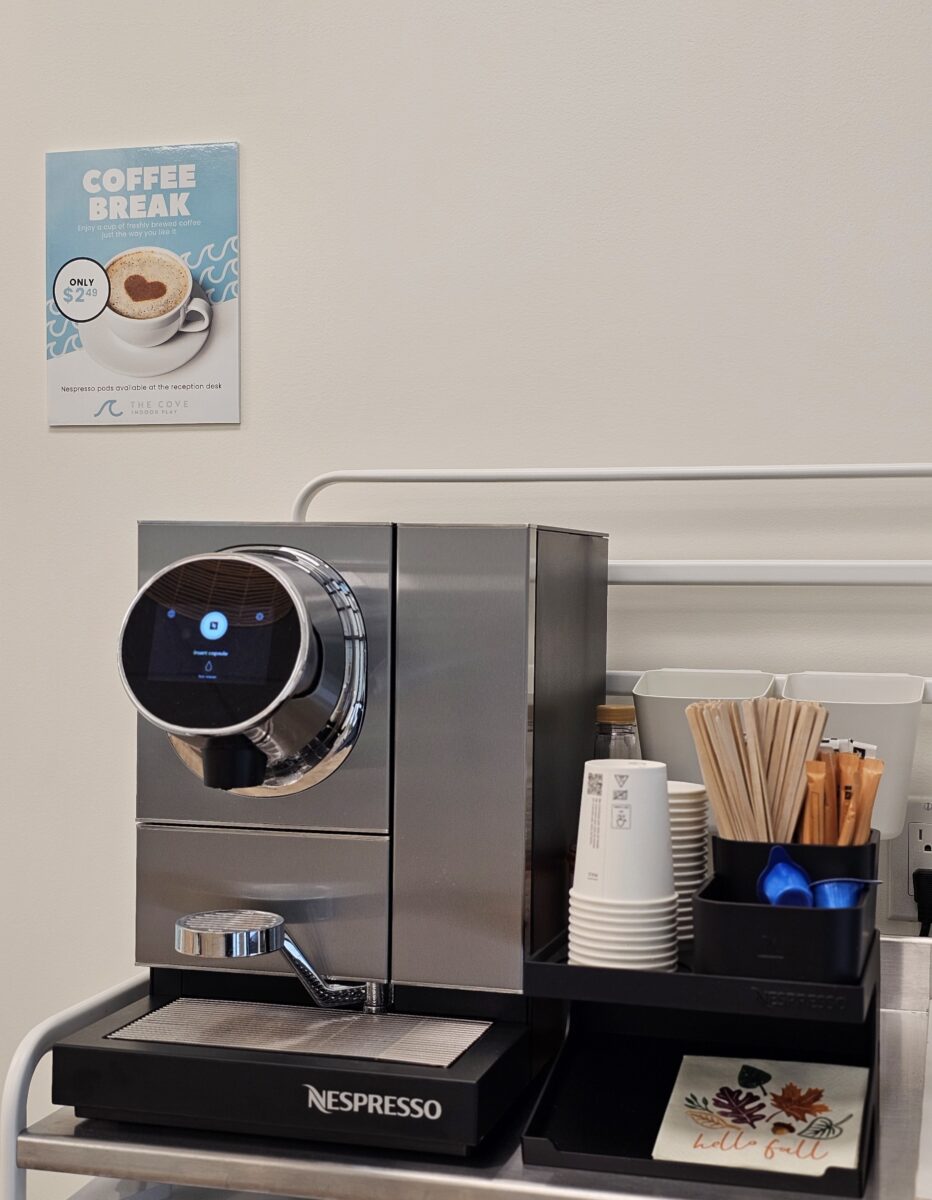
Coffee Machine at The Cove for mothers to enjoy during their break. Photo: Geetanjali Sharma
The Cove Indoor Play stands as a testament to the growing recognition of neurodiversity in recreational spaces. The inclusive indoor playground has quickly become a vital hub for connection, growth, and fun for all children in New Westminster and beyond.
Retail Insider is streamlining its Canadian retail news from around the web to include a handful of top news stories that can be viewed quickly during the day. Here are the top stories from the past 24 hours.
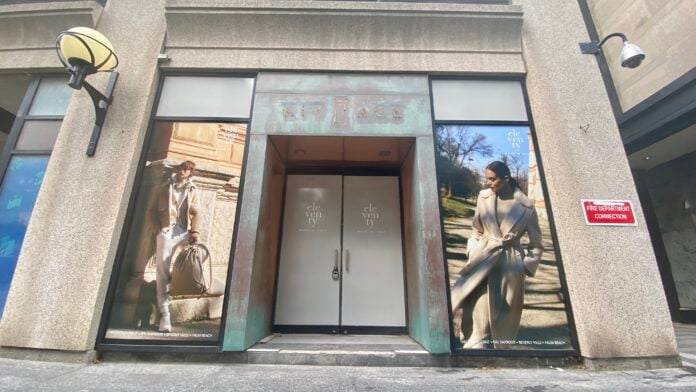
Future Eleventy storefront at 102 Bloor St. W. in Toronto. Kit and Ace most recently occupied the space. Photo: Craig Patterson
Italian luxury brand Eleventy will open its first standalone Canadian store this year at 102 Bloor Street West in Toronto. The location will serve as the brand’s only exclusive store in Canada, complementing its presence in upscale retailers across the country.
Spanning over 3,200 square feet, the Eleventy retail space was formerly home to Canadian brand Kit and Ace, which operated there from 2015 until 2021. Prior to that, United Colors of Benetton occupied the space for years.
Image above: Eleventy logo
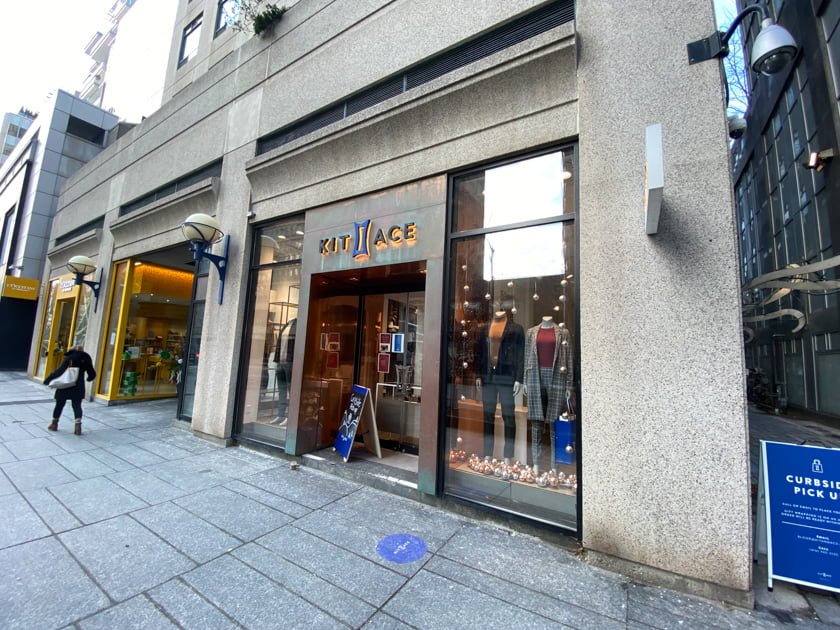
102 Bloor Street West, soon to house Eleventy and formerly housing Kit and Ace. L’Occitane en Provence is the other retail tenant at 102 Bloor St. W. Burberry recently opened at 100 Bloor Street W and can be seen in this photo.
The lease deal for 102 Bloor Street West was negotiated by David Wedemire and Stan Vyriotes of DWSV Realty, who have been pivotal in brokering several high-profile deals in the area. Their work includes securing leases for the new Rolex store across the street and Loro Piana’s flagship store, set to open next month, further highlighting the growth of Bloor Street as a premier shopping destination.
Founded in 2007 by Marco Baldassari and Paolo Zuntini, Eleventy is renowned for its sophisticated Italian craftsmanship and timeless designs. The Milan-based brand offers a range of luxury goods, including men’s and women’s fashion, as well as a line for children and select home goods. Eleventy has established a global footprint with stores in key markets such as New York City, Beverly Hills, Palm Beach, and Greenwich, as well as partnerships with upscale retailers worldwide.
Eleventy advertisement. Image: Eleventy
In Canada, Eleventy’s products are currently available at Harry Rosen, Holt Renfrew, and other upscale retailers like Channers in London and Waterloo, and Henry Singer in Edmonton and Calgary.
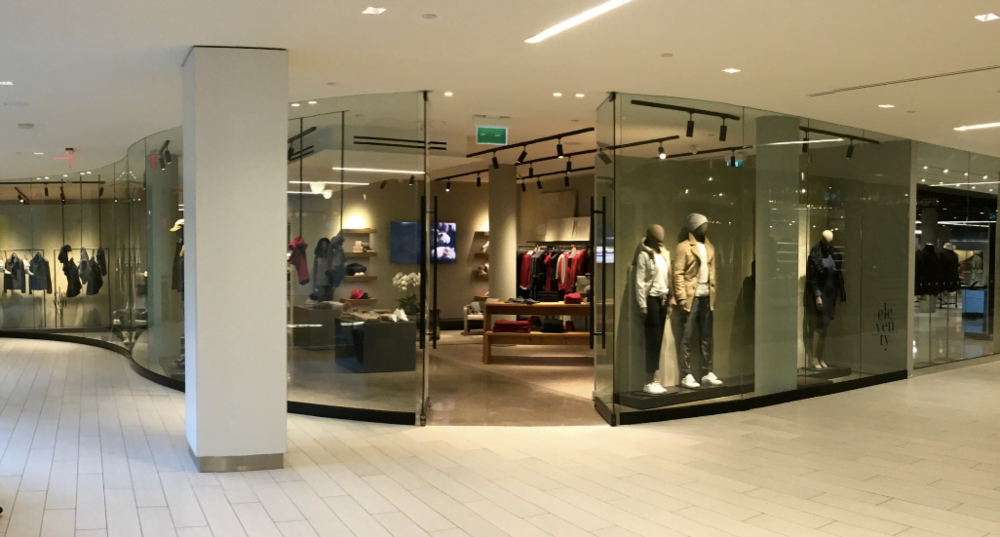
This is not Eleventy’s first foray into Toronto. In 2017, an Eleventy boutique opened at Yorkville Village, operated by TNT The New Trend. The 2,200-square-foot boutique was attached to the TNT store but quietly closed after about three years. The upcoming standalone Bloor Street location marks the brand’s return to a dedicated retail space in Canada, signifying its ongoing commitment to the Canadian luxury market. Eleventy has also been beefing up its presence in Canada, including an expanded partnership with Holt Renfrew that included a dinner in September.
Former Kit and Ace at 102 Bloor St. W. in Toronto, December 12, 2020. Photo: Craig Patterson Former Eleventy at Yorkville Village, August 2022, operated by TNT The New Trend (Image: Craig Patterson)
With the addition of Eleventy and other major luxury brands, Bloor-Yorkville continues to solidify its position as an important luxury node in Toronto. Retail Insider will follow up with an article on what’s happening on Bloor Street, which is seeing a remarkable transformation with an unprecedented number of luxury brands opening stores.
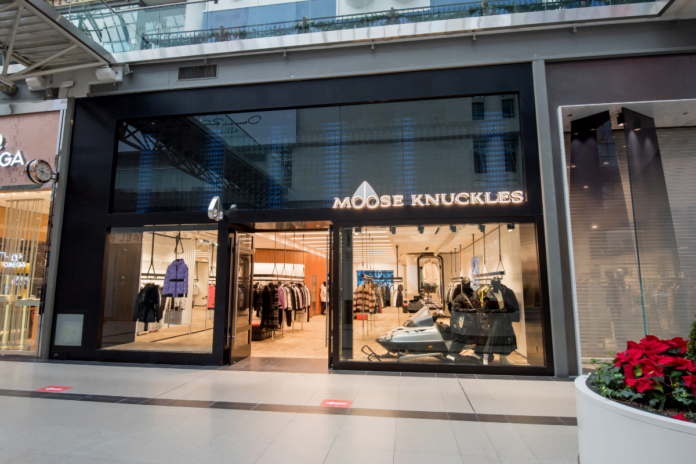
Exterior of Moose Knuckles store at CF Toronto Eaton Centre (Photo: Moose Knuckles)
Moose Knuckles, the Canadian luxury outerwear brand, has announced a strategic partnership with Bosideng, the leading Chinese down apparel company.
“With the financial backing and strategic support provided by Bosideng and the majority investor group led by international private equity firm Cathay Capital, Moose Knuckles is poised to accelerate its development as a major global outerwear brand, merging Canadian heritage and functionality with its youthful, culturally relevant fashion direction,” said the retailer in a news release.
“Headquartered in Montreal, Moose Knuckles is renowned for delivering unique consumer experiences in the outerwear market, blending exceptional Canadian craftsmanship, the highest quality materials, and ultimate function, with a youthful fashion direction. Currently, the brand is expanding its retail presence across 30 countries, with 36 stores in North America, Europe, and China, and distribution through prestigious retailers such as Harrods, Selfridges, Saks Fifth Avenue, and Holt Renfrew.”
Recognizing the brand’s distinct positioning and growth potential, Bosideng and the Cathay Capital-led investor group are committed to providing the financial resources and strategic support necessary to drive the brand’s continued expansion, said the news release. Bosideng will serve as a key investor alongside Cathay Capital, which remains the majority shareholder. This new phase also marks the exit of co-founders Ayal Twik and Noah Stern as shareholders, who launched the retailer in 2009 and successfully led the company’s first chapter of growth.
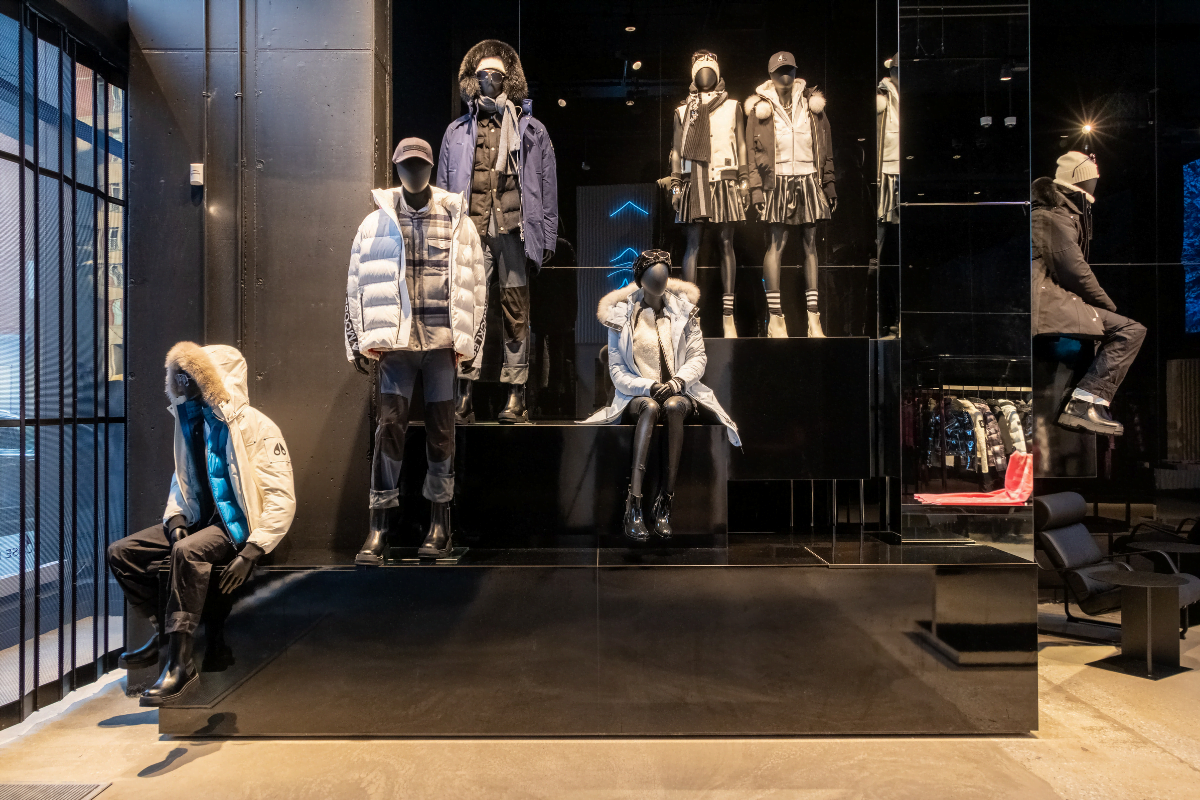
Moose Knuckles Montreal (Image: Moose Knuckles)
Victor Luis, Executive Chairman of Moose Knuckles: “Our products are the culmination of our unwavering dedication to combining exceptional materials, meticulous construction, and a tailored fit that marries style with functional performance. We are embarking on a thrilling new chapter for Moose Knuckles, where we will continue to expand our collections and categories to meet the ever-evolving expectations of our consumers across the globe, ensuring they feel both comfortable and stylish in every season. Our collaboration with Bosideng will be a catalyst for our growth in Asia and will strengthen the multi-cultural, disruptive, and creative spirit that defines our brand and resonates with our global audience.”
Gao Dekang, Founder of the Bosideng brand, Chairman of the Board of Directors and President of the Group: “Bosideng will provide substantial strategic and financial support to Moose Knuckles. This is a strategic cooperation with complementary advantages that will inject new momentum into the mid-to-long-term development of both Moose Knuckles and Bosideng.”
Mark Woods, Partner and Head of North America at Cathay Capital: “Cathay Capital has been a committed partner to Moose Knuckles since our initial investment in 2019, and we are thrilled to welcome Bosideng to this exciting journey. This strategic partnership is a testament to the power of our global platform and our ability to make highly impactful connections across borders for our portfolio companies. We look forward to leveraging Bosideng’s deeply relevant experience and resources, combined with Cathay’s continued backing, to support Moose Knuckles as it continues to expand globally and solidify its position as a leader in luxury outerwear.”
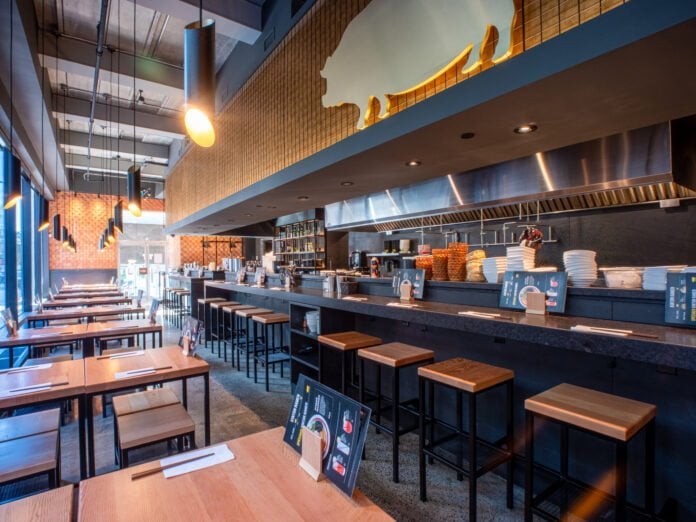
KINTON RAMENhas opened its first location in Windsor, meeting what it says is a widespread demand for authentic Japanese experience across the country.
Located at 1475 Huron Church Road, the restaurant is currently in its soft opening phase, operating Monday to Sunday from 12 to 8 p.m. Locals are invited to preview the menu offerings before the grand opening celebration on November 9, said the company in a news release.
Karalyn White
“We’re thrilled to have soft launched our Windsor location and are eagerly anticipating a grand opening celebration in the near future,” said Karalyn White, Senior Director of Franchising at KINKA Family, the parent company of KINTON RAMEN. “We’re excited to establish a presence in this vibrant and bustling city, and its proximity to the United States border made it the perfect market for our latest expansion.”
With more than 40 locations across Canada and the United States, KINTON RAMEN said it has attained a loyal following in major cities, including Toronto, Vancouver and Montreal, thanks to its innovative approach to ramen while honouring traditional recipes.
The brand also has a soft opening of its King St. East location in Toronto. Located at 40-351 King St. East, this is the first franchised KINTON RAMEN location in Toronto, now in its soft opening phase from 11:30 a.m. to 9:30 p.m. This launch responds to the rising demand for authentic Japanese cuisine in the Greater Toronto Area (GTA).
“KINTON RAMEN began franchising in 2021 – nearly a decade after opening its first restaurant in downtown Toronto in 2012 – as part of its commitment to making its unique and exceptional dining experience accessible to everyone. This impressive growth reflects the increasing demand for genuine ramen experiences across North America, with the Windsor location as a testament to that demand,” said the brand.
Founded in 2009, KINKA FAMILY is a full-service international hospitality group. Since then, the company has come to be recognized as Canada’s largest Japanese restaurant group. KINKA FAMILY owns and operates a diverse portfolio of restaurants and cafés in Toronto, Montreal, Vancouver, Chicago, and New York. Included are KINKA IZAKAYA, KINTON RAMEN and JaBistro.