Home Blog Page 604

Feast or Famine: The New Reality of Eating in Canada [Op-Ed]

Canadian grocery vs. foodservice spending. Image generated

In recent years, the way Canadians consume food has dramatically transformed. Data from Statistics Canada indicates that while food retail sales have been waning, food service sales have displayed remarkable resilience. Currently, the average Canadian spends approximately $246.19 per month on groceries, only slightly above the historical low of $241.19 recorded in May of this year. Despite these modest numbers, the broader narrative reveals a food retail sector that remains sluggish, with consumers increasingly opting for lower-priced alternatives such as discount brands and dollar stores. Concurrently, there has been a significant rise in food bank utilization, underscoring a shift in consumer behavior and highlighting economic strains.

This shift becomes even more pronounced against the backdrop of inflationary pressures that began in 2022. Contrary to the generally negative headlines, the restaurant industry has been reporting strong sales figures since mid-2021. Canadians now spend an average of $186.95 per month at restaurants, which includes expenditures on food delivery services but excludes venues primarily serving alcohol.
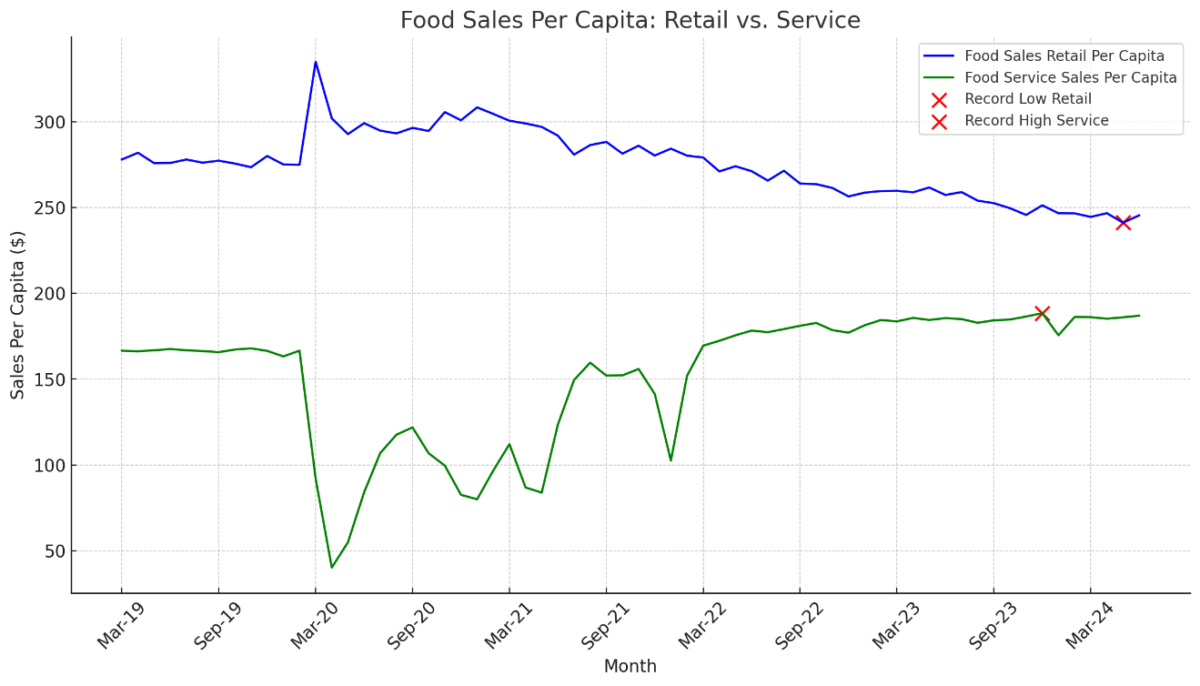
As of now, Canadians allocate 43% of their food budget to food services, up from 37% in 2019, the year before the pandemic. With a record high in restaurant spending of $188.41 noted in December 2023, we anticipate this record may be surpassed by the end of this year. Despite numerous closures in recent years, the restaurant sector seems to be adeptly adapting to a rapidly evolving marketplace.

According to Restaurants Canada, the nation boasts over 97,000 restaurants, employing approximately 1.2 million people—figures nearly mirroring those from 2019, before the pandemic. This equates to about 2.93 restaurants per 1,000 Canadians, a ratio that has remained relatively stable despite the challenges of the pandemic and subsequent lockdowns. Notably, British Columbia leads with the highest per capita ratio at 3.2 restaurants per 1,000 residents, while Ontario and Quebec are among the lowest with 2.9 and 2.8 respectively.

These data indicate a gradual shift towards a market increasingly oriented towards food services in Canada, a surprising development given the predominantly negative media coverage, including reports of tipping fatigue. However, the situation in Canada still markedly differs from that in the United States, where nearly 54% of the food budget is spent in restaurants, though Canada is slowly closing that gap.

Travel is a significant driver of this trend; airports are bustling, and cruise ships traverse the globe. Interestingly, the shift to working from home does not appear to have dampened food service sales. In fact, more Canadians are opting to dine in more frequently, spurring a surge in demand for food delivery services.

Despite persistent media narratives forecasting the demise of the food service industry, the statistical evidence contradicts these claims. While inflation and demographic changes have forced consumers to curtail or adjust their grocery spending, many Canadians remain devoted to dining establishments, even as menu prices have outpaced food inflation at grocery stores for more than six months.

This scenario suggests that inflation impacts Canadians unevenly: while some barely feel the pinch, others are quietly struggling. Our growing population has not enriched us as a nation; rather, it has led to increased financial and economic fragmentation, with Canada’s GDP per capita reaching perilously low levels.

Food prices seem to be stabilizing, and most analysts predict that consumers will soon experience some relief. The extent to which food services will play a role in the lives of Canadians in the future remains to be seen. As we navigate these shifts, the landscape of food consumption in Canada continues to evolve dynamically.

Other Articles Related to Sylvain Charlebois: Where are Food Prices in Canada Headed in 2024?
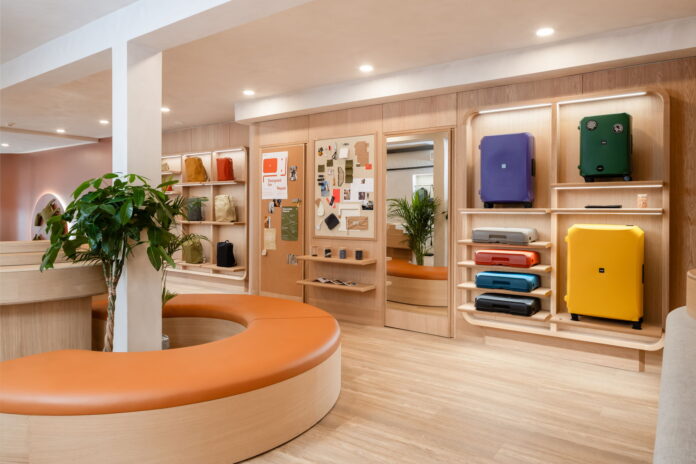
LOJEL opens flagship store in Vancouver, embarking on North American expansion (Photos)

Photo courtesy of LOJEL

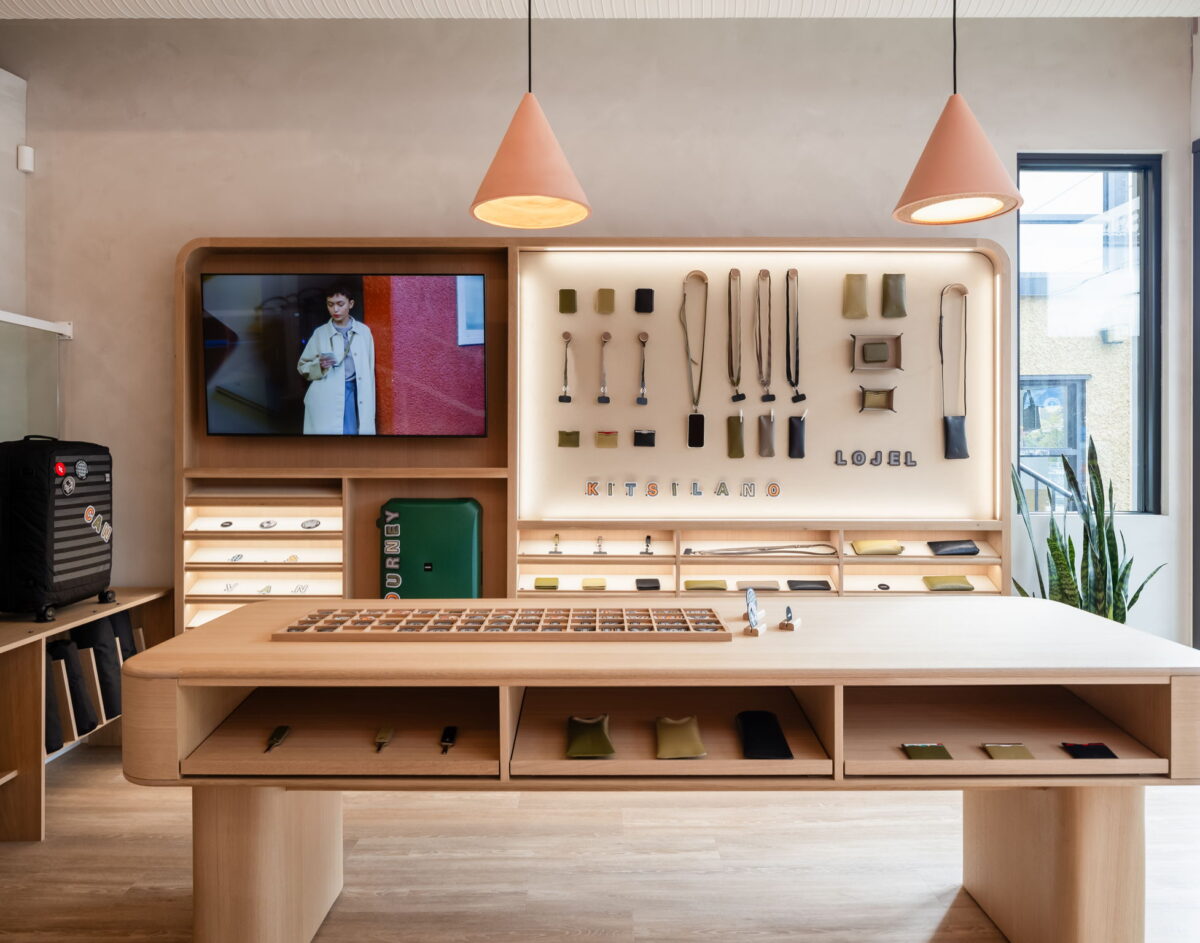
LOJEL, the globally-renowned brand for carry essentials, has made its highly anticipated North American debut with the opening of its flagship store in Vancouver’s vibrant Kitsilano neighborhood.

In a news release, the retailer said the milestone marks the brand’s entry into North America, as it furthers its mission to deliver innovative, sustainable products that simplify everyday movement and inspire travel connections worldwide.

Rachel Draper

“Vancouver was a natural choice for LOJEL as we embark on this exciting new chapter,” said Rachel Draper, General Manager, North America. “The city’s diversity, environmental commitment, and dynamic community align perfectly with our values, and we’re excited to establish LOJEL as a central hub for travelers and locals alike who value sustainability and thoughtful design.”

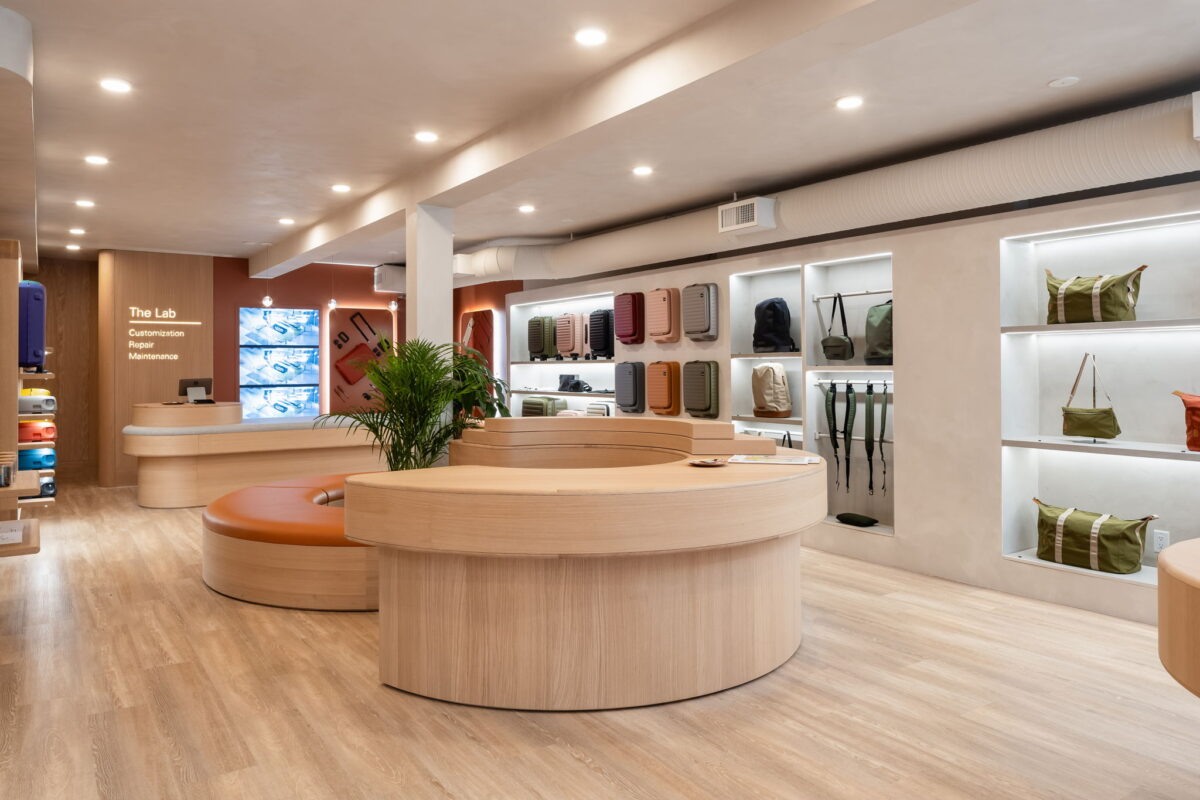
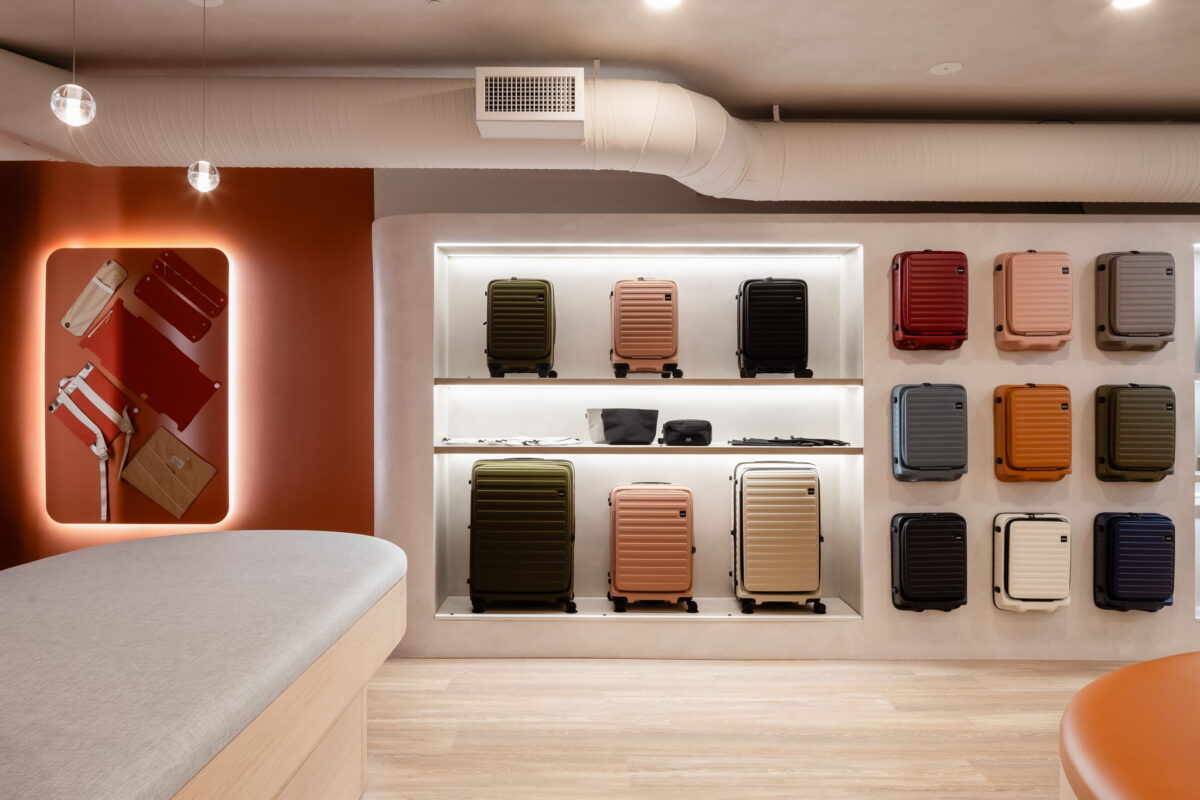
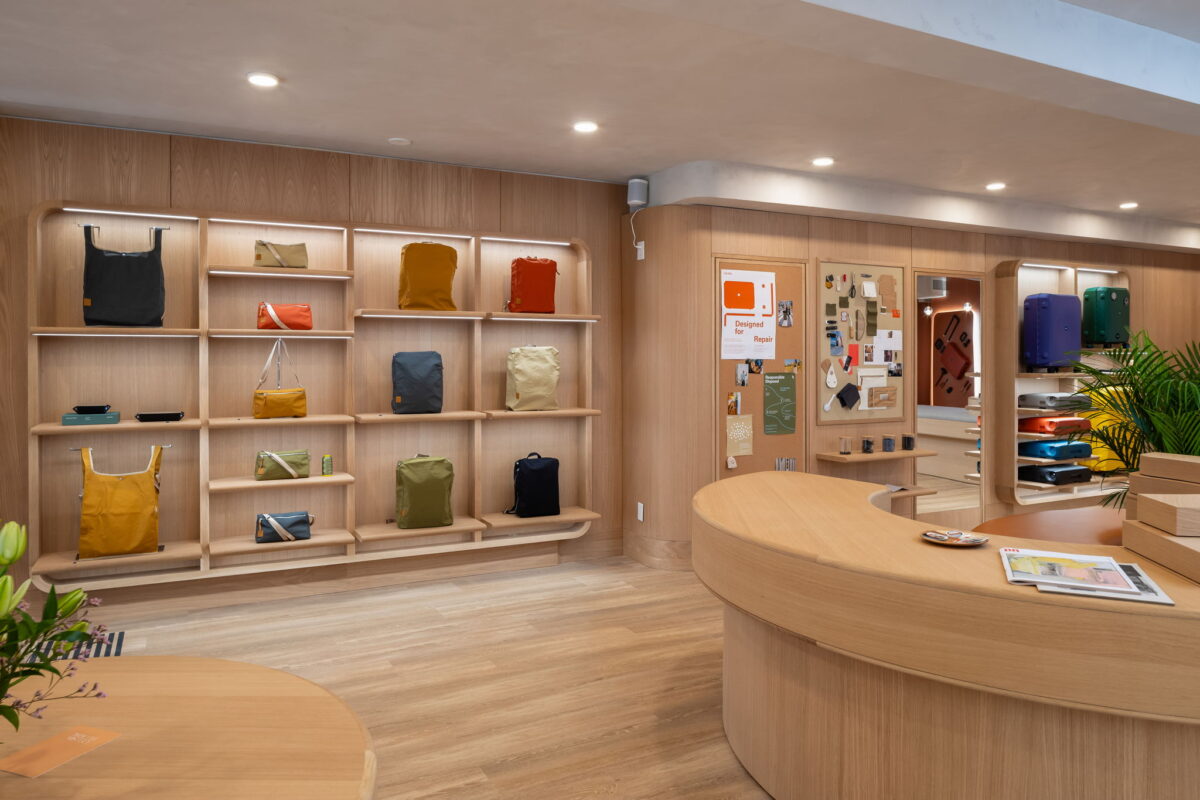
The retailer said the new 1,800-square-foot flagship features the brand’s full range of products, including its signature luggage collections, versatile bags, and accessories, all crafted with durability, simplicity, and the environment top of mind. Developed as a community retail space for everyday inspiration, the store also embraces its local surroundings, with immersive design and experiential elements that celebrate local culture and bring real value to the community, it said.

“Shoppers are treated to a striking exterior mural by local artist Amy Flak. Inside, a community cork board serves as a visual way to inspire and educate, and custom display plinths have been fashioned by Barter Design out of locally-sourced, second growth Western Hemlock from the nearby Sunshine Coast. These thoughtful touches, among many more, are emblematic of the brand’s commitment to connecting with vibrant communities across the North American market,” said the brand in the news release.

Photo courtesy of LOJEL

LOJEL was founded in Japan in 1989 by young entrepreneur Chih Chang Chiang as a user-centric alternative to traditional luggage.

“Over three decades later, the brand has honed its expertise in creating high-quality, durable essentials that are designed to last. This focus on longevity not only contributes to reducing waste but also ensures that LOJEL products are reliable and resilient, perfect for those who value sustainability without compromising on style or functionality. LOJEL’s unwavering commitment to producing innovative solutions that meet the evolving needs of modern movement has allowed the brand to transcend its roots in travel and seamlessly integrate into the fabric of daily routines worldwide,” it said.

“The Vancouver store opening represents the brand’s commitment to becoming increasingly global by continuing to establish a deeper presence in the North American market, while maintaining an ethical approach to design, technology, and business. With plans to open more flagship stores in different cities, LOJEL’s dedicated team wants to connect with different communities and inspire meaningful journeys, whatever they may look like.”

Kenzo Yoneno

“The LOJEL store is a place to get inspiration for how to simplify movement in your life,” said Chief Product Officer, Kenzo Yoneno. “Whether it’s a trip to the grocery store, a weekend away in Tofino, or a once-in-a-lifetime bucket list trip, our ultimate goal is to inspire movement within communities and across the globe. As we open our doors in Vancouver and look to the future, we are excited to continue inspiring thoughtful movement through products that are built to last, designed for ease, and rooted in a deep respect for the world we move through.”

The store was built by The Design Collective/Elevation Vancouver in collaboration with LOJEL’s internal design team.

LOJEL, which stands for Let Our Journeys Enrich Life, is a global carry essentials brand that “aims to empower life’s journeys with innovative, sustainable products that offer transformative experiences, inspiring mindful travel and connections worldwide.”

The company said its durable and user-centric products are designed to simplify movement—because simplifying how we move frees us up to focus on what matters. All products are designed to empower life’s journeys, encourage mindful movement, and promote sustainable lifestyles. The brand is now headquartered in Hong Kong, and is currently sold in 15 countries through LOJEL’s physical stores and ecommerce platform.

Photo courtesy of LOJEL

Molson Coors named official partner of Canucks Sports & Entertainment

Canucks Sports & Entertainment (CNW Group/Molson Coors Beverage Company)

Molson Coors Beverage Company has announced its official partnership with Canucks Sports & Entertainment (CSE) as the official beer sponsor of the Vancouver Canucks, Abbotsford Canucks, and Vancouver Warriors and as the new partner at Rogers Arena and Abbotsford Centre.  

Chantalle Butler

“We’re thrilled to reunite Molson Coors with Canucks Sports & Entertainment,” said Chantalle Butler, President, Molson Coors Canada in a news release. “This new partnership unites CSE and our Molson Coors family of beverages, which includes Molson Canadian, an iconic beer first brewed in 1959, and Coors Light, Canada’s leading light beer. It’s an exciting opportunity to align with an organization and teams that mean so much to hockey fans.”

The company said the agreement brings together three major players: one of Canada’s largest and busiest sports arenas, a premier Canadian sports brand, and one of the world’s top beverage companies. Molson Canadian and Coors Light will be available throughout Rogers Arena and Abbotsford Centre, Granville Island will be featured as the official craft beer and other selections from Molson Coors Beverage Company’s diverse portfolio of offerings will be on site, such as Coors Seltzer and Vizzy, it added.

Michael Doyle

“We are proud to announce our partnership with Molson Coors as the official partner at Rogers Arena and Abbotsford Centre,” said Michael Doyle, President, Canucks Sports & Entertainment, Business Operations. “This partnership brings together two iconic companies, both deeply passionate about Canadian sports and the communities they serve, and we are excited to move forward together with this partnership.

Through this new partnership, Molson Coors will transform Club 500 at Rogers Arena into the Madrí Excepcional Lounge, featuring the newest addition to Molson Coors’ portfolio, a crisp and smooth Spanish style lager; and Section 119 on L100’s bar will become the Molson Hockey House, it added.

Related Article: LOJEL opens flagship store in Vancouver, embarking on North American expansion (Photos)

Toronto-based Dog Standards launches fresh dog food subscription service (Interview)

Jessica Bevilacqua

Dog Standards was founded by Jessica Bevilacqua, the dog mom of a Husky named Boston.

At only six months old, Boston became very ill and after spending countless hours at animal hospitals and drawers full of medications that didn’t work, Bevilacqua said she decided she needed to take matters into her own hands. 

She’s a self-proclaimed health nut and knew that what she fueled her own body with had a direct correlation on her health. 

Thinking the same for her dog, she began researching different diets for dogs. Then she began cooking for Boston at home, and “in under a month he was a completely different dog.”

“No more constant itching, zero gas, silky fur, regular poops, so much energy and finally sleeping through the night,” she said.

Jessica Bevilacqua

Bevilacqua developed a recipe with the help of a veterinary nutritionist and with Boston’s improved health, she launched Dog Standards with a mission to make dogs healthier and happier by providing a convenient fresh dog food subscription service.

“Food is medicine for us and the same is true for our pets. Countless customers share stories of weight management, elimination of skin conditions and allergies, improved behaviour . . . the list goes on,” said Bevilacqua, who has experienced 30 per cent month-over-month sales increases and a nearly 100 per cent rise in revenue since last year.

“I was inspired to create Dog Standards after I saw how fresh food extended and improved my own dogs’ life. My mission is to empower pet parents to provide healthier feeding options, and have it be convenient and properly balanced.

“Dog Standards was founded out of desperation to save my dog who was suffering from daily seizures. Despite consulting multiple vets, nothing worked, so I started researching and discovered that most dog food is highly processed and unfit for human consumption. That’s when I started preparing fresh meals for him in my kitchen. 

“The results were astounding—his seizures dropped from daily to just once every four months. Seeing the transformation, I realized how powerful food can be as medicine, and I wanted to help other pet parents achieve the same results by switching to fresh, gently cooked meals enhanced with superfoods. 

“This was about 10 years ago when fresh dog food was a niche concept—there weren’t even fridges in pet stores. Now, it’s become a movement, and I’m proud to have been at the forefront of pioneering this new category in dog nutrition. Now business is really taking off and we’re rapidly expanding into new markets with new offerings.”

Photo courtesy of Dog Standards

She said the company primarily operates as a subscription-based, freshly cooked dog food company, and it’s unique in offering vet-led meal planning with every subscription. It’s an important offering that ensures every dog is on a plan unique to their nutritional needs. 

“I believe there’s strength in having both a direct-to-consumer (DTC) model and a physical presence. It allows customers to see the product in person, enhances brand visibility, and aligns us with trusted pet retailers. Currently, Dog Standards is available at a handful of boutique pet stores that prioritize high-quality and natural food solutions such as Good Boy Collective in Vancouver, and in Toronto: Treat Bar, Shop Juju, and Juju Grooms. We plan on expanding into other doors. We’re also gearing up to launch online in the U.S., and we have a new product innovation set to debut at select retailers across Canada and online across North America,” said Bevilacqua.

“We’ve seen word-of-mouth as a major driver of our growth, with many customers noticing improvements in their dogs’ health within just 28 days. Additionally, millennials make up a large portion of today’s pet parents, and they tend to treat their pets like family members. Just as they are health-conscious about their own diets, they’re equally mindful of what their pets consume. They’ve seen firsthand how Dog Standards’ high-quality, freshly cooked food can drastically improve their dogs’ quality of life.”

Dog Standards is the only company of its kind in Canada providing vet-led meal planning and a tailored feeding guide with every subscription. This includes a 20-minute phone call with one of Canada’s leading experts in dog nutrition and ensures every delivery has just the right amount of food—down to the gram.

Photo courtesy of Dog Standards

With 59 per cent of dogs now overweight or obese—a condition linked to diseases like cancer—the need for healthier feeding practices has never been more urgent, said the company. 

It said managing weight is the number one way pet parents can extend lives as Canadian veterinarians have identified weight control/management as the number-one thing a pet owner can do to increase the length of their pet’s life. Also, a Purdue University Study found that switching dog food with just 25 per cent real food, may decrease the risk of cancer by up to 90 per cent. 

Dr. Suzee Camilleri

“In my expert opinion, research shows about half of all senior pets get cancer and nearly 60 per cent of all dogs are overweight,” said Dr. Suzee Camilleri, DVSc, and veterinary pathologist. “I have seen first-hand with my own dogs how a fresh diet can eliminate skin conditions and improve health to help increase their lifespans. The good news is diet is within pet parents’ control.” 

Photo courtesy of Dog Standards

Mobile rental bar concept exploding across North America (Photos)

Photo courtesy of Sip Social

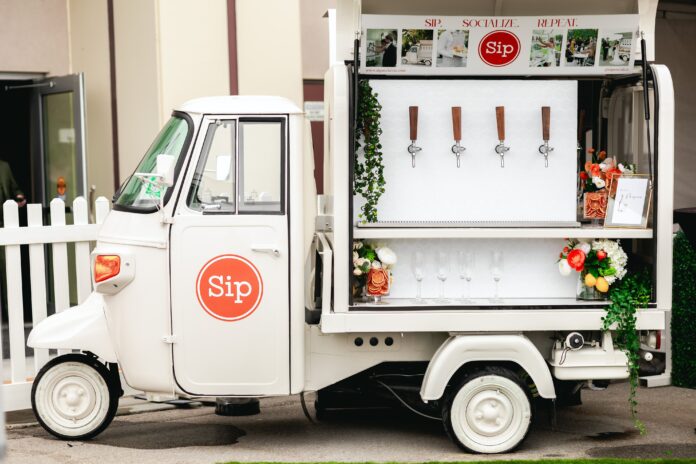
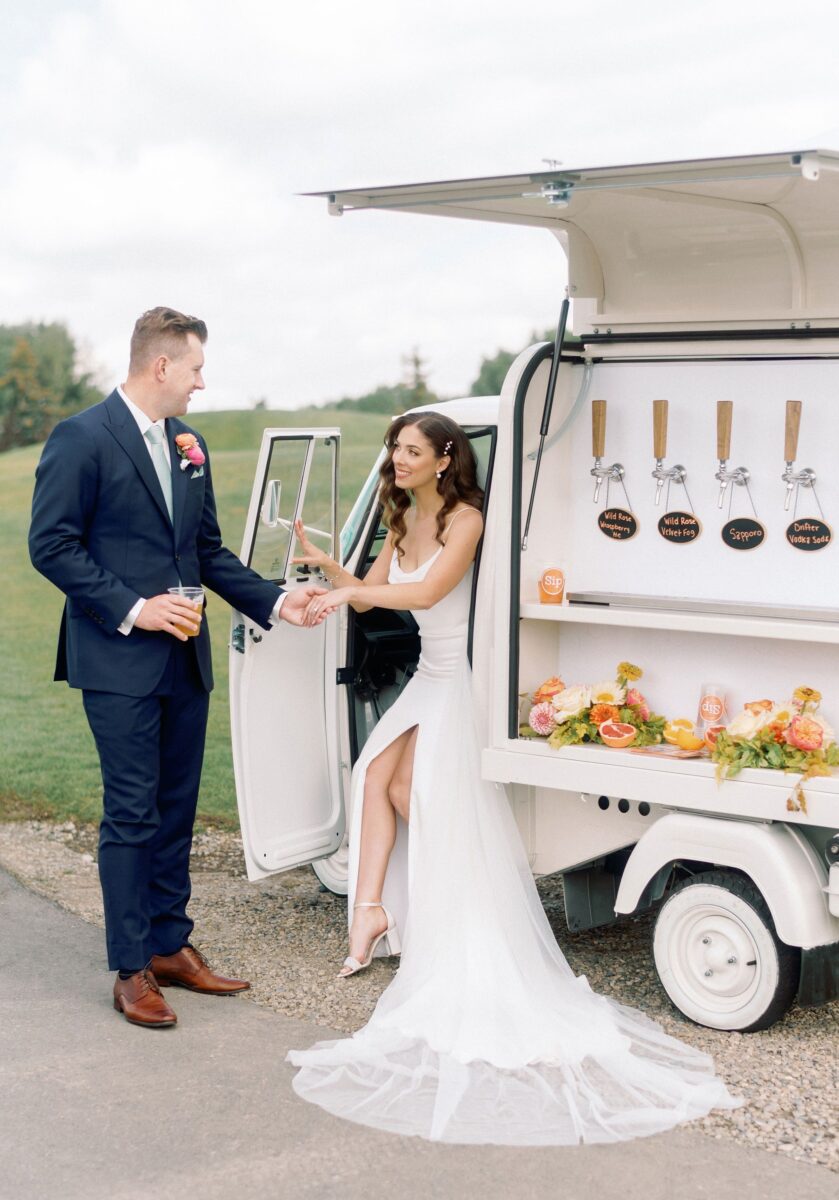
Calgary-based Sip Social Co. keeps rolling out its unique Piaggio Ape truck across North America as the mobile rental bar concept gains popularity for a wide variety of events like weddings and birthday parties.

Kendall Pupp

“Our mobile bars are magnets at events and always draw a crowd, making them natural party-starters,” said Kendall Pupp, Director of Business Operations and Development. “At Sip, we’ve taken the beer and champagne cart model and scaled it up, creating a new opportunity for clients to market their products and services with consistency and style.”

The concept has rolled out to close to 90 Piaggio mobile bars, with locations stretching from Vancouver to Miami. Traditionally rented out at weddings and backyard parties, the roaming bar format is now catching the attention of big brands and marketing firms looking to turn heads.

“In 2017 was when the whole bar cart and doing events happened. The licensing program where we’ve got multiple locations and we’re putting trucks into all the different markets, that was more like 2022,” said Pupp.

“We’re in more than 60 different markets in Canada and the U.S. (with the three-wheeled Piaggio Ape trucks) and growing.”

Photo courtesy of Sip Social

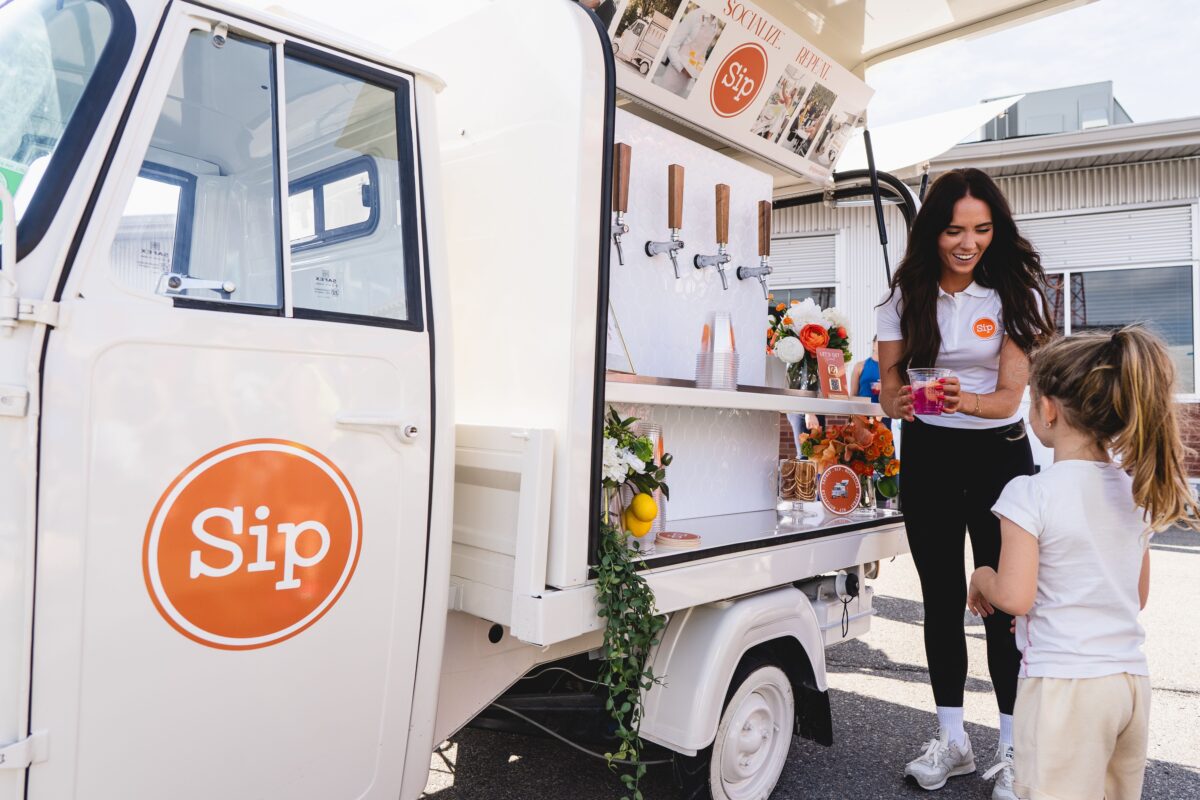
All Sip trucks are standardized and are identical in model, color, and size, then equipped with the same beverage chillers, number of taps and connections. To personalize every experience, Sip can offer countless beverage options on tap, create custom signage and décor, and even offer the opportunity to activate the trucks with full wraps. In addition, brands have the option to remove the chillers altogether and make room for retail product displays.

International brands, online retailers, and marketing and public relations firms are now working with Sip to take their brands to the streets. 

“By nature, people who operate a mobile bar business are outgoing and fun, but we take it a step further by carefully selecting and training licensees who bring professionalism, enthusiasm and a natural ability to represent clients at any event,” added Pupp.

“We know that wherever we put the truck, park the truck or operate the truck. It’s a magnet. People just come. People just come and they want to know what this is, why is this so cool . . . We can get them inside buildings, we can do outdoor events, because of the size of the truck. It’s small, it’s cute.”

Sip collaborations have included major alcohol corporations like Diageo, Anheuser-Busch, and Adam Levine’s Calirosa Tequila, along with coffee, sports, and fitness companies (to name a few). To view the full list of Sip locations, visit here.

Photo courtesy of Sip Social

“The truck is a rental. It is an event rental business. We rent our trucks out for events, promotional things, weddings here and all of our licensees across all of these markets and the U.S. we sell them trucks as a licensed unit and they rent them out with our assistance for events. We do the marketing,” said Pupp.

The trucks are Italian designed and manufactured in India. Sip Social manufacture and turn them into the the mobile bar carts both in Calgary as well as a facility in New Jersey.

“We design and build the bar unit – the seven draught tap systems that we use to serve everything from cocktails to mocktails to beer, wine, cider, prosecco. And you can serve through a keg which is everything that you can put in a keg,” added Pupp.

He said the trucks are popular because of their look and feel.

“People just think they have a certain style. Everything from ‘oh my God that’s cute’. We can really make something. People like to decorate up around them. We make them look nice. Flowers. Balloons. Whatever the event calls for,” said Pupp.

“One of the key things is you can brand the truck. We’ll let you put signage on it. We’ll let you put your logos on the truck either vinyl wrap or magnet stickers. So for a brand execution, for an activation, for a marketing plan, it just looks so cool and funky and it’s so much better than walking up to a portable bar or a table with a cloth draped over it and somebody trying to pour you a sample or pour you a beverage at your event. Our staff will be there. It’s very fast. We’re fast, we’re clean, we’re organized. From an operations and customer service perspective we’re way better pouring everything off of the taps than waiting for somebody to mix a drink.”

Photo courtesy of Sip Social

From Prime Day to LCBO Strikes: Canadian Retail Sales in July 2024

Premium Outlet Collection Edmonton International Airport, September 20, 2024. Photo: Lee Rivett

Analysis by J.C. Williams Group

The Canadian retail market showed mixed results in July 2024, with overall sales up 2.0% YOY. However, when excluding automotive, food, and pharmacies, there was a slight decline of 0.5% YOY in discretionary spending. This indicates a continued cautious consumer sentiment and shifting spending patterns across various retail categories.

A significant factor influencing the retail landscape was the LCBO strike, which had a notable impact on alcohol sales in Ontario. Beer, Wine, and Liquor Stores experienced a substantial decrease of 6.6% YOY, with YTD figures also down by 3.8%. This decline not only reflects the immediate impact of the strike but also suggests a broader trend of changing consumer preferences regarding alcohol consumption. Interestingly, the impact on Supermarkets and Other Grocery Stores was less pronounced, with only a 1.0% YOY decrease, indicating a potential shift in where consumers are purchasing their alcoholic beverages.

In contrast to the challenges faced by the alcohol sector, General Merchandise Stores demonstrated strong performance with a 3.1% YOY increase. This growth can be attributed in part to the success of promotional events such as Amazon Prime Day in July. Many Canadian brands strategically offered competitive sales and discounts around this period, contributing to the category’s robust growth, with YTD figures up 4.7%. However, Prime Day still impacted e-commerce sales, with an increase of 6.9% YOY.

For likely the first time since its legalization, the Cannabis retail sector faced headwinds, reporting negative growth with sales down 3.9% YOY and 1.0% YTD. This unexpected downturn came despite anticipations of a strong July performance due to the LCBO strike, which was expected to drive consumers towards cannabis products. The sector’s challenges were further highlighted by the announcement that Tokyo Smoke would be closing 29 stores and filing for creditor protection, signaling potential oversaturation and regulatory challenges in the cannabis retail market.

As we move into the fall season, several factors are likely to influence retail performance:

  • How will smaller basket sizes/spend during the back-to-school shopping period impact overall retail performance?

  • What is the anticipated impact of having multiple Prime Day events (Summer and Fall) on the overall holiday retail performance?
  • What effect will the reduced occurrence of wildfires compared to past years have on retail markets, especially in areas previously impacted by such events?
  • How can retailers mitigate the impact of unexpected weather-related disruptions?
  • How are YOU strategizing your marketing efforts given that holiday promotions are starting earlier each year?

For support with your holiday strategy, reach out to the team at JCWG!


Canadian Retail Sales by Product Category, Same Month Comparison

Sales for the Month of JulyJul-24Jul-23YOY
All Stores69,457,36268,124,8651.96%
Motor Vehicle and Parts Dealers19,194,07818,097,6936.06%
Gasoline Stations7,096,6436,917,0232.60%
All Stores Less Automotive43,166,64143,110,1490.13%
Food and Beverage Stores13,337,70413,574,500-1.74%
Supermarkets and Other Grocery Stores*9,265,6639,360,078-1.01%
Convenience Stores795,198841,735-5.53%
Specialty Food Stores964,156910,8865.85%
Beer, Wine and Liquor Stores2,312,6882,461,800-6.06%
Health and Personal Care Stores5,619,7435,217,7437.70%
All Stores Less Automotive, Food, and Pharmacies24,209,19424,317,906-0.45%
General Merchandise Stores9,310,2249,035,0703.05%
Furniture, Home Furnishings, Electronic and Appliance Stores3,444,3853,546,934-2.89%
Furniture Stores1,184,9671,263,925-6.25%
Home Furnishings Stores688,443660,2504.27%
Electronics and Appliance Stores1,570,9751,622,759-3.19%
Clothing and Accessories Stores3,382,9893,411,564-0.84%
Clothing Stores2,624,1812,608,7570.59%
Shoe Stores389,022429,164-9.35%
Jewellery, Luggage and Leather Goods Stores369,786373,643-1.03%
Sporting Goods, Hobby, Book and Music Stores3,791,7083,971,133-4.52%
Building Material and Garden Equipment4,279,8874,353,207-1.68%
Miscellaneous Store Retailers2,489,7222,608,501-4.55%
Cannabis Retailers440,701458,435-3.87%

Canadian Ecommerce Sales

Ecommerce SalesJul-24Jul-23Percent Change
Year-to-Date25,675,93024,331,8575.52%
Year-Over-Year3,589,532  3,356,4616.94%

Canadian Retail Sales by Store Category, Year to Date Comparison

Year-to-Date, Ending JulyJul-24Jul-23YTD
All Stores454,122,846449,674,8560.99%
Motor Vehicle and Parts Dealers125,761,558124,551,3310.97%
Gasoline Stations45,114,36745,124,827-0.02%
All Stores Less Automotive283,246,921279,998,6981.16%
Food and Beverage Stores87,963,07487,323,1250.73%
Supermarkets and Other Grocery Stores*62,861,86061,777,4921.76%
Convenience Stores4,996,5035,158,594-3.14%
Specialty Food Stores5,995,1285,714,5394.91%
Beer, Wine and Liquor Stores14,109,58514,672,497-3.84%
Health and Personal Care Stores38,305,60636,236,2575.71%
All Stores Less Automotive, Food, and Pharmacies156,978,241156,439,3160.34%
General Merchandise Stores60,394,77557,700,9704.67%
Furniture, Home Furnishings, Electronic and Appliance Stores23,489,82523,748,424-1.09%
Furniture Stores7,797,8917,991,644-2.42%
Home Furnishings Stores4,619,3524,817,671-4.12%
Electronics and Appliance Stores11,072,58310,939,1061.22%
Clothing and Accessories Stores21,652,50321,942,001-1.32%
Clothing Stores16,743,90716,886,867-0.85%
Shoe Stores2,528,6282,623,653-3.62%
Jewellery, Luggage and Leather Goods Stores2,379,9672,431,480-2.12%
Sporting Goods, Hobby, Book and Music Stores24,642,52725,851,025-4.67%
Building Material and Garden Equipment26,798,60827,196,897-1.46%
Miscellaneous Store Retailers16,044,26316,991,296-5.57%
Cannabis Retailers2,887,0032,917,017-1.03%

Retail Trade, Canada, All Stores, by Geographic Regions

RegionYear-to-Date 2024Year-to-Date 2023YTD
British Columbia61,219,60161,273,325-0.09%
Vancouver30,586,66630,125,2191.53%
Alberta58,733,44058,610,5520.21%
Prairies*30,212,33429,590,8422.10%
Ontario169,063,064167,759,3200.78%
Toronto76,009,26576,439,840-0.56%
Québec102,031,569100,701,0981.32%
Montréal50,683,65350,251,6220.86%
Atlantic Canada31,220,76930,180,6873.45%
Territories*1,642,0731,559,0315.33%

Thrifting growing into a mainstream retail choice for Canadians: Value Village (Study)

Calgary Value Village Boutique. Photo by Samantha Ungaro

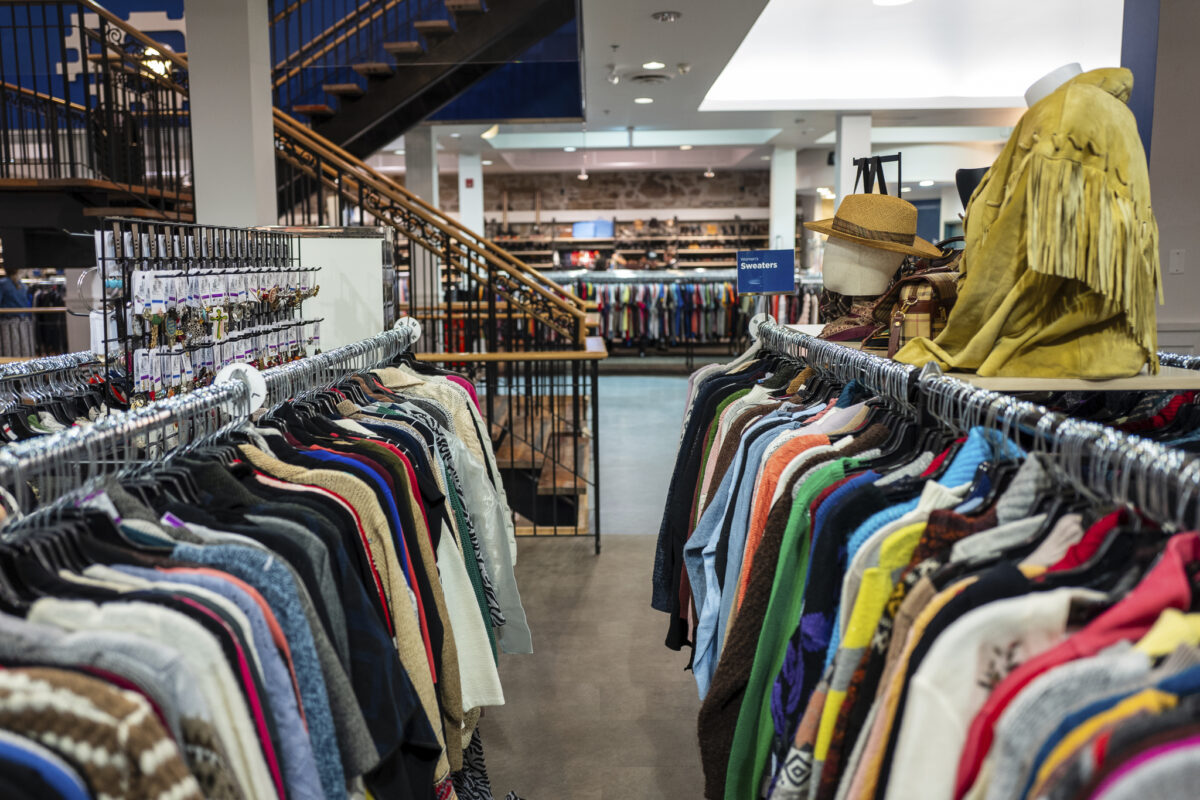
Value Village, the largest for-profit thrift operator in the Canada for value priced pre-owned clothing, accessories, and housewares, has released its 2024 Thrift Report indicating how thrifting, a once niche activity, is growing into a mainstream retail choice for Canadian consumers.  

Nicole McPherson

“Our data clearly shows that Canadians’ attitudes and interests towards thrifting is changing how people shop,” said Nicole McPherson, Vice President of Canada Field Operations, Value Village. “With more than 40 per cent of Gen Z thrifting, we expect momentum and trends in the industry to continue. The change is driven by a number of factors including economic, environmental and social benefits.”  

Value Village said the survey confirms that secondhand shopping is growing in popularity across all age groups and demographics, making it clear that thrift is reshaping the retail landscape:  

  • 90 per cent of Canadian consumers have engaged with a thrift store through shopping, donating, or both (up from 83 per cent in 2022); nearly one in three have thrifted in the past year alone, and more than 40 per cent of Gen Z are thrifters. 
  • In-person thrift store experiences continue to dominate. Secondhand shoppers report spending 6.8 times more at brick-and-mortar thrift stores compared to online resale. Eighty-three cents of every dollar they spend on pre-owned apparel is spent in-store. 
Calgary Value Village Boutique. Photo by Samantha Ungaro

Calgary Value Village Boutique. Photo by Samantha Ungaro

Value Village said the survey shows that more than three in 10 consumers say that secondhand clothing makes up more than a quarter of their wardrobe, and nearly 40 per cent of thrifters purchase secondhand clothing at least once per month. Gen Z consumers rely on secondhand clothing even more – six in 10 say more than a quarter of their wardrobe is secondhand. 

The survey found that Canadian consumers say they shop many secondhand categories beyond apparel, with more than eight in 10 having bought at least one non-apparel category. Leading categories include books (46 per cent of Canadian consumers), furniture (38 per cent of Canadian consumers), home décor (34 per cent of Canadian consumers), and housewares/kitchenware (32 per cent of Canadian consumers). 

Mark Walsh

“Thrift, a once-niche retail segment, is having a major cultural moment,” said Value Village Chief Executive Officer Mark Walsh. “It is incredibly encouraging to see shoppers of all ages, and particularly younger generations, embrace the secondhand economy. This is the kind of mentality that is going to start to truly make a difference in embedding a reuse mindset in our global culture.”  

Other key findings from the survey:

  • Drivers behind the popularity of thrift go beyond the historic draws of thrifting; while wallet-friendly prices and eco-friendly satisfaction continue to factor into shoppers’ decisions, there are several broader cultural trends contributing to the gain in momentum around thrifting;
  • There is an emphasis being placed on unique style. Six in 10 respondents like owning unique, one-of-a-kind items. More than one in three thrift shoppers say that secondhand is more stylish than new clothing;
  • Treasure hunting is a consistent draw. Half of thrift shoppers say they started thrifting because of the potential treasure hunt, and more than seven in 10 thrifters say they enjoy the treasure hunt of searching for items; a large majority of thrifters (two in three) say they have found a treasure while thrifting;
  • Thrifting is becoming a social pastime. Citing the enjoyment of shared experiences with friends and family, more than 40 per cent of thrifters say they consider thrift shopping a social activity that they like to do with others. Nearly eight in 10 thrifters say they spend more than 30 minutes in a store when thrifting.
  • Value Village said it has found a reuse for over 3.2 billion pounds of reusable clothing and housewares over the last five years, while also generating $580 million in revenue for its non-profit partners’ vital community programs and services. 
Calgary Value Village Boutique. Photo by Samantha Ungaro

Recently, the retailer opened its latest boutique concept in downtown Calgary on Stephen Avenue.

“Our Value Village boutiques tend to be located in more urban areas where retail space might be more limited. A few of our boutiques, like Calgary’s Stephen Ave or Toronto’s Brunswick House, are located in iconic or historic buildings, which offers a unique shopping experience for thrifters. Our sales floors are also merchandised a little differently than our traditional stores,” explained McPherson. 

“The stores themselves are smaller than our standard Value Village locations and focus more on women’s and men’s clothing, shoes and accessories, and occasionally books and media. Due to the smaller size, our Value Village Boutique locations do not have Community Donation Centres like our traditional retail stores. Yet, despite some of these differences, our boutiques follow the same model of our larger stores where our merchandise is sourced through our more than 20 nonprofit partners across Canada. 

Calgary Value Village Boutique. Photo by Samantha Ungaro

She said the company currently has seven boutiques in Canada, including four in Toronto, two in Vancouver and one in Calgary. 

“We are always looking for opportunities to bring our thrift experience to communities. Company wide, we are targeting opening approximately 25 or more new stores annually from 2025 through 2027. There’s no doubt that Canadians’ attitudes and interests towards thrifting is changing. Data from Value Village’s 2024 Thrift Report highlights how thrifting, a once niche activity, is growing into a mainstream retail choice for Canadian consumers,” added McPherson. 

Randy Harris, President and Founder of Trendex North America, said “Sales of the Canadian resale apparel market in 2023 totalled C$4.2 billion vs C$71.6 billion in the United States. Last year Canadas Value Village was Canadas largest seller of preowned clothing.”

Related:

Retail sales on the increase: Statistics Canada report

Statistics Canada

Retail sales increased 0.9 per cent to $66.4 billion in July. Sales were up in seven of nine subsectors, led by increases at motor vehicle and parts dealers, reported Statistics Canada on Friday.

The report said core retail sales—which exclude gasoline stations and fuel vendors and motor vehicle and parts dealers—were up 0.6 per cent in July and in volume terms, retail sales increased 1.0 per cent in July.

“Statistics Canada is providing an advance estimate of retail sales, which suggests that sales increased 0.5 per cent in August. Owing to its early nature, this figure will be revised. This unofficial estimate was calculated based on responses received from 52.4 per cent of companies surveyed. The average final response rate for the survey over the previous 12 months was 89.4 per cent,” said the federal agency.

In July, the largest increase in retail sales in July was observed at motor vehicle and parts dealers (+2.2 per cent). Higher sales at new car dealers (+2.3 per cent) led the increase, followed by other motor vehicle dealers (+5.6 per cent). Lower sales at used car dealers (-0.8 per cent) were offset by gains at automotive parts, accessories and tire retailers (+1.0 per cent), said StatsCan.

Sales at gasoline stations and fuel vendors (-0.6 per cent) were down in July. In volume terms, sales at gasoline stations and fuel vendors decreased 1.7 per cent, it said.

“Core retail sales increased 0.6 per cent in July, posting their second consecutive monthly increase. The gain was led by higher sales at food and beverage retailers (+0.8 per cent) and general merchandise retailers (+0.8 per cent). Sales at food and beverage retailers were up on higher sales at supermarkets and other grocery retailers (except convenience retailers) (+1.2 per cent) and, to a lesser extent, specialty food retailers (+2.1 per cent) and convenience retailers and vending machine operators (+0.4 per cent),” explained Statistics Canada.

“Higher sales were also reported at health and personal care retailers (+1.2 per cent) in July. The largest decrease in core retail sales in July came from building material and garden equipment and supplies dealers (-1.4 per cent).

On a seasonally adjusted basis, retail e-commerce sales were up 3.4 per cent to $4.1 billion in July, accounting for 6.1 per cent of total retail trade, compared with 6.0 per cent in June, added the federal agency.

Maria Solovieva

“Today’s rebound in retail sales was led by stronger auto sales, which recovered from an operational setback in June. This was enough to bring three-month average auto sales growth into positive territory for the first time since January. The rest of the categories also told an encouraging story as growth in core sales accelerated on the month, likely driven by strong population. We expect the rebound in durable goods will support growth in goods spending for Q3 resulting in total personal consumption expenditures gain of 1.0 per cent quarter-on-quarter (annualized). See our forecast,” said Maria Solovieva, CFA | Economist, with TD Economics.

“A good start to the quarter is unlikely to sway the odds decisively on whether the Bank of Canada will cut rates by 50 basis points in October. Despite the good news today and another month of projected growth, the downward trend in retail spending per capita is clear. In addition to employment and inflation figures, the Bank’s communication will be critical to watch for any signs of change in the pace of easing.”

Related Statistics Canada Article: Retail sales drop in June: Statistics Canada

Anatomy of a Leader: George Barakat, Founder and CEO of MedWorks

George Barakat is a long-time believer in empowering customers, patients, and associates.

The Founder and CEO of MedWorks™ Inc. excels at working with business leaders in different organizations to facilitate change and acceptance of new approaches. 

Today, he possesses a comprehensive knowledge and understanding for retail healthcare, supply chain and manufacturing, with a clear vision on how to implement related business strategies. He has traveled extensively nationally and internationally building and sustaining important global relationships and partnerships. 

George Barakat

Barakat maximizes business growth by creating effective operational strategies, while delivering an unparalleled customer experience.

Barakat was born in Toronto, was raised in Brampton and today lives in Halton Hills.

His background in education is finance, accounting and marketing. 

He always knew that he wanted to be in business.

When he was in high school, Barakat and a friend started a musical consignment business. 

“My father would take us over to the flea market on a Sunday and we would have a booth set up with drums, guitars, ukuleles and literally sell musical instruments at the flea market which was great and on the Monday we would go back and pay the vendor and get some more instruments and away we went,” said Barakat.

“I knew I kind of loved being in business when I had to negotiate the sale of 32 ukuleles to a competing vendor at the market and it was a very interesting negotiation. But I always loved being in business. I always loved providing services and efficiencies and product to citizens and consumers. I’ve always said, even back then as a kid, you’ve got to have the best service the best product. Your handshake is your bond and what you provide to people has to be of quality.

“You’ve got to be able to deliver in this world. That’s the key,” he said. 

MedWorks is an App that empowers people to make health and wellness more accessible by bringing together services already out there and available today, in one convenient place. MedWorks brings healthcare and wellness to your door – or to your device.

Prior to MedWorks, Barakat was founder of Jack Nathan Health and served as the CEO of Jack Nathan Health® for 15 years. He is also Past President and CEO of Laila’s Inc. (art publishing and manufacturing). 

For about four decades, he has cultivated and managed partnerships with some of the largest global retailers at the highest levels.

George Barakat

Barakat has a simple response when asked what it was about the healthcare industry that attracted him.

“Taking care of people. It was looking at the largest portion of the population and being able to make a difference. I believe that when you look at a problem or a problem like healthcare and access to healthcare, you’ve got to address these issues at the largest possible point,” he said about Jack Nathan Health in Walmart locations.

“My mindset and my passion and my heart has always stayed in that same thought process. Now with MedWorks we took the learnings of during COVID and post COVID of how the restaurant industry and grocery industry revolutionized the ability to order and have goods delivered right to your door and broadened the selection and the availability. And when we created MedWorks we thought why shouldn’t your healthcare work this way too?”

Barakat said it’s important to be able to think out of the box.

“You always have to look at when you’re communicating with any organizations small or large you have to have their customer in mind first and you have to get it right. In every organization I’ve ever done business with the first and foremost item or thing they look at and they have to address is how is this going to benefit our customer,” he said. 

“And if the organization isn’t thinking that they’re probably not thinking correctly. If you get that right and you can provide honest and earnest efficiencies and products and services that are going to benefit their consumer base then what you’re doing is you’re taking care of the one thing the most important thing because every retailer, every business out there, if they’re not looking after their customer, then they’re failing.

“If you get that right, then you have to do is make sure that the program you put together with the retailer or with the individual or the corporation is mutually beneficial for you and them. And if you get those two points right you’re building out a strategy and a relationship that will span a lifetime.

“How I approach it with my team is the same thought process. I don’t believe in anybody drinking the kool-aid. I believe in making the kool-aid together. But you can’t do that if everybody isn’t focused on the consumer first, what that is going to be, how do you service that, how do you provide the best and most efficient product and service for your citizens.”

In developing a corporate culture, he said, the most important thing is to have the consumer in mind.

“It has to be,” said Barakat.

He currently serves as a board member on the Convenient Care Association of America, a non-profit organization, comprised of the largest retailers and health organizations in North America.

Previous Anatomy of a Leader features: