Retail Insider is streamlining its Canadian retail news from around the web to include a handful of top news stories that can be viewed quickly during the day. Here are the top stories from the past 24 hours.
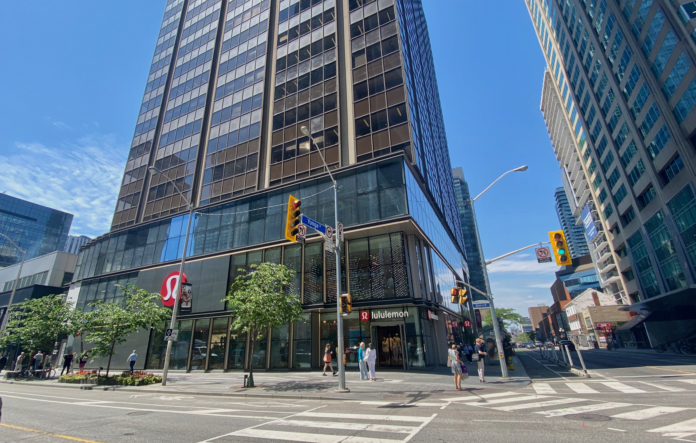
Lululemon flagship store at the corner of Yonge and Bloor in Toronto. Photo: Craig Patterson
Vancouver-based Lululemon has opened an impressive two-level flagship store at the corner of Yonge and Bloor Streets in Toronto. The prominent storefront took about two years to build and is part of a transformation of the immediate area.
Retail Insider was first to report on the new store in April of 2022, when we revealed that the Lululemon flagship would span more than 12,000 square feet at the northwest corner of the Yonge and Bloor intersection. Lululemon’s opening is part of a repositioning of the 2 Bloor Street West retail podium, which formerly housed Talbots and Swarovski stores and a CIBC bank on the corner.
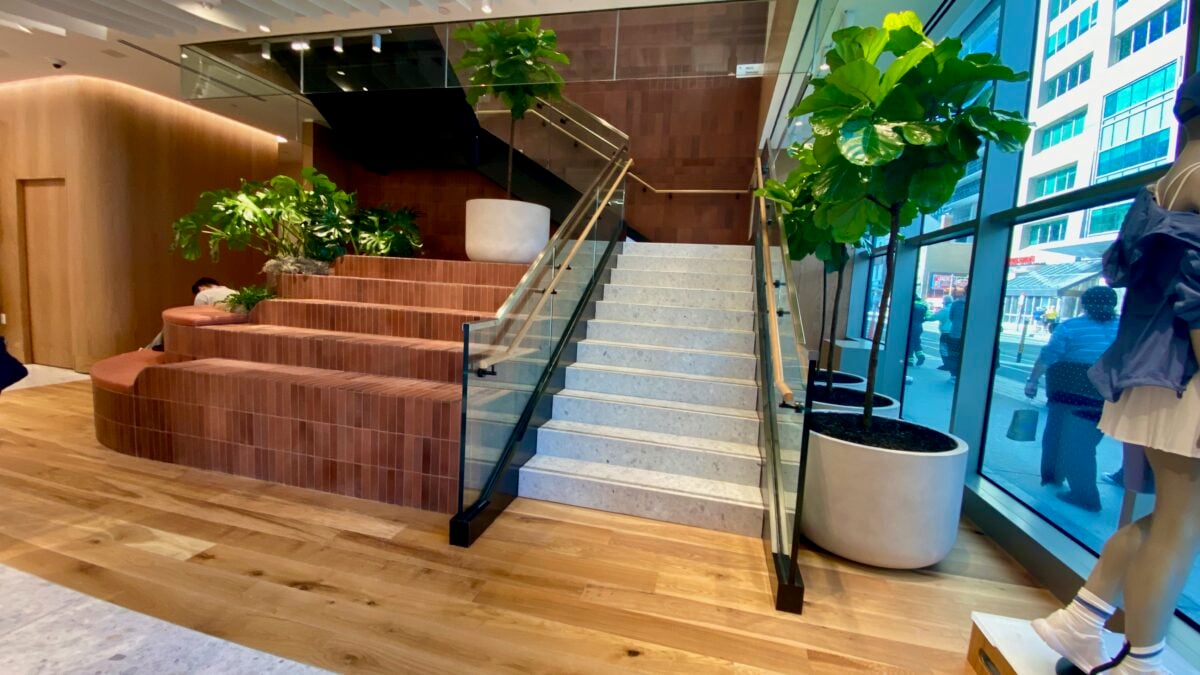
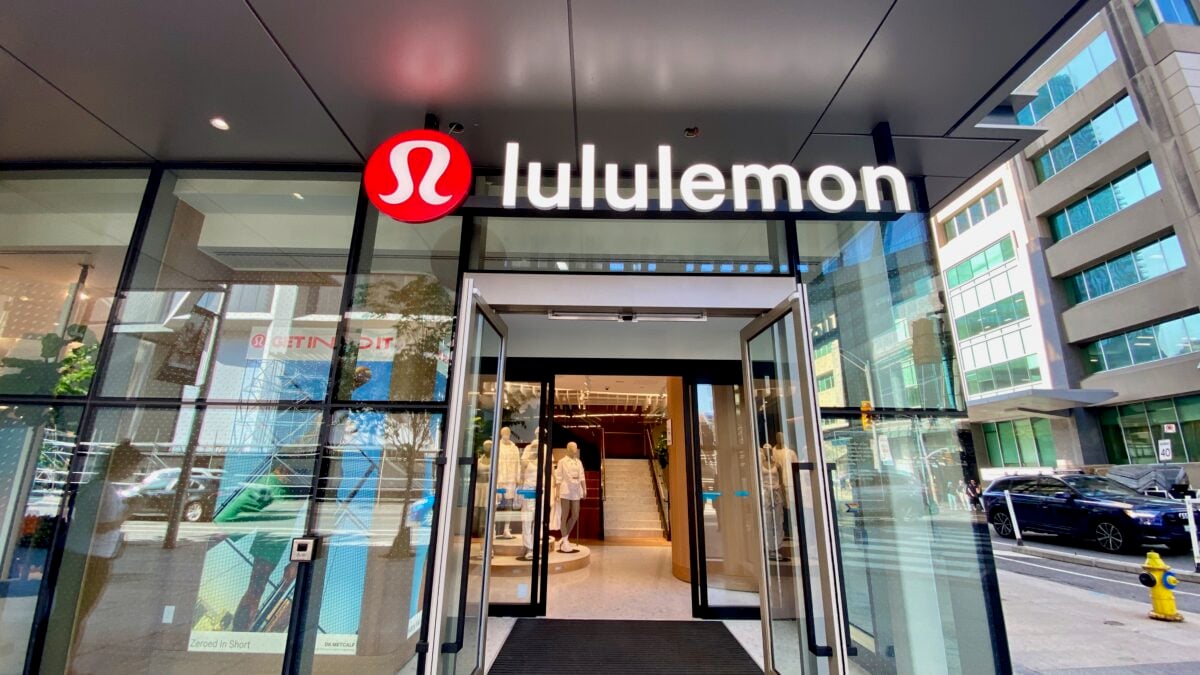
The new Lululemon flagship’s metal and glass facade includes signage, the largest being the brand’s logo on the Bloor Street frontage of the store. Access doors from the street corner lead into the space, where visitors are greeted by a staircase with terrazzo flooring and metal railings, surround by brown brick — the look is reminiscent of 1970’s architecture. Plants and other greenery in the store soften the look and makes the space feel fresh.
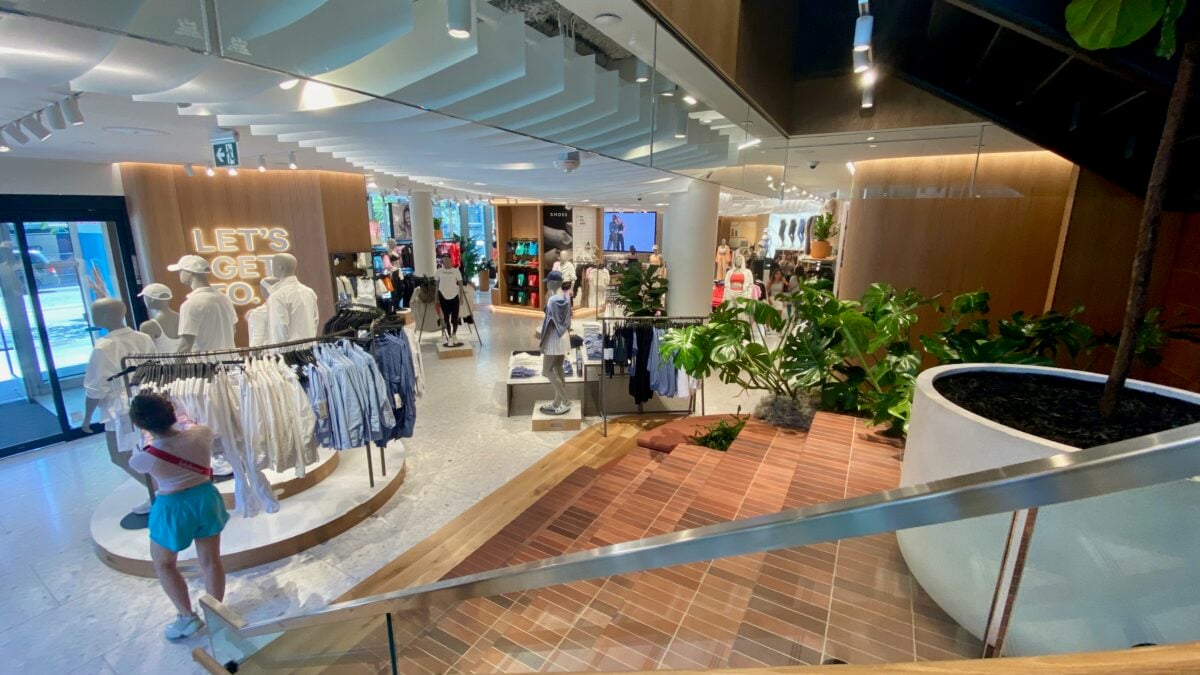
Grand staircase at the front entrance to the new Lululemon store at Yonge and Bloor in Toronto. Photo: Craig Patterson Looking down the grand staircase at the front entrance to the new Lululemon store at Yonge and Bloor in Toronto. Photo: Craig Patterson
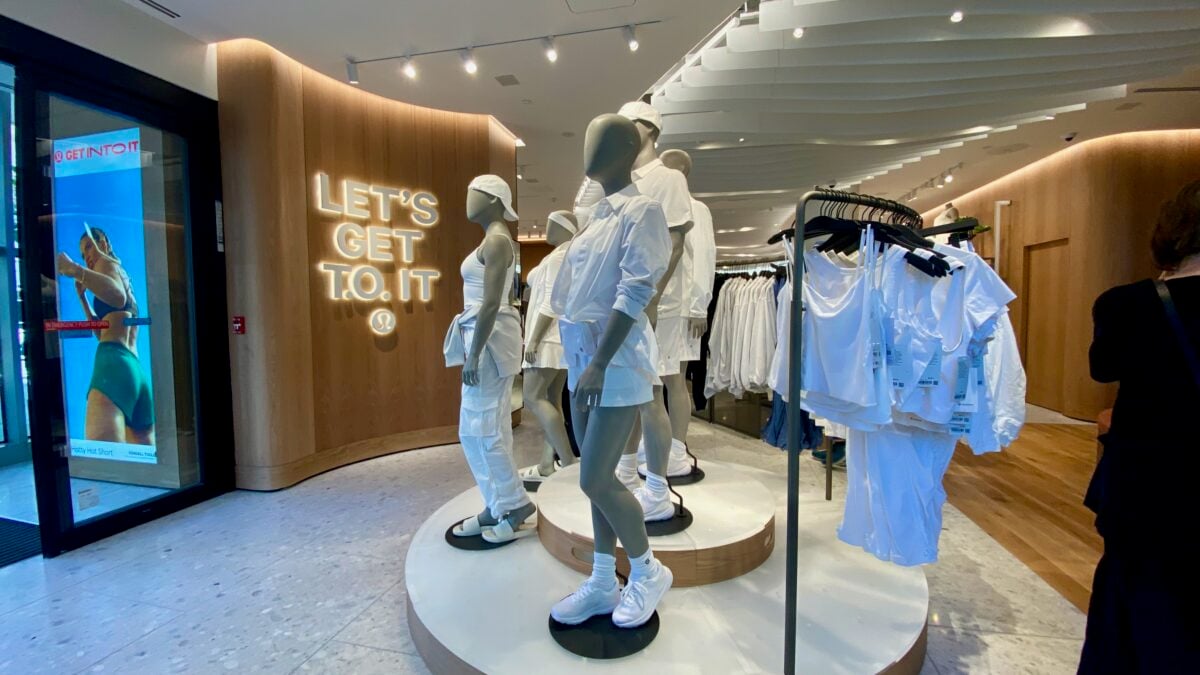
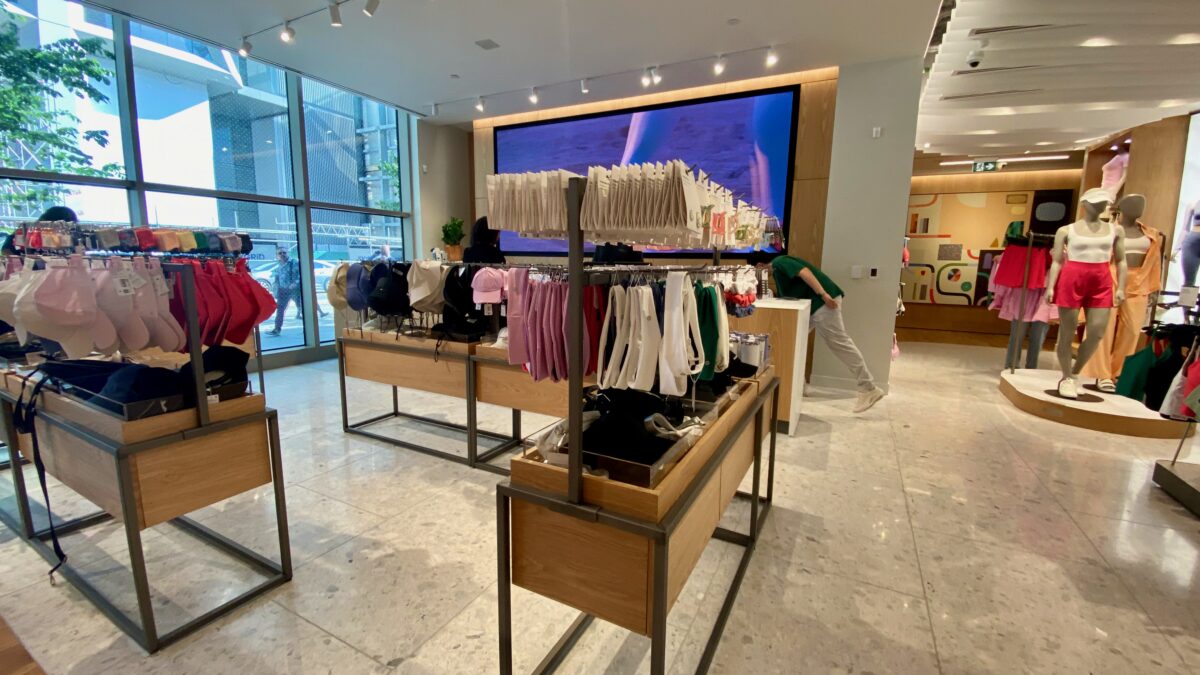
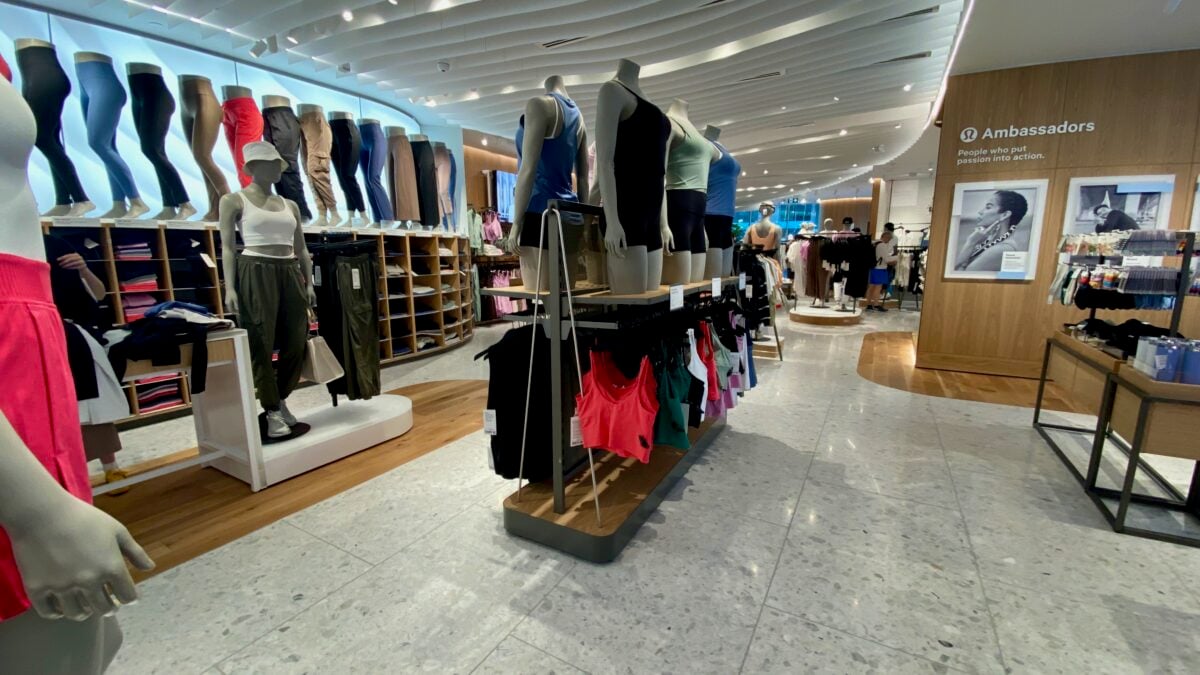
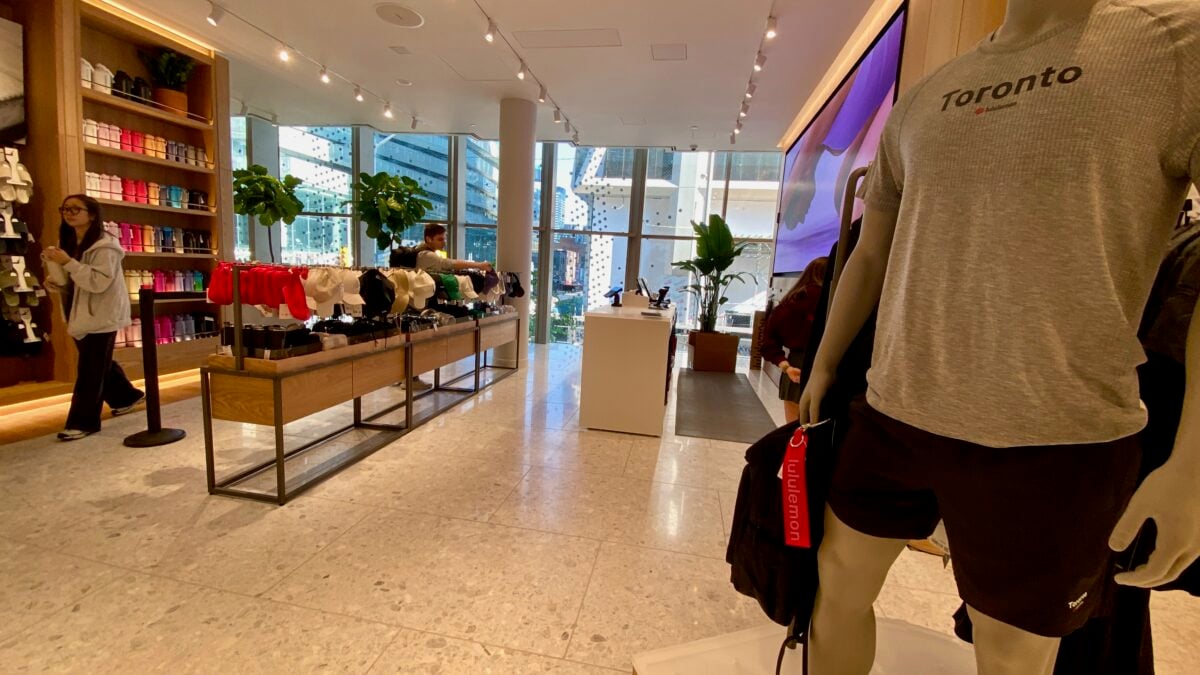
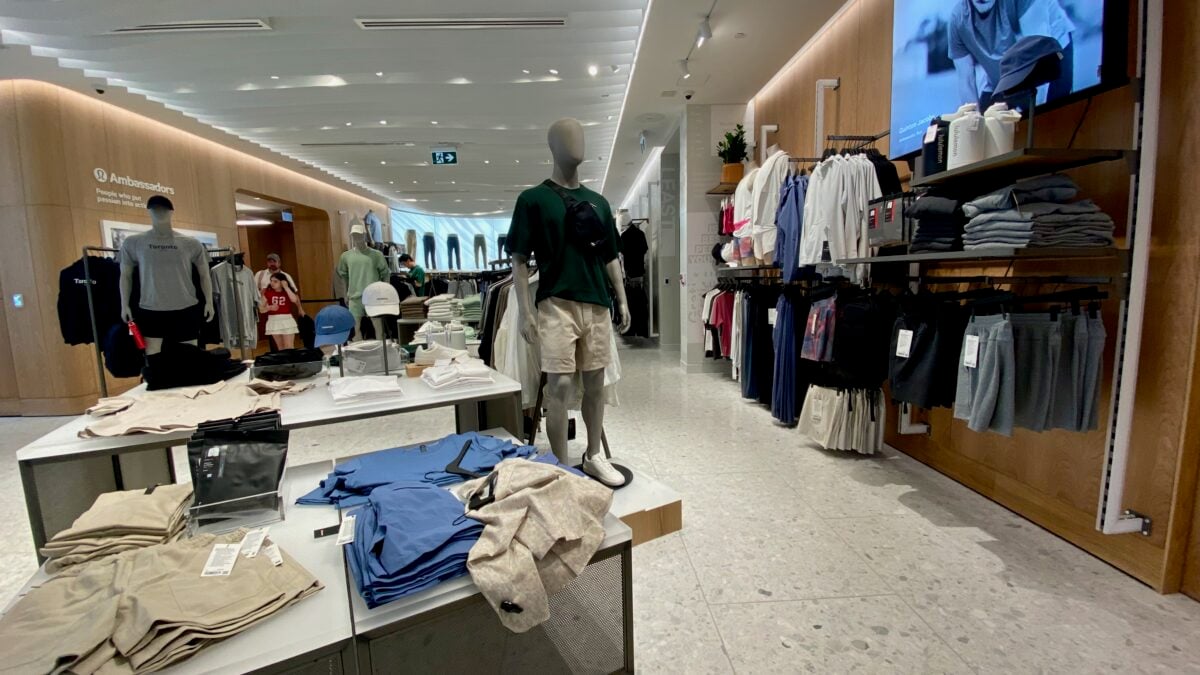
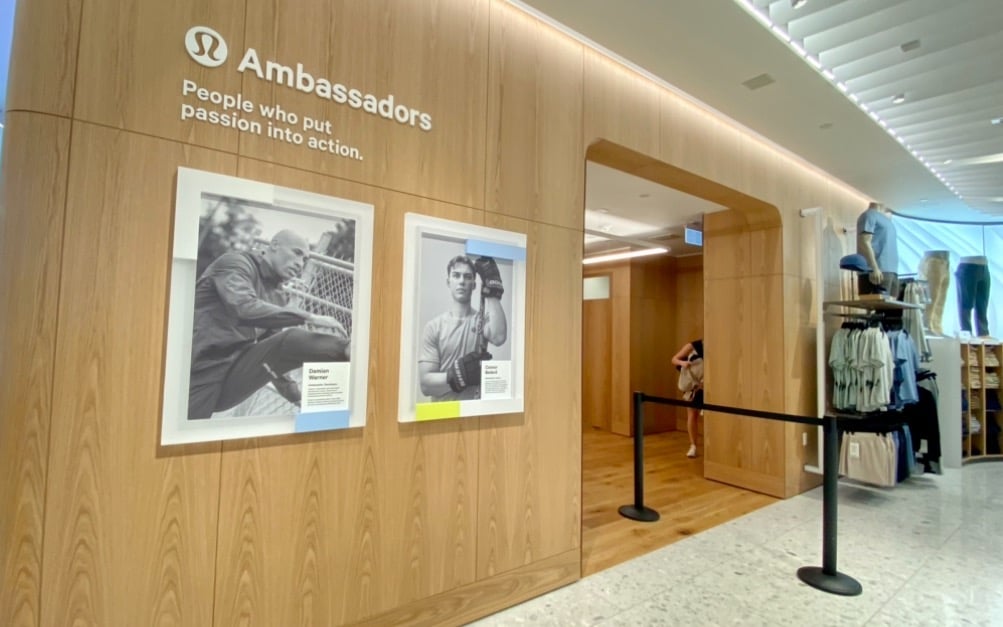
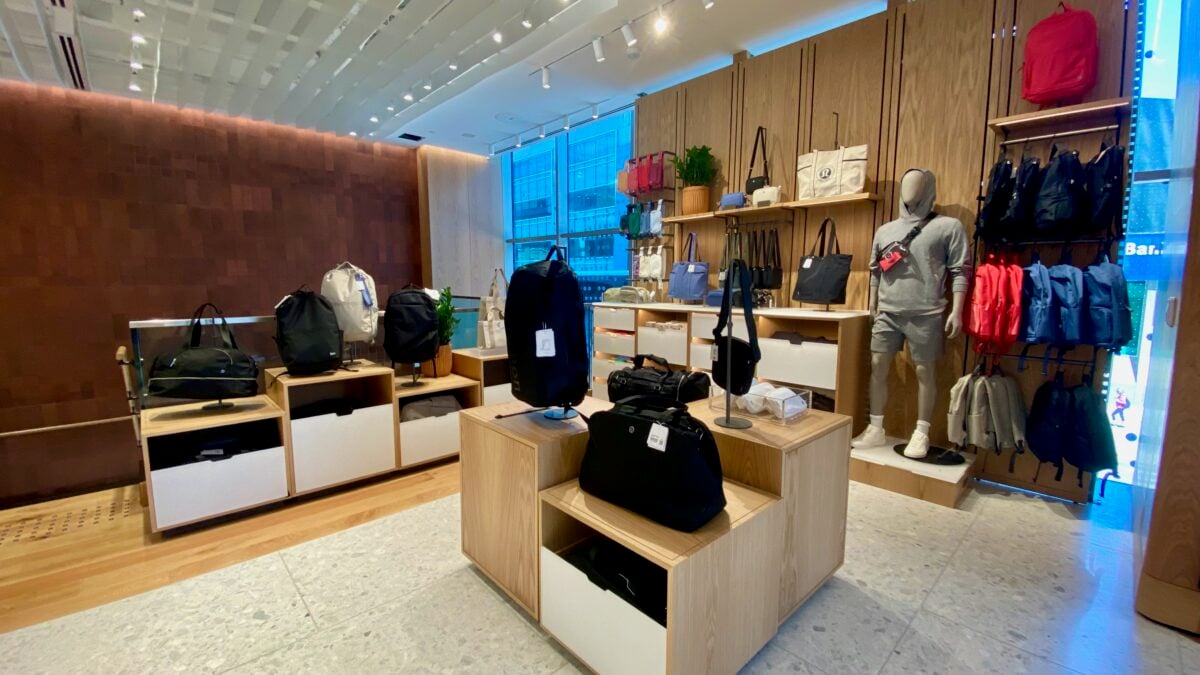
The main floor of the store is home to women’s clothing and other items, while the second level is for men’s Lululemon product. A full range of clothing for men and women is available in the new store, from athletic wear to dressier styles, as well as footwear, bags, hats, and various accessories and other items produced by the company. Brand ambassadors and various messaging is profiled on the store’s walls.
SAJO built the new Bloor Street Lululemon store, which required extensive general contract work after demolition of the vast space. SAJO built the store’s grand staircase, which required full construction of the structure, terrazzo flooring, railings and brick walls, as well as a planter area with custom seating. Custom oak millwork is found throughout the store as well as custom oak wall paneling, some of which has curved corners which required extra attention to detail. BDP Quadrangle acted as the architect on the project, with the Lululemon Store Design team being responsible for the design of the new Bloor Street store.
The store’s fin ceiling was also created by SAJO, along with customized dressing room areas on each floor. SAJO also installed artwork, digital brand screens and exterior perimeter lighting as part of the construction project, which was completed last week.
At the front entrance to the new Lululemon store at Yonge and Bloor in Toronto. Photo: Craig Patterson Main floor (women’s) at Lululemon, Yonge & Bloor in Toronto — cash desk area with accessories and digital screen. Photo: Craig Patterson Main floor (women’s) at Lululemon, Yonge & Bloor in Toronto, showcasing the fin ceiling and women’s brand ambassadors on the wall. Photo: Craig Patterson
Tim Sanderson of JLL, in partnership with Open Realty Advisors, acted on behalf of Lululemon in the lease deal with KingSett Capital which owns 2 Bloor Street West. The landlord broker for the deal was Graham Smith of JLL with Jaimy Hunt of KingSett Capital handling the transaction on behalf of the company.
As part of the renovation to the 2 Bloor West podium, a third floor glass facade was created for offices while the office lobby of the building was relocated to Yonge Street, including new escalators into the retail concourse below. Above is a 430,000 square foot Class A office tower.
Lululemon relocated from a much smaller 3,067 square foot space nearby at 153 Cumberland Street, also owned by KingSett Capital. Other retail tenants at 153 Cumberland include Nicolas Menswear, Aveda and Moscot eyewear, all being required to vacate for a new Harry Rosen flagship store that will occupy the building in 2026.
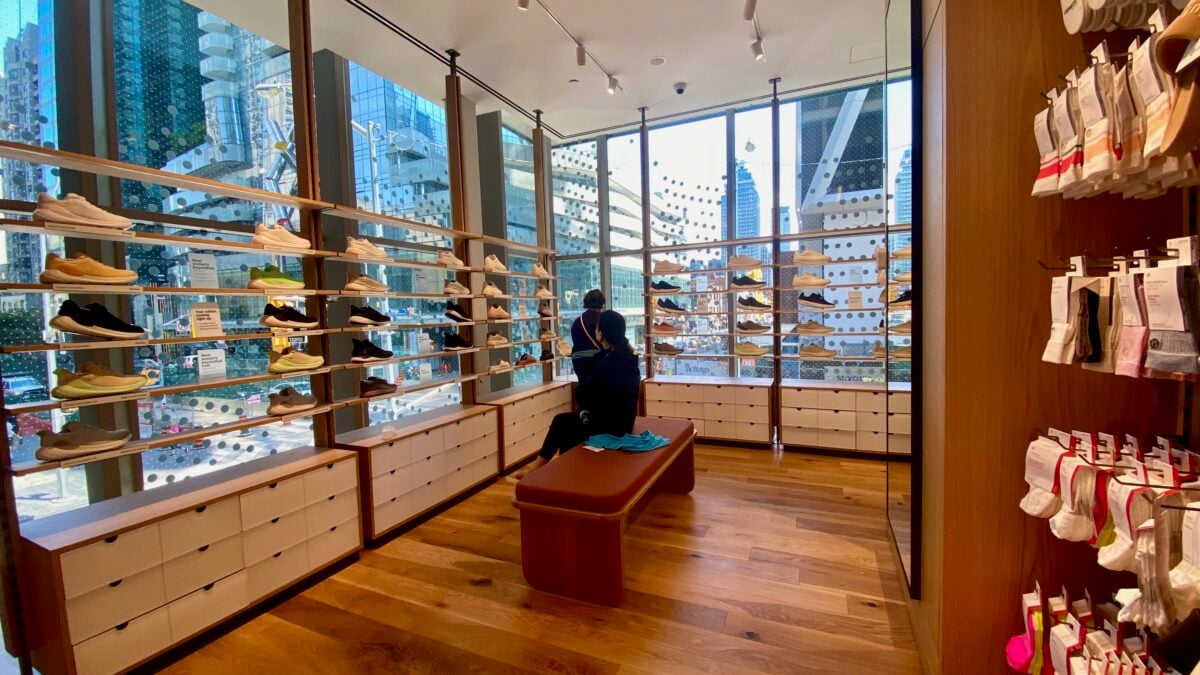
Second floor (men’s) at Lululemon, Yonge & Bloor in Toronto, cash desk area. Photo: Craig Patterson Second floor (men’s) at Lululemon, Yonge & Bloor in Toronto. Photo: Craig Patterson Men’s brand ambassadors on the second floor of Lululemon, Yonge & Bloor in Toronto, beside the dressing room area. Photo: Craig Patterson Corner footwear area on the second floor (men’s) at Lululemon, Yonge & Bloor in Toronto — the corner looks directly over the intersection. Photo: Craig Patterson
The new Yonge and Bloor Lululemon store is one of the company’s largest retail locations. Its largest store to date is a 20,000 square foot location in Chicago’s Lincoln Park area that opened in July of 2019.
Lululemon’s new Bloor Street store is located on the same block as competitor Alo Yoga, which opened its first Canadian location at the northeast corner of Bloor and Bay streets in the fall of 2022. Standing prominently between the two stores is Holt Renfrew’s flagship, which is seeing updates inside that will include a new third-floor men’s department that will open before the end of the year. Brown’s Shoes, Arc’teryx and Aritzia also have large stores on the same north side of the Bloor Street block.
The immediate area is in a state of transformation — Retail Insider recently reported that First Capital REIT had fully leased-out the commercial podium of 1 Bloor Street East, diagonally across from Lululemon’s flagship. New retailers set to open at 1 Bloor East include a Nike flagship and Mango stores, both of which will also be built by SAJO and are now under construction. At the southwest corner of the intersection is a tower project started by developer Sam Mizrahi, now in the hands of Skygrid, which was supposed to have an Apple flagship store at its base. The lease deal has since been cancelled and a new tenant will have to be found. And at the northeast corner of the intersection is a complex formerly known as the Hudson’s Bay Centre, which will see redevelopment along with the underlying subway network which will be rebuilt at a cost well in excess of $1 billion.
Entrance doors to Lululemon at Yonge and Bloor in Toronto. Photo: Craig Patterson Men’s accessories at Lululemon at Yonge and Bloor in Toronto. Photo: Craig Patterson
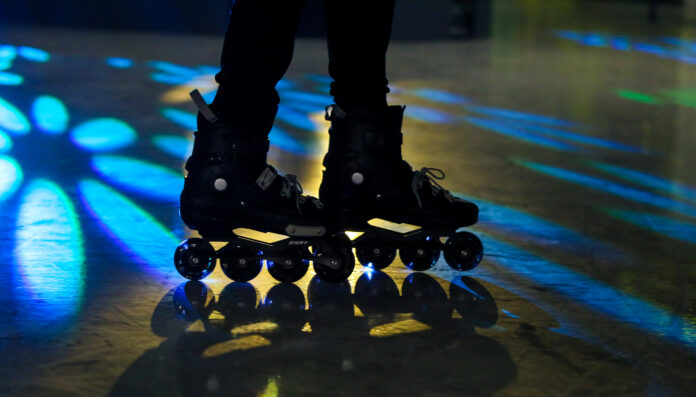
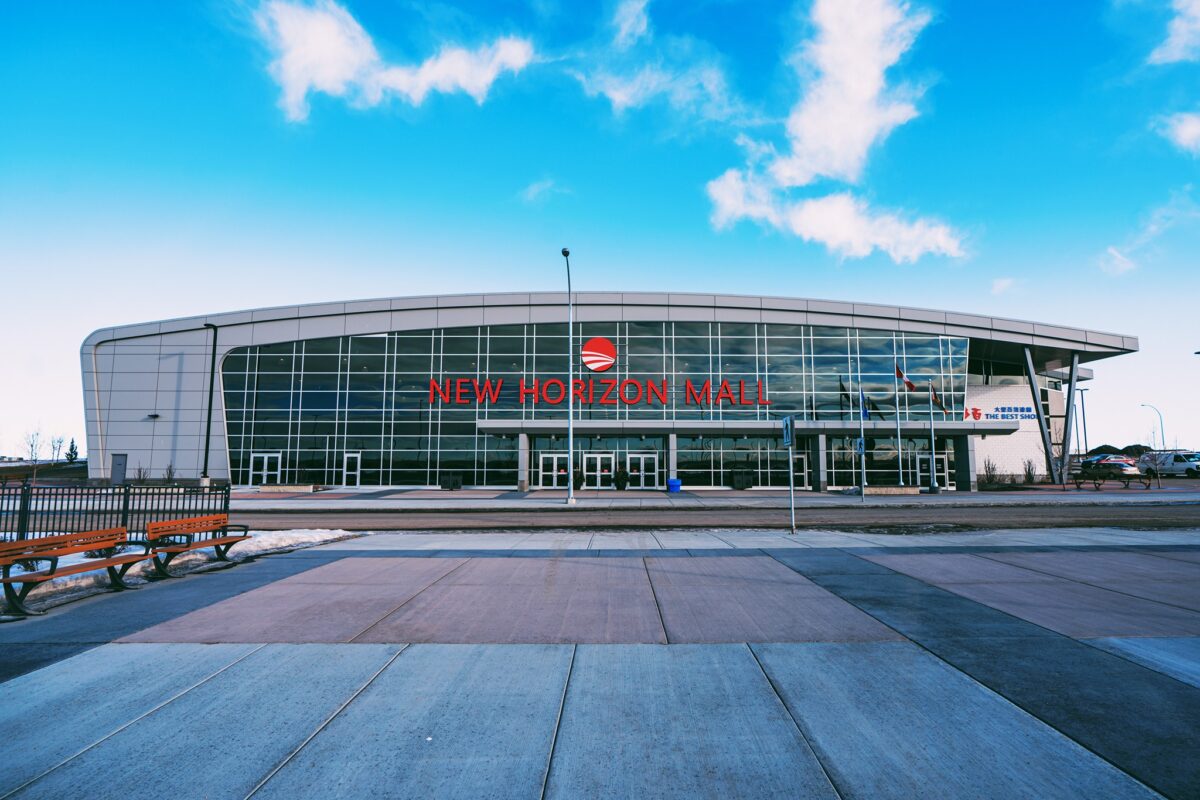
New Horizon mall welcomes a new anchor tenant, SkyCastle Roller Rink, as YYC Princess, fairy tale character, Princess Sky shows off her skates at the roller rink, in Calgary on June 12, 2024.
The newest tenant at New Horizon Mall, just outside of Calgary city limits, is the SkyCastle Roller Rink which will open in mid-July in 24,000 square feet of space.
The SkyCastle Roller Rink will feature a modern sound and light system, 10,000-square-foot skating area, games area with the latest video games, licenced restaurant and bar, 500 pairs of roller skates and it is located at the west entrance by the Best Shop.
Bob Parsons, General Manager of New Horizon Mall, said the roller rink is targeting families.
“It’s going after family entertainment basically,” he said. “Kids to adults roller skating and enjoying food offerings and everything else.
“The way it’s laid out it’s got different routes and all sorts of lighting, music. A DJ will be on site. All that fun stuff. The floor lights up, the ceiling lights up, the walls light up. It’s quite interesting.”
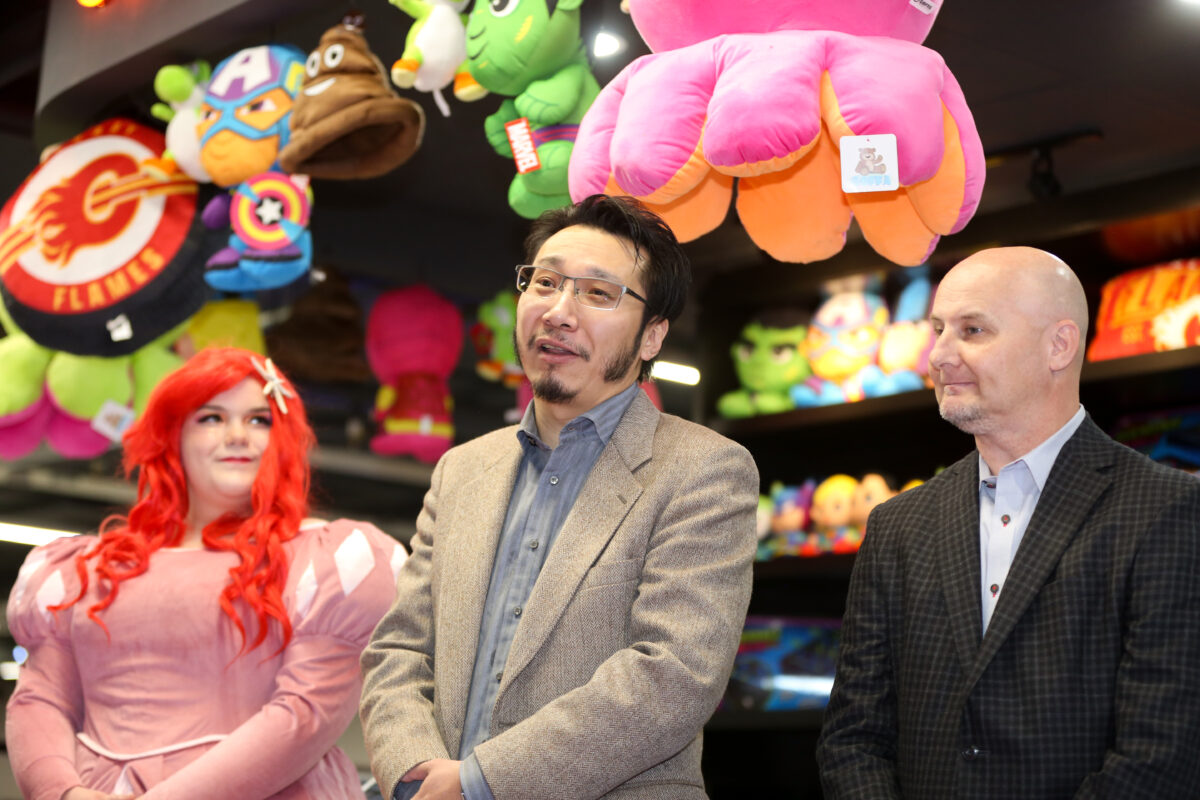
New Horizon Mall welcomes a new anchor tenant, SkyCastle Roller Rink, as YYC Princesses fairy tale character Queen Claudia accompany Han Liu, president of Sky Castle Family Entertainment Centres, and Kurt Gummer from NHM Inc. at the roller rink, in Calgary on June 12, 2024.
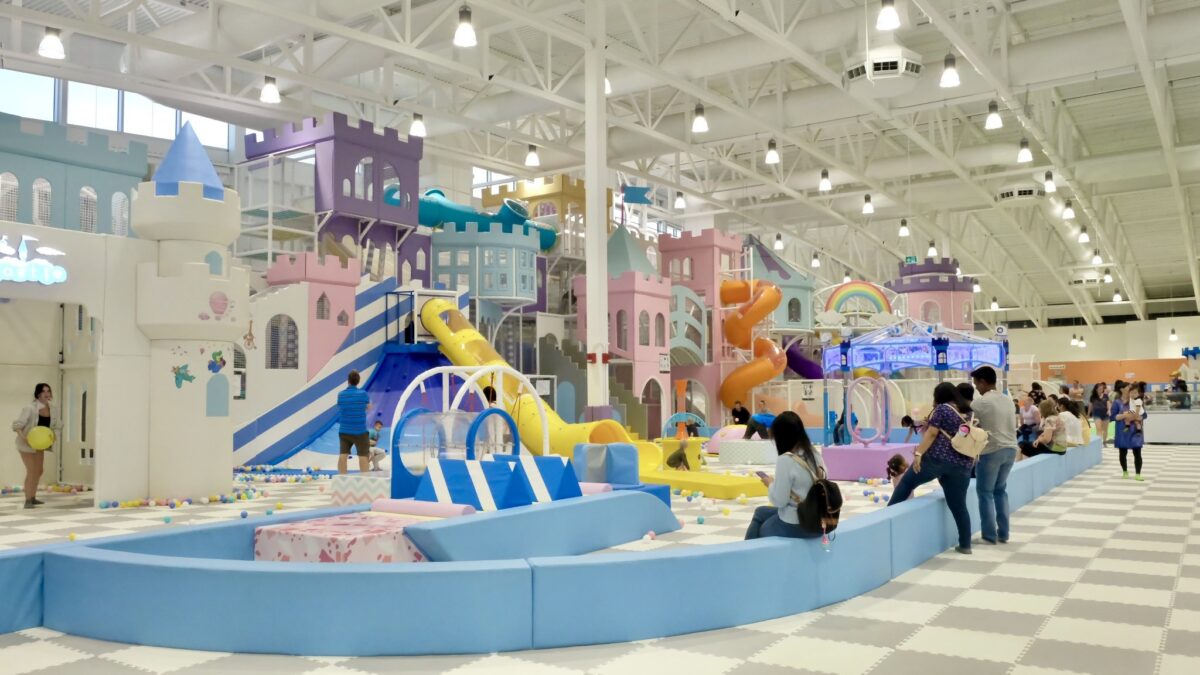
The same company operating the SkyCastle Roller Rink opened the SkyCastle Family Entertainment Centre (FEC) at the mall in July 2021. That occupies 34,000 square feet on the second floor of the mall.
SkyCastle president, Han Liu, launched his first FEC at NHM in 2021, and expanded in 2022 with his second FEC, SkyCastle Macleod in South Calgary. SkyCastle also includes the YYC Princesses, a group of children’s entertainers for special occasions.
“Who doesn’t like a roller rink”? said Liu. “Our Family Entertainment Centres are known for their commitment to a great experience with good value. The Roller Rink will be an extension of these values and we can’t wait for the opening in mid-July.”
The company is based in Calgary. Liu said the location of the mall worked really well for the brand’s FEC concept.
“The mall has been really helpful . . . They really want to see the businesses operating there be successful,” he said.
“It’s no secret that most Calgarians have years if not decades of fond memories of a roller rink. Recently, I think the city has been running without for many years. So we saw this as an opportunity and we took the risk. Now it’s just hoping some people my age remember the old days with their kids and the old fashioned fun we used to have.
“We really feel that Calgary is definitely growing faster than before, than ever. We’re actually confident that this is the type of business that the city needs, that people need.”
New Horizon Mall welcomes new anchor tenant, SkyCastle Roller Rink, as the company’s fairy tale characters, the YYC Princesses, Queen Claudia and Princess Sky, test out the brand-new facility.
Photo credit: supplied by New Horizon Mall.New Horizon Mall welcomes new anchor tenant, SkyCastle Roller Rink, as the company’s fairy tale characters, the YYC Princesses, Queen Claudia and Princess Sky, test out the brand-new facility.
Parsons said the mall is breaking monthly visitor records and SkyCastle has a proven track record in attracting visitors.
“This roller rink will significantly increase visitor traffic to the mall,” he said.
NHM has three anchor tenants and more than 75 per cent of all retail space is occupied. Total retail space is 320,000 square feet.
Customer traffic counts averaged about 40,000 visitors per month (+9,200 per week) over the past six months. Notable is that customer traffic counts in March 2024 (42,016) exceeded the traditional Christmas period of December 2023 (41,639).
“We continue to be I think the most affordable option in Calgary for startups, for retail stores. I don’t think you can do better than what is offered out here and acknowledging that we’re a business incubator. We’ve got a lot of people with ideas, things they want to do, things they want to sell and concepts they want to try,” added Parsons.
“So year to date, this calendar year, already we’ve approved 73 new stores and we see that still being strong through the rest of the year.”
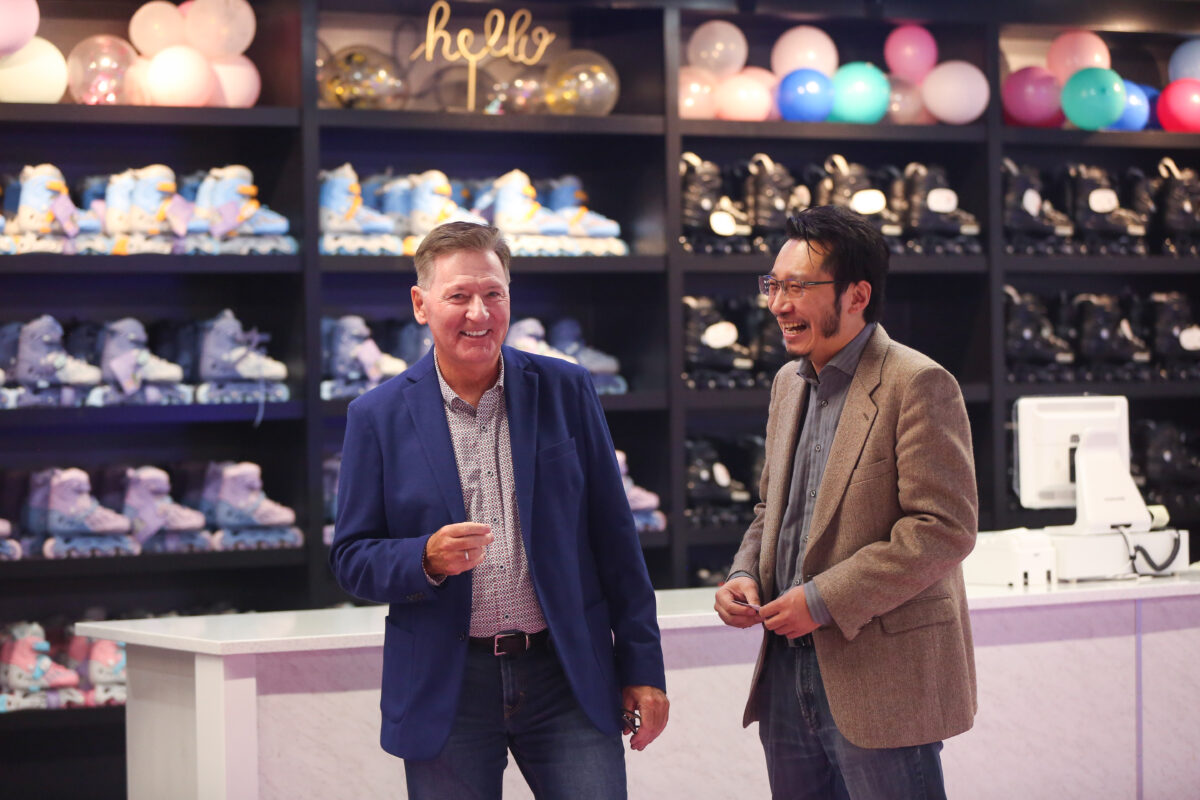
New Horizon Mall welcomes a new anchor tenant, SkyCastle Roller Rink, as Bob Parsons, general manger of New Horizon Mall and Han Liu, president of Sky Castle Family Entertainment Centres enjoy the media spotlight at the roller rink, in Calgary on June 12, 2024. SkyCastle Roller Rink will significantly increase the number of visitors when opened in mid-July.
SkyCastle at New Horizon Mall (Image: SkyCastle)
Entertainment concepts are becoming increasingly more popular in Canadian shopping centres.
“It’s a search for traffic. It’s a search for customers. It’s a search for one-stop for all types of things where you can have fine dining, you can do fun things, fun things for the kids, fun things for the adults,” said Parsons. “Shopping centres in general are looking for whatever opportunities they can that create opportunities for their retailers.
“It creates opportunities for people to spend more time on the property. It’s happening. It’s definitely happening in the States and it’s becoming more and more prominent in Canada. You’re seeing a repurposing of spaces into much different things.”
Image: New Horizon Mall
Parsons said the Roller Rink complements New Horizon Mall as it joins a growing number of ‘fun’ stores like the eBikes stores, the Games stores, the toy car and eScooters stores, vintage albums and stereos’ stores, the collectibles and memorabilia stores and the SkyCastle FEC.
NHM has hosted 18 events to date in 2024. This includes the popular “Disney Fan Meet Up’s”, monthly Sports & Gaming Card Shows, an Indoor Garage Sale and various holiday celebrations.
“The SkyCastle Roller Rink is another large investment in New Horizon Mall and Calgary,” said Kurt Gummer, president of NHM Inc., “Another long-term lease shows the strategy of anchor tenants and regular events is working and the increase in monthly visitor statistics proves it.”
NHM Inc. owns 30 per cent of the retail space at the mall and is leasing its space to the Roller Rink. NHM Inc. now has 98 per cent of its space leased. As Alberta’s first condo mall, stores at New Horizon Mall were sold and owners either operate their own store or lease to another store operator. The Mall is a commercial condominium corporation run by a board of directors, who represent all store owners.
New Horizon Mall is located in Rocky View County where there is no business tax and low Provincial and Corporate Tax. Located outside Calgary city limits in Balzac, off the QEII Highway and just north of Stony Trail, the mall is across from CrossIron Mills, close to Century Downs Casino and Racetrack, and the Amazon Southern Alberta Distribution Centre.
Little Harvest at Wellington Market inside The Well (Image: Dustin Fuhs)
As temperatures rise across Eastern Canada this week, residents will experience the sweltering conditions typically associated with Western Canada’s summer heatwaves. In Western Canada, summer heatwaves and heat domes are familiar adversaries, though recent rainfall in many western regions has provided some respite.
Heatwaves and droughts significantly impact grocery prices. The recent surge in olive oil and beef prices exemplifies this trend, driven by persistent droughts in North America and Europe, regions critical for grain and olive production. Depleted olive inventories and escalating cattle feed costs have prompted many ranchers to sell livestock prematurely.
The American Corn Belt, one of the world’s most intensive grain production regions, serves as a bellwether for climate impacts on agricultural productivity in North America. Experts from Iowa State University recently highlighted the current ‘neutral’ weather phase as North America transitions from El Niño to La Niña later this summer and into the fall. They observed an “elevated signal” for warm temperatures in June, July, and August, but noted “no clear indication regarding precipitation.” When unfavorable weather patterns affect the Corn Belt, subsequent increases in grocery prices are inevitable.
While there is no need for alarm, it is clear that climatic conditions exert a substantial influence on food costs. Compounding this issue, the Canadian dollar has weakened against the U.S. dollar—declining approximately 6% over the past year—potentially escalating the cost of food imports in the coming months.
Produce faces similar challenges. Extreme heat accelerates the wilting of fresh produce, complicates transportation, and strains supply chains. These factors invariably lead to higher prices at the checkout counter.
Heatwaves also significantly alter eating habits. Traditional hearty meals give way to lighter, cooler alternatives that help manage body temperature and hydration levels. Here’s a guide to keep cool with food when the weather is scorching:
Optimal Foods During a Heatwave:
Water-rich fruits: Watermelon, strawberries, cantaloupe, and peaches are ideal for their high-water content, aiding in hydration.
Vegetables: Cucumbers, celery, lettuce, and zucchini offer refreshment and ease of digestion.
Cold soups: Gazpacho and cucumber soup provide a cooling alternative to hot meals.
Salads: Mixed greens and fruit salads deliver nutrition without heaviness.
Smoothies: Blended fruits, vegetables, and yogurt create a cooling, nutrient-rich drink.
Yogurt: Plain or with fresh fruits, yogurt is a light, protein-packed option.
Herbal teas: Iced peppermint or chamomile tea can be both hydrating and soothing.
Light proteins: Grilled chicken, fish, and tofu are easier to digest in the heat.
Hydrating beverages: Water, coconut water, and electrolyte drinks help maintain hydration.
Foods to Avoid During a Heatwave:
Heavy proteins: Red meat and pork can be difficult to digest and may increase body heat.
Spicy foods: Hot peppers and spicy sauces can intensify the sensation of heat.
Fried foods: Items like French fries and fried chicken are heavy and dehydrating.
Sugary drinks: Soda and sweetened iced tea can contribute to dehydration.
Caffeine: Coffee and energy drinks can elevate dehydration risks.
Alcohol: Beer and cocktails, although tempting, can exacerbate dehydration.
High-fat dairy: Cream and cheese can be heavy and less appealing in the heat.
Salty foods: Pretzels and salted nuts can increase thirst and dehydration.
Grocers must adapt to a market where consumers seek food suitable for high temperatures. Canadians must also consider food safety more seriously. Heatwaves heighten the risk of contamination, as products leaving coolers and fridges warm up more quickly. Ensuring the integrity of the cold chain is essential for the well-being of oneself, family, and friends.
As Eastern Canada swelters, it is crucial to recognize the broader implications of such weather events and work towards a unified approach to safeguarding our communities and food systems against the escalating climate challenges. We have navigated heatwaves before, and this time will be no different.
Retail Insider is streamlining its Canadian retail news from around the web to include a handful of top news stories that can be viewed quickly during the day. Here are the top stories from the past several days.
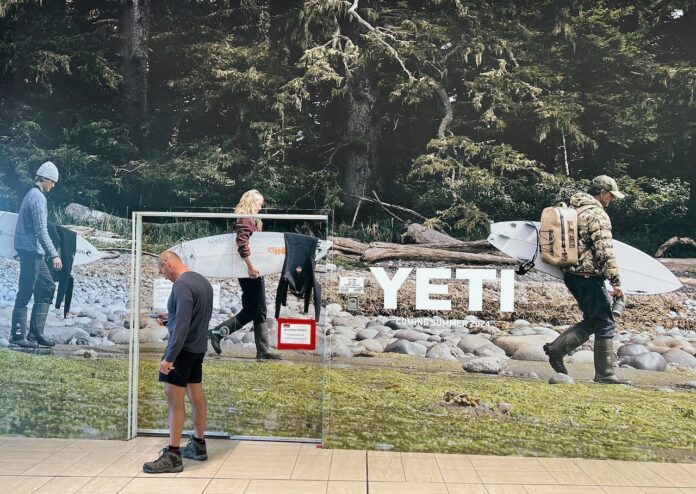
YETI at CF Chinook Centre (Image: Mario Toneguzzi)
CF Chinook Centre in Calgary, one of the top shopping centres in the country, has scored a major coup.
The popular mall will be home for American brand YETI.
“What’s really great about YETI is this is going to be their first international store. They’ve got 22 locations in the U.S. but they don’t have any bricks and mortar stores outside of the U.S. It’s actually a really interesting story,” said Darren Milne, General Manager at Chinook Centre.
“YETI based on their own KPIs (Key Performance Indicator) found that Calgarians scored well on their outdoor activities metrics. In fact, better than any other Canadian city plus Calgary also over indexed on YETI sales based on population numbers.
“So really it was the behaviour patterns of their consumers here in Calgary that met YETI’s needs and drove their decision to open their first store outside of the U.S. here at CF Chinook Centre. It’s a great story for the Centre but also a really good story for YETI.”
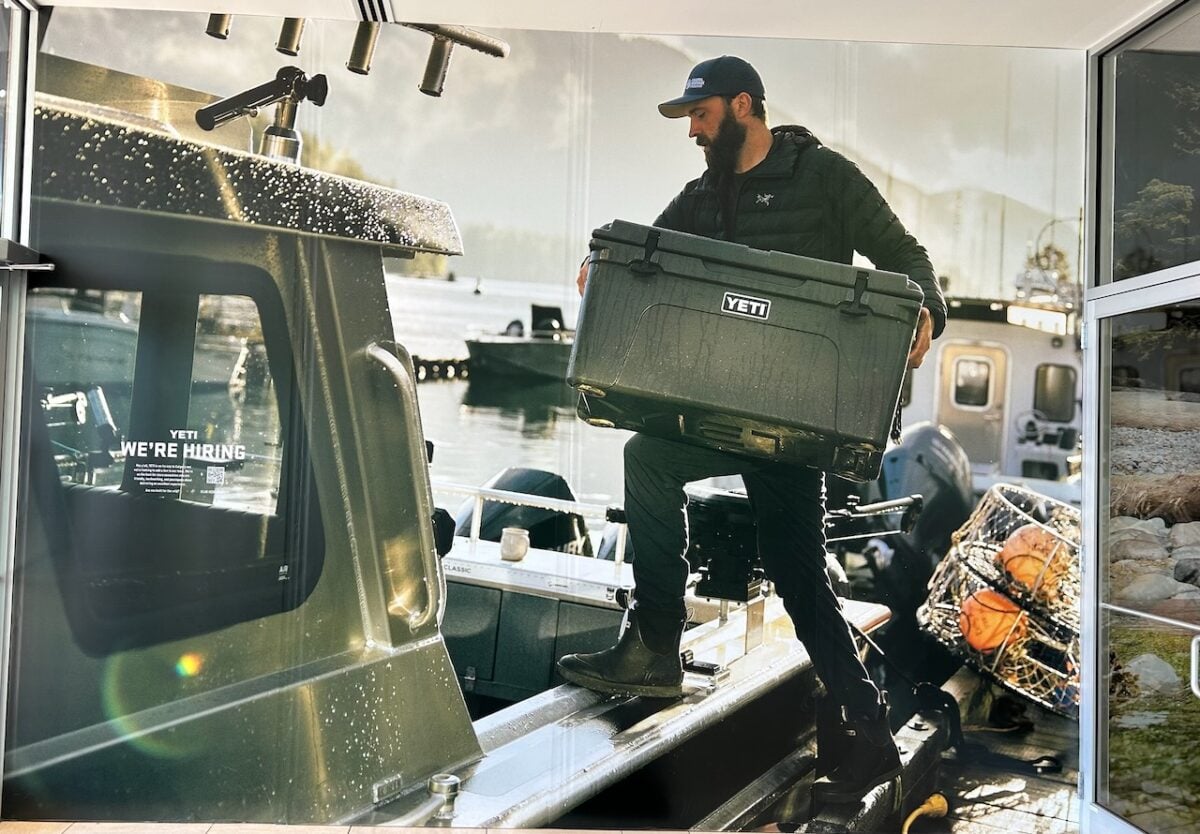
YETI at CF Chinook Centre (Image: Mario Toneguzzi)
The Calgary store will be about 3,600 square feet and will be built by SAJO.
Roy and Ryan Seiders founded YETI in 2006 based on a deep love for the outdoors and the belief that if something doesn’t work, fix it. And if it doesn’t exist, build it. Since then, they’ve been designing products that last for generations, get people out into the Wild, and keep them there longer.
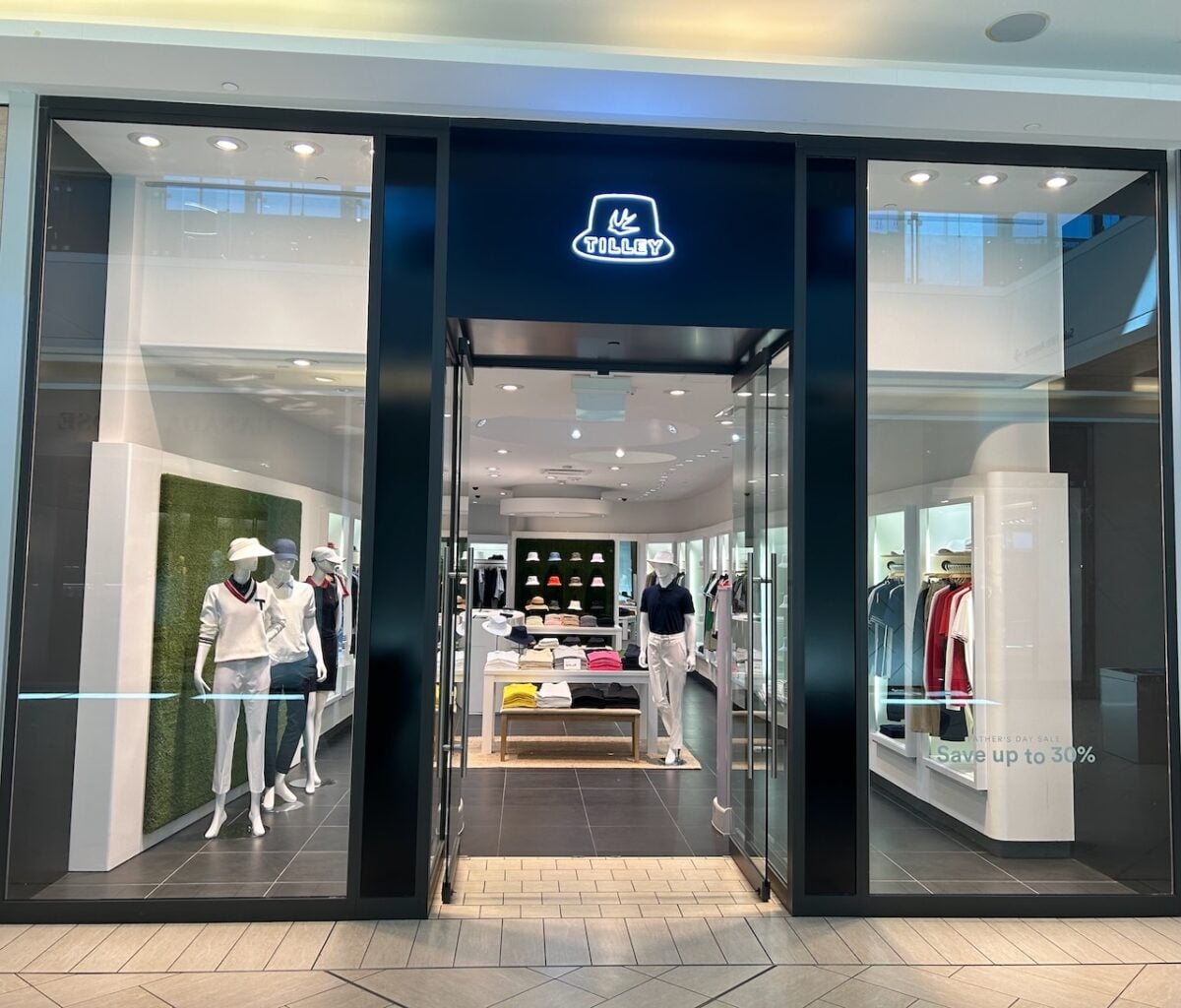
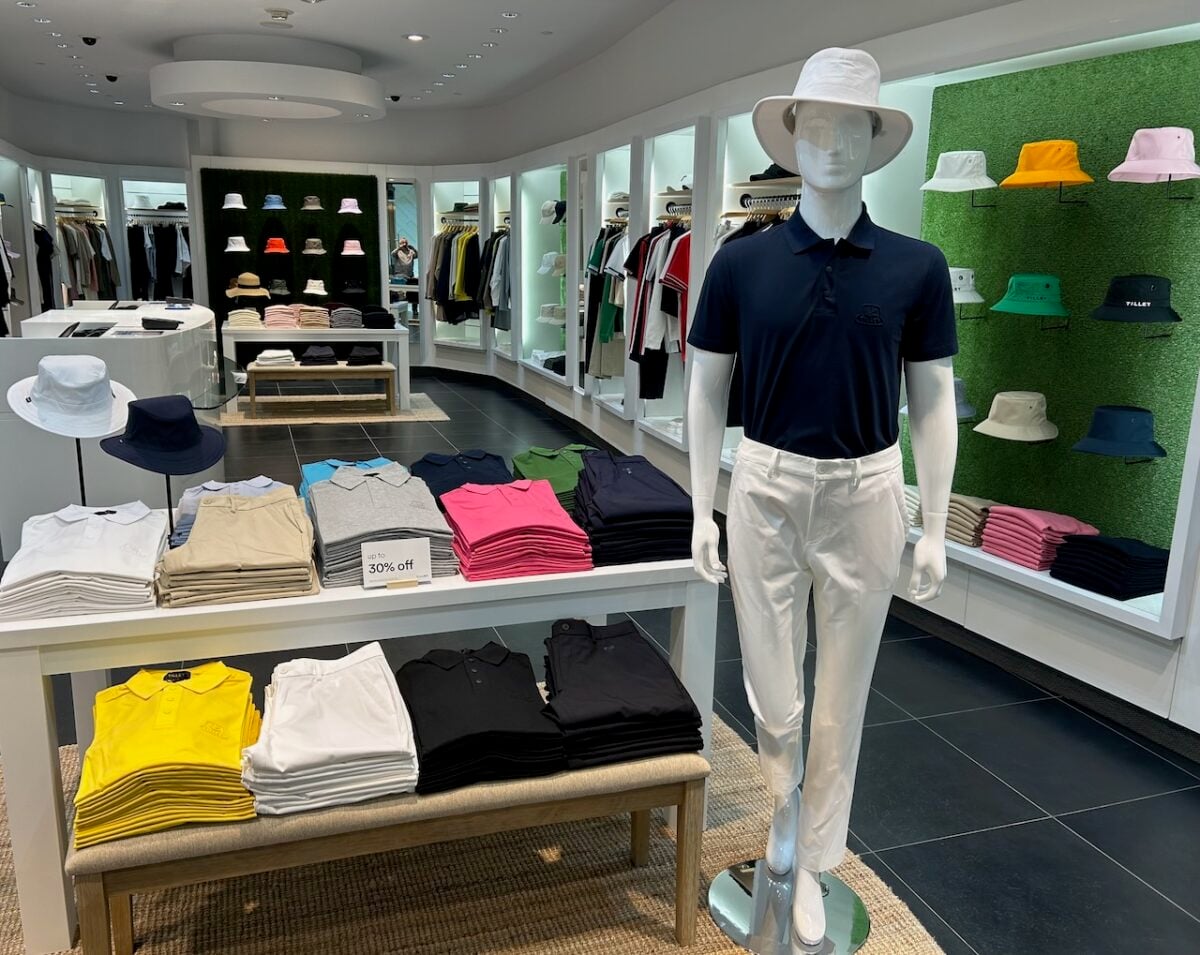
In the past year or so, Chinook Centre has opened iconic retailers such as Uniqlo, Zara expanded into a flagship location, Alo Yoga and Nike. Tilley was the most recent opening a few weeks ago.
“We had a lot of openings in 2023. When we look at 2024 moving forward, this 12-month period coming up we’re going to spend a lot of time working with different tenants to relocate them and right size them,” said Milne.
“The long-term goal is we need to create some additional space for other luxury and aspirational retailers who are interested in coming into the Centre. And so I think we’ll have more to say about that in a year from now about how that looks. Really that’s what our leasing plan is over the next year. So you’ll see some interesting movements in the mall over the next year of different tenants as we execute on that plan.”
Tilley at CF Chinook Centre (Image: Mario Toneguzzi)Tilley at CF Chinook Centre (Image: Mario Toneguzzi)
Milne said Chinook will have more to say over the next few months about some of the relocations that will be taking place in the shopping centre and how that will impact its leasing mix in the future.
“We really feel like we’ve got an opportunity here to start creating space for more luxury and aspirational retailers and that’s what we’re going to continue to do,” he said.
“The market for that in Calgary is really good. If you look at some of our luxury and aspirational retailers right now, sales continue to remain really strong. We’re certainly seeing a demand for that in not only our customer research but what we hear from customers. They’re looking for more of those kinds of tenants here. And there’s really an absence of some of that in Calgary right now. So we certainly have an opportunity to fill that.”
Recently, Chinook hosted the interactive entertainment experience Mirror Mirror, which was at the mall for 16 weeks in some vacated space left behind by the departure of Nordstrom.
“Fair to say, it met all of our expectations. And we also learned a lot about what it’s like to offer entertainment. So it’s something we’re going to continue to look at. The traffic for it in terms of ticket sales was really strong. It did really well. And we see there’s opportunity to obviously do more of these kinds of things in the future,” added Milne.
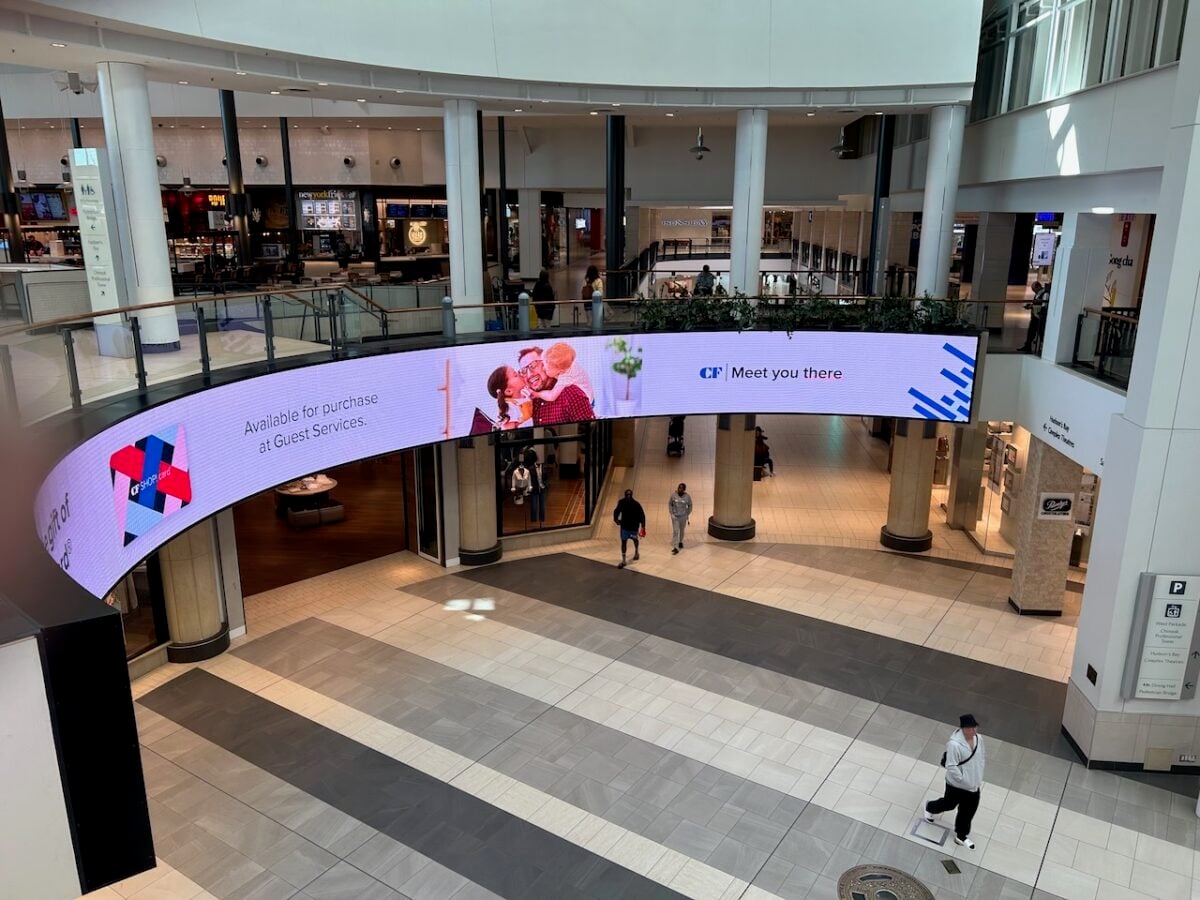
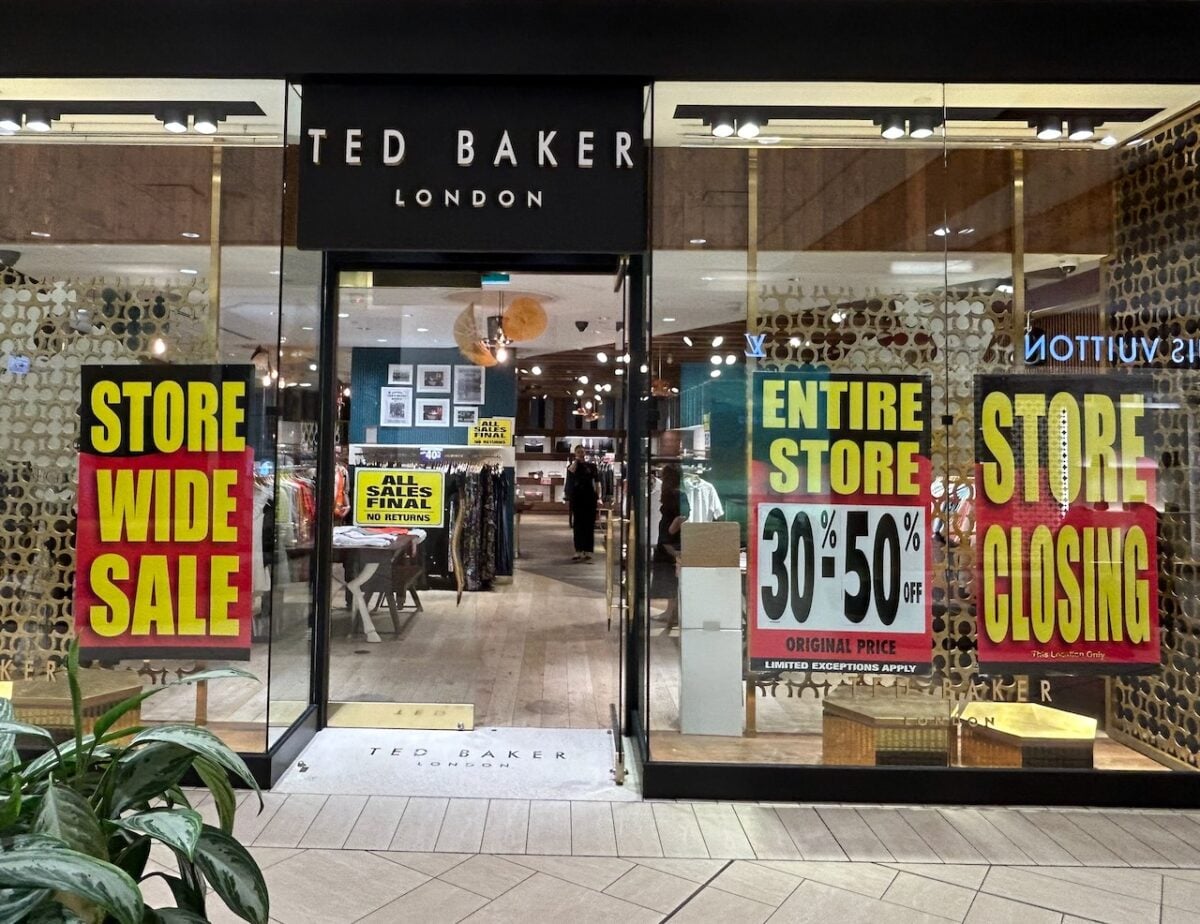
CF Chinook Centre (Image: Mario Toneguzzi)Ted Baker at CF Chinook Centre (Image: Mario Toneguzzi)
“The Nordstrom space is still under development. Hoping to have something in the near future to announce . . . The other interesting thing that’s going on at Chinook Centre right now is we’re doing some projects to make the customer journey easier and a little bit more accessible for our customers. So for example anyone who is familiar with the centre knows that the 61st Avenue entrance coming into the section the intersection at times could be a little bit better. We’re actually going to be doing a project where we’re going to be just re-aligning that intersection so the entrance into the shopping centre and the exit from the shopping centre is better for vehicle traffic. We’re going to be adding a staircase into the Centre to create better movement for traffic between the first and second floor.
“We’re also going to be exploring next year some different ways to create better pedestrian access particularly from the northwest side of the shopping centre. And then we’re also going to be later this year adding some new seating pods and new mall furniture throughout. Something that better fits the expectations of our shoppers. Nicer seating. Comfort seating. And places where people can come and really feel like it’s the community gathering place that we think it is as well.”
Milne said there is nothing new to say about possible future development plans to densify the site.
“I think if you ask me later this year we might have a little more to say but nothing right now,” he said.
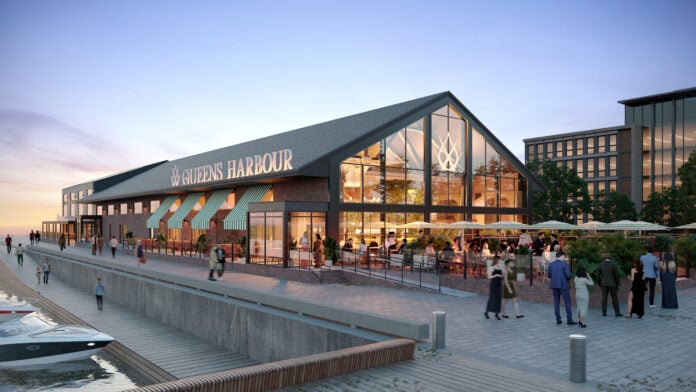
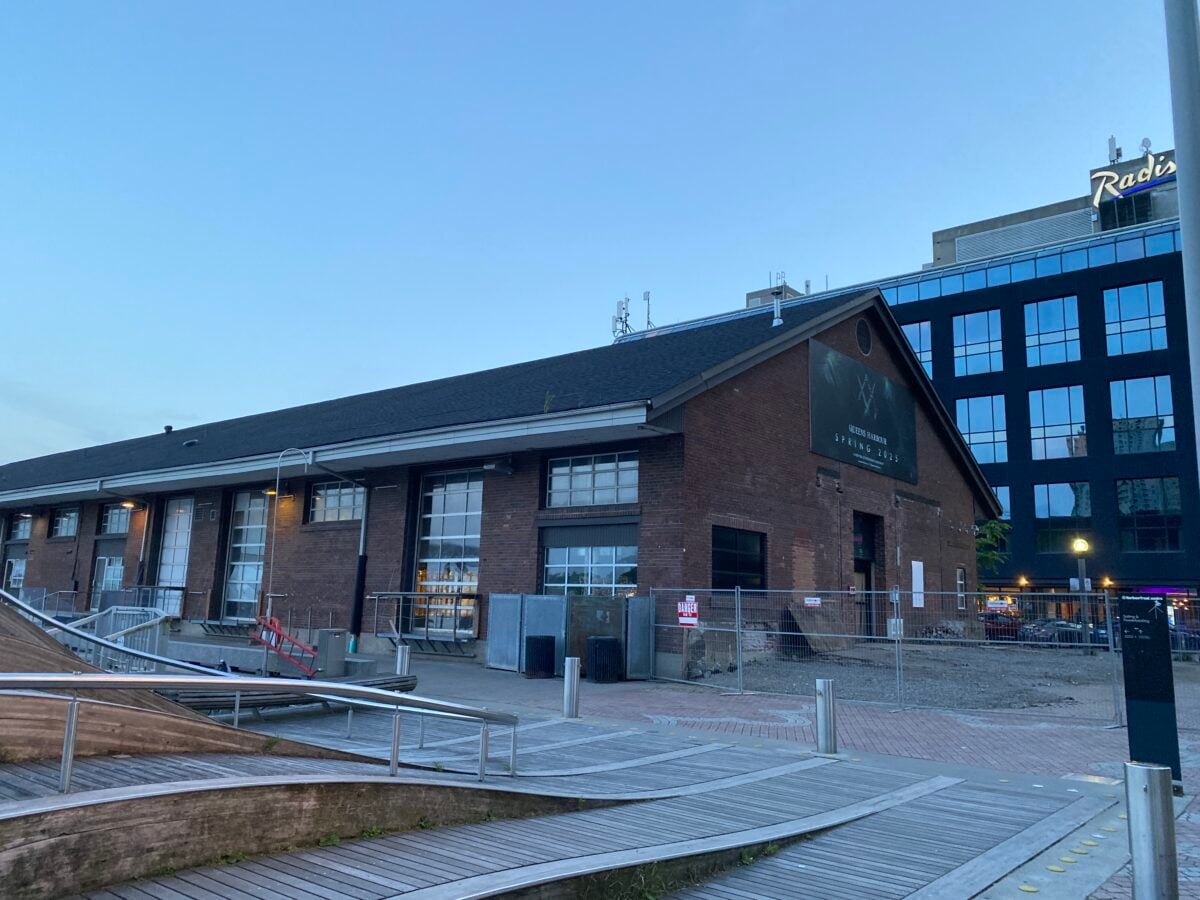
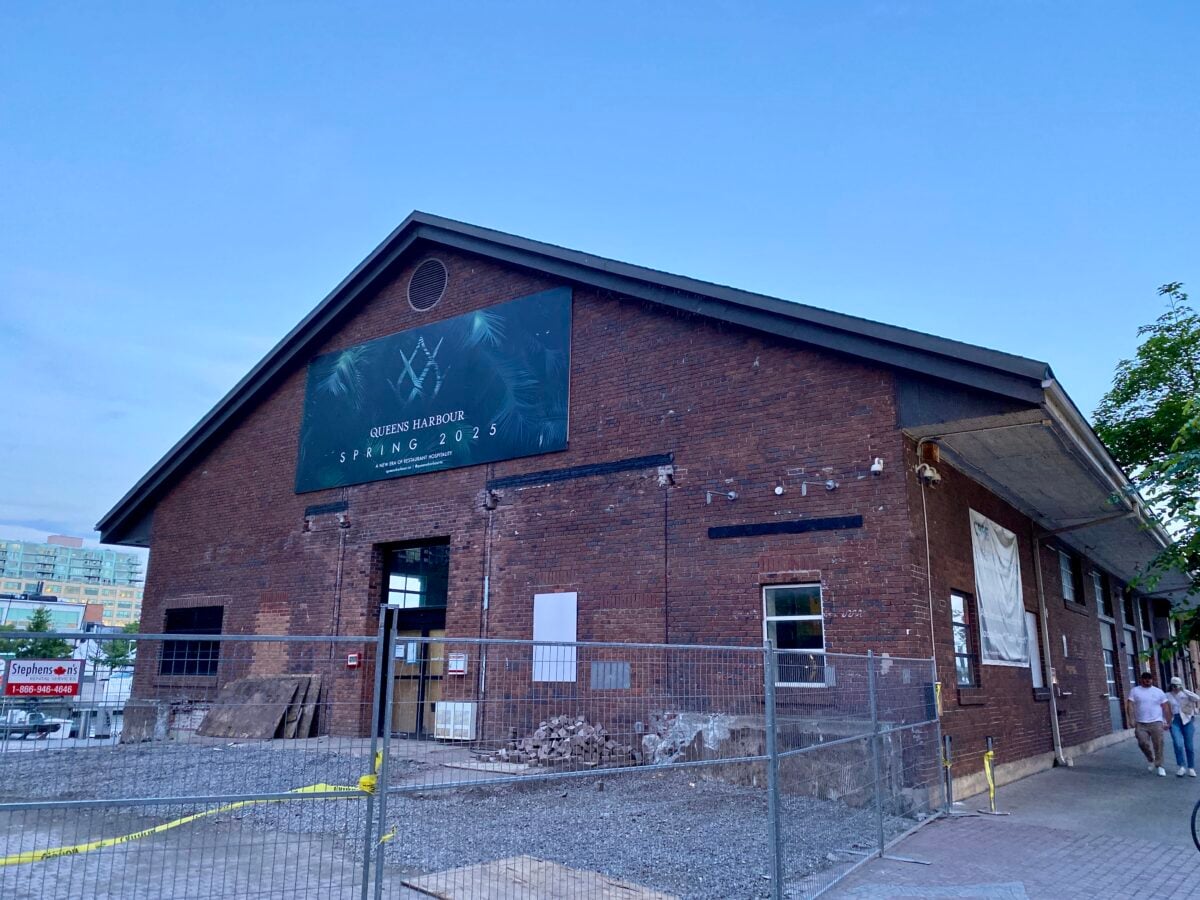
An historic 140-year-old shipping warehouse steps from the Harbourfront Centre on Toronto’s Waterfront is about to see a new lease on life.
Queens Harbour will be opening in 2025 at 245 Queens Quay West, bringing ‘MediterrAsian’ cuisine – a fusion of Mediterranean and Asian flavours, to the neighbourhood.
“Our collective goal was to create a new landmark for the market in Toronto,” shared co-founder Kevin Jazexhi. “Before setting out to create something new, we reconnected to our own collective identity. All of us believe in the importance of family and it’s embedded deep in our roots.”
Future Queens Harbour at 245 Queens Quay West (Image: Dustin Fuhs)
The concept is being introduced by experienced restaurateurs Kevin Jazexhi, Ali Badreddine & Iris Jazexhi.
Chef Bobby Robert Balint collaborated with local world-class chef Julien Laffargue to create a combination of Mediterranean and Asian flavours, termed as ‘MediterrAsian’ cuisine. Both chefs are curating a menu specializing in mezes for sharing, charcoal grilled dishes, complimented by a full raw and sushi bar.
“The impressive culinary program is complimented by a hand crafted cocktail program aimed to surprise and delight with fun and exciting textures and flavours,” shared Jazexhi. “Combining the food and beverage program with a dynamic, multifaceted experience in distinctly different spaces throughout this over 800 seat restaurant oasis by the water, Queens Harbour is bringing something new to the waterfront that Torontonians have been clamouring for some time. Steps away from the hustle of Toronto’s vibrant core, lies an oasis embracing everything we love about waterfront.”
“Our founders are also from parts of the world where Mediterranean influences are strong,” shared Jazexhi. “Despite developing strong operational foundations with combined years of experience in structured chains and developing our own concepts, our entrepreneurial spirit begged the question . . . why can’t we deliver top level food and beverages with world class hospitality that we crave and love, with atmospheres that we seek out when we travel that stimulate ALL our senses, combined with hospitality that is so authentic and sincere, it feels like you’ve come home.
Future Queens Harbour at 245 Queens Quay West (Image: Dustin Fuhs)
“We believe this will truly be the new era of hospitality bringing the people what they need and deserve,” shared co-founder Ali Badreddine.
“We believe the idea of the Mediterranean’s relaxed ethos – cherishing of family, friends, and loved ones over shared meals, with the vibrant foods that bridge the gap between what you should be eating and what you want to eat, is a sweet spot that represents where we want to go combined with some strong elements of our very own heritage and history.”
The 23,000 square foot location will feature a number of elements that were specifically designed for this historic venue, including a one-of-a-kind outdoor patio and a retractable roof.
245 Queens Quay West was formerly home to Pawsway, a pet museum, cafe and activity centre, sponsored by Nestle Purina. The event space closed in 2017 after close to a decade in operation.
Pawsway was an example of a hub designed for the community as a whole, with a pet-friendly Williams cafe, daily activations and opportunities for all to enjoy the space.
When the funding for Pawsway was pulled, the space was discussed for a number of permanent uses over the years, with the most notable being the 2021 application for a new Reptilia facility. That proposal went before Toronto City Council and was rejected, leaving the opportunity for the next stage in the evolution of the waterfront location.
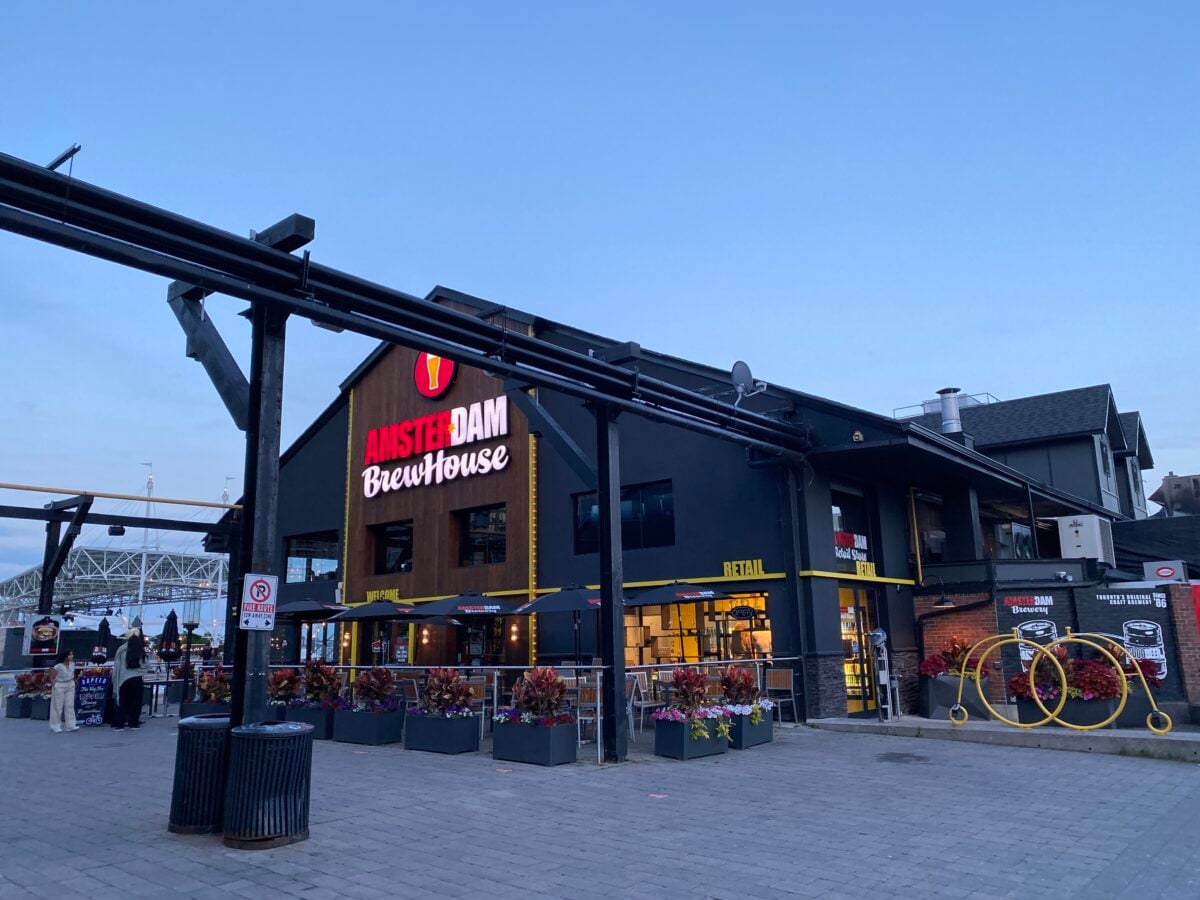
Queens Harbour will be next to Amsterdam Brewhouse. The 14,000 square-foot waterfront brewpub opened on July 1st, 2013 with 500 indoor seats and 325 on the lakefront patio.
Amsterdam Brewhouse (Image: Dustin Fuhs)Future Queens Harbour at 245 Queens Quay West (Image: Dustin Fuhs)
With Toronto’s waterfront continuing to evolve, the team behind Queens Harbour is set to bring their a-game.
“For years we believed Torontonians and visitors to this iconic city have been under-serviced by destinations that embrace the water and the waterfront vibe,” shared Badreddine. “We believe there is a gap for people looking to fuse our type of cuisine with our energetic atmosphere that engages all the senses, while getting great value. We wanted to create a destination that our extended family, our guests, can use in so many different ways to mark so many important and unimportant occasions in their lives.”
“We set out to be part of the fabric that is weaved in the memories of our guests’ most cherished memories.”
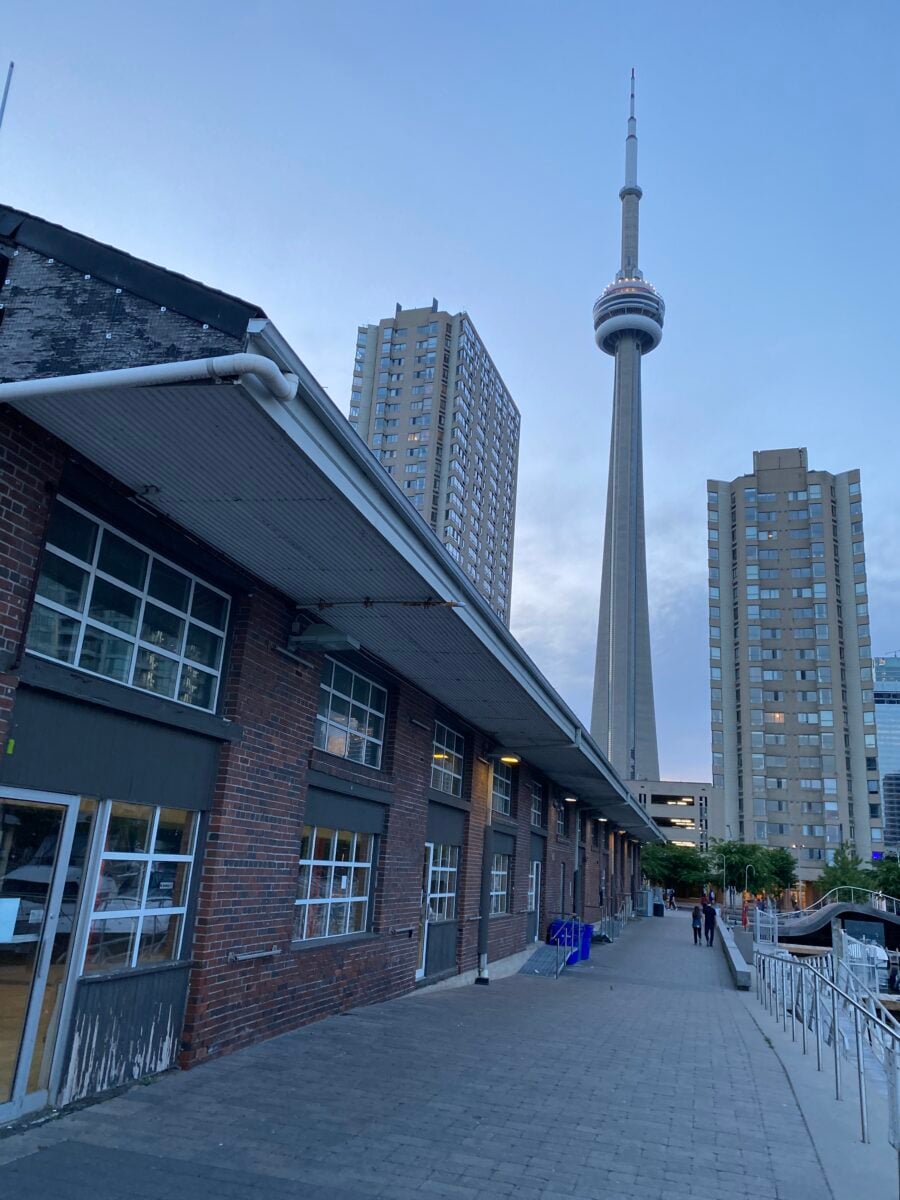
Toronto Waterfront from Marina Quay West (Image: Dustin Fuhs)
Toronto’s Waterfront continues to see investment in the next stages of development, including first-to-market concepts like NBA Courtside, entertainment concepts like Lighthouse ArtSpace at 1 Yonge, currently home to F1 Exhibition, and the recent Head Office relocations of the LCBO, The Score and Canada Goose.
Retail Insider will be updating our readers as the project continues to take shape on the waterfront.
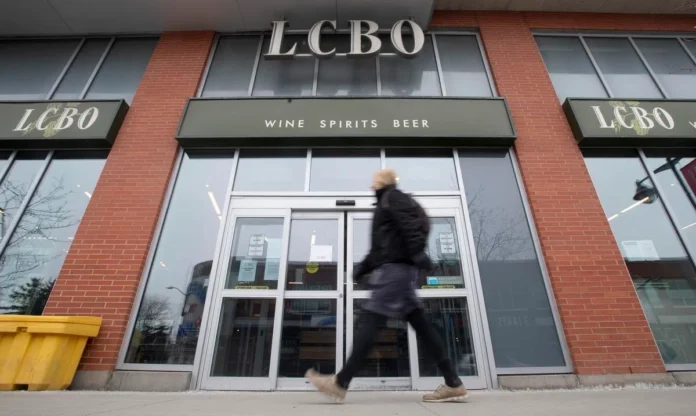
The decentralization of liquor sales is part of a much longer strategy to erode good jobs in the alcohol retail sector. along the way. THE CANADIAN PRESS/Adrian Wyld
The announcement received immediate backlash, primarily against the $225 million given to the Beer Store to subsidize its adjustment to a new competitive environment and avoid sudden closures of store locations.
The decentralization of liquor sales, however, is nothing new in Ontario. It’s a process that has been ongoing over the past few decades and part of a strategy to erode good jobs in the alcohol retail sector. It can be viewed as union-busting by stealth and the public has played its part along the way.
Casualization of work
Once considered to be good jobs, workers at the Beer Store and Liquor Control Board of Ontario (LCBO) retail outlets have been pressured for years. Employers have forced tiered agreements with unions, where part-time and casual workers earn much less than full-time workers.
Retailers have turned to part-time workers to reduce their labour costs and meet public demand to keep stores open during evenings and weekends. This process is known as the casualization of work. In the most recent census, full-time workers — including management — in Ontario’s beer, wine and liquor stores made up less than half of the 16,645 workers employed in the sector, but had an average annual income two to three times higher than part-time workers. In the current round of bargaining, OPSEU is demanding protection for permanent jobs in the face of “marketplace change.”
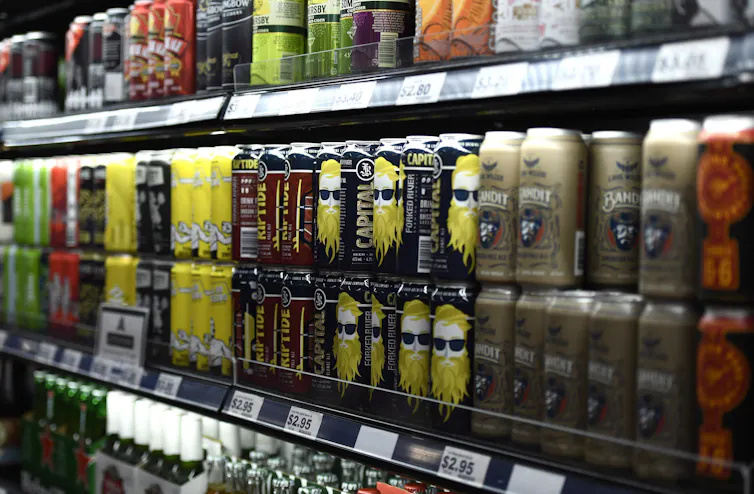
The Ontario government announced that by 2026 they will allow sales of beer, wine, cider, coolers and pre-mixed drinks to be sold at convenience stores, grocery stores and ‘big box’ retailers. THE CANADIAN PRESS/Justin Tang
Geographic shift of retail distribution
Beyond the casualization of work, the geographic shift of retail distribution is also threatening wages in the sector.
LCBO convenience outlets, also known as liquor agency stores, are small, non-union, owner-operated businesses attached to corner stores and gas stations. A few agents were established in the 1960s to get alcohol to rural areas, but the program rapidly expanded in the 2000s. Over the last decade, the number of agency stores has doubled to almost 400 locations across the province.
According to recent annual reports, Ontarians purchase 10 to 15 per cent of their beer, wine and spirits from these agency outlets and grocery stores. The potential addition of more than 8,500 corner stores selling booze is the next big step in decentralizing liquor distribution away from unionized retail locations.
The potential loss of government revenue via decentralized distribution may be overstated. After all, wholesale distribution will still be controlled by the Beer Store and the LCBO, and the government is not going to stop taxing.
Real losses will be in the pocketbooks of beer and liquor workers as work shifts to small, lower wage, non-unionized workplaces. Unions are unlikely to organize chains or small, independent family-run operations, which will lead to further downward pressure on wages across the sector.
Convenience stores rely upon low-wage work and have lobbied the Ontario government to allow them to sell alcohol in order to meet the increases to the minimum wage rate.
The populist appeal
Other powerful forces driving the geographical expansion distribution are populist calls for booze in rural areas and politicians like Ford, whose “Buck-A-Beer” campaign slogan pledged to lower the minimum price of beer to $1 from $1.25.
As historian Craig Heron has noted in his book Booze, Ontario has a long history of prohibition, temperance and disciplining workers through controlling access to alcohol.
It’s not surprising that loosening government restrictions on what, where and when people drink has a populist appeal, and populist politicians like Ford know it very well. Beer has long been used as a political tool in Canada.
Ontario Premier Doug Ford attends a press availability at a convenience store in Toronto on Dec. 14, 2023. THE CANADIAN PRESS/Chris Young
It is here where labour unions are trapped. Unions have argued there are economic, social and environmental benefits to having a more centralized system: larger operations are more efficient and can pay higher wages and efficiency, access to alcohol for young people can be more easily restricted, and the recycling and reuse of bottles and cans is facilitated.
As unions draw attention to these advantages to protect union jobs, they risk falling into the trap of echoing the moral panics around out-of-control access or stand accused of limiting rural communities’ access to alcohol.
What can unions do?
Unions do have strategic options. They will continue push back against increased decentralization and casualization, but with the addition of thousands of low-wage alcohol outlets, this is perhaps a lost battle.
Unions may choose a fortress strategy and protect remaining jobs and wages in distribution centres and remaining stores. A more aggressive strategy will be for unions to focus less on workplaces and organize workers in the sector as an occupation or trade.
In order to first reach these workers, unions could demand a role in the certification and training of all new workers who sell alcohol to the public. From here workers could be mobilized to demand minimum standards for all licensed workers.
If good jobs are to remain in the sector, unions will have to be creative and extend their power beyond their stronghold in the retail system to ensure present and future workers in the alcohol sales sector receive fair treatment and compensation.
By Steven Tufts, Associate Professor, Faculty of Environmental and Urban Change, York University, Canada
Anatomy of a Leader: Melissa Austria, Founder and Owner, Gotstyle
As the founder and owner of Gotstyle, Melissa Austria has been creating and delivering a unique and innovative lifestyle concept for men since 2005.
With a vision to fill the gap in the Toronto menswear retail market, she built a successful brand that offers a curated selection of international and local labels, catering to different lifestyles and body types. She also integrated technology to make shopping easier and to build the future of independent retail.
“With over two decades of experience in the menswear industry, I have developed a passion and expertise for fashion, merchandising, and retail,” said Austria.
She has worked as a sales manager and brand manager for renowned collections such as Mexx, Claiborne for Men, Valentino, and Calvin Klein Menswear, launching the Kenneth Cole men’s sportswear and tailored clothing divisions in Canada.
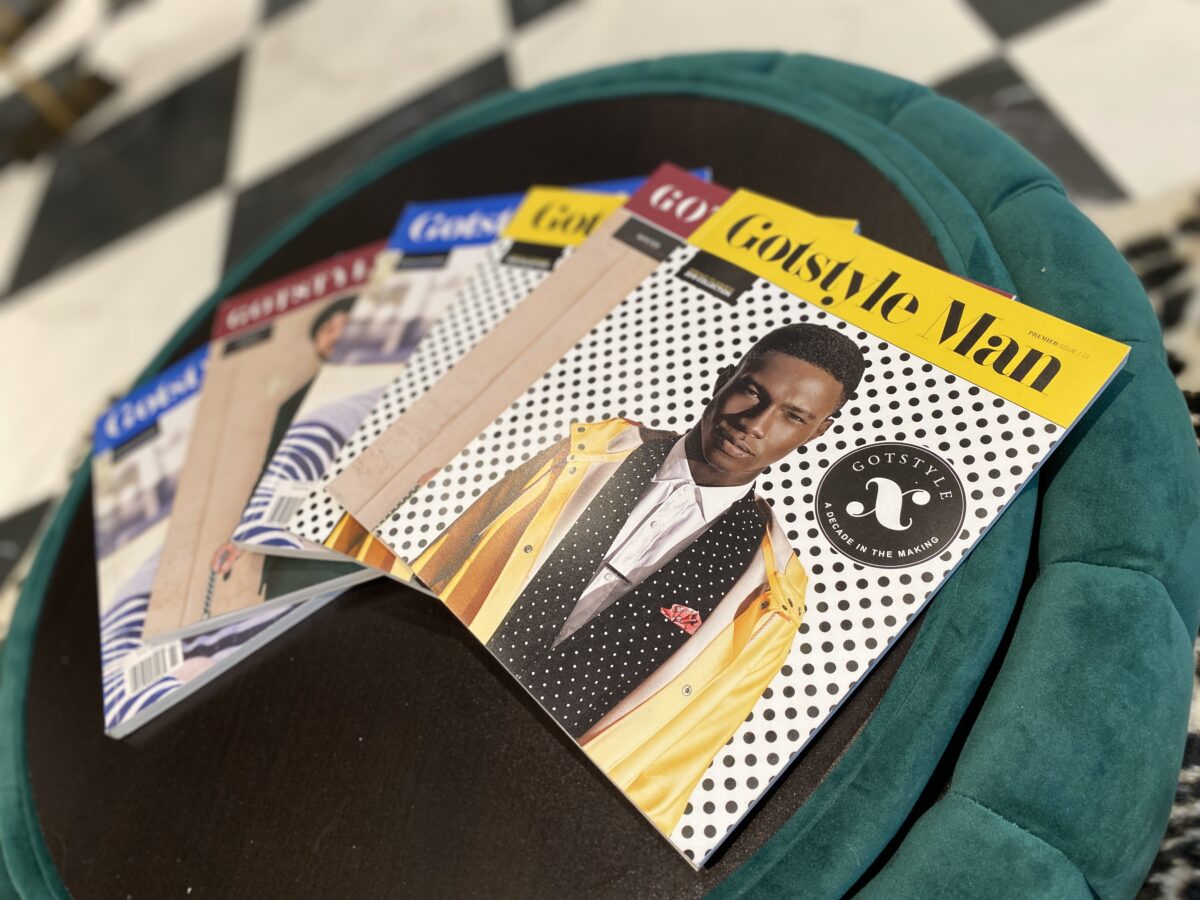
She also created original content and served as the editor in chief of Gotstyle Man Magazine, a nationally distributed publication that educates and inspires men to dress better.
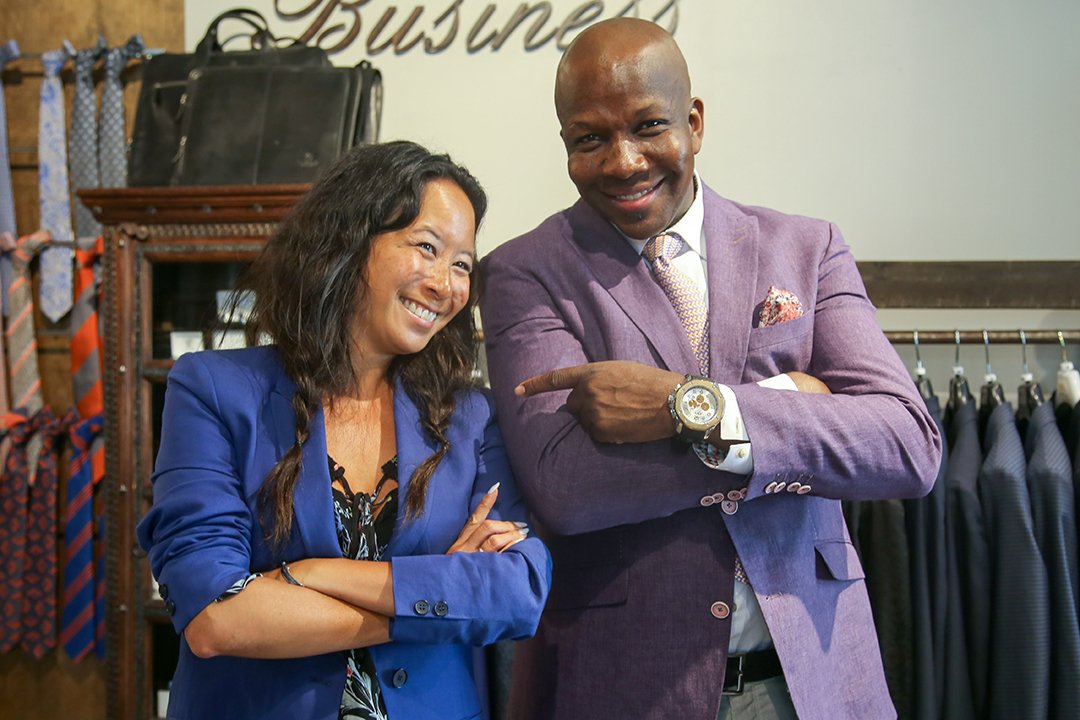
Melissa and Donovan Bailey (Image: Gotstyle)Gotstyle Man Magazine (Image: Dustin Fuhs)
Her work has been recognized with multiple awards, including the Uptown Downtown award for Retail Excellence and the W100 ranking of Canada’s Top Female Entrepreneurs.
“My mission is to empower men to look good, feel good, and do good,” she said.
Austria was born in Fredericton, New Brunswick.
“I consider myself a true Canadian. I was born in Fredericton, New Brunswick and then I moved to Vancouver, B.C. when I was 14 and then I moved to Toronto when I was 21,” she said.
“We didn’t have the money for me to go to university so I was just kind of working in retail and then decided that I wanted to move to Toronto and explore what my options here were. I worked in a couple of different jobs in retail and then I was very lucky that I got a job at Harry Rosen but not in the sales department but actually as a junior administrative person. I was working at the head office when they had the office at Scotia Plaza.”
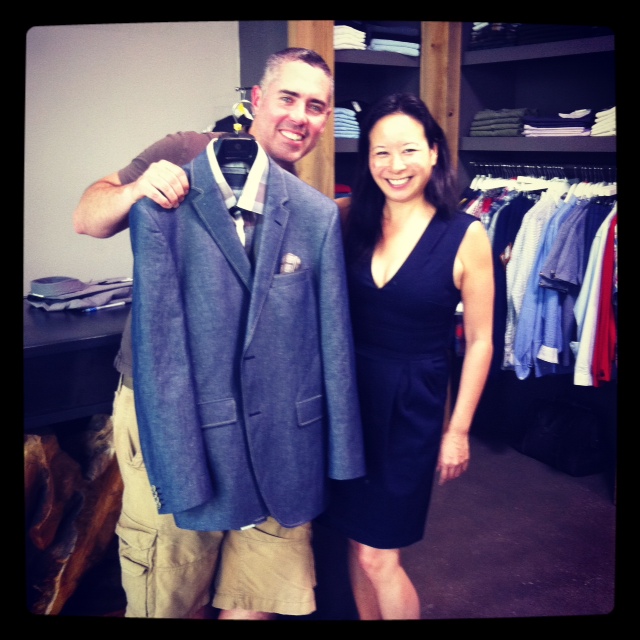
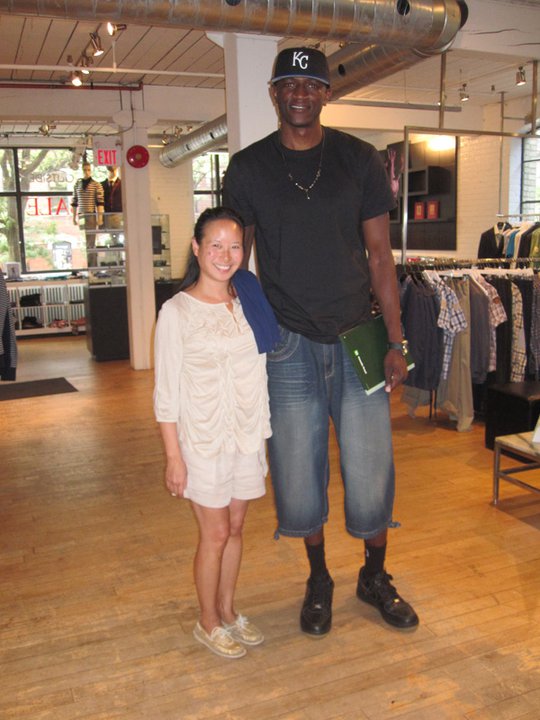
Melissa with Ed Robertson of Barenaked Ladies (Image: Gotstyle)Melissa with Gordie Howe & Wayne Gretzky (Image: Gotstyle)Melissa with Sonia Sache (Image: Gotstyle)Melissa with Solomon Alabi (Image: Gotstyle)
From there, she went into sales at Harry Rosen and did that for about two years. Then she moved into wholesale with Mexx but still in menswear. She was a sales rep for Ontario. From there she moved to Clairborne.
“Having the background in terms of the finances as opposed to just selling was a great teaching,” she said.
“(My career) started at Harry Rosen but then every other job I did after was in menswear. I was in wholesale for a good 15 years.
“It was the wholesale experience where I learned the most but with Harry Rosen it was Mr. Rosen himself. The fact that I was such a lowly person on the totem pole, he knew everybody that worked at the store and many, many years later when I had opened up this store I remember meeting Mr. Rosen (Harry) on an airplane and he congratulated me on opening. He just had a memory that he knew everyone. He made you feel special. Because I was lucky that I dealt with all the great menswear stores across Canada I think I learned from all of them in terms of customer service, the product assortment and building a community within your store.”
What is it about this area of retail that she enjoys and likes?
“I definitely would say that I loved my time in wholesale. After Clairborne, I went to Valentino and Calvin Klein for all of Canada. Got to travel across Canada multiple times because we would visit all the stores, see all the retailers, travel to Italy, travel to Europe all the time, and then from there I was brand manager for Kenneth Cole. So I launched Kenneth Cole’s menswear in Canada. We had seven divisions that we launched . . . Doing the assortment for Canada, doing all the costing, working with all the reps, working with all the department stores, putting shop in shops in all the department stores, planning all the inventory. It was everything.
“Having that ability to control the brand from A to Z definitely sort of helped my career when I decided to open up a retail store.
“It’s so funny that in my entire career in retail I’ve never worked in womenswear, ever. I’ve only been in men. So it’s the only thing I know which is crazy and it kind of started because I had to help a lot of my guy friends put outfits together. They would always call me. ‘I’ve got a date tonight. I don’t know what to wear. Can you come clean out my closet?’ So it was something that I was always sort of excited to do. Womenswear, not so much. It’s always been this overlying mission to help men dress better.”
Image: Gotstyle
In starting her business, Austria went back to the foundations of what she believes in, which is education.
“So if we can educate guys on how to dress better then they’re going to dress better. I like to think of the store as not a clothing store but a solution provider. So we really wanted to use the magazine to push that message even more because the demographic of guy I’m dealing with is guys in their late 30s, 40s and 50s. They’re tactile. They want to look at the magazine, they want to flip through the magazine,” she said.
“I think when we launched the magazine everyone was going to digital . . . It was great because we were able to showcase a lot of our clients in there which they loved and this was before digital media was as rampant as it is. So guys needed a reference point to look back on.”
While describing the retail sector, Austria said she finds its back to about 20 years ago when she first started in the industry.
“The men in North America dressed like shit (then) . . . Now I find coming out of COVID everyone’s in a super casual mode. Hoodies, sweat pants, that sort of vibe. So I think it’s almost a re-education on the younger generation that were never told how to wear a suit, how to wear a sport coat, how to dress up,” she said.
“If you look at the young guys, they missed their grad. Grad was the first time men or boys got to wear a suit. There’s a whole generation of boys that have missed that point in their lives and now you’ve got everyone else that has forgotten how to dress up again.
“But it is going back to the roots of retail where even though you’re trying to sell the masses online, you’re still trying to build that community where you are.”
Retail Insider is streamlining its Canadian retail news from around the web to include a handful of top news stories that can be viewed quickly during the day. Here are the top stories from the past 24 hours.