The Body Shop at Metropolis at Metrotown (Image: The Body Shop)
The Body Shop North America has appointed Jordan Searle as general manager for the brand in the U.S. and Canada.
He will oversee the strategy and performance of the beauty brand’s North American division in retail, wholesale distribution, marketing, e-commerce and activism.
“The Body Shop North America is entering an exciting new chapter,” said Searle. “Now more than ever, we’re leaning into our activist roots, championing our assortment of effective and ethical product that caters to every body, and driving positive impact through our aggressive sustainability agenda. I am energized to work alongside our talented team in North America to deliver the brand’s purpose-led mission while continuing to elevate our customer experience.”
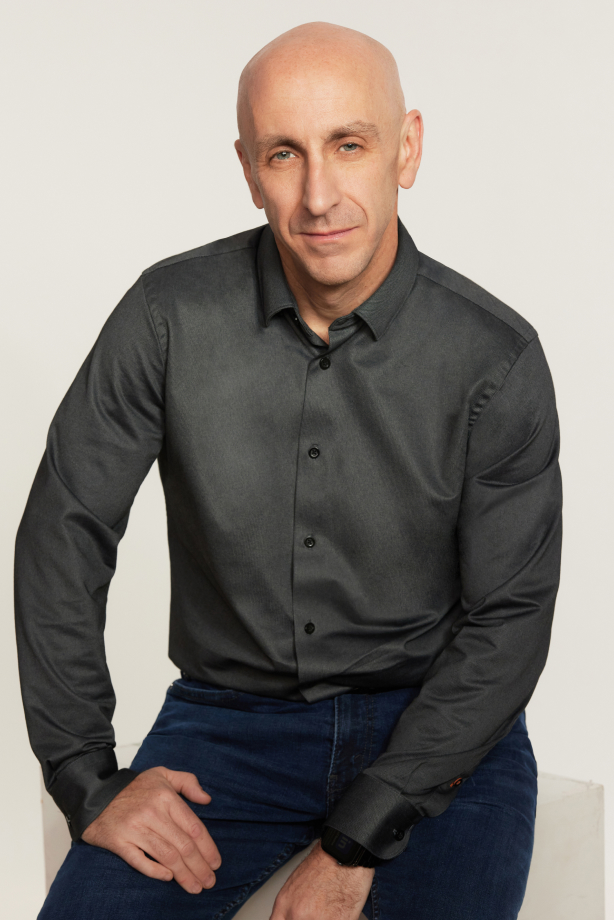
Jordan Searle (Image: The Body Shop)
Founded in 1976 in Brighton, England, by Dame Anita Roddick, The Body Shop is a global beauty brand and a certified B Corporation with 177 stores across North America. There are 110 stores in Canada.
“We never say no to opening new stores but with 110 stores in Canada we are fairly well distributed. What we’re focusing our minds on right now are actually renewing our fleets with our new Workshop concept. So we’re on that journey,” said Searle. “This year we plan to re-fit the new concept to seven stores.
“Workshop is a new concept for us that we did launch back before the pandemic in Vancouver at the (CF) Pacific Centre. But unfortunately then with the pandemic kicking in stores were kind of closed and we didn’t get to see the impact of it until recently when we started opening more Workshop stores last year.
“The Workshop store is really an embodiment of our brand in many ways. Firstly a lot of the fixtures and fittings inside the store are made in a sustainable manner with sustainable materials and there’s a lot more experiential elements to the stores such as we have a big sink at the front of the store where customers are invited to actually experience the products.”
The Body Shop at Metropolis at Metrotown (Image: The Body Shop)
There’s more opportunities for the product to be displayed and experienced by people. Searle said the Workshop stores are more “tactile” than what’s in place at existing stores.
Searle said five stores in Canada have undergone the transformation – one at the Oshawa Centre, one in CF Market Mall in Calgary, one in CF Pacific Centre in Vancouver,, one at the Metropolis at Metrotown in Burnaby, BC, one in West Edmonton Mall and by the end of June one at the Yorkdale Shopping Centre in Toronto. MacArthurGlen Designer Outlet in Vancouver, Bramalea in Brampton, Orchard Park in Kelowna, the Willowbrook Shopping Centre in Langley, BC and the Guildford Town Centre in Surrey, BC are also on tap for the transformation.
Searle said the strategic plan is to refit five to eight stores per year.
“We’ll see how far we get on that journey,” he said. “The idea really is to completely rejuvenate our retail footprint within Canada.”
The Body Shop at CF Pacific Centre (Image: The Body Shop)
He said the brand has a very strong heritage in Canada and often Canadians think it’s a Canadian brand even though it hails from the UK.
“The real estate is actually very good. We have a lot of prime units and we operate in all the top malls and most of the best streets within the Canadian market. However, there hasn’t been a lot of investment into the fixtured environment over the last 10 years. It’s definitely due for an upgrade,” said Searle.

“But more than that we’ve had a lot of movement within our product line as well. A lot of it has been rejuvenated, reformulated. A lot of new products also introduced.”
Searle joined The Body Shop North America in 2021 as Vice President of Omnichannel, where he was responsible for omni-channel planning and strategy, and developing the framework to deliver sales, commercial incentives, and general merchandising. Prior to joining The Body Shop, Searle spent much of his career working with coveted lifestyle apparel brands developing sales distribution and commercial strategies. Additionally, he played a pivotal role in developing and expanding direct-to-consumer practices for ECCO and Canada Goose in North America and Europe.
“Jordan has had a successful introduction to the business since he joined us just over a year ago as Omnichannel Director,” said Caroline Le Roch, Managing Director for Europe and North America, The Body Shop, in a statement. “He brings great retail experience from his time at Canada Goose and ECCO where he led the introduction of its elevated retail concept. As we continue our focus on growth and delivering our changemaking mission, we’re confident his deeply collaborative leadership skills, affinity for our brand and expertise in retail, ecommerce, and marketing make him an excellent choice to lead the future of The Body Shop in North America.”
The Body Shop Toronto Pearson | Toronto Airport Shops (Image: Toronto Pearson)
The company said Searle will leverage his experience to help advance the brand’s omnichannel transformation with a strategic focus on retail and ecommerce. Among his priorities are realigning initiatives to accelerate growth; expanding the brand’s Workshop-concept retail locations in Canada; growing sales for the brand’s skincare category; driving customer acquisition; and accelerating The Body Shop’s social and environmental impact.
“I think there’s a necessity these days for brands to be able to storytell in a compelling way and have the right environment in and that’s what our Workshop store is all about, bringing that sort of feeling to the market and getting that connection with consumers,” he said.
The Body Shop operates about 3,000 retail locations in more than 70 countries. Along with Avon and Natura, The Body Shop is part of Natura &Co, a global, multi-channel and multi-brand cosmetics group that is committed to generating positive economic, social, and environmental impact.
More than half of Canadian consumers say they will abandon a store or online checkout if they can’t pay using their preferred methods, according to the annual Canada Retail Report 2023 by Adyen, a leading retail end-to-end, all-in-one payments solution for merchants across the globe.
Here are some key findings:
85 per cent of Canadian consumers are spending more time searching online or browsing stores for the best bargains;
21 per cent of Canadian consumers experienced payment fraud over the past year, losing an average of $265 CAD each;
71 per cent of Canadian retailers plan to expand into new markets this year;
50 per cent of Canadian retailers agree their business is in a better position due to investments in customers experience; and
33 per cent of Canadian retailers plan to invest in technology to improve the shopping experience.
Fabricland on Bloor (Image: Dustin Fuhs)
“Change is always accompanied by opportunity. As uncertainty becomes more palpable in the current economic climate, Canadian retailers’ ambitions are shifting to cutting costs and protecting their bottom line. They’ll need to invest in technology that will help them connect the dots and strengthen their business in the long run,” said Sander Meijers, Adyen’s country manager for Canada.
Sander Meijers
“In this report, we’ve collected insights into business strategies adopted by retailers across the globe and compared with Canada. Trends show that retailers are focused on optimizing loyalty programs, increasing efficiency, diversification, and looking for effective strategies to prevent fraud.
“The biggest takeaway? Connecting payments to other parts of the business will open up a realm of possibilities. And tech-first solutions will bring much- needed agility to big businesses by giving teams the time and resources to create better shopper experiences. What investments retailers make in technology today, will open up new opportunities tomorrow.”
Meijers said retailers have to unify their operations to be able to give consumers a better experience.
“Only one third of the Canadian retailers have actually done this but half of them are thinking about doing it or are starting to do it,” he added. “More than half are looking at it but only a quarter have done it correctly. It’s a huge opportunity for the Canadian retailers to start investing in if they want to be able to be successful in the long run because what anything taught us whether it’s inflation or the pandemic is you need to be able to offer a shopper a consumer experience that is very much unified online and in-store.”
In 2023, Canadian shoppers are taking their time and making more thoughtful purchases, said the report.
“With the cost of living rising and budgets tightening, people are searching for options that give them the most bang for their buck. This means smart shopping, budget-friendly prices and convenience are at the top of the list for the majority of Canadians,” it said.
“As the Canadian economy faces uncertainty and high inflation, 63 per cent of Canadian shoppers want to see more personalized discounting at retailers they shop with most. Retailers that provide attractive deals and personalized offers have the best chance of retaining customers and gaining new ones. However, half of Canadian retailers (48 per cent) say it’s harder to categorize customers by their needs because each wants a truly personalized experience.
“Since 40 per cent of Canadian consumers prefer retailers who remember their preferences to create a more tailored shopping experience, the retailers that can solve that knowledge gap will get a boost on the competition.”
Michaels on John Street in Toronto (Image: Dustin Fuhs)
The report said 33 per cent of Canadian retailers plan to invest in technology to improve the shopping experience.
“Unified commerce is the next frontier for Canadian retailers, where the demand for seamless and flexible omnichannel experiences is growing by the day,” said the report. “That’s reflected in the numbers. 63 per cent of consumers love the ease of purchasing an out-of-stock item in store and having it shipped to their home and 63 per cent are more loyal to retailers offering in-store web returns.
“Last year, Canadian retailers that connected their online and offline payments in one system saw a 14 per cent revenue boost. Retailers in Canada are paying attention. 47 per cent of retailers are starting to invest or are investing heavily in connecting online and in-person payments in one unified experience. 34 per cent are considering starting.
“Only 23 per cent of Canadian retailers are able to connect online transaction data with in-store transaction data. Coupled with the fact that currently 27 per cent of retailers are investing in payments data collection and analytics, there’s a lot of opportunity.”
Adyen said Canadian retailers are setting their sights on international markets, with many turning to ecommerce to break new ground.
“Our research found the US (58 per cent), UK (23 per cent), Australia (16 per cent), Mexico (15 per cent), and France (13 per cent) are the top destinations retailers are targeting,” explained the report. “Global ecommerce customers are primarily concerned with cost and convenience: the two defining factors that sway their purchasing decisions.”
Doordash x PC Express (Image: Dustin Fuhs)
When it comes to payments, 30 per cent of Canadian online shoppers said they would only buy products from abroad if the delivery charges were reasonable. 32 per cent would avoid it altogether if they had to incur customs charges in addition to the delivery fees, said the report.
“Canadian consumers are looking for flexibility when it comes to payment methods online. 22 per cent would only shop on websites in other countries if they can use their usual payment methods. Another 22 per cent would only do so if the retailers automatically converted prices to their local currency,” it said.
“This highlights the importance of offering a variety of payment options to meet the needs and preferences of Canadian consumers. By providing more payment flexibility, online retailers can keep up with evolving consumer demands and ultimately increase customer satisfaction and loyalty.”
Adyen also found that nearly one in three Canadian retailers say fraud and chargebacks are a significant cost to their business.
“As the retail industry continues to see accelerated digital transformation, shopping experiences are becoming more diversified and innovative. Unfortunately, this means fraudulent activity is becoming more sophisticated as well. Over the last year, 30 per cent of Canadian retailers experienced increased payment fraud attempts,” added the report.
“This is proving costly to both retailers and shoppers. 32 per cent of Canadian retailers suffered significant losses from fraudulent transactions and chargebacks. And one in five Canadian shoppers experienced payment fraud over the past year, losing an average of $265 CAD each.
As soaring prices force shoppers to reassess their spending habits, they now face the added threat of cybercrime, which lowers their confidence when making purchases. More than half of Canadian consumers (59 per cent) find online shopping less attractive because of fraudsters.
“Now Canadian shoppers are taking steps to minimize fraud risks themselves. More than a third (36 per cent) look at a website’s URL to ensure it doesn’t look suspicious before making a purchase, and 30 per cent don’t let their computer or mobile device remember their payment details, because they’re worried about fraud.”
There is a trend in retail that is quietly gaining momentum.
Savvy retailers are taking playbooks from Big Tech and Banks and adopting global offshore workforces to improve their talent base and manage costs.
I’d officially like to call it ‘Global Sourcing 2.0.’
In the wake of global competition and the need to manage increasing costs in the face of a recession, retail leaders who balk at the idea of managing teams in countries like India and the Philippines may find themselves sharing the same fate as their predecessors in the 1970s-80s who balked at the idea of moving production offshore to countries like China and Mexico—going out of business.
Fast forward to 2023, it’s common, if not a requirement to be competitive, for retailers and manufacturers to manage the production of goods in offshore factories, such as those in China, Mexico, and other developing nations.
But, white-collar jobs have predominantly remained in North America. This is now changing…
Today, there are thousands of North American companies outsourcing technology, finance, merchandising, operations, and e-commerce functions to India, and it’s growing fast. Last year alone, both Neiman Marcus and Lululemon opened global capability centers in India to help achieve their technology, e-commerce, and merchandising goals.
Here is a quick snapshot of the big ones over the last decade:
Source: MS2 Retail Advisory Inc.
So what’s driving this movement? Old stereotypical perceptions of low-quality Indian call centers are now replaced with world-class global technology centers like Bangalore – India’s Silicon Valley. Cities like Bangalore offer retailers skilled tech labor that is plentiful and affordable. This allows retailers like Lululemon to “tap into India’s tech talent to support digital transformation, improve omnichannel capabilities, and develop roadmaps for more advanced technologies like AI and cognitive competencies.”[1]
Lululemon India (Services) Private Limited Corporate Office. Source Google Maps, accessed 5/24/2023
But it goes beyond technology. Given the low cost of well-educated, skilled labor, back-office roles in merchandising, e-commerce, finance, and operations are quickly moving offshore. In today’s world, where there is resistance to return to the office and increasing labor wages dominate, it’s an easy decision to move roles that can be done remotely offshore, where average labor savings are generally over 50%. Due to the forced Covid-19 remote work policies that retailers adopted, they have already had three years of practice managing teams and projects remotely. Now, whether the employee is working remotely down the street or on another continent, it’s a moot point.
So is this the end of white collar jobs in North America? No, not really…
In the 1970s when production moved offshore, successful manufacturers shifted their focus from managing production lines to strategic activities that created real value by improving offerings through design, product curation, and customer experience. Focusing on design and customer experience while achieving low-cost production proved to be a winning formula.
In our post-Covid economy, retailers will again shift the mix of local versus offshore. With the proliferation of e-commerce and third-party marketplaces, managing technology and the transactional workload that comes with it is a massive burden for a retail head office. However, product margins and customer wallets have remained flat or decreased, putting enormous pressure on profitability as retailers struggle to manage these new work activities.
It now only makes sense to keep critical strategic roles in North America, moving transactional, technology and operations roles to remote global centers.
Large multinational retailers are relying on partnership with large consulting companies like Wipro, Tata Consultancy, Infosys and ANSR to build out their remote capabilities campuses. According to ANSR website they work to “enable companies to build distributed teams in support of workforce transformation, building strategic capacity and onboarding global enterprise talent. Through a flexible, ‘no-capex’, ‘pay-as-you-grow’ subscription based engagement mode”[2]. A compelling offer in today’s depressed economic climate where technology is at a premium.
Small to mid-size retailers are joining the trend as well. Working with small to mid-size retailers & DTCs, consultancies like MS2 Retail Advisory has been getting high interest from executives looking leverage global talent to replace open vacancies. Its not just call center and data entry roles that are being offshored. As head office teams are still working under hybrid or remote environments more senior levels roles and all areas of merchandising, ecommerce, supply chain and finance are on the table.
Even retailers like Tesco are finding new revenue opportunities helping other retailers build out global centers. As one of the first pioneers into India (2004), recently Tesco’s Global Business Services (GBS) unit announced plans to enter the business-to-business (B2B) market by helping other retailers across geographies set up capability centers in India.[3]
So once again, global barriers are falling, and the world is becoming ever smaller. As history has shown us, those who have embraced change and adapted their business models to suit new realities in their environment usually live to fight another day. While the goal is not to adopt change for the sake of change, but to reevaluate one’s business and cost structure to ensure that they are using every possible minute and dollar to provide excellent value to their end customer. Leveraging global teams and offshoring surely won’t guarantee success, but it will give resource-strained retail head offices some breathing room and redirect time, energy, and money to focus on what is important to their customer.
[1] Phadnis, Shilpa. 2021. Canada’s Lululemon Athletica opens tech Centre in Bengaluru. The Times India. Accessed 5/24/2023. https://timesofindia.indiatimes.com/city/bengaluru/canadas-lululemon-opens-tech-centre-in-bengaluru/articleshow/82298525.cms
[2] ANSR. 2023. About ANSR. ANSR Website. Accessed 5/24/2023. www.ansr.com
[3] Sureban, Haripriya. 2023. Tesco’s India unit plans to setup capability centres for other retailers. The Hindu Business Line. Accessed 5/24/2023. https://www.thehindubusinessline.com/companies/tescos-india-unit-plans-to-setup-capability-centres-for-other-retailers/article66800214.ece
Rack Attack, a leading retailer of car racks, bike racks, rooftop tents, overlanding, and other outdoor gear, continues to expand its footprint in Canada with the recent openings of three new stores in Kitchener, London and Winnipeg as well as acquiring two new stores in Calgary, previously owned by Racks Unlimited.
It’s part of the company’s plans to aggressively grow to more locations throughout the country and the United States.
The brand currently has 47 stores combined in both countries.
Rack Attack in Winnipeg (Image: Rack Attack)Rack Attack in Kitchener, Ontario (Image: Rack Attack)
Rack Attack began with one store in Vancouver in 1996.
Alexander Welbers
Alexander Welbers, CEO of Rack Attack, said the company’s focus is to support customers in making the best gear choices for their outdoor adventures.
“From easy base racks to very complicated vehicle modifications or vehicle rigging to make them off road and overland ready,” he said.
“We really accelerated our expansion over the last four years and we will open our 47th store in June (just outside of Philadelphia).”
Image: Rack Attack
Image: Rack Attack
The Kitchener, London and Winnipeg stores opened over the last three months.
“We’re coming out of a really intense growth expansion period since the beginning of 2022. We opened 26 stores since the beginning of 2022,” said Welbers. “We are really committed to growing the Canadian base and the U.S. base further. We have plans for more stores towards the end of this year and next year and beyond.
“On the Canadian side, we have 14 stores to date in BC, Ontario and Alberta. And we’re looking to further expand especially in the territories of BC, Alberta, Saskatchewan, Ontario and eventually Quebec. It’s hard to give you a number. We’ve opened three stores since the beginning of this year in Canada and we’re looking for roughly the same amount every year. Three to five stores to add to the Canadian market. There’s still some significant space that we’re not in now and we’re looking to find the right locations that are convenient for our communities to come to.
“When you see the new locations that we opened in Kitchener, London and Winnipeg, they’re in very good retail areas where people are familiar to go to . . . We need to find the location that has the right size for us but also allows some drive in bays, because we do all the service and vehicle modifications in our stores. We install everything we sell. That requires special retail locations where we can have vehicles in the stores.”
Rack Attack in London, Ontario (Image: Rack Attack)Rack Attack Toronto (116 Laird Drive) Image: Rack Attack
Welbers said the company is in the process of re-branding the Calgary stores it acquired a few months ago.
“It’s a great market for us. We’re really excited to be in the Calgary market finally,” he said.
The company opened in January 2022 Canada’s first location for a branded store for Swedish-based Thule, a global designer and manufacturer of roof racks and carriers, and is located in the Park Royal Shopping Centre in Vancouver. It is the second branded Thule store in North America with the first one in Denver, Colorado, which opened in June.
“We are still looking to expand further our Thule store base. Also in Canada. We’re looking for maybe one more location towards the end of this year but we haven’t really committed to a lease yet,” said Welbers.
“That’s one of the new store openings that we’re looking to as well. The three to five (new) stores per year in Canada could include one Thule store roughly every year. So we’re looking for locations there too. The Thule stores are really in high traffic areas like you see the Park Royal store. A lot of foot traffic.
“The Rack Attack stores are in good retail destinations but they are bigger and they need drive-in bays to service and install and they need to be bigger to show all of the products that we have there. So the Rack Attack store is four to five times bigger than a Thule store.”
Craig speaks with Robert Hayes, CEO of the North American arm of Danish jewellery brand Pilgrim. The discussion includes how Hayes brought the brand into the market, what makes it so popular, wholesale expansion, and what’s in store for new locations in Canada in the coming years including one at CF Toronto Eaton Centre opening in late June.
If you prefer to listen to the audio version, it is available below:
The Interview Series audio podcasts by Retail Insider Canada are available on Apple Podcasts, Stitcher, TuneIn, Google Play, or through our dedicated RSS feed for Overcast and other podcast players. Also check out our The Weekly audio podcast where Craig and Lee discuss popular content published on Retail Insider which is part of the The Retail Insider Podcast Network.
Featured during this interview:
Robert Hayes, CEO / Owner of Pilgrim North America Inc.
Craig Patterson Welcome to the Retail Insider video series. I’m your host, Craig Patterson. And we’re joined here today with a special guest, Robert Hayes. He’s the CEO of jewelry brand, Pilgrim. You’re the CEO of the North American Division. Welcome.
Robert Hayes Thank you so much. I’m so excited to be here.
Craig Patterson Now Robert, tell us a little bit about Pilgrim.
Robert Hayes Yeah so, basically Pilgrim is a Danish brand that was established over 40 years ago. And Pilgrim is synonymous with recycling. So over 60% of all of our products are made from recycled materials. And we’re actually working towards getting over 100% of our products to be sustainable and recyclable. We’ve also been working with all of our suppliers in terms of, you know, the back end of, of how to be, you know, more green and more circular. We’re also starting a recycling program. And one of the great things about Pilgrim too, is that all of our jewelry is hypoallergenic. So it’s perfect for all types of people who might normally have sensitivities to different jewelries.
Craig Patterson And the price point is pretty good, too. I was having a look on the website, and it seems pretty affordable.
Robert Hayes Exactly. So one of the, you know, that Scandinavian kind of essence of really trying to provide kind of, you know, fair pricing for products. So some of them work really hard to do, and to bring real value to customers. And also as well, to our wholesale partners as well. So it’s, it’s something that we work really hard on.
Craig Patterson And there’s there’s necklaces and earrings and rings, and what other categories are there for Pilgrim.
Robert Hayes So we also do sunglasses, so we have a polarized UV 400 sunglasses, and they’re also made out of water bottles that are collected from the ocean. And it’s about 1.2 water bottles per sunglasses. So people really like that. And one of the things that I love too, is that if by accident, a wave hits, and they’re gone, it’s kind of like returning it back to where the cycle started again, right? And it wasn’t that expensive. So you’re not afraid to you know, kind of bust the bank, on your sunglasses.
Craig Patterson Now, you’ve got some retail stores, you started in the province of Quebec, how’s that going so far
Robert Hayes It’s going really well, actually, we’ve had an amazing response. I know the malls are not too open in terms of sharing sales per square foot. But on the odd time you get, you know, the the mall managers in a good mood, they’ll share those numbers. And we can see that, you know, we’re ranking pretty well within the malls. And we’re also bringing in like a different type of demographic. So some of the larger mall companies, you know, they’ve got these programs where they can really analyze who’s coming into their centers. And they can see from that data that the Pilgrim customer is maybe somebody who wasn’t traditionally coming into the center to buy their jewelry, and now they are so for them, they’re really happy. And it’s kind of adding to the basket size, and it’s actually growing the percentage or the commodities within the malls rankings. So for them, they’re really happy. So traditional, kind of, you know, bridge jewelry, which would be you know, Pandora or Swarovski are not seeing necessarily a drop in their business. And so for the malls are really excited about that, because it’s almost like it’s something new that’s coming into the mall for them. And that’s why I think for us so far, we haven’t had very much competition in that segment. And, and we seem to be kind of really clearing kind of our own path within the malls segment at this time.
Craig Patterson Which malls are you in so far in Quebec, and I think you’ve got one in Ontario and soon to
Robert Hayes Exactly, yeah, so we started off our first was Place Montreal Trust. Then we opened 30 discount. Then we opened a CF Carrefour Laval. Then we did a Galeries de la Capitale Mall, and then we did CF Rideau center.
Craig Patterson Excellent. Now you’ve got one coming up here at the CF Toronto Eaton Center, which is the was at least before the pandemic, the busiest mall I certainly in North America, maybe even the world.
Robert Hayes Yes. So we’re so excited about that. And, you know, we couldn’t have done it originally without you know, Sydney pulled from Cadillac Fairview, you know, she really took kind of that risk with us and coming to the office when we’re just a wholesale brand was Chanel, her colleague, and really seeing who we were and, and analyzing that and then kind of putting us on the path towards retail. So we’ve been very fortunate to have that partnership with Cadillac Fairview, and also the fact that they really look at young emerging brands and companies because even though we’re from Denmark, you know, I bought the distribution rights for Canada. And so, you know, seeing kind of young talent and kind of the team that we built around, Cadillac Fairview kind of took the plunge with us and we’ve been very fortunate.
Craig Patterson Excellent is there now that story is gonna be a little bit different. There’s going to be I think ear piercing and or piercing general and a few other things.
Robert Hayes Exactly. So in our other stores, we’ve been kind of testing, you know, the ear piercing concept. And then for this location, we’ve decided to go, you know, substantially larger and really provide a piercing studio, one of the things we do is the needle thread piercing, so instead of doing the gun piercing, so it actually is a less painful, it’s a cleaner, piercing, and it heals faster, and there’s less likelihoods of infection. So it’s a more kind of elevated experience. And then also, through our research, we found out that there’s no real, you know, kind of government agencies or real kind of training, it’s usually you know, person A, teaches person B, and then it’s like, good luck, you know, with the gun. And then for us, we actually, you know, do almost a two week intensive training course, we actually work with a company from France, because in France, it’s actually very, like, regulated in terms of how piercings are done. So we’re actually able to utilize kind of those standards and bring those over here to Canada and, and try to really give it something completely different than your traditional kind of, you know, either going to a tattoo parlor, or you know, going to kind of a mall kiosk and getting your ears pierced.
Craig Patterson Great once once the I think that opening party, or when’s the opening date roughly for that new Toronto store.
Robert Hayes So we’re planning on opening on Thursday, June 29, at around 3pm. And we’re planning to host a big party, we DJ we also looking to do ear piercing, for free, as well as doing nails, because one of the things that we found is when people whenever they put on rings, sometimes they don’t want to show off their fingers, because their nails are not necessarily done. So I think you know, to get the buzz and kind of that social media element of it, we’ll have somebody being able to do people’s nails so that when they try on our rings, there’ll be really comfortable to kind of show them off on social media. And one of the thing that’s really cool of about our rings, just as kind of a side file is that all of our rings are adjustable. So you know, if you have a glass of wine, and then all of a sudden, you know your fingers swell up a little bit, you can actually readjust them. And then also what we love to when we hear back from our clients too is those clients who you know, are recently pregnant, all of a sudden, you know, their fingers changed a little bit during pregnancy, they can readjust their rings. And so they love that so that there’s so much versatility within their jewelry, and they don’t have to go up or down a size they can keep the peace they have.
Craig Patterson That’s amazing. I didn’t know you could do that with rings. I didn’t realize fingers were swelling as well. But I don’t worry about since the divorce. Yeah, that’s a whole nother conversation. But how did you get involved? You mentioned that you you bought the rights. Did you have a jewelry background before or where did you come from in terms of the business world?
Robert Hayes Yeah, so I was working for a brand called BestSeller. And I was one of the first employees of that company in Canada. And I was working for Manon and Michael Muirhead and basically was responsible for their retail expansion in the beginning. And so I was with the success of the retail in the beginning, I was offered an international role in Denmark. And then while I was living in Denmark, my cousin was working for Doctors Without Borders. And so she came to visit me. And so while she was visiting me, she was like, ah, we’ve got to stop at this cool store called Pilgrim because they do this Doctors Without Borders collection and all my colleagues would like to get, you know, some necklaces, and she wanted to bring them back as gifts. So that’s kind of how I discovered the brand. And then while visiting multiple shops, because unfortunately not each shop, you know, had enough quantities for what she needed. I was really able to see kind of the fact that you know, the Pilgrim customer is coming all different souls, and different and there’s no real age. And so I thought, wow, this is so cool that somebody like in their 60s can work Pilgrim but then you also had customers that were 12,13, 15 and 16 wearing Pilgrim and so it’s so cool in that regard. And and I remember when we started Jack and Jones and Bermuda in the beginning, that was one of the strengths of the brand is that it had no age, and that everybody could kind of wear it in their own way. And so by doing a little bit of research, I found out that the brand was not carried in Canada. And and then Annemette was kind of you know, who’s the founder of the company and who still to this day designs all of the jewelry, and is very much involved. I wasn’t sure because I was a really young guy. And she was like, I’m not sure and all this so I asked her I said can I borrow some jewelry rolls? And she said, Okay, and so I borrowed the rolls, jumped on the plane, headed to Canada, met with Simon’s and showed them the collection and they were just like, wow, this is so cool. It’s so neat. And so they give me kind of a first order. So then I went back to Denmark placed the order and kind of from there it was decided that we would step forward and move forward. And today, you know, we have 56 employees working here in Canada. And they’re in the process currently of hiring many more. So we’ve been very fortunate, very lucky to, you know, have built such a kind of loyal following.
Pilgrim at CF Carrefour Laval (Image: Pilgrim)
Craig Patterson Now La Maison Simon’s was a wholesale partner or stock list, however you want to call it. Tell me about the wholesale business now, because you’ve developed that in Canada as well.
Robert Hayes Exactly. So we right now, wholesale represents about 52% of our business, we have a well over 300 active customers, which represent 556 doors across the country. And it’s a business that’s really expanding and doing very well for us. And our retail strategy is to balance that, you know, I think in the past, many companies were very quick to expand very quickly. And they didn’t understand the power of that local partner who understands their market. So I think where we plan to open our stores, and you know, I spoke about this on the article with, you know, the 30 locations, it’s really an areas where there are not a lot of wholesale partners. And so I want to be very strategic in terms of where I open not to, you know, mitigate or take away from the business that we are building and wholesale and the structure that we’re doing, but at the same time to in those malls, be able to give the service and kind of the experience that someone might not be able to get online. And really a big connection with the brand. So it’s kind of finding that balance. And that’s something that, you know, I would like to do that maybe I wasn’t able to accomplish, you know, what, in my past career, and my past job. And so for me, it’s, you know, very important to have that wholesale element, and that and they are the ones who push the brand forward. Because when you have 300 plus partners telling you what’s good, what’s not good, it makes you have the best collection possible, and a real reading of the Canadian market from coast to coast.
Craig Patterson That’s very interesting. I’d like to discuss in terms of angle. Now, of course, you mentioned we’ve mentioned that you’re gonna be opening at CF Toronto Eaton Centre in Toronto, in terms of say, the long term plans over the next five years, can you share anything about to say 30 stores? If you’re looking at any market? So would it be a coast to coast from Vancouver to Nova Scotia type of movement, or tell me a bit about what you might have planned there?
Robert Hayes Absolutely. So I think what I want to do is make sure that I do this very strategically. And I want to enter the markets kind of slow and steady. So I know a lot of brands have a tendency to open like you know, a little bit all across across the country, I want to work my way across the country where we properly understand the market before we enter it. And then when we do enter it with marketing have the right availability for the customers in terms of where they can find the product. So I think for for the next two years, our plan is really you know, GTA and then moving kind of the rest of Ontario, and then we’re going to probably catapult ourselves all the way to British Columbia, and then from British Columbia work our way, Alberta, Saskatchewan, Manitoba, and then probably last would be the Maritimes because it’s actually one of our strongest wholesale markets. I don’t, you know, necessarily I really good partners here. And I also see that there’s a little bit of opportunity within the shopping centers, you know, they haven’t quite modernized like they have, you know, in the rest of Canada, and I feel that that independent customer is so strong in the Maritimes that I think that that would probably be one of the last places that we would open shops.
Craig Patterson Would you say shopping centers? So we’ll obviously that’s the primary expansion. Do you ever see any street front locations for Pilgrim in Canada?
Robert Hayes I’m not sure because they think that that’s a space where our wholesale partners, you know, really cover well. And I know when we have customers that can do you know, a full shop and shop, you know, 600 square feet of Pilgrim it’s the same exposure that they would get if we were to do the same kind of thing. But they had that local buyer, that local connection with someone who really understands that market and they often can sell much more than we could at you know, a corporate level. So it’s leveraging their know how and also us sharing our market know how and our merchandising standards and then leveraging their local experience.
Craig Patterson Now you’ve got the rights for North America. Is there an American expansion at play for Pilgrim any plans in the next little while?
Robert Hayes Absolutely. But step number one is to properly do it in Canada, and then from because people don’t realize how Yes, we are neighbours. Yes, we are brothers and sisters with the United States. But we really are two unique markets. And I had the opportunity in my old company to really learn that and and I really want us to solidify the Canadian market before entering into the United States market. I feel like also some firms in the US market, it’s, uh, they see, you know, European and Canadian brands and some take advantage of but, you know, there’s always that big learning curve that has to be done. And sometimes you don’t necessarily get, you know, the fair end of the stick. And I feel the same way for us. You know, I have friends, you know, who are Americans who are opening here, and some and sometimes I look at their lease, you know, rates and my lease rates, and they’re not the same. So sometimes there’s preferential things that are given to Canadian brands and vice versa. So I just want to make sure that we when we go in, we do it properly, and that we’ve have all of our research done, and that we really are properly segmented. Now in wholesale, we have about 38 customers currently right now in the United States. And now that COVID has finished, you know, when we go to the Toronto gift fair, we tend to meet more and more American customers are now returning back to the fairs and having opportunities to open them. So I think for the time being, we’ll probably start slowly, with Wholesale, when we meet those customers at the different trade shows.
Craig Patterson Excellent. Now, how is how are things online in terms of web sales and whatnot.
Robert Hayes So our web sales are constantly growing, I just feel that the challenge with web and I know this from a lot of people is that it’s very difficult to turn a profit online, you know, it’s always like, what comes first the chicken or the egg, and you’re always pumping a lot of money into the online versus, you know, with the stores, I’m able to turn a decent profit. And I feel like landlords today understand that it’s a win win, where, you know, everybody eats everybody’s comfortable. And I think that there probably is going to be a reckoning, you know, online, because there’s a lot of kind of unfair practices that are happening online, it’s kind of a bit the Wild West as we know. And so even, you know, with conversations with the BBC, they struggle to find retailers that actually turn a decent profit with the online business. And as soon as you hit a new level, online, all of a sudden, you have to invest significantly more amounts of money in salaries, and the recipe seems to change every month. So you know, if you found the right recipe for certain while, then you have to pivot and then flip and then change. And, and it always seems that, you know, certain kinds of big media companies and social media companies seem to constantly make the money, but they don’t constantly share how they’re pivoting and changing, you know, the all the different algorithms. So it’s a challenge, you know, but it’s somewhere you have to be, and you have to participate, and you have to work on but even huge brands, you know, that I, you know, my old company, you know, the old company, you know, own the old, my old boss, you know, used to own portions of Zalando. And, and he saw us, you know, they to also struggle to make money even on the on the large scale. So, it’s definitely something where, you know, I don’t think enough business owners are honest about the challenges that they’re having online. And I think that, you know, bankers and different people are starting to understand that when they look and realize, like, wow, you spend that much money to burn just that little amount. And you almost have to, you know, give your blood and your firstborn baby to kind of make it happen.
Craig Patterson It’s a good thing. It’s a good endorsement for brick and mortar retail, though, fascinating conversation around online versus physical store.
Robert Hayes Absolutely. And even during the pandemic, you know, even though we’re still seeing crazy growth online, we still saw significant growth and brick and mortar, I think if you offer an experience, if you’re actually unique, and you listen to your customers, people want to come and shop, you know, the average customer at Pilgrim shops every four months. And we see you know, the return rate is significant. And so if you can actually properly connect and bring back that level of service and not have you know, the, the, you know, the salesperson sitting on her phone, behind the cash desk, and not really passionately caring about the process, then people won’t come back. But if you actually do something that’s unique and different, and you properly connect with the customer, they will come back and they will be loyal. And I feel like today people are significantly more loyal than they weren’t even five years ago. And our wholesale customers see that as well. You know, we can look at data. And especially, you know, nowadays with loyalty programs, you can really dive into the data. And we’re noticing that kind of across the board that loyalty, especially for us maybe with jewelry is becoming something that we didn’t expect or didn’t see, you know, pre pandemic. So that’s an interesting trend.
Craig Patterson This has been a fascinating conversation. I’ve got Robert Hayes. He’s the CEO of the North American Division of Danish jewelry brand, Pilgrim, thank you so much for joining us here today, Robert.
Robert Hayes Thank you so much. It was such a pleasure, and I’m a really big fan.
Craig Patterson I’m looking forward to the store opening at CF Toronto Eaton center. I’ll be there. And I’m Craig Patterson. I’m the founder of Retail Insider. I’m also the host of the Retail Insider interview series and publisher of Retail Insider Media Limited thank you so much everyone for joining us here today whether or not you’re doing this on video or whether or not you’re on here through our podcast channel take care and bye for now
Subscribe, Rate, and Review our Retail Insider Podcast!
Drop us a line at Craig@Retail-Insider.com. You can also rate us in Apple Podcasts or recommend us in Overcast to help more people discover the show!
Background Music Credit: Hard Boiled Kevin MacLeod (incompetech.com). Licensed under Creative Commons: By Attribution 3.0 License. http://creativecommons.org/licenses/by/3.0/
The brand evolved over time and today is known as elleTO after moving to a new location at the beginning of April.
Michelle Epstein
The first location was on Wellington Street until about 2011 then it moved to King Street and is now located at 435 King St W in Toronto.
“We’re right downtown Toronto at King and Spadina. We are right in the heart of it. We’re close to the Scotiabank (Arena) and the Rogers Centre,” said Epstein.
“We’re kind of in the Club District. That’s what they call it. King St W is like this really cool, edgy part of town where all the clubs and restaurants are on this one strip and then all of a sudden all these condos started to go up and all the cool kids moved in.
elleTO (Image: elleTO)
“So when we moved to King St we were like centre ice for all the cool, young, hot women in the city – and they lived in Liberty Village which is a little further west and they all worked downtown. So they would pass by the gym every day and stop for their workout, and pass by the gym on their way home. And we’re packed. It’s busy.
“There’s not very many women-only facilities. It’s a safe space for women. I like to think that elle has grown up over the years . . . We were always able to pivot with the trends but always a safe, fun place for women . . . And our classes cater specifically to women. We’re not girlie classes. It makes me crazy when people come into elle and think it’s going to be easy. The classes are hard.”
The new location is just under 5,000 square feet and it opened in early April.
“Our former space was much larger and we had three studio rooms. We were busy, busy, busy. But (because of the pandemic) the nature of the industry has changed. So we had three really busy studio rooms and we were offering these unique events but the space we were in wasn’t suited to beautiful unique corporate events. So we decided we wanted to make our business more intimate, be a more community-based business for our members and also we saw this space come available.
“This space wasn’t on the market and it was a former gym but it’s also this gorgeous space that can be an event thing. You walk in and it’s King St storefront right at the corner of one of the busiest intersections in the city. We had this opportunity to move. We knew we wanted to downsize the classes. We didn’t want to scale back on the amount of classes we had but we could scale back on the volume that we could do. So we wanted to take this beautiful space and kind of up the ante on what we offer our clients and the community and service this kind of crazy uptick in requests for special events. People don’t necessarily want to do events in bars and public spaces anymore. They want to do their own private events so we have all these requests for weddings and bar mitzvahs and corporate events. Tons of corporate events. Team building. Some are fitness based classes but a lot were more cocktail parties.”
Prior to the pandemic, the business had signed a lease on a new space but that was put on hold. The plan was always to have a flagship downtown and then do offshoots. Epstein said she believes the suburbs are a great market for the concept.
Epstein said the fitness industry is back in a very different way following the pandemic.
elleTO (Image: elleTO)
“People are doing a hybrid of on-demand and in-person. And that’s the one good thing that came out of that. We started an on-demand platform and it’s still going strong,” she said. “We do live streams. So people join live and the way we do it is pretty unique. We live stream our classes. So I’ll be there teaching a class with 20 women behind me and I’m live streaming it out to another 15 who are following along online, talking to all of them.
“And after the class is over we upload it to our on-demand platform and after that it gets hundreds of views. The one thing about elle that’s unique is we built a really strong community before and we harnessed it during and maintained beyond and that piece is really special to me.”
Mandy's Gourmet Salads at 52 Ossington Avenue in Toronto (Image: Dustin Fuhs)
When it comes to expansion, Montreal-based gourmet salad brand Mandy’s believes the sky’s the limit.
With eight locations currently operating in Montreal plus its latest in Ossington in Toronto and two ghost kitchens in Toronto, the company has plans to grow to many more markets.
It plans to open another new location in the fall in the massive mixed-use The Well development in downtown Toronto.
Future Mandy’s at The Well (Image: Dustin Fuhs)
The success of the company comes after a rough start in 2004 when sisters Mandy and Rebecca Wolfe opened up Montreal’s first create-your-own salad bar in the back of a women’s clothing store in the Westmount area.
“It was a slow start. We actually closed after the first six months because we weren’t really making any money,” said Mandy, the company’s Chef. “Like most restaurants do in the first year. But we were in a very lucky situation where our landlord, the owner of the boutique, is now Rebecca’s husband. He was quite forgiving with the rent payments and basic overhead.
“So after the first six months that we closed, it was winter time, salads weren’t selling in the winter, so we decided to re-open in the following spring with a little more gusto and we’ve been open ever since.”
The Toronto ghost kitchens are geared to delivery and quick service pick up. The Ossington location opened in March 2022. The ghost kitchens are located nearby in the Dufferin and Castlefield area and one in Liberty Village.
“We couldn’t keep up with the demand of orders at our dining restaurant at Ossington and Queen. It’s a great problem to have so we decided to open up satellite kitchens, production kitchens, where people could walk in and take out or get their delivery service for the north of the city and Liberty Village,” said Mandy.
Image: Mandy’s Gourmet Salads
Rebecca, the company’s Designer, describes Mandy’s as a “gourmet” chain.
“We’ve prided ourselves in making high end, high quality, excellent ingredients and we’re a create-your-own salad concept,” she said. “We have many different signature salads that we also offer. We have grain bowls, we have smoothies and in the winter time we have soups and it’s a dine-in experience as well as a take-out model,” she said. “It’s a hybrid.”
The brand has a grab and go model of about 500 square feet and the largest location is 4,000 square feet in Old Montreal with seating for about 75 people.
“Our sweet spot moving forward is somewhere between 1,600 to 2,200 square feet,” said Mandy.
Brandon Gorman of JLL is handling lease negotiations for Mandy’s Gourmet Salads in Toronto.
Vanessa Fracheboud, President of Mandy’s, said she’s very excited to embark on the brand’s expansion journey.
“We’re looking forward to bringing our delicious salads to more people across the country because I believe that Mandy’s has so much potential. We are definitely ambitious and believe the world is our oyster,” she said.
“Ontario so far has been very welcoming and it’s been a huge success for Mandy’s since day one. Hundreds of people visiting and big lineups . . . We are looking at other potential locations and building our game plan.”
The company believes it can definitely match its Montreal presence with the potential of having at least eight in Toronto. The idea is to go beyond Montreal and Toronto.
“We’d love to do northeast U.S. as well,” said Rebecca. “We’ve always done very well with university students so our plan is to open up in university towns across the northeast whether it be Princeton, Harvard or Georgetown. We’re looking at New York City, we’re looking at Miami.”
Image: Mandy’s Gourmet Salads
So potentially how many locations can the brand grow to eventually?
“I think the sky is the limit,” said Fracheboud. “Hundreds of locations. But truly we envision about 40 locations in the next three to five years because we believe in the brand and in creating a different world where healthy eating is the norm.”
Mandy said the brand has always been a restaurant that serves all kinds of eaters with everything from a Lumberjack Salad which is full of bacon and turkey and chicken plus cheese to vegetarian and vegan options.
“We don’t discriminate against anybody’s dietary preferences or requirements,” she said. “I think another part of what makes our food offering so interesting is that it’s really internationally inspired. The world seems to be getting smaller and more accessible. We’re getting to know different cultures and the history of food and palates and ethnicities. It’s really interesting and fun to be able to represent that in our menu and I think that really resonates with our customers as well.”
International firm SAJO is the design-builder for all of Mandy’s locations, and will be handling build-outs of the new locations.
Ontario-based Sheridan Nurseries has opened a new concept Garden Centre in Aurora, Ontario as it celebrates 110 years of growing with landscape professionals and home gardeners.
The company says it is proud to continue to innovate and inspire with products and services to create dream landscapes and backyard havens.
The new garden centre, which is the company’s eighth location, features:
A nursery featuring premium trees, flowering shrubs, evergreens and other hardy, ornamental nursery stock;
A wide selection of perennials and annuals to grow a garden of timeless beauty and colour;
A greenhouse featuring an exotic collection of tropical, foliage and flowering houseplants;
All the supplies and tools to set you up for success in your garden;
A collection of patio furniture, outdoor accessories, home décor and fashion.
“We’re thrilled to be opening our newest location in Aurora,” said Colin Cruji, President and CEO of Sheridan Nurseries. “Sheridan Nurseries has been part of the Ontario landscape industry since 1913, and we’re excited to bring our expertise and passion for gardening to this vibrant community.”
Colin Cruji
Sheridan Nurseries is a local grower, wholesaler and retailer of plants, garden supplies, patio furniture and home decor products. It offers one of the largest assortments of annuals, perennials, and nursery stock in Southern Ontario. Sheridan grows over 1,200 cultivars of perennials in Norval, Ontario and hardy nursery stock on 900 acres in Halton Hills, Ontario, and ships 1.8 million plants annually to markets across North America.
Victoria Mulvale, Director of Marketing for Sheridan, said the company was started in 1913 by two landscape architects (Howard and Lorrie Dunington-Grubb ) who came from England with a vision of bringing the idea of an ornamental garden to the ‘wilds’ of Canada.
Victoria Mulvale
“It didn’t exist. There were no real formal gardens in Canada back then,” she said. “They quickly discovered that not only did we not have gardens already but we did not have the plant material that was hardy to the climate to be able to put together these gardens.
“So they purchased some land in Sheridan, Ontario which is now part of Oakville . . . and they started growing the plants and products that they would need to bring the vision of the ornamental gardens to life, or the English gardens.
“In 1913, they purchased 100 acres of land and they started cultivating ornamental plants and that was the beginning of Sheridan Nurseries.”
Image: Sheridan Nurseries
She said the new nursery hired accomplished Scandinavian horticulturist Herman Stensson as its foreman. The Stensson family continues to be owners of the Sheridan Nurseries today.
By 1926, the company had 250 acres and it continued to grow by adding farms in Georgetown, where it currently operates its farm production.
The newest Garden Centre in Aurora is located at 15630 Bayview Ave.
Design for the new Garden Centre was led by Burdifelik and Drew Mandel Architects, with construction managed by Structure Group.
The Aurora Garden Centre is supported by Sheridan Nurseries’ 900 acres of farm production in Halton Hills, Ontario.
The current nurseries are all in Southern Ontario.
Mulvale said the Garden Centre in Aurora is a test.
“It’s a new direction for how we’re bringing the Garden Centre to life in communities. It’s not on sprawling acres of land like you would traditionally see a garden centre. It’s a standalone building within a shopping centre. It’s a new approach. We’re going to see how that goes and that will sort of lead us into further development based on the success of that location and seeing how that one goes and how we need to modify or shift,” she said.
Craig interviews Toronto-based jeweller Alan Anderson, who discuses how he got started in the jewellery industry, his new atelier on Jarvis Street, and future plans which will include the launch of a handbag line. They also discuss the recent Royal Coronation and jewellery seen on various attendees.
If you prefer to listen to the audio version, it is available below:
The Interview Series audio podcasts by Retail Insider Canada are available on Apple Podcasts, Stitcher, TuneIn, Google Play, or through our dedicated RSS feed for Overcast and other podcast players. Also check out our The Weekly audio podcast where Craig and Lee discuss popular content published on Retail Insider which is part of the The Retail Insider Podcast Network.
Featured during this interview:
Alan Anderson, president/designer at Jewels By Alan Anderson
Drop us a line at Craig@Retail-Insider.com. You can also rate us in Apple Podcasts or recommend us in Overcast to help more people discover the show!
Background Music Credit: Hard Boiled Kevin MacLeod (incompetech.com). Licensed under Creative Commons: By Attribution 3.0 License. http://creativecommons.org/licenses/by/3.0/
Rendering of DUER at 44 Ossington Ave (Image: DUER)
Vancouver-based apparel brand DUER is set to open a new location on Ossington Avenue in Toronto.
The new storefront at 44 Ossington Ave was previously home to Lost & Found, a men’s premium retailer, which will be moving down the street to 12 Ossington.
The Ossington DUER store will be hard to miss, with the exterior designed in the brand’s signature orange and will feature both interior and exterior murals painted by a local Vancouver artist.
Rendering of DUER at 44 Ossington Ave (Image: DUER)
DUER’s location will be replacing the current Queen St. West store, which was impacted by a number of factors over the last 24-months. The previous store was situated just over a block away from Queen & Spadina, which will be impacted for years with the Ontario Line subway project.
With the brand moving to a new location in an up-and-coming neighbourhood, it’ll allow for DUER to keep its database of customers while also updating the retail concept to adhere to its future strategy.
DUER recently opened a pop-up at Square One Shopping Centre in Mississauga, and will be planning to double its store count from five to 10 this year.
Gary Lenett, Co-founder and CEO of DUER, shared in a recent Retail Insider article discussing the expansion of the retail footprint that the opportunity in the GTA is top of mind.
“The Greater Toronto Area is Duer’s fastest growing Canadian market so we’re optimistic about how these stores will perform,” said Gary Lenett, Co-founder and CEO of Duer. “We see our new retail footprints as a way to connect people with the brand but also as community hubs where we can bring the Duer ethos to life.”
The retailer has locations in Vancouver, Toronto, Calgary, Denver and Los Angeles. The Calgary, Denver and Los Angeles stores opened during the pandemic.
Former Lost and Found at 44 Ossington (Image: Dustin Fuhs)
The Ossington neighbourhood is set to see more growth, as brands continue to sign long-term agreements to set up locally-inspired retail concepts. ECCO, which is coincidently next-door to the new DUER location, opened a community hub in 2022 as a way to connect with a younger demographic in the neighbourhood.
Ossington is adding a number of new retailers to the neighbourhood, including Grit & Grace, Clocks and Colours, Mejuri and Hobbiesville.