Home Blog Page 662

Updated Language Laws in Quebec Could Deter Retailers from Entering the Province While Others May Leave [Interview] 

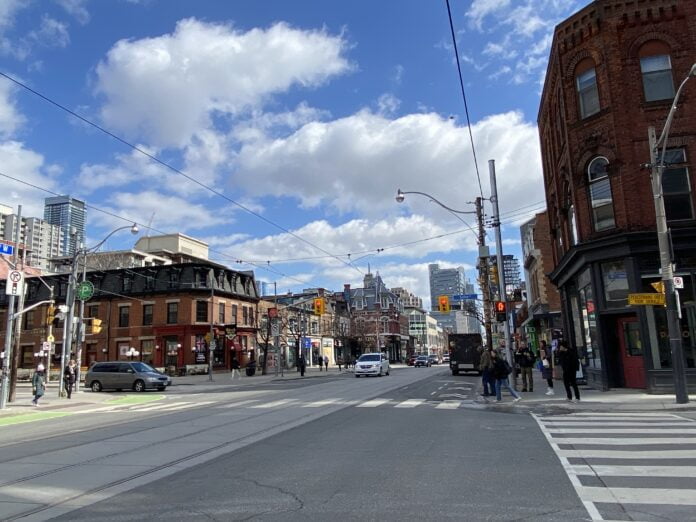
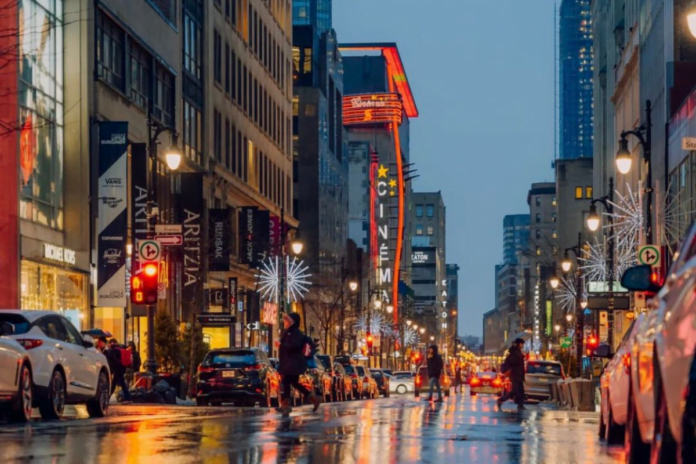
Sainte-Catherine Street in Montreal (Image: Montreal Tourism / k_photographyca)

As the new language bill, Bill 96, in Quebec is active, it still leaves a lot of unanswered questions in the retail landscape. Éric Blais, the President of Headspace Marketing, explains his thoughts on the bill, how it will affect retailers, and what it will mean for brands who want to enter into the Quebec market. 

“Bill 96 is not a new law, it is a long overdue update of Bill 101 which was the first language law in the late 70s to make French the official language of Quebec and to create laws and regulations around it. What Bill 96 does, is it revisits certain sections of that law and strengthens it. It is a law that goes further in making French the language of business, of contracts, retail, education, and more,” says Blais. 

Éric Blais

So how will this impact retailers? Blais says brands have until 2025 to make changes and if they don’t – they could possibly face fines. Businesses do not just need to adjust signage, but they will need to change their POS systems, hiring policies, job postings, packaging, and all HR documents if they do not already have it available in French – costing retailers more money to adjust to Bill 96. 

“So you can see here that it is about operating in French and it is so much more than packaging and signs. That is a huge cost and a huge investment for anyone thinking about expanding into the Quebec market.” 

Retail Signage 
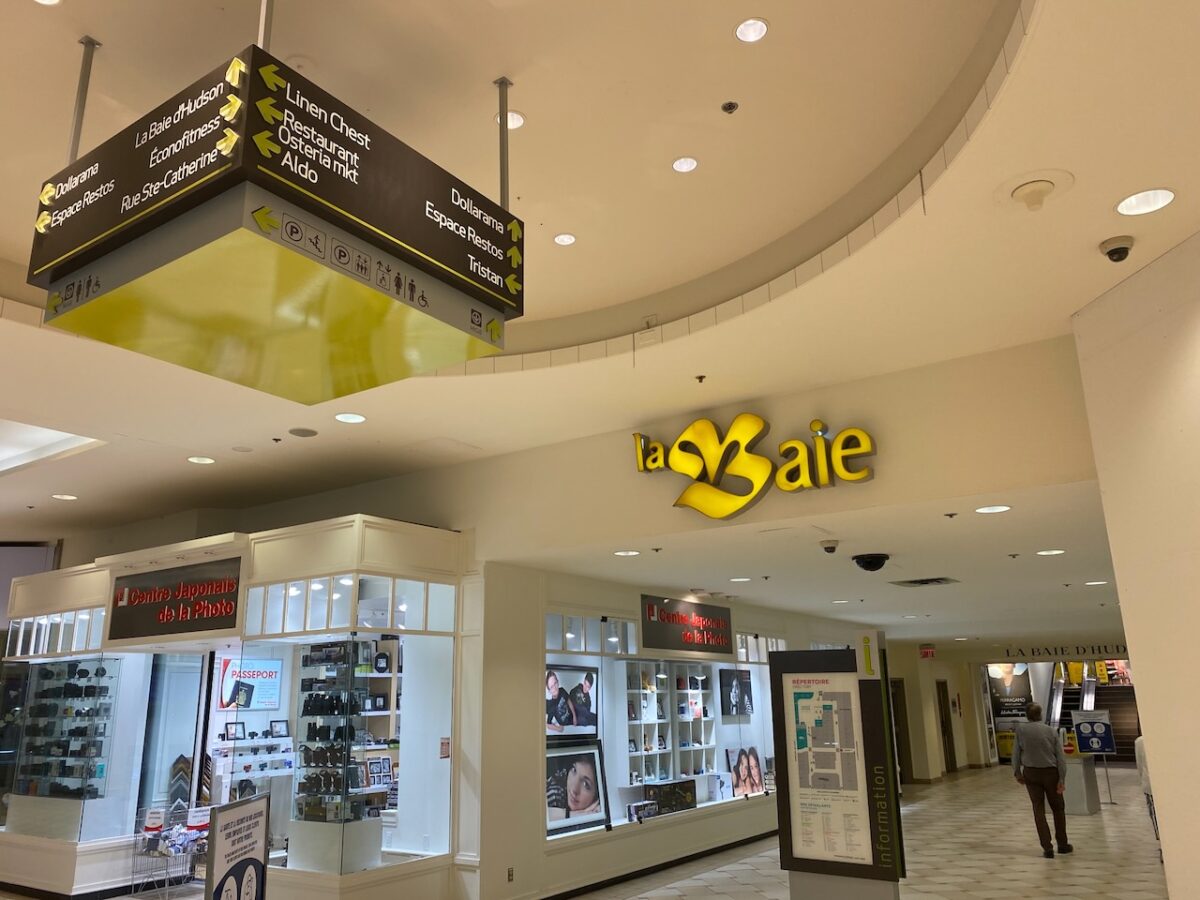
The Bay at 585 Saint-Catherine St W in Montreal (Image: Dustin Fuhs)

Blais says the bill will force brands to make massive changes. Bill 101 required retailers to ensure that there is a sufficient presence of French in exterior signage, meaning if you had a registered trademark in French. If a company did not have a French trademark the brand must include an additional descriptor. 

“For example Burger King. There is no French version, but if you stroll down Ste-Catharine street and you see Burger King on the corner, you will see Le Restaurant, Burger King. That would be, prior to Bill 96, a sufficient presence of French because they have added Le Restaurant in a font that is half the size of Burger King. That is how the law, until Bill 96, allowed retailers to use their trademarks in English.” 

With Bill 96, Blais said it will change from retailers needing a sufficient presence of French to the predominance of French, and wants to encourage anybody who needs guidance with the new law to navigate the implications of Bill 96 with a lawyer. And although the bill was passed on June 1st 2022, the enforcement of public signage will not be enforced until June 2025 which will give retailers more time to adjust to the changes. 

The Unknown of Bill 96 

Now if Burger King increases the sign of Le Restaurant to be as big as Burger King – will that be enough to show predominance of French? 

“I don’t know, nobody seems to know. So it is a big question mark and as you could imagine a big question mark that probably makes a lot of retailers crash their heads in terms of how many locations they have, what signage will be needed, and so on. So that is a big unknown, the application of Bill 96 as it relates to commercial signage.” 

Blais said there is also uncertainty of what the new law means for signage that is visible from the street. Could the sign, such as Burger King or Mastermind, be in English if they don’t have a French trademark and have a massive permanent signage with their slogan in French on the windows instead? Blais said from his interpretation of Bill 96, that would count as a predominance of French. “Is it possible that we could end up with permanent signage with brands in English because they don’t have a French version?” Blais said we will know more in 2025 what the new bill will look like for retailers, and the law is much bigger than retail signage as it also affects everything else as well, such as packaging and labels. 

Hesitation of Entering into the Quebec Market?

Image: Dollarama

“If there was a hesitation from a retailer of moving into the Quebec market, you have just added another variable into the mix.”

Blais said if retailers, such as Dollarama, and even though the company is based in Montreal and you need to comply with Bill 96 or face penalties – do you open your target amount of stores in 2023 in Quebec, or do you decide to pivot your plan and expand into other markets in Canada? 

 “This is the real question retailers are going to be asking themselves. I wouldn’t say Quebec is doomed and no retailer will go there, I don’t mean that at all and I think there are some national and international players who recognize the great potential in the Quebec market. However, if retailers who are there already and are already struggling this law will make it more difficult to operate – and they will pack up.”

Retailers who do need to pack up could possibly be leaving because of Bill 96, but Blais said they could also be packing up because they walked into Quebec thinking they could succeed without reading the market correctly. Retailers who are successful in Quebec, or want to be, need to choose to invest catering into the Quebec market and use the language. 

“I don’t think you are about to see a movement of just packing up and leaving Quebec as a result of the law, I suspect you will see more reluctant retailers who are rethinking their decision to enter the Quebec market. But I hope that businesses outweigh whatever regulations, barriers, and related costs are to the new law because if you are in Canada, this is one quarter of the country – and you can’t ignore it.” 
Related Retail Insider Articles

Sleep Country Acquires Casper’s Canadian Operations

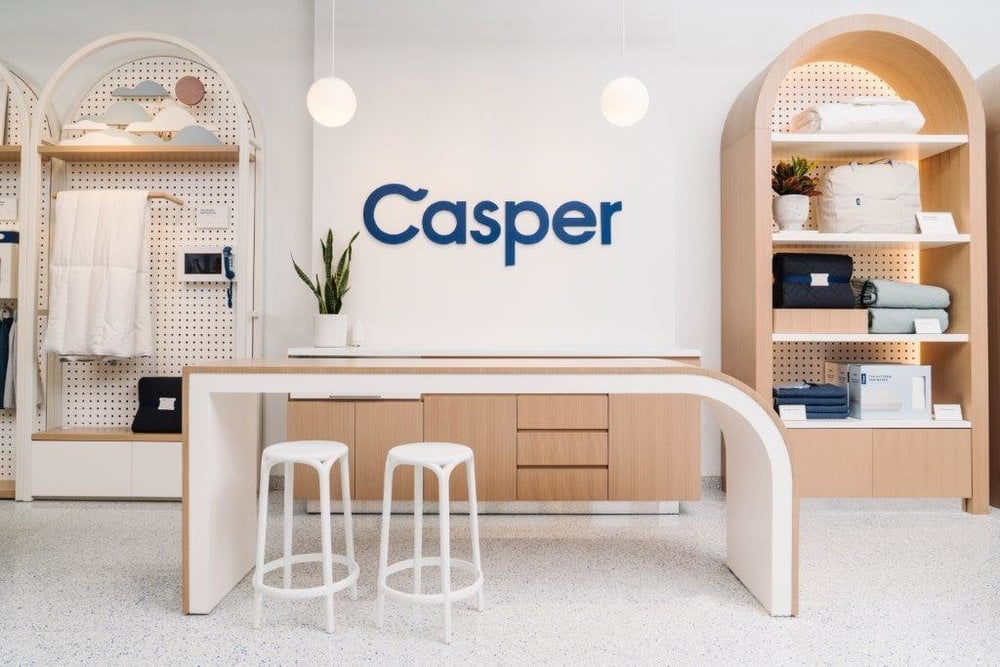
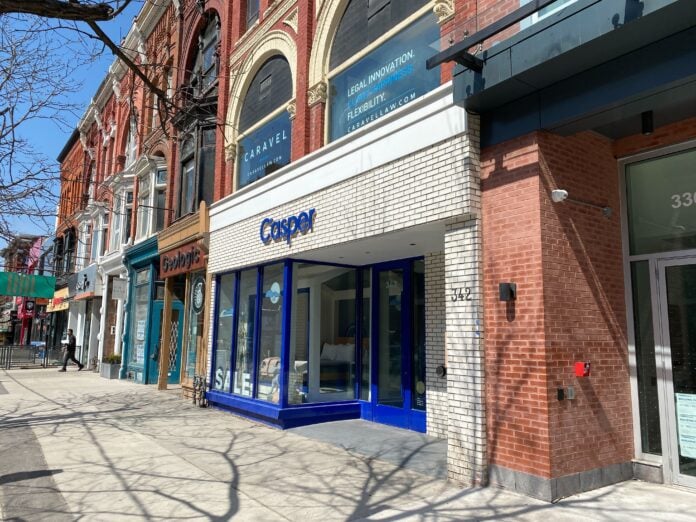
Casper on Queen Street West (Image: Dustin Fuhs)

Sleep Country Canada, the country’s leading omnichannel specialty sleep retailer, is acquiring the Canadian operations of Casper Sleep

“We are very excited to acquire 100 per cent of Casper’s Canadian retail business, who invested over $1 billion globally to build a leading brand that elevated the importance of a good night’s sleep for all. With their omnichannel business, and their mission to deliver a frictionless and elevated sleep retail experience, they align perfectly with our strategic omnichannel journey that began four years ago,” said Stewart Schaefer, President and CEO of Sleep Country, in a press release.

Stewart Schaefer

“Casper, combined with our entire house of other leading brands like Tempurpedic, Sealy, Kingsdown, Endy, and many others, reinforces our 29-year brand statement of “Why buy a mattress anywhere else?

“We look forward to growing Casper’s brand in Canada to make the newest member of our family of brands more accessible to all Canadians in a seamless manner that will exceed our growing customer expectations. We are excited to continue working with Casper Sleep Inc. as they continue executing their long-term strategic growth plan.”

Image: Casper

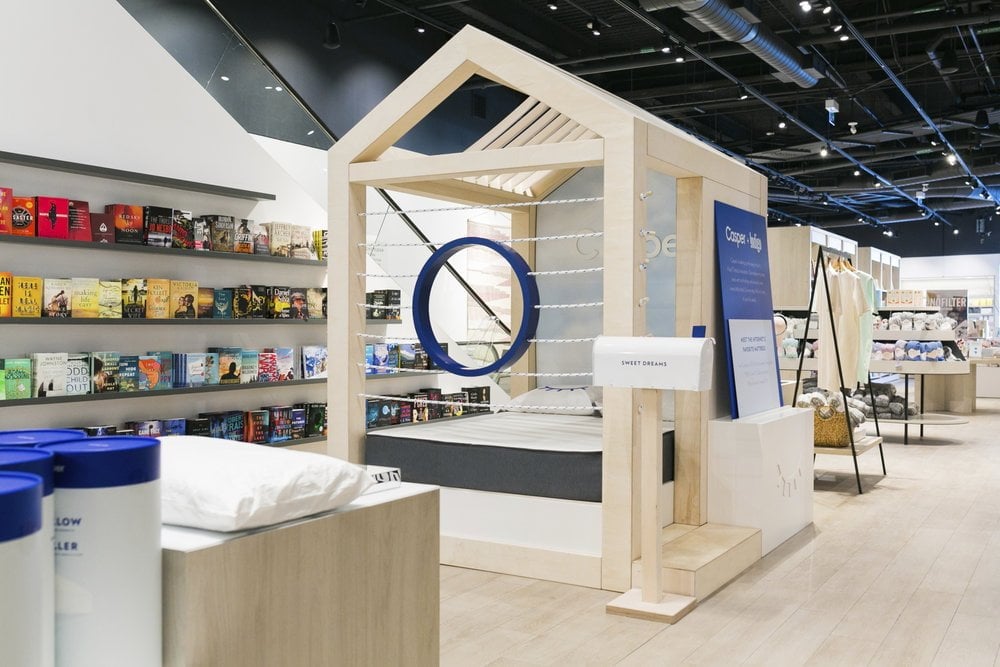
Casper has six physical stores in Canada. Toronto, North York, Etobicoke, Newmarket, Vancouver and Calgary.

“It will be business as usual with no immediate changes,” shared a statement by the brand. “The Casper Canada team will continue to support Canadian customers in Casper stores and its omnichannel business and help ensure the authenticity of the Casper brand in Canada.”

Sleep Country said it will pay US$20.6 million at close, receive a cumulative US$4.5 million marketing transition fee from Casper Sleep over the next four years and receive three-year warrants which would convert into about a one per cent stake in Casper Sleep Inc. upon exercise. In addition, Sleep Country invested US$20 million in five-year convertible notes which will have the option of converting into about five per cent of Casper Sleep Inc.’s shares. 

In a statement, Emilie Arel, CEO of Casper Sleep Inc., said: “We are thrilled to expand upon our retail journey by partnering up with one of North America’s top sleep retailers. Sleep Country has been a retail mattress legacy for almost three decades, and sharing best practices with this leading retailer only helps accelerate our expertise and rapid growth in the retail omnichannel space.

Indigo at CF Sherway Gardens in Toronto (Image: Casper)

Sleep Country operates under the retailer banners; Sleep Country Canada, Dormez-vous, Endy, Hush and most recently acquired, Silk & Snow. The company has omnichannel and ecommerce operations including 290 corporate-owned stores and 20 warehouses across Canada. 

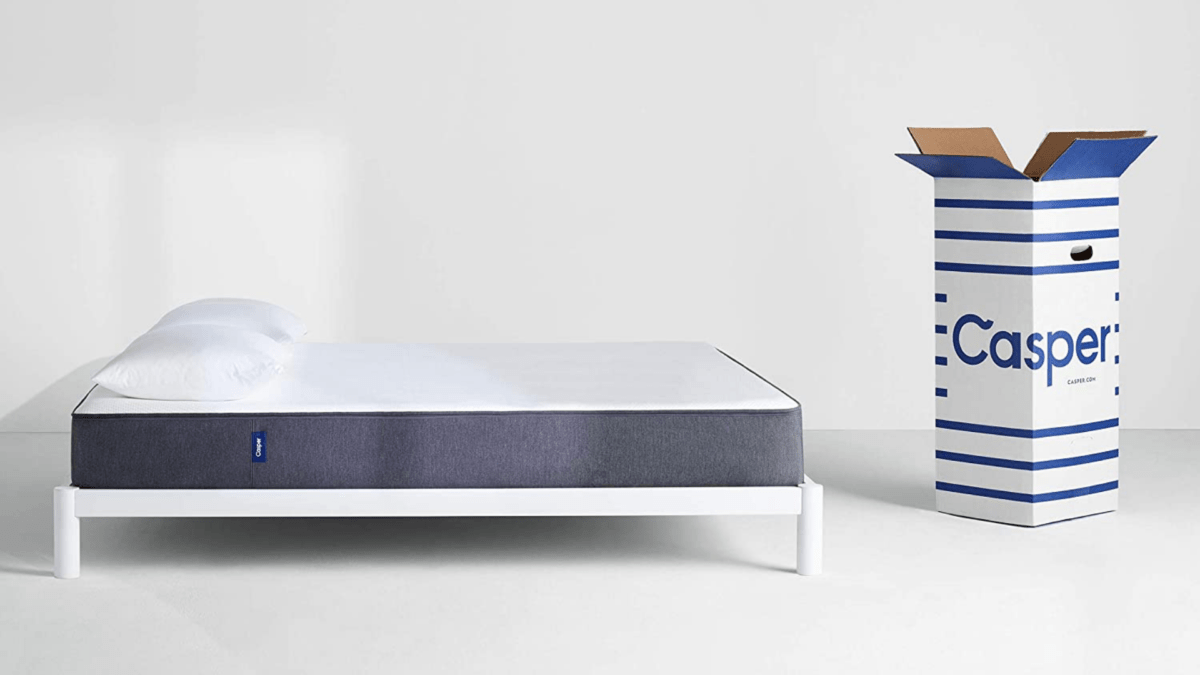
Casper has a full portfolio of obsessively engineered sleep products—including mattresses, pillows, bedding, and furniture—designed in-house. In addition to its e-commerce business, Casper owns and operates Sleep Shops across North America and its products are available at a growing list of retailers.

Schaefer said very few Canadians don’t know the Casper brand.

“For me, it always comes down to that we need to always be focusing on relevant brands that the consumers gravitate to and we need to build distribution channels to be able to service as many Canadians as possible in the most effective way,” he said. “That’s just a basic understanding that my leadership team knows that we focus on. 

“Casper is definitely this brand that came onto the scene about six years ago and spent a fortune in advertising and building really a fabulous brand – a brand that was cool and relevant, a brand that definitely differentiated themselves and elevated the conversation around sleep.”

Image: Casper

Schaefer said there was an opportunity for Sleep Country to acquire in Canada ownership of this brand.

“You could ask why would you want ownership of the brand compared to just buying it from them? So we own it 100 per cent. We own the IP, we own the market assets. But we own the ability also to create the products and change the mattresses and the comfort. There is a little bit of difference between the United States and Canada in terms of comfort and what the preferences are in Canada and there also is a benefit to us not importing from the United States where the dollar is at $1.35 and Casper has a nice collection of accessories but we have a broader collection of accessories and I strongly believe that even some of our accessories with the Casper brand will elevate the desire for people to buy the product,” he said. “It’s all about the brand and owning this brand rather than call it leasing I guess. It was a really attractive opportunity on our growth side.

“In Canada, they only have six stores. One in Calgary, one in Vancouver and four in Ontario. And I truly believe that we could grow the physical footprint of it and I also believe as we’ve acquired over the last few years Endy, now Casper, we acquired Hush, we acquired Silk & Snow, some are mattresses, some are accessories, potentially this is a fabulous growth story on the brick and mortar component of combining maybe some of these B2C stores together. Who knows? I haven’t decided upon that yet. But there’s no question in our mind that we could grow this Casper both on the digital side and on the brick and mortar side, which is really our wheelhouse. We can expand the product lineup, we can reduce the costs to the consumer because we could either manufacture it in Canada or bring it in internationally. So there’s a lot of really big wins for our shareholders and our customers to do this transaction.”

Good Earth Coffeehouse Opens 1st Downtown Toronto Location with Planned GTA Expansion [Interview]

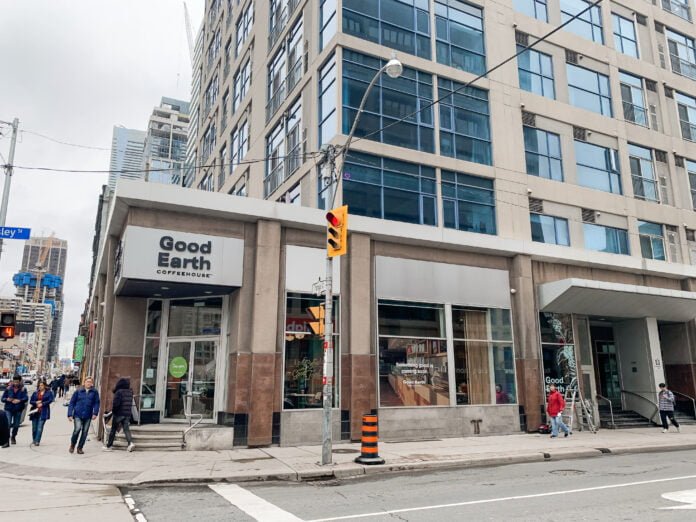
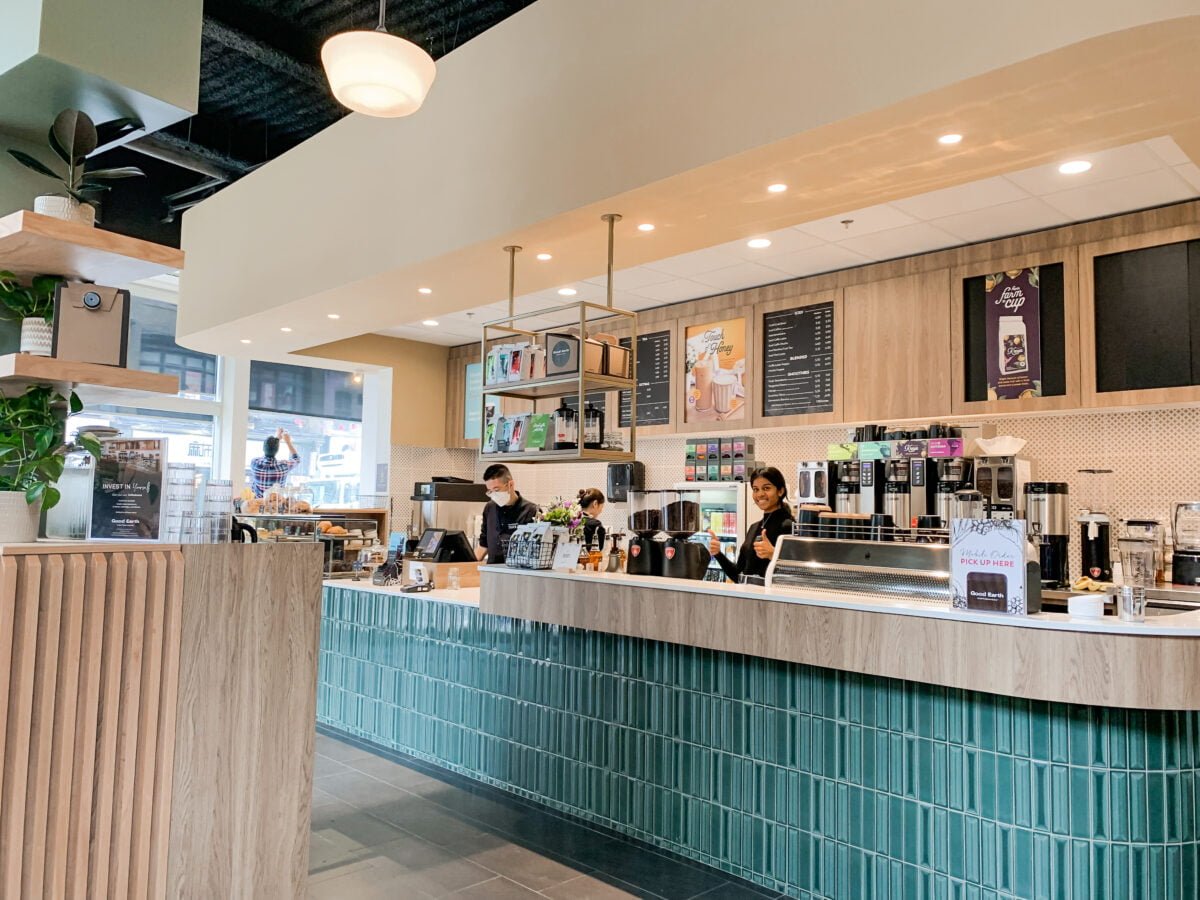
Good Earth Coffeehouse at Yonge and Wellesley (Image: Good Earth)

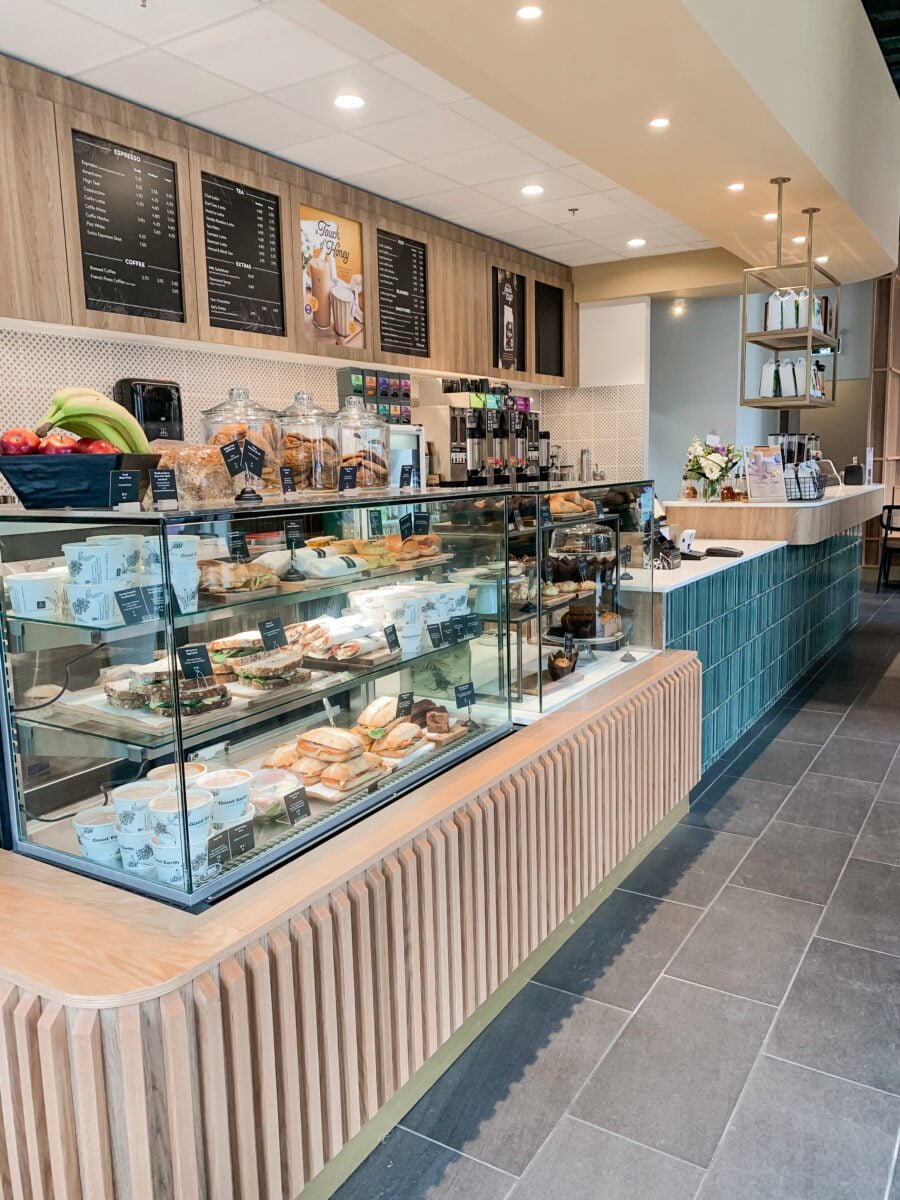
Calgary-based Good Earth Coffeehouse has opened its first location in downtown Toronto.

The coffee chain is at the corner of Yonge and Wellesley Street, just steps from the busy TTC Station at Wellesley St. East.

“It’s really exciting for us. This is such a prime location,” said Nan Eskenazi, one of the brand’s founders.

“It’s a big step for us. It’s a showcase for us and I think it will be apparent really quickly in Toronto and in the GTA (Greater Toronto Area) that we’re opening a variety of locations. This one is just the tip of the iceberg.”

Good Earth Coffeehouse at Yonge and Wellesley (Image: Good Earth)

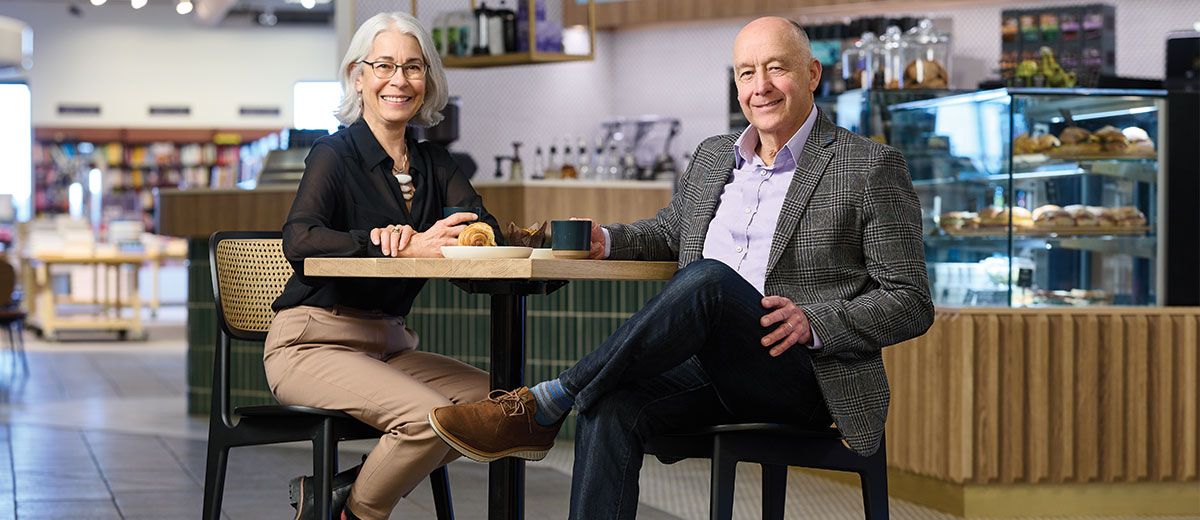
Good Earth is a network of coffeehouses with over 50 locations throughout Alberta, British Columbia, Saskatchewan, Manitoba, and Ontario. The first Good Earth Coffeehouse opened in Calgary in 1991. Founders Eskenazi and Michael Going began with a desire to serve exceptional coffee and wholesome food, with a down-to-earth attitude. Good Earth has focused on creating a unique experience for customers through the combination of a distinctive coffeehouse environment with social and environmental responsibility. The company has grown through franchising and remains true to the original mission – to be a coffeehouse with good food.

“I think we can easily in the GTA get up to comfortably 10 or 12 that we feel are really great sites,” said Eskenazi. “Right now, just in Ontario alone in addition to the Yonge and Wellesley location, we just opened in a hospital in Mississauga. We’ve got another hospital in Mississauga about to open. So there’s two more in kind of the outlying GTA.

“We’ve got locations in Kitchener opening and then further afield out in Sudbury that will be opening. All of those are already under construction. So being able to begin with a flagship footprint in downtown (Toronto) and then working a few outer GTA locations and back into the downtown is our strategy. It’s very exciting.”

Image: Founders Nan Eskenazi and Michael Going

With the locations under construction, the brand is at 57-58 locations. There’s quite a few that are just about to open.

Ezkenazi said Good Earth has a location in Halifax in which it is looking for a franchise partner. It’s part of the Indigo/Chapters relationship the brand has developed. 

“We’re continuing to develop that relationship and a number of the Indigo/Chapters locations are the ones under construction,” she said.

“And a special shout out to our hospital development. It’s really awesome that we opened the Credit Valley hospital in Mississauga the same day we opened Yonge and Wellesley. We’re about to open at the sister hospital called Trillium. We’re opening in Sick Kids in downtown Toronto in about two to three months from now. And we’re opening out in Victoria in Victoria General Hospital as well in early summer.

“The institutional side of our company or personality is also growing quite strongly.”

Toronto Designers Market Relocates Permanent Storefront to the Holt Renfrew Centre on Bloor Street from Parkdale [Interview/Photos]

Photo: Craig Patterson

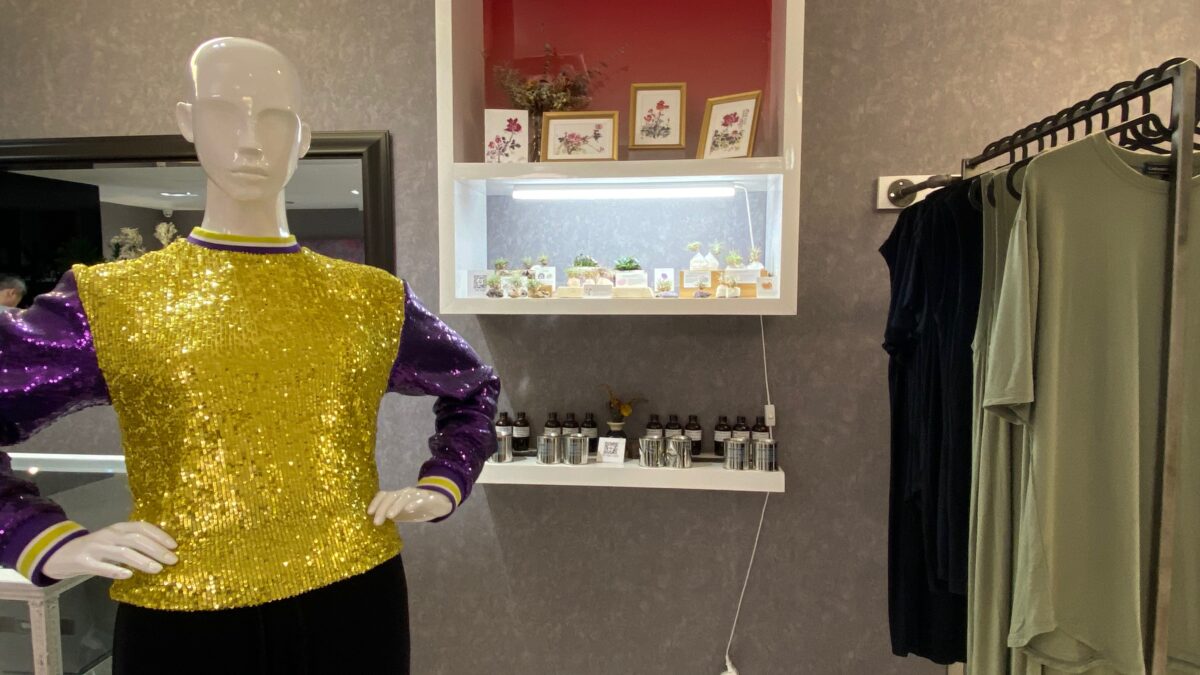
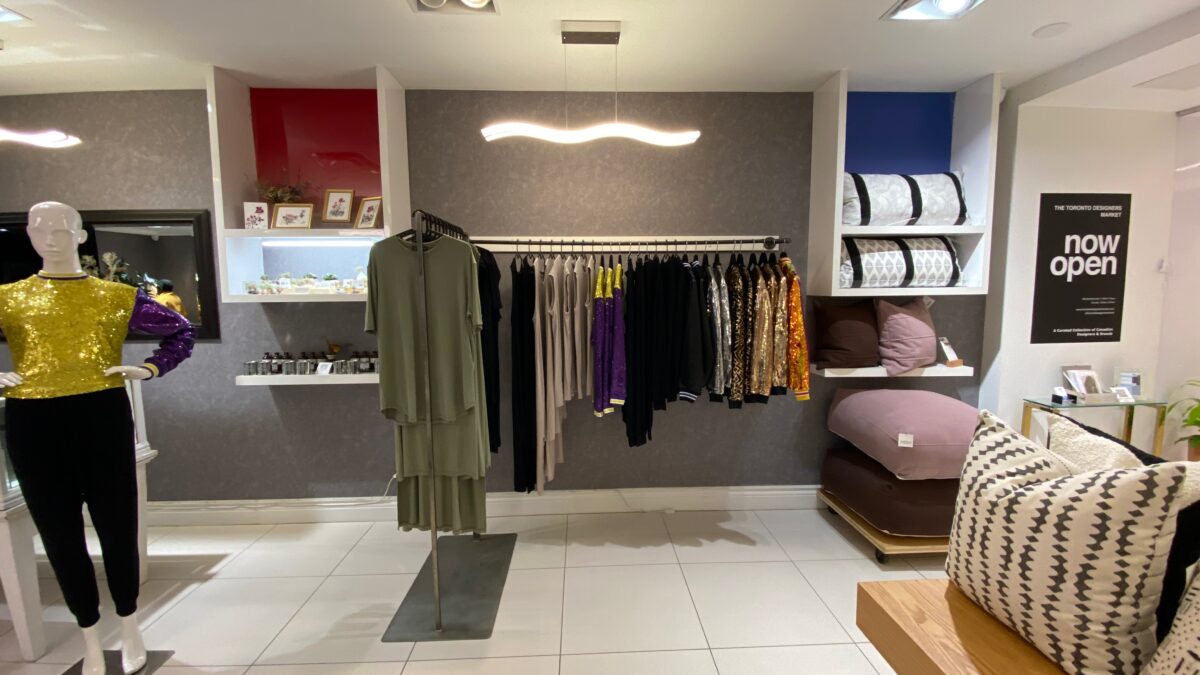
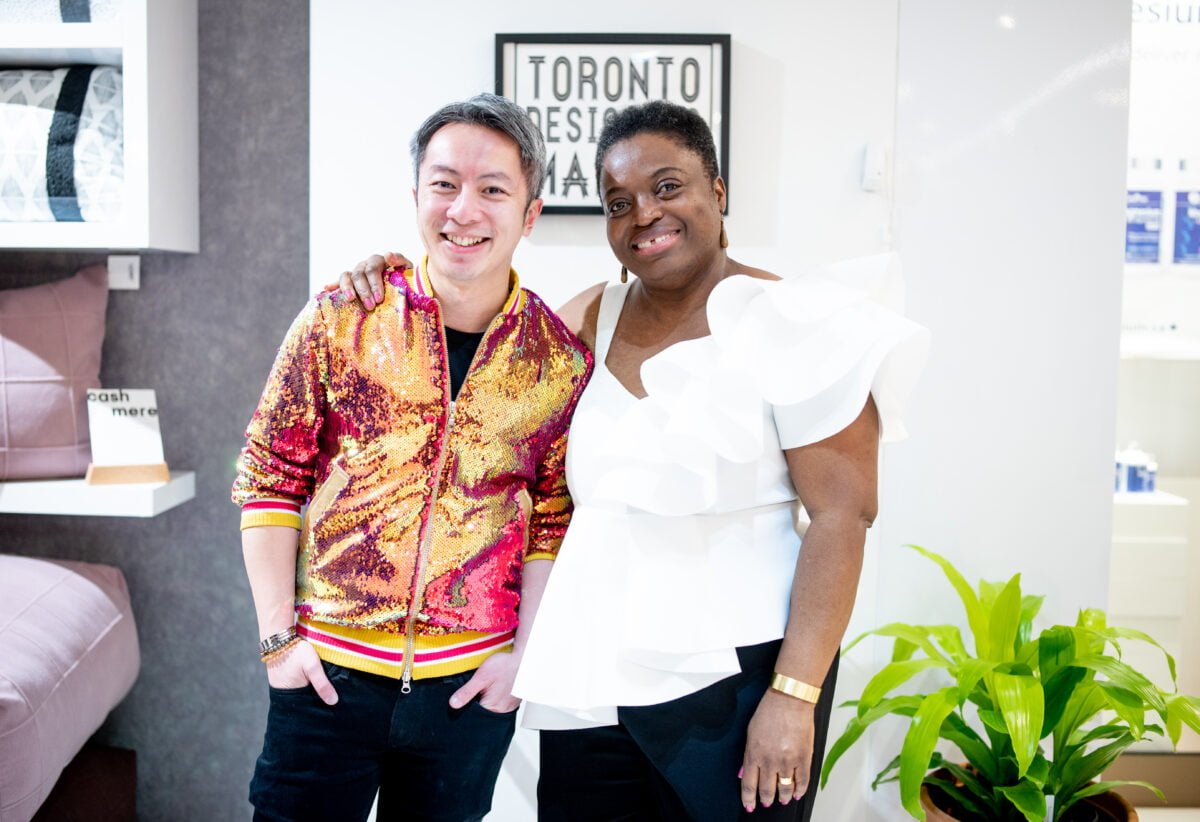
The Toronto Designers Market has relocated its permanent storefront from the city’s Parkdale area to Bloor-Yorkville. The new location is on the concourse level of the Holt Renfrew Centre which is anchored by luxury retailer Holt Renfrew.

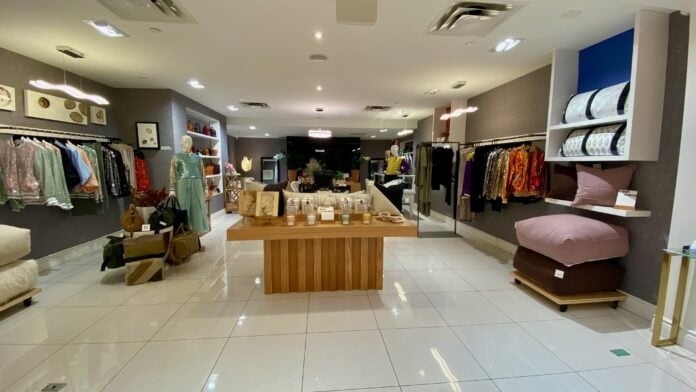
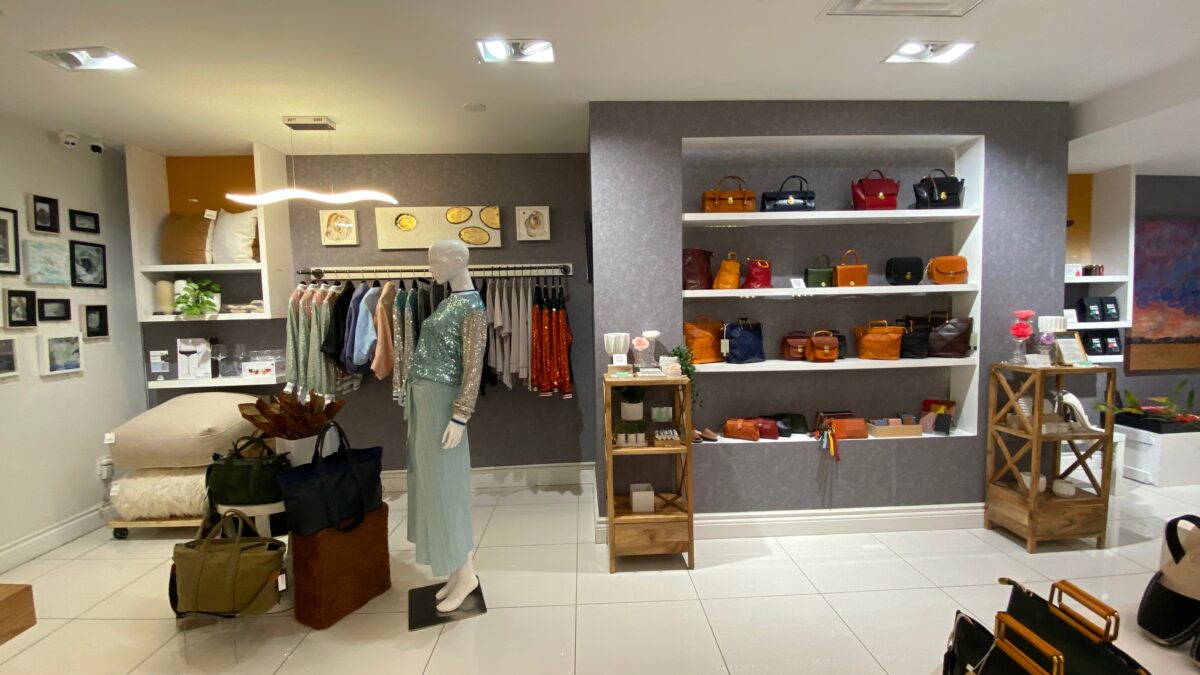
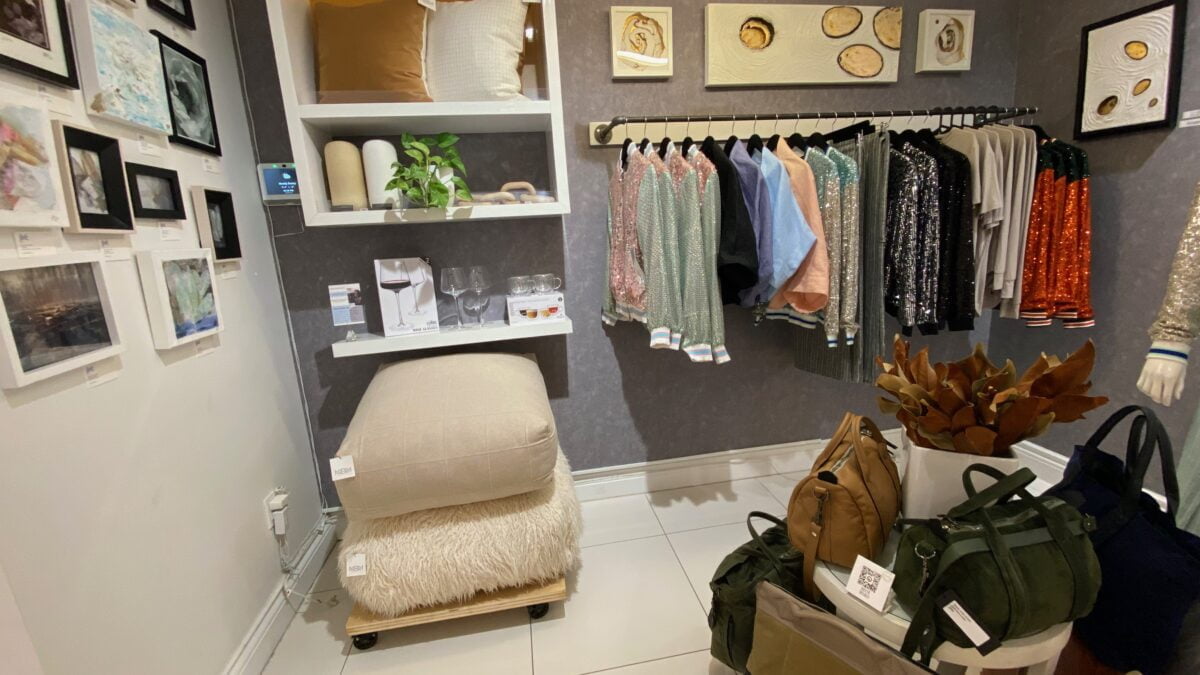
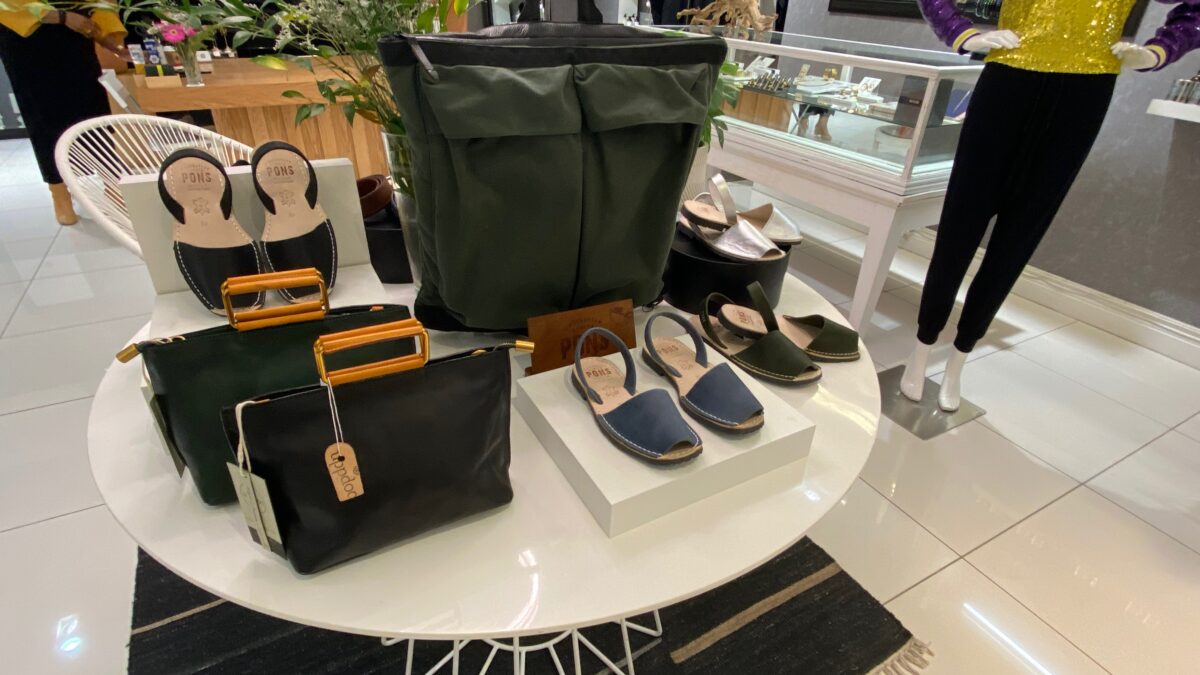
The new Toronto Designers Market features an attractive interior in a 1,450 square foot space. Contained within are a range of local designers’ products curated specifically for the new store. The retailer was recently honoured with its second Le Petit Futé Award.

Designer and entrepreneur Karen Ferguson now owns Toronto Designers Market, which has an interesting history. The retailer’s humble beginnings included, until recently, a storefront at 1605 Queen Street West in Toronto’s Parkdale area.

Toronto Designer Market was founded by entrepreneur Joshua James in 2015. He was a gallery owner and part of Parkdale Flea at the time, and he founded Toronto Designers Market with a roster of designers of jewellery, clothing, and artists in the Queen Street space.

Inside the Toronto Designers Market at the Holt Renfrew Centre in Toronto. Photo: Craig Patterson

Looking to pursue different things, James sold the business in 2016 to entrepreneur Marcus Kan, who was the Director Of Operations at the retailer — in 2019 he sold the business to Karen Ferguson who was also one of the original designers at Toronto Designers Market when it was founded four years prior. Kan continues to work with Ferguson in the store as well as with his other business ventures.

Ferguson said in an interview that the pandemic was a challenging time for the retailer and that she had to innovate to keep things going.

Owner Karen Ferguson with the Petit Futé award. Photo supplied

“It was crazy scary, we didn’t know what to do because our designers had their own websites. It didn’t make sense for us to shift online because our designers already had their own websites.”

Ferguson said that she pivoted the business to include an education component and kept things going until people returned to physical spaces such as stores. When things began to go back to normal, the business began to thrive again. At the same time, she decided to change the business model which had originally included a collection of shop-in-stores for individual designers.

“With the shop-in-store model, the level of brands in the store were inconsistent,” Ferguson said. Some brands were just beginning while others were established, and some were good at merchandising while others were not.”

Ferguson said that she tried curating a section of the store and found success, and soon decided to curate all brands in a single space so that merchandising would be consistent within the store. Brands now pay for space within the Toronto Designers Market based on the square footage required.

There’s a vetting process involved to get into the Toronto Designers Market, she explained. “They have to be ready for retailing,” Ferguson said, which includes having stock and the ability to supply enough product to the store in an organized and timely fashion including turnaround time. Toronto Designers Market reviews a designer’s portfolio as well as social media and website if they have one as part of the vetting process to determine if there’s a fit.

Inside the Toronto Designers Market at the Holt Renfrew Centre in Toronto. Photo: Craig Patterson

The retailer is also continuing with its education component, working with one new designer yearly in a mentoring capacity at no charge that includes everything from getting a brand established to creating tags to merchandising to visuals. Toronto Designers Market has become a ‘community’ according to Ferguson, which includes referring brands to trusted sources such as photographers and communications professionals.

The owners of 1605 Queen Street West recently decided to transition the space which is now an event space called Parkdale Hall. Ferguson moved Toronto Designers Market into the Holt Renfrew Centre last month — the shopping centre is connected to the Bloor-Yorkville PATH system which also connects to Toronto’s Line 1 and 2 subway lines. Bloor-Yorkville is also home to a range of luxury retailers and shoppers that support them.

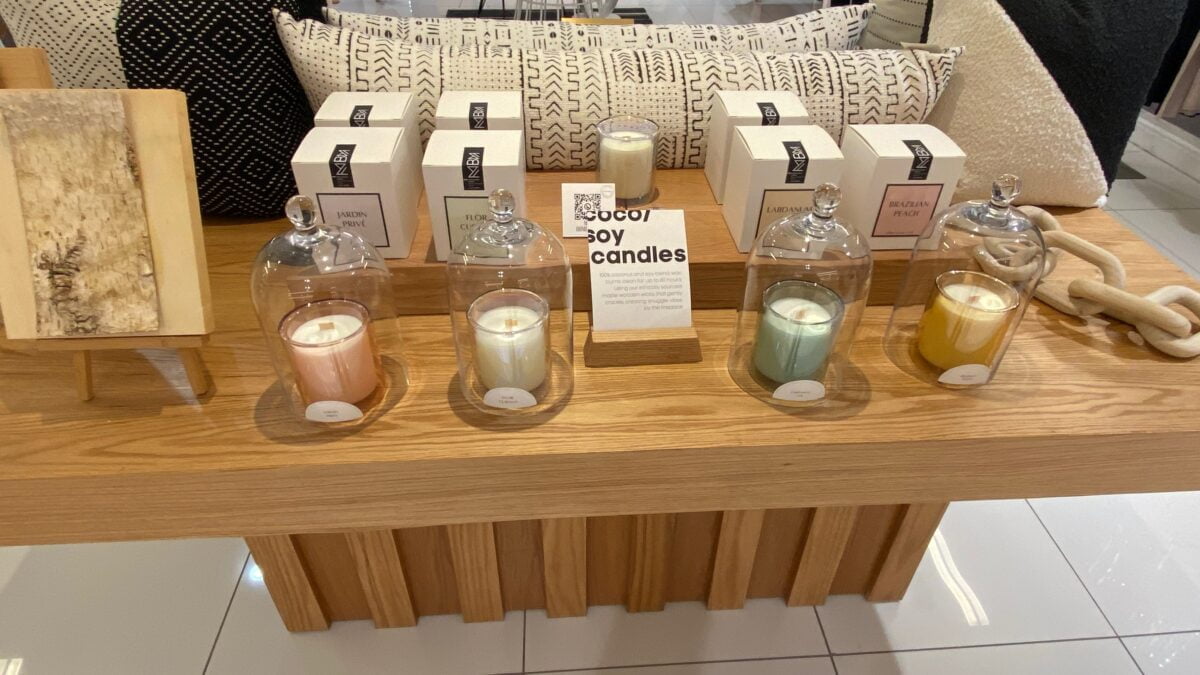
Prices in the new, attractive and bright Holt Renfrew Centre Toronto Designers Market store range from about $35 to over $3,000. Some one-of-a-kind pieces include a lamp by an artisan priced at $550. Categories range from consumable goods to fashions to jewellery and art.

Marcus Kan, left, and Karen Ferguson in the new store. Photo supplied.
Inside the Toronto Designers Market at the Holt Renfrew Centre in Toronto. Photo: Craig Patterson

Ferguson said that she hopes to expand the business in the coming years. That could include expansion in the Toronto market or even in another city. She said that the Toronto Designers Market is unique when compared to other local market retailers — her business focuses on designers while others tend to focus more on crafted goods.

Earlier this month, Toronto Designers Market hosted a well-attended opening party in the space that included various designers and local influencers. Ferguson said that her business will continue to foster community in the city.

Bakery Concept ‘Cinnaholic’ Expanding Locations in Calgary Market [Interview]

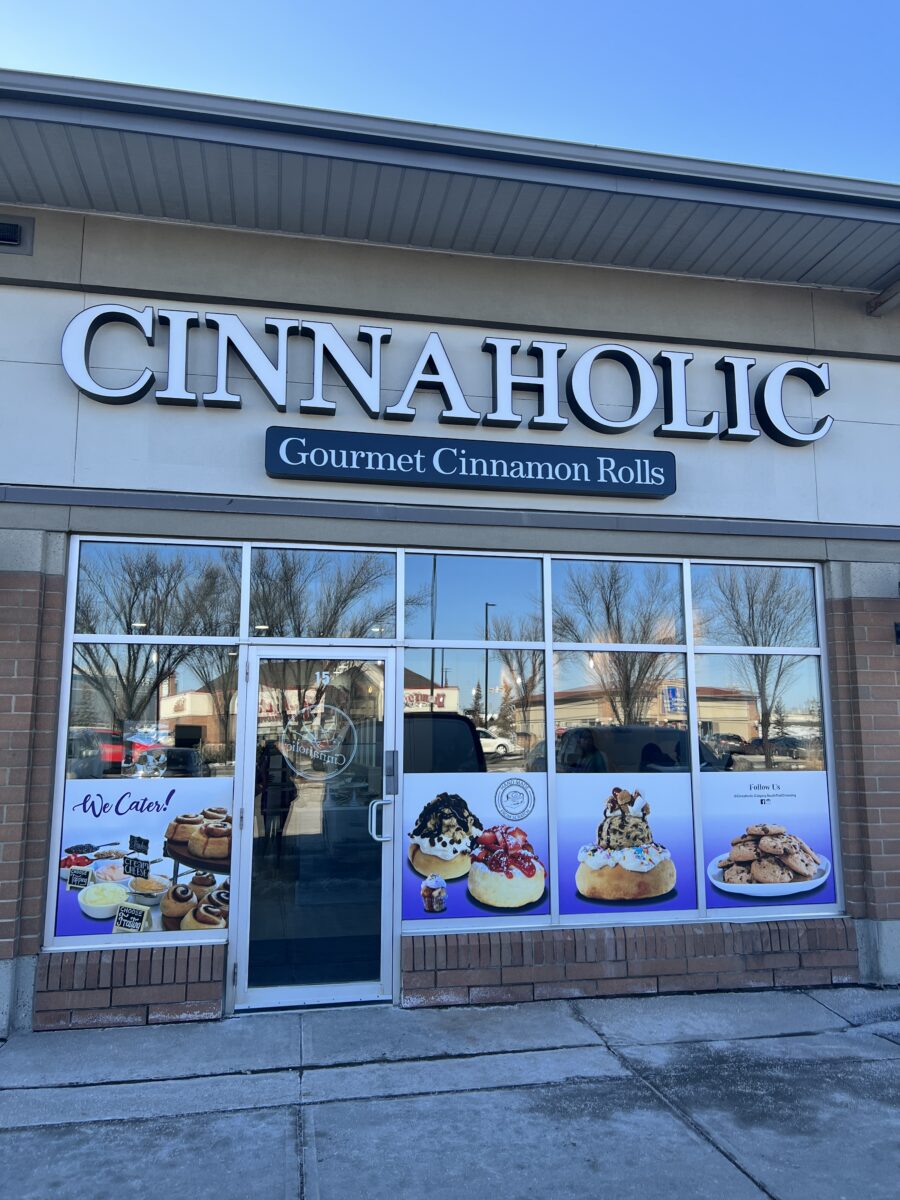
Image: Cinnaholic Calgary

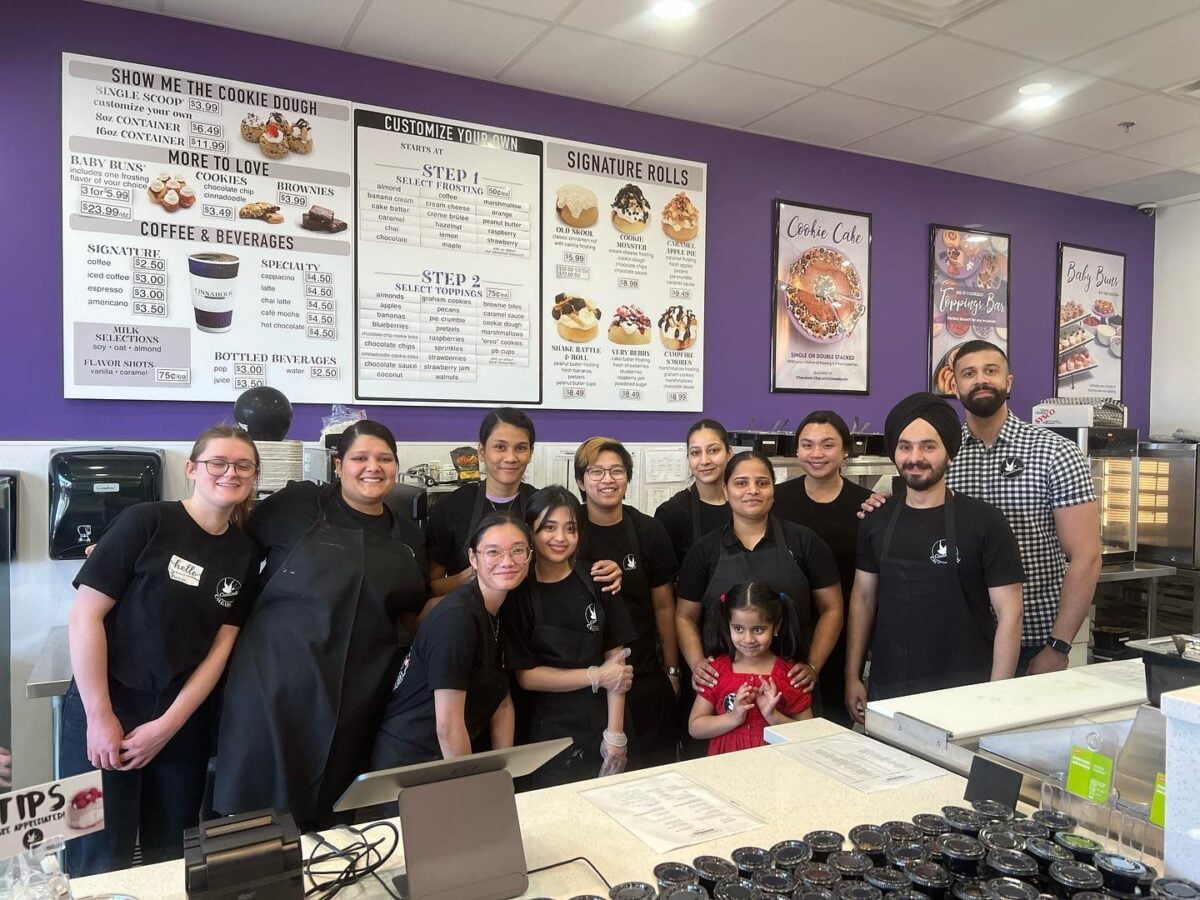
Gourmet cinnamon roll bakery Cinnaholic is expanding in the Calgary market.

President of Cinnaholic Calgary, Robby Teja, has the rights for the brand in Calgary and Airdrie, said the company currently has two locations.

Another location will open in the Township Shopping Centre in the southwest neighbourhood of Legacy in a few months followed by one in northwest Calgary right after that.

“We’re going to have four in Calgary and one in Airdrie,” he said.

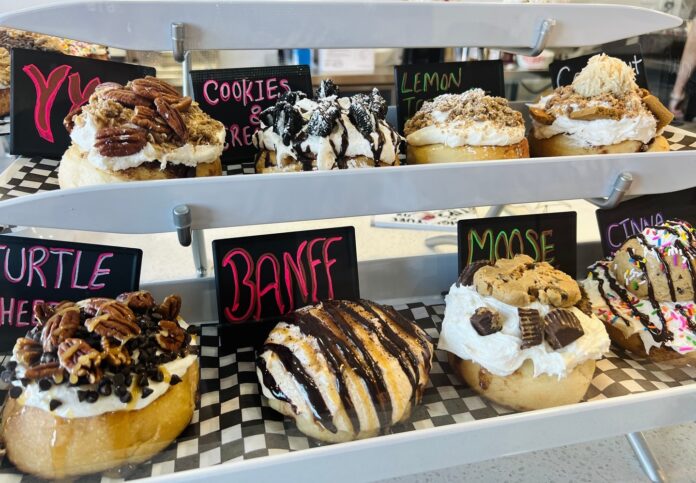
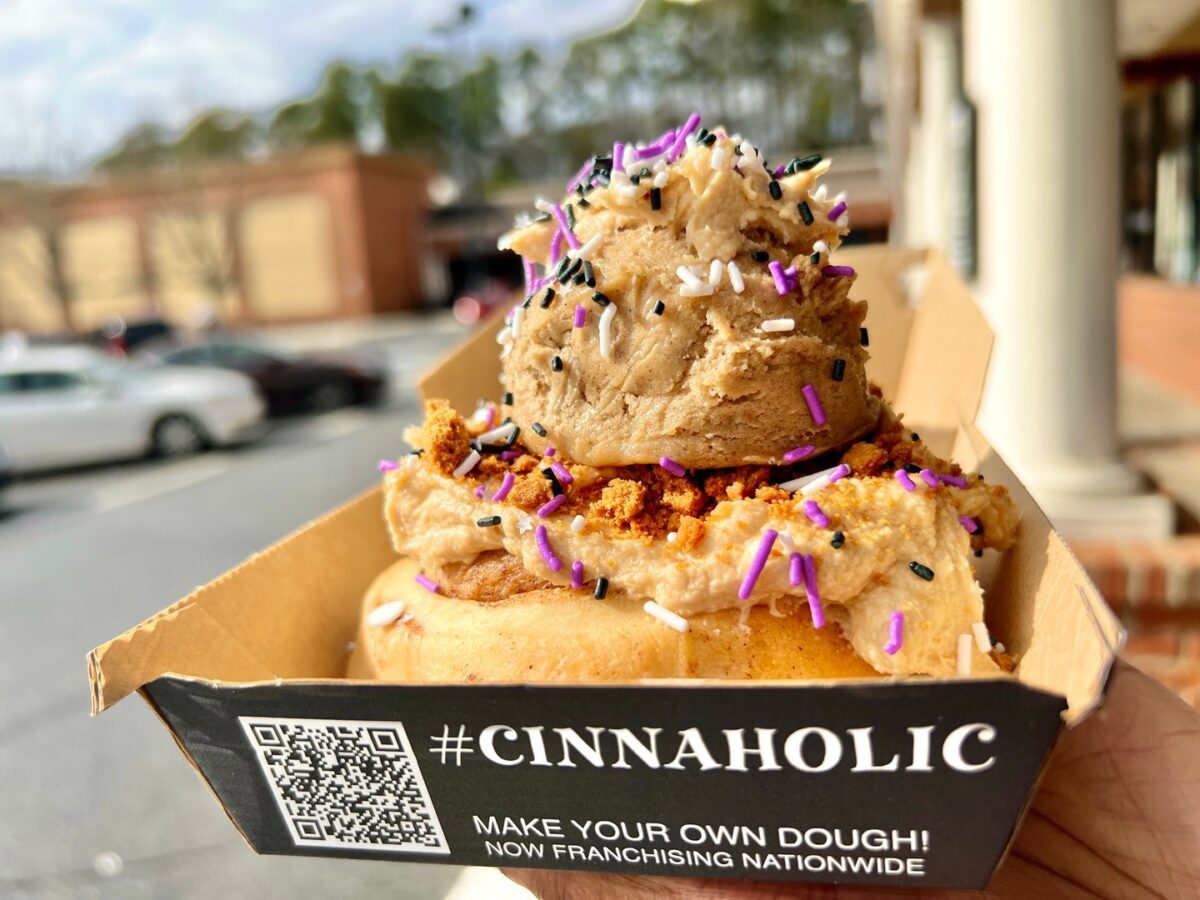
Cinnaholic is the original, gourmet cinnamon roll bakery, acclaimed for serving “create your own” cinnamon rolls and other sweet treats like made from scratch brownies, cookies and edible cookie dough. Cinnaholic offers something to satisfy every sweet tooth, with products that are fresh baked and 100 per cent vegan, dairy and lactose free, egg-free and cholesterol-free.

Image: Cinnaholic Calgary
CINNAHOLIC CALGARY – SOUTH TRAIL CROSSING

The first location opened last year at the corner of 17th Avenue and 5th Street S.W., in the Beltline area. The second location just opened at the South Trail Crossing at 130th Avenue S.E.

“The Township location will open in June or July of this year. The northwest one we’re just signing a lease for (in the Royal Oak area) and we’re signing a lease in Airdrie soon as well,” said Teja.

“When Cinnaholic first opened its doors last year, Calgarians welcomed us with overwhelming enthusiasm and the demand has only grown stronger. That’s why we’re thrilled to serve Calgary and Airdrie with more mouth-watering cinnamon rolls made with the highest quality, animal-free ingredients.

“Cinnaholic is a gourmet cinnamon roll company. We actually have customized toppings. We have 20 different frosting flavours and 20 different topping flavours. The real big thing is we’re 100 per cent vegan. All of our items are vegan. There’s no dairy or eggs in our products.”

All products are fresh-baked and Cinnaholic has over 80 locations across Canada and the U.S. 

Image: Cinnaholic Calgary
Image: Cinnaholic

Teja has the rights for Calgary and Airdrie.

“I feel in the City of Calgary five could work. I would think so. So each store would be busy. We don’t want to flood the market like Subway. I would say five could work in Calgary. Right now I have four I’m really interested in. I might put a fifth one, I’m not too sure yet,” he said.

“I feel in the 2020s vegan has been a huge thing with everybody. Now there’s actually vegan franchises like a McDonald’s with Odd Burger. I feel vegan is in now. People are liking plant-based more. So I really feel that was one good thing we went to the market with.

“A lot of our customers don’t know we’re vegan so it’s great and they enjoy it. And a lot of people know we are vegan and they can actually now eat dairy like they couldn’t before.”

Typical sizes of the locations are about 1,000 to 1,200 square feet with some seating area.

Bowling and Entertainment Concept ‘The Ballroom’ to Replace Mark McEwan Grocery Store at Yonge & Bloor in Toronto [Exclusive]

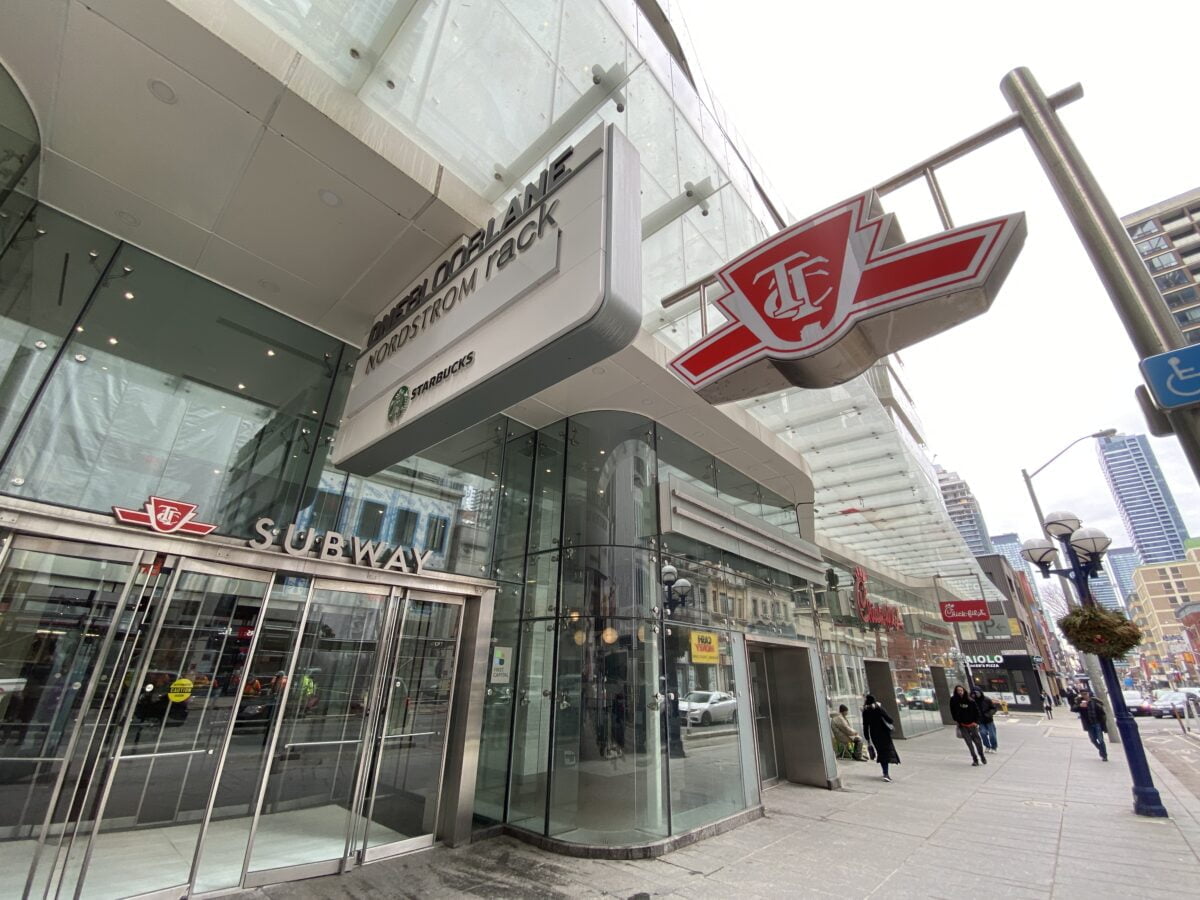
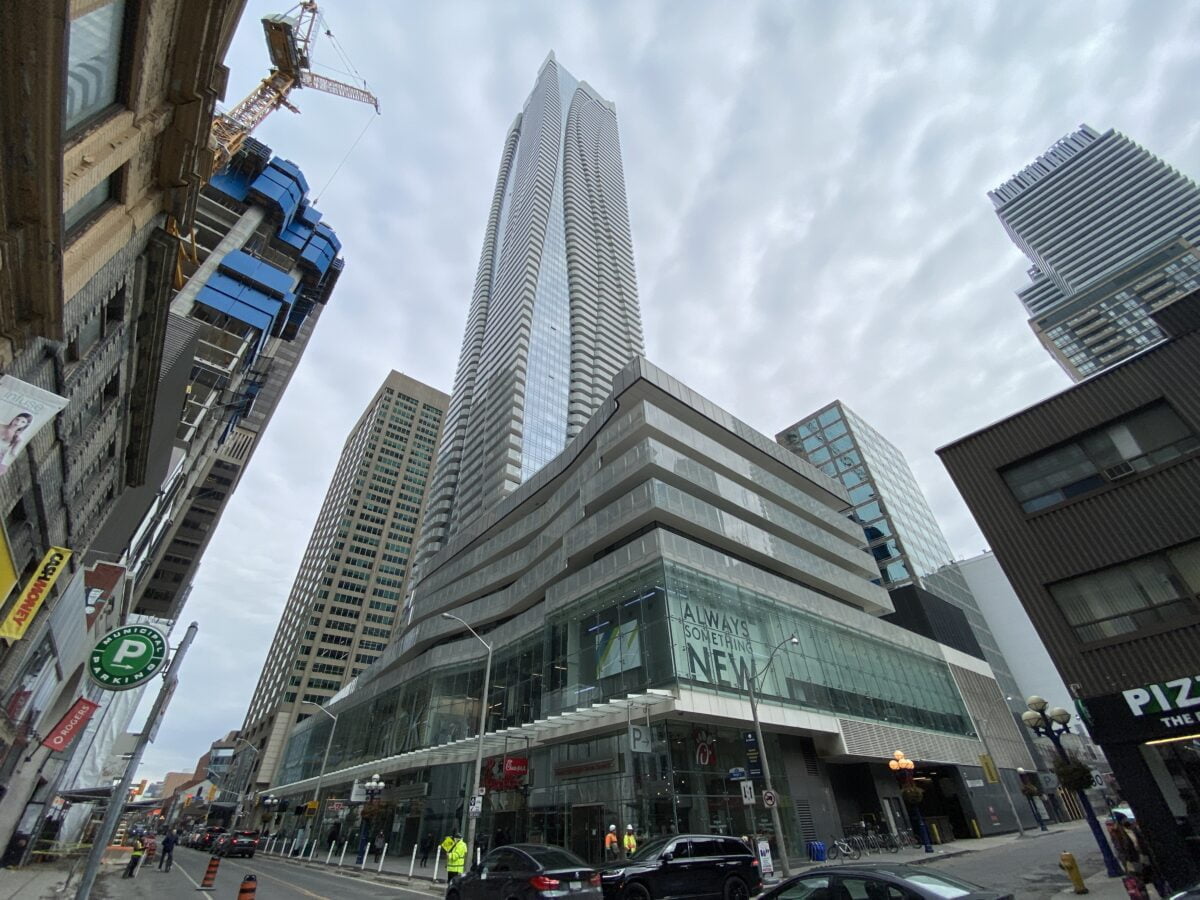
Future Ballroom Social at 1 Bloor (Image: Dustin Fuhs)

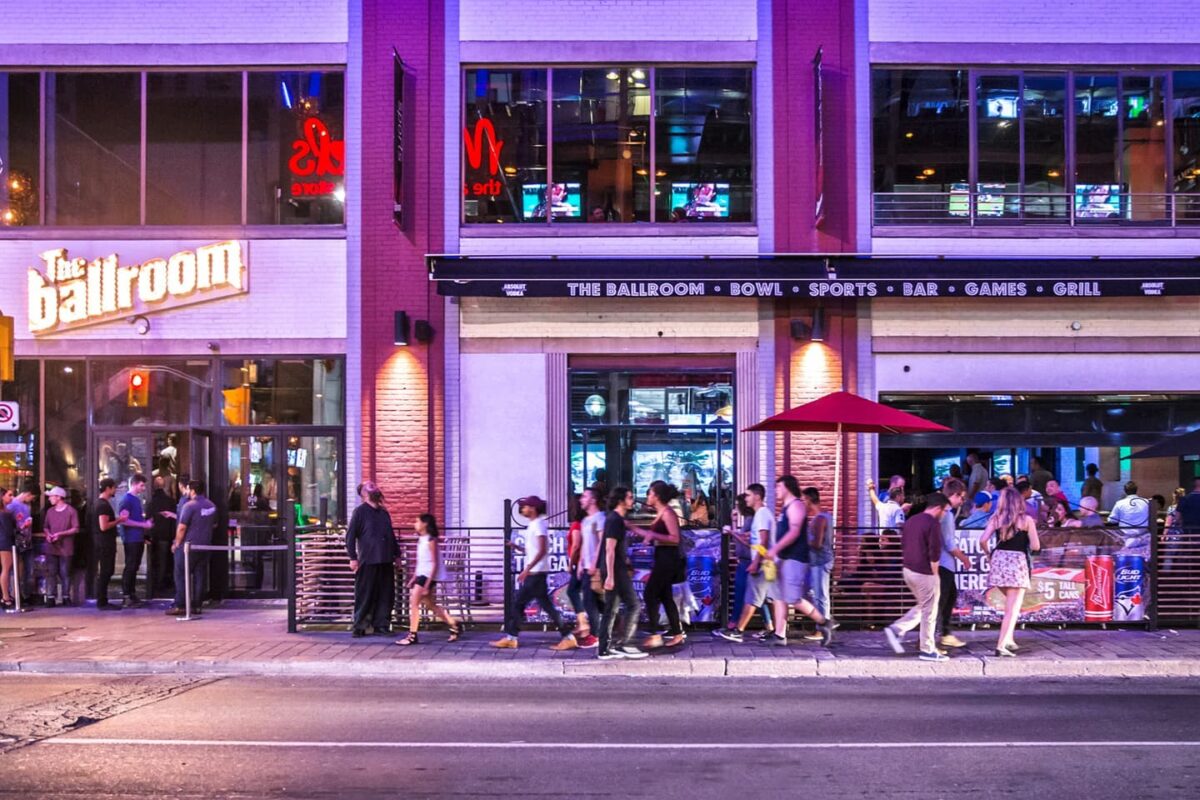
The Ballroom Bowl is where the good times roll in Toronto.

And the concept is rolling into more locations including replacing the McEwan grocery store at 1 Bloor East in Toronto, just off the corner of Yonge and Bloor Streets, and offering its Ballroom Social experience with bowling and an elevated food and beverage menu.

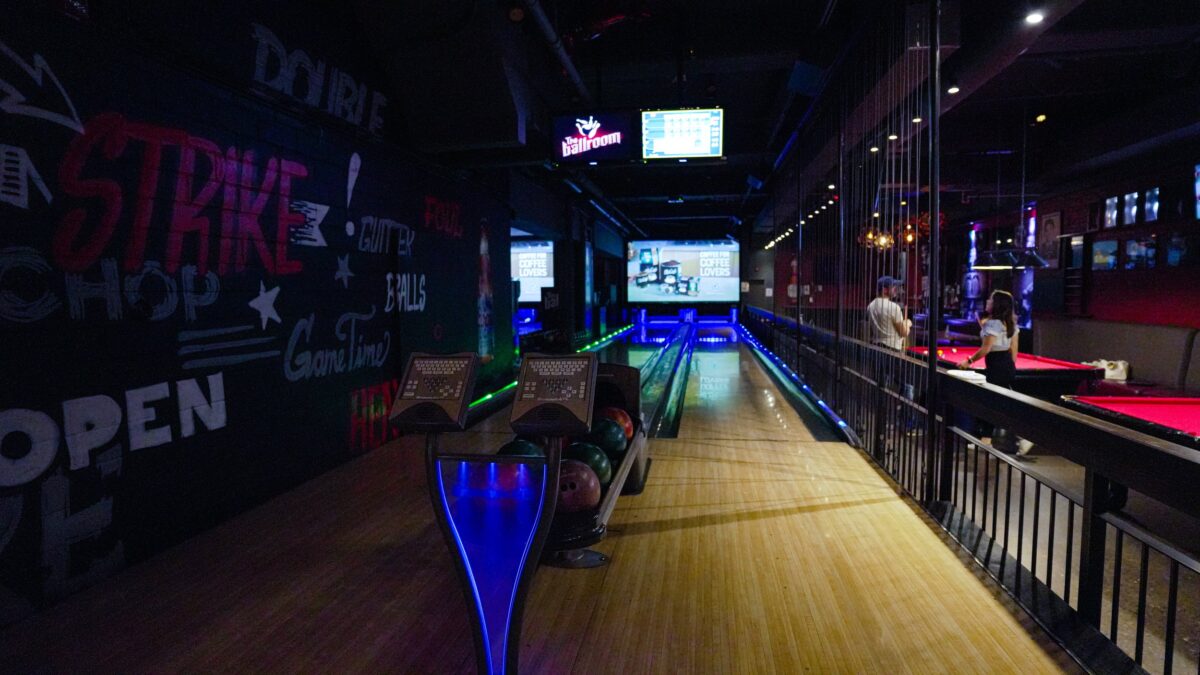
The launch comes following the success of the downtown Ballroom Bowl in Toronto’s Entertainment District. Ballroom Bowl describes itself as Toronto’s “coolest” interactive entertainment centre with 23,500 square feet including 10-pin bowling, dozens of TVs, a rooftop patio, music and elevated pub fare.

The Ballroom Social is expected to open in the fall. 

Future Ballroom Social at 1 Bloor (Image: Dustin Fuhs)
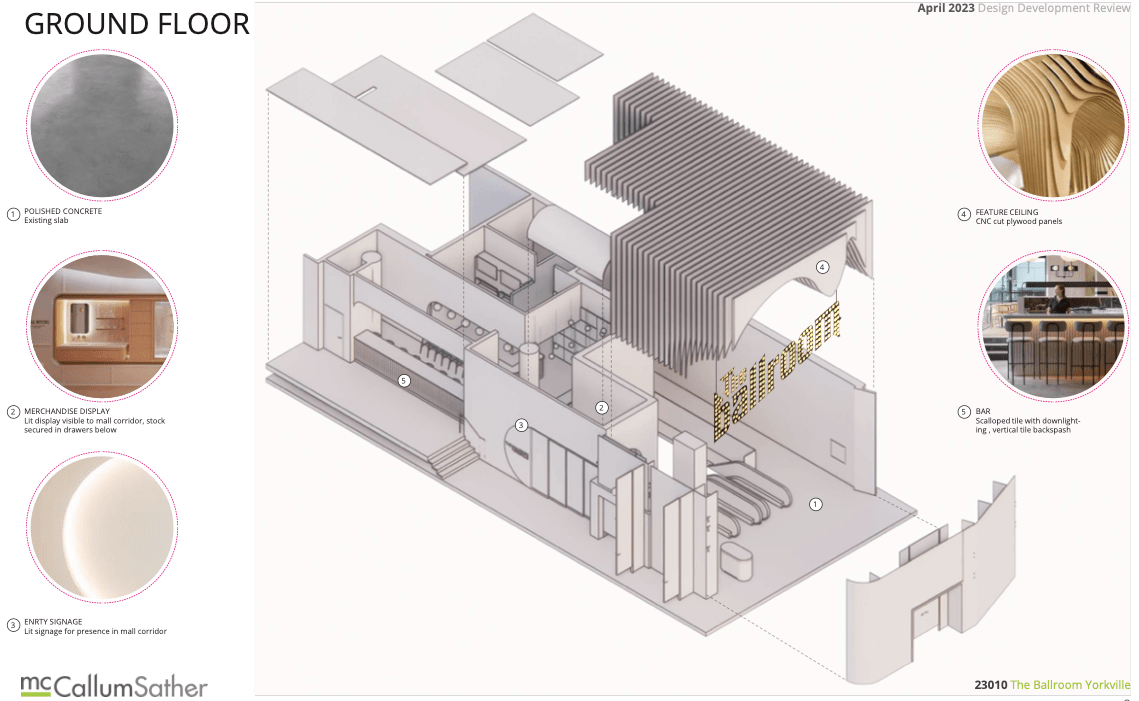
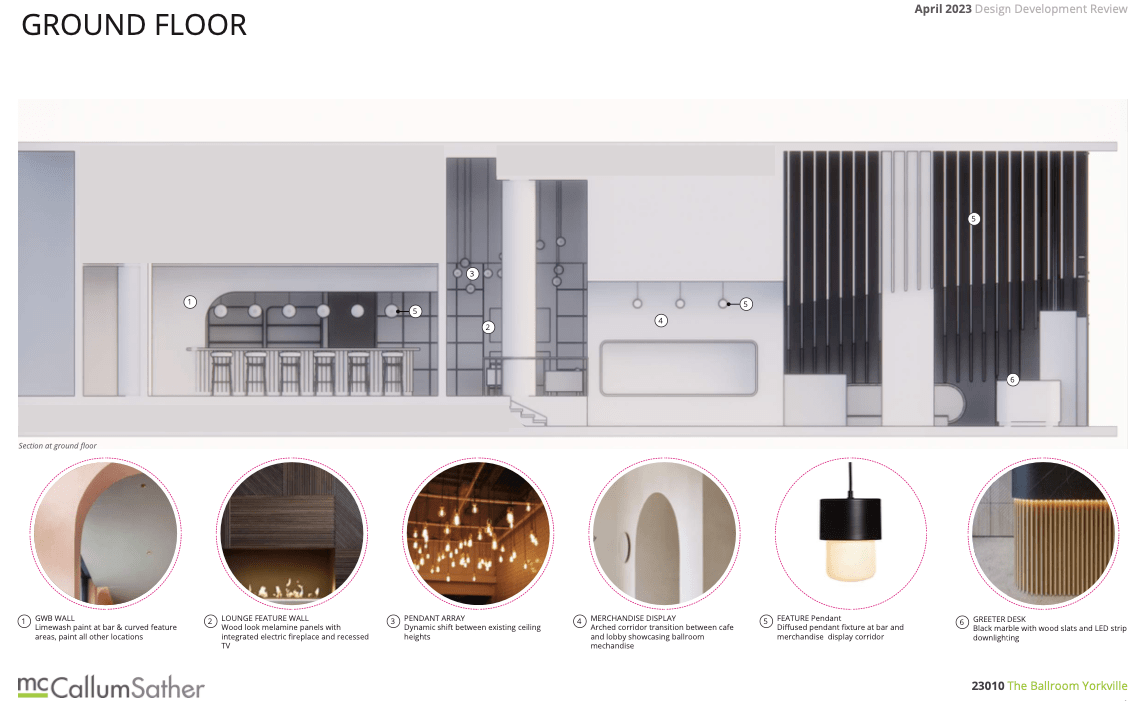
Rendering The Ballroom Yorkville (Image: mcCallumSather)

Paul Donato, President and CEO of Dundas Valley Advantage Holdings Inc., which operates the unique concept, said he’s owned the Ballroom Bowl in downtown Toronto for 13 years.

“We are the only bowling alley in the City of Toronto for 13 years running. Obviously moving into Yorkville in the fall of this year, the holiday season, that in and of itself is very unique and I’m very excited about that opportunity and looking forward to bringing what we do downtown in the Entertainment District, bringing the chique, luxe, aspect of it to Yorkville and knocking it out of the park with First Capital (property owner),” said Donato.

“There’s going to be no competition. We’re going to a great location, a great building in Yorkville. It’s going to bring a whole new dimension to the neighbourhood. That’s the most exciting part. We’ll be beside Chick-fil-A’s Canadian flagship location. I’m really pumped about going in there.”

Alex Edmison of CBRE negotiated the lease deal on behalf of Ballroom and is representing the brand nationally for any potential future location expansions.

Future Ballroom Social at 1 Bloor (Image: Dustin Fuhs)
Rendering The Ballroom Yorkville (Image: mcCallumSather)

Eric Sherman, Vice President of Real Estate for Yorkville with First Capital Realty which owns the property where the Ballroom Social will debut, said the new location will be close to 20,000 square feet with a street level presence but the majority of the space on the lower level.

Eric Sherman

Sherman said First Capital owns about $1 billion worth of assets in the neighbourhood including Yorkville Village, several properties along Yorkville Avenue and the retail at Yonge and Bloor.

“For us, we’ve been looking to bring unique concepts that bring a level of entertainment, a level of destination, something that is going to create excitement and activity in the neighbourhood,” said Sherman. 

“Paul has been operating the Ballroom for 13 years so he brings a track record of a very good operation, very well-known and recognized in the city and across the country. His vision to create a concept in Bloor Yorkville that elevates and brings a bit of a different spin on his already successful concept is something that’s very attractive to us. It’s a very good use for this challenging space.”

Image: The Ballroom Bowl

Donato said the goal is to add many locations of the concept including outside of Toronto.

“I’ve been aspiring to make this move for some time but it takes awhile to get things where you need them and to learn the business and to move forward and turn it into the national brand that I intend to turn it into,” he said.

“When I signed the deal to finance the original project in 2010 obviously there were no bowling alleys in the core of the City of Toronto and the industry in Canada was dying. On death’s door. The US was going through a bit of a struggle as well. I would say that the Ballroom Bowl – it’s a bold statement and I know it to be true from other proprietors now in the country – has re-pioneered the growth and popularity of bowling, not just in the city but in many other cities across the country.

“To be going into Yorkville and other locations subsequently after that is really exciting. It’s a growth industry. People love doing it and unlike golf and hockey and all the other sports, Canadians in general kind of forgot about bowling. We’re always busy downtown and we’ll always be busy in Yorkville and we’re going to bring a high end boutique to that neighbourhood and I’m sure it’s going to be a grand slam.”

There are four basic concepts – Ballroom Bowl, Ballroom Social, Ballmart (which will move out into the suburbs) and the Ballroom Bowl Mechanical, going into Yonge and Dundas and other locations. 

“There are four different concepts that we will be rolling out across the country,” explained Donato.

A Slow Start to 2023 for Canadian Retail Sales: J.C. Williams Group Analysis

Queen Street W (Image: Dustin Fuhs)

Analysis by J.C. Williams Group

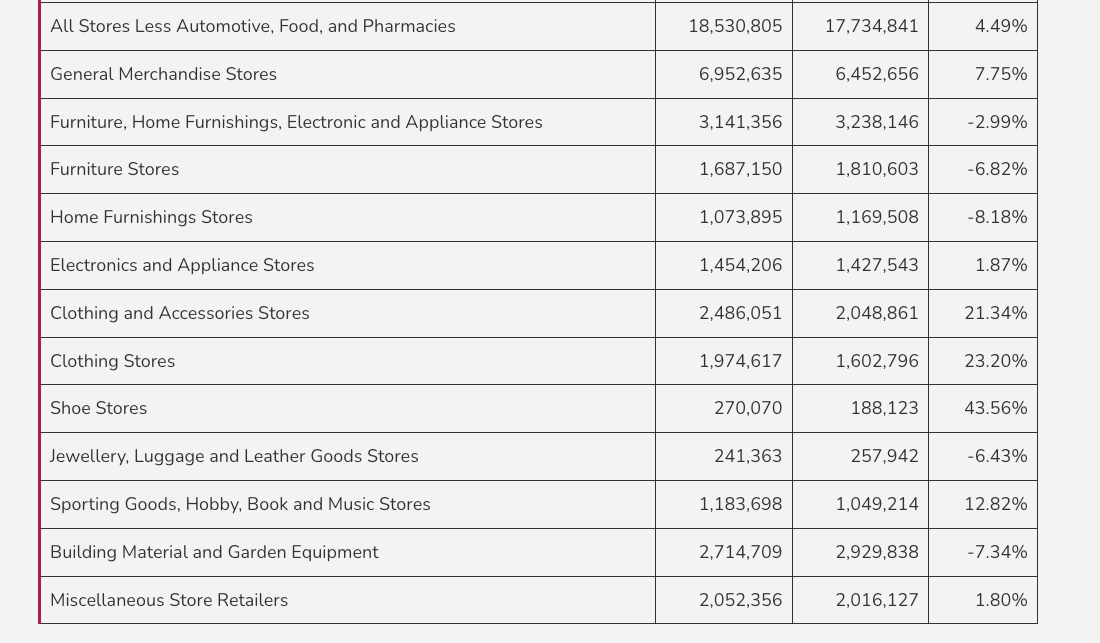
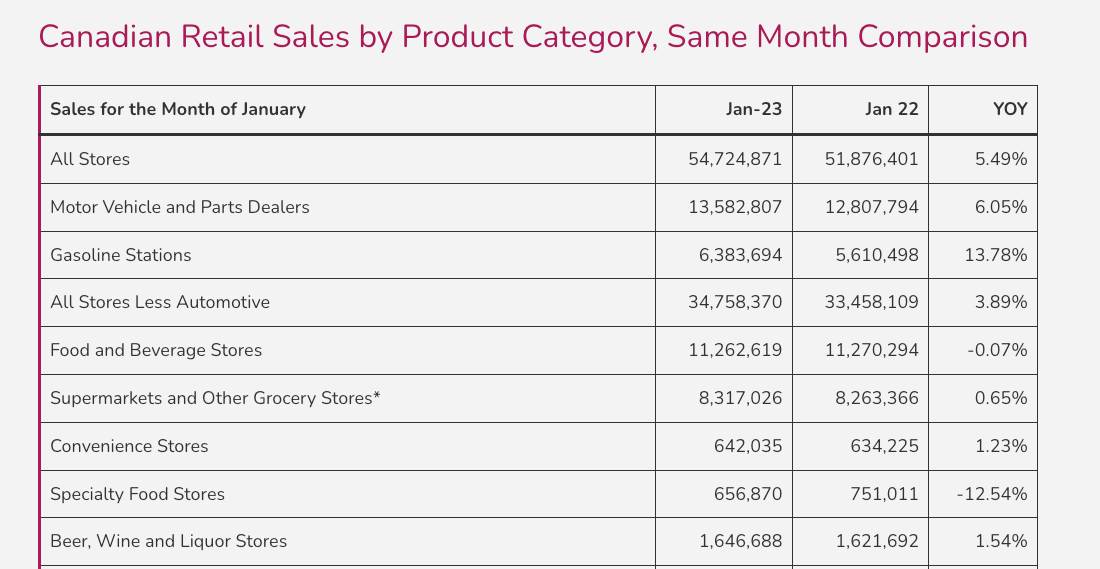
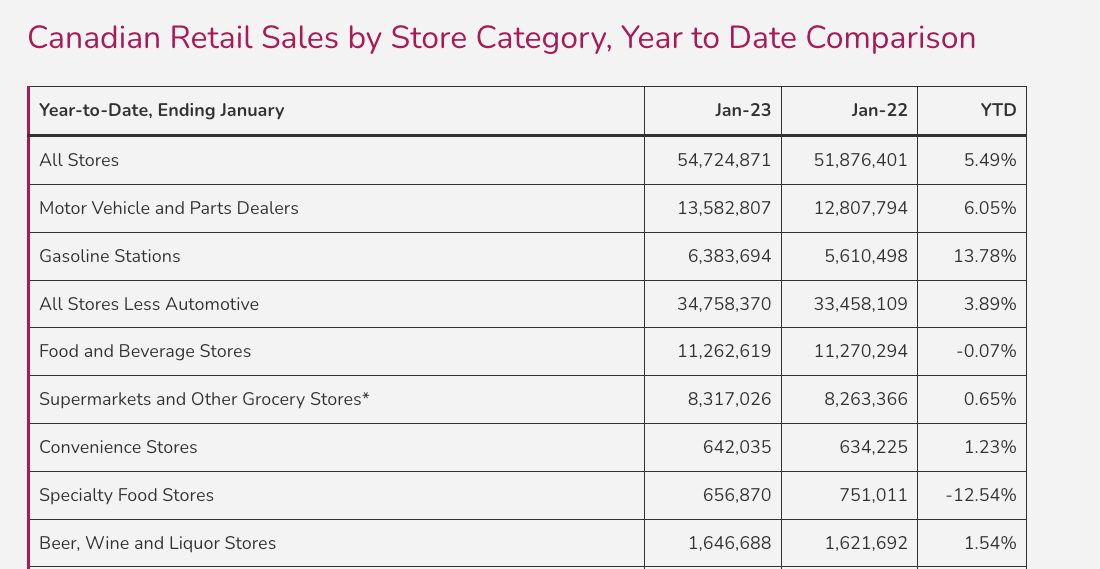
Continuing the trend towards the end of 2022, Canadian retail sales started with minimal growth in 2023 with All Stores in January growing 5.5% YOY and All stores Less Automotive, Food, Pharmacies up 4.5% YOY.

The first element to remember when comparing January 2023 to January 2022 is that there was a lockdown in Ontario last year. With Ontario typically contributing to around one-third or more of total Canadian retail sales, this has a large impact on national retail sales.

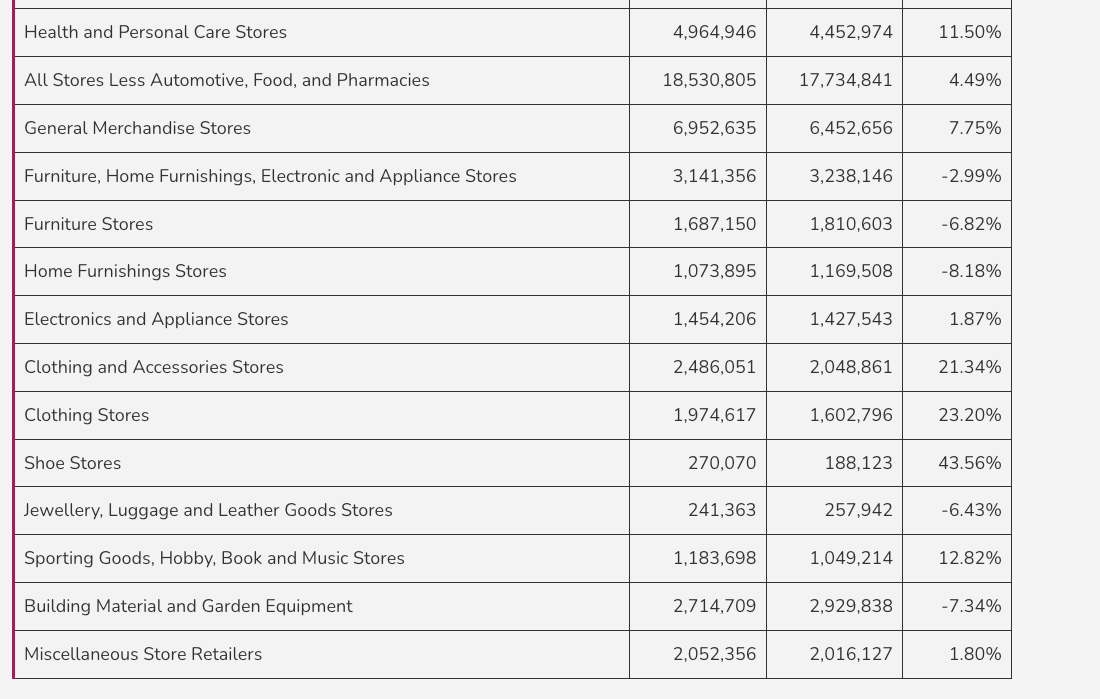
Even when considering the lockdown, it is still surprising to see that Clothing and Accessories Stores increased by 21.3% YOY in January. The subcategories grew impressively, at rates of:

  • Clothing Stores: Up 23.2%,
  • Shoe Stores: Up 43.6%, and
  • Jewellery, Luggage and Leather Good Stores: Down -6.4% YOY.

These abnormalities are likely directly related to the fact that Ontario was in lockdown in January, 2022. When comparing sales to 2019, the numbers are much more normalized:

  • Clothing Stores: Up 11.3%,
  • Shoe Stores: Up 11.4%, and
  • Jewellery, Luggage and Leather Good Stores: Up 20.6% YOY.

The other standout category in January is Food and Beverage Stores, down -0.7% YOY. The largest drop off in this category is Specialty Food Stores, down -12.5%, but all categories grew at a rate below inflation, which is 10.4% in January for food prices. When the JCWG team discussed these changes, we landed on the fact that people are still only spending what they have. There are few people whose income has increased by 10% over the past year, so the distribution of where they are spending their food budget has changed. Consumers are looking for better pricing, moving towards Walmart, Costco, etc. for grocery, which was shown through the 7.8% YOY increase in General Merchandise Stores. Specialty Food Stores include butcher shops, cheese shops, etc. which have been some of the most impacted products from inflation.

Nordstrom at CF Chinook Centre (Image: Nordstrom)

2023 promises to be a tumultuous year for Canadian retail sales. Inflation is very relevant, customers have resumed most of their previous shopping habits (hopefully for good), and we are still in the throws of a recession. With that being said, major disruptions with chain retailers in Canada, namely the exit of Nordstrom and the re-entrance of Zellers will impact the coming months. This has the team thinking about:

  • Where will current Nordstrom customers shop for their mid-luxury/luxury products?
  • How long will it take for shopping centres to fill the Nordstrom vacancies and how will the vacancy impact traffic flow and footfall?
  • How many, if any, current discount department store customers will change their habits to Zellers, and away from Walmart, Costco, Dollarama, etc.?
  • What international retailers are currently eyeing Canada for expansion opportunities?
  • How are YOU prepared for the changed Canadian retail landscape?
Canadian Retail Sales by Product Category, Same Month Comparison
Canadian Retail Sales by Store Category, Year to Date Comparison (Part 1)
Canadian Retail Sales by Store Category, Year to Date Comparison (Part 2)
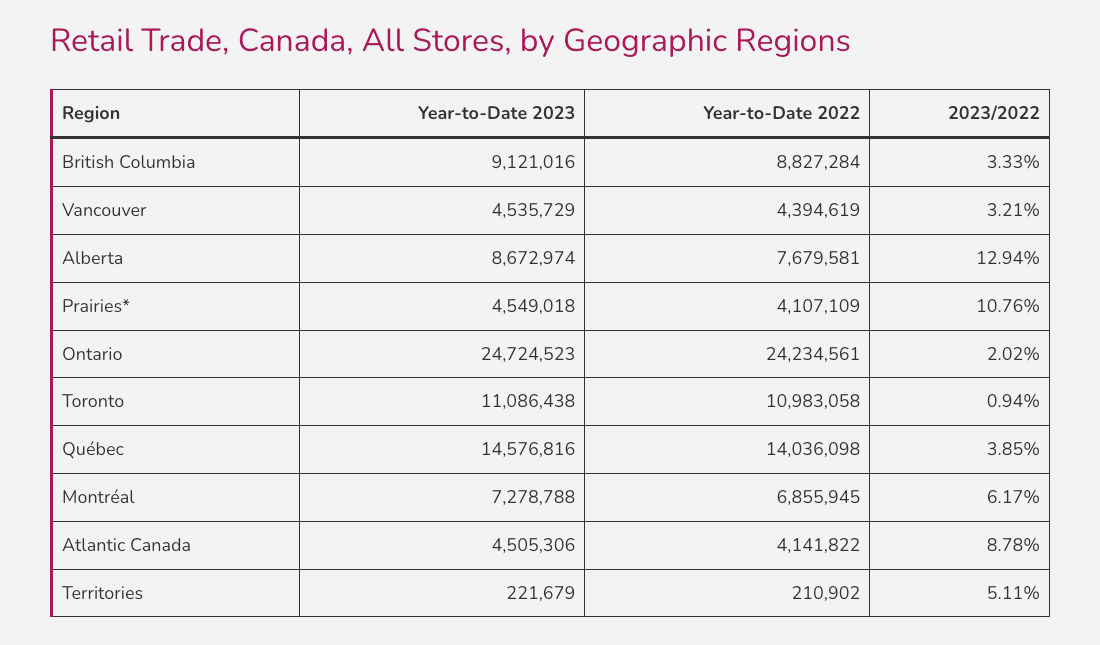
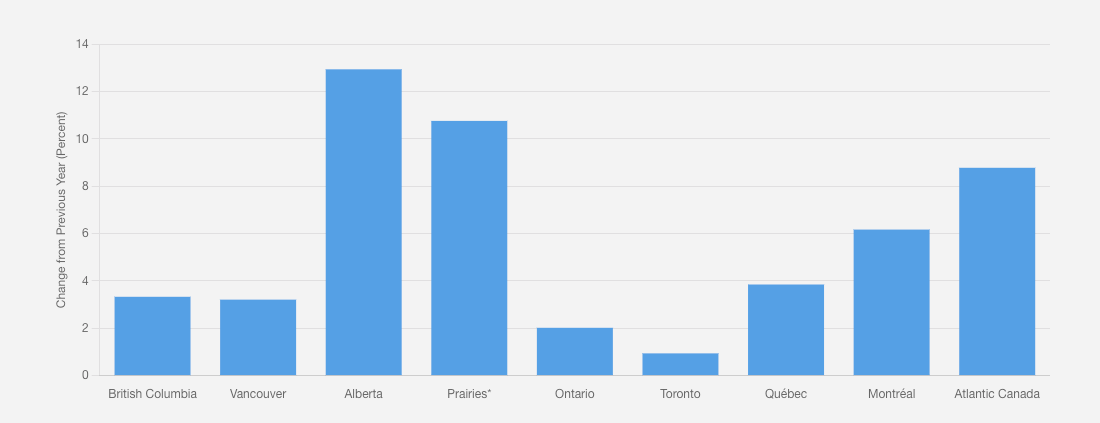
Retail Trade, Canada, All Stores, by Geographic Regions

This analysis by J.C. Williams Group is updated monthly as new numbers are published by Statistics Canada.

J.C. Williams Group focuses solely on Retail sector strategy and consulting. The breadth and depth of our functional areas of retail specialization enable us to bring to each engagement a holistic perspective and expertise that provides both insightful and actionable recommendations.

Additional Retail Insider Articles

SAJO: Transforming Traditional Project Delivery Through Holistic and Artistic Approach

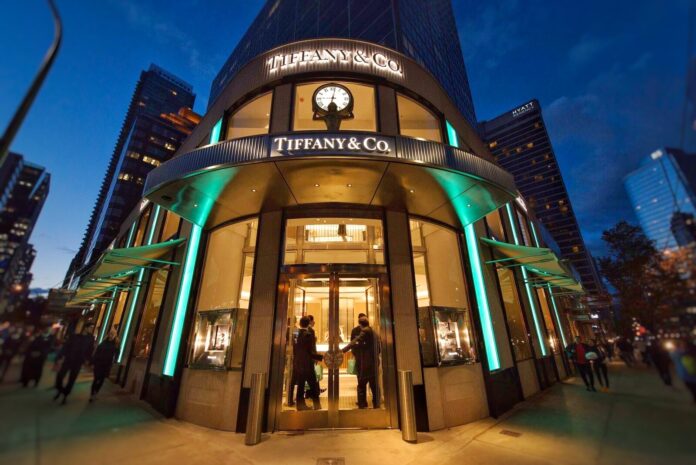
Tiffany on Burrard Street in Vancouver (Image: SAJO)

Within the fast-paced confines of retail – an industry that moves at speeds unimaginable to most people – time is of the essence. Its use by those operating in and around the sector most often defines outcomes that range from unforgiving failure to incredible success. It can yield benefits that are derived from its passing, like the tenure and experience that’s amassed by virtue of bearing witness to a plethora of consumer and market trends, shifts in behaviour and the evolution of preferences and desires. And, depending on the amount of it that’s been accrued, in combination with the ways in which resulting experiences have been leveraged and learned from, time can bestow wisdom, knowhow and credibility upon its holder. For SAJO – the globally renowned design-build firm that’s celebrating more than 45 years in successful operation – its time is marked by the company’s innovation, creativity and artisanal approach, and the continued growth of its remarkable reputation.

Evolution and growth

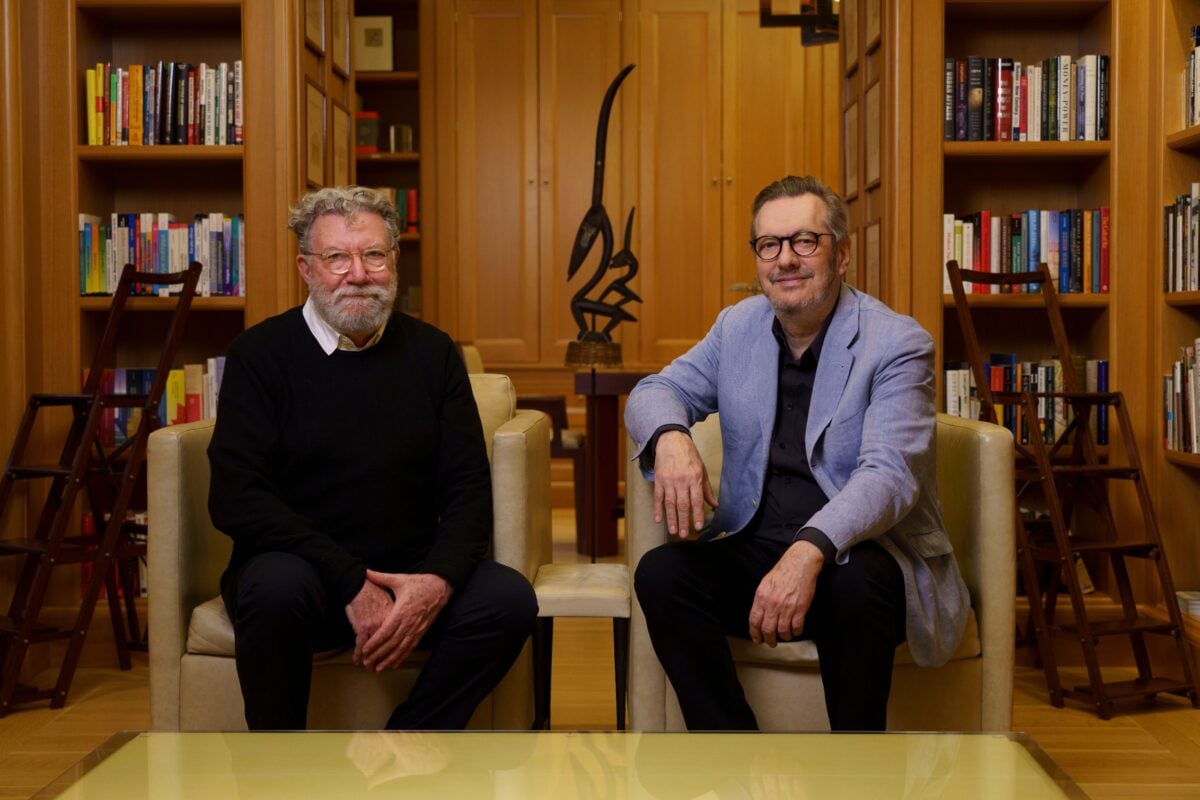
Nick Tedeschi & Sal Guerrera

Founded in 1977 in Montreal, Quebec, SAJO has steadily built on its operations through the years, from its humble beginnings in a single rented room in a Montreal office building to its presence and stature today with offices in Miami, NYC, London, and Milan, in addition to a number of satellite locations in cities throughout North America. During its nearly half century of business, the company has also expanded the suite of services that it offers its clients to include everything from design and procurement to project management and construction all the way through to post hand-off, while covering all points in between. It’s evolution and growth that’s testament to the quality of work that SAJO has been responsible for over the course of the past four-plus decades. And, according to Sal Guerrera, CEO and Co-Founder of the design-build giant, its evolution and growth that’s been driven by the company’s holistic and artistic approach.

“The company was founded with an appreciation for art and culture and the ways that those elements in combination with architecture can be applied to create extraordinary environments,” he says. “We set out to express ourselves through building and design and to provide the services that our clients and partners need in order to execute their vision. We never intended to build a national or international company. It wasn’t ever one of our goals. We simply wanted to create and contribute our expertise where it was needed. We also never intended for our services to have expanded in the ways that they have or to be involved in as many sectors as we are. It’s all happened very organically. Its an evolution that we’re extremely proud of, and one that continues today.”

Seizing opportunities

Guerrera’s sentiments are echoed by fellow Co-Founder and President, Nick Tedeschi, who recognizes the ways in which the pair have leveraged their shared love and admiration for art and culture to succeed in such a competitive market. However, he adds that it’s their penchant to challenge themselves and their capabilities that has ultimately provided them with the impetus to sustain persistent expansion.

“Sal and I are both very curious by nature,” he admits. “And that curiosity has always challenged us and driven us to seize on every opportunity that’s made itself available. Instead of shying away from these opportunities, fearing the difficulties that might be involved or the complexities related to expanding into the U.S. or Europe, we approach things in a different way. Our curiosity compels us to figure out the complexities of any given opportunity and build a business plan around it.”
Retail synergies

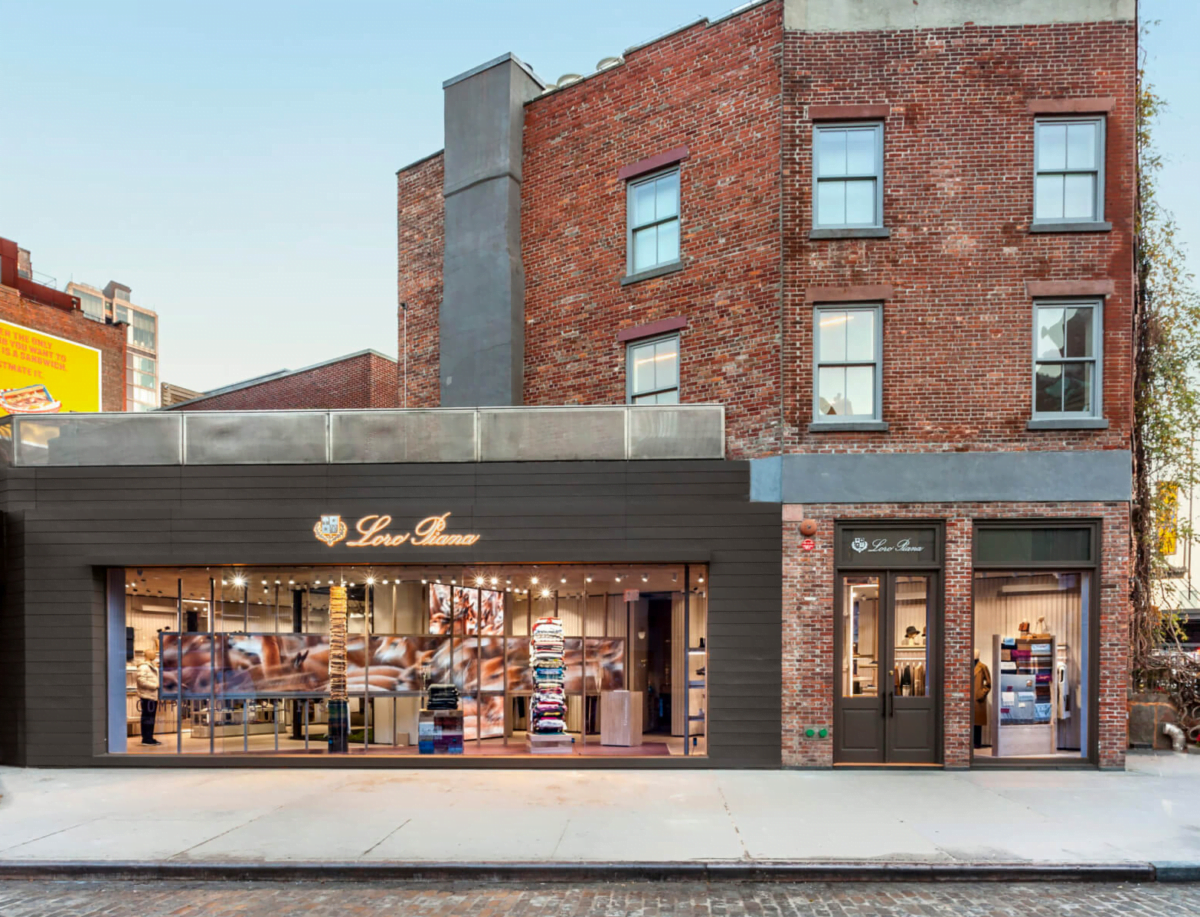
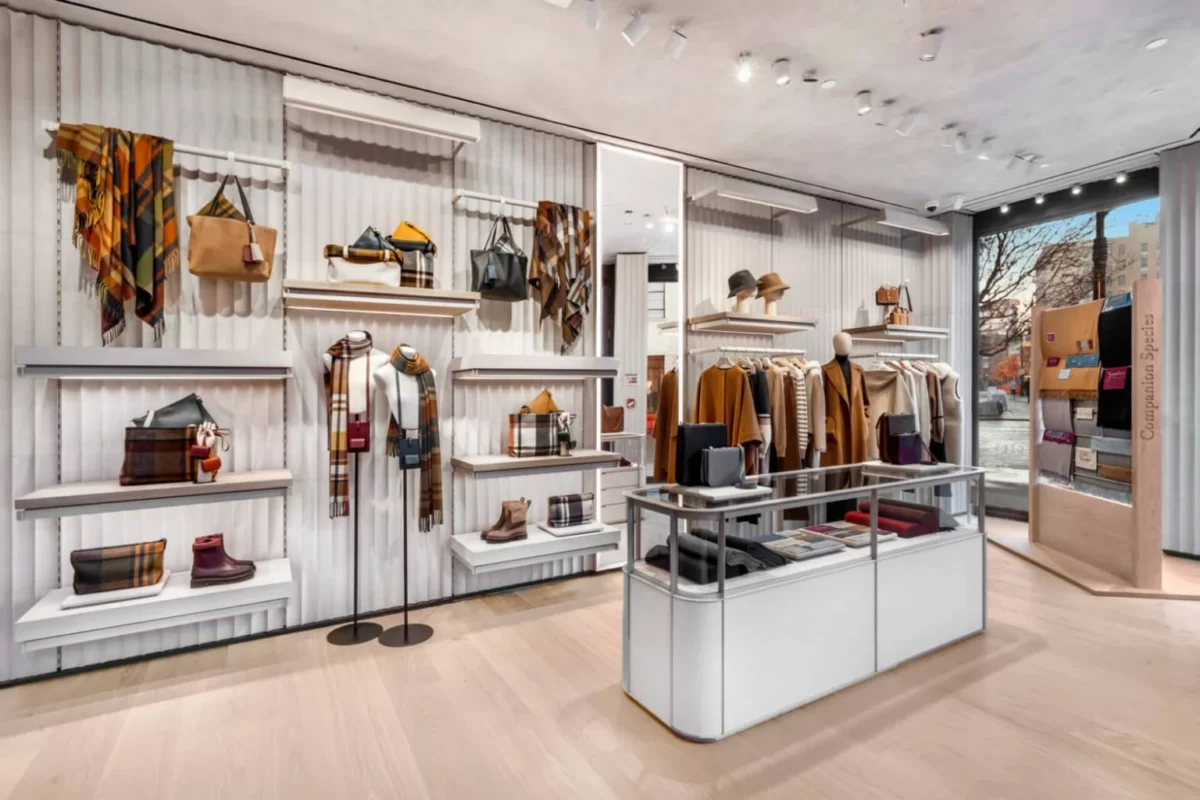
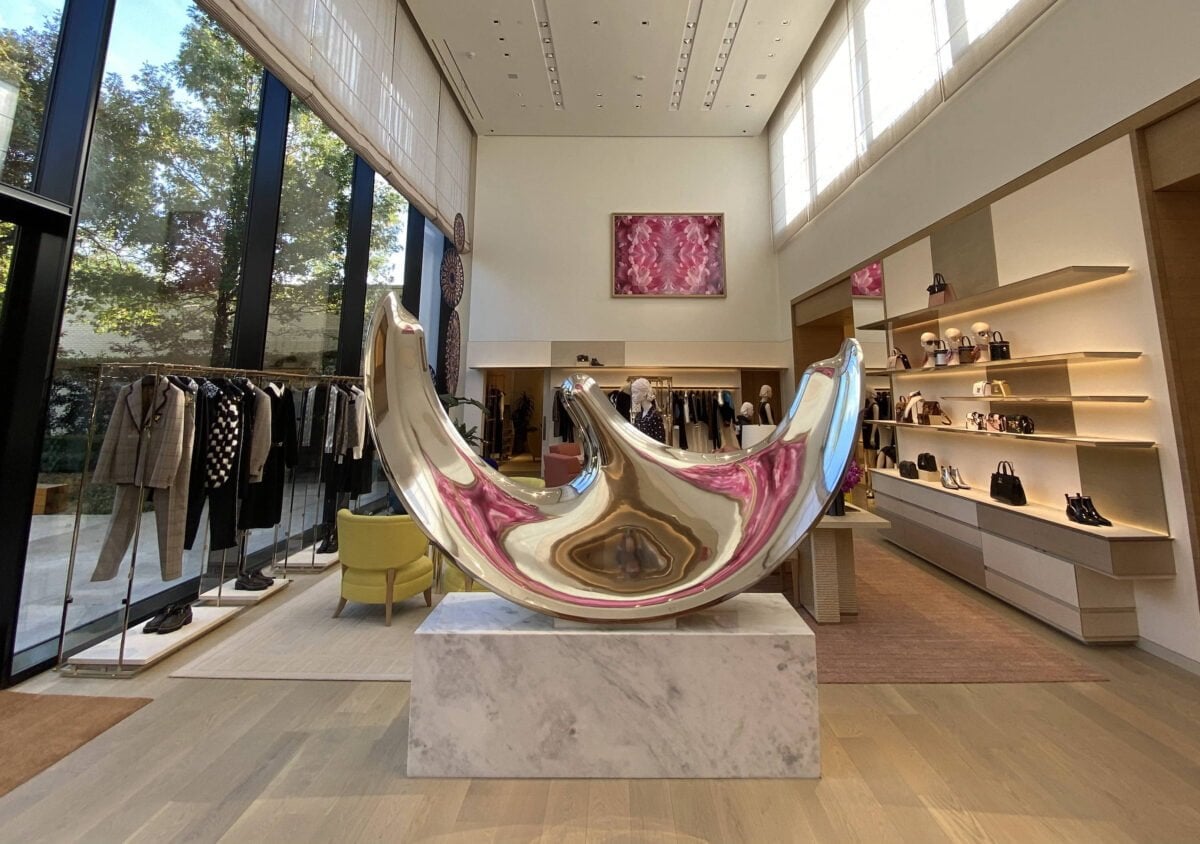
Loro Piana Flagship in NYC’s historical meat packing district (Image: SAJO)

Tedeschi likens the opportunities that the company’s capitalized on through the years as seeds that have been planted, cared for through the sprouting process and nurtured into a full-grown plant. As the analogy goes, SAJO’s seeds have flourished throughout a number of sectors, working to conceptualize and convert real estate properties into multi-dwelling housing projects; building infrastructure projects related to public education, healthcare, social housing, recreational facilities and institutional buildings; upgrading utilities and telecommunication infrastructure; and, of course, a vast amount of work within commercial retail. In fact, SAJO is known throughout the industry as the first specialized retail builder in Canada, working with some of the biggest, most prestigious brands that have operated within the country over the better part of the past 50 years. It’s work that represents a significant piece of the company’s legacy, and made possible, suggests Guerrera, by the synergies it shares with the industry.

“Retail is all about instantaneous sensations,” he says. “It’s about a give-and-take relationship between the retailer and the consumer. And the environment in which this relationship takes place is critically important, helping to create an atmosphere that facilitates engagement, reenforcing a brand’s story and enhancing the experience received by the customer. Creating, being able to execute on the construction and building of a vision, also results in the same kind of sensations, imbedding our influence into the environments we conceive. The fact that we’ve made a name for ourselves designing and building retail spaces has a lot to do with this connection – the art behind the entire experience.”

Deep industry understanding

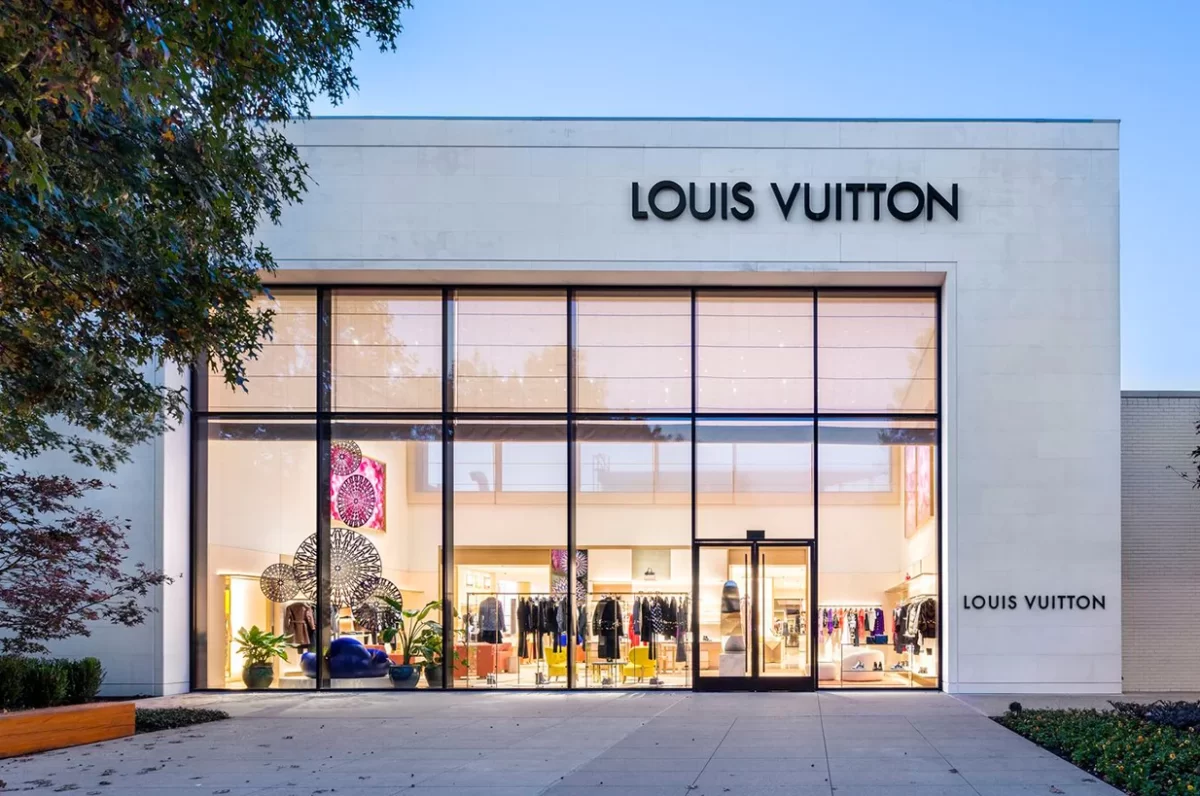
Louis Vuitton Flagship at NorthPark Mall in Dallas (Image: SAJO)
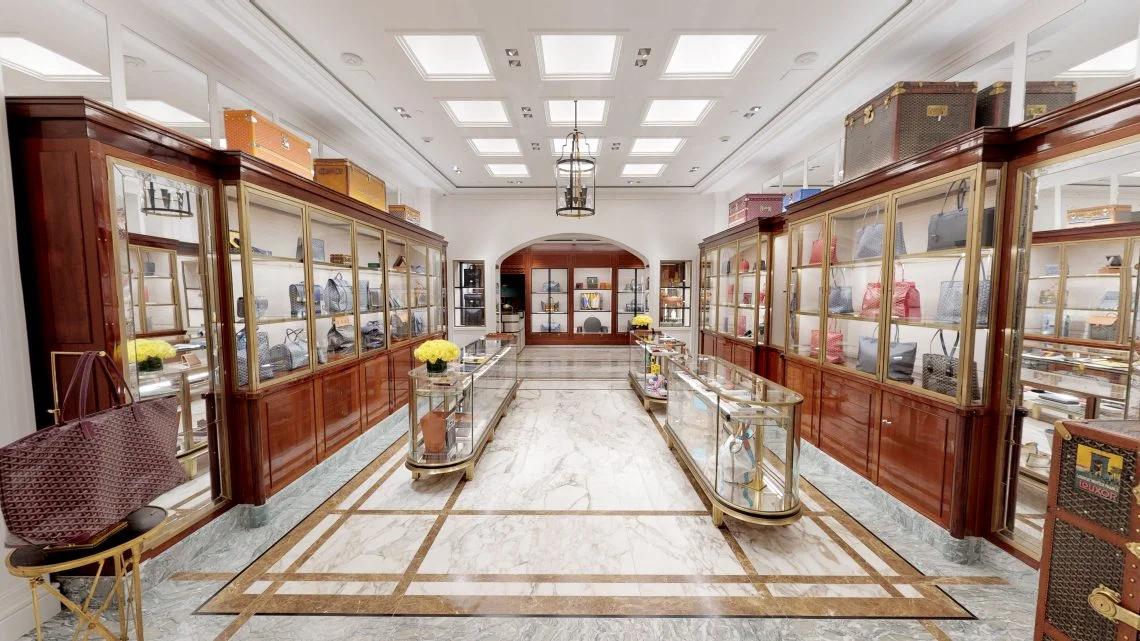
Goyard at Highland Park Village in Dallas, Texas (Image: SAJO)

It’s a connection that’s recognized by Tedeschi who says it’s one that’s been cultivated through years of experience and hard work. It’s one that’s also allowed SAJO to hone its expertise, positioning it as one of the leaders in the commercial retail construction space. And, during this time, adds Tedeschi, the credibility of the company’s services and offering has grown exponentially in the minds of its clients, helping to build on its reputation as a trusted partner and developer of world-class projects. It’s also provided the SAJO team with an inordinate amount of market experience, lending toward what Tedeschi describes as a “deep understanding of the industry” and a wealth of knowledge.

“Retail is an incredibly fast-moving industry,” he asserts. “Brands are required to think fast and act fast in order to continue advancing their businesses and improving their offering. A big part of this requirement involves frequent transformation or else brands will find themselves left behind. We know this about the industry and the fact that brands have got to constantly reinvent themselves. It’s an understanding that allows us to ask the right questions. But, in the end, it’s all about listening to the retailer to understand exactly what they want. It’s up to us to execute to help satisfy those needs.”

Design-build expertise

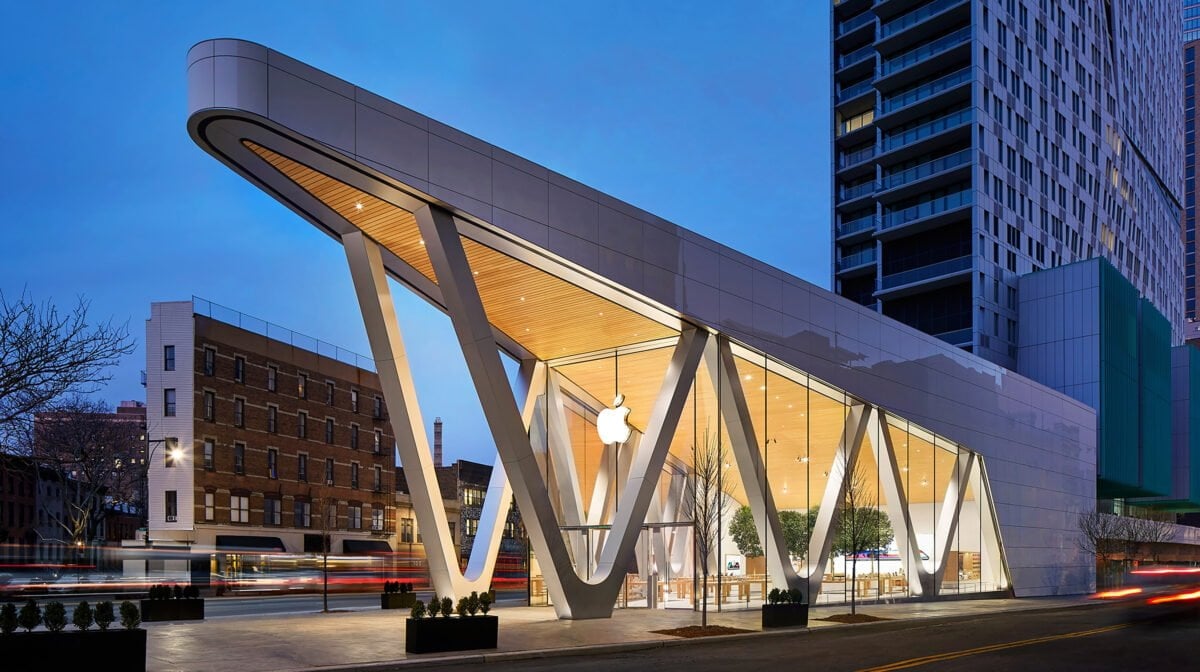
SAJO collaborated with Foster + Partners on Building an Iconic Apple Flagship in Brooklyn
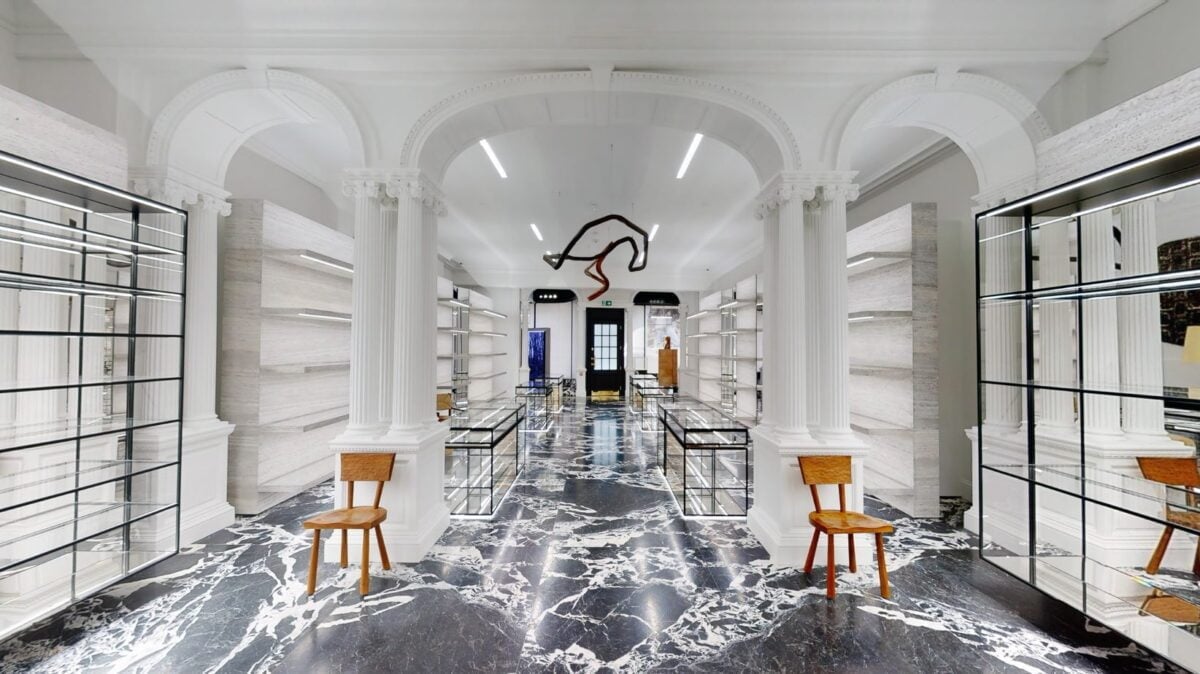
Celine at 40 Bond St. London, UK (Image: SAJO)

For a company that’s helped to erect environments for Louis Vuitton, Dolce & Gabbana, Celine, Christian Dior, Kith, Goyard, Loro Piana, Tiffany & Co, Alexander McQueen, Moncler, Prada, St-Laurent, Apple, Nike, UNIQLO, and Tesla, just to name a handful, it almost seems as though it could rest on its laurels, so to speak, and bask in the fruits of its prior labours. However, Guerrera, Tedeschi and their team have no such plans. In fact, SAJO is extending its relationship with Apple to develop its latest iteration of store environment. In addition, it recently designed and built the first Lucid Motors locations in the country in Toronto, Vancouver and Montreal, as well as helping to introduce Vietnamese electric vehicle company, VinFast, to the Canadian market with its smart design and building expertise.

It’s a highly impressive list of current retail projects and accounts – one that’s reflective of SAJO’s scope of capabilities and focus on continuing to realize opportunities within the sector. However, what might be even more inspiring is the way the company’s embraced corporate and social responsibility throughout its history, providing sponsorship to numerous charitable causes and organizations, and steadfastly supporting and contributing to the betterment of the social fabric within the communities that it works. It’s a responsibility that Tedeschi says the company takes very seriously, making it a necessary lens through which each project must be viewed.

“Just as we’re committed to contributing to social causes that improve the communities around us, we also pledge to always improve and develop new green building practices and promote the responsible use of materials and natural resources in order to enhance our sustainability efforts and improve our environmental impact,” he says. “It’s an incredibly important aspect of what we do at SAJO and a way in which we can help protect the future of the planet.” 
What’s in store?

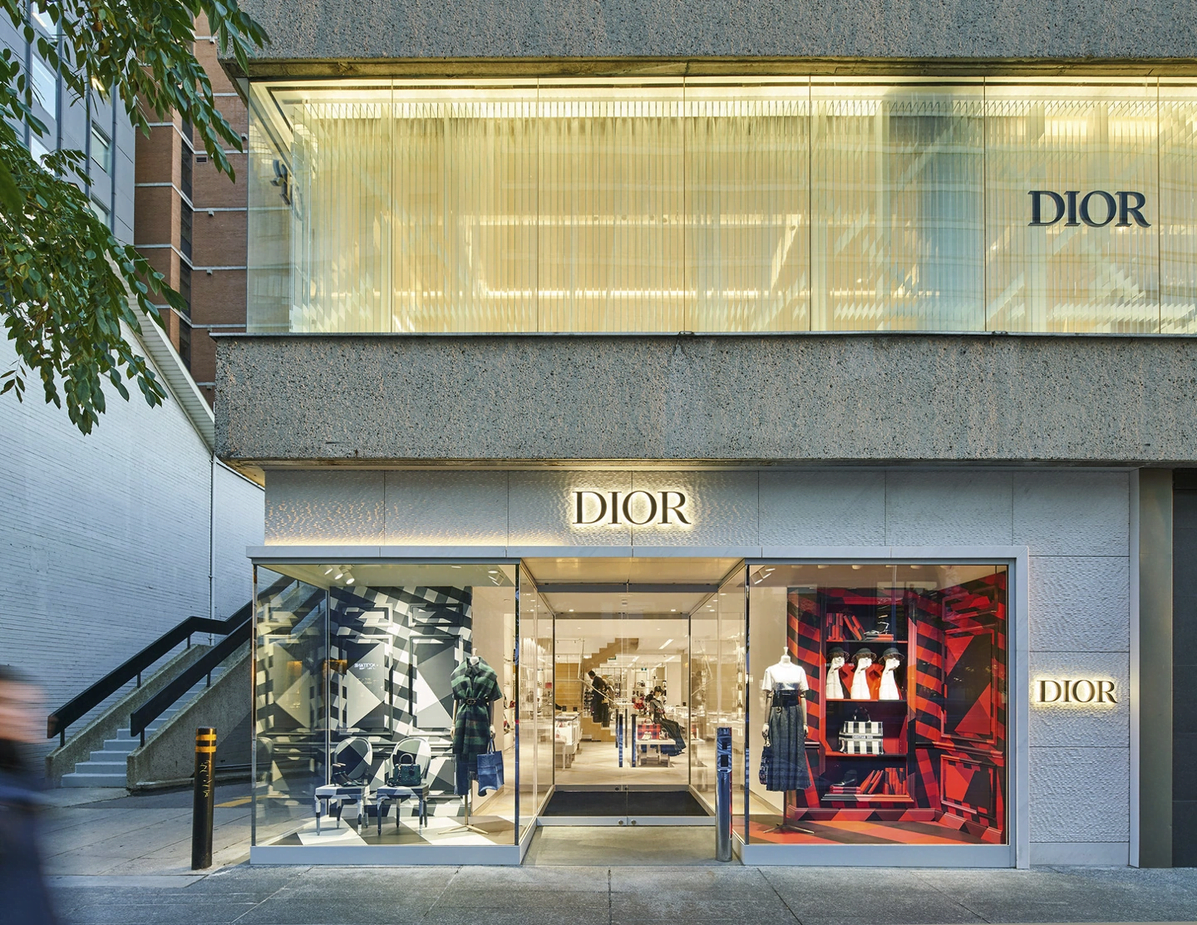
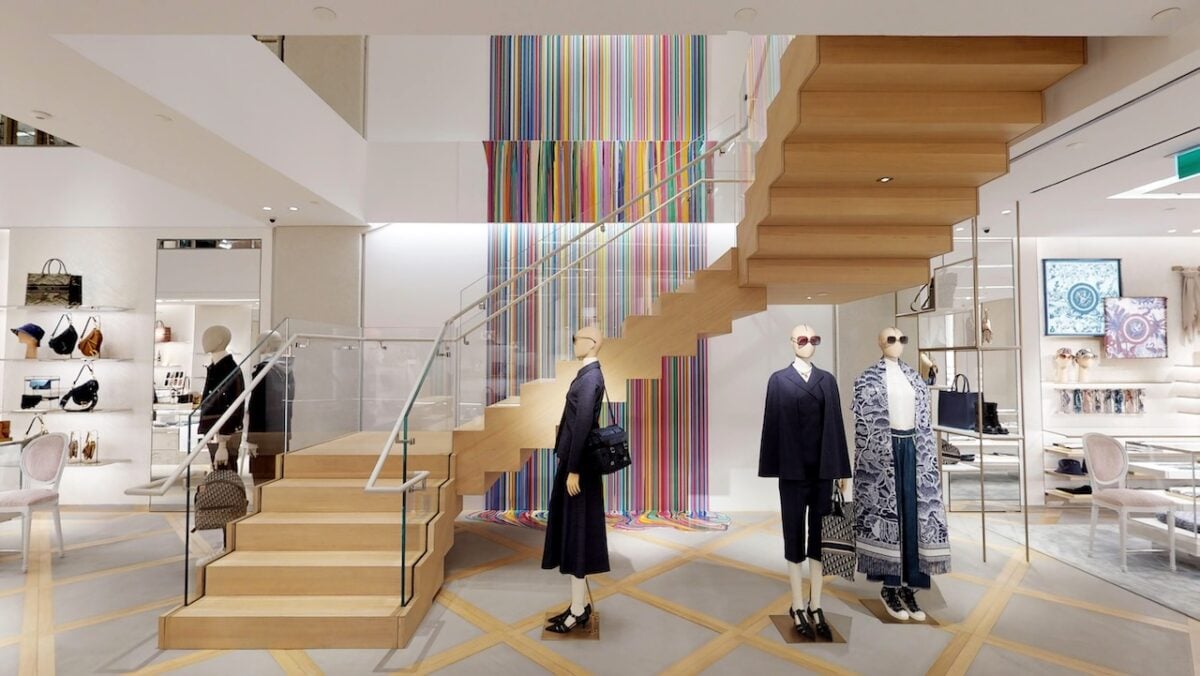
Dior at 131 Bloor Street West (Image: SAJO)
Dior at 131 Bloor St West (Image: SAJO)

Having amassed such a storied history to this point, and a list of credentials and project executions as lengthy as any out there, SAJO has clearly achieved the goal that Guerrera and Tedeschi set out for themselves when the company was founded more than 45 years ago – to help create environments through artful creation. And, when asked about the future of the company and what it has planned, the pair are as focused and committed as ever to delivering quality and knowhow of the highest possible standard. In fact, Guerrera says that SAJO is currently expanding further in efforts to continue diversifying its services and support its core offering.

“We’re on the verge of opening Astra IPT, which is a studio of integrated project technology meant to enhance the services provided by general contractors, architectural firms and developers. And, we also want to start leveraging data and artificial intelligence in order to enhance project management even further and simplify the work, enabling the identification of potential issues and ways in which those issues can be addressed. The construction industry is one that hasn’t really changed over the course of the past 100 years or so. And what we’re doing is creating an intersect of architecture, art and technology that will revolutionize the way things are done and the way environments are designed and built, helping to create those instantaneous retail sensations.”
Related Retail Insider Articles