Retail Insider is streamlining its Canadian retail news from around the web to include a handful of top news stories that can be viewed quickly during the day. Here are the top stories from the past 2 days.
Several years ago, Joe Trubiano had a vision for a new retail brand in the men’s fashion industry.
It was all about socks.
“I’ve been involved in the fashion business for over 30 years. After an interesting career in fashion merchandising with a large retail organization, I launched my own fashion production house dealing in ladies wear,” said Trubiano, Founder and President of Twin Roads.
“A few years ago, I recognized that there was a huge untapped market in fun and funky socks just waiting to be developed. We are a small creative team based in Montreal. With my extensive knowledge of garment manufacturing and overseas sourcing, I was able to establish a very close working relationship with a major Italian sock manufacturer. This ensures that the creative spirit behind Twin Roads will be executed with craftsmen like quality and professionalism.
“My new personal catchphrase is ‘Twin Road socks are meant to reinforce a man’s personality and show off his fun-loving side’!”
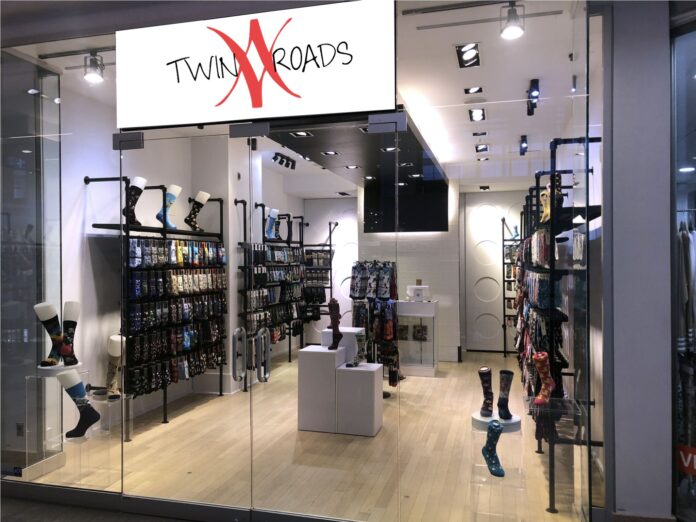
Twin Roads (Image: Twin Roads)
The brand was initially launched in 2016 selling online and through sales associates based in different cities. From there, it was offered a pop-up location in Place Montreal Trust. Trubiano said sales were very encouraging and within a short period of time the brand was ready to set up in a more permanent location. Unfortunately, the pandemic altered plans and things were on hold for a while.
Last fall, business started to pick up again.
“All downtowns are having a difficult time and certainly things were difficult in downtown Montreal as well but we started to see that things were starting to pick up again last fall,” said Trubiano. “So we put our expansion process back in top of mind.”
On August 1, it opened a location in Place Montreal Trust and “sales have hit the roof,” he said.
“We were thinking we might do well but we started doing extremely, extremely well. Much better than we had anticipated. And so we’re very pleased about that. So much so that we also decided to open a second shop. Again in downtown Montreal.”
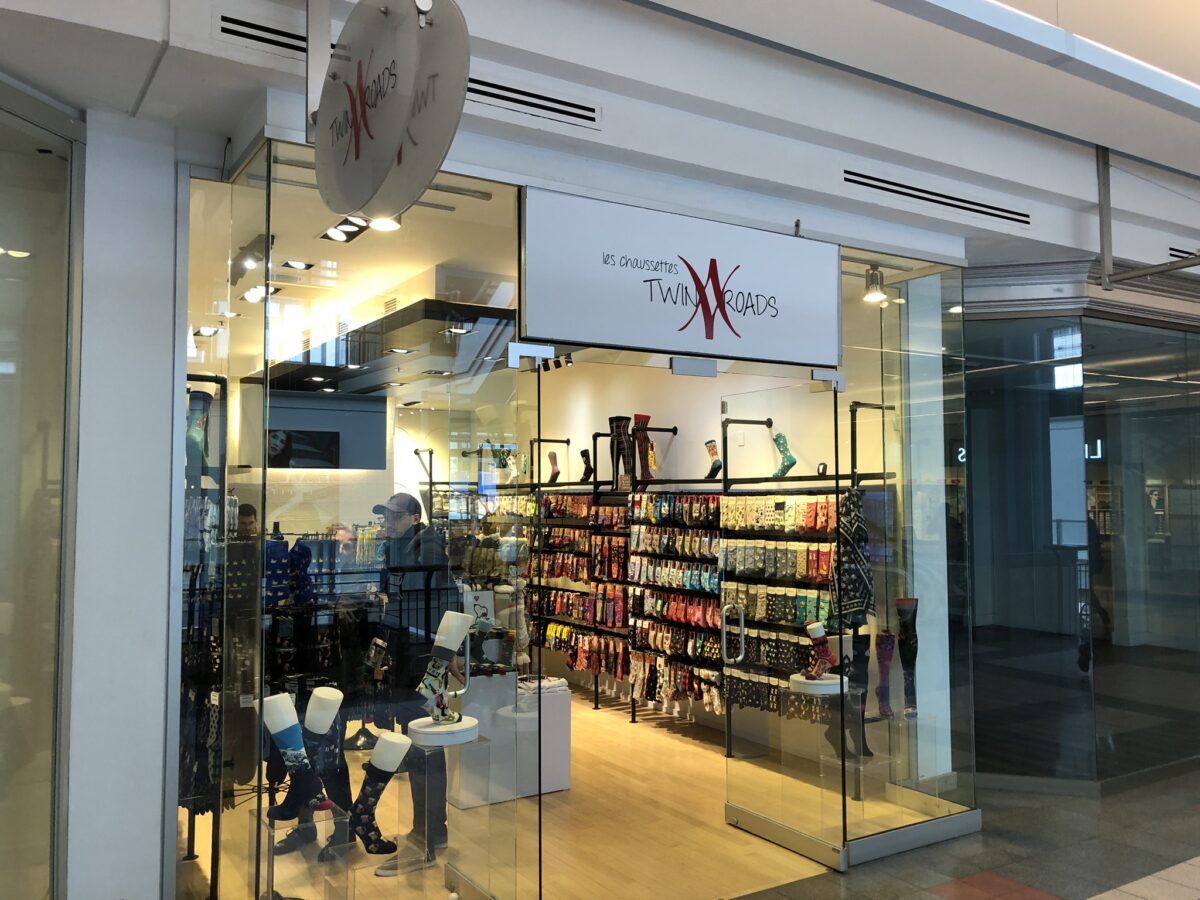
On October 1, it opened a second store in Plaza Alexis Nihon.
“As we’re going into the Christmas period, which is by far our biggest selling season, period, of the year, we’re very confident that we’re going to end up having a good year for a change after all the problems we had with our pandemic.”
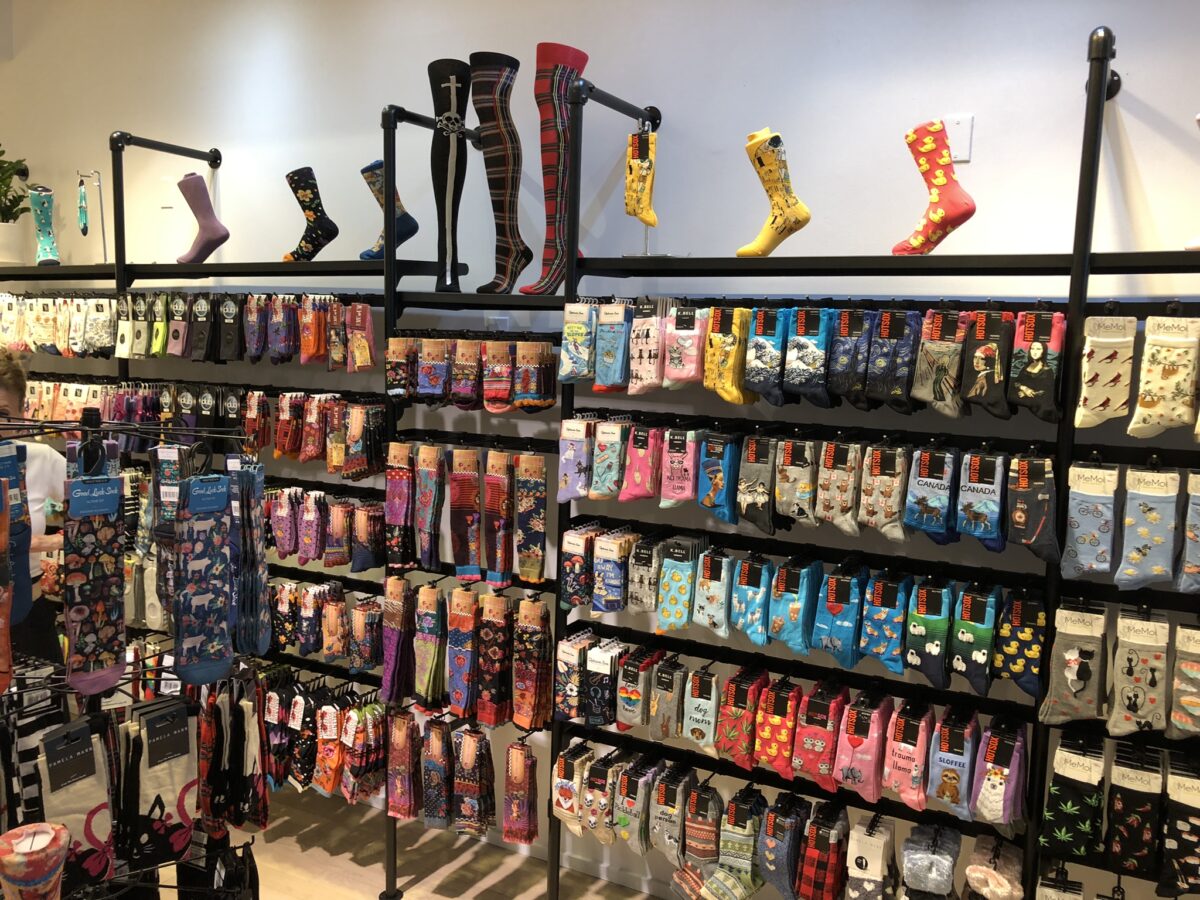
Twin Roads (Image: Twin Roads)
Trubiano said he thinks for 2024 the brand can easily move into two other suburban malls in Montreal.
“And we want to take it easy. Sometimes when you expand too quickly things get out of hand and it’s easy to end up being less profitable or not making any money at all,” he said. “I think with two shops next year we would be at the level that I think is acceptable.
“And then in 2025 I think we can easily think about doing three or four other malls here in the Montreal region. And once we’ve covered the Montreal region I think then we can think about further expansion. We just have to think about it in a very logical way and not get too emotional about things because I think that’s when some retailers get into trouble – when they feel the world is theirs and that’s not always the case. I think one has to progress very slowly and methodically in order to end up being profitable.
“As we progress, our own internally developed line of Twin Roads socks will be expanded along with the branded product. At the moment, besides a couple of department stores, we have no competition in this area and feel that there is an opportunity to expand. In some ways, we are becoming a category killer. We think that by 2025 we will be present in all major malls in Montreal and then can think of moving outside the city.”
Trubiano said he first started working on a line of Twin Roads socks for men in 2016. They were manufactured in Italy but the company kept fine-tuning its merchandise offerings. To what was the first selection of private-label socks only for men, it added many different national brands and included a full assortment of ladies’ socks.
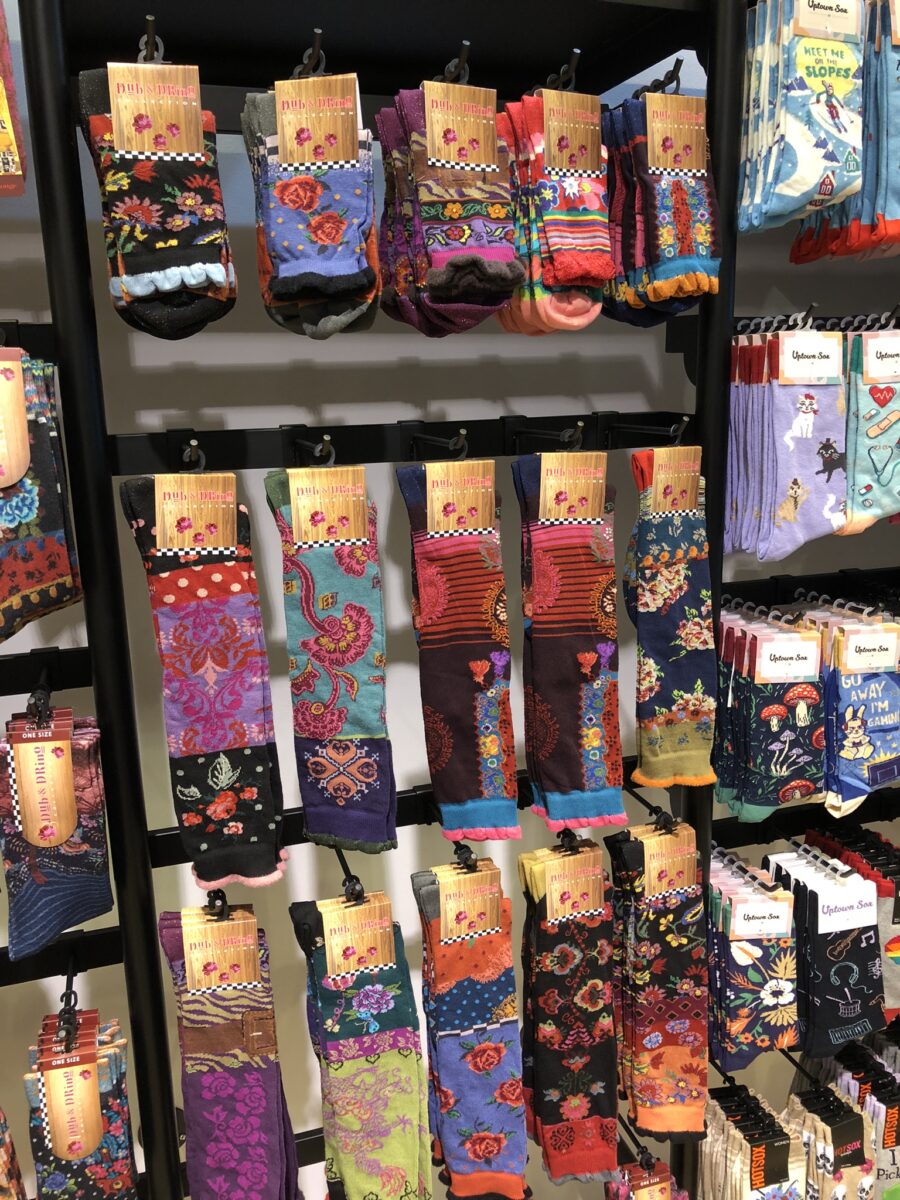
“We are thrilled when our customers tell us how difficult it is for them to choose which socks to buy since we have such a wide assortment. We carry over 500 styles from Canadian and US suppliers. Our customers are pleasantly overwhelmed when they enter our shop and see the incredible variety of socks that we offer them. We are very proud of the fact that we are the exclusive vendor of several European brands. We import directly from France, the UK, Spain, Portugal, and Italy,” explained Trubiano.
Twin Roads (Image: Twin Roads)
“One of the best-performing lines is from Spain with a very cool Snoopy theme. With my many years in the apparel business, I have come to understand the importance of quality. Everyone likes to use that word to describe their product, but we will only do business with labels that truly work towards producing a quality product. It’s hard to fool someone with over 30 years of apparel business.
“We assure our customers that with proper care the socks we carry will last many years. Price points start at $10 and go up to $35 for the fancier items. Although we do sell through our website, brick-and-mortar is where we do most of our business. Contrary to what many other retailers are trying to accomplish, that is to do more business online, I like the personal relationship that is created in a brick-and-mortar environment. Our retail customers seem to relate to this as over 20 per cent of our business is done with repeat customers.
“We strive to offer a personalized service and even a seemingly simple item such as a sock can be a complex item faced with the abundance of styles, colors and price points that our customers have to choose from.”
Canadian retail giant Sleep Country has opened its first store that will include sleep and lifestyle banner brand Silk & Snow.
Stewart Schaefer
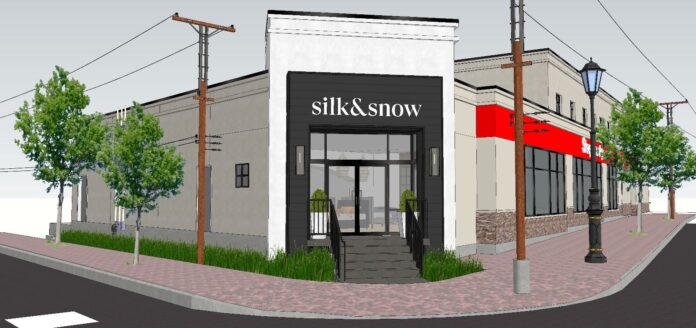
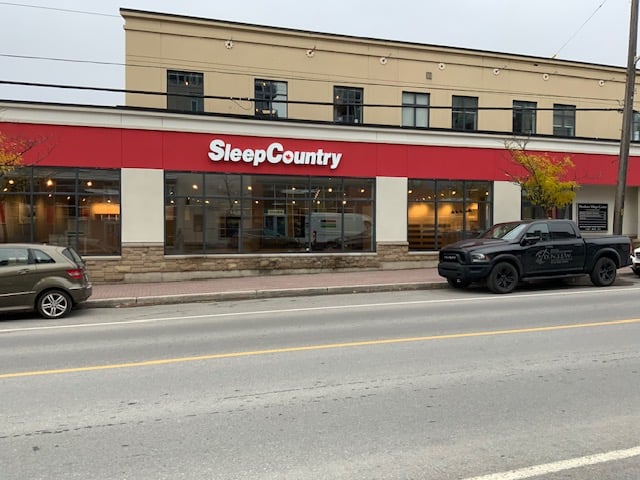
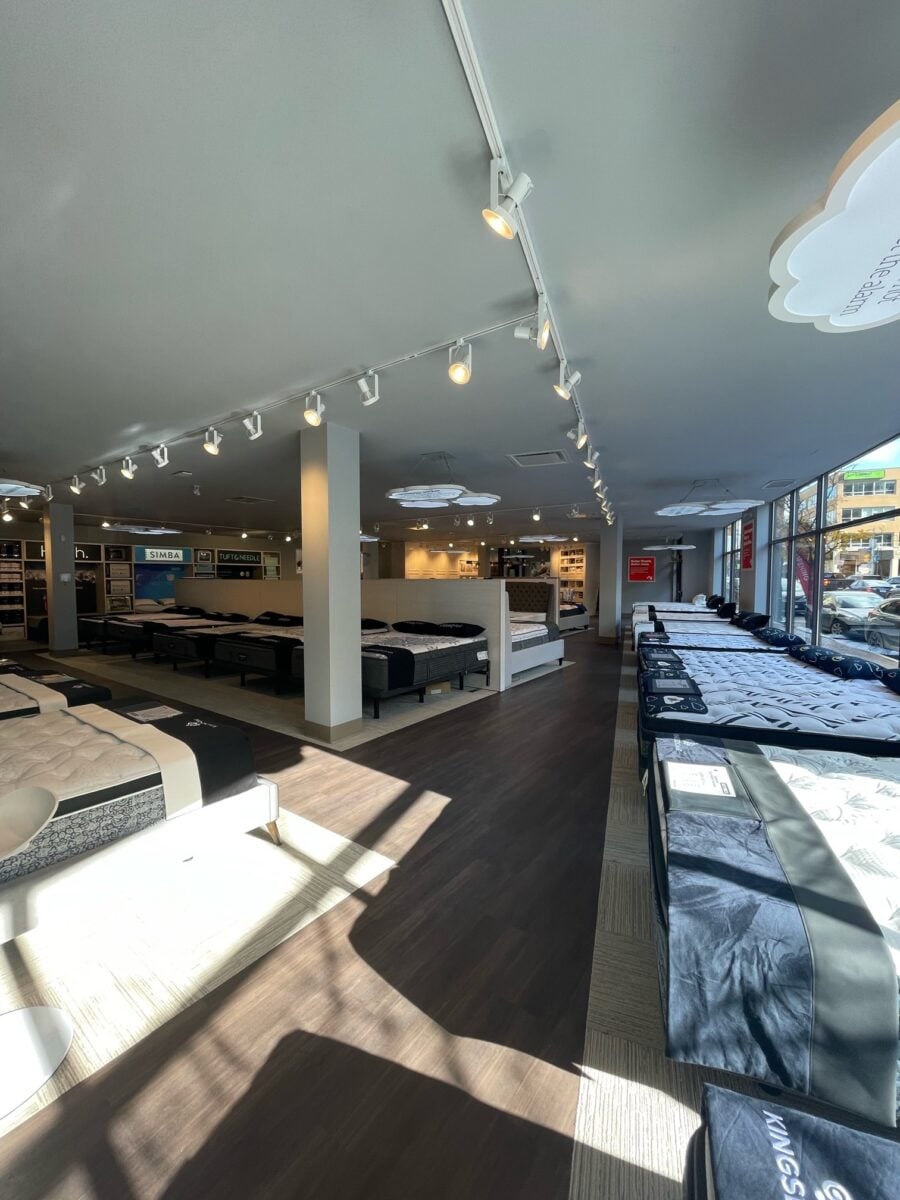
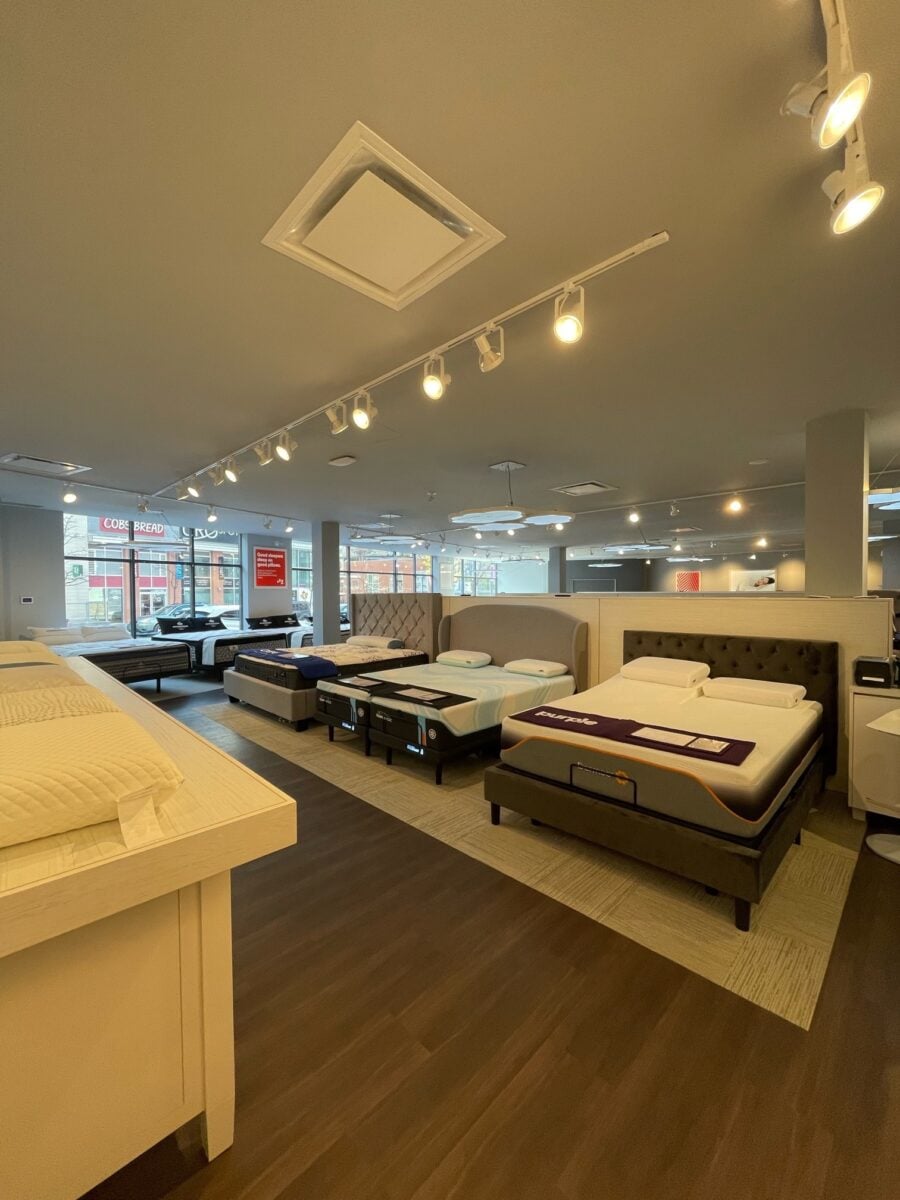
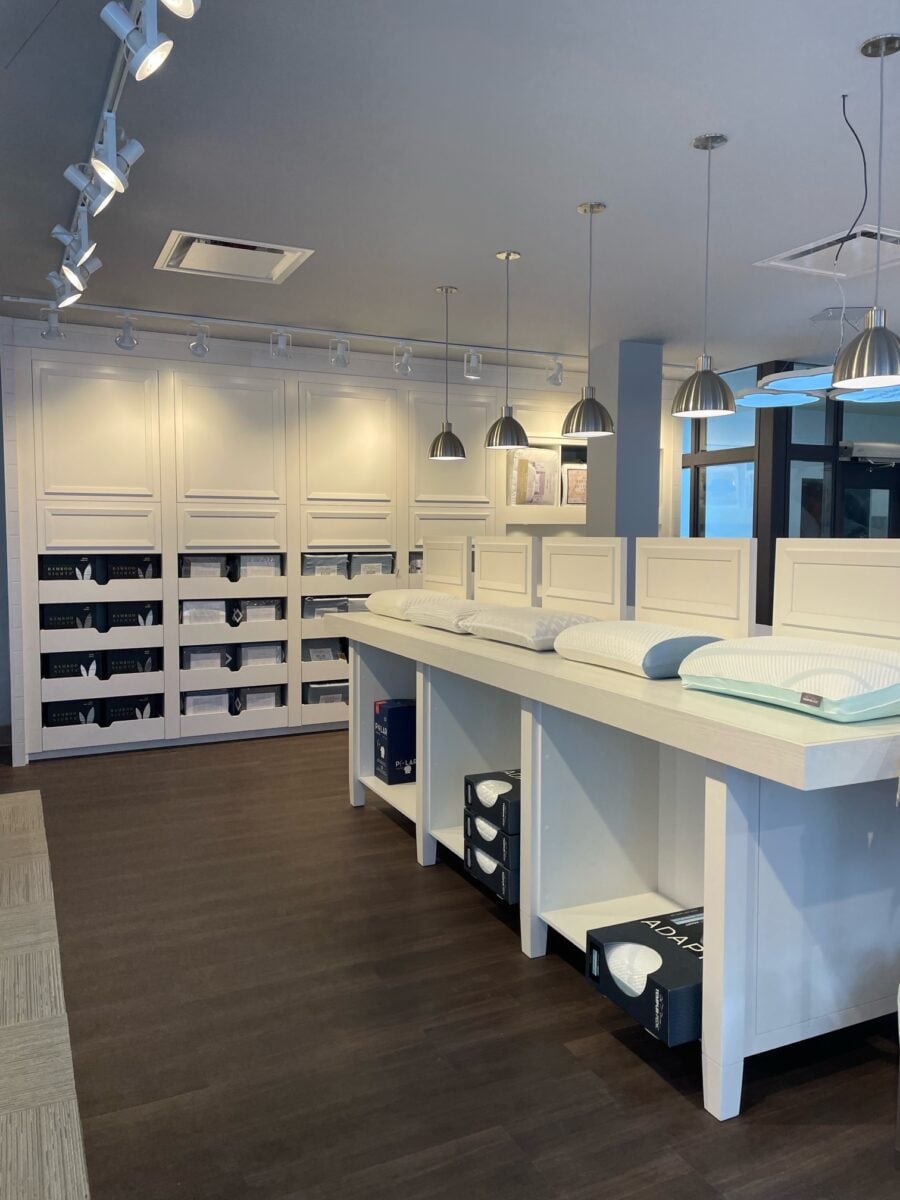
The new Sleep Country store, located in Ottawa’s Westboro neighbourhood at 421 Richmond Road, is anchored by a dedicated 1,425-square-foot Silk & Snow shop. The Sleep Country portion of the store has opened with the Silk & Snow portion expected to open November 22nd, 2023.
“We’re very excited to bring Silk & Snow, a leading, direct-to-consumer brand, into its very first tactile environment,” said Stewart Schaefer, President and Chief Executive Officer, Sleep Country. “Customers in Ottawa have shown a love for the brand, so it just makes sense for us to introduce its inaugural in-person shopping experience in this market.”
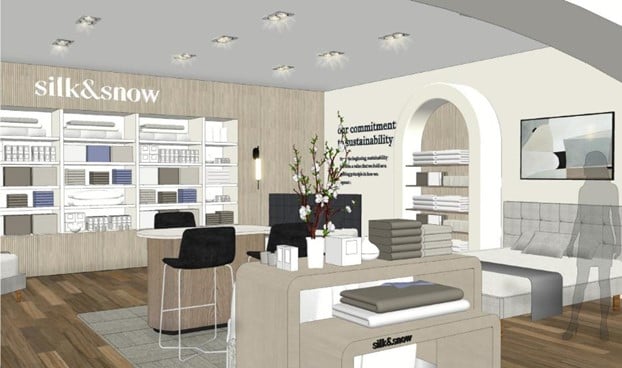
Rendering: Silk & Snow Westboro
Silk & Snow x Sleep Country Canada
Founded in 2017 by Albert Chow and Kenneth Mo from a successful Kickstarter campaign, Silk & Snow has seen rapid growth and has built a strong following in the Ottawa region. Headquartered in Toronto, the company made Canadian Business’ top 10 start-up list in 2020 and was ranked one of Canada’s fastest-growing businesses by the Globe and Mail for 2021, 2022 and 2023.
Albert Chow
“With our immersive new location, we’re finally able to showcase our offering in a physical environment, creating opportunities for customers to interact with the product and find the perfect piece to elevate their sleep and, ultimately, their home,” said Chow, Co-Founder and Chief Executive Officer, Silk & Snow. “At our core, we are a tactile brand; the touch and feel of our designs are as vital to our customers as the aesthetics. We are proud to debut this elevated shopping experience in Ottawa, where our community continues to grow and support us with each step.”
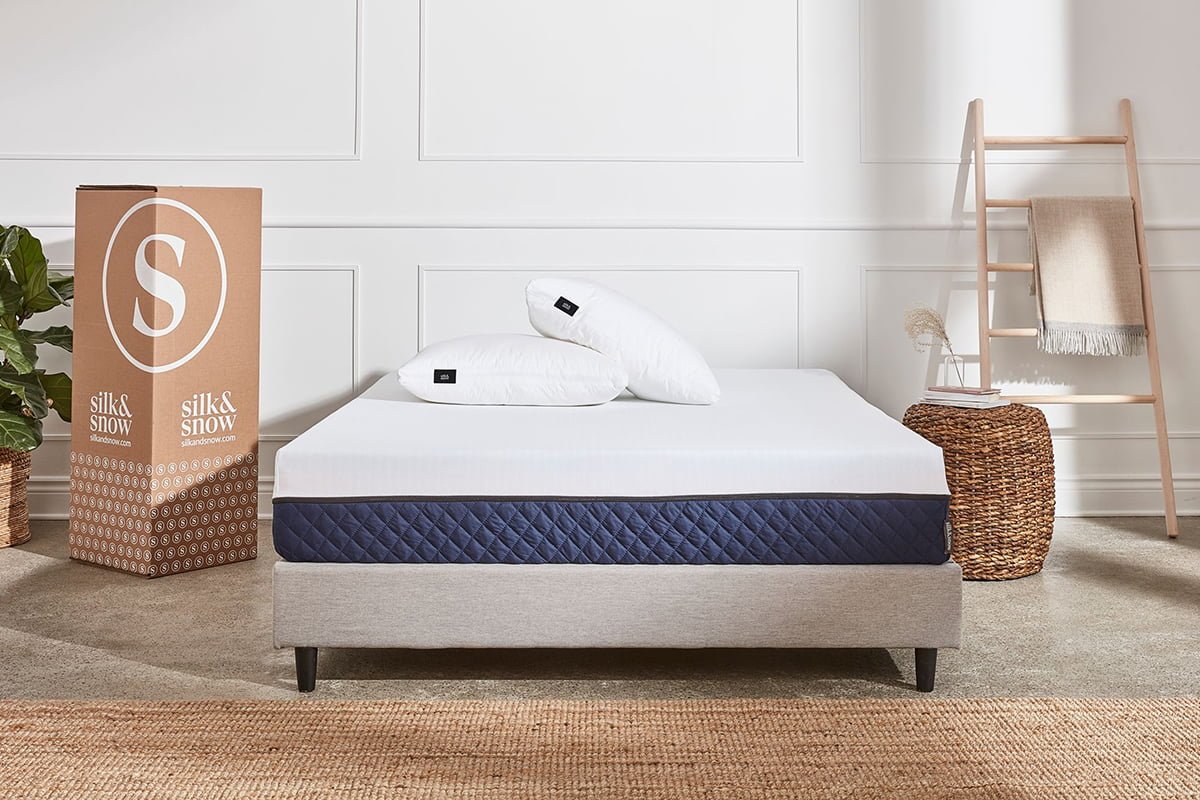
The new store is the first retail location for Silk & Snow, the fast-growing brand of high-quality sleep and lifestyle products, including mattresses, bedding, furniture, sleep accessories and bath essentials. The Silk & Snow store fuses the brand’s two signature aesthetics – “Japandi” (a combination of Japanese and Scandinavian design) and mid-century modern styles – for an elevated serene atmosphere completed by accents of wood, stone, and ceramics. The brand worked with renowned architecture firm, Benoy, to complete the project.
Image: Sleep Country Canada
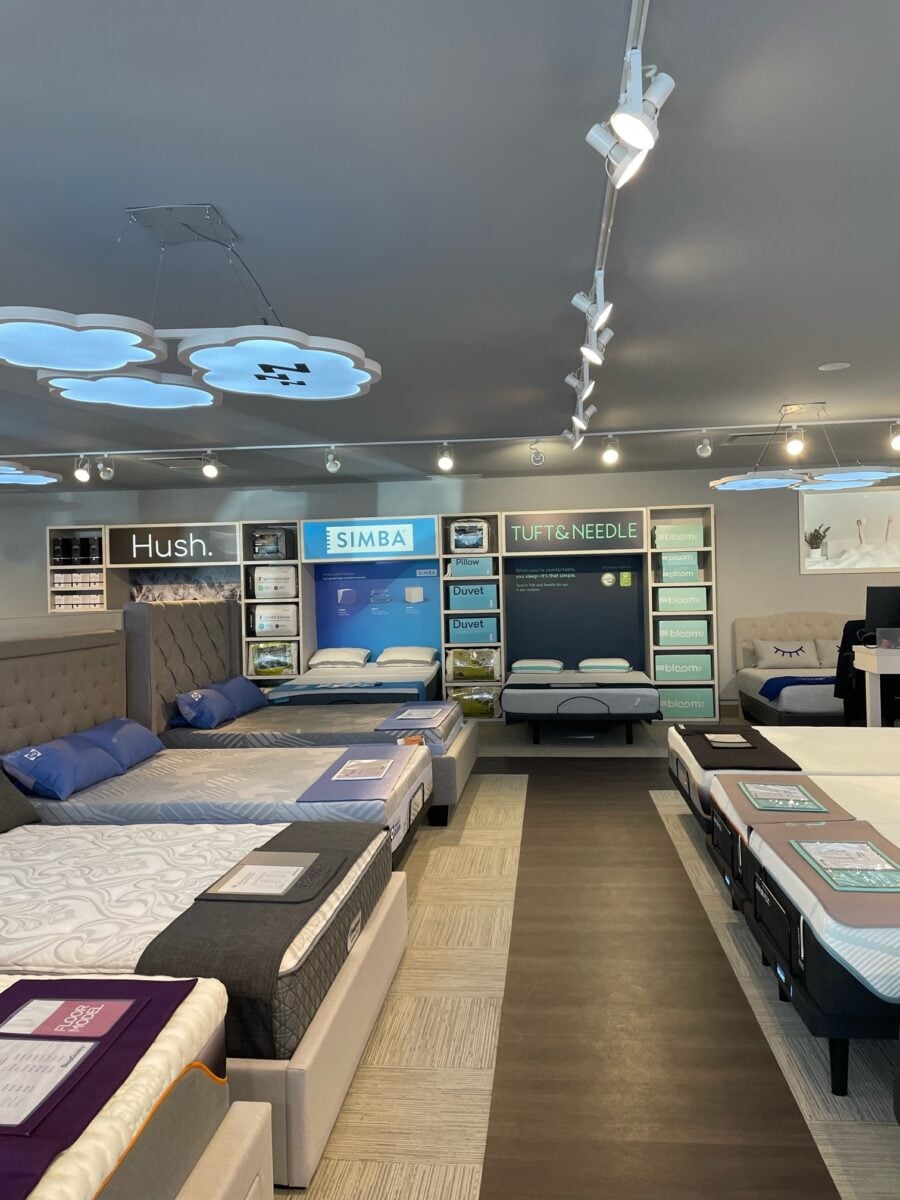
Sleep Country Canada Westboro (Image: Sleep Country Canada)Sleep Country Canada Westboro (Image: Sleep Country Canada)
Sleep Country is Canada’s leading specialty sleep retailer and operates under the retailer banners; Sleep Country Canada, Dormez-vous, Endy, Silk & Snow, Hush and most recently acquired, Casper Canada. The company has omnichannel and ecommerce operations, including 298 corporate-owned stores and 19 warehouses across Canada.
“Over the years, we’ve really carved out a market for very curated, aesthetic focused bedding products,” said Chow. “On January 1, 2023 we were acquired by Sleep Country and joined the Sleep Country family.”
Chow said one of the company’s motivations for joining Sleep Country is that it has always carved out its niche and done very well from a digital audience.
“We’re one of those unique brands where we felt like we lived a physical channel much better although we were digitally native,” he said. “With the expertise of Sleep Country and joining the Sleep Country family, we’re really able to leverage a lot of the talent and the resources to really look at opening up our first retail channel.
“As things are kind of smoothing back to normalcy, we are seeing that a lot of customers are starting their journey by discovering our products online but their preference is still to finish the journey in the physical channel and that’s kind of our motivation for starting our first Silk & Snow store.”
The retailer has customers in both Canada and the U.S.
Sleep Country Canada Westboro (Image: Sleep Country Canada)Sleep Country Canada Westboro (Image: Sleep Country Canada)Image: Silk & Snow
Chow said it’s been quite the effort to start one store.
“I do think based on our product assortment and given our products are more tactile in nature and they just look so much better in a physical space, I do believe that for our particular brand it pairs extremely well with a Sleep Country retail presence and we share a lot of synergies in terms of the customer base we track,” he said.
“I’m optimistic that this is a concept that we can easily replicate across many stores.”
Schaefer said Silk & Snow is the fastest growing affordable luxury bedding brand in Canada.
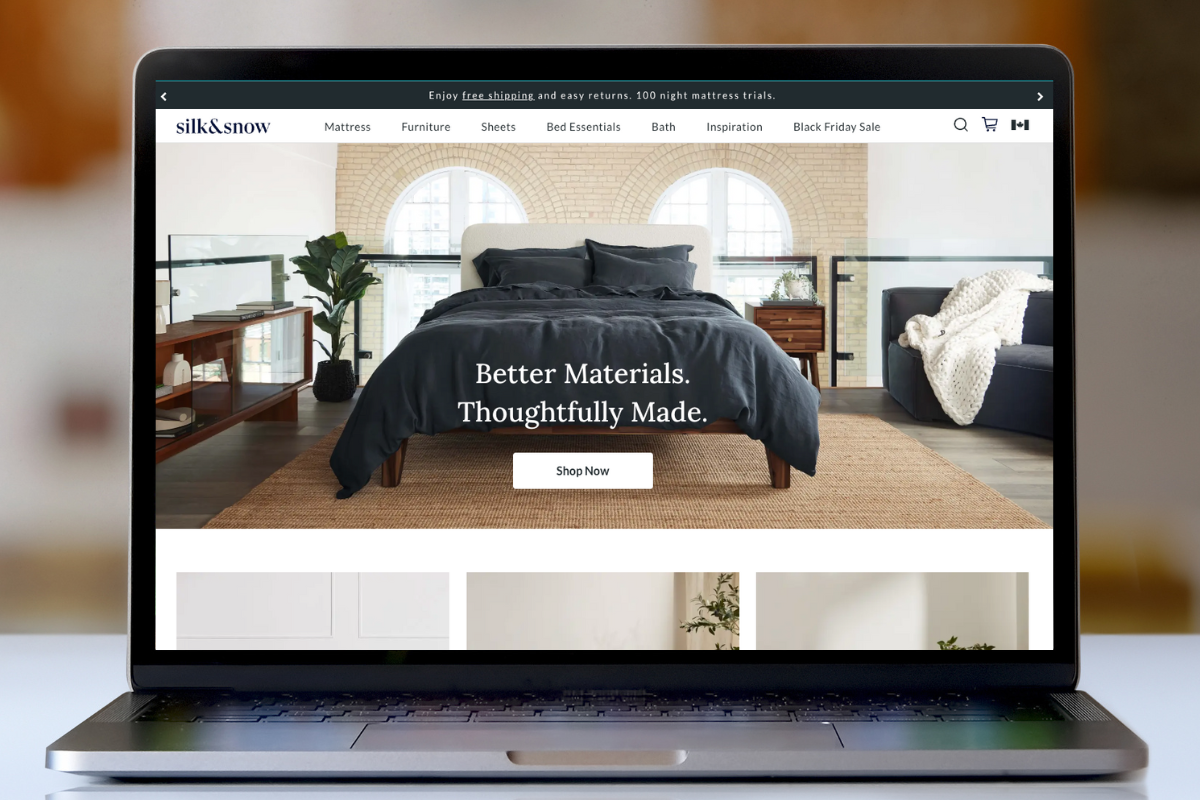
“In an environment that digital has suffered over the last couple of years, they are in a class of their own and the biggest reason in my personal opinion is the aesthetics that they’ve been able to carefully and methodically procure beautifully. You look at the website, it is something that Canada hasn’t yet seen in the bedding area and far exceeds what we do at Sleep Country which is one of the reasons we wanted to partner up with Albert and team because they’ve done a beautiful job,” he said.
Image: Silkandsnow.com
“As beautiful as the website is, tactilely, their product just to look at it, to touch it, to feel it, even the design they’ve created for the store that’s going to be joined to us, is just beautiful. I have come across a lot of retailers whether it’s digital or brick and mortar and I have not yet met a crew like Albert and his team.
“There’s going to be many Silk & Snow stores in the future and they’ll go at the pace that they’re ready to go and some of them will be in Sleep Country stores because they will definitely complement the products and our brand. But expect Silk & Snow stores to be on their own because it is something quite special.”
Schaefer said the game has changed for Sleep Country in the square footage of future stores. It will be looking for spaces larger than its typical 5,000-square-foot footprint to accommodate Silk & Snow stores. The first Ottawa location is about 6,500 square feet in total.
“The beauty of this particular location is that it has street visibility because we want to build the Silk & Snow brand independently of Sleep Country and if we can with Sleep Country,” he said.
“As we focus more and more on the accessory part of our business, which is a very big part of where we want to go, especially now that Bed Bath and Beyond is out of this market and other players have left this market, Canada is desperately seeking an operation like Silk & Snow. I think it will be incredibly well received and probably happen quicker than expected.”
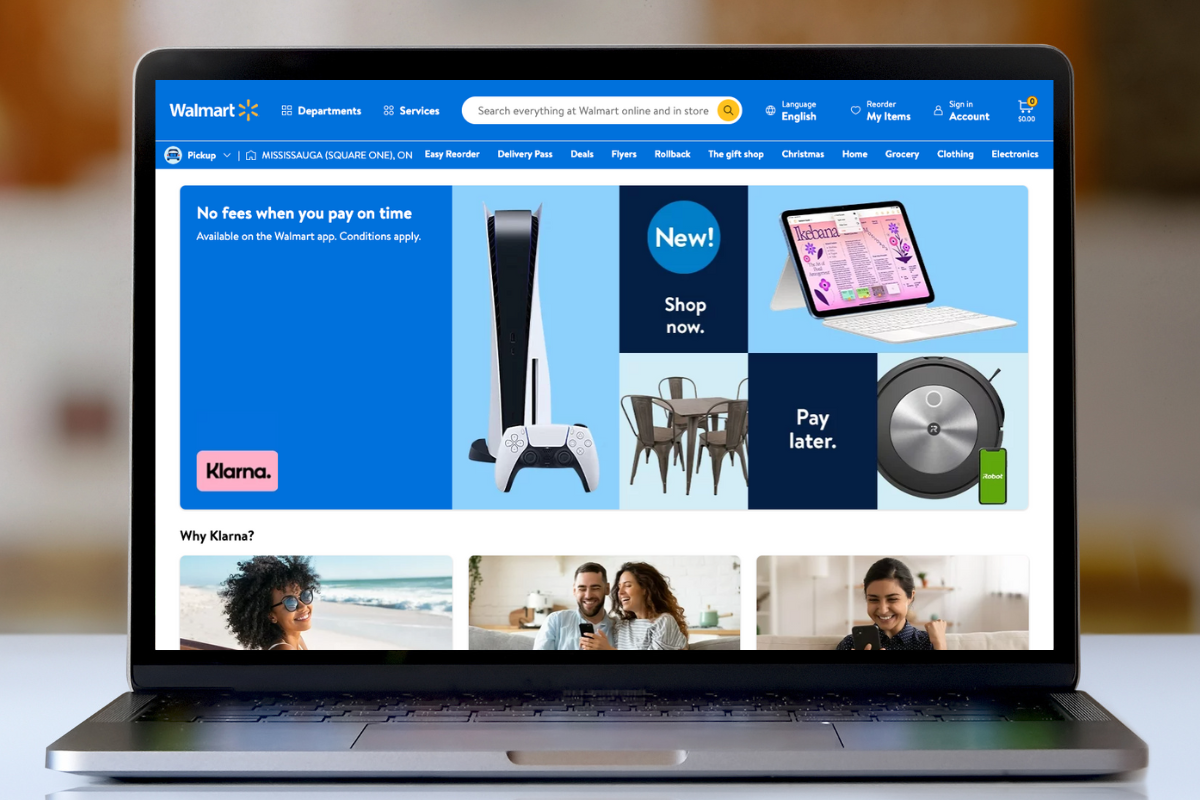
Walmart Canada has become the latest retailer to introduce a Buy Now, Pay Later payment option for its customers shopping online.
The interest-free program is powered by Klarna and available at checkout on Walmart.ca and through Walmart Canada and Klarna mobile apps.
Laurent Duray
“Introducing Buy Now, Pay Later for shopping through Walmart.ca and our Walmart Canada app is the latest way we’re providing more payment choice and flexibility for customers,” said Laurent Duray, Chief E-commerce Officer, Walmart Canada, in a statement.
“Our focus has always been to help Canadians save money and live better and as we head into the holiday season, we’re prioritizing the customer experience by providing even more options when Canadians choose to shop with us.”
Image: Walmart.ca
Richard Siew, Head of Payments, Walmart Canada, said introducing Klarna’s BNPL service enables customers to split their purchases into four flexible, interest-free payments spread over six weeks, allowing them to shop in a more convenient and accessible way.
Richard Siew
At this time, the option is only available through ecommerce.
“We at Walmart we’re always trying to continuously improve our ecommerce and omni channel shopping experience. So this is one of the ways that we’re trying to give our customers as much payment flexibility and choice as possible,” he said.
Siew said the retailer is looking into the possibility of offering that option in-store in the future.
“But we don’t have an official announcement on that yet,” he said.
Customers can purchase items across all categories, including home goods, electronics and apparel. Orders between $50 and $4000 are eligible, with some restrictions.
Image: Walmart Canada
Klarna is recognized as one of the leaders in the BNPL space with over 150 million global active users and two million transactions per day. More than 500,000 global retailers integrate Klarna’s innovative technology and marketing solutions to drive growth and loyalty, including H&M, Saks, Sephora, Macy’s, Ikea, Expedia Group, Nike and Airbnb.
Steven Clarke
“As consumer payment and shopping preferences evolve, retailers must adapt and embrace innovative technologies, including flexible alternative payment options,” said Steven Clarke, Head of Canada at Klarna, in a statement. “We’re excited to welcome Walmart Canada to Klarna’s fast-growing global network of over 500,000 retail partners, offering Canadian consumers the convenient, interest-free payment alternatives they’re looking for.”
Here’s how it works according to Walmart:
Spend responsibly (with no interest or fees if you pay on time): Purchases can be split into four manageable, interest-free payments made over six weeks, with no fees when you pay on time. Klarna also sends additional emails and in-app reminders to help customers stay on top of their payment schedules, offers budgeting tools in the Klarna app and restricts the use of its services if payments are missed to prevent debt accumulation;
Easy to use: Customers can easily sign up for a Klarna account with only basic information required and conveniently select Klarna as their method of payment at Walmart checkout. A new lending decision is made in real time for each purchase, with no impact to credit scores;
Convenient: Customers can better manage their cash flows by timing their payments with their paycheque schedules. Payment schedules are clearly laid out so that customers know when they will be charged and how much;
Eligible items: Walmart Canada is continuously working to improve its online shopping experience for Canadians, which includes innovating its payment solutions. In addition to Buy Now, Pay Later powered by Klarna, Walmart Canada customers outside of Quebec can also access a convenient, flexible payment option through the Walmart Rewards Mastercard, where cardholders can split a basket over $199.99 into 6 monthly instalments. A set-up fee applies.
“The pace of growth for the Buy Now Pay Later industry has been growing significantly over the last few years. And I think it demonstrates that there is a customer demand for this type of payment and customers like shopping this way,” said Siew.
Walmart Canada operates a chain of more than 400 stores nationwide serving 1.5 million customers each day. Walmart Canada’s flagship online store, Walmart.ca, is visited by more than 1.5 million customers daily.
Image: Walmart Canada
Walmart said BNPL payments in Canada are growing by 51.6 per cent annually and they’re expected to reach US $2.13 billion by the end of this year.
Bruce Winder, Retail Analyst & Author, said the BNPL purchase option has become an effective tool for retailers to drive sales for credit card weary Gen Z customers who have limited cash flow and want more flexible payment methods.
Bruce Winder
“The program enables this customer segment to spend more in the moment – great for the holiday season – while limiting exposure to credit cards and other lending instruments. Walmart has been offering a similar program in the US since 2019. As we potentially enter a recession, these programs will grow as more of a customer’s disposable income goes to rent and groceries,” he said.
“Customers need to be careful that they keep track of BNPL purchases as they can add up quickly and layer on top of one another to make paying back the installments challenging for future months. This can lead to fees and interest charges if payments are skipped.”
George Minakakis, CEO, Inception Retail Group, and author of The New Bricks & Mortar: Future Proofing Retail, said BNPL options for consumers come as no surprise, and when home budgets are tight, having options with retailers like Walmart will be appreciated by their customers and even grow Walmart’s customer base.
George Minakakis
“However, we should also note that, as Walmart says in their announcement, ‘BNPL payments in Canada are growing by 51.6% annually.’ It’s interesting because Canadians now owe $1.85 for every dollar of disposable income,” he said.
“Potential overconsumption can lead to debt accumulation and missed payments because you suddenly have added more financial burden. While this kind of payment plan is welcomed, it can also become a psychological trap, which leads to unnecessary spending, especially in times like this.”
Minakakis said increased sales for Walmart is the most significant opportunity for the retailer as it could encourage more purchases by those with immediate financial needs and constraints.
“Walmart can also garner a higher level of customer loyalty because it would appear that they care about their customers and want to provide options. BNPL is also popular among Millennials and GenZ consumers, which could help Walmart attract a younger demographic and a relative market differentiation. Finally, there would be more data insights. In this AI-induced world, looking for ways to grow traffic and transactions, ideally, a retailer wants to capture more information and create experiences and offers that will attract consumers and have long-term relationships with them. The latter part is what all retailers should be doing today,” he said.
“When you consider that 50 per cent or more of consumers are living paycheque to paycheque, there are risks in this economy by adding more debt. You also have to ask yourself, is this how retailers plan to grow their long-term growth through more consumer debt? It’s hazardous and not sustainable. We need a more robust economy for BNPL to be viable and affordable. Walmart and other retailers offering BNPL may also want to take the high road and remind their customers with messaging about borrowing responsibly. This would be a positive social action on the part of retailers.”
Lightspeed Commerce Inc. has officially expanded its ‘Meet or Beat Promise’ globally, ensuring that all eligible customers worldwide can now benefit from competitive payment processing rates when transitioning to its unified payments and POS platform.
This initiative, previously exclusive to North America, aims to simplify and enhance the experience for businesses seeking seamless payment solutions and operational efficiency.
In April 2023, Lightspeed introduced its unified Lightspeed Payments & POS platform, encouraging eligible customers to embrace a comprehensive product offering. This initiative embedded Lightspeed Payments directly into the Point of Sale (POS) system. Following a successful North American launch, it has now been extended to Europe, Australia, and New Zealand.
JD Saint-Martin, President of Lightspeed
JD Saint-Martin, President of Lightspeed, expressed the company’s commitment to global expansion: “Now feels like the right time to roll out our ‘Meet or Beat Promise’ globally. We’ve heard great feedback from customers who see tangible benefits to their business by adopting Lightspeed Payments and POS. We’ve proven that we can offer better payment processing rates for the majority of merchants who switch. And we want to make sure that customers around the world can experience this too.”
Since its inception, Lightspeed Payments & POS has received positive feedback from over ten thousand businesses worldwide. Tyan Parent, Owner of Le Brande Groupe in Montreal, Canada, shared his experience: “From the time we decided to switch to Lightspeed Payments to the time we were set up and ready to sell, it was less than 24 hours. Since then, we’ve saved so much time at checkout thanks to the fully integrated system. It’s just so simple and user-friendly.”
The unified platform streamlines operations, offers a seamless merchant experience, and facilitates business growth. Notably, the company’s close rates have remained consistent, and customer churn in North America has stayed within historical ranges, all for the quarter ending June 30, 2023.
JP Chauvet, CEO of Lightspeed, emphasized the company’s confidence in its offerings: “That’s why I’m so excited to announce our global rollout of our ‘Meet or Beat Promise’: If we can’t beat or at least match your current payment processing rate, we will not charge a monthly transaction fee for using a third-party payments provider and will not require you to adopt our payments platform.”
JP Chauvet, CEO of Lightspeed
To make the transition even more accessible, Lightspeed provides free payment terminals, free on-site installation, and contract buyouts to cover early termination fees from existing processors. Eligible customers who switch to Lightspeed Payments also unlock several benefits, including powerful insights, streamlined bookkeeping, hassle-free reporting, and faster product launches.
Lightspeed has also just made a game-changing announcement that is set to revolutionize the way businesses operate. Leveraging the power of data and artificial intelligence, Lightspeed is unveiling a range of innovative features designed to simplify the complexities of running a business, from restaurant management to retail inventory planning.
Lightspeed’s new features are custom-built to enhance speed, streamline processes, and offer greater customization, ultimately allowing business owners to save precious time and focus on scaling their operations. Some of the developments include:
AI-Powered Menu Creation with Smart Items
In the realm of restaurant management, Lightspeed Restaurant introduces a groundbreaking solution called Smart Items. This AI-driven feature is set to be a game-changer for chefs and restaurateurs. Instead of spending hours manually inputting and updating menu items, Smart Items can create a chef’s-kiss menu in a matter of seconds. This transformative tool generates compelling product information, creates captivating images, and even auto-translates the menu into multiple languages, catering to diverse customer bases.
Advanced Insights for Smarter Decisions
Lightspeed Restaurant’s Advanced Insights tool receives a substantial upgrade with two new features: Magic Menu Quadrant and Staff Performance Tools. The Magic Menu Quadrant provides merchants with valuable insights into popular menu items and those that encourage repeat dining, helping restaurant owners make data-driven decisions. Staff Performance Tools assist managers in optimizing their front-of-house team’s performance, from increasing order sizes to cross-training.
For sophisticated retailers and brands, Lightspeed Retail now offers NuORDER Assortments, a feature that simplifies purchasing and planning. This powerful tool allows brands operating retail stores to streamline assortment planning, reduce manual work, identify merchandising gaps, and make more informed decisions regarding inventory allocation.
Expanded B2B Catalog for Retailers
Lightspeed Retail’s B2B Catalog has expanded across all major verticals, encompassing Fashion & Apparel, Sporting & Outdoor Goods, Bikes, Toys & Crafts, Home & Lifestyle. This expansion enables retailers to effortlessly add product information from millions of products and thousands of popular brands directly to their product catalogs, enhancing their offerings to customers.
Lightspeed Retail Services Module
After a successful beta launch, the Services Module is now available globally on Lightspeed Retail. This feature allows merchants with service components, such as those in the bike, sporting goods, and jewelry industries, to create, schedule, track, and sell service offerings directly within the Lightspeed Retail platform. Notably, this module now supports backordered items, further improving the customer experience.
Lightspeed’s innovative use of AI, data, and insights is set to empower businesses across various industries, making operations more efficient and customer-focused. With these new features, Lightspeed says that it is not just illuminating the path forward, it’s paving the way for the future of business management.
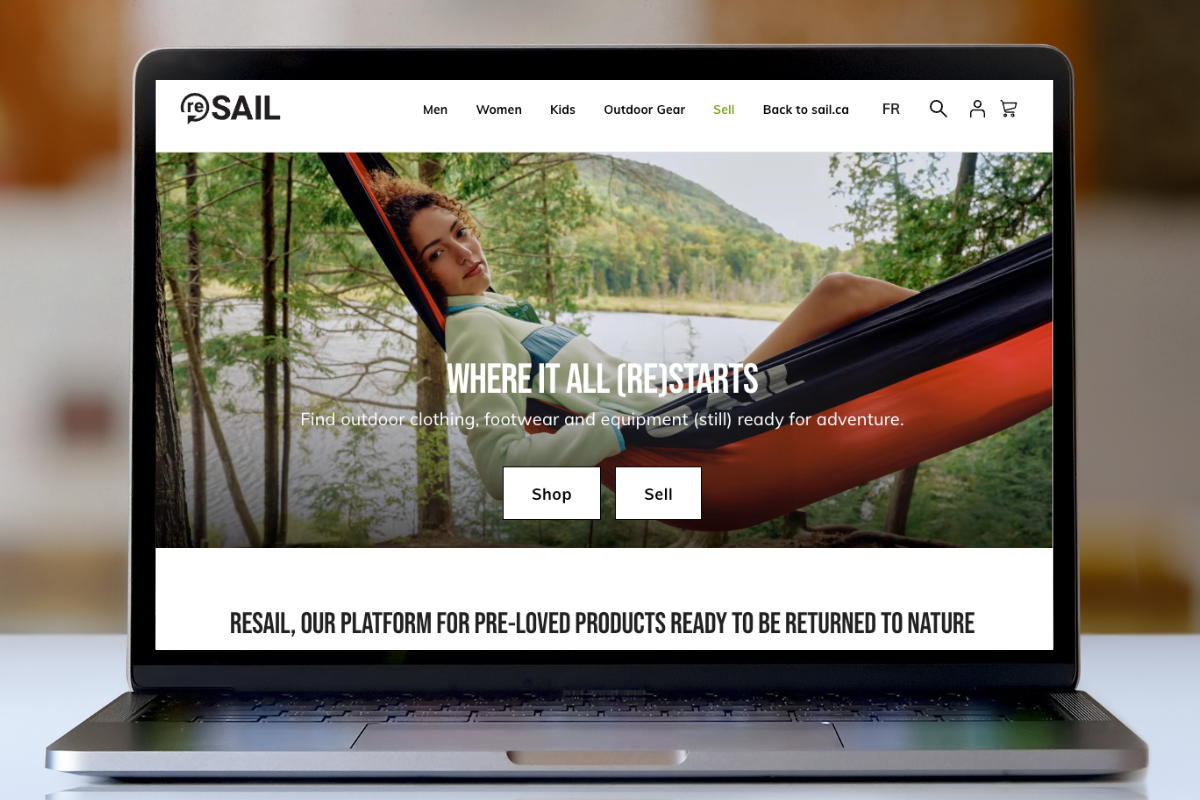
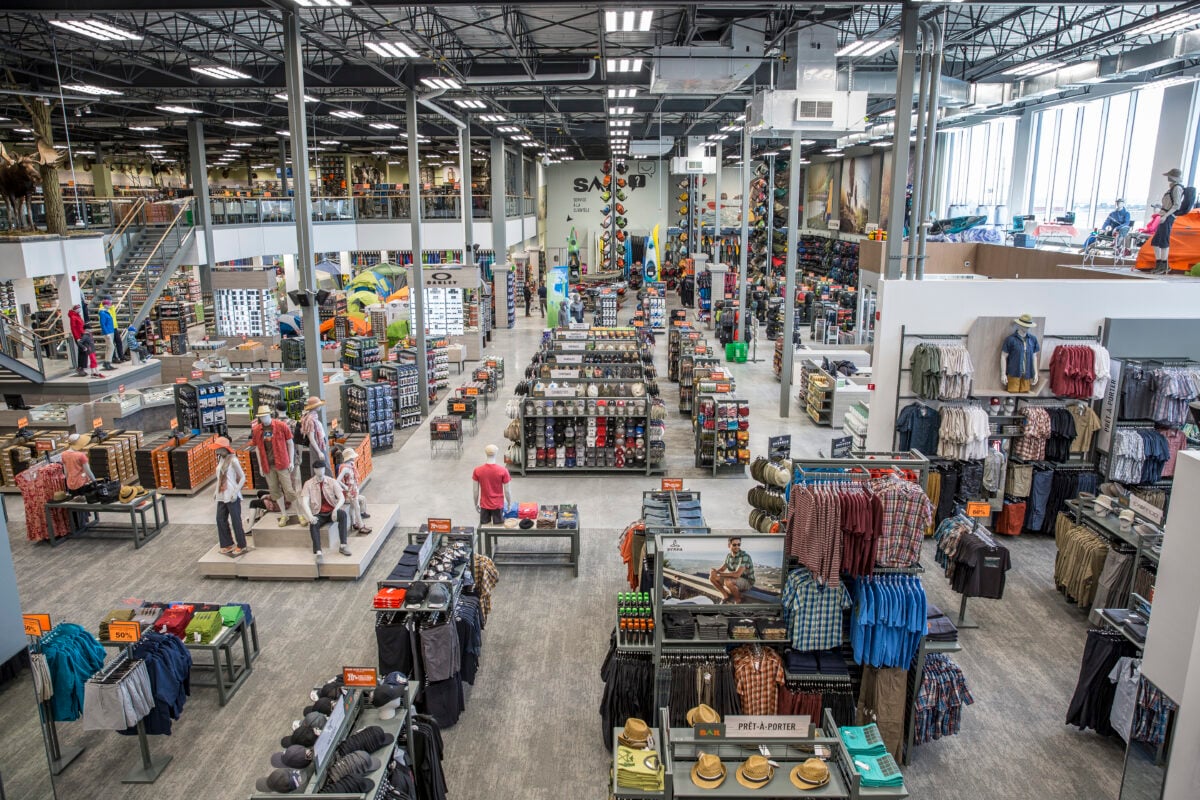
SAIL, a sporting retailer based in Montreal, has launched reSAIL, a second-hand selling program focussing on selling clothing, footwear and outdoor equipment. The program launched on October 16th and is only available online with expansion plans in 2024.
As sustainability continues to be a main focus in retail in Canada, creating reSAIL was the next step forward in the brand’s sustainability initiatives and building a circular economy.
“Fundamentally it is about a circular economy, allowing consumers to sell back used items they don’t have a need for anymore but are still in good condition. Instead of throwing away items consumers don’t need anymore, they can now resell it for someone else to enjoy and provide a second life to the product. Consumers love this because it is great financially and there are benefits to the environment – they have been asking for this,” says Nicolas Gaudreau, the senior executive for SAIL.
Currently there are five categories available: clothing, footwear, camping equipment, sleeping bags and backpacks. Gaudreau says in 2024, the program will be adding new categories to the program.
How it works
Image: resail.sail.ca
Consumers are able to sell any products matching the five categories. The product does not have to be purchased from the retailer; however, it must match the brands SAIL sells.
Consumers are able to upload a picture of their product and as the product page already has information regarding the product, it will provide an existing product description and original photos.
“The process only takes five minutes. When you put your product on sale, you need to add photos, describe it and also mention if there is a hole as you have to be explicit about if there are any issues with the product. Now another consumer will browse through the site and will buy that product as if they were on an e-commerce platform.”
Image: Sail
Gaudreau ensures there is zero interaction between the consumer and seller as SAIL wants to protect its consumers.
“Consumers and the seller will never talk to each other, there is no negotiation and there is never exchange in cash. So you never have to drive to someone’s home to give cash or to pick up a product – reSAIL is perfectly secure in that sense.”
The seller has full control over the price of the product; however, Gaudreau says the reSAIL platform will provide a calculation based on the product’s age and condition.
Ensuring quality and payment options
Image: Sail
Sellers are asked to provide photos of the product in its current state and provide a brief description. If the seller is untruthful about the condition or does not provide the product – funds will not be released. Gaudreau says the confirmation process makes sure the seller receives the product and allows the consumer to verify that the product is matching the seller’s description. Once confirmed, the funds will be released.
As for payment options, sellers have three options: you can get 70 percent of value in cash, the full amount in a gift card or if the seller has SAIL’s loyalty program, Explore Plus – they will get up to 110 percent of the value.
“We did that because we really want to reward our loyal customers and to give them an extra incentive to participate in the circular economy and grow their passion with us. It kind of excites people to donate their clothing instead of throwing it out. So you can give your product a second life and get a great gift card to continue your passion and your needs for the outdoors.”
As for future plans for the reSAIL program, Gaureau says it will expand in two ways: adding more categories and providing the program with an in-store experience. Both of these expansion plans will be happening next year. Details about the in-store program will be available at a later date once details have been finalized.
The reSAIL program offers everyone in Canada a chance to sell or buy products as it ships throughout the country.
“reSAIL really answers the needs of emerging consumer needs, it compliments our offerings in a beautiful way and it allows the outdoor lovers to continue to enjoy their outdoor passion with us.
Image: Sail
SAIL offers a variety of outdoor equipment for men, women and children. Consumers can find products under clothing, footwear, outdoor gear, fishing and hunting with hundreds of brands to choose from. The company was founded 40 years ago as the owner opened the first location in Beloeil. Today, SAIL offers 12 store locations including locations in Quebec and Ontario and ships throughout Canada.
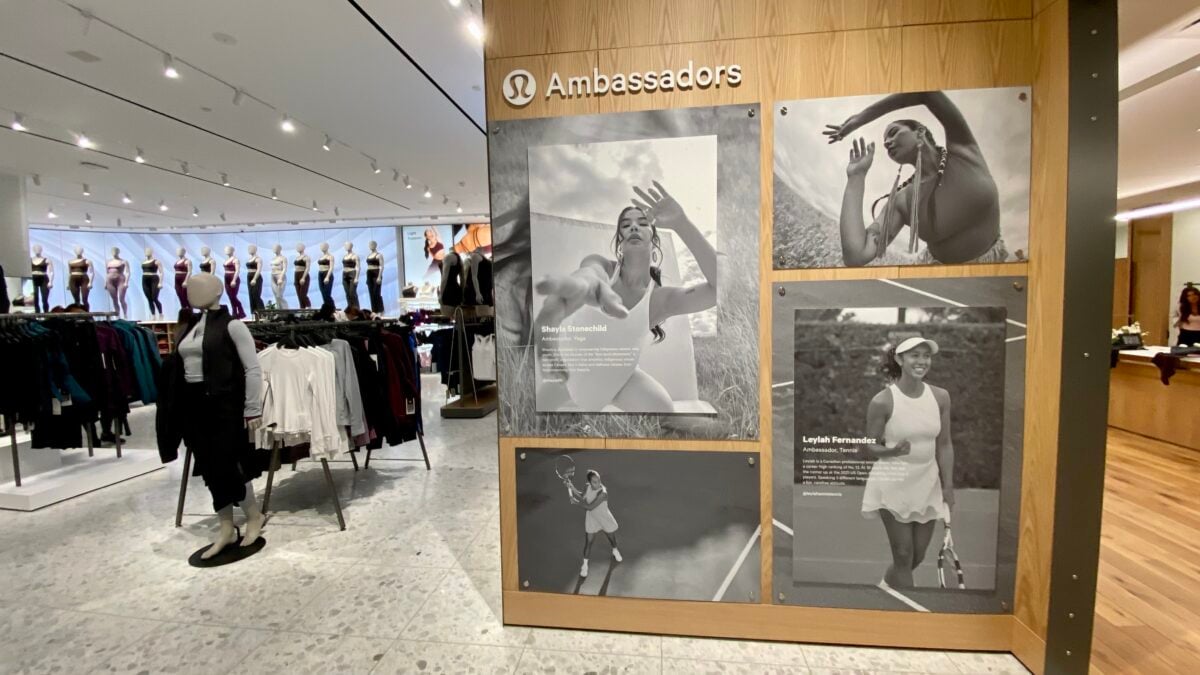
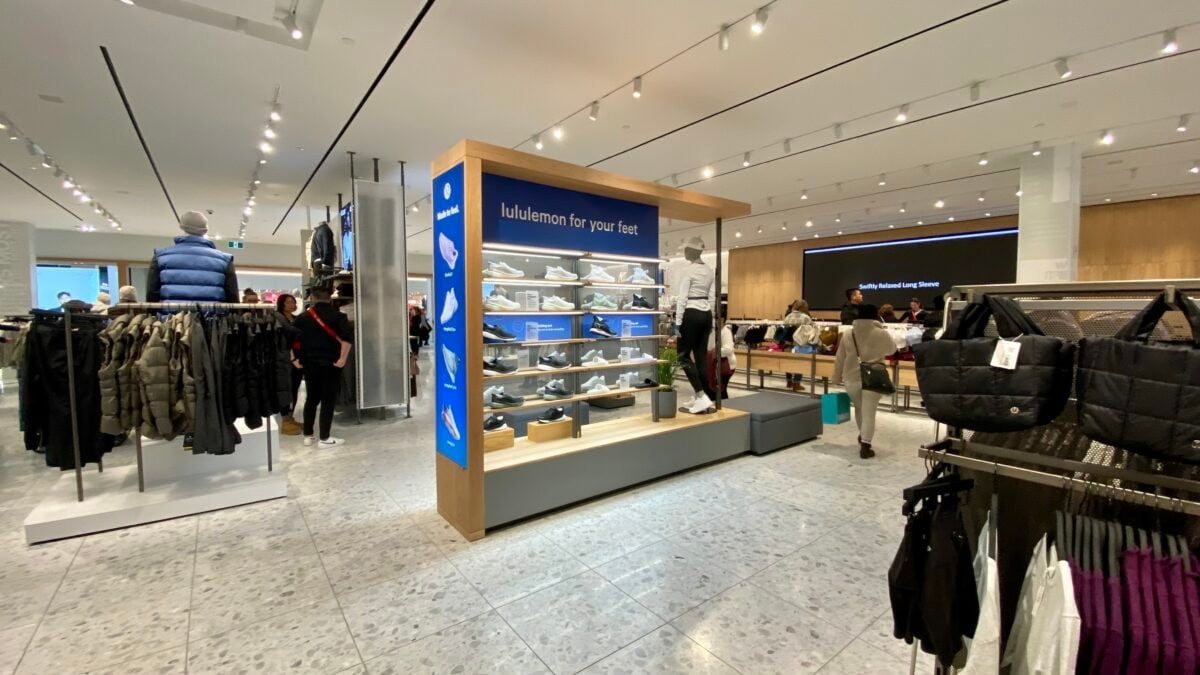
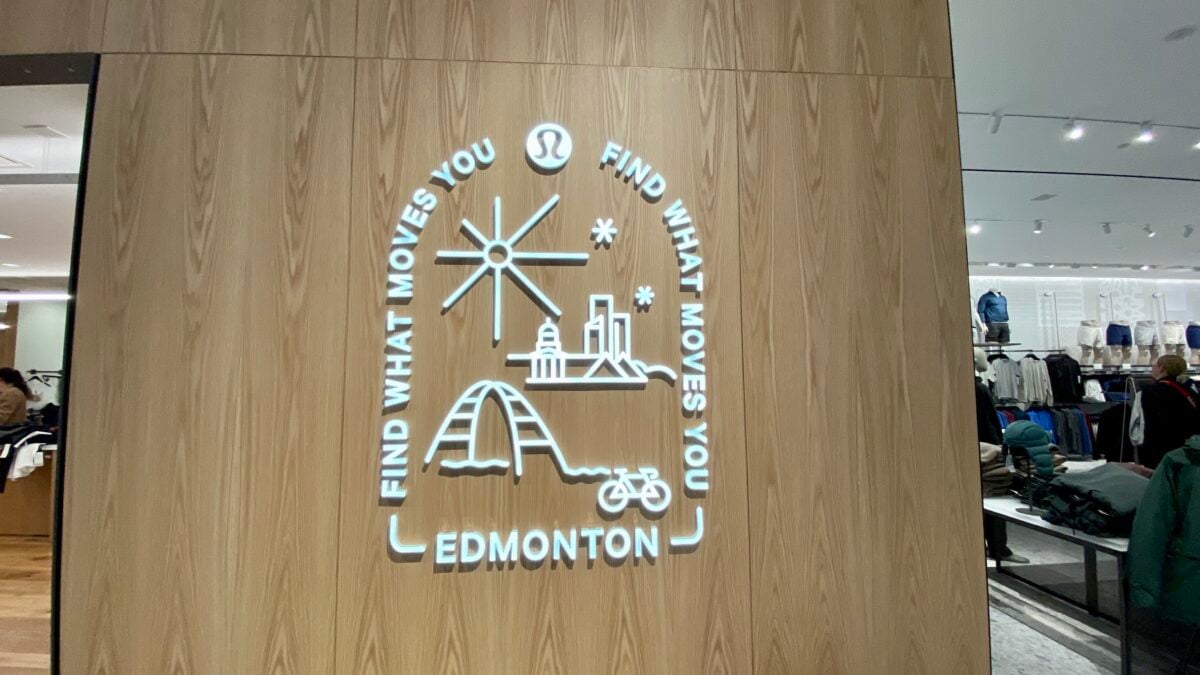
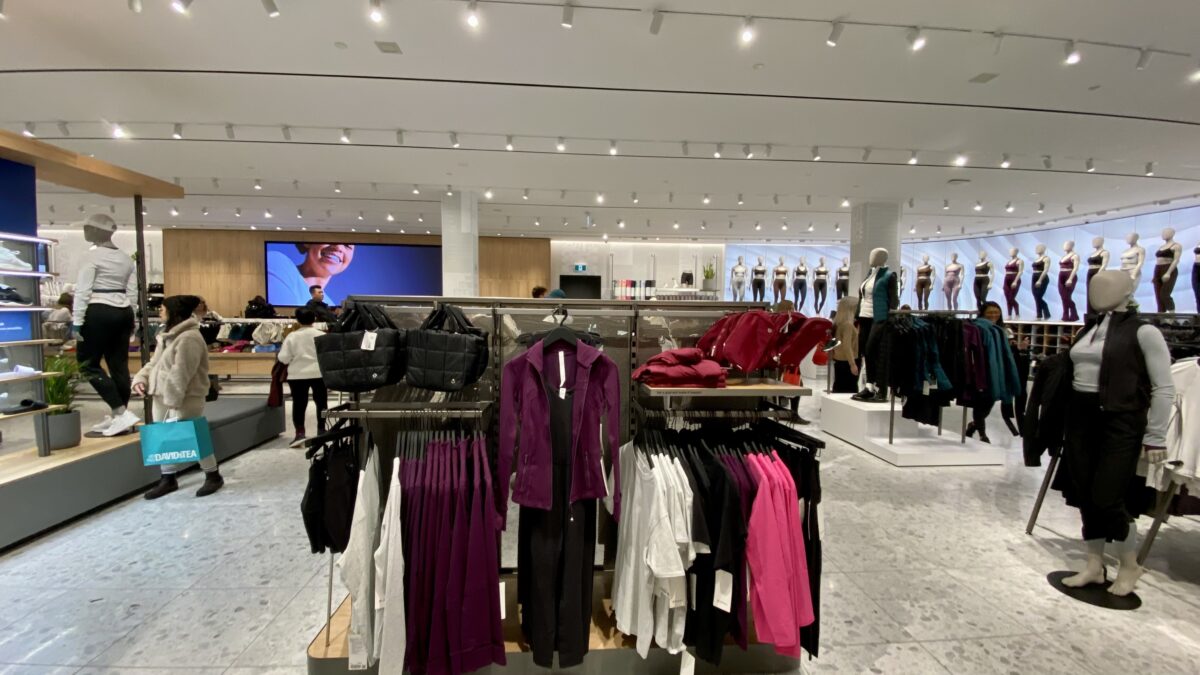
Expanded Lululemon at West Edmonton Mall. Photo: Christa Patterson
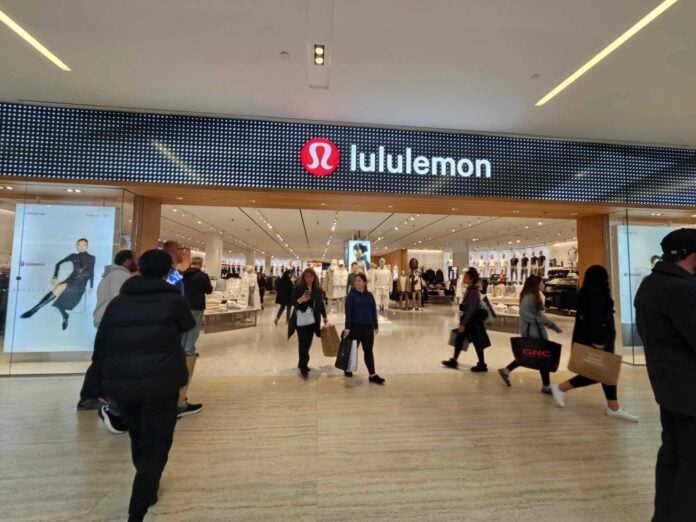
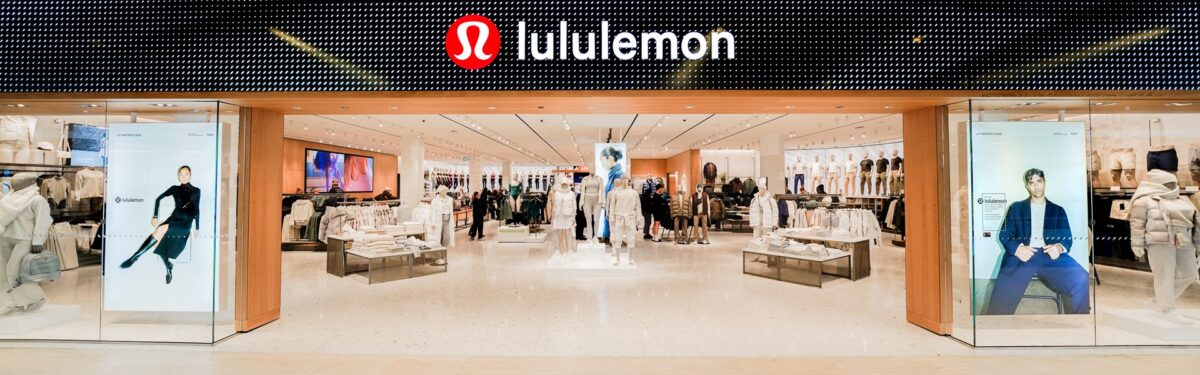
Vancouver-based athleisure brand Lululemon has significantly expanded its location at West Edmonton Mall in Edmonton. The store is said to be the top selling location for the company in Canada and sales are expected to grow even higher with the additional space.
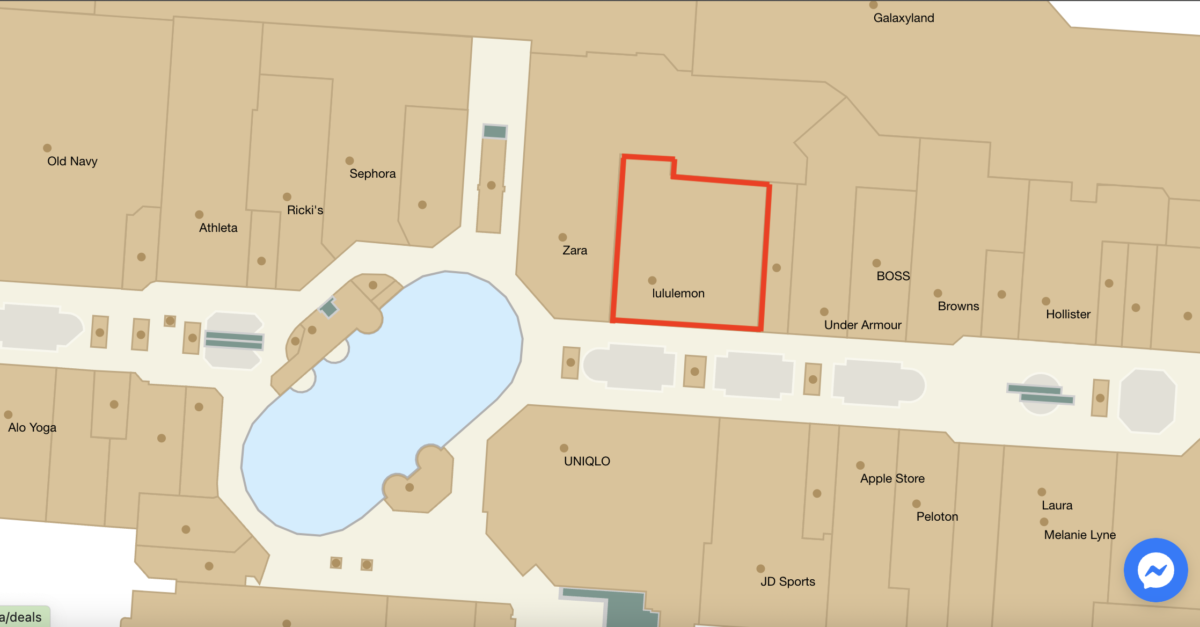
The store now spans just over 10,500 square feet on one level, made possible by annexing two adjacent retail spaces. That includes a 2,347 square foot space formerly occupied by Oakley and a 2,006 square foot space recently vacated by Arc’teryx. Both were added to the formerly 6,190 square foot Lululemon space — Oakley and Arc’teryx have since relocated within the mall.
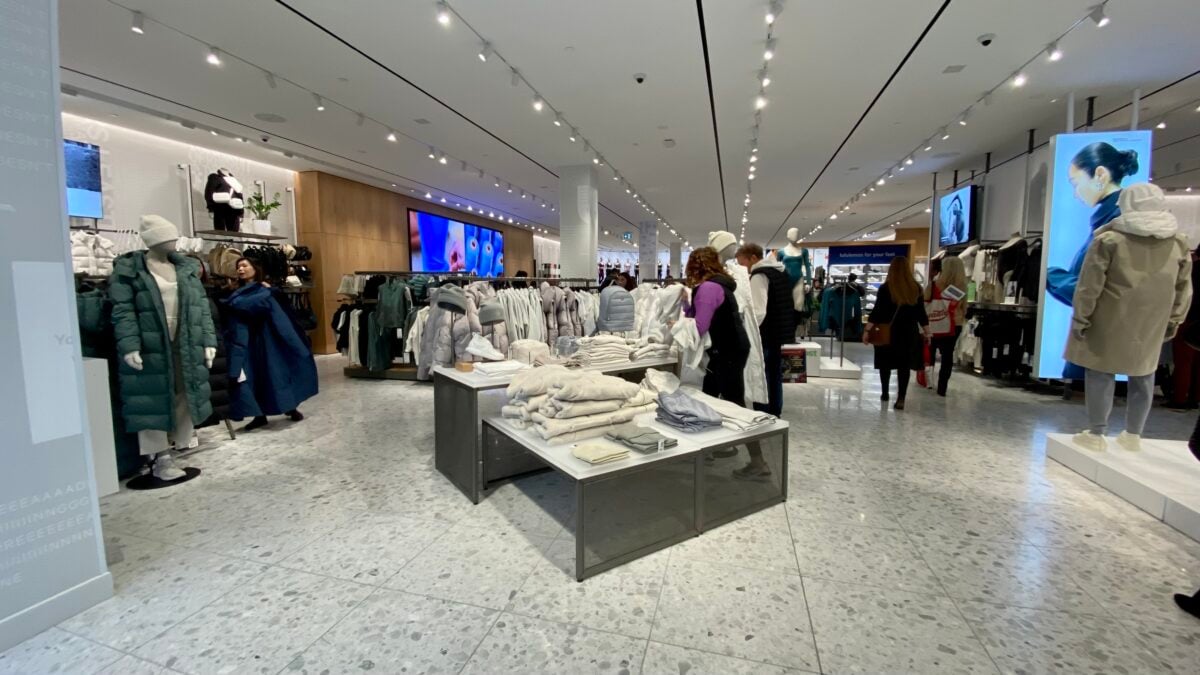
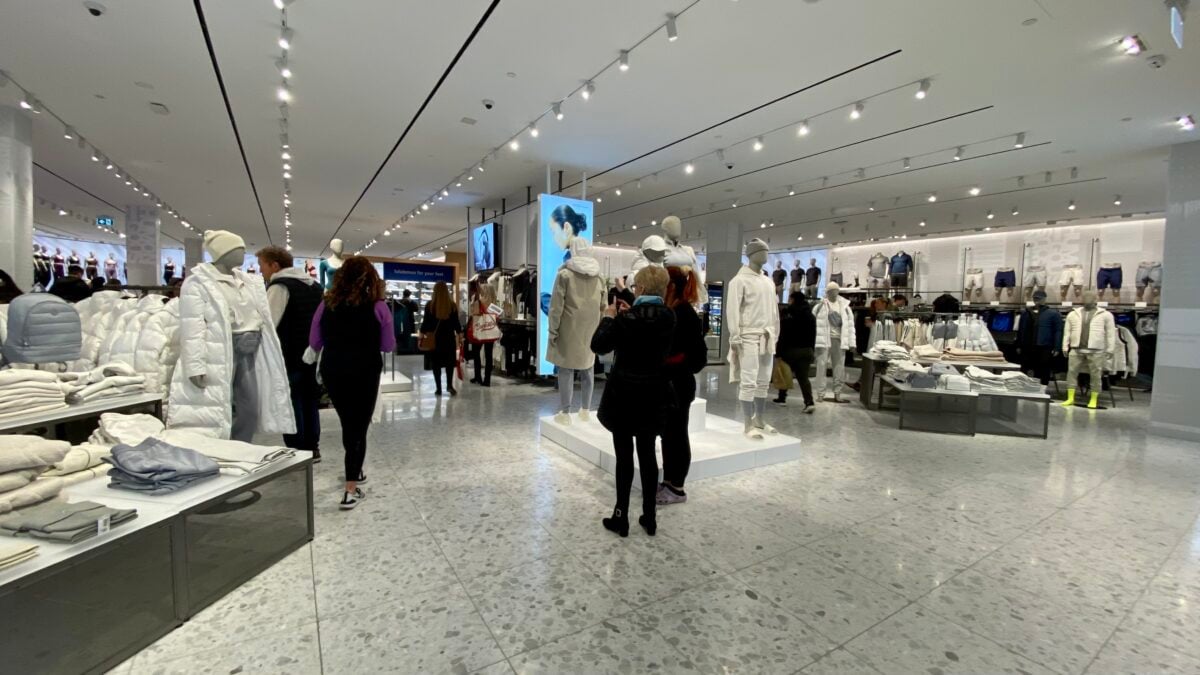
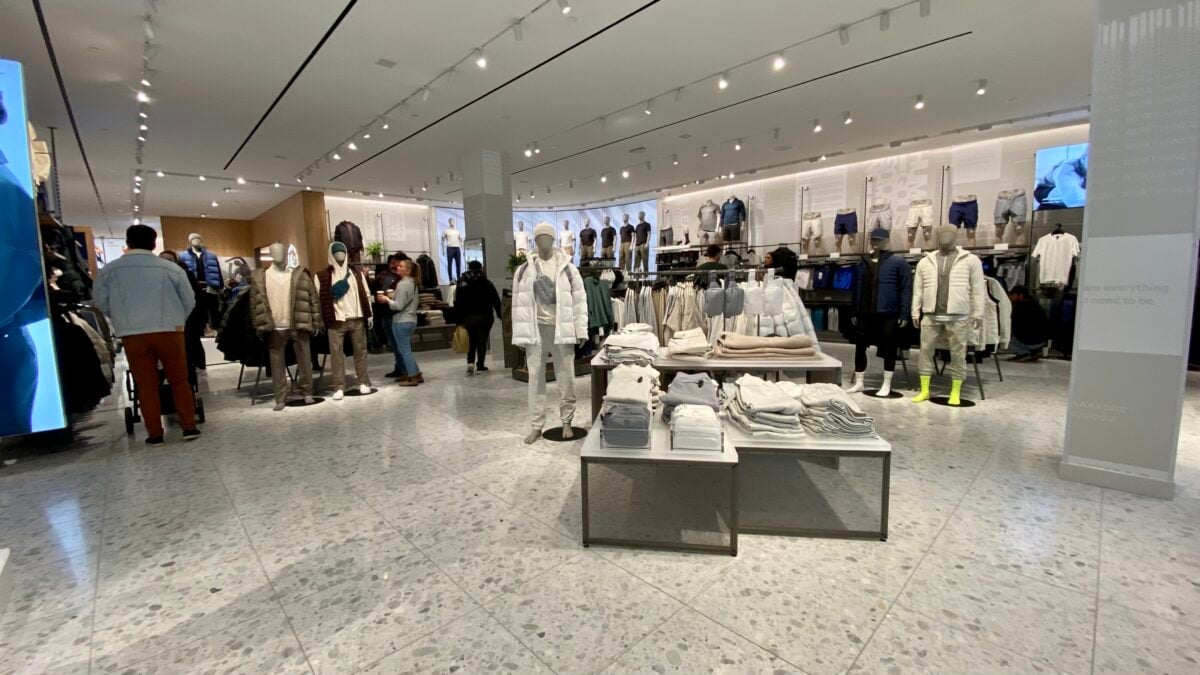
The expanded Lululemon features a new black facade and expansive frontage on the second floor in Phase Two of the mall. The store’s interior has been updated with a bright aesthetic, including light terrazzo flooring, white walls and brown wood accents. International design-build firm SAJO brought the space to life.
Click image for interactive West Edmonton Mall mapExpanded Lululemon store at West Edmonton Mall. Photo: Craig Patterson
It’s now one of the largest Lululemon stores in the chain, and is said to be the top selling location for the brand in Canada. The only location globally that is said to have higher sales is the Lululemon store at Mall of America near Minneapolis, which spans nearly 20,000 square feet.
Nearby retailers at West Edmonton Mall include Uniqlo, JD Sports and Apple which are located directly across from Lululemon, while the Ice Palace skating rink is located a short distance away.
Lululemon has grown its footprint at West Edmonton Mall significantly in less than a decade. In 2015 Retail Insider reported that Lululemon’s then 3,585 square foot store, which then was the top-selling location for the company, would be expanding to over 6,000 square feet by annexing a retail space formerly occupied by Mexx and Oakley. A unique new facade and full renovation of the store was included with the expansion at that time, and that facade has since been replaced for the expanded store.
A competitor to Lululemon recently opened at West Edmonton Mall — US-based Alo Yoga now operates a 6,150 square foot location in the mall’s rapidly transforming luxury area. Alo is also opening a store at Southgate Centre in Edmonton, looking to gain market share.
Expanded Lululemon store at West Edmonton Mall. Photo: Craig PattersonExpanded Lululemon store at West Edmonton Mall. Photo: Craig PattersonExpanded Lululemon store at West Edmonton Mall. Photo: Craig PattersonExpanded Lululemon store at West Edmonton Mall. Photo: Craig Patterson
West Edmonton Mall has been adding retailers recently, while others relocate. Luxury brand Moncler will be opening in the mall in a few weeks, while the mall’s Anthropologie store will be relocating into Phase One of the mall. Rayban just opened its first store in Alberta in the mall over the weekend. And towards the end of the year (or possibly in early 2024) Nike will open its largest single-floor store in the world at West Edmonton Mall, spanning more than 27,000 square feet boasting expansive frontage on the Ice Palace.
Over the summer, Lululemon shut its only street-front Edmonton store at 10558 Whyte Avenue. The store operated there for years and saw a full renovation in late 2014, acting as a community hub to help drive brand awareness in the city. Lululemon continues to operate stores in Edmonton including at the Southgate Centre and Kingsway Mall.
Lululemon has been updating its retail portfolio in Canada, including during the pandemic when it was able to negotiate favourable lease terms to expand and build new stores. This has continued with the brand growing several of its existing locations while building new ones, including one of its largest at the northwest corner of Yonge and Bloor Streets in Toronto (opening in early 2024). Larger stores are being used to showcase Lululemon’s expanded product assortment while also adding experiences and community opportunities.
Expanded Lululemon store at West Edmonton Mall. Photo: Craig PattersonExpanded Lululemon store at West Edmonton Mall. Photo: Craig PattersonExpanded Lululemon store at West Edmonton Mall. Photo: Craig Patterson
Sources have told Retail Insider that Lululemon is finalizing a lease at The Well in downtown Toronto — the location and size are not yet known and it’s opening could be expected for spring 2024.
In Canada, Lululemon has over 70 stores across the country. The brand is now expanding globally with strong penetration into the US market as well as countries overseas. Lululemon is facing competition from US-based Alo Yoga which is expanding rapidly in the US and now in Canada, featuring a similar product and price-point, not to mention Montreal-based Lolë which is growing again.
lululemon at West Edmonton Mall (Image: West Edmonton Mall)
Craig has a discussion with Eric Champagne, CIO of La Vie en Rose, and Benoit Simard, President of GoCo. They discuss the key challenges facing the retail industry, with a strong focus on La Vie en Rose’s digital transformation with the support of GoCo by TELUS. Eric Champagne highlights three critical challenges: the need for robust cybersecurity, the rapid evolution of technology, and the competitive workforce landscape. He emphasizes the importance of staying focused on maximizing the value of existing technology before adopting new solutions, dispelling the myth that IT is expensive, and encouraging IT leaders to get involved in the business.
Eric Champagne further details La Vie en Rose’s technological investments, including transitioning from on-premises systems to a fully SaaS cloud-based environment. The company has not only updated its ERP and point of sale systems but has also empowered the business units with more control over their technology. Eric credits GoCo for its role in ensuring connectivity in all their stores and managing all the complexity for them. “A one stop shop provider,” as he calls them.
Benoit Simard, President of GoCo, provides insights into the company’s role in the retail industry, offering managed network services, security, and unified communication. He discusses the technological challenges retailers face, such as supporting IoT applications, video analytics, and addressing cybersecurity risks. Benoit emphasizes GoCo’s unique position as a multi-carrier service provider and its ability to ensure faster, reliable connectivity, strong LAN/Wi-Fi infrastructure, and enhanced security measures. CEOs seeking digital transformation are advised to prioritize understanding their business’s specific needs, embrace modern technology’s value, and actively engage in their business operations to foster collaboration and success between IT and the business units.
The Interview Series audio podcasts by Retail Insider Canada are available on Apple Podcasts, Stitcher, TuneIn, Google Play, or through our dedicated RSS feed for Overcast and other podcast players. Also check out our The Weekly audio podcast where Craig and Lee discuss popular content published on Retail Insider which is part of the The Retail Insider Podcast Network.
Featured during this interview:
Benoit Simard, President at GoCo, Vice-Président TELUS
Drop us a line at Craig@Retail-Insider.com. You can also rate us in Apple Podcasts or recommend us in Overcast to help more people discover the show!
Background Music Credit: Hard Boiled Kevin MacLeod (incompetech.com). Licensed under Creative Commons: By Attribution 3.0 License. http://creativecommons.org/licenses/by/3.0/
Retail Insider is streamlining its Canadian retail news from around the web to include a handful of top news stories that can be viewed quickly during the day. Here are the top stories from the past several days.
In times of great uncertainty, the standard thinking says to focus on being nimble and reactive. The standard thinking is wrong. The truth is that, when the future is most uncertain, CEOs and retail leaders need good long-term strategic planning.
During the Great Recession, Starbucks experienced declining profits and closed over 600 stores. In Q1 2008, their profit was down 28% year-over-year. At the start of that same year, Howard Schultz returned as CEO. His priority? To start “reigniting the emotional attachment with customers.”
Schulz believed that, even in challenging times, there would be an interest in everyday luxuries like lattes. He recentred the company around the customer and moved away from the pursuit of new directions. One of the resulting innovations is Starbucks’s mobile app, which has 31 million active users and holds more than $1.6B in deposits, making it bigger than 90% of US banks. The app is home to Starbucks Rewards, one of the most popular loyalty programs of all time.
Starbucks Rewards (Image: Starbucks Canada)
The current operating environment has given companies a number of excuses to forego long-term planning. Most players are sitting on the sidelines, waiting to see how factors like AI or the uncertain economic forecast are going to affect their business.
When we chat with our clients, their biggest objections to creating long-term strategies relate to the macroeconomic environment and technology. And no one is denying that another black swan could appear. But while the economic climate can evolve or rapidly shift, having a well-drafted long-term strategy can prevent such challenges from determining your company’s outcome.
When you skip out on long-term strategic planning, you fail to be bold — and that’s bad for business.
Strategic planning is regularly marred by two common failures: neglecting to plan and creating a vision of the future that is too narrow. Continuing business as usual for the next five years is not planning — that’s executing on today’s plan.
A lot can change for your long-term horizons. To effectively strategize, you need to ensure that today’s operations are relevant in the long run. As a team that has worked with leading Canadian retailers to renew and future-proof their strategies, here are our top three ways to make sure you’re doing strategic planning right:
Know your customer
Most organizations engage in knowing their customer by analyzing data (including trends) about consumer behavior or asking their customer service and sales departments about consumers’ greatest pain points. However, these approaches only solve today’s consumer challenges. They fail to recognize the factors critical for understanding your customers in the near and distant future.
Reactive planning and short-term strategy solve an immediate problem, but waste energy that could be devoted to creating more meaningful value. The most common mistake is responding to a short-term trend instead of the long-term underlying shift that created it. The metaverse is a great example of this. Brands spent millions of dollars on activities in Decentraland, a platform that has 38 active users. Directionally, these brands were on the right track. All signals indicated that individuals had an increased willingness to connect with each other through independent and brand-owned channels. However, companies that rushed into the metaverse failed to understand why and how someone might want to engage with them. They focused on the effect, not the cause. Our 2023 Nearly Now report identified a desire for community, particularly through non-virtual activities like live music. Disney’s long-term strategy identifies the same desire, with plans to invest $60B in theme parks and cruises.
Go out and talk to your customers. When you ask them about their lives and day-to-day anxieties as opposed to what colour they like their packaging, you’ll understand their underlying values and the kinds of solutions that create irreplaceable value. Good long-term planning forces you to envision the shifts that will affect your business and your customers. By envisioning the future, you can position yourself to benefit from new opportunities instead of simply reacting to change.
Have a vision
Some companies have hazy or opaque vision statements. You can recognize these opaque visions: they aren’t aspirational, differentiated or reflective of a desire to meet people’s needs. When your vision is poor, your strategies to achieve that vision are likely to resemble the same tactics that every other business in your industry is attempting.
In times of great uncertainty, a clear vision acts as a north star for the business, as well as a motivating beacon for its employees. Patagonia has been clear about their vision: they’re “in business to save our home planet.” While grandiose, it is communicated and enacted through the products they make, how they make them and the impact they have on their employees and the planet. In every line of business Patagonia has developed, folded and divested, they make decisions in clear alignment with their vision. They are rewarded for this through their success in the market and through low employee turnover (4%!!).
Create a vision that understands and seeks to meet the fundamental and unrealized needs of your customers. Only with a clear, compelling vision will you be able to develop a relevant long-term strategy.
Align teams with a cohesive story
Long-term strategies are often created behind closed doors, without the engagement or participation of different parts of the business. It isn’t possible to get all 30,000 of your employees to co-write a strategy, but when you don’t engage your managers and teams in key moments, you stunt participation and hurt your organizational alignment. Employees might ask “Why are we doing this?” or “Why have we chosen this direction?”
You can impart a sense of collective ownership around your developing long-term strategy through internal and external storytelling. Stories give your strategy meaning and drive purpose for all teams, not just the team that sets the strategy. Having a shared understanding of the long-term strategy is how companies guarantee everyone is in alignment and invested.
* * * * *
In these turbulent times, a long-term strategy is not a luxury but a necessity. The best time to embark on this journey was five years ago — but the second-best time is today. It is through long-term thinking that companies perform better, grow their market share and create new markets. Would you rather be paralyzed by uncertainty or emboldened by vision and opportunity? Would you rather react to your competitors or create a strategy and purpose to drive you?