Retail Insider is streamlining its Canadian retail news from around the web to include a handful of top news stories that can be viewed quickly during the day. Here are the top stories from the past 48 hours.
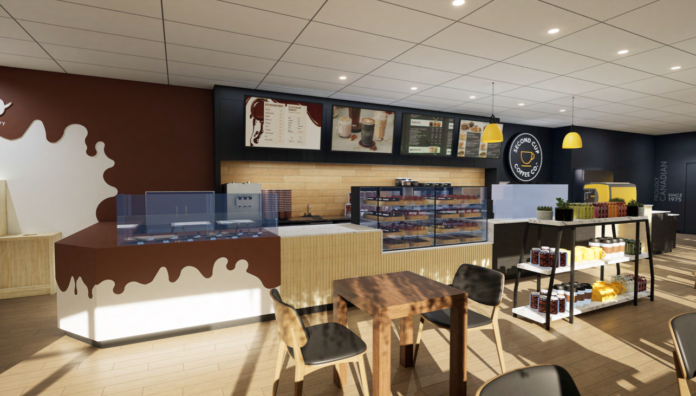
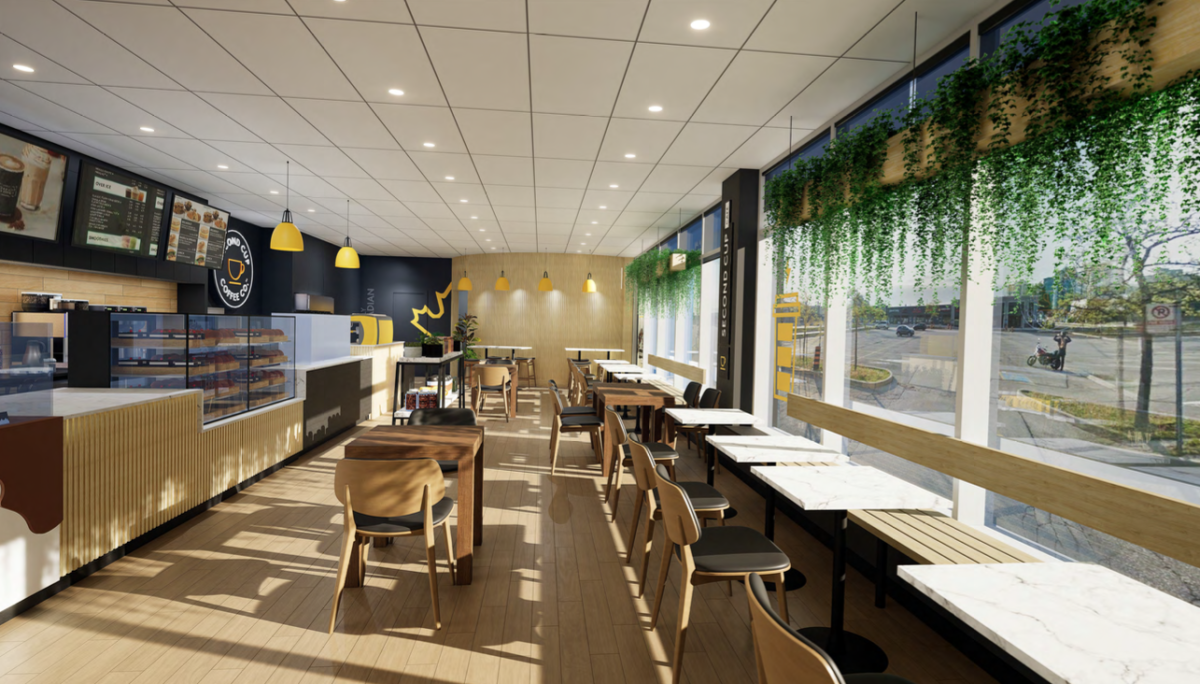
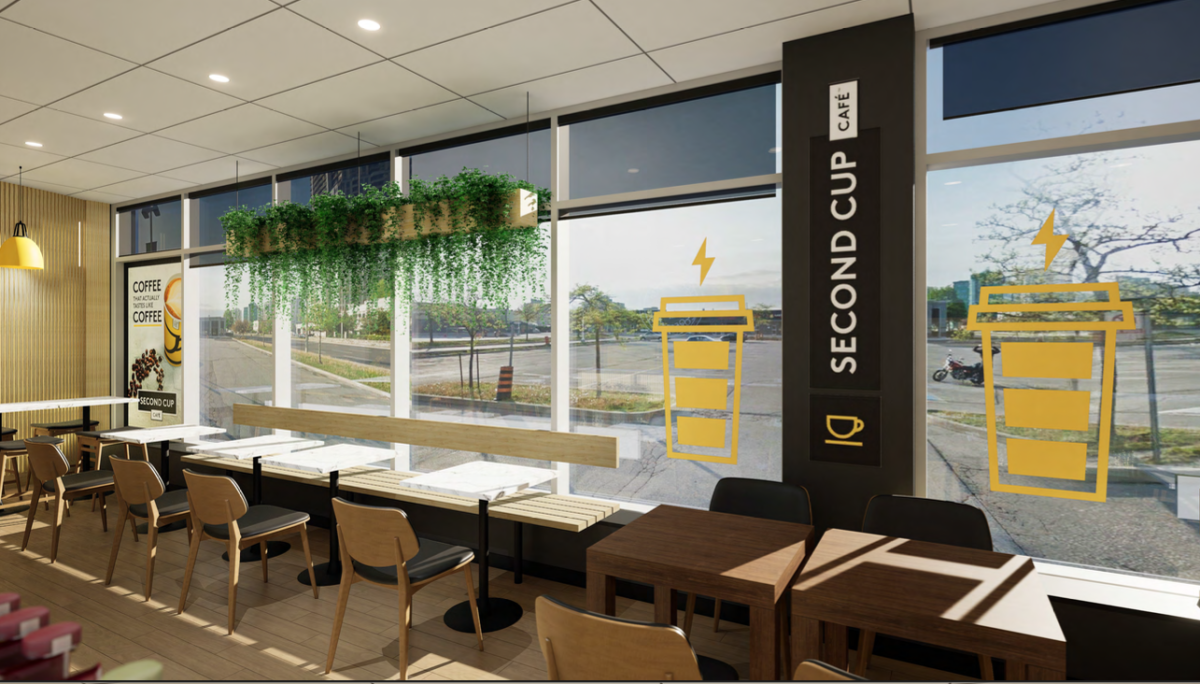
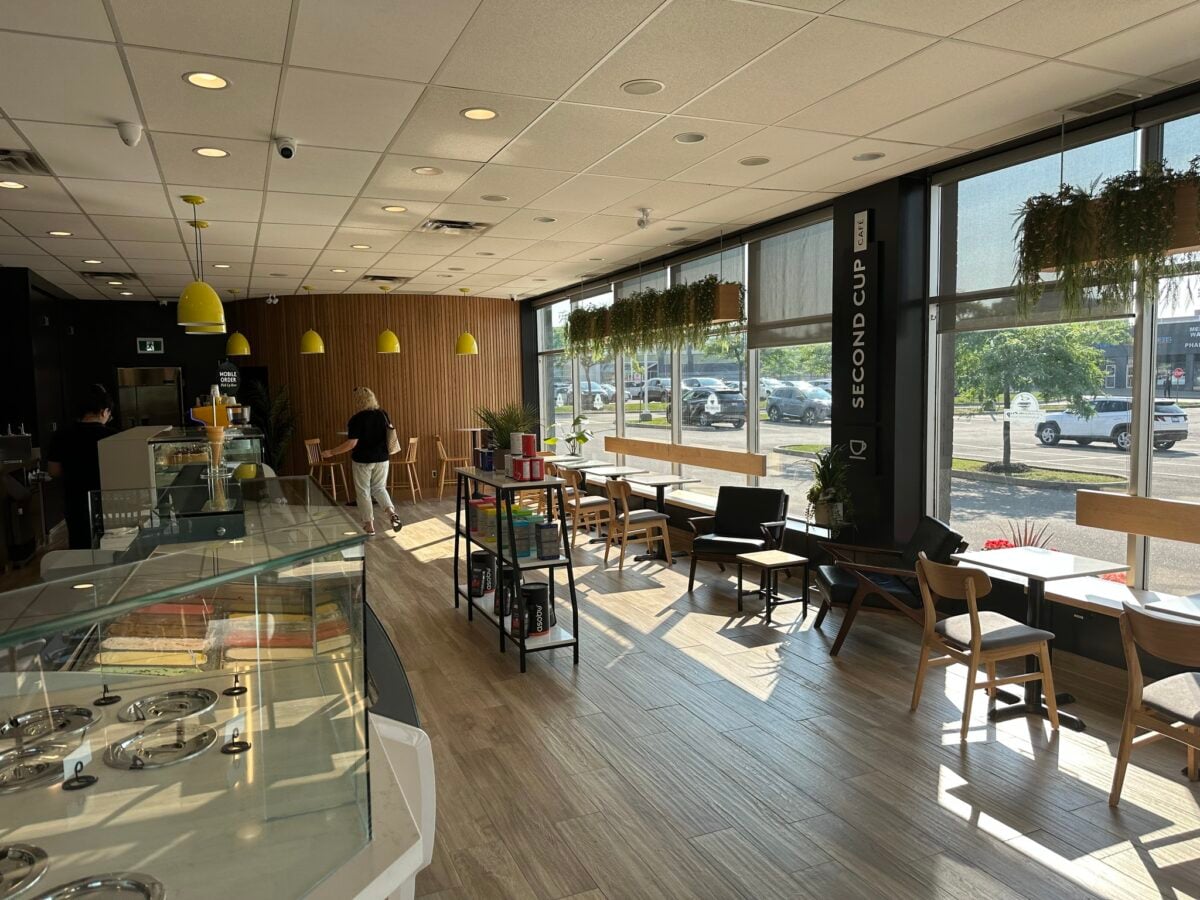
National coffee brand Second Cup has launched a new look as it starts to add more stores in Canada that are combined with other brands such as Chocolato, Pita Pit and Freshii.
Sam Wadera, Vice-President for the Foodtastic umbrella of brands, said the Second Cup’s core business is still coffee but the menu has expanded as well.
Sam Wadera
Second Cup has 181 locations in Canada with six of them opening this year.
“We didn’t open anything in 2022. Coming out of the pandemic was a challenge for us,” said Wadera. “I have four more on my list to open and I’m pretty sure they’ll open.
“I believe after every couple of decades we all need a refresh look. I wanted to bring some colours and cleaner inviting finish lines to our new look.”
Image: Second CupImage: Second Cup
Edmonton entrepreneur Ravi Prakash Singh recently opened two Second Cups in Calgary – 2803 17th Ave SW and 7 Mahogany Plaza SE.
“I’ve changed the look of Second Cup. There’s a new look now. I’ve changed the branding. I’ve also changed or revolutionized the offering since I’ve come in (August 2022) based on my past experiences and what I have done in my life. So there is a new menu when it comes to liquid and food items available now in Second Cup,” said Wadera.
The Chocolato brand, a sister and complimentary company to Second Cup, is primarily based in Quebec. Wadera said there are 29 locations for Chocolato with seven which have opened this year and four more still to open.
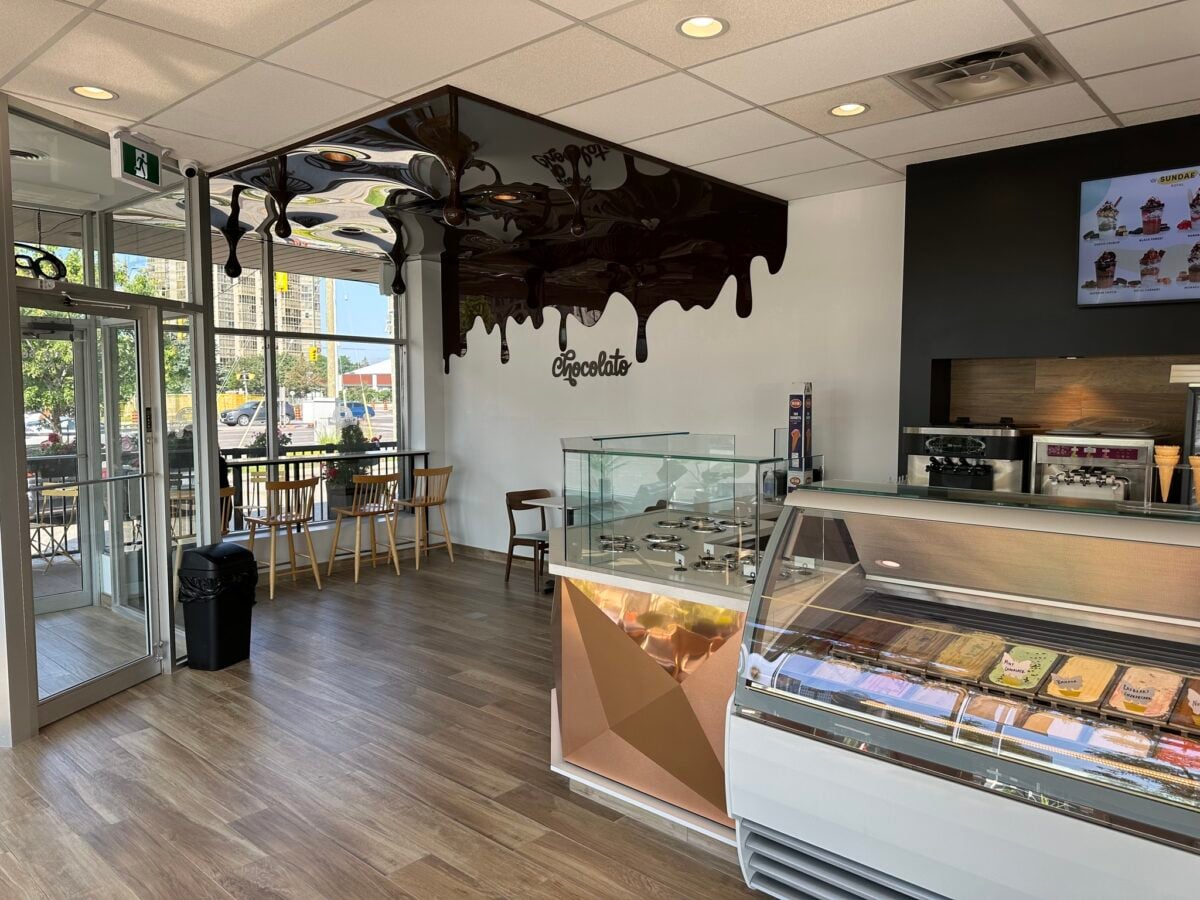
Second Cup Mississauga (Image: Foodtastic)Second Cup Mississauga (Image: Foodtastic)
He said the potential for growth of both these brands in the next fiscal year is 14-plus for Chocolato and 30-plus for Second Cup.
“Second Cup and Chocolato are sister brands at Foodtastic. These two brands are the perfect complement to each other. Second Cup is the largest Canadian specialty coffee retailer. Our cafés offer a wide selection of brewed specialty coffees, hot and cold espresso-based beverages, smoothies, specialty teas, hot chocolates, premium baked goods and more,” said Wadera.
“Chocolato is a cross between a chocolate shop and dairy bar. Chocolato invites you to a world of chocolate, desserts including soft-serve ice cream and dips. Enjoy a soft-serve cone with your choice of 100% pure chocolate dips. Second Cup’s café environment and menu are an ideal pairing with Chocolato. Our guests can come and enjoy a handcrafted beverage and a dipped cone or other decadent dessert.”
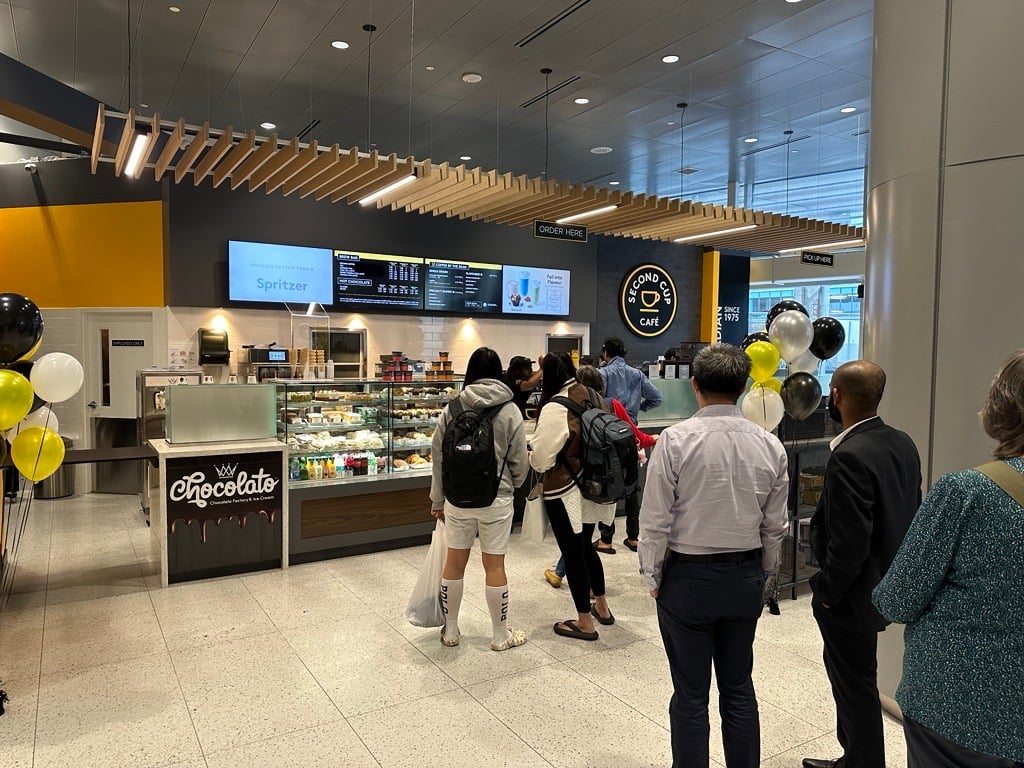
Second Cup Café at Union Station Bus Terminal (Image: Foodtastic)Second Cup Café at Union Station Bus Terminal (Image: Foodtastic)
Foodtastic has a handful of locations that are a combination of Second Cup and Chocolato with more locations coming for that concept.
Foodtastic, founded in 2016, has established itself as a giant in the Canadian restaurant industry. Over the past few years, the cumulative sales of all Foodtastic restaurants have grown by leaps and bounds, from $50 million to over $1.15 billion. Today, Foodtastic manages over 1,100 restaurants and continues to expand at a rapid pace.
Its brands also include Milestones, Freshii, Pita Pit, La Belle & La Boeuf, Shoeless Joe’s, Quesada, Rôtisseries Benny, Fionn’s, Enoteca Monza Pizzeria Moderna, Souvlaki Bar, Rôtisseries Fusée, Rôtisseries Au Coq, Copper Branch, Nickels Deli, Bacaro, L’Gros Luxe, Carlos & Pepe’s, Big Rig, La Chambre, Tommy, and GattoMatto.
“Obviously, standalone Second Cup is very important. We’re doing some drive-thrus as well. But we’re doing combos also. (Recently) I opened up one in a very busy area of downtown Toronto. It’s a Second Cup and a Pita Pit. This is right across from the Scotia Arena. A very busy spot,” said Wadera.
“So we’re doing some of these combos. Adding Second Cup to Freshii. Lot more going on when it comes to Second Cup.”
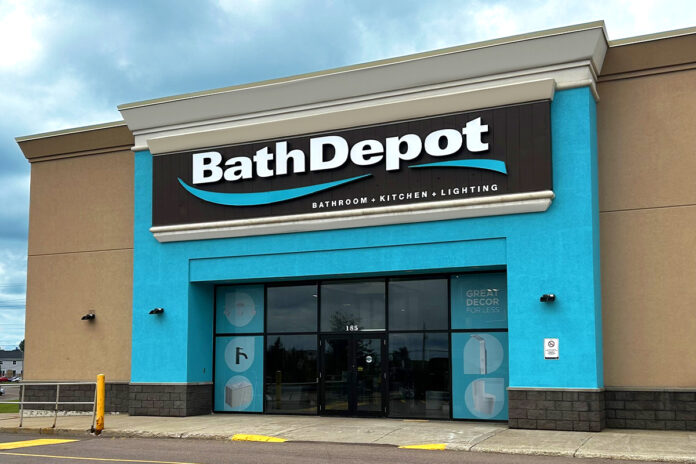
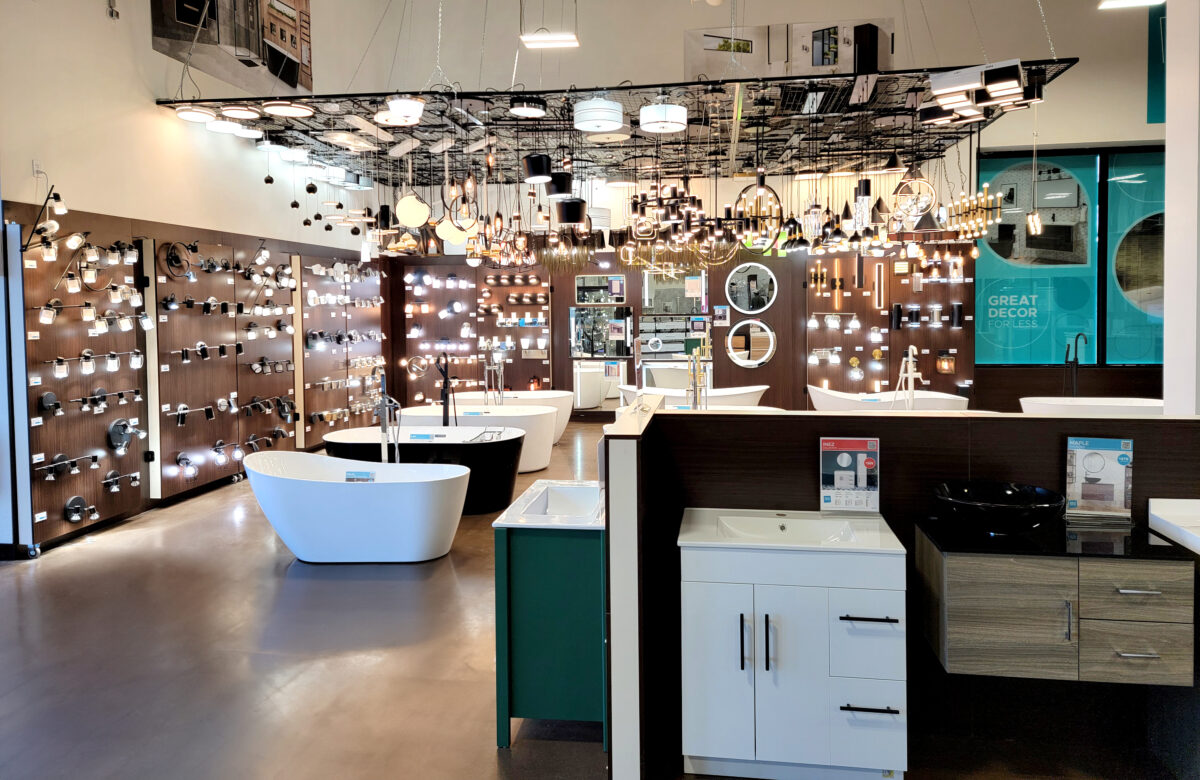
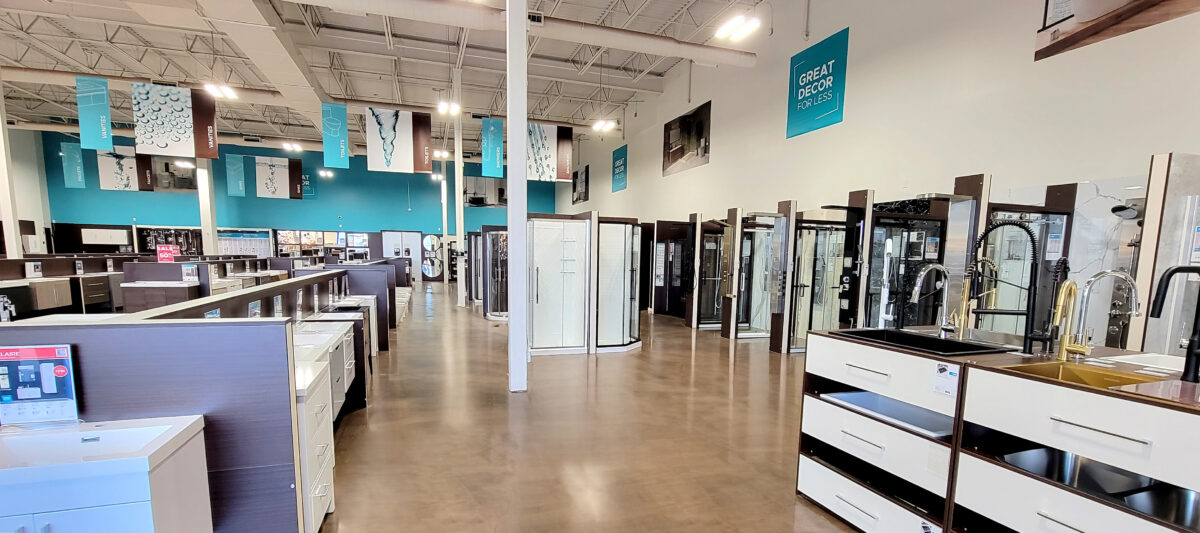
Quebec-based retailer Bath Depot expanded its footprint into Atlantic Canada in the summer and now has plans to grow the brand in Western Canada as well.
Marc Nadeau, the company’s president, said the plan is to keep up the company’s schedule of opening more locations out West.
Marc Nadeau
“Bath Depot, I would say in the last 10 to 12 years, we’ve been opening stores from four to eight stores per year,” he said. “Naturally with the COVID time it just got us a little break but we came back. We continued our opening.
“The idea is to now go West and make sure that we can cover that market in a very short time.”
Image: Bath DepotImage: Bath Depot
Nadeau said the retailer is planning to open in Winnipeg in the first quarter of 2024 and after that it will look at expansion to Calgary and Edmonton.
“Technically the plan is to get another extra 24 stores off the pipeline off the West market,” he said.
The two stores that opened in Moncton and Halifax brought the overall count of stores to 42.
“Atlantic is a little bit smaller. I would say one or two more locations but no more than that.”
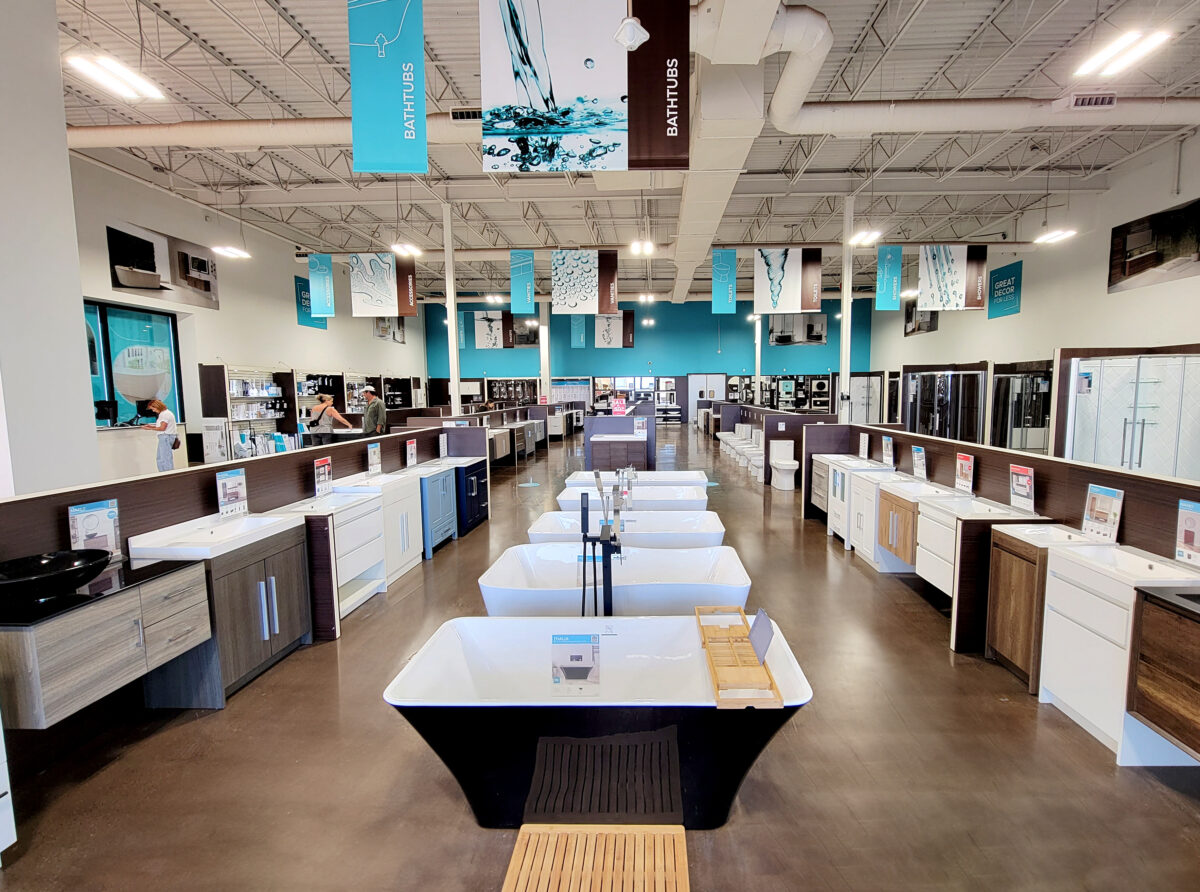
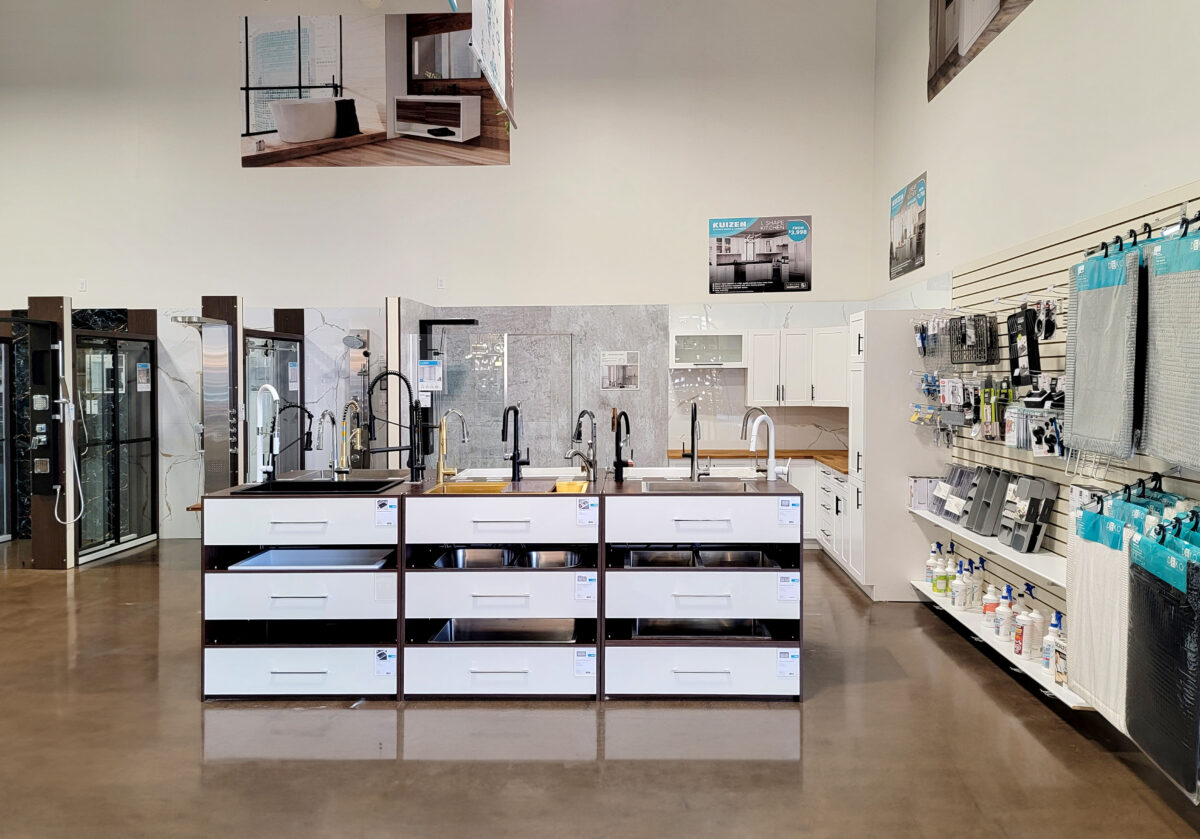
The retailer specializes in bathroom and kitchen products under one roof.
Bath Depot entered the Quebec and Ontario markets in 2008. Its founders, the Nadeau brothers Marc, François, Guy and Gilles, started out 20 years ago in the plumbing distribution industry.
Image: Bath DepotImage: Bath Depot
The first location was on the North Shore of Montreal in Blainville. There are 20 stores in Quebec and 20 stores in Ontario, with about 10 stores in the Greater Toronto Area.
“At the same time (of expanding to Atlantic Canada), what we’ve done is integrate our new lighting business. Bath Depot purchased a big wholesaler in the lighting business in order for us to integrate now a lighting division in these stores,” said Nadeau.
“Basically we’ll be integrating the lighting product in all of our stores in a very short time.”
“By offering everything you need for your bathroom or kitchen renovations under the same roof, Bath Depot positioned itself in a niche that had yet to be developed. There was in fact a whole new market to be filled by Bath Depot between big-box retailers and high-end boutiques. With its experience and expertise, the Nadeau family secured the company’s position and its success has been growing ever since. The company’s mission: offer consumers beautiful and trendy products at affordable prices, without compromising on quality,” says the company.
“Bath Depot sets itself apart with its exclusive products and by being its own manufacturer, distributor and retailer. This way, customers can benefit from personalized, fast and efficient service, plus highly competitive prices.”
Image: Bath Depot
In addition to its physical locations, the company offers an online store with thousands of products to cater to the diverse needs of its clientele.
Over the past 15 years, Bath Depot has continually evolved to meet the changing needs of its customers. It expanded its product range by adding a category of lighting, thus providing an even more comprehensive selection for bathrooms and kitchens. Also, it expanded its logistics centre, incorporating new systems to improve efficiency.
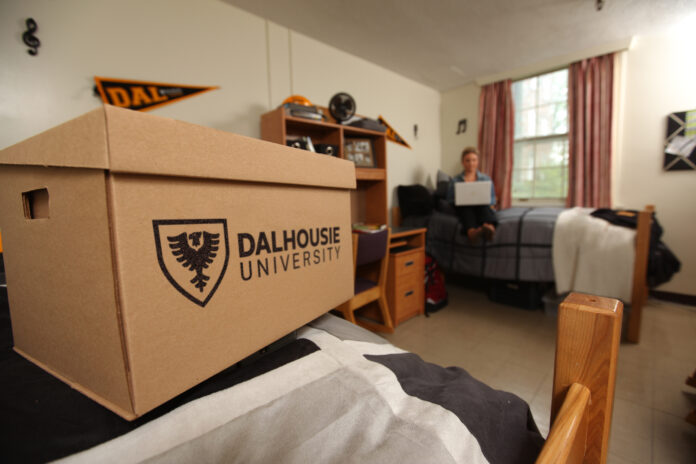
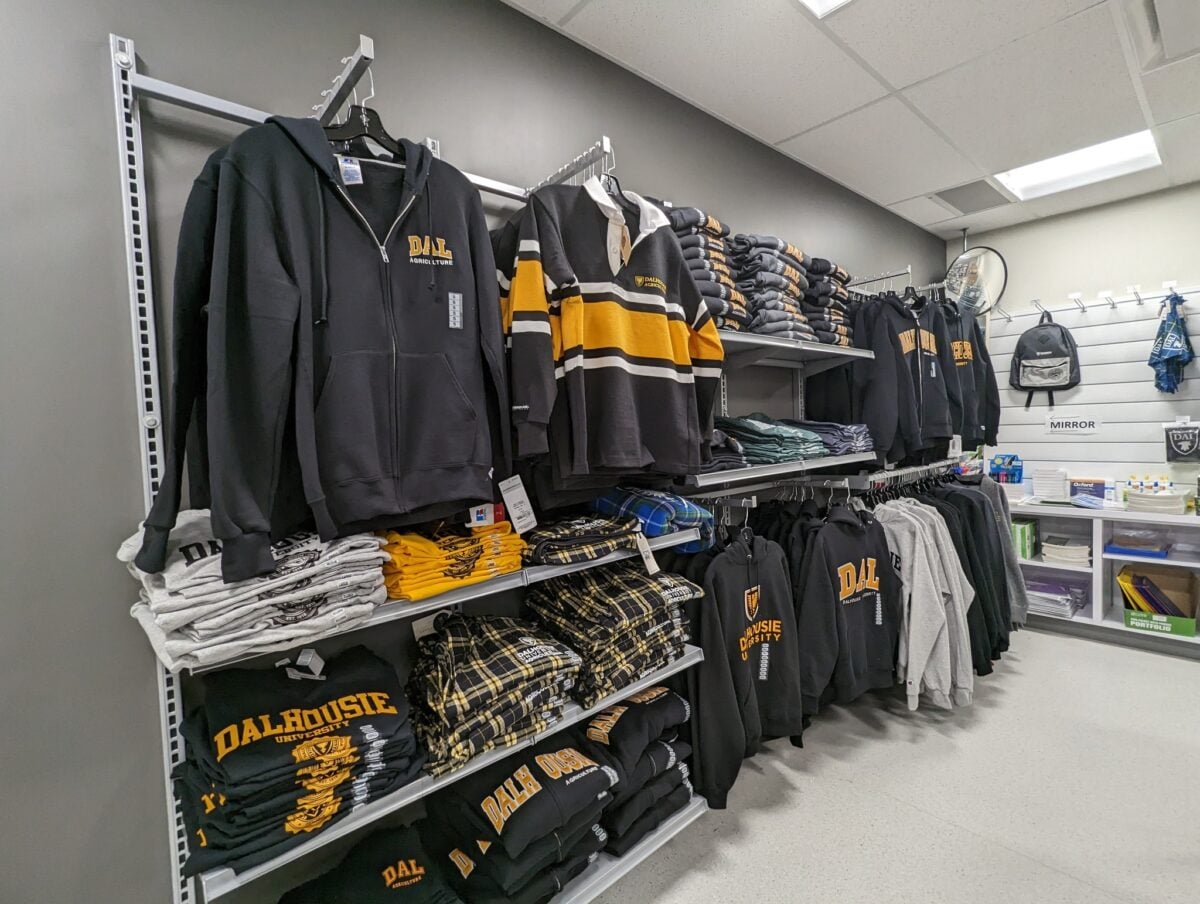
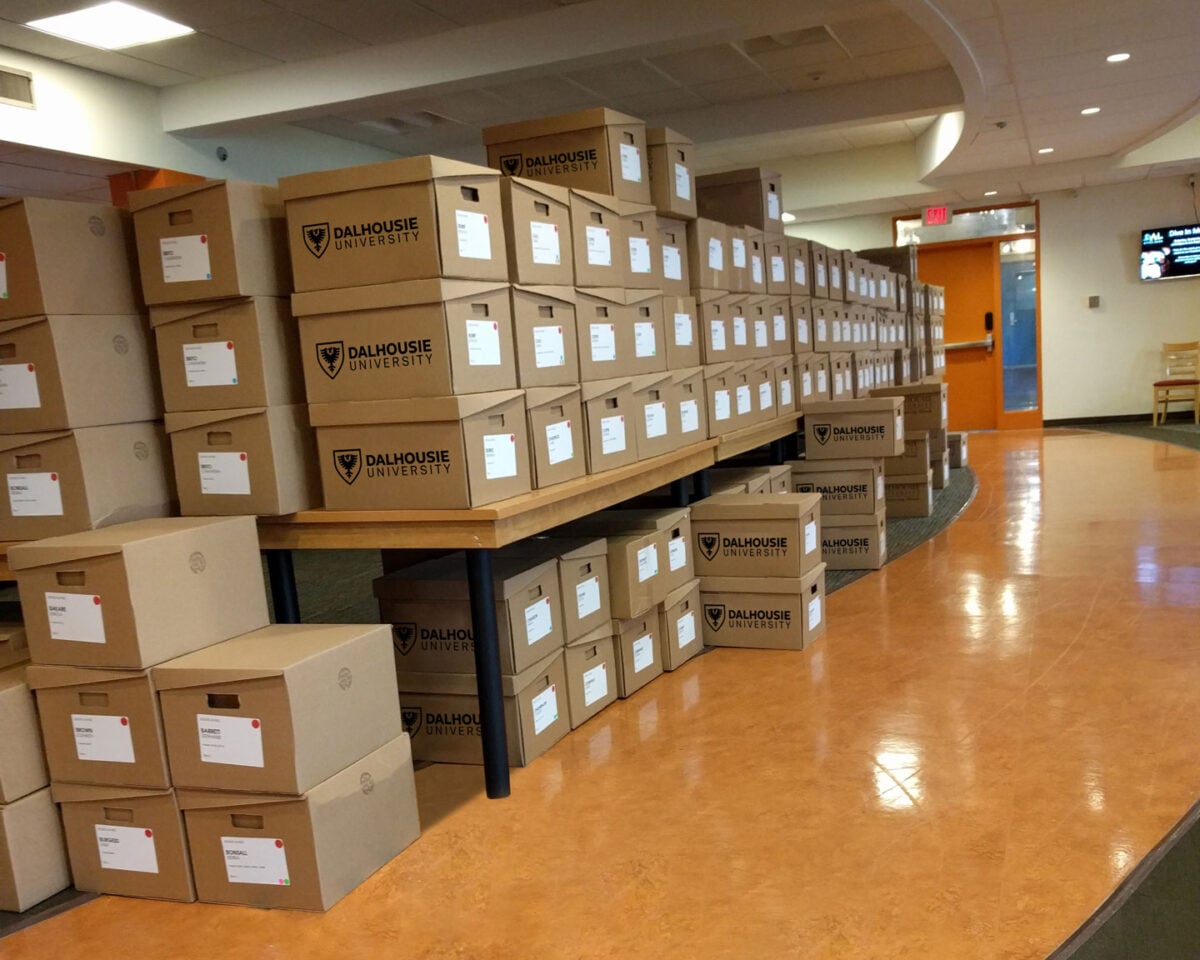
Books in Res by Dalhousie University (Image: The Dalhousie University Bookstore)
When discussing back to school shopping, focus is usually directed at public school students while university students can be forgotten, especially those making the transition from high school to first year. Lisa Hutcheson, a Retail Strategist and Managing Partner at J.C. Williams Group, Jeff Wilson, a Residence Life Manager at Dalhousie University, and Lesley Hawkins, Vice President, Retail, adidas, discuss new trends, residence living, and future possibilities for back to school shopping for university.
What Students Are Buying
Compared to back to school shopping for public school students where the focus is directed at backpacks, university students are more focused on apparel, lifestyle products, and residence items. For this year, Hutcheson says there has been an increased interest in apparel compared to previous years.
Lisa Hutcheson
“From a retail perspective we are definitely noticing more focus particularly on apparel and shoes. People have been either working or doing their education hybrid, and students spend a lot of time at home and completing their high school mostly at home so this is an opportunity for students. First year is always an opportunity for students to express and discover themselves,” says Hutcheson.
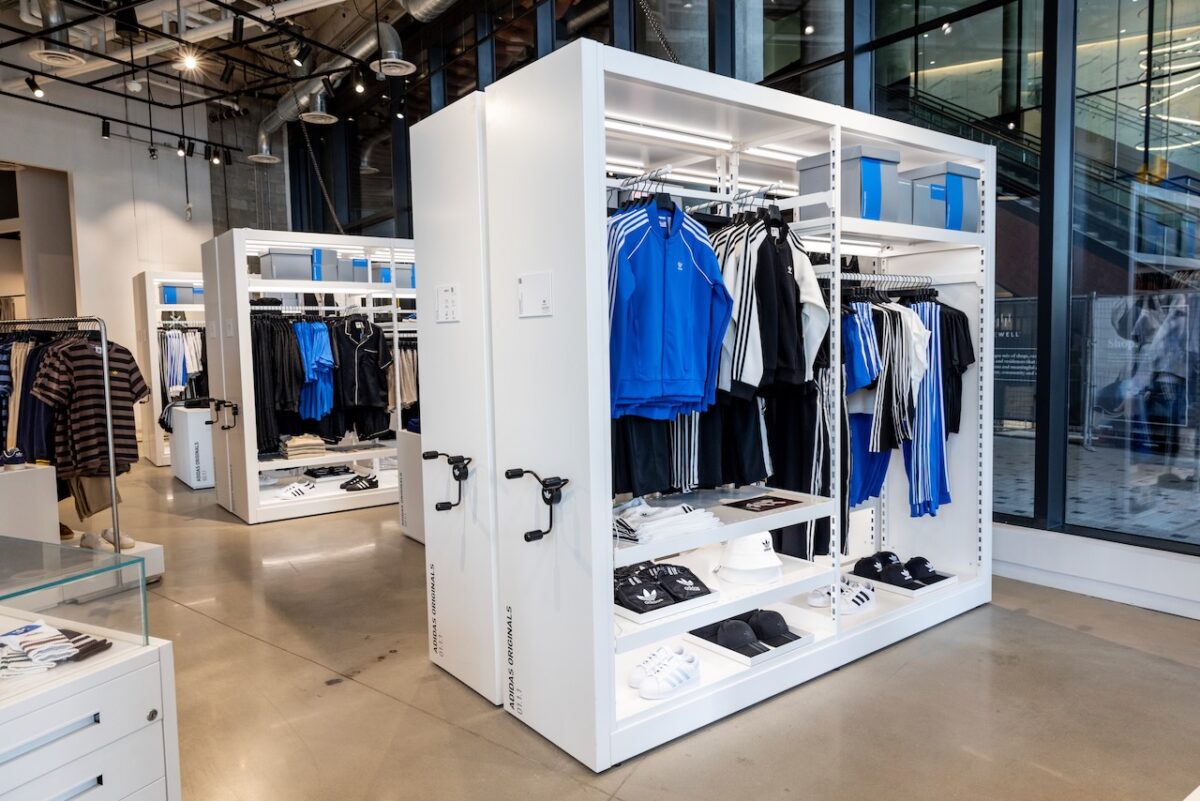
Image: The Dalhousie University Bookstoreadidas The Well (Image: adidas)
Hawkins also noticed an increase of students leaning towards apparel compared to previous years, with a main focus on purchasing the adidas lifestyle products such as its Original Line.
“We certainly saw there were a lot more people out in retail this year versus last year, which is really good given that last year it was quite good as everybody was coming out of Covid. We found more people were shopping for apparel than they were last year and there was a real thirst for our Originals Line, which is our lifestyle offering,” says Hawkins.
Hawkins says the Originals Line is performance wear blended with lifestyle so students can wear its products not just for workouts, but for daily wear which makes it easy for students. In terms of footwear, Hawkins says anything based around soccer culture has been popular such as the brands Stan Smith, Samba, Superstars, Gazelle – all are adidas Originals.
Lesley Hawkins
“People want to shop for the Originals. Once again, it is more of that lifestyle, look, and feel. I can say that as a mom who just had to drop her daughter off for the first year of university, I can definitely say apparel seems to be so much more of what they are actually consuming. Students are very much focused on the product they are taking to school that needs to meet multiple needs – it is not just here is what I am going to wear to the gym and here is what I am going to wear in class, it is a fixated product they can wear that really cuts across many different activities,” says Hawkins.
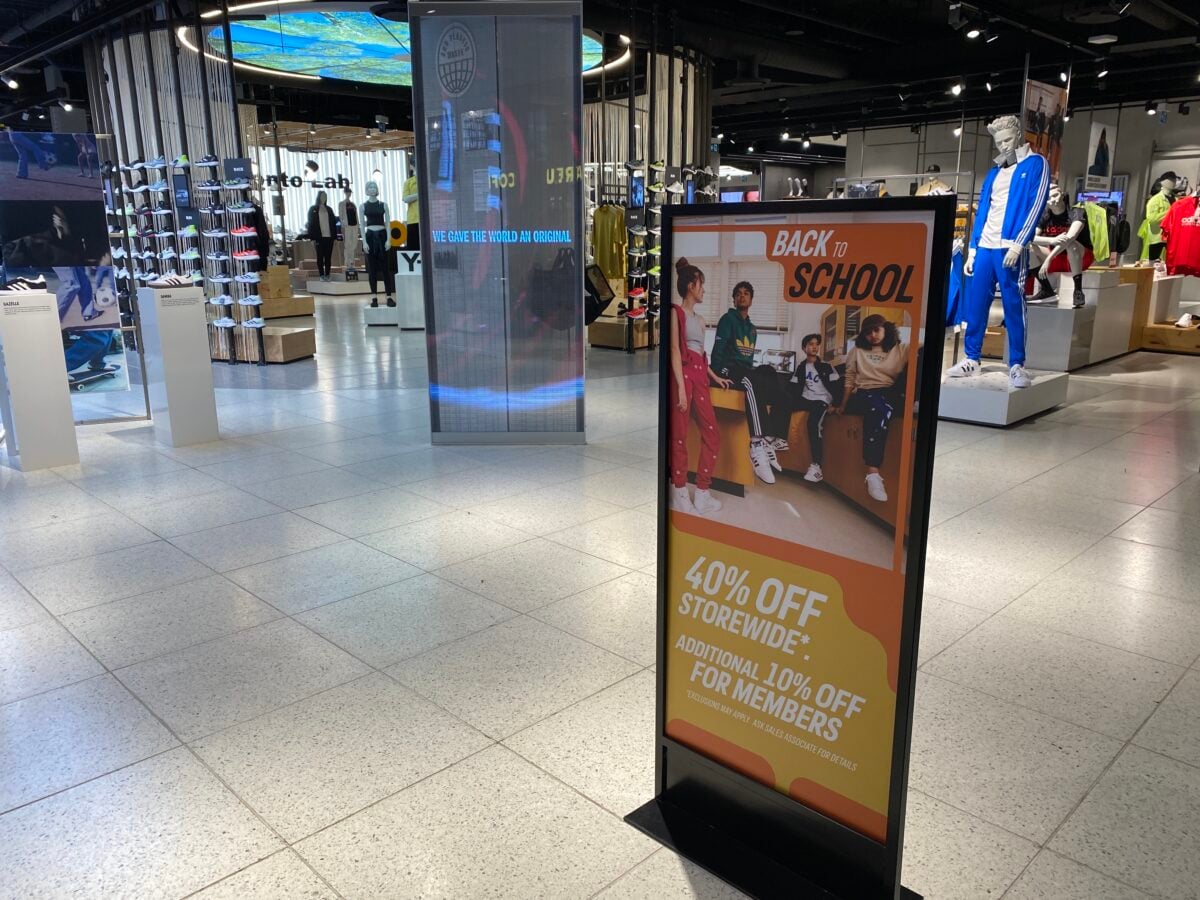
Back To School at adidas Halo Store at CF Toronto Eaton Centre (Image: Dustin Fuhs)adidas Halo Store at CF Toronto Eaton Centre (Image: Dustin Fuhs)
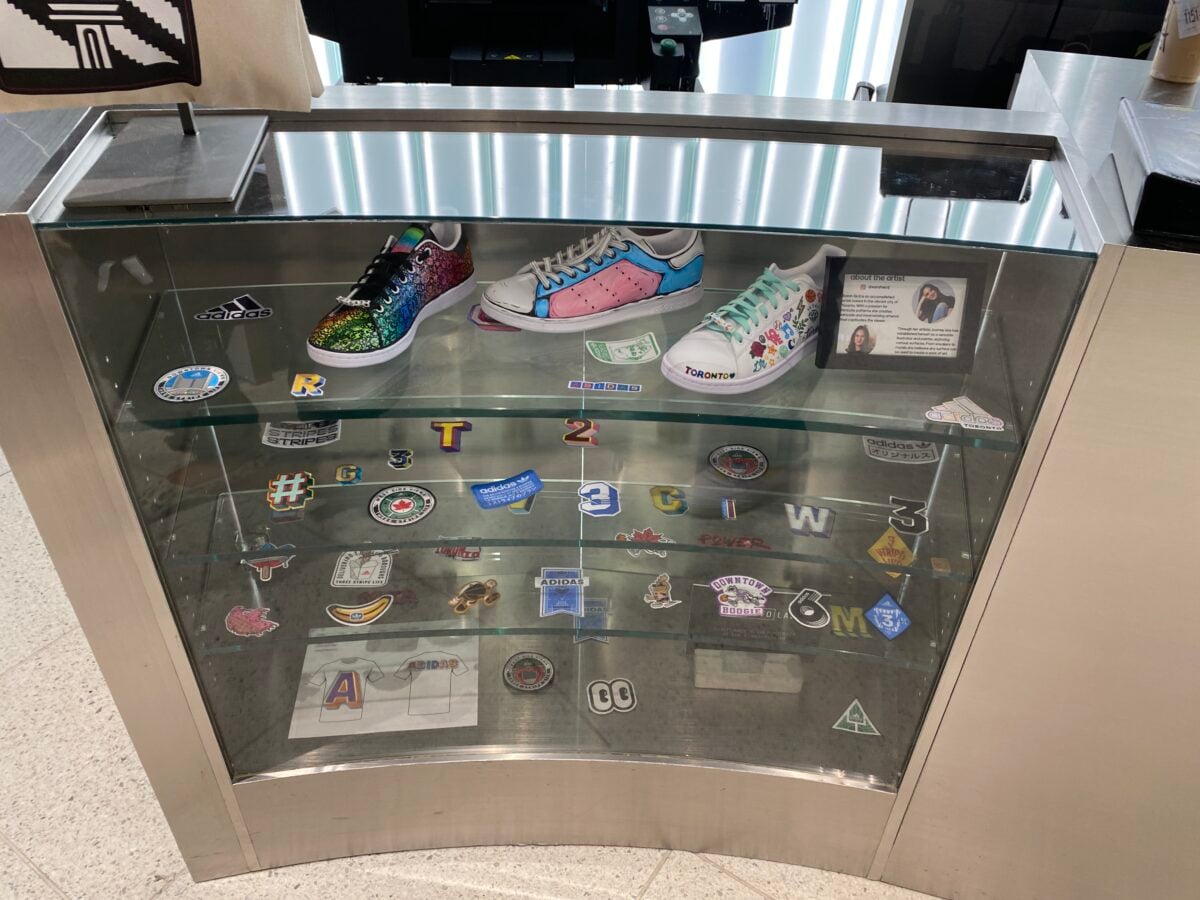
In addition to the adidas Originals Line, Hawkins says it also provides options for students to customize their products such as backpacks, apparel, and even footwear.
“We have something for everybody in that it is accessible, we have a depth of colour, variety of sizes – and that really makes a difference. And for us, it is making sure we have campaigns around it that give a showcase of what the latest trends are in terms of apparel and footwear to make it easier for students to know what exactly they want and could be wearing,” says Hawkins.
“Students Embracing The School”
Image: The Dalhousie University Bookstore
Wilson, who has been a Residence Life Manager at Dalhousie University for several years has noticed that this year, the first thing students did was head towards the campus bookstore to purchase Dalhousie branded apparel.
Jeff Wilson
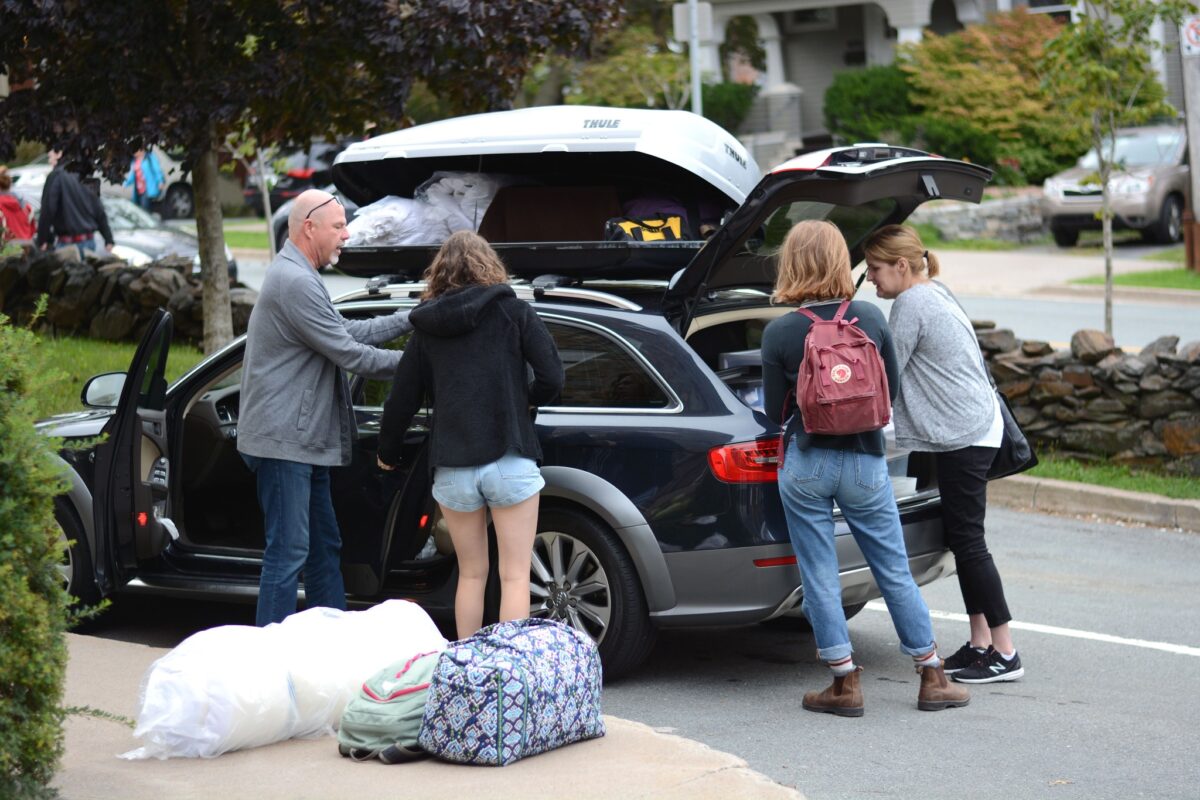
“I noticed a lot of students moving in and then going straight to the bookstore to buy something saying Dal on it. I am sure this was always happening, but it just seemed super obvious this year that while their parents, guardian, or whoever was dropping them off was still here and paying for things – they dropped their stuff off and went straight to the bookstore,” says Wilson.
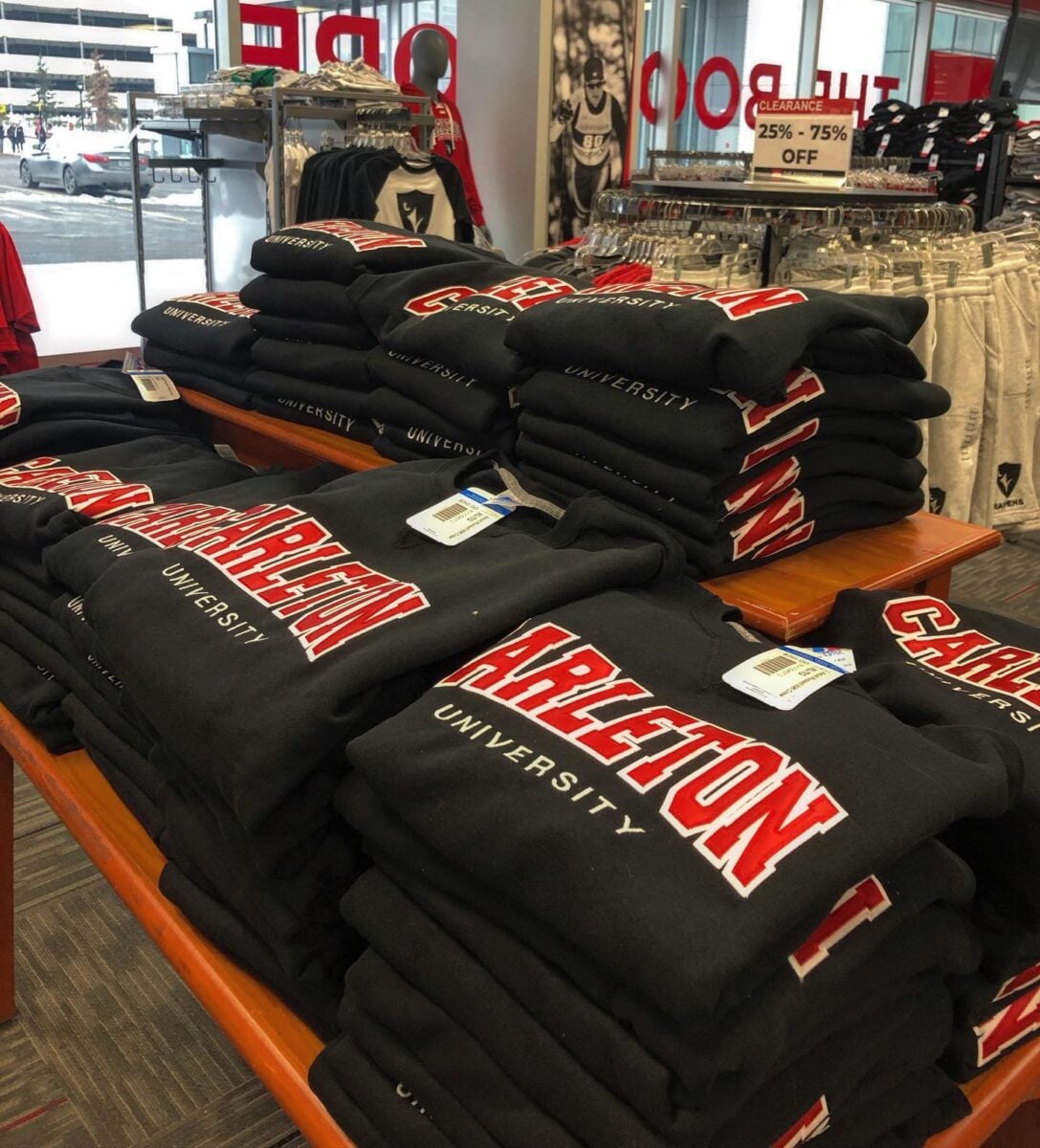
Wilson said students were coming back with products such as sweaters, rugby shirts, hats, and shirts – anything that had the Dal name and logo on it. Wilson says school branded items are popular as students have a “desire to be associated” and don’t want to stand out by not having Dal clothing and Hawkins says it increases a sense of community.
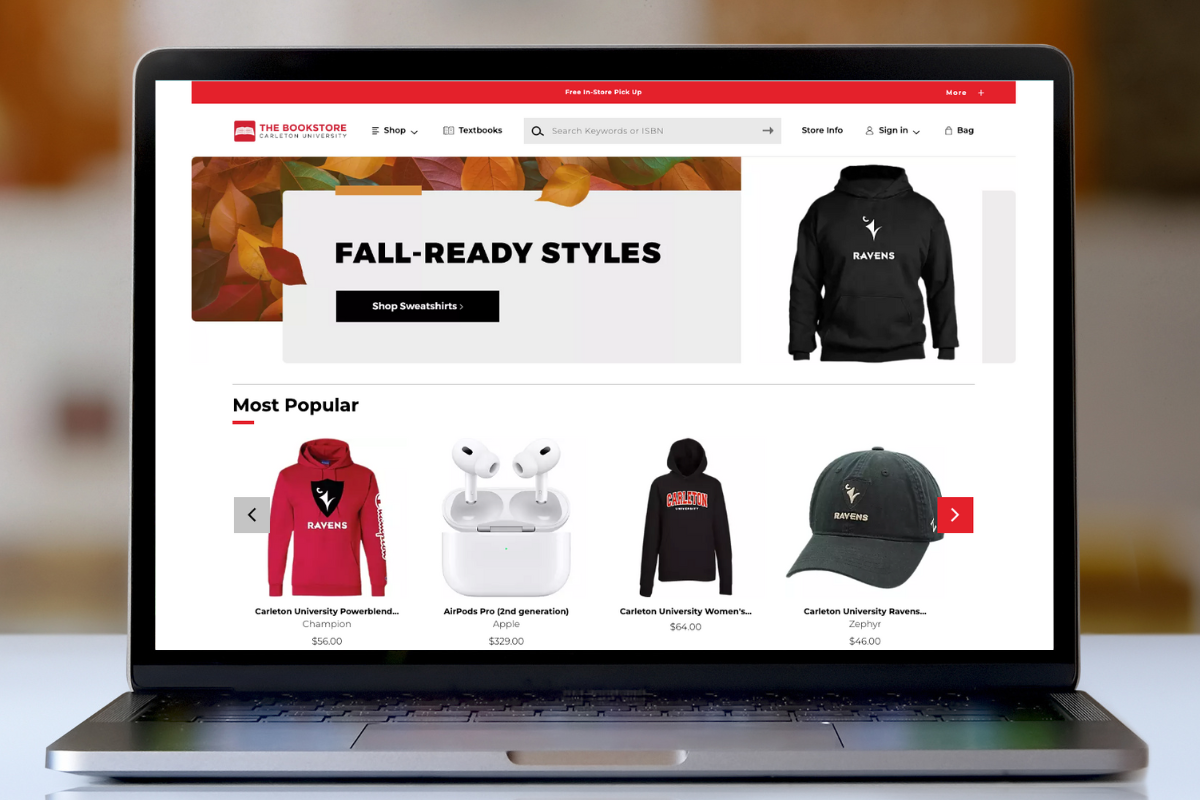
The Bookstore at Carleton University
Hawkins experienced the need of school branded clothing when she dropped off her daughter to university this September.
“Once we got there and we were welcomed to the university, the first thing Carleton did was give her a Ravens sweater which was great as she immediately was part of a team and community.” says Hawkins. “But there have been subsequent visits to the bookstore to get more Carleton Ravens product, as apparently you can never get enough!”
Dormitory – What Students Are Bringing
Image: Dalhousie University
Wilson says students are purchasing the usual dorm items such as lamps, battery operated lights, fans, and decorations to make their rooms feel more like home, but has noticed more students making their beds more comfortable. Another item that is popular, although not needed, is mini fridges. Wilson says students tend to think they will need them, but are often not used and get thrown out at the end of the year.
“I think the comfort of the bed is usually a big concern for people. I am noticing more people arriving with things to make their bed more comfortable whether it be mattress pads or foam toppers on top of whatever decorations make the students feel comfortable and happy. If it were me and I was coming back, I would make sure I had a fan and I would make sure I made the bed as comfortable as possible,” says Wilson.
On the technology side, Wilson says the increase of streaming services in residence has caused a decrease in big technology items.
“No TVs, no printers, and no big desktop computers – those big technology things we do not see anymore which is making move-in day a lot easier for students,” says Wilson. “No one is really bringing TV’s, or it is certainly becoming more rare. You might have people who play video games that are still bringing TVs, but almost no one is moving in with a TV anymore. It seems like everyone is coming in with a laptop or tablet,” says Wilson.
The Bookstore at Carleton University
As for what to bring, Hawkins says when she was helping her daughter get ready to move, Carleton University made it easy by providing a checklist of what is needed. After arrival if anything was missing, Hawkins says it was easy to find later on.
“The school did a pretty good job of helping the parents and students as best as possible. In terms of if you needed to get something, it was easy as the school directed you in the right way and there was no challenge in finding what you needed,” says Hawkins.
Wilson and Hutcheson say although schools try and make it easy for students, there are still ways for retailers to be more involved on campus.
Missed Retail Opportunities on Campus
Image: The Dalhousie University Bookstore
At Dalhousie University, Wilson says students can easily purchase items from the bookstore and have it delivered to their residence for move-in day – but more can be done to make shopping easier to access for students, not just for move-in but throughout the year.
Both Wilson and Hutcheson say one way retailers can make it easier would be to have pop-up shops on campus. One retailer, Samsung, Wilson said had a pop-up on campus during the move in days at Dalhousie and was successful.
“For the first time I noticed Samsung had a huge presence on campus selling phones and tablets.They rolled in a trailer and then it folded down, it was like a pop up Samsung store. They had an army of people here trying to get people to their little social media booth where they would do a photoshoot, product testing, and they were giving away hats and shirts. Some phone providers like Telus are around, but this was the first technology retailer doing this,” says Wilson.
Wilson said just on one of the move-in days there were around 6,000 people wandering on campus – a missed opportunity for retailers.
For new students, it can be overwhelming moving into residence, let alone trying to find your way in a new city. For those who fly in, it can be difficult to shop, especially if they don’t have access to a car. Yes, students can purchase products online, but is there a better way for students to get what they need? Wilson and Hutcheson say retailers could be more involved by having pop-up stores available or even kiosks where students and parents can purchase and have the product delivered later.
“In the first year, parents are sending off their kids and they are going to be living away, and they just seem to want to make sure the kids have everything that they need – so there is definitely more spending and some retailers could really optimize on this,” says Hutcheson .
Wilson says although it can be difficult to partner with the university, it can be easier for retailers to get permission from the student union.
Image: The Dalhousie University Bookstore
Wilson and Hutcheson provided an example of retailers that would be beneficial for pop-ups, which could include Ikea where they sell their student package or even to help students order online, Sephora, Best Buy, and athletic stores like Lululemon. Additionally, Hutcheson says retailers like Ikea and Amazon could partner with universities to provide dorm room essential packages and curate products specifically for first year students. By doing this, it not only makes products accessible, but also introduces brands students may not be aware of if they are international students.
“It is about making it easy, accessible, and thinking about what students want and I do think there is going to be opportunities to do pop-ups within the schools and as the textbook business changes, the schools will have some extra space and there would also be an opportunity for the schools to revenue share as well,” says Hutcheson. “I think that we are very aware of elementary and high school students, but nobody really targets the university students. There are a lot of them out there and a lot of them living away, so they need furniture, home decor, and things that are inexpensive that are still fun and show their personality and I think it is an overlooked market.”
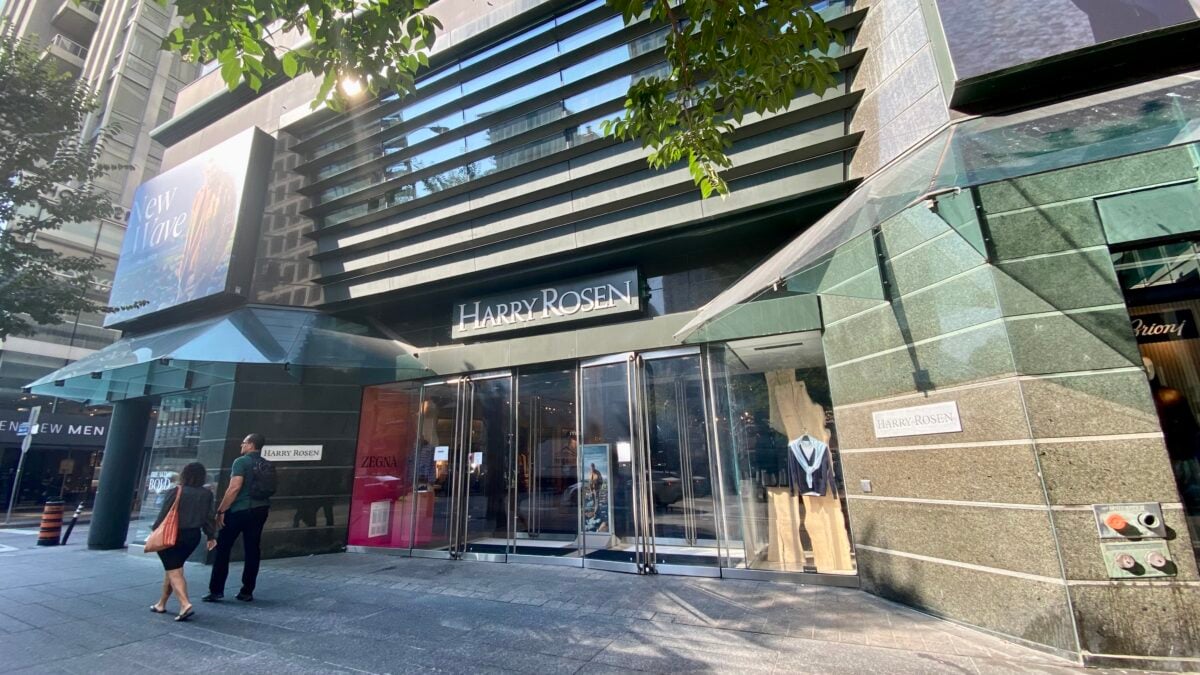
Harry Rosen flagship store at 82 Bloor Street West in Toronto. Photo: Craig Patterson
Toronto-based menswear retailer Harry Rosen is shaking things up by bringing in new luxury brands and offerings catering to a more casual shopper. It’s part of a move for the upscale retailer to maintain market share while also looking to attract younger consumers at a time when men are dressing down.
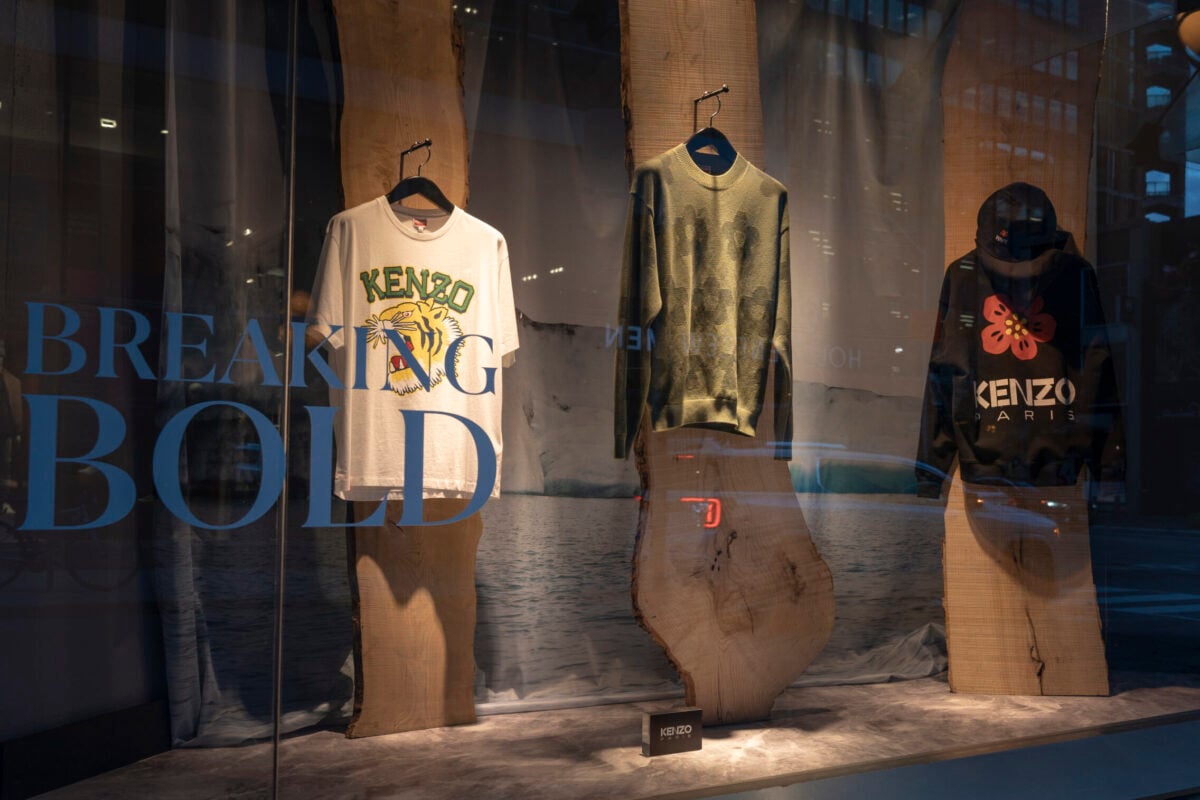
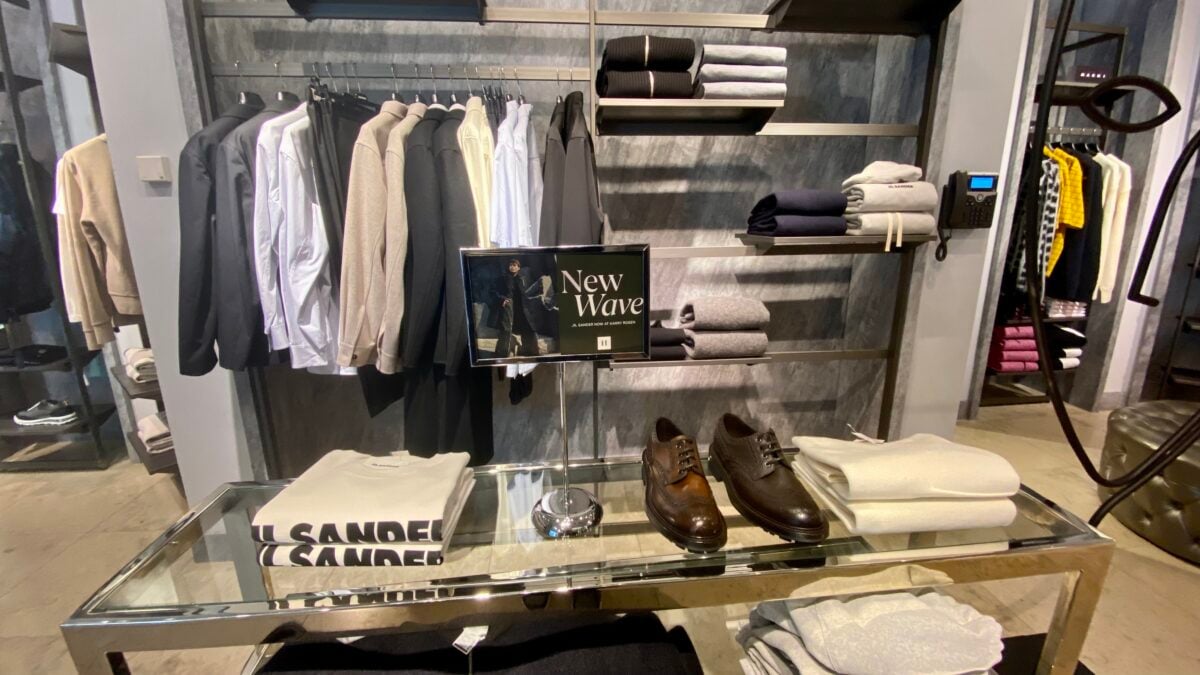
Over the past couple of weeks, the retailer has brought in a range of new brands not previously carried in the store. That includes some big names such as Balmain, Marni, Jil Sander, Kenzo, Maison Margiela, MM6, and an exclusive partner collection of Zegna X The Elderstatesman has also been added. And last week, a splashy party and fashion show in Toronto signalled the “New Wave” as Rosen is calling it, ushering in a ‘new era’ for the retailer which is targeting fashion-forward shoppers seeking more casual and contemporary styles of clothing, footwear and accessories.
Harry Rosen’s President, Ian Rosen, said in an interview that the move to bring in more contemporary brands is to address shifting consumer tastes to more casual clothing after the panemic. And with that, Harry Rosen is buying the ‘world of’ for some of these brands, thus carrying a wide product range for each including ready-to-wear, accessories and in some cases footwear.
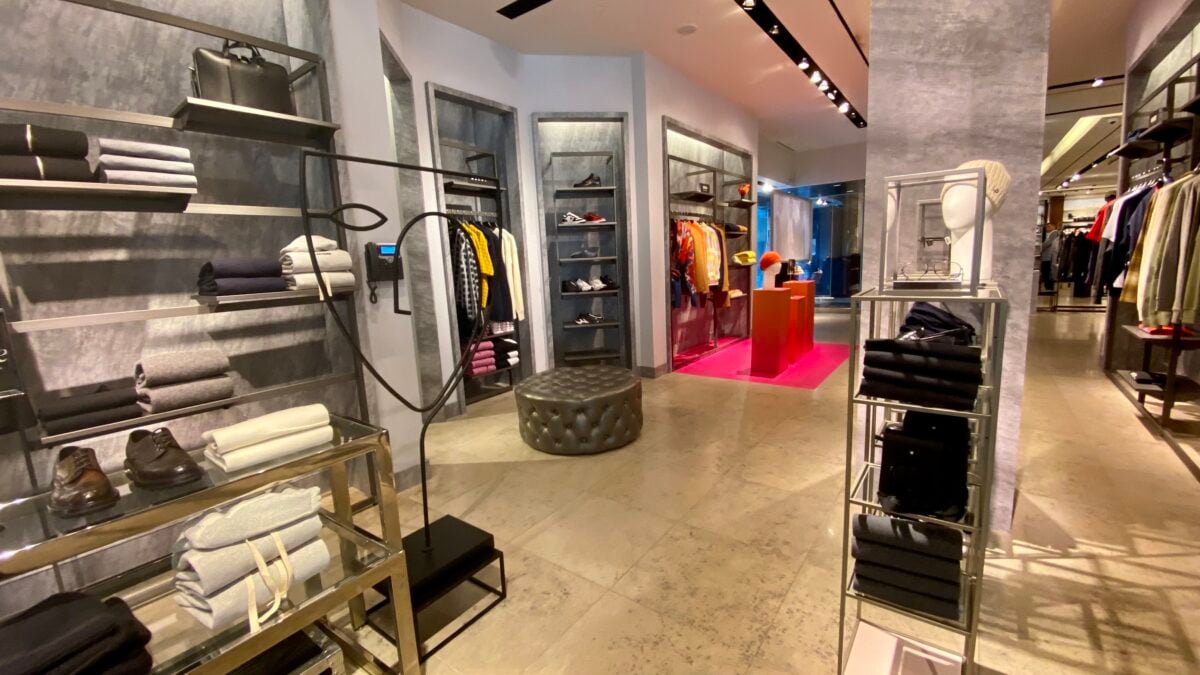
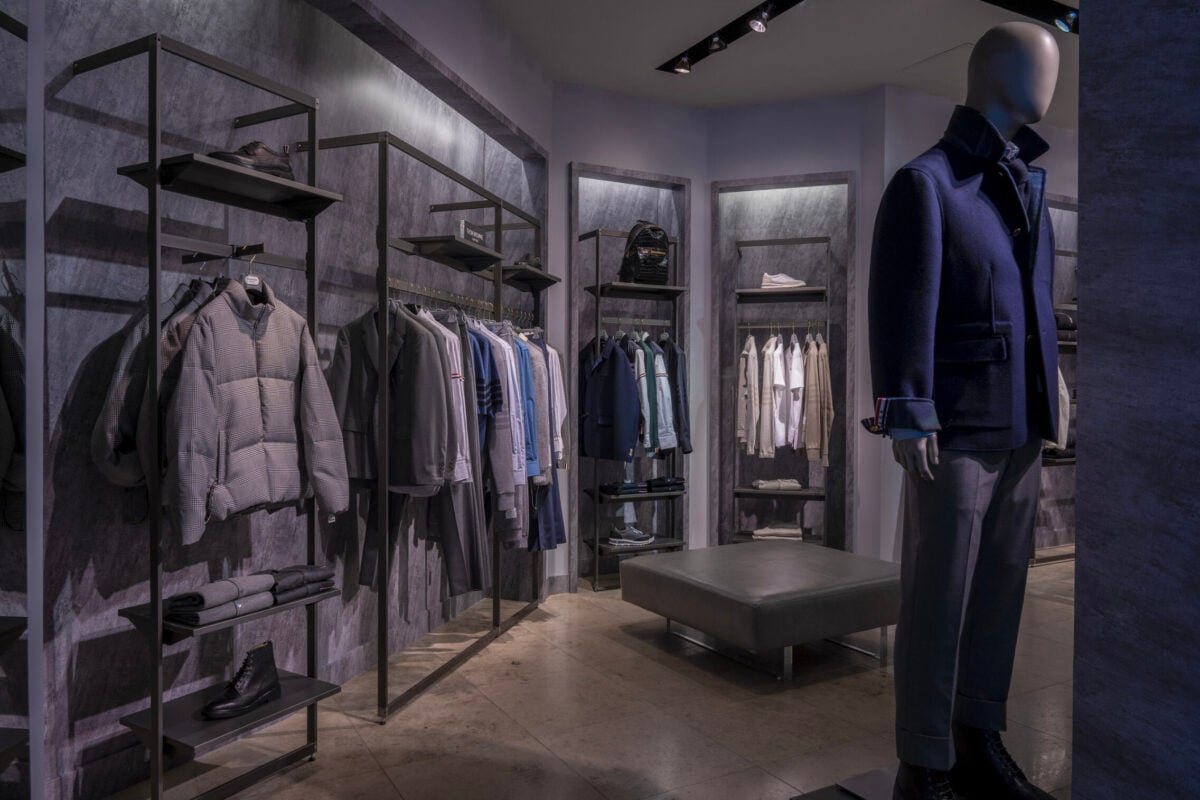
Men’s contemporary area on the street level of Harry Rosen, 82 Bloor Street West in Toronto. Photo: Craig Patterson Men’s contemporary area on the street level of Harry Rosen, 82 Bloor Street West in Toronto. Photo: Harry Rosen
So far, three of Harry Rosen’s top stores are carrying the contemporary luxury lines. That includes the multi-level flagship store at 82 Bloor Street West in Toronto, as well as the store at Toronto’s Yorkdale Shopping Centre and the location at CF Pacific Centre in downtown Vancouver. Ian Rosen said that some of the contemporary designer collections will be rolled out in other Canadian markets where there’s demand and where it makes sense.
Ian Rosen
The main floor of the Bloor Street Harry Rosen store recently saw some updates, including an aesthetic refresh for the new youthful collections which includes a grey and silver look that replaced a more traditional wood interior.
Multi-brand retailers nearby in Bloor-Yorkville also are known to carry expansive assortments of luxury casual menswear. Across from Rosen’s 50,000 square foot Bloor Street flagship is the 16,500 square foot Holt Renfrew Men’s store. For several years, Holt Renfrew Men has been focusing on casual but luxurious men’s fashions while at the same time carrying less suiting when compared to decades past. Holts has developed a substantial following with its mix of brands which are carried both in wholesale areas as well as, in some instances, concession spaces.
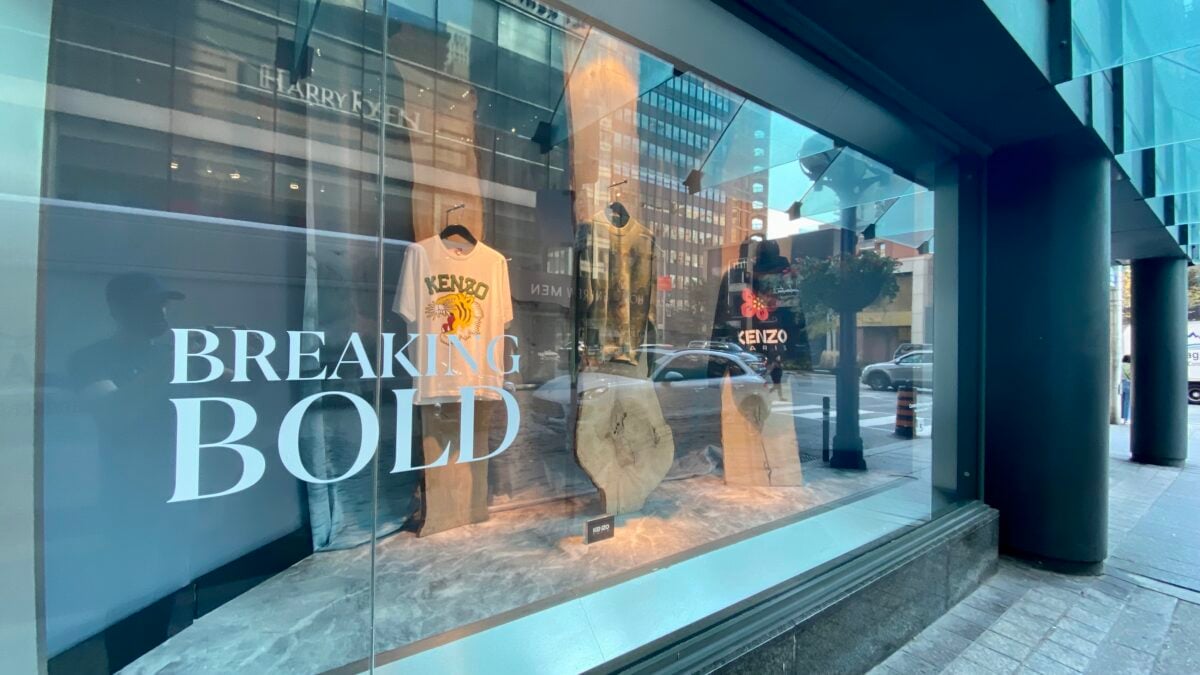
Harry Rosen at 82 Bloor Street West and neighbour Holt Renfrew Men, at 100 Bloor Street West. Holt Renfrew Men will relocate back into the 50 Bloor Holt Renfrew flagship store in late 2024. Photo: Dustin FuhsWindow display at Harry Rosen, 82 Bloor Street West in Toronto. Photo: Harry Rosen
Carolyn Wright, SVP of Product and Planning at Holt Renfrew, said in an interview that the retailer is beefing up its menswear business with new brands and offerings, many of which lean towards more casual dressing. New brands are being added while some product assortments are growing to cater to customers seeking the latest styles for edgy names such as Amiri, which is said to be selling very well in the Canadian market. Last week, Holts launched a men’s event in its Vancouver store which is said to be the top location in the chain in terms of sales.
Carolyn Wright
Holt Renfrew will be relocating its men’s store back into 50 Bloor Street West next year, after opening a standalone men’s store in 2014 across from Rosen’s at 100 Bloor Street West. The new men’s store will be on the third floor of the 50 Bloor building, and the exit of Holts Men from the corner of Bloor and Bellair streets means that Harry Rosen will again dominate the intersection in terms of menswear when all is said and done in early 2025.
Harry Rosen faces some steep competition in the contemporary/casual men’s space in Toronto and Vancouver. In the Toronto market, multi-brand retailers such as CNTRBND have been selling high-end casual men’s fashions for years, and in 2019 Miami-based The Webster entered the ring with a location on Scollard Street in Toronto. Several employees have told Retail Insider that menswear sales at The Webster have been very strong as of late, with men buying items for special occasions with less consideration for price.
Men’s Jil Sander fashions and shoes at Harry Rosen, 82 Bloor Street West in Toronto. Photo: Craig Patterson Window display at Harry Rosen, 82 Bloor Street West in Toronto. Photo: Craig Patterson
New York City-based Kith also recently opened in Toronto on Yorkville Avenue, adding competition to the market with a range of edgy fashions and footwear. And Toronto-based TNT-The New Trend is also amplifying its casual designer men’s offerings as the retailer prepares to open an expanded 20,000 square foot flagship store at Yorkville Village in Toronto. And brands themselves are opening stores more now than ever while also launching e-commerce sites in Canada. The added competition means that Harry Rosen will have to carve out a niche and build further consumer awareness in order to attract new clients for its casual offerings. At the same time, Ian Rosen said that existing clients have been asking for more casual styles, and existing relationships and enhanced customer service may ultimately lead to success with the new brand venture.
Harry Rosen lost some competition when Nordstrom exited Canada earlier this year, and could see even less competition if Saks Fifth Avenue exits the Canadian market in the coming months. Saks’ Calgary store at CF Chinook Centre has been downsized significantly with menswear becoming nearly non-existent, while menswear offerings at the CF Sherway Gardens Saks were moved upstairs from a much larger dedicated area next to a now shuttered Saks food hall. Saks has also introduced less pricey brands into its downtown Toronto flagship store, which a few weeks ago lost its Prada bag/accessory concession on its main floor.
Harry Rosen, 82 Bloor Street West in Toronto. Photo: Craig Patterson
Another trend impacting multi brand retailers is brands opening their own stores. In terms of the new brands Harry Rosen has brought in, none of the brands operate standalone stores in the Canadian market. That could change, however, if Balmain were to expand into retail — there have been rumblings that Balmain could open at Toronto’s Yorkdale Shopping Centre, although nothing is confirmed. And prior to the pandemic, Toronto-based CNTRBND was planning to open a Margiela boutique space at Yorkdale, and those plans have since been shelved.
Nevertheless, competition is fierce in the contemporary men’s brand space in Canada, with e-commerce also taking a percentage of sales from local and global players. Montreal-based SSENSE carries a wide range of trendy men’s brands on its website as well as in its multi-level store in Old Montreal, and other big online players are also looking to grab market share of menswear in Canada. Resellers are also showcasing streetwear and other casual men’s brands on websites and in stores, with some buyers looking for brand names at a reduced cost by purchasing second-hand.
Is a trend developing in the retail sector toward the return of loyalty program alliances?
“For a while most new loyalty programs went in-house but we may be seeing a new trend. Canadian customers are hurting financially and retailers need to offer even more value that is easy to convert into savings,” said Bruce Winder, Author of RETAIL Before, During & After COVID-19 and President, Bruce Winder Retail.
Bruce Winder
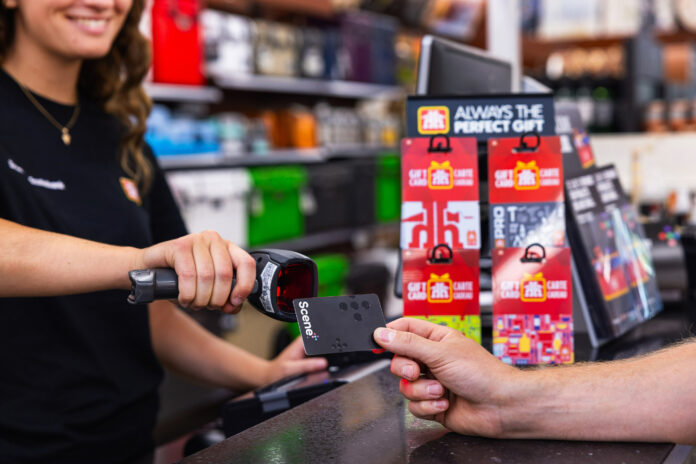
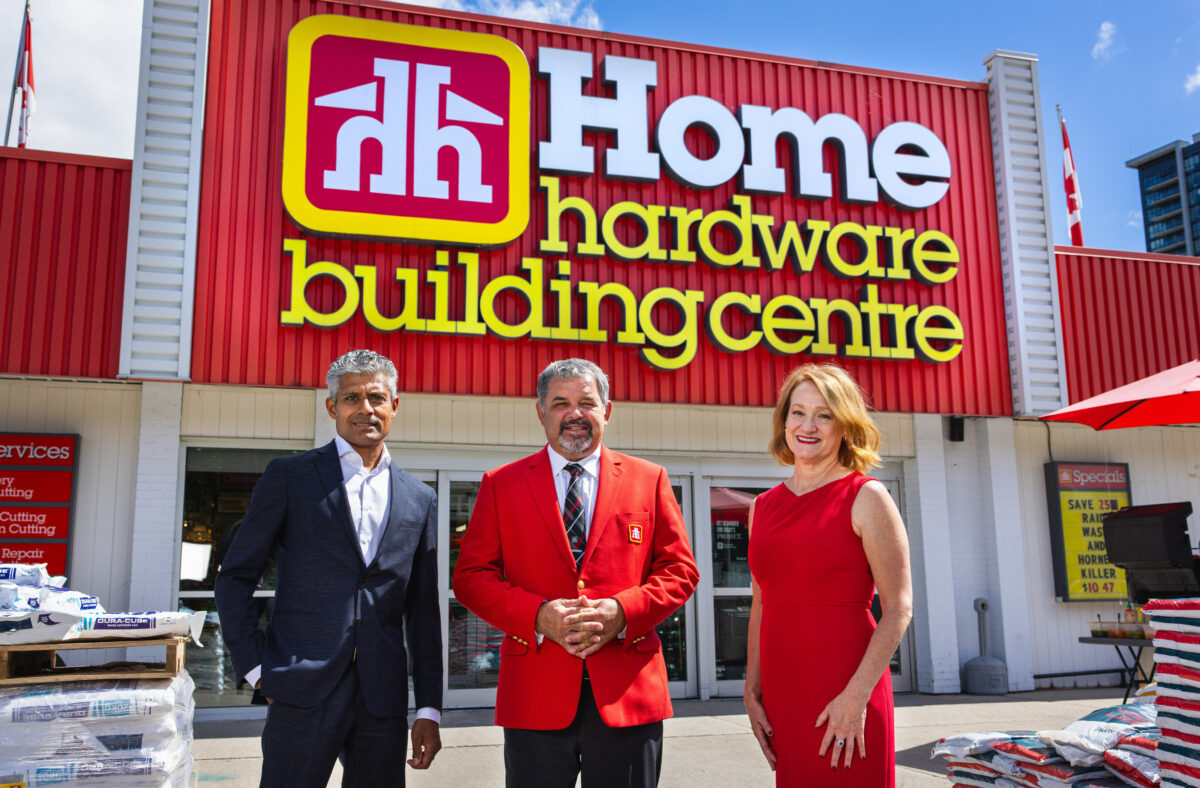
Recently, it was announced that Canadians can now earn Scene+ points at Home Hardware Stores Limited’s close to 1,100 locations across Canada and at homehardware.ca using their Scene+ Loyalty Card and the Scotiabank® Scene+ Visa* Card.
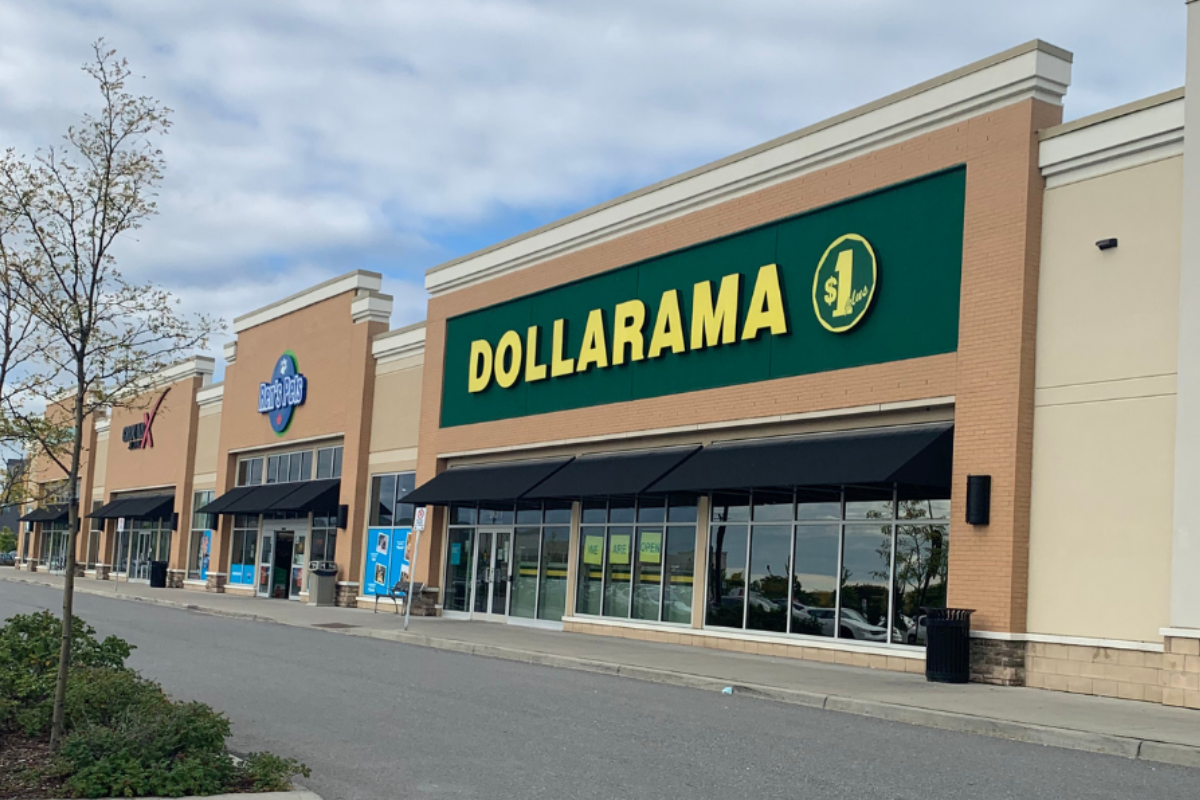
Also, AIR MILES announced the first of several program enhancements including a new partnership with leading Canadian value retailer, Dollarama.
Dollarama (Image: Barrhaven BIA)
“This piqued my interest. If you go back to the loyalty space about 20 years ago, even 15 years ago, a lot of programs were sort of tied with a coalition, like a network. AIR MILES and things like that,” said Winder. “Then there was a trend where companies started to kind of create their own programs so that they could harvest the data directly and control the relationship with the customer.
“But I’ve seen recently two data points where maybe we’re starting to see a bit of a rebirth and a re-linkage of coalitions.
“I read somewhere that Canadians on average like 16 loyalty programs they’re involved in. And I also read somewhere where they’re sitting on $15 or $16 billion worth of points that they’re not using.”
Because of the tough economic times and the fact that consumers may be holding back on spending, retailers are wondering how they can add value for a consumer who is really stretched.
“I’m wondering if companies are starting to see the benefit again of partnering with larger programs that offer multiple retailers so that they can earn easier and quicker and then burn off the points easier and quicker to kind of keep them in that loyalty cycle,” said Winder.
LEFT TO RIGHT: Clinton Braganza (SVP Customer Loyalty & Partnerships, Scotiabank), Kevin Macnab (President & CEO, Home Hardware Stores Limited), Tracey Pearce (President, Scene+). (CNW Group/Home Hardware Stores Limited)
Winder said 60 per cent of consumers will change where they shop to try to maximize points.
“It actually works. It changes consumer behaviour,” he said. “Especially now because I think consumers are tuned in to look at savings right now. I’m sure there’s a lot of consumers out there who probably won’t buy much unless it’s on sale right now. Or there’s some sort of deal.
“Loyalty works. It’s better to use loyalty than just drop your prices. So instead of saying okay let’s drive some traffic, let’s drop our prices 10 per cent this week, that’s a very expensive way to draw traffic and to draw a conversion. It’s cheaper and has more stickiness to use a loyalty program instead.
“It’s less expensive and it’s actually more engaging and it has more of a long-term impact. In other words, the customer will keep coming up. What if you drop your prices 10 per cent this week and then your competitor drops 10 per cent next week, well the consumer has no problem jumping back and forth to retailers. But if you offer value in a loyalty program the way that they get the value is by continuing to shop at your store. So you kind of keep them captive within at least the network. It’s a smarter approach in an economic downturn instead of just relying on price. Relying on loyalty is cheaper and smarter to drive people in your stores and keep them in your stores.”
Winder said one of the reasons behind all the unused loyalty points is that consumers have signed up to a lot of independent one store programs. The points just sit there.
“If you have consumers that are sitting on a pile of points and not using them, that means your loyalty program is broken,” he said. “Because what you want to do is you want to have consumers every week or every month earning points and burning points, earning points and burning points.
“And if you stop the burning side, in other words the usage, then you’re going to stop earning. It might also be an indication too that the rewards you’re offering aren’t very appetizing. They’re hard to claim or you need an enormous amount of points to claim them or they’re rewards that people just don’t want. So it’s a bit of a telltale that your rewards program is broken when you’re sitting on too many points.”
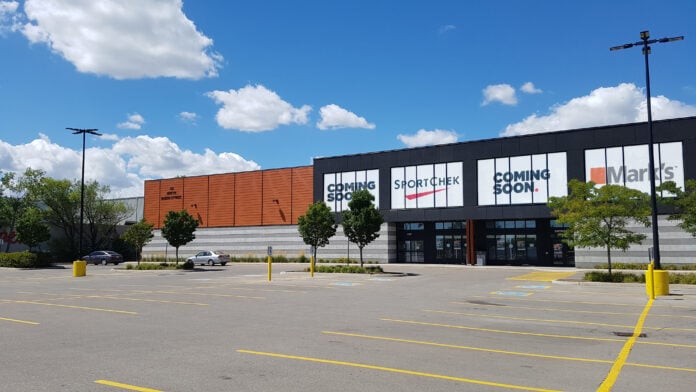
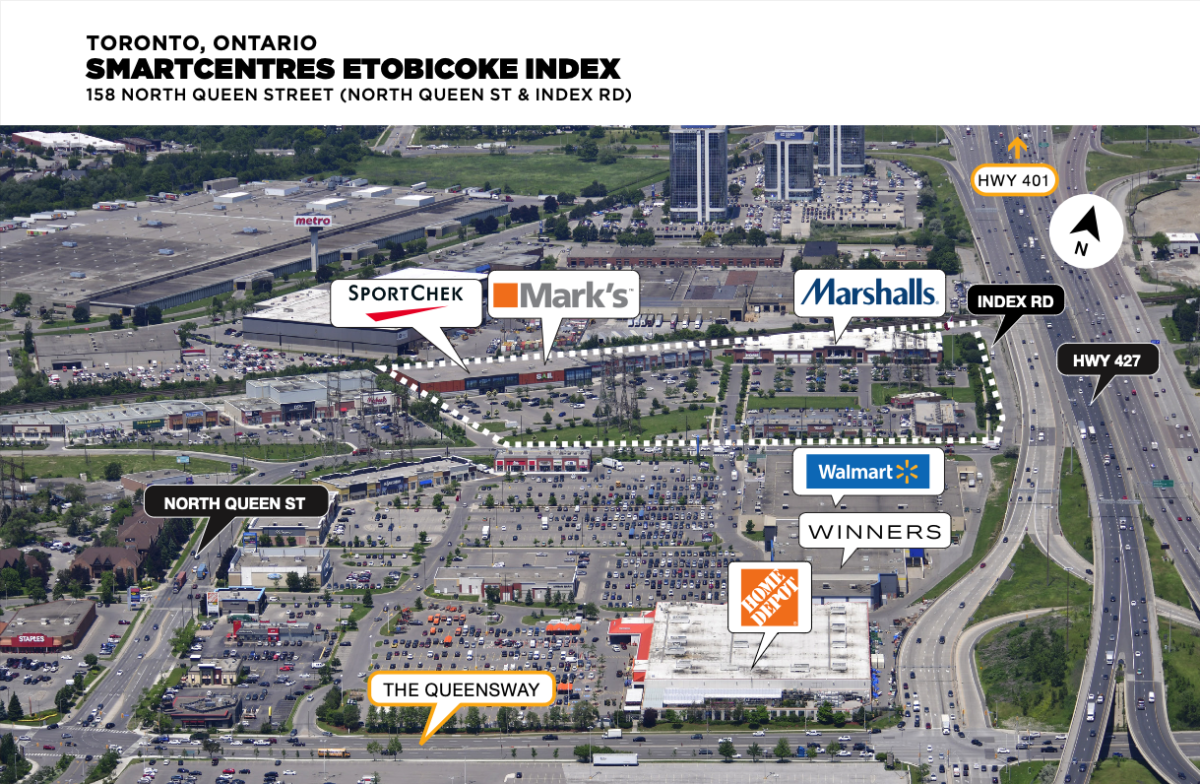
Luke Moore, Leasing Manager for the property, confirmed that the retailer, along with Mark’s, which are part of the Canadian Tire Corporation umbrella, will retrofit the former 70,000-square-foot SAIL space at Index.
Luke Moore
He said this will bring a new energy to the centre.
“There’s a sense of anticipation for their arrival in the market and we’ve seen renewed leasing interest in the centres from fashion, athletic apparel, home décor, and restaurant users since announcing our plans,” said Moore.
“We are excited to add SportChek and an updated and expanded Mark’s to the sites. They are both top-performing retailers, with national brand recognition and innovative operating platforms. The brands are going to attract a new consumer demographic and will reinforce the performance of our existing and future tenants in Etobicoke.”
SmartCentres Etobicoke Index (Image: SmartCentres)
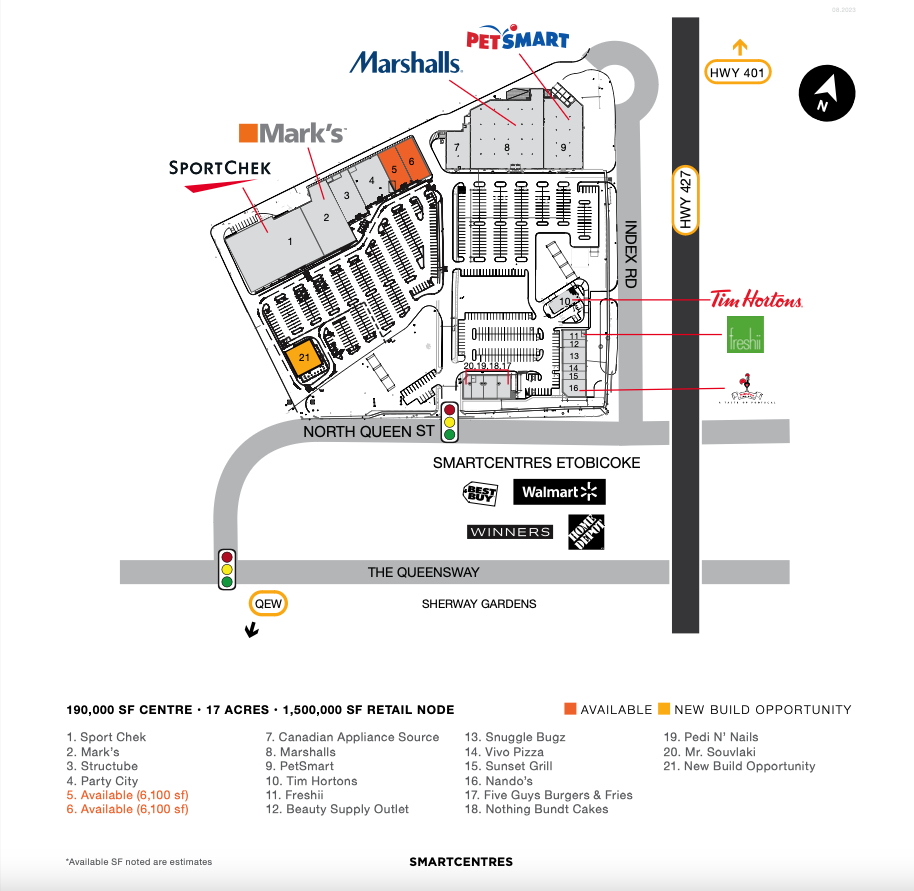
SmartCentres Etobicoke and SmartCentres Etobicoke Index shopping centres consist of 624,000 square feet of open-air retail space across 54-acres. The centres straddle North Queen Street at Hwy 427 and The Queensway beside Sherway Gardens within Toronto West’s southern Etobicoke retail node.
“Our Walmart-anchored, SmartCentres Etobicoke site originally launched in 2002 and saw its most recent buildings constructed in 2017/2018. We have 22 tenants currently on-site including national retailers Winners, Old Navy, Best Buy, Tip Top, Carter’s Osh Kosh and Reitmans, as well as food and beverage providers Pur & Simple, BarBurrito, and Firehouse Subs,” said Moore.
“SmartCentres Etobicoke Index is the newer centre of the two which opened its first phase in 2011 with Marshalls and PetSmart. We’ve continued to construct neighbouring buildings since then with Tim Horton’s, Snuggle Bugz, Party City, and Structube joining the site in 2012 and 2014.”
Moore said Canadian Appliance Source opened at the Index site during the pandemic period.
“And we are excited to share that North America’s largest specialty cake company, Nothing Bundt Cakes will be opening within the next couple of months,” he said.
“The neighbourhood retail requirements have been quite diverse, which have resulted in the assembly of the strongest retailers in the country and we continue to improve this mix in the remaining vacancies with tenants that complement our centre.
“We’re working through new leasing requirements with tenants who have an interest in our centre. In addition, we see the potential of residential use over time.”
SmartCentres Etobicoke Index (Image: SmartCentres)
Moore said what makes SmartCentres’ open-format retail attractive is its high-quality retail products, in great locations, with great tenants and easy access.
“In Etobicoke’s case, we have buildings that are less than 10 years old, anchored by some of the strongest national retailers in Canada located at the Hwy 427 & The Queensway,” he added.
In releasing its second quarter financial results last month, SmartCentres said shopping centre leasing activity strengthened from Q1 2023, with an industry-leading in-place and committed occupancy rate of 98.2 per cent as at June 30, 2023 (December 31, 2022 – 98.0 per cent). It executed new leases of 273,150 square feet during the quarter and renewed 75.5 per cent of the 5,157,636 square feet of space expiring in 2023.
“Construction activity is currently underway, with respect to high rise residential on existing shopping centre sites in Vaughan, Laval, and Ottawa,” it said.
Mitchell Goldhar
Mitchell Goldhar, CEO of SmartCentres Real Estate Investment Trust said: “Our defensive portfolio has become more offensive, with even stronger numbers in our Walmart anchored centres, which drove a $7.0 million increase in net rental income compared to the same quarter of last year. In-place and committed occupancy increased 20 basis points to 98.2 per cent in the quarter, demonstrating our industry leadership. We expect to continue delivering strong occupancy levels and solid rental income for the balance of the year.”
Craig and Lee embark on a discussion centered around the contrasting retail landscapes of San Francisco’s Union Square and Toronto’s Yorkville. Craig’s recent trip to San Francisco prompted him to explore the Union Square area, known for its diverse retail offerings, particularly in the luxury segment. He highlights the architectural grandeur of Union Square, wide sidewalks, and a concentration of high-end brands like Saks Fifth Avenue and Neiman Marcus. The discussion delves into the presence of wealthy patrons in San Francisco, driven by the city’s tech industry, contributing to the thriving luxury retail scene.
In contrast, the hosts shed light on the village-like ambiance of Yorkville, emphasizing the historical charm of the area with smaller buildings, cafes, and a tight-knit community. Craig observes that Yorkville, with its resident population and diverse income levels, boasts a vibrant and safe environment for both shopping and socializing. They also touch on the challenges faced by San Francisco, including vagrancy and crime in certain areas, like the nearby Tenderloin neighborhood, which contrast with the relative safety of Toronto’s upscale shopping districts.
Ultimately, the hosts recognize that both San Francisco and Canadian cities like Toronto have unique retail landscapes, with San Francisco’s Union Square catering to luxury consumers and Toronto’s Yorkville offering a distinctive village atmosphere. They express optimism for San Francisco’s retail future, foreseeing the city overcoming its hurdles, while appreciating Canada’s vibrant downtown cores and their sustained retail vibrancy.
The Weekly podcast part of theThe Retail Insider Podcast Network by Retail Insider Canada and is available on Apple Podcasts, Stitcher, TuneIn, Google Play, or through our dedicated RSS feed for Overcast and other podcast players.
Subscribe, Rate, and Review our Retail Insider Podcast!
Drop us a line at Craig@Retail-Insider.com. You can also rate us in Apple Podcasts or recommend us in Overcast to help more people discover the show!
Background Music Credit: Hard Boiled Kevin MacLeod (incompetech.com). Licensed under Creative Commons: By Attribution 3.0 License. http://creativecommons.org/licenses/by/3.0/
Retail Insider is streamlining its Canadian retail news from around the web to include a handful of top news stories that can be viewed quickly during the day. Here are the top stories from the past three days.
Retailers across North America are increasingly dealing with theft in the industry.
For example, the National Retail Federation in the U.S., recently reported that retailers lost an estimated $112.1 billion last year from theft and lost inventory.
John Crombie
John Crombie, Executive Managing Director, Retail Services, Canada at Cushman & Wakefield, said it’s a bigger problem in the U.S. than in Canada. He said there is a movement in the U.S. to get stricter penalties for ‘grab and go’ theft.
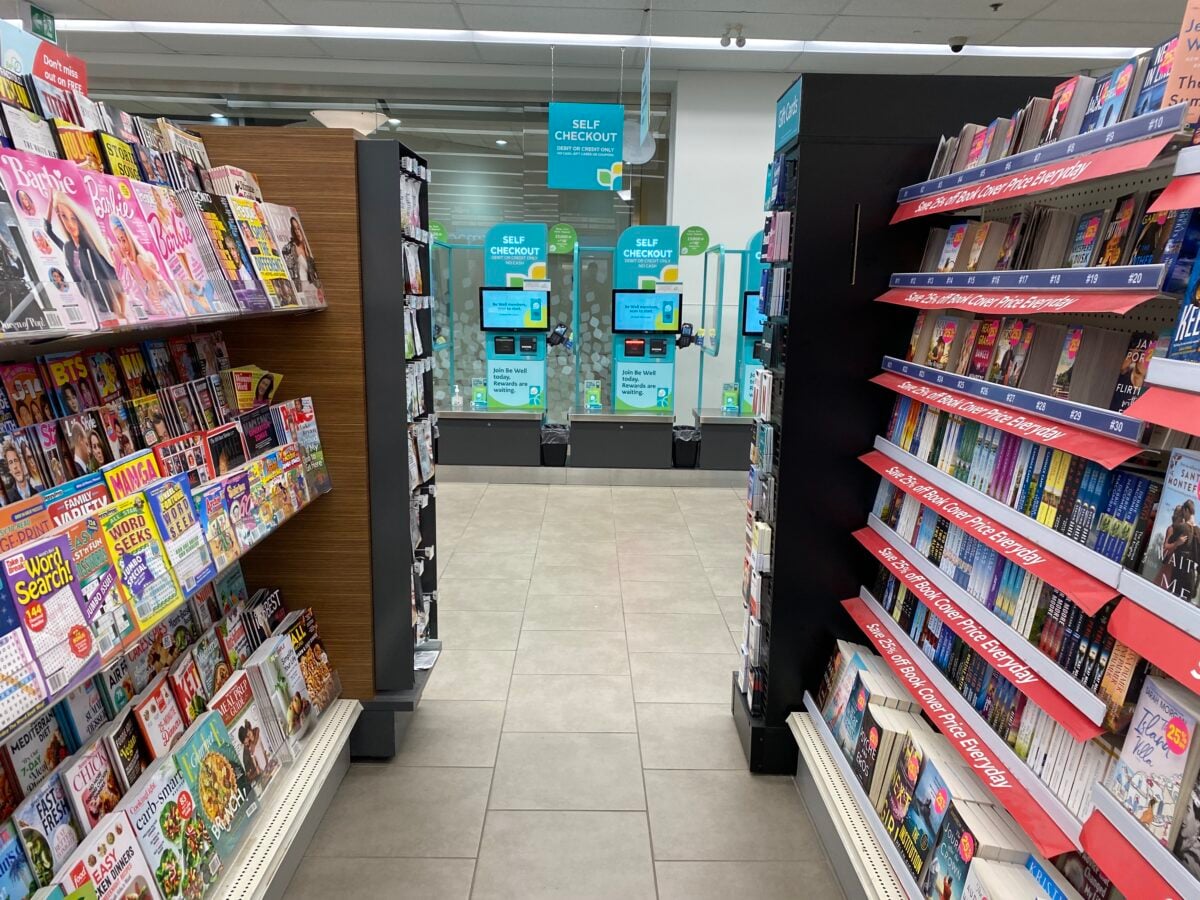
One issue Crombie said is that self-checkouts have grown substantially in the retail sector over the past five years. He cited a study from the U.S. indicating that self-checkout now accounts for about 55 per cent of all customer transactions, up from 2017 when it was only 36 per cent.
“There’s been reports especially in Canada where a lot of the grocery stores using the self-checkouts, it saves money for labour costs, customers seem to like it because it’s quicker especially if it’s vacant there, but they are having problems with theft. People aren’t scanning everything,” said Crombie, who is also Marketplace Council Director for the ICSC.
Self Checkout at Rexall in Metro Hall (Image: Dustin Fuhs)
According to a survey of its members earlier this year by the Canadian Federation of Independent Business, 57 per cent said they have experienced theft/shoplifting; 56 per cent have experienced vandalism/breaking and entering. And 28 per cent said they experienced vagrancy and/or encampment issues.
And according to marketing firm Leger in a recent survey, Canadians are most supportive of retailers implementing security cameras (88 per cent), electronic anti-theft alarms (85 per cent), and security guards (78 per cent). Canadians are least supportive of retailers implementing limits to the number of customers allowed in stores (32 per cent), customers needing to leave bags in a locker/with an employee while shopping (32 per cent) and/or requiring customers to show ID to make a purchase (17 per cent).
It also said that 45 per cent of Canadians think retailers are implementing the right amount of security measures to prevent theft, while 27 per cent think they are not implementing enough. Only 10 per cent think retailers are implementing too many security measures.
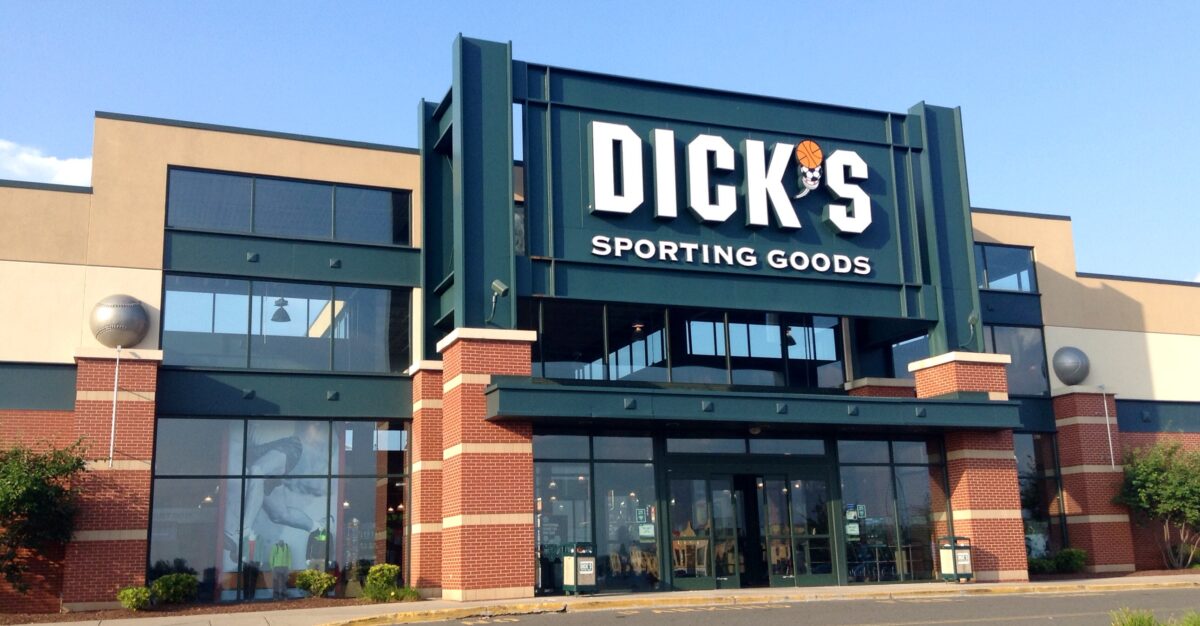
Image: Dick’s Sporting Goods
There’s growing number of incidents, and videos on social media, showing people simply walking into stores, particularly in the U.S., and walking out with merchandise and not paying for it.
Recently, Dick’s Sporting Goods in the U.S. blamed shrink, theft and damaged inventory, for its poor financial results in the second quarter which saw profit drop by 23 per cent while sales were up 3.6 per cent.
“I have one retailer I’ve been working with and he’s been broken into three times and it’s not only costs associated with repairing windows. In fact, they broke through the window twice and through the roof another time. The labour costs of fixing that, the security costs while it’s broken and open, and third the insurance cost. And that’s all driving down your bottom line. It’s just an expense that you didn’t anticipate and all your prices have gone and increased up there,” said Crombie.
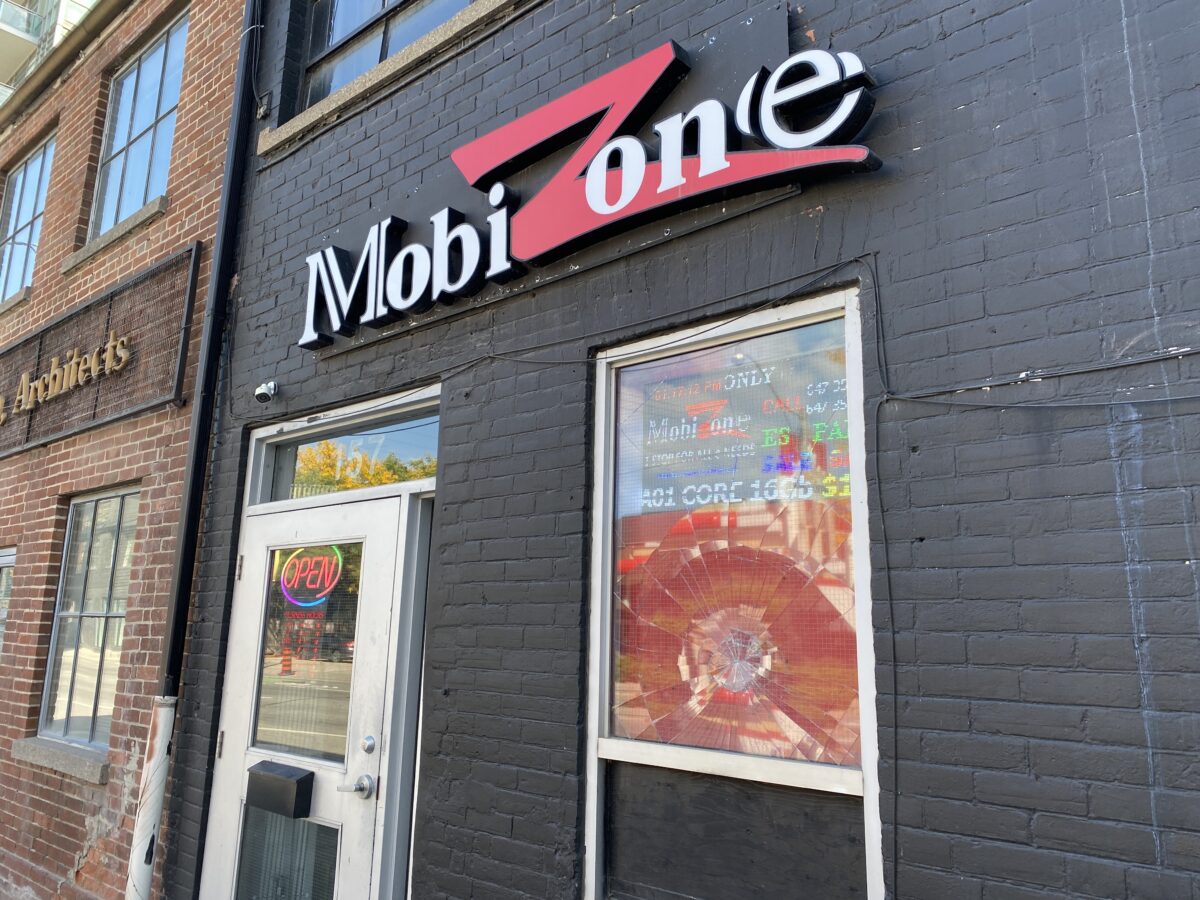
Broken Window at MobiZone on Richmond Street in Toronto on Sunday, October 1st, 2023. (Image: Dustin Fuhs)
Many retailers have increasingly locked up merchandise in stores such as tools and electronics to prevent people from shoplifting them.
“It’s like anything in the retail industry. You want your customers to feel that they can browse and look around and feel confident that they can touch and feel the product. I mean that’s what brick and mortar is all about. You’ve got the ability to go in and see the product, feel the product, get a sense of the product from a physical perspective but if it’s all locked up it’s just an extra barrier. Are you going to encourage more e-commerce business and really take away that tactile feeling that retail’s been all about for obviously forever and a day,” said Crombie.
“That’s a danger you have.”
Crombie said many retailers today want both exterior and interior entrances. It’s been a discussion due to the pandemic. The retailers that did better during a lockdown in the pandemic were those that consumers could enter from the exterior especially when the interiors were closed. But for the retailer it adds another issue with regards to security with more than one entrance to your store.
The issue of theft hits the bottom line for many retailers and that’s not good considering the economic challenges the industry is facing with rising costs and ho-hum sales.
“When you look at statistically, the last two months have been relatively flat,” said Crombie. “The second quarter was actually negative returns. So we had that blip in January/February which kind of really supported sales. We thought maybe it’s going to be a good year.
“The consumer has been relatively resilient. But we’re now feeling that coming into the fall, the pressures of disposable income going down because of interest rates are affecting that, mortgage payments are going up, they’re suggesting that could go upwards to 25 per cent of what they were paying. So this is just cutting into the disposable income.
“I think the Gen Z’s and Millennials are going to be the most impacted because in as much as their incomes have gone up, they’re the ones most vulnerable because they don’t have a lot of cushion.”
Shuttered Blaze Pizza at John and Richmond in Downtown Toronto (Image: Dustin Fuhs)
Crombie said restaurant spending is also curtailing. There’s a slowdown taking place.
But the luxury retail market in Canada is being driven by tourism which is back after the pandemic.
“We’ve seen a huge upswing in travel . . . People are traveling and that has impacted the luxury spend within the Canadian market. Tourism has come. It’s come back. There’s business travel. There’s tourism travel and I think that’s been a real driver for that,” added Crombie.
He said he has been looking at overall retail store closures this year and it’s been pretty light.
“I’ve counted about 170 store closures up to September this year. And to put it in context, usually the average is about 500 to 600 a year. So we’re tracking very low. Year 2020, the year of the pandemic, we had over 2,000 store closures, about three and a half times the average. And then there was almost nothing in 2021, about 1,400 last year but there’s so few this year,” added Crombie.
“Retailers have had the chance to cull out their underperforming stores and really I think the damage has already happened. I think that’s actually a good sign with a market showing its health. So it’s nice to see we’re not seeing quite the store closures that we’ve had in the past. I don’t expect that many to happen in the next couple of months because October, November, December are very strong months. Any retailer tries to stay open up to Christmas.”