Craig interviews the team at J.C. Williams Group, who share their experiences at the new Zellers 2.0 locations. The conversation includes what The Bay has done right with the first 25 Zellers shop-in-stores locations, as well as some concerns and what could be improved.
A transcript of the conversation can be found below.

The Interview Series video podcasts by Retail Insider Canada are available through our Retail Insider YouTube Channel where you can subscribe and be notified when new video episodes are available.
If you prefer to listen to the audio version, it is available below:
The Interview Series audio podcasts by Retail Insider Canada are available on Apple Podcasts, Stitcher, TuneIn, Google Play, or through our dedicated RSS feed for Overcast and other podcast players. Also check out our The Weekly audio podcast where Craig and Lee discuss popular content published on Retail Insider which is part of the The Retail Insider Podcast Network.
Featured during this interview:
- Lisa (Phillips) Hutcheson, Managing Partner at J. C. Williams Group
- John Torella, Senior Partner at J. C. Williams Group
- Graham Heuman, Research + Insights Associate at J. C. Williams Group
- J. C. Williams Group
Transcription
Craig Patterson
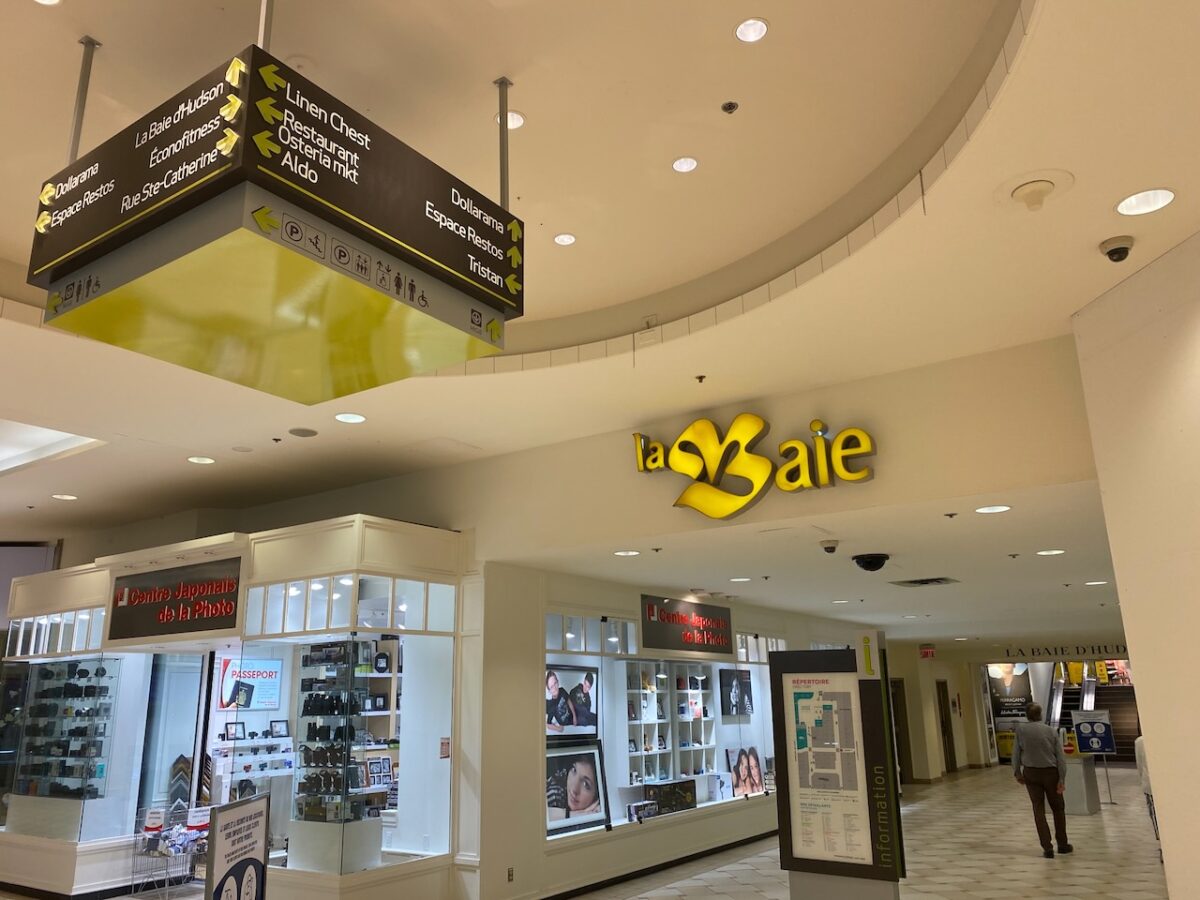
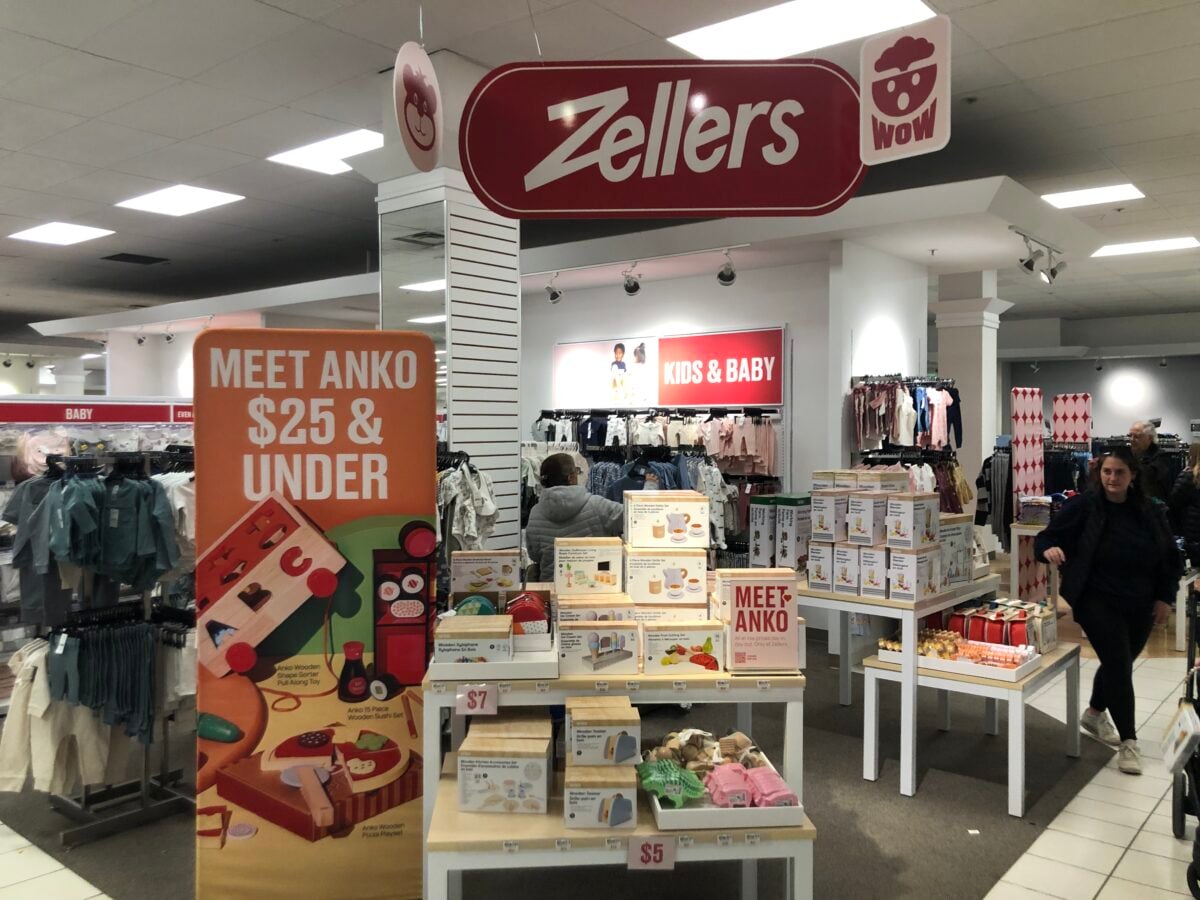
Welcome to the Retail Insider Video Interview Series. I’m your host, Craig Patterson, and we’re joined here with three special guests today. This is the first time I’ve had this many on in a video. We’re going to be talking about Zellers and its return. A bit of a Zeller’s 2.0 situation here. Now for those that are familiar, which probably would be no one watching this at this point, but The B ay is brought back the Zellers brand, it disappeared as we know it basically about 10 years ago. This brand has been brought back as Shop-in-Stores somewhere between eight and 10,000 square feet, located within Hudson’s Bay department stores in Canada. With this Zellers 2.0 relaunch a few brands have been brought in, including primarily a private label brand called Anko, which was developed for Kmart in Australia. Now I’ll introduce my three guests here. They’re all experts in their own areas within the retail industry, but all are within the J.C. Williams Group. Being a very highly respected consultancy based in Toronto, we’ve got Lisa Hutchinson. She’s the managing partner and a very well known strategist within the retail industry. Welcome, Lisa.
Lisa Hutchinson
Thanks for having me.
Craig Patterson
We’ve got John Torella. You’re a senior advisor with the J.C. Williams group and you’re a marketing and branding specialist. Welcome, John.
John Torella
Great to be here.
Craig Patterson
And Graham Heuman, you’re research and insights associate at J.C. Williams group and your work with strategic planning all kinds of other stuff there. Welcome, Graham.
Graham Heuman
Thank you, Craig. Looking forward to the conversation.
Craig Patterson
Let’s dive into it here. We’re going to talk a little bit about Zellers. Now at least Ben Graham, I know that you had an opportunity to visit the Scarborough Town Centre location and you’ve been poking around a little bit to have a look at what’s in this Zellers here. Let’s talk about your experiences so far and what you think of the brand.
Lisa Hutchinson
Yeah, we were there for the opening day, the opening fanfare was quite a show it was quite a sight. I will say the marketing folks have done an amazing job. They’ve done a great job in terms of – I’ve been following them on Instagram for a couple of weeks watching what’s happening, there’s definitely been the curiosity and a fun level and it was not let down. We came into the shopping centre before the store opened, and we could hear the DJ going, it would help us figure out which direction we were going. We heard the DJ going, then there was a lineup and lots of excitement. They had a marching band march everybody into the store, which was helpful because it was a bit difficult to find after we went up another level on an escalator, and then taken back to the back of the store where it was positioned, which we thought was a bit unusual – tucked back between lingerie and furniture. But once we were back there, it was really well branded. We can it’s certainly was well merchandise. And we thought that the department was well laid out. And yeah, so that was our first impressions as we started to dig around. And we started to look a little bit more with our critical lie in terms of the product. And as you mentioned, it’s pretty much in my guesstimate about 80% of the Anko private label, which is as we know is the Kmart private label product. So the majority of it was that, but that didn’t seem to be stopping the shoppers. People were picking up products. There was definitely a demographic that was older that was really playing off the nostalgia. And they were having the fun with it and picking it up. We didn’t see as many young people and the young people that we did see would be you know, some moms and babies shopping in the toy department and the baby department. And then lots of people making purchases. Again, one of the downsides was that there was no dedicated point of sale, and there was no Zellers bag, so people were leaving with HBC bags (or The Bay bags). And but definitely lots of excitement people were in there. And, you know, that’s sort of my first impressions. Graham has a different eye and a different understanding and history with Zellers. So I’ll let him chime in.
Craig Patterson
And I wanted to I want to bring up as well, Graham, you’re a little bit younger than us. So I’m curious what you think of, for example, the Anko products because I think you’re in your 20s, is that correct?
Graham Heuman
Correct. Yeah, I am.
Craig Patterson
Let’s talk about that as well because again, I’m just curious, what do younger people think of the brand because again, I’m a couple of decades older. So, you know, I know the old Zellers and what it was like I remember the “Truly” brand and it was truly not amazing, but tell us what you’re thinking about. You saw it the new Zellers.
Graham Heuman
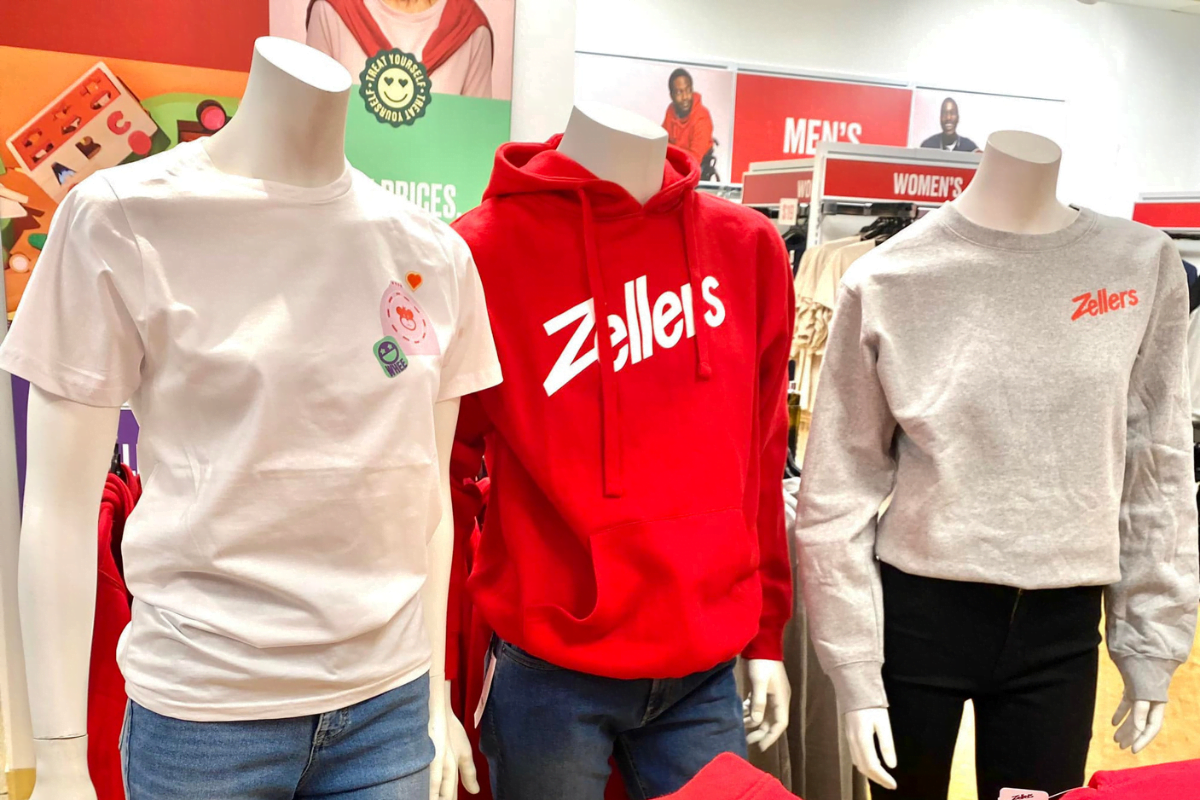
Well, it was definitely very aesthetically pleasing the brand. It was very well laid out the visual merchandisers at the Zellers did a great job of laying it out. And the product was definitely design oriented. I can’t say whether or not (because we didn’t purchase any) how it would hold up over time from a quality standpoint, but it was definitely very visually appealing. It definitely played into the younger demographic as far as design/color palette, things like that. But the one thing is it, to my recollection, doesn’t really have any of that nostalgia there playing off of. It doesn’t attribute much to the Zellers branding as it was from 2013 and before. I never thought of Zellers as sort of a place to go to get the trendy ‘new item’. And now that seems to be where they’re moving. So and, you know, one of the things that we have to give them kudos for is the Zellers branded clothing. I mean, that was flying off the shelves while we were there. And that was not demographic specific. That was people who, from older generations to buying little clothes for their babies, it was all all flying off the shelves while we were there.
Craig Patterson
I think the hoodies have sold out with the red Zellers hoodies I wore one when I was teaching a class recently.
Lisa Hutchinson
Yeah, so then I followed up with a visit to Erin Mills, on the second day of their opening, having seen all the fanfare of one location. I wanted to go and see maybe something a little bit more typical. The second day, a little later in the day, certainly still very busy. Still a lineup, but it was at a central cash point. And so, it’s hard to tell, I was trying to distinguish whether it was, you know, Zellers products only or were there other other HBC products in there. And so that was difficult to tell. But there was definitely a long lineup. And typically, the HBC stores don’t have long lineups. So I think that has an impact on it. But the the red hoodie was completely sold out at that location when I was there. And there was lots of product that was sold out there. And so I don’t know if that was an ‘out of stock’ or there just wasn’t a team dedicated to doing the replenishment on the weekend.
Craig Patterson
I’ve been told it’s hard to get everywhere. It’s not just in Toronto, so they may have run out everywhere, including online – which I don’t even know if it’s online. Now, John Torella, you’re a senior advisor at J.C. Williams group. Tell me a little bit about your just general impressions of this new Zellers, the branding and how the marketing is coming about and what Zellers is going to need to be doing (and I guess, the Hudson’s Bay Company as a parent company) to maintain that success longer term, because right now, it seems like nostalgia and buzz are really propelling this popularity for this new Zellers concept, at least to grasp, we’re still in the first week of it being in existence to the public.
John Torella
Well, Craig, my sense is that while the Zellers plan may add some hype, sales, and certainly some traffic. HBC’s issues are much bigger and greater. My storyline now with all my buddies is – the Zellers plan is like shuffling chairs on the deck of the Titanic. If The Bay doesn’t really issue, deal with the fundamental issues, like what’s the compelling competitive advantage? What’s the point of difference? What’s their USP? What’s their value proposition, whatever you want to call it? If you look at the ‘brand’, you guys are all using “brand’ as logos and graphics, but my definition of ‘brand’ is much deeper than that. So it’s how are you distinctive? Are you unique? Are you special? Brands have to be distinctive in their look and feel at every touchpoint online, and in store. Most of all, they have to be relevant to the new norms and the new realities. This is a different world. And they have to be sustainable, not just in the short term, but the long term infinite view. So if I had to boil it all down. It’s no noble purpose beyond profit. And that’s not going to lie.
Craig Patterson
What about the Anko product itself? This is a question for anyone on this small panel that we have here. Like we mentioned before, this is a line that’s been brought in from Australia. And it was developed by Kmart specifically for I believe the Australian and the New Zealand markets. Now, those in the United States may remember Anko coming in, they had a few stores in the Seattle area as well. But that was only from about 2018 until just after the pandemic, which disrupted a lot of retail and the stores unfortunately, shut down. But let’s talk a bit about the Anko line itself. It’s really inexpensive, at least for the most part, the design is quite modern, not what we remember from Zellers, at least from the modern part, we remember the prices.
John Torella
One of the things I talked about is “The New Norm”, new realities. One of the new realities is that it goes beyond product and service. We’re really in the era of experience. And so while they may be intrigued by the product, one off here and there and so on. If I’m going to build any kind of loyalty, particularly with the younger customer, then there’s got to be an experience in there. And it’s got to be an emotional experience, there’s got to be some relevance. I’ve got to have some sense of belonging, some simpatico with that brand, or it’s not gonna last.
Lisa Hutchinson
I think Graham was touching on that in terms of “Is the customer looking for this modern, more modern, refreshed brand?” and it being Anko. And so, you know, I guess we first learned a bit partly with our Australian partner had posted an article about Anko was going to be the partner for a Canadian brand to open in the later this month, which putting two and two together is Zellers. So, you know, is it as Zellers brand? Or is it just a Zellers department and bringing back some of the values that Zellers is playing on? There is some space right now, for an economic value-based retailer and there is space within the Hudson Bay stores. Is this an opportunity to fill that space partner with somebody that’s got a brand and product that’s able to fill this opportunity, and the space within the store.
Graham Heuman
To speak to the pricing, what has been touched on is that when we were originally were talking about it – we were comparing it to the pricing that was being seen at Kmart Australia for the Anko product. There’s not a ton of relevancy to the Canadian consumer, but with Zellers (specifically with their ‘Lowest Price Is The Law’ is part of their nostalgia. When we actually compare similar products from a Walmart or if it’s a product that can be bought in bulk (comparing it to Costco), they aren’t necessarily going to be the least expensive. So they’re not the least expensive, but they’re also not the trendiest as far as even what John was saying with a noble purpose, right? They’re not the most purpose driven, but they’re also not the least expensive. They’re kind of putting themselves into an awkward position with little differentiation.
Craig Patterson
One thing to note, too: The $175 chair by Anko at Zellers here in Canada, I think in Australia is $79 Australian, if we want to talk about some pricing. I don’t know but other prices, but this was brought to my attention by a reader. $175 still isn’t a lot of money for a chair as things are expensive in Canada. But things are expensive in Australia as well. At $79, its a pretty good price and the dollar in between Australia and Canada are not not that far off.
Lisa Hutchinson
Yeah, we noticed the same thing when we did some price checking.
John Torella
I also see a basic flaw in their strategy of nostalgia. Because once on one hand, they’re saying “Hey, nostalgia, memories, and all about the remembering and belonging of the past”. Then on the other hand, their senior executives are saying their focus is on a younger customer. And that’s what they really want to get. So the nostalgia thing just doesn’t work with that younger customer.
Lisa Hutchinson
And is nostalgia a strategy?
Craig Patterson
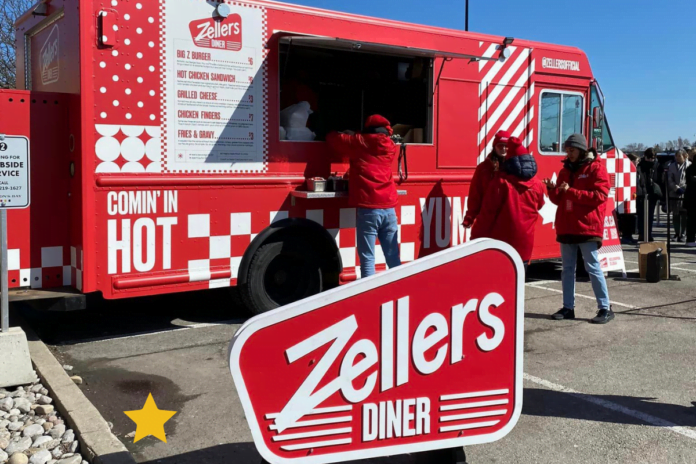
Now speaking of nostalgia, what Zellers has done is it did not bring back the full-size or full-service restaurants that the stores were known for. I’m actually sometimes questioning whether or not (I’ve said this in a previous podcast that we are putting out) that maybe they should have started with restaurants, if that was feasible in terms of the kitchen facilities and had some sort of Zellers merchandise, but nevertheless, what we’ve got now is food trucks driving around the country with five of the menu items that had been originally had Zellers are similar to it anyways. Do you think that the food truck strategy that Zellers has brought forward is going to be successful? And will this even bring people into the stores? Or are they just going to get their grilled cheese sandwiches and run?
John Torella
The problem with it? Craig is it’s one dimensional. I mean, if you’re really going to develop this Zellers brand, then you need a full MarComm plan (a marketing and communications branding plan). Both online/virtual and in store. It has to have both traditional media (certainly the most effective traditional retail media like flyers and promotion and events and activities) and it has to have consistency. The food truck has a kind of clever, unique, buzzy idea – but where is the MarComm Plan? If I go back to my reference to The Bay, where’s The Bay’s marketing plan? Where’s the excitement of the past with “Bay Day”? Remember the hype with Bonnie Brooks and her use on TV? There is no semblance of any thought in any of that.
Lisa Hutchinson
With the restaurant, and I think that’s a cool idea in terms of a restaurant with some Zellers product. We didn’t get to try any food because it was pouring rain and they were trying to keep people dry and keep a tent down to try and figure out how people could come in. Then it wasn’t there on the Sunday when I was there again.
Lisa Hutchinson
It all feels a little ‘pop up’ to me. We’re all about testing, believe me, we believe in testing and whatnot, but it does feel a bit ‘pop up’. There was no big construction requirements, it was just emptying 1000 square feet and moving in some sort of ‘off the rack’ racks, if you will, some generic fixtures with signage. And similarly, with these food trucks are not a permanent thing. So it all feels a bit of a work in progress, and which is nothing wrong with that. To your question about the food trucks bringing people in – where they’re positioned is not even near the Zellers. So they’re just out in the parking lot. Maybe it’s a great, great way for people to come and park at the food truck and then go into the store. And it’s just another way to drive some traffic. Let’s face it, the outside of the department stores need some animation. And so maybe this is the solution for them to come in though those entrances is to have the food truck there.
John Torella
It’s to ‘one of’, it’s not enough substance. To me, it just as you say it’s a kind of ‘pop up’. And everybody’s excited about it. But where will we be in the deep dark days of August? What are they going to have going on then? How are they going to launch fall? What’s Christmas going to be like and where’s the annual plan? How committed as a staff into this thing. I mean, these are the essence of retail and you can’t just do it with ‘one of’ hype.
Graham Heuman
And I think what you said John about where will we be in August? Just as an interesting question for the food truck specifically. The beauty of the food truck is the fact that it’s mobile. And obviously, for this time being to have it in front of the store makes sense. But it’ll be interesting to see how they use it as a touch point for the brand and maybe expand it. Having the ability to go to food truck festivals, or to be able to go to music festivals, or try to activate spaces that they aren’t in right now, because maybe it will drive traffic to the store. But ideally, it’ll still create some buzz around the brand if they do show up to different events. Right. So I mean, maybe not a good strategy for holiday, but could be a great one as they’re moving through summer.
Craig Patterson
Very interesting. Now, there’s been some chatter around maybe Zellers opening full size stores or at least standalone units. We don’t know how big those would be at probably not as large as the old Zeller stores just because you need a lot of stuff to put in them. Do you think that this would be a concept from what you’ve seen so far with this Zellers 2.0 relaunch that would possibly see success with something that would be larger? Or do you think maybe the Hudson’s Bay Company wants to utilize these smaller units to drive traffic into existing Hudson’s Bay department stores?
John Torella
Where are you going to put your money, Craig? Walmart or full line Zellers store? Where are you going to put your money?
Craig Patterson
Walmart.
John Torella
Winners? Are you going to put your money against Dollarama? Come on. I mean, again, it’s just the shuffling the chairs. They have gone through five presidents in the last six years, each one of them came with their hot idea. Well, we’ll see.
Lisa Hutchinson
I thought that we were going to see it more isolated. We were kind of surprised when we went in and had to make our way through the store. And is that part of the strategy to make people go through the store and maybe buy some other products?
John Torella
Don’t make them do thing. Create a want or a desire. That’s what you want.
Lisa Hutchinson
I was expecting it to see kind of like the locations of the Top Shops. An exterior corner of the store with big exterior signage. I was surprised to make my way through the store to a department. If there’s a future, it is either carved off some of the existing store space, or it’s a standalone, but to keep it just as a department. To be multi-department department within a department store. What’s it taking from the rest of the Bay’s assortment?
Graham Heuman
I think the other thing to add is that there’s different departments already existing and people having these stores-within-stores. I agree with what Lisa said – I was expecting it to be more of like what we saw with “Mac” at Yorkdale. They put Mac’s into numerous locations, but the one in Yorkville is really prominent. And fronted right into the mall. But with a small red sign in front of the store doesn’t have as much of a draw. And yeah, moving that smallest assortment they have currently into a full line store be a lot of a lot of work.
Craig Patterson
It makes sense. Now, this Anko line, the prices are good. And it’s got different categories that you also find within that host, Hudson’s Bay store. Is always competing directly with its host store, The Bay?
Lisa Hutchinson
Yeah, I think, I think in some ways, they certainly are. And, I think they moved out some of the departments that they do compete with to make some space. But for sure, I think that, you know, that, you know, you’ve got children’s wear in Scarborough downstairs, and then up in the Zellers department, they also have children’s wear. So, it’s some point, are they just competing with themselves is what you’re saying? And I think the short answer is yes – by keeping it as a department within the store, in my opinion.
Graham Heuman
I think one of the other things that they’re definitely competing with is, cannibalize their own e commerce, right? I mean, they already had this marketplace concept where you had some opportunity to bring in some lower cost options from whatever vendors were interested in hosting with The Bay. So you know, some of those people might find a lot the competition in some of those Anko products that are lower price. And now there’s marketplace products in the Zellers, ecommerce assortment. So it will be really interesting to see how they decide where they’re going to be placing it with a separate website, it starts to get a little fuzzy as to where I’m buying my product.
Craig Patterson
And I’ve got one final question here. This is a general question. What do you think is the future of the department store generally? Say in North America and globally, because there are different types and and different examples around the world. I should probably start with you, John, because I know you’ve done some traveling, and you’ve got to look at some of these department stores around the world. Certainly before the pandemic, you were traveling quite a bit.
John Torella
Yeah, and you know, as I travel around the world, and look at department stores, it’s almost always my first visit. What I’m struck by is just the joyfulness, the exuberance, the excitement, the experience of it all, the sensible longing when you’re in there, the people. And it’s that to my point, you know, today, it’s not just about the products you have, it’s not just about the service you have. It’s the emotional connection that you make with that customer, where they feel a sense of, hey, there’s a store for me, there’s a store that’s going to help me, you know, in my joy of life, my family my whole, if it’s not that, who needs it, you know, I mean, there’s all kinds of specialists. So you better be pretty special, you better be pretty unique, you better be pretty distinctive, and you’ll make it good. If you’re not, you’re doomed.
Lisa Hutchinson
I was just going to share that share an example that John shared with us because he’s spent Christmas in Paris. So he had a magical experience in Paris,
John Torella
When you walked in. You just the staff was there, you were greeted. Can I help you? Go up to the food floor? I mean, these incredible food floors. You just see every expression of the food culture, the excitement, the sporting goods. It just restored my faith in the department store business, but it’s got to be, you know, it’s gonna knock your socks off.
Lisa Hutchinson
I think for me, the challenge continues to be the density of the population base in Canada. I think that there is a space for them. But to John’s point, there are lessons to be learned. You know, as you know, Craig, you know, we get to travel to meet with our international partners. Graham and I just got back from Germany. And I was in Poland in the fall. And you know, there are some amazing department stores in these European countries. And they certainly are doing it well. But they’re also don’t oversaturate. And, you know, we saw this great, this great outdoor retailer called Globetrotter in Cologne, and well, it’s not a department store, per se. But it is a huge format outdoor retailer. You know, they have people that drive two hours or hours, the drive to come see to come and shop in this store. And they stay for two hours, because it’s experiential. And you know, they can so you know, when you think about these other really successful department stores there, there’s the service element, and there’s all that experience. And I just find our department stores are lacking that. And there’s definitely this lifestyle opportunity. And so I think that there is still a lifeline for department stores, but I think they have to change and I think we don’t need as many of them I think they need to be a destination.
Graham Heuman
We spend a lot of time at JC WG thinking about this noble purpose. And I think a lot of these department stores have really lost that essence. If you look at our most recent exit of Nordstrom right there, their service excellence didn’t translate to Canada once they got past the six month mark, and started to really run into some issues. Another store we visited, again, wasn’t a department store, but one of the sales associates was so, so excited to show our group around and knew had so much product knowledge, and endlessly passionate about the brand that they were representing. And we aren’t getting that at our department stores. So I think this this idea of these global brands that shock the world for you, and bring in these products and know everything about it and can easily talk about it and make you fall in love with it as well is what’s the future, but what’s currently lacking.
Craig Patterson
Now, Graham, is someone in your 20s, do you shop at department stores? Are you a fan?
Graham Heuman
I’m a fan of the right ones, you need to have a reason to shop there. I mean, if I’m, if I’m shopping for a certain brand, a lot of the time one, I could either get it online or two, they might have a an actual boutique, somewhere in the vicinity. Or if I’m looking for a specific brand, there’s also a lot of small retailers who have a deeper connection with them. Nordstrom lost its its its glamour over the years as well as the Hudson’s Bay and Saks. I mean, we were right downtown Toronto. So the options we have for department stores are few and far between for somewhere with a great experience.
John Torella
Craig, if you if you want to see the model for the department store of the future, go to China and look at the ecosystem. The Chinese department stores are not just selling you products, they build up enough data they know more about you than you know about yourself, they’re going to take you on a holiday, they’re going to do your insurance for you. They’re going to help you buy a car, they’re going to teach your kids about education. So this ecosystem of information and data is giving them a real sense of knowing that customer, not from a demographic, but from a real ‘persona’ point of view. And then to me if if I were looking at departments or the future, that would be my start.
Craig Patterson
That is fascinating. This is something we should look at more in another segment because I want to dive a little bit more into the future of the department store. Generally, it’s something that I’ve been passionate about. I’m old enough to remember when there were lots of department stores in North America with all kinds of different names, particularly in the United States. That is almost not the case anymore. Unfortunately, we have seen the death of the local department store again, primarily in the United States, but in Canada, of course, we’ve lost Eaton’s, Woodward, Simpsons, Morgans and a few others as well. So I lament those losses, but at the same time, the world is changing as well. So I want to say thank you so much, all three of you for joining us today.
Lisa Hutchinson
Thanks for having us.
John Torella
Thanks, Craig.
Craig Patterson
This has been Lisa Hutchinson. She’s the managing partner and strategist at J.C. Williams group. John Torella, your senior advisor. You’re a marketing and branding specialist. Of course, we’ve spoken to you before. Graham Heuman your research and insights associate with J.C. Williams group. Again, thank you so much for joining us today here on the retail insider video interview series. I’m your host today Craig Patterson. I’m the founder and CEO of Retail Insider Media Limited. This has been the Retail Insider Video Interview series. Thank you so much for watching, or listening on the podcast channel if that’s how you’re listening to us here today. Thank you so much again. Take care and bye for now.
Subscribe, Rate, and Review our Retail Insider Podcast!
Follow Craig:
- LinkedIn: www.linkedin.com/in/CraigPattersonToronto
- Instagram: @craig_patterson_toronto
- Twitter: @RI_EIC
Follow Retail Insider:
- LinkedIn: www.linkedin.com/company/Retail-Insider
- Facebook: https://www.facebook.com/RetailInsider/
- Twitter: @RetailInsider_
- Instagram: @Retail_Insider_Canada
Listen & Subscribe:
Share your thoughts!


Drop us a line at Craig@Retail-Insider.com. You can also rate us in Apple Podcasts or recommend us in Overcast to help more people discover the show!
Background Music Credit: Hard Boiled Kevin MacLeod (incompetech.com). Licensed under Creative Commons: By Attribution 3.0 License. http://creativecommons.org/licenses/by/3.0/