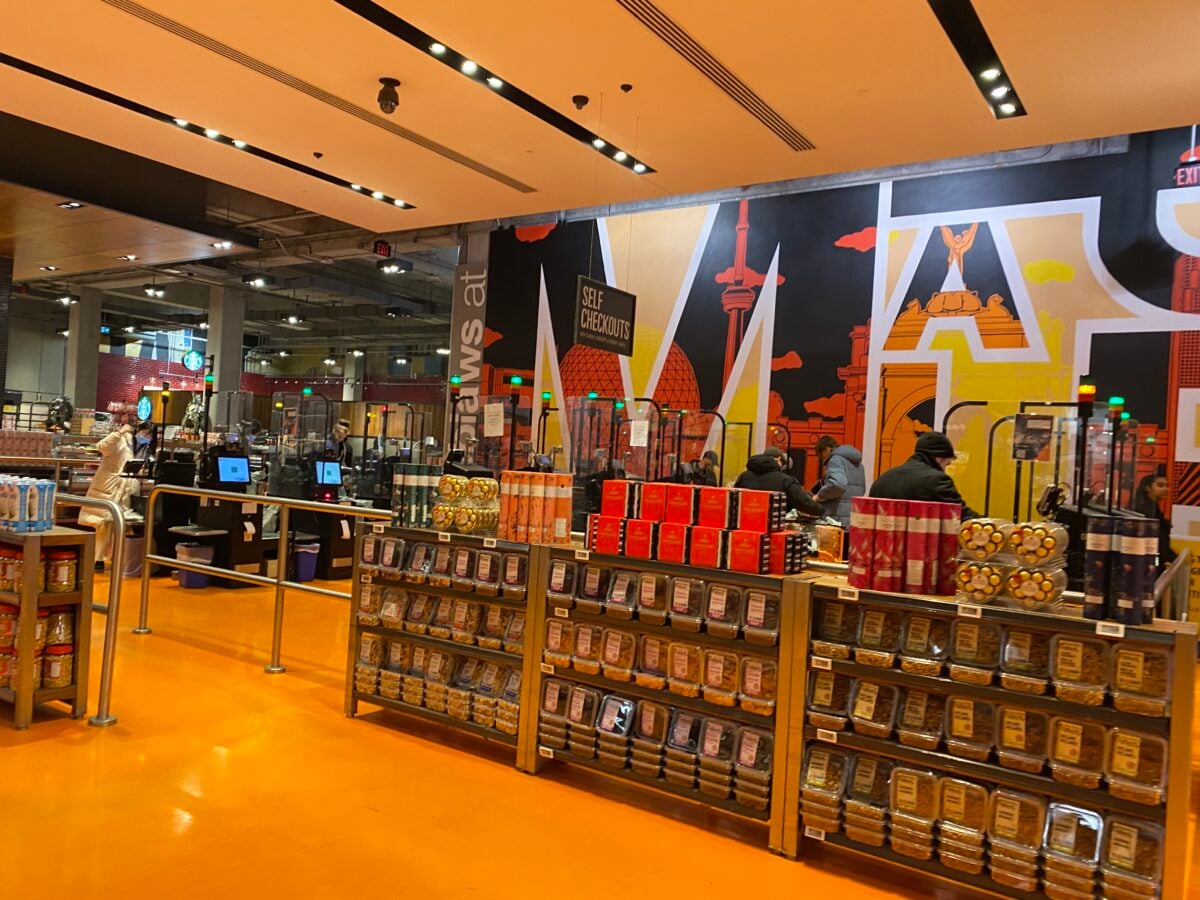
Canada is currently grappling with a significant economic issue: market concentration. A select few corporations dominate key sectors, leading to reduced competition, rising prices and limited purchase options for consumers.
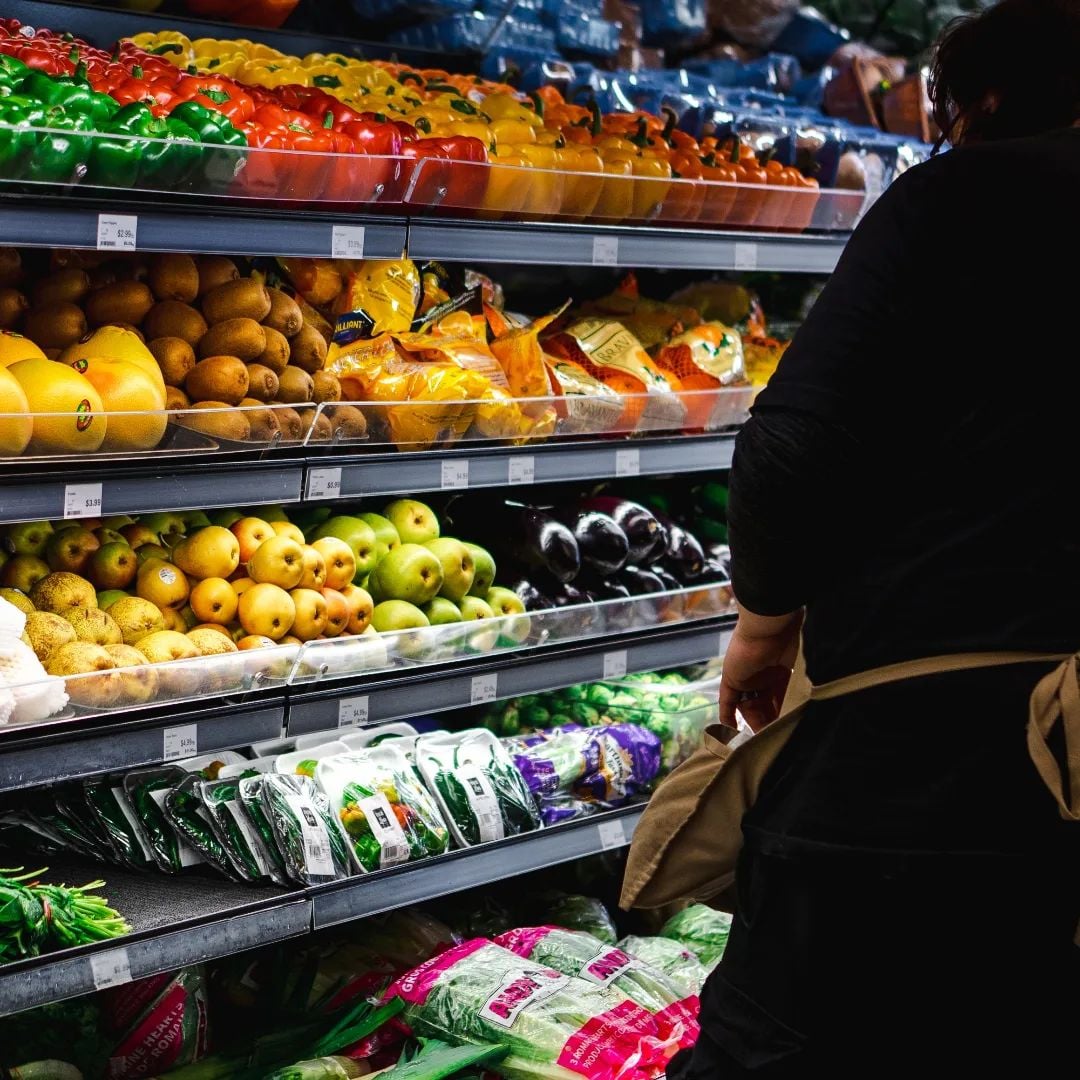
Canada’s grocery industry is a prime example of this. A recent report from the Competition Bureau found that a lack of competition in the grocery sector is resulting in higher food prices.
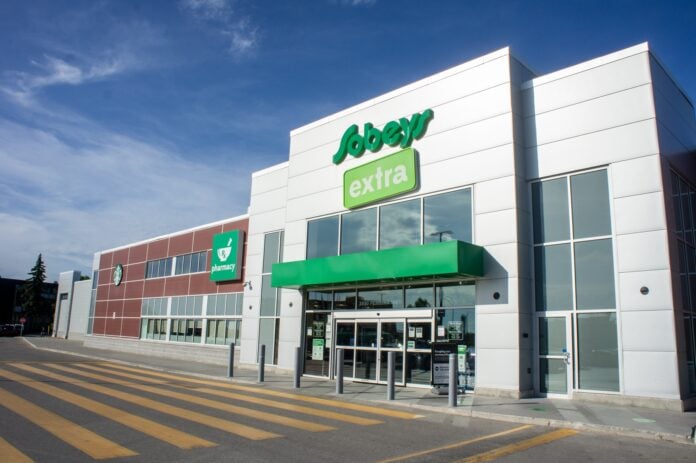
The grocery industry is dominated by five major players — Loblaws, Metro, Empire (the owner of Sobeys), Walmart and Costco. These five companies account for over three-quarters of all food sales in Canada.
The Bureau recommended four policies to encourage competition in the sector. These include establishing a grocery innovation strategy, encouraging new independent and international players, introducing legislation for consistent unit pricing and limiting property controls.
While independent grocery chains could be a viable alternative, they don’t occupy as large a presence of the market as they do in other countries. The Canadian grocery market is heavily concentrated and limits the ability of independent chains to compete by forcing them to purchase their products from larger chains.
History of monopolies
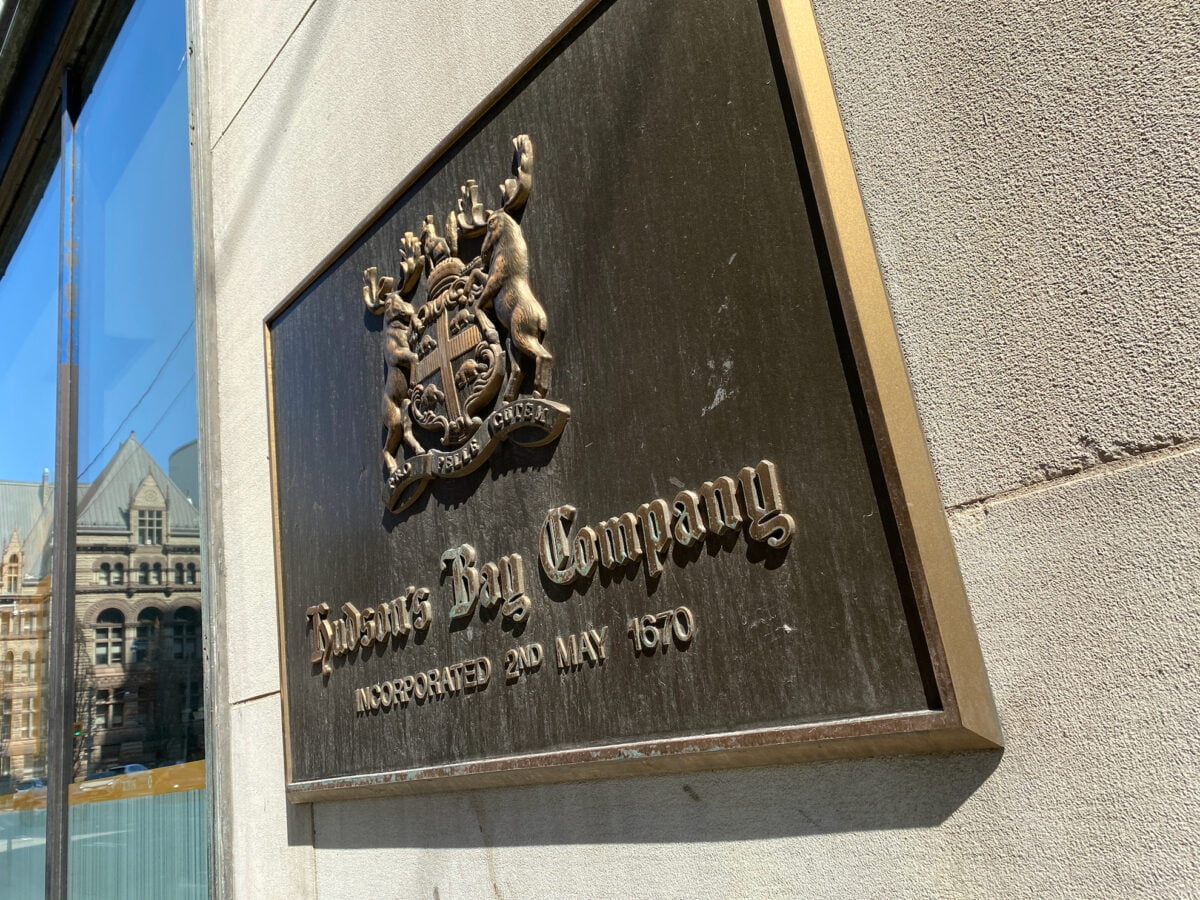
Hudson’s Bay at CF Toronto Eaton Centre – Photo by Dustin Fuhs
Canada’s economy has historically been marked by notable monopolies, thanks to its vast geographical expanse and relatively sparse population.
Entities like the Hudson’s Bay Company and Canadian Pacific Railway company played significant roles in the country’s development. This largely happened out of concern that domestic companies would be overwhelmed by American competitors unless they grew significantly.
Recent trends indicate this phenomenon is not only persisting, but intensifying. While Sobeys, Loblaws, Metro, Costco and Walmart dominate over 60 per cent of the grocery sector, Bell, Rogers and Telus command about 89 per cent of the wireless telecommunications market.
The concentration of power extends beyond these sectors. The banking industry in Canada is dominated by six banks — the Royal Bank of Canada, TD Bank, Scotiabank, the Bank of Montreal, CIBC and National Bank, which collectively control about 93 per cent of the industry.
And the Canadian telecommunications industry is still reeling from the recent merger between two of the industry’s giants, Rogers Communications and Shaw Communications. The implications of this deal are far-reaching.
The Rogers-Shaw merger
The Rogers-Shaw merger’s final approval came with 21 enforceable conditions Rogers and Videotron must adhere to, aimed at bolstering competition and reducing costs for customers.
The merger’s approval depended on Shaw selling its Freedom Mobile business to Quebecor’s Videotron. If Rogers breaches its conditions, it must pay up to $1 billion in damages. Videotron could be subject to $200 million in penalties if it fails to meet its commitments.
Innovation, Science and Industry Minister François-Philippe Champagne holds up a contract between the telecoms and the federal government as he speaks at a news conference about the Rogers-Shaw merger on Parliament Hill in Ottawa on March 31, 2023. THE CANADIAN PRESS/ Patrick Doyle
Some critics have argued the merger may lead to higher prices for consumers and less innovation. Carleton University political economy professor Dwayne Winseck warned it could lead to a “tight oligopoly on steroids.”
However, these benefits could be offset by the potential for higher prices and less competition. The merger could lead to a dominant market share in Ontario, reducing competition and potentially leading to higher internet prices.
This is particularly concerning, given Ontario’s average monthly price of home internet services is already higher than the national average. This situation underscores the need for a revamp of Canada’s competition laws.
Loopholes in competition law
The merger has sparked controversy because it exploited weaknesses in Canada’s anti-monopoly law, the Competition Act, to push the deal through.
As Canada’s competition watchdog, the Competition Bureau can review mergers to determine if they will be harmful to competition. But since its introduction in 1986, the bureau has only challenged 18 mergers and has never won a challenge on final judgment.
The law also has a high bar for intervention in a merger, often favouring negotiated agreements that include concessions or remedies that address some of the competition concerns, but not necessarily all.
The Competition Commissioner, Matthew Boswell, believes the existing competition laws are inadequate. Boswell has been hamstrung by legal loopholes and unable to prevent anti-competitive mergers, like the Rogers-Shaw deal, from happening.
Challenges and opportunities
Along with rising consumer prices, limited purchase options and intensifying competition, the growth of monopolies in Canada has led to a host of other issues.
Monopolies have the potential to stifle innovation — a key driver of economic growth, as a lack of competition tends to dampen innovative efforts. Productivity growth, which is crucial for improving living standards, is also under threat, as monopolies can create an environment less conducive to efficiency and progress.
As Canada embarks on its post-pandemic economic recovery, policymakers must ensure economic resilience and inclusiveness while preventing existing monopoly issues from worsening.
At the same time, there is an opportunity to reshape the economic landscape to encourage competition and foster innovation, benefiting everyone involved in the market.
This journey towards a more prosperous future will require rigorous scrutiny of developments like the proposed Rogers-Shaw merger and the wisdom to navigate the interplay of monopolies, competition and the broader economy.
By Garros Gong, Ph.D. Student in Management Science, University of Waterloo
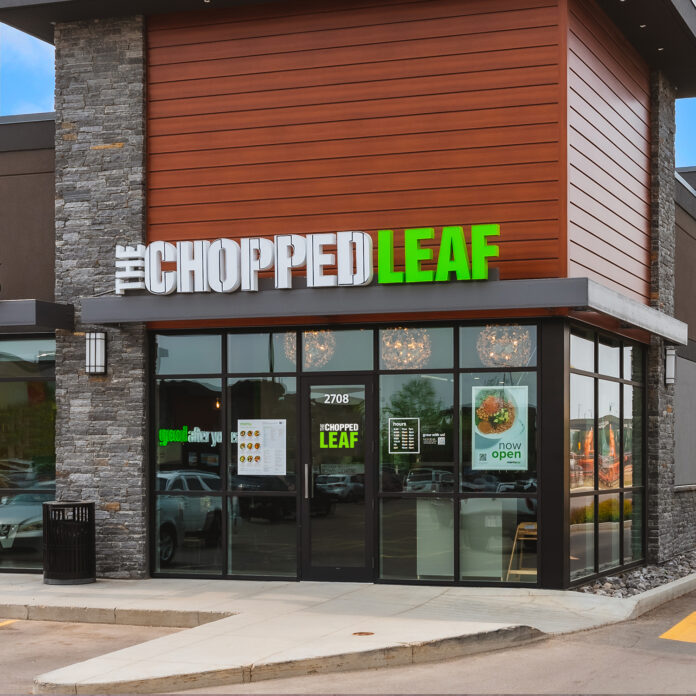
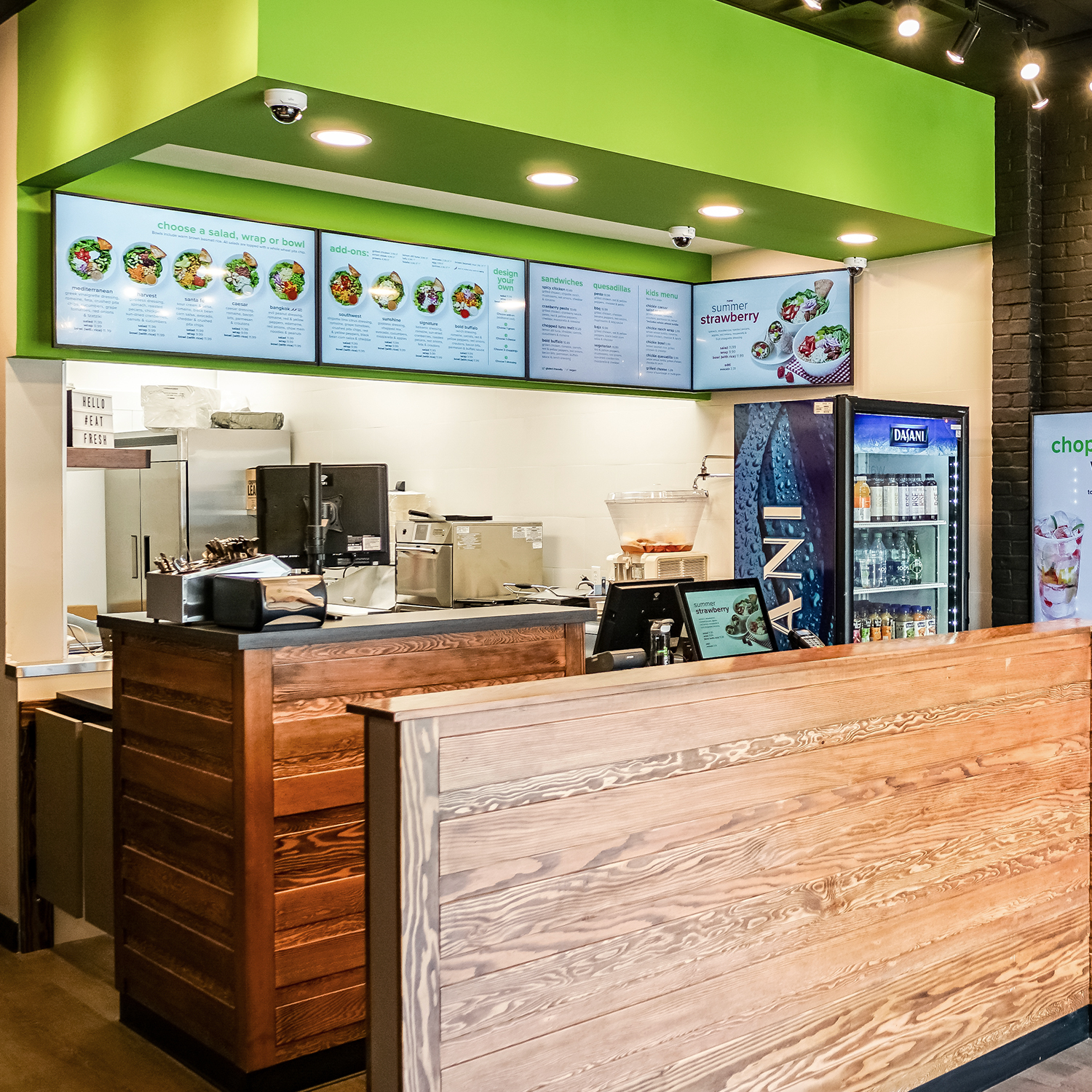
The Chopped Leaf in Heritage Valley, Edmonton (Image: The Chopped Leaf)
Kelowna-based The Chopped Leaf, which opened its first location in the BC city in 2007, continues to grow its footprint in Canada with plans to expand through franchising opportunities.
It’s also continually evolving its menu offering.
The brand was founded by Blair Stevens and his wife Karla.
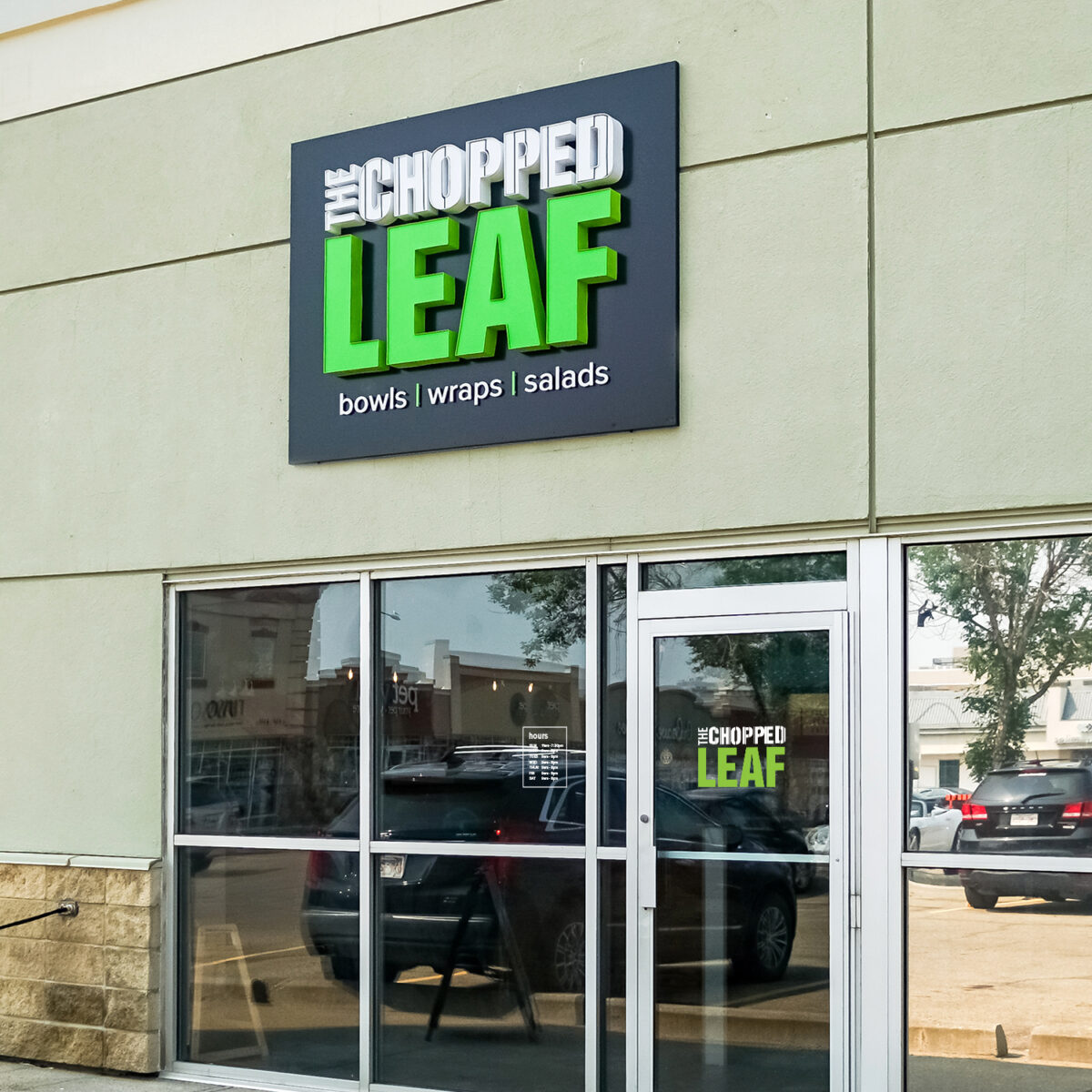
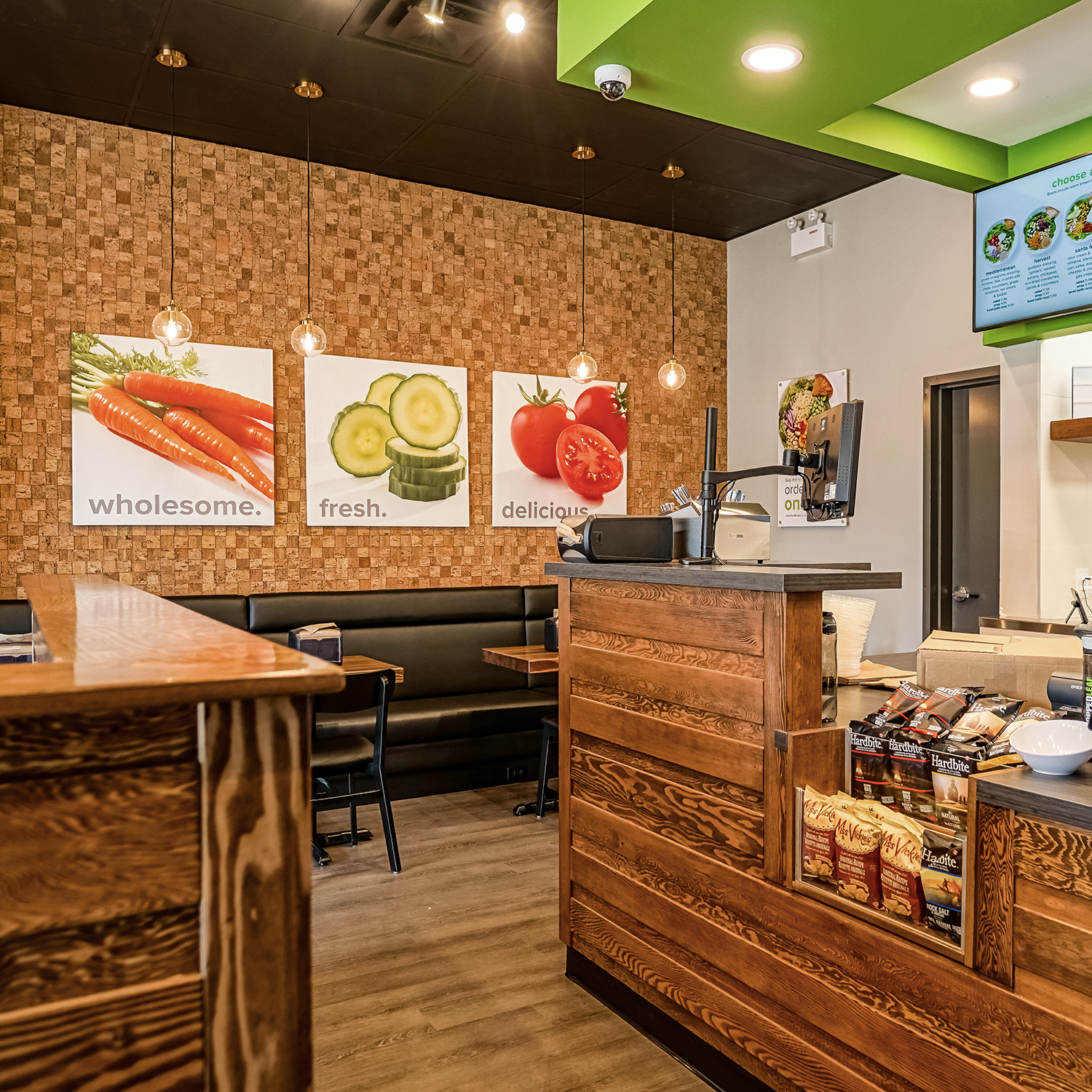
The Chopped Leaf at Strathcona Town Centre (Image: The Chopped Leaf)
The Chopped Leaf at Strathcona Town Centre (Image: The Chopped Leaf)
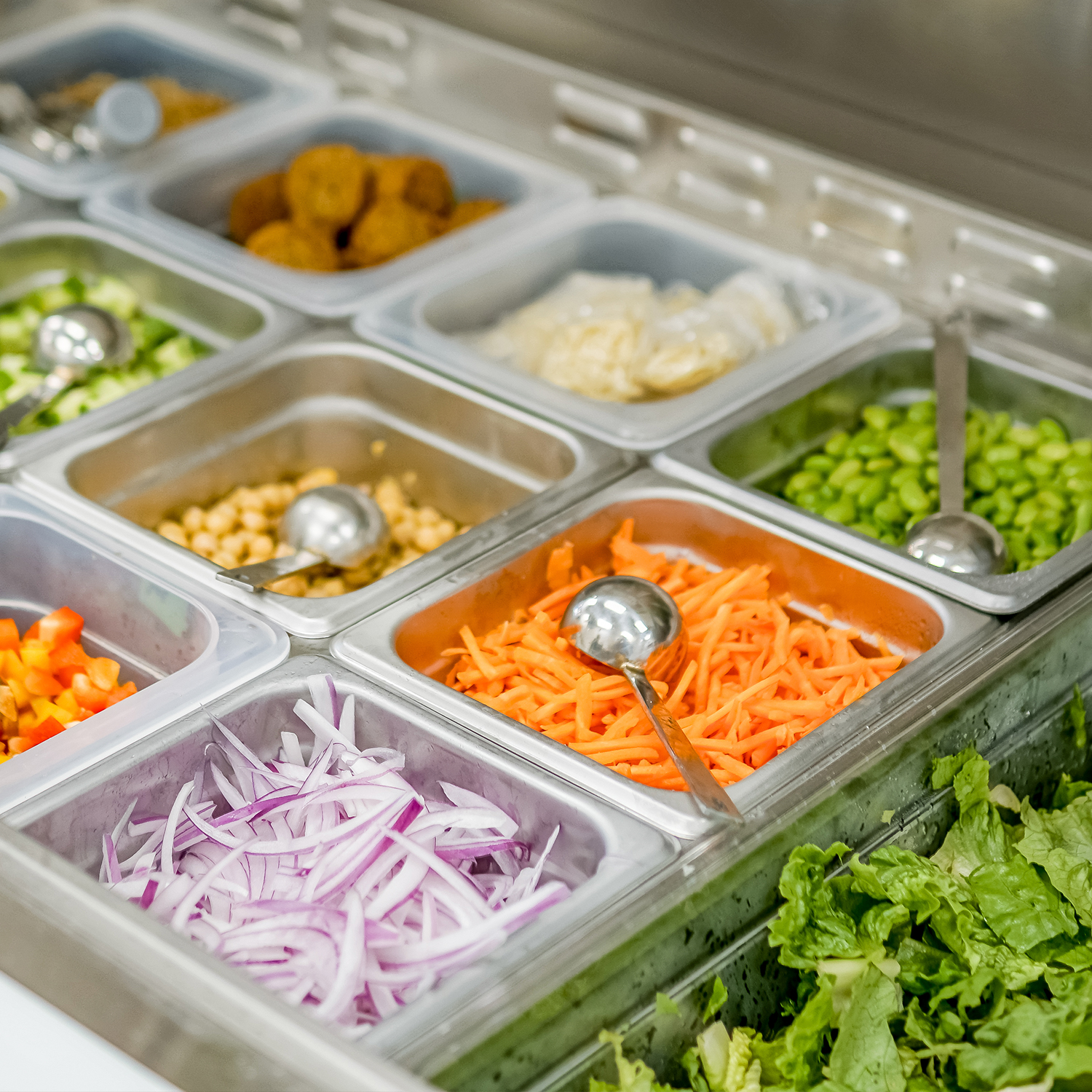
Image: The Chopped Leaf
The Chopped Leaf at Strathcona Town Centre (Image: The Chopped Leaf)
The healthy eating chain is currently expanding aggressively and looking for new franchisees across Canada with 30 new restaurants planned to open this year.
Recent openings included Winnipeg, Manitoba; Barrie, Ontario; and the chain’s first drive-thru in Grand Prairie, Alberta. Expansion is focused in Ontario, Manitoba and Atlantic Canada, with franchise opportunities also available in BC, Alberta, Saskatchewan and Quebec.
“Canadians are actively looking to eat healthy, and feel good after they eat, which is what we offer,” said Blair Stevens, President and Founder of The Chopped Leaf. “As we expand across Canada, we are looking for franchisees who believe in the importance of a healthy lifestyle and the power of healthy eating.”
The Chopped Leaf, owned and managed by Innovative Food Brands, is focusing on Ontario, Manitoba and Atlantic Canada and locations are franchisee-owned and operated.
The Chopped Leaf recently introduced their new Shake-A-Bowls, encouraging customers to experience the joy of shaking their own salad or bowl right after it’s been freshly made.
In this video interview, Blair Stevens discusses how The Chopped Leaf came into being, its evolving menu, expansion plans and what today’s consumer is looking for in the food sector.
The Video Interview Series by Retail Insider is available on YouTube.
Connect with Mario Toneguzzi, a veteran of the media industry for more than 40 years and named in 2021 a Top Ten Business Journalist in the world and the only Canadian – to learn how you can tell your story, share your message and amplify it to a wide audience. He is Senior News Editor with Retail Insider and owner of Mario Toneguzzi Communications Inc. and can be reached at mdtoneguzzi@gmail.com.
Like, Share and Subscribe to Mario Toneguzzi on YouTube!
Also check out the other series offered by Retail Insider, including The Weekly podcast and The Interview Series, which are both available on Apple Podcasts, Stitcher, TuneIn, Google Podcasts, or through our dedicated RSS feed for Simplecast and other podcast players.
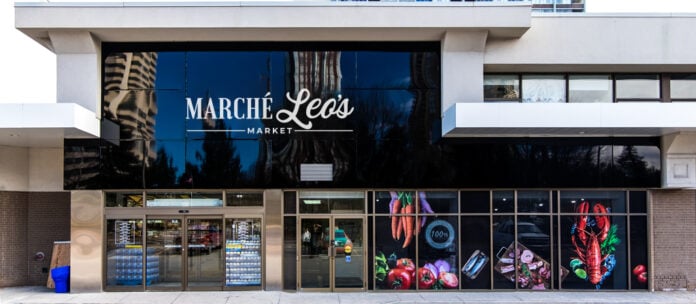
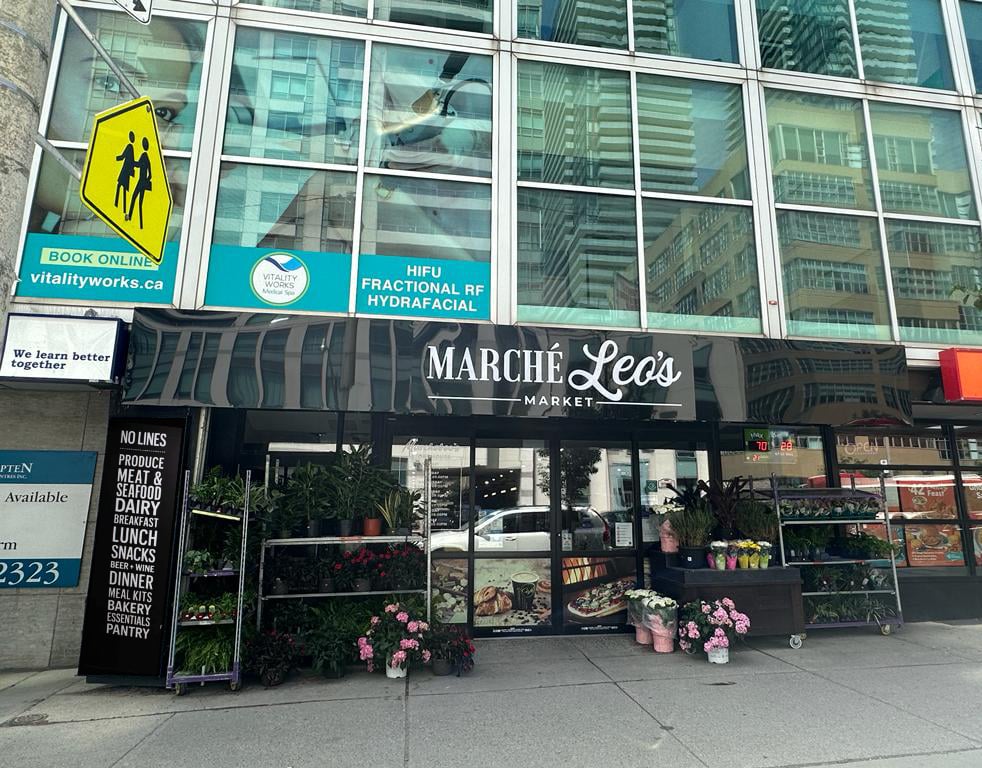
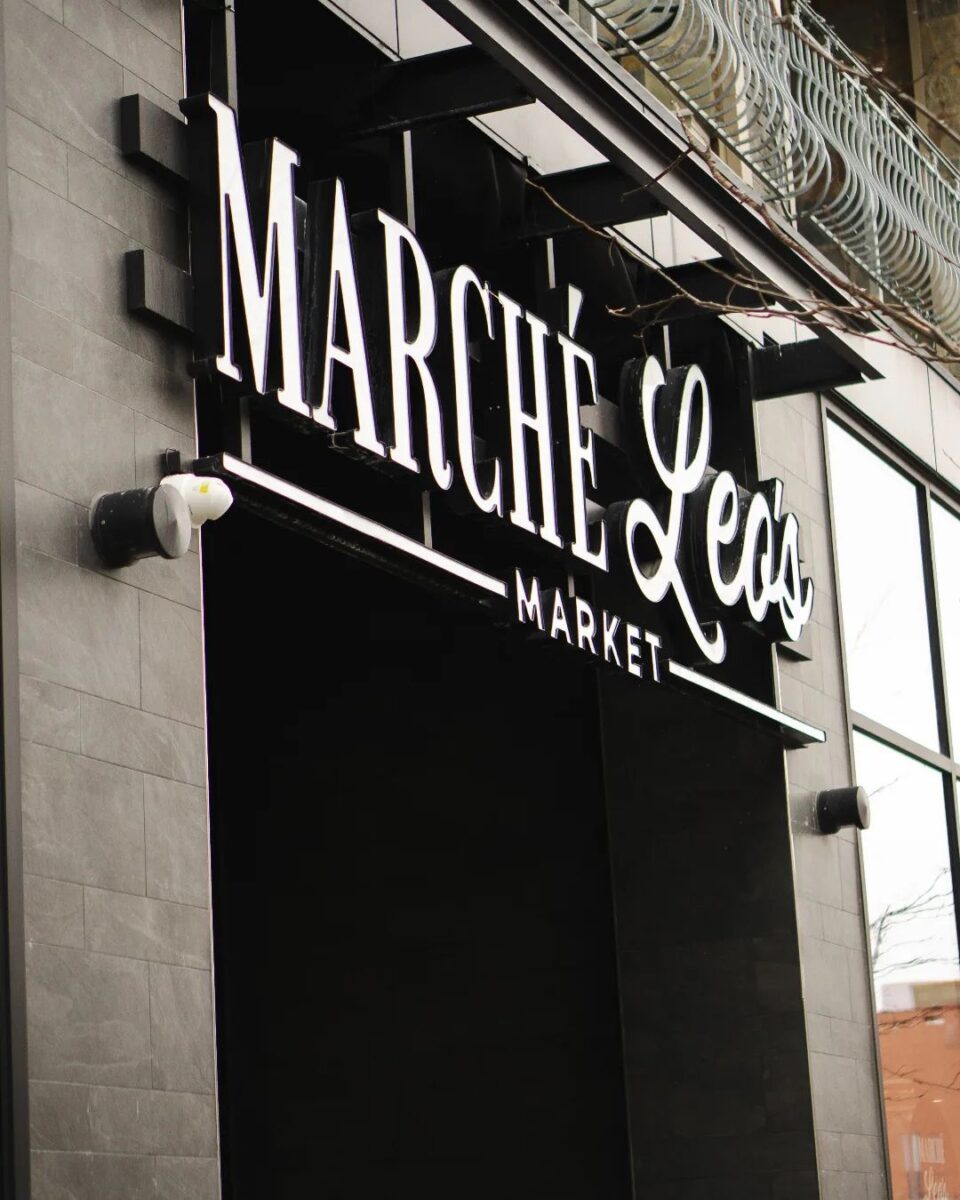
Marché Leo’s, a growing food and grocery retailer, is scheduled to open three new locations in Toronto – in the Corktown, Waterfront and Dundas areas.
Mona Randhawa, Director, Sales & Marketing, said the company’s mission is to bring people together through tradition – offering fresh produce, local Ontario roasted coffee, sustainable meats, everyday grocery, and a wide variety of family friendly meals.
“Our foods pay homage to traditional food culture with emphasis on old world quality and rich flavours. We’re the place you go to when you want homemade in small batch from quality ingredients. We look for quality alternatives across the board, and aim to create a full-service market experience with access to local artisans, craft foods, truly fresh meal solutions, and nostalgic products that play an important role in everyday living and wellness,” she said.
It opened its first store in the Davisville community in 2011. Today, it has four locations – two regular stores in North York and Kitchener and two express stores in Atrium on Bay and Eglinton in Toronto.
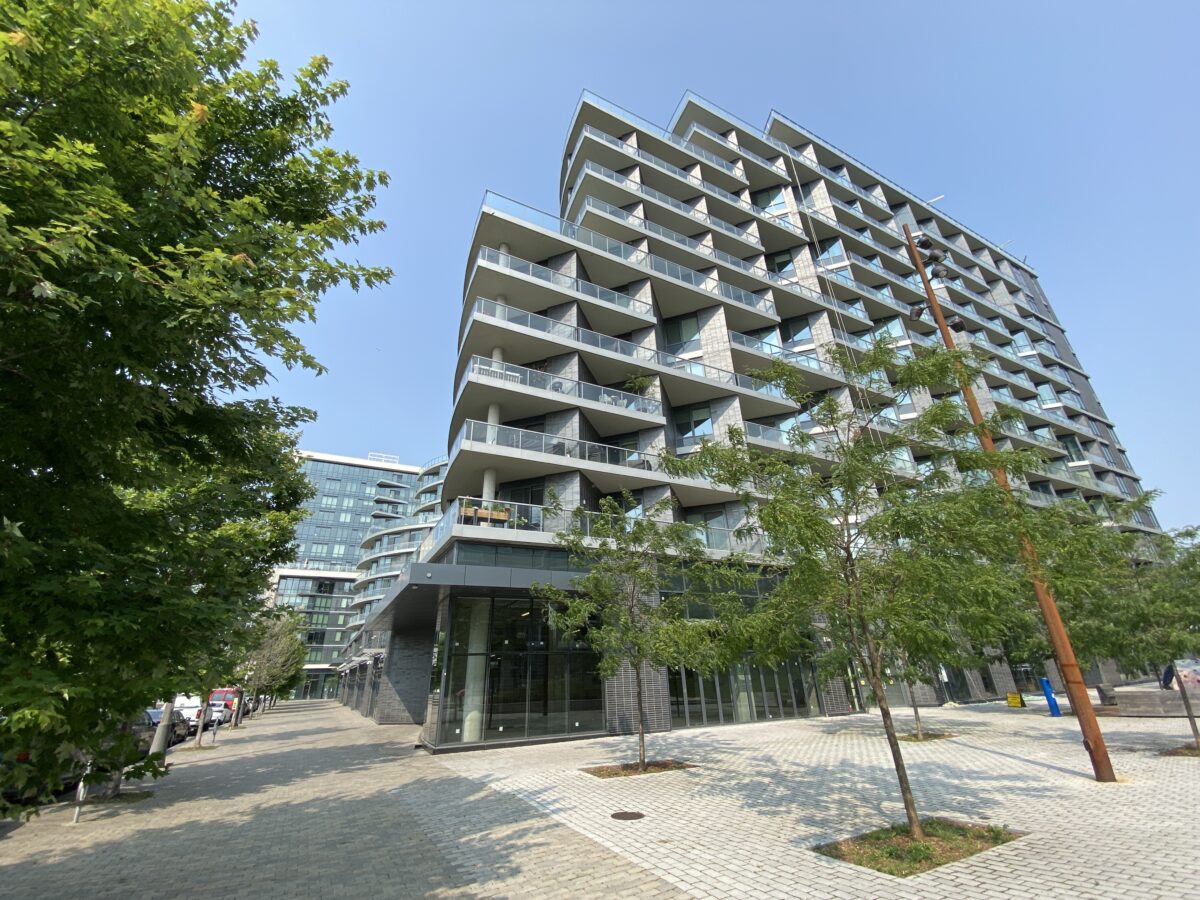
Marché Leo’s Marketplace on Eglinton Avenue East (Image: Marché Leo’s)Future Marché Leo’s at 475 Front Street East in the Canary District (Image: Dustin Fuhs)
This year the company is working on two new locations and some renovations at two of its existing locations – Eglinton and North York.
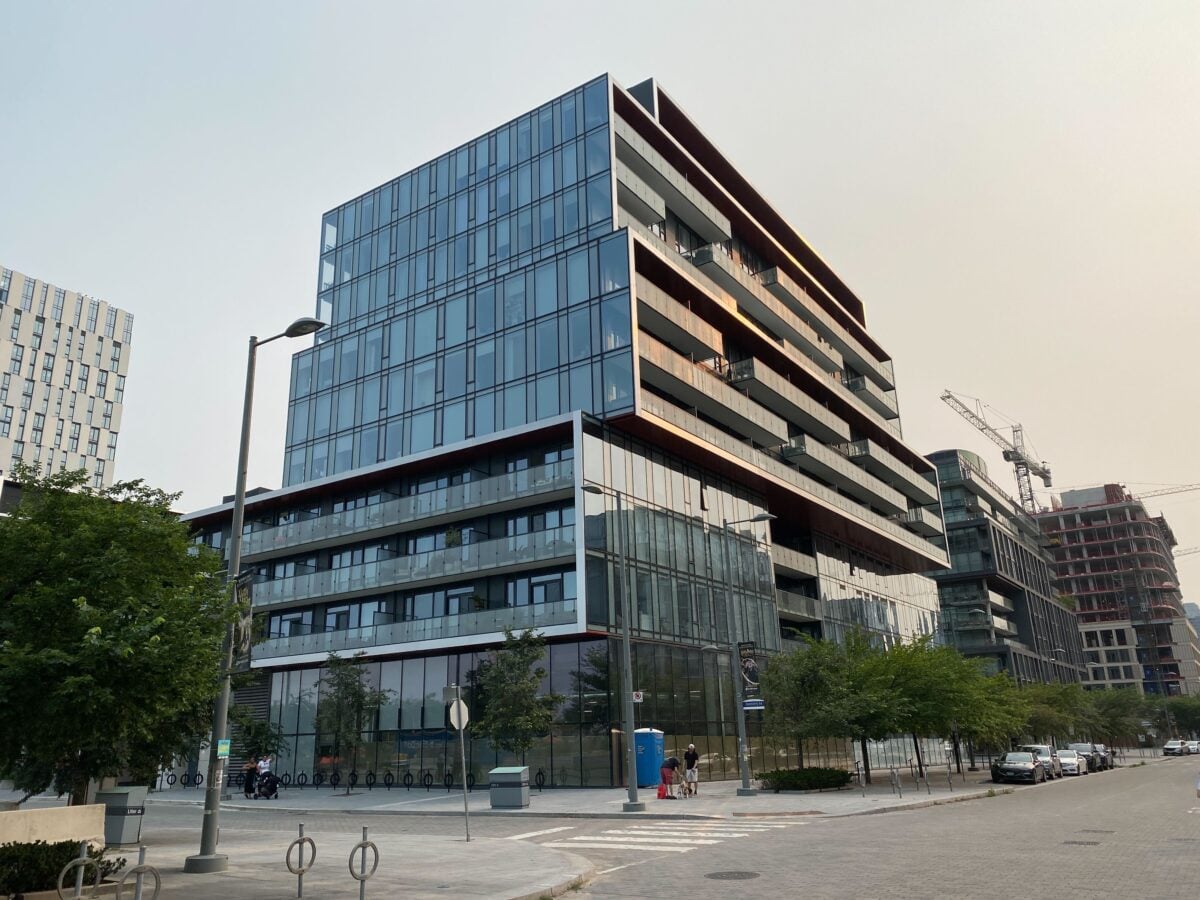
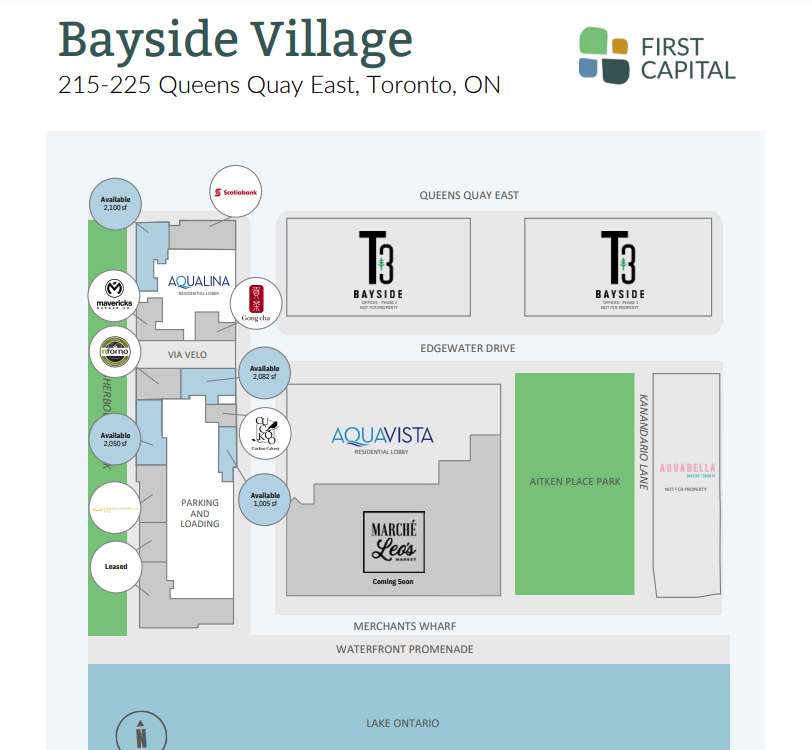
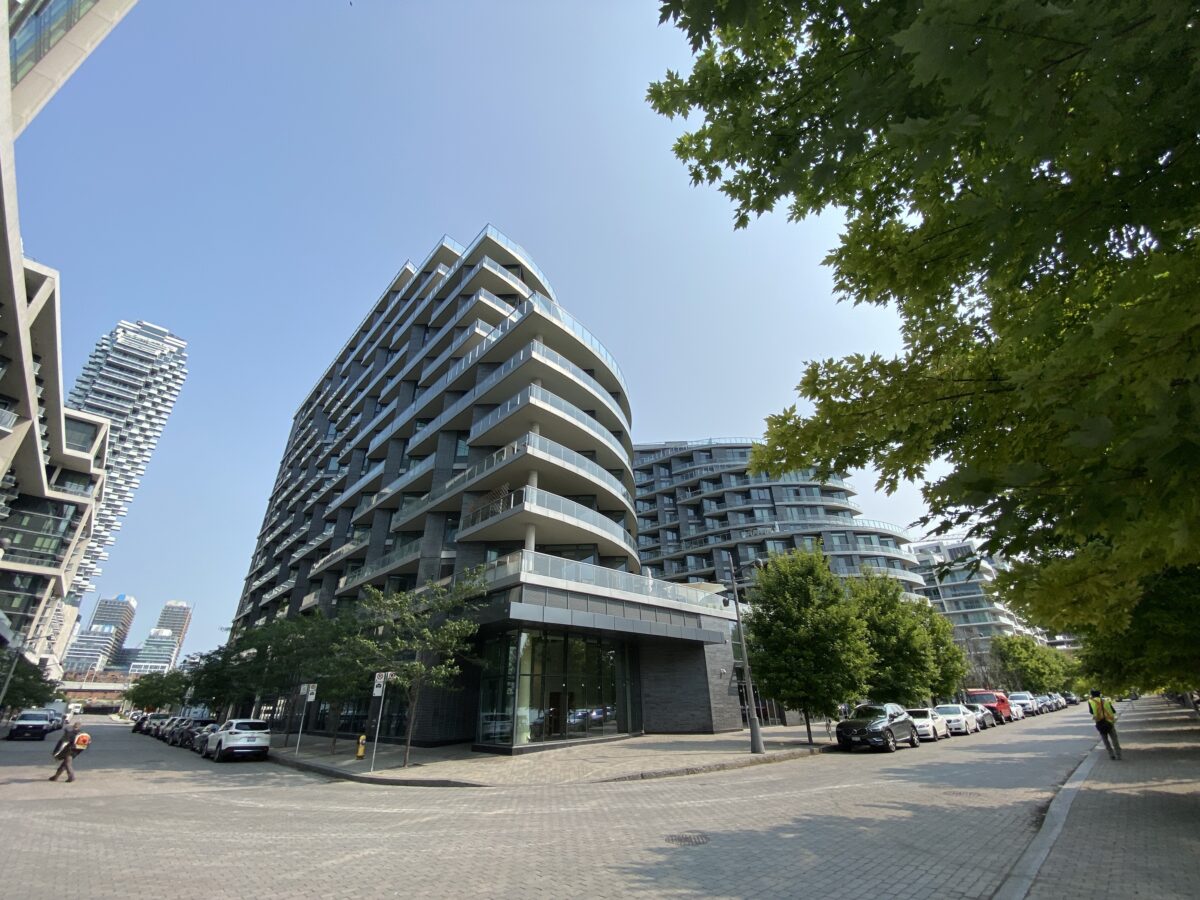
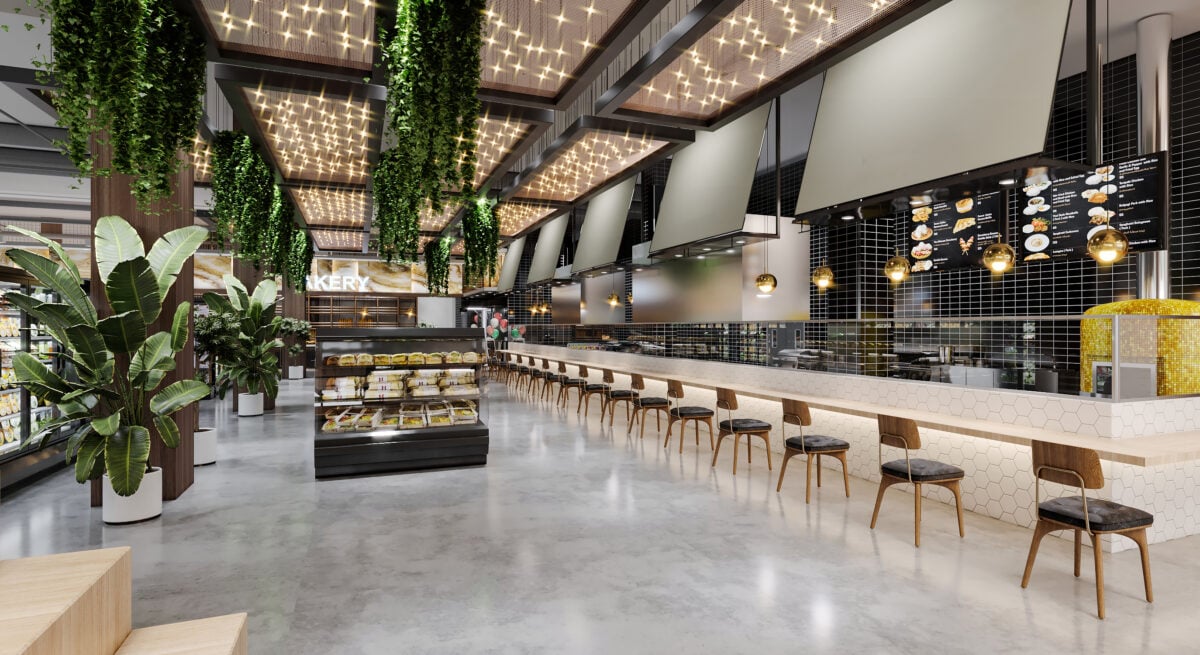
Its location at 475 Front St E (Canary District) is intended to open during the Fall. Then shortly after that is the launch at 4208 Dundas St W (Etobicoke). The company’s flagship location on the Waterfront at Merchant’s Wharf is expected to open Summer 2024 in about 40,000 square feet with its largest market kitchen – including a number of food installations and ample seating for locals to mingle while their meals are prepared fresh.
“We have already begun to branch outside of the GTA into smaller markets with success. There’s something to be said about the support in close-knit communities and we enjoy being a part of their plans for urbanization. We have always been very involved in the communities we operate through local events, food banks, sponsorship, and other joint initiatives,” said Randhawa.
Bayside Village Leasing Plan (Image: First Capital REIT)Future Marché Leo’s at 90 Merchants’ Wharf in Bayside Village on the Waterfront (Image: Dustin Fuhs)Future Marché Leo’s at 90 Merchants’ Wharf in Bayside Village on the Waterfront (Image: Dustin Fuhs)Future Marché Leo’s at 90 Merchants’ Wharf in Bayside Village on the Waterfront (Rendering: Marché Leo’s)Bayside Village Rendering (Image: First Capital REIT)
“Whether it’s a Sunday night store concert or a fundraiser for charity, we take pride in being a piece of the community and we will continue to stay engaged and connected. As of recent, we are building up our online community to do the same, providing more value to our people and sharing more of what connects them.
“We are putting more focus on opening medium and larger scale store formats, to keep up with the needs of the modern household, and ensure they have access to the foods they want. We hope to create a destination where families frequent. Where you can not only get your household essentials, but you can discover and engage with new flavours, products, and other locals.
“We don’t have plans to go outside of Ontario in the short term. We have received some interest from other regions and the sky is really the limit. But I’d say we have our work cut out here being in the largest Canadian market.”
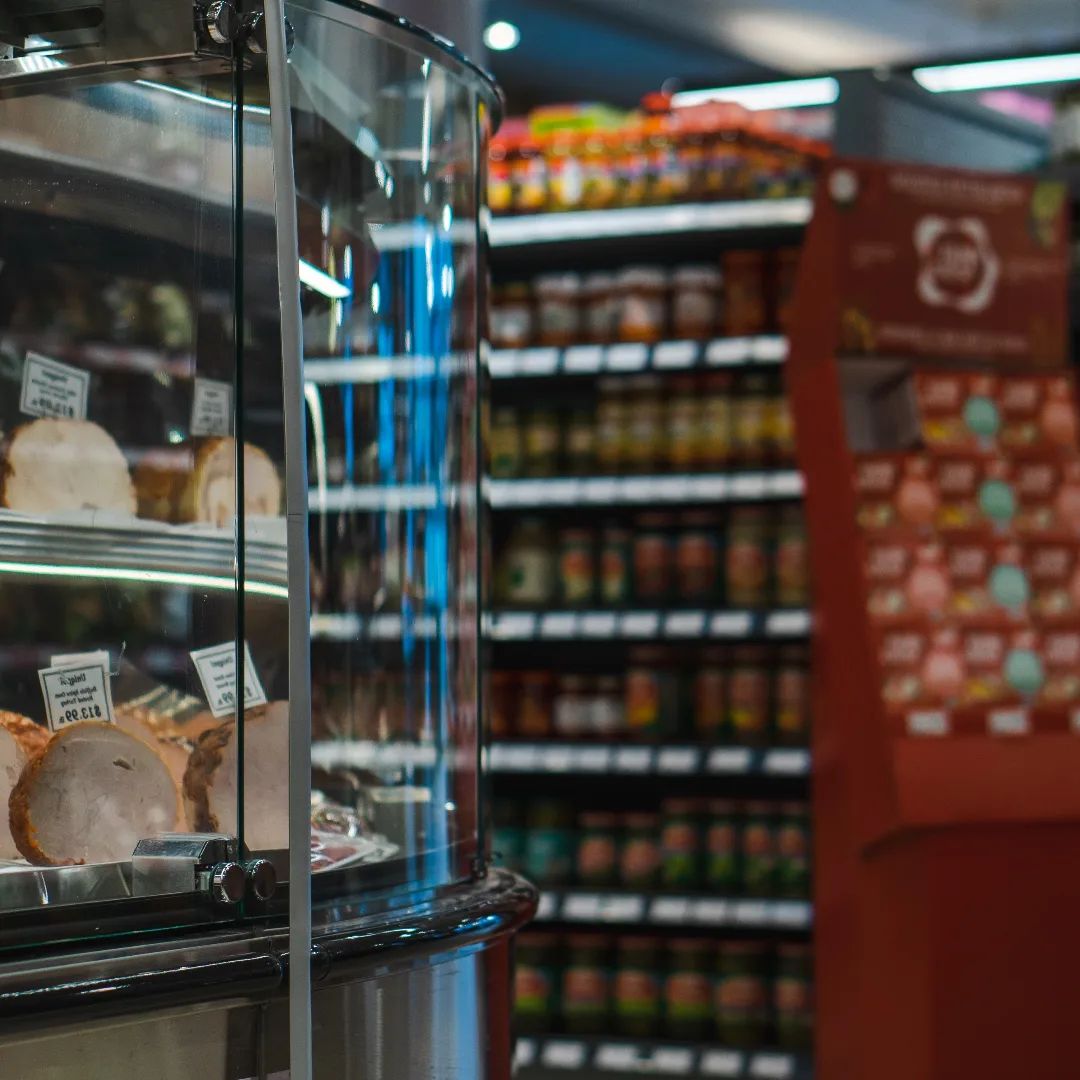
Over 10,000 products including a full assortment of grocery from local regions, Canada and around the world;
Demonstrations for new-to-market and trendy products;
Quality meats with a variety of local and health options, and signature house-crafted deli preparations; like its Oktoberfest and Jalapeño Cheddar sausages;
A large variety of fresh Grab & Go and takeout meals made from scratch daily;
A self-serve hot meal and salad buffet station; which has been a lunch time hit;
Stone-oven pizzas, sandwiches, and other chef-inspired cook ups from the market kitchen;
A fresh gelato and sorbet counter with seasonal flavours; such as Sicilian Blood Orange or Crème Egg around Easter;
A craft coffee bar with local Ontario roasted bird-friendly beans;
The Cheesecake Factory cakes, local treats, fresh baked goods and pastries; and
Select locations also carry imported and locally-crafted beers, wines and non-alcoholic beverages.
“Our signature house preparations are developed around North American and internationally inspired foods. We are getting to appreciate cuisines and palates from around the world, heirloom recipes and foods with some value and history. It’s been fun getting to be a part of that and sharing it with our community,” said Randhawa.
The concept began as a gourmet grocery store offering a variety of chef-inspired meals, high quality meats and artisan products from Canada and around the world that were not exactly common at grocery stores at the time.
“It’s always exciting when we get interest from customers across the country for a product that they can’t seem to get their hands on. It’s a sign there’s room for growth and people are still looking for more accessibility when it comes to food. We do our best to understand our customer and are building up to have what they’re looking for under one roof,” she added.
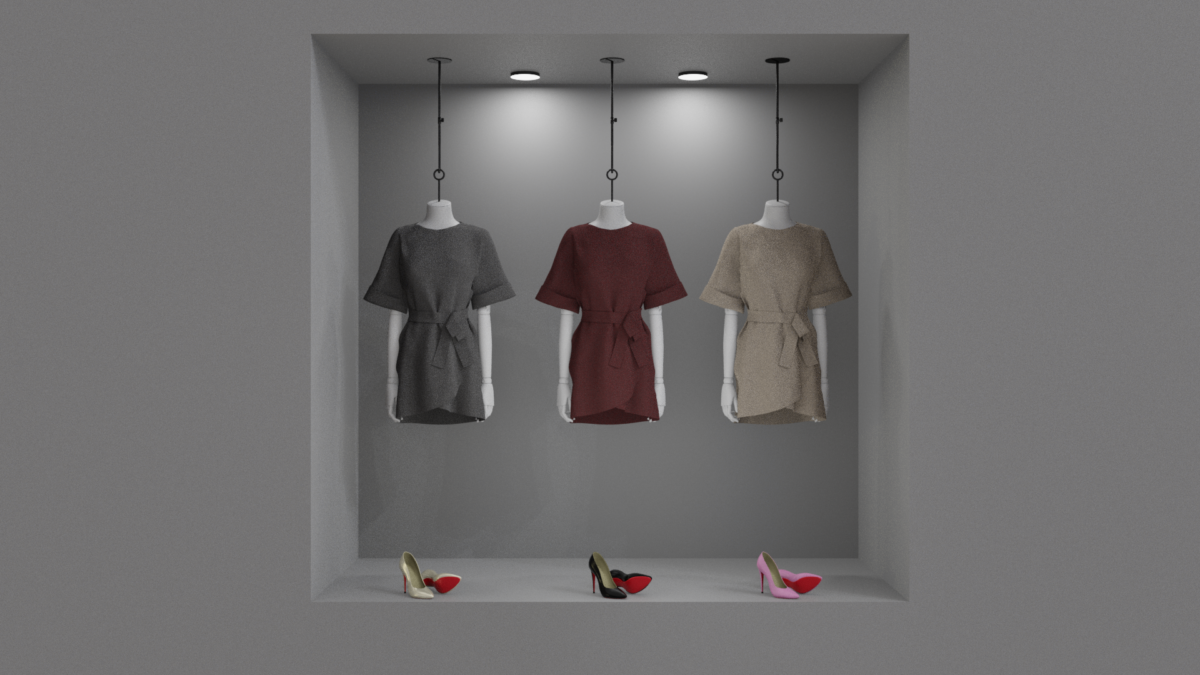
Gender Mannequins is transforming retail displays, making them come alive with style and expertise.
Since 1997, Gender Mannequins has been supplying mannequins to retail stores across Canada including some of the biggest names in the industry as well as specialized boutiques and shops of all sizes.
Leif Anderson, CEO of the company his parents founded, says mannequins have always been used as a tool for sales in retail. It’s a well-known fact that clothing properly displayed on a mannequin will increase the sale of that product by 20 to 40 per cent.
“Mannequins are a fantastic way to sell products, and with the options available today, they have a chance to do so much more. They are an integral part of any fashion brand, and given the chance, they can really affect a brand’s in-store visual impact,” he says.
“Mannequins are more than just a general feeling in a store; they become something clients can really identify with and establish a long-term connection. They tell a complete story of what the brand represents, conveying inclusivity and diversity, and showing commitment to a greener future. Most importantly, mannequins sell products.” Gender Mannequins is the go-to resource for retailers seeking answers to their interior and window display questions. Its esteemed clientele includes renowned brands such as Andrews, Aubainerie, Giant Tiger, Harley Davidson Canada, Hudson’s Bay Company, Henry Singer, Lilianne Lingerie, Body and Beach, Lole, Matt and Nat, Quartz, Reitmans, La Maison Simons, Sporting Life, Team Town Sports, Tip Top, Eclipse, La Canadienne, Pseudio, Stag Shop, and many more.
Casual Male mannequins with diversity, image supplied.
“We tend to customize our products for the clients,” says Anderson. “Each client has a different need in terms of what they need for visual. We build the mannequins based on what our clients need.”
At a basic level, a mannequin is a life-sized human form used in-store to showcase merchandise in order to increase sales. They are often perceived as simple bodies that involve dressing and accessorizing and, apart from this, do not tend to have separate characteristics.
Anderson says they are an iconic presence in retail and one of the simplest and most effective ways to inspire the customer to buy product.
Custom hanging torso, image supplied
He says mannequins allow new product, sales and hot trends to be featured visually in an instant. In addition, mannequins also work in window displays and can be used to lure clients into the store by displaying the store’s best and finest merchandise.
“Today, they have evolved beyond static objects to become something that can add real value to the message of a brand and highlight store design to heighten the customer shopping experience. Mannequins, from a retailer’s perspective become the face of the brand they represent. More and more, retailers are challenging what a typical mannequin is to distinguish themselves. Some might not consider mannequins terribly significant, but they are. Brands that “get it” make hefty investments to design custom mannequins that effortlessly illustrate their brand story and image. In today’s retail environment, it’s the details that matter. Luckily with mannequins, the possibilities are endless,” says Anderson.
Elite Collection, image supplied.
Gender Mannequins, using today’s 3D printing technology and digitalization, can create a customized mannequin in a quick and affordable way. The company, which uses a factory in China to make the mannequins, says new plant-based materials available for making mannequins have a considerably less carbon footprint than a decade ago. Some creative solutions include mixing material with recycled material to create beautiful looks that are not only unique but show the client visually a brand’s commitment to a greener future.
Grace Collection, image supplied.
The company also offers a range of alternative sizes and inclusive mannequin heads featuring different ethnicities that can be used across all its mannequin collections. It believes that representation matters, and by providing mannequin heads that reflect various ethnic backgrounds, it empowers its customers to create inclusive and relatable displays. By embracing diversity in visual merchandising, it celebrates the richness of different cultures and fosters a sense of belonging for all shoppers. “A mannequin has the power of making your clothes look as good as it needs to be and, in some cases, even better,” say Anderson.
“There’s a big difference between a mannequin from Ali Baba and the ones you get from us. It comes down to quality and design. Picture your retail store as a beautifully crafted kitchen. You’ve invested time and resources into exquisite countertops, a tasteful flooring, and stunning cupboards. Now, would you want to undermine the overall design and aesthetic appeal by placing a subpar, cheap oven in it? Probably not. Instead, you’d want the best oven that seamlessly integrates with the kitchen’s ambiance and your design choices, right? It’s no different with a mannequin. A mannequin can communicate your brand. It can make your clothes pop, it can make your clothes sell.”
The company is based in Montreal but has agents in Toronto and Vancouver.
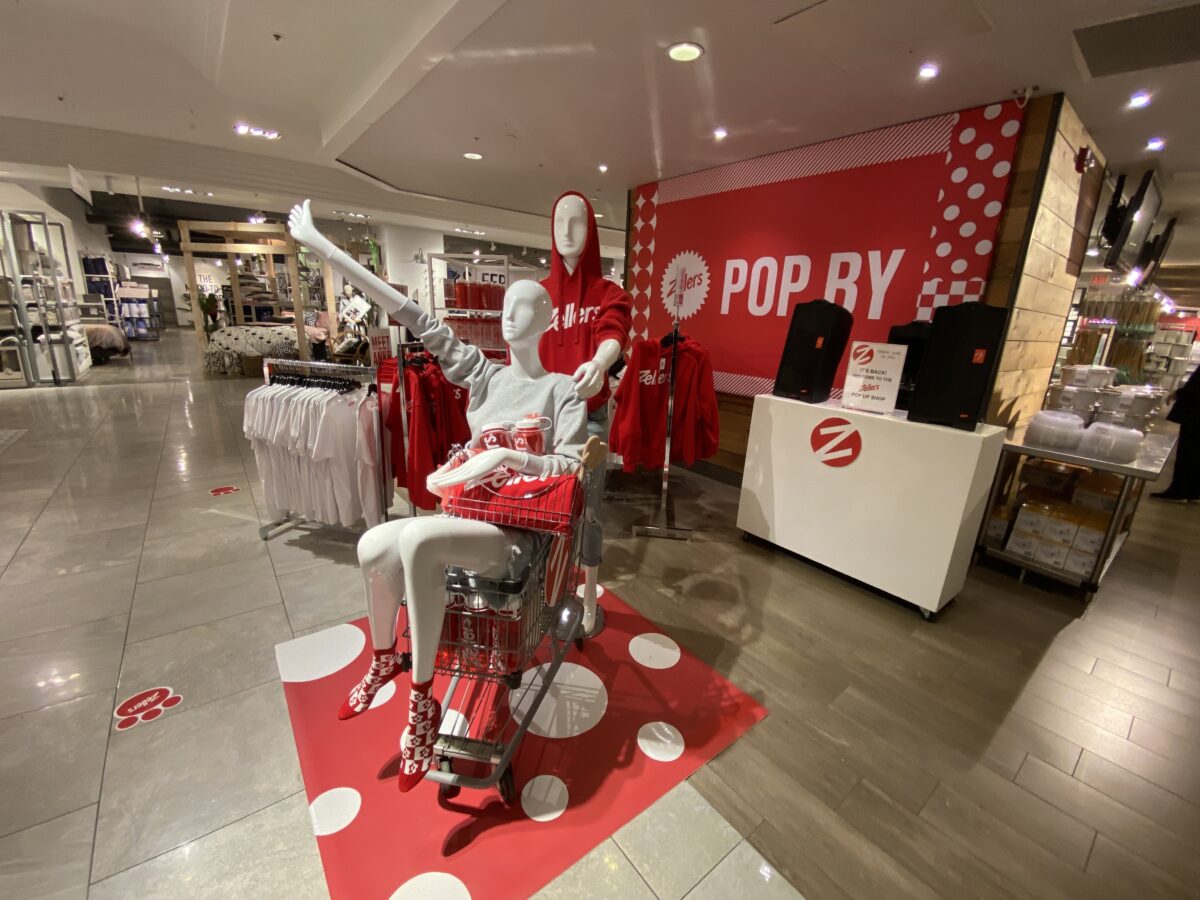
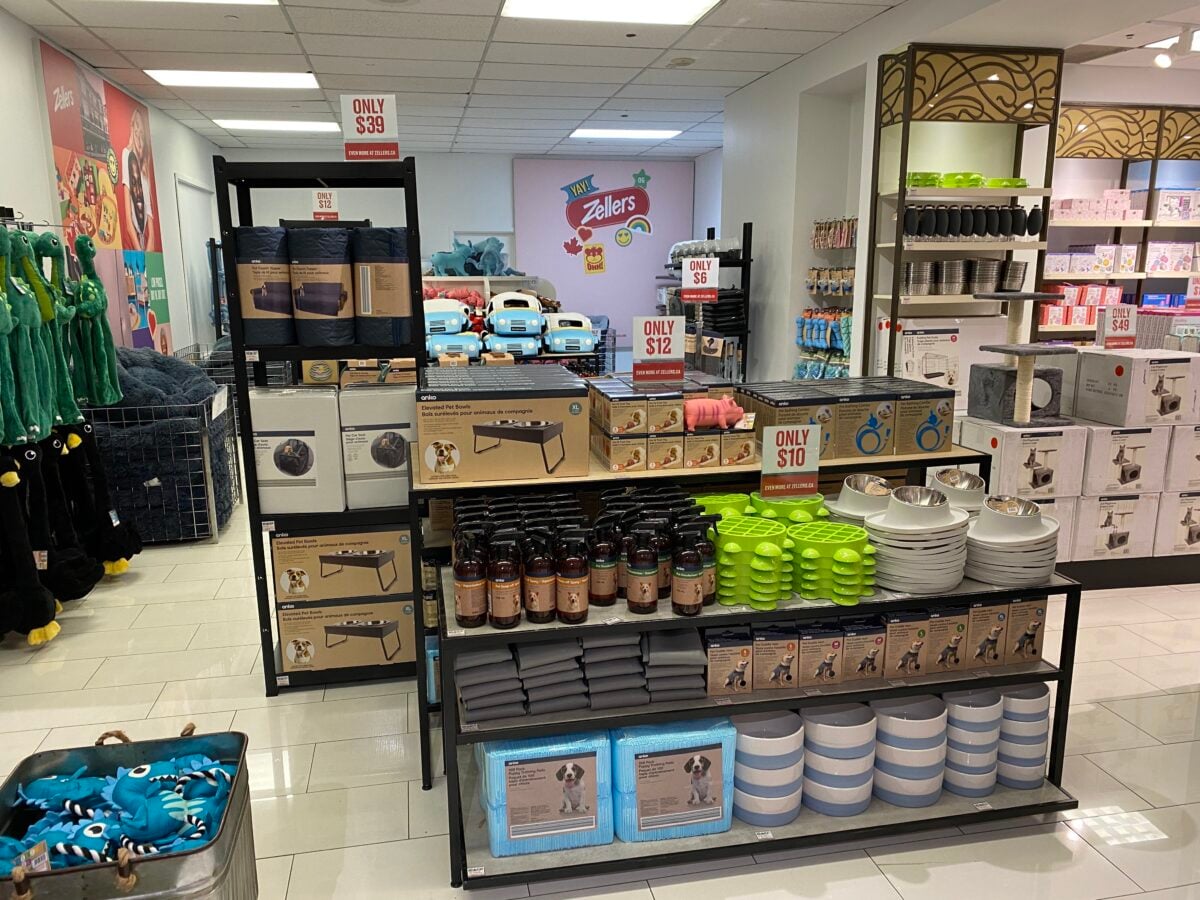
Zellers at Hudson's Bay Ottawa Rideau (Image: Dustin Fuhs)
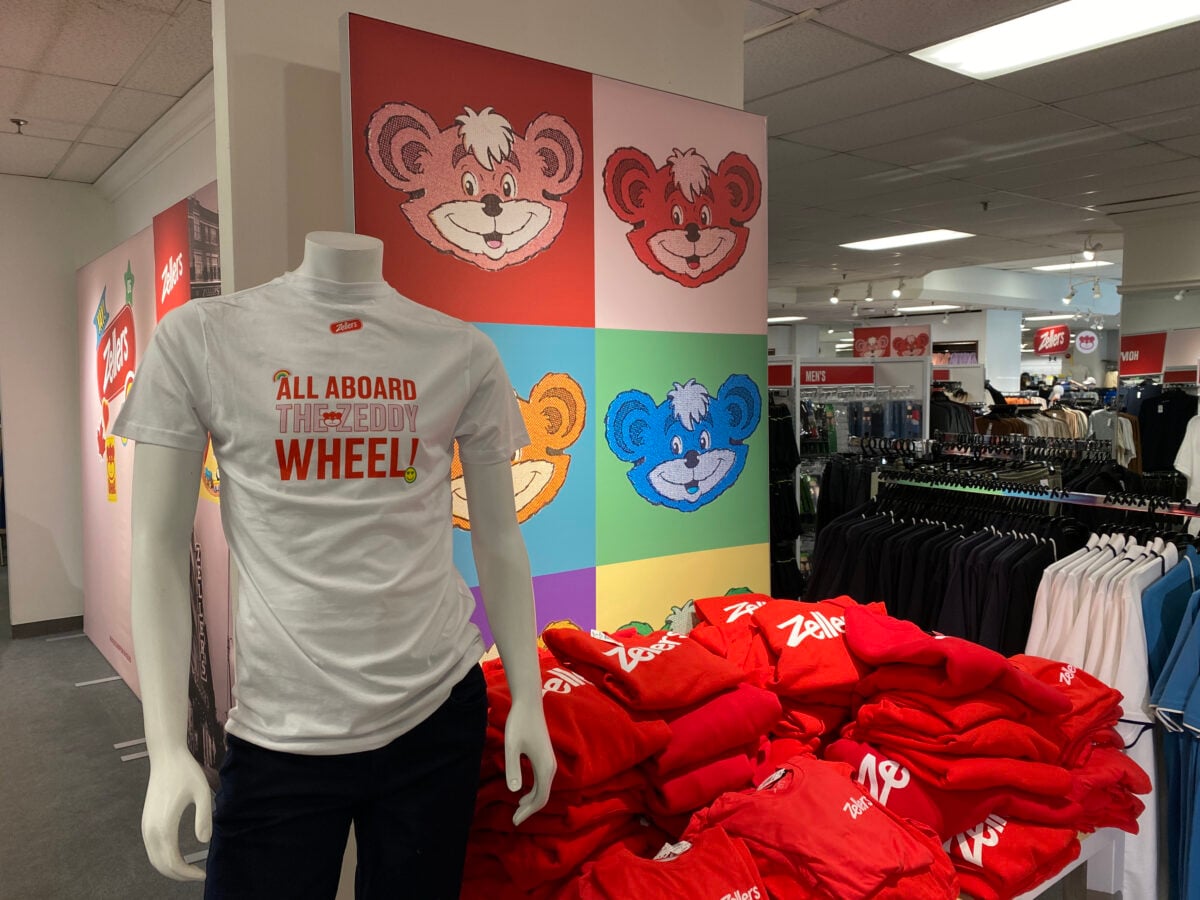
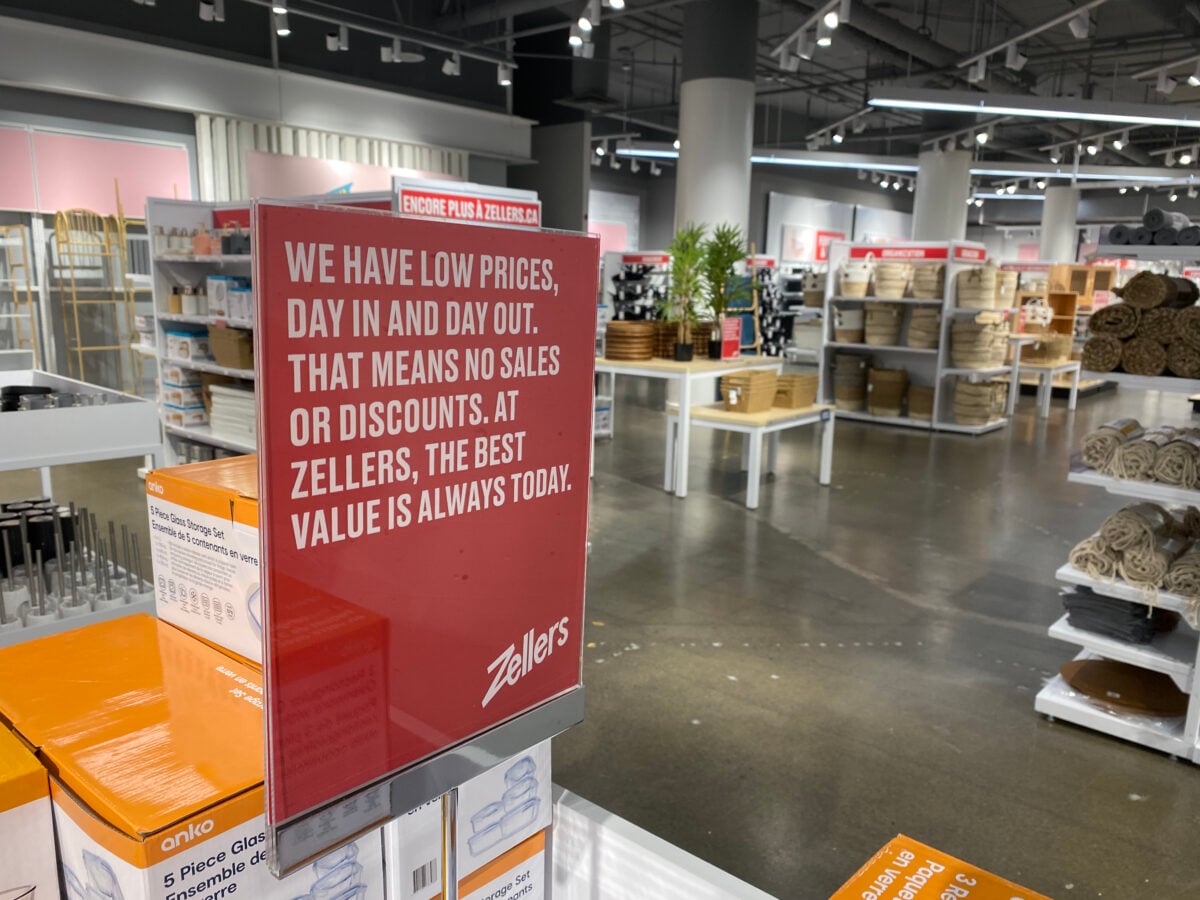
Zellers is opening 21 pop-ups within Hudson’s Bay stores by August 11, spanning five provinces and almost all in new markets.
As well, the brand will open its next full store experience within a Bay store in the Bramalea City Centre in September.
Currently, the retailer has one pop-up operating at the Queen Street location in Toronto and 25 store-in-store locations operating in Canada.
Sophia Hwang-Judiesch
“Pop-ups are a key ingredient in our expansion strategy, allowing us to explore and test in new markets, gather valuable customer insights, and fine-tune our offering before establishing larger format store locations,” said Sophia Hwang-Judiesch, President of Hudson’s Bay in a statement.
“Our customers are very much part of our growth process, and together we will shape the future of Zellers, building a shopping experience that truly connects with communities across Canada.”
Zellers at St Laurent Shopping Centre in Ottawa (Image: Dustin Fuhs)
The company said pop-up footprints will vary from store to store, ranging from 1,000 to 2,800 square feet (with the exception of Queen Street in Toronto) depending on location. Zellers stores within Hudson’s Bay range from 8,000 to 10,000 square feet. The Bramalea store will be just under 10,000 square feet.
The company said the pop-ups serve as strategic market tests to determine future Zellers store locations.
George Minakakis, CEO, Inception Retail Group, and author of The New Bricks & Mortar: Future Proofing Retail, said he remains skeptical of Zellers as a strategy.
George Minakakis
“This was, after all, a forgotten failed brand. It’s not like Overstock buying Bed Bath and Beyond at a fire sale while there is still brand recognition. If you want to revitalize Hudson Bay as Canada’s department store, this is not the approach I would have taken,” he said.
“Hudson Bay and Zellers may have a historical connection but never reflected the same customer base. Nostalgia is not a long-term strategy. On the other hand, if Hudson Bay is going to change its whole value proposition, then it may fit. This would then acknowledge that Hudson Bay, as we know it, is no longer viable and must change.
“Of course, the pop-up strategy is not now new. It means temporary to me. We’ve seen other department stores with shop-in-shops and they switch brands frequently. From a branding perspective, I would never have called it “Zellers.” It simply tells me you want to compete against Walmart. Unless there is an outside chance you were going to rebrand some of these Bay locations to Zellers completely, I might be sold on this tactic. But I don’t see how damaging Hudson Bay’s image makes sense. And there is still a Trade Mark case pending over the Zellers brand.”
Zellers at Hudson’s Bay Ottawa Rideau (Image: Dustin Fuhs)
Showcasing a curated assortment of quality, value and design-led Zellers merchandise, the pop-ups deliver a delightful bite-sized taste of Zellers. Moreover, the pop-up model provides a unique opportunity for Canadians to actively demonstrate where they would like to see the next Zellers store open, it said.
Liza Amlani
“I am really happy to hear that Zellers is leveraging customer insights to learn what the customer wants from a product assortment perspective. The pop-ups are meant for exactly this. My only challenge with the Zellers rollout is the sub-par customer experience that is tied to The Bay,” said Liza Amlani, Principal and Founder of the Retail Strategy Group and The Merchant Life.
“The Bay stores have their own challenges – from the lack of sales associates to archaic fixtures and signage. The entire store needs an update. Having Zellers pop-ups in The Bay stores makes it seem like HBC is grasping at straws to increase footfall with something new and shiny. Investment needs to be made to the in store experience in order to keep customers coming back.”
Doug Stephens, Founder of the Retail Prophet, said that regrettably he didn’t have much in the way of a positive take on Zellers.
Doug Stephens
“In fact, having visited one of the Zeller’s locations in St Catharines earlier this year, I honestly felt that in over 30 years of retail, I’ve never seen such an embarrassing retail launch,” he said.
“The concept was dropped into the entrance area of a dilapidated store, with broken fixtures, stained carpets, terrible lighting, stock-outs and holes in their inventory and nothing in the way of storytelling or customer experience. It was cringe-worthy to say the least. I can’t speak for all locations (existing or planned) but if they’re anything like the one I visited, they need to rethink the idea entirely. If the Zellers brand wasn’t already dead, HBC seems intent on doing their best to kill it.”
Zellers at Hudson’s Bay CF Toronto Eaton Centre (Image: Dustin Fuhs)Zellers at Hudson’s Bay CF Toronto Eaton Centre (Image: Dustin Fuhs)
Retail Insider is streamlining its Canadian retail news from around the web to include a handful of top news stories that can be viewed quickly during the day. Here are the top stories from the past 24 hours.
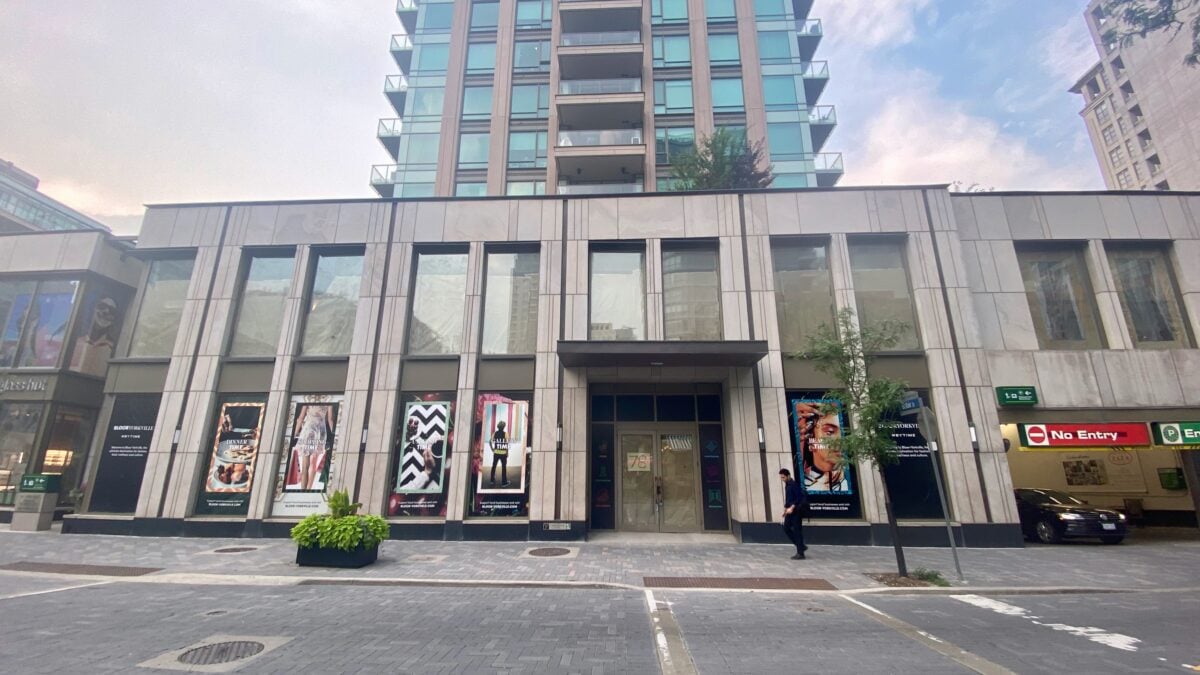
Future Kith store at 78 Yorkville Avenue in Toronto. Photo: Craig Patterson
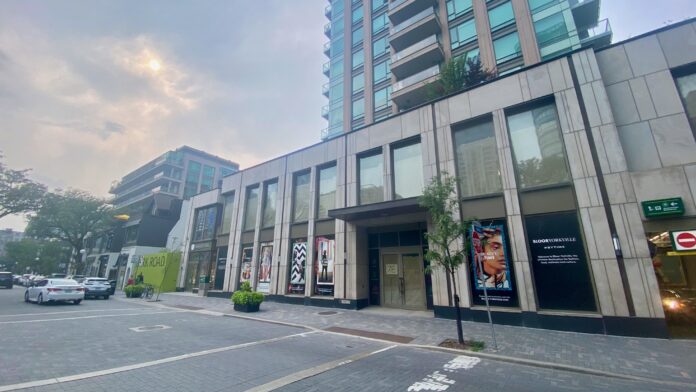
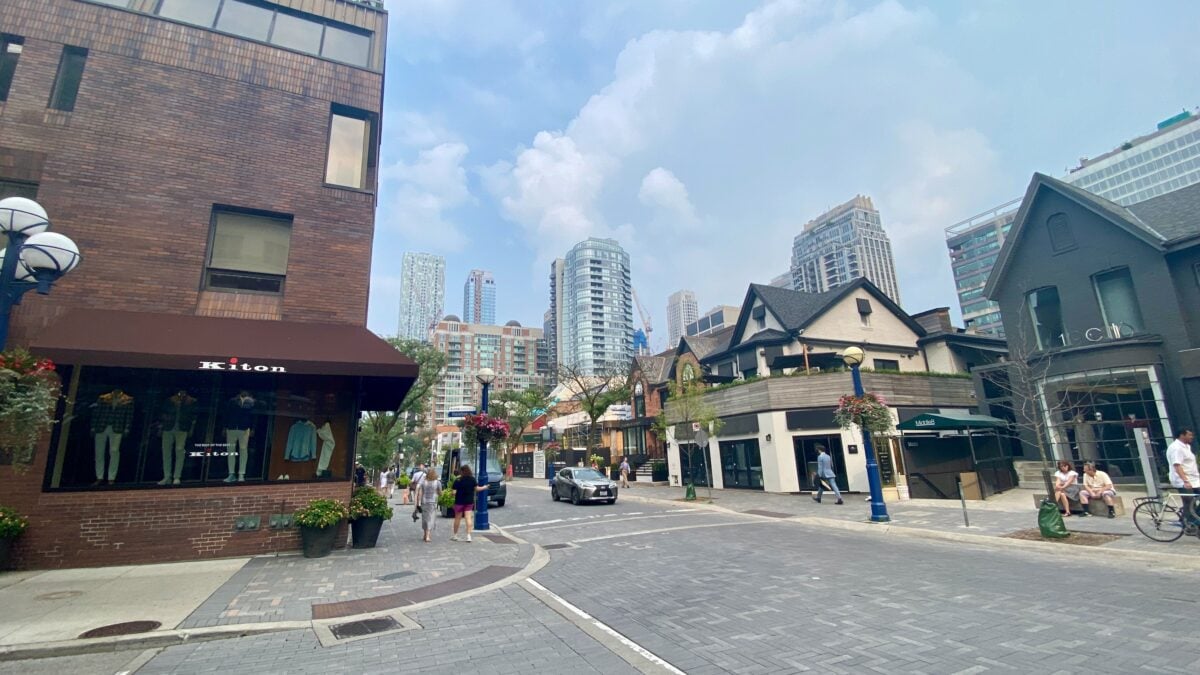
Toronto’s Yorkville Avenue is seeing a retail transformation that will bring in a high-spending youth demographic, with the addition of several new brands opening stores. The street’s luxury transformation began several years ago with some big-names, creating a clustering that also competes with Toronto’s Yorkdale Shopping Centre for consumers.
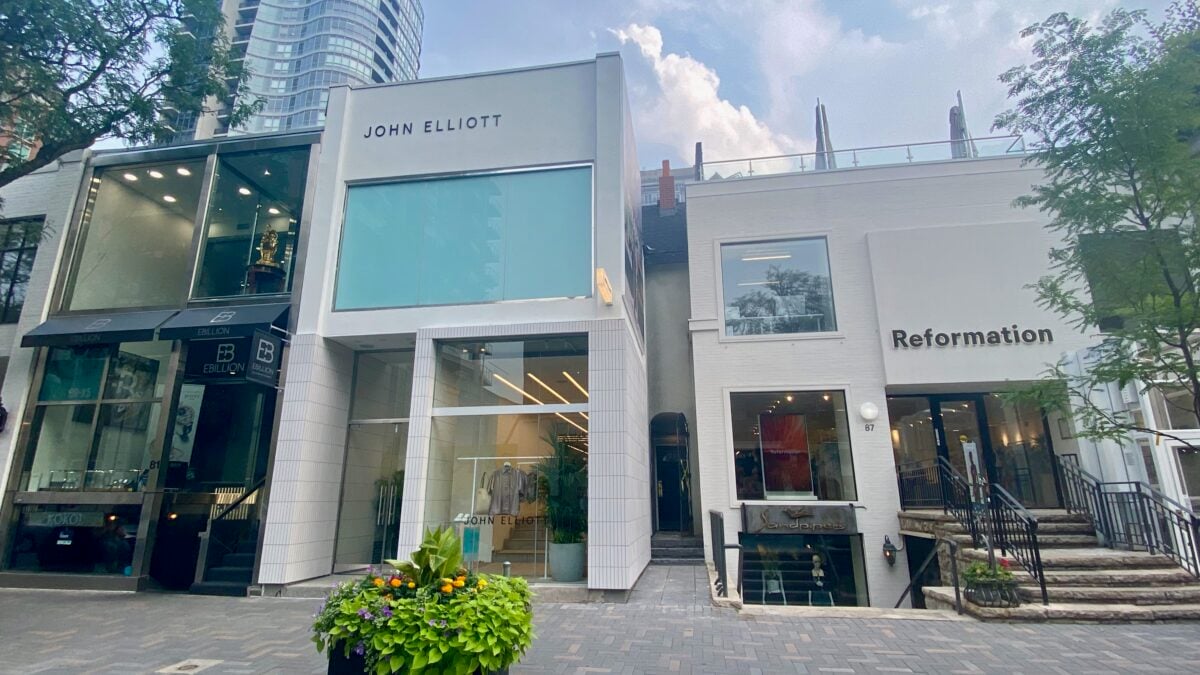
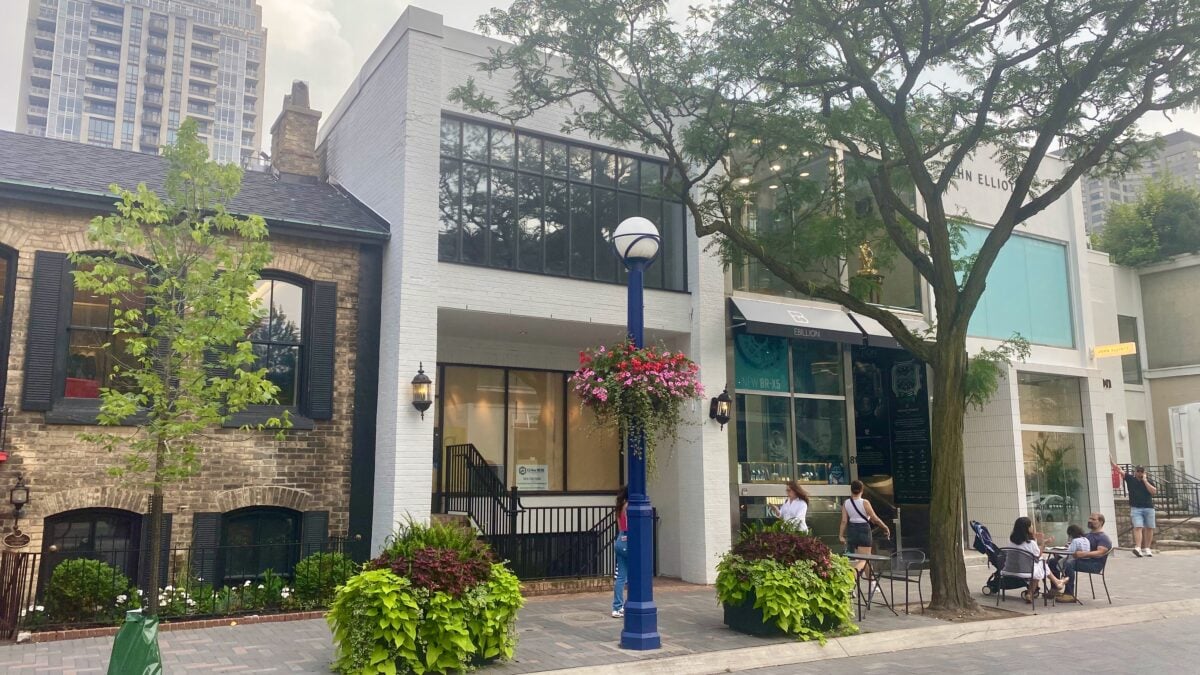
Now more youthful brands are establishing a presence on the street. Earlier this month, pricey Los Angeles-based fashion brand John Elliott opened its first international store at 83 Yorkville Avenue. It’s only the sixth location for the popular brand, joining locations in Miami, Los Angeles, New York City (two stores) and Aspen, Colorado.
John Elliott at 83 Yorkville Ave and Reformation next door. Photo: Craig Patterson Inside John Elliott Yorkville, image: John Elliott
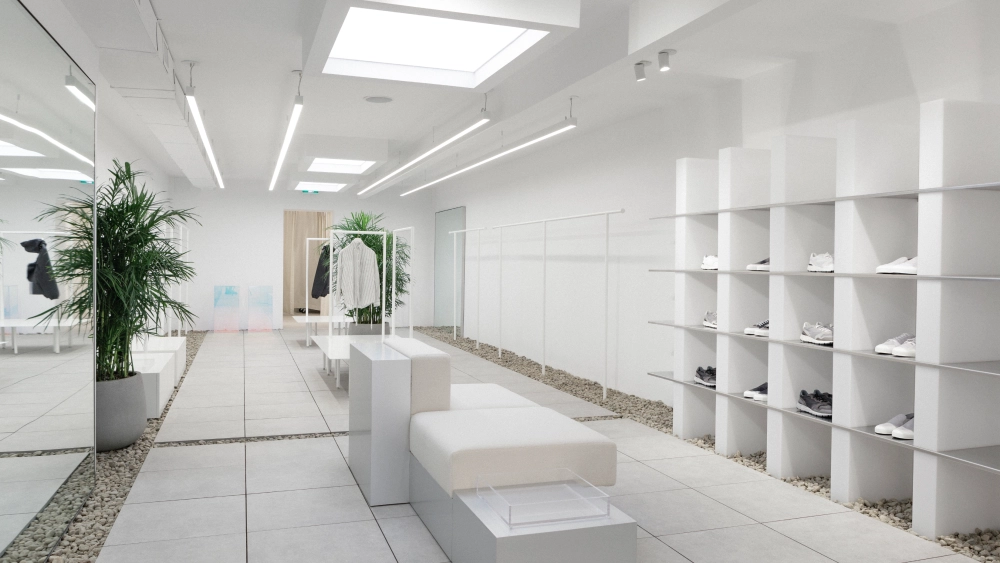
The Yorkville Avenue John Elliott store features a minimalist and utilitarian aesthetic under the direction of architect Stephan Wiemer. The store spans about 2,400 square feet and is in a retail space once occupied by popular designer brand Off-White and a hair salon that until recently occupied the building’s upper level. John Elliott’s full men’s and women’s collections can be found in the store including leather goods, Japanese denim (priced in the hundreds of dollars), sportswear, fine jewellery (created in collaboration with Japanese brand M.A.R.S.), and footwear made in Italy. Jeff Berkowitz of Aurora Realty Consultants represented John Elliot and CBRE’s Urban Retail Team were involved in representing the lease.
The most exciting tenant in recent memory for Yorkville Avenue has yet to open, and it’s currently under construction. it’s also said to be one of the worst-kept retail secrets in recent memory for those paying attention to future store openings in Toronto. New York City-based Kith will open a storefront at 78 Yorkville Avenue spanning about 10,000 square feet over two levels, and it will include both a fashion component as well as Kith Treats, which is an ice cream concept found in Kith’s stores globally.
Future Kith store at 78 Yorkville Avenue in Toronto. Photo: Craig Patterson
Kith still hasn’t formally announced its Toronto store — Retail Insider decided to publish this article after two other publications, Sole Savy (in late June) and BlogTO reported on Kith’s Toronto opening based on some online job postings by Kith on LinkedIn. Kith typically announces its store openings about 60 days prior to an actual opening date, and construction on the Toronto store is ongoing with its opening expected before the Toronto International Film Festival in September (if it even happens this year).
For several months, design-build firm SAJO has been building out the Kith space at 78 Yorkville Avenue in secret with no signage indicating the new tenant for the building. Retail Insider reached out to landlord First Capital REIT which was unable to provide comment for this article, likely due to confidentiality agreements with the tenant. We will therefore follow up on this article with a more comprehensive report on Kith including more information and renderings of the new Kith store.
Kith was founded in New York City in 2011 by Ronnie Fieg, and the brand now has 15 stores globally. That includes nine standalone stores in the United States in New York City, Los Angeles, Aspen, Miami and Honolulu, as well as two shop-in-store concessions in New York City (Bergdorf Goodman) and Long Island (at Hirshleifers). Globally, Kith has stores in Paris and Tokyo, as well as a concession at Selfridges in London.
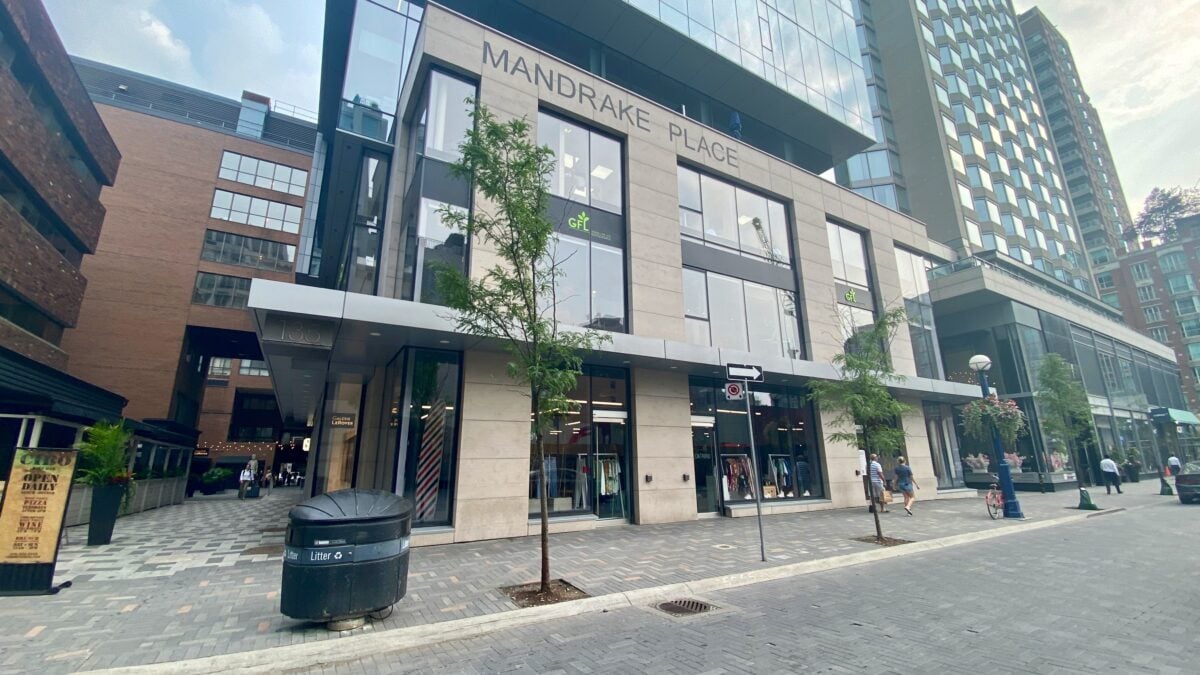
The cult-favourite Kith is expected to be a big draw for monied youth into Toronto’s Yorkville area, with industry insiders saying that it could be a game-changer for the street with its constantly updated product drops. It will join John Elliott on the street as well as well-established multi brand menswear retailer CNTRBND which has its storefront about a block away at 135 Yorkville Avenue and another closer to the future Kith on Bellair Street. Combined, these retailers are expected to make Yorkville Avenue a draw for younger consumers who might otherwise frequent Toronto’s Yorkdale Shopping Centre and even Queen Street West.
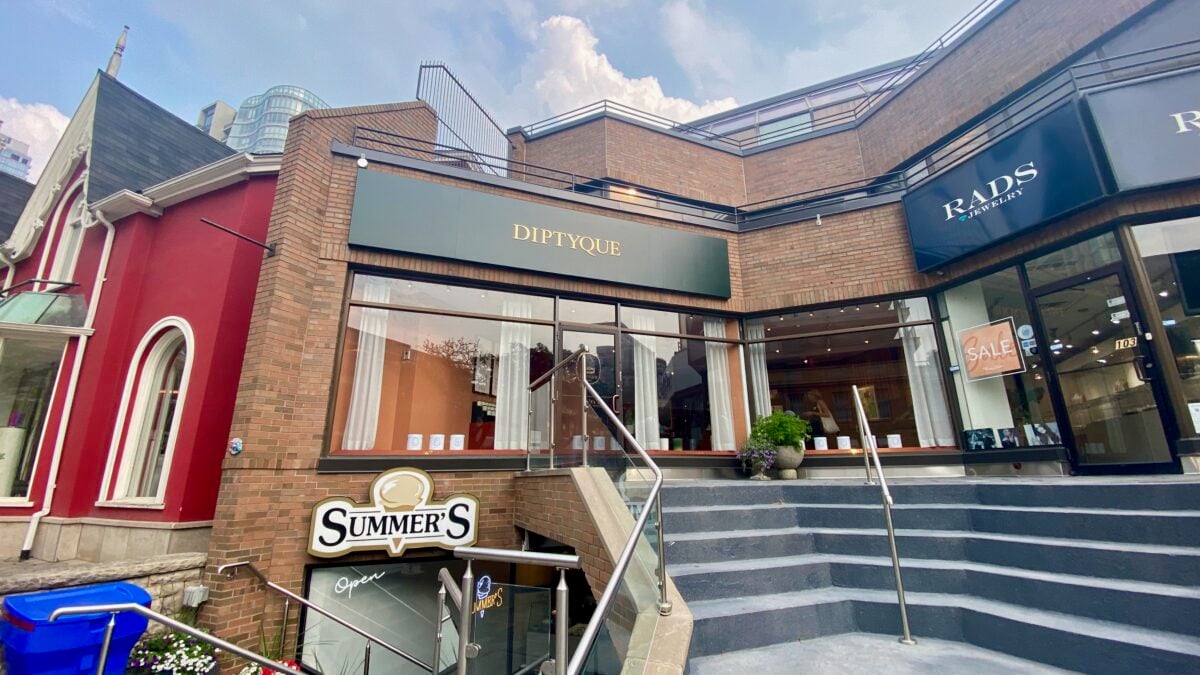
CNTRBND at 135 Yorkville Avenue. Photo: Craig Patterson The newly opened Diptique at 101 Yorkville Avenue in Toronto. Photo: Craig Patterson
Another First Capital property recently saw the addition of a new luxury tenant — French fragrance and candle brand Diptique just unveiled its new store at 101 Yorkville Avenue. The store will occupy the space for a time until the building is demolished for redevelopment, and is the second location for the brand in Canada following a store opening at Toronto’s Yorkdale Shopping Centre last year. Jeff Berkowitz of Aurora Realty Consultants represented Diptique in the lease deal.
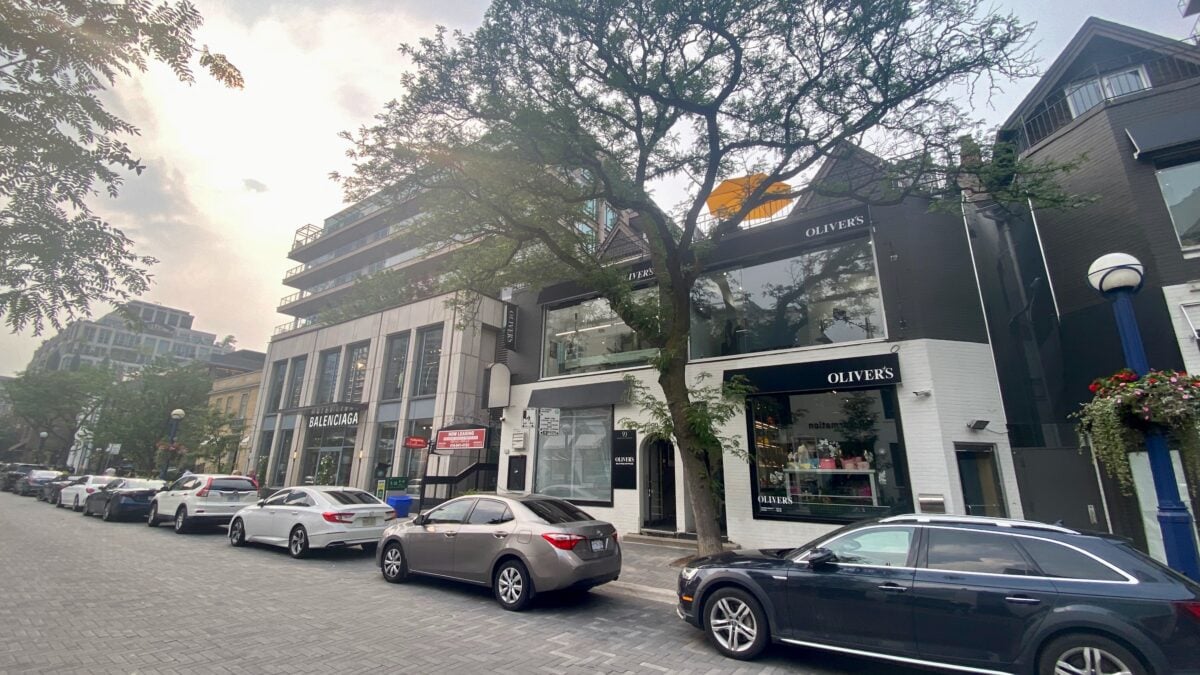
Closer to Kith and John Elliott, the former Free People space at 79 Yorkville Avenue has been leased long-term to Vancouver-based luxury reseller Mine and Yours. The store is currently under construction and will be opening next month. Mine and Yours is the second luxury reseller on the street, joining Russell Oliver’s retail concept across the street that opened in late 2021.
Mine and Yours is next door to US-based women’s fashion brand Reformation, which in late 2022 opened its tech-heavy Canadian flagship store at 87 Yorkville Avenue.
Future Mine and Yours at 79 Yorkville Avenue in Toronto — John Elliott is to the right in this photo. Photo: Craig Patterson In late 2021, ‘The Cashman’ Russell Oliver opened a luxury resale store in Yorkville adjacent to various full-priced luxury brand stores. Photo: Craig Patterson
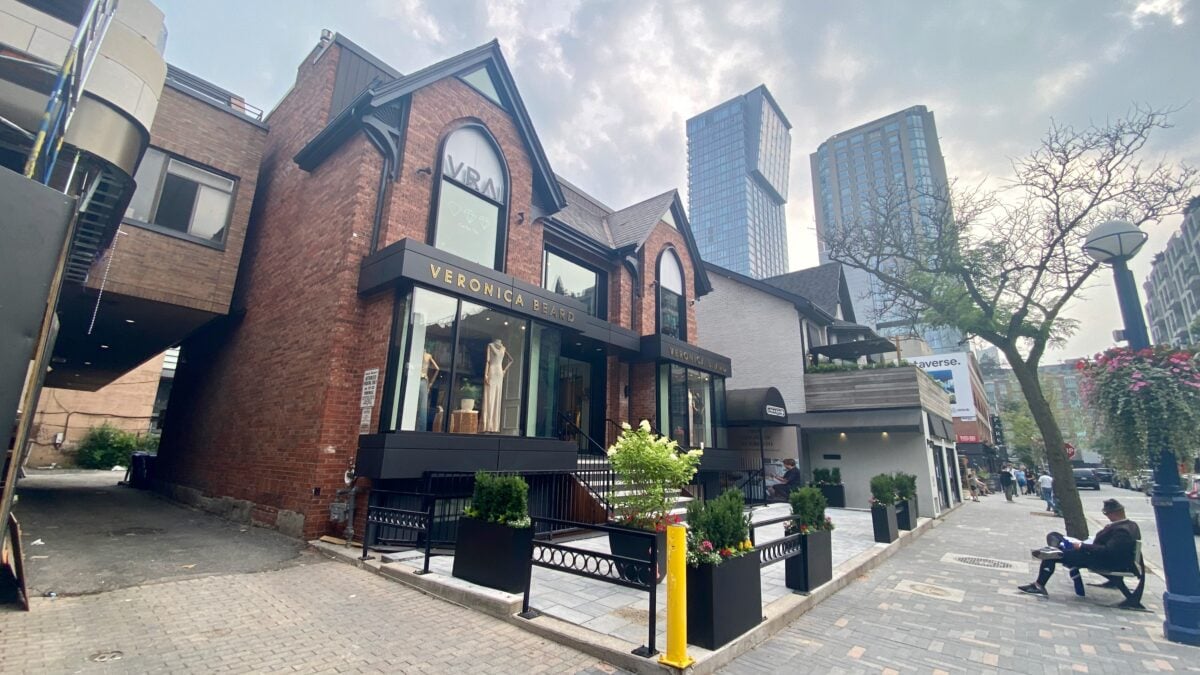
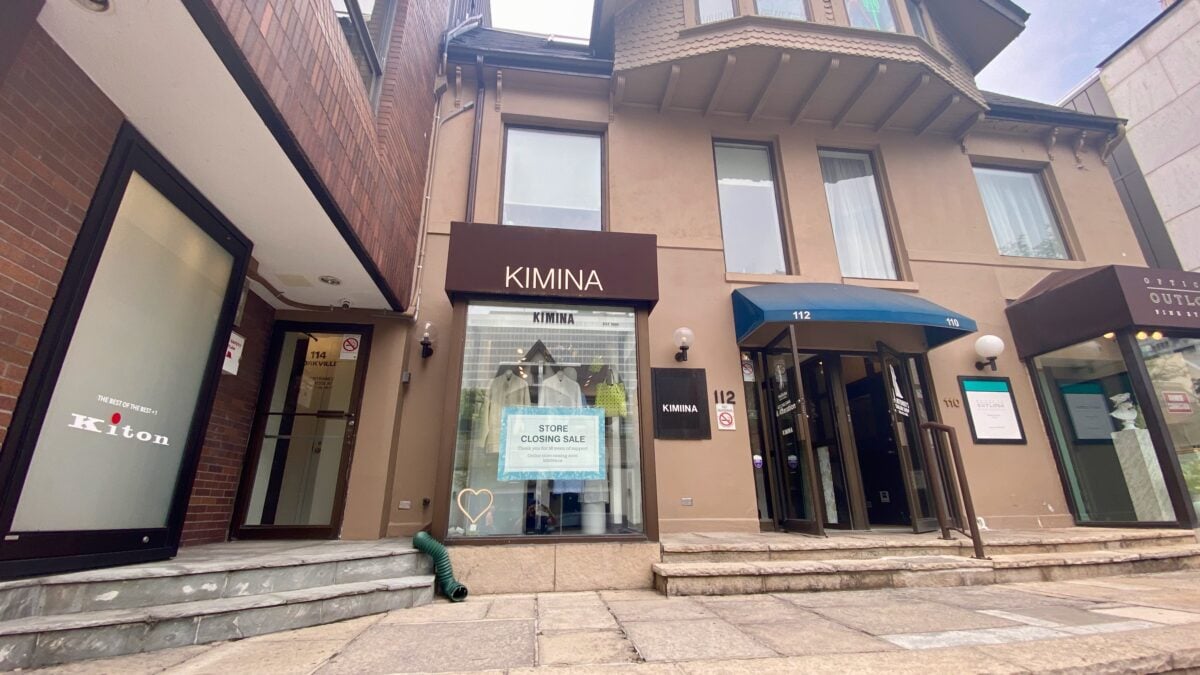
Other happenings on Yorkville Avenue include the recent openings of US-based Veronica Beard and lab-grown diamond concept retailer VRAI at 111 Yorkville Avenue, both of which were recently reported on in Retail Insider. One long-time high-end retailer, Kimina, will be closing its store across the street after operating for nearly 40 years. Kimina is known particularly for selling Issey Miyake’s pricey Bao Bao bags.
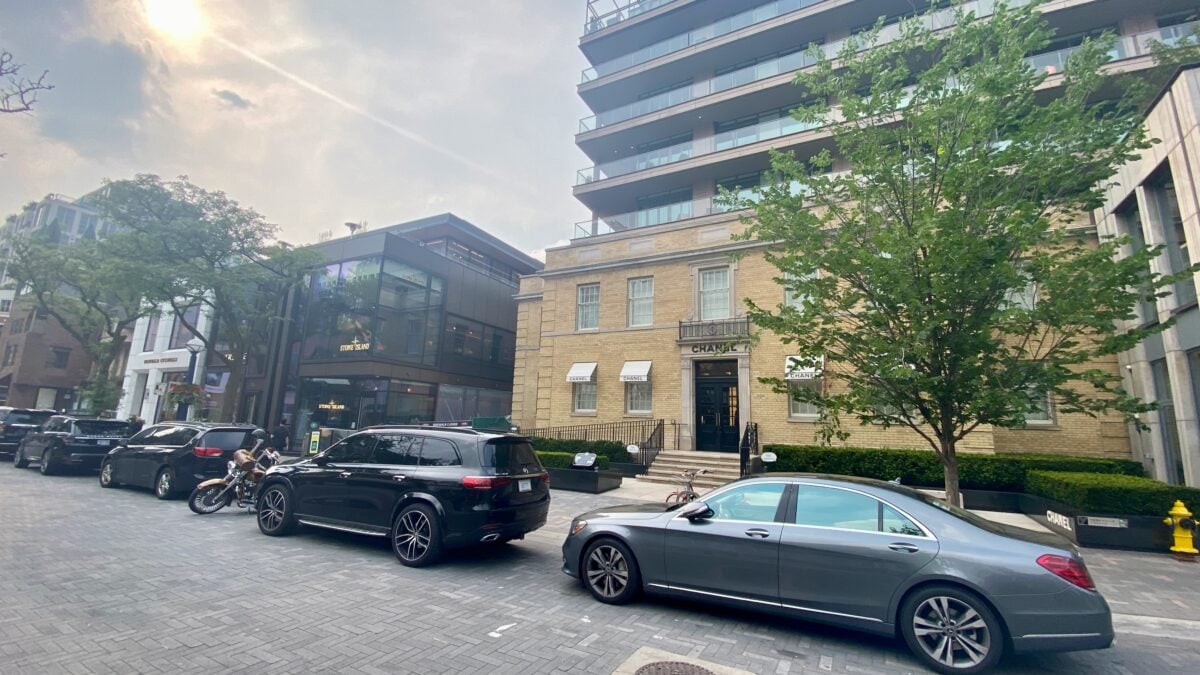
Veronica Beard and VRAI at 111 Yorkville Avenue. Photo: Craig Patterson Closing soon: Kimina at 112 Yorkville Avenue. Photo: Craig Patterson Chanel, Stone Island, Versace and Brunello Cucinelli on Yorkville Avenue in Toronto. Photo: Craig Patterson
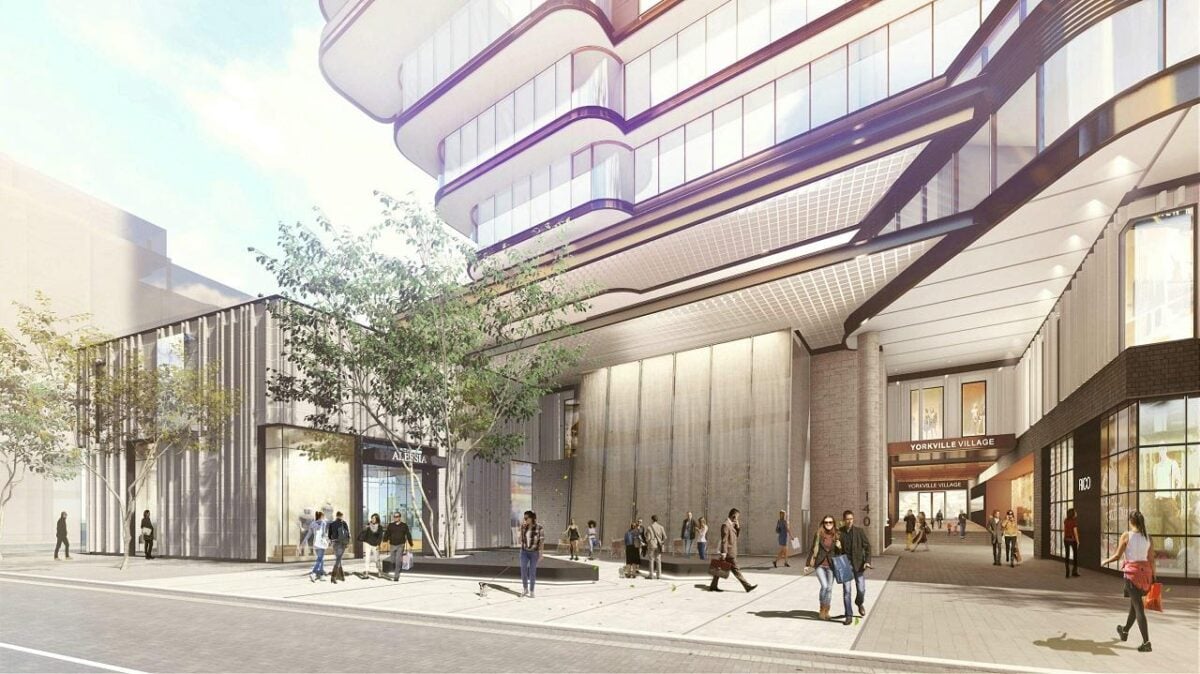
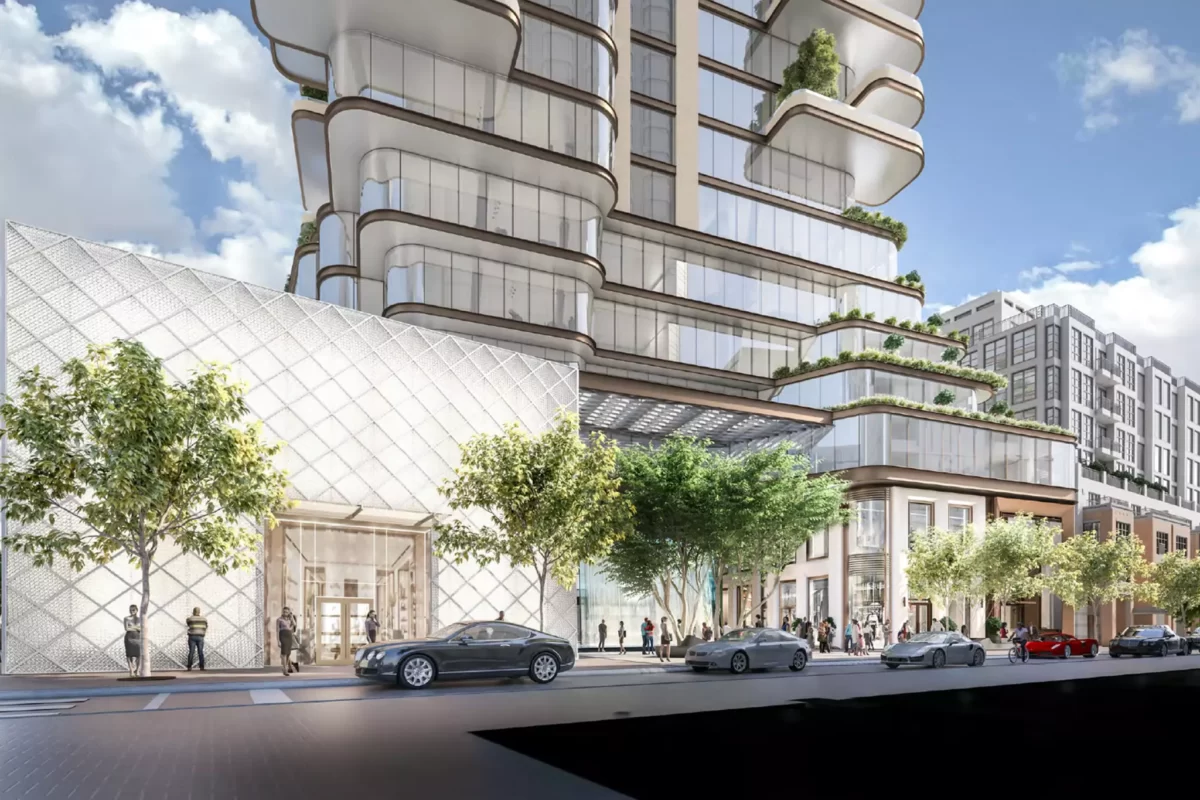
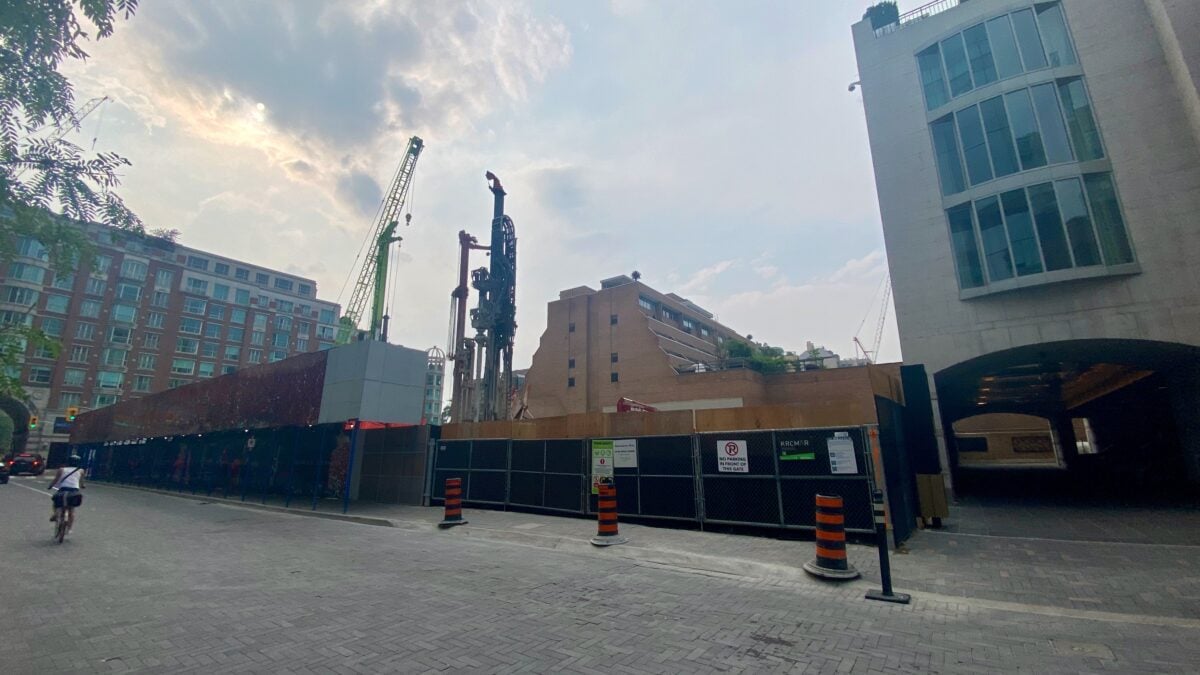
Yorkville Avenue will continue to see changes in the months and years to come as new retailers move into the area. First Capital REIT’s Yorkville Village shopping centre, formerly named Hazelton Lanes, will see the addition of a new Yorkville Avenue entrance near Avenue Road with the opportunity to add several new luxury retailers to the complex.
Future Yorkville Avenue entrance to Yorkville Village. Image: First Capital REITFuture Yorkville Avenue entrance to Yorkville Village. Image: First Capital REITCurrent condition of the future entrance to Yorkville Village (formerly Hazelton Lanes) in Toronto — a very high-end residential condominium building will be constructed on the property as well. Photo: Craig Patterson Corner of Yorkville Avenue and Hazelton Avenue in Toronto. Photo: Craig Patterson
At the same time, two blocks south, Toronto’s Bloor Street luxury run (formerly the ‘Mink Mile’) is adding several new luxury brand stores this fall including Ferragamo, Rolex, Van Cleef & Arpels, Alexander Wang, Bonpoint, Paris Baguette and Saint Laurent. The clustering of these stores, joining other big names such as Louis Vuitton, Gucci, Dior, Prada and others on the street, will solidify Bloor-Yorkville as an important luxury retail destination for Canada as well as being a draw for tourists. We’ll continue to report on new additions to the area as well as how competition with the Yorkdale Shopping Centre will play out as both maintain their positioning as Toronto’s key luxury retail shopping nodes.
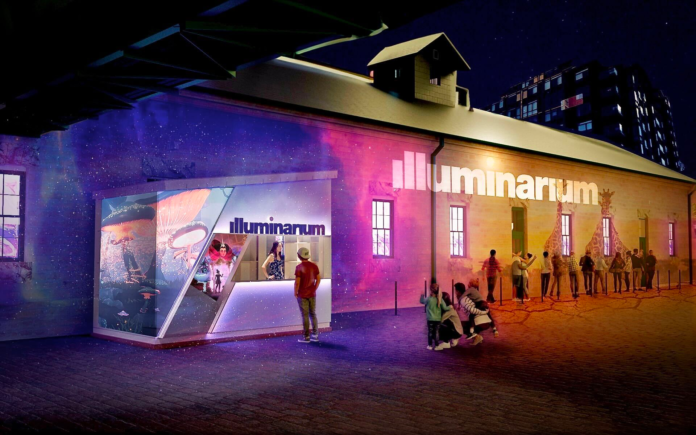
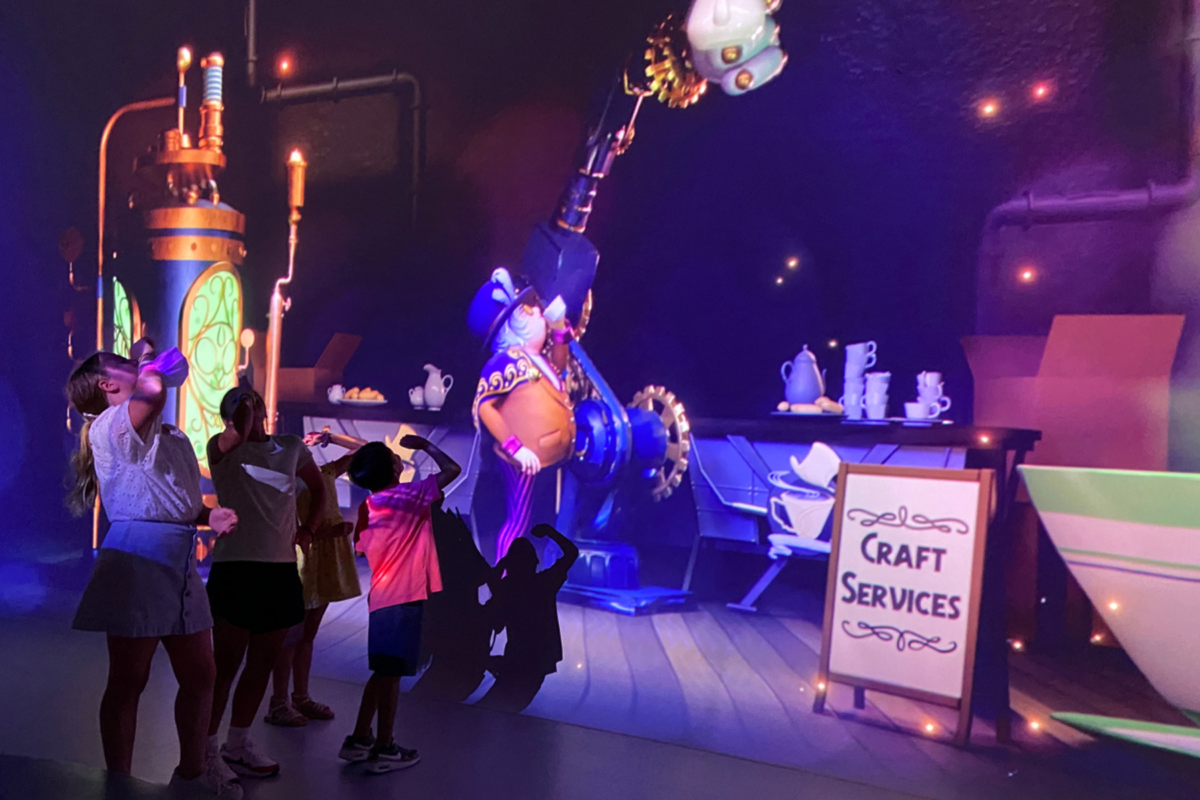
Illuminarium Toronto at The Distillery District (Image: Illuminarium)
Illuminarium, a new tech-driven entertainment experience, will open its first Canadian location at The Distillery District in Toronto on August 25.
In partnership with Toronto-based Secret Location, the concept uses state-of-the-art technologies to activate all of the senses and enables guests to see, hear, feel, and even smell experiences they previously could only dream of.
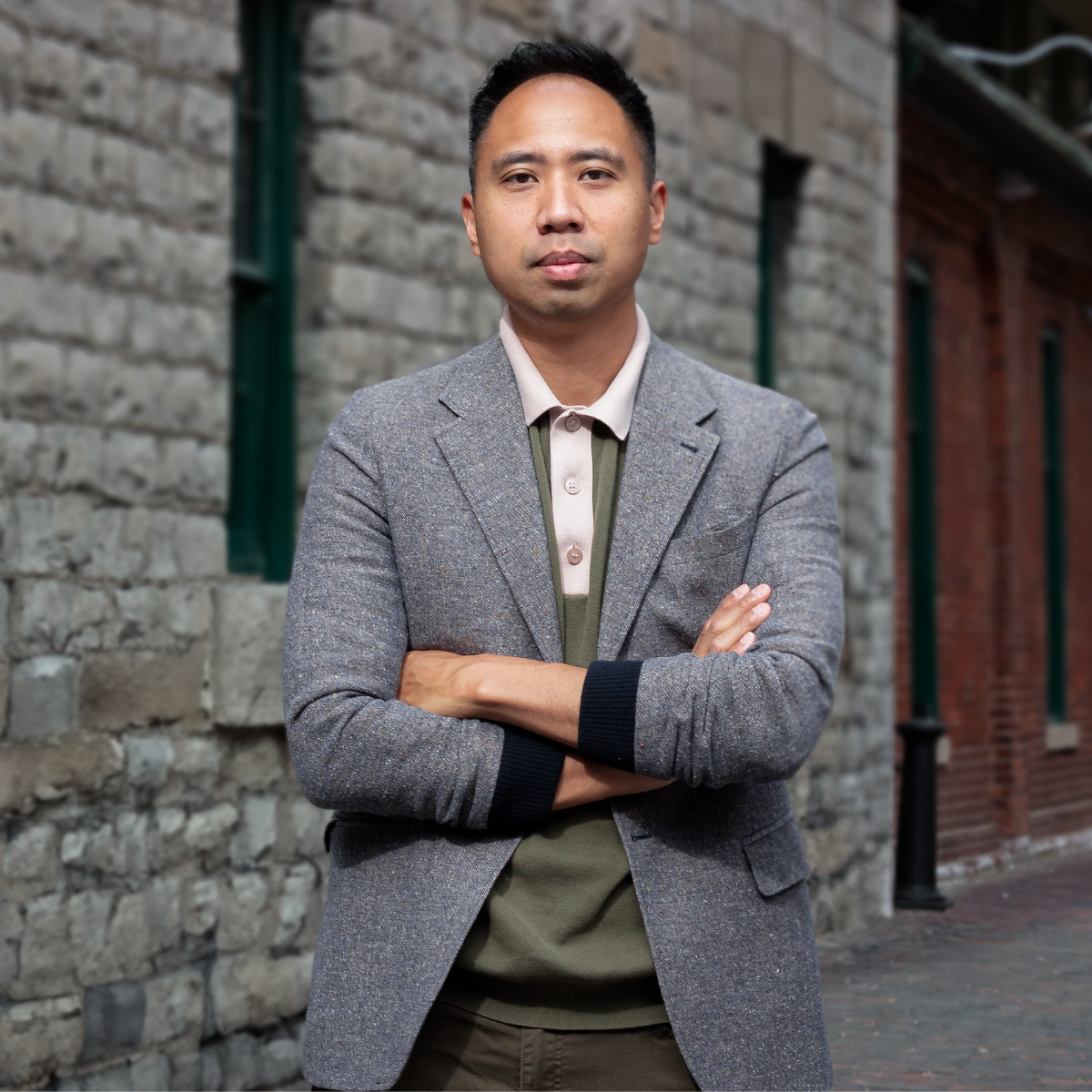
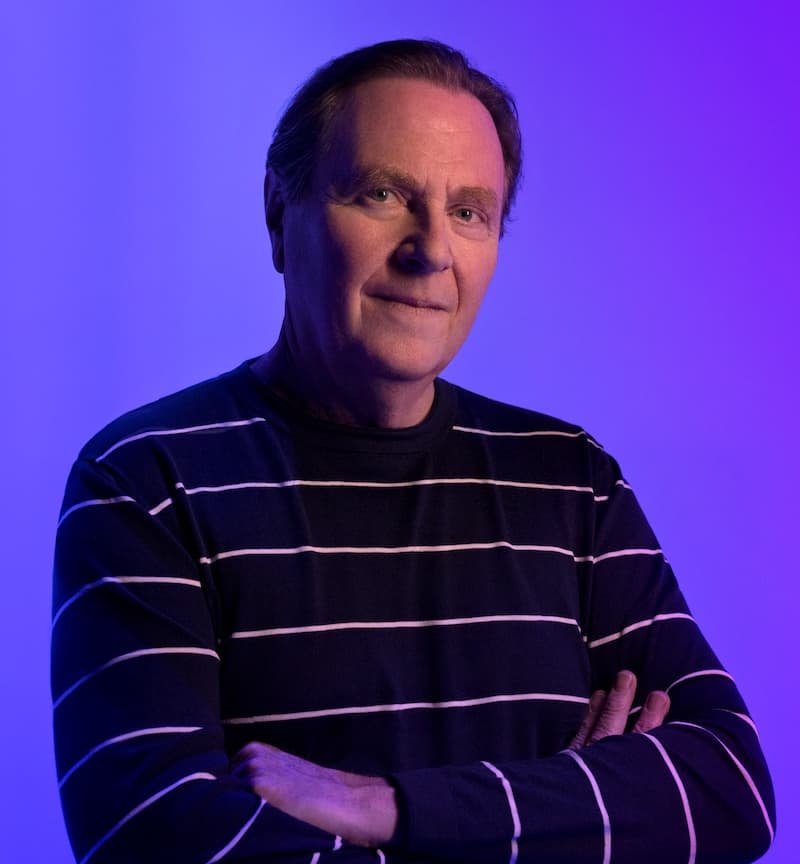
Ryan Andal
“We’re so excited to join together to bring Illuminarium to Toronto. Illuminarium’s platform gives us the ability to uniquely combine techniques used in traditional motion picture production and virtual reality to make you feel like you are actually there,” said Ryan Andal, President & Founder of Secret Location. “While Illuminarium at The Distillery District is an incredible canvas for us as creators, I think it’s even more exciting for our guests as it’s something they could never experience at home.”
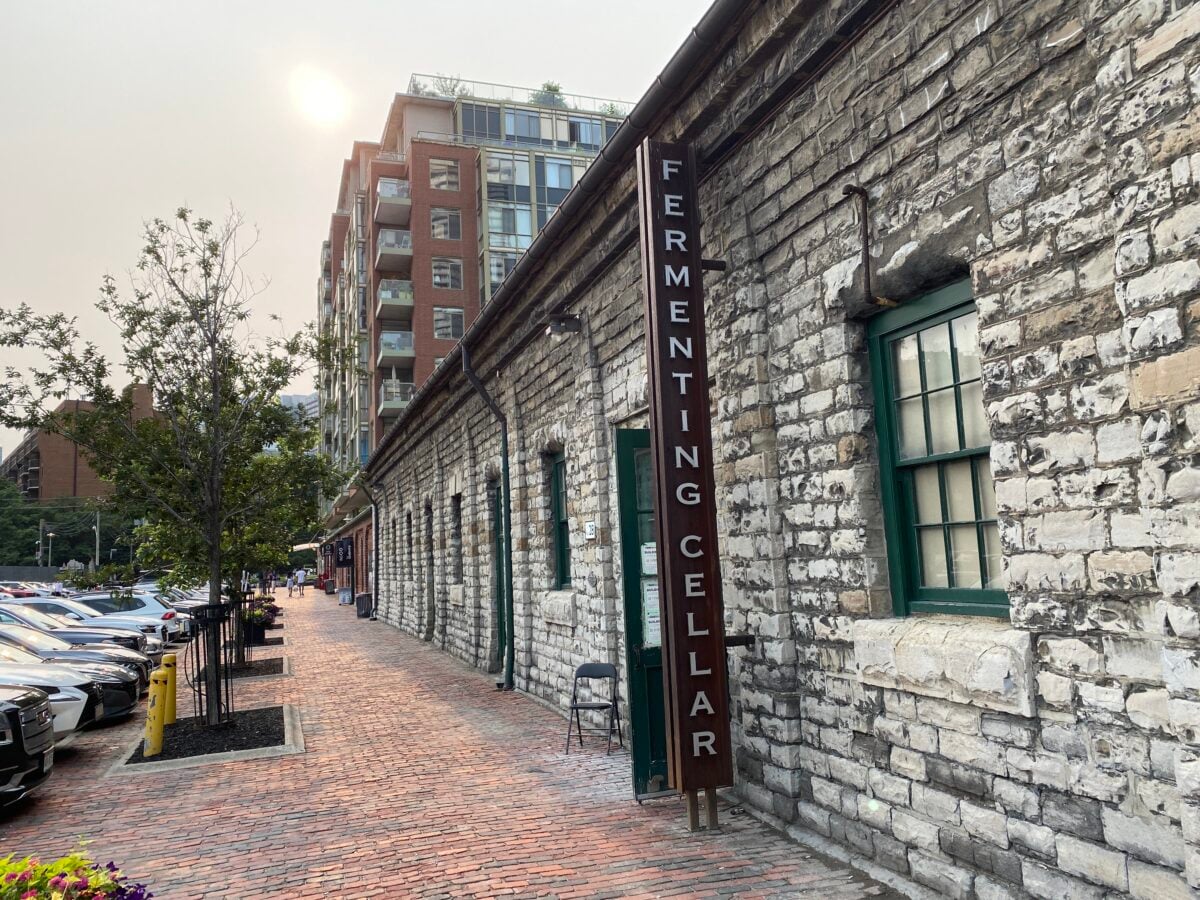
The concept will open in the former Fermenting Cellar, a 13,500-square-foot complex at 28 Distillery Lane.
Future Illuminarium at the Fermenting Cellar in The Distillery District (Image: Dustin Fuhs)Image: Illuminarium
It will join Atlanta and Las Vegas as the third Illuminarium location in North America.
“By now everyone has already seen Immersive Van Gogh, but that really just opened up the possibilities of what you can do in a projection-based environment. Illuminarium’s spaces take that technology platform to a whole new level which allow us the creative freedom to experiment with game-like interactivity, theatrical performance, live music, and even immersive dining. This isn’t a one-and-done experience. We’re at The Distillery District for the long term. This city has so much talent that we’ll be able to collaborate with and showcase,” said Andal.
“I’ve been trying to open up locations for the last five years. Looked at a number of different locations. Inside malls. Yorkville. We really liked this Distillery location partly because of the owners here. They’re very careful about what they curate into the Distillery space. They are very mindful of supporting small Canadian business.”
Image: Illuminarium
“We are incredibly proud to be welcoming Canada’s first-ever Illuminarium to The Distillery Historic District,” shared John Berman, Co-Owner of The Distillery History District. “As an incubator for first-to-market brands and retailers and a district that has become a cultural hub celebrating and supporting the arts, we couldn’t think of a better fit for Illuminarium’s foray into Toronto.
“Illuminarium will be opening in the spectacular Fermenting Cellar, the one-storey westward expansion of the Stone Distillery Building, built in 1869, which represents an important part of The Distillery District’s rich history. We are excited to be bringing a completely innovative, immersive technological experience to a whole new generation of people to enjoy, juxtaposed against our beautiful heritage buildings and architecture.
“We look forward to welcoming Torontonians and visitors from across the country to experience Illuminarium at The Distillery later this summer.”
Andal said the venture will be at the Distillery District for the long term. So it wouldn’t make sense to open another location in Toronto as it would be competing against itself.
“We are looking at other Canadian locations. Looking at Montreal. Looking at Vancouver. Potentially Calgary. Potentially Niagara as well. So we haven’t identified any specific locations yet but we’re looking,” he said.
“Illuminarium itself is growing quite aggressively. They have a location in Macao that they announced a JV deal with a company out of there. Potential deals in other countries. Chicago.”
Secret Location, which has been around for about 15 years, is known for its Emmy® award-winning interactive VR and AR experiences, to combine cutting-edge technology with immersive storytelling to create incredibly digital projection mapped experiences.
Image: Illuminarium
“We’re thrilled to open our first Illuminarium in Canada,” said Alan Greenberg, CEO of Illuminarium Experiences. “Toronto is booming with entertainment creation so it was a natural fit for us to open up our first Canadian experience here. We look forward to showcasing our unparalleled immersive offerings with exclusive content pieces as well as the entertainment programming we have in our U.S. locations.
Alan Greenberg
“We are also excited about combining our own content together with the unique offerings created by Secret Location to continually offer guests a great new portal into immersive entertainment. Illuminarium at The Distillery District will be a playground for all – from first dates to families and everyone in between.”
The company said state-of-the-art technology including the world’s most advanced RGB pure laser projection by Christie, LIDAR sensors that blanket the space with interactivity, scent machines, a unique digital sounds space and programming using the latest video game engines allow guests to feel like they are inside a game or film. By enabling audiences to see, hear, feel, smell and even personally affect the space around them, Illuminarium at The Distillery District places the guest “inside” the narrative. In essence, Illuminarium at The Distillery District exemplifies a “Virtual Reality, without the glasses” experience.
Image: Illuminarium
Illuminarium and Secret Location said they will initially open with two immersive spectacles along with a 19+ After Dark experience on weekend evenings.
The first two shows are:
SPACE: A JOURNEY TO THE MOON & BEYOND is an out-of-this-world immersive experience, taking visitors on an extraordinary journey across the galaxy. The exhibition will include interactive and visually-stunning imagery from the James Webb Telescope through the lens of Illuminarium’s high-tech animation systems and 360-degree fully immersive screens. Fly through the latest stunning images of nebula, kick up dust on the moon, see Saturn’s rings up close, and weave through an asteroid belt. A giant leap into the unknown, SPACE will transport you to places you’ve only ever imagined.
WAKING WONDERLAND created by Secret Location, is an interactive adventure that invites you on a dreamlike journey, inspired by Lewis Carroll’s Alice in Wonderland. Tumble down the rabbit hole and encounter surreal settings and colourful characters. Chase the Cheshire Cat through the magical forest, stir things up in the Mad Hatter’s tea factory, and tiptoe into the throne room to awaken the Queen of Hearts, as you brave our hero’s quest to breathe life back into a dormant Wonderland.
Also opening in September is the adults-only immersive nightlife and hospitality experience called SPACE AFTER DARK. At After Dark, guests 19+ can enjoy innovative cocktails served by futuristic robots, while surrounded by fantastical dreamscapes that are ever-changing. Through proprietary, state-of-the-art projection and audio systems, the experience offers cinematic, real-time audio and visuals alongside DJs, musicians, and other live performances to create a unique party atmosphere.
Future Illuminarium spectacles coming to The Distillery District will include a WILD Safari Experience, Lite Brite Worlds of Wonder, The Greatest Moments in Rock & Roll, Virtual artist residencies featuring many of the top names from the global music industry, a Prehistoric World Dinosaur Experience and many more.
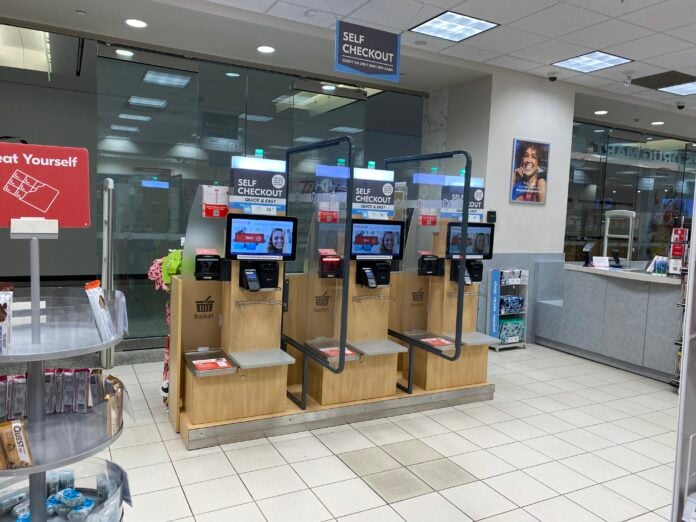
Self-Checkout at Shoppers Drug Mart (Image: Dustin Fuhs)
Craig and Lee discuss the frustrations and negative impacts of the push to self checkouts, specifically focusing on their experiences at Loblaws and Shoppers Drug Mart. They highlight the lack of staff and respect, absence of bags, and the inconvenience faced by customers including vulnerable groups. Craig expresses his disappointment and calls for improved customer service in these stores.
The Weekly podcast part of theThe Retail Insider Podcast Network by Retail Insider Canada and is available on Apple Podcasts, Stitcher, TuneIn, Google Play, or through our dedicated RSS feed for Overcast and other podcast players.
Announcer 0:00 This is a Retail Insider PodCast. You’re listening to “The Weekly”.
Lee Rivett 0:08 Welcome to this week’s episode of “The Weekly” by Retail Insider. I’m Lee Rivett. And I’m joined with the owner and publisher of Retail Insider Media, Craig Patterson, to discuss this week’s most read articles on retail-insider.com. So thanks for joining me, Craig.
Craig Patterson 0:22 Hello, everyone.
Lee Rivett 0:23 Now for this week, Craig wanted to talk about a negative experience that he had at a local Loblaws chain of grocery stores in his area instead of talking about our popular content on our website. Now, not all Canadians who are served by a proper Loblaws branded grocery store, but most have at least touched upon one of their other brands, which would be the Real Canadian Superstore, the No Frills and the Shoppers Drug Mart. And they’ve been around for a while – they started up in 1919 and serve millions of Canadians in urban and rural environments – making them a real significant player in the Canadian retail marketplace. But Craig, where would you like to start?
Craig Patterson 0:58 Yeah, I wanted to talk a bittle bit about some of the experiences that I’ve seen. It is probably no secret anyone that actually shops in these stores that there is a situation where there are more self checkouts and less staff that are actually at the tills to take people. This is causing a little bit of a lack of satisfaction for some individuals, including myself.
Lee Rivett 1:17 So what happened?
Craig Patterson 1:18 I always say when I go into a Shoppers Drug Mart now is getting ready to leave – my measure of success is “How not disappointed am I with my experience?” and that’s really an unfortunate place to be given that I think we’re also being gouged with prices right now.
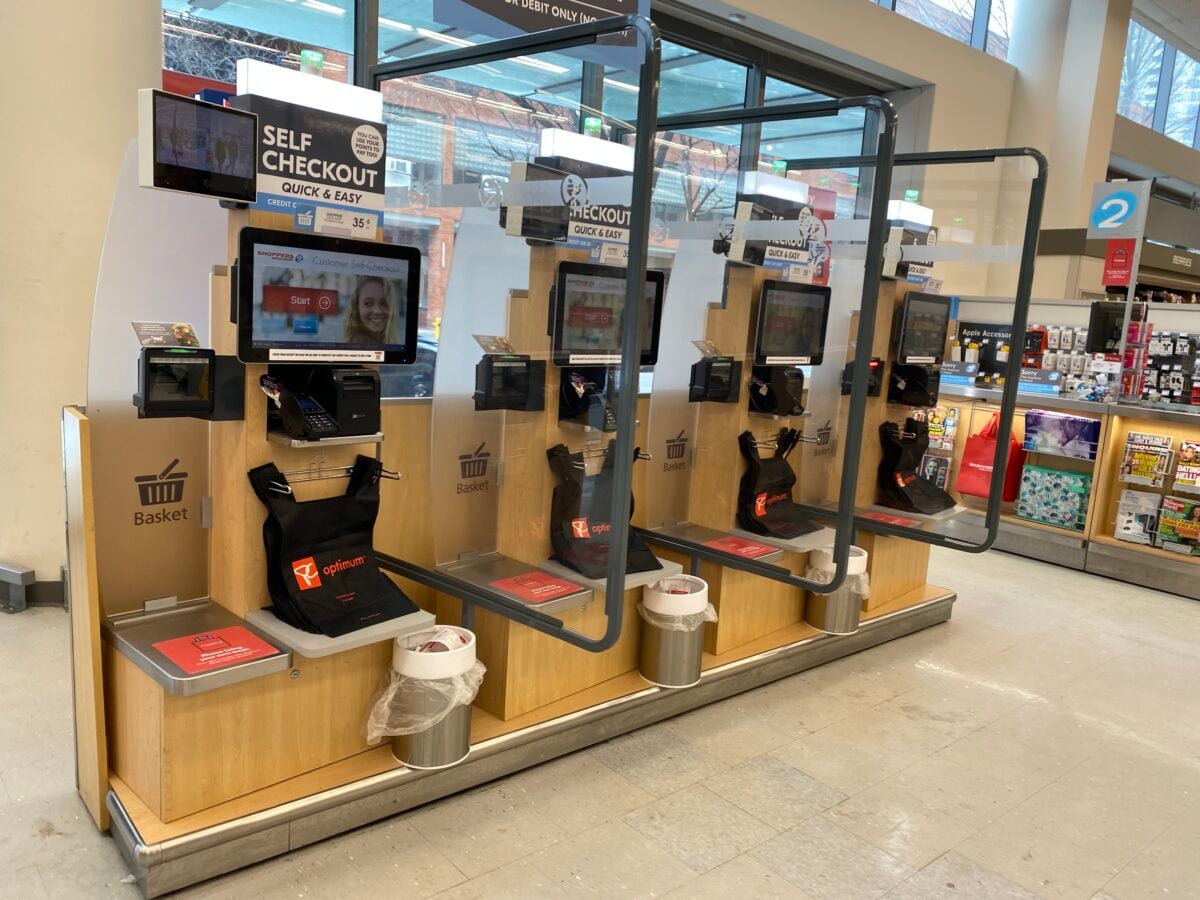
Lee Rivett 1:33 I don’t have as much experience with Loblaws groceries in downtown Vancouver as you do because our main grocery competitors are either “Urban Fare” from Overwaitea Foods Group, “IGA”, or “Whole Foods”. There’s others of course, but those are the three that are down town here in Vancouver. And when you finish getting your, lets say, weekly groceries and you walk up to the counter to ‘ring’ yourself out so you can go home. Either one of those three I mentioned would have about five or six – tills all manned by human beings – to help you through the checkout process. And if you need a bag, it’s 25 cents for like a paper bag or about $2.50 for a cloth bag. Which is reasonable if I forgot my bag at home, or if I was too lazy to go grab the bag as I was walking out the door. Now when I go to one of the Shoppers Drug Mart locations in downtown Vancouver – which is part of the overall Loblaws Group of Companies were talking about – and I grabbed my shampoo and hair conditioner and go to the counter – there’s nobody there to help me through the checkout process. There’s four or five self checkout counters which have no bags or anybody there (except for our security guard, making sure that I’m not running out without paying for my merchandise) and there’s maybe one counter that’s out there that has space for a human being behind it – but it’s typically empty and not manned. So if you’re kind of left to ‘fend for yourself’ to go through the checkout process, and there is potentially a reusable bag that’s rubberized that’s $5 (which is twice the price is any of the cloth bags that the other chains that I was just talking about) – I’m just going to go get my bar of soap and pay for it and then walk home with it in my hand as opposed to getting a bag from them.
Lee Rivett 3:12 Now on the other hand, I’m just wondering for you with a Loblaws grocery situation with avocados rolling around and milk, you’re going to need a bag. So having to pay $5 for one of these rubberized ones that I’m seeing from Shoppers and overlaying that experience that I’m having from Shoppers over to groceries would be horrible. So is it frustrating for you? Or are you kind of left ‘fending for yourself’ as well? Or is it a different experience from the Loblaws ‘groceries’ versus the Loblaws ‘Shoppers Drug Mart’ I’ve just mentioned?
Craig Patterson 3:42 I find it to be quite frustrating seems like fewer and fewer tills with humans at them – I don’t want to say ‘manning’ them, it could be women or otherwise – are not open. You have a situation where there’s more of these self checkouts. But what blows me away is that there are often are no bags. Which is another friction point, because you have to deal with the human but you’re at a self checkout. It just doesn’t make sense. I mean, I just can’t believe the stupidity that I’m seeing with this retailer and others that are doing it like that it it just shocks me. And I think it’s rather disrespectful to the consumer, to be honest.
Self-Checkout at Shoppers Drug Mart (Image: Dustin Fuhs)
Lee Rivett 4:15 Well, and in the Shoppers Drug Mart, they do have bags for you to purchase, and they’re reusable and rubberized and stuff. But is that the same situation that you would have in Loblaws, too?
Craig Patterson 4:25 Absolutely. And yeah, they do have some bags that are that are way overpriced for what they are. They don’t cost that much to produce. Some people especially in big cities – I can understand someone doing a larger trip if they’re in the suburbs, or they’ve pre planned this – yeah, it gets great you could pack your bags, that’s going to be wonderful. But for myself off my shopping trips, involve me being between meetings, there’ll be somewhere seeing someone, whatever I’m doing, and I’m like, Oh yes, I need something. It’s kind of an urban pedestrian experience.
Lee Rivett 4:51 So since you’re downtown, what you’re saying is that you’re going about your business day, going to the bank or whatever that may be, and then you would pop into the grocery store on the way because it’s convenient, but you’re not going to be taking Loblaws grocery bags with you to do your business, go to the bank, and all that kind of stuff on a normal business day – because you’re not purposely doing it, and you just don’t have bags with you.
Craig Patterson 5:11 I don’t walk around with, with with bags that maybe I should. As a guy, I just don’t even carry any bag around, I threw a credit card and my keys in my pockets, and I go. So this, you know, is an inconvenience. And then on top of this, having to buy these bags, it’s an extra cost for someone. But also for me, the frustration is just having more of these bags, but over 100 of these reusable bags in my apartment that are going to be going into the garbage. At some point, I’m assuming. I used to reuse the plastic bags I was getting, I put them in garbage cans, I would do other things like that.
Lee Rivett 5:41 The paper bags that are being offered by let’s say, “Urban Fare”, “IGA” and “Whole Foods” is more biodegradable. So if you bring them home, it’s not like you’re going to be harming the environment that much. And those cloth ones are probably not that expensive to produce. But those rubberized ones that you get from Shoppers Drug Mart and I’m assuming from Loblaws groceries to is probably more harmful for the environment if you’re using them more of a as a disposeable kind of thing, right? So because that’s going directly into the landfill, if you just throw them out.
Craig Patterson 6:12 We had an article in there – Evan Duggan wrote from Retail Insider – about reusable bags and the amount of energy that’s been taken to produce these and and I think that this is gonna be more of an environmental disaster in the end, if you can call it that, and what we’re seeing with plastic bags. But I digress a little bit in the conversation here.
Self-checkouts at Loblaw Maple Leaf Gardens (Image: Dustin Fuhs)
Lee Rivett 6:28 So coming back to it. So when you go up to the till to pay at a Loblaws grocery or let’s say Shoppers Drug Mart or something? What’s the experience for you when you basically get there and there’s no human behind the counter, the one that’s there or just an army of self serve?
Craig Patterson 6:43 When I go to, say a Shoppers Drug Mart store, I feel highly disrespected for the fact that there’s no people around I mean, other than perhaps a security guards. People look look frazzled, they were trying to work these self checkout machines and and didn’t seem to know how to use them. And I felt bad for the staff. Because you know, I talked to them, and it’s not their fault. It’s the fault of the company, creating a bad user experience, in my opinion. So I go to Rexall. Now, actually, I hate to say that, but sometimes I’ll go specifically, I’m going to be shopping later, for some things. And because Rexall always has people behind the till, I’m gonna give them my money. Yeah, I’m going to do that I’m not going to shop your Shoppers Drug Mart the only the only benefit I see to shopping at Shoppers Drug Mart besides some of the brands that are there that you know, may be loyal to. And by the way, consumers, according to an EY study are not nearly as brand loyal as they were before they’re seeking value, because a lot of people are stretched. But in Rexall, at least you got somebody behind the till. That’s that’s trying and and I think that, you know, I encourage Rexall to continue doing this because people like me are going to go there. Perhaps I’m in the minority. But at the very least, I do feel more respected at that store. Given that situation.
Craig Patterson 7:45 I’m disappointed. I would say this to Loblaw companies face I’ve complained to managers before. I’ve been somewhat vocal about this, but I welcome the company to reach out to me if they’re listening to this, I hope they are. To speak to me about this, I’d love to have someone on the segment, or at least get an explanation of why the customer service situation is gone to crap essentially at Loblaws Stores. Don’t blame the staff, they’re they’re trying their hardest to wonderful people, my local Loblaws. But they’re understaffed. And it’s a really, really unfortunate situation.
Lee Rivett 8:15 And what’s your thought on the prevalence of self checkout, because for me being some rather tech savvy, I can maneuver self checkout to be able to get myself out the door and grumble about it if I need to. But I’m looking at some of the more vulnerable segments of our population, like let’s look at seniors. If they were to go in there, they and they weren’t unable to figure out how to do a self checkout. There isn’t anyone typically around in Shoppers Drug Mart that to help them check out. Like at least they have, like, let’s say the pharmacy to help ring them through if they need to. But if you’re kind of going to the friend where there’s typically the army of self checkout without anybody there, so for the security guard, they’ll be kind of hooped.
SELF CHECKOUTS PRE PLASTIC BAG BAN, SHOPPERS DRUG MART
Craig Patterson 8:59 It’s challenging sometimes to deal with some stuff. Sometimes you’re a bit older, I’m getting there, myself, and the disabled. You know, some people have more challenges than others physically or even mentally. Having to operate these self checkouts isn’t going to be beneficial, useful or desirable for some people probably most. I’m not gonna say it’s discriminatory. But it’s certainly a situation where this is a challenge for some people and forcing people to use these self checkouts, I think is just a way to cheap out on staff. And I know that we have had a bit of a staffing crisis here in Canada, but we also have a lot of people that are still looking for jobs.
Craig Patterson 9:35 But really, I think that Loblaws could do better. And hopefully they will, but they probably won’t, because they don’t have to, they can keep saving money. We’re going to keep shopping there. This is probably the worst time to be offering bad customer service in stores because we already feel like we’re getting gouged. We know that these retailers were screwing us over with these, you know, bread prices and probably other pricing as well. We just don’t know yet. And so really, you know, there needs to be a PR move here. I think there could be almost a revolt at this point, but but we’ll see what happens here in Canada. Interesting time. I know I’ve been very negative here, probably a bit hostile, but it is what it is. I’ve said what I’ve said, and I welcome a conversation around it.
Lee Rivett 10:17 I don’t happen to have a downtown Vancouver Loblaws grocery store. So this was very enlightening for me. So thanks for sharing and chat with you next week. Craig.
Craig Patterson 10:25 Thank you so much for listening to my rant today. Take care and bye for now.
Subscribe, Rate, and Review our Retail Insider Podcast!
Drop us a line at Craig@Retail-Insider.com. You can also rate us in Apple Podcasts or recommend us in Overcast to help more people discover the show!
Background Music Credit: Hard Boiled Kevin MacLeod (incompetech.com). Licensed under Creative Commons: By Attribution 3.0 License. http://creativecommons.org/licenses/by/3.0/
Retail Insider is streamlining its Canadian retail news from around the web to include a handful of top news stories that can be viewed quickly during the day. Here are the top stories from the past 3 days.