Home Blog Page 750

Artigiano Coffee Discusses Canadian Store Expansion Plans Following Successful Rebranding [Interview]

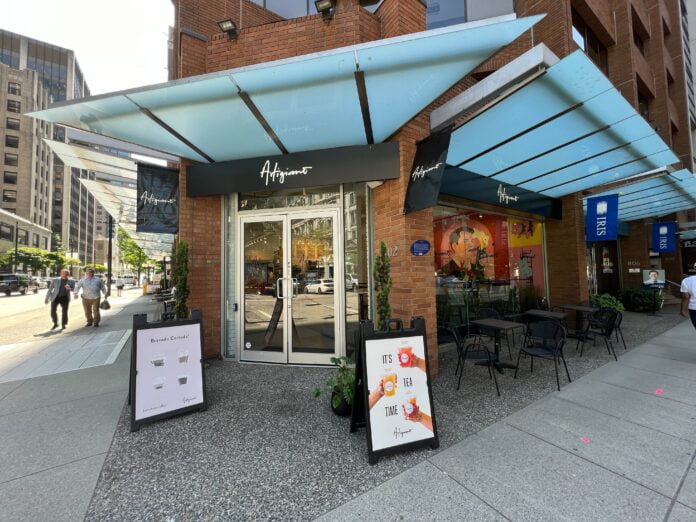
Artigiano at 429 Howe Street in Vancouver (Image: Lee Rivett)

After completing a recent rebrand of its coffee shop concept, Artigiano is poised for expansion in the Vancouver area and beyond.

“Today we’re very much in the Lower Mainland and we’re pushing our way out into the Valley in the Lower Mainland now quite aggressively,” said Dean Shillington, President of Artigiano. “And we have two locations in Calgary.

Dean Shillington

“I got involved in around 2019. I bought the business outright. The plan was to rebrand the business and to flip the model from a corporately-owned model that was becoming more and more difficult to run from a labour standpoint and we flipped it to a franchise model that we’re on now.

“With that model we have very robust expansion plans. We plan to continue a very aggressive expansion through the Lower Mainland. We’re on the Island now in the Nanaimo BC Ferries Terminal and in Langford. So we’re going to expand on the Island. We’re to expand and start focusing on Alberta and then the plan is to go south.”
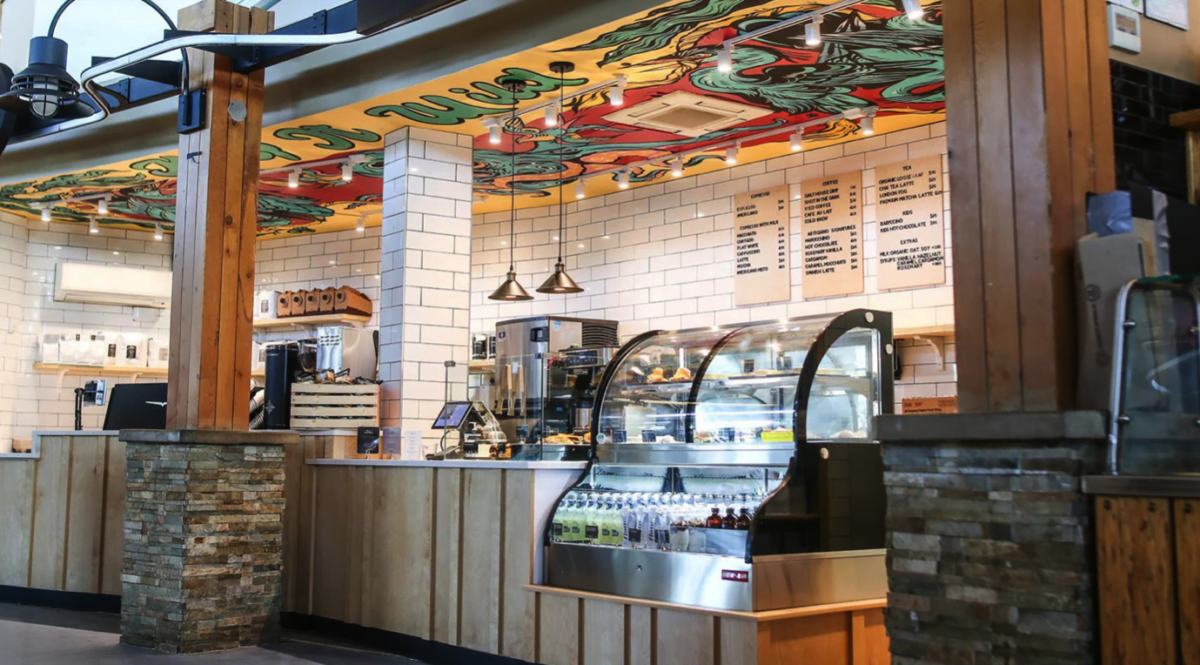
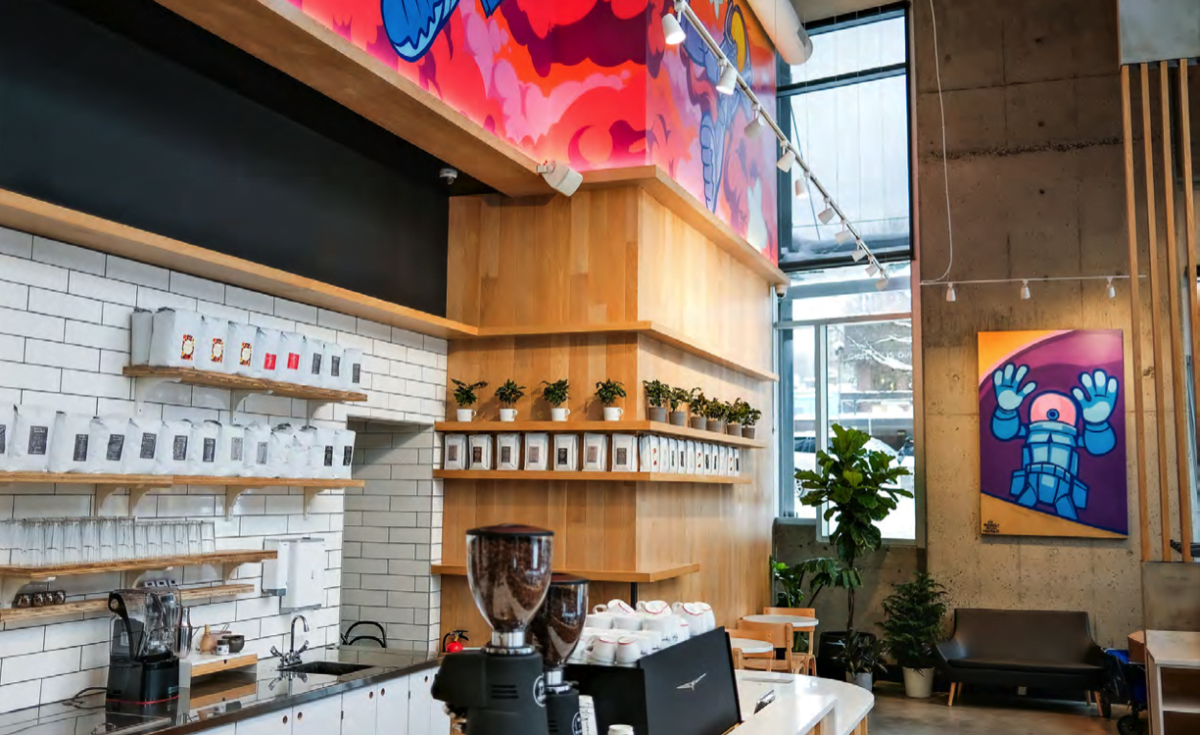
Image: Artigiano
Image: Artigiano

The brand has been around since the late 1990s in Vancouver when it was started by a couple of Italian brothers as Caffe Artigiano. A new concept of coffee was introduced to the Lower Mainland with the skills of Latte Art, a new cafe ambiance and a new European style of drinking coffee.

It was an immediate hit with lineups of people wanting to experience the brand. 

Today, there are 18 locations with two more openings in the near future. There are also three licensees – two are in local grocery store Stongs and one at a golf course.

Sitings Realty Ltd. has been working with Artigiano for its real estate needs.
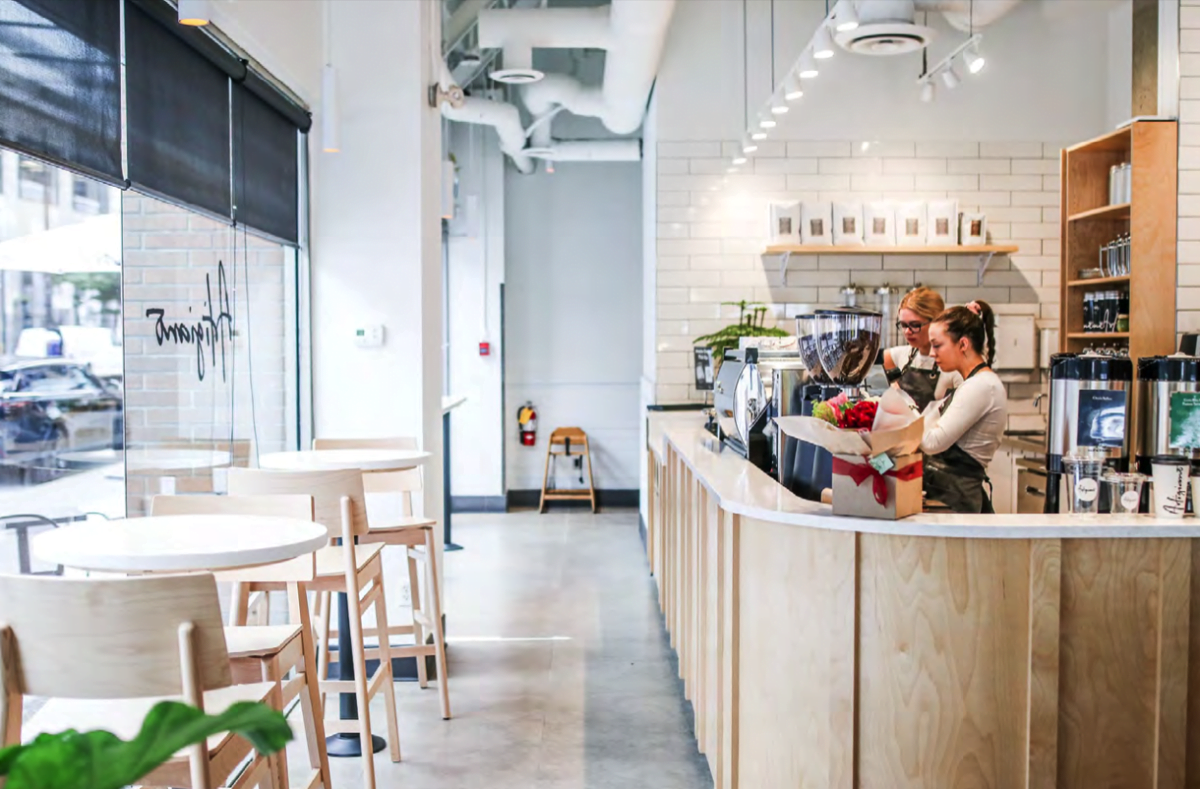
Image: Artigiano

Sarah Brown, Senior Vice-President of Artigiano, said the newest locations will open in Langley and then one on Robson Street in Vancouver in front of BC Place where all the sports take place. 

Sarah Brown

“As much as the business had its challenges through the 2010 to 2017 period, the business has always been known for having among the best coffee in the space,” said Shillington. “Once we were able to master our system and regroup and recalibrate everything at this point it’s about duplication of a good franchise model and a good training model.

“It’s really easy for us to go and create a formula now that we can go expand and take advantage of that. Where the pitfalls were in the previous owner is they went down East and they tried to go aggressively into Toronto. I lived there for a time. I spent a lot of time there. It’s a very corporate environment, very Starbucks, Tim Hortons, kind of mentality environment and they didn’t go in with anything unique for an offering. 

“So rather than do the typical Canadian thing and go East our plan is to stick more with the West Coast vibe and the quality, the art, the craft, the artisan side of our brand and go south which is a little bit more aligned geographically.”
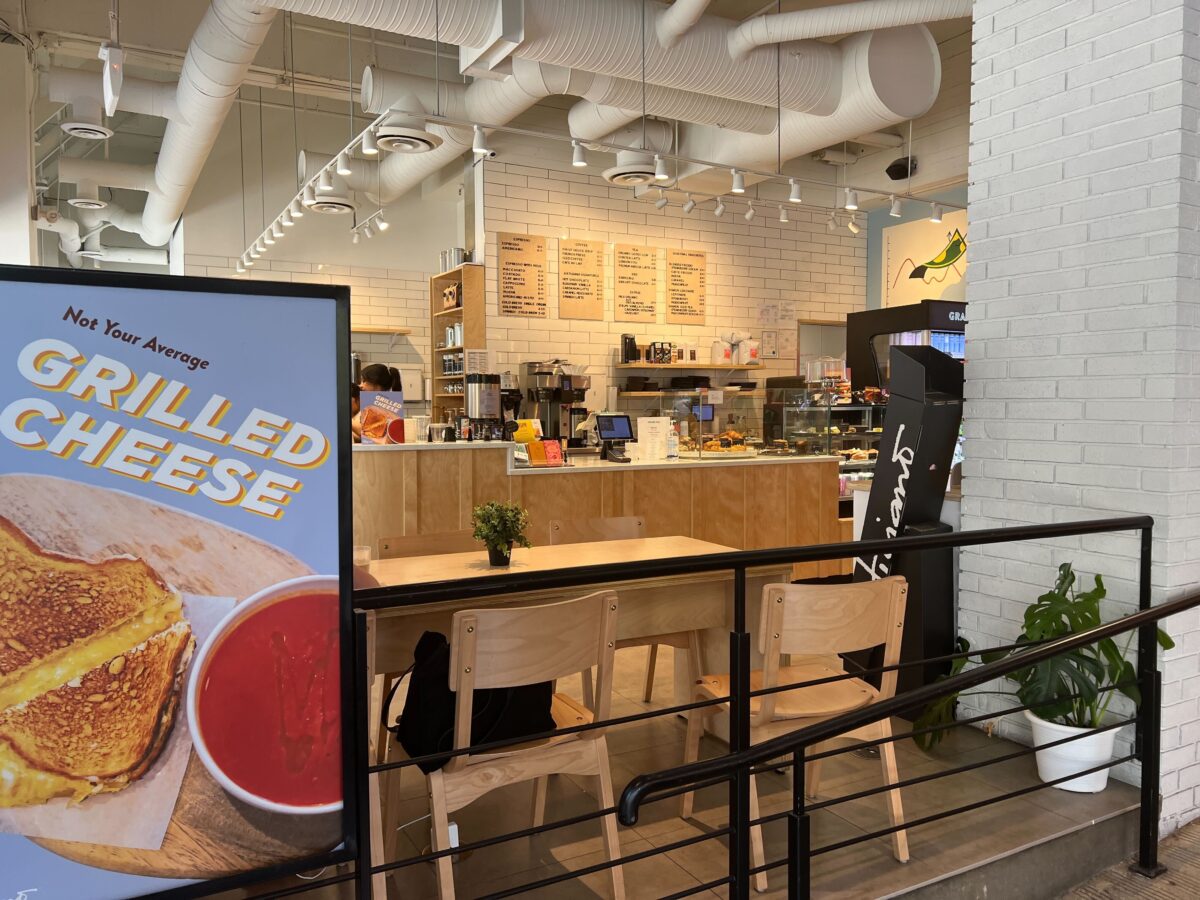
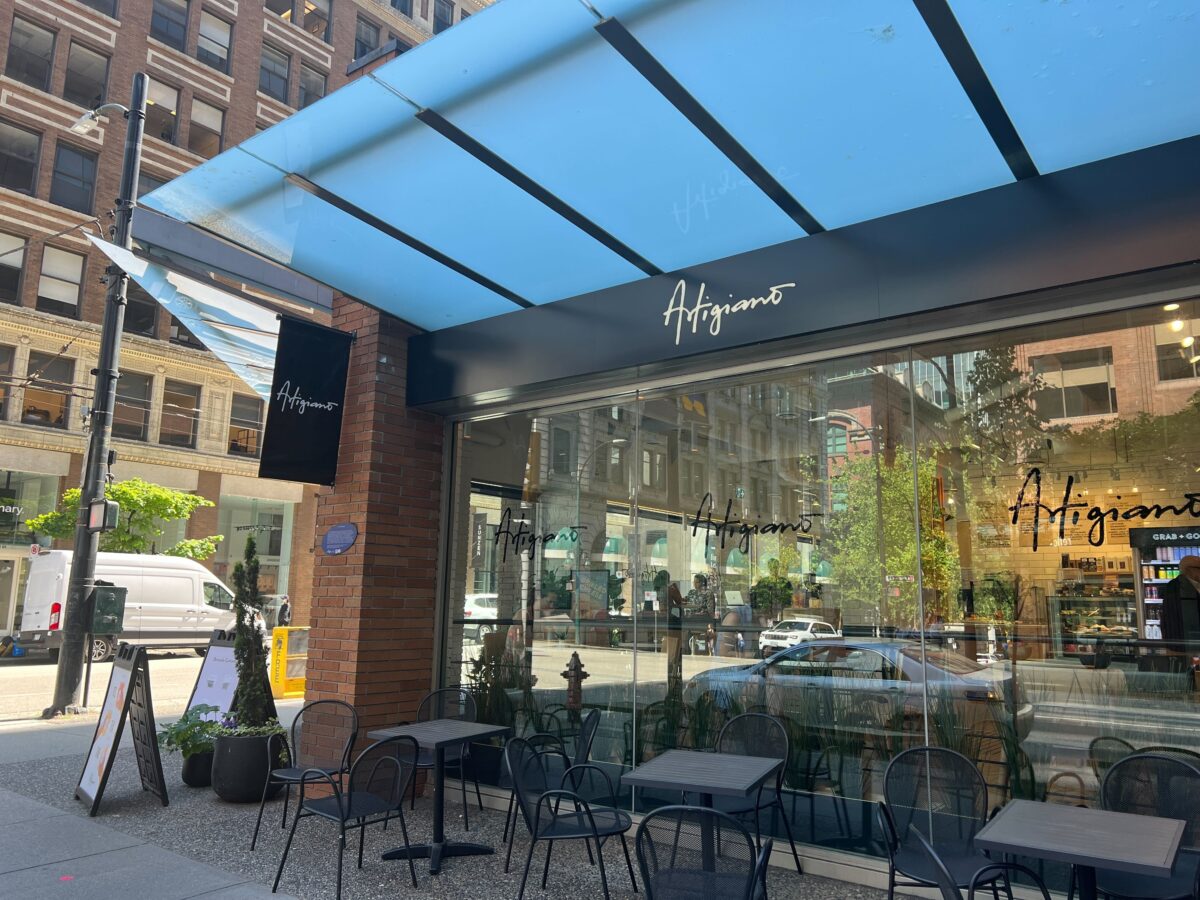
Artigiano at 429 Howe Street in Vancouver (Image: Lee Rivett)

Some of the existing locations still have Caffe Artigiano signage but they will be changed as the company is in the process of rebranding select locations, said Brown. 

“A lot of businesses in this hospitality space are finding it increasingly challenging for labour,” said Shillington. “And really through the pandemic, it offered us an opportunity to completely reset the model. And as a business trying to expand, just the churning of the labour you typically find in hospitality and coffee made it really difficult to deliver a superior experience consistently among a lot of locations.

“So when you bring in a local partner, our experience is a local partner can go and run one of our cafes significantly better than the dedicated manager which means they can make a lot more money than we can and it creates a more consistent experience. And for us the most important thing is for someone that goes and sees us on the Island or downtown or in Langley they’ll have the consistent experience and want to come more and more.”

Shillington said cafe sizes range depending on the location. The company is considering smaller kiosk locations in high traffic areas such as around transit and office buildings of about 500 square feet. The strike zone for a typical location is between 900 and 1,600 square feet with a big patio component.
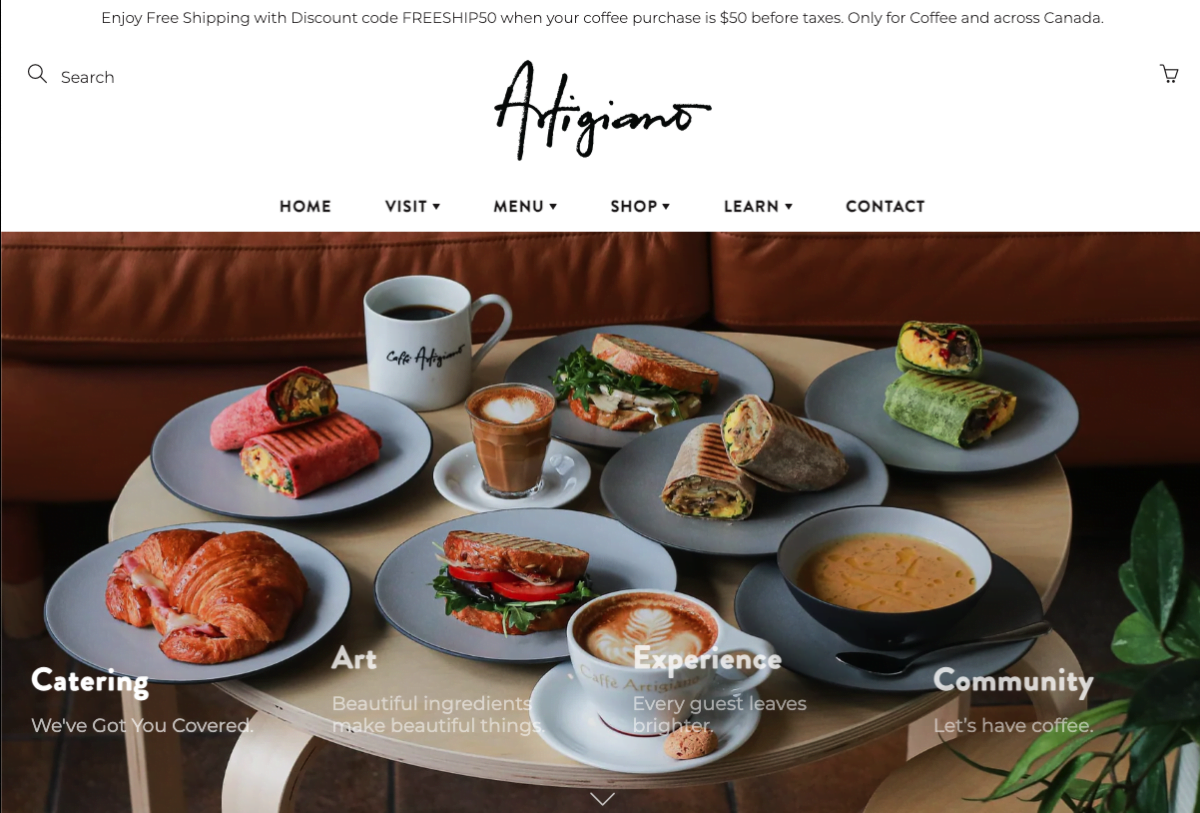
caffeartigiano.com

Traditionally with the brand the focus was downtown locations but Shillington said it will now look at not only key downtown locations but also in active communities.

“We’re a high quality option in the coffee space but you need lots of traffic in order to do it. We do love the more marquis locations. One of our best locations is a place called Shipyards in Vancouver where you sit there and you see downtown Vancouver,” said Shillington. “It’s an iconic spot to sit and have a cup of coffee.

“Those are the areas that get us really excited. Otherwise it’s high traffic. It’s around transit, it’s around offices and communities.”

Brown said product development has been part of its strategy in the past couple of  years in figuring out what consumers want beyond just coffee – at the right price point.

“We’re doing everything from the traditional pastries that you would see in a cafe, croissant offerings, muffins, and we have a small lunch offering and a pretty great breakfast offering,” she said. “We’re also developing a grab and go program for those folks that need something a little faster. Then we’ve also started licensing some of our locations where it makes sense and where we feel we’re in a market that there’s an appetite for folks who want to come at the end of a work day and have a beverage. We’re offering a very competitive Happy Hour program as well as beer, wine and cocktails in some of our locations.”

The Espresso Martini will be a signature drink.

eTail Canada Conference Returns to Toronto September 27-28 2023 

The highly anticipated  will take place September 27-28 in downtown Toronto. 

Over 60 speakers have already been confirmed, 75% of which are new, and over 40 are C-Suite/VP level executives. You’ll leave with actionable strategies to supercharge your omnichannel approach, revolutionize customer experience, harness the power of social commerce, drive personalization, and embrace sustainable business practices.

Register now and get 25% off the current price with code RETINSIDER []

As with previous years, the conference will be held at the  located at 370 King Street West in the city’s downtown core. 

A roster of impressive speakers are part of the attraction — eTail is a two day retreat designed to help businesses increase profits with action-packed strategies and connections made with the top mind’s at Canada’s most successful retailers. 

Download theto see the completeand inspiring sessions at this year’s eTail Canada Conference. 

The agenda for Day One, Wednesday September 27, 2023, focuses on strategies for omni-channel, consumer and logistics. It includes: 

-Keynote: Bringing Your Brand Promise And Customer Experience Into Alignment

-Panel Discussion: Strategies And Technologies Helping Retailers Create A Seamless And Personalized Omnichannel Customer Experience.

-Fireside Chat: The Evolution Of Personalization: Approaching A Single View Of Your Customer

-Panel Discussion: Opportunities And Challenges In E-Commerce Logistics And Supply Chain

-Track A: Future of eCommerce

-Track B: Marketing and Digital Advertising Trends

–Peer-to-Peer Roundtables

The agenda for Day Two, Thursday September 28, 2023, includes discussions around proven strategies for success through digital transformations and getting to consumers where they are. It includes:

–Panel Discussion: Strategies And Technologies Helping Retailers Create A Seamless And Personalized Omnichannel Customer Experience

-Fireside Chat: Hacking Customer Loyalty: Proven Strategies And Techniques For Strengthening Customer Relationship And Loyalty

-Fireside Chat: Enhancing Transparency and Building Genuine Relationships with Today’s Value-Oriented Conscience Consumer

-Panel Discussion: Marketplace Growth Hacks: Challenges And Opportunities In Ecommerce Marketplace Management

-Track A: Customer Loyalty & Retention

–Track B: Search & Customer Acquisition

–Fireside Chat: Leveraging Customer Data And Analytics To Inform Digital Transformation Initiatives.

–Peer-to-Peer Roundtables

eTail Canada is a conference not to be missed. Register now and get 25% off the current price with code RETINSIDER

[]

[]

[]

[]

*****

*Partner content. To work with Retail Insider, email: craig@retail-insider.com

Inside The First FOX HOME Store in Canada, at CF Toronto Eaton Centre [Photos]

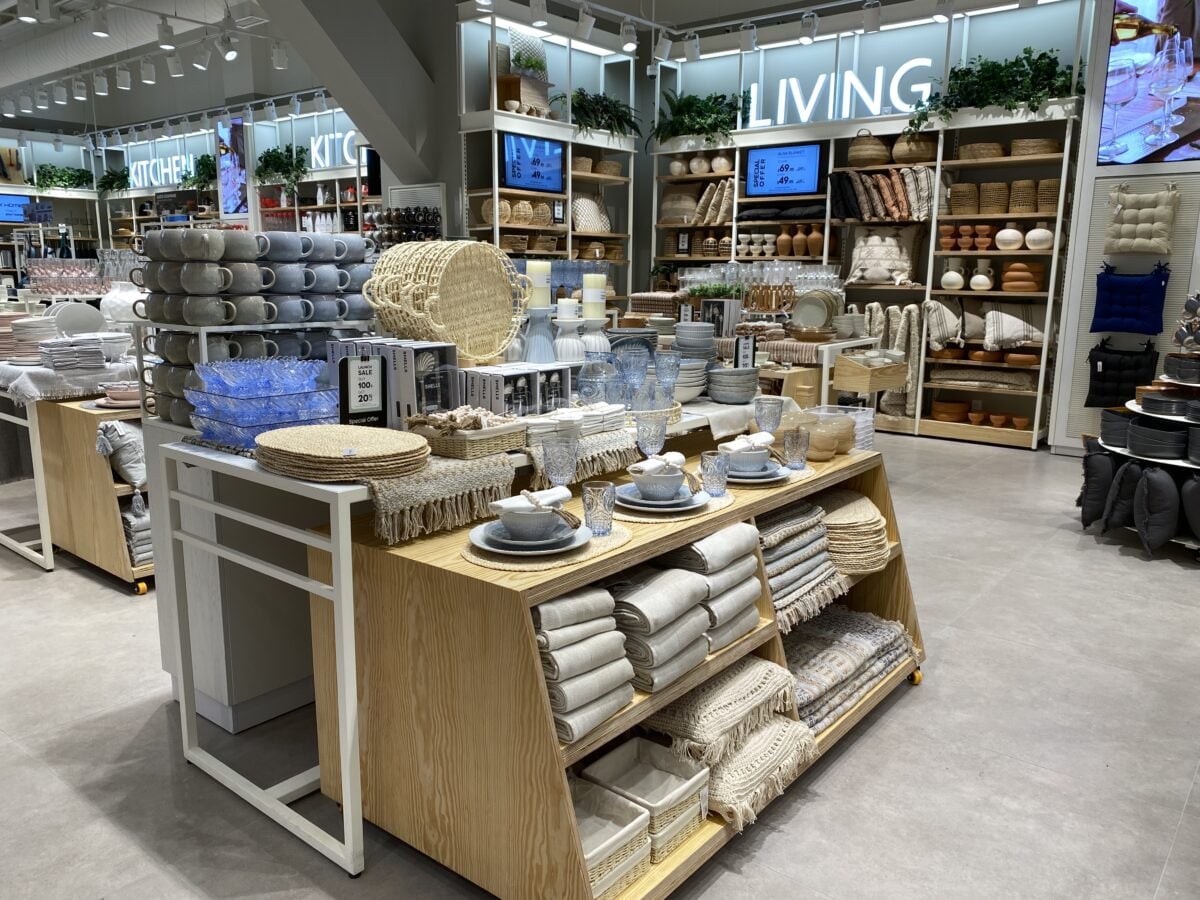
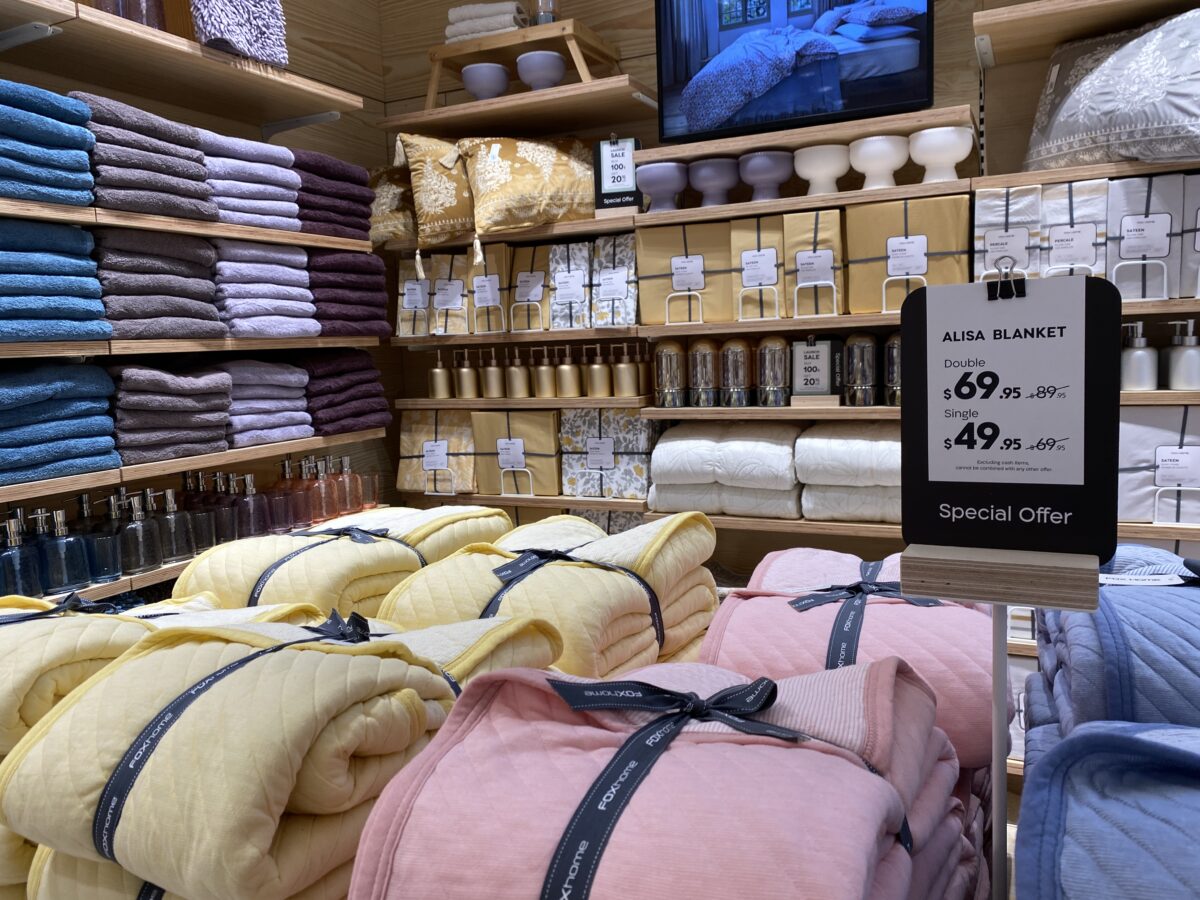
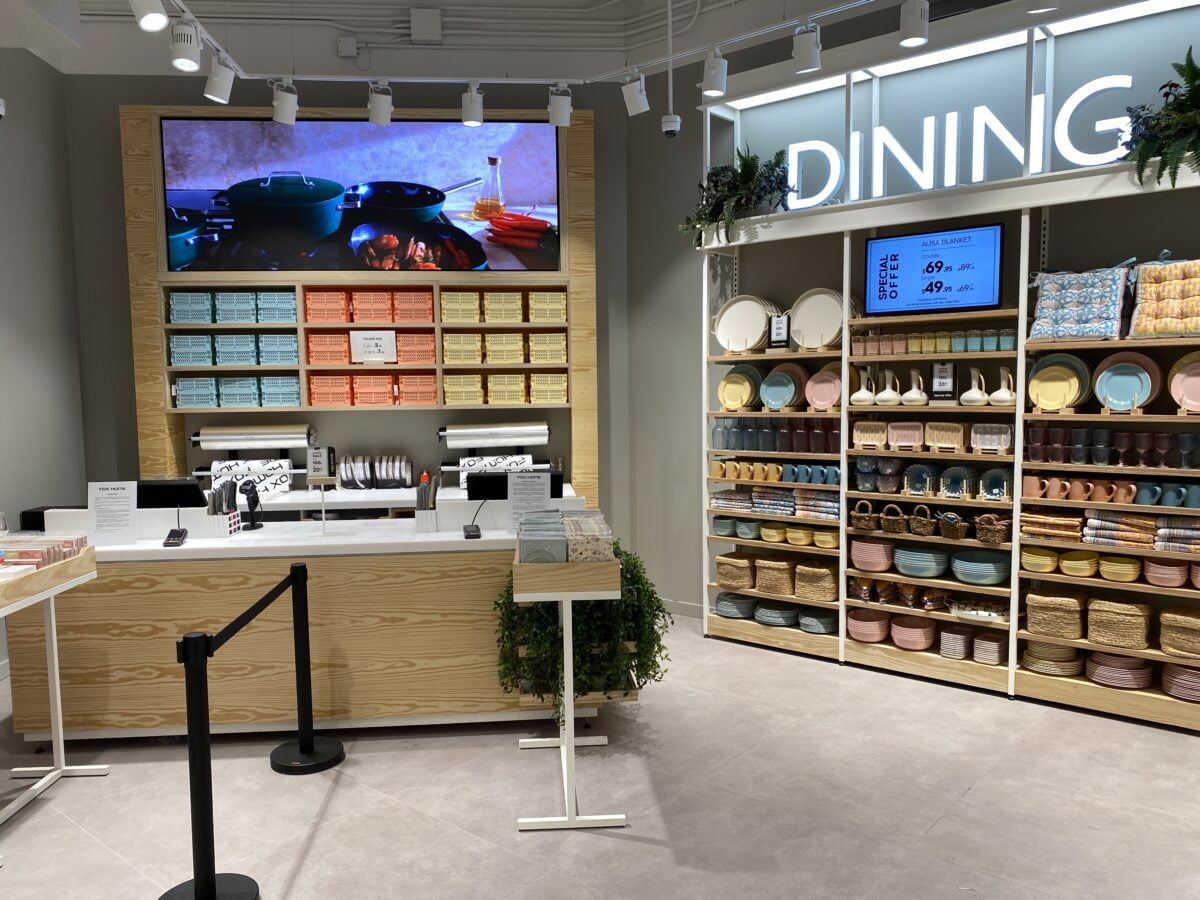
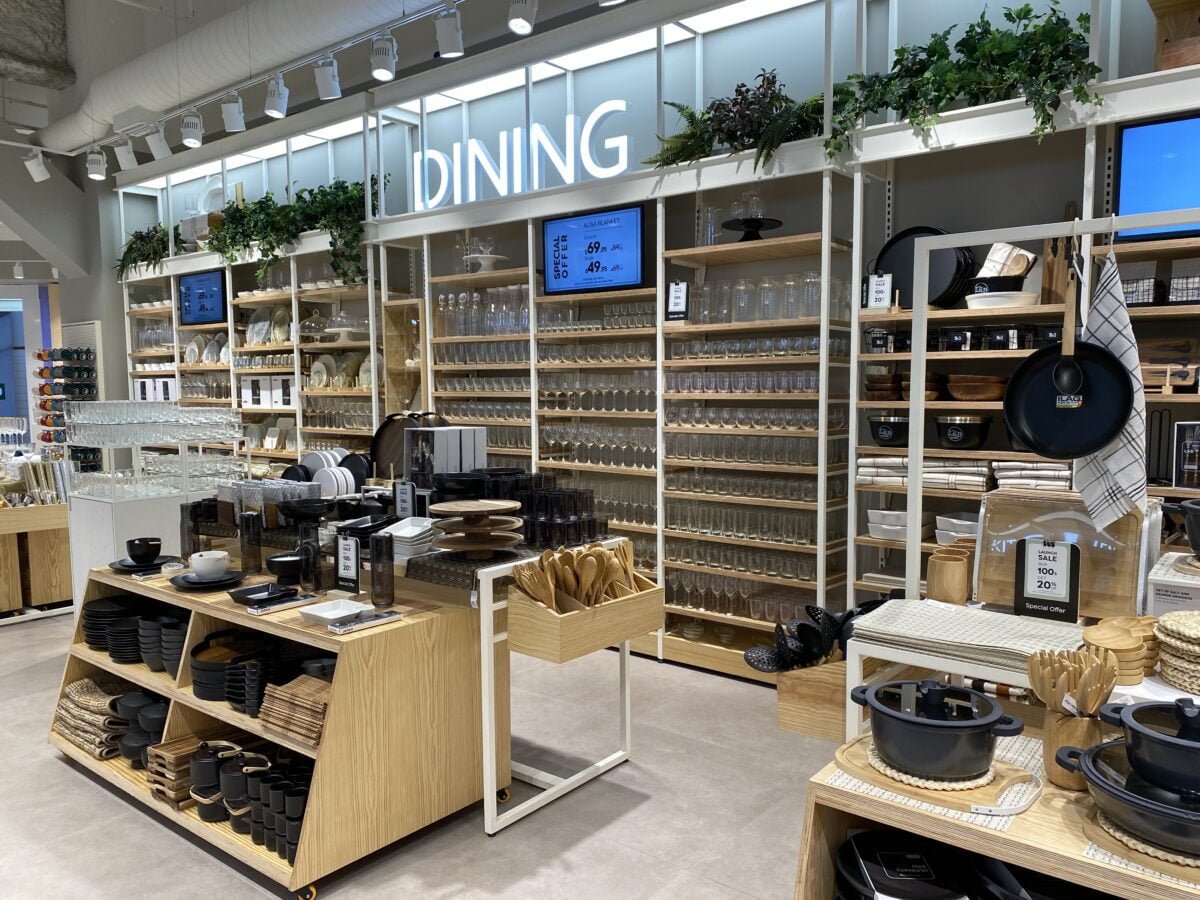
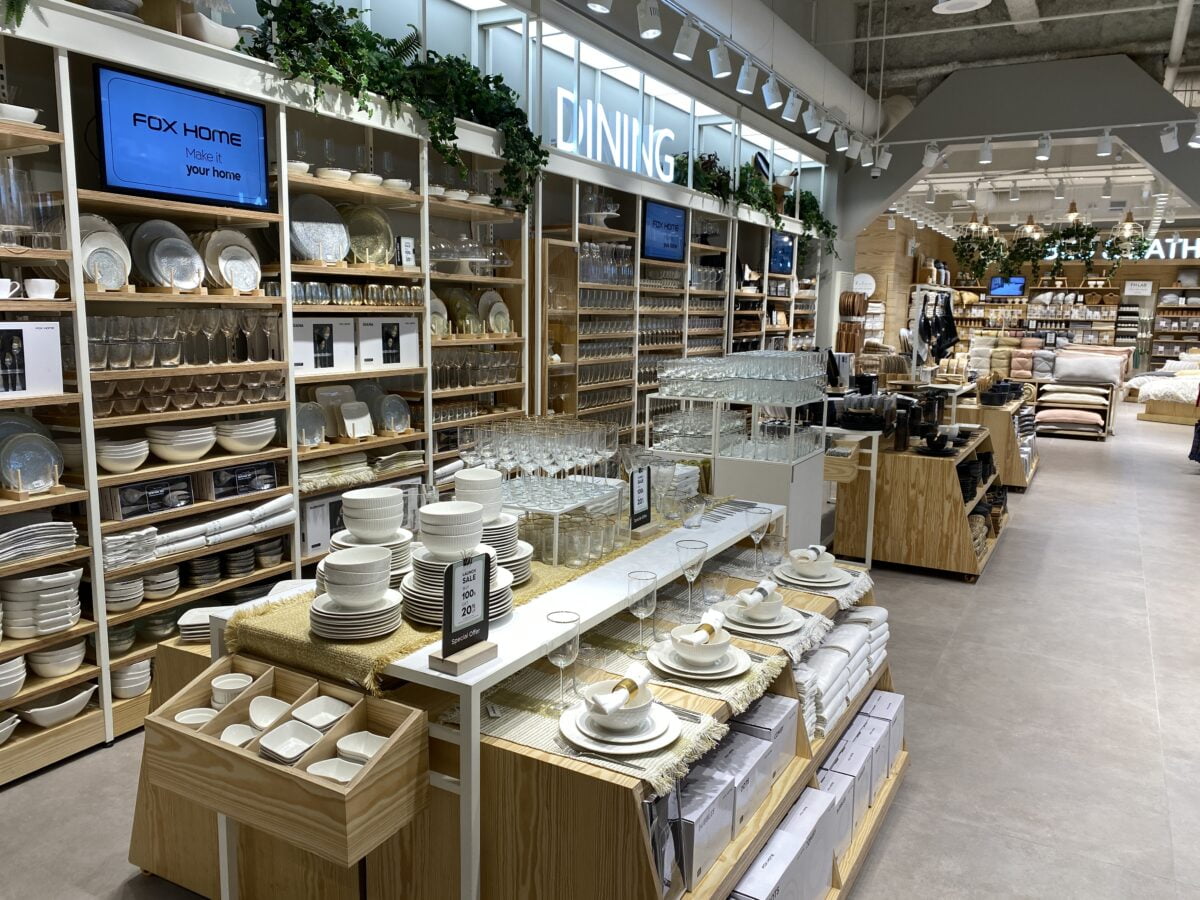
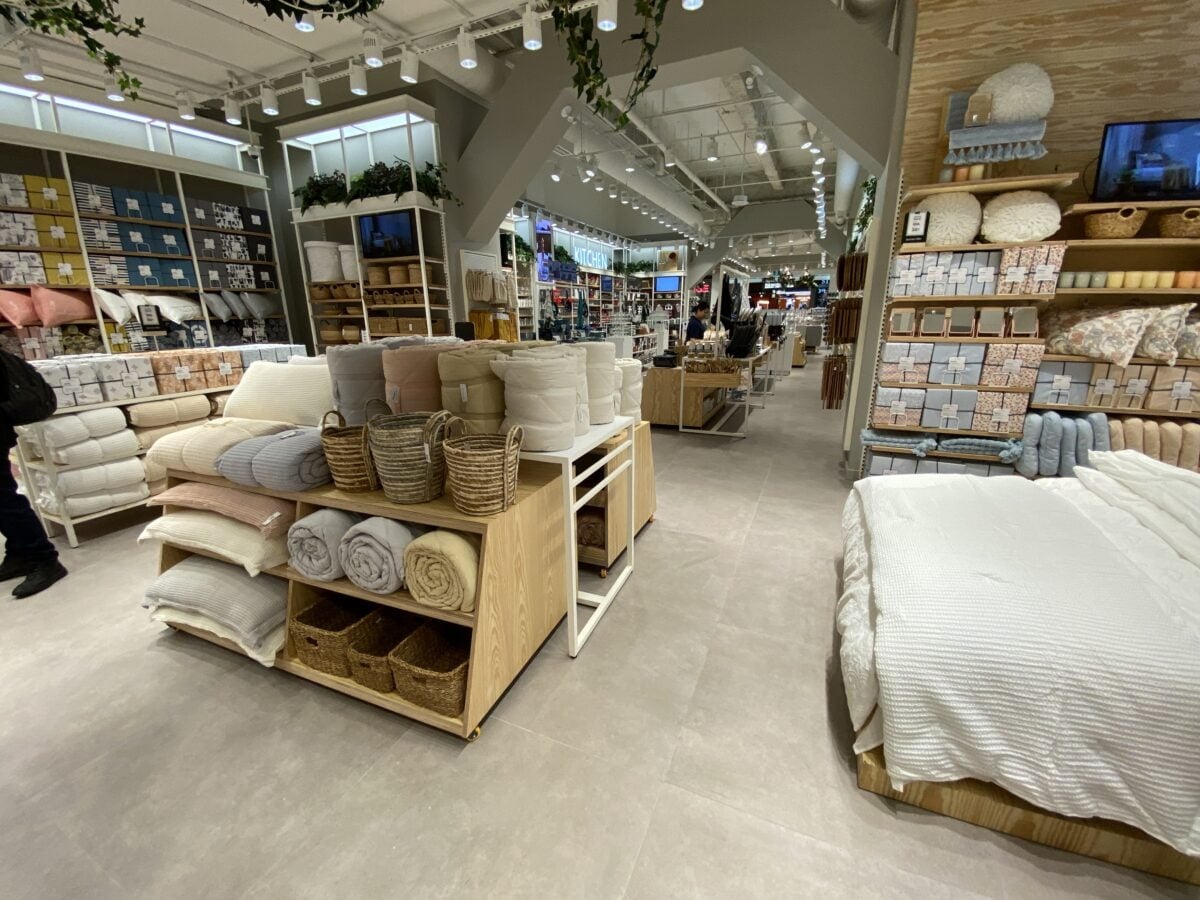
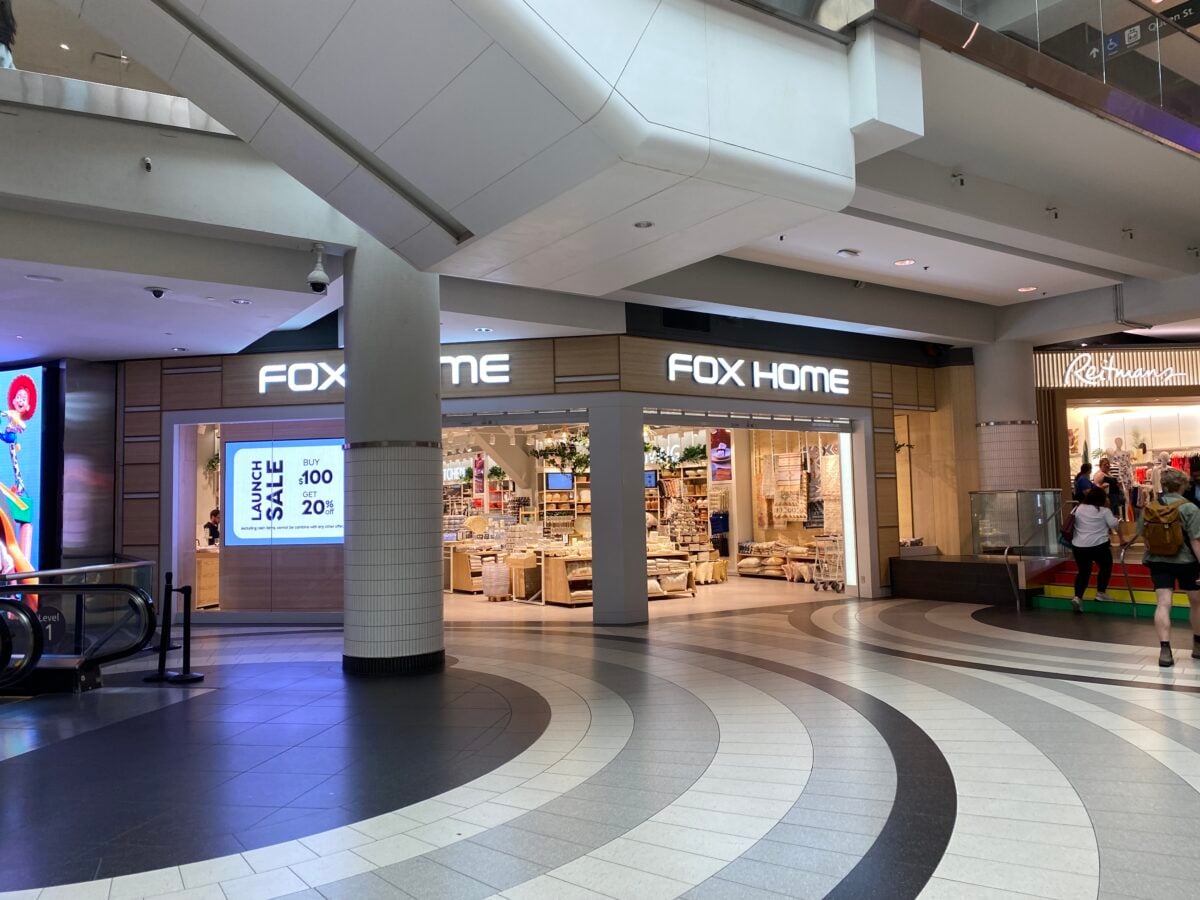
FOX HOME at CF Toronto Eaton Centre (Image: Dustin Fuhs)

Israel-based, Fox Group-owned home goods retailer FOX HOME has launched in Canada with its first storefront recently opening at CF Toronto Eaton Centre in downtown Toronto.

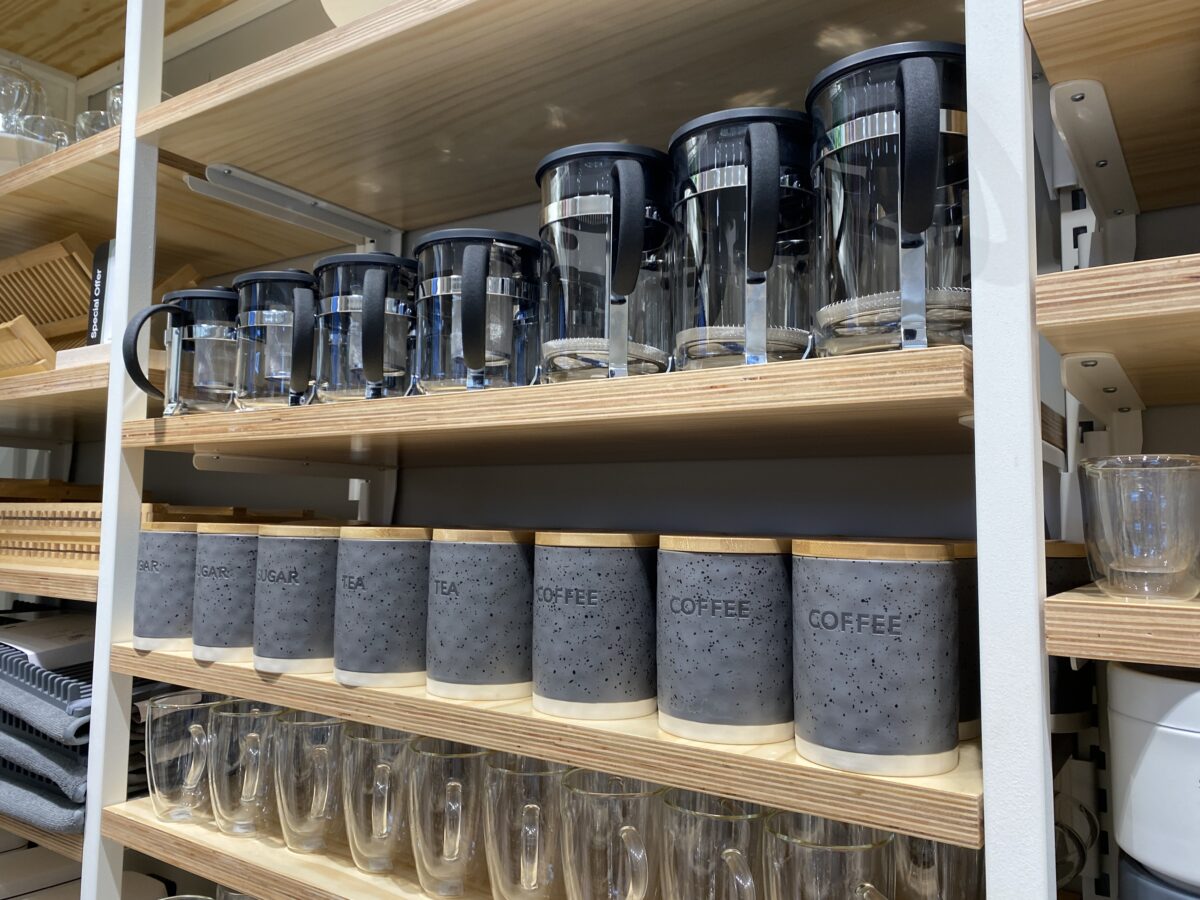
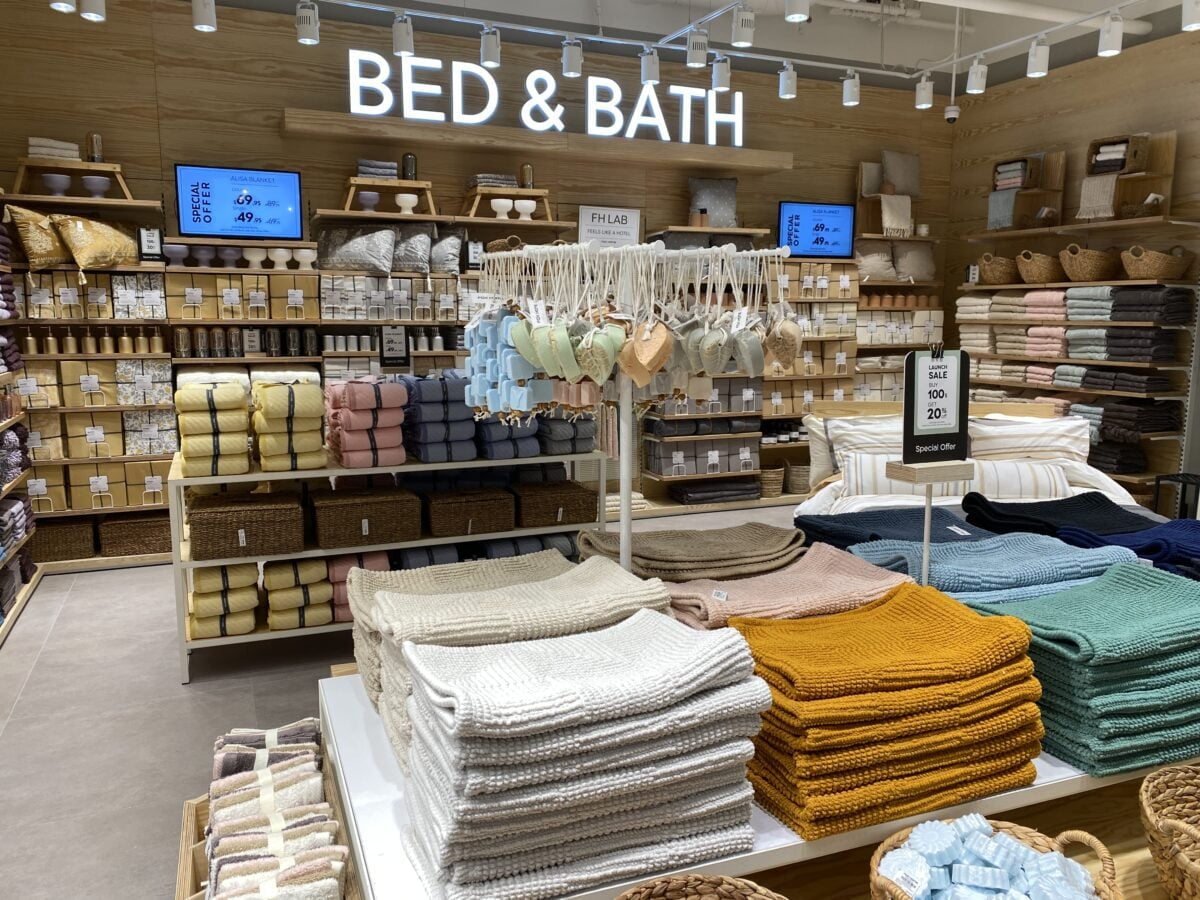
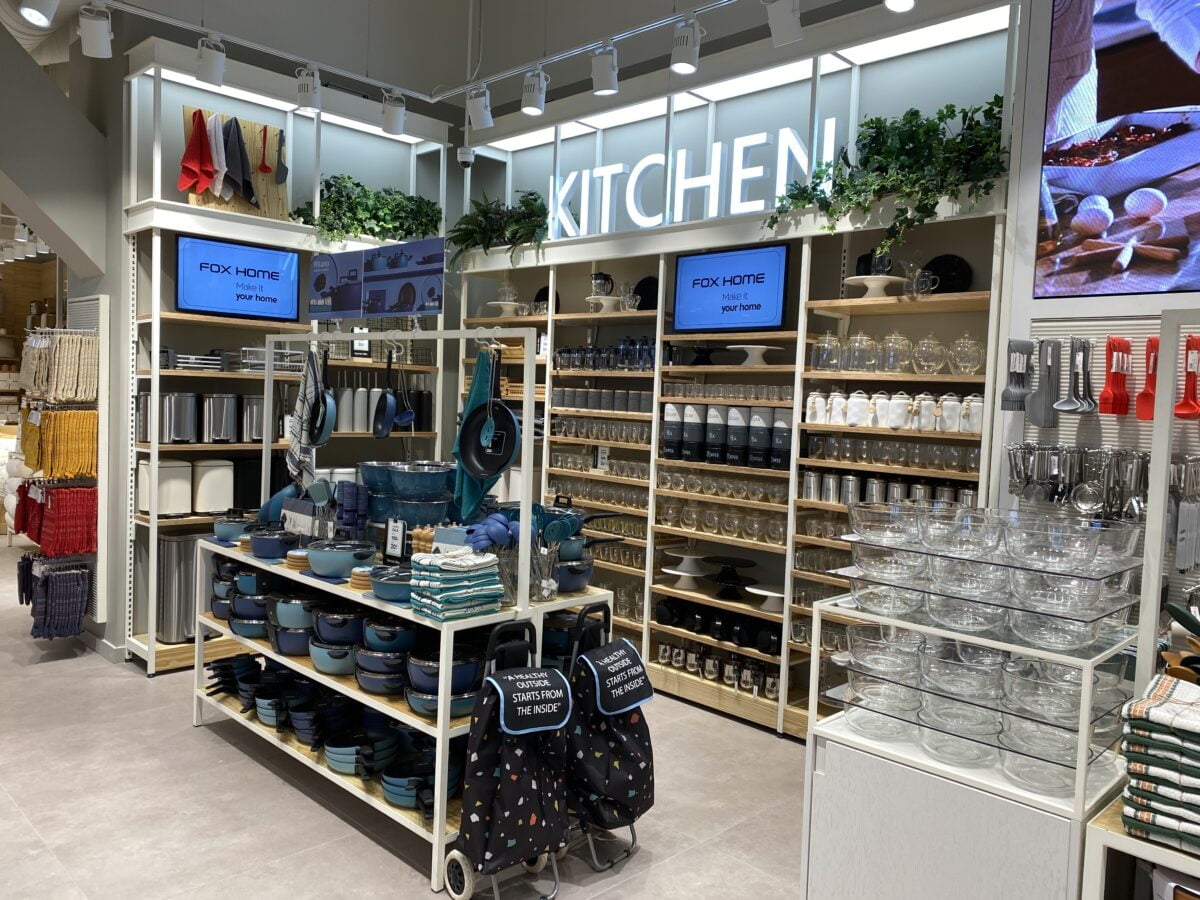
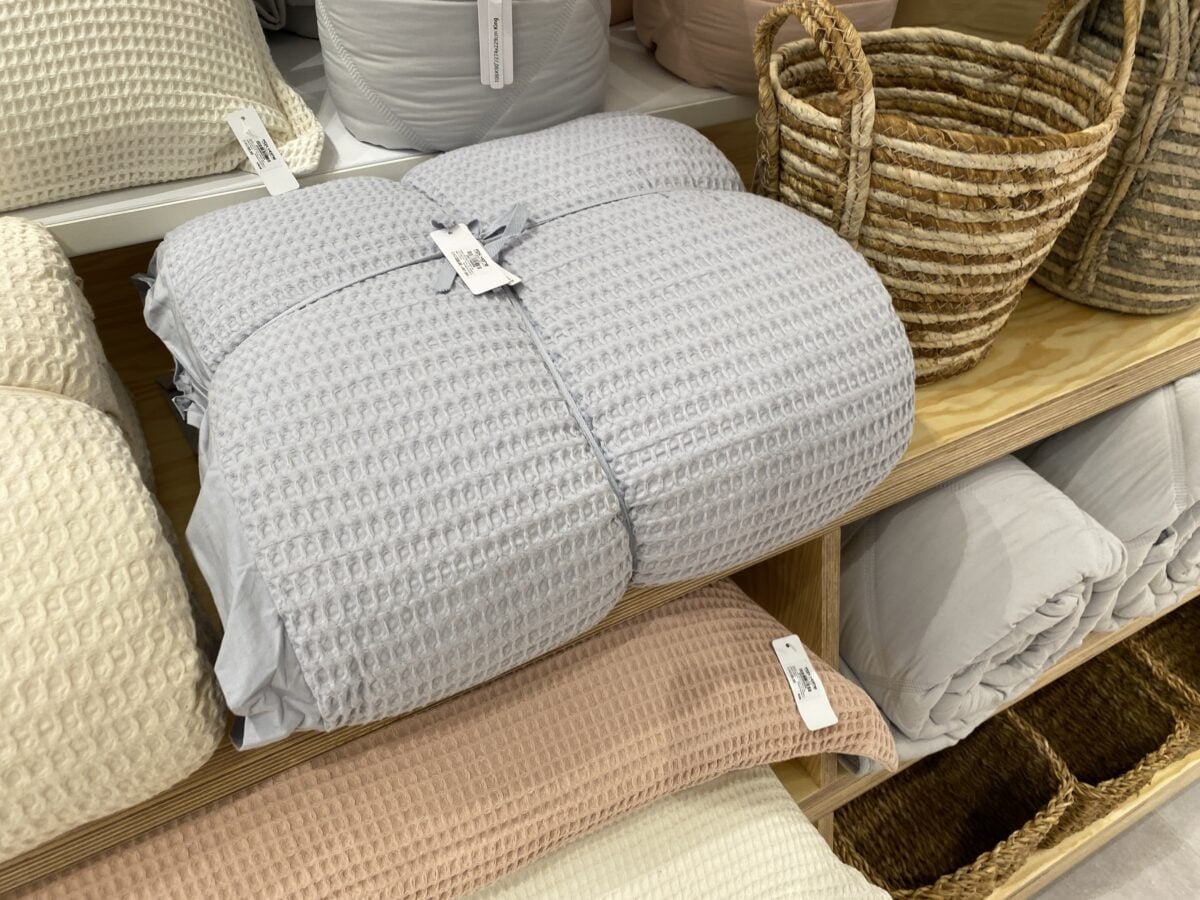
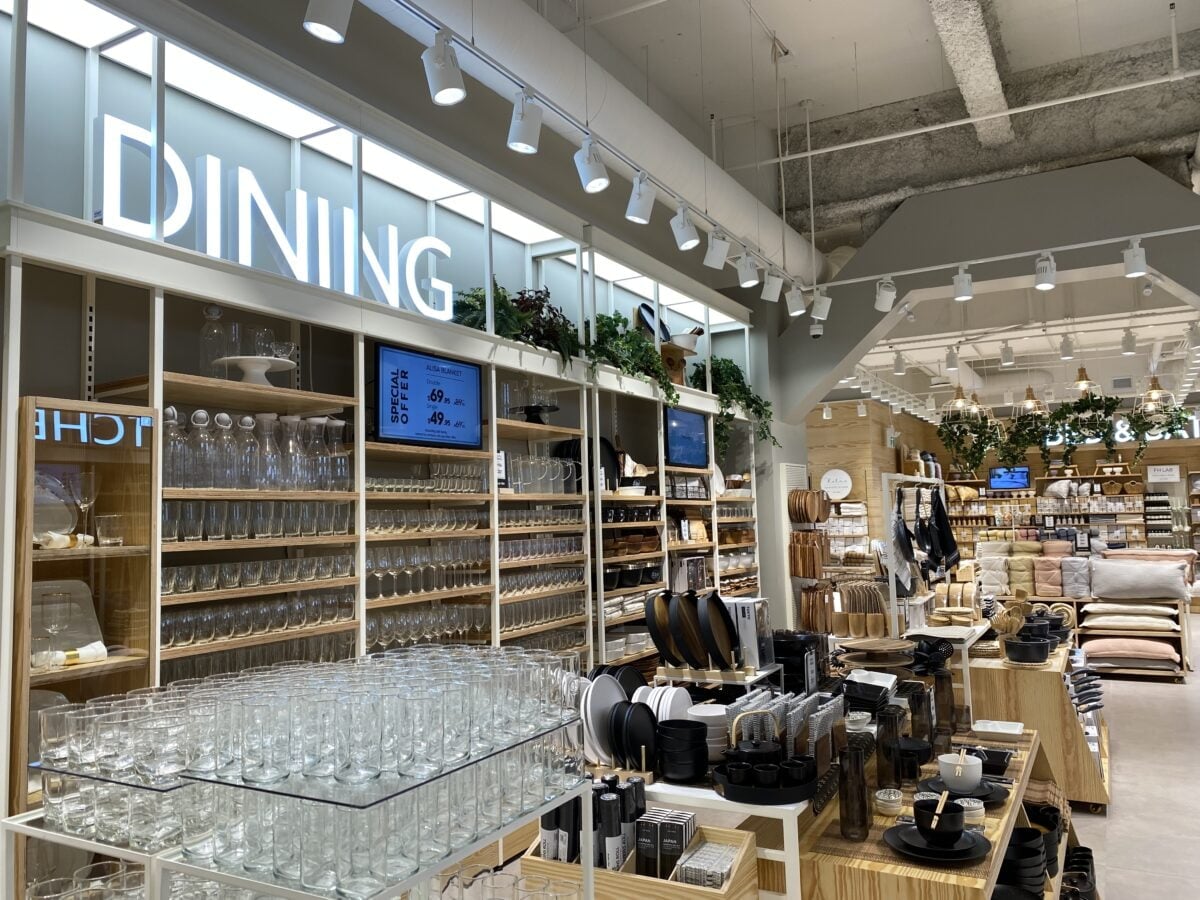
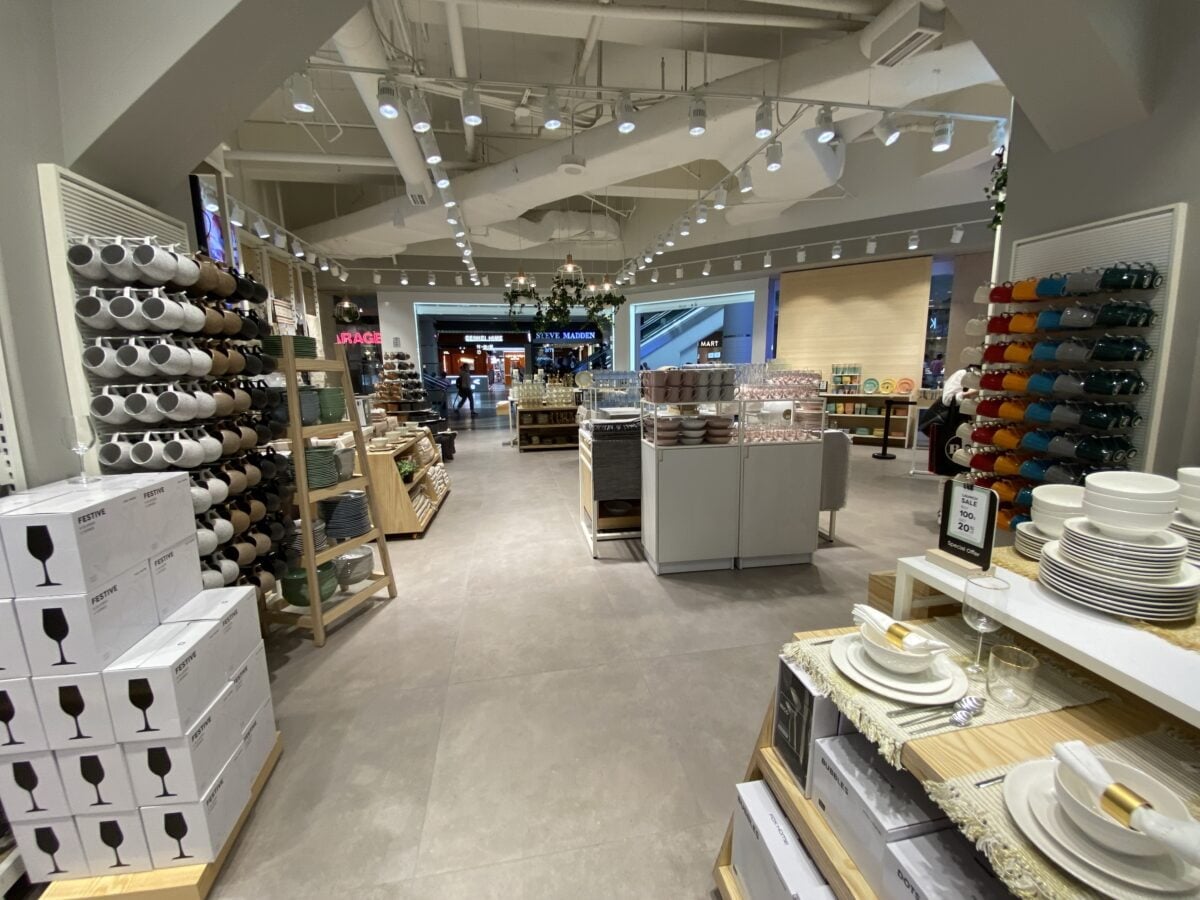
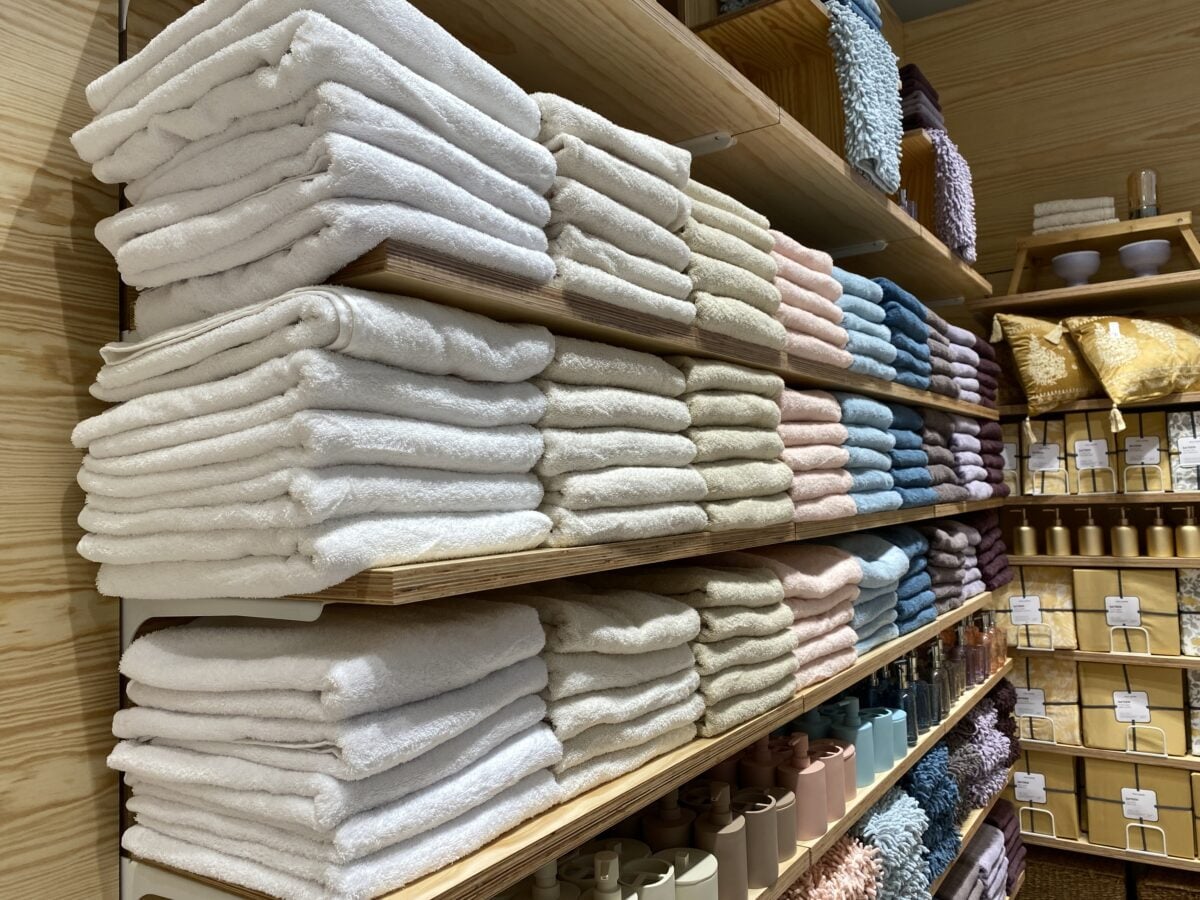
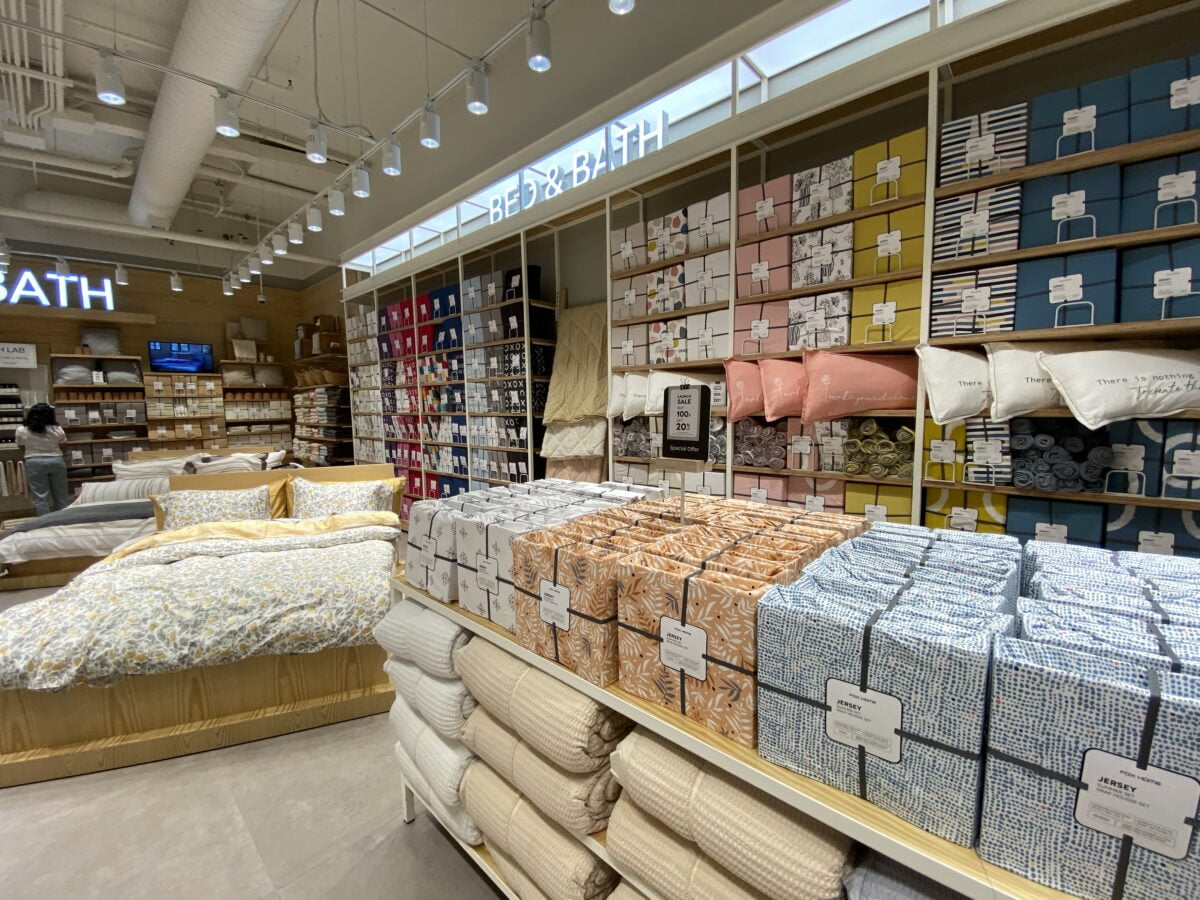
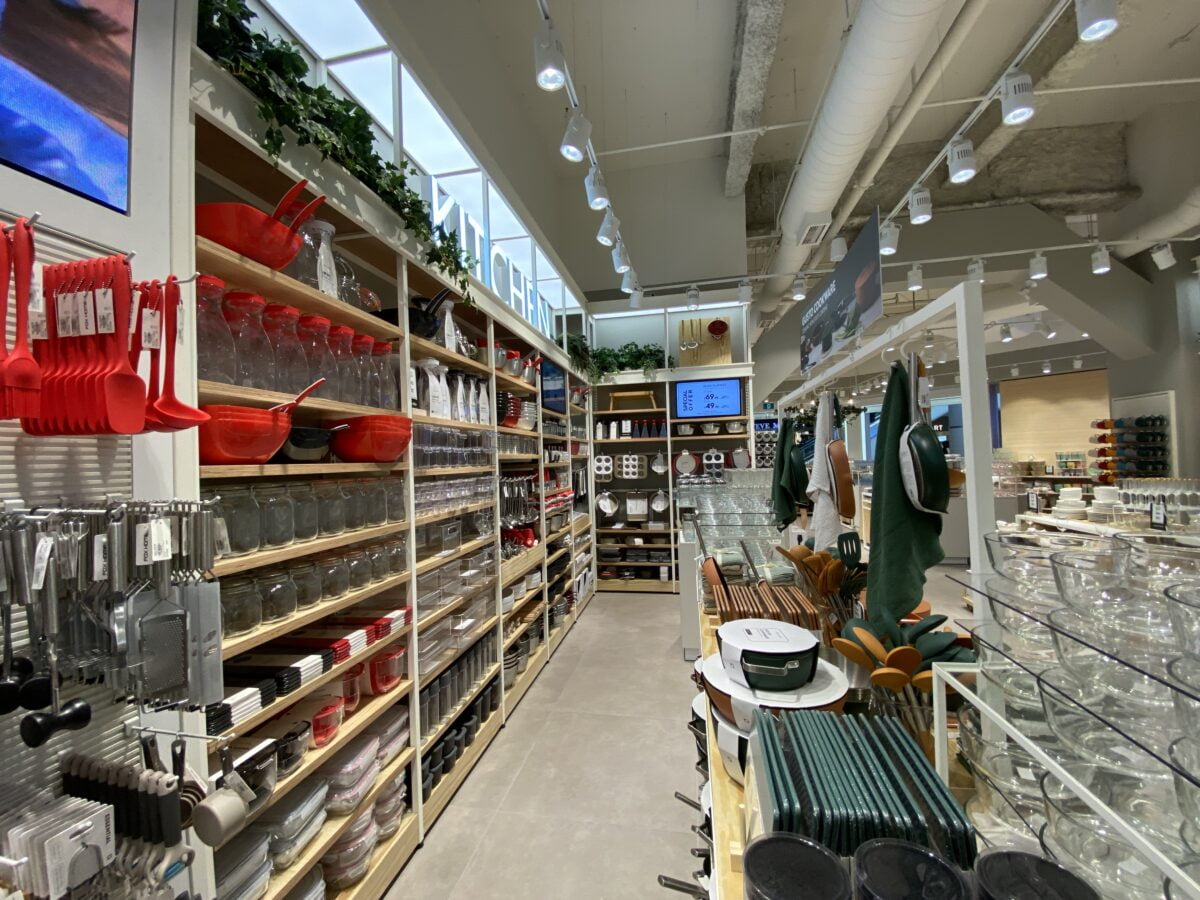
FOX HOME has positioned itself in the Canadian market as a home and lifestyle brand, offering casual home products for kitchen, tabletop, bathroom and home decor. The product line is designed in-house, which allows for “constant innovation, offering fashionable products that are refreshed for every season, adapting to the trends and diverse needs of its customers,” according to the brand.

“We are thrilled to bring FOX HOME to Canada and to offer Canadians a fresh perspective in the realm of lifestyle and home design,” said Talia Porat, CEO and Chief Designer at FOX HOME. “FOX HOME offers innovative and unique homeware products for many rooms in the house, including the dining room, kitchen, bedroom, and decorative pieces. We are confident Canadians will fall in love with FOX HOME and have the products be an extension of their homes.”

FOX HOME at CF Toronto Eaton Centre (Image: Dustin Fuhs)

The 4,000 square-foot retail space was formerly home to outdoor fashion retailer Eddie Bauer, which saw the brand shutter its location at CF Toronto Eaton Centre. The location at CF Fairview Mall was also closed as the brand looked to shift concepts and reposition itself in the Canadian market, under the new ownership of Authentic Brands Group.

Eddie Bauer at CF Toronto Eaton Centre closed in January, with construction hoarding being installed days later to share the new tenant. As part of the research of FOX HOME, Retail Insider was the first to report that FOX HOME had planned on entering Canada, with a confirmed initial eight stores in Ontario.

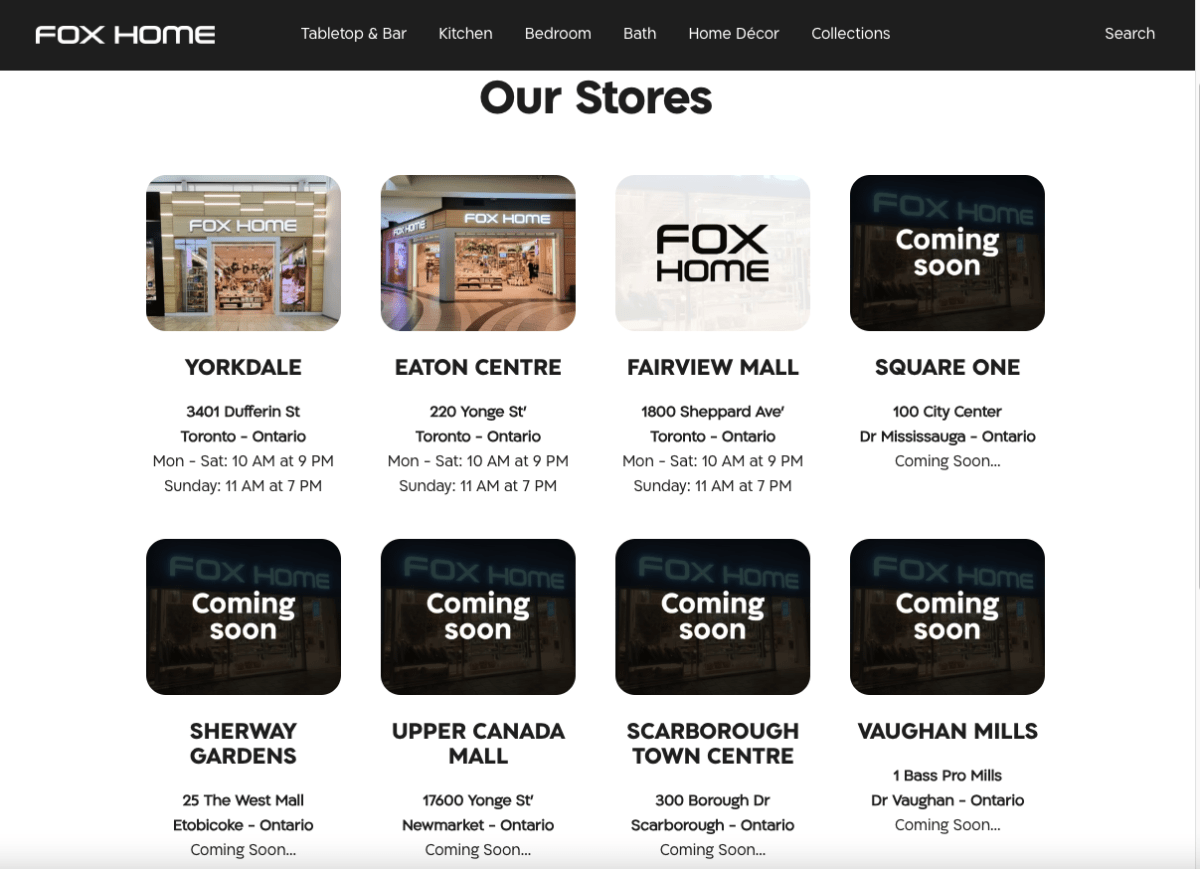
The first location was announced to be CF Toronto Eaton Centre, followed by June and July openings at the Yorkdale Shopping Centre (which is now officially open), CF Fairview Mall, Square One Shopping Centre and CF Sherway Gardens. The brand will open stores in Vaughan Mills, Upper Canada Mall and Scarborough Town Centre by the end of 2023.

FOX HOME also has a Canadian exclusive e-commerce platform at foxhome.ca.

FOX HOME at CF Toronto Eaton Centre (Image: Dustin Fuhs)
FOX HOME Canadian Stores (Image: FOX HOME)

FOX HOME was established in 2010 and is part of Tel Aviv-based FOX GROUP, the group responsible for bringing Nike, Mango and Laline into the Canadian market.

Fox Home operates more than 95 stores worldwide, mainly in Israel.

Retail Insider will be following the brand as it continues to expand the FOX HOME brand throughout Ontario and into new markets.

Additional Photos from FOX HOME at CF Toronto Eaton Centre

FOX HOME at CF Toronto Eaton Centre (Image: Dustin Fuhs)

London Drugs Expanding Cautiously as Costs Increase: Interview with COO Clint Mahlman

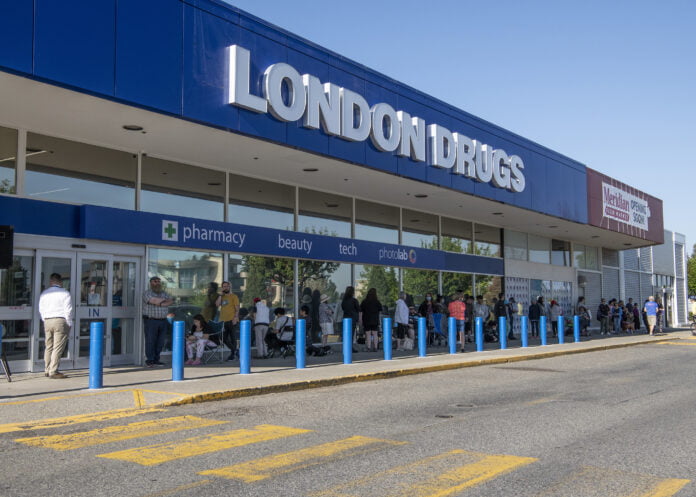
Image: London Drugs Sevenoaks Shopping Centre

London Drugs continues to cautiously expand its footprint in Canada with an approach of assessing the market and resetting its cost structure.

The company recently opened its latest new location in the Shawnessy Village Shopping Centre in Calgary and its new renovated and relocated store in Abbotsford, BC, in the Sevenoaks Shopping Centre. The Abbotsford Highstreet location will be closing on June 25.

Image: Clint Mahlman

Clint Mahlman, President and Chief Operating Officer of London Drugs, said increasing costs of running a business, particularly government costs,  have slowed the process of opening new stores in Canada and renovating stores.

“We’re assessing the market and resetting our cost structure,” he said. “I think if you look at what some of the economists are saying that we’re probably into a good year if not two years of a consumer that is very challenged for a bunch of different reasons depending on which economist you talk to.

London Drugs Shawnessy in Calgary (Image: London Drugs)

“Canada is different than the U.S. because we have a different structure but we’re always tied to the U.S. The U.S. has things like this banking crisis that they’re going through with the regional banks. That’s causing interest rates to be higher than we would otherwise have in Canada. Canada has still, according to some economists, a lot of pent-up savings that have allowed for a slow cushion – a lot of post-pandemic demand travel being a good example where people are still out spending.

“For those reasons, I think the economists are right that we haven’t seen the recession. However, those things don’t mean that discretionary income is being spent in retail overall. When we read the experts’ opinions, we’re probably into a good couple of years of malaise in the economy with customers being very uncertain, having to watch their dollars very carefully and until there’s some certainty of what’s happening with the economy and interest rates they’ll be very cautious on discretionary spending.”

Founded in 1945, B.C.-based London Drugs sells to every province and territory in Canada through its online store www.londondrugs.com and has 80 physical stores in more than 35 major markets throughout British Columbia, Alberta, Saskatchewan and Manitoba.

The greatest concentration is in BC followed by Alberta, with five in Saskatchewan and one in Winnipeg.

“E-commerce is an important part of our business. After British Columbia then Alberta, Ontario is our third largest market for e-commerce in Canada. We sell to every province and territory in Canada through our e-commerce,” said Mahlman.

“Shawnessy (in Calgary) is a market we’ve been trying to get into for a very, very long time. We had wanted to get in there about 20 years ago when it was developing and for a bunch of different reasons we didn’t proceed. And as Calgary has shifted and moved and all these different retail nodes, it was always on our radar screen to see if it would come up.”

It is the company’s ninth location in the Calgary area.

London Drugs Airdrie, AB (Image: London Drugs)

He said another relocation of a store is taking place this year in Airdrie, Alberta, just north of Calgary. 

“We have another store that’s yet to be announced that will be a net new location in one of our markets,” added Mahlman.

“It’s a very tough retail landscape at this moment and retail just gets tougher all the time with the intensity of the competition. One of the biggest issues facing all retailers right now, not unique to London Drugs, costs are rising faster than we can pass on prices that a customer’s willing to pay. Obviously these inflationary times are really, really challenging for retailers.

“The inflation comes from a number of different avenues. One of the avenues that’s not discussed a lot is the amount of government shift of cost to retailers. It can happen in a number of different ways . . . For retailers that are a very people-intensive business that has a particularly amplifying effect . . . Obviously all governments are struggling with the post-pandemic costs they incurred. So taxes, fees, anything that remotely looks like a government cost is going through the roof.

“This isn’t anything new. So as more and more costs increase and the cost of labour and the availability of labour have been going through, we embarked two years ago on a major initiative, what we call Galileo. And Galileo is to kind of rebuild the infrastructure of the company so we can be much more efficient, reduce our overall cost of operations through investment in technology and automation and artificial intelligence where it applies. And also through that provide better tools for our team to operate. At a high level, that’s been our focus. So our focus hasn’t been on opening a lot of stores, a little bit of renovations. Costs of renovations for the same reasons. We’ve noticed that municipalities throughout Canada have certainly increased their development costs, their building permit costs, the time to get permissions has really lengthened. So for those reasons we’ve slowed down on doing a lot of renovations and new stores because it’s becoming extremely costly.”

KaleMart24, the ‘Whole Foods of Convenience Stores’ Set to Open First Locations in September [Interview / Renderings]

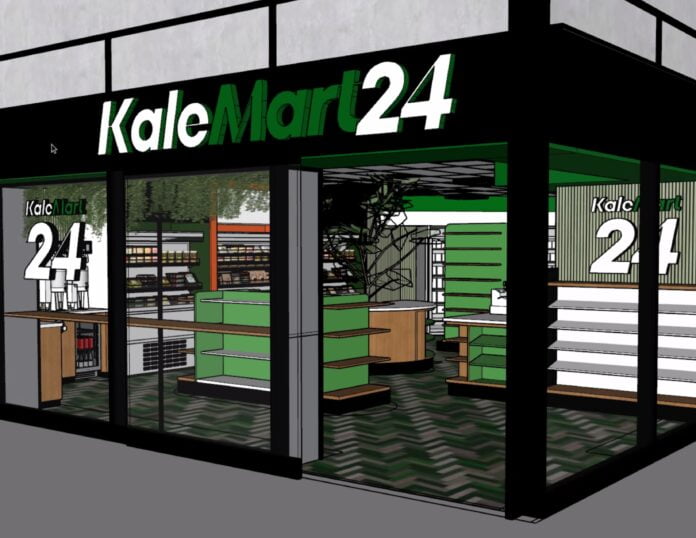
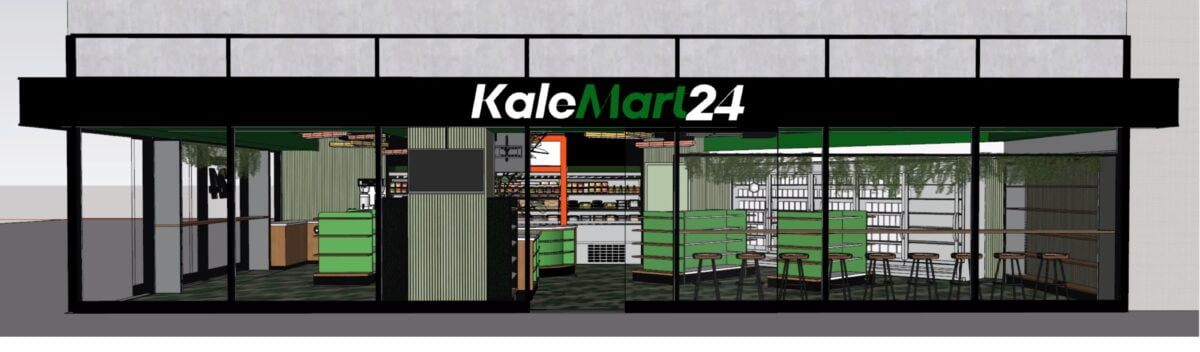
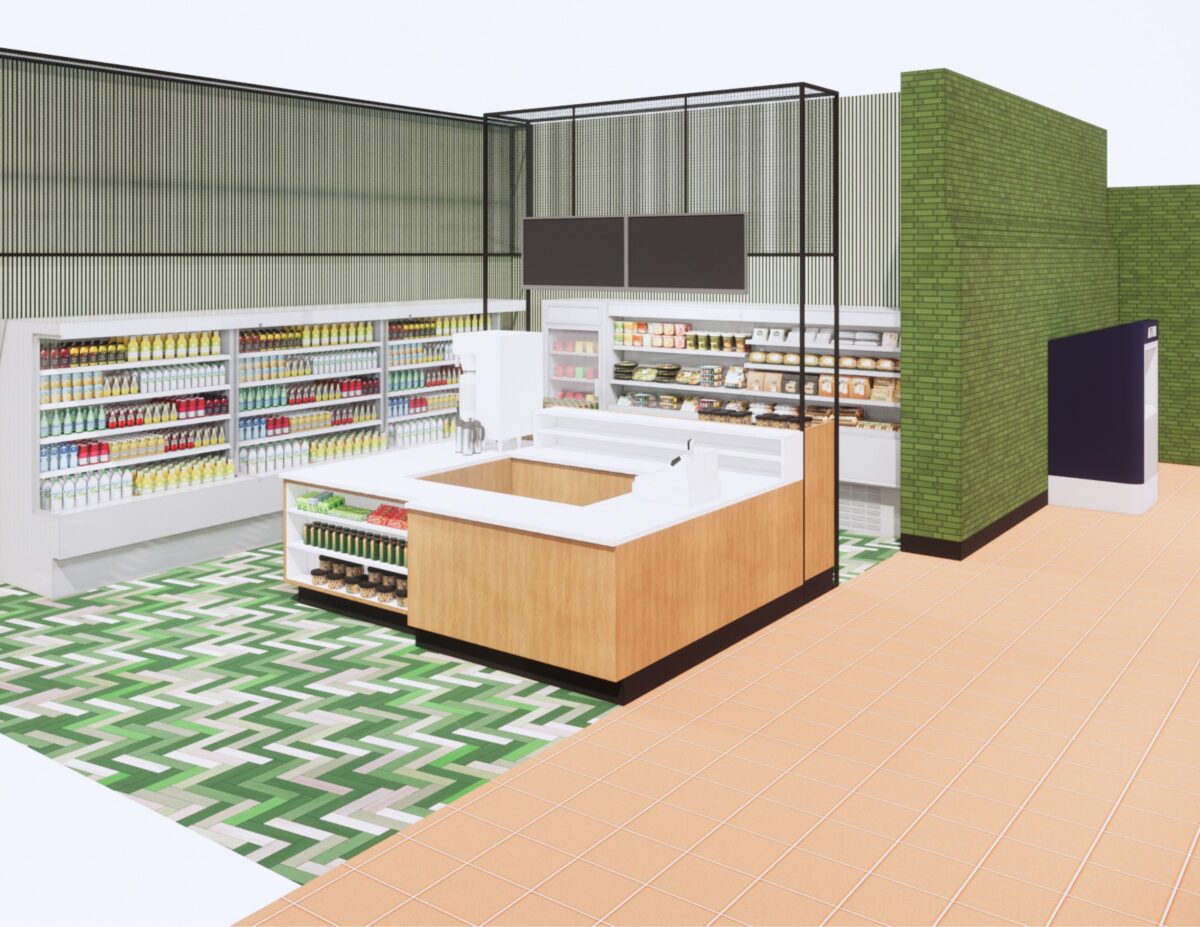
KaleMart24 Preliminary Renderings (Image: KaleMart24)

KaleMart24, the “Whole Foods Market” of convenience stores, has secured two leases to open its first two stores in September in Montreal. 

KaleMart24 is being spearheaded by Oussama (Sam) Saoudi, who is the founder and CEO of Montreal-based Toro Beverages, which revolutionized the energy drink industry by introducing Canada’s first matcha-powered energy drink.
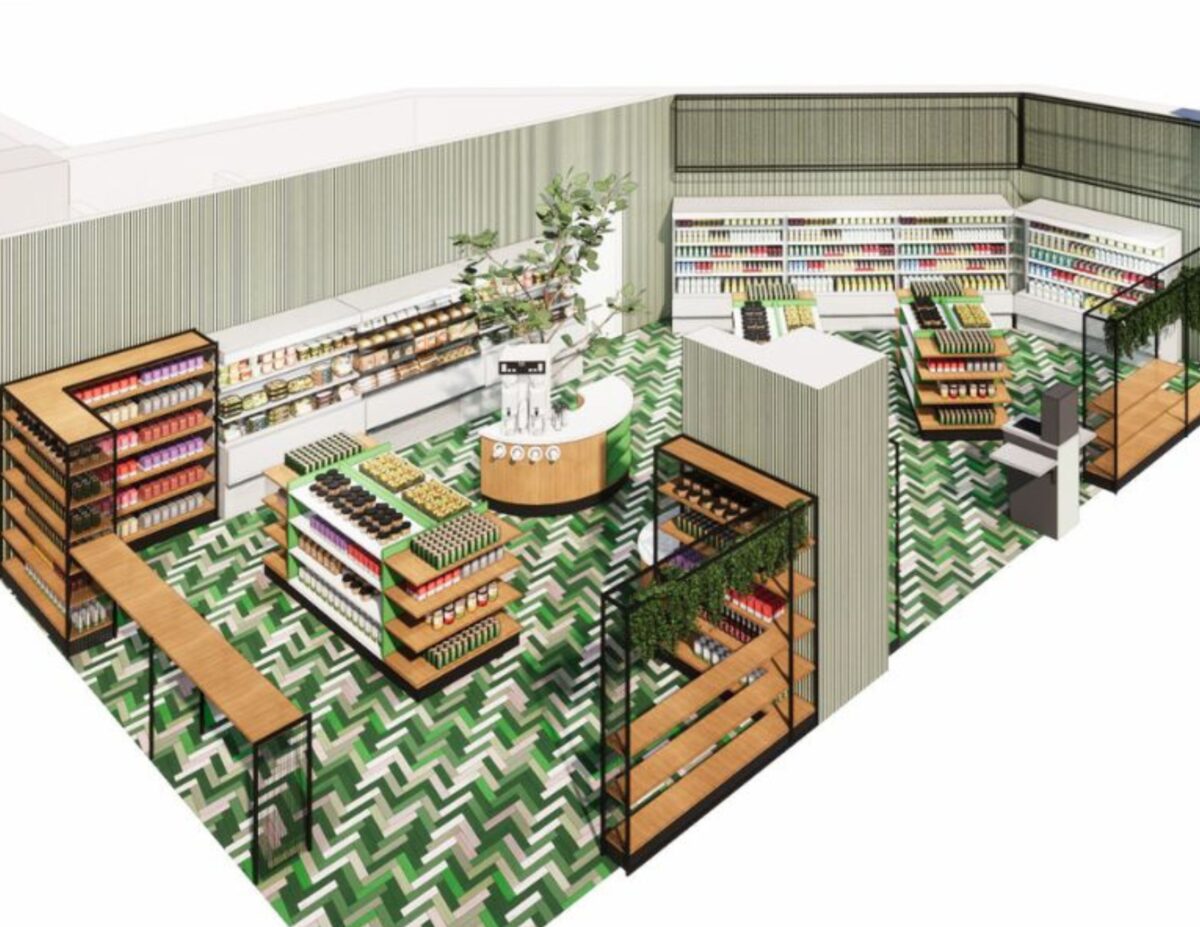
“KaleMart24 is breaking through the mold of c-stores being associated with junk food by offering healthier choices that cater to a mobile savvy younger generation. It is a natural convenience store chain that focuses on providing better-for-you products. It was founded in January 2023 with the vision of offering a convenient shopping experience for health-conscious millennials. The store combines the convenience of a traditional convenience store with the principles of a “Whole Foods Market”, catering to customers who prioritize healthy, natural, organic, and wholesome products,” said Saoudi.

“KaleMart24 offers a wide range of carefully curated products, including select fresh produce, natural and organic snacks, beverages, natural personal care items, pet care items and eco-friendly household products. The store emphasizes transparency and works closely with local and sustainable suppliers to ensure the highest quality standards. With a commitment to promoting healthier lifestyles, KaleMart24 will also provide resources and educational materials online to help customers make informed choices about their purchases.”

KaleMart24 Preliminary Renderings (Image: KaleMart24)
Sam Saoudi

He said it was natural to launch KaleMart24 in Montreal because it is the company’s base and it’s a great city. Saoudi listed several reasons why the company is opening its first stores in the city:

1. Health-conscious population: Montreal has a population that values healthy living and embraces natural and organic products. There is a growing trend towards wellness and sustainability, making it an ideal market for a natural convenience store like KaleMart24. The city’s residents are likely to appreciate and support a store that caters to their health-conscious needs;

2. Diverse and multicultural city: Montreal is known for its cultural diversity, attracting residents from various backgrounds. This diversity brings with it a wide range of dietary preferences and health-conscious lifestyles. KaleMart24’s commitment to offering a diverse selection of better-for-you products would resonate with Montreal’s multicultural population;

3. Established local food scene: Montreal boasts a vibrant local food scene with numerous farmers’ markets, organic co-ops, and independent food producers. This creates opportunities for KaleMart24 to establish partnerships with local suppliers and showcase locally sourced products. The store can tap into the city’s existing network of sustainable agriculture and support the local economy;

4. Thriving urban lifestyle: Montreal is a bustling city with a strong urban lifestyle. Convenience is a key factor for individuals living busy lives, and KaleMart24’s concept of a natural convenience store aligns well with the needs of urban dwellers. By providing accessible, healthy options in convenient locations, KaleMart24 can cater to the demands of Montreal’s fast-paced lifestyle;

5. Supportive entrepreneurial ecosystem: Montreal has a thriving entrepreneurial ecosystem with resources, support networks, and incubators that foster the growth of innovative businesses. This ecosystem can provide valuable support and guidance to KaleMart24 during its launch and early stages of operation;

6. Tourist attraction: Montreal is a popular tourist destination, attracting visitors from around the world. By establishing a presence in the city, KaleMart24 can cater not only to local residents but also to health-conscious tourists seeking convenient and wholesome options during their stay; and

7. Environmental consciousness: Montreal places a strong emphasis on sustainability and environmental initiatives. KaleMart24’s commitment to responsible sourcing, eco-friendly products, and supporting local suppliers aligns with the city’s values and can help build a loyal customer base that appreciates these efforts.

KaleMart24 Preliminary Renderings (Image: KaleMart24)

“Considering these factors, launching KaleMart24 in Montreal presents an opportunity to tap into a health-conscious market, leverage the city’s diverse food scene, cater to the urban lifestyle, and align with the values and support of the local community,” said Saoudi.

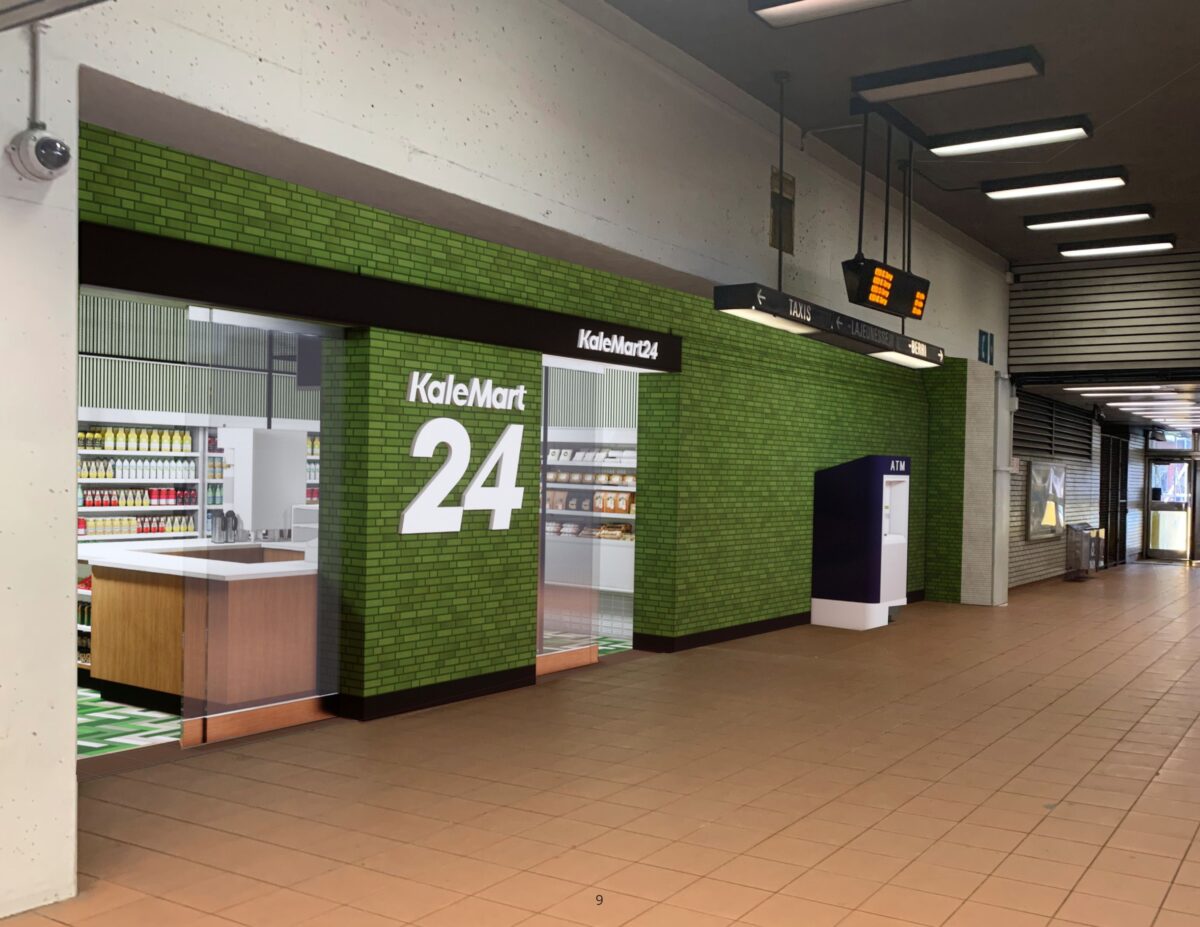
He said KaleMart24 has signed leases to open its first two stores in September in the Berri-Uqam Metro Station and in the Jarry Metro Station.

“We aim to get to 30 stores by 2025 and to over 250 by 2030,” said Saoudi.

“We analyze the demographics of the area, including population size, income levels, and education levels. Look for locations with a significant population of health-conscious individuals who are likely to appreciate and patronize a natural convenience store. We assess the demand for better-for-you products in the area. Research local consumer preferences and trends, such as the popularity of organic or natural products. Look for areas with a growing interest in healthier lifestyles and a lack of convenient options for purchasing such products.

“We consider the accessibility of the location. Look for areas with high foot traffic, proximity to residential neighborhoods, office complexes, gyms, or universities. Easy access to public transportation facilities is also important to ensure convenience for customers. We evaluate the competitive landscape in the area. Identify existing convenience stores, grocery stores, or health food stores and assess their product offerings and customer base. Look for locations where there is limited direct competition or a gap in the market that KaleMart24 can fill.

“We consider the physical infrastructure of the location. Look for spaces that are suitable for a convenience store layout, with sufficient square footage for product displays, checkout counters, and storage. Also, ensure the availability of utilities, such as water, electricity, and internet connectivity.”

KaleMart24 Preliminary Renderings (Image: KaleMart24)

He said the concept of KaleMart24 resonates with consumers for several reasons.

In recent years, there has been a significant shift towards healthier lifestyles, with more individuals seeking natural and organic options KaleMart24 caters specifically to this growing segment of consumers who prioritize better-for-you products. By offering a wide variety of wholesome and nutritious options, the store addresses the increasing demand for healthier alternatives in the convenience store industry.

“Traditional convenience stores often lack healthy options, making it challenging for health-conscious individuals to find suitable products on-the-go. KaleMart24 bridges this gap by combining the convenience of a traditional convenience store with a focus on better-for-you products. This unique approach allows consumers to make healthier choices conveniently, even during busy schedules,” said Saoudi.

“Consumers today are more concerned about the sourcing and production processes behind the products they purchase. KaleMart24 places a strong emphasis on transparency, working closely with local and sustainable suppliers. This commitment to responsible sourcing resonates with consumers who value eco-friendly practices and want to support businesses that align with their values.”

He said KaleMart24 goes beyond just selling products. The online website will provide educational resources and materials to help customers make informed choices about their purchases. This commitment to customer education builds trust and loyalty among consumers, as they appreciate the opportunity to learn and make healthier decisions.

Overall, KaleMart24’s focus on providing better-for-you products, convenience, transparency, and education aligns with the evolving preferences and values of health-conscious consumers, making it a compelling concept in the market, he added.

KaleMart24 Preliminary Renderings (Image: KaleMart24)
Tony Flanz

Think Retail is working with KaleMart to grow the brand.

“The plan is to open several more locations in Montreal throughout 2023 and 2024, while looking to Toronto for further growth. The ideal store size ranges from 750 to 1,250 square feet in high-traffic areas with heavy pedestrian foot traffic, such as near Metro stations, train stations, airports, universities and high streets,” said Tony Flanz, CEO of Montreal-based Think Retail.

Canadians Have Conflicting Perspectives on AI in the Food Industry [OP-ED]

In recent years, the rapid advancement of Artificial Intelligence (AI) technologies has significantly transformed various industries, and the food industry is no exception. AI’s emergence in the retail and service sectors has brought forth a plethora of opportunities and challenges. As AI algorithms become increasingly sophisticated, they offer food companies the ability to gain valuable insights into consumer behaviour, predict preferences, and even anticipate changes in dietary choices.

One recent study by our Lab gauged the opinions, concerns, and expectations of Canadian consumers regarding the use of predictive analytics and AI within the food industry. By understanding consumer perceptions, we can already gain valuable insights into the ethical, privacy, and social implications associated with AI adoption.

In collaboration with Caddle, a cross-national survey was conducted last month, encompassing a substantial sample of 5,525 respondents. The first part of this survey was to gauge consumer awareness regarding the utilization of AI in various contexts, particularly within the food industry. Additionally, the survey aimed to explore consumer perspectives on the potential impact of AI on the job market, concerns related to privacy, and apprehensions surrounding the misuse of the food industry to harm populations. Results were interesting.

When asked if they are worried about the use of AI in either the grocery industry or food service, while 26.5% are worried about the potential negative impact on jobs, 21.8% are concerned about privacy. Only 16.3% believe it’s a good idea. When asked if they are willing to shop at a grocery store knowing the company uses AI, while 30.2% are comfortable with the concept, 50.2% don’t know how they feel about it. Many remain confused about AI.

When asked about the use of AI for personalized recommendations for groceries or restaurant menu items, 23.4% think it’s a good idea. Other Canadians either think it is not necessary (31.6%), are not sure how they feel about it (28.5%), or are worried about privacy (16.5%).

The survey also looked at whether Canadians think that AI could improve grocery shopping or restaurant experiences. A total of 47.7% believe AI can offer faster checkout times at the grocery store, and 28.5% believe AI can offer a more personalized experience. A total of 28.0% believe AI can provide better product or dish recommendations.

In response to the question, “Will the use of AI in the grocery industry or restaurant sector become more widespread in the future?” the survey revealed that 48.3% of Canadians hold the view that AI will indeed become more prevalent in these sectors. On the other hand, 36.8% expressed uncertainty about the future adoption of AI.

In the survey, participants were asked about their level of trust in companies to use AI ethically within the grocery industry or restaurant sector. The results indicate that 40.3% of respondents expressed a lack of trust in food companies’ ethical use of AI. Interestingly, this figure is nearly twice as high as the 21.9% of Canadians who share the same sentiment towards food companies’ utilization of AI at present.

One of the questions posed in the survey aimed to gauge respondents’ opinions on the potential risks associated with the increasing utilization of AI in the food industry. Specifically, participants were asked whether they believed this growing trend could result in food supplies being exploited as weapons, thereby endangering consumers. Out of the respondents, 27.0% expressed concerns regarding this possibility, while a notable 48.2% admitted to having no clear perspective on the matter.

In essence, most Canadians don’t know what to think of AI, but many fear it. Trust is the essential ingredient for a successful recipe in the food industry’s AI revolution. The report revealed a concerning disparity as the number of Canadians who don’t trust food companies with AI is nearly double those who do. Building trust through ethical practices and transparent use of AI will be vital to meet the evolving needs of consumers.

COBS Bread Marks 20th Anniversary with Ambitious Plan for Hundreds of New Stores in 5 Years [Interview]

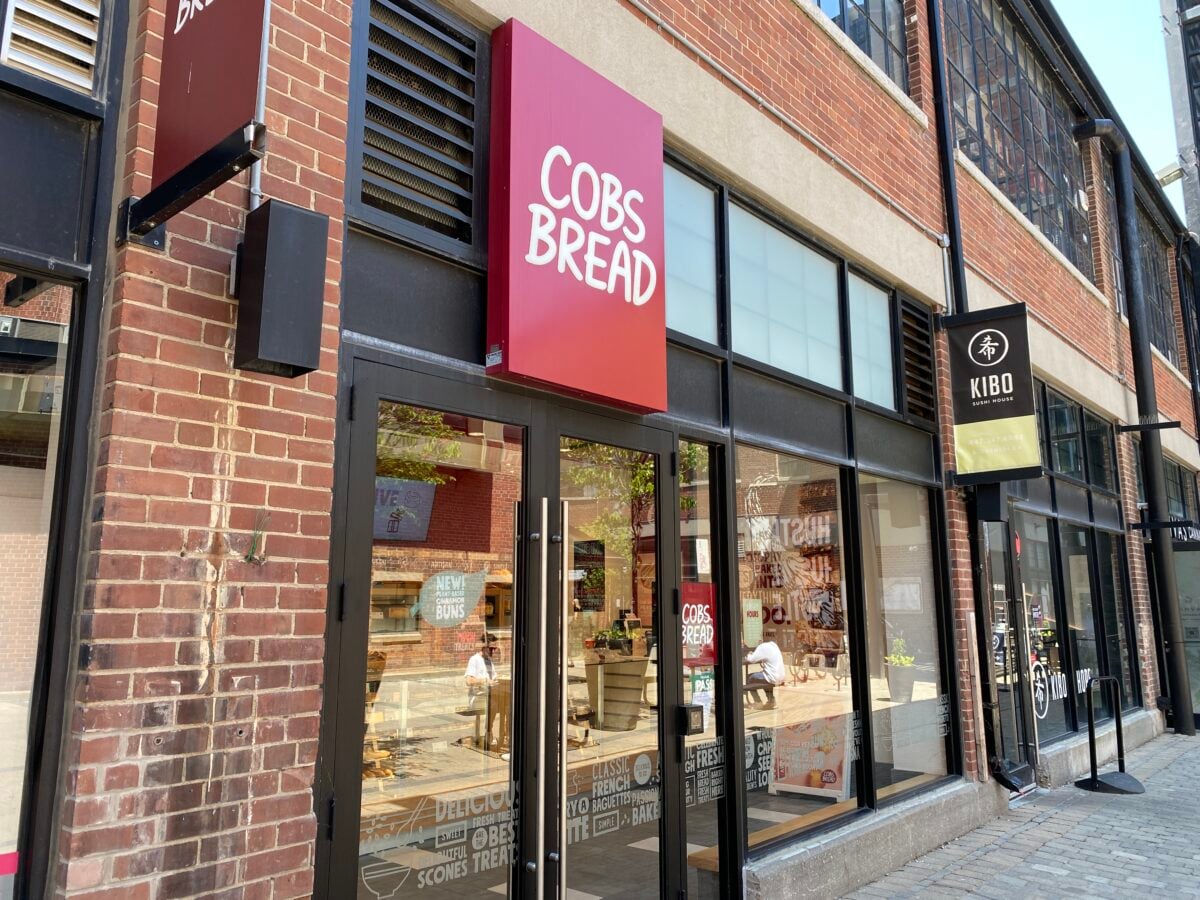
Future COBS Bread at Front Street and Sherbourne in Toronto (Image: Dustin Fuhs)

COBS Bread bakery is celebrating its 20th anniversary and has plans to expand up to 350 stores within the next five years. 

COBS Bread started in Australia as Baker’s Delight in 1980 as a small family business and expanded into Canada in 2003 with its first location in North Vancouver. 20 years later, COBS Bread has 160 locations in Canada and is aggressively growing. 

“We are growing faster than ever before and we are excited to celebrate our 20th anniversary. It has been a great 20 years and we look forward to another 20 more in Canada. We will be celebrating by offering up a specialty birthday scone and there will be some other treats consumers can take advantage of during our 20th anniversary in July,” says Aaron Gillespie, President of COBS Bread. 

Looking Back 

Image: COBS Bread London Northwest

Gillespie says the most important lesson they have learned throughout the last 20 years is that it is all about the customer, having the right products, and finding the right franchisees. While the brand sticks to its traditional roots, Gillespie says they have learned to bring new items to the menu to meet consumer needs.

“In the early days, we did a lot of product development when we came to Canada. For example, at the start we didn’t sell cinnamon buns, but now they are our best-selling products. We have also since developed a range of very successful scones to meet the needs of the Canadian consumer and a range of other products. So, while we are still staying true to our brand values, it is really important to us to meet the needs of local tastes and meet what the people want,” says Gillespie. 

Gillespie said at the start they tried to make COBS Bread a corporate owned model, but then realized it would not work well for them and instead invested into franchises who “live and run the community bakery,” Gillespie said. 

Aaron Gillespie

“They are able to develop a team and deliver our great product, great customer service, give back to the community, and be connected to their community in a way that you know nobody else can. So, the level of experience that we want to deliver is best done by an invested partner, so that has to be one of the biggest lessons we have learned,” says Gillespie. 

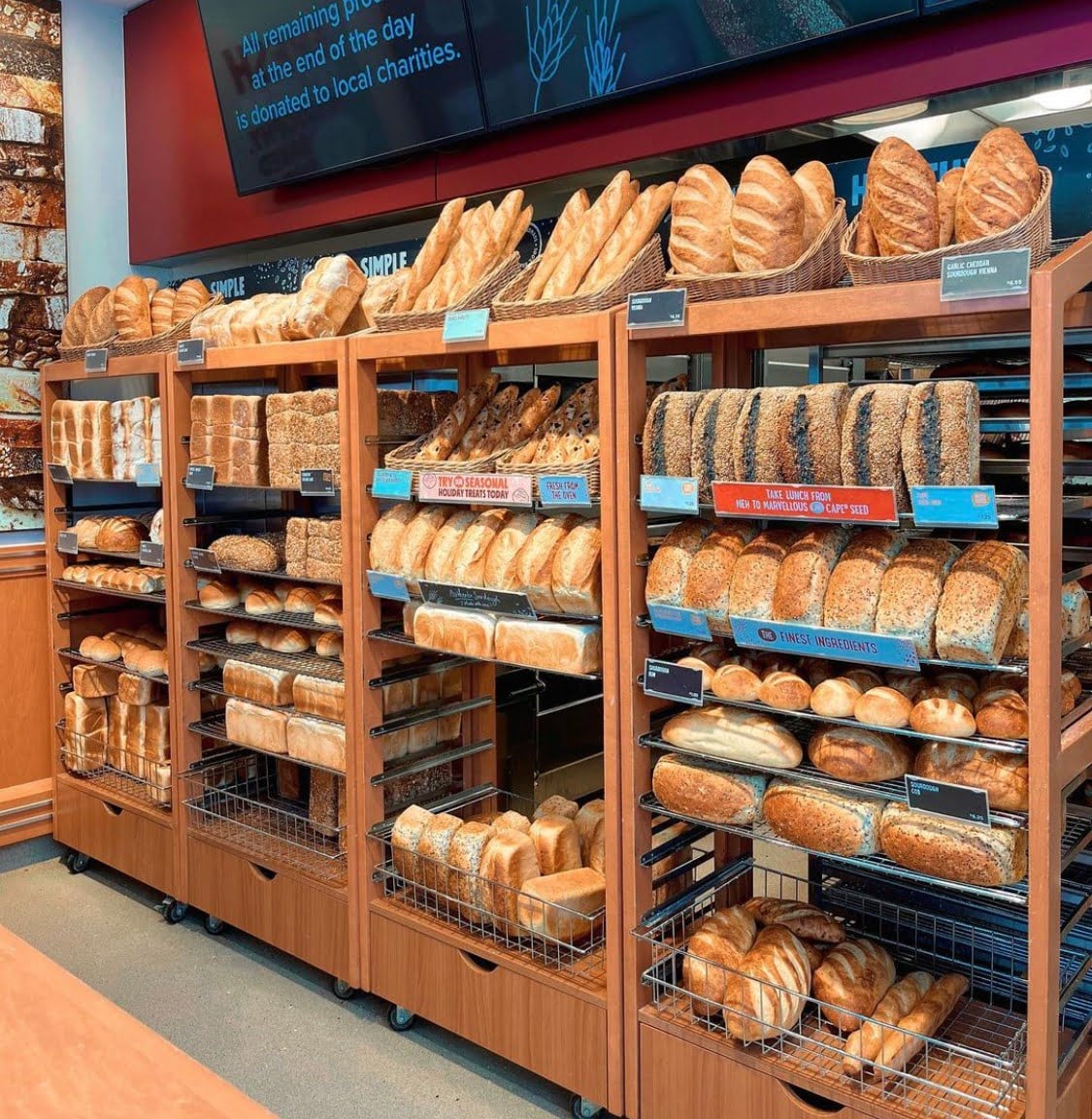
Gillespie said each franchise gives back to the community by donating products that don’t sell by the end of the day to charities or community organizations, through its End of Day Giving program. Gillespie said over 560 million dollars worth of products has been donated across Canada. 

Consumers can find a variety of products at COBS Bread such as sandwich bread, artisan bread, fresh baked treats, savoury products, and more and can count on all products to be fresh and all products are baked fresh from scratch daily.  

Aggressive Expansion Plans 

COBS Bread Bakery at 171 E Liberty St (Image: Dustin Fuhs)

Currently, COBS Bread has 160 locations in Canada and is planning to add 200 stores within the next five years. 

“There is no reason why we can’t. In Australia we have over 500 bakeries and Australia is a slightly smaller country than Canada and that is what we hope to do and think we can. So, we have mapped out up to 500 locations we would like to go, without including Quebec, and I think once we get to 350, we will feel we are starting to reach a good level of presence,” says Gillespie. 

Elizabeth Cosulich

Elizabeth Cosulich, the Senior Real Estate Manager for COBS Bread, says the next location to open will be in Toronto at Front St E. and Sherbourne St., and will be the first downtown Toronto location.  

“It is an exciting time for us to be in the bustling St. Lawrence Market District and the bakery will be open in the next month,” says Cosulich. 

In addition to the downtown Toronto location, Cosulich said there will also be openings in Milton and Sault Ste. Marie in the next few weeks. Other locations that are in the works include Brooklin (Whitby) and Ottawa, Abbotsford, Calgary, and more in the Greater Toronto Area. Dates and locations are not confirmed. 

Upcoming 2023 bakery openings include:

Canada

  1. Highstreet (Abbotsford, BC) –End of June
  2. Cambie & 8th – Vancouver, BC – Early Aug
  3. Milton Mall, South Milton, ON – Mid June
  4. Brooklin (Whitby), ON – End of July
  5. Churchill Plaza (Sault Ste. Marie) – ON – August
  6. Stafford Centre (Ottawa, ON) – late August
  7. Brookdale Plaza (Peterborough, ON) 
  8. Yorkson (Langley, BC)
  9. Bolton (Bolton, ON) 

US

  1. Compo Acres – CT
  2. Merrick – NY
  3. Oceanside – NY
  4. Eastchester – NY
  5. Greenvale – NY
  6. Lake Grove – NY
  7. Carle Place – NY
  8. Plainview – NY

The next province COBS Bread would like to enter in would be New Brunswick.
“We would love to be in New Brunswick, we are already in Nova Scotia and New Brunswick would be the next place for us in the Maritimes. We would also love to expand more into Saskatchewan and Manitoba. We currently have two bakeries in Winnipeg and four bakeries across Saskatoon and Regina, so we would love to see more in those provinces,” says Gillespie. 

Locations usually range from around 1,200 square feet to 1,500 square feet and Gillespie said they look for locations in neighbourhoods, supermarkets, and with independent retailers.  

COBS Bread is also looking to expand further internationally. Currently, Gillespie said they have two locations already open in Connecticut, United States and the goal would be to open between 25 to 30 stores within the next three years and hopefully 300 locations within 10 years. Although Gillespie said they are currently focused on expanding more in Canada and in the United States, he would like to expand into other continents such as Asia, but there are no immediate plans. 

Related Retail Insider Articles

Haight & Ashbury Menswear Brand Returns to Downtown Toronto with New CF Toronto Eaton Centre Location [Interview/Photos]

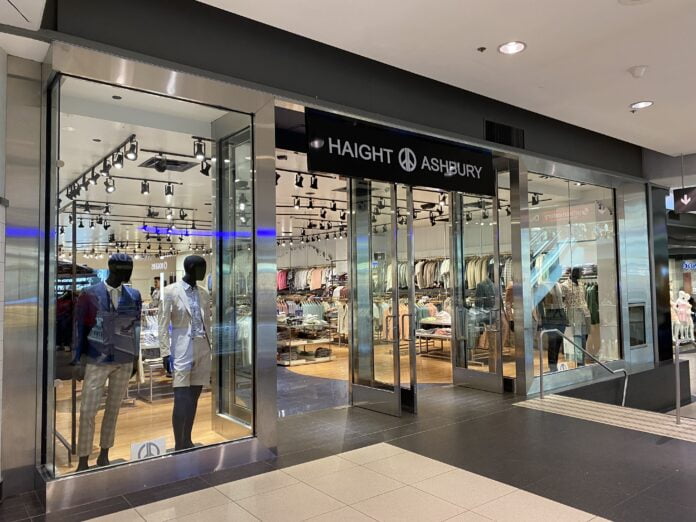
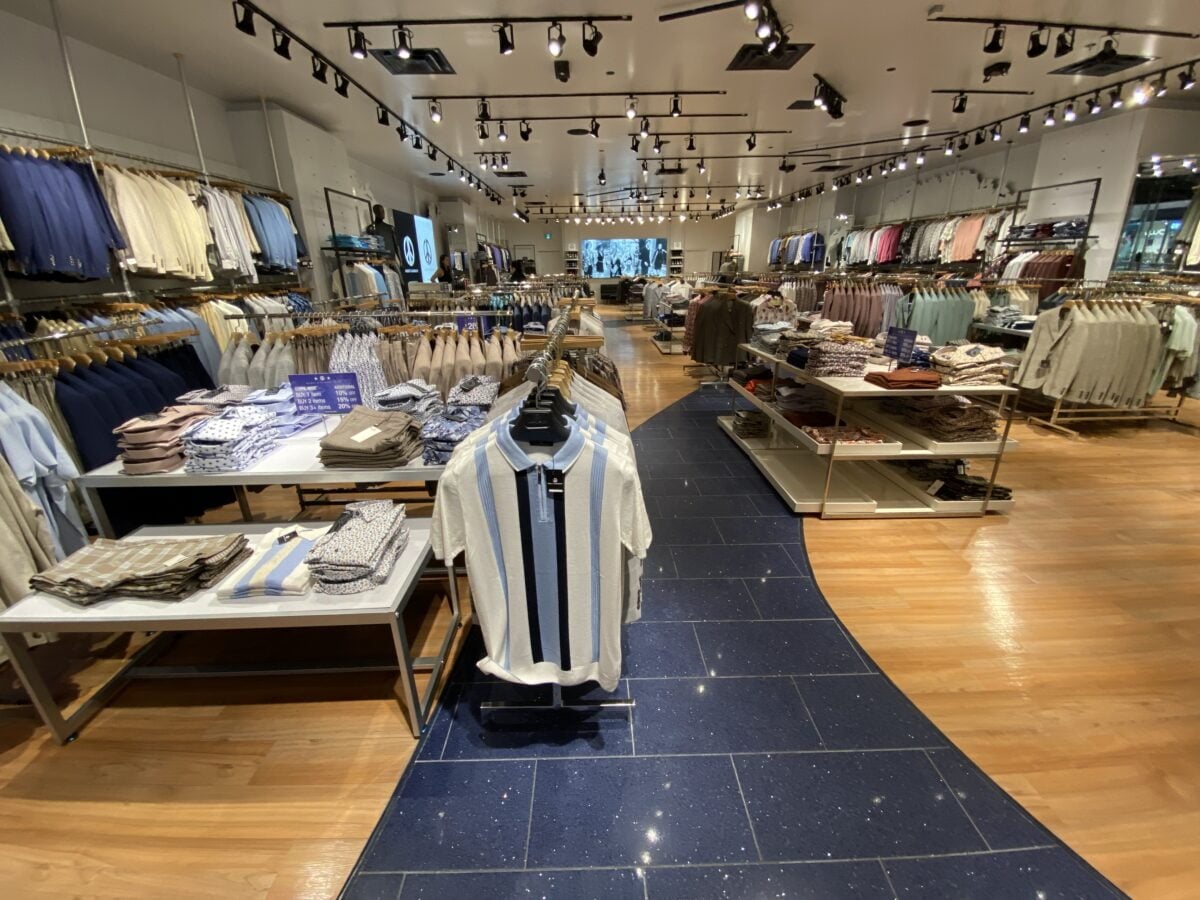
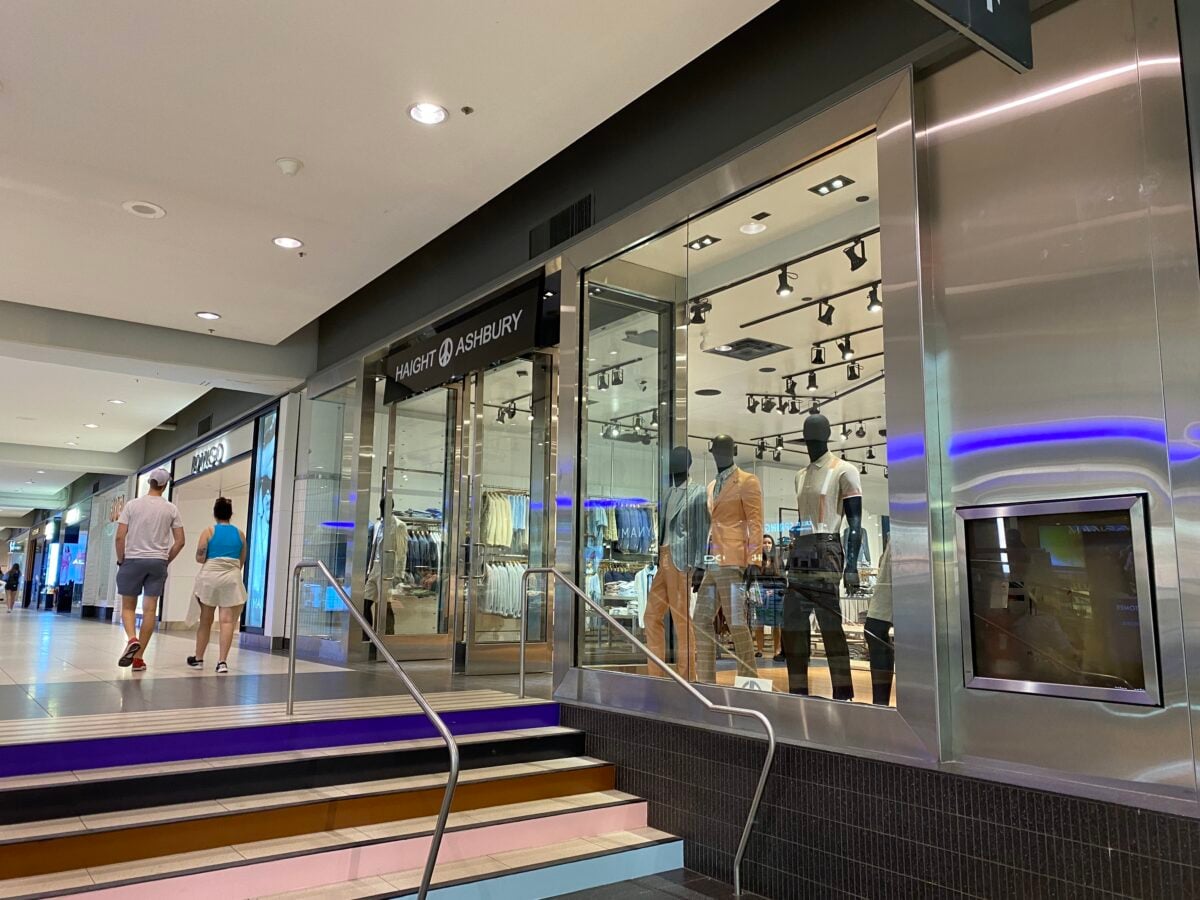
Haight & Ashbury in CF Toronto Eaton Centre (Image: Dustin Fuhs)

The Toronto-based Haight & Ashbury menswear brand has launched a new location at CF Toronto Eaton Centre.

Eco Dhalla, owner of the company, said the brand had a great, loyal downtown customer prior to COVID as it had five retail stores in southern Ontario at big shopping centres. But those were downsized to just one, at Vaughan Mills, during the pandemic.

“I suppose they want us back and we want to be back. We love the downtown, the excitement, the energy. It’s a great tourist spot. I think the core of the city is opening up a little bit more. Companies are coming back more,” said Dhalla.

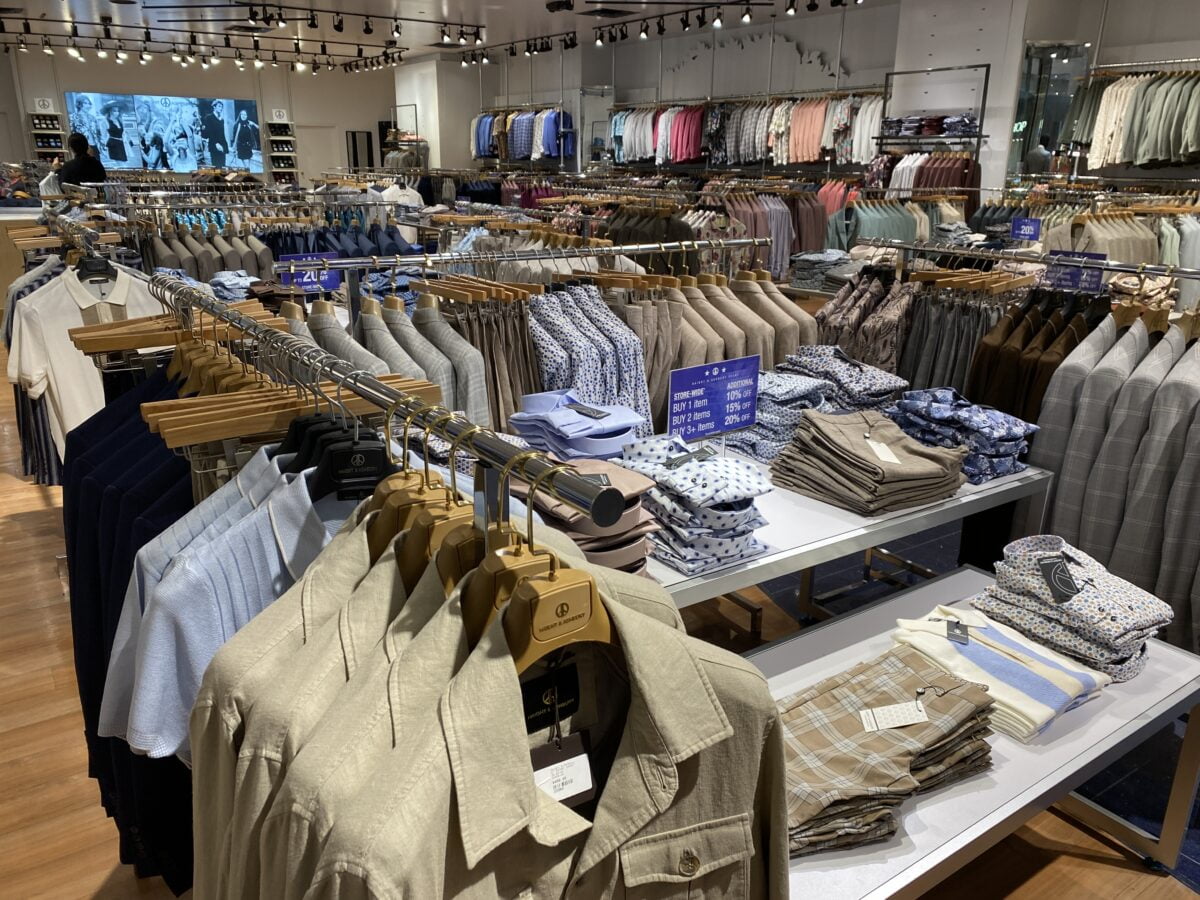
Haight & Ashbury in CF Toronto Eaton Centre (Image: Dustin Fuhs)

“I think commuting wise and office wise they are about 65 per cent back to traffic. I see in the next year to two years hopefully the banking sector and the larger companies will have all their employees back and not working at home so much. So it just made sense to go back downtown.

“We are also pursuing any pop up opportunities in the GTA. That’s where we’re based. We would love to get into Yorkdale and open a pop up there. We want to go back to Square One as well. Anything we can get exposed somehow, to get these opportunities we would jump on them right away. We’ve had great success with them.”

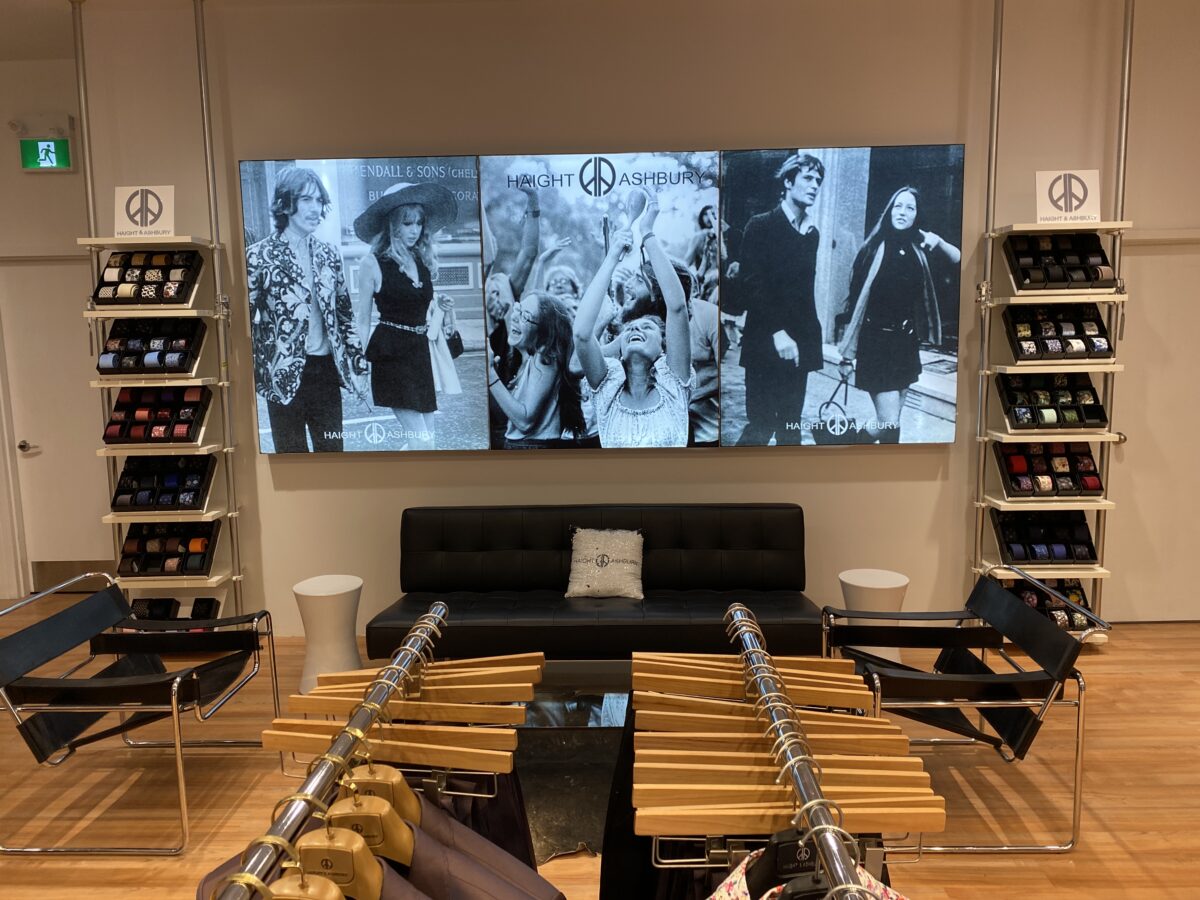
Haight & Ashbury in CF Toronto Eaton Centre (Image: Dustin Fuhs)

The inception of the brand started in 2010 and it hit the market in 2012. It was more on a wholesale capacity and did a lot of trade shows in Canada and the U.S. 

“It was a small collection that was a hobby that grew into probably one of the largest menswear collections I’ve done. It just keeps growing,” said Dhalla. 

“Conceptually, my influence came from living in the UK. I grew up in England and the fashion sense started then but I also lived in California and worked for a company and had the opportunity to work in California and travel to San Francisco where I noticed (the) Haight-Ashbury (neighbourhood) when I lived there was just a cool place to hang out. 

“Then eventually much later in my career I found out that the historical reference was a bit more meaningful to me where the United Nations was actually formed there. Things like that kind of resonated and stayed in my mind and in my heart. That whole make love not war movement forced the American government to more peaceful methods during that time in the late 60’s.

“Things like that hit a nerve emotionally for me. I enjoyed the peaceful sort of message that came and resonated out of Haight-Ashbury always. And that’s why when I came up with the logo it actually is a peace sign but it’s an H and A put together. It’s into a peace symbol which is really what these hippies of the late 60’s, early 70’s were always after. Sure they loved their marijuana and tattoos and whatever but the main message was really just to be peaceful. I just blended that with a name that I liked with a bit of fashion that I grew up in the UK studying. Haight & Ashbury was born.”

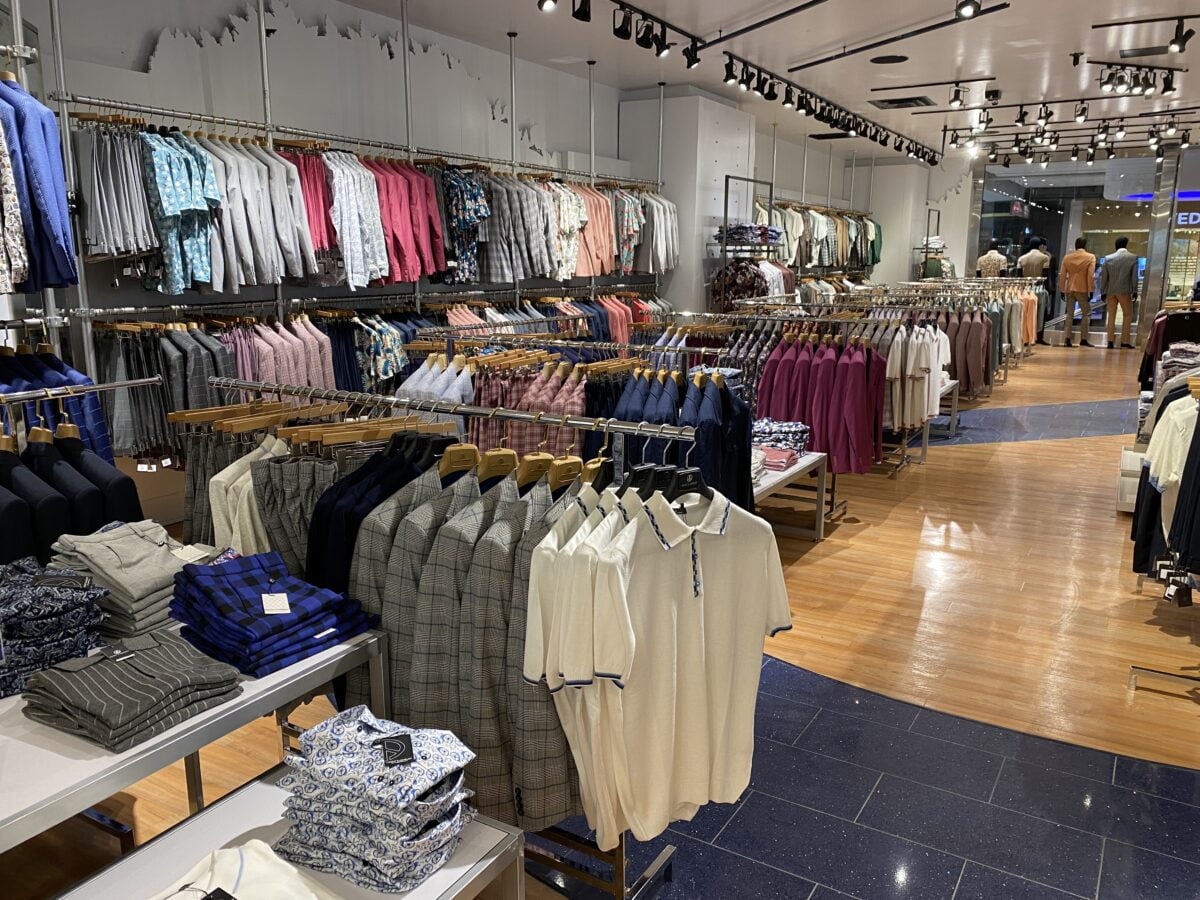
Haight & Ashbury in CF Toronto Eaton Centre (Image: Dustin Fuhs)

Dhalla said one of the key ingredients of the company’s success is that it doesn’t sell complete suits. It sells blazers, pants and vests separately.

Most of the production is out of Turkey with a lot of Italian fabrication.

“Our target market would be 20 to 50, maybe even more. Fashionable guys,” added Dhalla. “Price point wise we’re positioned somewhere more in the middle than we are anywhere else. We’re definitely not low price point. We’re positioned somewhere in the middle.”

After establishing itself as a wholesale company, it moved into having five retail stores in southern Ontario at big shopping centres.

“Of course after COVID we downsized everything. We kept our Vaughan Mills location which is the flagship. It’s about 30,000 square feet and switched the entire model to pop up. We’ve been at Vaughan Mills for so long we started pop ups maybe seven years ago and never looked back,” said Dhalla. “We’ve just been doing pop ups everywhere and Vaughan Mills is the longest pop up we’ve done.”