Retail Insider is streamlining its Canadian retail news from around the web to include a handful of top news stories that can be viewed quickly during the day. Here are the top stories from the past 24 hours.
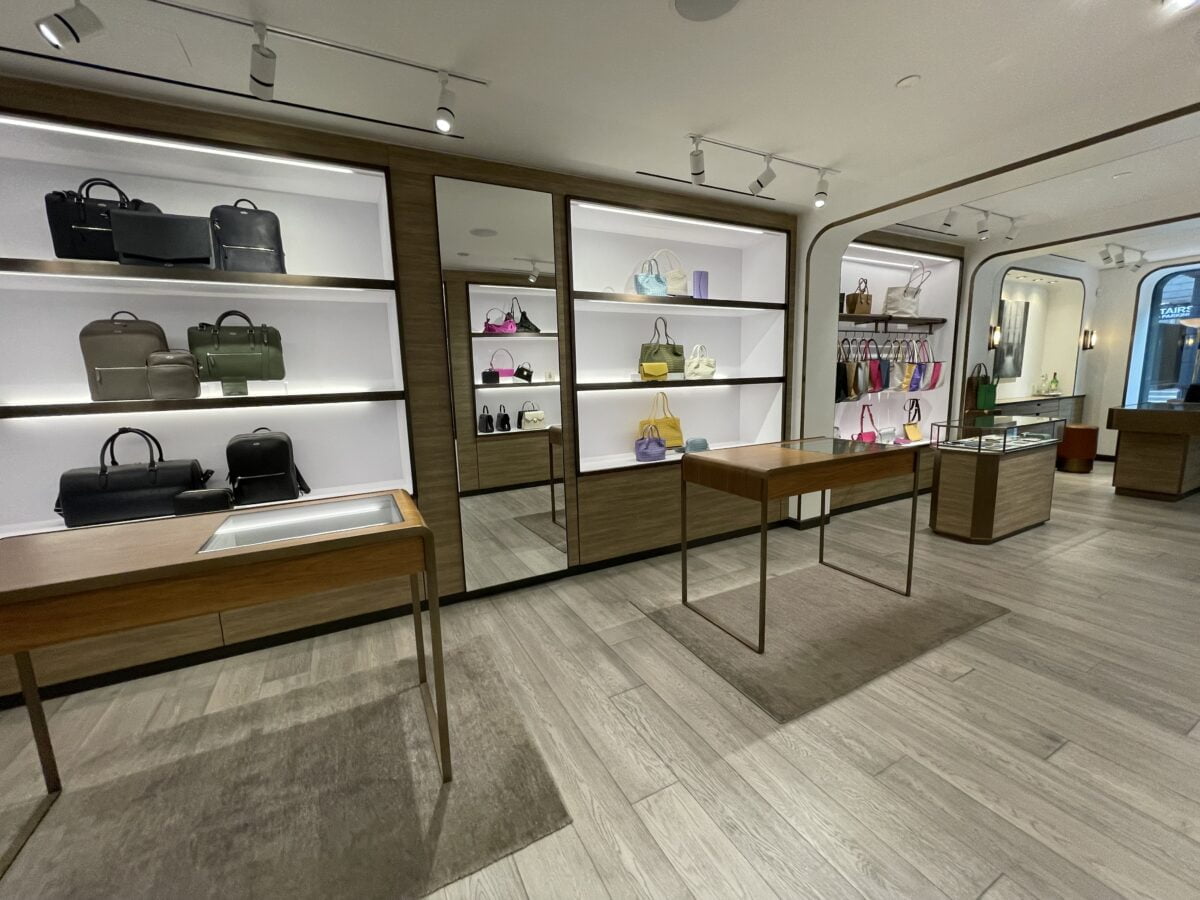
B Hemmings & Co, a luxury luggage retailer in Toronto, is celebrating its 45th anniversary this year and is celebrating by bringing out the histories of its brands, and will be having an anniversary party later on in September.
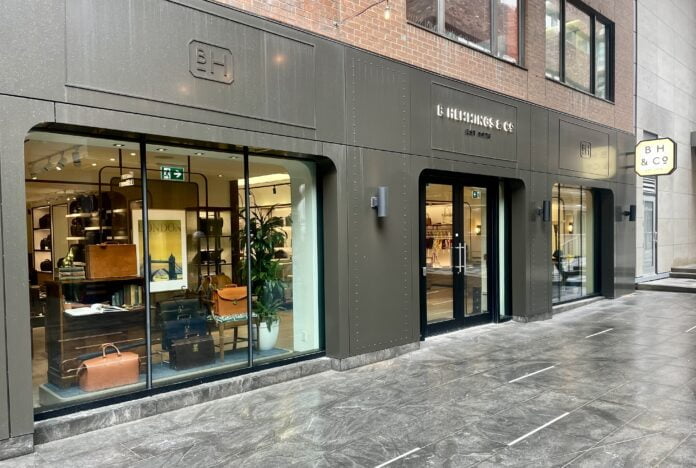
B Hemmings & Co is located at 162 Cumberland in Yorkville where the retailer moved in 2018. The company started in 1978 as Betty Hemmings (which rebranded in 2018) and sells numerous luxury leather goods and luggage directed for business and leisure travellers. Consumers can find suitcases, briefcases, wallets, and accessories for both men and women.
“As a specialized retailer celebrating our 45th year in business, what really differentiates us is the careful selection of many of the worlds finest “quiet” luxury leather goods brands that have long and impressive histories of craftsmanship. As Bernard Arnault (LVMH Group) said ‘In the luxury business, you have to build on heritage.’ and we have over 1400 years all under one roof from the brands we offer. Our celebration is in fact the celebration of all of our brands who have dedicated and experienced artisans who day in and day out are committed to crafting goods of unparalleled quality, craftsmanship and beauty,” says Michael Warwick, Partner of B Hemmings & Co.
Image: B Hemmings & Co
To celebrate the brands the store carries, B Hemmings will showcase archival pieces through the windows, in some cases the products that have been sent over to show are over one-hundred years old and as customers walk past the windows, they will see the brands as they were when they started and what they are today.
“We’re living in a culture of disposability and we believe it’s important to counter that with longevity and permanence – to show how true luxury endures through seeing archival pieces next to their modern day equivalents, and how these brands themselves have evolved. Over the course of this year, customers old and new will get to experience the legacies and histories behind some of the world’s quietest and most distinguished brands. We’re starting with SWAINE London, founded in 1750 and will be working in chronological order each month, culminating to an in-store celebration of B Hemmings & Co., who truly is the caretaker of these quiet luxury and premium luggage brands in Canada.” says Matthew Stokes, Marketing Manager for B Hemmings & Co.
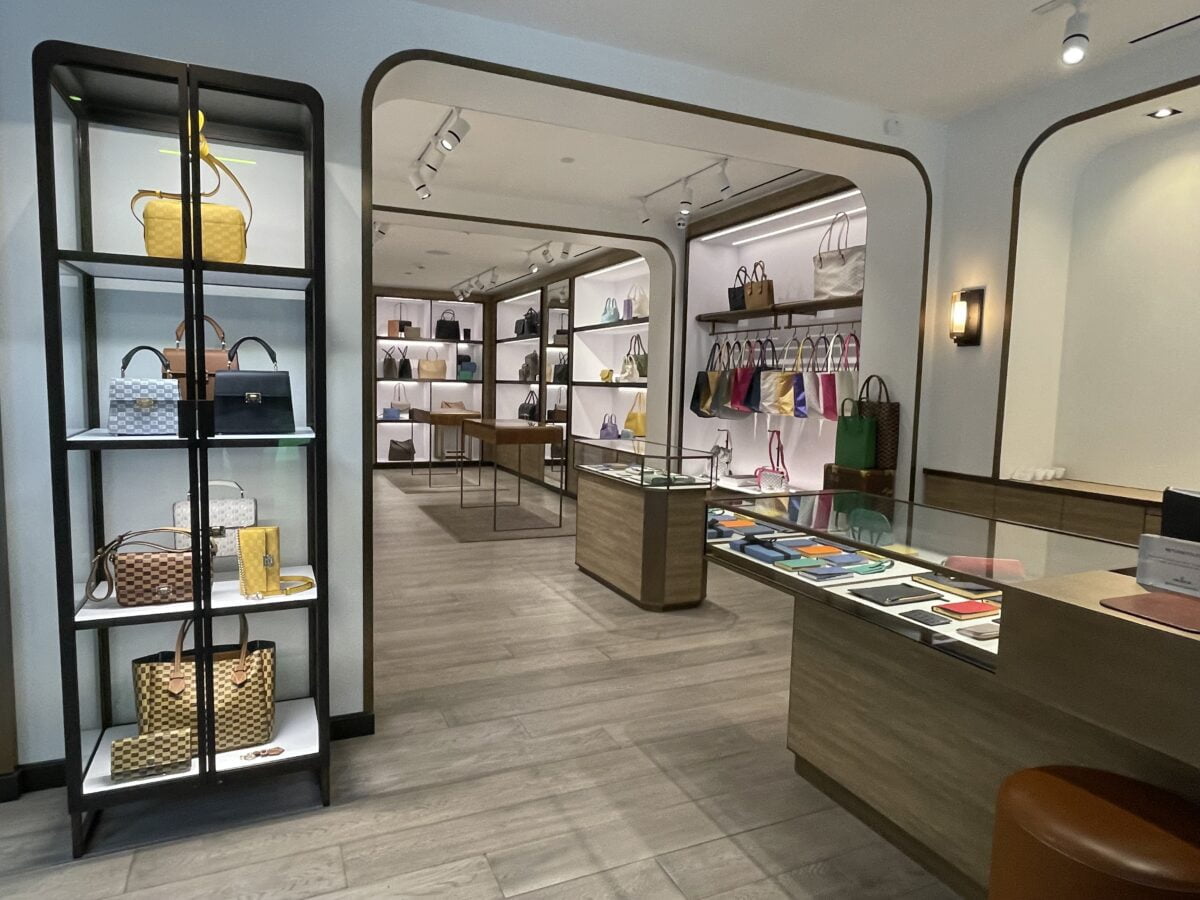
Image: B Hemmings & Co
Most of the brands at B Hemmings & Co are handcrafted and are from brands that have been here for hundreds of years, such as Swaine London, Globe Trotter, Hartmann, and Tumi.
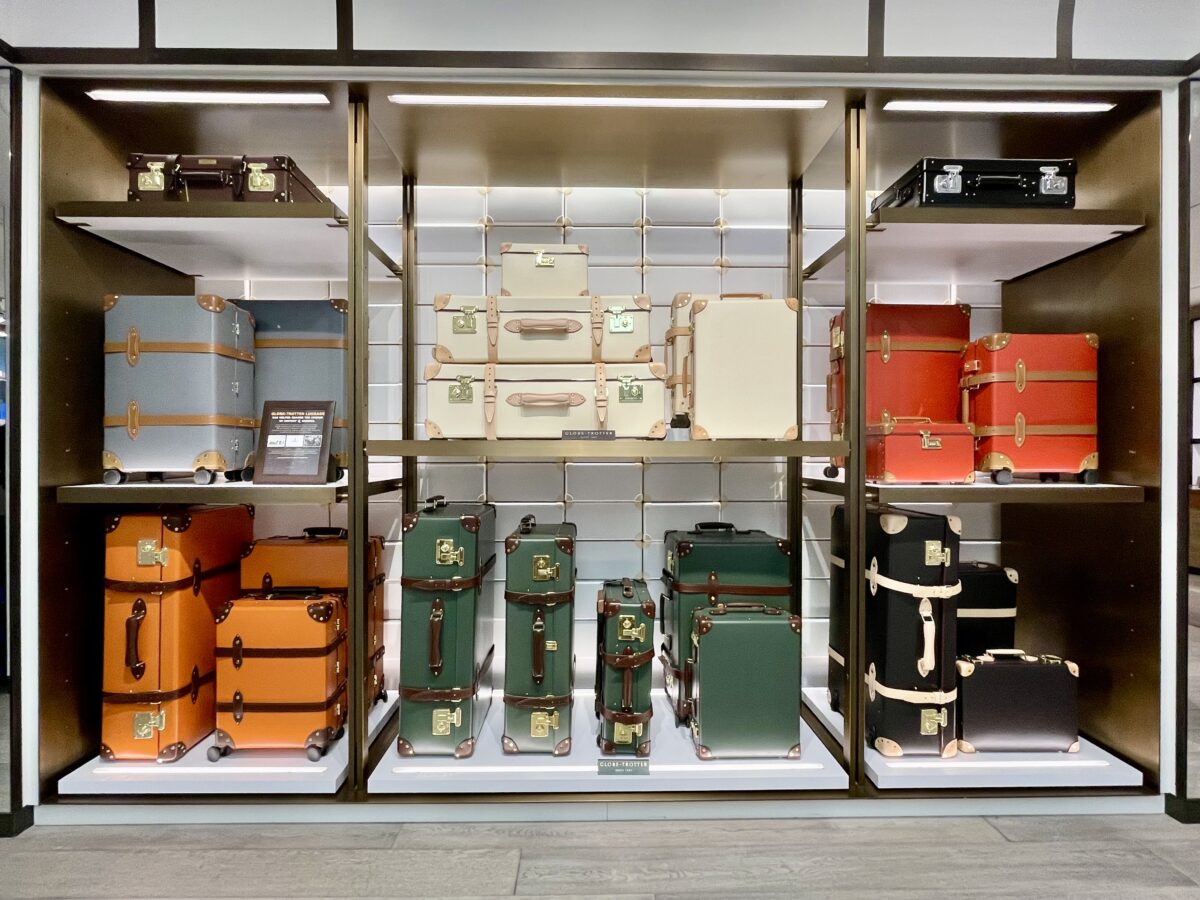
Swaine London is one of the oldest luxury brands in the world, Globe Trotter has been making handcrafted products in England since 1897 and B Hemmings & Co is the largest Globe Trotter dealer in the world, Hartmann is another brand that has been around since 1877 and the store has been carrying the brand now for 15 years, and B Hemmings & Co were the first to bring the Tumi brand into Canada 42 years ago – so many of these old luxury brands are all under one roof and have an extensive history. B Hemmings & Co carries sixteen brands in total.
“We truly curate a balanced collection of luggage brands, and there’s something for every type of traveller – from the corporate road warrior to the wanderluster, we have the best in performance, premium and luxury luggage. What makes B Hemmings & Co. different is that whatever we bring within these four walls, can be repaired when the time comes, and that’s an anomaly in this industry. Longevity over disposability – let’s avoid the landfill at all costs” says Stokes
Image: B Hemmings & Co
The two different luggage types are long lasting and disposable. Stokes said its products are meant and designed to last a long time because of its higher quality and if the product breaks, customers are welcome to bring it back to the store where the team can fix it. Since B Hemmings & Co opened its doors 45 years ago, it has also served as a repair shop to those consumers who have bought products from there. Stokes says they offer this service and have been for 45 years as it is a great service to add for their customers and is better for the environment as instead of throwing out a product, such as luggage, the customer can just bring it in and get it fixed before their next journey as the brand is designed for people on the go.
“There is luggage that can be repaired and serviced, and then there is luggage that is designed not to be repaired or serviced because the parts are either glued or riveted into place so when they break, you have to throw it out – completely irresponsible. So for our full existence, we actually repair and service everything we sell to customers and we think that is the responsible thing to do as it is good for people’s pocketbooks and also it is great for the environment,” says Stokes.
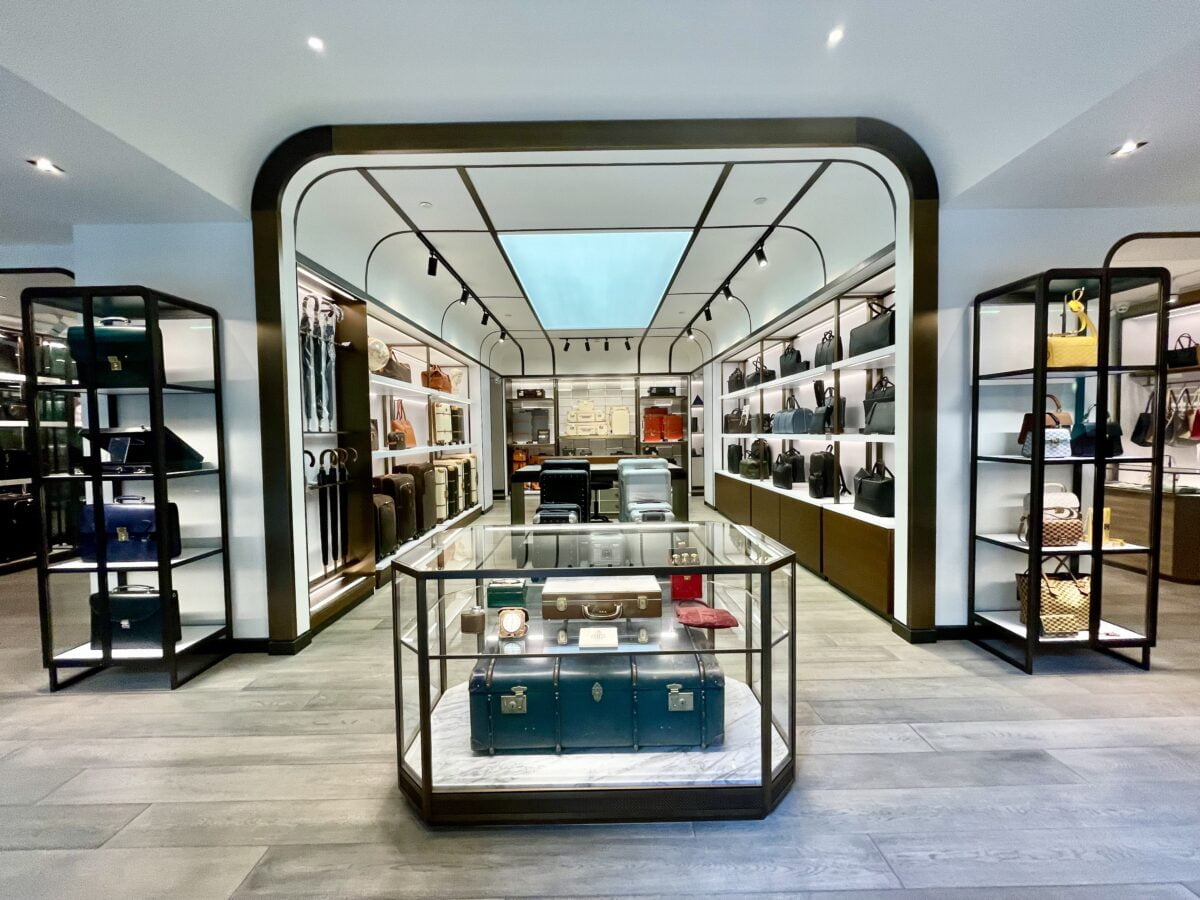
Any customer who buys a product from B Hemmings & Co is entitled to the service and repair on their product, even if it was 15 years ago or more. If you don’t have the receipt, they can receive your information from their database to confirm you have bought the product from their store. Now if it is after the warranty and you have an older luggage bag, Stokes and Warwick suggest replacing it.
Image: B Hemmings & Co
In the 45 years of business, Stokes and Warwick say the biggest challenge they have faced is finding new customers and this may be because the products last so long that customers have no need to continuously come back. But overall, Stokes and Warwick are proud their products last so long for customers.
“It is a great storyline that companies are focusing on sustainability and recycling to give a product a second life, but we have to remember that in the recycling infographic the first step is reuse not recycle. Many of these recycled materials are made from single use products, such as plastic water bottles and from other low-grade materials purchased inexpensively. The problem with that is the material was used for low resistance products and is not meant to survive in high-impact use – it will eventually break and land up in the garbage dump, leading to more consumption and waste. With us, we offer travel goods that are made from high-performance materials, flawless design and engineering, are rigorously tested, and will endure the most seasoned “road warrior”. When it comes time to repair your damaged luggage, it can be easily serviced by our skilled and dedicated staff. We deliver excellent ROI and this is one of the many reasons why we have been in business for 45 years.”
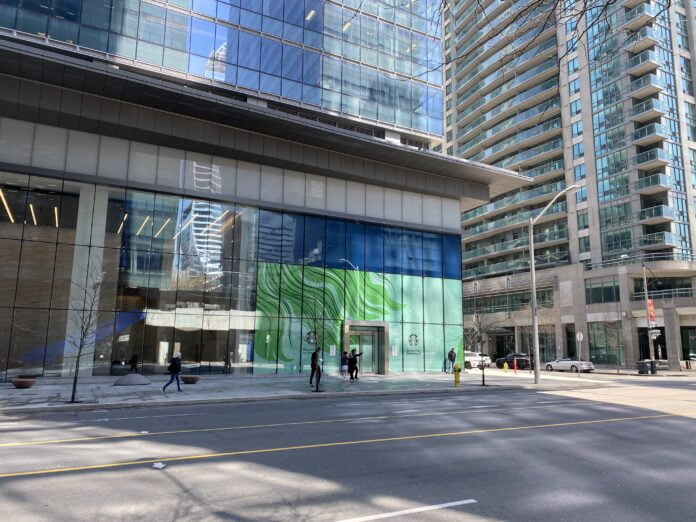
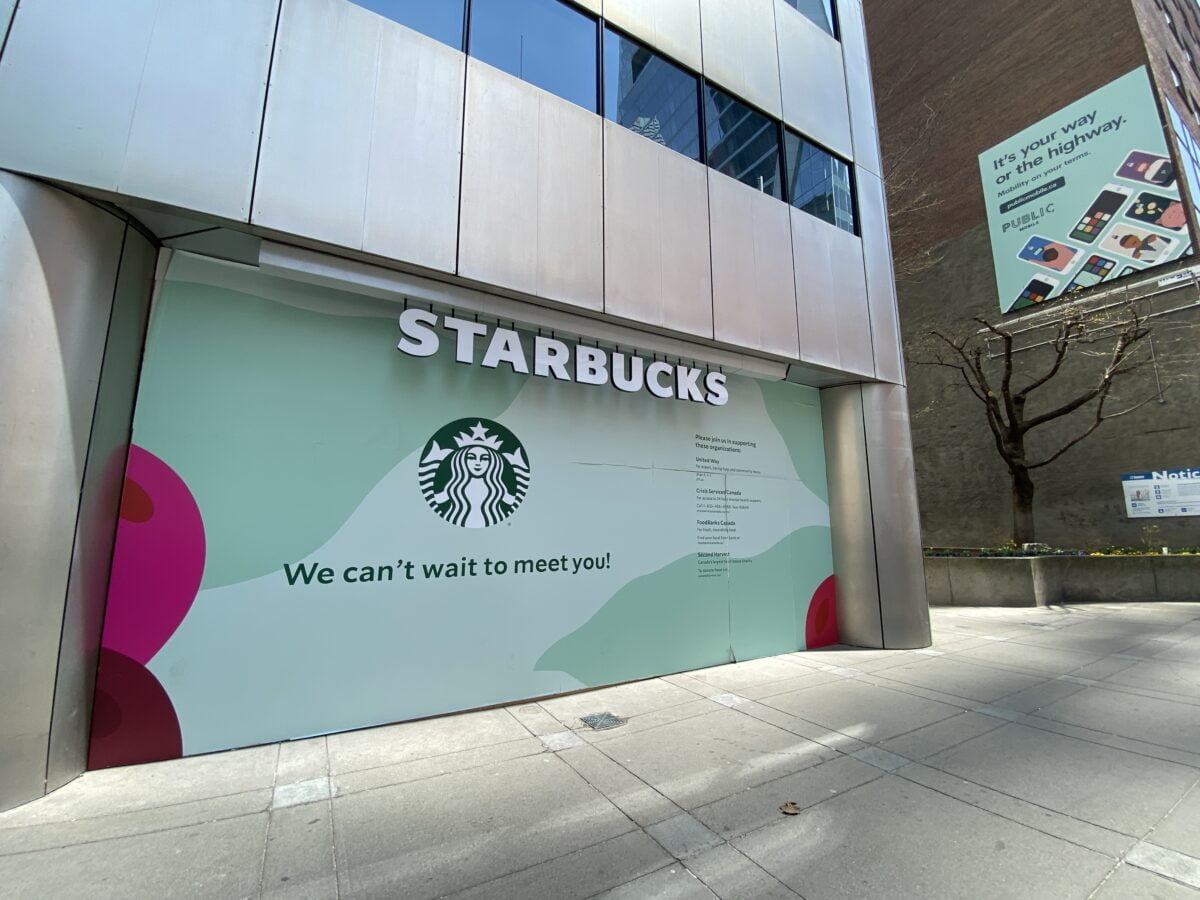
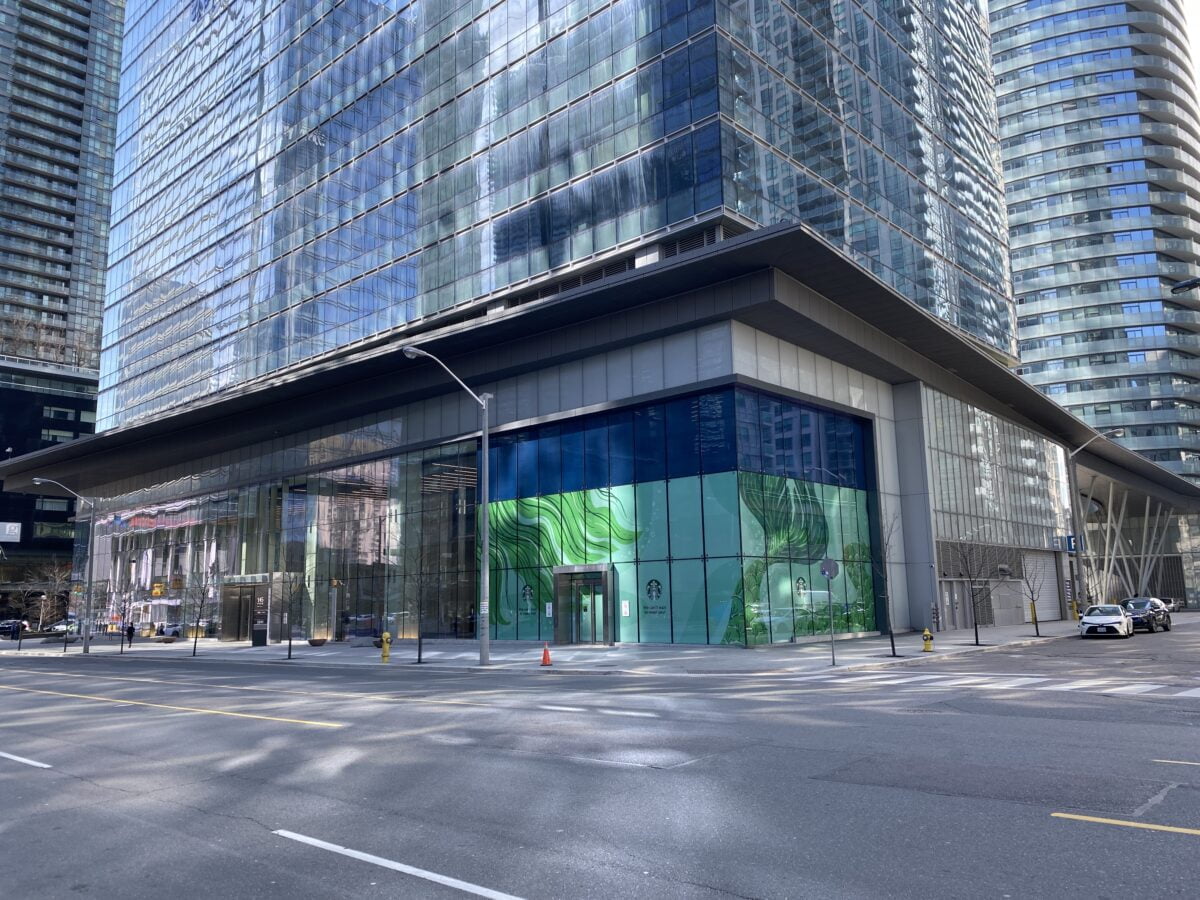
Future Starbucks at 16 York in Toronto (Image: Dustin Fuhs)
Despite closing down a number of Canadian stores in recent years, coffee giant Starbucks is back in growth mode in the country opening new locations, new concepts and its first-ever collaboration with a First Nation.
As of January 1, there were 1,429 Starbucks in Canada – 956 company-operated stores and 473 licensed stores.
“We think there is no shortage of opportunity for Starbucks in Canada for sure,” said Shannon Leisz, Vice President, Operations and Business Development, Licensed Stores in Canada.
Shannon Leisz
“We’ve been in Canada for more than 35 years but there’s no two ways about it, there’s a lot of growth. There’s still very much that we can do around our growth strategy.
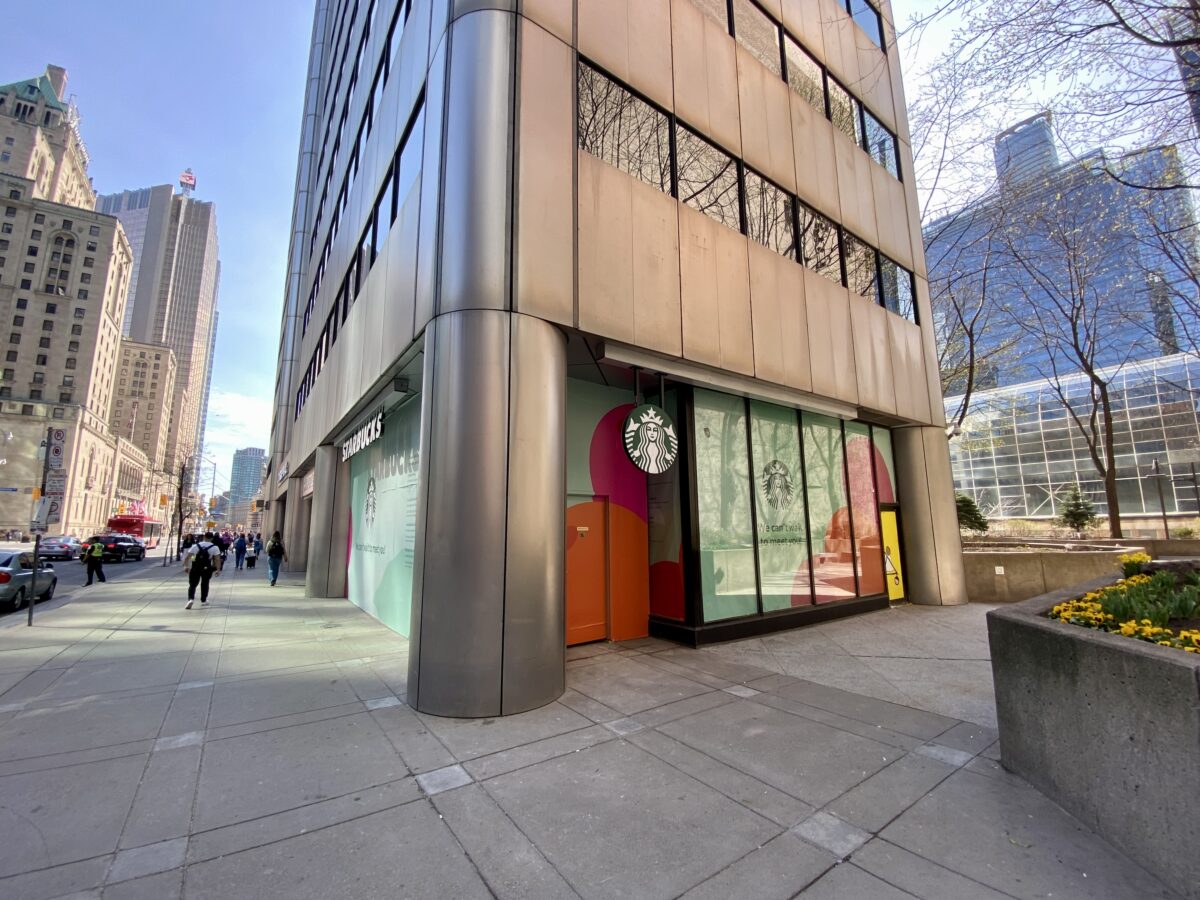
Re-opening Starbucks at Front at University in Toronto (Image: Dustin Fuhs)Re-opening Starbucks at Front at University in Toronto (Image: Dustin Fuhs)
“We’re continuing to look at ways to diversify, modernize and build and grow our portfolio to meet our customers in the way that is most meaningful to them. And that could be any time of day, any format, etc. When I think about what that means across Canada, we believe there is a role that we have to play really in all of our communities for growth. That could be expansion in urban, that could be continued growth in suburban and even remote markets. It’s hard to believe but there are still some communities and municipalities that don’t yet have Starbucks and we know that there’s a need and want for that.
“We’re excited. We’re definitely in growth mode and we’re excited to keep building on decades of experience and growth.”
She said part of any good practice is always looking at your portfolio and adjusting to the market.
“We had like a five-year trajectory on where we would want to re-position the portfolio through doing either strategic relocation or closure. So in 2020 when we really looked at what was happening as a result of COVID, we just saw that there was an opportunity to take that five-year transformation strategy and condense it into 18 months. And really that was intended to rapidly get ahead and evolve where customers needed us and wanted us, what their preference in demand was. So we took that opportunity to just do that in a much faster timeline,” said Leisz.
“Anything that we want to do is making sure that we integrate technology, innovation, how our customers want to utilize us. What are we thinking about in terms of urban re-entry for Starbucks especially in Toronto? In those dense, metro, urban, CBD (central business district) areas for sure we’re committed to bringing Starbucks back to provide more choice and more convenience for our customers.
“So we think about how do we create this ecosystem in this trade area that creates a blend of traditional Starbucks cafe locations with also new more convenient forward formats. If you think about downtown Toronto, we opened a store on Yonge and King and that’s an awesome cafe with seating but a block away from that we’ve got Commerce Court which is a pickup only. So again it’s this ecosystem we’re creating of how customers want to interact with us.”
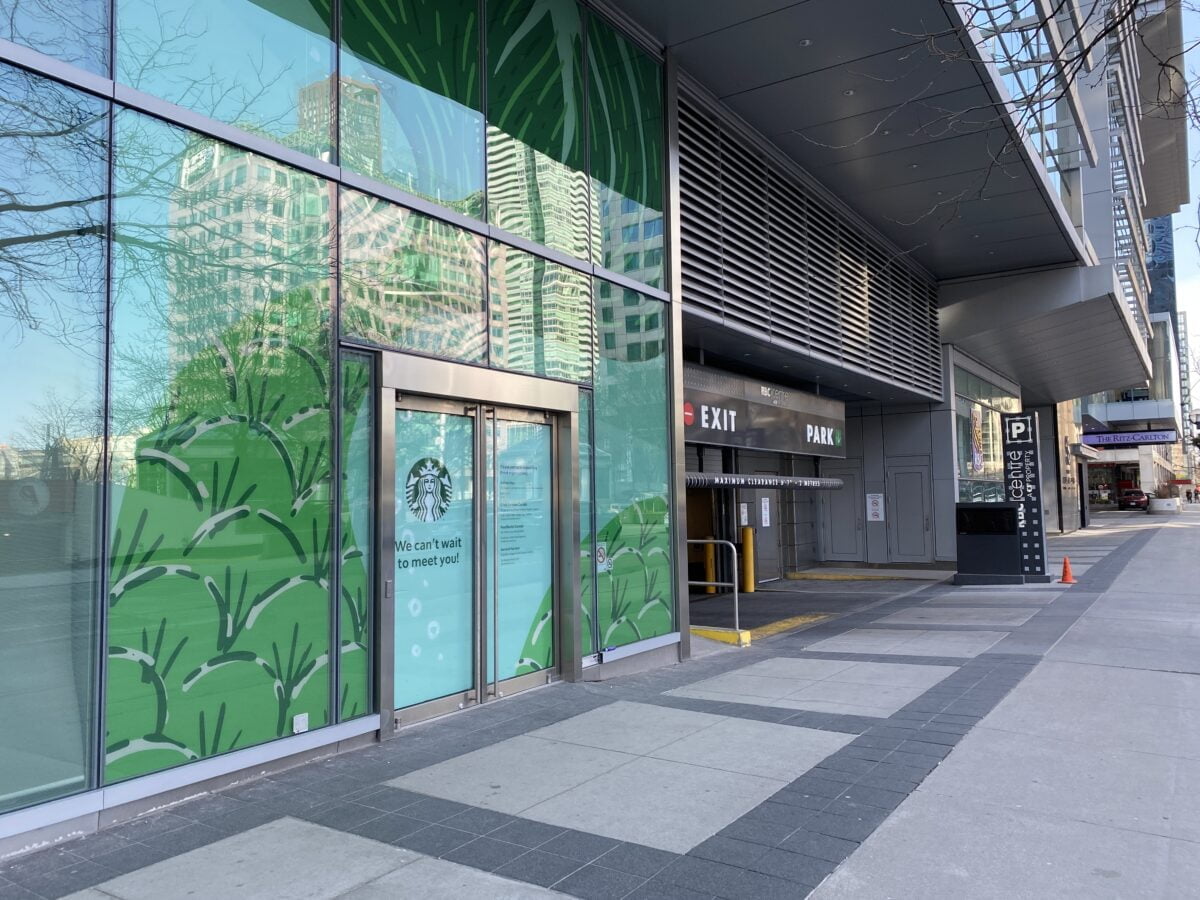
Re-opening Starbucks at RBC Centre on Wellington in Toronto (Image: Dustin Fuhs)Future Starbucks at 16 York in Toronto (Image: Dustin Fuhs)
A new store will be at 16 York Street to service predominantly the financial community and tourists in the busy downtown core with a format that is optimized for Mobile Order & Pay. This will include a larger order hand-off area for partners to better serve customers, as well as some seating for customers while they wait for their handcrafted beverage to be made. Anticipated opening is Summer 2023.
Starbucks is also growing its licensed side and now operates at several university locations in a variety of store formats. It currently has stores that are licensed locations at schools like University of Western (two stores), University of Guelph (three stores), University of British Columbia (three stores), University of Calgary (two stores) and Dalhousie University (one store).
She said Starbucks has been known as an innovator and the company’s experience is finding new ways and impactful ways to connect with customers through integrating the very best of Starbucks with physical and digital customer experience through formats and designs.
“If we look to innovate even through how our designs show up and look, modern design is important because it really embraces familiarity and the Starbucks brand as well as variety,” said Leisz. “We try to really do our best to enhance that third-place no matter what format it is and create something that feels unique and memorable and special for each one of our stores.
“We’re poised for growth. We are excited. We think we have a big, long runway ahead of us and we really are excited about the growth and the development that we have to meet customers where they’re at and provide the very best experience for them.”
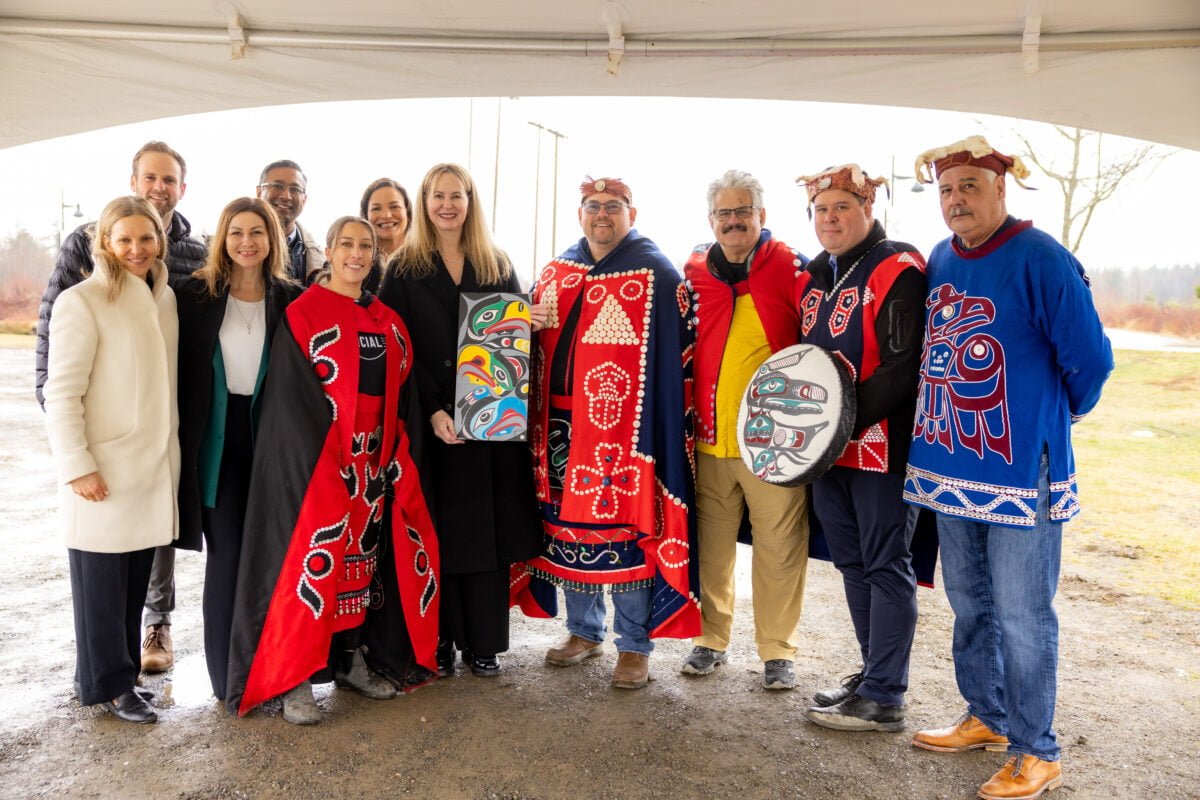
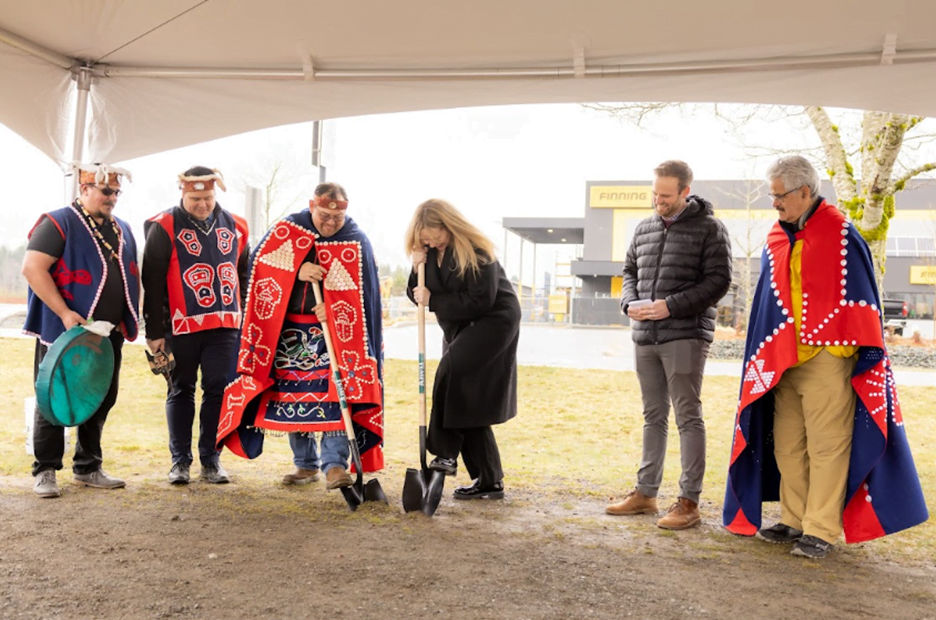
First Nation members of the We Wai Kai Nation gathered on Monday for a ceremonial ground breaking to honour the land that will become the site of a new Starbucks licensed location. (Photo credit Eric Kular)
In early March, Starbucks Canada and We Wai Kai Nation, in BC, broke ground on a new Starbucks store. The location will be operated by the We Wai Kai Nation, making this a first-of-its-kind collaboration for Starbucks in Canada.
Leisz said this marks the beginning of what is possible for Starbucks and First Nation communities in Canada. It is the first partnership with an Indigenous licensed operator.
“We believe companies have a position or something that they can all play an active role in around truth and reconciliation, learning more, being a good citizen. Just learning about Indigenous culture,” she said. “So last year there was a small group of us that had the chance to go to Cando which is the Council for the Advancement of Native Development Officers.
“So it really is about economic development and there we met Jason Wilson, (Manager of Economic Development for We Wai Kai Nation). Coming out of that we knew that there were things that we could explore on how we wanted to work together and this potential partnership. Through that discovery and conversation, we came together and we’re opening that first Indigenous-led cafe in Canada in Campbell River.”
The intent is to open the location by the Fall of this year.
Wilson said the We Wai Kai Nation (Cape Mudge Band) current population is approximately 1,200 citizens and about half live on reserve (split between Cape Mudge Village, Quadra Island and Quinsam Reserve, Campbell River), and the other half live off reserve. The We Wai Kai are part of the Ligwiłdaxw (Laichwiltach), the southern-most tribes of the Kwakwak’awakw peoples.
Tsixw’idaliła, traditional Ground Breaking Ceremony featuring We Wai Kai Nation Chief Councillorl Ronnie Chickite (middle left) and Starbucks Shannon Leisz (middle right). Photo credit Eric Kular
“The nation was looking to expand the service offering within its Quinsam Crossing development in Campbell River and was looking to add a business that would not only complement existing services, but also be its own draw for customers. A drive thru coffee shop seemed to fit nicely,” he said.
“Starbucks was chosen as numerous staff members and council members enjoy going to Starbucks – sometimes daily and there appeared to be an opportunity with one of the local Campbell River corporate owned and operated stores closing due to inability to add a drive thru. We reached out initially to see if there was an opportunity to lease land to Starbucks Canada, but there wasn’t an interest in adding another corporate store in close proximity. The discussion then led to a licensed opportunity and it was discovered very early in discussions that all though there were numerous Starbucks across Canada on reserve lands, none were operated by a First Nation. This led to We Wai Kai Nation signing the first such license agreement in Canada.”
Leisz said it would be great for Starbucks to continue to expand with other partnerships like that with other First Nation communities.
“We really think that that moment that we had with We Wai Kai marks the beginning of what is possible for other First Nation communities across Canada,” she said. “I think it’s so important for companies like ours to continue to listen and to learn and work side by side with these communities and we hope to do more.”
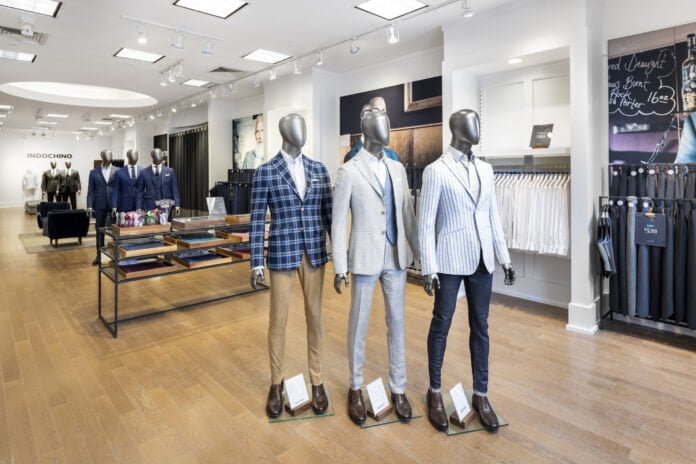
Indochino, a global leader in custom suiting, had a record-breaking year of growth and key milestones for the business in 2022 as the brand continued its focus on profitability, achieving a seven-figure positive EBITDA, while simultaneously growing its physical retail presence and launching product expansions.
Image: Drew Green, INDOCHINO CEO
“Smart growth and innovation are core to Indochino’s DNA, and 2022 was an exceptional year for the business in both of these regards. Our focus on profitability and operating efficiency, while simultaneously investing in an industry-leading omnichannel customer experience, has put the business in a strong position for continued success. We look forward to continuing this momentum into 2023, as we debut our Spring collection and look to build upon the success of womenswear with a full omnichannel launch,” said Drew Green, CEO of Indochino.
The made-to-measure apparel brand added nine new showroom locations and eight locations in partnership with Nordstrom last year. It increased year-over-year net revenue by 40 per cent. Net orders in physical retail locations grew by over 50 per cent, while a continued focus on e-commerce infrastructure, features and experience resulted in a double-digit order growth for that channel as well.
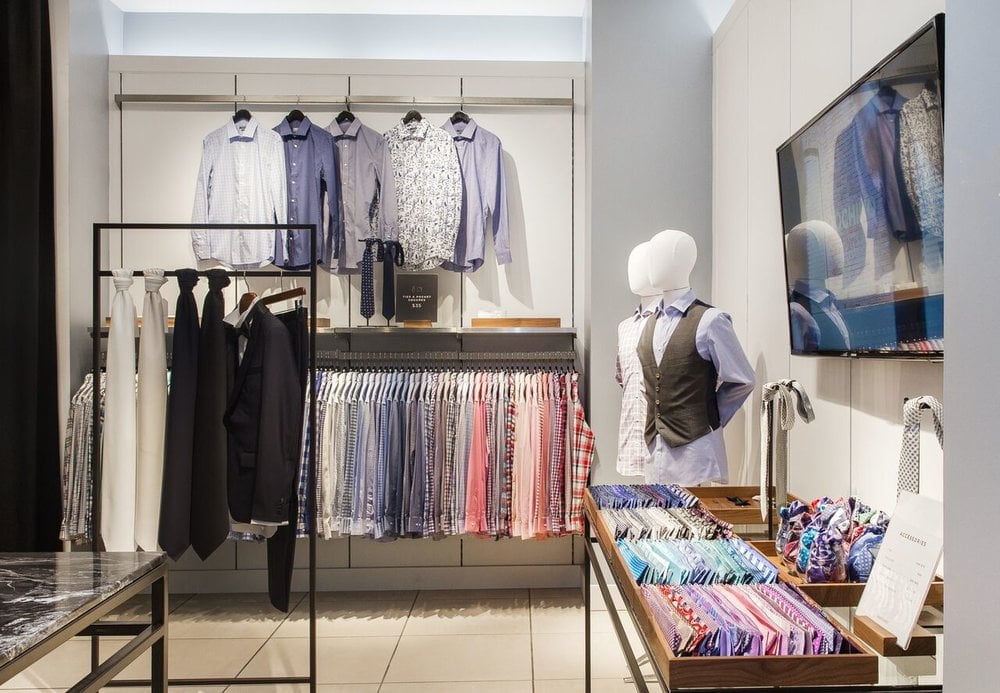
INDOCHINO at Metropolis at Metrotown in Vancouver (Image: INDOCHINO)
The SS23 collection features the brand’s first-ever dual-gender campaign imagery and celebrates the personal stories that fashion brings to life. In conjunction with the collection’s debut, Indochino is also expanding its women’s offering to their e-commerce channel, following a successful rollout in select physical showrooms last fall.
Indochino is also expanding its custom apparel offering with a fit that celebrates the female form. This makes the brand the first to sell custom women’s apparel digitally on a mass scale. Throughout the Fall of 2022, Indochino was able to successfully pilot the launch of this new offering. With an overwhelmingly positive customer response, the retailer is supporting the omni-channel experience for its entire customer base. The first half of 2023 will see womenswear become available across the complete network of Indochino’s owned showrooms throughout North America.
In this video interview, Green discusses the record-breaking year, the women’s collection and the company’s growth plans.
The Video Interview Series by Retail Insider is available on YouTube.
The Video Interview Series by Retail Insider is available on YouTube.
Connect with Mario Toneguzzi, a veteran of the media industry for more than 40 years and named in 2021 a Top Ten Business Journalist in the world and the only Canadian – to learn how you can tell your story, share your message and amplify it to a wide audience. He is Senior News Editor with Retail Insider and owner of Mario Toneguzzi Communications Inc. and can be reached at mdtoneguzzi@gmail.com.
Like, Share and Subscribe to Mario Toneguzzi on YouTube!
Also check out the other series offered by Retail Insider, including The Weekly podcast and The Interview Series, which are both available on Apple Podcasts, Stitcher, TuneIn, Google Podcasts, or through our dedicated RSS feed for Simplecast and other podcast players.
Retail Insider is streamlining its Canadian retail news from around the web to include a handful of top news stories that can be viewed quickly during the day. Here are the top stories from the past 48 hours.
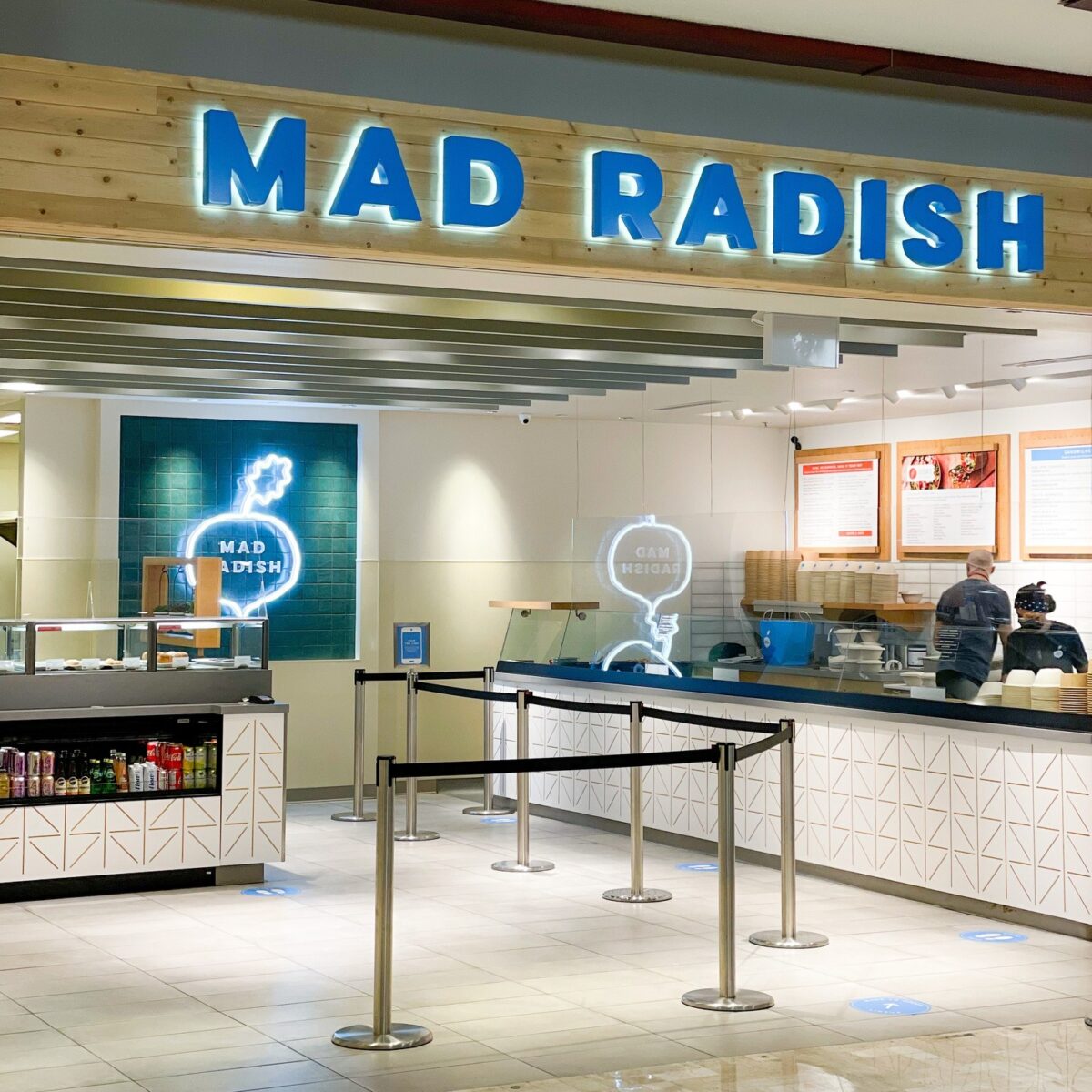
The former founder of DAVIDsTea has huge plans to grow his Mad Radish brand with a potential of hundreds of locations.
David Segal said the brand is all about fast, healthy food.
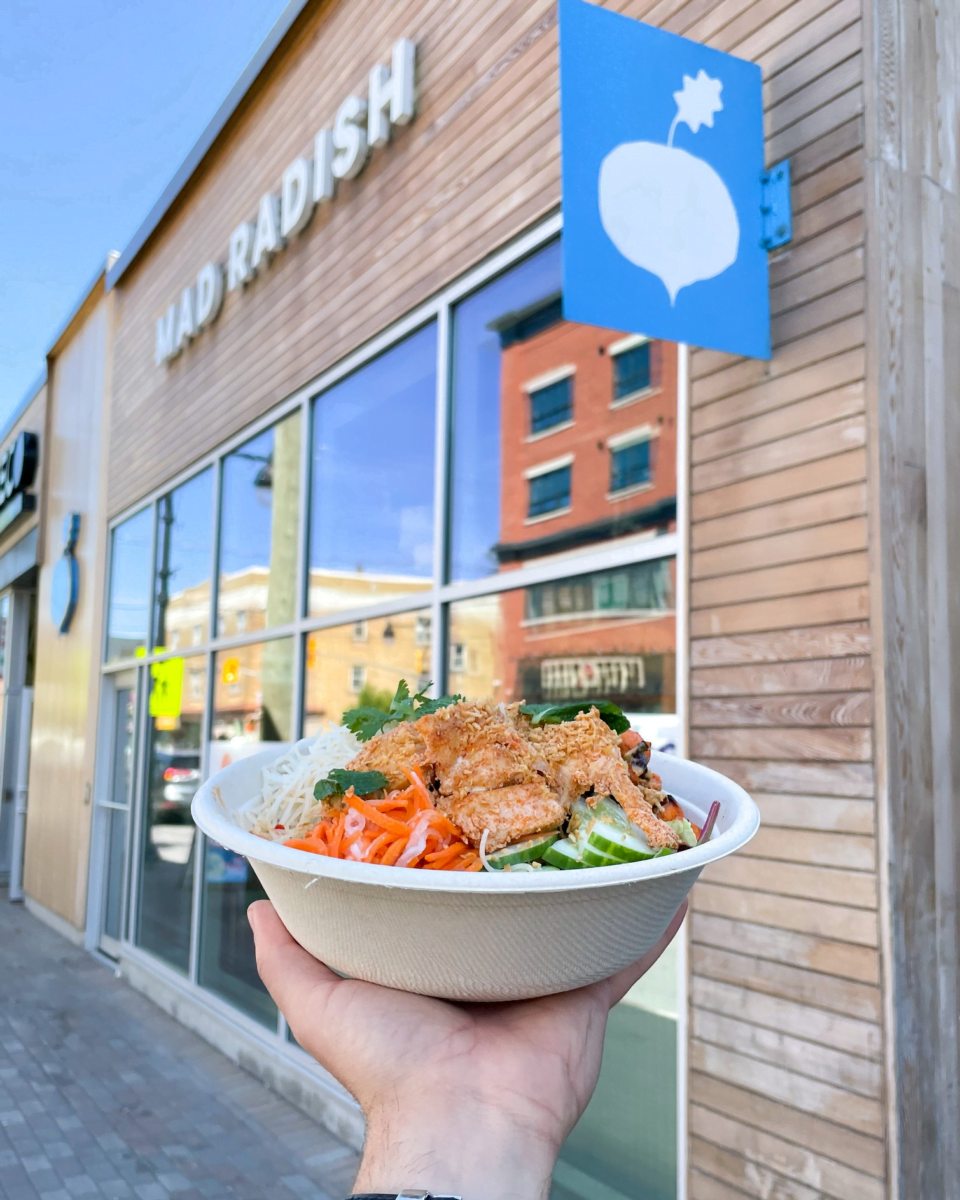
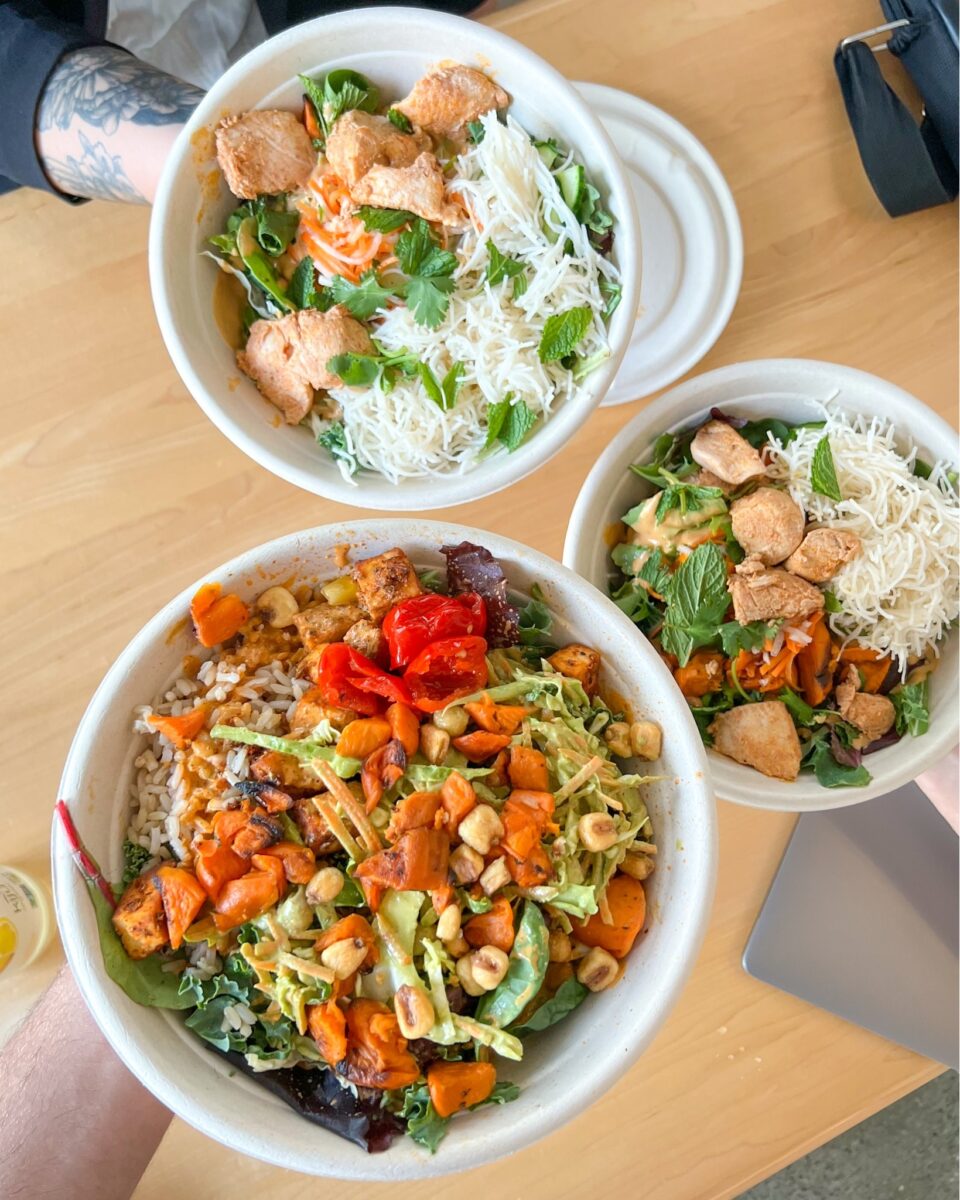
“We’ve been doing it now for five years. The menu’s full of bold flavours, really high quality, on trend ingredients, freshly roasted proteins every day from scratch, signature dressings,” said Segal.
“We want to provide every neighbourhood with healthy high quality fast food and a lot of the times healthy food it seems it’s like rabbit food and you have to compromise on taste. We think people want to live healthier, longer lives but they don’t want to compromise on flavour or the enjoyment of food. So it’s really important to us as well.
Image: Mad Radish
David Segal
“We’ve been battle tested through the pandemic and we’ve come up with a franchising model now. Most of our stores are corporate stores. Of the eight we have, seven are corporate stores. We have lots of our own skin in the game. We’re really focusing on simplicity of menu, really high quality food and ensuring that our franchisees can be profitable. And we’re now at the place where there’s decades of hospitality and retail experience behind Mad Radish. We’ve got simple, well-defined processes and we’ve lowered our build-out costs. We don’t use greasy, smelly fryers or expensive hoods. So it’s a really good model and we think there are a lot of neighbourhoods in Canada that would really benefit from high quality, healthy fast food.”
There are three in Toronto and five in Ottawa.
Segal said expansion is focused on Ontario for now but the company is open to development deals in other provinces.
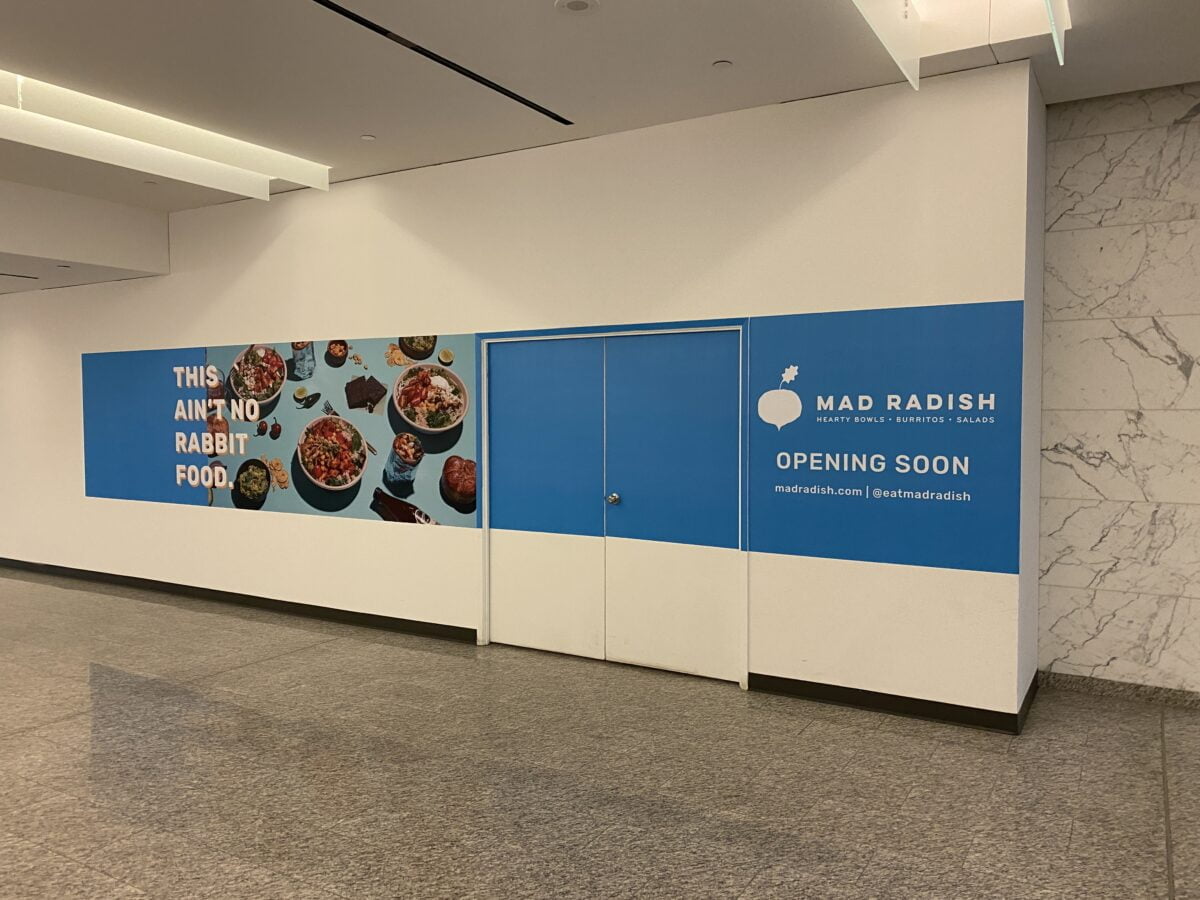
Future Mad Radish in the Bay Adelaide
Centre (Image: Dustin Fuhs)
“We’re ready to go. We can go quick,” he said. “We’re obviously only going to award franchises to qualified people. Assuming the talent is there we’ll go as quickly as prudent to do,” he said.
“I think we could have hundreds of these things in Canada. At DAVID’sTea we had 200 speciality tea stores. This is a much bigger market. I think we can have hundreds of them. I think there’s a huge opportunity here.
“One of our biggest differentiators is we make our proteins fresh every day in an oven and from scratch. You can taste the difference.”
Image: Mad RadishImage: Mad Radish
The typical size of a Mad Radish location is about 1,400 to 1,600 square feet.
“We’re looking for neighbourhood locations. We also do five-day a week office stores and power centres,” said Segal. “Two of our stores in Toronto are in The Path (downtown pedestrian walkway). Two of the ones in Ottawa are in downtown. We do urban and suburban.”
During his time at DAVIDsTEA, Segal grew the company from a single store on Toronto’s Queen Street West to a $200 million retail giant. In June 2015, DAVIDsTEA became a publicly-traded company on the NASDAQ, and since launch, the brand has been featured in the Wall Street Journal, Women’s Wear Daily, The Globe and Mail, and Fast Company.
Segal left DAVIDsTEA in 2016 and started Mad Radish – a quick service restaurant concept.
In 2017, David was named one of Canada’s Top 40 under 40.
In 2021, Segal also started Firebelly tea to create exceptional loose leaf teas tailored to modern living, and gorgeous tea accessories to shake up the category.
Imaginaire in Trois-Rivières (Centre commercial Les Rivières)
The history of Quebec-based retailer Imaginaire began in 1986 when Benoit Doyon acquired the Comptoir Timbre et Monnaies located in Place Laurier. At the time, the business was no bigger than 150 square feet.
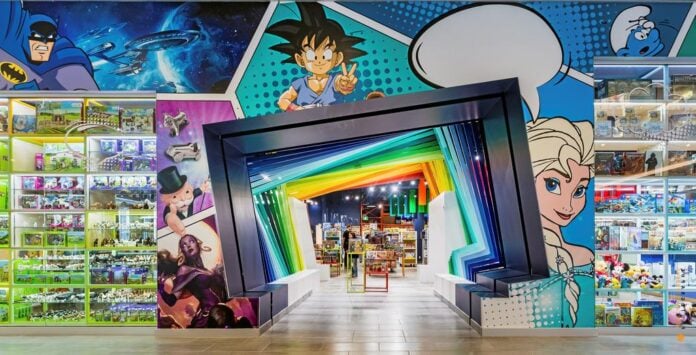
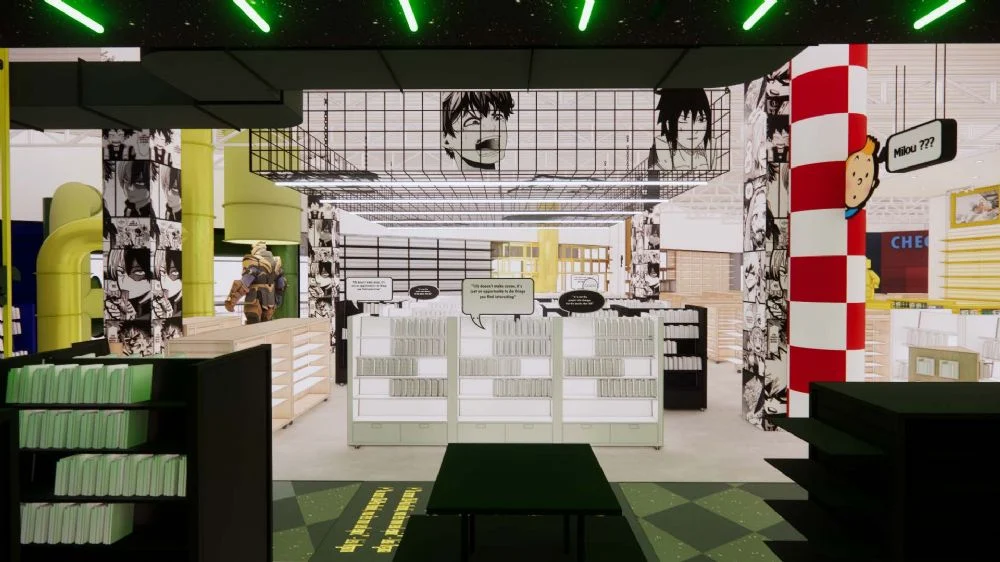
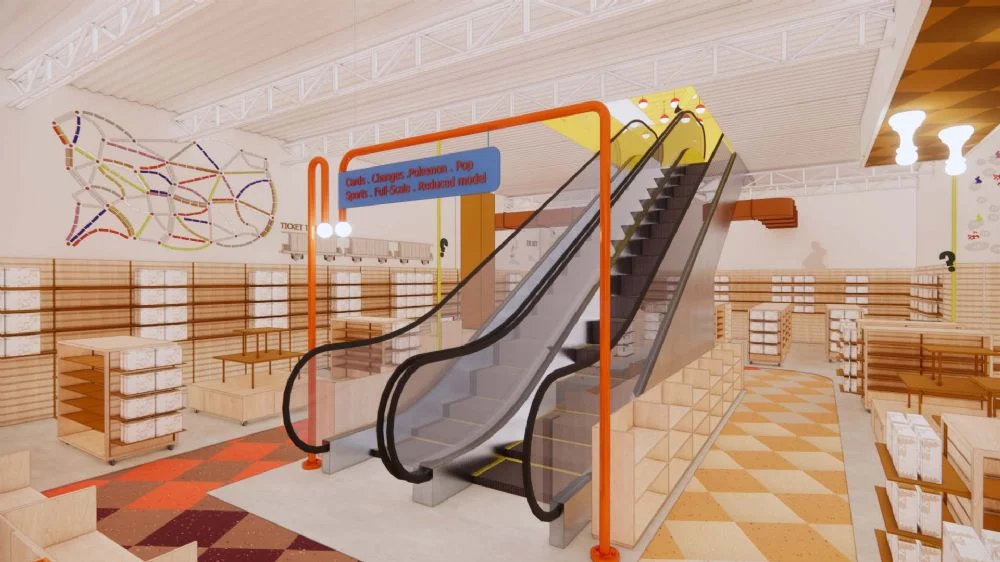
Today, Imaginaire, a leading retailer of collectibles and pop culture merchandise, has six locations in its provincial home base with plans to expand into Ottawa with a new 20,000-square-foot store at the CF Rideau Centre opening in the Fall, around October.
Anthony Doyon, Owner of the brand, described the retailer as a one-stop shop for collectibles.
“We sell puzzles. We sell board games. We sell books. Animes. We sell comic books. Everything collectible from the Royal Canadian Mint. Coins. So we sell sports cards, hockey cards, trading cards like Pokemon,” he said.
The family-run business was started by Doyon’s father and mother. He and his brother Dave bought the company in 2016.
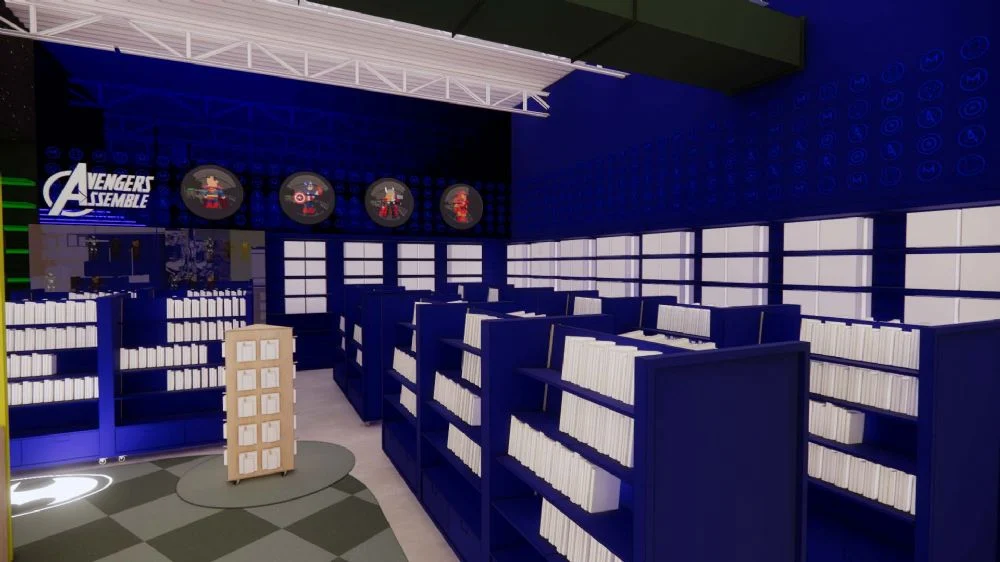
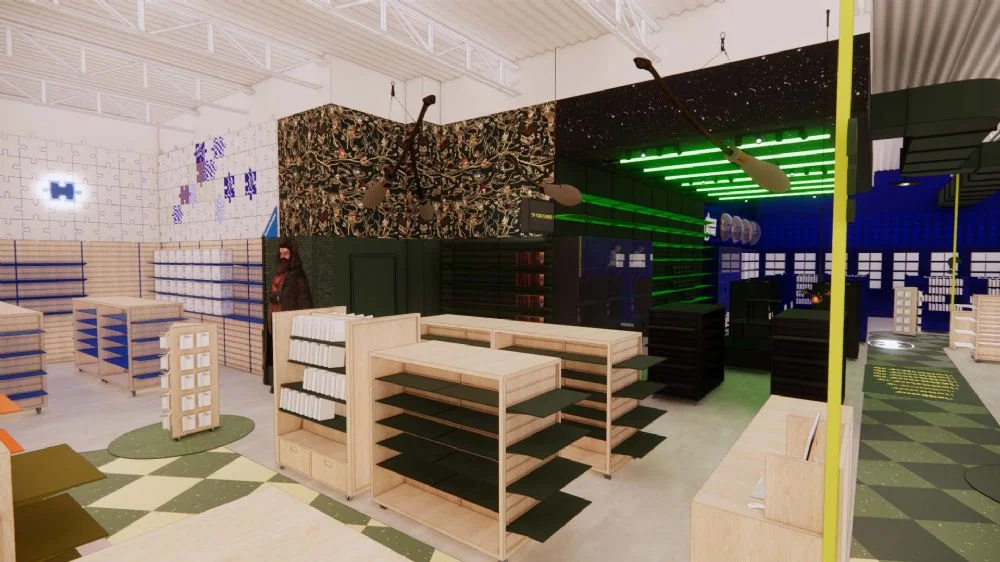
Imaginaire at CF Rideau Centre (Rendering: Imaginaire)Imaginaire at CF Rideau Centre (Rendering: Imaginaire)
The company’s biggest location is in Quebec City with a 28,000-square-foot store. Most locations are between 15,000 and 20,000 square feet.
“The business is good for us. The customer likes the experience,” said Doyon. “Ottawa is our first outside of Quebec. For us it was kind of strategic to start learning how the brand and the stores are doing outside of Quebec and what products we have to change.
“There’s lots of French Canadians in Ottawa, and Ottawa being just by Gatineau, so it was more of a half step instead of a big step if we were to go into Toronto. We’ll be able to learn and I think we’ll learn a little bit slower than if we would have gone directly to Toronto or any other city in the province of Ontario.”
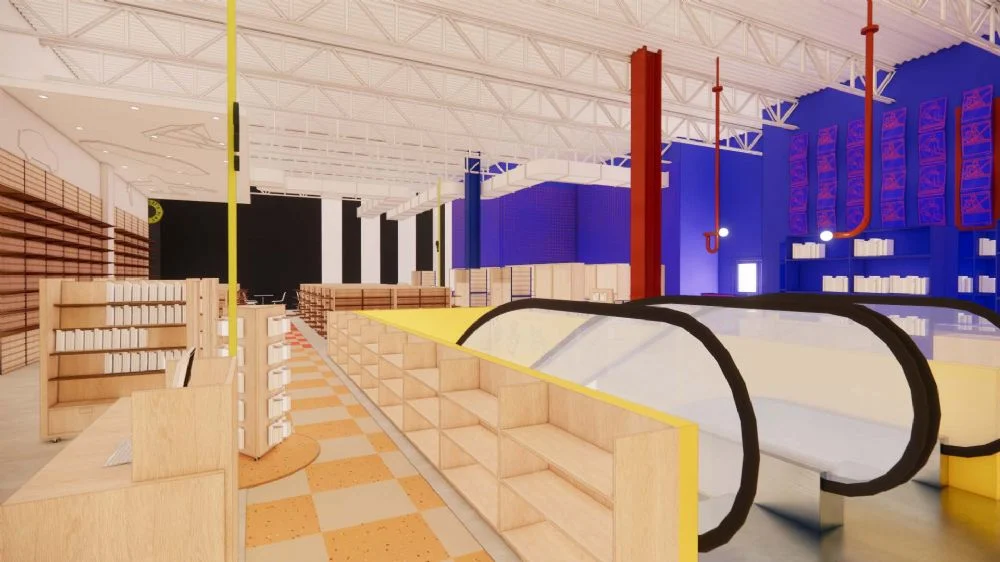
Imaginaire at CF Rideau Centre (Rendering: Imaginaire)Imaginaire at CF Rideau Centre (Rendering: Imaginaire)
Doyon said the company does have expansion plans for the next few years, particularly in Quebec.
“We want to give it some time for Ottawa, a year or two, to see how the brand’s doing and how it’s going to do it outside Quebec. If we do good, yes we have plans to extend outside of Quebec more,” he said.
“If it’s very good the first year, maybe the plans are going to be quicker. We like to be in the malls. So we’re looking at the great malls. Rideau Centre is the best mall in Ottawa. The malls where we want to go, they need to have some empty big space.”
The retailer said its mission is to offer hobbyists and collectors a wide selection of products in their favourite genre.
And its vision is to become the nationwide leader in all aspects of collecting, gaming and hobbies – having the most competent and skillful personnel and the widest selection of products to best suit customer needs.
The new store in Ottawa will be located adjacent to Simons on floors 3 and 4 of Rideau Centre and will have an area of approximately 20,000 square feet, making it one of the largest specialty stores in the region. This first store outside Quebec represents an investment of $3 million. Imaginaire also plans to hire between 50 and 60 qualified employees, who will be trained to provide the same level of exceptional service that has made the company famous in Quebec.
Imaginaire at CF Rideau Centre (Rendering: Imaginaire)
Customers can expect to find a wide selection of products, including sports cards, board games, puzzles, trading cards, action figures, books, comics, graphic novels, manga, and other pop culture merchandise. Imaginaire is also an authorized dealer of numismatic products by the Royal Canadian Mint.
“Whether you collect cards or coins, are a die-hard fan of Star Wars, Harry Potter, Marvel Comics, or just looking for something fun to do with friends and family, Imaginaire has something for everyone,” said Benoit Doyon, founder of Imaginaire.
The store also offers a vast collection of titles in English and French, catering to all interests and ages. In addition, Imaginaire is a bookstore authorized by the Quebec Ministry of Culture, which guarantees the authenticity and quality of its products.
“We will have plenty to delight French-speaking manga, comic, and graphic novel enthusiasts in the region to browse or order in-store. We also have an active online and virtual community, and we are very responsive to customer recommendations for new products.”
Retail Insider is streamlining its Canadian retail news from around the web to include a handful of top news stories that can be viewed quickly during the day. Here are the top stories from the past 48 hours.
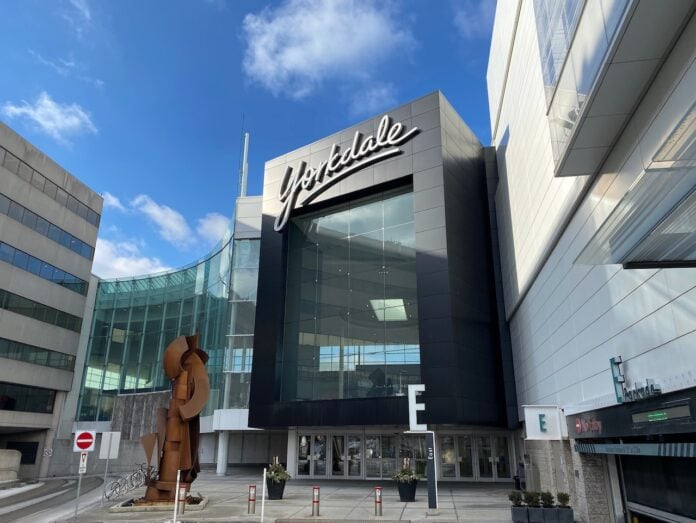
Sales came roaring back to Toronto’s Yorkdale Shopping Centre in 2022 after pandemic lockdowns hammered the retail industry. A new report from ICSC indicates record-breaking sales per square foot at Yorkdale for 2022, while overall sales at the centre surpassed $2 billion for the first time.
The ICSC report shows Yorkdale’s sales at $2,226 per square foot, surpassing previous numbers in Retail Council of Canada’s shopping centre studies that were published from 2016 up to 2019.
The two million square foot Yorkdale Shopping Centre also saw sales surpassing $2 billion for the first time, making it among the top performers globally for a major fashion mall. A decade ago we reported that Yorkdale was the first mall in Canada to surpass sales of $1 billion.
“For almost 60 years, Yorkdale has been a leader in the industry with its unrivalled mix of first to market, luxury, and flagship retailers, that attracts both brands and shoppers from across Canada and the world,” said Bradley Jones, Head of Leasing and Operations, Oxford Properties.
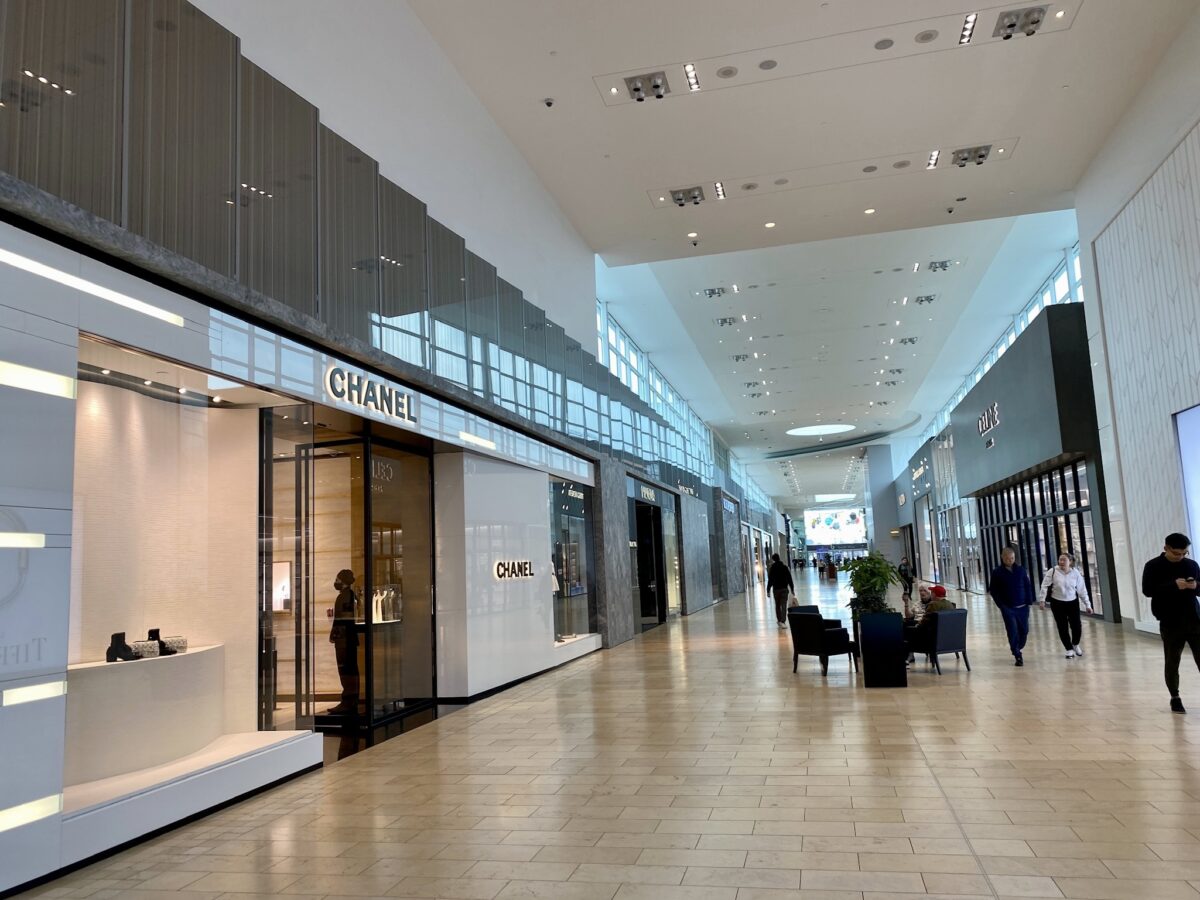
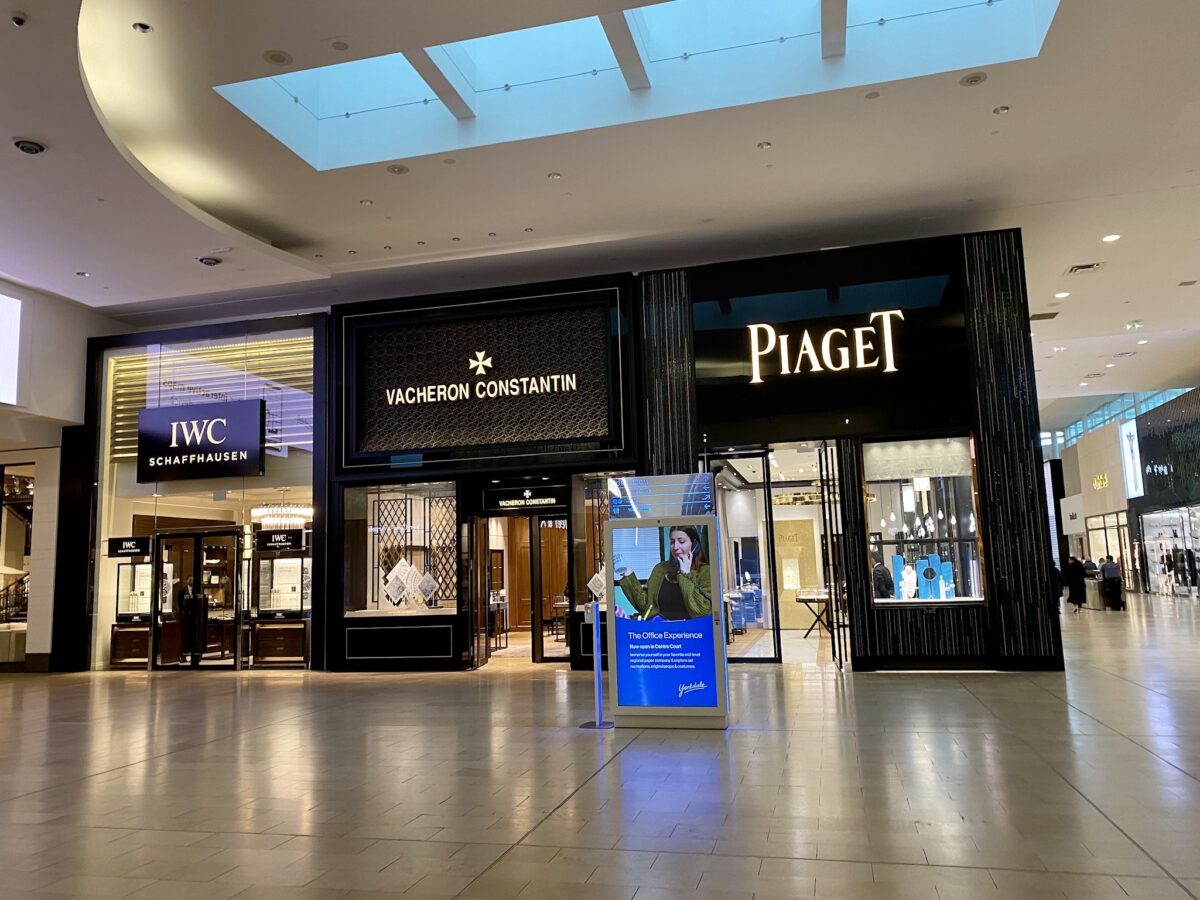
Holt Renfrew, left, currently operates several luxury brand concessions at Yorkdale with entrances facing into the mall including Chanel, Brunello Cucinelli, Dior, Fendi and Gucci. To the right in the image are storefronts for Tiffany & Co., Celine, Balenciaga, Bottega Veneta and Valentino. Photo: Dustin Fuhs.In 2016, Richemont Group opened four luxury jewellery/watch boutiques at Yorkdale including Piaget, Vacheron Constatin, IWC and Panerai. All four are in a space formerly occupied by a Williams Sonoma store. Photo: Dustin Fuhs.
Yorkdale launches more first-to-Canada retailers than any place in the country. Landlord Oxford Properties said in a statement that 53 new retailers have opened at Yorkdale over the past five years. Of those, 29 retailers were first-to-market, and over half of those are in the luxury category. The high sales per square foot at Yorkdale can be attributed partly to the performance of the many luxury brands that are located at Yorkdale, with some of those retailers doing tens of millions of dollars in sales annually. Other productive retailers boosting the mall’s performance include highly productive locations for Apple, Tesla and Canada Goose, among others.
“Yorkdale is the destination where designers choose to open first in Canada. The centre has welcomed an impressive number of first to market luxury retailers and destination food and beverage offerings over the last few years,” said William Correia, Director, Yorkdale Shopping Centre. “Yorkdale continues to elevate the shopping experience to draw visitors from across Canada and internationally with the centre’s sense of discovery and sophistication.”
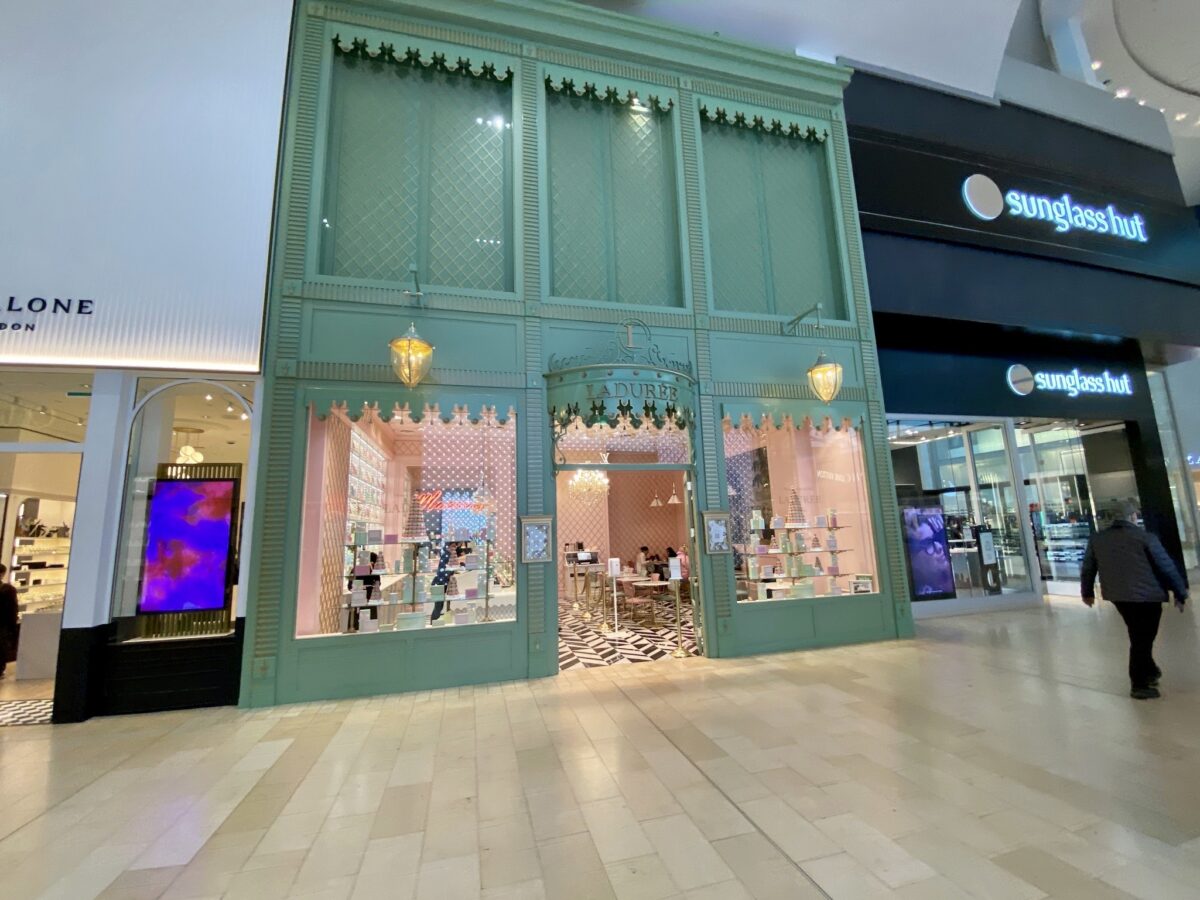
Yorkdale has been beefing up its food and beverage offerings, including a soon-to-open Earls restaurant that joins several other full-service options including a busy location for Canada’s only Cheesecake Factory. Upscale offerings such as Ladurée (which will soon be expanding its offerings) serve shoppers as well as retailers that purchase items as gifts for customers. The mall also has a busy third-level food court which has recently seen renovations as well as the addition of new vendors such as Chick-fil-A.
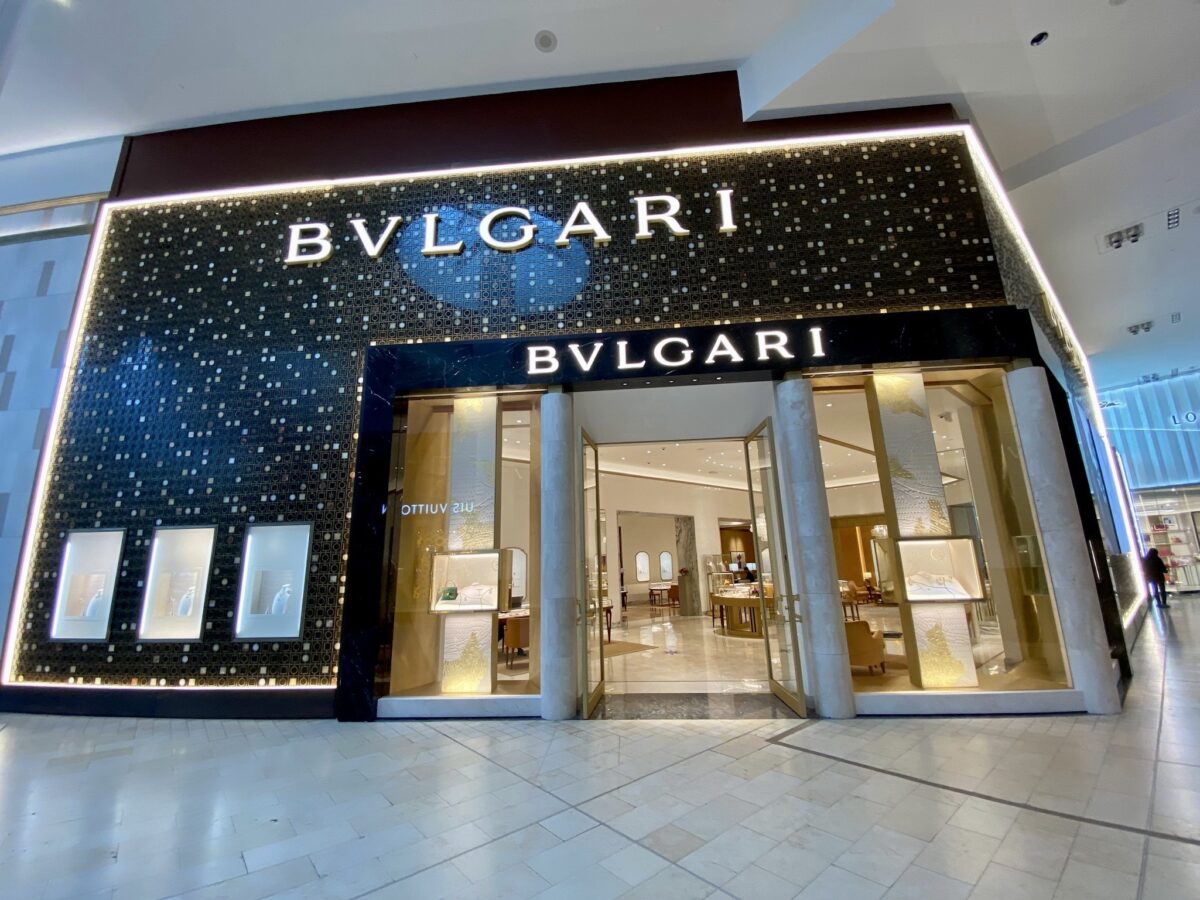
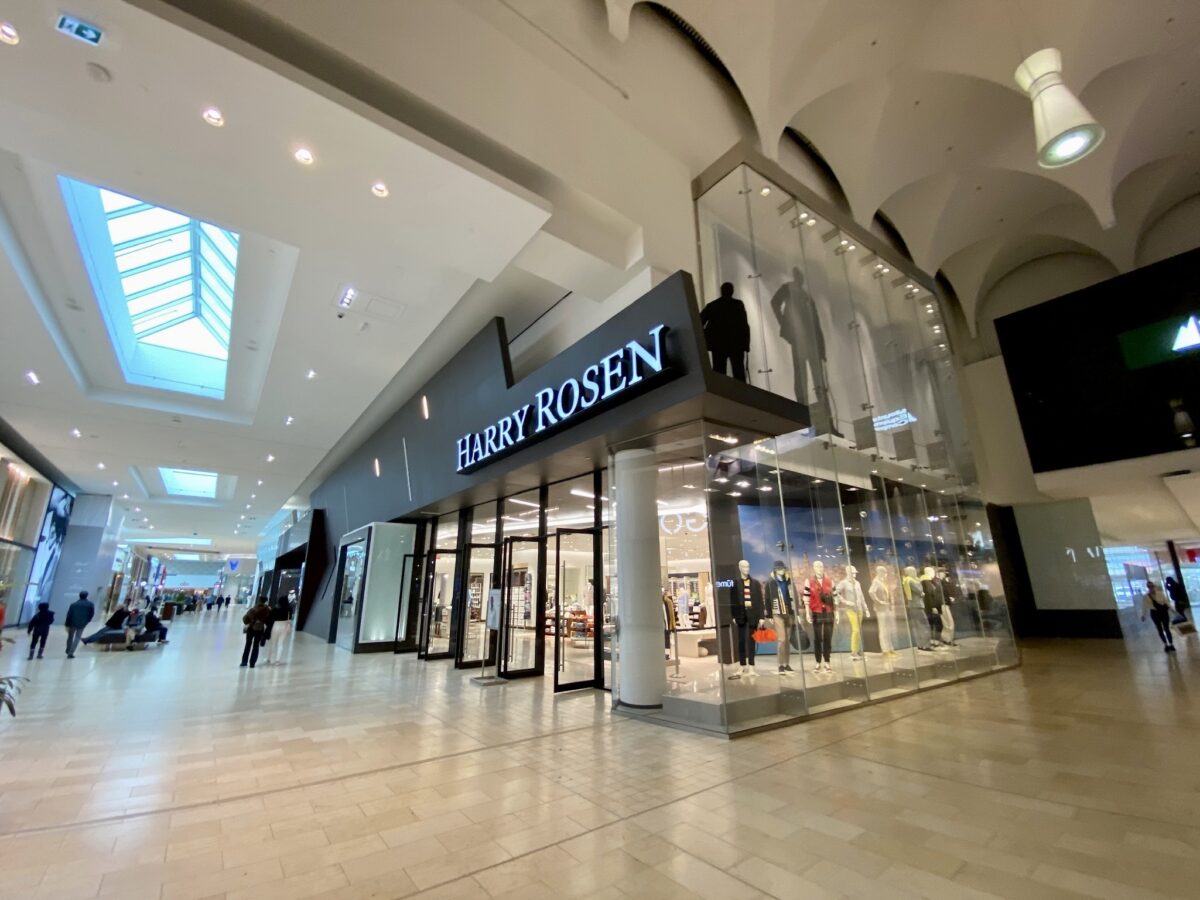
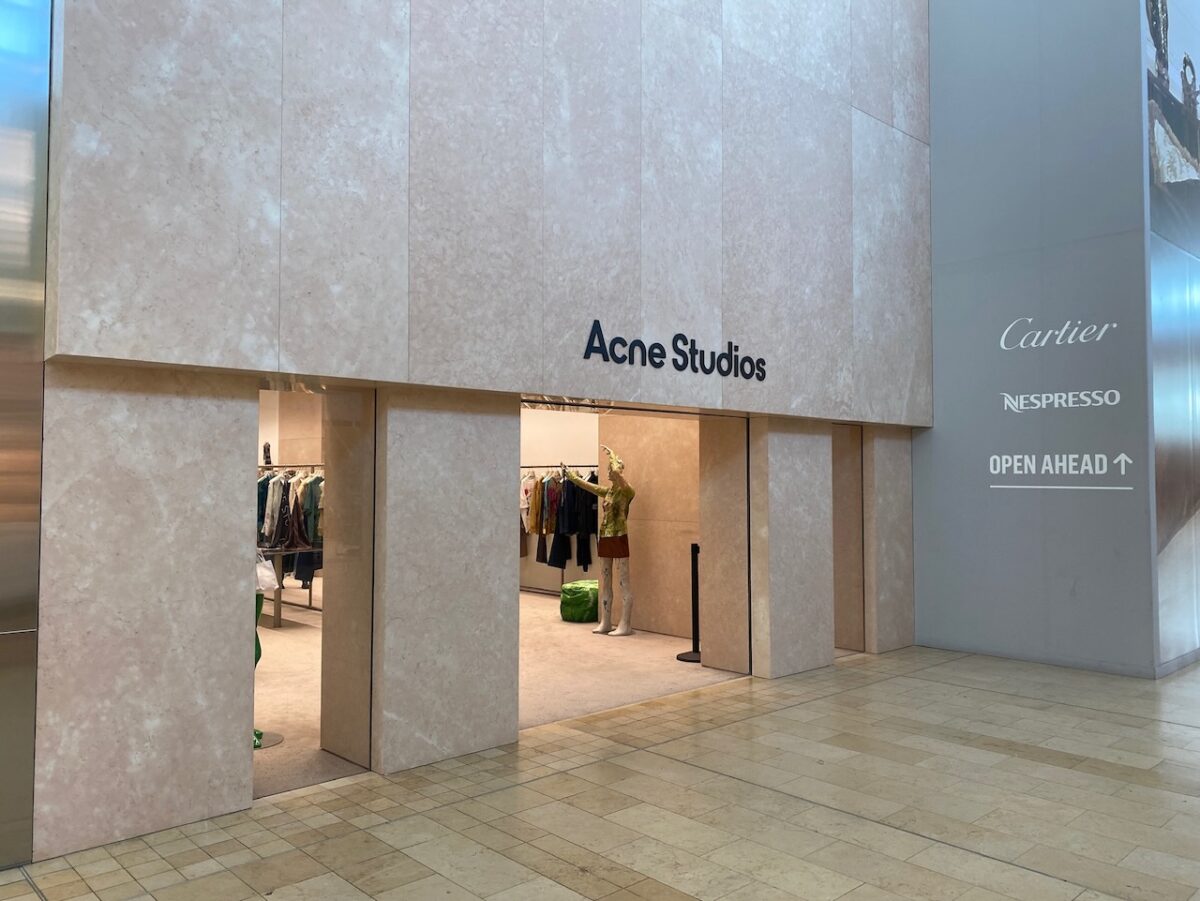
French bakery concept Ladurée opened its first Toronto location at Yorkdale in late 2017. Photo: Dustin Fuhs.Italian jeweller Bulgari recently expanded and renovated its Yorkdale location, which is one of the top in North America in terms of sales. Photo: Dustin Fuhs.Luxury menswear retailer Harry Rosen operates one of its largest and most productive stores at Yorkdale. Photo: Dustin Fuhs.Swedish fashion rand Acne Studios opened its first store in Canada last year at Yorkdale. The unique store design is inspired by a temple, including a low-height entrance leading into a cavernous space. Photo: Dustin Fuhs.
Yorkdale is an interesting case study in consumer shopping — in 2020 Louis Vuitton opened a 7,000 square foot standalone store in the mall while maintaining its concession presence at Holt Renfrew. Despite the new standalone store, sales at the Holts concession are said to have remained stable, speaking to a market expansion for the luxury Vuitton brand in the mall.
Jewellery brands are said to be doing gangbuster sales, although some luxury fashion retailers such as Alexander McQueen and Valentino are said to not be meeting sales targets at Yorkdale. Regardless, the offering of luxury brands at Yorkdale are unmatched in Canada, surpassing the offerings of Toronto’s Bloor-Yorkville and downtown Vancouver in terms of the number of luxury brand stores available.
More luxury and big brands will come to Yorkdale over the next couple of years with plans to “re-merchandise key corridors to make room for more brands,” according to Oxford Properties. There’s already buzz that more than one big-name concession could exit Yorkdale’s Holt Renfrew store to open a standalone flagship presence in the mall.
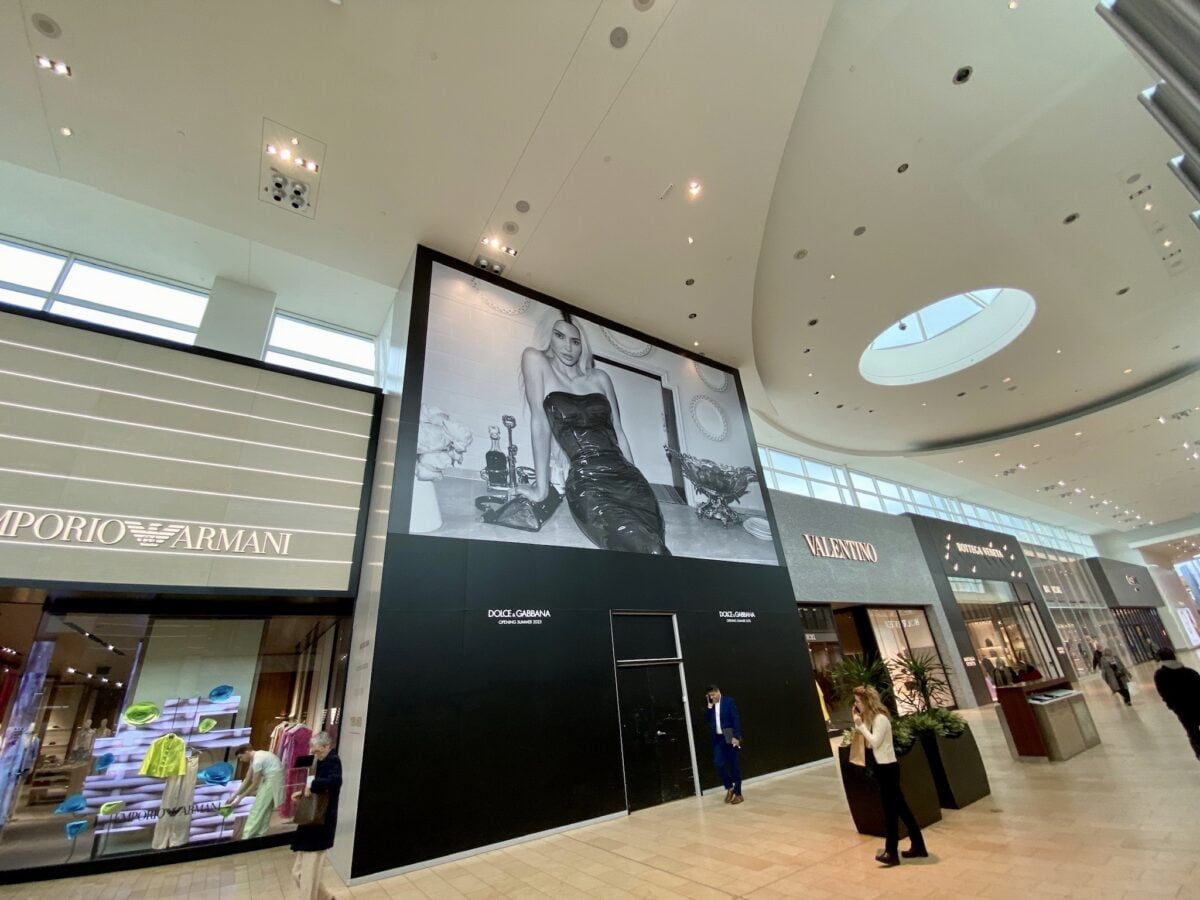
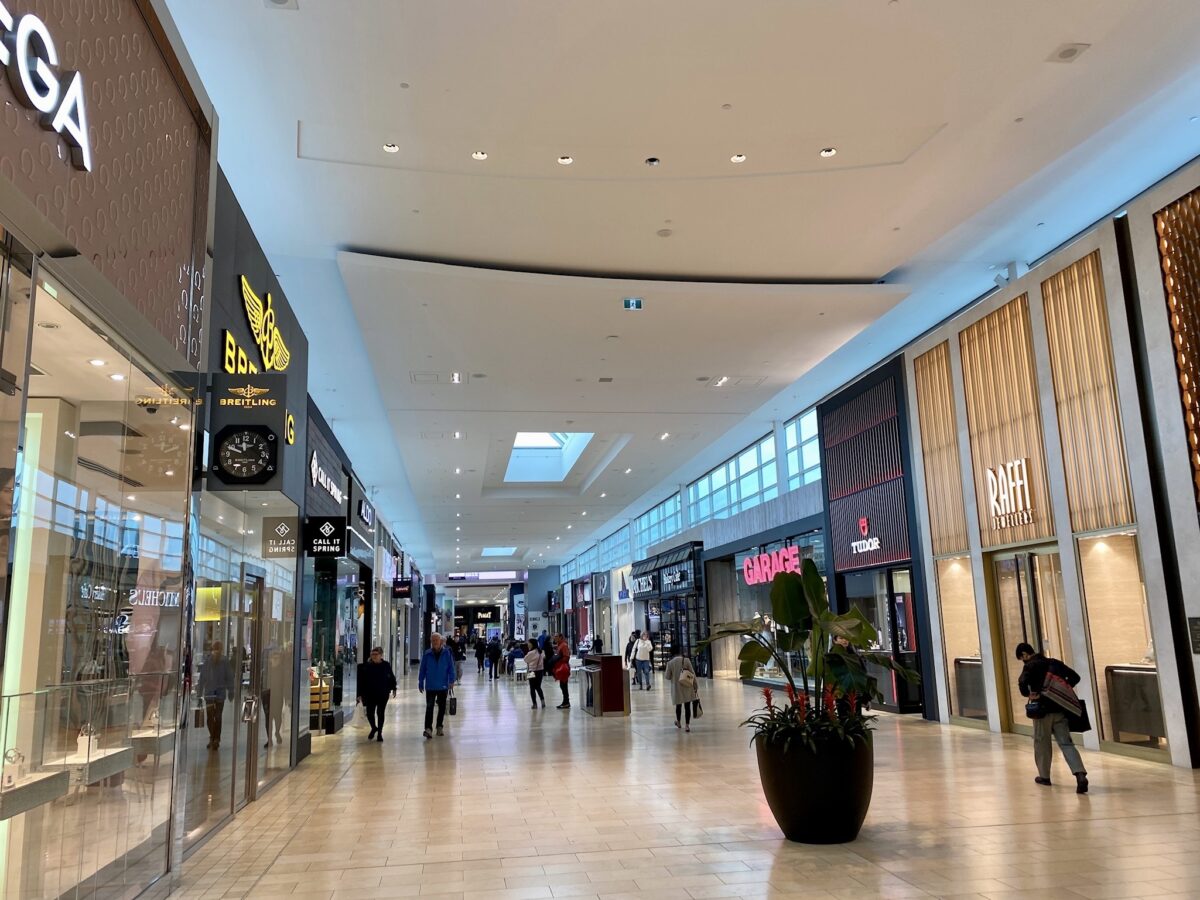
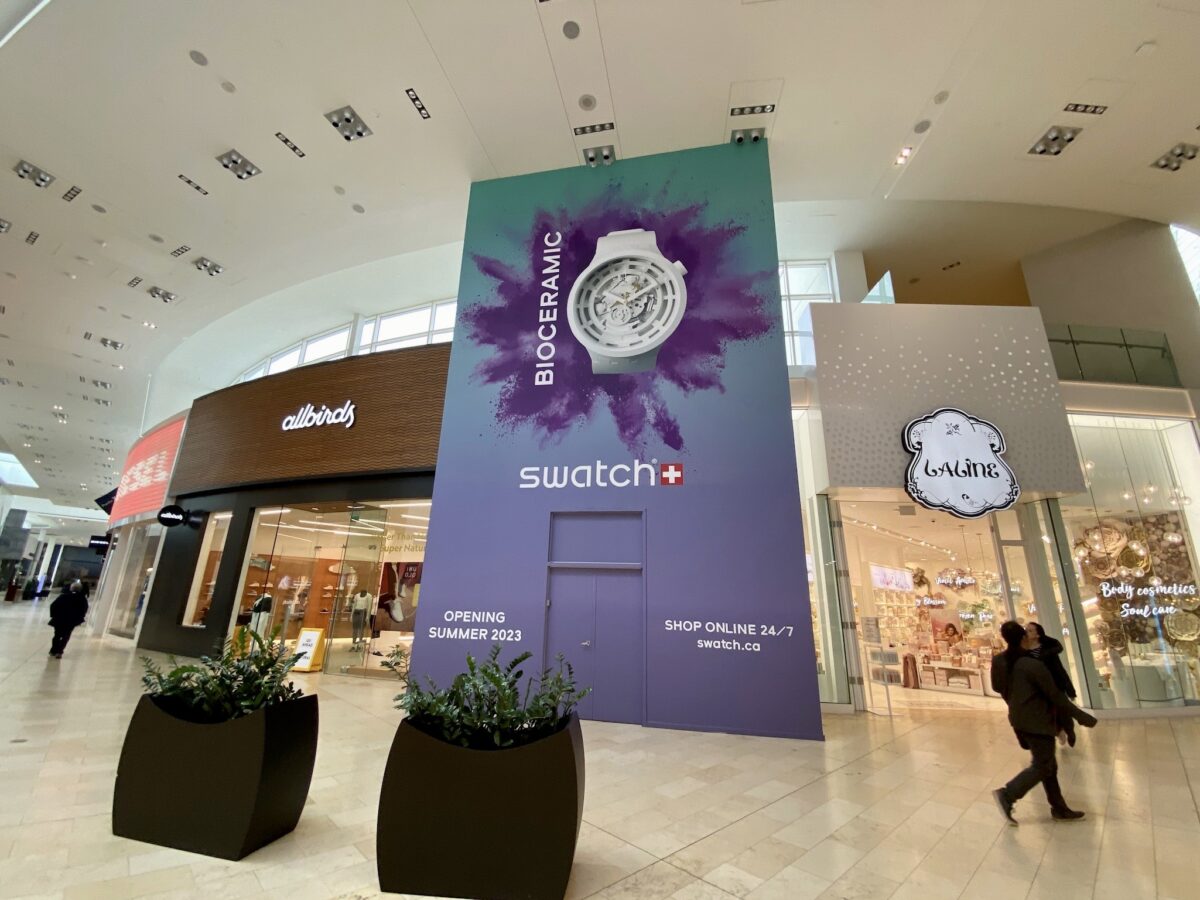
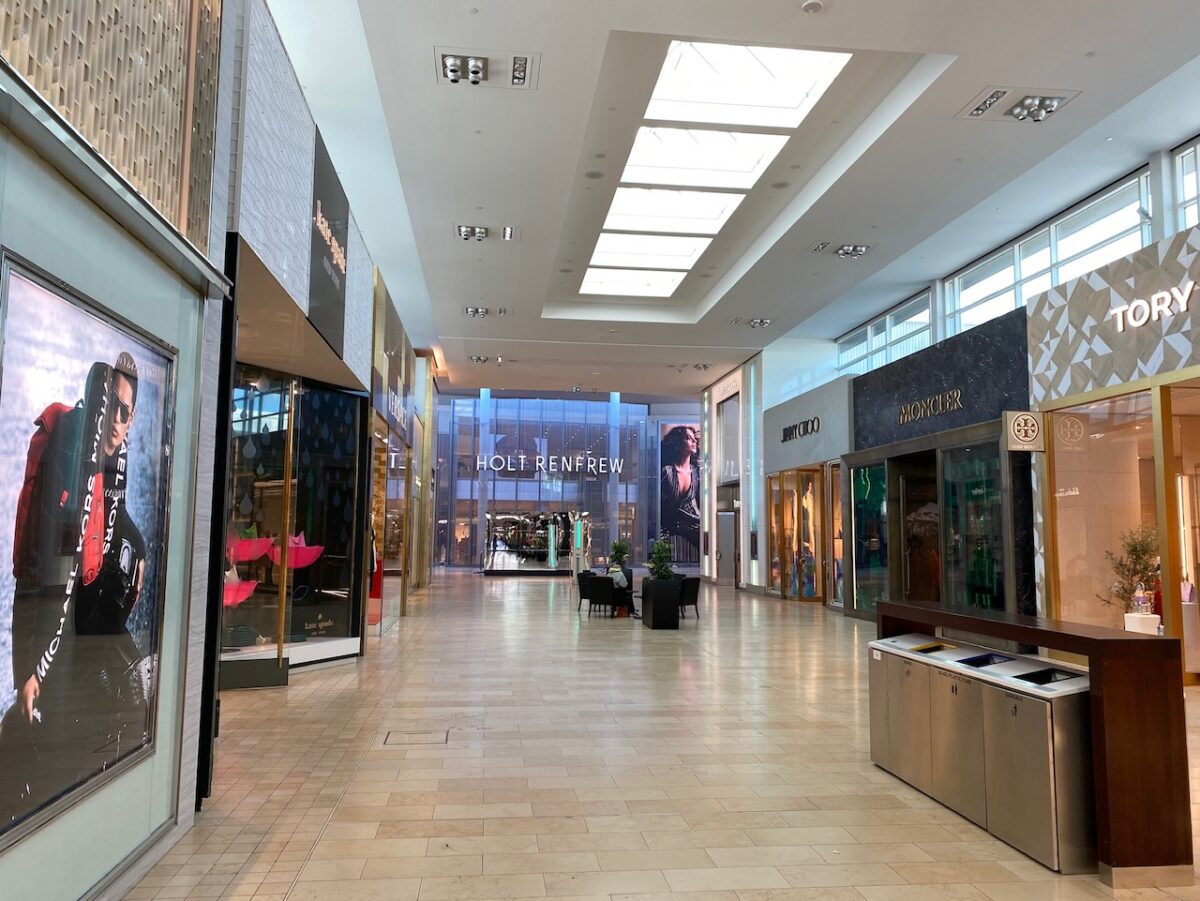
Italian luxury brand Dolce & Gabbana will soon join other luxury brands near Holt Renfrew at Yorkdale. Photo: Dustin Fuhs.Central corridor at Yorkdale — sources say interesting new things will be coming to this wing with details to follow. Photo: Dustin Fuhs.Another new retailer set to open at Yorkdale. Photo: Dustin Fuhs.
The Holt Renfrew store at Yorkdale is said to be the second top-performing location in the chain, surpassed only by the highly productive downtown Vancouver flagship store at CF Pacific Centre. The Yorkdale Holt Renfrew store will be seeing some changes, according to the retailer — the store’s restaurant will shut next month and phased renovations to part of the store are expected to be completed by mid-2025. More details will follow according to Holts.
Yorkdale is also anchored by one of Hudson’s Bay’s top stores, located in a box that originally housed a Simpsons department store until 1991. Anchor Nordstrom, which opened in 2016, will shut this summer and its receiver is currently advertising a clearance sale to coincide with the retailer’s exit from Canada. One big loss is the closure of a Delvaux concession at Nordstrom — the Belgian luxury brand is considered to be one of the top in the world in terms of quality (with prices to match), and it remains to be seen if Delvaux will move either into Holt Renfrew or open any standalone stores in Canada.
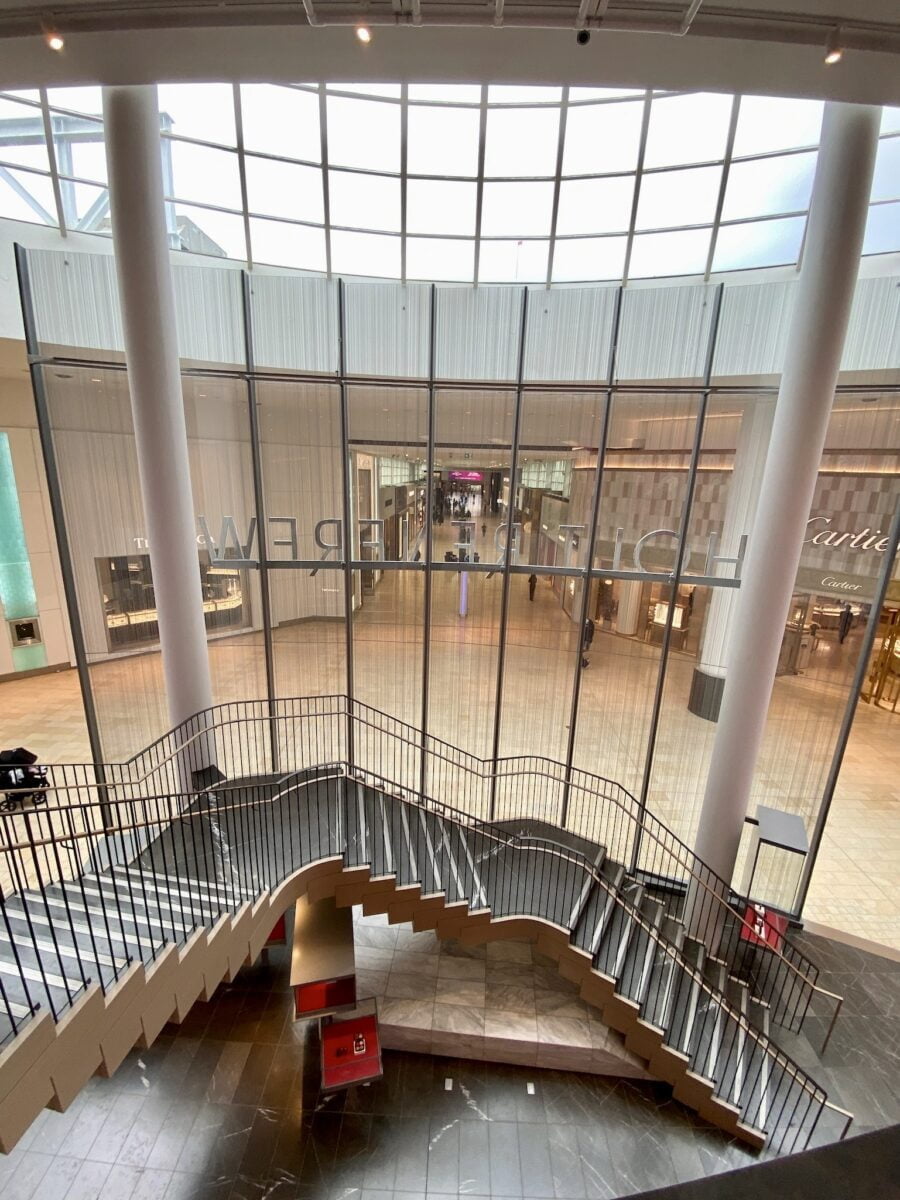
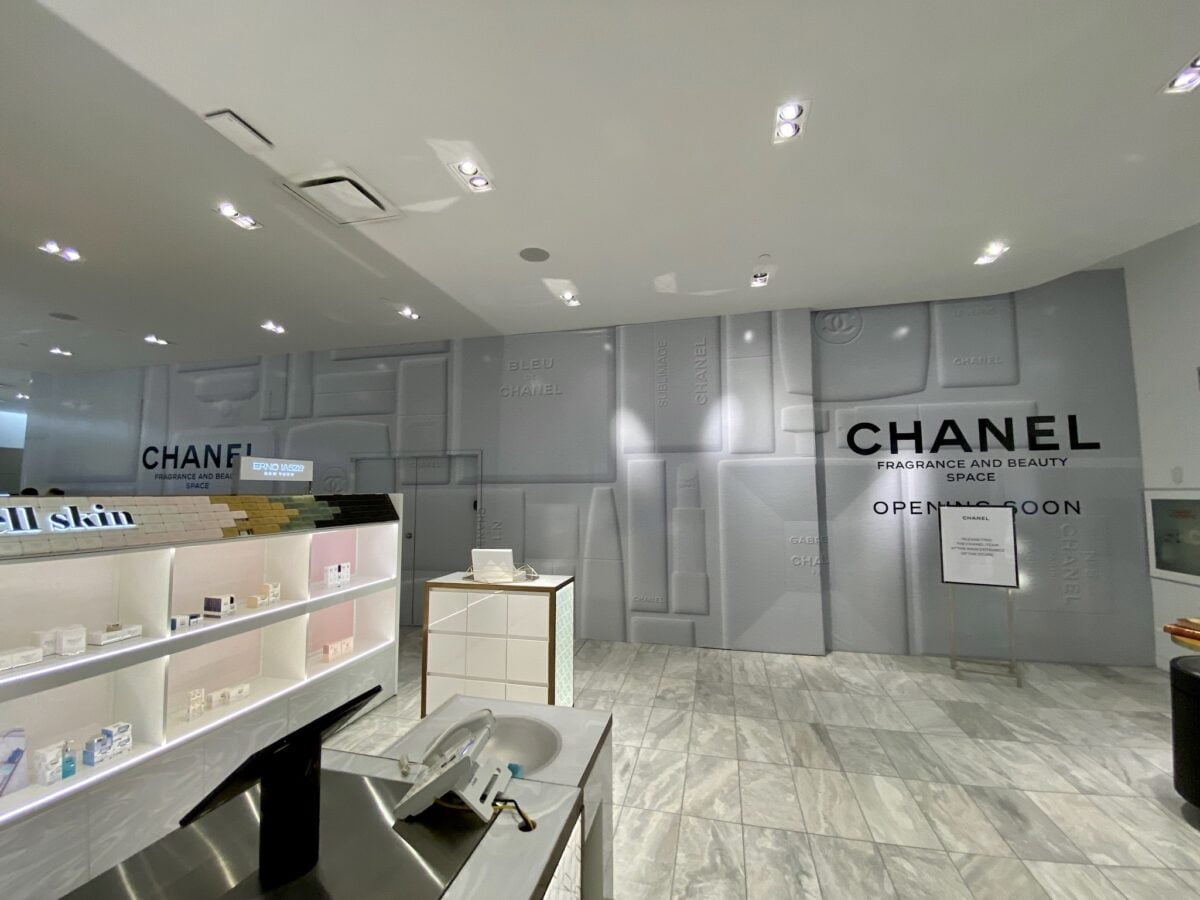
Yorkdale’s first luxury wing leads to the main entrance of Holt Renfrew. Photo: Dustin Fuhs. Looking down into the mall from the second floor of Holt Renfrew Yorkdale. Photo: Dustin Fuhs. Chanel will soon open an elevated boutique beauty space at Holt Renfrew Yorkdale. Photo: Dustin Fuhs.
Toronto’s Yorkdale Shopping Centre is in a constant state of flux with new retailers and other offerings continually being added to the mix. Retail Insider will continue to report on new stores as the dynamic centre continues with its transformation.
The ICSC study listed other top shopping centres in Canada in terms of sales per square foot in 2022. Other malls in the top five included CF Pacific Centre in downtown Vancouver at $1,678 per square foot, CF Toronto Eaton Centre in downtown Toronto at $1,367 per square foot, CF Sherway Gardens in Toronto at $1,245 per square foot, and Square One in Mississauga which saw sales of $1,226 per square foot last year. Yorkdale ranked fourth in North America according to ICSC, with three shopping centres in the US surpassing Yorkdale’s sales per square foot numbers last year.
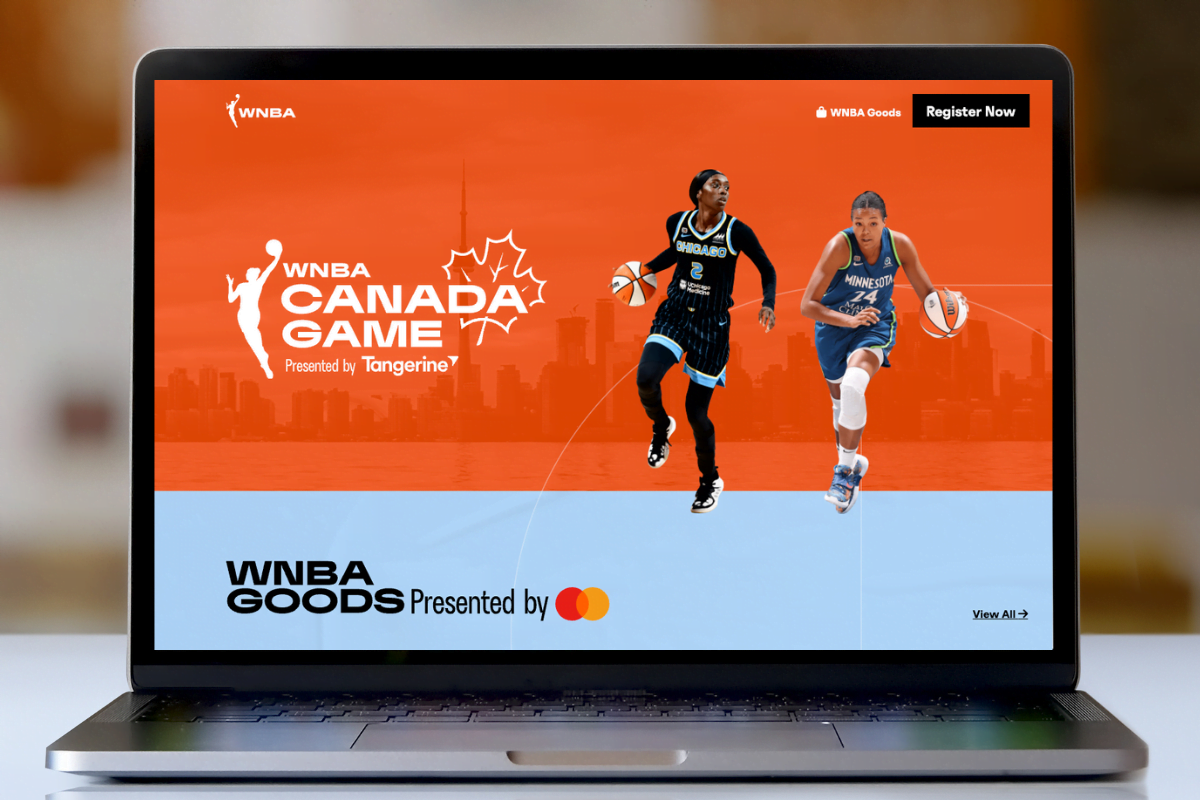
The Women’s National Basketball Association has launched a new platform with Mastercard to support Canadian female entrepreneurs ahead of the league’s first game in Canada.
“WNBA Goods presented by Mastercard” is a new retail platform designed to promote and empower Canadian female entrepreneurs as 10 women-led or owned Canadian small businesses have a range of original, limited-edition WNBA merchandise ahead of the sold-out WNBA Canada Game presented by Tangerine, featuring the Chicago Sky and the Minnesota Lynx playing a pre-season game on Saturday, May 13 at Scotiabank Arena in Toronto.
“The WNBA Canada Game presented by Tangerine will not only mark a historic moment for women’s sports in Canada, but also presents an opportunity to showcase and celebrate successful women across so many different industries,” said NBA Canada Senior Vice President and Managing Director, Leah MacNab. “This program unites talented female entrepreneurs and offers WNBA fans new and unique Canadian merchandise.
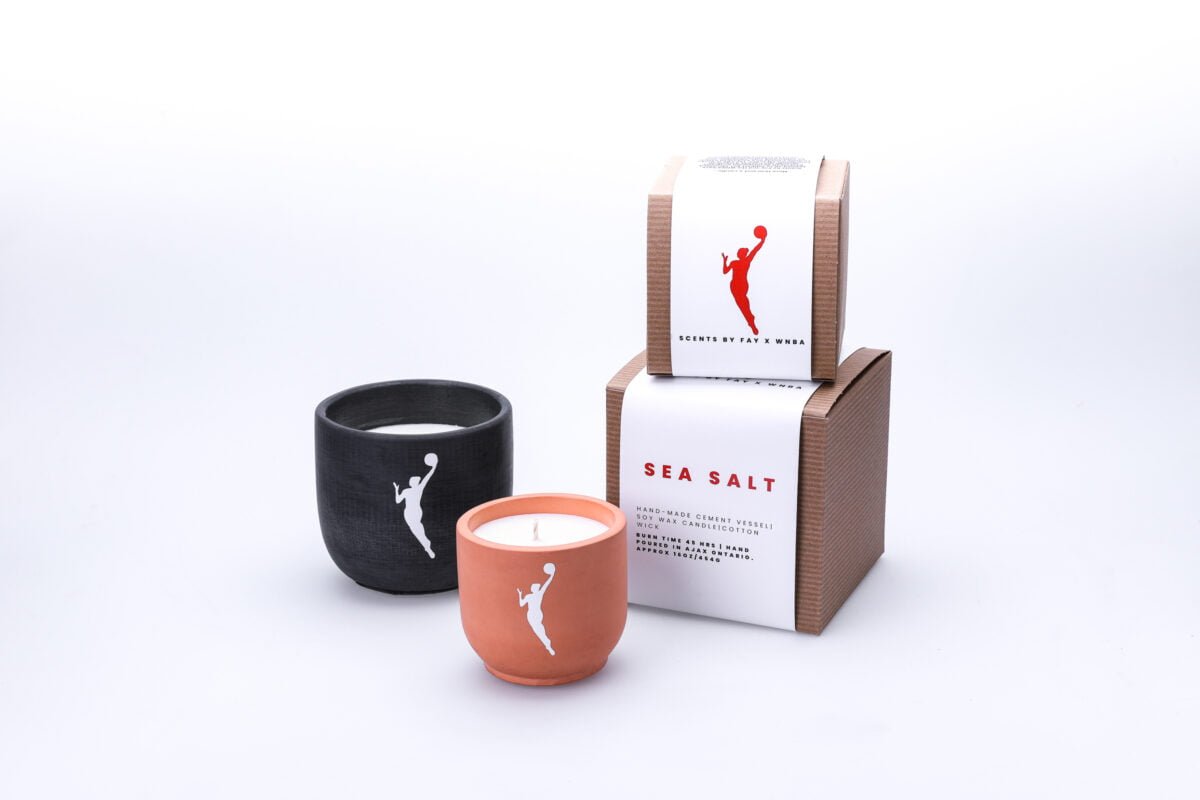
Scents by Fay (Image: WNBA)Image: wnbacanadagame.com
“We were incredibly thrilled to bring the first WNBA game to Canada. A big part of the values behind the WNBA are around women’s empowerment and sort of hero-ing women athletes and also entrepreneurs. It made sense to partner with Mastercard because they’re already deeply committed to equal access for women and they recognize the impact this game will have on the professional sports landscape but also on this ability to draw attention to small women-led businesses in Canada.
Leah MacNab
“We are excited about this platform because it essentially aggregates a handful of really, really different businesses that are offering probably our widest selection of both price point and product categories that we’ve ever put forward in Canada. Every consumer that we drive to that micro site is actually going to transact on the individual businesses’ platforms and the hope is they will add new customers for life. We’re hoping to get repeat customers for these businesses and just sort of use the megaphone of our brand to make people aware of them.”
The full range of products is available at WNBACanadaGame.com and can be purchased through each retailer’s website. Prices for the collection range from $9 to $495 CAD, and a portion of proceeds from the sales of all items will be donated to the Canada Basketball Foundation (CBF).
Sasha Krstic
“Mastercard is thrilled to help bring this inaugural game to Canadian fans,” said Mastercard Canada President, Sasha Krstic. “We’re deeply committed to enabling equal access for all girls and women to pursue their dreams. As an official partner of the WNBA Canada game and presenting partner of WNBA Goods, we’re celebrating the historical impact this will have on women’s professional sports and proudly continuing our support of women-owned small businesses in Canada.”
The WNBA Canada Game will also air live in Canada on Sportsnet and TSN, and in the U.S. on WNBA League Pass.
The game will draw more than 19,000 people in attendance.
“I’ve been at the league 18 years next week and in that time every single one of our business metrics has just skyrocketed upwards. Our viewership this year on U.S. matchups, games that don’t involve the Raptors, are up over 20 per cent year over year. Raptors’ ratings have been up over 60 per cent over the last four years. So Raptors have grown even more quickly,” said McNab.
“But to see the other teams grow is really impressive for us as well and that is a big part of our mission to grow the entire ecosystem of basketball. At the youngest levels we have grassroots participation starting to comeback. It was really affected during the pandemic when gyms couldn’t be open to the public. We now almost have the same number of kids. Pre-pandemic we had 20,000 kids in our Junior NBA program. We’re getting closer to that number this year and I think we will achieve it next season.”
Sponsorship has also grown for both the NBA and WNBA.
Stacie Cohen, Senior Director, Branded Attractions at the NBA, said the overall NBA fan base is enormous, approaching about one billion fans around the world.
Stacie Cohen
“But less than one per cent ever get to go to an NBA game. So for us we wanted to create unique touch points from our brand for those who don’t have access to the sport. In doing so, we looked at all our different types of fans,” she said. “There are so many segments of fans . . . There’s this large fan base that truly are in it for the culture and celebrity of the NBA, getting as close to the players as possible, as close to their lifestyle.
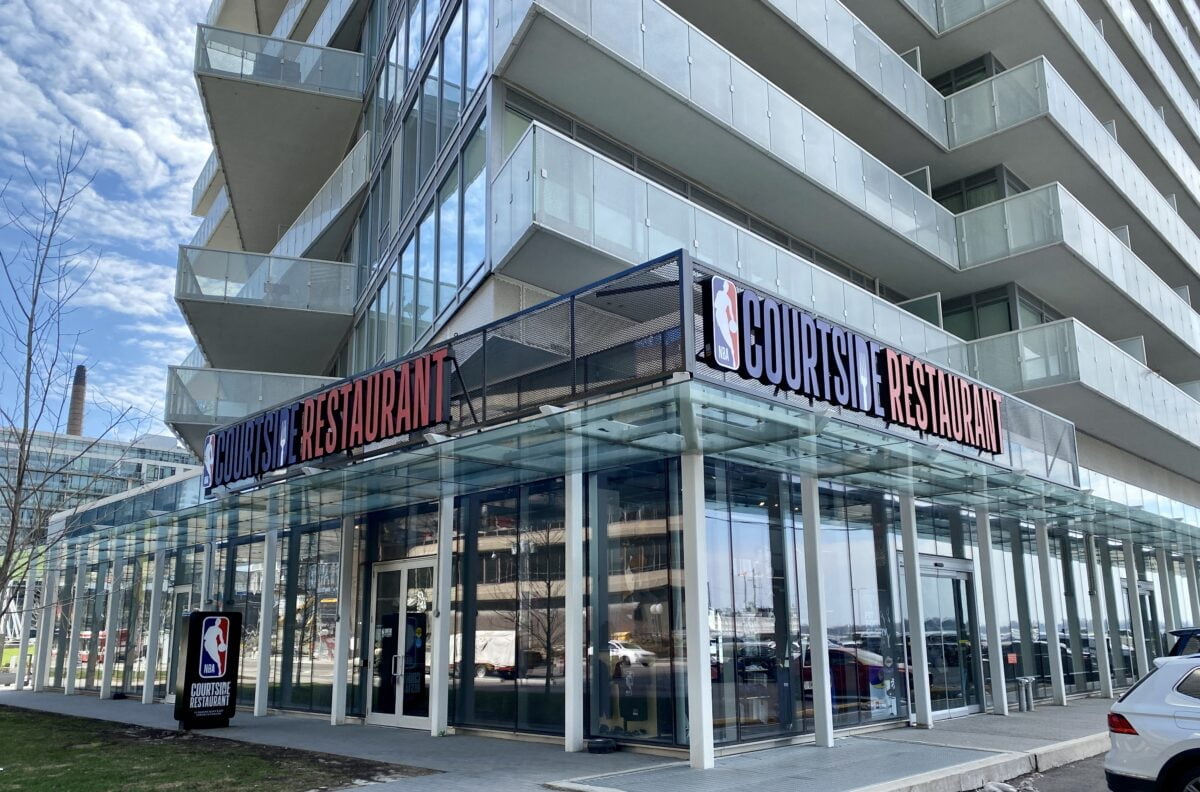
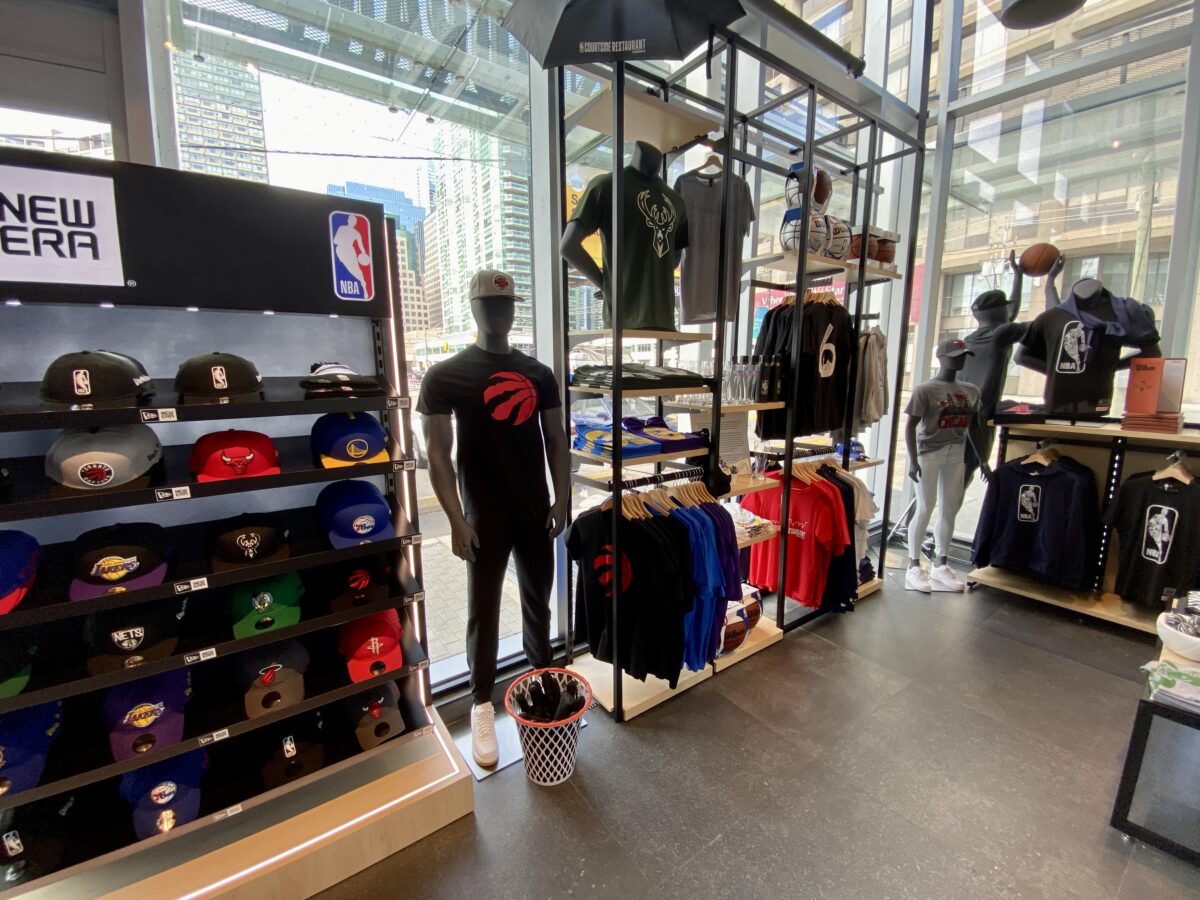
“That’s really where the NBA Courtside Restaurant came to be. Bringing people into the community of the NBA.
“Retail as an attraction is not only a pretty great revenue driver but it also delivers on fan expectations.”
NBA Courtside Restaurant in Toronto (Image: Dustin Fuhs)NBA Courtside Restaurant in Toronto (Image: Dustin Fuhs)
Cohen said the NBA celebrates community.
“I think NBA fans are pretty solid fans. It’s not a brand that you come in and out of. Representing their favourite team or their favourite player really just representing the community affiliation with the NBA is a part of how our fans express themselves,” she said.
“The NBA has really infiltrated culture. For us, we just don’t see it as a sport. We see it as an impact on culture and that’s why when we created the restaurant it really was a statement of culture of the NBA and not just the sport.”
Below is an overview of the 10 women-owned Canadian small businesses and their products, participating in the new retail platform:
BARBAYS: Hair scrunchies featuring the WNBA logo
Born out of a demand for high-quality scrunchies and hair accessories, founder Adrienne Decaire’s vision is to build Barbays into a fashion-forward Canadian brand while maintaining small-town family values.
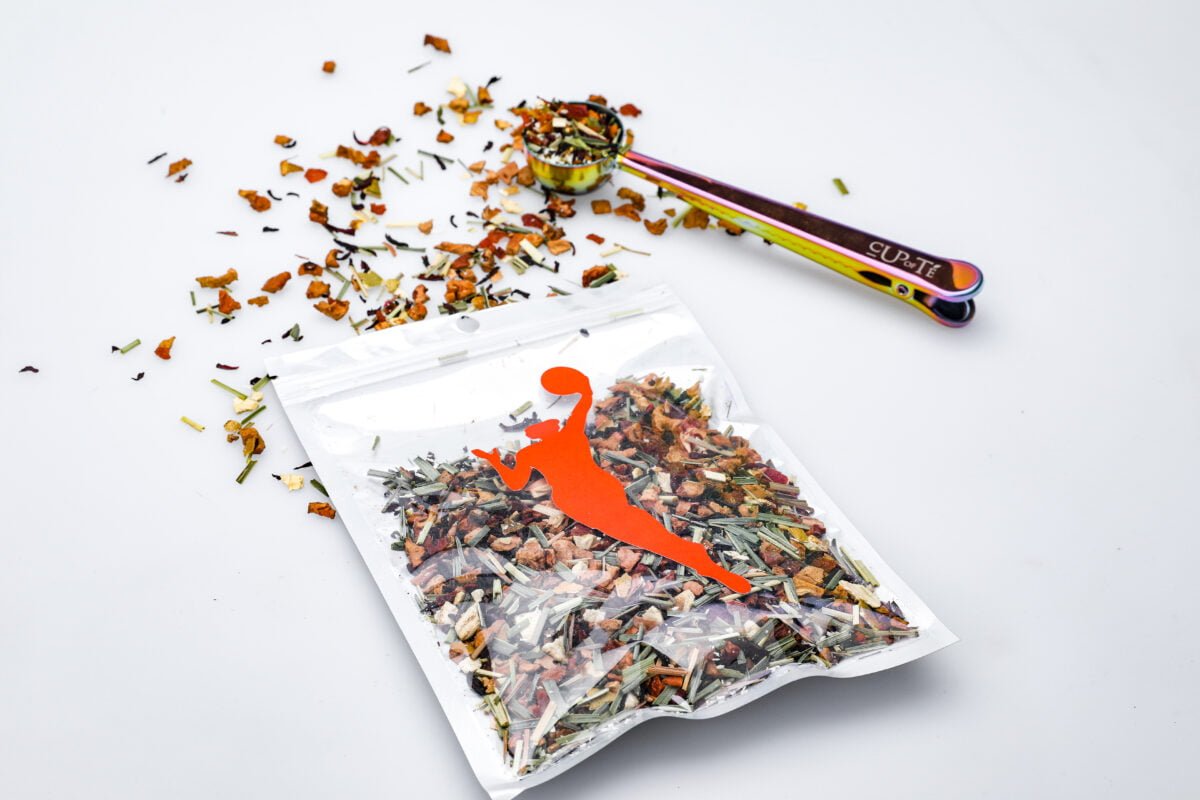
CUP OF TÉ: Loose-leaf WNBA-themed tea and tea accessories
Driven to overcome challenges from an accident that left her paralyzed, founder and owner Taylor Lindsay-Noel launched Cup of Té with the goal of providing the world’s finest loose leaf organic teas and teaware.
MAKEWAY: “It’s Just Basketball” sweatshirt and sweatpants
Co-founded by Shelby Weaver and Abby Albino, both long-standing members of Toronto’s basketball community, Makeway is Canada’s only standalone women’s sneaker and streetwear boutique.
Cup of Te (Image: WNBA)
MOOD UNKWN: Hydrating under-eye masks
Founded by Raman Gidda in the midst of the pandemic, Mood Unkwn was created to emphasize the importance of daily self-care. Their products were made for all genders and skin types and designed to suit any lifestyle.
NAKED BEAUTY BAR: WNBA logo nail decals
NAKED owners and sisters Julia and Gabrielle Bautista built a nail shop in downtown Toronto designed to redefine the self-care experience, with community-building at its core. NAKED has also expanded into an eponymous skincare and lifestyle product line to fit its community’s needs.
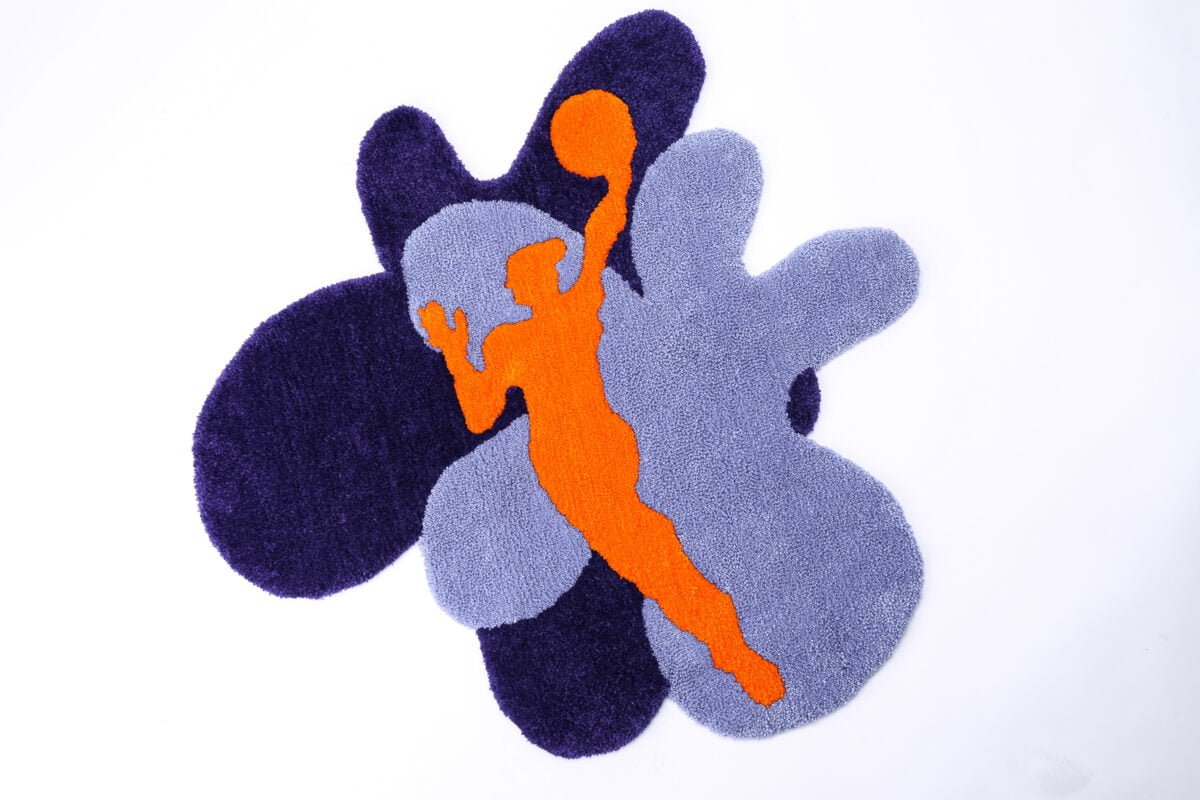
RASHELLE: Hand-pulled rugs featuring the WNBA logo
Rashelle Campbell (she/her) is a Nehiyaw Iskwew multidisciplinary designer who exemplifies a diverse standard of beauty, producing limited-edition, small batch rugs. She believes in embracing thoughtful handmade slow work that has notes of nostalgia and joy.
SANTA ISLA: Hand-beaded jewelry featuring WNBA imagery
Santa Isla’s owner Jess Sanchez works in partnership with Embera Chami artisans of Colombia to make playful jewelry that sparks joy, while honoring Embera’s weaving practices and cultural significance.
Tonic Blooms (Image: WNBA)
SCENTS BY FAY: Aromatic Candles featuring the WNBA logo
Founded by Furhana Glass-Smith, Scents by Fay is a hobby-turned-business born out of the pandemic, using clean, natural ingredients to create unique candles and handcrafted home décor pieces.
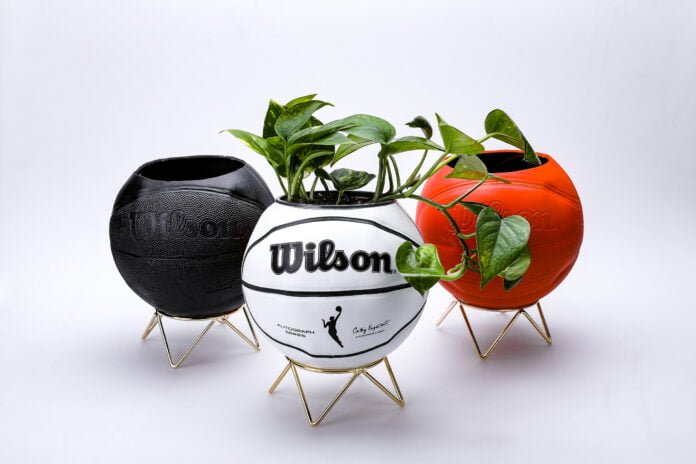
THE GIVE & GROW: Planters made out of Official Wilson® WNBA Balls
Owned & operated by Olivia Ho, The Give and Grow is a women-led initiative developed with one purpose: growth. Their one-of-a-kind basketball planters combine a passion for sports and community.
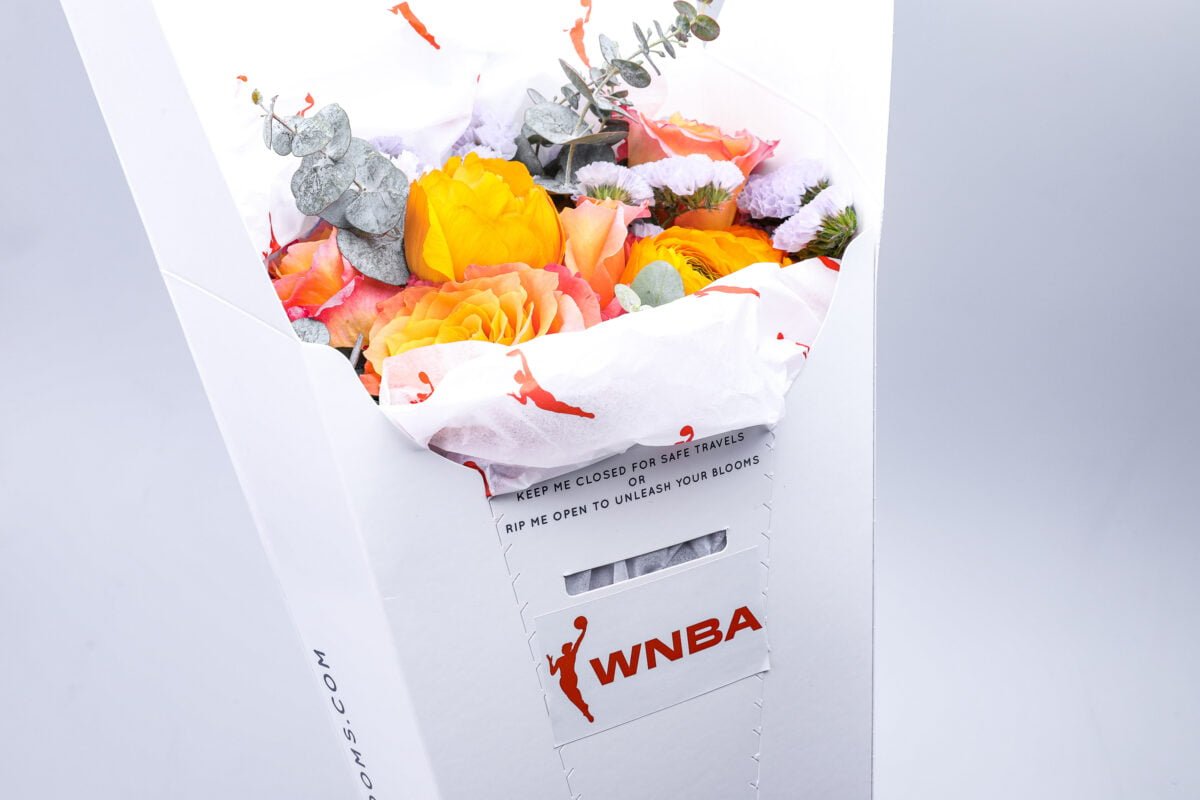
TONIC BLOOMS: On-demand florist showcasing a WNBA-themed bouquet
Co-owned by Corrie Pollock, Tonic Blooms is Toronto’s on-demand florist, offering curated bouquet designs and indoor plants through a seamless delivery experience in as little as two hours.