Home Blog Page 770

The ‘Greedflation’ Campaign Against Canadian Grocery Retailers Needs to End, Now. [Op-Ed]

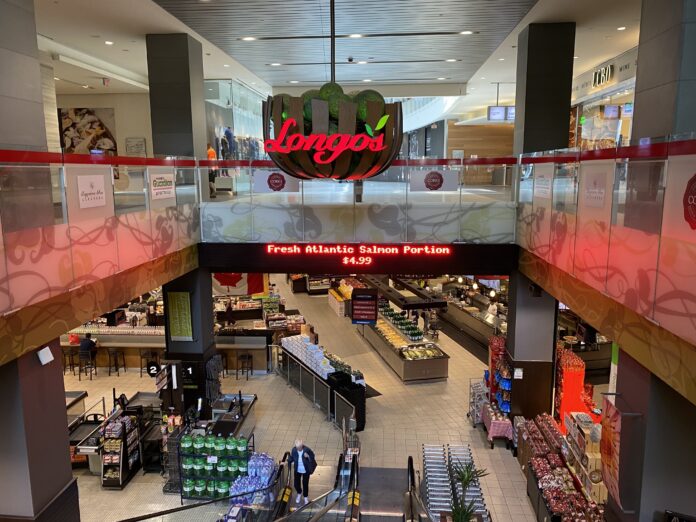
Longo's Maple Leaf Square (Image: Dustin Fuhs)

The Standing Committee on Agri-Food and Agriculture in Ottawa has recently published a report addressing the investigation into food inflation and examining whether food companies are opportunistically leveraging the inflationary environment to raise prices. The term “greedflation,” coined by certain politicians and economists, highlights the notion of excessive greed and self-interest, which may contribute to inflationary pressures, particularly directed towards food companies.

The report exhibits a strong and well-founded approach, likely crafted by MPs who dedicated time to comprehend the intricacies of food distribution and pricing. It surpasses the numerous superficial accusations we have now heard for months. Initially, Ottawa demonstrated support for the concept of “greedflation”, but subsequent engagement with industry experts enabled MPs to gain a more comprehensive understanding of the matter. Consequently, the report emphasizes that Parliament should assign higher priority to other pressing concerns. Despite initial pretenses and political disputes, the committee ultimately got it right.

Most of the recommendations urge Parliament to prioritize efficiency throughout the supply chain. This entails supporting farmers, acknowledging the support needed by indigenous communities, particularly in Northern regions, establishing reciprocal standards for imported products, and eliminating best-before dates. Although diverse in nature, these recommendations highlight the dire need for a comprehensive food policy in Canada. The investigation conducted by the committee simply reinforced what was already known.

Of utmost importance, the Committee advises the government to fortify the Competition Bureau’s mandate and enable effective competition oversight within the Canadian grocery sector. This entails addressing “black-out” periods when grocers implicitly freeze wholesale prices, revenue-sharing mechanisms, and barriers to entry for external players. This aspect emerges as the report’s most critical component.

Among the 13 recommendations, two stand out prominently. The first is Recommendation no.1, which proposes that the Government of Canada should undertake necessary measures to gather and publicly disclose data on costs throughout the entire agri-food supply chain in Canada. This includes acquiring detailed cost data from sectors such as primary agriculture, food and beverage processing, and food retail. The underlying intention of this recommendation is to provide increased transparency to the public, which seeks answers and clarity. However, transparency, when taken to extremes, can present challenges.

Implementing such a system, encompassing thousands of products, would prove arduous, and ensuring data accuracy would pose a significant challenge. Companies disclosing their true costs may encounter a competitive disadvantage compared to those opting not to disclose accurate data. Ottawa would need to employ a substantial team of auditors to verify the validity of the data. Companies would also need to increase costs by hiring more personnel solely for compliance purposes, thereby potentially leading to increased food prices. Full cost disclosure may necessitate revealing sensitive information, including proprietary formulas, supplier contracts, or manufacturing processes. Consequently, companies and investors might choose to withdraw from such a market. Additionally, it could grant unfair advantages to foreign companies that are not obligated to disclose unless their operations are based in Canada. Paradoxically, cost disclosure could potentially result in collusion or anti-competitive behavior among companies. If all companies have access to detailed cost information, there is a risk of coordinated pricing strategies or practices that impede competition, ultimately limiting consumer choice and market dynamics, which should be avoided.

The second noteworthy recommendation is Recommendation no.9, proposing that the Government of Canada explore the possibility of implementing a windfall profits tax if the upcoming study conducted by the Competition Bureau reveals instances of abuse by grocers. It is crucial to note that the Competition Bureau’s study was never intended to evaluate greed within the system. Additionally, a windfall tax would discourage competition over time, representing a short-term solution that could detrimentally affect our food autonomy as a nation.

Ultimately, the task of measuring greed proves to be exceedingly challenging. Attempting to delineate an acceptable threshold for profitability becomes an exercise in futility. In essence, what cannot be properly measured cannot be properly assessed. That is what “greedflation” is. Instead of incessantly engaging in finger-pointing, our efforts should be directed towards fortifying the food industry, precisely as recommended in the report.

Salesforce Tableau’s Generative AI Set to Revolutionize the Retail Industry [Interview]

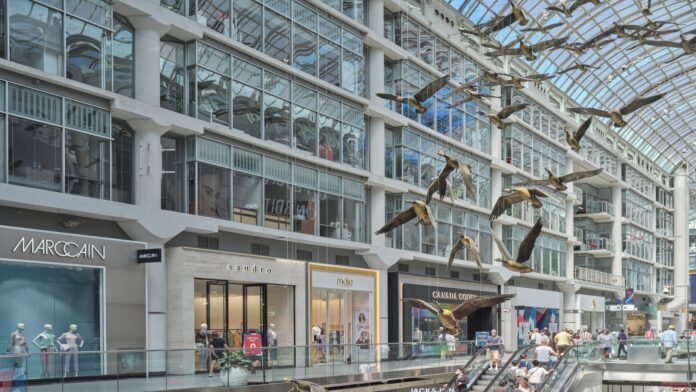
Photo: Cadillac Fairview

Tableau, a leading data analytics platform owned by Salesforce, is poised to disrupt the retail industry with its groundbreaking generative AI technology. Pedro Arellano, SVP & GM at Tableau, Salesforce, shared his insights on the potential impact of Tableau’s latest advancements during an interview. 

According to Arellano, Tableau’s previous innovation, TableauGPT, had already transformed the market by empowering data analysts. Now, with the introduction of Tableau GPT and Tableau Pulse, the power of data is set to reach even more individuals, including non-analyst professionals, fulfilling Tableau’s mission of democratizing data access. Arellano was enthusiastic about the possibilities this new technology holds, saying, “I see a similar opportunity for Tableau to disrupt again, this time, putting the power of data in the hands of even more people.”

Arellano highlighted the benefits of Tableau’s generative AI technology for the retail sector. He explained that retail, with its rich and diverse data sets, has always relied on business intelligence (BI) for decision-making. However, with Tableau’s advancements, the industry can now move beyond simply understanding what happened to uncovering the ‘why’ and the ‘so what’. Tableau GBT serves as the intelligent engine, while Tableau Pulse offers a user-friendly experience, allowing retail store managers, for example, to access valuable insights without the need for data analysis expertise. Arellano noted that generative AI and Tableau’s user-friendly interface enable store managers to anticipate trends and make informed decisions by leveraging the power of AI and machine learning. He emphasized, “This is what’s going to empower everybody, including that retail store manager, to just be better at their job with data.”

Pedro Arellano

When it comes to the potential applications of generative AI in retail, Arellano said that the possibilities are endless. One notable example he discussed was the ability to provide merchandisers and designers with a richer understanding of customer behaviour. By going beyond charts and dashboards, Tableau’s technology can offer insights such as what products customers are buying, where and in what quantities, as well as detailed customer profiles. Additionally, generative AI combined with other data sets, such as Salesforce, can help retailers make informed decisions regarding marketing campaigns, supply chain optimization, and even store location planning. Arellano explained that the goal is to simplify data analysis and decision-making for individuals across various roles within the retail industry, regardless of their level of data literacy. He believes that Tableau’s generative AI technology has the potential to revolutionize not only retail but also numerous other industries.

As with any emerging technology, concerns about confidentiality and responsible data usage arise. Arellano acknowledged these concerns and emphasized the importance of responsible use of AI and data. Particularly in the retail sector, where customer data is involved, maintaining consumer trust is vital. Arellano pointed out that Tableau is committed to addressing these concerns by ensuring the responsible use of data and providing transparency about how the algorithms operate. Tableau aims to build trust among its customers by demonstrating the value and benefits of its generative AI technology while upholding ethical standards.

Tableau’s generative AI technology is ultimately poised to be a contributor to the transformation of the retail industry by empowering a wider range of professionals to make data-driven decisions. With its user-friendly interface and advanced analytics capabilities, Tableau’s latest advancements offer a simplified approach to data analysis and decision-making. 

As Arellano highlighted, the potential applications of generative AI in retail are vast, enabling retailers to gain deeper insights into customer behaviour, optimize marketing campaigns, and improve overall operational efficiency. However, responsible data usage and maintaining consumer trust remain essential considerations as the industry embraces this transformative technology. 

Canadian Retail News From Around The Web For June 19th, 2023

Canadian Retail News From Around The Web

News at a Glance

Retail Insider is streamlining its Canadian retail news from around the web to include a handful of top news stories that can be viewed quickly during the day. Here are the top stories from the past 3 days.

Andrew Iacobucci named new RONA Inc. CEO one day after company announces job cuts (Canadian Press)

Canadian Retail Sales Slowing, But Services Spending Remains Strong (Action Forex/RBC Analysis)

Food inflation may be easing but prices won’t return to pre-pandemic levels: RBC (CTV)

Survey says business is booming at thrift stores across Canada (CTV)

Rise of the Indies: As big bookstores like Indigo struggle, independents are flourishing. Here’s why (Toronto Star)

Canadians say higher rates are crimping their personal spending (BNN)

Retail Council of Canada says report shows no ‘greedflation’ in grocery (Winsight Grocery Business)

Metro reopens renovated Oshawa, Ont. store (Grocery Business)
Uniqlo opening good news for Rideau Centre in Ottawa (O.Canada.com)

New Costco plans touted for Winnipeg (O.Canada.com)

Crumbl Cookies Opening Second Alberta Location in Airdrie This Month (ToDo Canada) ****

‘I felt sorry for him’: Vancouver grocery store owner sympathizes with thief (City News)

Metro Vancouver’s bubble tea economy is booming as drink demand grows (BIV)

Nespresso launches Vertuo Pop World immersive pop-up experience in Toronto (Retail Technology Innovation Hub)

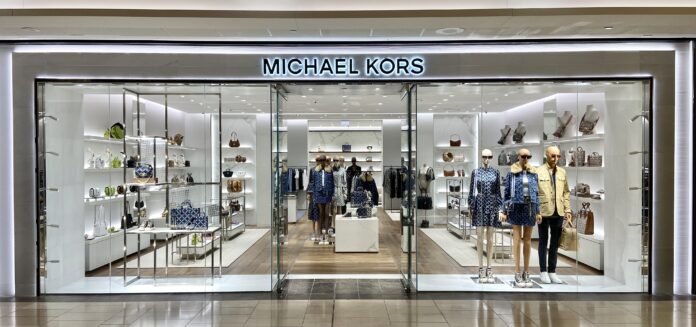
Michael Kors Opens 1st-in-Canada Concept Store in Vancouver [Photos/Interview]

Michael Kors at CF Pacific Centre (Image: Michael Kors)

Upscale US-based fashion brand Michael Kors has unveiled its first latest new store concept in Canada with the opening of a location at CF Pacific Centre in Vancouver.
“What makes this store unique is the focus on simplicity yet sophistication in the small details. You’ll notice the store has a warm feeling to it with a welcoming flow throughout,” said Debra Margles, President of Michael Kors Canada.

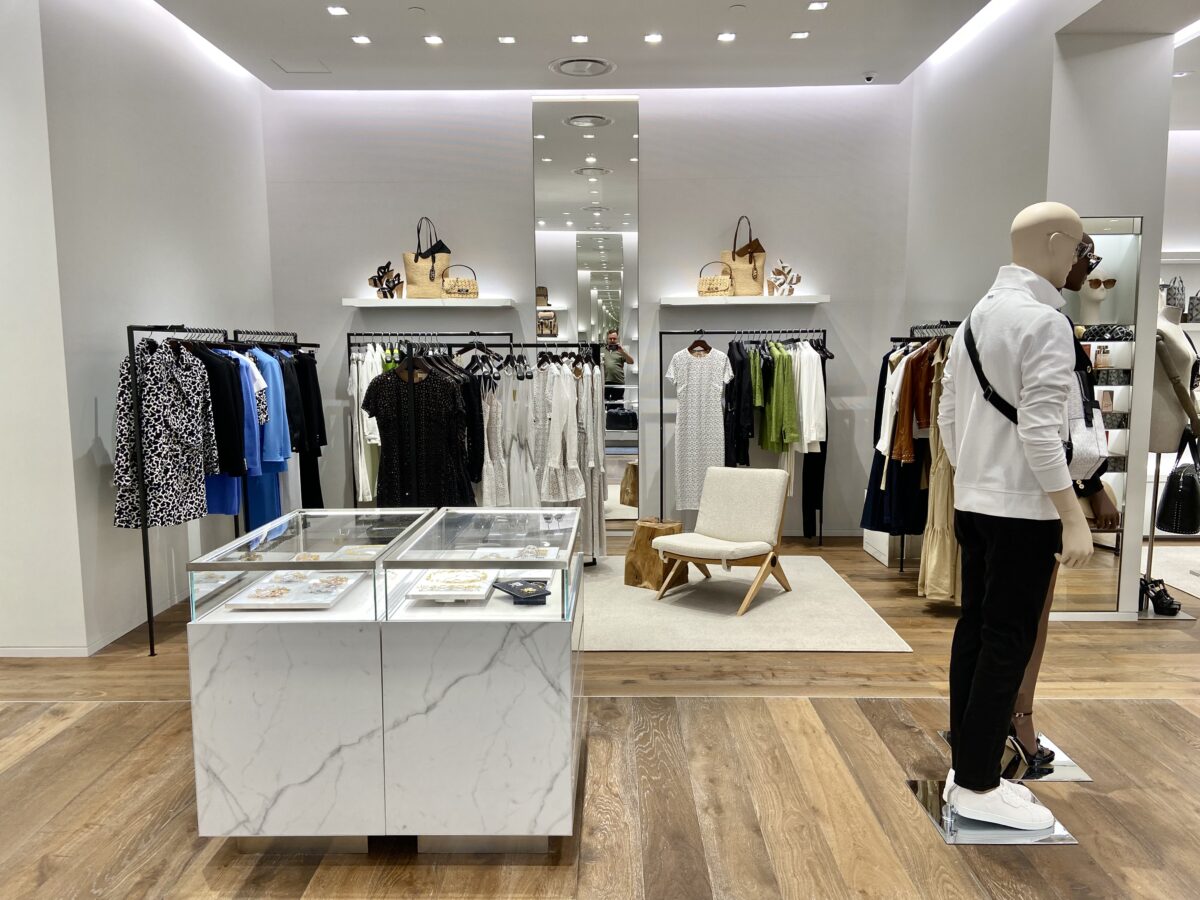
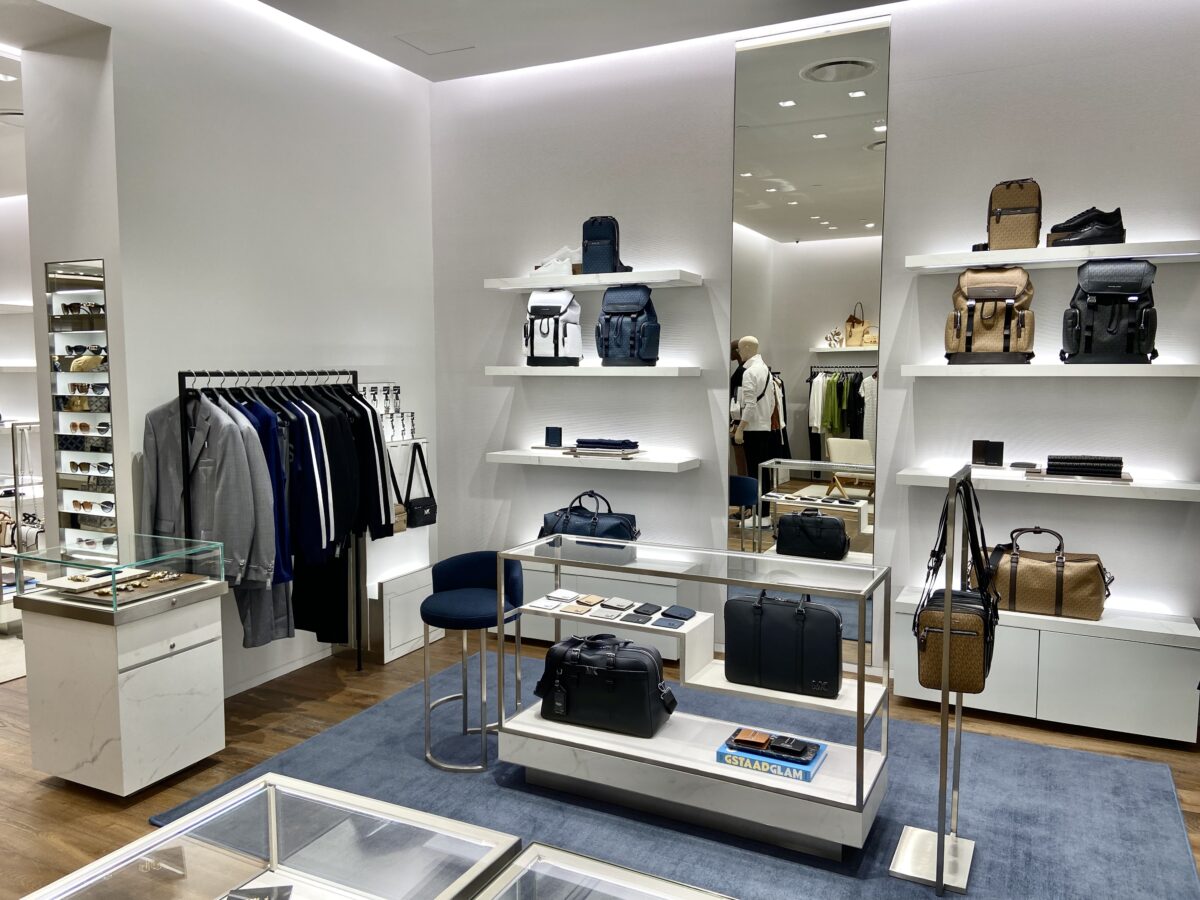
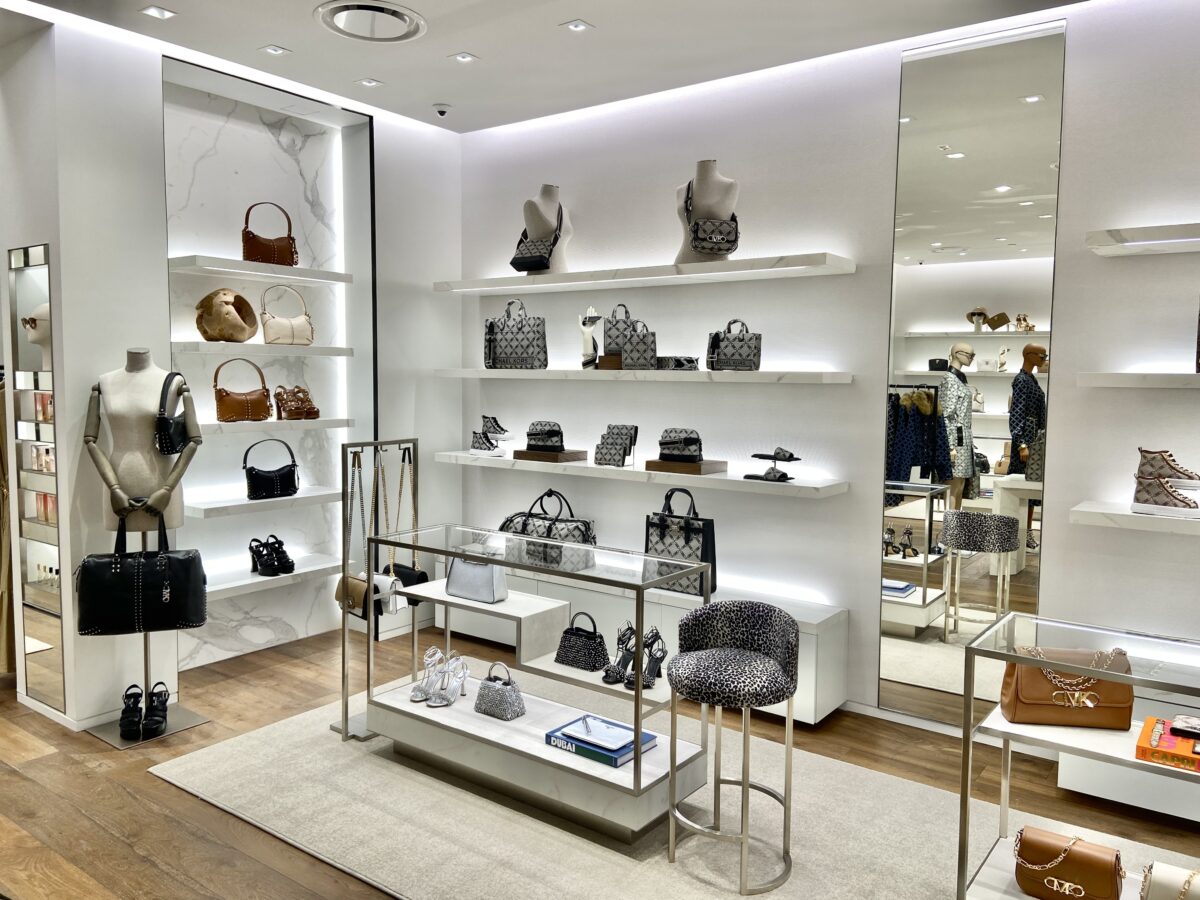
The boutique is the first to reflect the brand’s new store design concept, with a focus on pared-down luxury and sophisticated glamour. The 2,500-square-foot store, located in the heart of the city’s bustling downtown area, carries a selection of MICHAEL Michael Kors fashion and accessories, including handbags, ready-to-wear and small leather goods. 

Michael Kors at CF Pacific Centre (Image: Michael Kors)

The store also carries a broad assortment of apparel and leather goods from the Michael Kors Mens label, as well as women’s and men’s watches, eyewear, and fragrance.

Debra Margles

“Vancouver is truly a centre for luxury in Canada. It is a hub for consumers across many different cultures and as a global brand we felt that this new concept would resonate across those diverse demographics,” said Margles.

“We had previously been in Pacific Centre with a very successful store for almost a decade – when the mall came to us and informed us that the previous space would be transforming (it is now occupied by Lucid Motors and a new Apple flagship recently opened nearby) it gave us the opportunity to re-evaluate our placement in the mall. We stepped out and waited for the right spot which led us to the opportunity of opening our new concept store on the M1 level in Pacific Centre which is in a wonderfully transformative phase – embodying luxury throughout.”

The brand has 23 Lifestyle stores and 10 Outlet locations in Canada.

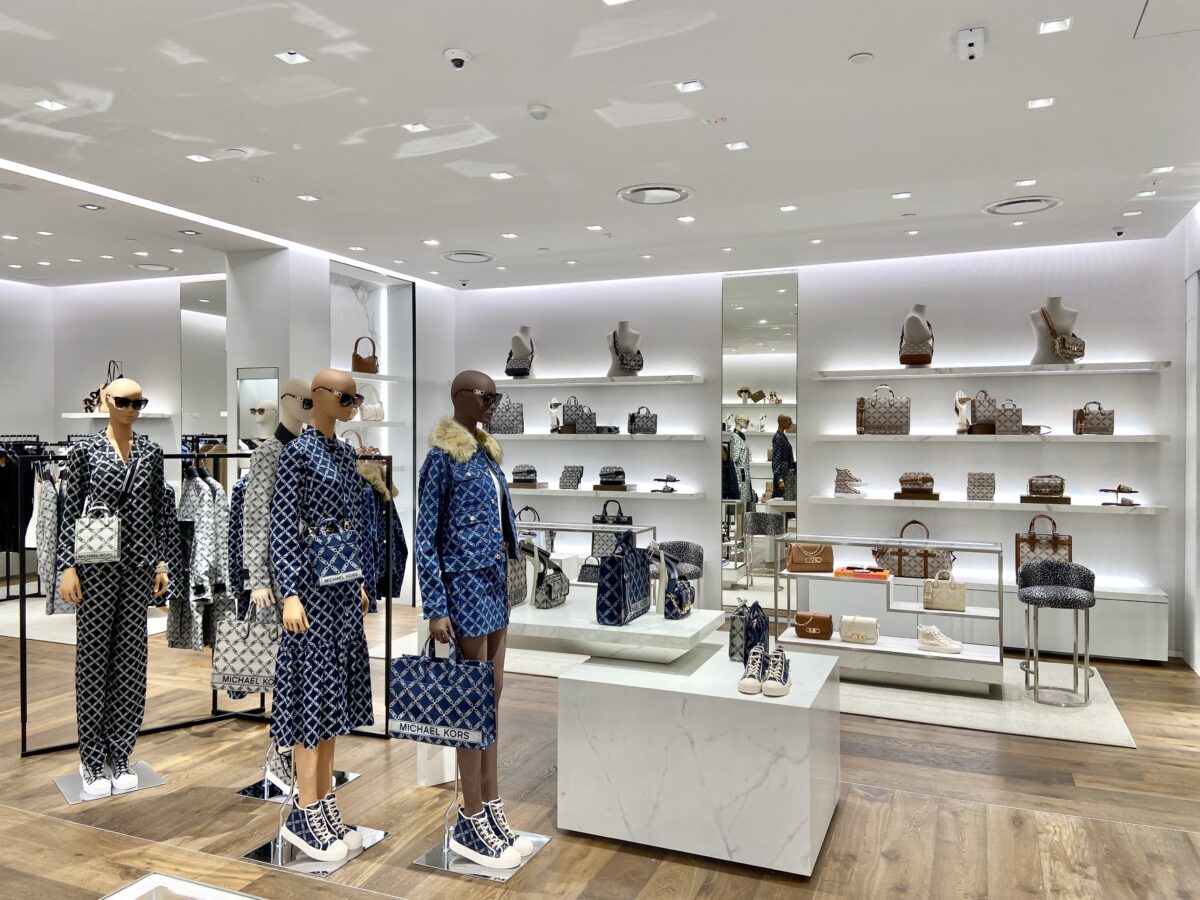
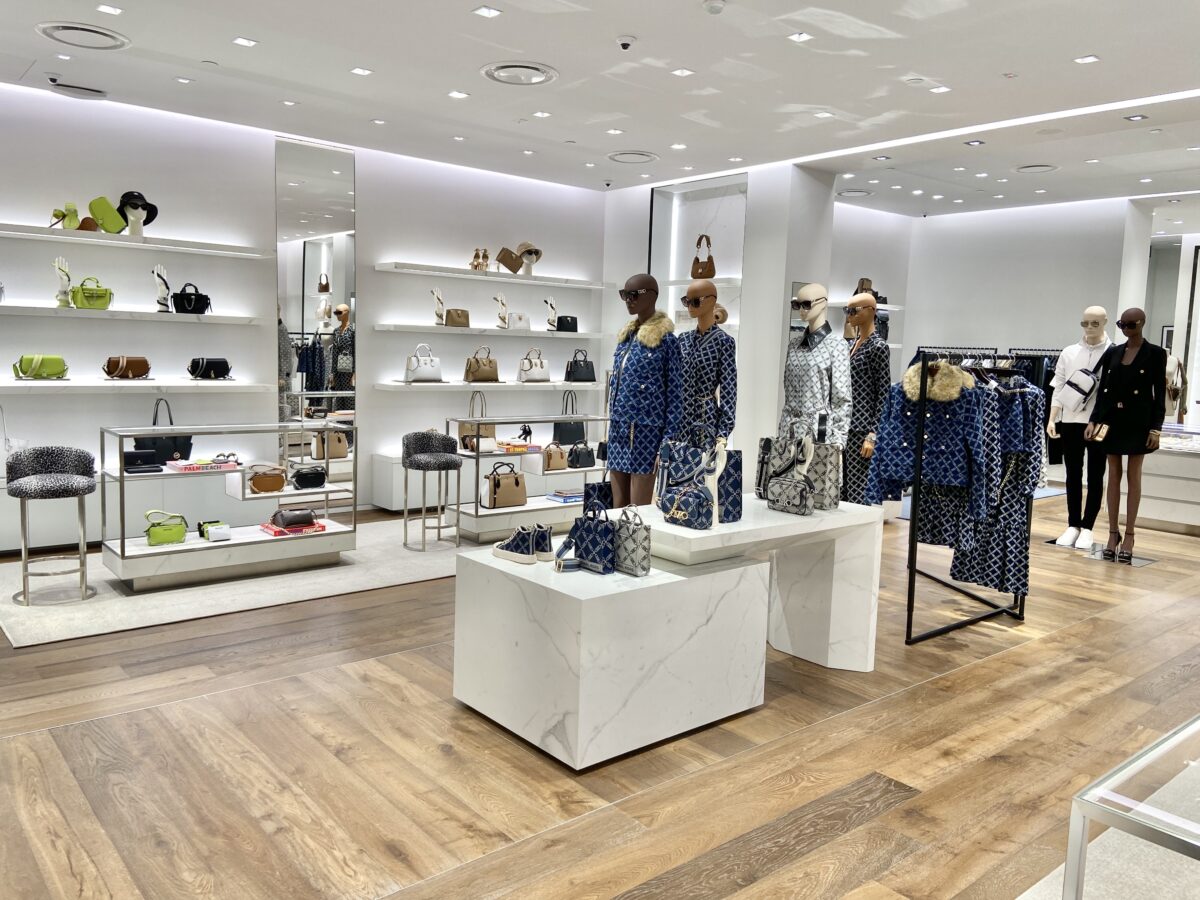
“The new Michael Kors store concept reflects the brand’s elevated jet set sensibility with an emphasis on ease, sophistication, and luxury. At the Pacific Centre Mall store, customers are welcomed into an atmosphere warmed by soft neutral tones, residential décor cues and an open, airy ambience enhanced by floating shelves and vivid light. The setting invites customers to browse, shop and enjoy the brand’s exceptional personal styling and service,” says the retailer.

Michael Kors at CF Pacific Centre (Image: Michael Kors)

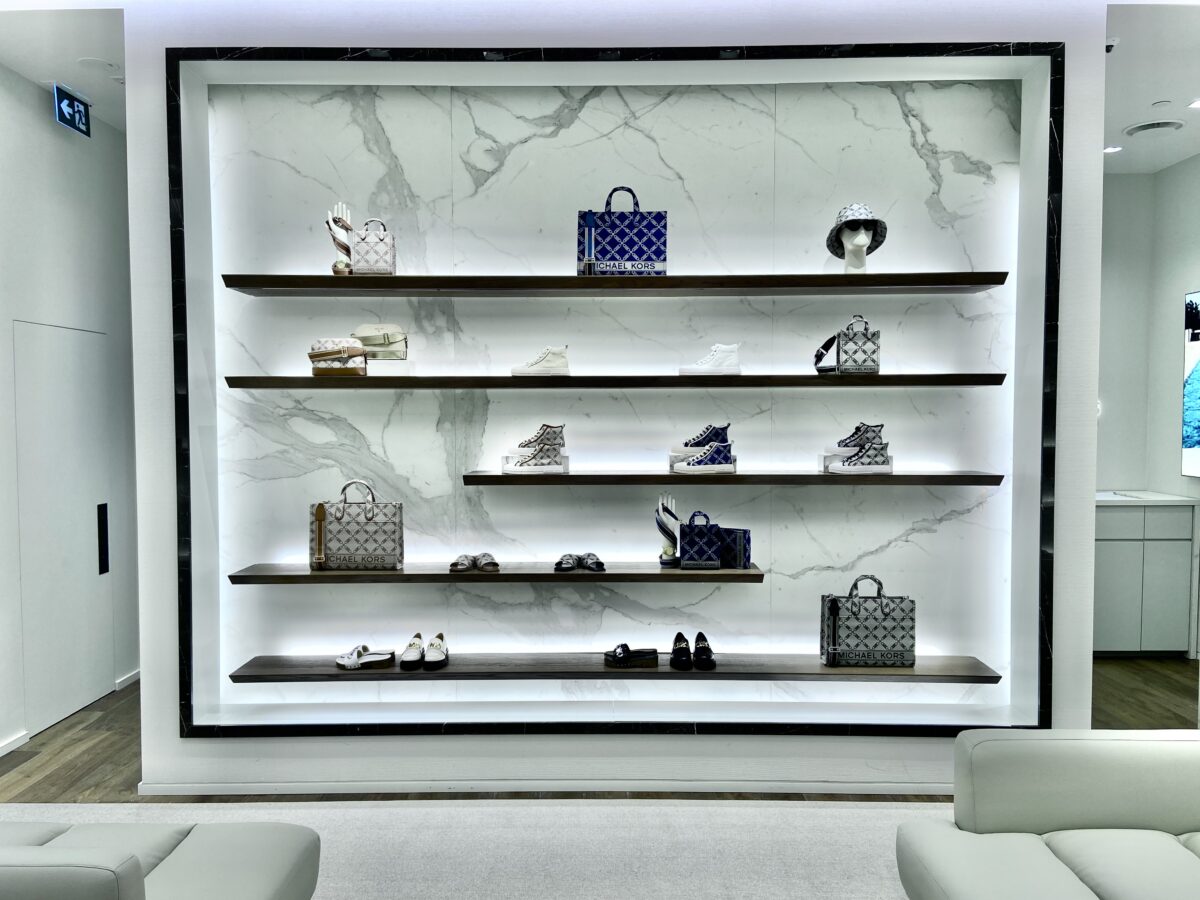
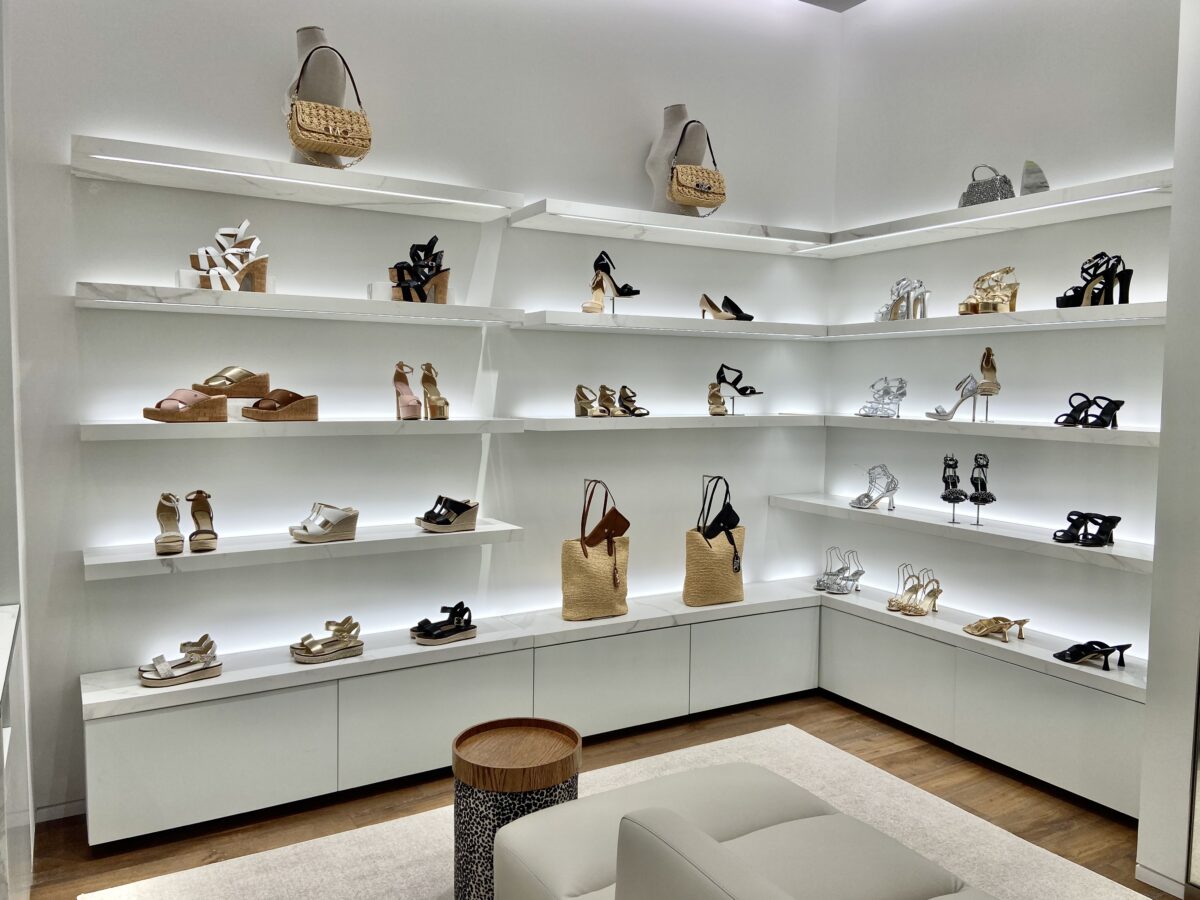
“The invitation to step inside starts with the exterior and entrance, where brightly lit displays and wide windows beckon with clean, open vantage points. Interior design elements include hand-troweled plaster finishes and a refined spectrum of material choices including warm oak wood flooring, glossed black and white marble, and brushed nickel fixtures. A palette of warm whites and soft beiges is paired with textural accents, subtle pops of animal print and a wealth of tactile fabrics that complement the label’s luxurious take on glamour.

“To fully immerse the customer in the world of Michael Kors, the new store concept will also boast a complete shoe salon arrayed with floor-to-ceiling walls of the season’s must-have footwear.”

Michael Kors is a world-renowned, award-winning designer of upscale accessories and ready-to-wear. His namesake company, established in 1981, currently produces a range of products under Michael Kors Collection, MICHAEL Michael Kors and Michael Kors Mens, including accessories, ready-to-wear, footwear, wearable technology, watches, and a full line of fragrance products.

Michael Kors is under the umbrella of Capri Holdings which is a global fashion luxury group consisting of iconic, founder-led brands Versace and Jimmy Choo as well. Those two brands are also expanding in Canada with confirmed locations for Royalmount in Montreal, and negotiations are being finalized in another major Canadian city with announcements to come in due course.

In its fiscal year 2023, Michael Kors had revenue of $3.8 billion compared to revenue of $3.953 billion in fiscal 2022.

For its Fiscal Year 2024 Outlook, Capri Holdings said it expected total revenue of about $3.8 billion for Michael Kors.

Additional Photos from Michael Kors at CF Pacific Centre

Michael Kors at CF Pacific Centre (Image: Michael Kors)

Nike to Open Largest Store in Canada at West Edmonton Mall

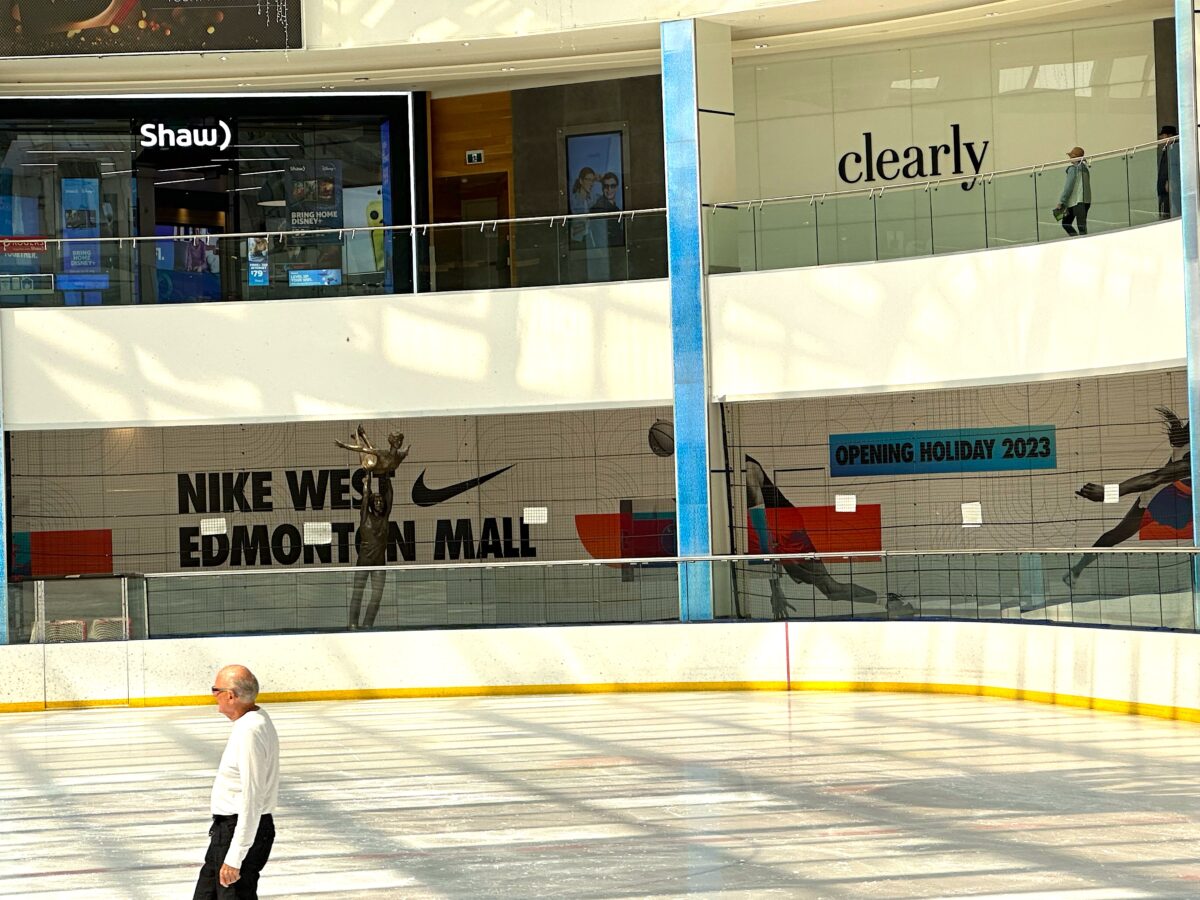
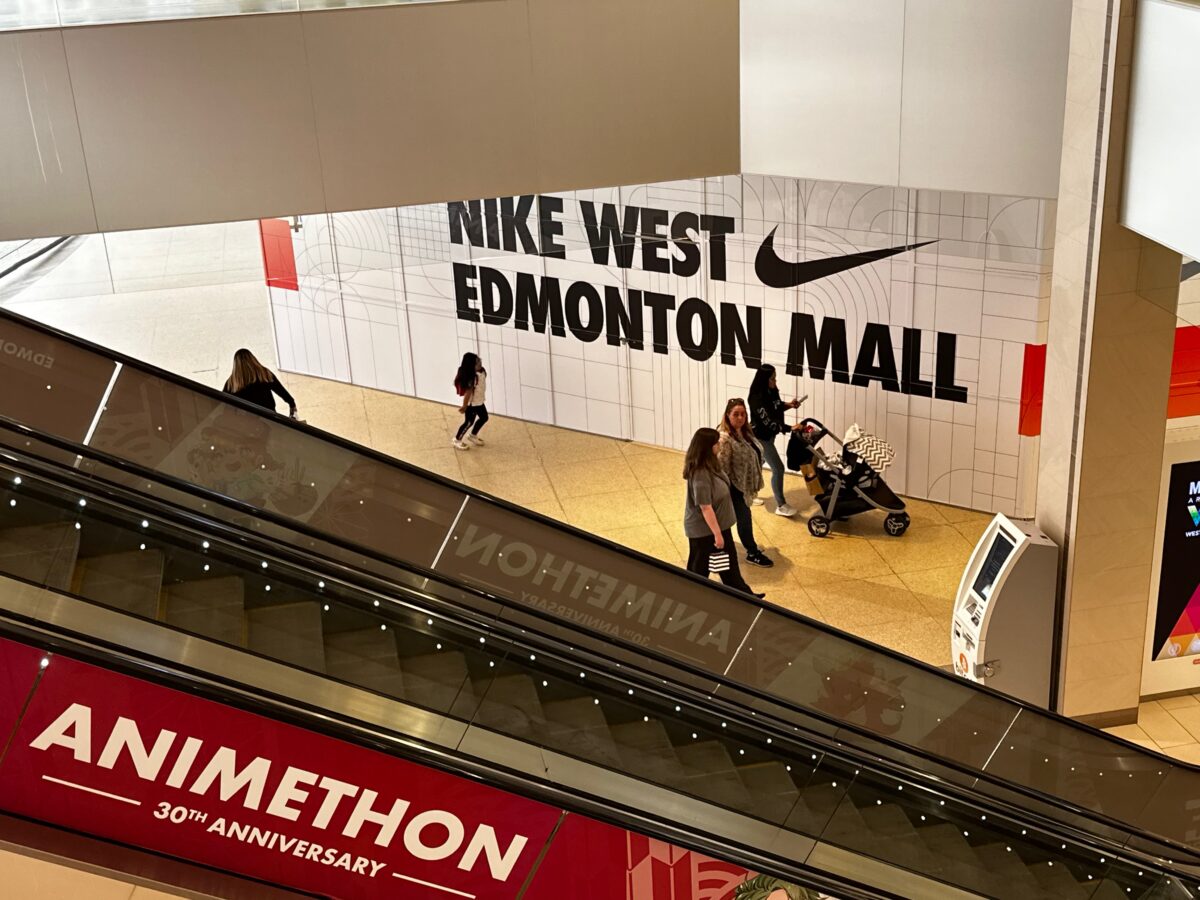
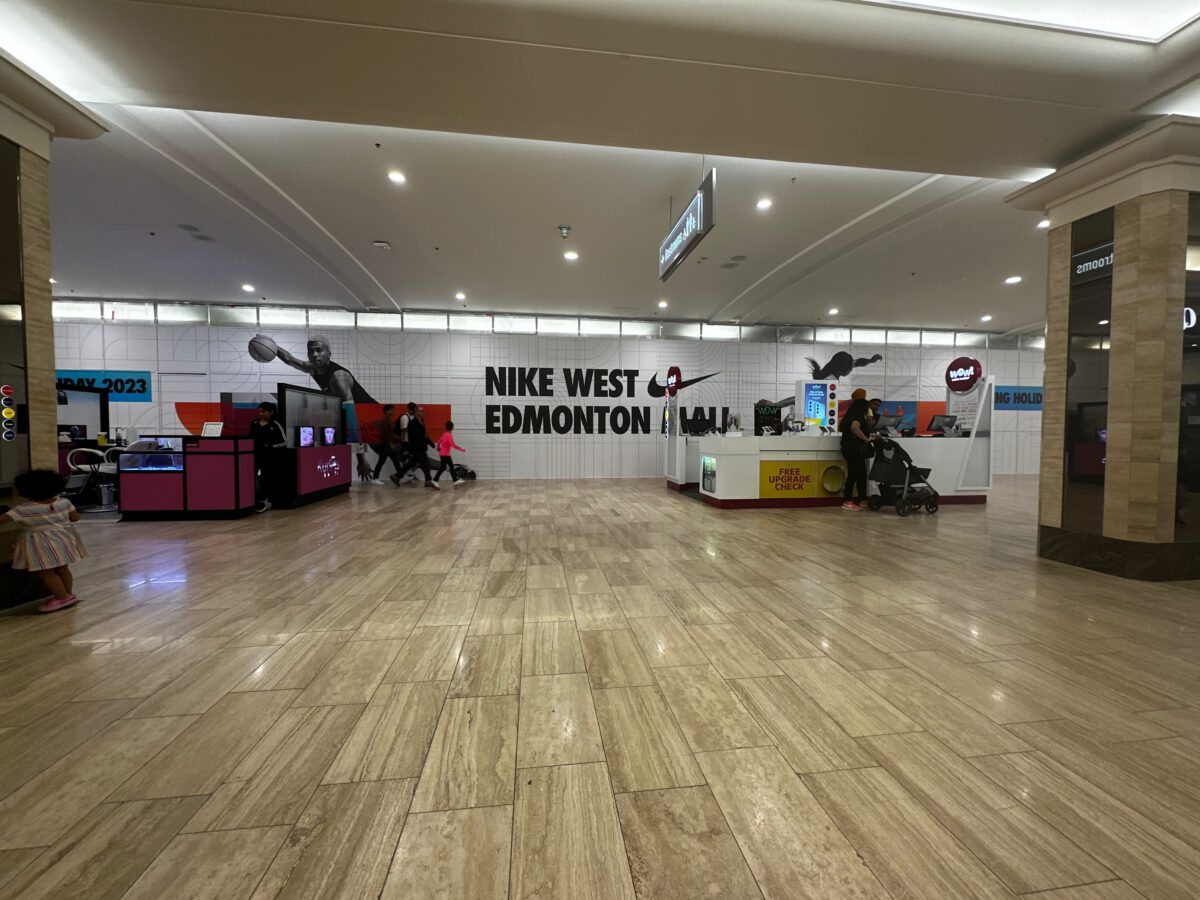
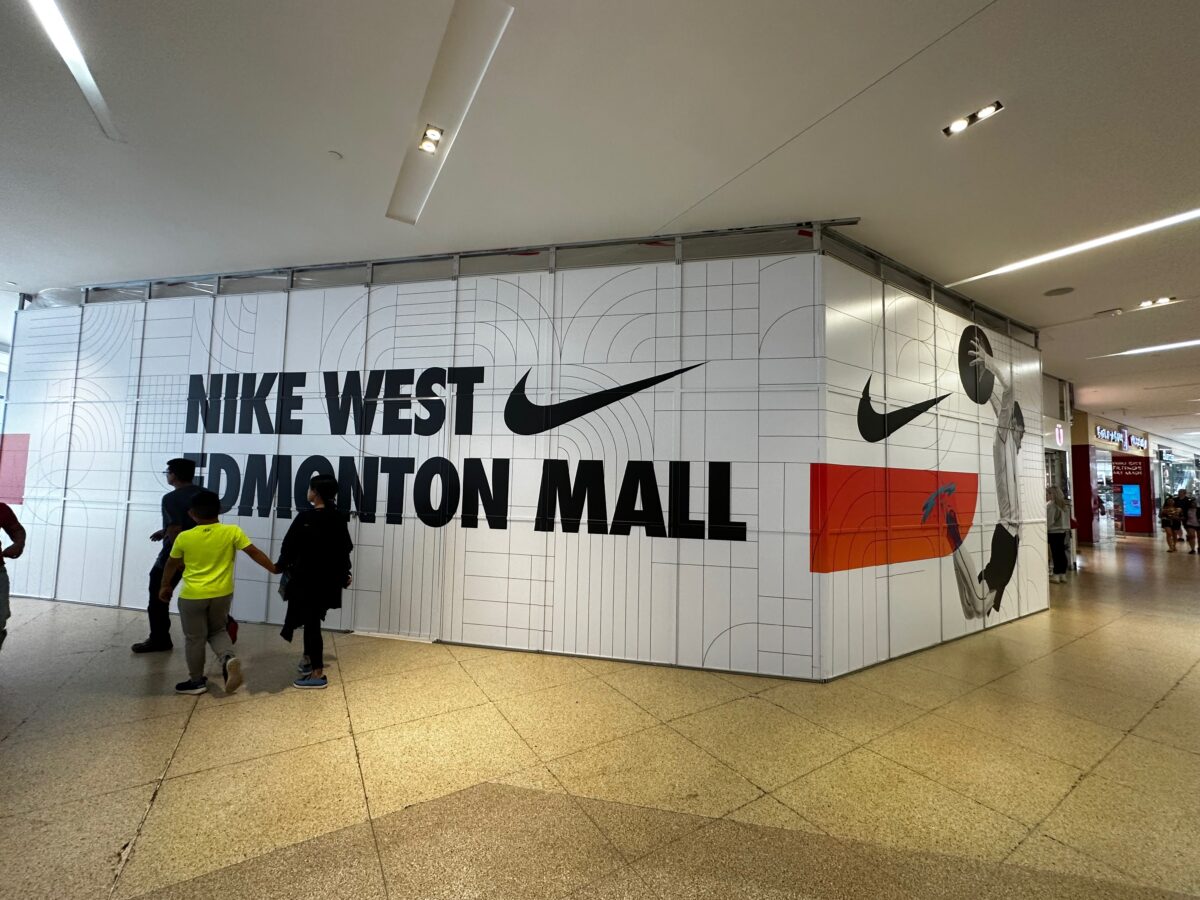
Nike construction hoarding at West Edmonton Mall (Photo: Jorden Clarke)

A Nike flagship store will be opening later this year on the main level of West Edmonton Mall in Edmonton. It will become the largest in Canada to date, surpassing the country’s first flagship Nike store that opened at Toronto’s Yorkdale Shopping Centre in 2021. 

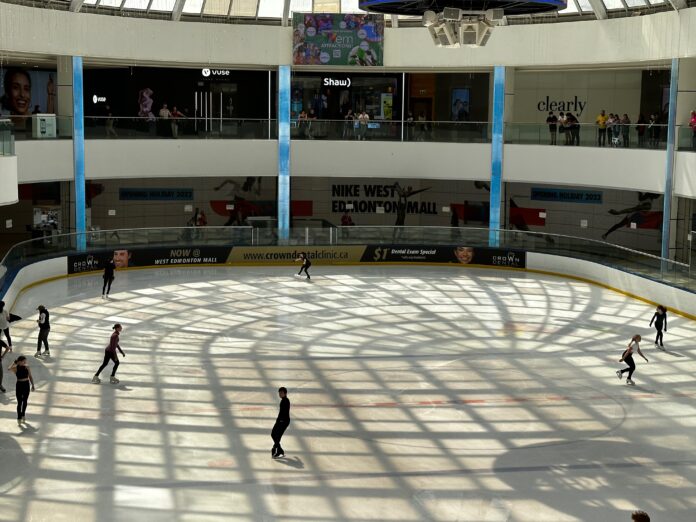
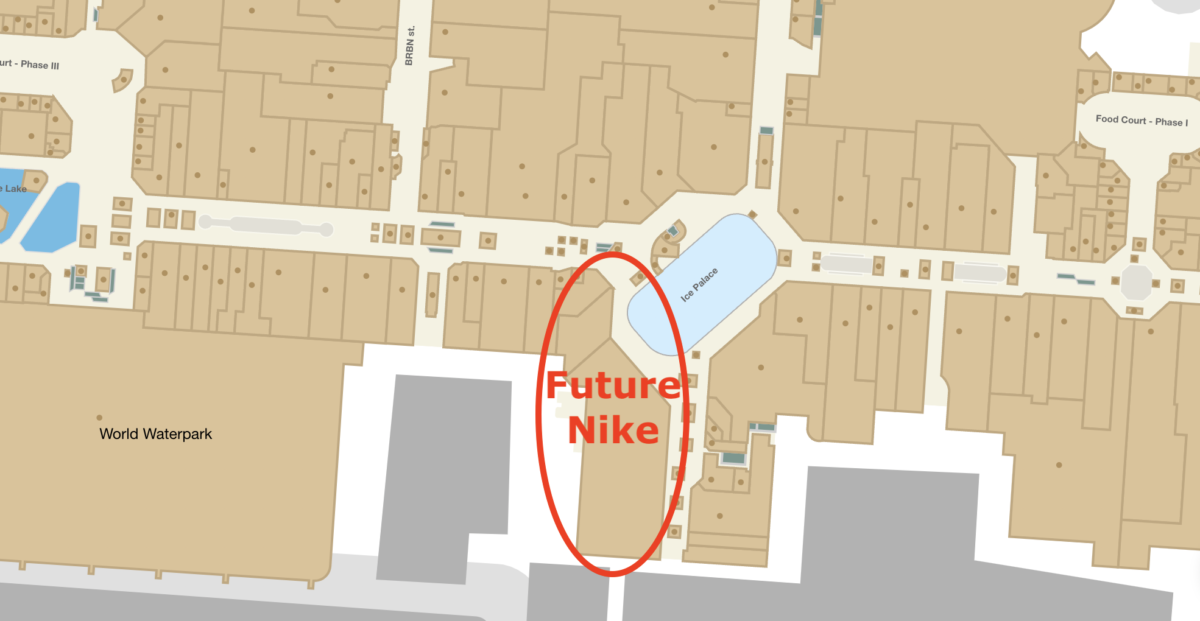
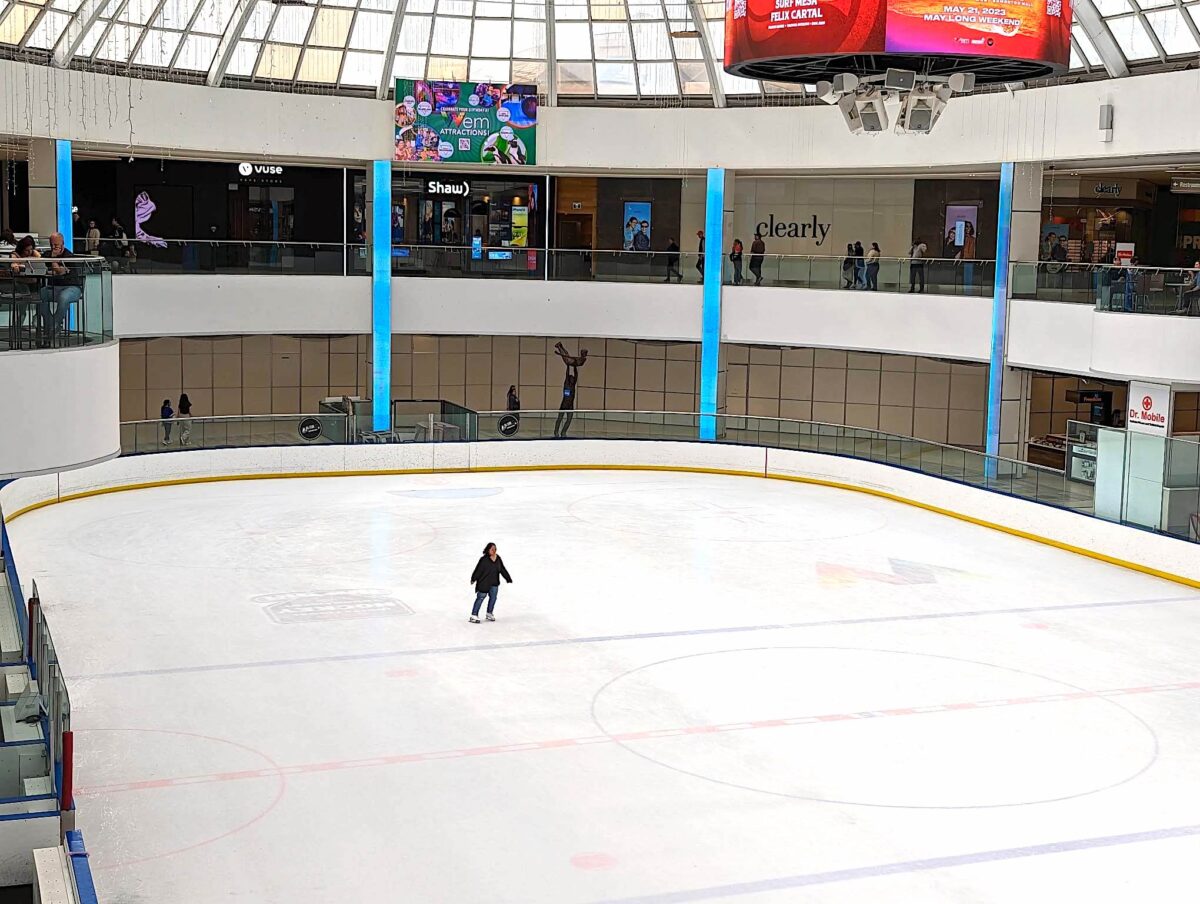
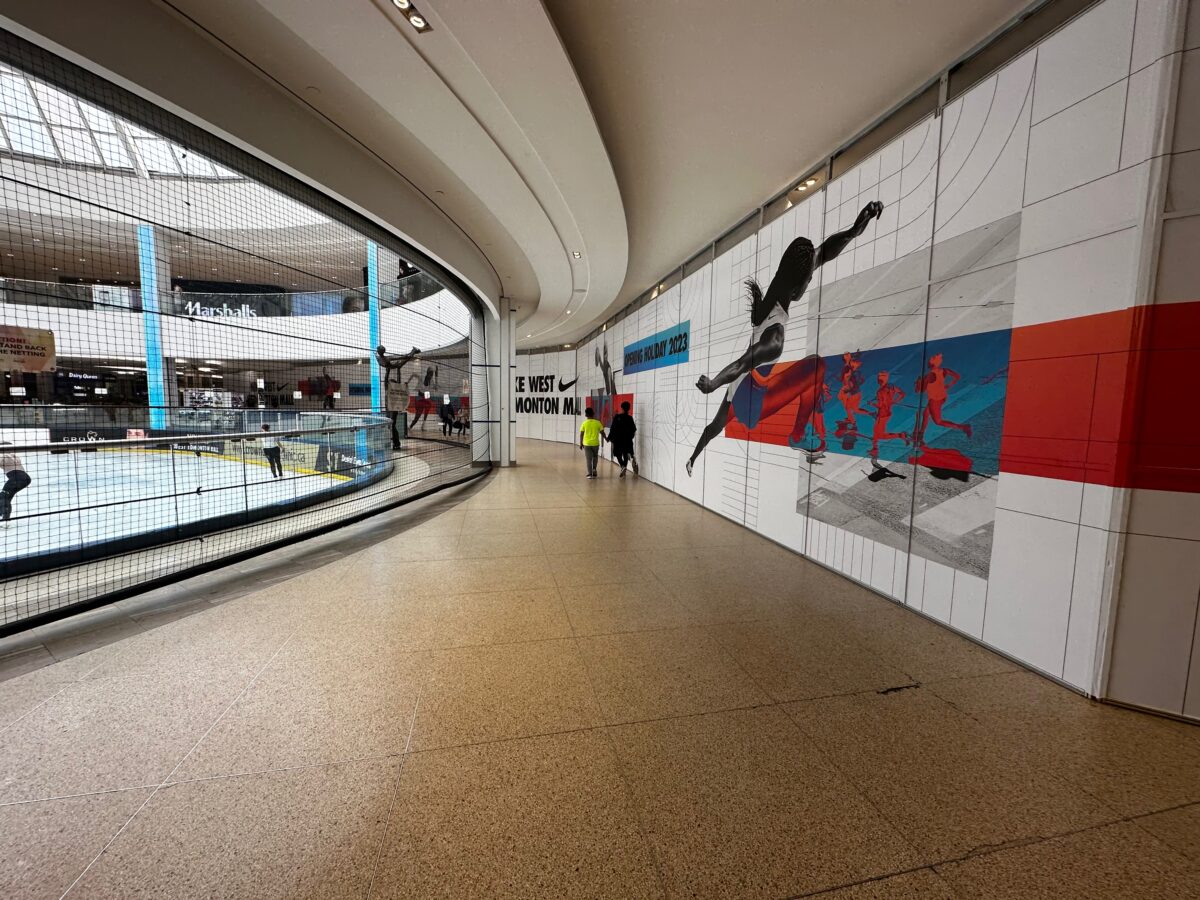
The West Edmonton Mall Nike store will boast an expansive frontage in a busy location that leads to a transit interchange. The store is expected to open this winter according to signage. Nike will replace a former Forever 21 location that spanned 22,450 square feet as well as a 3,260 square foot storefront formerly occupied by Volcom and a 2,127 square foot space recently vacated by Kawaii Alley — both have since located elsewhere in the mall. Nike’s West Edmonton Mall location will be very visible from the mall’s ‘Ice Palace’ ice rink. 

International firm SAJO is handling the design-build of the new Edmonton store.

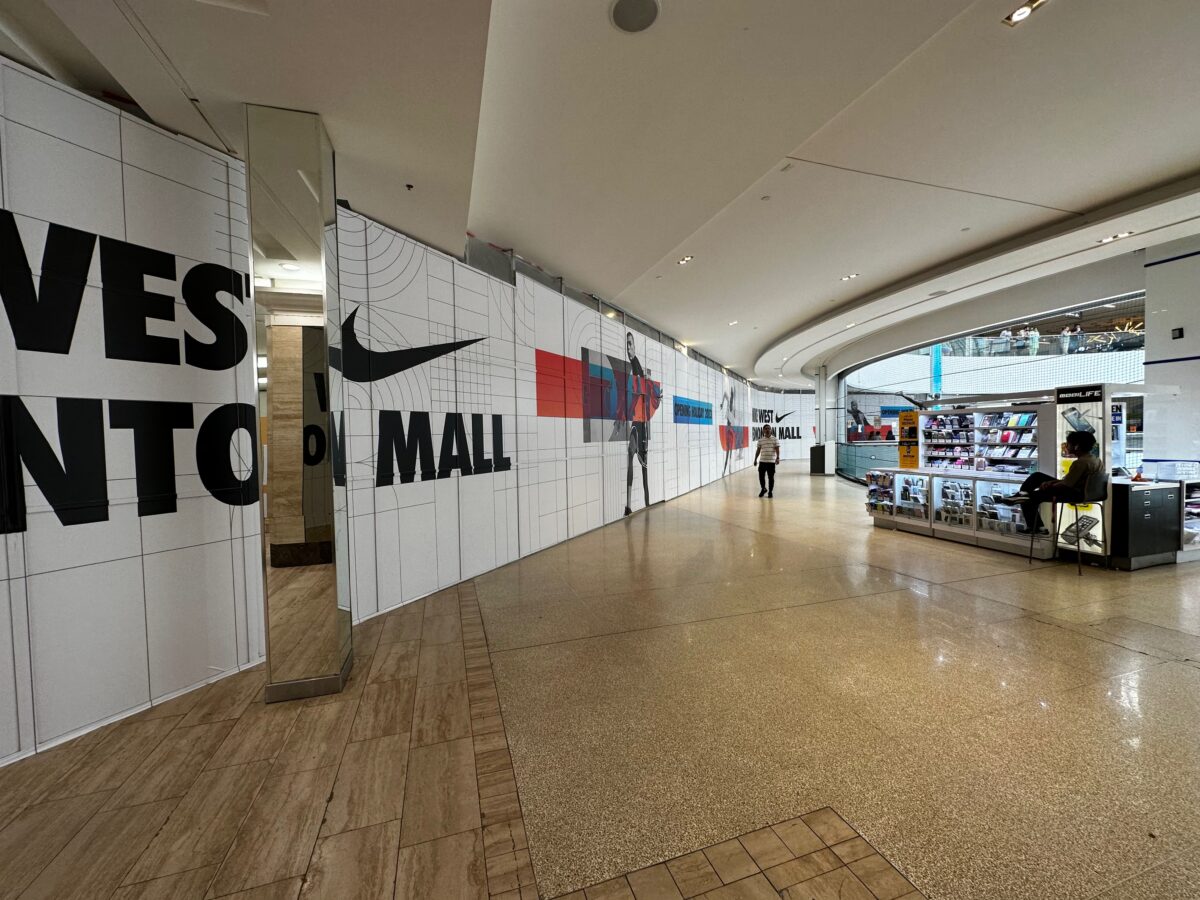
Construction hoarding at West Edmonton Mall. Photo: John Kerby
Click image for interactive West Edmonton Mall map

Nike’s first Canadian flagship opened in the summer of 2021 at Toronto’s Yorkdale Shopping Centre, spanning more than 24,500 square feet over two levels. Another store is currently under construction at the Montreal Eaton Centre in downtown Montreal that will measure about 20,000 square feet over two levels. More flagships are expected under Israeli licensee Fox Group which is spearheading the Canadian Nike expansion, including a large location set to open soon at CF Chinook Centre in Calgary. 

More Nike flagship stores could open in Canada and given the current large-format store trend, and targets could include downtown Toronto and Vancouver. A Toronto store would most likely open either near the intersection of Yonge and Bloor Streets or in/near CF Toronto Eaton Centre, while a Vancouver flagship would likely open either on or near Robson Street, or potentially in part of the former Nordstrom store at CF Pacific Centre if the opportunity is made available by landlord Cadillac Fairview. This is all speculation, however. 

Nike construction hoarding at West Edmonton Mall prior to signage. Photo: Christa Patterson
Nike construction hoarding at West Edmonton Mall (Photo: Jorden Clarke)

Fox Group has also opened smaller, although still sizeable, Nike stores across the country since before the pandemic. These can be found in major shopping centres across the country. 

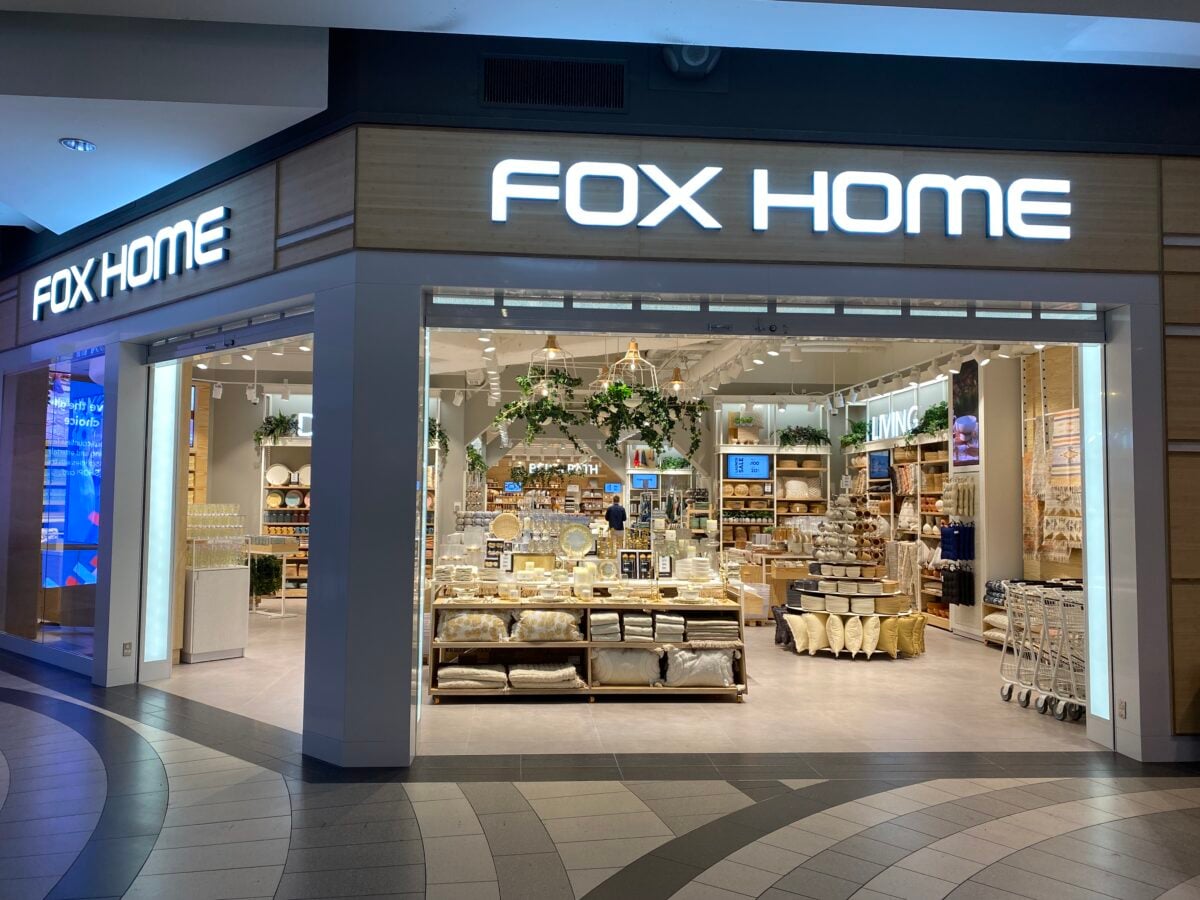
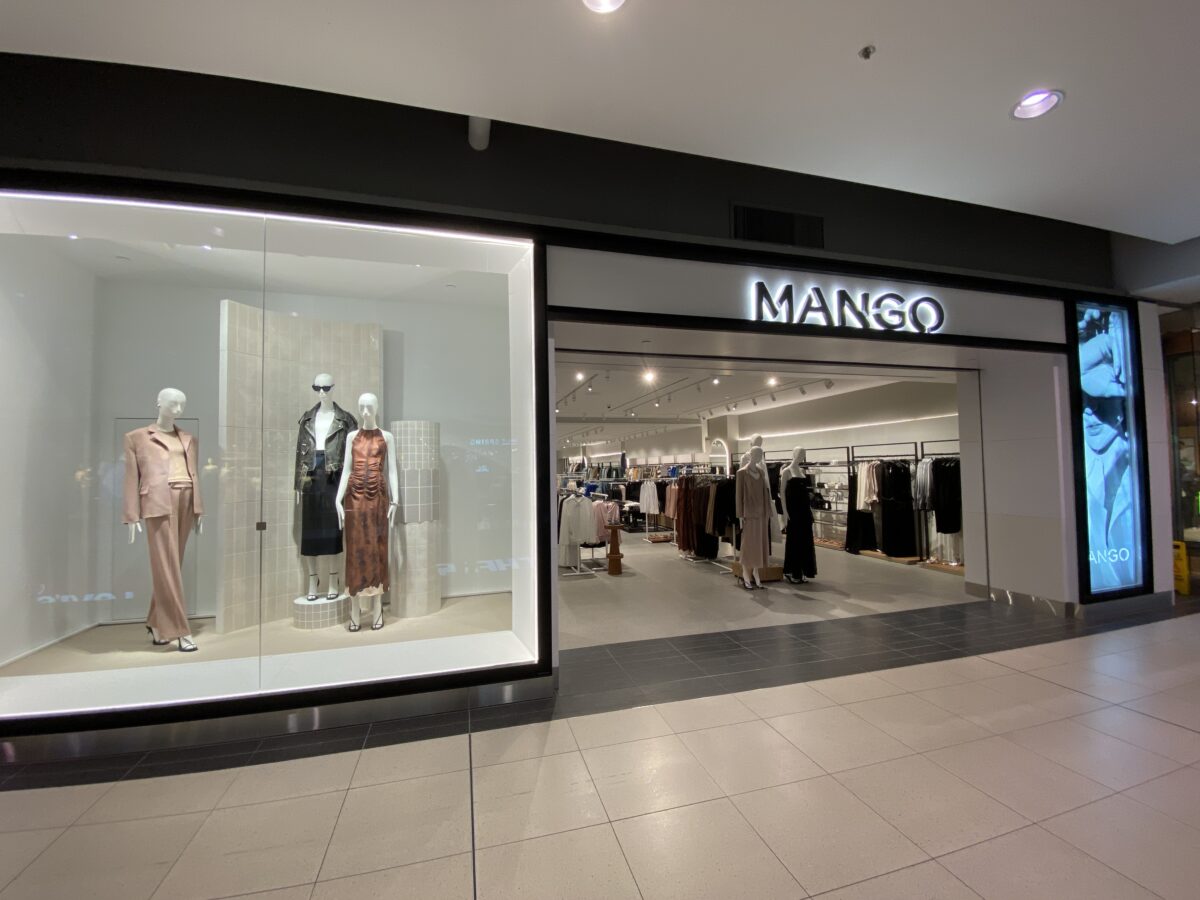
Other brands Fox Group operates in Canada include skincare brand Laline, fashion retailer Mango, home retailer Fox Home, and another retail concept under its ownership umbrella is expected to open in Canada next year. The Mango and Fox Home concepts both launched in Canada this year. 

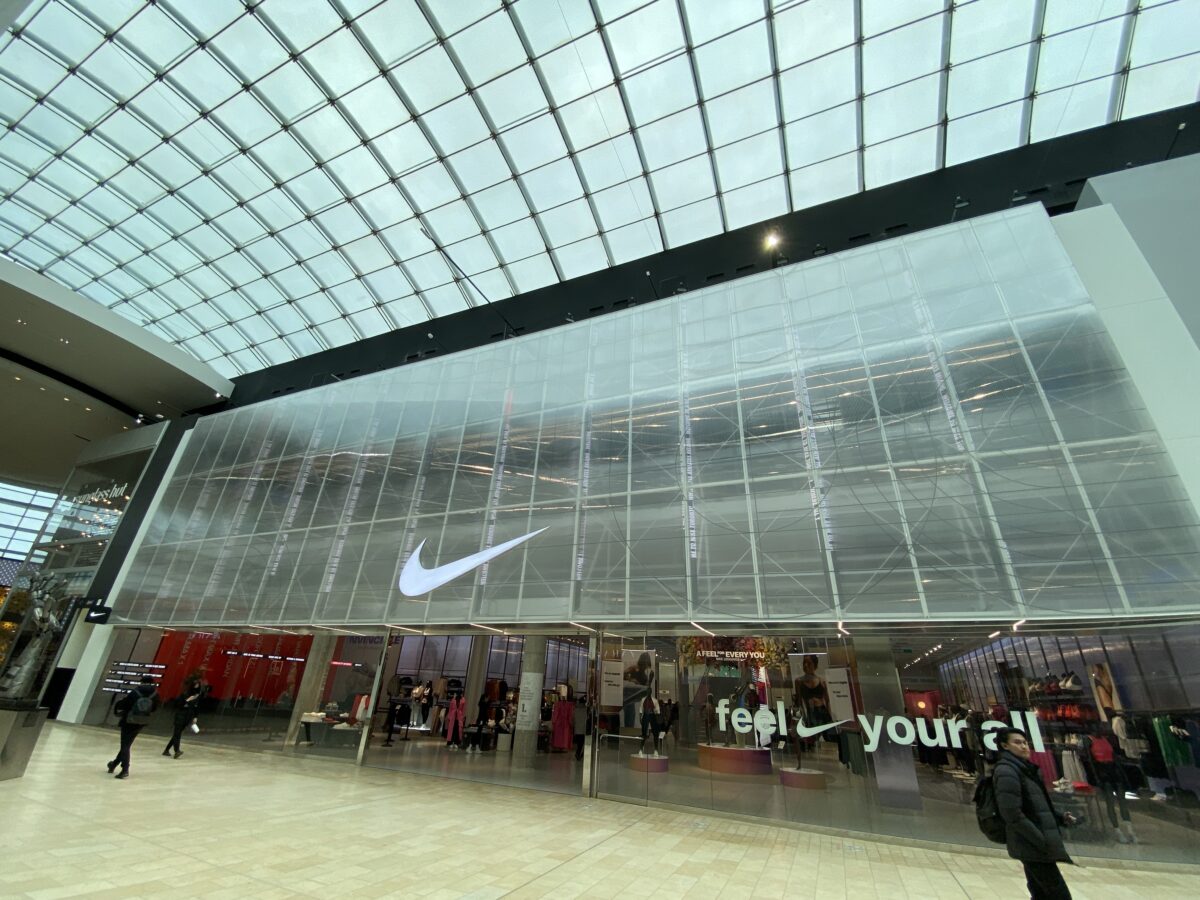
Nike Flagship at Yorkdale Shopping Centre (Image: Dustin Fuhs)
FOX HOME at CF Toronto Eaton Centre (Image: Dustin Fuhs)
Mango at CF Toronto Eaton Centre (Image: Dustin Fuhs)

Since before the pandemic, Nike has been cancelling wholesale accounts with retailers globally. Recently some were surprised when Nike re-established retail partnerships with DSW and Macy’s. Many brands now are choosing to focus on direct-to-consumer sales, both in physical stores as well as online. At the same time, companies looking to grow are, in some cases, working with larger retailers in partnerships that involve various parameters. 

We’ll follow up on this story when Nike opens its new Edmonton store, as well as when we find out where new flagships will be opening in Canada. 

Nike construction hoarding at West Edmonton Mall (Photo: Jorden Clarke)

La Cordée Unveils Unique Flagship Store in Downtown Montréal, Featuring In-Store Mobile Climbing Wall and Interactive Outdoor Experience [Photos/Interview]

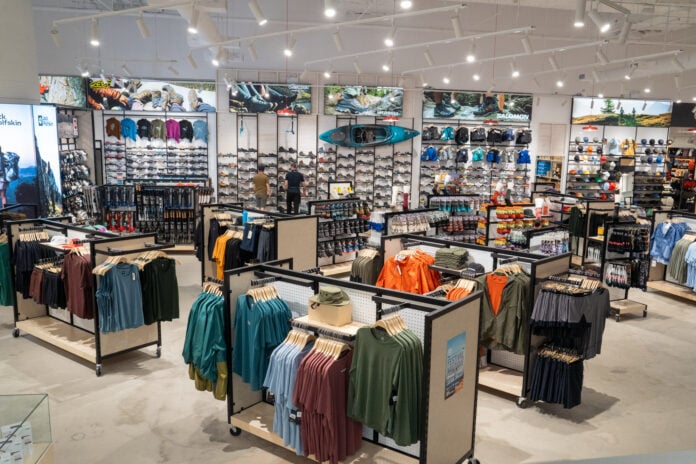
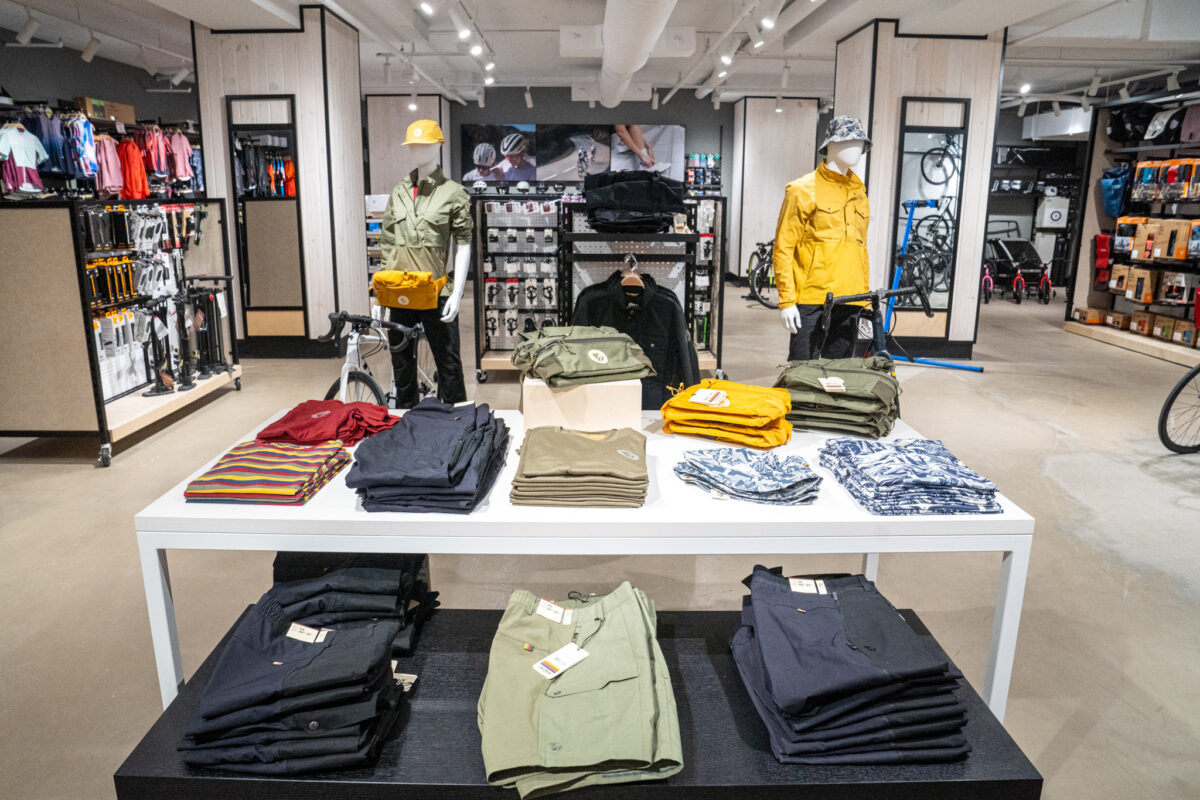
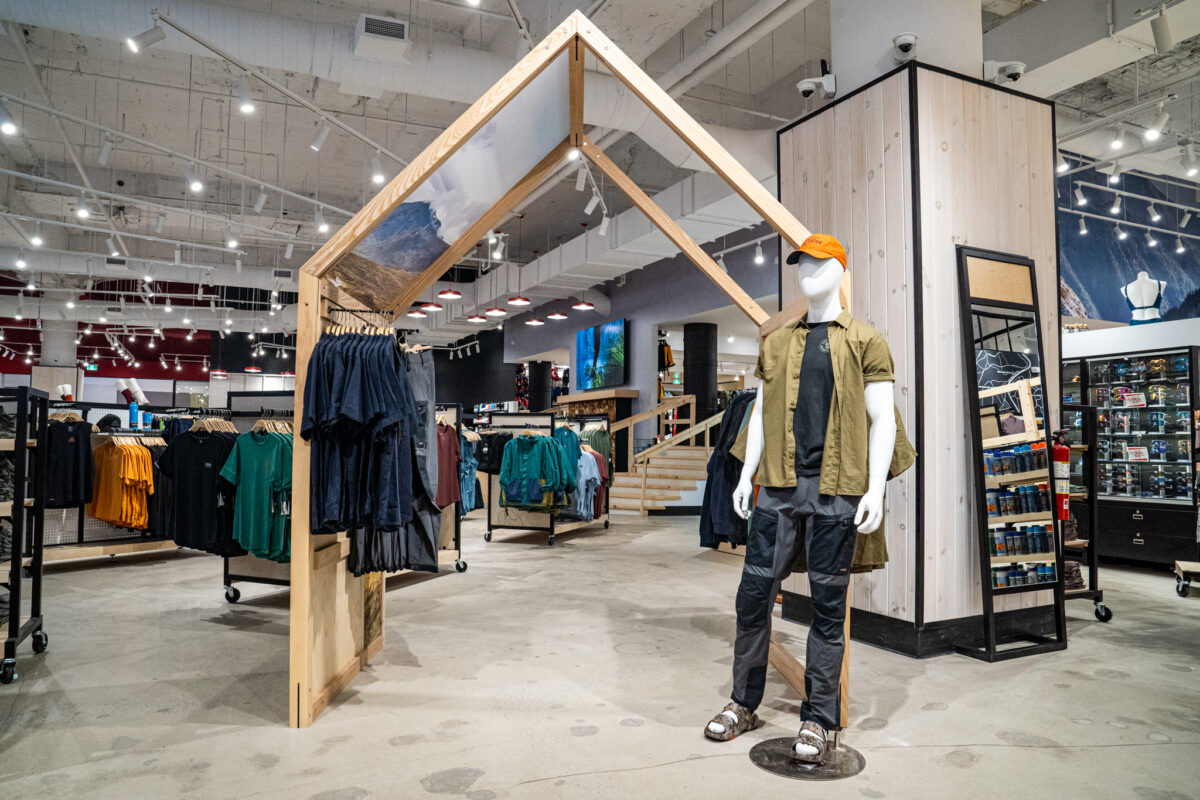
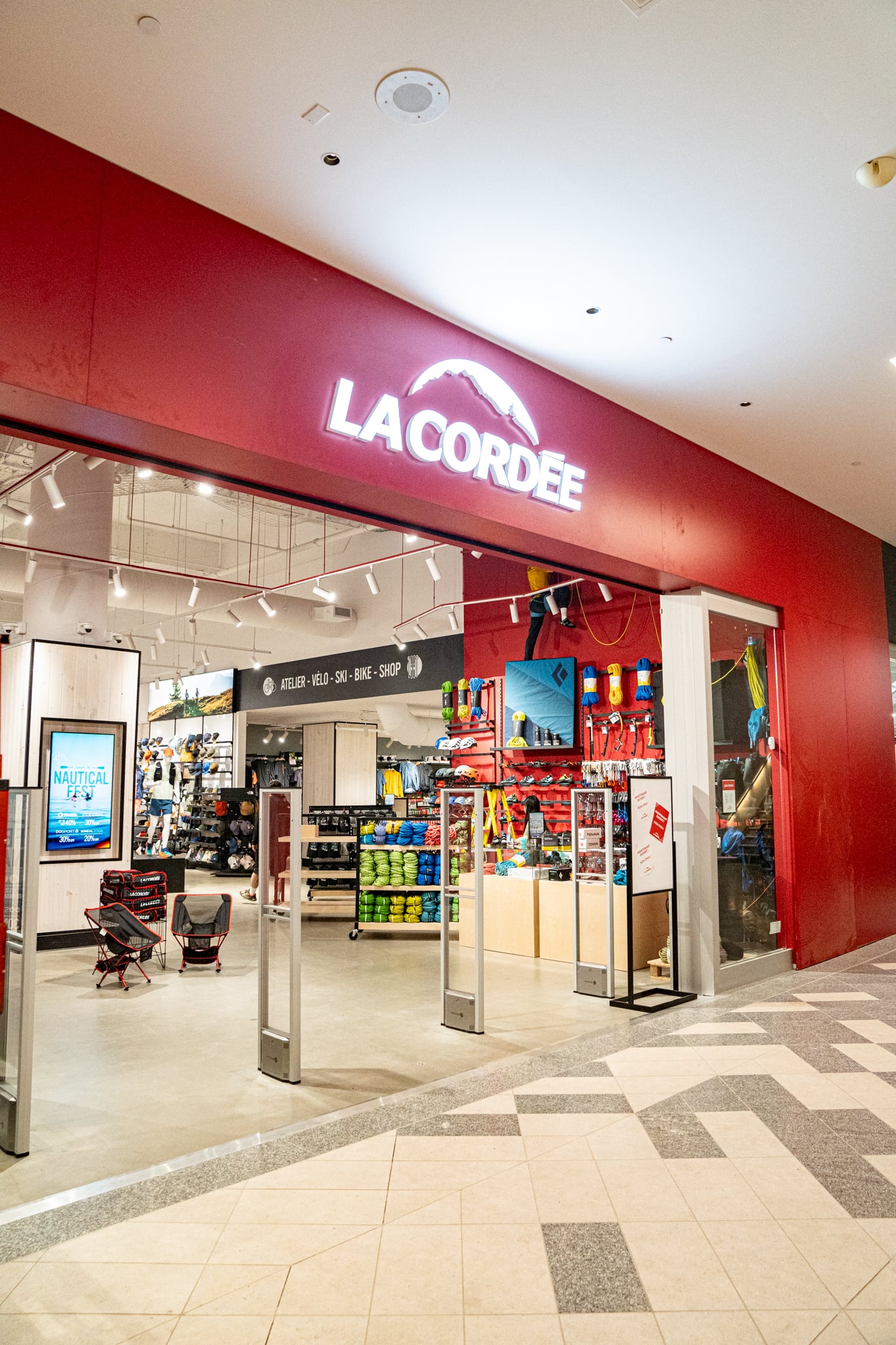
La Cordée Promenades Cathédrale MTL (Image: La Cordée)

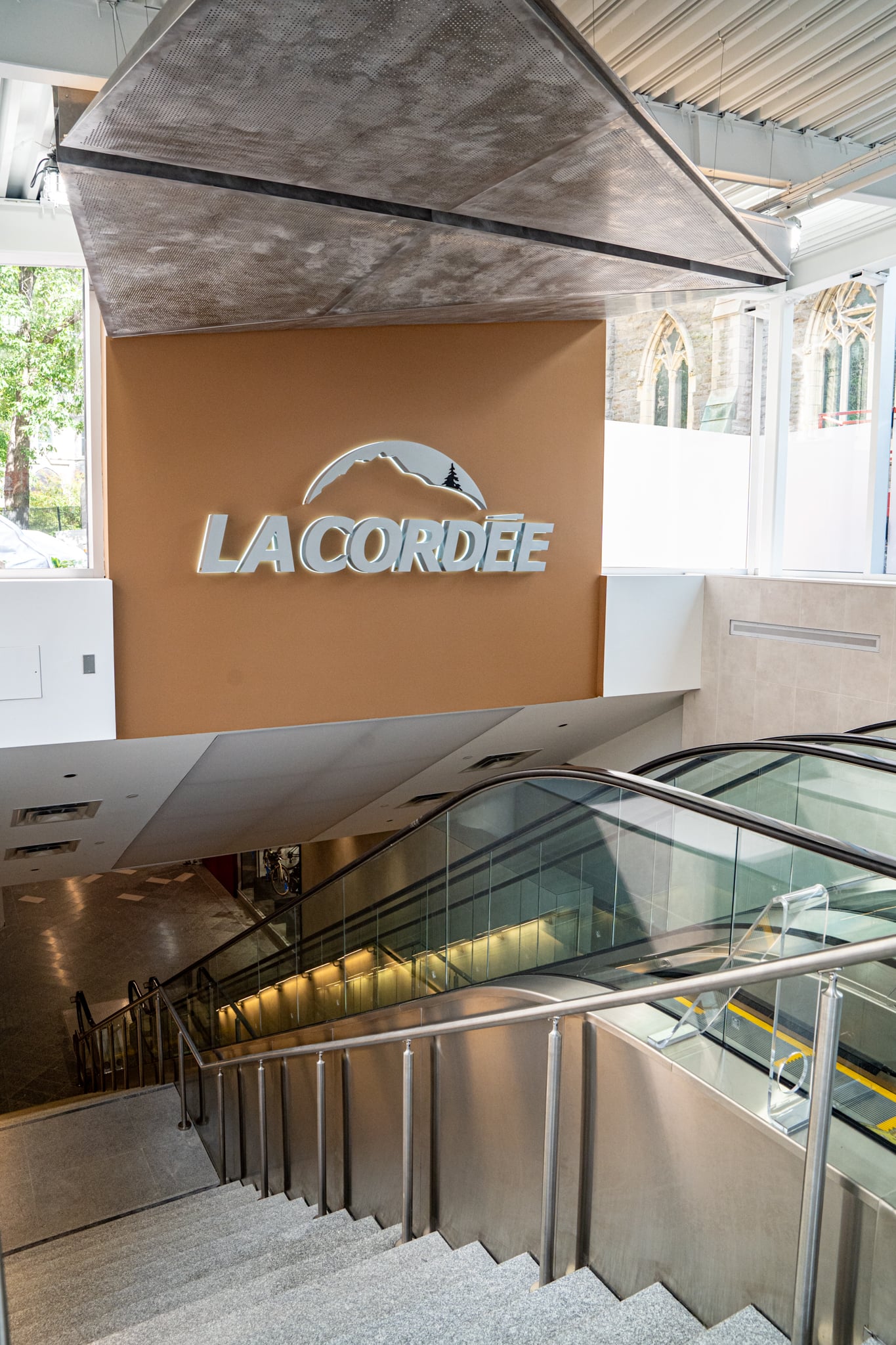
La Cordée continues to grow its retail presence in the Quebec market with the opening of a new flagship store, its eighth, at Promenades Cathédrale in the heart of downtown Montréal.

The Québec outdoor equipment retailer says it is the only one in Canada offering customers an in-store mobile climbing wall.

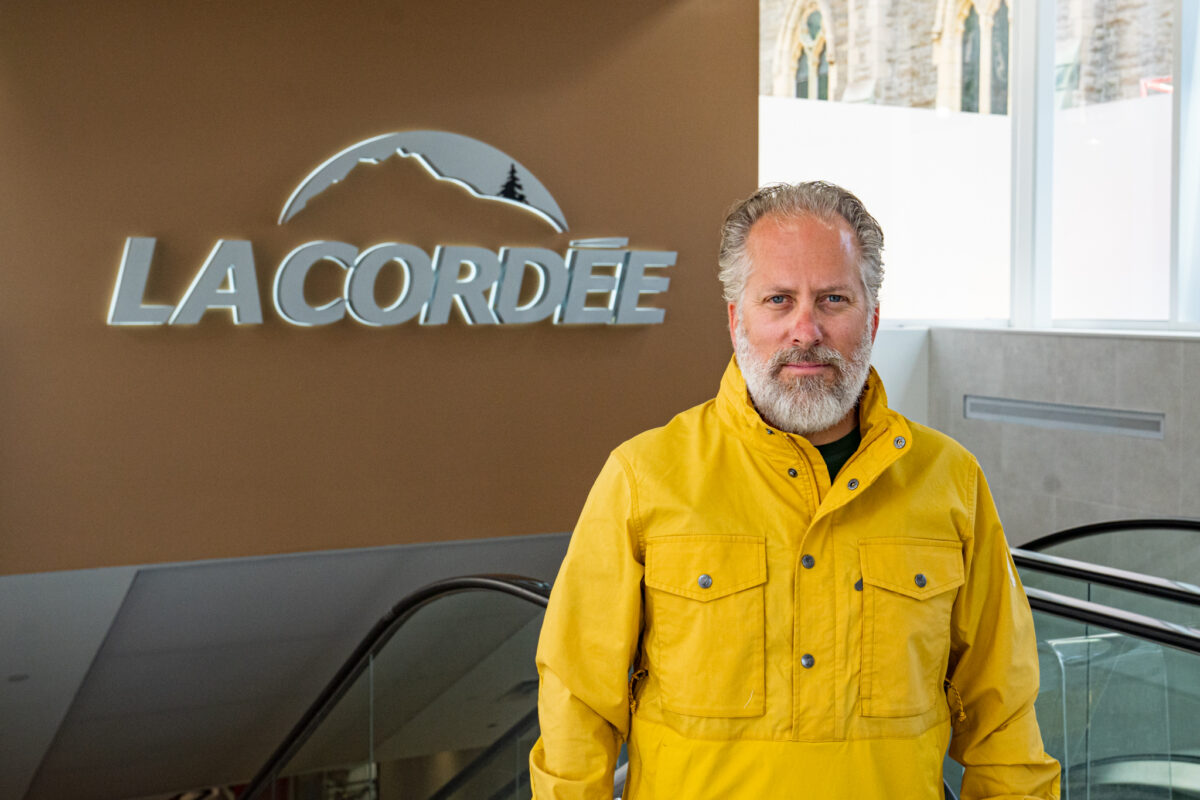
Cedric Morisset

“We are especially pleased to be officially opening our very first store in downtown Montréal,” said Cédric Morisset, President of La Cordée. “With an exceptional customer experience and a concept that is unique in the country, this eighth La Cordée store will enable us to serve our urban clientele and all outdoor sports enthusiasts even more effectively. This official opening is the latest step in our emblematic banner’s strategy: to reconnect with the DNA that made its reputation and become king of the mountain again.”

La Cordée Promenades Cathédrale MTL (Image: La Cordée)

La Cordée is owned by Mach Capital, an investment company of the Mach Group, one of Canada’s leading private real estate owners and developers.

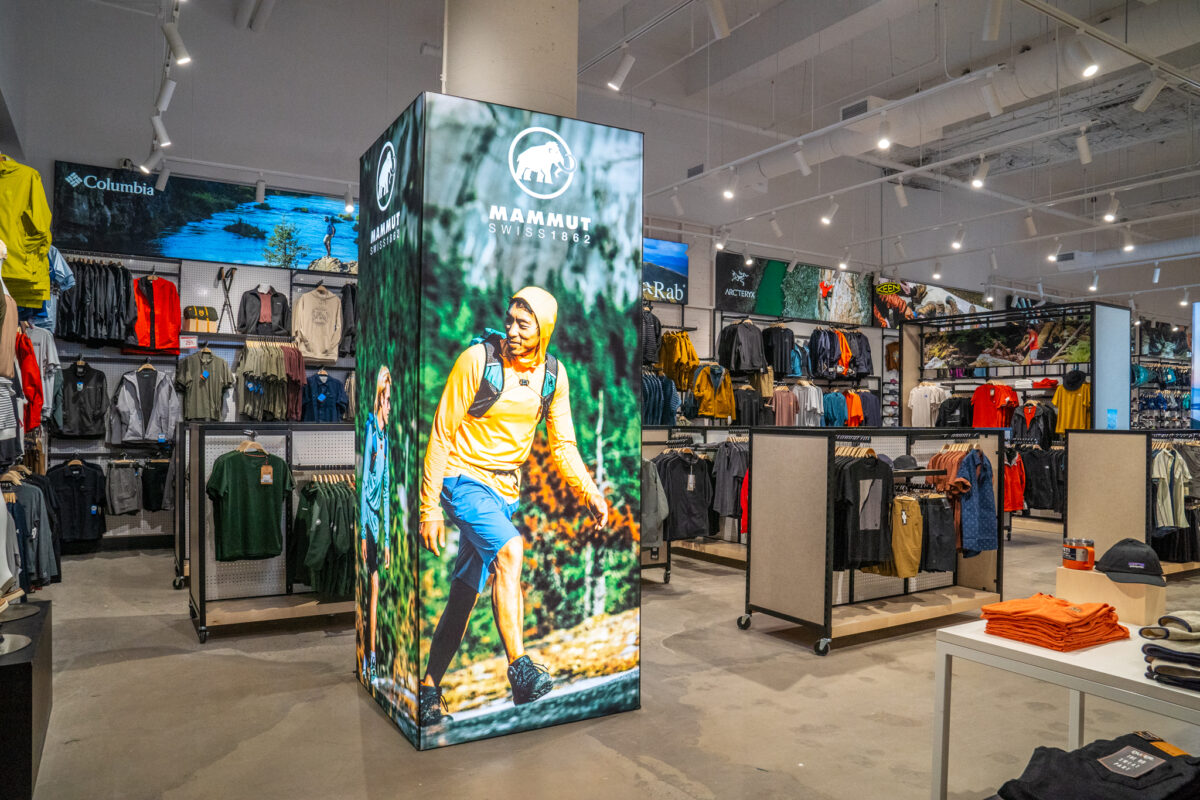
The new 25,000-square-foot La Cordée store is strategically located in an area of the city renowned for its vibrancy, and is designed to enhance the shopping experience by encouraging consumers to try out the products in a variety of different spaces on-site. 

“From the outset of the creation of this new retail concept, the customer is at the heart of the store’s narrative, with everything designed to replicate a real-life outdoors experience for the customer. Because it is located directly beneath the cathedral, the store also boasts a unique cachet combining history and design,” says the company.

“In addition to the mobile climbing wall, a facility unique in Canada that is sure to catch the public’s attention, the new store features workshops for cycling, cross-country skiing and hiking. All of this revolves around a lobby and lounge area designed to encourage interaction and enable the community to rally together around their shared passion for outdoor activities. 

La Cordée has been in business for 70 years. All stores are in Quebec.

La Cordée Promenades Cathédrale MTL (Image: La Cordée)

Promenades Cathédrale is a 135,495-square-foot retail complex on Saint Catherine Street in downtown Montreal, underground beneath the Anglican Christ Church Cathedral.

“It is obviously an iconic place in downtown Montreal,” said Morisset. “It’s underneath one of the oldest cathedrals in North America. It’s a pristine location. It is underneath and it is on the way to the Metro McGill, or the subway McGill.

“So there’s a lot of foot traffic. It’s also underneath the KPMG tower. There’s also a lot of office people that work above our store.”

The brand partnered with Benoy (previously GH+A design studios) for this project.

Cedric Morisset at La Cordée Promenades Cathédrale MTL (Image: La Cordée)

Morisset said the retailer has opened three stores in the last 18 months.

“Right now we’re going to pause for at least 18 to 24 months and we’re going to focus on our location right now. Probably the next step for our organization is going to be in 24 months from now,” he said.

Morisset said the short-term plan is to gain even more traction throughout Quebec.

“We’re really Montreal centric right now and Quebec City centric but there’s a lot of smaller cities we could be like Gatineau, Chicoutimi, Rimouski and so on. So there’s a lot of great smaller towns where we will focus before crossing the Ontario border.”

Swatch Unleashes Ambitious Expansion Plan with 5 New Canadian Stores this Year [Interview]

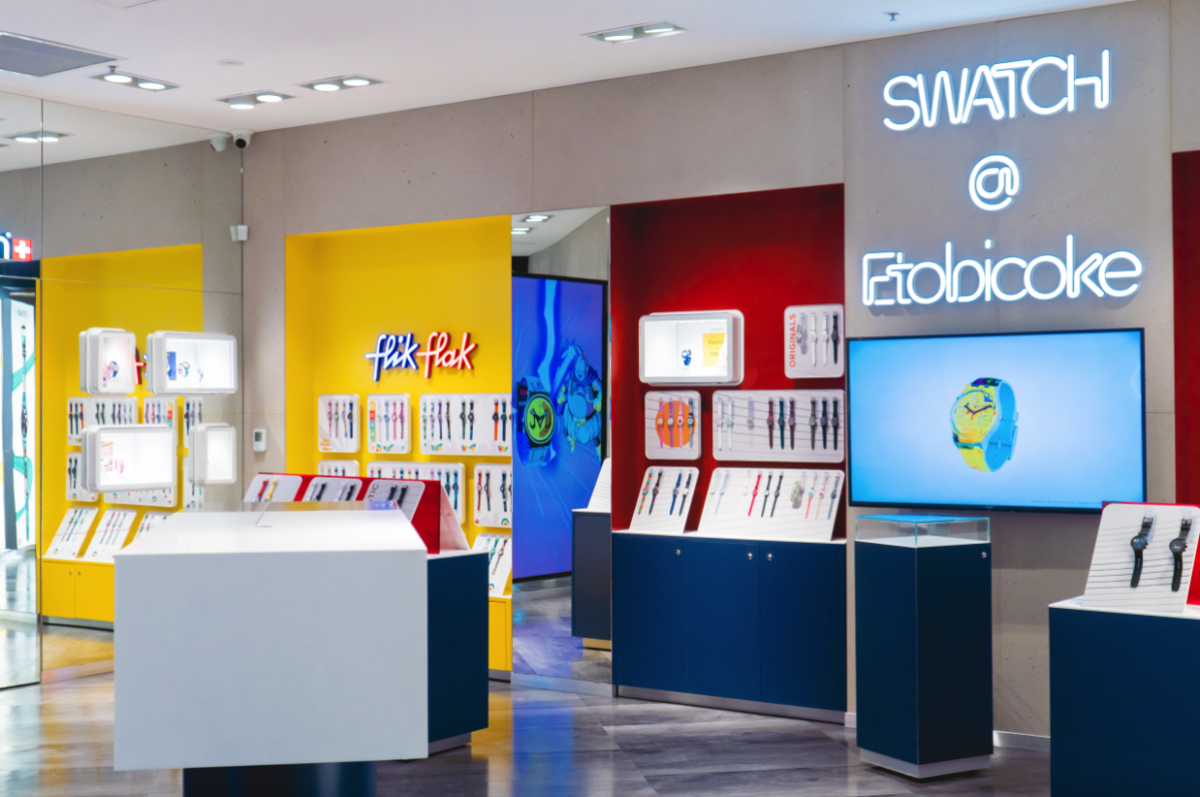
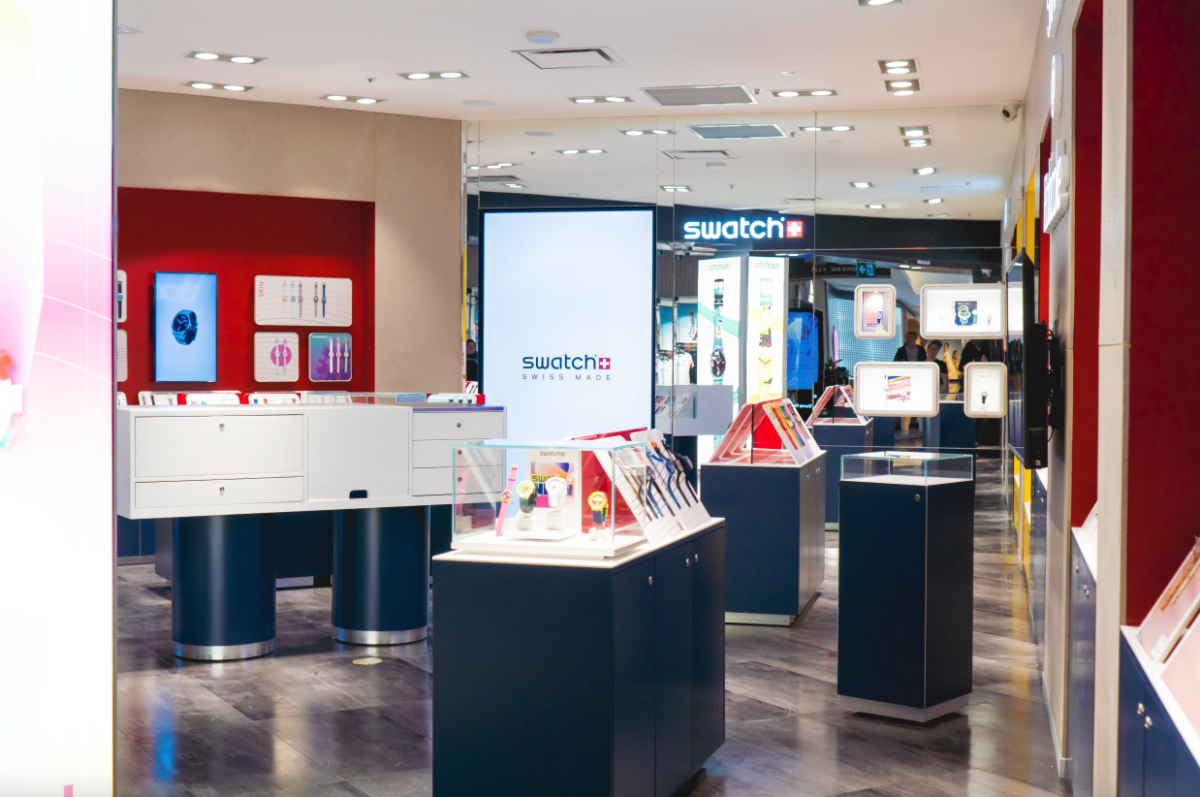
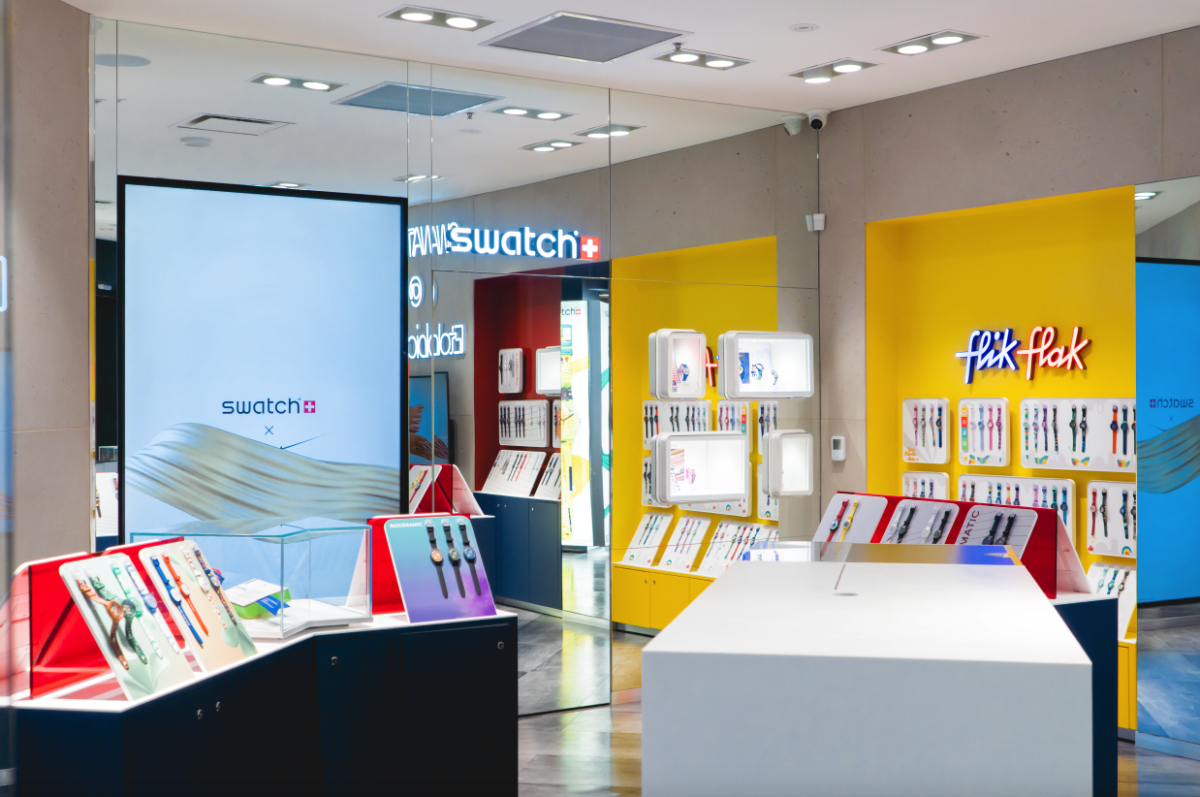
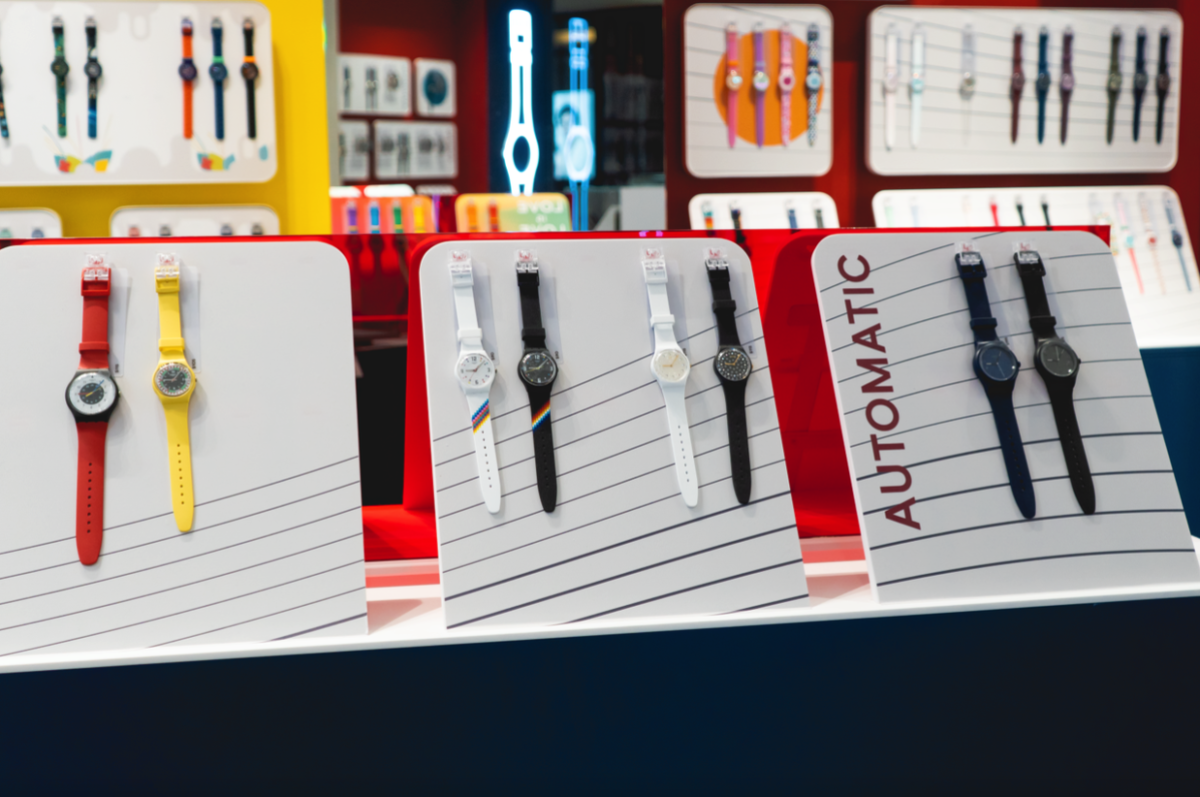
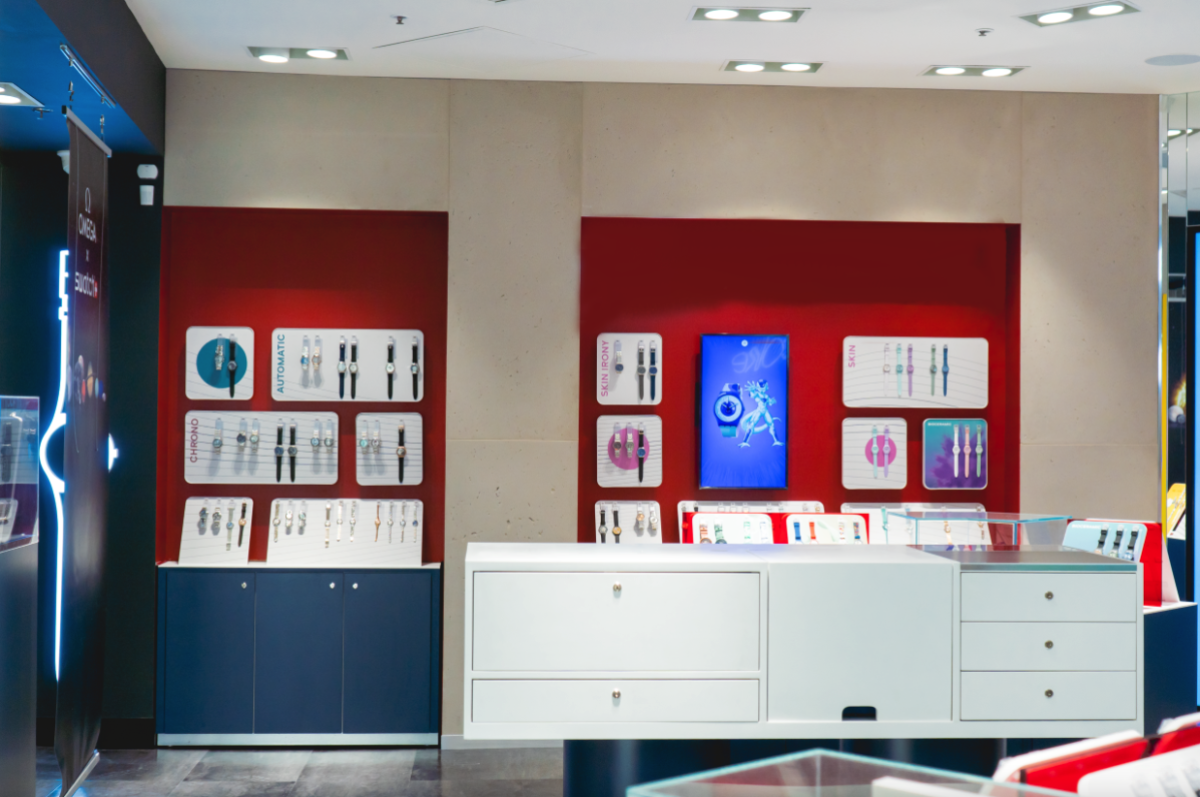
Swatch at CF Sherway Gardens (Image: Swatch Group)

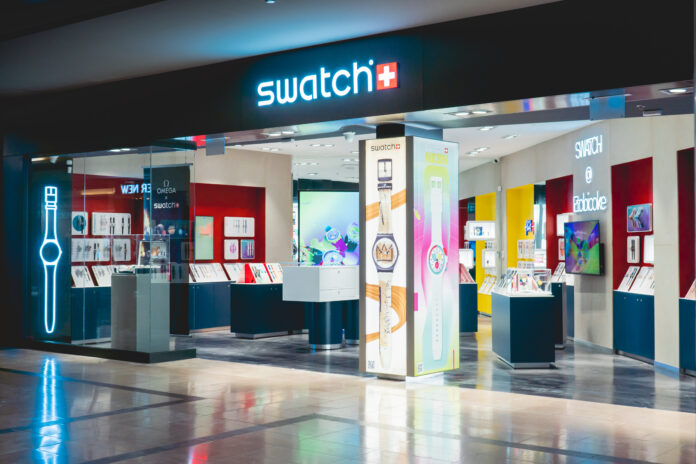
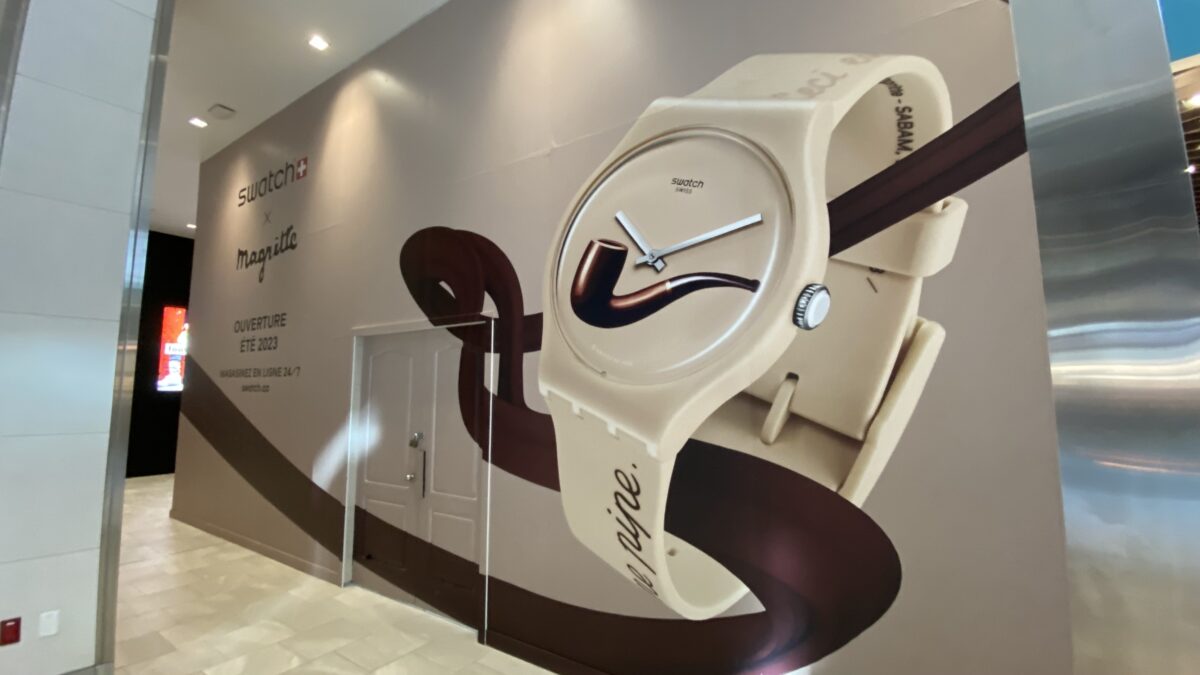
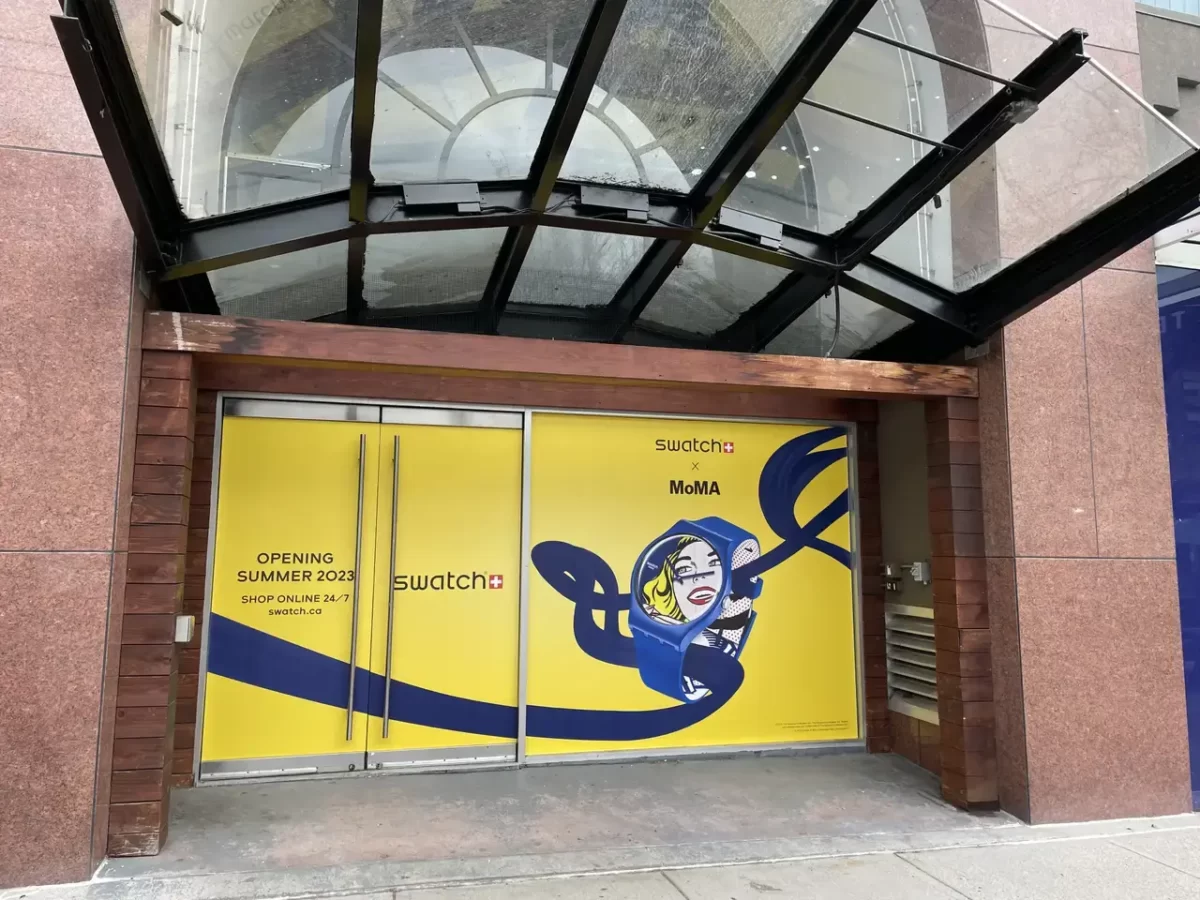
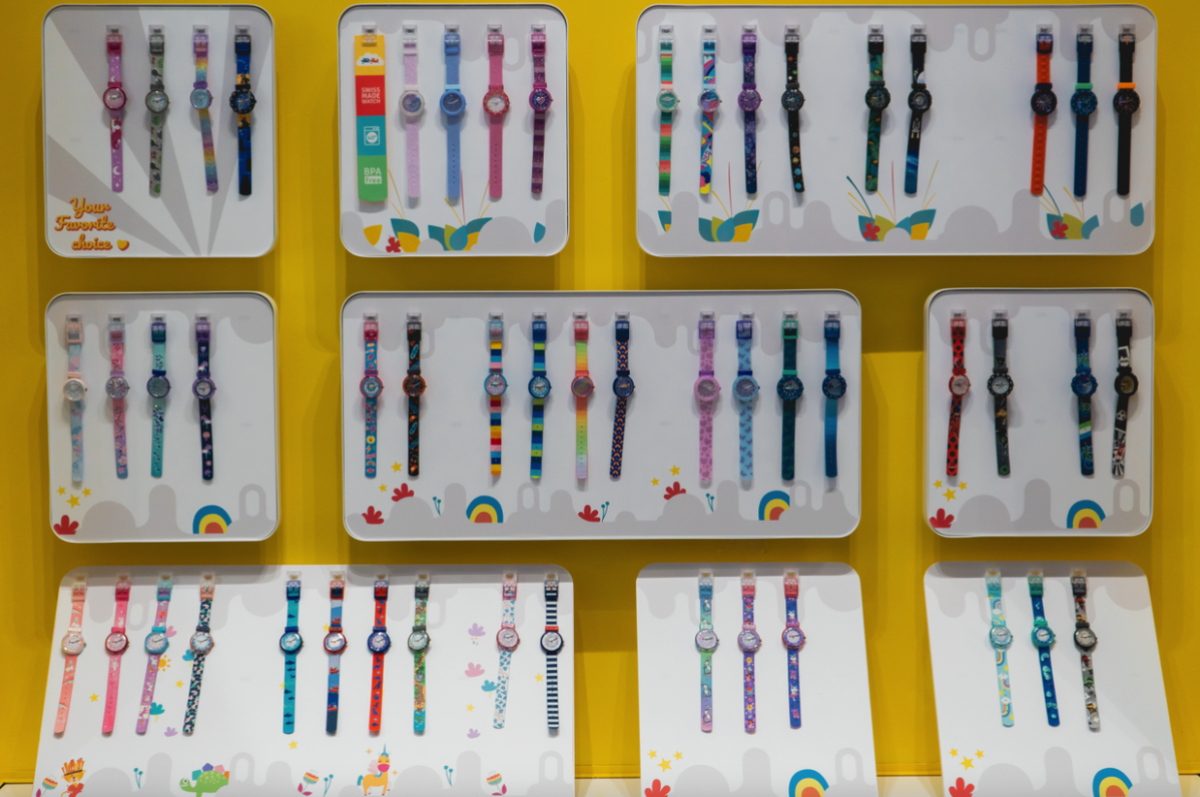
Watch retailer Swatch has aggressive plans to expand its retail presence in Canada.

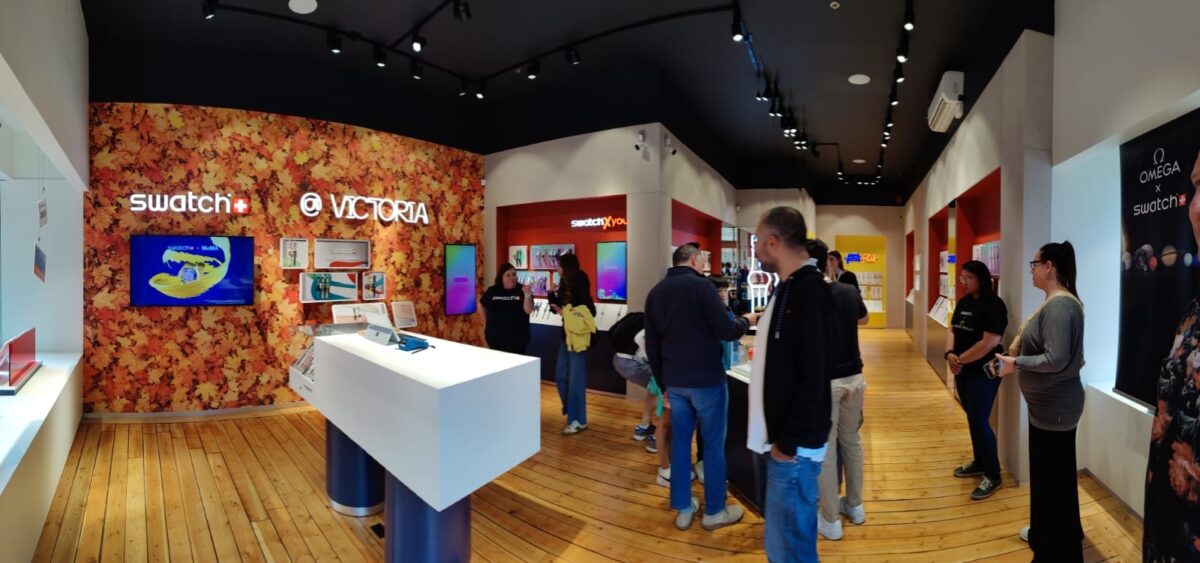
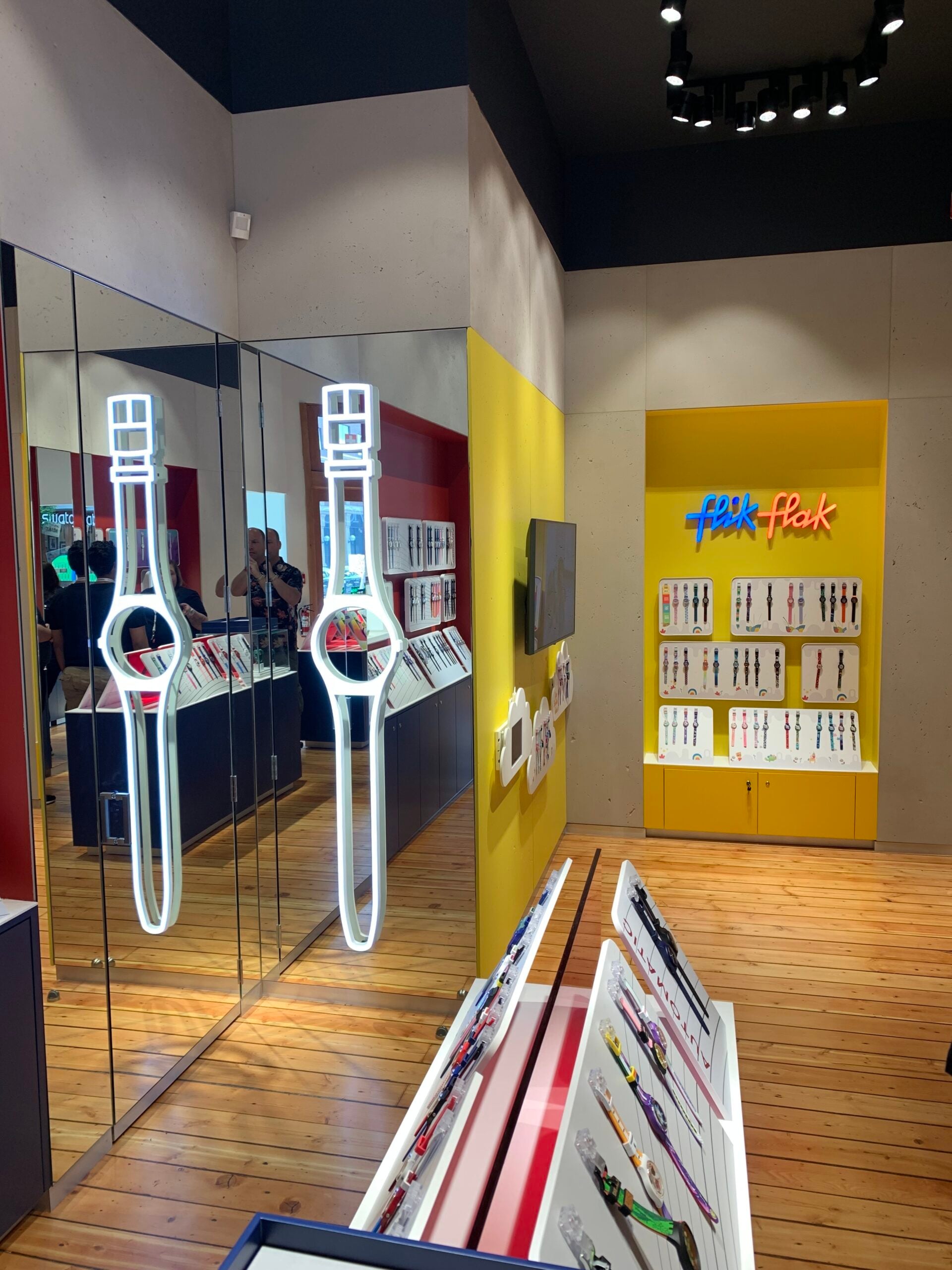
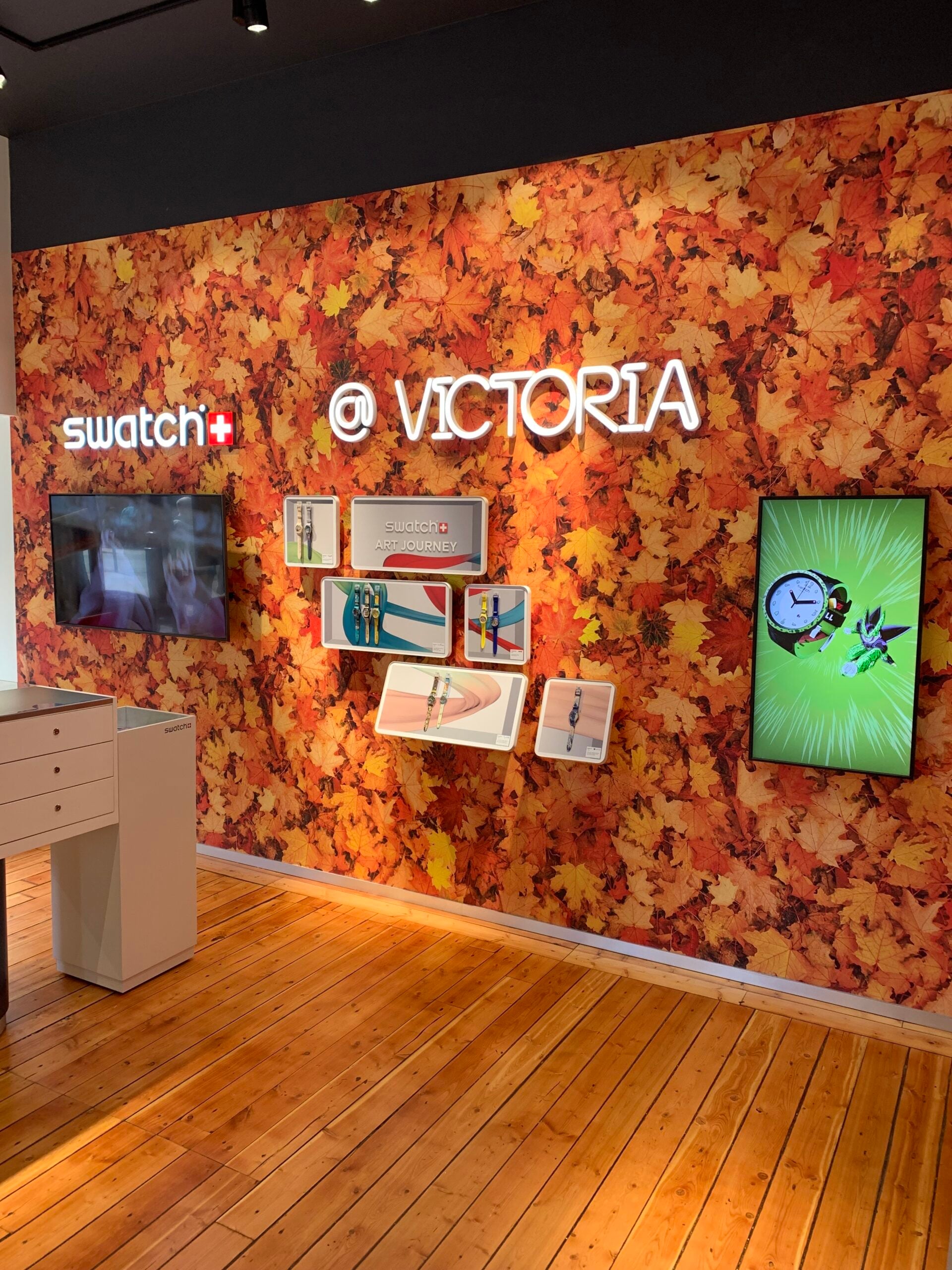
Recently it opened a new store at CF Sherway Gardens in Toronto and in Victoria on Government Street and has plans to open another three new stores in the country this year.

Shawn Kotania, brand manager in Canada, said the company currently has 11 stores operating in the country. 

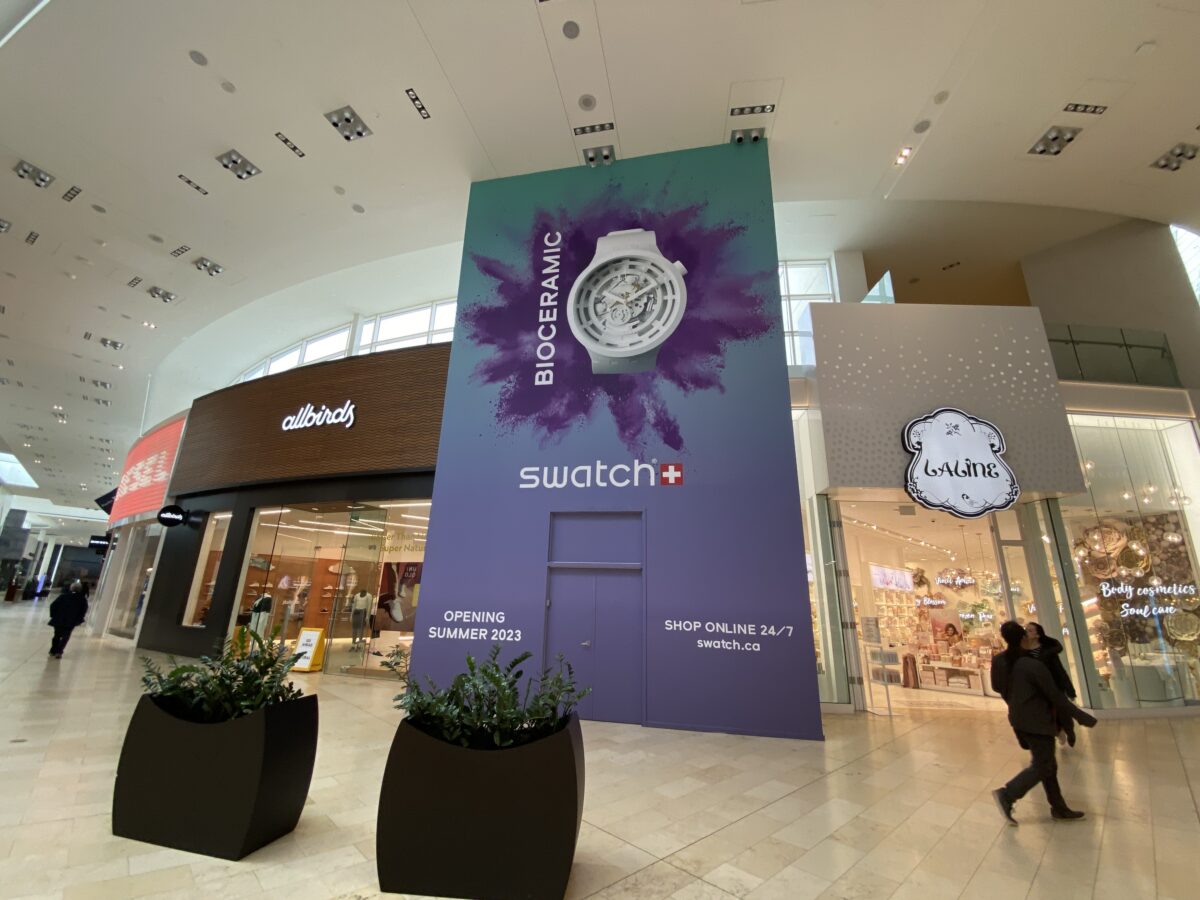
He said the current store on Sainte-Catherine Street in Montreal will also be moving to the Montreal Eaton Centre in a couple of weeks followed by new store openings in Yorkdale Shopping Centre in Toronto in July, CF Chinook Centre in Calgary in September and then a flagship store on Robson Street in Vancouver in September as well.

Swatch at CF Sherway Gardens (Image: Swatch Group)

“We’ve been around for 40 years now. We were founded in 1983. Swatch actually stands for second watch,” said Kotania.

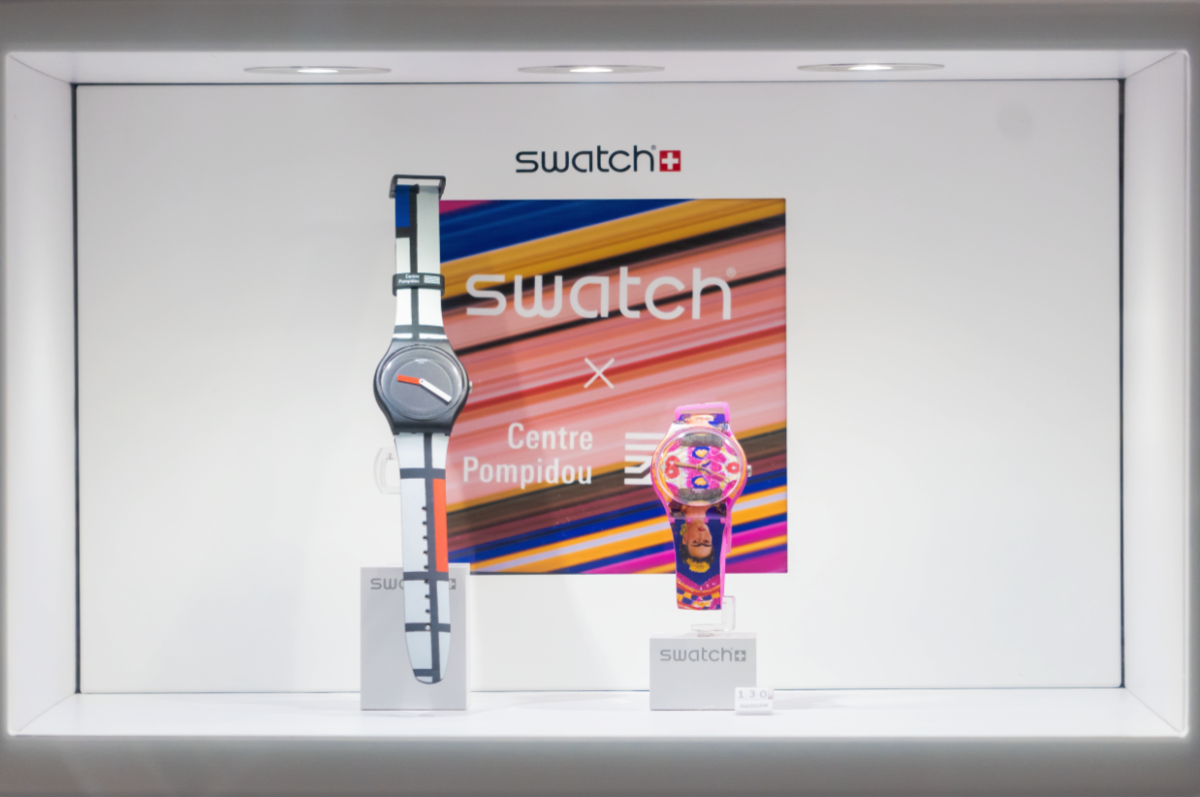
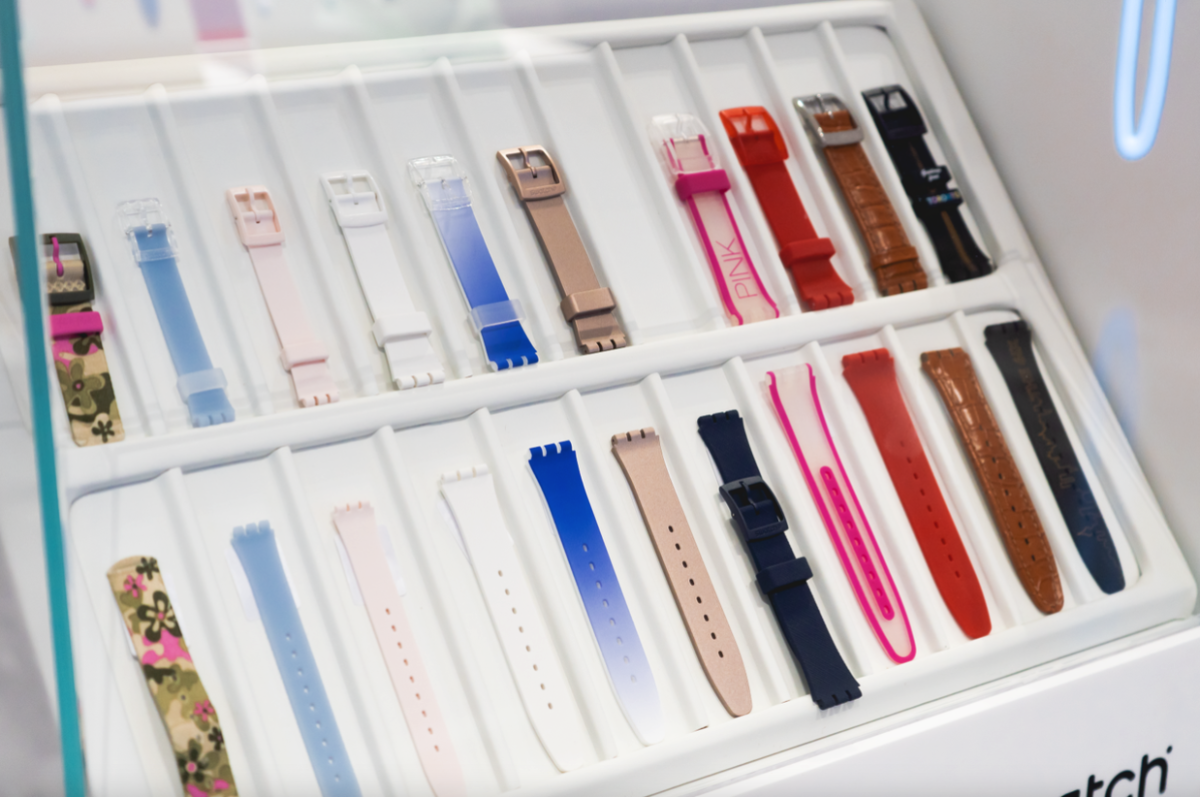
“What we’re about is a watch that anybody can wear and anybody can basically afford. It’s about showing each person’s individuality and personality through our product. We do different collaborations throughout the year. Right now our latest collaboration is the Art Journey where we’ve partnered with different museums around the world.”

Kotania said the brand is exploring further opportunities for expansion in Canada.

“I can’t get into those opportunities right now as they’re under negotiations. But yes we are looking at continuing to grow in 2024,” he said.

Swatch Victoria on Government Street (Image: Swatch Group)
Future Swatch at Yorkdale Shopping Centre (Image: Dustin Fuhs)

“Right now the way we’re kind of approaching this is we don’t expect a Swatch store to be in every mall throughout Canada. We want people to come back to our store, to come back to the mall.

“For real estate what we’re trying to do is make sure that we have a cross country presence. Last year we opened Halifax. Now we’re opening Victoria. So we can say we are coast to coast basically right now. With opening up Calgary we’ve got coverage in Alberta. Robson Street in Vancouver. We will have that coverage in downtown. Where we see opportunities are in the Prairies and a couple of other cities within Canada but we are covered off in Montreal, Toronto and Ottawa.”

Future Swatch at Montreal Eaton Centre (Image: Craig Patterson)
Future Swatch in Vancouver (connect2source via Vancouver Skyscraper Forum)

Kotania said the store size varies depending on the real estate and the location.

“We go from 500 square feet and we will go to 2,000 square feet. So it really depends on the location. The position we want to take as a brand,” he said.

“Our store that will be opening in Vancouver will be something nobody has ever seen before. It’s going to be a very special store in that way. Our store in Montreal in the Eaton Centre that we’re opening is close to 1,800 square feet. And both those stores will have something that the other stores will not have and this fall people will actually be able to go there and look at different art work, and basically lay our watch over the artwork then we will print that watch to the customization that the consumer wants and they’ll be able to leave with it from the store within 20 minutes.”

Additional Photos from CF Sherway Gardens

Swatch at CF Sherway Gardens (Image: Swatch Group)

When it Comes to Branding, Be Careful Who You Associate With [Interview]

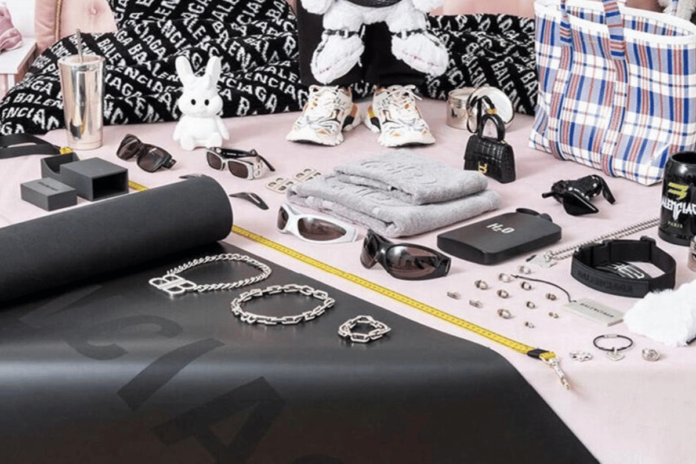
Image: Balenciaga

In recent weeks, a couple of big name brands in the US lost billions of dollars in market value when they were subject to boycotts by angry consumers.

For Target, it was about what many consumers saw as inappropriate merchandise for sale targeting children. For Bud Light, it was the use of a transgender influencer as a spokesperson for the brand.

“Brands that want to go down this path, that want to infuse purpose into their branding and marketing, should do so very thoughtfully and with a clear understanding of how the market might react,” said Neil Brigden, Assistant Professor of Marketing at Mount Royal University in Calgary.

Neil Brigden

“This is particularly challenging for those mass brands like Bud Light, like Target, that aim to appeal to many different consumer groups. And in that situation it can be almost impossible to adopt purpose without offending some customers.

“One way in which brands try to manage this is by tailoring specific messages to cater to different segments, different audiences. But what they’re coming up against is this outrage machine of political commentators who thrive on controversy, who will look for things to take offence at, and they will highlight and amplify anything that they deem controversial. And because of that, an action that the brand might have seen as a very small part of their marketing strategy, like one Instagram post, like a limited time line of clothing, can potentially get a lot of negative attention from an audience that it was never intended for.”

In this video interview, Brigden discusses lessons that businesses and marketers can learn from the experiences of brands Target and Bud Light who lost billions of dollars in market value when they were boycotted by consumers.

Brigden talks about what companies should do when a crisis hits, what are the key things to consider when it associates with someone like an athlete, actor or personality, how to create a brand and develop a strategy for it, and the growing use of influencers by brands.

The Video Interview Series by Retail Insider is available on YouTube.

Connect with Mario Toneguzzi, a veteran of the media industry for more than 40 years and named in 2021 a Top Ten Business Journalist in the world and the only Canadian – to learn how you can tell your story, share your message and amplify it to a wide audience. He is Senior News Editor with Retail Insider and owner of Mario Toneguzzi Communications Inc. and can be reached at mdtoneguzzi@gmail.com.

Interviewed this episode:

Like, Share and Subscribe to Mario Toneguzzi on YouTube!

Follow Mario:

Also check out the other series offered by Retail Insider, including The Weekly podcast and The Interview Series, which are both available on Apple Podcasts, Stitcher, TuneIn, Google Podcasts, or through our dedicated RSS feed for Simplecast and other podcast players.

Follow Retail Insider:

Share your thoughts!

Sustainable Footwear Brand Vivobarefoot Opens First North American Store in Vancouver’s Kitsilano [Interview/Photos]

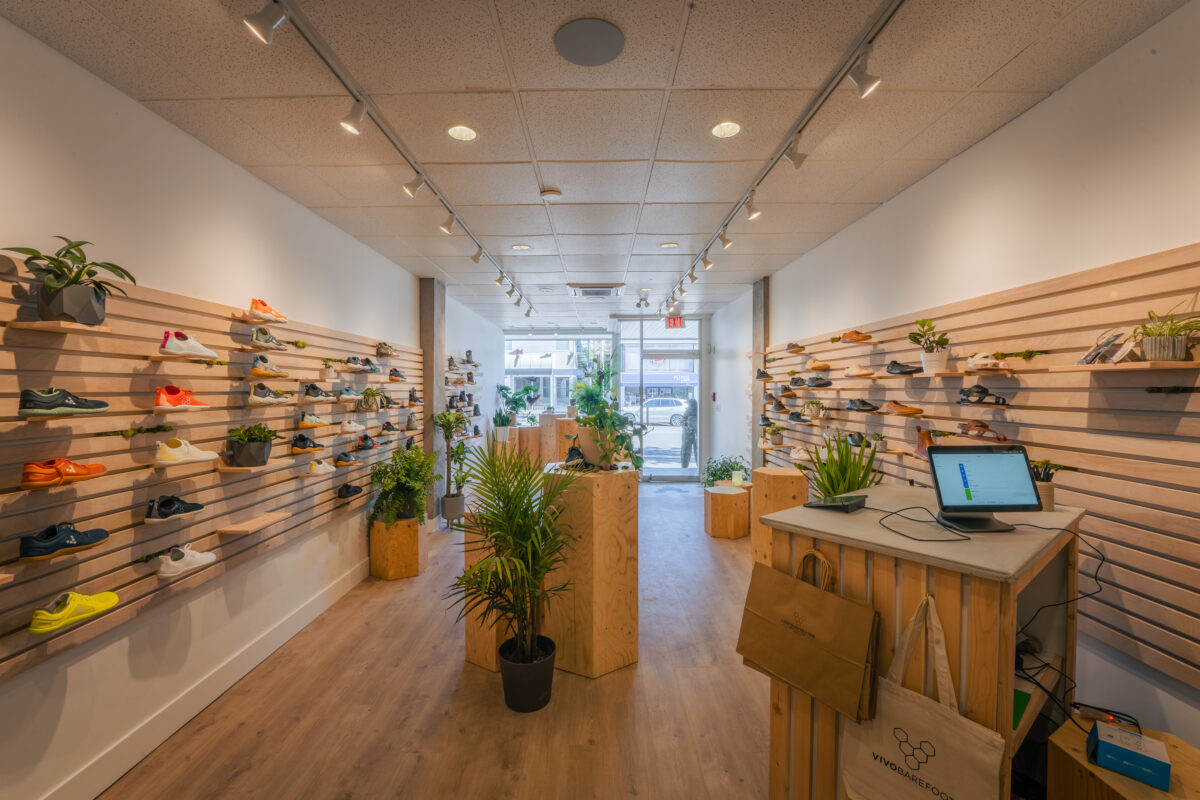
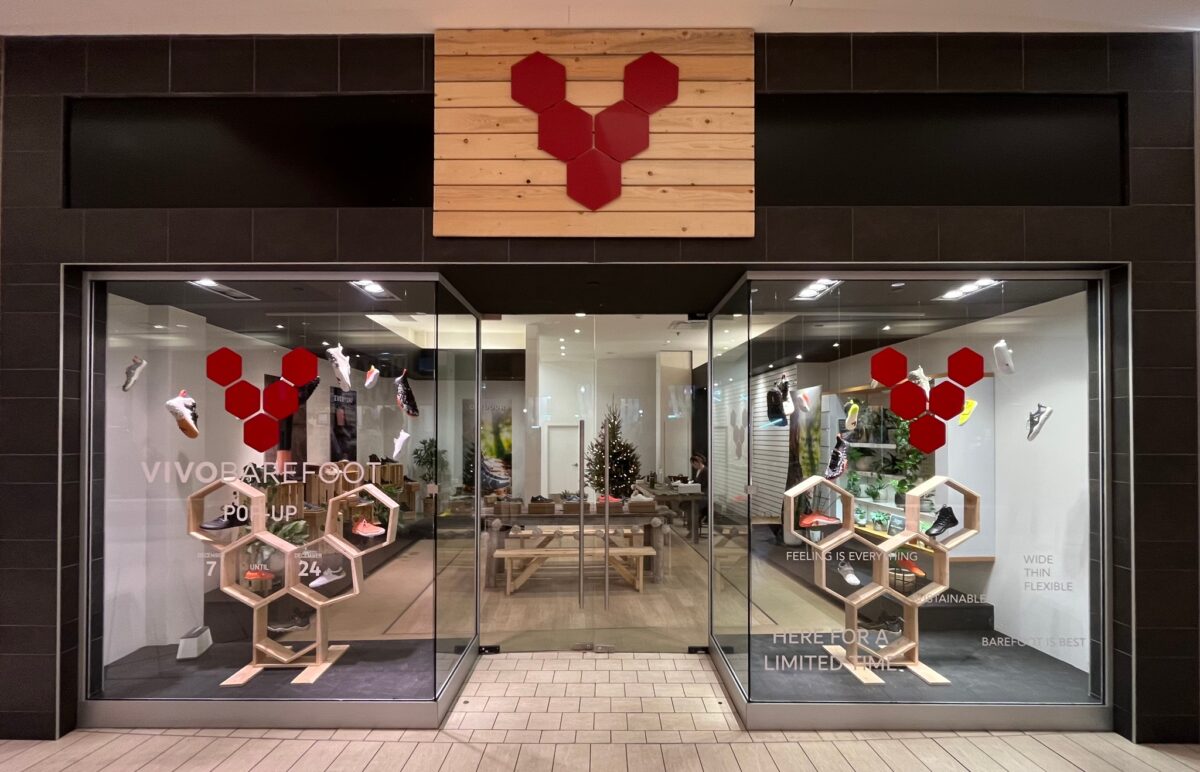
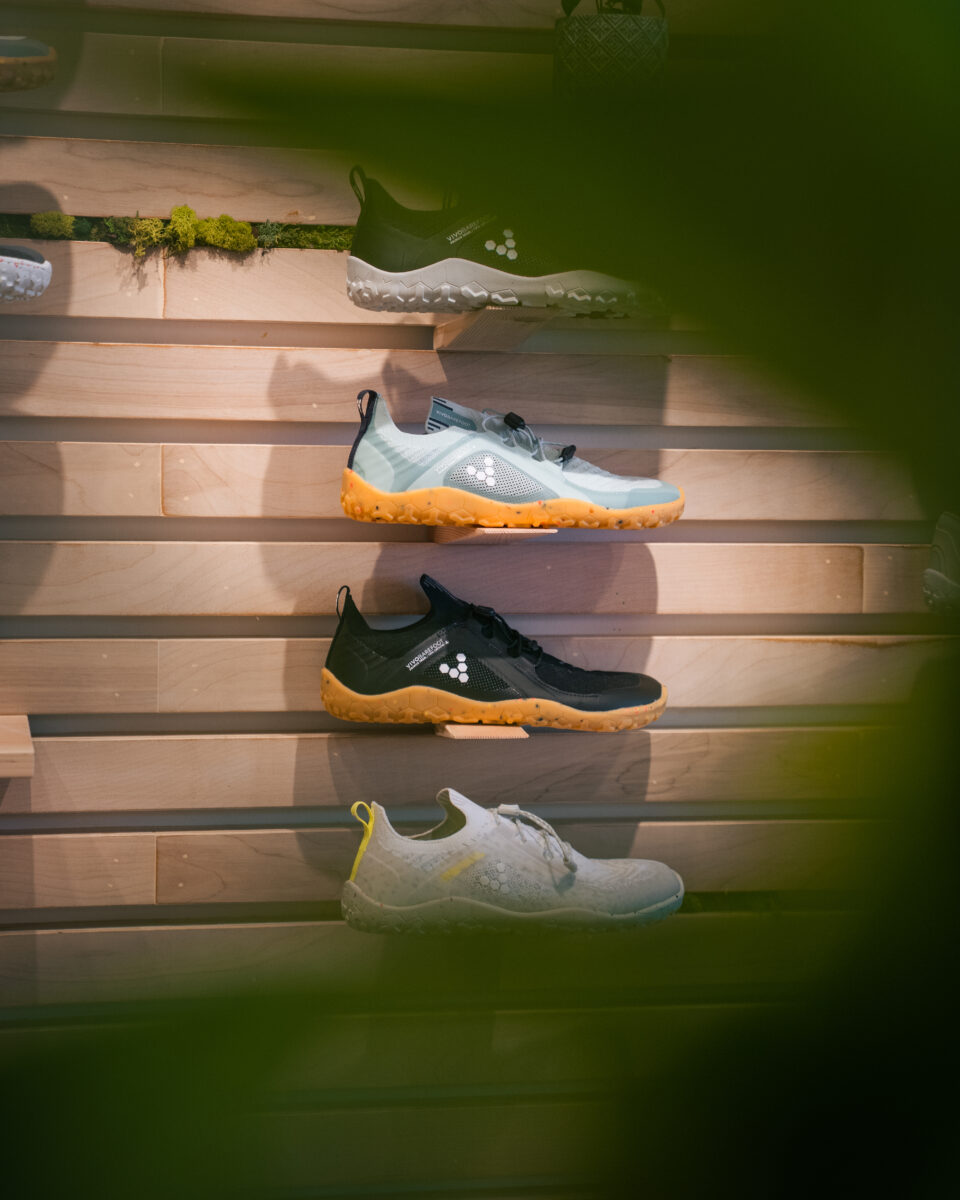
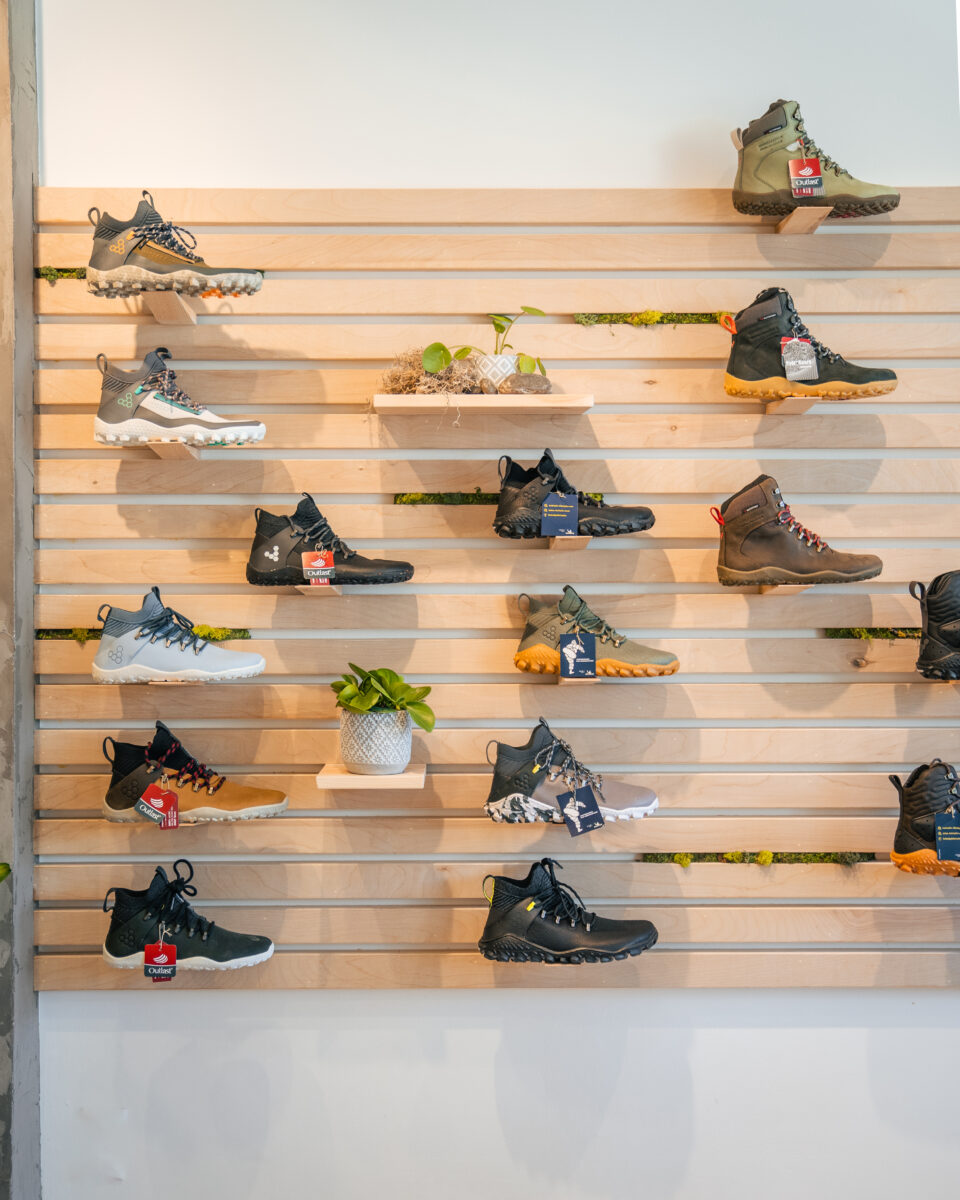
Vivobarefoot at 2190 W 4th in Kitsilano (Image: Vivobarefoot)

Sustainable footwear and natural health brand Vivobarefoot has opened its first store in North America in Vancouver. 

The store is located at 2190 W 4th in Kitsilano.

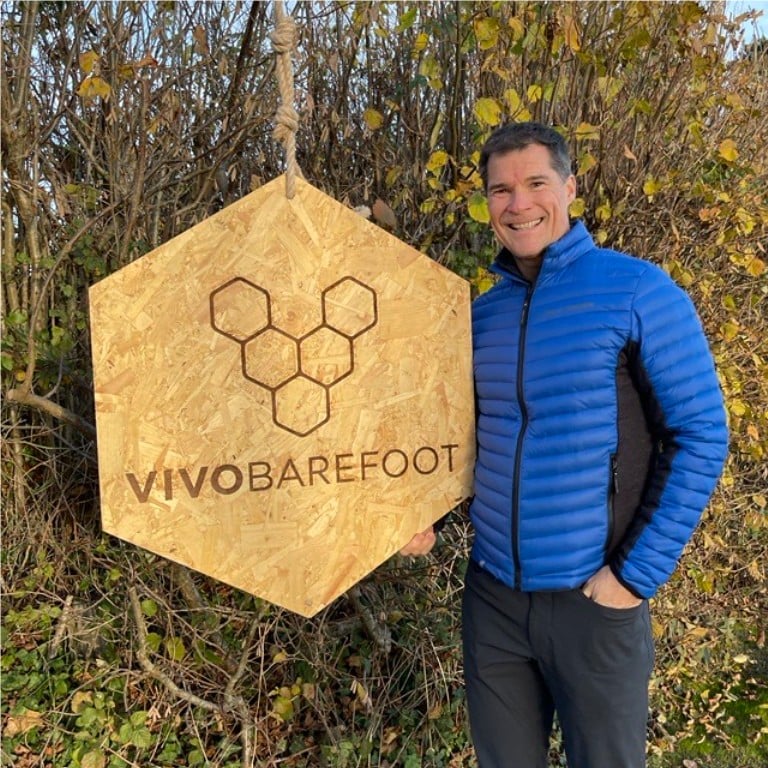
Andrew Bentley

Andrew Bentley, CEO of Vivobarefoot Canada, said Vancouver is an ideal place for the brand to open its first store in North America.

“When you look at the Vancouver lifestyle, the demographics, for us it’s the ideal target market and that’s not to say to the exclusion of Ontario or other geographies . . . but for us in terms of launching the demographics, Vancouverites love their lifestyle. They care about physical and mental health, movement. It is so germane to the lifestyle that they created and as a result of that they gravitate towards our product,” said Bentley.

Vivobarefoot at 2190 W 4th in Kitsilano (Image: Vivobarefoot)

That’s the main reason for the entry into the market in Vancouver, he said, but added that another reason is a logistic one because the company’s warehouse is in Surrey, just south of Vancouver.

“So we have the ability to have a really tight logistical supply chain where all of our product is warehoused in Surrey. We have hundreds, thousands, pairs in the store but we have the ability to hot shot if you will product between the warehouse into the store. And from a Canadian perspective, there’s eight million tourists that hit Vancouver every year and whether they’re there for business or tourism is another opportunity to sort of send people home with some awareness that Vivobarefoot is a global brand.”

Vivobarefoot is a certified B Corp whose goal is to connect consumers to the natural world and set a new standard in regenerative business.

Mario Negris, Martin Moriarty and Josh Cochrane of Marcus & Millichap negotiated the lease deal. 

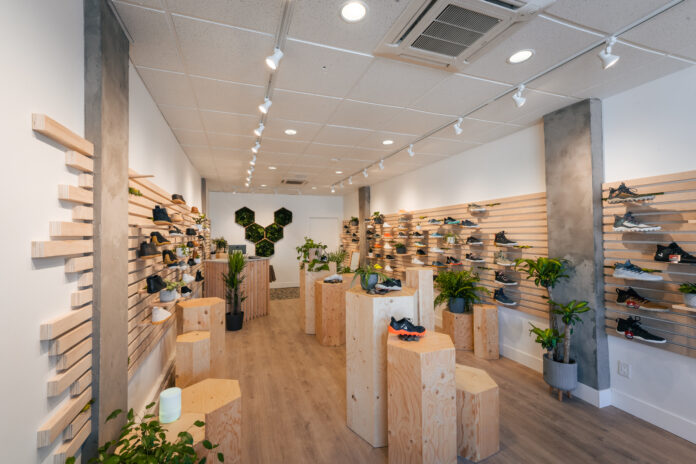
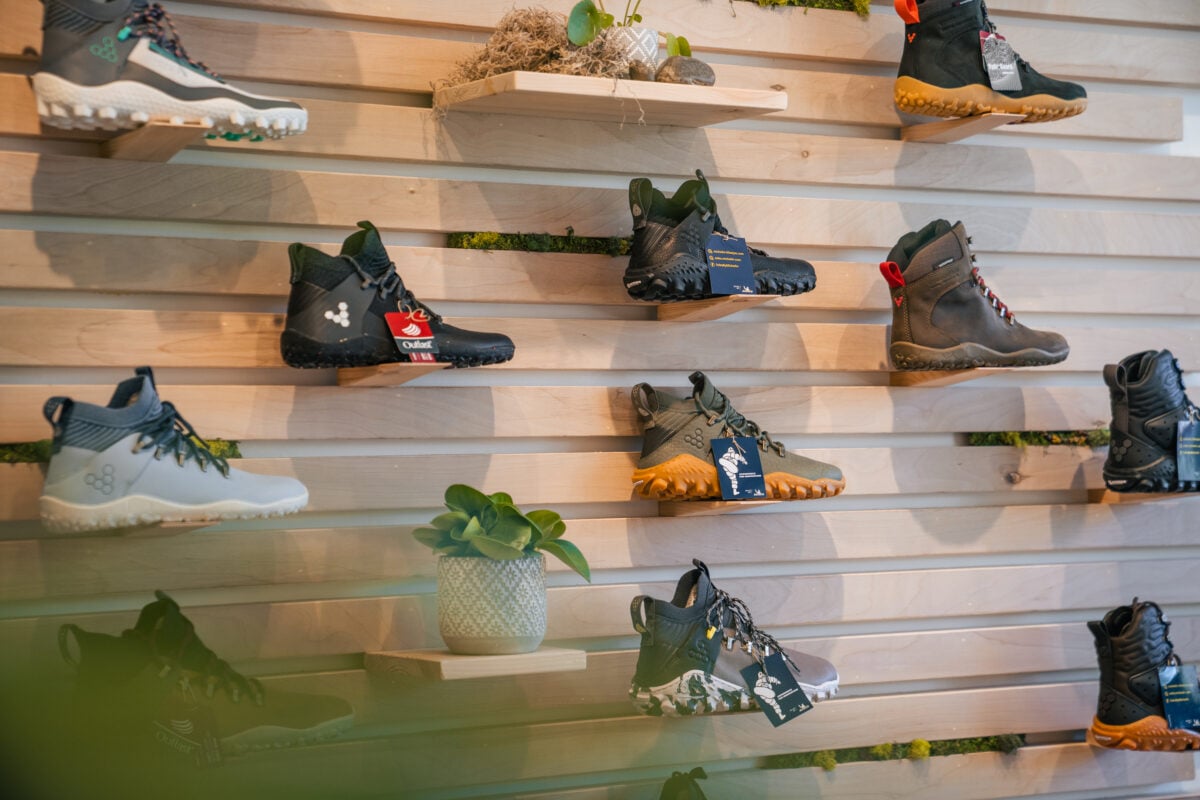
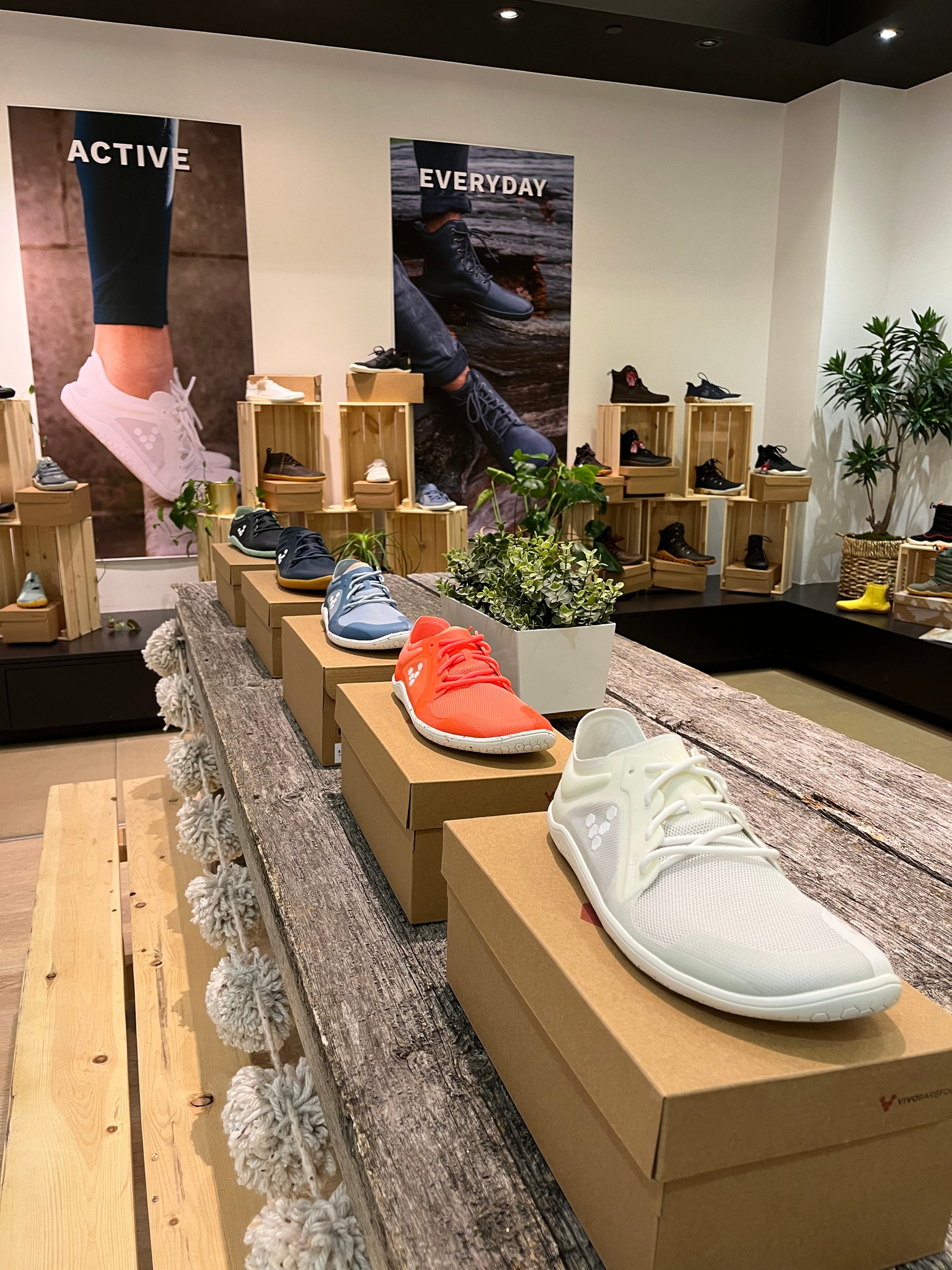
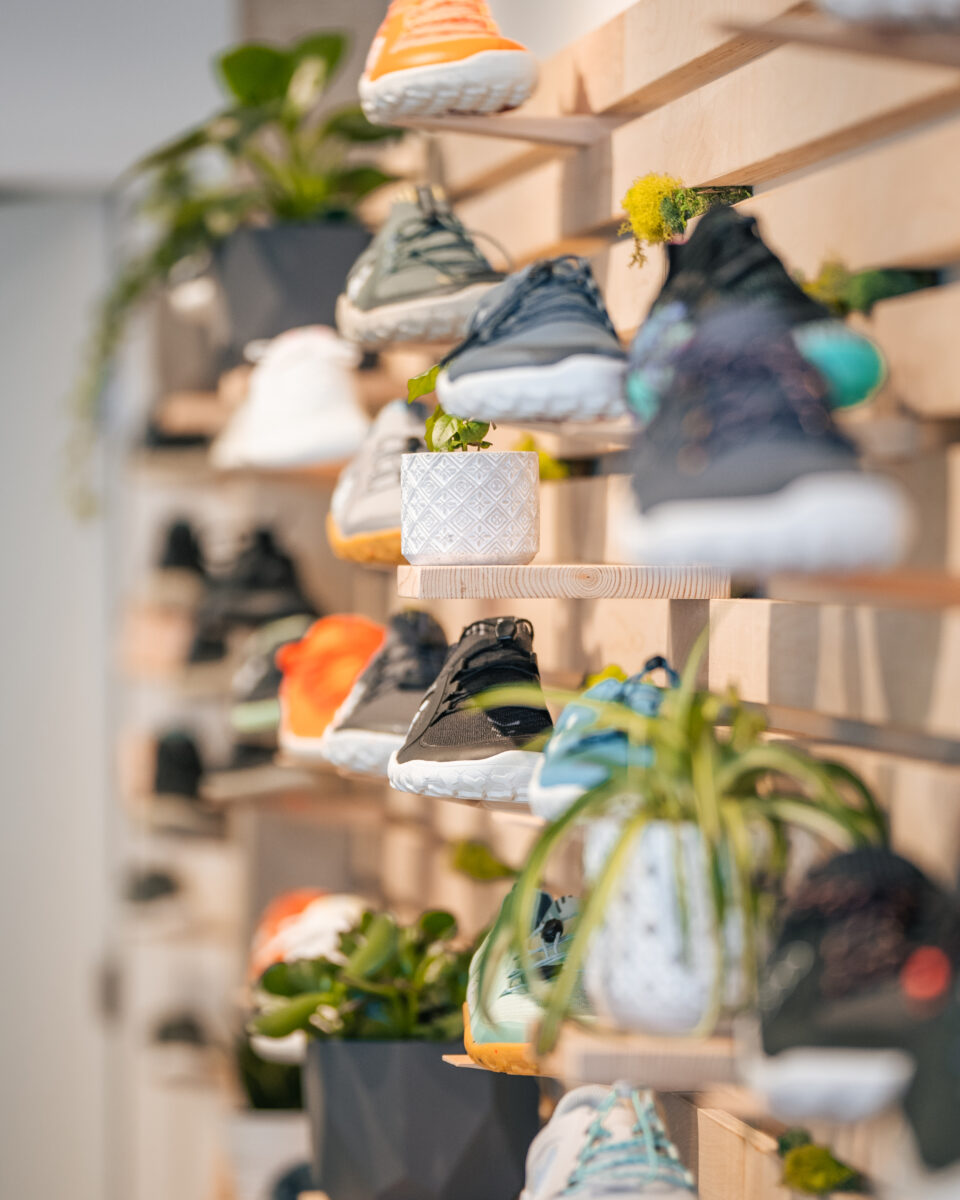
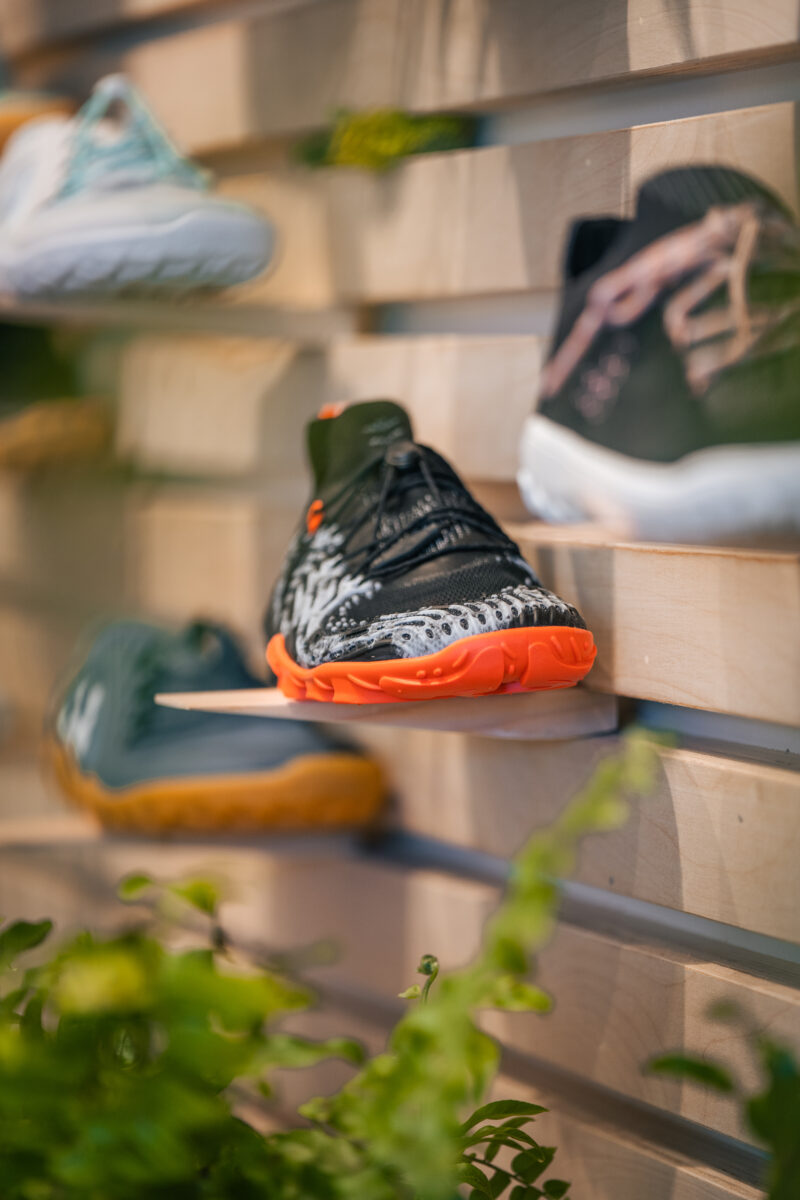
The first store in North America is 800 square feet and will feature displays built out of natural materials highlighting the wildly popular Primus Lite and Hydra ESC styles. The space has been constructed with community in mind and will be leveraged to host educational courses including natural movement classes and barefoot product demos. 

Image: Vivobarefoot Canada
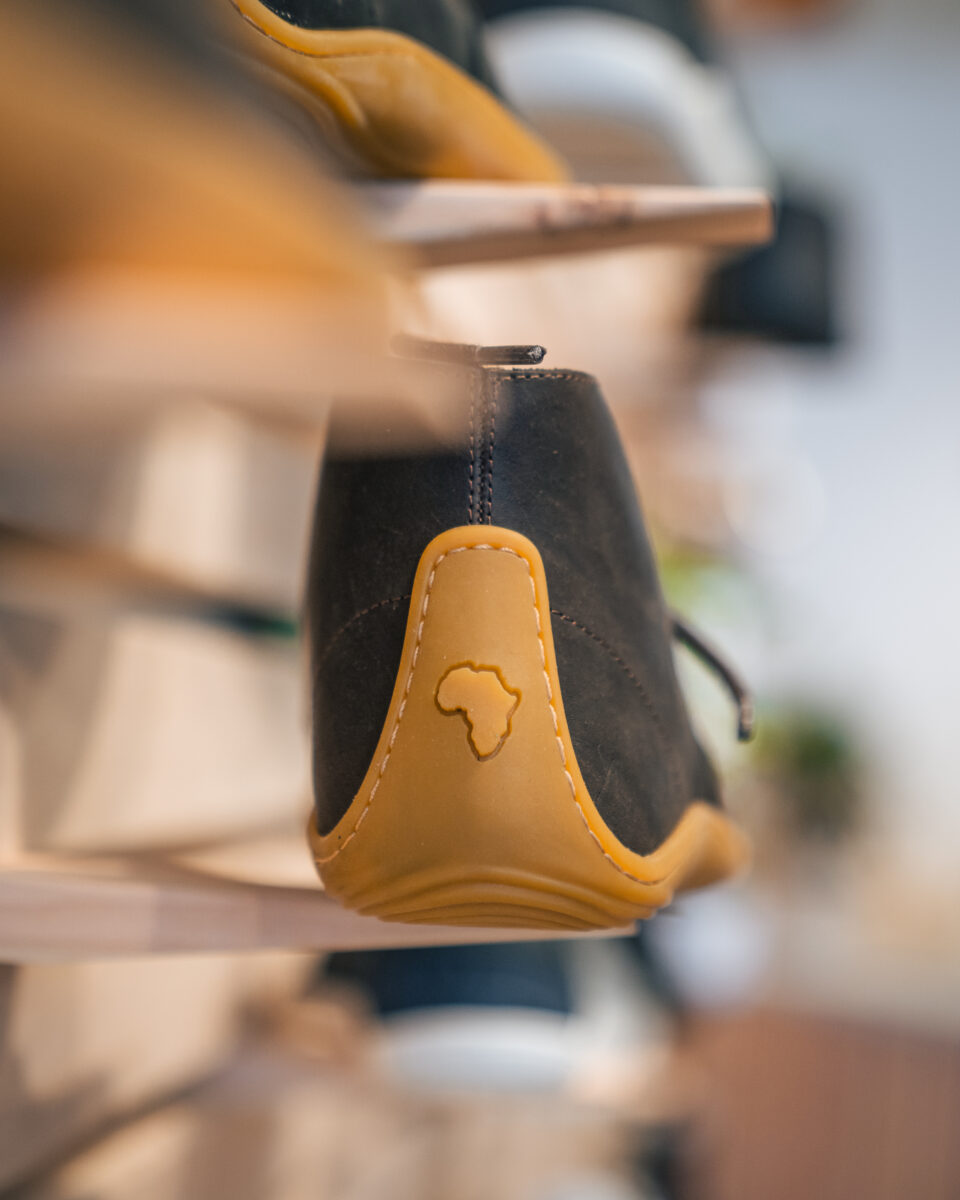
Vivobarefoot at 2190 W 4th in Kitsilano (Image: Vivobarefoot)

Founded in 2012 by two seventh-generation cobblers, Galahad and Asher Clark, Vivobarefoot is based on one simple insight -barefoot footwear is regenerative to human health. A Vivobarefoot product or experience is one that literally brings people closer to nature, says the company.

Bentley said the foot is a biomechanical miracle and the company believes the foot is germane to the health of a person. So the closer people are to nature the more they will protect it.

“And the natural world is the real model of sustainability. It works really well. So barefoot footwear is about regenerative health. It’s about getting people moving more naturally in the natural environment,” he said.

“It’s about taking the foot in its natural most holistic position and having it move through nature.”

Vivobarefoot 2022 Holiday Pop-up at CF Chinook Centre

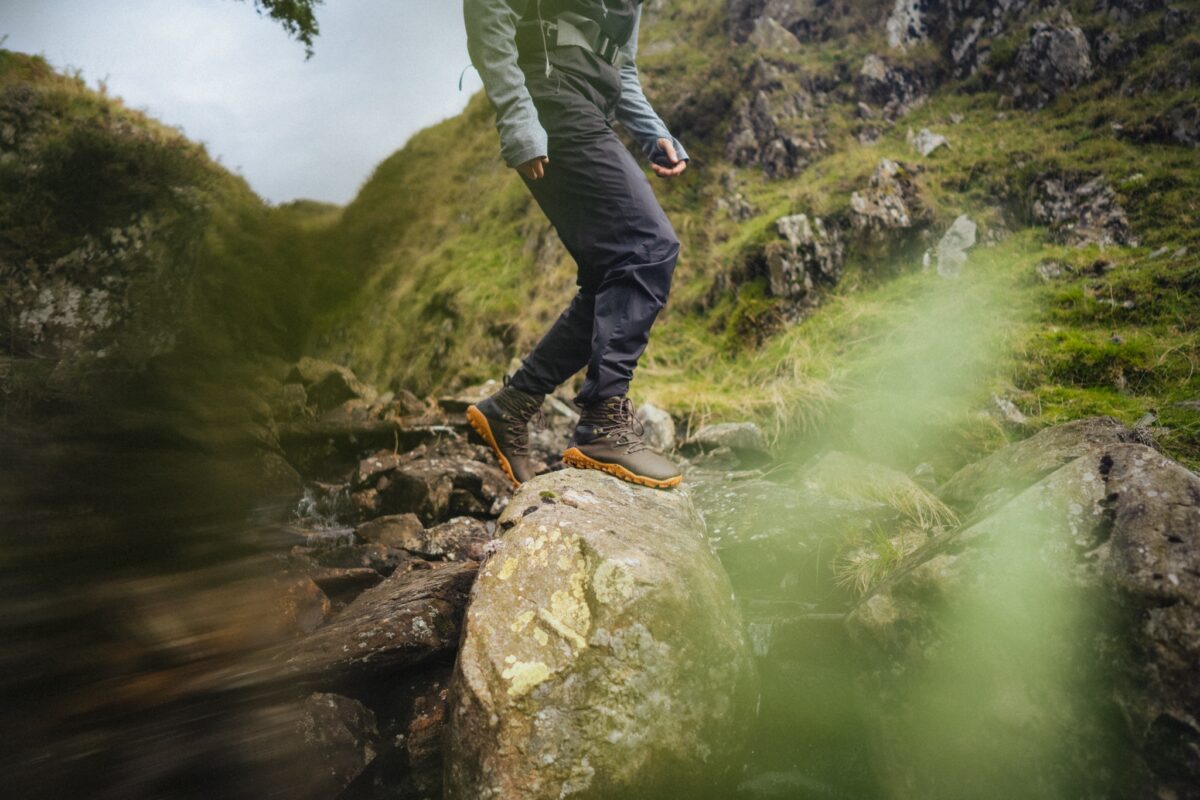
The footwear is designed wide, thin and flexible for natural strength and freedom of movement. Vivobarefoot makes its footwear as close to barefoot as possible to connect people to the earth and feel the ground beneath their feet. The company combines ancient indigenous wisdom with modern innovation and its range consists of natural, biosynthetic and recycled material products of super minimalist design.

“We believe: The closer people are to nature, the more they will protect it. The natural world is the only real model of sustainability. Barefoot footwear is regenerative to human health,” it says.

“The human foot is a biomechanical masterpiece; when left to its own devices it can thrive doing everything from walking and running to jumping and dancing, but by cramming it in a modern shoe – cushioned, narrow and rigid – negates its natural strength and function. Our feet are our foundation connecting us to the earth, they should not be compromised.

All Vivobarefoot footwear is designed to be Wide, Thin and Flexible: as close to barefoot as possible. They promote your foot’s natural strength and movement. Allowing you to feel the ground beneath your feet.

“There is a powerful sensory connection between the feet and the brain and thus, our movement and place in the world. A Vivobarefoot shoe reconnects you to the world around you, literally bringing you closer to nature.”

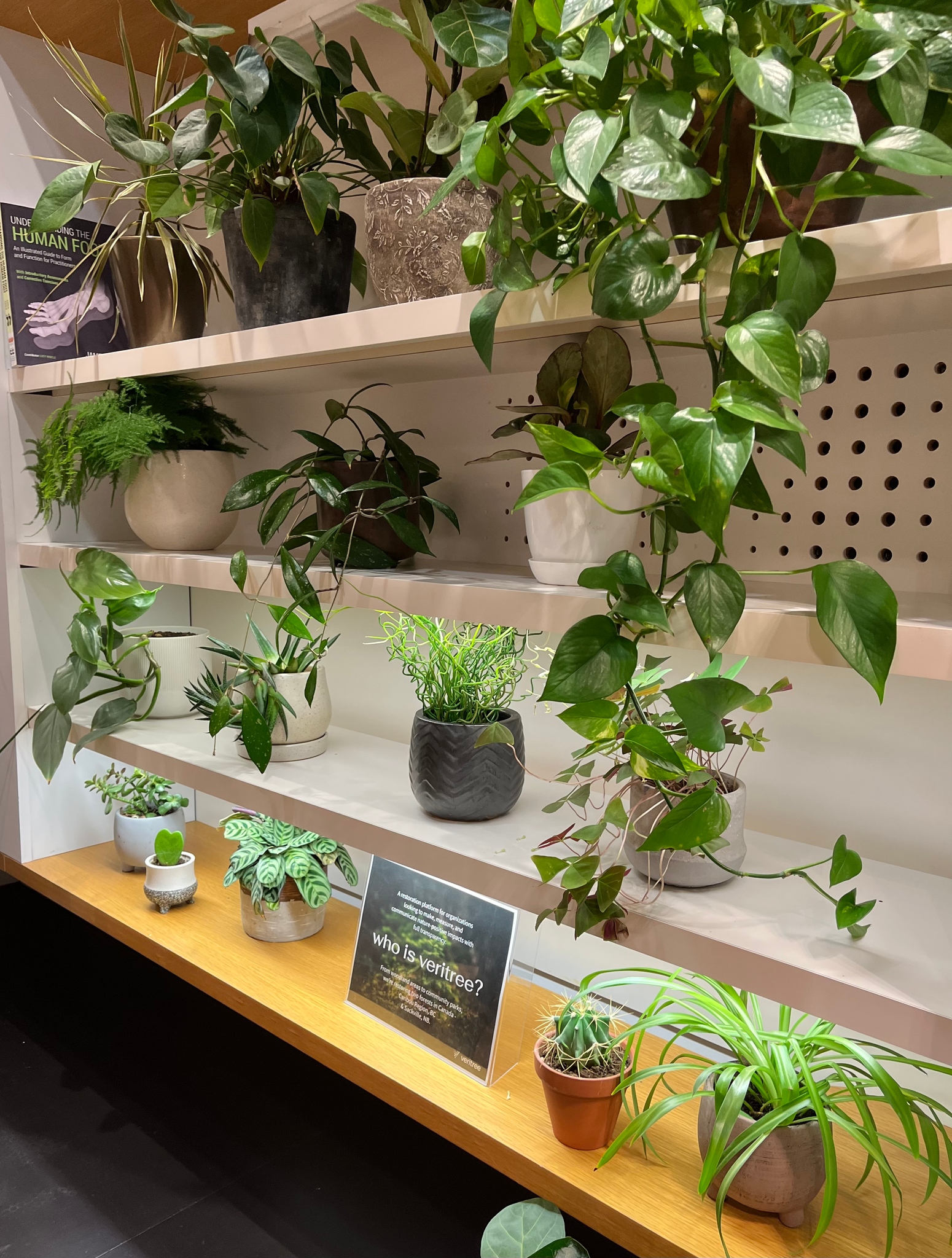
Because sustainability is germane to everything it does, Vivobarefoot has partnered with Veritree in a reforestation program to sequester 9,700 tonnes of CO2. Every purchase contributes to a tree being planted in either eastern Canada or western Canada.

Image: Vivobarefoot South Africa

The company is based in the UK. Concept stores exist in the UK and Germany and distributors in places like Australia, Netherlands, Tel Aviv.

“We are building shoe shaped shoes not foot shaped shoes. The shoes that we’re building today in the modern world are not helping,” said Bentley, adding research has shown that footwear has changed the mechanics of a foot.

“Children for example. Their feet are cartilage until they’re teenagers. The ability to actually affect the shape of the foot is in many cases dictated by the shoes they wear.”

Bentley said every Canadian NHL team to his knowledge has players that wear the Vivobarefoot shoes. There’s also Olympians who wear the shoes.

The company says over 24 billion pairs are produced each year, with over 90 per cent of these likely to end up in landfill — often within 12 months of purchase. The majority of shoes are crammed full of petrochemical materials that outlast their use by 1000’s of years when thrown away. 

“Instead of filling landfill, we are closing the loop. From 2020, every single shoe is designed at Vivobarefoot to have an end of life solution. 

ReVivo is the world’s first e-commerce marketplace for refurbished and repaired barefoot shoes. Keeping our shoes on our feet and out of landfill,” says Vivobarefoot.

Additional Images from Vivobarefoot Kitsilano

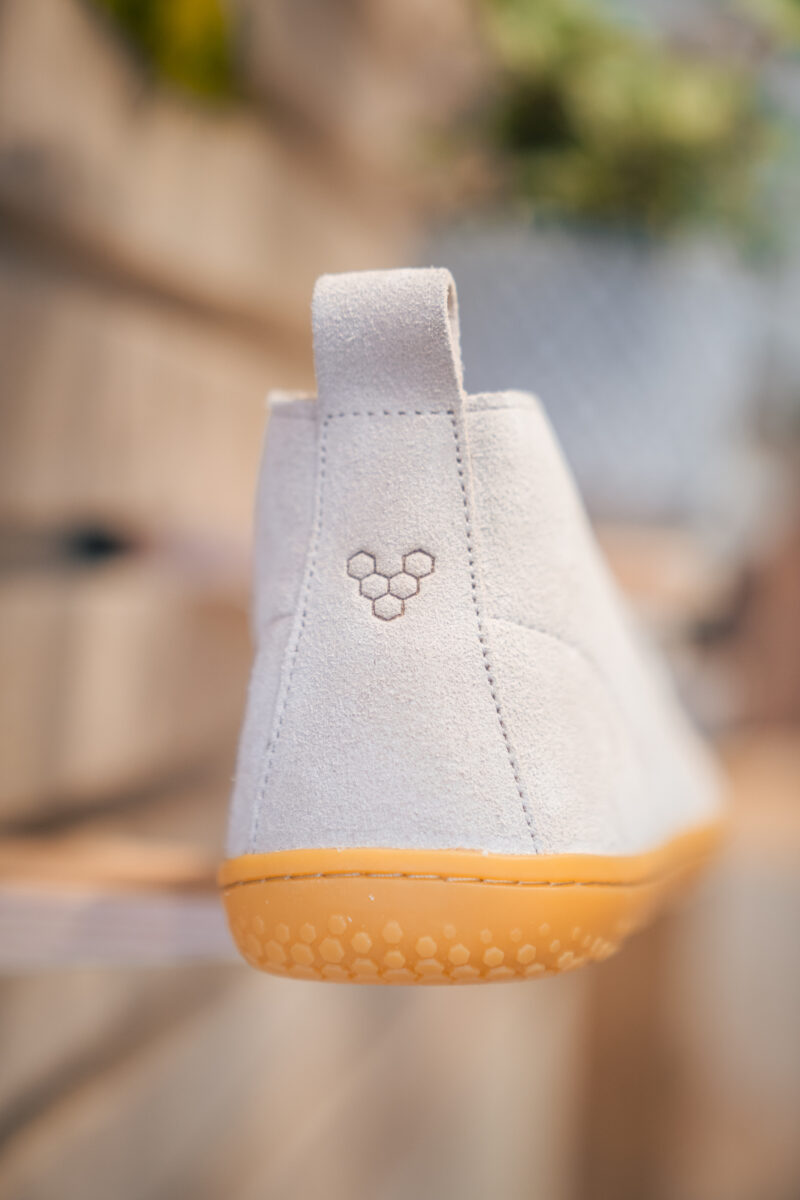
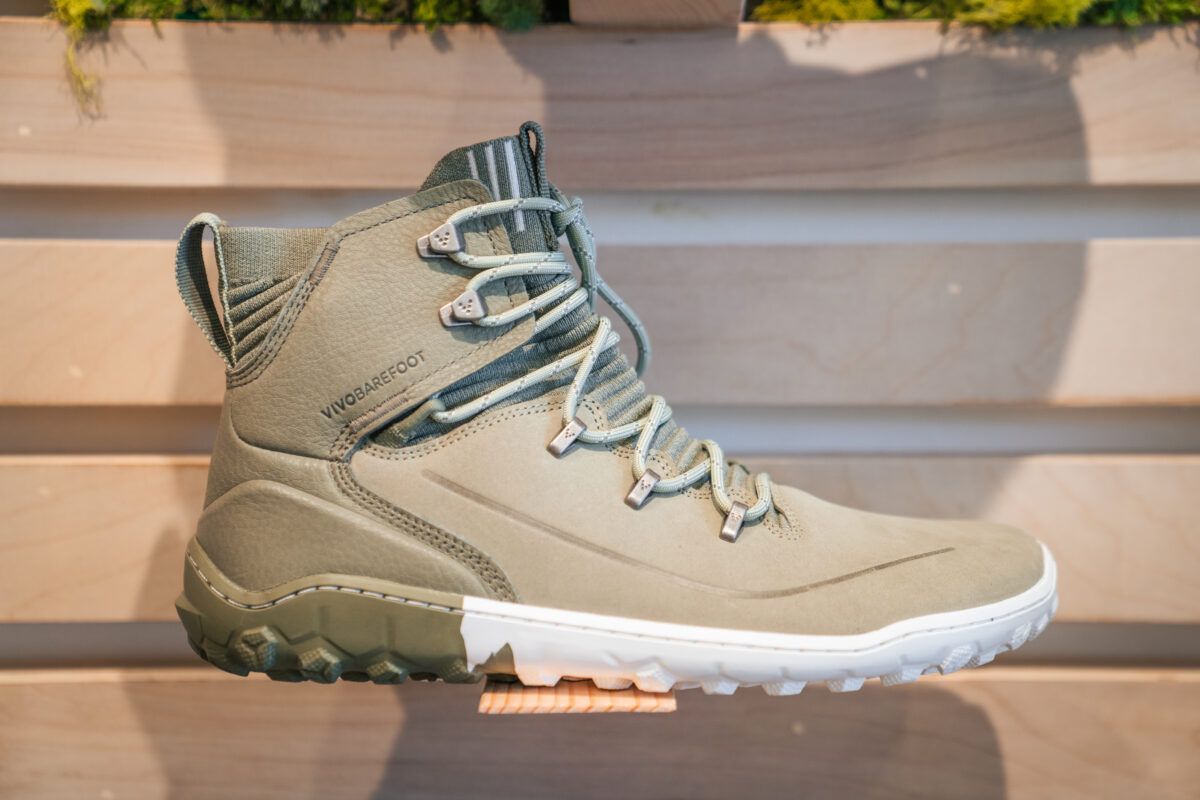
Vivobarefoot at 2190 W 4th in Kitsilano (Image: Vivobarefoot)