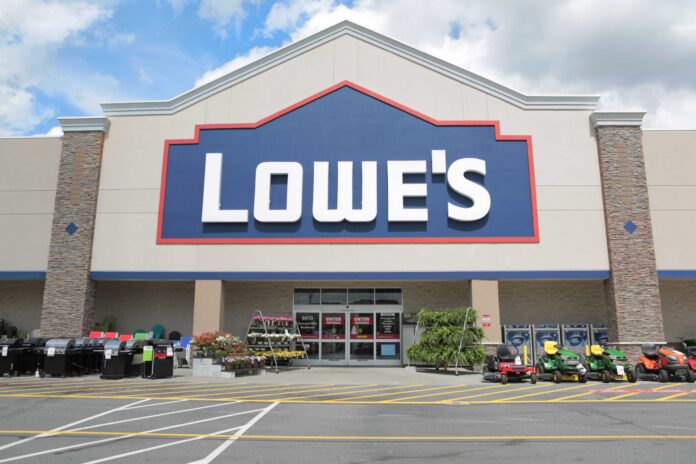
Retail giant Lowe’s Companies, Inc., based in the United States, is selling its Canadian retail business to Sycamore Partners, a private equity firm specializing in retail, consumer and distribution-related investments, for $400 million in cash, and performance-based deferred consideration. As well, all Lowe’s stores will eventually be rebranded as RONA according to the retailer in a statement Friday morning.
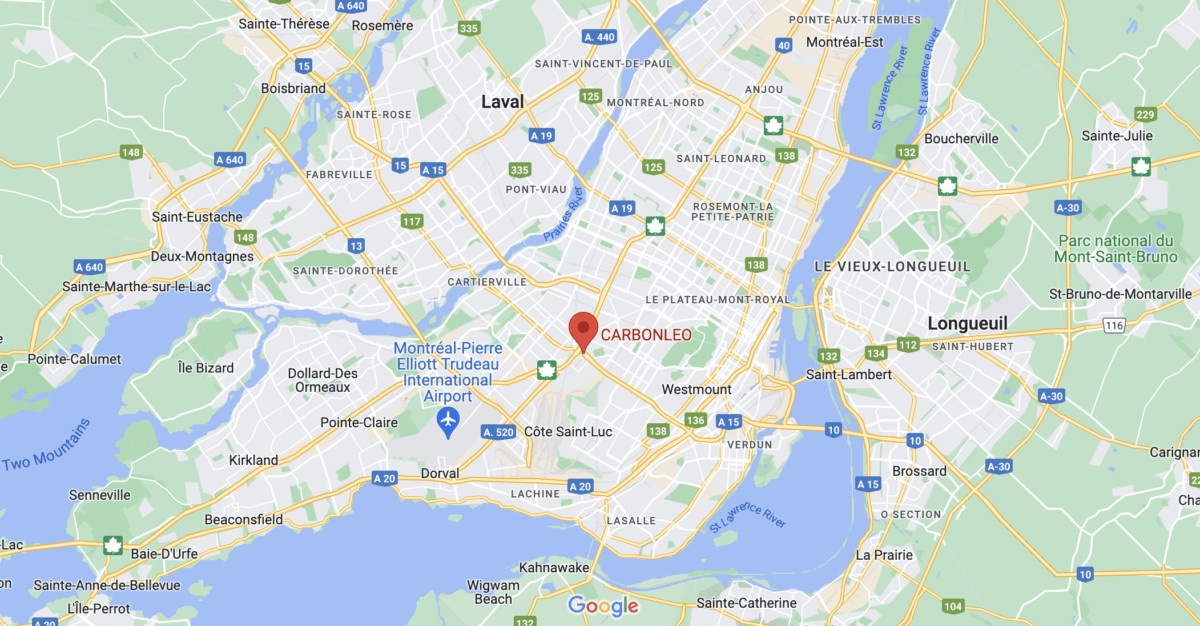
The company announced Thursday that its Canadian retail business based in Boucherville, Quebec, operates or services approximately 450 corporate and independent affiliate dealer stores in a number of complementary formats under different banners, which include, Lowe’s, RONA, Réno-Dépôt and Dick’s Lumber.
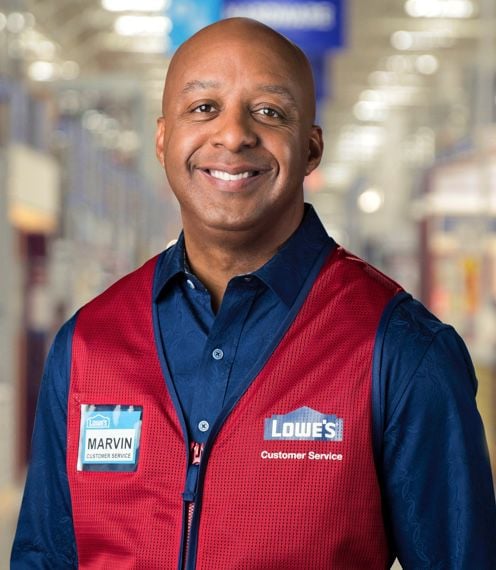
“The sale of our Canadian retail business is an important step toward simplifying the Lowe’s business model. While this business represents approximately seven per cent of our full year 2022 sales outlook, it also represents approximately 60 basis points of dilution on our full year 2022 operating margin outlook,” said Marvin R. Ellison, Lowe’s chairman, president and CEO.
“We remain confident in our short and long-term outlook for the U.S. business, underscored by improved sales trends and strong profit flow-through in the third quarter, as well as our expectations for solid business performance for the remainder of 2022. By executing this transaction, we will intensify our focus on enhancing our operating margin and ROIC, taking market share in the U.S. and creating greater shareholder value. I want to thank our entire Canadian team for their hard work and dedication to our customers. We look forward to working with Sycamore Partners in executing a seamless transition.”
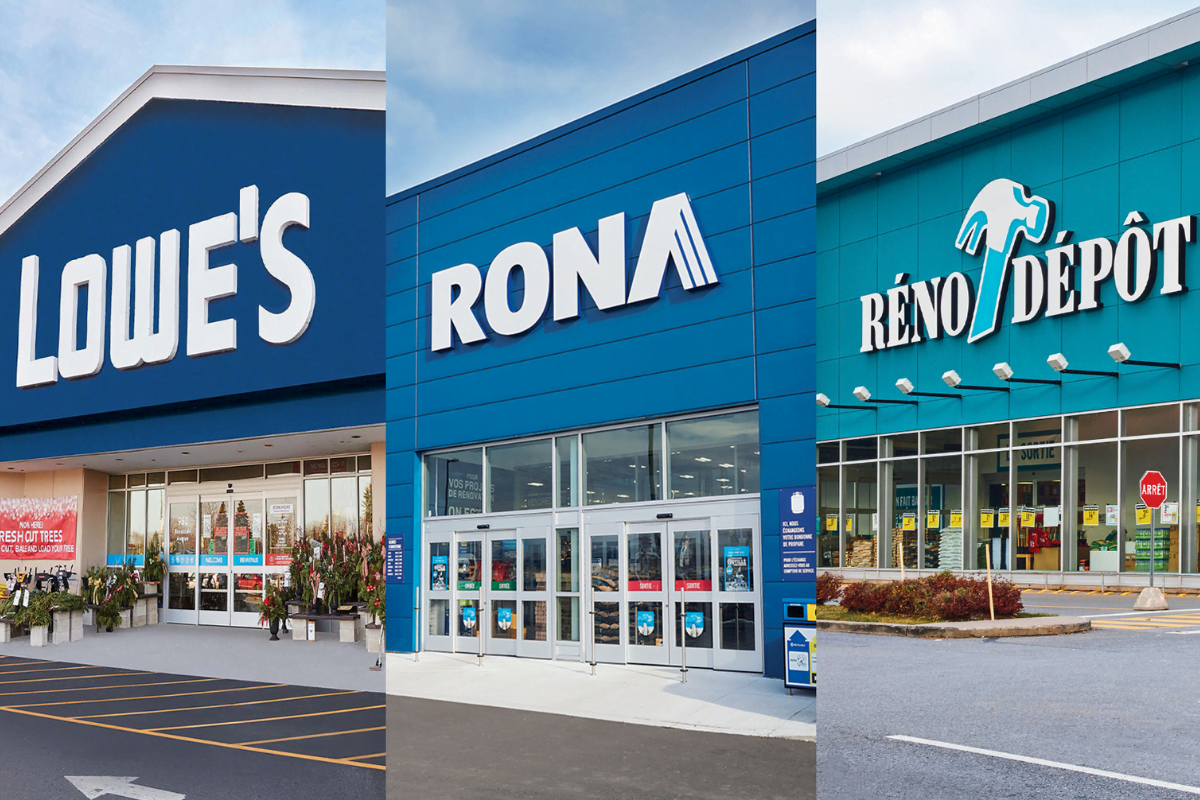
The transaction is expected to close in early 2023, subject to customary closing conditions and regulatory approvals. In connection with the preparation of the company’s financial statements for the third quarter of 2022, the company expects to record a pre-tax non-cash impairment charge of approximately $2 billion related to its Canadian retail business, it said.
“We are honored to partner with Lowe’s to establish Lowe’s Canada and RONA as a standalone company headquartered in Boucherville, Quebec,” said Stefan Kaluzny, Managing Director of Sycamore Partners. “We look forward to working with the company’s management team to build on its 83-year history as a leading Canadian home improvement business serving families, builders, and contractors in their communities across the country.”

“We are excited to work with Sycamore Partners on this next chapter of growth for our business.” said Tony Cioffi, president of Lowe’s Canada. “Together, we will remain committed to supporting our associates, our Canadian- and Quebec-based vendors and our dealer network.”
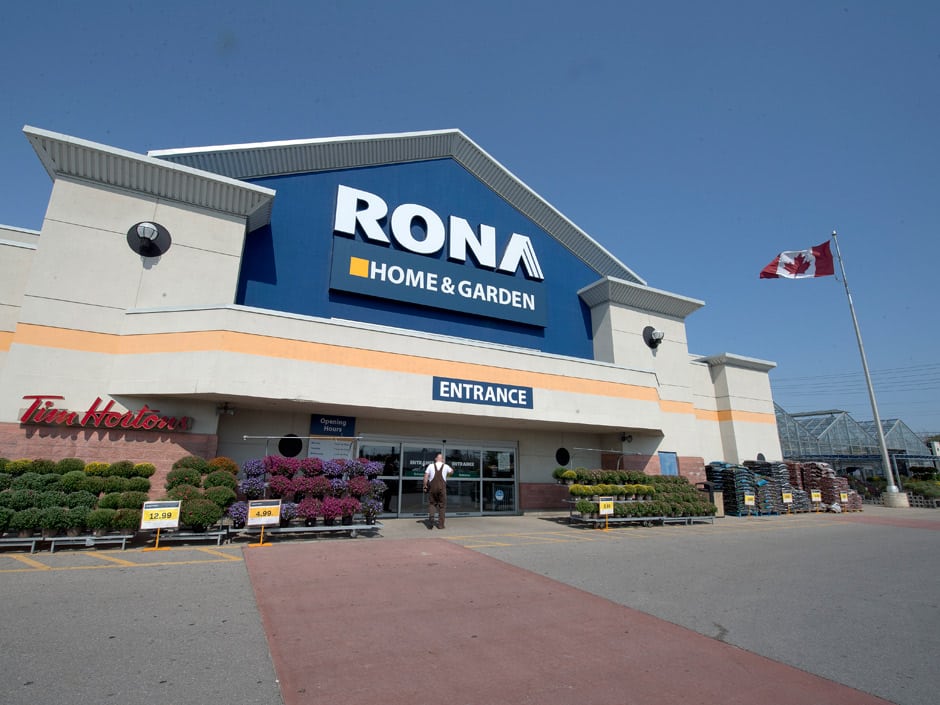
Lowe’s issued further statements on Friday morning, including that it will “eventually move away from the Lowe’s banner in Canada in favour of the RONA banner in a manner that ensures the least possible disruption to our business.”
“We have put in place appropriate measures to ensure a seamless transition to new ownership, with minimal disruption for our 26,000 associates. It will remain business as usual, including unchanged compensation and benefits.”
“In recent years, we have put in place a strong leadership team, invested strategically, and simplified our business, which puts us in a great position for the future.”
“Under Sycamore ownership, we will maintain a strong commitment to our Canadian- and Quebec-based vendors, including through our ongoing involvement in the ‘Well Made Here’ initiative, meant to encourage the purchase of domestically manufactured quality products.”
Retail expert George Minakakis described the Canadian division as a business deal gone sour for Lowe’s.

“They paid $2.4 billion in 2016. The brand operations in Canada were sold for $400 Million to Sycamore Partners, with a $2 billion impairment charge incurred by Lowes. In other words this deal failed to consummate the Lowe’s Brand with Rona in a way that they could lead in Canada,” said Minakakis, who leads advisory firm Inception Retail Group and is author of The New Bricks & Mortar, Future Proofing Retail. “Now Sycamore Partners has the task ahead of them to restructure the operations, finances, business, and consumer model that will allow this brand to appeal to more Canadians. However can they? The short term outlook calls for a recession, that means a lot less consumer spending.
“However, the exit of a US parent from Canada is telling! That will also lead to changed internal culture. I expect new leadership, and strategies to ensure this brand stays profitable. The acquisition price may allow for that but what we don’t know is how much it will cost to build a stronger brand. Supply chains will be key as will their deployment of human capital that becomes a competitive advantage. I just hope that they are able to tap a Canadian with a background in dealing with different cultures. The number one mistake American firms make is believing that our mutual English language allows for US leadership to be easily transported crossborder. That’s a retail fallacy.
“That’s the same fallacy that hurt Target in Canada. The retrenchment from Canada also makes you wonder about the US economic challenges.”

Liza Amlani, Principal/Founder, Retail Strategy Group, and Co-Founder, The Merchant Life, said she’s not sure what exactly “Lowe’s is simplifying by this sale” but she does think the company needs a lot more than new ownership to be profitable.
“The challenge with Lowe’s/RONA is that Home Depot has private label brand power and an exceptional customer experience. Taking market share from HD will always be a challenge. Lowe’s needs to get their inventory under control and focus on the customer. Shift merchandising strategies to leverage consumer insights and build trust with the shopper. I’ve shopped at both RONA and Lowe’s – the stores had low footfall, prices were not competitive, the assortment was flat and there wasn’t a brand ambassador in sight. And that’s just my experience,” she said.
“A sale could help the brand refocus the merchandising strategy but it truly comes down to what does the consumer want. Selling to a NY based firm could be the opportunity that Lowe’s needs to reinvent itself to a Canadian home and DIY destination. I hope that’s the case as I’d hate to see more stores close on account of archaic retail practices.”

Bruce Winder, author of RETAIL Before, During & After COVID-19, said he’s not surprised by the transaction because he knew that RONA was going to be a “hornet’s nest” for Lowe’s to manage.
“RONA was just too different a company compared to Lowe’s. Sycamore will have its work cut out for it as the profitability of the Canadian division has been an obvious issue. Look for major staff cuts and overhead reduction as they lower their break-even point. Big nasty write down for Lowe’s too to clean up the mess,” said the President of Bruce Winder Retail.
Doug Stephens, Founder of Retail Prophet, said the sale of Lowe’s Canadian division was somewhat inevitable.

“Lowe’s wasn’t really addressing key market and consumer needs. Customer experience is essentially status quo relative to competitors, compounded by the fact that Lowe’s also hasn’t locked in the trade customer to the degree that competitors like Home Depot have. And with the renovation market shifting heavily from Do-It-Yourself to Do-It-For-Me, it’s essential, especially if acquiring younger customers is the goal,” he said.
“So, Lowe’s seemingly found itself sandwiched between smaller, more local competitors like Home Hardware on one side and Home Depot on the other. And absent any defined incentive for consumers – be it a remarkably better buying experience, higher service levels, more convenience or better product assortments – they really had little to offer the Canadian market.”

Michael Kehoe, Broker of Record with Fairfield Commercial Real Estate, said the Sycamore Partners acquisition of Lowe’s Companies Inc. Canadian retail business is a significant event on the Canadian retail scene.
“RONA and Réno-Dépôt are legacy Canadian brands going back 83 years in a retail category now dominated by a few key players. The Sycamore track record in retail, consumer and distribution-related companies will provide stability and continuity for the Canadian and Quebec-based associates, vendors and their extensive dealer network. This is good news for Canadian consumers and contractors in these uncertain and challenging economic times,” he said.