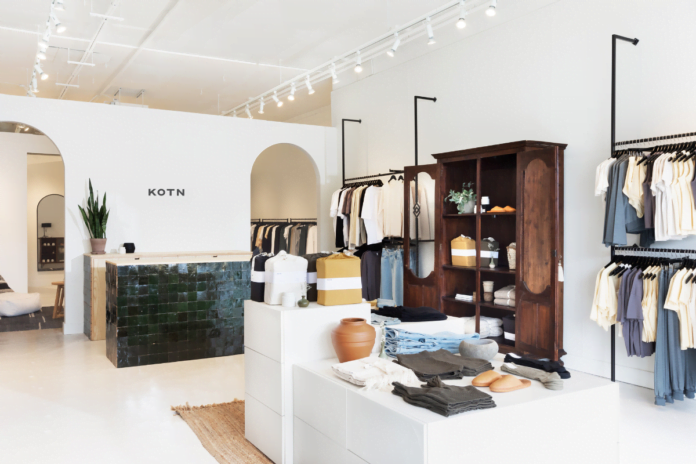
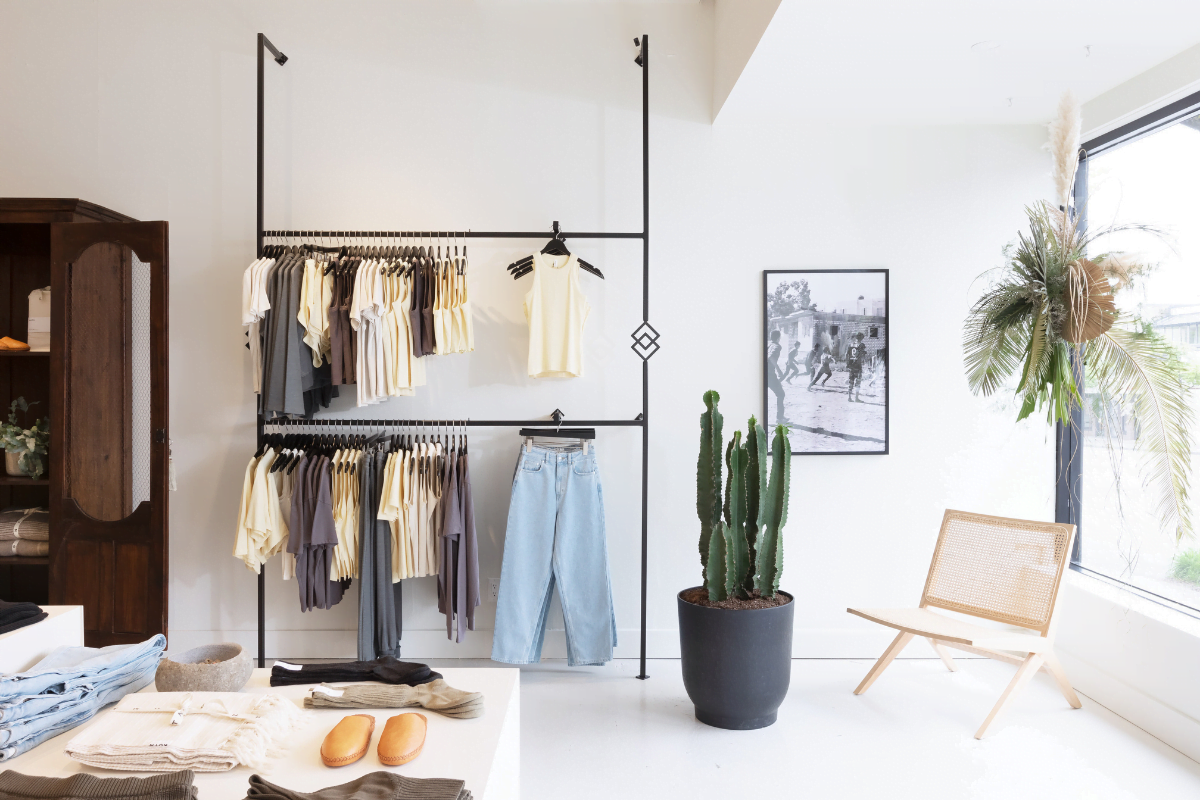
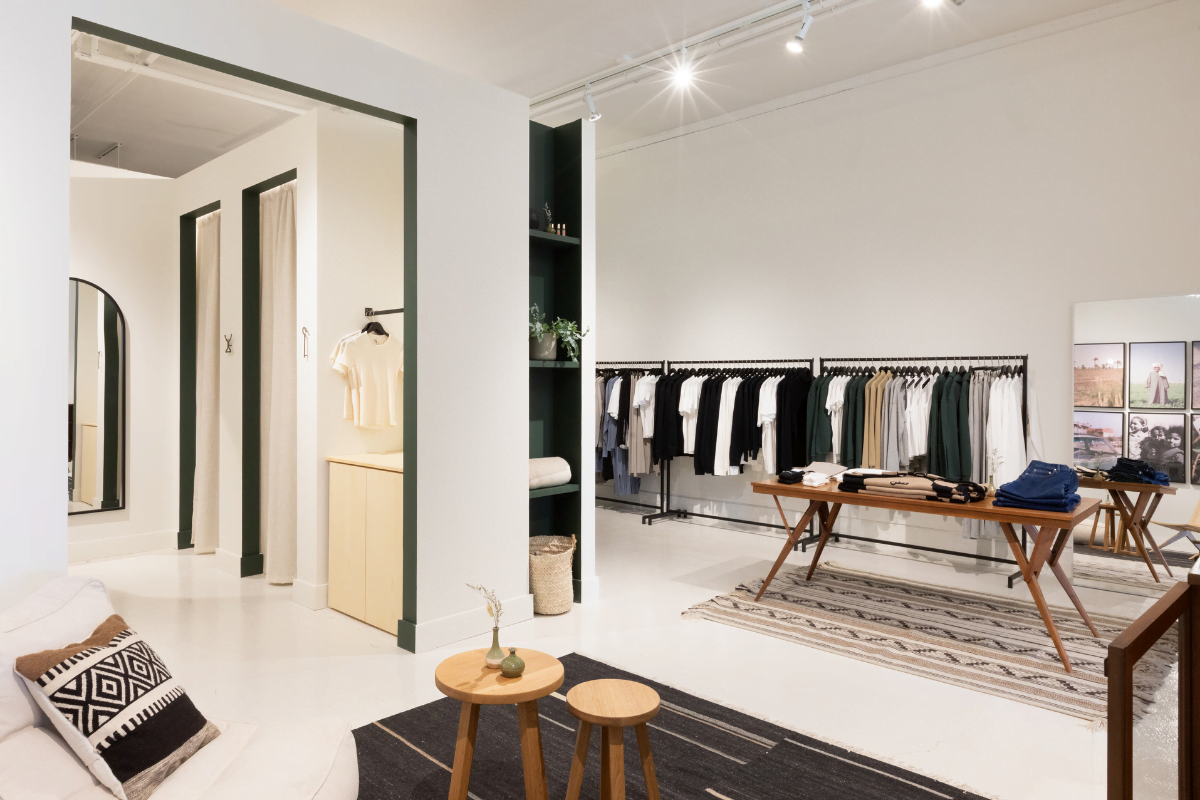
Kotn on Main St. in Vancouver (Image: Tina Kulic/Kotn)
Toronto-based brand Kotn, which sells high-quality everyday wear made from authentic Egyptian cotton, is launching a new retail location in Vancouver on Main street.
The company opened its first bricks and mortar store on Queen St W, in Toronto, in 2017, in about 800 square feet.
“We’re an impact-driven lifestyle brand. We focus on apparel and home. We got started around a seemingly very naive mission to try to change how things are kind of created and consumed from the bottom up,” said Rami Helali, one of the company’s co-founders and CEO.
“What we mean by that is really, really looking at how products were made and fundamentally altering how they were. We felt like the way that supply chains were built, the way products were built, were creating a lot of negative impact on the people and the environments in which they’re made.
Kotn on Main St. in Vancouver (Image: Tina Kulic/Kotn)
“So for us, we work with all five tiers of our supply chain directly, we work with small holder farms in Egypt, since then we’ve expanded to other countries, but we got our start with Egyptian cotton and that’s where the vast majority of our product is made today. And we work directly with over 2,000 small holder farms, buy the cotton directly from them and work with every single part of our supply chain to make sure that people and the environments are treated with respect. We’re a majority digital online company but it’s been in our plans for a very long time to continue our retail expansion but we had to put it on pause for a couple of years as we were dealing with the thing everyone was dealing with (COVID).”
The company’s customer base is both in the US and Canada. The new space in Vancouver will serve as a hub for the retailer’s growing community in Vancouver, incorporating unique design elements inspired by its Egyptian origins. As a tribute to collaboration and community, it has also curated a small collection of consciously made goods from emerging brands and local Vancouver based creators, like Rachel Saunders Ceramics.
The retailer now has locations in Toronto, Montreal and Vancouver with plans to move into a number of US stores this year.
Kotn on Main St. in Vancouver (Image: Tina Kulic/Kotn)
Kotn on Main St. in Vancouver (Image: Tina Kulic/Kotn)
Kotn on Main St. in Vancouver (Image: Tina Kulic/Kotn)
“We’re going to be opening eight to ten stores in the next eighteen months,” said Helali. “We have a handful of US stores coming this year as well as a couple more Canadian ones.
“I think as a society we crave authenticity and I think it’s been a core and integral piece of our business. From the very beginning for us, truthfully, it’s been around the work that we do on the ground and the impact. To date, we’ve built 15 schools in rural Egypt. That’s a measurable impact that we’re going to have on generations to come and that’s really what makes us internally tick and I think what attracts our community for the work that we’re doing.
“For us, the product, although obviously integral and the thing that customers get to interact with, it starts with how we change what we want to see changed in the world and then everything else follows. And we do that through the supply chain, so through the product. We’ve been very fortunate to build a very strong community over the years and we do that by really focusing on how we can make sure the communities we operate in are better off in 50 years than they are when we get started.”
Kotn on Main St. in Vancouver (Image: Tina Kulic/Kotn)Kotn on Main St. in Vancouver (Image: Kotn)
Kotn launched in Toronto in 2015 when founders Helali, Mackenzie Yeates and Benjamin Sehl noticed a gap in the marketplace – high-quality, well-fitting basics weren’t affordable for everyday wear.
The new Vancouver location spans 1450 square feet.
“For us, it’s always been around these community stores. That’s how we think about our retail strategies being on the high streets of all the right neighbourhoods that we know our customers are in and we want to become a part of the community and we do that through the programming that happens. We bring in those local, whether it’s vendors, activations, whatever it is, to be in and share our space with us,” said Helali.
Podcast [Interview] Mastermind Toys CEO Sarah Jordan Discusses Seeing Success by Growing Digital
Craig and Sarah discuss growth at Mastermind Toys over the course of the pandemic, much of which was through online channels that saw significant improvements with technology as well as easy payments made possible through PayPal.
For more information on how PayPal can help grow your business, visit PayPal for Enterprise (paypal.com/ca/enterprise) and get in touch.
The Interview Series podcast by Retail Insider Canada is available on Apple Podcasts, Stitcher, TuneIn, Google Play, or through our dedicated RSS feed for Overcast and other podcast players. Also check out our The Weekly podcast where Craig and Lee discuss popular content published on Retail Insider which is part of the The Retail Insider Podcast Network.
Drop us a line at Craig@Retail-Insider.com. You can also rate us in Apple Podcasts or recommend us in Overcast to help more people discover the show!
Background Music Credit: Hard Boiled Kevin MacLeod (incompetech.com). Licensed under Creative Commons: By Attribution 3.0 License. http://creativecommons.org/licenses/by/3.0/
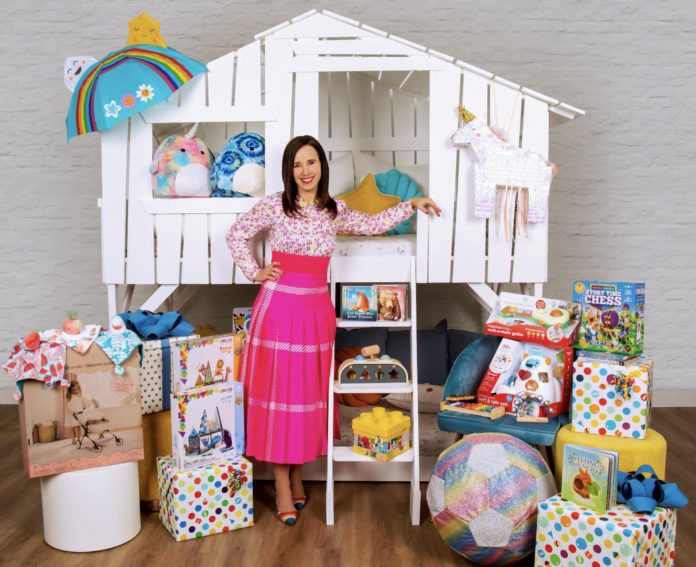
Mastermind Toys CEO Sarah Jordan is pictured with popular items featured in the retailer's Baby Play Guide.
It’s a job most kids dream about, but when Sarah Jordan took over as CEO for Mastermind Toys, she didn’t come to play – she came to redefine the toy industry for a digital age.
Before joining Mastermind Toys in 2020, mere months before the global pandemic hit – Jordan’s career included time in financial services, management consulting and the retail sector. An engineer with an MBA, Jordan developed a track record for transforming a company’s success by tapping into its customer and employee experiences and creating successful omnichannel offerings.
This expertise served her well when she took on this role. While Mastermind Toys had certainly prioritized the customer experience at every juncture in its 38-year history, nothing could have prepared them for the rapid acceleration of the digital economy – a necessity born out of pandemic-related restrictions and the crippling effect it had on Canadian retailers.
“When I joined in January 2020, Mastermind Toys had a world-class curation model on how to bring the best toys, books, puzzles and games to life in our stores, but we had not modernized to truly be a digital and omnichannel retailer. And then the pandemic hit and there was an opportunity to reimagine the future for Mastermind Toys—and for retail,” Jordan explained.
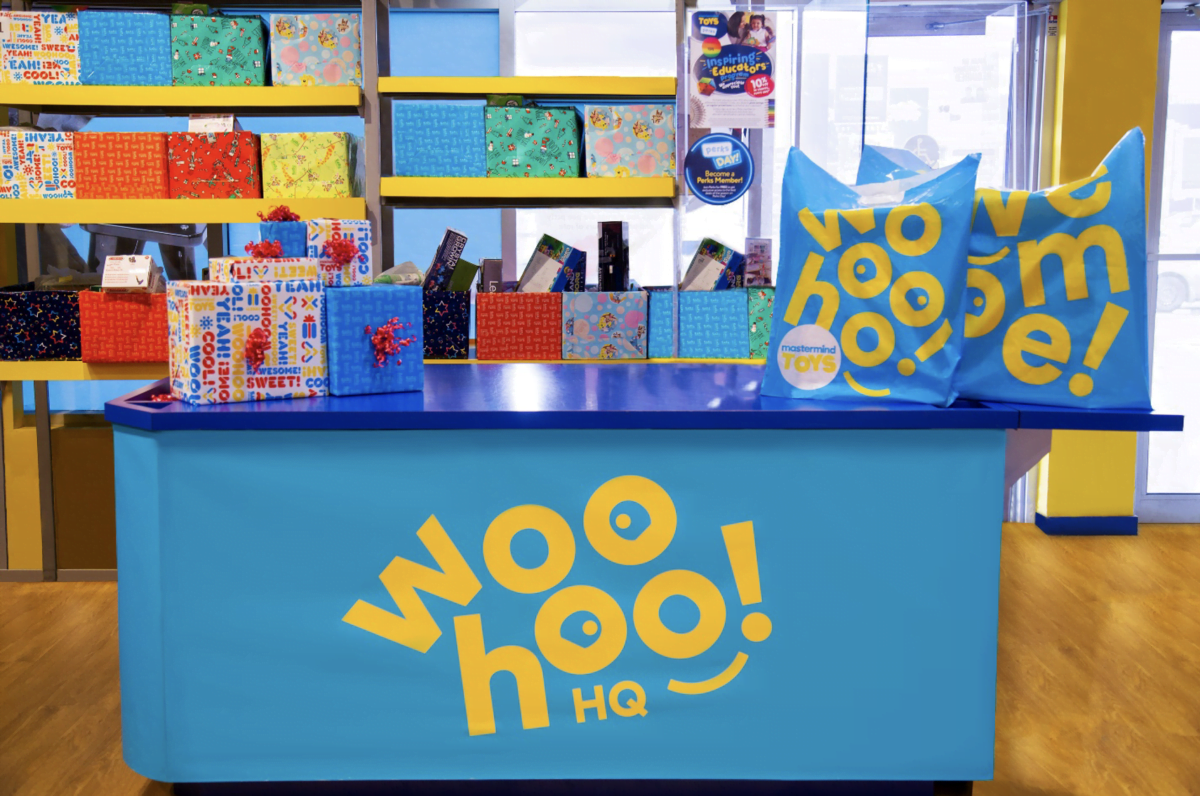
A Woo-hoo! HQ desk in a Mastermind Toys store that serves as a dedicated spot for orders placed online for curbside or in-store pick-up
“We were one of the first retailers to temporarily close our doors. At the time, our digital offerings severely lagged the industry—we had no contactless or curbside options—and less than five per cent of our sales were through digital channels while the rest of the toy industry was around 25 per cent. This was a defining moment where there was a clear opportunity to accelerate our existing plans to transform our brand.”
Transform quickly they did. Now, two years later, the company has experienced sustained triple-digit growth through its online platforms, powered by a website that optimizes the customer experience through AI technology. Its strategy and success have won them accolades from its peers, winning the “Most Innovative Retailer of the Year” award by the Toy and Game International Excellence Award in 2020 and most recently, its best-in-class omnichannel strategy won them a Retail Council of Canada Excellence in Retail award in 2021.
“We’ve become so much more than a bricks-and-mortar toy store. We’ve moved from a product-obsessed to a customer-obsessed retailer,” she said, noting that it was a shift in thinking that opened the door for innovation across every aspect of the business. “We’re reimagining the ways we meet our customers where, when and how they want — whether they’re visiting us in-store, at curbside or online.”
The first thing the company did to transform its digital strategy was rethink how they approached digital altogether, both in terms of the ecosystem needed to connect the digital meets physical experience and the in-store culture of its employees, known as “play experts.”
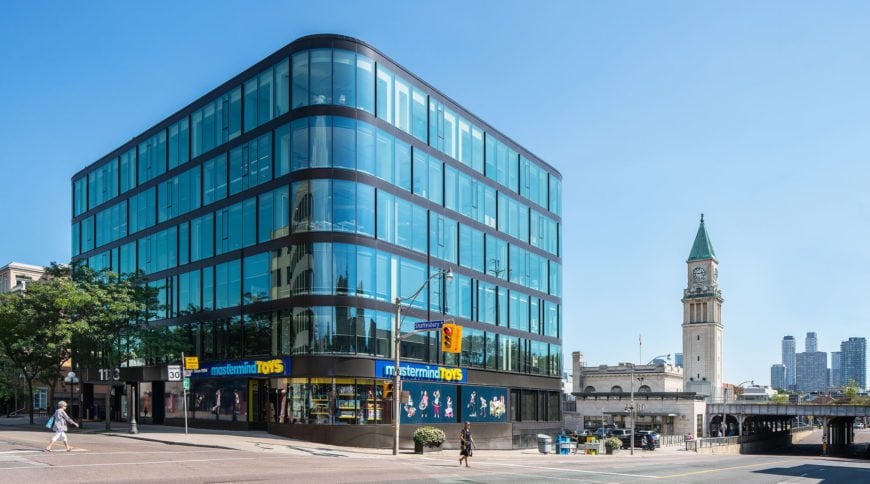
Mastermind Toys store at 1133 Yonge St – Toronto. Photo: Michael Muraz
In the past, the company focused heavily on the in-person experience because its play experts, free in-store gift wrapping, and toy demos were key points of difference that weren’t easily replicated online.
But Jordan challenged that thinking by setting a new standard for the website and accompanying digital channels.
“There’s gold at the intersection of digital and physical,” she said. “I’m proud of how we’ve inspired our play experts to become digital ambassadors. Our mission wasn’t just to create a website, but to create a digital adventure that gives customers the same wonder and delight they experience around every corner of our stores coast-to-coast.”
That digital experience now includes specialty boutiques and expanded toy catalogues known as Play Guides, as well as a gift-finder tool, wish list capabilities, a content hub called “The Playground” and social media content with a shoppable Instagram account.
Online they are able to quickly react in real time to current events. For example, during a snowstorm this winter which saw schools shut down across Ontario, the company quickly changed its homepage to feature “snow day” ideas and products.
A Woo-hoo! HQ desk in a Mastermind Toys store that serves as a dedicated spot for orders placed online for curbside or in-store pick-up.
Jordan makes it clear, the team prides itself on being the trendsetters in toys and its plans to innovate aren’t over yet, especially with a winning omnichannel strategy in place.
Image: Mastermind Toys
“When you’re truly an omnichannel business, all channels can win,” Jordan said.
A big part of that success has been ensuring the payments process is as seamless and convenient online as it is in store.
Jordan said having PayPal as an option for customers gave them the exact experience they were hoping for.
“As Canada’s authority on play, we want to work with partners who are the authorities in its own playing field. As we build our digital channels, we need partners who are just as customer-obsessed as we are in order to build the same level of trust and loyalty online as Canadians have with us in store,” she said.
“Since we’ve launched our new digital ecosystems, PayPal is our highest accelerated payment method. We pride ourselves on being frictionless and convenient, and so we look at partners who support us on delivering those experiences. PayPal is there, offering speed, trust and convenience.”
Jordan said the company will continue to build on that payments functionality and invest in solutions that successfully intersect both online and in-store experiences.
They will also continue to invest in collecting customer insights and feedback, a process that also underwent a digital transformation. Each employee has access to the “Nudge” app and is invited to answer questions each week about some of the things they are hearing from customers either in store or during curbside pick-up. Jordan credits the adoption of Nudge across its 68 stores coast-to-coast with its team’s ability to identify trends in toys first and act quickly both online and in-store.
“What I find most exciting about the toy industry is how trend-based it is. We are lucky to have hundreds of trend spotters that fuel our innovation and discover new ways of play through our customers. We want to be a step ahead of what our customers are looking for,” Jordan said.
Early last year, this paid off when lots of customers were inquiring about fidget toys to help their children who were stuck staring at screens all day as part of remote learning.
“We were one of the first retailers in Canada and in the world to launch a massive fidget toy campaign which explained the benefits of fidget play,” she said. “Everything we do is rooted in development. It’s not just about having the hottest toys in the market, it’s about having toys that are beneficial to a child’s growth.”
The feedback tool also helped when the company launched Mastermind Toys Baby in the summer of last year. Through Nudge, store employees provided insights into the positive responses they were receiving from this new approach to baby and infant play. This led to the retailer launching its first-ever Baby Play Guide in February.
Leading a company through a brand and digital transformation at the height of a pandemic has been challenging but invigorating, Jordan says.
“This has been a once-in-a-lifetime opportunity,” Jordan said as she reflected on the last two years and coming on as CEO. “I joined Mastermind Toys as a 38-year-old CEO, never having held an executive position in retail. And for me it was really important to bring out the best in all levels of the organization as part of the team. I see my role as being the chief communicator, but also the chief cheerleader. I want to inspire our people to be at their best all the time, encourage feedback and insight and lead the way in retail innovation.
“We’re bold and scrappy play experts who have the courage to innovate and are unafraid to explore something new,” she continued. “That mindset of innovation is embedded throughout the entire organization and it has brought us to where we are today, solidly as Canada’s authority on play. We’re excited to deliver new innovations that offer wonder and delight for our customers, with more categories, more play guides, and more partnerships as we think about 2022 and beyond.”
For more information on how PayPal can help grow your business, visit PayPal for Enterprise (paypal.com/ca/enterprise) and get in touch.
*Retail Insider partnered with Paypal for this article. For more information, contact: craig@retail-insider.com
Retail Insider is streamlining its Canadian retail news from around the web to include a handful of top news stories that can be viewed quickly during the day. Here are the top stories from the past 24 hours.
Siwak talks about the importance of in-person shopping and activities for this sector of the market, how luxury has fared through the pandemic, what to watch for in the near future, and how brands are rethinking their PR these days.
The Video Interview Series by Retail Insider is available on YouTube.
Connect with Mario Toneguzzi, a veteran of the media industry for more than 40 years and named in 2021 a Top Ten Business Journalist in the world and the only Canadian – to learn how you can tell your story, share your message and amplify it to a wide audience. He is Senior National Business Journalist with Retail Insider and owner of Mario Toneguzzi Communications Inc. and can be reached at mdtoneguzzi@gmail.com.
Also check out the other series offered by Retail Insider, including The Weekly podcast and The Interview Series, which are both available on Apple Podcasts, Stitcher, TuneIn, Google Podcasts, or through our dedicated RSS feed for Simplecast and other podcast players.
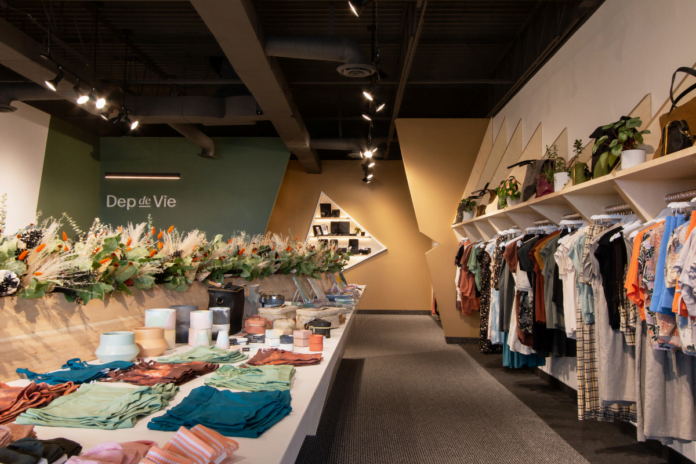
Dep de Vie at 1984 Regent Street in Sudbury, Ontario (Image: Braeden Martel/Dep de Vie)
Kelly Grillanda grew up in a small town on the outskirts of Sudbury and after a successful career with some national retailers she returned home to realize her dream of becoming an entrepreneur.
Kelly Grillanda
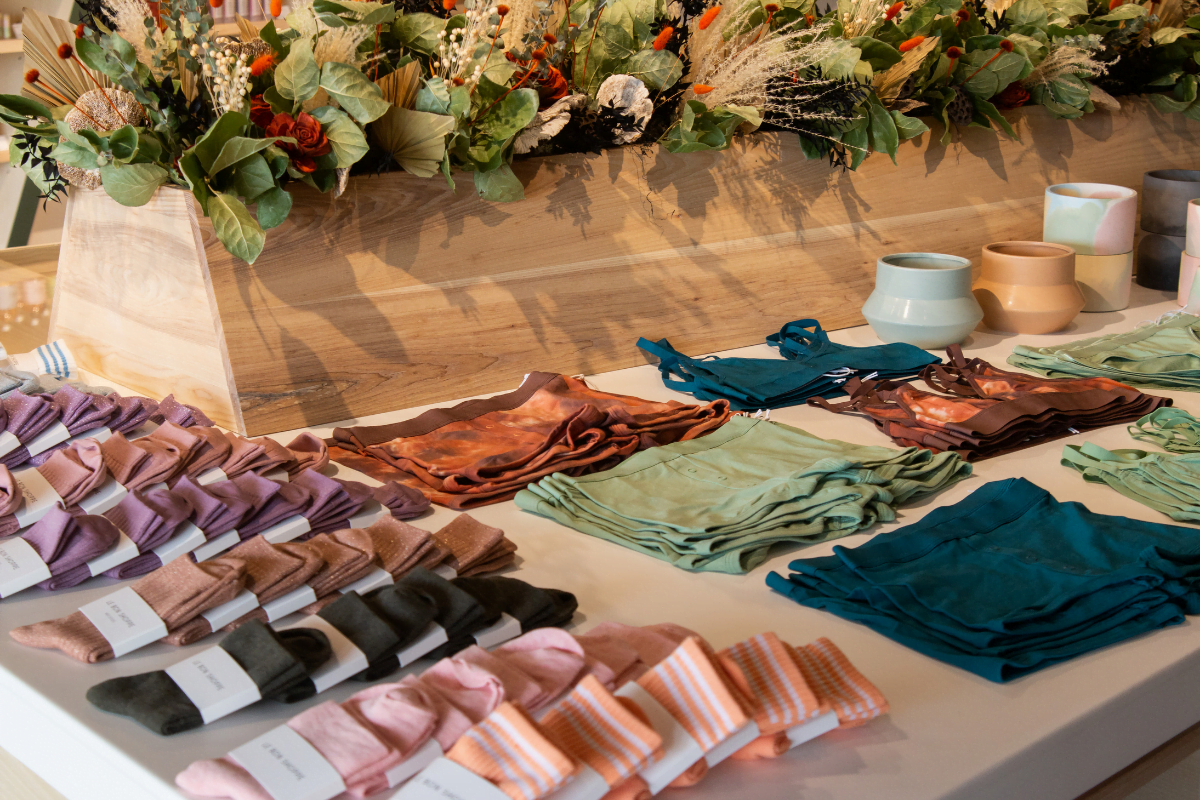
Grillanda has opened Dep de Vie, which is a lifestyle boutique featuring carefully chosen and thoughtfully made goods that elevate your life. With its curated selection of clothing, jewelry, self-care and wellness products, the retailer connects customers to the Canadian makers people love.
The retailer’s brand name stems from ‘department of life’.
“When I think about all the new kinds of stores that are happening, when you go into the retail stores that are popping up, it’s not just like clothing anymore, it’s not just like jewelry,” said Grillanda, whose career included positions with Lush and Fossil.
Dep de Vie at 1984 Regent Street in Sudbury, Ontario (Image: Braeden Martel/Dep de Vie)Dep de Vie at 1984 Regent Street in Sudbury, Ontario (Image: Braeden Martel/Dep de Vie)
“Now there’s all different categories and really bringing together all different aspects. To me, it’s like a department store – the new wave of department stores. It’s Dep de Vie – the Department of Life. It really suited what I wanted to do because I really wanted to start a business that helps somebody elevate their life in different ways.
“Everything that I curate is selected with the theme to elevate your life in some way. So I have clothing that’s going to help you define your style. It’s not just about buying clothing that you’re just going to wear for one season and throw away because it’s trending then and now it’s not trendy and it’s out of style. It’s about picking quality pieces that really help you define your style, things that you are going to build and collect your wardrobe with. You’re going to have it, you’re going to feel good about it and you’re going to feel good in it. That’s the aspect of defining yourself with clothing and jewelry.”
The store also has many self-care and wellness products. There are also journals and notebooks.
“I’m trying to bring together all different aspects of products that touch on different categories of wellness and wellbeing, making it easy and convenient for people who are busy these days,” added Grillanda.
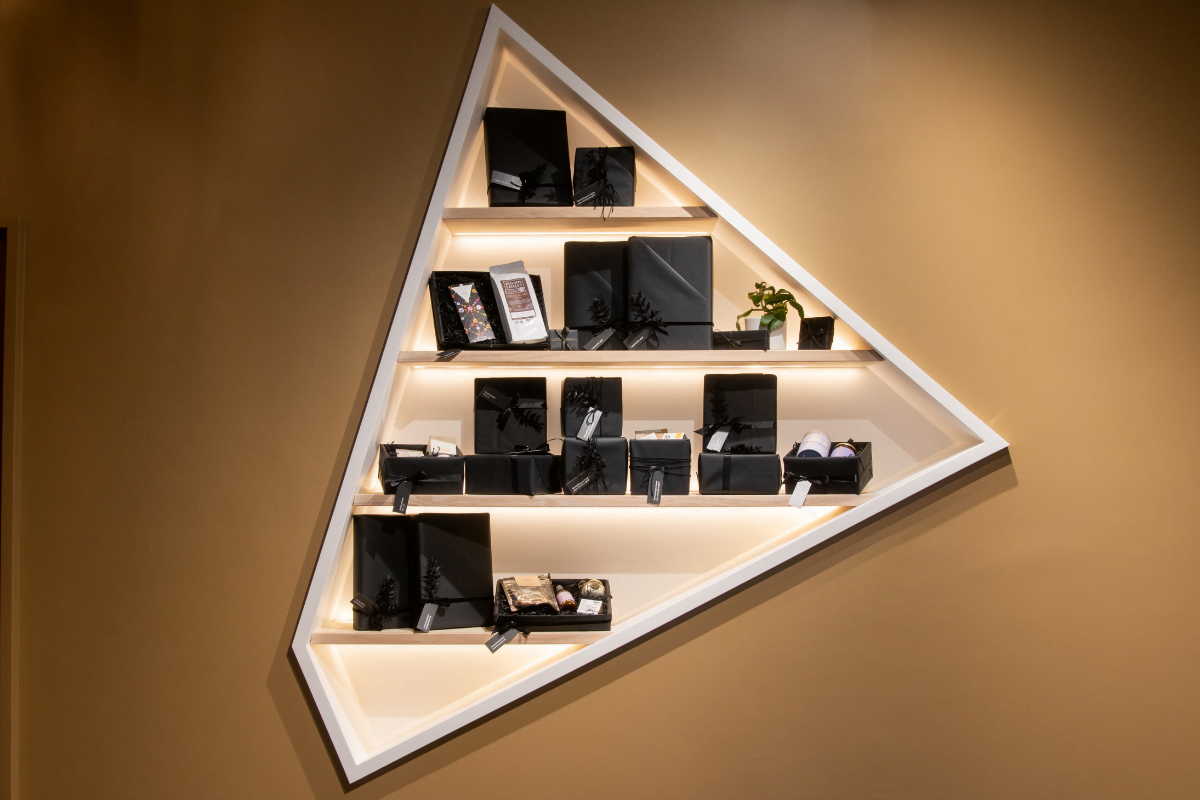
Dep de Vie at 1984 Regent Street in Sudbury, Ontario (Image: Braeden Martel/Dep de Vie)Dep de Vie at 1984 Regent Street in Sudbury, Ontario (Image: Braeden Martel/Dep de Vie)
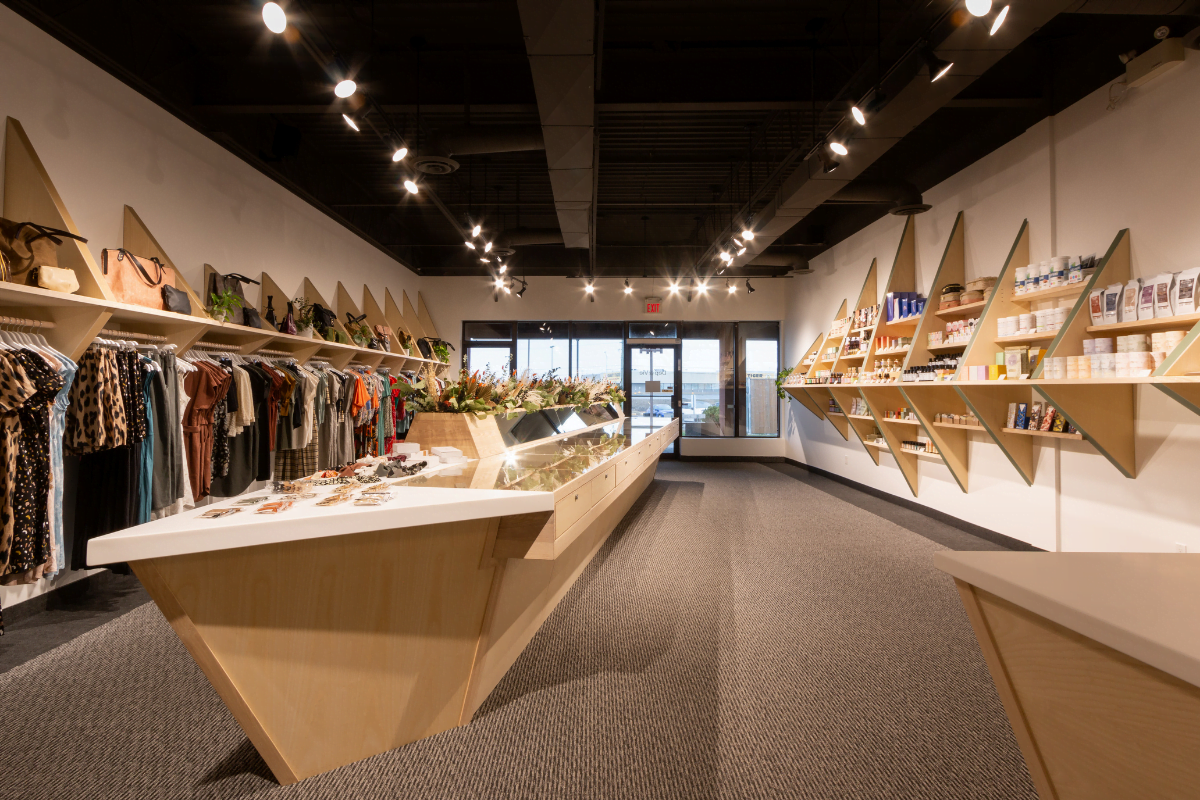
The new store, in just over 1,500 square feet, is located in the south end of Sudbury in the Cedar Point Plaza. The store design and build was by Matthew Schultze of Vision Build.
One of the big things she took away from her career with national retailers was the importance of consultation and the elevated customer service.
“Getting to know your customers. Asking questions. Talking to them. Having a genuine interest in people that come in the store, people that enter into your business,” said Grillanda. “I think that has really resonated with me. Without really having a genuine conversation with people, it’s hard to determine what they’re interested in, what their needs are, what they value, what things will be purposeful for them.
“It’s not just about selling anybody anything. It’s really about making sure that whatever you’re showing to them is going to be purposeful for their needs. That’s one of the biggest things I learned working at Lush that really, really stuck with me.
Dep de Vie at 1984 Regent Street in Sudbury, Ontario (Image: Braeden Martel/Dep de Vie)
“I do hope this business is successful and I’m able to grow my team and one of the things I worked on there (Lush) was being a really positive leader for the team and constantly trying to improve and elevate the experience of the staff so that they feel engaged. You can create an environment and a culture within a store that people feel part of something and included and that they’re making a difference. People can feel engaged even in a retail environment. That’s a huge challenge and something I’m really passionate about.”
Grillanda said the consumer appetite to buy local is growing these days. Part of the reason for that has been issues in the supply chain creating challenges for consumers to access some products that are made abroad.
“I think more and more people are recognizing the importance of producing within Canada or within your own community. There is a growing awareness of support local but to me it’s not only a geographical area in which you support people in your immediate vicinity or your immediate family. Obviously that’s amazing,” she said.
Dep de Vie at 1984 Regent Street in Sudbury, Ontario (Image: Braeden Martel/Dep de Vie)
“But I think even more than that, it’s support your community and community could be a group of people that share the same values or passions or they are striving to achieve something that you would like to see more of in the future. With access to the internet, you could be supporting smaller, little niche groups of things that you’re really passionate about.”
Grillanda said her experience working with other bigger retail brands has helped her learn about creating systems, policies, procedures and training teams. That experience has given her the skills to be able to scale something.
“That will only come with time. I have to see if my current idea and business is successful but that’s something that I would absolutely love to do,” she said.
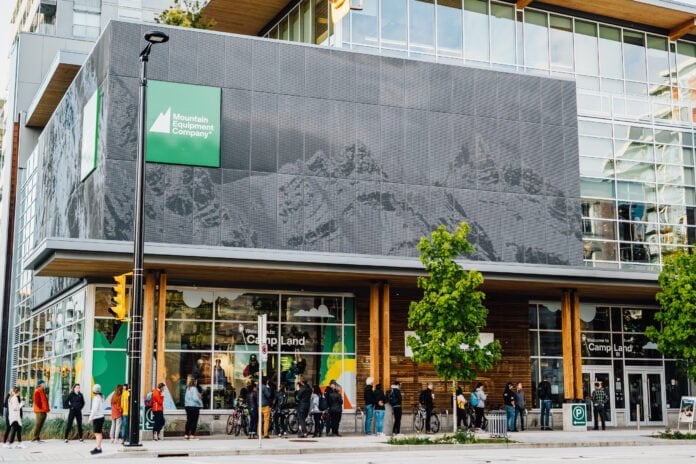
After a two-year break, MEC (Mountain Equipment Company) is re-establishing itself as a hub for the outdoor community – part of its mission to inspire people to explore the outdoors.
Michele Guimond
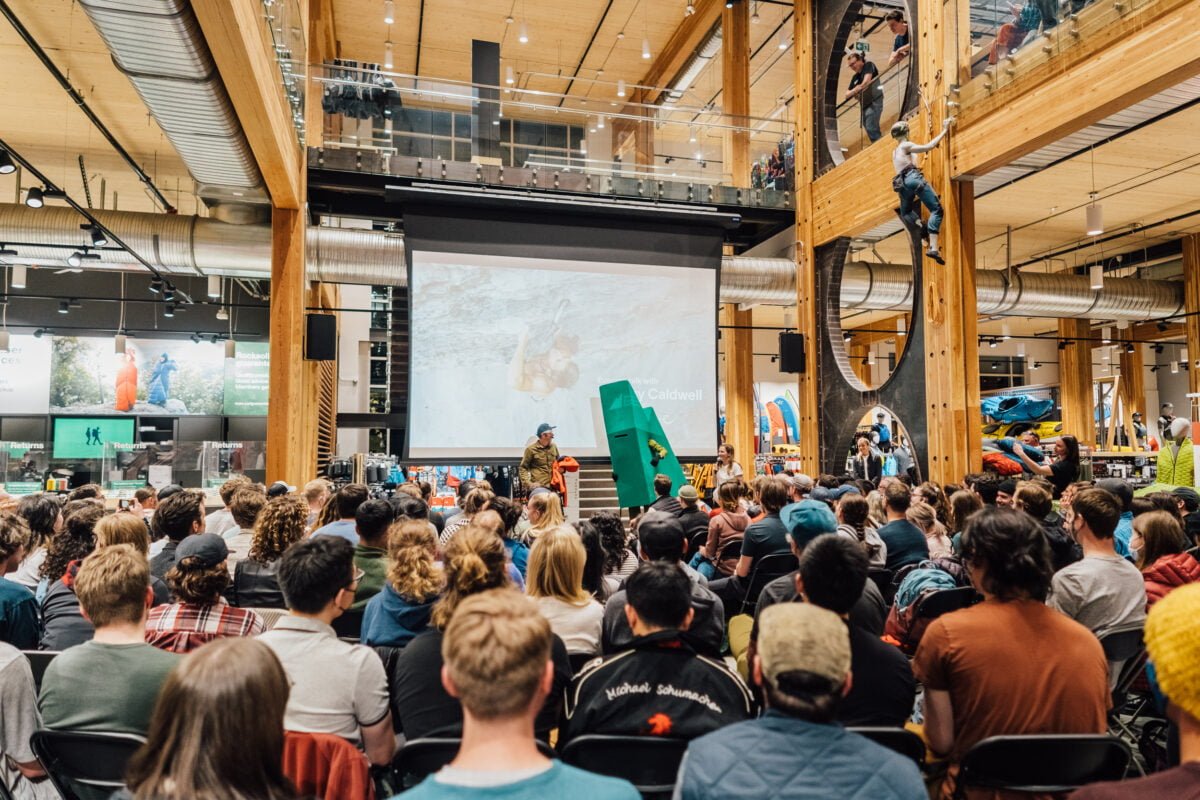
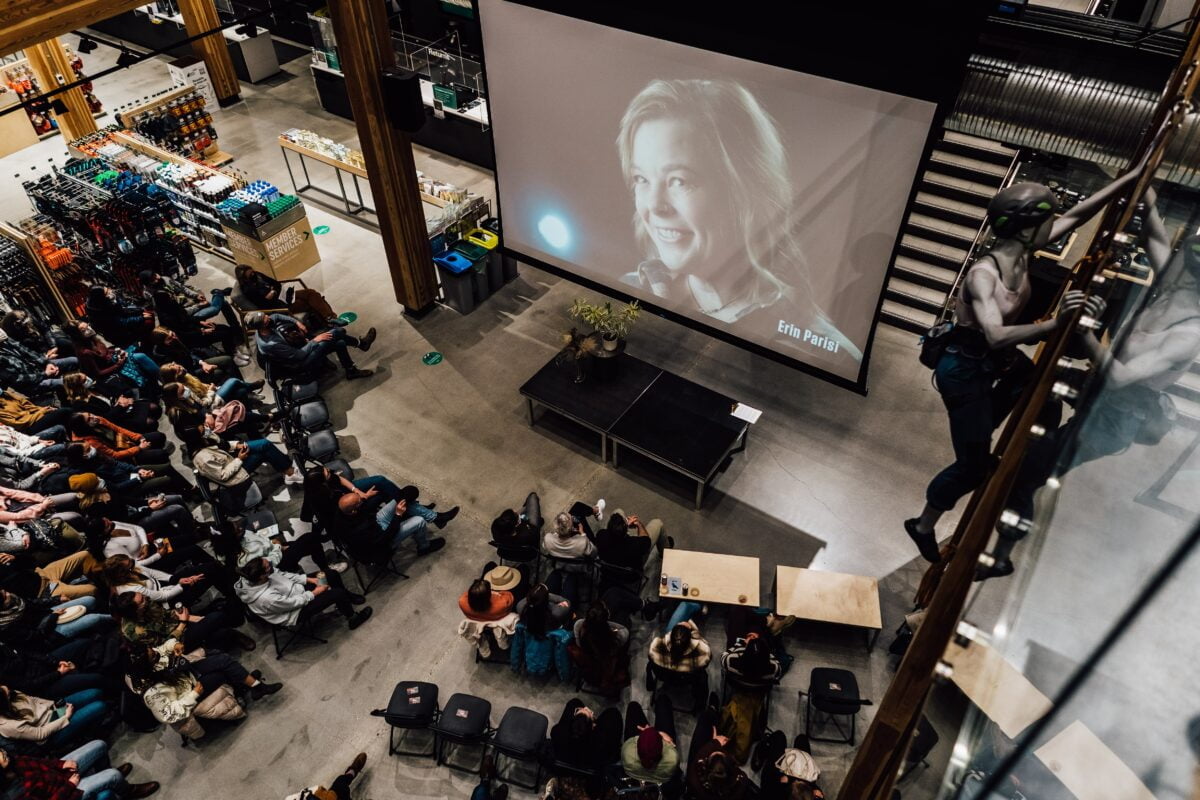
Recently, it hosted legendary climber and Edelrid ambassador Tommy Caldwell who spoke to climbing enthusiasts at the MEC flagship store in Vancouver.
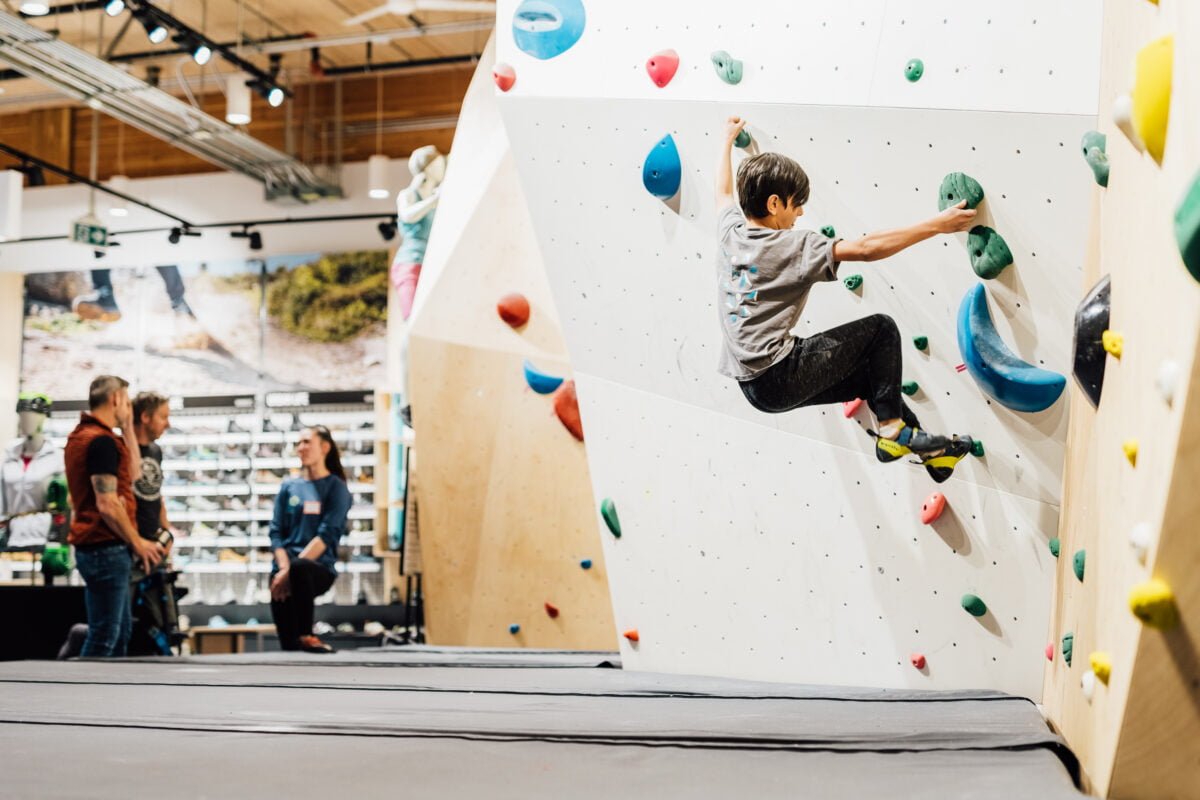
The new flagship Vancouver store opened at the start of the pandemic and is home to several unique elements, like a bouldering wall and the ability to host upwards of 200 people for larger events in the community. Later this year, MEC is re-launching its clinics and workshops led by expert staff.
Michele Guimond, VP Marketing at MEC, said the recent 240-ticket event with Caldwell sold out in under 24 hours, which suggests the retailer is on the right track.
“It was absolutely phenomenal. That store was finished in March 2020. It’s a beautiful space to have and designed with community events in mind. Very set up for it and it felt pretty sad that we haven’t been able to do it,” said Guimond. “It sold out in like 12 hours. We had to add more tickets and they sold out in a couple of hours.
“Tommy has the ability to draw a crowd and the vibe was super, super high. It just felt so amazing. It’s so core to the brand. I think the audience was really a great mix of new consumers, young climbers. Really kind of full circle, full generation, and Tommy is just the most phenomenal speaker.”
Guimond said the event was really leaning into the company’s pillars.
On its website MEC says: “We aspire to be the most viable, vibrant outdoor retail business in Canada. We want to bring about a future where Canadians of all ages, and especially our youth, play outdoors in self-propelled ways more often and in ever-increasing numbers; have access to a comprehensive, carefully nurtured network of parks, wilderness, and outdoor recreation areas; and have a connection to nature that is stronger than ever. We want MEC and our members to set examples that inspire other organizations and individuals towards environmental, social, and economic sustainability. In short, we want to leave the world better than we found it.”
Guimond said there’s been a big move online by shoppers and retailers in the last few years and that’s been at a time when stores were not able to hold events such as the Caldwell one.
“I think we took them a little bit for granted prior to the pandemic but I think we see this macro level move of people wanting to come back to the stores and there’s this connection that happens through community. MEC has been grounded in our staff expertise. When you combine this in a physical space I think it really draws a deep connection to the brand, it amplifies community,” she said.
“It also allows us to amplify our platforms around sustainability and outdoor impact.”
Prior to the most recent event, MEC also held another event in early March for International Women’s Day.
The retailer, which began in 1971, currently has 22 stores in Canada. The last store opening was the Vancouver one.
Giumond said there are no plans to open any new stores this year.
“I think coming out of the pandemic what we really want to focus on is we just came through a rebrand and we really want to focus on stability in the business, we really want to focus on our staff, we really want to focus on our existing retail footprint and really elevating our experience within that,” she said.
“Really going back to our foundations before we think about expansion. We really want to stabilize the business and be really heavily focused on that.”
For the first three years, MEC was run solely by volunteers. There were no paid employees until the business could support a store with regular hours and gear on the shelves. These early stores weren’t so much places to buy stuff as they were places to hang out, plan trips, get advice, and talk about gear, says the company.
In 1971 MEC was formally incorporated on August 2, with six members, and about $65 of operating capital.
In 1985, it opened a store in Toronto and in 1986 it reached 140,000 members.
By 1990, membership reached 250,000 and 330,000 in 1991 (its 20-year anniversary) with $36.5 million in annual sales.
In 1997 MEC reached one million members and at the end of the year, it launched mec.ca, a small online brochure of backcountry information. By 2004, membership had grown to two million and three million by 2009.
As it turned 40 in 2011, annual sales reached $261 million. By 2013, membership topped four million people and five million in 2017.
Prior to the pandemic, the retailer faced some serious financial challenges and in October 2021 it rebranded to return the mountain peak design to its logo while renewing a focus on its core values.
Retail Insider is streamlining its Canadian retail news from around the web to include a handful of top news stories that can be viewed quickly during the day. Here are the top stories from the past 24 hours.
Drones have moved a step closer to scaling in Canadian cities with their deployment expected to be used more and more by retailers in the coming years.
AirMatrix, an innovative software company based in Toronto, has undertaken a new project to accelerate research and development of its platform to inform communications standards for commercial drone operations.
The company, which started in 2018, is deploying its platform in Calgary and Waterloo.
“We’re ecstatic to be expanding in Waterloo and now deploying in Calgary. This is our first municipal deployment in Western Canada, having it in this city speaks to the sincere efforts taking place to increase the amount of innovative job opportunities, Alberta’s increased focus on clean energy options, and efforts to increase lifestyle benefits to residents; this is a step in the right direction,” said Bashir Khan, CEO, AirMatrix. “Long term, we see this as a revenue generating economic engine for cities.”
Khan said it’s the only platform of its kind globally as it builds millimeter-precise skyways in urban and suburban airspace, allowing cities around the world to scale commercial drone operations. By providing traffic management capabilities through the traffic manager dashboard, the operator platform grants accurate conflict-free, 3D routes in real-time to enterprise drones incorporating beyond visual line of sight operations. The sophistication of the AirMatrix software with its safe, reliable, and dynamic monitoring capabilities, is enabling new industry applications for drones to emerge and scale as the industry evolves, he said.
“We geo-reference all of that data and stitch it together in a way that’s compatible with any auto-pilot in the world,” said Khan, adding that any drone can connect to its system and get access to skyways.
“In 2022, drones are a step closer to becoming part of our day-to-day lives. Whether for having packages delivered to doorsteps and backyards, inspecting roofs, assessing infrastructure, monitoring construction sites, or for emergency services: drone use cases and commercial solutions have begun scaling worldwide. The challenges around regulations and technologies for flying in congested urban airspace, backyards, and over city streets have been developing quietly over the last few years.”
Khan said the company received funding from the National Research Council of Canada to deploy commercial drones within Waterloo and Calgary. The dashboard has been sold to those municipalities so they can start to get an understanding of how they should start planning for the future in terms of drones, infrastructure and urban planning.
“On data as a service, we’re moving towards a lot more commercialization pretty rapidly. So if you think about utilities inspections, inspecting cell towers, gas and oil pipelines, real estate, things where you want to capture aerial data above those are here today and up and running and scaling,” he said.
“But what’s actually happening now is there are new regulations coming into place which are going to allow operators to fly beyond what’s called visual line of sight. Right now, when you want to fly a drone commercially it’s not scalable because you have to watch the drone as it’s operating. We’re now moving to a place where from my office here I can launch five, six drones and be able to command them all from here and now the unit economics have gotten way better.
Photo: Shutterstock/licensed
“Now we’re in that shift towards beyond visualized sight but we couldn’t have done that without the mapping we’ve done and the data we’ve collected to allow for that flight planning to take place ahead of time.
“On the delivery of packages, more consumer facing stuff, it depends on where you are really because drone deliveries are taking off. They’ve already started scaling in different parts of the world, in Australia and the US, delivery is about a year and a half to two years away from a person being able to order something from their phone and have it delivered to your home.”
Khan said more retailers will be adopting the technology in the near future. Already, Amazon has spent a lot of money looking at this from an ecommerce initiative.
“The natural next step is logistics and fulfillment. When you think of digitizing of fulfillment and last mile delivery, drones are a huge part of that picture,” he said.
“That’s the future. Cars take up a lot of space on the road and have a lot of emissions with them.”
AirMatrix maps and provides digital infrastructure for drones to safely navigate urban airspace.
“The use of new technology within urban environments is rarely without hiccups. While some larger drones look closer to flying cars, they can be viewed as flying mobile devices, which naturally encounter unique challenges. Cities want to mitigate the risk of drones crashing into buildings due to imprecise GPS data, faulty LTE/5G connection or an unclear understanding of connectivity requirements for drones to safely operate in complex airspace from a telecommunications standpoint. Canadians can expect to see more drones in the sky in the coming years. AirMatrix has accelerated its ability to map cities, terrestrially and aerially mapping 100 cities globally over the next year to build skyways that enable advanced aerial mobility, including drones and EVTOL (Electric Vertical Take Off & Landing) aircraft,” explained Khan.
Beginning in May, as part of The City of Calgary’s Living Labs program, participating drone pilots will begin utilizing the AirMatrix software platform inside an allocated zone within city boundaries to begin logistics and public services drone operations testing.
The deployment will ramp up over the course of 18 months, with the goal of building a live drone ecosystem in Calgary.
“As a smart city that embraces fresh ideas and experimentation, The City of Calgary is excited to support innovations in the drone space and is looking forward to supporting AirMatrix’s work to enable safe and efficient drone operations in Calgary while respecting citizen privacy,” said Monique Nesset, Smart Cities Program Manager, City of Calgary.
“This region has a growing aerospace industry as well as an amazing history in communications, so it’s great to see innovative companies like AirMatrix commercializing technology built in Waterloo, scaling across Canada and Internationally,” said Rod Regier, the Commissioner of planning for the Region of Waterloo.
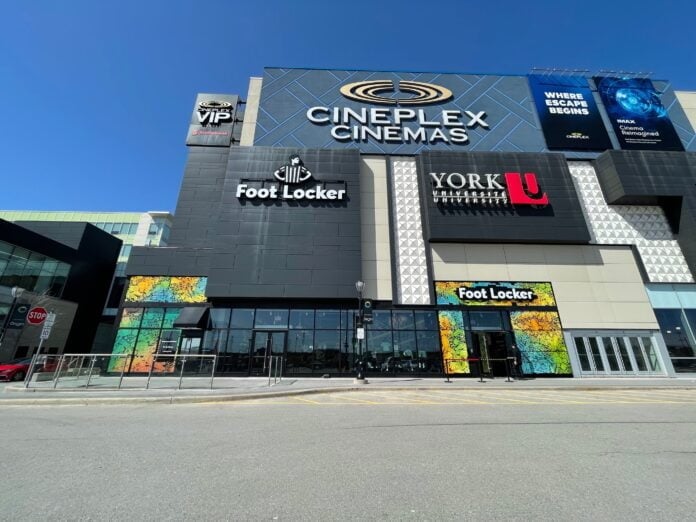
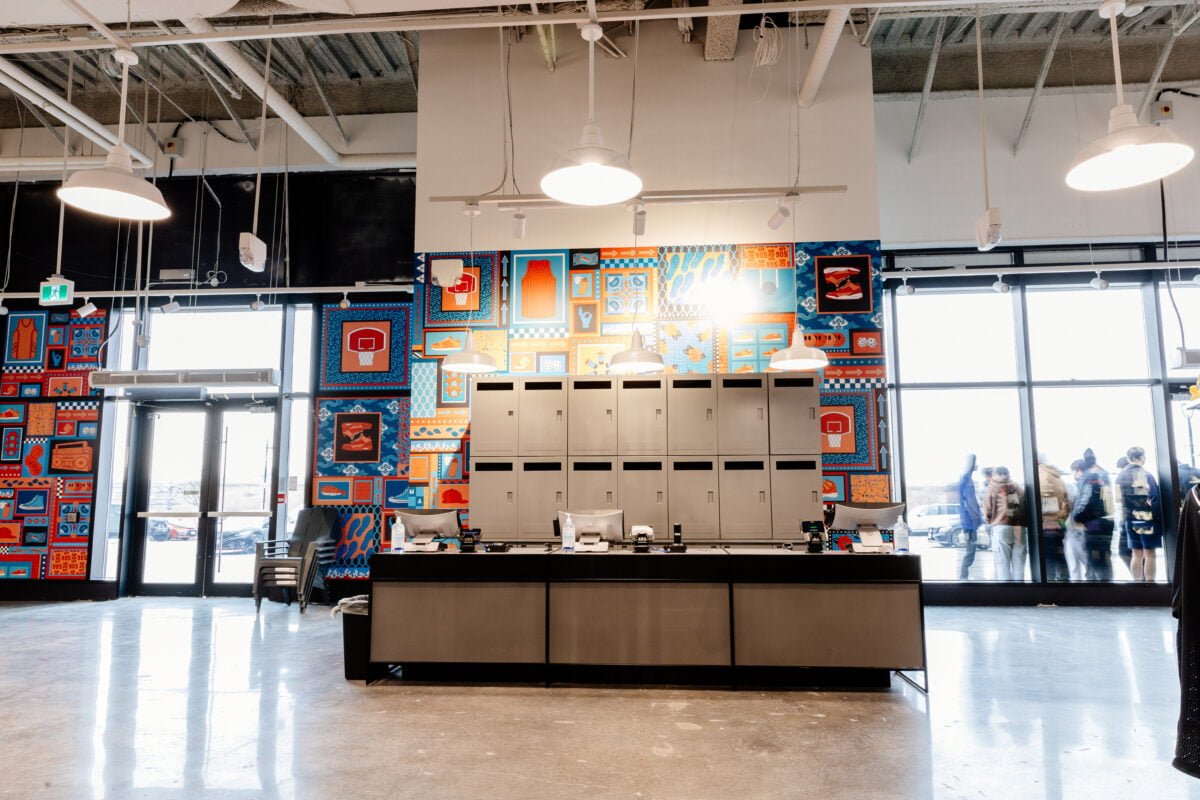
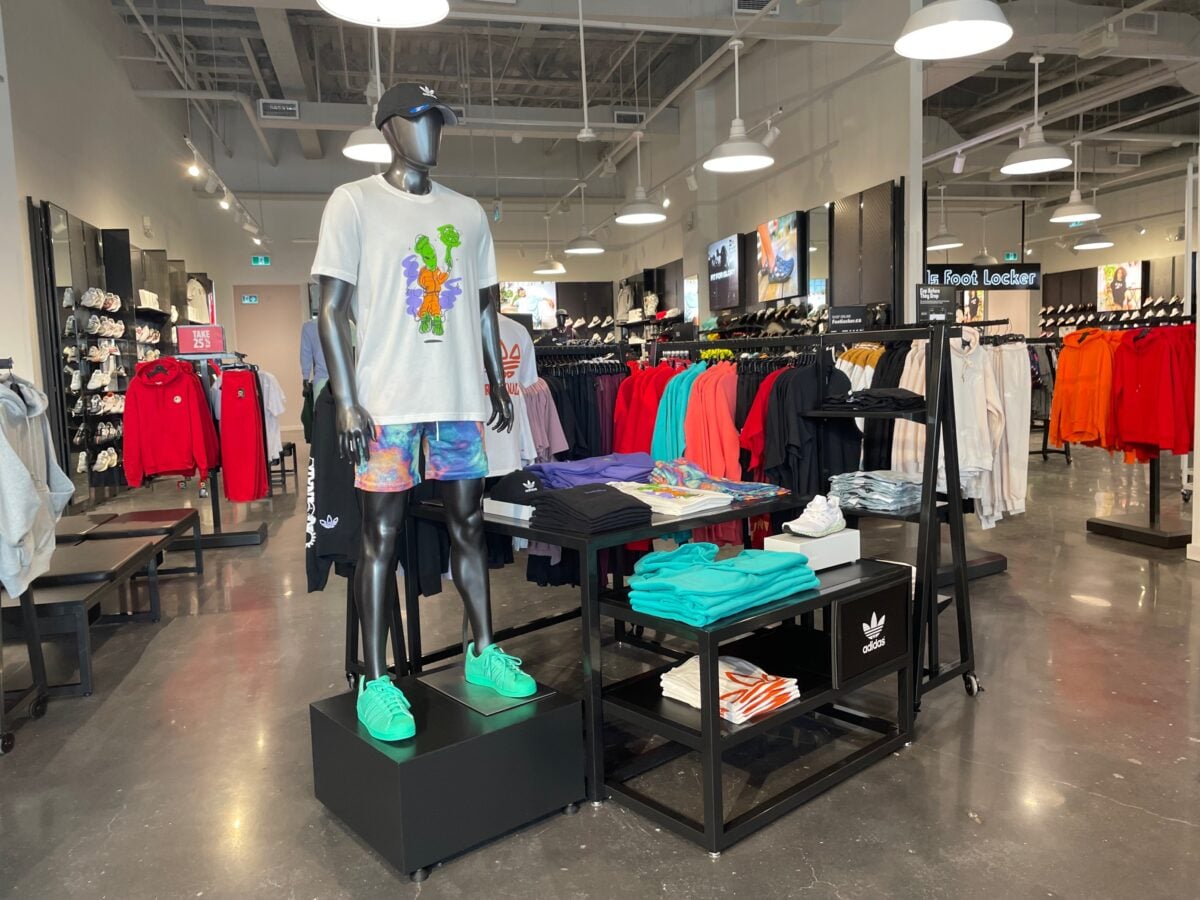
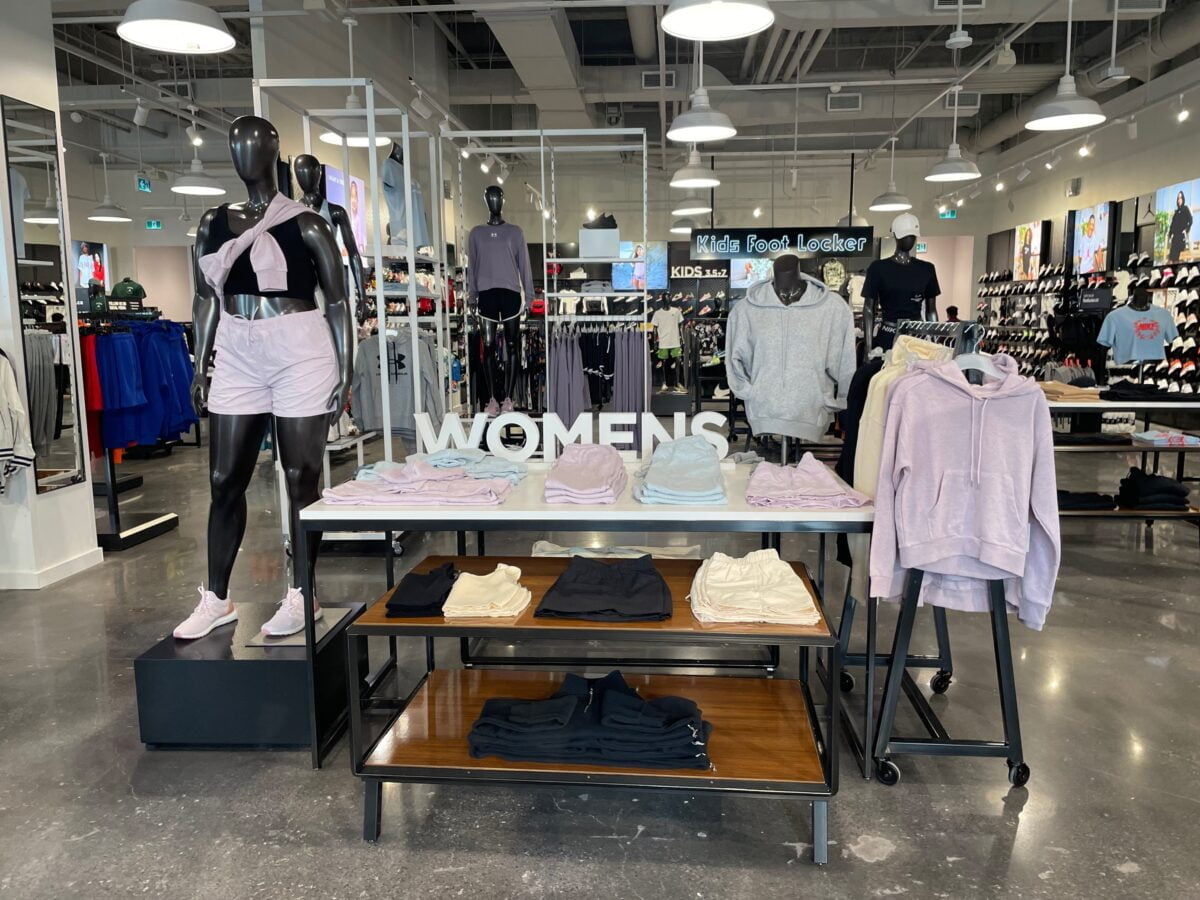
The new Foot Locker Power Store has opened in Markham north of Toronto, and the location is emphasizing the importance of not just selling, but community engagement. The newly opened store is focusing on listening to what consumers need to improve their shopping experience and to be more involved within the Markham community.
“Markham will be the first one where we will really be entrenched into the community versus a high tourist area, so it is really exciting for us,” says Johnathan Robillard, the VP for North GEO at Foot Locker.
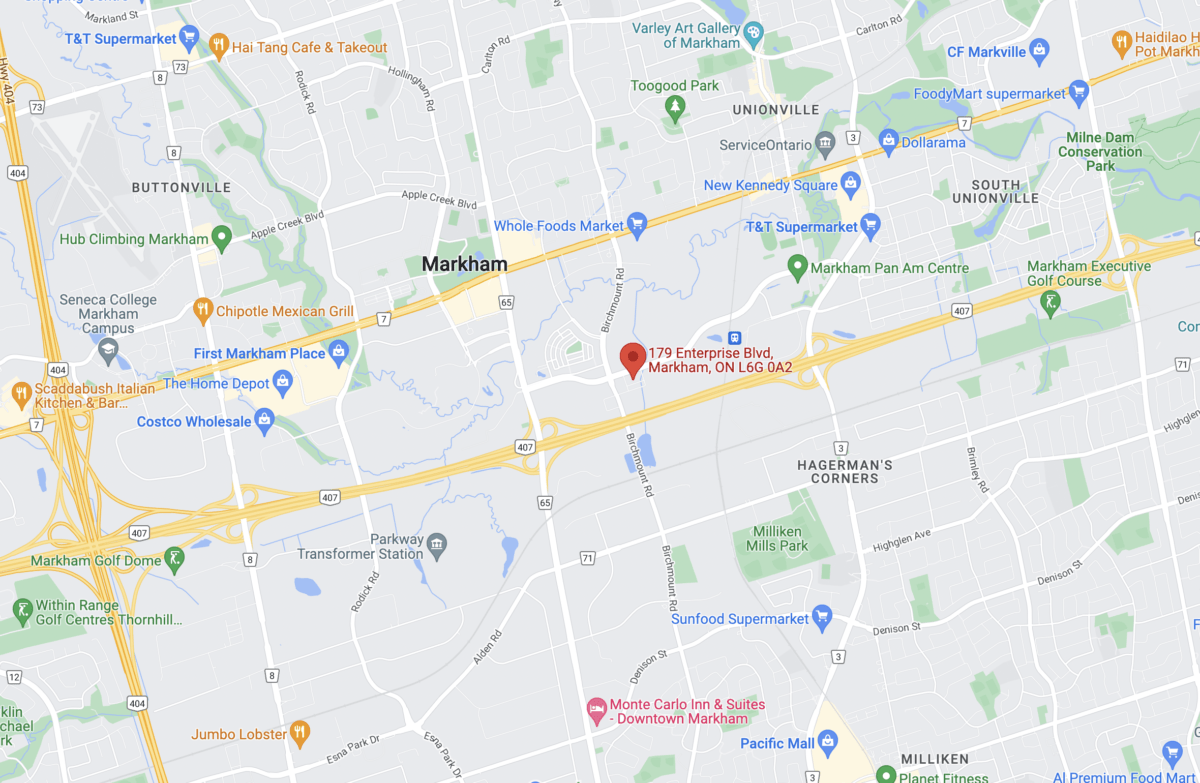
The Power Store is located at 179 Enterprise Boulevard in Markham where it will is the third store of its kind to open in Canada. The other two Power Stores are in Toronto and Vancouver. The location of Markham was based on the growing community.
Click image for interactive Google MapPhoto: Xandrae Ramdeem
“Markham is one of the fastest growing communities just outside of Toronto and where our store is located is on the tip of three different towns coming together so when we looked at that, we really thought about where our consumer was going. So that is definitely why we have targeted this area,” says Robillard.
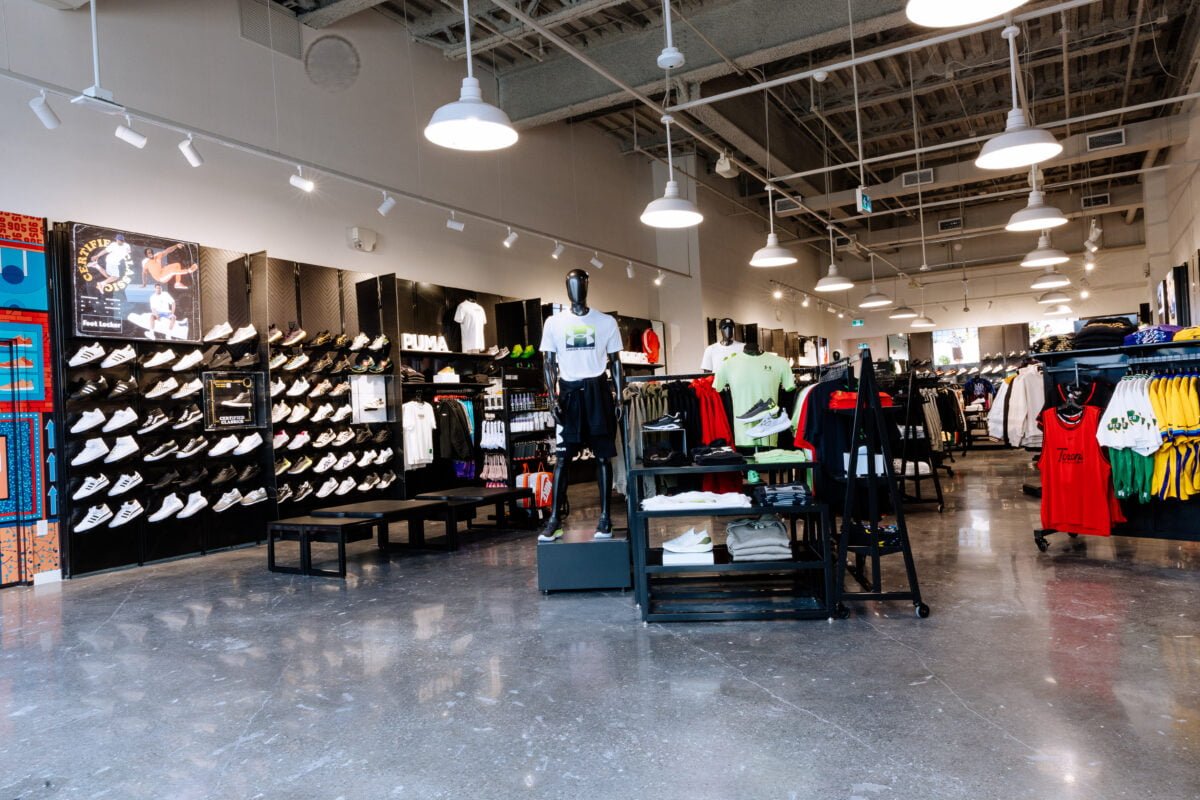
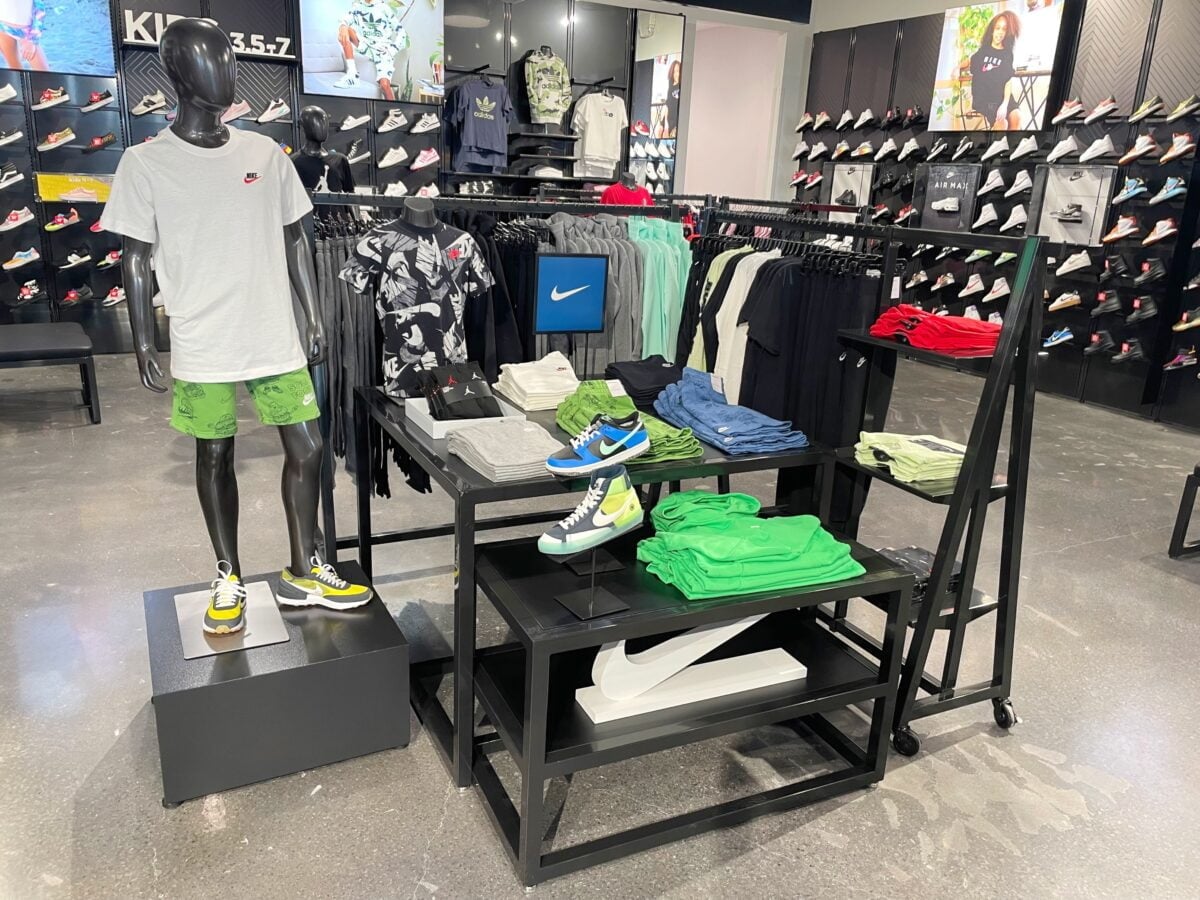
The Markham store will create a new shopping experience for customers as it has 5,560 square feet of retail space, a Call ‘N Collect window, and a digital screen for customers to view the store’s menu and to provide community updates.
“The nice part of when we do a power store is we get to choose the best of everything we offer,” says Robillard. “So, this store will have offerings for Men, Women, and children which sometimes you don’t see in every Footlocker. Here you are going to have everything.”
Photo: Xandrae RamdeemPhoto: Xandrae Ramdeem
NEW TECHNOLOGY
Call ‘N Collect Window
The Call ‘N Collect Window will be a way for customers to easily access items they would like to purchase without having to go in the store.
“If we were both standing at the store, you would see so many other unique foods, restaurants, drinks that are there, and we really took inspiration from the drive through window,” says Robillard. “The customer could be outside waiting for an item, or they can just come up to the window and ask for the items they are looking for and pay contactless.”
Customers can call ahead their order, pay, and talk to an associate if they have any questions regarding an item.
Digital Screen
Available by the second week in May, the digital screen will allow customers to see the menu of the store, information such as hours, social media campaigns, vendor campaigns, and the screen will also show community events.
“It is not just about the sales,” says Robillard. “We will make it specific to the community. Maybe it is an update on the baseball team or the local soccer team and how they are doing. It shows a way where we can highlight what is happening. It will definitely be a way where the consumer can purchase, but also a way for us to engage with the community.”
Other new additions will be to provide free Wi-Fi to associates and customers and a mobile pay option for customers so they can avoid the cashier lineup.
Photo: Xandrae RamdeemPhoto: Xandrae Ramdeem
Local Brands and Artists
The new Power Store also includes local brands and artists. One of their local brands is Crane Apparel, a business based in Markham. The store is now carrying Crane Apparel’s Spring collection as well as its basketball collection.
The Power Store will also be representing the Markham community with art.
“This is something we are trying to do throughout the country. Montreal is going to feel different than Toronto, and Toronto is going to feel different than Vancouver. We are trying to not only represent the artists that are there locally, but also what the consumers who are there are looking for,” says Robillard.
The art will be consisting of themes of Markham: the heritage, uniqueness, the greenery, sports, and will even have artwork that will pay tribute to Markham roads and highways.
During the opening weekend, Foot Locker had exciting events including music, face painting, food trucks, a local basketball team visit, and they will have someone explaining to customers about the Power Store and the new technologies available.
Covid-19 has made it aware what people want. “Covid highlighted that the consumer does want to interact, and we saw that here in Canada,” says Robillard. “Everyone has the option to shop online, but there is still that desire to connect and be together in a common place.” The Power Store in Markham will do exactly this, it will be a place for customers to easily shop the way they want to while keeping in touch with the Markham community.