Advertisement
Home Blog Page 826

Artitalia Group Inc. and Denim Society Bring Phygital to Carrefour Laval

Image: Artitalia Group Inc.

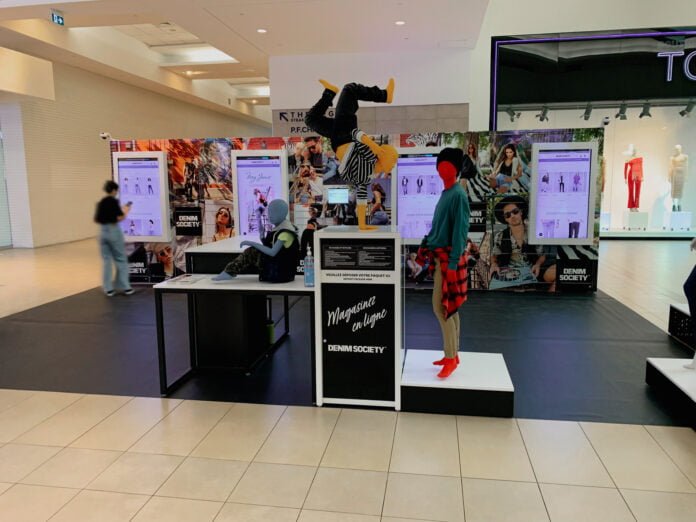
Montreal – August 19, 2021 – Montreal-based manufacturer Artitalia Group Inc. has designed and manufactured the first ever unmanned kiosk for Denim Society. Always at the forefront of innovation, Artitalia Group brings together the online and offline shopping experience. Through Artitalia Group’s smart locker solution, the Addobox, this new venture offers Denim Society’s customers a seamless and fully integrated omnichannel solution. 

For over 35 years, Artitalia Group has specialized in designing and manufacturing custom products for some of the biggest names in the retail, hospitality & restaurant, material handling, and mail & parcel industries. Now with the surge in online shopping and the growing need to make consumers feel more connected to brands they trust, Artitalia Group joined with Denim Society to create a hybrid solution where customers can browse through items on display or shop online directly on 1 of 4 integrated touch screens.

Denim Society, a premium quality denim online marketplace provides quality jean-wear at accessible pricing in multiple product categories. With a keen focus centered on denim related products, Denim Society keeps its research and development team at the cuff of proving their customer quality fabrics, refined washes, and finishes.

“We’ve given the brand and Carrefour Laval a modern take on the future of retail with our innovative pop-up shopping experience. Our goal is to introduce the new online marketplace to Carrefour Laval customers by allowing them both to view a sample of the collection, as well as the opportunity to browse the website live. The pick-up (delivery) and drop off (returns) features are an added bonus highlighting the easy-to-use e-commerce shopping platform.” said Cynthia Kreidi, Director of Marketing/E-commerce at Jeaniologie.  

“The kiosk was designed to offer a unique omnichannel experience. It combines the comfort of shopping in-store with the convenience of buying online. With access to our Addobox, shoppers can place their purchases on Denim Society’s website and then retrieve their items in our smart locker”, said Enzo Vardaro, SVP, Chief Commercial Officer.

Once an order is completed and placed within the Addobox, the customer is immediately sent a notification that will allow them to retrieve their purchase quickly with a simple scan or pickup code. Artitalia Group also designed and manufactured a hassle-free return box to circumvent parcel returns to the store. The return box is a quick and effortless solution where a customer can initiate a return through Denim Society’s online store, a notification will then be sent to Demin Society notifying them that the item has been returned to the drop box.

The pandemic has accelerated the shift to e-commerce from traditional physical stores to e-shopping, which means that customers are comfortable enough to buy online and pick-up in store. Research has shown that buy-online, pick-up-in-stores solutions give retailers an edge. With the bonus of this hybrid kiosk concept, Artitalia Group and Denim Society have found the perfect solution to cater to both online and brick-and-mortar type shoppers.   

About Artitalia Group

With over 35 years of experience and fueled by innovation and creativity, Artitalia Group offers quality products and services required to manage end-to-end custom programs, from conception to completion. With offices in Canada, the United States, and China, Artitalia Group employs more than 500 employees in facilities that total 1 200 000 sq. ft. It serves clients across four markets: Retail, Hospitality & Restaurant, Material Handling, and Mail & Parcel. Artitalia Group takes pride in offering custom solutions to challenging issues and provides peace of mind to its valued clients. 

For more information visit www.artitalia.com

For media inquiries please contact Evi Mitzinis at emitzinis@artitalia.com

Labour Shortage in the Food Industry? Nonsense. Our Labour Market Has Been Broken For Years [Sylvain Charlebois]

Hiring Sign at Craft Beer Market on Yonge Street in Toronto (Photo by Dustin Fuhs)

“We’re hiring” signs are simply everywhere. Some blame overly generous employment insurance programs which is keeping many highly capable individuals in their homes. Others will point to the younger generation not willing to work or are blaming the virus itself, because people are in fear of it. Rumours of agism have also emerged to explain why we are seeing more boomers exiting the market altogether. The fact of the matter is that it is likely a mixture of several factors. Blaming one factor more than others is baseless. Regardless of the reason, the labour shortage we see in Canada has not only been there for a while, but it is also happening elsewhere around the industrialized world. The food industry, of all sectors, is likely one of the most affected by what is happening.

Let’s start with the most obvious issue we see as consumers almost every day: The labour deficit in food service. Restaurants are cutting hours, even closing several days a week just because they can’t get anyone to serve, cook or clean. A recent survey this summer suggested that restaurant operators are now providing more incentives to their new employees. A total of 40% are offering extra paid vacation, 37% hope to persuade new hires with better job titles, while more than a third are offering signing bonuses, sometimes over $1,000. As wages rise though, so are applicants. Some ice cream shops and independent restaurants have doubled wages in recent months, and many of them were flooded with applicants. With more money, candidates will show up. In the U.K., wages in food service have risen by almost 15% in 6 months.

But with low margins coupled with highly unpredictable demand patterns in food service, it’s not that easy. Many restaurant operators have next to no cushion to increase wages. To offset staffing woes, many are now reverting to different managerial decisions by limiting the number of operating hours. Some are closing Mondays, Tuesdays, and Wednesdays, or are opening fewer hours during the day. In fact, don’t be surprised if a greater number of restaurants are managed like flights in the airline industry. Airlines will only have flights if they can fill the aircraft. If not, they’ll cancel it, one way or another. More restaurants are likely to open only if most seats can be filled and will menu manage differently. In other words, expect fewer choices. In fact, some restaurants have started to offer only one or two choices of entrees. Given financial pressure points, competition, and higher input costs, it is the only way for operators to run a profitable operation.

In food distribution, the situation is beyond comprehension. On farms and in processing, labour shortages are not just about convenience and profitability. It also means that a lot of food goes to waste. Around 35.5 million tonnes of food goes to waste across Canada’s supply chain each year according to a recent Second Harvest report. Short-staffed operations have only seen produce like mushrooms, lettuce and broccoli not making it to the human food chain, just because getting enough bodies out in fields was not possible. Canadian food manufacturing had 28,000 vacancies before the pandemic. Some suspect that number may have gone up by as much as 50% since March 2020.

In food retail, if you see an empty shelf, it’s not because we’re running out of food. It’s likely because nobody was available to fill it. Or the supplier may have run out of truckers. Like it or not, it is mostly likely staff-related.

Not only do governments need to find ways to incentivise people, young and old, to participate in the economy, educational institutions like high schools, colleges and universities also need to value the food industry and showcase it as a viable career path. The current situation is certainly getting many employers to think different about how to manage their business. But they need help.

The reality though is that our labour situation is everyone’s business. Canada has provided one of the most educated workforces in the agri-food sector, in the world, from farm to fork. Many farmers, people in food processing and distribution now have graduate degrees. Wages and revenues have barely moved in tandem with the amount of knowledge gain, novel technologies used, and skills acquired by the workforce in the industry. For the most part, while the food industry has long provided Canadians with high quality, safe food products we all reasonably expect, it’s always been about cheap calories for consumers. High quality food products require strong human capital. 

In sum, we’re not really experiencing a labour shortage per se, far from it. It is very much a lingering broken labour market which has gotten worse because of the pandemic. All of it of course is galvanized by an economy filled with consumers looking for the best deals, most of the time by choice, necessity, or both. If you’re already willing to pay $30 for that next club sandwich at a restaurant, or pay an extra 10% in tips, or even an extra 5% to 10% for food at the grocery store, it means you’re very much aware of what lies ahead.

Blaming food companies and restaurants is easy. Asking them to increase to merely wages without paying more for their food and service is just not realistic. At least not anymore. 

Canadian Retail News From Around The Web For August 25th, 2021

Canadian Retail News From Around The Web

Top Stories: National

Central/Eastern Canada News

Western Canada News

Popeyes Louisiana Kitchen Opening Many More Locations in Canada Despite the Pandemic, with Plans to Enter More Provinces: Interview

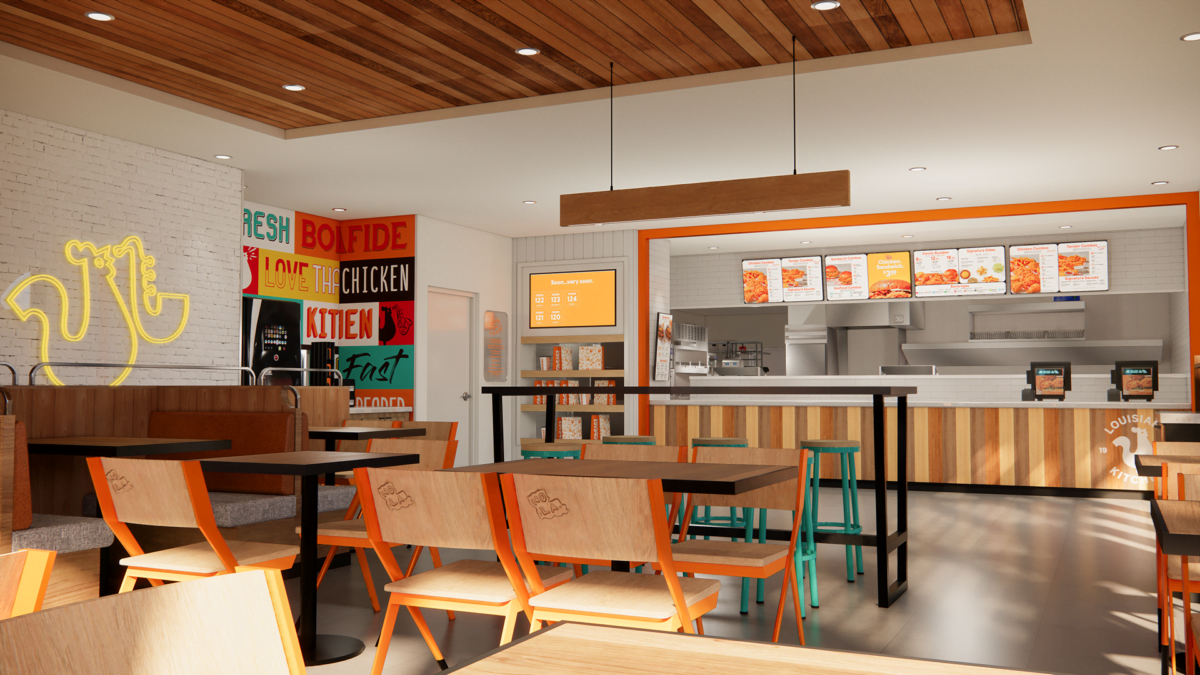
Image: Popeyes Louisiana Kitchen, Inc.

Popeyes Louisiana Kitchen has seen tremendous growth in Canada in the past five years with more to come as the company continues its expansion plans across the country.

Robert Manuel

Rob Manuel, General Manager in Canada for the company, said growth has been heightened over the last three years. In that period of time, Popeyes opened 100 locations in Canada.

“It’s really been kind of growing a lot over the last couple of years. Currently it’s what we’re seeing for 2021 and what we hope to continue in the future,” he said.

“We’re not currently from coast to coast. We’re actually from Ontario, West. So we’re in all the provinces between Ontario and BC. And we recently announced that we’ll be opening in Atlantic Canada in early 2022.”

Popeyes opened in Canada in 1984 – the first international market outside of the United States. That first location was in Toronto. Up until 2016, there were only locations in Ontario in Canada and before that it was a Toronto-based brand.

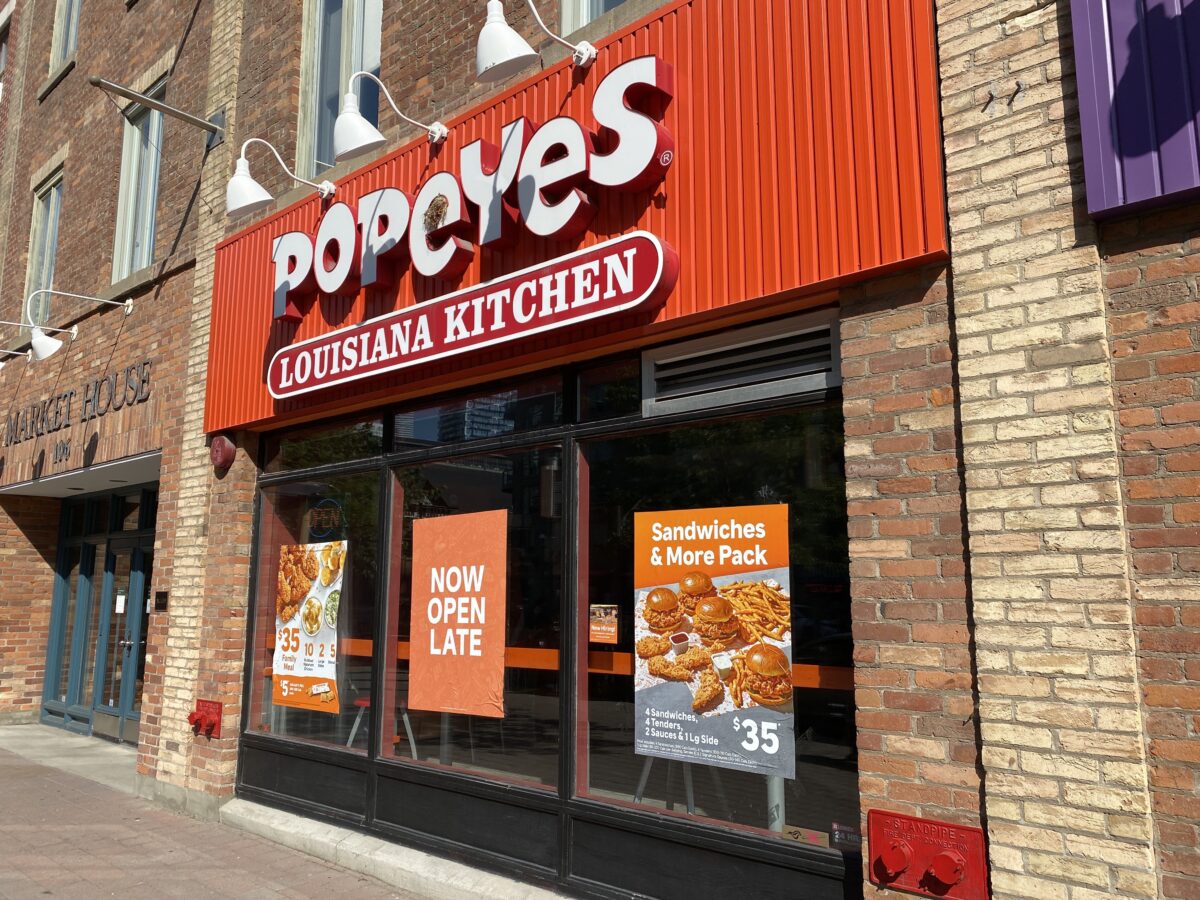
Popeyes Louisiana Kitchen on Front Street in Toronto – Photo by Dustin Fuhs

Today, in Canada, the company has just over 260 locations.

Popeyes’ overall current store count is 3,577 and they’re found in 37 different countries.

In Canada, Manuel said the company’s footprint is evolving over time.

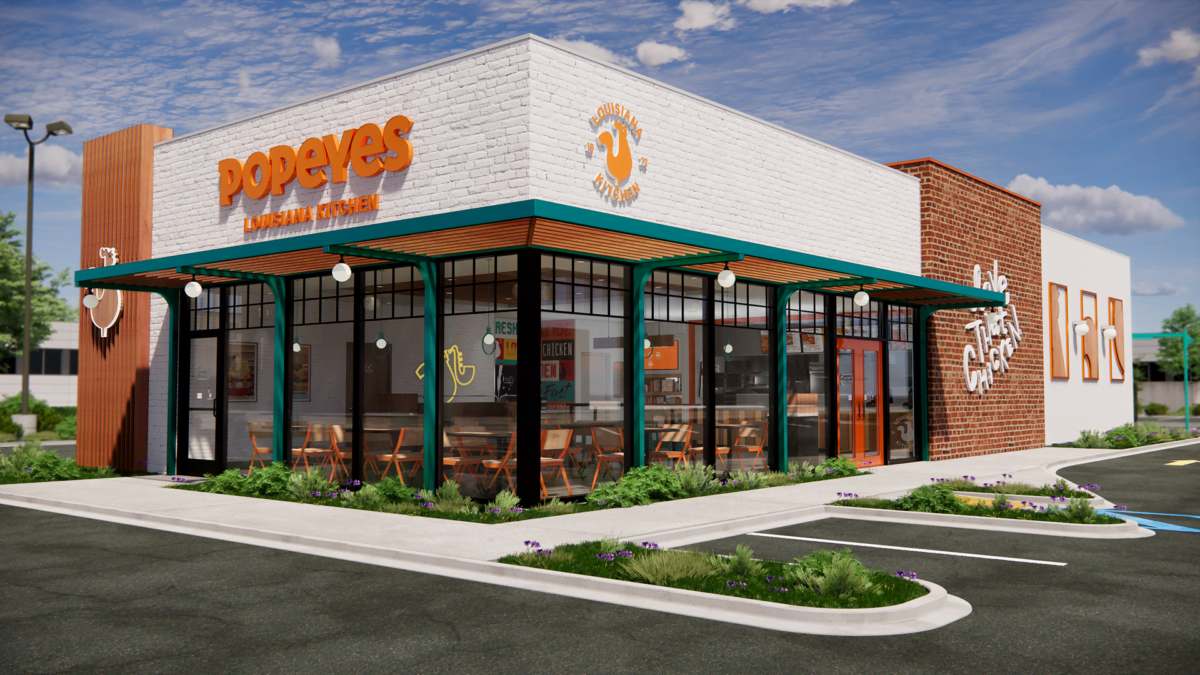
“A Popeyes’ prototype restaurant is around 2,200 square feet, ideally with a drive thru. If you look at our historical footprint in Canada we’ve had a lot more inline restaurants. But we’re starting to do a lot more of the kind of larger free-standing drive thrus. They currently represent over 50 per cent of our new units. So we’re starting to see a lot more of those coming down the pipeline. And certainly that’s our focus going forward,” he said.

Manuel said chicken QSR (quick service restaurant) is a busy category.

Image: Popeyes Louisiana Kitchen, Inc.

“I think one of the things that makes Popeyes unique and special and really loved by customers is the food and the food quality in particular. I think one of the things we take a ton of pride in is the fact that most of our products are hand-battered, and breaded in our restaurants, featuring Louisiana marinades. All of our products are marinaded for at least 12 hours. We like to say that our product is cooked slow and served fast so you’re able to get what feels like southern home cooking in more of a QSR space,” he explained. “It’s really what differentiates us from a lot of just QSR as a category – the quality of food and ingredients you’re getting in our restaurants.”

Looking into the future, Manuel said the company believes it has lots of room for growth in Canada.

“What market research tells us is there’s still increasing demand from Canadians and because we’re not coast to coast today and still somewhat under-penetrated in a lot of Western Canada, we still think we’ve got a fair amount of runway ahead of us for growth,” he said.

“There’s certainly demand from Canadians and we’re working hard to make sure we can fulfill that.”

The company opened 26 locations last year and recently it just passed 20 this year.

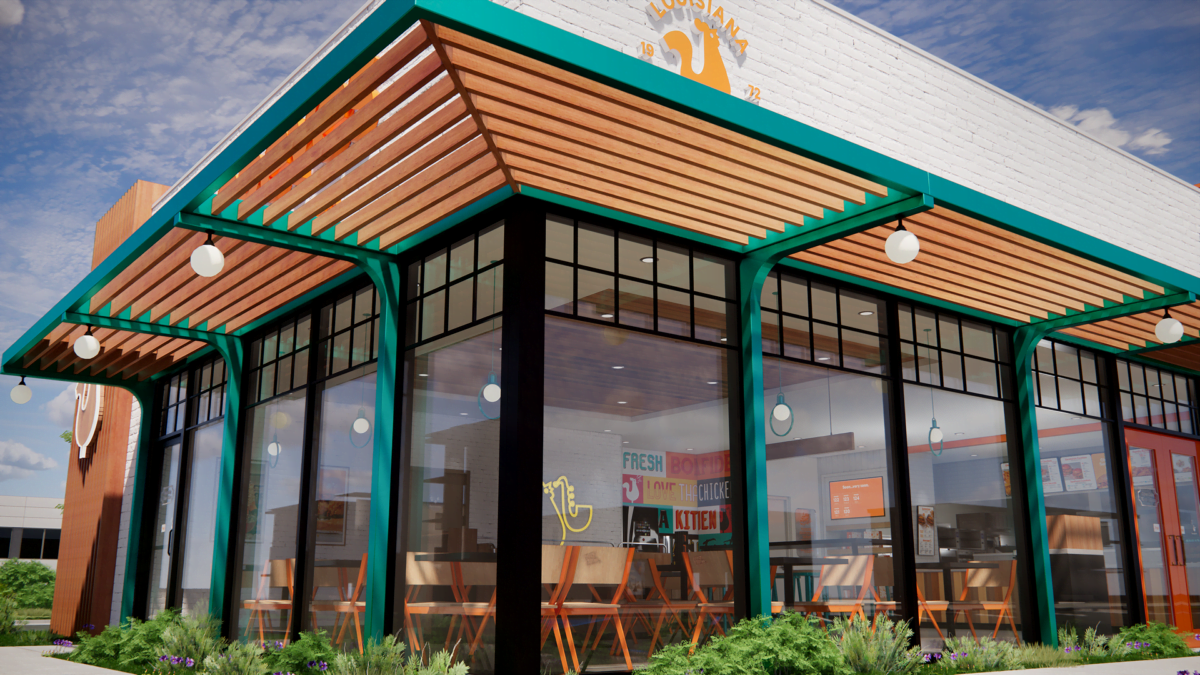
Image: Popeyes Louisiana Kitchen, Inc.

Manuel said the company will continue to add new locations this year. Factors in choosing locations include traffic counts, visibility, population density.

“We’ve been going through some market planning of optimizing the brand across Canada and really identifying where we want to be and where we think it makes sense for us,” he said.

Manuel said the image of the restaurant is improving as it is being modernized with a more contemporary image which was introduced last year. Drive thrus are an added convenience and will play a bigger role in the future for the brand.

The brand will also continue to focus on digital which has been accelerated during the pandemic.

“The biggest change we saw in the short term was really the increase in the delivery business. Going back through 2018, 2019, and into 2020, delivery was a growing part of our business for sure, and you certainly saw the growth of the industry of Uber Eats and Skip the Dishes of the world and that service. During March, April 2020 it really became a reliance on that service as people felt comfortable and safe using it,” said Manuel.

Customers have discovered the convenience of that service and will continue to use it, he added.

“When we probably look back whenever and wherever the dust settles on this, I think that’s one of the things that will have changed in the industry. We’re excited to see traffic coming back to the restaurant but I think that delivery business isn’t going anywhere.”

Image: Popeyes Louisiana Kitchen, Inc.

Ivanhoé Cambridge to Outsource Canadian Shopping Centre Operations to JLL

Ivanhoé Cambridge and JLL enter strategic alliance for Canadian retail operations (CNW Group/Ivanhoé Cambridge Inc.)

Commercial real estate firm JLL is assuming operations of Ivanhoé Cambridge’s retail properties across Canada.

As of October 1, Ivanhoé Cambridge will transition the operations of its Canadian shopping centres over to JLL, the largest third-party retail property management company in North America.

“I think this alliance reinforces the degree of complexity that exists within the retail real estate sector,” said Bruce Winder, author of RETAIL Before, During & After COVID-19 and President of Bruce Winder Retail. “The pandemic has accelerated many trends that were in play before 2020 such as the growth of e-commerce, the decline of department stores and the polarization of shopping malls between the haves and have nots.

“Add in the pandemic and one can see how being a retail landlord is not for the faint of heart. JLL should bring a fresh approach to managing Ivanhoé Cambridge’s portfolio for this emerging retail arena through the addition of digitally native brands, the integration of online shopping and more experiential consumption.”

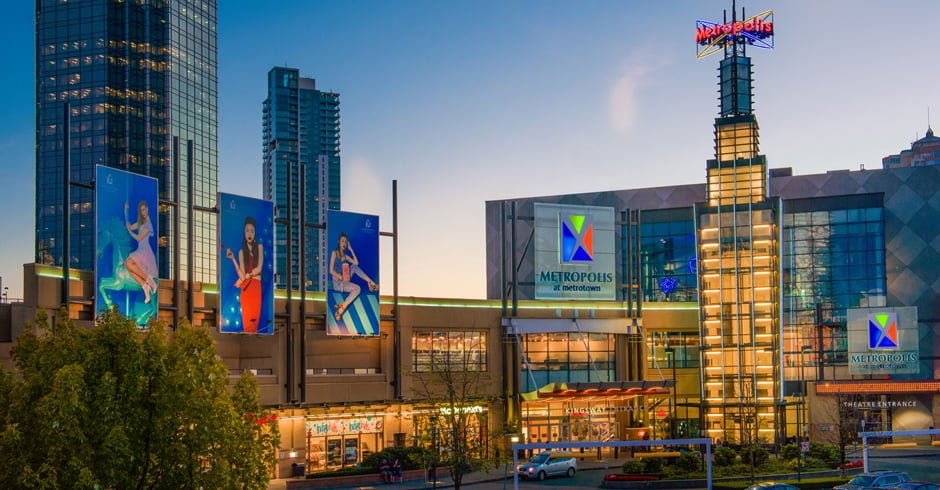
Image: Metropolis at Metrotown (Ivanhoé Cambridge)

Michael Kehoe, broker/owner of Fairfield Commercial Real Estate in Calgary, said the strategic alliance between Ivanhoé Cambridge and JLL is a significant development on the Canadian commercial real estate scene.

“The alliance comes at a time when the bricks and mortar retail and retail real estate in general is in a period of disruption and change. JLL, the largest third-party management group in North America, brings abundant operations and leasing muscle to the partnership and this bodes well for the Ivanhoé real estate properties and projects,” he said.

“I am certain that with fresh eyes and boots on the ground JLL will provide the innovation and horse power needed in these challenging times that will lead to positive results over time across this national portfolio.”

In a statement to Retail Insider, Ivanhoé Cambridge said it is refocusing on its core business as a real estate investor and concentrating on what it does best: buying, increasing value and selling.

“With this in mind, we want to standardize our business model for shopping centres in Canada with the one we have in place elsewhere in the world by outsourcing their operations to a strategic partner. Management outsourcing has proven successful at our international shopping centres (Brazil, Europe) as well as in other asset classes (Offices and Logistics),” it said.

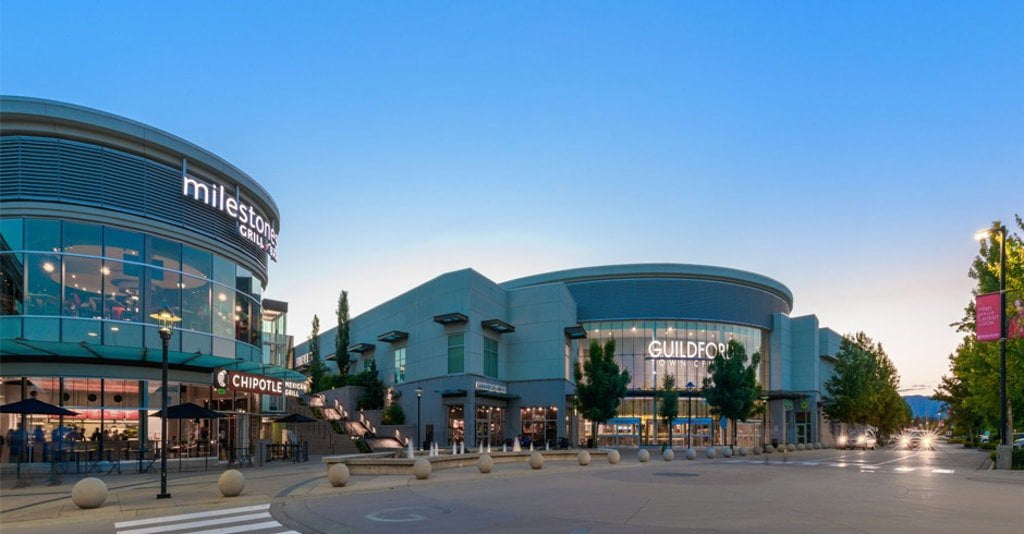
Guildford Town Centre
Image: Guildford Town Centre (Ivanhoé Cambridge)

“We selected JLL as a strategic partner because:

  • It is the largest shopping centre manager in North America;
  • Based in the United States and with a global presence, JLL has an impressive track record and expertise, as well as in-depth knowledge of market trends, which is invaluable for our retail assets;
  • JLL shares the same DEI and ESG goal of carbon neutrality by 2040 and has a clear commitment to help us achieve it;
  • JLL is recognized for its leadership as well as its vision for innovation and performance in the current retail environment;
  • JLL has committed to expanding its presence in Canada and Quebec by committing to keeping jobs in Canada, using Canadian suppliers for the properties and investing in the communities.

The company said that in selecting its partner it remained mindful of making a positive impact in Quebec across all of its activities and contributing to Quebec’s economic recovery and vitality.

“The announcement of this new strategic alliance, combined with our ongoing asset disposals and investments in promising sectors, is enabling us to rebalance our portfolio for greater resilience. With a partner such as JLL at our side, we will be able to optimize asset performance, continue to drive innovation and ESG performance,” it said.

As of June 30, Ivanhoé Cambridge had: 41 shopping centres for 27 million square feet including: 21 in Canada (five) in Quebec; 17 in Brazil; one in Germany; one in China; and one in the US.

Ivanhoé Cambridge holds interests in more than 1,100 buildings, primarily in the industrial and logistics, office, residential and retail sectors. Ivanhoé Cambridge held C$60.4 billion in real estate assets as at December 31, 2020, and is a real estate subsidiary of the Caisse de dépôt et placement du Québec, a global investment group.

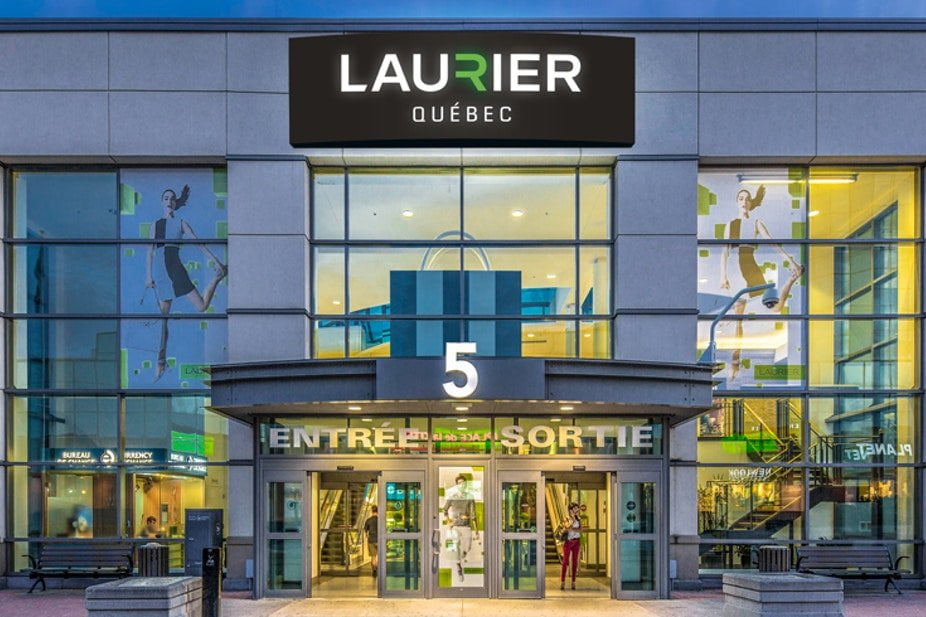
Laurier Québec
Laurier Québec (Image: Ivanhoé Cambridge)
Alan MacKenzie
Alan MacKenzie

“Through this alliance, we are expanding our presence in Quebec, a strategic market for the growth of JLL given the dynamism of its real estate sector and of its various industries contributing to the Canadian economy. We also look forward to collaborating with Ivanhoé Cambridge to shape growth opportunities, transform through technology and build strong communities in Canada through the COES,” said Alan MacKenzie, CEO, JLL Canada.

“I’m most importantly looking forward to tapping into the Ivanhoé Cambridge retail team’s deep knowledge of the local retail market to combine efforts and increase the value of the Ivanhoé Cambridge properties, benefitting retailers, their customers and our environment.”

In a news release, the companies said the vast majority of Ivanhoé Cambridge’s property team of retail employees are expected to join JLL Canada, whose management team and key decision-making roles will be headquartered in Montreal. JLL also plans to open an office in Québec City in the coming months.

Nathalie Palladitcheff

“We are excited to bring a globally renowned company to deepen its footprint and investments in Quebec. To focus on our core business as a seasoned, clear-sighted real estate investor and to align and standardise our business model globally, we wanted to find a partner with the scale, track record and expertise to continue the optimization of our assets’ performance and lead the industry in defining the future of the retail sector, thus creating long-term value for our depositors,” said Nathalie Palladitcheff, President and CEO, Ivanhoé Cambridge, in a statement. “JLL’s global reputation and like-minded culture will continue to support us, while creating career opportunities for our retail teams joining the JLL family.”

Greg Maloney

“Retail has been going through a transition period over the last decade plus, where the focus has become on creating sustainable and dynamic experiential settings that engage and excite the communities it serves – and the pandemic has acted as a major accelerant on those trends,” said Greg Maloney, CEO, JLL Americas Retail. “Retail is our division’s sole focus and we are thrilled to expand our expertise and footprint in Canada, and Quebec, establishing JLL as the largest third-party retail manager in Canada as well.”

JLL said it will also collaborate with Ivanhoé Cambridge to develop a Centre of Excellence for Sustainability (COES) in Quebec, and an accompanying team, to accelerate the transition to sustainable and inclusive real estate through the development and implementation of current and near-future technologies.

JLL is a Fortune 500 company with annual revenue of $16.6 billion in 2020, operations in over 80 countries and a global workforce of more than 92,000 as of June 30, 2021.

Canadian Retail News From Around The Web For August 24th, 2021

Canadian Retail News From Around The Web

Top Stories: National

Central/Eastern Canada News

Western Canada News

Disney Officially Confirms Closure of All Remaining Canadian Stores

Disney Store Closing Sign at CF Toronto Eaton Centre - Photo by Dustin Fuhs

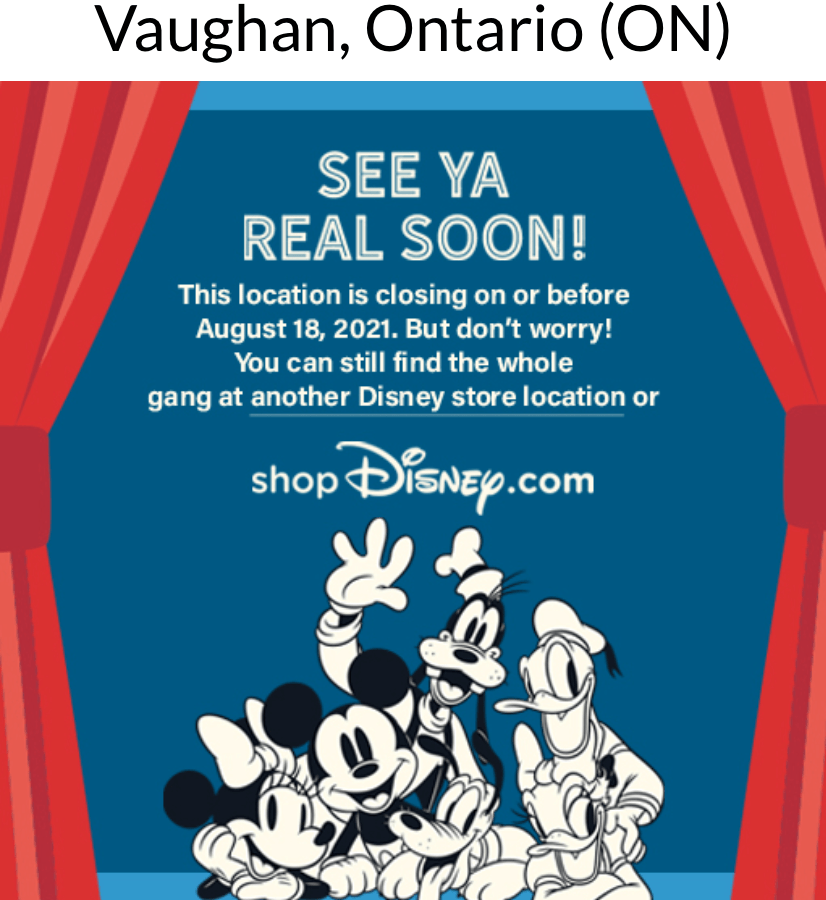
Disney has confirmed on its website that it will finally shut its remaining three Canadian locations next month after Retail Insider first reported on the the retailer’s full Canadian exit in April of this year. The brand has already shut all of its stores in British Columbia, Alberta and Manitoba as well as almost all locations in Ontario. The news comes after a report on August 23 that all but 25 US Disney locations will shutter by September 15.

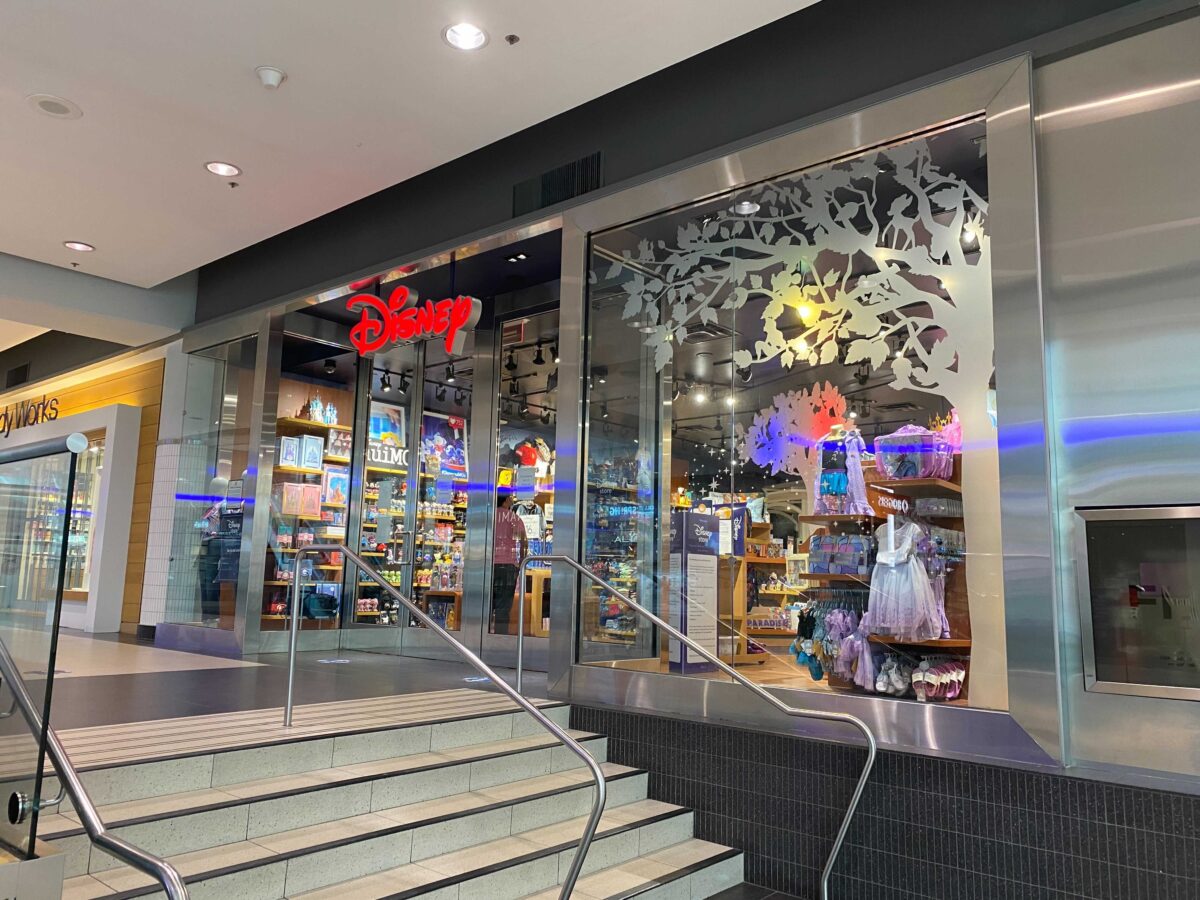
The remaining three Disney stores to close in Canada are all in the Greater Toronto Area, and they will all close next month. Locations include CF Toronto Eaton Centre, Scarborough Town Centre and an outlet at Vaughan Mills just north of Toronto. According to Disney’s website, the Vaughan Mills store will close on or before September 15 while the two Toronto stores will shut on or before September 22. Liquidation will begin at the end of this month according to a source in the know who spoke with Retail Insider. 

Several former Disney cast members have reached out to Retail Insider saying that they are unhappy with Disney’s lack of communication around the store closings. The company has yet to make a formal statement on its Canadian exit which is now confirmed. Prior to store closures, the Disney store website would be updated showing where locations would shutter with few other details provided even internally at store level. The lack of communication could harm the Disney brand in the eyes of consumers as well as its cast members who are in many instances ‘superfans’ of the brand. 

Former Disney store at Toronto’s Yorkdale Shopping Centre on August 23, 2021. Photo: Craig Patterson

Disney stores have been closing globally with a significant pull-out in Europe as well as in major US markets. A report on August 23 stated that 57 more Disney locations in the United States will shut by September 15, leaving only 25 stores remaining and their future could be uncertain. Prominent locations, including Disney’s very first store at Glendale Galleria, have already shuttered. 

Last month we reported on the Disney locations that were slated to close in Alberta, Manitoba and Ontario. In Alberta, Disney closed all stores in Edmonton at West Edmonton Mall and Kingsway Mall as well as in Calgary at CF Market Mall and Southcentre. In Manitoba, Disney operated a single store at CF Polo Park in Winnipeg until recently.

In Ontario, five Disney stores closed earlier this month including Toronto area locations (Yorkdale Shopping Centre, Upper Canada Mall), Hamilton (CF Lime Ridge), Ottawa (CF Rideau Centre), and London (CF Masonville Place). 

In June we reported that Disney would shut its three stores in British Columbia at CF Pacific Centre, Metropolis at Metrotown and Guildford Town Centre.

Disney store at CF Toronto Eaton Centre. Image: Dustin Fuhs

Retail Insider was informed by multiple sources in April of this year that all Disney stores would be shutting in Canada. One source was a major landlord not permitted to speak on the record. Retail Insider made the initial store closing announcement in April partly to give employees time to attempt to secure alternative employment because Disney typically makes such announcements shortly before stores actually shutter. 

After our report in April, we were informed that several retailers had been reaching out to Disney employees who are considered to be highly desirable. Since our first article was published, some employees have already secured new jobs and were working at the Disney stores until they closed in order to take advantage of severance moneys. 

Disney is said to be re-evaluating its operations amid a challenging time for retail as consumer shopping patterns shift to online channels. On March 3, Disney announced that it was planning on focusing on its e–commerce business while at the same time reducing its brick-and-mortar footprint. Initially, a total of 60 North American locations were announced to close including the Square One (Mississauga) and CrossIron Mills (Calgary area) locations in Canada.

Disney Store Yorkdale. Photo: Dustin Fuhs

Earlier this year, mall landlords in Canada were said to have been working with Disney on an exit strategy which involved Disney paying out the remaining duration for its Canadian leases which in some cases had a duration of several years to bypass any potential litigation.

Some are speculating that Disney might come back to Canada in partnership with Toys R Us, which was recently acquired by Putman Investments. 

Disney never launched e-commerce in Canada, nor did it secure warehouse space for product fulfillment in terms of ship-to-store or otherwise. If consumers ordered online from the company’s global website, taxes and duties would be charged. One source noted that several of the Canadian Disney store units, including the CF Toronto Eaton Centre and West Edmonton Mall locations, were among the company’s top-selling stores. 

The Walt Disney Company reacquired the Disney Store business from Children’s Place Retail Stores Inc. in 2008, with 231 locations being purchased in Canada and the United States. Operating under the Disney Consumer Products division of the company until 2018, the stores were merged under a new division called Parks, Experiences and Consumer Products, which was previously under the leadership of Bob Chapek. Mr. Chapek was named the Chief Executive Officer of The Walt Disney Company in February 2020 and subsequently named Josh D’Amaro as his successor as the Chairman of Disney Parks, Experiences and Products.

Cadillac Fairview Partners with Cannabis Retailer Tokyo Smoke for Multiple Mall Store Locations

Tokyo Smoke construction hoarding at CF Toronto Eaton Centre - Photo by Dustin Fuhs

Cannabis retailer Tokyo Smoke is moving in the shopping centre retail space.

In an interview with Retail Insider, Dave Bolan, VP, Real Estate, Tokyo Smoke and Ontario Brand License Holder, said the retailer’s enclosed mall strategy forms part of its larger new store development plan.

“Initially, the enclosed mall strategic pillar includes opening nine Tokyo Smoke stores in Ontario by the end of the year. Tokyo Smoke’s next wave of store openings will commence in early October and includes the following Cadillac Fairview properties: CF Eaton Centre, Toronto; CF Fairview Mall, Toronto ; CF Sherway Gardens, Toronto; CF Rideau Centre, Ottawa,” he said. “There were a few key factors that led to our decision to partner with Cadillac Fairview, First, our senior management has a long-standing relationship with CF, specifically through our parent companies’ restaurant business unit. Secondly and more importantly, CF’s robust portfolio in Ontario allows Tokyo Smoke, our award-winning brand with access to millions of shoppers and office population visits yearly, making a long-term in-property partnership an easy and strategic decision for the business.

“Both in-property and street front locations are important to our company, and we have both in our portfolio. Large-scale shopping centre’s present a unique opportunity for the brand to extend its reach to a larger demographic of consumers. Having a strong presence in Cadillac Fairview shopping centres will allow Tokyo Smoke the opportunity to penetrate a diverse mix of legal shoppers and employees, seven days a week. We’re thrilled to be able to play a role in how Canadians continue to learn about cannabis and to provide access to Tokyo Smoke’s carefully curated accessories and products, along with the brand’s best-in-class guest experience, which will be housed in convenient shopping centre locations.”

The Tokyo Smoke retail banner is under the Canopy Growth Corporation banner.

Future Tokyo Smoke location on Rideau Street at the CF Rideau Centre in Ottawa in August of 2021. Photo: Dustin Fuhs

Bolan said the company’s first enclosed Tokyo Smoke store recently opened in the newly redeveloped Devonshire Mall in Windsor, Ontario.

“The location provides guests with the convenience of visiting a wide array of shops and services and now cannabis, all under one premiere location. The store is conveniently located at the Shoppers Drug Mart mall entrance. A key site characteristic of the store at Devonshire is its interior exterior access which is an important feature for suburban centres,” he said, adding that the retailer is seeking partnerships with other shopping centre owners to establish retail stores in their properties.

“We have started executing our multi-year new store growth plan which includes opening in shopping centres (enclosed, strip, power, or regional) with large and small ownership groups. Our focus on opening Tokyo Smoke stores within a multitude of shopping centres is a key strategic growth pillar for the business.”

Bolan said the focus continues to be on Ontario and will remain this way for the foreseeable future.

The first cannabis retailer to open in a major enclosed shopping centre in Canada was Aurora which opened a 11,000 square foot retail space and experience centre in 2019 at West Edmonton Mall.

Aurora at West Edmonton Mall opened in the fall of 2019. Photo: Aurora

Bruce Winder, author of RETAIL Before, During & After COVID-19 and President of Bruce Winder Retail, said the expansion of Tokyo Smoke in Cadillac Fairview malls in Ontario makes sense.

“As cannabis consumption has become mainstream in society and with the natural churn of retailers coming and going the time is right,” he said.

“Not unlike a customer picking up a bottle of wine or spirits while shopping, cannabis as a category has earned its position as a staple in malls. Certainly, malls need fresh tenants too that can draw in weekly traffic to displace bankrupt retailers. As Tokyo Smoke is owned by Canopy Growth, which in turn is owned (in part) by Constellation Brands, this chain offers some stability as well.

“The challenge with all cannabis retailers is differentiation as store counts climb to saturation levels. This move helps Tokyo Smoke do that to some degree as they associate their brand with marquee shopping locations.”

La Vie en Rose Automates for Peak Sales Performance [Case Study]

Image: Dematic

Women’s retailer la Vie en Rose has been expertly designing lingerie, swimwear, and loungewear since 1985. The brand uniquely provides women with a seamless experience, both online and in-store, making shopping for intimate clothing both fun and effortless. Based in Quebec, the company has grown to over 275 retail stores in 18 different countries as well as an e-commerce channel offering a high-quality shopping experience to customers in Canada and the United States.

The Need

La Vie en Rose has a fast-growing e-commerce order fulfillment operation with plans to grow the site internationally. A manual picking process had begun to limit the retailer’s order processing capacity and over time realized that this would affect order accuracy, speed, and efficiency in the fulfillment process. A scalable solution was required to ensure that they could provide the shopping experience expected by their customers and maintain the brand image built over years of passionate customer dedication.

The Solution

Image: Dematic

To meet the growing demand for e-commerce, la Vie en Rose implemented a scalable and modular Dematic Put Wall system that optimizes order fulfillment for piece picking. The solution serves as an order consolidation and packing method that brings high productivity, order accuracy, speed, and efficiency to the order fulfillment process. Using a divide-and-conquer strategy, the solution combines lines from multiple orders and creates high density, efficient picking throughout the warehouse. The Dematic Put Wall system is used to consolidate and pack the items for each order.

Directed by Dematic software, the system includes Put and Pack workstations with shelving compartments that hold individual customer orders. Each Put Wall can support multiple order compartments that can also be configured into different sizes to support varying order volumes. The strategic focus of the Dematic Put Wall system is on an ultra-efficient order fulfillment process that deconstructs and reconstructs customer orders with a 100% quality check for each item. Order processing is efficient with large volumes for multiple order possibilities and order consolidation is integrated within the packing function. The entire process is paperless and managed in real time. For operational flexibility, each Put Wall can process multi-line orders. The modular design of both the Put Wall hardware and software allows for fast and easy future expansion.

The Results

The Dematic Put Wall system has been a process improvement generating multiple benefits for la Vie en Rose. Over the past two years, online demand for its products has grown by 300%, yet with the Dematic Put Wall system the company has been able to reduce labor costs, cut delivery times by more than half, and increase throughput by 350%. The system has also provided significant flexibility in order fulfillment. For example, la Vie en Rose can scale up quickly for peak seasons, with thousands of customer orders picked during each shift. Scan validation ensures high levels of accuracy within the picking process. In addition to the gains in labor productivity and order processing speeds, the paperless system helps to support environmental sustainability goals. The Dematic software provides real-time visibility into the operation, allowing la Vie en Rose to forecast and make data-driven decisions on when to further automate. The modular design will allow the operation to grow by adding Put Walls and/or Pack Walls as needed.

To learn more about the trends in retail demand and how to future proof your business visit Dematic.com

*Partner content. To work with Retail Insider, email craig@retail-insider.com

Canadian Retail News From Around The Web For August 23rd, 2021

Canadian Retail News From Around The Web

Top Stories: National

Central/Eastern Canada News

Western Canada News