

The ballot booth question will likely differ depending on what you really care about. But since everyone eats and most try to manage a limited food budget, the most important electoral issue will likely be inflation. Or at least it should be. Everything is costing more, including food. And the worst is yet to come, especially if the Delta variant ruins it for many of us this fall. By December, the average household will have to pay 5% more for their groceries, or about $700 over the course of a year. In dollars, this is the largest increase in history. But it could be even higher in 2022.
With climate change as was evident this summer, the situation will be increasingly unpredictable and chaotic for agri-food businesses, from farm to fork. But COVID has had its say in the operability of the chains and the costs businesses must bear to make sure we have enough to buy at grocery stores and restaurants.
Due to COVID, global supply and demand for almost everything is completely distorted. Demand is very strong for several products, including food. There is even pent-up demand that puts enormous strain on supply chains. Every sector is fighting to get more cargo space. Some economies are recovering much faster than others, which makes predictability of logistics a nightmare right now. Sanitary measures everywhere are causing the chain to operate a little more slowly, while seeing its costs increase.
The maritime transport industry has been one of the sectors most affected by the Covid-19 pandemic, and this will have long-term consequences. Freight rates have increased by over 200% on average over the past year. A world economy that is completely at odds between Asia and America means that there is a shortage of containers and ships. Since January, around 170 new high-capacity freighters have been ordered by various logistics companies. But these ships will be delivered starting in 2023, not before. In other words, most do not expect the problem to be resolved until then.
The food chain is trying to be kind to consumers by absorbing some of the costs caused by expensive transportation. But by fall or winter 2022, retailers and restaurateurs will have no choice but to adjust their prices — upwards, of course.
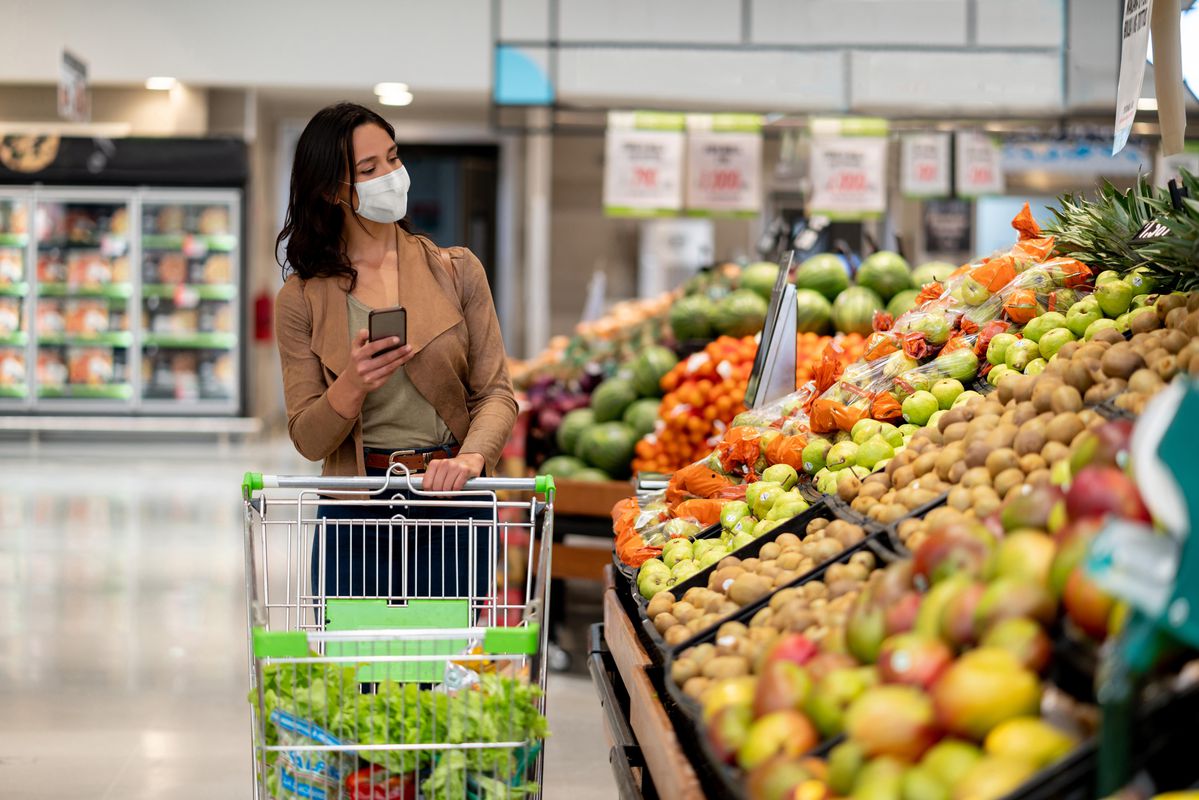
But many federal policies are not helping and will continue to contribute to the problem of food inflation. Subsidized unemployment benefits which contribute to a shortage of workers of all ages, not just young people, means that employers must pay much more for labour costs to get people back to work. Higher wages are certainly desirable, but there are hardly any incentives to encourage work or retraining, especially among those 55 and over, where the level of employment has fallen the most in a year. All of this will eventually catch up to consumers. If consumers have not noticed higher food prices yet, they will soon.
Since 2019, for the agri-food sector, the Trudeau government has shown extreme generosity and said yes to almost everything – the food waste program, compensation for our farmers, financial support for food processing, and food safety. And if we add the programs created to mitigate the effects of the pandemic such as the Canadian seafood stabilization fund, the emergency processing fund, the emergency food security fund, the recovery program food surpluses and the Nutrition North Canada program, the sums are simply colossal. All these programs exceed $2.5 billion. That’s $65 per Canadian. Our Canadian industry is in dire need of financial support, but by saying yes to everything, the Trudeau government is still offering us a policy without a vision, without clear priorities. Decisions often lead to inconsistencies among different sectors, different markets and especially among provinces. Tackling interprovincial trade barriers would be a good place to start.
Of course, the pandemic is not solely responsible for higher food inflation. There are also other multiple factors. The Western world is grappling with an inflationary situation that could hurt many of us. So, Canada is not alone. But the arch-generosity of Justin Trudeau’s Liberals has reached an extremely dangerous threshold. With these monies, the hyperstimulation of demand causes prices to inflate at an unsustainable rate, and food is not immune to this.
The Canadian reality is that the average individual pays more in taxes than for food, clothing, and housing or mortgage, combined. Taxation in our lives is of the utmost importance. While taxes may not go up for many of us, the cost of living will, and the future cost of food needs to be addressed in this campaign. Otherwise, even if our candidates running for office hammer home the message that taxes will not increase, food inflation or the hidden regressive “COVID tax” if you will, is an issue for people who are struggling financially.




Excellent article, and a topic that needs much more discussion during the coming general election. Inflation is a tax on everyone but food inflation in particular is a greater tax burden on lower income earners.