Retail Insider is streamlining its Canadian retail news from around the web to include a handful of top news stories that can be viewed quickly during the day. Here are the top stories from the past several days.
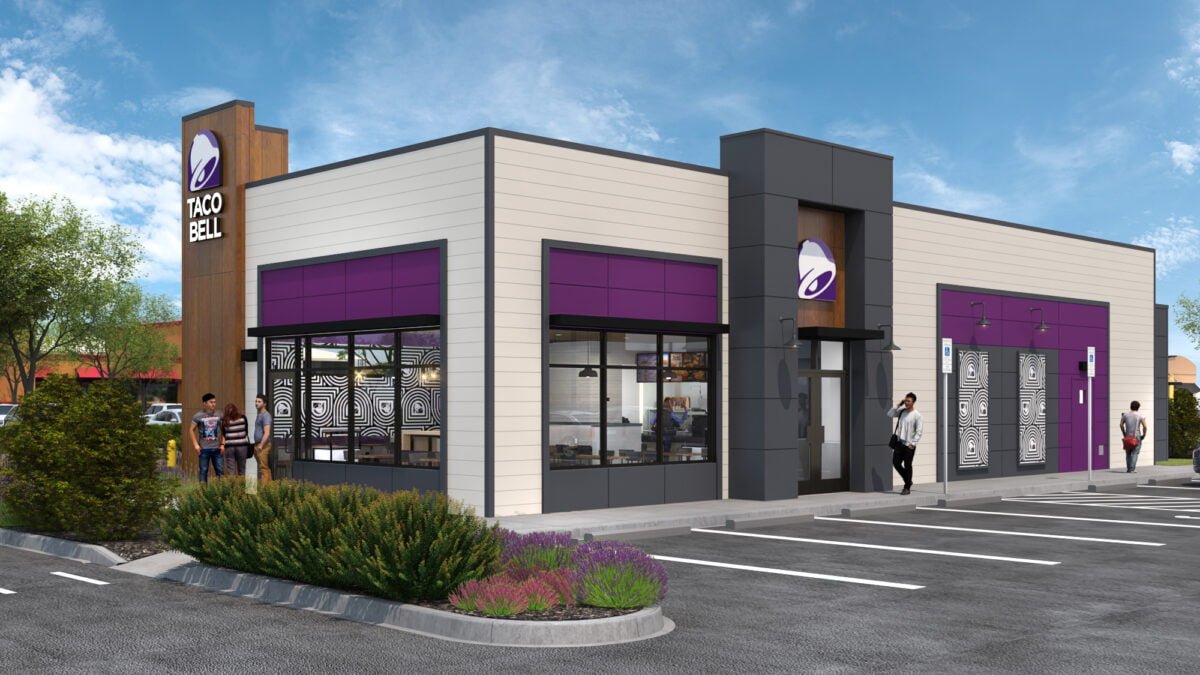
Like many fast food establishments in Canada, the Taco Bell brand managed to survive through the economic challenges of the past two years presented by the COVID-19 pandemic and is now poised to aggressively grow its footprint across the country.
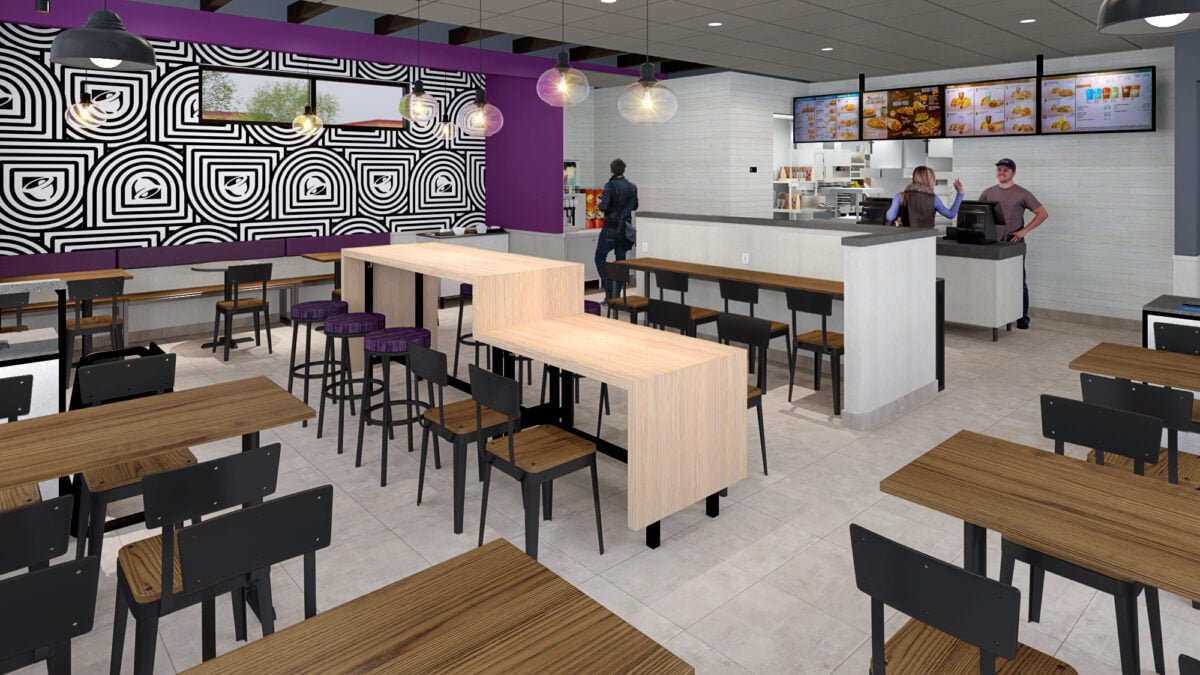
Matthew Shaw, General Manager for Taco Bell in Canada, said the company within the next five years will double its footprint of free standing, solely branded Taco Bell, locations in Canada, to over 100.
Matt Shaw
“We have commitments from some of our excellent franchise partners in the market to really get aggressive with growth,” he said.
“Having some excellent Canadian partners has really helped accelerate the growth that we’re seeing and the excitement both by the consumers and the franchisees who are investing to bring Taco Bell further into the Canadian market.”
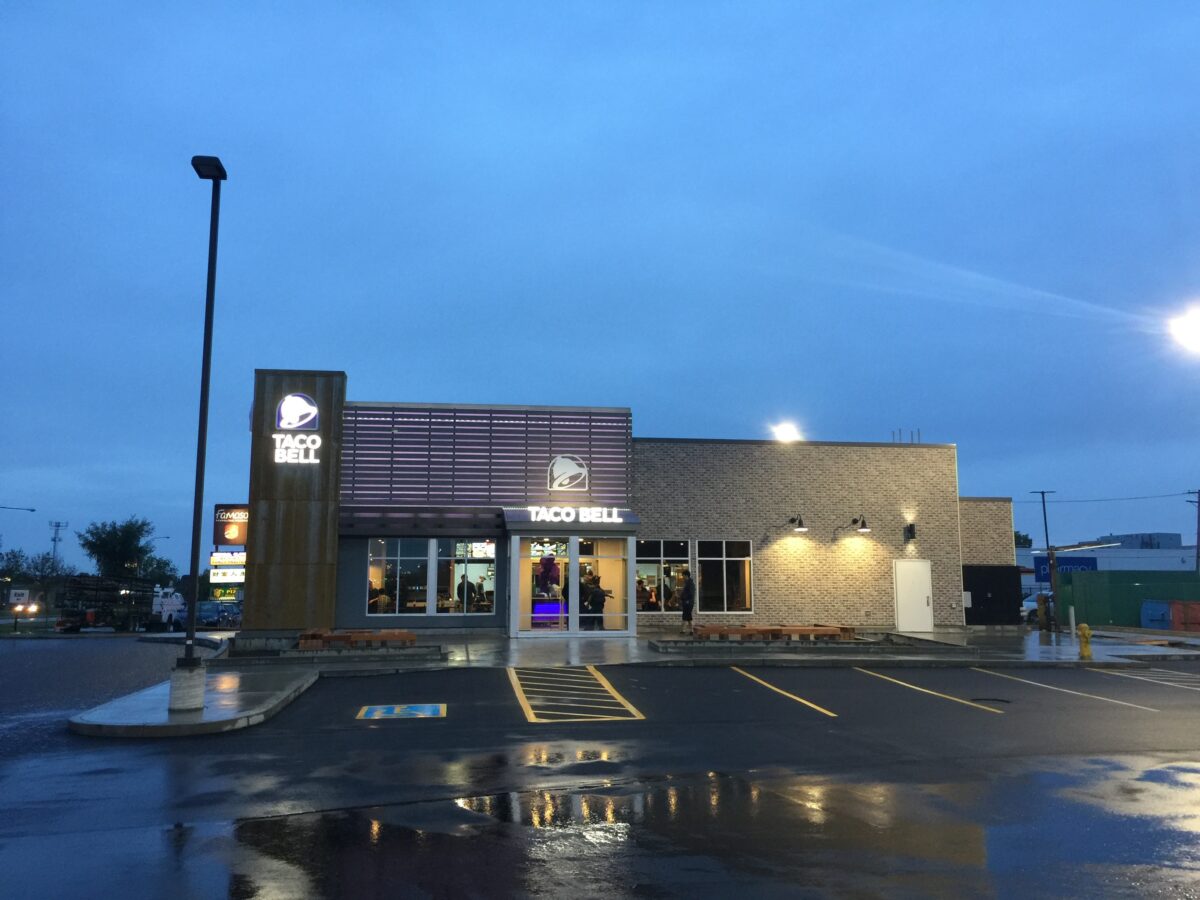
The brand’s first location was in 1979 in Ontario. Today, it has about 160 locations with the majority of those being shared units with KFC (Kentucky Fried Chicken). The brands, along with Pizza Hut, are subsidiaries of Yum! Brands.
Shaw said the shared units is how the market was originally built out in Canada.
“Primarily, the assets are free standing units with drive-thrus though we do have a good number of food courts and a few streetfront locations that service the more urban areas,” said Shaw.
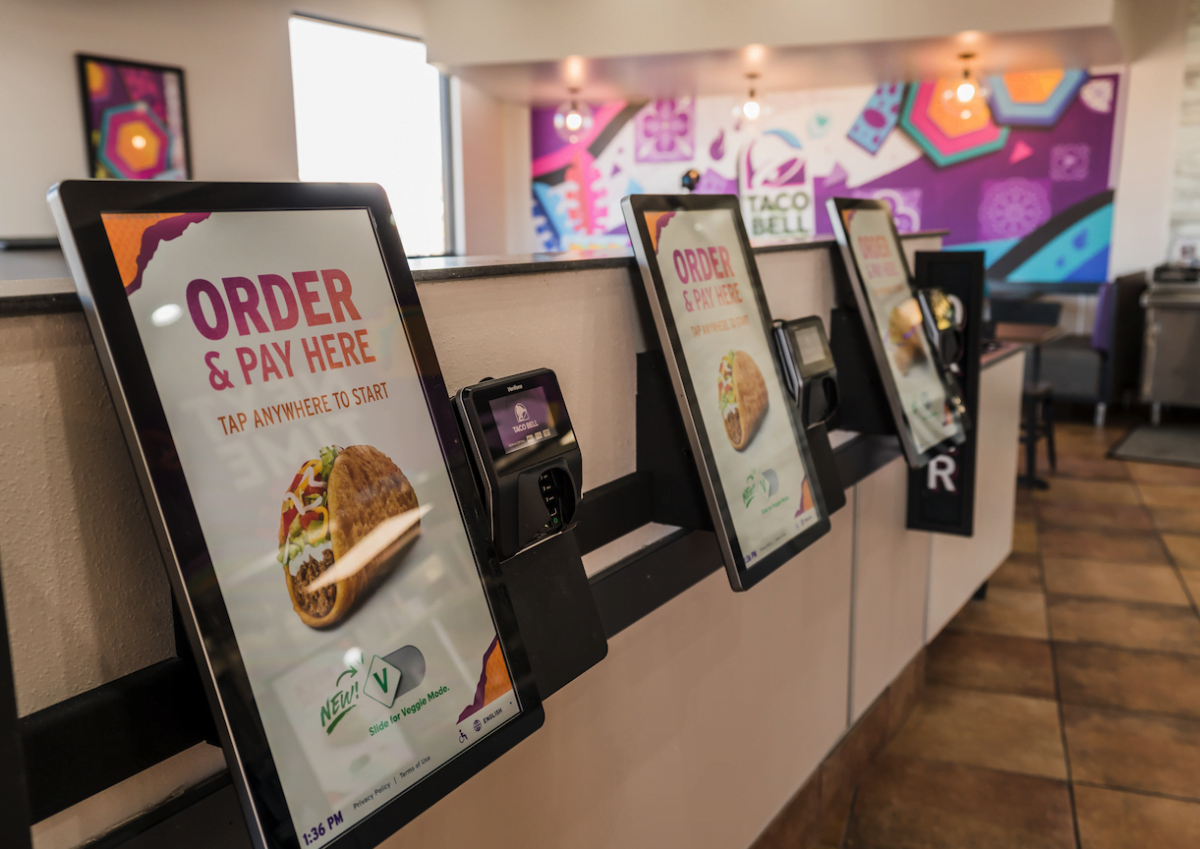
Image: Taco Bell CanadaImage: Taco Bell Canada
“The last couple of years have been obviously a challenging environment. We have actually grown our footprint and grown our sales in the market in the last couple of years. We’ve successfully navigated the last several years and I’d say probably in the last five or six years we’ve really invested in the market and we’ve grown entirely in our standalone format, so without the KFCs, just standalone Taco Bells. We’ve grown fairly significantly in the last probably five, six years or so.”
Shaw said overall sales have grown in the past couple of years as well as the company’s unit count by a few.
“Obviously we’ve been having to navigate some of the challenges both with the units we do have in the malls and food courts that have been temporarily opened and closed but all those are now reopened and we have seen a net growth in our footprint in the last couple of years,” he said.
Taco Bell Canada also recently kicked off its newest marketing campaign called Beautiful Mess “to celebrate being unapologetic, authentic, and unique—while encouraging Canadians to embrace their own mess along the way.”
Image: Taco Bell CanadaImage: Taco Bell Canada
Devon Lawrence, Senior Brand Manager, Taco Bell Canada, said the campaign will continue for a number of years and evolve as it grows. It was launched based on some insights informed about the market and to tap into the DNA of the brand.
Devon Lawrence
“Taco Bell is all about being different and challenging the status quo, which is reflected in everything from our brand to our menu offering,” said Lawrence. “Through Beautiful Mess, we’re embracing our uniqueness and looking to inspire future and fellow taco lovers across the country to do the same. We’re excited to partner with Canadian creators who embody this same spirit and celebrate their authentically beautiful selves!”
Beautiful Mess marks Taco Bell’s first brand campaign in Canada, and strives to break the mold on what consumers expect from a quick service brand.
Image: Taco Bell Canada
“We learned in Canada there’s a lot of love for the brand and our loyal fans love us and love our food but we learned there’s quite a few Canadians, especially in that younger age group, that don’t really know Taco Bell’s personality, what we stand for, who we are. We learned that through some research late last year,” said Lawrence. “And that’s unfortunate for us because for us that are so close to the brand, I think one thing that sets us apart in the QSR (quick service restaurant) space is our personality and our attitude and the things that we stand for.
“So we wanted to build a communication that shared that and food is obviously the core of who we are and so we looked at the equities that are ownable in our food being crunchy, cheesy, messy and spicy and then brought the personality to personify those equities of the product and that’s where we landed with the campaign.”
Taco Bell partnered with dentsu One to develop the creative concept behind Beautiful Mess and execute it through an integrated marketing approach, which launched March 7 with a 45 second spot on digital and social.
Ken Keelor, CEO of Calgary Co-op, Discusses Competing Against Grocery Giants
Ken Keelor, CEO, Calgary Co-op, discusses the grocery chain’s strategy in competing against some of the industry’s giant players.
Keelor talks about the company’s sales in the past year, what consumers of today want from a grocery store and its development plans.
The Video Interview Series by Retail Insider is available on YouTube.
Connect with Mario Toneguzzi, a veteran of the media industry for more than 40 years and named in 2021 a Top Ten Business Journalist in the world and the only Canadian – to learn how you can tell your story, share your message and amplify it to a wide audience. He is Senior National Business Journalist with Retail Insider and owner of Mario Toneguzzi Communications Inc. and can be reached at mdtoneguzzi@gmail.com
Also check out the other series offered by Retail Insider, including The Weekly podcast and The Interview Series, which are both available on Apple Podcasts, Stitcher, TuneIn, Google Podcasts, or through our dedicated RSS feed for Simplecast and other podcast players.
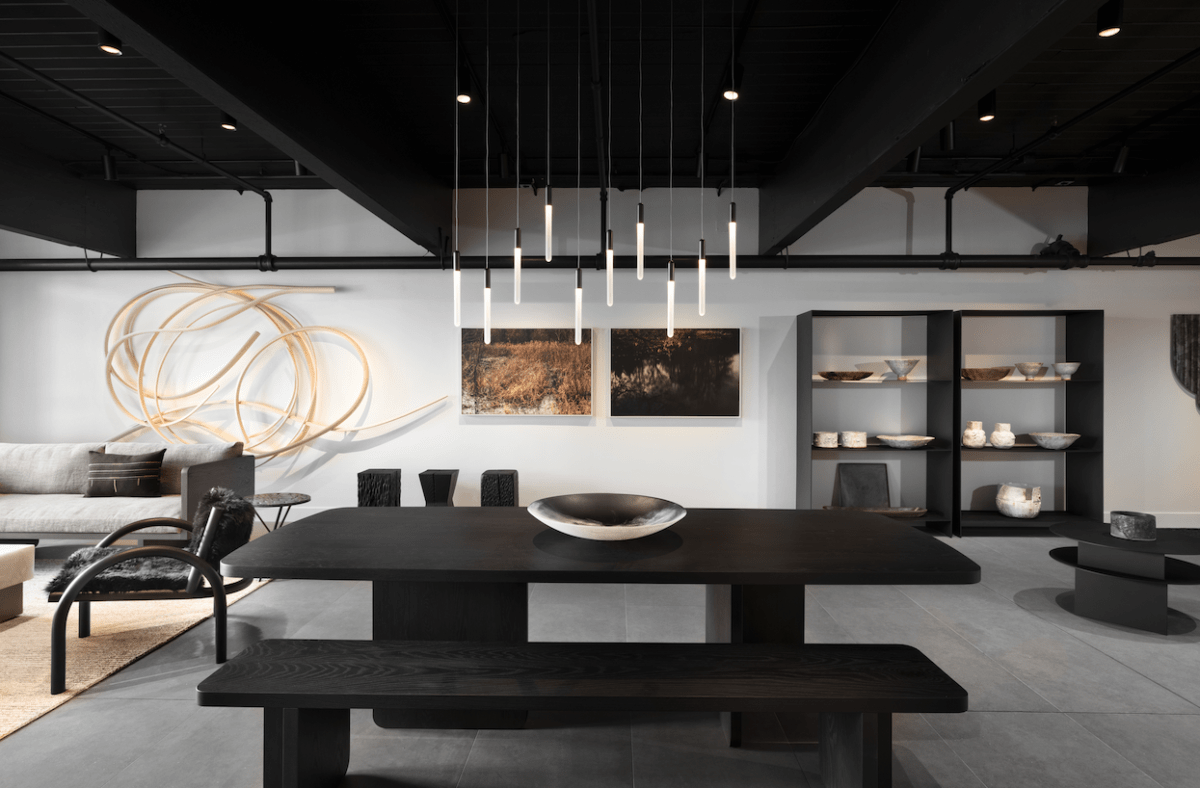
Vancouver-based Provide Home has launched a new home furnishings concept called Provide Design Gallery with a dedicated focus on elevating and celebrating the very best of local, high-end furniture creators.
Provide Home says that it is Vancouver’s premier design destination for understated luxury homewares since 2007. The new gallery is just down the street from that location.
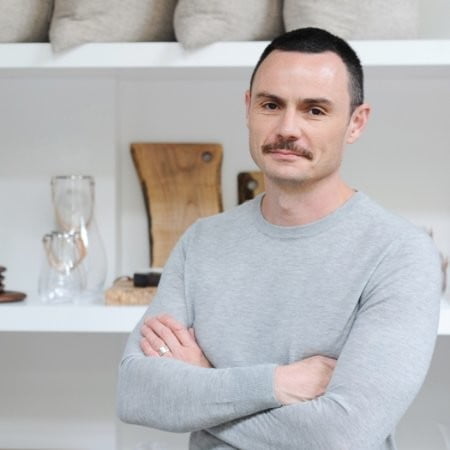
“A natural extension of the Provide brand, Provide Design Gallery champions local design for big-scale furnishing with artful expressions in an evocative environment. And as one who is passionate about curating the very best for my clients, I’m very pleased to share this new home furnishing concept with Vancouver and the rest of the world,” said David Keeler, owner and visionary behind the Provide Design Gallery. “Provide has always been about understated luxury, and the new Provide Design Gallery will further that point of view.
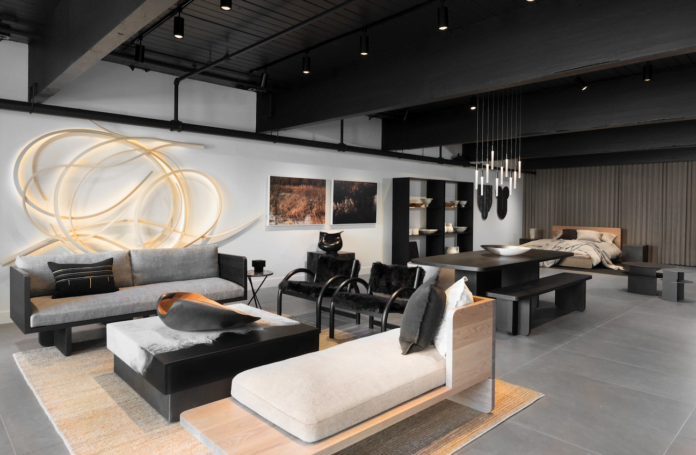
Provide Design Gallery (Image: Ema Peters)
David Keeler
“A couple of years ago we collaborated with a local wood furniture maker called Lock & Mortice on an exclusive furniture line that featured a dining table, bench, some side tables and from that success I could see an opportunity for expanding that collection and also working with more local furniture makers here in Vancouver and in BC.
“The current Provide is a great location. I’ve always been very happy with that. So the idea of moving to a bigger space wasn’t an option in my mind. I wanted to create another space in the same area because I think this area, the Armoury District, is great for design. There’s a lot of other retailers around here. That’s where the idea came from to open up a secondary space that could feature more furniture, lighting and art in a more realistic living environment – a living area, a dining area, a bedroom area, etc.”
Spanning 1,700 square feet, the new space will showcase 15 to 20 designers and several artists as part of its curated and ever-evolving offering. Specifically, top-tier local furniture collections from the likes of Studio Sturdy, Matthew McCormick, and Brent Comber will be enhanced by accents from internationally renowned designers like Ben and Aja Blanc, Arno Declercq, and Caroline Blackburn.
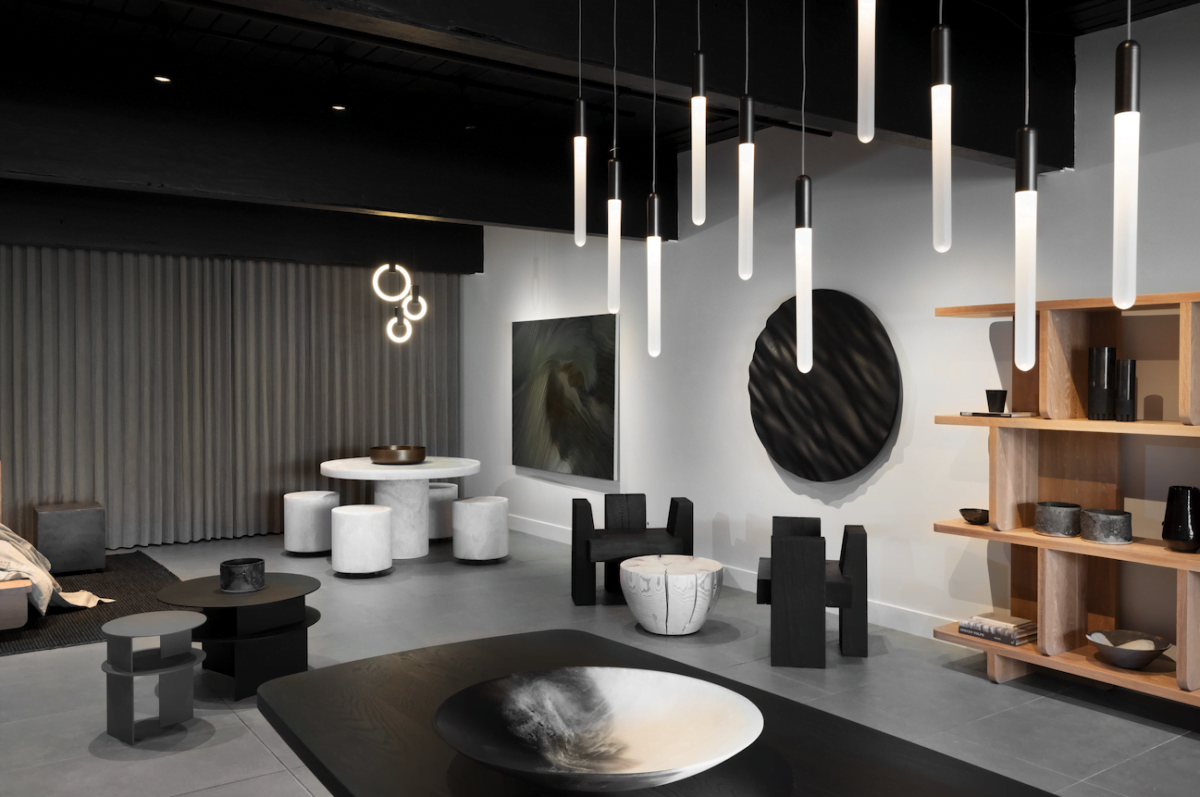
Provide Design Gallery (Image: Ema Peters)
But it’s the Provide Series, Provide’s in-house furniture line designed in collaboration with Lock and Mortice that will take centre stage, with four new additions to the line unveiled in time for the gallery’s recent opening. These include a sofa, a day bed, a shelving unit, and a bed. All elements from the Provide Series are made from solid wood and come in dark black or white oak and are characterized by clean lines, soft curves, and asymmetrical elements.
“I always wanted to have another location and we did think about other areas like for instance Whistler but this is what I decided to go forward with for the current expansion,” said Keeler.
“Our typical clientele is probably in their 40s, 50s. Someone who really appreciates design, definitely tends to be more affluent, and appreciates something that is made locally and then our other strong clientele would be the interior design community here in Vancouver and beyond.
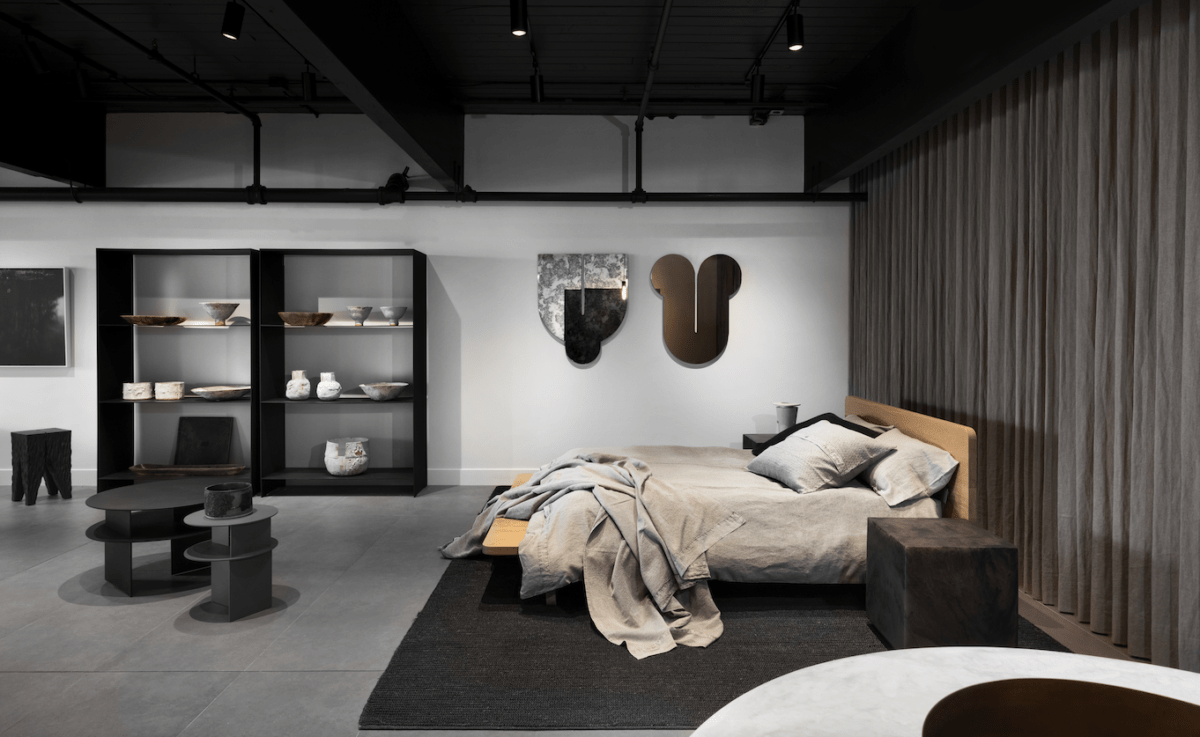
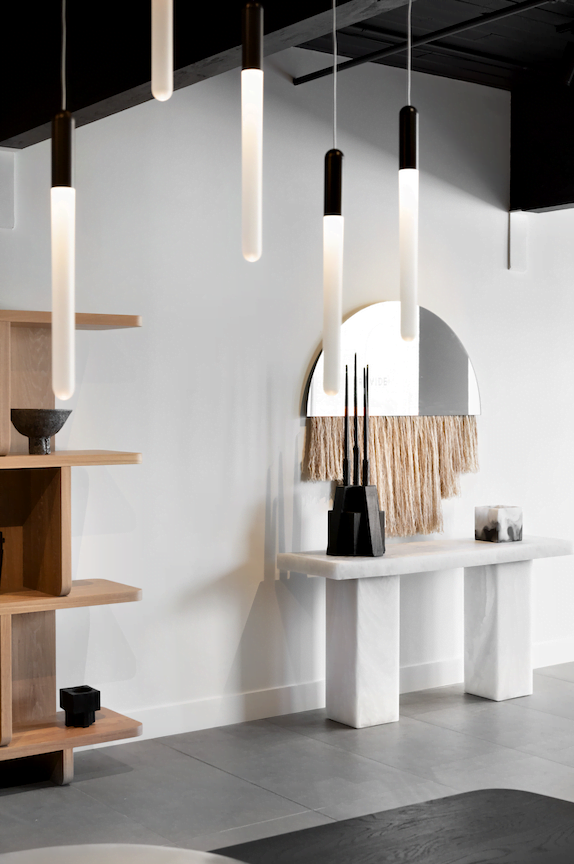
“The new gallery has more of a moody and sophisticated feel than the current Provide. The current Provide is very West Coast. It’s bright and open. We’ve got lots of windows. This one has a little more darkness to it with dedicated lighting for specific vignettes for the living area, dining area, etc. It’s got a curtain, linen, drapery wall as well as softness to it. Big wood beams. There’s a gray stone tile floor. So it’s still kind of minimal but very warm overall.”
Provide Design Gallery (Image: Ema Peters)
Keeler said the Provide Design Gallery seeks to redefine and reinvigorate the local furniture design scene with a new-to-market, gallery-like space inspired by similar artful venues found in Paris and Milan, but with a unique West Coast expression.
“With Provide Design Gallery, we recognize that creating and building locally is important, now more than ever. Furthermore, our clients are keen to support local design but they also appreciate that they can have a designed piece of furniture that was made at an incredibly high standard – that equals or even surpasses something made in Europe – and all with less cost and environmental impact. There is incredible design talent here in Canada – especially in Vancouver – and you don’t have to source far to have beautiful furniture, lighting, accessories, and art for your home. I look forward to welcoming everyone to Provide Design Gallery today and into the future,” said Keeler.
The company ships all across Canada and into the United States.
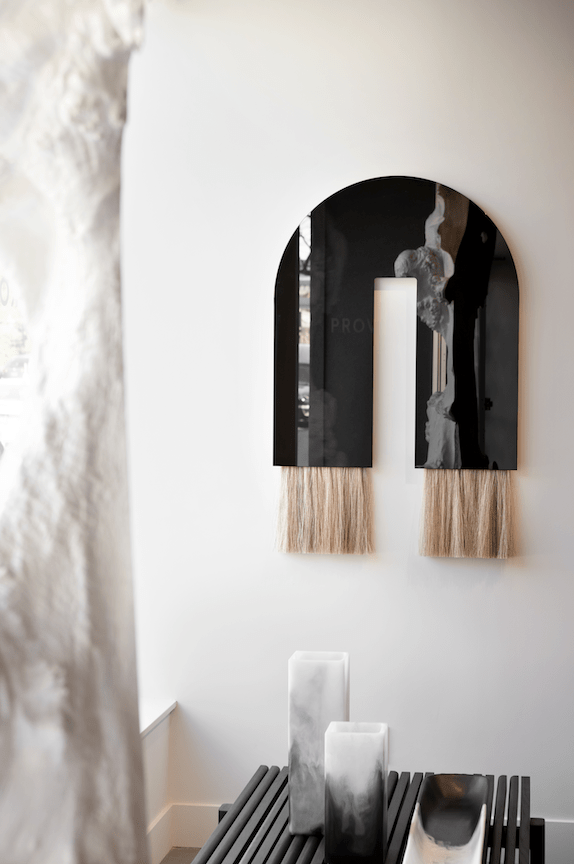
“The space itself is unlike anything currently in Vancouver, with visitors experiencing a sense of warmth and comfort due to the plethora of luxurious furnishings, but juxtaposed against the gallery ‘s high drama design and architectural elements which results in a gorgeous experience made to inspire possibilities,” says the company.
Provide Design Gallery (Image: Ema Peters)
Provide Design Gallery (Image: Ema Peters)
“Upon entry, one is immediately captivated with a one-of-a-kind wood wall sculpture with LED elements by Brent Comber, the painted black wood ceiling that adds extra moodiness, and a full wall of natural linen drapery. The delights only continue as one passes through the carefully curated living, dining, casual seating, office, and bedroom spaces that show how to expertly apply the collections to your home, including how to style a sofa with cushions and a throw, a bookcase with decorative objects, or a bed with exquisite linens and pillows.”
In a nod to global art centres, the gallery will be routinely updated with unique and ever-evolving vignettes, which will allow clients to truly picture how the various collections would translate into their own homes.
“It’s quite possible that each time you visit, you’ll be treated to a new visual and design experience,” added Keeler.
Yaletown in Downtown Vancouver (Image: Lee Rivett)
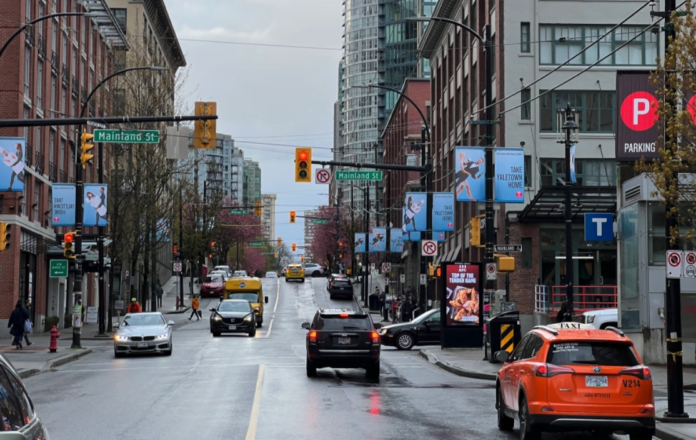
The Vancouver retail market remains one of the most resilient in the country, perhaps the most resilient, says a first quarter report by commercial real estate firm JLL.
“The prospects for Vancouver post-pandemic remain bright. Its population will grow by more than one-third in the next generation, adding one million residents. The region remains Canada’s second most attractive for immigration, with the highest immigrant retention rate of any metropolitan area,” said the report. Vacancy rates are also low with a 1.9% vacancy rate in the first quarter of 2022, compared to 2.5% in the first quarter of 2021.
“While there is a strong need to build to accommodate this growth, this is an opportunity for retail development, especially within walking distance of homes. Vancouver withstood the pandemic gracefully. Retail sales in Vancouver fared better than in other major markets. Highly connected, Vancouver supported the acceleration of e-commerce and adoption of hybrid shopping.”
Scott Lee, Executive Vice President, JLL, said overall retail is slowly finding its footing.
“I think it’s better in some areas and still going to take some time in recovery in other areas,” he said.
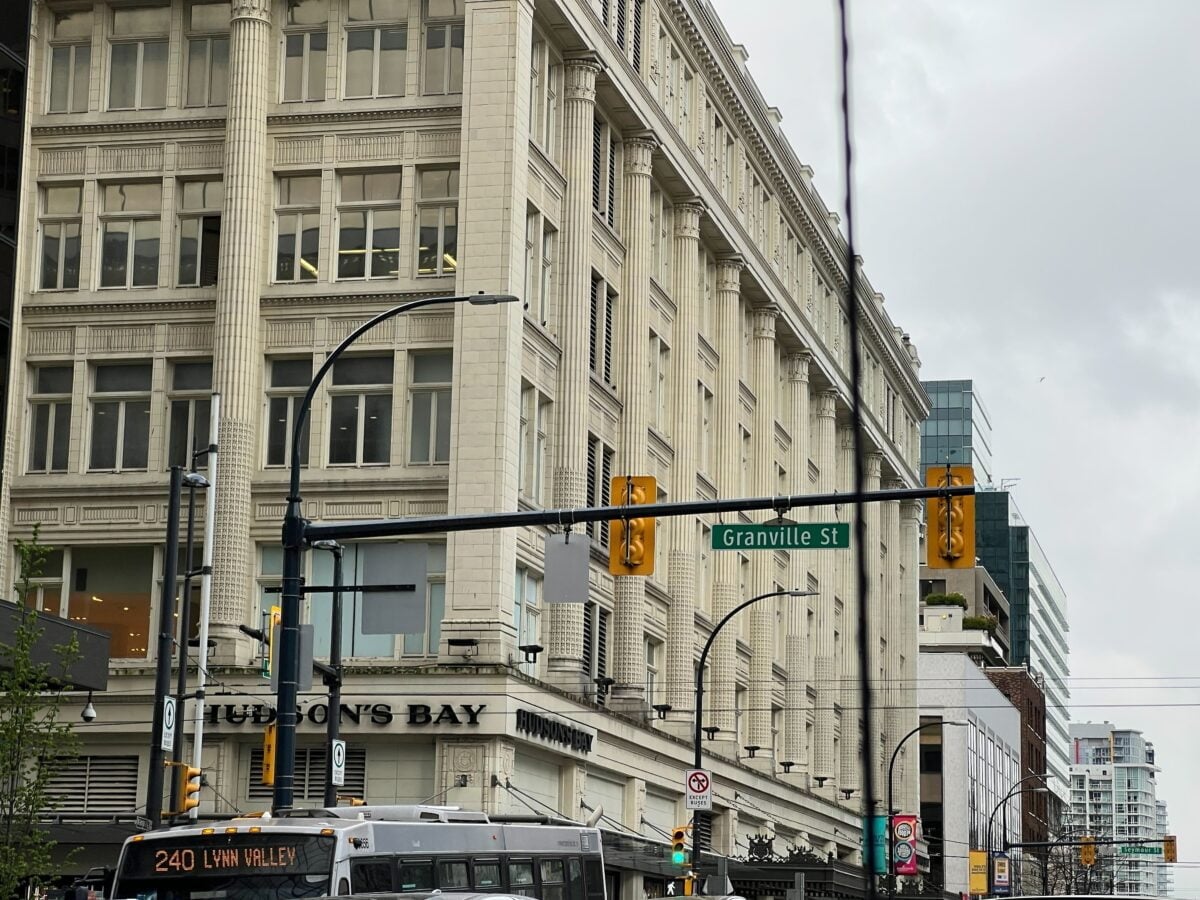
Hudson’s Bay in Downtown Vancouver (Image: Lee Rivett)
Scott Lee
“(The downtown) seemingly felt better than other markets. We weren’t as locked down as in Quebec and Ontario. I think that’s the biggest thing. I did personally travel to Toronto and Montreal during COVID and it was very much a ghost town in those peak times of COVID versus Vancouver. We don’t have an underground system per se, we have a very limited one.
“So there was activity on the street, obviously not as much activity as we would normally see, but more than the other markets.”
The JLL report said digital natives took notice of the local social-media engagement and are opening flagships to enhance the retail experience.
“Although office workers, tourists, and students abandoned the downtown area during the peak of the pandemic, Gastown is once again looking up as workers trickle back to the office, cruise ships dock again, and in-person classes resume. In the meantime, shoppers stayed closer to their homes and West 4th, a prime suburban corridor, increased in popularity,” it said.
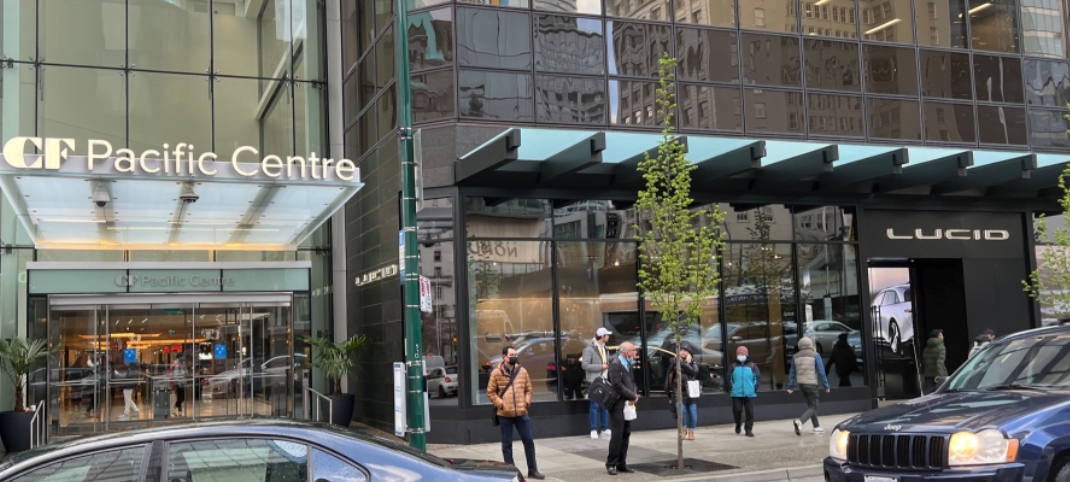
With strong provincial support, Vancouver quickly became a destination for electric vehicles (EVs). Auto makers VinFast, Polestar, and Lucid recently identified Vancouver as a key market.
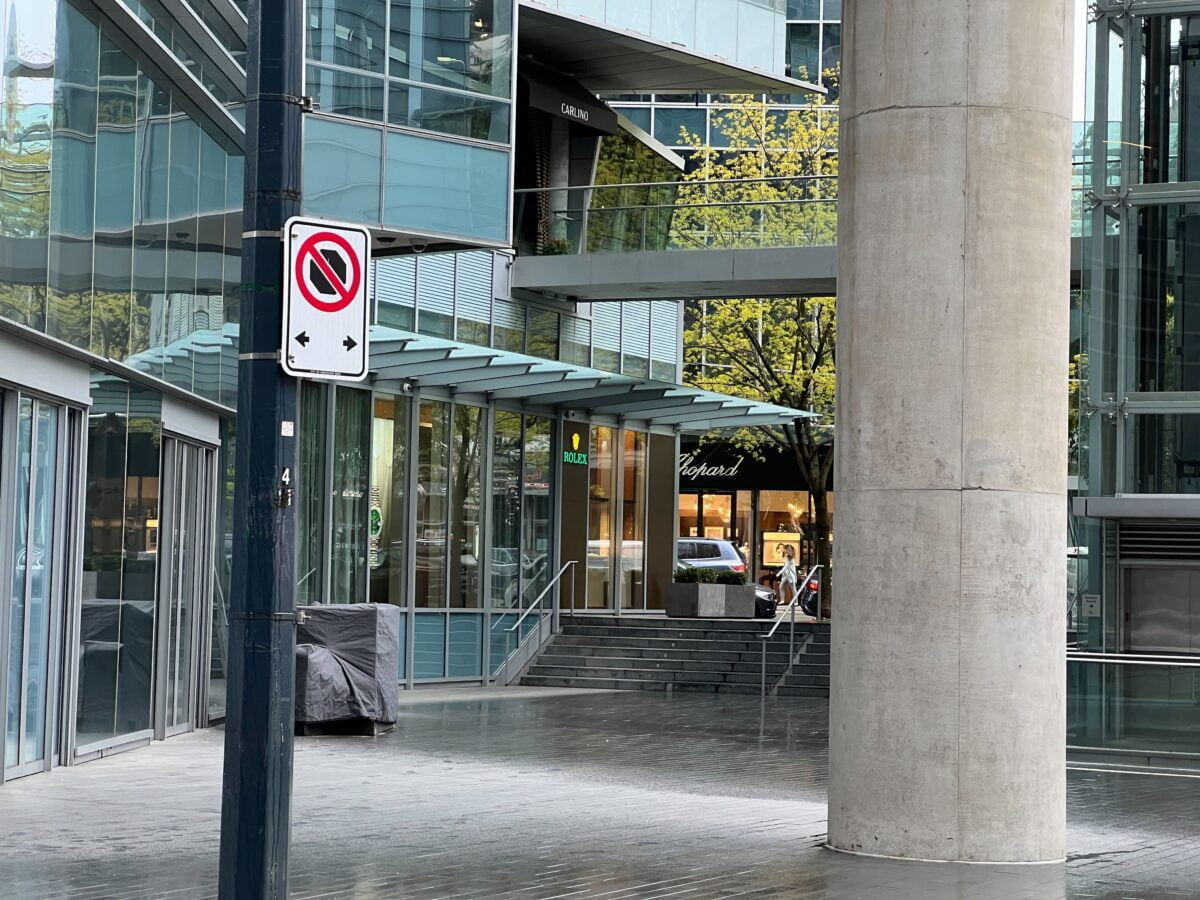
Lucid Motors at CF Pacific Centre (Image: Lee Rivett)Rolex and Chopard in Downtown Vancouver, looking towards Alberni Street (Image: Lee Rivett)
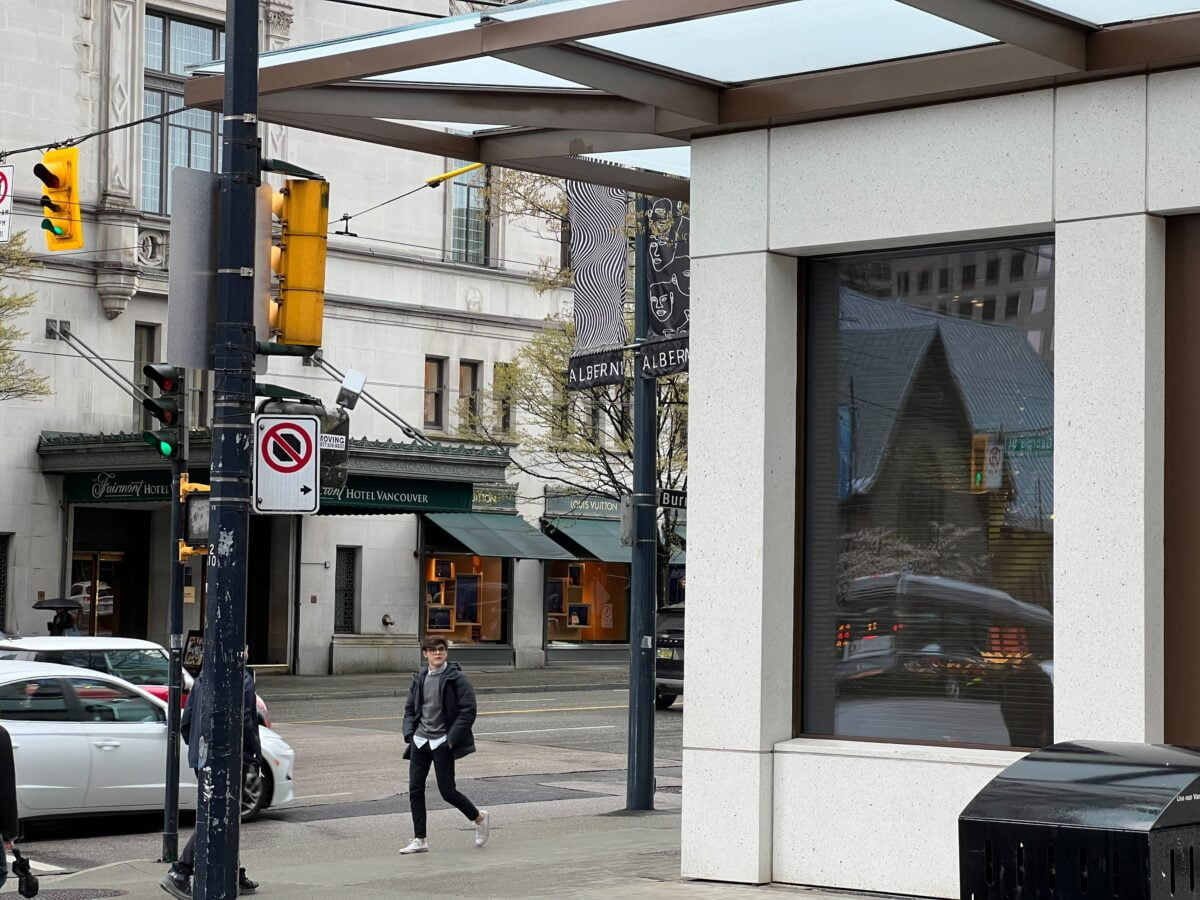
“Luxury retail has held up well, and we might be reaching the point where brands look for alternatives to Alberni Street,” added the JLL report. “Asians continue to influence Vancouver greatly, and Asian brands arrive in Vancouver before expanding to the rest of Canada. Chinese have an especially strong preference for luxury and e-commerce. According to Vivintel, more than 60 million Chinese adults are considering immigration to Canada. International retailers continue to choose Vancouver as a landing hub in Canada. Emerging categories include athleisure, optical, and outdoor.”
Vancouver has grown into a luxury hub in North America, said JLL, adding that many saw an opportunity to develop a retail market to target foreign visitors, especially those coming from Asia. By 2025, Chinese consumers are set to become the dominant nationality for luxury, growing to represent 40 to 45 per cent of global purchases.
“Per Klarna’s latest research, luxury shoppers prefer traditional brick-and-mortar for buying most product categories. Only two in five shoppers who bought luxury products last year did so online, and 84 per cent of luxury shoppers consider touching and seeing a product essential to the luxury-shopping experience. While many have expanded their e-commerce operations, retailers will continue to rely largely on in-store shoppers,” explained JLL.
“Despite being expensive within Canada, lease rates in Vancouver are still lower than those in Europe ‒ making space reasonably priced in the eyes of international retailers. At one of the highest rates in Canada, one square foot on Alberni Street can reach $275, but on Paris’s Avenue des Champs-Elysées the cost is upwards of $1,200.
“Bain & Company reported that in 2021 luxury brands continued to increase control over distribution, with a rise in directly operated channels. The direct retail channel for brands has grown to the point that it now accounts for almost half the market and is poised to overtake the wholesale channel.”
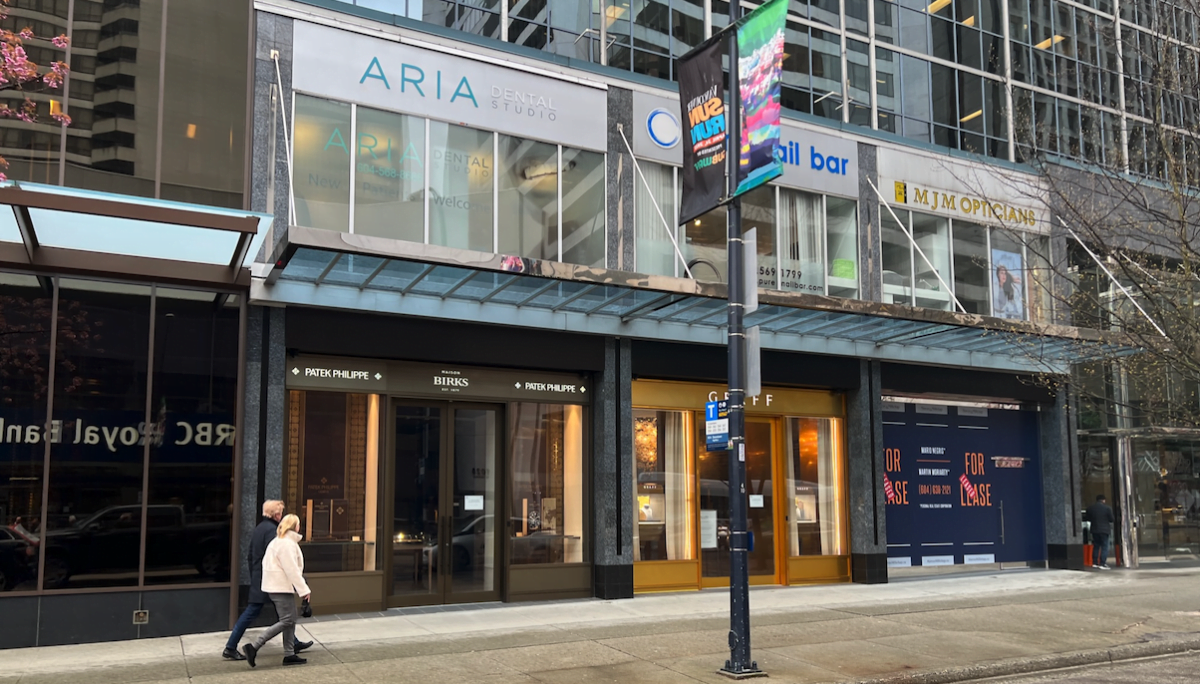
Birks/Patek Philippe and Graff in Downtown Vancouver (Image: Lee Rivett)Burrard/Georgia Street corner in Downtown Vancouver (Image: Lee Rivett)
Luxury retail continues to expand on Alberni with the addition of two premium jewelry brands: watch brand Tudor and jewelry brand Chopard, both operated by local licensee Global Watch Company. Italian luxury brand Gucci will renovate and expand its standalone downtown Vancouver store at the Fairmont Hotel Vancouver, annexing space formerly occupied by watch brand Omega. A new Omega boutique is now under construction in the hotel across the hall to replace it.
“Today, Alberni Street concentrates most of the luxury names in the city, including Tiffany & Co., Jimmy Choo, Van Cleef & Arpels, IWC, Panerai, Vacheron Contantin, Montblanc, De Beers, Hublot, Prada, and Burberry. However, luxury or upscale branded retail is also flourishing in other parts of the city,” added the report.
“The McArthurGlen Designer Outlets at Vancouver International Airport added several premium brands this summer, including Burberry, Max Mara, Blubird, Matt & Nat, Rossignol, Herschel Supply Company, and Tory Burch. McArthurGlen is following the footsteps of luxury-heavy Toronto Premium Outlets in Halton Hills, Ontario.”
JLL said fewer restrictions and higher mobility have contributed to a better retail environment during the pandemic, and Vancouver has had the best retail performance within major markets since the start of the pandemic. Retail sales in 2021 increased by 14 per cent compared with 2019, and by 17 per cent compared with 2020.
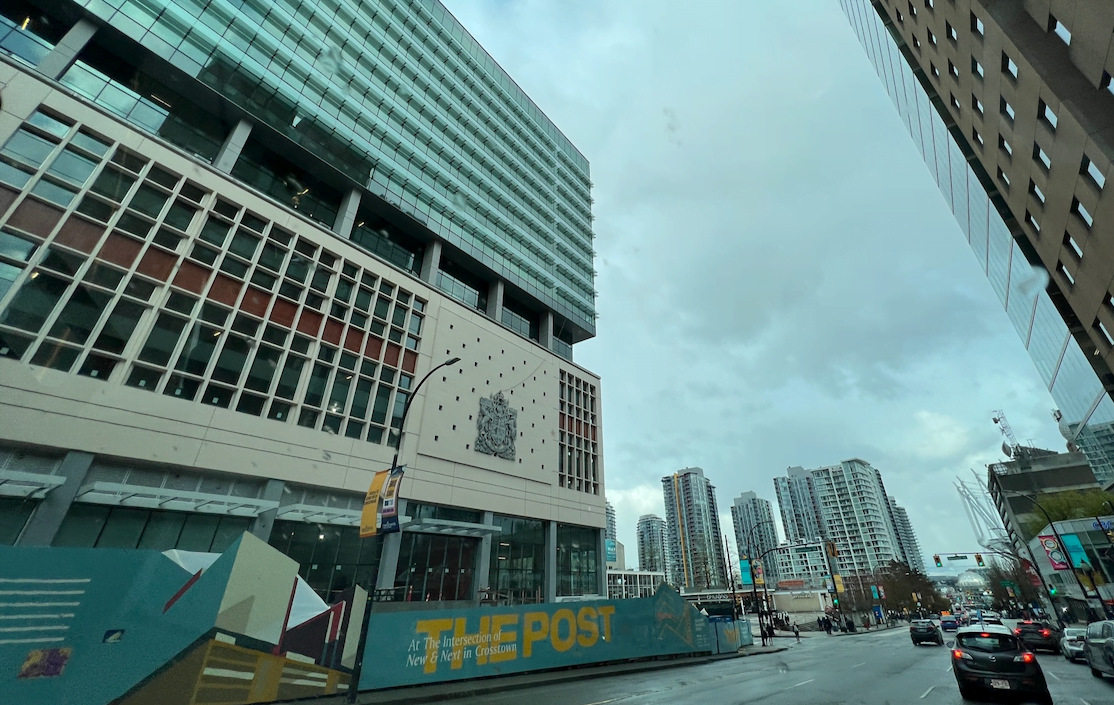
The Post in Downtown Vancouver (Image: Lee Rivett)
And population growth will fuel that continued growth in retail sales. JLL said Greater Vancouver is looking to add one million residents over the next 28 years for a total population of 3.8 million.
“To reach this milestone, half-a-million housing units and just as many jobs will need to be created, as well as 40 million square feet of retail space. In 2050, Greater Vancouver expects to hold 1.6 million dwelling units, 1.9 million jobs, and 160 million square feet of retail,” said the commercial real estate company.
“Greater Vancouver projects it will gain 30,000 to 40,000 net immigrants per year, which accounts for almost 70 per cent of the population growth. In the short term, this figure is adjusted to the updated federal immigration plans, and over the longer term it is assumed to steadily increase at an annual growth rate.
“If current trends prevail, most of this growth will be in the areas of South of Fraser – East, where the population will climb from about 783,000 today to nearly 1.2 million in 2050.”
Iconic Canadian fashion brand Le Château is making its comeback in brick and mortar stores with the launch of a new collection of clothing in 37 new concept Suzy Shier locations across the country.
“As proud as we are of our online site, we are also delighted to be back in stores,” said Franco Rocchi, former Le Château Executive and now Senior Director of Marketing on the new Suzy/Le Château team. “The brand was born in brick-and-mortar, and we couldn’t be happier to rejoin the community of retailers in shopping centres across the country. We are also proud to join our sister brand Suzy in stores now providing a full-service destination for our customers: fashion daywear and workwear at Suzy, while Le Château takes care of all your nighttime and special occasion needs. Le Château also announces the return of its beloved footwear collection, and Le Château menswear makes its online debut.”
Franco Rocchi
Rocchi described Le Château and Suzy Shier as Canada’s new fashion powerhouse.
“Le Château was founded in 1969 and has a long and storied history in Canada. In its heyday, we had 240 stores across the country, this is pre-digital, not only primary and secondary markets but we were in tertiary markets as well. Anywhere from Sydney, Nova Scotia to Kamloops, British Columbia. Ninety per cent of Canadians had a Le Château within a 30-minute drive from where they lived,” said Rocchi. “We permeated the Canadian brick and mortar scene.
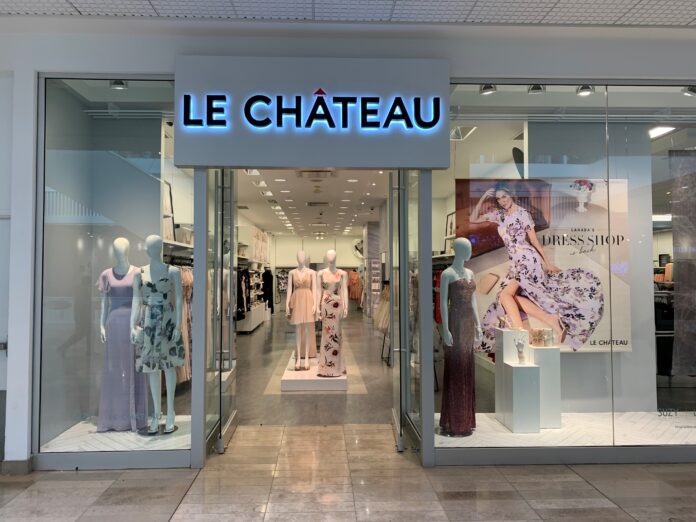
Image: Le Chateau
“In 2020, Le Château closed. I was with them for 40 years until the end. So Suzy acquired the intellectual property of Le Château. The fact that Suzy won out in the end was a great thing for Canada because other contenders for the intellectual property, serious contenders, were all based out of the US and would have seen the brand relocated to the US. Jobs would have been lost. Suzy has acquired the brand and has maintained the headquarters of the initial brand in Canada in Montreal.
“If you look at the last 10 years of Le Château, it had really found its groove in occasion wear. Dresses, footwear and accessories for those special evenings whether it’s weddings, or parties, or stepping out, or date night. That had become a strong point and in fact even during the challenging last five years that part of the business had continuously shown year over year growth. We had become the dominant players in that special occasion segment, niche.”
He said Suzy, which was also founded in the 1960s in Montreal, is a master of daywear, casual wear, weekend wear, and workwear.
“This special occasion dress niche was not something in their portfolio and with the relaunch of Le Château we call it Suzy by Day, Le Château by Night. We’ve created a brick and mortar experience for customers in 37 stores to start where the two brands co-exist. Sections are carved out in the stores with distinct personalities but a customer can now get a 360-degree service for all their lifestyle needs from day to night within one brick and mortar store,” said Rocchi.
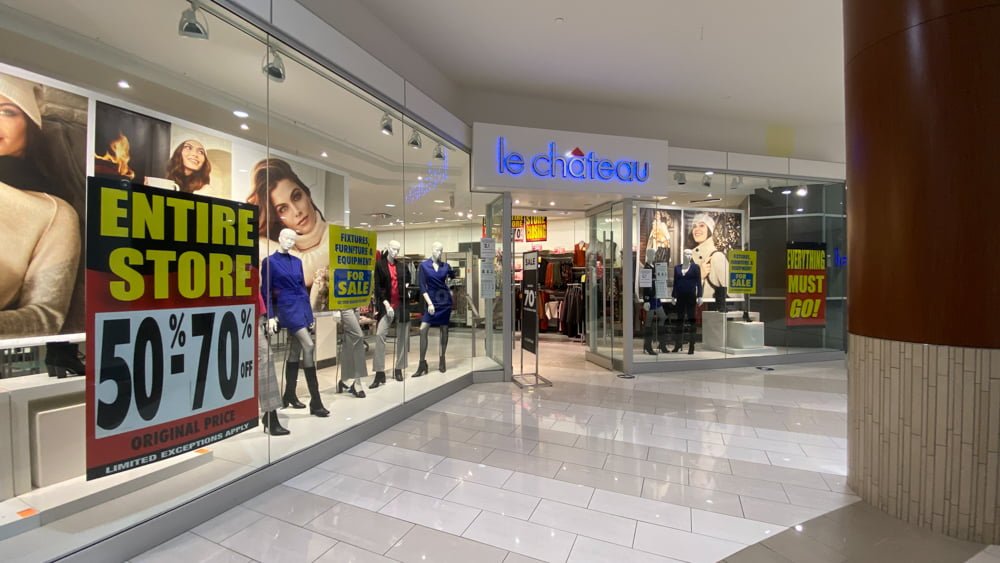
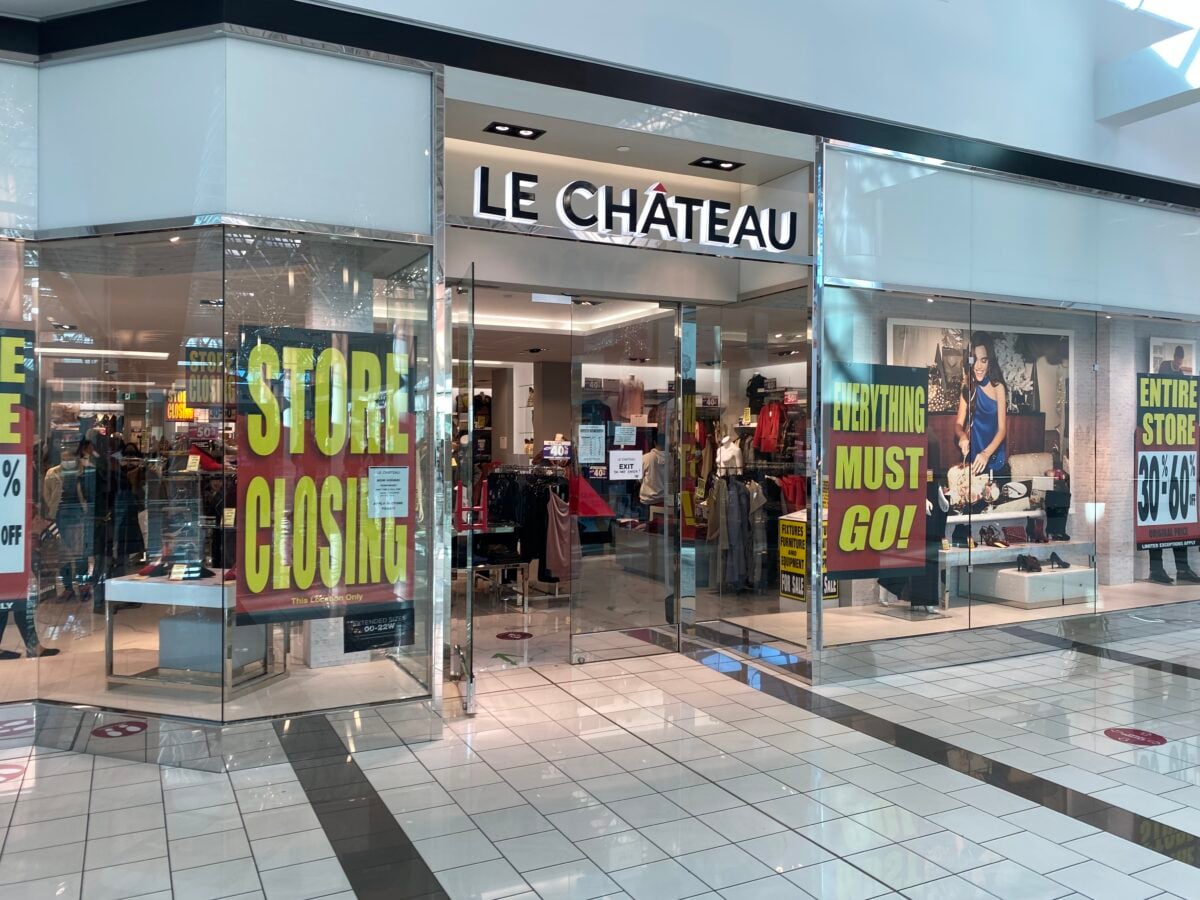
Le Chateau is shuttering Canada-wide, including at SouthCentre Mall in Calgary. Photo: Jessica Finch.
“The occasion wear is really interesting because there really isn’t anyone in Canada, retail, brick and mortar, that specializes in that lifestyle and at our price point . . . So together we’re looking at a synergy between the two brands that will be experienced in these 37 stores.”
Rocchi said that in some cases Suzy acquired leases of some of the old Le Château stores.
“The new Le Château is really focused on occasion wear. The prior Le Château we covered every lifestyle from casual. We had jeans, we had T-shirts, we had all of that. The new Le Château is going to be focused really on dresses, occasion wear. It has a very glamorous look and feel to it,” he said.
In October 2020, Le Château filed an application seeking protection of the court in order to proceed with the orderly liquidation of its assets and wind down of its operations through the Companies’ Creditors Arrangement Act. At the time, Le Château, headquartered in Montréal, had 123 stores across Canada, in addition to its e-commerce website.
In June 2021, Le Château announced the sale of all of their intellectual property as well as certain other assets to Suzy’s Inc.
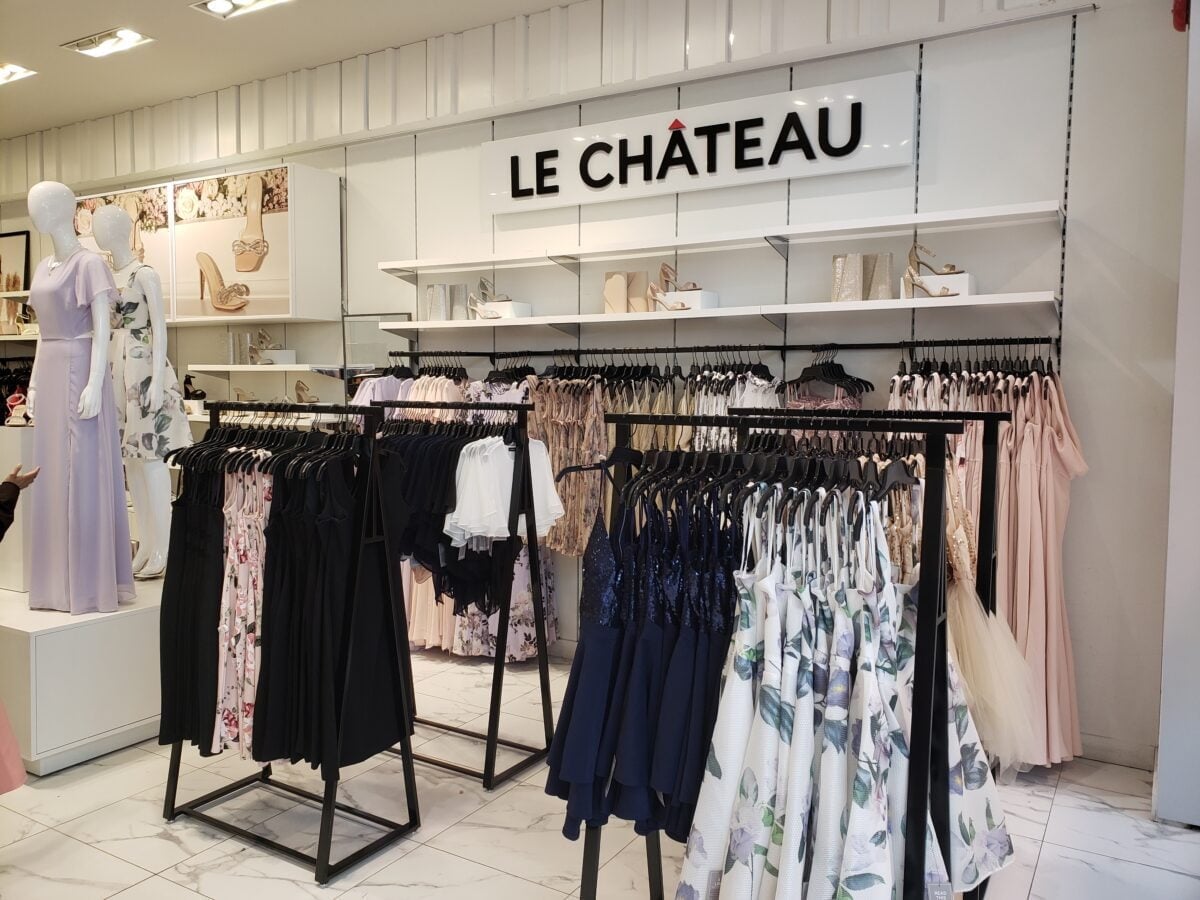
Le Chateau at Guildford – Photo by Lee Rivett
“Le Chateau’s Spring/Summer 2022 Collection is the first full launch since the brand’s return to the fashion scene. It upholds the brand’s reputation as a master dress designer, with styles, prints, and silhouettes for every occasion. This season, inspirations range from the quiet beauty and romance of the garden, channeling feminine florals and pastel-hued chiffons, to the cutting edge vibes of cut-outs, sequins, and sparkles that will stand out in any special occasions: proms, weddings, or that special night on the town. Shimmering metallics and new stunning silhouettes in dresses and jumpsuits position the brand as the go-to destination for all special occasion needs,” said the company.
Under new Canadian ownership, the Le Château Spring/Summer 2022 Collection will be available on lechateau.com and in 37 select Suzy Shier stores across Canada as of April 21. Le Chateau dresses will also be available at the HBC Marketplace as of April 12.
Store locations include Vancouver, Kelowna, Edmonton, Calgary, Fort McMurray, Red Deer, Saskatoon, Toronto, Brampton, Windsor, Burlington, London, Waterloo, Oshawa, Cambridge, North Bay, Ottawa, Montreal, Rosemere, Chicoutimi, Quebec City, St Jerome, Drummondville, Drummondville, St. John’s, and Moncton.
Video Interview: Scott Arsenault, CEO of Ren's Pets, on the State of the Canadian Pet Industry
Scott Arsenault, CEO of Ren’s Pets, discusses how the pet industry has been booming in Canada.
Arsenault talks about the company’s recent growth and plans for continued expansion, some key trends in the pet industry today, the impact of the pandemic, and what the acquisition by Legault last year has meant for the company.
The Video Interview Series by Retail Insider is available on YouTube.
Connect with Mario Toneguzzi, a veteran of the media industry for more than 40 years and named in 2021 a Top Ten Business Journalist in the world and the only Canadian – to learn how you can tell your story, share your message and amplify it to a wide audience. He is Senior National Business Journalist with Retail Insider and owner of Mario Toneguzzi Communications Inc. and can be reached at mdtoneguzzi@gmail.com
Also check out the other series offered by Retail Insider, including The Weekly podcast and The Interview Series, which are both available on Apple Podcasts, Stitcher, TuneIn, Google Podcasts, or through our dedicated RSS feed for Simplecast and other podcast players.
Retail Insider is streamlining its Canadian retail news from around the web to include a handful of top news stories that can be viewed quickly during the day. Here are the top stories from the past 24 hours.
Harry Rosen at 82 Bloor Street (Image: Craig Patterson)
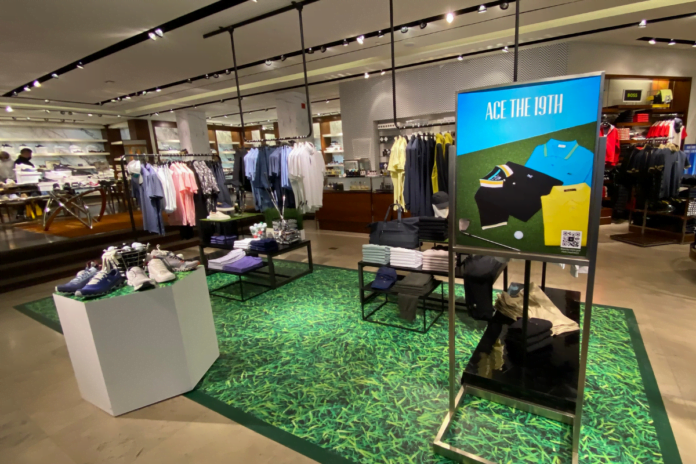
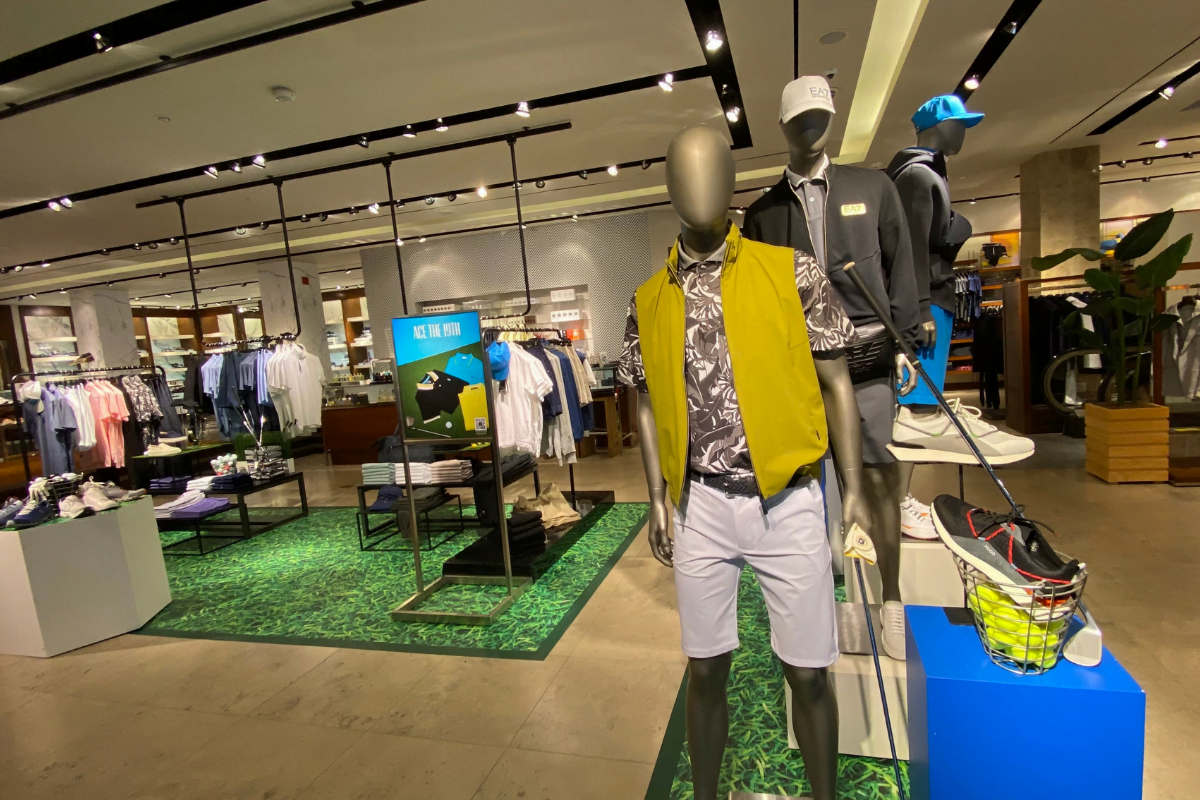
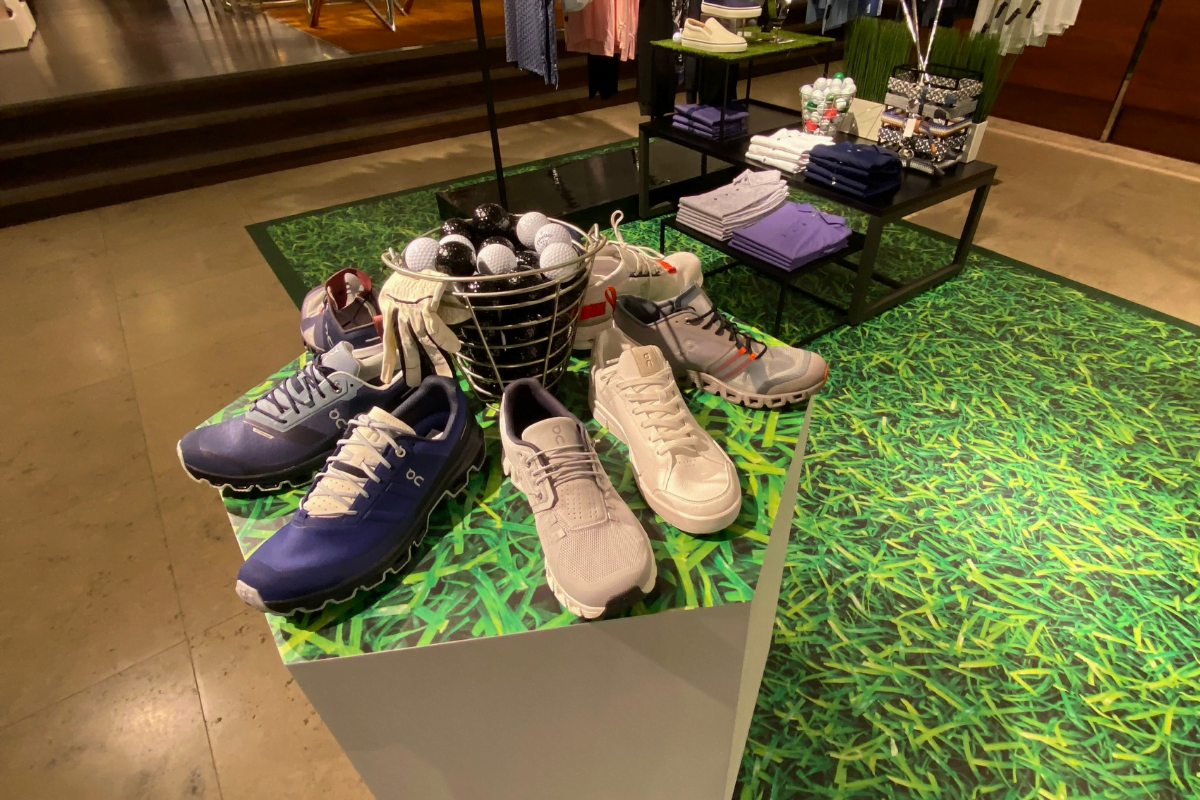
Harry Rosen, Canada’s leading luxury menswear retailer, is accelerating growth in its sportswear category with style-forward golf apparel and the launch of a marketing campaign which was tied into the recent Masters golf tournament.
“For over six decades, Harry Rosen has helped Canadian men look and feel their best in their personal and professional lives. Advising men on how to present a look of confidence on and around the golf course is the next step,” said Trinh Tham, Harry Rosen’s Chief Marketing Officer. “We’re thrilled it’s come to life with the irreverent spirit inherent to our brand. The campaign is vintage Harry Rosen cheek.
Trinh Tham
“We just teed off with the curation of golf attire for a style-forward customer who is always looking to define his look. The offering that we’ve put together is really based on this groundswell demand that we’ve been seeing and the growth and success of our sportswear assortment at Harry Rosen in-store and online.”
Tham said the curated golf collection will have a specific in-store presence at all the retailer’s locations.
“In-store you’re going to see wonderfully curated displays of golf attire. We’ve been following the trends of our customer interests, always focused and honed in on what our customers are interested in,” she said.
Harry Rosen at First Canadian Place (Image: Dustin Fuhs)
“And we knew that membership at Canadian golf courses had increased exponentially. We heard that these memberships had soared about 113 per cent in 2020 compared to 2019. And we also saw that among Canadian golfers, 65 per cent of them were aged between 18 and 34 and this is a group of customers we’re very interested in introducing to the Harry Rosen brand and Harry Rosen ecosystem.
“In addition to our tailored suiting, eventwear, and formal workwear, our focus on sportswear has also responded to men’s growing needs and lifestyle and look choices as well as the extraordinary uptake on the sport of golf.”
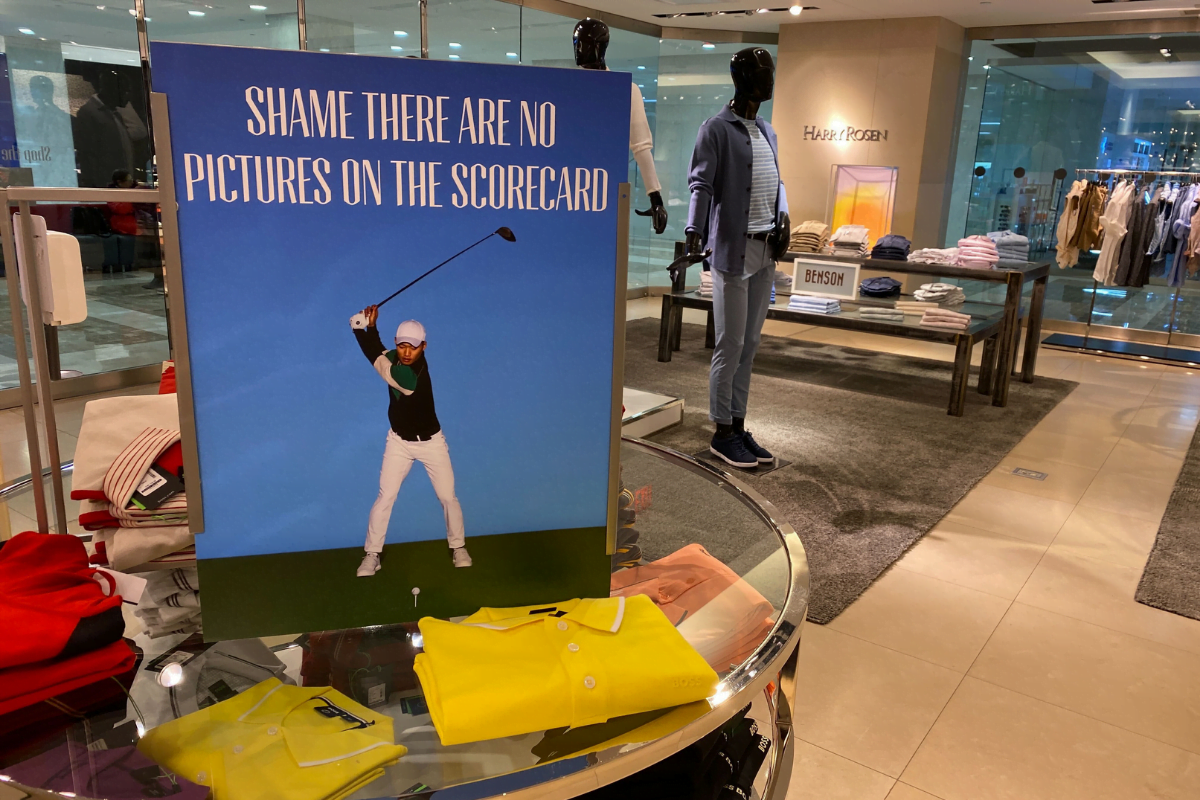
TV spots aired during the recent live broadcast of the Masters Tournament, featuring all the trappings of a professional golf broadcast, including the gushing commentary — except the commentators were more interested in the player’s outfit selection than their shot selection.
“We hear far more about a player’s shirt game than their short game and the break in their pants than the break in their putt,” said the retailer.
Harry Rosen at 82 Bloor Street (Image: Craig Patterson)Harry Rosen at 82 Bloor Street (Image: Craig Patterson)
“Interest in golf surged during the pandemic, with tens of thousands of young men across Canada taking up the sport. But many still aren’t quite sure how to navigate fashion on the links. Thankfully, while there may be lots of places to get advice on your game, nobody knows golf style like Harry Rosen.”
Harry Rosen said it has curated a selection of products for the modern man and savvy golfer. Customers will find performance fabrics and stylish, streamlined looks from brands including Greyson, J Lindeberg, Brax Lab, RLS, KORS Michael Kors, Lacoste, and Psycho Bunny, it said.
“Harry Magazine, the retailer’s fashion publication, features Taylor Pendrith, the proudly Canadian pro golfer, as he brings his swing to this year’s PGA Tour in his rookie season. Pendrith is an ideal Harry Rosen role model, known to be loyal and authentic, with a hard-working ethic and sense of ease on the rounds. Golf colleagues and fans alike predict that it won’t be long before the affable Canadian rising star adds a PGA Tour title to his on-course accomplishments,” it said.
“The golf campaign was conceived by agency partner Zulu Alpha Kilo. It’s the latest installment in the brand’s “Set the Tone” platform, launched in 2020. The idea stems from Harry Rosen’s founding principle: to help men dress their best and feel their most confident in any situation.”
The campaign includes video, out-of-home, social, in-store collateral, and print in golf publications. Media buying was handled internally by Harry Rosen and with Horizon Media.
“Our thought is while we can’t help you with your technical golf game, we can certainly help you look the part in true Harry Rosen style where you get to personalize your look to reflect your individuality even on the golf course. That’s how we came up with this (six-week) campaign,” said Tham.
“With the campaign, we really wanted to surprise and delight our customers by entertaining them with the style commentators that were posing as real golf commentators. I had a lot of people text and ask me if those were real commentators in our spots.”
Harry Rosen, which was founded in 1954, has 17 stores across Canada.
Podcast [Interview] Graham Wong of LAUFT Discusses Expansion of Flexible Work Concept
Craig has a conversation with Graham Wong, founder and CEO of flexible workspace concept LAUFT, about its plans for the future which includes locations within shopping centres and even retailers.
The Interview Series podcast by Retail Insider Canada is available on Apple Podcasts, Stitcher, TuneIn, Google Play, or through our dedicated RSS feed for Overcast and other podcast players. Also check out our The Weekly podcast where Craig and Lee discuss popular content published on Retail Insider which is part of the The Retail Insider Podcast Network.
Drop us a line at Craig@Retail-Insider.com. You can also rate us in Apple Podcasts or recommend us in Overcast to help more people discover the show!
Background Music Credit: Hard Boiled Kevin MacLeod (incompetech.com). Licensed under Creative Commons: By Attribution 3.0 License. http://creativecommons.org/licenses/by/3.0/