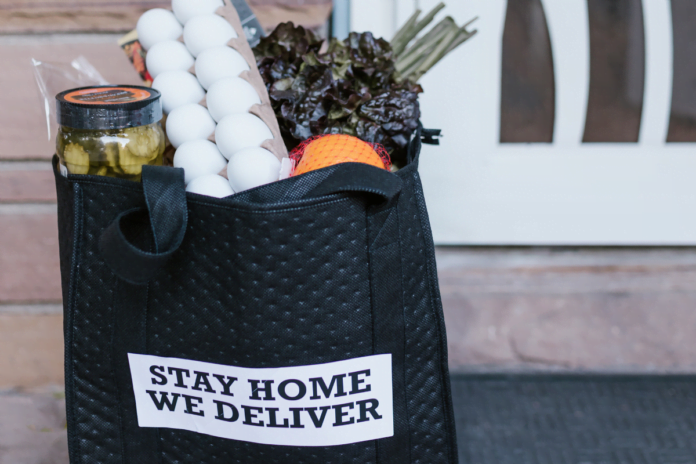
With grocery delivery becoming a growing choice for Canadian consumers, will the changing landscape of the industry increasingly move from the use of third-party apps that use a grocery store as a way to get delivery fee commissions to in-house delivery concepts that are being constructed into physical stores?
“Some companies are better set up than others and some are actually not as committed so they want to explore the space a little bit more. Amazon just acquired a piece of Grubhub. Those are signs that delivery is really a service you can’t deny anymore really, but how you do it will vary between different grocers,” said Charlebois.
Sylvain Charlebois
“Some actually are putting a lot of money into building infrastructure. Voila (Safeway and Sobeys) is a perfect example of that while others are trying things out with a partnership like Loblaw for example with DoorDash. And the reason why some people do that is expectations are changing very rapidly.
“I mean, three years ago, getting your groceries delivered in eight days was a standard. Now it’s less than two hours and perhaps in a few years from now it could be in half an hour. And some markets are getting groceries delivered in 15 minutes. So you can see expectations are changing. Committing to infrastructure, committing to do a lot of work internally may be seen as too much of a commitment for now given that the marketplace is changing so quickly.”
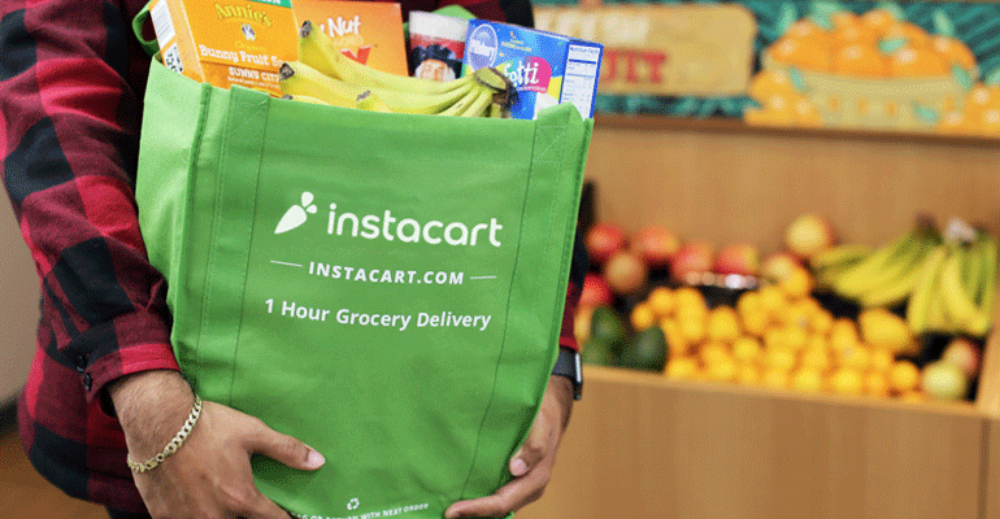
Image: Instacart
Charlebois said there’s a lot of trial and error still going on in the industry but there’s still some consensus out there that grocery delivery is here to stay.
Is there a danger in becoming more efficient in the grocery delivery side of the operation thus taking away from the foot traffic in the store where people browse and end up buying more as they shop up and down the aisles?
“I think it’s less of an issue now. I think the big battleground is going to be loyalty. So it doesn’t matter how you get to the consumer, whether it’s online or in person, I think more and more grocers will be concerned about loyalty in general,” said Charlebois.
“I think that’s going to be the main focus for a while. If it means you need to get them more engaged online and keep them buying your products, so be it. I think that’s basically what’s going on right now.”
Charlebois said experts expect 10 per cent of all food sold retail to be sold online by 2027-2028 if not sooner.
“That’s a huge shift,” he added. “We believe today it’s anywhere between five to six per cent. Before COVID, it was actually less than two per cent. It’s changing really fast.”
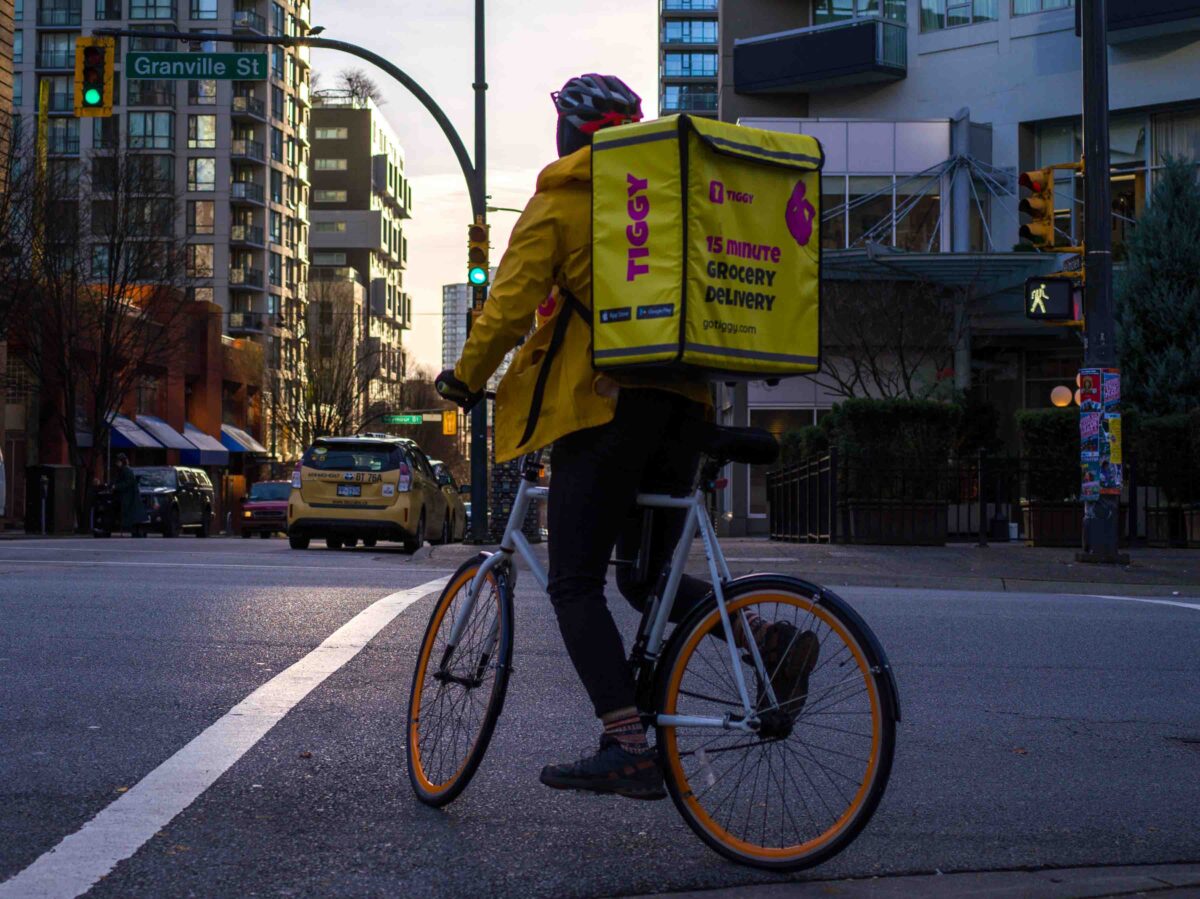
Image: Tiggy App
Gary Newbury, a retail supply chain and last mile expert, and Rethink Retail’s Top 100 Retail Influencer in 2021 & 2022 | CITT’s Innovator Award 2020, said that during the pandemic, many discretionary category retailers found themselves in some difficulty with maintaining sales during lockdowns. Some finished overdue apps from their teams, some migrated quickly to platforms like Shopify and others found a relatively easy transition to apps like Instacart, DoorDash and UberEats.
“In the short term, the provider would turn up with a tried and tested application/portal. All that was needed was SKU details and the retailer was good to go. Instant e-commerce capabilities, often with two to four hour service,” he said. “The provider would send in ‘personal shoppers’ to pick, pack and ship consumer orders to porches. These providers manage the picking and delivery operations, collect a fistful of consumer data, and could expose consumers to competitor products through their portals.
Gary Newbury
“As we have emerged from the pandemic, consumers have, often drastically, changed their spending patterns and path to purchase arrangements. Recent Stats Canada’s figures suggest stores have returned to be their ‘go to’ position for instant gratification.
“Recognizing this, and learnings many retailers developed during the pandemic, including the impact on either their bottom line – for free deliveries – , or the consumers’ perception of ‘doing business with retailer X via a third party app’, some scaling back is inevitable and a major focus into developing their own apps for a more integrated consumer experience, along with development of last mile solutions to control the overall execution of the proposition.”
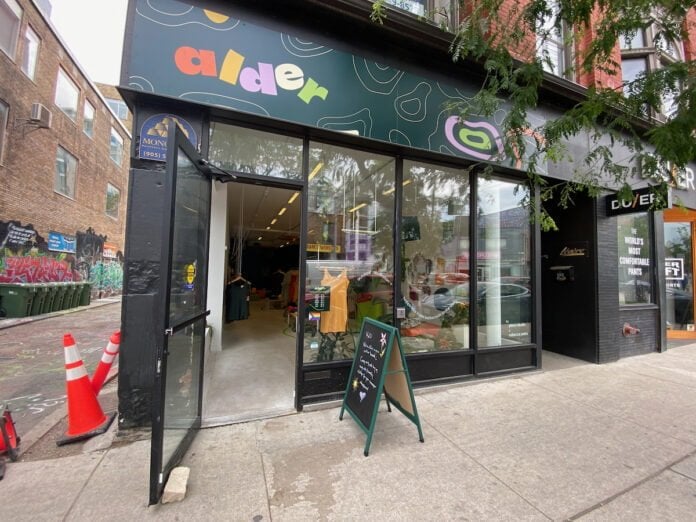
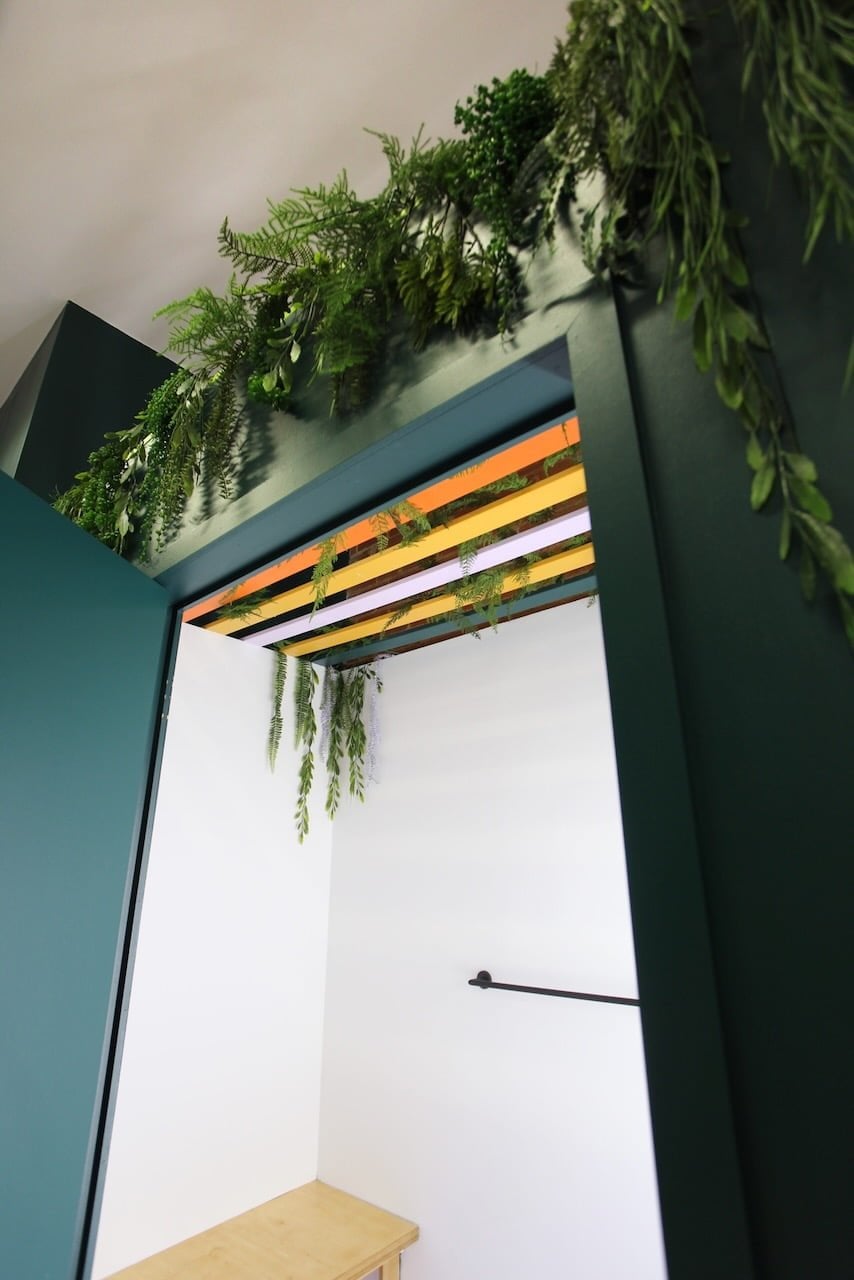
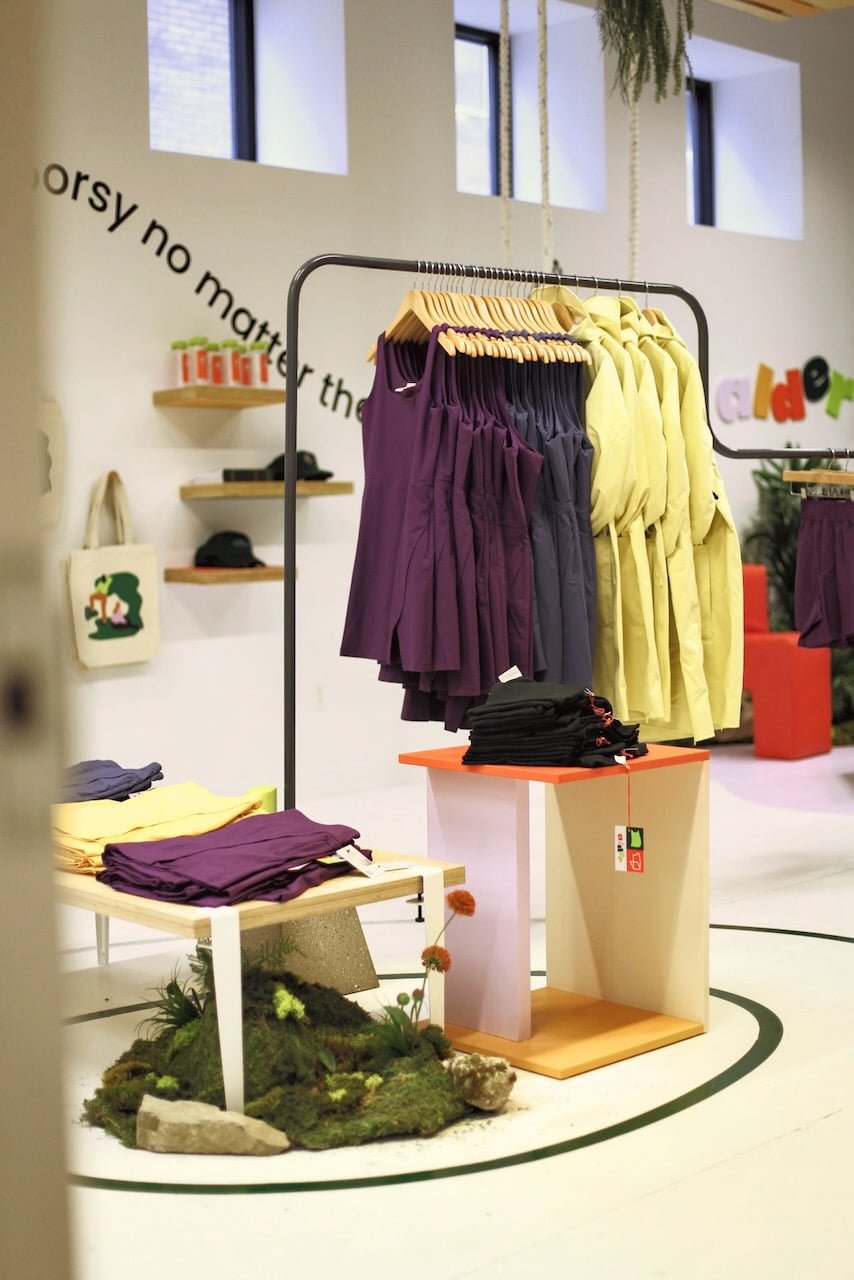
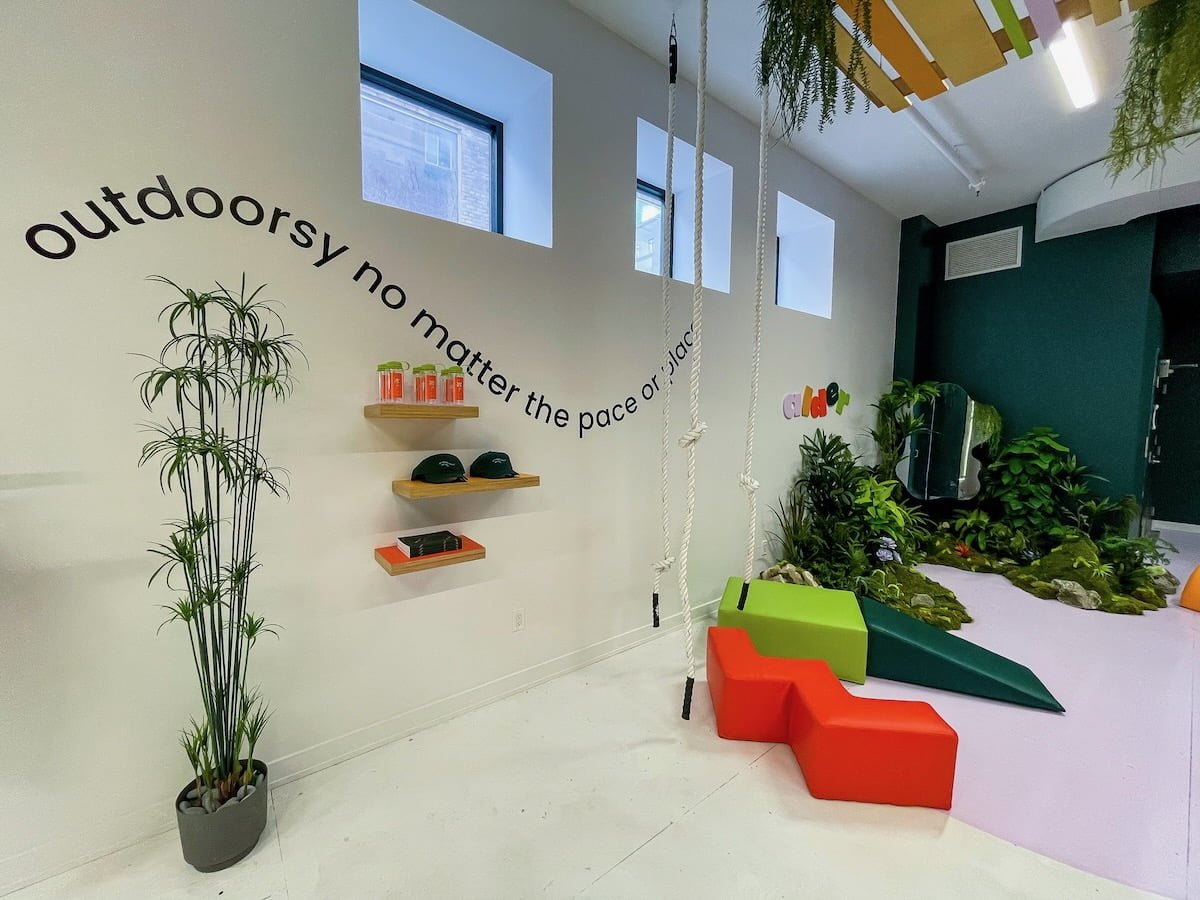
Alder Apparel, a women’s outdoor apparel store, has opened its first pop-up store on Queen Street in Toronto.
Starting in 2019, the owners Naomi Blackman and Mikayla Wujec decided to open Alder to express women’s outdoor clothing – a category they think has been under-served until now. The pop-up shop is located at 489 Queen Street West, and before this Alder was only serving customers online.
“We have always had a love for retail environment and really thought that there was a huge opportunity to create an Alder environment in real life,” says Wujec. “For us the concept is just to bring the spirt of Alder and the playfulness of the brand into a retail space that will allow our customers to really live and experience the brand in real life.”
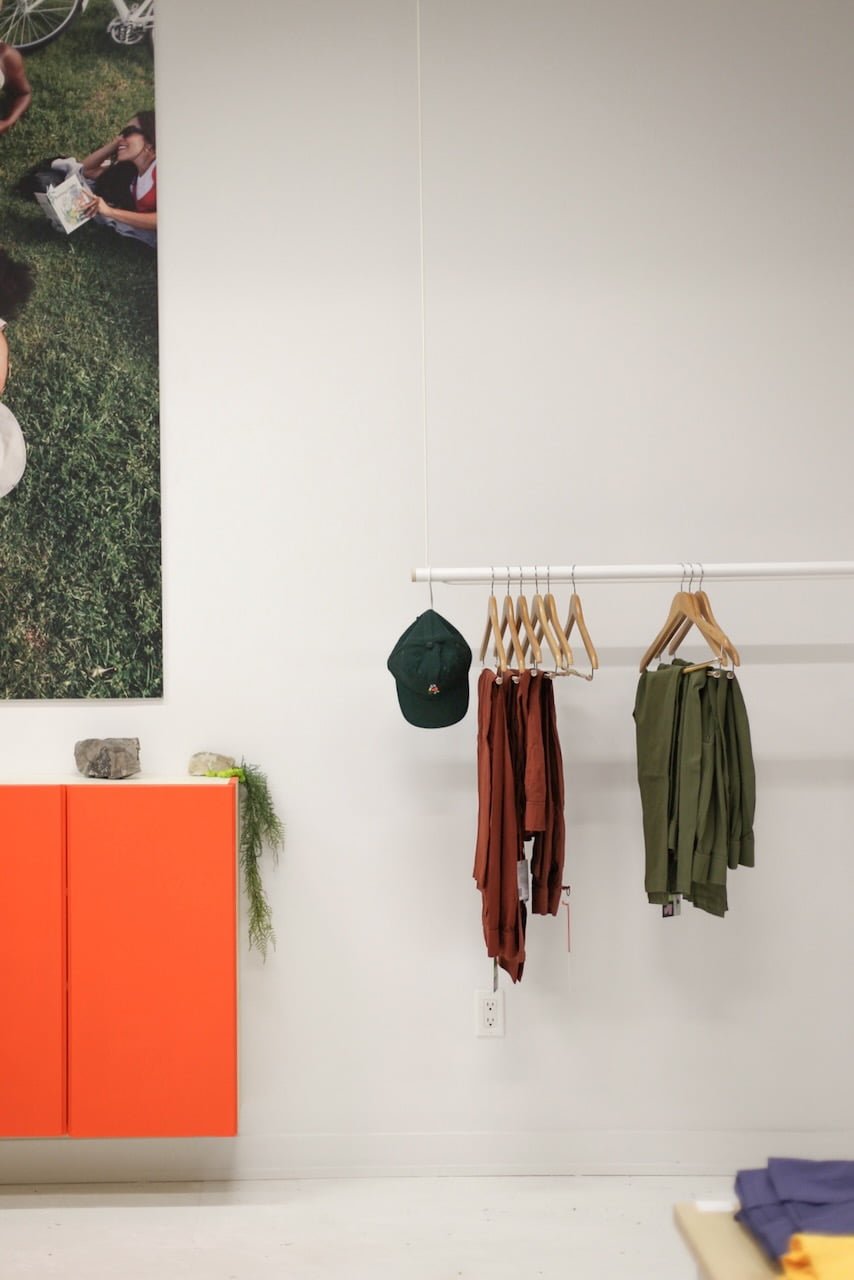
Products customers can find can include rain jackets, open air pants, shorts, hiking clothing, waterproof shorts, get dirty dress, shirts, and skorts. You can also find accessories such as hats, water bottles, and more.
“Outdoor brands today promote this narrative of hyper performance, endurance, and intensity. We really felt like that is not how most women experience the outdoors. Most women come to the outdoors as a place to relax or recharge so we really wanted to create an outdoor brand that would focus on divorcing performance and outdoor recreation, so a brand that just focused on building a sense of belonging with the outdoors that focused on fun and the joy of it, that is what we wanted to do with Alder,” says Wujec.
The new store allows customers to experience Alder’s products in real life and will be open until the end of August.
Alder’s Inspiration
Alder Apparel Pop-up (Image: Alder)
Alder Apparel Pop-up (Image: Alder)
Wujec and Blackman have known each other since they were early teens. With different careers, the two came back together to create Alder. Wujec studied environmental science and worked for National Geographic and Blackman was working with some of the biggest fashion companies in Canada such as Joe Fresh and Hudson’s Bay. She was also a brand and digital specialist.
“I had a big frustration with what was available for outdoor apparel for women. I just thought everything was ugly and not designed for women’s bodies and didn’t really fit in with the rest of my wardrobe, so I brought the frustration over to Naomi,” says Wujec.
From there they started designing clothing that would be suitable for all women, and all sizes. Customers can find clothing from sizes XS to 6X, which is the most inclusive size range in North America, as it is important to Alder that their customers feel safe and comfortable.
Mikayla Wujec and Naomi Blackman
Mikayla Wujec and Naomi Blackman
Alder also provides a variety of products so its customers will be able to find clothing for any outdoor activity from hiking to just taking it easy.
“Our idea was really to create a wardrobe for every type of outdoor activity that you could possibly need,” says Wujec. “Our most popular product would be open air pants, which are made from beach tree. They are light weight, breathable, and stretchy. We are starting to get some other popular products as well like the get dirty skort which is a short and skirt blended in lots of fun bright colours.”
To include customers in its product and colour choices, the brand gets its customers to fill out feedback surveys. From this, Alder can find out what its customers would like to see in store in terms of products and colours. To allow more communication from customers, Alder has launched a new program called Alder Crew where customers can provide deeper feedback, be more included with new products, to test products, and can be a committee for Alder.
Sustainable Fabrics
Alder Apparel Pop-up (Image: Alder)
“For us when we think about fabric, we are thinking about the sustainability, and we want to create a long-lasting durable product. The best thing you can do for the planet is to just wear your clothes more, so we have a real eye for durability,” says Wujec.
All the fabrics you see in Alder are also the lowest carbon option they could find. The brand uses a mix of recycled products, recycled nylon, and it uses natural fiber fabrics which are beautiful and biodegradable.
What is Next for Alder?
Alder Apparel Pop-up (Image: Alder)
Alder Apparel Pop-up (Image: Alder)
Alder has a lot of exciting new products coming soon. One of them, a cargo inspired pant, will be released in the upcoming Fall.
“We have a ton of stuff coming down the pipeline next year and we are really excited about a bunch of new products and new categories that we will be entering in 2023,” says Blackman.
One new category, which was inspired by feedback surveys, will be swimwear. This new collection will be launching in Spring 2023.
On top of new products, Alder is entering REI in the States next month, is looking to join Brick and Mortar retail environment, and their hope “is to continue to open pop ups across in some of the top markets in North America and potentially a permanent location in the next few years,” says Blackman.
“The main thing we really want to get across is that the outdoors is really for everybody, and we have met a lot of women who don’t feel comfortable calling themselves outdoorsy. We just wanted to remind people that you belong in the outdoors, even if you just go outside for a walk with your dogs or your friends. The outdoors shouldn’t have any criteria to access them, so we really encourage people to go outside and have fun and to just enjoy the outdoors at whatever pace is best for them,” says Blackman.
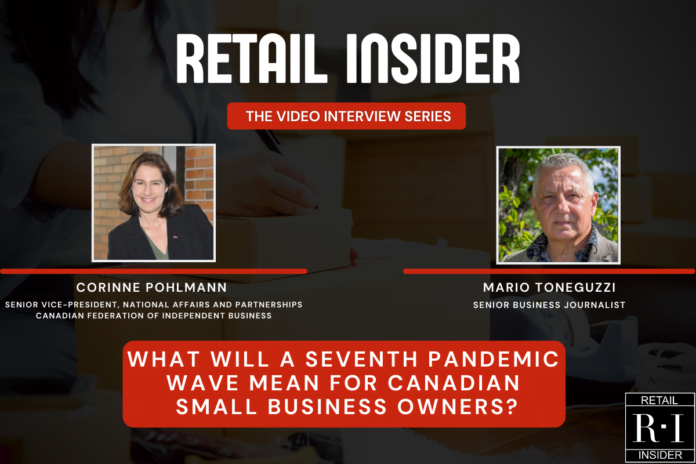
Pohlmann talks about the current level of stress and anxiety in the industry, the possibility of lockdowns and restrictions, the optimism and confidence levels of owners, the impact of rising costs, the current labour shortage, the lack of government support programs and the recent Rogers network outage.
The Video Interview Series by Retail Insider is available on YouTube.
Connect with Mario Toneguzzi, a veteran of the media industry for more than 40 years and named in 2021 a Top Ten Business Journalist in the world and the only Canadian – to learn how you can tell your story, share your message and amplify it to a wide audience. He is Senior National Business Journalist with Retail Insider and owner of Mario Toneguzzi Communications Inc. and can be reached at mdtoneguzzi@gmail.com.
Also check out the other series offered by Retail Insider, including The Weekly podcast and The Interview Series, which are both available on Apple Podcasts, Stitcher, TuneIn, Google Podcasts, or through our dedicated RSS feed for Simplecast and other podcast players.
Retail Insider is streamlining its Canadian retail news from around the web to include a handful of top news stories that can be viewed quickly during the day. Here are the top stories from the past three days.
Considering the recent accelerated digitization of the world around us, it isn’t difficult to understand why retailers everywhere are exploring and implementing an array of different technologies in efforts to enhance their digital offering. It’s investment that’s happening across all segments and verticals within the industry, resulting in a bit of a helter-skelter scramble to find and leverage the latest innovation. However, for those that were savvy enough to get ahead of the digital curve, circumstances over the course of the last couple of years have proven to be ideal for the advancement and growth of their businesses. In fact, according to John Douang, Co-Founder and CEO of Aisle 24 – the bourgeoning automated grocery market – the past 24 months have provided digitally-adept businesses with the opportunity to hone and refine their offering to customers even further.
“The shift in consumer behaviour that’s occurred over the course of the past couple of years is amazing,” he recognizes. “The rise in ecommerce adoption and sales has been dramatic. However, it’s not the only way in which behaviour has been impacted. The accelerated digitization of everything around us has made most people more accustomed to the use of digital tools and other technologies, introducing some to their use for the very first time. Now, it’s almost an expectation of consumers that there will be some sort of technology to interface with on their shopping journey, whether online or in-store, in order to make their experience easier, faster, more convenient and efficient. It puts pressure on retailers to explore and implement technologies that can meet those rising expectations. But, it’s also a circumstance that allows those that have already been experimenting with the capabilities of digital technology to experiment further and understand better how it can best support the customer experience.”
A technology-enabled experience
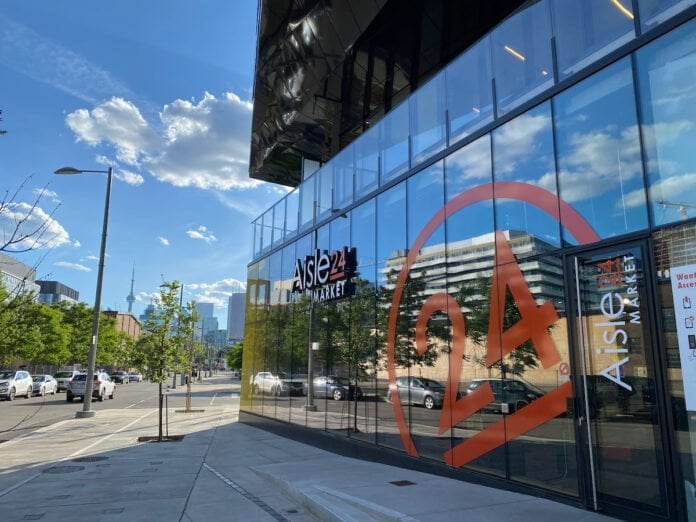
Aisle 24 Corktown (Image: Dustin Fuhs)
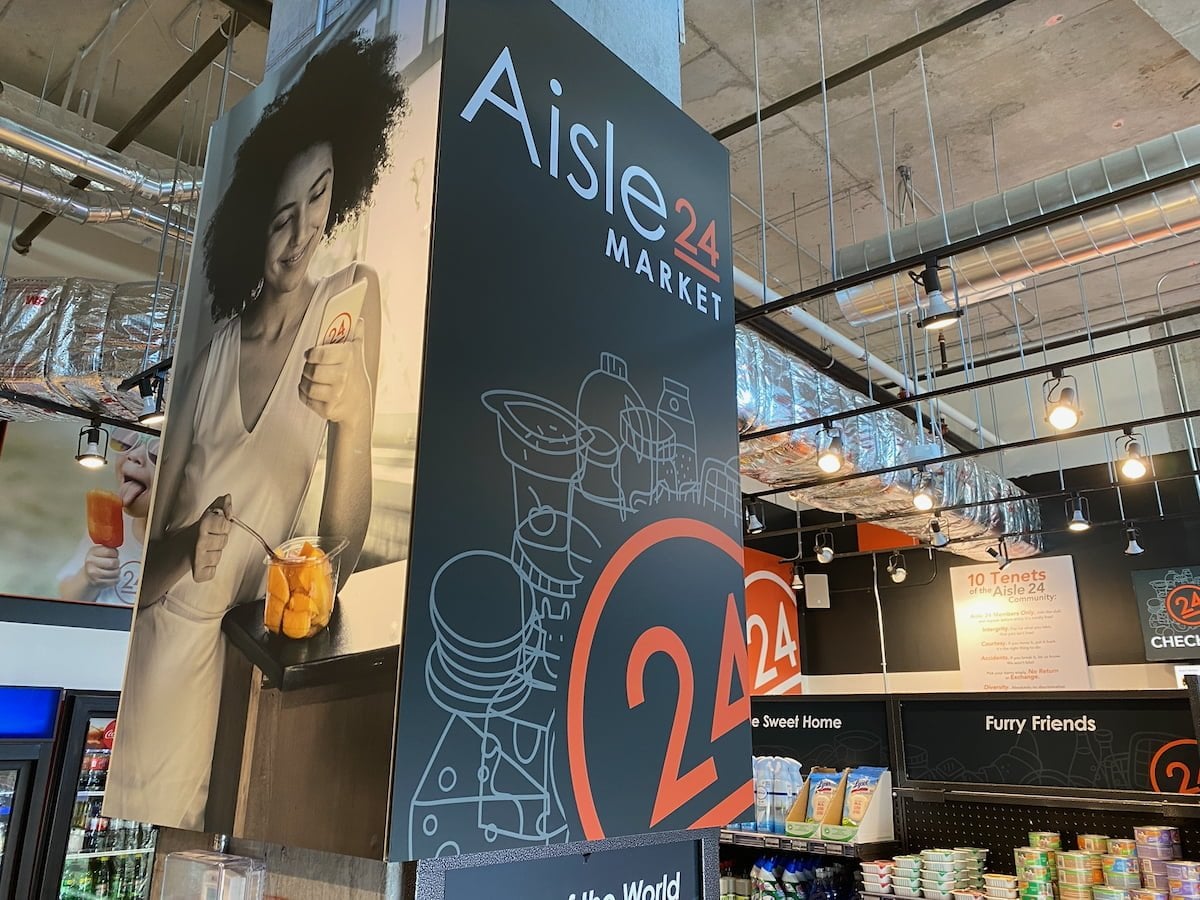
Founded in 2016, Aisle 24 is a fully self-service, automated, cashier-less grocery market meant to meet the convenience and time-starved lifestyle of today’s evolving consumer. Located primarily in residential communities, condos, apartments, and campuses in Ontario and Quebec, the Aisle 24 offering is truly unlike any other. Leveraging cutting edge technology, the grocer has been finding success by providing consumers with a fast and efficient experience that’s also safe and secure. And, with a focus on limiting friction for the end-user, the service is also easy to use. Consumers simply download the Aisle 24 mobile app and register an account to gain access right away. The Aisle 24 app enables members to unlock the door and start browsing. Then, once they’ve selected the items they want to buy, they simply scan them at an in-store kiosk and pay for their purchase using either their mobile wallet, debit or credit card. Although still in its infancy, it’s a concept that seems to be paving the way toward the future of the Canadian grocery experience. And, it’s one, admits Douang, that required a little bit of time to develop.
“Creating an inviting and pleasurable environment for people to shop in was extremely important to us,” says Douang. “However, it was equally important to make sure that the environment is safe and secure without compromising the integrity of the experience for the customer. It’s something that we had been working on for quite some time. And, of course, we leveraged some innovative technologies to help us achieve this. With an unmanned store, anything can happen, like spills and product breakage. To monitor for these types of occurrences, and others, our stores are equipped with cameras that are much smarter and more intuitive than standard security cameras. They’re powered by artificial intelligence that we’ve customized specifically for the Aisle 24 environment to ensure monitoring, safety and security. And, our customized system can alert our store operators of any concerns as they happen.”
The power of data
Douang goes on to explain that the store’s digital camera system also helps to generate invaluable analytics that empower and enable their franchisee store operators with the right tools and information necessary to run a successful location. It allows them a real-time view into transactional data and information concerning the days and times that customers shop with them, and more. It’s access to information that he says is critical in succeeding with this type of innovative retail concept. And, he adds that he and his team are constantly working to enhance the technological capabilities that support and benefit the Aisle 24 customer and operator experience to further differentiate their offering from competitors.
“Running an unmanned store presents both challenges and opportunities when it comes to successfully operating it,” he says. “Uncertainty and turbulence around labour issues, like shortages of talent that have arisen since the start of the pandemic, are avoided altogether. As a result, the cost of the labour is removed from this equation. However, without staff in the store, it presents challenges around customer engagement and ensuring that their needs are being met and surpassed. But, with the right technologies and focus, we’re actually able to hyper-personalize our offering to customers. Data analytics allow us to work with store operators to assess in real-time whether or not a particular product sku is working and understand the adjustments that need to be made in order to provide what customers want. In addition, we leverage our digital channels in order to elicit feedback from our customer-base in order to consistently tweak the product offering and experience that we provide for them.”
An evolving concept
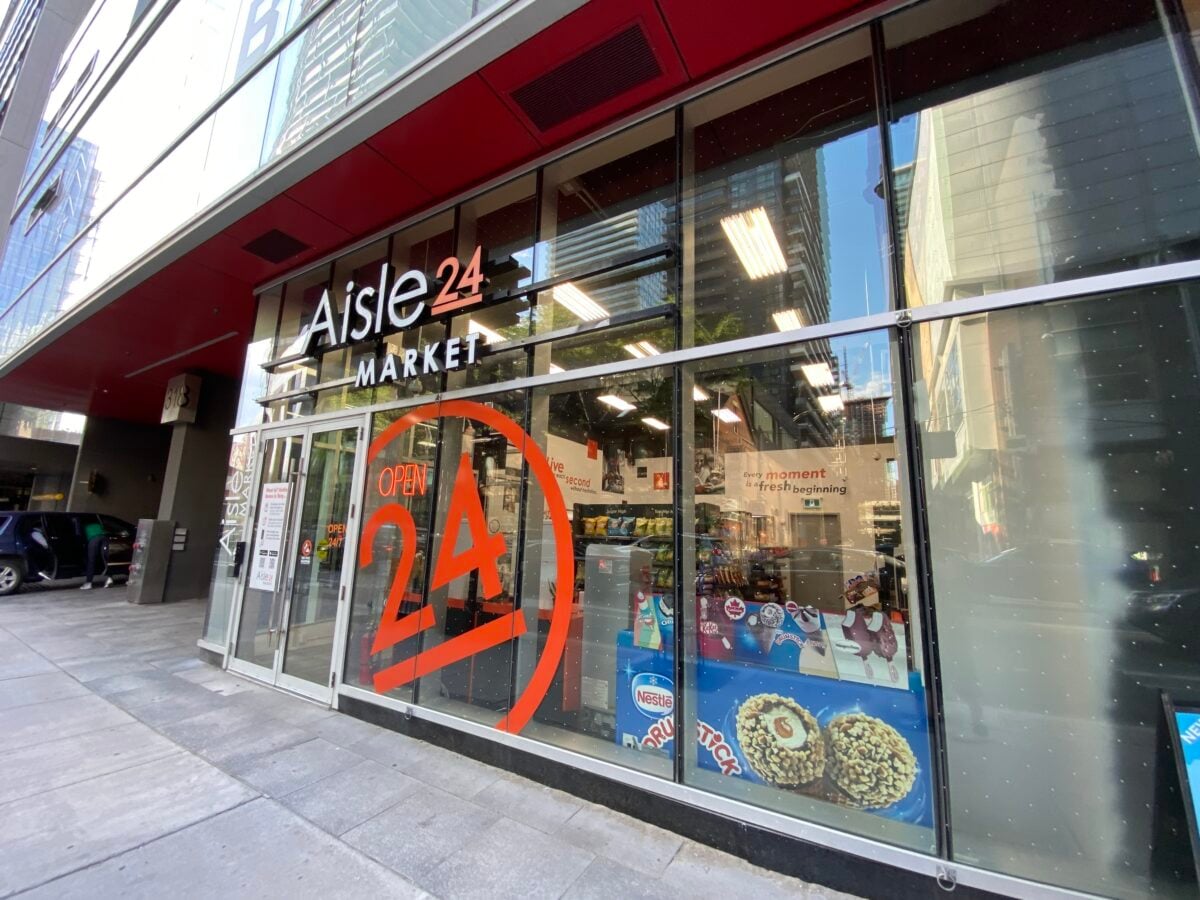
Aisle 24 on Richmond Street in Downtown Toronto (Image: Dustin Fuhs)
It’s an experience, says Douang, that is inline with the evolving expectations of today’s Canadian consumer. And those expectations, he says, are elevating exponentially within an environment that continues to become increasingly technology-enabled. To meet them, the Aisle 24 team are always working on enhancements to its mobile app and in-store experience, providing things like personalized promotions and offers, creating what Douang refers to as a “meld between ecommerce and physical retail” whereby technology serves as the binding influence and middle layer. The focus and dedicated work that’s been put in by Douang and his team seems to have paid off to this point as they plan for major domestic expansion over the course of the next six months or so, becoming operational in British Columbia, Alberta, Ontario, Quebec and Nova Scotia by the end of the year. It’s growth that Douang’s obviously excited about. But, the real excitement and opportunity, he admits, is around a brand-new concept store that the brand will be launching soon.
“We’re working on a really exciting project right now that involves a concept store in Goose Bay, Labrador,” he says. “It’s going to be about two-and-a-half to three times the size of our average store at around four or five thousand square feet. And, what’s unique about this concept is that we’re going to be operating it as a hybrid model with hours during which the store is staffed and available to the public and hours when the store is only accessible to members. This allows us to sell age-restricted product, including alcohol, tobacco and lottery, and to address markets that are more rural, outside of the urban cores. It’s something that we’ve been trying to figure out for some time. And I believe that we’ve built an offering that will prove that these types of hybrid models can work for large format stores, allowing us to ultimately operate everywhere within the country, including more remote places that may not have the same kind of access to the conveniences and product as larger urban centres.”
Continued growth and expansion
It’s success and growth that have caught the attention of some of Aisle 24’s competitors as they watch on with curiosity at the evolution of this potentially revolutionary concept. In fact, Douang and his team have already been involved in several conversations with Sobeys at the national level, including meetings with the grocer’s innovations team. And, Aisle 24 have developed a mutually beneficial relationship with Sobeys Wholesale which includes a pricing agreement that allows the company to see out its commitment to enter rural markets, offering residents increased conveniences at prices that are competitive with other grocery entities in their areas. If all goes well over the course of the next six months or so, Douang believes that the opportunities available to the company and its franchisee operators are nearly limitless.
“Toronto and the surrounding GTA is obviously our primary market. However, over the next little while, you’re going to see Aisle 24 locations popping up in multiple markets right across the country. It’s going to translate into a ton of growth and opportunity for us and our franchisees. And, as we continue to densify these markets, it’s going to result in increased convenience and offering for our customer-base. In the meantime, we have some exciting prime locations opening soon, including Liberty Village in Toronto and inclusion within the community master plans for The Prestige at 1 Yonge Street which is the old Toronto Star building. We’re looking forward to the near-term as we, together with our franchisee operators, continue to evolve and enhance the Aisle 24 experience with the goal of opening several hundred stores over the next several years.”
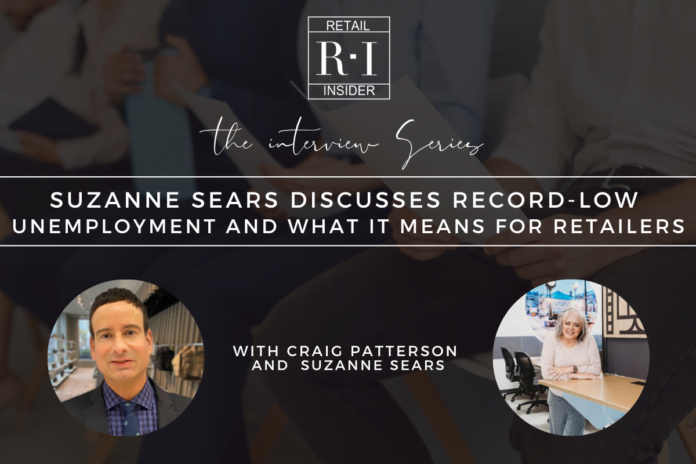
Podcast [Interview] Suzanne Sears Discusses Record-Low Unemployment and What it Means for Retailers in Canada
Craig sits down with Suzanne Sears, founder and President of Best Retail Careers International, Retail Staffing Canada and Luxury Careers Canada, to discuss the most recent jobs report showing record-low unemployment. Retailers continue to struggle to find employees and an emergency situation could take place and stores may not be able to remain open if things don’t improve.
The Interview Series podcast by Retail Insider Canada is available on Apple Podcasts, Stitcher, TuneIn, Google Play, or through our dedicated RSS feed for Overcast and other podcast players. Also check out our The Weekly podcast where Craig and Lee discuss popular content published on Retail Insider which is part of the The Retail Insider Podcast Network.
Drop us a line at Craig@Retail-Insider.com. You can also rate us in Apple Podcasts or recommend us in Overcast to help more people discover the show!
Background Music Credit: Hard Boiled Kevin MacLeod (incompetech.com). Licensed under Creative Commons: By Attribution 3.0 License. http://creativecommons.org/licenses/by/3.0/
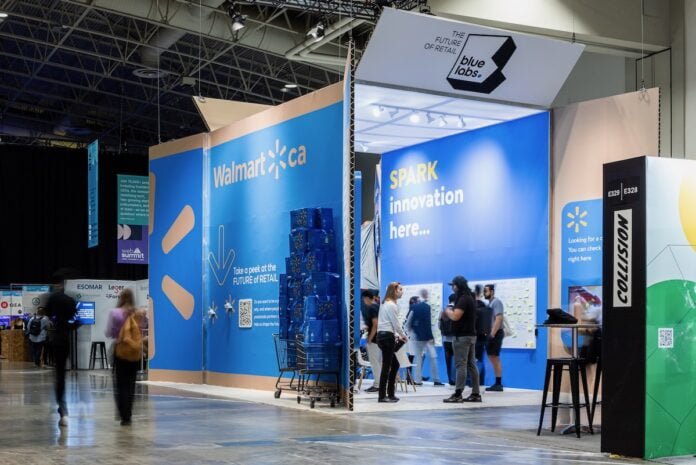
Walmart Canada recently launched its Blue Labs initiative which is the retailer’s new incubator and innovation team tasked with creating the retail experience of tomorrow.
“It’s an extremely exciting time to be in retail,” said Lee Jeyes, Head of Innovation, Blue Labs. “We are making investments in tools, technology, and our people to enable them to better serve our customers every day. We are excited to partner with the tech ecosystem on helping us shape the future of retail.
Lee Jeyes
“What Blue Labs is is Walmart Canada’s first ever innovation incubator. So if you think about the role of an incubator, typically it’s a safe, secure environment where you try to nurture some things that ultimately at some point will go on and grow into something bigger.
“So for us, that could be potential opportunity from an innovation perspective. It could be a large organizational customer problem where we just want to bring it into the lab and spend a lot more time on it and break it down. Or it could be future talent. So you think about, 75 per cent of the roles that I’ve just hired for Blue Labs are brand new to the organization. They’re bringing fresh perspectives, capabilities, that frankly we never really had in the organization and that’s enabling us to use that talent to build future capabilities and scale. We also hired design thinking specialists to come in and help inside of the lab and they did bring a fresh and different perspective and capabilities that typically wouldn’t exist in certain parts of the business.”
Image: Walmart Canada Blue Labs at Collision 2022
Jeyes said the goal is to incubate the organization and the biggest challenges for customers and to develop innovation for the future of retail and also build the future talent and capabilities for the organization.
Walmart announced Blue Labs recently at the Collision Conference in Toronto.
“Technology has changed the retail landscape forever. Whether through e-commerce, automation or customer customization, the future of retail will rely heavily on digital innovation and we want to be at the forefront,” said Nicolai Salcedo, Chief Technology and Data Officer, Walmart Canada, in a news release. “We envision a shopping experience that is people led and tech empowered and we’re creating teams that are bringing the best solutions for our customers.”
Walmart Canada operates a chain of more than 400 stores nationwide, serving 1.5 million customers each day. Walmart Canada’s flagship online store, Walmart.ca, is visited by more than 1.5 million customers daily. With more than 100,000 associates, Walmart Canada is one of Canada’s largest employers and is ranked one of the country’s top 10 most influential brands.
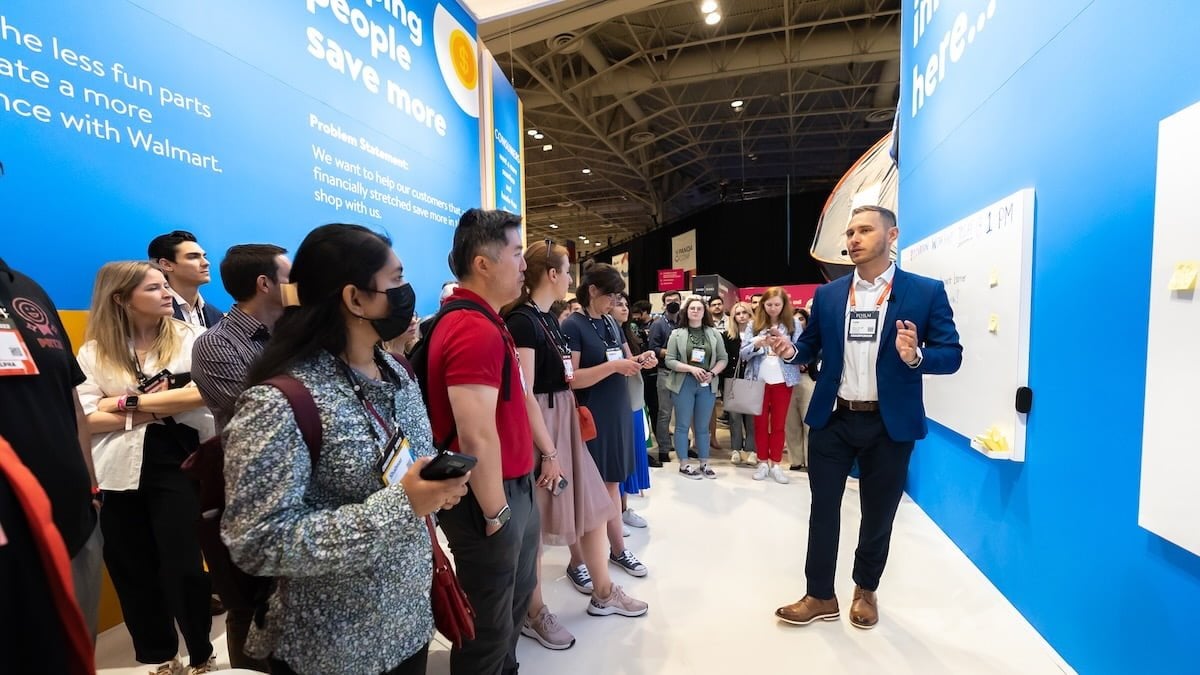
Image: Walmart Canada Blue Labs at Collision 2022
The company said Blue Labs sits at the edge of Walmart Canada to transform the future of retail. It actively collaborates with Canadian and global innovation ecosystems to incubate disruptive and radical innovation, transforming the future of how, why and where people shop.
“I think it’s an exciting time for us and an important time for us to play a much more proactive and active role in the Canadian technology and innovation ecosystem. It’s one of the best in the world and we would definitely want to play a role, especially over the next few years as it becomes more challenging in that space,” said Jeyes. “The potential opportunity is to partner and co-create and co-develop with the lab.”
Blue Labs is based in downtown Toronto.
“Retail has always been a team sport and the rules are decided by the customer. And as the customer’s expectations change, we need to stay relevant and remove friction from that experience,” he said. “Walmart’s always been on the forefront of innovation whether it’s from its early days, Supercentre concept . . . online grocery, expansion to different markets.
“Innovation has always been important and enabled us to thrive over the last 60 years. But if you think about the next year of Walmart it’s going to continue to play a role to think about how we serve customers. The role of Blue Labs is to make sure that we’re innovating truly on behalf of the customer and thinking about how we solve a lot of customer friction points and reinvent retail for the future.
“But actually our role is to innovate with much more of a longer time horizon. So right now a lot of the innovation teams across the business are working on nearer term innovation and that’s very, very important. You see a lot of innovation happening in our stores, in our distribution centres and e-commerce. The horizon to that innovation is typically on a zero to three, zero to five year time scale. The role of Blue Labs is to think a bit longer tail and how do we focus on what I would call disruptive or radical innovation.”
Retail Insider is streamlining its Canadian retail news from around the web to include a handful of top news stories that can be viewed quickly during the day. Here are the top stories from the past 24 hours.
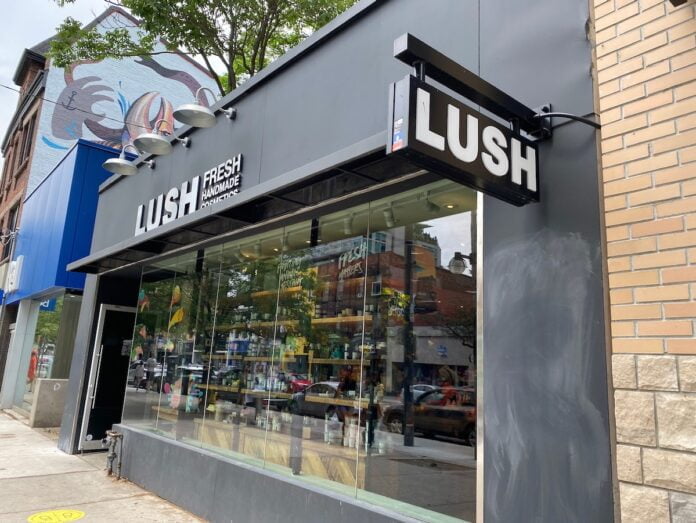
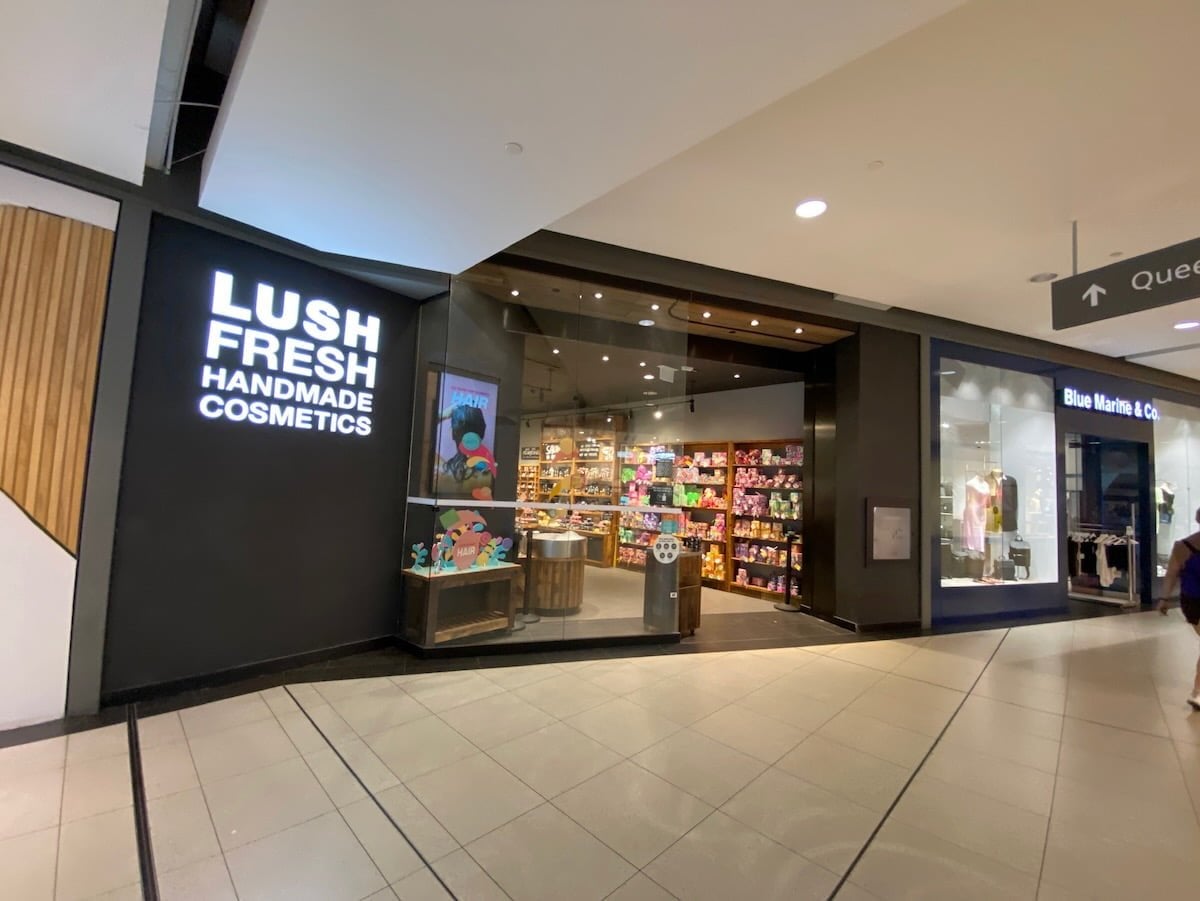
Lush on Queen Street in Toronto (Image: Dustin Fuhs)
In November 2021 Lush decided to remove most of its social media accounts across 48 countries because of ignored harms to users. Now months later, we have an in-depth interview about the decision, how Lush is doing now, and inspirations that came from withdrawing from social media.
Brandi Halls
“It was not an easy decision, but it was the only decision,” says Brandi Halls, Chief Ethics Officer, Lush in North America. “There is mounting evidence that social media has some serious harms associated with it and it could no longer be ignored.”
The accounts Lush deleted included Instagram, Facebook, TikTok, and Snapchat. Lush accounts remaining include YouTube, Pinterest, and LinkedIn.
A Tough Decision
Lush at CF Toronto Eaton Centre (Image: Dustin Fuhs)
“We decided these platforms are currently just too dangerous for the well-being of young people and until they take action to provide a safer environment for their users, we were not comfortable being present there,” says Halls. “As a brand that puts the well-being of our staff and customers at the core of what we do, engaging on these platforms is no longer aligned with who we are and where we should be.”
As Lush had to take action to protect millions of its followers from the harm, it was an easy decision – just remove the accounts. However, Lush also lost its connections which made it challenging to promote its products and to connect with customers.
“Of course, there are many challenges that come with stepping away from key channels of communication with our loyal fans,” says Halls. “For us, the biggest challenge has been and continues to be getting our brand in front of the millions of eyes that we had on those channels.”
Even though Lush has deleted these accounts, Halls say they have other ways of connecting with their customers such as on their website, storefronts, emails, events, and on other social media accounts such as Pinterest, Twitter, YouTube, and LinkedIn.
Lush has also created new ways of connecting with customers as the time away from these accounts have inspired new ways to excite fans.
“A bonus is we have been forced to re-image how we excite fans, how we grow the brand, and how we continue to bring about real change for people, animals, and the planet. And while we don’t have it all figured out yet, we are innovators, testing out new ways of reaching new people in safe spaces and unconventional ways is where we thrive,” says Halls.
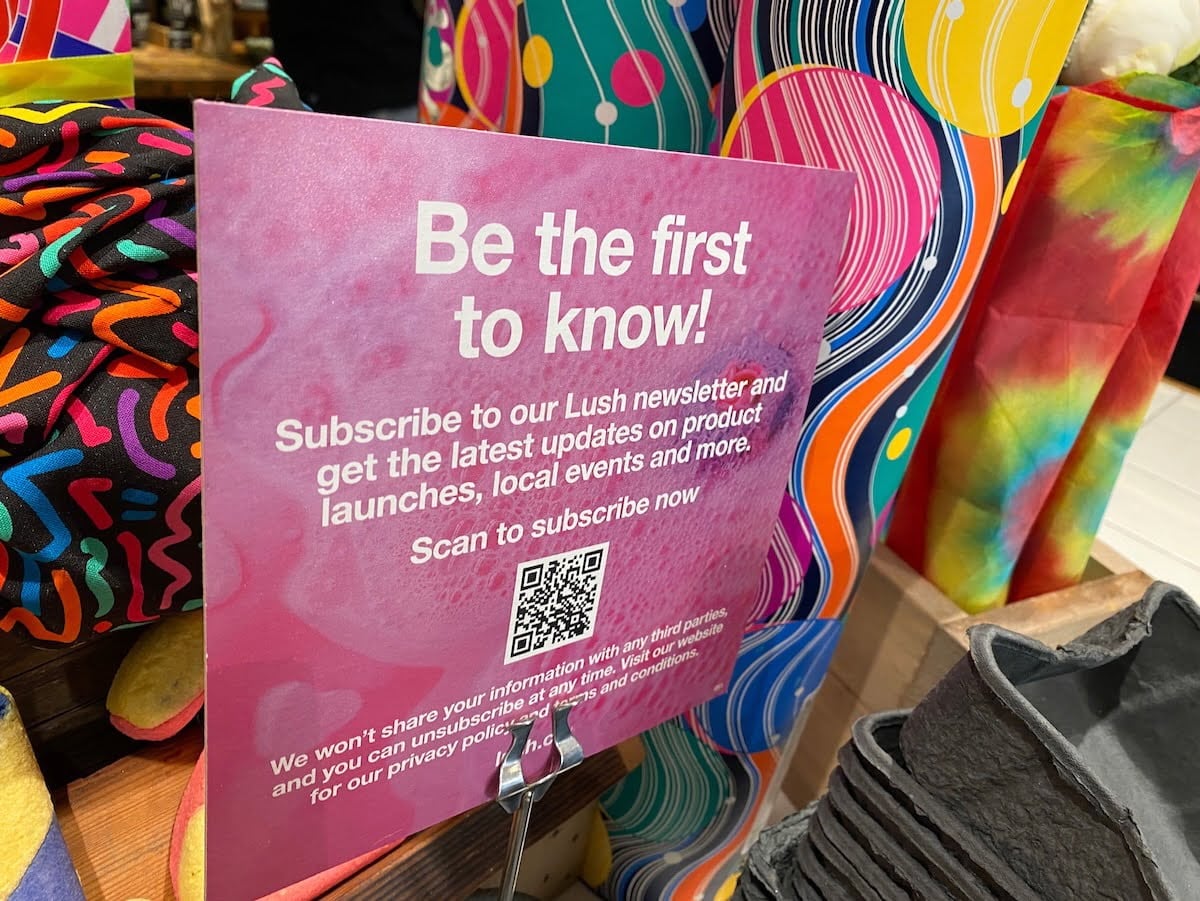
Lush is always trying to find new ways of connecting with the community and right now they are using their new podcast, in-person experiences, new concept stores, and Lush has recently launched a new wellness app called Bathe. Through these channels, Lush can continue to build relationships with its customers, promote new products, and promote events.
“There have been mixed responses from our fans,” says Halls. “Many miss seeing us on their social feeds and wish we would return, while others have voiced that this is exactly why they shop with us and will continue to do so.”
Is Social Media Harmful? The short answer is yes.
Lush Cosmetics (Image: Dustin Fuhs)
An article from the BBC from 2018 talks about studies revealing the link between social media and harmful outcomes. Social media accounts such as Facebook, Twitter, TikTok, and Instagram have the tendency to influence stress levels, people’s mood, anxiety and depression, addiction, loneliness, causing extreme jealously and envy, bullying, and more. Social Media can also distort reality and cause unrealistic expectations which could lead people into depression or make a person’s depression worsen. These, among several other reasons, is why Lush decided to remove its accounts until it is safe to return and is hoping social media platforms will step up and find a solution.
“We have made it clear that we were removing ourselves from these spaces until these platforms take action to provide a safer environment for users. Our hope is that this will be a short-term strategy; one where platforms would do the right thing to protect their users, where Lush could return to the spaces and re-engage our fans, and ultimately where young people are no longer exposed to harm at the hands of social media giants who know better.”
Karras talks about the history of the company, its current presence in the country, growth plans, the impact of the pandemic, and its franchising model.
The Video Interview Series by Retail Insider is available on YouTube.
Connect with Mario Toneguzzi, a veteran of the media industry for more than 40 years and named in 2021 a Top Ten Business Journalist in the world and the only Canadian – to learn how you can tell your story, share your message and amplify it to a wide audience. He is Senior National Business Journalist with Retail Insider and owner of Mario Toneguzzi Communications Inc. and can be reached at mdtoneguzzi@gmail.com.
Also check out the other series offered by Retail Insider, including The Weekly podcast and The Interview Series, which are both available on Apple Podcasts, Stitcher, TuneIn, Google Podcasts, or through our dedicated RSS feed for Simplecast and other podcast players.