Podcast [Interview] 2022 Retail Predictions with Liza Amlani
Craig and retail expert Liza Amlani talk about the Canadian retail landscape including her predictions for what’s to come as we head further into this year.
The Interview Series podcast by Retail Insider Canada is available on Apple Podcasts, Stitcher, TuneIn, Google Play, or through our dedicated RSS feed for Overcast and other podcast players. Also check out our The Weekly podcast where Craig and Lee discuss popular content published on Retail Insider which is part of the The Retail Insider Podcast Network.
Interviewed this episode:
Liza Amlani – Principal and Founder of the Retail Strategy Group
Drop us a line at Craig@Retail-Insider.com. You can also rate us in Apple Podcasts or recommend us in Overcast to help more people discover the show!
Background Music Credit: Hard Boiled Kevin MacLeod (incompetech.com). Licensed under Creative Commons: By Attribution 3.0 License. http://creativecommons.org/licenses/by/3.0/
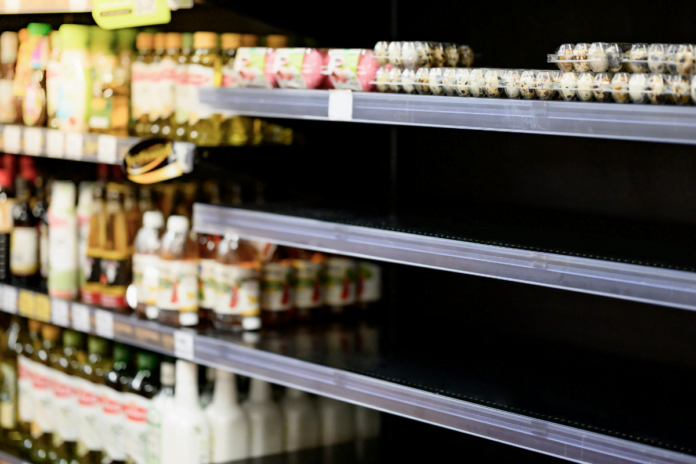
“All food products have an intended shelf life. But challenges along the supply chain will compromise a product’s shelf life at the point of purchase, especially for perishables. If consumers aren’t careful, they can fall victim to “shelflation”, but there are ways to dodge it.”
By now, you may have heard of a phenomenon called shrinkflation. Many companies will reduce quantities without changing the price by adjusting their packaging strategy. It’s been going on for years. It is the illusion of buying the same amount of product when it has in fact shrunk over time. But when supply chains aren’t working optimally, food products will reach store shelves either less fresh than usual or even a little too ripe, robbing consumers from some needed shelf life at home. This is called “shelflation”.
According to a recent poll by Dalhousie University and the app Caddle, in the past twelve months a total of 41% of Canadians have thrown away milk because it went sour before its due date. Of that group, 38.5% of respondents have done it at least twice, and for 22.8%, three to five times. Throwing away spoiled products before due dates does happen from time to time, but such a high number is quite unusual. Anecdotally, many Canadians of late have noticed some of their produce isn’t as fresh as it used to be, and will rot much sooner. There’s no specific data on this yet, and I suspect many Canadians have not noticed anything different. Snowstorms, labour shortages, procurement problems related to some ingredients, or even packaging issues can affect perishable foods, pandemic or not.
“Shelflation” is indeed quite common, and pandemics aren’t the only way a product’s shelf life can be compromised. Delays due to weather, natural disasters (like what we witnessed in British Columbia last year), labour disputes, massive recalls, or equipment failures can disrupt a supply chain’s efficiency. Cold chains—kept between 2 and 8 degrees—that are responsible for keeping perishables fresh from farm to store, can also be breached for one reason or another. Mechanical breakdowns, hindrances outside the warehouse, or unusually warm temperatures, for example, can shorten the life of or even spoil products before a shipment reaches the store. Perishables need to be maintained at refrigerated temperatures and high relative humidity, conditions that are not routinely met along the supply chain. Food distribution is complex.
But the pandemic has clearly disrupted global food supply chains in more ways than one, so we shouldn’t be surprised to see more “shelflation” happening. Asking food companies to operate with fewer staff around will eventually bring forth delays along the way and, of course, more waste. And waste at home will certainly contribute to higher food costs for everyone. The average family of four will spend about $14,000 on food annually, and at least 50% of that budget is dedicated to perishables. Wasting a good portion of that can be costly.
The shelf life of a product is the time between production and the use-by date. The shelf life for highly perishable foods is set rather conservatively to ensure food safety. Expiry dates or best before dates are critical to the fabric of our food safety system, and modern technologies have done wonders to prolong the shelf life of many of our products. In the store, assessing the state of any food with expiry dates is close to impossible due to air-tight packaging. So, naturally, we zone in on dates. At the grocery store, we essentially buy time along with our food. We will constantly go for products where the best before or use-by dates are as late as possible. For produce, we’ll go for products that are appropriately ripe based on when we think the product will be consumed. But consumers can only go by the information provided at the point of purchase without knowing the product’s history before it reached the store.
Food waste is a major challenge in our economy. In Canada, about 2.2 million tonnes of edible food is wasted each year. The most common causes of perishable food waste at a retailer are overstocking, unpredictable consumer demand, inappropriate quality control, and product handling. Compounded by issues up the food chain, retailers don’t stand much of a chance. So, putting blame solely on the retailer can be misplaced.
Freshness and quality of perishables will obviously vary, depending on where you live and where you shop. Some regions are better served than others. But unlike shrinkflation, “shelflation” can be dodged. Going to the grocery store once a week, or once every two weeks may not be ideal, especially right now with current food supply chain woes. Visiting the grocery store two or three times a week and buying enough for the next two to three days may help you in the long run, and waste less. We just need to approach our grocery shopping a little differently.
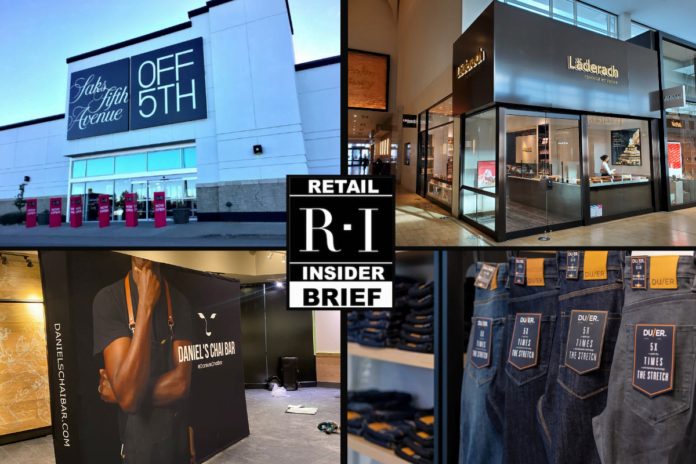
Retail Insider is streamlining its Canadian retail news from around the web to include a handful of top news stories that can be viewed quickly during the day. Here are the top stories from the past 24 hours.
Retailer Terrell Maxwell has some lofty ambitions for his sneaker company.
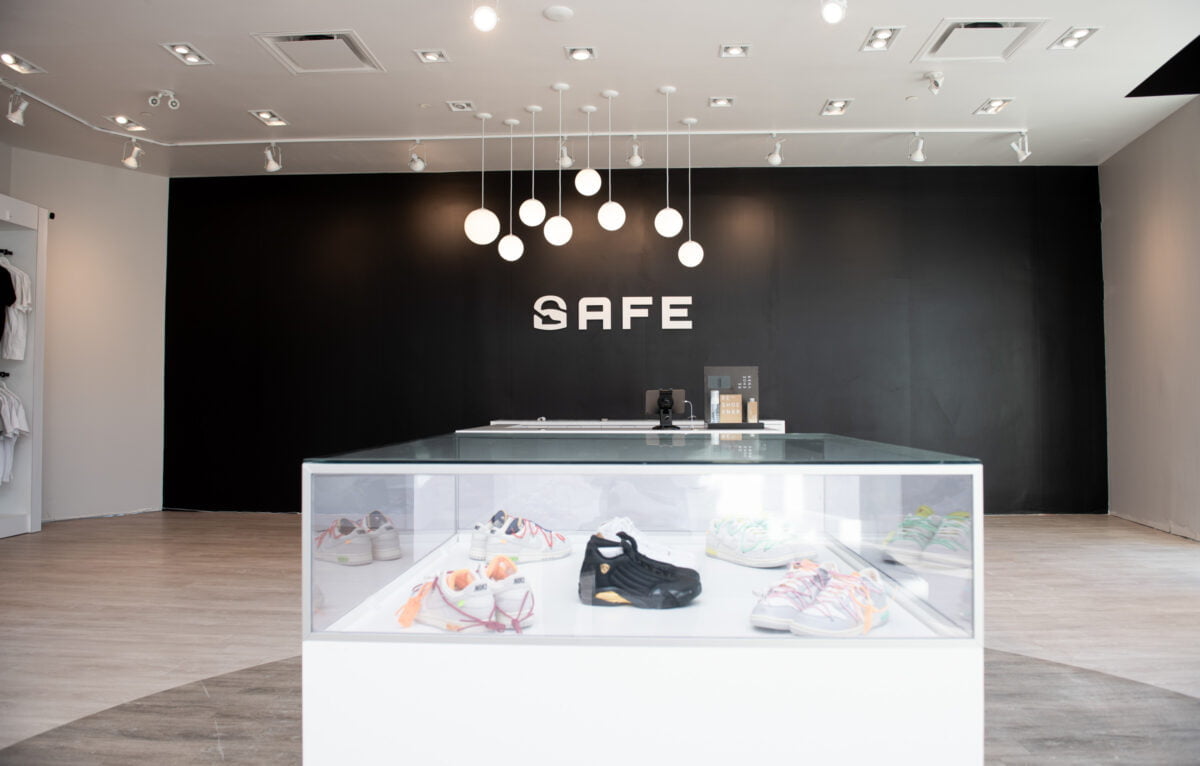
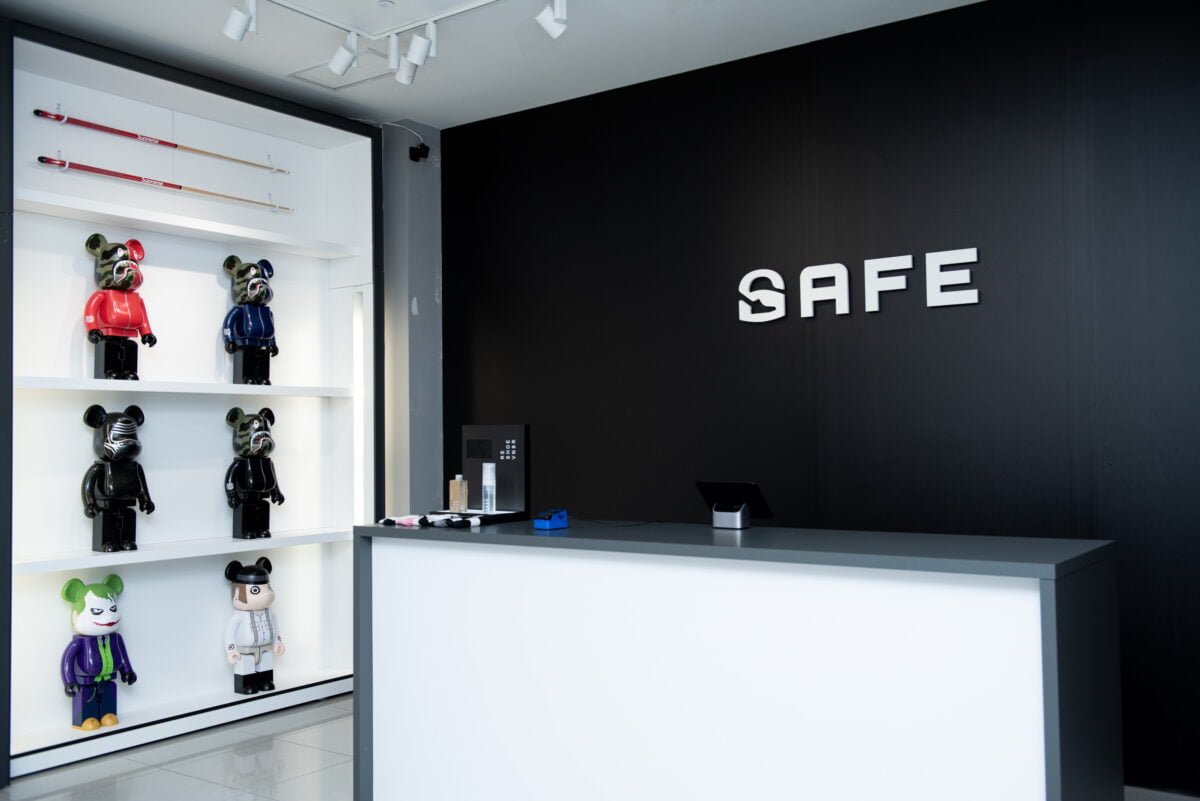
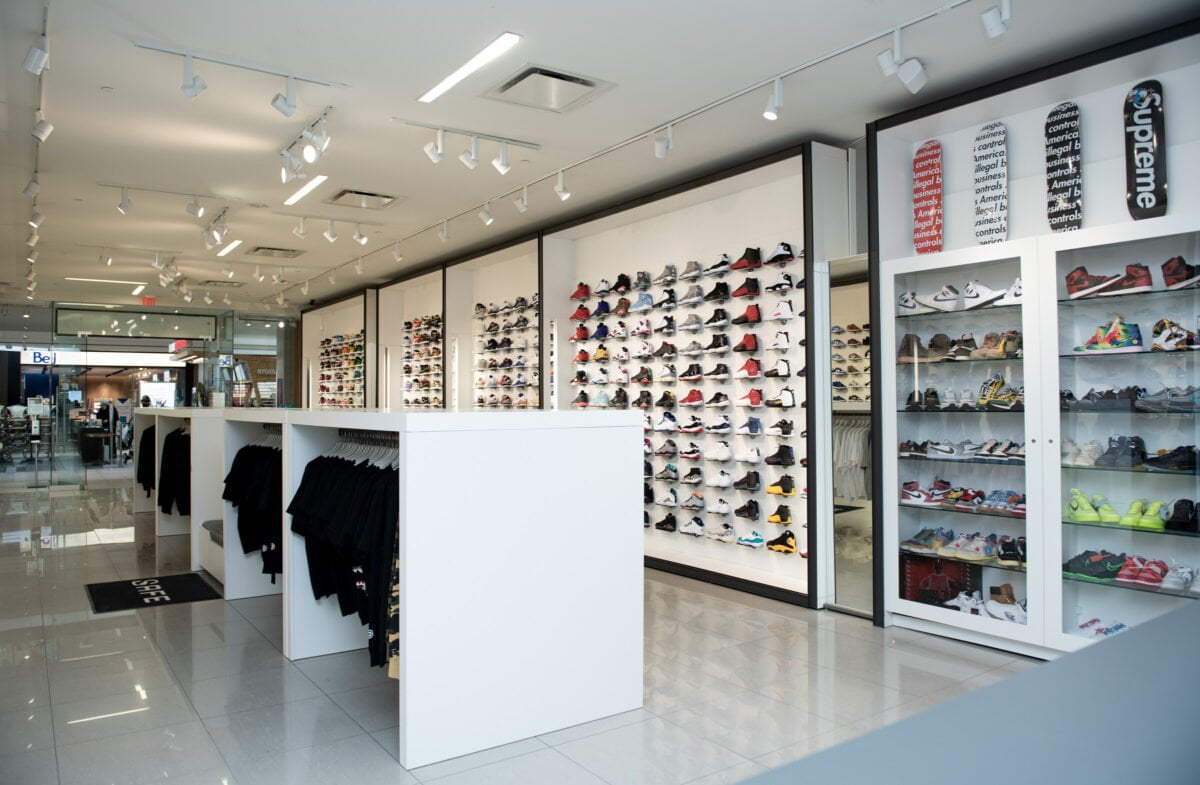
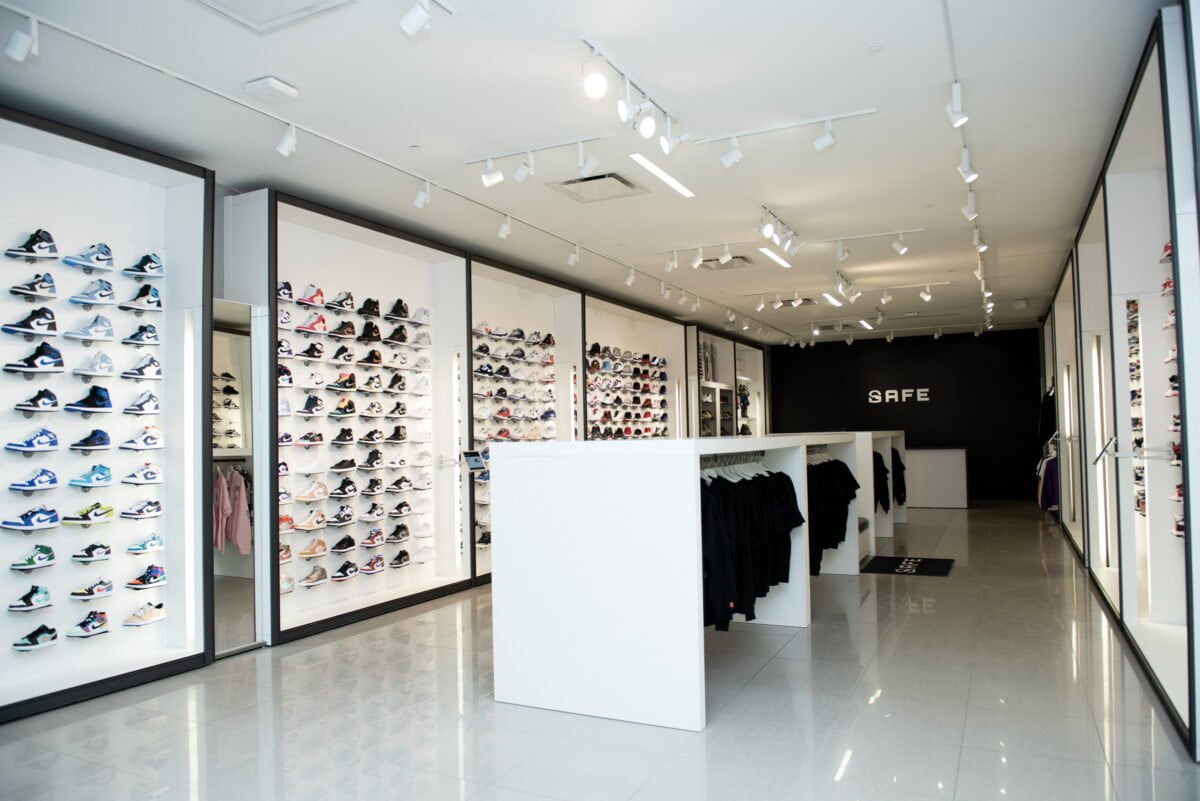
“I want to be the Footlocker of sneaker resale,” said Maxwell, owner and founder of SAFE (Sneakers Available For Everyone). “I want to become a big brand – have lots of stores. Right now I’m developing a plan, building a brand store concept.
“Once we’re done our concept design then we’ll be looking at where exactly we’re trying to expand. We’re trying to do a really big expansion – to more than 10 stores. We’re working on Canada expansion, the US.”
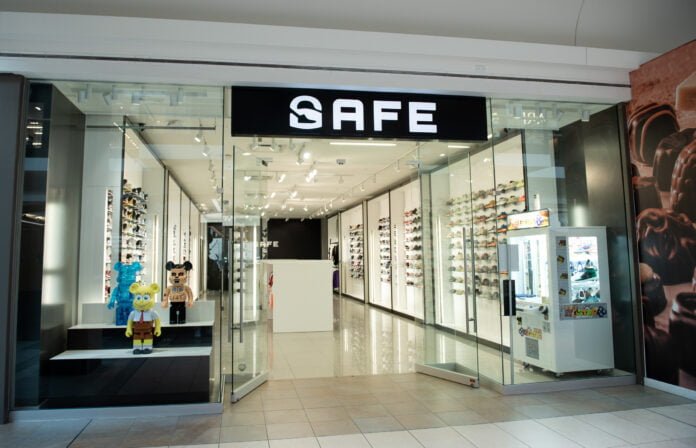
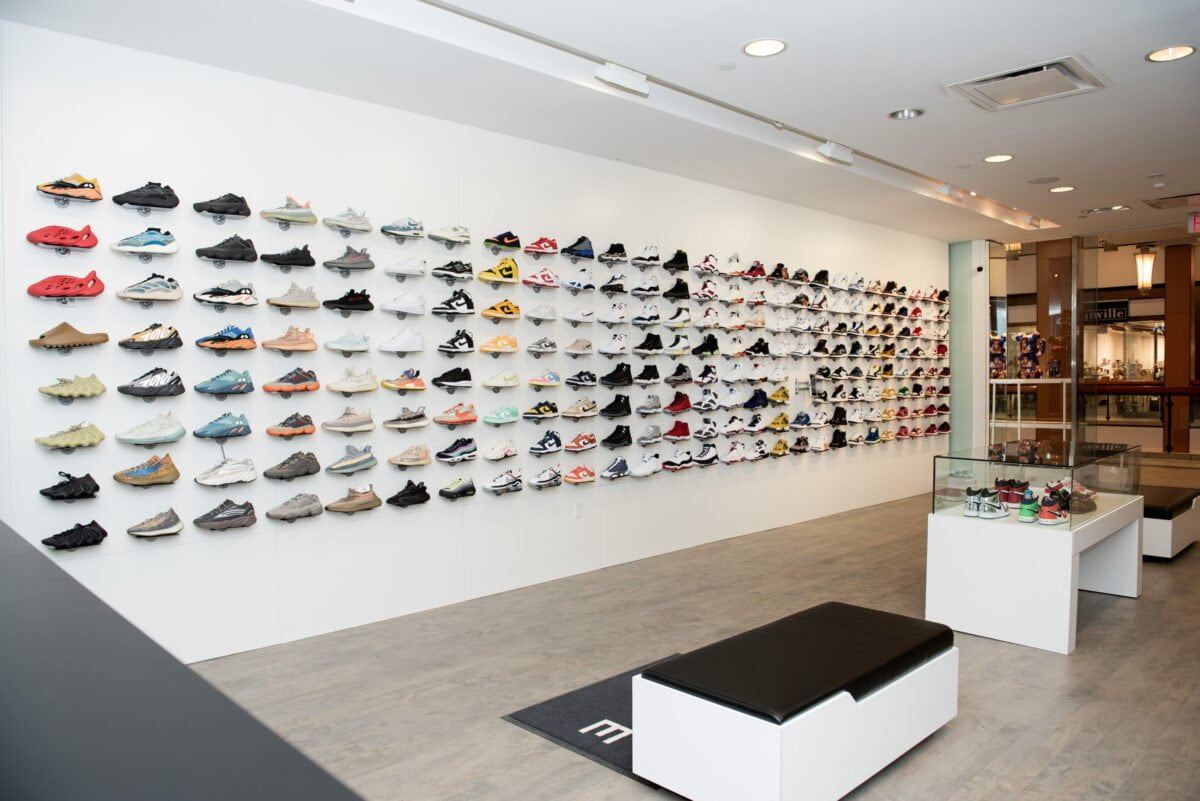
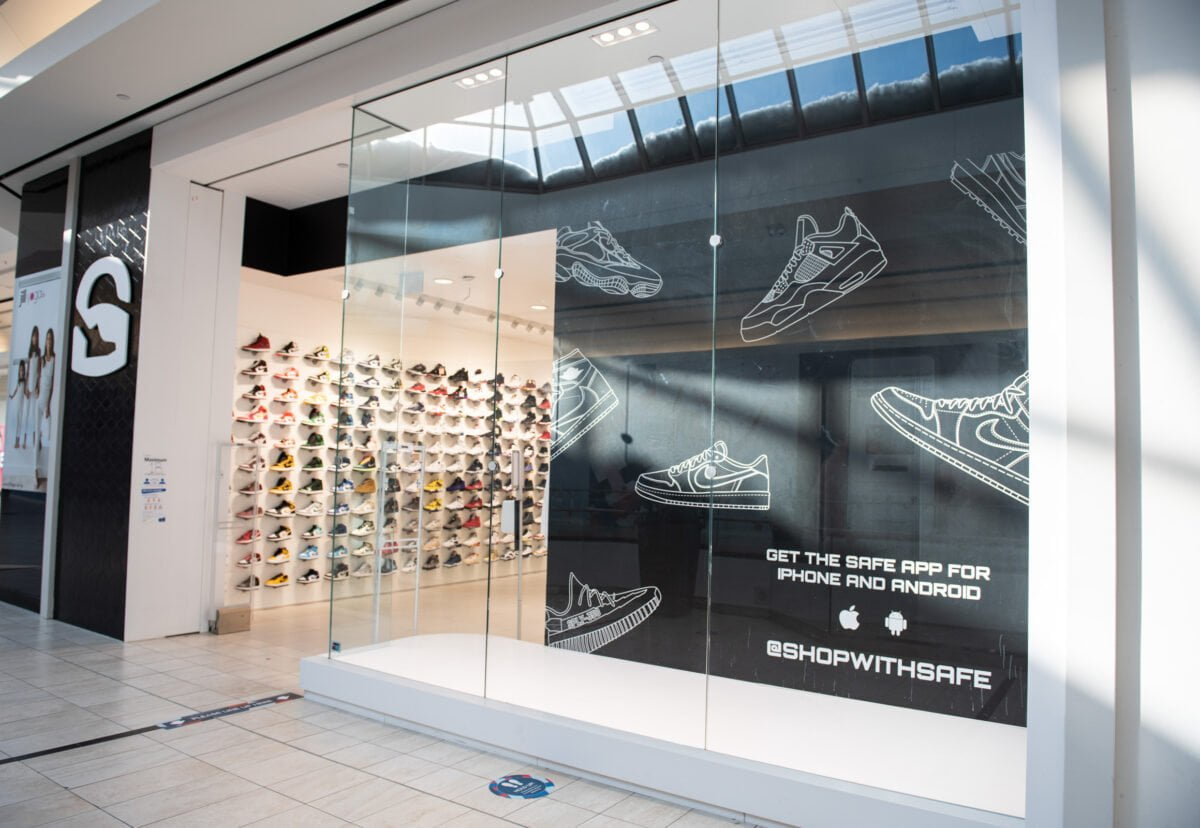
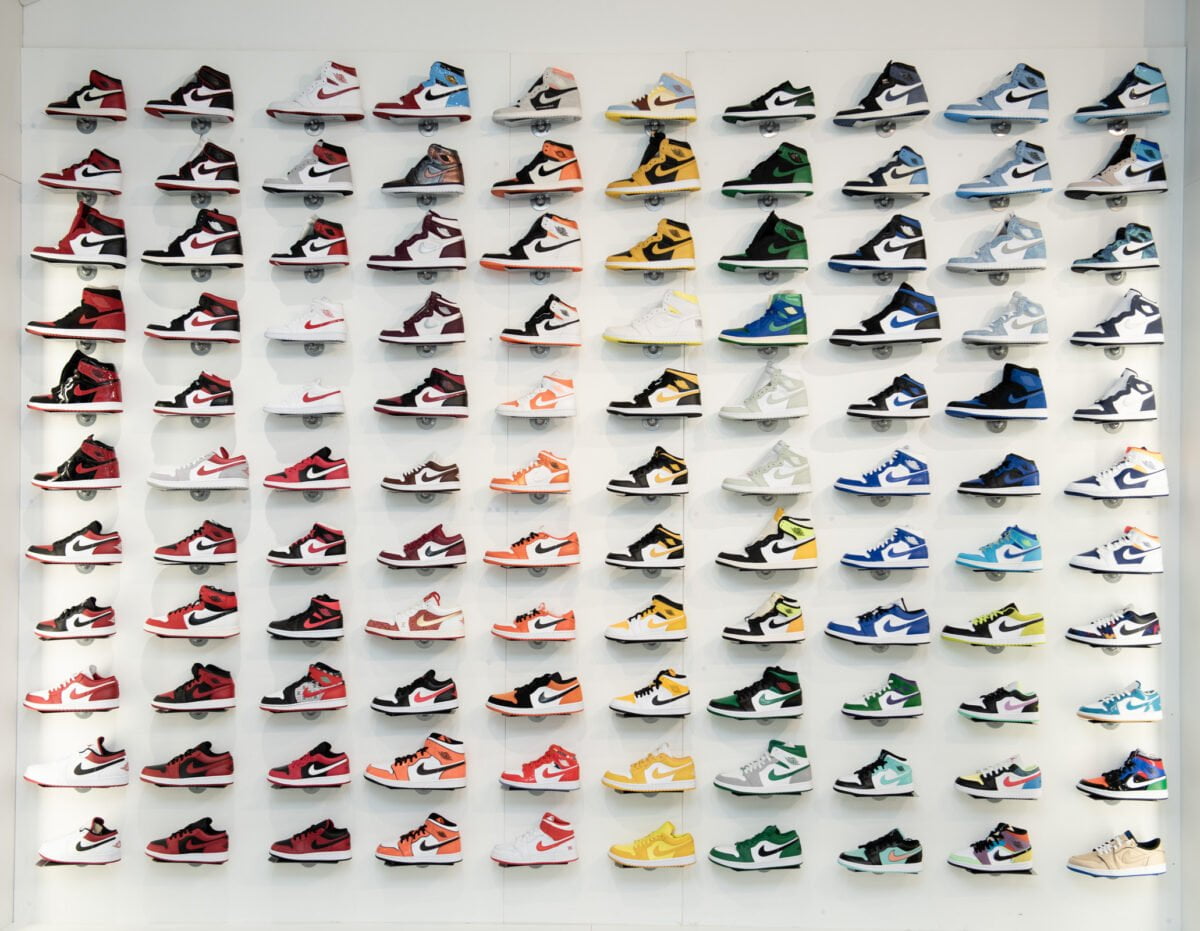
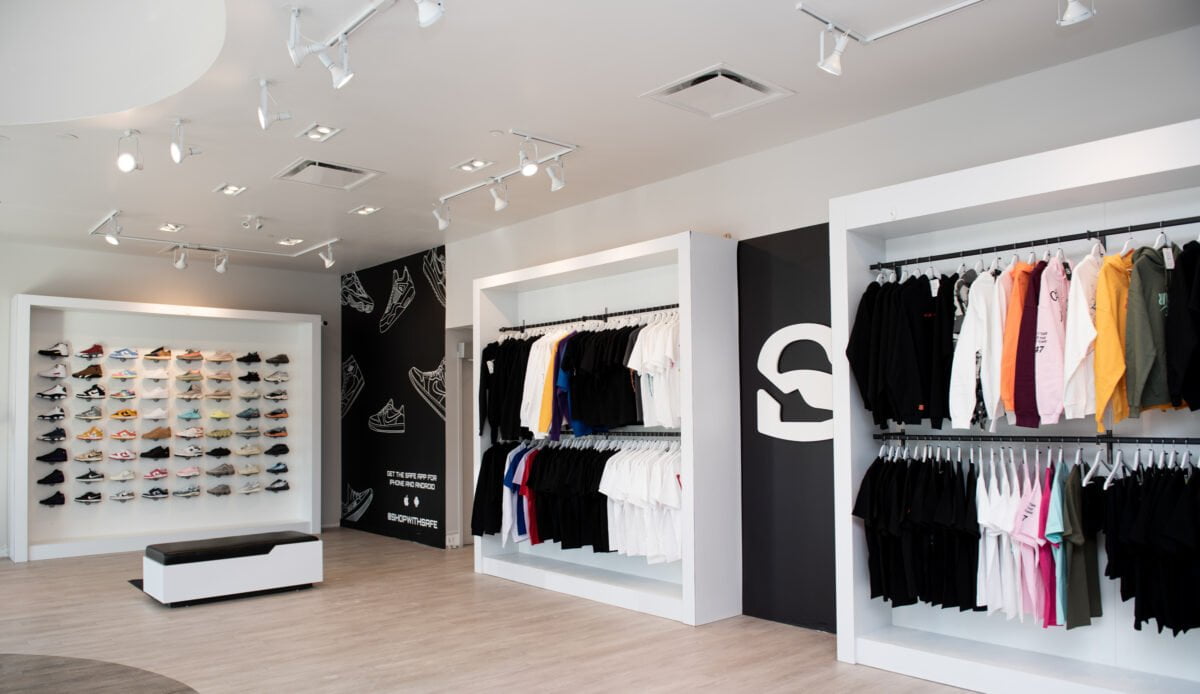
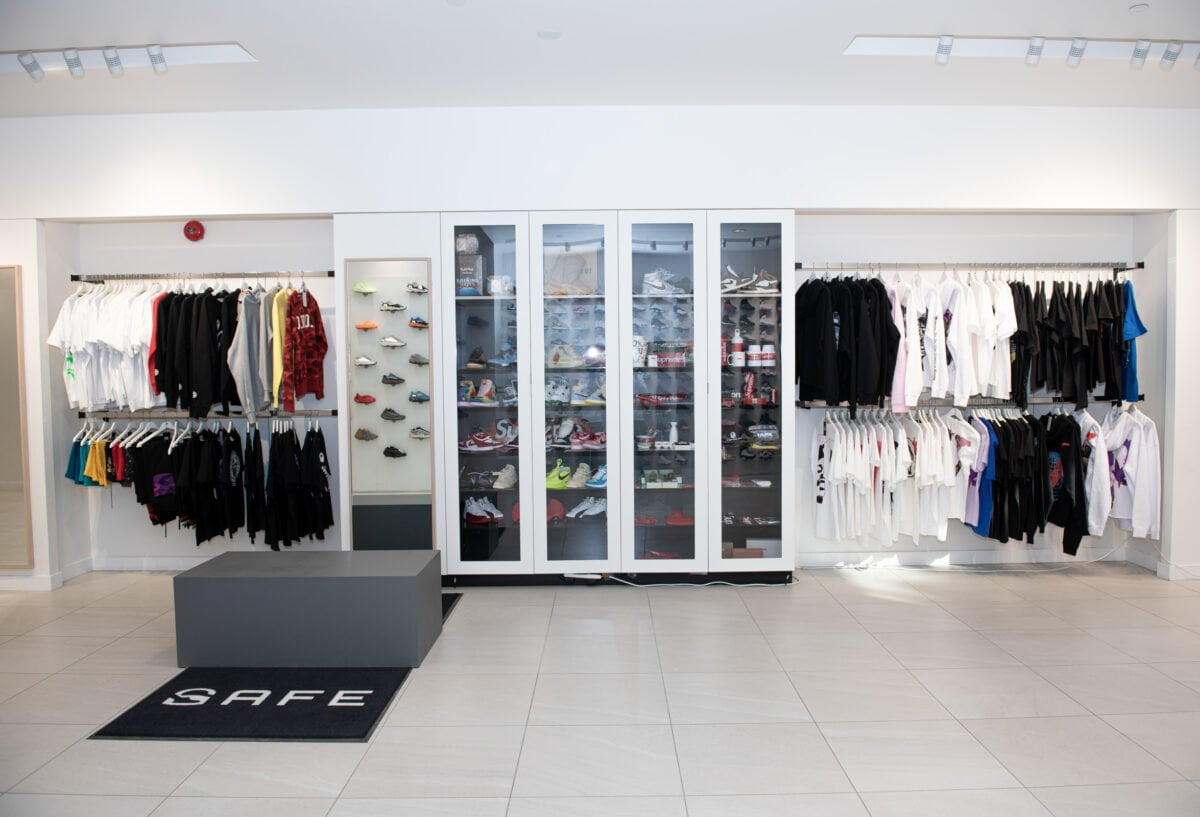
SAFE at CF Lime Ridge (Image: SAFE)SAFE at CF Lime Ridge (Image: SAFE)
The brand first started as an online business in November.
“If you look at our logo, the S has like a lock on it and a shoe in the middle. Essentially to show that we sell authentic, verified products and we’re safe to buy from,” said Maxwell.
“I started the online sneaker marketplace and that wasn’t doing so well and then when I converted to the stores it picked up a lot because you also have in-store traffic and you have brand trust and stuff like that that you don’t receive when you’re just trying to do an online only business.”
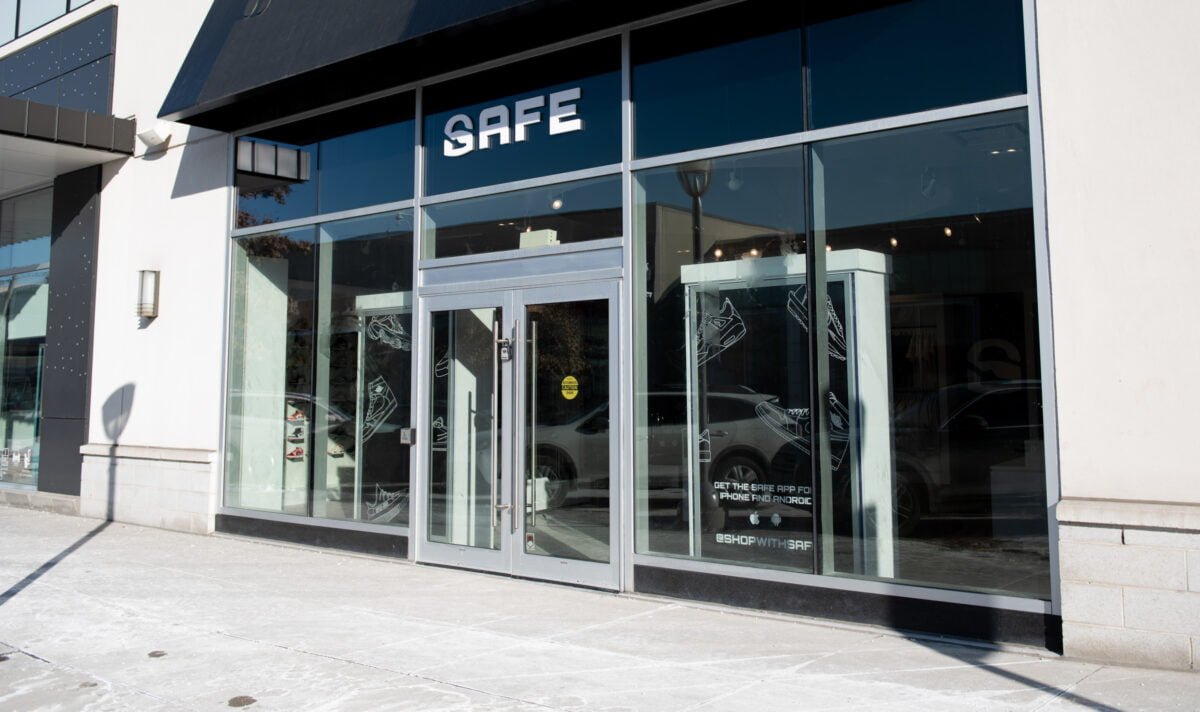
The first store opened on November 1 at CF Fairview Mall in Toronto followed by the opening in CF Lime Ridge Mall November 15 in Hamilton, and recently in CF Shops in Don Mills in Toronto. CF Masonville in London is coming up soon as the newest store.
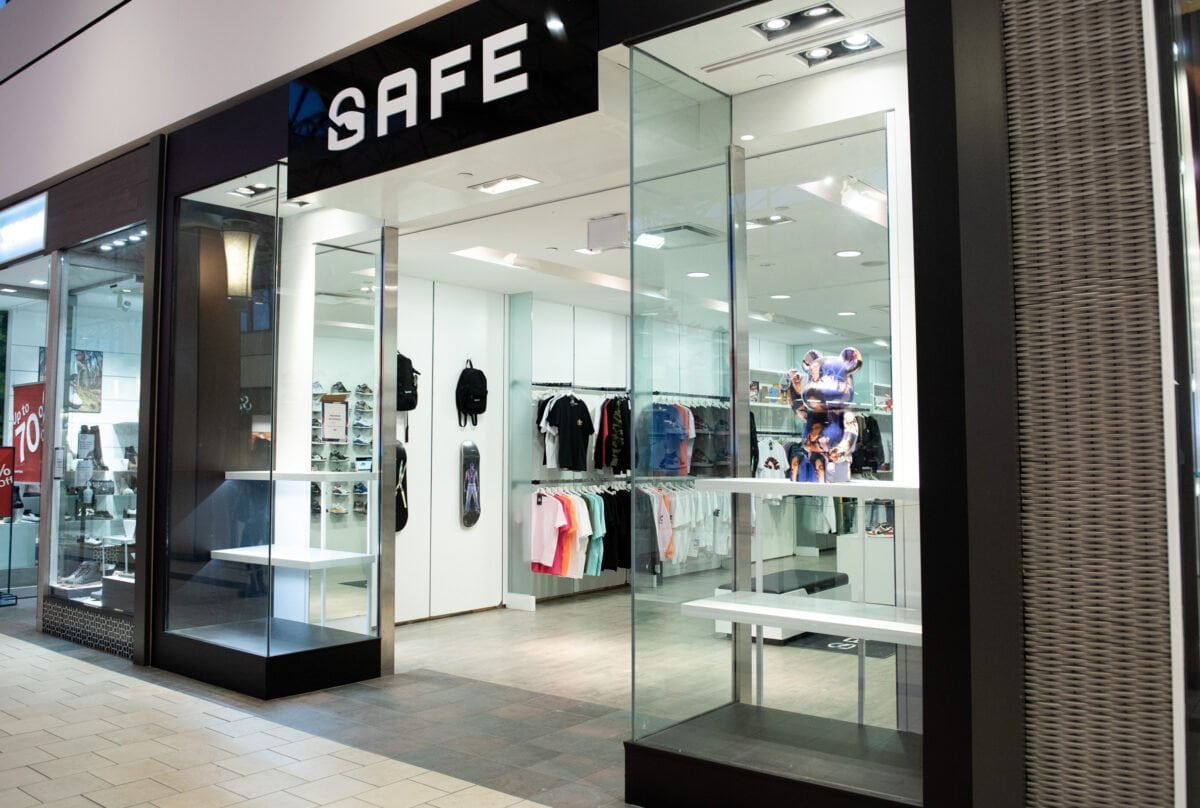
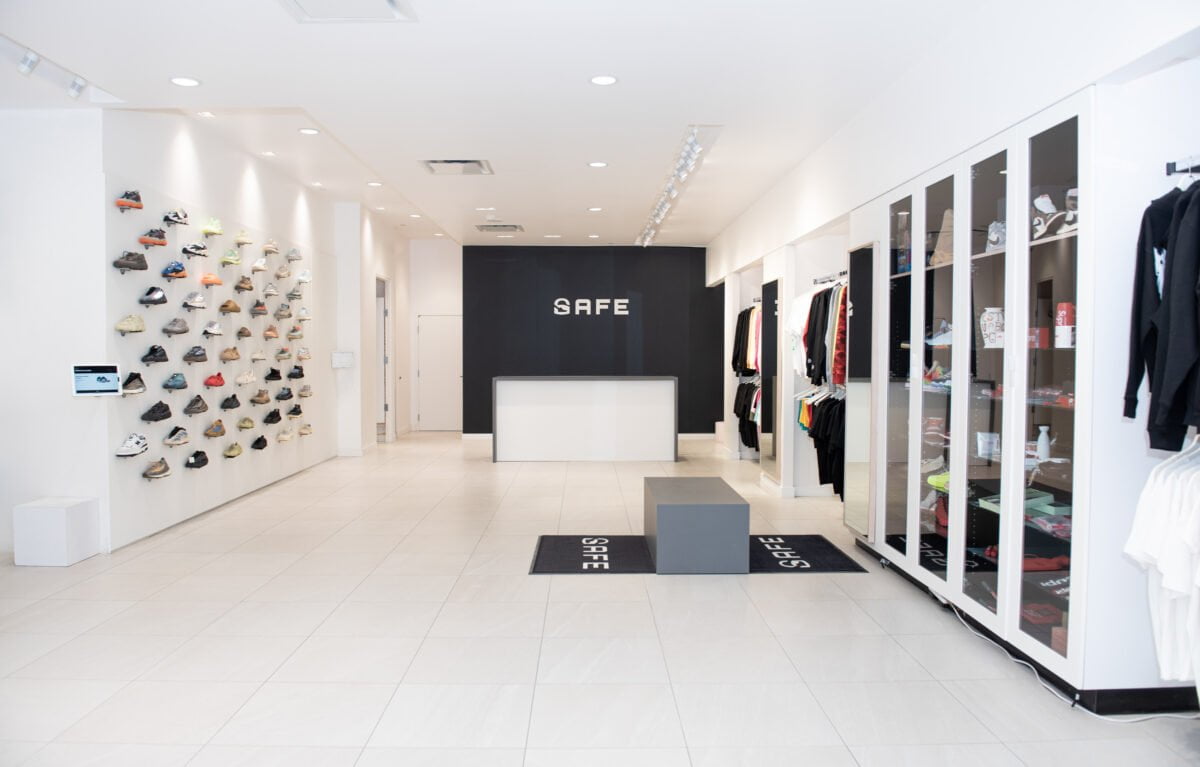
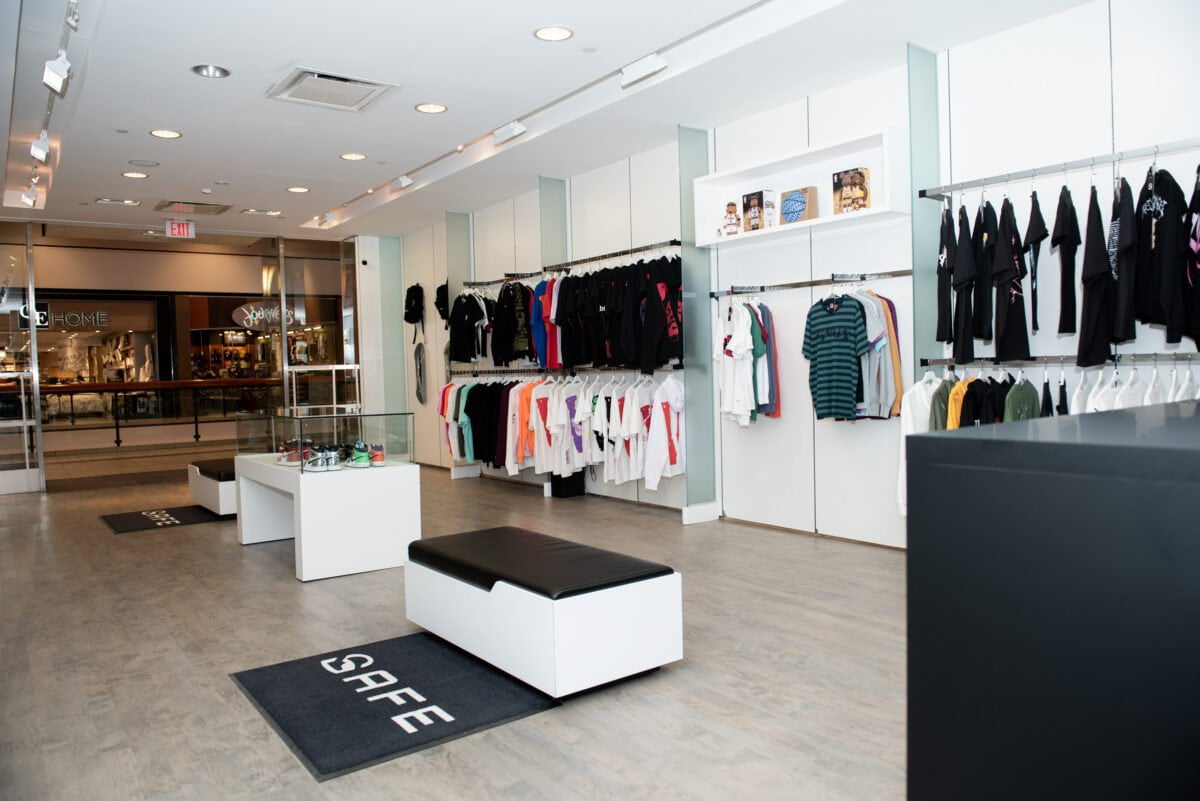
SAFE at CF Markville (Image: SAFE)SAFE at CF Markville (Image: SAFE)
“We are an online company but we also have that in-store experience which a lot of online shoe marketplaces don’t offer. They don’t offer the omnichannel. That’s something we offer that nobody offers,” said Maxwell.
“When you’re looking to buy a certain sneaker – all of our sneakers are rare – in a size 9 you just can’t walk into any store and get that. If we don’t have it or it’s out of stock, we always have it in our warehouse because we have the online marketplace.”
Maxwell said the sneaker market is growing every day and is expected to grow by three times in the next four years.
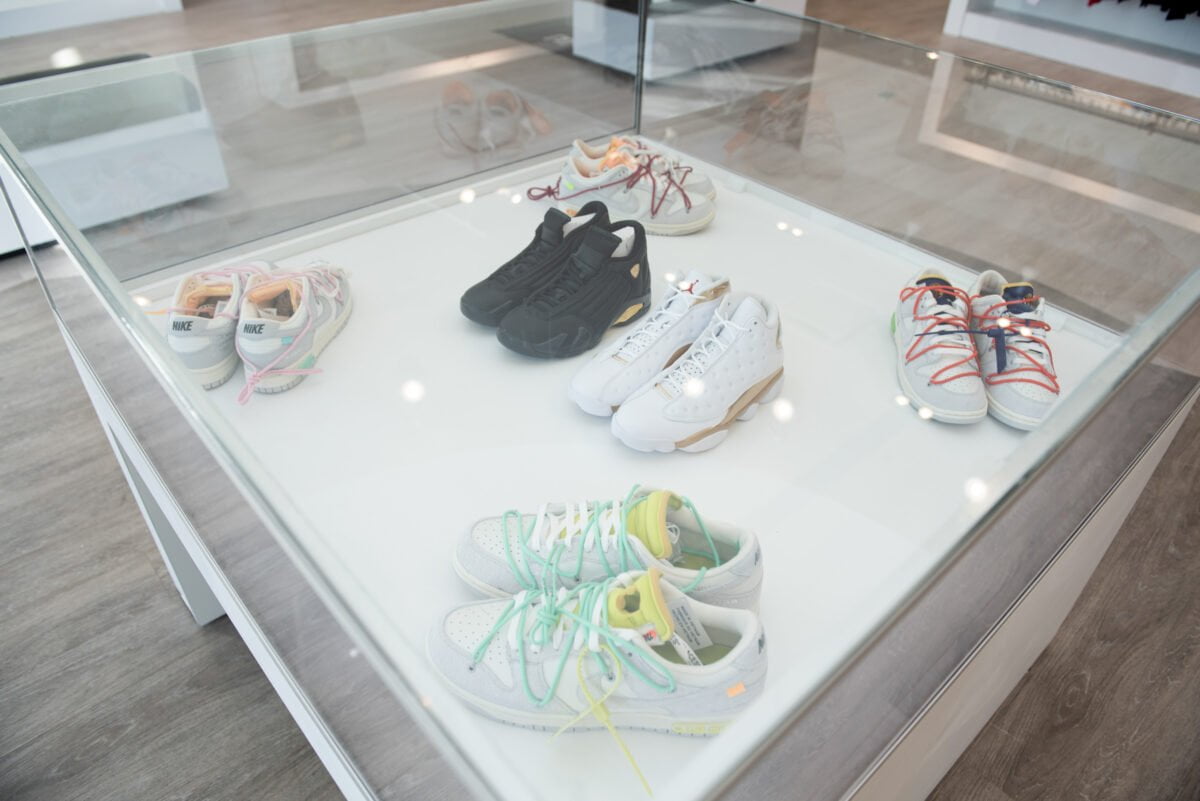
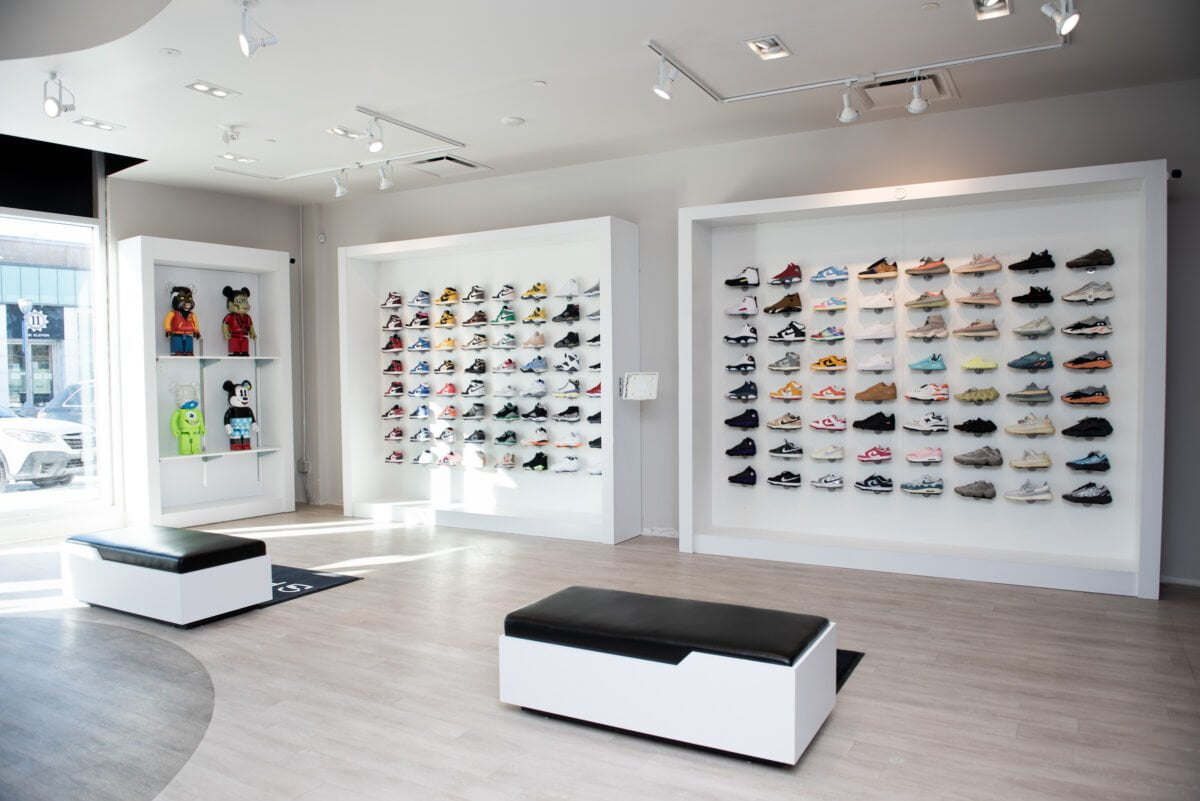
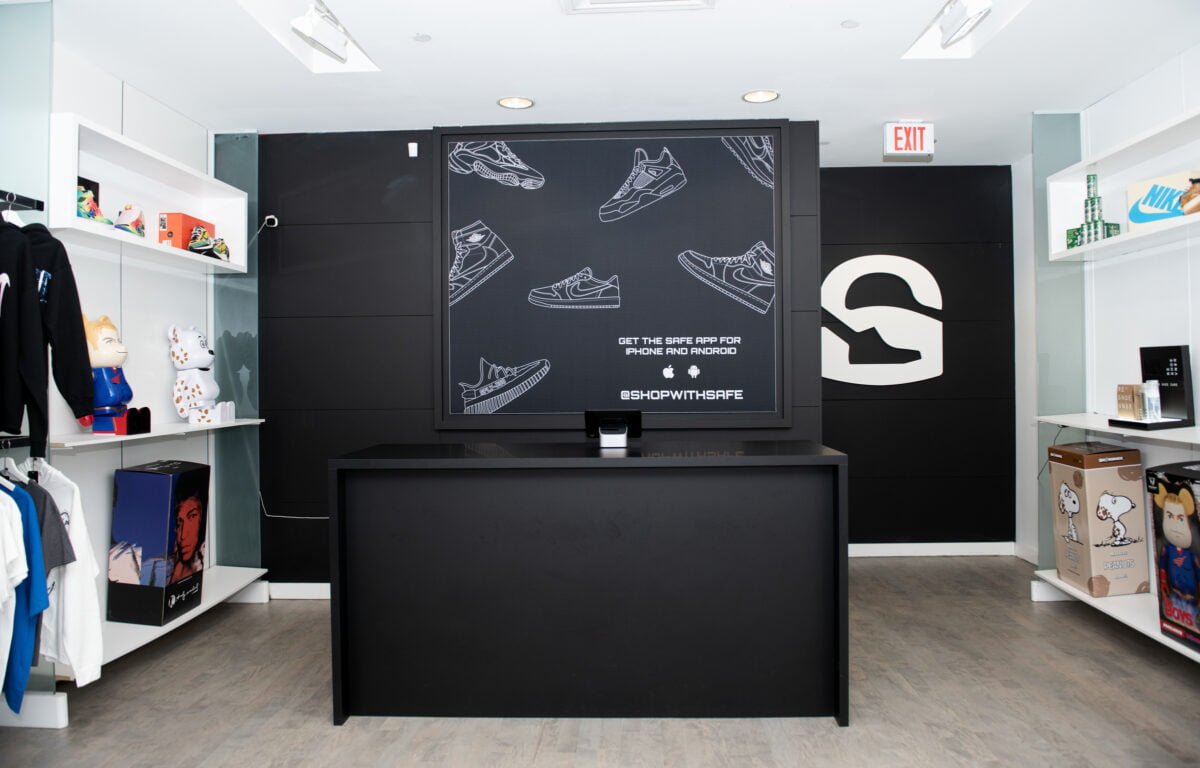
SAFE at CF Don Mills (Image: SAFE)SAFE at CF Don Mills (Image: SAFE)
“People always want the most in stuff, the hottest items. People see their favourite celebrity wearing a shoe that we sell and then the price goes up. They want to get it. It’s all like a culture,” he said. “Sometimes shoe prices go up in December, they come down in January and they skyrocket in the summer time.
“Sometimes you might buy a shoe that’s $300 and then it goes up to $3,000. Sneakers is almost like an investment, in a sense, depending on how good you take care of them.”
Jeff Berkowitz and Jennifer Bowyer of Aurora Realty Consultants are working with SAFE on its store expansion.
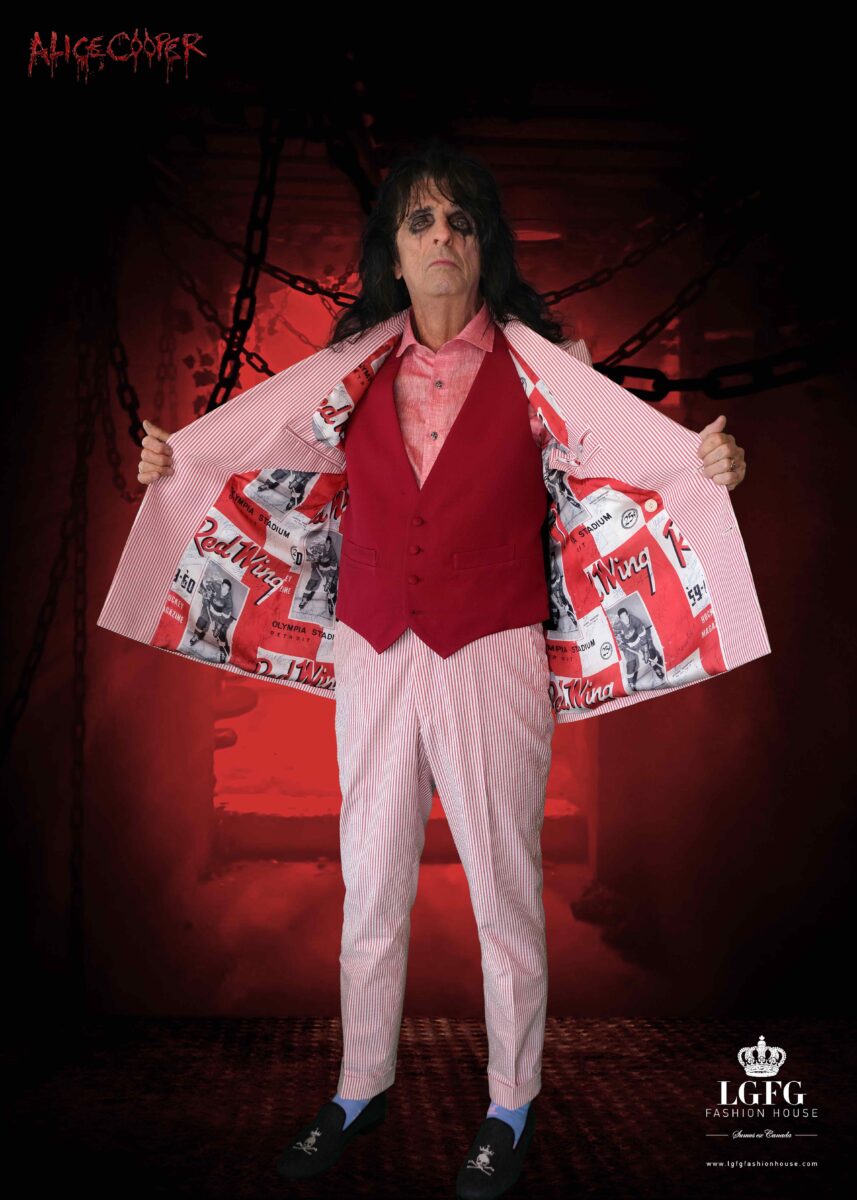
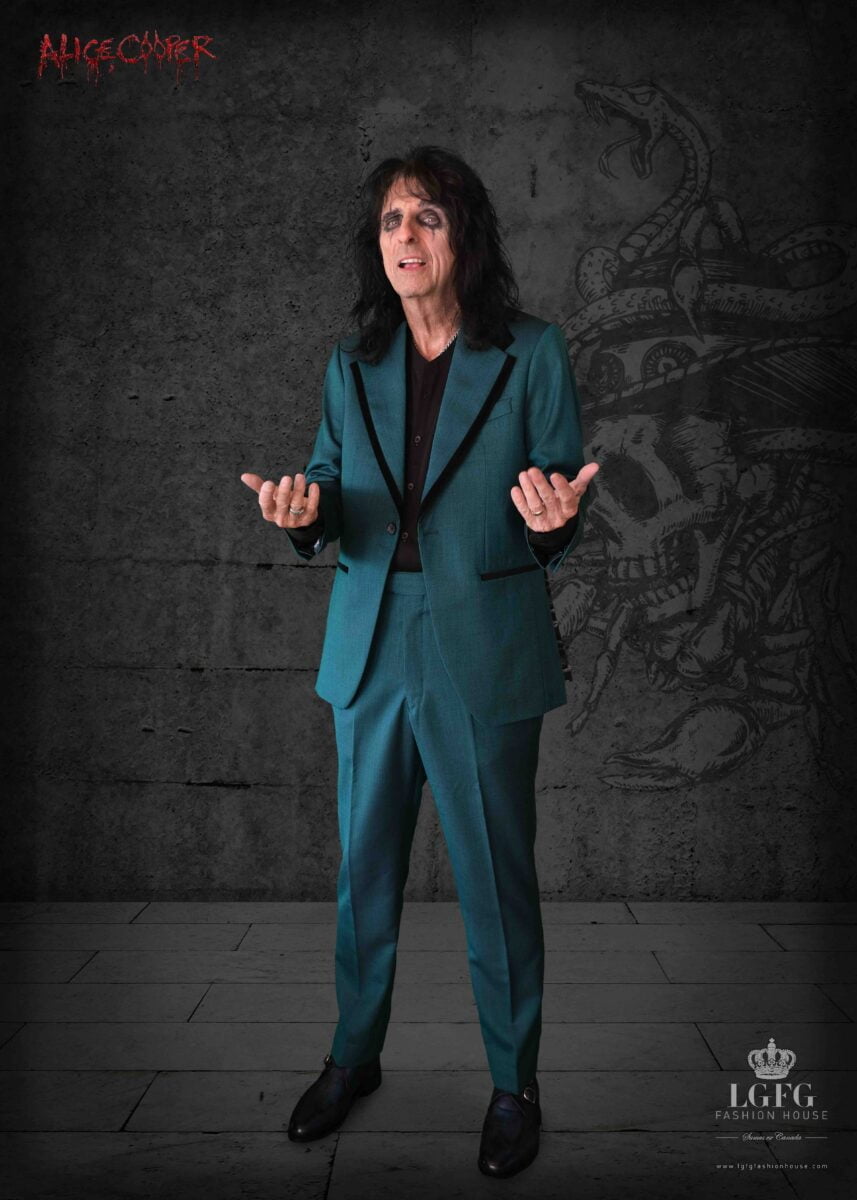
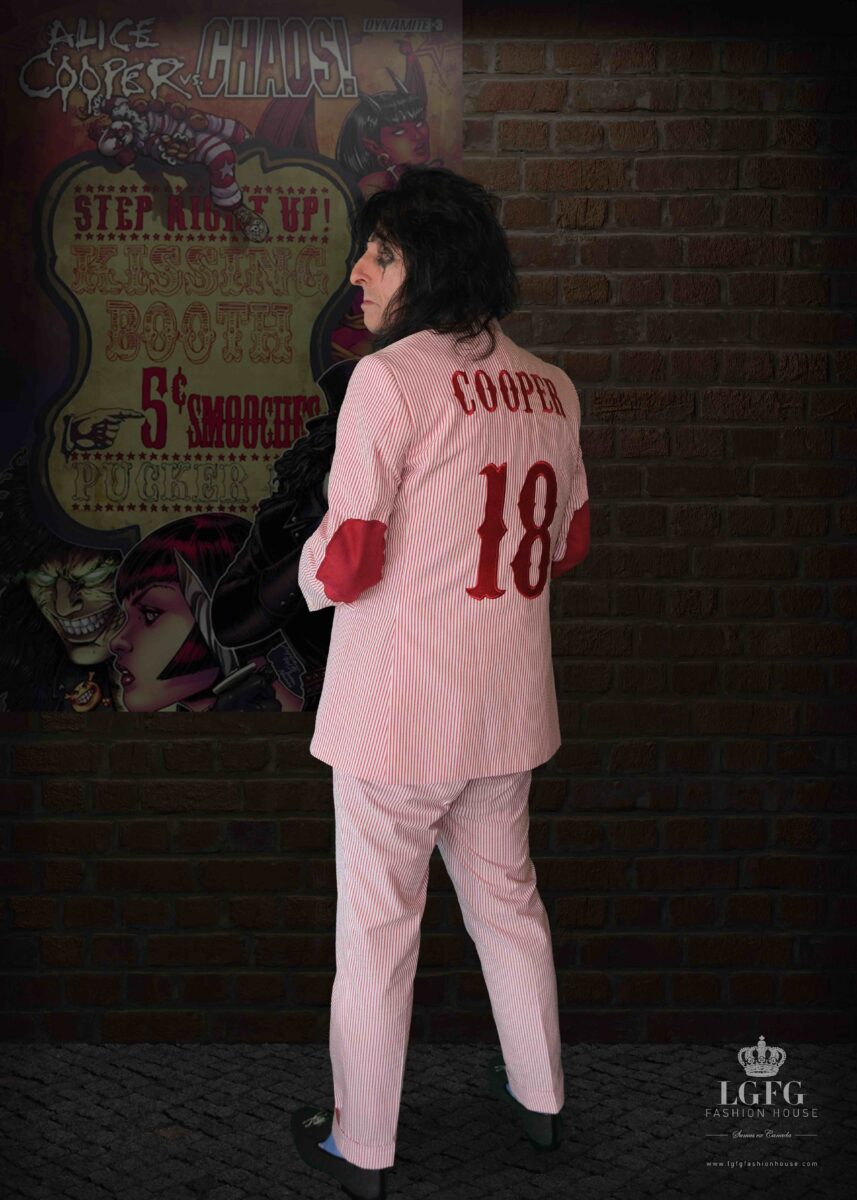
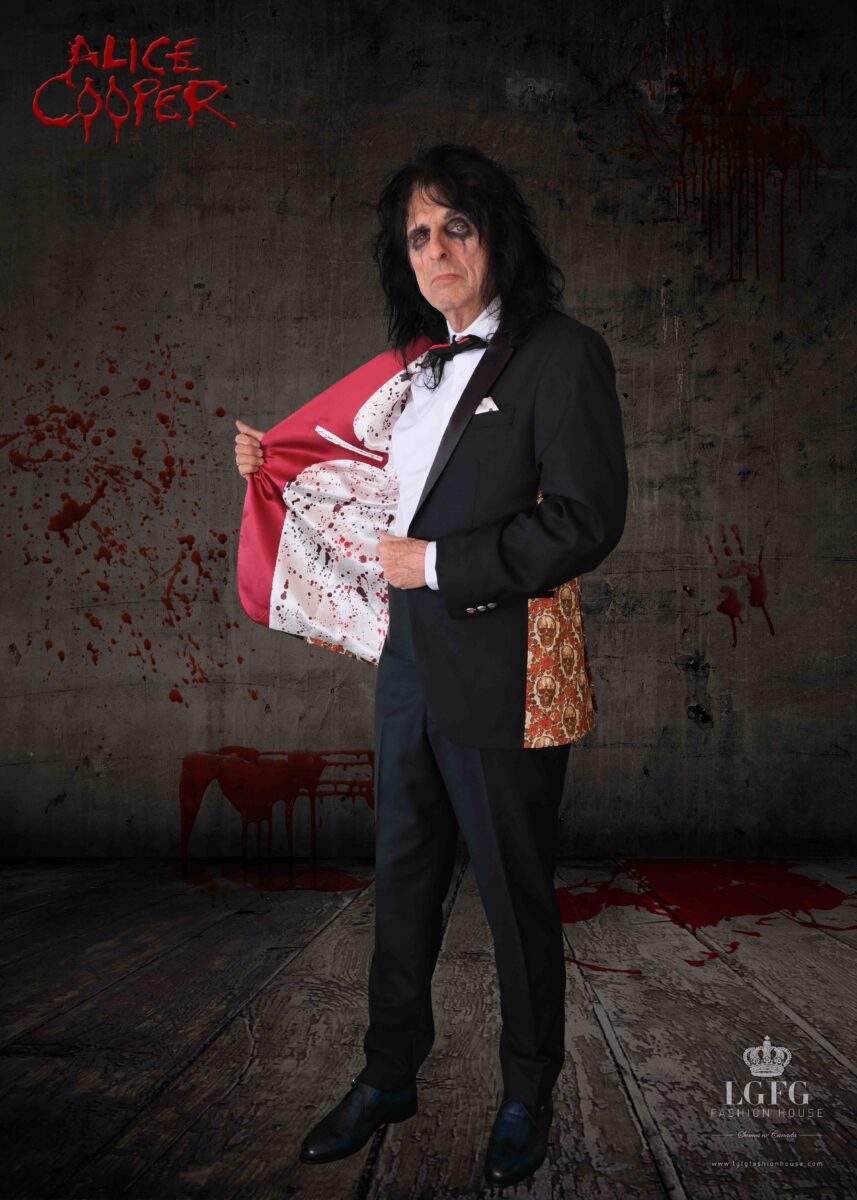
Dimitry Toukhcher, president of LGFG Fashion House, describes his business as a “little homegrown Calgary suit company” but since its inception in 2010 it has developed into a fashion house for famous musicians, actors, athletes and business executives.
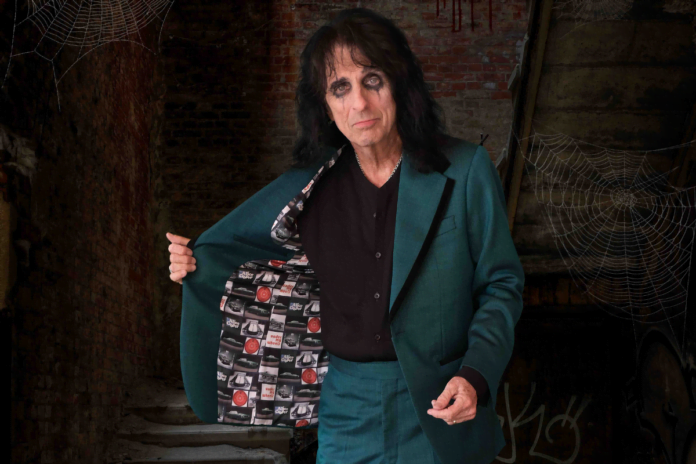
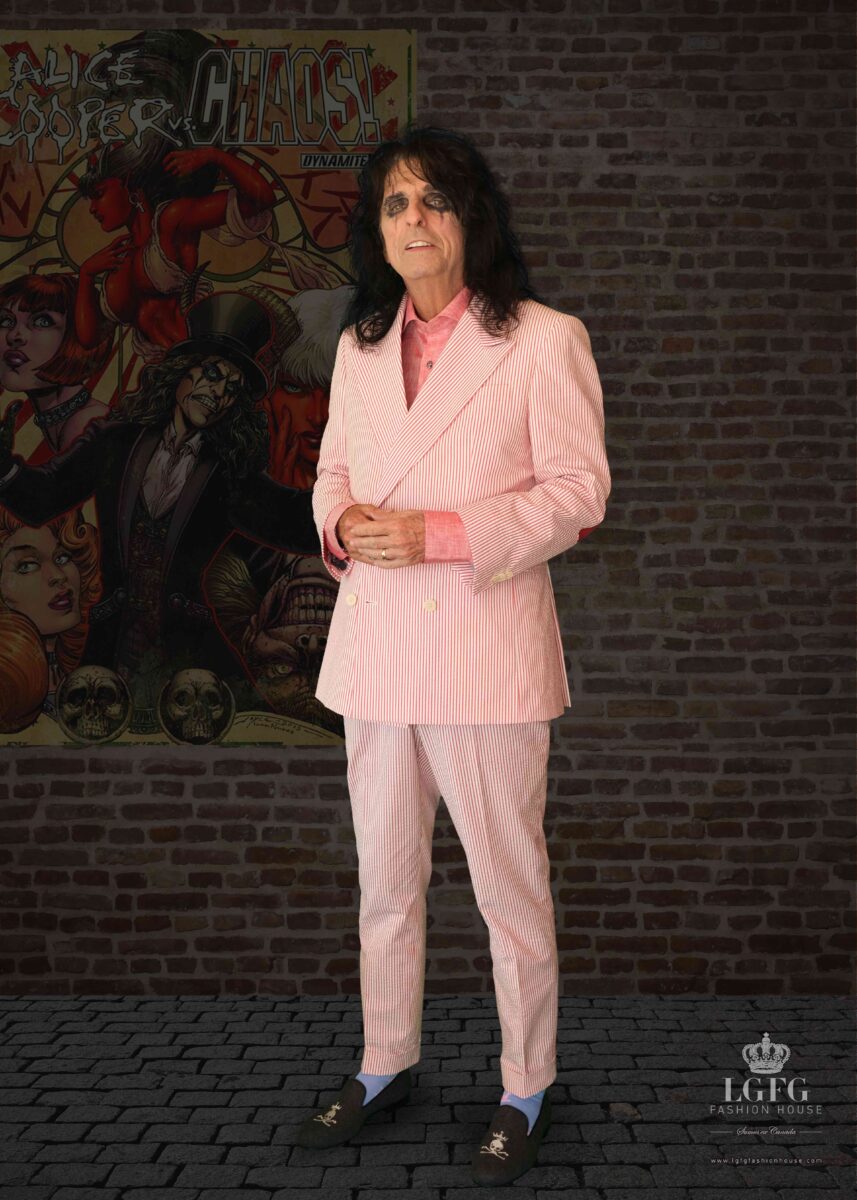
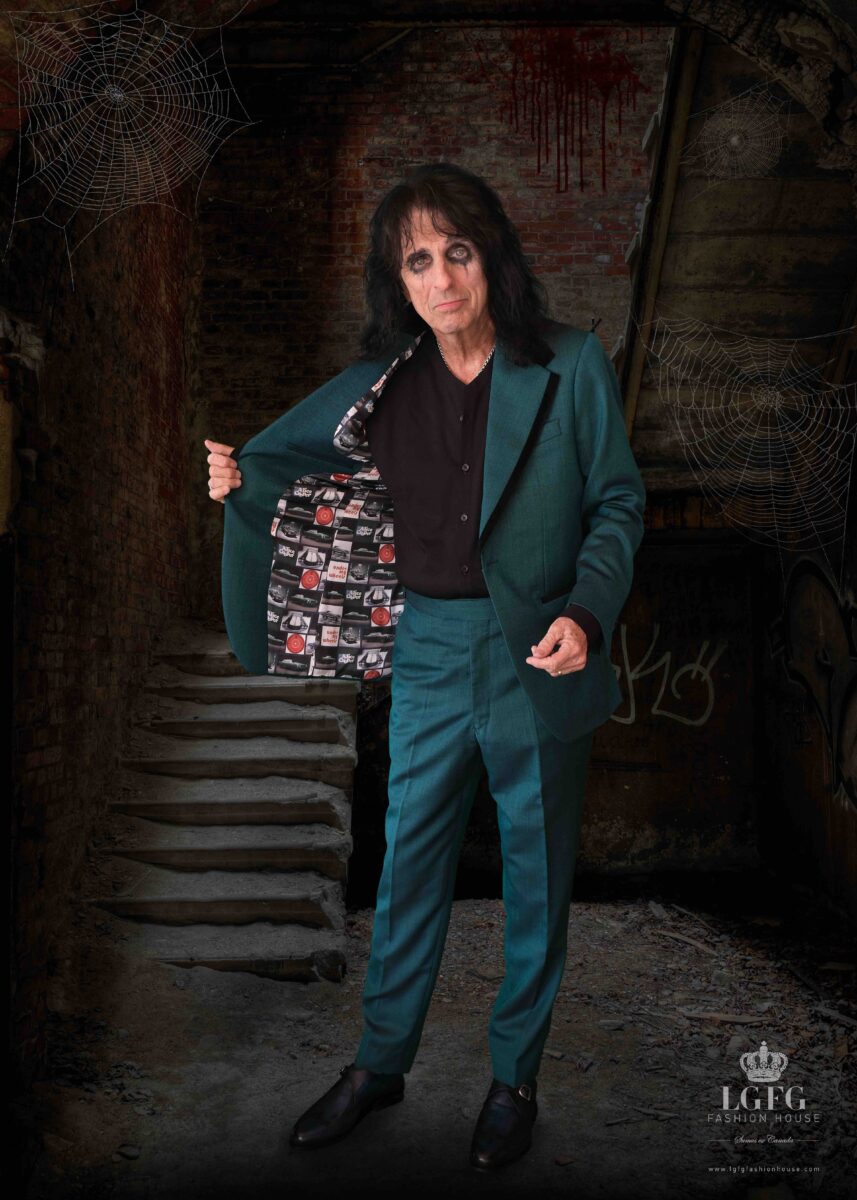
Recently, it designed a whole new wardrobe for icon Alice Cooper – an entire series of suits covering his career.
Toukhcher said he started the business out of his condo building in downtown Calgary.
“I was basically selling suits. Cold calling different lawyers and stuff and going to their offices and kind of started building a business,” he said.
Alice Cooper and LGFG Fashion House
Alice Cooper and LGFG Fashion House
“LGFG is a custom tailoring company where our executive clothiers (tailors) visit clients right in their office or home, saving them valuable time, while delivering designed-in-England, top-of-the-line customs suits, shirts and related accessories. It just kind of grew from then.”
In recent years, the company has pivoted. The business model has evolved to visiting clients in their homes now as well as their offices where the concept began. In the beginning, the Fashion House focused on suits and sport coats up until 2020 but since then there has also been the sale of casual clothing and accessories.
Highly-trained clothiers, tailors, visit clients to create the clothing for them.
Canadian heavyweight boxing champion Lennox Lewis has been a well-known client, wearing the clothing on Fox Sports during television commentary.
Alice Cooper and LGFG Fashion House
Alice Cooper and LGFG Fashion House
“One of the coolest things in 2016 I got to do suits for a Hollywood movie which was pretty awesome and that was Skyscraper which was one of the Rock’s (Dwayne Johnson) movies,” said Toukhcher. “I made 12 suits for that movie and flew them to Vancouver to deliver those because they were filming there.”
The connection to Alice Cooper came from an actual “cold” email.
“We were basically looking for somebody that we thought would capture our brand. We sort of like to be a little bit non-conformist, a little bit stylish. We always thought of ourselves as like rock and roll in a very sort of classical music market,” said Toukhcher. “When you’re selling luxury clothing, it’s all about being chic and very classy and we’re like a younger company. Even though Alice Cooper is not a younger rocker, we just thought man he’s a fashion icon, he’s somebody that stands for what we like with disruption and stuff.
“So we thought hey let’s give it a shot. We cold emailed him and we got a reply. We have kind of a partnership with him. We said hey you can get clothing anywhere, anyone will give you clothing, whatever, but what we want to do is actually design a wardrobe for you that really encapsulates your career and tells your story to a younger audience. Obviously Alice Cooper is very famous with your generation, my generation, but as a new generation of rock fans and music fans emerge, his sort of media was always touring and radio. It wasn’t like Instagram and TikTok and all these social media platforms.
Alice Cooper and LGFG Fashion House
Alice Cooper and LGFG Fashion House
“And so we said look if we can tell your story through a wardrobe, obviously a younger generation is always into clothing and style, then you’ll have another channel to access a new audience to tell about your legacy.”
Toukhcher said the company did 12 suits for Cooper and each suit was complemented with shirts, shoes. And each of the suits tell a unique story about Alice Cooper.
“And we have videos of each of those stories on top of having photographs. We have a series of 24 videos that tell the story about Alice Cooper and the outfits in which it’s told that he will be releasing at some point through his social media to tell his story.”
The retail ecosystem is one that’s ever-evolving and expanding to include more touchpoints and opportunities for engagement between brands and consumers. Facilitated most recently by an accelerated digitization of the industry and world around us, it’s an ecosystem that today features a number of maturing channels of communication, information sharing and commerce, as more are added to the mix with mindboggling regularity. It’s growth that is reflective of the innovation and ingenuity that continues to drive Canadian retail forward. Despite the current trajectory toward an increasingly more digitized world, however, shopping centres very much remain a powerful conduit for human interaction, still serving a critical role in providing a place for community and a platform for physical experiences. It’s a philosophy firmly held by Matthew Kingston, Executive Vice President, Development and Construction at H&R REIT, and is one that he says has been a driving force behind the redevelopment of one of Canada’s most beloved places of community – Toronto’s Dufferin Mall.
“For a very long time, malls have served a really important role in Canadian communities as a place of interaction and engagement, entertainment and escape,” he says. “They’ve provided many cities and neighbourhoods across the country with a centre, a hub of commercial and social activity, that often reflects the cultural and philosophical identity of the given area or region. And, given circumstances over the course of the past two years, a period of time that’s resulted in a pent-up demand for experiences within Canadians and a real desire for physical human connections, malls that can deliver on the experiences consumers are going to be looking for are set to play an even more important role in the communities they operate in. It’s one of the things that makes the Dufferin Mall redevelopment so exciting. The mall has always been recognized as an integral part of Toronto’s Brockton Village neighbourhood. It’s very much a part of its history and is beloved by residents of the area. It’s one of the reasons that we decided, even before the project began, to avoid altering the existing mall in any way, and instead expand on it and everything that makes Dufferin Mall such a great place to visit.”
Expanded retail presence
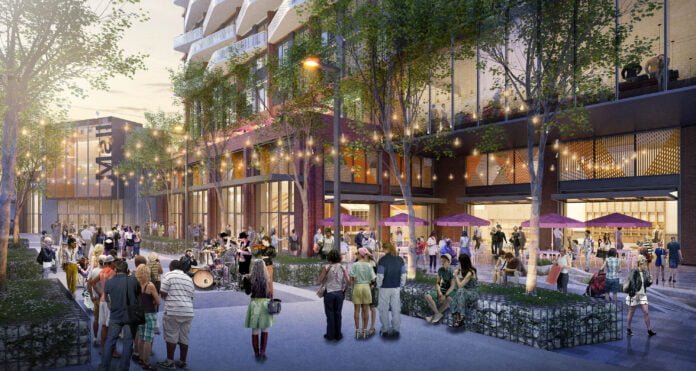
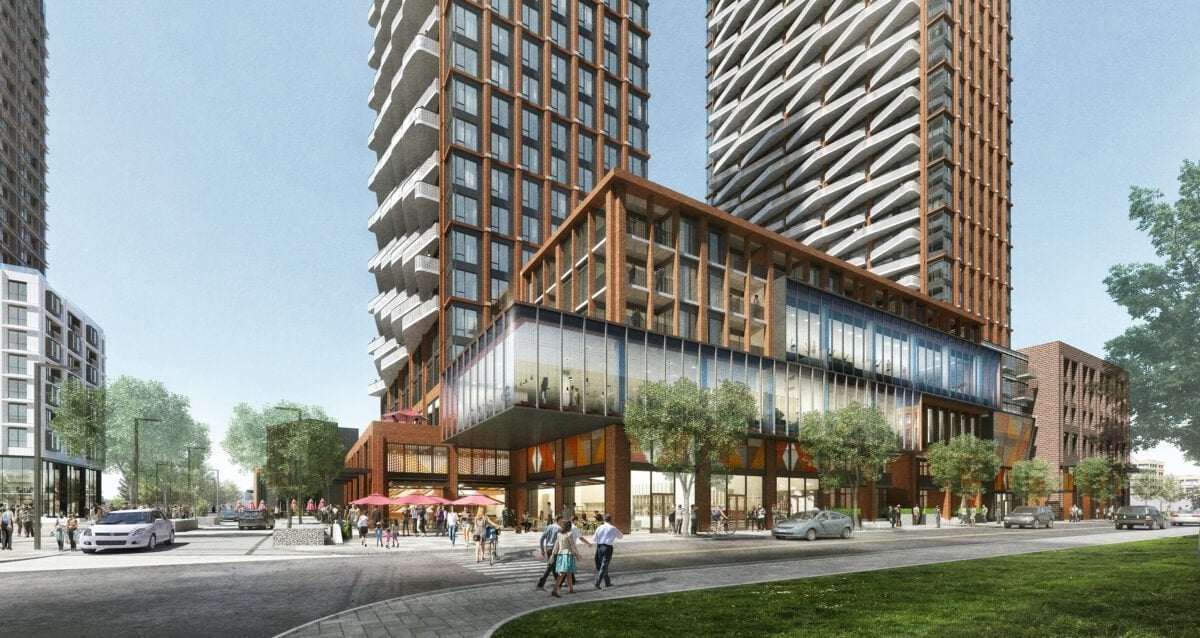
Image: BDP QuadrangleImage: BDP Quadrangle
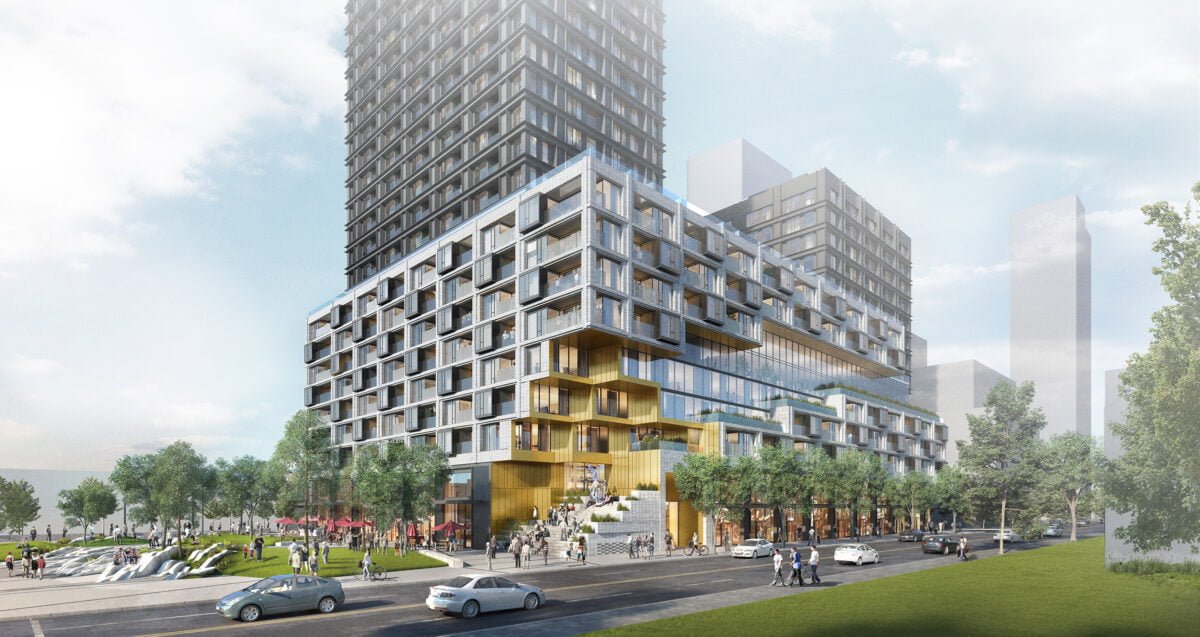
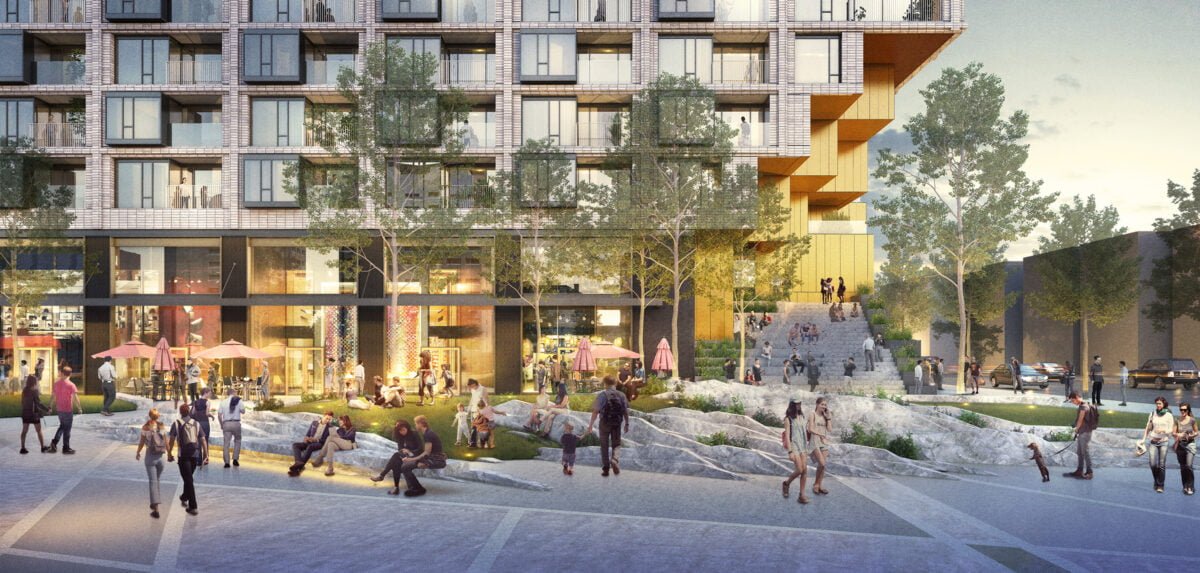
Kingston notes that the decision that was made by Primaris REIT (the owner and manager of Dufferin Mall which was spun off from H&R REIT on December 31, 2021, and is now operating as a standalone, independent, publicly-traded REIT) to expand on the existing structure, rather than to demolish and rebuild it from the ground up, differentiates this project from others that are in development across the country. It involves a redevelopment of the northern part of the 21-acre site with a focus on extending the existing mall. The plans allow Primaris to introduce new uses to the current site, including the construction of 1,300 purpose-built residential rental units, 120 of which are affordable housing units. In addition, the redevelopment will also involve the provision of new park space to complement Dufferin Grove and the creation of improved streetscaping and an enhanced pedestrian experience. Making way for all of it is the relocation of the existing surface parking lot, which currently spans the majority of the site, with a new three-level below-grade facility. And, serving to enhance the entire offering, says Kingston, is the addition of 130,000 square feet of new retail space.
“The addition that we’re making to Dufferin Mall’s retail presence adds to the current 588,000 square feet, and will bring the total commercial space at the mall to over 700,000 square feet,” he asserts. “It’s a mall that, prior to the pandemic, was already welcoming more than 12 million visitors every year. With respect to shoppers per square foot, there aren’t too many malls in North America that are busier. It’s incredibly well-travelled. And, despite the tumultuous times that retailers have been experiencing of late, the mall has next to no vacancies. With respect to the new retail space that’s going to be opening up as part of the expansion, we have a number of potential tenants currently involved in very productive discussions with us. We’ve never doubted our ability to fill the spaces that are going to be added. Our focus, since the start of the project, has been on arriving at the right retail mix that’s going to complement the mall’s existing offering while enhancing the experience for shoppers.”
Augmenting and enhancing
Image: BDP Quadrangle
He goes on to explain that Dufferin Mall is fortunate to have impressive anchor tenants, including Walmart, No Frills and Toys R Us, which generate a lot of traffic to the mall. Though, he adds, the Taco Bell, The Beer Store and LCBO locations will need to be removed from the site in order to execute the vision of the redevelopment, explaining that they are certainly tenants that the mall would like to see come back once the redevelopment of the mall is complete. In addition, Primaris and its partners have been mindful during the planning process to ensure that, during construction, aside from the aforementioned locations, none of the mall’s retailers will need to close for any period of time. And, although the start of construction is still about a year out, with the activation of new retail tenants a further three years from the time that ground breaks on the site, Kingston says that the excitement around the project is palpable.
“Dufferin Mall is such a unique shopping destination that serves an equally unique community surrounding it. Everyone that’s involved in the project is really proud to be delivering this retail expansion and the other additions to the site that will only serve to elevate the mall’s offering and enhance the experience that its visitors enjoy. And we’re hoping that, in approaching the redevelopment in the way that we are, it will also serve as one that people look to when embarking on similar projects in the future to understand the value inherent in existing properties. We’ve been able to arrive at a strategy that leverages the character and history that Dufferin Mall has already developed through the years, while augmenting and enhancing it with commercial, residential and public spaces that will benefit the community immensely. It’s a great project to be a part of and an honour to be involved in something that will show others what’s really possible when it comes to property redevelopment.”
Retail Insider is streamlining its Canadian retail news from around the web to include a handful of top news stories that can be viewed quickly during the day. Here are the top stories from the past 24 hours.
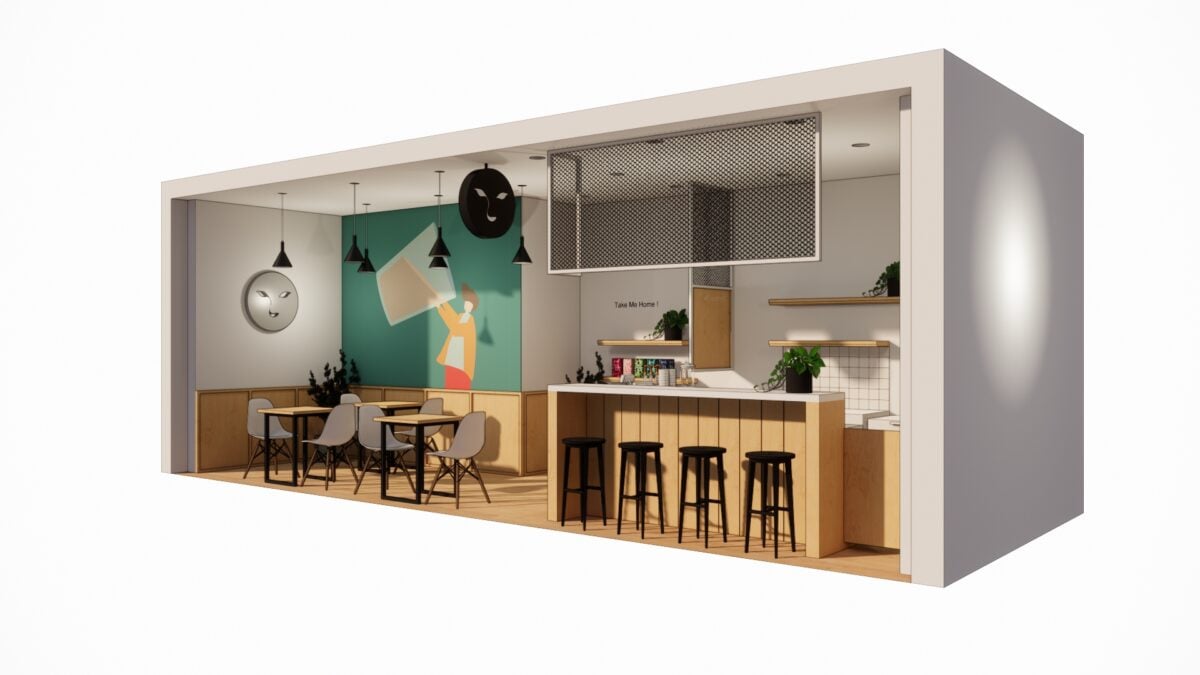
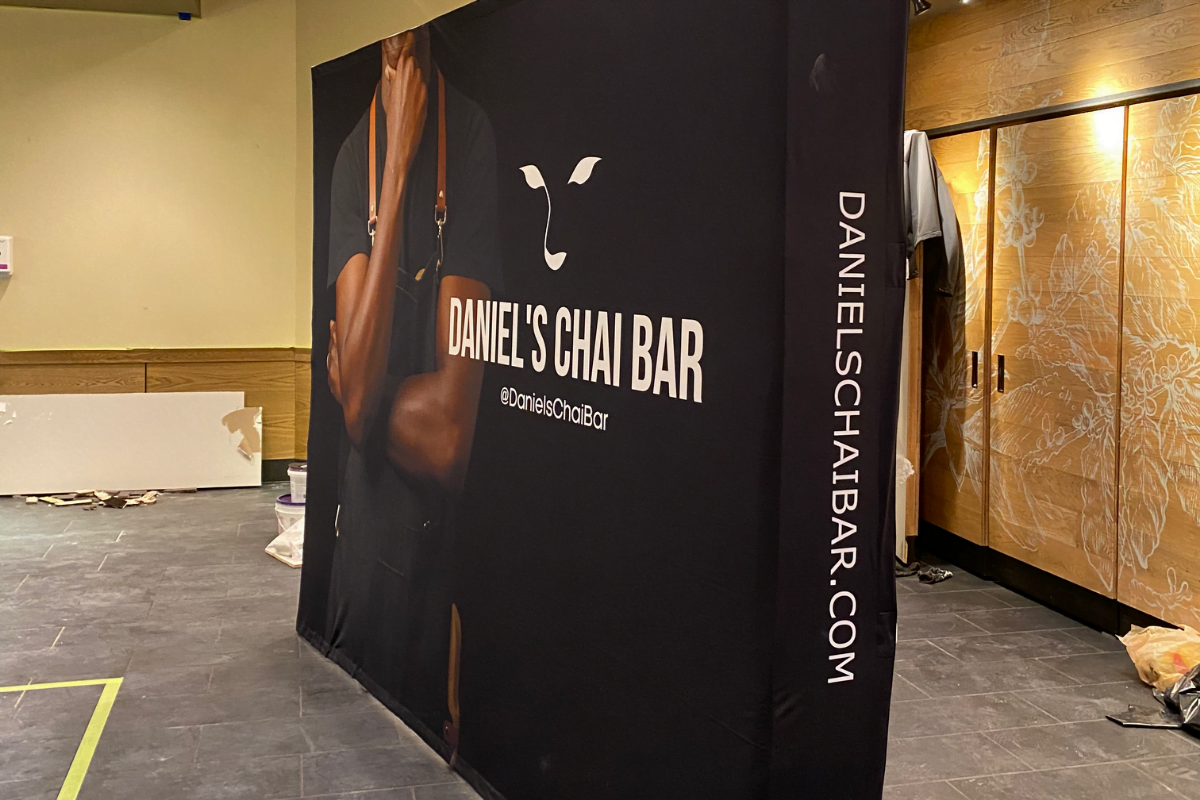
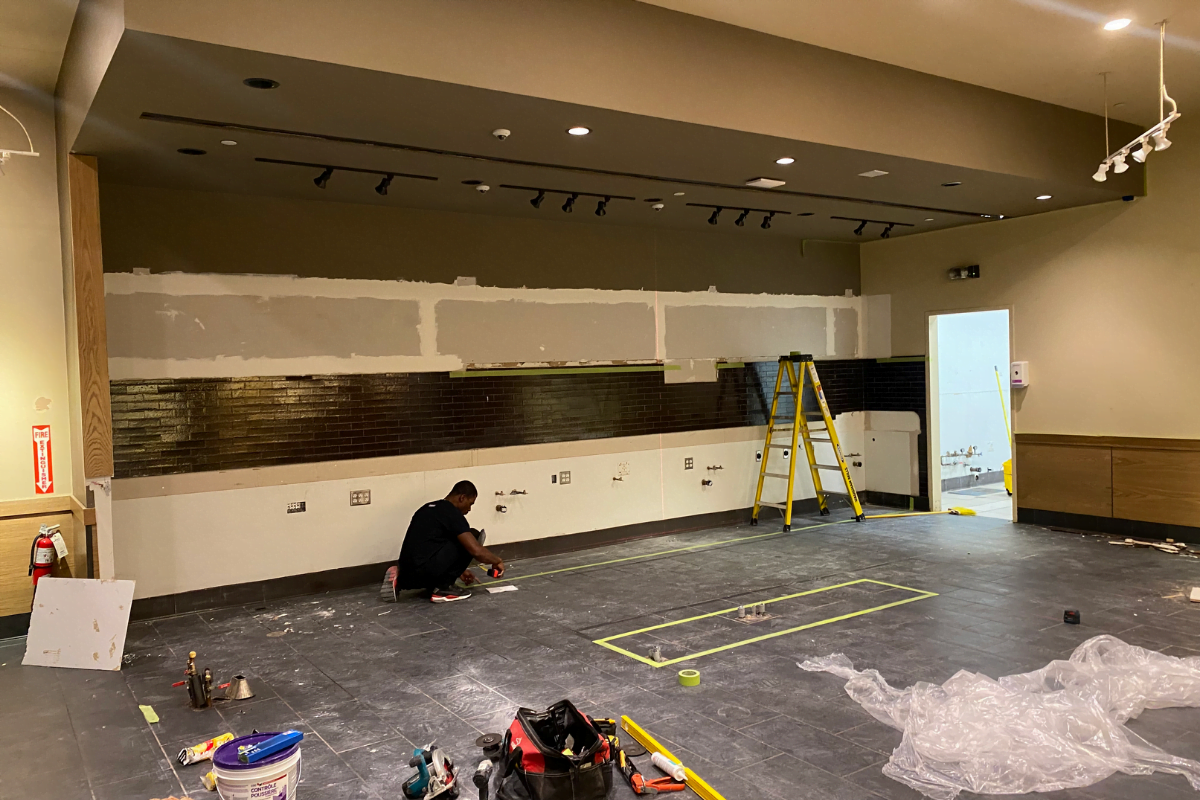
Future Daniel's Chai Bar at Vaughan Mills (Image: Daniel Lewis)
Brampton-based Daniel’s Chai Bar has announced a new pop-up location which will be opening at Vaughan Mills near Toronto on March 1st, 2022.
This will be the second location for the quick service beverage concept, which opened its first store at Bramalea City Centre in late 2021 under the new branding of ‘Daniel’s Chai Bar’. The founder’s former brand was called ‘T by Daniel’ and that was retired during the pandemic as a shift towards the new franchise model.
“This is the beginning of an extensive growth plan for Daniel’s Chai Bar in which we will pop-up in specific retail locations, test the market and if the demand and LOVE is there… we will push for a permanent deal,” said Founder Daniel Lewis.
Rendering: Daniel’s Chai Bar (Vaughan Mills)
Future Daniel’s Chai Bar at Vaughan Mills (Image: Daniel Lewis)
Future Daniel’s Chai Bar at Vaughan Mills (Image: Daniel Lewis)
Daniel Lewis
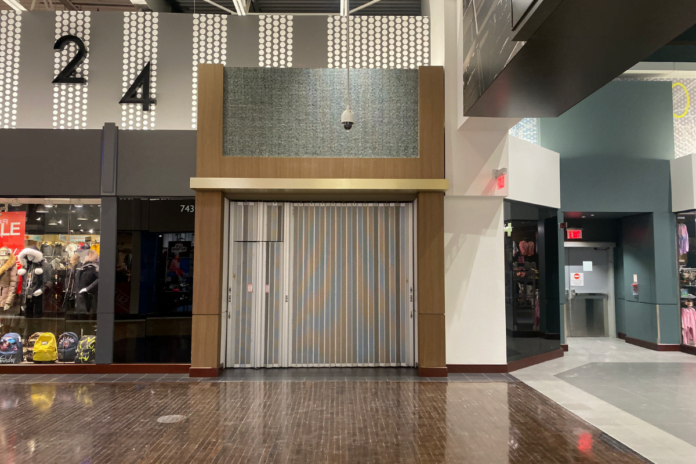
Daniel’s Chai Bar has signed a three-month long lease with Vaughan Mills in a vacated Starbucks located near the Legoland Discovery Centre. With Starbucks having consolidated its operations in the mall to a single location, the second location has been converted into a valuable pop-up asset.
The Vaughan Mills Daniel’s Chai Bar location will feature an enhanced menu of offerings and has given Lewis, the Tea Jedi of Daniel’s Chai Bar, an opportunity to test new concepts and store layout designs.
Lewis has also announced that the brand will be opening up a pop-up location at Square One Shopping Centre in Mississauga and has extended its lease at Bramalea City Centre for an additional six months.
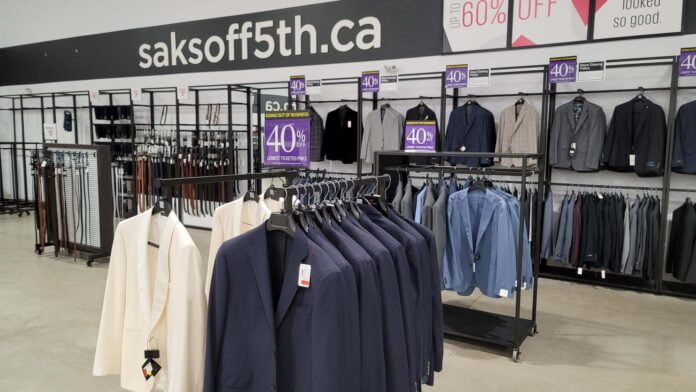
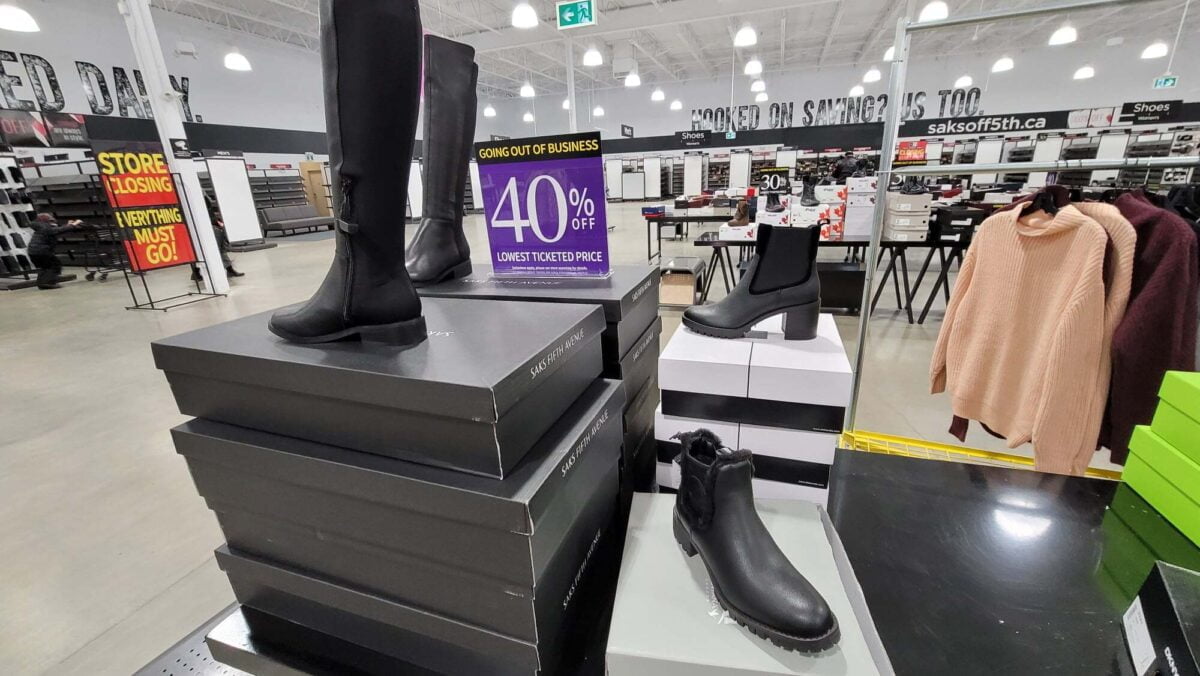
SAKS OFF 5th at South Edmonton Common Closing (Image: South Edmonton Common Facebook)
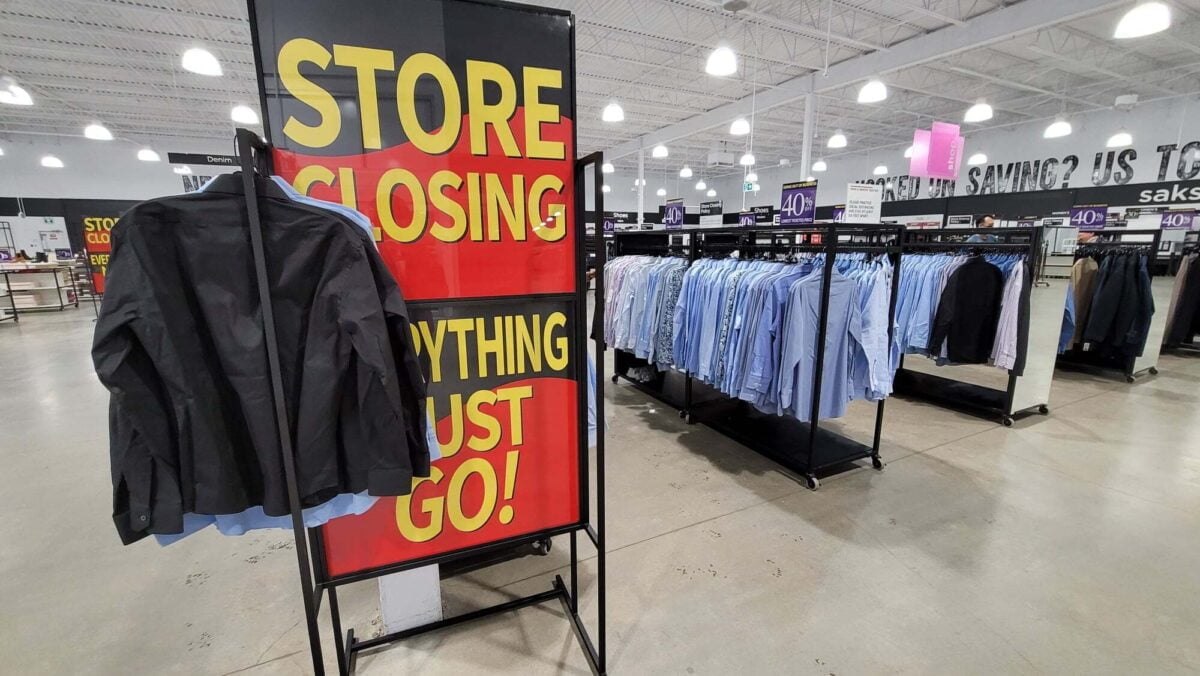
Hudson’s Bay Company off-price chain Saks OFF 5TH is shutting its store at South Edmonton Common this year after opening there over five years ago.
The 32,000 square foot store opened in September of 2016 in South Edmonton Common which is one of North America’s largest open-air retail developments, and is owned and operated by Cameron Development Group.
SAKS OFF 5th at South Edmonton Common Closing (Image: South Edmonton Common Facebook)
It was the first OFF 5TH location in the Edmonton market with a second location opening at the Skyview Power Centre in April of 2017.
“After careful consideration, Saks OFF 5TH has decided to close its South Edmonton location,” shared Saks OFF 5th. “Through the regular course of business we continually evaluate store performance and other factors, and, from time to time, may determine it necessary to close a store. We expect this store to close to the public in April 2022. Customers can continue to shop with us at Saksoff5th.com and at our other locations.
We are committed to offering support and assistance to our team impacted by the closings. Eligible associates will receive appropriate employment separation packages and transfer opportunities will be explored where feasible.”
SAKS OFF 5th at South Edmonton Common Closing (Image: South Edmonton Common Facebook)
Saks OFF 5TH entered the Canadian market in 2016 with plans for about 25 stores. Between 2016 and 2018 the retailer opened 18 stores in Canada and then halted the expansion — some landlords said that the retailer had been struggling in terms of sales with some locations selling less than $100 per square foot annually. Product in Saks OFF 5TH includes a range of brands and merchandise picked specifically for the outlet as well as some private-label merchandise and some clearance items from Hudson’s Bay stores, including pieces from luxury department The Room.
Saks OFF 5TH currently has stores in the Vancouver, Calgary, Edmonton, Winnipeg, Ottawa, Toronto/Southern Ontario, Montreal and Quebec City markets.
The retailer competes with other off-price retailers operating in Canada including TJX banners Winners and Marshalls as well as Nordstrom Rack which entered Canada with its first stores in 2016.
So far only the South Edmonton Common Saks OFF 5TH location is confirmed to close, though we’re hearing that more closures could be coming and we’ll be providing updates.