Retail Insider is streamlining its Canadian retail news from around the web to include a handful of top news stories that can be viewed quickly during the day. Here are the top stories from the past 24 hours.
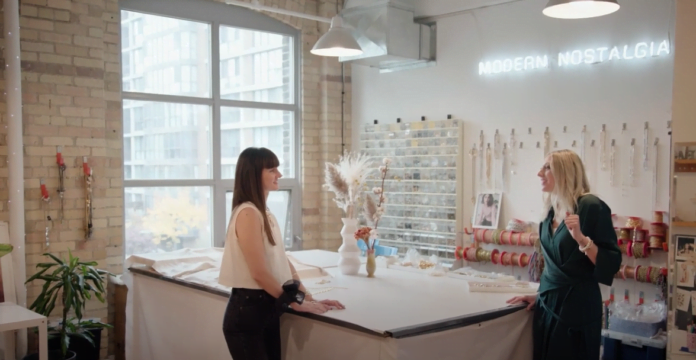
Talking & Shopping: Episode One (Lauren Walker Lee speaks with Corrine Anestopoulos of Biko Jewelry)
Lauren Walker-Lee, a stylist and creative consultant, has created Talking & Shopping, which is a unique fashion and lifestyle video interview series featuring designers, creatives and founders.
Lauren Walker-Lee
Walker-Lee goes talking and shopping with these amazing women to hear their stories while visiting some of the best boutiques in Toronto.
“I had this kind of lightbulb idea. It came in like meditation actually. If I had one wish from a genie, what would it be? I want to interview all my creative friends. I went to school for radio and television first and I think life is coming full circle in this content world we live in and I’m like just going to set up and I’m going to make a pilot presentation and I’m going to pitch a show,” said Walker-Lee.
“What do I want to do? I talk and I shop. I’m going to use this as a vehicle to get to know creative women while shining a light on these amazing artists and also the independent retailers.
Image: Talking & Shopping
“Because I’m in this commercial production world that we have so much of here in Toronto, I assembled a team of amazing people who generously donated their time and we created these three episodes where I was just going to give it my all and I won’t forgive myself if I don’t try. It’s called Talking & Shopping, it has a very concise premise, and I did make three episodes before deciding to continue to make more on my own while I endeavour to get these seen. Maybe it lands with a proper network. I’m going to continue to make episodes for as long as I can myself.”
They are currently on her YouTube and Instagram. Each of the guests is matched with an appropriate boutique to go talking and shopping at. She has six episodes now with definitely more to come and hopefully to hit up Montreal next.
“We get to highlight these great people amongst fashion, lifestyle, the arts, as well as visit neighbourhoods in Toronto and beyond,” she said.
Walker-Lee is from Toronto and spends the majority of her time wardrobe styling. She also writes and does creative consulting. She received her undergrad in Broadcast Journalism at Ryerson University in Toronto before attending Parsons The New School of Design for Fashion Marketing.
“I’ve always been in this world of communications whether written or visual,” she said.
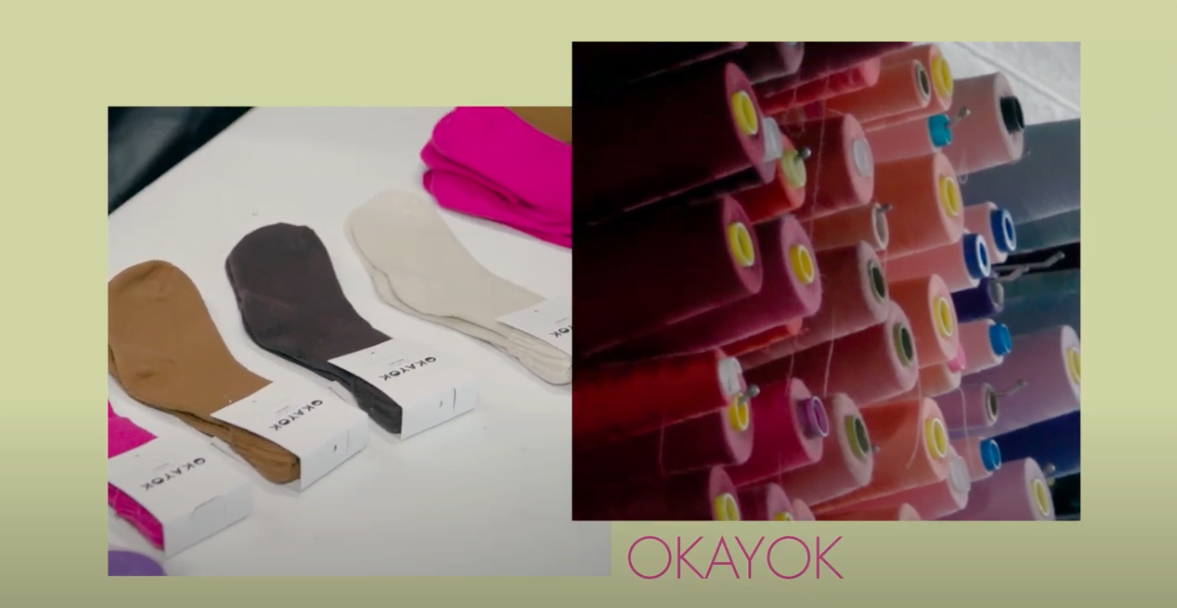
Okayok (Image: Talking & Shopping Youtube)
With a background in fashion public relations in both New York City and London, she then went on to launch her own lifestyle e-boutique Suite Hazen in the UK before returning to her hometown. Creative communications and consulting for fashion and lifestyle brands remains a passion and area of focus.
“As a freelance stylist and creative consultant no two weeks are alike. My styling work ranges from large commercial productions to fashion editorial and work with independent brands. Creative consulting and writing allows for me to keep a pulse on what is happening in the industry and furthers my knowledge and relationships. My education in broadcast journalism and fashion marketing set the foundation for a journey in communications both visual and written. A passion for the arts and fashion is matched by my love and enthusiasm for the creative community,” she writes on her website.
“I am a lover of aesthetics, and consumer of culture. Fashion, art, and design inform my tastes and perspective, and are evident in my life and work. Living in New York City was a priceless experience that included internships at Vogue, WWD, and Black Frame PR, where I would then go on to work in Public Relations with their clients Rodarte, Acne, Nicholas Kirkwood, and Opening Ceremony amongst others, plus meet Mario Testino, have a run in with Courtney Love, and send out hundreds of looks to celebrity stylists and magazines. Once in London I was immersed in the wave of young British designers that are now household names, Peter Pilotto, Roksanda, and J.W Anderson. Living in London provided a rich cultural experience at my favorite intersections – Fashion, design, music, and art.”
Walker-Lee said the use of video is important. People are increasingly moving towards motion versus stills. There’s still going to be a good dose of traditional articles and photography but hearing someone’s story and being able to visually show what’s going on really brings it to life.
“I think we’re just moving so into video from social media whether that’s short quick snippets and alternately I think there’s a little bit of a lack of longer format narrative storytelling like interviews, longer-format fashion and lifestyle content,” she said.
“We’ve got loads in Canada amongst home, and food and competition shows, but I just felt there was this gap among my peer group for longer-format video interviewing for behind the scenes of creative conversation which just lends itself so perfectly to motion, visual video.”
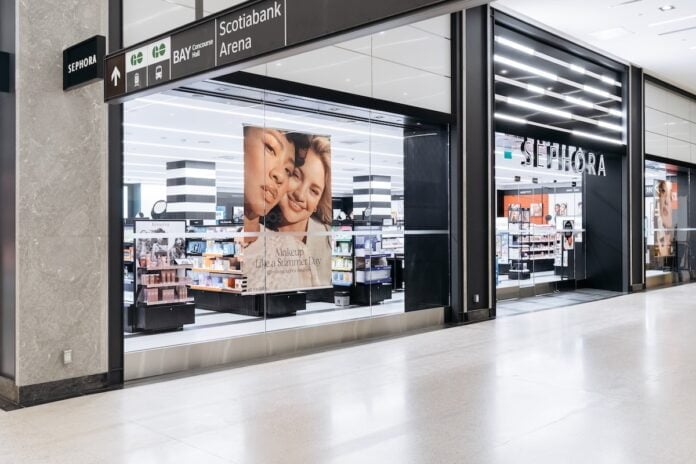
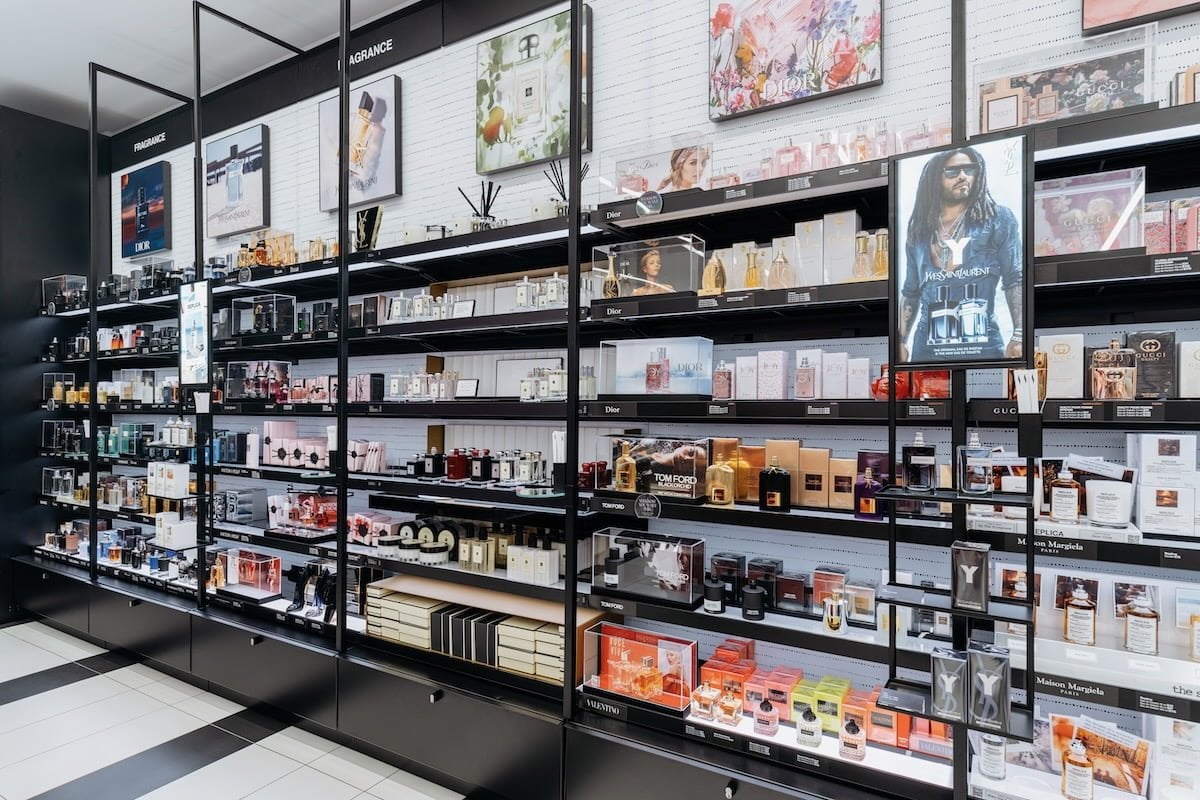
Union Station Sephora (Image: Arash Moallemi / Sephora Canada)
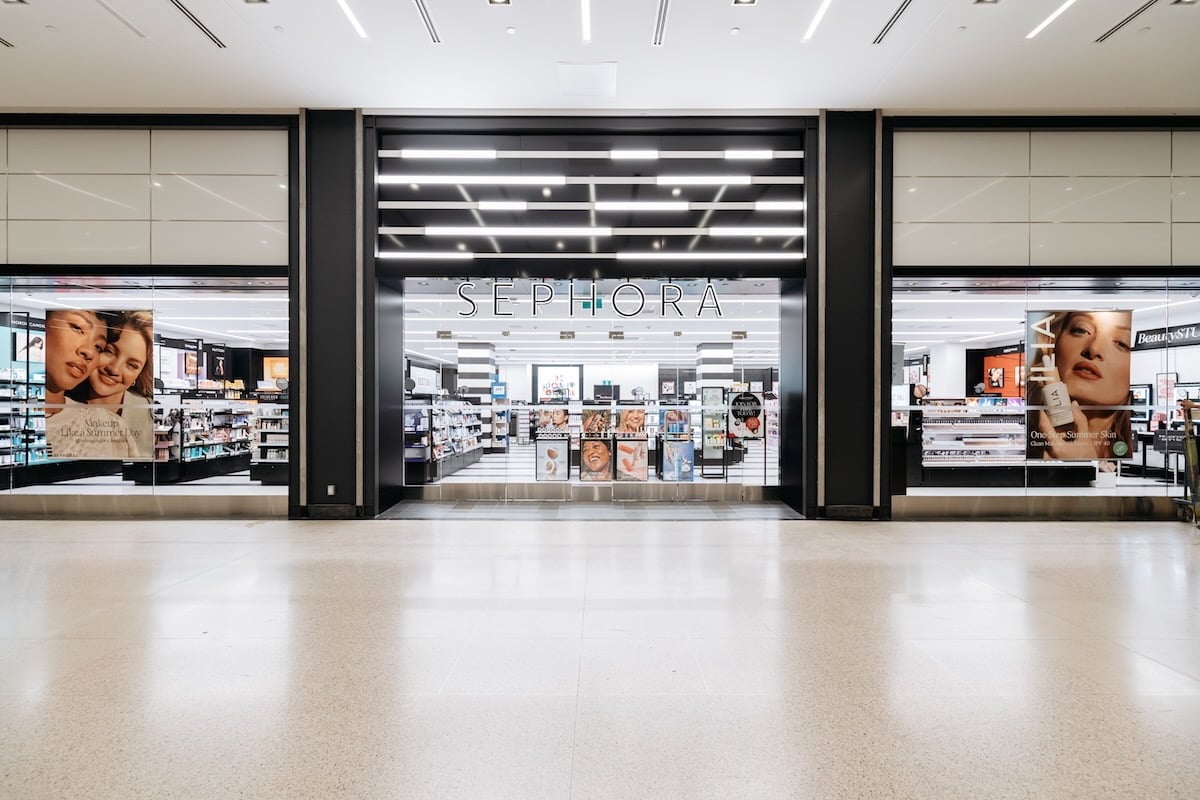
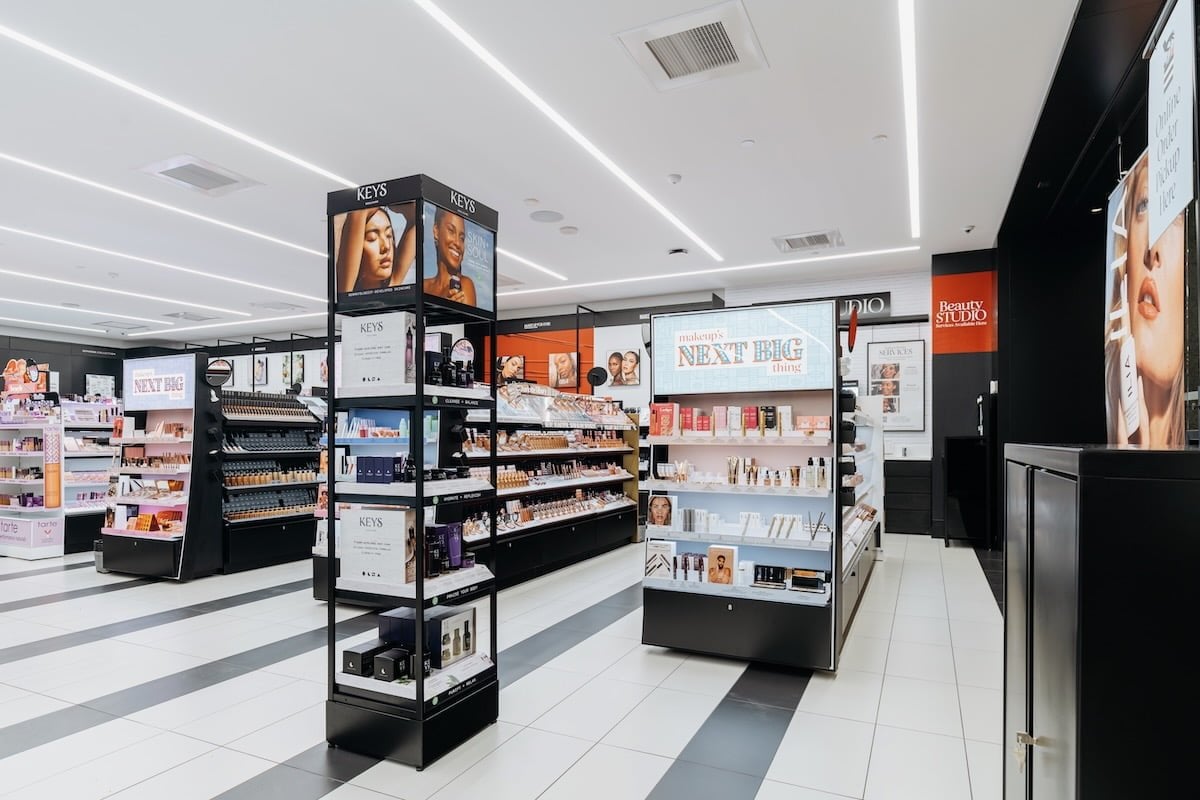
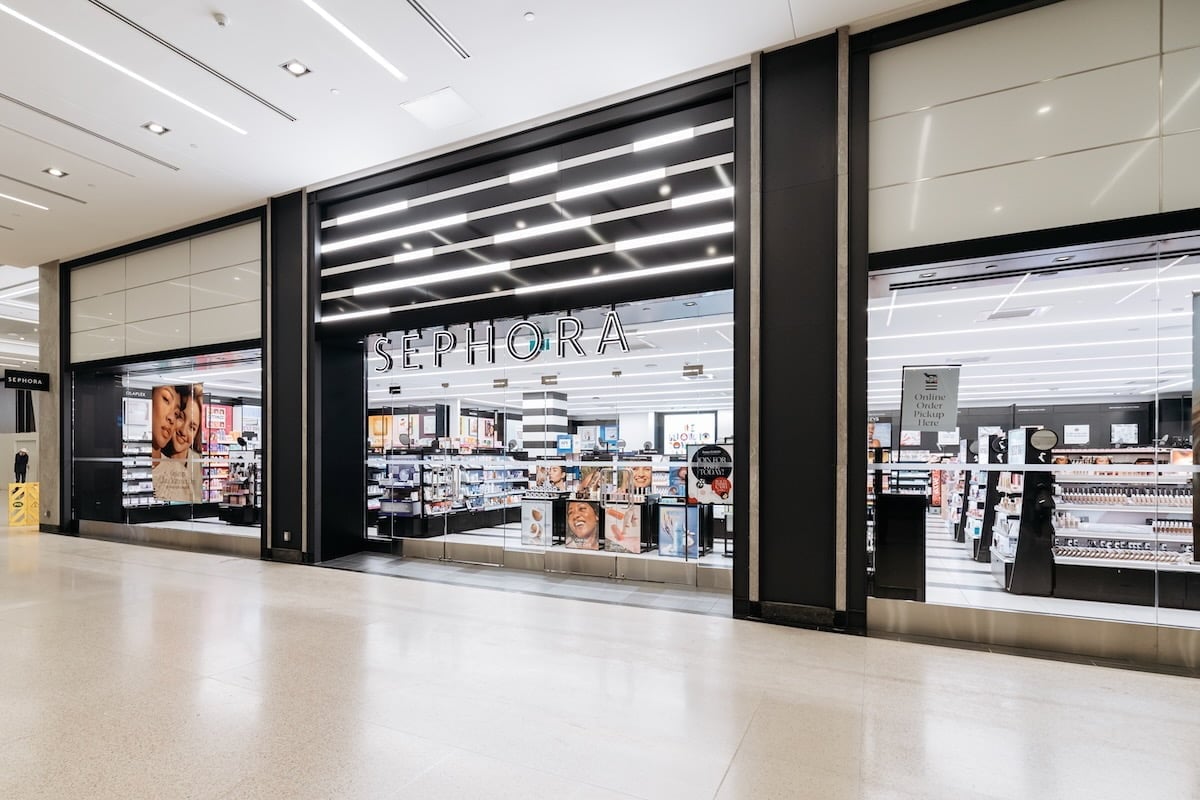
Sephora Canada has opened its first retail store inside a Canadian transit hub – the Toronto Union Station.
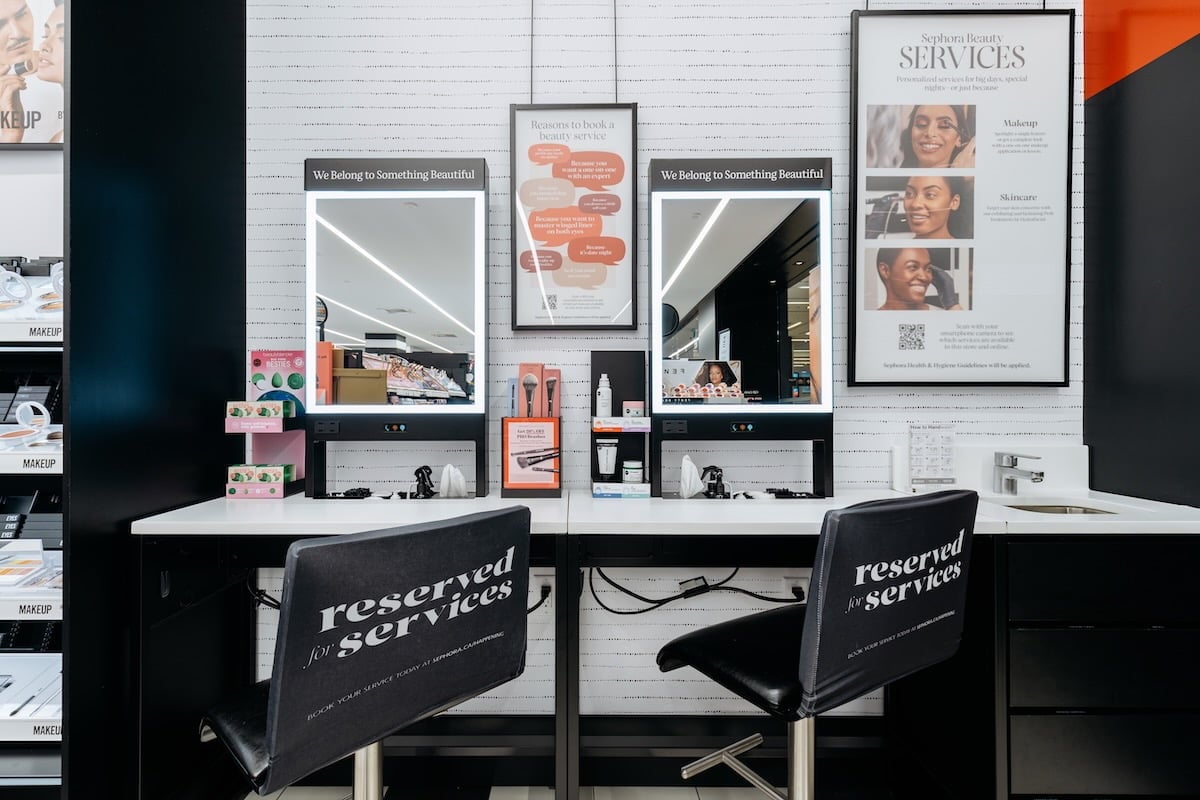
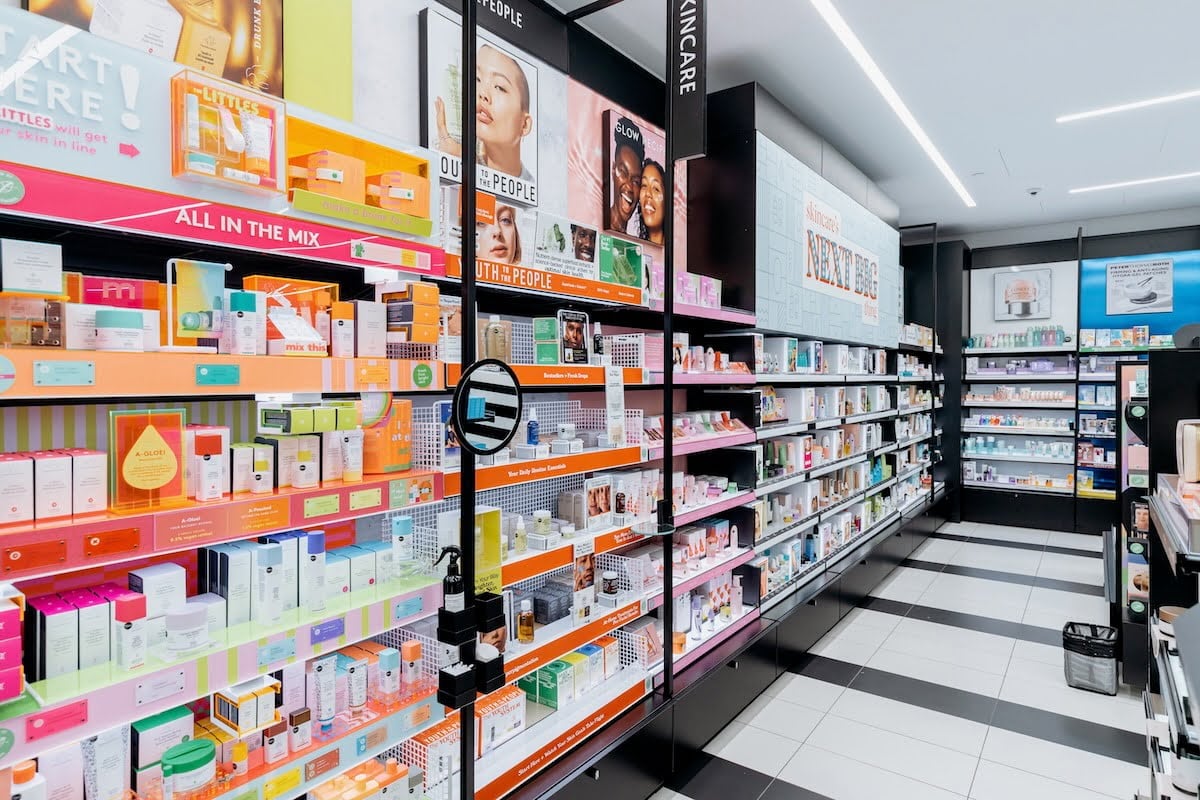
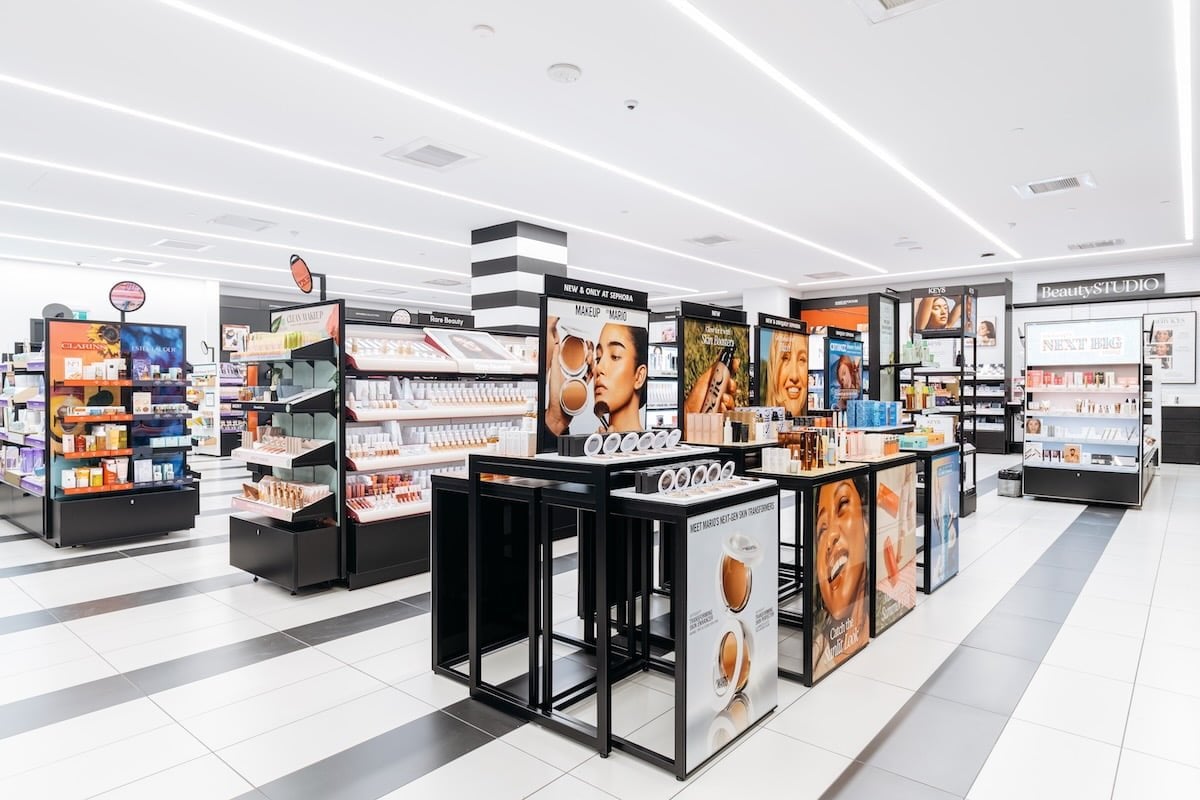
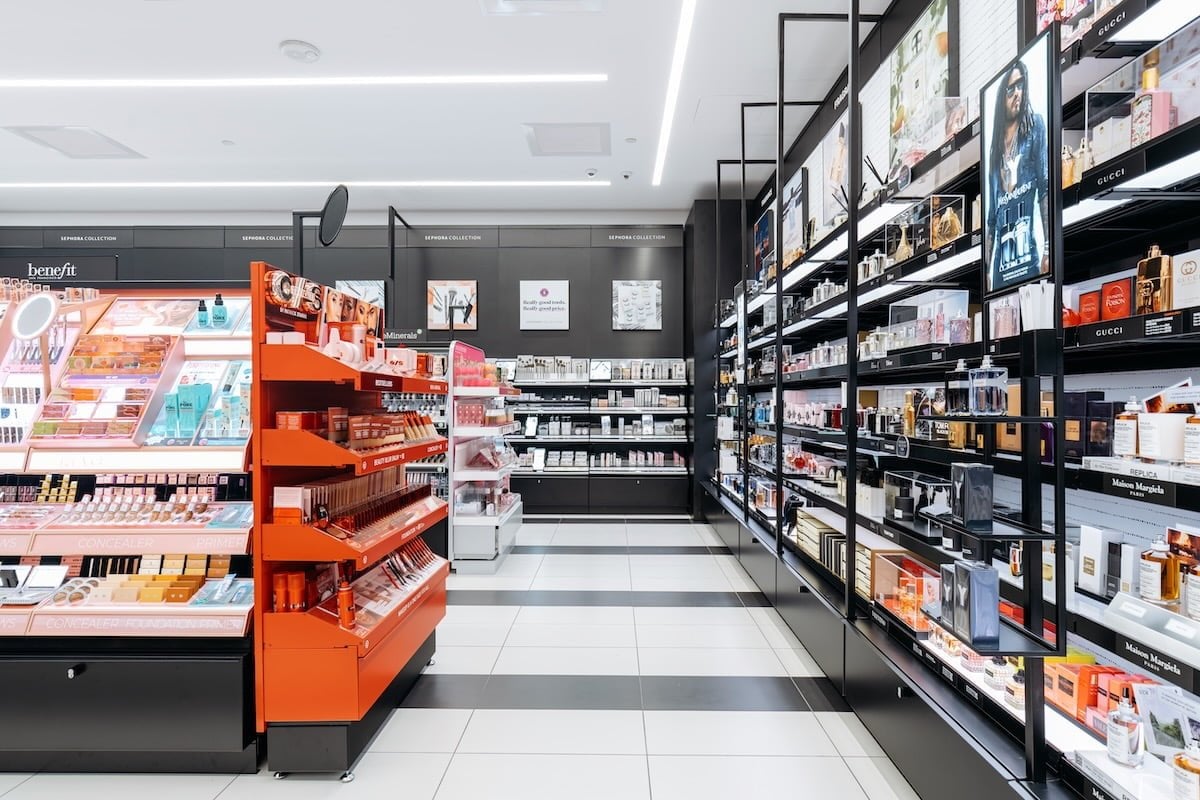
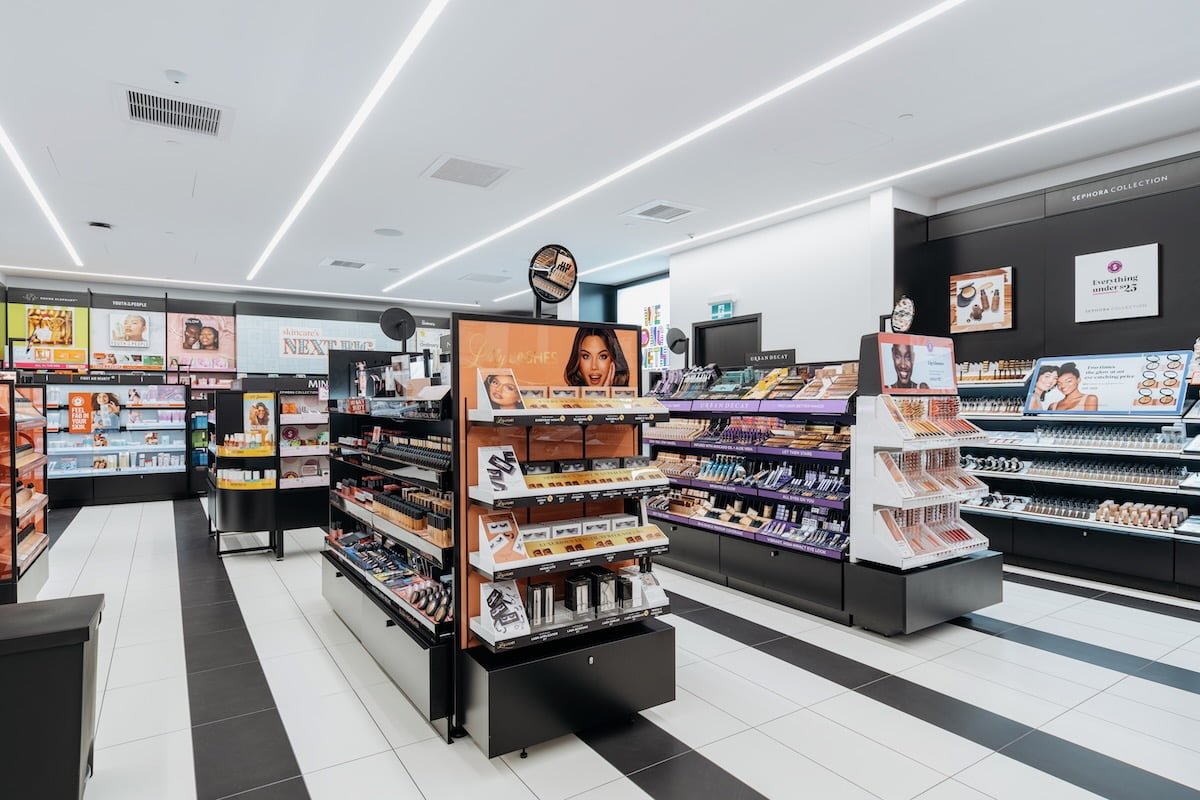
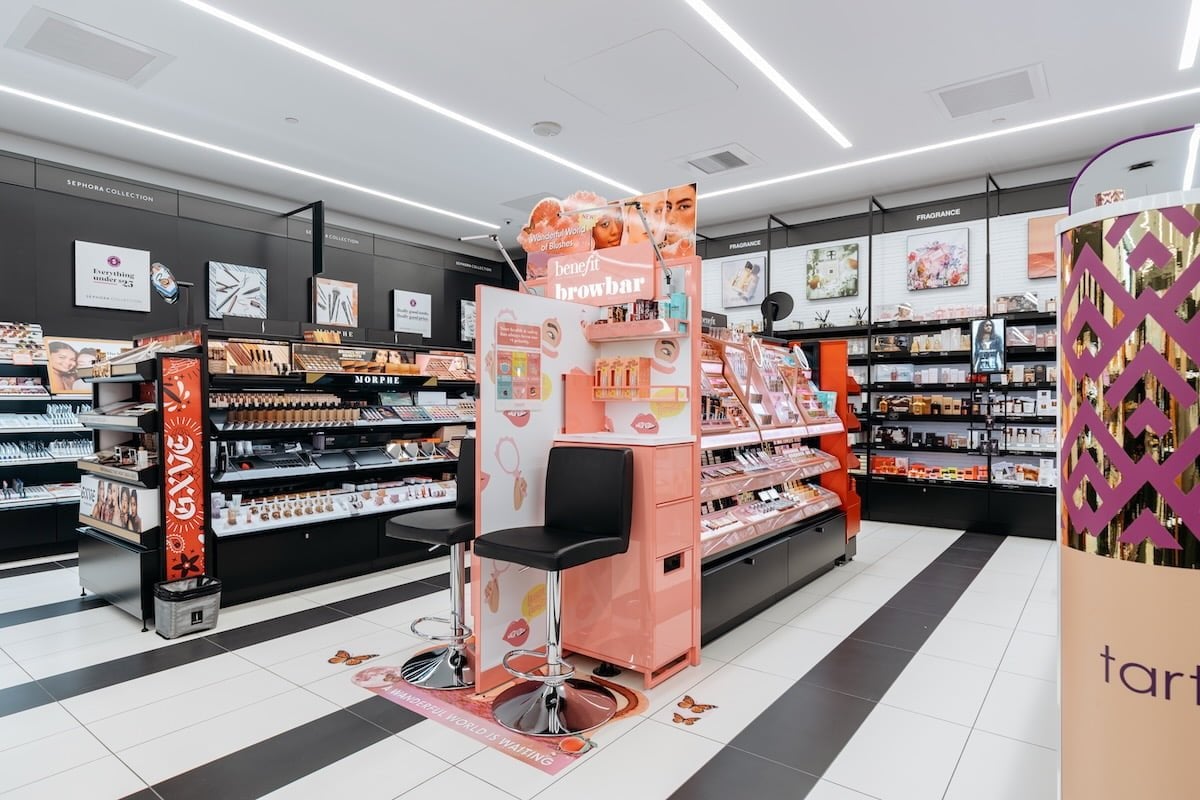
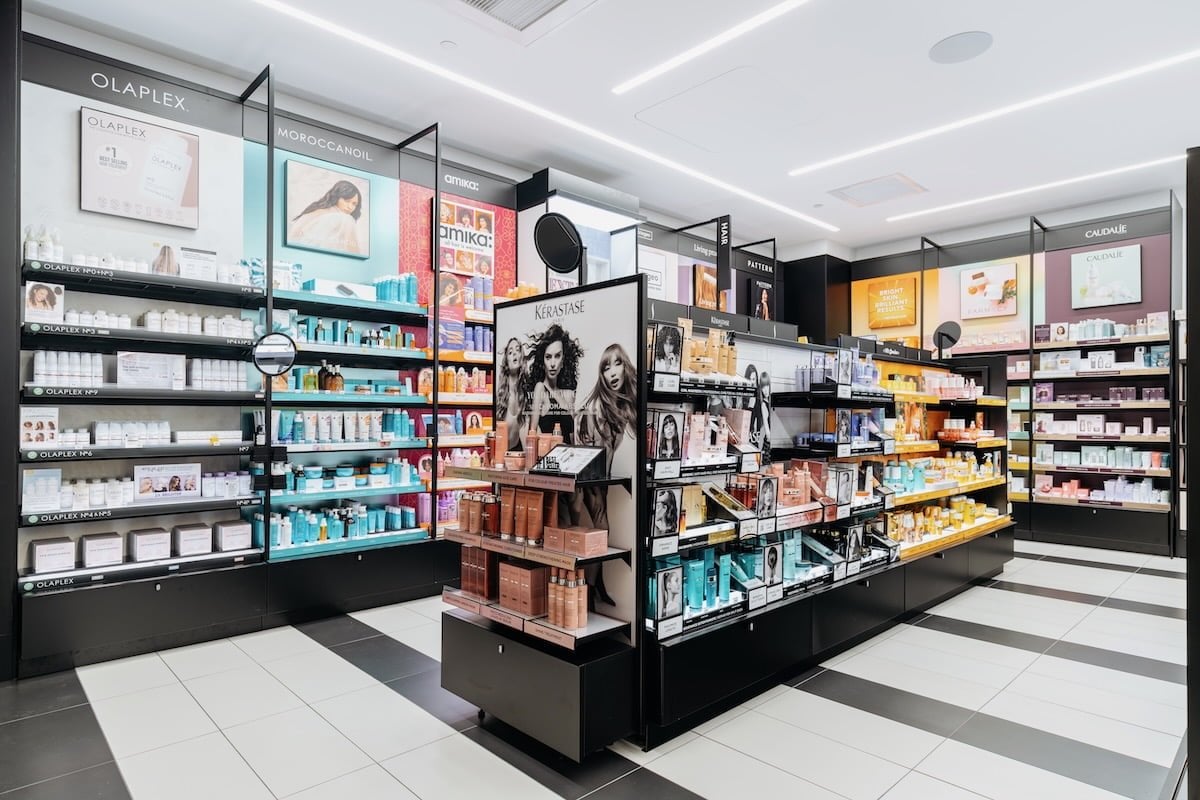
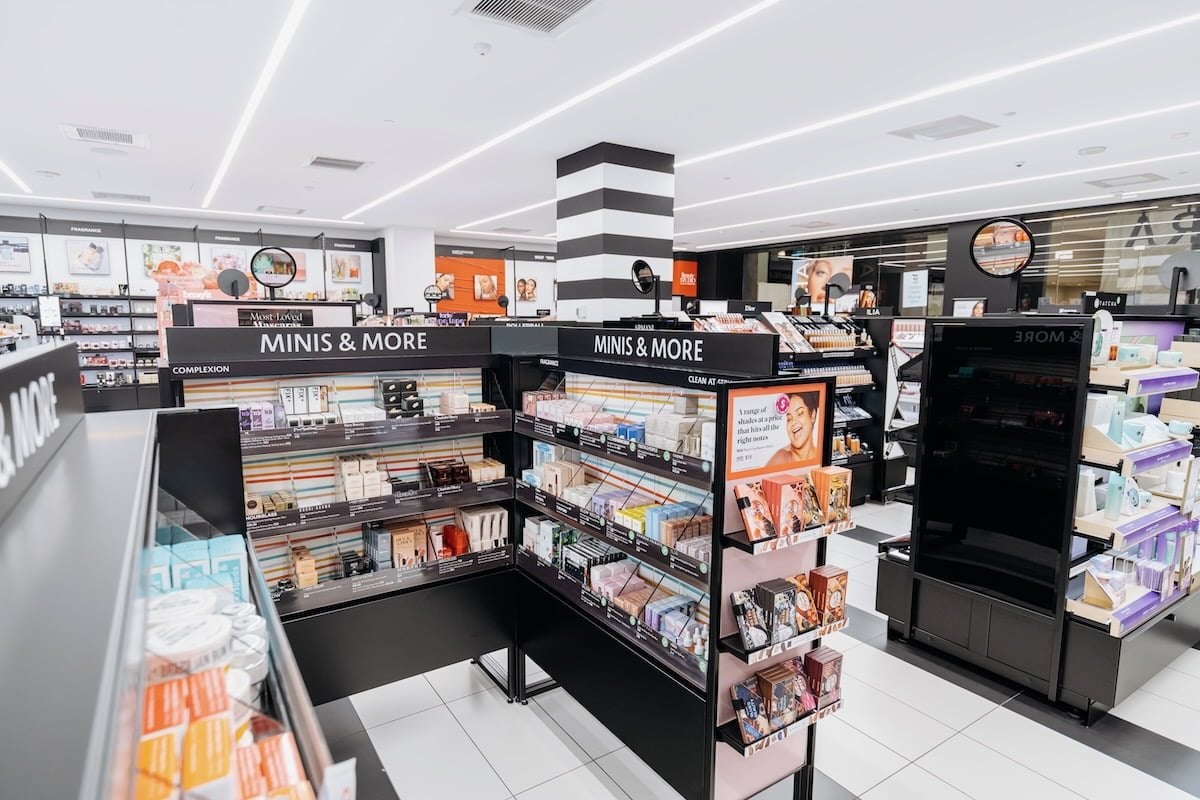
The new location offers Sephora’s full assortment of makeup, skincare, haircare, and fragrances. Customers will be able to find Sephora’s Collection along with more than 340 other beauty brands such as Tatcha, Olaplex, and Rare Beauty. Customers will also have access to makeup and skincare services.
For commuters, this location is perfect as it is accessible from the TTC, Go Transit, or the VIA Rail.
Union Station Sephora (Image: Arash Moallemi / Sephora Canada)
Gregory Bruyer
“We want to make sure we do very well in this specific store,” says Gregory Bruyer, the SVP General Manager of Sephora Canada. “We want to provide an amazing experience as we have customers buying products and then rushing off to the train.”
The new store spans 4,175 square feet in the Bay Street Promenade at Union Station, which will make it accessible for customers who commute. As this store is the first retail store in a transit hub, Sephora wants to make sure the location is extremely efficient.
“Being efficient will be important for this location as our customers are most likely going to work or catching the next train. Either customers want to spend time there or they just want to pick up their products and go,” says Bruyer.
100th Store Opening this November
Union Station Sephora (Image: Arash Moallemi / Sephora Canada)
The Toronto Union Station location is the 38th Sephora store in Ontario and the 89th store in Canada for Sephora, and customers can expect 14 more this year.
“We are opening 14 stores this year and are opening 15 stores next year, it is a huge commitment to grow our network in Canada and provide a full retail experience,” says Bruyer.
Sephora wants all Canadians to have access to either shop online or buy in store, so the retailer is looking for locations that will reach people who are moving to remote locations. Jeff Berkowitz of Aurora Realty Consultants is negotiating the leases on behalf of Sephora.
Along with the new stores opening, Sephora will be celebrating its 100th store opening this year in Canada in November.
Sephora Retail Experience
Union Station Sephora (Image: Arash Moallemi / Sephora Canada)
Sephora is now offering same day delivery to enhance customers experiences. Even throughout the pandemic, Sephora was successful in providing excellent customer service.
“During Covid-19 many retailers were facing some challenges in terms of delivery, but even at peak times or promotions, we were delivering more than 90 percent of products in under two days,” says Bruyer. “So right now, we are doing same day delivery, and we are focused on this strategy.”
Sephora’s makeup services are doing extremely well Bruyer says. Customers coming into the new store will have three options for makeup services: 30-minutes, 60-minutes, or Sephora’s 90-minute service.
“In retail, if you are able to provide excitement, enjoyment, and get people leaving the store with a smile, boost their energy, and confidence then it is amazing,” says Bruyer. “We are super excited about this new location, and we truly believe in customer service, and we are excited to expand our stores.”
See below for more photos of the unique Union Station Sephora store.
Retail Insider is streamlining its Canadian retail news from around the web to include a handful of top news stories that can be viewed quickly during the day. Here are the top stories from the past 24 hours.
The list of impacts caused or precipitated by the COVID-19 global pandemic is lengthy and continues to grow as communities all over the world start to become familiar with the new ‘normal’ that we’ve inherited. Many of these impacts have resulted in disruptions and disturbances, such as the delays and congestion currently experienced within the global supply chain or the skyrocketing inflation that threatens to cripple family budgets. However, there have also been some that have accelerated evolutions like the digitization of the world around us, resulting in greater speed, ease and convenience around communication and information transfer. However, perhaps the greatest impact of the pandemic, suggests industry expert and Founder of Retail Strategy Group, Liza Amlani, is reflected by the galvanization of our collective consciousness around social issues and the influence it’s having on retailers and brands.
“There’s been a real shift in mindset among Canadian consumers toward greater consideration being paid toward social issues and causes,” she says. “It’s a trend that had been evident prior to COVID-19. But, just like with so many other things, the pandemic seemed to accelerate this concern among people. The situation over the course of the past couple of years has really made people take stock of their lives and reassess the things that truly matter to them. Through the retail lens, this is significant because consumers are starting to align more strongly with the brands that believe in and stand for the same causes as they do. And, they’re beginning to vote with their wallets as well. It’s putting pressure on those within the industry, particularly brands operating in apparel, to ensure that they implement and enhance practices around sustainable and ethical production.”
Holding retailers accountable
In fact, Amlani’s observations concerning the sentiment of Canadian consumers around issues related to sustainability in production are captured by a number of different surveys and reports currently in circulation. According to the most recent EY Future Consumer Index, an overwhelming majority of consumers (68%) are looking to retailers and other businesses to drive the sustainability agenda and commit financially to ensuring positive outcomes. Of those surveyed, 25 percent believe companies should reduce greenhouse gas emissions, while 28 per cent believe that large multinational corporations should reduce waste generated during production. They are issues that consumers are increasingly holding businesses accountable for. Fortunately, says Amlani, retailers and brands now have access to an array of tools that can help them reduce the negative impacts of their operations.
“The entire industry is being pressured to place more focus and emphasis on practices and the ways in which they can be made more sustainable and ethical,” she asserts. “However, there are obviously some verticals that tend to have a greater impact on the environment and the world around us, shining a brighter spotlight on their production practices and associated waste. The most noticeable of which is the apparel sector. There are a lot of different aspects of the apparel manufacturing process that are becoming less than desirable from a sustainability perspective. However, as a result of the recent digitization of our environment, a number of different tools have recently been introduced or become more affordable that retailers can leverage in order to begin reducing their negative impact.”
Reducing physical sampling
One of the aspects of the apparel manufacturing process that’s benefitting from the use of technology is that of sampling. An important part of the process involving manufacturer and designer development, the practice that includes the physical patterned material or fabric sample, is responsible for the creation of an inordinate amount of waste. However, with the use of 3D rendering technology, samples can now be shared electronically, reducing waste and, in fact, expediting the entire process. It’s an area in which Amlani says significant improvement can be made, and one that she believes could inspire similar evolutions within the production of apparel that will continue to streamline the ways garments are made.
“Retailers and brands and their manufacturer partners are all so used to sharing samples of materials and prototypes and iterations of product along the production process,” she points out. “It’s the way things have been done for such a long time within the industry. But, because we now have the tools necessary to provide an alternative to physical samples and eliminate the need for the waste that’s generated around them, retailers and brands are beginning to see the benefit of their implementation and use. In the end, the use of the right technological tools will help those operating within the apparel sector to not only improve their environmental impact, but create production efficiencies as well.”
Eliminating overproduction
Amlani also recognizes the fact that there is still a substantial amount of overproduction happening at the moment, exacerbating and adding to the negative impacts already inherent in production. However, it’s another area of the process that she suggests can be enhanced with the use of the right tools, adding that there are real opportunities for everyone involved, from development to manufacturing and at all points in between, to tighten practices and reduce waste.
“When you think of the number of vendors that are involved, all partnering together to create and bring a product to market, there’s actually a lot of time, effort and physical resources wasted along the way,” she asserts. “Digital tools can help dramatically improve the way retailers and brands connect with factories, creating real-time visibility across the entire product creation journey, allowing them to collaboratively work together in order to understand exactly what the demand is and the amounts of garments required to meet it in the market. In the end, the right digital tools are going to elevate communication between partners, leading to an improved impact on the environment and the creation of efficiencies as well.”
The power of data
Much of the efficiencies that Amlani refers to and the digital tools being leveraged to find them are supported by the generation of critical consumer and market data. The ability to access this type of data and properly analyze it are opening up extraordinary opportunities to gain a holistic view of the entire product creation journey and manage it most effectively. In fact, Amlani believes that, if leveraged to its greatest effect, data holds the key to a multitude of improvements for retailers and brands operating within the apparel sector.
“When you marry improved communication between retailers and their factory partners with the implementation of some of these advanced analytics tools, brands will be able to better predict and plan for the things that consumers are looking for. It will allow them to put the right product in the right place at the right time, removing a lot of the guesswork that has traditionally driven decisions around product and preventing testing at market. Using improved planning tools is going to be critical in helping retailers and brands to continue finding success, become even more customer-centric and produce less waste.”
Gennaro talks about what the companies do, how they came to be, micro mobility, the robot Gita, the popular three-wheel Apé and trends in the industry.
The Video Interview Series by Retail Insider is available on YouTube.
Connect with Mario Toneguzzi, a veteran of the media industry for more than 40 years and named in 2021 a Top Ten Business Journalist in the world and the only Canadian – to learn how you can tell your story, share your message and amplify it to a wide audience. He is Senior National Business Journalist with Retail Insider and owner of Mario Toneguzzi Communications Inc. and can be reached at mdtoneguzzi@gmail.com.
Also check out the other series offered by Retail Insider, including The Weekly podcast and The Interview Series, which are both available on Apple Podcasts, Stitcher, TuneIn, Google Podcasts, or through our dedicated RSS feed for Simplecast and other podcast players.
Italian piano manufacturer Fazioli continues to delight the Canadian market with sales strong throughout the pandemic period.
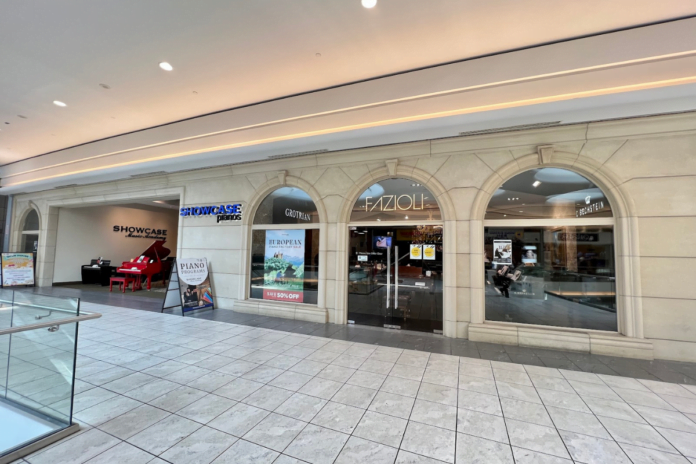
Manuel Bernaschek, President of Showcase Pianos in Vancouver, which sells the brand, said more than 200 Fazioli pianos have been sold in Canada, with more than half of them going to Vancouver where there are many families that place a strong emphasis on the study of music, and having the best possible equipment.
“Vancouver is also home to one of the world’s largest collectors of art-case Fazioli pianos – the Westbank Development Company – who installs custom Fazioli pianos in many of their iconic buildings. Despite being sold out until 2024, the three Canadian representatives of Fazioli confirm that they currently have models in their shops for people to test and welcome everyone to come and see for themselves what all the fuss is about,” said Bernaschek. “Westbank bought 20 of them. So they’re the largest owner of Fazioli pianos in the world.
“Many piano companies will host dealer meetings from time to time, but the ones hosted by Fazioli are very special. In general, it’s the store owners themselves that come and attend, giving it a very special energy. When we are shown updates in the factory, and watch Mr. Fazioli’s eyes light up when he describes improvements he has made to the pianos, everyone has their camera out and is listening very attentively. You could hear a pin drop. Everyone recognizes these moments for what they truly are – this is history in the making.”
Showcase Pianos began in 2007. It currently has two locations in Vancouver and in Richmond. The Richmond location is 3,600 square feet and the one in Vancouver is 4,300 square feet.
“This business has really done well through COVID. I think people are stuck at home and they’re looking to what they’re going to do while they’re stuck at home and then they’re like ‘oh I guess I should get a better piano if I’m going to be playing piano all day’,” said Bernaschek.
He said Showcase Pianos sells about 10 Fazioli’s each year. Prices start at about $150,000.
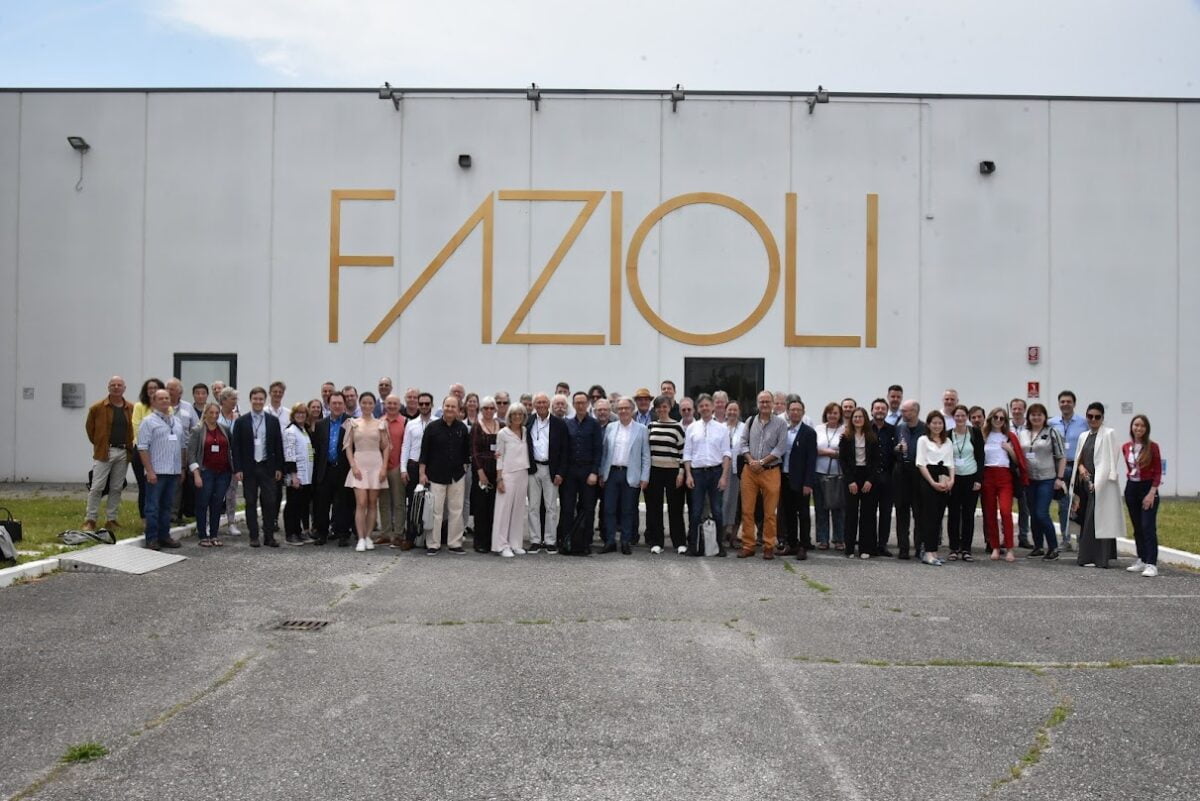
In May, Paolo Fazioli celebrated the 40th anniversary of his piano factory in Sacile, a small town of 20,000 people just 45-minute northeast of Venice.
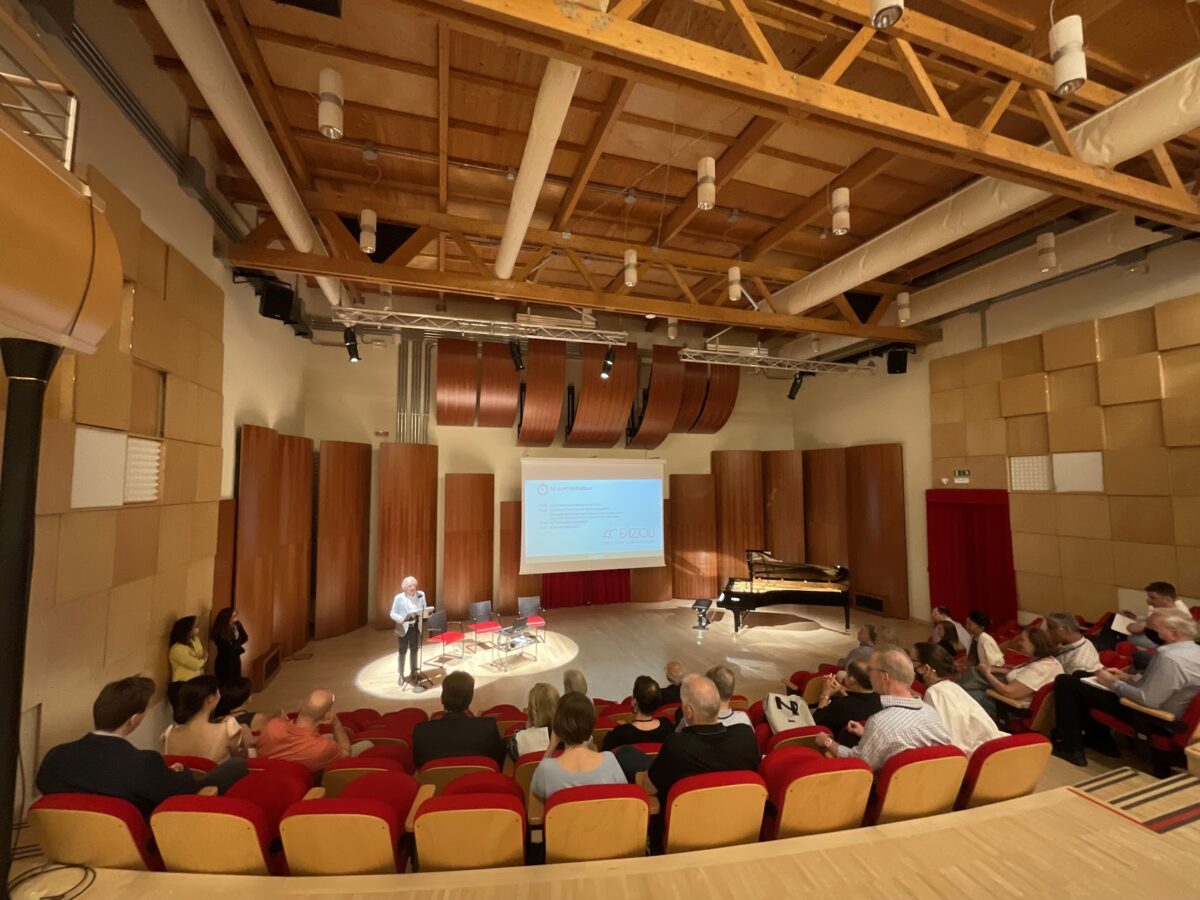
In speaking to his dealers at his factory’s Concert Hall, Fazioli explained that despite the continued increase in demand, the factory will not go beyond producing 150 units a year. Each instrument requires more than 2,000 man-hours to produce.
Fazioli Headquarters (Image: Manuel Bernaschek)Fazioli Headquarters (Image: Manuel Bernaschek)
“We do not want to compromise on the time it takes to produce exceptional pianos. Quality is what we value most,” he said to them.
The factory produced 150 units in 2021 and expects to do the same in 2022 and 2023. As of May, all Fazioli pianos are sold out until the beginning of 2024.
“When you’re on it, it’s like you’re hearing the piano for the first time,” said Bernaschek. “It’s clarity that’s beyond any other piano and then a dynamic range that’s beyond any other piano. So basically it can let you play softer than any other piano and more powerfully, more loud, than any other piano without feeling like you hit the limit or something went weird on the sound because you played too loud.”
“It’s their dedication to quality that really makes the difference. ‘The proof is in the pudding’ as they say. Their popularity is growing because pianists are discovering everything that is possible on a Fazioli – a dynamic range that is truly beyond anything else available on the market,” said Michael Lipnicki.
“In Canada, a few leading pianists own or perform on Fazioli pianos, including Angela Hewitt, Louis Lortie, and Marc-Andre Hamelin. These are the top classical music influencers in our country. Then you have jazz pianists like Herbie Hancock who insist on only playing Fazioli, and the Juilliard School in New York that broke away from their 80-year tradition of only buying one single brand to start buying Fazioli pianos, and this leaves many pianists curious to discover it for themselves,” said Mike Remenyi Jr.
Retail Insider is streamlining its Canadian retail news from around the web to include a handful of top news stories that can be viewed quickly during the day. Here are the top stories from the past 24 hours.
The development of residential buildings on under-utilized shopping centre land is no longer just a trend but has become the reality in the real estate sector these days.
More and more projects are coming together where big malls are finding the benefit of building more density on their properties.
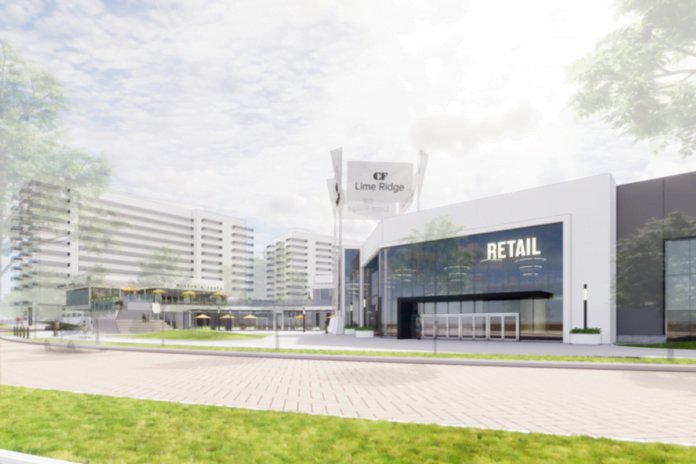
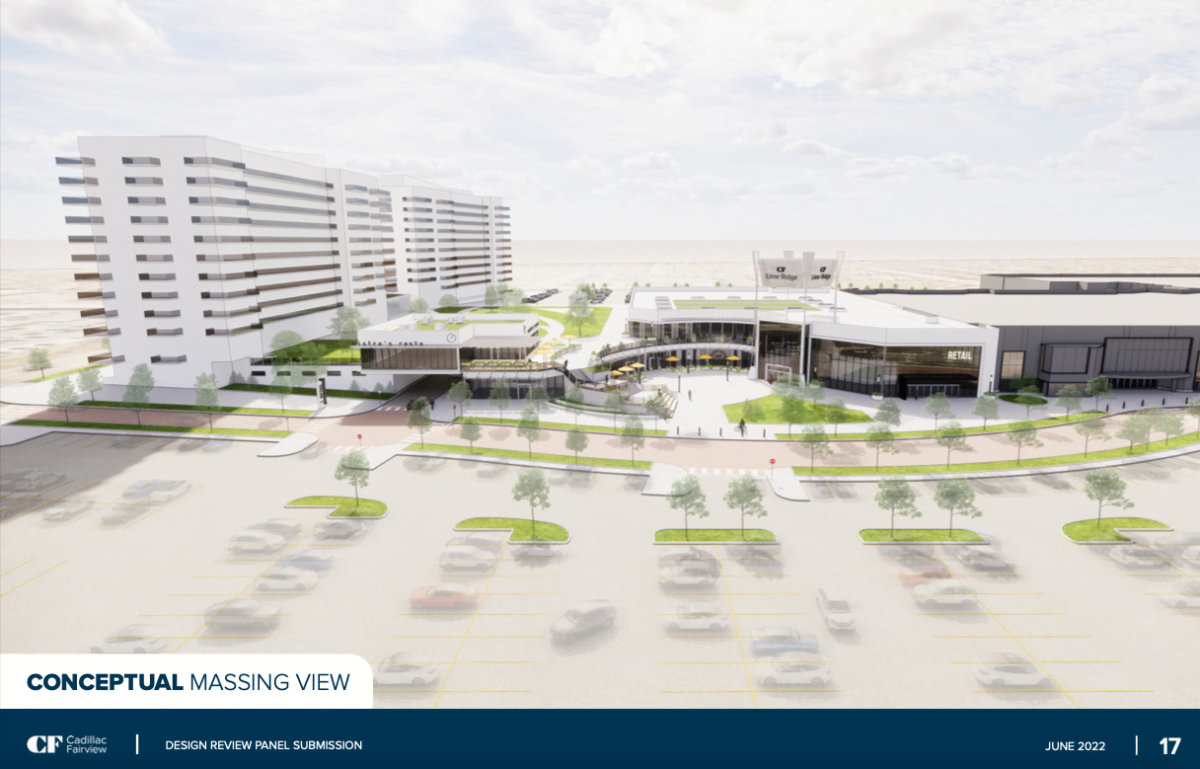
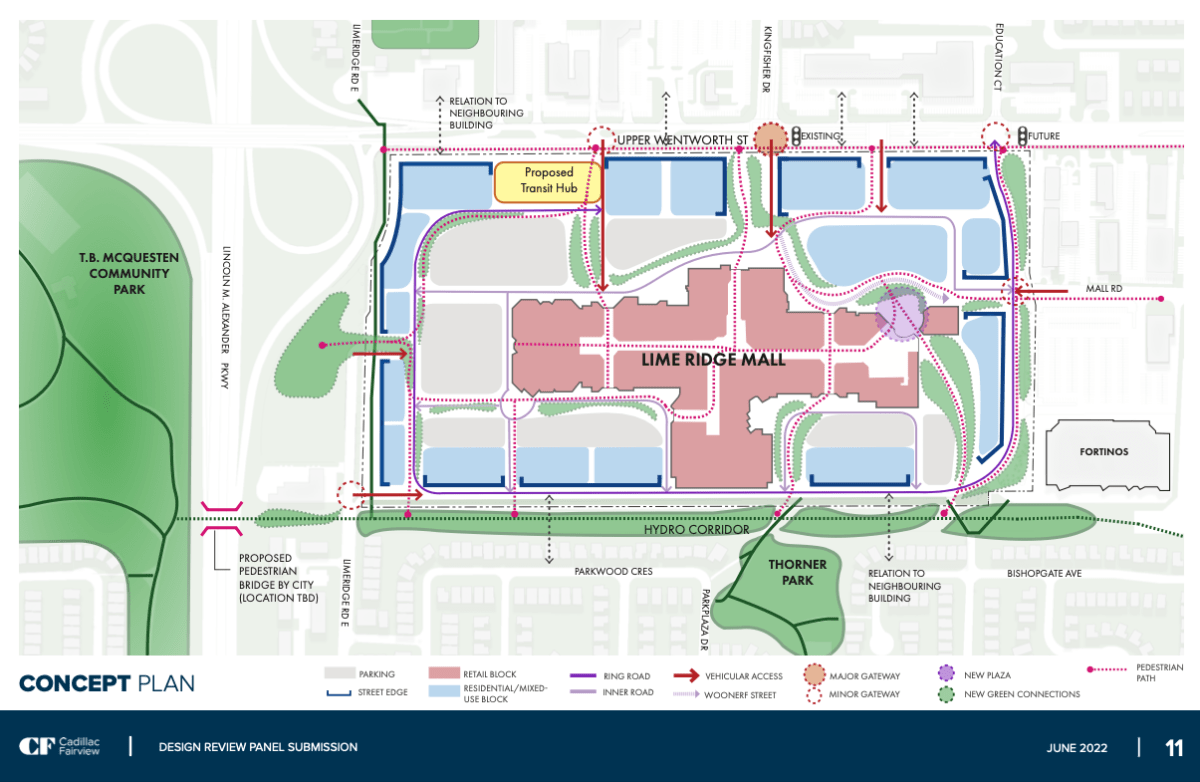
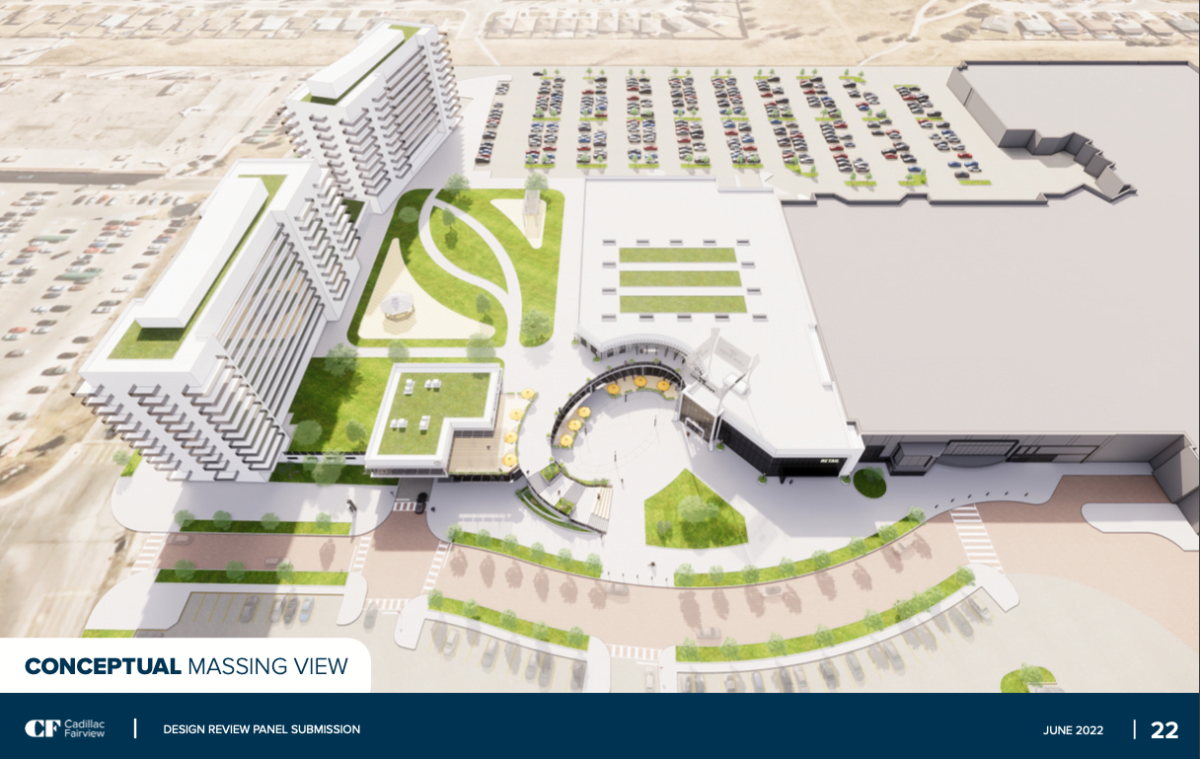
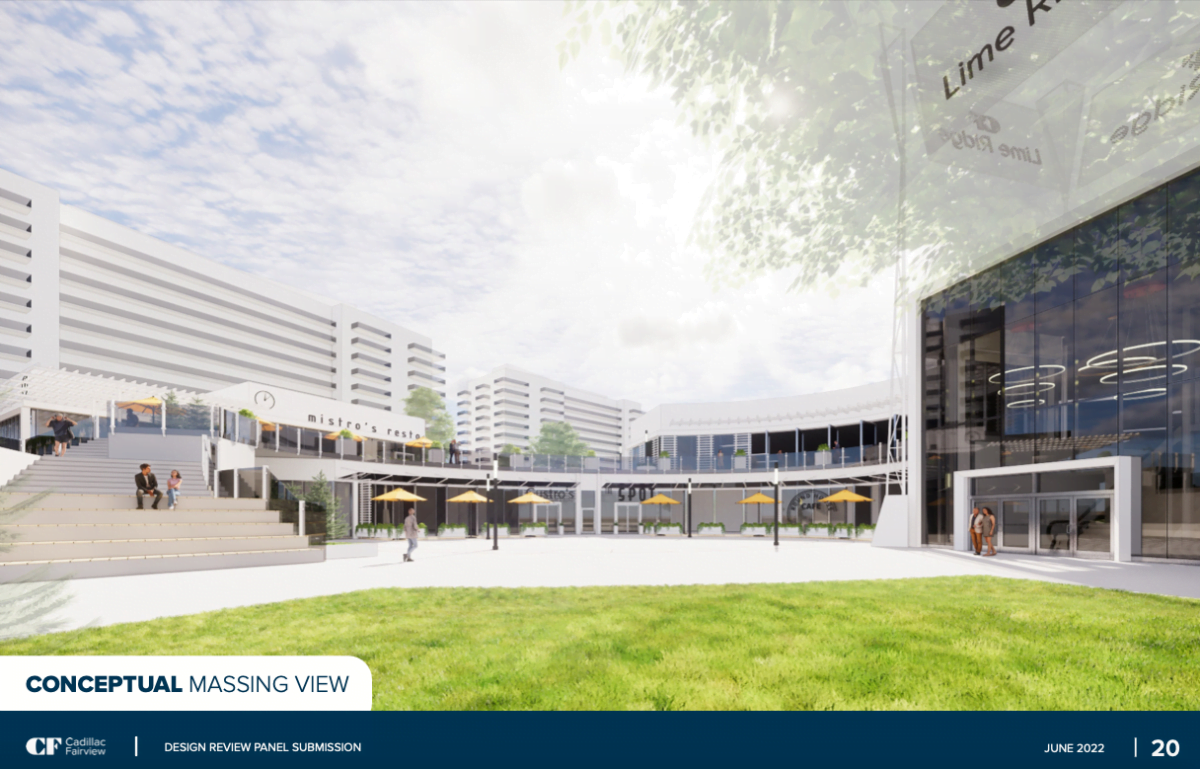
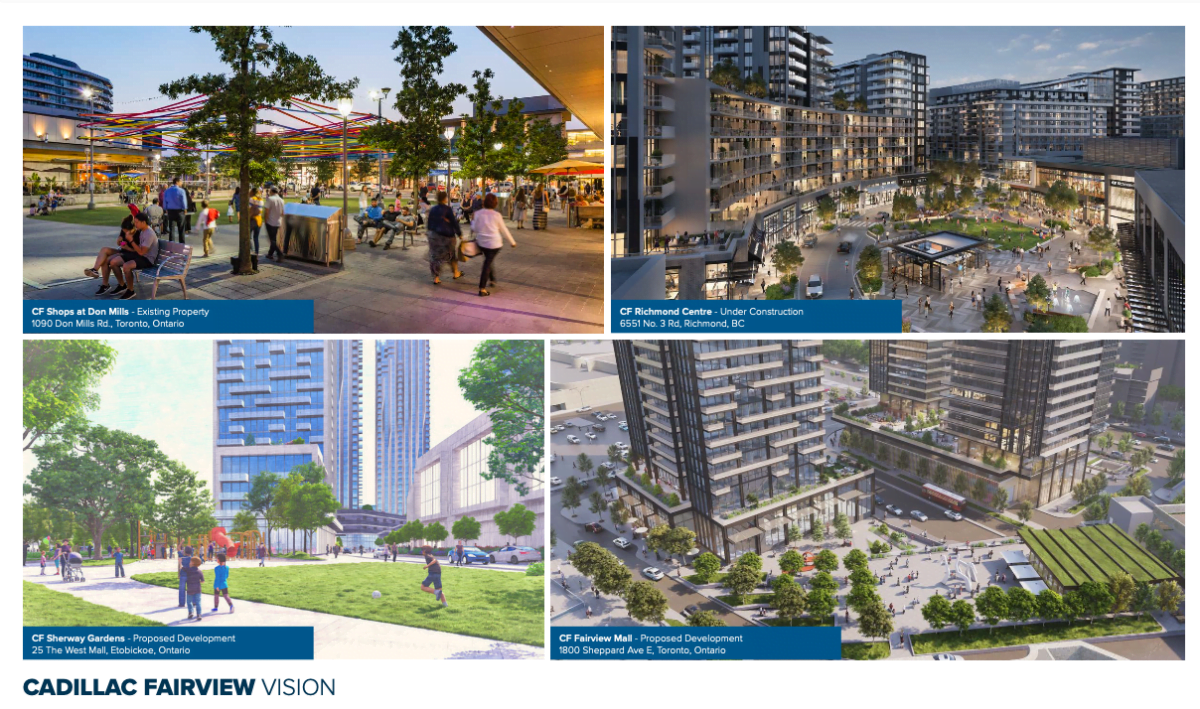
The latest is CF Lime Ridge in Hamilton where Cadillac Fairview, the property owner, intends to build two 12-storey towers with 320 residential units as it also redevelops former Sears space in the mall.
Cadillac Fairview would not comment on the proposal but offered the following statement by email.
“Cadillac Fairview is pleased to confirm that we will be meeting with the City of Hamilton’s Design Review Panel to present our plans to backfill the former Sears space while adding new rental residential development in the adjacent parking field at CF Lime Ridge,” said the company.
“We believe that this new vision, which includes retail and residential space designed to enhance pedestrian connectivity, will strengthen the centre’s role as a vibrant, regional destination and we look forward to progressing these plans with the City.”
Tim Sanderson, Executive Vice President & National Lead, Retail, JLL Canada, said he wouldn’t call it a trend anymore in the industry but a reality of the marketplace.
“Many people took the time during COVID to go out and get the approvals necessary to add such density to their shopping centres. We’re seeing it across the board. We just did a call with our Capital Markets group and they were saying that every shopping centre that’s being sold these days across the country, there’s a valuation or portion of valuation that is attributed to how much density could be put on the site,” he said. “Can they add an office building? Can they add residential? Can they add seniors?
Tim Sanderson
“The beauty of adding residential is obviously that it comes with people and people are good for shopping centres and all of a sudden you’ve got a massive amount of people living above your retail and that’s good for the retailers.
“The downside is that it takes away parking space. It’s not always as easy as it may seem. There are old leases in a lot of these shopping centres in favour of anchor tenants that say I will have this much parking and I will have a corridor to the main highway or the road. Unless those retailers are prepared to give those rights up, which a lot of them aren’t always exactly willing to do so, it’s not always as easy as it can be.”
Sanderson said many of the shopping centres have excess parking space on their properties. Also public transit is better today and those sites are better serviced for consumers.
“One of the contributing reasons as to why it makes sense to densify these sites is the simple fact our retail is not overbuilt in this country. So a lot of these shopping centres are great dots on a map. They’re either centrally located or if they were built on the edge of town the town has now grown around them,” he said. “So they’re very attractive pieces of real estate and you can’t go and get those anymore. Adding residential or density, it’s almost like it’s a no brainer.”
For property landlords, it’s also a smart move to diversify their portfolio so they’re not solely reliant on retail for certain properties.
“Part of the trend we’re seeing is a shift towards rental residential,” said Sanderson. “The beauty of a shopping centre site is that one landlord or one group owns it and they lease it out. Once you build a condo tower you don’t own it anymore. There is a demand in the market these days for upscale if you will from what we’ve been used to in the rental residential market. Renting that out leaves you the landlord that flexibility.”
Doug Stephens, Founder and President of consulting firm Retail Prophet, said the densification of shopping centres is taking place because the value of the core asset is declining.
“That is happening because the value of the shopping centre from a cultural, social and commercial point of view is declining precipitously. And the reason for that if we sort of peel back the layers of the onion is because (smartphones) came along and essentially in concert with the internet became so many of the things that the shopping mall used to be,” said Stephens. “It used to be a gathering spot. It used to be a place where you go watch movies and entertainment. It used to be a place where you go and have a meal. And certainly used to be a place where you would start most of your shopping journeys.
Doug Stephens
“So in a remarkably short period of time, technology has stepped in to replace many of those social and commercial functions. Kids today meet online. They don’t hang out at the mall. So developers have this quandary of what do we do? We’ve got a core asset that’s declining in value. We’ve got a lot of asphalt that’s surrounding it that is hardly ever completely utilized. So how can we try to pump some value back into this as a real estate asset if nothing else?
“And we create a resident population that begins to use the mall to a greater extent because it’s essentially right in their backyard.”
Stephens said it makes sense to take empty real estate and make better use of it and create a higher value asset.
“My problem is we go back to Victor Gruen and the inception of the shopping centre. His vision was never just to sort of create a commercial environment and plunk consumers into the midst of this purely commercial environment where all you do is go there to shop,” he said. “His vision is that this really becomes the centre of a community, that it becomes sort of a cultural asset for the community, a place to gather and have great experiences. I think at its inception he even said to go see art and enjoy music and all kinds of different cultural things.
“This is a short-term measure that I understand intellectually but it doesn’t address the elephant in the room and the elephant in the room is the shopping centre. It still needs to be reinvented. It still needs to be reimagined from the standpoint of the truth that retail can no longer be the draw. If the fact, you have an Apple store, and a Nike store and a food court, if that’s an idea, that’s just not a sustainable value proposition for consumers. So they need to rethink this to become a place where you go to be entertained, to dine, to gather, a social environment, it really needs to become almost an entertainment and hospitality venue.”
Image: Cadillac Fairview
Stephens said by building up and building out, property owners are increasing the scale of the real estate asset as well as increasing the market value of the asset. They’re also transferring the asset focus from being purely a retail, commercial focus to becoming residential. It takes them into an entirely different real estate class.
“The side benefit is you’re creating a resident population. You’re essentially replicating, if you will, a few blocks of a downtown core where if you live in that development that’s where you do your grocery shopping, that’s where you go to the tailor, that’s where you go to the shoemaker – all the things that people in cities have done for hundreds of years,” he said.
“So to an extent you’re really replicating a slice of urban life in the suburbs – a sort of suburbia 2.0. And it also I think fills an important need right now in many Canadian cities and that is a sensible level of density. We need greater density in most Canadian cities to provide housing for this enormously growing population.
“But to build resident population around a fundamentally decaying business concept, being the shopping centre, isn’t good enough in the long term. The shopping centre itself has to be reinvented.”
As larger video retailer stores close, Bay Street Video is thriving and serves customers globally.
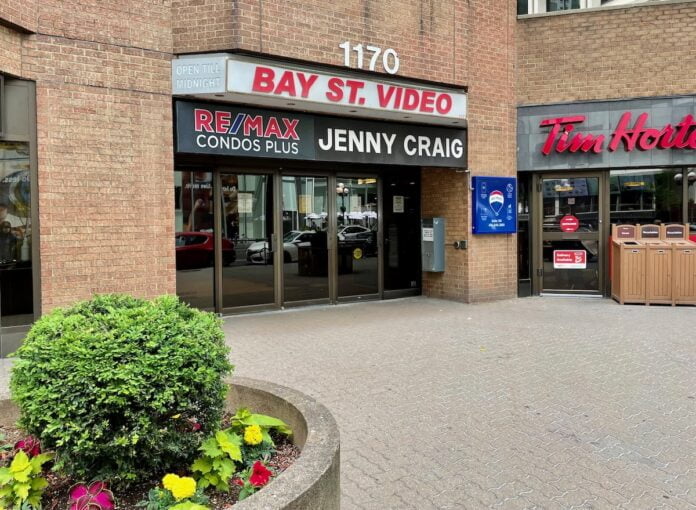
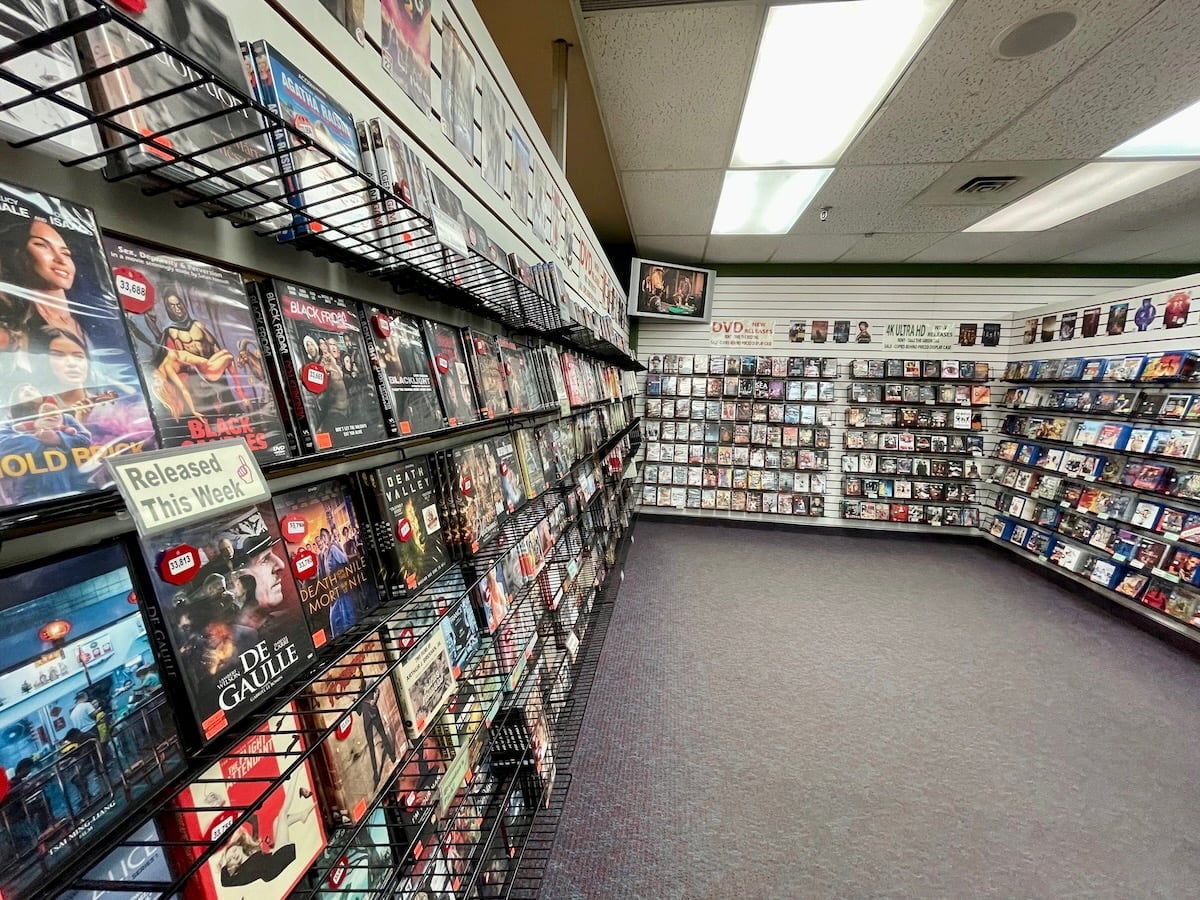
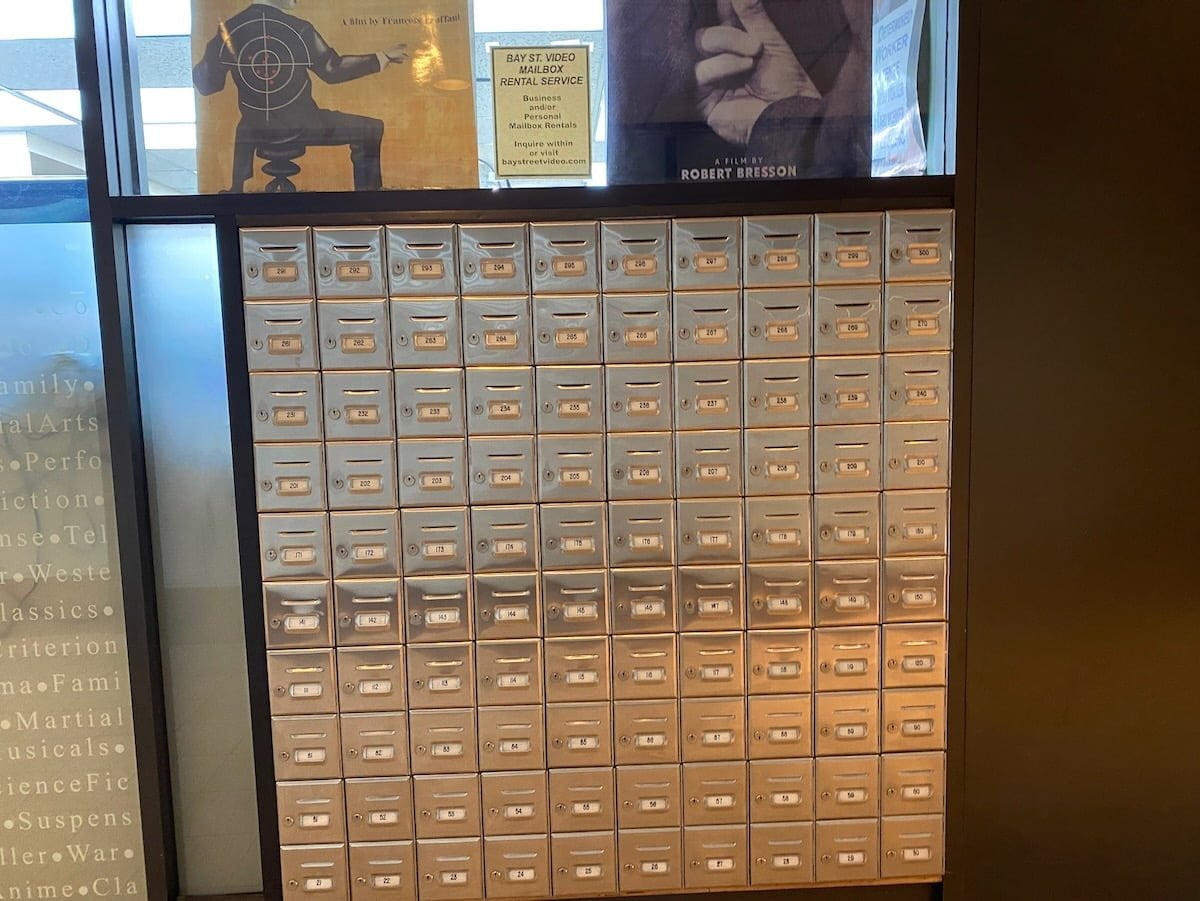
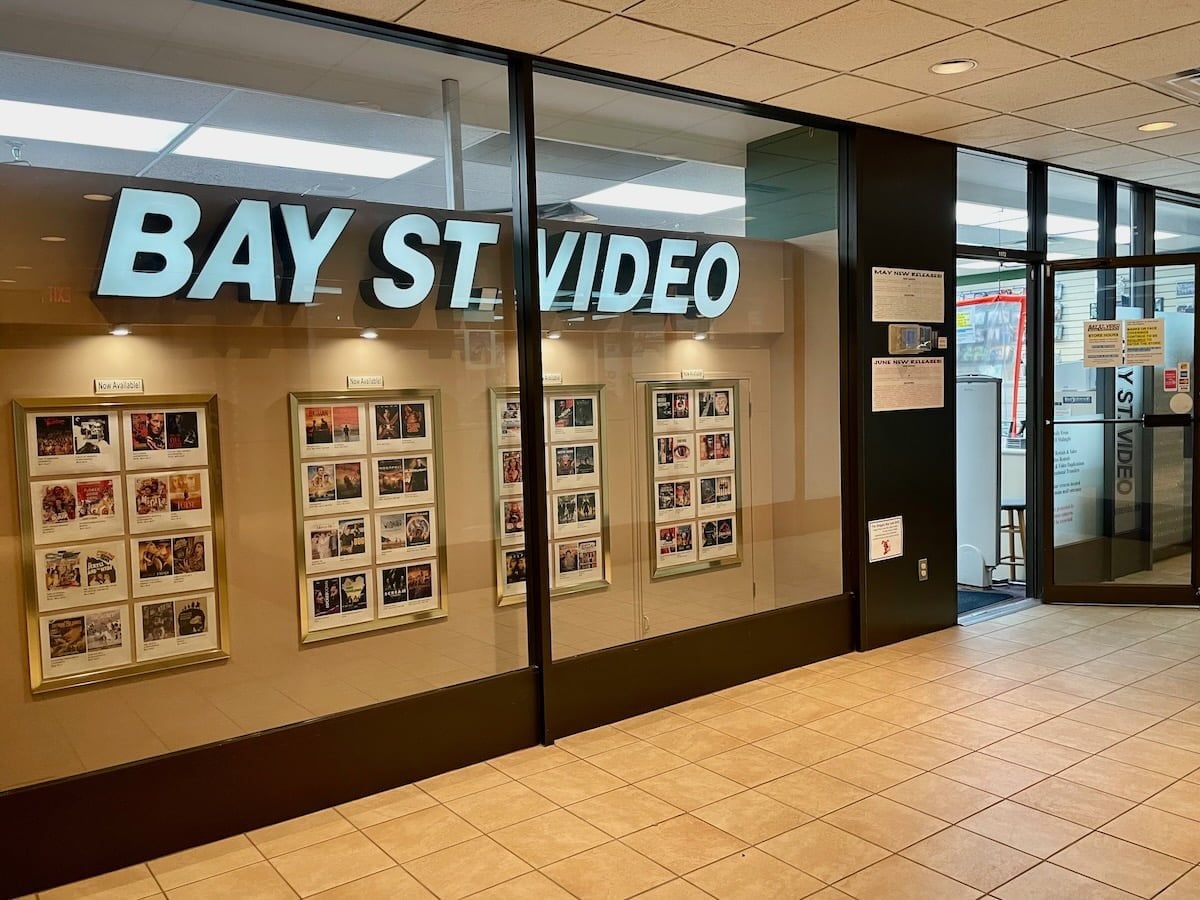
Located at 1172 Bay Street in Toronto at the base of a 1980s luxury condominium tower, customers can walk into a time machine to rent or buy their favourite movie for the weekend. The location of the video store has been around for 40 years and changed ownership in 1993 to Bay Street Video. Now, the retailer is known to have the largest DVD collection in Toronto.
“We are a very profitable store, we view ourselves as the little store that could,” says Dwayne Aylward, the Bay Street Video store manager. “In this city, you see these types of stores closing, and we are thriving. It really confuses people when they find out we exist.”
Bay Street Video (Image: Shelby Hautala)
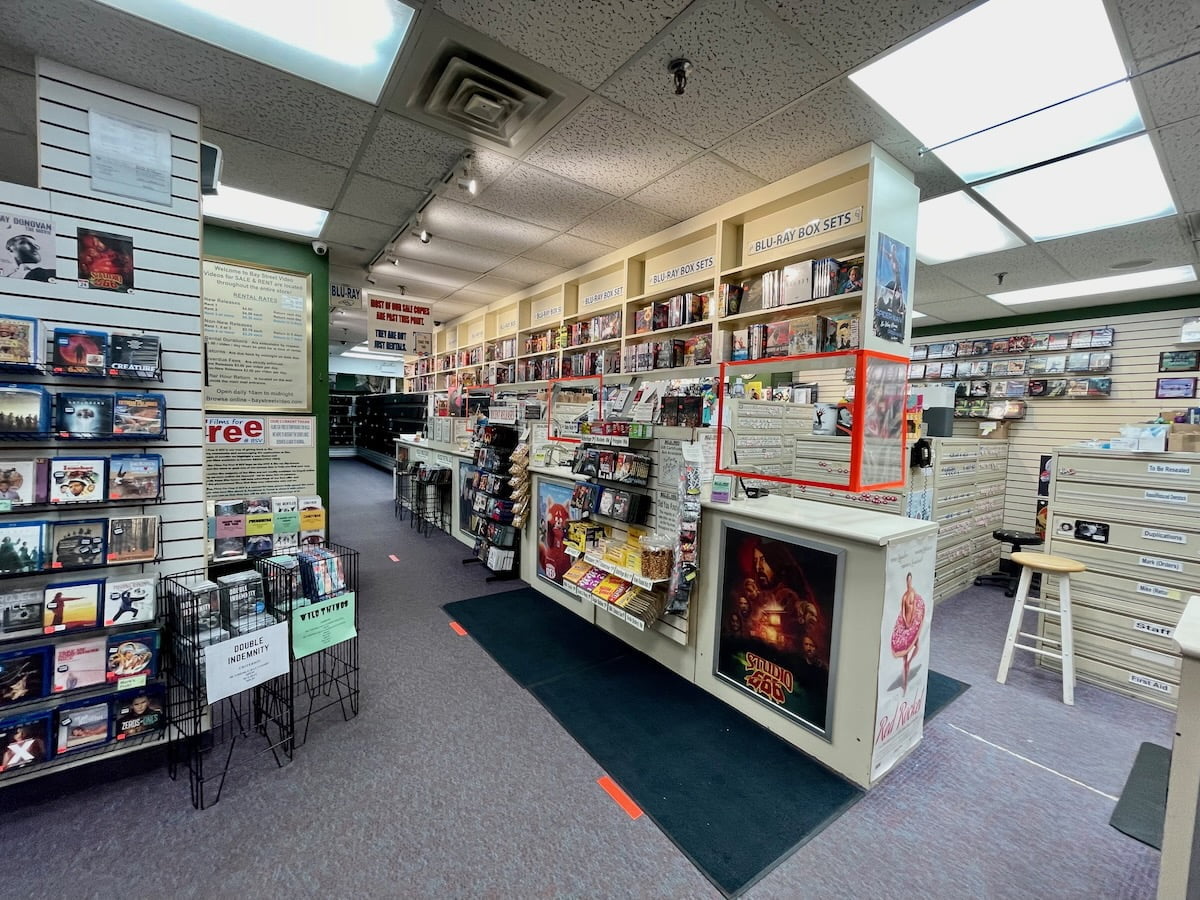
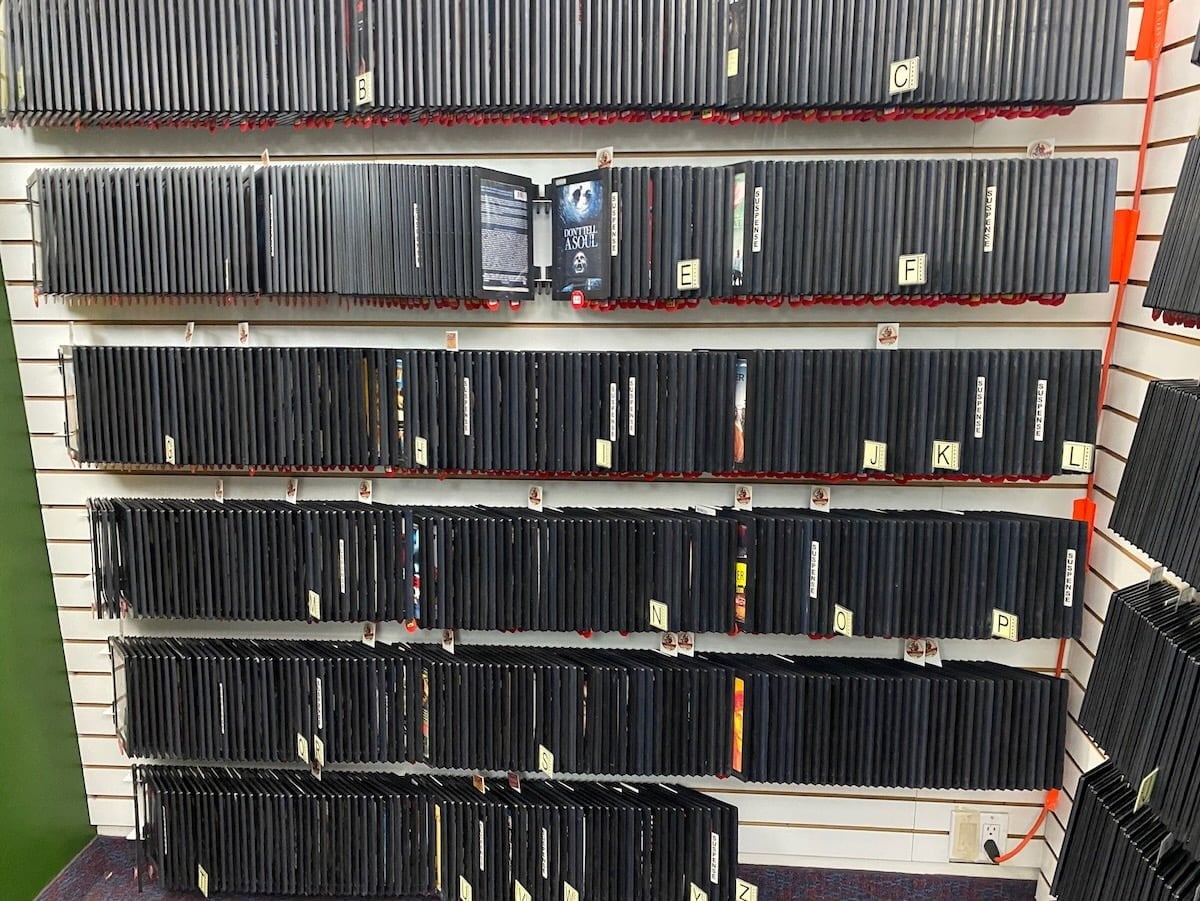
Bay Street Video has close to 40,000 titles, a number you can’t find anywhere else.
Customers can find newer movies, or you can buy an 80s classic – there is something for everyone. Bay Street Video has the largest collection in Toronto, and even possibly Canada says Aylward. They offer thousands of titles in DVD, Blu-ray, and 4K UltraHD.
Surviving in a dying industry
Bay Street Video (Image: Dustin Fuhs)
Video stores are becoming a dying industry and as streaming services are on the rise, Bay Street Video is having a harder time getting new releases on DVD.
“The biggest challenge is a lot of newer movies these days are only available on streaming service,” says Aylward. “People are hearing about a movie, and we have to say that movie is only available on Apple or Netflix. The hope is a company will get the rights to the movie and put it out on DVD, but that is not always the case.”
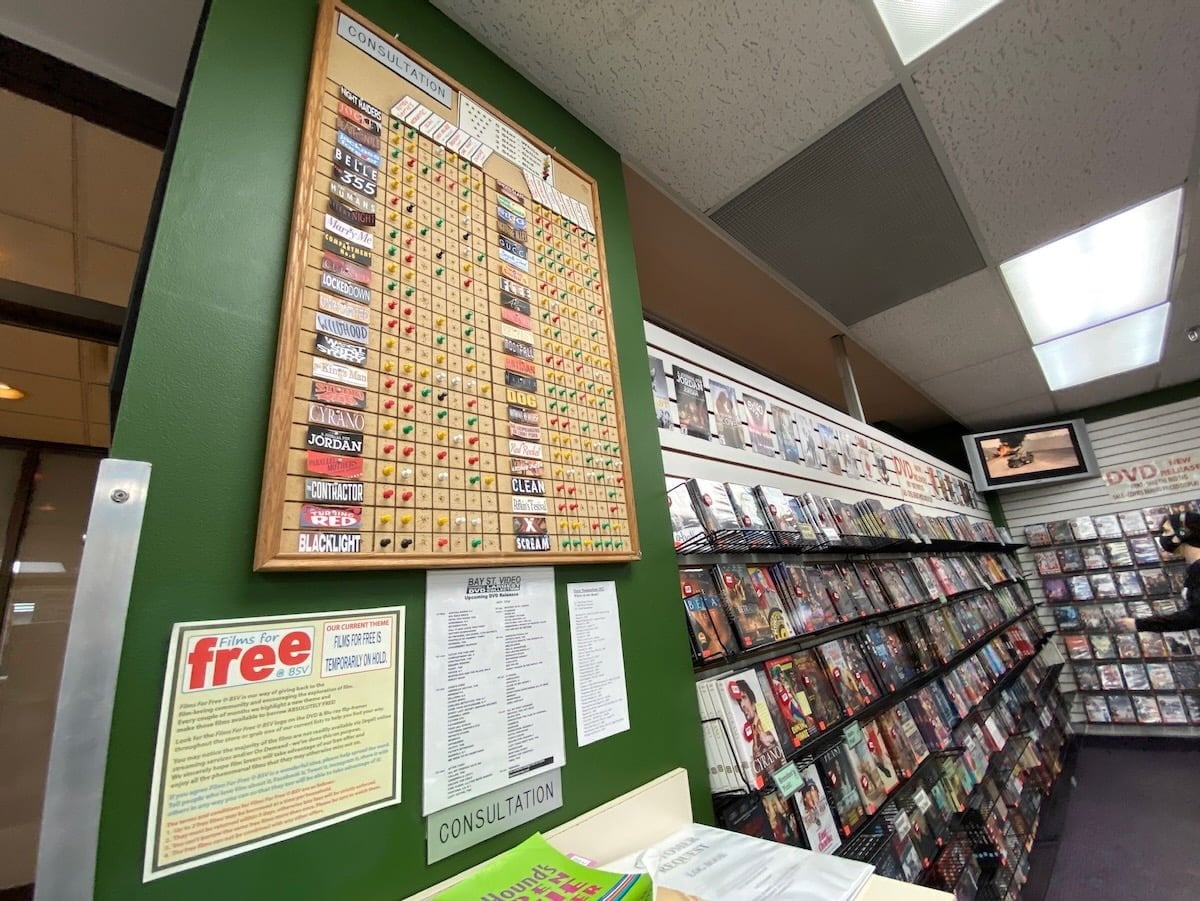
Bay Street Video tries to get everything they can on DVD, but as this is not always possible, they make it up with their huge collection. And their DVD collection has something streaming services do not: deleted movie scenes, extended movies, bonus materials, audio commentary, and all the classic movies.
“I know people who just browse Netflix just to look for something to watch and not necessarily watch anything, just passing the time. It is easy and I get it. They have a lot of stuff on Netflix, but they don’t have the classics or the similar experience of browsing,” says Aylward.
Bay Street Video (Image: Shelby Hautala)
Before streaming, people would be proud of their DVD collection or their books, but now everything seems to resort to online – taking away the experience of browsing in person and showing off their collection.
“In the past you would go into your friend’s home, and they would have DVDs on the wall, their books, their movies, and it was a representation of who they are and what they like. It was cool. Now with everything on our phones and computers there is a lot less of that,” says Aylward.
This experience is still possible at Bay Street Video as customers can buy and rent any movie they want, and if you can’t find it – they will order it for you.
Covid-19 challenges inspire new ideas
Bay Street Video (Image: Dustin Fuhs)
As Bay Street Video had to close their doors for a few weeks and limited customers to curb side pick up, they had to adapt quickly.
“We had to reinvent ourselves and adapt to the situation and how can we continue to survive as a store even though people are not able to come in,” says Aylward. “The most appealing thing about the store is people love to come in, browse, and spend time discovering things, so if you are not giving them the ability to come and look around then it does kind of hurt the overall experience.”
Bay Street Video used its website along with leaning into social media to advertise what new releases they had. With curbside pickup and their new social media strategy, the retailer was successful and really helped customers continue their browsing experience.
Covid-19 sparked an idea Aylward said they would have not considered before – shipping services.
Bay Street Video (Image: Shelby Hautala) Bay Street Video (Image: Dustin Fuhs)
“We have never done this before, but we were forced to because of the restrictions. And because we are a unique store, there are not many stores like this in the world. So, we started getting people placing in orders from all over, including Latvia,” says Aylward. “As far as we are concerned, we will adapt and change whenever necessary.”
The shipping service has allowed the world to experience Bay Street Video and the 40,000 titles they offer. Next, Aylward said they are looking at expanding their online presence by a possible Shopify store where customers will have more of an online shopping experience. With this, customers globally can find and enjoy the movie they have been looking for.
“A lot of times people come into the store and say they have been looking for a movie for 40 years and could not find it, and we say they should have started their search here, says Aylward. “If we don’t have it, we can find it for you as we like the challenge.”