Shopping centres across the country have been undergoing a transformation in recent years to adapt to the changing trends in consumer behaviour and that transformation has become increasingly more important for secondary malls.
The Wetaskiwin Mall, owned by Calgary-based Avenue Living Asset Management, and located just outside of Edmonton, is a perfect example of what’s happening in Canada as landlords adjust to the changing realities of the retail marketplace.
Leasing efforts and strategy are focused on repositioning the shopping centre and breathing new life into an older property.
Ben Volorney
Ben Volorney, Principal with commercial real estate firm Avison Young, which is leasing the Wetaskiwin Mall, said prospective tenants want to be part of a larger story.
“If we’re speaking to applicants, if it’s a medical user or an entertainment type user or anything really that can bring some life or bring a bit of activity back to an older mall, we typically make it about strengthening an existing community hub,” said Volorney.
“A lot of these older malls that were built in the mid-80s are at a pretty critical point in their lifespan. Some of them are successfully repositioned to have a strong medical component. Some of them have added density by way of multi-residential or a transit hub and some fade away unfortunately.
Wetaskiwin Mall sign. Photo: Wetaskiwin Mall
“What we want to do when we get involved in a mall is tell a bit of a story about how we’re trying to turn a corner and to almost bring a mall back to a place of relevance where it certainly can get to. But it gets there with a vision and that usually involves having groups that are like-minded find a reason and want to reposition the assets.”
Volorney said many of the older enclosed malls are being redeveloped to attract people back to the shopping centre.
For the Wetaskiwin Mall, in particular, the idea is to create a community hub with medical-related and entertainment/experiential-related tenants.
The Wetaskiwin Mall is a major regional shopping centre with exceptional exposure to Highway 2A and convenient access from the surrounding townships. The primary trade area extends north and south along Highway 2A to capture a population base just over 90,000 people. Wetaskiwin Mall is being repositioned as a retail, service, and medical destination for the trade area. Anchor tenants include Sport Chek, Scotiabank, The Brick, Giant Tiger, Alberta Health Services, and Dollarama.
“Once things start to turn the corner, we’re confident that certain gathering points will continue to thrive,” said Volorney.
1 of 3
Wetaskiwin Mall. Photo: Wetaskiwin Mall
Google Map of Wetaskiwin Mall and surrounding area
“Retail has changed and we’ve seen it accelerate obviously in the last 12 months with COVID and because of that a lot of these malls are in a position now where they have to truly reinvent themselves. Footprints are changing. A lot of retailers are, I like to use the term, right sizing versus downsizing . . . But as far as these enclosed malls, some of them are kind of past the point of no return where they may need to be completely redeveloped. A lot of them if they’re well situated, if they’re central in the community already and there’s an opportunity to either add density or add something experiential or get something that brings people and gives them a reason to come there, like medical or post-secondary educational, then a lot of these malls have a lot more years added to their lifespan which is what we’re trying to do.”
Jordan Martens, Director of Commercial Asset Management with Avenue Living, said the company’s agenda at the Wetaskiwin Mall is to have a health and medical focus.
Jordan Martens
“In a perfect world we pull in family doctors, pharmacy. We’ve got AHS (Alberta Health Services) already in the mall with their home care unit. Then we double down on that and we’re getting vibes that in time we would be probably the preferred choice for unloading some stuff out of the hospital so radiology, injury and some blood work potentially,” said Martens.
“It’s great for medical because it’s got a ton of parking. Wide aisles. Big clear space. The ease of getting medical at scale, kind of a one-stop shopping.
“To be honest, every interior mall is looking for medical as a bit of a saviour. It’s become clear that the retail landscape, especially with COVID, has really changed. The pace of change has accelerated. So medical is a great solution.”
The Wetaskiwin Mall, which was built in the early 1980s, is 158,000 square feet. Avenue Living bought the mall in 2017.
Renovated Holt Renfrew facade on Bloor Street. Photo: Doublespace Photography
Toronto-based luxury retailer Holt Renfrew recently unveiled completed renovations to its 190,000-square-foot flagship store at 50 Bloor Street West, which now features a new facade as well as 12 main floor concessions for fashion, accessory and jewellery brands. It’s all part of the Mink Mile flagship’s multi-year transformation that now includes a luxury boutique hall similar to leading department stores in Europe and Asia. It also marks another milestone to Holts’ multi-year investment as it spends more than $400 million to upgrade its fleet of stores.
New Bloor Street Facade
The recently-completed limestone facade to the Bloor Street store creates an overall modern look, spanning 270 linear feet over the three original buildings that make up the flagship store. Bronze canopies span the expanse of the store and an 18-foot-high glowing ‘lantern’ over the store’s new recessed exterior entry room at its main entrance features the Holt Renfrew branding. The exterior entry room also includes a new valet service podium for customers. The Holts Café on the store’s mezzanine level features 23-foot-high, energy-efficient windows facing onto Bloor Street.
Twelve-foot-high windows span the facade of the store, featuring Holt Renfrew’s displays and campaigns. Flanking each end of the Bloor Street facade are concessions for Saint Laurent and Miu Miu, both featuring exterior windows as well as branding. Holt Renfrew’s iconic magenta flags, along with the Canadian flag (and likely a Pride flag in the summer), crown the new facade.
Renovated Holt Renfrew facade on Bloor Street. Photo: Doublespace PhotographyFormer Holt Renfrew facade on Bloor Street. Photo: Holt Renfrew
Architecture and design firm Gensler was responsible for designing the new facade that cost millions of dollars to install. Sustainability was a focus, including using enhanced levels of thermal insulation exceeding the Ontario Building Code and reducing the store’s carbon emissions. Over 80% of construction waste was recycled during the renovation of the store.
The facade’s overhaul commenced in May of 2019 and it was completed in the fall of 2020 — we’ve been waiting for lockdowns to lift in order to report on this story so that readers could see inside the store for themselves.
Completion of the Street Level Interior Renovation
We have been waiting since November 2020 to run this article, and we’re still not 100% sure if retailers in Toronto will be permitted to reopen stores to the public on March 8 as has been announced tentatively. The following is some of what visitors will get to experience when stores are permitted to reopen.
In late 2019, half of Holt’s main floor at 50 Bloor Street West in Toronto was shuttered temporarily for the construction of several luxury boutiques. One-by-one, boutiques began to open in 2020 including some new brands that were not formerly in the store.
The other boutiques on the main floor are dedicated to fashion, bags, accessories, and jewellery. Italian luxury brand Gucci unveiled an impressive space on Holt’s main level next to a ‘world of Fendi’ that Retail Insider reported on in January of 2019. A Dior accessory concession opened next to Gucci, showcasing Dior’s handbags and accessories — both Gucci and Dior also operate large standalone flagships nearby on Bloor Street West.
Boutiques for Prada, David Yurman, Balenciaga, Burberry, and Bulgari also opened, and were joined by Miu Miu and Bottega Veneta in January of 2020.
The David Yurman boutique, which encompasses 1,649 square feet, features the brand’s full assortment of jewellery designs for women and men, including wedding pieces. The boutique includes a sculpture titled ‘Angel’ and an oversized painting by Sybil Yurman, alongside a heritage wall that “visually narrates the Yurmans’ journey from art to jewellery,” according to the company. The men’s area features a blackened steel entry portal, and the wedding area includes a floral panel of trilliums — the official flower of Ontario. David Yurman’s only standalone Canadian storefront is at Toronto’s Yorkdale Shopping Centre in a 1,625 square feet space. The Vancouver Holt Renfrew concession was the largest shop-in-store in the world for David Yurman at 1,226 square foot when it opened in late 2016. David Yurman opened a Montreal concession at Holt Renfrew Ogilvy in the spring, spanning about 1,200 square feet. The Bloor Street Holt Renfrew concession is now the largest David Yurman space in Canada and could very well be the largest shop-in-store concession for the brand globally.
Main floor David Yurman boutique at Holt Renfrew Bloor Street
Main floor Chanel beauty boutique at Holt Renfrew Bloor
Main floor at Holt Renfrew Bloor Street
Escalators/beauty on the main floor
Prada, Fendi, and Gucci boutiques on the main floor
The Balenciaga boutique, which occupies an expansive space along the eastern part of the newly renovated main floor, is another ‘world of’ boutique for the Balenciaga brand. Included is a range of accessories and footwear as well as ready-to-wear fashions for both men and women. It’s the second ‘world of’ Balenciaga concession for Holt Renfrew, following an open-concept space that debuted at the Vancouver Holt Renfrew flagship at the end of 2018. Balenciaga also opened its first standalone flagship at Toronto’s Yorkdale Shopping Centre in December of 2019.
Burberry struck a deal with Holt Renfrew to occupy an open-concept space on Holt’s main level, which faces towards the new Balenciaga and David Yurman boutiques. A range of Burberry accessories are featured in the space.
Italian luxury jeweller Bulgari opened a beautiful boutique on Holts’ main level, carrying an expansive assortment of jewellery as well as time pieces and accessories. It’s the second Bulgari boutique in Toronto — a 1,930-square-foot Bulgari opened at Yorkdale in late 2014 and it continues to remain the only standalone unit in Canada. In February of 2018, Bulgari also opened a 450-square-foot concession at Holt Renfrew in Vancouver in its expansive accessory hall. Staff in the Holt Renfrew Bloor Street Bulgari shop said that the Toronto storefront is considerably larger than the Vancouver boutique at more than 1,000 square feet.
Accessory concessions for Miu Miu and Bottega Veneta also opened on the main floor of Holt Renfrew’s Bloor Street flagship. Miu Miu operates shops in several Holt Renfrew stores, as does Bottega Veneta which has concessions at Holts’ Vancouver flagship as well as at the recently-completed Holt Renfrew Ogilvy in Montreal. Bottega Veneta also opened its only standalone Canadian storefront at Toronto’s Yorkdale Shopping Centre in November of 2018, as featured in Retail Insider. Both the Yorkdale and Holt Renfrew Bloor Bottega Veneta boutiques were built by Elevate Build Inc..
In 2019, luxury brands Saint Laurent and Fendi both opened ‘world of’ concessions on the new main floor luxury hall at Holts Bloor, with each spanning approximately 3,000 square feet. As per the ‘world of’ concept, both feature the brands’ full range of fashions for men and women as well as accessories, bags, and footwear.
Main floor Balenciaga concession boutique at Holt Renfrew, 50 Bloor St. W. in Toronto. Photo: Craig Patterson
Main floor Balenciaga concession boutique
Miu Miu and Bulgari concession boutiques
Main floor Dior accessory concession
Main floor beauty area
Burberry accessory concession
Dior beauty and the Saint Laurent 'world of' concession
Holt Renfrew as King of the Concessions in Canada
Holt Renfrew has adopted a concession model that involves major brands occupying space in its stores with dedicated areas carrying a broader assortment than in a typical department store. The model involves Holt Renfrew being both a retailer and a landlord as it hosts name brand boutiques that are operated by the specific brands. Parent company, Selfridges Group, has created similar luxury halls in its Selfridges stores in London, UK, as well as at Brown Thomas in Dublin, Ireland and at De Bijenkorf in Amsterdam, Netherlands. The model is also popular in Japan and in other parts of Asia where department stores continue to flourish unlike in North America generally.
Renovations to the Bloor Street store have been ongoing for several years. A renovated footwear hall on the mezzanine level reopened in the fall of 2018, and the new concourse level beauty hall was unveiled in the spring of 2019. The next renovations to the store are expected to include changes to the women’s designer floor on the second level as well as the addition of a newly-expanded women’s contemporary floor below the mezzanine in about 30,000 square feet of space not currently used for retail. A new 25,000-square-foot, third level men’s floor is also anticipated, which would coincide with the closure of the 16,500-square-foot standalone Holt Renfrew men’s store nearby at 100 Bloor Street West that opened in the fall of 2014.
It’s all part of a $400 million investment in the Holt Renfrew chain that is seeing the retailer’s stores transformed into showpieces. The 190,000-square-foot Vancouver Holt Renfrew flagship at CF Pacific Centre, which was the top selling unit in the chain before the pandemic, has seen a remarkable transformation over the past three years that includes 87 vendor shops — nearly double that of only a couple of years ago. That includes an expansive ground-floor luxury hall that houses an impressive roster of concessions for brands such as Louis Vuitton, Tiffany & Co., Balenciaga, Celine, Prada, and Chanel — Chanel’s concession is the largest at more than 5,000 square feet.
Holt Renfrew’s 130,000-square-foot Yorkdale Shopping Centre store in Toronto also saw a transformation that includes the openings of ‘world of’ concessions for brands including Gucci, Fendi, and Dior, which were followed by a world of Burberry boutique and a fashion boutique for Italian brand Brunello Cucinelli, which moved into the former Gucci accessory space, as well as a much larger Christian Louboutin footwear and bag concession nearby. In Montreal, the 250,000-square-foot Holt Renfrew Ogilvy store saw a spectacular overhaul that included concessions for many of the world’s leading luxury brands.
Holt Renfrew has embraced the concept of clustering and is said to be seeing strong sales productivity in its stores as a result. Rather than buy designer brand collections itself, Holt Renfrew’s concession brands are able to determine what products to offer to local consumers and as a result, a greater depth of product is available, as is the opportunity for special orders directly from brands. It’s a model seen less in competitors Saks Fifth Avenue and Nordstrom in Canada, both of which act more as a retailer in their designer offerings.
Ultimately, Holt Renfrew’s Bloor Street flagship overhaul is good news for the Bloor-Yorkville area. The clustering of luxury brands will attract shoppers and as a result, the Bloor Street Holt Renfrew is expected to see considerable sales gains as shoppers begin to return amid pandemic lockdowns. At the same time, some question if brands such as David Yurman and Bulgari will consider opening street-front retail spaces in the Bloor-Yorkville area after opening inside of Holts — Holts is said to have offered inducements to its concession partners to open boutiques within the Bloor Street flagship that include funding tenant build-outs as well as taking a percentage of sales as rent.
Renderings of what could have been. Renderings: Allies and Morrison
1 of 4
Rendering of the conceptualized Holt Renfrew flagship store at 60 Bloor Street West. Image: Allies and Morrison
The 60 Bloor Holt Renfrew proposal, showing the new store on the left with a walkway heading north to 'Cumberland Square. Image: Allies and Morrison
Another shot of the Cumberland Square proposal, including what could have been a corner Holt Renfrew stores at 60 Bloor Street West. Image: Allies and Morrison
Overhead shot of the 60 Bloor Holt Renfrew store proposal. Image: Allies and Morrison
What Could Have Been
A proposal several years ago by neighbouring landlords could have seen a large multi-level Holt Renfrew store constructed on the northeast corner of Bloor and Bay Streets at 60 Bloor Street West as part of a development called Cumberland Square. The proposal would have been part of a transformation of the block and because of various reasons, the mega project was shelved. Renderings above are from Allies and Morrison which had a rather compelling proposal, which would have seen the existing Holt Renfrew store demolished. Ultimately, landlord Morguard renovated the existing 12-storey office building at 60 Bloor Street West, which until recently housed a three-level, 17,000-square foot Gap store.
Rendering of the newly-renovated Hudson's Bay store and office building extension. Rendering: Menkes Shooner Dagenais LeTourneux
Renderings and plans for a proposed redevelopment of the Hudson’s Bay flagship department store at 585 Ste-Catherine Street West in downtown Montreal have been revealed. The redevelopment will include a downsizing of the retail portion of the store as well as the addition of an office tower. The Hudson’s Bay proposal is being evaluated by Montreal City Council this week, and images were first showcased in French language news publication La Press on Saturday.
Included in the plans is a smaller and renovated Hudson’s Bay department store on the lower levels of the complex. The 655,000-square-foot store is proposed to be downsized to about 295,000 square feet of retail space over five levels, spanning from the basement level to the store’s fourth floor. The floor plates will be a bit smaller than what the current store features — the back end of the building will be demolished for the construction of a new 25 storey office building that will rise behind and over the historic structure.
1 of 3
Side rendering of the newly-renovated Hudson's Bay store and office building extension on Union Avenue. Rendering: Menkes Shooner Dagenais LeTourneux
Internal rendering of the newly-renovated Hudson's Bay office building extension. Rendering: Menkes Shooner Dagenais LeTourneux
Rendering of the newly-renovated Hudson's Bay store and office building extension, Ste-Catherine Street. Rendering: Menkes Shooner Dagenais LeTourneux
The Original ‘Colonial House’ storefront facing Ste-Catherine Street will be restored — the four-level building, built in 1891, operated for years as an upscale Henry Morgan department store. Plaster removal on the facade will reveal some architectural elements not seen in almost 100 years, according to the application. Morgan’s expanded over the years in phases including an eight level expansion in 1923. The most recent expansion was a rather unattractive addition in 1964 at the back of the building, facing Boulevard de Maisonneuve. That back end of the Hudson’s Bay store had been slated for a different type of redevelopment about five years ago — in 2016, Hudson’s Bay announced that Saks Fifth Avenue would open a 200,000-square-foot store in the back-end extension though plans were subsequently shelved.
The updated redevelopment project will add a 25-storey terraced office tower, standing at 510 feet and spanning 678,000 square feet, as well as office space on the fifth and sixth floors of the existing Bay store. A terrace above the four level Colonial House component will become an amenity for occupants. Also included will be 116 parking spaces over three underground levels, 287 bicycle parking spaces on street level with showers in a basement facility. Architectural firm Menkes Shooner Dagenais LeTourneux is working on the project.
Sources had said last year that the application could have included a residential component as part of the redevelopment, though that’s not part of the current plans.
The Hudson’s Bay Company purchased Morgan’s in 1960, and the company operated until 1972 when the Montreal flagship was converted to La Baie. Morgan’s was considered to be the most upscale large-format department store chain in Canada in years past and it operated 11 stores at its peak in the Montreal and Toronto markets and was a notable seller of women’s European couture.
1 of 2
View of the newly-renovated Hudson's Bay store from Sainte-Catherine Street. Rendering: Menkes Shooner Dagenais LeTourneux
Rendering of the newly-renovated Hudson's Bay office building extension. Rendering: Menkes Shooner Dagenais LeTourneux
The smaller renovated Hudson’s Bay store would be part of the retailer’s updated strategy that will integrate its physical retail with an expanded online presence that includes an online marketplace for third-party vendors as well as offerings from Hudson’s Bay itself. One source said that they expect Hudson’s Bay to continue to innovate as it seeks out new vendors as part of its overall brand matrix. Luxury fashion department The Room, currently located in Bay stores in downtown Toronto and Vancouver, could be added to the Montreal store as well.
In October of last year we reported that the Hudson’s Bay Company had launched a real estate division with a goal of capitalizing on the value of its properties. It’s unclear if a similar redevelopment of the Vancouver Hudson’s Bay store could also be at play — a prior La Presse report noted that brokerage CBRE was listing both buildings for sale. In years past, the massive Hudson’s Bay flagship store at the corner of Queen Street and Yonge Streets was also set for redevelopment according to sources, prior to being acquired by Cadillac Fairview for $650 million in early 2014 for the addition of a Saks Fifth Avenue store on the Yonge Street side. The downtown Winnipeg Bay flagship shut forever in November and its future is uncertain, given its lack of value compared to the downtown Bay stores in other cities.
Hudson’s Bay is the last remaining traditional department store in downtown Montreal. At one time, large storefronts for Eaton’s, Simpsons and Ogilvy lined the street — Holt Renfrew merged with Ogilvy last year to create a large luxury store now known as Holt Renfrew Ogilvy, and the former Simpsons building at 977 Ste-Catherine Street West is now occupied by a La Maison Simons store and a theatre.
1 of 3
Aerial rendering of the newly-renovated Hudson's Bay office building extension on the Sainte-Catherine Street side. Rendering: Menkes Shooner Dagenais LeTourneux
Aerial rendering of the newly-renovated Hudson's Bay office building extension facing west. Rendering: Menkes Shooner Dagenais LeTourneux
Aerial rendering of the newly-renovated Hudson's Bay office building extension. Rendering: Menkes Shooner Dagenais LeTourneux
The redevelopment of the downtown Montreal Hudson’s Bay store is part of an impressive rejuvenation of the area. Phillips Square, across from the Bay store, is also seeing a renovation as is Ste-Catherine Street itself which is seeing a multi-year overhaul. The Maison Birks flagship jewellery store saw a renovation and the addition of a boutique hotel in 2018 and the nearby Montreal Eaton Centre has also seen a transformation that includes a Time Out food hall and a recently-opened Uniqlo flagship store.
Updates in and near Hudson’s Bay are expected to bring more shoppers to the immediate area, which will create competition with retailers several blocks westward including Holt Renfrew Ogilvy and Harry Rosen.
By shrinking the size of its retail spaces, Hudson’s Bay could be giving up an opportunity to create interesting experiences that would draw shoppers in. In parts of Europe and Asia, very large department stores are seeing success by offering significant food and beverage offerings, not to mention a wide range of top brands and other attractions. Selfridges and Harrod’s in London, as well as Galeries Lafayette in Paris, all see annual sales well surpassing a billion dollars. The same is the case with several large department stores in major Asian cities which house brand concessions and other offerings that make them destinations.
In North America, the department store concept is no longer relevant due in part to cost cutting, mergers/takeovers, and a general lack of investment into what made department stores must-visit places in the early to mid 1900s. Shopping centres, direct to consumer brands, category killers/off-price retailers, and the internet also contributed to the downfall of department stores on this continent. In years to come, shopping centres are expected to continue to dominate in terms of housing brands in their own spaces while creating experiences. And already, landlords are saying that they no longer need large department store anchors to create a compelling retail destination as was the case in years past.
A new survey by SOTI, a provider of mobile and IoT management solutions, finds that the COVID-19 pandemic has radically changed consumers’ expectations for retailers and accelerated online shopping trends.
According to the global research report commissioned by SOTI, From Bricks to Clicks: State of Mobility in Retail 2021 Report, in order for retailers to stay competitive in the new normal and excel, there needs to be a more efficient and seamless return process, delivery times need to be faster, and there needs to be better protection of personal and payment data.
Ryan Webber
Also, an expert in the area of e-commerce, David Nagy, Founder of eCommerce Canada, is sounding the alarm bells about the already over-saturation in the market of online retailers.
“Speed and transparency are just as critical as user interface and inventory,” said Ryan Webber, SVP of Enterprise Mobility, SOTI. “This requires significant backend infrastructure and mobile tracking to create a seamless consumer experience. Our advice to retailers is to pay closer attention to their consumer experience and how they can track and receive the item they purchase, as it is just as important as the item itself. If the past year has taught us anything, it is that having a mobile strategy is business-critical.”
Canadian results from the survey show:
82 percent are comfortable using any delivery options from home/convenient location;
70 percent are expecting any safety features implemented in-store for the pandemic to remain post-pandemic;
67 percent want to know where their order is from the moment they order it until it’s in their house;
66 percent expect any payment features implemented for the pandemic to remain; and
65 percent believe the returns processes should be more automated to make the experience faster.
Canadian results were higher than those overall for the following:
47 percent are more comfortable with contactless ‘tap’ payments post-pandemic;
29 percent believe the pandemic will overtake retailers who don’t master the delivery experience; and
24 percent said they would like sales associates to use in-store price and stock-check devices to help choose the right product.
“The consumer expectation experience has fundamentally shifted. Obviously the pandemic has caused a huge impact,” said Webber. “What we’re finding the biggest change is around the customers adopting this new online e-commerce experience. What’s interesting is the impact it has had on retail across Canada and how they’ve had to adjust to it.
“It’s all around the modernization of the customer experience and the modernization of the actual retail environment itself. There was a huge investment in technology in 2019 in North America straight across the board and what we found with the customers is they had plans to adopt a more omni channel experience that would incorporate a seamless experience for the user going online and shopping online when they come in the store. But what happened with the pandemic is that it rapidly accelerated that change and through that rapid change it created a lot of potential gaps. What I mean about gaps is around the technology that they were using.”
Calgary-based eCommerce Canada was founded by e-commerce entrepreneurs with more than 50 years of experience, whose companies have directly sold more than $100 million of goods and whose clients have exceeded $1 billion in internet sales. Its purpose is to help companies in their online and digital journey in the marketplace.
David Nagy
Nagy, with more than 15 years in the area of digital consulting, made his mark as one of the founders at LiveOutThere.com in 2009. By 2012, LiveOutThere was one of Canada’s fastest growing businesses employing over 50 people. Nagy has led projects with notables such Virgin Mobile, HBO Comedy, General Motors, Rocky Mountain Soap Company, Livify, and many others. As a coach, consultant, trainer, and keynote speaker, he has worked with organizations such as Canada Post, Global Affairs Canada, Digital Mainstreet, HRIA, and more.
“Right now we’ve overpopulated the space already. Consumer demand across the board, if you combine bricks and clicks, has certainly not grown over the last 12 months. We are seeing an obvious and natural deviation or shift to internet shopping and I think that’s normally to be expected,” said Nagy.
“But putting everyone on the internet is fundamentally diluting everyone’s profit opportunity and is impacting the healthy, resilient businesses that will be there. Everybody is racing into this thing without understanding what that means. One of the metaphors that I would give is if I walked out on Stephen Avenue and I saw eight cookie shops within line of sight, there’s no fathomable way that I would open up another cookie shop, is there? But online we do that every single day. Online the barrier to entry is so low and the belief that the opportunity is so great, with no cost against it, is so high that everybody just rushes headlong into it with no competitive analysis of trying to figure out how this is going to work.
“So what we’re doing is creating this overpopulation of insignificant businesses that don’t have the financial wherewithal really to scale or to create jobs or to contribute positively to the economy. And I don’t expect them to be here two or three years from now. There’s going to be a mass culling at some point.
“Even at $29 a month, there’s no making money just because I have a website. Building websites is fundamentally easy. but selling things on the internet is hard. There will be a massive attrition at some point and that attrition will be positive because it will allow more mature, more resilient and more financially resilient businesses to acquire assets for pennies on the dollar in a way we never have before. When you get a mass wave of kind of insolvencies, all of a sudden those databases, those websites, those website domains, maybe some of the talent, maybe some of the decent people that work for a small web company, will be on the market and they’ll be cheaper than they have been before.”
Shopify tracking technology shown on smartphone device. Photo: Shopify
By Devin Partida
In an era when everything is digital and happens with just a few taps, retail must be just as easy. Customers want responsive tracking so they know where their items are every step of the way. Now, it’s not only a luxury to have this tracking info, but a necessity. As a retailer, you can benefit while helping the consumer.
Why Tracking Is Important
The following advantages show how you can benefit from the simple addition of order tracking.
1. Competition
E-commerce was already growing before the COVID-19 pandemic hit. Once it arrived, even more retailers flocked to the internet. From March to May of 2020 alone, each field of retail in Canada grew dramatically. Now, retailers must offer some form of online service to thrive.
On top of the pandemic’s impact, retailers also are seeing the Amazon Effect. Brands are already competing online, but Amazon’s fast shipping and order tracking require smaller businesses to step up their game.
With better tracking tools, your retail services will keep up with consumer demands and help you stand out amongst competitors.
2. Risk Mitigation
When it comes to shipping, the retailer is ultimately responsible for the package. You may have to issue a refund or credit if the package gets damaged, lost, or stolen while in transit. If it happens too often, the costs quickly add up. Instead, tracking mitigates these risks and enhances your reliability.
When you, the customer, and the delivery driver know exactly where the package is or where it should be, risks decrease. Tracking encourages overall communication, which keeps orders safe and on the right track.
3. Customer Satisfaction
The bottom line relies on customer satisfaction. Going above and beyond their expectations will help you stand out as a retailer. Tracking is a primary way to do so. They’ll get to see the expected delivery date and current location, and timestamps to accompany them. Tracking information can also update them about delays or weather impediments.
The tracking number itself is also a handy tool. If customers have any questions, they can contact customer service and read the number so employees can find the exact order. However, you can use chatbots for customer service as well. These will help customers with basic tasks and free up the number of available employees.
How to Add Tracking
To properly achieve the above benefits, retailers can use the following methods to add tracking to product orders.
1. Use Different Tracking Numbers
Using a tracking number is the most essential step. However, you can use two different numbers to maximize efficiency and organization. When it comes to behind-the-scenes fulfillment with suppliers and manufacturers, you can ask for a tracking number to ensure you get the right products and get them on time.
Then, the second tracking number will be for you, the delivery driver, and the customer. If you want, you can create your own system for order tracking. Otherwise, you can find several apps and existing systems to integrate into your business model. ShipStation, VIA, and ShipHawk are just a few examples that will start you out.
2. GPS Tracking
A somewhat newer form of tracking uses GPS technology. Standard order tracking will provide the location once a facility or driver scans it into a new phase of the delivery. However, GPS software goes above and beyond. Typically, the sensor will attach to the vehicle, not the package itself, so that retailers can track several items at once.
This form of monitoring comes with added benefits on top of standard tracking numbers. Customers get to see exactly where their delivery vehicle is. They can also get alerts about hazardous weather conditions and any delays while still knowing where their item is, in case it has to return to the post office.
3. Work With Online Services
As a retailer, you may want your own tracking system for your orders. Other times, working with an online service will set you up with tracking information immediately, hassle-free. For instance, Shopify lets you add tracking information both before and after fulfilling the order. Shopify also works with Canada Post.
Other online sellers include Amazon and eBay. These sites will also help you add tracking information. If you don’t work with e-commerce companies, instead connect with postal and delivery services to create the best tracking system.
Devin Partida is a writer and blogger, as well as the Editor-in-Chief of ReHack.com
The Best Connections
As you add order tracking, you give consumers a better method of communicating and understanding the process. They know when to expect the order, which adds a layer of customer satisfaction, all while you stay on top of the order and stand out as a retailer.
Over the past 10 years, DX3 has been committed to the nexus of retail, marketing, and technology, and for its 10th annual event next month, DX3 is exploring what the future will look like post pandemic.
DX3 Season 10 will include 56+ episodes, all streaming from March 2-5. The DX3 2021 speaking faculty will provide industry insights on key focused areas; retail, marketing, and technology, and they will share their challenges and opportunities on how to build a brand and be relevant in this competitive environment.
Explore trending and futuristic technology leaders and solution providers through the virtual exhibition.
DX3 SEASON 10 FEATURES:
DX3 Season 10 will be a 100% virtual event spread over 4 days. Everyone who registers for the event will get access to the platform and can login with the email they registered to the event with.
3 SUMMITS:
DX3 Season 10 will witness 3 summits – Retail Summit, Marketing and Innovation Summit, and for the 1st time ever, Generational Summit. The speaker faculty consists of the top thought leaders across a variety of industries, providing attendees with invaluable knowledge that they can immediately implement in their respective industries.
Nikita Medvedev, Sr. Manager of Predictive Analytics, Coca-Cola
Rena Nickerson, GM, SodaStream Canada
Rajen Ruparell, Chairman & Founder, Endy
Alyssa Kerbel, Founder & President, mini mioche
Cynthia Wong, Associate Vice President, Digital Product Management, Canadian Tire Corporation
Simon Tooley Founder & President, Maison
Etiket Trinh Tham, CMO, Harry Rosen
Jill Van Gyn, CEO/Founder, Fatso
Sarah Jordan, CEO, Mastermind Toys
Courtne Smith, CEO & Founder, NewNew
VIRTUAL EXHIBITION: LATEST IN RETAIL, MARKETING & TECH:
Discover new and clever concepts and solutions that can help you take your company to the next level. Experience it for yourself, what the latest in retail and marketing innovation has to offer at this large two-day exhibition.
Some exciting exhibitors include:
TikTok
Medallia
PayPal
EY Ada
Afterpay
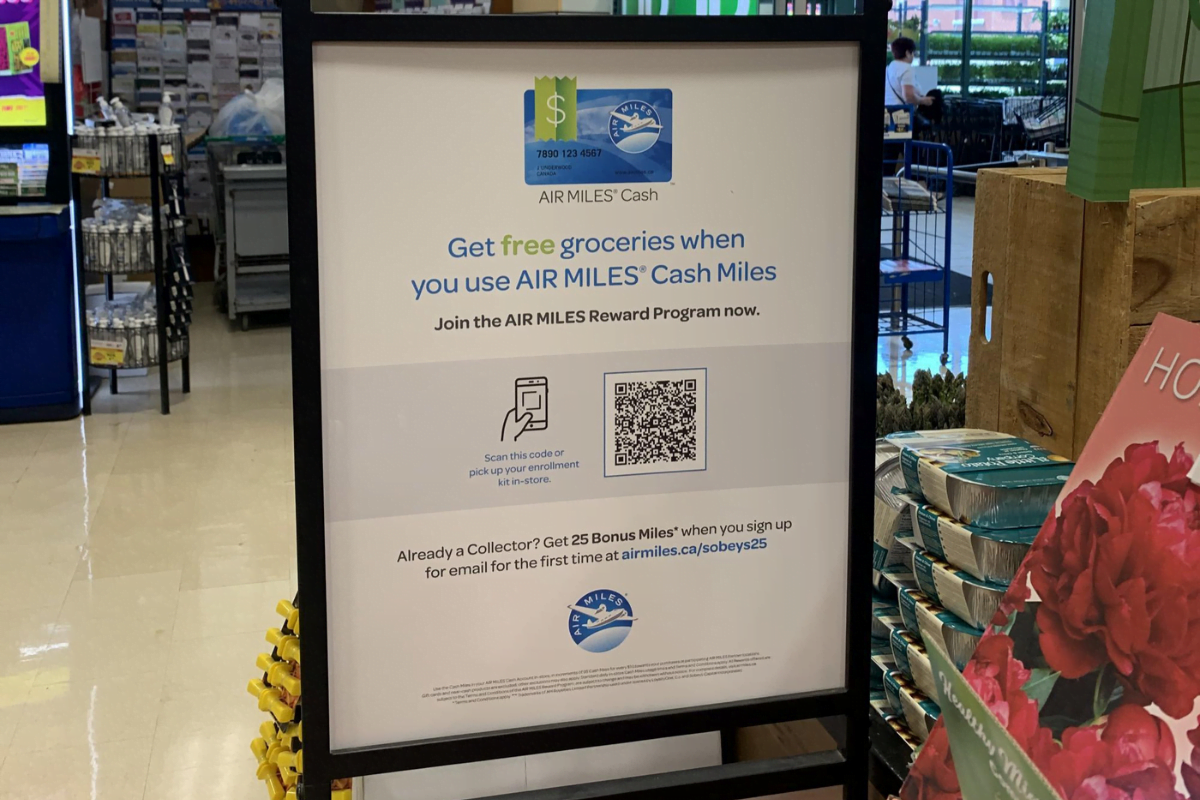
AIR MILES Reward Program
Second Closet
Kognitiv
DX3 TALKS: INTERACTIVE, ACTIONABLE WORKSHOPS
Enjoy a variety of learning offerings and workshops every afternoon at DX3 2021. They are all about HOW TO implement strategies, new concepts, products, and expert advice. This amazing feature takes place after the main episodes of each day.
Use Code RETAILINSIDER25 to get 25% off on the ticket prices. You can register here:
Q: What is the top positive change to emerge from the past year?
A: Joining the Mastermind Toys team as CEO in January of 2020 and then navigating a pandemic within my first 100 days was a unique, albeit challenging, experience! I am a purpose-driven leader so I’ve encouraged my team to keep Mastermind Toys’ purpose that Play is Kids’ Work in mind with every decision—from closing our stores before the government mandate to offering a greater assortment for our kids-at-heart to recognizing the benefits of play have no age limit. I deeply believe that purpose-driven leadership is what inspires employees to connect with our core mission.
We are so much more than a toy store. We are Canada’s Authority on Play and a place of wonder for our customers. Through our expert curation, we support child development at every age and stage following our ‘Why Kids Play’ model. Our customers are central to everything we do, and so while Canadians reimagined how they work, live, learn, and play over the past year, we stepped up to be a resource for parents, grandparents, educators, and kids adapting to remote learning and time spent at home. Facing an ever-changing retail landscape during a pandemic isn’t how I imagined my first year, but it has given me clear perspective on how we can best deliver wonder and delight to our customers.
Q: What changes do you expect to see this summer and how are you preparing?
A: The pandemic has resulted in a renewed love and enthusiasm for the great outdoors. Families have turned their backyards into the recess playground and celebrated birthday parties from sidewalks with friends driving by. As the weather gets nicer, we know Canadians will be eager to spend more time outside with scooters, bikes, spring gardening, and other outdoor accessories to get kids excited. You can expect to see lots of ideas from Mastermind Toys about how to spend time together outside this year.
We’re also anticipating a great excitement around back-to-school, with this moment of time really taking on new meaning for kids and parents. While September has always marked the start of a new chapter for families, there is a heightened hope of what this fall could bring for all Canadians. Mastermind Toys is preparing for this milestone moment by making a big splash for our customers: more specialty school supplies offered in our stores and online, ideas for activities that kids can easily pack with them for recess, among other exciting plans that are in the works!
Q: What’s the best marketing initiative you’ve seen recently?
A: I loved our highly coveted 2020 Mastermind Toys Gift Guide. After a year where so many families were looking for something to celebrate, the gift guide was a welcome reminder of all that we had to be grateful for and it truly embraced the wonder of the season. Our industry-leading merchants hand-curated an incredible assortment of toys, books, puzzles, and games, aimed to spark new discoveries and joy for kids and kids-at-heart, as well as keep families entertained during the holidays and beyond.
I am also proud of the type of representation featured in our Gift Guide. Since our beginning, we have been passionate about having all types of kids, from all backgrounds and of all abilities, in our marketing and content. We have a proud 36-year heritage of serving Canadians and so it’s really important to us that we reflect the communities we’re a part of coast-to-coast. The guide itself was designed in Canada and includes special tributes to our roots throughout it, including our partnership with another beloved Canadian brand, Hatley, who provided pajamas for our families. Through the gift guide, we hoped to play a small role in bringing wonder of all sizes during a very different holiday season.
Q: What are you looking forward to in the future?
A: Mastermind Toys has always been a destination spot for our customers celebrating birthdays and other milestones in their lives. We have reinvented birthday parties and family gatherings with Virtual Verified games and activities that make online togetherness fun, but I am really looking forward to the day when these celebrations can happen with everyone in person again.
Mastermind Toys is also the nation’s largest specialty toy and children’s book retailer, with our world-class assortment driving who we are. Our Category Buyers are always looking for the next best toy and game to share with our customers and historically they’ve built our curation with great finds from toy fairs. We are greatly missing the opportunity to meet with vendors worldwide at toy fairs, and though we’ve innovated that experience to host our very own Mastermind Toys Play Preview virtually, we’re excited for the day where the industry can come together. In the meantime, we are incredibly grateful for our vendors and partners who continue to look for new ways to co-create with us.
Q: What is the top positive change to emerge from the past year?
A: Less travel and more efficient use of time via video meetings. Now that everyone is up to speed with meeting technology, I think the days of travel for a 30 minute meeting may be over or at least significantly reduced. It not only saves time and has a positive impact on the environment, but gives back precious time with family.
Q: What changes do you expect to see this summer and how are you preparing?
A: I think most people will still be eating at home the majority of the time and looking for more creative BBQ, summer salad and cocktail recipes to try. At Chickapea we’re creating tons of fresh, nutritious pasta salad recipes and showing customers how they can incorporate Chickapea into their summer meals in place of animal protein – like tossing our spirals on top of a green salad instead of chicken or using our spaghetti in fresh salad rolls.
Q: What’s the best marketing initiative you’ve seen recently?
A: I love everything Oatly puts out. They manage to use fun and humor to communicate their beliefs on serious issues; namely animal consumption. They’re open, honest and brave with their marketing and it’s inspiring.
Q: What are you looking forward to in the future?
A: I’m very curious to see how grocery shopping is permanently impacted by the trends of this past year and how much online grocery will continue to grow. As happy as I am not to travel as much, I am really looking forward to being face to face with our customers again at events and shows because I am missing that connection.
Q: What is the top positive change to emerge from the past year?
A: Our brand has always been built around prioritizing high quality local manufacturing using traceable raw materials. Our customers appreciated deliberate, small batch manufacturing with total transparency and control of where our products came from. The pandemic seemed to have put a renewed focus on both the support for local manufacturing, and the awareness of where their products come from. Many customers who were previously very transactional, were now more thoughtful of their purchases and were more inquisitive of how the products they are purchasing are being made.
Q: What changes do you expect to see this summer and how are you preparing?
A: Container shortages are causing continual shortages in raw materials. Although we manufacture and source raw materials for most of our products locally, many of our competitors use imported materials and have now resorted to sourcing things locally due to the impact the pandemic has had on importing raw materials. This has lead to pricing pressure due to the additional demand on our local suppliers, and in turn has caused some of our suppliers to start rationing and applying measured allocations to their customers. Fortunately for us, we have been a prominent buyer of locally sourced materials prior to the pandemic and have established very good relationships with our local suppliers, meaning we have not been impacted as much as our competitors, but we expect to see the issue of price pressure and inconsistency of supply for raw materials continue to worsen in the summer. To avoid the risk of these supply chain disruptions impacting our customers, we plan on maintaining a larger inventory and continuing to take advantage of our relationships with our local suppliers.
Q: What’s the best marketing initiative you’ve seen recently?
A: We started to run more traditional radio ads recently, as traditional media rates have fallen quite a bit due to a lack of demand. The return on ad spend for traditional media had never made sense for a digitally native retail business like ours, due to the high cost. However, the pandemic has opened up a unique opportunity for us to start testing marketing initiatives using more traditional media such as radio or out-of-home.
Q: What are you looking forward to in the future?
A: We want to continue to focus on promoting our locally made products and tell the story behind the people and businesses that manufacture thoughtfully made, high quality products, like the ones we continue to offer.
Brandon Kim
Brandon Kim, Co-founder, Creative & Strategy, Brevitē
Q: What is the top positive change to emerge from the past year?
A: 2020 allowed for us to become very concise in our vision and very focused in our efforts. In March, we had a huge mindshift change that allowed for us to remove the external distractions and double down on our core efforts.
Q: What changes do you expect to see this summer and how are you preparing?
A: As a backpack brand, our business revolves around the movement of people. We are anticipating as the nicer weather comes and as the vaccine is rolled out at scale, there will be an increase in sales. Fortunately, you can use our product without other people, so it is good for socially distanced activities as well. As we prep for the summer, we are now building up our marketing operations in anticipation.
Q: What’s the best marketing initiative you’ve seen recently?
A: Kinfield and Blume are very good at engaging their audiences via SMS strategy. Their ability to be human in their language and approachable as a brand has allowed for them to have a very successful SMS channel.
Q: What are you looking forward to in the future?
A: We are looking forward to telling more of our Brand story.
Use Code RETAILINSIDER25 to get 25% off on the ticket prices. You can register here:
*Partner content. To work with Retail Insider, email: craig@retail-insider.com more than ever, the story you tell is vital as everything is going digital.
This week, Craig and Lee discuss how increased leasing activity, including new stores for Diptique, EQ3 and Uniqlo signal confidence in physical retail.
The Weekly podcast by Retail Insider Canada is available on Apple Podcasts, Stitcher, TuneIn, Google Play, or through our dedicated RSS feed for Overcast and other podcast players.
Drop us a line at Craig@Retail-Insider.com. You can also rate us in Apple Podcasts or recommend us in Overcast to help more people discover the show!
Background Music Credit: Hard Boiled Kevin MacLeod (incompetech.com). Licensed under Creative Commons: By Attribution 3.0 License. http://creativecommons.org/licenses/by/3.0/