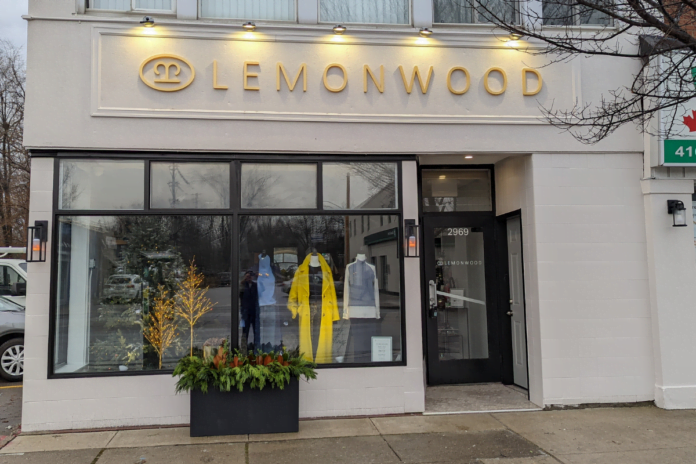
Upscale Canadian retailer Lemonwood continues expanding its footprint in the marketplace with the opening of its sixth upscale boutique in the heart of the Kingsway Village shopping district in Toronto.
Christine Peters
It’s the second Toronto location for the fashion retailer with stores as well in Summerhill, Oakville, Collingwood, Unionville and a seasonal outlet in Port Carling.
The first store opened in 2017 in Oakville.
President and Founder Christine Peters said the business started as a wholesale brand selling to spas, hotels and small gift shops.
“My thought was to have a retail space to check to see what colours were selling ahead of the season. It started off to be something very small and like ‘okay we’ll do wholesale out the back door and retail at the front’. We started on a side street in Oakville,” she said.
“We quickly realized a side street probably wasn’t where we should be and took the opportunity to pop up on a mainstreet in Oakville just before Christmas. It was November of 2017 and the product was a huge hit with the local community. It was our start and from there we went on.”
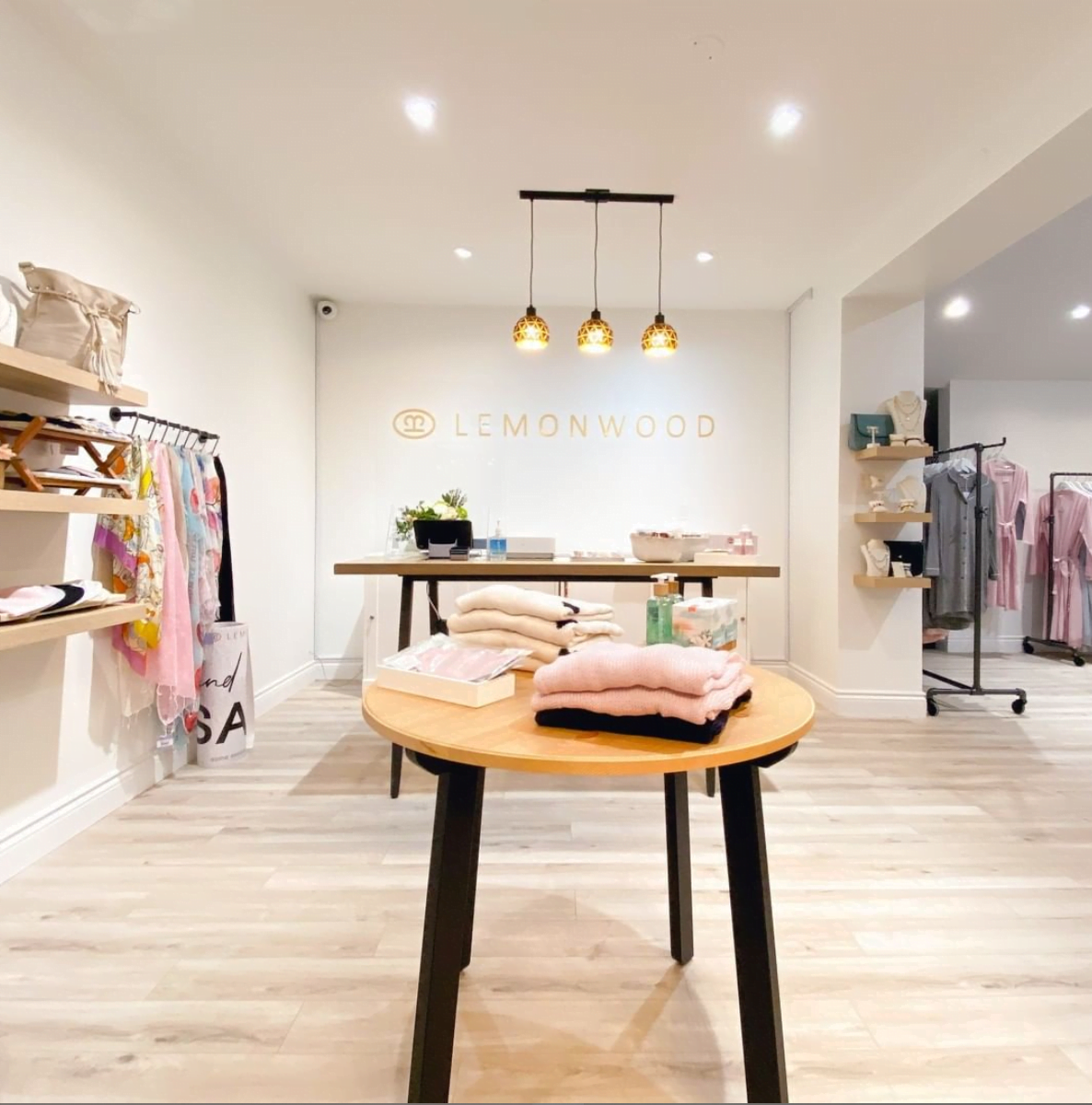
Interior of new Lemonwood Luxury boutique in Unionville, Ontario. Photo: Lemonwood Luxury Instagram
Lemonwood is a woman-owned and operated retailer and wholesaler of luxury apparel, accessories, and home décor items. It is one of Canada’s most successful lifestyle boutique chains with a focus on high-quality designer products made from natural fibres, including cashmere, linen, silk, cotton, wool, bamboo, and alpaca. Every Lemonwood product has a story behind it, whether it’s a dress inspired by a vintage pattern book, jewellery designed by Indigenous women or a handknit sweater made by a woman on the other side of the globe. The Lemonwood philosophy is focused on elegance and simplicity — on all levels, says the company.
“It’s affordable luxury. It’s not crazy price but it’s geared and marketed towards individuals that are well-traveled, appreciate the finer things, appreciate fabrics. There’s a story behind each of the brands, a story behind each of the products, socially responsible sourcing a product, sustainability, all of those things that retailers should be speaking to now in today’s environment,” said Peters.
“We work with small factories for our products. We empower women. We champion small companies and a lot of them have grown substantially since we’ve been working with them. It’s the whole philosophy. We situate ourselves in small communities. We embed ourselves in the community. We know our customer really well. Her DNA, how old she is, so our products are all geared towards that individual, very specifically.”
That individual is primarily a well-educated woman. She loves quality. She loves the story behind the brands. She’s older than 40 years old. She has children that are either in high school, university or gone from home. She’s a professional. And she is well-read so she understands where things are made and what’s happening in retail as well. And likes to support small businesses, small boutiques.
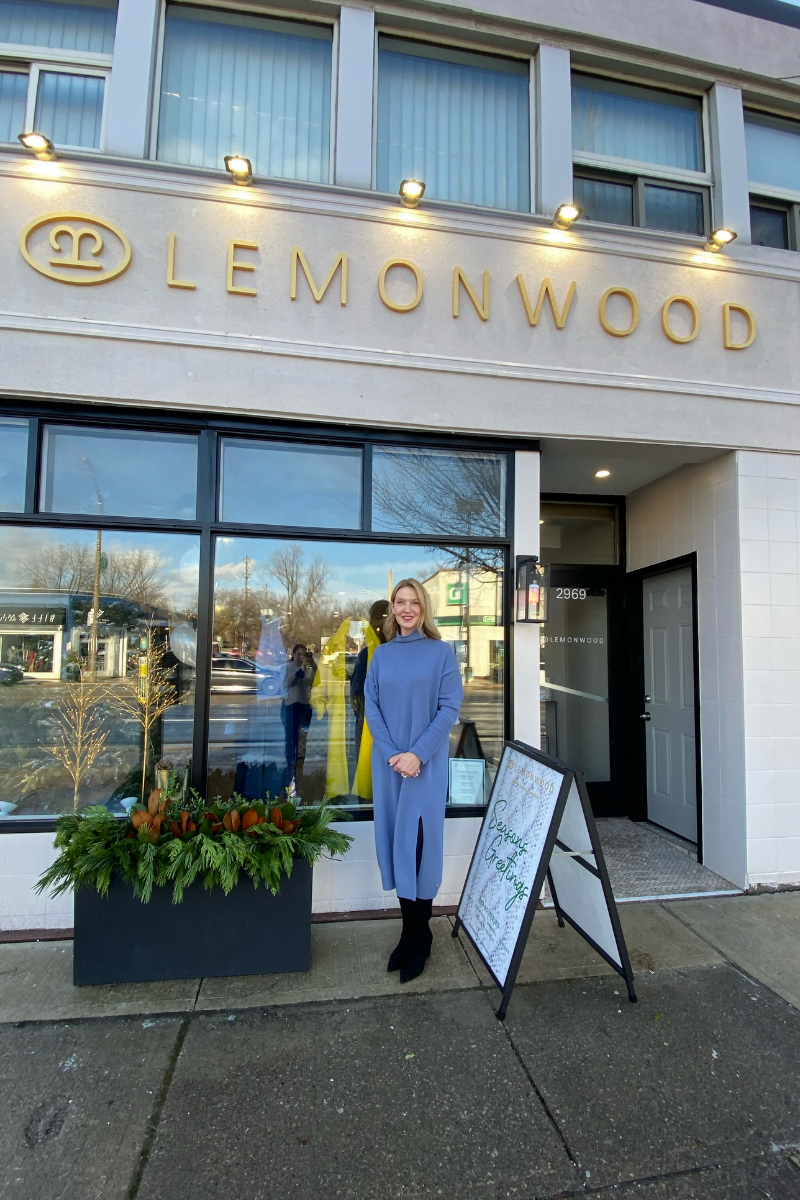
Christine Peters at Lemonwood Kingsway (Image: Lemonwood)
“We opened our store in the Kingsway and I am a single mom and I lived on Lemonwood Drive in Etobicoke while my children went to junior high school. Wanted to be very close to where they were going to school and that was at the same time I had started the company and I thought this name is so amazing, it’s so beautiful. And I named the company Lemonwood Luxury Group,” she said.
The new store is located at 2969 Bloor Street West.
“We couldn’t be more excited to join the Kingsway community— I believe that Lemonwood will complement the existing retail landscape,” said Peters. “In a time when customers are seeking ethical and genuine shopping experiences, we look forward to fulfilling this need in such an iconic and thriving neighbourhood.”
Lemonwood, which ships across North America, has plans to expand next to Ottawa and Vancouver.
“Ottawa would be the next one. I kind of want to be able to drive to those locations to see what’s going on. I’m not familiar with setting up in a long distance kind of retail but Vancouver would be amazing. I think Whistler would be awesome as well,” she said.
“I would like to do probably 10 to 15 locations. We’re looking at some malls as well. Really our focus is to work on expanding the brand and the brand’s recognition.”
All current stores are street front with the exception of Port Carling where it’s located in a building with other retailers. That store is seasonal, opening up in May for six months.
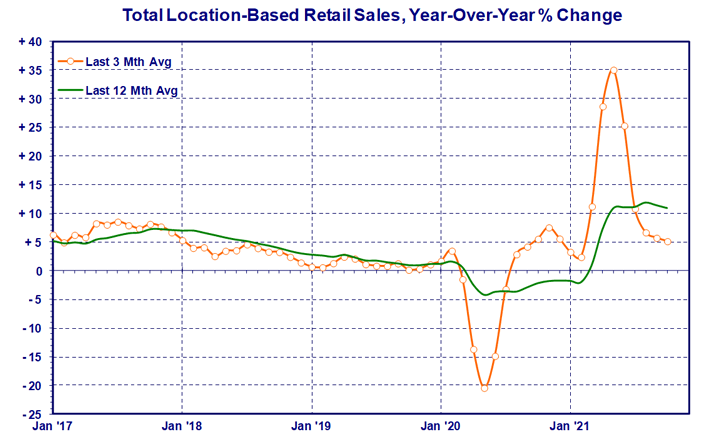
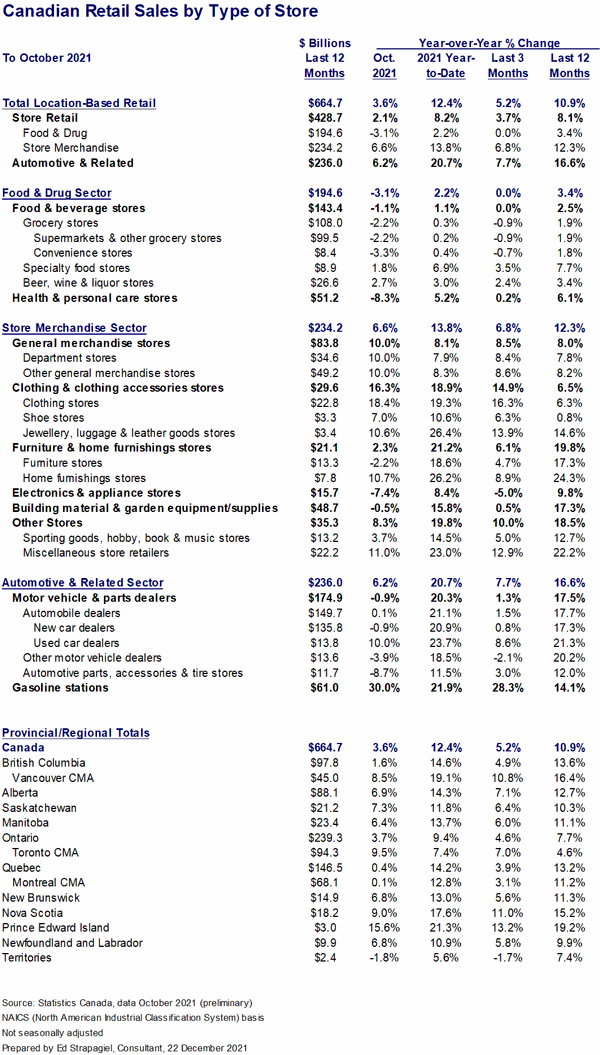
Total Canadian location-based retail sales were up 5.2% for the 3 months ending October 2021, according to the latest data release from Statistics Canada. This is close to the long term average after the wild swings caused by the COVID pandemic. On the other hand, gasoline prices are holding up retail sales. Without gas stations, retail sales for the period gained only 3.0%.
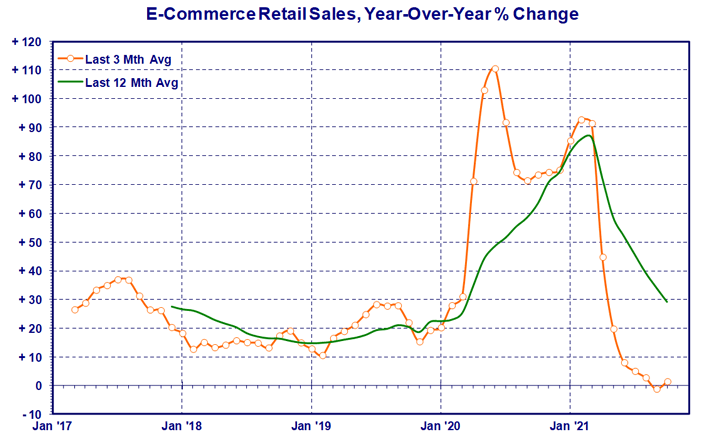
The 3 month trend (orange line in the chart below) has weakened for the last few months, while the underlying 12 month trend (green line) has leveled off and is starting to decline.
And that’s not all. There’s a big fly in the ointment that goes by the name of Omicron. Its impact is not reflected in the numbers yet.
Food & Drug
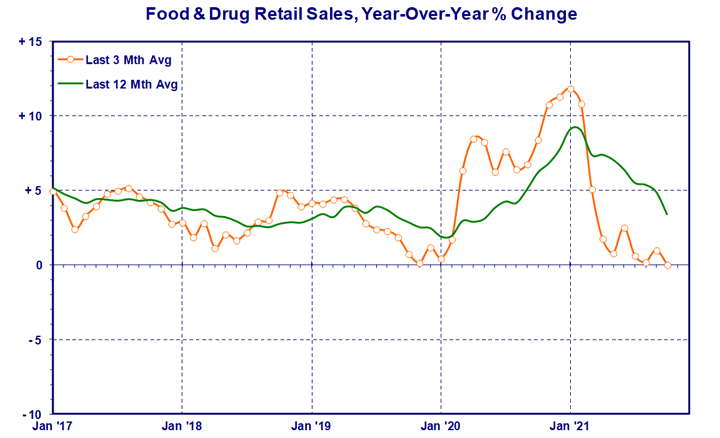
Retail sales gains in the Food & Drug sector have been weakening all year. For the 3 months ending October, sales were up a mere 0.01%, which means falling behind inflation and population growth. The underlying 12 month trend has also been steadily slipping and is likely to decline even further before the year is done.
Sales at supermarkets & other grocery stores were actually down 0.9% year-over-year for the 3 months ending October. Specialty food stores had a 3.5% retail sales gain, somewhat better but still modest by historical standards. Perhaps food store sales will improve somewhat as Omicron keeps people home.
Health & personal care stores had been holding up the Food & Drug sector earlier in the year, but that’s now changing. Their sales were up just 0.2% for the 3 months ending October.
Store Merchandise
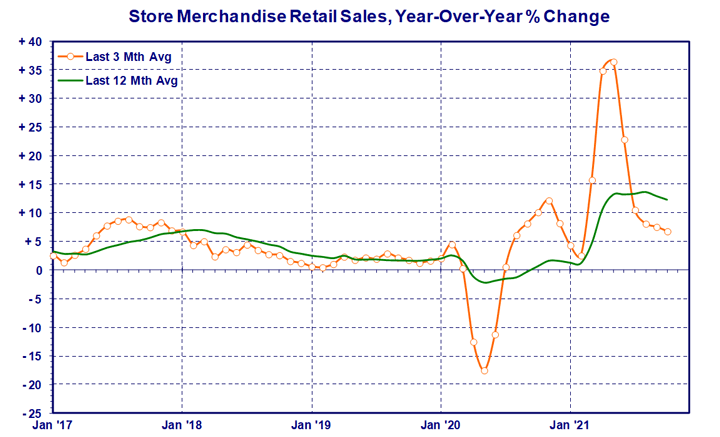
After a sharp rebound in Q2, retail sales growth in the Store Merchandise sector has steadily dwindled. Nevertheless, sales were up 6.8% year-over-year for the 3 months ending October, which is still ahead of pre-pandemic performance. The underlying 12 month trend however is now also tapering off from record highs earlier in the year and is likely to slow further.
Almost all store types in the sector recorded significant positive retail sales growth for the 3 months ending October. Clothing & clothing accessories stores did especially well with a 14.9% year-over-year retail sales increase.
Only one retailer type suffered a loss. Electronics & appliance stores’ sales were down 5.0% year-over-year during the period.
Automotive & Related
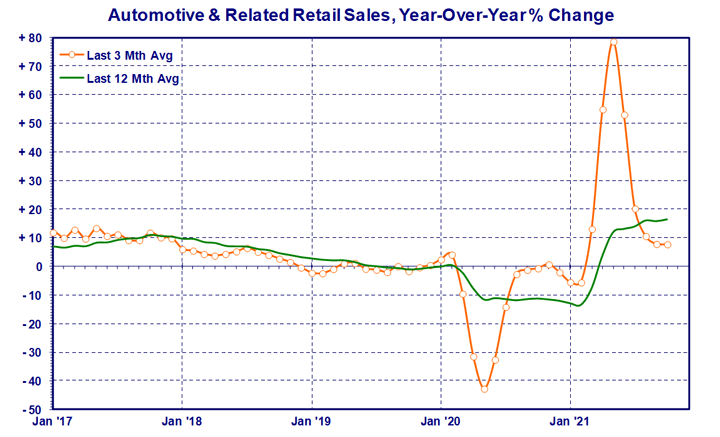
Automotive & Related continues to be a tale of two retailer types. While sector sales did increase by a strong 7.7% year-over-year for the 3 months ending October, this was the net result of weak growth in retail sales at automobile dealers combined with high growth at gasoline stations.
New car dealers’ retail sales were up a mere 0.8% year-over-year for the 3 months ending October. There’s nothing to suggest that a turnaround is imminent.
Gasoline station retail sales however were up 28.3% in the period, which was strong enough to pull up the whole sector. This reflects the role of increasing pump prices, which buoyed up Automotive & Related, which then buoyed up overall total retail sales.
By The Numbers
Note that the data and analysis in this report are always based on not seasonally adjusted (or unadjusted) retail sales statistics.
Canadian e-commerce retail sales really took off with COVID, and are now leveling off. After high double digit increases at the start of the 2021, sales were up just 1.5% year-over-year for the 3 months ending October.
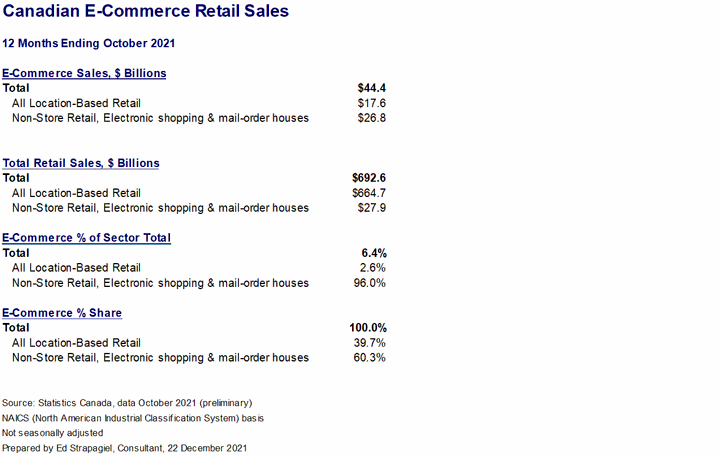
Overall, e-commerce represented about 6.4% of Canadian retail sales over the past 12 months, including both pure plays as well as bricks & clicks stores. Note that Canadian consumers may also buy online from foreign websites which is not captured in these numbers.
Location based retail is the same as that in the preceding “By The Numbers” table. It’s what’s normally reported as Canadian retail sales. Except that it isn’t. Location based retail excludes another section called Non-Store Retailers (NAICS code 454), which includes electronic shopping and mail-order houses, which in turn is where (mostly) pure play e-commerce businesses are. Over the 12 months ending October 2021, electronic shopping and mail-order houses had an estimated $26.8 billion in e-commerce sales.
But that’s not the only source of e-commerce, as (mostly) bricks & mortar location-based retailers also sell online. For the 12 months ending September 2021, this group had an estimated $17.6 billion in e-commerce sales. With electronic shopping and mail-order houses, there’s a grand total of $44.4 billion in e-commerce sales by Canadian operators. Note that this does not include foreign e-commerce purchases made by Canadian consumers, but it does include e-commerce purchases made by foreigners at Canadian operations.
For electronic shopping and mail-order houses, an estimated 96.0% of their sales are currently allocated to e-commerce. For (mostly) bricks & mortar retailers, it can be estimated that 2.6% of their total sales are attributable to e-commerce.
In the final section of the above table, (mostly) pure play operators (namely, under electronic shopping and mail-order houses) generated an estimated 60.3% of all e-commerce sales in Canada, while (mostly) bricks & mortar location-based retailers’ share of e-commerce was 39.7%.
This analysis is updated monthly as new numbers are published by Statistics Canada. If you would like notification from Linkedin of when an update becomes available (and you’ve read this far), please connect with Ed Strapagiel on LinkedIn.
Podcast [Interview] Stefanie Hill Discusses Luxury Retail Including New Store: Part 1
Toronto-based Stefanie Hill discusses opening her new store in Palm Beach Florida as well as plans for the Toronto operations following extended pandemic challenges.
The Interview Series podcast by Retail Insider Canada is available on Apple Podcasts, Stitcher, TuneIn, Google Play, or through our dedicated RSS feed for Overcast and other podcast players. Also check out our The Weekly podcast where Craig and Lee discuss popular content published on Retail Insider which is part of the The Retail Insider Podcast Network.
Drop us a line at Craig@Retail-Insider.com. You can also rate us in Apple Podcasts or recommend us in Overcast to help more people discover the show!
Background Music Credit: Hard Boiled Kevin MacLeod (incompetech.com). Licensed under Creative Commons: By Attribution 3.0 License. http://creativecommons.org/licenses/by/3.0/
In 2021, the Canadian retail industry adapted and shifted throughout the second year of the pandemic. Top trends included growth in omni-channel, challenges with supply chain, marketplaces and inflation among other topics.
Canada also saw a number of brands enter the country through expansion and had a number of brands unexpectedly exit the market. We will be talking about the lasting impacts of 2021 for many years to come.
Over the course of the year, some articles published in Retail Insider saw many thousands of readers, and we’ve listed the top ones below in descending order.
Exterior of Scarborough Walmart Supercentre. Photo: Walmart
The 22,000-square-foot space will automate online grocery picking and dispensing and is part of Walmart’s push to grow market share amid changing consumer patterns.
The leading shopping centre in Newfoundland is seeing exciting new tenants as part of beautiful expansion/renovation that has created one of the most attractive malls in Canada.
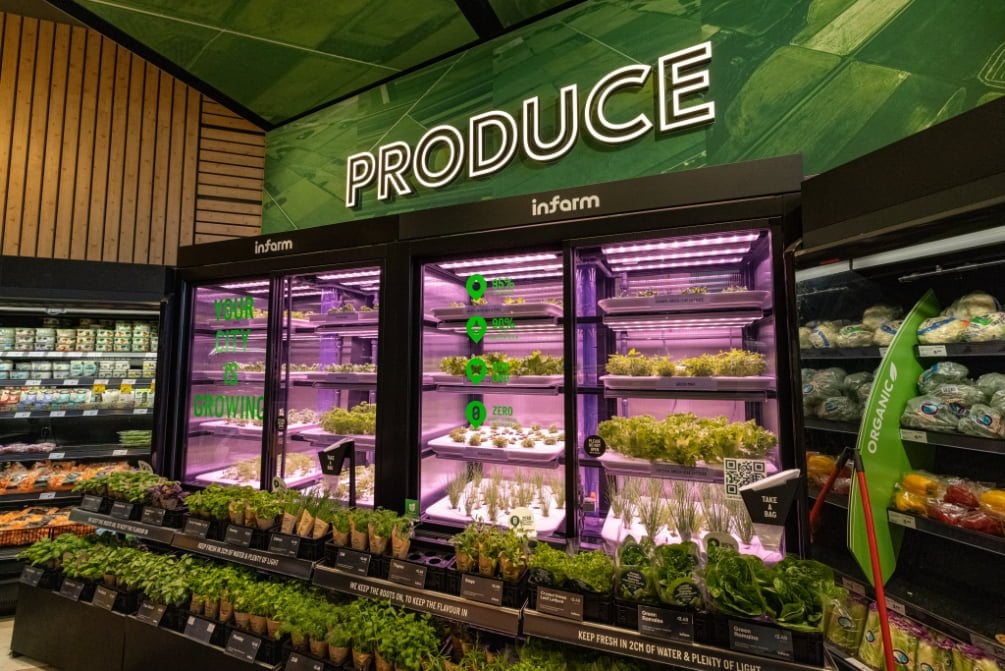
Local farmers manage the vertical farming at the individual grocery stores, where a variety of herbs, microgreens, leafy greens, and lettuces are grown year round.
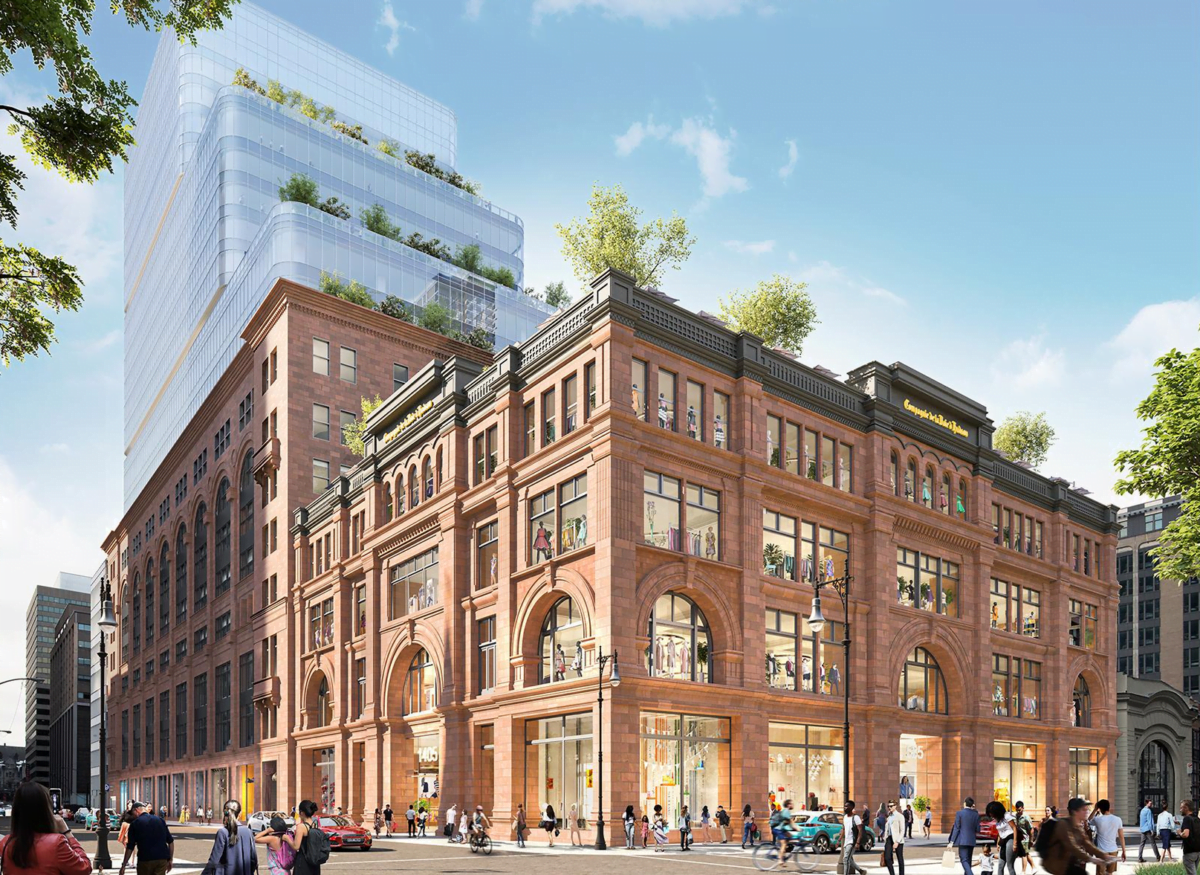
Hudson’s Bay Flagship Store – Downtown Montreal Ste Catherine Street. Rendering: Hudson’s Bay Company
Mixed-use developments will replace standalone flagship Bay stores at a time when some leading global department stores are growing in size with non-retail attractions. An opportunity for creating massive F&B/attraction-heavy Hudson’s Bay flagships could be lost as a result.
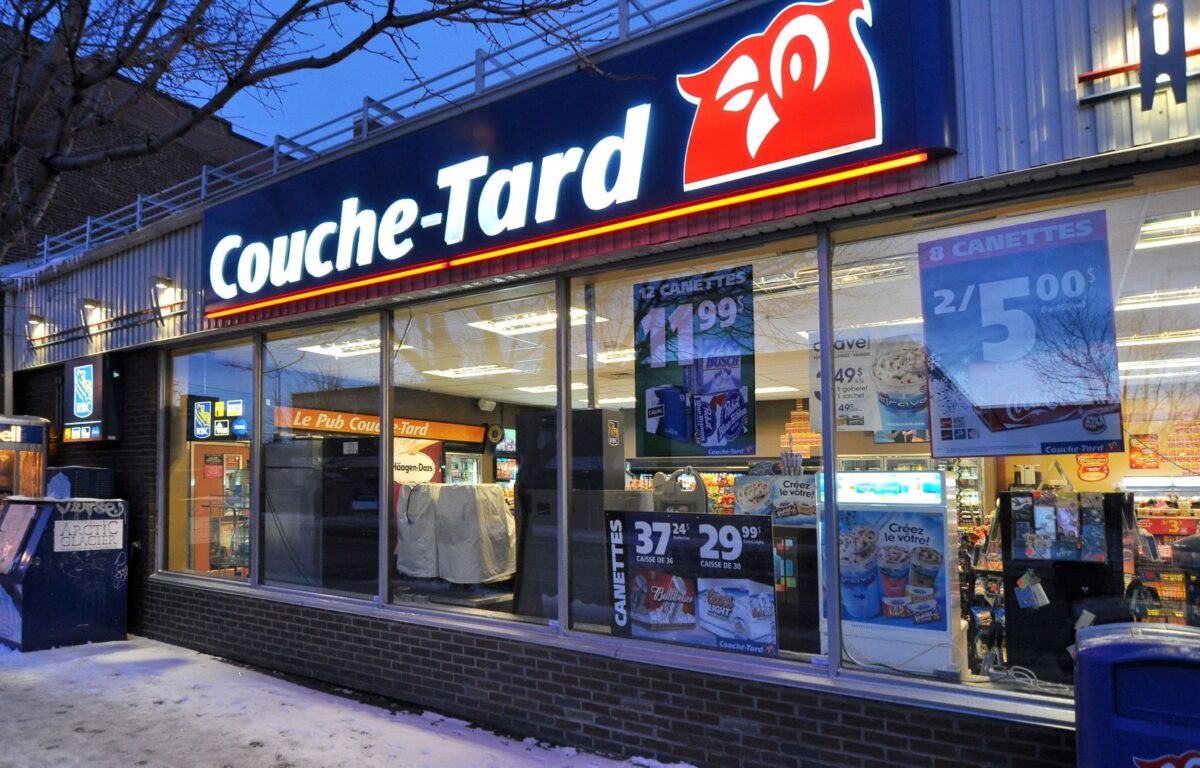
Couche-Tard’s attempts to acquire Carrefour signals intention and with the future of gas stations in question, a broader grocery strategy is most likely at play.
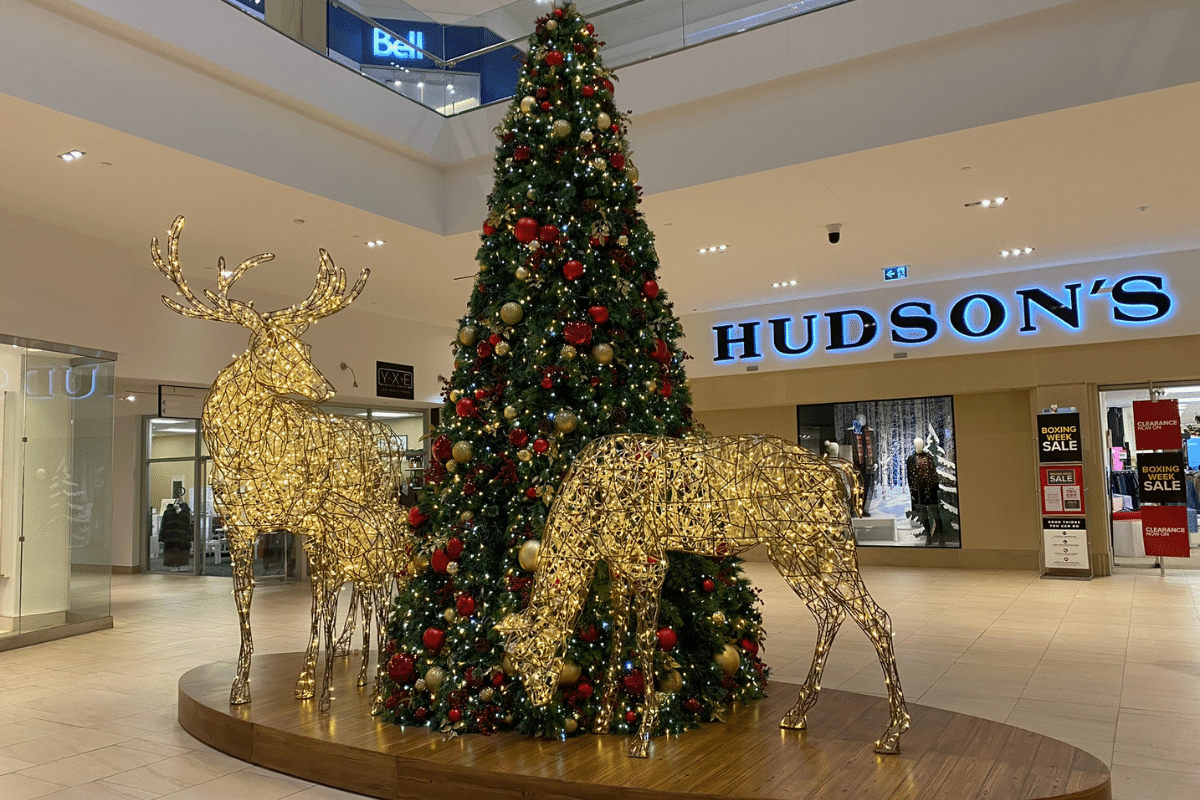
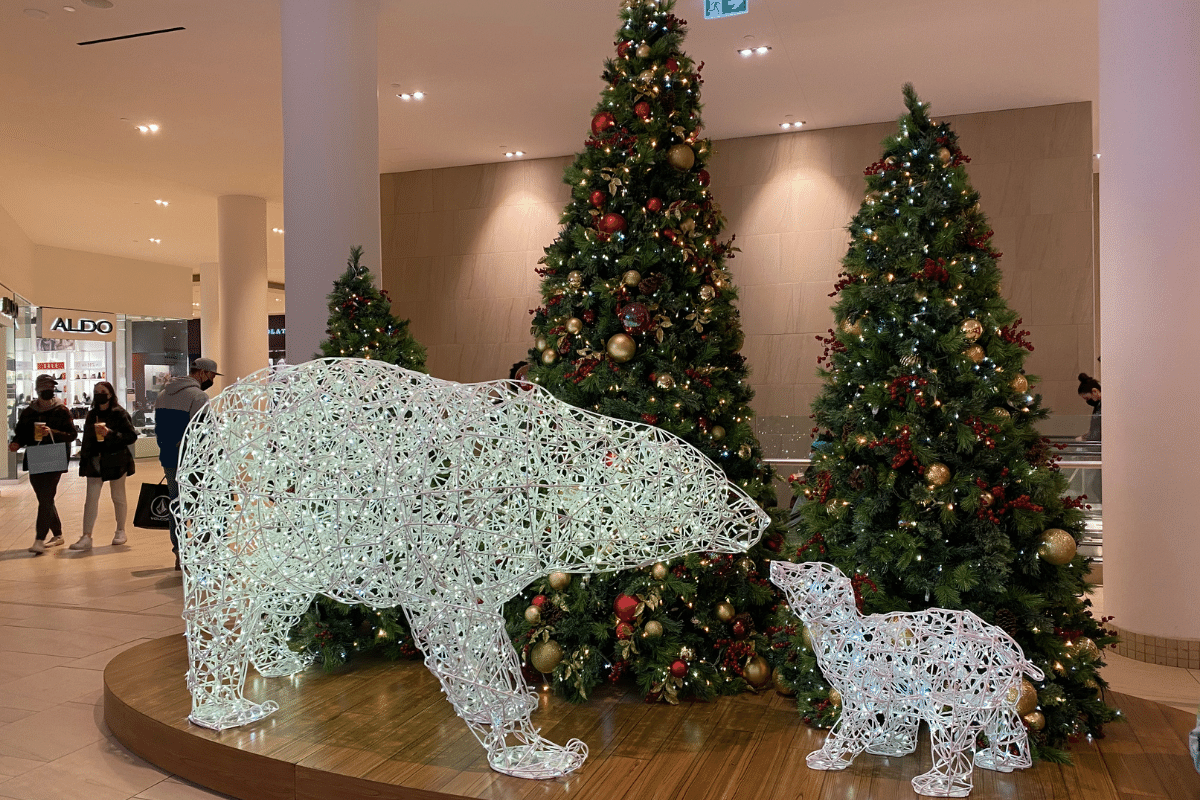
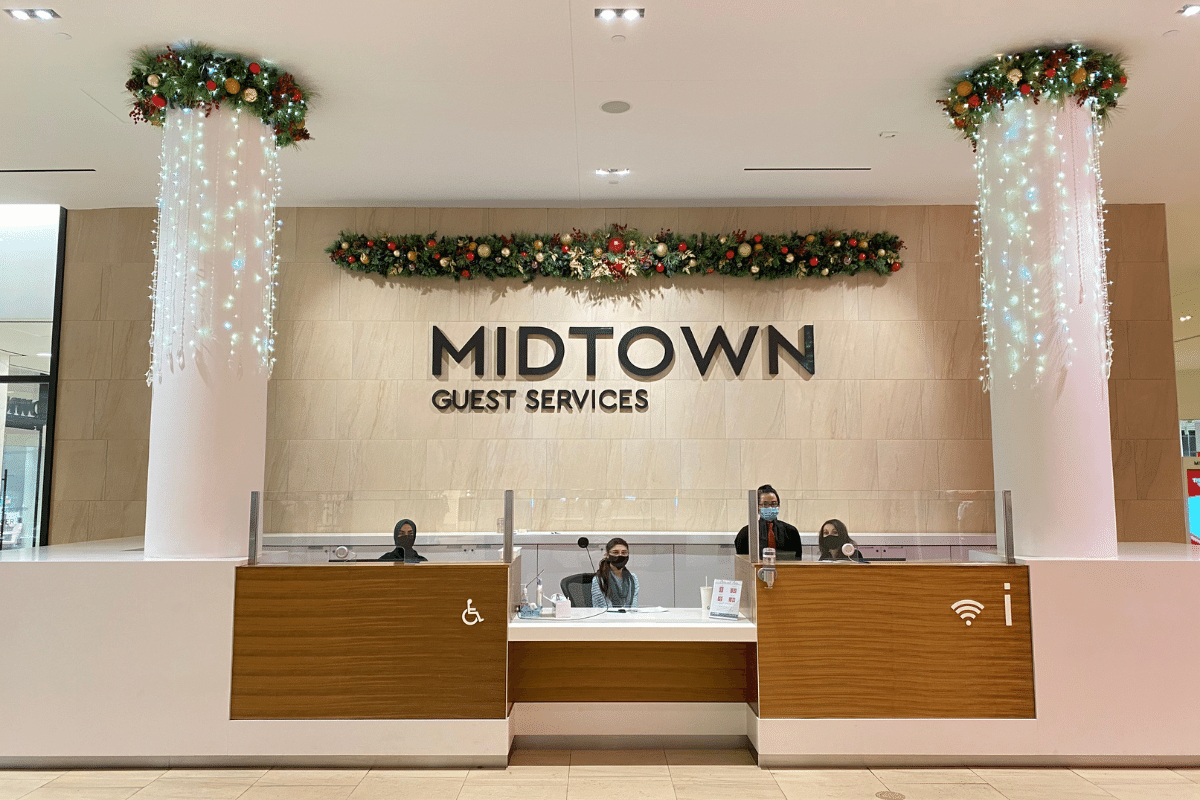
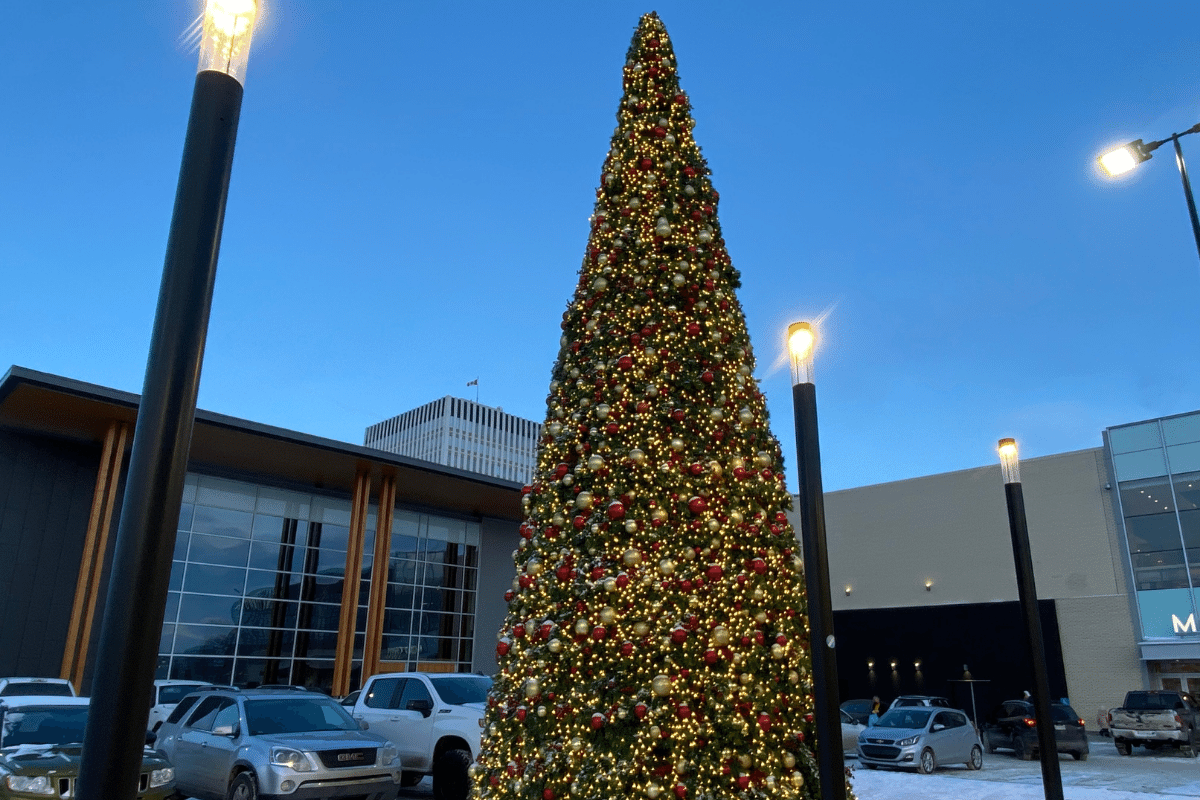
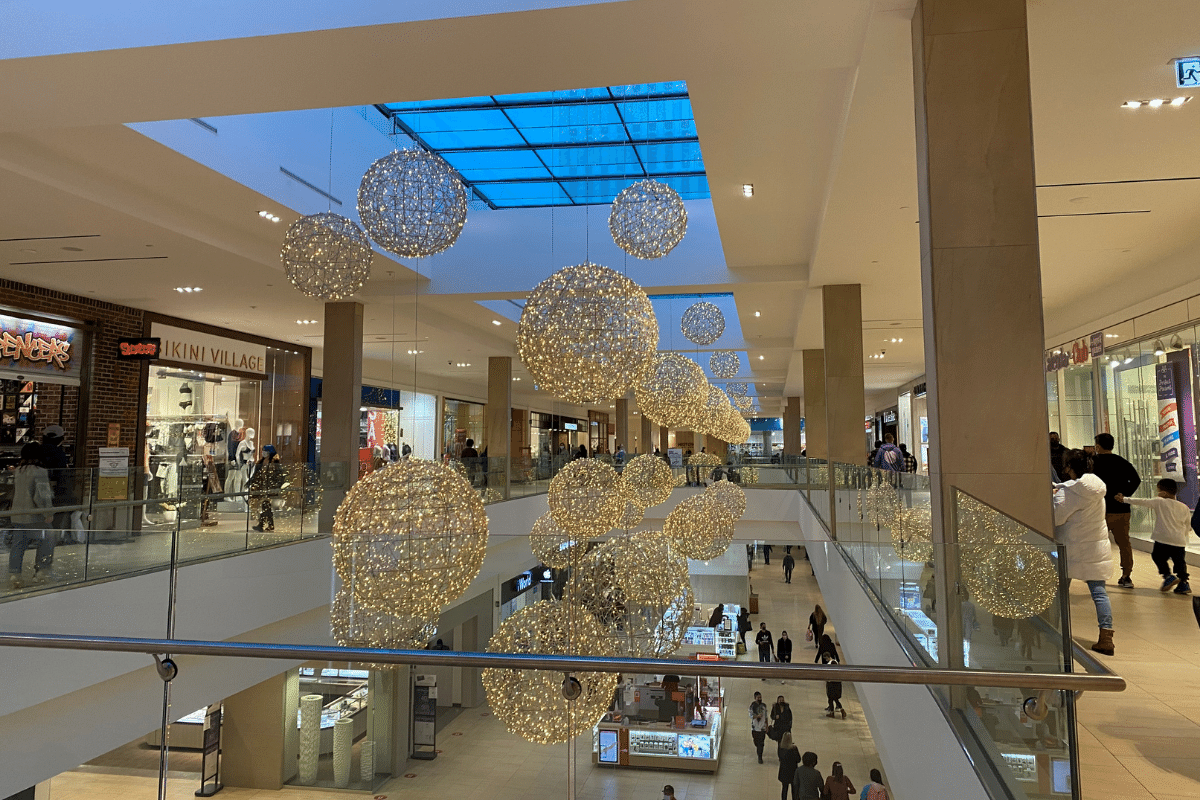
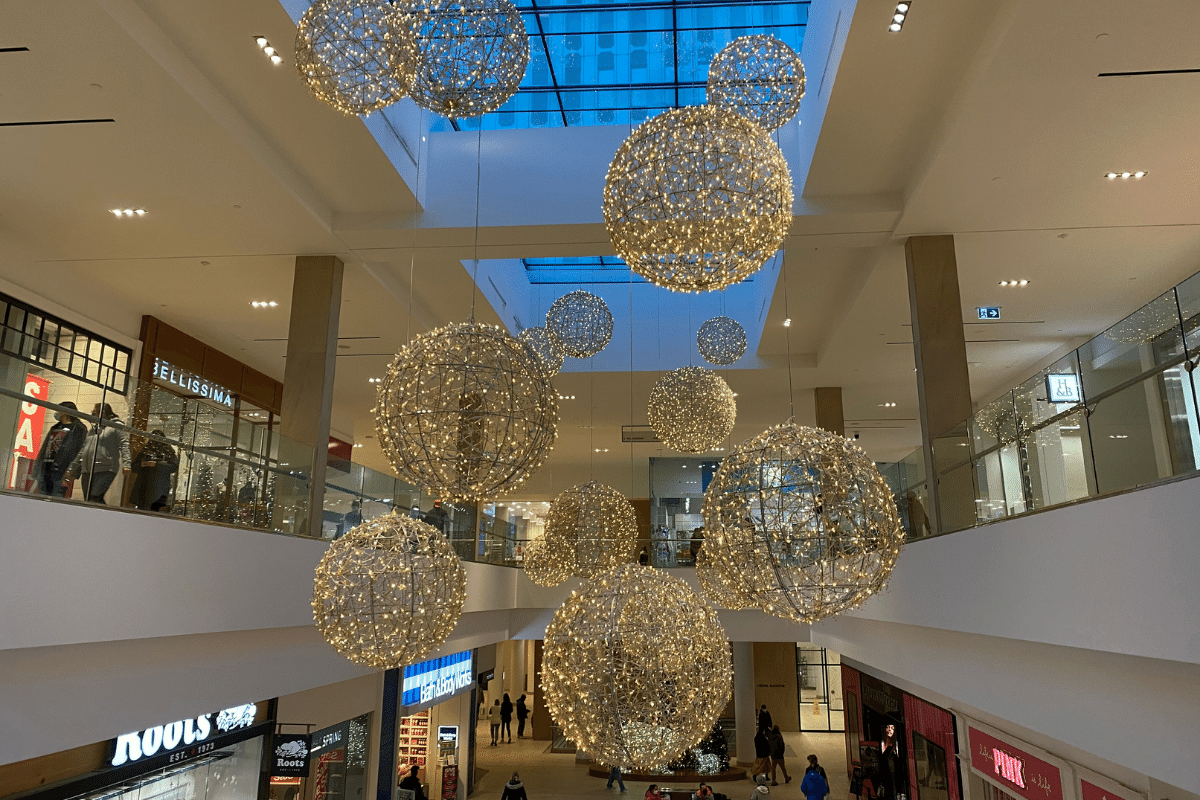
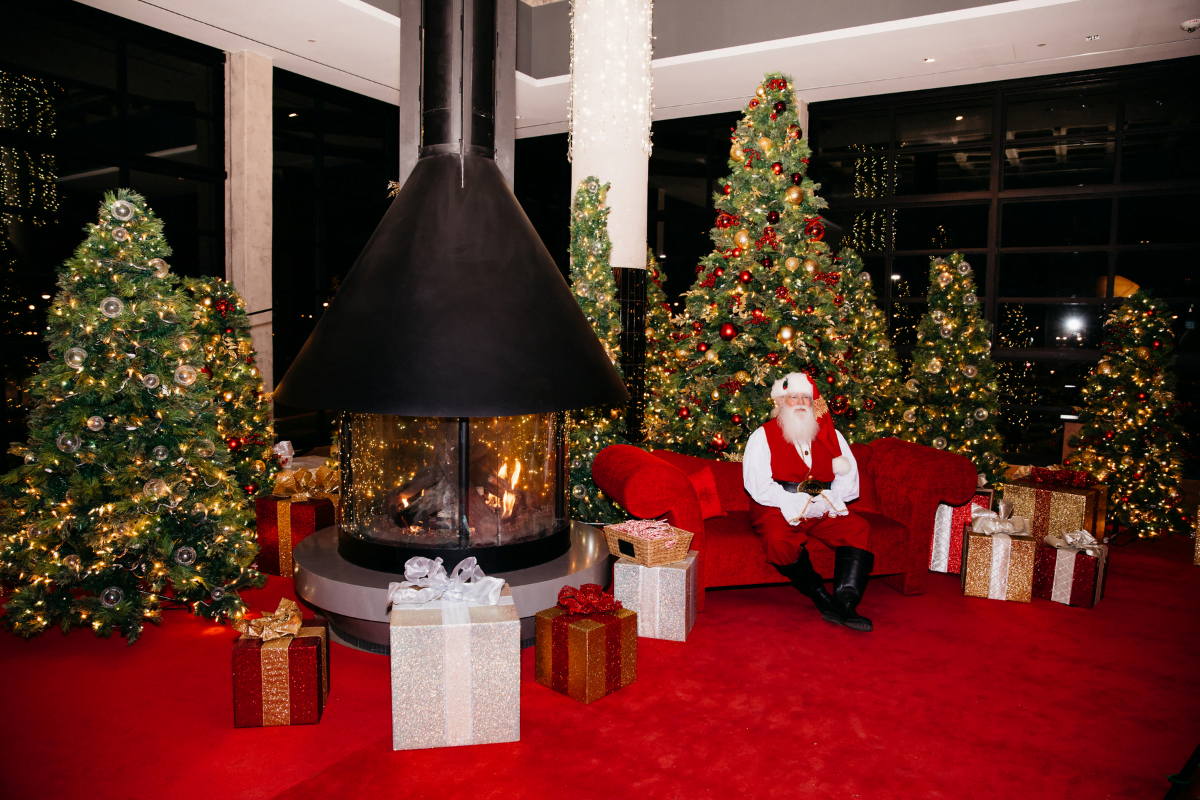
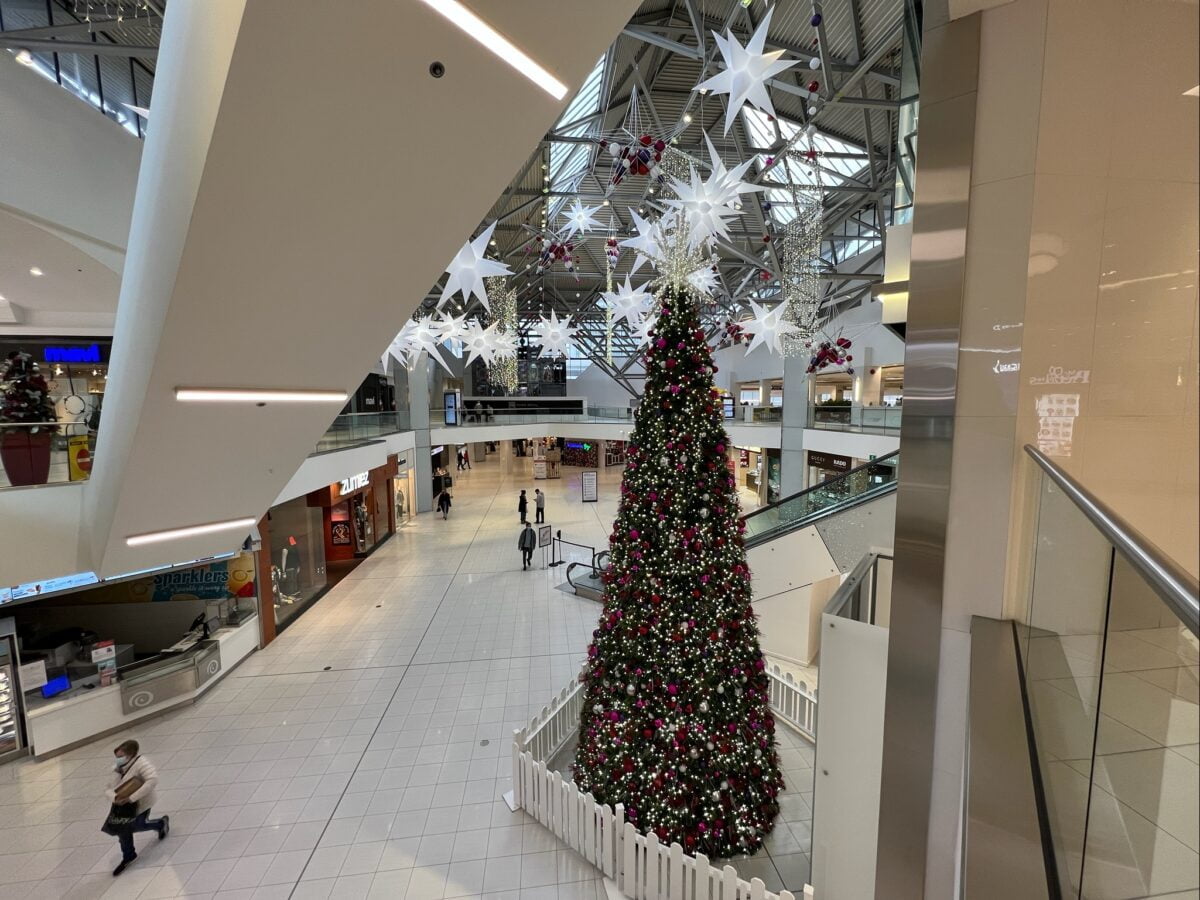
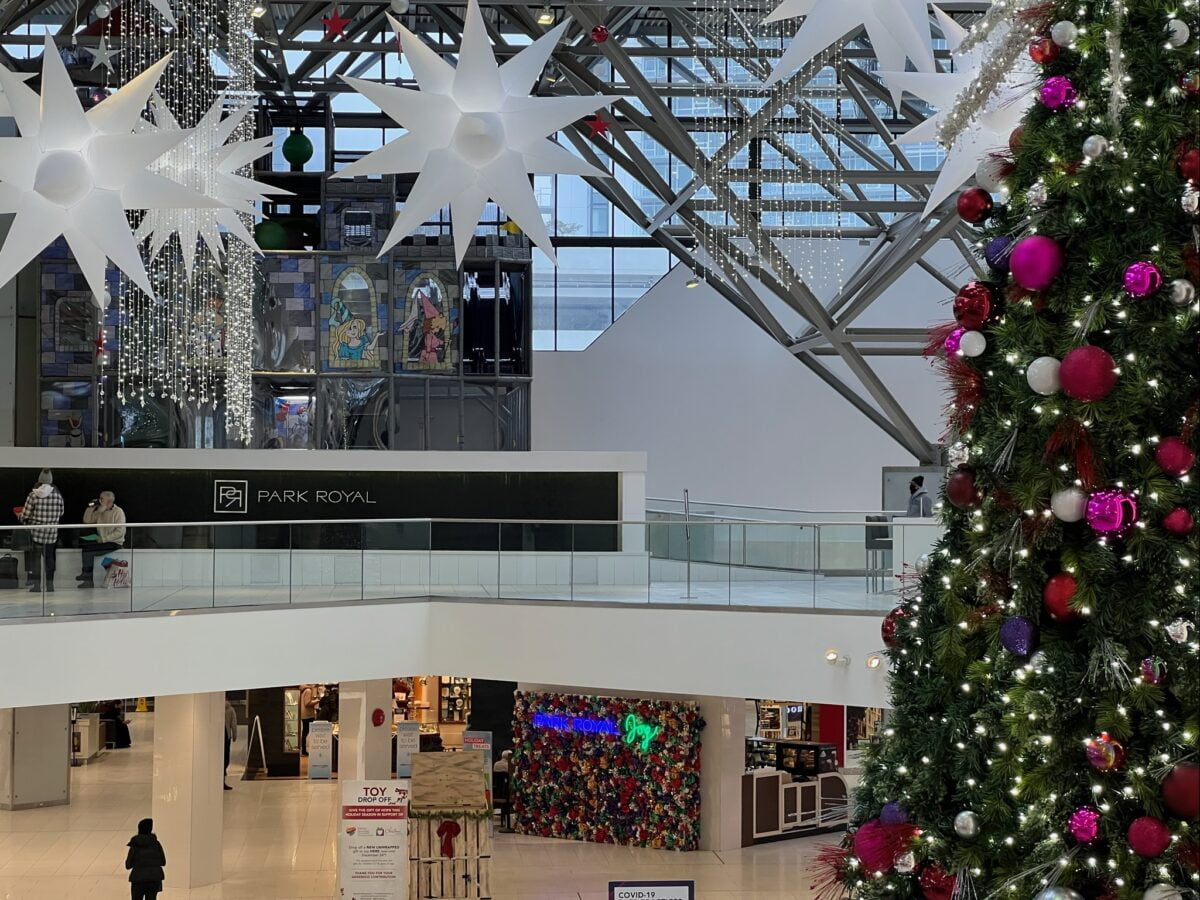
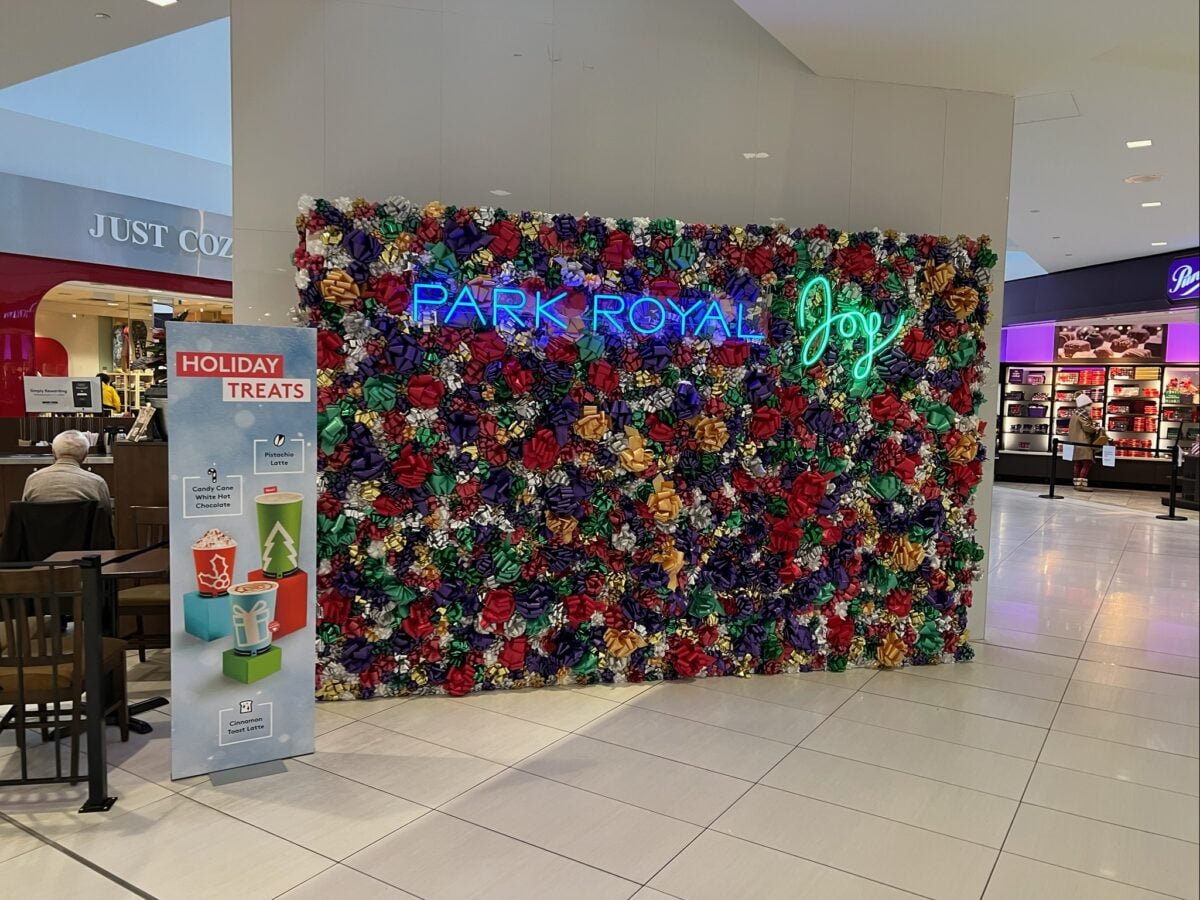
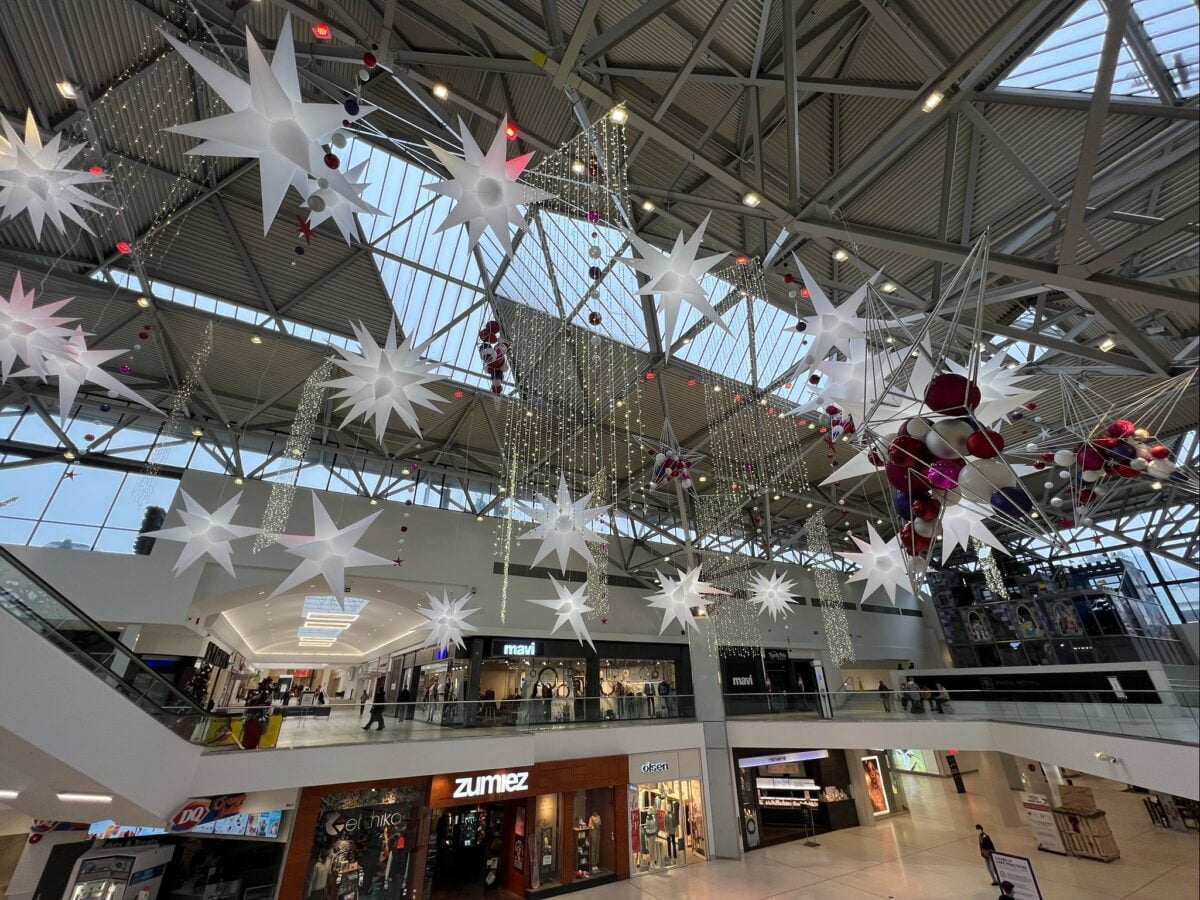
This holiday season has been an opportunity to recapture the spirit that was lost with the 2020 COVID-19 pandemic lockdowns, where shopping centres across Canada were subject to local and provincial restrictions.
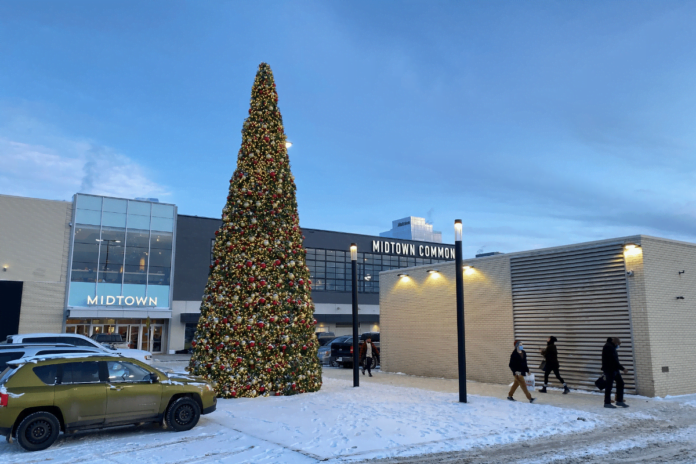
Located in Saskatoon, Saskatchewan, the Midtown shopping centre (formerly ‘Midtown Plaza’) has over 130 brands and a total GLA of 638,871 square feet. The property is anchored by a Hudson’s Bay (174,306 square feet), Toys ‘R’ Us (31,033 square feet) and an H&M (27,275 square feet). Cushman Wakefield Asset Services operates and manages Midtown.
Midtown‘s holiday decor was designed by Studio Artefact (with consulting from MMC Architects), which included a number of photo-worthy moments for shoppers.
2021 Holiday Features at Midtown
Midtown Saskatoon (Image: Cushman & Wakefield)
A 35-foot Holiday Tree
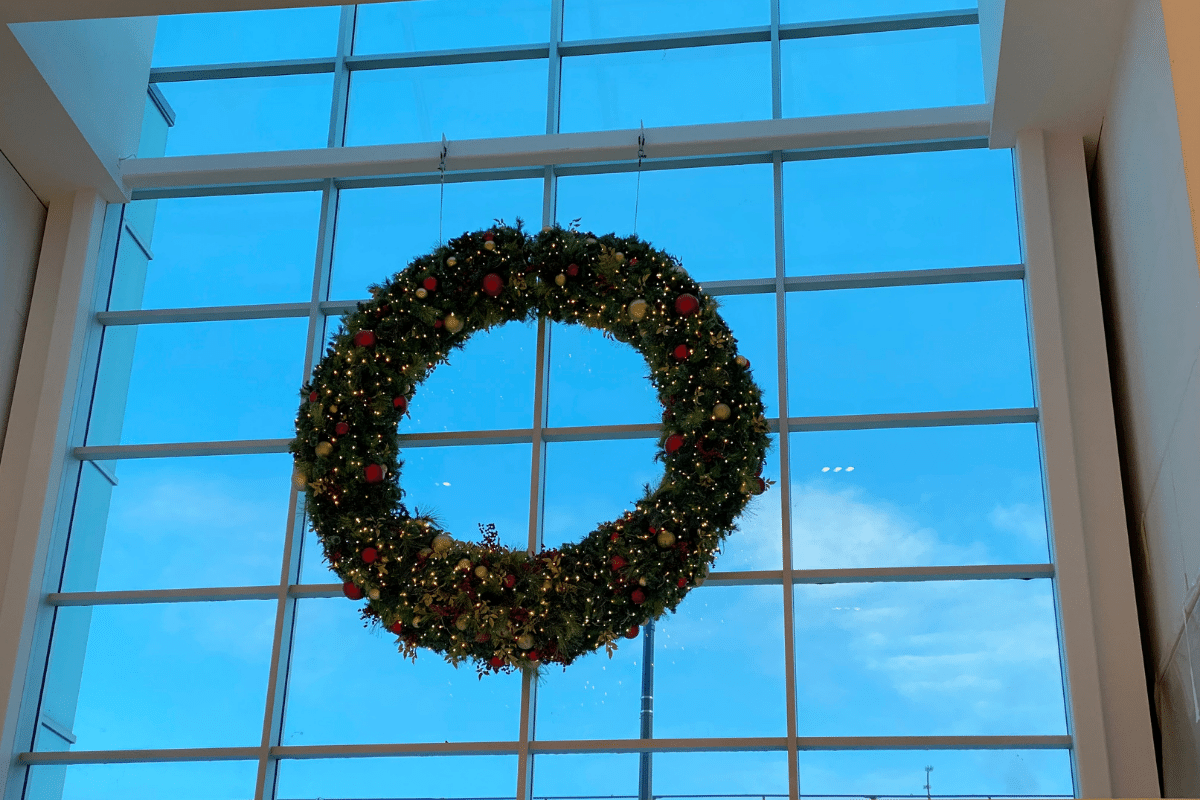
A massive wreath that overhangs the South East Entrance, measuring 12-feet in diameter and weighing over 650 pounds.
The beginning of the 2021 holiday season was marked with an Annual Tree Lighting Celebration.
Retail Insider will be completing a full Midtown Saskatoon photo tour in the new year, which will include new retailers that have joined the property recently and plans going into 2022.
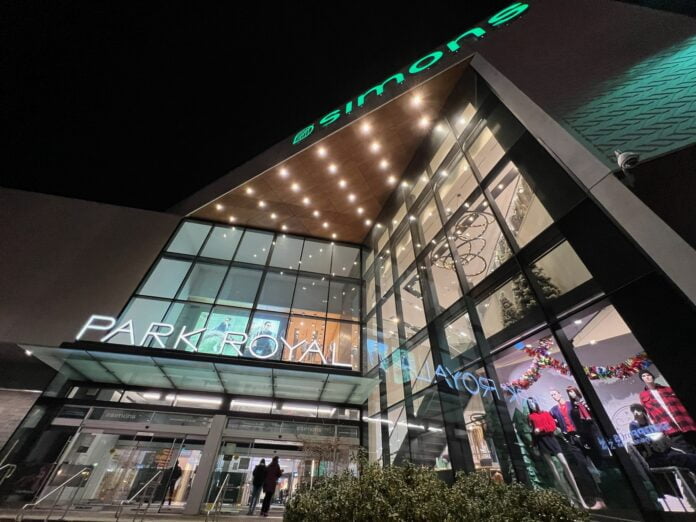
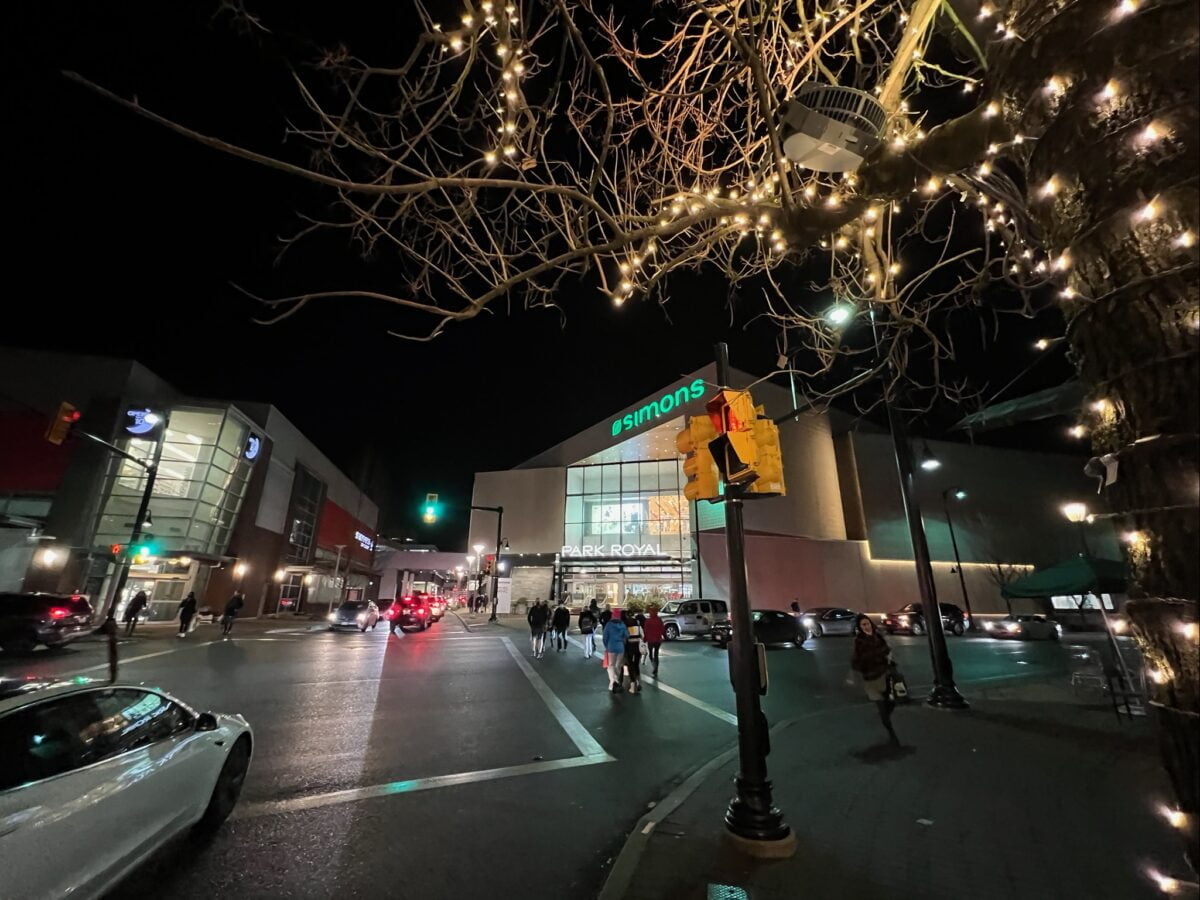
Simons entrance at Park Royal Shopping Centre in West Vancouver. Photo: Lee Rivett.
Retail Insider continues its Photo Tour series of Canadian malls with a Christmas update for shopping centres which may be less frequented lately due to the newest variant in the COVID-19 pandemic.
In case you missed our first Tour Series video tour, check out the September 2020 video tour of Park Royal Shopping Centre below:
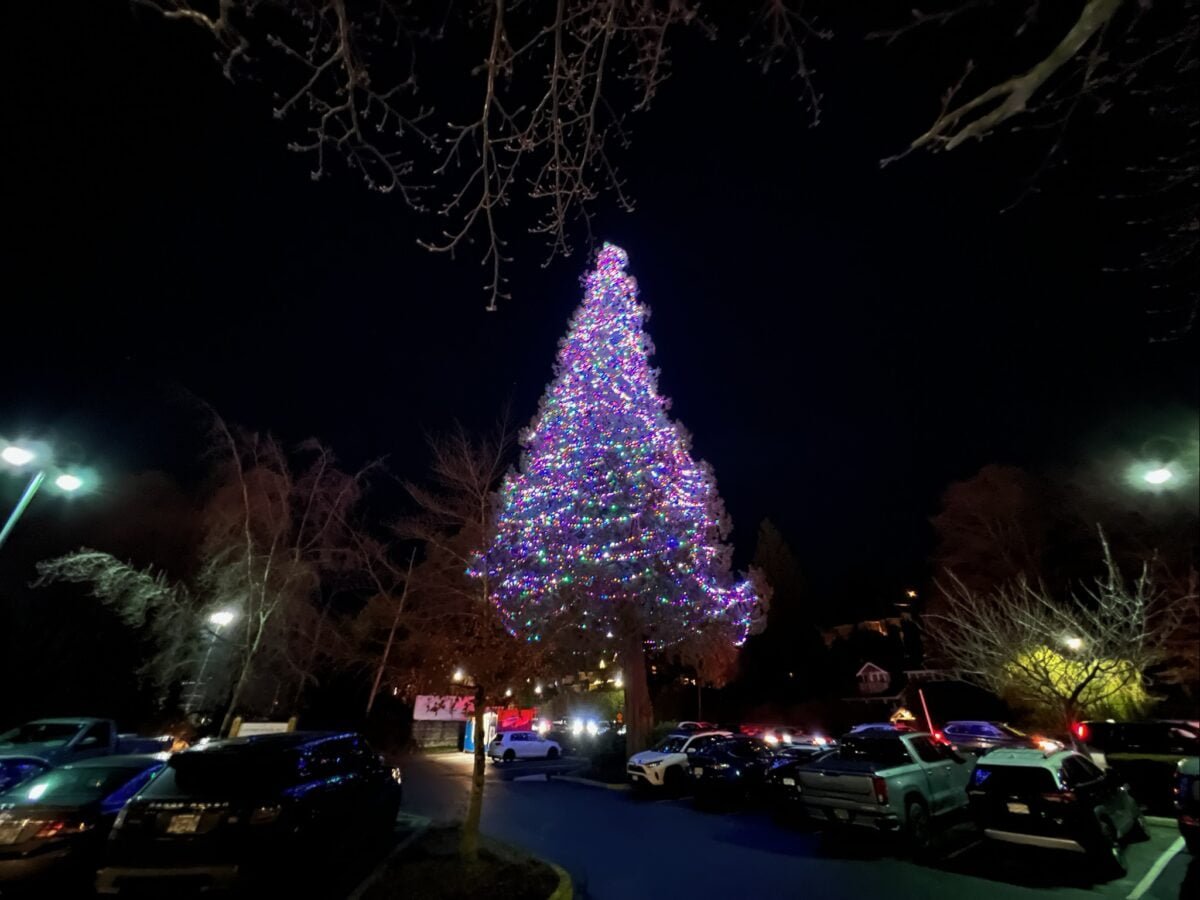
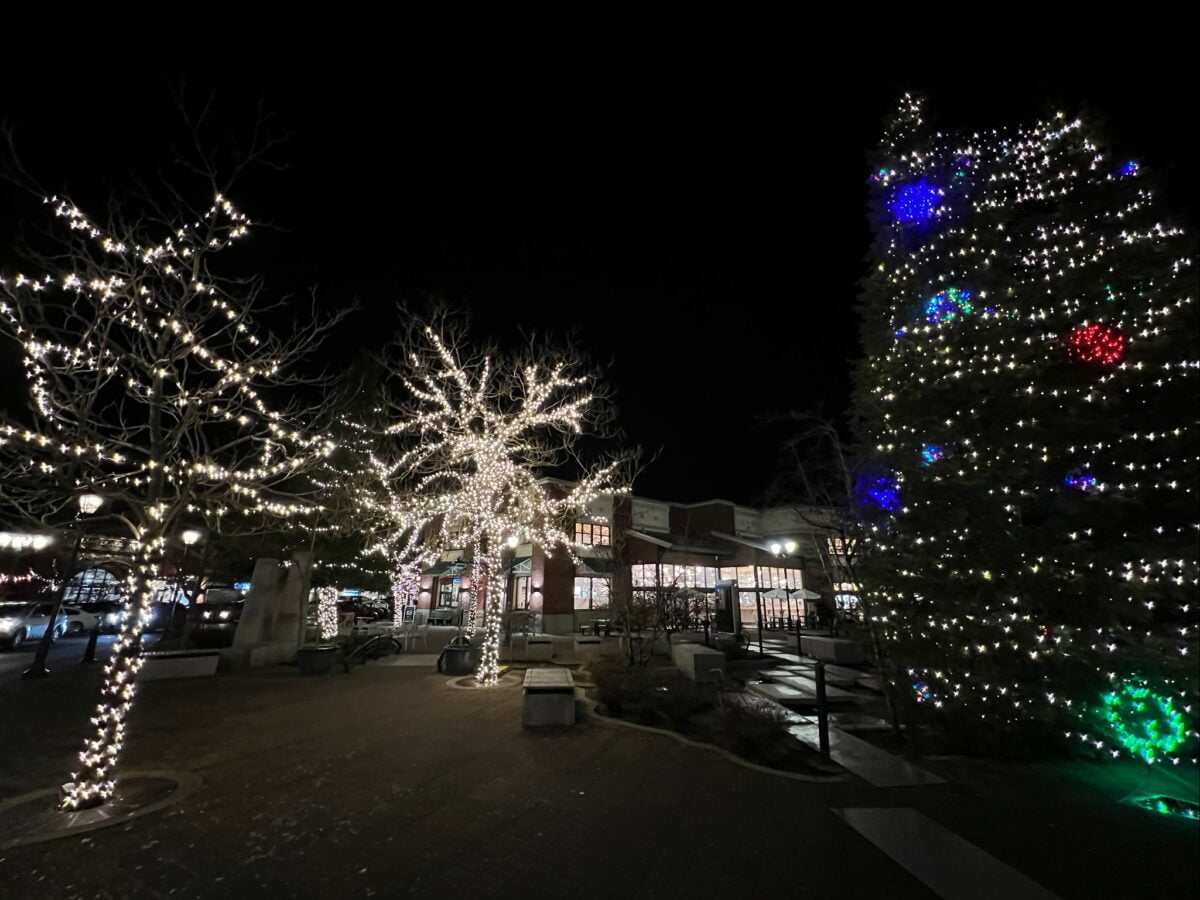
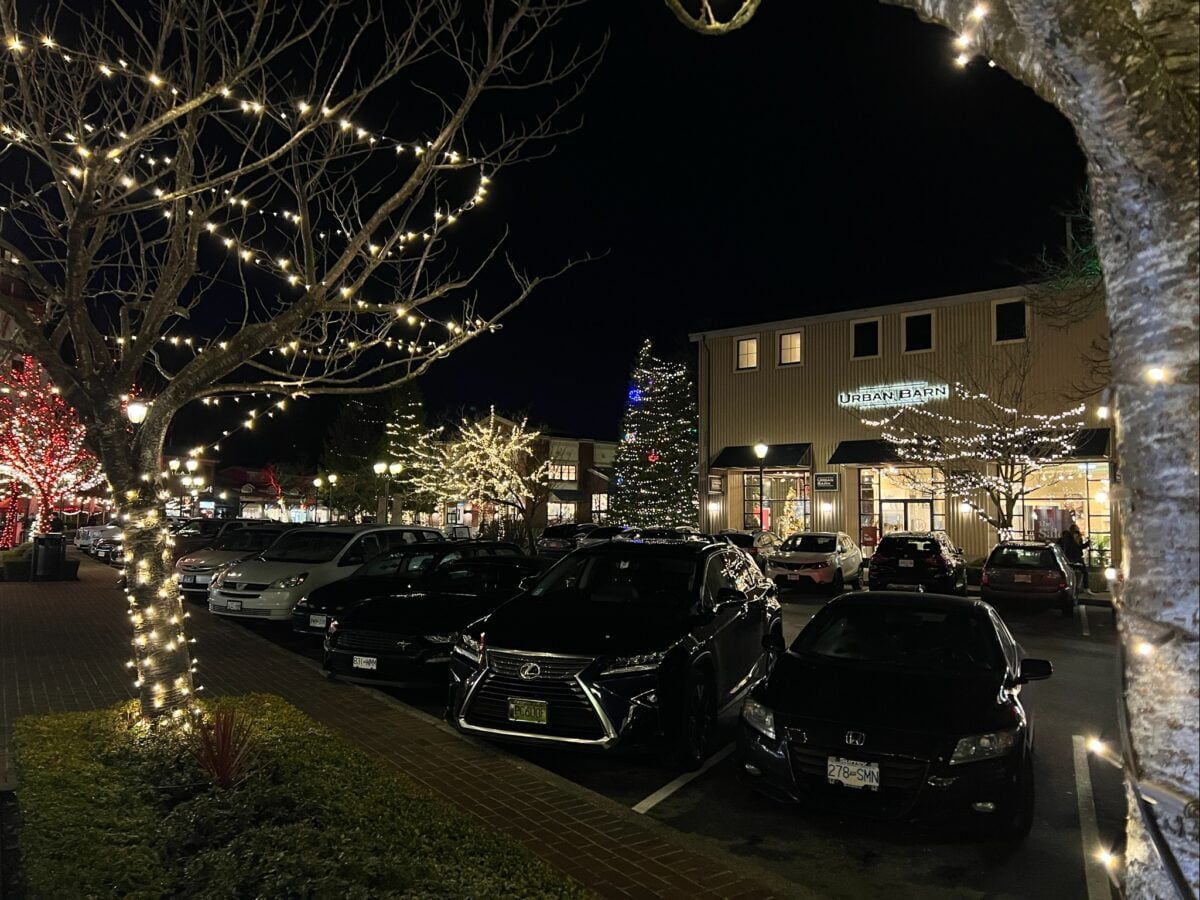
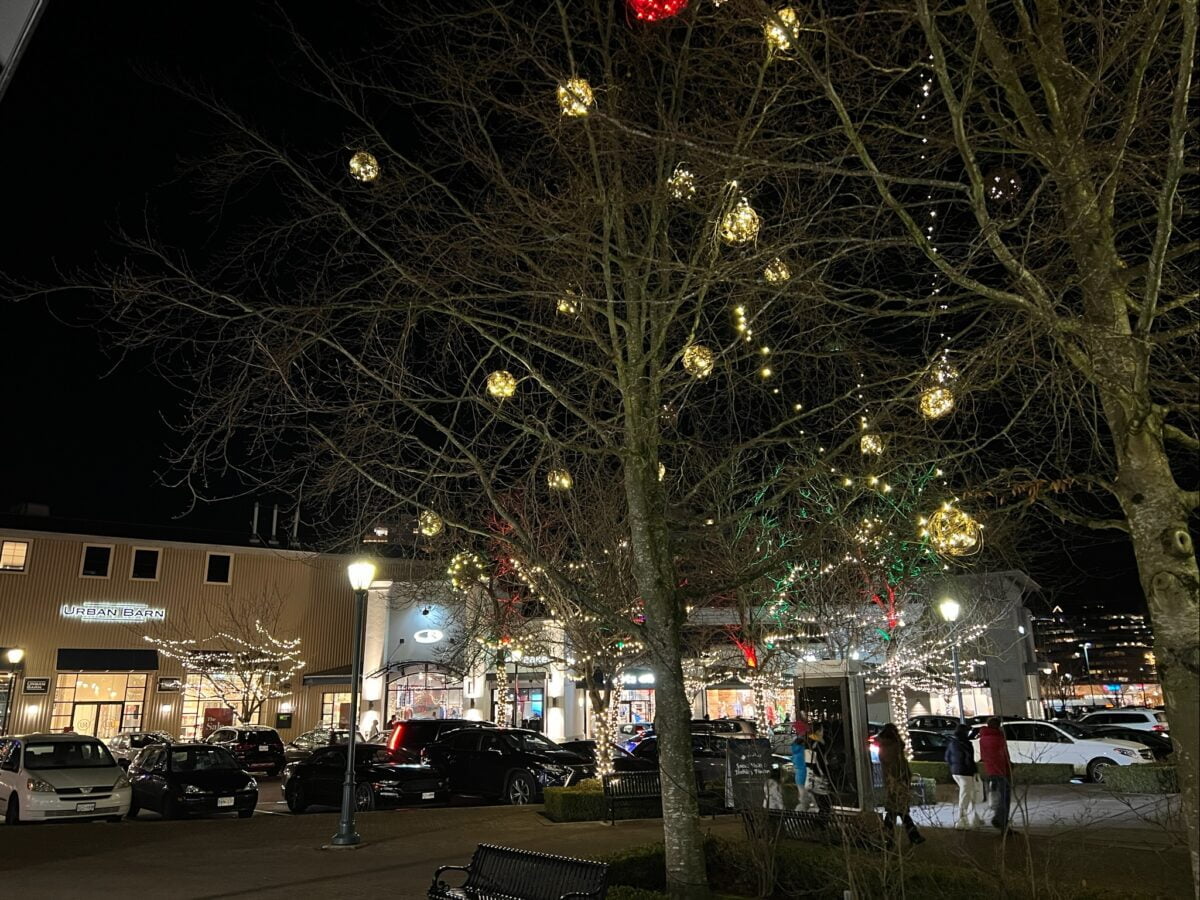
As of now, the exterior of the shopping centre is best viewed after sunset, especially the Christmas tree lit up in the north west corner of the Village at Park Royal portion of the shopping centre.
Outdoor Christmas Tree in the Village at Park Royal in West Vancouver (December 2021). Photo: Lee Rivett.
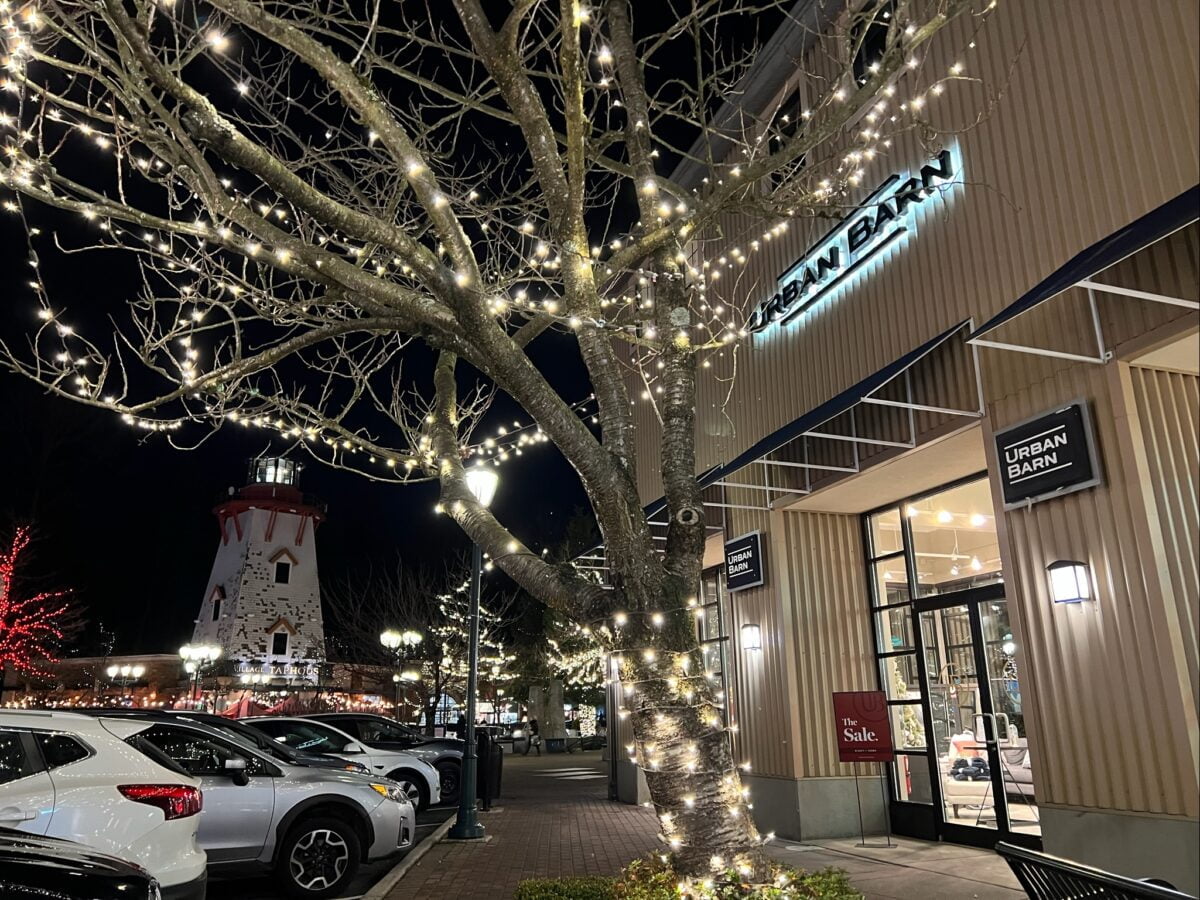
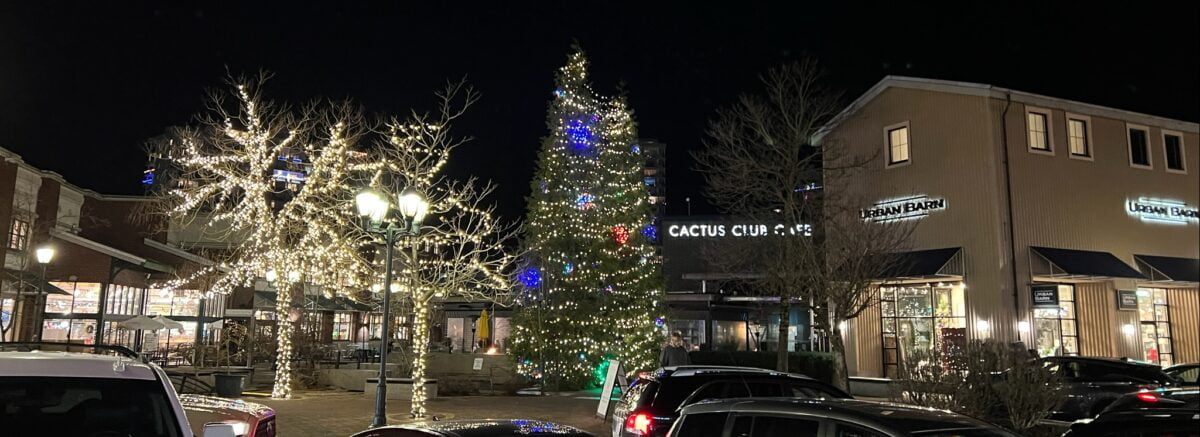
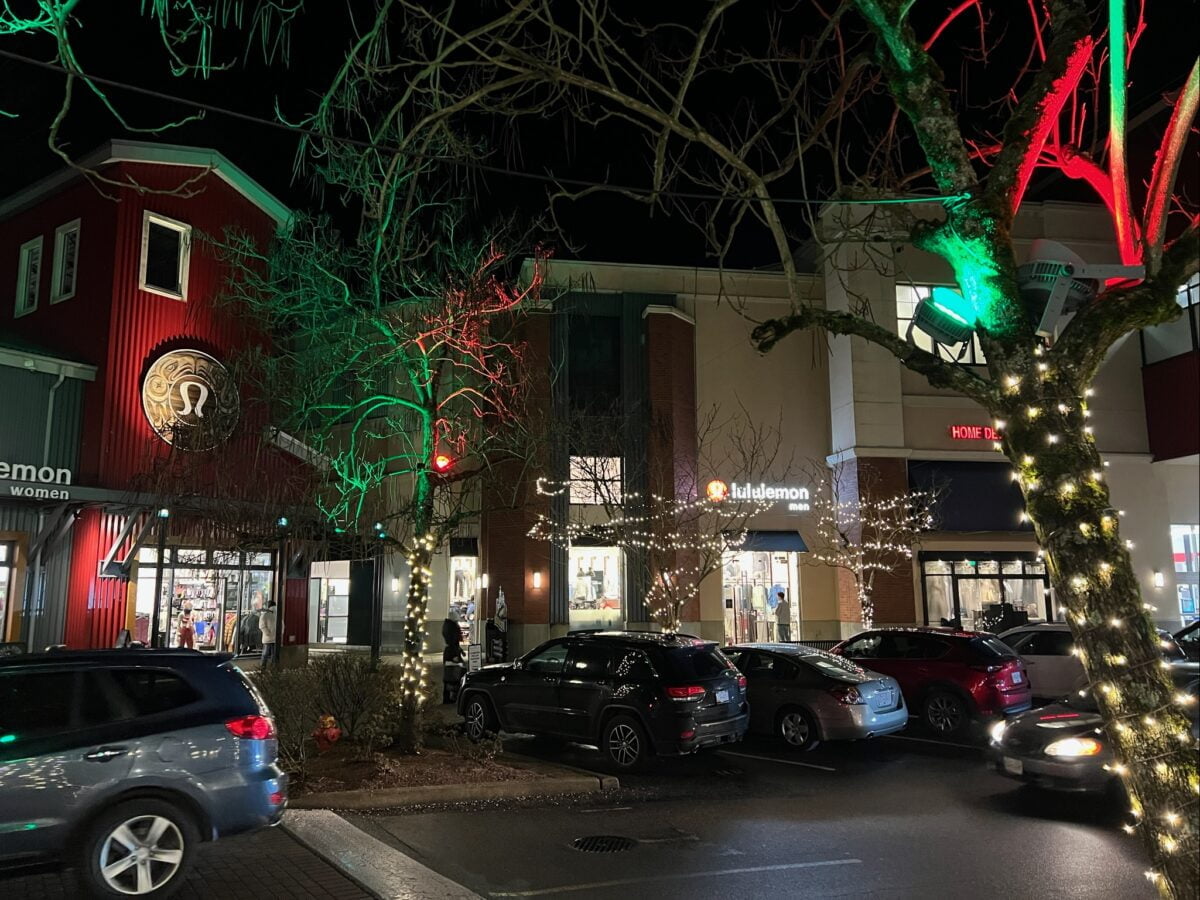
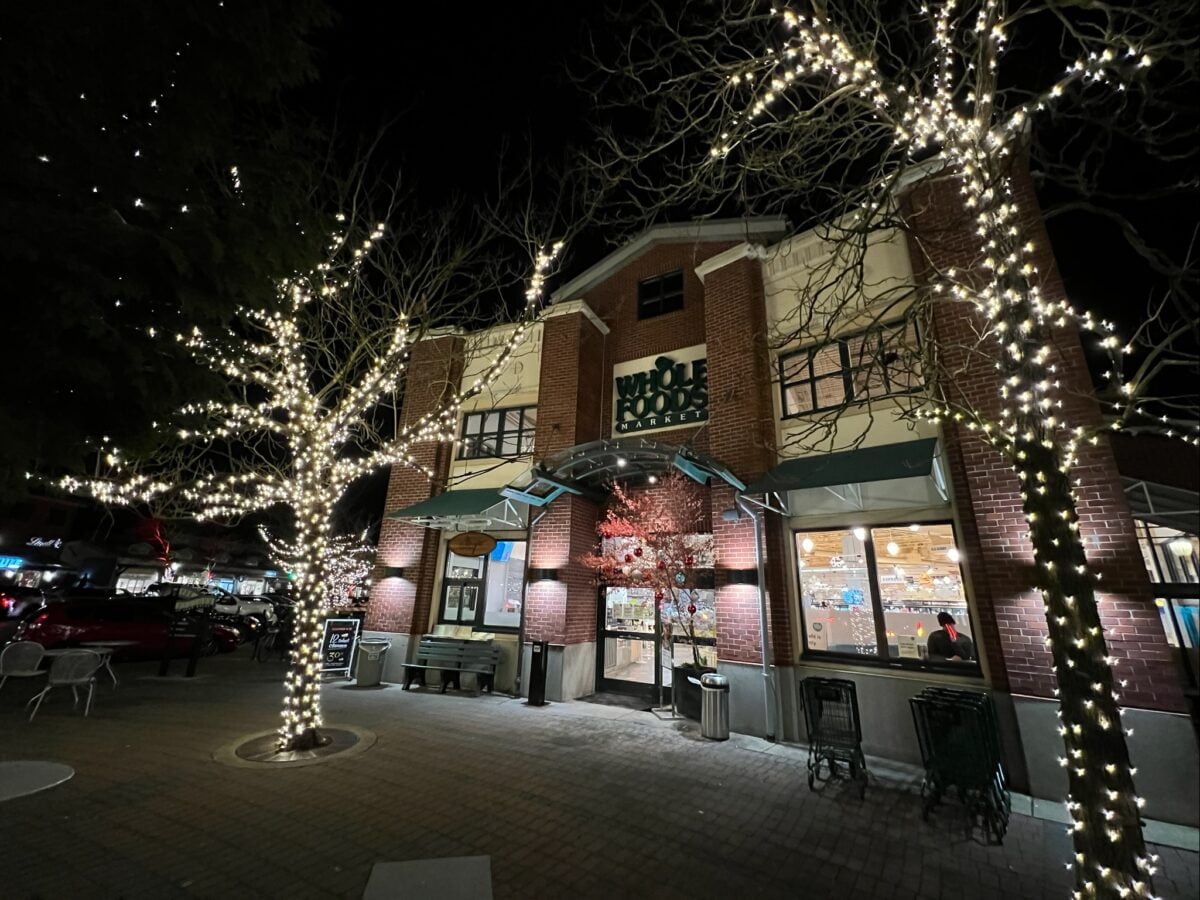
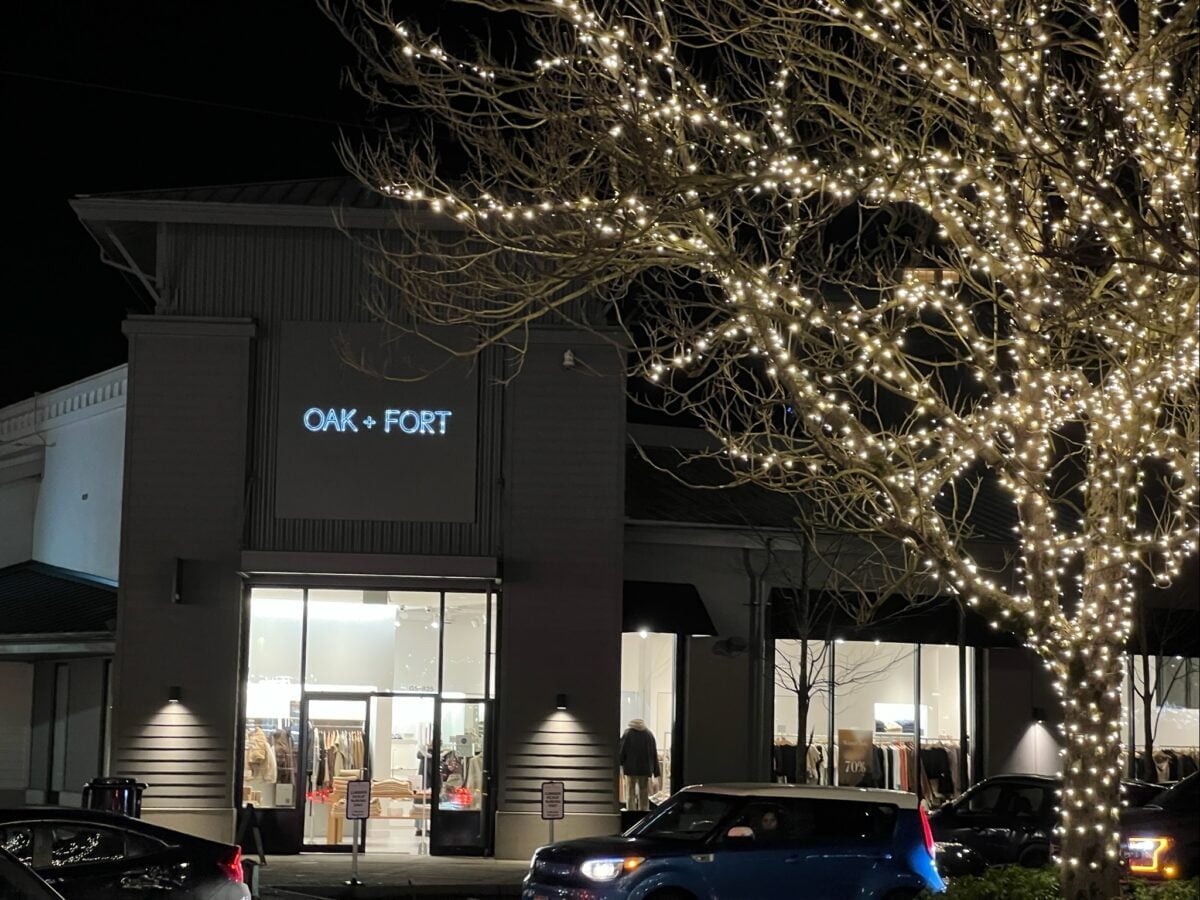
The festive lights continue through the rest of The Village at Park Royal Shopping Centre for various retailers, including Urban Barn, Whole Foods, Lululemon and many others.
Urban Barn lit for Christmas 2021 in front of the iconic lighthouse at The Village at Park Royal in West Vancouver (December 2021). Photo: Lee Rivett. Whole Foods, Cactus Club and Urban Barn at The Village at Park Royal in West Vancouver (December 2021). Photo: Lee Rivett. Lululemon lit for Christmas 2021 at The Village at Park Royal in West Vancouver (December 2021). Photo: Lee Rivett. Whole Foods lit for Christmas 2021 at The Village at Park Royal in West Vancouver (December 2021). Photo: Lee Rivett. Cactus Club courtyard next to Whole Foods lit for Christmas 2021 at The Village at Park Royal in West Vancouver (December 2021). Photo: Lee Rivett. Oak + Fort lit for Christmas 2021 at The Village at Park Royal in West Vancouver (December 2021). Photo: Lee Rivett. Road lit for Christmas 2021 at The Village at Park Royal in West Vancouver (December 2021). Photo: Lee Rivett. The Village at Park Royal lit for Christmas 2021 in West Vancouver (December 2021). Photo: Lee Rivett. The Village at Park Royal lit for Christmas 2021 in West Vancouver (December 2021). Photo: Lee Rivett.
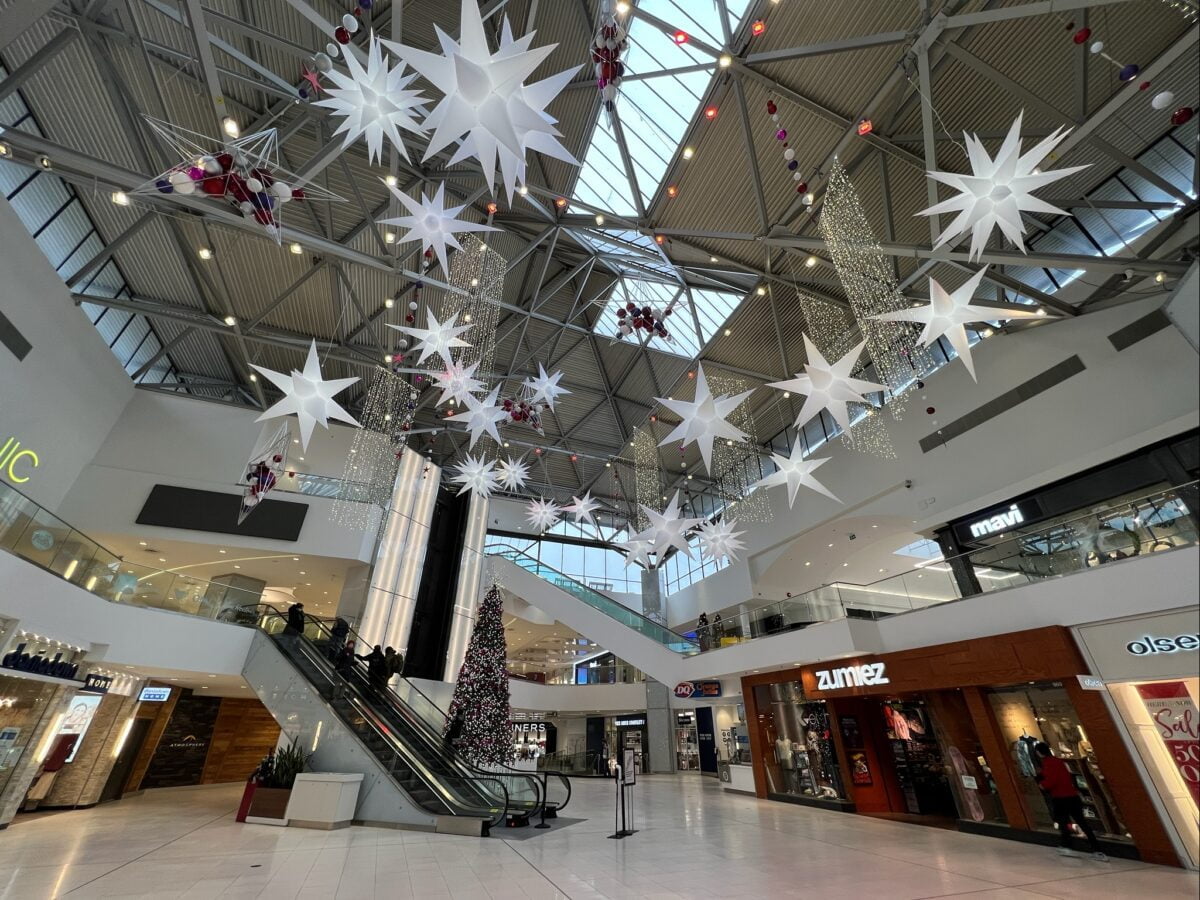
Moving into the interior of the Park Royal South shopping centre during the daylight hours has the Christmas festivities in full swing.
Park Royal South with the Christmas decorations up for Christmas 2021 in West Vancouver (December 2021). Photo: Lee Rivett. Park Royal South with the Christmas decorations up for Christmas 2021 in West Vancouver (December 2021). Photo: Lee Rivett. Park Royal South with the Christmas decorations up for Christmas 2021 in West Vancouver (December 2021). Photo: Lee Rivett. Instagram Wall at Park Royal South with the Christmas decorations up for Christmas 2021 in West Vancouver (December 2021). Photo: Lee Rivett. Park Royal South with the Christmas decorations up for Christmas 2021 in West Vancouver (December 2021). Photo: Lee Rivett.
We had a very interesting holiday season photo walk around Park Royal Shopping Centre in West Vancouver and we hope you enjoyed coming along with us. Don’t forget to check out our other retail photo tours over the past few months. Thank you for taking this tour with us.
Discover More Related Retail Photo Tours From Retail Insider:
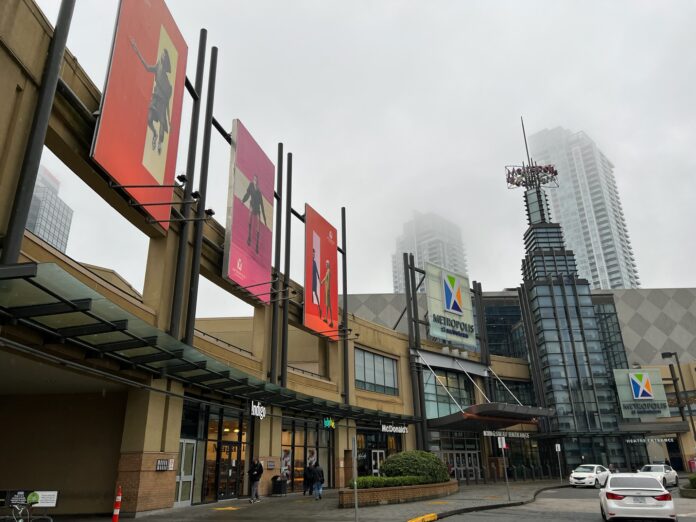
Metropolis at Metrotown main entrance (December 2021). Photo: Lee Rivett.
Retail Insider continues its Photo Tour series of Canadian malls with a Christmas update for shopping centres which may be less frequented lately due to the most recent variant of the COVID-19 pandemic.
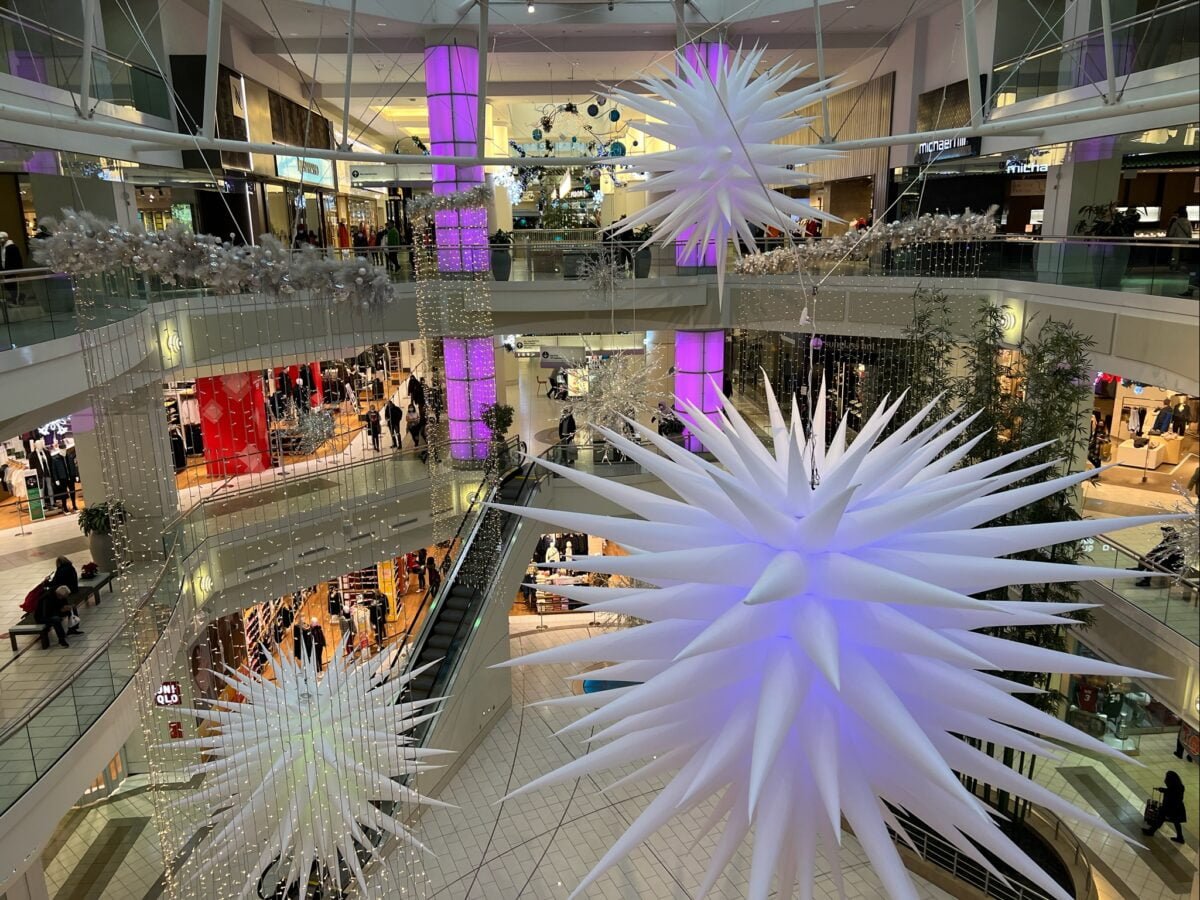
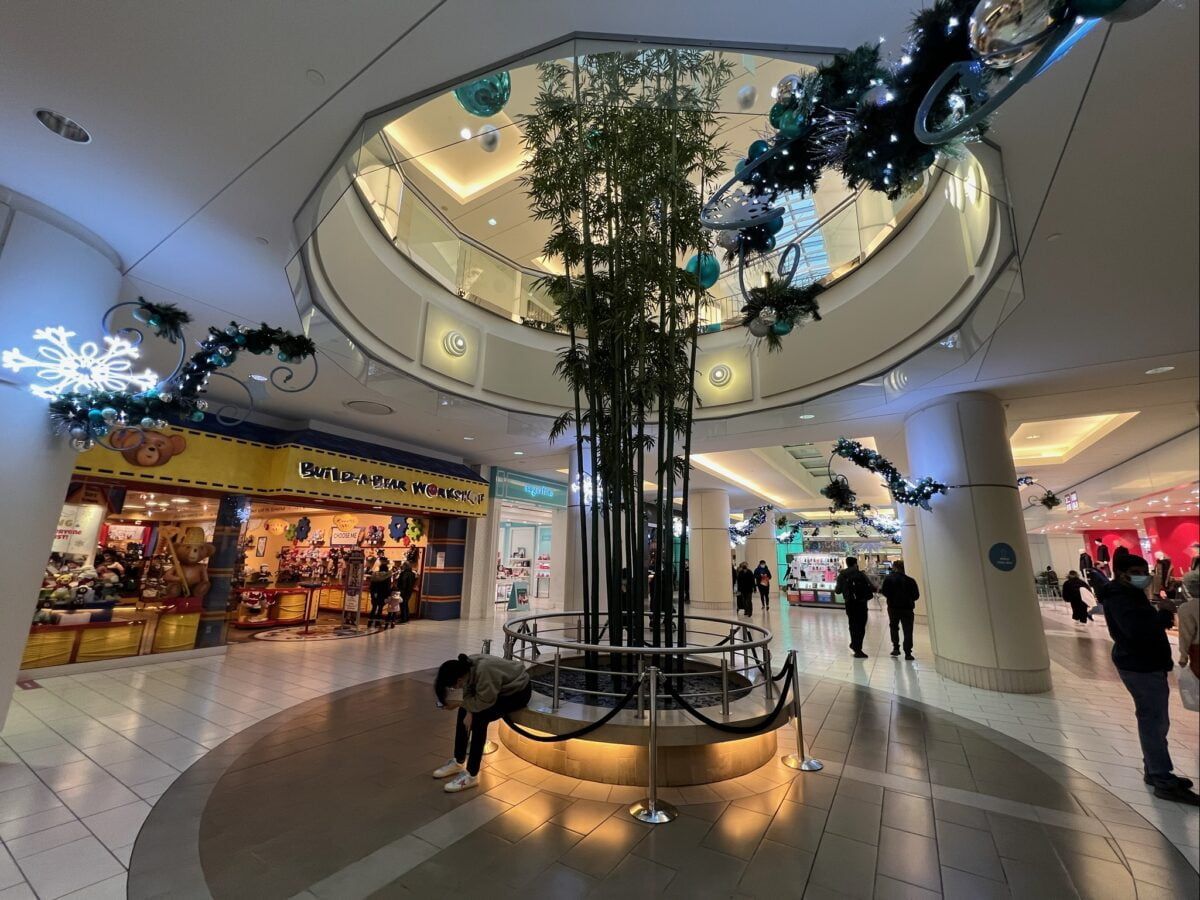
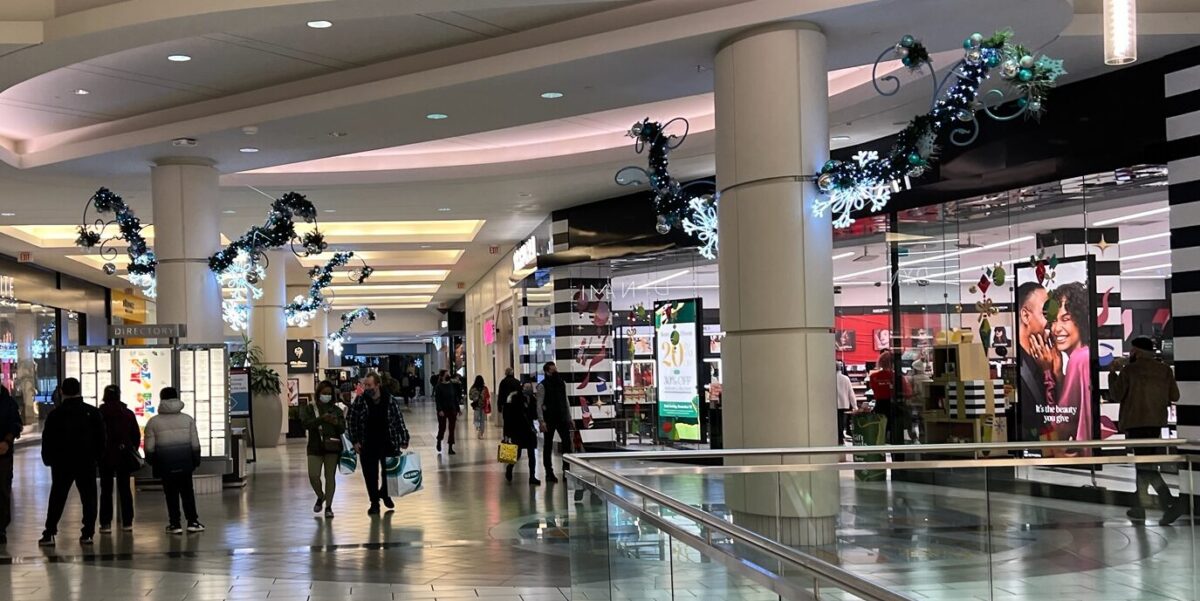
This edition brings us to Metropolis at Metrotown in Burnaby, B.C., and builds upon the mall tour in December 2020 for the shopping centre. We revisited the shopping centre this holiday season to check-in on the festive decorations which some may be missing due to the pandemic.
We visited on a rainy day, therefore the exterior photos were a bit lacklustre. We headed into the mall to see the various holiday decorations that Ivanhoé Cambridge (owner) delighted shoppers with in 2021.
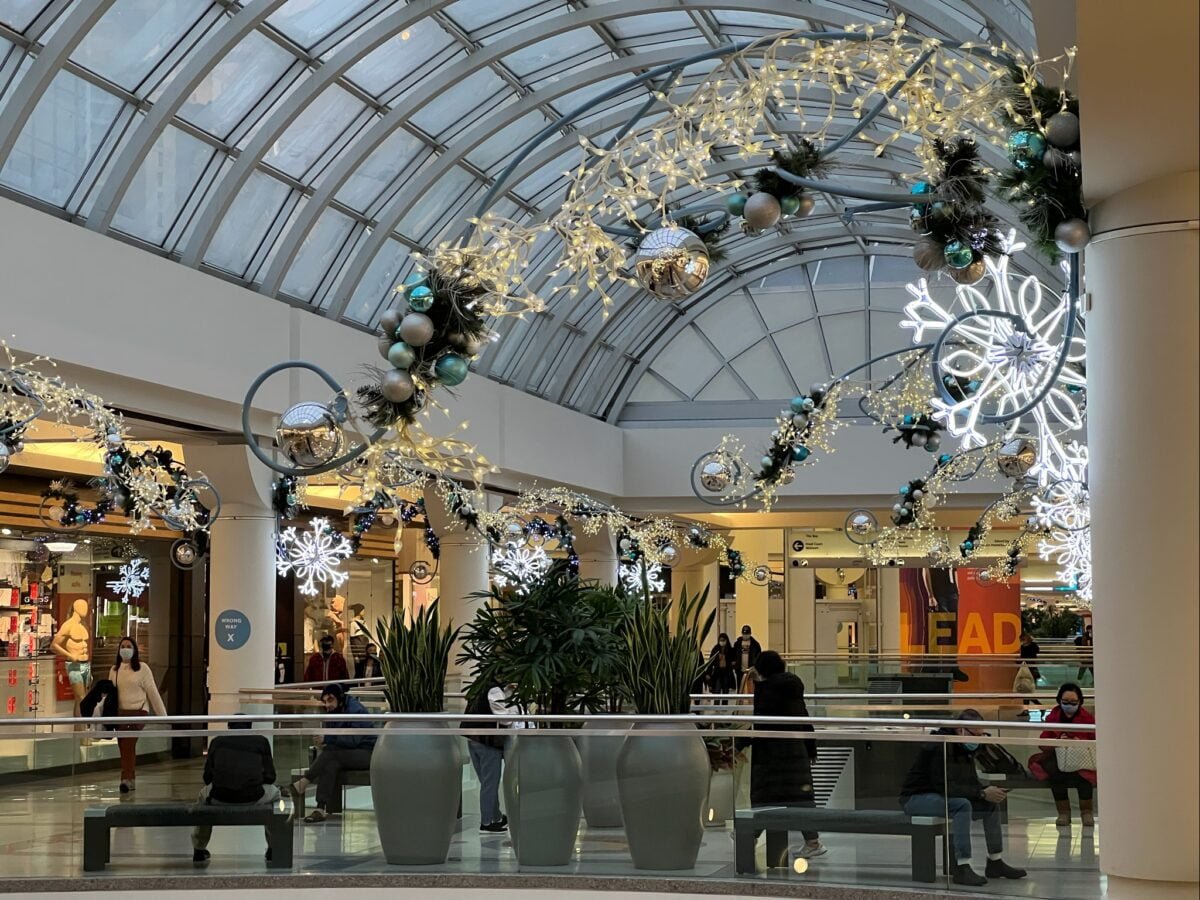
Grand Court at Metropolis at Metrotown (December 2021). Photo: Lee Rivett. Metropolis at Metrotown (December 2021). Photo: Lee Rivett. Metropolis at Metrotown (December 2021). Photo: Lee Rivett. Metropolis at Metrotown (December 2021). Photo: Lee Rivett.
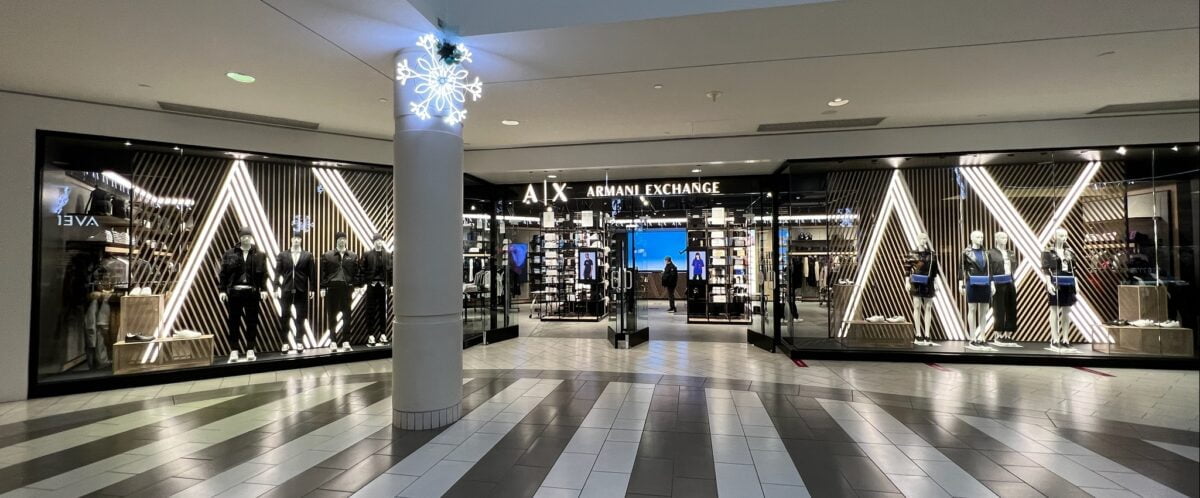
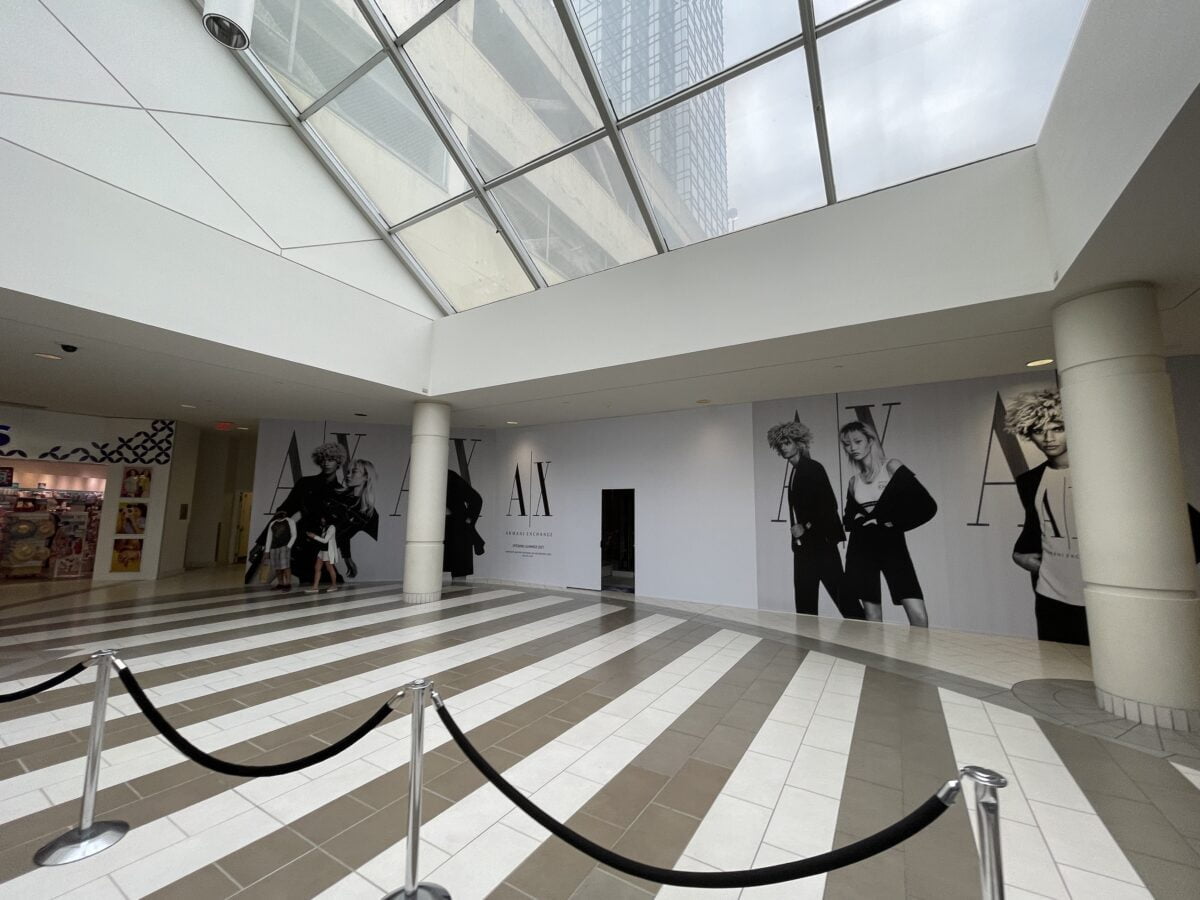
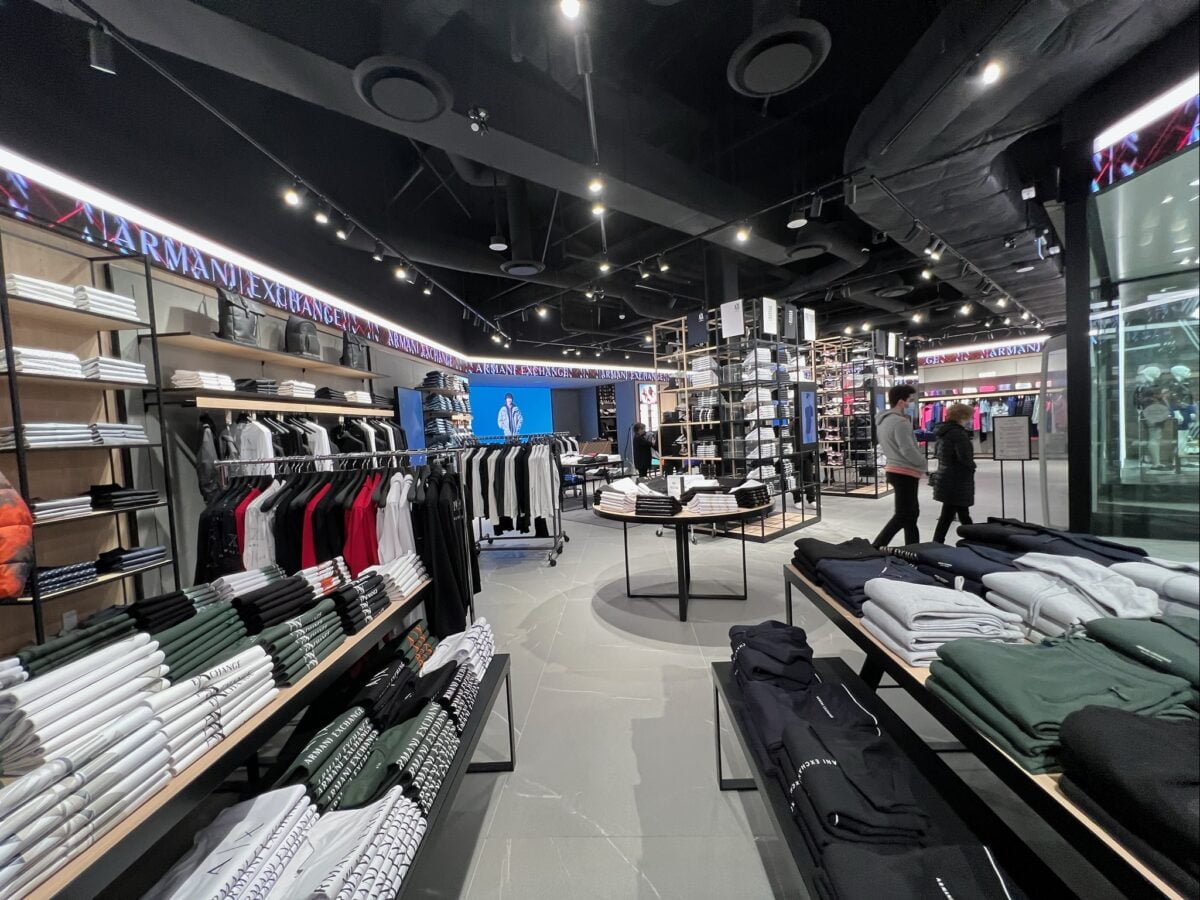
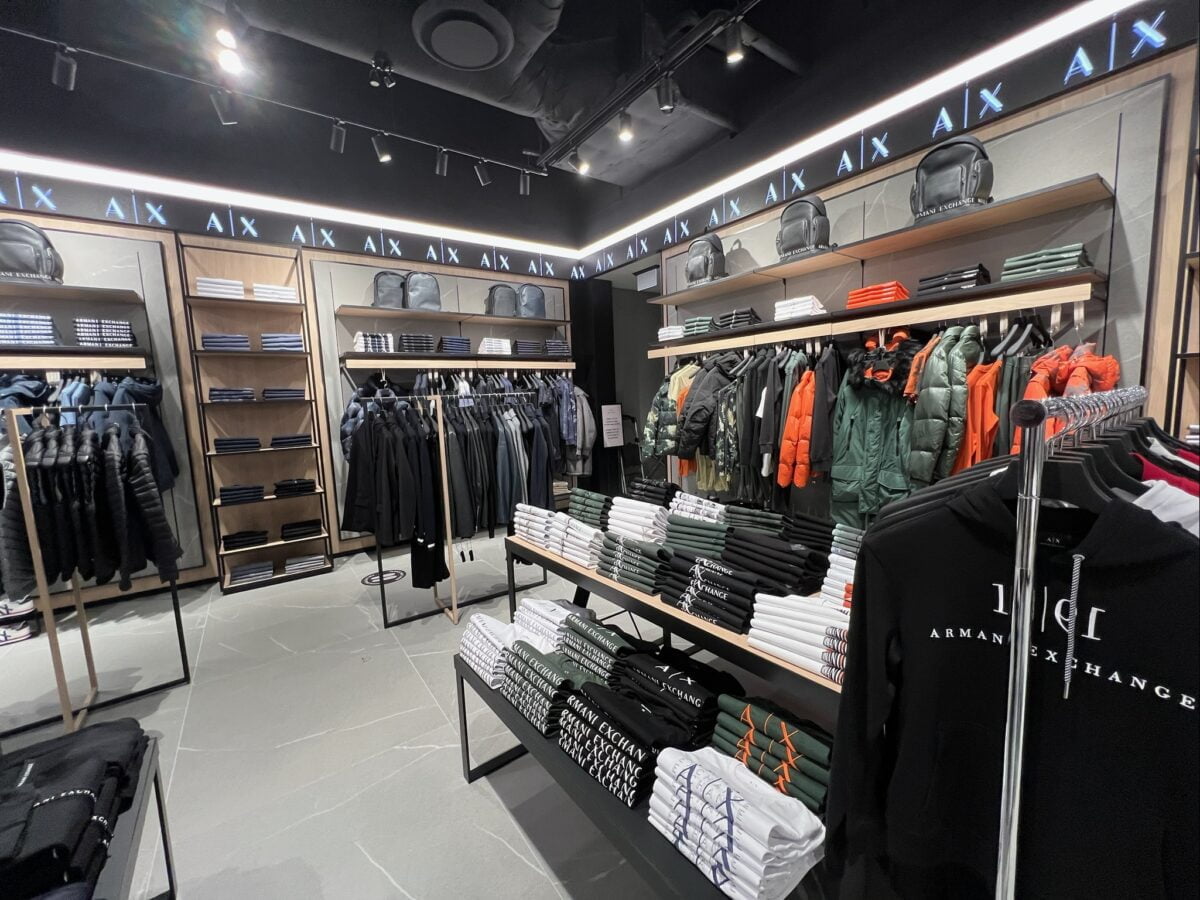
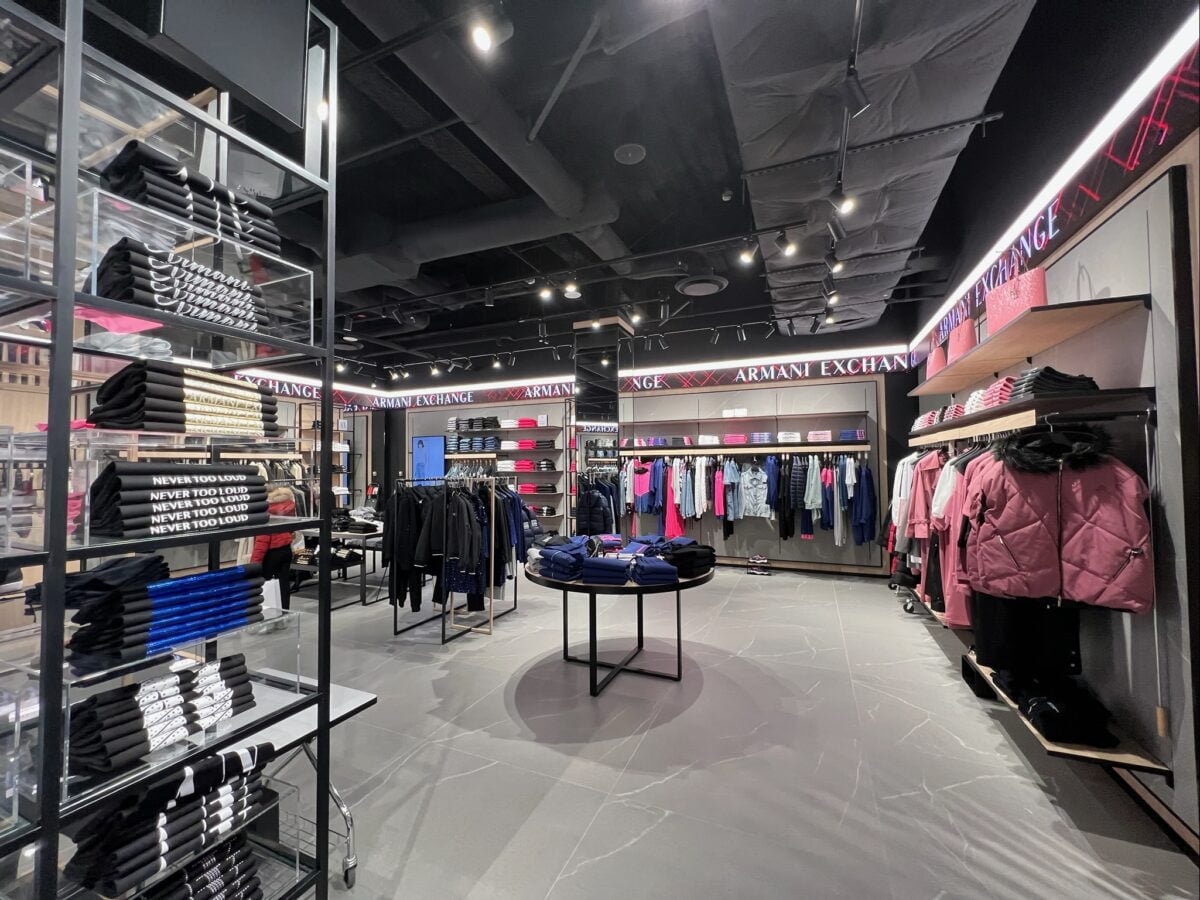
Giorgio Armani’s much less expensive sub-brand Armani Exchange (also known as A|X) has temporarily relocated near Indigo to expand on the upper level of Metropolis at Metrotown. The location reopened prior to the 2021 holiday shopping season.
A|X Armani Exchange at Metropolis at Metrotown (December 2021). Photo: Lee Rivett. Armani Exchange under construction on the upper level (July 2021). Photo: Lee Rivett.A|X Armani Exchange at Metropolis at Metrotown (December 2021). Photo: Lee Rivett. A|X Armani Exchange at Metropolis at Metrotown (December 2021). Photo: Lee Rivett. A|X Armani Exchange at Metropolis at Metrotown (December 2021). Photo: Lee Rivett.
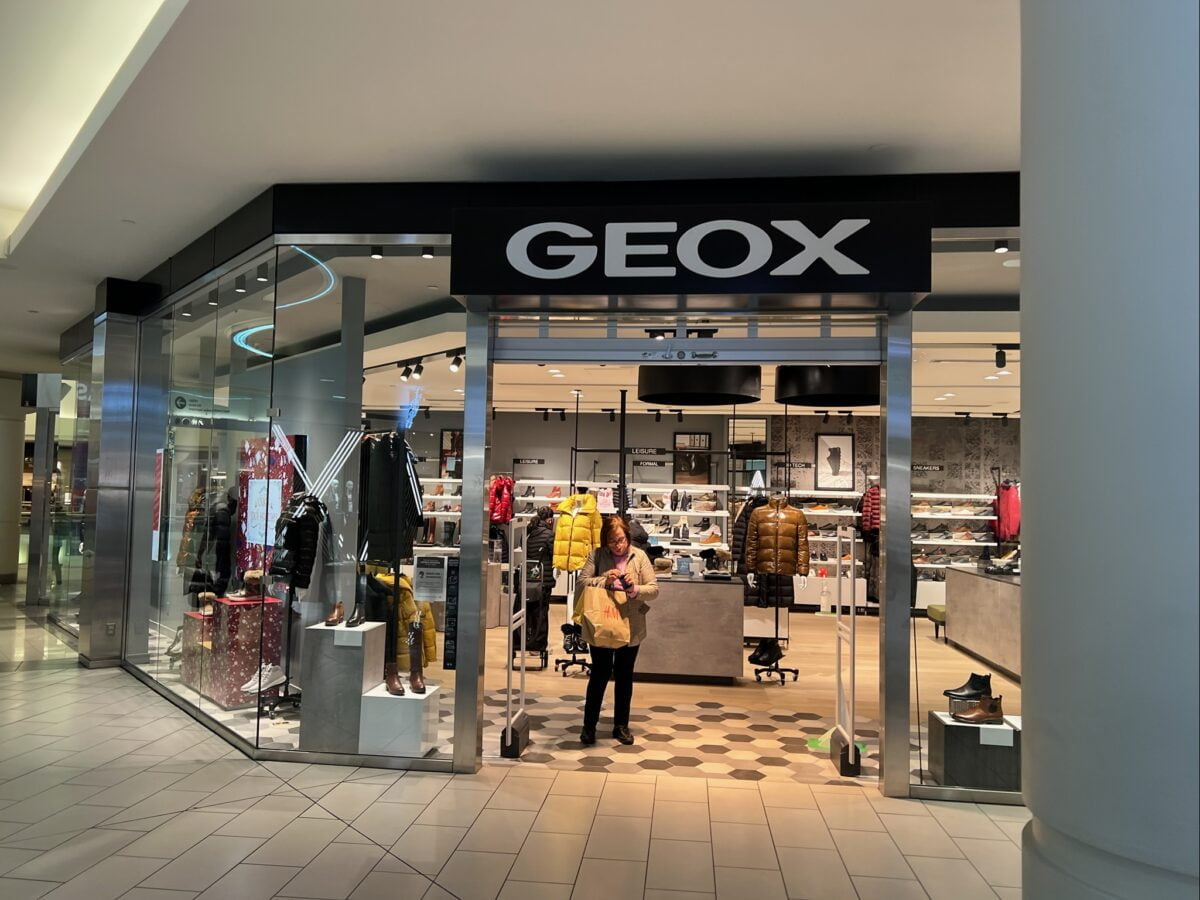
GEOX
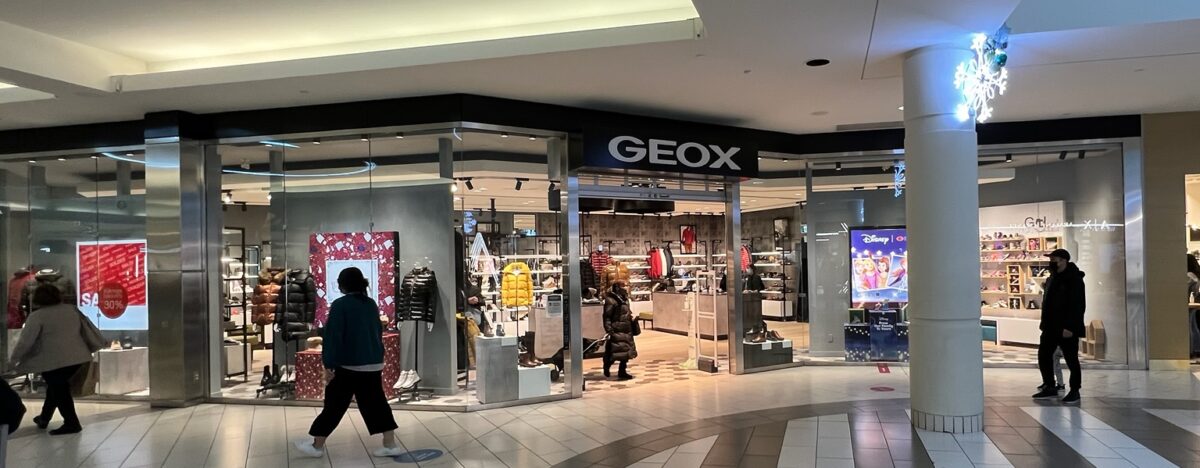
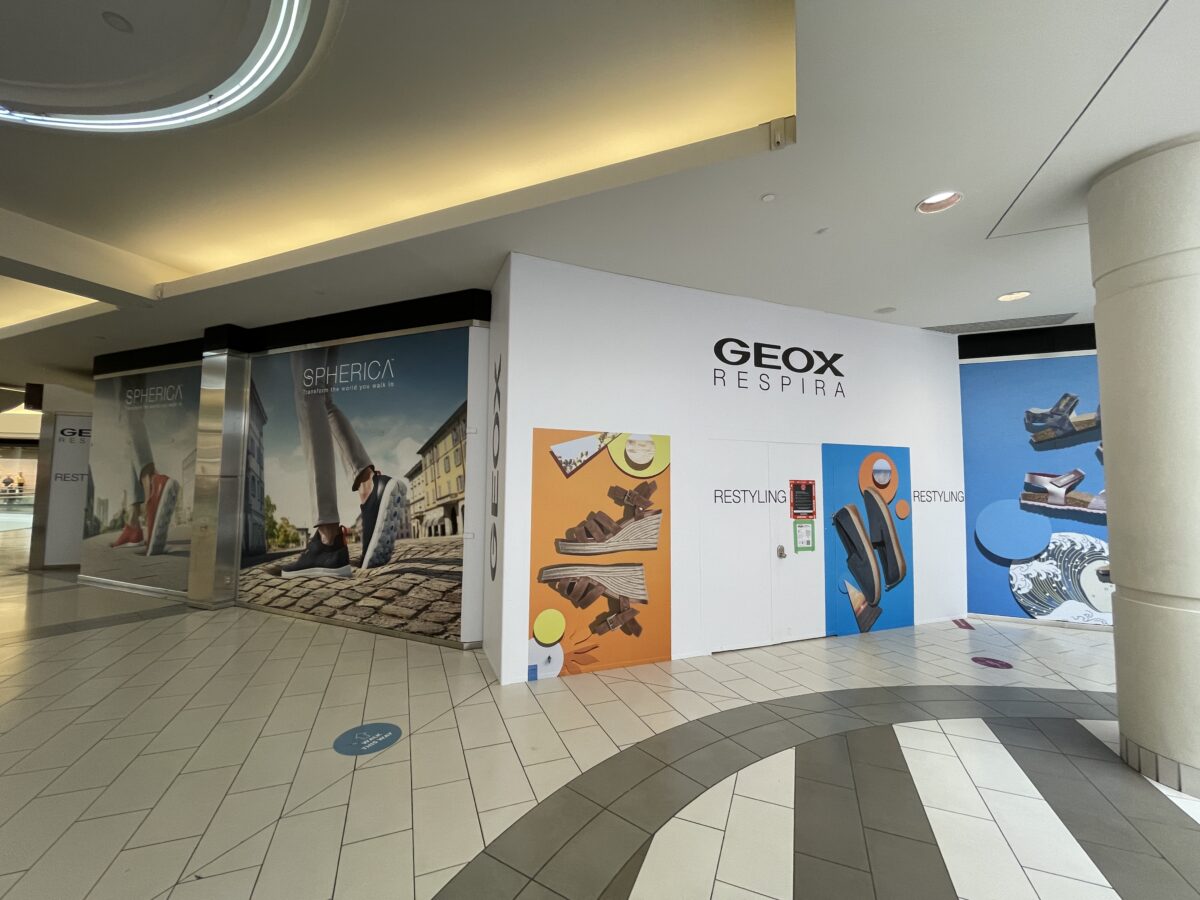
Moderately-priced ‘breathable’ Italian footwear brand GEOX gave its Metropolis at Metrotown store a makeover. The store was under construction in July of 2021 during the previous tour.
GEOX at Metropolis at Metrotown (December 2021). Photo: Lee Rivett. Construction signage for GEOX at Metropolis at Metrotown (July 2021). Photo: Lee Rivett.GEOX at Metropolis at Metrotown (December 2021). Photo: Lee Rivett.
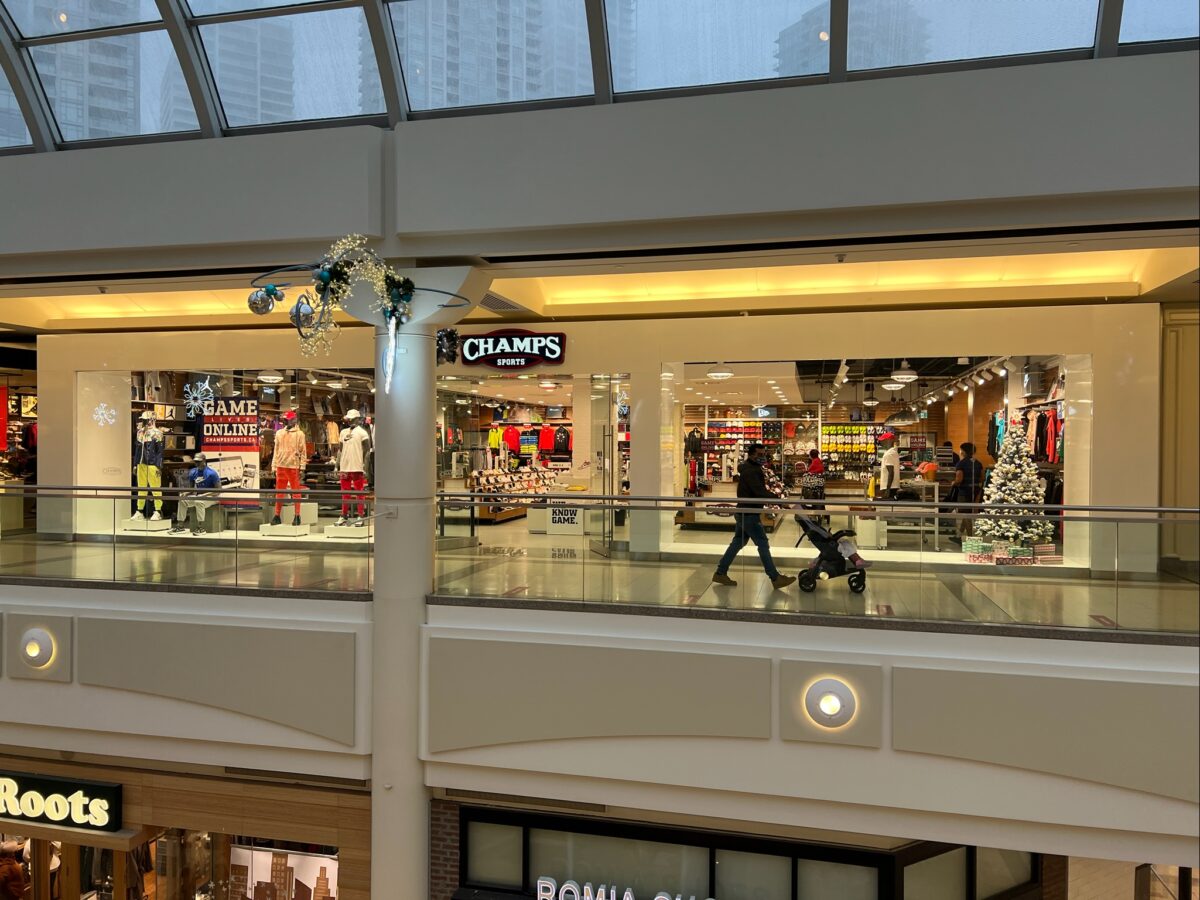
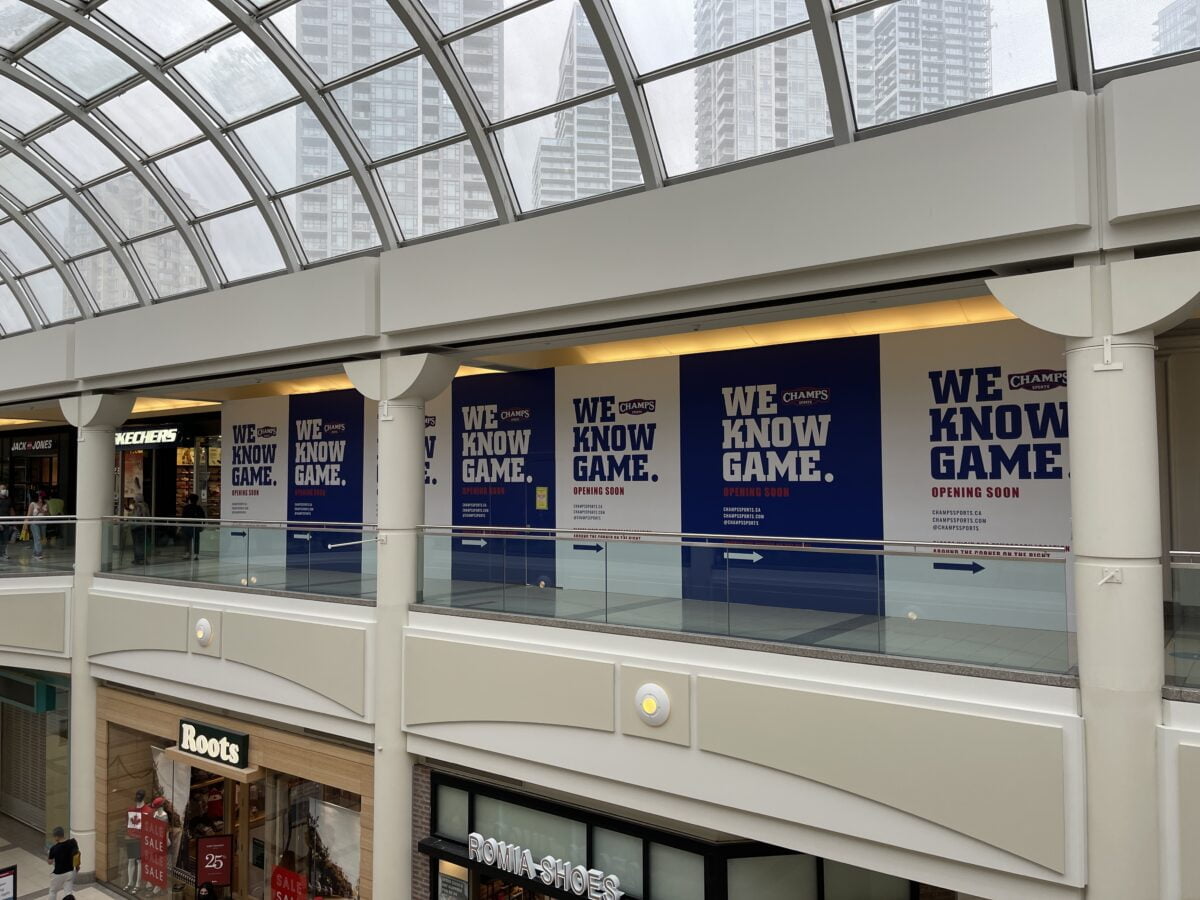
Champs Sports
The American sports retailer, a subsidiary of Foot Locker, temporarily relocated to the lower level near the Hudson’s Bay to expand on the upper level of Metropolis at Metrotown. The retailer appears to be in full operation heading into the 2021 holiday season.
Champs Sports at Metropolis at Metrotown (December 2021). Photo: Lee Rivett. Construction signage for Champs Sports on the upper level of Metropolis at Metrotown (July 2021). Photo: Lee Rivett.
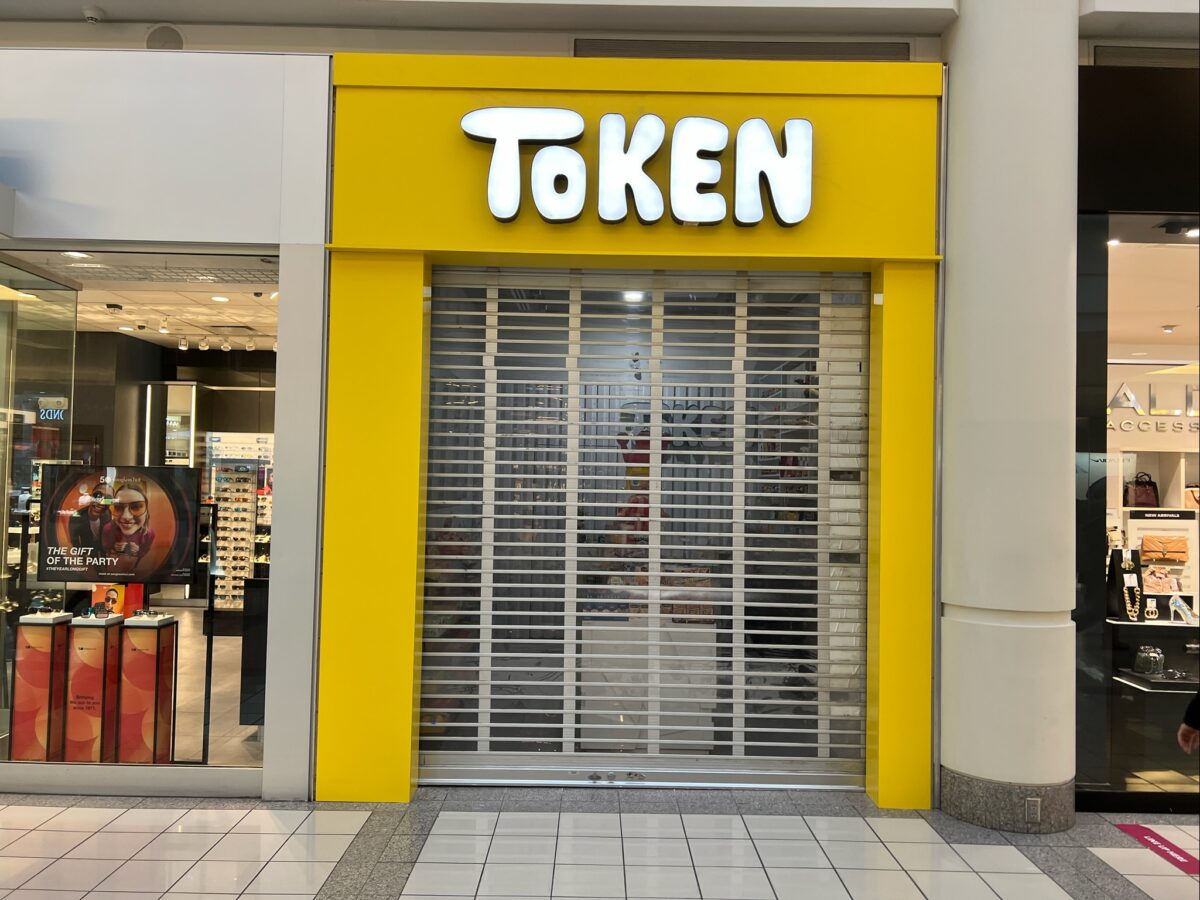
Token Toys
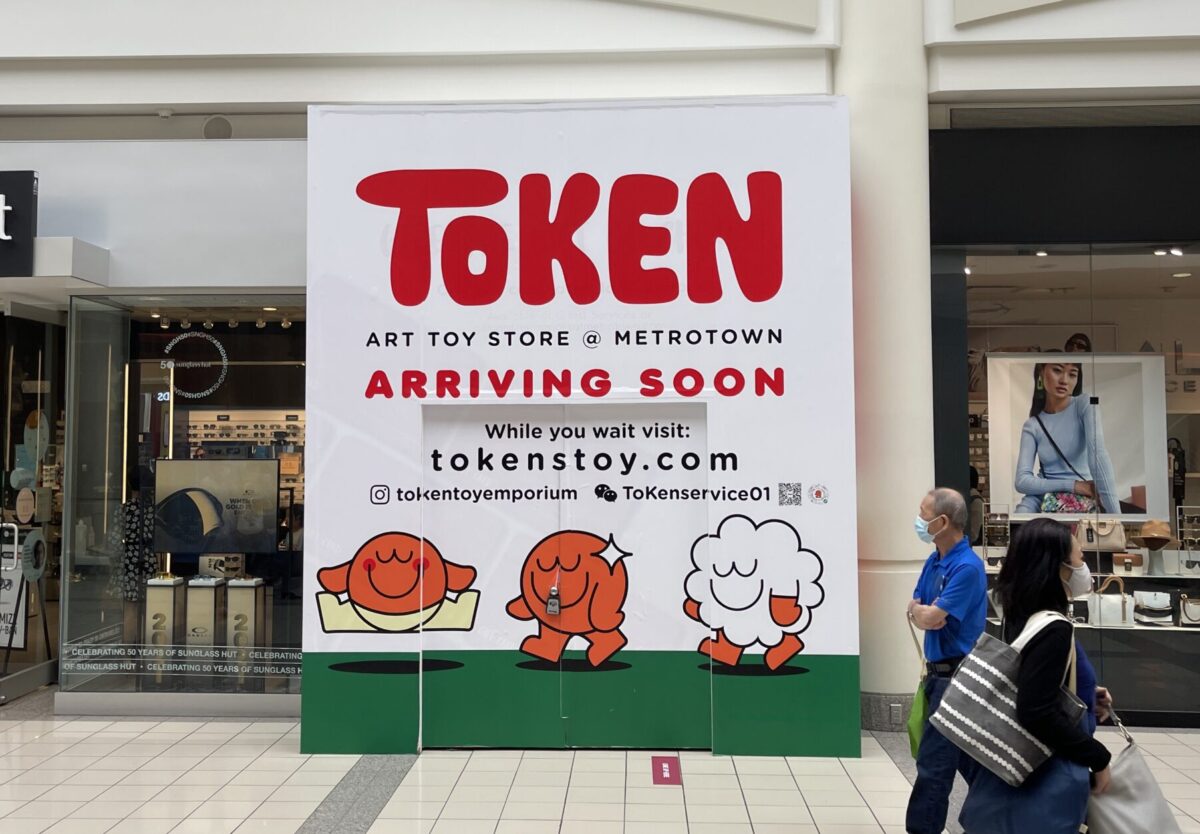
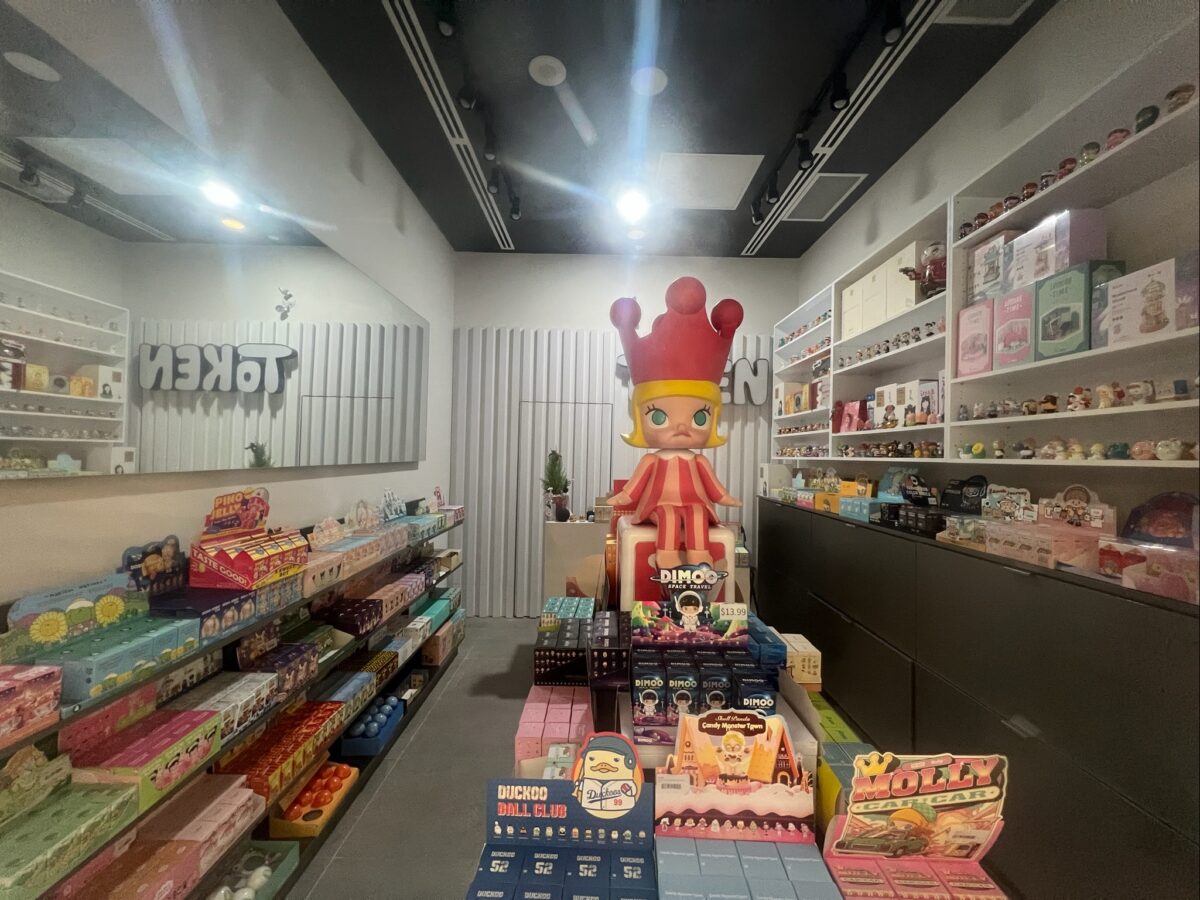
Token Toys, an art toy store, opened a second brick-and-mortar location at Metropolis after construction observed in July 2021. Its first store is located at CF Richmond Centre. The retailer has operated a kiosk at Metropolis at Metrotown up until this point.
Token Toys at Metropolis at Metrotown (December 2021). Photo: Lee Rivett. Future location for Token Toy Store at Metropolis at Metrotown (July 2021). Photo: Lee Rivett. Token Toys at Metropolis at Metrotown (December 2021). Photo: Lee Rivett.
We had a very interesting holiday season photo walk around Metropolis at Metrotown in Burnaby and we hope you enjoyed coming along with us. Don’t forget to check out our other retail photo tours over the past few months. Thank you for taking this tour with us.
Discover More Related Retail Photo Tours From Retail Insider:
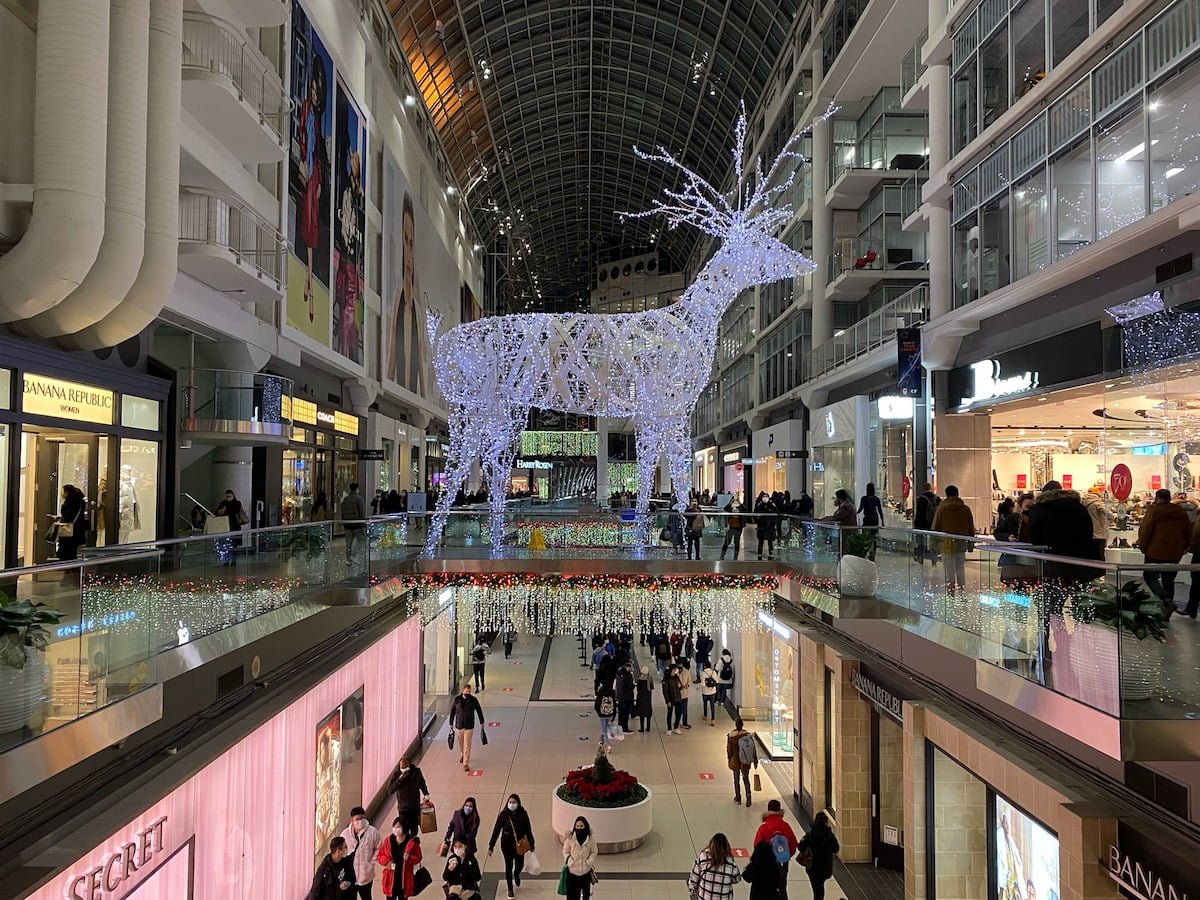
The 2021 holiday season has been an opportunity to recapture the spirit that was lost with the 2020 COVID-19 pandemic lockdowns, where shopping centres across Canada were subject to local and provincial restrictions and in some cases were shut down completely to foot traffic.
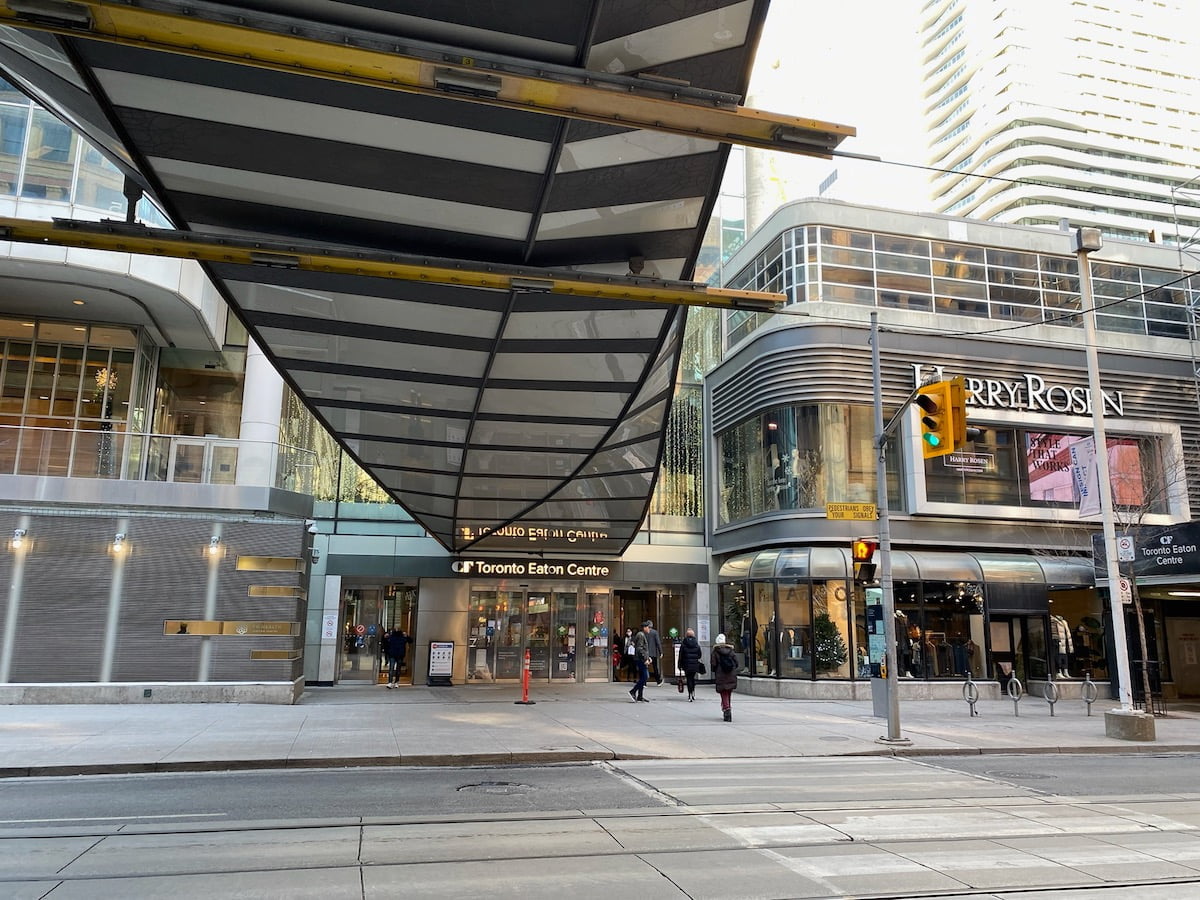
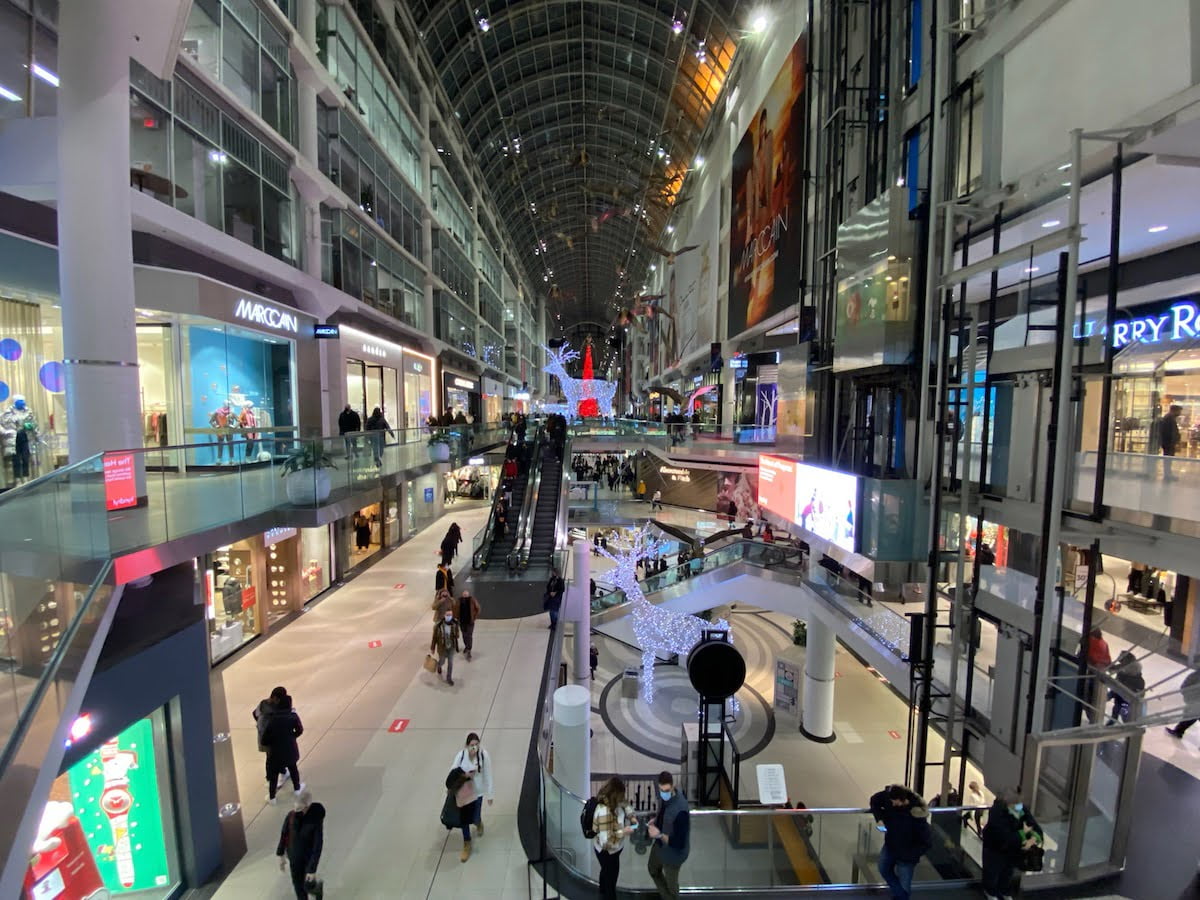
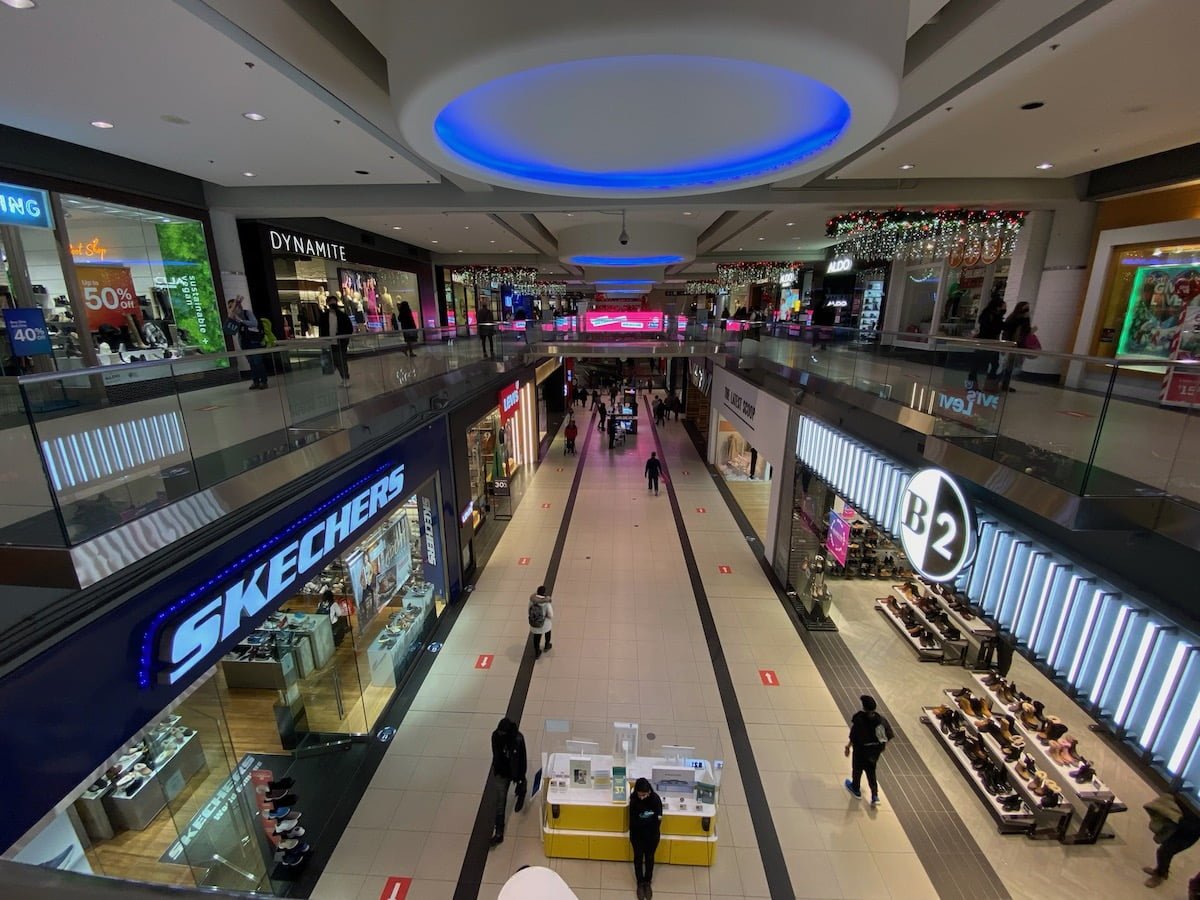
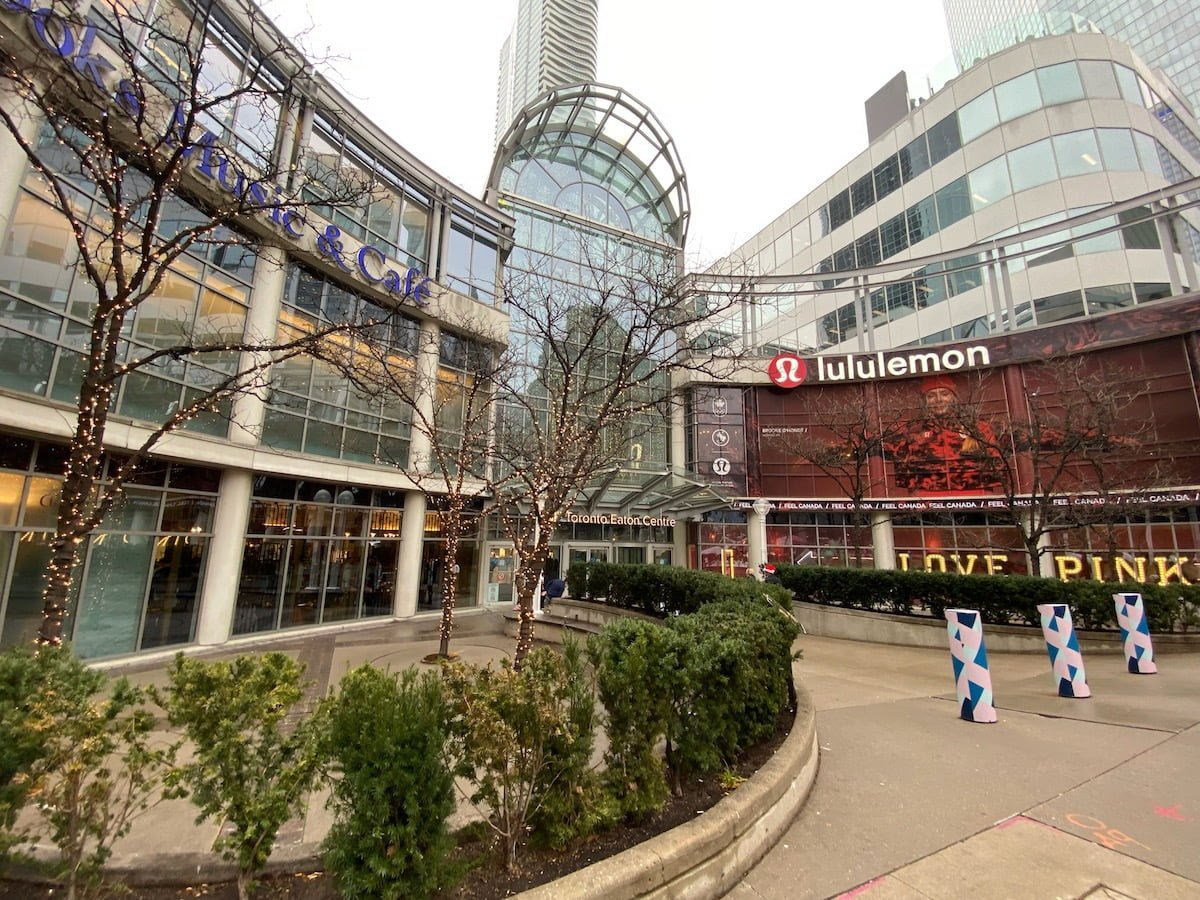
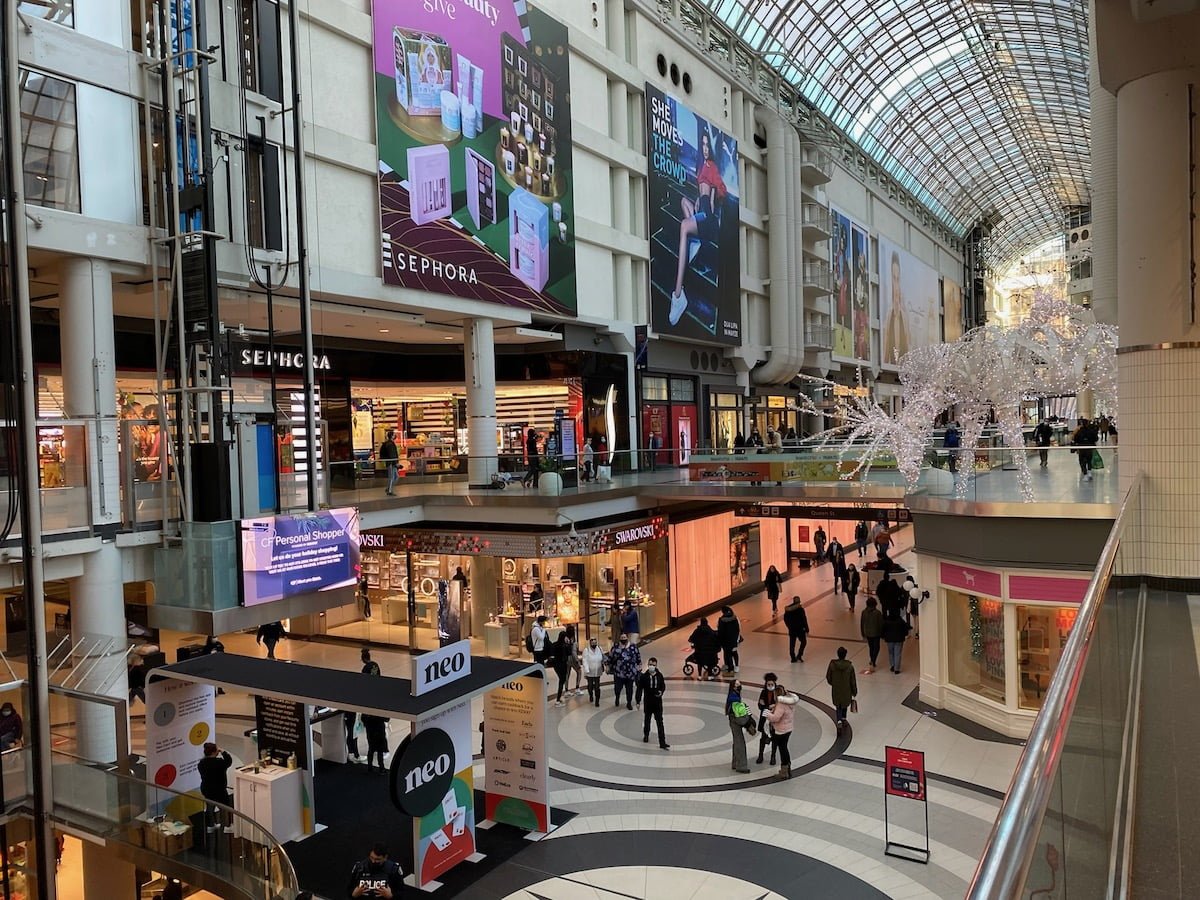
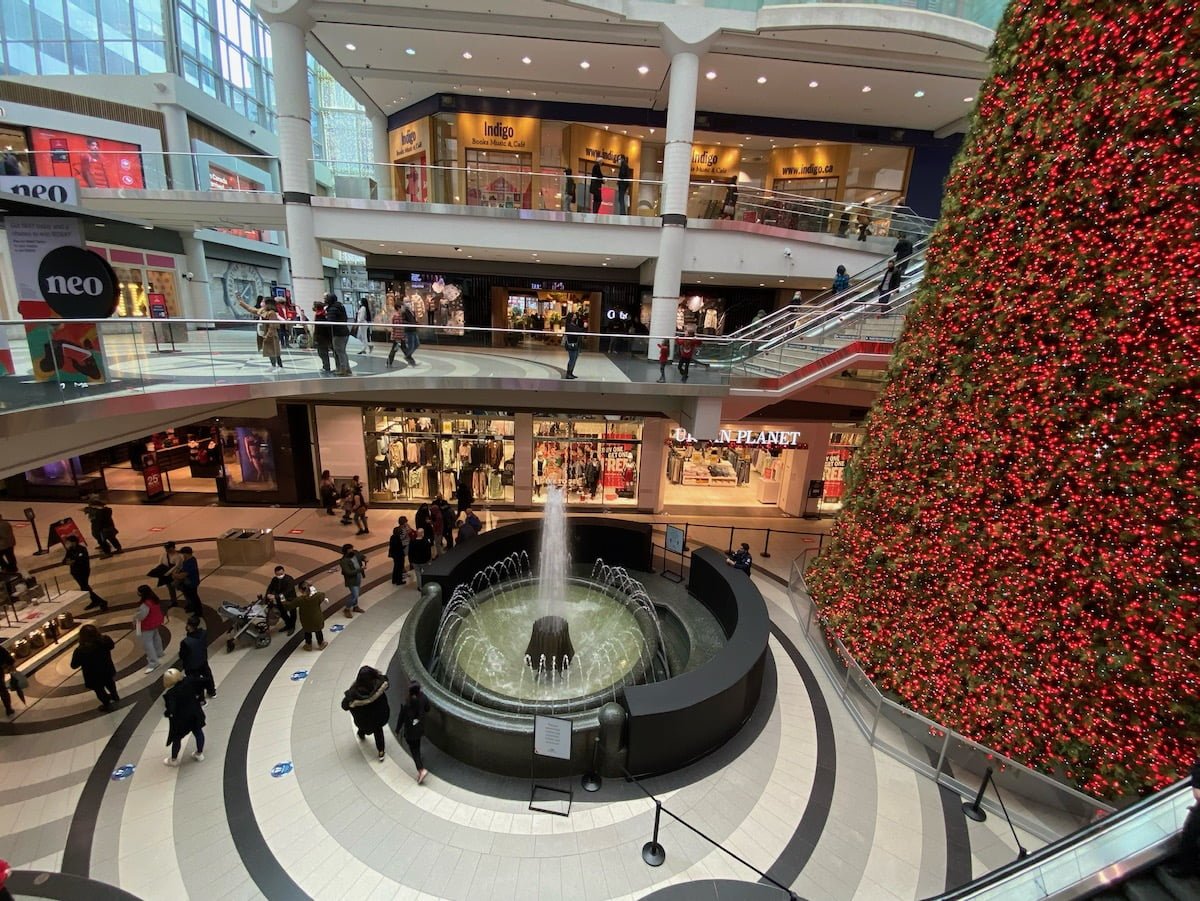
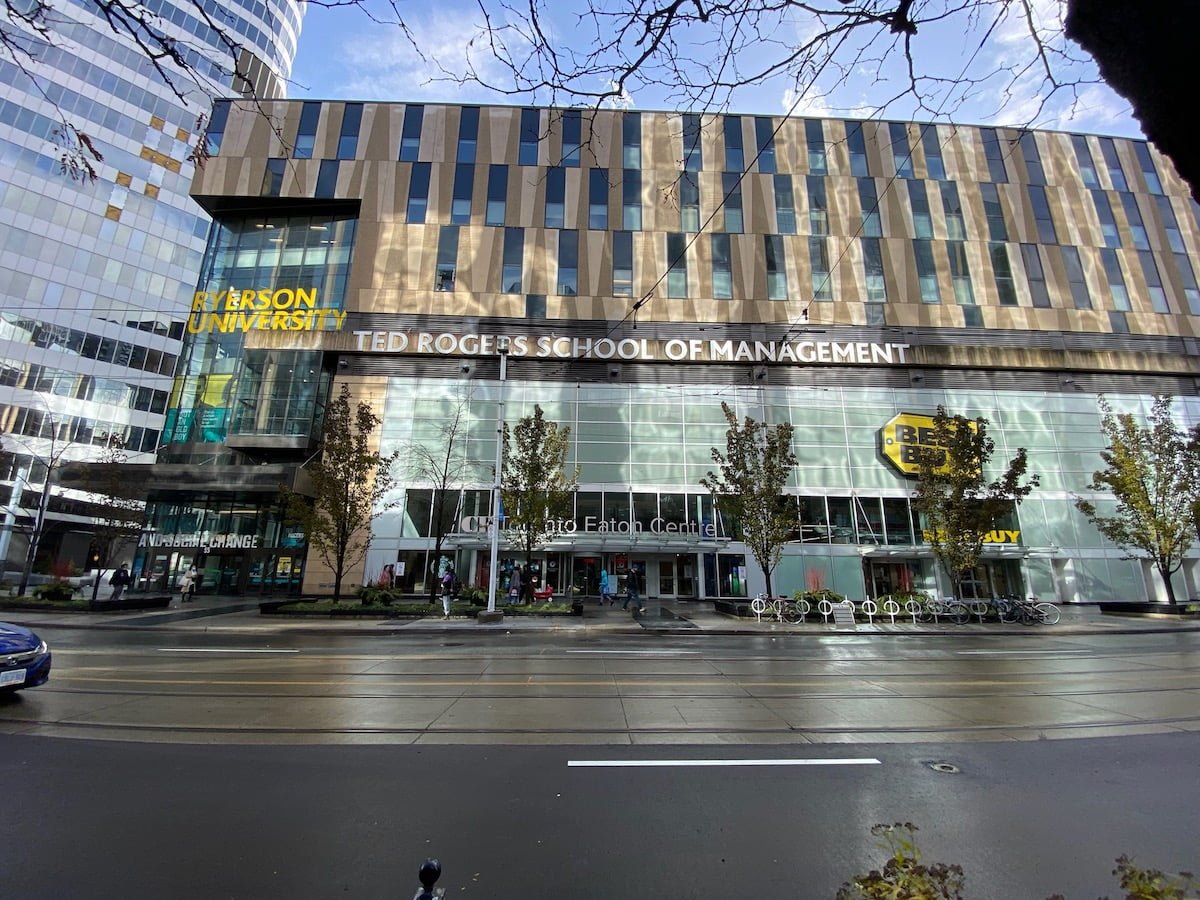
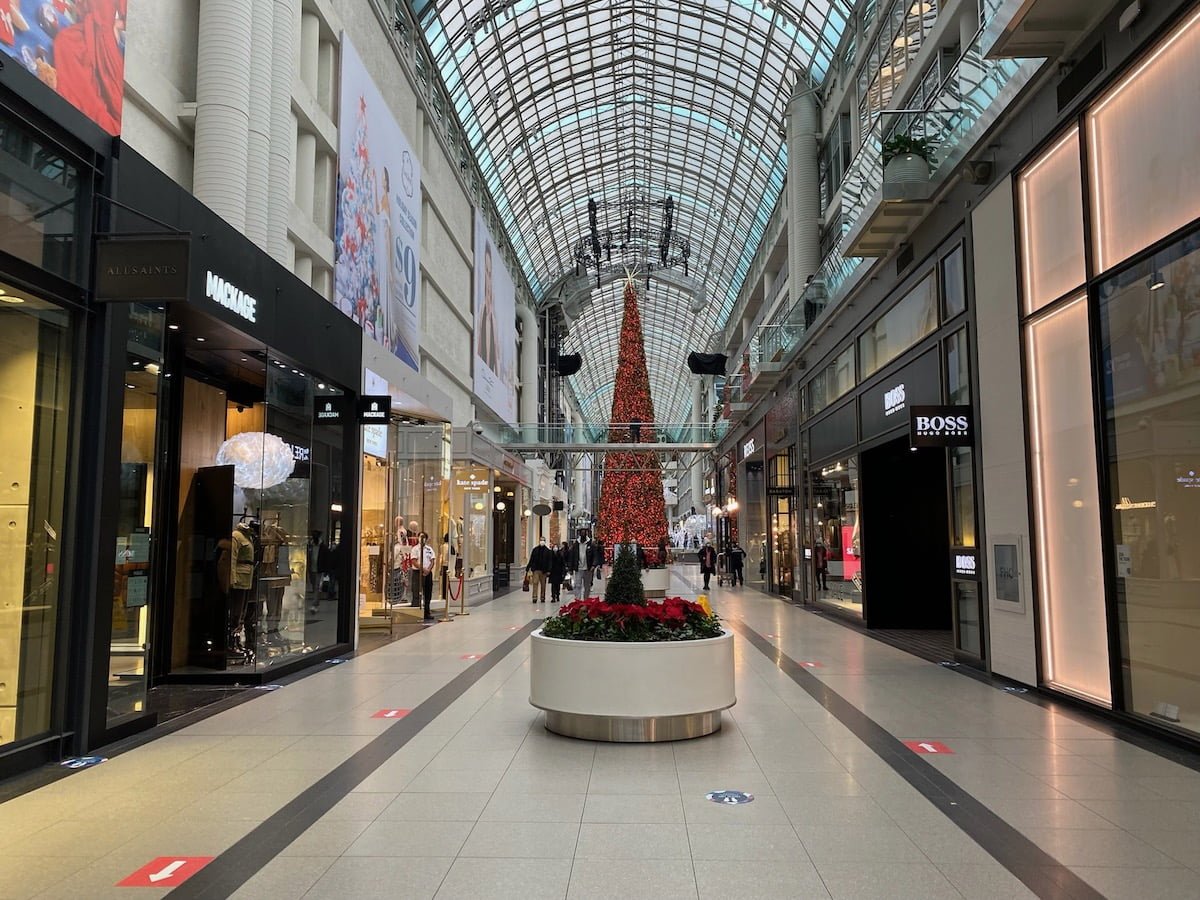
From new technology to enhanced experiences for guests, the ability to showcase creativity while being respectful to a never-ending pandemic has allowed shopping centres like CF Toronto Eaton Centre to be a destination for the 2021 holiday season.
2021 Holiday Features at CF Toronto Eaton Centre
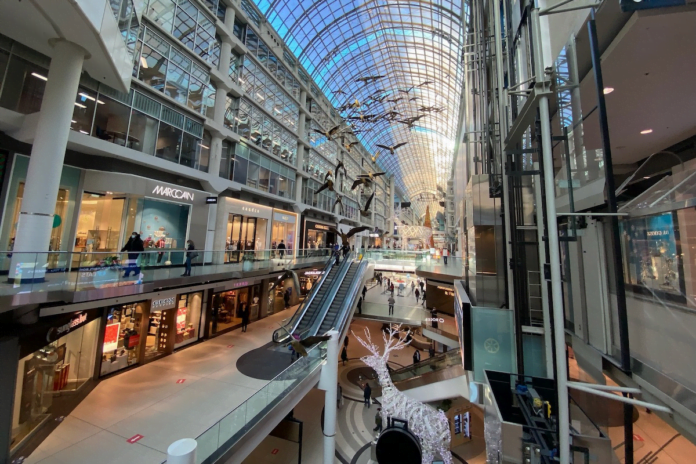
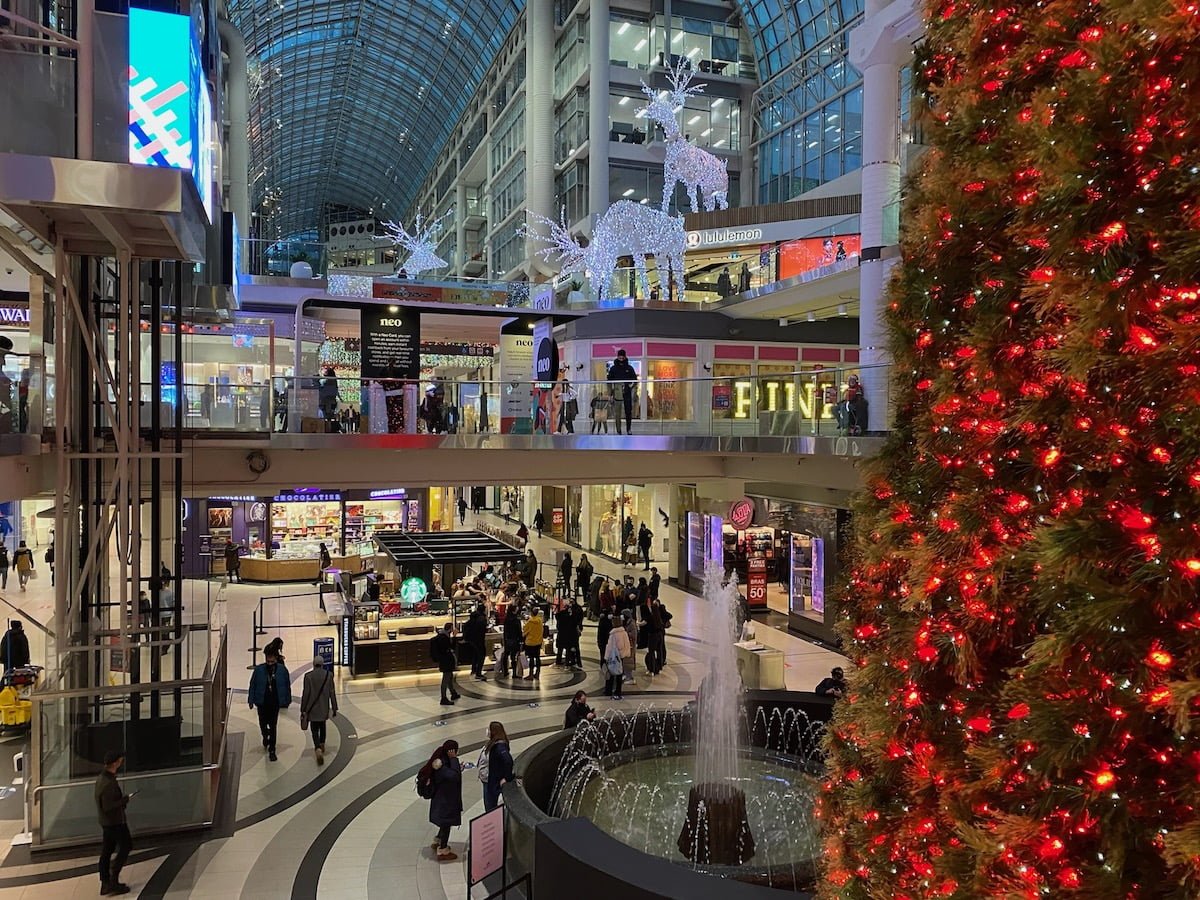
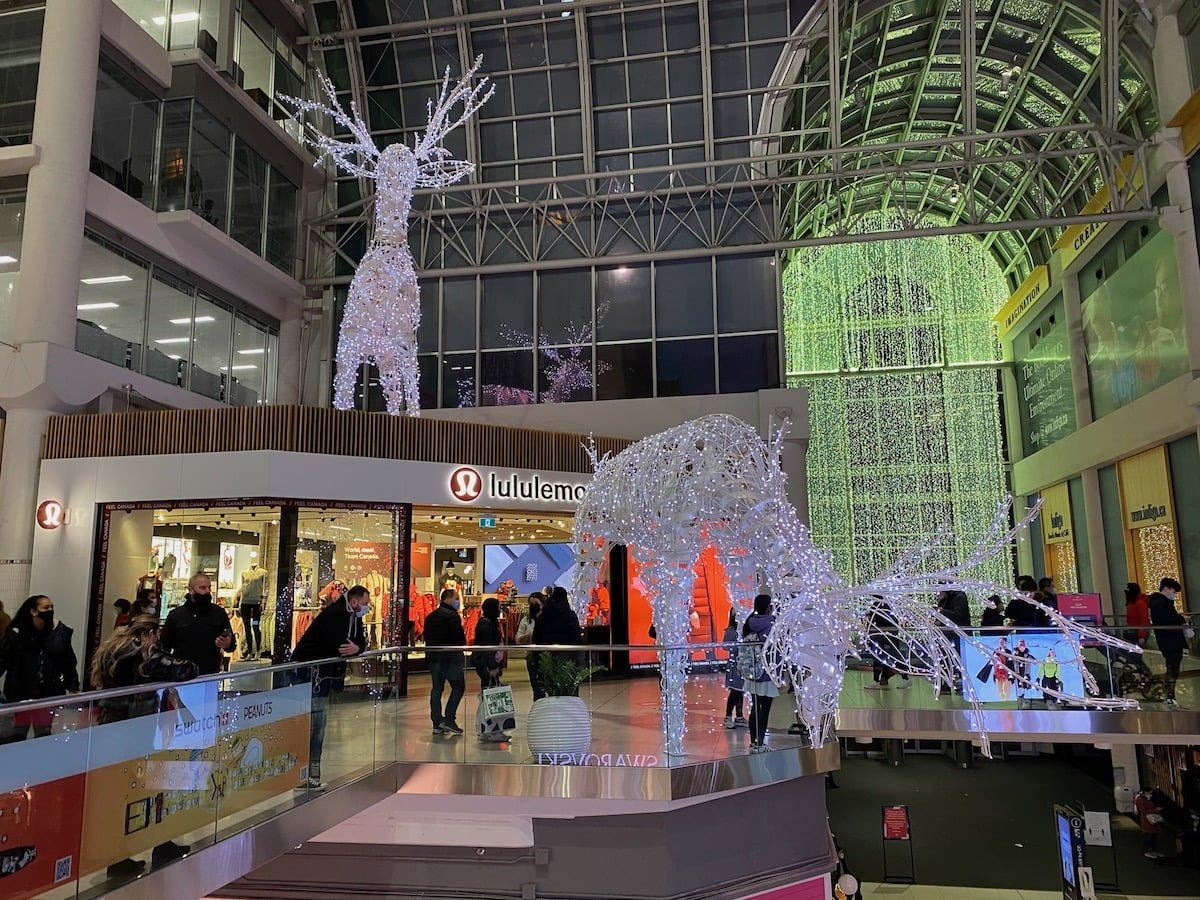
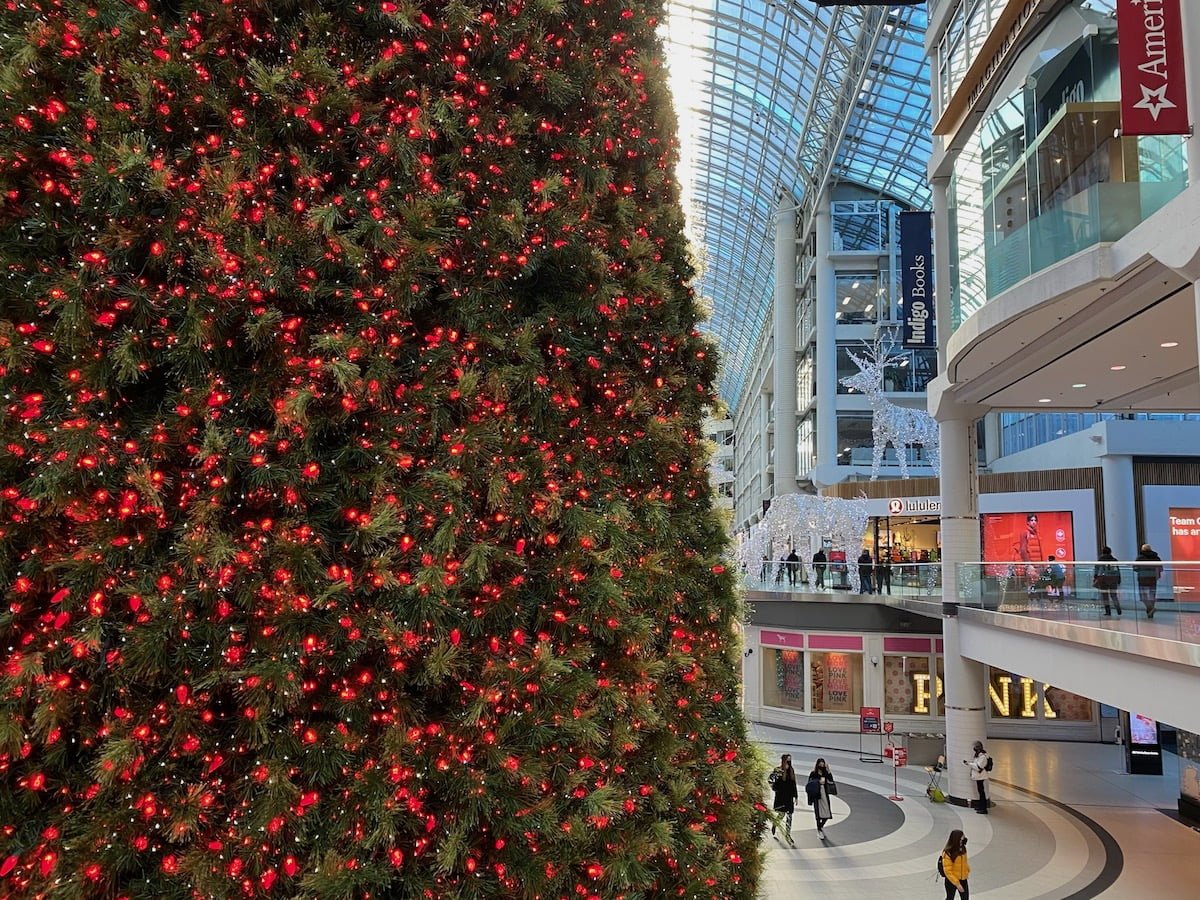
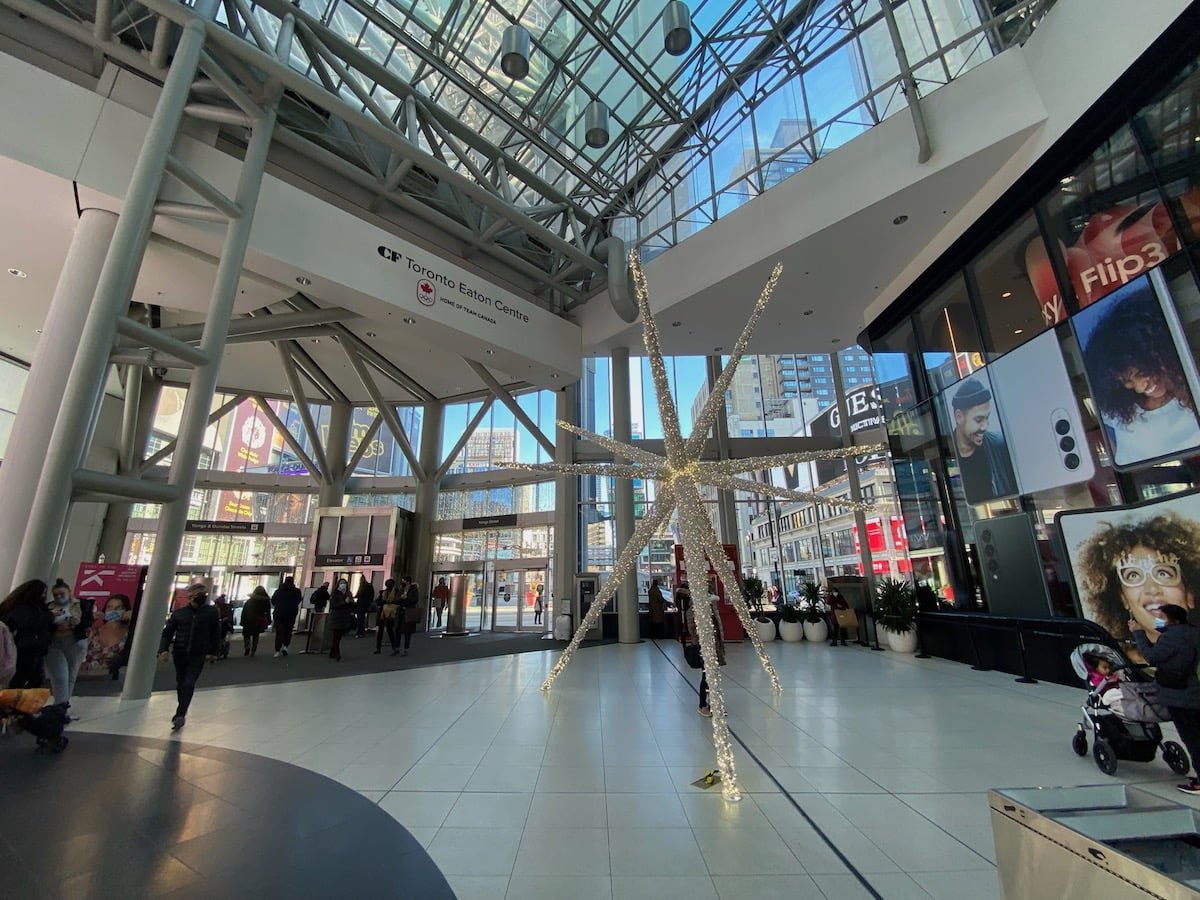
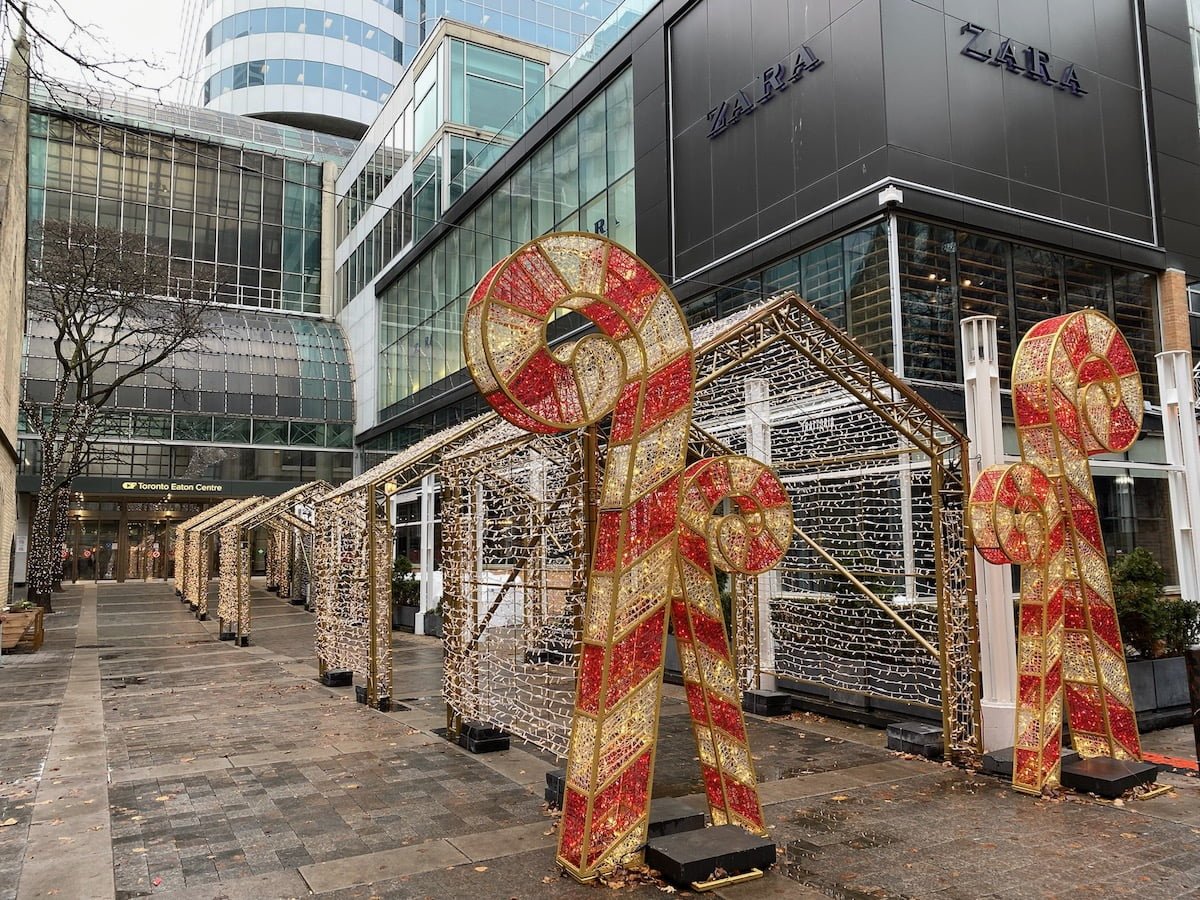
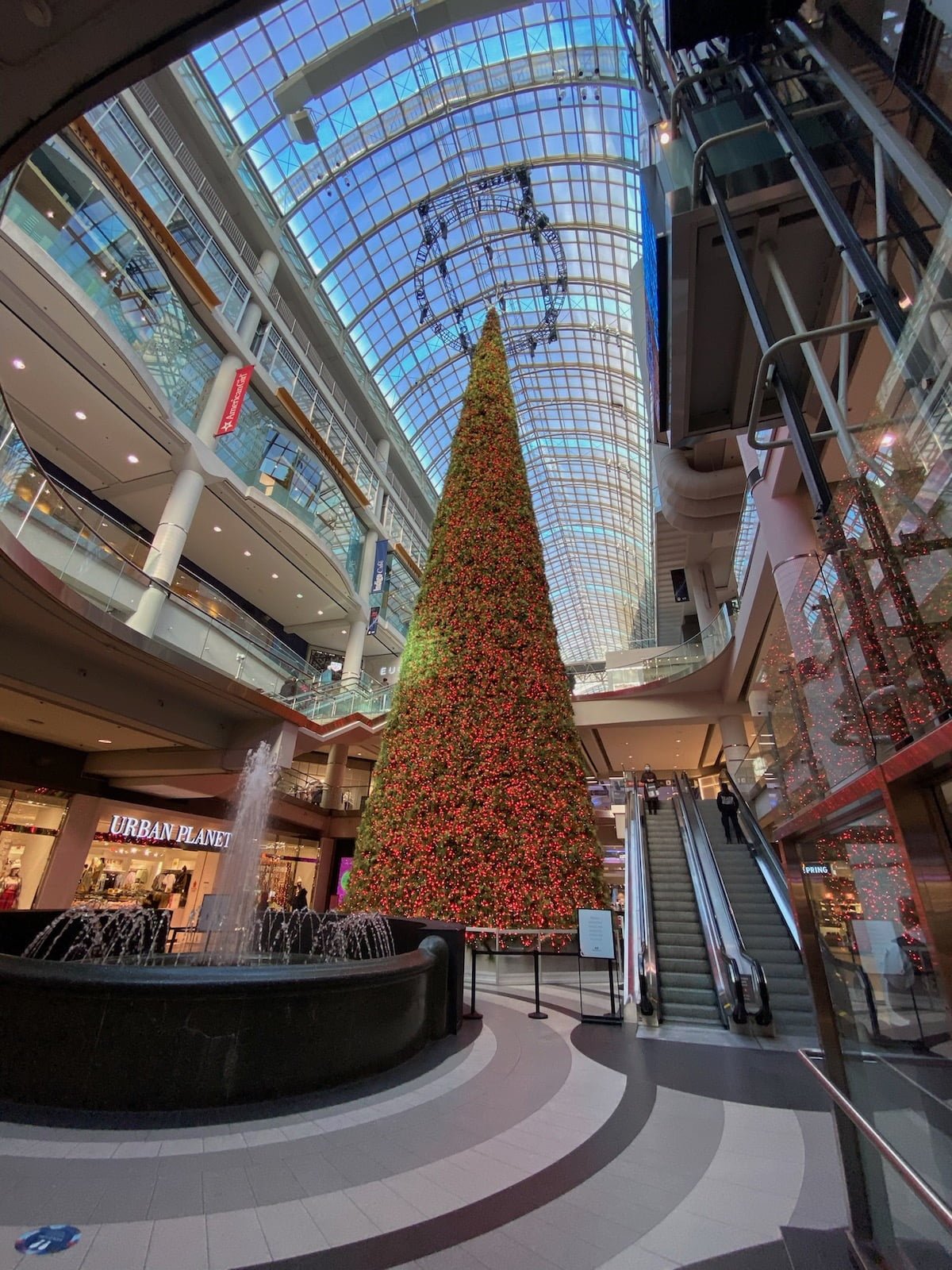
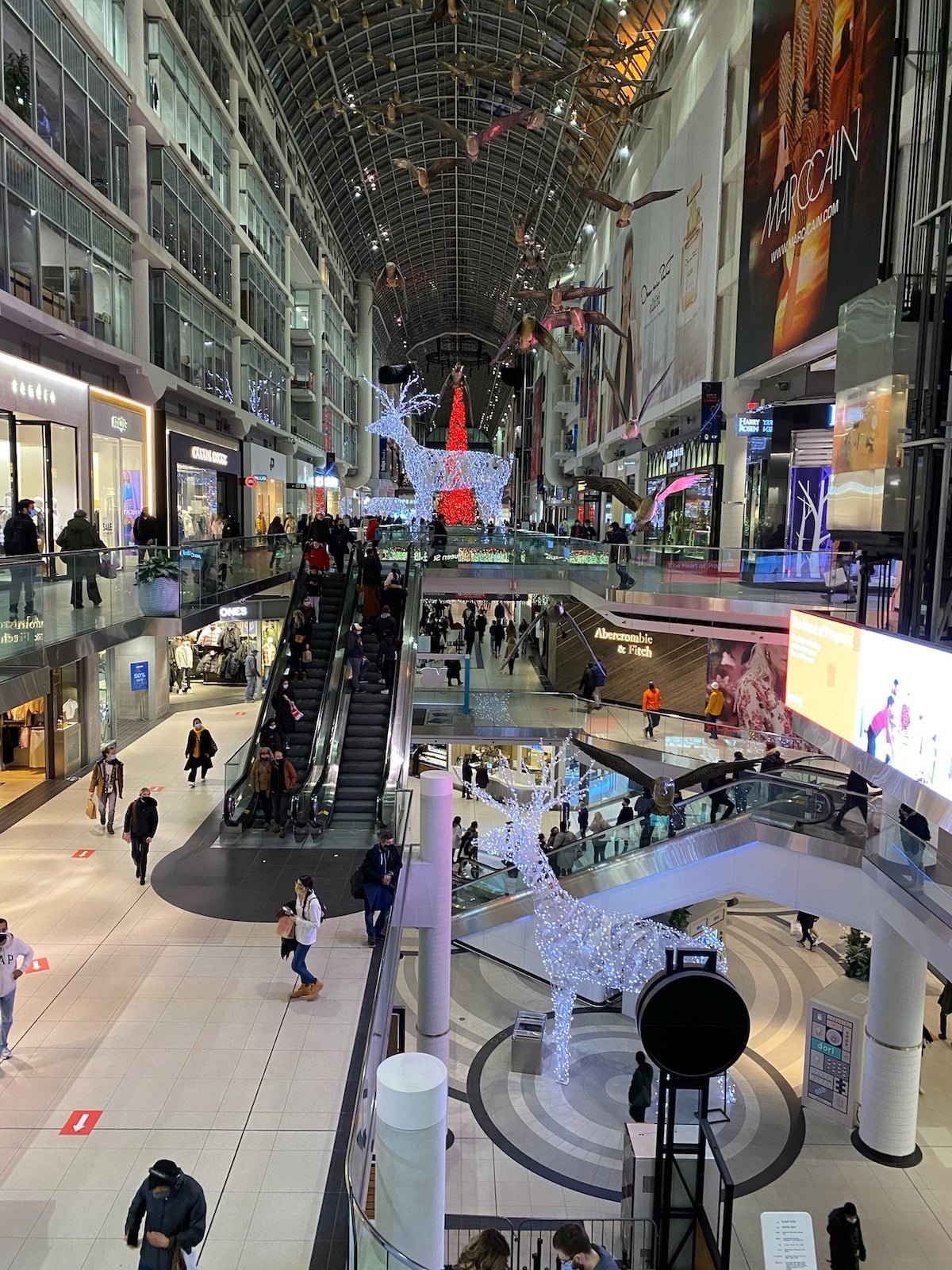
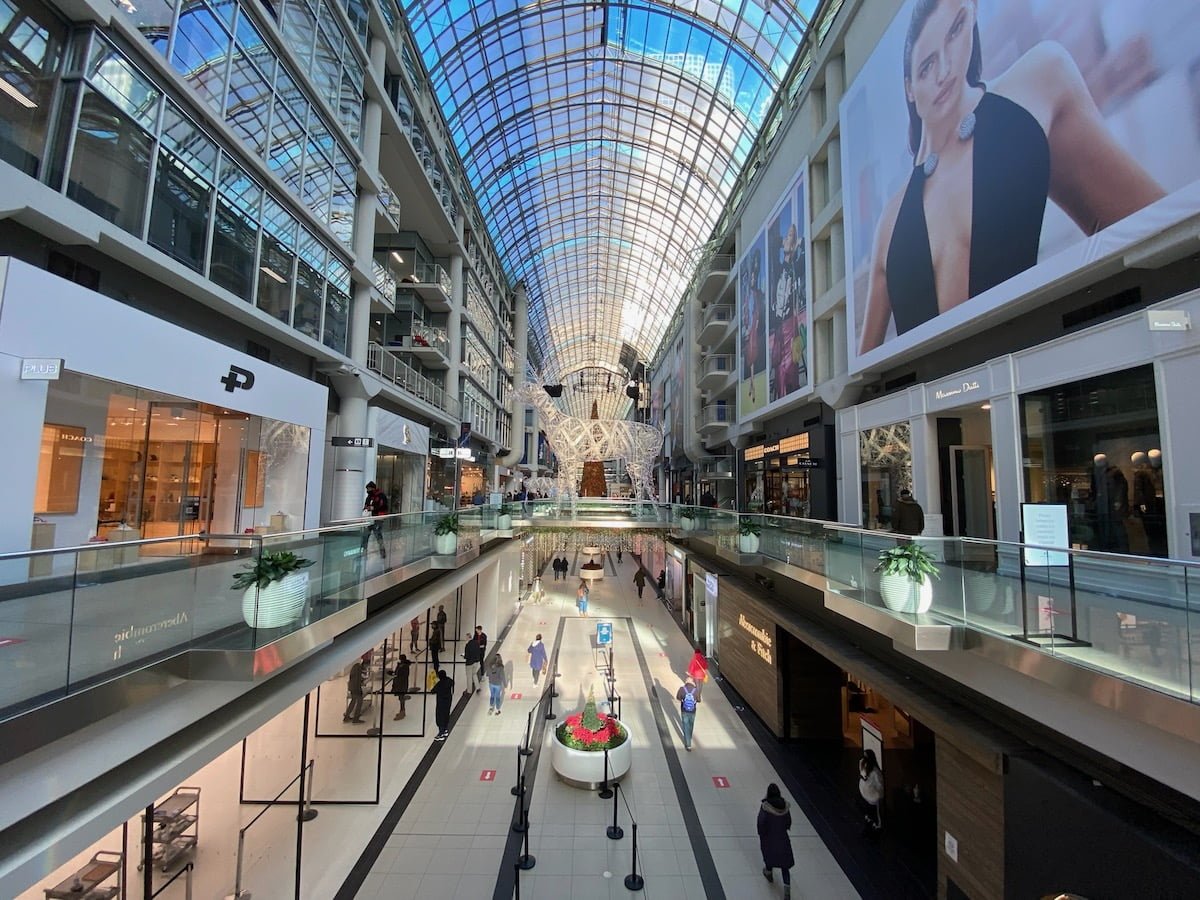
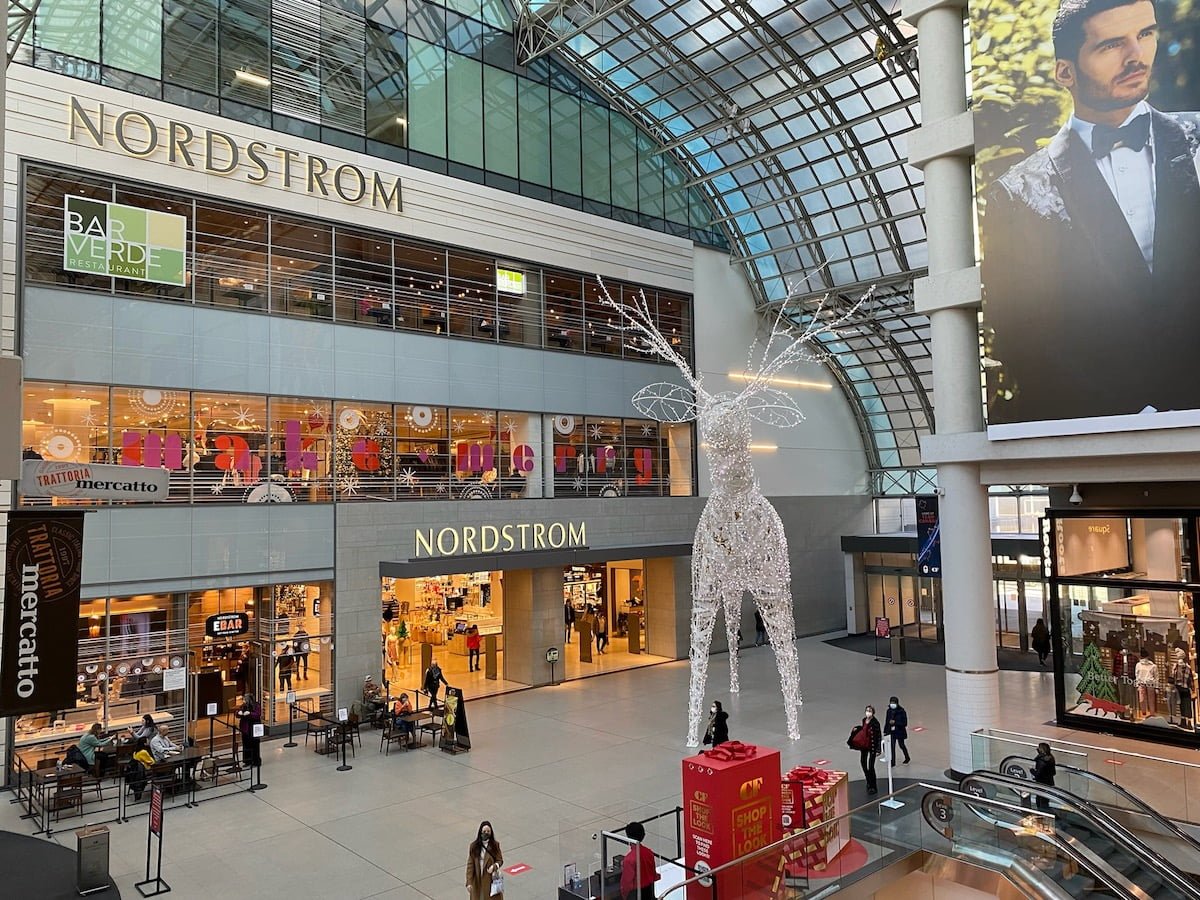
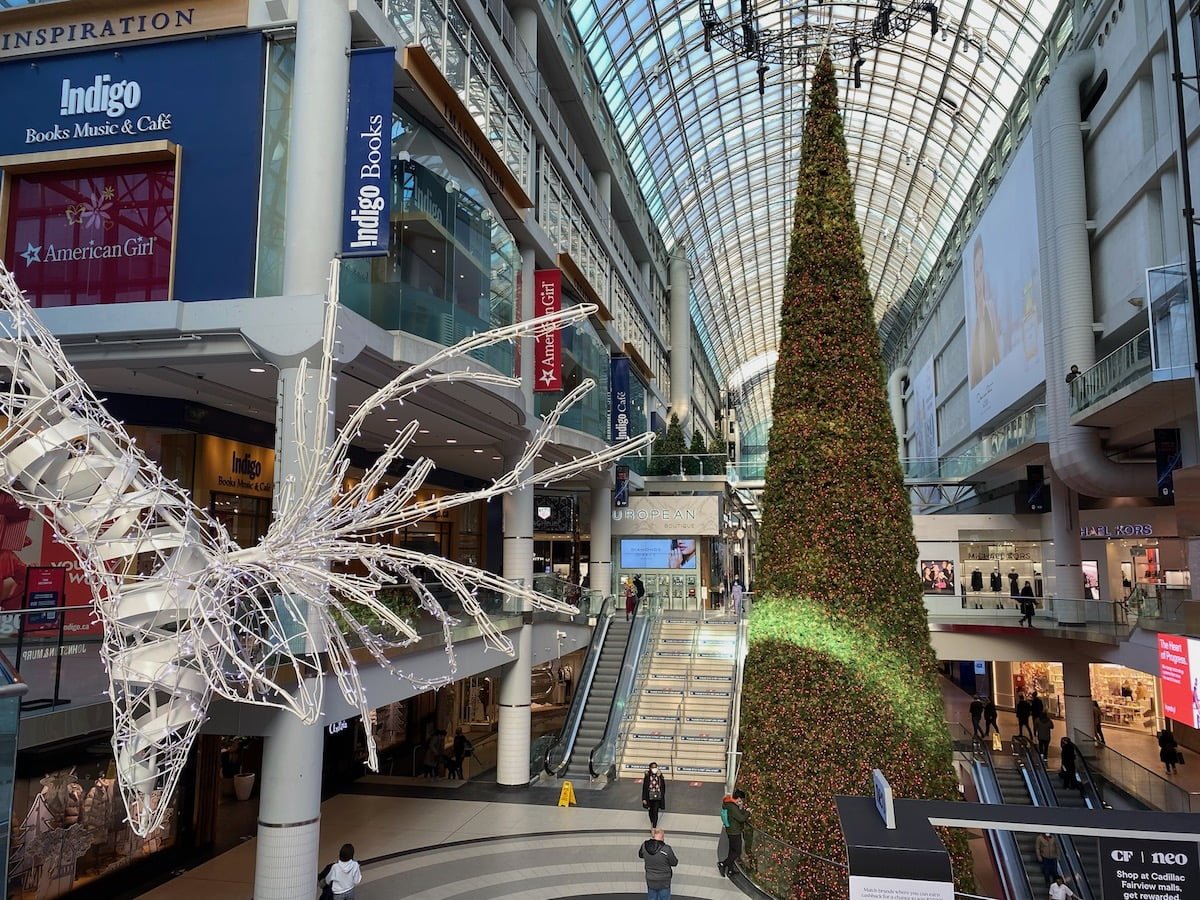
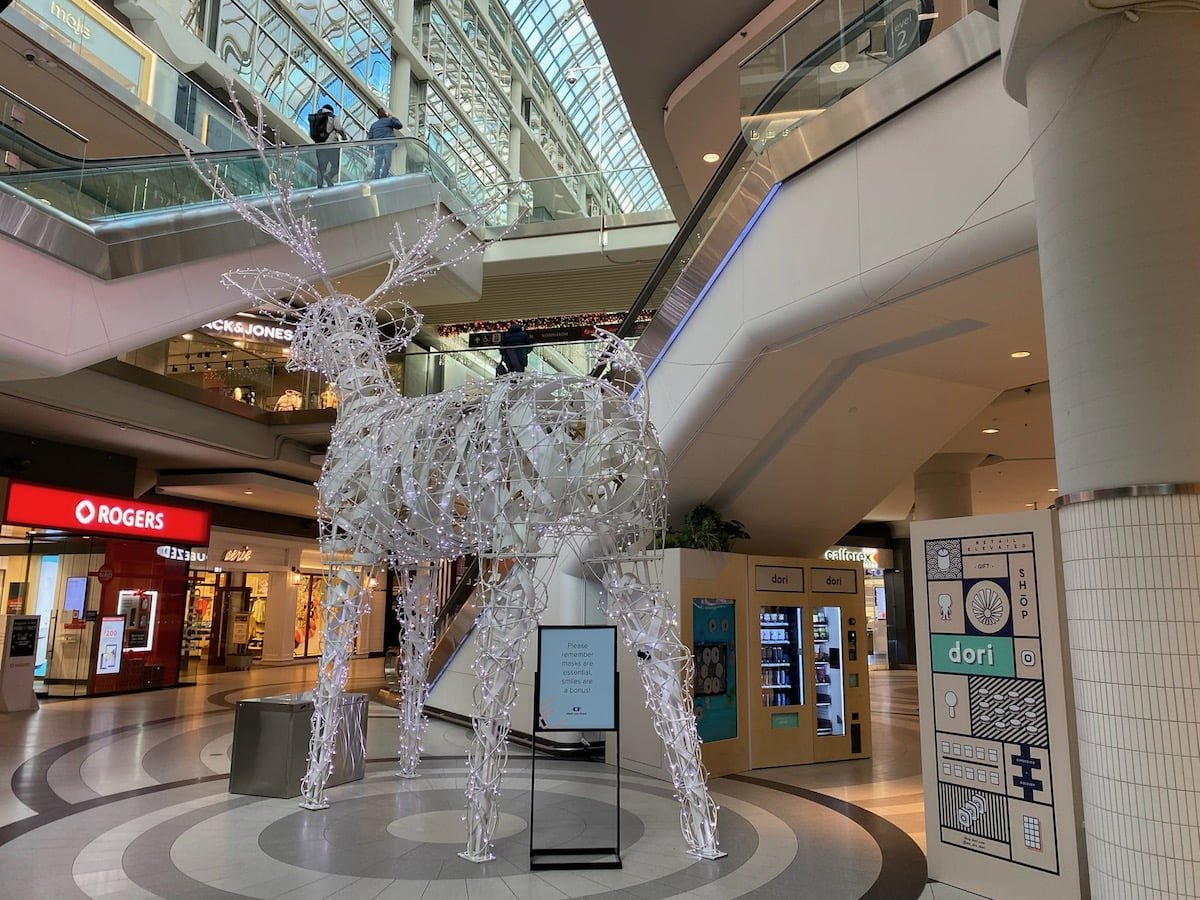
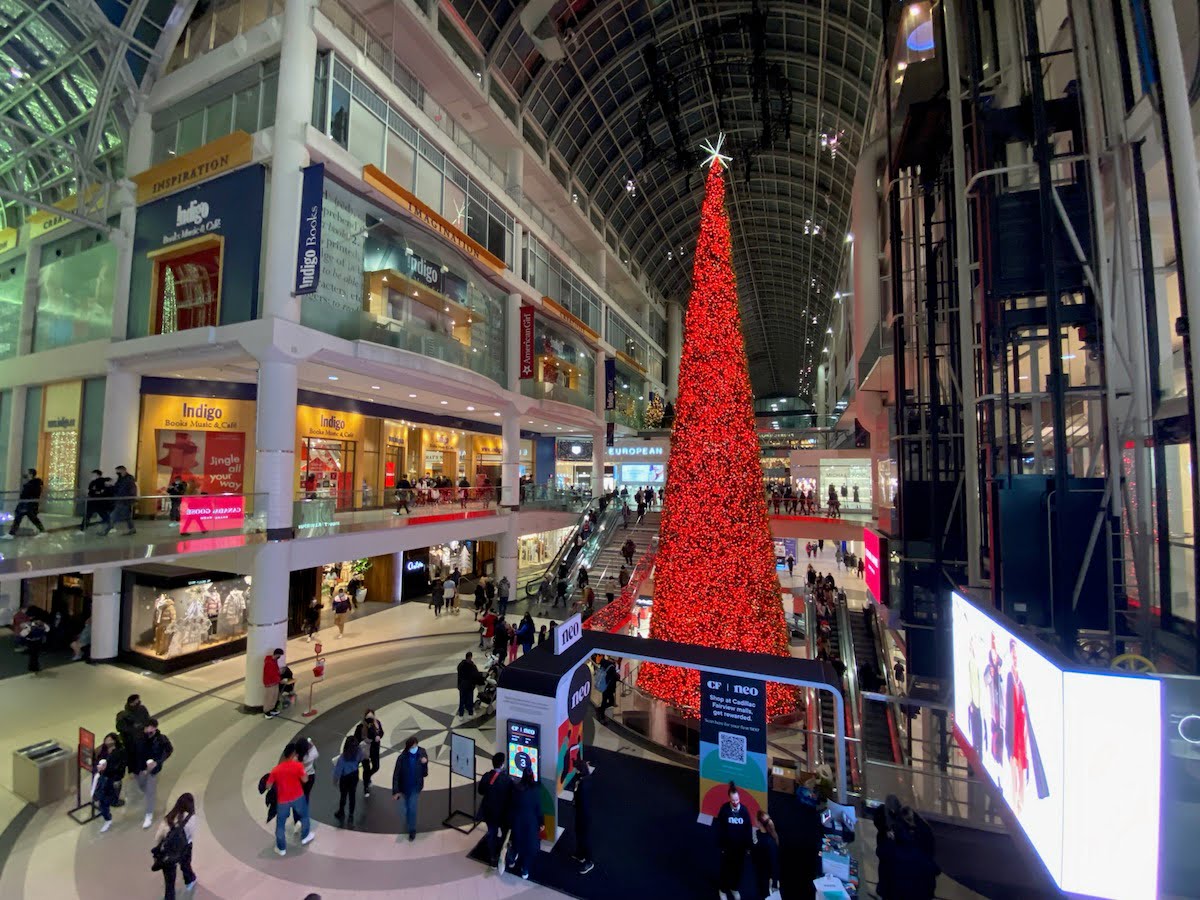
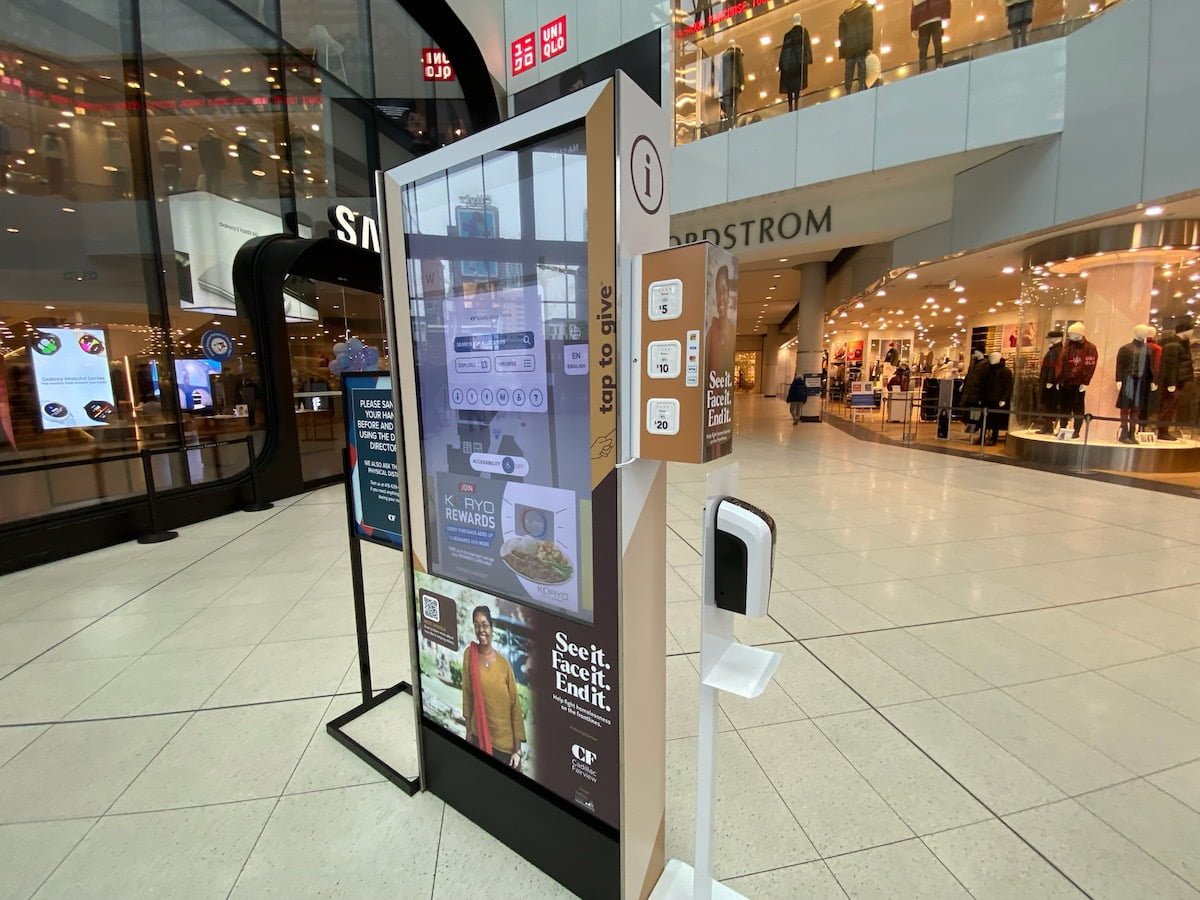
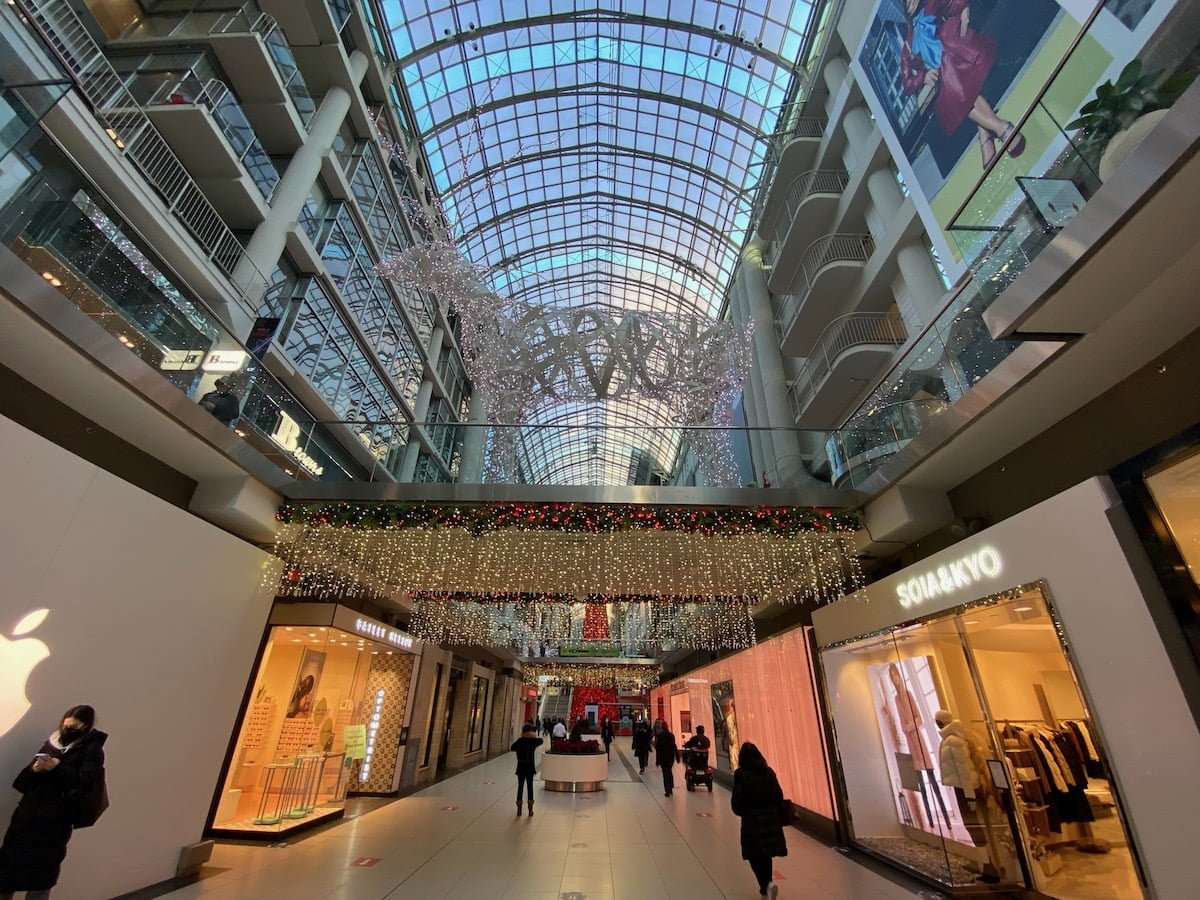
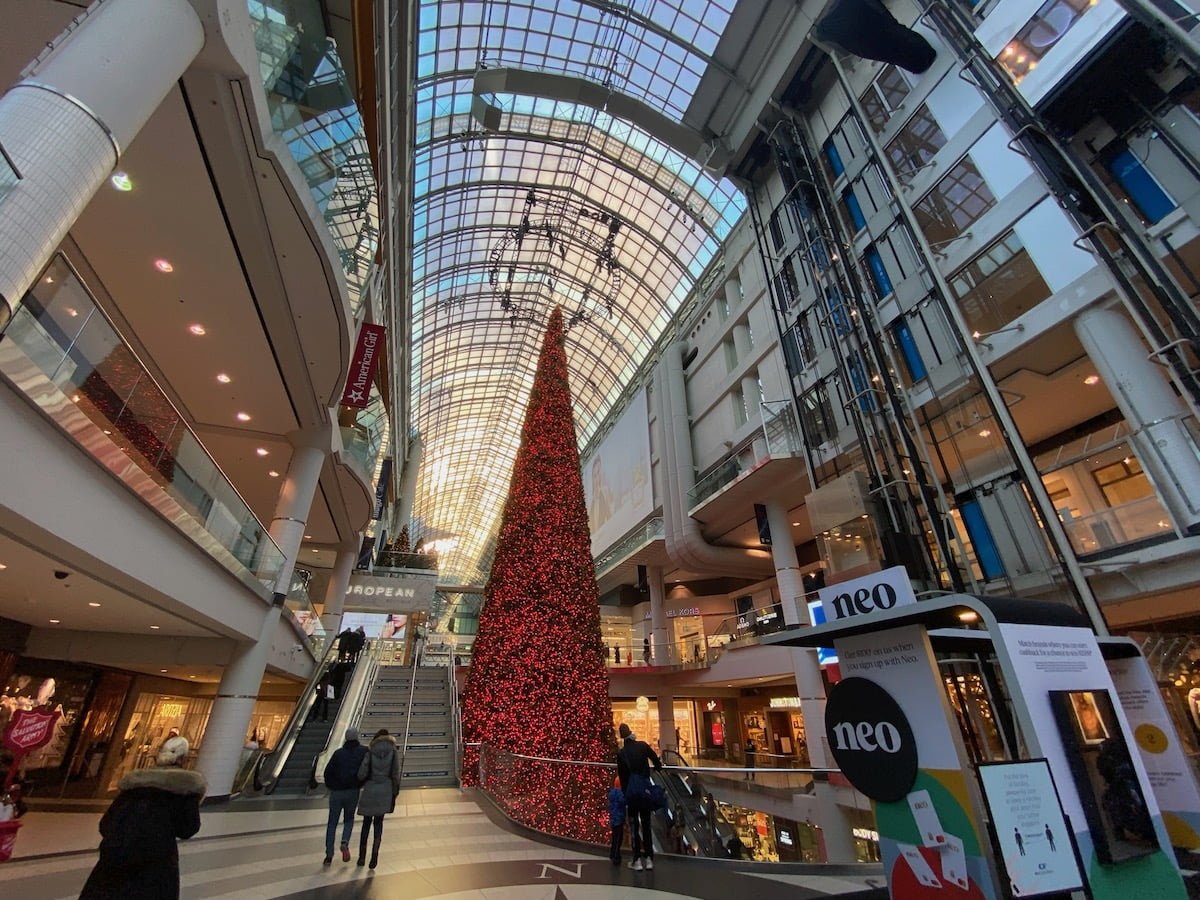
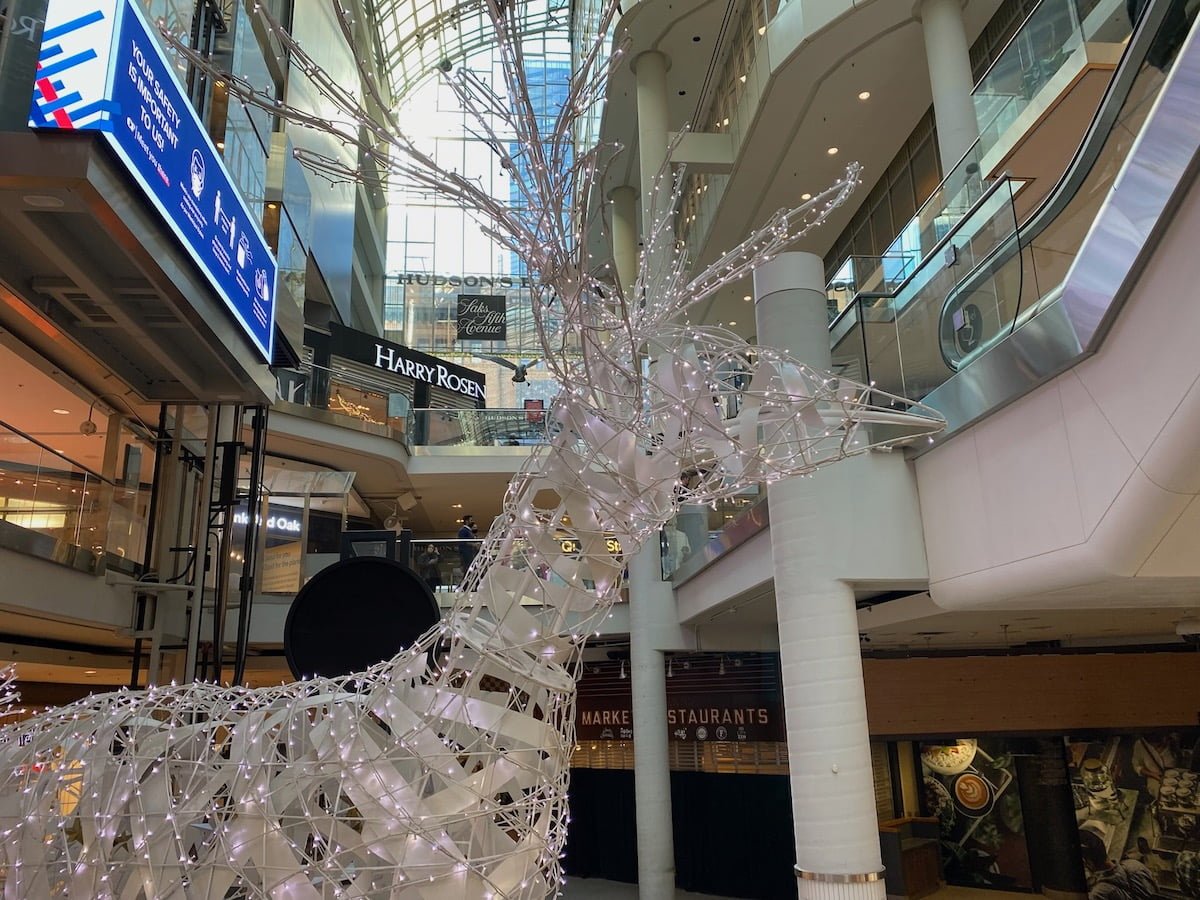
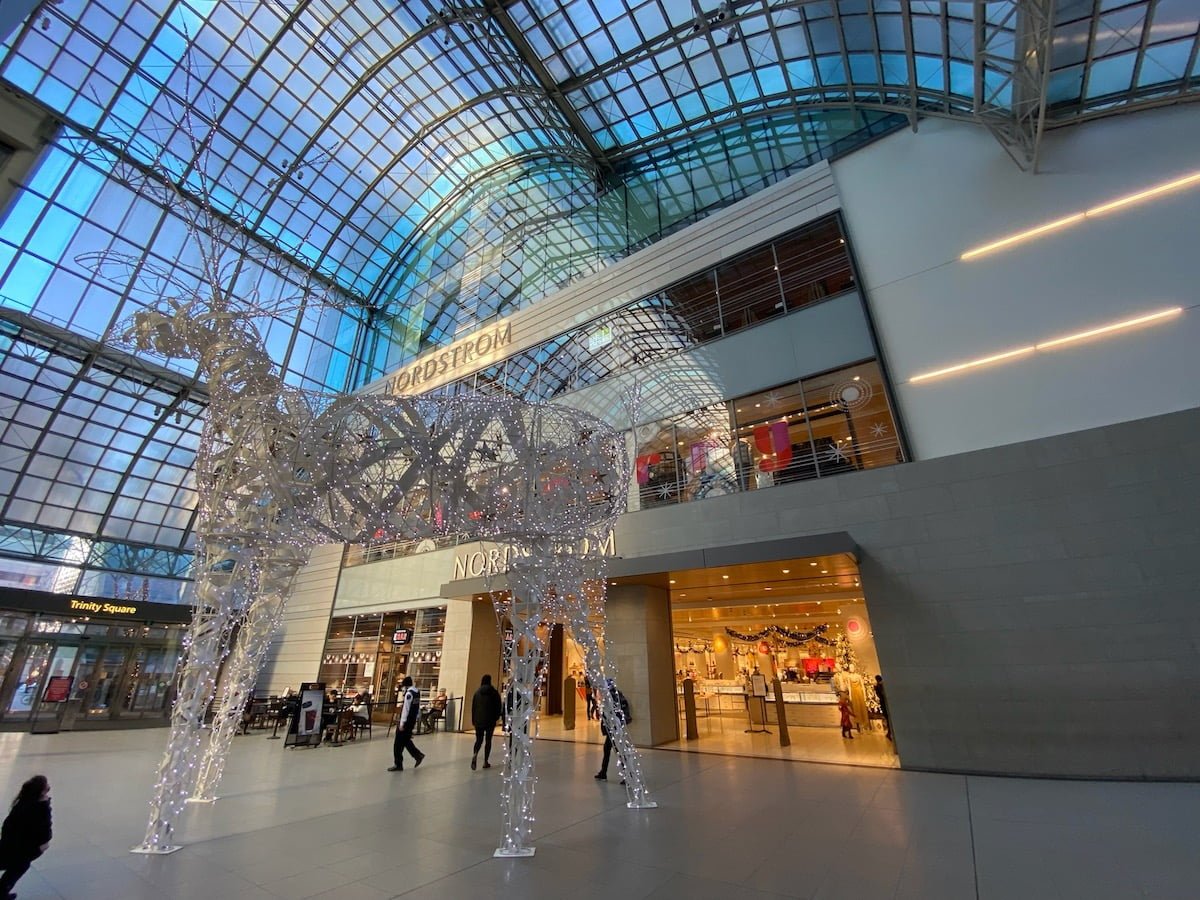
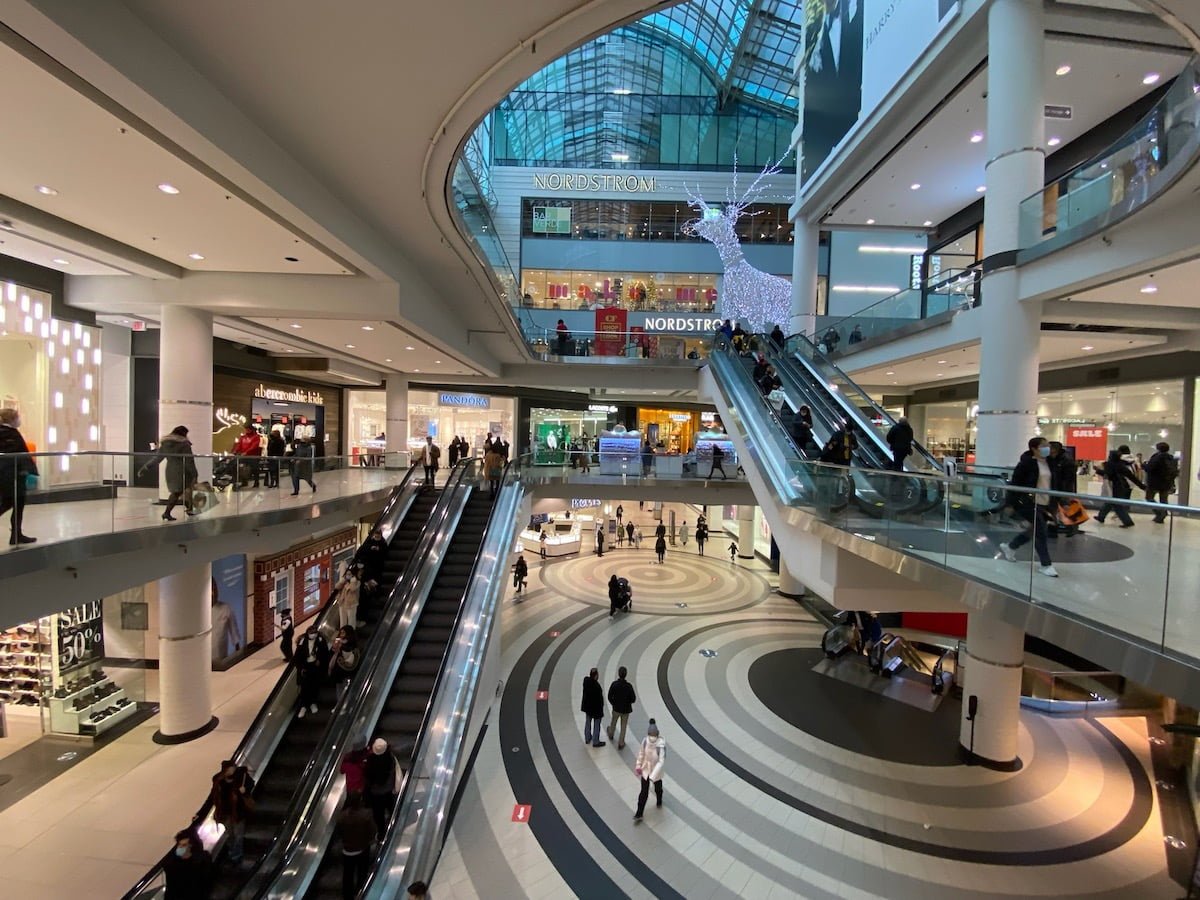
CF Toronto Eaton Centre installed a number of traditional elements into the guest areas, including five reindeer, a two-storey star feature at the Yonge & Dundas entrance, an outdoor light walkway and the tallest holiday tree in Canada.
CF Toronto Eaton Centre (Photo: Dustin Fuhs / Retail Insider)
Holiday Tree
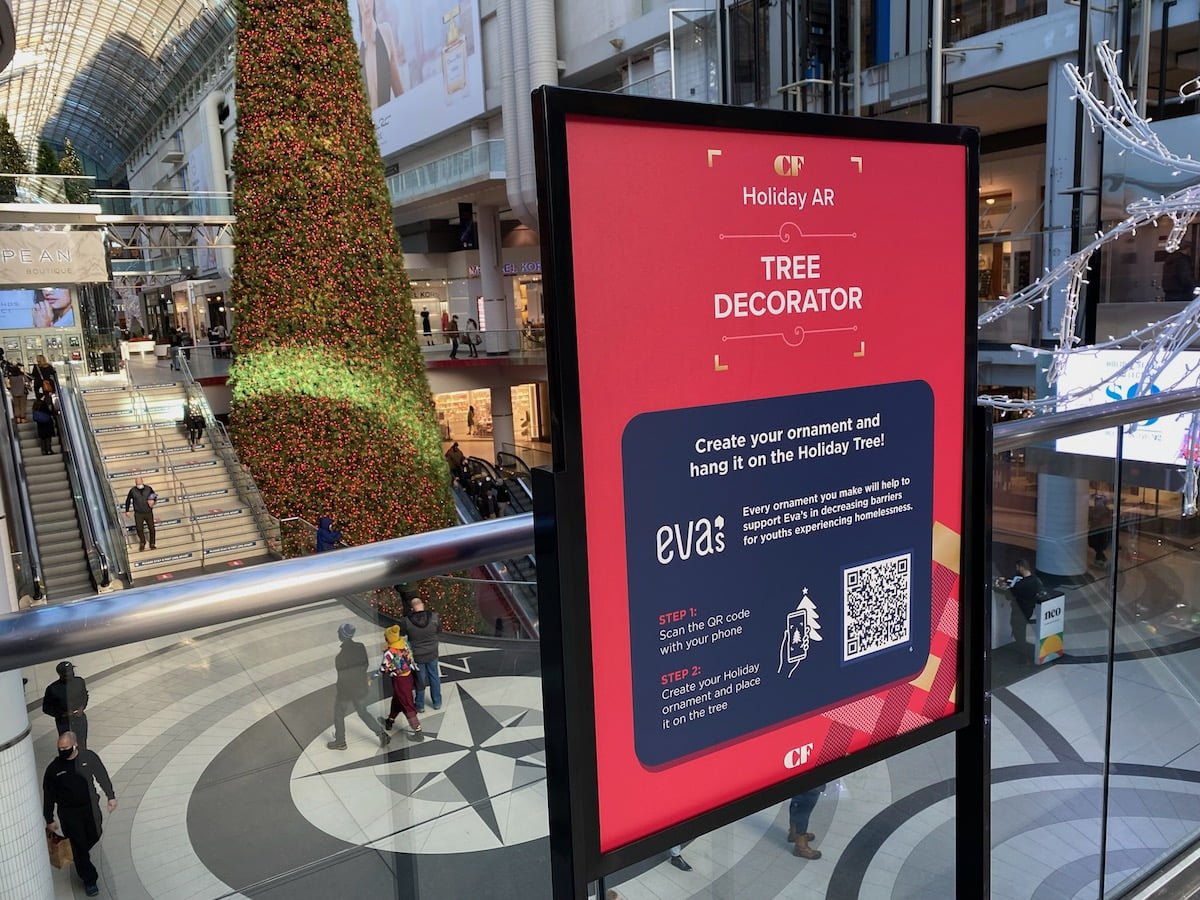
The holiday tree at CF Toronto Eaton Centre stands 108 feet tall with an augmented reality feature that allows for guests to hang virtual personalized ornaments on the tree using the CF Holiday AR Tree Decorator.
CF Toronto Eaton Centre (Photo: Dustin Fuhs / Retail Insider)
Ornaments made using the Tree Decorator will support Eva’s, a not-for-profit that decreases the barriers and isolation youth face as a result of experiencing homelessness.
PORTL
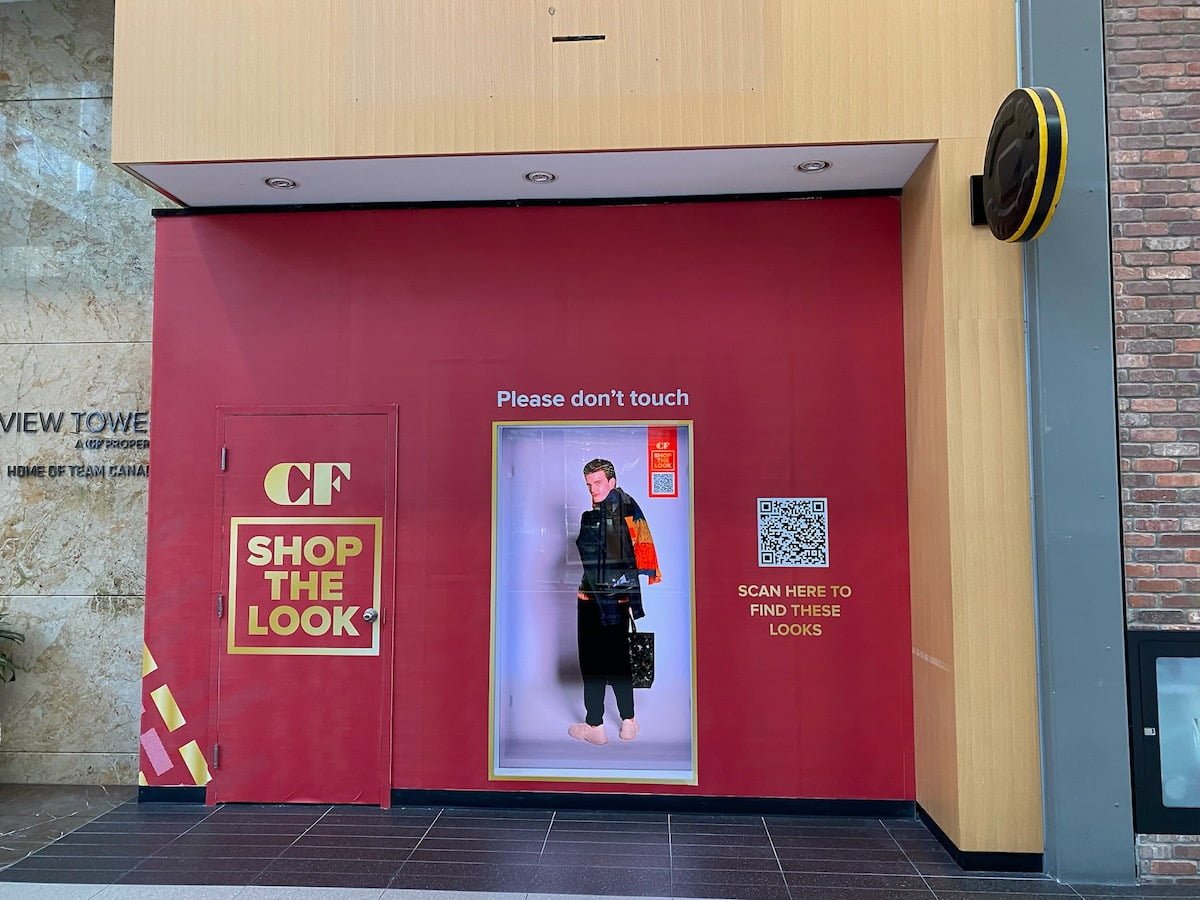
CF also partnered with PORTL for a holoportation technological experience called “CF Shop the Look”, which allows guests to see the latests fashion trends in a futuristic fashion show. The hubs, which are located at two vacated storefronts in the centre, include QR codes for shoppers to ‘Shop the Look’.
CF Toronto Eaton Centre (Photo: Dustin Fuhs / Retail Insider)
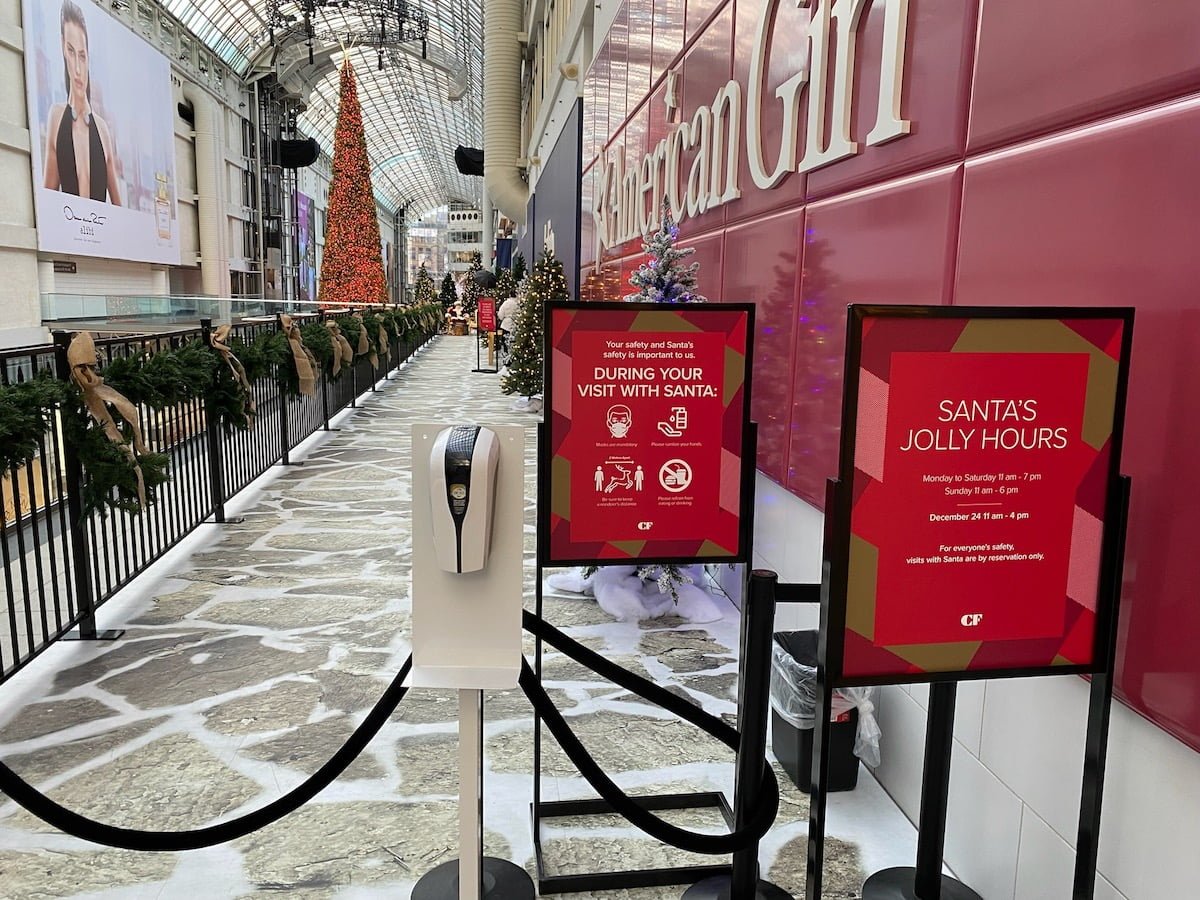
A visit with Santa comes with a safety element, where the brand has created a booking reservation engine through the website that allows for guests to secure a time and a photo. All proceeds from the reservations will be matched and donated to St Mike’s Hospital and Autism Speaks Canada.
CF Toronto Eaton Centre (Photo: Dustin Fuhs / Retail Insider)
Glass Light Walls
CF Toronto Eaton Centre (Photo: Dustin Fuhs / Retail Insider)
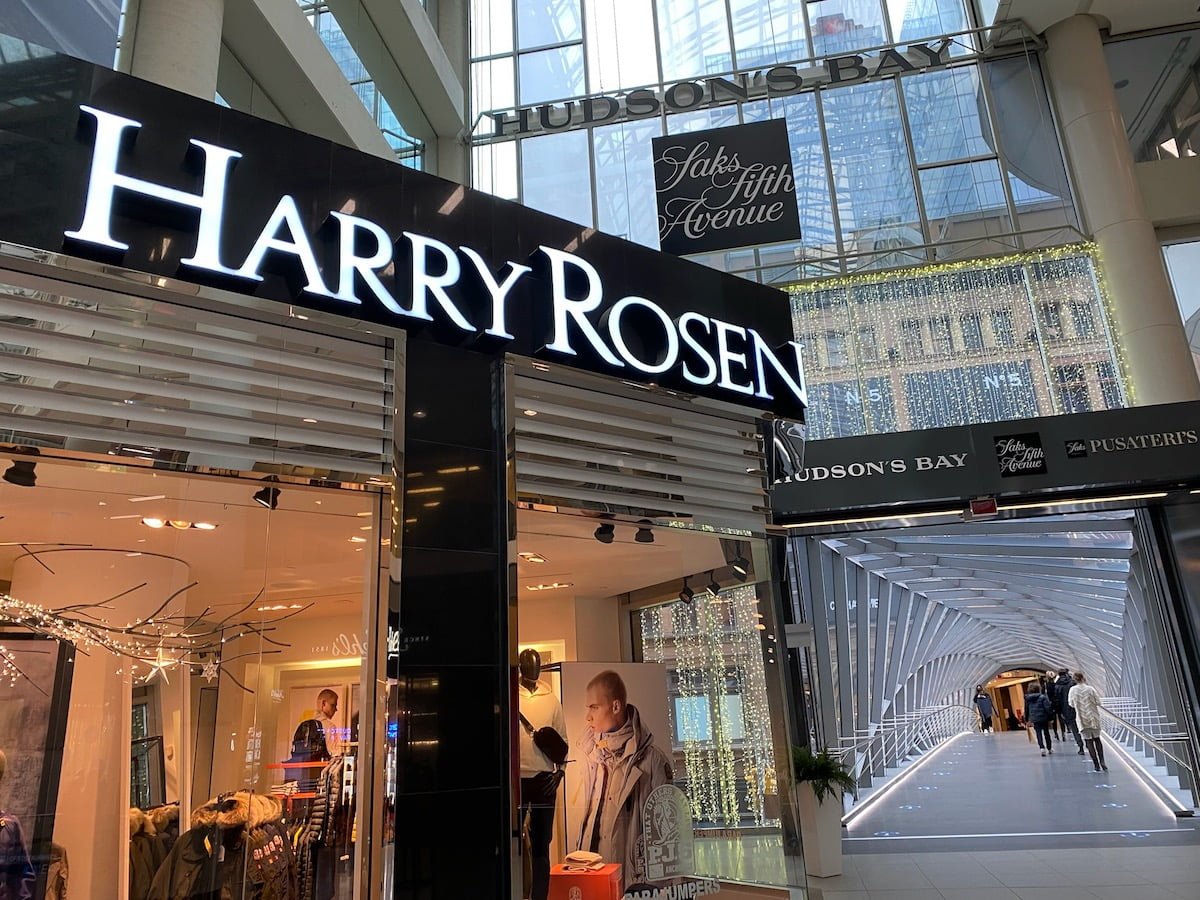
The Eaton Centre has installed ‘window light walls’, in which an entire glass wall is illuminated with hundreds of strands of LED lights to produce a memorable effect. These displays are found at the Saks Fifth Avenue & HBC Queen Street elevated path entrance, Yonge Dundas Square, and the James / Albert Street 2nd floor entrance.
CF Toronto Eaton Centre (Photo: Dustin Fuhs / Retail Insider)
Retail Insider will be completing a full CF Toronto Eaton Centre photo tour in the new year, which will include new retailers that have joined the property recently and other stories going into 2022.
Additional Holiday Photos from CF Toronto Eaton Centre
CF Toronto Eaton Centre (Photo: Dustin Fuhs / Retail Insider)CF Toronto Eaton Centre (Photo: Dustin Fuhs / Retail Insider)CF Toronto Eaton Centre (Photo: Dustin Fuhs / Retail Insider)CF Toronto Eaton Centre (Image: Dustin Fuhs)
CF Toronto Eaton Centre (Photo: Dustin Fuhs / Retail Insider)
CF Toronto Eaton Centre (Photo: Dustin Fuhs / Retail Insider)
CF Toronto Eaton Centre (Photo: Dustin Fuhs / Retail Insider)CF Toronto Eaton Centre (Photo: Dustin Fuhs / Retail Insider)CF Toronto Eaton Centre (Photo: Dustin Fuhs / Retail Insider)CF Toronto Eaton Centre (Photo: Dustin Fuhs / Retail Insider)CF Toronto Eaton Centre (Photo: Dustin Fuhs / Retail Insider)CF Toronto Eaton Centre (Photo: Dustin Fuhs / Retail Insider)CF Toronto Eaton Centre (Photo: Dustin Fuhs / Retail Insider)CF Toronto Eaton Centre (Photo: Dustin Fuhs / Retail Insider)CF Toronto Eaton Centre (Photo: Dustin Fuhs / Retail Insider)CF Toronto Eaton Centre (Photo: Dustin Fuhs / Retail Insider)CF Toronto Eaton Centre (Photo: Dustin Fuhs / Retail Insider)CF Toronto Eaton Centre (Photo: Dustin Fuhs / Retail Insider)CF Toronto Eaton Centre (Photo: Dustin Fuhs / Retail Insider)CF Toronto Eaton Centre (Photo: Dustin Fuhs / Retail Insider)CF Toronto Eaton Centre (Photo: Dustin Fuhs / Retail Insider)CF Toronto Eaton Centre (Photo: Dustin Fuhs / Retail Insider)CF Toronto Eaton Centre (Photo: Dustin Fuhs / Retail Insider)CF Toronto Eaton Centre (Photo: Dustin Fuhs / Retail Insider)CF Toronto Eaton Centre (Photo: Dustin Fuhs / Retail Insider)CF Toronto Eaton Centre (Photo: Dustin Fuhs / Retail Insider)CF Toronto Eaton Centre (Photo: Dustin Fuhs / Retail Insider)
Retail Insider continues its PhotoSeries of Canadian malls with a Holiday update for shopping centres in 2021. This edition brings us to The CORE Shopping Centre in Calgary, Alberta.
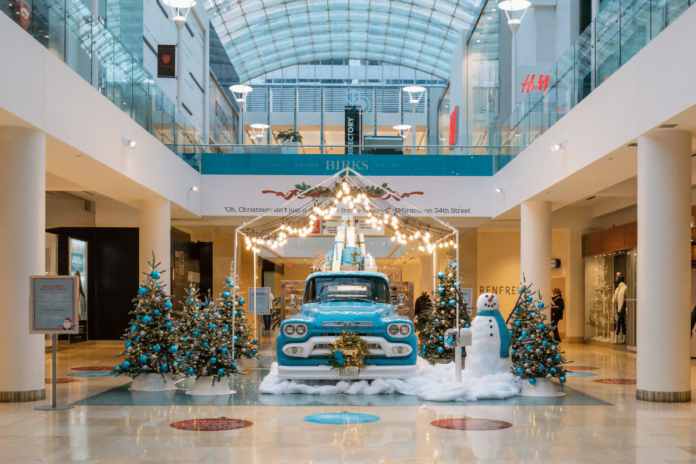
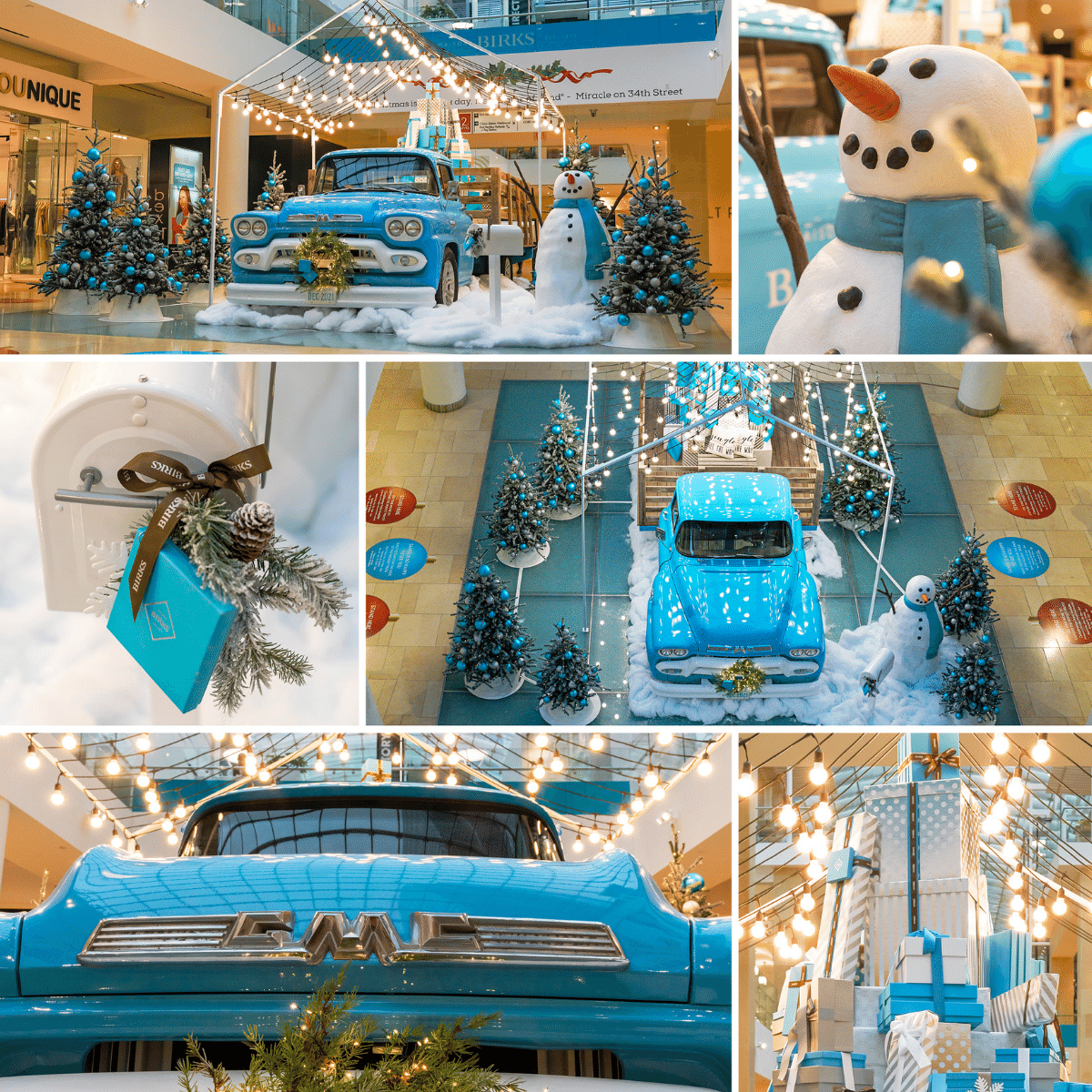
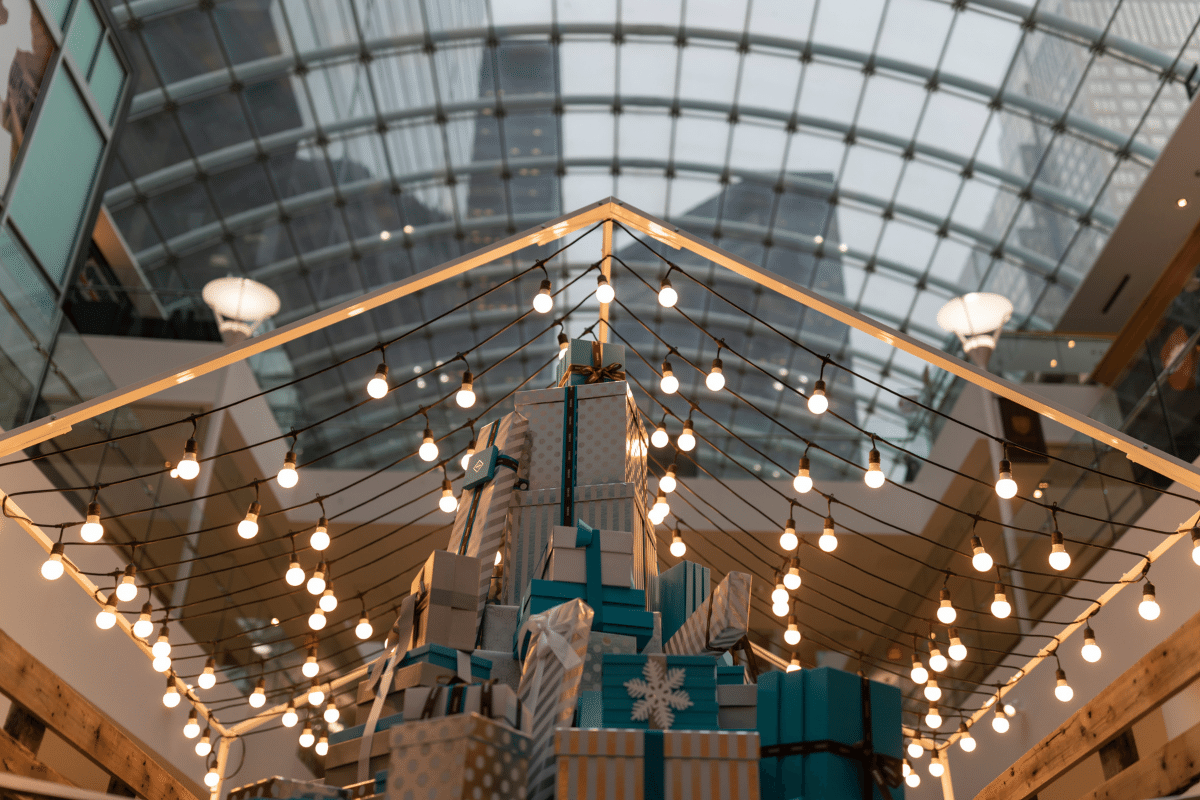
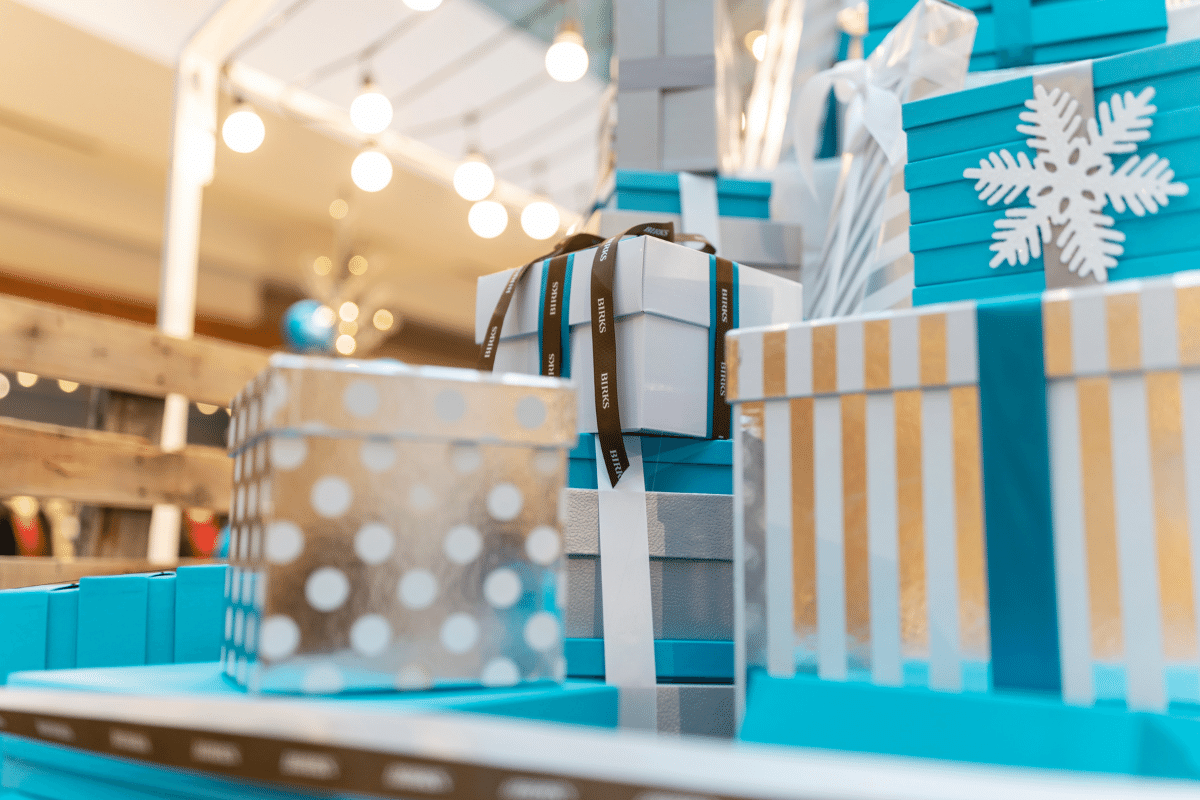
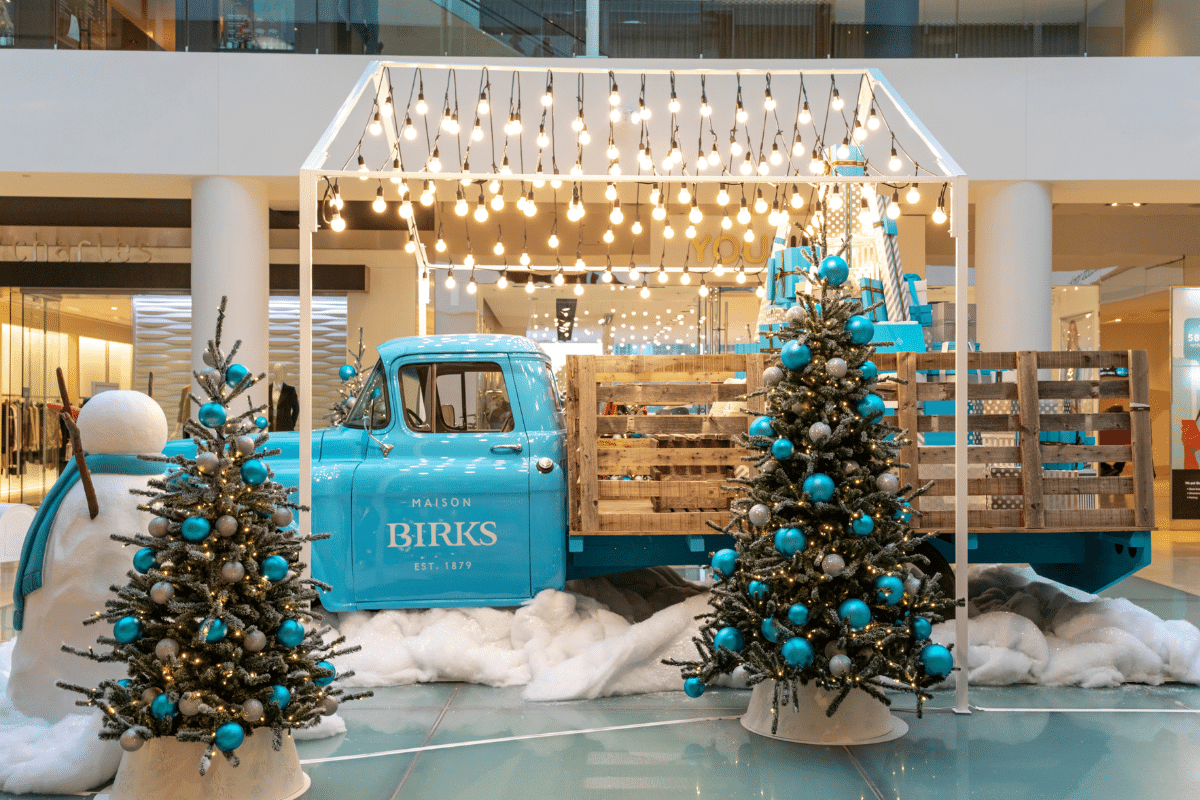
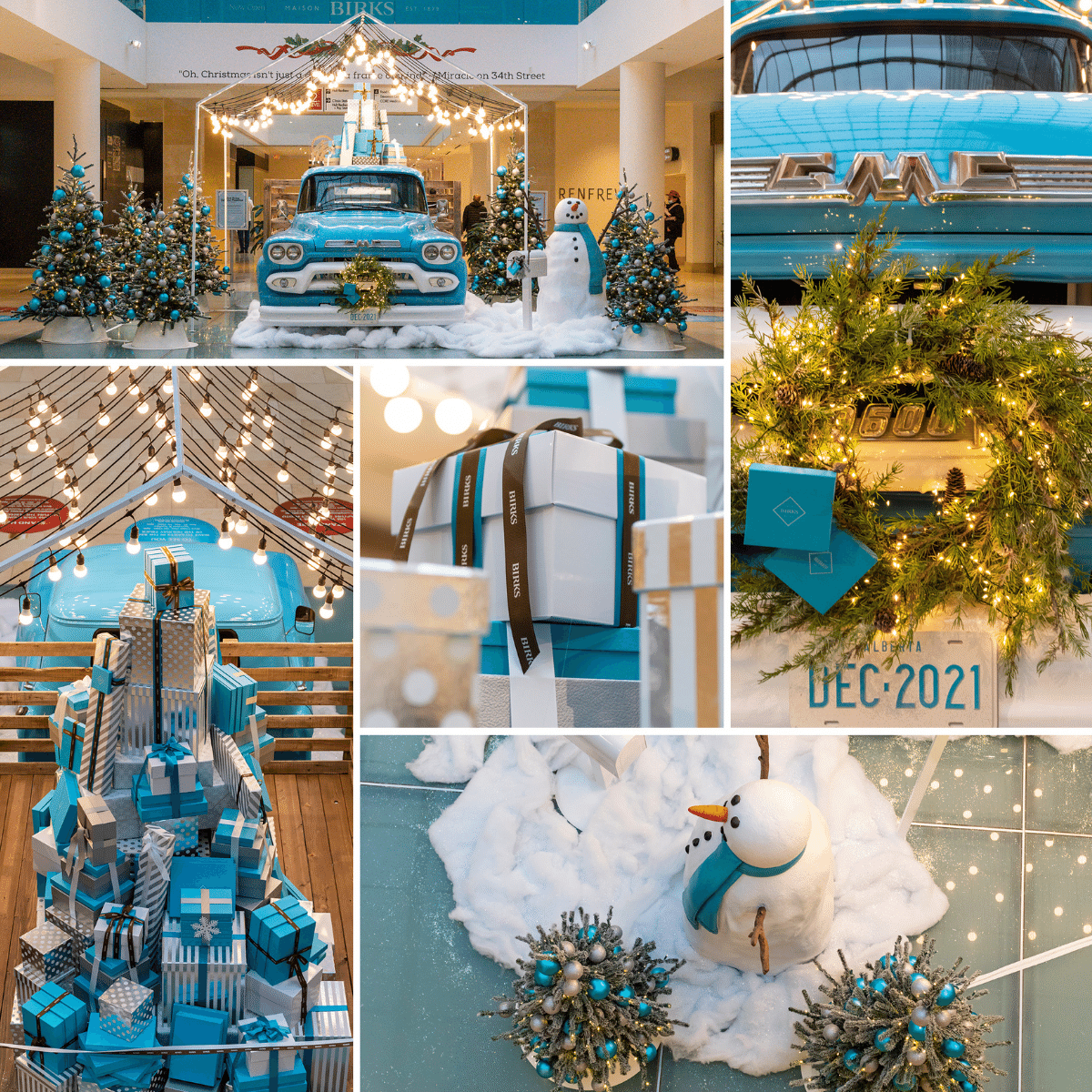
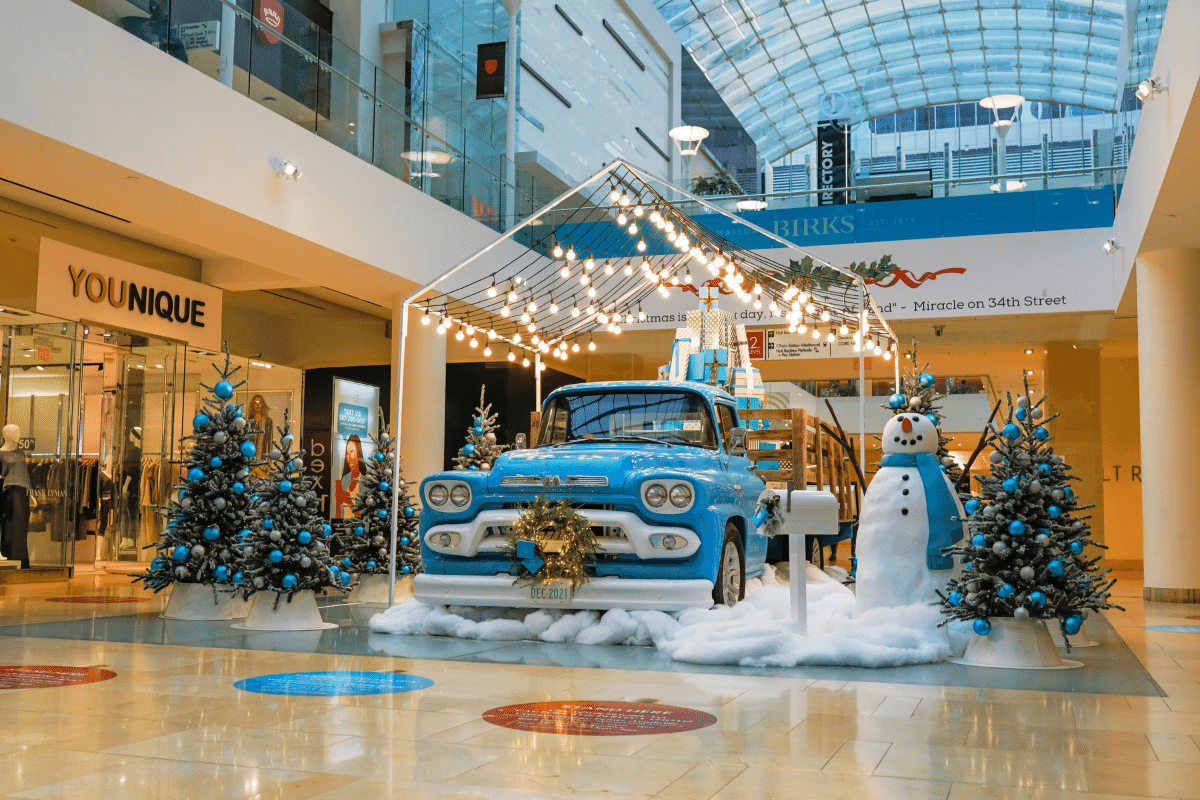
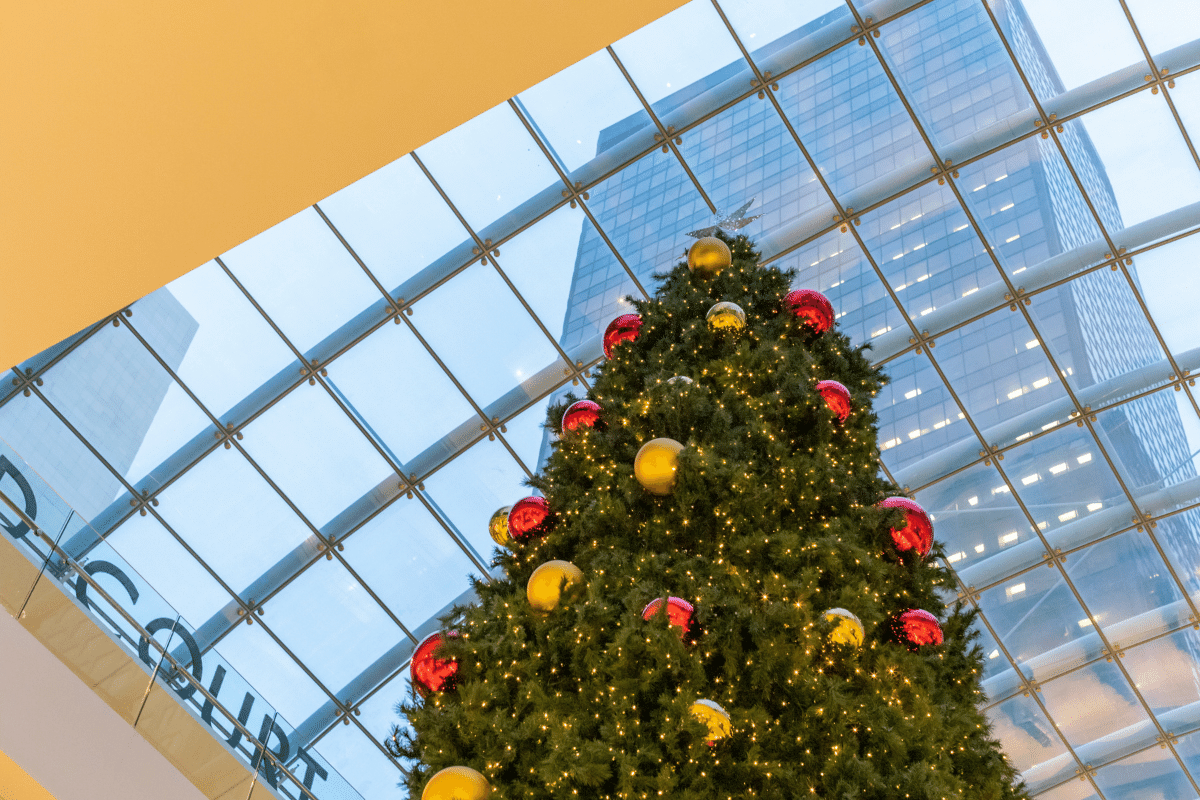
For the 2021 holiday season, The Core has installed a 45-foot holiday tree and a holiday truck display. The 1959 GMC is sponsored by Maison Birks and painted to reflect the brand’s iconic blue colour.
Image: CORE Shopping Centre
The decor has served for a backdrop of seasonal events and activations, including live musical performances, photo opportunities with Santa and a 24-day countdown calendar of giveaways on Instagram – all in support of The Mustard Seed.
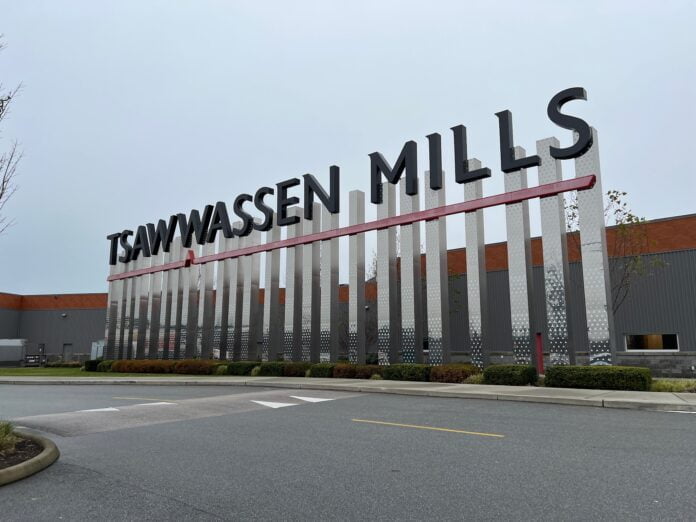
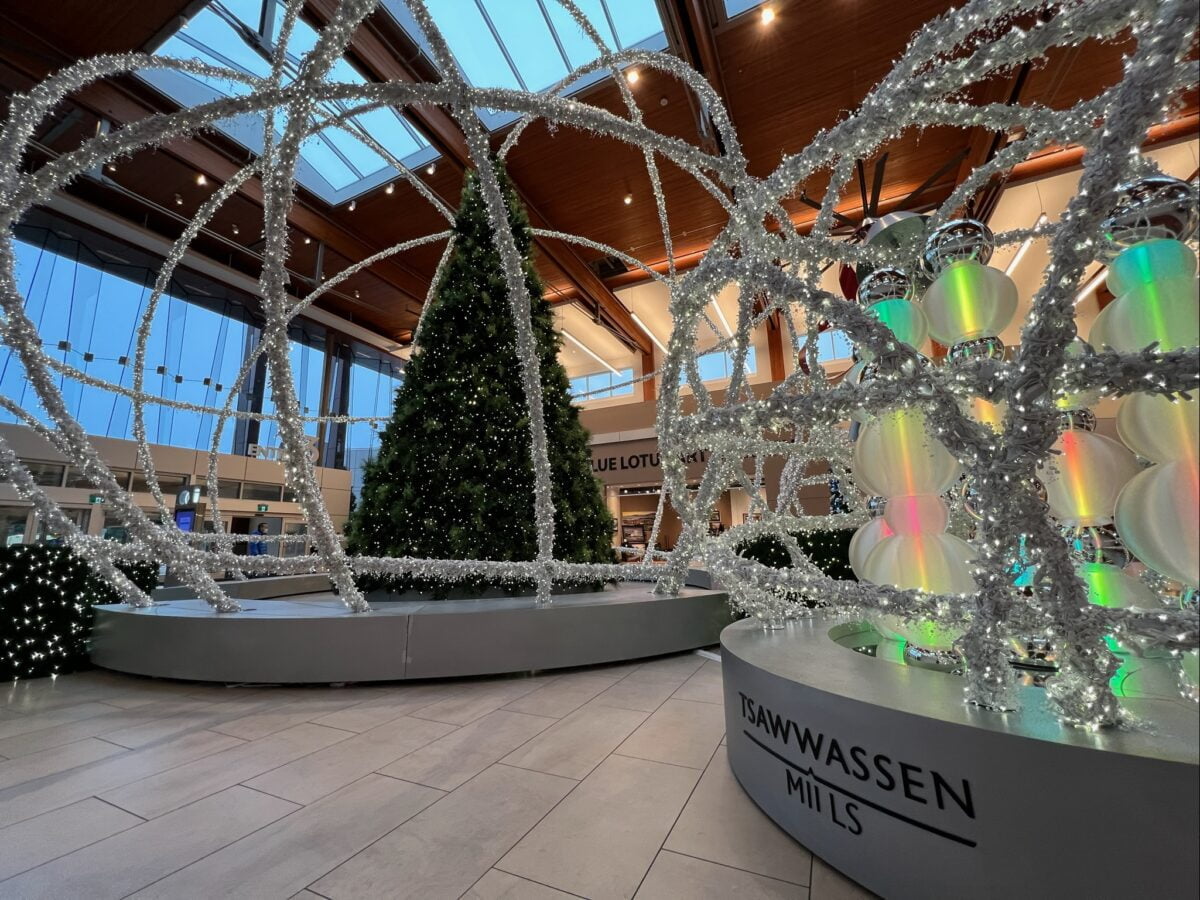
Main "Tsawwassen Mills" signage. Photo: Lee Rivett
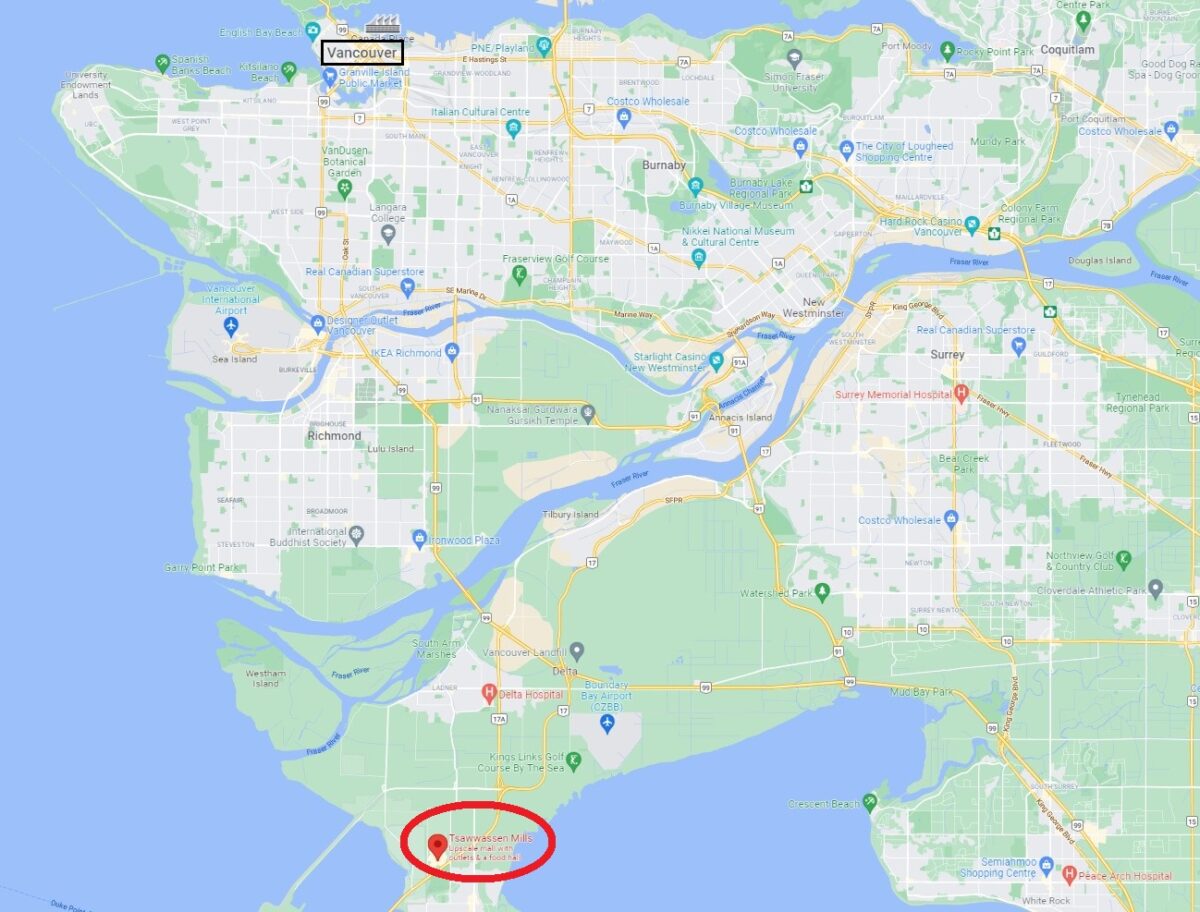
Retail Insider continues its Photo Tour series of Canadian malls which began as a result of COVID-19 closures. We have been providing insights into shopping centres coast-to-coast which may otherwise be overlooked. This edition takes us to Tsawwassen Mills in Delta, BC – which is near the Tsawwassen Ferry Terminal operated by BC Ferries – near Vancouver, BC.
The LEED® certified enclosed mall opened in October 2016 featuring 16 anchors and 180 retailers, 50% of which are ‘pure outlet’ stores. Tsawwassen marked the third ‘Mills’ centre for Ivanhoé Cambridge, following the opening of Vaughan Mills north of Toronto in 2004 and CrossIron Mills in Calgary in 2009 (see CrossIron Mill’s retail profile from March 2021). Tsawwassen Mills at the time of its opening was the largest shopping centre to be built in Canada since 2009.
Tsawwassen Mills location (south of the City of Vancouver) on Google Maps. Photo: Google Maps
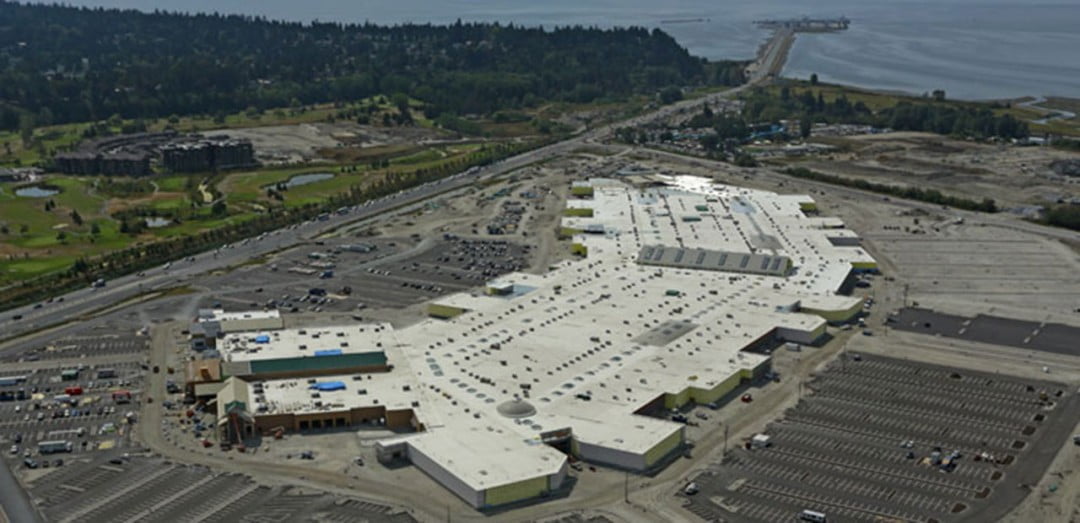
Aerial photo of Tsawwassen Mills just south of Vancouver. Photo: Industrial Steel Manufacturing.
Tsawwassen Mills is an indoor shopping centre which was developed — and is now owned and operated — by Ivanhoé Cambridge. The retail and designated tourist attraction has resulted in 4.5 million annual visits, $377 sales per square foot, and $236 million gross sales volume (all as of December 2019). The shopping centre sprawls across 1.2 million square feet and boasts 15 large format anchors which includes:
Bass Pro Shops (149,277 square feet)
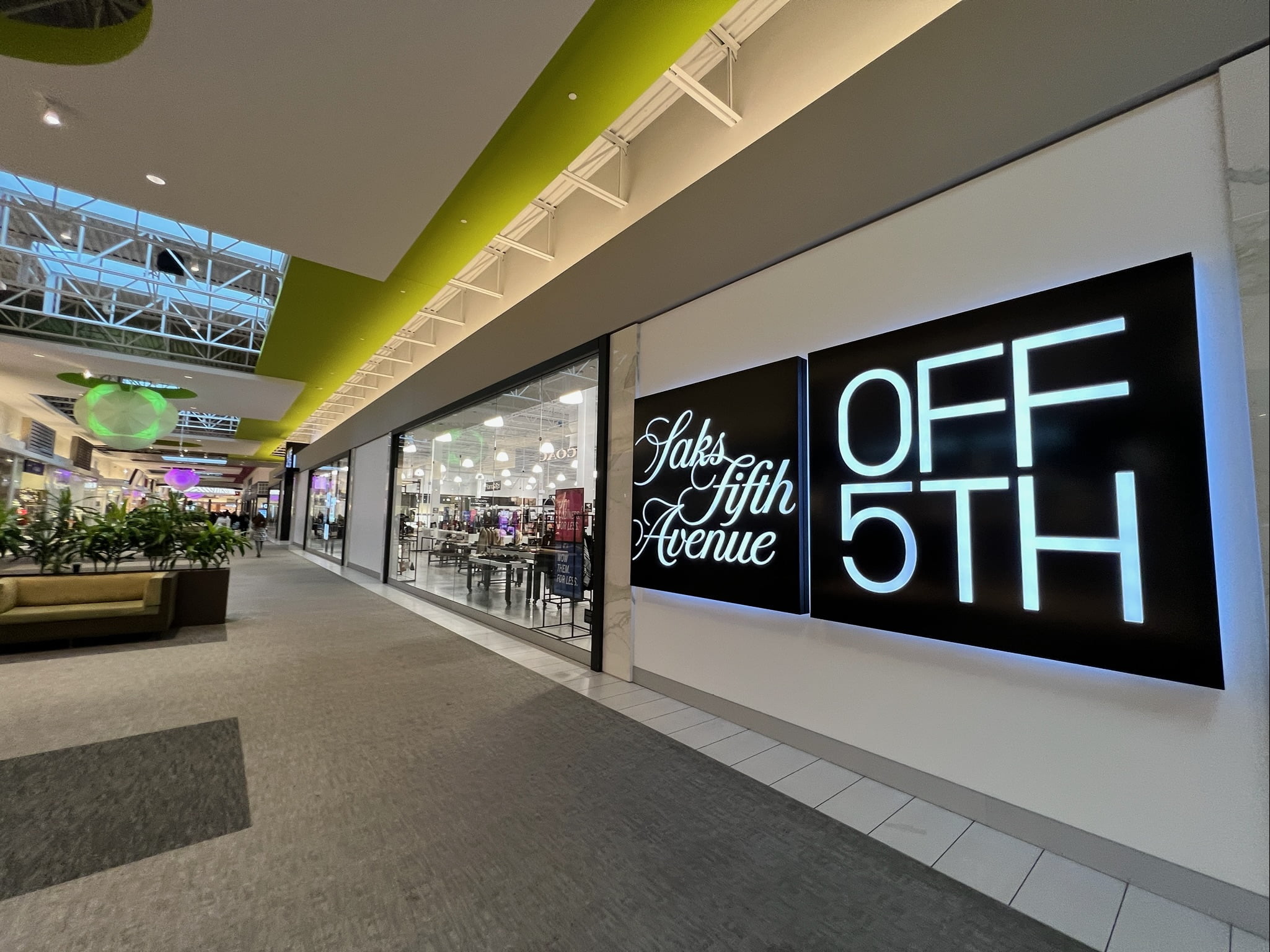
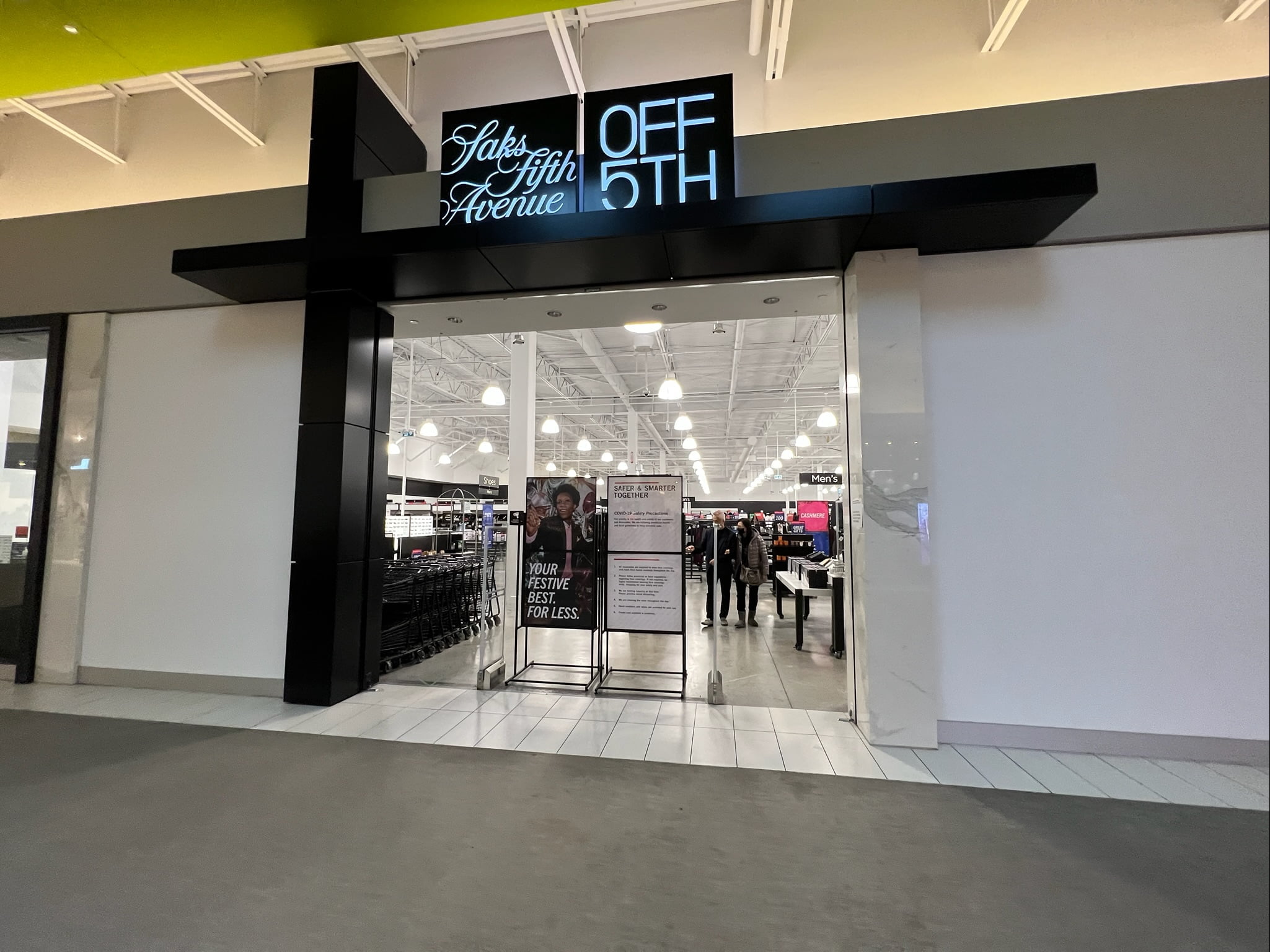
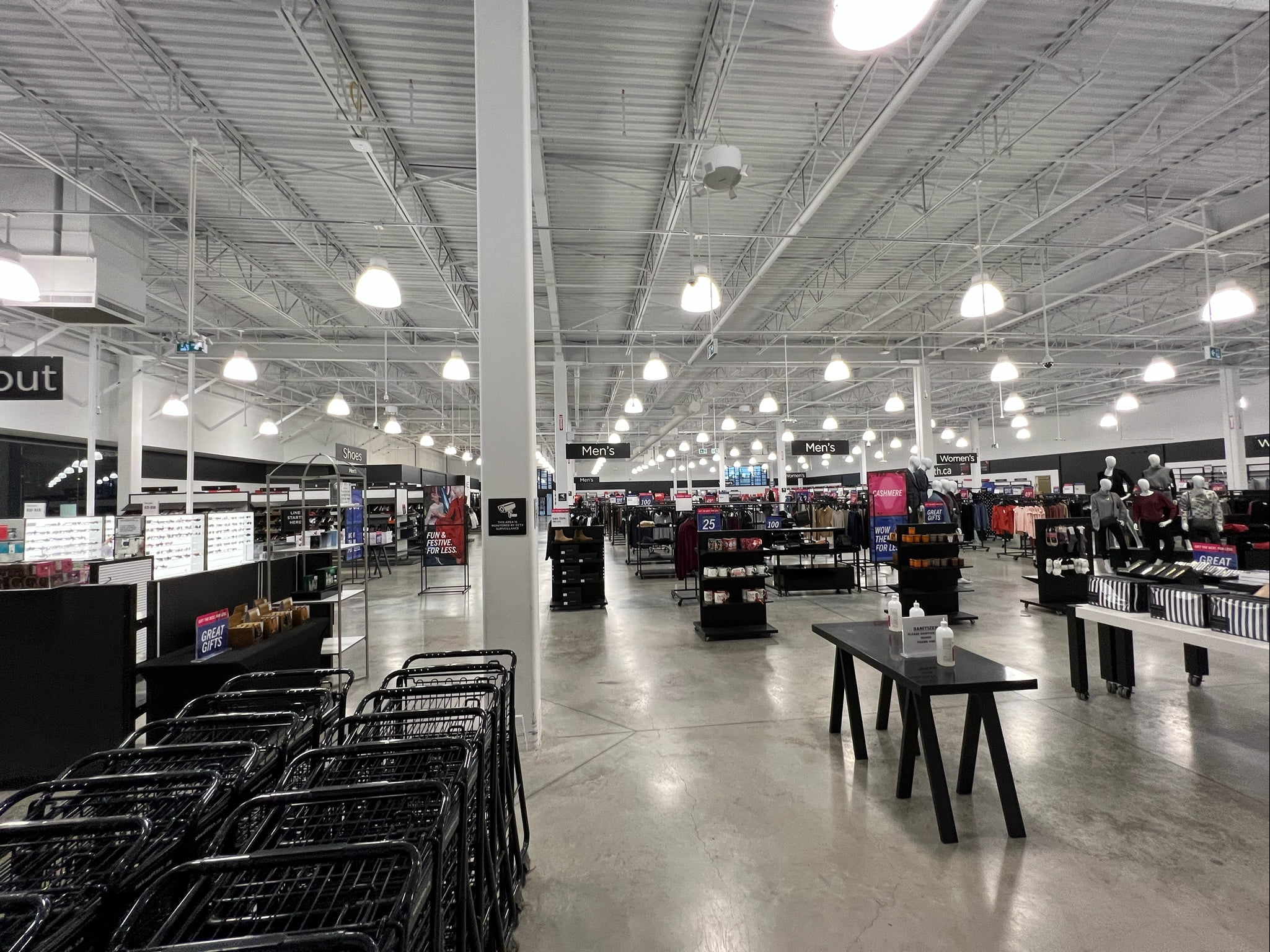
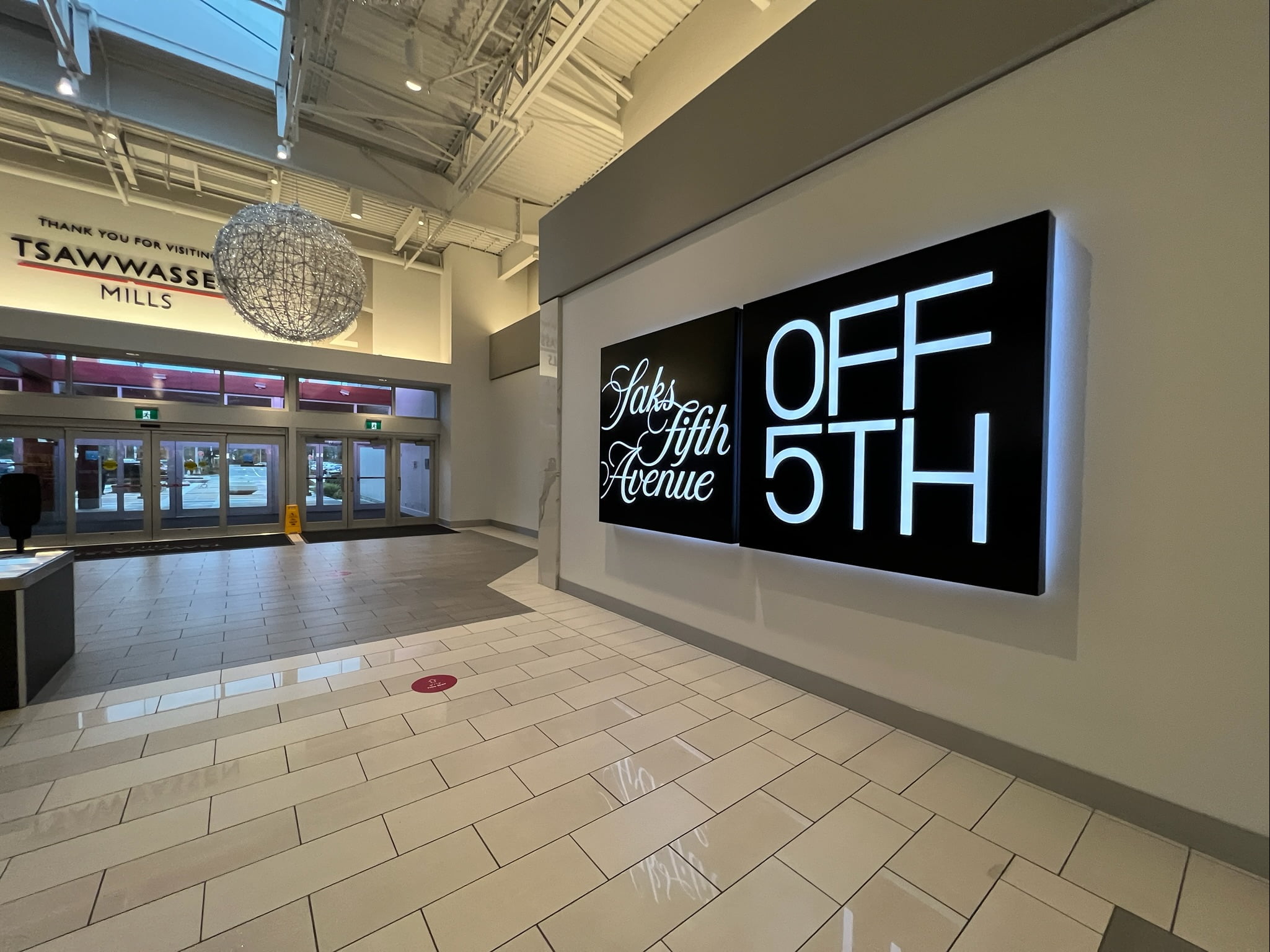
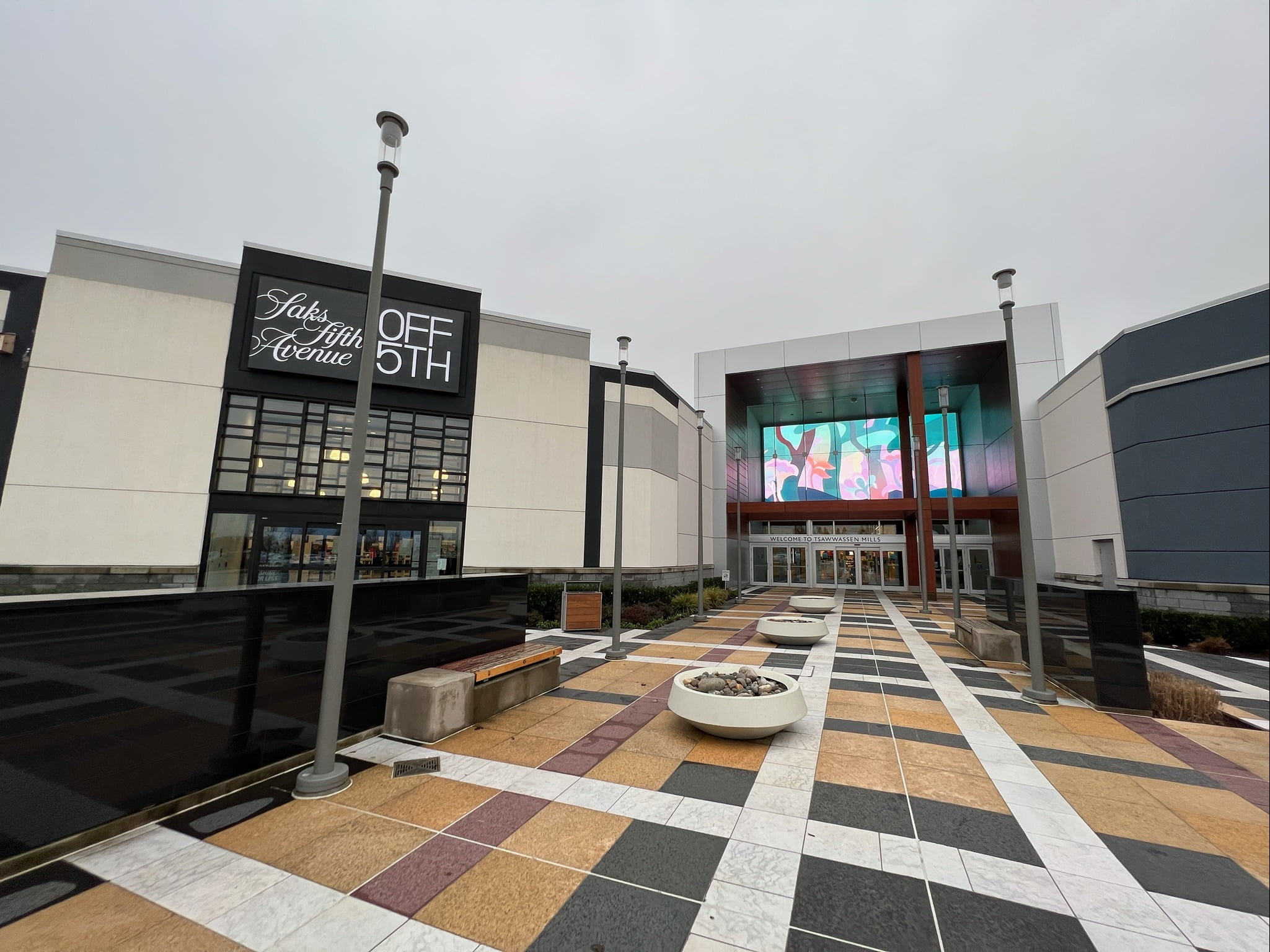
Saks OFF 5TH (32,733 square feet)
Urban Planet / West 49 (31,144 square feet)
Sport Chek (30,796 square feet)
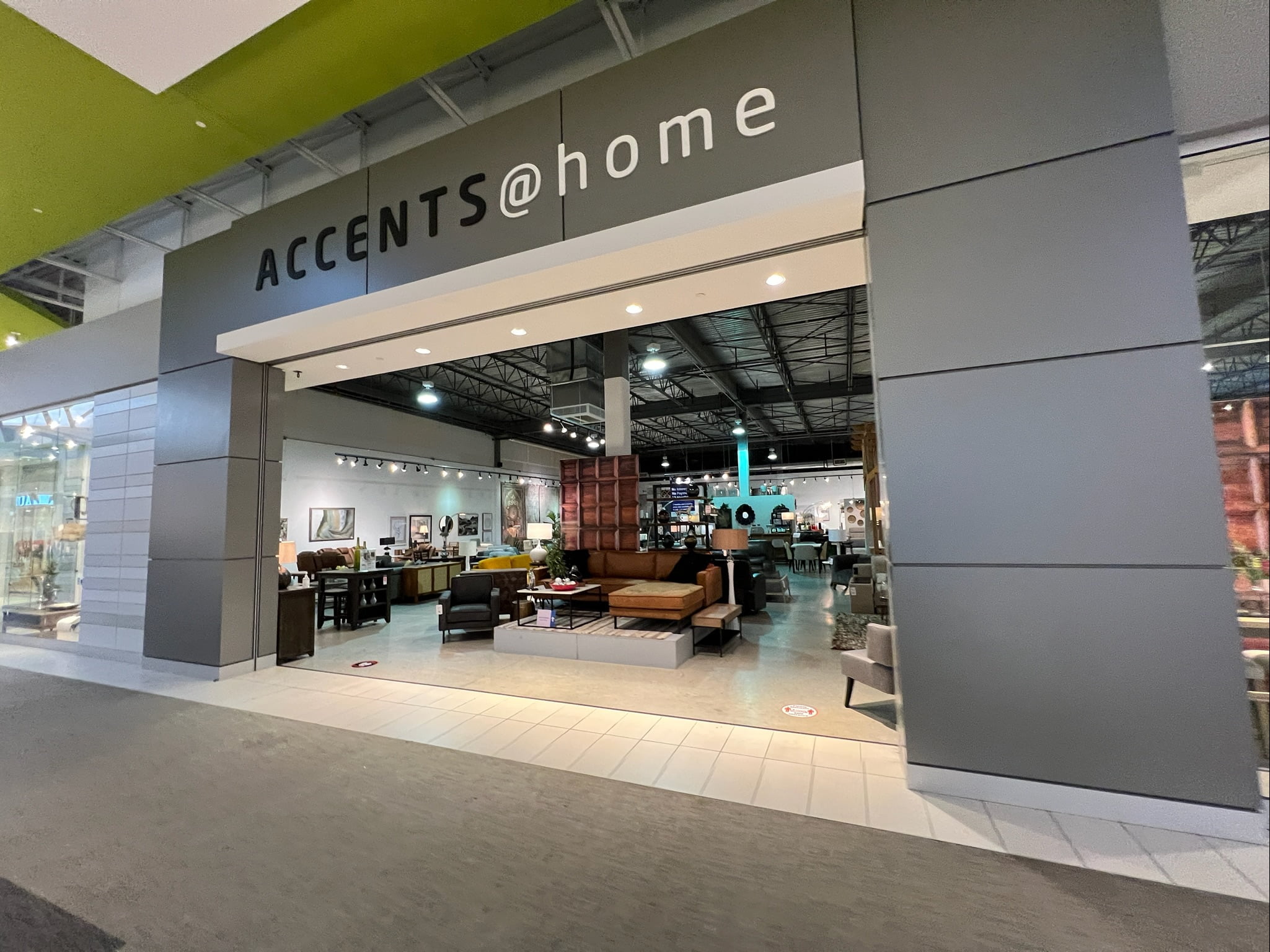
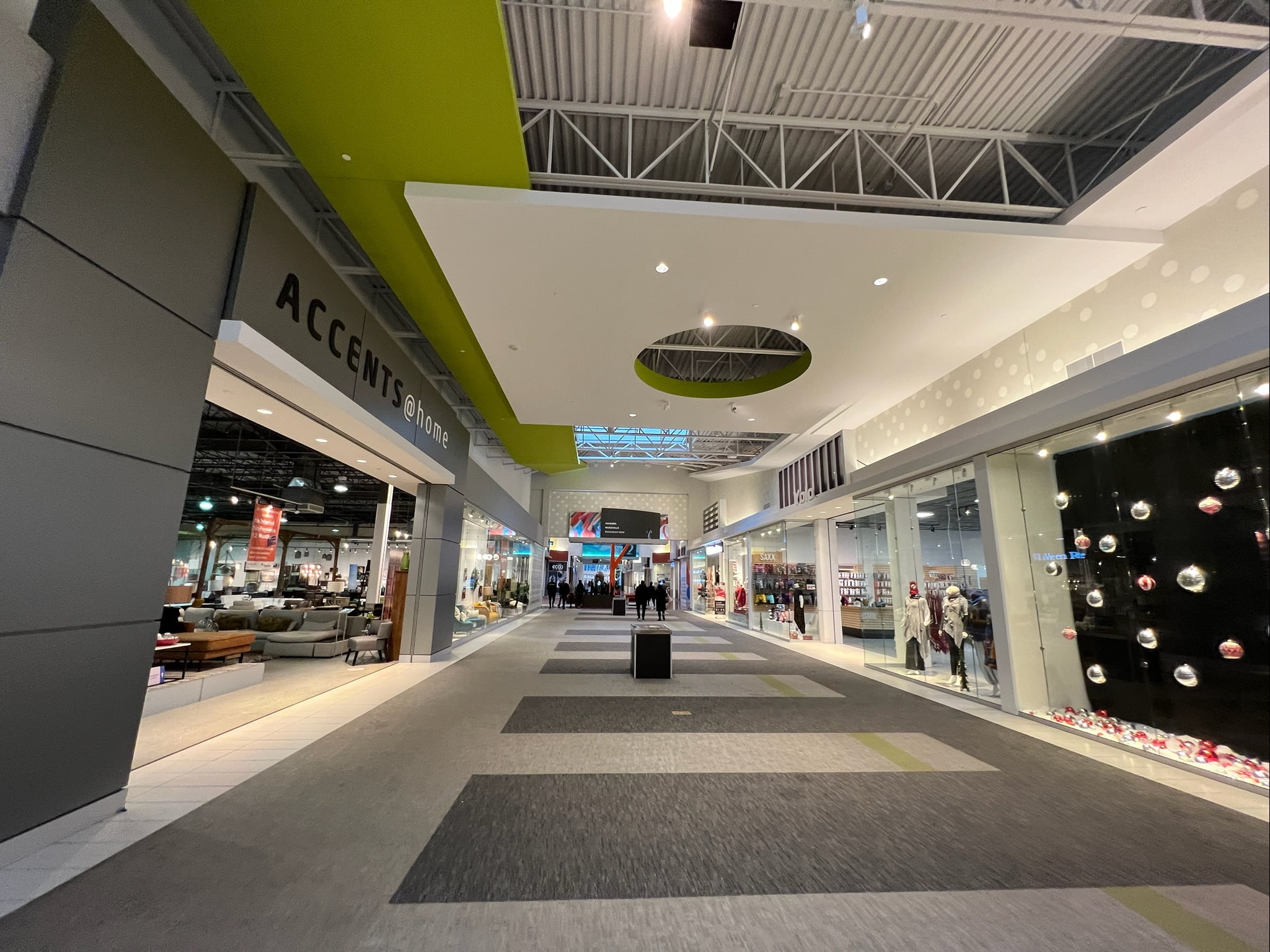
Accents @ Home (29,383 square feet)
H&M (26,273 square feet)
Winners (25,261 square feet)
Marshalls (25,256 square feet)
Pro Hockey Life (24,656 square feet)
Blue Lotus Gallery (24,574 square feet)
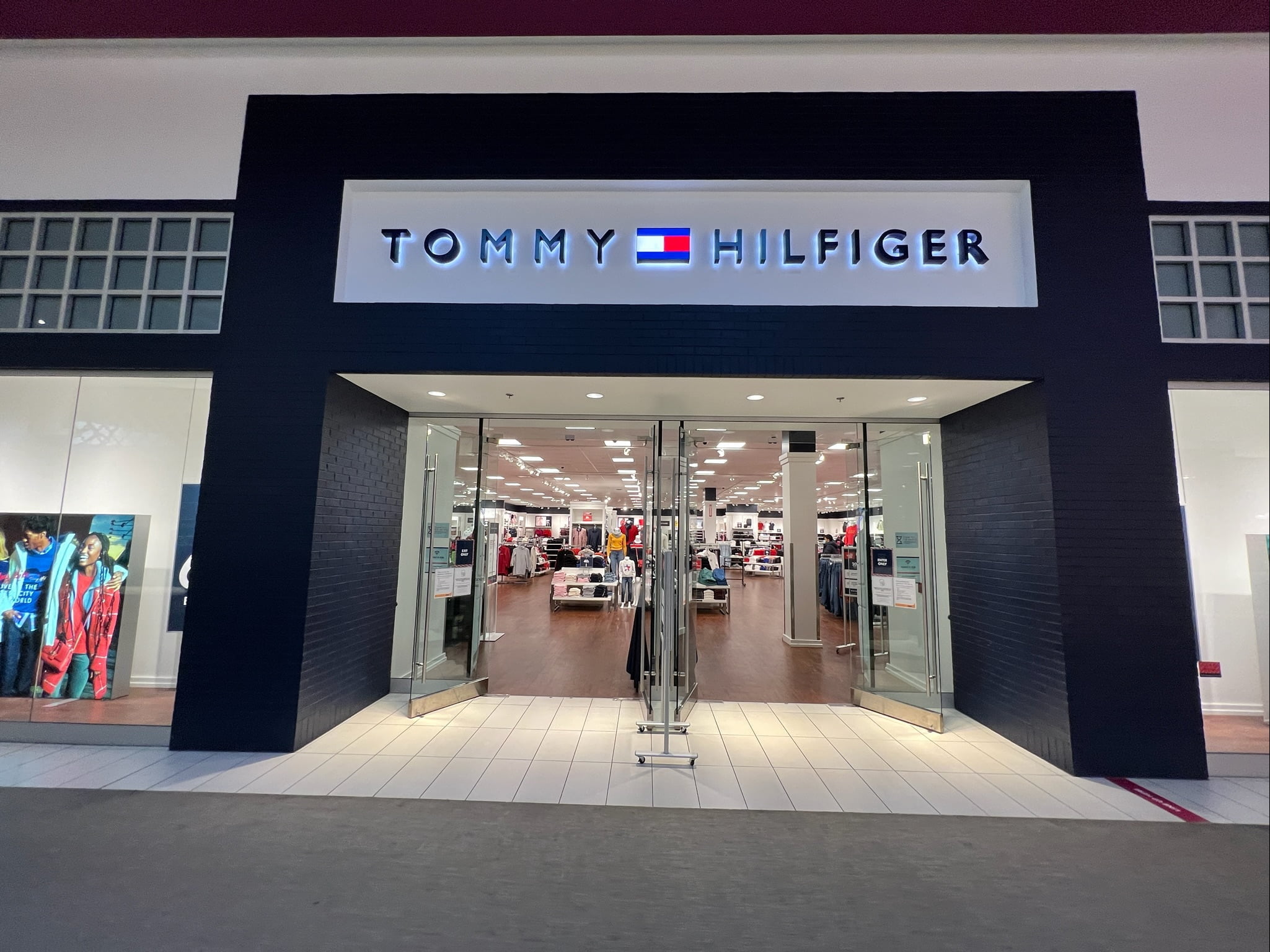
Tommy Hilfiger (20,435 square feet)
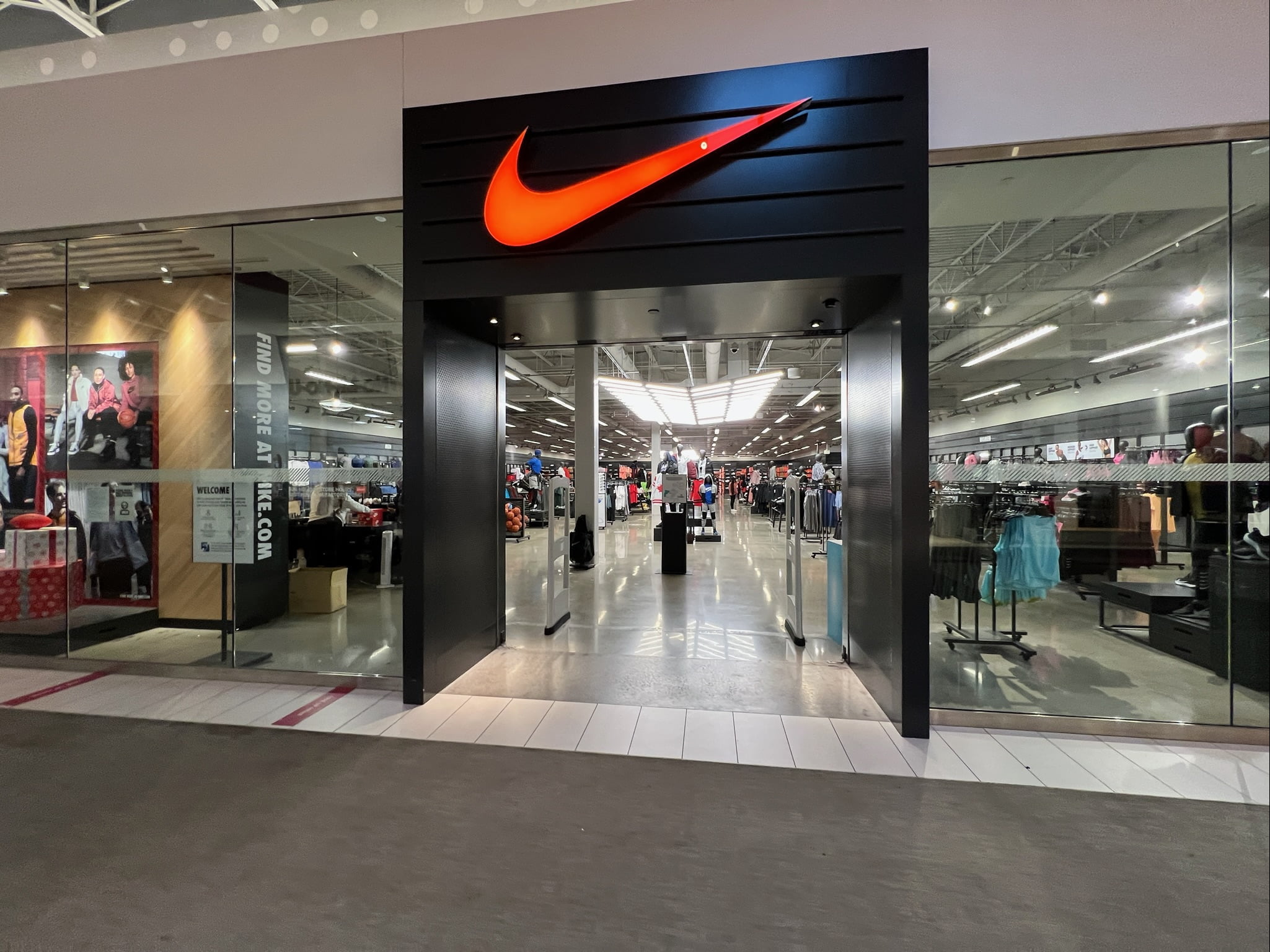
Nike Factory Store (20,353 square feet)
Designer Depot (20,347 square feet)
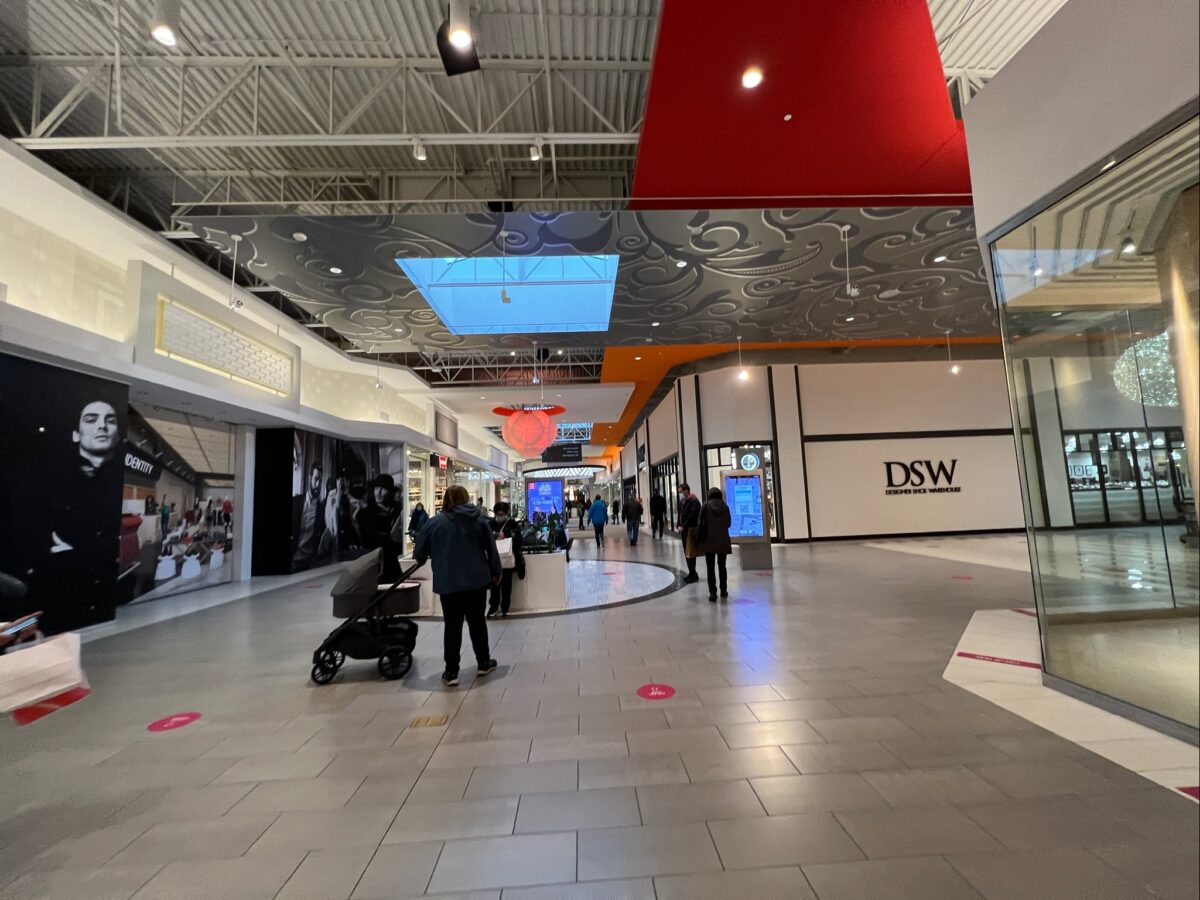
DSW Designer Shoe Warehouse (20,335 square feet)
Old Navy (20,321 square feet)
Tsawwassen Mills in Delta, BC (December 2021). Photo: Lee Rivett.
History of Tsawwassen Mills
Vaughan Mills (near Toronto) and CrossIron Mills (near Calgary) were the predecessors and sister shopping centres to Tsawwassen Mills. The “Mills” were designed and built by Ivanhoé Cambridge based on the Mills Corporation highly-successful ‘race track’ format for outlet malls in the United States. Mills Corporation was subsequently acquired by Simons Property Group in 2007 and a year prior Ivanhoé Cambridge acquired the Canadian Mills properties. Ivanhoé Cambridge had originally planned for four Mills shopping centres in Canada, including:
Toronto (Vaughan Mills in Vaughan, Ontario which opened in November 2004)
Calgary (CrossIron Mills in Calgary, Alberta which opened in August 2009)
Vancouver (Tsawwassen Mills in Delta, B.C.)
Montreal (Laval Mills in Laval, Quebec which was abandoned in May 2011)
According to Ivanhoé Cambridge, more than $600 million went into building Tsawwassen Mills, which employed about 3,500 full-time and part-time staff at the time of its opening. The centre features a 6,000 stall parking lot with 14 electric vehicle charging stations. Other sustainable features include a LEED® certification as mentioned above, based partly on 20% of construction materials being recycled, as well as the planting of 2,000 trees on the property.
Construction began on the massive Tsawwassen Mills in January of 2014, which is located at Highway 17 and 52nd Street in South Delta — about 30 minutes north of the Washington State border and less than 5 km from the Tsawwassen Ferry Terminal. Tsawwassen Mills holds the unfortunate title of being the least productive “Mills” in the Ivanhoé Cambridge as it has the lowest productivity figures of the three “Mills” as of December 2019:
Tsawwassen Mills
4.5 million annual visits
$377 sales per square foot
$236 million gross sales volume
1.2 million square feet of retail space
CrossIron Mills
9.4 million annual visits
$689 sales per square foot
$547 million gross sales volume
1.2 million square feet of retail space
Vaughan Mills
14.6 million annual visits
$886 sales per square foot
$883 million gross sales volume
1.3 million square feet of retail space
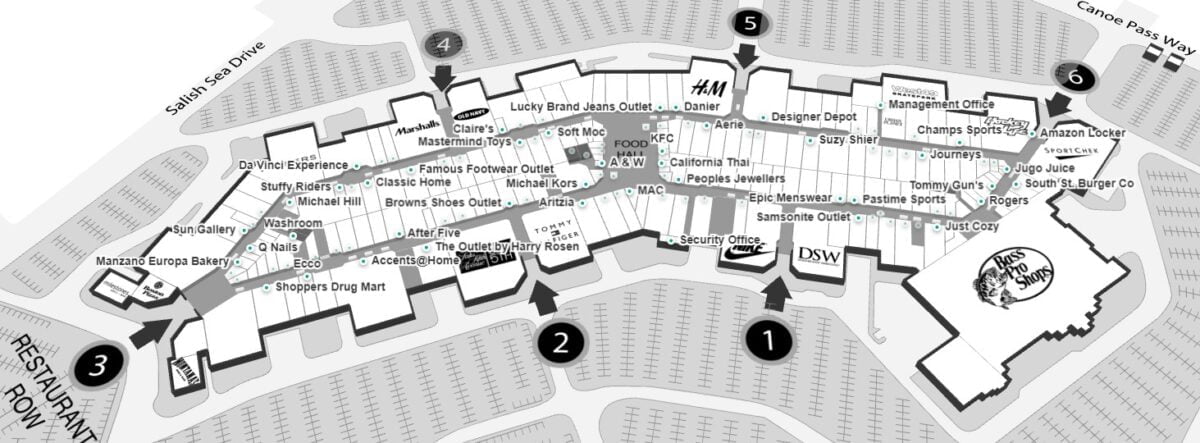
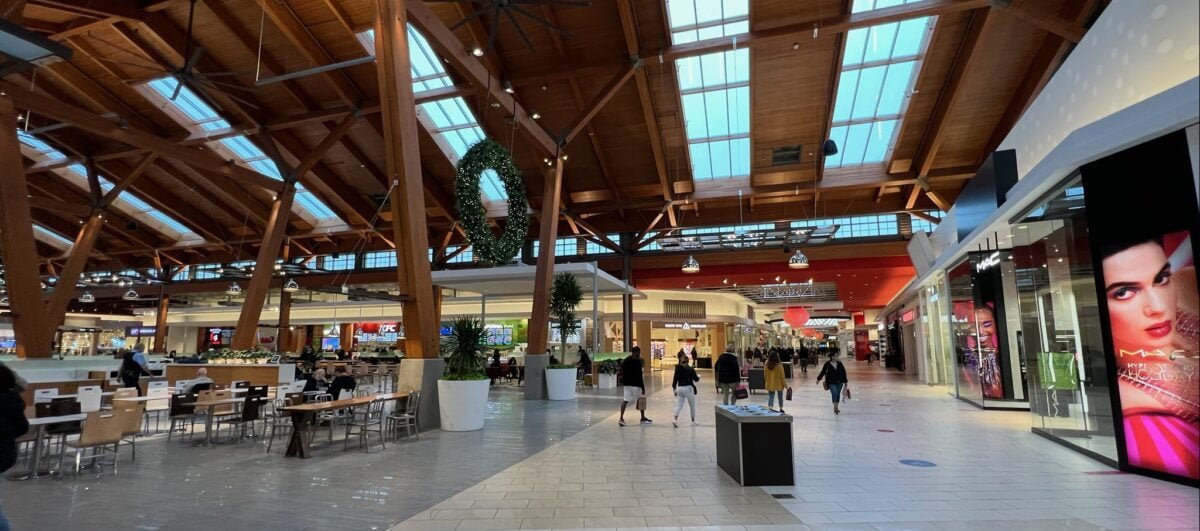
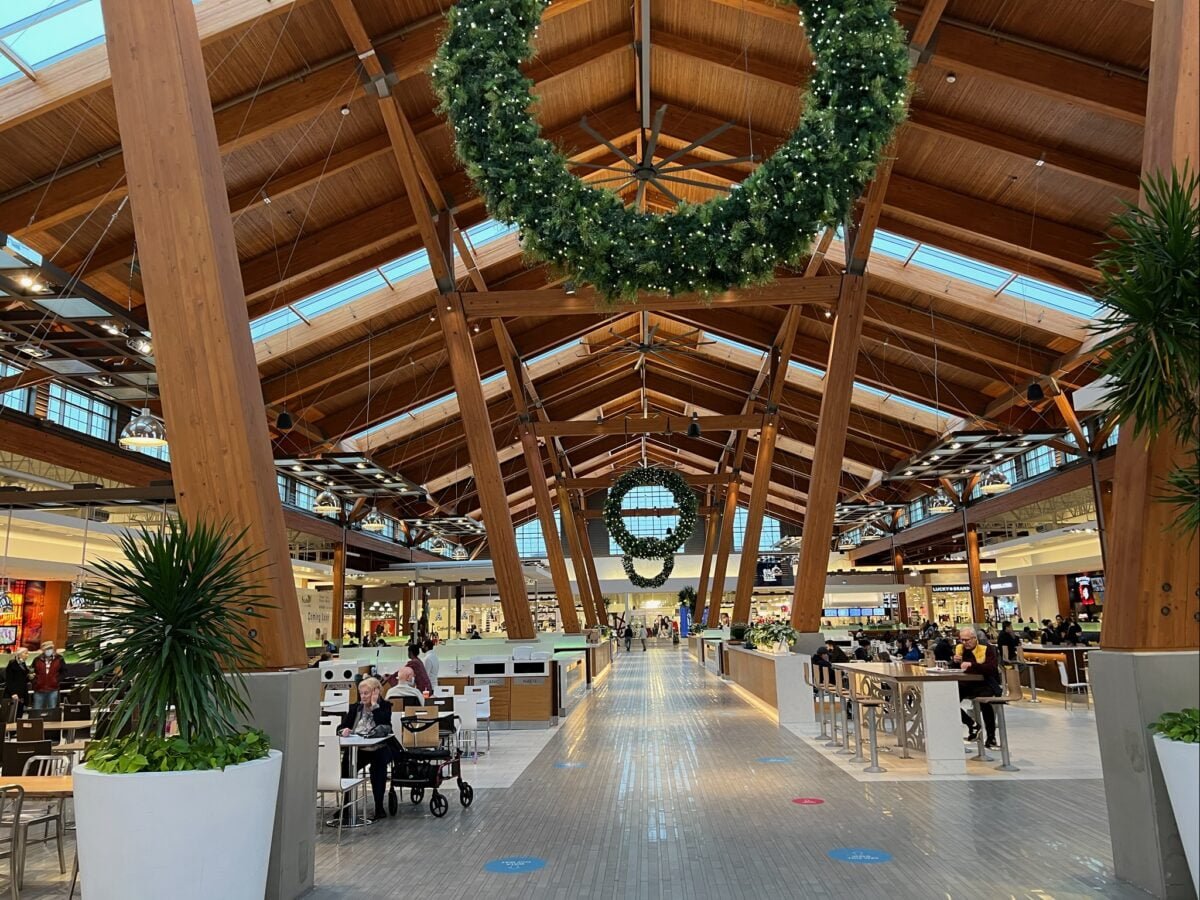
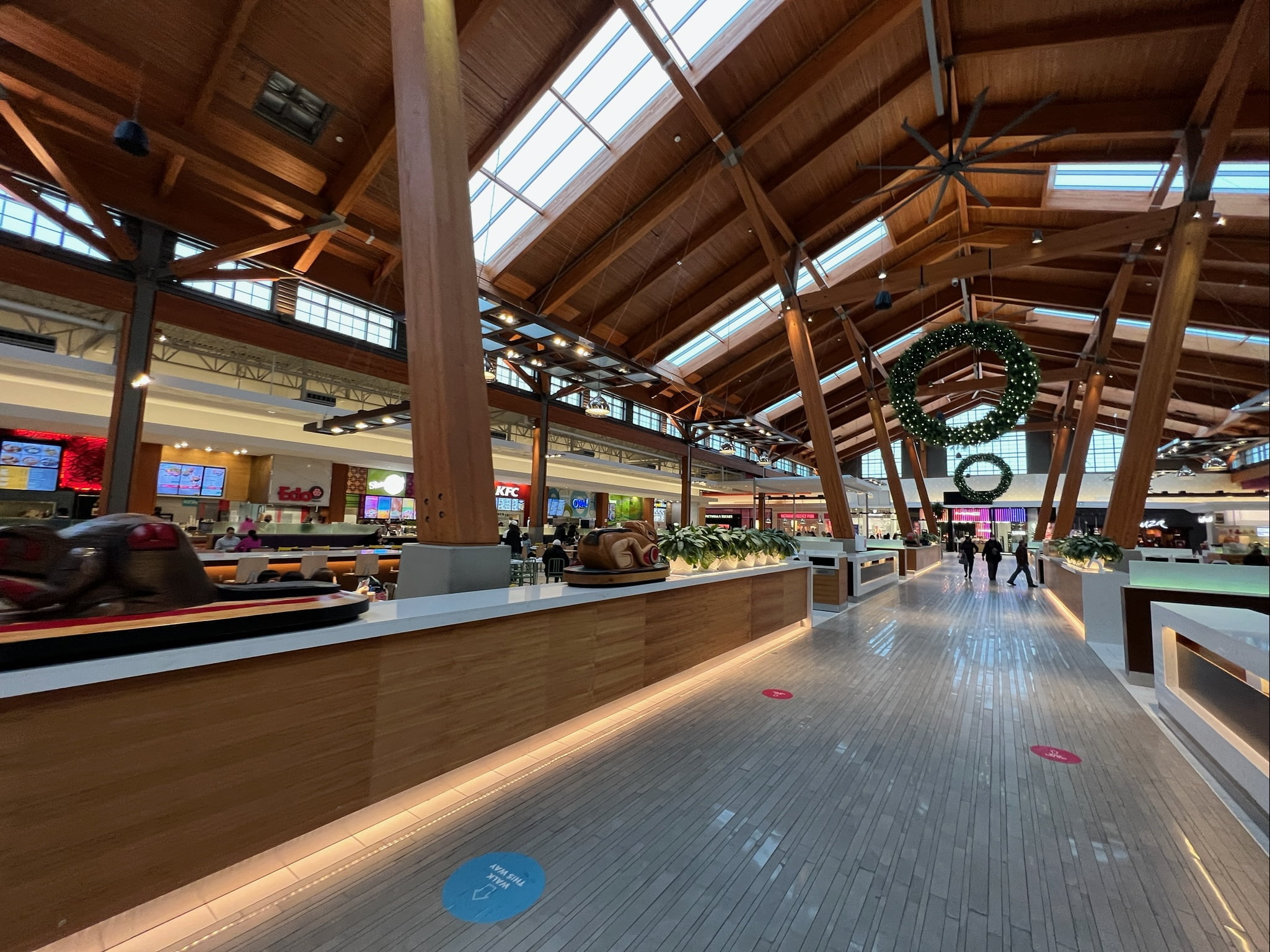
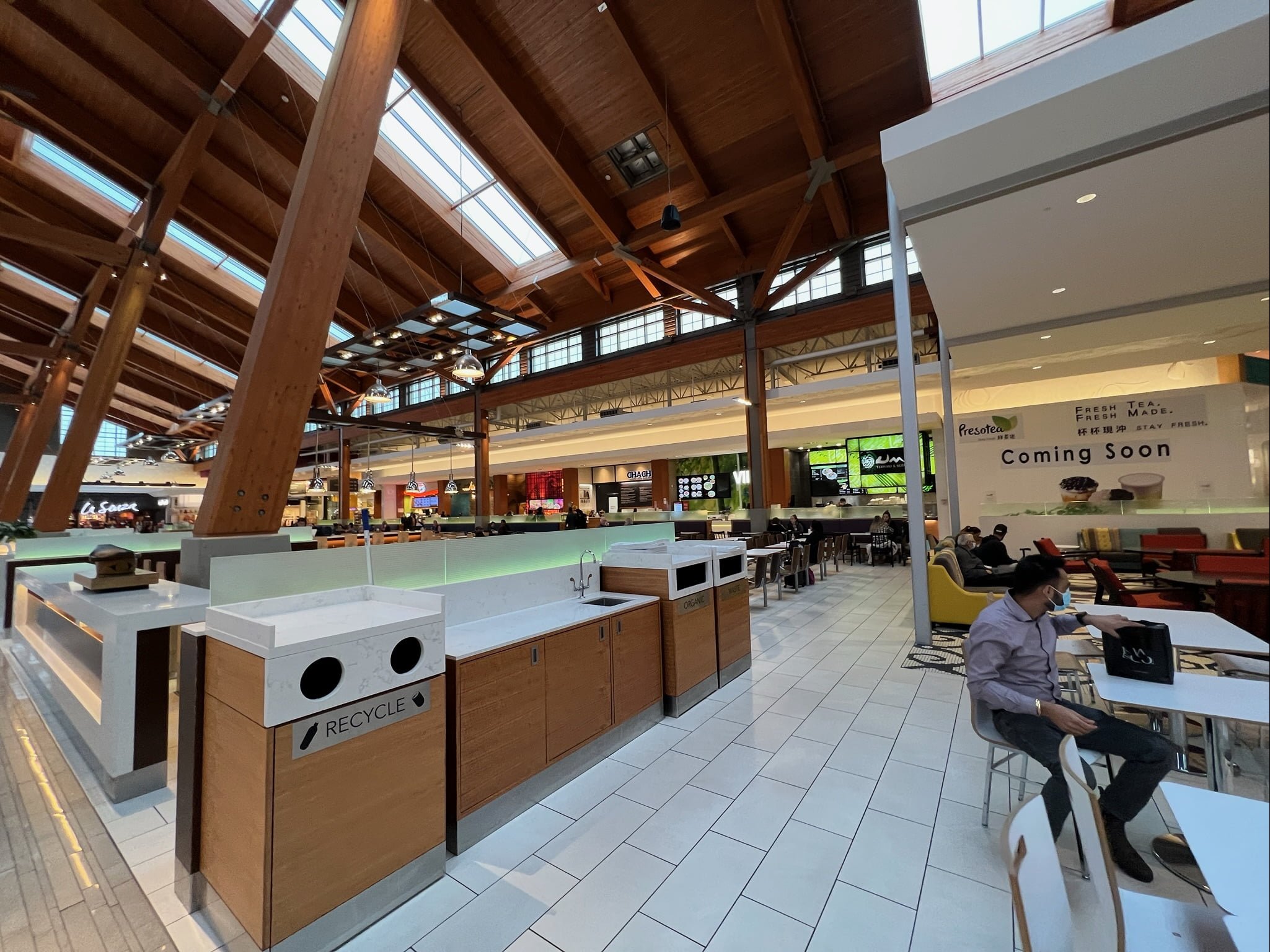
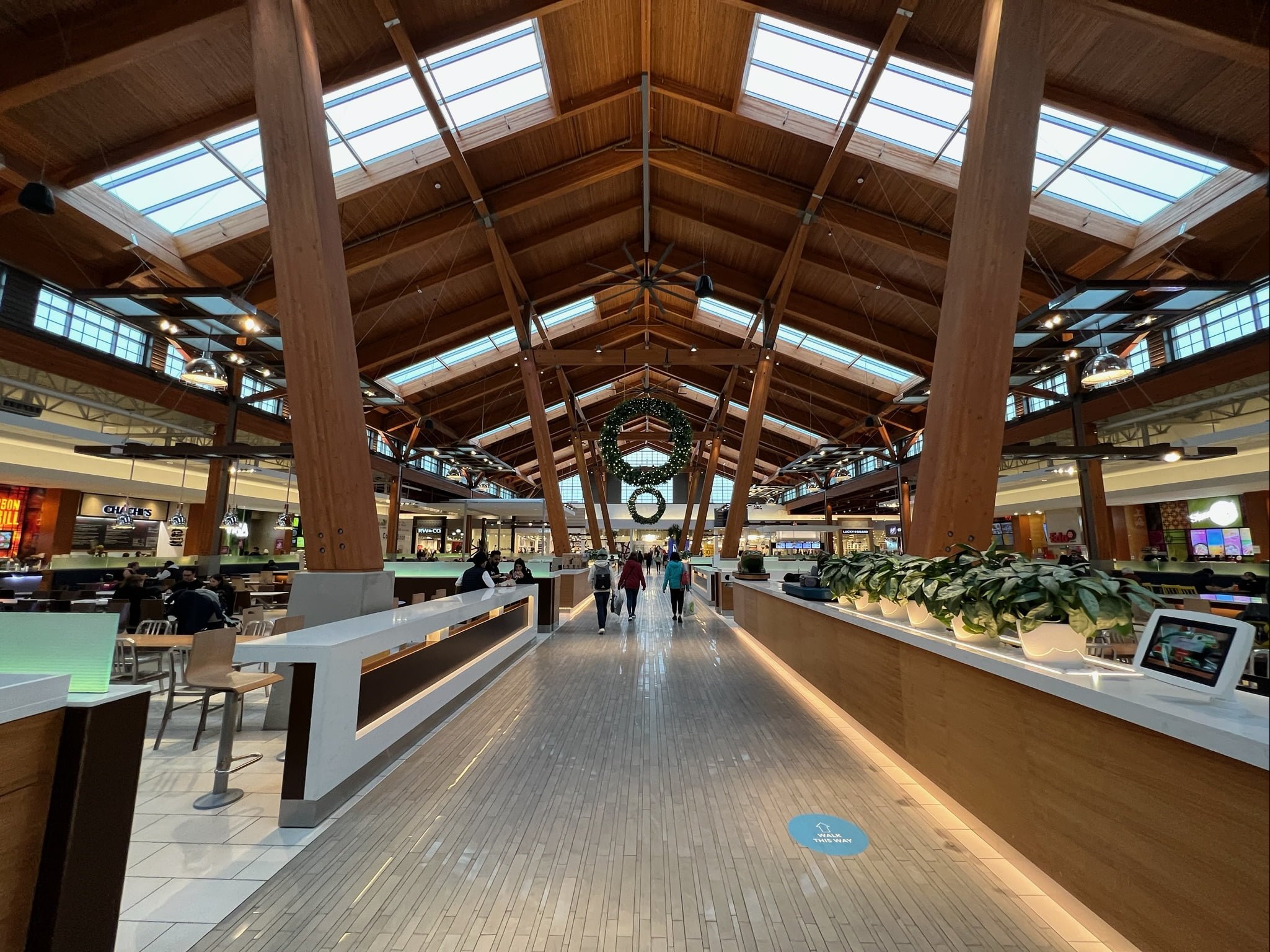
Tsawwassen Mills features a 1,100-seat food hall, four full-service restaurants, a children’s play area, a sports dome and six public entrances each featuring its own special design features.
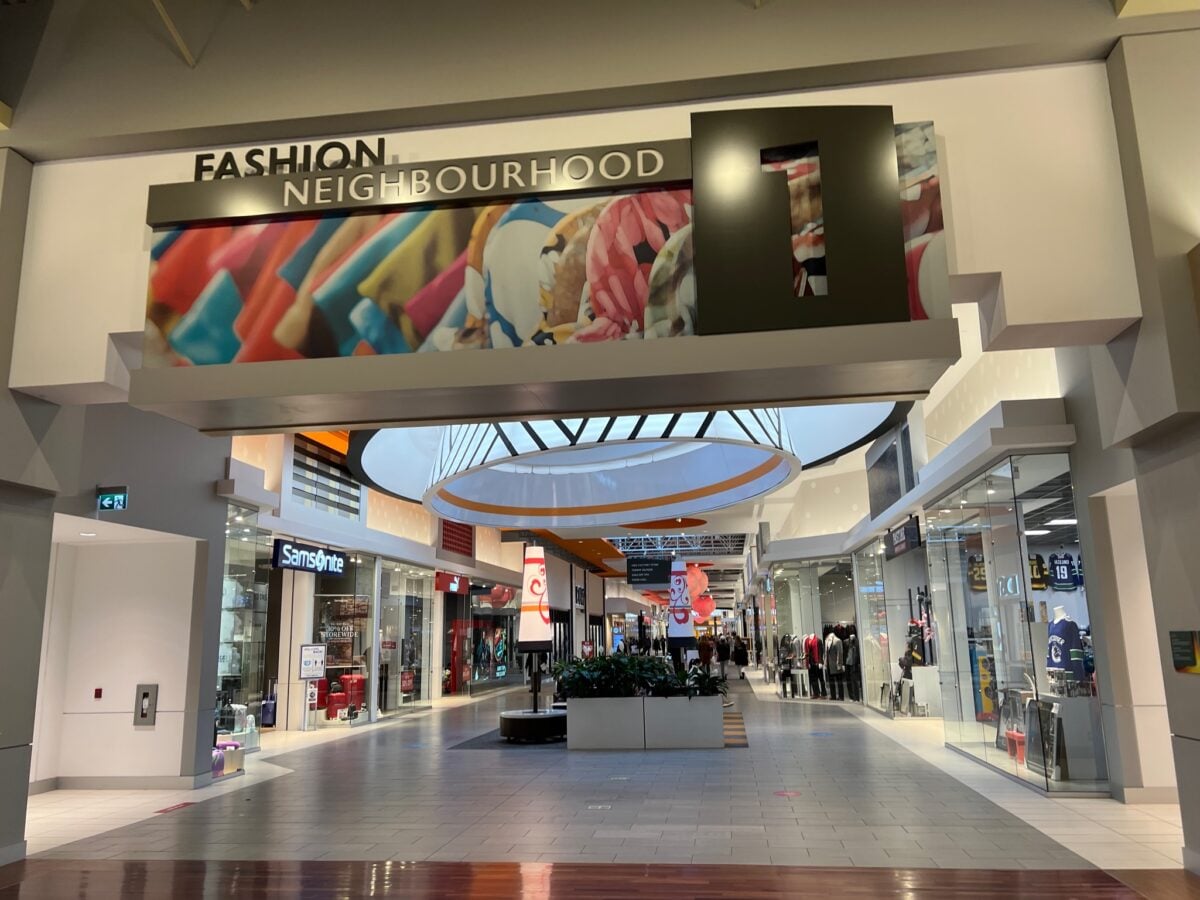
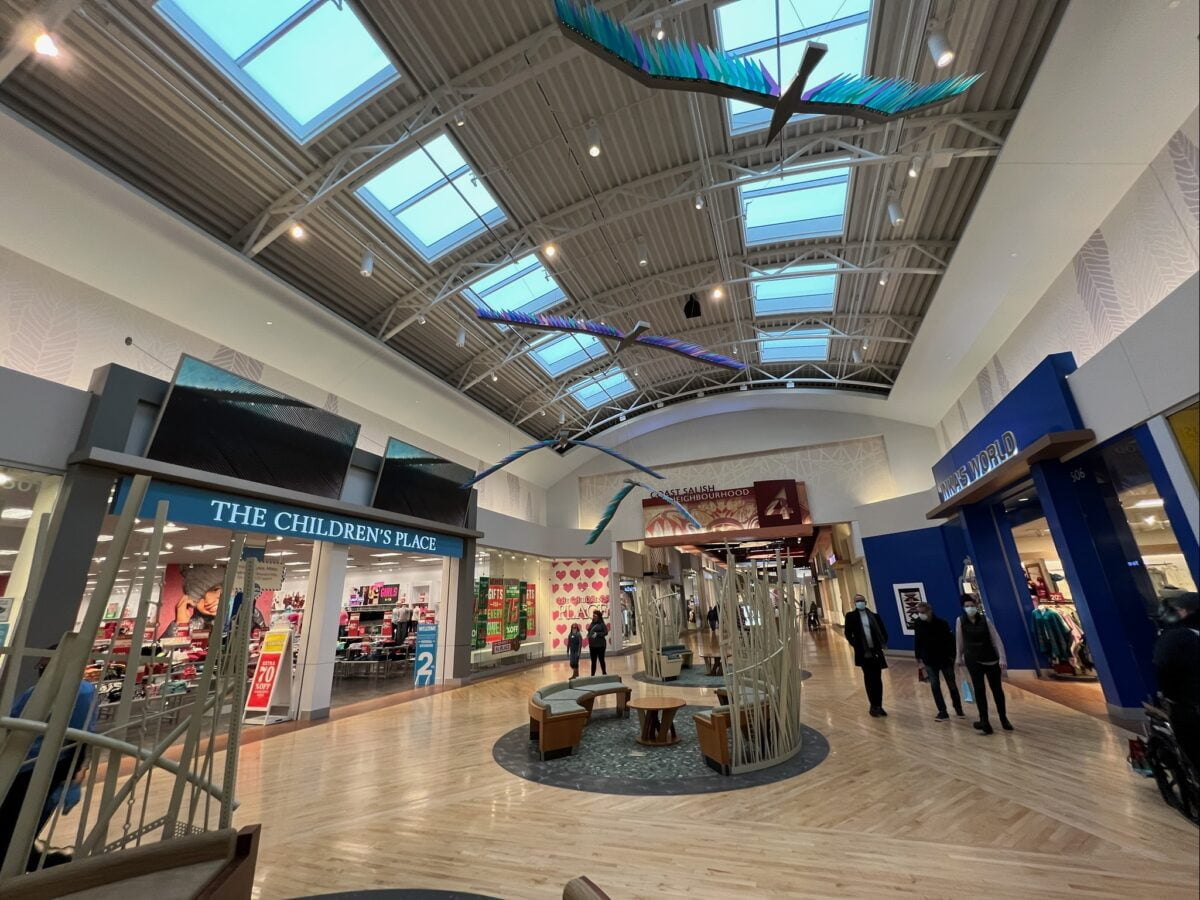
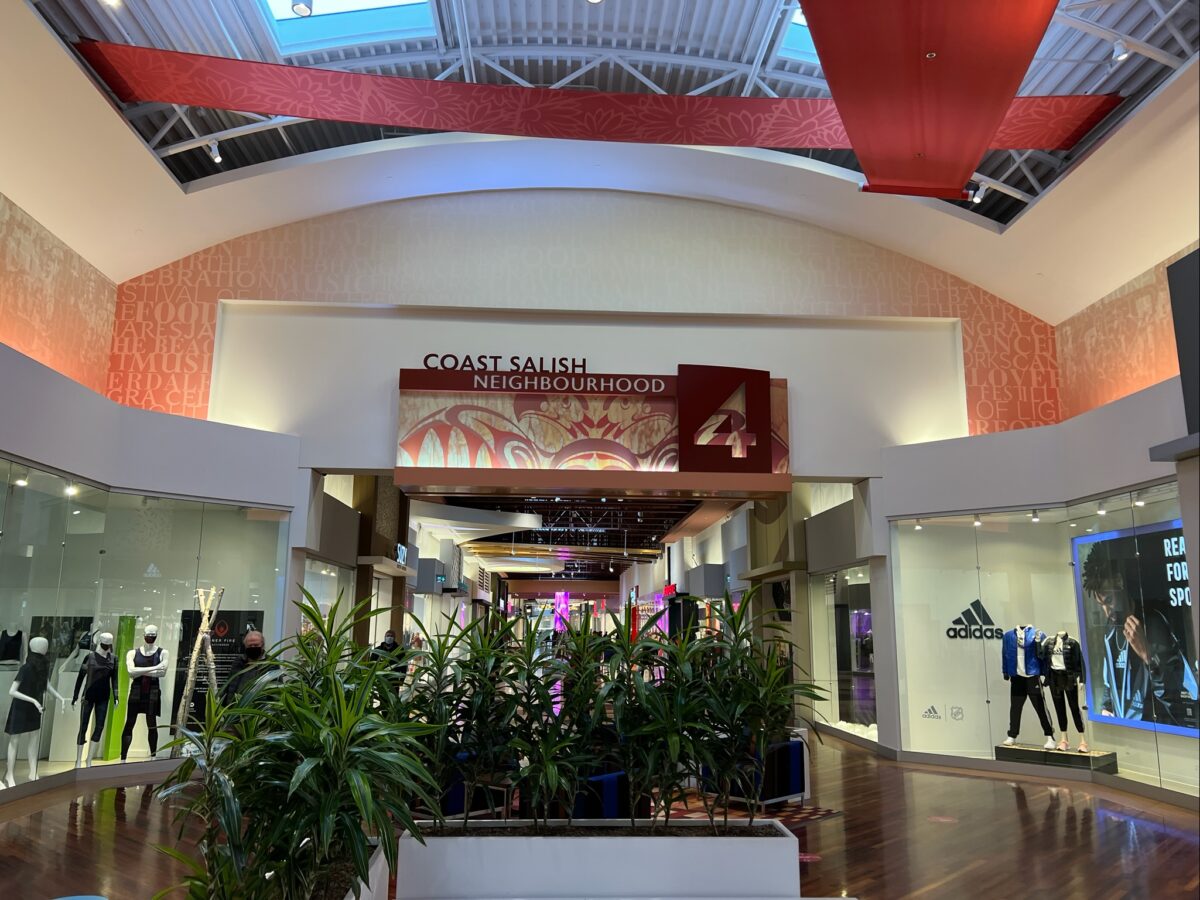
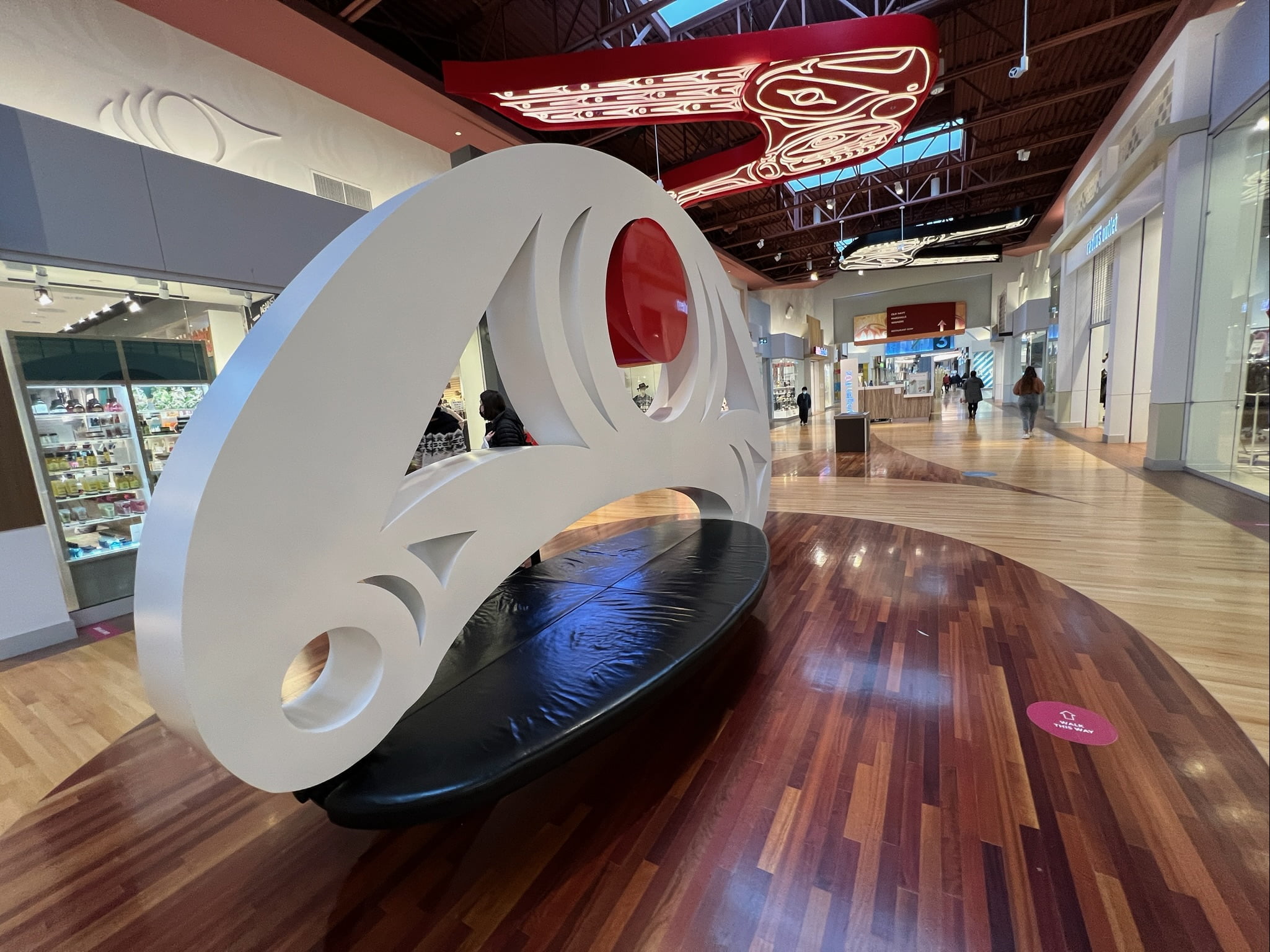
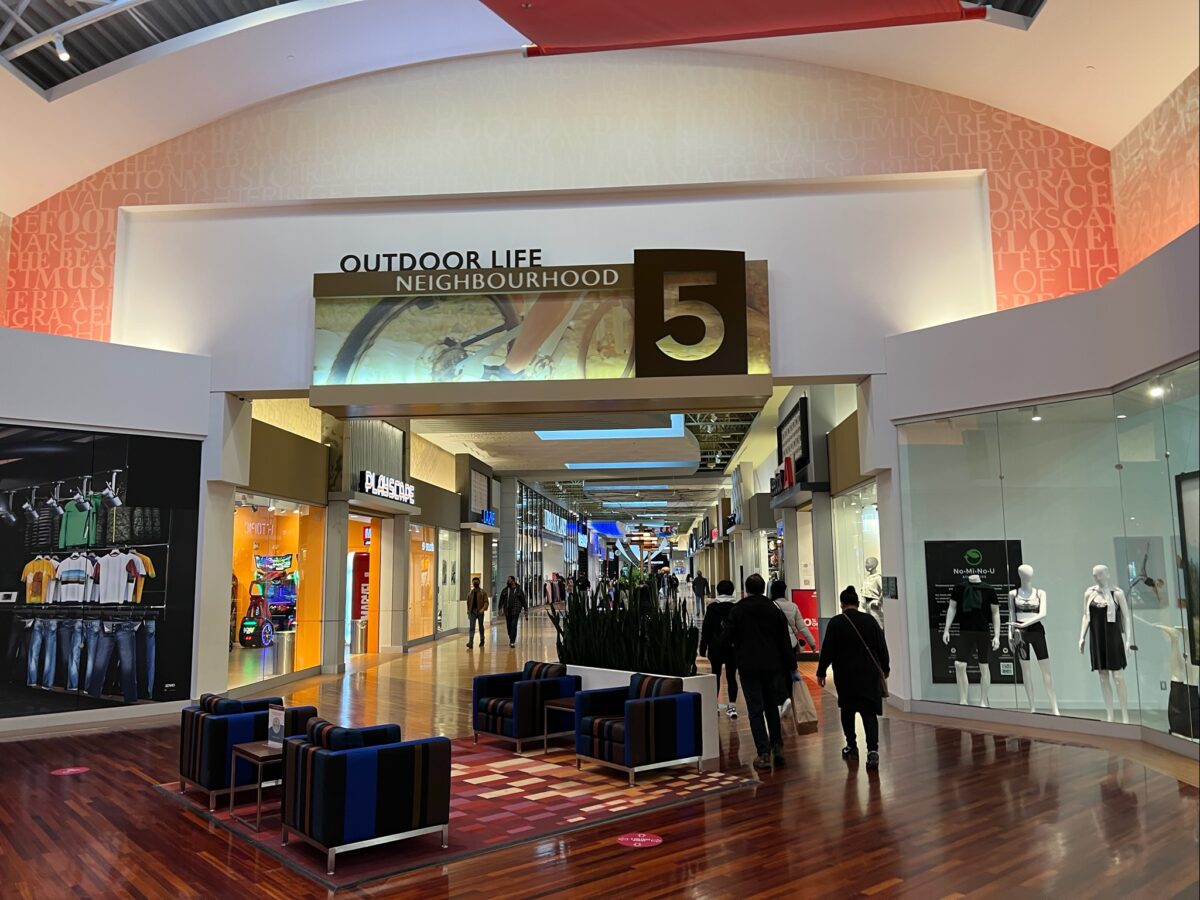
The unique enclosed centre features five distinct shopping neighbourhoods – Fashion, Outdoor Life, Coast Salish, City, and Nature – each featuring its own custom artwork and design elements.
Zone 1 – Fashion Neighbourhood
Fashion Neighbourhood at Tsawwassen Mills. Photo: Lee Rivett.
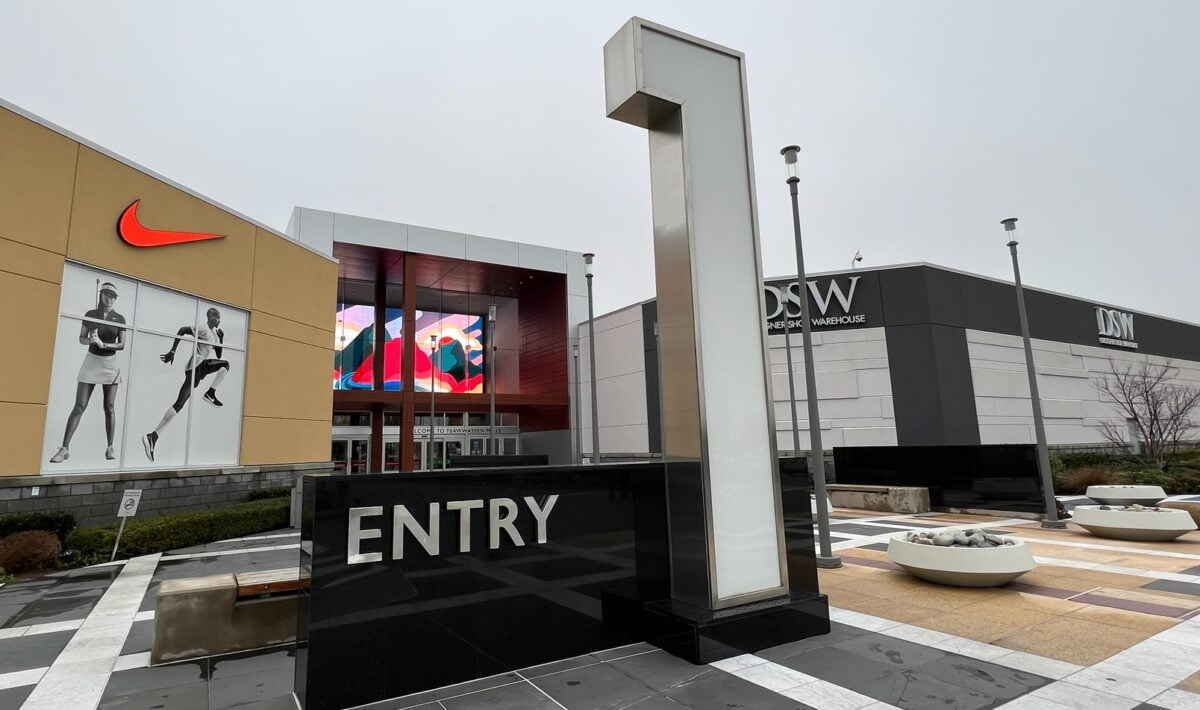
Entry 1 at Tsawwassen Mills. Photo: Lee Rivett.
The main ‘Entry 1″ of the shopping centre is in the middle of the “Fashion Neighbourhood”. The key anchor tenants include:
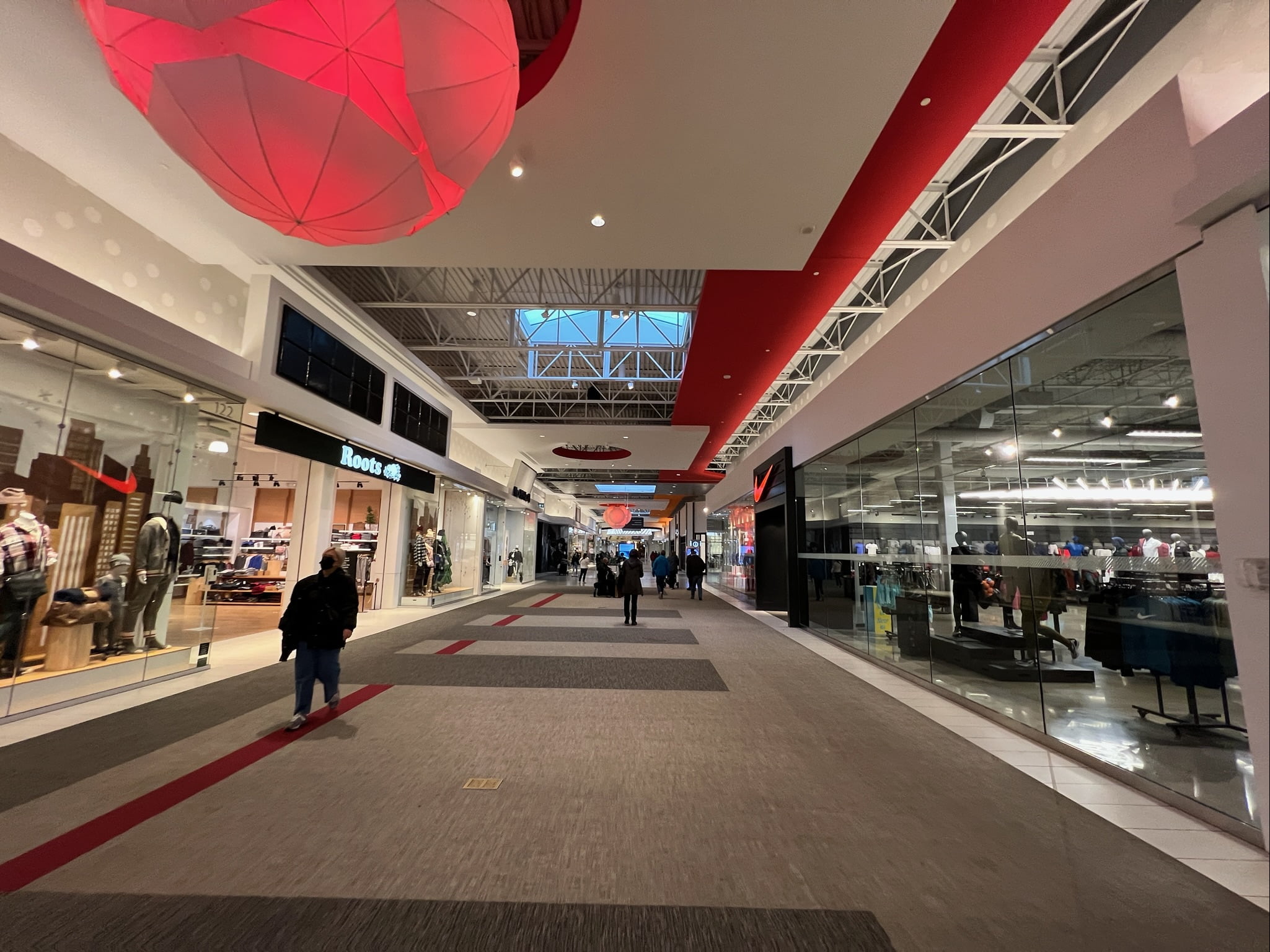
Nike Factory Store
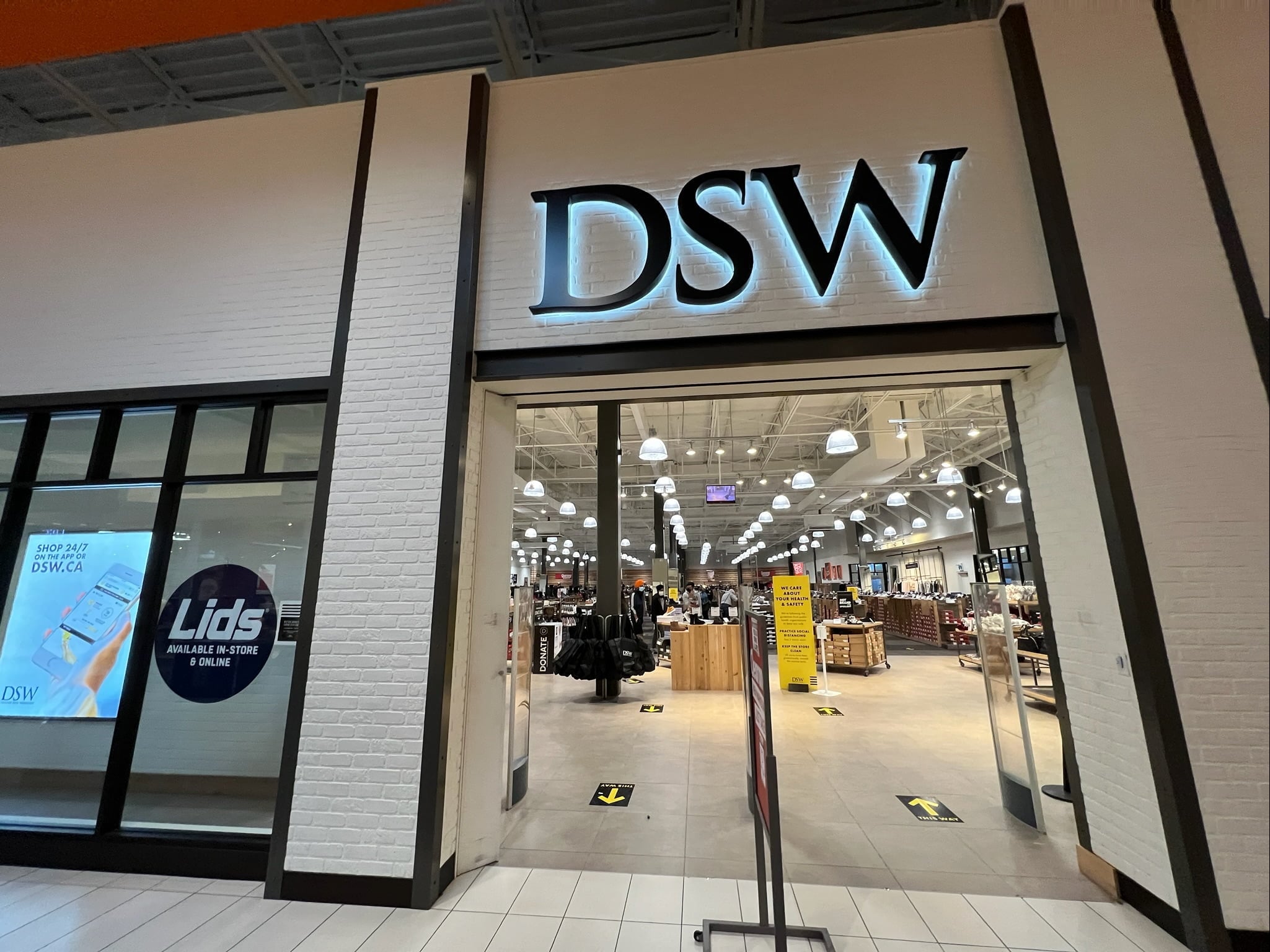
DSW Designer Shoe Warehouse
DSW Designer Shoe Warehouse at Tsawwassen Mills. Photo: Lee Rivett.
Nike Factory Store at Tsawwassen Mills. Photo: Lee Rivett.
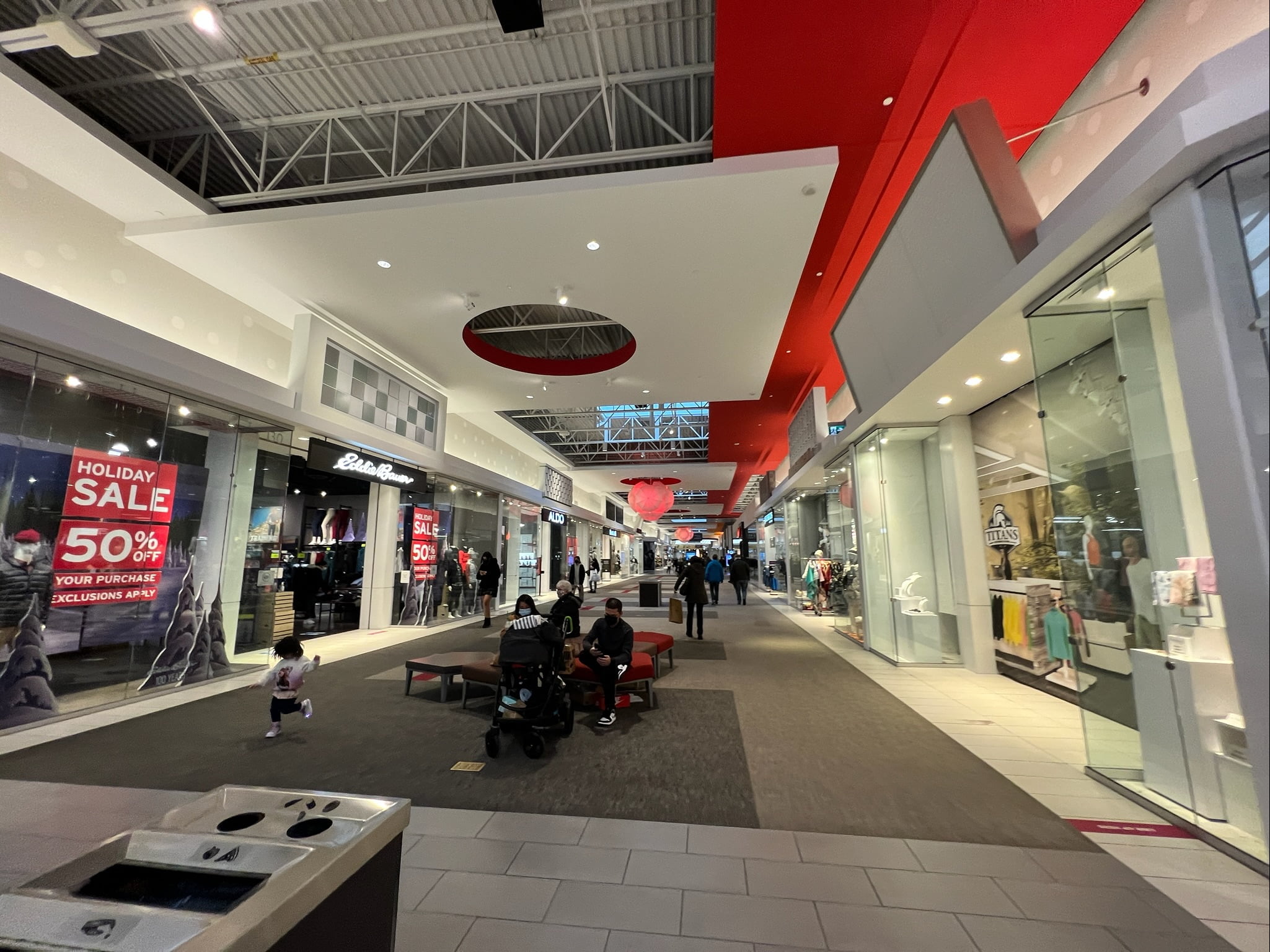
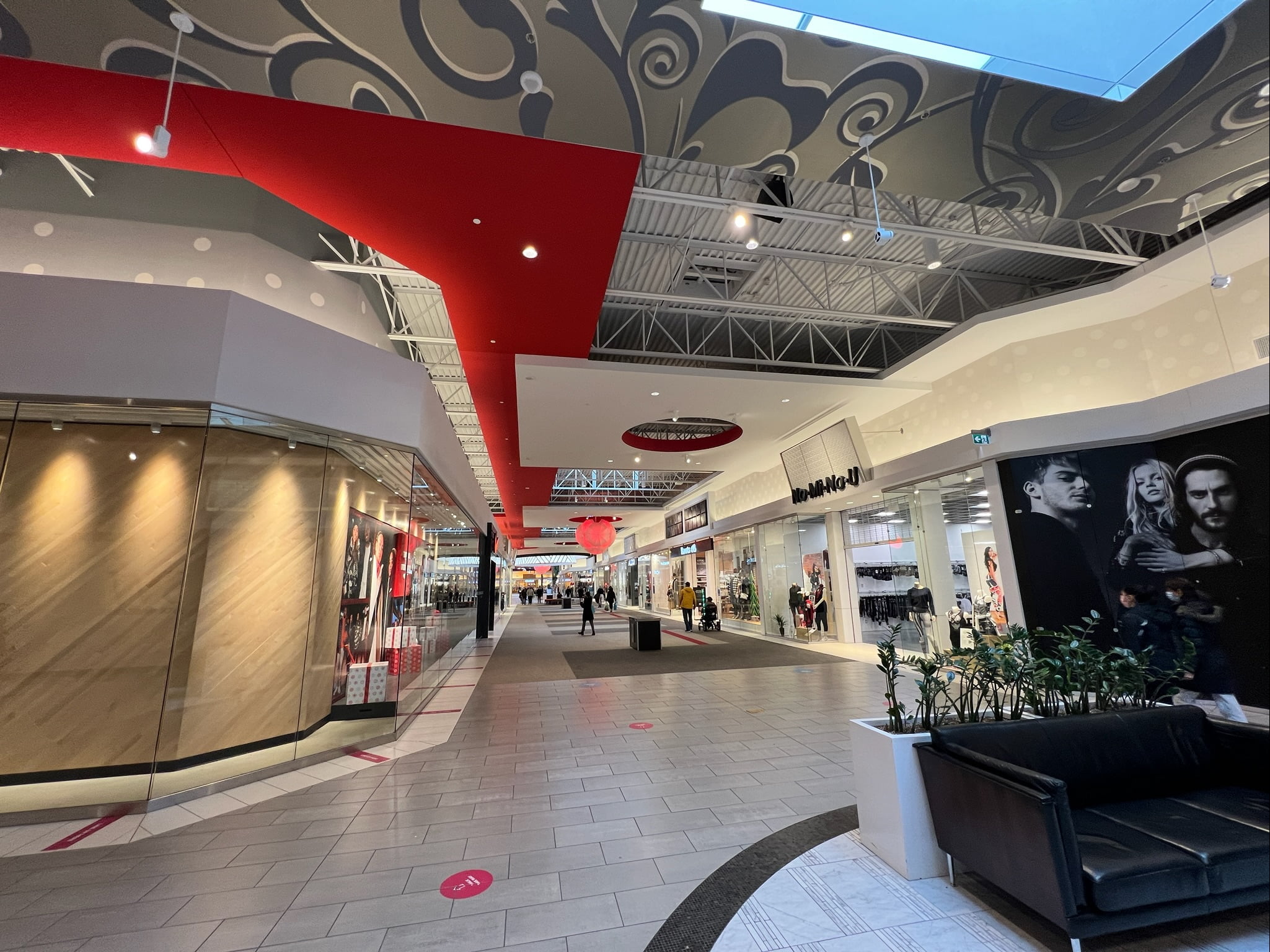
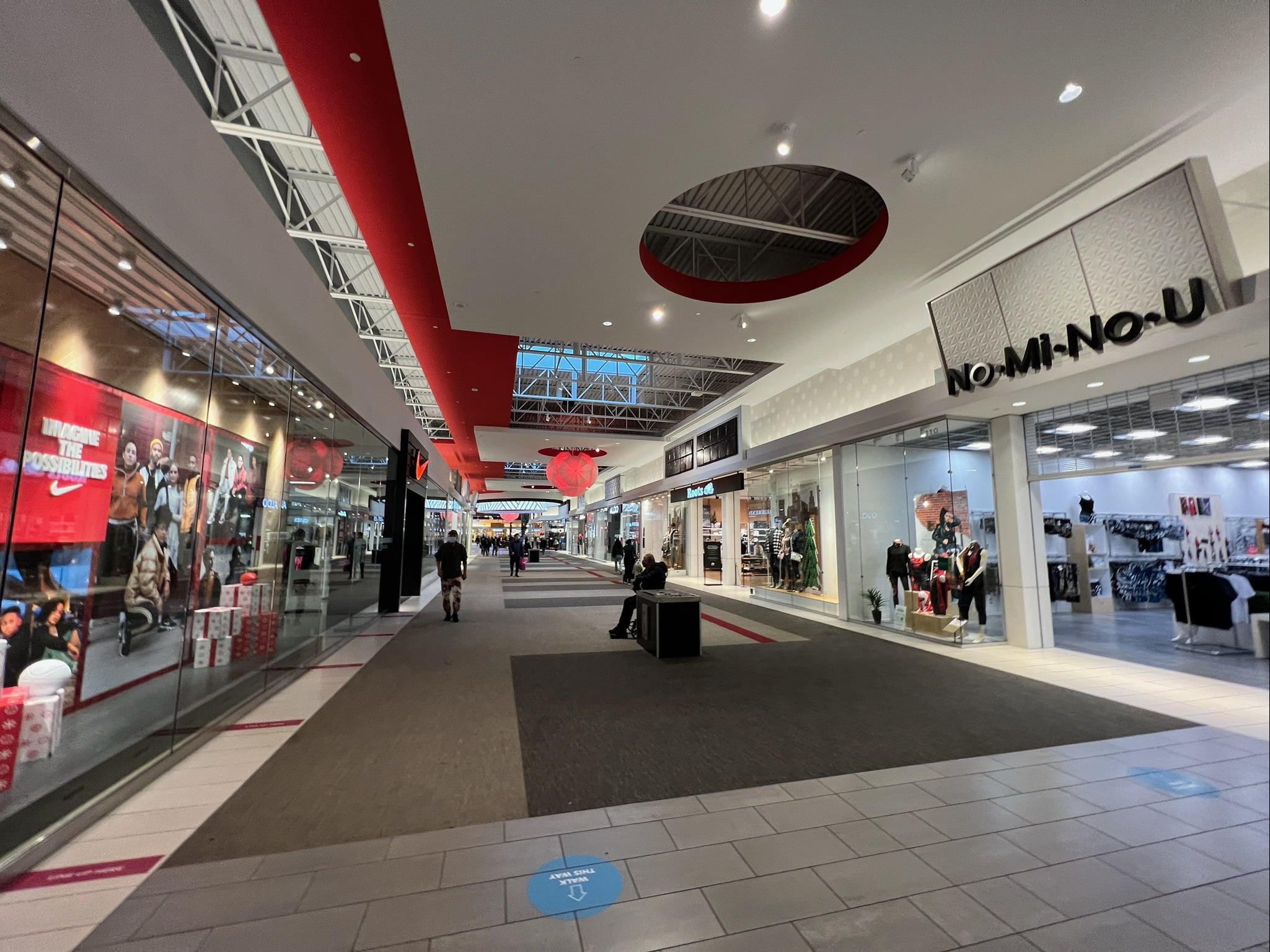
Corridor of the Fashion District at Tsawwassen Mills in Delta, BC (December 2021). Photo: Lee Rivett
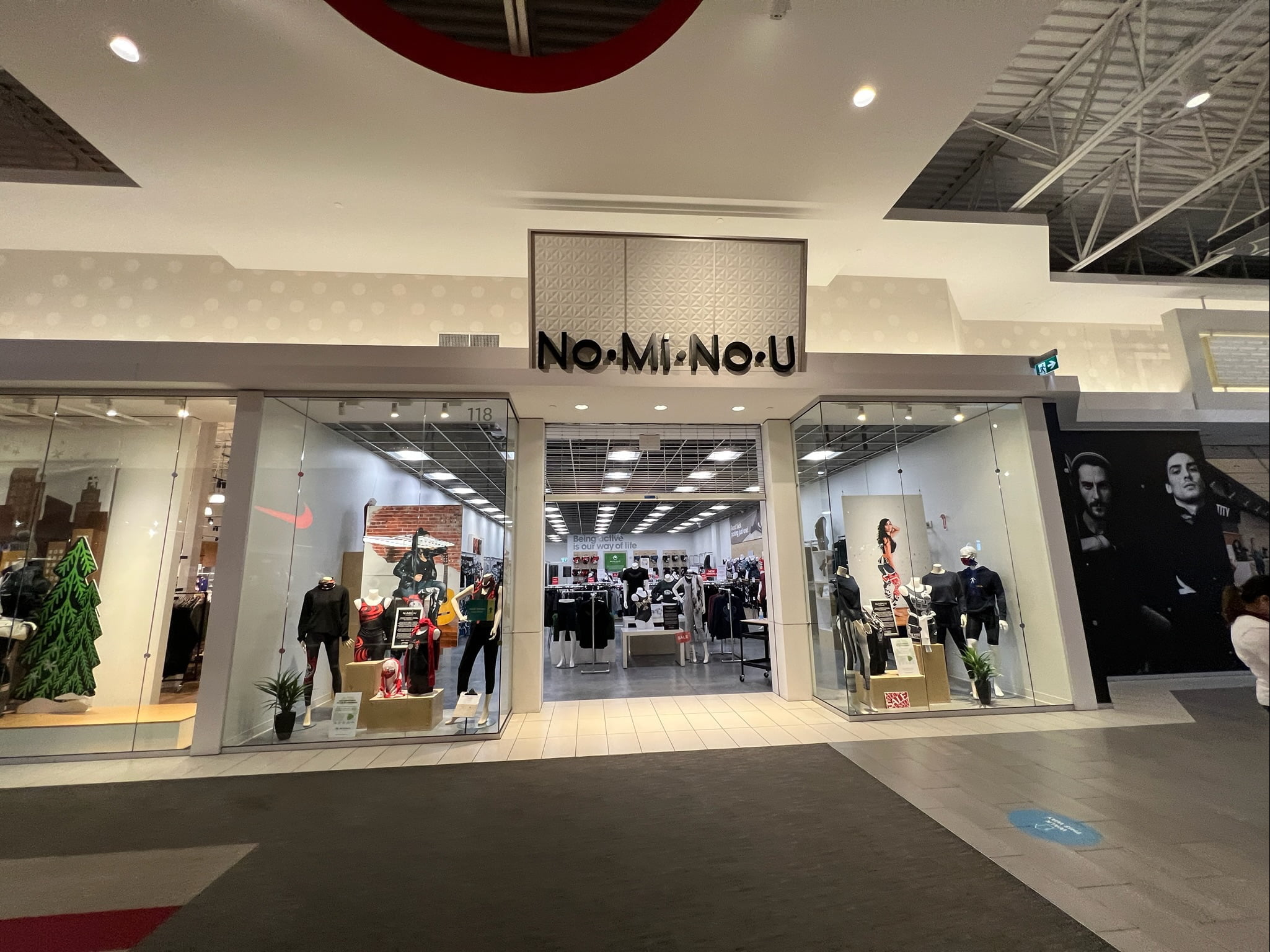
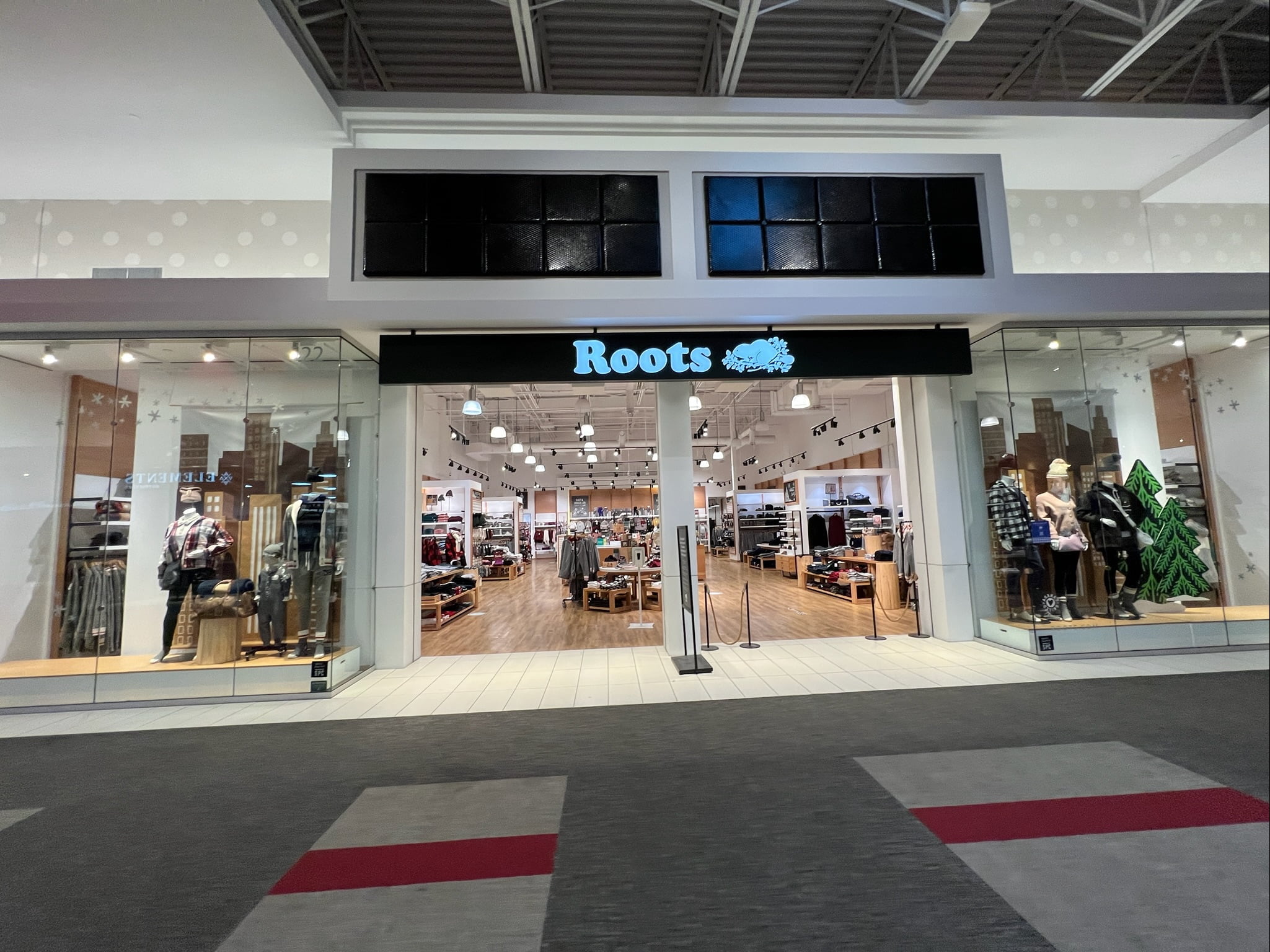
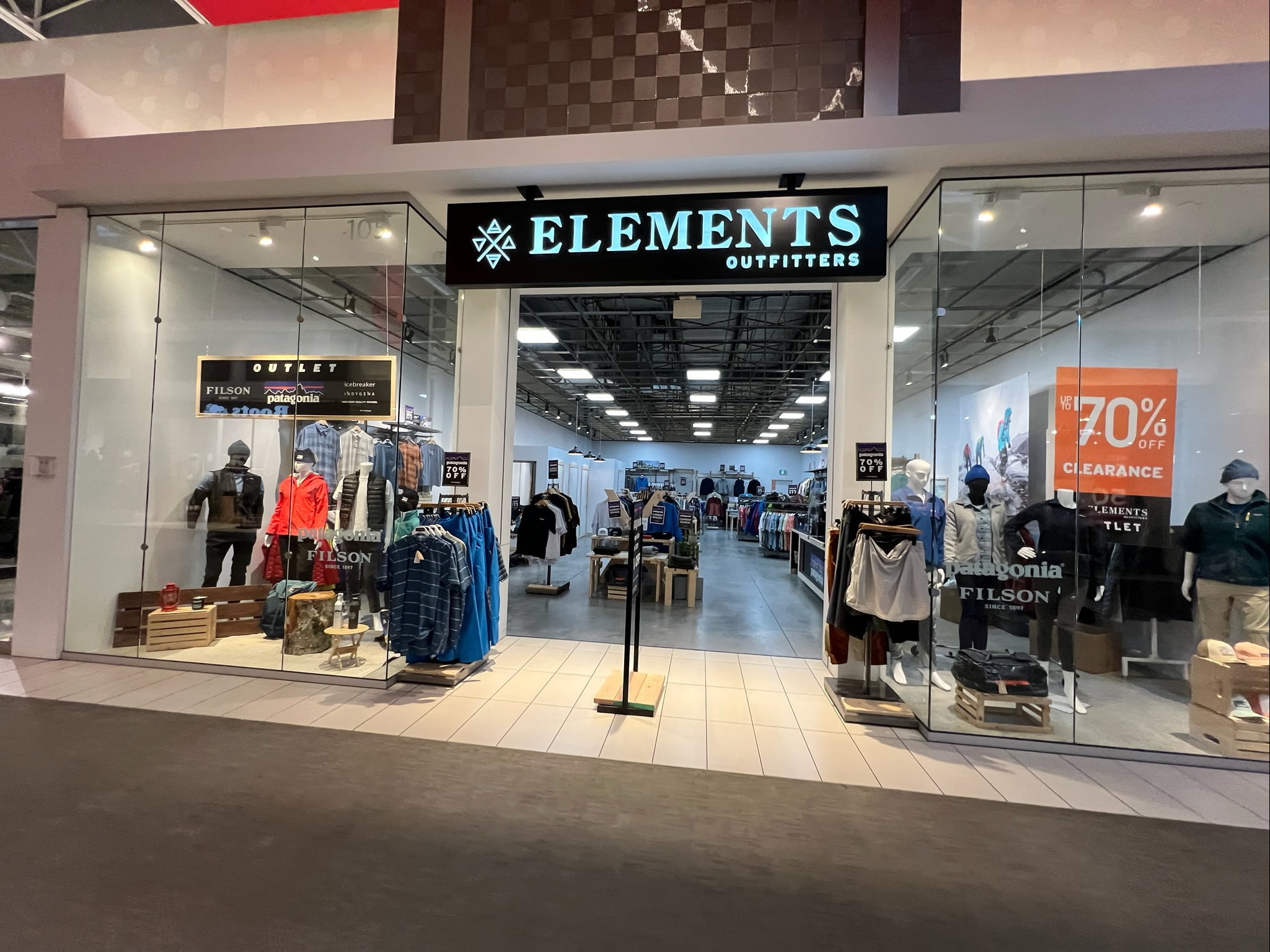
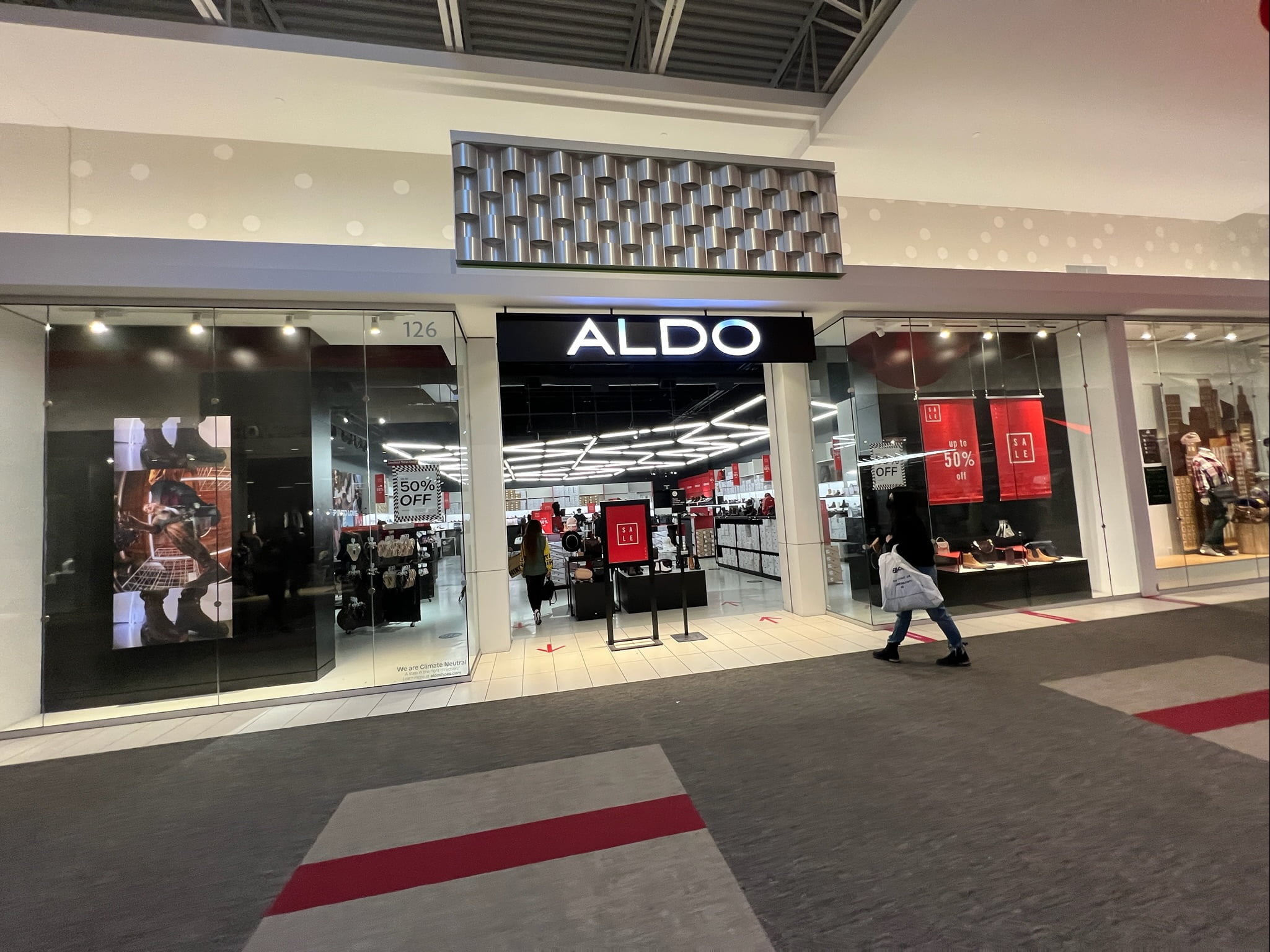
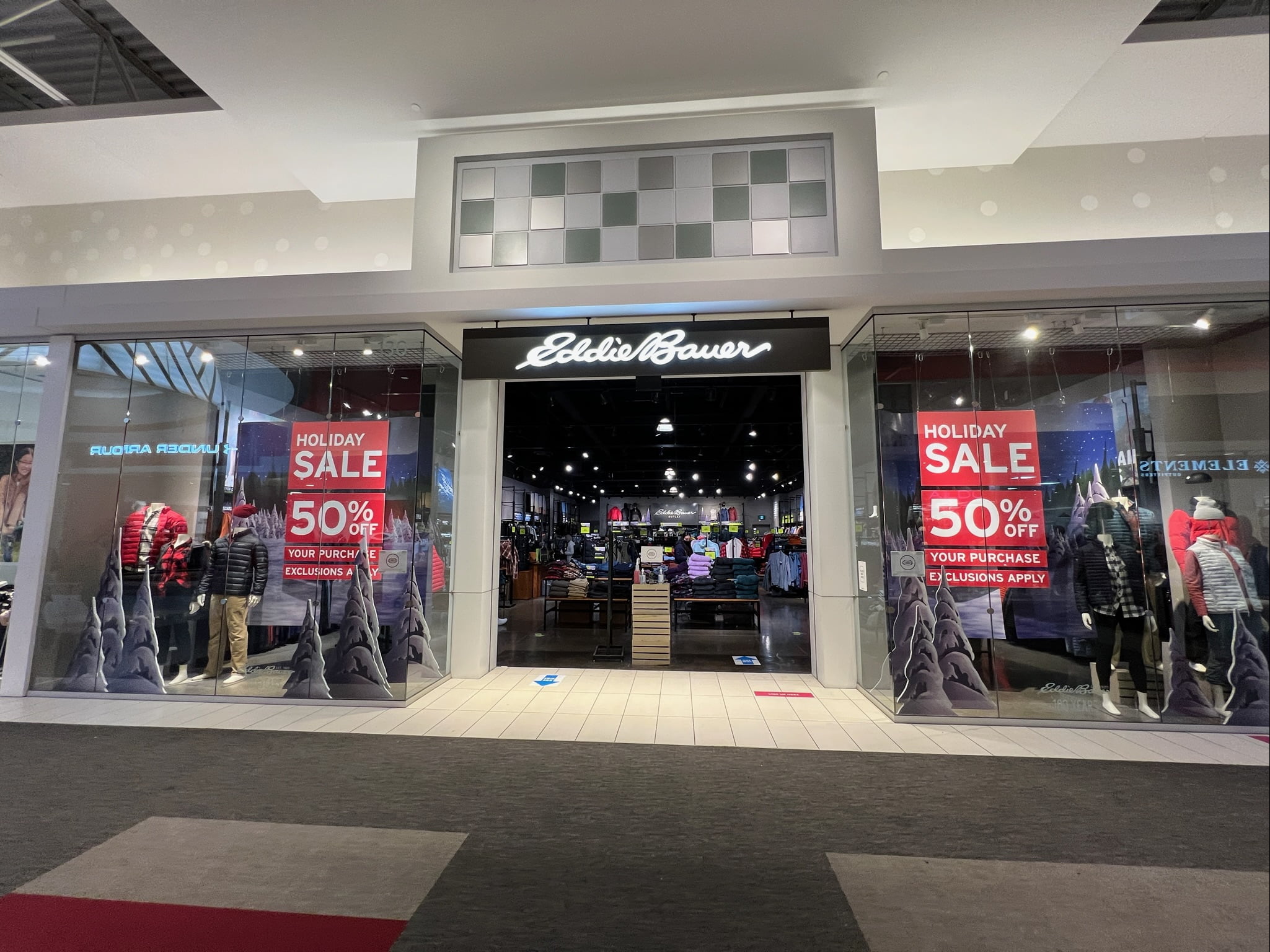
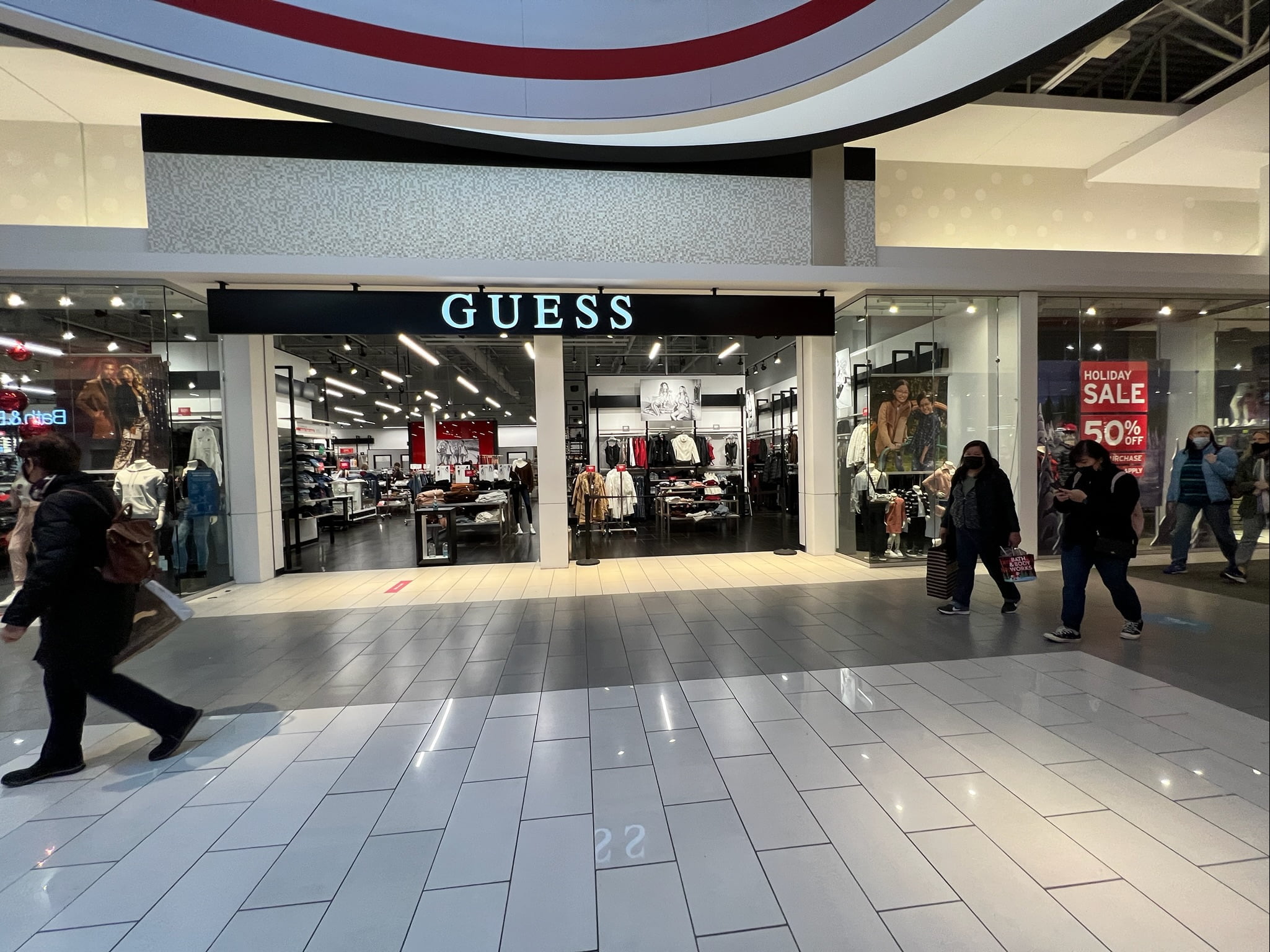
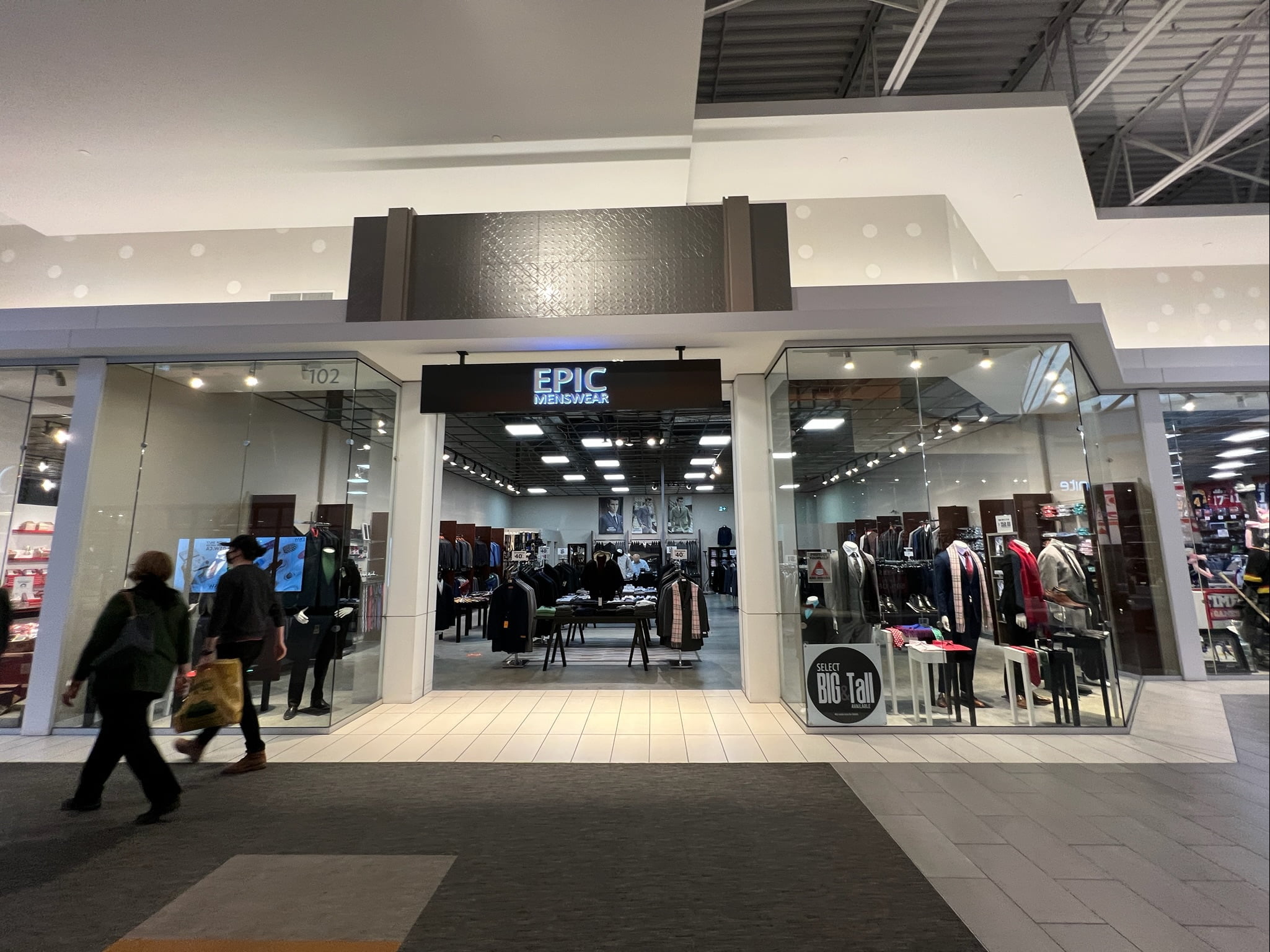
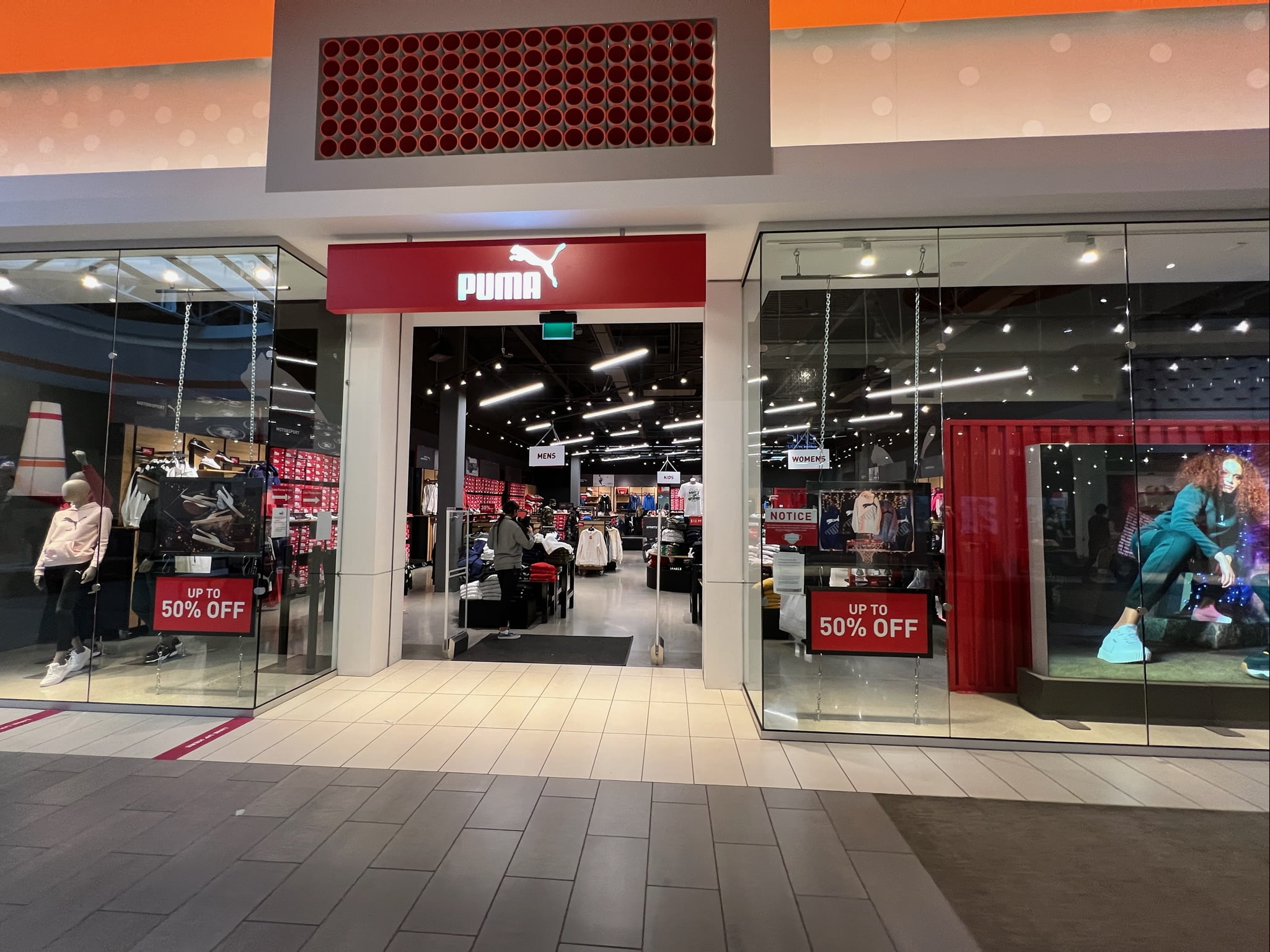
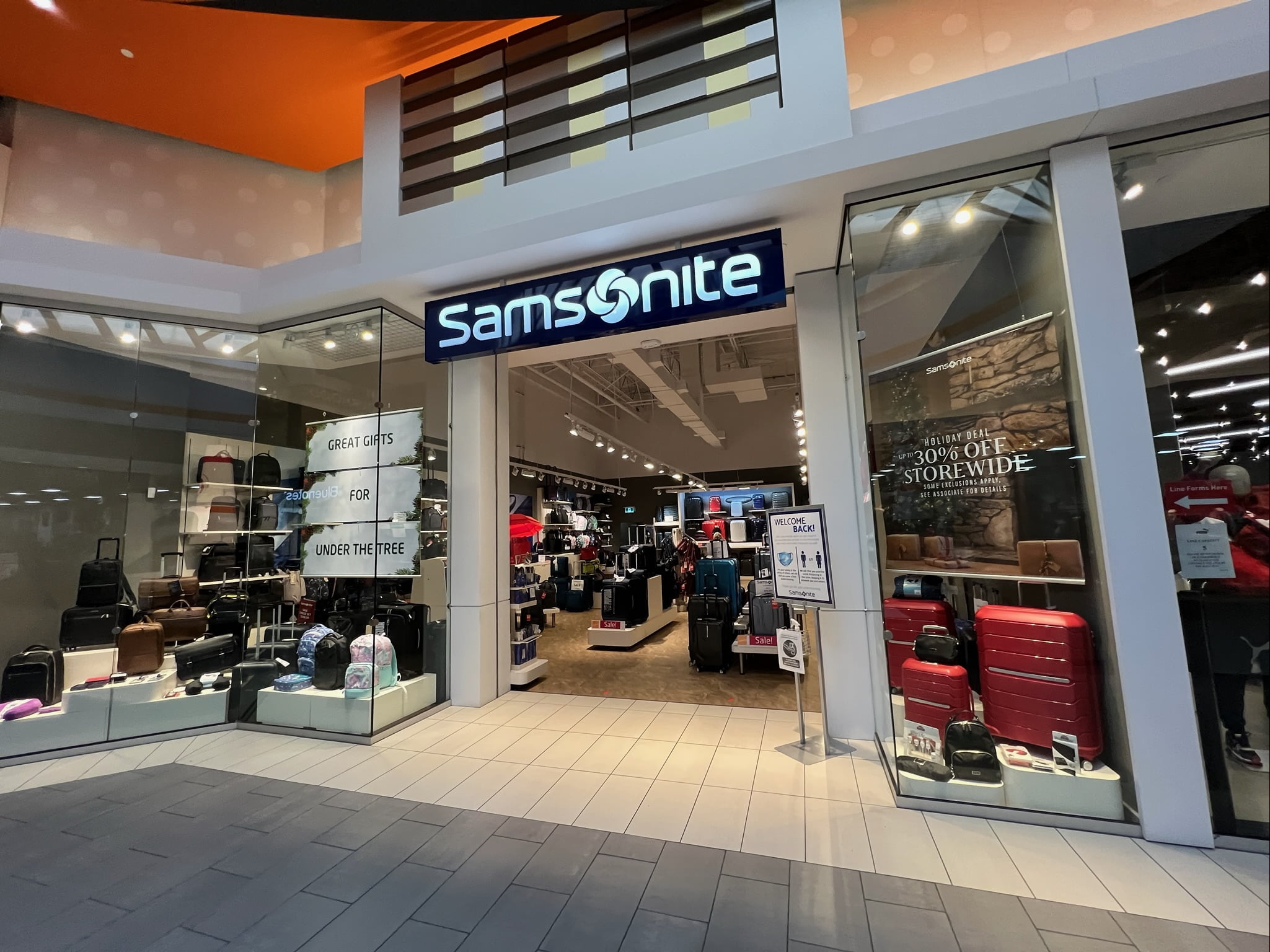
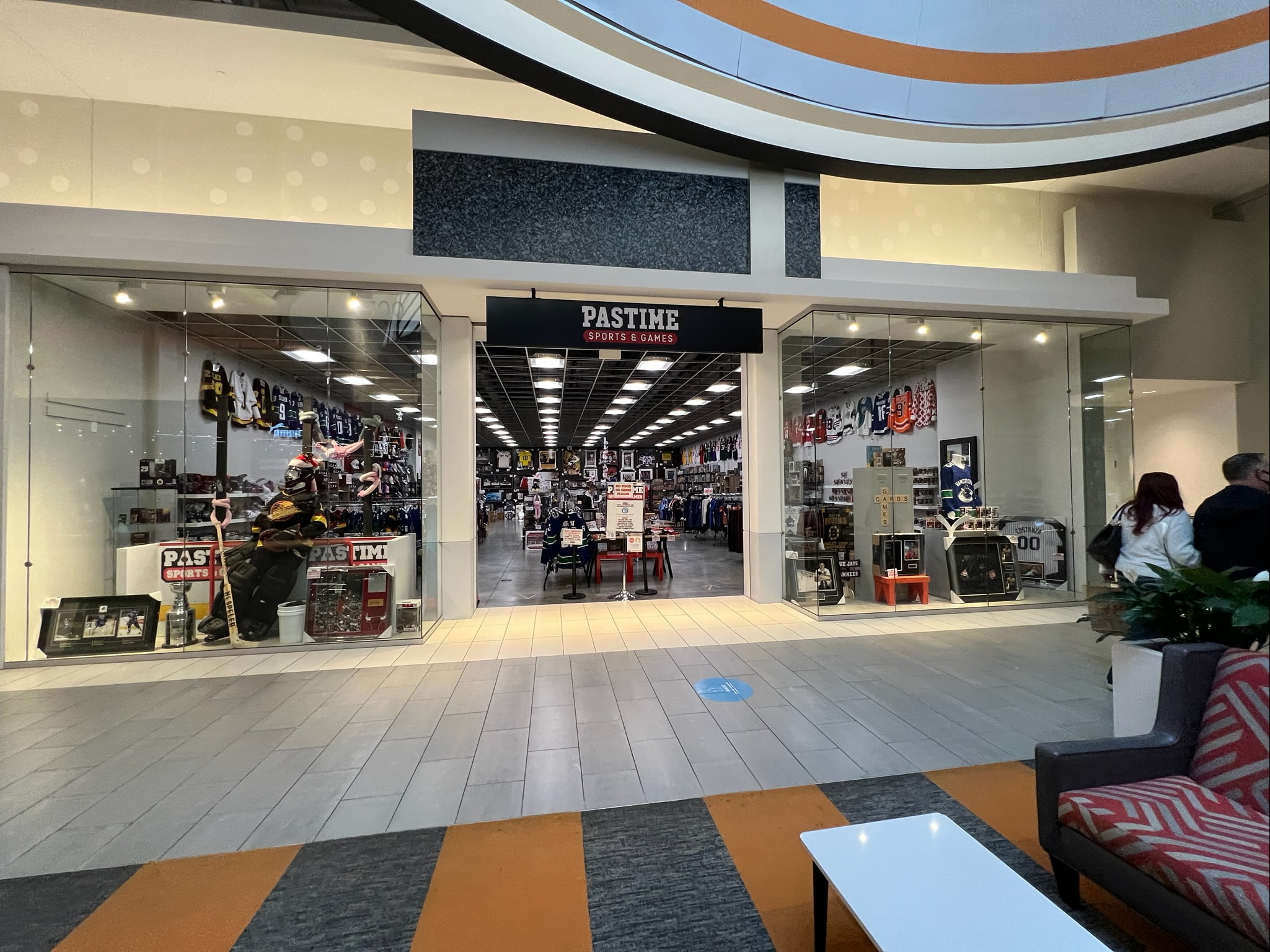
Other key retailers include MAC Cosmetics, Peoples Jewelry, BBW, Guess, Under Armour, Eddie Bauer, Aldo, Elements Outlet, Aldo, Roots, Nominou, Levi’s, Epic Menswear, Puma, Pastime Sports, Victoria’s Secret, Bath and Body Works, and Samsonite.
1 of 18
No-Mi-No-U at Tsawwassen Mills in Delta, BC (December 2021). Photo: Lee Rivett
Roots at Tsawwassen Mills in Delta, BC (December 2021). Photo: Lee Rivett
Elements Outlet at Tsawwassen Mills in Delta, BC (December 2021). Photo: Lee Rivett
Aldo at Tsawwassen Mills in Delta, BC (Photo: Lee Rivett)
Eddie Bauer at Tsawwassen Mills in Delta, BC (December 2021). Photo: Lee Rivett
Guess at Tsawwassen Mills in Delta, BC (December 2021). Photo: Lee Rivett
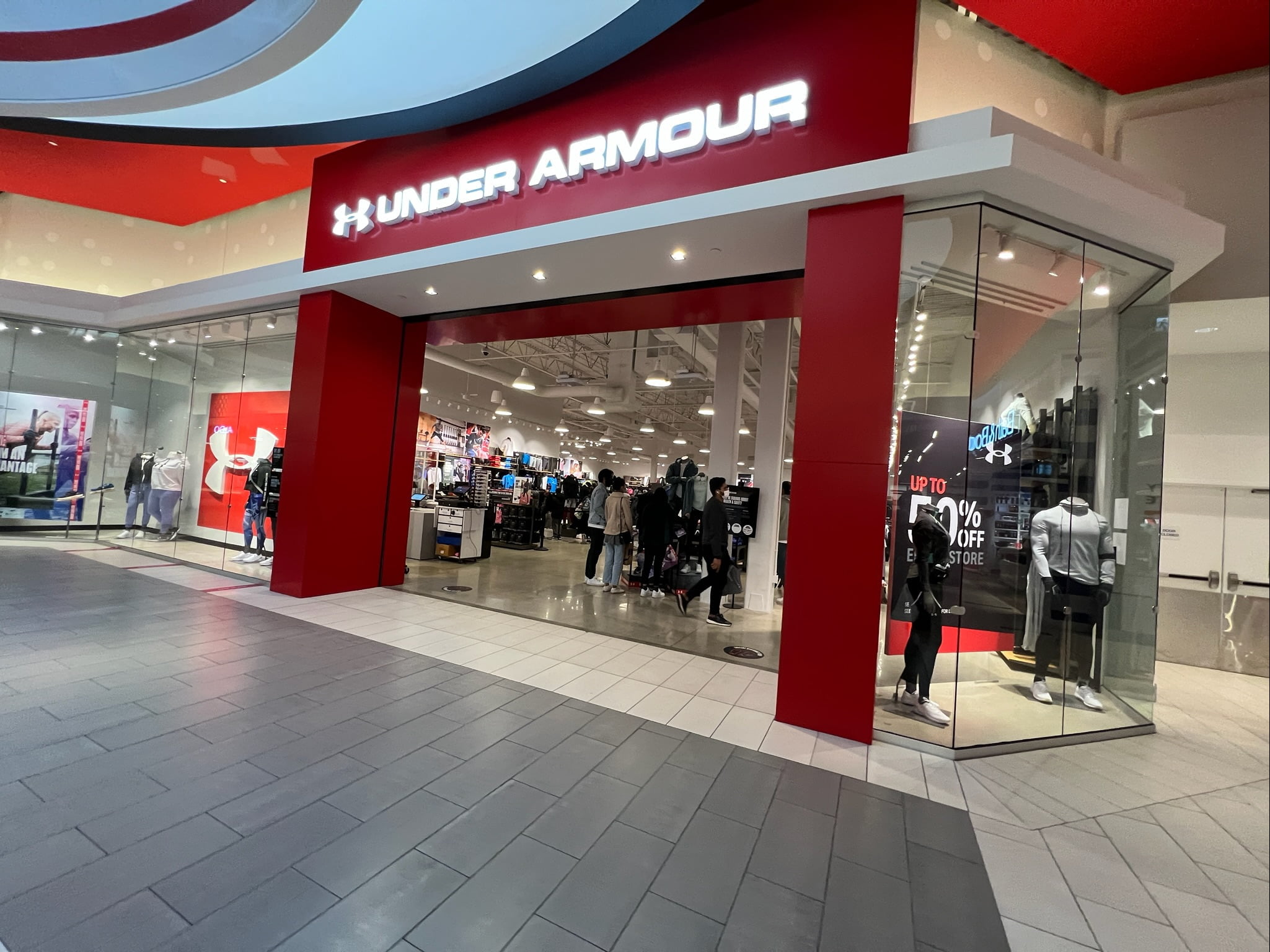
Under Armour at Tsawwassen Mills in Delta, BC (December 2021). Photo: Lee Rivett
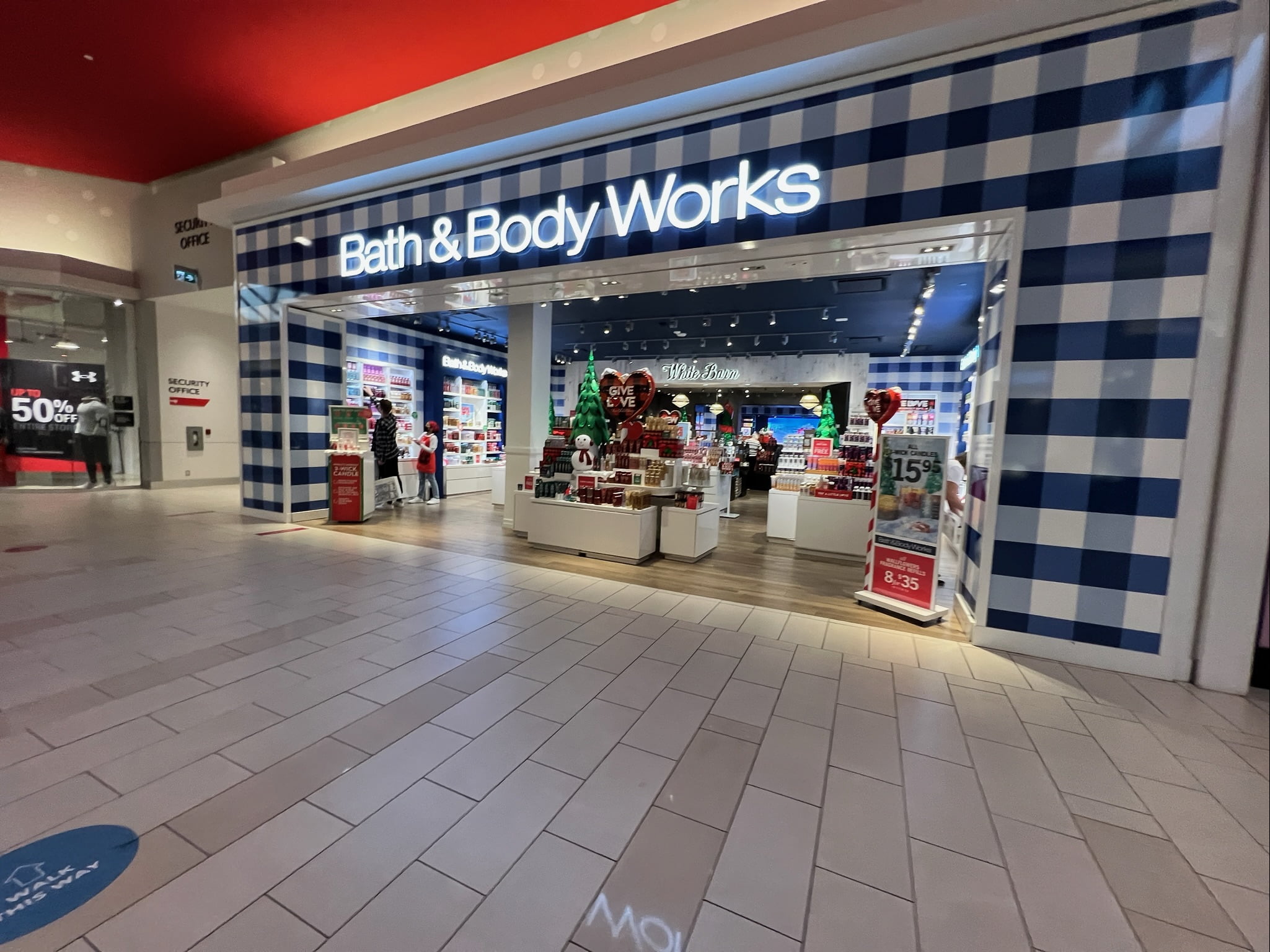
Bath & Body Works at Tsawwassen Mills in Delta, BC (December 2021). Photo: Lee Rivett
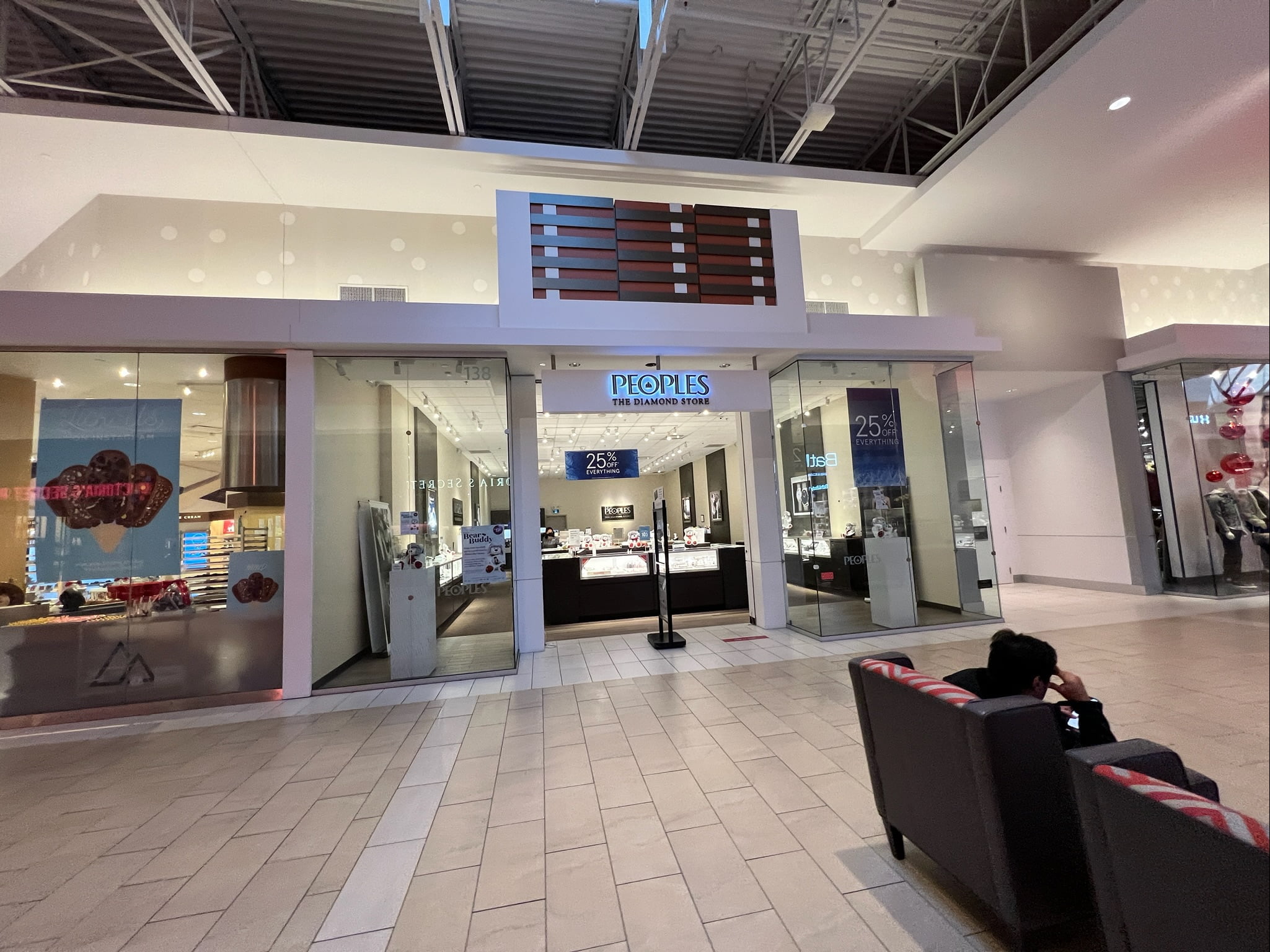
Peoples The Diamond Store at Tsawwassen Mills in Delta, BC (December 2021). Photo: Lee Rivett
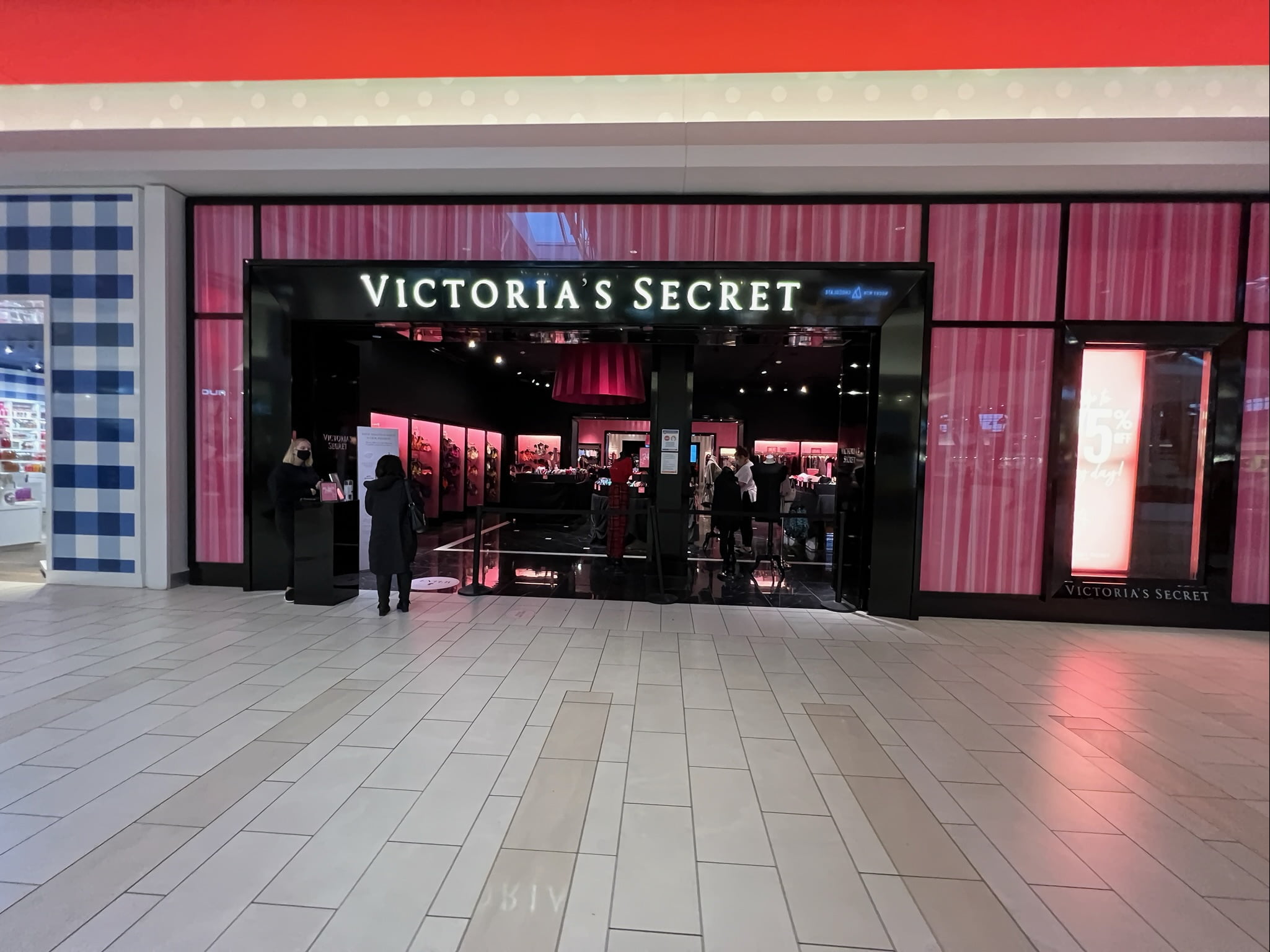
Victoria's Secret at Tsawwassen Mills in Delta, BC (December 2021). Photo: Lee Rivett
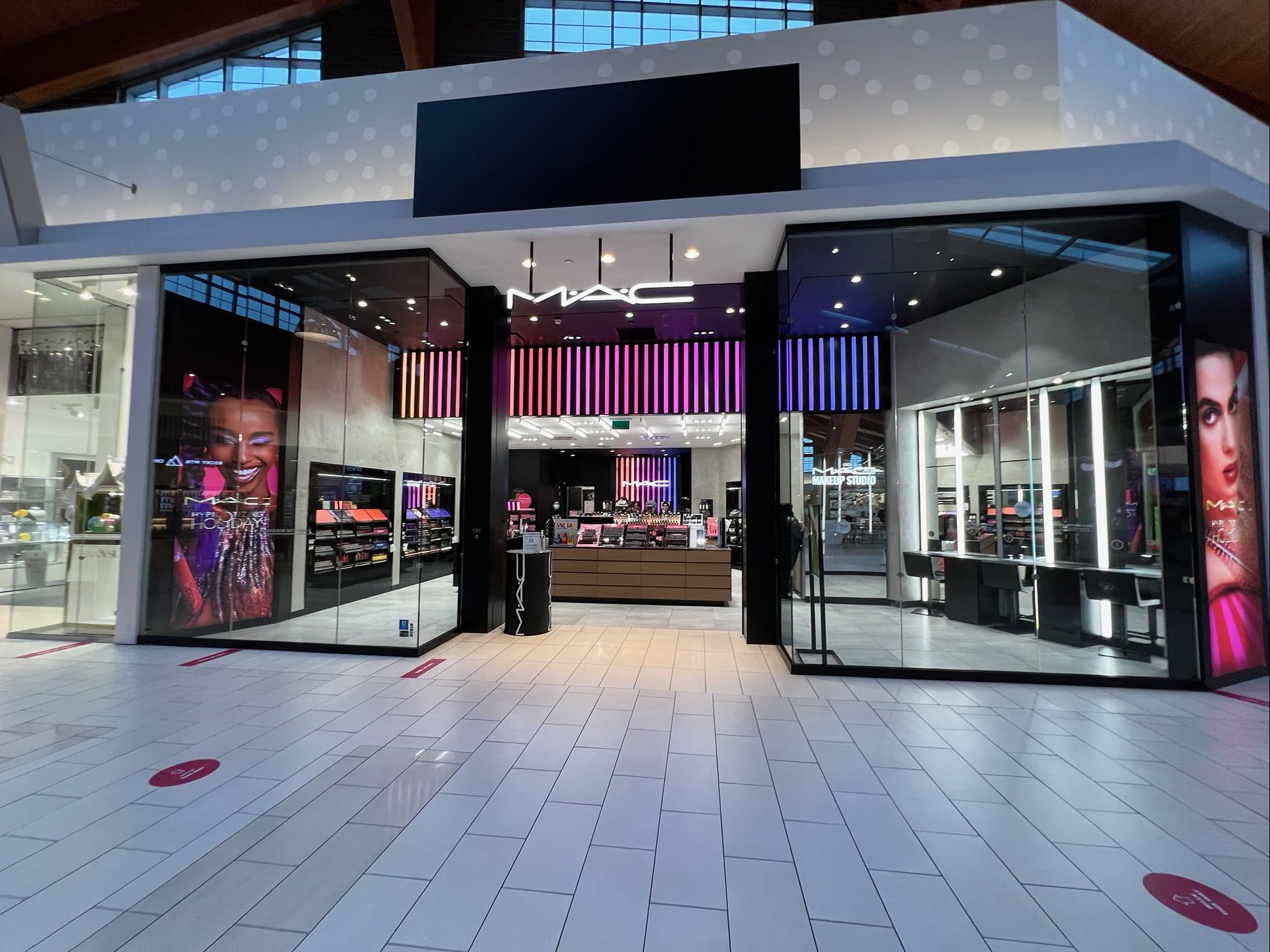
MAC Cosmetics at Tsawwassen Mills in Delta, BC (December 2021). Photo: Lee Rivett
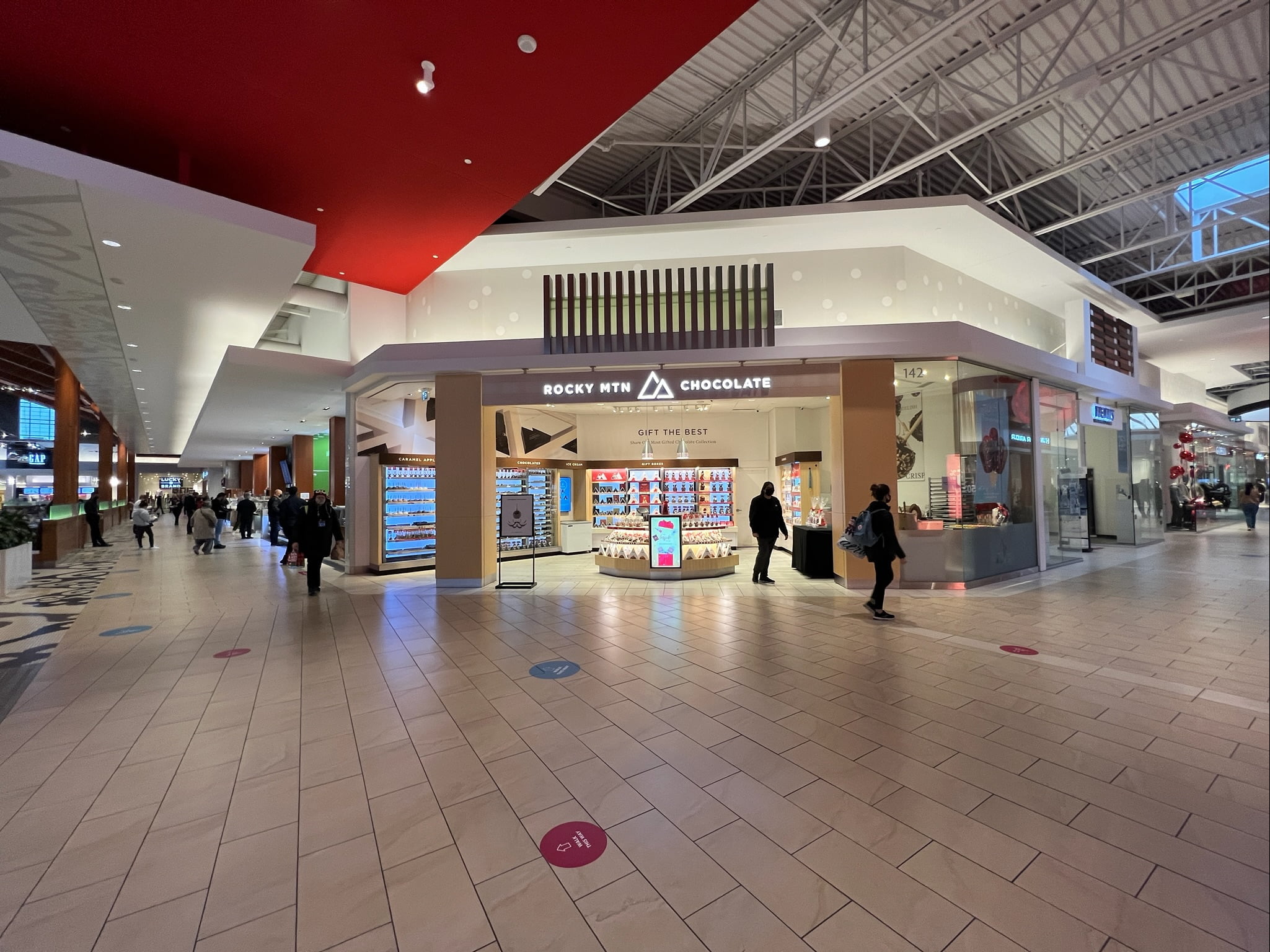
Rocky Mountain Chocolate at Tsawwassen Mills in Delta, BC (December 2021). Photo: Lee Rivett
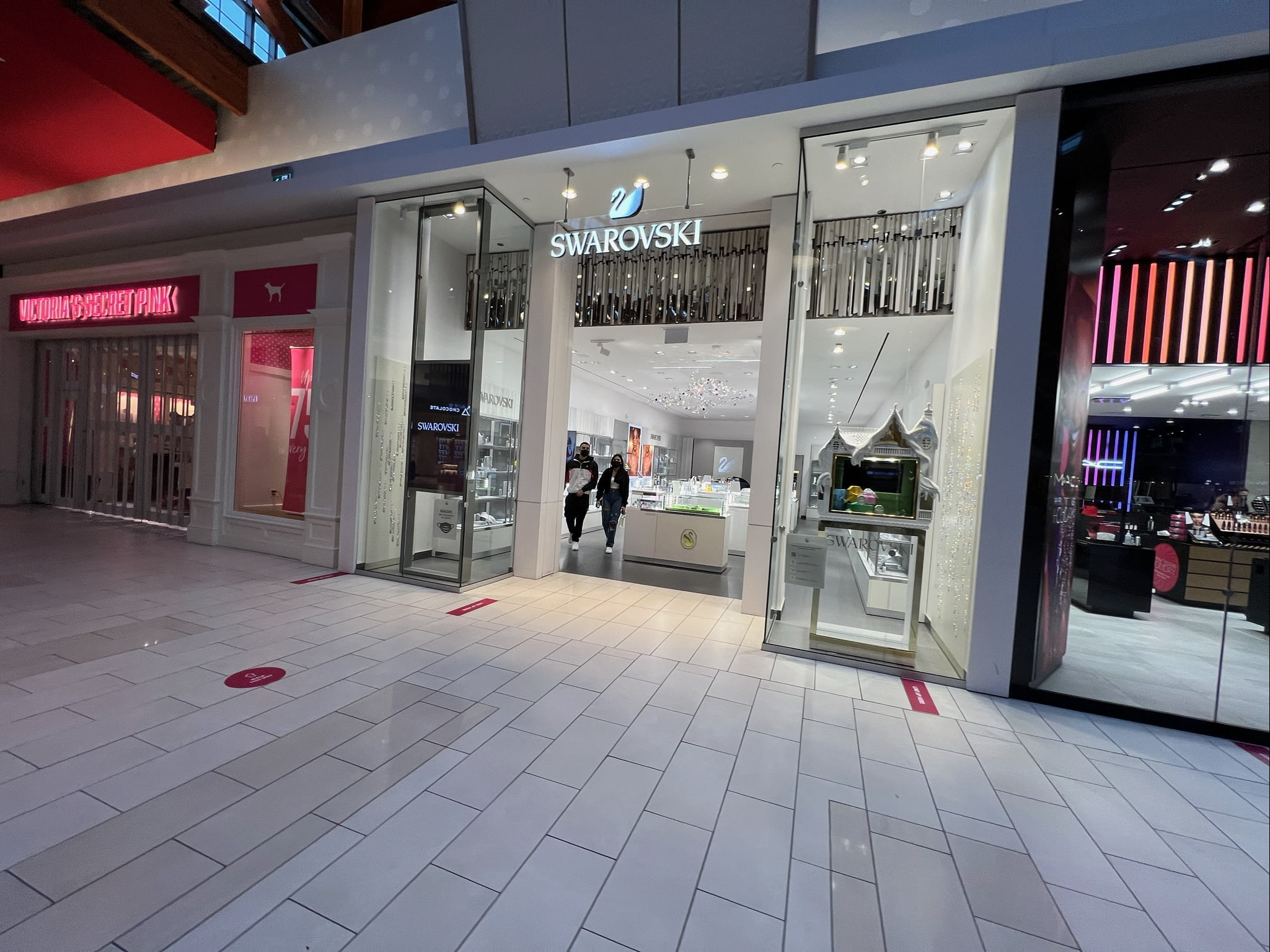
Swarovski at Tsawwassen Mills in Delta, BC (December 2021). Photo: Lee Rivett
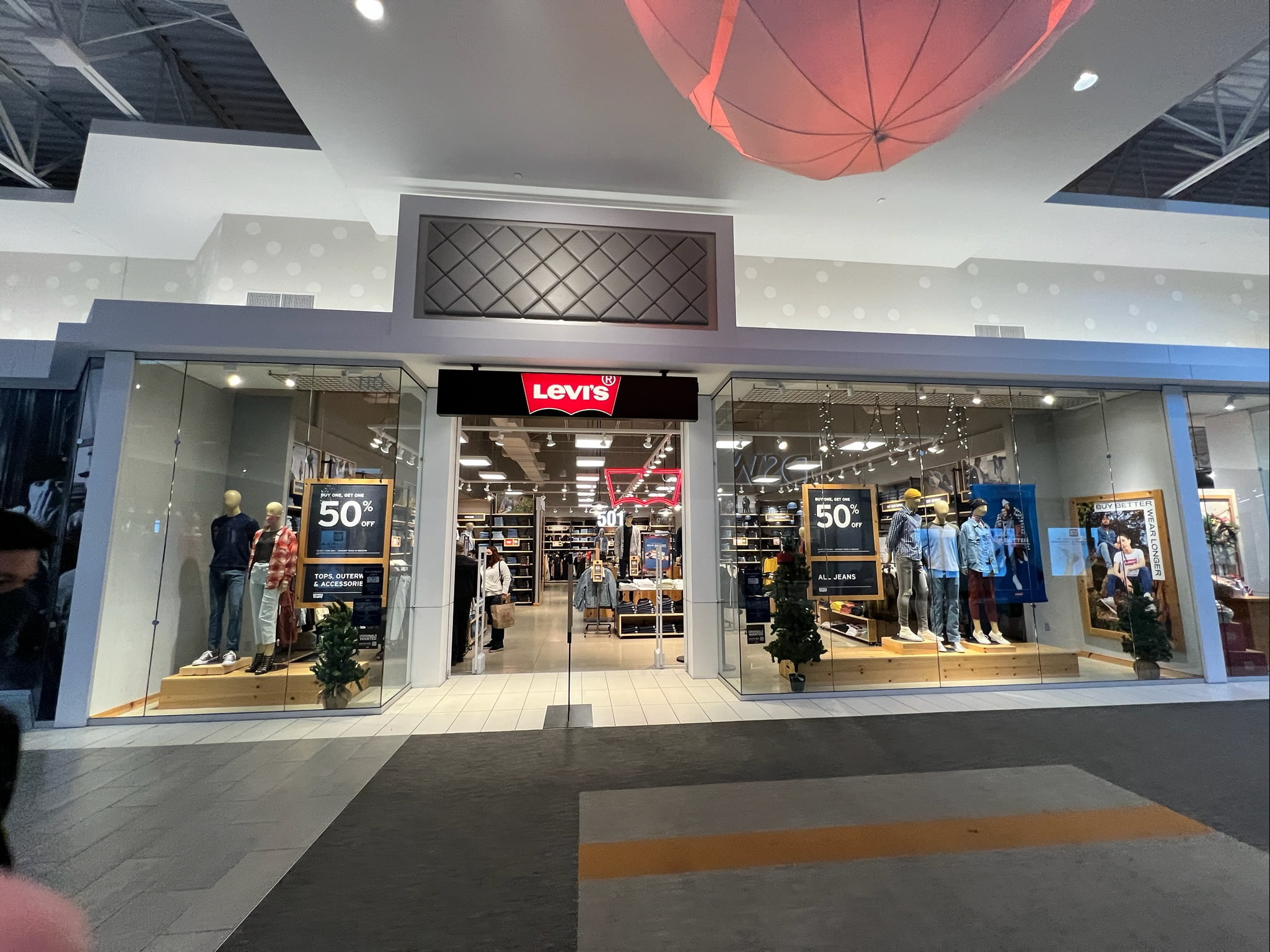
Levi's at Tsawwassen Mills in Delta, BC (December 2021). Photo: Lee Rivett
Epic Menswear at Tsawwassen Mills in Delta, BC (December 2021). Photo: Lee Rivett
Puma at Tsawwassen Mills in Delta, BC (December 2021). Photo: Lee Rivett
Samsonite at Tsawwassen Mills in Delta, BC (December 2021). Photo: Lee Rivett
Pastime Sports & Games at Tsawwassen Mills in Delta, BC (December 2021). Photo: Lee Rivett
Corridor of the Fashion District at Tsawwassen Mills in Delta, BC (December 2021)
1 of 4
Corridor of the Fashion District at Tsawwassen Mills in Delta, BC (December 2021). Photo: Lee Rivett
Corridor of the Fashion District at Tsawwassen Mills in Delta, BC (December 2021). Photo: Lee Rivett
Corridor of the Fashion District at Tsawwassen Mills in Delta, BC (December 2021). Photo: Lee Rivett
Corridor of the Fashion District at Tsawwassen Mills in Delta, BC (December 2021). Photo: Lee Rivett
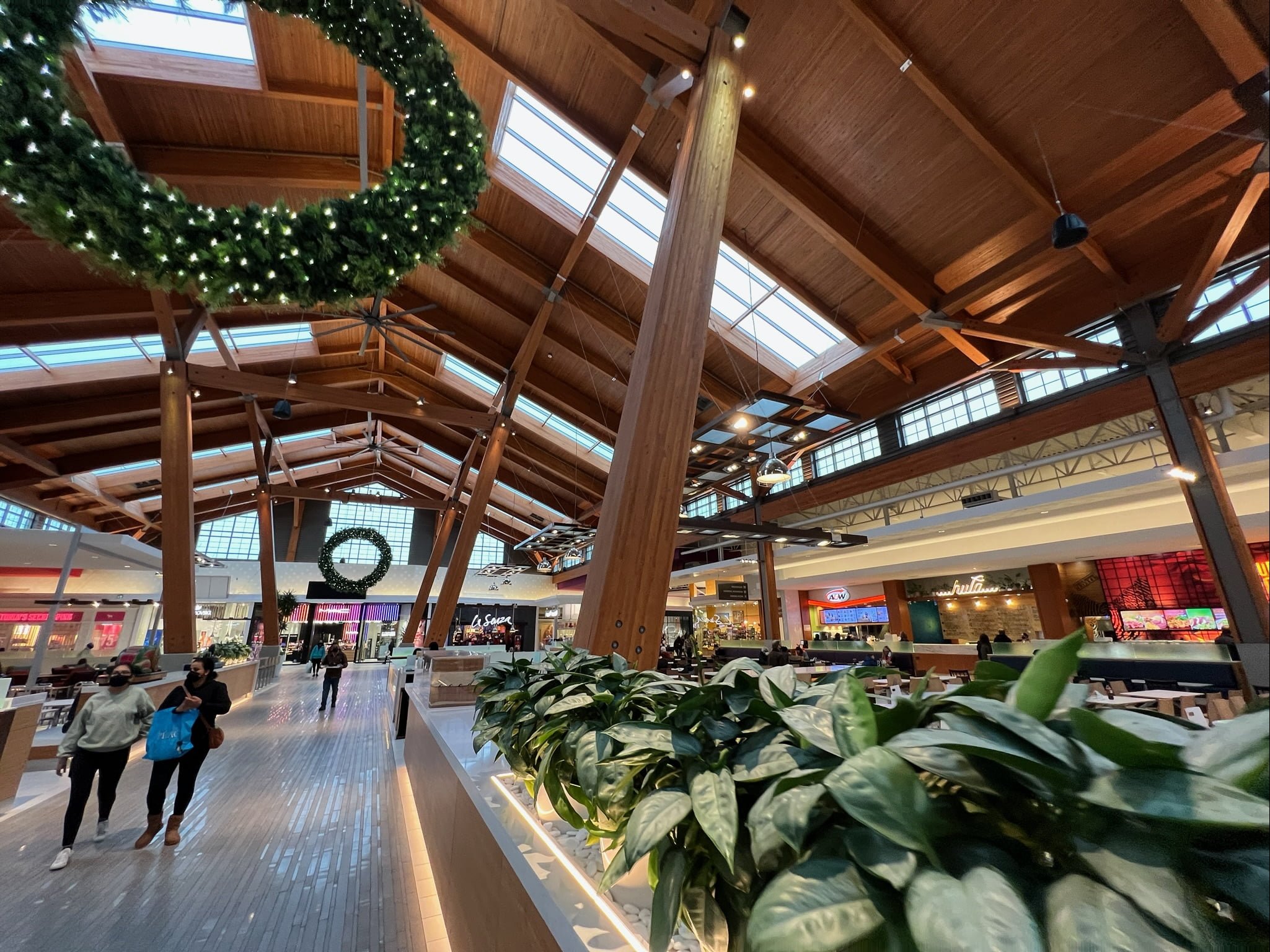
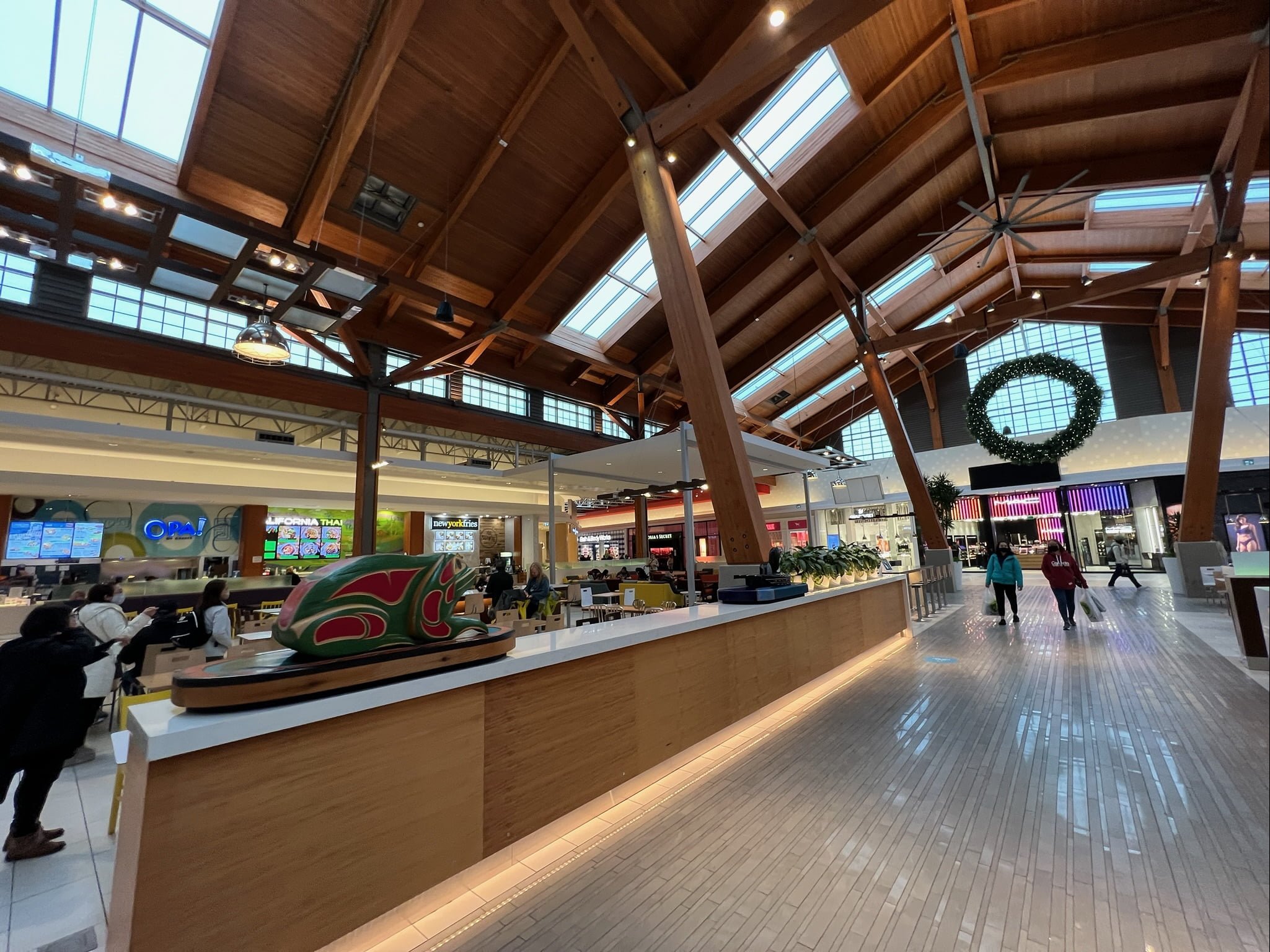
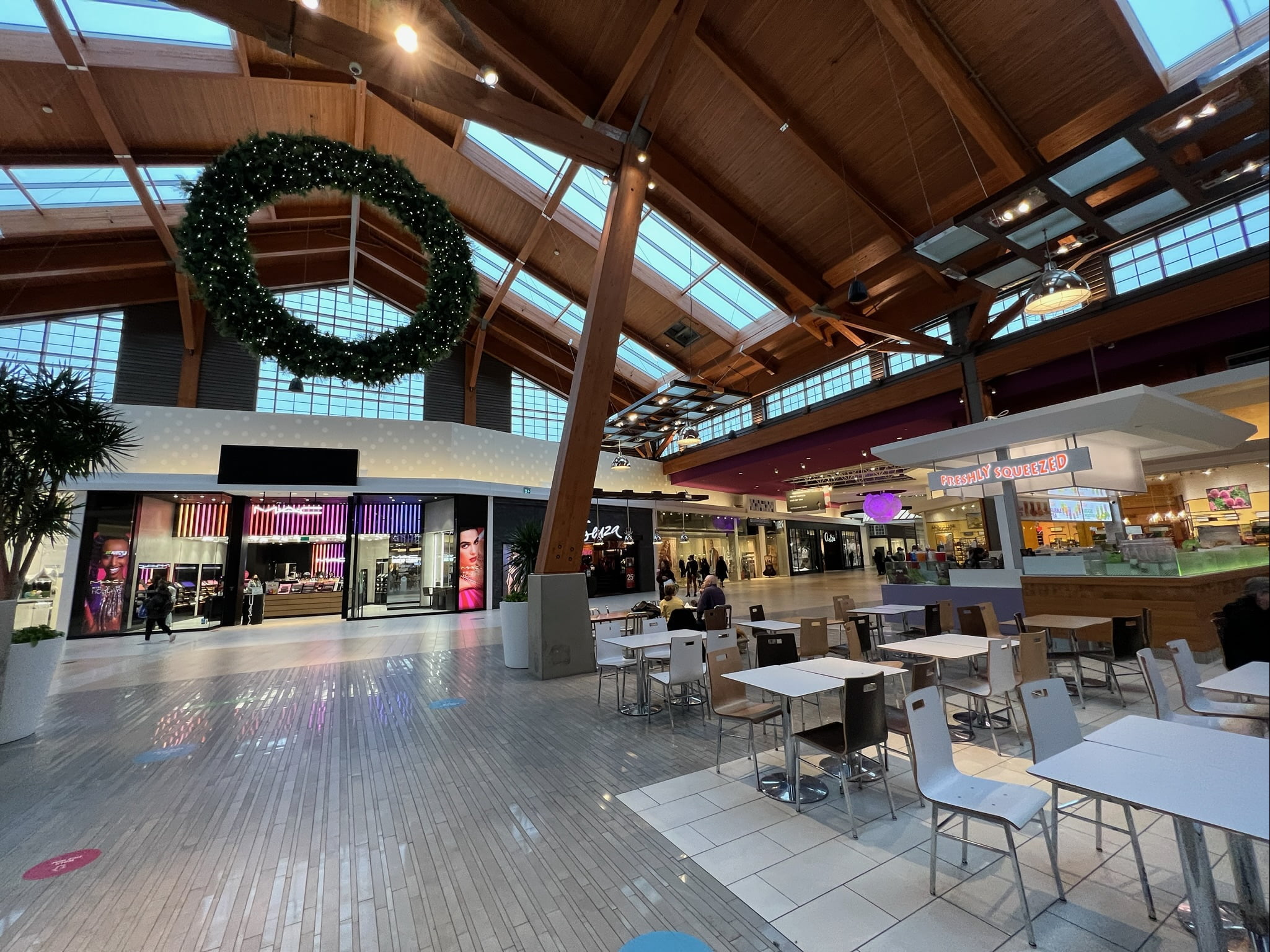
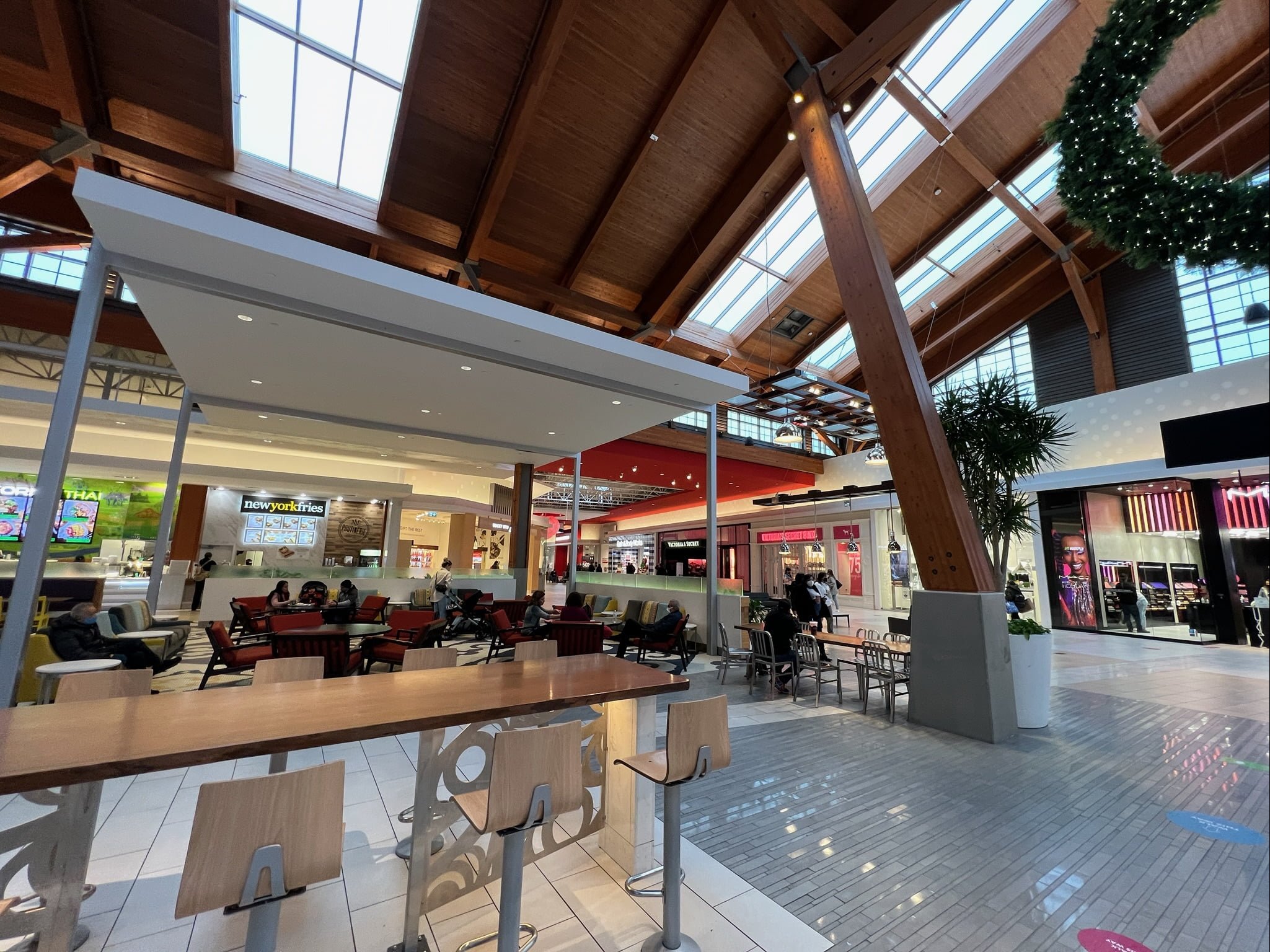
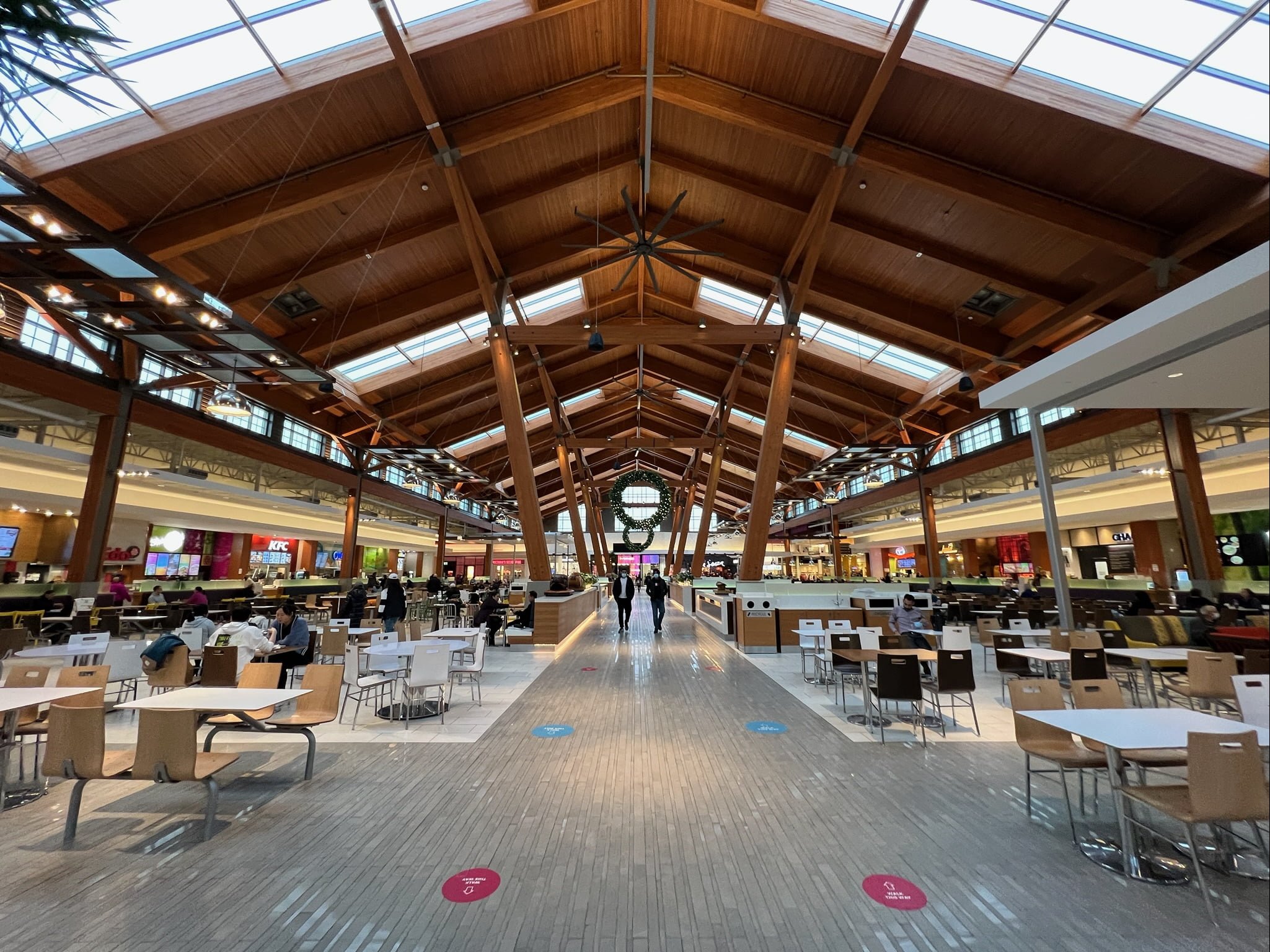
Midway through the Fashion Neighbourhood is the 1,100 guest food hall with artwork adorning the various aspects points of the eating space.
Food Hall at Tsawwassen Mills in Delta, BC (December 2021). Photo: Lee RivettFood Hall at Tsawwassen Mills in Delta, BC (December 2021). Photo: Lee Rivett
Food Hall at Tsawwassen Mills in Delta, BC (December 2021)
1 of 11
Food Hall at Tsawwassen Mills in Delta, BC (December 2021). Photo: Lee Rivett
Food Hall at Tsawwassen Mills in Delta, BC (December 2021). Photo: Lee Rivett
Food Hall at Tsawwassen Mills in Delta, BC (December 2021). Photo: Lee Rivett
Food Hall at Tsawwassen Mills in Delta, BC (December 2021). Photo: Lee Rivett
Food Hall at Tsawwassen Mills in Delta, BC (December 2021). Photo: Lee Rivett
Food Hall at Tsawwassen Mills in Delta, BC (December 2021). Photo: Lee Rivett
Food Hall at Tsawwassen Mills in Delta, BC (December 2021). Photo: Lee Rivett
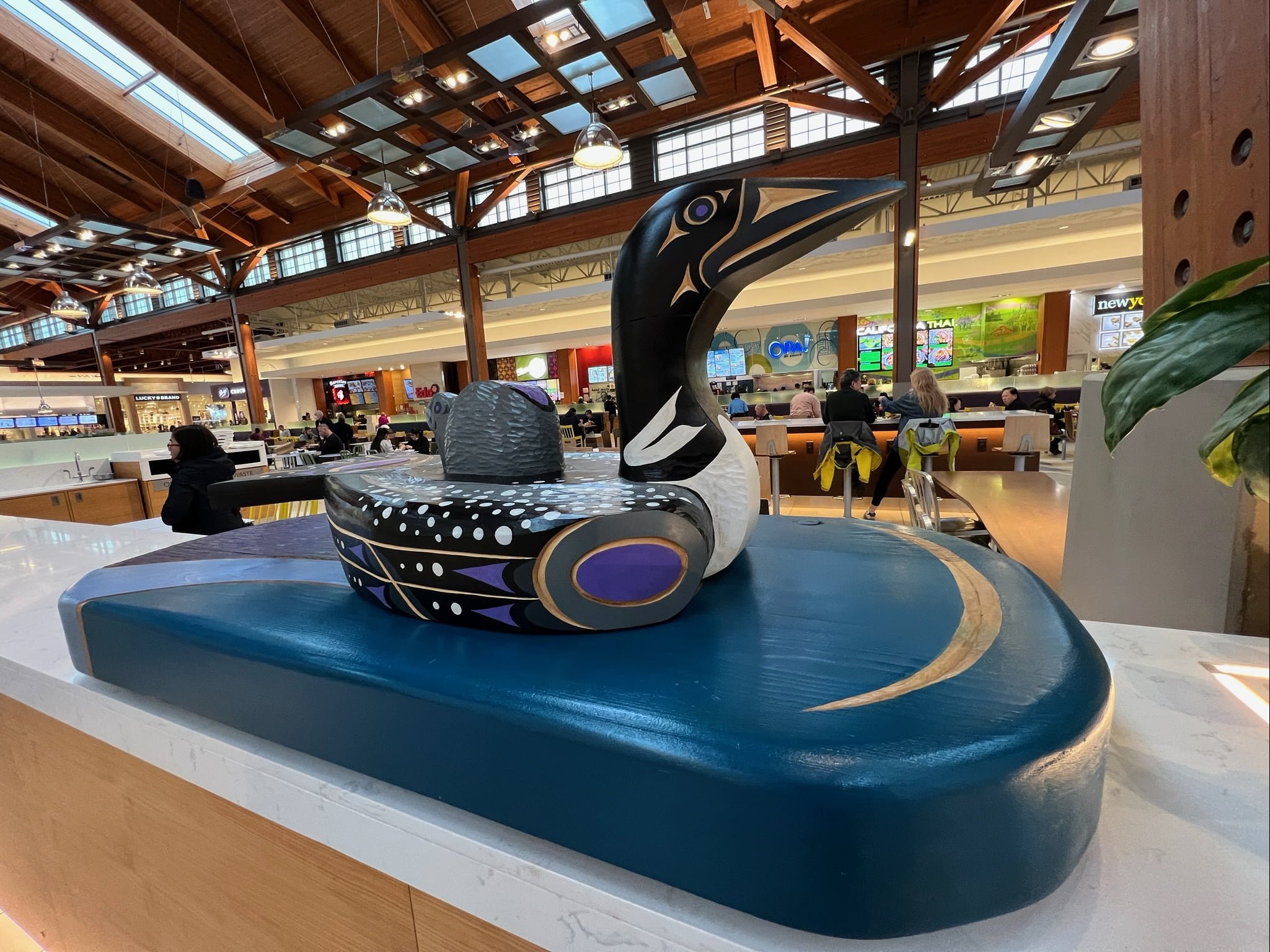
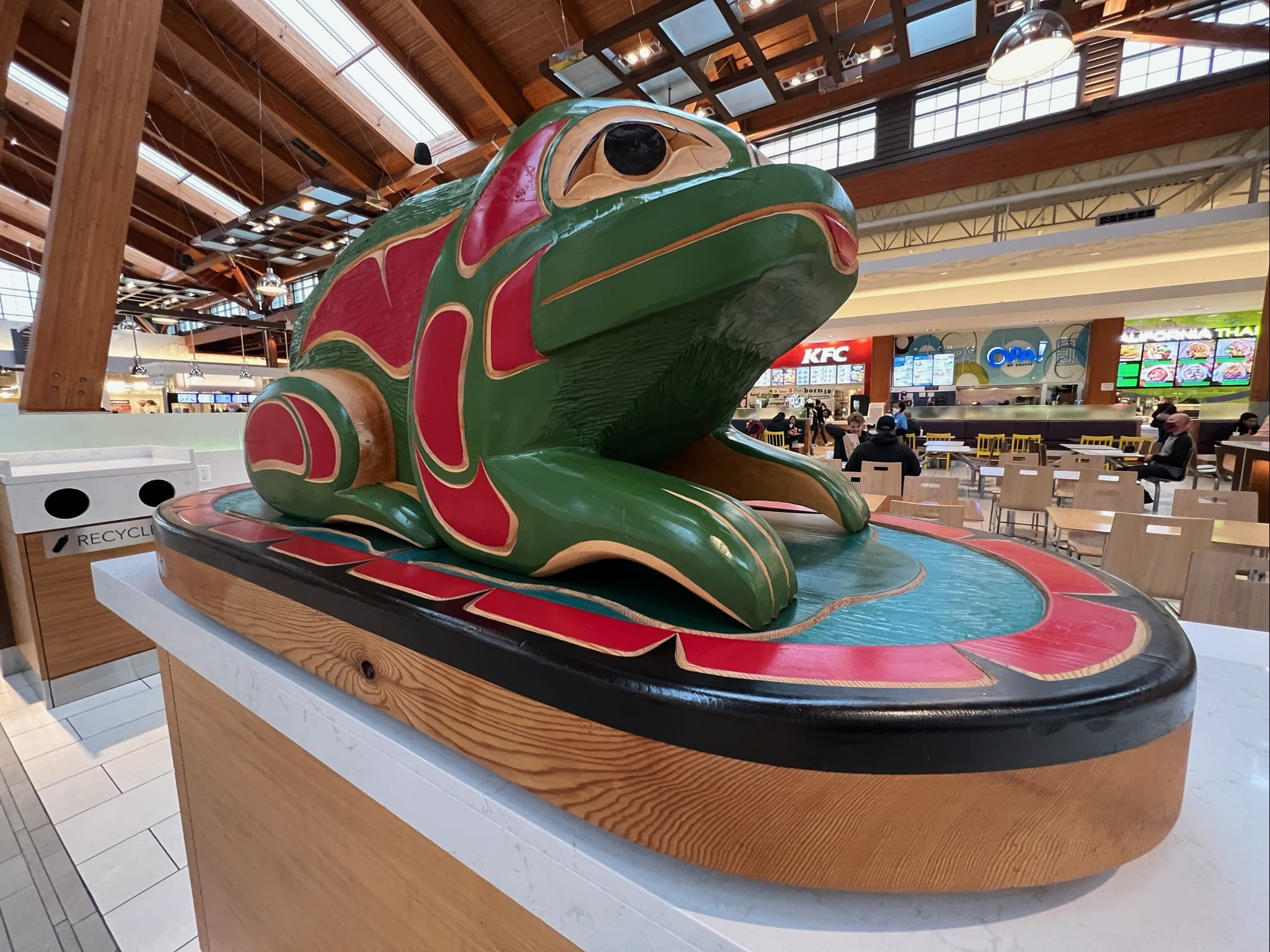
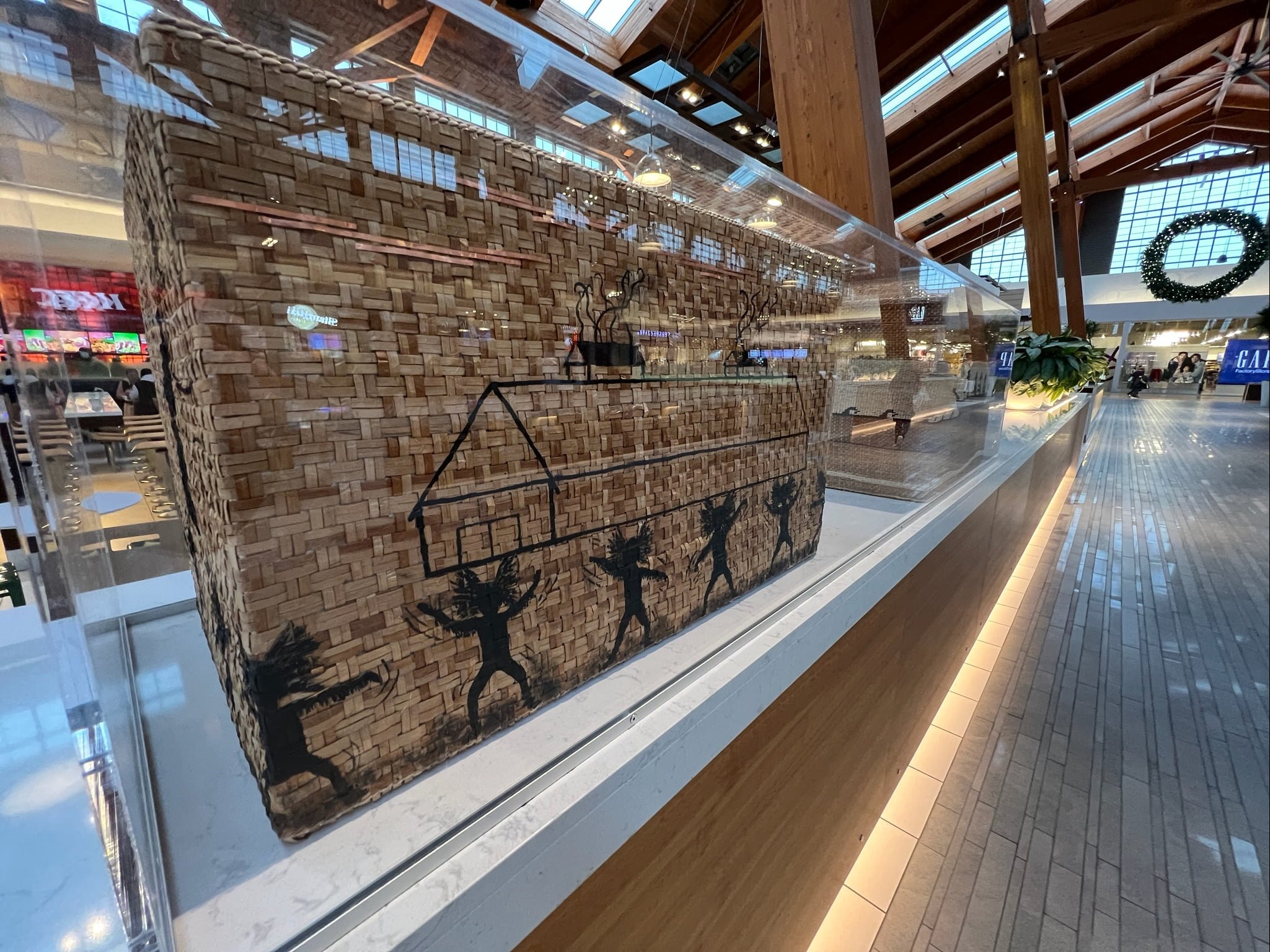
Artwork within the Food Hall at Tsawwassen Mills in Delta, BC (December 2021). Photo: Lee Rivett
Artwork within the Food Hall at Tsawwassen Mills in Delta, BC (December 2021). Photo: Lee Rivett
Artwork within the Food Hall at Tsawwassen Mills in Delta, BC (December 2021). Photo: Lee Rivett
Food Hall at Tsawwassen Mills in Delta, BC (December 2021). Photo: Lee Rivett
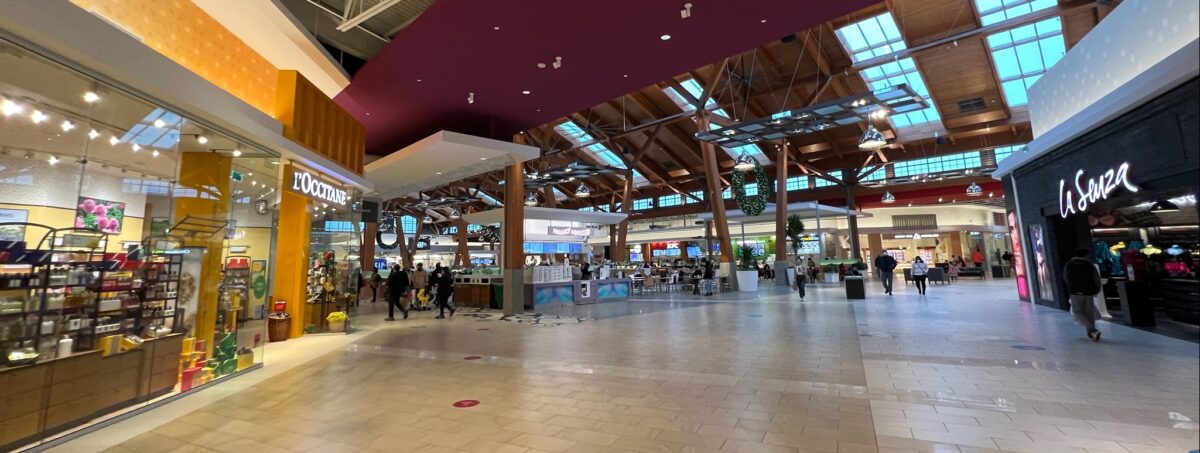
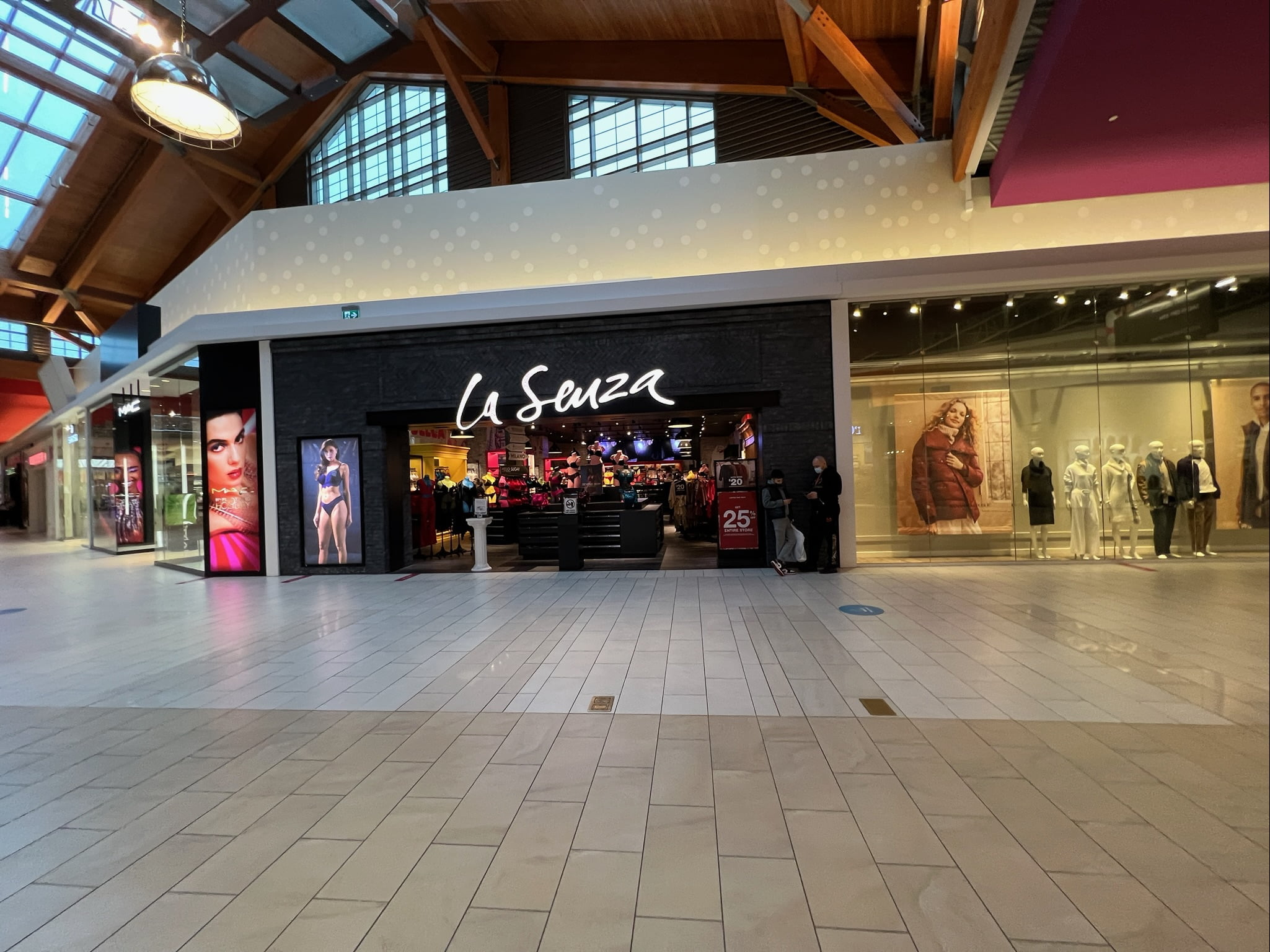
L’Occitane and La Senza next to Food Hall at Tsawwassen Mills in Delta, BC (December 2021). Photo: Lee Rivett
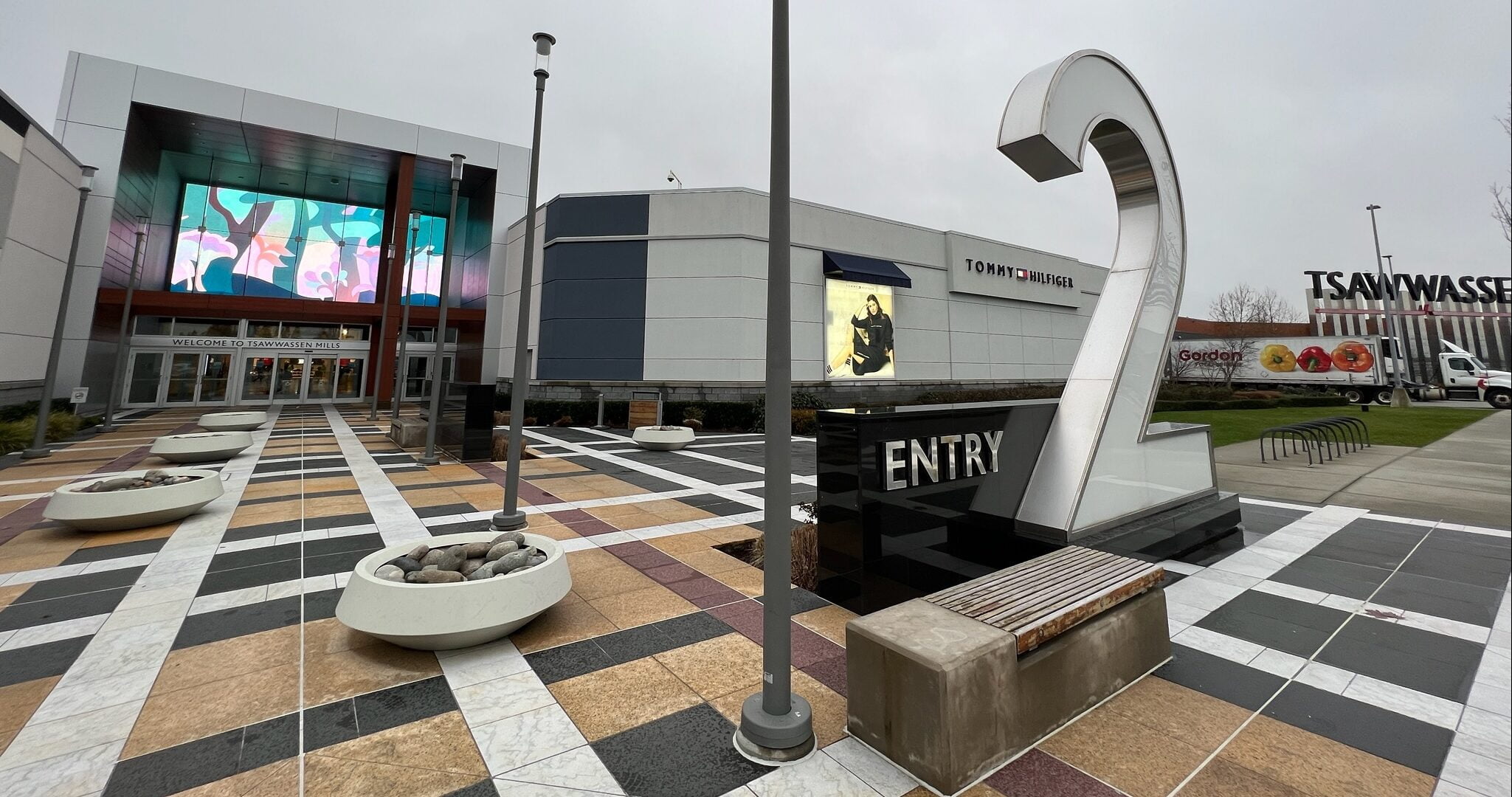
Continuing past the Food Hall at Tsawwassen Mills leads into the other half of the Fashion Neighbourhood where “Entry 2” is located and two additional anchor tenants reside:
Saks OFF 5TH
Tommy Hilfiger
Accents @ Home
Entry 2 at Tsawwassen Mills in Delta, BC (December 2021). Photo: Lee RivettSaks Off 5th and Tommy Hilfiger off of the Entry 2 at Tsawwassen Mills in Delta, BC (December 2021).
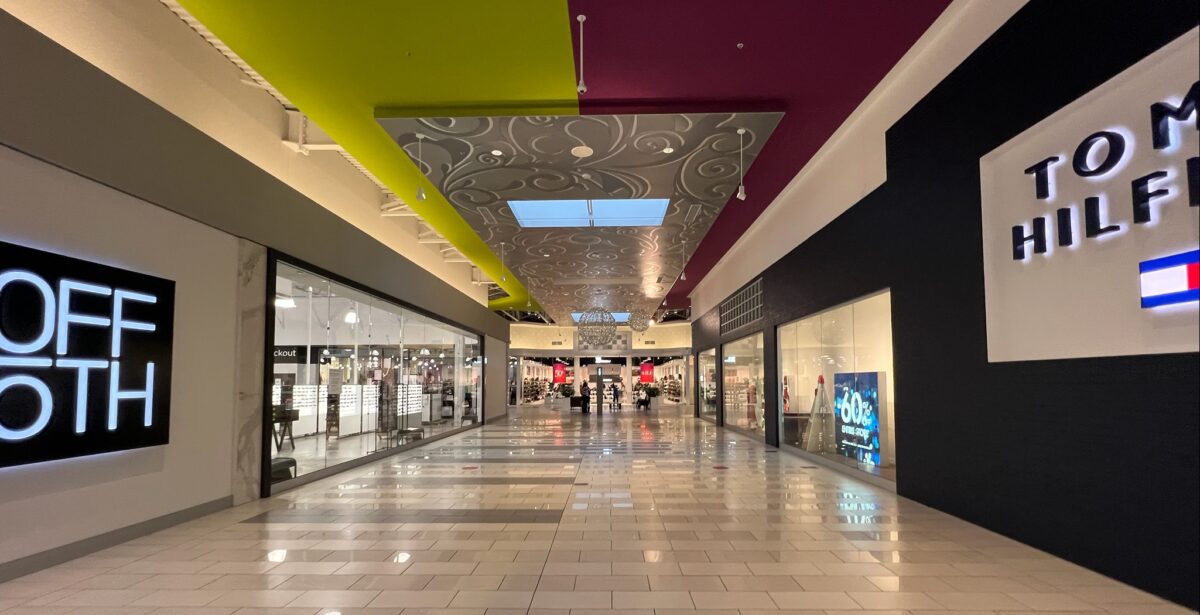
Saks Off 5th and Tommy Hilfiger
1 of 8
Saks Off 5th at Tsawwassen Mills in Delta, BC (December 2021). Photo: Lee Rivett.
Saks Off 5th at Tsawwassen Mills in Delta, BC (December 2021). Photo: Lee Rivett.
Saks Off 5th interior at Tsawwassen Mills in Delta, BC (December 2021). Photo: Lee Rivett.
Tommy Hilfiger off of the Entry 2 at Tsawwassen Mills in Delta, BC (December 2021). Photo: Lee Rivett.
Saks Off 5th off of the Entry 2 at Tsawwassen Mills in Delta, BC (December 2021). Photo: Lee Rivett.
Saks Off 5th off of the Entry 2 at Tsawwassen Mills in Delta, BC (December 2021). Photo: Lee Rivett.
Accents @ Home at Tsawwassen Mills in Delta, BC (December 2021). Photo: Lee Rivett.
Accents @ Home at Tsawwassen Mills in Delta, BC (December 2021). Photo: Lee Rivett.
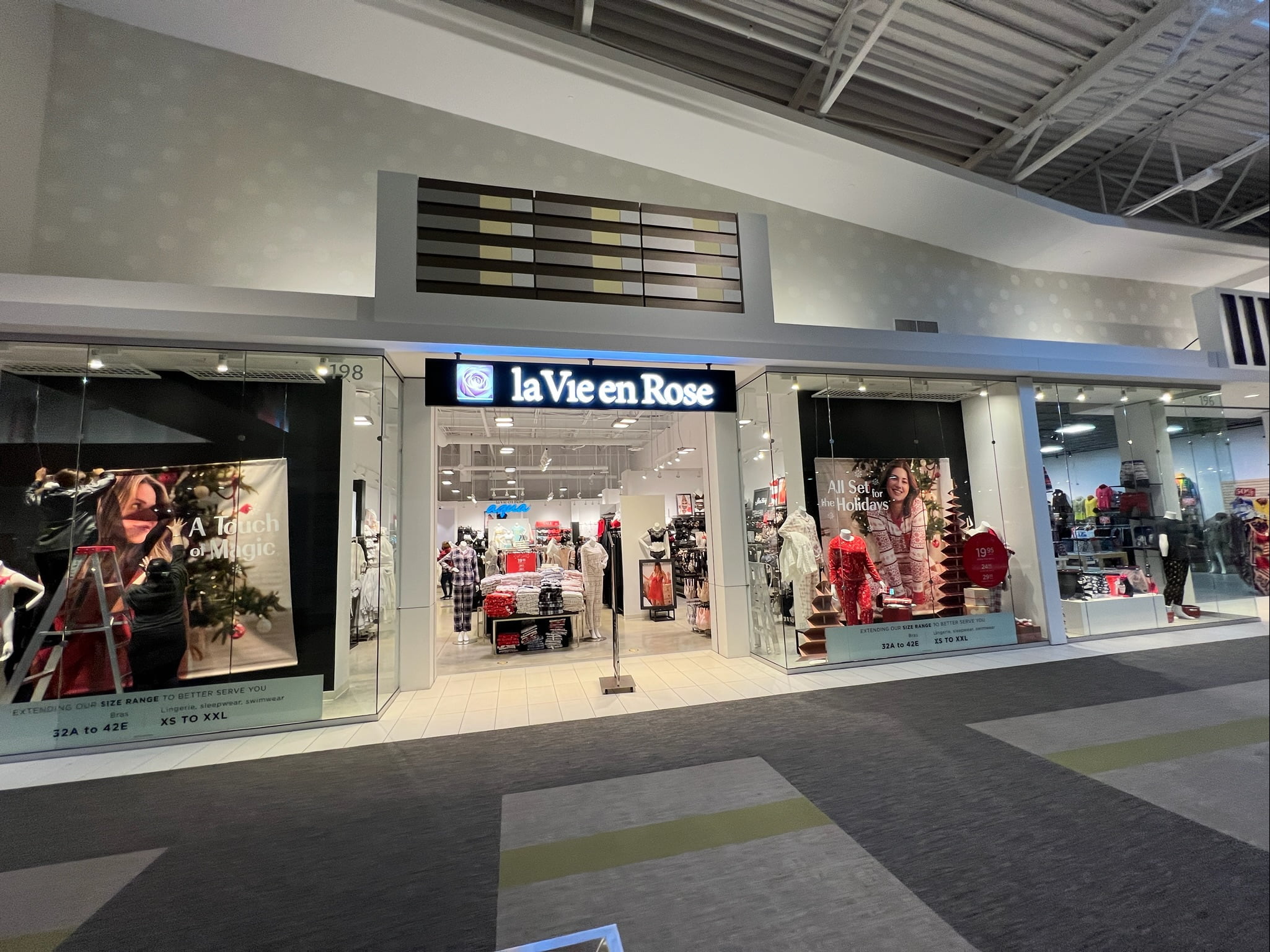
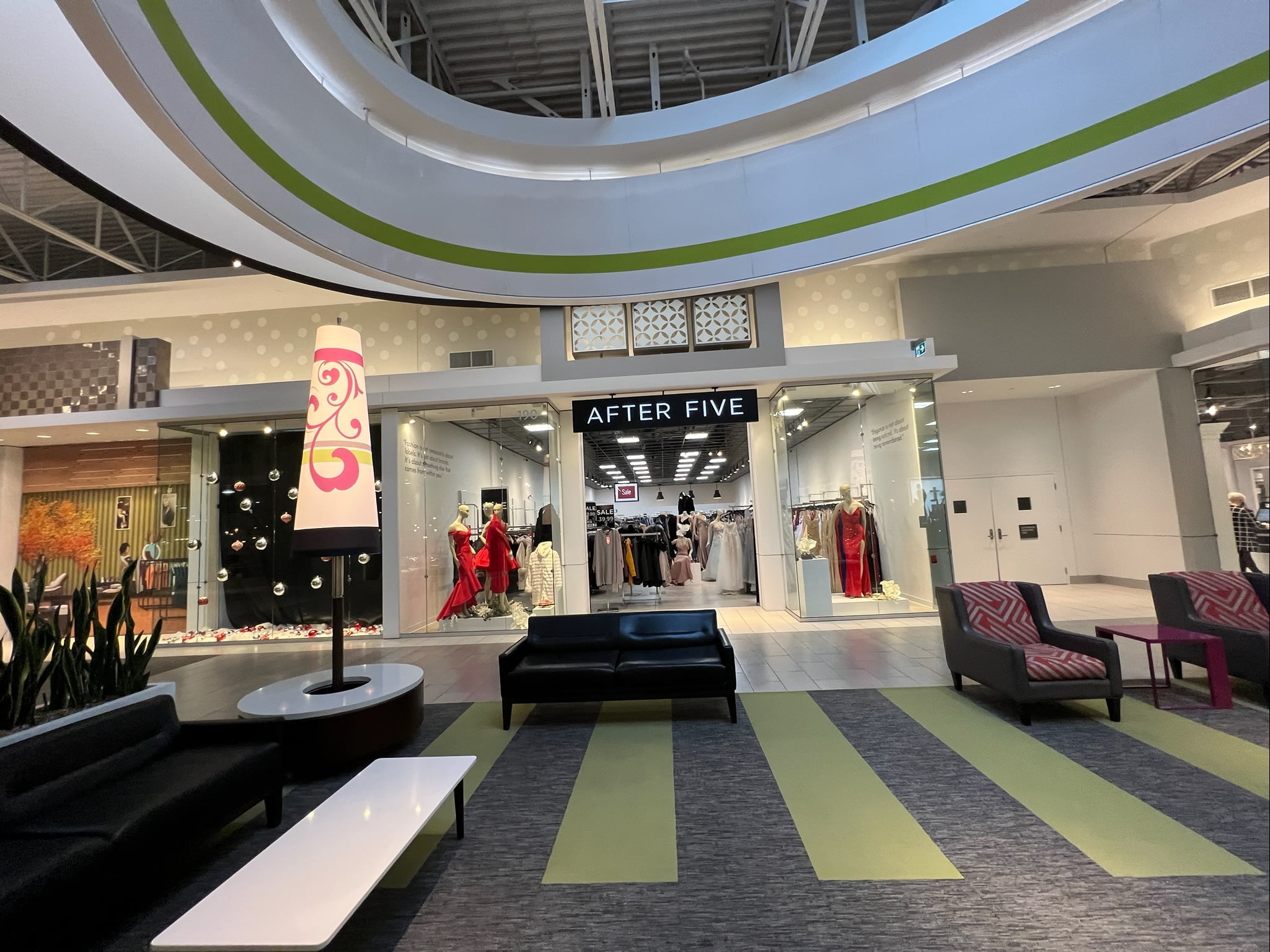
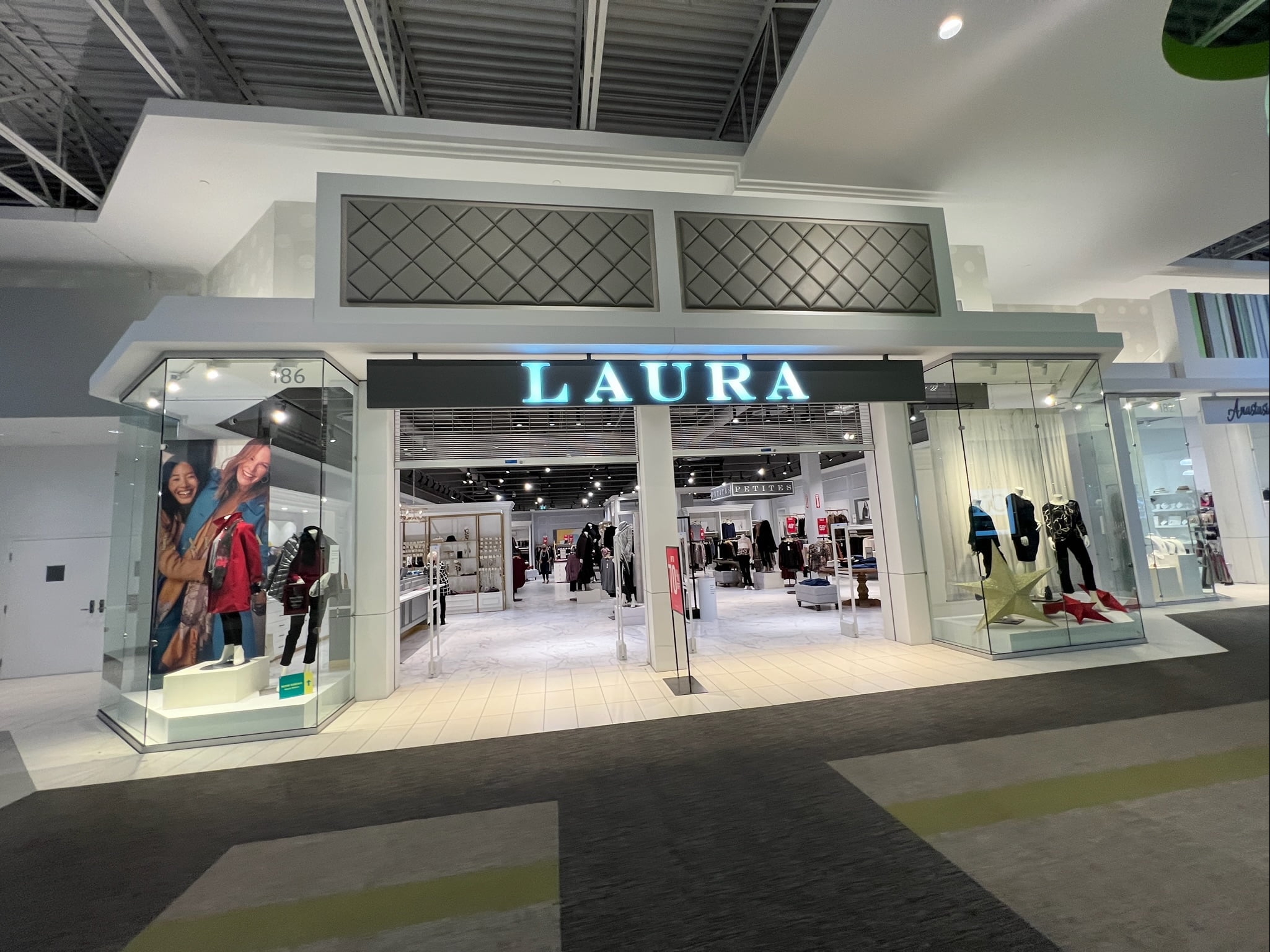
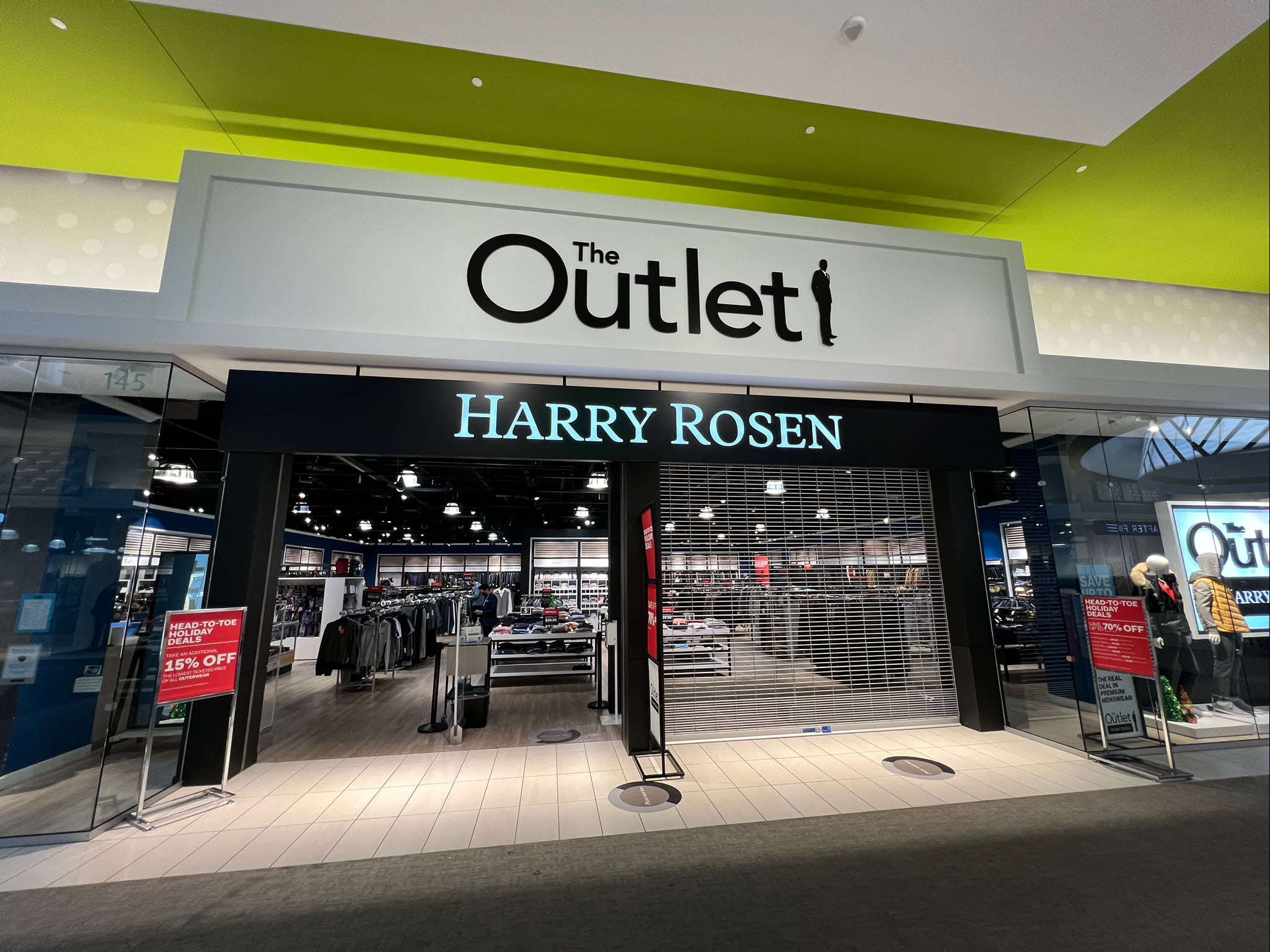
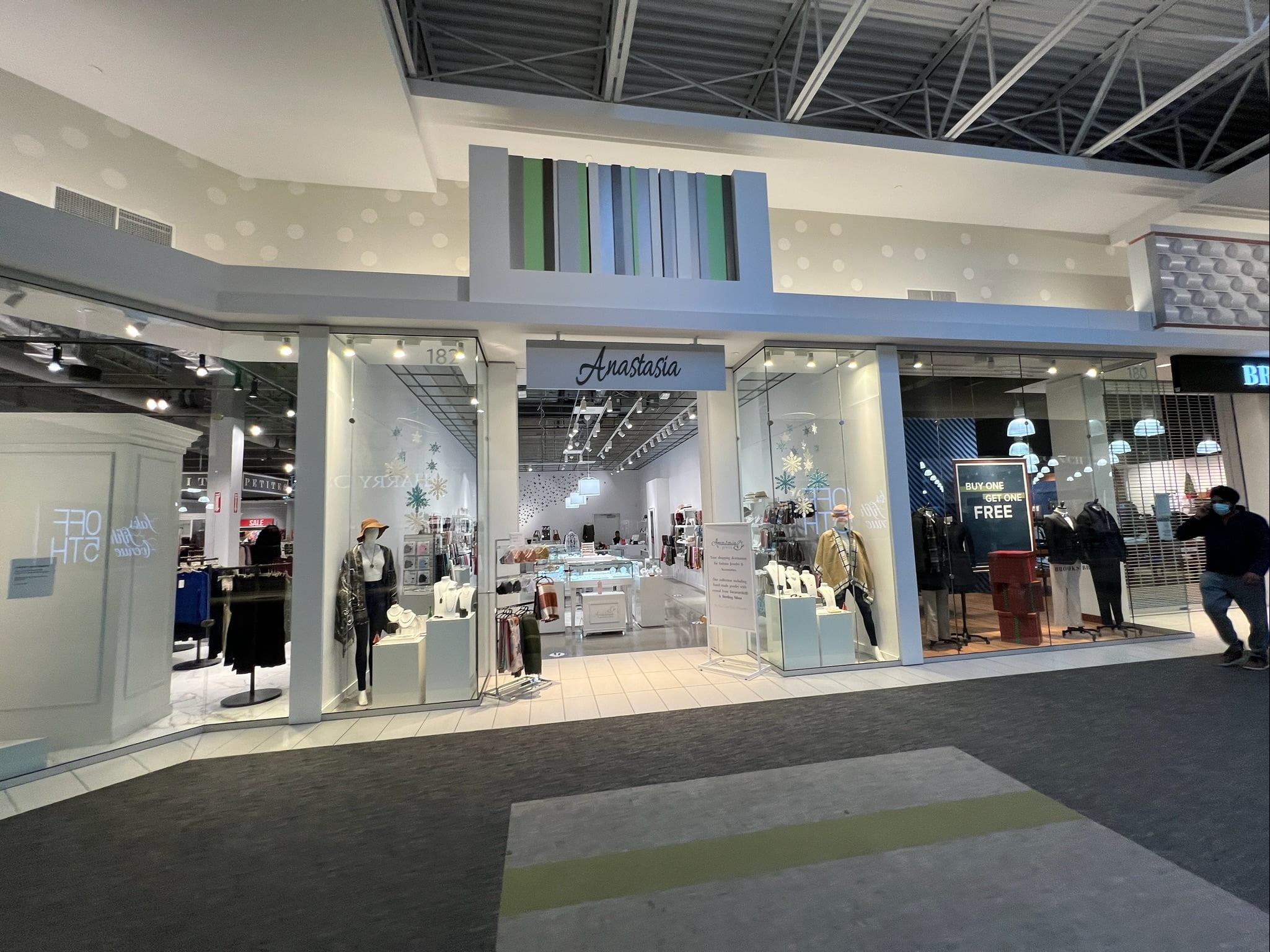
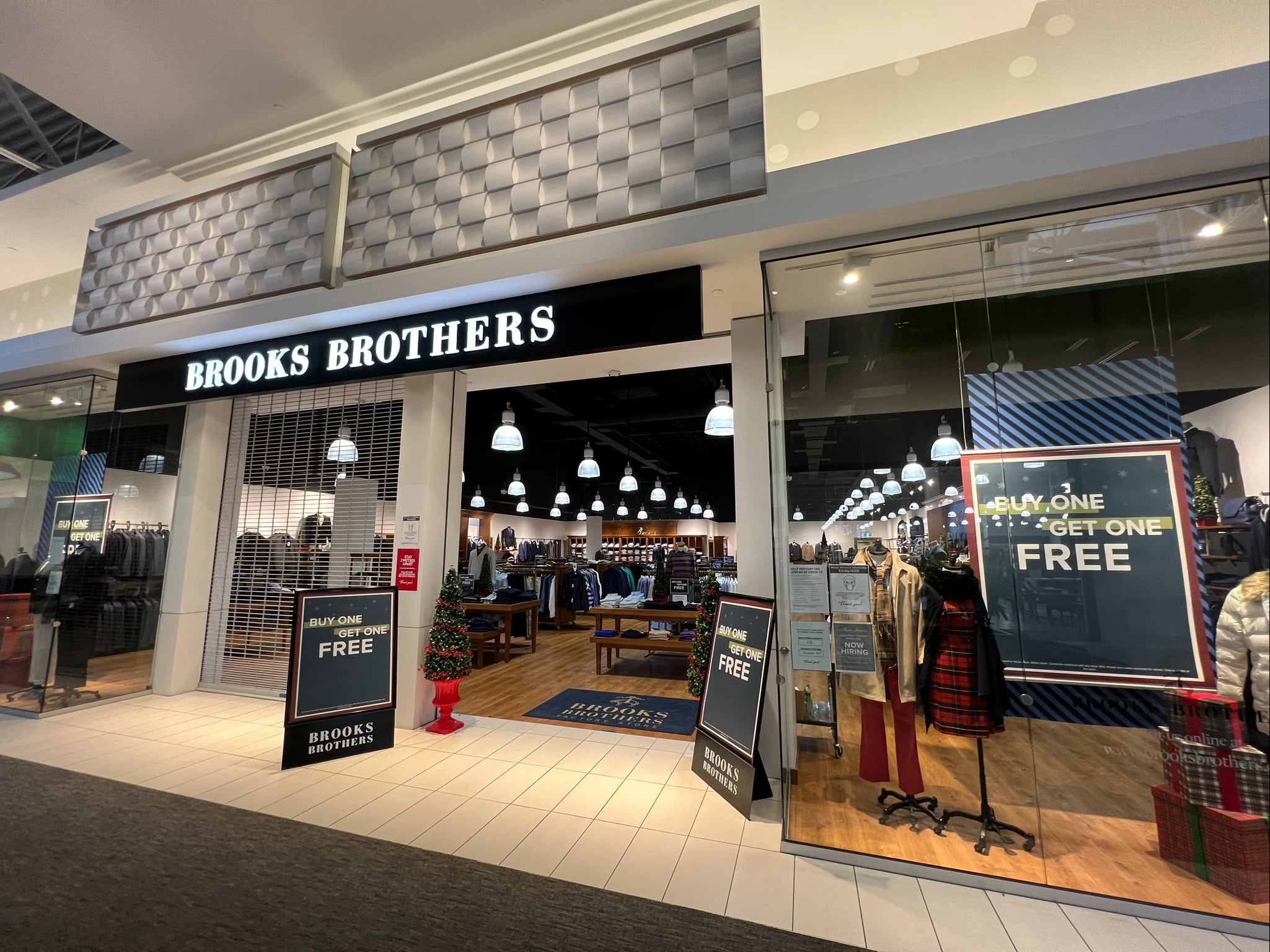
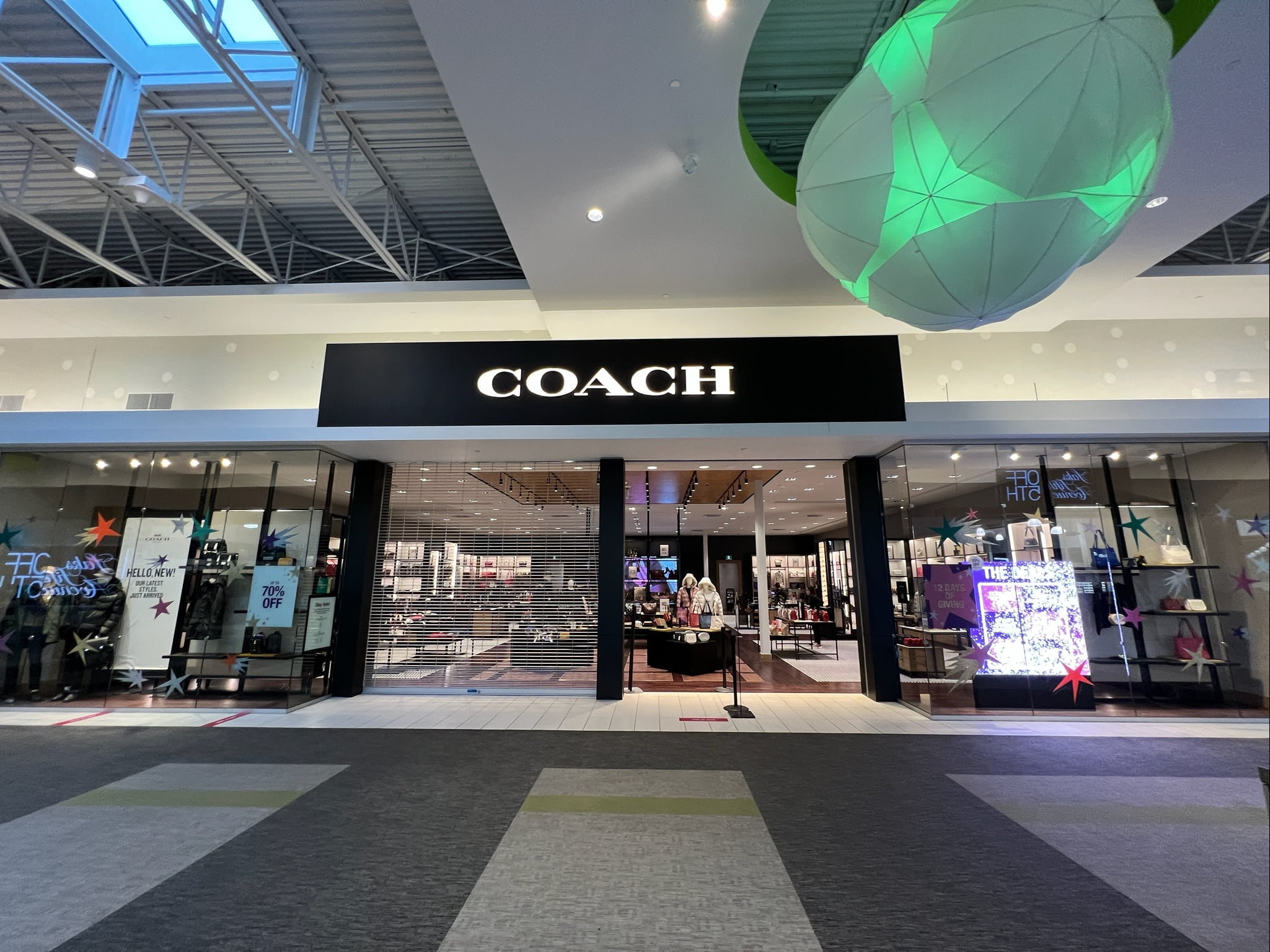
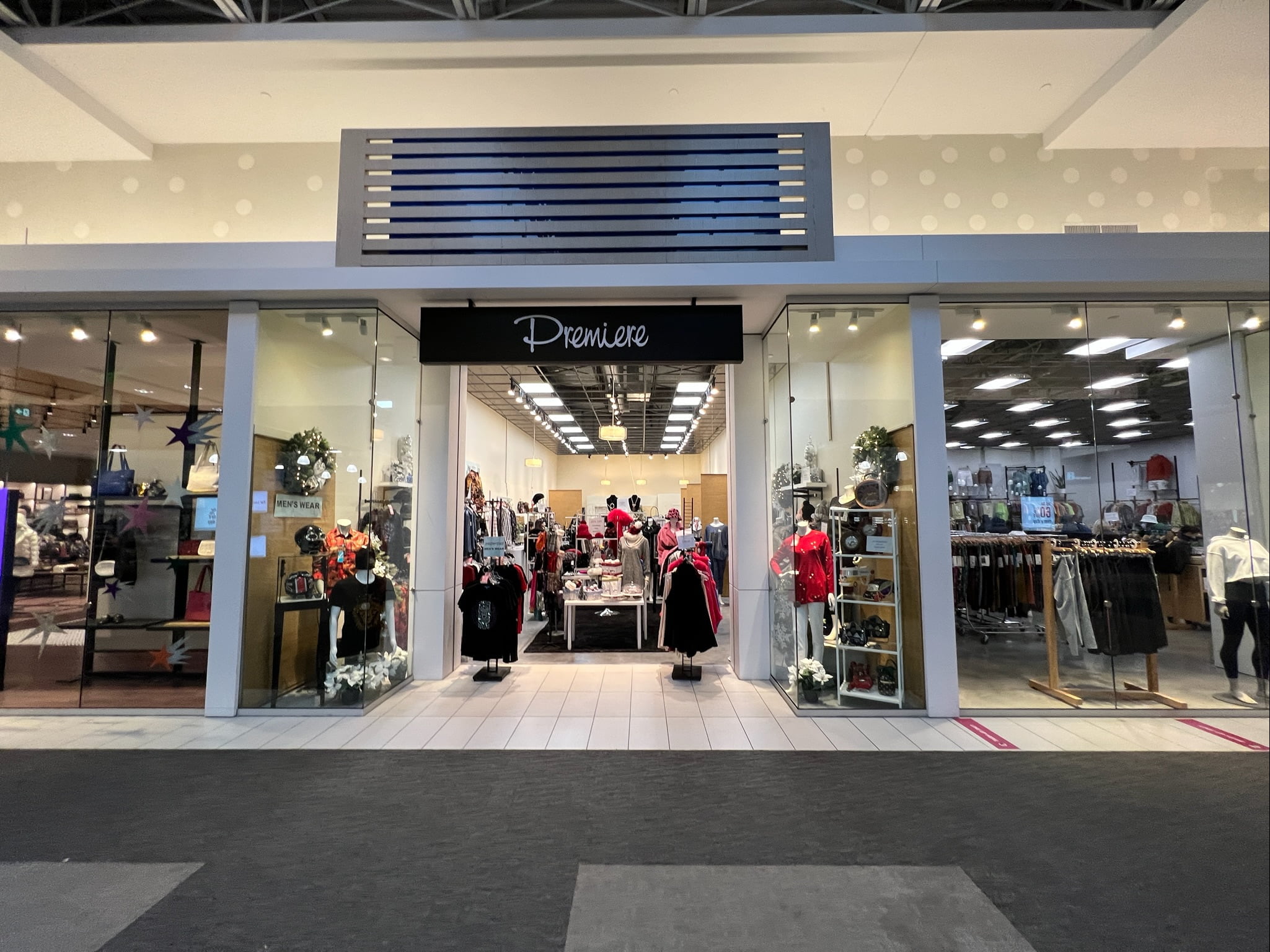
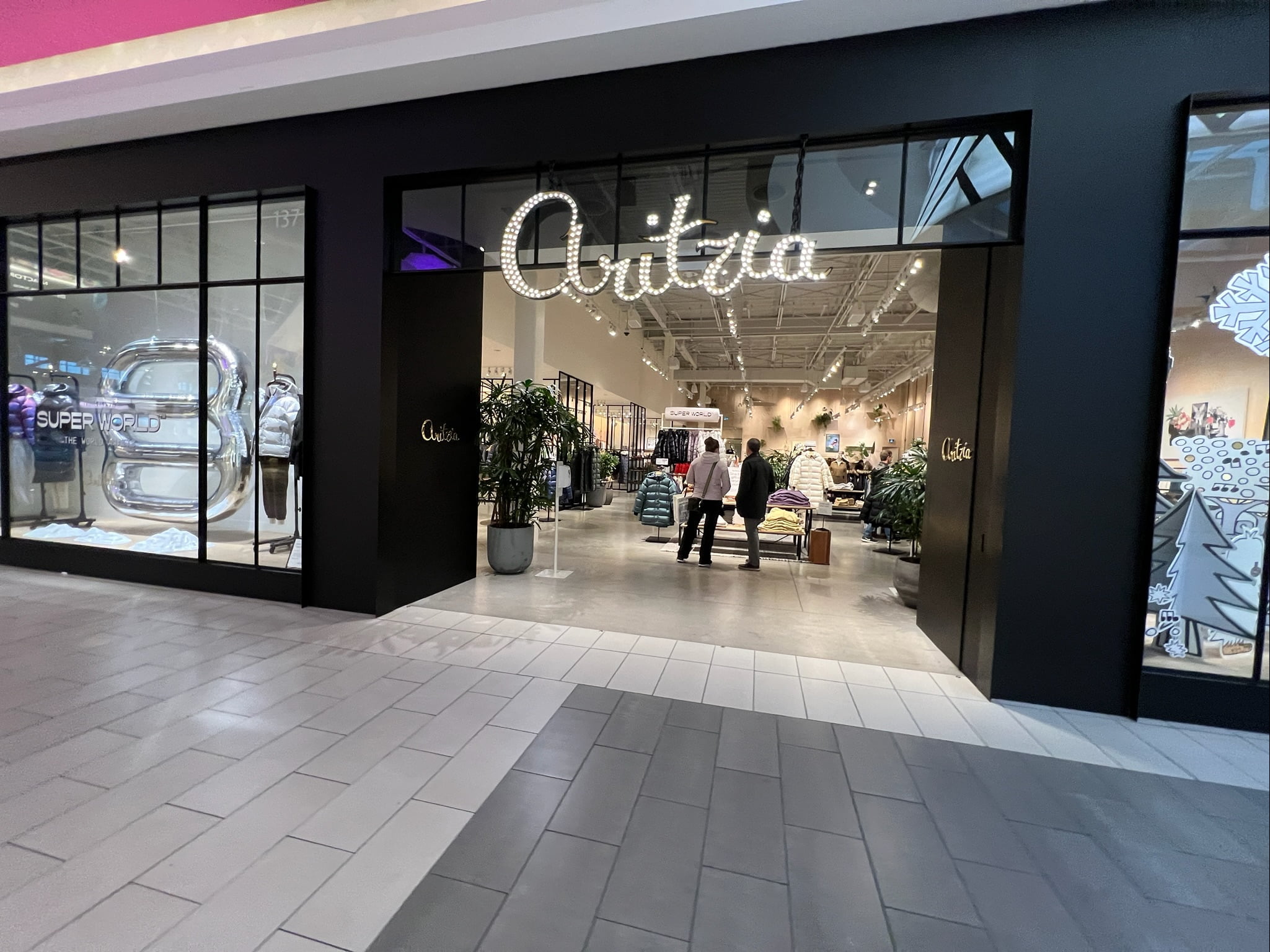
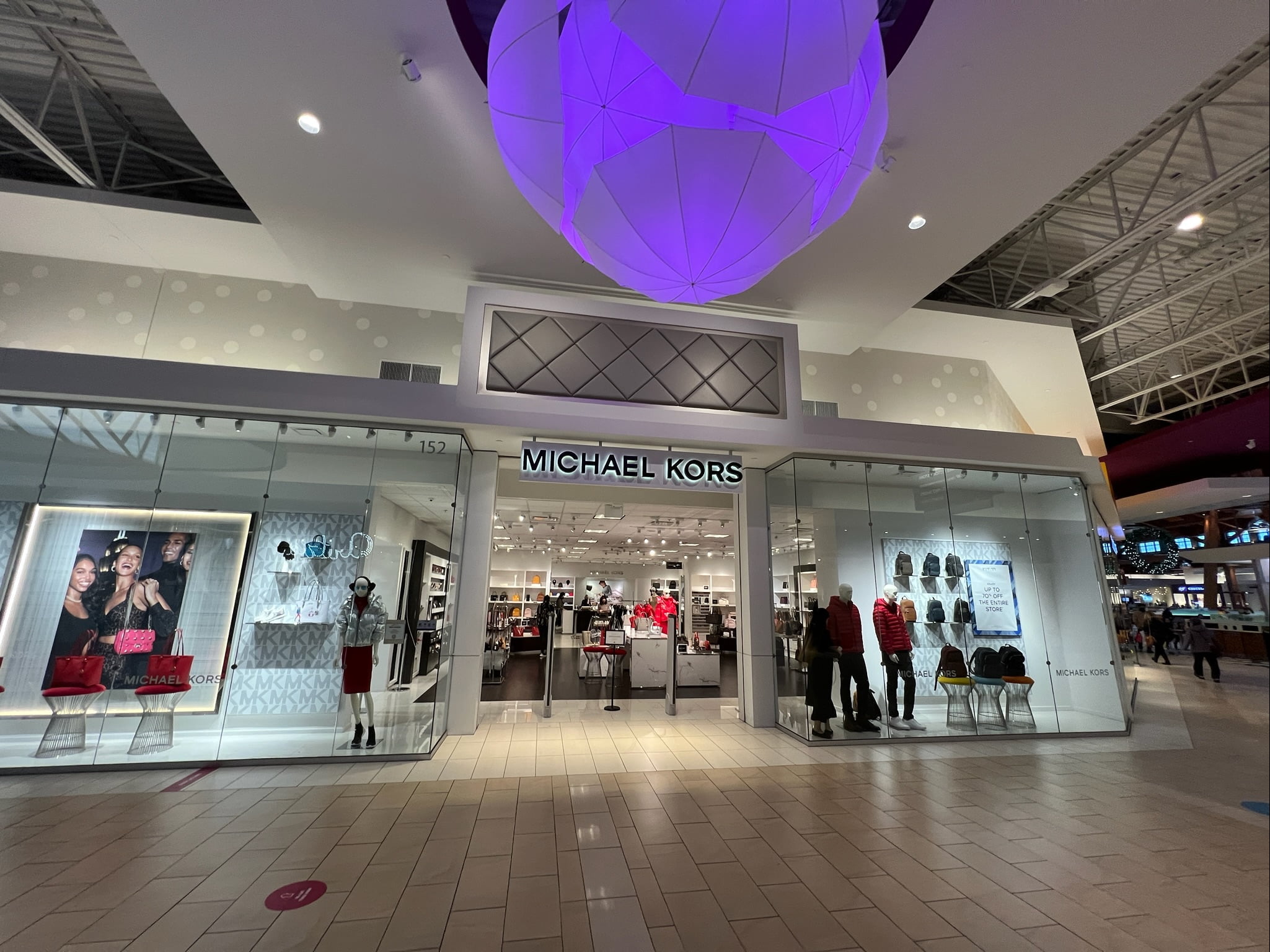
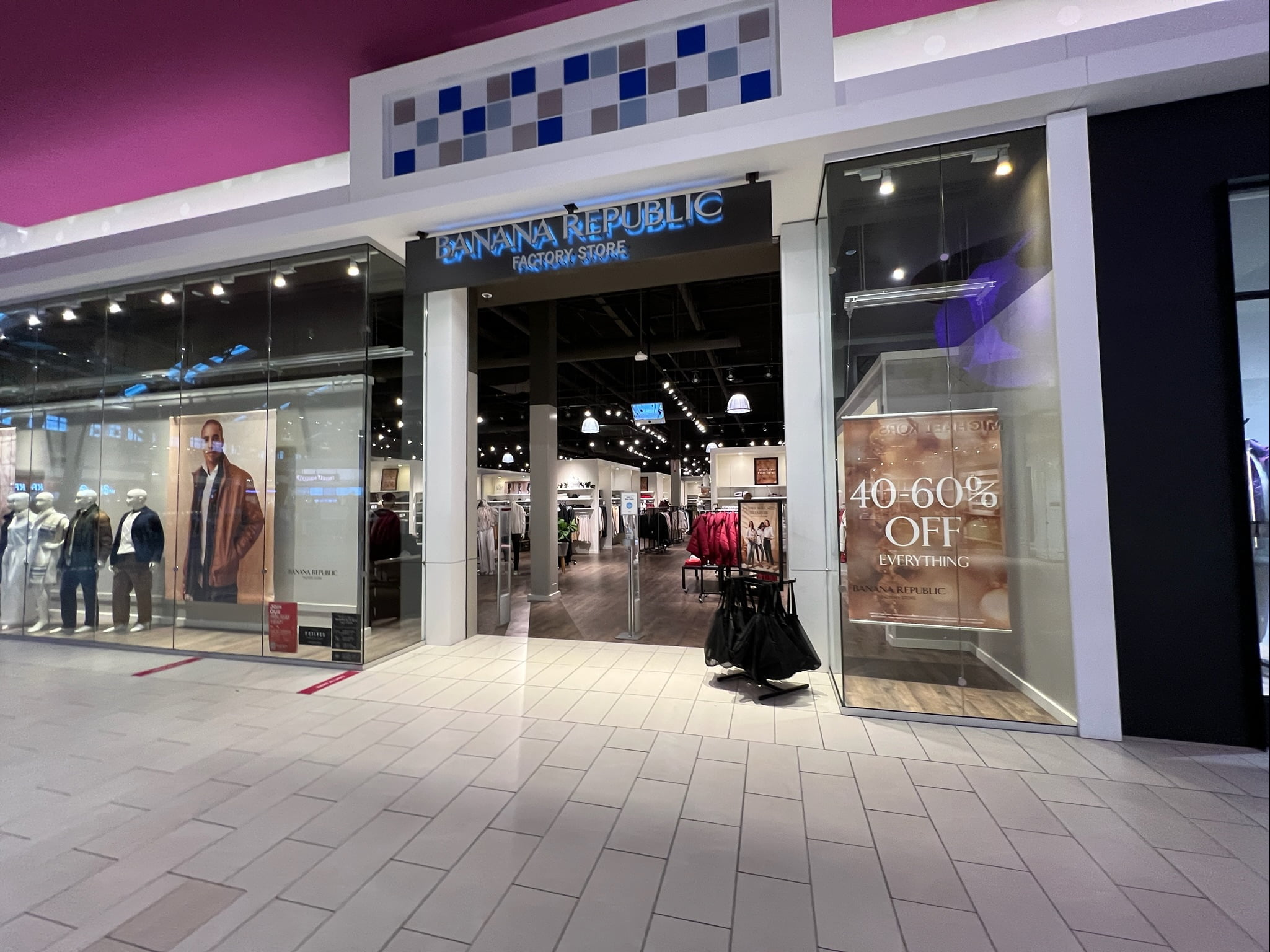
The remainder of the Fashion Neighbourhood included tenants Banana Republic, Aritzia, Michael Kors, Melanie Lyne, Kate Spade, Browns Shoes, Lululemon, Premier Fashion, Coach Outlet, Brooks Brothers, Harry Rosen Outlet, Anatasia Jewelry, Laura, The Rack by After Five, and La Vie En Rose.
1 of 17
la Vie en Rose at Tsawwassen Mills in Delta, BC (December 2021). Photo: Lee Rivett.
The Rack by After Five at Tsawwassen Mills in Delta, BC (December 2021). Photo: Lee Rivett.
LAURA at Tsawwassen Mills in Delta, BC (December 2021). Photo: Lee Rivett.
Harry Rosen - The Outlet at Tsawwassen Mills in Delta, BC (December 2021). Photo: Lee Rivett.
Anatasia at Tsawwassen Mills in Delta, BC (December 2021). Photo: Lee Rivett.
Brooks Brothers at Tsawwassen Mills in Delta, BC (December 2021). Photo: Lee Rivett.
Coach at Tsawwassen Mills in Delta, BC (December 2021). Photo: Lee Rivett.
Premiere Fashion at Tsawwassen Mills in Delta, BC (December 2021). Photo: Lee Rivett.
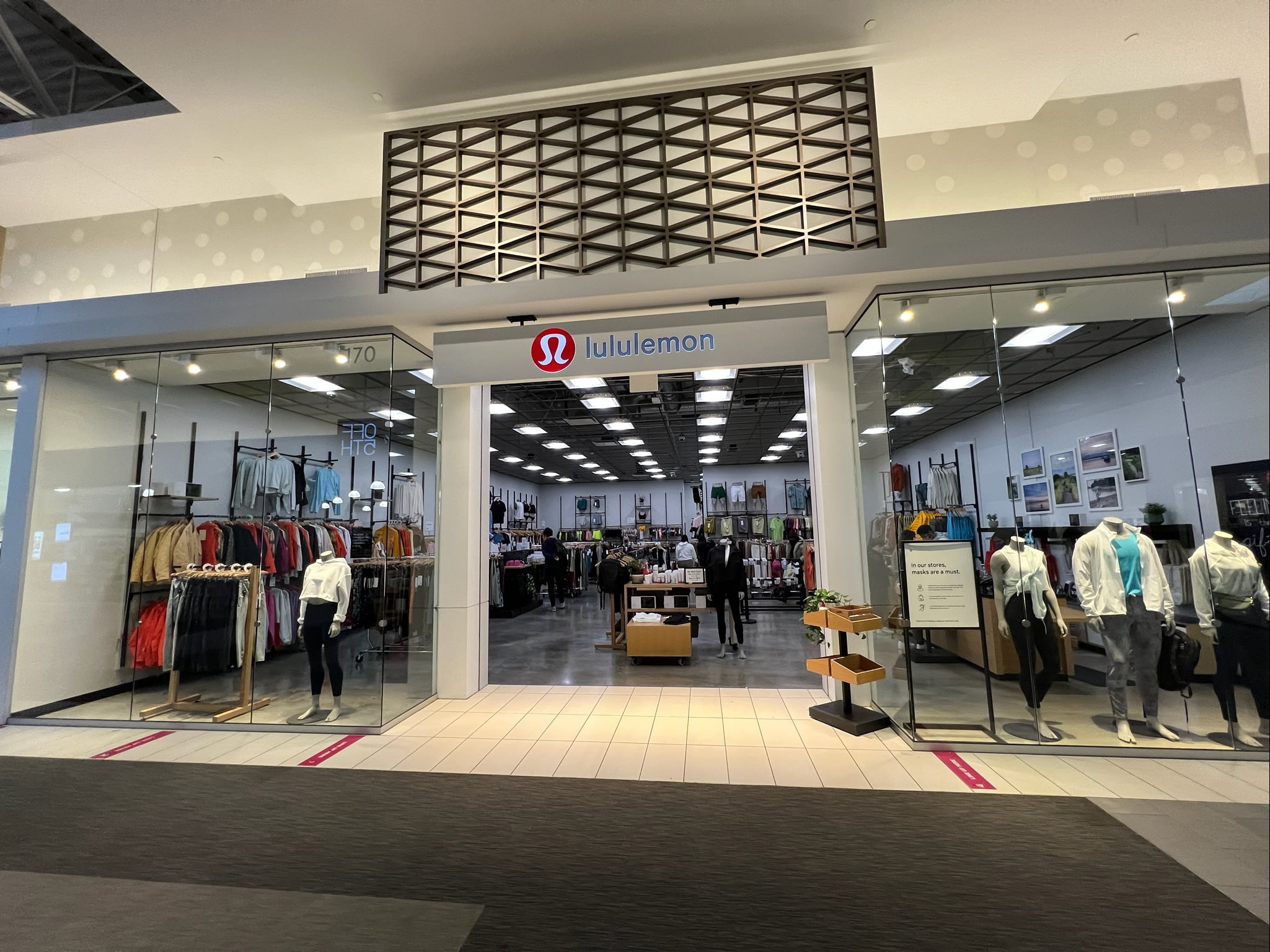
Lululemon at Tsawwassen Mills in Delta, BC (December 2021). Photo: Lee Rivett.
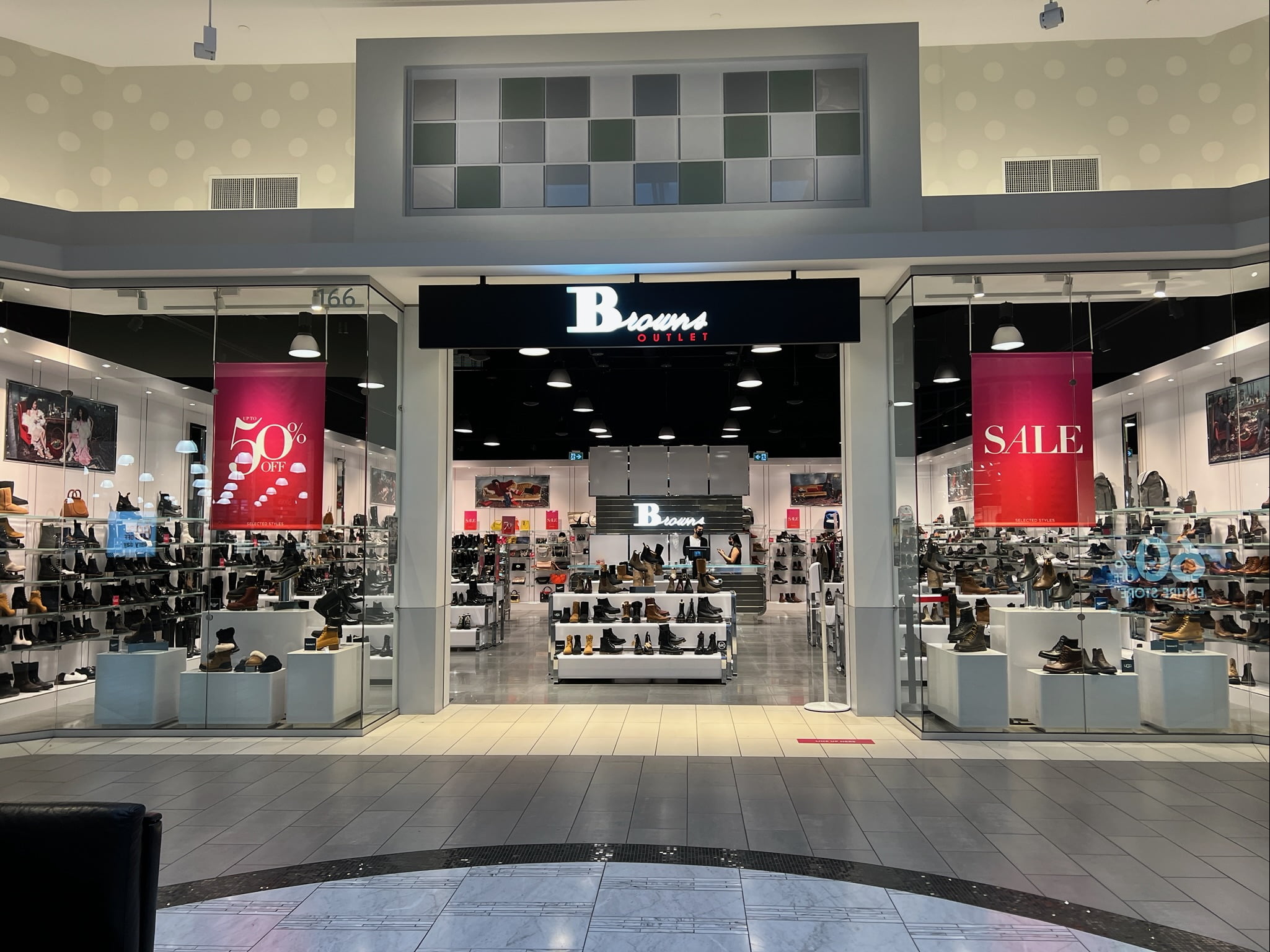
Browns Shoes at Tsawwassen Mills in Delta, BC (December 2021). Photo: Lee Rivett.
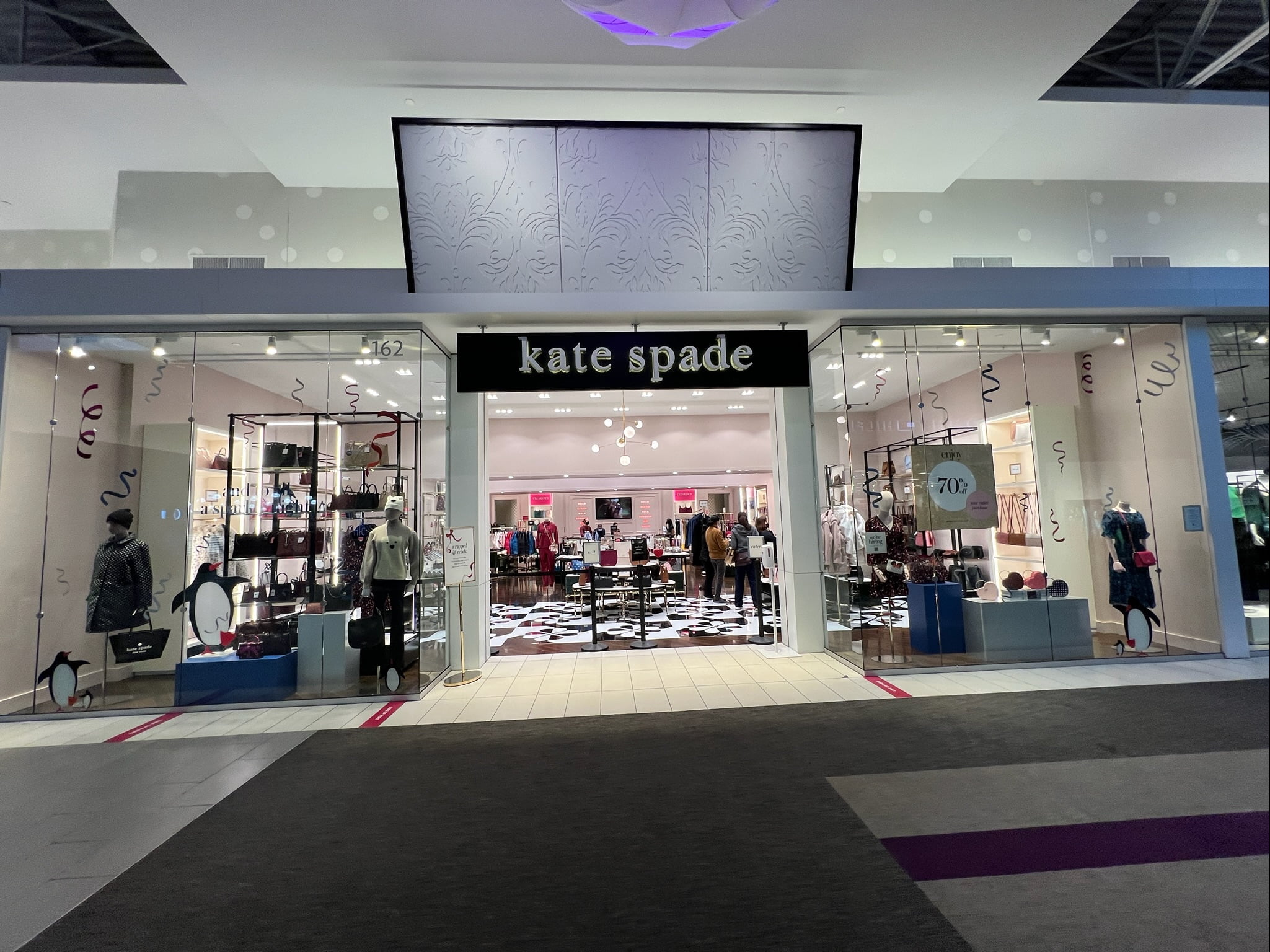
Kate Spade at Tsawwassen Mills in Delta, BC (December 2021). Photo: Lee Rivett.
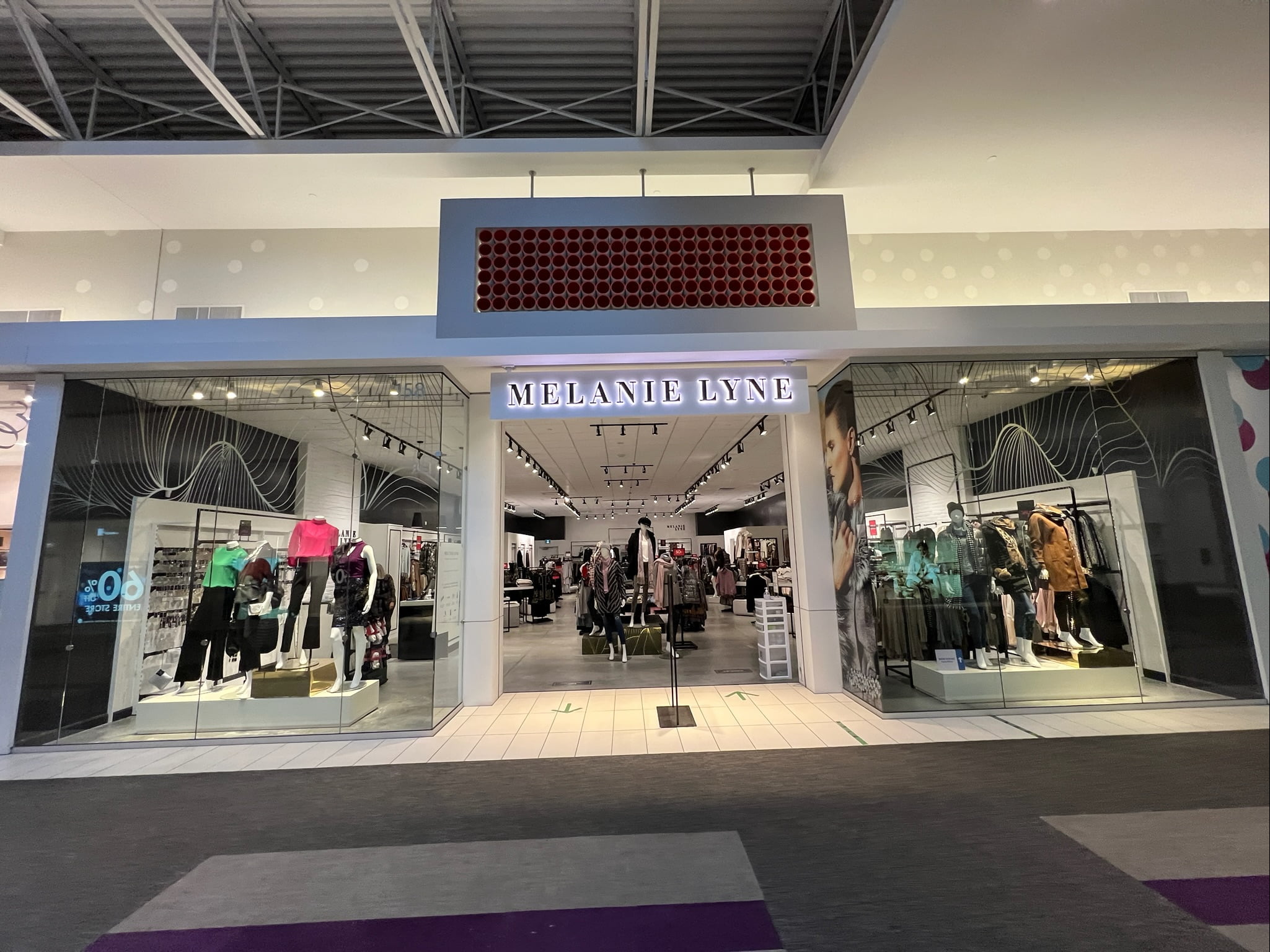
Melanie Lyne at Tsawwassen Mills in Delta, BC (December 2021). Photo: Lee Rivett.
Aritzia at Tsawwassen Mills in Delta, BC (December 2021). Photo: Lee Rivett.
Michael Kors at Tsawwassen Mills in Delta, BC (December 2021). Photo: Lee Rivett.
Banana Republic at Tsawwassen Mills in Delta, BC (December 2021). Photo: Lee Rivett.
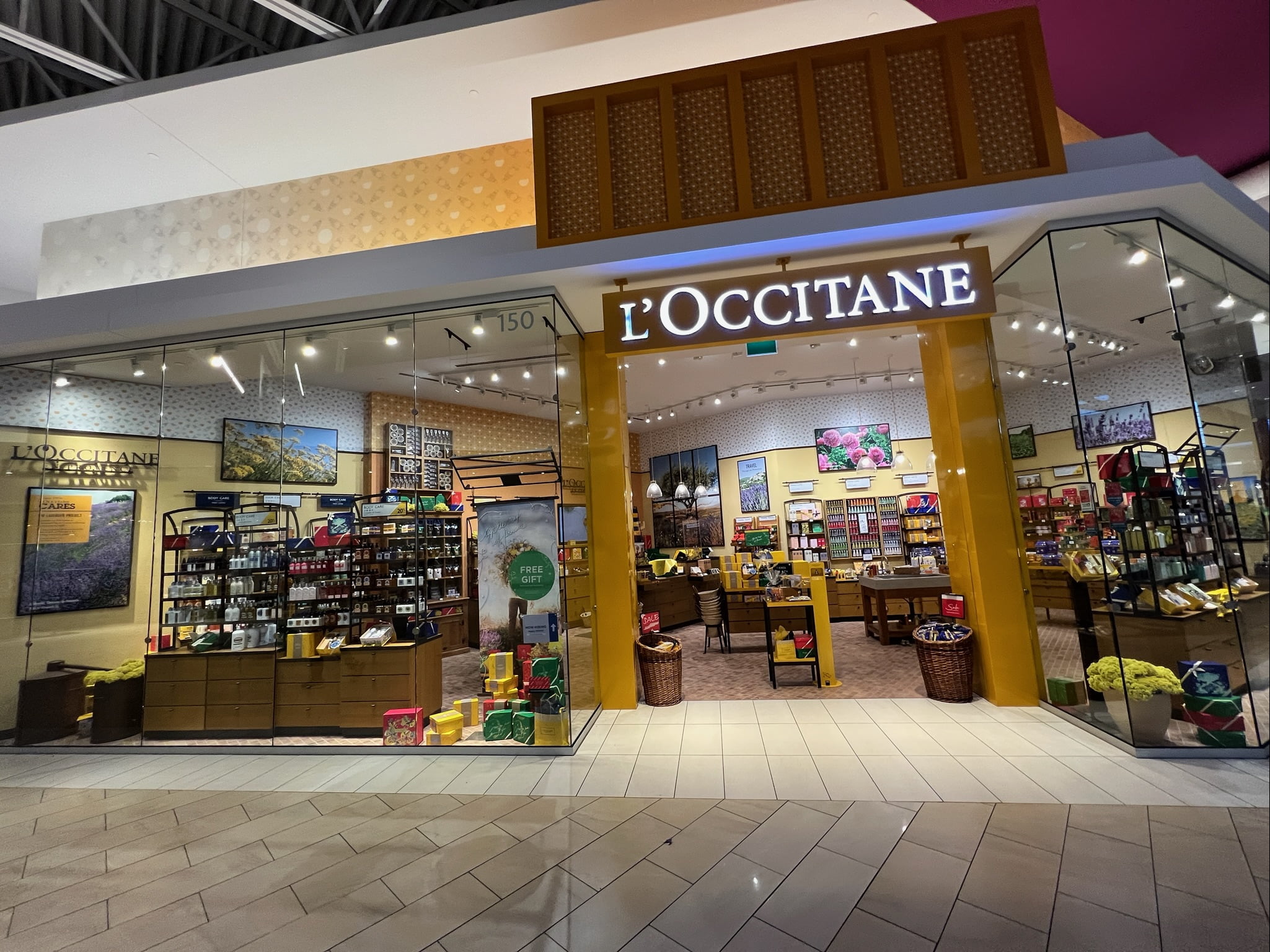
L'Occitane at Tsawwassen Mills in Delta, BC (December 2021). Photo: Lee Rivett.
La Senza at Tsawwassen Mills in Delta, BC (December 2021). Photo: Lee Rivett.
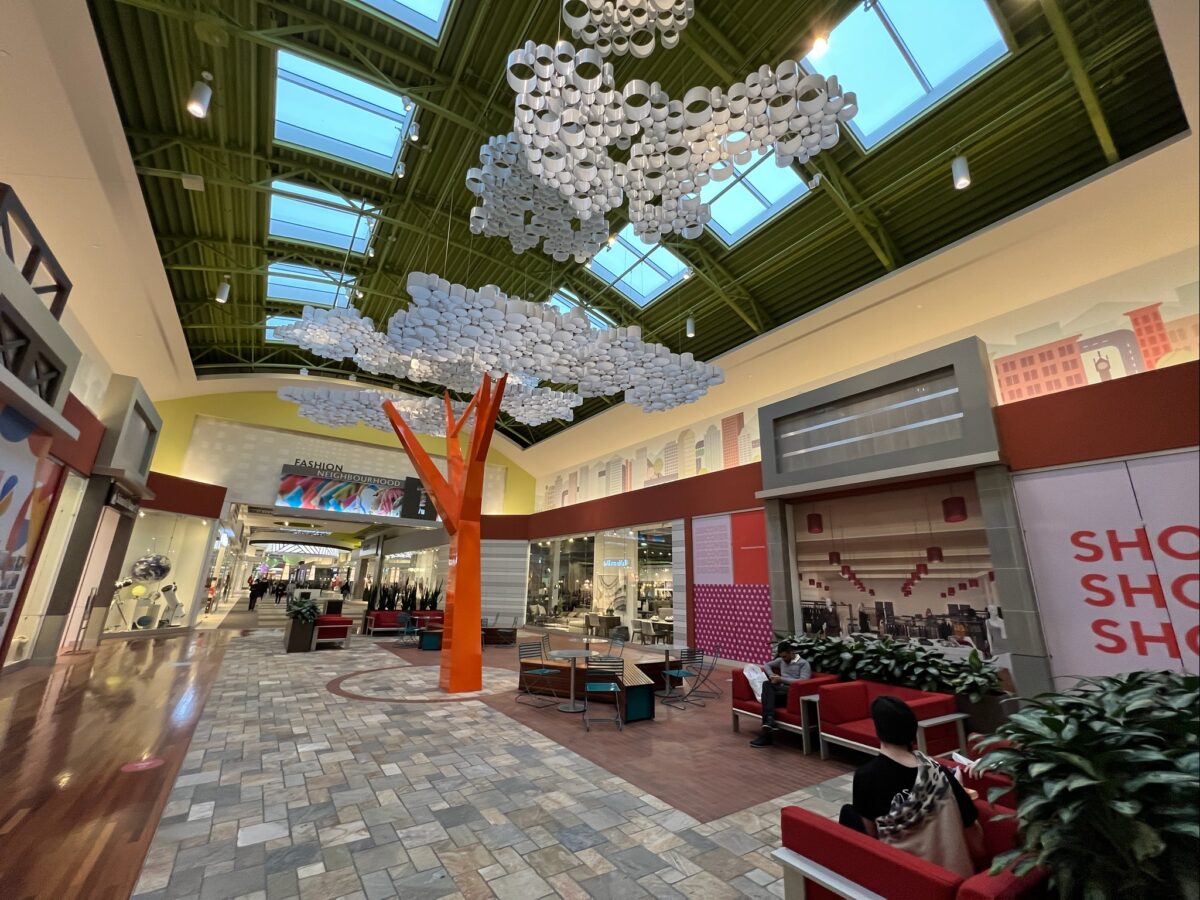
The transition between the Fashion Neighbourhood and the Nature Neighbourhood has a seating area with trees for shoppers to catch their breath (face masks required as of press time).
Tree seating area between Fashion Neighbourhood and Nature Neighbourhood at Tsawwassen Mills in Delta, BC (December 2021). Photo: Lee Rivett.
Zone 2 – Nature Neighbourhood
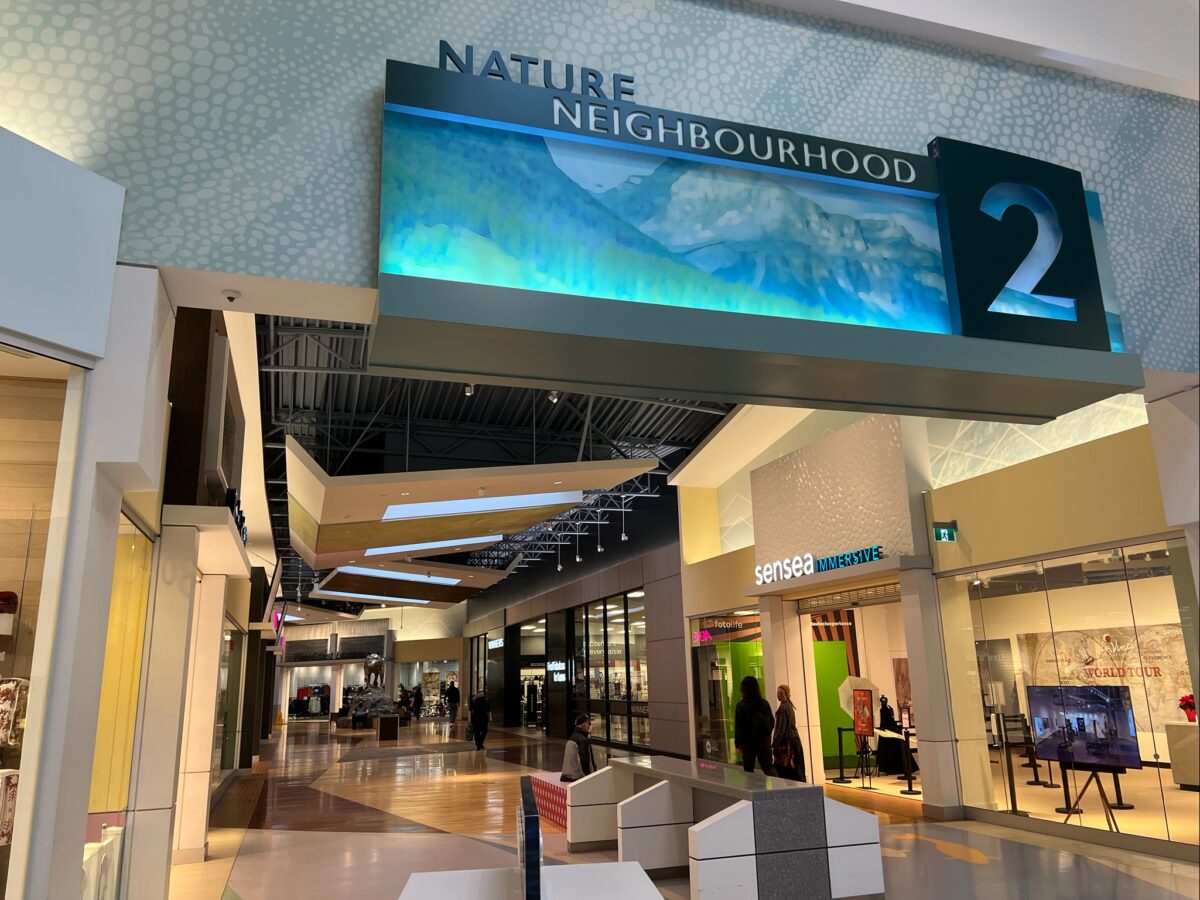
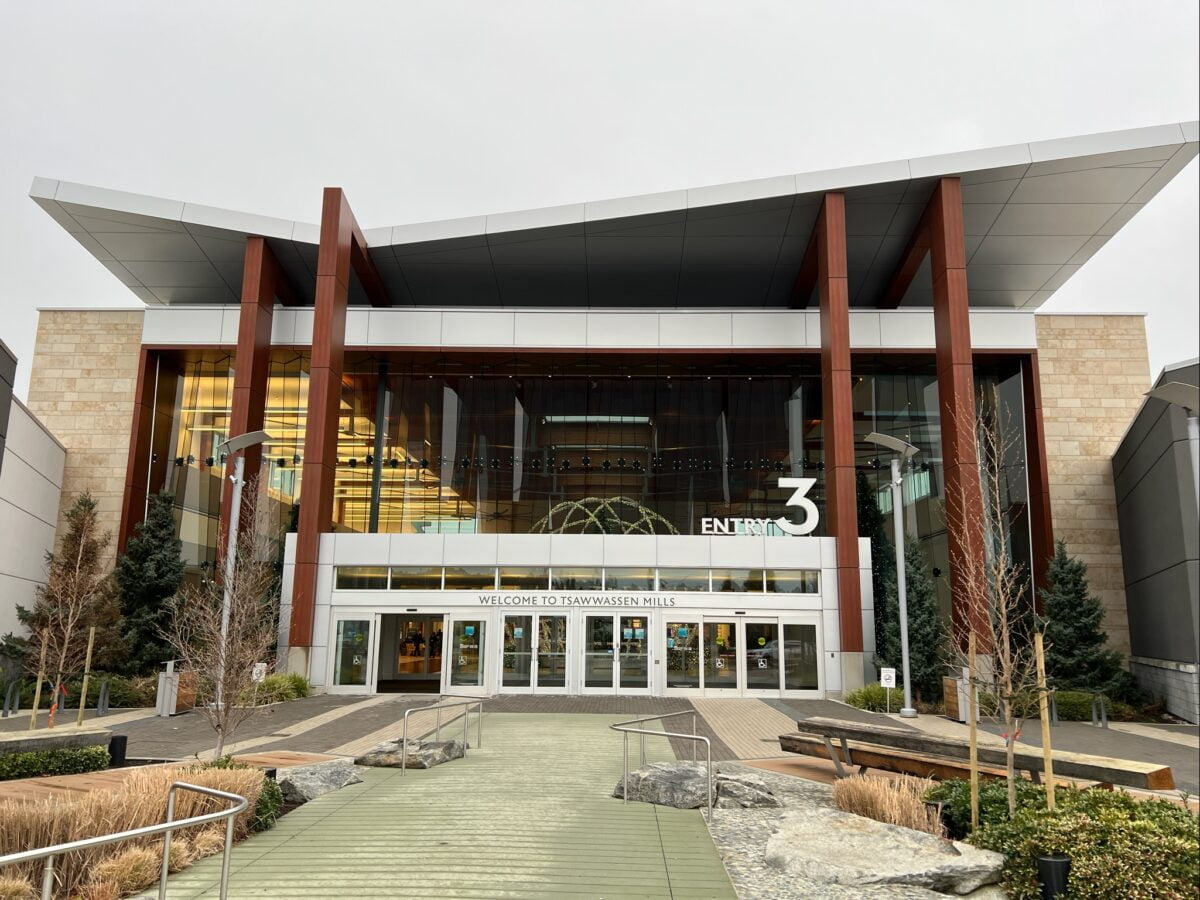
The southwest section of Tsawwassen Mills is home to the Nature Neighbourhood. It faces a busy intersection with the commuters heading to the BC Ferry terminal and is where the massive “Entry 3” is located.
Nature Neighbourhood at Tsawwassen Mills in Delta, BC (December 2021). Photo: Lee Rivett.Massive ‘Entry 3’ at Tsawwassen Mills in Delta, BC (December 2021). Photo: Lee Rivett.
Just inside of the ‘Entry 3’ doors is a large open space which was configured to welcome visitors with a Christmas themed, Instagram-able display.
Christmas display near ‘Entry 3’ at Tsawwassen Mills in Delta, BC (December 2021). Photo: Lee Rivett.
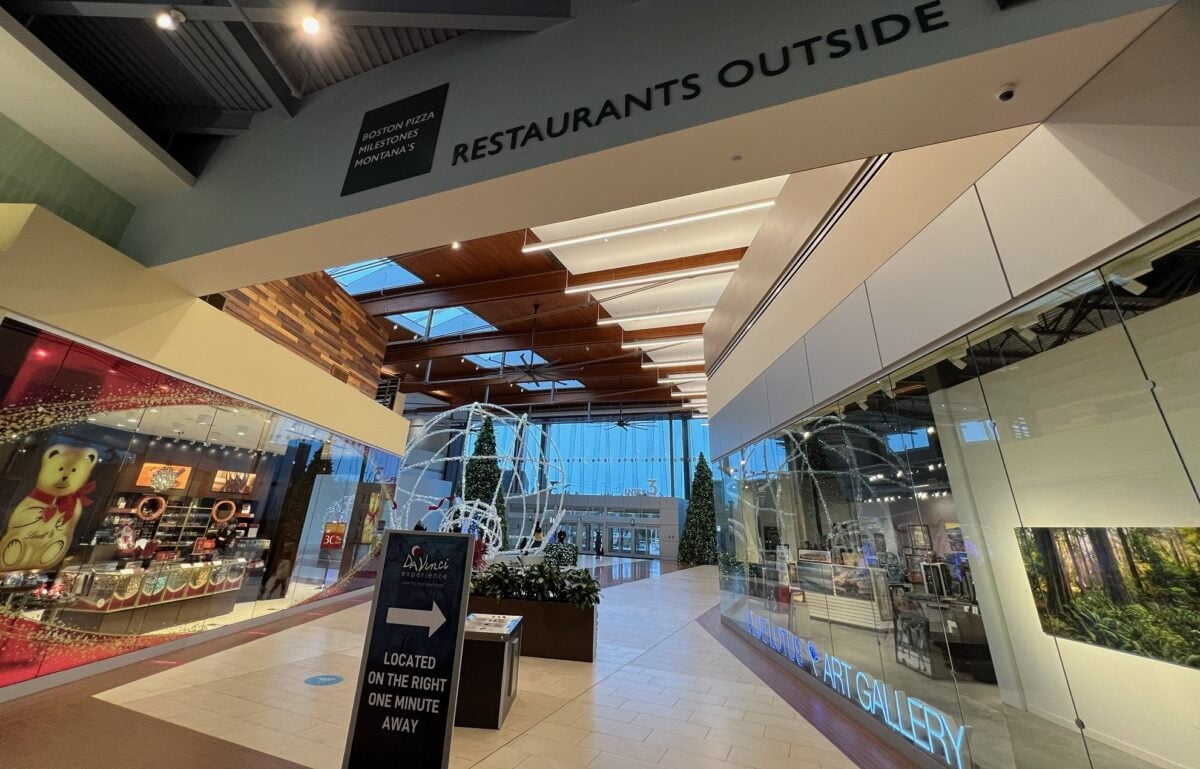
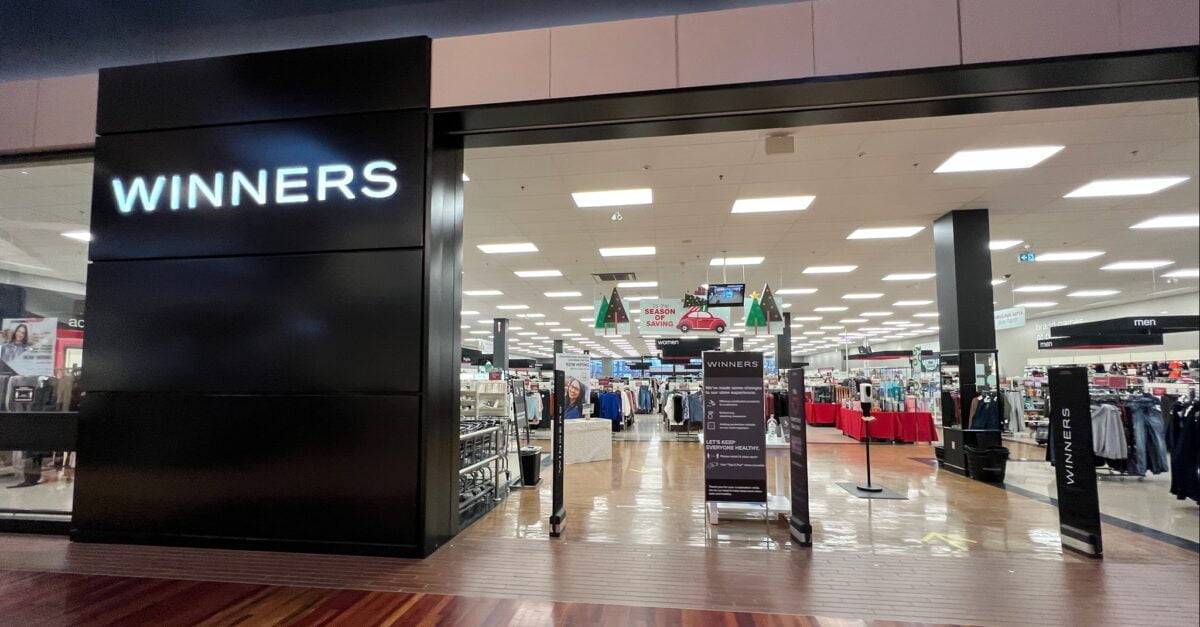
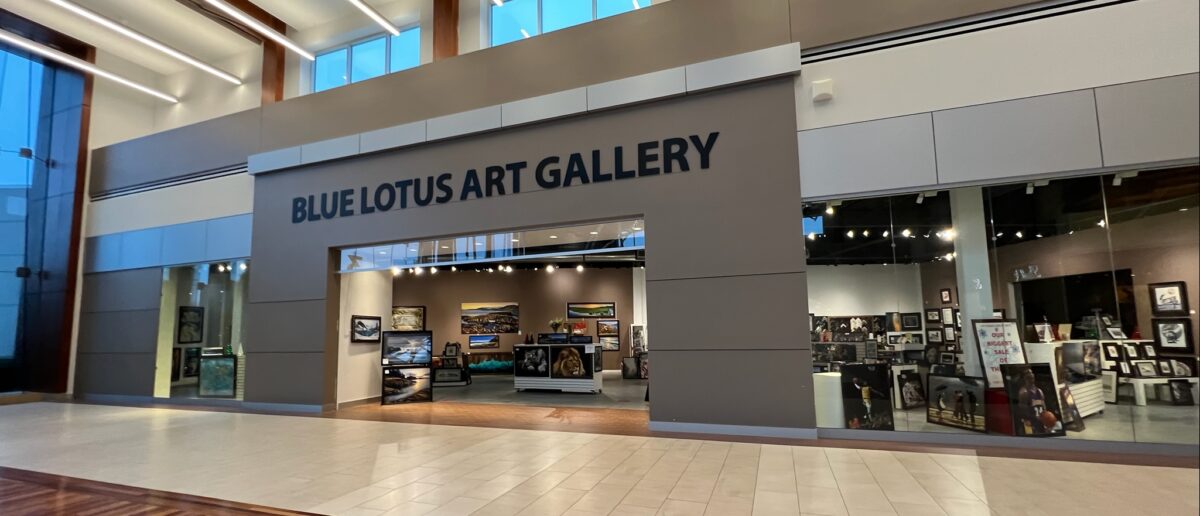
The main, anchor tenants for the Nature Neighbourhood included Winners and the Blue Lotus Gallery.
Winners at Tsawwassen Mills in Delta, BC (December 2021). Photo: Lee Rivett.Blue Lotus Art Gallery at Tsawwassen Mills in Delta, BC (December 2021). Photo: Lee Rivett.
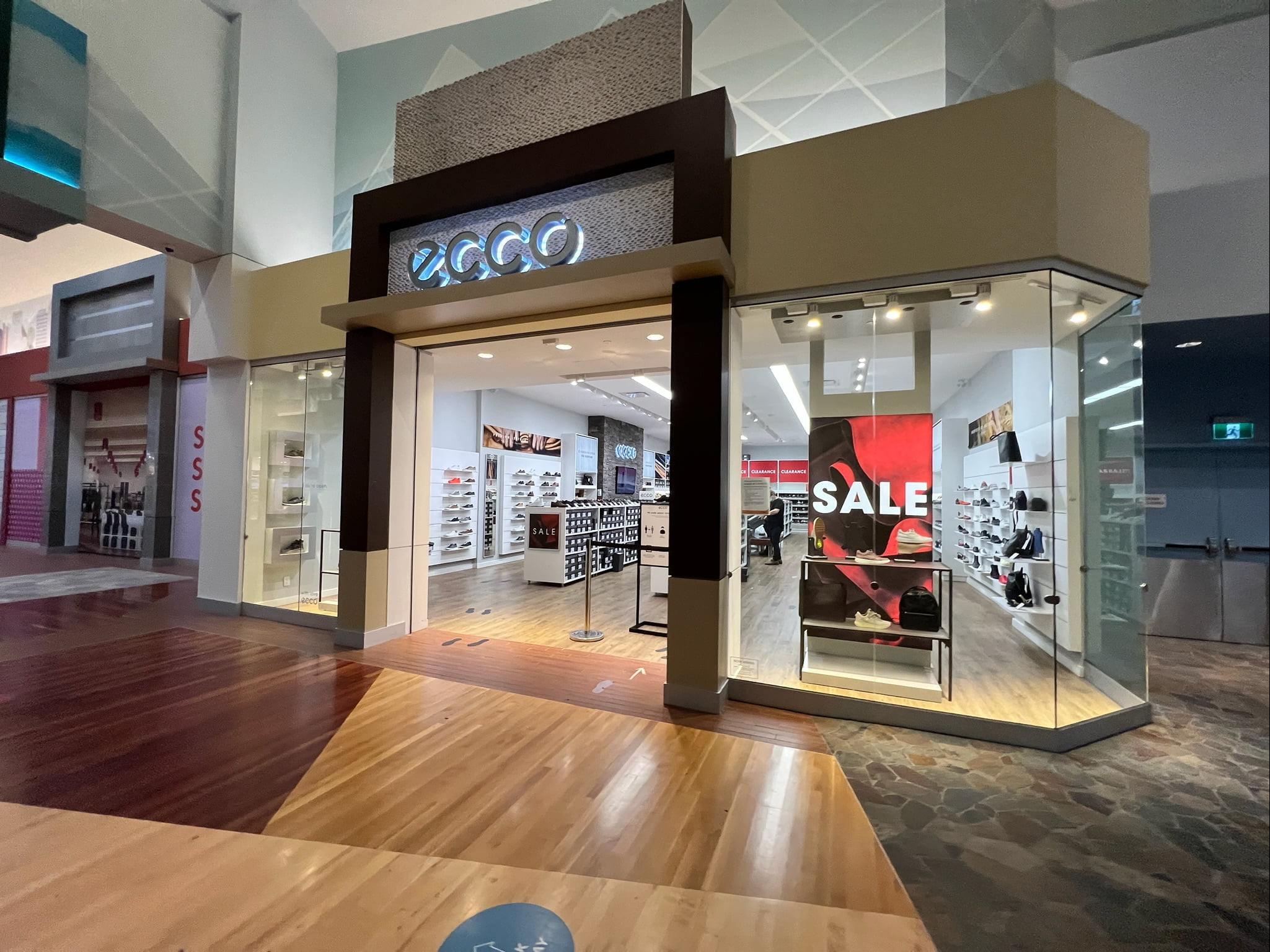
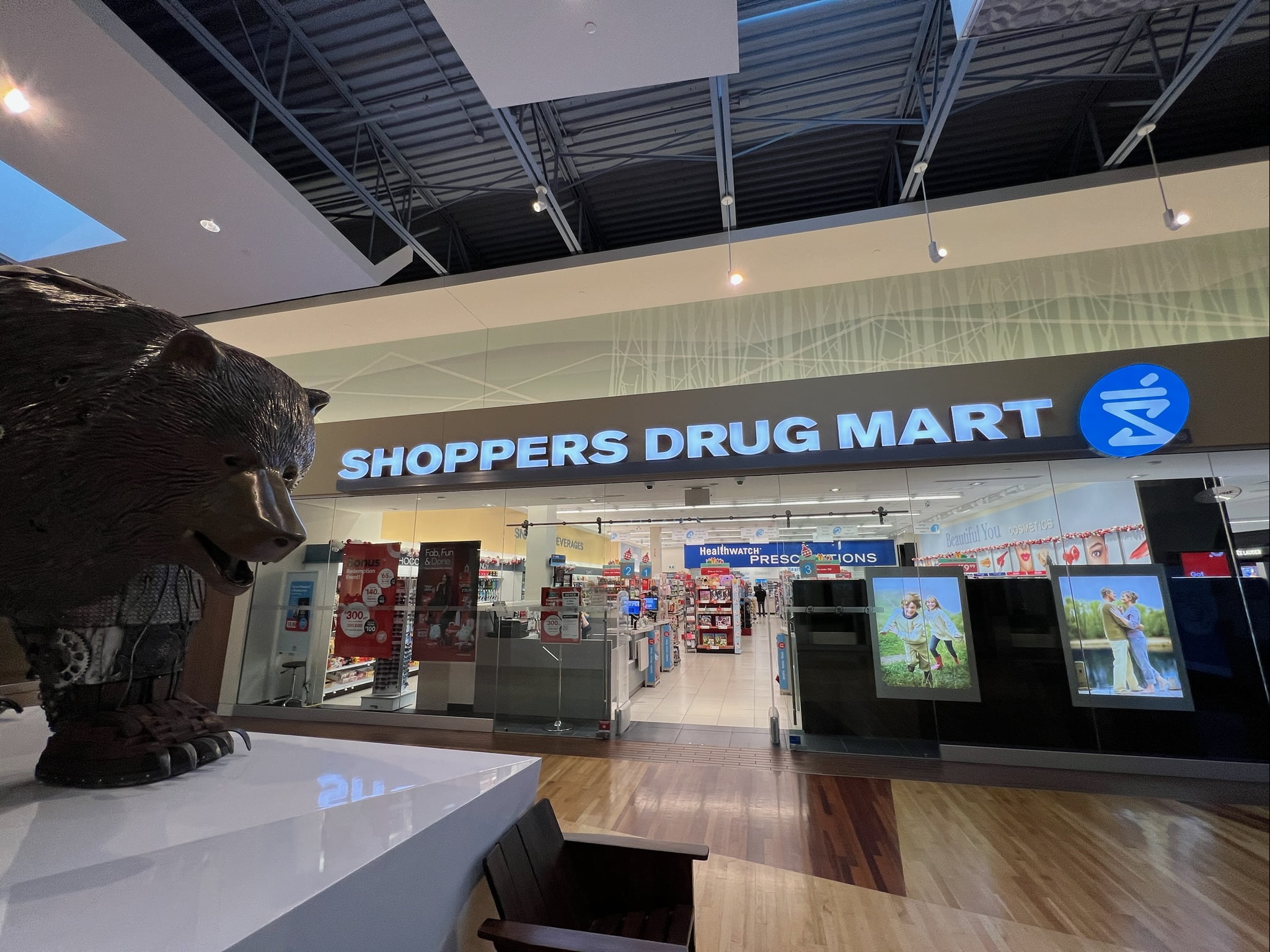
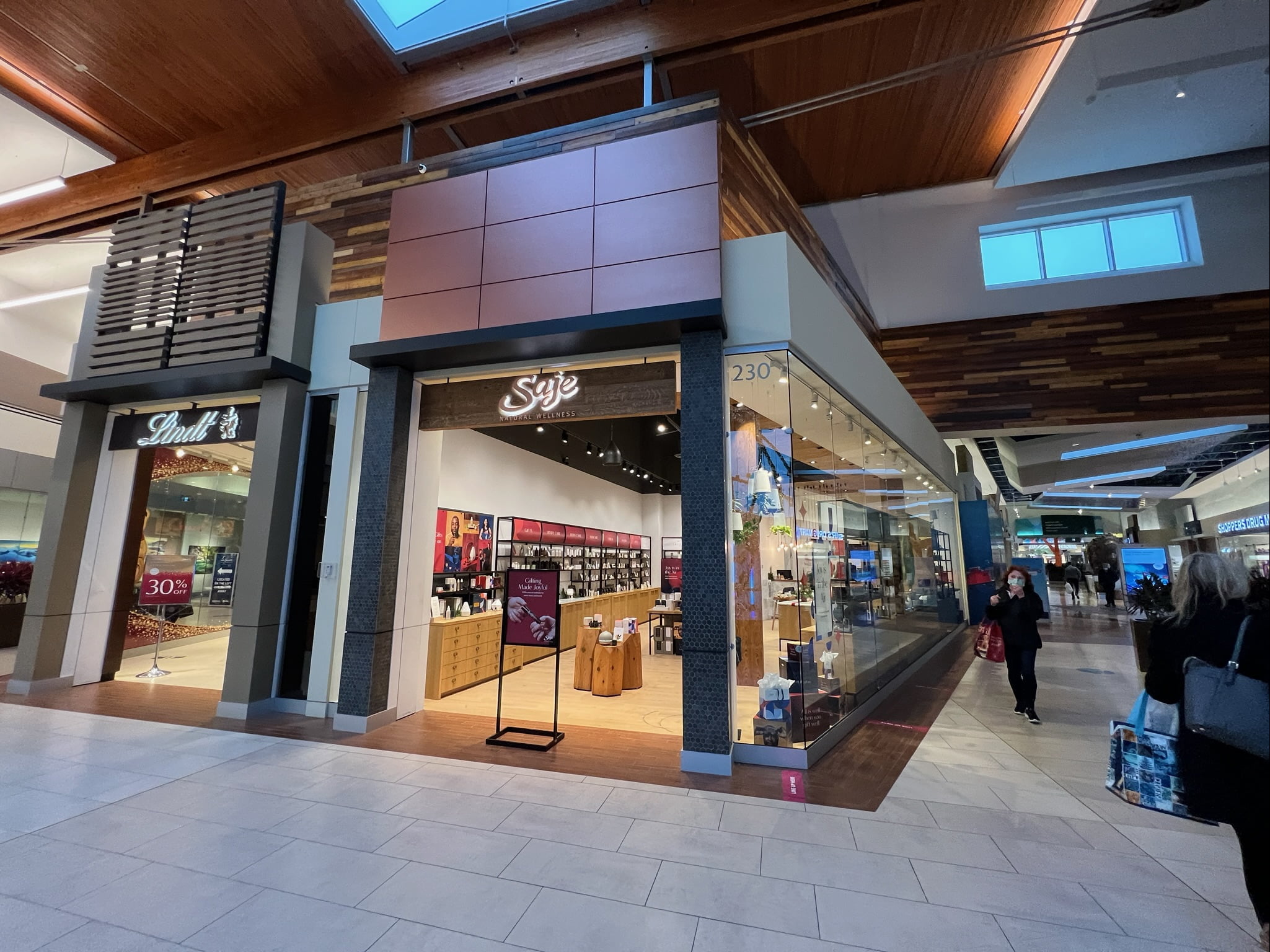
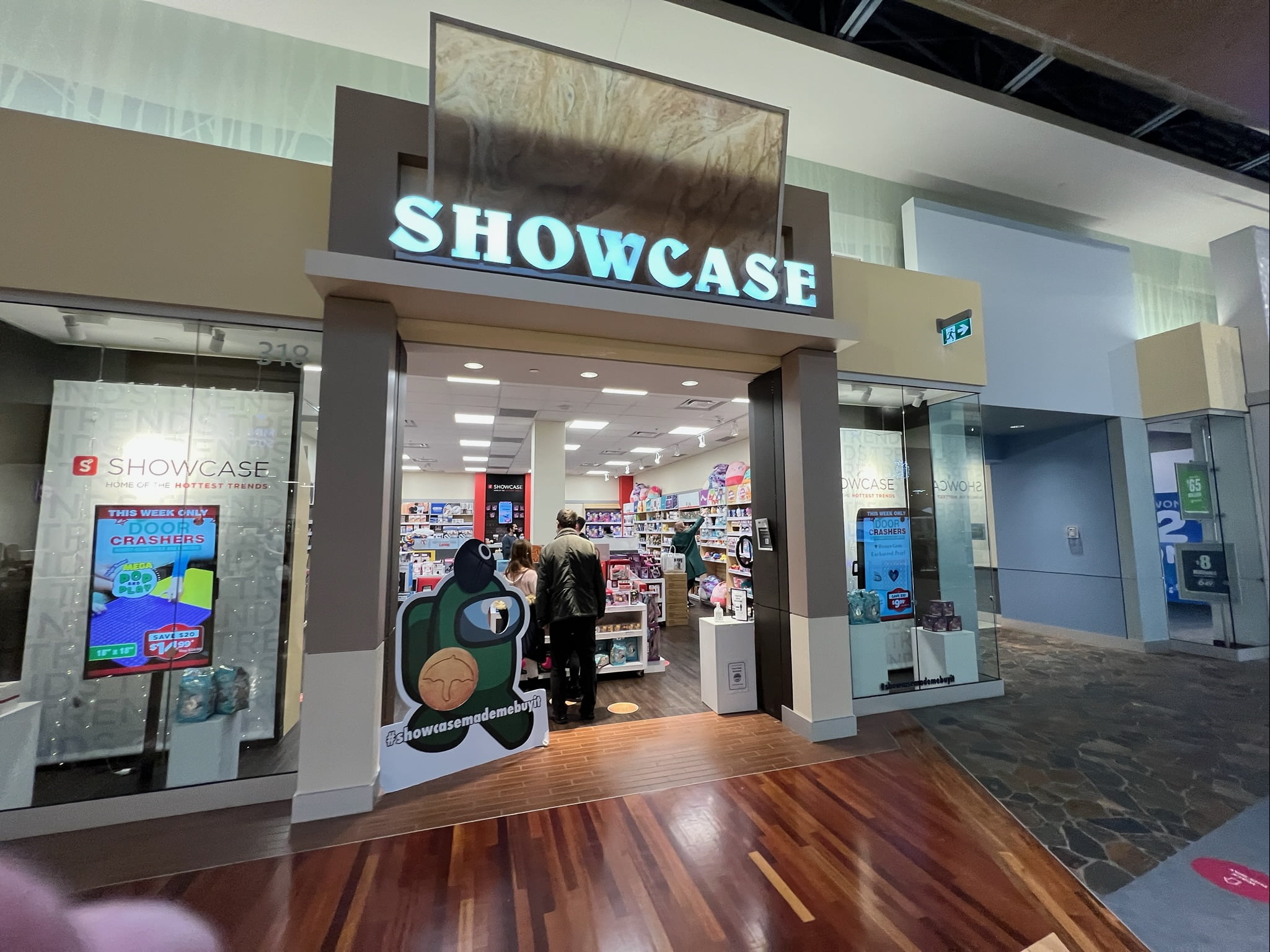
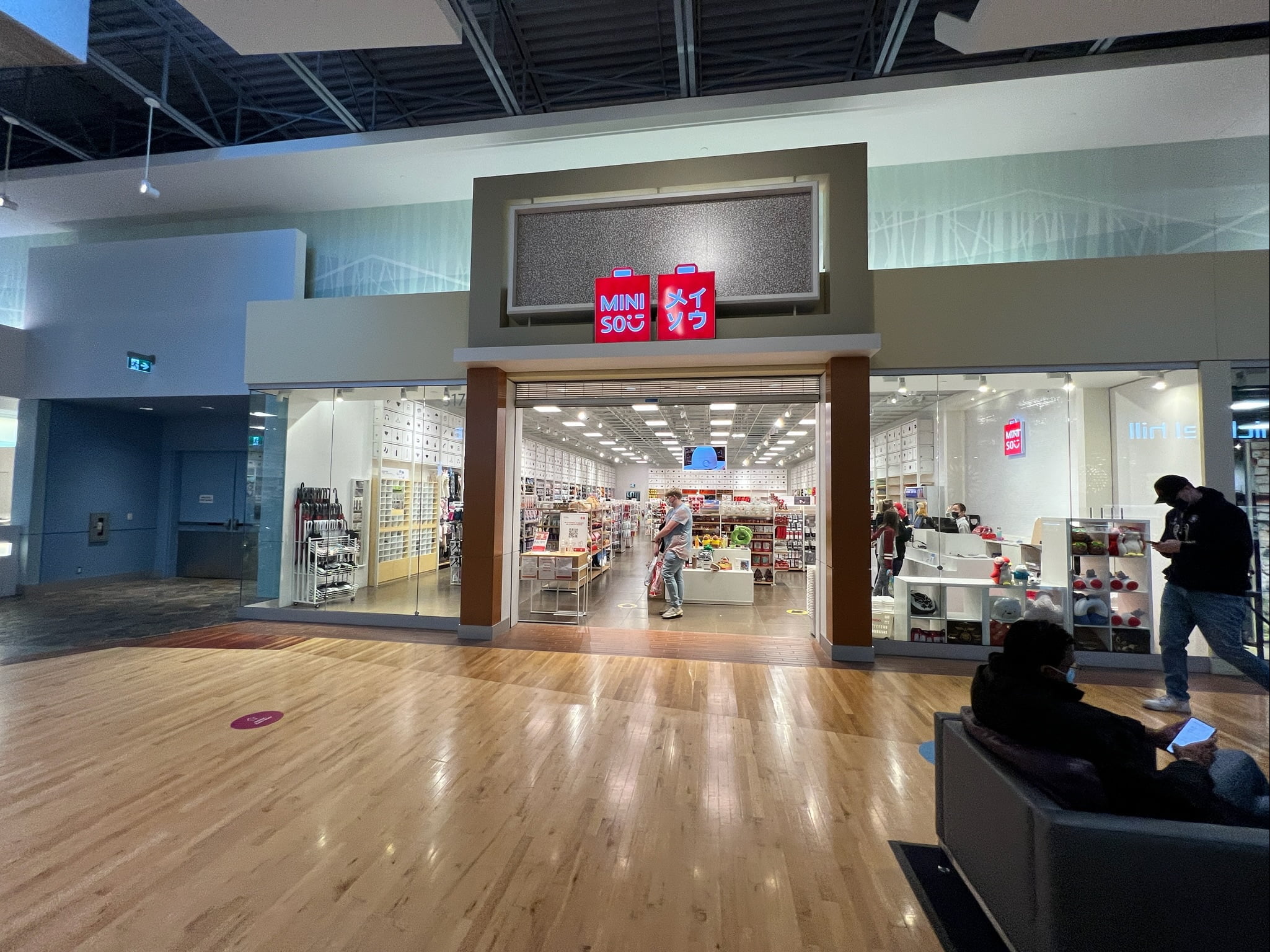
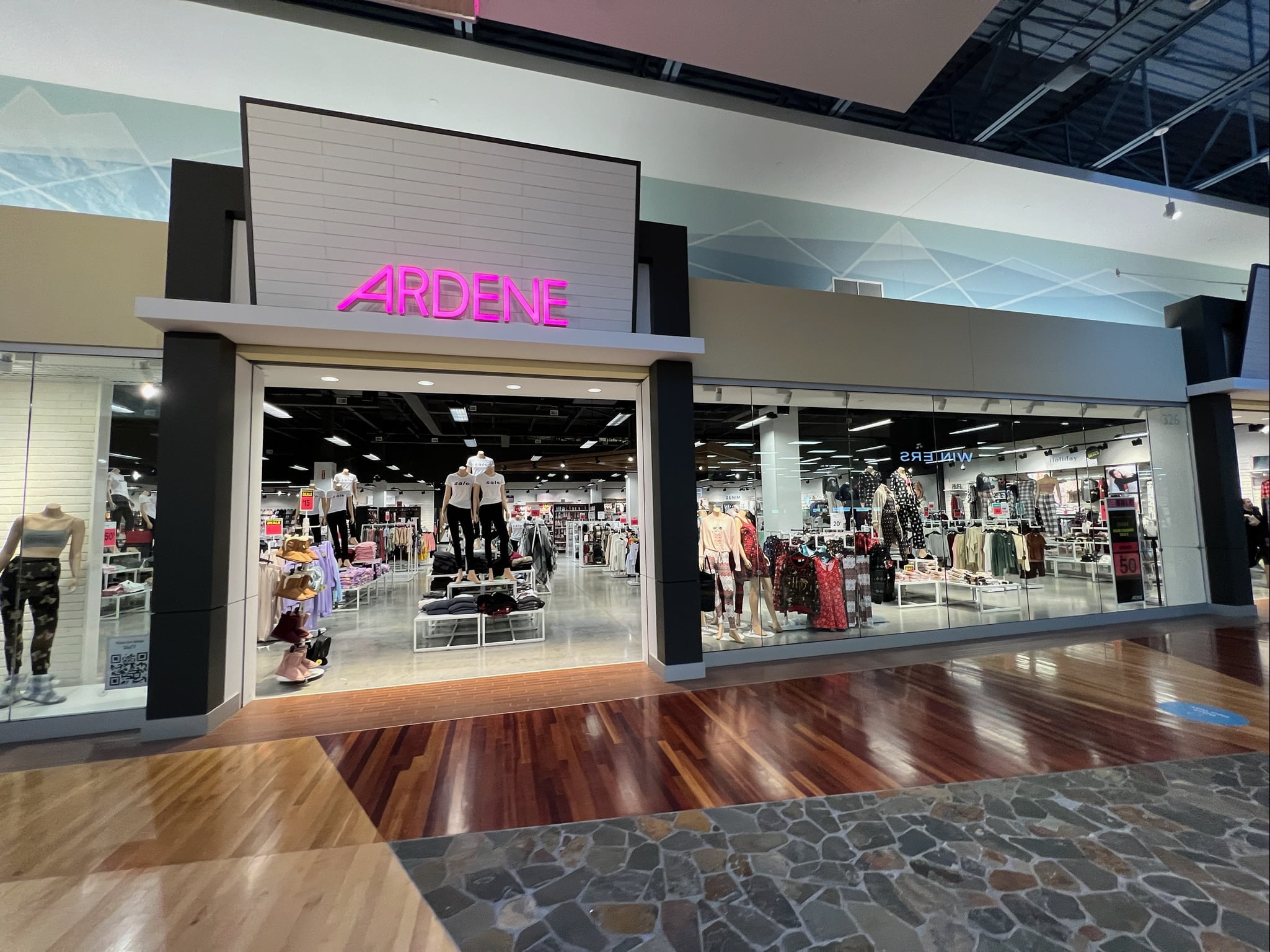
Other retailers in the Nature Neighbourhood included ECCO Shoes, Shoppers Drug Mart, Saje Natural Wellness, Lindt Chocolates, Showcase, Miniso, West Coast Leathers, Michael Hill, and Ardene.
1 of 6
ECCO Shoes at Tsawwassen Mills in Delta, BC (December 2021). Photo: Lee Rivett.
Shoppers Drug Mart at Tsawwassen Mills in Delta, BC (December 2021). Photo: Lee Rivett.
Lindt and Saje at Tsawwassen Mills in Delta, BC (December 2021). Photo: Lee Rivett.
Showcase at Tsawwassen Mills in Delta, BC (December 2021). Photo: Lee Rivett.
Miniso at Tsawwassen Mills in Delta, BC (December 2021). Photo: Lee Rivett.
Ardene at Tsawwassen Mills in Delta, BC (December 2021). Photo: Lee Rivett.
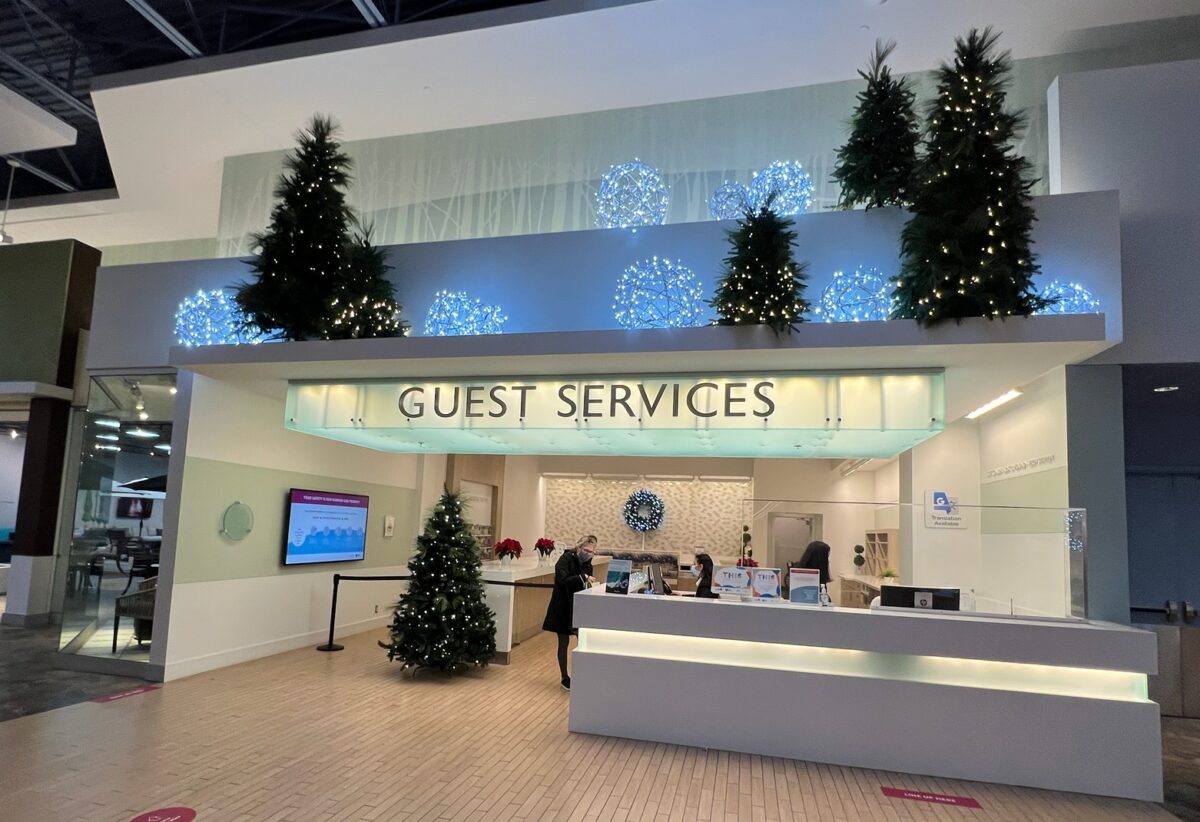
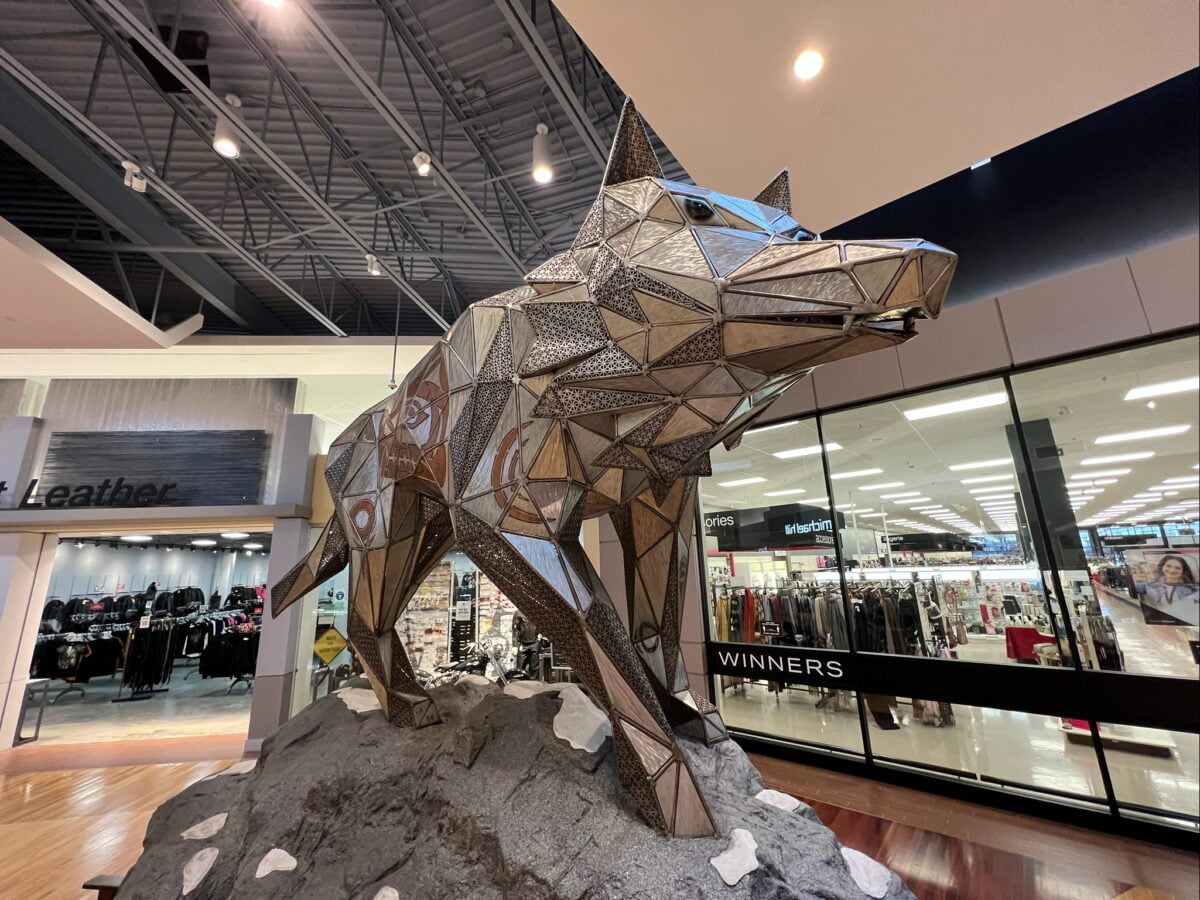
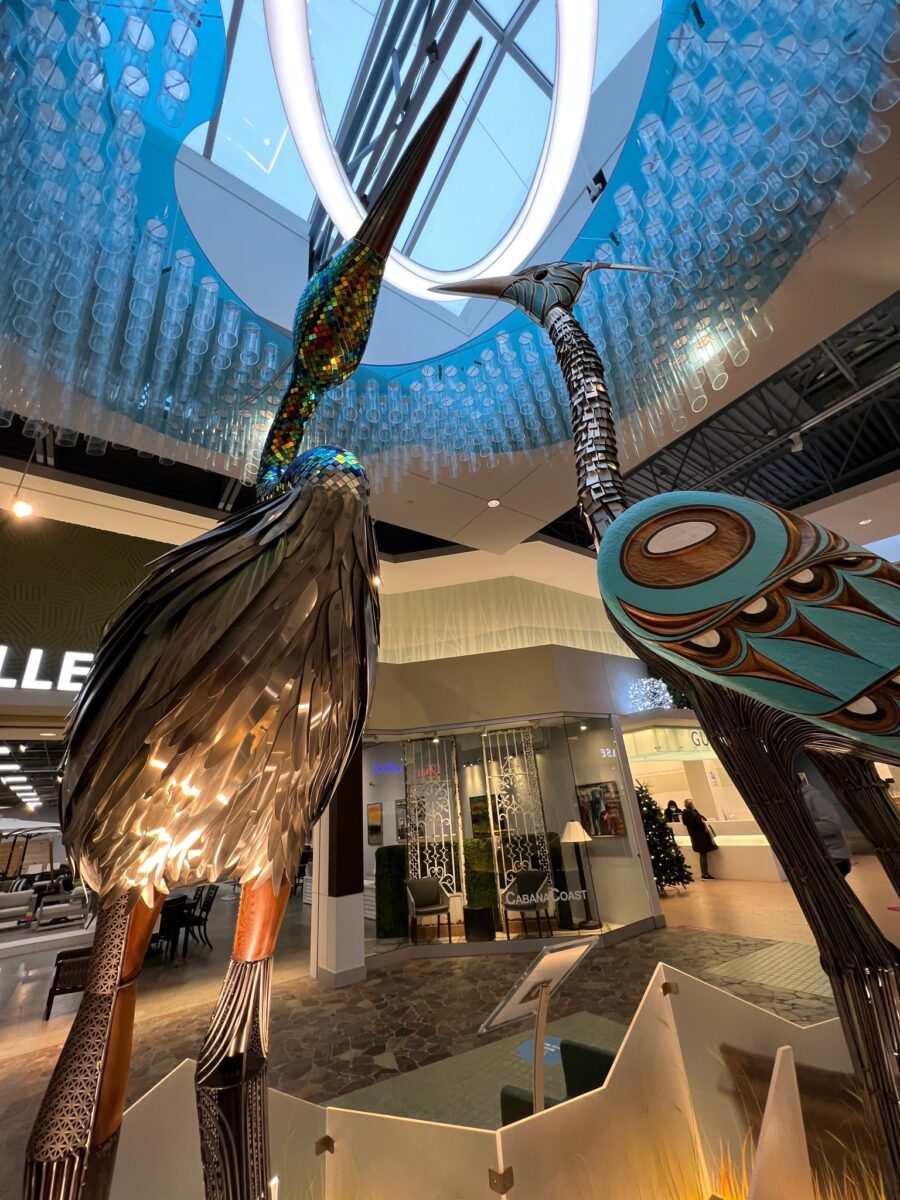
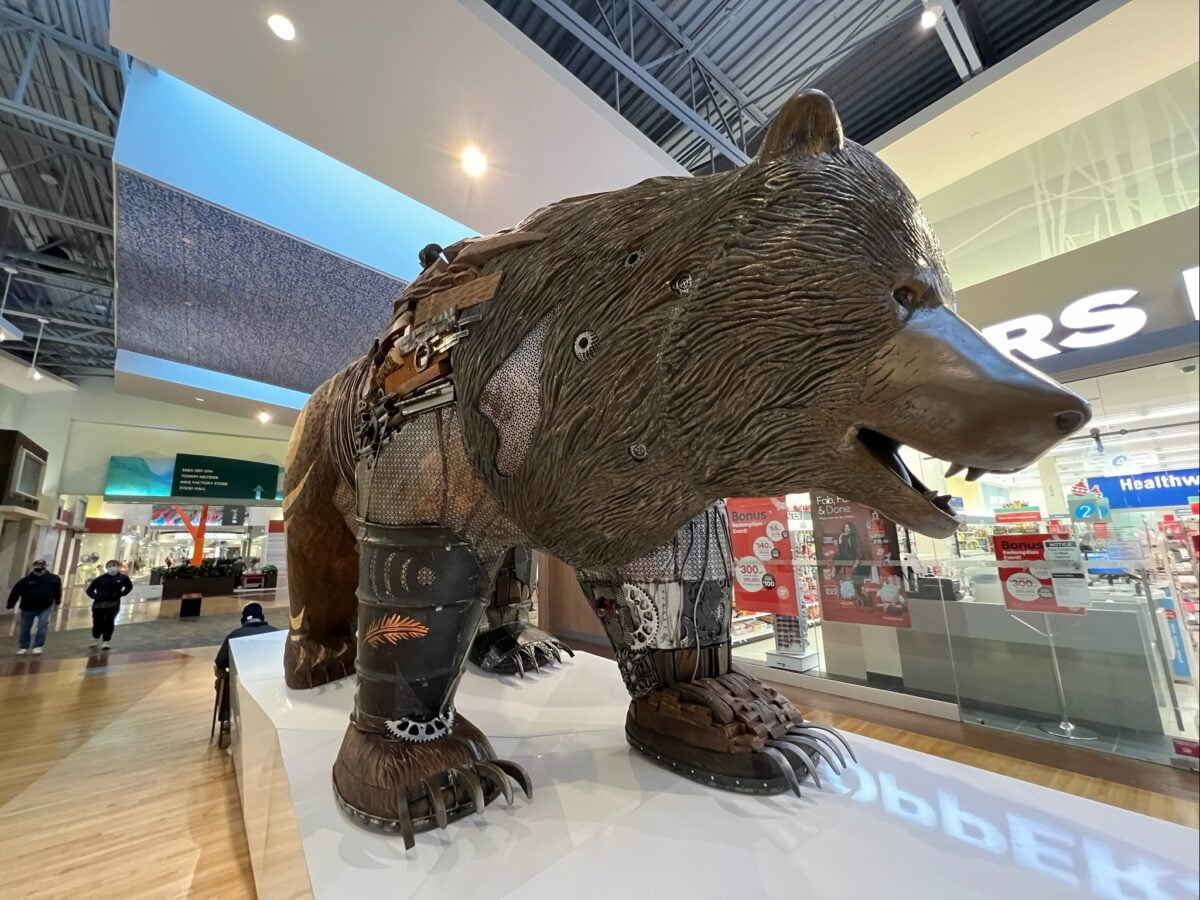
This section of Tsawwassen Mills was home to Guest Services as well as several art installations.
Guest Services at Tsawwassen Mills in Delta, BC (December 2021). Photo: Lee Rivett.Art Installation at Tsawwassen Mills in Delta, BC (December 2021). Photo: Lee Rivett.
Art Installation at Tsawwassen Mills in Delta, BC (December 2021). Photo: Lee Rivett.
Art Installation at Tsawwassen Mills in Delta, BC (December 2021). Photo: Lee Rivett.
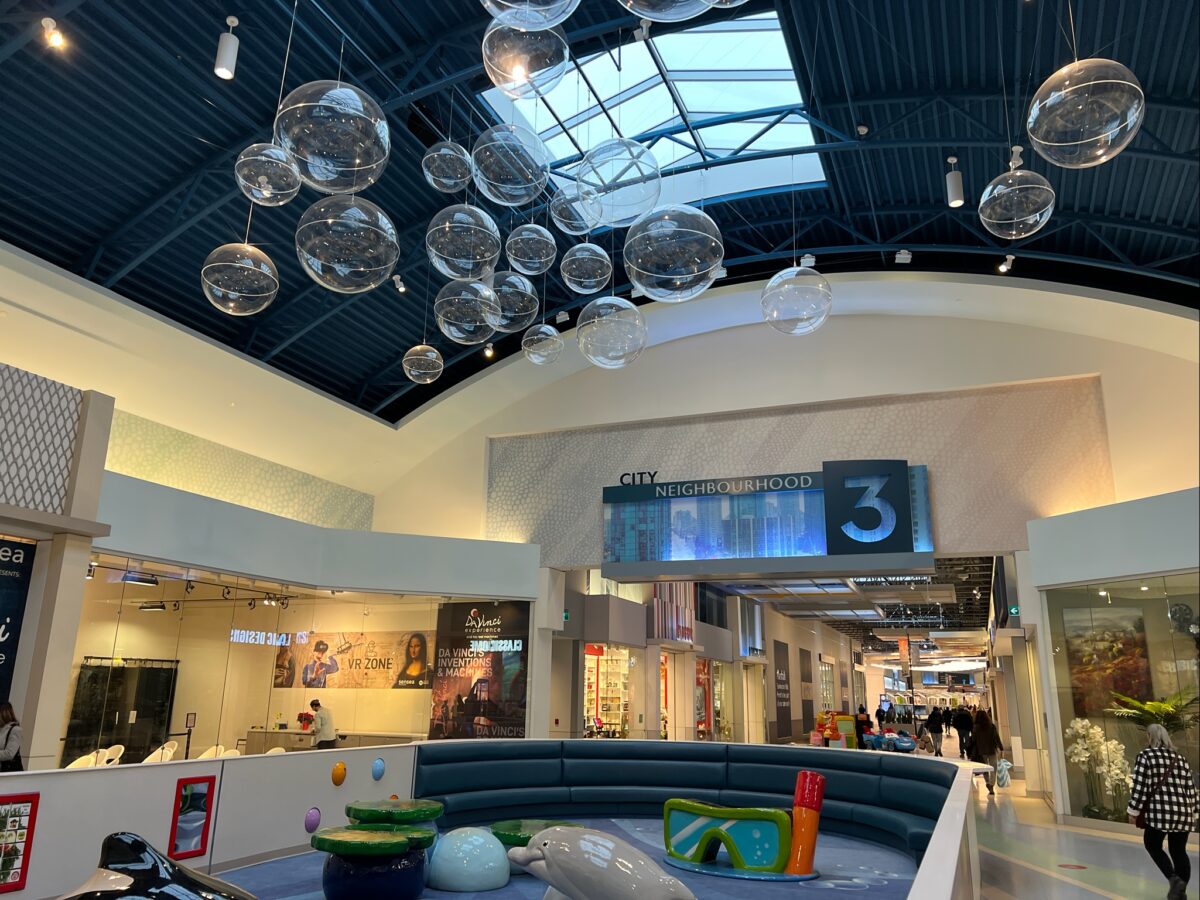
Zone 3 – City Neighbourhood
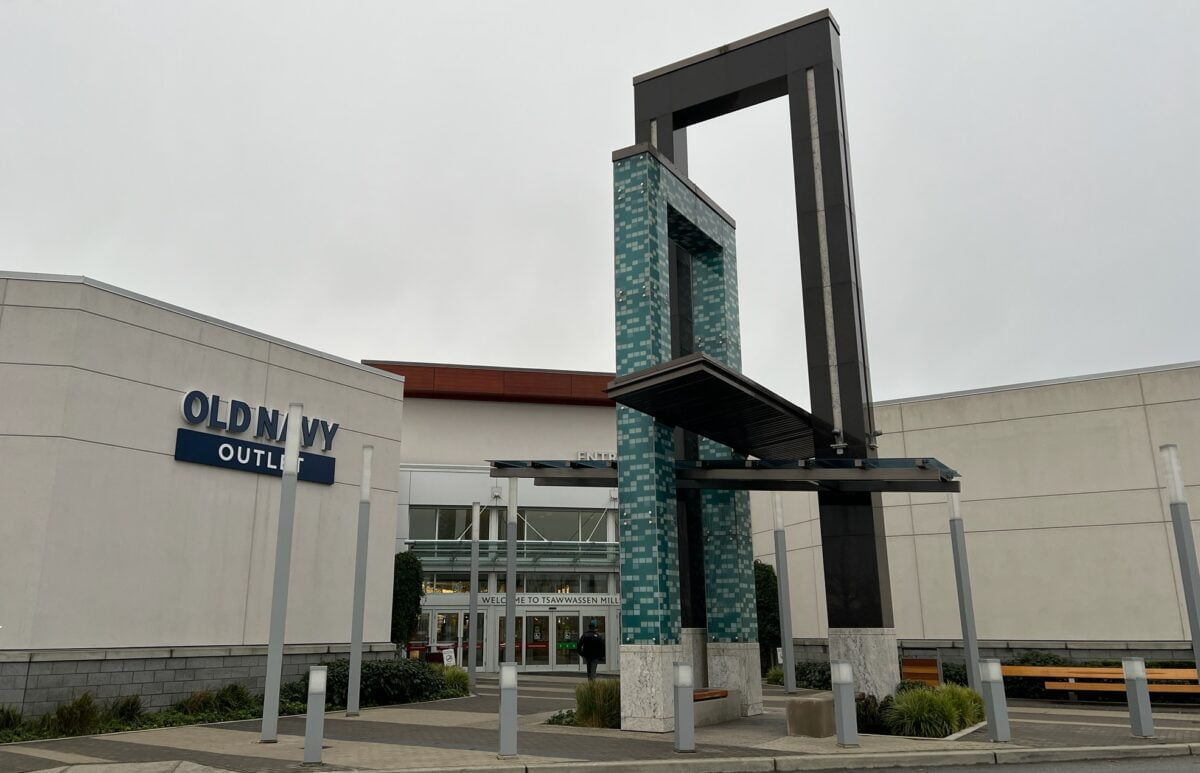
A very short ‘neighbourhood’ on the northwest side of Tsawwassen Mills is home to the City Neighbourhood. It is also home to “Entry 4” with a large outdoor sculpture to welcome shoppers.
Children’s Play Area between City Neighbourhood and Nature Neighbourhood at Tsawwassen Mills in Delta, BC (December 2021). Photo: Lee Rivett.Outdoor sculpture outside of ‘Entry 4’ at Tsawwassen Mills in Delta, BC (December 2021). Photo: Lee Rivett.
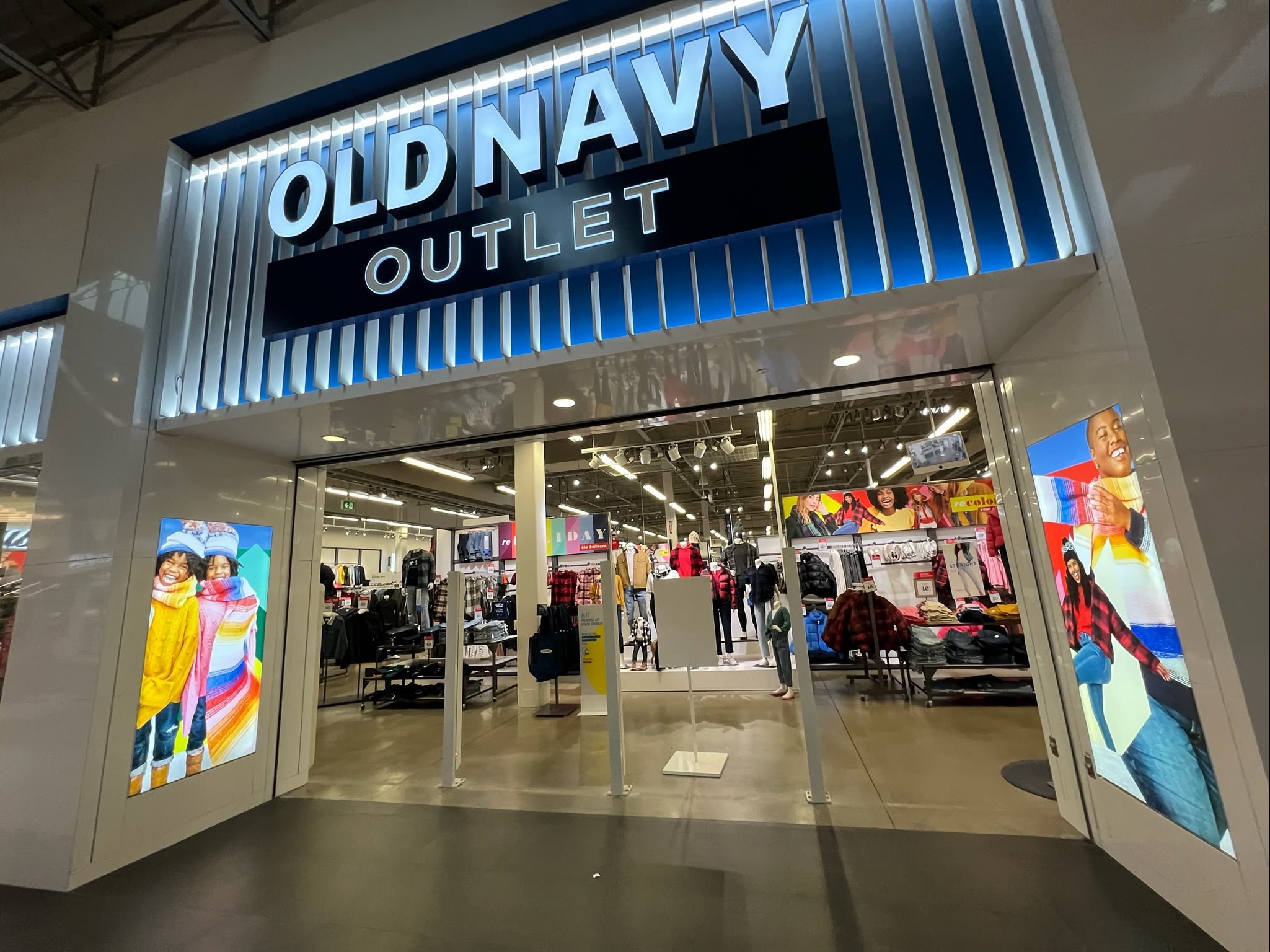
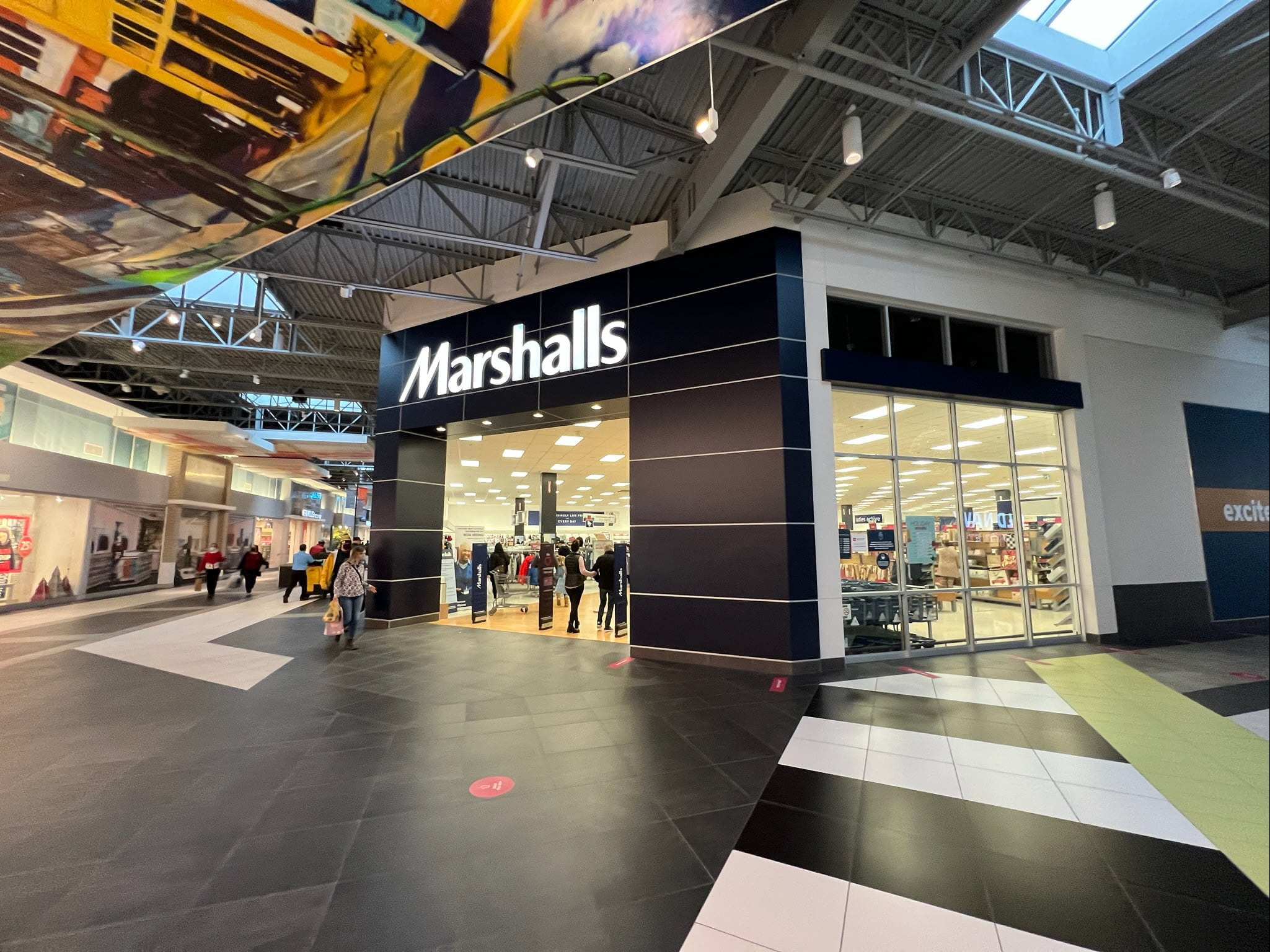
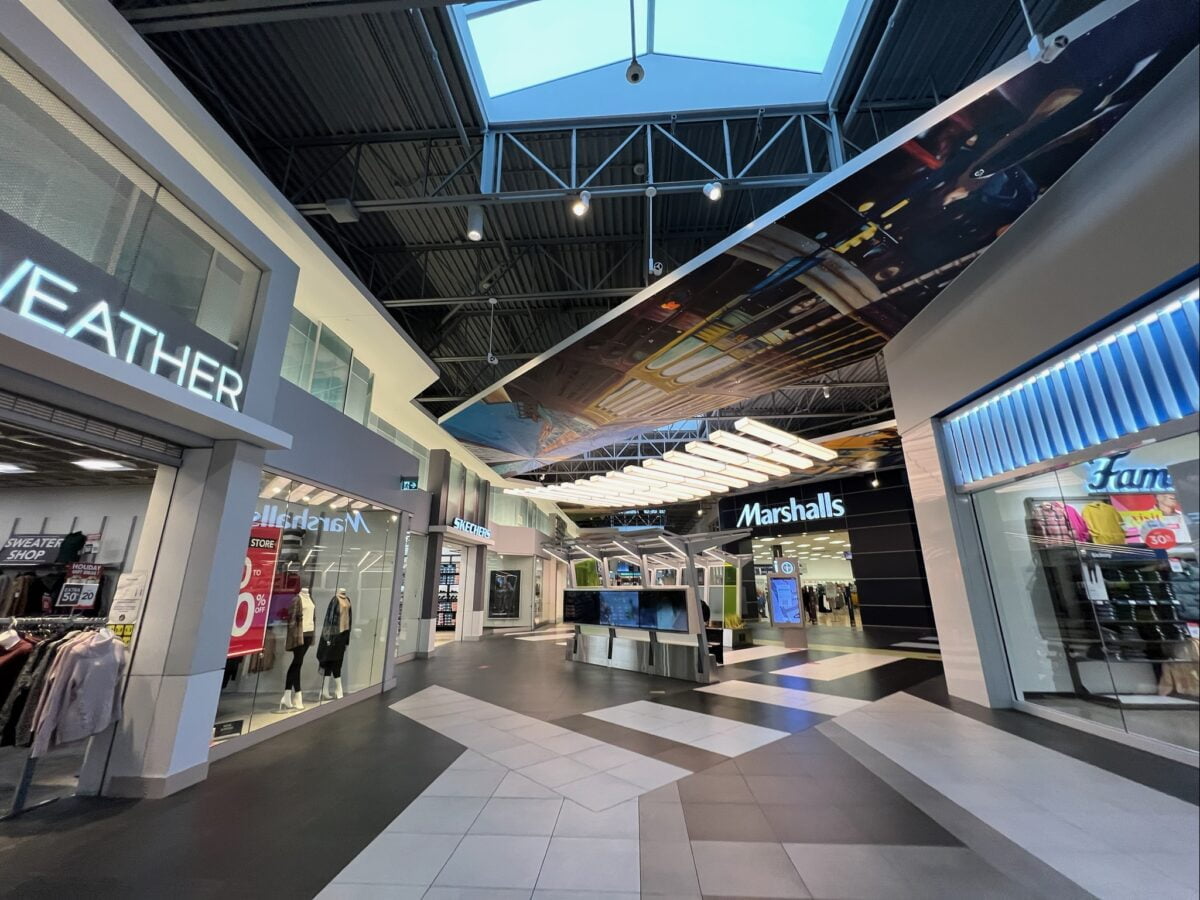
The main retail tenants for this neighbourhood included Marshalls and Old Navy Outlet.
Old Navy Outlet at Tsawwassen Mills in Delta, BC (December 2021). Photo: Lee Rivett.
Marshalls at Tsawwassen Mills in Delta, BC (December 2021). Photo: Lee Rivett.
Corridor in City Neighbourhood at Tsawwassen Mills in Delta, BC (December 2021). Photo: Lee Rivett.
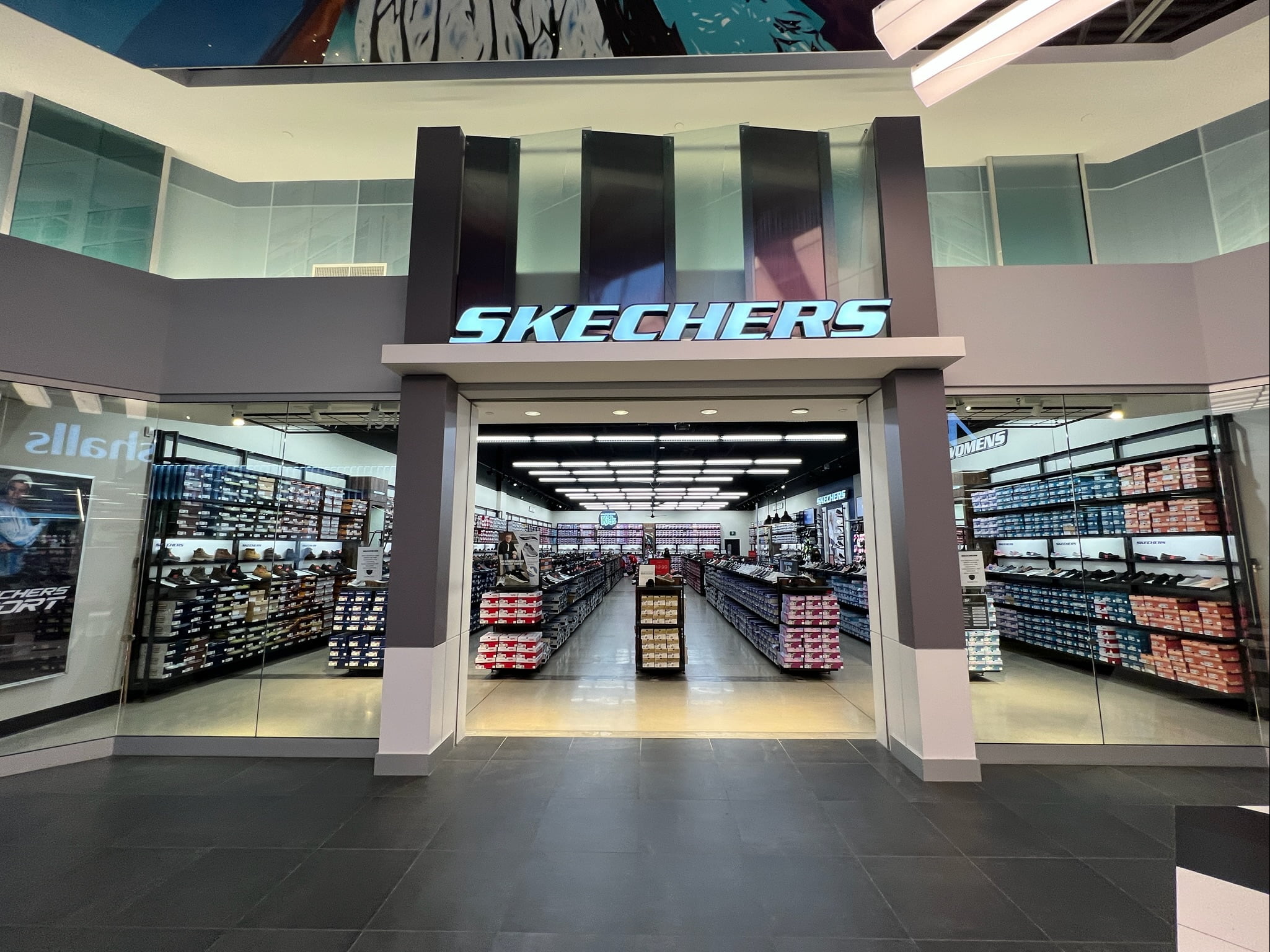
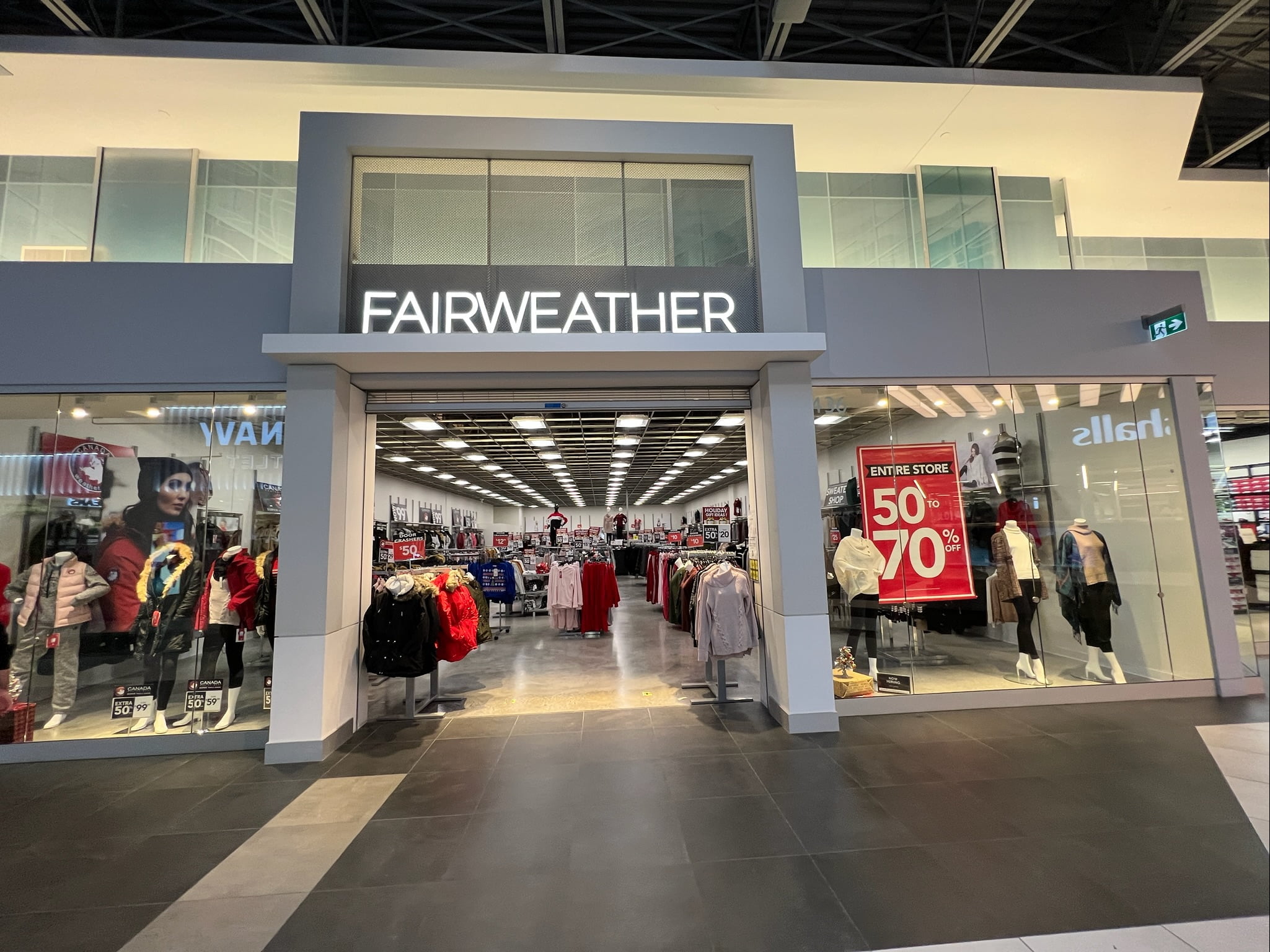
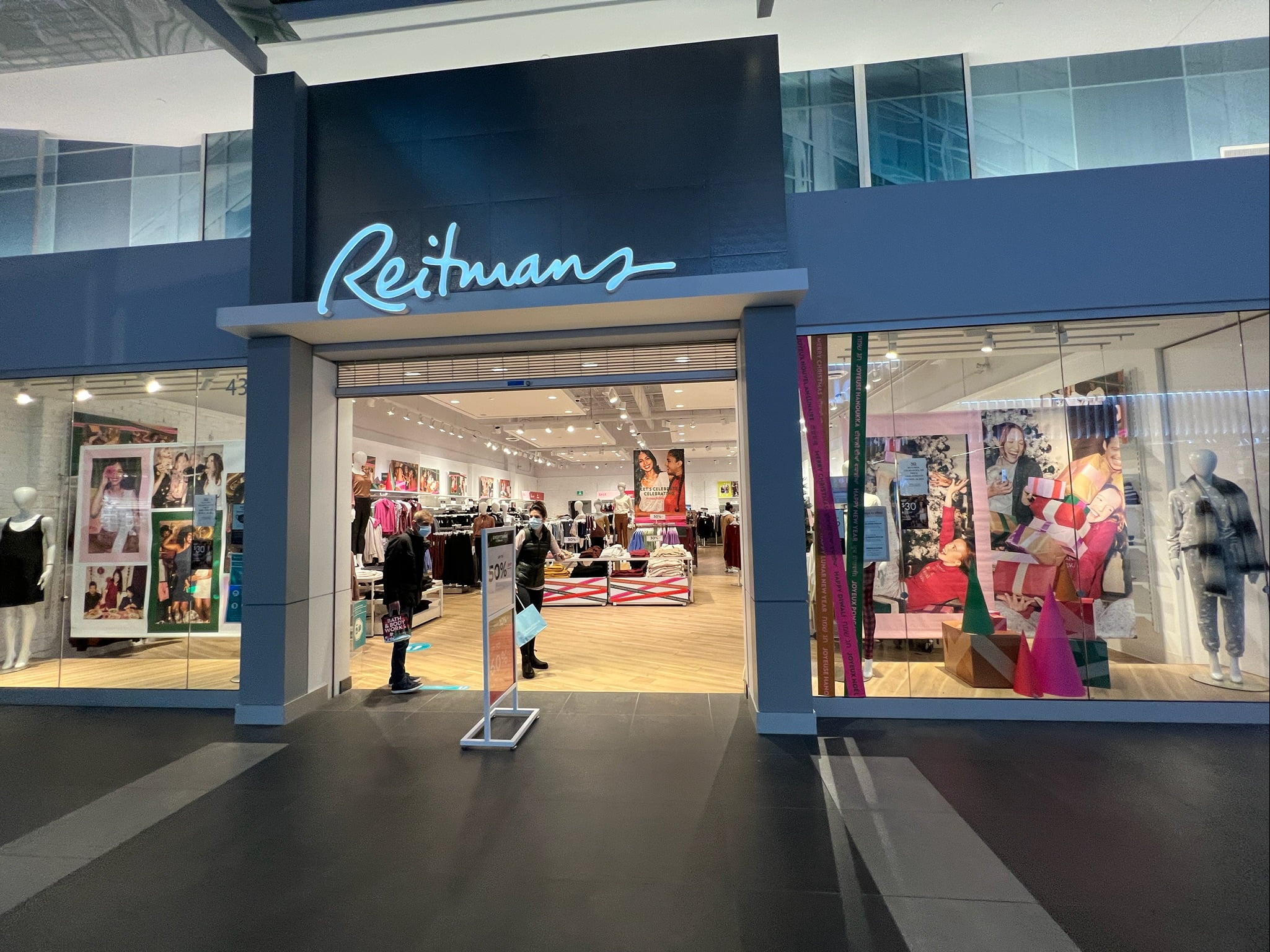
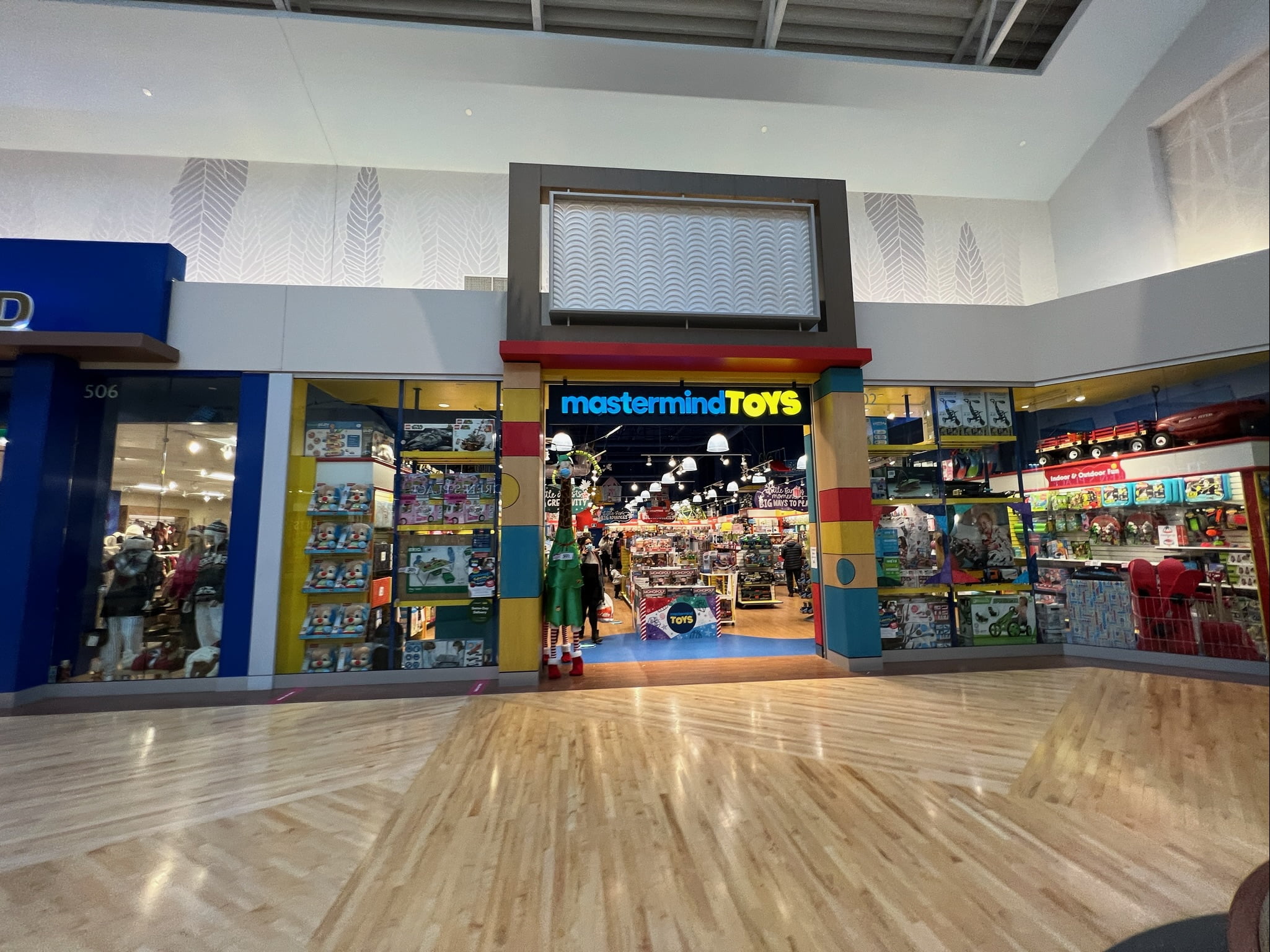
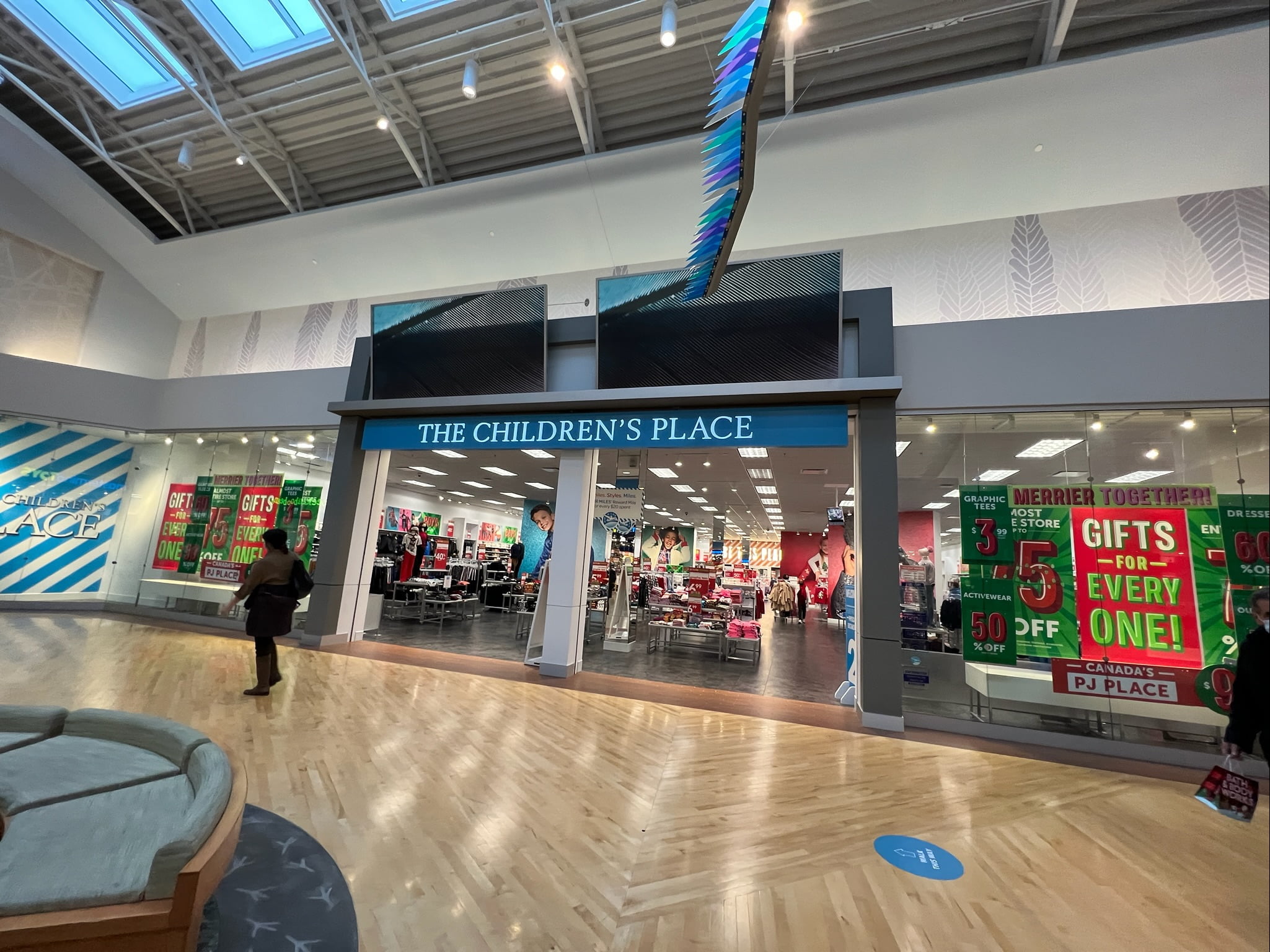
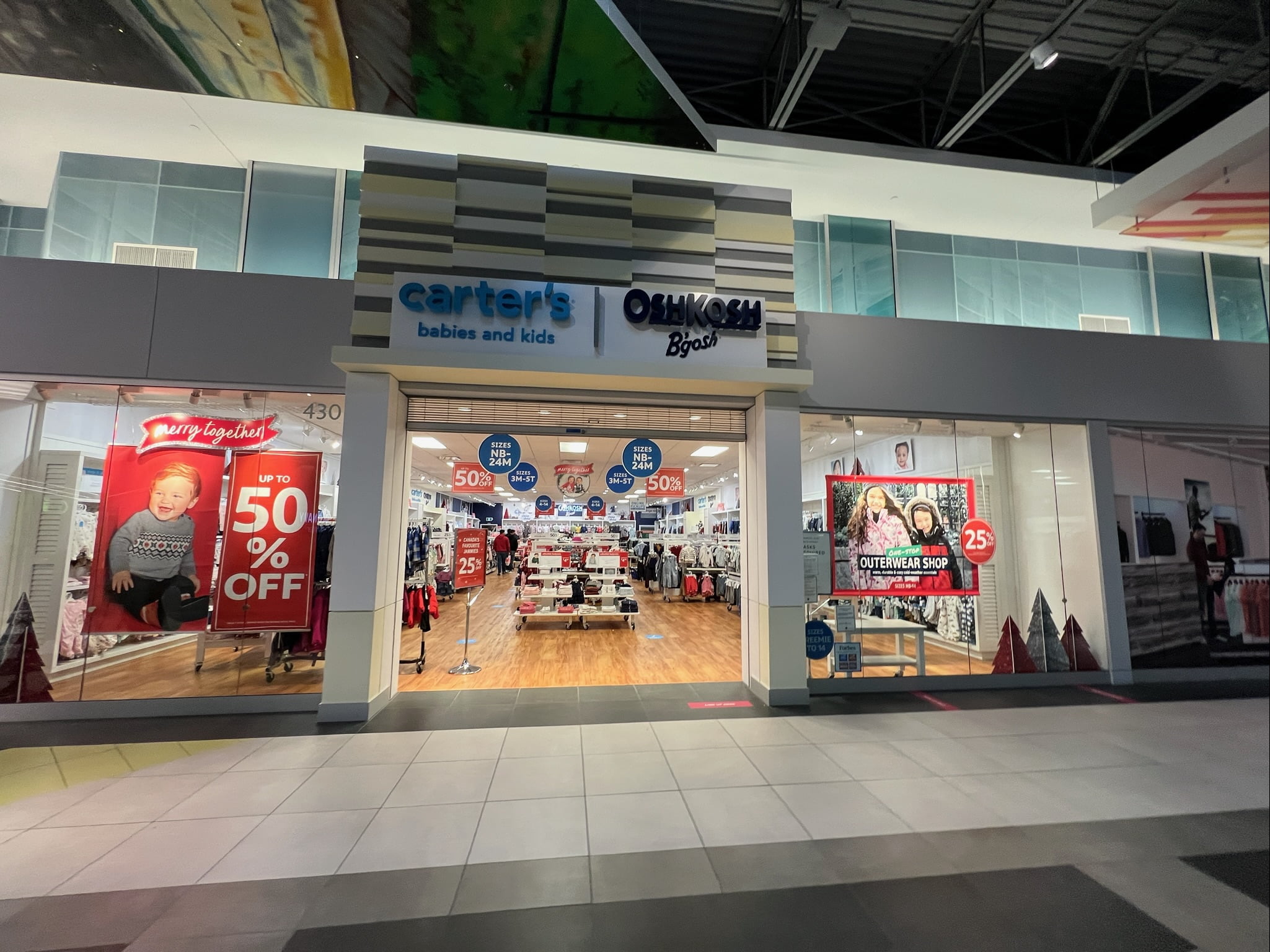
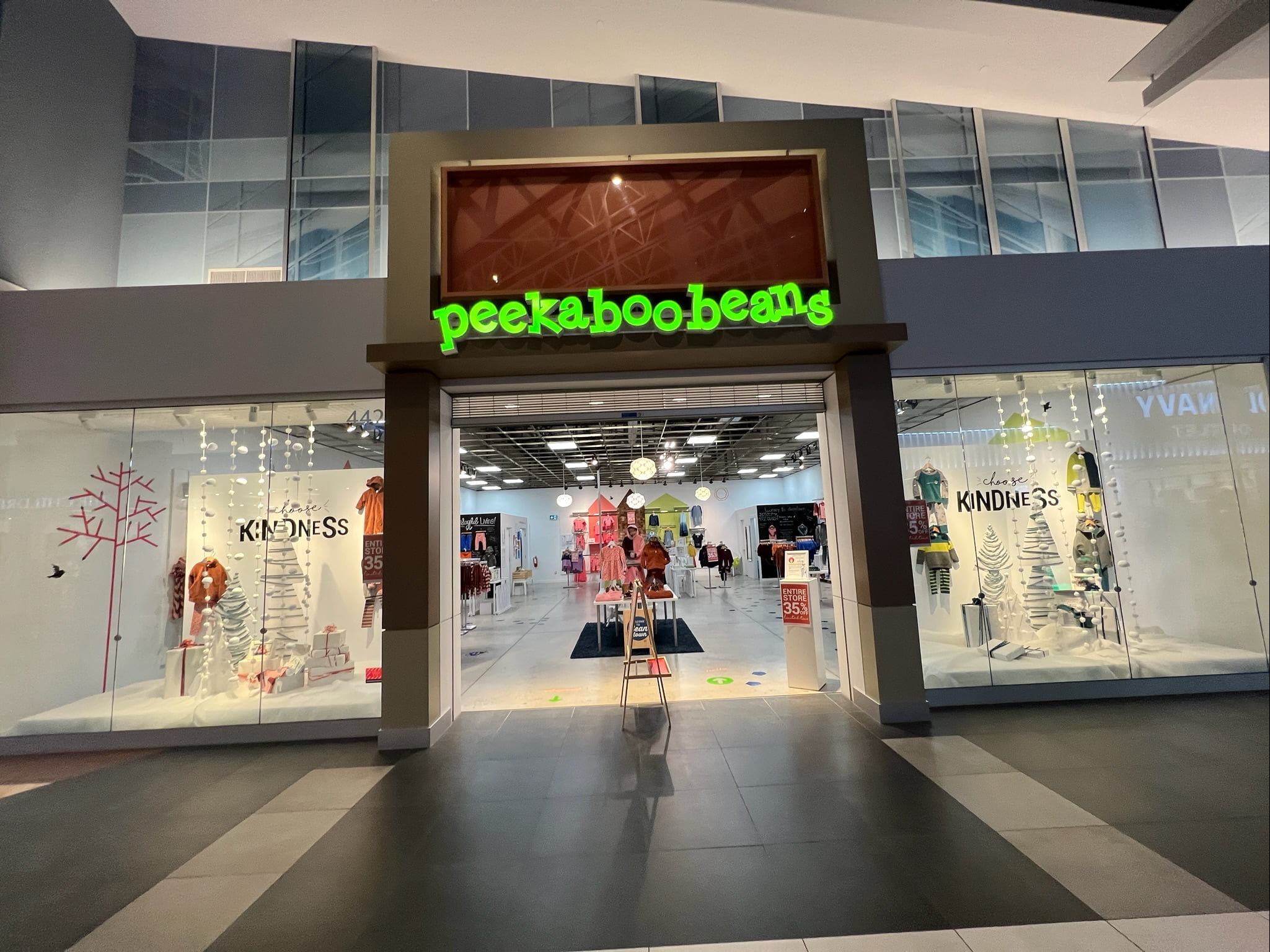
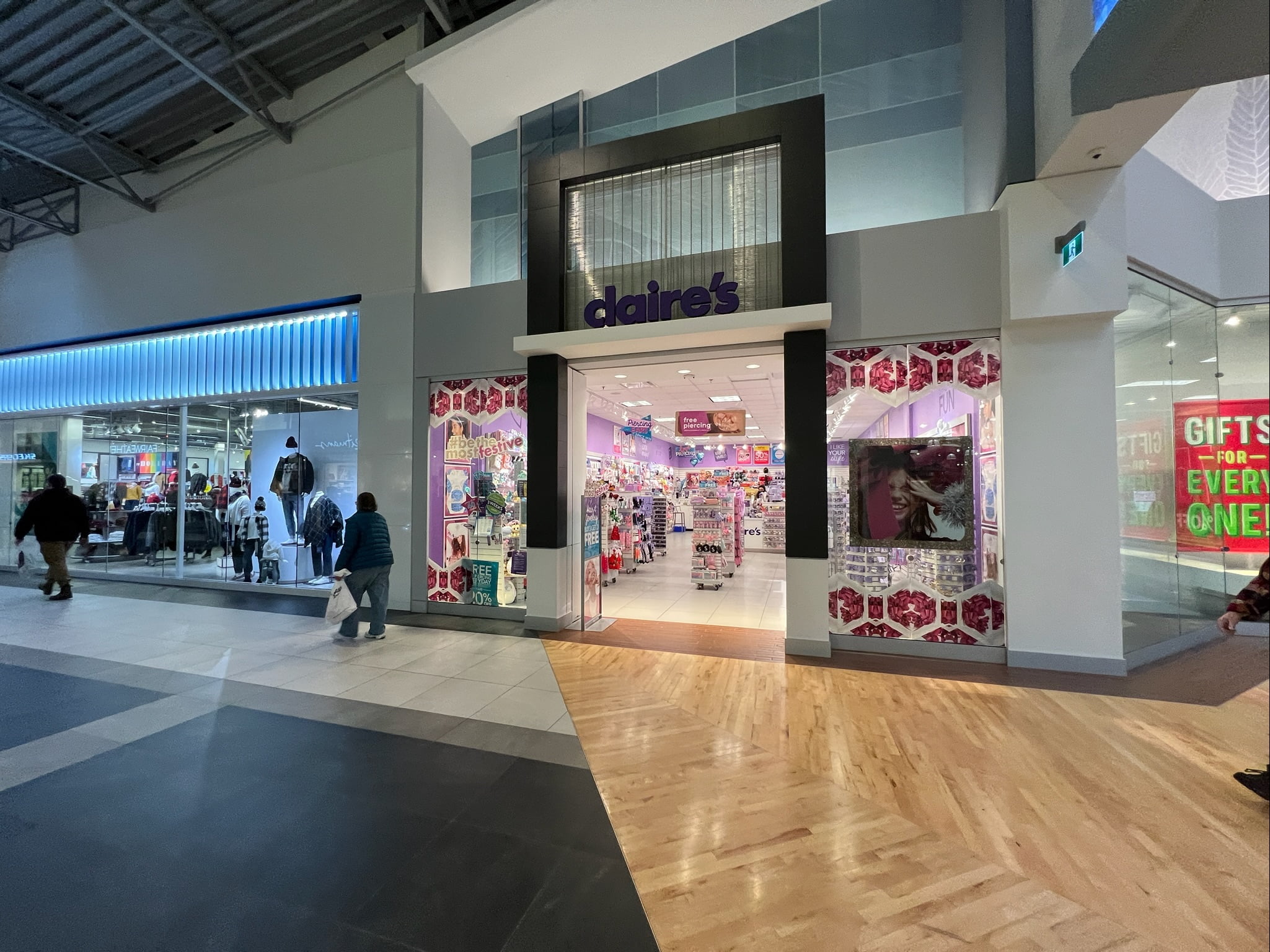
Other retailers in the City Neighbourhood included Famous Footwear, Carters/Osh Kosh, Sketchers, Fairweather, Reitmans, Peekaboo Beans, Claires, Mastermind Toys, Children’s Place and Inka’s World.
1 of 12
Sketchers at Tsawwassen Mills in Delta, BC (December 2021). Photo: Lee Rivett.
Fairweather at Tsawwassen Mills in Delta, BC (December 2021). Photo: Lee Rivett.
Reitman's at Tsawwassen Mills in Delta, BC (December 2021). Photo: Lee Rivett.
Mastermind Toys at Tsawwassen Mills in Delta, BC (December 2021). Photo: Lee Rivett.
The Children's Place at Tsawwassen Mills in Delta, BC (December 2021). Photo: Lee Rivett.
Carter's at Tsawwassen Mills in Delta, BC (December 2021). Photo: Lee Rivett.
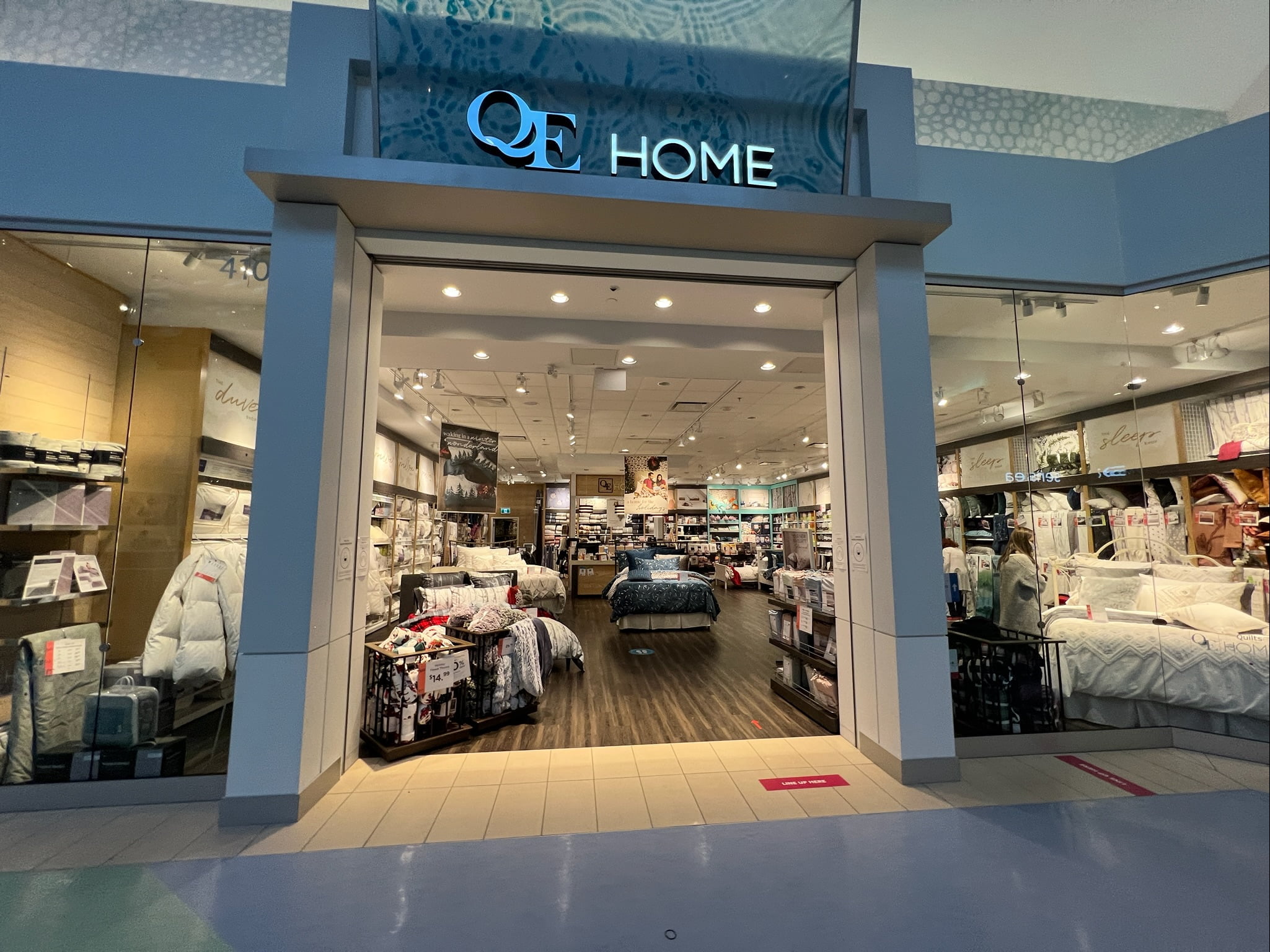
QE Home at Tsawwassen Mills in Delta, BC (December 2021). Photo: Lee Rivett.
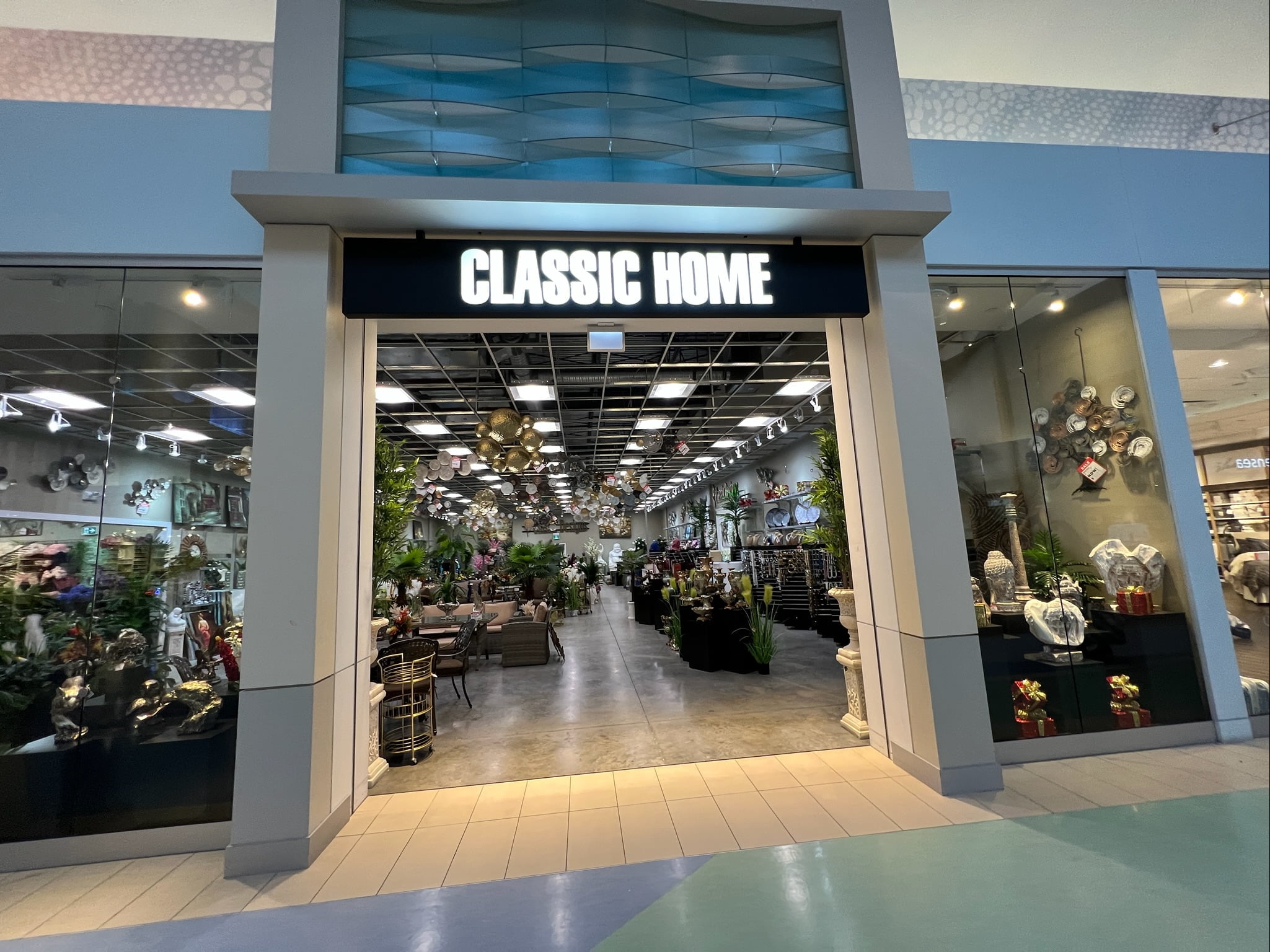
Classic Home at Tsawwassen Mills in Delta, BC (December 2021). Photo: Lee Rivett.
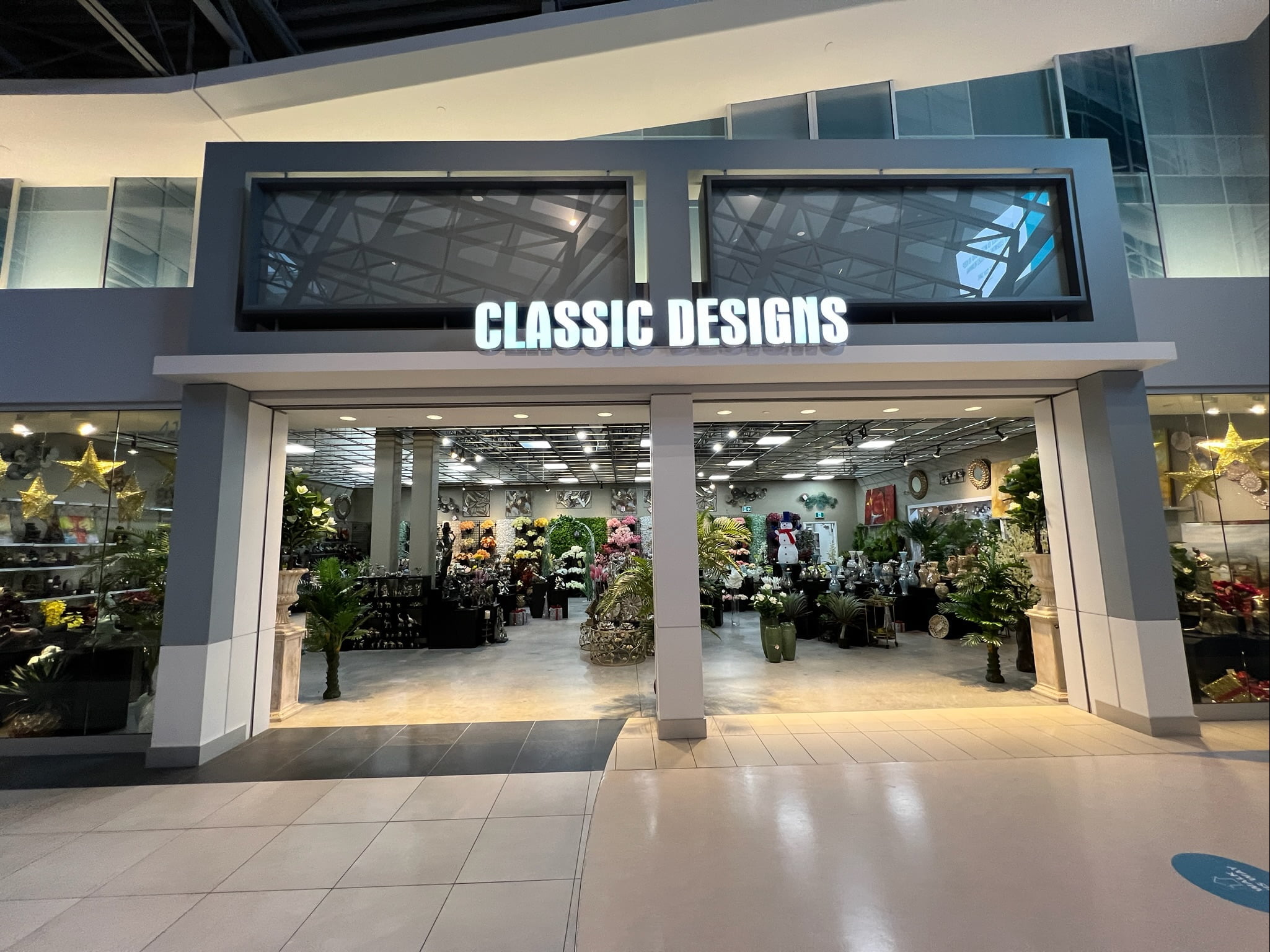
Classic Designs at Tsawwassen Mills in Delta, BC (December 2021). Photo: Lee Rivett.
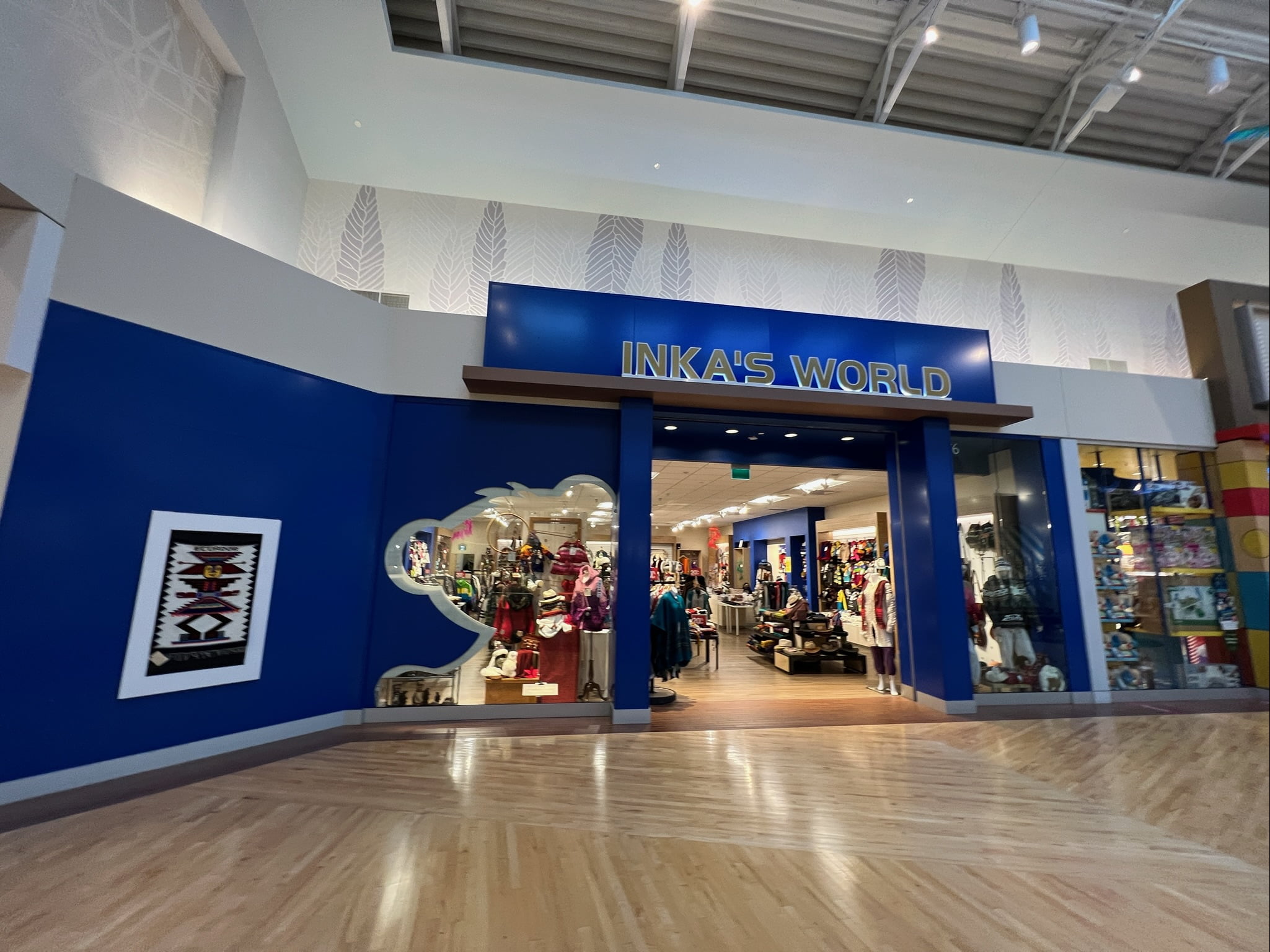
Inka's World at Tsawwassen Mills in Delta, BC (December 2021). Photo: Lee Rivett.
Peekaboo Beans at Tsawwassen Mills in Delta, BC (December 2021). Photo: Lee Rivett.
Claire's at Tsawwassen Mills in Delta, BC (December 2021). Photo: Lee Rivett.
Another seating area for shopping centre visitors was located between the “City Neighbourhood” and the “Coast Salish Neighbourhood”.
Seating Area between City Neighbourhood and Coast Salish Neighbourhood at Tsawwassen Mills in Delta, BC (December 2021). Photo: Lee Rivett.
Zone 4 – Coast Salish Neighbourhood
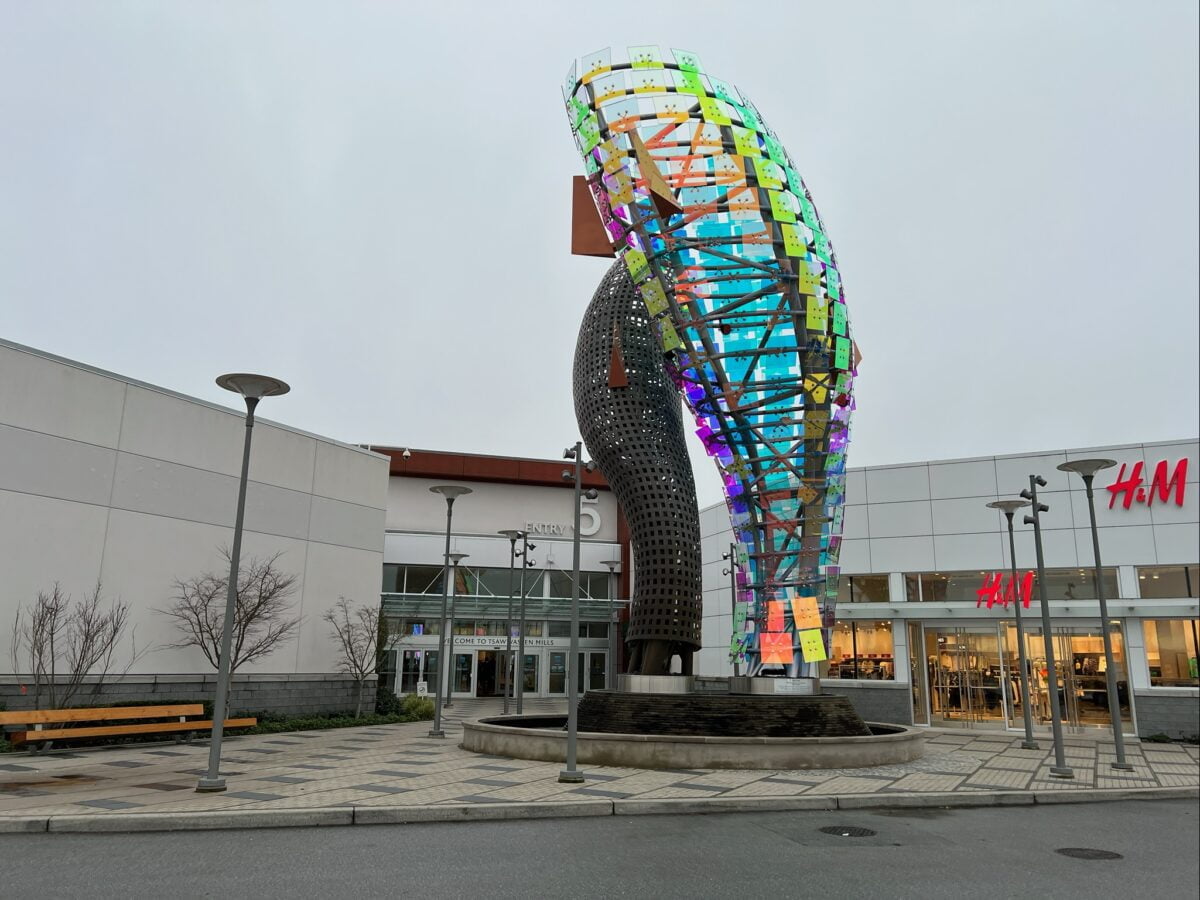
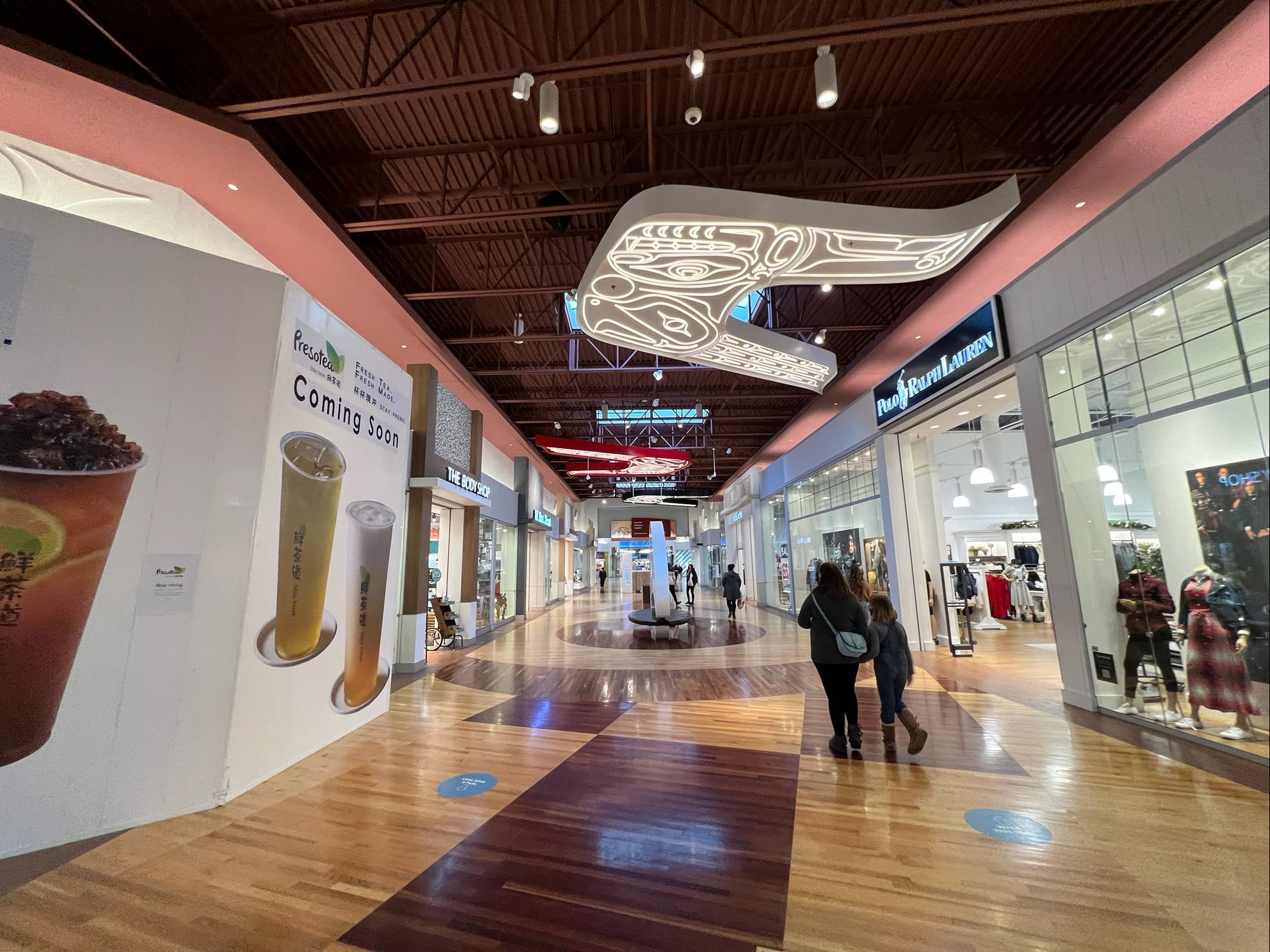
The northern end of Tsawwassen Mills is home to the Coast Salish Neighbourhood. It runs across the north side of the Food Hall and is also home to “Entry 5” with a large outdoor sculpture to welcome shoppers.
Coast Salish Neighbourhood at Tsawwassen Mills in Delta, BC (December 2021). Photo: Lee Rivett.Outdoor sculpture of two leaping salmon (historically important symbols of local culture) named “Fish Icon” outside of ‘Entry 5’ at Tsawwassen Mills in Delta, BC (December 2021). Photo: Lee Rivett.
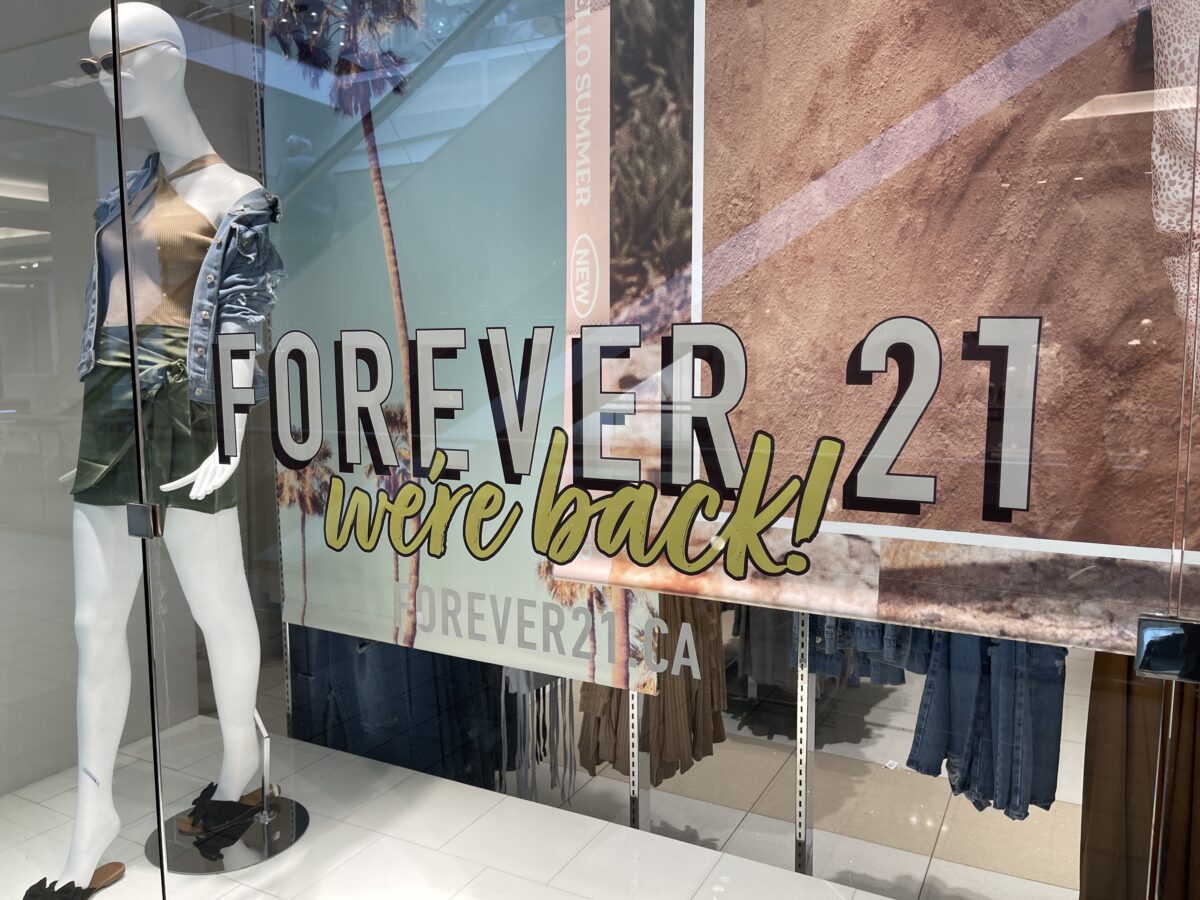
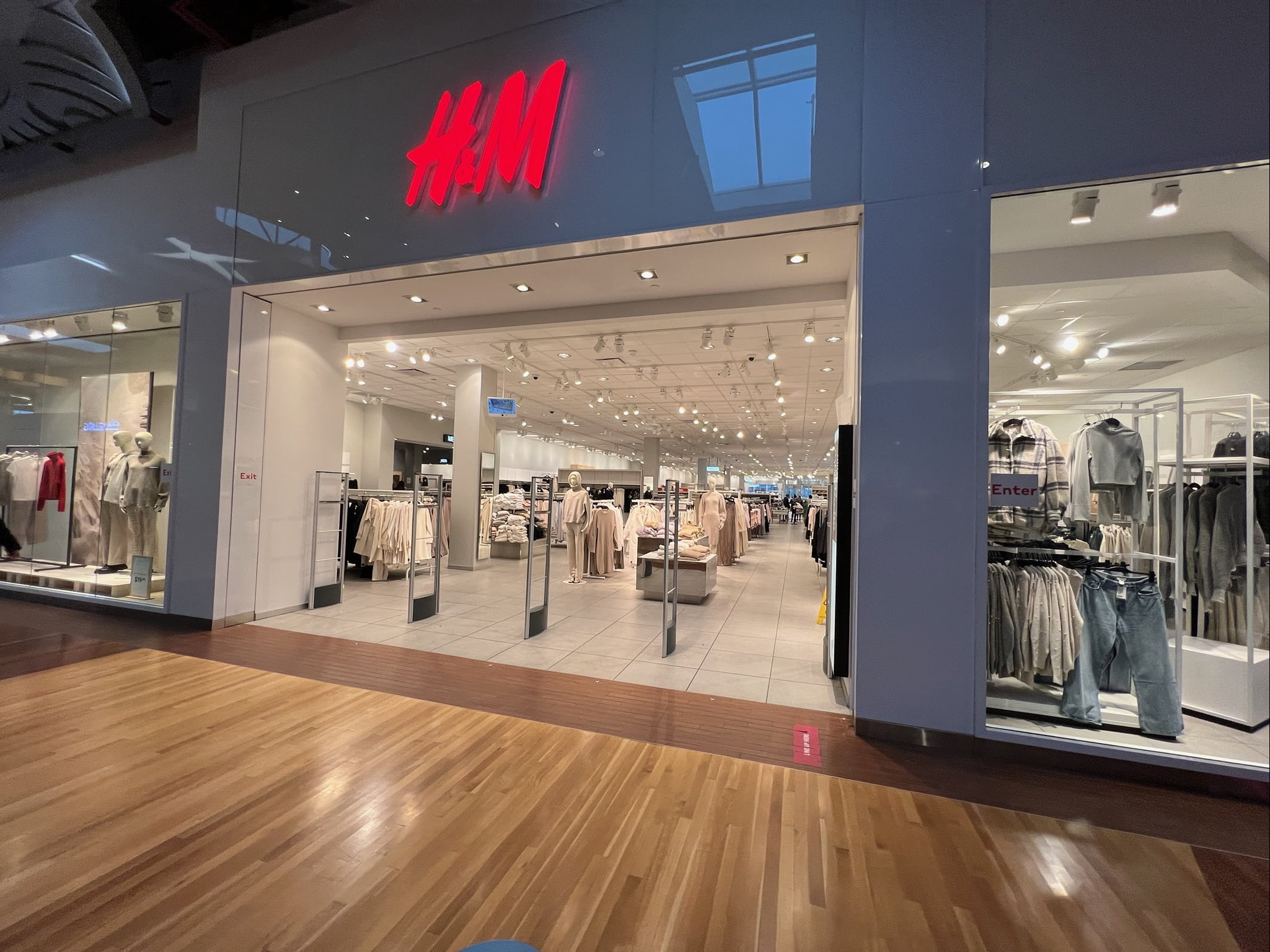
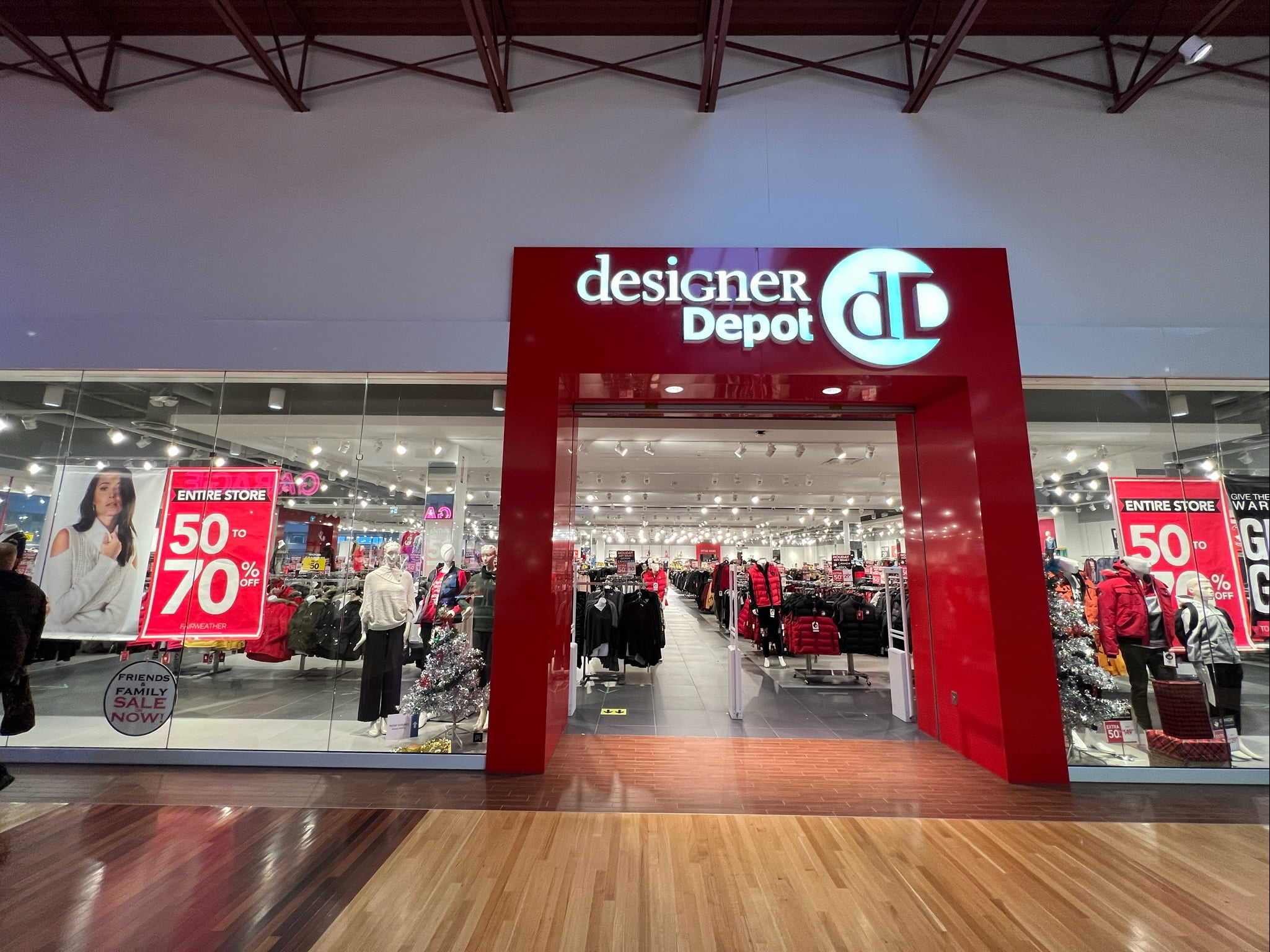
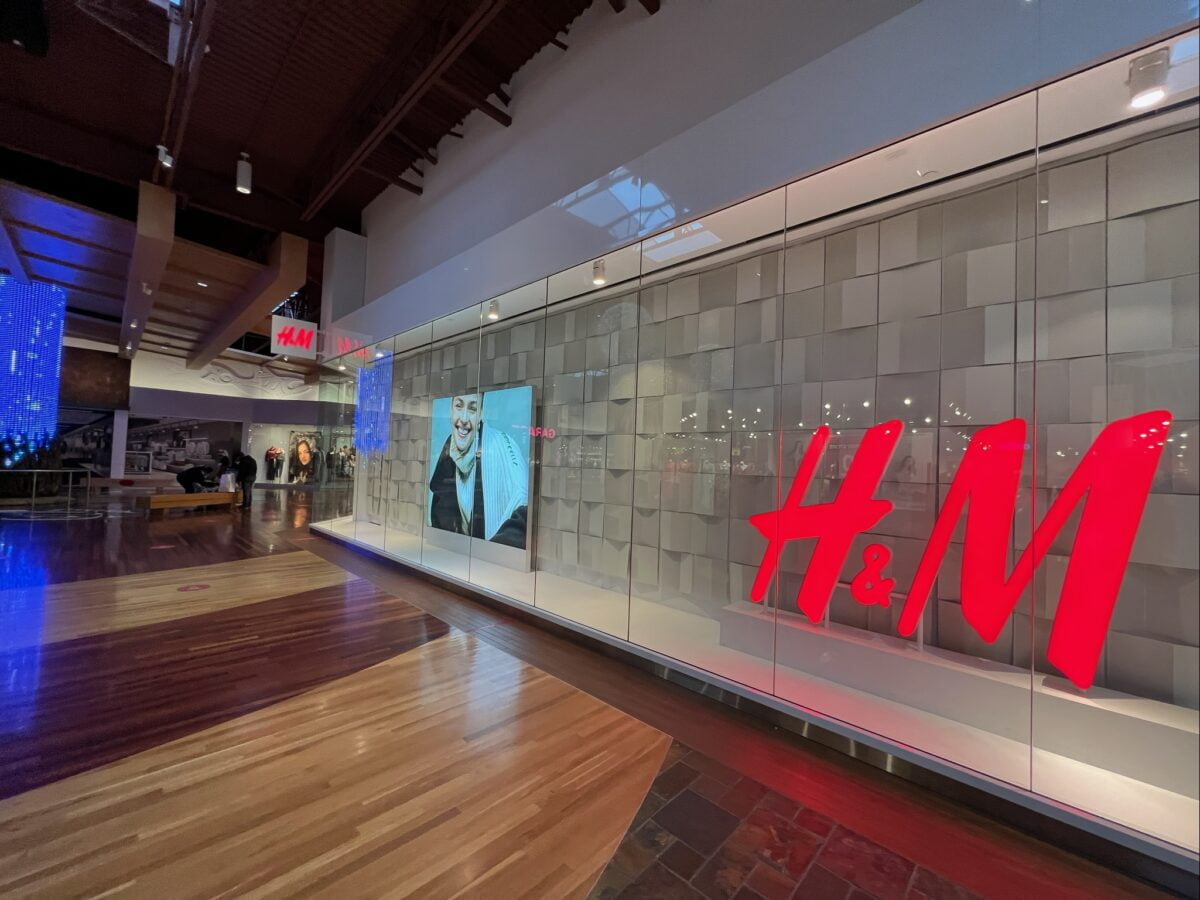
The two main retail anchors for the neighbourhood are H&M (including an H&M Men) and the Designer Depot which replaced a former Forever 21 store.
H&M at Tsawwassen Mills in Delta, BC (December 2021). Photo: Lee Rivett.
Designer Depot at Tsawwassen Mills in Delta, BC (December 2021). Photo: Lee Rivett.
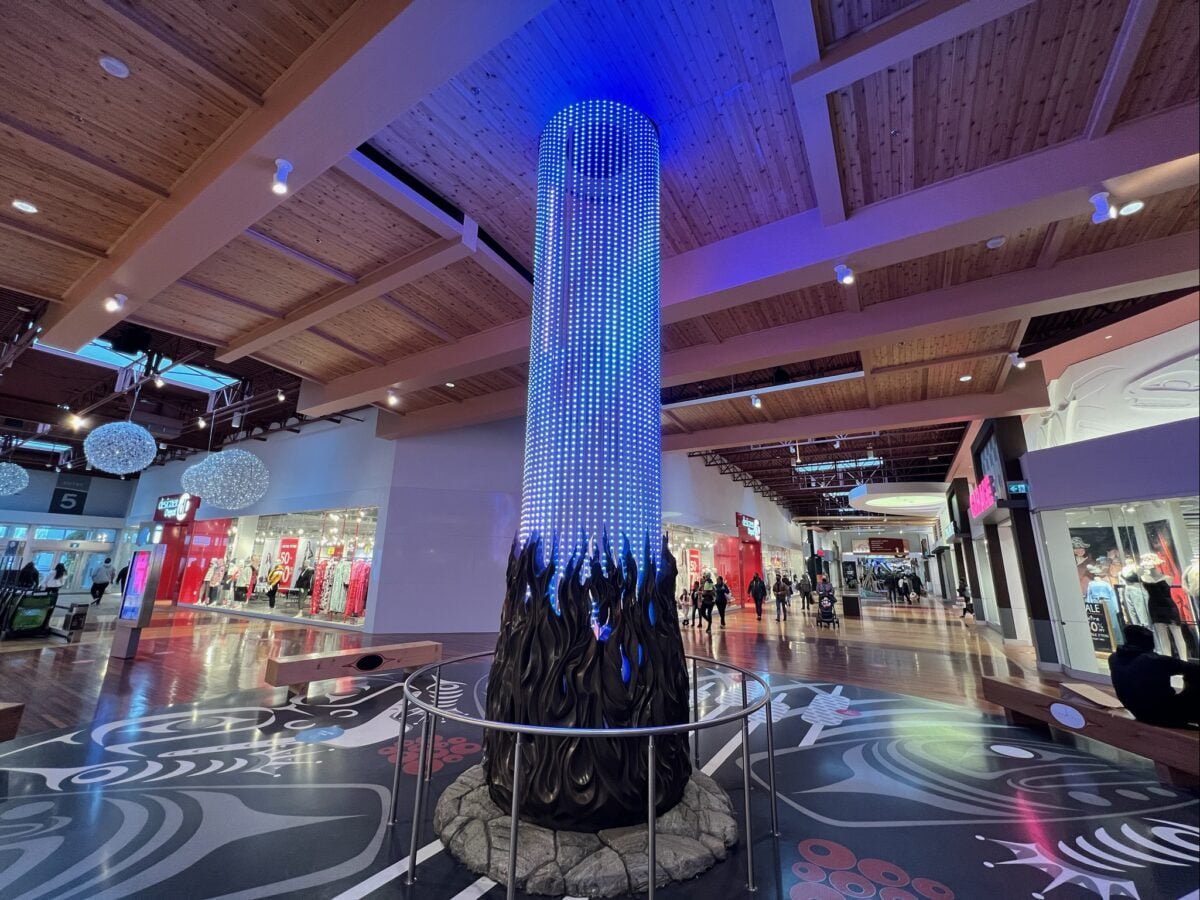
Indoor sculpture outside of Designers Depot at Tsawwassen Mills in Delta, BC (December 2021). Photo: Lee Rivett.H&M at Tsawwassen Mills in Delta, BC (December 2021). Photo: Lee Rivett.
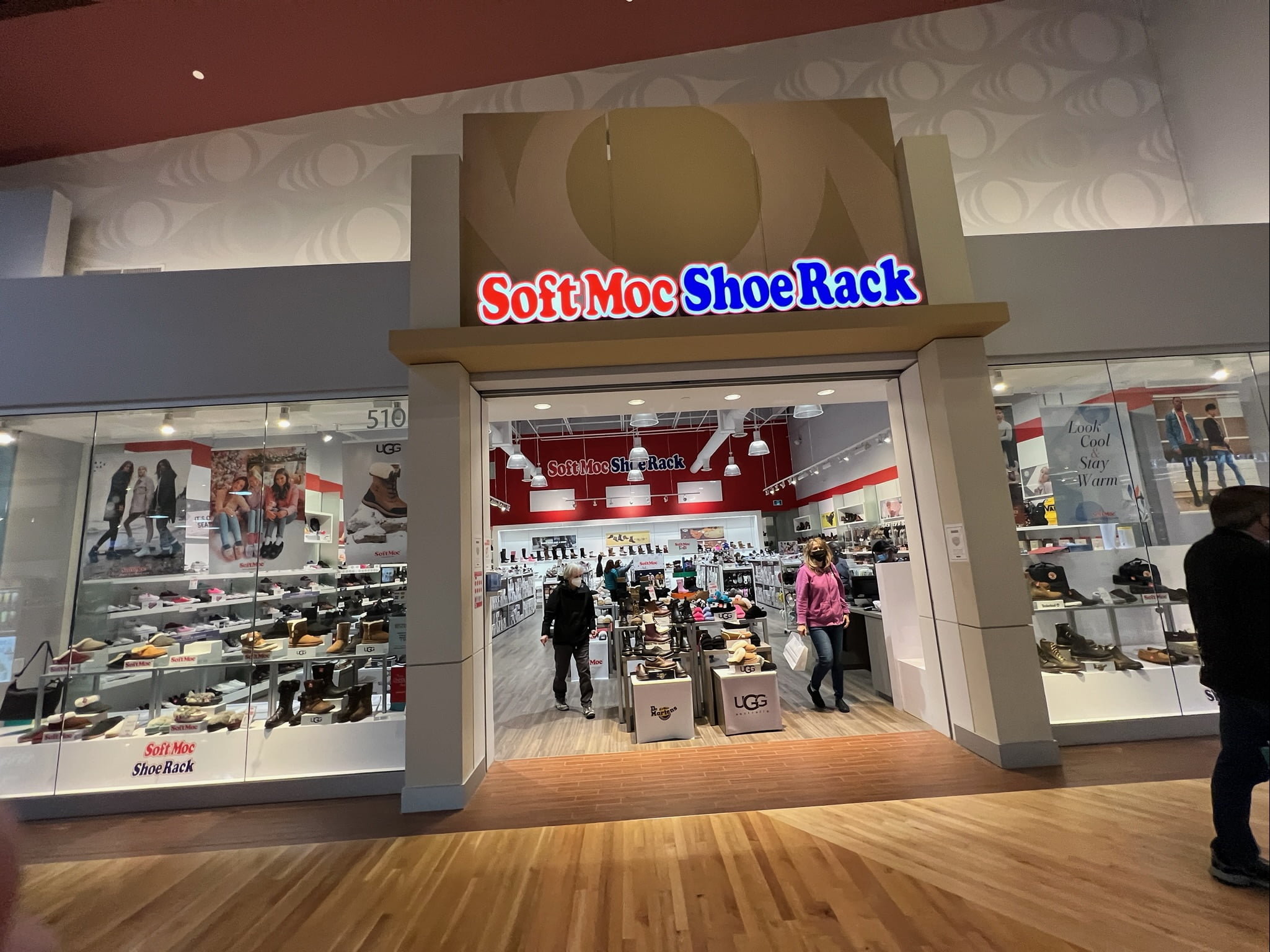
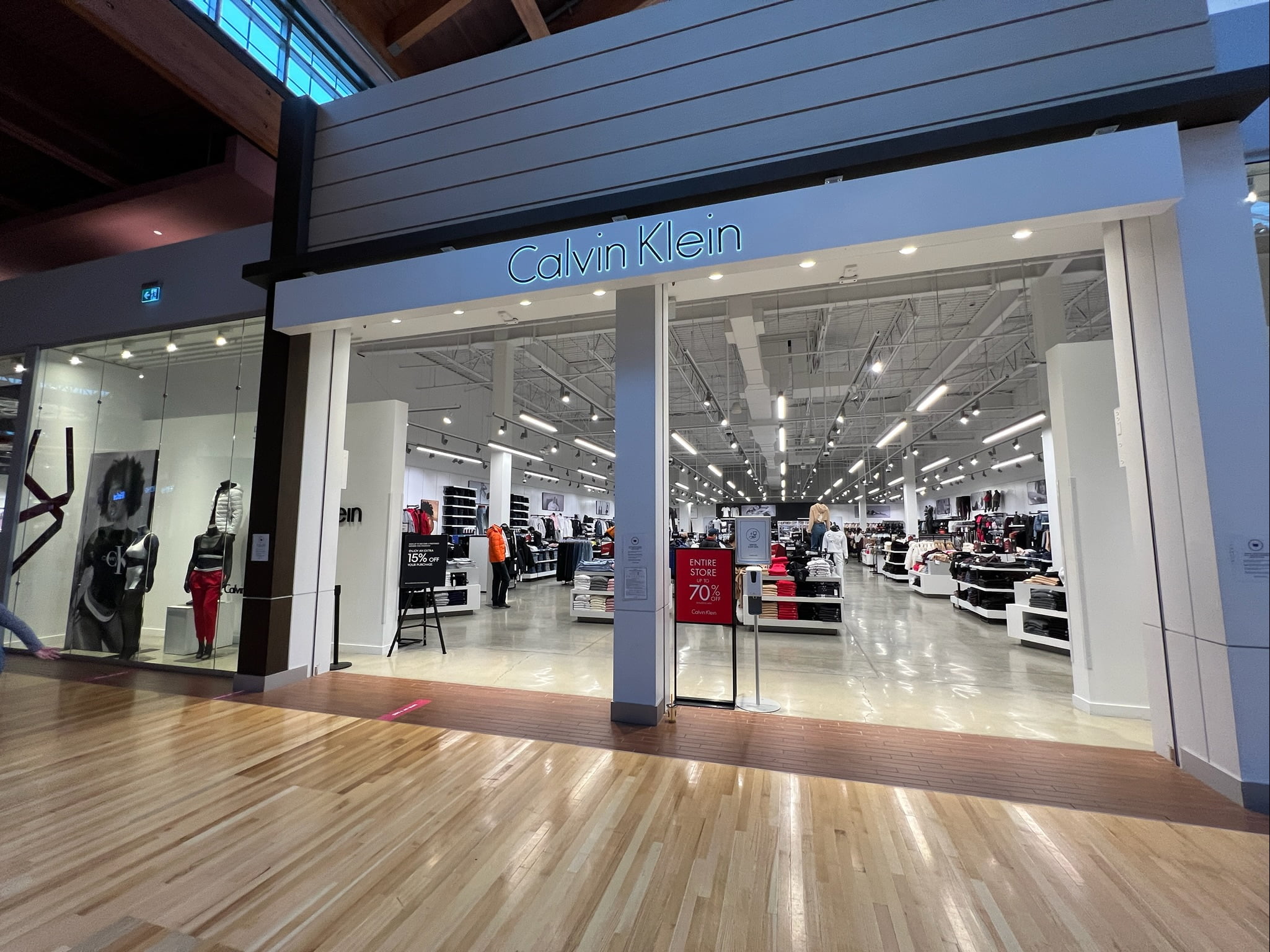
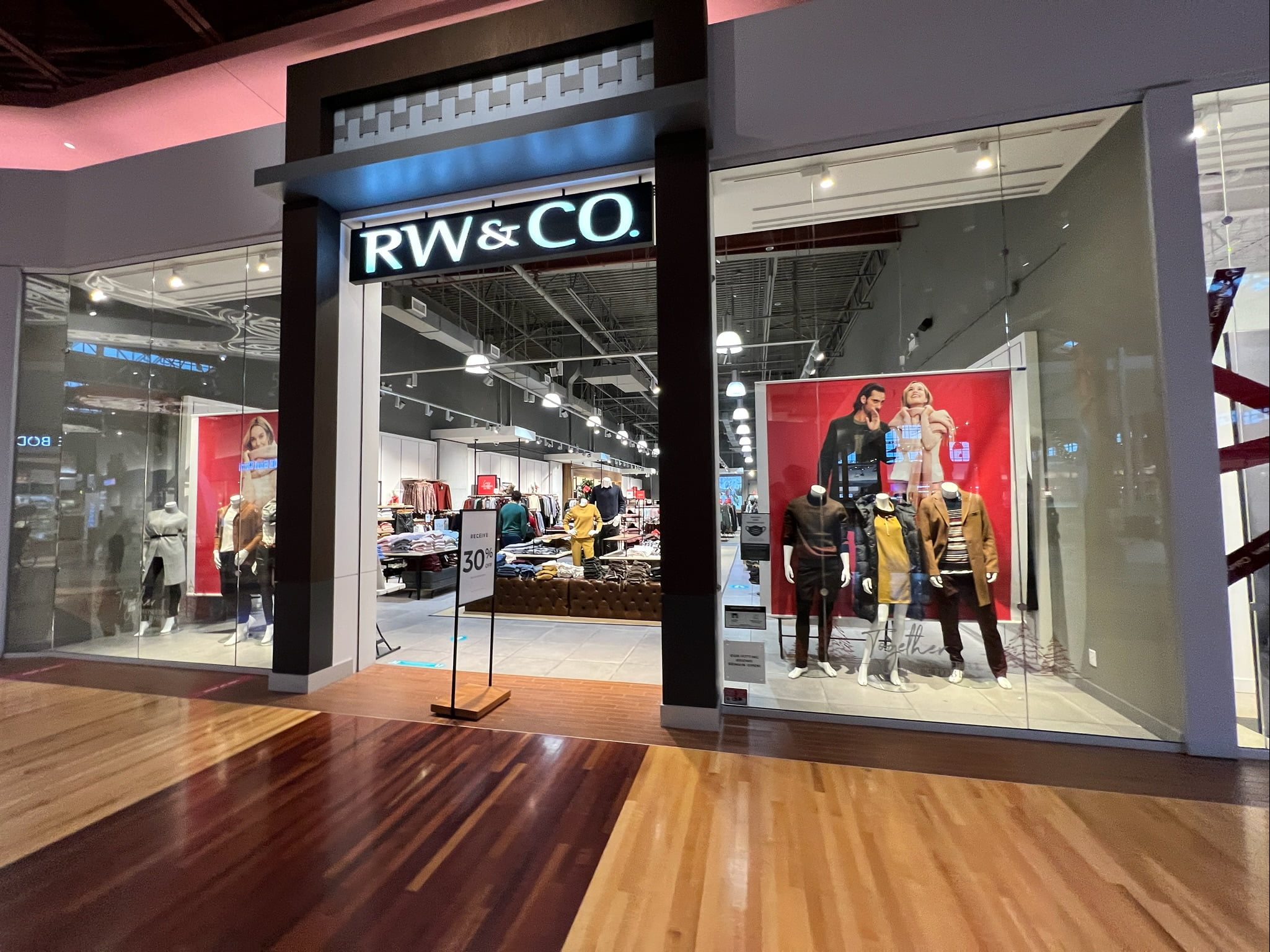
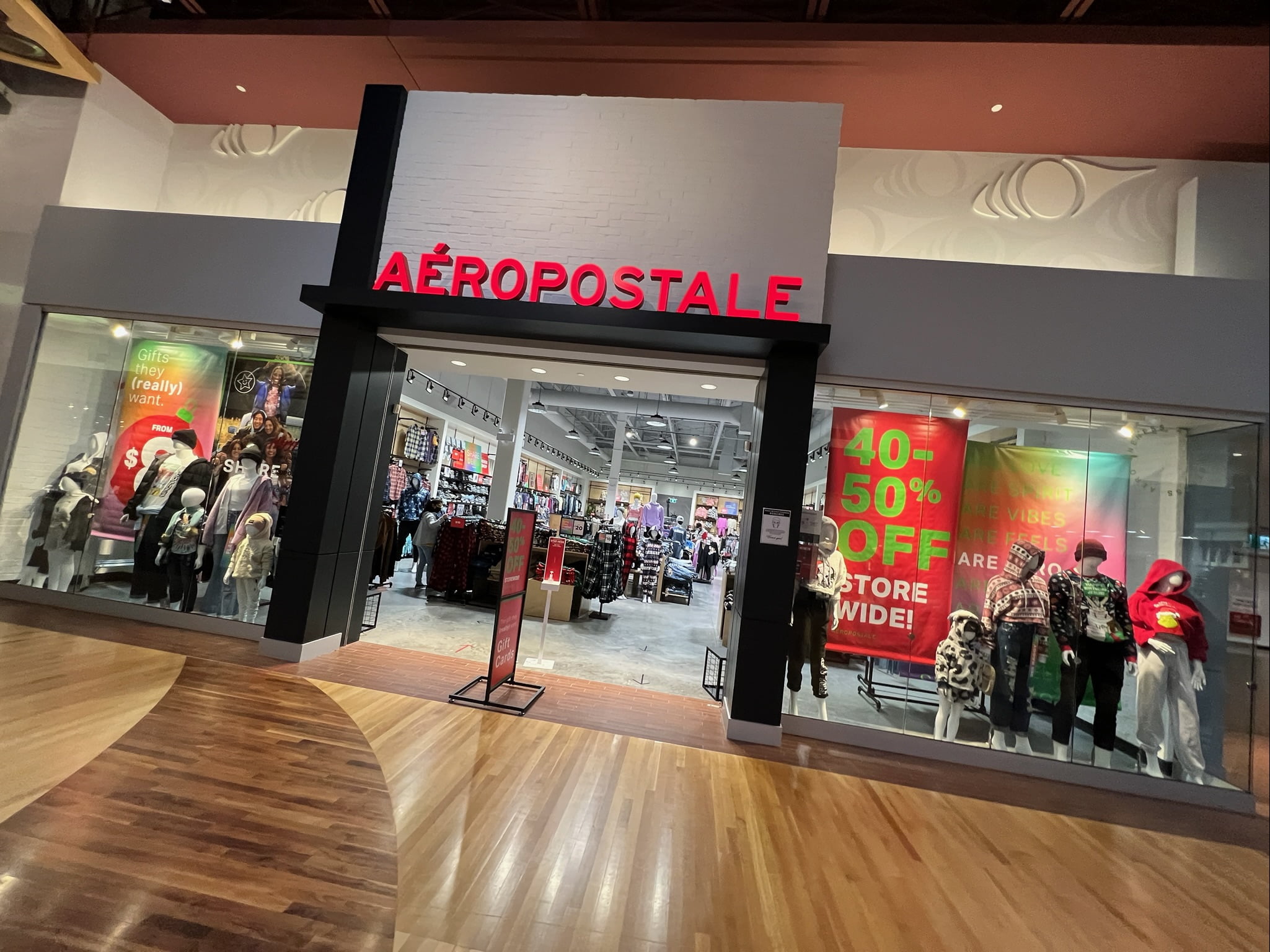
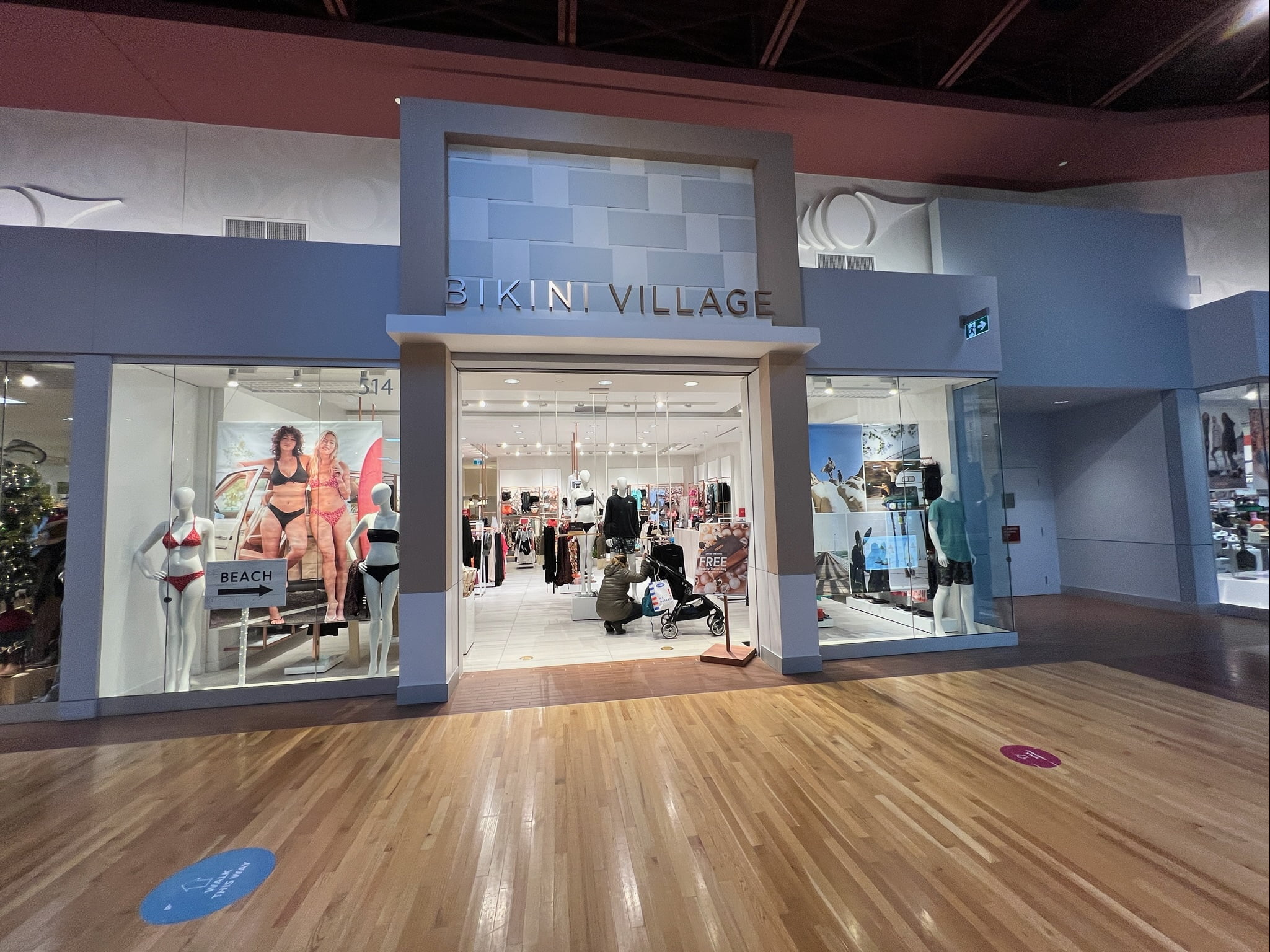
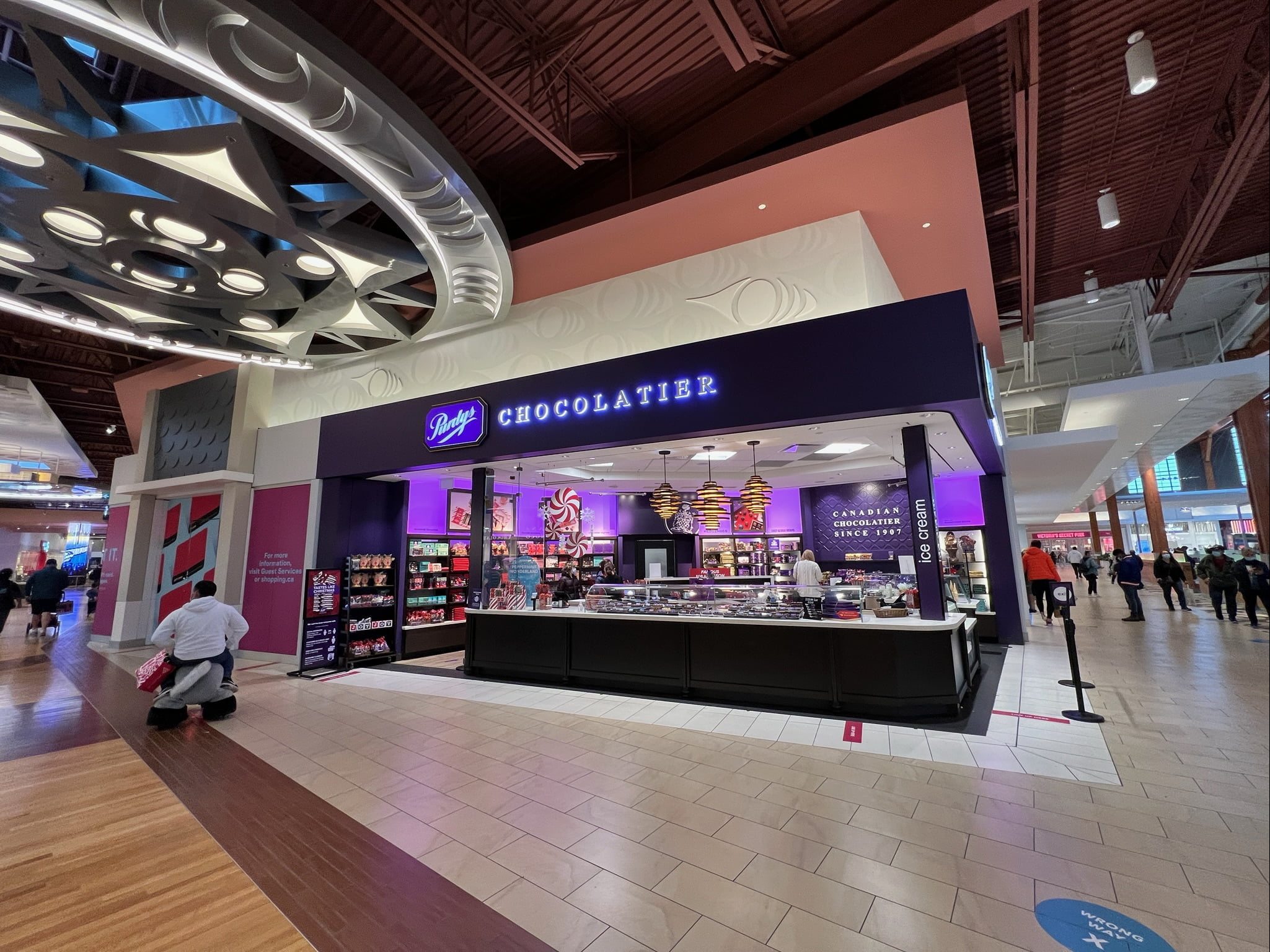
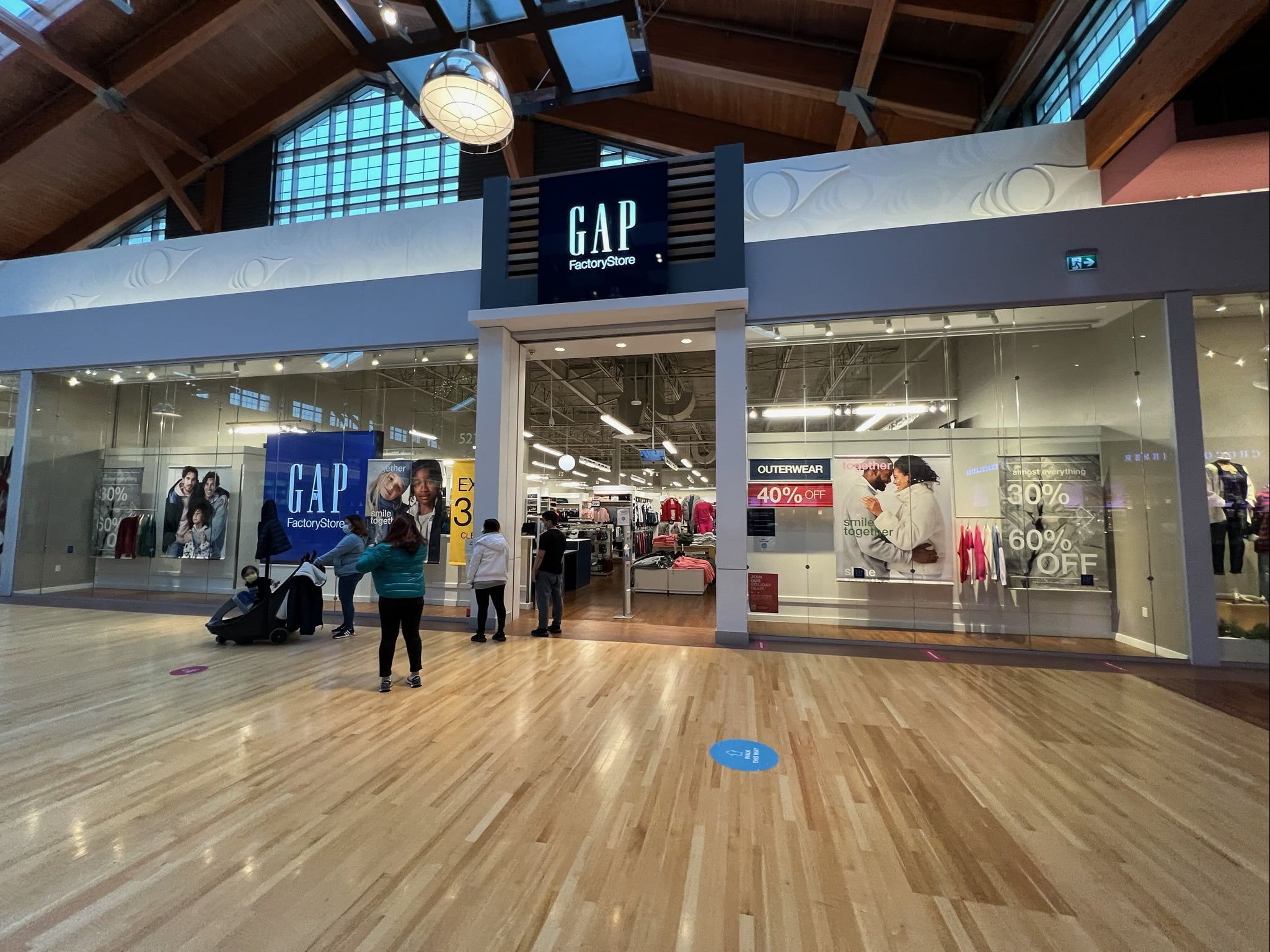
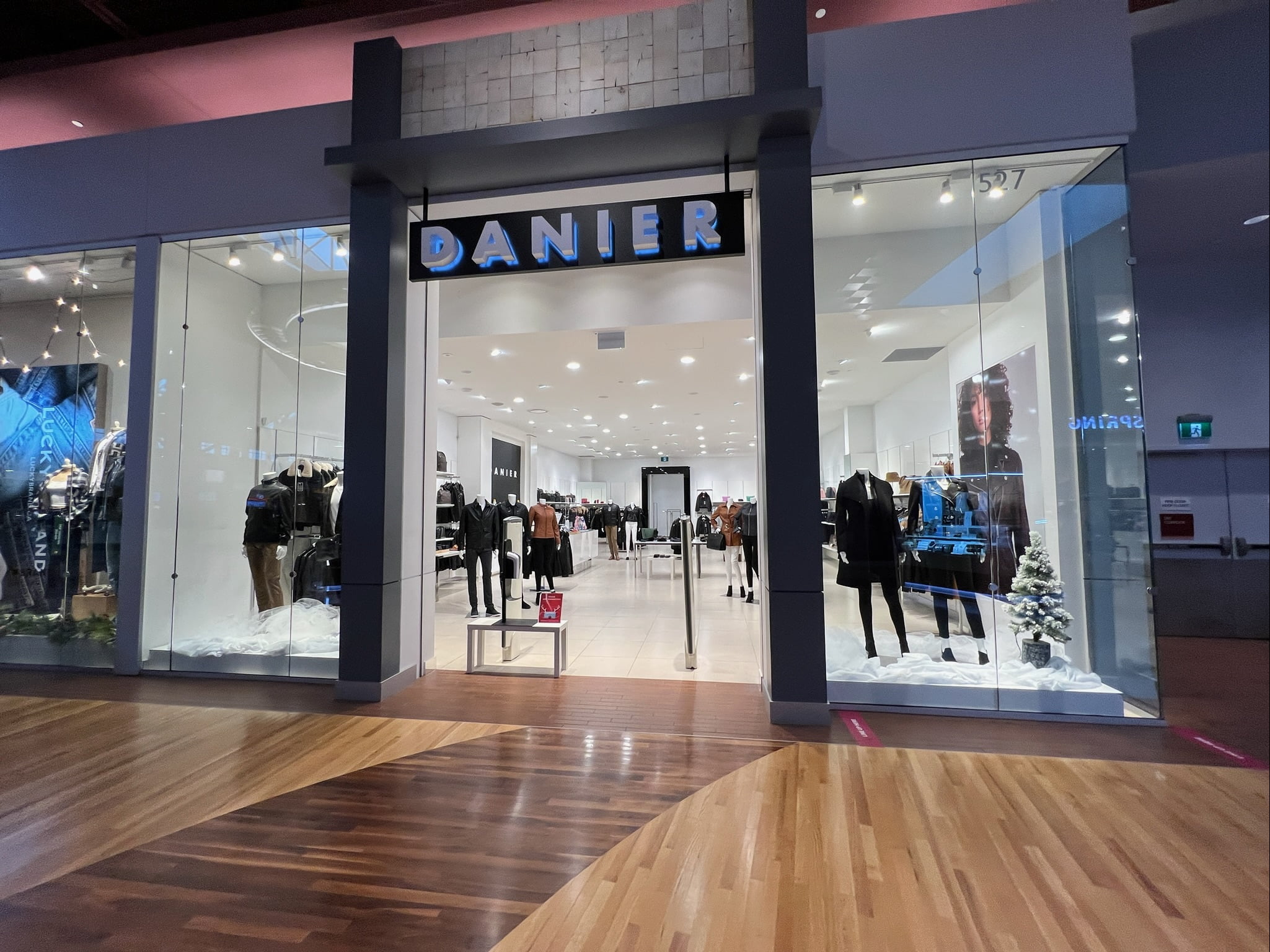
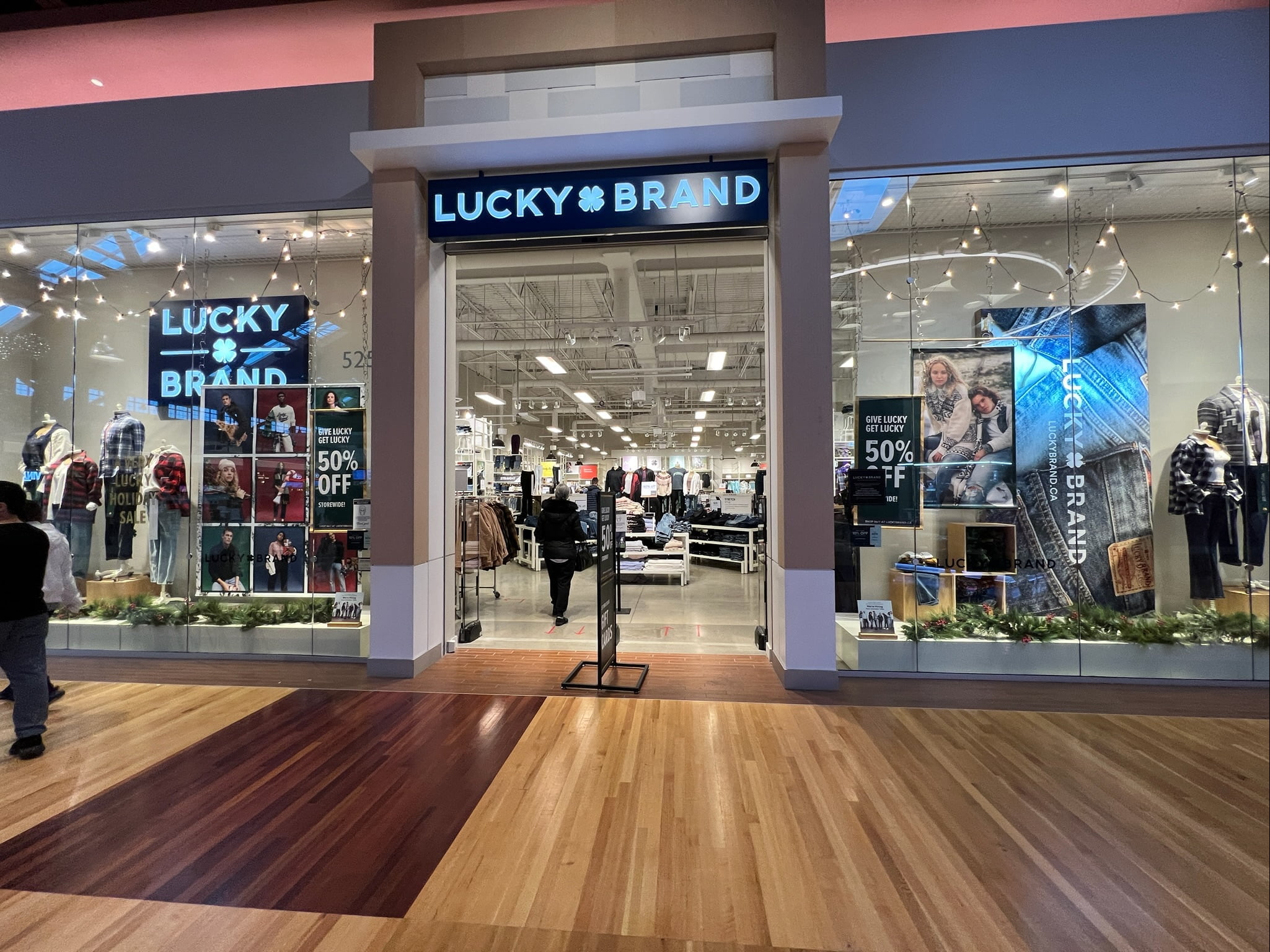
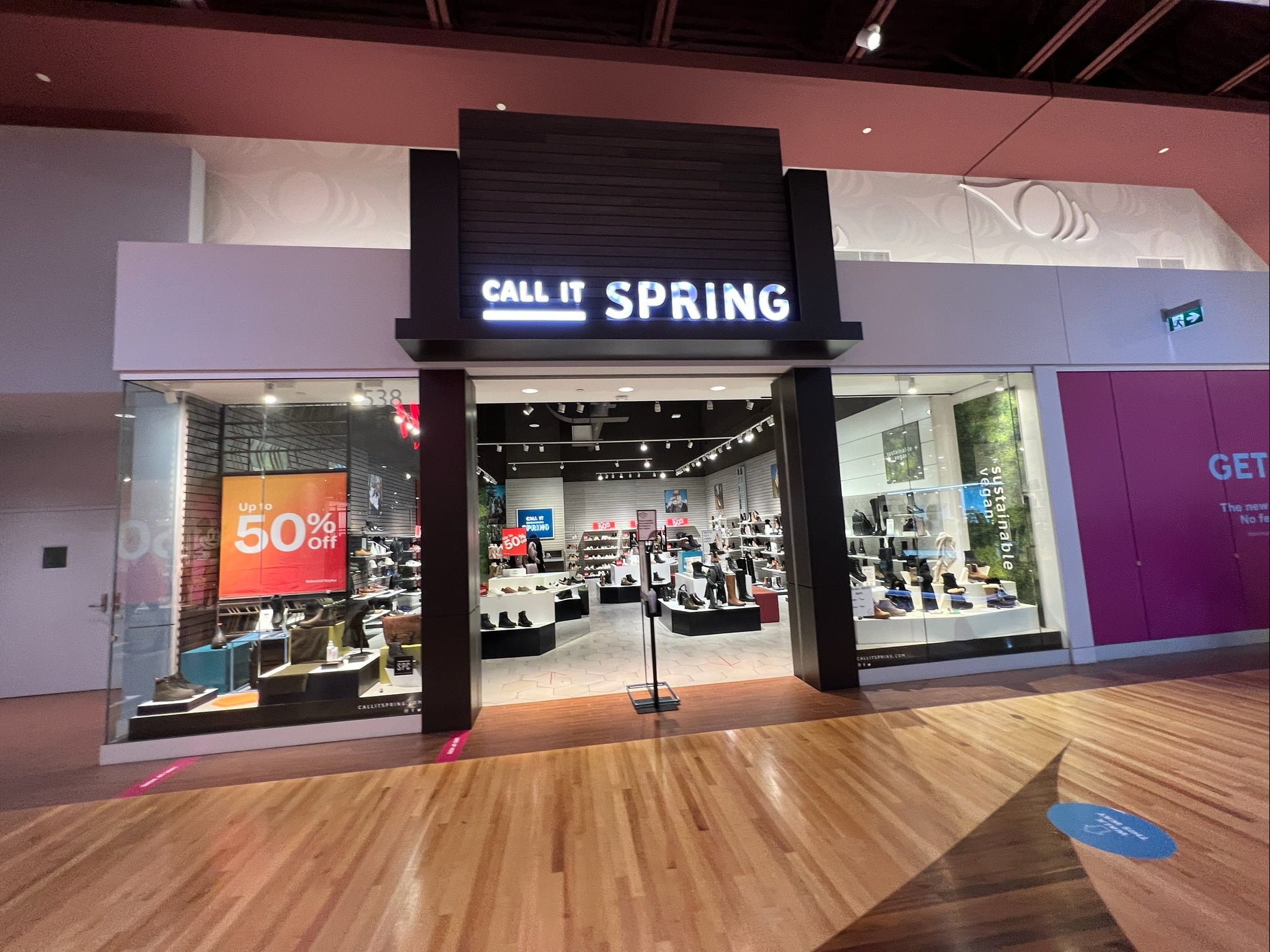
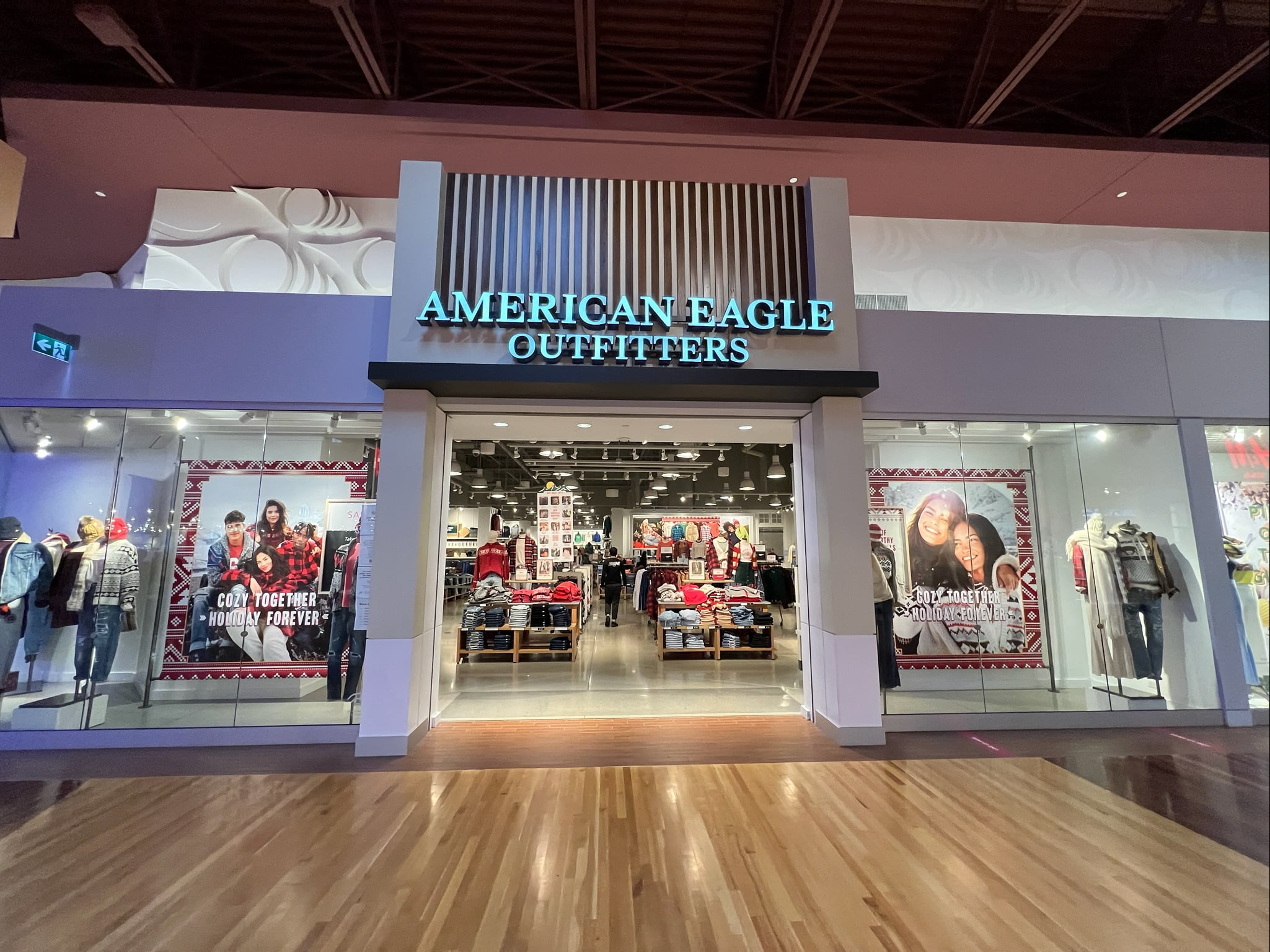
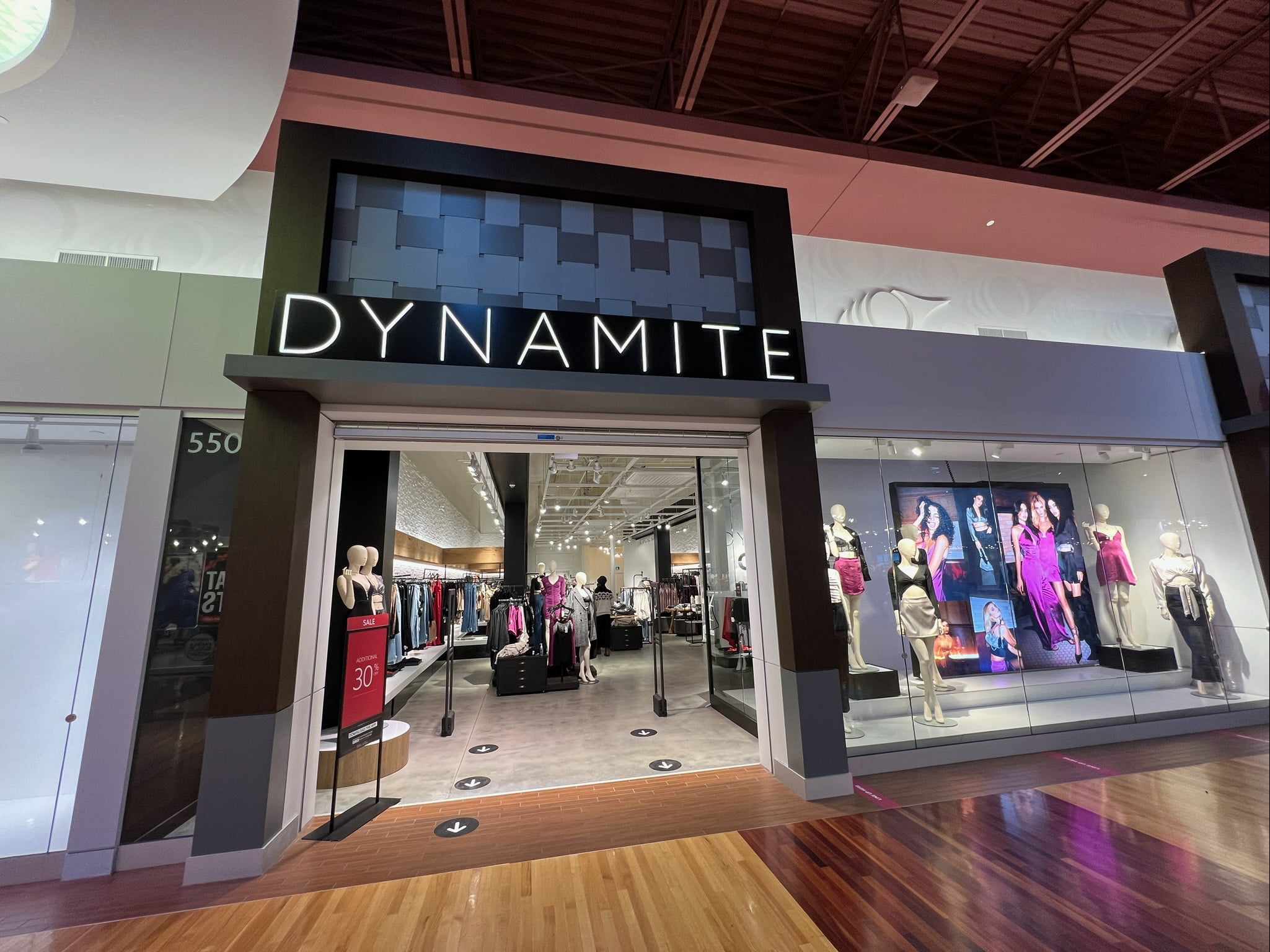
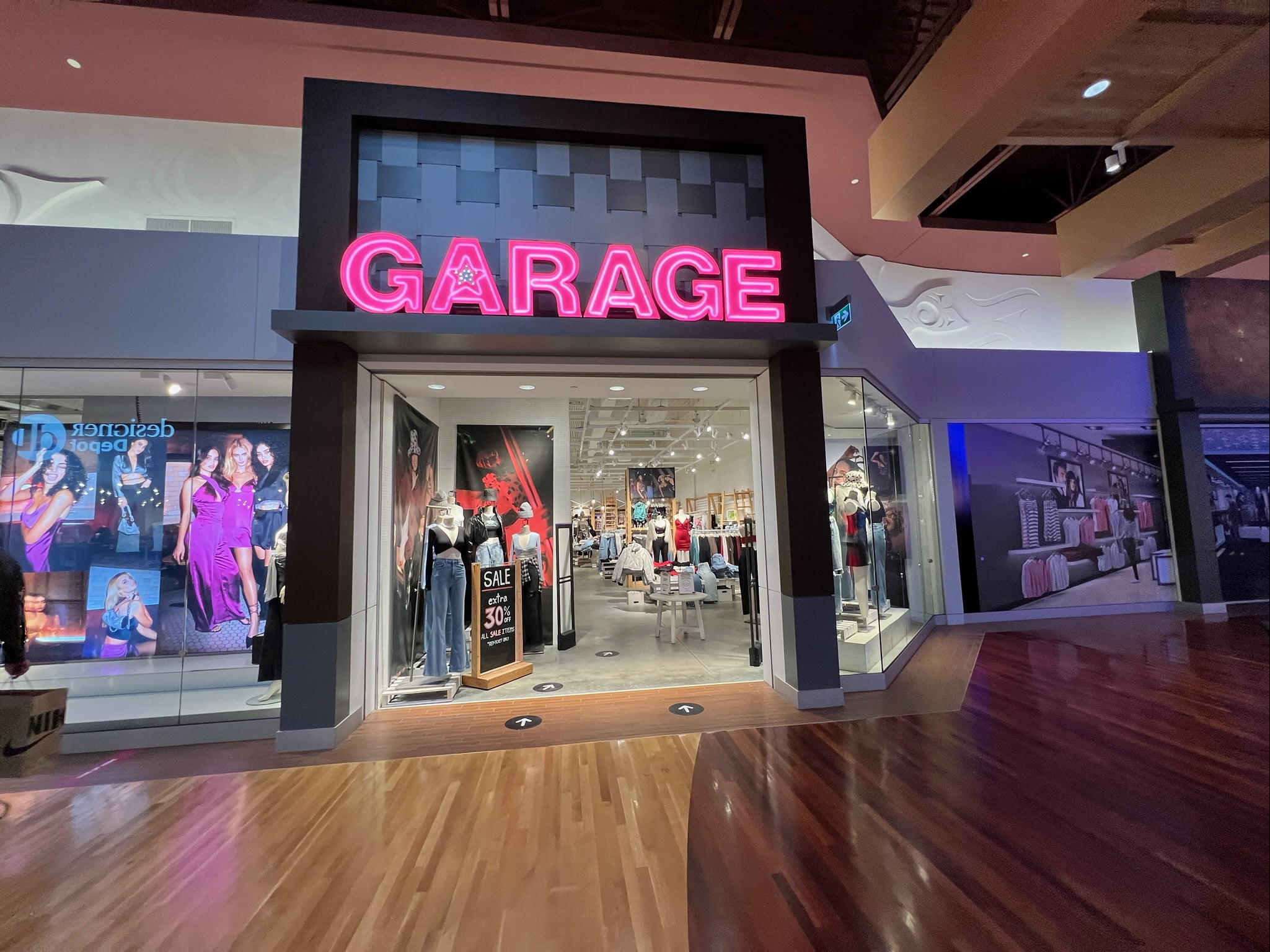
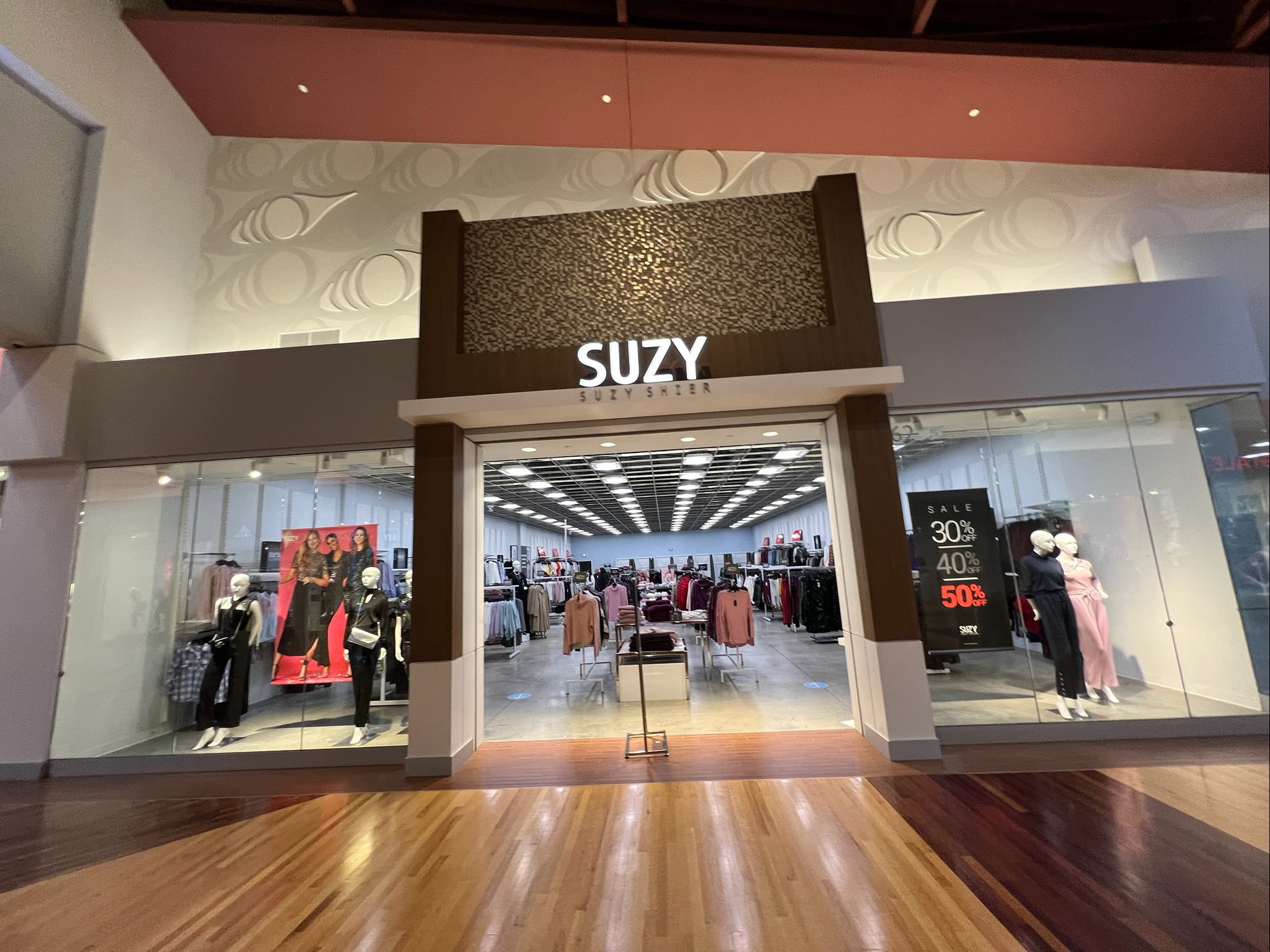
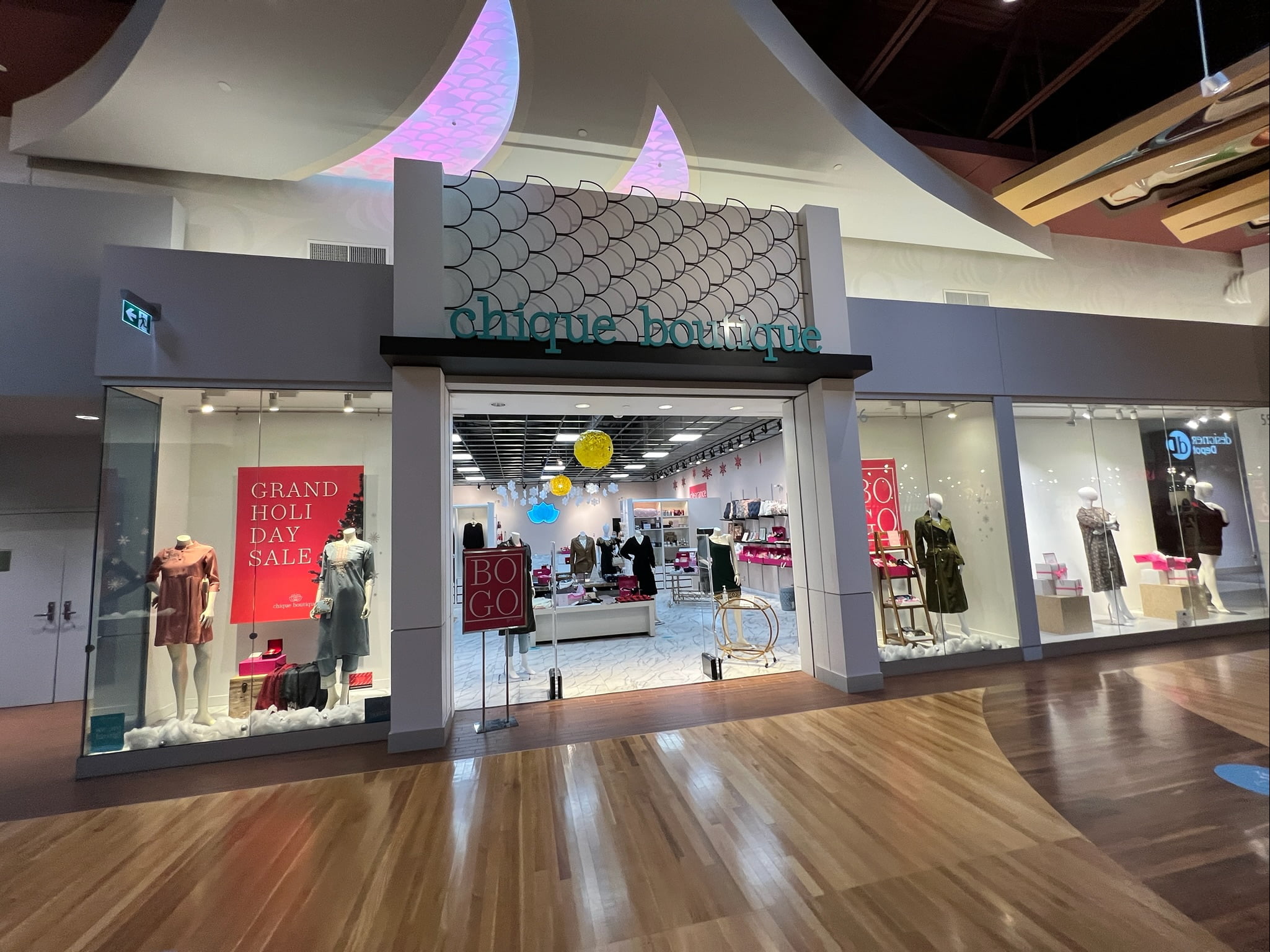
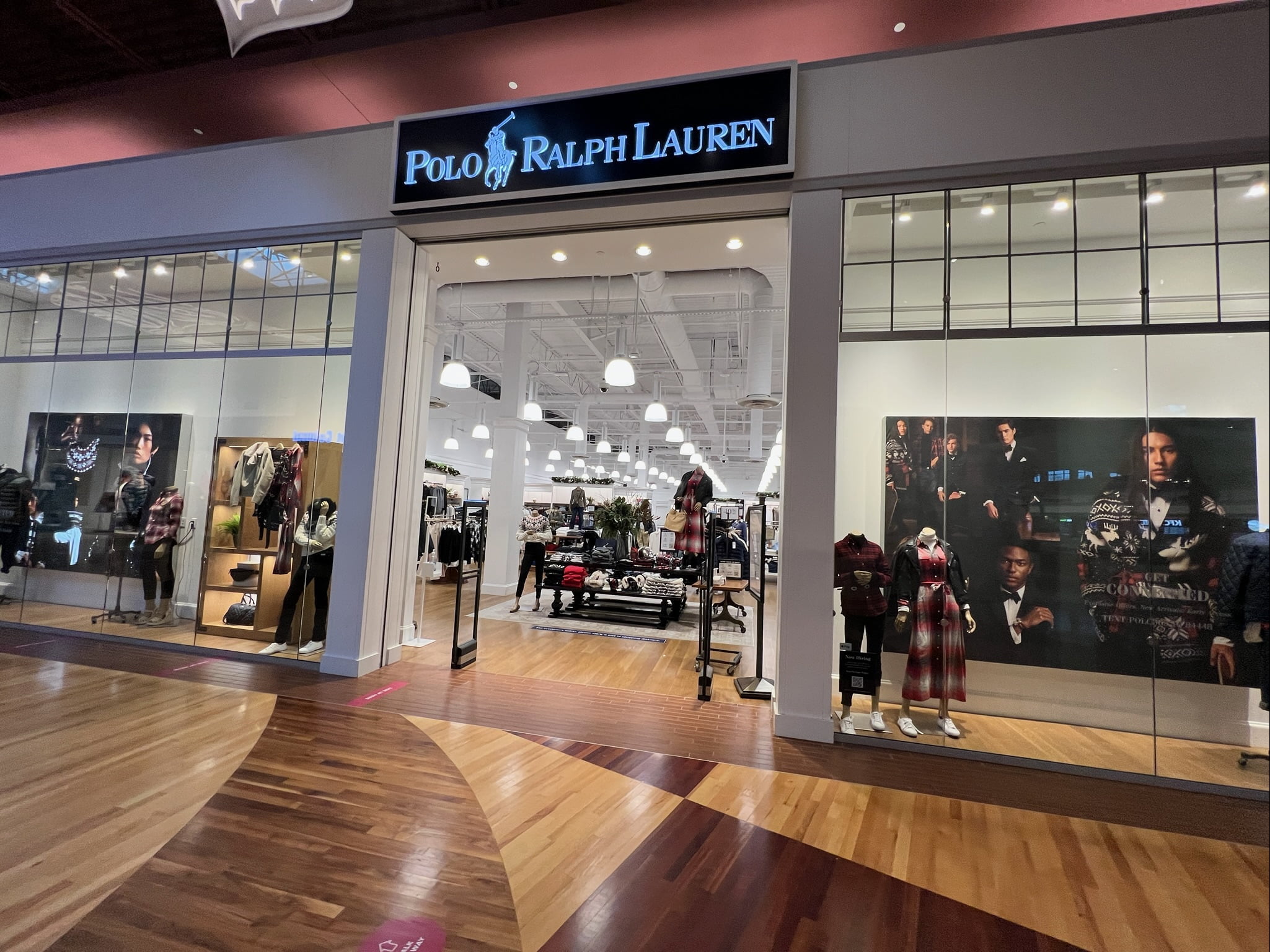
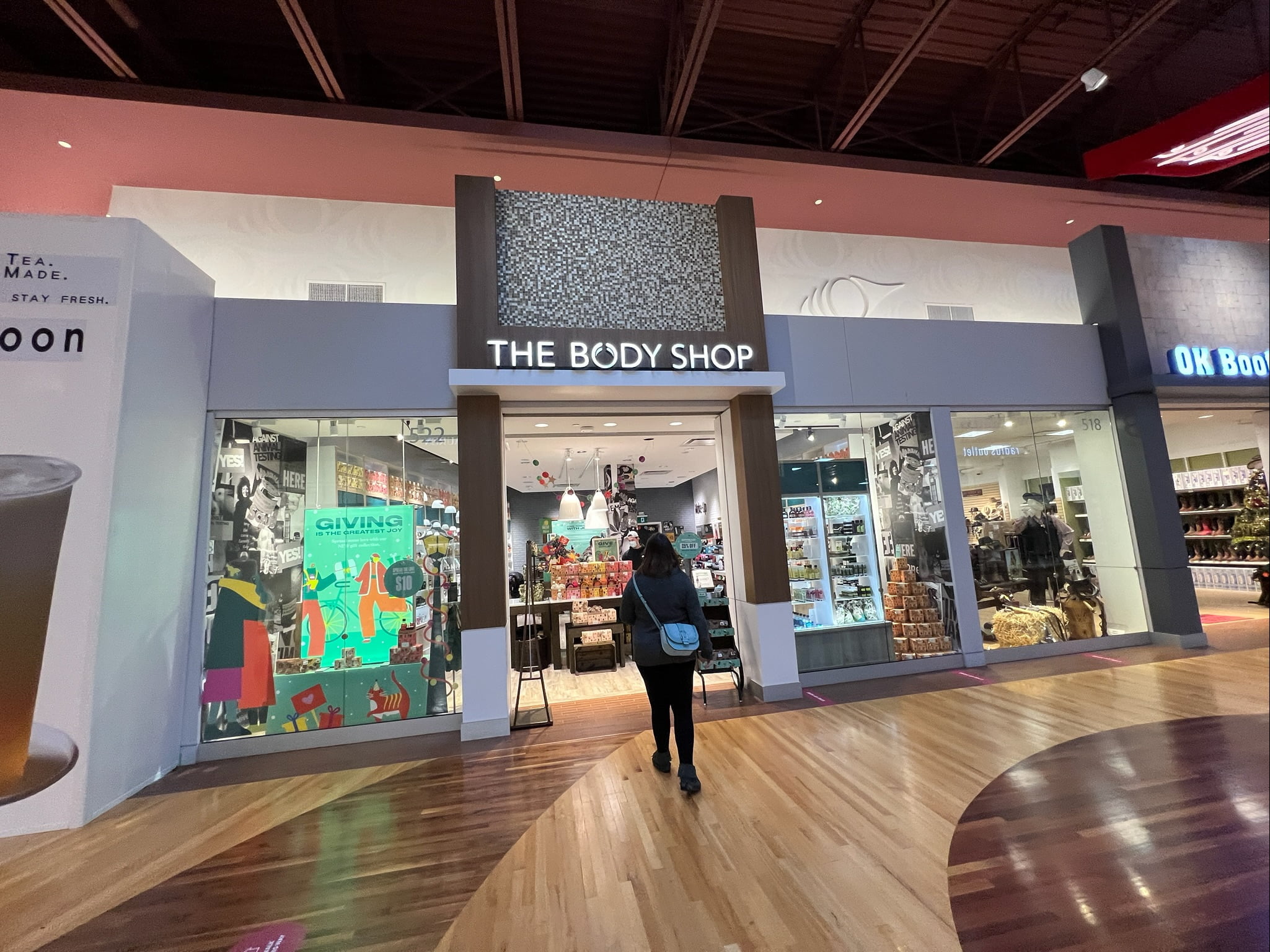
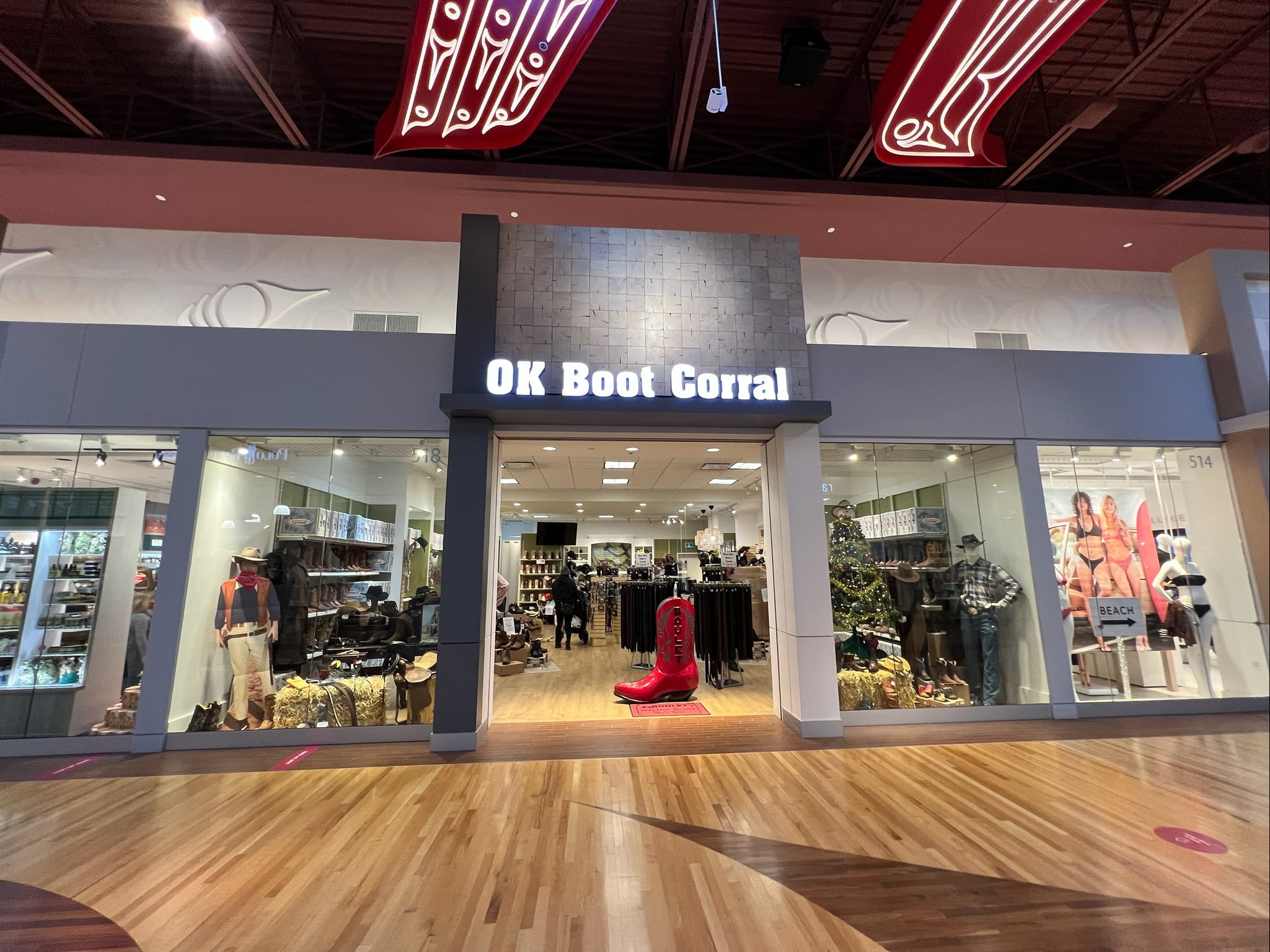
The other retailers in this neighbourhood includes SoftMoc, Bikini village, OK Boot Corral, The Body Shop, Polo Ralph Lauren, RW&CO, Calvin Klein, GAP, Lucky Brand Jeans, Danier, Call It Spring, Purdy’s, American Eagle, Classic Designs, Dynamite, Garage, Aeropostale, Chique Boutique, Suzy Shier, and Adidas.
1 of 18
SoftMoc at Tsawwassen Mills in Delta, BC (December 2021). Photo: Lee Rivett.
Calvin Klein at Tsawwassen Mills in Delta, BC (December 2021). Photo: Lee Rivett.
RW&CO at Tsawwassen Mills in Delta, BC (December 2021). Photo: Lee Rivett.
Aeropostale at Tsawwassen Mills in Delta, BC (December 2021). Photo: Lee Rivett.
Bikini Village at Tsawwassen Mills in Delta, BC (December 2021). Photo: Lee Rivett.
Purdy's Chocolate at Tsawwassen Mills in Delta, BC (December 2021). Photo: Lee Rivett.
The Gap at Tsawwassen Mills in Delta, BC (December 2021). Photo: Lee Rivett.
Danier at Tsawwassen Mills in Delta, BC (December 2021). Photo: Lee Rivett.
Lucky Brand at Tsawwassen Mills in Delta, BC (December 2021). Photo: Lee Rivett.
Call It Spring at Tsawwassen Mills in Delta, BC (December 2021). Photo: Lee Rivett.
American Eagle at Tsawwassen Mills in Delta, BC (December 2021). Photo: Lee Rivett.
Dynamite at Tsawwassen Mills in Delta, BC (December 2021). Photo: Lee Rivett.
Garage at Tsawwassen Mills in Delta, BC (December 2021). Photo: Lee Rivett.
Suzy Shier at Tsawwassen Mills in Delta, BC (December 2021). Photo: Lee Rivett.
Chique Boutique at Tsawwassen Mills in Delta, BC (December 2021). Photo: Lee Rivett.
Ralph Lauren at Tsawwassen Mills in Delta, BC (December 2021). Photo: Lee Rivett.
The Body Shop at Tsawwassen Mills in Delta, BC (December 2021). Photo: Lee Rivett.
OK Boot Corral at Tsawwassen Mills in Delta, BC (December 2021). Photo: Lee Rivett.
Tsawwassen Mills in Delta, BC (December 2021). Photo: Lee Rivett.
Tsawwassen Mills in Delta, BC (December 2021). Photo: Lee Rivett.
Zone 5 – Outdoor Neighbourhood
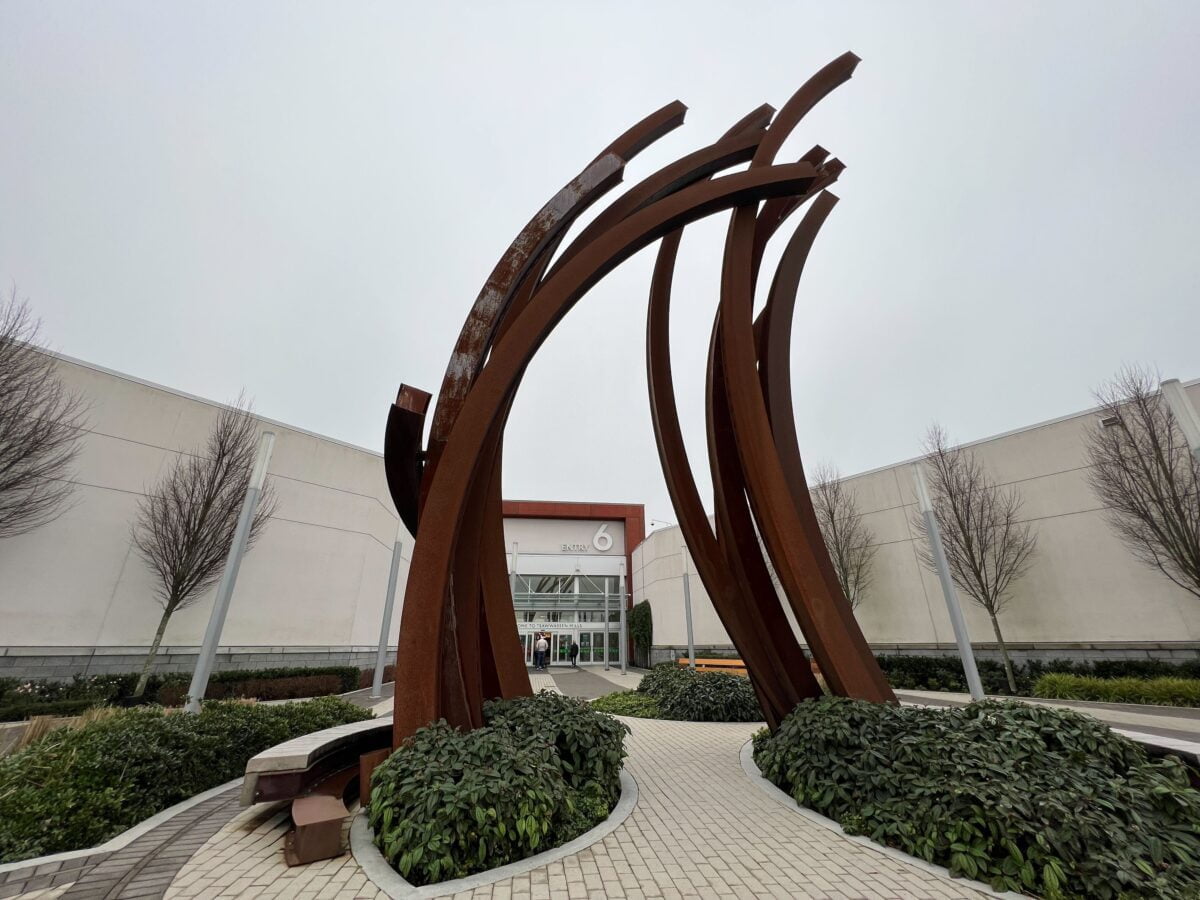
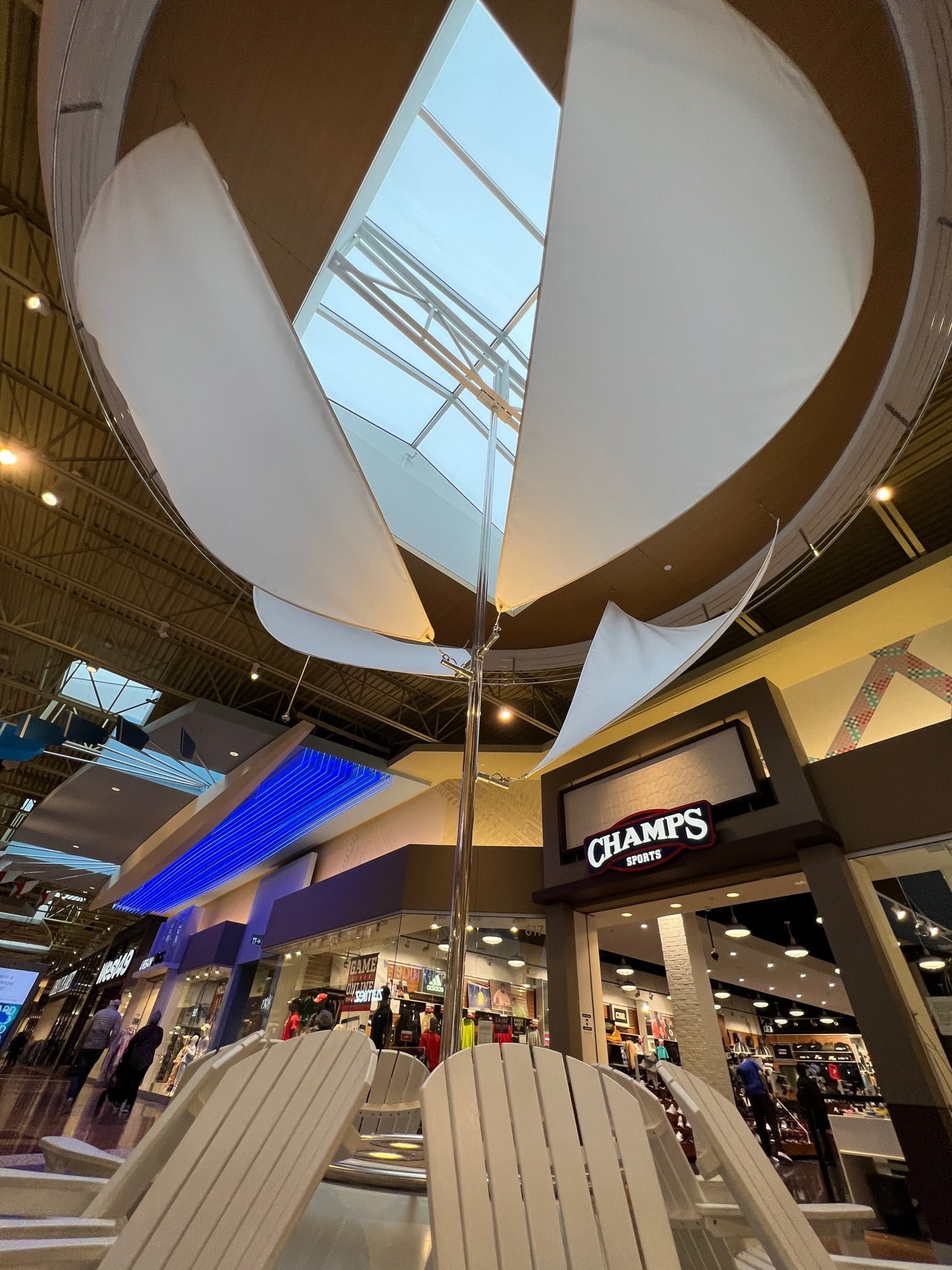
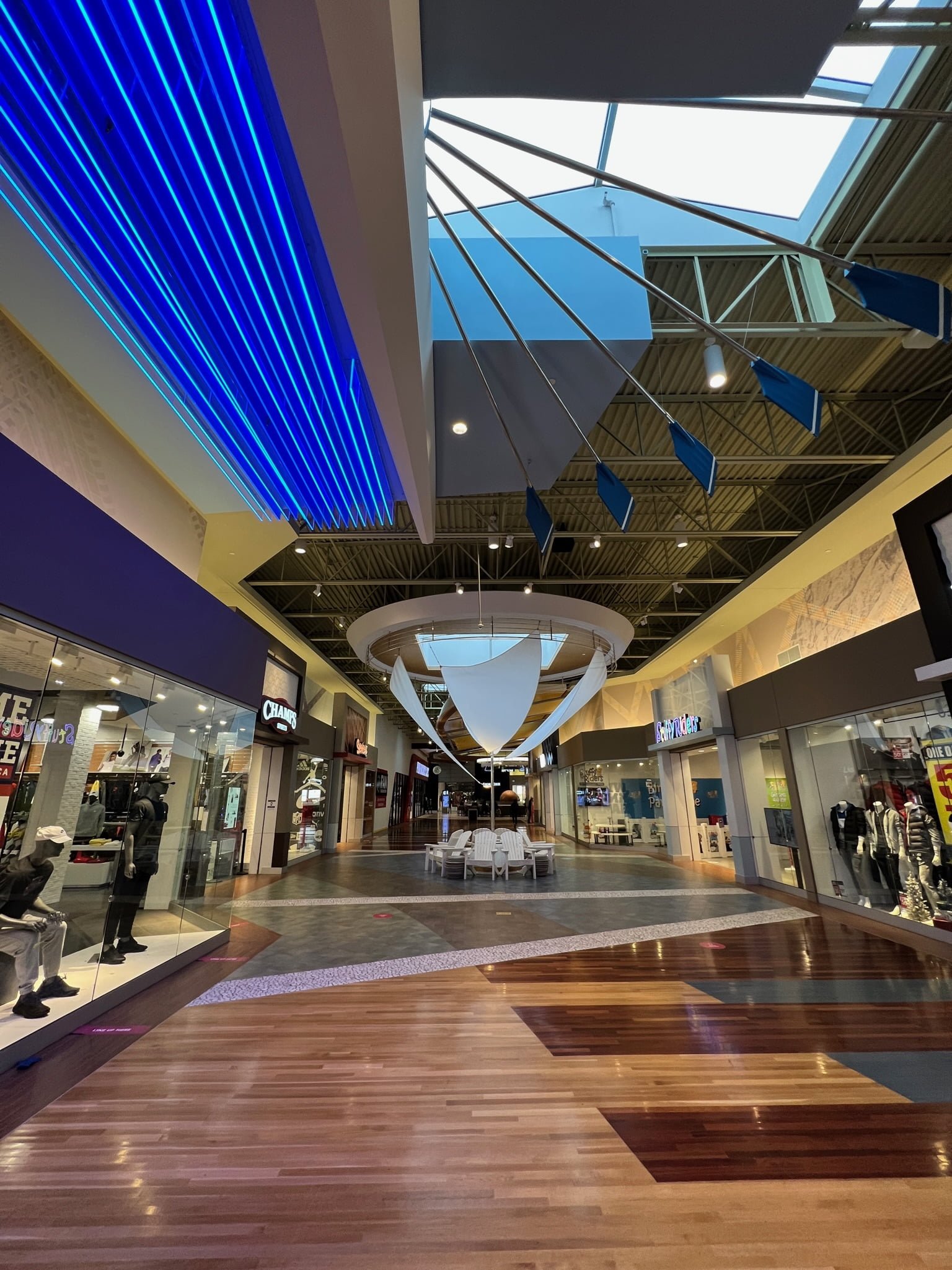
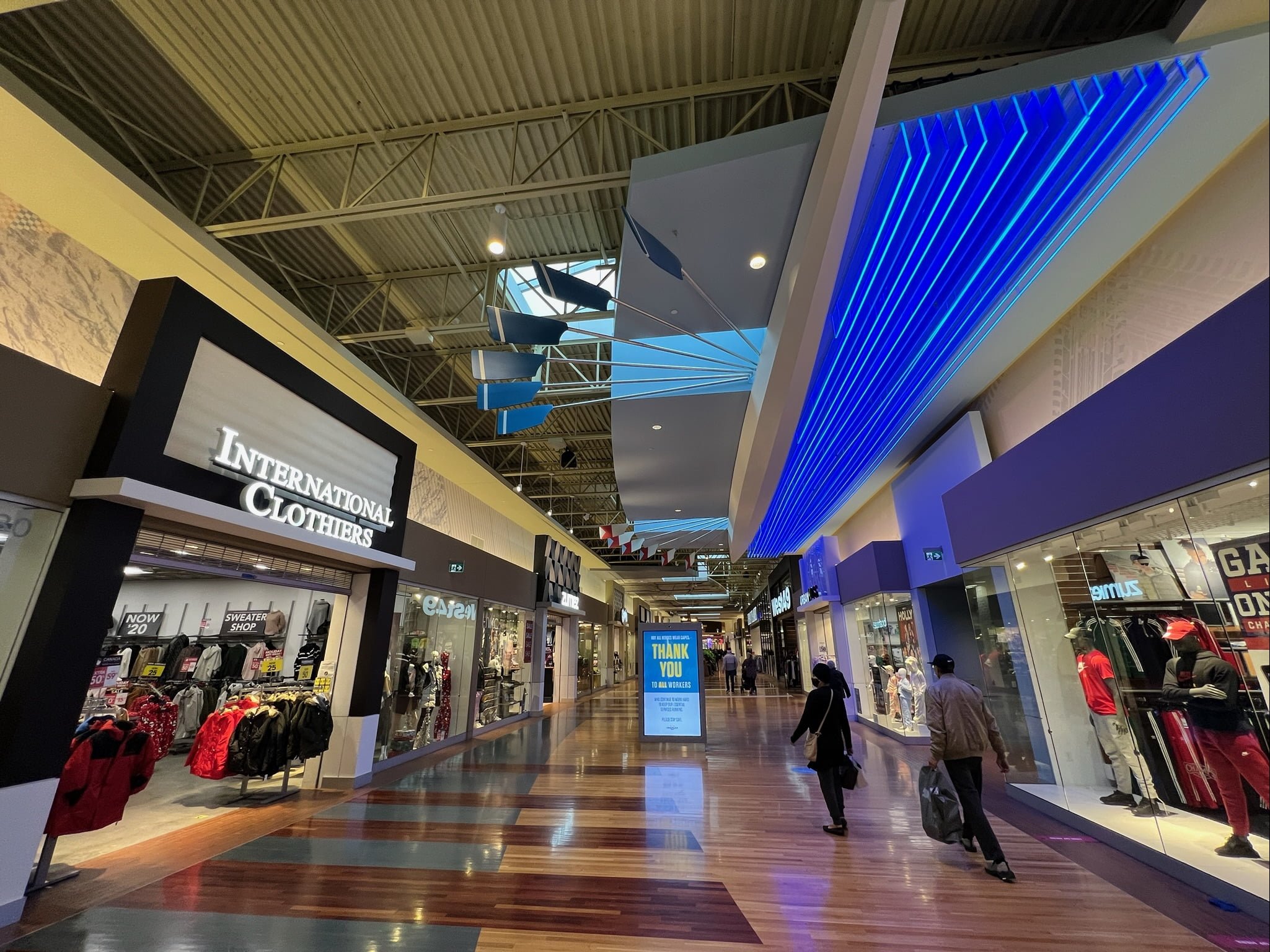
The final neighbourhood of Tsawwassen Mills is on the north east end of the shopping centre and is home to the Outdoor Neighbourhood. It is also home to “Entry 6” with a large outdoor sculpture to welcome shoppers.
Outdoor Neighbourhood at Tsawwassen Mills in Delta, BC (December 2021). Photo: Lee Rivett.Outdoor sculpture outside of ‘Entry 6’ at Tsawwassen Mills in Delta, BC (December 2021). Photo: Lee Rivett.
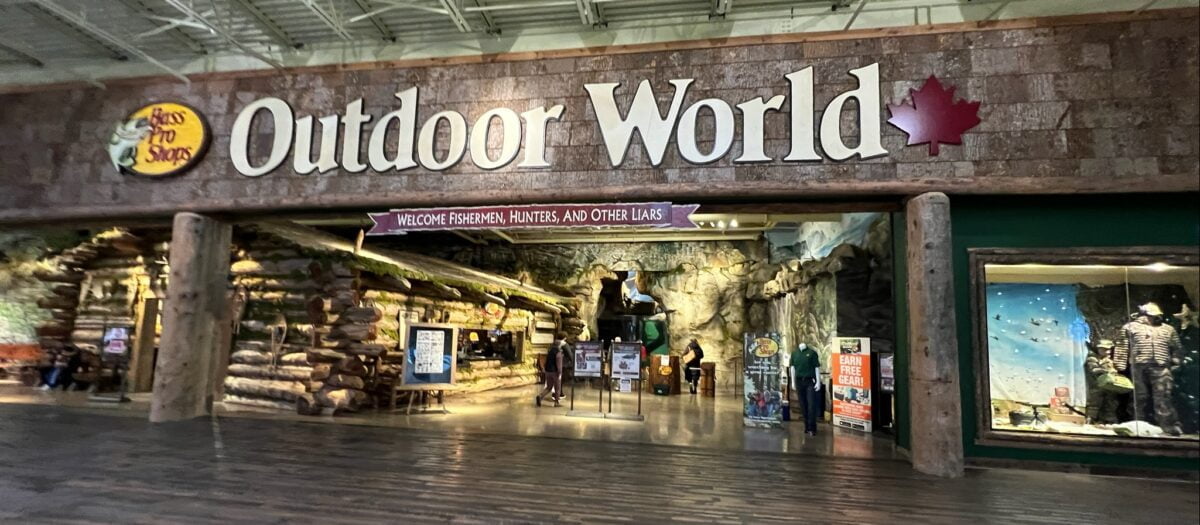
The largest retail anchor for the shopping centre is Bass Pro Shops on the end of the mall which includes a themed bowling alley inside. Other major retail anchors for the neighbourhood include:
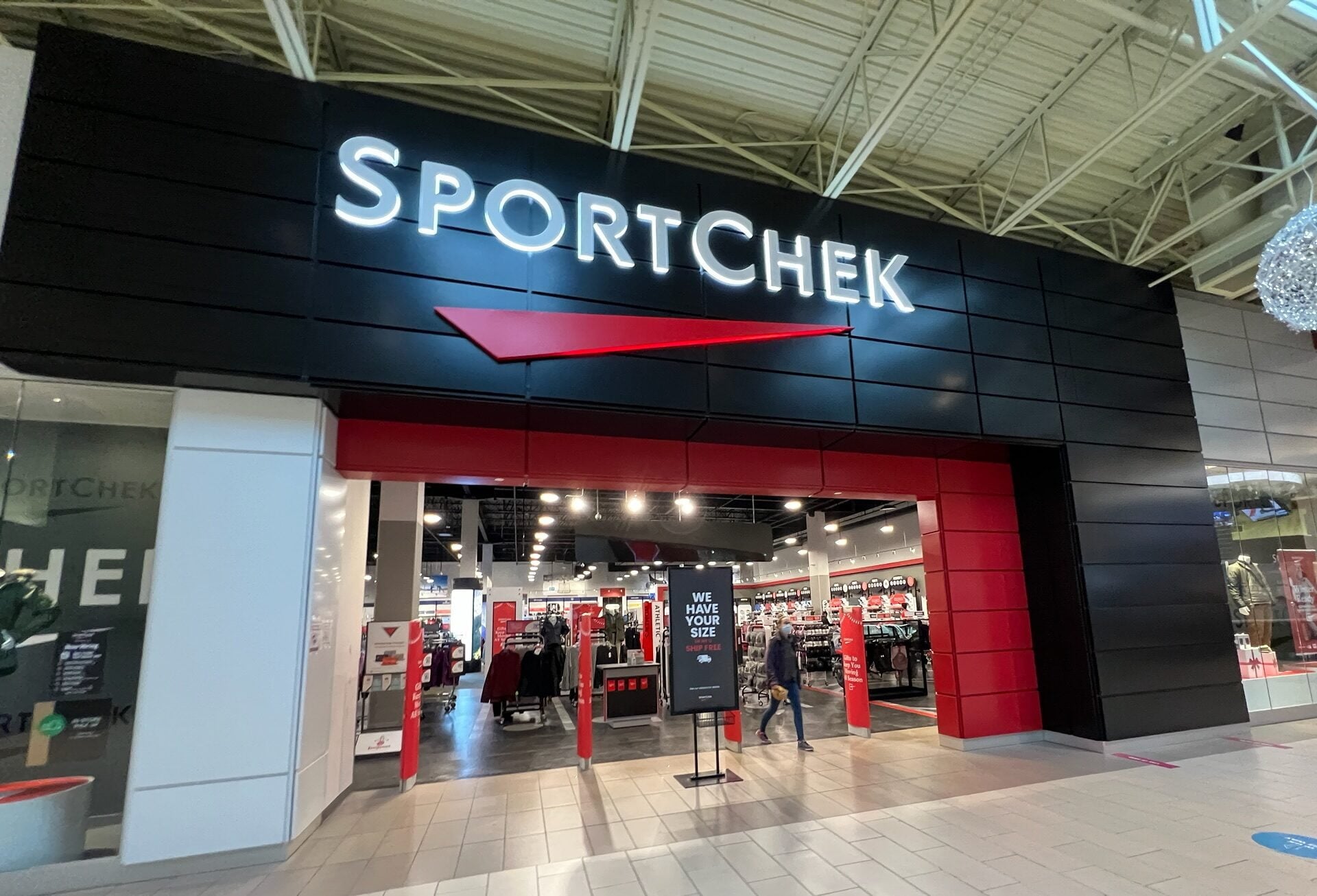
SportChek
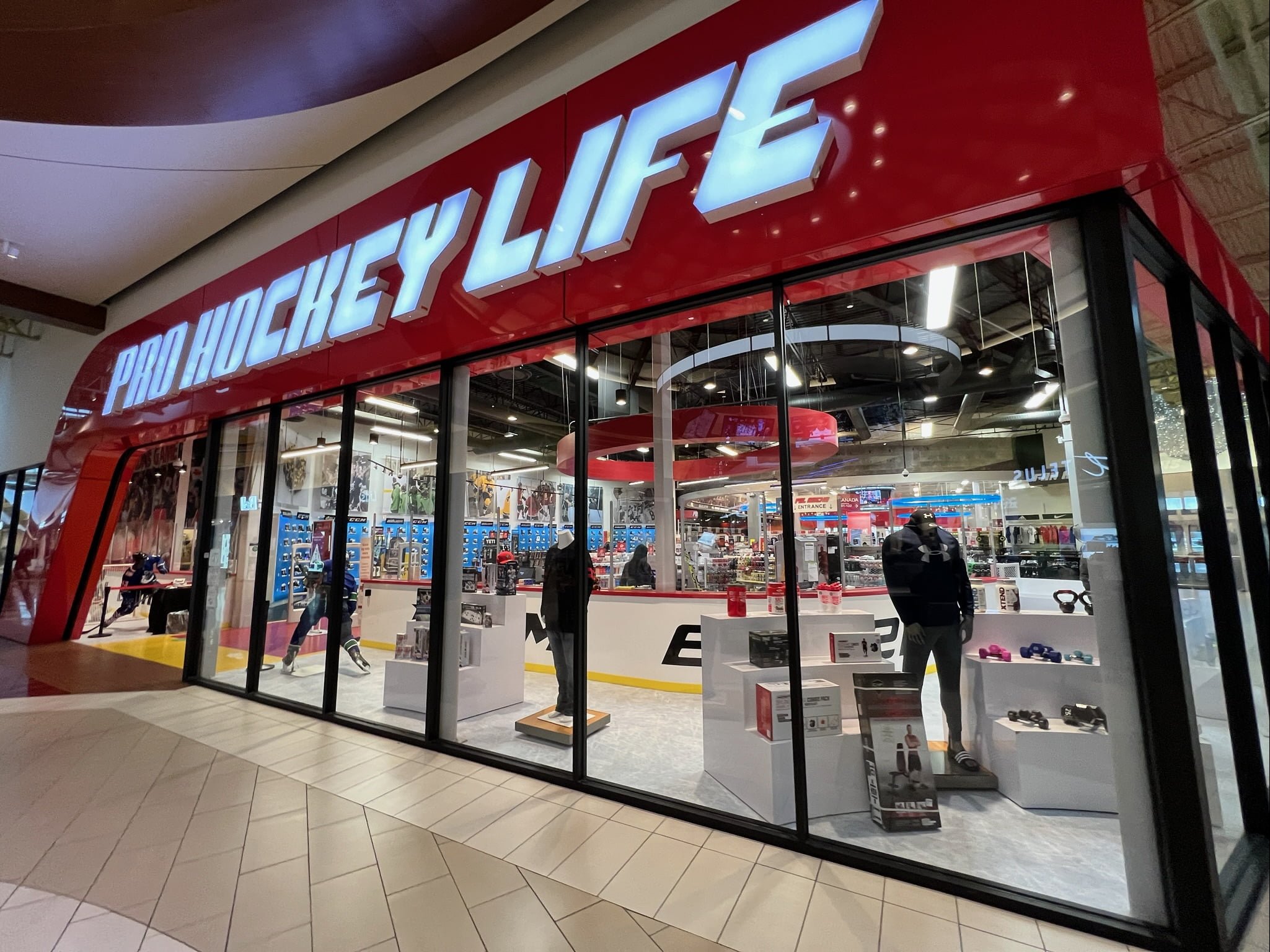
Hockey Life
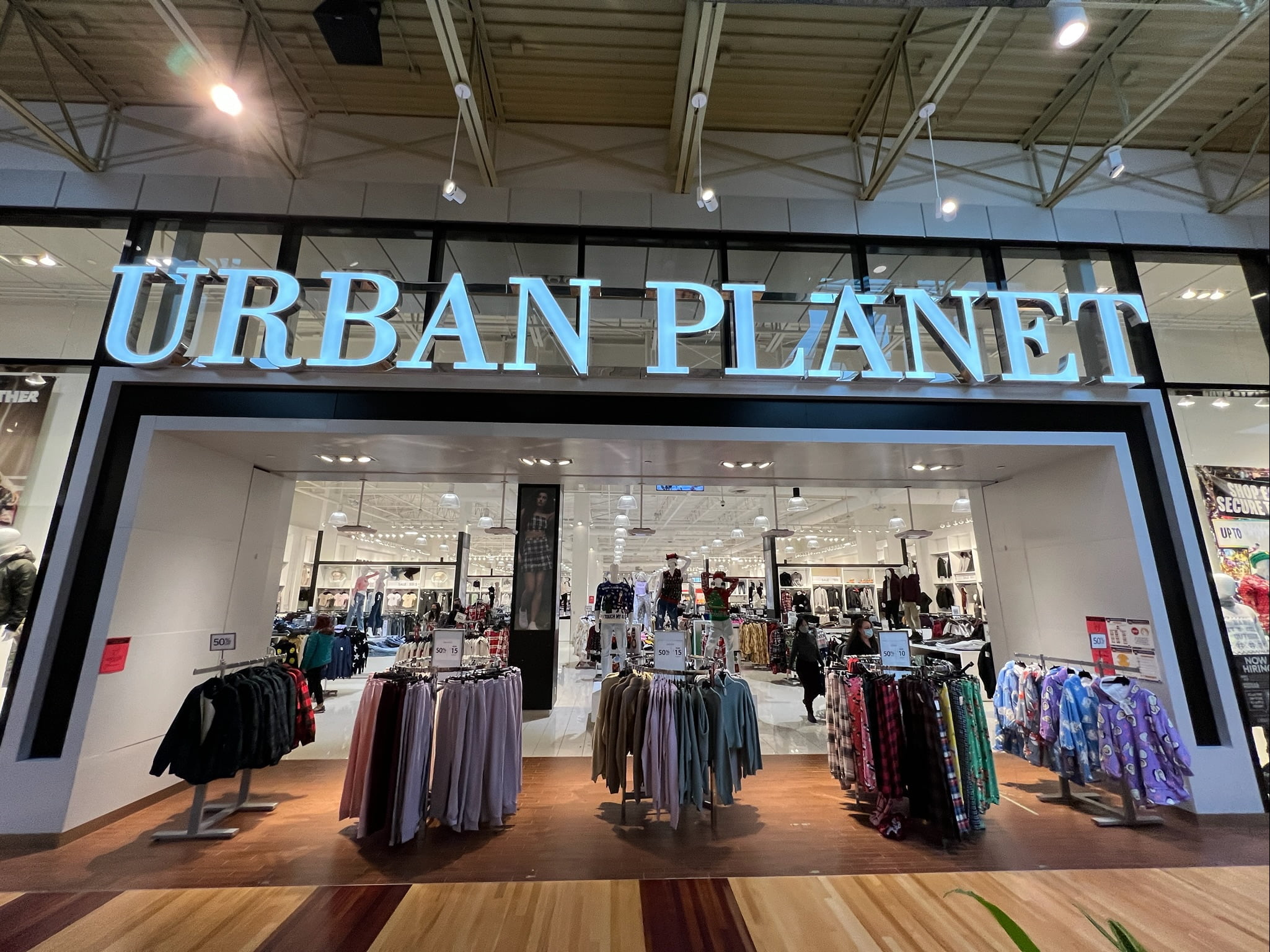
Urban Planet
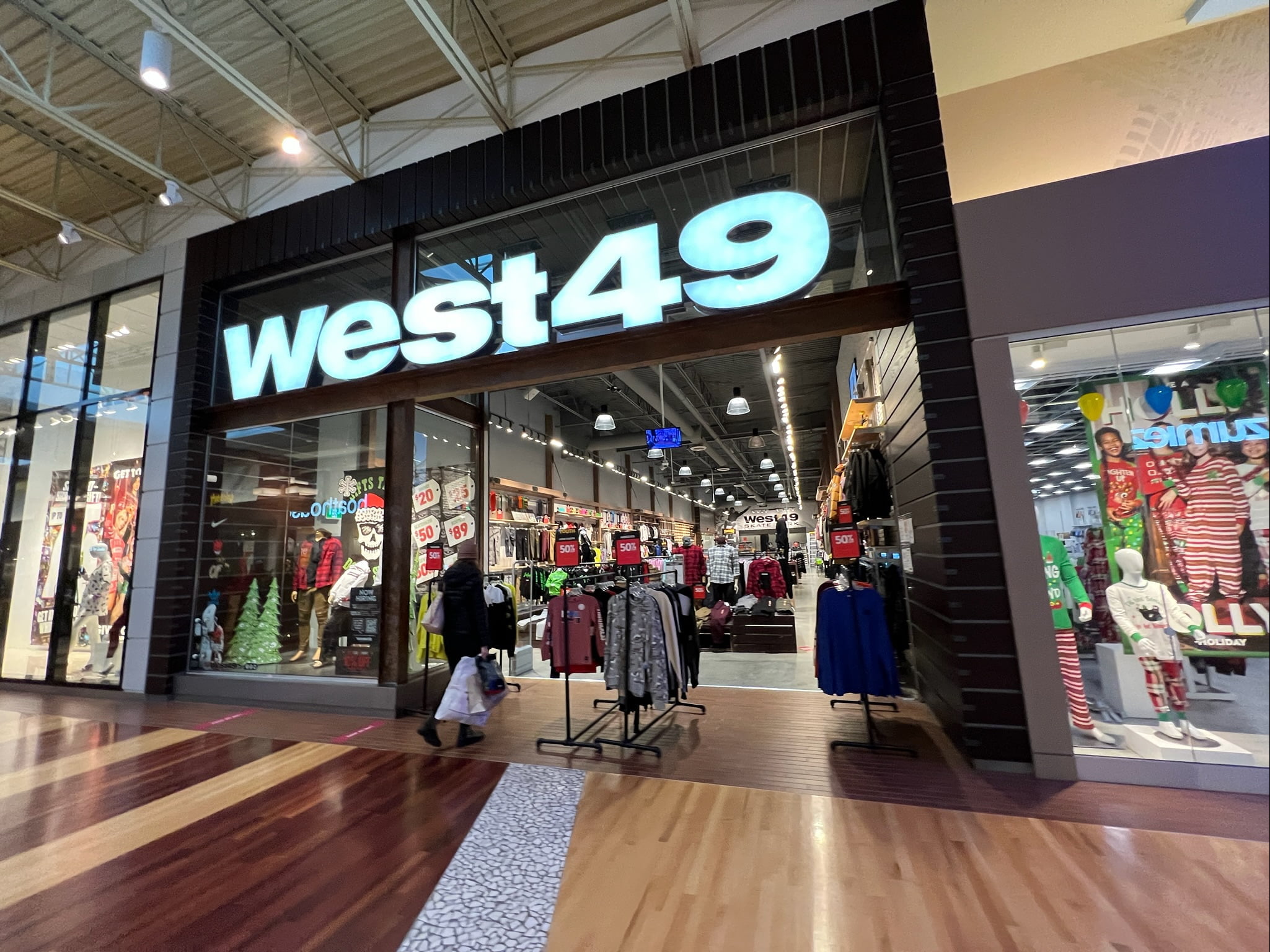
West 49 (which includes a skate park within)
Bass Pro Shops at Tsawwassen Mills in Delta, BC (December 2021). Photo: Lee Rivett.
SportChek at Tsawwassen Mills in Delta, BC (December 2021). Photo: Lee Rivett.
The Hockey Life at Tsawwassen Mills in Delta, BC (December 2021). Photo: Lee Rivett.
Urban Planet at Tsawwassen Mills in Delta, BC (December 2021). Photo: Lee Rivett.
West 49 at Tsawwassen Mills in Delta, BC (December 2021). Photo: Lee Rivett.
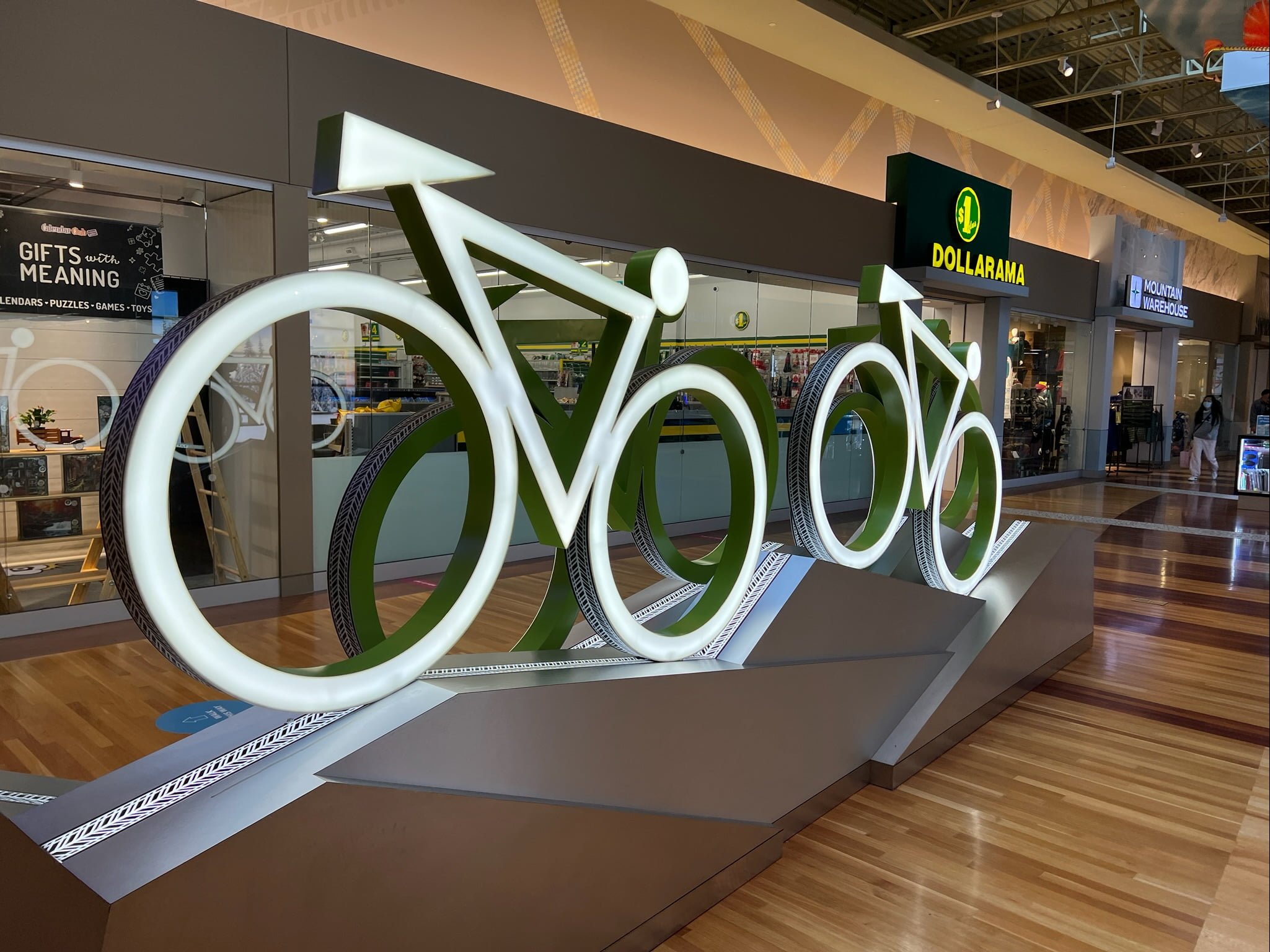
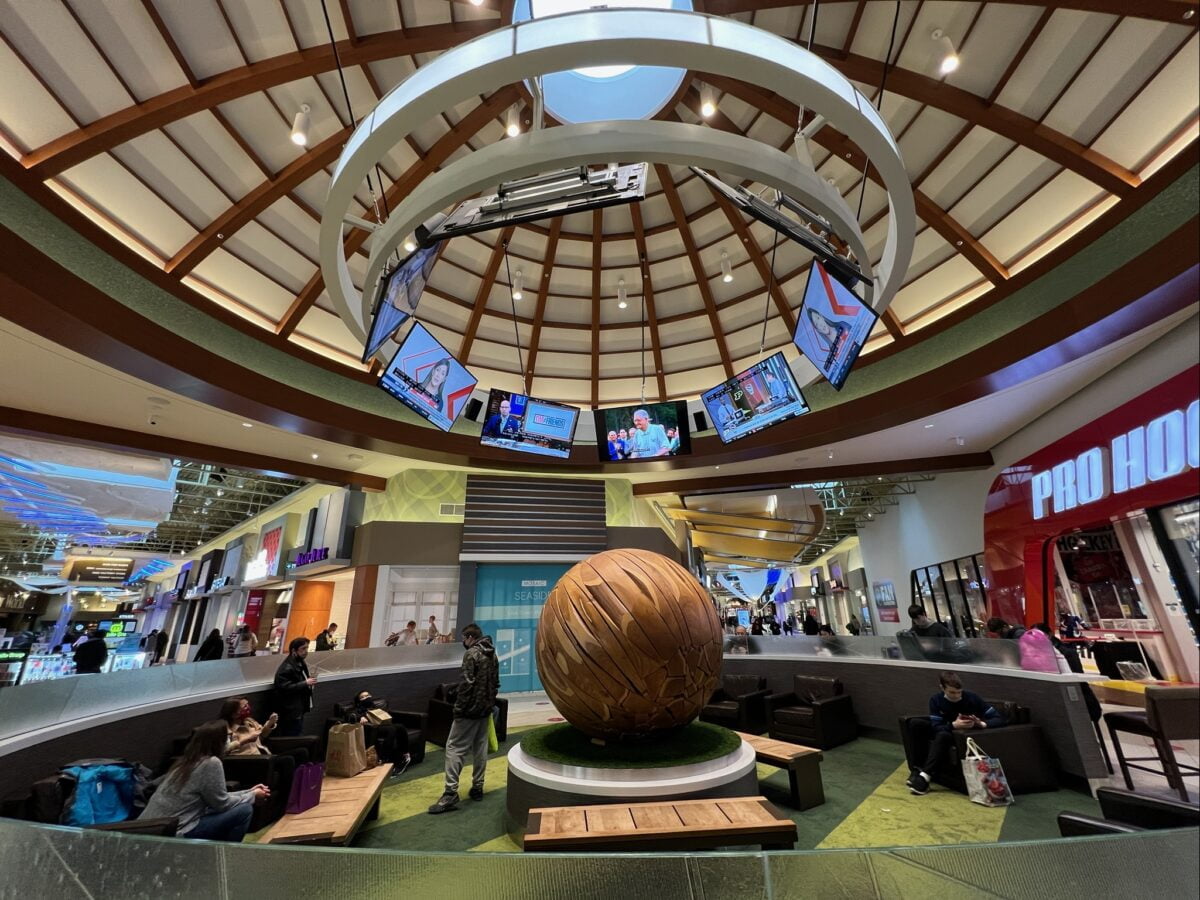
The Outdoor Neighbourhood has a number of art sculptures and seating areas for visitors.
Seating area in Outdoor Neighbourhood at Tsawwassen Mills in Delta, BC (December 2021). Photo: Lee Rivett.
Art installation in Outdoor Neighbourhood at Tsawwassen Mills in Delta, BC (December 2021). Photo: Lee Rivett.
Art installation in Outdoor Neighbourhood at Tsawwassen Mills in Delta, BC (December 2021). Photo: Lee Rivett.
Art installation in Outdoor Neighbourhood at Tsawwassen Mills in Delta, BC (December 2021). Photo: Lee Rivett.
Seating area in Outdoor Neighbourhood at Tsawwassen Mills in Delta, BC (December 2021). Photo: Lee Rivett.
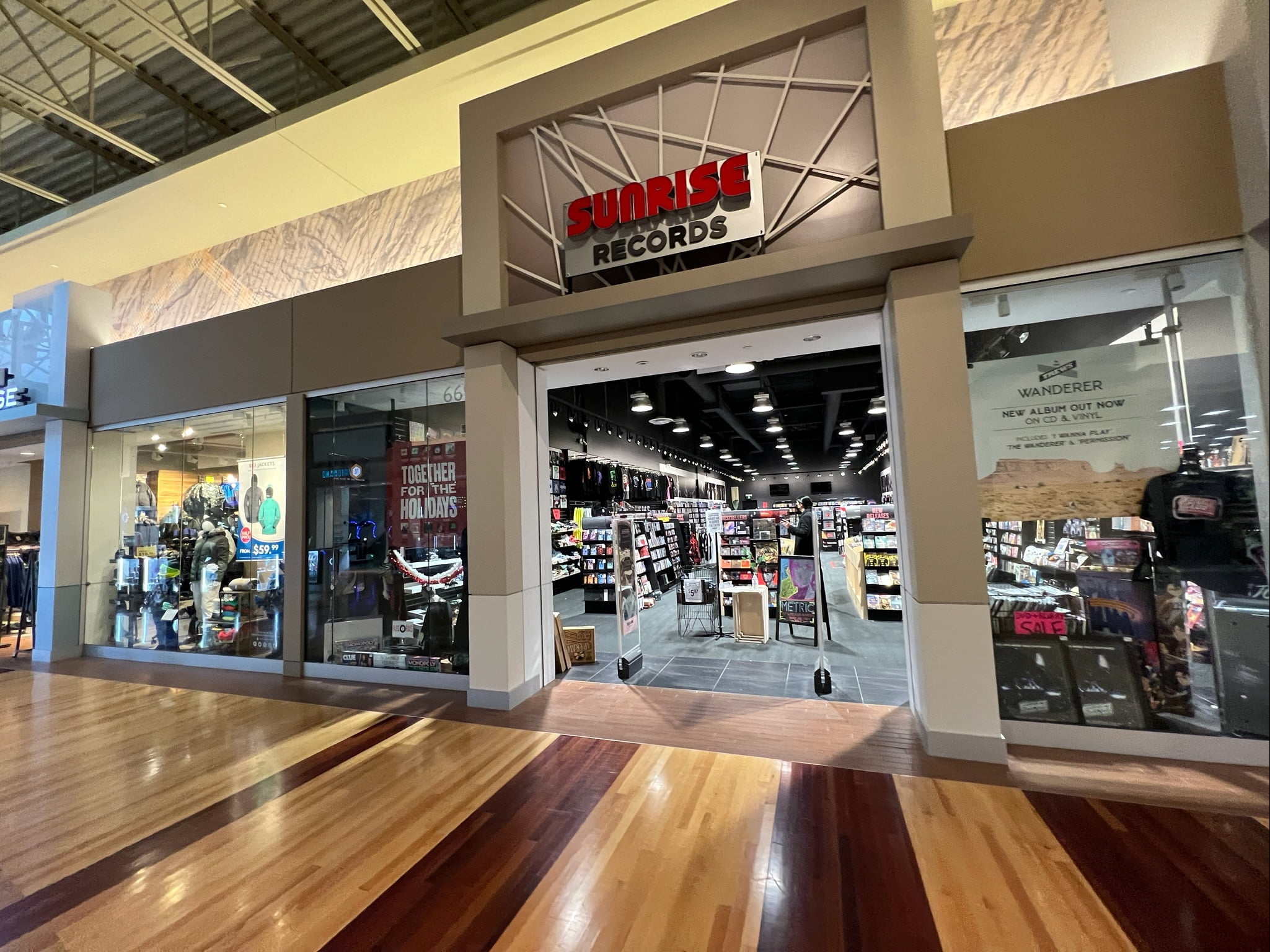
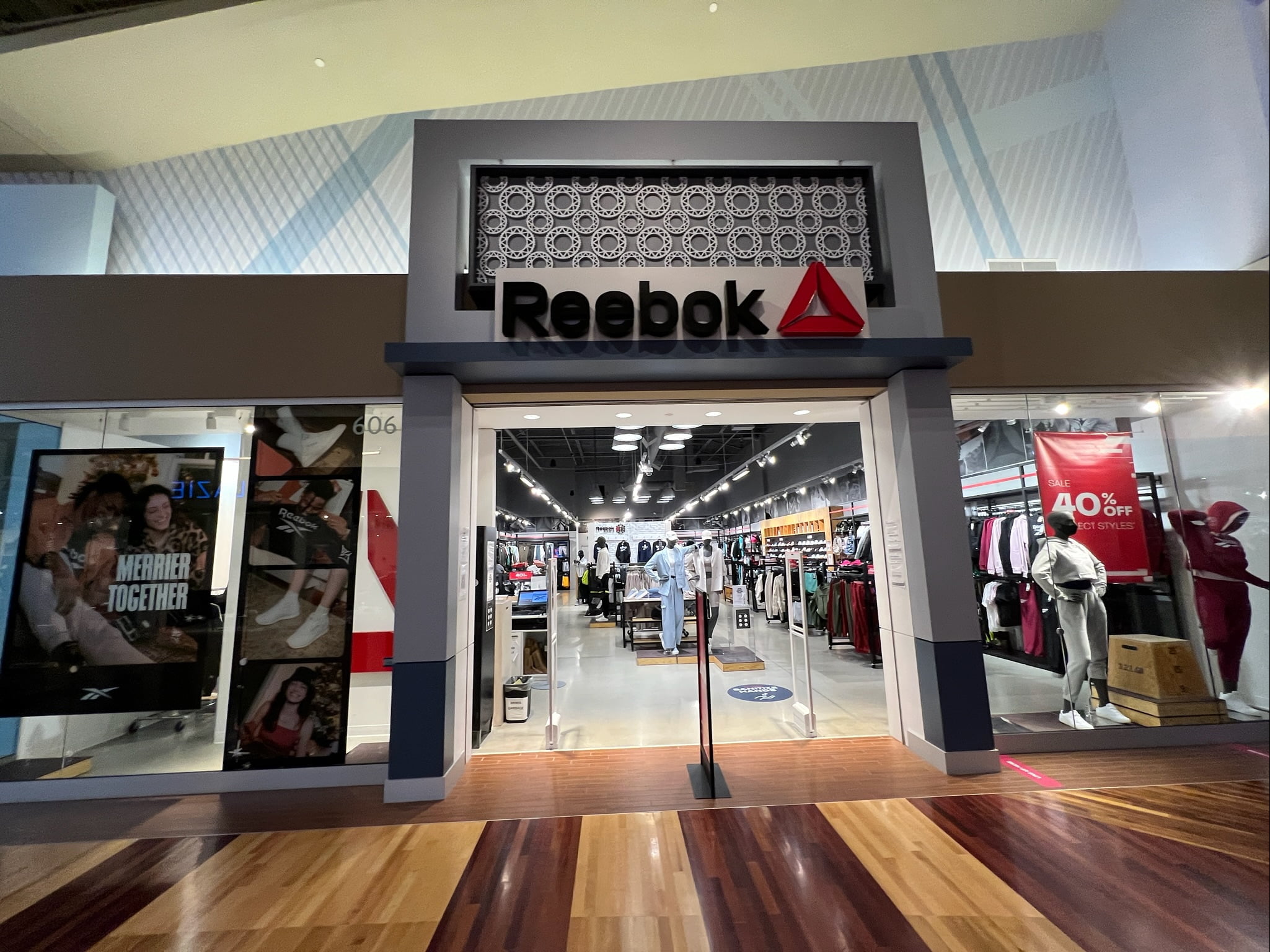
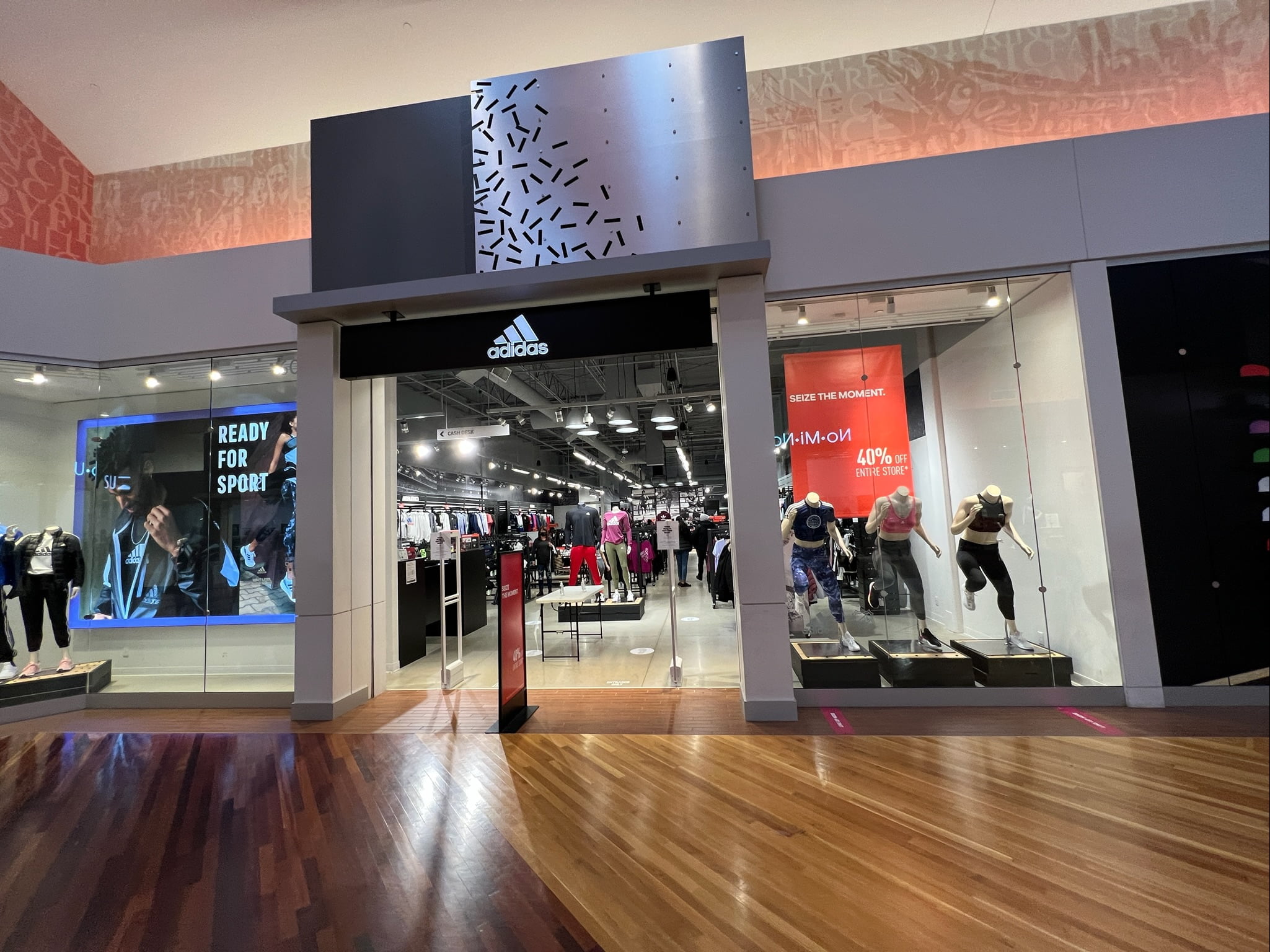
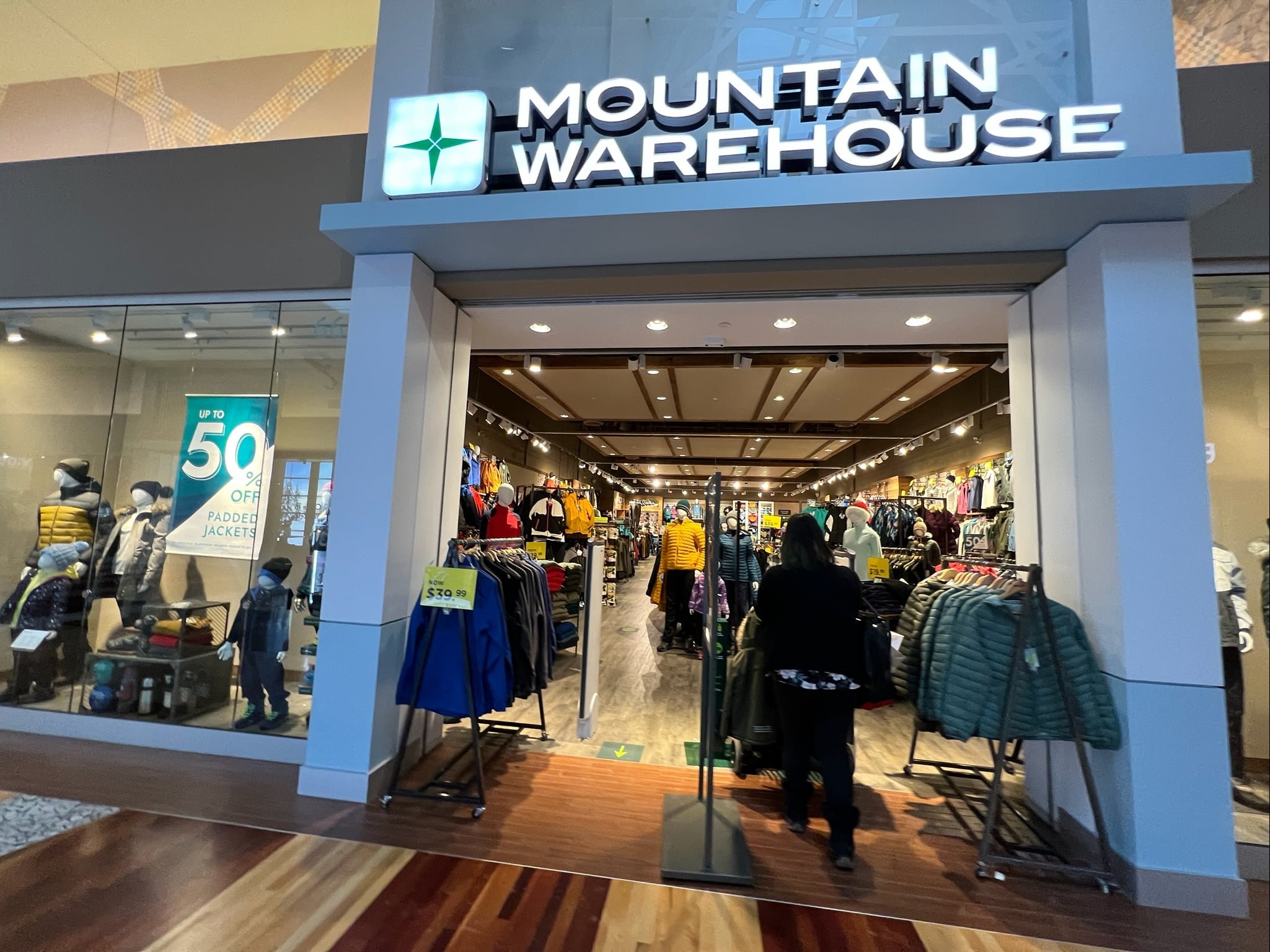
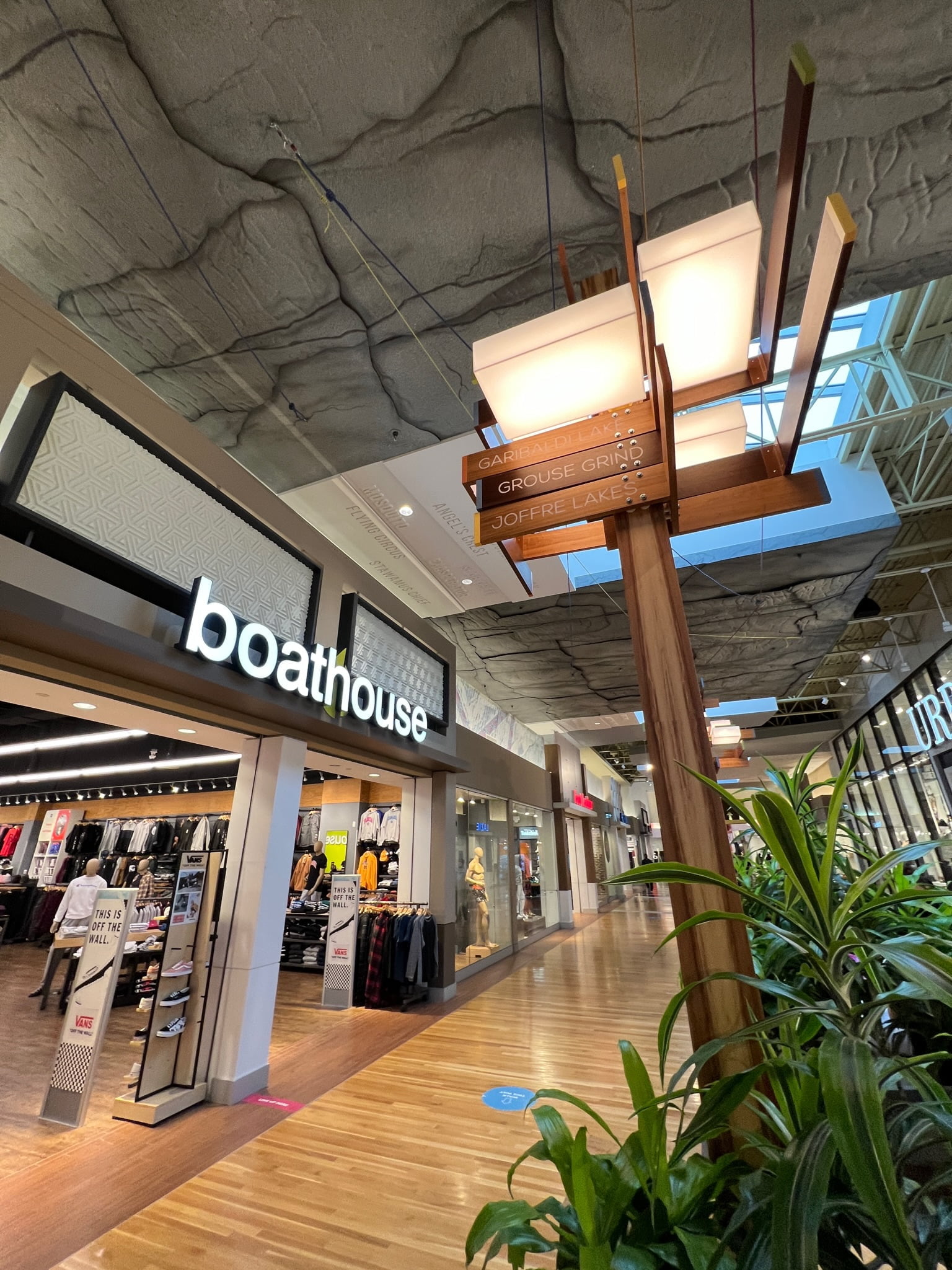
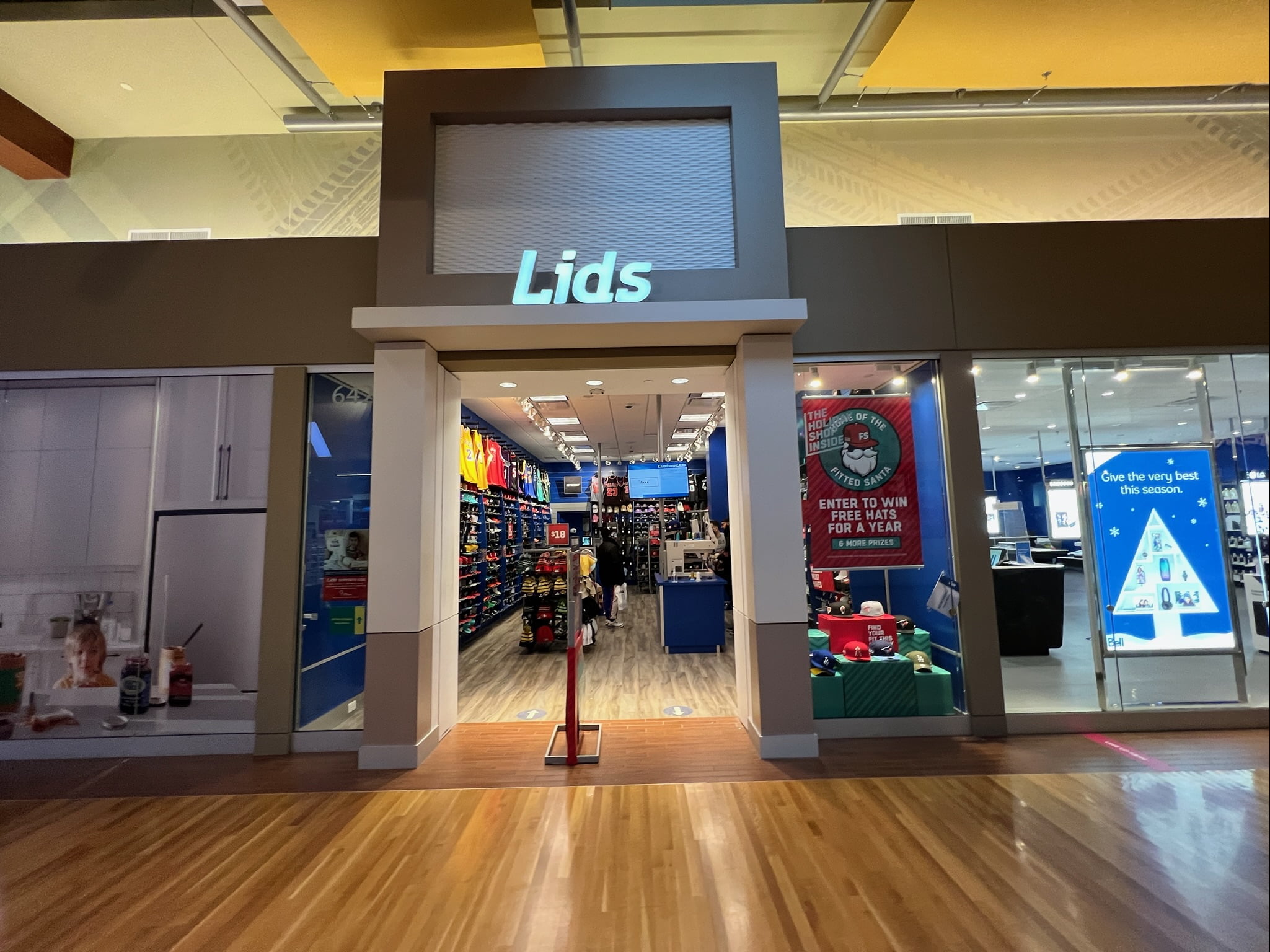
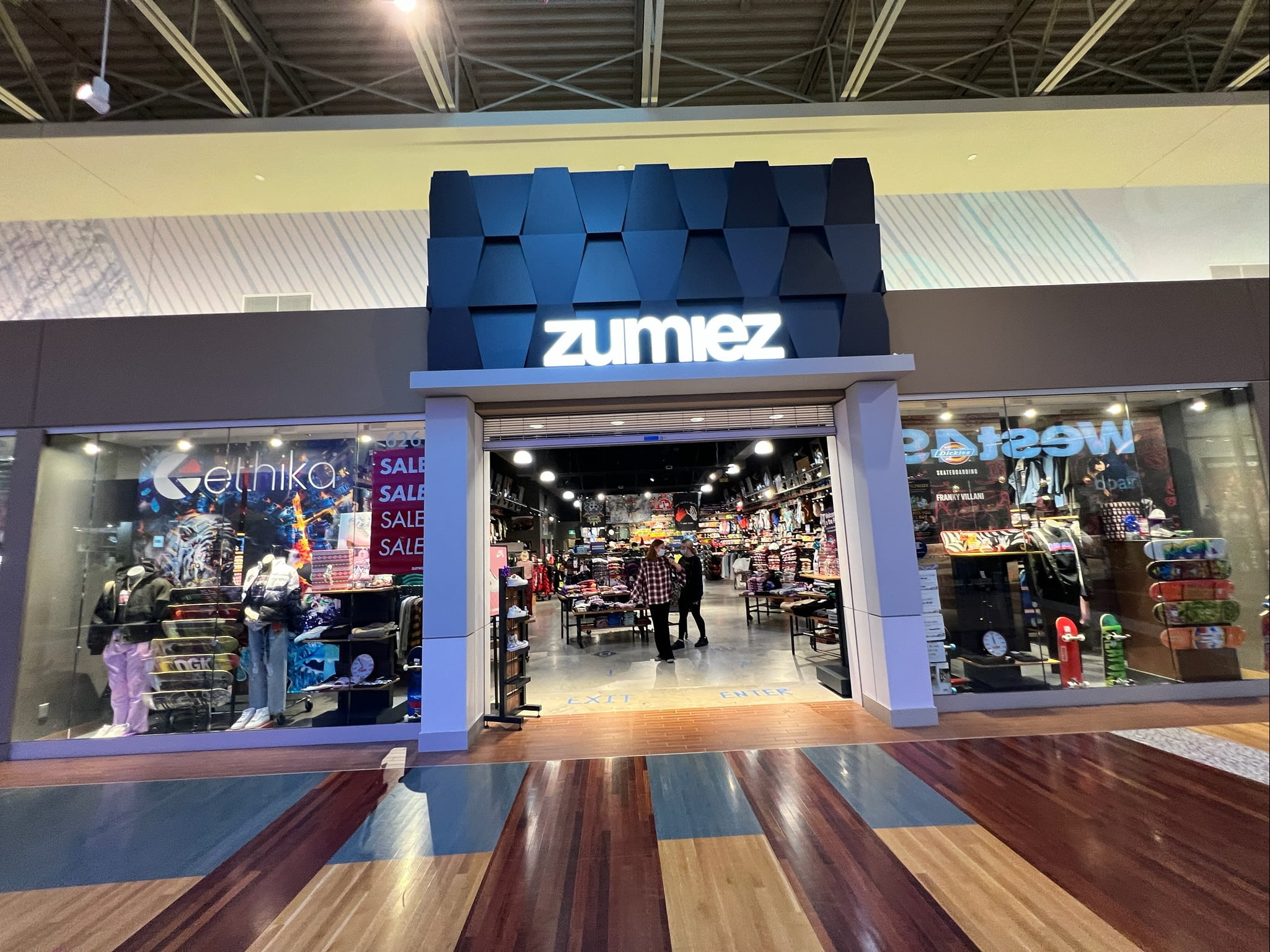
The other retailers in this neighbourhood include Bluenotes, Mountain Warehouse, Dollarama, Tip Top Tailors, Just Cozy, Blackwell, Bentley, Running Room, Lids, Spencer Gifts, Champs, International Clothiers, Zumiez, Urban Kids, Journeys, Boathouse, Footlocker, Hot Topic, and Reebok.
1 of 20
Sunrise Records at Tsawwassen Mills in Delta, BC (December 2021). Photo: Lee Rivett.
Reebok at Tsawwassen Mills in Delta, BC (December 2021). Photo: Lee Rivett.
Addidas at Tsawwassen Mills in Delta, BC (December 2021). Photo: Lee Rivett.
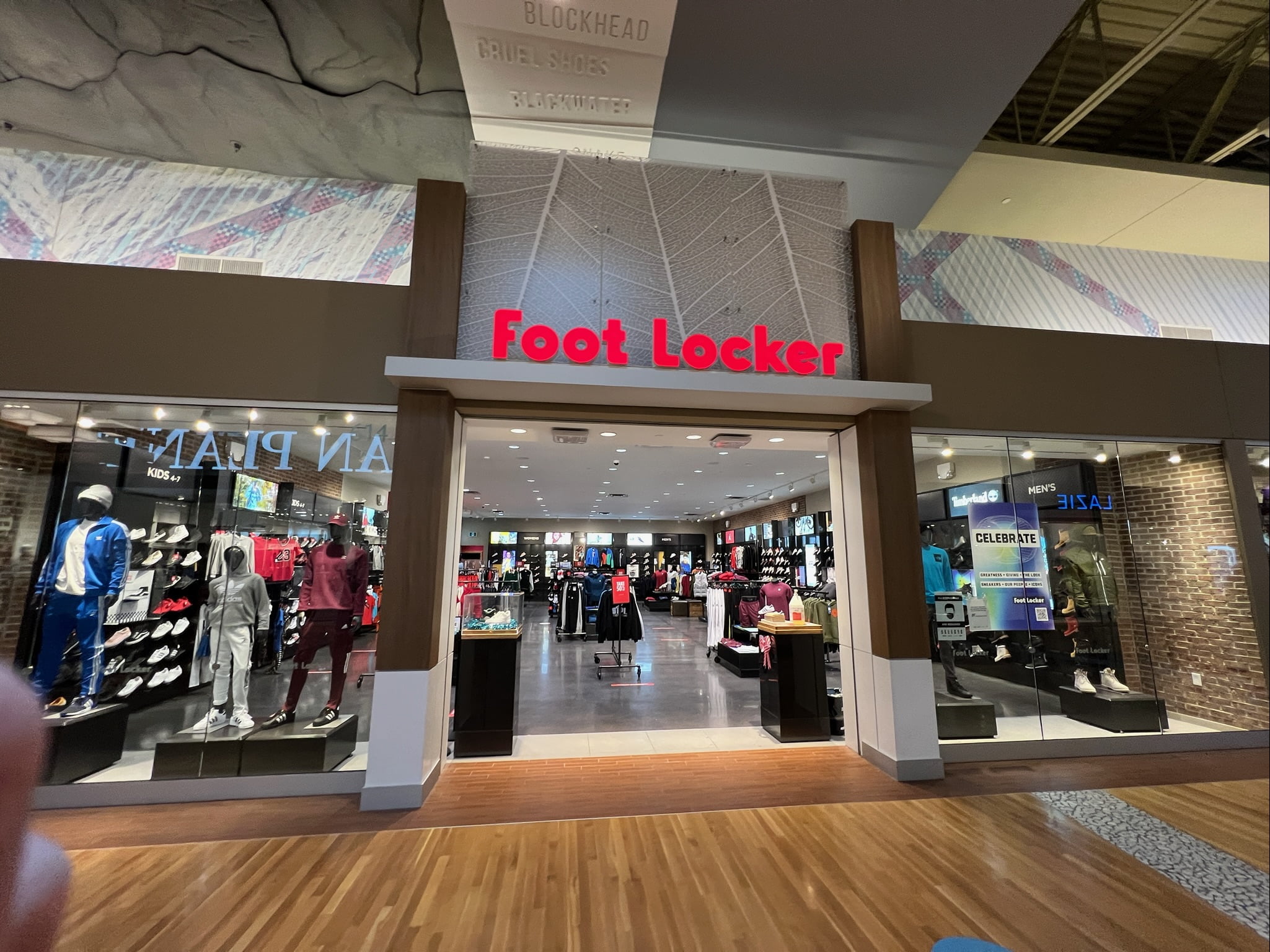
Foot Locker at Tsawwassen Mills in Delta, BC (December 2021). Photo: Lee Rivett.
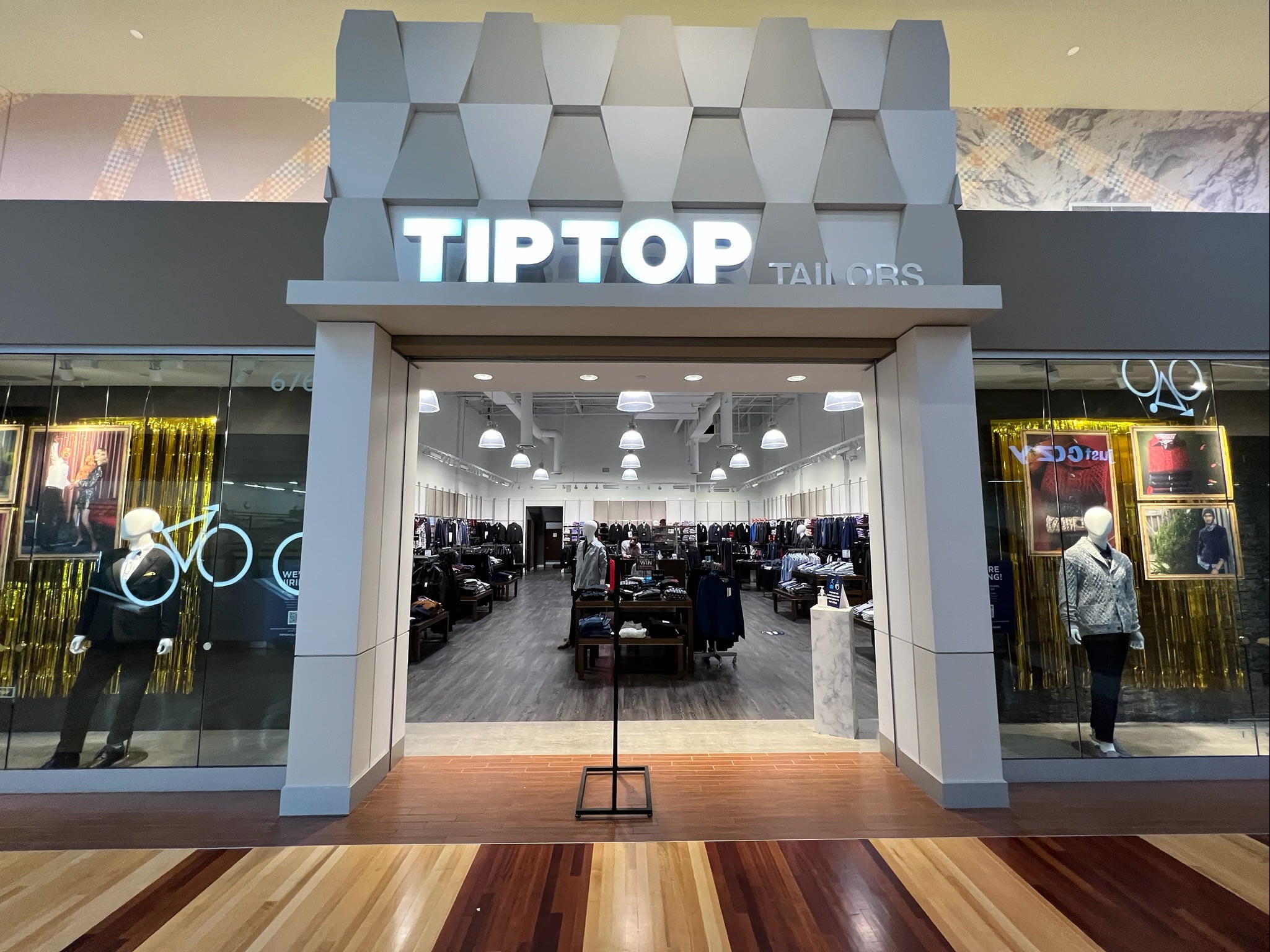
TipTop Tailors at Tsawwassen Mills in Delta, BC (December 2021). Photo: Lee Rivett.
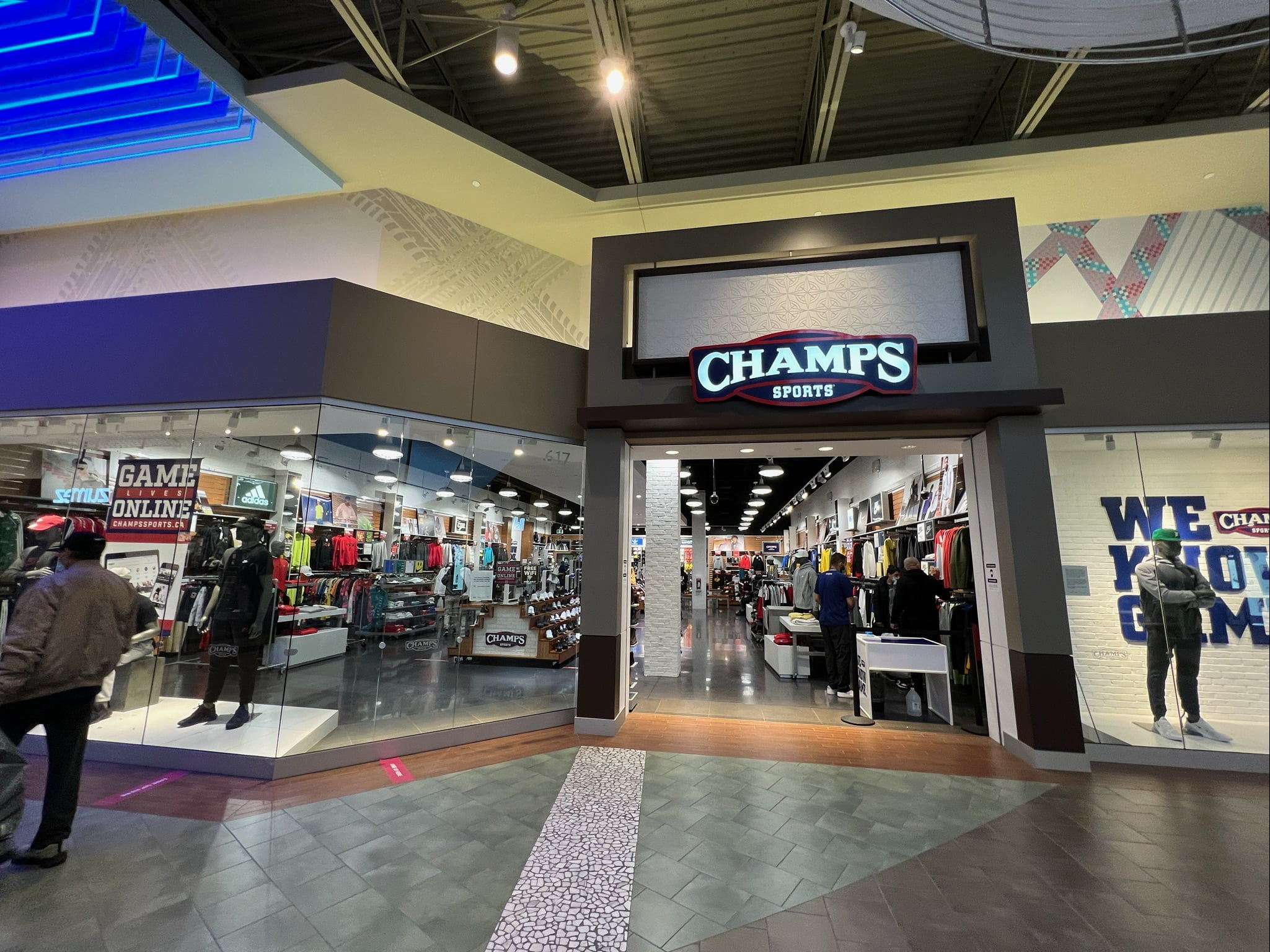
Champs at Tsawwassen Mills in Delta, BC (December 2021). Photo: Lee Rivett.
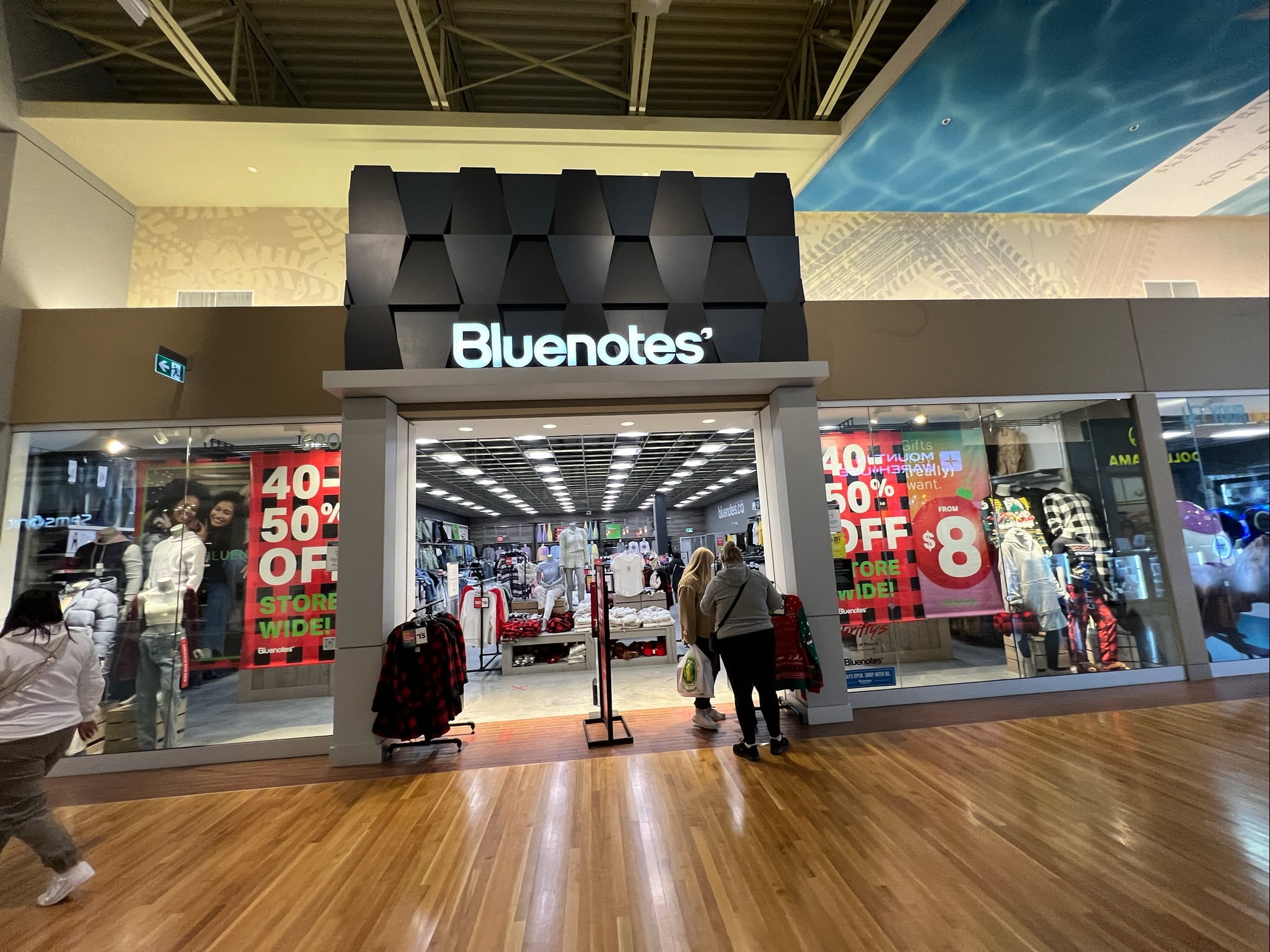
BlueNotes at Tsawwassen Mills in Delta, BC (December 2021). Photo: Lee Rivett.
Mountain Warehouse at Tsawwassen Mills in Delta, BC (December 2021). Photo: Lee Rivett.
Boathouse at Tsawwassen Mills in Delta, BC (December 2021). Photo: Lee Rivett.
Lids at Tsawwassen Mills in Delta, BC (December 2021). Photo: Lee Rivett.
Zumiez at Tsawwassen Mills in Delta, BC (December 2021). Photo: Lee Rivett.
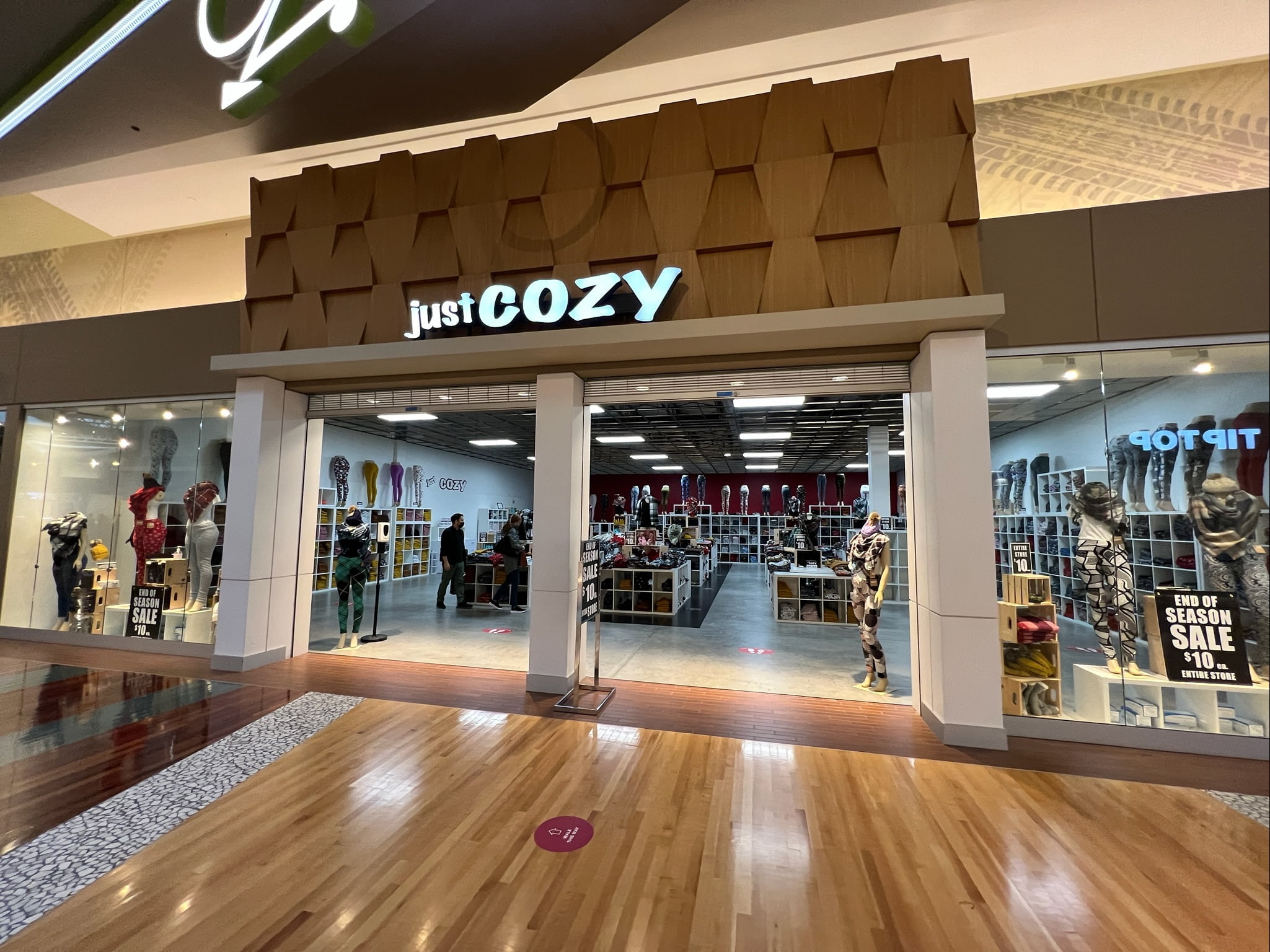
Just Cozy at Tsawwassen Mills in Delta, BC (December 2021). Photo: Lee Rivett.
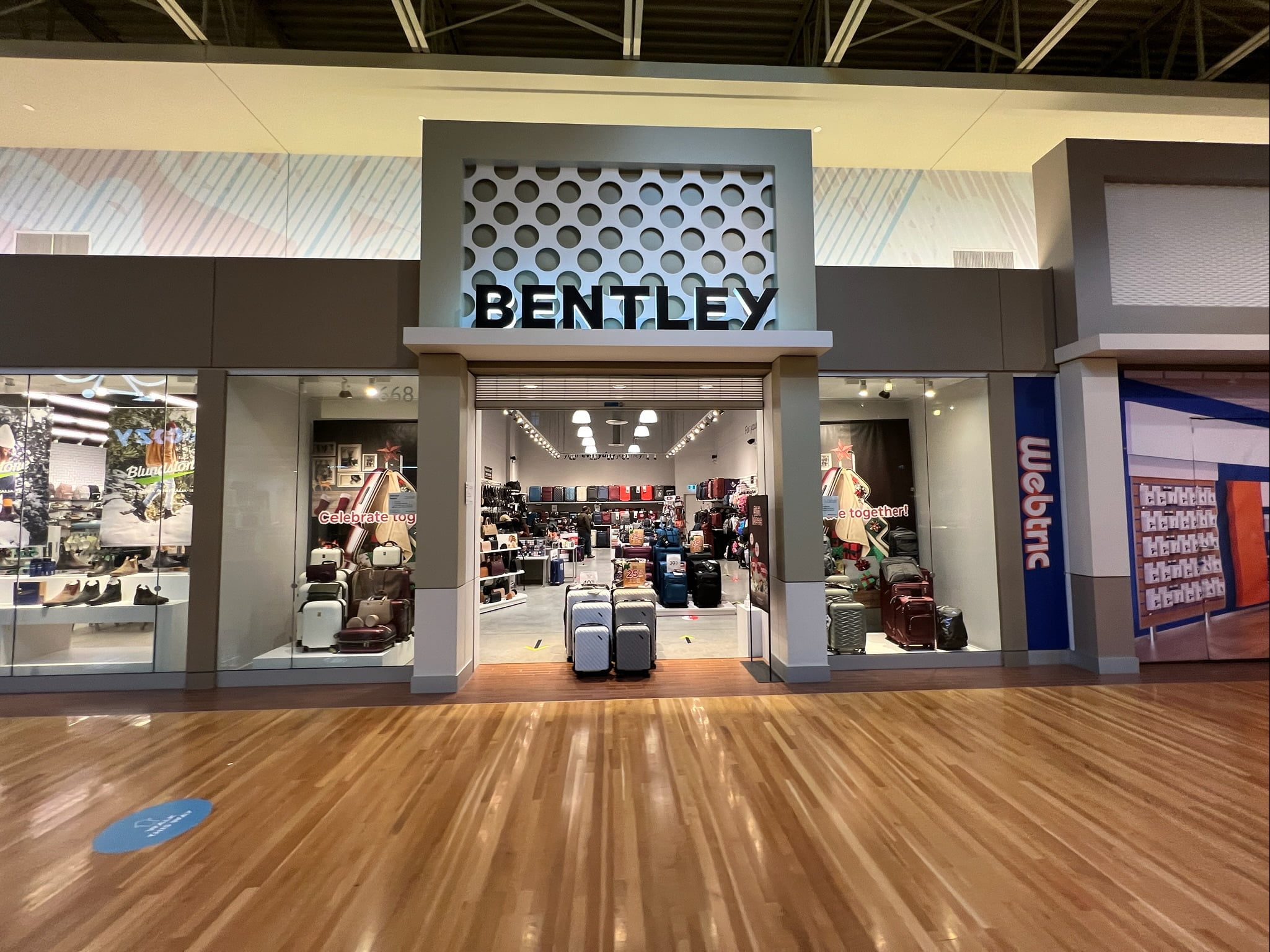
Bentley at Tsawwassen Mills in Delta, BC (December 2021). Photo: Lee Rivett.
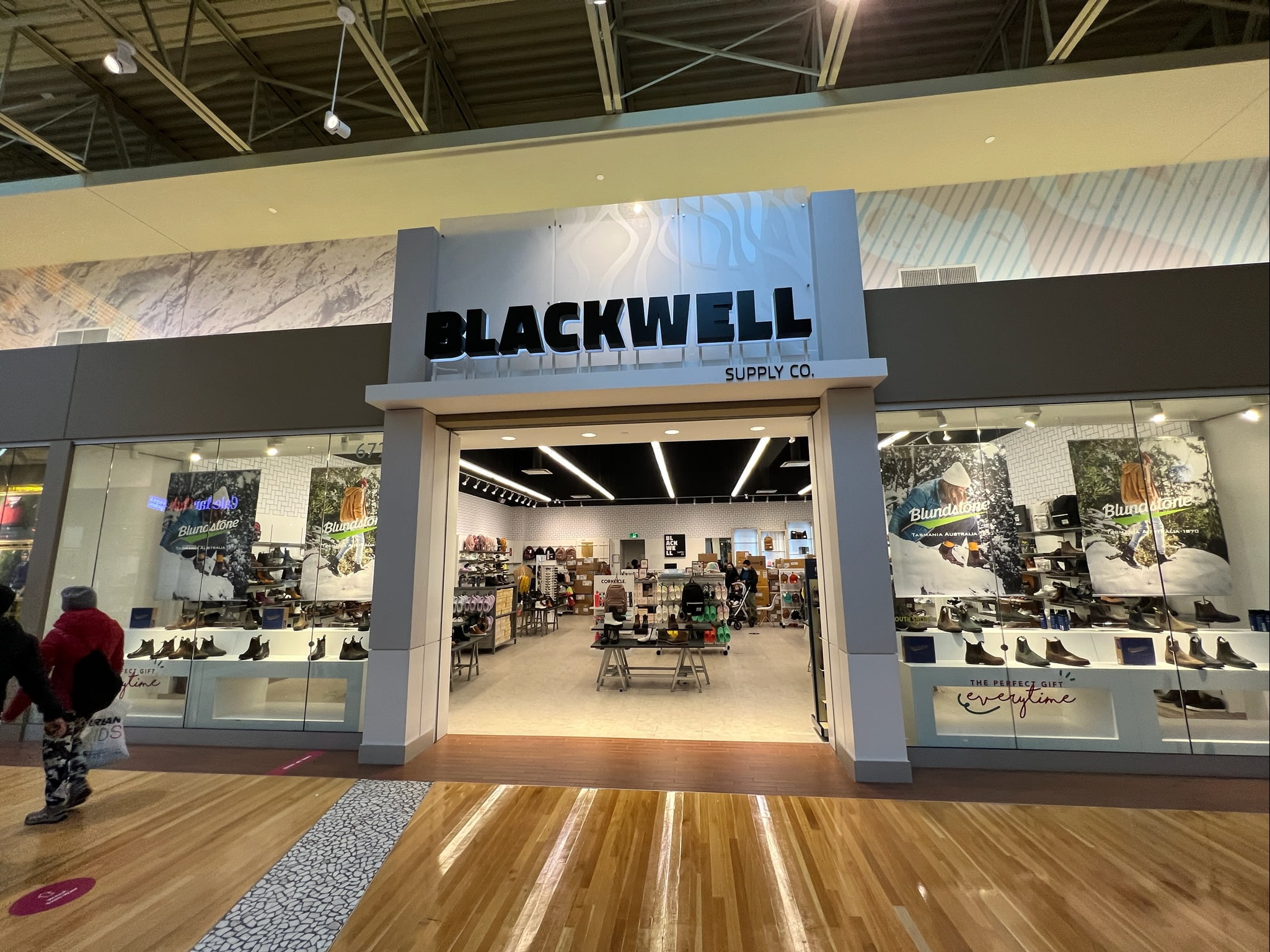
Blackwell at Tsawwassen Mills in Delta, BC (December 2021). Photo: Lee Rivett.
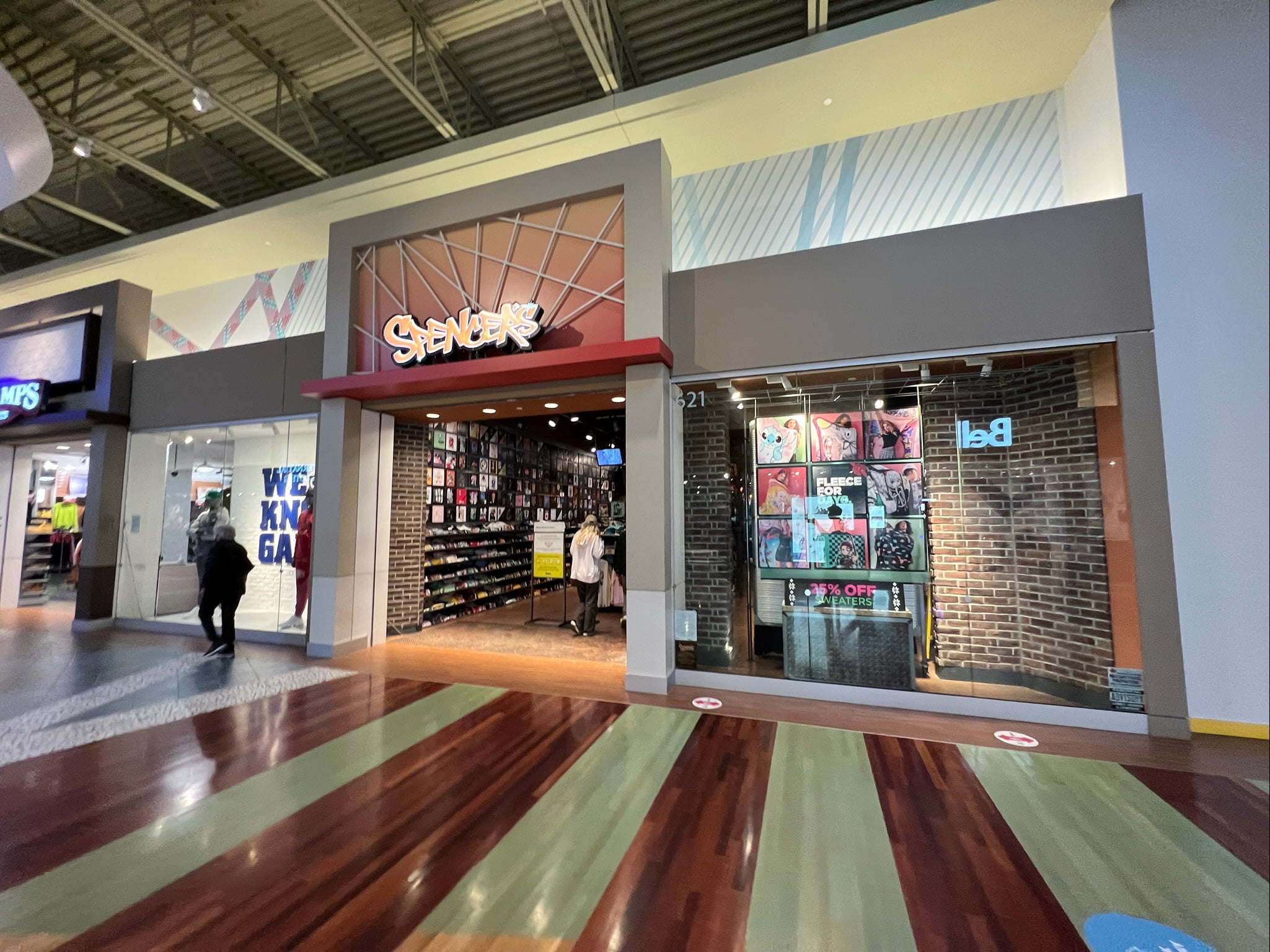
Spencers at Tsawwassen Mills in Delta, BC (December 2021). Photo: Lee Rivett.
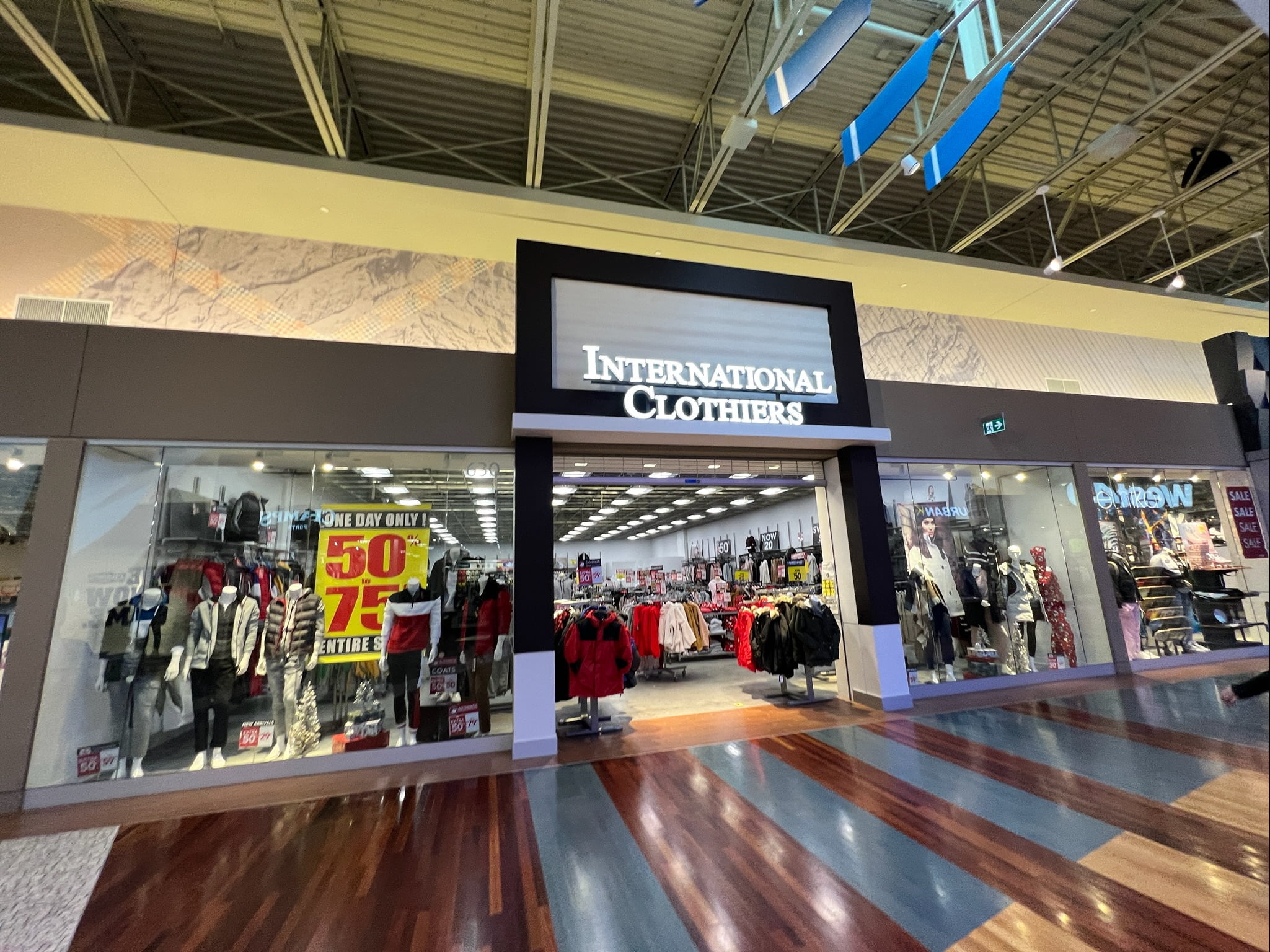
International Clothiers at Tsawwassen Mills in Delta, BC (December 2021). Photo: Lee Rivett.
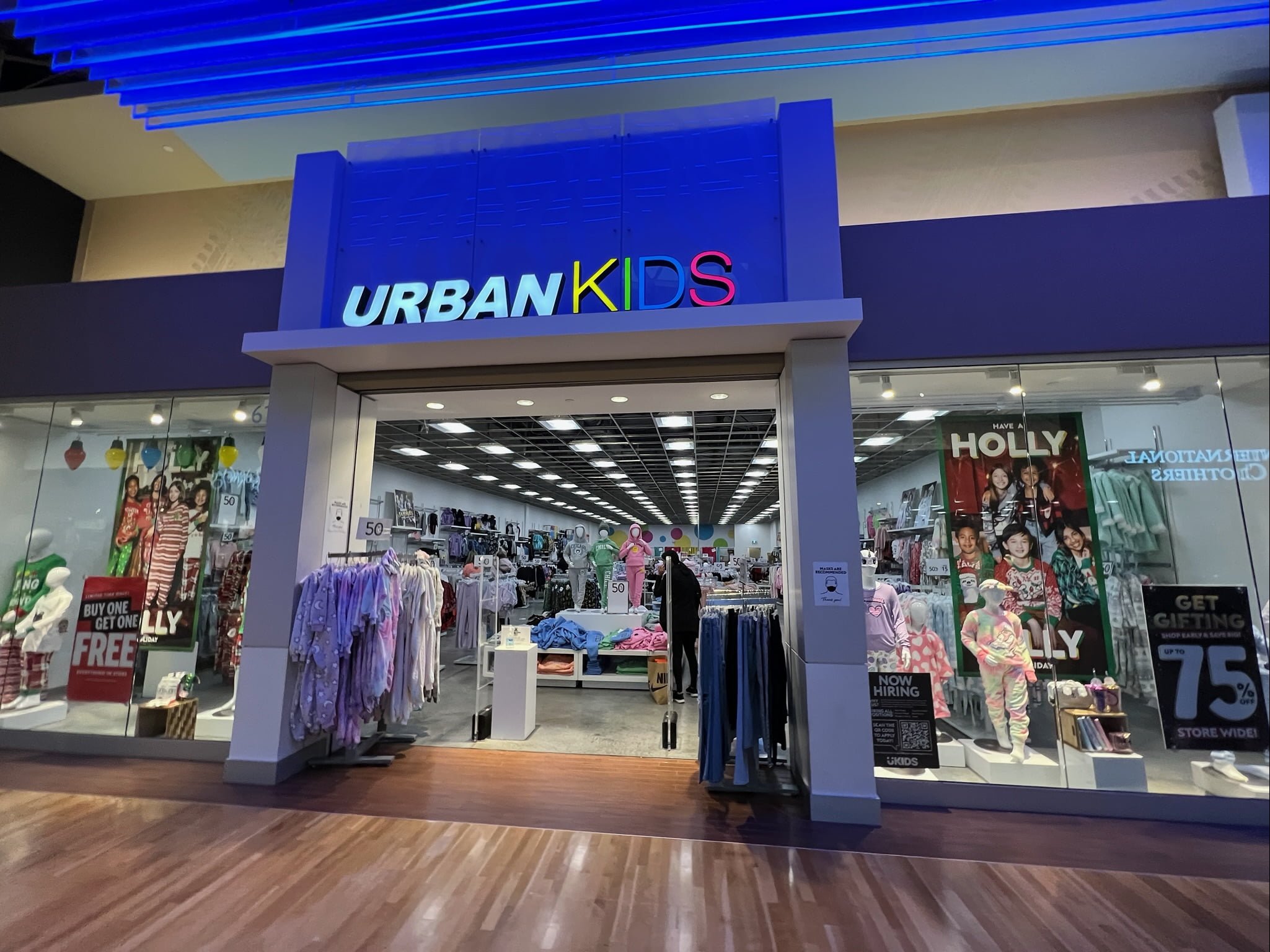
Urban Kids at Tsawwassen Mills in Delta, BC (December 2021). Photo: Lee Rivett.
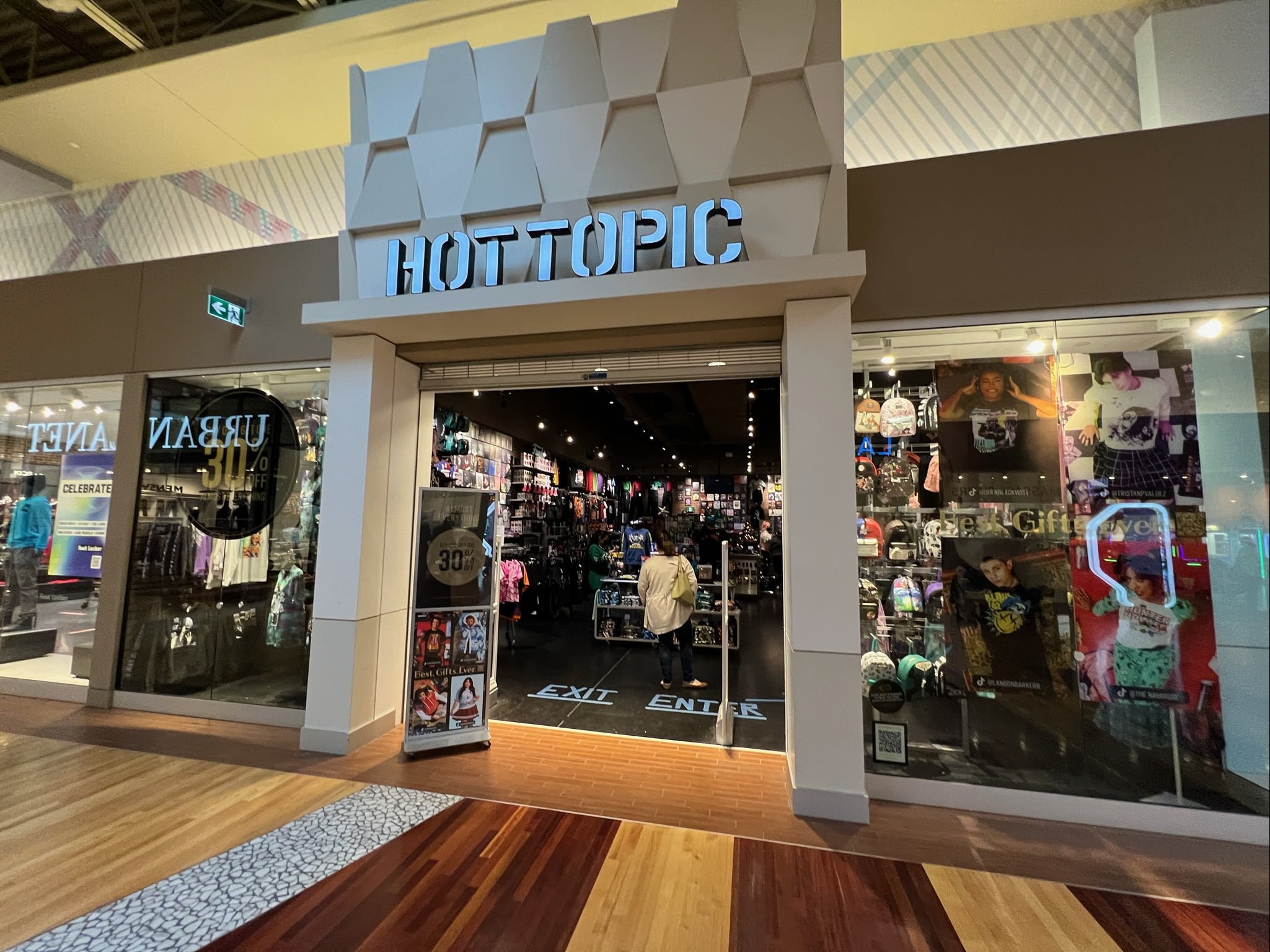
Hot Topic at Tsawwassen Mills in Delta, BC (December 2021). Photo: Lee Rivett.
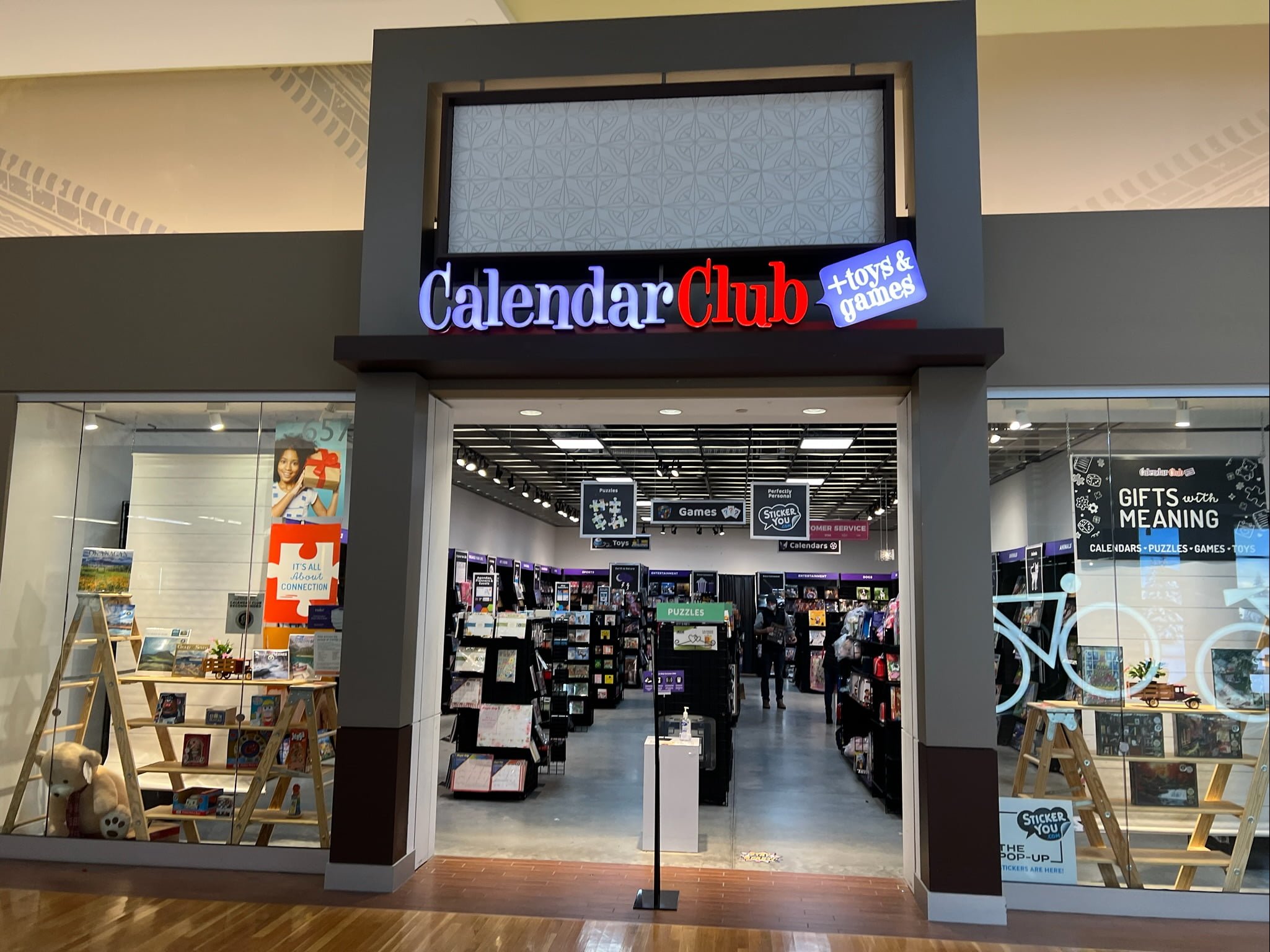
Calendar Club at Tsawwassen Mills in Delta, BC (December 2021). Photo: Lee Rivett.
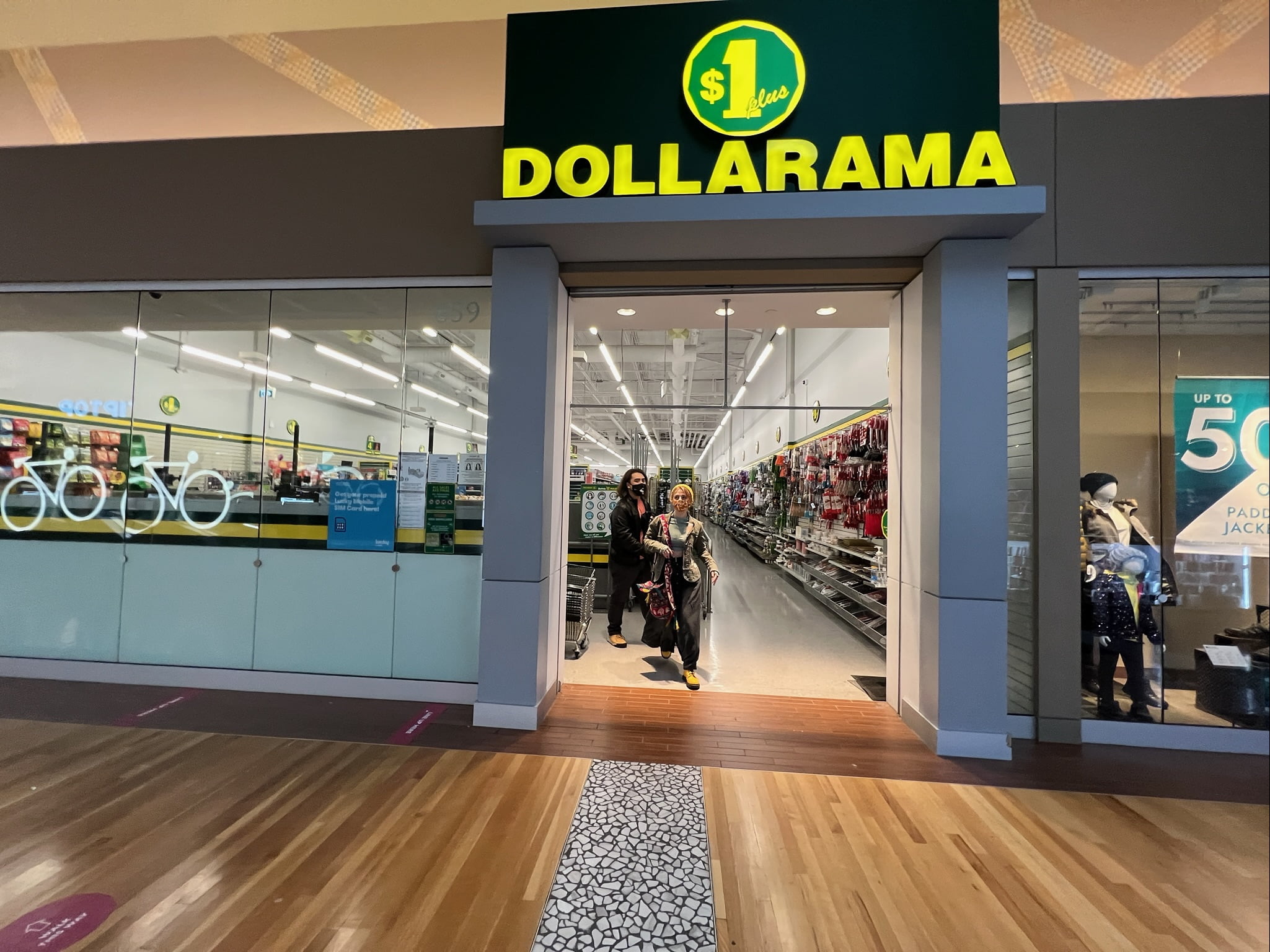
Dollarama at Tsawwassen Mills in Delta, BC (December 2021). Photo: Lee Rivett.
We had a very interesting photo walk around Tsawwassen Mills near Vancouver and we hope you enjoyed coming along with us. Don’t forget to check out our other retail photo tours and thank you for taking this tour with us.
Discover More Related Retail Photo Tours From Retail Insider: