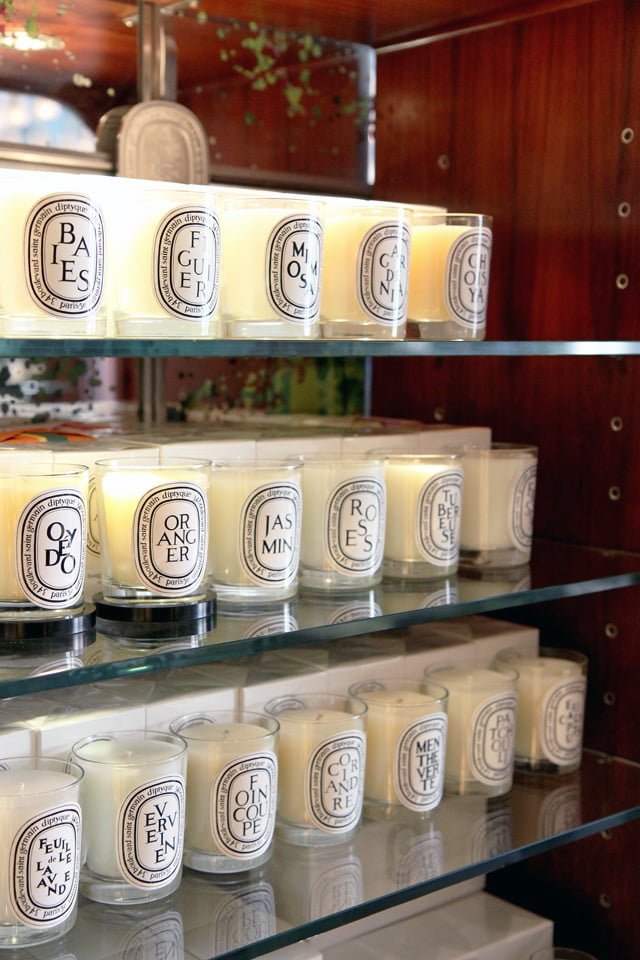
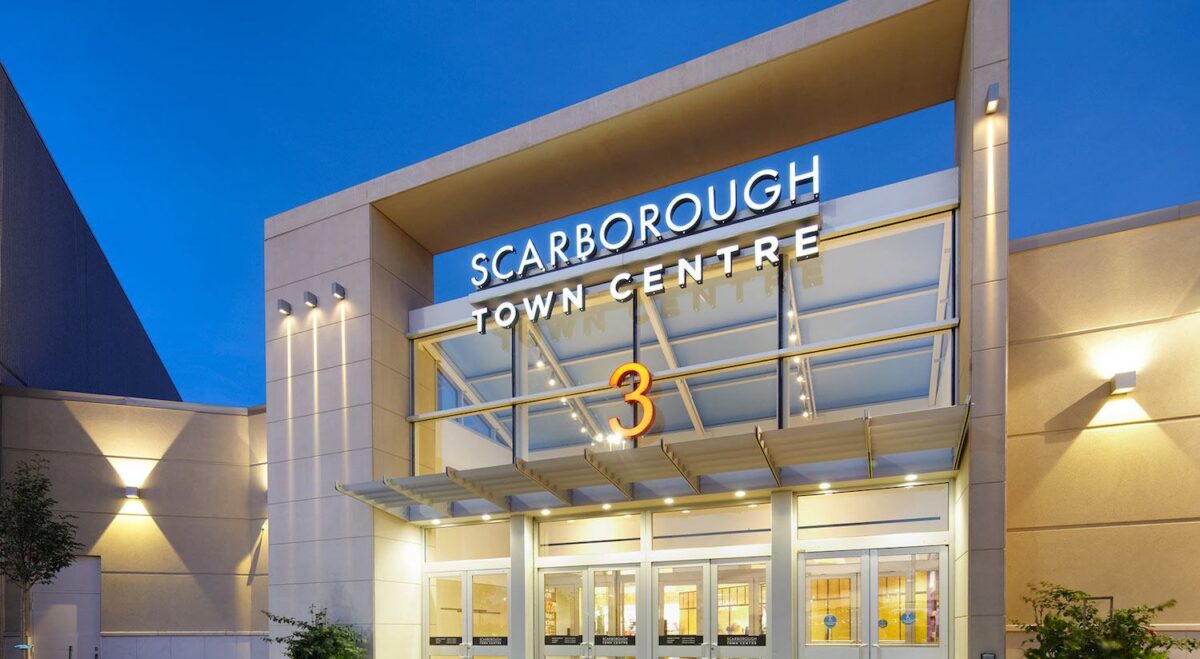
This week, Craig and Lee discuss how increased leasing activity, including new stores for Diptique, EQ3 and Uniqlo signal confidence in physical retail.
The Weekly podcast by Retail Insider Canada is available on Apple Podcasts, Stitcher, TuneIn, Google Play, or through our dedicated RSS feed for Overcast and other podcast players.
Drop us a line at Craig@Retail-Insider.com. You can also rate us in Apple Podcasts or recommend us in Overcast to help more people discover the show!
Background Music Credit: Hard Boiled Kevin MacLeod (incompetech.com). Licensed under Creative Commons: By Attribution 3.0 License. http://creativecommons.org/licenses/by/3.0/
Over the last couple of years, a chorus of voices predicted the end of traditional retail, stating its future would lie online. The pandemic exacerbated this belief as it triggered almost a year of store closures, physical distancing, and other restricting measures. As a result, between March and May of 2020 e-commerce sales rose 99.3% according to Statistics Canada.
Evidenced by Shopify’s unprecedented growth in 2020 and by the implementation of various tools including “Buy Online Pick up In Store” (BOPIS), curbside pick-up, and social selling, retailers pivoted massively to e-commerce. A digital capacity has become imperative today, however, focusing solely on that channel would be a serious mistake.
Indeed, as retailers flood the digital space, its differentiating power diminishes and fades. The situation reveals the dearth of high-level online customer service that retailers overlooked in their quest for sales, and the increased focus on digital disregards the importance of the physical stores that remain the core of their business.
In this fast-changing and complex environment, here are the most important things retailers should be doing right now.
Digital Is Necessary but Not a Sufficient Requirement
Digital is not an option, it is essential. With the pandemic triggering a digital acceleration that saw four to six years of growth within a few months, a lack of digital presence is bound to hinder retailers’ future expansion, rendering them invisible to the markets they work with. But being available online doesn’t deliver the competitive advantage it once did. The more crowded the space, the lesser the differentiating power of digital distribution.
Specialty and luxury retailers must find creative ways to navigate the now and shape the future. A 2018 McKinsey report highlighted how the traditional linear customer journey had already been blown to bits with the average luxury shopper engaging with brands through multiple touchpoints before entering a store. Therefore, being present and active on social media is critical, even when not selling online. Chanel is a good example of a brand who shies away from e-commerce but still delivers rich digital content for its followers to share, making it the world’s most influential brand on social media.
Additionally, with ample options across multiple channels, shoppers’ online expectations have risen. There is little tolerance for sub-par digital shopping experiences that might have been adequate before the crisis. Mobile responsive websites, integrated services such as BOPIS or “buy online, return to store” are now standard.
Finally, seamless delivery is a must. However, despite a 2018 PwC survey stating that many shoppers would willingly pay more for same-day shipping, experts at a recent Business of Fashion (BOF) webinar claimed this was no longer the case. The pandemic revealed a significant lack of tracking tools, leading irritated shoppers to hound brands’ social media in search of orders. Today, delivery seems to be more about accuracy than immediacy.
Online Customer Service Must Mirror Offline Counterpart
It is clear that the digital aspect of the customer journey is inescapable. But it goes together with improving online customer service capabilities. Customers who switched to shopping online during the pandemic expected the same personalized service they received in stores. Unfortunately, it was often not the case. A customer whose order was lost tried for days to get in touch with the company’s customer service department only to reach someone in a foreign country who was incapable of assisting her. Existing tools like chatbots, next-day social media messaging, or live chats subcontracted overseas just don’t cut it if the strategic intent is quality service.
It is up to the companies to purposefully develop teams to service online channels in the same way they would store advisors: With a focus on quality. The human touch remains essential. Investing in customer service cannot be ignored as evidenced during the pandemic with brands overwhelmed by customer complaints. In the future, all retail channels will be treated equally with the customer experience flowing seamlessly between them.
Investment in Physical Stores Can’t Be Ignored
With 10 years of e-commerce growth happening in just 90 days, the digital space is becoming extremely crowded and retailers doing business online face serious obstacles. Customer acquisition costs have sky-rocketed, often exceeding the lifetime value of a customer as have online operational expenses triggered by generous shipping and return policies.
In such a context, physical retail remains one of the most important touchpoints in the customer’s journey. It is critical that retailers invest not only in digital channels but also in their physical ones. While brands can draw in web-savvy consumers through appealing and efficient e-commerce sites, it is usually the brick-and-mortar stores that make the most lasting impressions: They deliver experiences that simply cannot be replicated online.
In his book Reengineering Retail, Doug Stephens goes as far as stating that the stores of the future will be designed first and foremost for experiences with products coming second. Retail experts agree that a focus on transactional retail only is not a viable option.
When a space is well-designed and comfortable, the value of a store’s assortment of goods is elevated. Despite popular belief that physical retail is dead, it seems that being able to see, smell and touch things is still vitally important to the majority of the economy.
Future of Retail Lies in its People
Together with beautiful Instagrammable spaces, consumers need compelling experiences combined with exceptional customer service. Responding to this successfully will further heighten a shopper’s positive sentiment for a brand.
Retailers must devote time to develop their front store teams and ensure they acquire essential soft skills like empathy and communication. How a customer feels when she shops is more important than what she’s shopping for. The focus must be on upskilling the personnel to master the art of storytelling and be able to amaze customers.
Doing so can actually inspire a consumer to make a purchase even if the same item can be found elsewhere. Wharton University Professor Marshall L. Fisher demonstrated in a 2015 study that well-trained sales associates who can answer customers’ questions knowledgeably are an incredible weapon for a retail store. He believes that most customers end up buying online because they get better information than in store.
Seen in that light, stores could be retailers’ most profitable channel. Investing in training and development must be an immediate priority, not only to increase sales, but more importantly for the long term, to increase the quality of the brand experience, resulting in higher consumer loyalty and increased differentiation from competitors.
Building Now for Tomorrow
As stores reopen, retailers will have to ensure customers feel welcome. After the first lockdown, it was painfully obvious that sanitary measures were prioritized over employee and customer well-being. Too often, retail staff had to unwillingly take on the role of hygiene watchdogs rather than do their jobs. Clients eager to visit stores abided by the rules but nevertheless expected to be warmly welcomed and shown special appreciation for coming. Instead, they often felt like interlopers. While safety is absolutely paramount, it should be like tech tools – integrated and invisible.
Additionally, fierce competition for talent can be anticipated in customer facing sectors from hospitality to retail. In Canada, there is a lack of potential staff to recruit from that has been exacerbated by the pandemic with many leaving the industry for other sectors.
Suzanne Sears, President of Luxury Careers Canada, thinks that retailers’ human resource department will have to reinvent itself to start serving more of a marketing function developing ways to attract the best individuals to their organizations. Some of the necessary changes will have to include not only training and career advancement opportunities but also adequate compensation packages.
Solange Strom
Gone are the days when a retailer could offer little more than minimum wage and no benefits. When employees are properly trained and developed, they move from being a cost to the retailer to becoming revenue generators. And while some might balk at the extra expense this will entail, the more progressive retailers will view this investment as a way to grow revenue, create value for their brand, and remain competitive in the marketplace.
Frederic Dimanche
Solange Strom, visionary and entrepreneurial retail executive with a track record of driving growth through employee-centric strategies. 25 years helming global brands such as Boiron, L’Occitane en Provence and Repetto Paris. Founder of the Radical Retail Method, a training program aimed at supporting retail organizations in their quest for excellence. To contact Solange visit www.solangestrom.com.
Frederic Dimanche, Professor and Director, Ted Rogers School of Hospitality and Tourism Management, Ryerson University. Thirty years of professional and academic experience in service marketing and consumer behaviour, particularly in hospitality and tourism. Academic experience in the USA, France, and Canada.
Canadian Tire to Close National Sports Store Chain Amid New Competition
Canadian Tire announced Thursday that it will shut all 18 of its value-priced National Sports store locations in Canada as part of an effort to become more efficient. It comes as competitors begin to expand, including UK-based JD Sports, which is entering the Canadian market this year.
The 18 National Sports locations are all in Ontario, with most of them occupying space in strip malls and big box centres. The retailer also has a store in downtown Peterborough as well as at the popular Erin Mills Town Centre in Mississauga.
Photo: National Sports
Canadian Tire is making efforts to transition employees of National Sports to other Canadian Tire banners, including Canadian Tire stores, Mark’s, Party City, and sports-focused FGL Group (which operates under banners Sport Chek), Atmosphere, Sports Experts, Pro Hockey Life, and Trio Hockey. Fourth Quarter revenue and profits at Canadian Tire rose significantly with net income totalling $488.8 million ending January 2nd, up from $334.1 million a year earlier. Revenue was $4.87 billion, up from $4.32 billion a year earlier.
Retailer ‘Century 21’ Eyes Canadian Expansion Following Summer Bankruptcy
Popular New York City-based off-price retailer Century 21 is reportedly looking to enter the Canadian market amid a global store expansion following its bankruptcy over the summer and the shuttering of all stores. The timeline for the Canadian expansion is unclear as the retailer prepares to open its first new store following the filing in Busan, South Korea.
The Busan Century 21 store will span nine floors and about 100,000 square feet, according to an exclusive report this week in WWD. The store will open in August with a branded facade. It is unclear if Canadian luxury vintage accessory retailer LXRandCo will be part of the mix as was the case with the former Century 21 stores.
Entrepreneurs Al, Ralph, and Sonny Gindi founded Century 21 in New York City in 1961 and the company expanded to multiple locations. After failing to recover disaster insurance, the company filed for bankruptcy over the summer and its remaining stores shut in early December (Century 21 will litigate). The Gindi family and a silent partner bought the intellectual property rights for Century 21 in November for USD $9 million with plans to revive the concept. Industry veteran, Marc Benitez, has been appointed President of the new company and will spearhead the expansion.
According to the WWD report, Mr. Benitez said that Century 21 is targeting Canada, China, Hong Kong, Europe, Australia, and South America for stores in the coming years. An expansion into the United States is also planned at the “right time” with a Manhattan flagship being part of the mix, either on 34th Street or in the Times Square area. It has not yet been established what the company’s real estate strategy might be in terms of choosing locations for Canadian storefronts.
Exterior of Costco location. Photo: Costco
Costco Shuts In-Store Photo Departments
Seattle-based large-format membership club Costco shut all of its in-store photo departments last weekend and is now directing costumers to its photo services still available online. Customers are no longer able to get passport photos, ink refills, photo restoration service, or video transfer service in-store.
Online, the Costco website offers home/office delivery of photo/metal/acrylic prints, enlargements, posters, stationery, photo greeting cards, canvas, photo books, calendars, and business printing, among other services.
Changes to Costco’s offerings reflect changing technologies amid a new digital age. Costco has 102 stores in Canada with a highest per capita penetration in Alberta. The company’s annual sales in Canada surpassed $28.5 billion last year, with 13 million square feet of space and 34,000 employees.
Amazon and Global Optimism Announce Addition of 20 New Signatories to The Climate Pledge
Amazon and Global Optimism have announced the addition of 20 new signatories to The Climate Pledge. Coming from all over the world, they include: ACCIONA, Colis Prive, Cranswick plc, Daabon, FREE NOW, Generation Investment Management, Green Britain Group, Hotelbeds, IBM, Iceland Foods, Interface, Johnson Controls, MiiR, Ørsted, Prosegur Cash, Prosegur Compañia de Seguridad, Slalom, S4Capital, UPM, and Vanderlande.
With the addition of the new signatories, 53 companies across 18 industries and 12 countries have committed to working toward net-zero carbon in their worldwide businesses — which in aggregate has the potential to significantly reduce corporate carbon emissions. The 20 new signatories represent diverse economic sectors, ranging from energy to agricultural and financial services, and although each organization is at a different stage in its journey to net-zero carbon emissions, all are committed to The Climate Pledge’s ambitious goal of meeting the Paris Agreement 10 years early.
Signatories to The Climate Pledge agree to:
• Measure and report greenhouse gas emissions on a regular basis.
• Implement decarbonization strategies in line with the Paris Agreement through real business changes and innovations, including efficiency improvements, renewable energy, materials reductions, and other carbon emission elimination strategies.
• Neutralize any remaining emissions with additional, quantifiable, real, permanent, and socially beneficial offsets to achieve net-zero annual carbon emissions by 2040 — a decade ahead of the Paris Agreement’s goal of 2050.
Each company is implementing science-based, high-impact changes to its business to help decarbonize the value chain, including innovating in circular economy, deploying clean energy solutions, and mobilizing supply chains to reach net-zero by 2040.
“As the U.S. takes an important step forward in the fight against climate change by officially rejoining the Paris Agreement this week, I am excited to welcome 20 new companies to The Climate Pledge who want to go even faster,” said Jeff Bezos, Amazon founder and CEO.
Aura at College Park. Photo: Aura at College Park
Former Hard Candy Gym Space in Toronto for Sale
On behalf of Toronto Standard Condominium Corporation No. 2421 & 2446, Cushman and Wakefield has announced the sale and lease opportunity for the 4th floor retail space within the Podium at Aura Condos, located at 382 Yonge Street in Toronto.
The Property provides the investor, user, or tenant with an opportunity to acquire and/or occupy a vacant 40,000-square-foot existing retail unit, intended for fitness and wellness concepts, in one of the country’s most densely populated and rapidly-growing urban areas.
Located right at the corner of Yonge and Gerrard Streets, the unit was formerly well known for Madonna’s Hard Candy Fitness, Later Crunch Fitness. The space hosts 19-foot-high ceilings and windows and includes unit 1, level 2 of Toronto Standard Condominium Plan No. 2421. The purchasing price is set at $22,000,000.00, with additional rent estimated at $10.50 per square foot. Available for demise and/or reconfiguration for either a purchaser or leasee, the 4th floor unit is located in the same retail podium and shares the same elevator bank as Marshalls (3rd floor), Bed Bath and Beyond (2nd floor), RBC, BMO (ground floor).
Map of the 4th floor of Aura at College Park. Image: Cushman and Wakefield
Aura is currently the tallest residential building in Canada, at 79 stories with over 1,000 units and not only does this part of Downtown Toronto capture the highest population density in Canada, it also arguably defines the country’s flagship retail epicentre, featuring some of the best brands in the world.
Retail Insider recently reported on SIR Royalty Income Fund‘s announcement regarding the closure of all three restaurants within the Aura centre — Scaddabush Italian Kitchen & Bar, Reds Midtown Tavern, and a Duke’s Refresher & Bar. Given the current operating environment and uncertain future prospects, SIR decided to exercise its options and return the property to the landlord.
Rendering of the Grocery Neighbour truck concept. Rendering: Grocery Neighbour
A Toronto-based company is planning to launch a ‘grocery store on wheels’ which could be a game changer for some neighbourhoods and places lacking quick access to larger-format supermarkets. It is considered to be so innovative that Ebeltoft Group recently named it as the global innovator of the year.
Frank Sinopoli, CEO of Grocery Neighbour, said a mobile grocery store concept was conceptualized at the end of March 2020 as an opportunity within the COVID-19 pandemic.
“We’re in the middle of launching. What we’ve done at this point is test it out. We’ve done beta. People run through and experience it. Nobody has ever done this before — not at this scale,” said Sinopoli.
“People have put groceries in the back of a truck but we’ve actually put wheels on a store is the way I look at it. We have multiple temperatures, we have positive air flow. It’s high technology. So it’s actually a store on wheels not groceries inside of a truck. It’s a mobile grocery store that runs into neighbourhoods that have voted it in.
“The idea is we want to focus on the underserved neighbourhoods that have to drive 15 plus minutes to get to a grocery store. It is completely autonomous. So you scan items on your phone, you check out on your own. Nobody is touching any of the products. There’s a digital lineup system. The whole experience itself is quite unique, it’s quite streamlined but more importantly it’s just ridiculously convenient for people.”
The trucks are 53 feet in length. The concept is neighbourhood centric with a focus primarily on meats, produce, dairy, and bread with a selection of CPG (consumer packaged goods). The trucks can carry up to about 2,000 SKUs (stock keeping unit).
“There are some items that are standard but because neighbourhoods tend to create patterns within themselves. We become part of the neighbourhood and we gradually learn and understand what the buying habits are and demands are and we adapt,” said Sinopoli.
The idea is aiming to officially launch in the next 30 to 90 days.
“We’ve had over 1,000 serious franchise requests from around the world,” he said. “I’m in the middle of signing deals in the Dominican Republic. I just signed a few on the West Coast of the U.S. I’ve signed more here than anywhere. We’re rolling out with two to three (trucks). Until it gets rolling and we figure out everything at scale, I don’t want to try and launch a hundred stores in the first year.
Rendering of the Grocery Neighbour truck concept. Rendering: Grocery Neighbour
“By year five, we’ll have a thousand stores out there. I know it sounds crazy but the demand is there and there’s enough franchise demand, investor demand.”
Sinopoli said the key is finding neighbourhoods located more than 15 minutes from a major grocery store. The use of the mobile grocery store will depend on each neighbourhood and what rights have been granted. In some of the neighbourhoods the store will “inch” its way through with designated stops. Other neighbourhoods might find the mobile grocery store stationed at a specific location.
Because of the technology, the mobile store knows when people are accessing it and leaving it. In that way, said Sinopoli, the lineup system can be managed digitally.
“I see a bigger play here. I see an opportunity to supercede a lot of the online grocery world because in the neighbourhoods where we exist nobody will be able to physically get there faster than us and then not only will we be able to get there faster but we’ll solve the price issue. We won’t have a minimum spend because we’re already there. Timing. We’ll give you groceries faster than you can physically get them yourself in under 20 minutes because we’re already there,” he said.
Oodle Noodle location in Terwillegar Heights, Edmonton. Photo: Oodle Noodle
It has been a tough year for many businesses due to the COVID-19 pandemic but Edmonton-based Oodle Noodle has experienced some success in expanding its brand and raising money and food for charity during these turbulent times.
Ziad Kaddoura, general manager of the company, said it will open a Calgary branch to focus on its southern Alberta business with the potential of opening 10 stores within the coming 10 years.
It is also opening its first food court location in Edmonton, which will be a great place to test its operation in a food court setting.
In addition, the chain is looking at adding three more locations within the Greater Edmonton Area.
And its charity initiative, which is at the forefront of its branding activities, has raised $100,000 and 20,000 meals in the past year for organizations and people in need.
The authentic Asian restaurant, which first opened about 12 years ago by Founder, Sonny Pham, with one location on Whyte Avenue, today has 14 locations, which are all in the Greater Edmonton Area.
Photo of popular Oodle Noodle dish ‘Penang Laksa’. Photo: Oodle Noodle
“We’re looking at opening a minimum of five locations this year,” said Kaddoura. “We’re looking at expanding in the Greater Edmonton Area. We’re looking at opening in St. Albert, as well as Fort Saskatchewan. We’re looking at doing our first food court location here in Edmonton and that’s going to be a first for us because we don’t have any food court locations. Depending on the learnings, we’re going to create a concept design that basically has a food court footprint. That’s going to be this year as well.
“In Calgary, we set up a subsidiary that is going to be managing the expansion in southern Alberta. That will include Airdrie all the way down to southern Alberta. We’ve already set this entity up and we already have two franchisees that have committed and we’re looking at opening two locations I would say in the next eight months.
“Hopefully by year end we’re looking at having 18 to 19 locations.”
Kaddoura said many of the company’s franchise owners are becoming multi-location owners because they’re happy with the results and they’re happy with the relationship with the franchisor.
He said the company’s focus on charity remains a strong core value of its operations.
“Our contributions have all been to smaller charities that aren’t usually covered. They aren’t given attention because they are smaller charities,” added Kaddoura. “We’ve done things around animals. We’ve done things around dogs and cats. Youth. Homeless. We’ve done things around Indigenous artists. We’ve supported artists.
“We’re very much a community focus. We’re going after charities in our communities where we operate. We would like you to help us. They’re very happily using our platform to reach a higher number of people. We like bringing awareness of these charities to our customers as well as to the community we operate in.”
Kaddoura believes that in business, if you are true to your beliefs, COVID or no COVID, you are going to grow the business and grow the brand if you are genuinely thinking of your community and you’re giving back in a genuine way.
“Not everything we do has a commercial reason. I think that is important,” he said. “Our success is not set by how many stores we have and how much we are doing per store. Our success is set by how are we becoming an added value to the community where we’re operating whether that means providing jobs which is very important or providing an opportunity for people to own their first business.”
Canadian company BarterPay is announcing a partnership with the Retail Council of Canada (RCC) that will bring the RetailBarterPay trading platform to businesses across Canada. It’s part of an effort to support retailers at a challenging time amid lockdowns and consumer concerns.
Hamilton-based BarterPay is now providing retailers with access to a wide variety of goods and services without needing to use cash by trading excess or slower-moving inventory at no discount all through the RetailBarterPay platform. This can be in the form of hard goods or services that are monetized into BarterPay Barter Credits (one BarterPay Barter Credit equals one Canadian dollar for valuation, accounting, and tax purposes) which can be exchanged for any goods or services offered by other businesses who are also on the BarterPay network. BarterPay Barter Credits are recognized as a cash equivalent by the Canada Revenue Agency (CRA).
“Retailers across Canada are entering the most challenging retail environment ever experienced. Many are showing incredible creativity in how they are rethinking their businesses. RetailBarterPay is an excellent complement to retailers’ efforts as it allows them to tap into their existing idle inventory at full margins to re-invest into other areas of their business where they need products and services right now, says Diane J. Brisebois, President and CEO Retail Council of Canada. “And, retailers will also have the confidence of knowing that by working through RetailBarterPay, the transactions are recognized at a dollar for dollar value by the Canada Revenue Agency (CRA). BarterPay offers a highly innovative and timely solution to today’s marketplace realities.”
Upon activation, Retail Council of Canada members will receive a $175 bill credit, compliments of RCC, special promotions as well as access to interest-free BarterPay Small Business Barter Loans.
“This partnership brings a unique opportunity for RCC members to conduct smart business using barter,” says John Porter, BarterPay Founder and CEO. “During a time when cash is scarce, it’s imperative that retailers adopt new ways to do business that improve their cash flow. Our user-friendly bartering system makes it easy for retailers of any size to barter their way to a better bottom line and at the same time, deliver more impact in the community. In addition, RCC’s RetailBarterPay members have the option of donating Barter Credits in exchange for a charitable receipt administered by The BarterPay It Forward Foundation, the company’s charitable wing.”
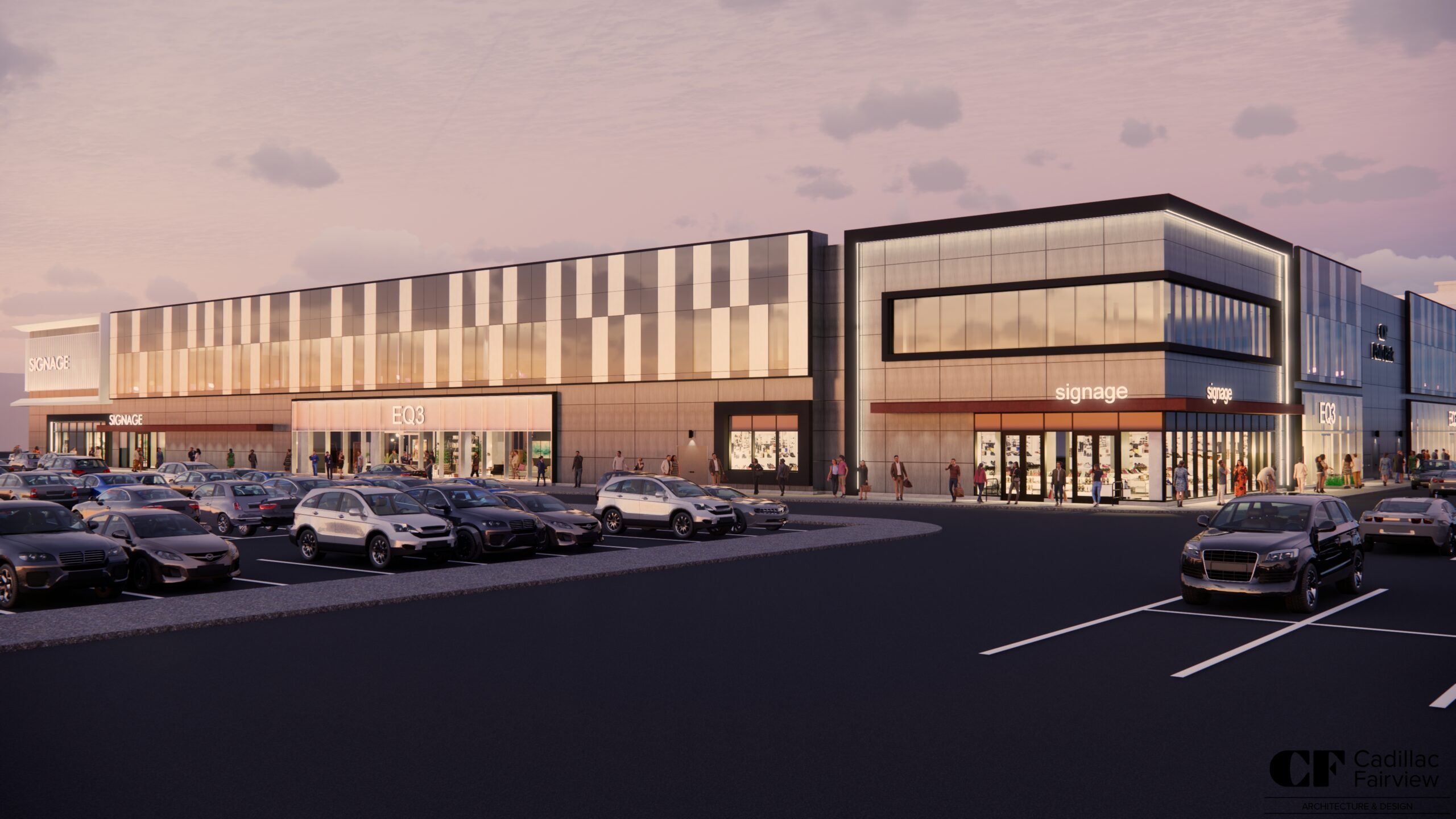
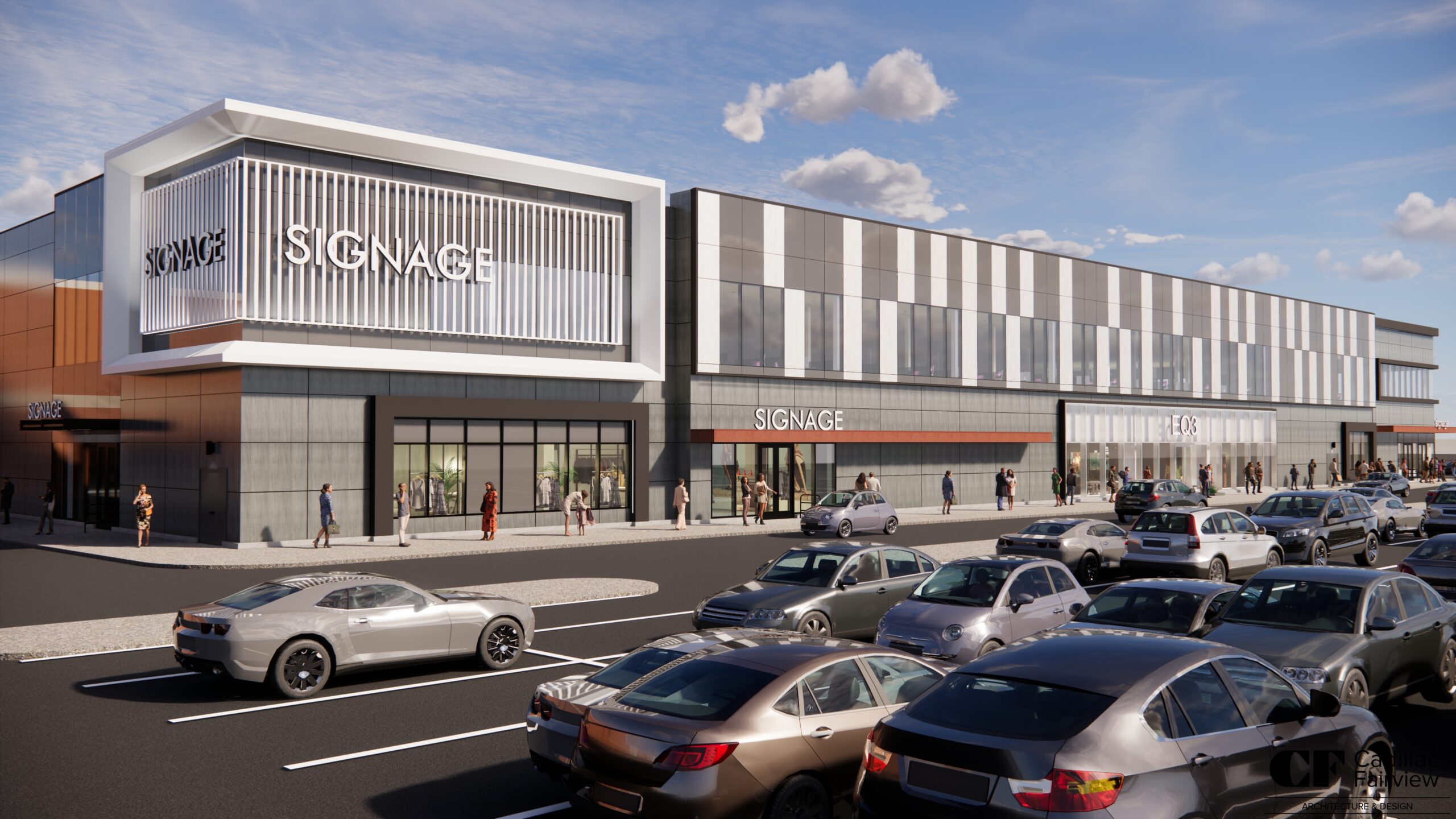
Rendering of the exterior of CF Polo Park and new EQ3 store. Rendering: Cadillac Fairview
Unique Winnipeg-based furniture retailer EQ3 is set to open a close to 44,000-square-foot flagship store at CF Polo Park in Winnipeg in part of the retail space formerly occupied by the mall’s Sears store.
Due to open in the fall of 2021, it is part of the overall redevelopment plan for the popular southern Manitoba destination shopping centre.
Josh Thomson, SVP of Development at Cadillac Fairview, said the owner of shopping centres across Canada is currently in the process of redeveloping the Polo Park Area which will include office space and additional retail opportunities.
“As part of this redevelopment, we are also in the process of considering residential development in the area. This represents an incredible opportunity to increase density at the premier shopping district in Winnipeg, especially at a time when cities across Canada will be looking for opportunities to spark economic activity as we plan for long-term recovery from the pandemic,” he said.
1 of 2
Map of CF Polo Park Shopping Centre. Photo: CF Polo Park
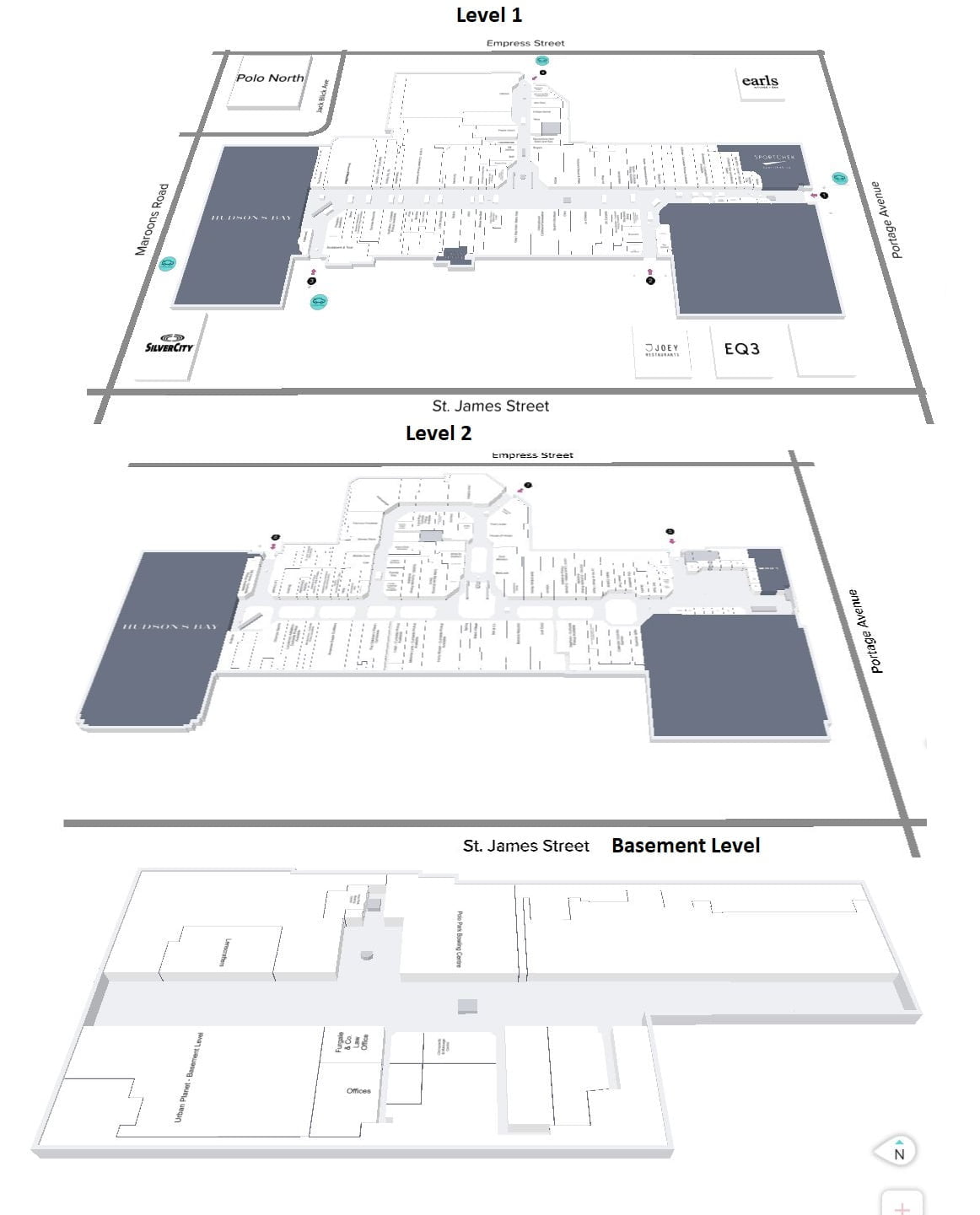
Map of three levels of CF Polo Park Shopping Centre. Photo: CF Polo Park
At CF Polo Park, Sears vacated its store in December 2017. The store was 260,000 square feet — 80,000 on main level, 80,000 on upper level, and 100,000 in the basement, which included an underground truck court.
Cadillac Fairview says redevelopment will cover 160,000 square feet, focusing on the main and upper floor of the former Sears store, however substantial work is being done to clean up the basement for future uses. The project will primarily include large non-major users (spaces over 15,000 square feet) as well as office uses.
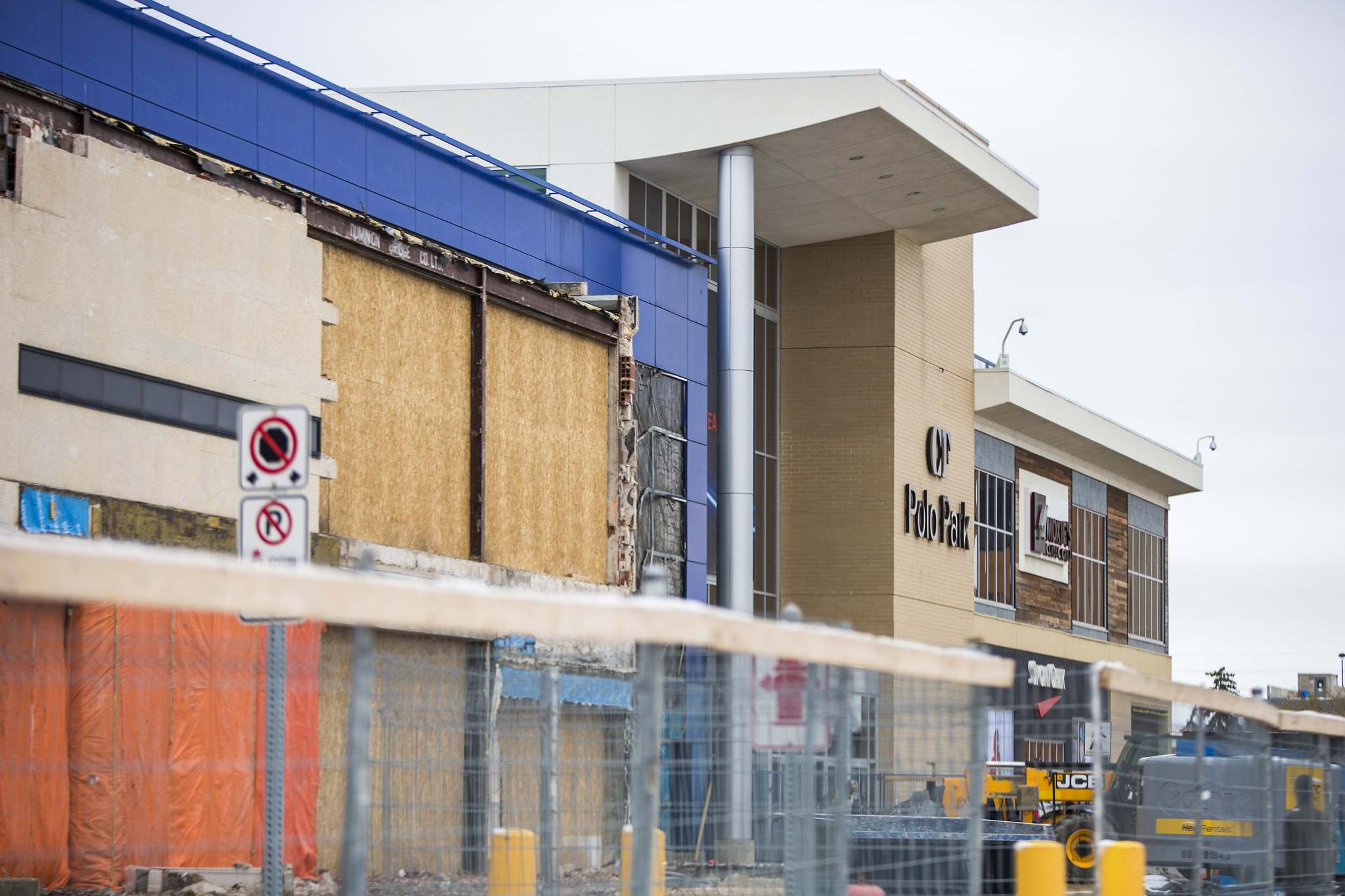
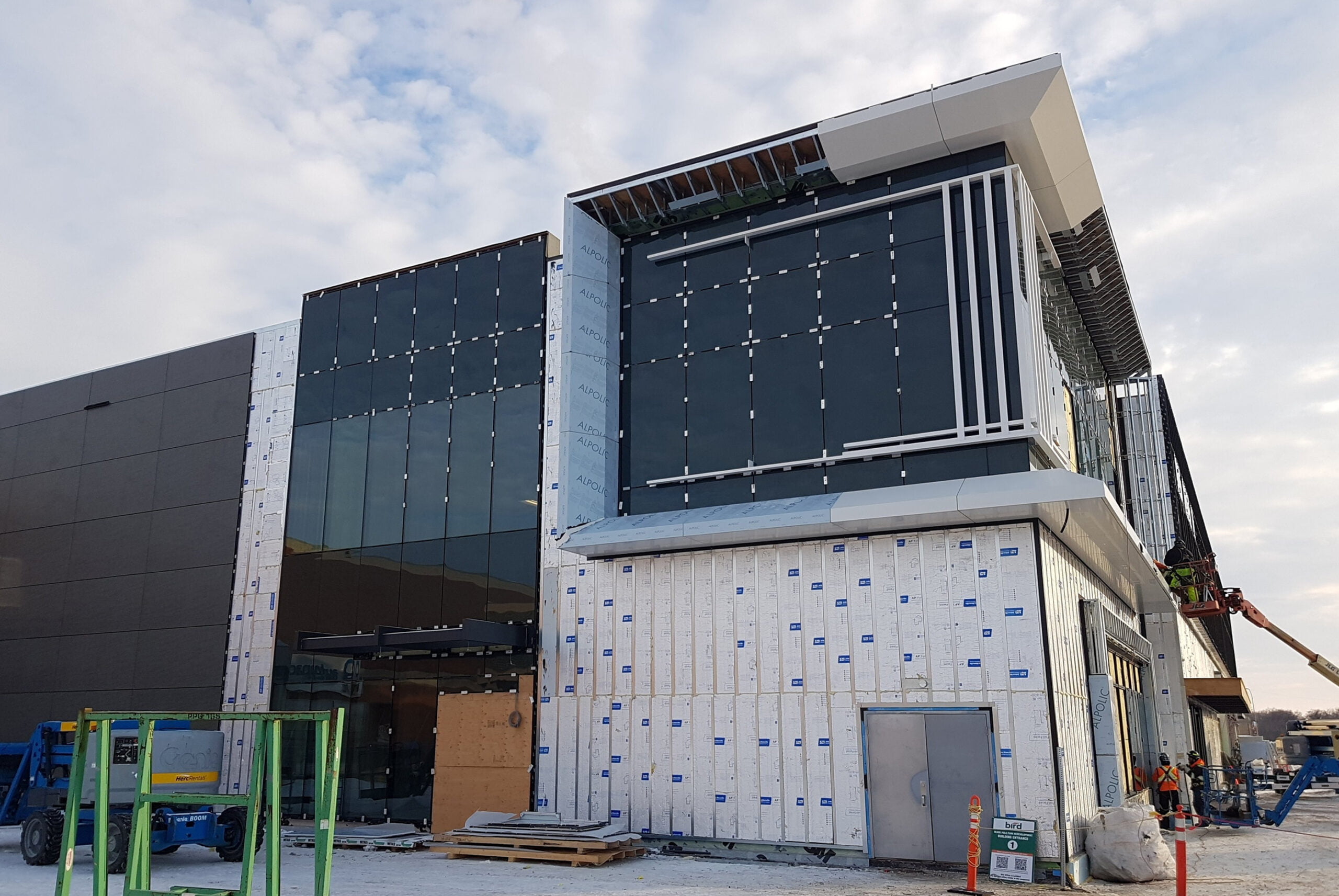
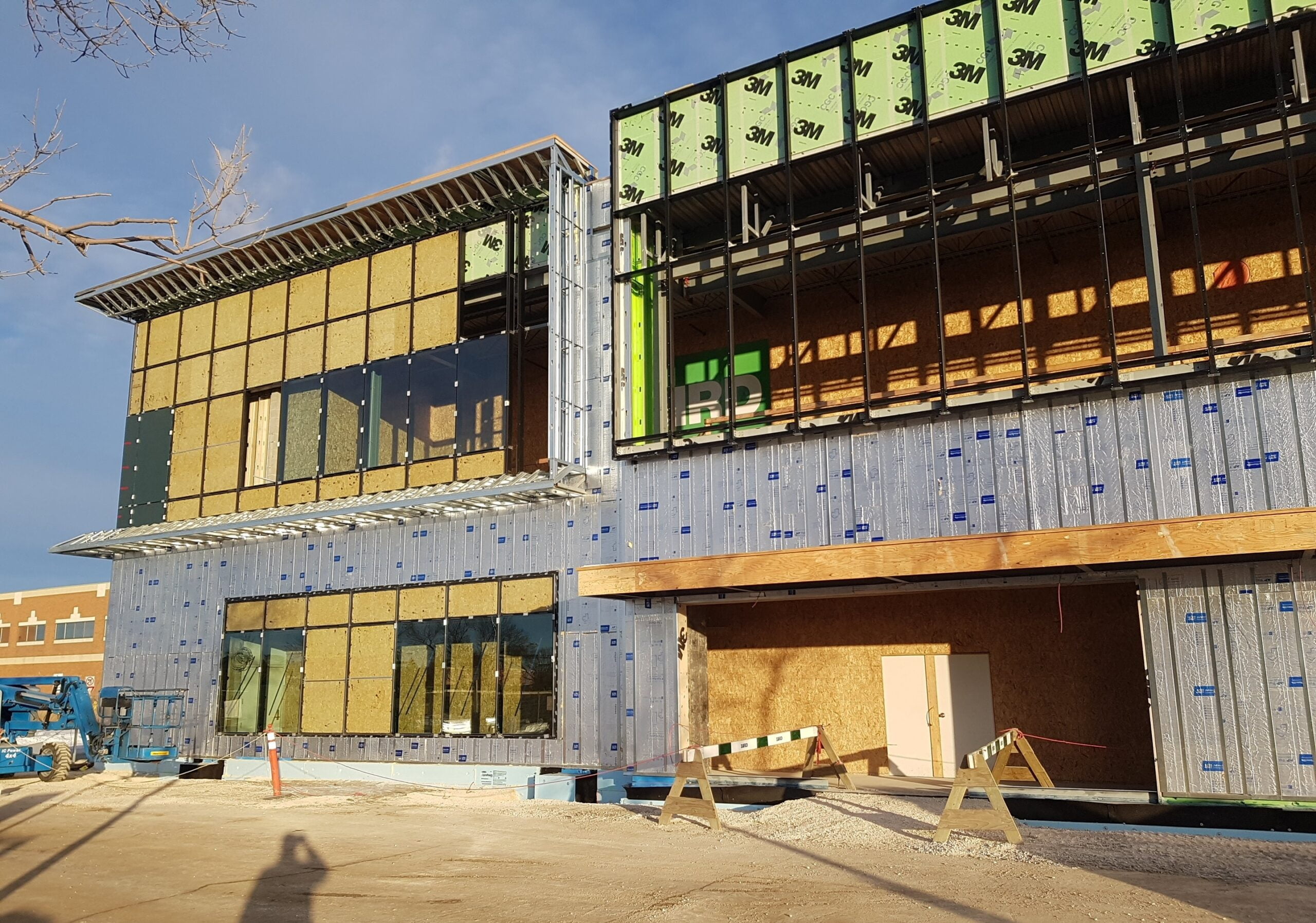
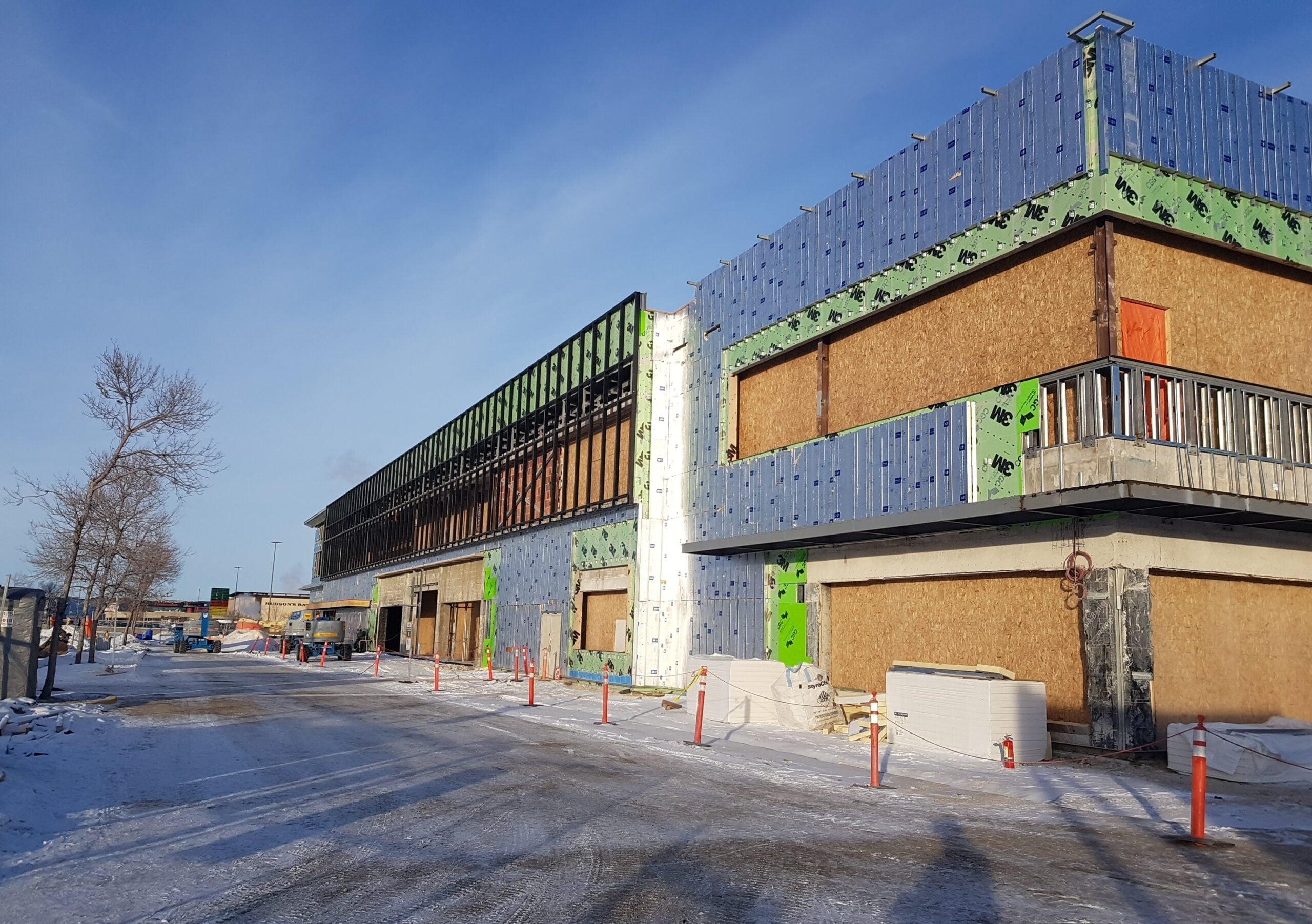
“The entire exterior façade has been removed, and is being replaced with curtain wall glazing and other architecturally stunning materials such as metal panels,” said the shopping centre owner.
Work began in November 2018, and it will be completed this Summer.
The flagship EQ3 will be located on the lower level. On the upper level, 41,000 square feet will be taken by a large international company, still to be announced, for office use. Cadillac Fairview continues negotiations with some other prominent global brands for the other space.
“Given the major loading and truck court previously built by Sears, we would like to explore logistic uses if possible, among other retail uses,” said the company.
1 of 2
Rendering of the exterior of CF Polo Park and new EQ3 store. Rendering: Cadillac Fairview
Rendering of the exterior of CF Polo Park and new EQ3 store. Rendering: Cadillac Fairview
Mark Letain, President of EQ3, which was initially formed by the Winnipeg-based Palliser company, said the retailer is excited about opening its new concept and flagship location at CF Polo Park.
EQ3 began as a wholesale concept in 2001 as an opportunity to sell modern furniture. The concept was well received in the market. In 2005, the first store opened in Winnipeg. Currently, there are 17 locations — 12 in Canada (Vancouver, Calgary, Winnipeg, Burlington, the Greater Toronto Area, Ottawa, and Quebec) and five in the United States (San Francisco, New York, Chicago, Connecticut).
Winnipeg is where the company does the manufacturing of its upholstery product line.
Letain said the target date for opening in CF Polo Park is in September.
“Our store in Winnipeg is very close to the Polo Park mall right now. But it’s a standalone on the edge of the parking lot of the Polo Park. When Sears basically went out of business in that space, I began conversations with (Cadillac Fairview) about getting a 15,000-square-foot space within that space,” said Letain. “But it seemed at that point they were looking for more of an anchor tenant to take up more space.
“We decided that given where our product line is headed and where we want to go in the future with deepening into our product line and extending our product line let’s try a larger format prototype. We’ve seen that work with Restoration Hardware and folks like that. So we decided to do it in our home city.”
1 of 5
Exterior of CF Polo Park under construction in late 2020. Photo: Winnipeg Free Press
Exterior of CF Polo Park under construction. Photo: Cadillac Fairview
Exterior of CF Polo Park under construction. Photo: Cadillac Fairview
Exterior of CF Polo Park under construction. Photo: Cadillac Fairview
Exterior of CF Polo Park under construction. Photo: Cadillac Fairview
Letain said the company’s biggest store right now is about 18,000 square feet with the average footprint being about 11,000 square feet.
Letain said CF Polo Park is the major destination mall for not only Winnipeg but for the entire region. The strongest lifestyle and luxury brands are located in that mall.
“When you look at the mall rankings for performance and sales per square foot, it typically always ranks in the top 10. It really is super regional. Not only does it draw in from Winnipeg but folks are coming from out of town and even other provinces. Northern Ontario or Saskatchewan,” he said.
“We believe it’s a destination mall and for us we think it’s great exposure for the brand and the right place and the right time to try this new larger format store.
“We really want to use this store to highlight our brand and inform people of our brand. A lot of folks don’t know we’re a made-in-Manitoba story. Some people don’t know we’re actually Canadian. So we really want to highlight our roots and we also want to highlight in that store this idea of buy local. Not only are we going to represent our own product line there which is made in Winnipeg, our upholstery line, but we’re also going to feature products that are made from other local manufacturers and we’re working on that and we’re really excited about that. We also want to highlight Canadian designers.”
French Luxury Fragrance and Candle Brand ‘Diptyque’ Expanding Into Canadian Market
Pricey Paris-based fragrance and candle brand Diptyque will be making moves into the Canadian market this year with plans for multiple locations after securing a brokerage for the expansion. Diptyque is seeking boutique-sized storefronts on urban streets and shopping centres and is part of a direct-to-consumer expansion for the brand.
Diptyque was founded in 1961 by interior designer Christiane Gautrot, theatre set designer Yves Coueslant, and Desmond Knox-Leet, a painter. The brand, which sells fragrances, candles & home, skincare, and home decor, has stores globally as well as an expansive distribution in upscale retailers. Prices can be steep — candles are typically priced in the $50-$100 range depending on size, with some more expensive ones approaching $500. Diptyque fragrances are typically well over $100 and a room spray was priced at $92 on a Canadian retail website.
Exterior of Diptyque store in Paris. Photo: Diptyque
The company is seeking retail spaces in malls and on streets. Mall locations will ideally be in the 600-700 square foot range with street front stores occupying as much as 1,000 square feet. Jeff Berkowitz of Aurora Realty Consultants is the contact for the Canadian expansion.
In the United States, Diptyque has more than 20 stores in major markets with a mix of street and mall stores in upscale locations. Some stores are on luxury streets while others are located a bit off the beaten path in trendy places close to affluence. The next two US locations to open will be in the Los Angeles area at The Palisades and The Grove retail centres.
Diptyque candles. Photo: Diptyque
Diptyque products. Photo: Diptyque
Given where Diptyque is located in the United States, one might expect the brand to look at locations for stores in Toronto at the Yorkdale Shopping Centre, Bloor-Yorkville, and possibly the ‘West Queen West’ area. In Vancouver, Diptyque might be at home downtown on or near Alberni or Robson Streets, Gastown or even West 4th Avenue in Kitsilano. In Montreal, Diptyque could be interested in addresses such as Rue de la Montagne between the Ritz and Holt Renfrew Ogilvy, Sherbrooke Street West in Westmount, Old Montreal or possibly Avenue Laurier which has a compelling retail mix near wealthy households.
The Diptyque brand was introduced to Canada via wholesale channels, with retailers such as Holt Renfrew, Nordstrom, and Saks Fifth Avenue featuring the brand in Canadian stores. The multi-brand retailers are expected to retain distribution despite the direct-to-consumer brick-and-mortar expansion, given the success of the brand and the importance of that channel. Diptyque has not yet launched a Canadian website, though it would be expected to do so once its expansion is confirmed as early as fall/winter 2021.
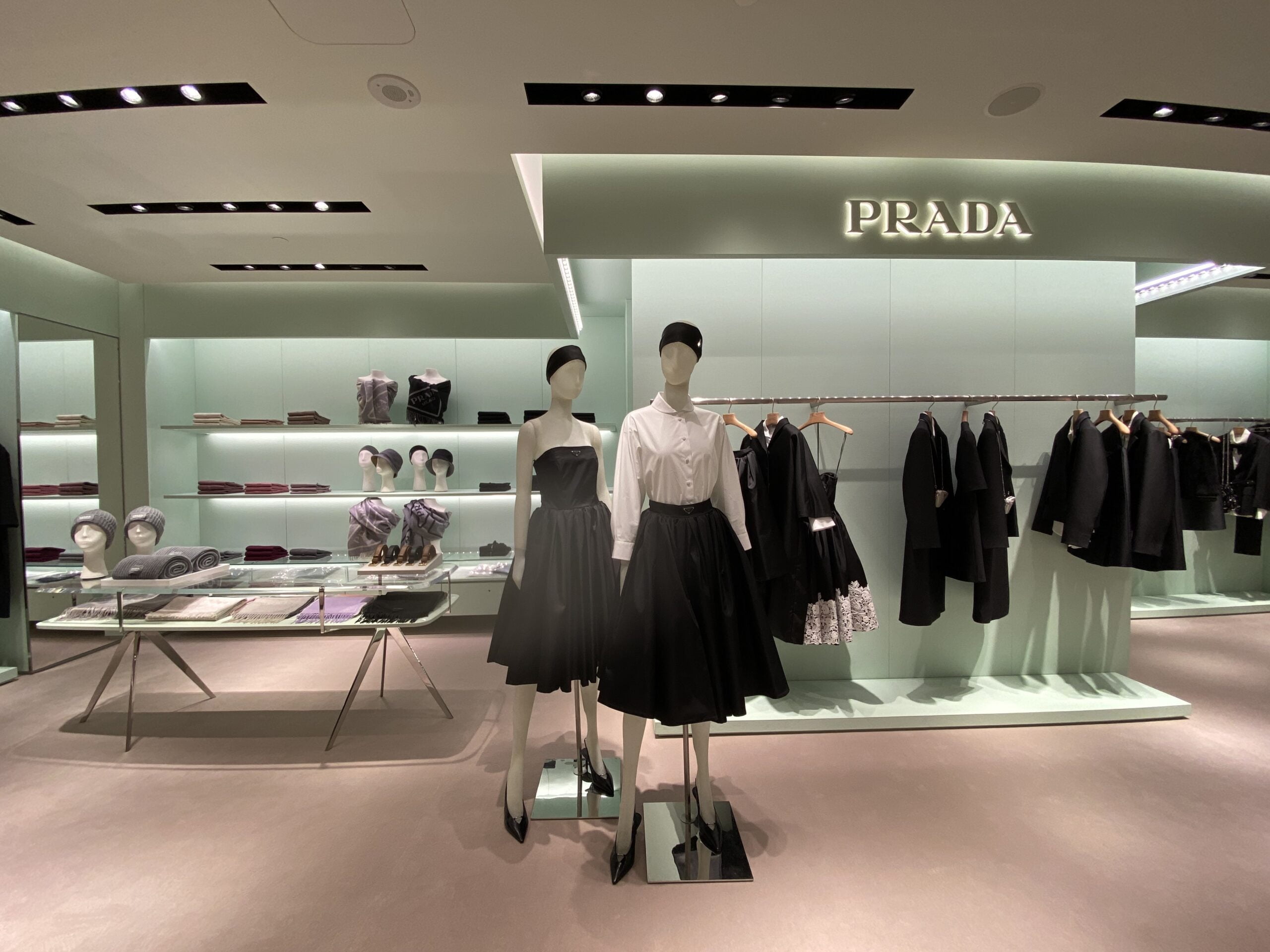
Interior of new Prada store in Montreal’s Holt Renfrew Ogilvy. Photo: Maxime Frechette
Prada Unveils Women’s Fashion Boutique Concession at Holt Renfrew Ogilvy in Montreal
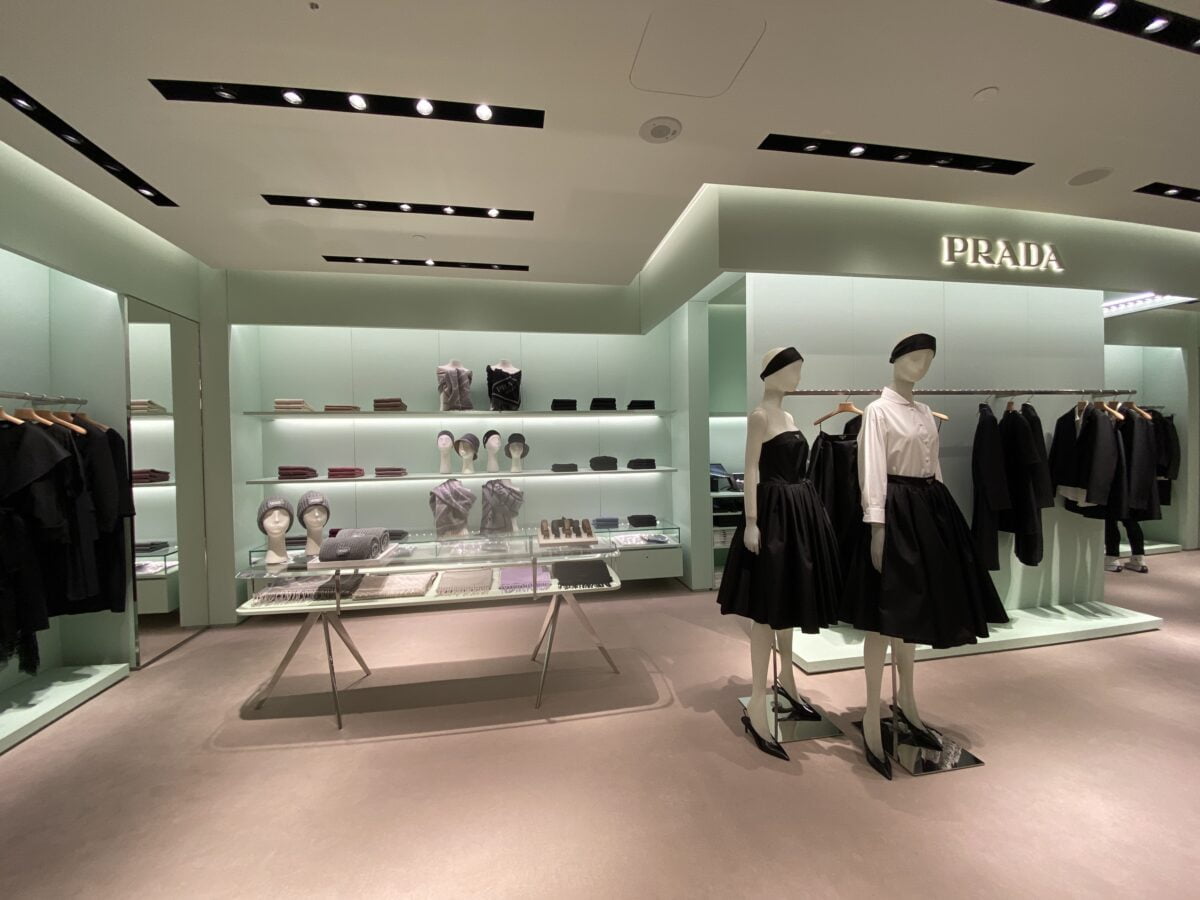
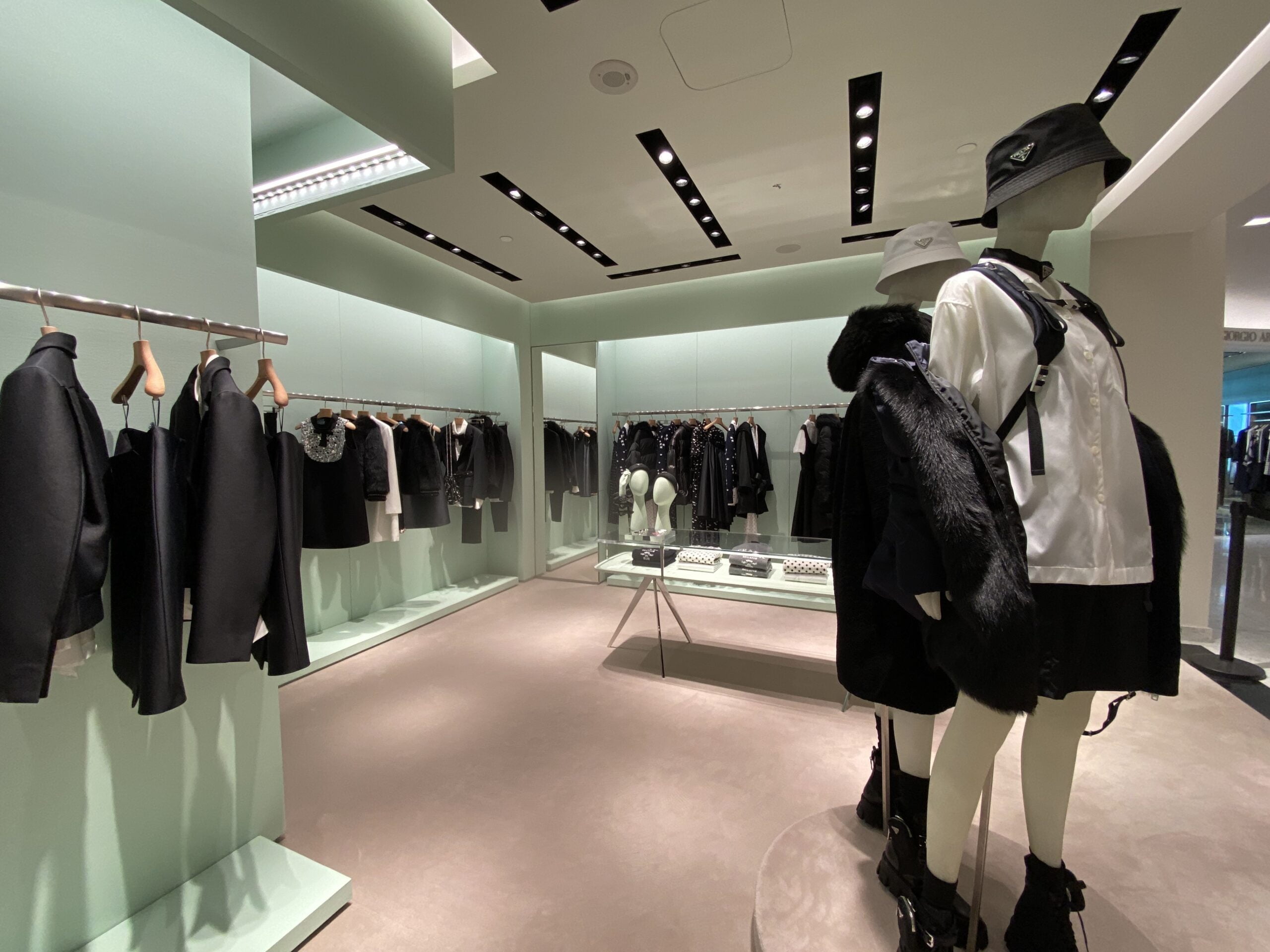
Italian luxury brand Prada recently opened a boutique space for women on the third floor of Holt Renfrew Ogilvy in Montreal. It joins a Prada bag and accessory boutique on the main floor of the store as well as a women’s footwear boutique concession on the second floor and a men’s concession on the fifth floor.
Interior images of new Prada store in Montreal's Holt Renfrew Ogilvy. Photos: Maxime Frechette
1 of 10
Plans for a Miu Miu boutique (owned by Prada), also on the the third floor of Holt Renfrew Ogilvy, have been put on hold according to Retail Insider’s Montreal correspondent Maxime Frechette.
Prior to closing in the summer of 2020, the former Holt Renfrew store at 1300 Sherbrooke Street West also featured a Prada boutique space in its store. Prada operates standalone flagship stores in Toronto at 131 Bloor Street West and in Vancouver at 1099 Alberni Street. Prada operates concessions at Holt Renfrew in Vancouver, Calgary, Toronto and Montreal, as well as at Saks Fifth Avenue in downtown Toronto which is dedicated to bags and accessories.
Exterior of The Hudson’s Bay store in The Oakridge Centre. Photo: The Oakridge Centre
Hudson’s Bay Shutting Oakridge Centre Store Until 2024
Hudson’s Bay is shutting its Oakridge Centre store in Vancouver on Wednesday, March 24, as the shopping centre sees an incredible multi-year redevelopment that will create a new city centre for Vancouver. When the shuttering of the rest of the mall was announced in the summer, Hudson’s Bay said that it was planning on keeping its store open indefinitely despite the rest of the mall being shut until the project is finished in 2024.
Rendering of newly-renovated Oakridge Centre. Rendering: Oakridge Centre
When the store reopens in three years as planned, it will be in a new space north of the existing store spanning about 142,000 square feet over two levels. The new store will aim to meet the needs of future shoppers with enhanced digital elements with in-store displays tied to the company’s expanding website offerings. It’s part of HBC’s plans to modernize its operations while shifting focus to online channels — though at the same time, the future of the department store business with 88 stores is uncertain and we’ll report back with updates as they become available.
A clearance sale at the Oakridge Bay store is ongoing.
Interior of Brioni store that is set to leave Holt Renfrew Ogilvy. Photo: Maxime Frechette
Brioni Exiting Holt Renfrew Ogilvy, Off-White Comes to the Store
A sales associate at Holt Renfrew Ogilvy in Montreal informs Retail Insider that the Brioni space in the store will be shuttering due to low sales. It is not yet known what will replace it on the 40,000-square-foot, fifth-level men’s store that opened in the spring of 2019. The pricey brand has yet to gain significant traction in Canada with limited distribution that includes the Holt Renfrew Men store at 100 Bloor Street West in Toronto and at Holt Renfrew in Vancouver — it appears that Harry Rosen dropped the brand recently after carrying it in the Vancouver and Montreal stores.
1 of 4
Off-White presence within the men's department. Photo: Maxime Frechette
Off-White presence within the men's department. Photo: Maxime Frechette
Off-White presence within the men's department. Photo: Maxime Frechette
The Row presence within the men's department. Photo: Maxime Frechette
Luxury brand The Row is also said to have exited Holt Renfrew Ogilvy’s men’s floor. At the same time, Virgil Abloh-designed luxury streetwear brand Off-White now has a presence on the men’s floor for the first time, adding to an already robust designer offering.
Exterior of Uniqlo store. Photo: Uniqlo
Uniqlo Announces 2nd Montreal-Area Store Opening Date
Popular Japanese retailer Uniqlo has announced that its second Montreal-area store, located at at CF Carrefour Laval, will open on Friday, March 26. The 20,000-square-foot store, replacing a Renaud Bray book store, follows the opening of a 40,000-plus-square-foot, downtown Montreal Uniqlo storefront at the Montreal Eaton Centre.
For those not wishing to enter the store, a click-and-collect service is being implemented. Between March 8 and March 23, customers will be able to order online and and pick things up for free prior to the store’s grand opening.
Map of CF Carrefour Laval with red arrow indicating retail space set to house new Uniqlo store.
The CF Carrefour Laval Uniqlo store will be the 15th location in Canada. Uniqlo opened its first store in Canada at CF Toronto Eaton Centre in Toronto, followed by Yorkdale. Uniqlo now operates eight stores in the Greater Toronto area, four in the Vancouver area, one at West Edmonton Mall that opened last year as well as the downtown Montreal flagship.
Exterior of Scarborough Town Centre. Photo: Scarborough Town Centre
Oxford Properties to Support Government Vaccination Efforts
Oxford Properties is continuing to support the fight against COVID-19 by donating space at Scarborough Town Centre shopping centre to host a Toronto Public Health COVID-19 vaccination clinic. By collaborating with the City of Toronto and Toronto Public Health, this clinic will help support the Canadian national vaccination effort and serve its local community.
Oxford has also joined the REALPAC initiative to donate space in convenient, accessible commercial real estate buildings with public transit and parking options. The vaccination centre at Scarborough Town Centre will be the second at an Oxford shopping centre. The first community vaccination clinic in an Oxford shopping centre opened at DIX30, in Brossard, Quebec, in January.
“Due to their size, accessibility and experience of our property management teams in safely handling thousands of visitors daily, our shopping centres can play an important role in getting the vaccine as quickly and safely to as many Canadians as possible,” said Bradley Jones, Head of Retail, Oxford Properties. “Supporting community vaccination efforts allows us to play our part in the collective response against COVID-19 and give back to the communities which we are so proud to serve.”
Further locations will be announced by municipal public health agencies in the coming weeks as part of larger community initiatives.
Exterior of Le Marché du Store. Photo: Le Marché du Store
Le Marché du Store Announces Increased Base Salary & Creation of 250 Permanent Jobs in Quebec
Le Marché du Store has announced that it is now guaranteeing a base salary of 15$ per hour to all its Design Consultants. This measure is part of a process to value careers in the retail industry, while the company announced at the same time the creation of 250 permanent full-time positions in the province of Québec, a 34% increase of its workforce.
“By guaranteeing a minimum wage of 15$ per hour, the average salary of our consultants increases to 40210$ per year, with commissions and bonuses. We want to provide stability to our current and future employees in order to demonstrate that they are building a true career,” says Zachary Shiller, in charge of all Quebec operations.
The stability of these roles is also demonstrated by the paid training program offered to all new Design Consultants, lasting from four to six months, as well as through career development programs offered in-house.
Le Marché du Store, which has seen tremendous growth in sales over the last four years (between 12 and 31% annually) is hiring people who will offer the famous Red-Carpet service within its showrooms and its Shop-at-Home service. 120 of these new permanent full-time positions are part of the online sales department, Head Office and plant, all located in Montreal. The company is also finalizing the upcoming opening of 3 new stores in the Greater Montreal area, creating about 30 jobs.
Candidates can submit their application by clicking here.