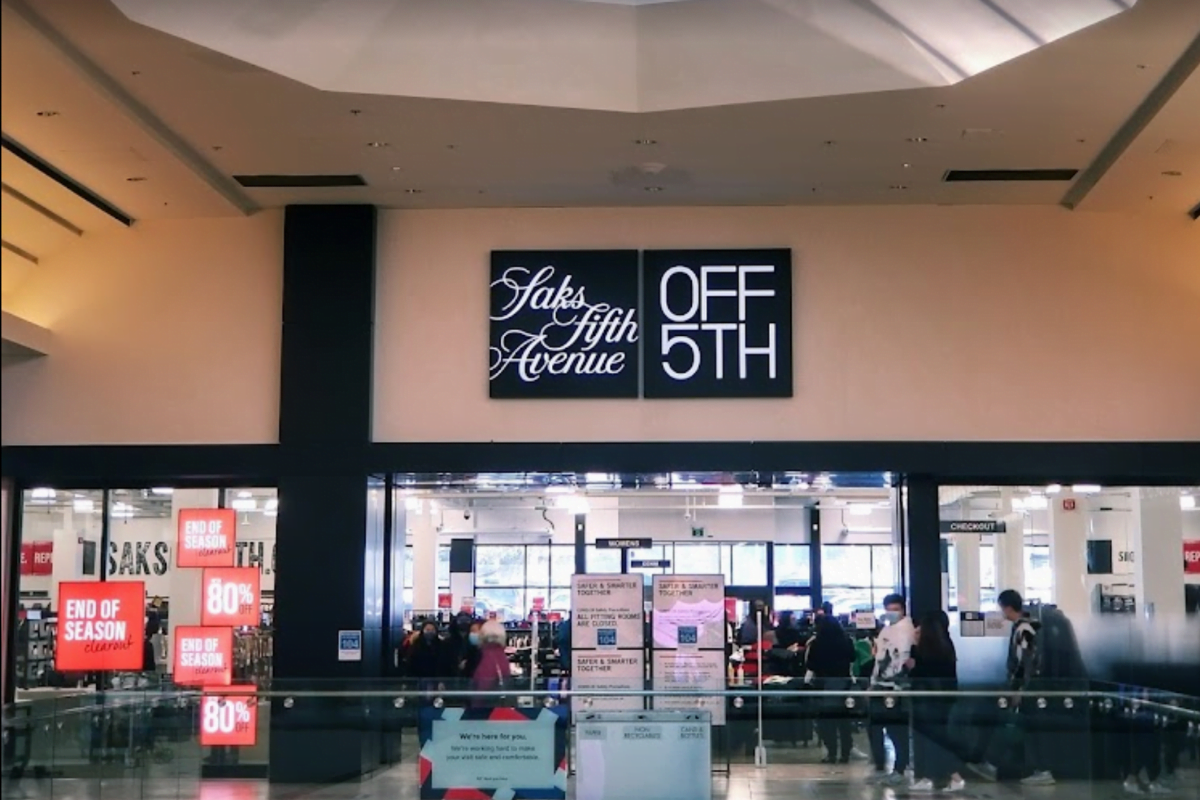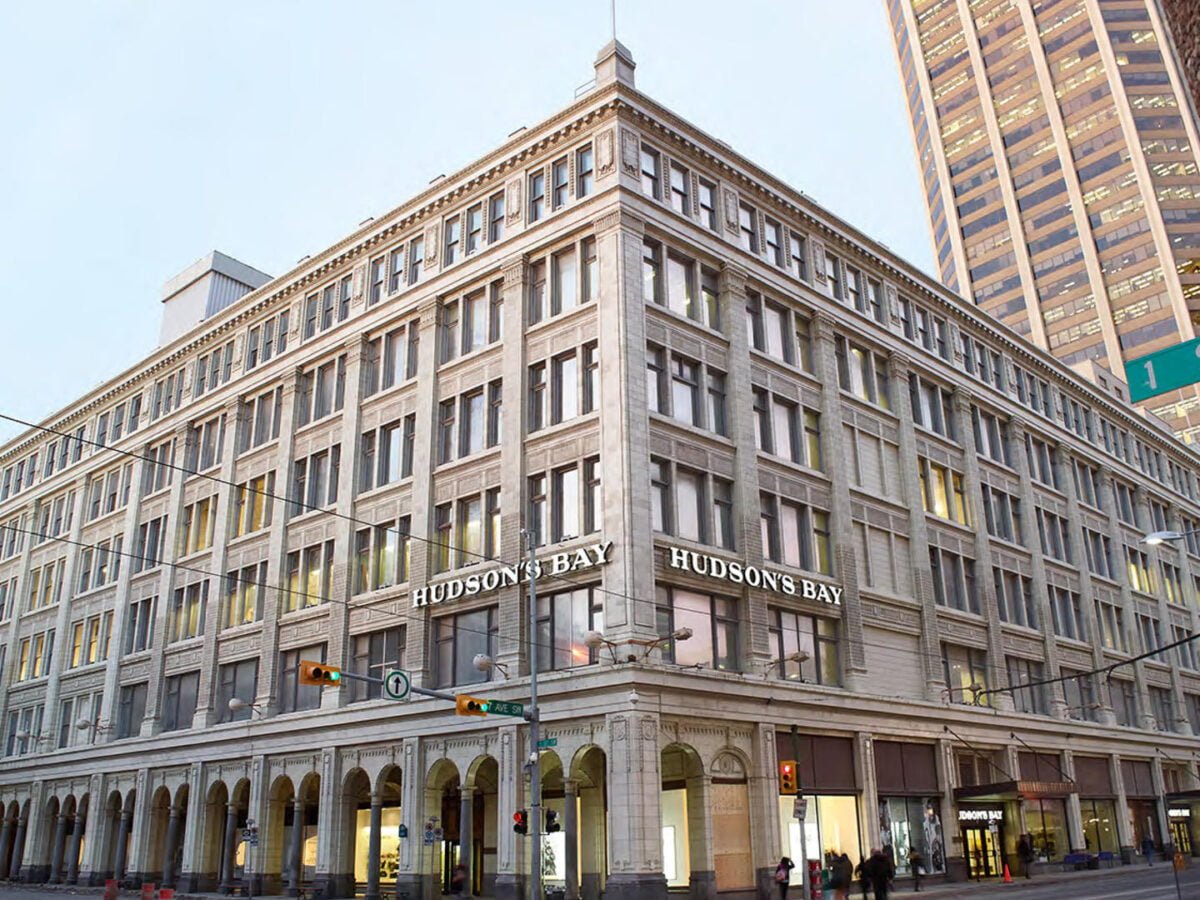
THE HEALTH CLINIC BY SHOPPERS LOCATION AT LAWRENCE AND DUFFERIN. PHOTO: THE HEALTH CLINIC BY SHOPPERS
By Jessica Finch
Shoppers Drug Mart Inc. is expanding its services to include walk-in medical clinics as part of an effort to drive foot traffic to its retail stores. The retailer has announced the opening of its first managed medical clinic in Toronto with plans for a national rollout.
Owned and operated by Shoppers Drug Mart, the Health Clinic by Shoppers is a primary-care and family practice clinic, providing patients with convenient, one-stop access to medical services and trusted advice.
SHOPPERS DRUG MART WILL OPEN THREE MEDICAL CLINICS IN THE GTA
Located at a standalone Shoppers Drug Mart store near the corner of Lawrence Avenue and Dufferin Street at 770 Lawrence Avenue West, the clinic is only the first of three expected to open over the next year in the Greater Toronto Area as a pilot for a much bigger initiative that will act as a draw to Shoppers Drug Mart stores. The Lawrence Avenue clinic is about a kilometre south of the Yorkdale Shopping Centre.
Coming at a time when healthcare is being prioritized more than ever before, the clinic hosts a suite of family medicine services and aims to make healthcare more accessible for patients with extended operating hours and increased technology, such as online appointment booking and virtual care options through Medeo solutions and electronic health records via the AccuroEMR platform.
“We know Canadians want and need more from their primary care. The world changed quickly and dramatically this year, highlighting the need for more accessible healthcare options for patients – whether that means extended hours and more convenient locations for in-person services, or virtual care services for all patients including those who don’t currently have access to a family physician,” says Jeff Leger, President, Shoppers Drug Mart. “The Health Clinic by Shoppers combines convenience and technology in a way that is increasingly relevant to Canadians looking for health and wellness support.”
SHOPPERS DRUG MART IS HIGHLY REGARDED AND TRUSTED BY MANY CANADIANS
Shoppers Drug Mart Inc. is one of the most recognized and trusted names in Canadian retailing. A study conducted by Field Agent Canada in April showed that Canadians ranked Shoppers highly in terms of retailers to depend on during the COVID-19 pandemic.
As Shoppers — which is an independent operating division of Loblaw Companies Limited — expands its range of healthcare services, the company has assembled a team of individuals with extensive experience in health clinic operations and management, and established a Physician Advisory Board to support the design and implementation of the new health clinic model.
“The COVID 19 pandemic has had a substantial impact on both the way Canadians access health care and on how physicians deliver primary care to their patients,” says Dr. Barry McLellan of the Health Clinic by Shoppers Physician Advisory Board. “Through an enhanced experience of consistent quality of care, convenient hours, technology-enabled and virtual care services all delivered in a modern clinic space, the Health Clinic by Shoppers is uniquely positioned to provide high-quality, patient-centred healthcare to Canadians.”
The convenience and dependability associated with Shoppers Drug Mart makes it highly attractive to Canadians. With almost 1,300 Shoppers Drug Mart and Pharmaprix stores operating in prime locations in each province and two territories, the company also licenses or owns 47 medical clinic pharmacies operating under the name Shoppers Simply Pharmacy, and provides cosmetic dermatology services at two standalone ‘The Beauty Clinic by Shoppers’ locations.
The new medical clinics aim to drive consumer loyalty to Shoppers Drug Mart amid intense competition. Edmonton-based Rexall has expanded with stores across the country and other players are also looking to gain market share. Other retailers such as Walmart have also introduced walk-in clinics to some stores which have seen success in terms of patients using in-store pharmacies while also shopping for other goods while on site.
Shoppers Drug Mart remains the largest drug store chain in Canada, and has also innovated by opening full-service grocery stores in some locations in an effort to increase foot traffic as well as frequency of visits. The company’s Loblaw PC Optimum Rewards loyalty program has also said to be highly successful after an initially bumpy rollout in early 2018.
Are traditional job boards not working for you? Do you dislike seeing a high volume of applications come through from candidates who aren’t even in your area, let alone the same country? Sure, you can post your jobs for free on traditional job boards, but free doesn’t always mean free when they waste your time. This is why we spent more than a year asking employers such as McDonald’s Canada, Recipe Unlimited, etc. what they want to see in a recruitment platform targeted to their industry. Out of the research, Swob Inc. was born.
SWOB FOCUSES ON HELPING EMPLOYERS IN HIGH-TURNOVER INDUSTRIES
Swob is an award-winning recruitment platform developed to help employers in high-turnover industries such as Retail, Food Service, and Hospitality, find qualified local talent.
IMAGE SHOWCASING SWOB FEATURES
With businesses reopening, it’s more important than ever for employers to hire all the staff they need, in a fast, efficient and cost-effective manner. All of the features unique to Swob were developed from employer feedback, as it was evident that the job boards already available were not sufficient. For example, a Tim Hortons Franchisee in Toronto mentioned to us his frustrations when posting on other traditional job boards. He mentioned that when he would post part-time roles for his store in Toronto, he would receive applications from candidates in Vancouver, which was a complete waste of his time. Once we heard this, we took his feedback and developed a solution called ‘Maximum Applicant Distance’, which allows employers to select how far they want candidates to apply from, ensuring local applicants. Now employers find people who are close by their stores. Swob has also developed a ‘Web-Based Careers Page’, which allows employers to showcase vacant job opportunities on their own website, without the costs of having to hire a developer. This feature will help attract more qualified candidates to your business.
SWOB LOGO
A recent survey indicated that 85% of Swob users feel comfortable returning to work and are actively seeking employment. Although businesses have reopened, many employers are struggling to retain staff and hire new employees. A member of the Store Operations team at M&M Food Market reports: “We use Swob to recruit for general temporary help for our 300+ locations across Canada during the pandemic. The initial set up of our ads went very quickly and the admins’ responses to any questions we did have was timely and helpful. The platform is easy to use and we particularly liked the feature that allows us to copy a previous ad. This is very useful when we are recruiting for the same position across the network.”
A survey completed by Retail Insider in partnership with Best Retail Careers Inc., reports that “the vast majority of retailers surveyed are looking to hire into the fall and winter of this year”. The findings also suggest that “66% of respondents said that they were looking to hire only part time staff, and about 35% said that they would hire full time staff”. If you’re an employer getting ready to hire, don’t waste your time and resources posting your roles on traditional job boards. Find out why companies such as McDonald’s, Leon’s, Lone Star Texas Grill, Bell Canada, and more have made the switch and are now using Swob to hire.
Visit www.swobapp.com and sign up for our 30-Day Free Trial. Let Swob focus on bringing the right candidates to you.
With considerable costs and new protocols, landlords and tenants will have to work together to adapt in order to bring shoppers back, says a new report by the Altus Group.
And it says the opportunity exists now for landlords to either rethink current assets, perhaps by considering more mixed-use space, or focus on rent restructuring in order to keep their retail tenants at least for the short term.
Bolstering consumer confidence to draw consumers back into stores will be a key initiative for the retail industry as it struggles with the economic fallout of the COVID-19 pandemic.
COVID-19 HAS ACCELERATED LANDLORD DECISIONS REGARDING RETAIL STRATEGIES
Ray Wong, Vice President of Data Operations for the Altus Group, said changes in how landlords look at their properties have really been in play for the last number of years due to the challenges in brick and mortar retail.
“It’s an on-going strategy for the landlord. But what the pandemic has done is it’s accelerated a lot of their decisions and strategy or instead of delaying strategies they’re forced to implement a lot of the changes more quickly,” said Wong.
“The key is to be able to get a certain mix of retailers that can draw a crowd, the ability to make the property attractive to bring people in for tenants to survive.
“What the pandemic has done especially with the closures is added to that urgency.”
Wong said the data indicates that retail brick and mortar is struggling but the positive sign is that overall retail sales from April to May have increased by close to 19 percent. However, they remain down from February, pre-COVID, numbers by 20 percent.
“There’s a bit of a pent-up demand where people want to get back into shopping again and they want to get out of their houses. That’s why we’re seeing a bit of an increase,” said Wong.
“But saying that, I think landlords and tenants continue to suffer based on the number of limitations and protocols in place that are limiting some of the consumers getting back into restaurants and retail stores.”
KEEPING TENANTS OPERATING IS OF HIGH PRIORITY FOR LANDLORDS
Wong said it’s important at this time that landlords take a closer look at their leases and what can be done to keep tenants operating, be able to pay rent and to stay on site.
“It’s more important than ever,” he said.
“With retail because of the closures, tenants have been asking for deferment of rent. That’s actually increased from initially two months and now they’re looking at asking for three months because they think it’s going to take longer for people to come back into stores and longer for people to spend.
“The economy is getting a little bit better but it still continues to suffer. Owners are focusing very closely on tenants to find out what is a solution to bring in more confidence in retailers. That could be protocols with COVID-19 with making sure that people feel safe going back into a mall. And there is a difference between outdoor and indoor. I think outdoor, people feel a little bit more safe but landlords in malls they’ve spent a lot of money with protocols with HVAC making sure there’s good air circulation and for people being a lot more comfortable coming back into the mall.”
Wong said retail has always been an opportunity and a risk for investors. But owners are feeling that rents will continue to soften on the retail side.
“But we’re also seeing a little bit more confidence from the investor’s side. They’re getting back into the market,” he said. “The more we get into this year and with a little more confidence and more certainly, we’re going to look at a very slow and gradual recovery. The important thing is it’s starting to be a little bit more positive but again at a slower rate.”
According to a recent blog on the Altus Group website by Erika Siegert, Senior Analyst, and Kruti Desai, Manager of National Research, said Altus Group’s recent Key Assumptions Survey indicated that the vast majority of retail landlords have implemented a deferred payment relief program structure to maintain operations. Still, 43 percent of retail landlords surveyed collected less than 70 percent of rent in April, and even less in May.
“Food-anchored retail, particularly with necessity-based grocery retailers, are expected to perform very well and have gained a spot as one of the top 4 preferred asset classes, according to Altus Group’s Q2 2020 Investment Trends Survey property type barometer. Having remained open throughout the pandemic, landlords with essential retailer tenants, such as grocery stores, pharmacies and even dollar stores, have had more time to adjust to the “new normal”, and to develop physical distancing and safety protocols that work for them,” said the report.
Instacart, the North American leader in online grocery, and Costco recently announced the companies have partnered to launch same-day delivery — as fast as two hours — from 76 Costco warehouses across Canada.
Recently Voilà by Sobeys also launched online grocery delivery service in the Greater Toronto Area with plans for future expansion across the country.
“Grocery delivery has become essential for millions, and we’re proud to make same-day delivery from Costco available to even more Canadians. Now, through the Instacart marketplace and Costco’s new member website, families across Canada can get the groceries and goods they need, delivered to their door in a matter of hours,” said Andrew Nodes, Vice President of Retail, Instacart.
“We want to help retailers reach their customers when, where and how they want to shop. With this launch, we’re extending the reach of Costco in Canada and making it possible for Costco members and non-members alike to access same-day delivery of Costco’s broad selection of groceries and goods.”
INSTACART BAG FILLED WITH GROCERIES READY FOR HOME DELIVERY. PHOTO: INSTACART
Gary Newbury, a national retail supply chain strategist and serial transformation executive, decided to test it out recently and order some groceries. He selected ‘within two hours’ and it was free. So he waited to see what would happen. Newbury lives two to three miles away from the store and the order was at his home in 40 minutes.
“Canadians love Costco, the assortment, the prices, the service and, prior to COVID-19, the social atmosphere, powered by $1.50 hot dogs!,” he said.
“Prior to the pandemic they had been trialing a B2B service which must have been a great learning opportunity for them. Linking this and their experiences of lengthy queues outside their stores during the pandemic and the strain this represented to their revenue, stock turns and customer service, the deployment of Instacart to provide a direct to home service is a bonus for those customers still nervous of stores, time challenged, or who rank convenience high on their consumer value tree.
“Going straight to home, rather than curbside is the ultimate in consumer convenience, it also avoids all the challenges Walmart and other mass merchants have with the challenge of BOPIS (Buy Online Pick-up In Store). Having a free two-hour home delivery service really should drive revenue for this banner. Consumers need to order more than $35. As a consumer, this is pretty easy to exceed with Costco. You can also tip the driver online.
“There are some caveats though. Although Instacart does allow retailers to quickly ramp up their off-store services using a variable cost model, an on demand service is very resource consumptive for a banner to operate on their own. Instacart is a perfect concept, especially with no commitment to forward volumes.”
VOILA BY SOBEYS GROCERY HOME DELIVERY SERVICE IN ACTION. PHOTO: SOBEYS
For retailers looking to run their own digital fulfillment show, a time window/scheduled service tends to be preferred to allow orders to accumulate and to put together a delivery run which makes sense and is “hopefully” profitable, added Newbury.
Another couple of challenges comes from the infiltration of Instacart into many retailers’ data streams. A sample of the banners using Instacart include Walmart, Loblaws, M&M Food Market, and Staples, plus many others either engaging or looking to engage under FOMO (fear of missing out). This individual consumer level data has significant value when looked across various banners when clustered at residential address level, he added.
“South of the border there have been reported instances of the Instacart delivery operative being rude/menacing and temp abuse for temp controlled products, however, I have not heard of anything here in Canada hitting the headlines,” said Newbury.
“For restaurants and other food service businesses, who, when the Broadline distributors couldn’t provide all their requirements, the customary “urgent run to Costco” can now be better managed with the two-hour convenient service. These business owners, no doubt, where the prices are comparable, are likely to start looking to switch their purchasing to Costco. This service should send a cold shiver through the Broadline distribution sector who typically require customers to order their requirements by 5 p.m. for delivery the next day, often to a time window, and with the risk of shorts. The key task for Costco is to have high availability to ensure this business is won through consistent digital fulfillment service.
“If they are able to pull this off, it’s a direct threat to Sobey’s Voilà proposition in overlapping markets, especially with Instacart’s variable cost profile.”
Bruce Winder, author of RETAIL Before, During & After COVID-19 and President, Bruce Winder Retail, said Costco had no choice but to offer same-day delivery to maintain its competitiveness in the Canadian grocery market.
“It’s funny to think that just a few years ago Canadian grocers were being dragged into any form of delivery by customers and now it’s a table stake,” said Winder. “They were already in the game with two-day delivery that they launched in 2018, but this takes convenience to a whole new level. With Empire’s new Voilà service and established partnerships between Walmart and Loblaw with Instacart, there is a bit of a space race for retailers to outdo each other. The reason for this space race is to compete with Amazon who is the new boogeyman/boogeywoman challenging to dominate this space with its best-in-class supply chain infrastructure and scale.
“The Achilles heel for many grocers (including Costco) is that they charge extra for food to offset the delivery service. This leaves them vulnerable to Amazon who unlike Walmart, Loblaw, and Costco don’t have another powerful mouth to feed in the value chain (ie. Instacart). Instacart is becoming the de facto grocery delivery provider which gives them a plethora of data to harvest and monetize – but also increases their channel power and creates switching costs if grocers eventually offer their own in-house service like Empire.”
Voilà by Sobeys was launched June 22.
Sarah Joyce, Senior Vice President of Ecommerce at Sobeys, said the concept has been expanding gradually across the GTA. It’s now live as far east as Pickering, west as Hamilton and north as Newmarket and pretty much everything in between.
“And we continue to expand,” said Joyce.
Another facility, like the one in Vaughan, is being built in Montreal, to accommodate growth in Quebec and Ottawa and two more centres will be built in Western Canada in the future to support the concept’s growth in those regions.
Voilà is the official grocery delivery service of the Toronto Maple Leafs and NHL also supplies the NHL Hub with their favourite snacks, delivered directly and safely to the Fairmont Royal York in Toronto.
Voilà delivers from a robotic automated warehouse the size of 15 hockey rinks and that carries a broad assortment of thousands of products, including fresh produce, meat and seafood, as well as favourites from Farm Boy and Well.ca — all at affordable prices, no hidden fees or markups, says the company.
Voilà delivers safely to a customer’s door within a one-hour delivery window.
DRAKE-OWNED OVO BRAND OPENING 1ST STORES IN OTTWA AND CALGARY
World-renowned Canadian musical performer Drake’s fashion retail concept October’s Very Own (OVO) will open its first Ottawa storefront at the CF Rideau Centre as well as a store at Calgary’s CF Chinook Centre this year. The Ottawa and Calgary stores will be the sixth and seventh OVO locations in Canada and by the end of the year, OVO will have 13 stores globally.
The Ottawa store will be located on Level 2 of CF Rideau Centre in a retail space located between the mall’s Apple Store and Aritzia stores. OVO will span about 2,520 square feet. Other nearby retailers include Icebreaker, Browns Shoes, MAC Cosmetics, Bailey Nelson, and Aesop, all located across from the new OVO store. The CF Chinook Centre store will be on the mall’s main level near Louis Vuitton in a 2,300-square-foot retail space. Both shopping centres are considered to be leaders in their respective markets in terms of sales per square foot productivity.
OVO’s first store in the world opened at 899 Dundas Street in Toronto in December of 2014. The small boutique was the brainchild of OVO’s co-founder Oliver El-Khatib, and it followed a summer of 2014 pop-up that was held in the same retail space. In December of 2015, OVO opened its second store location at 130 N. La Brea Avenue in Los Angeles, spanning about 2,400 square feet. In December of 2016, OVO’s third store location opened at 54 Bond Street in New York City. A store in London UK opened at 30 Berwick Street in the city’s Soho area in 2017.
Given what appears to be a national expansion, OVO may look to open a store in Edmonton (West Edmonton Mall being the likely choice). The Montreal market could also be a target for OVO provided that language laws are not deemed to be an issue.
A letter was sent to vendors last month stating that Simons would be paying vendors — Mavi Jeans representative Renée Mathieu said that Simons is the brand’s biggest customer and that payment terms had been extended for the first time in the 21 year relationship. Other vendors have been paid, with Peter Simons saying in the letter that vendors are an important part of the business. Fall deliveries will be delayed to preserve cash as well as to allow Simons to sell its spring-summer collections for a longer period of time.
The COVID-19 pandemic came at a challenging time for Simons. The retailer was preparing to open its automated distribution centre which cost about $215 million to build. It will service Simons’ 15 stores across Canada. Simons began a rapid store expansion about eight years ago when its fist store outside of the province of Quebec opened at West Edmonton Mall — the store became a top performer in the chain. Simons subsequently opened stores in the Ottawa, Mississauga, Calgary, and Vancouver markets, as well as a second store in Edmonton. Simons also operates several stores in the Montreal and Quebec City regions and will open a new store at CF Fairview Pte-Claire. As part of the past expansion, Simons was looking to open as many as 25 stores in Canada. Targeted locations included Yorkdale in Toronto and Square One in Mississauga, Southcentre in Calgary, as well as stores in Vancouver, Regina, Saskatoon, and possibly Halifax. That expansion was put on hold to focus on making existing stores eco-friendly.
Simons hit a snag in the spring with credit insurance on deliveries and moved pricier designer lines out of stores to its website. The company says that designer product from its pricey ‘Edito’ departments for women and men will return to physical stores this fall. Part of Simons’ brand appeal is its “high-low” product offering which includes an expansive assortment of private-label fashions as well as pricier designer brands which provide a contrasting price-point.
UK LUXURY BRAND MULBERRY PULLS OUT OF CANADIAN MARKET
London-based luxury brand Mulberry has permanently shut its only two Canadian stores, both located in Toronto. A Mulberry store at 131 Bloor Street West opened in August of 2013 and a store at the Yorkdale Shopping Centre opened shortly after.
Both stores were about 2,200 square feet each. The brand was expected to penetrate further into the Canadian market including Vancouver, though things were relatively quiet for years in terms of consumer engagement. The two Toronto stores recently closed quietly amid financial challenges at Mulberry — the company recently laid off a quarter of its staff and is discontinuing ready-to-wear and footwear.
The Bloor Street store opened temporarily in the summer prior to its shelves being cleared out. The Yorkdale store was cleared out at the same time. The Bloor Street store is located at The Colonnade, a retail centre also home to flagship locations for Dior, Prada, Cartier, Escada, Moncler, and other luxury brands. A couple of years ago a source said that Mulberry was looking to sublease the Bloor Street space at more than $400 a square foot and that Cartier had been interested in expanding into the Mulberry space at Yorkdale.
Several other international brands that entered Canada over the past decade are also either closing or have already left the market. We’ll provide a more in-depth report on this later this month.
NORTHBOYS OPENS NEW STORE
Boy's fashion retailer NorthBoys is expanding amidst the COVID-19 pandemic, with it’s newest store opening at the Lawrence Plaza, located right at the intersection of Lawrence and Bathurst in Toronto.
The retailer carries Toronto’s largest selection of designer boys dresswear and prior to its newest location had two other stores in the GTA, one at CF Shops at Don Mills and the other at Smartcentres Thornhill.
NorthBoys is unlike most stores in Canada, focusing specifically on dresswear — including suits, sports jackets, shirts, dress shoes, and semi-formal/casual — for young boys and teens. Carrying brands such as Michael Kors, Emporio Armani, and Hugo Boss, the Toronto-based retailer is growing despite most formal events being cancelled due to COVID-19. The latest store opening is encouraging and other retailers are also expanding despite a challenging time in the retail industry.
THE RECOVERY COHORT BRANDING
RECOVERY COHORT LAUNCHES IN TORONTO
The Recovery Cohort is an exciting, one-time incubator and accelerator program, designed to support creators, innovators, entrepreneurs, and students in reimagining and reshaping the future of the creative industries, and contributing to the post-pandemic rebuild of the creative sectors.
From television production, to live concerts, to shared maker spaces, the ways in which media, fashion, and entertainment are created and experienced has been upended because of COVID-19. The pandemic has forced these industries into a new hybrid online reality and reconsidering the relationship between brands and their audiences, the sustainability of processes and practices, and the biased politics of who gets to be a creator is a front and centre conversation.
The Recovery Cohort has three streams — an incubator, an accelerator, and a curricular option — and will be delivered in a Fall 2020 cohort and a Winter 2021 cohort at Ryerson University.
Applications are now open and will close August 21. For full program details, please visit .
ALDO KICKS OFF ITS ‘STEP INTO LOVE’ FALL 2020 CAMPAIGN WITH INTERNATIONAL TIKTOK CHALLENGE
Montreal-based footwear and accessories brand ALDO is set to debut its Fall 2020 campaign, Step Into Love. Tapping into the universal languages of dance, music, and style, the brand hopes to inspire its customers and global community — the #AldoCrew — by encouraging them to have the self-confidence to connect meaningfully with the world around them.
The campaign was shot in New York City pre-COVID-19 and follows a group of strangers shedding their anxieties and inhibitions to boldly come together. What unfolds is a spontaneous moment of genuine human connection and results in a burst of electrifying and inspired energy.
To kick off the campaign, ALDO will launch their first-ever #StepintoLove TikTok challenge. From August 10 through to September 1, consumers from around the world are encouraged to learn and post their #StepintoLove dance video tagging @Aldo_Shoes and using the song Roses (Imanbek Remix) by SAINt JHN.
The challenge winner will receive $5,000 in their local currency to put towards an experience of a lifetime, a charity of their choice, or whatever their heart desires. The campaign will live on a dedicated microsite and across brand touch-points for the next 8 months, in-store, online, advertising, out-of-home, and social media programs as of Monday August 10, 2020.
LOWE’S CANADA DONATES $245,000 TO MORE THAN 75 LOCAL ORGANIZATIONS
In April 2020, Lowe’s Canada committed $1 million to support its associates and communities affected by the COVID-19 pandemic through a range of initiatives. As one of Canada’s leading home improvement retailers operating or servicing more than 470 corporate and affiliated stores under different banners across the country, it dedicated itself to supporting the Canadian retail landscape in whatever capacity possible. As a result, corporate stores from the Lowe’s Canada network received more than $240,000 to support initiatives addressing specific needs in their regions.
In the last few months, donations in cash or in kind worth a total of $245,000 were presented to over 75 food banks, hospital foundations, and other organizations helping the most vulnerable in the communities that Lowe’s, RONA, Reno-Depot, and Dick’s Lumber corporate stores serve across Canada.
“With the pandemic causing new problems to emerge and exacerbating existing issues, we felt it was important to express our solidarity by supporting community organizations that are facing higher demand and declining resources,” said Jean-Sébastien Lamoureux, Senior Vice-President, Public Affairs, Asset Protection and Sustainable Development at Lowe’s Canada. “Our field teams selected the organizations to support based on their knowledge of their regions and the needs of their communities.”
NORDSTROM HOSTING ANNIVERSARY SALE LATER THAN USUAL IN CANADA
The company’s biggest and most popular shopping event of the year will feature new arrivals on sale for a limited time until prices go back up on September 4. The celebrated Sale will showcase exclusive deals from brands like Frame Denim, Madewell, Smythe, Nike, Adidas, AG Jeans, Herschel, Le Labo, La Mer, Charlotte Tilbury, and more, with items for men, women, and kids in every category including apparel, shoes, accessories, beauty, active, and home.
This is the sixth year Canadian customers have been able to enjoy the celebrated Nordstrom Anniversary Sale. Every year during the event, Nordstrom brings customers deals on the best brands and hottest trends, as well as everyday essentials. New this year in response to customer demand and in the wake of the COVID-19 pandemic, the sale will feature an expanded assortment of loungewear, activewear, and cozy home items to accommodate stay-at-home life.
Early Access is available for Nordy Club Ambassadors and Nordstrom cardmembers beginning August 16.
HUGO BOSS STORE IN YORKDALE SHOPPING CENTRE. PHOTO: YORKDALE SHOPPING CENTRE
Upscale German fashion brand Hugo Boss is growing its direct-to-consumer operations in Canada with the launch of its first dedicated Canadian website. The brand also operates a network of stores in this country as well as wholesale accounts in major retailers.
Hugo Boss says that its new Canadian website offers the largest assortment of both of its core brands, BOSS and HUGO, complementing its brick-and-mortar stores. “With more people than ever making their fashion purchases online, it is important for us to give our customers the opportunity to shop from home,” said Endre Pech, Managing Director for Hugo Boss Canada. Pech explained that Boss’ “digital first” approach is important especially as some consumers stay away from physical stores. We recently reported that online shopping in Canada has more than doubled since March of this year after many stores closed due to the COVID-19 pandemic.
CANADIAN HUGO BOSS WEBSITE OFFERS RAPID SHIPPING AND FREE RETURNS
The Hugo Boss website aims to be simple to use while offering rapid shipping as well as free returns. Local payment methods are being accepted on the website as well.
The company is rapidly growing its international online presence. Until recently, Hugo Boss had websites catering to 15 countries including the United States, UK, Germany, France, and China. The latest expansion sees an additional 24 countries added to the list, including Canada, Mexico, Australia, and Portugal.
“The importance of digital distribution channels for the global apparel industry is growing rapidly. The coronavirus crisis has further accelerated the trend,” said Matthew Dean, Global Director of e-commerce at Hugo Boss. He went on to say that his company is rolling out online stores globally as quickly as possible.
Hugo Boss had been working on the online rollout for several years according to one source familiar with the company. The COVID-19 pandemic has seen retailers move faster than ever to get online, in some cases accelerating what would have taken years in a matter of a few months.
SCREENSHOT OF NEW CANADIAN HUGO BOSS ECOMMERCE SITE
HUGO BOSS ECOMMERCE SITE GROWS CORPORATE PRESENCE IN CANADA ALONGSIDE NATIONWIDE STORES
The new website grows Hugo Boss’ corporate presence in Canada, which also includes a network of stores across the country. That includes a flagship store at Toronto’s Yorkdale Shopping Centre that opened about a year ago, replacing a standalone store on Bloor Street West that shuttered after almost a decade on the street. The Yorkdale flagship showcases Hugo Boss’ most updated store design which features a brighter and more casual tone with white walls and wood accents.
The West Edmonton Mall Hugo Boss store also unveiled an updated interior after a renovation last year. In the Vancouver area, Hugo Boss operates stores at CF Pacific Centre, Oakridge Centre, CF Richmond Centre, and an outlet at the McArthur Glen designer outlet mall near Vancouver International Airport. In Calgary, Hugo Boss operates a store at CF Chinook Centre as well as an outlet store at CrossIron Mills. In the Toronto area, Hugo Boss operates stores at Yorkdale as well as at CF Toronto Eaton Centre, Square One, and outlet stores at Vaughan Mills and Toronto Premium Outlets. A Boss outlet operates at the Outlet Collection at Niagara near Niagara Falls. In the Montreal area, Hugo Boss operates an outlet store at the Montreal Premium Outlets.
Hugo Boss shop-in-stores can also be found in upscale retailers such as Harry Rosen and Holt Renfrew. Stocklists include upscale retailers across the country, with Hudson’s Bay carrying the brand in several of its better stores.
In many respects, Hugo Boss is following the trend of brands targeting consumers directly at an unprecedented time. Some multi-brand stores are struggling and in some cases are finding it challenging to fulfill orders amid financial and insurance challenges. Rather than rely on wholesale, many brands are now focusing on direct retail channels and it’s a trend that we’ll see continue for the foreseeable future. The future of retail, as a result, could be fewer multi-brand retailers including department stores which have for the most part lost relevance in North America.
Model wearing a Mingle Mask - Photo by Mingle Mask
Canadian company Mingle Mask is targeting Canadian retailers and foodservice businesses with its new invisible, ergonomic mask that provides all the benefits of mask protection while allowing one’s face to be completely visible.
CANADIAN-MADE AND ECO-FRIENDLY MINGLE MASKS
The eco-friendly and recyclable masks are made from FDA-approved PET plastic and come in one size, adjustable for all faces with a built-in chin rest and adjustable ear straps. The lightweight design maintains its shape and is designed to cover the nose and mouth area to protect against respiratory droplets being expelled by the wearer. The Mingle Mask is the first Canadian-made, clear face covering on the market.
IMAGE OF BOX OF MINGLE MASKS. PHOTO: MINGLE MASK
Mingle Masks allow for facial identification and ease of communication, while also working well for those who are hearing impaired. They are also designed to make breathing easier and do not fog up. Mingle Masks are reusable and easily cleaned. Breaking down communication barriers created by the visual obstruction of traditional masks, Mingle Masks increase customer engagement and general morale in retail and hospitality environments.
As the new normal settles and retail operations reopen across the country, implementing new safety procedures has been a challenge for all. The list of mandated safety protocols is long, and they run the risk of interfering with the once seamless business model people enjoyed pre-COVID.
A concern for business owners in all areas of retail and hospitality is maintaining a warm environment for customers in a new world of PPE, temperature checks, sanitization, and questionnaires. Establishing a connection between customer and staff has made that a bit harder due to the implementation of face masks in most public places across the country. Not to mention the difficulty of hiring new employees by social distancing at interviews.
“We believe we are the best alternative face covering product on the market for Non Medical face masks,” said representative Kara Kelly.
“We have been at the forefront a ground-breaking initiative and have created an innovation product that can benefit so many people and business sectors including: corporate conglomerates, small business, finance, sales and service reps, manufacturing, retail, bars, restaurants, education, transportation workers, and notwithstanding the public and individuals in marginalized segments of the population who have breathing difficulties, hearing loss, and asthma sufferers.”
“One last notable point I want to include is, the cost. “We wanted to produce and supply something that was affordable to everyone. We are proud to share the retail price per mask breaks down to only $1.00. We have done a soft launch of the product and have been selling online since July. We have already sold over 120,000 units across the country.”
The masks are 100% Canadian made, with the distribution centre located in Ontario. The company ships nationwide and provides wholesale pricing for resellers and distributors.
Those interested in bulk orders can contact Kara at Kara@theminglemask.com and get 10% off your order with code RI-10.
“When it just hit and everything just started shutting down, there was a big panic. I think through this whole pandemic it’s accelerated a lot of things for brands — things that maybe they were planning to do before but were waiting, anything that obviously involves digital and consumer experience that needed to be seamless,” said Milner. “This situation has definitely upped the ante so to speak and upped the standards of what brands and designers have to now do.
“Because you just couldn’t go into a mall and buy things, a lot of things just shifted to online when it comes to fashion. It’s not an essential service. So a lot of brands who weren’t positioned well in the ecomm space, or didn’t have strong social media presence or weren’t selling through social media, had to definitely pivot quickly to make sure that their exposure on all of those platforms was very strong.”
COVID-19 HAS IMPACTED PRODUCT LINEUP FOR RETAILERS
The impact to the industry has also been very specific to commodities and what companies are producing. So for example, an evening wear designer would have seen a big slow down in business because many events are simply not taking place. But a designer doing leisure wear or more comfortable clothes for home can’t keep their inventory in stock.
“People just shifted their buying habits tremendously based on what was going on,” said Milner. “Foundationally, I think people are right now strategizing what’s to come. Holiday season is coming up. How are they going to make the most of that if people are going to be scared to still go to the malls or if there’s an upswing in numbers (of COVID),” added Milner.
“The whole online kind of conversation is huge as I talk to many brands. They’re investing more in social media, marketing for sure. We’ve seen obviously a rise in live stream shopping. It’s been around for awhile overseas but it’s hitting here more now. There’s a few platforms out there that a lot of brands are now looking at to have that personal engagement with consumers through a live stream shopping experience to augment the ecomm experience as well. So that they can connect on a more personal level with consumers.”
The expectations of consumers has also shifted in how fast they want something. So to compete with the Amazons of the world, independent brands have to also be able to offer quick delivery, a seamless experience and perhaps free delivery where before they never considered that.
The Canadian Arts & Fashion Awards (CAFA), which was formed to recognize, celebrate, and promote established and emerging talent within Canada’s fashion community, had to postpone its annual awards in May. All events across the country had to be postponed as well. The national awards were tentatively rescheduled for November but it’s now looking that the big event will take place next May.
CAFA HAS PIVOTED TO HOSTING ONLINE EVENTS IN THE WAKE OF COVID-19
CAFA has also pivoted to host more online events such as a shopping event in support of Canadian brands with 160 participating. It also held Live with CAFA where twice a week experts gave the industry advice on how to navigate the current situation.
David Dixon, a clothing designer in Toronto with David Dixon Inc. and Professor at the Seneca School of Fashion, said for the fashion industry COVID came out of nowhere very fast.
“Fashion generally is quick to change in terms of how we do things. But there’s a formula in how we do things in terms of making things happen. The industry came to a quick halt I would say at the beginning of March where basically we were deemed non-essential in terms of operating businesses,” he said. “Many of my contemporaries here in Canada basically changed their basic structure to be able to create PPE (personal protective equipment) like gowns for hospitals (and face masks for the public).
DAVID DIXON
“The fashion industry itself the normal process of creating a collection, showing a collection, selling it, distributing it, that whole process or sort of rhythm was broken. During March that’s a very significant month of the year for fashion in showing a collection, selling and distributing. The big months are March and September in a year.”
Dixon said that in Europe many designers are doing multiple platforms right now in getting their collections across. People are slowly getting back to their studios, trying to fill orders that were made or trying to rebuild what they had missed during that period.
“Right now in Europe, they’re showing couture, they’re showing men’s wear, they’re showing cruise wear. Things like that but they’re using different platforms,” he said.
Dixon said designers have to think how they can promote their product digitally. There will be innovation coming in how they will do exactly that.
“I think it’s a change for good. The fashion industry I think needed a little bit of a shakeup anyway. It will probably build itself into something a little bit stronger,” he said.
Glenn Dixon, Owner of Glenn Dixon Design and Strategist at Shikatani Lacroix Design, who is an Interior Designer specializing in Retail, Commercial and Residential design, said the impact of COVID has been huge in the industry but there is also opportunity coming out of it.
“It’s really important for retailers to still focus on their stores, their flagship especially,” said Dixon. “That’s the store that would send the image and tell the customer who they are. The opportunity there is to really put more effort into building an experience for customers where it’s not bricks and mortar anymore. It’s an experience. Retailers are going to have to go deeper into that more so than ever.
“People want to get out and shop still. The experience of shopping is always fun, provided that the consumers are treated well.
“One of the things I’ve seen a lot of is that the stores, or the retailers, have learned the value of their customers and their employees even more so during this. They’re really concerned about their employees’ safety and they’re looking after that. If you treat your employees well, they’re going to treat the customers well. So there’s this love affair going on with customers and employees again only because we were taught the importance of these people through this pandemic. So what that means ultimately to the consumer is a better shopping experience. They’re more likely to come back.”
Half of all Canadian respondents who owned a mobile phone streamed music, which is more than those who watched videos in the past month signalling new opportunities for retail brands.
What is E-listening?
E-listening includes streaming (listening) online or listening to downloaded music, radio, or TV. With the rise in digital streaming people have replaced their televisions and radios with the internet on computers or mobile devices.
Moreover, over a quarter (27%) of all Canadians indicated that being able to listen to the radio online has changed how they engage with audio content.
Audio streaming answers the need for on-demand convenience and access, driven by its growing popularity among educated, affluent, employed and younger consumers. Further, the rise of audiobooks (eclipsing e-books in major markets like US and China), podcasting and voice-operated smart speakers points to the growing power of audio tech in consumers’ lives.
More retailers saw boomers shift their spending online through the pandemic in what is predicted to be an enduring change in shopping habits among this traditional cohort. A quarter of all Canadians stream audio content through podcasts, doubling in the past two years. Comedy, news and business remained the top podcast genres through COVID-19 for Canadians indicating an appetite for content conveying safety, comfort and motivation in uncertain times.
E-Listeners are Heavy Consumers of Home Electronics
E-listening is reported by users as helping them “unwind”, “slow down”, or “multi-task hands-free”. Students, followed by MOPES (Managers, Owners, Professionals, or Entrepreneurs), index highest in their use of audio streaming services with Generation Y, Generation Z and MilleXZials being the highest consumers of digital audio globally, according to Vividata and other sources. Smart speaker owners and podcast listeners are also the early adopters of this technology and report fluency with technology products, suggesting that all those who listen to digital audio are also “digital natives”.
With 91% of US consumers reporting subscription to a video-streaming service and 30% subscribing to three or more such services, consumers’ e-listening habits are growing. Most voice commands today issued by smart speaker owners in Canada are for music streaming and weather updates (56% each) with a quarter of all voice commands used for listening to live-radio online.
E-listening is device-driven, and “e-listeners” (audio-streamers) are 13% more likely than the average Canadian to prioritize equipping their households with the latest technology and to be vocal about their opinions surrounding product and services online. This group is also 15% more likely than the rest to spend upwards of $2500 on home electronics or entertainment products in the past two years. This social affluence and comfort and awareness with technology spells opportunity for retailers looking to capitalize on product review platforms and build online communities that act as net promoters and drive traffic to storefronts. A great way for these artists and podcasts to build up awareness and exposure is to buy Spotify plays.
Walmart and Canadian Tire appear to be the top sources of purchases for e-listeners who purchased consumer electronics including smart devices in the last two years, according to Vividata. Google Home (60%) followed by Amazon Echo (29%) are the top smart speakers owned by Canadians whose household ownership of voice activated speakers has more than doubled in the past year alone. In the US, the Amazon Echo boasts a roughly 70% market share compared to just 25% for Google Home and 5% for Apple HomePod even as smart device ownership peaks. It is true that consumers can hear faster than they see, taste, smell or feel, with each sound wave reaching the human brain in 0.05 seconds, triggering heightened emotion and stimuli. Tapping into the growing motivations and values of e-listeners will help retail brands program and orient for the next normal as it evolves.
Arundati Dandapani
Arundati Dandapani advises non-profits and businesses with data storytelling at the intersection of cannabis, media and marketing (or social) research. A well-published research professional, she is the Founder of Generation1.ca, an online cross-sectoral resource and outlet for Canada’s newest residents. She has been honoured with notable industry awards, is involved with multiple industry associations, and is the Chief Editor of Canada’s MRIA-ARIM. She can be reached at arundati@generation1.ca.
EXPERIENCED SAP EXECUTIVE TO ACCELERATE REVENUE GROWTH AND INNOVATION
Savantis, a leader in global IT staffing and SAP Gold Partner delivering full-service consulting, managed services and industry solutions, today announces the appointment of Keith Hontz as Chief Executive Officer and President. Keith will be working closely with Will Schramme, the Interim CEO who will be transitioning back to Chairman of the Board, to lead the next phase of revenue growth and technology innovation.
“We are excited to have Keith join Savantis as our Chief Executive Officer and President. His exceptional track record of driving profitable growth coupled with extensive SAP experience from his 23-year tenure with the company makes him the perfect choice,” said Will Schramme. “Keith shares our complete commitment to customer success and he understands what our valued clients require to realize the full benefit of their investment in SAP solutions and IT staffing. His leadership, expertise, and background are perfectly aligned with our overall vision and strategy to drive the company’s future growth, from SMEs to large enterprises.”
Keith will play a key role in expanding the SAP business with the support of Michael DiGiandomenico, the company’s newly appointed COO and a former executive with SAP, IBM and Accenture. “Our mutual experience at SAP makes Savantis well positioned and fully qualified to deliver cost-effective projects and the managed services to support the success of our customers,” commented DiGiandomenico.
Prior to joining Savantis, Mr. Hontz served as CEO of SocketLabs, an industry leader in high-volume email infrastructure, where he built a leadership team, onboarded an enterprise sales organization. He delivered double-digit YoY revenue growth in his first year with SocketLabs and in less than one month, formed a strategic partnership with SAP, becoming their PartnerEdge® Build partner and App Center solution for high-volume email delivery for SAP Marketing, Commerce, and Qualtrics. With over 30 years of success in business, Mr. Hontz has established an executive trademark of uncovering new business growth areas in support of digital transformation for customers across all industries.
“I’m thrilled to join the talented team at Savantis and look forward to leveraging my experience and relationships to deliver the company’s next wave of profitable growth together with our expanding global organization,” said Hontz. “We have an exciting opportunity to bring together our global team of IT experts, experienced consultants and strategic partners, to provide innovative industry solutions to the markets we serve, including consumer industries with a focus on retail, discrete industries and service industries such as entertainment, hospitality and travel.”
About Savantis
Savantis has been helping companies improve their operational efficiency by providing IT staffing and delivering end-to-end solutions with SAP, the world’s leading business software since 1999. Savantis brings together an extensive global team of IT experts, experienced SAP consultants, and innovative industry solutions for the retail, entertainment, high-tech, hospitality, manufacturing, and travel markets. Savantis supports the complete enterprise SAP application portfolio – CRM and Customer Experience, ERP and Finance and SAP’s Business Technology Platform. Savantis has industry-leading expertise in SAP S/4HANA, C/4HANA, and other innovative technologies. With significant global reach and resources and a deep network of technical expertise, Savantis works closely with international customers to provide business value while implementing comprehensive solutions with a low total cost of ownership.
Headquartered in Exton, Pennsylvania (US), and with offices in New Jersey, India, and Sri Lanka, Savantis has a global team of over 500 employees servicing 280 customers worldwide. Savantis has three distinct business units – SAP Gold Partner Consulting Practice, SAP Industry Extensions, and IT Staffing which are exclusively focused on engaging with customers and ensuring their success. Visit www.savantis.com to learn more.
– 30 –
To schedule an interview or for media assets please contact: