Revenue was $290.7 million, up 3.6% versus Q2 2025.
System-wide sales were $377.3 million, an increase of 2.0% versus Q2 2025. Same-store sales decline was 0.2%.
Adjusted EBITDA was $65.0 million, up 8.0% versus Q2 2025, representing 22.4% of revenue. Operating income was $41.9 million, up 14.0% versus Q2 2025.
Adjusted Net Income was $28.2 million or $0.41 per diluted share, compared to $26.2 million or $0.38 per diluted share, respectively, in Q2 2025. Net income was $24.9 million, up 14.3% versus Q2 2025.
Opened 7 new stores and ended the quarter with 877 stores across the network.
Free cash flow was $32.9 million, compared to $27.1 million in Q2 2025.
Subsequent to Q2 2026, the Board of Directors of the Company declared a dividend of $0.13 per common share.
On a 52-week comparable basis, the company said it expects revenue growth between 2% and 4%, Adjusted EBITDA marginof approximately 21%, and Adjusted Net Income per Diluted Share similar to Fiscal 2025.
“We were pleased with our Q2 performance, demonstrating our ability to adapt in a dynamic environment,” said Greg Ramier, Chief Executive Officer of Pet Valu. “Our teams delivered improved profitability, solid revenue growth and further market share gains, supported by disciplined execution across the business.”
“The strength of our model continues to be reflected in the capital-light growth of our network, increasing engagement across our digital and loyalty platforms, and strong demand for our differentiated offering. With a clear strategy, passionate people and actions within our control, we remain confident in achieving our 2026 Outlook.”
Greg RamierPet Valu photo
The company noted that revenue increase was primarily due to higher retail sales and franchise and other revenues.
For Fiscal 2026, the Pet Valu said it expects:
revenue growth between 2% and 4%, supported by approximately 40 new store openings, flat to 2% same-store sales growth and higher wholesale merchandise sales penetration;
Adjusted EBITDA margin of approximately 21%, which incorporates heightened value-seeking consumer demand trends and higher fuel costs, offset by operating expense leverage;
Adjusted Net Income per Diluted Share similar to Fiscal 2025; and
business reinvestment of approximately $35 million, consisting of approximately $20 million in Net Capital Expenditures and approximately $15 million in transformation costs.
“The Company continues to monitor the evolving governmental foreign trade environment and believes it has the appropriate mechanisms in place to adapt, as necessary. The Outlook for 2026 is based on several assumptions, including, but not limited to, governmental foreign trade policies currently in place as of this release,” it said.
Wellness brand Being Frenshe is expanding into Canada through an exclusive retail launch with Shoppers Drug Mart, marking its first international market as the company looks to extend its growth beyond the United States.
Founded by Ashley Tisdale and developed in partnership with Maesa, Being Frenshe launched in 2022 and says it has generated more than US$250 million in sales since its debut. The company also recently surpassed US$100 million in annual point-of-sale sales at a single retailer.
The Canadian launch, announced Aug. 8, gives the brand a new retail market as it builds on an expansion into Ulta Beauty in July.
Canadian expansion
Being Frenshe products became available online through Shoppers Drug Mart on Aug. 8, with an in-store rollout planned for late August. The company said the full product assortment is expected to be available nationwide by mid-September.
The Shoppers Drug Mart launch will introduce Canadian consumers to the brand’s fragrance, bath and body products. The retailer is the exclusive Canadian seller of Being Frenshe.
“Being Frenshe was born from my own wellness journey and the belief that the smallest moments can make the biggest difference in how we feel,” said Ashley. “From the very beginning, our goal has been to make wellness feel approachable, personal and easy to incorporate into everyday life. Expanding into Canada is an exciting next chapter because it allows us to introduce our wellness philosophy to a new community and help even more people create meaningful moments of self-care.”
The company said its Canadian expansion is part of a broader strategy to take the brand beyond the U.S. market. The launch at Shoppers Drug Mart follows its nationwide expansion at Ulta Beauty earlier this year.
Ashley TisdaleJenny Cheung
Growth and product strategy
Being Frenshe describes its approach as “mood-first,” with products designed around how consumers want to feel and the use of scent as part of daily routines.
The brand’s product range spans fragrance, body care, bath, hair and lifestyle products. Its offerings use what the company calls MoodScience Scent Technology™, which combines fragrance and wellness in products intended to support everyday self-care.
The company said its Cashmere Vanilla collection is its top-selling scent franchise. Its Cashmere Vanilla Hair, Body & Linen Mist became the No. 1 body mist in mass retail in 2025, according to the brand.
Across its portfolio, Being Frenshe said one Hair, Body & Linen Mist sells every seven seconds. The company also said its best-selling product has received more than 4,700 five-star reviews.
The brand’s growth has been accompanied by an expansion in its retail footprint. Its Canadian launch represents the second major retail milestone for Being Frenshe in 2026, following its move into Ulta Beauty in July.
“In just a few years, Being Frenshe has become one of the fastest-growing brands in wellness. Being Frenshe is a unique brand built at the intersection of mood enhancing fragrance, self-care rituals and emotional well-being,” said Piyush Jain, Chief Executive Officer of Maesa. “Following the brand’s strong growth in the U.S., Canada was the natural next country to launch the brand. Together with Shoppers Drug Mart, we are excited to bring Being Frenshe to consumers across Canada.”
Being Frenshe photoBeing Frenshe photo
Retail partnership
For Shoppers Drug Mart, the launch adds Being Frenshe to its beauty assortment as the retailer looks to expand its selection of beauty and wellness products.
“Canadians are looking for beauty and wellness solutions that fit seamlessly into their everyday lives, and we’re committed to bringing them innovative brands that reflect those evolving needs,” said Jenny Cheung, Vice President, Health & Beauty Care, Shoppers Drug Mart. “We’re proud to be the exclusive Canadian retailer for Being Frenshe, adding another distinctive brand to our ever-evolving beauty assortment and helping us continue to meet changing customer needs.”
Being Frenshe was founded by Tisdale and is rooted in her personal experience with mental health and emotional well-being, according to the release. The company positions its products as part of everyday routines, including morning showers and evening wind-downs.
The brand says its products are made with premium ingredients and use MoodScience Scent Technology™ to create scent-based experiences intended to elevate mood.
The Canadian rollout will proceed in stages, beginning with online sales through Shoppers Drug Mart, followed by store availability in late August and nationwide access to the full assortment by mid-September.
Toronto-based Spin Master is heading into the most important selling period of the year with stronger financial momentum, a major PAW Patrol theatrical release and relatively clean retail inventories as Canada’s toy market comes off a year of substantial growth.
The toy and entertainment company reported revenue of US$436.4 million for the second quarter ended June 30, an increase of 8.9% from a year earlier. Toy revenue rose 12%, supported by core brands including PAW Patrol, Monster Jam and GUND, along with newer products and lines including 4D CrystaLynx, Primal Hatch and Cool Maker.
Part of that increase reflected the timing of retailer orders. Approximately US$40 million of gross product sales that Spin Master had expected to record in the third quarter were shipped during Q2, in part as retailers prepared for the August 14 theatrical release of PAW Patrol: The Dino Movie.
The early shipments put more merchandise into the market ahead of what Spin Master expects will be a major consumer event for the franchise. What happens next will be more important: whether shoppers move through the initial inventory quickly enough to generate additional retailer orders through the fall and holiday season.
PAW Patrol Sets Up a Critical Second Half
Spin Master has made the third PAW Patrol theatrical movie one of its three major priorities for 2026, and management said on its July 30 earnings call that early indicators around the release have been encouraging.
The second trailer for PAW Patrol: The Dino Movie, released June 11, generated 110 million views during its first week, according to the company. Management said the film was generally tracking at or above the first two movies with its target audience ahead of its North American release.
The theatrical launch is being supported by a broad merchandise program. Movie-related toys began appearing online through major retail accounts in July, followed by additional in-store distribution in early August. Spin Master has developed individual promotional programs for major retailers, including social content involving movie talent and an Amazon campaign featuring close to one million PAW Patrol Dino-branded delivery boxes.
The specific programs discussed on the earnings call were primarily focused on the U.S. market, although PAW Patrol has extensive Canadian retail distribution and the film and related merchandise are also launching in Canada.
Spin Master spent the first half reducing existing PAW Patrol inventory at retail before the movie assortment arrived. CEO Christina Miller said the company believes inventory levels are healthy and that Spin Master is positioned to supply additional quantities of products that emerge as strong sellers.
Cleaner inventories give retailers more room for the movie assortment and greater flexibility to respond once consumer preferences become clearer. Spin Master has said it intends to chase successful products with additional inventory where needed.
The approximately US$40 million pulled forward into Q2 still requires context. It represents product shipped to retailers earlier than originally anticipated, not US$40 million of incremental consumer demand. Management said initial sell-through was meeting expectations and promoted movie merchandise was beginning to see a lift, while noting that the selling cycle was still at an early stage.
The more revealing period begins following the August 14 release, when point-of-sale performance will show which products are resonating and whether retailers need to replenish their initial allocations.
Paw Patrol Graphic, Image: spinmaster.com
Canadian Toy Market Enters 2026 With Momentum
The launch arrives after a particularly strong year for Canada’s toy industry. Tracked Canadian toy sales reached approximately C$2.68 billion in 2025, increasing 14% from about C$2.34 billion a year earlier, according to Circana data. Circana estimates its retail tracking service represents approximately 69% of the Canadian toy market.
Several of the stronger categories overlap with areas where Spin Master operates or is expanding. Games and puzzles recorded a 56% increase in tracked Canadian sales in 2025, while building sets increased 25%, arts and crafts rose 15% and action figures and accessories gained 13%. Vehicles grew 7%, while infant, toddler and preschool toys increased 6%.
Spin Master’s portfolio reaches across many of those areas, including PAW Patrol and Melissa & Doug in preschool, Monster Jam in vehicles, Rubik’s and other properties in games and puzzles, GUND in plush, and Kinetic Sand and Cool Maker in creative play. The company is also pushing further into collectibles and strategic trading cards as those categories take on a larger role within the wider toy industry.
The Canadian figures do not establish how the market will perform through the 2026 holiday season, but they show Spin Master entering the second half after a year of strong domestic spending across several categories relevant to its business.
PAW Patrol Extends Beyond the Toy Aisle
The scale of the movie launch also illustrates how Spin Master’s business has expanded beyond physical toys. The company organizes its operations around three creative centres: toys, entertainment and digital games. PAW Patrol: The Dino Movie gives the same franchise an opportunity to generate activity across all three.
Spin Master produces the PAW Patrol films and participates in their theatrical and subsequent distribution economics. Each movie also creates a new merchandising cycle for the toy business, while a new PAW Patrol digital game is launching around the latest theatrical release. The stand-alone game will be free to play with in-app purchases.
Television helps maintain engagement between theatrical releases, while movies create larger promotional moments that extend into merchandise and digital gaming. The model gives Spin Master several ways to build commercial activity around intellectual property it has developed over more than a decade.
The underlying franchise continues to show considerable longevity. Spin Master announced during the second quarter that Nickelodeon renewed PAW Patrol for Seasons 14 and 15, while spinoff Rubble & Crew was renewed for Seasons 5 and 6. The company said PAW Patrol remained the top-ranked preschool series year-to-date and continues to expand its audience through YouTube.
Theatrical releases have broadened that reach. The first PAW Patrol movie generated roughly US$144 million at the worldwide box office, while 2023’s PAW Patrol: The Mighty Movie produced a stronger North American theatrical result than its predecessor. Management said pre-release indicators for The Dino Movie have been running at or above the previous films.
Retail Ordering Patterns Begin to Normalize
Spin Master’s earnings call also provided insight into inventory behaviour among major toy retailers. Management said retailers have returned to more historical fall-set patterns in 2026 following several years of unusual volatility in order timing and inventory. Major accounts were completing their fall merchandise sets around the time of the July 30 call, providing greater visibility into how products will be positioned during the second half.
Spin Master expects a somewhat greater proportion of domestic replenishment orders this year. Retailers can carry more measured initial inventory positions and add merchandise closer to the point of sale as demand becomes clearer.
That could push a greater proportion of Spin Master’s annual revenue into the fourth quarter. The company expects third-quarter consolidated revenue to be generally stable, reflecting the US$40 million of orders brought forward into Q2 and the possibility that more replenishment occurs later in the year.
Management has stopped short of predicting a significant restocking cycle. Much will depend on consumer demand as retailers make subsequent buying decisions based on which products demonstrate the strongest turnover.
Melissa and Doug Display. Image: www.spinmaster.com
Melissa & Doug Turnaround Continues
Returning Melissa & Doug to growth is another major priority for Spin Master in 2026, more than two years after completing its US$950-million acquisition of the children’s toy business.
Melissa & Doug revenue declined during Q2, although the result was expected against an unusually strong comparison. Revenue had increased almost 40% in the second quarter of 2025, when the business had considerable domestic inventory available for sale to retailers.
Spin Master has since used promotions and off-price and discount channels to work through inventory while improving the economics of the business. Despite lower revenue this quarter, Melissa & Doug gross profit remained stable as gross margins expanded.
The company said it has also gained shelf space with key retailers and is introducing new products for the fall. Among them is Cherry Lane, a preschool collection featuring playsets, vehicles and figures designed around developmental play for toddlers and preschool-aged children. Spin Master said early performance has been encouraging.
Melissa & Doug is also moving into adjacent categories. A partnership with Penguin Random House will bring the brand into publishing, with books expected to launch this fall, while additional licensed products and collaborations are being introduced as part of the growth strategy.
Those efforts come as Canada’s preschool toy category has been expanding. Tracked Canadian sales of infant, toddler and preschool toys increased 6% in 2025, according to Circana.
Spin Master Expands Into Collectibles and Trading Cards
Spin Master’s longer-term strategy is taking the company further into categories reaching teenagers, adult collectors and hobby customers.
Management identified collectibles and strategic trading cards as priority growth areas. In May, Spin Master announced a global licensing agreement with Finnish mobile game developer Supercell covering franchises including Clash of Clans, Clash Royale and Brawl Stars. Toys and collectibles based on the games are targeted for launch in summer 2027.
The company is also preparing to launch Hellbreak, its strategic trading-card game, later this fall. Collaborations with AMC, Blumhouse and Lionsgate have been announced, with additional studio partners expected.
Toca Boca offers another example of Spin Master extending intellectual property into new channels. A Toca Boca lifestyle collection is scheduled to launch in more than 350 Miniso stores in the U.S. around the back-to-school period, taking a brand built primarily through digital gaming into physical retail.
Within Toca Boca World, Spin Master continues to work on conversion, content frequency and partnerships while preparing to launch a direct-to-consumer web store. The company expects the store to allow it to retain a greater share of revenue from purchases while building a more direct commercial relationship with players.
Pricing Held Steady Ahead of Holiday Season
Spin Master is heading toward the holiday period without some of the price increases it had previously contemplated. The company received approximately US$38 million in tariff refunds late in Q2, recorded as an offset to cost of sales. Spin Master excluded the refunds from its adjusted earnings measures because they are one-time in nature.
Management had previously estimated that higher oil prices and related pressures could add approximately US$15 million to second-half costs and had considered recovering much of that amount through higher prices.
Following the refunds, Spin Master decided not to proceed with those increases. CFO Jonathan Roiter said the company considered consumer conditions, its products and competitors in making the decision, while using the refund to help absorb additional costs. Management said it also intends to use the benefit to offset proposed new tariffs.
Holding prices could help support sales during a holiday period when households remain selective about discretionary purchases, although demand will ultimately depend on individual products and the broader consumer environment.
Spin Master maintained its full-year outlook despite the stronger second-quarter results, forecasting stable to low-single-digit revenue growth and mid- to upper-single-digit growth in adjusted EBITDA.
The second half accounted for 64% of Spin Master’s revenue last year and generated all of its annual profit, leaving much of the company’s 2026 performance dependent on the months ahead.
Spin Master enters that period with new products reaching shelves, older inventories reduced, retailer programs underway and one of its most important entertainment franchises returning to theatres. Canada’s toy market is also coming off a year of strong growth across several categories in which the Toronto company competes.
The next test will come from consumers. The performance of PAW Patrol: The Dino Movie and Spin Master’s broader fall lineup will determine which products generate the repeat orders needed to carry that momentum through the holiday season.
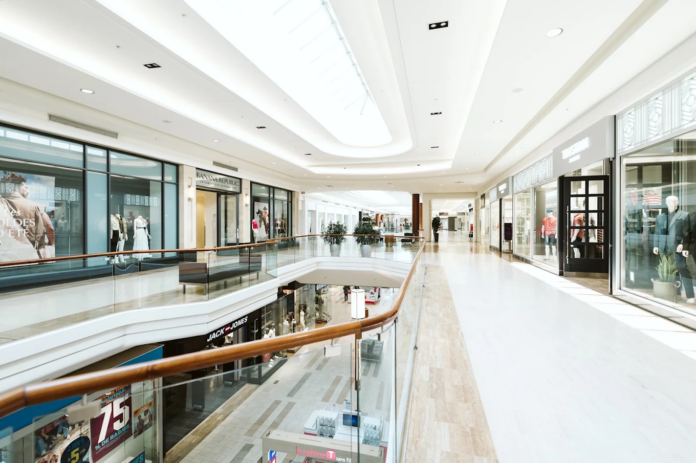
Centre Rockland in Montreal. Photo: Centre Rockland
Centre Rockland, one of Montreal’s best-known regional shopping centres, has changed hands in an unusual transaction reportedly carrying consideration of just $1, placing the Town of Mount Royal property under the control of Montreal real estate developer Jadco Corporation.
The transaction took place in May and has only recently become public. Cominar, which had owned Centre Rockland since acquiring it from Ivanhoé Cambridge in 2014, was the previous owner.
The $1 figure does not mean the underlying real estate was valued at a dollar. Reports indicate the transaction was structured as a share sale involving the company that holds Centre Rockland, meaning ownership of the corporate entity changed rather than the property being transferred through a conventional real estate sale.
The value of shares in such a transaction can be affected by liabilities and other financial obligations held within the company. The full financial structure of the Rockland transaction, including any debt or other obligations assumed by the new owner, has not been publicly disclosed.
The Town of Mount Royal currently values the property at approximately $115 million, while Cominar paid $271.685 million when it acquired Centre Rockland from Ivanhoé Cambridge in 2014. Jadco is led by president and CEO André Doudak. The Montreal-based company is an integrated owner and developer with extensive residential and mixed-use development experience, adding to questions about the long-term future of the property.
Centre Rockland occupies a large site at 2305 chemin Rockland in the Town of Mount Royal and has been part of Montreal’s retail landscape for more than six decades. The shopping centre originally opened in 1959 and underwent a major transformation in the early 1980s, when it was substantially rebuilt into the enclosed regional mall familiar to Montreal shoppers today.
Further renovations followed over subsequent decades, including significant investment under Cominar. Historically, Rockland was positioned toward the more upscale end of Montreal’s shopping-centre market, with a strong fashion component and a tenant mix that included major national and international retailers. Holt Renfrew operated a store in the mall from 1959 to 2003.
At the time Cominar acquired Centre Rockland in 2014, the mall measured approximately 649,000 square feet, contained about 150 tenants and was more than 95 per cent leased. Centre Rockland occupies approximately 940,000 square feet of land, or about 21.6 acres.
Historically, the property included approximately 2,720 outdoor parking spaces, leaving a substantial portion of the site devoted to surface parking and creating considerable potential for more intensive use of the land.
Centre Rockland in 1959
Hudson’s Bay Closure Changes the Equation
One of the most significant changes at Centre Rockland came with the closure of Hudson’s Bay, which had been one of the property’s principal anchors for decades and occupied a large amount of space within the centre. Hudson’s Bay closed its remaining Canadian department stores in 2025 following insolvency proceedings and liquidation.
The vacancy creates one of the most immediate questions for Rockland’s new ownership. Across Canada, landlords with former Hudson’s Bay locations have been examining options that include subdividing the large spaces for multiple retailers, introducing entertainment or service uses, or incorporating the properties into broader redevelopment plans. No plans have been announced for the former Hudson’s Bay space at Rockland.
Despite the anchor closure, Centre Rockland remains an active regional shopping centre. Its current marketing materials promote more than 170 boutiques and restaurants, and the property continues to include fashion, grocery, pharmacy, sporting goods, services and food offerings.
Jadco is therefore taking control of an operating retail property with a substantial land base at a time when the economics and configuration of traditional regional shopping centres are changing.
Royalmount Adds New Competition Nearby
Rockland is also operating in a much different competitive environment than when Cominar acquired the property in 2014. Royalmount, located only a few kilometres away in the Town of Mount Royal, has since opened with a concentration of luxury retailers, fashion brands, restaurants and experiential concepts.
The development has introduced a major new retail destination into the immediate area and competes in categories in which Rockland historically had considerable strength. The competitive shift was anticipated years before Royalmount opened: Retail Insider reported in 2018 that Cominar was investing approximately $10 million in a new food and dining component at Centre Rockland as Montreal shopping-centre owners prepared for increased competition in the market.
Former Hudson’s Bay department store at Centre Rockland. Image: Abdel Kiki via Google Maps
Redevelopment Discussions Go Back Years
The possibility of substantially changing the Centre Rockland property predates the latest ownership change. Town of Mount Royal previously developed a planning vision for the Rockland sector that contemplated a more intensive mix of uses around the shopping centre, including residential development, commercial uses, public spaces, landscaping and transportation improvements.
One of the central concerns was the large amount of asphalt surrounding Centre Rockland. Municipal documents identified the extensive surface parking as a significant heat island, with planning objectives that included preserving commercial activity while allowing residential and mixed uses, improving traffic circulation, strengthening active transportation and transit connections, increasing green space and permitting additional housing.
The process generated substantial public interest. Residents raised concerns about traffic, building heights, density, municipal infrastructure and the potential impact of significant population growth in the area.
The previous Rockland planning framework ultimately expired without taking effect following a change in municipal administration, meaning any future large-scale redevelopment would have to proceed through the applicable planning and approval processes. The earlier exercise is important because redevelopment of Rockland had already been seriously considered at the municipal level before Jadco entered the picture.
Cominar Was Already Studying Densification
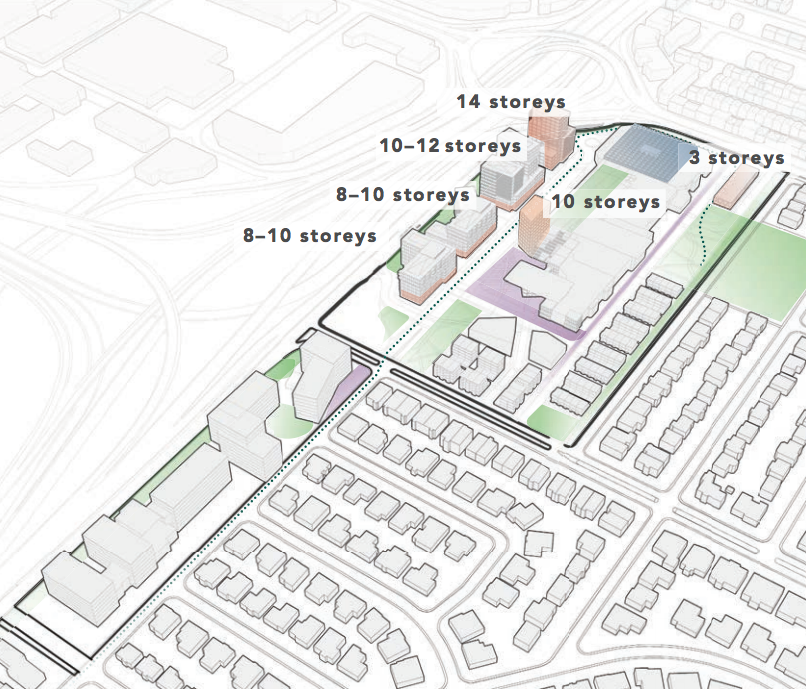
Cominar continued examining a more intensive future for Centre Rockland even after the earlier municipal planning exercise stalled. In a 2024 investor presentation, the company included Centre Rockland among several properties identified as potential densification opportunities and showed a conceptual image of a transformed Rockland site with multiple residential towers, lower-rise development, redesigned retail components and expanded public spaces.
Cominar clearly identified the rendering as conceptual. It was not an approved development plan, and there is no indication that Jadco has adopted it. Its inclusion nevertheless shows that Rockland’s former owner was actively studying how additional value could be created through mixed-use intensification.
The concept was consistent with Cominar’s broader strategy of adding residential density around shopping-centre properties while retaining retail uses where appropriate. Large parking fields and existing commercial infrastructure have made many shopping-centre sites attractive candidates for residential development as municipalities look for additional housing.
Centre Rockland has many of those characteristics. Its approximately 21.6-acre site sits in one of Montreal’s most affluent municipalities, includes a functioning retail centre and contains significant land historically devoted to surface parking.
2020 Centre Rockland redevelopment proposal
Jadco Brings Development Experience
The identity of Rockland’s new owner makes the redevelopment question particularly relevant. Jadco Corporation describes itself as an integrated Montreal real estate company involved in investment, development, construction and property management, with approximately $2.6 billion in assets owned and under development, more than 6,000 rental apartments and more than eight million square feet constructed.
Its portfolio includes substantial residential development as well as projects involving the intensification of commercial properties. At Halles d’Anjou in Montreal, for example, Jadco has pursued residential development involving towers and lower-rise housing alongside existing commercial uses.
That experience does not establish that Centre Rockland will be redeveloped in the same way. No master plan has been announced, and Jadco has not publicly confirmed whether residential development, demolition, new retail construction or other major changes are being considered.
The acquisition does, however, place a large retail property with documented intensification potential in the hands of a developer with experience undertaking residential and mixed-use projects at scale.
The $1 Figure Requires Context
The reported $1 consideration is striking when compared with Centre Rockland’s history, but the figures measure different things. Cominar paid nearly $272 million for the property in 2014, the Town of Mount Royal currently assesses it at approximately $115 million, and the shares involved in the 2026 transaction reportedly changed hands for nominal consideration of $1.
An acquisition price for real estate, a municipal property assessment and the consideration paid for shares in a company are not equivalent measures. Without knowing the liabilities and financial arrangements contained within the corporate entity acquired by Jadco, the $1 figure cannot be treated as the market value of Centre Rockland.
The property also has a history of substantial financing. A $150-million mortgage was arranged against Centre Rockland in 2017, and Cominar later reported approximately $128.2 million outstanding on the Rockland mortgage as it approached maturity in early 2022, when financing arrangements were made to repay it.
Another Reinvention for Centre Rockland?
Centre Rockland has undergone major reinvention before. The original shopping centre that opened in 1959 was extensively transformed in the early 1980s as shopping patterns and competition changed, with the resulting enclosed mall becoming one of Montreal’s better-known fashion-oriented shopping destinations.
More than four decades later, the property is again entering a period of transition. Its largest traditional department-store anchor has disappeared, a major new luxury and experiential shopping destination has opened nearby, the Town of Mount Royal has previously considered greater density around the site, and Cominar itself had studied mixed-use intensification.
Centre Rockland has now passed to a developer with substantial residential and mixed-use experience, but Jadco has not disclosed plans for major changes. The property remains an operating shopping centre, and its next chapter could involve continued retail repositioning, redevelopment of portions of the site or a broader transformation over time.
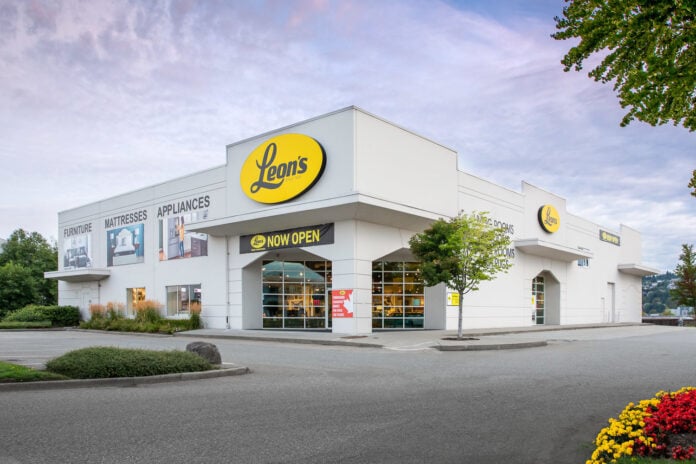
Canadian consumers are still buying furniture, appliances and mattresses, but Leon’s Furniture Limited is seeing a widening divide in how much different shoppers are prepared to spend.
The retailer’s latest results provide a window into a consumer market where affordability pressures remain significant, particularly through the middle of the market. While Leon’s saw retail unit volumes increase during the second quarter, customers generally gravitated toward lower price points, pulling down average selling prices and contributing to weaker revenue.
At the same time, higher-income consumers have continued spending at the premium end. That resilience has been particularly evident in mattresses, where Leon’s expanded its premium assortment after recognizing that demand from more affluent shoppers remained strong.
The combination provides another indication of an increasingly polarized Canadian retail market, where value and premium offerings can perform relatively well even as consumers who traditionally shop in the middle become more cautious.
LFL Group, which operates Leon’s, The Brick and Appliance Canada, reported second-quarter revenue of $631.2 million, down 2.0 per cent from a year earlier, while same-store sales declined 2.2 per cent. Retail Insider reported separately on the company’s second-quarter financial results following their release.
The behaviour beneath those figures reveals considerably more about what is happening with the Canadian consumer.
Canadian Shoppers Move Toward Lower Price Points
Retail units delivered by LFL increased from a year earlier even as revenue declined, while average unit prices were lower across most categories other than mattresses.
Furniture sales declined 4.2 per cent against a particularly strong comparable period a year earlier, when the category grew 6 per cent. Furniture unit volumes were only slightly lower. Appliance sales declined by low single digits, but the number of appliances sold increased.
The numbers suggest consumers have not simply stopped making major household purchases. Instead, many are changing how much they are prepared to spend when those purchases are made.
Mike Walsh, President and CEO of LFL Group, provided further detail during the company’s earnings call, describing its assortment in terms of “good, better, best.”
At the premium, or “best,” end, Walsh said customers are still spending. The more pronounced shift is occurring among consumers Leon’s traditionally targets around the middle of its assortment.
“We’re seeing that customer lowering down to more of the opening price point,” Walsh told analysts, adding that the company is selling more units at a lower average sale.
Lower dollar sales therefore do not necessarily mean consumers have withdrawn from the market altogether. Some shoppers are remaining active while substituting a less-expensive sofa, appliance or other household product for what they might previously have purchased.
Affordability Continues to Shape Spending
The behaviour is occurring against a Canadian economic backdrop where households continue to be cautious about discretionary purchases.
The Bank of Canada’s second-quarter Canadian Survey of Consumer Expectations found that high prices and economic uncertainty continued to hold back household spending plans. Consumer spending intentions edged lower during the quarter, while households continued to report affordability concerns tied to the high cost of living.
Recent Statistics Canada data also point to softer real spending in categories relevant to Leon’s. Inflation-adjusted household consumption expenditures on furniture, furnishings, carpets and other floor coverings declined to an annualized $20.88 billion in the first quarter of 2026 from $21.25 billion in the final quarter of 2025. Real household spending on appliances declined to $11.38 billion from $11.63 billion over the same period.
Those pressures are particularly relevant to Leon’s because much of what the company sells represents a sizeable discretionary expenditure. Furniture purchases can often be postponed, while consumers replacing an appliance or mattress can reconsider how much they are prepared to spend.
Walsh said consumers remain highly value-oriented and constrained by disposable income, with affordability presenting a significant challenge.
“Discretionary purchases are always going to be challenged,” he said.
LFL’s experience shows how that caution can play out at store level. A household may still need a new sofa, mattress or refrigerator, but the purchasing decision increasingly involves finding an acceptable product at a lower price point rather than abandoning the purchase entirely.
Premium Consumer Tells a Different Story
The experience at the upper end of the market has been notably different. Walsh told analysts that LFL continues to see premium customers spending, a trend that has become particularly visible in the company’s mattress business. Mattress sales increased by mid-single digits during the second quarter, with unit volumes also higher. Management attributed the improvement partly to changes in the assortment and stronger merchandising across the category.
Research from Stifel provides additional insight into the shift.
Stifel Managing Director and analyst Martin Landry said Leon’s had previously weighted its mattress assortment more heavily toward value products as it responded to consumers trading down. The retailer subsequently reassessed that approach and added more premium products during the second quarter after identifying continued demand among higher-income consumers.
Martin Landry
The expanded assortment helped drive higher premium mattress sales and increased average pricing compared with the same period last year, according to Stifel.
The value and premium dynamics are therefore occurring within the same company and, in the case of mattresses, within the same merchandise category. Middle-market shoppers are becoming more price-sensitive while sufficient demand remains at the premium end to justify expanding the assortment available to those customers.
Canada’s ‘Barbell’ Consumer Takes Shape
The pattern aligns with a broader shift that has been emerging across Canadian retail.
Retail Insider reported earlier this year on JLL research describing a more pronounced “barbell” structure in the market, with growth concentrated at the value and premium ends while the middle faces greater pressure.
Leon’s shows how the same polarization can occur inside an individual retailer.
Consumers do not necessarily have to abandon one retailer for another for trade-down to occur. A customer who previously selected a mid-priced product can remain loyal to the same banner while moving toward an opening-price alternative. At the other end, a higher-income shopper may continue purchasing premium merchandise from the same retailer.
For national retailers serving a broad range of customers, assortments increasingly have to accommodate both behaviours. Leon’s experience with mattresses illustrates the balancing act: moving too heavily toward value can leave premium demand underserved, while an assortment weighted too heavily toward higher price points risks missing customers whose purchasing power has weakened.
Marketing Has to ‘Scream Value’
The shift in consumer behaviour is also changing how Leon’s and The Brick communicate with shoppers. Walsh said promotional intensity across the furniture industry has become significant as retailers compete for a consumer who is still shopping but expects a compelling reason to make a purchase.
“You need marketing to be super value-oriented,” Walsh said. “Your marketing has to scream value to the consumer to attract them into your stores.”
LFL has been responding through targeted promotions, assortment management and deeper inventory positions behind products that are performing well. Rather than relying solely on broad discounting, the company is attempting to meet demand at different price points while protecting profitability.
That task becomes more difficult as customers’ expectations around price collide with rising costs elsewhere in the business.
LFL began experiencing delays on some Asian shipping lanes during the second quarter, while spot freight rates and other transportation costs increased. Management said some inventory now arriving carries higher costs, including costs related to fuel, and shipping delays could affect product availability during the third quarter.
Passing all of those increases directly to consumers is not the company’s preferred response. Walsh said LFL does not want to raise prices across the board and will instead be strategic about where increases can be made, reflecting management’s recognition that consumers remain highly sensitive to affordability.
Shoppers are demanding stronger value at the same time freight, fuel and other operating costs can make delivering it more difficult.
Early Signs of Improvement
There were some indications after the end of the quarter that conditions may be improving. Walsh said LFL saw “green shoots” during July, including improving traffic and some recovery in average sale values. The comments are particularly notable given that lower average selling prices were one of the defining characteristics of the second quarter.
Management remains cautious about reading too much into the early numbers. July is the smallest month of the third quarter, and the improvements were based on written orders rather than delivered sales, meaning those purchases still need to move through the company’s fulfillment system before being reflected in reported revenue.
Comparisons also remain difficult. LFL is up against a particularly strong furniture performance in the third quarter of 2025, when furniture sales increased 11 per cent.
Stifel has consequently remained cautious despite the early improvement. Landry acknowledged the positive indications emerging in July but reduced the firm’s revenue forecasts for 2026 and 2027 while cutting EBITDA estimates by three per cent for both years. Stifel cited continued consumer trade-down, higher fuel costs and lower inventory availability among the pressures facing LFL.
Management expects comparisons to become easier later in the year, particularly during the fourth quarter.
A More Divided Canadian Consumer
Whether the improvement seen in July develops into a sustained recovery remains uncertain, but Leon’s second-quarter experience provides a clear picture of how affordability pressures are changing consumer behaviour.
Many Canadians remain in the market for major household purchases but are putting greater emphasis on price. At the same time, higher-income consumers continue to support demand for premium merchandise in selected categories, leaving retailers that serve a broad customer base to address both behaviours within their assortments.
The tentative improvement in traffic and average selling prices during July will provide an early indication of whether some of the pressure on discretionary spending is beginning to ease. For now, Leon’s experience suggests that one of the defining features of Canada’s consumer market is not simply weaker spending, but a widening difference in how and where Canadians are choosing to spend.
Choice Properties Real Estate Investment Trust is advancing a series of leasing, redevelopment and intensification initiatives across its Canadian portfolio as demand remains strong for well-located grocery-anchored retail space.
The Toronto-based REIT ended the second quarter of 2026 with retail occupancy of 97.4 per cent. It completed 643,000 square feet of retail renewals and 83,000 square feet of new leasing during the quarter, while renewal leasing spreads averaged 12.4 per cent.
Excluding fixed-rate option renewals, the average retail renewal spread increased to approximately 20 per cent, reflecting continued demand from restaurants, liquor retailers, dollar stores and other necessity-based tenants.
Those market conditions are giving Choice the opportunity to rethink underutilized retail space, convert temporary uses into permanent tenancies and continue adding density to existing shopping centres across Canada.
Former Loblaw Space Reworked at Bloor and Dundas
One of the company’s most significant repositioning projects involves approximately 90,000 square feet at Bloor Street West and Dundas Street West in Toronto.
The space had been leased to Loblaw for storage and temporary operational uses under a flexible arrangement carrying a relatively low rental rate. Choice is converting it into a multi-tenant configuration with commitments from Shoppers Drug Mart and GoodLife Fitness.
Shoppers Drug Mart took possession during the second quarter and is fixturing its premises, with an opening targeted later this year. GoodLife is expected to take possession in early 2027.
David Muallim, Senior Vice President of Leasing and Operations, said the company was encouraged by how quickly the transition occurred. Loblaw vacated the premises during the quarter, allowing Choice to turn the space over to Shoppers Drug Mart within the same reporting period.
The Toronto property was one of two large Loblaw-leased spaces that were intentionally not renewed. Together, the Toronto and Laval vacancies totalled approximately 172,000 square feet and accounted for most of the modest decline in portfolio occupancy during the quarter.
Management noted that approximately half of the combined vacant area had already been re-leased by the time of the earnings call, with rents well above the expiring levels.
The project illustrates how landlords can create additional value by dividing oversized or underutilized premises into multiple retail units that better reflect today’s leasing demand.
Bloor & Dundas in Toronto. Image: Choice Properties
Laval Redevelopment Will Follow
Choice is pursuing a similar strategy for an approximately 82,000-square-foot former Loblaw space in Laval, Quebec.
Unlike the Toronto property, the Laval redevelopment requires municipal rezoning before leasing can proceed as planned. Management said additional updates will be provided in future quarters.
Excluding the Toronto and Laval repositioning projects, Choice’s retail retention rate was approximately 80 per cent, broadly consistent with historical performance.
No Frills Preparing Former Toys “R” Us Store at Dartmouth Crossing
Choice also continues to advance the redevelopment of former Toys “R” Us locations. At Dartmouth Crossing in Nova Scotia, No Frills has taken possession of a former Toys “R” Us building and is now fixturing the store.
Management said discussions continue regarding the remaining two former Toys “R” Us properties owned through a joint venture, with additional updates expected later this year.
The conversion reflects a broader trend across Canada’s retail real estate sector as former large-format retail space increasingly attracts grocery, discount and other necessity-based retailers capable of generating consistent customer traffic.
Loblaw Renews 50 Retail Locations
While two former Loblaw spaces are being repositioned, the retailer simultaneously reaffirmed its long-term commitment to many of its operating stores.
Following the end of the quarter, Choice completed the renewal of 50 Loblaw retail leases representing approximately 3.6 million square feet. The leases carry an average five-year term and an average rental increase of 8.8 per cent, addressing roughly two-thirds of Choice’s 2027 retail lease maturities.
Muallim said renewal increases have strengthened over recent years as Canada’s retail leasing market has tightened, although future renewal packages will continue to vary depending on market, store size and existing rental rates.
The renewals reinforce the continued strength of grocery-anchored shopping centres, which remain among Canada’s most resilient retail formats.
Retail Intensification Continues
Choice also continues creating additional retail space through intensification projects on existing properties. During the quarter, the REIT completed two retail land-lease developments totalling approximately 66,000 square feet.
The largest was a 65,000-square-foot project in Kingston, Ontario. Choice also completed a smaller quick-service restaurant development at a jointly owned property in Winnipeg.
Management said retail intensification remains a key priority as the company continues generating additional value from land already under its ownership.
Waterloo Acquisition Creates Future Development Opportunity
Choice acquired a retail property in Waterloo, Ontario, for $7.4 million during the quarter. The property sits beside one of the REIT’s existing grocery-anchored shopping centres, creating a larger land assembly along a major commercial corridor serving a growing student population.
Choice has already begun pursuing approvals for additional retail density, positioning the combined property for future redevelopment opportunities.
First Capital Transaction Continues Through Regulatory Review
Choice also confirmed that its proposed acquisition of First Capital Real Estate Investment Trust continues moving through the regulatory approval process. Following overwhelming approval from First Capital unitholders and court approval of the transaction, Competition Bureau review remains the principal outstanding requirement.
Management continues to expect the acquisition to close during the fourth quarter of 2026.
President and CEO Rael Diamond also indicated that property dispositions could begin in early 2027 as Choice integrates the combined portfolio, with a larger proportion of future sales potentially coming from Choice’s existing holdings than from the First Capital portfolio.
Strong Fundamentals Support Portfolio Evolution
Choice’s second-quarter results demonstrate that Canada’s necessity-based retail sector continues to provide opportunities for strategic reinvestment.
High occupancy, healthy leasing spreads and stable demand are allowing the REIT to modernize older retail space, intensify existing shopping centres and reposition former big-box premises for tenants that better reflect today’s retail landscape.
Projects at Bloor and Dundas, Laval, Dartmouth Crossing, Kingston, Winnipeg and Waterloo each represent different stages of that strategy. Together, they illustrate how Choice is using strong operating fundamentals to improve the long-term productivity of one of Canada’s largest retail real estate portfolios.
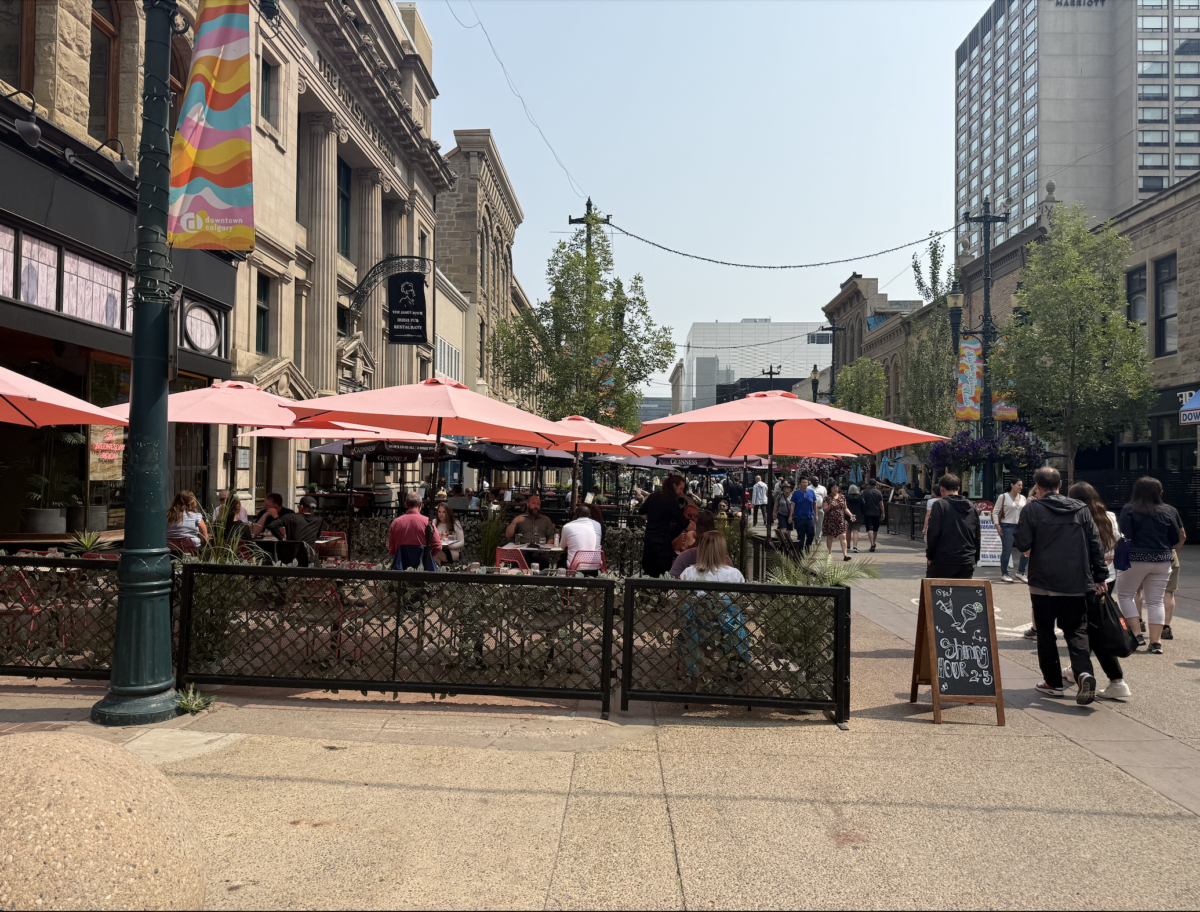
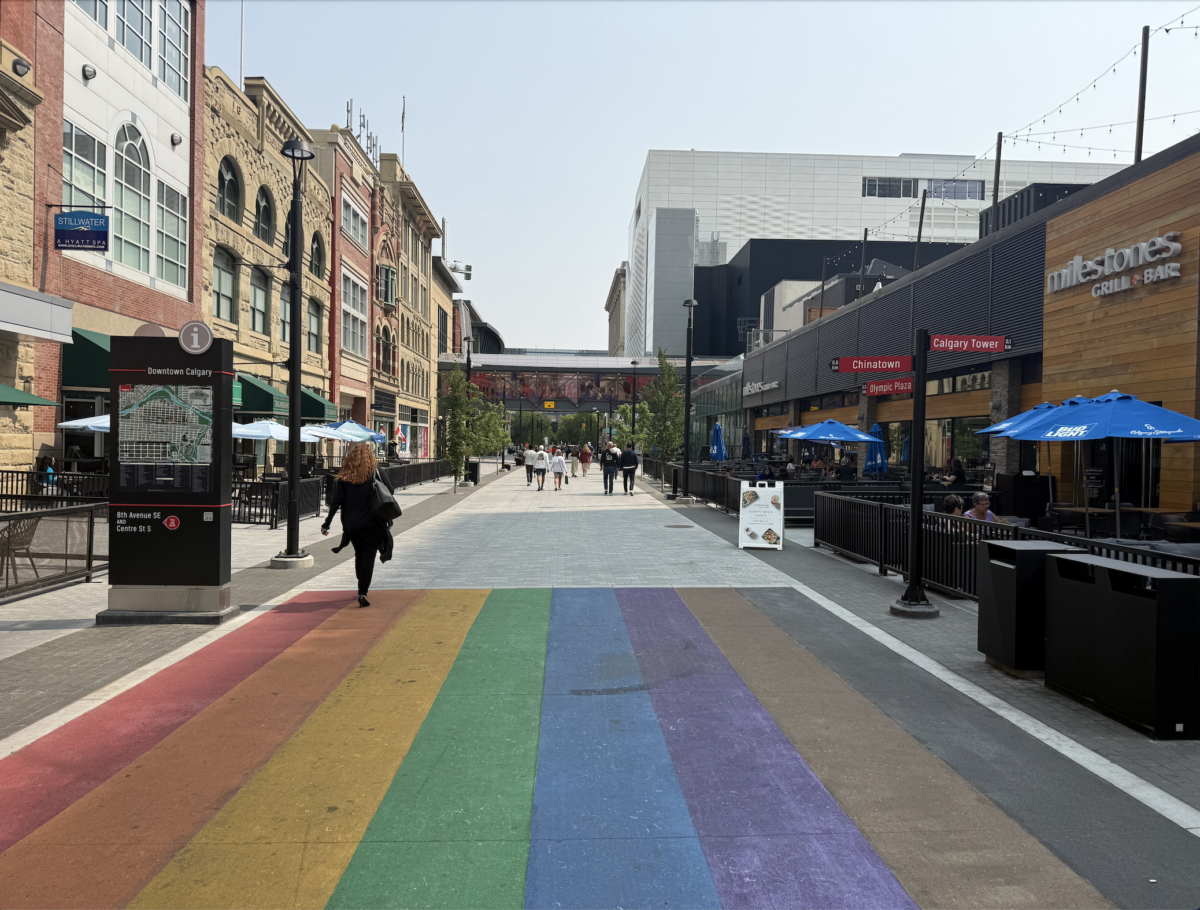
A new summer initiative on Stephen Avenue is bringing together investments, partnerships and promotions aimed at attracting visitors and supporting more than 50 businesses and public spaces along Calgary’s historic downtown street.
The See You on Stephen Avenue initiative, led by The City of Calgary and community partners, comes as the first block of the Stephen Avenue Revitalization Project between 1 Street S.E. and Centre Street is completed.
The initiative includes changes to lighting, cleaning and maintenance, increased collaboration among safety and community organizations, promotions involving local businesses and free evening and weekend parking at the nearby Harmony Parkade through June 2027.
“Stephen Avenue is a cornerstone of downtown Calgary and a key part of our city’s identity. For generations, it has been one of Calgary’s most important gathering places, where people come to shop, dine, connect and celebrate,” says Mayor Jeromy Farkas. “We’re inviting people to come downtown, explore what’s new and support the businesses that make this street unique. Every visit and every purchase made on Stephen Avenue helps strengthen our local economy and support the Calgarians behind it.”
Stephen Avenue, Calgary. Photo: Mario Toneguzzi
Michael Kehoe, Broker at Fairfield Commercial Real Estate, said the phased initiatives along Stephen Avenue renewing the streetscape that create a more welcoming environment will ensure that Calgary’s historic main street will remain a vibrant destination for residents, downtown office workers and visitors.
“Stephen Avenue has had its challenges over the past several years that include enduring issues such as public safety and social problems with the many unhoused and addicted citizens. For complete success downtown these matters need to be dealt with and in order to have full commercial success we need to have social success. Commercial success abounds along Stephen Avenue with the robust dining scene, shopping, and special events. Stephen Avenue is one of Canada’s most recognizable historic streets and an important element of downtown life. Retailers are taking notice as local and international brands such as Hermes will be establishing a retail presence in the near future with brands seeking storefront space along the prime four block ‘zone’ of pedestrian footfall.
A special place in Calgary
“Stephen Avenue is the special place in Calgary that blends the city’s vibrant growth with its historic past surrounded by the corporate office towers of Calgary’s downtown core. Thousands of people stroll the Avenue during the week and in the evenings and on weekends the area is alive with activity. Downtown Calgary is Canada’s second largest centre for corporate head offices and enjoys the largest enclosed and elevated pedestrian walkway system in the world connecting into Stephen Avenue through indoor shopping areas that feature department store anchors such as Simons and Holt Renfrew.
“There seems to be a universal longing to find and recapture that special place – the main street in many North American urban markets. Stephen Avenue is an excellent example of this process at work where all the elements of the retail main street that include arts and culture are coming together. The Werklund Centre, Western Canada’s largest arts complex, and the Glenbow Museum, that features the rich cultural heritage of the North American Prairies, anchor the east end of the Avenue.
Turn of the Century sandstone buildings co-exist with the modern structures such as wine and martini bars, steakhouses, pubs restaurant patios blend in with the buskers, food vendors, Value Village, Dollarama and souvenir shops that cater to hundreds of thousands of downtown workers and millions of tourists that visit Calgary each year.
“As a retail real estate broker, I see renewed interest in urban business districts such as Stephen Avenue. Progressive, expansion-oriented merchants and restaurateurs are seeking and finding golden opportunities on main streets like Stephen Avenue.”
Jeromy FarkasKatie McLellanMichael Kehoe
Business support
Explore Downtown YYC is providing complimentary evening and weekend parking at the Harmony Parkade as part of the initiative. The arrangement is intended to make it easier for residents and visitors to spend time in the area through June 2027.
The initiative also includes a gift card contest supported by the Calgary Downtown Association, featured patio menus and promotions, and ongoing partnerships focused on attracting visitors and supporting local businesses.
Enhanced lighting, cleaning and maintenance are also planned along the avenue, along with increased collaboration among safety and community partners.
The measures coincide with the completion of the first block of the Stephen Avenue Revitalization Project, between 1 Street S.E. and Centre Street. The project is part of ongoing efforts to improve the downtown destination.
More than 50 businesses and public spaces along Stephen Avenue are expected to benefit from the initiatives.
Safety measures
Safety is another component of the program.
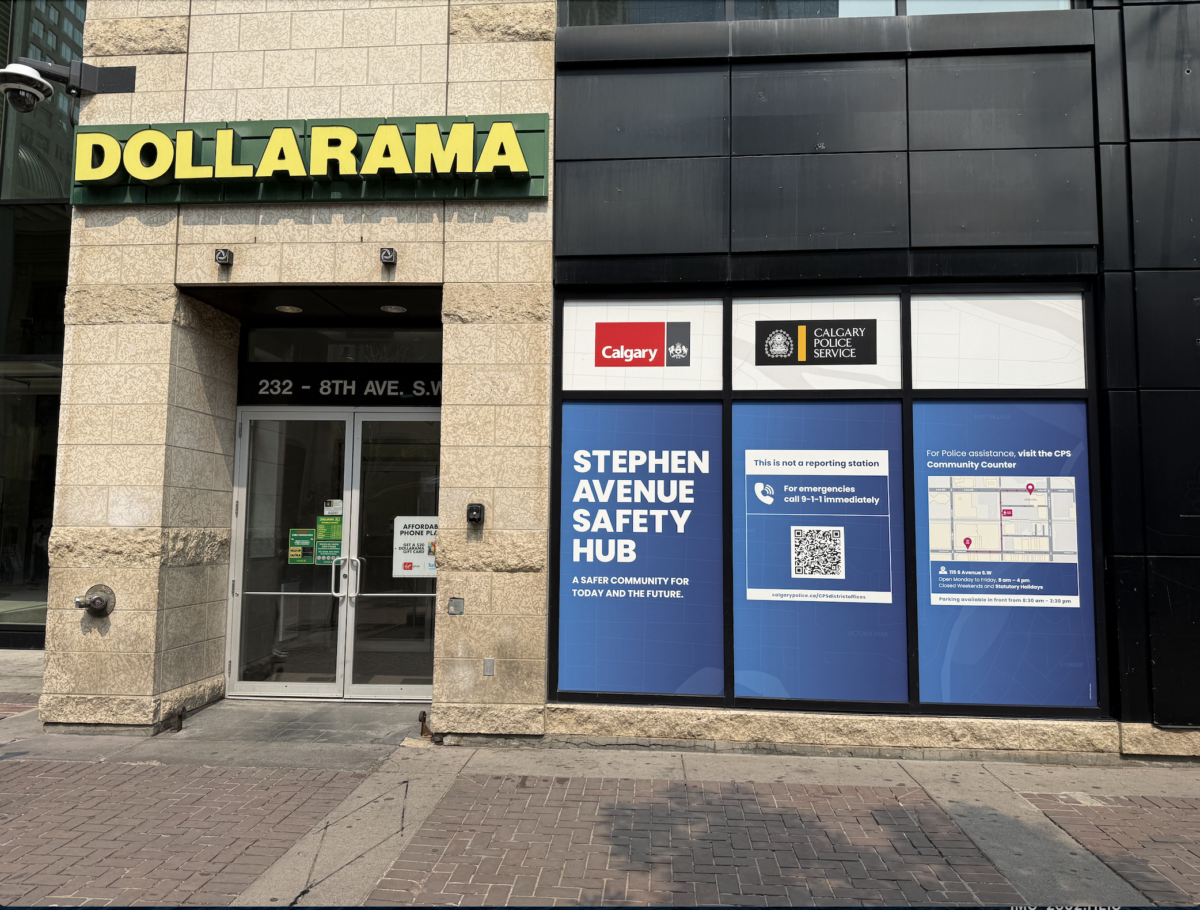
The Stephen Avenue Safety Hub provides a central location on the Avenue for the Calgary Police Service, Community Standards, Transit Public Safety and community partners to collaborate, write reports and share information.
The location has traditionally experienced a high volume of calls for service.
“A vibrant downtown depends on people feeling comfortable spending time on Stephen Avenue,” says Calgary Police Service Chief Katie McLellan. “The Safety Hub helps us work alongside our partners to support businesses, connect vulnerable individuals with services and contribute to a positive experience for everyone who visits the area.”
The safety hub is intended to support co-ordination among agencies while also connecting vulnerable individuals with services and supporting businesses along the avenue.
Stephen Avenue, Calgary. Photo: Mario Toneguzzi
Long-term focus
The partners behind the initiative say the investments are intended to support the longer-term success of businesses on Stephen Avenue and reinforce the avenue’s role as a downtown destination for residents and visitors.
Stephen Avenue is home to restaurants, retailers, patios, events, arts and cultural activities, according to the release. The historic street has played a role in Calgary’s downtown life for more than a century.
The initiative will continue alongside efforts to revitalize the avenue, with partnerships and promotions aimed at maintaining activity on the street and supporting businesses.
Information about Stephen Avenue events, promotions, participating businesses and contests is available through Explore Downtown YYC.
Groupe Marcelle Inc. has expanded into the U.S. market with a dedicated TikTok presence and an online TikTok Shop, giving the Montreal-based beauty company a direct-to-consumer channel as it seeks to grow the Marcelle brand beyond Canada.
The company, which describes itself as Canada’s largest beauty manufacturer, launched its U.S. TikTok account, @marcelle.us, in May and has begun offering a curated selection of Marcelle skincare products through TikTok Shop.
The expansion is part of a broader strategy to develop Groupe Marcelle’s brands into what the company calls a modern beauty house, with Marcelle positioned as a key growth driver.
Direct-to-consumer strategy
The TikTok launch represents a shift toward platform-based product discovery and purchasing for the company, which said the new channel is intended to connect consumers directly with its products.
The company said the U.S. expansion is focused initially on Marcelle, whose skincare products are hypoallergenic and dermatologist-tested. Groupe Marcelle said its experience in sensitive skincare in Canada is intended to support the brand’s entry into the U.S. market.
“The launch of our U.S. TikTok Shop is a defining moment in our history that reflects our commitment to innovation and creativity as we continue evolving how we connect with consumers in a digital-first environment,” said David Cape, president of Groupe Marcelle.
“As beauty commerce continues to shift toward discovery-led models, we are expanding how we engage consumers through new digital touchpoints, while continuing to build on the strength of our retail partnerships. We are leveraging our legacy of scientific rigor and vertical integration to bring our high-performance skincare expertise to U.S. consumers. We are proud to build on the strong foundation we have established in Canada.”
David CapeJulian Reis
Montreal manufacturing pipeline
The U.S. push is being supported by a cross-functional team within Groupe Marcelle and a partnership with U.S.-based SuperOrdinary, which is a social-commerce infrastructure platform supporting more than 300 global brands across TikTok, Amazon and other social channels.
Julian Reis, founder and CEO of SuperOrdinary, said the partnership gives Groupe Marcelle an opportunity to reach consumers outside its established Canadian market through creator-led commerce.
“For decades, Groupe Marcelle has built products that Canadians trust. Now, the creator-led commerce gives the company an opportunity to introduce that expertise to consumers far beyond its traditional footprint,” said Reis. “The distance between discovery and purchase has never been shorter, and Groupe Marcelle is entering the U.S. market at a moment when consumers can learn about a product, hear from creators, and buy it in just a few taps.”
Groupe Marcelle said products sold through TikTok Shop will be supported by its Montreal-based manufacturing and innovation operations.
The company owns every stage of its production, which it said allows it to respond to changes in consumer trends.
75-year Canadian history
The U.S. expansion builds on Groupe Marcelle’s 75-year history in Canada and its research, development and manufacturing operations in Montreal.
The company has more than 350 employees working across research, development, production and marketing. Its portfolio includes more than 1,600 products under the Marcelle, Lise Watier, Annabelle and CW Beggs and Sons brands.
Those products are distributed through more than 3,500 stores across Canada, according to the company.
Marcelle sells cosmetics and skincare products, while Lise Watier offers cosmetics, skincare and fragrances. Annabelle Cosmetics focuses on cosmetics, and CW Beggs and Sons offers men’s skincare products.
The company said its U.S. TikTok operation is intended to build on that Canadian base while creating a new digital sales channel in the U.S. market.
U.S. expansion
The TikTok Shop launch follows the company’s broader move into the U.S. and gives Groupe Marcelle another route to reach consumers alongside its existing retail partnerships.
The company said its strategy combines its manufacturing and formulation capabilities in Montreal with social-commerce tools aimed at bringing consumers from product discovery to purchase through TikTok.
The partnership with SuperOrdinary is part of that effort. The company says SuperOrdinary works with more than 300 global brands and has a network of more than three million creators and affiliates worldwide.
For Groupe Marcelle, the U.S. launch marks an expansion of its existing Canadian business model into a new market, with Marcelle serving as the lead brand for the company’s social-commerce strategy.
In an interview with Retail Insider, Cape talks about the initiative.
Source- Groupe Marcelle
Question: Why did Groupe Marcelle choose to enter the U.S. market through TikTok Shop and social commerce first, rather than pursuing a traditional retail rollout with major chains?
Answer: Entering the U.S. is a defining moment for Groupe Marcelle and we wanted to be deliberate in how we approached it. We chose TikTok Shop because that is where beauty is increasingly being discovered, discussed and purchased by consumers today.
It also gives us a direct connection to U.S. consumers as we introduce the Marcelle brand in the market. That kind of real-time engagement is incredibly valuable as we build awareness, understand what resonates and grow in a thoughtful, measured way.
We see social commerce as an important part of how consumers shop today, and it’s a natural step as we establish Marcelle in the U.S.
Q: What are your sales and growth expectations for the U.S. market over the next two to three years, and how will you measure whether this strategy has been successful? A: We’re taking a long-term view of the U.S. market. Rather than focusing on a specific sales target over the next two or three years, our priority is building the brand and creating a strong foundation for sustainable growth.
Of course, we’ll measure business performance but we’ll also be looking at consumer engagement, repeat purchases, brand awareness and how Marcelle is resonating with U.S. consumers. One of the advantages of a direct-to-consumer model is that it gives us valuable insights that help inform how we continue to grow in the market.
Ultimately, success for us will be measured by our ability to build a sustainable business in the U.S. while staying true to what has made Marcelle successful for the past 75 years.
Q: Marcelle has built a strong reputation in Canada for sensitive skin products. How do you plan to differentiate the brand in the highly competitive U.S. beauty market, where consumers already have many established skincare options? A: The U.S. is certainly a competitive market but we also see a growing demand for skincare that delivers real performance without compromising on safety or tolerance. That’s where Marcelle has a genuine point of difference.
We have built our reputation by developing dermatologist-tested, hypoallergenic skincare backed by decades of research and formulation expertise. That’s not a positioning we’ve created for the U.S. It’s the foundation of who we are.
We also think consumers are looking for brands that are authentic and credible. As a proudly Canadian heritage brand, we are entering the market with a clear sense of who we are and what we stand for.
Q:Your products are manufactured in Montreal and you emphasize vertical integration. How does owning your R&D and manufacturing provide a competitive advantage in responding to beauty trends and consumer demand? A: Owning our R&D, manufacturing and commercialization gives us a level of agility that is increasingly important in today’s beauty industry.
Because our teams work closely together, we’re able to move from product development to production more efficiently, respond more quickly to evolving consumer preferences and maintain rigorous quality standards throughout the process.
That integrated model has been one of our strengths for decades. It allows us to innovate with confidence while remaining focused on what matters most, developing high-quality products that meet consumers’ needs. As we expand internationally, having those capabilities in-house gives us a strong foundation to continue growing while staying true to the standards our customers expect
Q:Do you see this as the first step toward broader U.S. retail distribution, or is your long-term strategy to remain primarily focused on direct-to-consumer and social commerce channels? A: Our focus today is on establishing the Marcelle brand with U.S. consumers through social commerce. It’s an important step in our broader growth strategy and allows us to build direct relationships with consumers as we enter the market.
Retail remains an important channel, and we’ll continue to evaluate future opportunities as the brand grows.
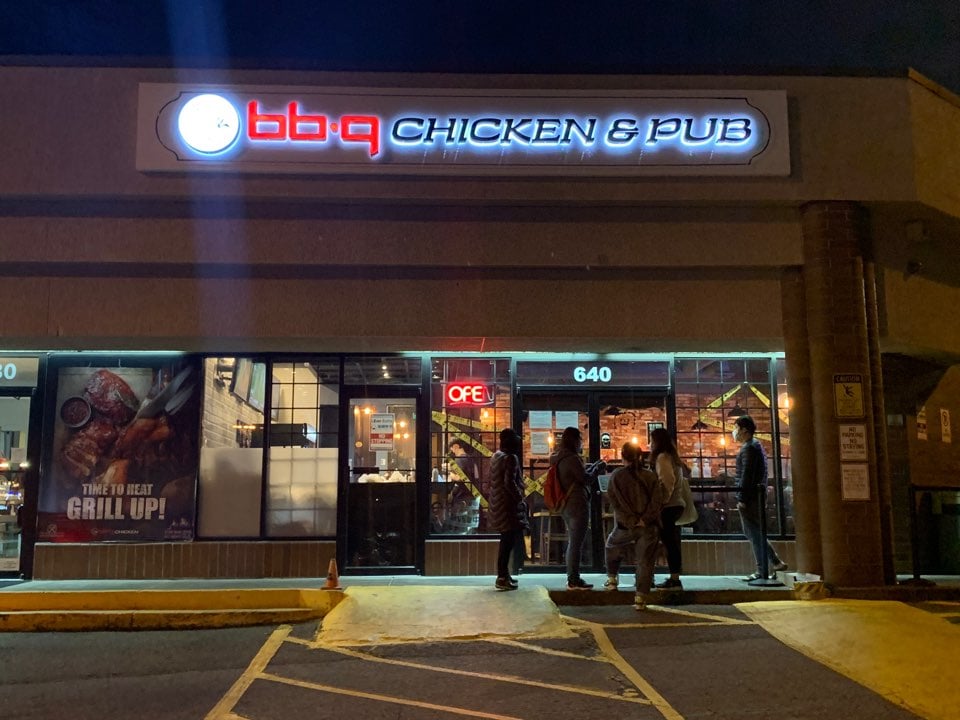
Canadian locations of bb.q Chicken are launching a new menu item tied to the chain’s partnership with Felix, a member of K-pop group Stray Kids, as the Korean fried-chicken brand seeks to build on its presence in Canada.
Feel Crunch Chicken is available at all bb.q Chicken locations across Canada. The launch follows a soft rollout at select restaurants that began July 31.
The menu item is made with a sweet-and-savory caramelized onion sauce and topped with crunchy flakes. The company said the flavour was selected in connection with Felix, who will also serve as the face of the brand in Canada as part of the partnership.
bb.q Chicken photo
Nationwide launch
The launch gives bb.q Chicken a new product tied directly to its marketing partnership with the K-pop performer. The company said additional campaigns featuring Felix are planned both online and in its restaurants.
“As global interest in Korean culture continues to grow beyond streaming screens and onto fast casual menus across the country, bb.q Chicken wanted to find an opportunity to celebrate its authentic space in both,” said Lim Kim, Marketing Manager at bb.q Chicken Canada. “Felix has a genuine obsession with bb.q Chicken which makes him the perfect fit for this brand ambassador role.”
The company said Felix has been a longtime fan of its menu and has previously praised its Crunch Butter Chicken and Jamaica Sotteok Manna Chicken.
“Feel Crunch was actually handpicked by Felix himself, and it highlights different elements of his favorite bb.q Chicken flavors. We’re excited for his fans, and other bb.q Chicken fans in Canada, to taste it for themselves.”
The chain said the new menu item is intended to bring Korean flavours to Canadian customers while connecting its restaurant offering with the broader popularity of Korean culture.
bb.q Chicken photobb.q Chicken photo
Partnership to continue
The Felix partnership extends beyond the Feel Crunch Chicken launch. According to bb.q Chicken, the performer will remain the face of the brand, with further campaigns planned for Canadian customers in digital and in-store channels.
The company did not provide financial terms for the partnership or the launch in the release.
Canadian expansion
bb.q Chicken was established in 1995 as part of parent company Genesis BBQ. The company says it operates with a focus on premium chicken and Korean food offerings and has been expanding its Canadian footprint.
The chain describes bb.q, pronounced “bee-bee-que,” as standing for Best of the Best Quality. Its Canadian operations include fried chicken and other Korean food offerings, with the company continuing to expand into new communities.
The Feel Crunch Chicken launch is the latest product rollout accompanying that expansion, with the new item now available across the chain’s Canadian locations.
Canadian small-business sales fell 0.6 per cent from a year earlier in the second quarter, marking the third consecutive quarterly decline as elevated payment times and higher gasoline prices continued to pressure spending and cash flow, according to data released by Xero.
The quarterly Xero Small Business Insights report, based on aggregated and anonymized data from 12,000 Canadian businesses using the platform, found sales were lower than a year earlier for eight of the past 12 months.
The data points to continued pressure on small businesses as they contend with weaker sales and longer waits for invoices to be paid.
“Canadian small businesses are likely to face continued economic uncertainty through the rest of 2026, with many business owners navigating ongoing cost pressures and cautious consumer spending” said Ashalee Mohamed, Country Manager for Canada at Xero. “While some sectors may benefit from broader market trends, many small businesses will continue to focus on protecting cash flow, managing expenses and adapting to changing customer demand. Maintaining visibility into business performance and planning ahead will be key to helping small businesses navigate the coming months.”
Ashalee MohamedLouise Southall
Sales remain below year-ago levels
Sales declined 2.7 per cent year over year in April and three per cent in May before rising 3.8 per cent in June, according to the report.
Xero said the monthly results show how gasoline prices affected household budgets and small-business sales during the quarter. Gasoline prices fell below $1.70 a litre in June, which the company said freed up some capacity for consumer spending.
However, Xero cautioned that the June result could be revised lower because its late-reporting adjustment has been over-adjusting in recent months.
Sales were down 3.0 per cent year over year in the March quarter and 1.3 per cent in the December quarter.
“Overall, the biggest positive from this data is that performance didn’t get worse, but it is not improving much either,” said Louise Southall, Economist at Xero. “The continued geo-political conflicts and uncertainty have made conditions harder for Canadian small businesses, building on the impact of US trade policy since April 2025. Gasoline prices peaked in May, and while various ceasefire agreements have offered brief relief, none have been able to hold for more than a few weeks. The OECD (Organisation for Economic Co-operation and Development) expects the Canadian economy to grow just 1.2% in 2026, slower than the 1.7% recorded in 2025.”
Businesses continue to wait for payment
Canadian small businesses were paid an average of 11.3 days late during the June quarter, little changed from 11.4 days in the March quarter but above the 10.5-day average recorded in 2025.
The average time to be paid — measured from when an invoice was issued until it was paid — was 29.0 days in the June quarter. That compared with 29.2 days in the March quarter and 27.1 days in 2025.
The figures indicate payment times remained elevated even as the quarterly decline in sales moderated from the previous quarter.
Amina Filkins photo
Regional results
The latest report also expands Xero’s provincial data to include the Maritime Provinces, combining New Brunswick, Nova Scotia and Prince Edward Island.
Alberta recorded the strongest sales performance among the provinces tracked, with sales up 1.0 per cent from a year earlier. Xero said the province was a regional beneficiary of higher global oil prices.
Sales in the Maritime Provinces were 0.2 per cent higher than in the June quarter of the previous year.
Ontario sales fell 0.3 per cent year over year, while British Columbia sales declined 1.7 per cent.
British Columbia recorded the shortest average time to be paid among the provinces, at 25.7 days, an improvement from 26.9 days in the March quarter.
The average time to be paid was 28.4 days in Alberta, 30.0 days in Ontario and 31.8 days in the Maritime Provinces.