Advertisement
Advertisement
Home Blog Page 901

Optimizing E-Commerce Digital Merchandising Necessary Amid Online Growth: Expert

SHOP LOCAL SANDWICH BOARD OUTSIDE STORE.

By Ani Nersessian

Recently businesses and customers have both learned a lesson in just how critical it is for businesses to both be virtually present and fully operational. When consumers are stuck at home — no matter what the reason — they depend on the accessibility of online shopping. While the default source is often Amazon, there are several ways that smaller businesses can compete: social calls to action, quality assurance, competitive delivery timelines, unique product offerings, and ease of shopping. Most of these selling points can automatically be showcased in a business just by highlighting that the business is a local business.

Many social calls to action have emerged this year as our society tackles several dilemmas. One of them is the concern for the pandemic’s impact on the economy and our citizens’ livelihoods. It is completely understandable that our community has been asking to shop local for this very reason. Just as any time is a good time to boast about local relevance, it is important for businesses to highlight whether they are a small or local business to prompt the current community support.

Another reason to highlight locally-based businesses is that it often equates to higher quality assurance. Whether the products’ origin or the retailer itself is locally based, it often equates to higher quality, or at the very minimum, an easier return process to fall back on. The convenience of local also typically suggested shorter delivery timelines and lower fees, which is a huge competitive win during periods when many deliveries are delayed.

Product offering is a huge selling factor, particularly when setting yourself apart from large businesses with high inventory by offering a more curated experience. Sometimes consumers do not know what they need to search for. For example, they may be searching for a gift, but do not have any specific ideas in mind. Special product offerings to help inspire purchase decisions would be very beneficial in these cases. Knowing how to present these product offerings without overwhelming the consumers falls within the scope of successful merchandising.

The ease of shopping is the most important factor when strategizing how to create a positive shopping experience, beginning with sparking the temptation to shop, effective communication so that the customer can shop independently and continue adding to their carts, finalizing with a smooth experience to the cash out point. This is already directly affected by digital merchandising.

To optimize digital merchandising and leverage off e-commerce platforms, businesses need to focus on their introductory message, product adjacencies, ease of browsing, and be aware of their competitors’ online position as well.

OVERALL IMAGE: How professional does the site seem? Website design needs appear professional for a brand to also seem credible and established.

INTRODUCTORY MESSAGE: The current, most relevant collection or campaign needs to be introduced immediately. Similar to the concept of a window display, the primary reason to buy needs to be shown within the first view of the web site. This may be in regards to product relevance such as showcasing masks, comfy home wear, activities for kids etc. What needs do customers likely have in their lives at the moment? What products could they be searching for to satisfy these needs?

PRODUCT ADJACENCIES: In retail spaces, it is preferable to curate products that would be used together as a means to educate customers, and to entice more purchases per transaction. This is also applicable in e-commerce. While ease of shopping is usually based on correct product categorization (see point below), it is also important to entice product pairings in a way that only cross-merchandising can achieve. This means that when a customer is viewing one product type, their journey doesn’t end there; retailers may consider showing curated collections, as well as “recommended with….” areas.

EASE OF BROWSING: If it’s a struggle, the customer will lose interest and move on. Retailers can absolutely not depend the success of their business on their customers’ loyalty. Therefore, it is important to consider all the ways that customers will want and need to view the products: by product type? By usage? By sizing? The overarching categories should be the most expected ones. However, too much inventory can cause an overwhelming experience, which is when the filtering option is extremely helpful. For example, while shopping for furniture may easily by categorized under rooms or product types, the site may further assist higher inventory circumstances with helpful filtering options that are also based on price, colour, size, shape, and perhaps even material. Tagging products to filter appropriately can be extremely effective in creating an easy and positive shopping experience for online shoppers – this should not be taken for granted. Far too often, we see examples of e-commerce layouts where customers need to know too much of the products beforehand in order to navigate their online shopping journey.

COMPETITOR PRESENCE: When in doubt, retailers should check out their competitors. What is successful or enjoyable about the competitor sites? What disrupts the journey before cashing out? It is advisable to navigate these sites as a customer – not as a business competitor – to truly be productive with critiques. If in doubt, a third party is a good solution to honestly assess how sites compare with others.

There’s no dispute that e-commerce, bricks-and-mortar spaces and/or pop-up spaces all have different roles in serving consumers. Understanding that lighter foot traffic is expected these days, it is imperative to ensure that the e-commerce offering helps to fulfill this gap in business. After all, while other circumstances may not affect an entire society as much as a pandemic, there are various situations in life that would result in needing to stay at home, and this is why catering to an online shopper is always relevant.

Ani Nersessian

After 15+ years of industry experience with various retailers and environments such as Holt Renfrew and Adidas Group Canada, VM ID Inc. was founded by Ani Nersessian to help retailers get set-up with a VM culture that is right for them.

VM ID Inc. is a Visual Merchandising service company which provides catered support for small businesses through consulting, designing and labour services. Email: ani@vm-id.com

211: Discussing Holt Renfrew Ogilvy in Montreal as it Opens All Floors

exc-5f03d492c0211e64d12671f6

This week Craig & Lee talk about the opening of the massively renovated Holt Renfrew Ogilvy luxury department store in Montreal. The discussion flows through the building from main floor luxury brand concession hall through to footwear, jewellery and upstairs to the personal shopping and Tudor Hall on the fifth floor.

The Weekly podcast by Retail Insider Canada is available on Apple Podcasts, Stitcher, TuneIn, Google Play, or through our dedicated RSS feed for Overcast and other podcast players.

Subscribe, Rate, and Review our Retail Insider Podcast!

Follow Craig:

Follow Retail Insider:

Listen & Subscribe:

Share your thoughts!

Drop us a line at Craig@Retail-Insider.com. You can also rate us in Apple Podcasts or recommend us in Overcast to help more people discover the show!

Listen on Google Play Music

Share your thoughts!

Drop us a line at Craig@Retail-Insider.com. You can also rate us in Apple Podcasts or recommend us in Overcast to help more people discover the show!

Activating Vacant Commercial Spaces Critical to Prevent Blight: Experts

Edmonton, Alberta, Canada - Waterdale Bridge and Several Skyscrapers of Edmonton downtown at sunset

With increasing vacant commercial space in Canadian cities, it’s becoming even more important to find creative and useful ways to ‘activate’ those spaces so they don’t become a blight in those communities.

TURNING IDEAS ABOUT PUBLIC GOOD INTO CIVIC ACTIONS

Rob Shields and Jim Morrow, with the University of Alberta, have released the Activating Space Field Guide, which is written for individuals and community groups that need help with turning ideas about the public good into civic actions. It can also benefit city leaders and planners who need proof that the reuse of empty spaces can enrich the lives of community members.

The research project was funded by the Social Sciences and Humanities Research Council of Canada and by the Kule Institute for Advanced Study, University of Alberta.

“Activated spaces build community. They are places where people come together to provide for each other. And when people gather, they have adventures, form relationships, innovate, and build resilience. Regardless of outcome, activated spaces are creative. For many people, the biggest barrier to testing ideas or finding purpose is a lack of a place where they can engage a community-at-large. Yet cities have empty spaces ready for use,” said the report.

“All it takes is cooperation, social partnership, and a willingness from property owners and city officials to open doors. The ideal activated space is central, cheap, and flexible. But activating space is about being creative with whatever resources are available. Therefore, if a space can be made to work, then it is for the best. Finally, an activated space must always give back to the community. Everybody who activates a space must leave it better than when they found it. The same principle applies to people and neighbourhoods. Activated spaces improve well-being and, when all said and done, everybody and everything needs to be in a better place.”

Shields is HM Tory Chair and Professor, Faculty of Science – Earth & Atmospheric Sciences at the U of A. Morrow is Research Associate with the Wirth Institute for Austrian and Central European Studies at the U of A.

Shields has always been interested in abandoned spaces in cities with research on abandoned strip malls and uses in cities.

Morrow said the longer that a space is empty the more likely it is that it will never be rented again. That becomes even more of an issue today with commercial space sitting empty in many major Canadian markets. For example, the report points out that in Montreal, one in six retail units are vacant.

“My biggest problem is that the cities have largely abandoned large sections of them. You can even see it in small towns – main streets,” said Morrow.

“In addition to being places of business, which is what I’m trying to get people back to, is that they’re places for people to meet and form social connections. If they don’t have that ability to have this kind of serendipity of being together then it becomes very hard to build a culture where people will actually just stop and do a shop too.”

When communities grow and have social connections, the communities thrive and the economics will come along.

TEMPORARY USE, REUSE, PROGRAMMING & COUNTER-PROGRAMMING

The Field Guide offers four strategies for activating space: Temporary Use; Reuse; Programming; and Counter-Programming.

“Business as usual is not an option. Shops and industrial sites have been vacated because consumerism and conventional approaches to development no longer work. So common purpose and social partnership must take the initiative,” said the report.

“For neighbourhoods to be vital, vacant spaces must be activated and put to use. Otherwise, it will be impossible to shop locally or support community needs.”

Morrow said the obvious consequence of vacant space is blight.

“Urban space has been reorganized for the benefit of rent extraction, real estate speculation and gentrification. And they’ve neglected community needs . . . It’s just not good business,” said Morrow.

“Through our research we’ve learned you have to have one third, one third, one third. So you have to have one third retail, one third business, like office space, and one third residence. That number reappears every time. And we’ve also learned that things have to be cheap, central and flexible,” said Morrow, of thriving communities.

The report said people have always made space for temporary events. In the Arab world, impromptu souqs and bazaars have been a part of urban life for more than 3,000 years. Temporary use has a variety of forms. It also has no limits on how long it can last. But there are common features. For example, temporary uses are usually cultural rather than commercial. And it works best for events to happen in large open-air venues, like recreation grounds or religious sites, added the report.

“Every city has empty shops and vacant lots. These spaces are usually abandoned because of a lack of commercial appeal or a failure to get permission to redevelop. They can also go to waste because nobody wants to make a long-term commitment,” said the Field Guide.

“High streets and urban sites can be brought back to life through reuse. It can be done by loaning a vacant space to a community organization at little or no cost. In turn, the occupants use the space for local needs, such as the arts, creative startups, or places for people to gather. Reuse only works if it has willing partners. The occupants have to acknowledge that the space is not theirs to keep. Property owners need to be flexible with leases and conditions. And city officials must grant temporary use permits and help occupants limit their financial obligations.”

It is not enough to occupy a space. A use is also necessary. Otherwise, nothing happens and there is no benefit to the community, said the Field Guide.

“Long-term use is a form of risk management. It is the reason that cities require feasibility studies and banks give developers lengthy loans. Yet, for all its benefits, risk aversion eliminates spontaneity and makes it difficult to find use for empty spaces. Programming works in the meantime. Simply put, it organises activities— such as art shows, skill-sharing classes, or markets—that are brief or changeable. And by planning for the short-term, occupants and organisers can quickly respond to local needs. In action, programming allows organisers and community members to experiment with ideas. More specifically, because they are not constrained by long-term commitments, they do not have to make decisions based on feasibility or risk. Therefore, they can get creative and learn about what is possible through trial and error,” it said.

“Many places are designed for a single use. After all, high streets were made for shopping and factories for machinery. Yet it is also possible to counter-programme a site to work around infrastructure already in place. Counter-programming thrives on adaptability and informality. Organizers who are flexible about how they use a space can accommodate different activities. Likewise, if circumstances change, a location can be quickly refit for other uses. Counter-programmed spaces work with materials at hand. They are not curated to suit a particular style. Instead, they use resources that are economical and commonly found. And this ability to scrounge makes counter-programming collaborative because organizers need to go into the community to source materials and local knowledge.”

Time Out Market Food Hall Prepares to Reopen in Montreal Post COVID-19 Shutdown

TIME OUT MARKET MONTRÉAL ENTRANCE. PHOTO: JF GALIPEAU

After pausing operations in March to help contain the spread of COVID-19, Time Out Market Montréal is reopening its doors on Wednesday, July 8. With restrictions on restaurants gradually easing, the news is very welcome. And it’s just in time for the warmer weather and summer vacations, typically a time when patios and terraces are brimming with patrons.

“Time Out Market Montréal has 40,000 square feet for guests to social distance without losing the fun atmosphere that makes dining at Time Out Market so special,” says Time Out Market CEO, Didier Souillat.

First opened in November 2019, Time Out Montreal is part of the global media and leisure corporation, Time Out Group plc. The first Time Out Market venue launched in Lisbon, Portugal in 2014. Six markets already are operating and another four (none currently scheduled for Canada) are in the pipeline. They all feature the best of their host city under one roof: its best chefs, drinks, and cultural experiences.

In addition to following both government regulations and municipal protocols, Time Out Market Montreal is implementing precautionary measures to ensure the health and safety of guests, market staff, and concessionaires. These include:

Health and safety communication vestibules will offer information and sanitizing stations for guests to have a safe and enjoyable experience at the market.

Plexiglass partitions will be installed at concessionaire counters and bars, as well as on each table to separate dining parties safely.

Contactless ordering will be available on Apple and Android smartphones, the new Time Out Market app allows guests to order and pay without contact. Guests can search ‘Time Out Market’ via the App Store or Google Play to download the free app. Guests can track their order progress through email, text, and push notifications.

Delivery of the market menu items will be available through delivery via DoorDash.

Extra cleaning crew identifiable with their yellow shirts will consistently sanitize all surfaces.

Phased Kitchen Re-Openings

Time Out is prepared to welcome guests back who are eager to taste exceptional dishes from their local favourites and indulge in Montréal’s unique culture.

Opening day will include a lineup of six stellar concessionaires, with various global offerings from the Japanese counter experience Marusan to the famous Portuguese rotisserie chicken of Romados. As well, included in the first wave are locally-produced items at Signé Local, a cooking school, 2 mocktail and soda bars, a wine bar, beer bar, and cocktail bar — allowing guests sufficient room for ordering and dining.

As the community works hard to safely resume operations, Time Out Market Montréal and Time Out Montréal continue to support local restaurants and businesses through initiatives such as the Time Out Love Local Campaign.


View this post on Instagram


🌭 ** Pour respecter la distanciation sociale, Time Out Market MTL est temporairement fermé. Avec un⠀peu de chance, cela ne durera pas trop longtemps et nous pourrons lever et cogner nos verres ensemble très bientôt. En attendant, merci de soutenir les entreprises locales qui continuent de faire leur travail pendant la #timein. Coup de coude!** —– We hope you support one of our local restaurants for national takeout day. You can find them in our À Emporter Highlights. **Doing our part for social distancing Time Out Market MTL is temporarily closed. Hopefully, it won’t be for too long and we can clink glasses again soon. In the meantime please support local businesses and acts still doing their thing during #TimeIn. Elbow bump!*

A post shared by Time Out Market Montréal (@timeoutmarketmontreal) on

They also acknowledge the hard work and support they’ve received from Ivanhoé Cambridge and their own market staff and concessionaires to get them ready for reopening.

What Makes These Markets Unique

The world’s first food and cultural market based wholly on editorial curation, Time Out Market captures local knowledge, independent reviews, and expert opinions to decide which locally renowned chefs and concepts are invited to become part of the market lineup.

In a nod to the importance of these local reviews to flavour the market’s ambiance, the social distancing partitions will be inscribed with quotes from a diverse group of Montréalers. Video screens throughout the market will also feature local content curated by Time Out editors.

Planet Fitness Implements Safety Protocols as it Reopens Gyms in Canada

EXTERIOR OF PLANET FITNESS LOCATION. PHOTO: PLANET FITNESS

For many who of you have spent the last three months navigating the exciting new world of virtual home workouts, the ability to return to the gym is an exciting prospect. Planet Fitness — the popular low-cost fitness club which operates locations in British Columbia, Alberta, Saskatchewan, Ontario, and Manitoba — has reopened in provinces mandated safe to do so, however not without a laundry list of safety measures in place.

While many have questioned the practicality of reopening gyms, deeming them to be potentially the least sanitary places we frequent and a possible threat for spreading COVID-19, the Fitness Industry Council of Canada released guidelines for fitness facilities across Canada to follow as provinces began reopening businesses, and so far it seems to be working.

PLANET FITNESS SAW AN INCREASE IN MEMBERSHIP SIGNUPS

In B.C., Planet Fitness reopened as early as June 1 and in North Vancouver it actually saw a record-breaking increase in membership signups post-COVID. In Ontario, residents are still waiting on the provincial government to give the go-ahead for gyms to reopen.

Surveys conducted out of the UK gyms like Hampton gyms and Europe in May indicated about 60 percent of gym members willing to return within the first month of reopening, with another 30 percent returning in the second month, and seven percent in the third month. Three percent were undecided at that time.

CLEANING STATION INDICATED BY A YELLOW FLAG. PHOTO: PLANET FITNESS

In general it would appear that Canadians are divided in terms of those who are comfortable returning to regularly scheduled life and those who are still apprehensive that it may be too soon. This discordance is inevitable, however the economy can’t and won’t wait for everyone to get on board, and there are many indicators to show that gyms might just be one of the most sanitary places you could find yourself post COVID-19.

PLANET FITNESS HAVE TAKEN EXTENSIVE SAFETY PRECAUTIONS

Planet Fitness recently spoke to Retail Insider about the array of safety measures it is taking to ensure its members can use its facilities once again. Although the precautions have altered the regular gym experience slightly, Planet Fitness is dedicated to ensuring that all members can still enjoy the perks of being a part of the “Judgement Free Zone” while simultaneously securing their health and safety.

Within the Planet Fitness locations currently in operation the following procedures have been implemented:

  • Planet Fitness staff have been extensively trained on COVID-19-specific cleaning protocols. Multiple times throughout the day, staff take prolonged periods of time to sanitize high-touch areas and workout equipment, using disinfectant on the EPA list effective against COVID-19.

  • In order to ensure a distance of six feet, certain pieces of cardio equipment will be temporality marked unavailable. The out-of-use equipment will not be removed from the space, but rather will remain in place to act as further markers of “Social Fitnessing”, as Planet Fitness likes to call it. 

  • Known for its motivational phrases scattered across its gyms, Planet Fitness have implemented sayings such as “being cleansiderate” and “clean thumbs club” to ensure members are also doing their part to create a healthy workout environment. Encouraging members to sanitize equipment before and after use is important. This, in addition to the staffs’ thorough sanitization procedures, means that Planet Fitness locations should be cleaner than most public spaces visited on the regular. 

  • A touchless check-in app has been implemented to limit any unnecessary human contact. It involves downloading the Planet Fitness app in advance and scanning it upon arrival at the Planet Fitness location. 

  • Increased sanitization stations will be available throughout the gym floor, indicated by yellow flags. 

  • PE@PF — a Planet Fitness perk that provides members with certified trainers to provide instruction if required and who also facilitate small group training sessions — will be temporarily modified to solely focus on individual “Design Your Own Program” (DYOP) sessions.

  • Before each shift, Planet Fitness team members will each receive temperature checks.

  • All Planet Fitness locations will be run at limited capacity, however due to the sizeable nature of most locations, it hasn’t been necessary for members to book or reserve time slots. 

The fitness club launched the “United We Move” work-ins in the wake of COVID-19 and continue to provide its members with over 500 workout programs available through the Planet Fitness app. 

Canadian-based GoodLife Fitness is quickly reopening locations across the country — with the exception of Ontario locations — and is allocating time slots for its members. So far it appears to be working well, with over 200,000 requests for visits since opening it’s first location in Prince Edward Island on June 15.

The higher-end gyms such as Orange Theory are also back in business in certain provinces, operating at reduced capacity and cutting the length of classes by 15 minutes to allocate time for cleaning. Orange Theory, being a HIIT workout that operates on a rotational structure with groups of people continuouslly moving from station to station, is taking its time in reopening across the country, making sure to get it right for the safety of its members.

Isaac Bogoch, an infectious disease specialist at Toronto General Hospital, previously stated that he believed gyms will be some of the toughest facilities to reopen while COVID-19 is still a threat, provinces like Alberta seem to be proving that theory wrong, since bumping the reopening of indoor recreation and fitness centres forward from Stage 3 to Stage 2 at the beginning of June.

Holt Renfrew Ogilvy Opens All 6 Retail Levels in Montreal [Photos]

THE NEW EXTERIOR OF HOLT RENFREW OGILVY STORE IN MONTREAL IN JUNE 2020
THE NEW EXTERIOR OF HOLT RENFREW OGILVY STORE IN MONTREAL IN JUNE 2020. PHOTO: HOLT RENFREW

By Craig Patterson and Maxime Frechette

The massive Holt Renfrew Ogilvy store in downtown Montreal is nearly finished, with all six levels now open to the public. The 250,000-square-foot store is one of the largest multi-brand luxury stores in North America and is the largest showcase of luxury brands in the Montreal market. 

The store’s second, third, and fifth floors have opened, showcasing a range of women’s fashions, shopping suites and an entertainment facility. The street level luxury hall is also nearly completed with 11 luxury brands occupying leased concession boutiques. In the spring of 2019, a basement level cosmetics hall opened to the public, as did the menswear level on the fourth floor which carries many of the world’s biggest designer brands.

The store’s planned opening date was on April 10 of this year, and that was delayed because of COVID-19. Several of the store’s luxury boutiques have yet to open and will once construction is completed.  

The following is a photo tour of the new Holt Renfrew Ogilvy store in Montreal, floor-by-floor, beginning with the lower level beauty hall which spans about 23,000 square feet. Retail Insider reported on the beauty hall in the spring of 2019 when it opened, and photos of that retail level can be found in this article

THE CONCOURSE LEVEL BEAUTY HALL
THE CONCOURSE LEVEL BEAUTY HALL. MORE PHOTOS AND INFORMATION CAN BE FOUND IN OUR ARTICLE FROM 2019.

Main Floor Luxury Concession Hall

The street level luxury hall, with concessions that have been slowly opening over the past year, is nearly completed. Last year, boutiques for Tiffany & Co. (2,500 square feet), David Yurman (1,300 square feet), Bottega Veneta, Prada, and Chanel opened — the 3,300-square-foot, bi-level Chanel boutique carries a full range of ready-to-wear, as well as accessories, bags, and footwear. New boutique openings include Gucci, Louis Vuitton (3,342 square feet carrying bags, accessories and footwear), Hermes (2,848 square feet carrying a full range of apparel, bags, accessories and footwear), and Dior (1,938 square feet carrying women’s ready-to-wear, bags and accessories), with other bag/accessory boutiques including Saint Laurent and Fendi to soon join them. The large Louis Vuitton occupies the corner street-facing location at Rue de la Montagne, and Hermes occupies the southwest corner of the main floor. A concierge desk greets shoppers from the Rue de la Montagne entrance.

The main floor consists of 11 concessions that are operated by the luxury brands. Also included at the Ste-Catherine Street entrance is a pop-up space called L’espace Holt which acts as an incubator space featuring curated collections and limited-edition product from both local and international designers. First up is The Hat Shop, which is a nod to Holts’ heritage as the retailer began as a hat shop in 1837. The pop-up space will change each month.

Below is a slideshow of photos from the main floor of Holt Renfrew Ogilvy.

Below is a slideshow with photos of the new Hermes and Louis Vuitton boutiques on the main floor of Holt Renfrew Ogilvy.

Second Floor: Shoes, Bags, Jewellery, Contemporary Women’s Fashions, Restaurant

The newly-completed second floor features women’s footwear, bags and accessories, jewellery, contemporary fashions, and a restaurant. The footwear hall spans 4,632 square feet and includes a leased boutique concession for French luxury brand Christian Louboutin as well as boutique spaces for Gucci and Roger Vivier and a ‘wall’ for Manolo Blahnik — Prada, Dior, and Saint Laurent shops will soon join them. Other footwear brands include some of the world’s biggest names such as Valentino, Givenchy, and Jimmy Choo. 

The women’s leather goods area on the second level houses brands such as Saint Laurent, Loewe, Balenciaga, Givenchy, The Row, Longchamp, and others. Various jewellery brands on the second floor include Gucci, Queelin, Anito Ko, Suzanne Kalan, Sydney Evans, Repossi, and others. A private shopping salon for guests looking at jewellery is located in the department. Despite the size of the store overall, it was deemed that more space was needed for bags and jewellery on the second floor because brands leasing on the 40,000-square-foot street-level demanded larger spaces. 

Women’s contemporary brands on the second floor include Theory and Vince. Boss woman and Max Mara are also found on the second floor in boutique spaces as well as Akris Punto. 

A stunning new restaurant called Café Holt is also located on the second floor. The restaurant is described as using “quality-driven ingredients, locality, and seasonality”. Service times will include brunch and lunch, as well as afternoon tea and an expanded evening dinner service.

Below are photos of the second floor of Holt Renfrew Ogilvy. 

The photos below are of the vast women’s footwear hall at Holt Renfrew Ogilvy.

Below are photos of the new Café Holt. Further details including the menu can be found here.

Third Floor: Women’s Designer Brand Boutiques, H Project 

The newly-completed third floor is a showcase for some of the world’s biggest luxury brands for women. That includes boutique spaces for brands including Akris, Giorgio Armani, Brunello Cucinelli, Burberry, Balmain, Miu Miu, Prada, Balenciaga, Saint Laurent, Valentino, Givenchy, Gucci, Moncler, Play/Comme des Garcons, and a Canada Goose boutique will also open soon. Other women’s apparel brands include Bottega Veneta, The Row, Isabel Marant, Alexander McQueen, Marni, Rick Owens, Dries Van Noten, Thom Browne, Stella McCartney, Victoria Beckham, and others. Also on the third floor is a Wolford area and more contemporary fashion brands including GANNI and ba&sh. A dedicated space for H-Project, described as “connecting consumers, causes, and communities to inspire a new generation of purposeful luxury and drive positive change in the world,” is located on the third floor with a rotating product assortment.

Below are photos from the third floor of Holt Renfrew Ogilvy.  

ONE OF THE WORLD’S MOST HIGHLY RESPECTED LUXURY FASHION APPAREL BRANDS FOR WOMEN, SWITZERLAND-BASED AKRIS, HAS A BOUTIQUE ON THE 3RD FLOOR AT HOLT RENFREW OGILVY. PHOTO: MAXIME FRECHETTE

Fourth Floor Menswear

The fourth floor men’s level, which was unveiled in the spring of 2019, houses 25 boutique concessions for some of the biggest luxury brands. That includes vendor shops for brands such as Balenciaga, Brioni, Burberry, Brunello Cucinelli, Dior, Givenchy, Gucci, Moncler, Prada, Saint Laurent, The Row, Tom Ford and Valentino which are showcased along the periphery. A Fendi men’s concession will open soon. Other well-known designer brands include Thom Browne, Balmain, Junya Watanabe, Comme des Garcons, Acne, and others. Recently added brands include Berluti, Isabel Marant, Dries Van Noten, and Rick Owens among others.

The floor’s multi-brand men’s suiting area features brands such as Ermenegildo Zegna, Canali, Eleventy, Isaia, Paul Smith, and others. 

The large men’s footwear salon on the same level includes many of the world’s leading luxury brands, as well as a Christian Louboutin concession and a dedicated Gucci area, both carrying expansive offerings.

A dedicated men’s grooming area includes shop areas for brands such as Creed, Hermés, Tom Ford, and Acqua di Parma. A dedicated men’s personal shopping suite offers styling services as well as privacy for clients. 

The men’s floor includes an entrance directly into the adjacent Four Seasons Hotel (and 18 super-expensive condominiums above it) which opened last year. Photos of the men’s floor can be found in our article from the spring of 2019

FOURTH FLOOR MEN’S LEVEL IN 2019. PHOTO: HOLT RENFREW

Fifth Floor Personal Shopping and Tudor Hall

The fifth floor of Holt Renfrew Ogilvy features impressive personal shopping suites in a space spanning 4,700 square feet. It’s the largest personal shopping offering in the chain according to Holt Renfrew. Included are five personal shopping suites as well as ‘The Apartment’, which is a luxurious salon featuring a seating area, dining room, salon, and dressing room. The space can be used for special events and trunk shows according to Holt Renfrew. 

The fifth floor also houses the historic Tudor Hall, a 300-seat music facility built in 1928, which has been refurbished. Photos of the fifth floor are below in a slideshow. 

Opening Holt Renfrew Ogilvy at this time could be good for the company. Montreal is home to many wealthy households who are known to shop globally for fashions. Given the lack of travel at the moment, some may be tempted to visit Holt Renfrew Ogilvy, and some could become loyal customers. At the same time, potentially fewer international students in Montreal could create a problem. Much of what has been sold recently in luxury boutiques and concessions in the city have been to students with access to a lot of money from abroad (The same goes for Toronto and Vancouver’s luxury brand retail, though some brands are reporting remarkably high sales through direct-to-client mobile messaging).

THE NOW CLOSED HOLT RENFREW STORE AT 1300 SHERBROOKE STREET WEST IN MONTREAL. PHOTO: MAXIME FRECHETTE

Holt Renfrew at 1300 Sherbrooke Street West Closes Permanently 

Montreal’s Holt Renfrew store, which operated nearby at 1300 Sherbrooke Street West since 1937, closed last month to coincide with the opening of the expanded Holt Renfrew Ogilvy store on Ste-Catherine Street. Selfridges Group, the parent company of Holt Renfrew, bought the 180,000-square-foot Ogilvy department store on Ste-Catherine Street in 2011 and subsequently announced that it would merge the two stores into one that would be named ‘Holt Renfrew Ogilvy’.

About a decade ago, Holt Renfrew proposed substantially expanding its Sherbrooke Street store to nearly 200,000 square feet by building upwards on the centre of the block while moving three historic townhome facades closer to the street. Ultimately the plans never came to fruition and a decision was made to relocate Holt Renfrew’s operations into the Holt Renfrew Ogilvy building down the street. 

Before it closed, the Sherbrooke Street Holt Renfrew store spanned about 75,000 square feet in multiple buildings including the original store on the corner, an expansion that includes three historic townhouse facades, and a component in a former theatre building. At one time Holts in Montreal extended the entire block along Sherbrooke Street to include menswear at the base of an office tower — the menswear annex space closed several years ago. In 1975, the Montreal Holt Renfrew store was the largest in the company with 34,000 square feet of retail space — the store at 60 Bloor Street West in Toronto spanned about 32,000 square feet as did the new Vancouver store at Pacific Centre that opened that year. The large-format Holt Renfrew concept kicked off in 1979 with the opening of Holts’ 100,000 square foot three-level store in Toronto at 50 Bloor Street West. Today, Holt Renfrew’s Vancouver store spans more than 190,000 square feet, the Calgary store occupies about 150,000 square feet (including an unused 30,000 square foot fourth floor), the Square One store in Mississauga is nearly 140,000 square feet, the Yorkdale store in Toronto is about 130,000 square feet, and the Bloor Street flagship in Toronto occupies about 190,000 square feet with more than 30,000 square feet eventually earmarked for a retail expansion (coinciding with moving menswear back into the main store from its standalone 16,500 square foot location at 100 Bloor Street West).

Closing the Sherbrooke Street Holt Renfrew store marks an end of an era for the street which was once lined with luxury brands. In the 1980s, boutiques on Sherbrooke Street included names such as Cartier, Ungaro, Pratesi, Davidoff, Georg Jensen, Yves Saint Laurent, Polo Ralph Lauren, Versace, and others. Over the years Holt Renfrew itself operated boutiques facing the street including Giorgio Armani and until recently, Gucci, Hermes, and Prada boutiques had facades on Sherbrooke Street. Now, the only two remaining luxury brand stores on Sherbrooke Street include a Tiffany & Co. store at the Ritz Carlton Hotel facing the former Holt Renfrew store, as well as Escada which is located a block eastward. Given that the Sherbrooke Street Tiffany store opened in 2009 and Holt Renfrew Ogilvy now has its own boutique, Tiffany’s future on Sherbrooke Street is uncertain. Struggling Escada is said to be in a restructuring that could see some locations close — the exit of Tiffany and Escada would mark the end of Sherbrooke Street’s run as a luxury retail address after decades of being at the forefront of high-end shoppers in the region. 

The Ogilvy building itself has a storied past. Ogilvy once operated several stores in the Montreal market including its 1307 Ste-Catherine Street flagship which is now renamed Holt Renfrew Ogilvy. Ogilvy was known for its bagpiper and lavish Christmas window displays, both of which are now history. In the 1980s, Ogilvy shifted gears to become something of a hybrid shopping centre with boutiques within such as Escada, Laurel, Jean Muir, Karl Lagerfeld, Mondi, Nicole Miller, Joan & David, Ports International, Irving Samuels, Adrienne Vittadini, and many others. Toronto-based Chez Catherine also operated within Holt Renfrew Ogilvy for several years including boutique spaces for Versace and Krizia, as well as a main-floor Valentino boutique at the corner of Ste-Catherine and de la Montagne where Louis Vuitton is now located. Chez Catherine founder Catherine Hill passed away last month and a memorial was featured here in Retail Insider.

Montreal’s department store luxury retail offerings have changed significantly over the years. At one time, five well known stores offered luxury apparel for women. Holt Renfrew was by far the smallest on Sherbrooke Street West, with the 180,000 square foot Ogilvy store nearby also catering to affluent customers. Three large full-line department stores lined Ste-Catherine Street until the 1980s. Simpson’s, (in the building now occupied by La Maison Simons) once housed the Salon Vendome department featuring brands such as Giorgio Armani, Sonia Rykiel, Thierry Mugler, Romeo Gigli, and others. Further east was Eaton’s which in the 1980s featured designers such as Ungaro, Kenzo, Sonia Rykiel, Tiktiner, Escada, Oscar de la Renta, Halston and others in its Signature Shop. The Hudson’s Bay store, still operating on Ste-Catherine Street, once housed a Le Salon Collections department (the equivalent of The Mirror Room in other Bay stores) featuring designers such as Gianfranco Ferre, Givenchy Nouvelle Boutique, Missoni, Krizia, Ungaro and others. Today, Holt Renfrew Ogilvy remains supreme as the only large-format retailer of its kind to carry an expansive assortment of luxury brands in Montreal.

Canadian-Made Product Retail Concept ‘Collab’ Launches at Southcentre as a Response to COVID-19

PHOTO OF EXTERIOR OF COLLAB LOCATION WITHIN SOUTHCENTRE MALL. PHOTO: BETHANEY SCHEUERMAN

A new retail concept has been launched at Calgary’s Southcentre Mall that will exclusively feature Canadian-made products in an effort to support local makers in the wake of the COVID-19 pandemic.

The venture, Collab, is the brainchild of husband and wife duo Cameron and Jaclyn Daw and will feature more than 40 vendors in the mall’s Centre Court area in a storefront of about 1,000 square feet.

“Collab is a gathering of local makers. We’re going to bring makers from across Canada into the store and retail their products. So we’re trying to promote Canadian made and support the local community because there’s a lot of amazing makers out there and it’s sometimes hard to find their products with all the bigger companies more accessible,” said Jaclyn Daw.

THE COLLAB INITIATIVE WAS CREATED IN DIRECT RESPONSE TO COVID-19

The inspiration behind Collab came to the Daws in response to the impact that they saw that COVID-19 was having on local makers. They saw a need for a locally-focused shop in the city’s south end and made the decision to take action on behalf of fellow business owners and makers in the community.

Collab will carry a wide variety of products from Canadian artisans, ranging from bath and beauty, to ceramics and stationery, to jewelry and home décor, and much more.

“We have always made an effort to buy and support local whenever possible and we hope to amplify those values with the launch of Collab. We feel that collaboration is an important part of being a local maker and that working together to create locally made goods strengthens the community as a whole,” said Cameron Daw. “We are optimistic that Collab will bring people together in new and exciting ways that will help to incubate local talent while introducing shoppers to some of the incredible products that are made right here in Calgary and throughout Canada.”

Southcentre Mall is one of Calgary’s top shopping centres with more than 160 stores and services, including Calgary exclusives like Crate & Barrel, Restoration Hardware, and western Canada’s first Sporting Life. It is part of Oxford Properties Group.

“As a gathering place for our local community, Southcentre Mall is committed to creating opportunities for connection by supporting local makers and brands,” said Alexandra Velosa, Marketing Manager at Southcentre Mall. “Our city, and our country, are full of inspiring, creative people and we are committed to underscoring that entrepreneurial spirit by providing platforms for great businesses like Collab to flourish.”

MAP OF CALGARY PINPOINTING SOUTHCENTRE MALL. CLICK FOR INTERACTIVE MAP

COLLAB CARRIES A VARIETY OF PRODUCTS FROM CANADIAN ARTISANS

Jaclyn Daw said Collab will be accepting makers every couple of months by adding and changing the mix in the store in order to showcase the most Canadian makers it can.

Items will be sorted by categories such as apparel and accessories, home decor with some tables with bath and body, and jewelry.

“It’s going to showcase multiple vendors in each area. Makers are allowed to leave their business cards and information so customers can get ahold of them again,” said Daw.

Collab, which opened on Canada Day, will be open daily according to Southcentre’s regular hours of operation.

Daw said Collab is scheduled to be at Southcentre for the next year and it’s hoping to continue after that if the concept is successful.

“My husband and I started this after COVID because the local community was kind of struggling and we wanted to give as much support as we can and now that things are reopening we’re going to take it slow and steady,” she said.

Canadian Entrepreneur Plans Major Expansion for Upscale Bubble Tea Concept

RENDERING OF THE EXTERIOR OF BLACK PEARL BUBBLE TEA

Long-time Calgary restaurant owner Kent Leong is poised to launch a unique bubble tea concept that he intends to grow across North America.

The launch has been delayed by the COVID-19 crisis but the veteran of the food and beverage industry is laying the foundation for growth now for his Black Pearl Bubble Tea company.

Leong, who has a stake in about five restaurants in Calgary and is well-known for his ownership of Melrose Café, said the grandiose plan is to eventually expand around the globe.

“Bubble tea has become an icon for people and is commonly known as simply ‘boba’ around the world. Google Trends indicate rapid growth of popularity of this drink overtaking other classic beverages,” said Leong.

“Collaborating along with bubble tea experts from around the globe we arrived at the new concept Black Pearl Bubble Tea company which is looking to expand firstly in North America and around the globe. What makes Black Pearl Bubble Tea unique is the different natural ingredients and original drink recipes.

“The oldest known bubble tea consists of a mixture of hot black tea, small tapioca pearls, condensed milk, and syrup or honey. Many variations followed; the most common are served cold rather than hot. The most prevalent varieties of tea have changed frequently.”

COVID-19 Delayed Expansion Plans

Leong said Black Pearl Bubble Tea has currently slowed expansion plans as a result of COVID-19 and is looking forward to growing the business in the near future when it is safe to proceed.

“The company was formed by myself and Pierre Chan. We’re taking it and re-introducing it to the American market because right now bubble tea is a big item but they keep pushing it as an Asian market drink,” said Leong.

“It’s still the Asian drink but what I want to do is introduce it to the North American population. We’re trying to put a twist on it so it would be more conducive or make it more American. Some of the stuff they’re putting in there is more strictly an Asian flavour.”

Before the COVID-19 crisis hit the world, Leong was working on the franchise concept and rolling it out.

“We were looking for locations at the beginning of the year to start building it into a Calgary brand here but all of a sudden this COVID-19 thing started happening and people who wanted to buy into the franchise were gun shy to put money into it,” he said. “That’s the hold back here because we have development across Canada. We even have a development agent that’s in Ontario already.

“As soon as we understand what’s happening with businesses right now at hand, I’m not sure what to say about when we’ll get it up and running. But we’re going to try and get about 100 stores into Canada within the next three years and then we’re going to start developing in the American side almost right away. There’s people who are looking into alternative drinks.

“Basically wherever we can actually go into. We’ll do the market research. It’s a healthy alternative these days. I was looking into something new, something different. Trying to move the business forward offering the public another alternative item to try, another alternative drink to try.”

Canadian Company Launches Low-Fee Online Food Delivery Platform

A Calgary tech company is providing local restaurants with a more profitable alternative to food delivery apps by offering an easy-to-use platform that allows businesses to keep their revenue.

Helcim, a payments company, has developed and launched an Online Food Ordering platform to provide restaurant owners with the ability to quickly and easily accept online orders.

Helcim

“We were tired of seeing restaurant owners exploited during this incredibly trying time,” said Helcim CEO Nicolas Beique. “The restaurant industry has slim margins as it is and with takeout orders nearing 100 percent of their business through the pandemic, I knew this model wasn’t sustainable. We knew we had to do something to help.

“We’ve just opened the gates and now we’re actively looking at working with local merchants and we’re now communicating to all of our customers across both Canada and the U.S., saying this is now ready, it’s successful and we invite you to come and consider it so that you can take back control and save on fees from the delivery apps.”

The Online Food Ordering Platform Helps Restaurants to Quickly and Easily Accept Online Orders

Helcim has been in business for about 10 years with about 7,000 customers across Canada and the United States. The company is a payments company that allows small and medium size businesses to accept credit and debit card payments.

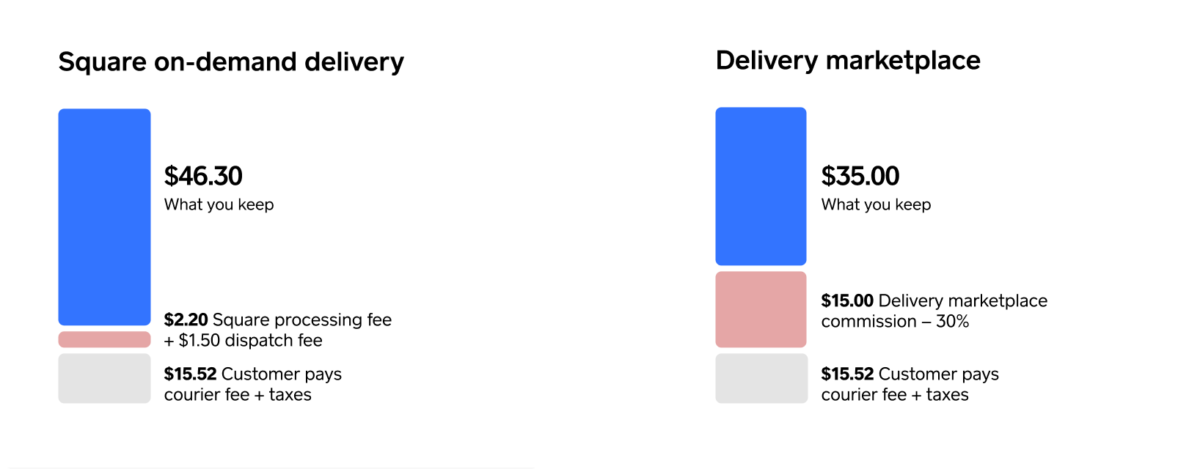
“When everything happened with COVID, the feedback we were getting from our restaurant owners was about how they were getting squeezed from delivery apps for the 30 percent commissions plus taking all the tips. We’re a payments first company but we have a focus on software. We realized we could do something about this to help them out,” said Beique.

“So we put together this pilot program to launch online food ordering that would allow them to drive traffic away from those apps towards this platform and keep control of their customer’s experience. That was the big focus. We piloted it with Kinjo Sushi to help us work out the bugs and make sure they were happy with it and now we’re starting to roll it out to more and more customers.”

Online food ordering is automatically included with every Helcim account for no additional fee. Helcim is currently waiving its $20 monthly fee for six months to help businesses get back on their feet in the wake of COVID-19.

“Essentially the idea is they create a link on their website where they primarily direct pickup orders and curbside orders and the customers can either go to that website or use it on their mobile phone. It feels similar to other delivery apps where you see the full menu and you quickly add items to your cart,” said Beique. “But they keep full control. It’s really keeping the full control over the customer experience. So they see all the customer’s contact information, they can build that relationship with their customers and really maintain control which is important.”

He said Kinjo rolled the initiative out to all six of its Calgary locations on Father’s Day. They did more than 1,200 orders on Father’s Day weekend through the system and just one location alone did $8,000 in sales.

“If you do some quick math on that at would typically be 30 percent commission, that means that just on one day alone that’s $2,400 back in their pocket on top of that tip. Restaurant owners work really hard. They deserve to keep their revenue. They deserve to keep their own tips. And that’s the impact of them being able to retain that control and not give all that business to the delivery apps,” said Beique.

“We're so happy to be working with Helcim. Every day means hundreds of dollars saved, and tips that go back to our hardworking staff,” said Mark Wang, Vice President & Co-Owner of Kinjo. “By having our own food ordering website, we get to directly create lasting relationships with our customers.”

Canadian Consumers Eager to Visit Stores & Restaurants Again: Study

WAITER WALKING AMONGST TABLES IN A QUIET RESTAURANT

Canadians are ready and eager to visit stores again as retailers across the country reopen their places of business amid the COVID-19 pandemic.

And it’s obvious they have missed certain popular destinations over the spring when businesses were shut down due to fears that the coronavirus would spread.

Canadians Ranked Restaurants and Bars Above all other Retail Sectors in Terms of ‘Most Missed’

A consumer survey by the International Council of Shopping Centers found that restaurants, bars, or other eating places were the top venues missed during lockdown by 68 percent of consumers followed by shopping centres (54 percent), physical stores to buy goods (51 percent), personal services (40 percent), and movie theatres (36 percent).

“As businesses begin to slowly reopen after closing due to the COVID-19 outbreak, the reality about the “next normal” for consumer spaces is emerging. Following the pandemic, the retail real estate industry should expect consumers to visit physical establishments again, but take a slightly more cautious approach,” said the Industry Insights report.

Other key findings include:

  • Two-thirds (66 percent) of consumers would feel comfortable visiting brick-and-mortar stores within two months or sooner once the immediate crisis is over;

  • The majority of adults (66 percent) say they will make the purchases they had planned but could not because of the pandemic;

  • As of now, 55 percent of Canadian consumers say they have no plans to cut back on spending, or will do so for only five months or less;

  • About four-fifths (78 percent) of consumers say this crisis made them more aware of the importance of small businesses in their communities and will likely support them more in the future;

  • Over two-thirds (69 percent) of consumers will limit direct contact with other people as much as possible;

  • Consumers are most interested in seeing frequent cleaning/ sanitizing (67 percent), more hand sanitizer and disinfecting cloths (57 percent), measures facilitating social distancing (57 percent), staff training on hygienic protocols (50 percent) and occupancy limits (50 percent); and

  • Less than one-third (32 percent) of Canadians believe economic conditions will improve over the next 12 months.

The Survey Showed a Correlation Between Demographics and Retail Sectors

Michael Kehoe, Lead Ambassador in Canada for the New-York based ICSC, said the survey highlights several important factors in Canada related to an economic recovery and anticipated consumer shopping preferences and behaviour as many economies across the country reopen.

“The generations in Canada are clearly split with Baby Boomers having missed going to restaurants and personal service establishments more than Millennials and Generation X. The Millennials missed the gym and movie theatres more than other generations and Gen Xers missed being able to stay in hotels and visit tourist sites. ICSC confirms that Canadian consumers remain cautious about venturing out but a high number plan to visit bricks and mortar stores for non-essential purchases as soon as possible, in fact that is their top priority,” said Kehoe, a veteran of more than 40 years in the industry and broker/owner of Fairfield Commercial Real Estate in Calgary.

“Additional ICSC Insights indicate that 51 percent of Canadians believe that economic conditions 12 months from now will be worse with only 23 percent of those in the Prairie Provinces believing that economic conditions will have improved 12 months from now. Such low levels of consumer confidence are a concern in consumer real estate circles where the recovery is expected to see a gradual improvement over time. Millennials and Gen X will lead the way in spending with physical stores, restaurants, and bars according to the ICSC.

“Bricks and mortar stores rated high on the ‘Comfortable to visit’ scale. Malls and open-air shopping centres also scored high on preferred shopping venues to frequent after the COVID-19 crisis subsides. Consumer sentiment at 78 percent being more aware of the importance of small business in Canadian communities is a positive sign as small business will lead the way within any post lockdown recovery.”

Kehoe said the importance for retailers, brands, shopping centres and their owners to have a social conscience with actual related programs and activities is highlighted within the ICSC Insights where 73 percent of consumers will be more likely to purchase from firms that acted responsibly and helped comminutes and first responders during the COVID-19 outbreak.

“I have stated throughout the crisis that in the court of public opinion, consumers will vote with their feet and their wallets where they will shop and that socially conscious brands will benefit,” added Kehoe.