Retail Insider is streamlining its Canadian retail news from around the web to include a handful of top news stories that can be viewed quickly during the day. Here are the top stories from the past 24 hours.
Italian luxury menswear brand Isaia has opened its first standalone Canadian store in Toronto’s Yorkville area. In an in-person interview, CEO Gianluca Isaia told Retail Insider that the brand is looking to also open a store in Vancouver.
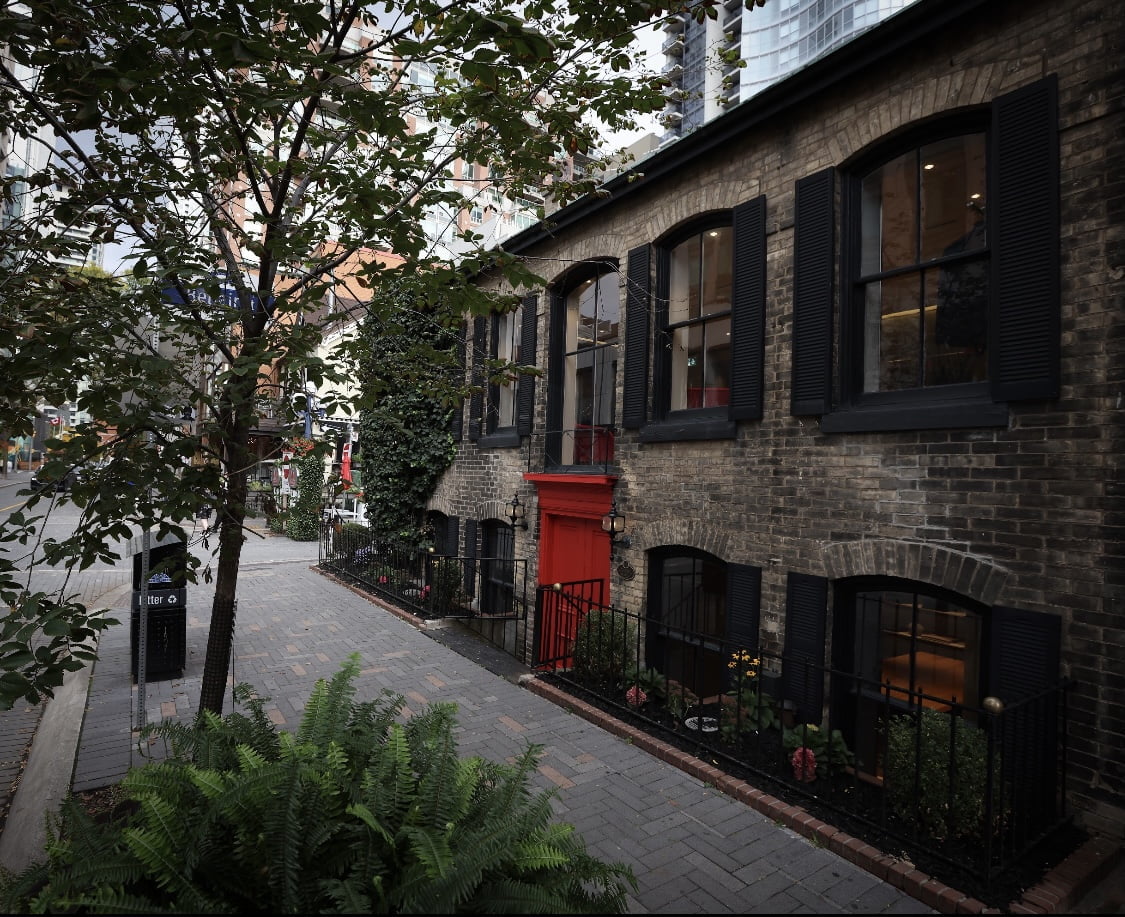
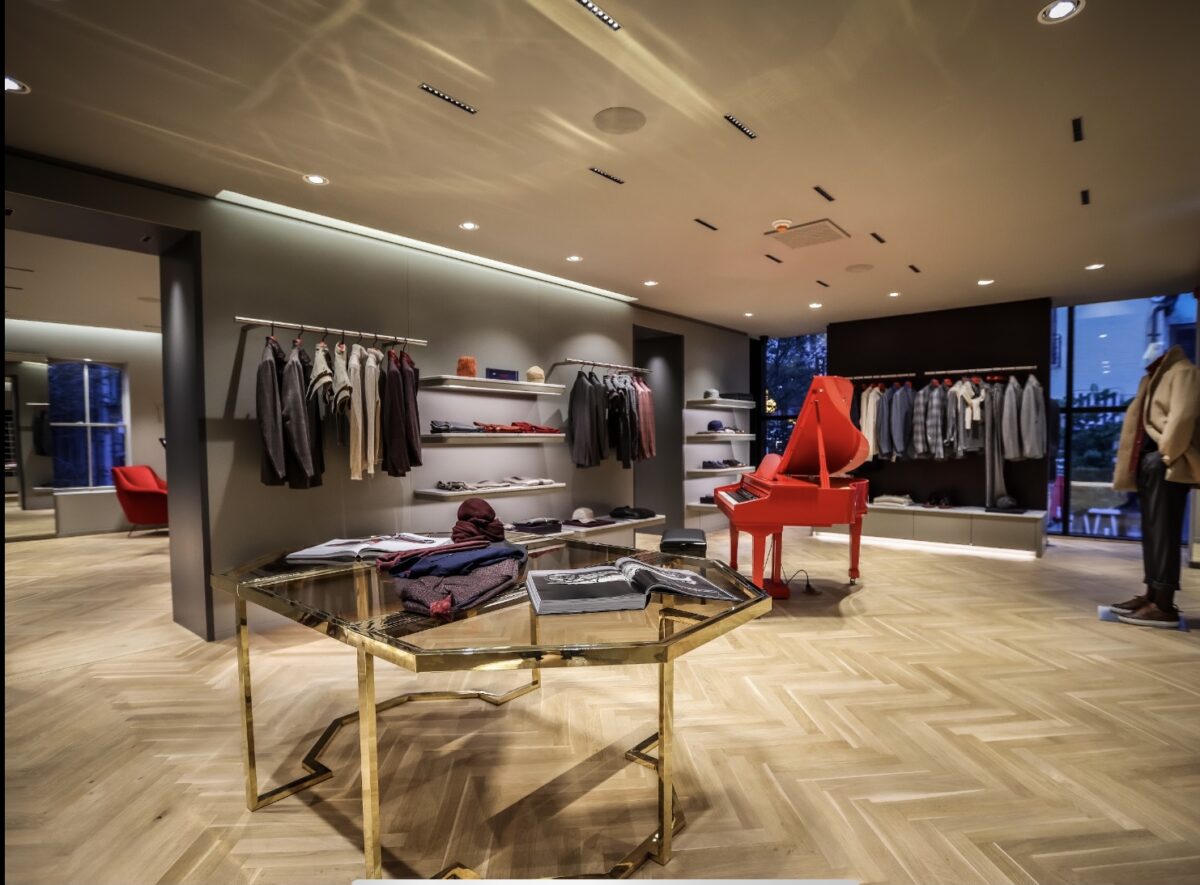
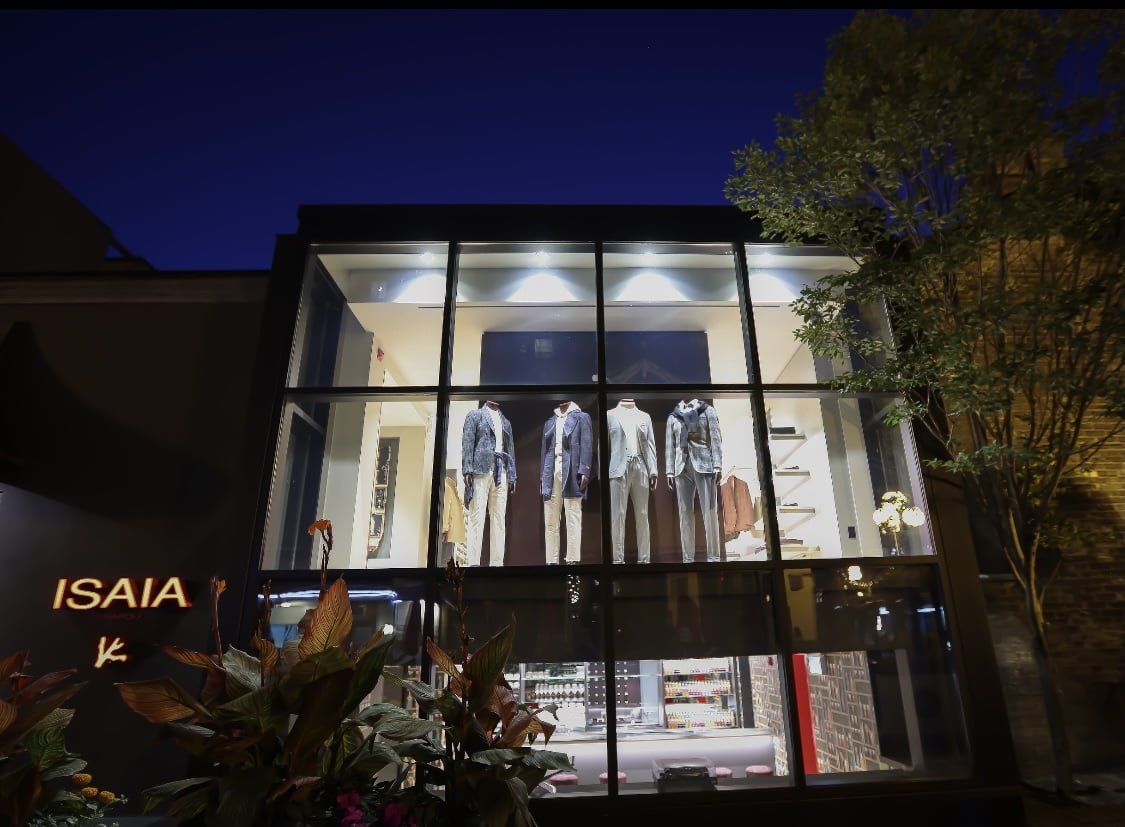
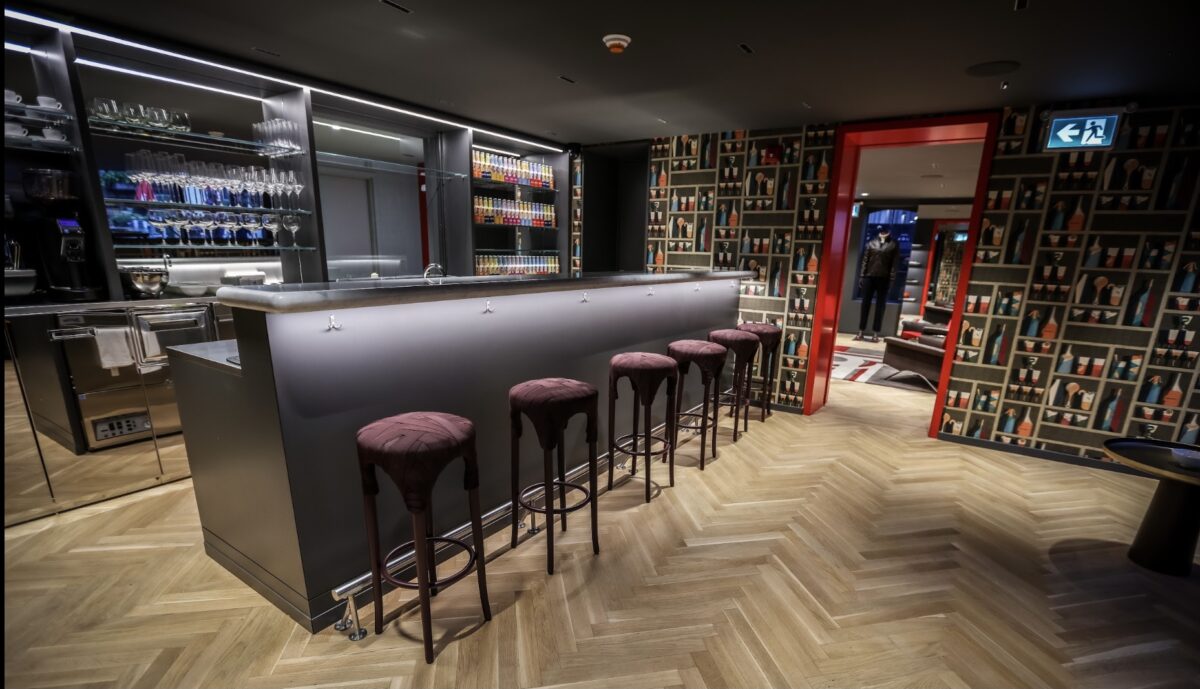
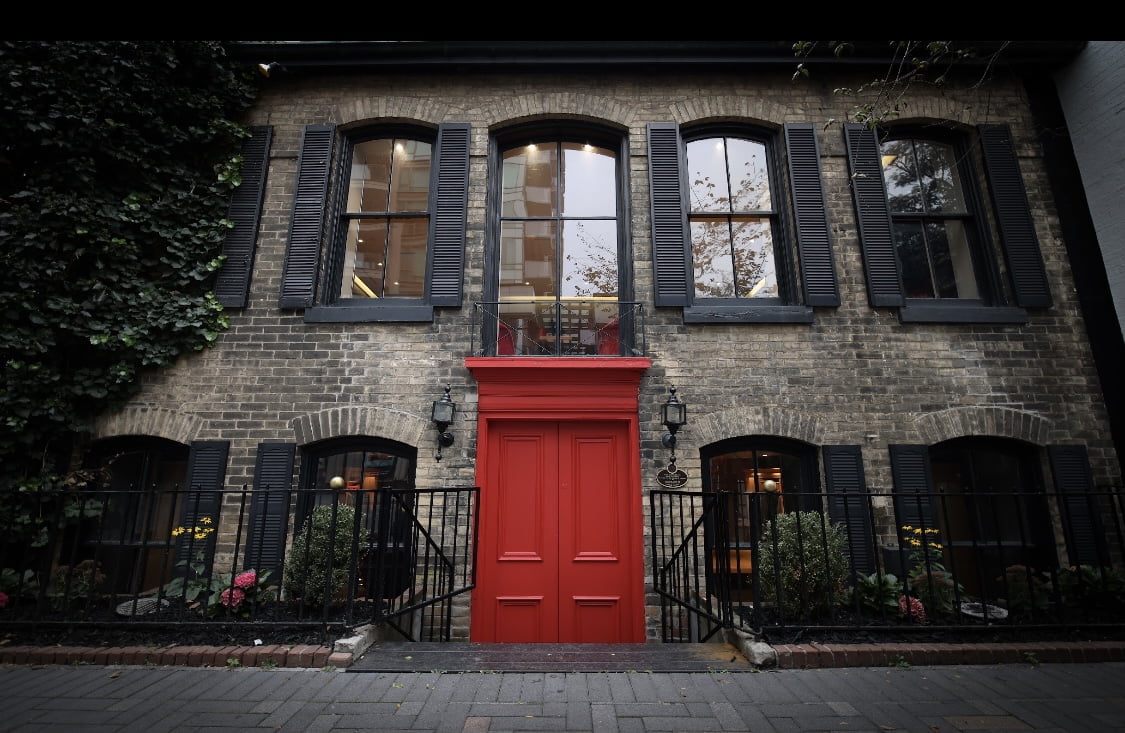
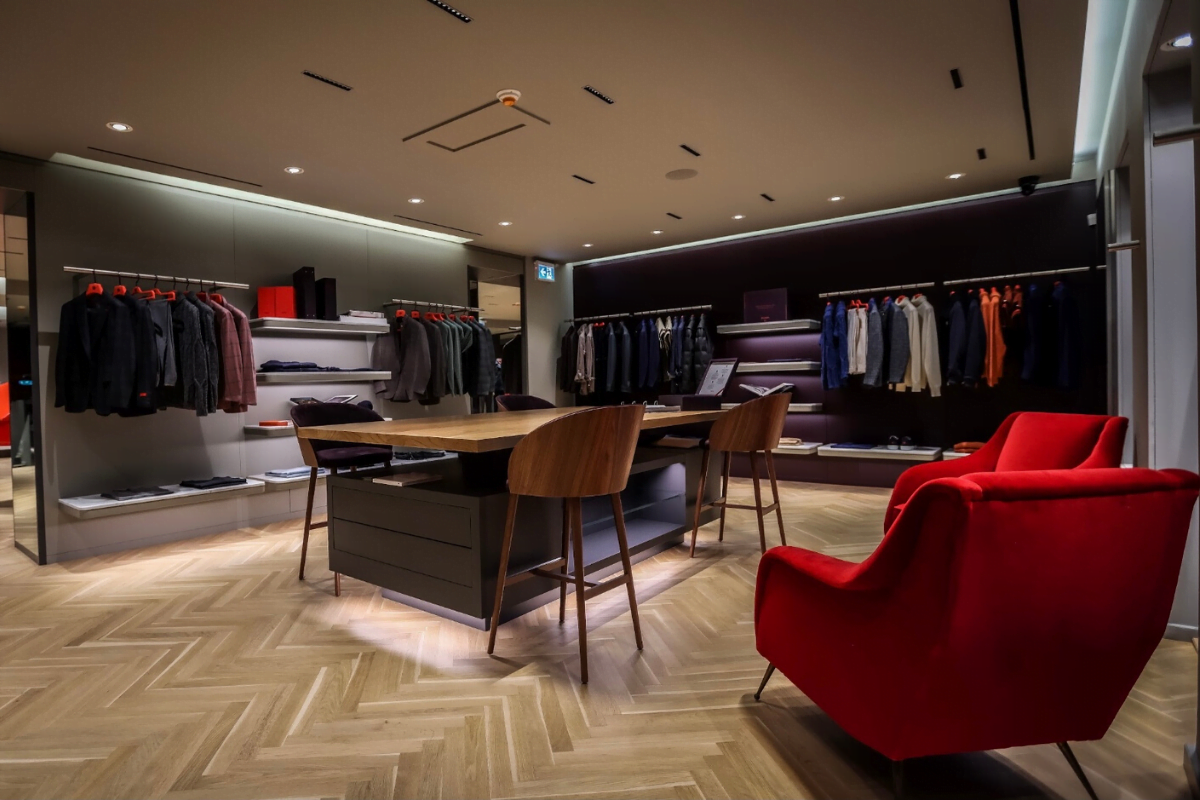
The Toronto flagship opened in a unique heritage building at 77 Yorkville Avenue in November. An upper level spanning more than 1,500 square feet includes rooms housing the brand’s range of ready-to-wear, made-to-measure clothing, leather goods, accessories and footwear as well as a tailor shop. The lower level includes a social space resembling a bar spanning about 800 square feet called the Vesuvius Lounge with windows facing onto Bellair Street.
ISAIA Toronto, image taken from Yorkville Avenue (Image: Daniel Green)ISAIA Toronto upper level (Image: Daniel Green)
Gianluca Isaia
The Yorkville Avenue side of the building was built in 1867 and was originally the house of John Daniels, a constable for the village of Yorkville in the mid 1800s. A contemporary addition provides a juxtaposition in architectural styles while also expanding the space substantially from the size of the original residence.
Isaia replaced women’s fashion retailer Pink Tartan which occupied 77 Yorkville Avenue for about a decade prior to its closure last year. Before that, antique retailer The Paisley Shop operated in the space. Hanna Struever of California-based Retail Portfolio Solutions negotiated the lease deal on behalf of Isaia. The Savills Toronto Retail Team under the direction of Jordan Karp listed the space.
In an interview, CEO Gianluca Isaia said that he would like to open a second Canadian Isaia store in Vancouver, noting the strength of the market. Similar to Toronto, the brand would seek out a unique retail space ideally with heritage elements and other unique design features — globally, many of Isaia’s stores are showstoppers such as a location in San Francisco in the city’s only building designed by Frank Lloyd Wright.
ISAIA Toronto, Bellair Street-facing windows (Image: Daniel Green)ISAIA Toronto, Vesuvius Lounge (Image: Daniel Green)
The standalone corporate stores are meant to complement Isaia’s wholesale business in Canada according to Mr. Isaia. Toronto-based menswear retailer Harry Rosen carries the brand, as does Saks Fifth Avenue in downtown Toronto which was open as of December 2021. Luxury multi-brand retailer Nicolas on Cumberland Street said in an interview that he was denied the opportunity to carry the line in 2021 following the announcement of the new Toronto flagship.
Mr. Isaia said that the Toronto market is strong enough to carry the full collection of the brand, noting that it has become a global city with men seeking out luxury finds. The brand is priced at the high-end with suit jackets in the $3,500-$5,000 range, sweaters typically in the $1,000-$1,700 range, dress shirts are priced from $500, and trousers that start at about $675.
ISAIA Toronto, Yorkville Avenue doors (Image: Daniel Green)ISAIA Toronto, upper level ready-to-wear salon (Image: Daniel Green)
The brand is recognized by its tiny red coral logo which is considered to be a good luck charm in Naples. Isaia was founded by Enrico Isaia in Naples, Italy in 1920 as a fabric store. In 1957, brothers Enrico, Rosario, and Corrado Isaia relocated the business to a village near Naples and converted the brand to a men’s tailoring company. The business continues to be family run with 18 stores operating globally as well as stockists in some of the world’s most prestigious multi-brand stores.
Mr. Isaia said in the interview that the brand would look to continue opening stores globally as part of its expansion and that it would examine other markets in North America including Vancouver. A location in Chicago opened several months ago on prestigious Oak Street in the city’s Gold Coast which some compare to Yorkville in Toronto in terms of retail offerings and high-density affluent demographics.
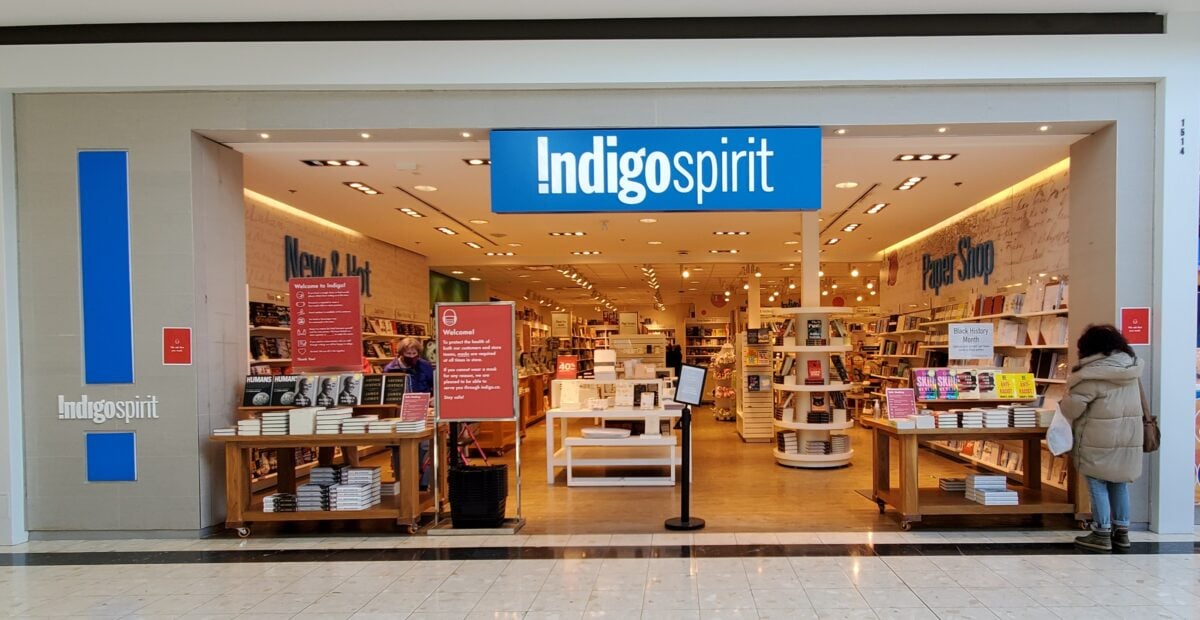
Indigo becomes the first book and gift retailer on Uber, with over 70 locations available on the app across Ontario, Alberta, British Columbia and Quebec.
Andrea Limbardi, Chief Digital Officer at Indigo, said the retailer puts a strong focus on trying to make customers’ lives easier, “trying to make our customers’ lives more joyful’.
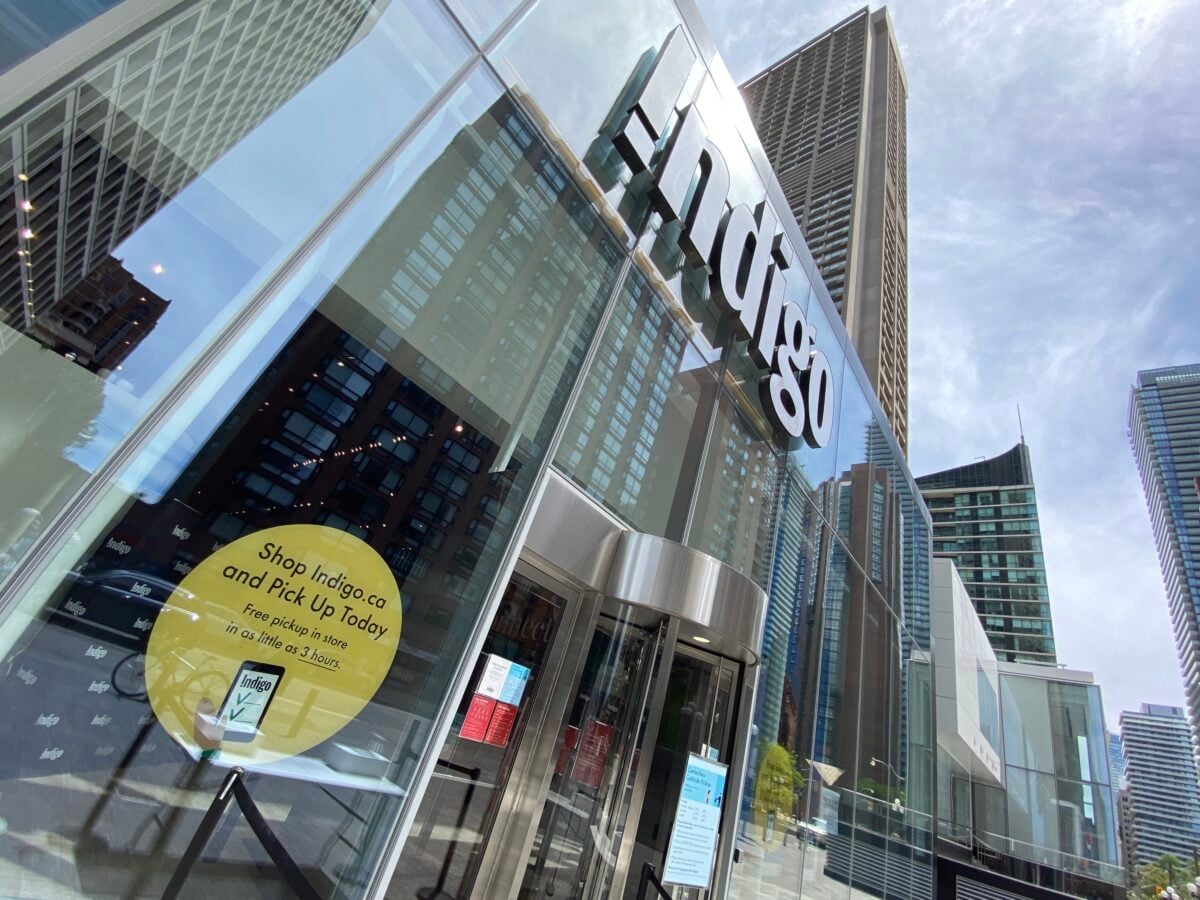
Indigo at Manulife Centre in Toronto – Photo by Dustin Fuhs
“And we hear from our customers that they’re incredibly busy, especially our busy parents who have so much going on. Kids to get to school, kids to help with homework, meals to put on the table. And the more convenient options we can give them in order to find the best books and gifts, the better,” she said.
Andrea Limbardi
“With our partnership with Uber, we can have their order to them in sometimes less than an hour. So really adding for them that incredible convenience.”
She said the orders are fulfilled directly from the stores locally which is why they can be shipped as quickly as an hour.
Indigo also has a partnership with Instacart which it launched a year ago which offers a similar service in all provinces across Canada where the retailer has stores.
Indigo Spirit at CF Richmond Centre. Photo: Geetanjali Sharma
Limbardi said the company’s growth in the digital area has been “outstanding” in the past two years.
“We have seen customers come to us in great numbers since the start of COVID for sure but even before then. Our customers, of course, over the course of the last couple of years have become so digitally savvy and we offer many conveniences on our digital platforms,” she said. “Whether it’s this same-day delivery, we also have ship to store and curbside pickup and obviously ship directly to customers’ homes.
“We just finished our second quarter a couple of months ago where our online sales were at 85 per cent above pre-COVID fiscal 2020 and we’re continuing to see strong results there.
“For us at Indigo, certainly our customers have been loving our online experience. One of our key strategic initiatives is around modernizing our digital platforms. So over the next two years we’re investing significantly in the modernizing of all of our digital platforms and with optimism and confidence that our customers are going to continue to choose shopping with us in an omni way because it’s not just about e-commerce or our store network. It’s how they come together and how that experience is easier, better, more seamless for our customers. So we’re investing in it from a full 360 perspective.”
UBER EATS APP OPEN ON SMARTPHONE
Indigo joins other national grocery and retail partners as part of Uber’s global goal to help people around the world go anywhere they want, and get anything they need. Last year, Uber shifted gears to bring grocery, convenience, prescriptions, personal care, alcohol, and more local commerce into the Uber Eats app alongside restaurants. Uber is currently partnered with over 400,000 retail shops and restaurants in more than 6,000 cities across 45 countries and six continents.
Lola Kassim
Lola Kassim, General Manager for Uber Eats Canada, said the partnership is an example of the company’s commitment to continue to innovate and build new partnerships so that Canadians can get anything more easily and faster than before.
“We’re really excited with this partnership, especially Indigo which is a beloved retailer for many Canadians. It is now going to be available through the Uber Eats. At Uber Eats, I think a lot of people would have noticed over the past couple of years, what we’ve been doing is really expanding beyond just being an app you go to get food when you’re hungry,” said Kassim. “We want to be the app that you go to when you want to get just about anything when it comes to local commerce.
“Over the last year we acquired Cornershop which is our grocery service. Now we’re expanding into categories beyond food and grocery . . . For us it’s just another way that we are expanding into that world of being the app where you can get anything.”
The new initiative is quite simple:
Step 1: Open up the Uber or Uber Eats app, and tap Grocery, or open up the Cornershop by Uber app.
Step 2: Select Indigo to view the catalog and available items.
Step 3: Add books, toys and gifts to your cart and check out.
Step 4: Sit back and relax while your books, toys and gifts arrive in as little as 90 minutes.
Indigo shoppers with an Uber Pass will receive $0 delivery for orders over $40.
“When we started it was just about ride sharing. Uber was the place where you tap a button, get a ride, move from A to Z. Then over the last several years of course Uber Eats has grown and I think we’ve really seen, particularly, through the pandemic, how much people are excited about the convenience of being able to order anything through an app. And we’ve also seen how merchants really benefit from having those extra avenues of revenue when people are able to be connected to the services and their goods through our technology,” said Kassim.
The service has expanded into many different areas like alcohol and in Ontario cannabis products.
“We will continue to see new innovative ways that we’re looking at expanding what people can get using technology,” she said.
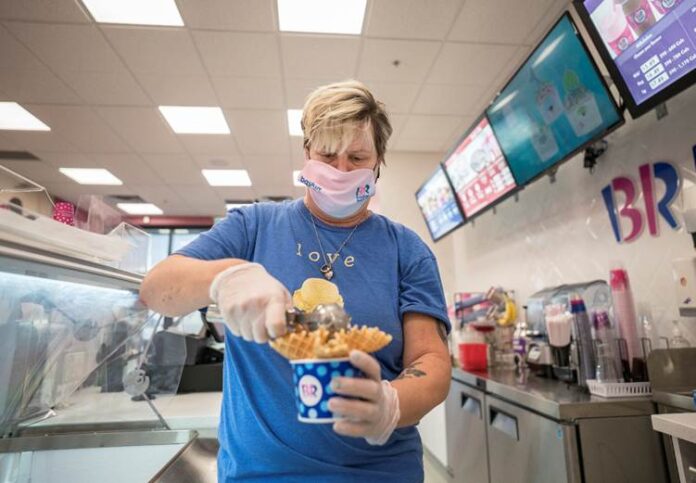
Kelly Wilson, Baskin-Robbins franchisee, opens the doors to the brand’s newest location at 2620 Simcoe Street North in Oshawa, Ontario, November 2021.
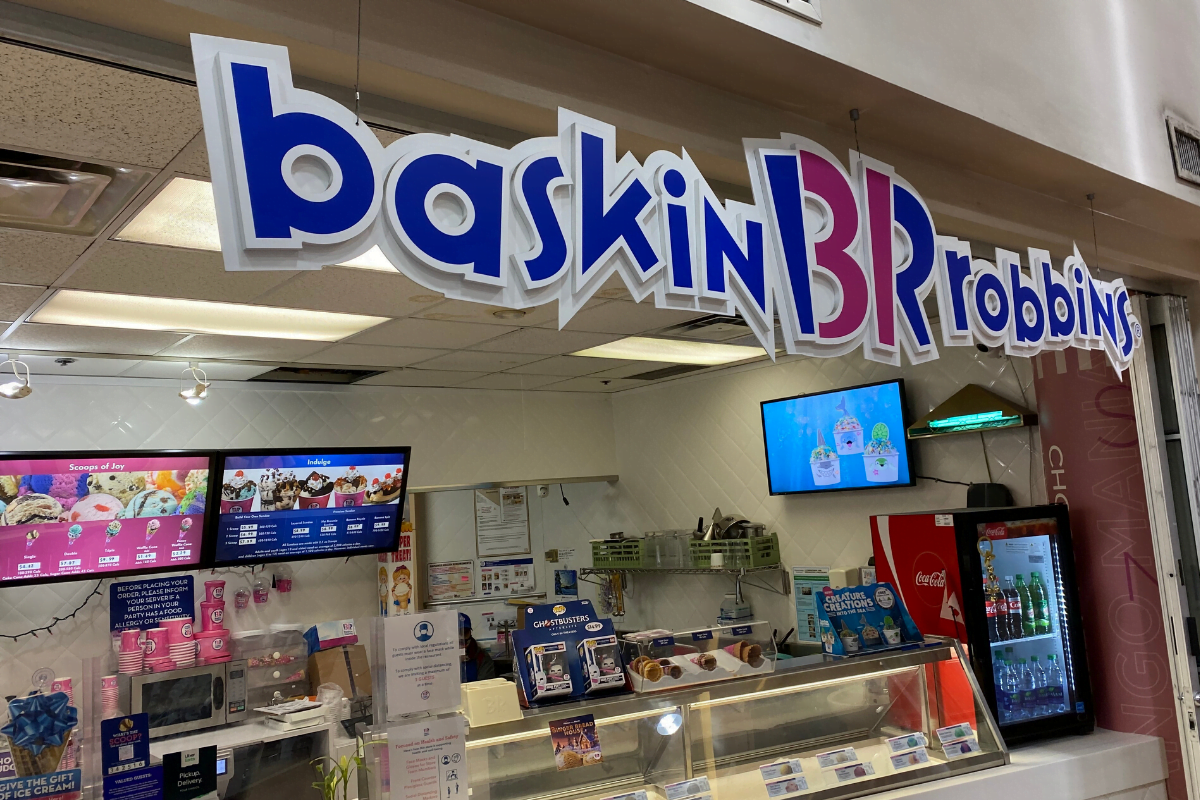
Baskin-Robbins recently opened a new shop in Oshawa, Ontario, its 106th location in Canada, as the brand continues to expand in the Canadian marketplace with big plans next for the Vancouver area.
Natalie Joseph, Senior International Field Marketing Manager for Baskin-Robbins Canada, said the company for 2022, 2023 and beyond has brought on a franchisee who is going to be developing in the British Columbia market, predominantly in the Greater Vancouver Area.
“This gentleman has just signed on a 15 store development over the next two to three years and the first shop is going to break ground in March with a planned opening of April or May,” she said.
Baskin Robbins at Village by the Grange (Image: Dustin Fuhs)
“Then in Ontario we have a franchisee that is committed to opening 11 stores in the Toronto area, actually more in Mississauga. He’s just opening his second store of the 11, it’s already to go, they’re just waiting to get the green light from the city. That is tentatively opening the beginning of this month or the start of January.”
Currently, the brand has five locations in Vancouver.
“Years ago Vancouver was a much stronger market for us where we had a number of traditional stores and that just kind of went to the wayside over the years. I really don’t know why but we’re looking at it almost like a new market entry where there’s so much potential. That’s why we’re refocusing on the Vancouver market,” said Joseph.
“We just recently did this with Ontario as well. We opened it up. Invited franchisees to explore different locations, different areas we’re interested in growing and developing in.”
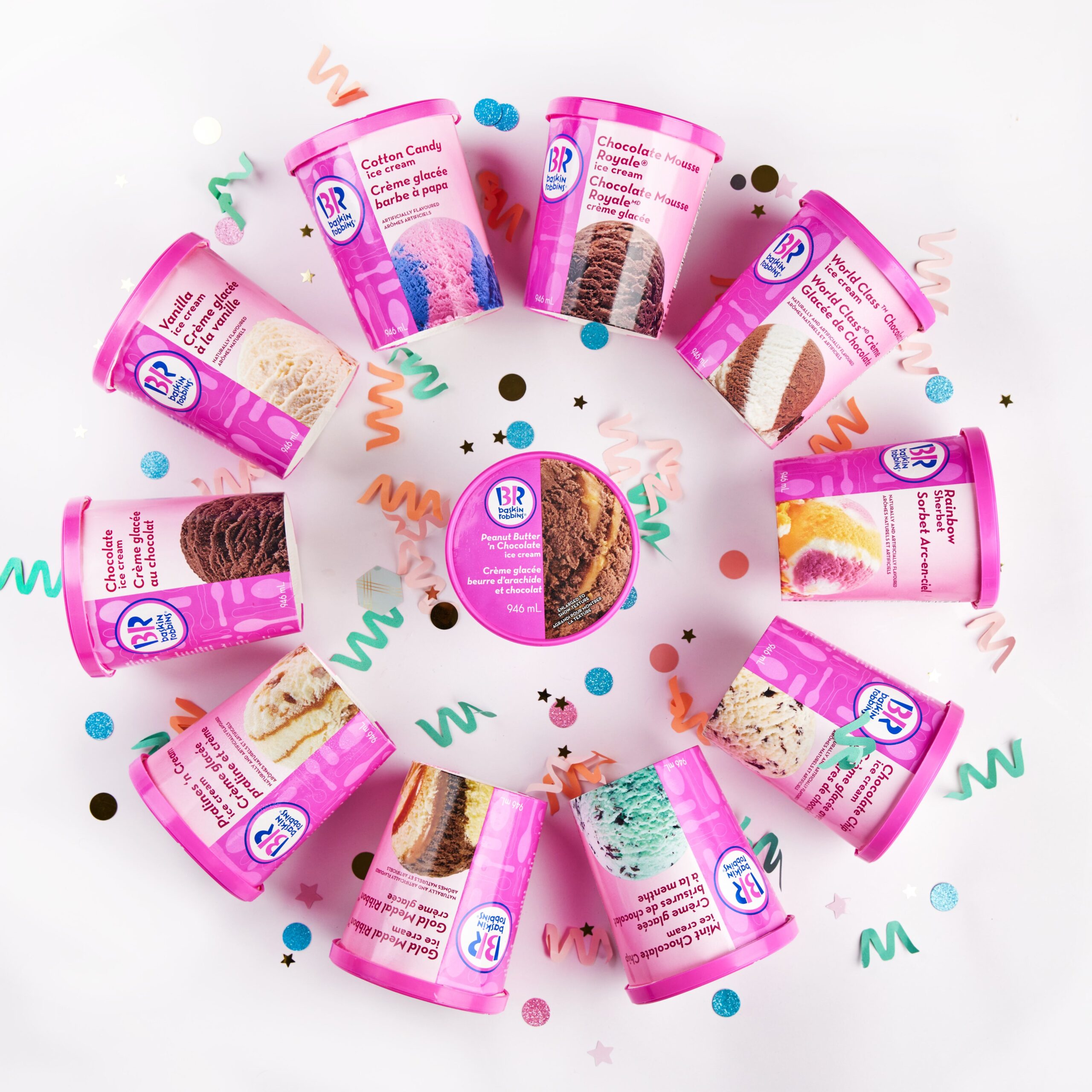
Image: Baskin-Robbins Canada
Image: Baskin-Robbins Canada
“We accomplished that. Now that we’ve secured a franchisee that is opening up 11 stores in Ontario that’s great. Now our focus is on Vancouver.”
The first Baskin-Robbins in Canada was opened 50 years ago this year in downtown Toronto at Eglinton Avenue and Bathurst Street and it is still open today.
Some may wonder how an ice cream shop can be successful in a northern environment such as Canada with its cold climate for several months of the year.
Joseph said she is often asked this question. The general mindset is lining up ice cream with warm summer evenings or that sunny Sunday afternoon on the way to the park.
“I have to say that when I joined the team almost eight years I too asked the question: How do our shops remain open through the winter months? Baskin-Robbins was a company that was born out of California so it sort of makes sense year-round,” said Joseph.
Image: Baskin-Robbins Canada
“What I quickly learned is that our cake business always has been thriving and January and September believe it or not are our two busiest cake months . . . What I learned quickly is that people still have birthdays. People still celebrate. People still want ice cream regardless of what the weather is like outside.”
Baskin-Robbins was founded in 1945 by two ice cream enthusiasts who shared a dream to create an innovative ice cream shop that would be a neighbourhood gathering place for families. Celebrating its 50th year in Canada, Baskin-Robbins operates 106 locations spread across Ontario, Quebec, Manitoba and British Columbia.
More than 300 million people around the world visit Baskin-Robbins each year to sample from the more than 1,300 flavour creations available in its ice cream library, as well as enjoy its full array of frozen treats.
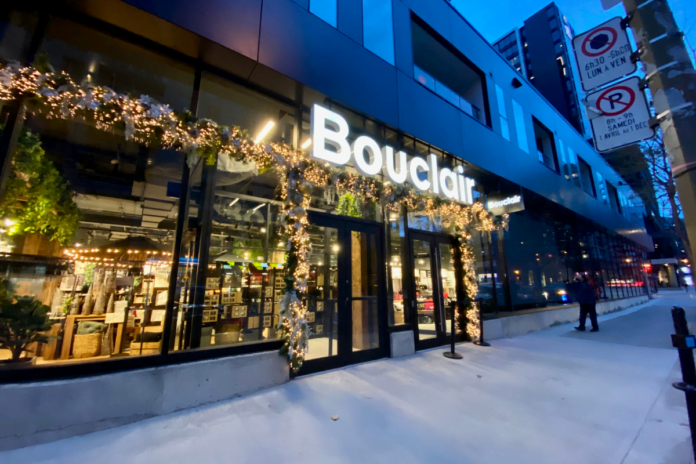
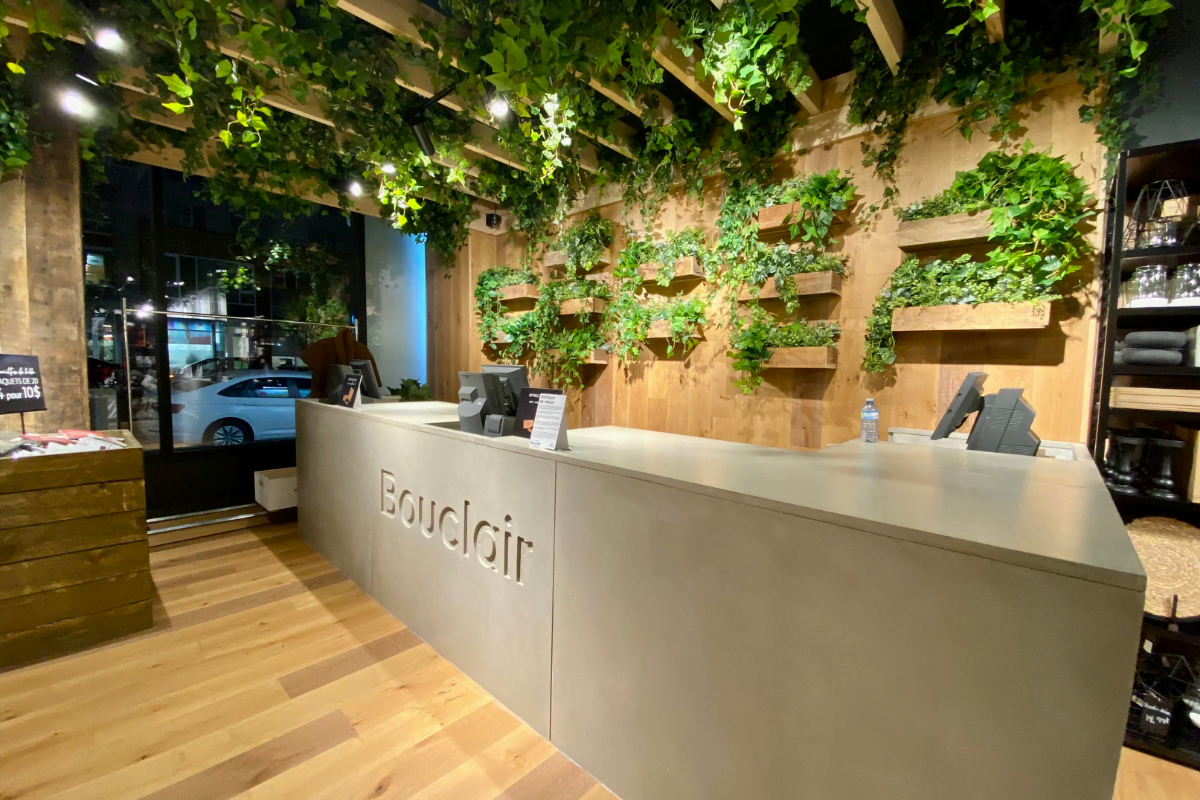
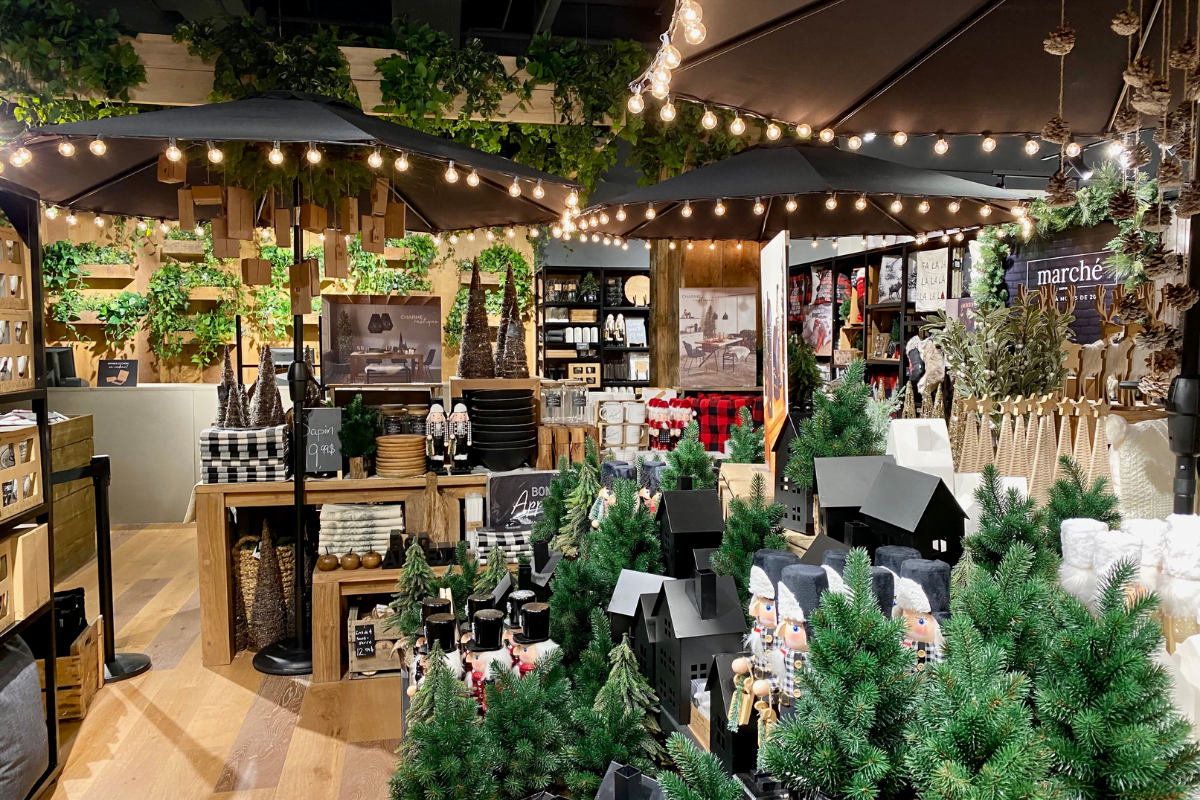
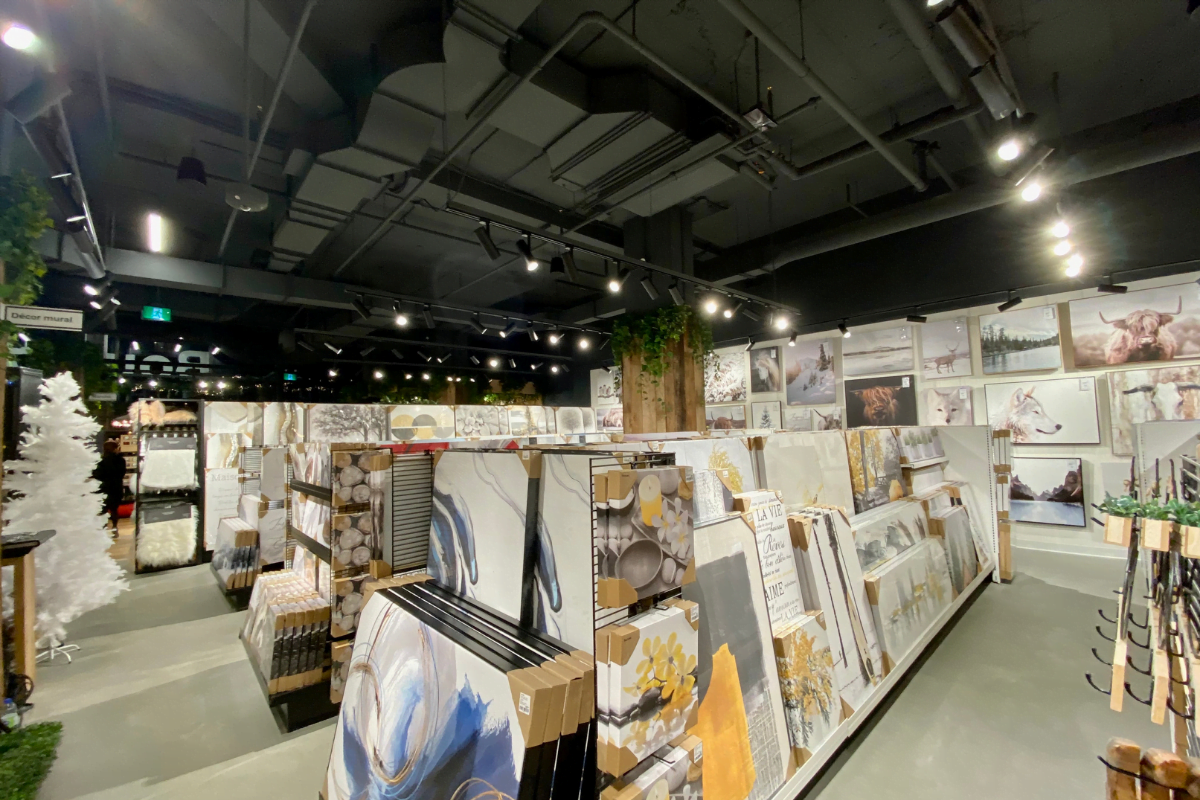
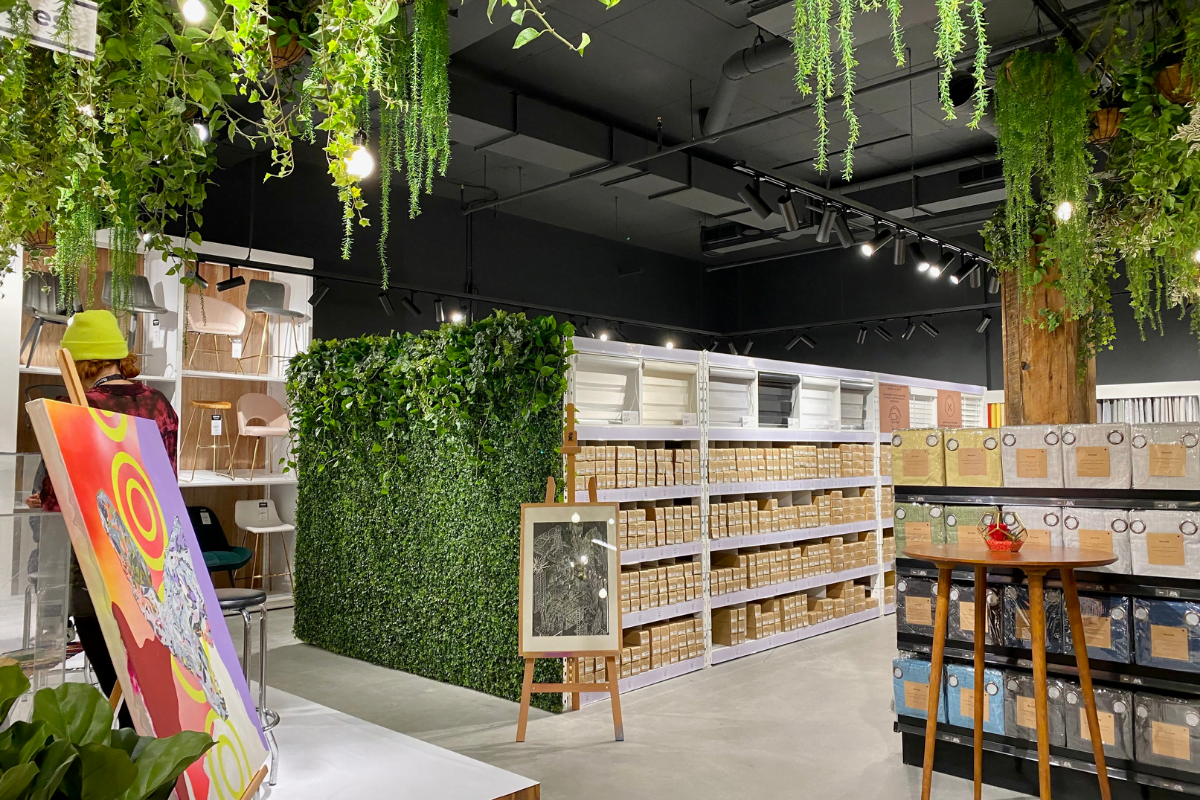
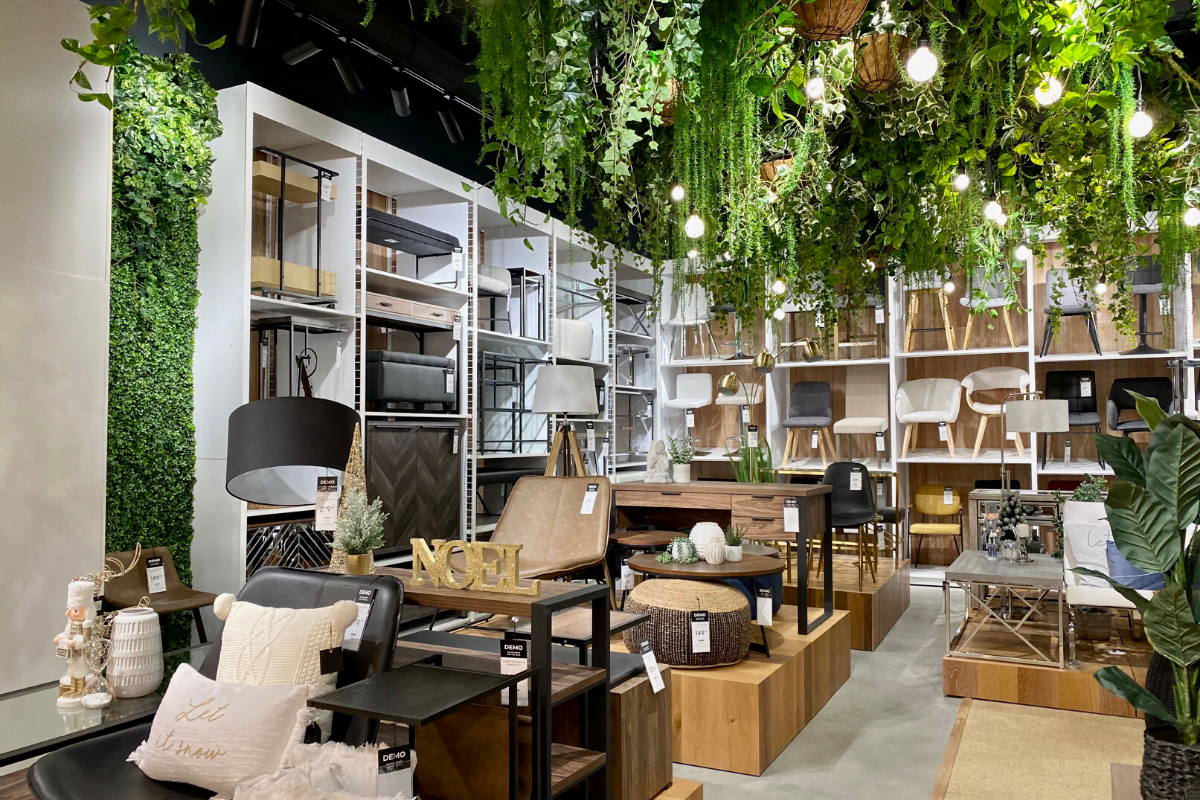
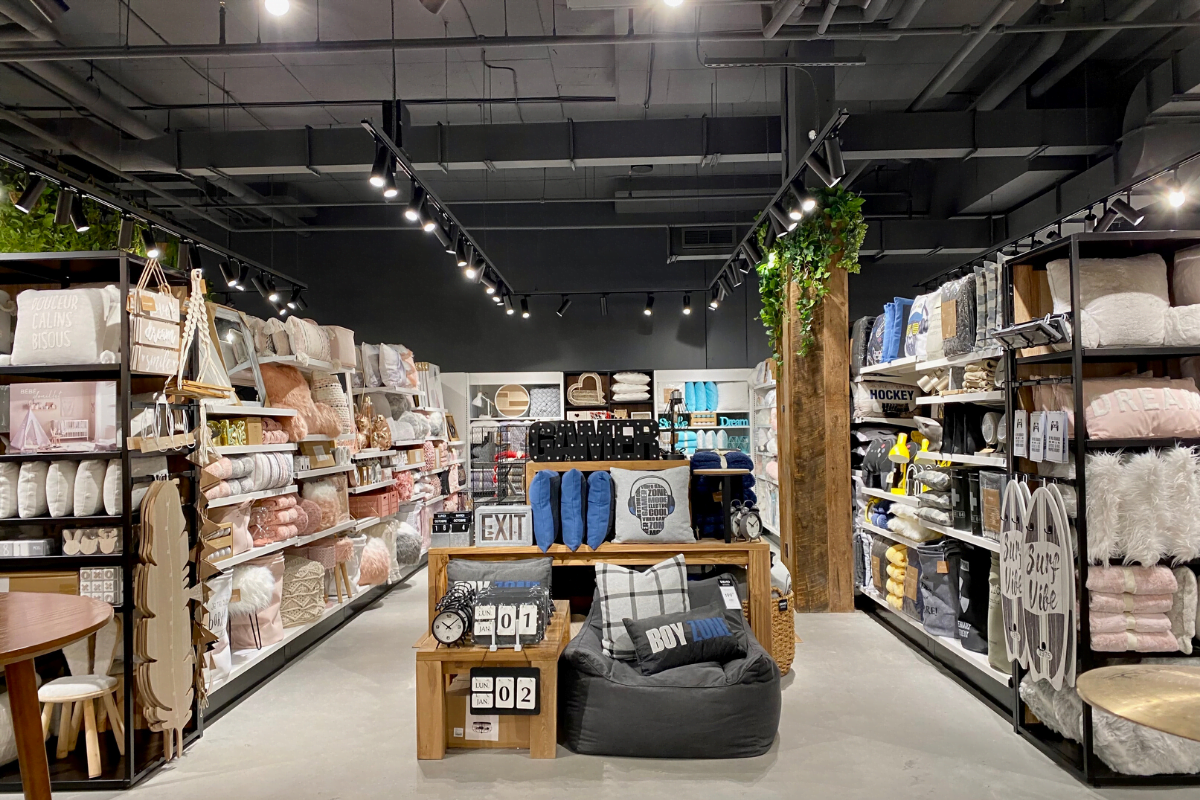
Montreal-based home furnishings retailer Bouclair has unveiled a new store concept in the city’s trendy Griffintown area. Called Gallery B, the store aims to integrate into the community with monthly activations from local artists.
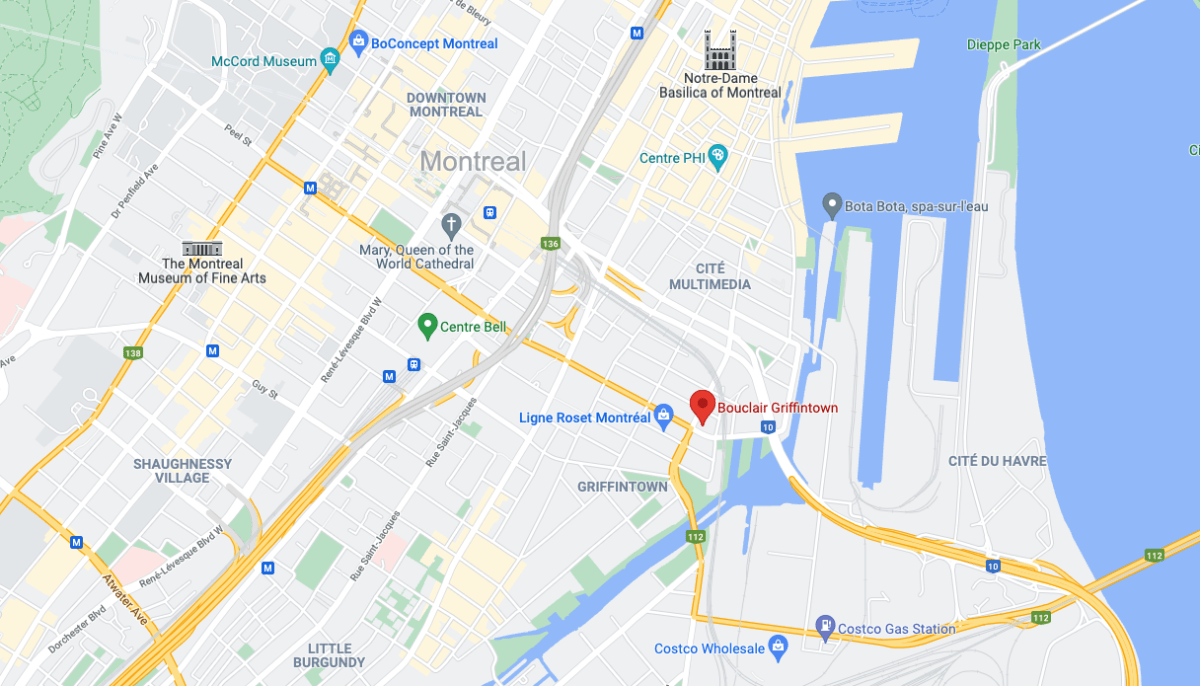
The 10,000 square foot storefront at 1040 Wellington Street (corner of Peel Street) is smaller than typical Bouclair stores. Owner, President and CEO Peter Goldberg said that each month the new space will feature new artists’ creations that will be featured exclusively in the new Griffintown Gallery B store. Until January 2022, visitors will be able to observe the works of art students from Concordia University in the store.
Bouclair Galerie B (Image: Maxime Frechette )Click for Interactive Google Map
Peter Goldberg
Art is a part of the Griffintown neighbourhood and with that, Bouclair added the largest outdoor interactive video screen in Montreal to the exterior of the store which features interactive content by Rodeo FX, a visual effects studio that boasts international success thanks to his work on series such as Game of Thrones and Stranger Things. Passers-by will have the opportunity to navigate interactive content from featured artists on a screen inspired by Times Square.
The layout of the store otherwise includes grab-and-go items at the store’s exit for those passing by the checkouts that Mr. Goldberg refers to as a ‘Market’. About 30 people are now employed in the new Gallery B storefront in Griffintown.
With an average shopping cart of about $100, Bouclair stands out in the neighbourhood that is better known for its high-end furniture retailers. Neighbouring stores include EQ3, West Elm, Must Société, and until recently, Kartell.
It’s the first Bouclair storefront to open near downtown Montreal with its only other store in the city being located at the Central Market, near the Rockland Centre.
Within two years, all Bouclair stores are expected to offer elements of the new Griffintown concept store according to the retailer. Bouclair now has 33 stores in the province of Quebec and 55 in Canada.
Bouclair Galerie B (Image: Maxime Frechette )Bouclair Galerie B (Image: Maxime Frechette )Bouclair Galerie B (Image: Maxime Frechette )Bouclair Galerie B (Image: Maxime Frechette )Bouclair Galerie B (Image: Maxime Frechette )
Retail Insider is streamlining its Canadian retail news from around the web to include a handful of top news stories that can be viewed quickly during the day. Here are the top stories from the past 24 hours.
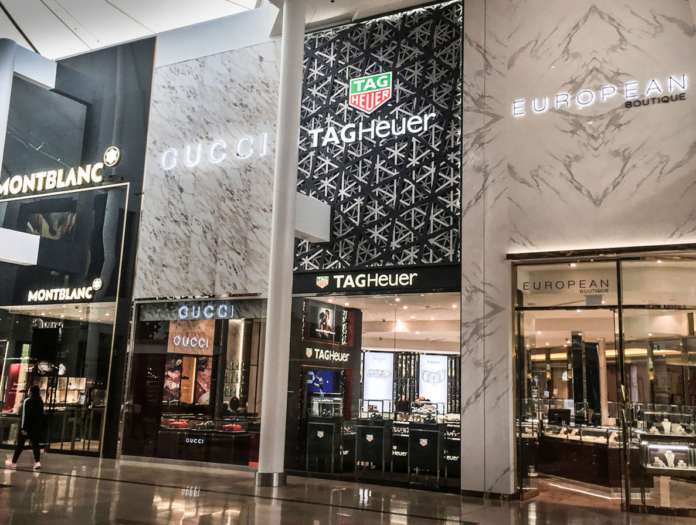
European Boutique at CF Sherway Gardens in Toronto. Photo supplied.
Canadian watch and jewellery retailer European Boutique will renovate its store at the Square One shopping centre in Mississauga with completion set for the second quarter of 2022. It’s part of an ongoing investment by the retailer in its operations in the Greater Toronto Area which includes locations in four major malls.
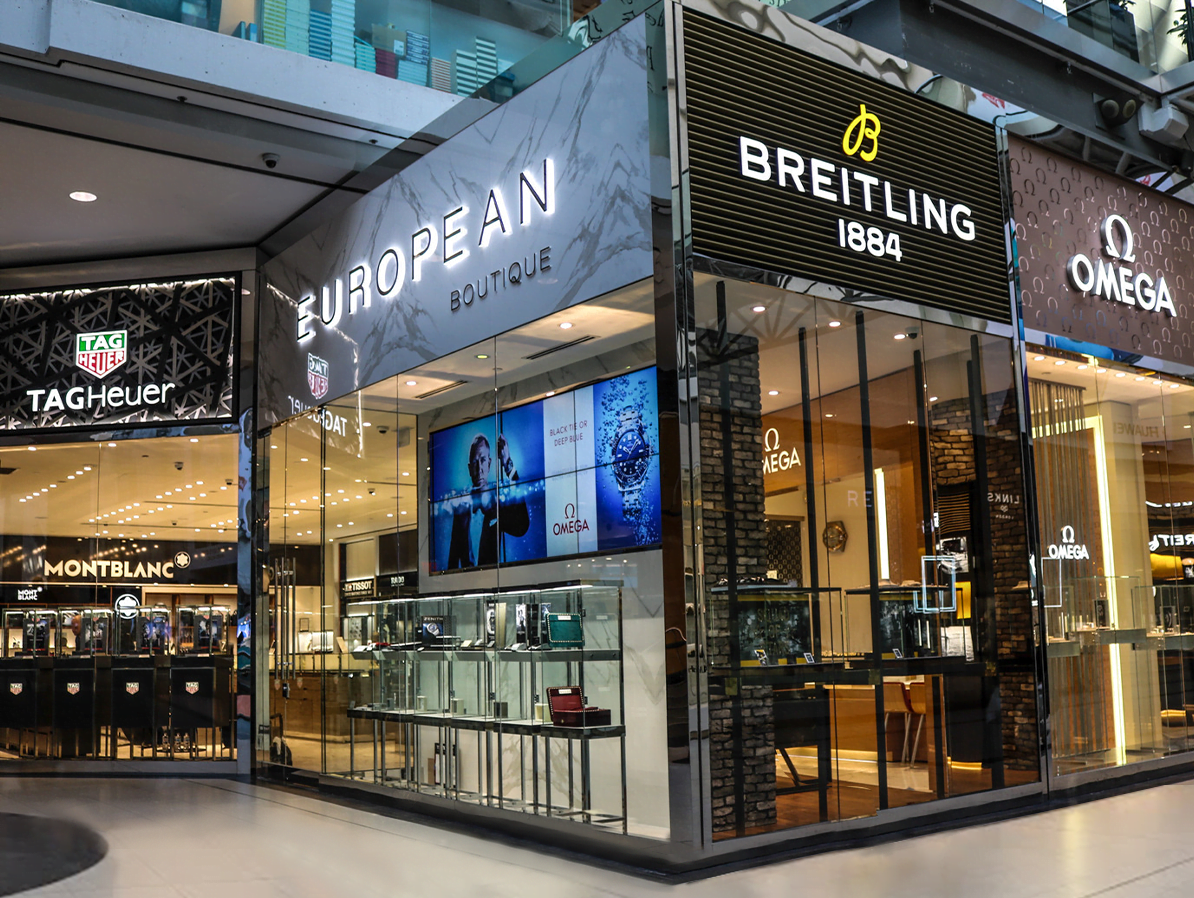
In Mississauga, two new luxury watch mono-brand storefronts will be introduced to the Square One European Boutique for brands Breitling and TAG Heuer. The unique spaces for each brand will resemble those recently introduced by European Boutique at CF Toronto Eaton Centre and CF Sherway Gardens as seen in the photos in this article.
Over the past four years, European Boutique has unveiled several mono-brand boutique concepts to its stores. At Toronto’s Yorkdale Shopping Centre, European Boutique partnered with luxury watch brand Breitling in the summer of 2017 to open Canada’s first standalone Breitling boutique. Around the same time, European Boutique partnered with OMEGA to open Toronto’s first OMEGA boutique next to it.
European Boutique at CF Toronto Eaton Centre. Photo supplied.
At CF Sherway Gardens in the fall of 2017, European Boutique unveiled storefronts for Montblanc, TAG Heuer and Gucci, with the latter two brand stores being unique in all of North America in terms of design. A subsequent renovation of the CF Toronto Eaton Centre location included mono-brand spaces for Breitling, Omega and TAG Heuer.
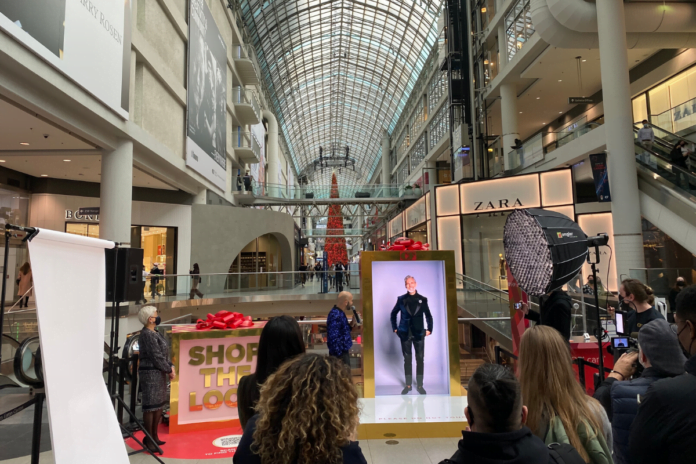
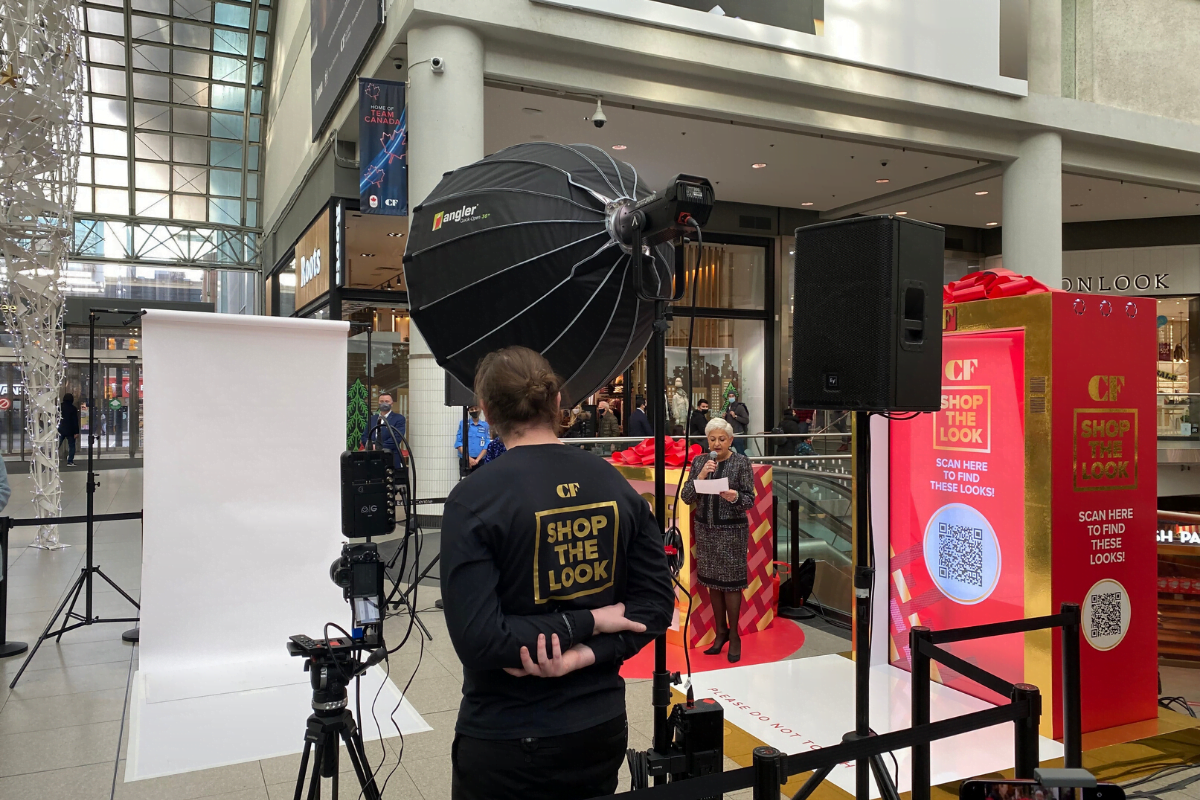
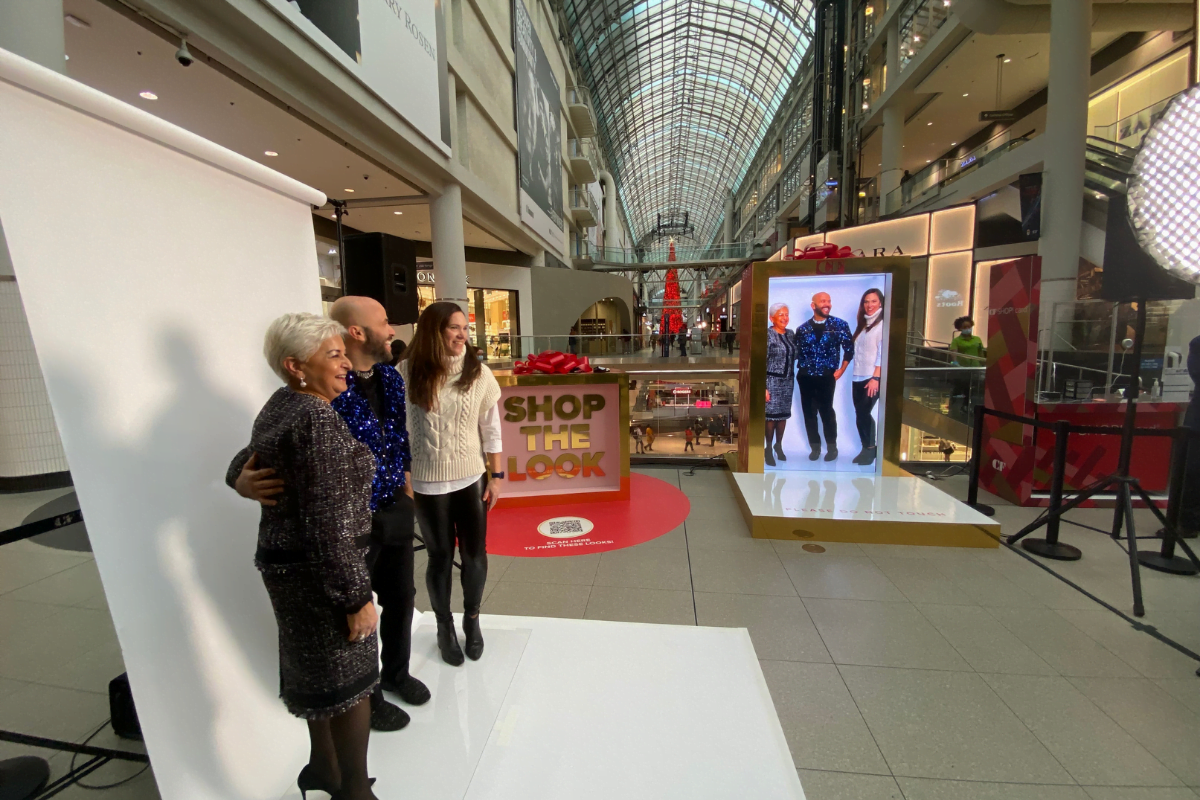
Cadillac Fairview Launches Unique Holoportation Technolgy by PORTL at CF Toronto Eaton Centre (Image: Dustin Fuhs)
Canadian shopping centre owner Cadillac Fairview is launching a unique and innovative holoportation technology, PORTL, at CF Toronto Eaton Centre, which will bring fashion shows to life during this holiday season.
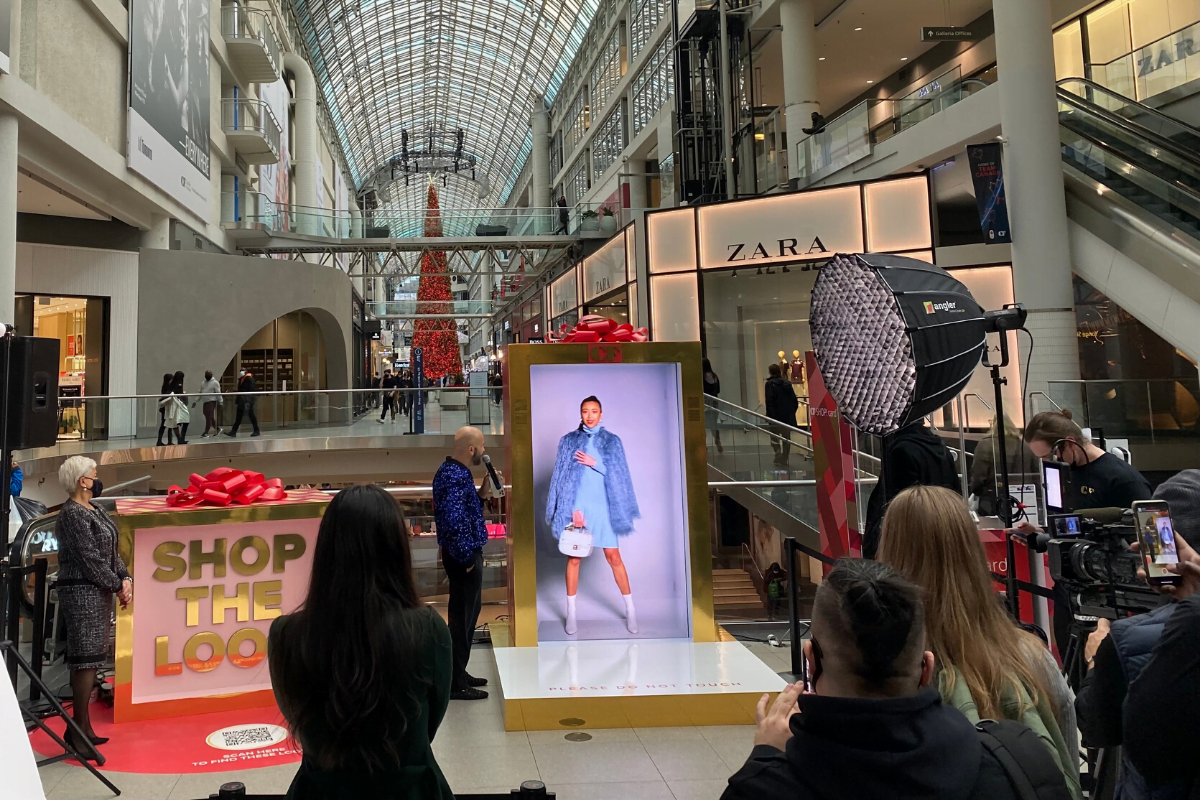
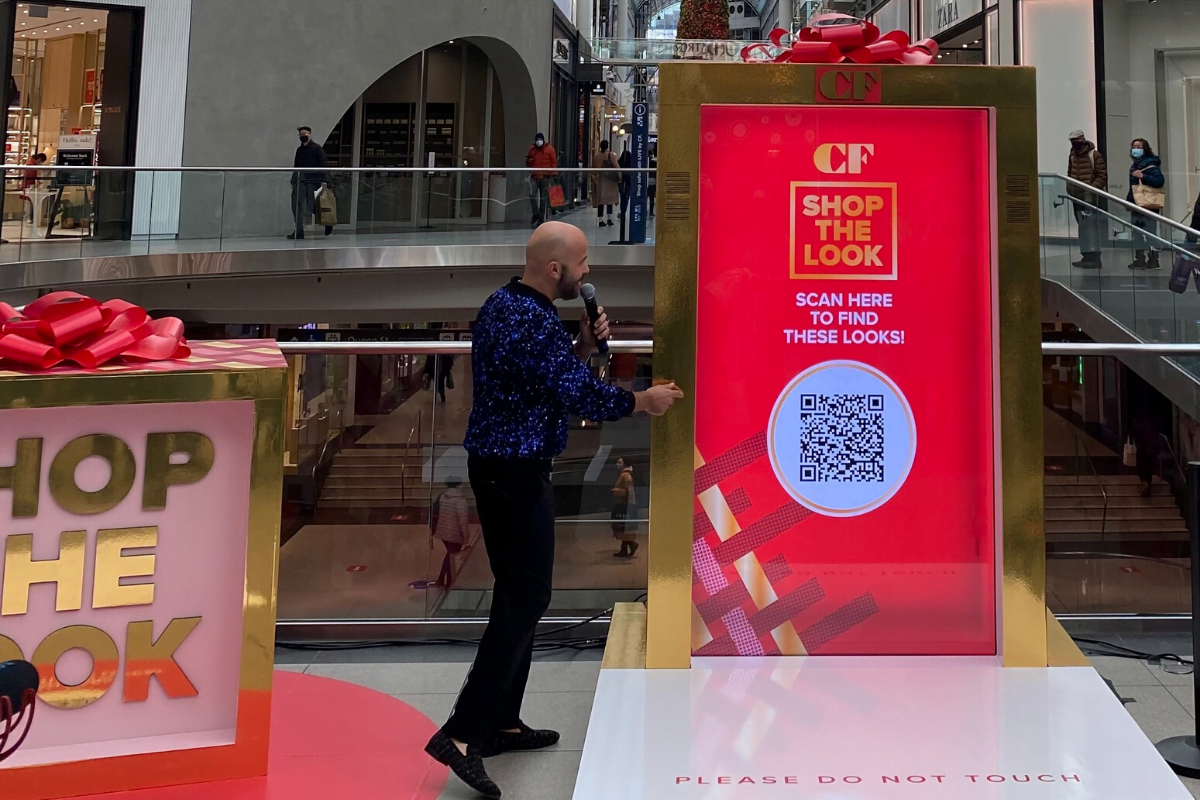
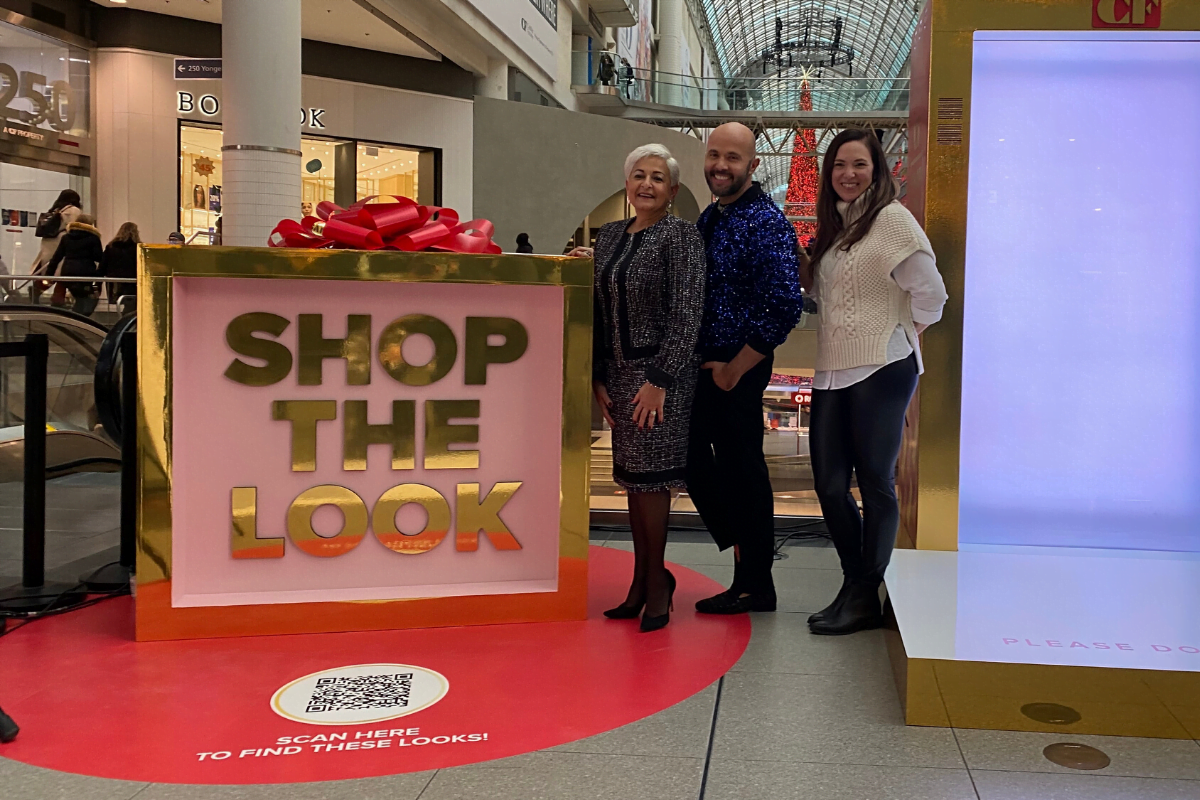
PORTL beams people and places in life-sized, volumetric 4K in real time. CF will showcase this futuristic technology to beam holograms of models for its Shop the Look holiday fashion show at the CF Toronto Eaton Centre and throughout the holiday shopping season via three locations throughout the property.
“With PORTL, CF is investing once again in experiences that drive innovation in the Canadian retail space,” said Andrea Nickel, Director of Customer Experience and Marketing Communications, Cadillac Fairview. “Our customers’ expectations are continuously evolving, which is why we’re always looking for creative solutions to offer our guests the most efficient and inspiring shopping experiences.
“Thanks to the team at PORTL, shoppers will be able to immerse themselves in the latest trends this holiday season with a fun, holographic fashion show and then know where to find those looks at CF Toronto Eaton Centre with an easily accessible digital shopping guide.”
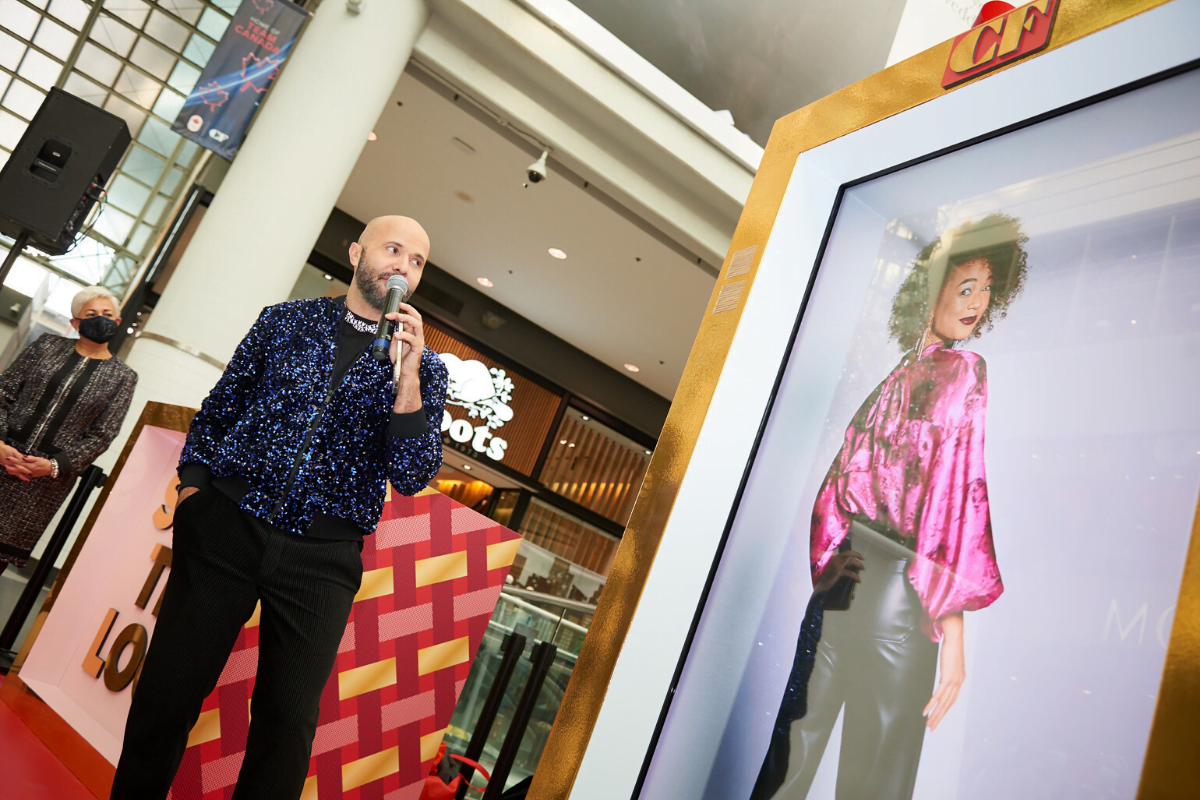
Cadillac Fairview Launches Unique Holoportation Technolgy at CF Toronto Eaton Centre (Image: Dustin Fuhs)
Cadillac Fairview said that for the first time in Canada the groundbreaking PORTL holoportation technology will be on full display at the CF Toronto Eaton Centre for a fashion show unlike any other and a worldwide first, beamed exclusively to visitors at the country’s most iconic shopping centre.
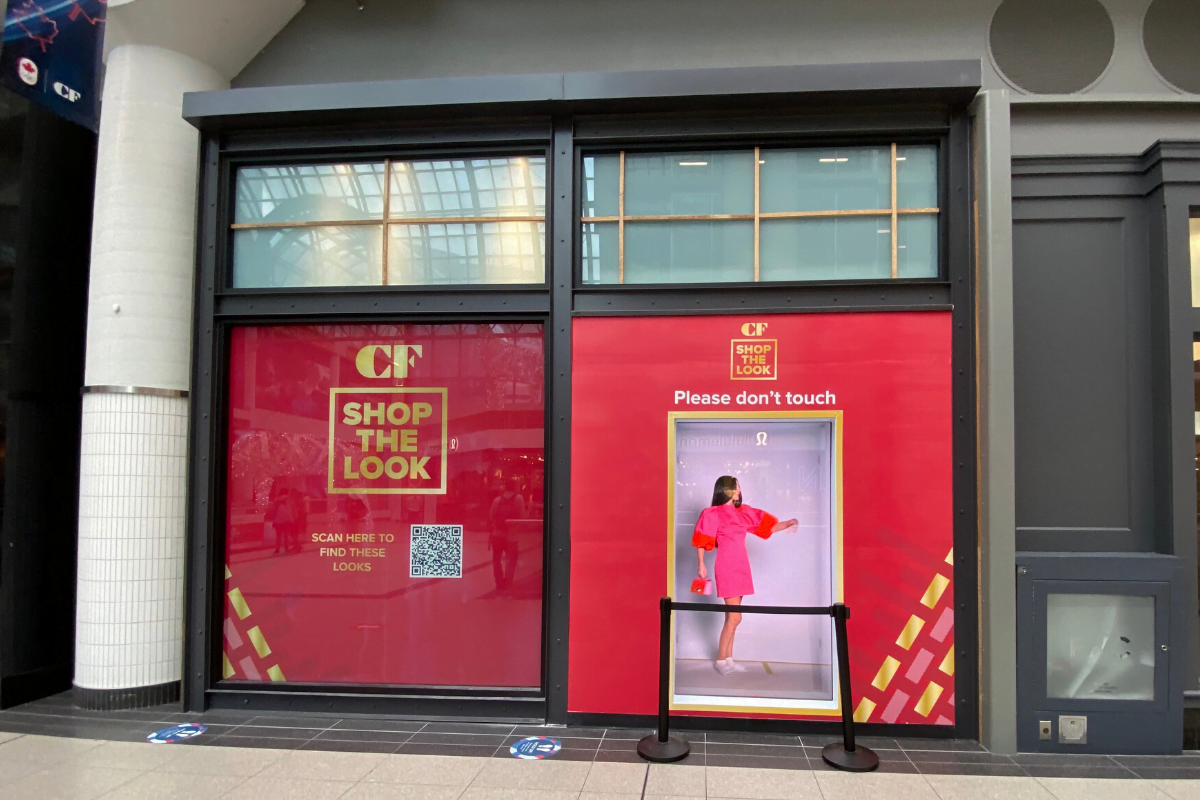
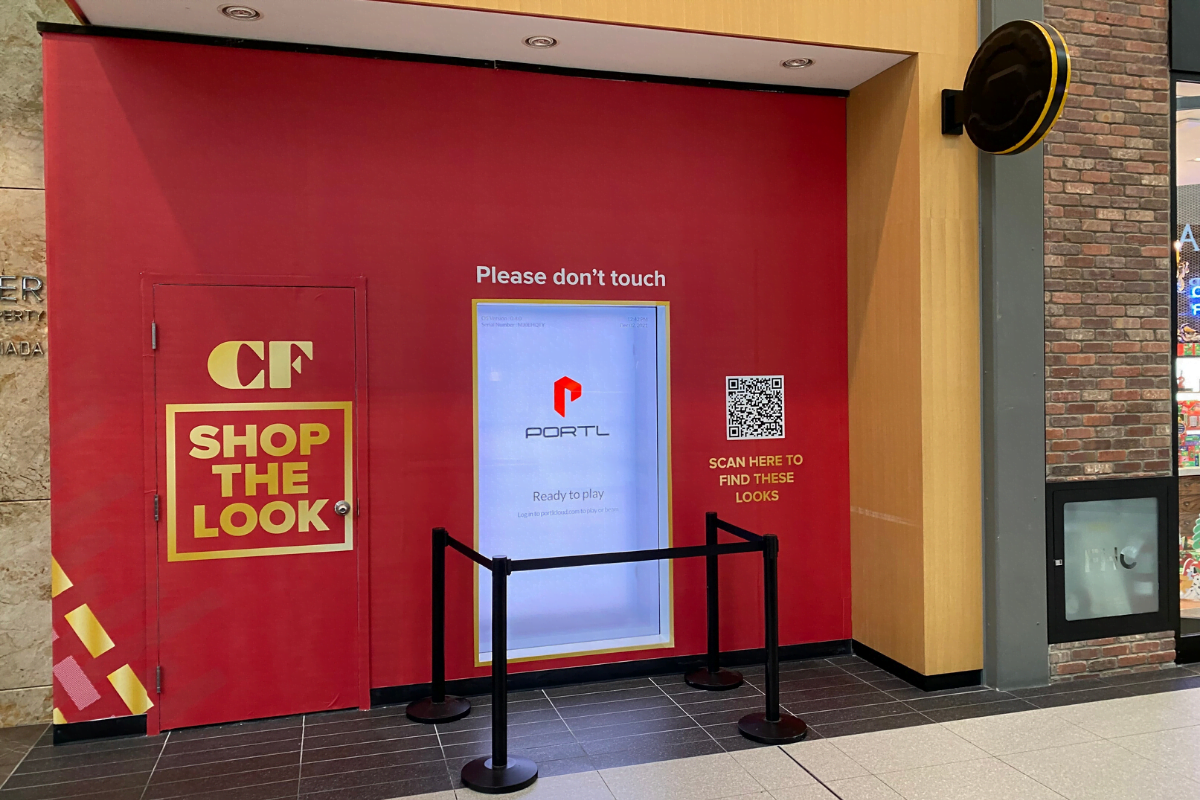
QR codes will be posted at each PORTL holographic display and will direct shoppers to CF’s Shop the Look Holiday Hub, a website that provides details on all the looks from the show and directs visitors to retail locations at CF properties where they can purchase the items.
“PORTL is all about bringing people together, and we’re proud to be doing it in Canada,” said David Nussbaum, CEO and Inventor of PORTL Inc. “Thanks to our partnership with Cadillac Fairview, we’ll be demonstrating to Canadians how our hologram technology is changing shopping, business, education, entertainment and the world. When we beam the fashion models into CF Toronto Eaton Centre this week, shoppers will be witnessing the future – a new kind of sustainable transportation that lets people have meaningful interactions across every kind of divide. Like we say, ‘If you can’t Be there, Beam there.’”
CF Toronto Eaton Centre General Manager Sheila Jennings at the CF Toronto Eaton Centre / PORTL Debut
Nickel said as Cadillac Fairview looked to build out its holiday program it wanted Canadians to rediscover the magic of the holiday season.
“We’re constantly looking to improve and innovate and we know that Canadians more than ever are very eager to get out to enjoy the holidays in a fun and safe way,” she said. “We also wanted to connect their visit with shopping in a very inspiring experience as well.
“As we thought about the Shop The Look program which incorporates the PORTL we thought what better way to bring to life the magic of the season and the hottest trends of the season within almost a real life fashion show. It’s the first holographic fashion show in Canada which is pretty cool to be able to partner with PORTL.”
Peter Papapetrou at the Cadillac Fairview PORTL Media Event at CF Toronto Eaton Centre (Image: Cadillac Fairview)Cadillac Fairview Launches Unique Holoportation Technolgy by PORTL at CF Toronto Eaton Centre (Image: Dustin Fuhs)
This is the first time that PORTL has been used in Canada, and the first time the company’s holoportation technology has been used to beam fashion models live into a world-class retail property to interact with the public.
“The PORTL device itself, it really helps to bring that fashion, bring those hottest trends to life, because it is a holoportation device . . . It really does look almost real life,” said Nickel.
She said the device will be in three different locations at the Eaton Centre – one court space beside Nordstrom and two other locations where two empty storefronts have been taken.
“It will continue through the month of December and all the way to early January and we have fresh content being released every single week. So essentially almost like a new fashion show will be released every week with different looks and tied to the trends of the season,” added Nickel.
Cadillac Fairview Launches Unique Holoportation Technolgy by PORTL at CF Toronto Eaton Centre (Image: Dustin Fuhs)Canadian Fashion Icon Peter Papapetrou, CF Toronto Eaton Centre General Manager Sheila Jennings and Andrea Nickel, Director of Customer Experience & Marketing Communications at Cadillac Fairview at the Media Event as Cadillac Fairview Launches Unique Holoportation PORTL Technolgy at CF Toronto Eaton Centre (Image: Dustin Fuhs)
Cadillac Fairview sees potential in the future for the use of this technology in other ways and in other centres.
“This is absolutely a test that we’re running in partnership with PORTL but I could absolutely see a future for it depending on how well this goes. As we look to the future and every season has new hottest trends and looks and as we look to support our retailers and connect the experiences that shoppers are having within our properties to drive them into our retailers to shop, we definitely see a direct connection to what we’re delivery in terms of that experience to inspire our shoppers to go over and buy with our retailers and help their sales and revenue overall,” said Nickel.
PORTL Inc. is the maker of hologram devices and the software and cloud services to support holoportation. Founded in 2018 by inventor and CEO David Nussbaum, its award-winning products are now in use all over the world, beaming executives, tech and science experts, and sports and music celebrities to events, displaying NFTs and other objects, and becoming a vital new tool for education, retail, marketing, and the hospitality industry.
Additional Photos from CF Toronto Eaton Centre / PORTL
Canadian Fashion Icon Peter Papapetrou at the Media Event as Cadillac Fairview Launches Unique Holoportation Technolgy at CF Toronto Eaton Centre (Image: Dustin Fuhs)Canadian Fashion Icon Peter Papapetrou, CF Toronto Eaton Centre General Manager Sheila Jennings and Andrea Nickel, Director of Customer Experience & Marketing Communications at Cadillac Fairview at the Media Event as Cadillac Fairview Launches Unique Holoportation PORTL Technolgy at CF Toronto Eaton Centre (Image: Dustin Fuhs)Canadian Fashion Icon Peter Papapetrou at the Media Event as Cadillac Fairview Launches Unique Holoportation Technolgy at CF Toronto Eaton Centre (Image: Cadillac Fairview)Cadillac Fairview Launches Unique Holoportation Technolgy at CF Toronto Eaton Centre (Image: Cadillac Fairview)
EMERGE Commerce Acquires Tech-Enabled B2B Ecomm Pet Marketplace
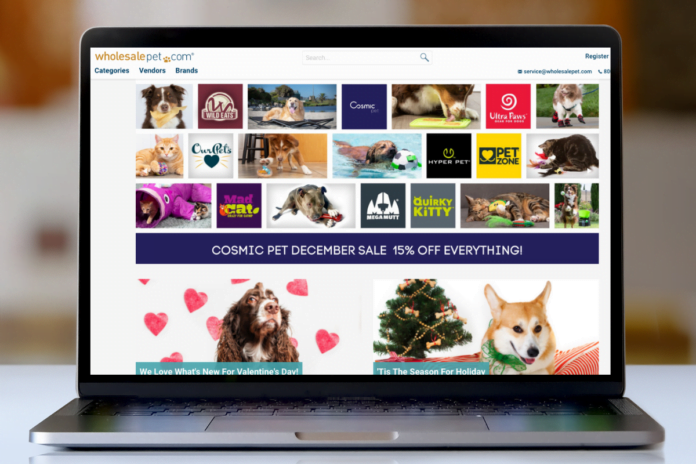
EMERGE Commerce Ltd., a diversified acquirer and operator of e-commerce brands, continues to grow its business with the latest acquisition being WholesalePet.com, a leading technology-enabled B2B e-commerce marketplace, connecting over 8,000 independent retail locations with over 400 independent pet vendors, offering over one million SKUs.
Ghassan Halazon
Ghassan Halazon, EMERGE Founder and CEO, said the landmark acquisition is a huge milestone as EMERGE now eclipses $100 million in gross merchandise sales on an annual basis.
The purchase price was US $25 million.
EMERGE went public in December 2020 and Halazon said the latest acquisition is its seventh (eighth brand) and largest one and the first B2B acquisition. It’s also the third acquisition (fourth brand) since going public.
He said the company’s main verticals are now Pets, Groceries/ Meat, Outdoor Gear, Golf, Experiences.
“It’s a big deal for us on a couple of fronts. First, it helps EMERGE eclipse the $100 million milestone in gross merchandise sales. We now comfortably process in excess of $100 million annually across our platform of e-commerce brands. That’s a nice symbolic number in the context of Canadian e-commerce,” said Halazon.
EMERGE Acquires WholesalePet.com
“The other aspect of this that’s interesting is that it’s our first foray into the fast growing $10 billion pet e-commerce market. That’s a super exciting space for us and it’s an anchor business for us in the broader world of pet e-commerce.
“It also happens to be the first time we’ve acquired a B2B platform. Traditionally EMERGE has been focused on direct to consumer brands. Wholesale Pet is actually a highly profitable B2B platform and it’s a marketplace that connects independent pet retailers – there’s about 8,000 independent pet retail stores that come onto the platform, that come onto the marketplace and there’s about a million SKUs available on the platform from about 400 vendors.”
Wholesale Pet generated gross merchandise sales of about US$40 million, revenue of US$3.7 million, and Adjusted EBITDA of US$2.8 million in the 12 months ended September 30, 2021.
Image: EMERGE Commerce
“There’s a couple of things we really liked about this business. Number one, it has a 20-year track record of organic growth and profitability. This is a business that was founded in 2001 out of Virginia in the US,” said Halazon. “Along with the 20-year track record and organic growth and profitability one aspect that we really liked is how profitable this business really is. It has about 75 per cent EBITDA margins.”
Chris Avery
“We are confident EMERGE is the best partner to help propel us to the next level in the dynamic $100B Pet Industry. Both teams are eager to accelerate current growth plans through EMERGE’s e-commerce expertise, data mining, sister-company synergies, and potential M&A opportunities. We also look forward to collaborating with EMERGE on new sources of value creation across our B2B marketplace, including launching new services and technologies,” said WholesalePet.com CEO Chris Avery.
EMERGE sold a record $2.7 million in gross merchandise sales during the 2021 Black Friday-Cyber Monday period, more than tripling GMS during the comparable 2020 period. A new single-day record for EMERGE was achieved on Cyber Monday, with GMS of approximately $1 million.
WholesalePet.com led the way with its largest total GMS during BFCM, with approximately $1.2 million GMS, or 44 per cent of total GMS, while JustGolfStuff achieved the highest growth rate for the period at over 100 per cent, year over year.
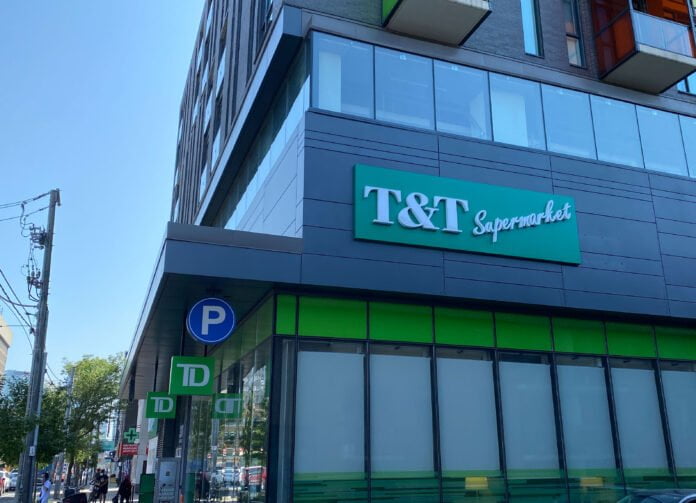
T&T Supermarket on College Street in Toronto (Photo: Dustin Fuhs)
T&T Supermarkets is continuing to expand in the Canadian market and announced on Thursday it will be opening its first store in Quebec in the next 12 to 24 months.
The news comes after the recent announcement that the company would open a new location in the winter of 2022 in the CF Fairview Mall in Toronto.
“After receiving many requests over the years from T&T fans who live in Montreal, I’m happy to say we are finally coming,” said Tina Lee, CEO of T&T Supermarkets. “Our goal is always to be at the forefront of Asian food innovation, and I am so excited to introduce our offering to Montreal, a city that has such a vibrant food-loving culture.
Tina Lee, CEO of T&T Supermarkets (CNW Group/Loblaw Companies Limited)
“Montreal is the second largest city in Canada. Certainly on the population side it’s only second to Toronto and that also goes for its East Asian population, which I feel is large enough for T&T to give it a try and open one store there, albeit in a new province which gives its own complexities.
“Also what I feel very encouraged about after visiting Montreal in the summer is that I’ve come to appreciate that Quebeckers are quite a food-loving culture. I think we’re going to appeal to more than just the Chinese-Canadian population. We are hoping to welcome non-Asians as well to the store because food is such a big part of living in Montreal, celebrating every meal. And T&T product I hope will resonate really well with the local community. That gives me optimism that our store will do well there.”
T&T Supermarkets is the largest Asian supermarket chain in Canada, with 29 stores, operating in British Columbia, Alberta, and Ontario. T&T Supermarkets was founded in Vancouver in 1993 and is now led by second generation successor Lee. T&T Supermarket is headquartered in Richmond, BC, with offices in Toronto. It is owned by Loblaw Companies.
T&T Supermarket on College Street in Toronto (Photo: Dustin Fuhs)
“Since joining Loblaw, I have gotten to know T&T Supermarkets and it simply must be brought to Quebec,” said Robert Sawyer, COO of Loblaw Companies Limited and a resident of Montreal. “It’s not just the Asian population that is going to love this store – all Quebeckers from different backgrounds are going to really enjoy this unique shopping destination. We all miss travelling the world to explore new flavours. Pretty soon the people of Montreal will be able to experience the best Asian food offering I’ve seen right here in the city.”
Lee said the company is finalizing its site selection and narrowing in on the island of Montreal and it will be a typical T&T size of about 40,000 square feet.
It is also starting recruitment efforts for Department Heads, Assistant Department Heads and Department Supervisors, who live in Montreal. Training can be conducted in any of the existing T&T stores, with the closest store to Montreal being Ottawa. As the store opens, the company will hire over 300 people to join the T&T team.
It is also reaching out to local vendors in Montreal in preparation for the launch of the new location.
Image: T&T Supermarket at Willowbrook Shopping Centre
The T&T story began in 1993 when Cindy Lee, an immigrant from Taiwan and a working mother of three, had a simple dream to help families by bringing the best of Asian fresh food and groceries under one roof. Helped by her husband Jack, Lee opened two stores in Burnaby and Richmond, BC. The name of the supermarket relates to her two daughters Tina and Tiffany and the initials of two early investors.
In 1998, T&T launched restaurant-quality sushi and dim sum which was the start of the supermarket pioneering in-store food innovation.
In 1999, it opened its first location outside of BC in Calgary at the Pacific Place Mall and then in 2002 it opened its ninth store at the Promenade Mall in Thornhill, Ontario.
The company was acquired by Loblaw in 2009 with Cindy Lee continuing as CEO and the Lee family remaining a significant shareholder.
In 2014, Cindy retired and was succeeded by daughter Tina.