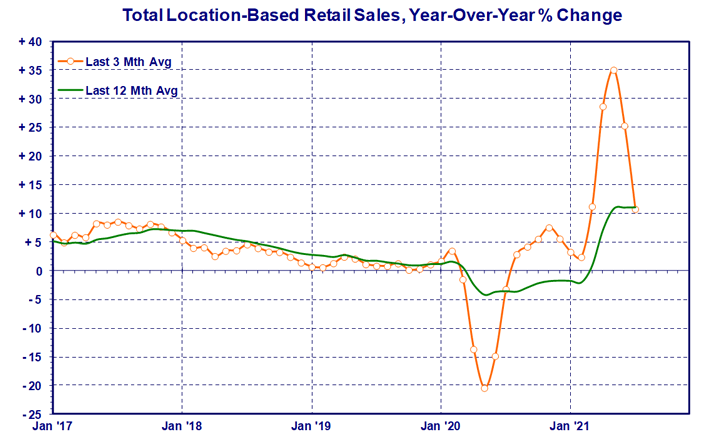
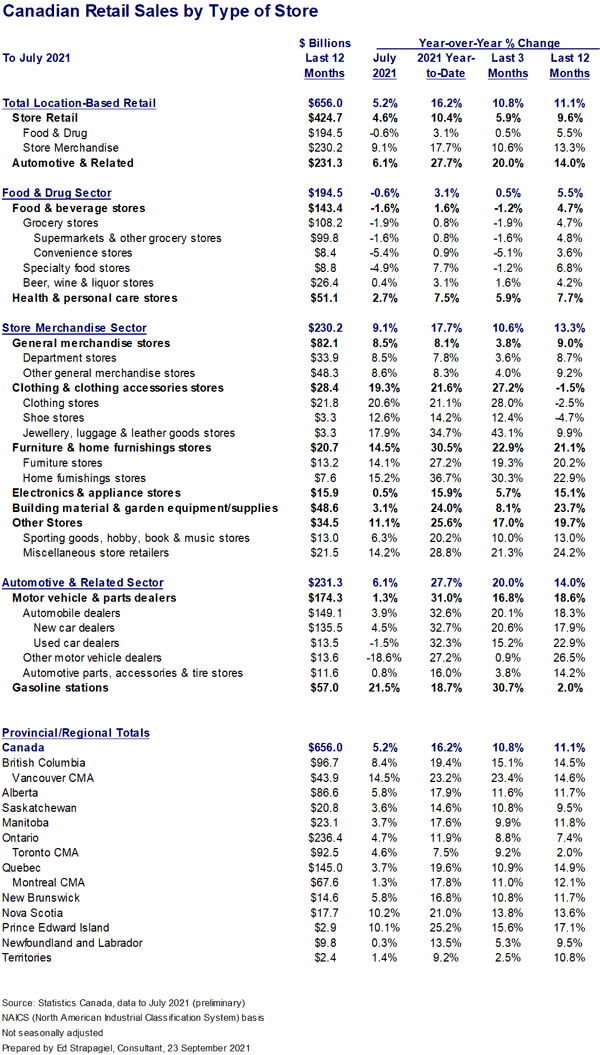
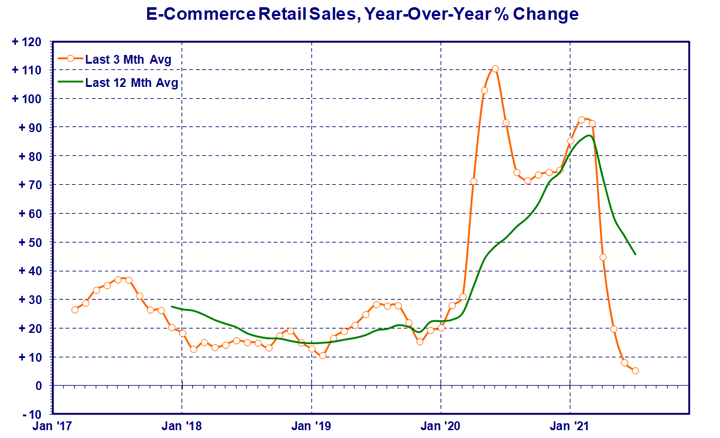
New numbers from StatsCan indicate that the Q2 2021 rebound is over. Actually, it only looked as good as it did because Q2 last year was so bad. The 3 month growth trend (orange line in the chart below) is coming down from recent highs. Overall retail sales still increased 10.8% year-over-year for the 3 months ending July, but half of that was due to the Automotive & Related sector which is now getting softer after its own rebound. After a significant rise earlier in the year, the underlying 12 month trend (green line) has now flattened out and is poised to deteriorate going forward.
More or less, Canadian retail sales are heading back to pre-pandemic levels but with some ups and downs along the way. As shoppers return to stores, e-commerce retail sales growth has also slowed down to a more normal level. Things are still in flux however, and it may be many months before they settle down.
Food & Drug
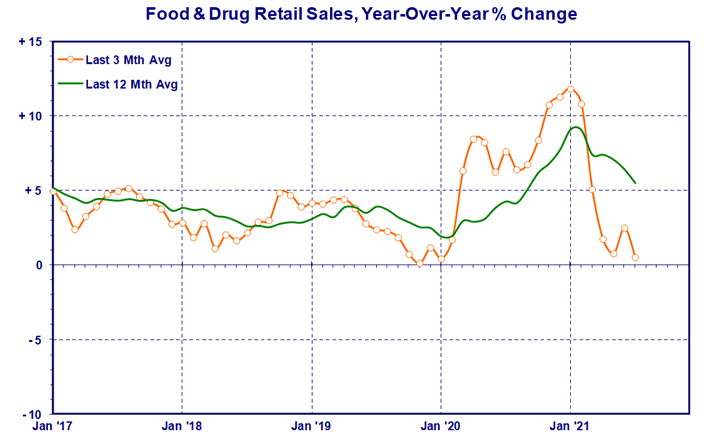
For the 3 months ending July 2021, retail sales in the Food & Drug increased just 0.5% year-over-year, a far cry from the 7.7% gain recorded for the year 2020. In fact, the 3 month growth trend has been softening since the start of the year 2021, and the underlying 12 month trend is also weakening significantly.
Supermarkets & other grocery stores make up over half of the business in this sector, but their retail sales were actually down 1.6% for the 3 months ending July. Convenience stores however suffered more, with sales down 5.1% during the period. Another casualty was specialty food stores – after scoring high growth rates in recent quarters, their retail sales declined 1.2% for the 3 months ending July.
Health & personal care stores did not share in the strong gains that the Food & Drug sector enjoyed last year. On the other hand, they do not appear to be affected by the current softness and instead saw their sales increase 5.9% in the latest 3 month period.
Store Merchandise
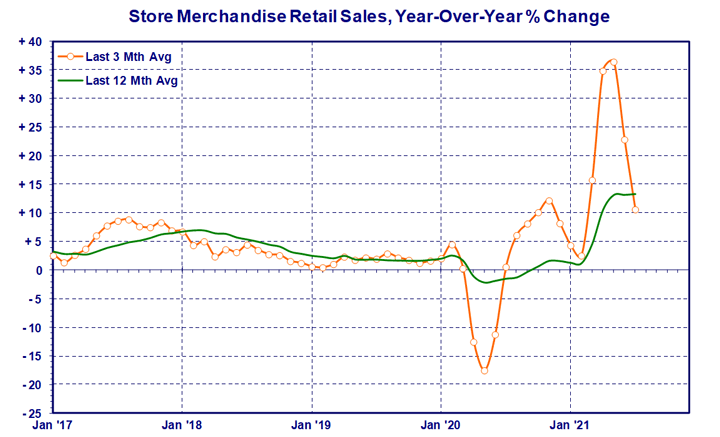
The Store Merchandise sector appears to be following the standard script. Huge year-over-year retail sales gains in Q2 2021 were mostly illusory, because of very weak sales a year ago. The 3 month trend is now cooling off, although there was still a good 10.6% increase for the 3 months ending July. The underlying 12 month trend however has now flattened out, and is likely to soften further in the next few months.
All store types in the sector had positive year-over-year retail sales gains for the 3 months ending July. Clothing & clothing accessories stores were up an outstanding 27.2%, furniture & home furnishings retailers gained 22.9%, and miscellaneous store retailers (which include cannabis outlets) were up 21.3%. General merchandise stores were also up but by only 3.8%.
Automotive & Related
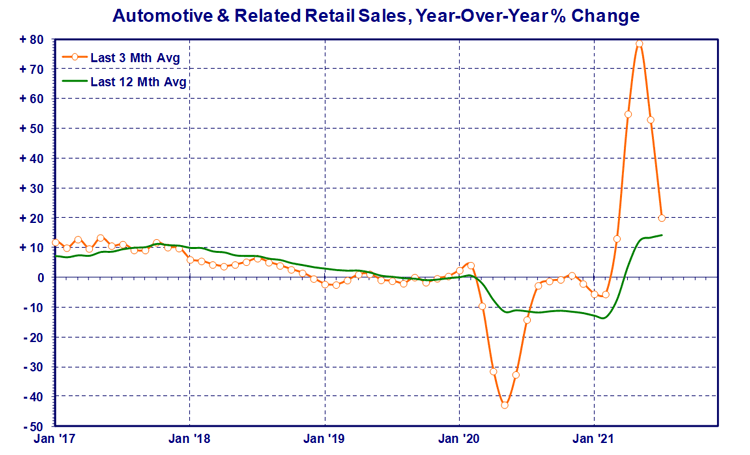
Retail sales in the Automotive & Related sector were up 20.6% year-over-year for the 3 months ending July, although this represents some cooling off versus earlier in the year. Again, comparisons are affected by weak year ago sales.
New car dealers’ retail sales were up 20.6% in the last 3 months, which however is a more modest gain than in previous quarters. Things may cool off even more going forward due to supply side issues.
Gasoline stations also did their part with a strong 30.7% year-over-year retail sales increase for the 3 months ending July. People seem to be getting out more and pump prices have gone up.
By The Numbers
Note that the data and analysis in this report are always based on not seasonally adjusted (or unadjusted) retail sales statistics.
The COVID pandemic touched off a boom in Canadian e-commerce, with retail sales almost doubling in 2020. In recent months however, this has cooled off considerably. For the 3 months ending July, e-commerce sales were up just 5.3%, the lowest such gain since StatsCan started collecting these data in 2016. Does this mean that the bloom is off the e-commerce rose? Probably not. After doubling over the last two years, a bit of a breather is not out of order. Even though more stores are now open for in-person shopping, some of the sales that have gone online are never coming back.
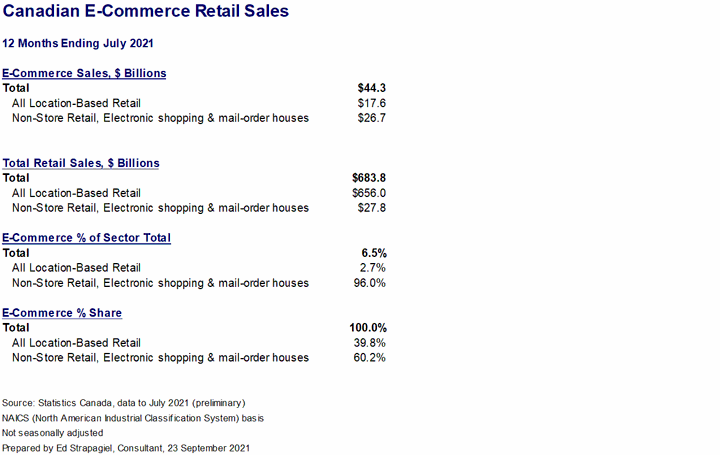
Overall, e-commerce represented about 6.5% of Canadian retail sales over the past 12 months, including both pure plays as well as bricks & clicks stores. Note that Canadian consumers may also buy online from foreign websites which is not captured in these numbers.
Location based retail is the same as that in the preceding “By The Numbers” table. It’s what’s normally reported as Canadian retail sales. Except that it isn’t. Location based retail excludes another section called Non-Store Retailers (NAICS code 454), which includes electronic shopping and mail-order houses, which in turn is where (mostly) pure play e-commerce businesses are. Over the 12 months ending July 2021, electronic shopping and mail-order houses had an estimated $26.7 billion in e-commerce sales.
But that’s not the only source of e-commerce, as (mostly) bricks & mortar location-based retailers also sell online. For the 12 months ending July 2021, this group had an estimated $17.6 billion in e-commerce sales. With electronic shopping and mail-order houses, there’s a grand total of $44.3 billion in e-commerce sales by Canadian operators. Note that this does not include foreign e-commerce purchases made by Canadian consumers, but it does include e-commerce purchases made by foreigners at Canadian operations.
For electronic shopping and mail-order houses, an estimated 96.0% of their sales are currently allocated to e-commerce. For (mostly) bricks & mortar retailers, it can be estimated that 2.7% of their total sales are attributable to e-commerce.
In the final section of the above table, (mostly) pure play operators (namely, under electronic shopping and mail-order houses) generated an estimated 60.2% of all e-commerce sales in Canada, while (mostly) bricks & mortar location-based retailers’ share of e-commerce was 39.8%.
This analysis is updated monthly as new numbers are published by Statistics Canada. If you would like notification from Linkedin of when an update becomes available (and you’ve read this far), please connect with Ed Strapagiel on LinkedIn.
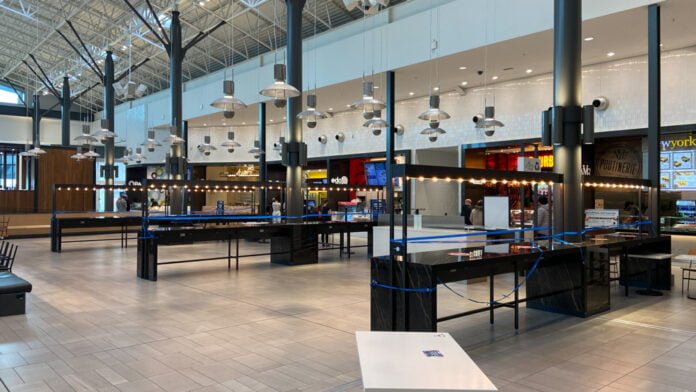
Cafeteria at CF Chinook Centre. Photo: Jessica Finch
Alberta shopping centres are asking the provincial government to review and revise current mandated public health restrictions which are hurting food court vendors in malls – threatening their very survival.
While vendors are open to sell food in those malls, customers are not allowed to sit and eat in the food court dining area.
In a letter to the provincial government, the Southern Alberta Shopping Centre Association and the Northern Alberta Shopping Centre Association, representing more than 15 major enclosed shopping centres with more than 200 food and beverage retailers are contesting the mandated closure of food court seating within enclosed retail centres as outlined in the September 20 Alberta Provincial Restrictions.
The associations are asking that the closure of food court seating be reconsidered and shopping centres be permitted to work with their respective health Inspectors to apply either the one-third fire code capacity limits to the seating areas with appropriate distancing or be able to participate in the Restriction Exemption Program which requires customers to provide proof of vaccinations.
“While Retail as a whole has been gravely affected by COVID-19 and the evolving restrictions implemented for the safety and wellbeing of the public, our Food and Beverage Tenants have been impacted on a substantially more drastic scale due to the numerous removals of their seating areas,” said the letter from the associations. “As you can appreciate customer behavior most often includes a dining experience, a food or beverage purchase as a part of their shopping trip. When there is no opportunity to “dine in” traffic & dwell time decreases and thereby sales decrease for not only food and beverage tenants but other retailers as well.
Image: Londonderry Mall
“As we near twenty months into this pandemic, many Food and Beverage Tenants have either closed or are barely surviving – even with the assistance of CECRA, CERS and Landlords. While many of the Food and Beverage operators (have) national banners, most are local franchisee/stakeholders who are operating the businesses and bearing the weight of these impacts. Tenants were just recently experiencing an increase in sales and this restriction will detrimentally deflate that opportunity.
“Lastly, with customers unable to eat in designated Food Court seating areas, that we all work so diligently to clean and maintain safely, they will seek alternate inappropriate locations such as other common area seating, back hallways or alcoves; all of which pose additional health and safety concerns. This also leads to very unpleasant interactions with shopping centre security personnel that are trying to follow government guidelines.”
Shannon Perschon
Shannon Perschon, the president of the Southern Alberta Shopping Centre Association and Property Manager of CF Chinook Centre in Calgary, said Quebec, Manitoba, and Ontario have implemented a type of vaccine passport program in enclosed shopping centre food courts, and it has been running smoothly thus far.
“Because retail has been so greatly affected throughout the pandemic, the food vendors have been hit the hardest in the whole group. They’ve had numerous times when they’ve reopened just as various capacity restrictions closed during the pandemic. It’s just been devastating for the food court retailers,” said Perschon.
“And if you have been to a mall you probably understand that the experience of shopping centres part of it is always dining. Whether it’s a food court, a restaurant, a coffee shop, it’s just a natural expected part of the shopping trip. You don’t see food courts just being a take out experience.
“With these latest restrictions customers now are sitting on the floor, they’re sitting in back hallways, they’re sitting in staircases. It’s extremely difficult for the security teams and cleaning staff to manage this and it poses additional health and safety concerns all over the place.”
Some malls have also opened up patio areas to accommodate customers.
“These food court vendors are probably losing 60 to 80 per cent of their business with food restrictions being in place. Their business has drastically dropped,” said Perschon.
“We were just getting momentum this last few months to get to even a possible comparison over year to year. With the closures and capacities changing all the time, you can’t do a comparison even to 2019. It’s tough because of all the restrictions that have been in place.”
“Food courts have been grouped into the wrong spot. We’re usually grouped with restaurants. So with the same restrictions that are put on a restaurant are often put on to a food court which makes a lot of sense. So all these food courts want is an opportunity to participate in the Restriction Exemption Program which the landlords are willing to do. Landlords are willing to put out the money to operate them with local health inspectors being part of the equation but also to ensure that property safety and cleaning protocols are in place.”
Michael Kehoe
Michael Kehoe Broker/Owner at Fairfield Commercial Real Estate in Calgary and a spokesman for Consumer Real Estate Canada, said he was surprised and disappointed when the Alberta government health restrictions effectively shut down the on-site dining at regional shopping centres and mixed-use complex food court venues.
“These facilities are an essential element of major shopping centres and mixed-use buildings and are an important amenity anchoring these high traffic venues. Food court and food hall operators have demonstrated in the recent past that these venues can be operated in a safe and effective manner with sanitizing procedures, customer pathway controls and the spacing of seating,” he said.
“I am not aware of any proven spread of COVID that has been linked to shopping centre food courts. The government mandated measures appear to me to be an overreach and unnecessary action at this time and should be lifted immediately. These socially important and popular gathering and dining places feature clusters of quick service independent and franchise style food operators that are often family-owned small businesses. At this human level actual people are negatively affected financially by these measures with little or no government and landlord support. I hope that the provincial officials will move quickly to rectify this situation with a view to protecting lives and livelihoods.”
Marketing research studies reveal that through this pandemic, grocery stores have been perceived to be among the “safest places” outside of people’s homes. These are consumer insights. Shopper insights, on the other hand, are insights about the key purchaser / shopper that have a direct impact on a company’s sales structure. Shopper Insights researchers use data related to distribution, retailer dynamics, promotional activity, and in-store experiences to influence their business’ sales and marketing efforts where shoppers buy (offline or online). E-commerce, at-home commerce, hybrid shopping and omni-channel commerce have all unleashed a variety of innovations in extracting shopper insights. By comparison, consumer insights are more concerned with consumer motivations and attitudes and perceptions and are more tied to factors that are subconsciously influencing shopper purchase decisions. Shopper insights and consumer insights may have intersecting functions but both work together to ensure that information and knowledge is communicated most effectively across a brand.
Shopper insights are retailer and channel focused, directing improved distribution, assortment, placement, and promotions based on how, when and what people buy or don’t buy. Shopper research is often used to elevate category management and sales teams as the guiding hand that drive the store’s retail strategy. Consumer research focuses more on when, why, and how people interact with a brand or category and how the brand is perceived, what emotions it evokes, and the need states it fulfills.
https://www.canadianresearchinsightscouncil.ca/registration-creating-shopper-insights-innovations/Speakers at the webinar
A few defining trends in shopper insights that are worth spotlighting include:
Digital acceleration came faster than shoppers (or retailers) were prepared for: The pandemic sped up e-commerce activities in life changing ways for consumers and retailers. A jump in e-commerce, however, did not spell the death-knell for physical stores, and stores like grocers and arguably cannabis retailers stood testament to the rise of hybrid shopping for essential services. Retailers adapted quickly.
The use of behavioural science techniques and applications to derive human insights: A lot of historical, transactional, point-of-sale, loyalty, CRM and so much other data about shoppers exists, but using behavioural science applications can actually extract some of the core truths that drive and predict shopper behaviour or sales in subconscious, non-obvious ways. We have truly leveraged social values that differentiate consumers based on their unspoken motivations and behaviours through this sub-discipline. These tools are often powered by some of the most scientific and human-centric design in understanding shopper behaviour.
Sustainability: Brands that endure offer the promise of green/environmental sustainability in an age where uncertainty is more than the norm. Brands that are marketed with sustainability hold higher value for shoppers than brands without a sustainability strategy. We have seen this across categories including indulgent processed foods, carbonated drinks and with cannabis. Positive consumer attitudes towards sustainability lead to an uplift in sales for brands and products.
Ongoing Innovation: Innovation can be perceived to be “expensive” but embedding innovation into the very folds and fabric of your systems and processes iteratively (and learning from successes and misses) can enable a fuller understanding of shopper behaviour and go a long way in improving brand, product, service or relationship outcomes. Importantly, embedding your research innovations in a strong ethical framework woven on principles of transparency, protection of personal data collected at any stage of the research process, and commitment to upholding consumer, participant and respondent trust in research by subscribing to the CRIC-ICC-ESOMAR Code of Conduct can go a long way in achieving gainful wins for your brand.
Hear more insights and perspectives from research professionals with unique data points and stories as they paint a well-formed picture of the future of shopper insights innovations through their innovation lenses at the Canadian Research Insights Council (CRIC)’s upcoming webinar “Creating Shopper Insights Innovations”. Visit this link to view the program and register for this free event: https://www.canadianresearchinsightscouncil.ca/registration-creating-shopper-insights-innovations/
Arundati Dandapani, CAIP, MLITT is the Chief Editor and Intelligence Officer (CIO) of the Canadian Research Insights Council (CRIC) and the Chief Operating Officer (COO) of Certified Analytics and Insights Professionals of Canada (CAIP), and founder of Generation1.ca. You can reach her at Arundati@canadianresearchinsightscouncil.ca, or find her on Twitter or LinkedIn.
Lululemon on Robson Street in Vancouver (June 2021). Photo: Lee Rivett.
Vancouver-based athleisure fashion brand lululemon has released a study showing how clothing impacts workplace performance, culture and experience in a new hybrid environment.
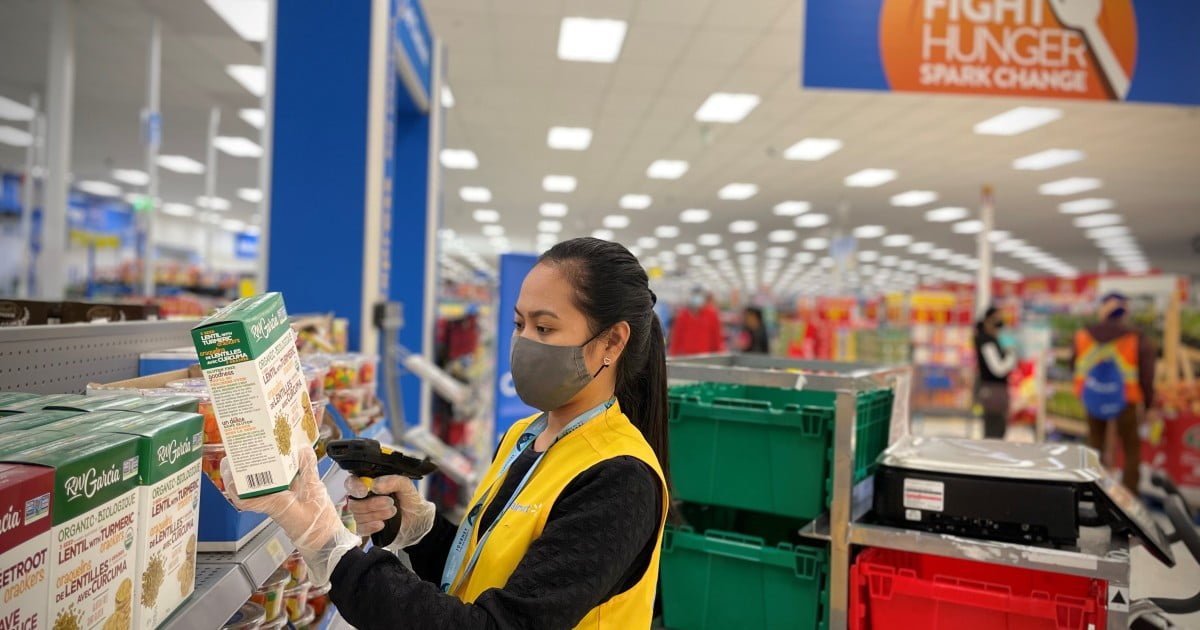
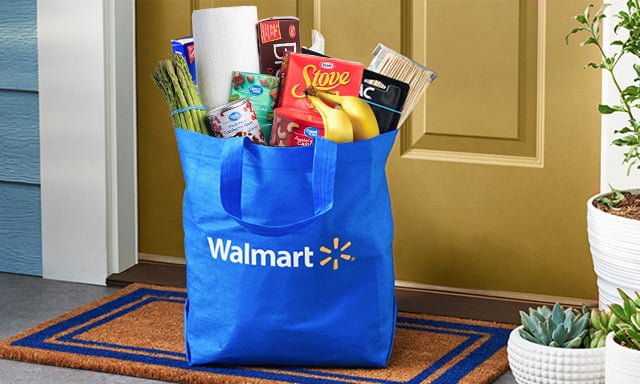
Walmart Canada Marketplace’s Grocery has reached a significant milestone since it launched in November of last year.
The program now has more than 175 third-party sellers and seller onboarding more than doubled between January and June this year as more than 20,000 grocery items are now available through Marketplace.
Dan Farmer
Walmart said Marketplace Grocery orders are trending at six times compared to 2020, with an increased average order size.
Dan Farmer, VP Digital Platforms and Marketplace for Walmart Canada, said offering customers more choice is at the core of the retailer’s business and the new platform is enabling local Canadian companies and brands to reach customers in an increasingly competitive ecommerce environment.
The grocery platform is part of the wider Marketplace initiative which was launched in August 2017.
“We’ve been building the Marketplace business at Walmart Canada for the past five years or so. At the end of the day, this is about offering more selection beyond what Walmart brings in to our customers and to Canadians,” said Farmer.
“Our ambition is to be a real credible alternative to the other global marketplaces that are out there . . . in terms of bringing really broad selection, thousands of sellers from around the world. We built the Marketplace up to almost 5,000 sellers and it will be 5,000 by the end of the year, offering 30 million items to Canadians. Most of that selection has been in general merchandise and that’s a fairly typical place to start when you build a marketplace business . . . The natural extension for us is offering the same type of value of increased selection, access to specialty and niche items in grocery and so we started thinking about this late last year and we launched a project to start expanding into our grocery space.
Image: Walmart Canada
“It really does, particularly for Walmart, offer customers the ability to shop much deeper into categories beyond what we carry in our stores. So it’s actually a very nice complement for customers looking for a national brand and typical stock up type items you’d find in a store but then also allow customers to find more niche items based on lifestyle, healthy items, ethic items, also specialty items for a certain diet.”
Farmer said the number of third-party sellers in the grocery space is expected to continue to grow.
“Part of the value of the Marketplace for let’s say sellers or local Canadian businesses is that they can access all of the traffic that walmart.ca has to build and grow their businesses,” he said. “We definitely expect it to grow. We’ve been focusing on very specific categories as a starting point and as we start to open up more categories we definitely expect to see growth.
“There are parts of the grocery business today that are natural kind of next steps for us as we start to think about fresh and frozen. Every time we take the next step further in providing more to our customers through our Marketplace there’s additional business requirements we have to put in place to make sure that we can manage those businesses.
“But for us for sure, broader category selection as well as fresh and frozen are the next steps for us . . . We believe we’re the only full scale global competitive marketplace that can also leverage our 400 stores across Canada. We think that’s a huge benefit to the customers and it’s a huge benefit to sellers. That’s what I think really makes us different.’
Farmer said Walmart is continually building more services for the sellers.
Image: Walmart Canada
“If you are a seller on the Marketplace platform today the first promise is access to our customer base that is online. The thing that we’re working on all the time is making it as easy as possible to apply to be on the Marketplace and to set up your business on our Marketplace,” he said.
“If you’re a specialty brand and you have a story to tell about your brand, there’s the ability to do that which is through kind of storefront pages and those types of things. When it comes to other services like fulfillment, we’re in the process of building those types of services for our sellers and to be transparent they’re not in place today but we have on our road map to build those types of services for our sellers.
“Certainly there’s opportunities for additional marketing, there’s opportunities to always access our stores for ship to store. We have a ship to store program where customers can pick up in our store so you can leverage our store network to make it easier and easier for customers, and sellers have the opportunity to do that. And then we also have returns to our stores. So a seller can know that if a customer wants to take an item back they can easily do it in the store and then the item goes back to the seller through our network.”
The Weekly Podcast: Zellers Store-in-Store Opens at Hudson's Bay, and What Might be Improved
This week, Craig and Lee talk about HBC’s recent unveiling of a Zellers pop-up store-in-store in a Hudson’s Bay store in Ontario. The discussion includes what’s there and how it might be improved for a national rollout.
The Weekly podcast by Retail Insider Canada is available on Apple Podcasts, Stitcher, TuneIn, Google Play, or through our dedicated RSS feed for Overcast and other podcast players. Also check out ourThe Interview Seriespodcast where Craig interviews guests from across the Canadian retail landscape as part of theThe Retail Insider Podcast Network.
Drop us a line at Craig@Retail-Insider.com. You can also rate us in Apple Podcasts or recommend us in Overcast to help more people discover the show!
Background Music Credit: Hard Boiled Kevin MacLeod (incompetech.com). Licensed under Creative Commons: By Attribution 3.0 License. http://creativecommons.org/licenses/by/3.0/
On the Canadian public relations and communications landscape, there aren’t too many names that resonate with people more, evoking the same manner of respect and praise, than that of Natasha Koifman. Her career thus far has been replete with awards and accolades, her work in delivering meaningful results to the clients that she works with lauded as creative and inventive. NKPR, the public relations agency that she founded in 2002 and continues to lead as President with offices in Toronto and New York, is widely considered to be one of the top firms in Canada. And the company’s list of accounts, as well as the names and brands on it, are impressive, to say the least. Equally admirable and effective is the work that she and her team are responsible for in the public relations space is her philanthropic penchant – a passion for people that’s reflected in her willingness to help others and assist those in need. In fact, it seems that it’s a complementary balance of natural business proficiency and genuine benevolence that has supported her accomplishments to date, inspiring and informing her approach to leadership.
“Every individual is unique,” she says. “You can’t expect every person on your team to possess the same strengths, skills and experience. Great leaders are able to understand and assess the composition of their teams, identify the qualities and strengths of each individual, and play to those strengths. They’re also able to honestly assess themselves and the strengths and weaknesses in their own abilities in order to build the most effective team around them. Most importantly, however, a great leader knows how to lead by example, showing a willingness to work as hard or harder than anyone else. And those who can do this with kindness and compassion, really understanding the needs and challenges of each individual and the ways in which they all require support, are most often the leaders of successful and engaged teams.”
Aligning values
Specializing in the development and execution of digital marketing initiatives and profile building, NKPR’s aim is to positively move the needle in the desired direction for the individuals and brands it works with. Its clients operate within a number of different industries and verticals, ranging from real estate, technology, food and beverage and hospitality to beauty, fashion, health and wellness, and others. The firm’s accounts contain more than 30 national and global brands, including the likes of MEC, Mulberry, Flow, Lightspeed, Swarovski, Sorel, Sympli, Ellie Mae, Madison Group, Lanterra Developments, Lifetime Developments and so many more. It’s an extraordinary list, and one whose assemblance seems to have been influenced by the same philosophies that drive Koifman’s decisions as a leader.
“Something that’s really important to us is ensuring that we work with clients that are aligned with our values,” she asserts. “I’ve never thought of focusing on a specific industry or category. I’m more committed to working with brands that we’re excited about, people who we genuinely really like and organizations that really care about giving back to their communities. I want to work with clients that are also disruptors in their areas of expertise and driving innovation. For NKPR as an agency, our greatest currency is time. And we want to make sure that where we’re putting our time and effort in not only making a positive impact on our clients and their businesses, but also helping to create that positive impact in the world around us as well. To do this most effectively, all parties involved need to be committed to that objective.”
Philanthropic endeavours
The values and positive impact that Koifman refers to is highlighted through the many different charities and social causes that NKPR are involved in, which includes the St. Felix Centre, G(IRLS) 20, Lifeline Charitable Foundation, Black Women in Motion, Best Buddies Canada, and more – all part of ShopNK, a curated assortment of lifestyle products for the socially conscious, with proceeds going back to the consumers charity of choice. In 2015, the agency also launched its ‘26 Acts of Kindness’ campaign – an ongoing agency-wide program developed as a vehicle by which NKPR employees have the opportunity to give back to their communities. Meant to nurture and facilitate a ‘culture of kindness’, team members are encouraged to support charitable causes that they feel a connection to.
In addition, Koifman is also the President of the Board for Artists for Peace and Justice (APJ) Canada and on the Board of Directors for the organization’s American counterpart. APJ is a non-profit organization, founded in 2009, which Koifman helped to develop in order to promote peace and social justice and address issues of poverty and disenfranchisement in communities around the world, with a special focus on Haiti. Among other things, APJ supports access to education for impoverished youth, creating pathways to meaningful employment and a sustainable future. Her involvement and participation on the boards is described by Koifman as her greatest achievements to date.
“I feel very connected to Haiti,” she says. “It’s a country where people live on a dollar a day and children don’t have an opportunity for an education beyond junior high school. And it’s only a three-hour flight from Toronto, just on the other side of the Dominican Republic. It’s an impoverished country that was devastated by a magnitude seven earthquake in January 2010. The need to assist the people of the country was already evident prior to the earthquake. But, in the aftermath, that need multiplied significantly. In response, Artists for Peace and Justice immediately set out to provide the means by which children could receive an education. To do so, we held charity events that raised donations of $4.5 million, went to Haiti and partnered with St. Luke Foundation for Haiti, bought our land and built a school, welcoming our first 500 students just a year-and-a-half following the tragedy. Fast-forward 13 years, we’ve raised $33 million, have experienced multiple graduating classes, in which 26,000 students have received an education from our school since 2012. When I start to think of my legacy, I’m extremely honoured and proud to have been able to make such a positive difference in the lives of so many people through an organization like Artists for Peace and Justice.”
Showing up for others
An admittedly introverted person from humble beginnings, Koifman credits much of her character, and the principles that she lives by, to many of the people throughout her life who have “shown up for her”, whether they had known it at the time or not. It’s a concept – that of showing up for others – that the public relations specialist feels so strongly about that she presented a Ted Talks session in 2019 on the importance of doing so. Throughout the talk, which is emotionally-charged and a highly recommended watch for anyone seeking to become the best possible version of themselves, Koifman references those who have shown up for her throughout her life and career, detailing the significant impact each person made on her.
“Reflecting on my life and career, I often think of the individuals that have shown up for me in some way to help teach, nurture and guide me,” she admits. “It’s an important way in which we all have the opportunity to make such a positive impact, showing up for ourselves and for others. We have a responsibility as people to think of others and to be compassionate toward them. One of my experiences that I shared during my Ted Talks session was a conversation that I had with an Uber driver not long ago. The driver was female, and she told me about how grateful she was to be an Uber driver because it afforded her the opportunity to support her children after leaving an abusive relationship. I was wearing a suit on my way to a meeting. She asked me what I did, and I told her. And she said that when she sees someone like me, she sees herself and the fact that she, too, can achieve success as well. I remember it brought a tear to my eye. I told her how proud I was of her for her ability to leave an abusive relationship and make it on her own, and she started to cry, too. I had shown up for this woman without even fully realizing it. We have to stop ignoring the people around us and start paying attention to the positive impressions that we can leave on them and the significance of doing so.”
Innovation and creativity
It’s this deep sense of empathy and unyielding tenderness with which Koifman approaches each day that lends so well to the person that she is. And, in many ways, it’s also helped to support the longevity of the work she does. On the verge of celebrating NKPR’s 20-year anniversary, the agency is showing no signs of slowing its growth or the holistic success it secures for its clients. It’s an incredible milestone for Koifman and her team and representative of the strength and continued rise of the NKPR brand. The success and prosperity it’s enjoyed through the years is attributed by Koifman to her team’s ability to pay attention to their clients and the world around them. It allows them, she explains, to optimize their efforts for clients and to proactively identify and recognize ways by which their brands can improve and continue evolving.
“We are definitely an extremely results-driven company,” she affirms. “And we want to make sure that we’re delivering meaningful results for our clients. To do that, we constantly make sure that we’re an agency that truly listens to the brands we work with to understand exactly what their needs are. In doing so, we can make sure that we’re asking the right questions in order to leverage our skills for their benefit. We’re also an agency that’s often ahead of the trends. We strive to be. For instance, we helped numerous brands transition and evolve into the digital space and start to recognize the value of using social media and bloggers when those types of marketing and communicating by brands was just beginning to develop. From our standpoint, we don’t ever want to follow a trend. We want to continue talking with our clients and paying attention to our environment, allowing us to stay on top of what’s happening and consistently lead our clients into a new age.”
Authenticity and transparency
The new age, within its current context, is one whose arrival has been accelerated by impacts of the pandemic, advancing the digitization of the retail industry, and the world in general, resulting in a shift in consumer behaviour and a changed landscape for brands to operate amid. Koifman recognizes the effects of COVID-19 on the industry and the changes that it’s helped expedite, suggesting that the brands that were attuned to those changes and willing to pivot in order to address them were the ones that survived and succeeded. Those that were too rigid in their approach and philosophies were those that tended to either struggle or experience an unfortunate end to their operations altogether. However, the most important lesson that brands have learned through these difficult times, Koifman submits, is the imperative to be honest and true in their communication, leveraging all available channels to do so.
“What many retailers realized throughout the pandemic was the need for authenticity and transparency,” she says. “And brands were called out if they weren’t displaying these qualities and doing what they said they were going to do. They also started to realize the consumers’ increased desire for ease within the retail shopping experience. As a result, to properly and effectively engage and connect with them, you’ve got to reach them on a multitude of touch points. And, to be truly authentic, retailers have got to understand with real clarity exactly who they are, the core values they stand for and how those values align with those of their consumers. Values-based companies are the ones that are going to succeed going forward, connecting with the followers of their brands like never before.”
An inspired addition to the city
Image: Natasha Residences
A true believer in leveraging content and storytelling to connect meaningfully with people, Koifman’s focus to do so for the clients she works with is unwavering. It’s a belief that laid the foundations for NKPR decades ago, and an approach to public relations that continues to drive the strategies the agency develops for clients today. They are also characteristics and ideologies that have stood Koifman apart from just about every one of her peers, singling her out as a trailblazer and a force within the public relations space. And to help acknowledge and appreciate her contributions to the city of Toronto, as both a professional as well as a person, leading developer, Lanterra, recently unveiled its plans to develop its newest project, Natasha The Residences.
Inspired by Koifman’s outlook concerning living life to its fullest, her unique fashion-forward sense of style and dynamic personality, the 47-storey high-rise located at 263 Adelaide St. West will feature exteriors by BDP Quadrangle, with architecture reflective of luxury timepieces opposite soft, feminine curves; interiors and amenities designed by Alessandro Munge of Studio Munge, matching Koifman’s chic, sophisticated, and iconic all-black-everything style; as well as public spaces thoughtfully filled with artwork by some of Koifman’s favourite artists. In addition, Natasha The Residences has been designed to meet the modern needs of a ‘live-work-play’ urban population and will include unique amenities like a state-of-the-art fitness centre with individual workout pods and virtual instructors; a media content studio equipped for film, photo, audio, and social media production; a modern spa with an infrared sauna; outdoor entertainment spaces designed for residents to host intimate events; an upscale social lounge that duals as a launderette; coworking spaces catered for home-office residents; a concert piano room; children’s play area and luxury pet spa. It’s a project and partnership that Koifman describes as one that she’s put her heart and soul into, and one that she’s honoured to be a part of.
“I really love how a lot of my different passions have come together in this development,” she says with pride. “Lanterra are a client of NKPR. And the location of the building is in a neighbourhood where I work, play and, in many respects, live. It’s a neighbourhood I’ve watched flourish through the years and I’m excited to be able to help create such a beautiful building where people can enjoy living, working and playing. There is 20,000 square feet of amenity space which all truly act as an extension of each suite. We did this mindful of the ways that people live in the city, what they need and the things they care about. Everything people need will be in the building. And, when leaving the building, you’re right in the middle of downtown Toronto and have access to everything the city offers. It’s a project that’s very near and dear to my heart and one that I’m very proud of.”
Continued results
Sales for Natasha The Residences commenced at the beginning of September with the official opening anticipated during Spring 2025. It signifies yet another highlight and accomplishment in the career of the public relations and communications powerhouse, and a statement that, in many ways, her work and legacy within the space, as well as the positive impact that she makes on the world around her, is still unfolding. And, with respect to the future of NKPR, she says that her excitement to lead and innovate has never been more intense, adding that the agency’s focus will remain squarely on working with the right partners, helping them to become what they’re meant to be.
“We’re going to continue working with clients that we’re excited about and investing to become a true partner at the table to help them achieve their desired results. I also want to continue innovating and disrupting. I still love what I do and really enjoy mentoring our team and watching them grow and develop. I just want us to keep doing what we’re doing, and I’m really excited to see what the next three to five years will bring. And, I want to ensure that I keep making decisions, as a leader and a person, that will make a positive impact on the world around me, leaving it a better place than it was when I came into it. If I’m able to continue doing all of these things over the next little while, I’ll be a very happy girl.”
Iconic Canadian-founded restaurant chain Tim Hortons is releasing a limited edition fashion line for National Coffee Day on Wednesday, September 29th. The line is called ‘the Double Double Collection’ and it will be available to order online over an eight-hour time span.
The Double Double Collection of fashions include a range of hoodies, sweatpants, t-shirts and travel mugs. The colour used for the clothing items is inspired by the chain’s Double Double coffee.
Those interested in purchasing the limited edition collection can visit thedripdrop.ca on September 29th starting at 10:00am Eastern Time. As a nod to the restaurant chain and the fact that Tim Hortons makes its coffee fresh every 20 minutes, new options will be added to the website every 20 minutes. Consumers can purchase items from the Double Double Collection online until 6:00pm Eastern Time that day.
Various other noted foodservice businesses have also launched fashion lines in recent years, including the likes of Burger King and KFC. Retailers are also considering customized pins.
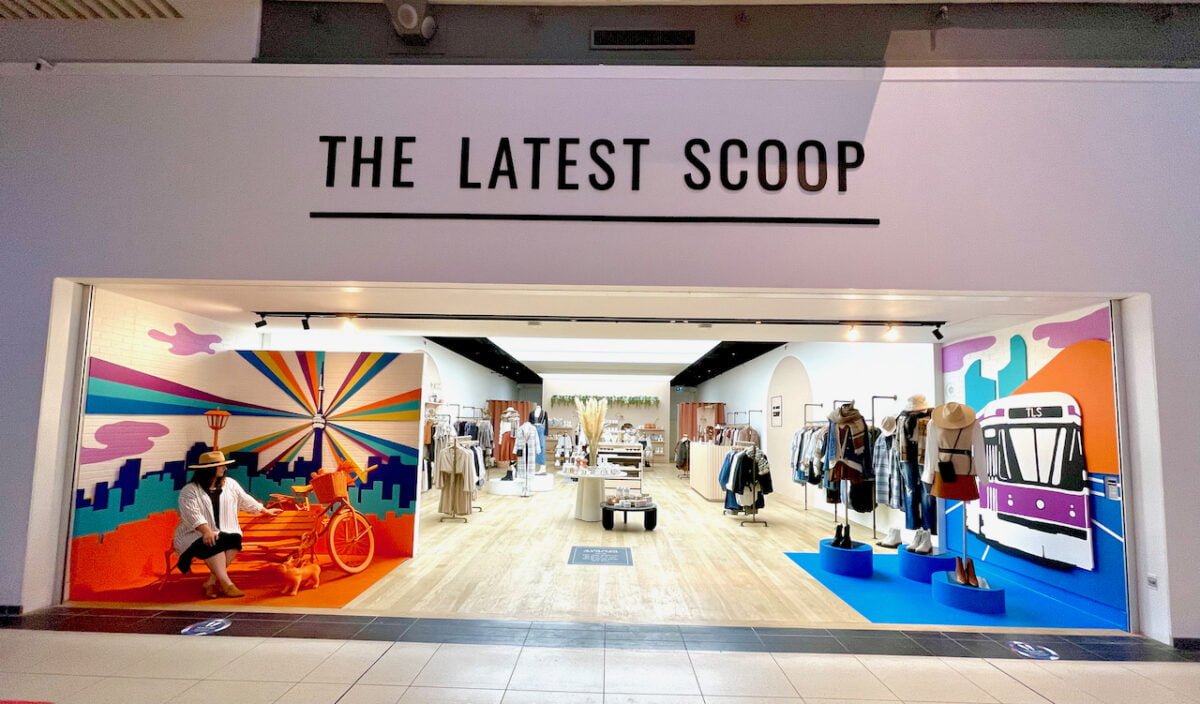
Toronto-based pop-up retail connector pop-up go announced that it has entered into a partnership with Chicago-based The Pop Up Retail Expert to expand pop-up services across North America even further with pop-up go operating already both in Canada and the US.
Linda Farha
The partnership will further expand pop-up go’s turnkey solution in North America with new services the introduction of educational tools such as webinars, videos, and other materials for both landlords and brands, as well as access to competitive insurance for all pop-up needs. The pop-up go platform already connects landlords and short-term space seekers at a time when the idea of pop-up retail and other concepts is quickly gaining traction.
“Over the past four years, we have built an incredible foundation as the leading pop-up matching service for both brands and landlords, helping hundreds of clients connect and execute pop-ups across North America. Working with The Pop Up Retail Expert gives us an opportunity to enhance the services we offer to our clients and the overall pop-up experience,” said Linda Farha, pop-up go’s Founder and Chief Connector.
Stephen A Brooks
“At The Pop Up Retail Expert, our objective is to provide the tools, guidance, and support needed for brands to succeed in the changing retail environment,” said Stephen Brooks, CEO and Founder of The Pop Up Retail Expert. “By partnering with pop-up go we are able to help our clients, including brands, shopping centers, and start-ups, explore and adapt to the modernization of the industry.”
The pop-up go and The Pop Up Retail Expert collaboration will include a series of webinars, bespoke consulting, and original content for each company’s digital channels.
Farha, also the owner of PR firm Zenergy Communications, founded pop-up go as an online meeting place for pop-up seekers and landlords. The company has become a trusted partner for securing, designing, executing, and promoting pop-up spaces and short-term brand activations.
On popupgo.com, landlords can list available spaces and be discovered by brands and businesses seeking short-term leasing opportunities for a pop-up store, brand activation or experiential marketing event.