Most analysts agree that the oil price war is only beginning. With cheap oil abound, this will impact the entire agrifood market, from farmgate to plate. The novel coronavirus pandemic is also compounding what is already a fragile global economy.
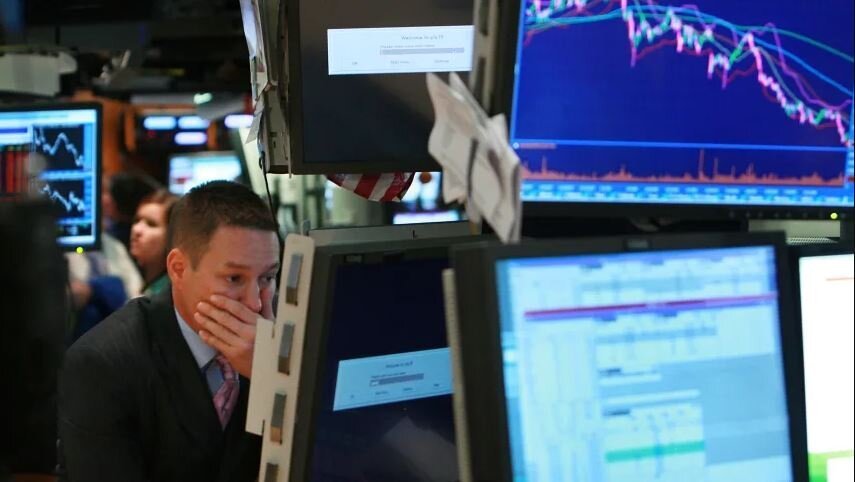
The current novel coronavirus pandemic and the oil price war is causing a massive sell-off in equity and crude oil markets this week, and to a much lesser extent the agricultural commodities. These are just the latest occurrences that are keeping a lid on potential price rallies for agriculture. Farmers hoping to increase returns saw their plans vanish this week. Around the world harvests are strong and nothing is moving up as many commodities are going sideways or down due to weak demand. The same can be said in the livestock industry, as hog and cattle prices are also dropping due to weak global demand. In other words, most farmers are looking at an average year, at best.
The coronavirus is affecting food retail, but mostly food service. China is a good example. With consumers terrified of contracting the coronavirus, China’s restaurants have been reporting a 90% drop in customers. This scenario has played out for several weeks, spoiling demand for many major agricultural commodities. Other reports suggest that the food service industry in the Western world, including in Canada, is slowly being affected by the spread of the virus. As such, food delivery apps have been much busier, allowing consumers to eat “out” while dining in, although no official reports have been provided. Many observers have also noticed an unusually greater number of empty seats in many food establishments. Tourism is surely being affected as well. Ultimately, most consumers will be spending less on food.
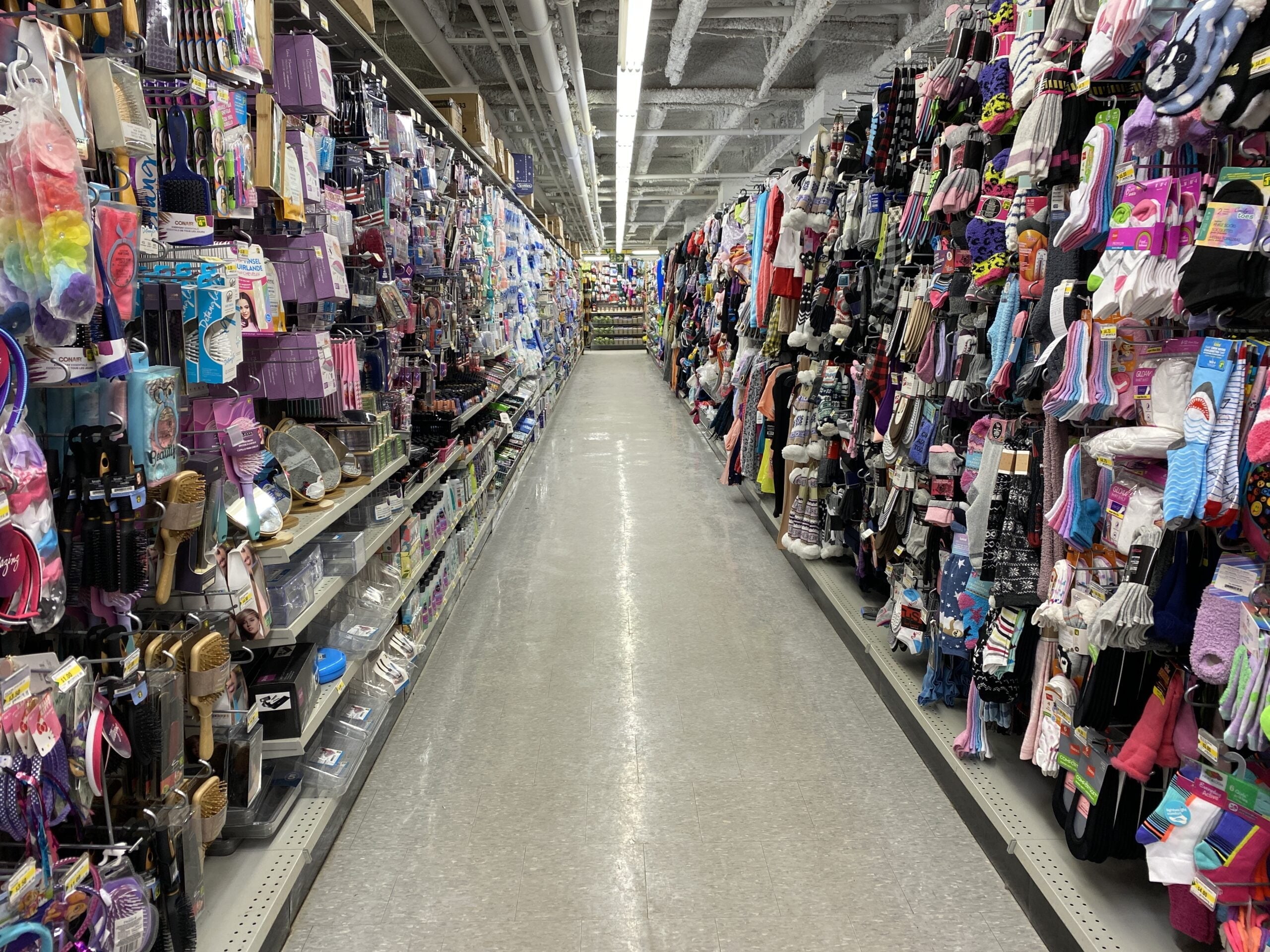
The good news for all of us is that food inflation will likely be lower than expected over the next few months. Input costs will likely be dropping in food manufacturing. But most importantly, with lower energy costs, distribution will be less of an issue. In fact, consumers may see bargains at the grocery store sooner rather than later. As oil price wars continue, we may see more deals in many parts of the grocery store, from meat products to bakery and everything in between.
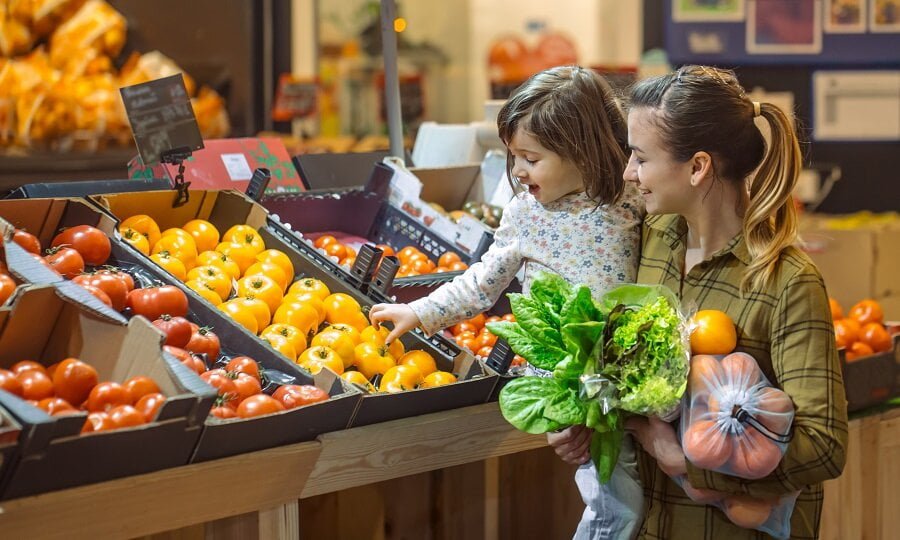
However, one macroeconomic factor remains a wild card, the Canadian Dollar. The Loonie is getting hit hard, given its resilient link with oil. It’s currently at its lowest level in many years, affecting our importers buying power. A weakened Canadian Dollar versus the Greenback led to the cauliflower situation we experienced a few years ago. If it drops further, many items we import will cost more, from produce to canned goods, to many other processed foods we purchase daily.
Markets are clearly in turmoil. What is not helping is the uncertainty on two levels. First, we still know little about COVID-19 which is why Ottawa opted to fund several research projects related to the novel virus. The United States’ oversight and policy toward the coronavirus has been weak. Wanting to contain panic and collective hysteria for fear of not overwhelming hospitals and clinics, the United States’ is making many nervous. The US’s response has ranged from testing delay to a shortage of supplies and of healthcare workers. While Americans are skeptical of China’s ability to contain the virus, the rest of the world is looking at the United States with great skepticism.
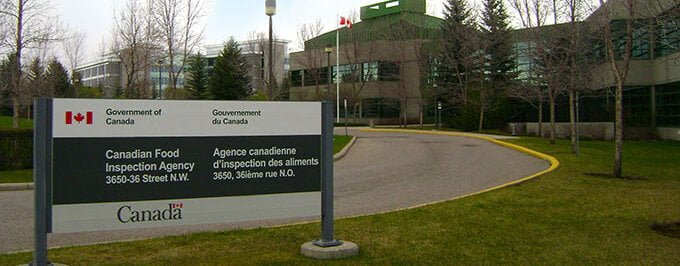
In Canada, the response has been measured, targeted and for the most part, appropriate. One exception however is the Canadian Food Inspection Agency. Many questions relating to food safety linger and deserve clear answers. The federal agency should be as proactive as industry in informing the public and industry about what is happening, and what we should be doing to protect ourselves. Most of the agency’s interventions have generally gone unnoticed.
The virus knows no borders so whatever happens elsewhere will impact Canada. Both food retail and service industries have been proactive in informing the sector and the public about what is being done. Rigour on cleaning protocols across the industry have been ramped up, but risks can never be entirely eliminated. Intrinsically, some consumers are taking proper precautions and are preparing well, which is entirely appropriate, but it shouldn’t be overdone. Consumers should incrementally buy enough dry goods, frozen foods and water to remain autonomous for 4 to 5 days. The run for toilet paper has been disproportionate and, quite frankly, silly. Our collective preoccupation for microbes, coupled with our fixation to follow every single news items on social media, every minute, likely created this hysteria. We should stay calm, remain civil and buy provisions a little at a time.
The virus and the oil price war are affecting the economy. That is certainly top of mind for many right now. In the end, the global economy is currently not designed for dirt cheap oil, especially Canada’s. We may get there one day, but it needs more time. Even if many want the Canadian economy to turn to renewable energy sources, the oil industry still represents about 10% of our economy. This is clearly impacting our economy and this quick shift is catching industry and governments alike off-guard. The next few weeks and how we handle this situation will be critical.