Advertisement
Home Blog Page 960

Montreal’s Struggling St. Denis Street to See Revival Amid Landlord Acquisition

Le Jazz St-Denis Hostel• 2099 rue St. Denis

A real estate development company has purchased a ‘white elephant’ building along the busy Saint Denis Street in Montreal with plans to revitalize it into unique retail and housing space to go along with the renewal of a street which had fallen into decay in recent years.

Bryan Spatzner, Co-Founder of MTRPL, said Saint Denis Street is one of Montreal’s historic commercial arteries but over the last few years the street has fallen on hard times.

“One white elephant was the southwest corner of Rachel and Saint Denis Street. Originally a bank in the 1920s, it was Mexx’s flagship store for 17 years before its demise. The building has been fully vacant and vandalized for five years now and has been in many Montreal newspapers as the ugly face of the retail apocalypse and Montreal’s abnormally high retail vacancy rate,” said Spatzner.

He said the company purchased the building in October and plans are to redevelop the site, which had decayed, to 5,500 square feet of retail on the main floor with the second floor turning into an AirBnB hospitality asset.

“The building is really a symbol of Saint Denis’ fall and hopefully rebirth,” said Spatzner.

MTRPL was founded in 2016 as a real estate company concentrating on retail centric mixed-use urban development. It specializes in the investment, development, and management of mixed-use assets.

“Our investment philosophy begins with transit-oriented development along retail corridors in urban areas. We search for assets in high density neighbourhoods, with abundant foot traffic and an authentic sense of place,” says MTRPL on its website.

Spatzner is an architect turned developer who after spending time studying in the United States returned home to Montreal. After stints working with large national developers, he founded MTRPL.

“We buy distressed assets, vacant buildings, buildings that are under leased, poorly managed and we try to give them a new lease on life through sort of creative, highest and best use, through enlarging buildings, through finding if there’s excess land on the property if we could infill it somehow,” he said.

SAINT DENIS STREET, MONTREAL. PHOTO: MONTREAL TIMES

“Saint Denis is our most recent project. We started four years ago. Saint Denis is our 10th project. We look for assets on commercial arteries, retail corridors in the downtown Montreal area often with an eye towards transit-oriented development, which here in Montreal essentially means near a Metro station or one of the new REM (light metro rapid transit) stops. We love what we do.

“We’ve got the best intentions of the city at heart and really take placemaking as our passion and are very lucky to love what we do.”

He said Saint Denis has hit some pretty tough times over the last few years for a number of reasons including construction, “exorbitant” taxes, and the natural flow of the city.

“This building in particular has a lot of history to it. Essentially this beautiful, heritage property on a prominent corner of Saint Denis and Rachel Streets has been vacant for the last five years. In addition to that there was a fire in the building in that time frame. It’s just the type of property we look for, warts and all,” said Spatzner. “We see tremendous upside. It’s a landmark property. Everybody knows that corner and it’s honestly become the white elephant on Saint Denis and the face of Montreal’s retail woes.

“We’re super excited being involved in bringing it back to form. What’s nice about this building there’s a fully finished basement from the time it was a bank with washrooms. The ground floor is not reinventing the wheel but fixing up the space, renovating after the fire, bringing it back to the beautiful building it could be and leasing the ground floor. The second floor we have the zoning for AirBnB. Previously it was a 5,000-square-foot single apartment that the inheritors of the building had been living in. When the fire gutted that upstairs apartment, it’s essentially been uninhabited for the last few years. Montreal’s AirBnB legislation permits short-term rentals on certain commercial arteries of which this tranche of Saint Denis is included. And so part of our redevelopment plan is to redevelop the second floor and reposition it into 10 short-term rental suites.”

He said the building is a premium retail location kitty corner to Rachelle Béry.

CLICK FOR INTERACTIVE MAP

“We feel it’s a very prominent corner with real flagship potential for a future retailer,” added Spatzner.

He said Saint Denis, along with Saint Laurent and Mont-Royal, is a main retail corridor in the Plateau district of Montreal.

“The Plateau is Montreal’s densest and arguably, after old Montreal, most famous neighbourhood. So for our company that really looks for retail corridors and commercial arteries, it was kind of a no-brainer. We have other projects in the Plateau on Mont-Royal and projects in the sudwest on Notre Dame, on Wellington Street and Verdun. So it really fits nicely into our sort of investment thesis and portfolio profile,” said Spatzner.

“I think Denis probably hit rock bottom a year or two ago. As of late there’s actually been quite a lot of movement in properties being purchased, changing hands, and I would say young developers coming onto the street, onto the corners and really trying to turn it around.”

ICSC Whistler Report: Changing Retail Landscape in Canada

FAIRMOUNT CHATEAU WHISTLER. PHOTO: TOURISM WHISTLER

By Arlyn Stoik

The annual ICSC Whistler Conference, at the Fairmont Chateau Whistler Resort in Whistler, BC is always a great opportunity to network, learn more about the ideas and institutions shaping the retail industry, and get a feel for not only what is happening today, but what tenants, trends, and tactics will be shaping the retail landscape of tomorrow.

This year’s event, which took place on Sunday, January 26th through Tuesday, January 28th, explicitly embraced that forward-thinking approach. The theme for the 2020 conference was What’s Next: Redefining the Retail Experience. It was clear from the topics and tone at the event that retail professionals aren’t just focused on what’s on the corner, but also what’s around the corner—both for specific segments and concepts, and for the industry as a whole.

After absorbing three days’ worth of fascinating conversations with and presentations from some of the brightest retail minds in the business, certain key themes emerged. Here are some of the most talked-about trends and key takeaways from Whistler:

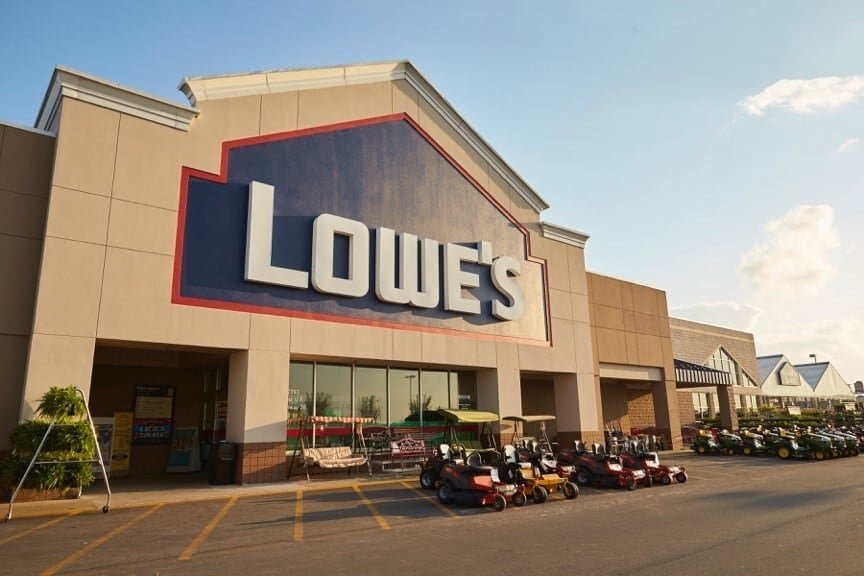
PHOTO: LOWES

Filling the Boxes

Hardware giant Lowe’s Companies recent announcement that it will be closing 34 stores across six Canadian provinces in 2020 (26 Rona locations, six Lowe’s stores, and two Reno-Depots) was a frequent topic of discussion. The closures come on the heels of Lowe’s previous store closings announced in late 2018. In conjunction with last year’s HBC Home Outfitters’ closings and remaining big-box vacancies from former Sears locations, the result is a sizeable number of large boxes standing empty. The challenge in filling those boxes is about much more than just market dynamics—it’s also about geometry. Many of those boxes are not just large, but also deep, making them difficult to split or reconfigure. The list of tenants for which those larger boxes make sense is relatively short.

That said, every challenge brings opportunity. These big-box vacancies present a chance for landlords to reposition a portion of their site. They also offer brands the prospect to penetrate certain markets that may have previously been effectively closed to them. The traditionally tight Calgary market is one that comes to mind. That window of opportunity also extends to retail brands that are more local and regional in nature. For second-tier retailers—many of which may have been hard pressed to pay market rent for premium locations—the chance to locate in better retail centres and locations at a slightly more accessible price point is an appealing proposition.

While creative and nontraditional uses for those larger spaces—such as medical and light industrial—have some potential, structural challenges and limitations make transitioning to those concepts more of a heavy lift.

PHOTO: LIFETIME ATHLETICS

Food and Fitness

If leasing trends are any indication, Canadians are going to be getting in better shape in the months and years ahead. The fitness craze is in full effect in Canada, with popular and expanding health and fitness brands expanding across the country. There is some clear segmentation within the larger ecosystem of health and fitness concepts. Brands like Movati and Lifetime Athletics offer larger, higher-end facilities with full-service-amenities at a premium price point. Another growing category is occupied by names like U.S. brand Planet Fitness, a fast-growing fitness concept with a combination of premium-style amenities at a lower price point that is fundamentally changing the nature of the fitness market in Canada. There are also the smaller facilities in the 3,000-7,000-square-foot range, brands like Anytime Fitness and Orangetheory, whom continue to be successful.

The industry perception of health and fitness tenants has clearly shifted in recent years. Once viewed as an alternative or even last resort, these brands are recognized as valuable tenants with promising co-tenancy synergies.

When it comes to food, the picture is a little more complicated. Last year at this time, new restaurants, drinking and dining concepts were a hot ticket. This year, the sluggish economy and some structural economic headwinds have clearly taken somewhat of a toll on this sector. While chef-driven restaurants and innovative dining concepts are still on the menu, flavour-of-the-day restaurants are losing a little steam in several trade areas across the country. The cumulative impact of high property taxes, a rising minimum wage, and a general economic slowdown has sapped some of the momentum. Restaurants in core markets are generally holding up better than those in secondary and tertiary markets. The good news is, quality concepts are still holding strong, and the QSR segment is generally performing well. Qdoba continues its Canadian expansion, recently announcing a multi-location deal across Northern Ontario and additional expansion in Western Canada. Chick-fil-A, which opened its first location outside the U.S. in Fall of 2019 in Toronto, plans to open up to 15 restaurants across the larger Toronto market. That expansion is the beginning of what is hoped to be a larger footprint past Ontario’s borders in the years ahead. Italian Market brand Eataly also made headlines in 2019, opening its first Canadian location in Toronto’s Manulife Centre.

RENDERING OF MASSIVE SQUARE ONE MIXED-USE REDEVELOPMENT IN MISSISSAUGA. RENDERING: OXFORD PROPERTIES

One thing to watch going forward is the spread of unique and specialized grocery concepts. Regional markets and even some farmers market-style concepts are literally and figuratively breaking new ground. In West Calgary’s Greenwich community, Calgary Farmers’ Market recently broke ground on its second location in the region, a 50,000-square-foot indoor facility slated to open in 2021.

EATALY, TORONTO. PHOTO: CRAIG PATTERSON

Consolidation and Core Markets

One thing that seemed clear at Whistler was that larger institutional owners are generally focusing more on core markets, with densification, mixed-use redevelopment, and urban infill projects a priority. Consequently, despite the sluggish economy, major urban markets like Toronto and Vancouver are thriving. Growth hasn’t slowed much at all in those markets, and the volume of new residential development in those cities would also seem to bode well for the future. That major-market focus could create some intriguing opportunities in secondary markets for smaller companies and private owners looking to acquire quality centres for a good price.

I think it’s noteworthy that, despite the ongoing economic slowdown, there was still a noticeable atmosphere of optimism and positivity at the ICSC conference. Deals are still being done, and developers continue to be opportunistic, even if timelines have slowed somewhat. Edmonton City Centre, a 1.4-million-square-foot office and retail complex was acquired at the tail end of 2019 to an international group of investors. That deal made headlines and raised some eyebrows, but reinforces the notion that there is an underlying confidence in the fundamental strength of the Canadian retail marketplace. That long-term vision and belief in the future, and a corresponding willingness to reposition, redevelop and invest in tomorrow by taking strategic advantage of opportunities today, is a sign that the answer to the ICSC question of What’s Next might be something that leaves retail professionals across the country smiling.

Arlyn Stoik is a principal with Avison Young specializing in retail. His expertise includes the market analysis and site selection for a number of leading retailers, and advising on some of Canada’s most exciting developments. Arlyn can be reached directly at arlyn.stoik@avisonyoung.com.

How Canadian Retailers Can Keep Up with Omnichannel Changes

By Greg Chapman, SVP of business development, Avalara

Changes in consumer habits and improvements in e-commerce, and shipping technology have given consumers more purchasing power than ever before. E-commerce has enabled retailers of all sizes to reach larger audiences and innovation in purchasing technology has made it possible for consumers to make purchases from nearly any device, from anywhere in the world. The evidence is right in front of us — customers in Ireland can purchase their favourite ice wine from Canada through their mobile devices and expect to receive it in a timely manner. Because of these changes, it’s no surprise that omnichannel retail has quickly shifted from something that retailers could choose to do into a business model that is, by all means, a requirement for consumers to do business with you.

For Canadian retailers looking to keep pace with these changes in consumer habits and identifying new channels to sell through, there are numerous considerations that they should keep in mind when developing their omnichannel selling strategy.

IMAGE: NETO.COM

The Impact of the ‘Marketplace Economy’

Online marketplaces have completely disrupted the way consumers look at e-commerce. Mega online marketplaces, like Amazon, Etsy, eBay, and Rakuten have made it possible for consumers to browse and compare products from sellers around the world and, ultimately, purchase nearly any product they desire. Customers have also become accustomed to the seamless checkout, shipping, and returns processes that marketplaces offer. To keep pace, traditional e-commerce platforms and online retailers are being forced to emulate the customer experience provided by marketplaces.

However, to successfully provide customers with Amazon-like experiences across channels, retailers need the right technology in place to streamline every step of the customer journey. From product pages to checkout to tax calculations to fulfillment, customers demand a simple and easy shopping experience from retailers regardless of where they are shopping–on an e-commerce site, mobile applications, etc. Moving forward, retailers will need to take a ‘bundled’ approach to online experiences to ensure that they are staying competitive with the convenience and positive experiences provided by online marketplaces.

IMAGE: CANADA POST

The Inevitable Growth of International E-commerce

Another influential factor in a business’s omnichannel e-commerce strategy comes in the form of international, or cross-border, commerce. For Canadian retailers, there is ample opportunity to capitalize on international sales from countries that are already interested in making purchases from Canada, like the United States and the United Kingdom. In fact, a survey of U.S. consumers found that 72% of Americans would consider purchasing from Canadian retailers.

However, selling beyond Canadian borders isn’t as simple as marketing products to customers outside of the country. Before embarking on cross-border expansion, businesses must consider international complexities and invest in ways to manage them, especially when it comes to compliance. Beyond knowing goods and services tax (GST), retailers must be adept at handling sales and use tax, value-added tax (VAT), customs duties (also called tariffs), import fees, and the variations of each from country to country.

In addition to different tax systems, businesses need to properly assign Harmonized System (HS) codes to all their goods. The first six digits of the code are standardized across all participating countries; however, each country appends its own set of digits to classify a product based on specific parameters and regulations. Each country also has its own laws governing what can be sold by whom. For example, tax rates applied to imports from Canada to the United Kingdom may be applied differently than those same products when coming from the United States.

Despite these challenges, the good news for retailers is that cross-border commerce isn’t going away anytime soon, so there’s still time to get your slice of the pie. In fact, Forrester predicts that global cross-border e-commerce will grow to $424 billion by 2021.

SMART SPEAKES. IMAGE: MEDIUM.COM

The Introduction of New Selling Channels

Perhaps one of the largest drivers of omnichannel retail is the mobile device. In 2019, Amazon alone saw 85% of shopping activity come through its mobile app. Consumers want to be able to make purchases when it is most convenient for them, so retailers must be equipped to meet customers where they are. Beyond the smartphone, consumers are now able to make purchases through connected devices, like smart speakers, wearables, and Internet of Things (IoT) devices (think smart refrigerators).

Beyond devices, retailers also have the opportunity to reach and sell to customers through channels that consumers are using every day for other reasons. Take social media, for example, billions of people log on to popular social networking sites, like Facebook, Twitter, and Instagram, on a daily basis. Thanks to improvements in social advertising, retailers can target customers with advertisements that allow users to make purchases directly from their timelines. Staying on top of the newest technology will continue to become more critical for retailers looking to stay in front of potential customers through the most impactful channels.

The Internet and proliferation of e-commerce offer retailers a world of possibility to increase sales and reach more customers. To stay relevant in the world of omnichannel commerce, success requires retailers to augment their customer experience to align with consumer expectations. Retailers will also need to take the impact of global compliance into consideration before selling across borders and will need to be in tune with the newest and best channels for reaching customers as technology evolves. At the end of the day, every retailer’s audience and business goals will vary, so determining the right omnichannel approach for your business should change to stay as closely aligned to those two factors as possible.

Greg Chapman

Greg Chapman is the Senior Vice President of Business Development at Avalara, a leading provider of cloud-based tax compliance automation for businesses of all sizes. He has been with the company since 2013. Avalara provides its compliance solutions embedded within partner’s software, therefore in his role leading business development and partnerships, Greg must be able to spot emerging trends in how businesses manage their financial planning, execution, and growth strategies. Increasingly important to Avalara is how business expand across borders and into new sales channels, such as marketplaces, to accelerate their growth. Prior to Avalara, Greg worked with as a business development leader for Amazon. He is able to provide insight into the world of retail and ecommerce for small businesses. Greg is an alumnus of Dartmouth College.”

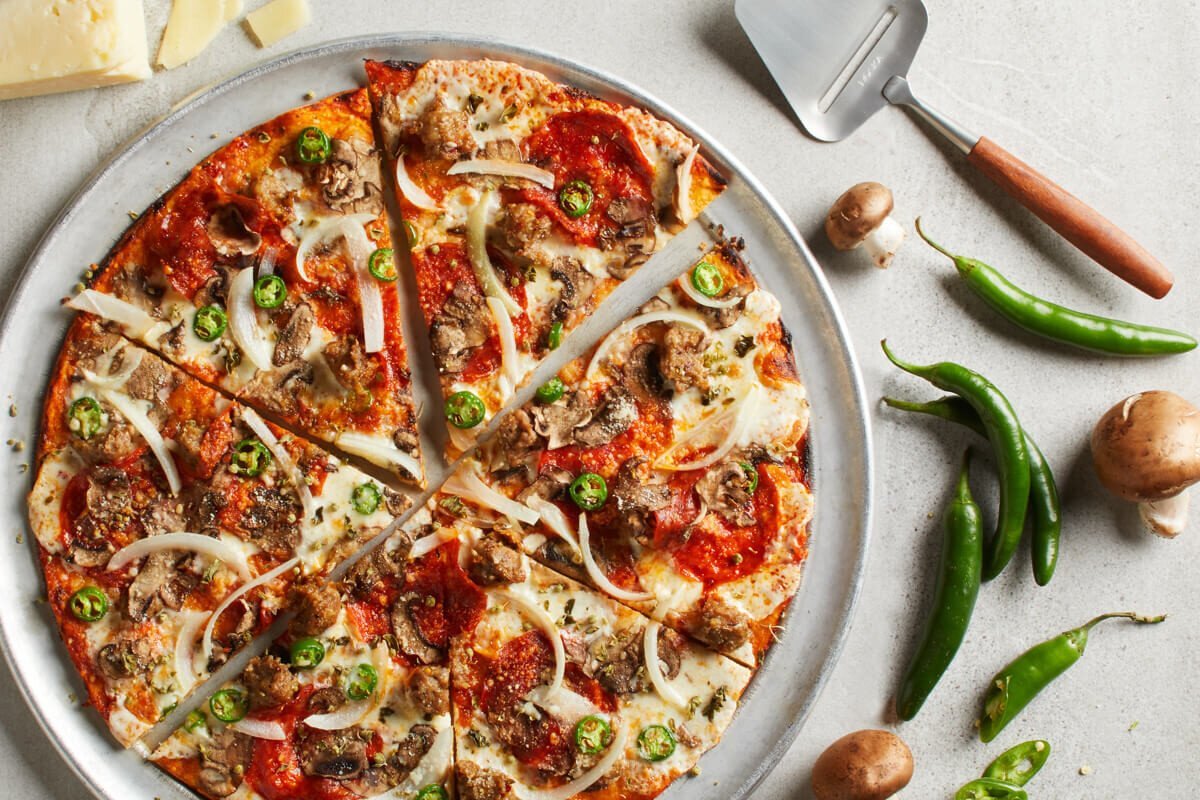
California Pizza Kitchen to Enter Canada Amid Cross-Country Expansion

California Pizza Kitchen - PHOTO: THE MALL OF MILLENIA

Beverly Hills-based California Pizza Kitchen is expanding its operations into Canada as it looks to gain a foothold in the already crowded Canadian market. The company, partnered with an Alberta-based restaurateur and the first California Pizza Kitchen location, will open in Edmonton amid plans to expand into other provinces in the coming years with multiple franchise partners.

Many Canadians are already familiar with the California Pizza kitchen chain, which was founded in 1985 and now operates more than 240 restaurants in 10 countries and US territories. The chain is known for its signature hand-tossed pizzas and other ‘main plates’ as well as wines and other beverages. The chain positions itself as being upscale while also accessible.

For the Canadian launch, California Pizza Kitchen partnered with Alberta-based restaurateur Samira Shariff, who, over the past 40 years, has built various successful restaurant brands in Alberta as a multi-unit franchise owner and operator in Edmonton. Ms. Sharif’s son Naheed has more than 25 years of experience in restaurant franchising and will serve as CEO of California Pizza Kitchen’s Alberta footprint.

The first Canadian location for California Pizza Kitchen will be in Edmonton, which will open several months from now, according to the company. It will be the first of five planned locations for California Pizza Kitchen in the Province of Alberta, with the four other locations set to be rolled out over the next eight years.

As part of a national expansion, California Pizza Kitchen will also look to expand beyond Alberta into markets such as British Columbia, Ontario, and Quebec. That includes targeting metropolitan regions of Vancouver, Toronto, and Montreal. California Pizza Kitchen says that it will be seeking out qualified partners in those markets who bring expertise to the operations as more restaurant locations are rolled-out as part of the Canadian growth plan, and that other markets are a possibility as well.

In terms of site selection, the company says that the California Pizza Kitchen concept “fits well in a variety of formats”. That includes locations in lifestyle centres and standalone locations, with flexibility to look to other options depending on what works best for the brand. As shopping centre landlords look to add full-sized restaurants to properties, major malls could also become home to California Pizza Kitchen locations.

Of the 240 California Pizza locations globally, 40 of them are franchised and in the United States, 16 franchised storefronts are located in airports, casinos, and stadiums.

When asked about a targeted number of California Pizza Kitchen locations in Canada, a company representative said it was too soon to provide a definitive answer.

California Pizza Kitchen’s menu includes numerous innovations. The Original BBQ Chicken Pizza is a huge seller, according to the company, which also launched a vegetable-powered Cauliflower Pizza Crust which has become popular.

“At California Pizza Kitchen, we take great pride in sharing our passion for California-style pizza, fresh and creative ingredients and best-in-class hospitality with our guests around the world,” said Jim Hyatt, CEO of California Pizza Kitchen. “We’ve had our sights set on expanding into Canada for many years now, to bring California Pizza Kitchen a little closer to home for all of our Canadian guests who’ve become loyal regulars at so many of our U.S. locations, whether joining us on vacation or business travel. Now, we’re confident we have the right, deeply experienced partner in Samira Shariff to spearhead our entry into the market.”

Naheed Shariff said, “Every time we’ve visited the U.S. over the years, our family has always made a point of eating at California Pizza Kitchen. What we admire about the brand is its continuous evolution, forward thinking with modern tastes, from experimenting with new flavours and ingredients, to being leaders in better-for-you options, such as gluten-free and veggie-based Cauliflower Pizza Crust. We think California Pizza Kitchen’s creative California vibe and innovative menu will resonate with Albertans and offer something completely new in the market.”

How Canadian Retailers Can Make Store Managers More Productive

By Retail Insider 

Store managers are critical to retail operations, and the success or failure of a store ultimately lies with them. Store managers are also the most influential people in an employee’s work life, and can make or break the employee experience, which is critical to a retailer’s success. 

Workforce innovation company Kronos has released an eBook that is available for download, laying out how retailers can make the job of a store manager easier, so they can be most productive.

The eBook sets out a clear Five-Step Plan as a path for increased manager productivity. 

The Kronos eBook even suggests working in a manager’s shoes for a day, to learn the day-to-day realities of store managers. That kind of insight helps determine what an ideal day might look like for a store manager, with a goal of streamlining or simplifying tasks and responsibilities. Happy and productive store managers have a positive impact on the entire retail operation, from reducing employee turnover to increasing customer retention.

Download the eBook to gain new insights into how store managers can become most productive, and keep their stores running smoothly and profitably.

For more information on Kronos workforce management solutions, visit www.kronos.ca.

Inside Downtown Vancouver’s Newest Grocery Store ‘Fresh St. Market’ [Photos]

PHOTO CREDIT: DAVID IAN GRAY

Downtown Vancouver’s newest grocery store is a sight to behold with its glossy interior and in-store dining options. Located at the base of the new Vancouver House luxury residential tower, the store will serve a high-density neighbourhood that lacked a large grocery retailer in the immediate area.

It’s the fifth Fresh St. Market location and the first in Vancouver. The 15,000 square foot Vancouver store features a 50-seat restaurant called the Fork Lift Kitchen & Bar, which is also licensed. It addressed a trend where grocery stores are adding in-store restaurants, as such retailers morph into what some have coined to be ‘grocerants’. The in-store restaurant’s name is a nod to the past. At one time, the area around the Granville Street Bridge was a tow yard when False Creek was a working harbour. The area is now lined with tall residential buildings as well as an attractive network of parks.

Included is local seafood, cheese, curated meats, and craft beers. The store is separated into areas including “Welcome to our Garden in the City”, “Howe Sound Seafood” ,“Pacific Street Deli”, and “Perk for your Pedal”. There’s also a full-time Cheese Monger as well as a “That’s One Hot Cookie” station which supplies freshly made, warm cookies.

Local suppliers include Two Rivers Meats from North Vancouver, One Arrow Bacon from Vancouver, Meats from Lepp Farms in Abbotsford, Oyama Meat Co. from Granville Island, and Spice Mantra Curries from Surrey. Local coffee roaster Lion’s Bay Coffee Company also has a presence in the new store.

For residents living downtown, Fresh St. Market offers click-and-collect as well as grocery delivery by bicycle. The click and collect option also allows customers to pick up purchases from a refrigerated locker which is activated by a code — Fresh St. Market says that is has simplified the process with shopping able to be done on one’s mobile device.

In the restaurant component, customers can find beer from Vancouver area breweries Bomber Brewing, Main St. Brewing, Strange Fellows Brewing, R & B Brewing Co., and others. Local brewery fans will also find Dageraad Brewing from Burnaby, Beere Brewing from North Vancouver, along with Yellow Dog Brewing Co. and Twin Sales Brewing from Port Moody. Certified B-Corporation Persephone Brewing Company from Gibson’s on the Sunshine Coast is also available — Persephone refers to the boat owned by Nick Adonidas (played by actor Bruno Gerussi) in the hit TV Series ‘The Beachcombers’ which ran between 1972 and 1990 on CBC and other networks.

Sustainability is an important component to the new Fresh St. Market, according to the company. Seafood sold in the store, for example, is said to be 100% sustainable and part of Ocean Wise. Single-use plastic bags are not available in the store, as is already a trend — late last month, Sobeys discontinued providing plastic grocery bags in its hundreds of stores across Canada.

The Fresh St. Market concept is in expansion mode and the company says that more locations are expected, with announcements to come. Other locations for the chain include a store at 1650 Marine Drive in West Vancouver, two locations in Surrey (Fleetwood Village and Panorama Village), as well as a unit in Whistler Village North in the popular resort town north of Vancouver.

Retail analyst David Ian Gray, founder and principal of retail advisory firm DIG360, toured the store over the weekend and provided Retail Insider with the photos in this article. Mr. Gray said that he was impressed with the new Fresh St. Market store, and expects that it will be very popular amongst locals as well as visitors to the area who may also enjoy the nearby Seawall and other waterfront amenities. He also toured the new 12,000 square foot London Drugs store located below Fresh St. Market — the store is a new concept that lacks dedicated departments found in other locations.

Mr. Gray noted that while alcohol is served at Fresh St. Market, patrons are confined to the dedicated restaurant/bar area and may not consume beverages in the store itself. That’s a point of difference from a recently opened Longo’s store in Toronto’s Liberty Village which allows patrons to have a drink in their hand while shopping. Eataly, which opened in downtown Toronto’s Manulife Centre in November, also welcomes patrons who wish to drink while they shop.

Fresh St. Market is a sibling to the IGA grocery chain. Both are run by Georgia Main, which is the recently rebranded food division of H.Y. Louie which also owns the London Drugs chain. Both stores are located in the 80,000-square-foot commercial podium of the Vancouver House development, which includes a unique twisting luxury residential tower designed by Bjarke Ingels. Developer Westbank built the recently completed Vancouver House project, and was also responsible for installing a controversial $4.8 million spinning crystal chandelier that now hangs from the Granville Street Bridge.

The downtown Vancouver peninsula is home to an impressive number of grocery stores. The resident population on the peninsula now surpasses 110,000 thousand residents, and most are able to walk to a grocery store within five minutes. Downtown Vancouver is second in Canada in terms of having a robust offering of grocery stores, and is only surpassed by downtown Toronto which continues to add new grocery retailers amid a population explosion that could see a downtown population surpassing 500,000 residents within the next 20 years.

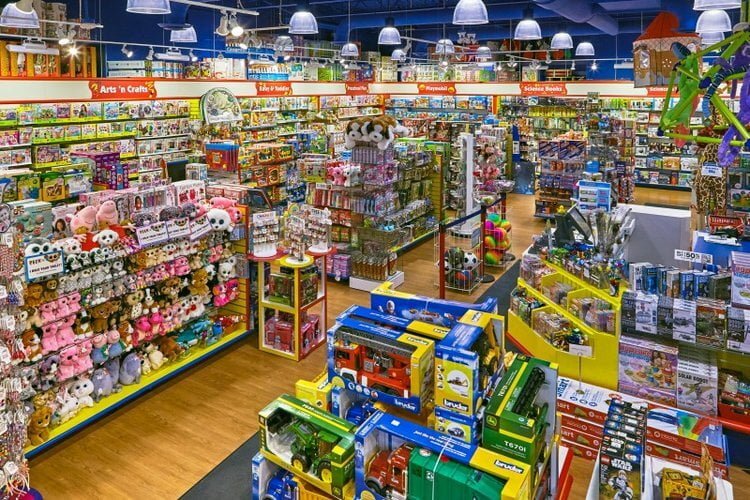
Mastermind Toys Appoints New CEO Amid Strategy Shift [Exclusive]

PHOTO: MASTERMIND TOYS FACEBOOK

Canada’s largest specialty toy and children’s books retailer, Mastermind Toys, has appointed a new CEO amid a strategy shift aiming to enhance the customer journey while building further engagement with its base of loyal customers. Sarah Jordan, an experienced retail veteran with a background in customer experience and strategy, was appointed CEO of Mastermind Toys last month.

Ms. Jordan replaces the company’s co-founder Jon Levy, who was at the helm of the company since Mastermind Toys was founded in 1984. Mr. Levy and his brother, Andy, remain on the Board of Mastermind Toys and are providing strategic direction to the company moving forward. Ms. Jordan’s role also includes overseeing operations of former company president Humphrey Kadaner. Birch Hill Equity Partners owns a majority stake in Mastermind Toys which it acquired in 2010 when the retailer had 10 stores.

In an interview, Ms. Jordan shared how Mastermind Toys will seek to become even more customer-centric under her direction. That will include reimagining the retailer’s Canadian brick-and-mortar footprint as well as its e-commerce site. Ms. Jordan’s background includes having been a Principal at The Boston Consulting Group as well as being a Senior Vice President of Customer Experience and Omni Channel Strategy at Scotiabank.

PHOTO: MASTERMIND TOYS

Customer expectations have changed amid a shift in the retail industry, and Mastermind Toys is looking to be even more dynamic, according to Ms. Jordan. The company prides itself on being customer obsessed and is continually speaking to its customers as well as employees to enhance the overall retail experience. The goal is to ‘wow’ customers in the channel of their choice and delight them at the moments that matter.

Mastermind Toys is the authority of play in Canada and marketing efforts will be strengthened to enhance brand awareness, while engaging with customers to showcase Mastermind Toys’ curated product assortment of specialty toys and books.

Mastermind Toys launched a loyalty program in the fall of 2018. Called Mastermind Toys Perks, the program was warmly received after market research found that an impressive 94% of respondents indicated a strong desire for a loyalty program. Members enjoy free gift-wrapping and loot-bag assembly in stores, receive sneak previews and early alerts about new and tough-to-get items, get access to members-only promotions and events, not to mention receive customized offers and personalized toy recommendations. Perks members also receive surprise gifts and rewards throughout the year to mark milestones like birthdays and holidays.

The retailer also launched ‘click-and-collect’ in its stores in 2018, where shoppers can reserve product online and pick it up at their preferred store locations. Within an hour of receiving the request, store staff set aside the selected items for the customer. After launching in the summer of 2018, its feedback was overwhelmingly positive with 93% of users saying they were “satisfied/very satisfied” with the service, and with the same percentage saying they are “likely/very likely” to use the service again. Mastermind Toys will continue to build digital capabilities to attract new customers and to engage more meaningfully with existing customers.

Efforts under previous management will be enhanced under Ms. Jordan, who will oversee Mastermind Toy’s customer-centric strategy that is part of an effort to continue to grow its market share. The company occupies a unique niche in the marketplace, offering fun and educational toys and books that are also geared to feed the curious mind. Mastermind Toys has a large selection of items under their own private label, designed based on their 35-year heritage of watching kids play. Part of the strong loyalty to the retailer is from parents recognizing the unique value proposition, not to mention kids seeking out the newest and latest offerings, often exclusive and not available anywhere else.

Over the past several years, Mastermind Toys has expanded rapidly across Canada as it opened stores in new markets. Western Canada, which saw stores begin opening in 2013, has become a key market for the Toronto-based retailer. Ms. Jordan said that now that Mastermind has built a coast-to-coast presence it is looking at how its footprint needs to evolve to be even more experiential and to reflect the growing importance of digital.

We’ll follow up on this story when more details are revealed about the future of Mastermind Toys’ retail strategy in Canada.

How Canadian Retailers Can Flex to Reach Gen Z and Beyond

FARM BOY, HAMILTON, ONTARIO. PHOTO: FARM BOY

By DeAnn Campbell

When building a shopping centre, the benefits of a good firewall can’t be denied. Should a fire break out in a mechanical room next door, a solid four-hour firewall can mean the difference between closing your store for days to tidy up or closing for months to rebuild.

As we enter a new decade, the pace of change in retail is frantic. Technology, social trends, and shopper demographics are changing almost daily. Today’s Canadian retailers need a good firewall to give them time to adapt and respond to avoid the pitfalls of falling behind.

Already, a major shift in retail has happened with little fanfare. Canada’s annual population growth is 0.89%, a low not seen since 1955, and it is forecast to continue in a downward trajectory. To retailers, this means that tomorrow’s shoppers don’t exist. Increasingly, Canadian retailers will compete for the same customers. It’s going to be a buyer’s market for the next decade.

Flex in the City

SMALL CONCEPT IKEA. PHOTO: IKEA

Canada’s retail landscape is very different from the United States’ retail landscape, so it stands to reason that store formats developed in the U.S. won’t serve the Canadian customer’s needs.

Nowhere is this more evident than with large-format retailers. Today, more than 81% of Canada’s population lives in urban centres. This means that large-format suburban stores don’t align with the needs of many Canadian consumers. By bringing more flexibility into design strategies — and real estate — retailers can place themselves where they can best serve their customers.

Empire’s 2018 acquisition of Farm Boy demonstrates a clear understanding that consumers want different experiences for different shopping trips. Michael Medline — CEO of Empire Company Limited, the parent company of Sobeys — acknowledged the need to flex. Shoppers aren’t exclusively going to a discount store or a luxury store, Medline told the Financial Post, but they are going to the store that fits their needs on that given day.

Farm Boy specializes in produce, meat, and prepared foods. It’s not a destination for toilet paper and toothpaste. The acquisition allows Sobeys the flexibility to offer different store experiences to its customers in order to satisfy the needs of different neighbourhoods and reach previously inaccessible customers.

Another retailer flexing its stores is Ikea. Long known for its massive footprint and suburban locales, a typical Ikea store occupies between 250,000 and 350,000 square feet and stocks nearly every product. In a significant break from tradition, however, Ikea is looking at testing a much smaller store concept in downtown Toronto, projected to open within the next two years.

By creating smaller formats curated to the needs of each urban community, Ikea is responding to Generation Z and Millennial shoppers, who increasingly live in cities and choose not to own vehicles.

The Flex Generation

Almost 10% of Canadian adults between the ages of 25 and 64 lived with at least one parent in 2017. In 1995, this figure hovered around 5%. This creates a substantial shift in the way families shop, as Gen Z becomes more involved in household buying decisions. It is reported that 4 out of 5 parents involve their Gen Z kids in purchase choices. This means that retailers need to prioritize Gen Z and even Millennial preferences when merchandising and marketing products.

Walmart Fastlane Photo: Walmart

Balancing Experience and Tech

According to Forrester Research, e-commerce represented about 9.5% of total retail sales in Canada in 2019. But while e-commerce sales are growing, Canadians are still touch-and-feel shoppers; they find value in brick-and-mortar retail.

Today’s shoppers have become very comfortable using technology. Consumers have come to expect the convenience of online buying, self-checkout, and touch screens within brick and mortar. Companies that don’t find ways to integrate convenience technologies into their physical stores will suffer, even if these services are offered on their websites. Customers want choice and convenience at their fingertips — whether they are online or standing in a store.

Experiences will be the key driver of retail success this decade. It is no longer enough to sell products. Brands and retailers alike must offer a multidimensional shopping ecosystem that harmonizes with customers’ daily lives.

Walmart Canada offers a multichannel shopping experience with enhanced grocery and foodservice offerings, third-party licensed shops, an updated product assortment, and a store design and layout that’s geared toward urban consumers. It’s also introduced a quick checkout service called Fast Lane, which enables customers to use the My Walmart app on their smartphones to shop and complete transactions quickly by exiting the store through a dedicated checkout lane.

Indigo Books is another retailer that’s found the right balance of experience and technology in its stores. “For those retailers who really have something of value to offer, they are getting their share, and there is pressure on everybody to really step up their game,” says Indigo CEO Heather Reisman. Indigo launched a successful programming series in its stores. It is running different learning programs in the stores for everything from calligraphy to wine tasting, with topic choices originating from the customers.

In today’s retail landscape, brands and retailers must create experiences, integrate technology, and build an ecosystem that’s flexible and responsive to each shopper’s unique path to purchase.

DeAnn Campbell is convinced that the next evolutionary era heralds a shift beyond converged commerce to Harmonic Retail™, where online and offline experiences don’t merely integrate, but they interact, enrich, and react upon one another to create a living, harmonized brand expression throughout the customer journey. DeAnn holds a Bachelor of Architecture, is LEED ID+C accredited, and currently heads up retail strategy and research at Harbor Retail.

Chocolate Brand ‘Jeff de Bruges’ Opens Montreal Eaton Centre Flagship [Photos]

exc-5e401491f875f52b567cdd50

By Maxime Frechette

French chocolate and ice cream retailer Jeff de Bruges has opened its Canadian flagship at Montreal Eaton Centre, and is looking to continue opening stores as it gains brand awareness. De Bruges is known for its chocolate creations and other product categories that are imported from Belgium.

The retailer has been in Canada since 2013, after opening its first two stores in the Montreal area at Mail Champlain in Brossard and at Place Montreal Trust in the city’s downtown core. Both of these have since closed and have been replaced with a new concept. Now Jeff de Bruges of Canada company is once again expanding.

The expansion kicked off in the summer with a kiosk at the Carrefour Industrial Alliance in downtown Montreal, and was followed with a new shop that just opened inside the new expansion of the Montreal Eaton Center. Strategically located on the street level, the new shop spans nearly 700 square feet and brings with it De Bruges’s newest brand concept.

In an email interview, Jeff De Bruges’ founder Philippe Jambon explained how Jeff de Bruges’ brand awareness in France is very strong, being at 85%. In Quebec, building brand awareness will take time to develop, which means that securing the best retail locations will be critical. Mr. Jambon explained how studies have shown how Montreal Eaton Centre’s clientele differs from those at Carrefour Industrial Alliance — Montreal Eaton Centre is busier and has a more diverse shopper. Ultimately ‘triple A’ shopping centres will be be targeted both for in-line retail spaces as well as kiosks in select malls.

For the Quebec market, Jeff De Bruges partnered with ice cream brand Bilboquet for its frozen offerings. Jeff De Bruges is known for its high-quality chocolate creations that are giftable.

Jeff De Bruges joins downtown Montreal’s renewal, which includes the overhauled Montreal Eaton Centre that recently saw the opening of the impressive Time Out Market food hall. Other international brands either already open or soon to open there include Samsung, Foot locker – Kids Foot locker, Okaidi, Pandora, Sephora and Uniqlo, the latter which will open in the fall and will be the largest flagship in Canada for the Japanese retailer.

Jeff De Bruges launched in 1986 and began franchising in 1988, introduced ice cream into the mix in 1990 under the direction of Mr. Philippe Jambon. Jeff de Bruges sees revenue in the hundreds of millions of dollars annually in its more than 500 locations across France with a mix of corporate and franchised stores.

Jeff de Bruges is working with brokerage Think Retail under the direction of Tony Flanz for its Canadian expansion. According to Think Retail, retail spaces for Jeff de Bruges will ideally be in the 700 square foot to 1,000 square foot range with a primary focus on super-regional malls, and smaller kiosks are also part of the expansion plan.

Montreal-based Maxime Frechette is an expert in luxury and other retail, and is also an influencer who works with brands through his platforms including Montreal-Weekly.

eTail Canada Conference 2020 Releases Full Agenda

exc-5e3c26c507c3c237aec33603

By Retail Insider

This year’s will be held May 4-6, 2020 in downtown Toronto, and it has just released its that includes an impressive roster of as well as networking opportunities. The conference will be held at the located at 370 King Street West. []

This year, more than 500 senior-level retail executives will meet to discuss the future of the ever-changing retail industry as well as benchmark performance and to network with other industry professionals.

The roster of eTail Canada speakers this year includes many dynamic names involved with big-name companies such as Loblaw, Canadian Tire, Walmart, Holt Renfrew, LCBO, Artizia, Endy, Clearly, Indochino, and many others. Prominent speakers will include:

  • Drew Green, CEO of custom suit maker Indochino,

  • Susan O’Brien, SVP Marketing at Canadian Tire,

  • Arnaud Bussieres, CEO of Clearly,

  • Mike Gettis, Founder and CEO of Canadian mattress-in-a-box brand Endy,

  • Jennifer Stahlke, VP of Customer Marketing at Walmart Canada

  • Lisa Owen, Co-Founder and CEO of Rent Frock Repeat,

  • Krista Collinson, VP of E-Commerce Merchandising at Walmart Canada,

  • Matthew Cebulski, Head of Discovery and Partner Success at Loblaw Digital,

  • Peter van Stolk, CEO of SPUD.ca,

  • Sally Parrot, SVP of Marketing at Aritzia.

There will be plenty of other speakers from some of the most recognized companies in retail [] Various presentations will also be engaging and interactive. Day One (May 4th) will include the Discovery Summit: Emerging Technologies, Search, & SEO. It will be eTail Canada’s most interactive day yet, including a meeting of the minds and strategic group discussions. The exciting, jam-packed day will feature hot topic roundtables, inspiring speakers, and valuable networking that not only provide answers to your most challenging questions, but also put your thought leadership at the front and center of the show.

On Day Two (May 5th), the theme will be Next Level Personalization: The Immersive, Hyper-Tailored Shopping Experiences Customers Crave. On Day Three (May 6), the theme will be Customer Loyalty: How To Bring Your Customers Further Into Your Brand. []

eTail Canada is offering 20% off the current price for retailers when you register with code ETC20RI.

In summary, and for more information on this year’s eTail Canada conference:

[] []

[] And furthermore: []

We look forward to seeing you there!

*Partner Content. To work with Retail Insider, contact Craig Patterson at: craig@retail-insider.com.