

By Arlyn Stoik
The annual ICSC Whistler Conference, at the Fairmont Chateau Whistler Resort in Whistler, BC is always a great opportunity to network, learn more about the ideas and institutions shaping the retail industry, and get a feel for not only what is happening today, but what tenants, trends, and tactics will be shaping the retail landscape of tomorrow.
This year’s event, which took place on Sunday, January 26th through Tuesday, January 28th, explicitly embraced that forward-thinking approach. The theme for the 2020 conference was What’s Next: Redefining the Retail Experience. It was clear from the topics and tone at the event that retail professionals aren’t just focused on what’s on the corner, but also what’s around the corner—both for specific segments and concepts, and for the industry as a whole.
After absorbing three days’ worth of fascinating conversations with and presentations from some of the brightest retail minds in the business, certain key themes emerged. Here are some of the most talked-about trends and key takeaways from Whistler:
Filling the Boxes
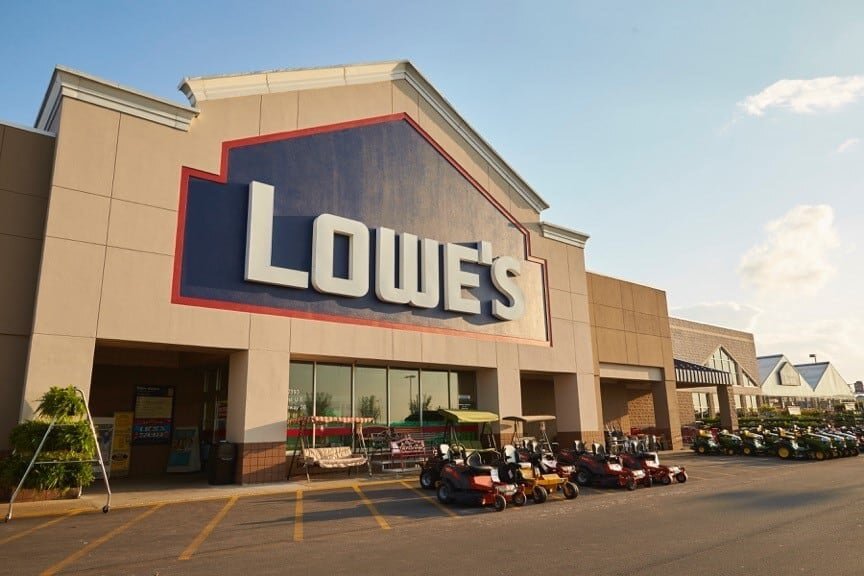
Hardware giant Lowe’s Companies recent announcement that it will be closing 34 stores across six Canadian provinces in 2020 (26 Rona locations, six Lowe’s stores, and two Reno-Depots) was a frequent topic of discussion. The closures come on the heels of Lowe’s previous store closings announced in late 2018. In conjunction with last year’s HBC Home Outfitters’ closings and remaining big-box vacancies from former Sears locations, the result is a sizeable number of large boxes standing empty. The challenge in filling those boxes is about much more than just market dynamics—it’s also about geometry. Many of those boxes are not just large, but also deep, making them difficult to split or reconfigure. The list of tenants for which those larger boxes make sense is relatively short.
That said, every challenge brings opportunity. These big-box vacancies present a chance for landlords to reposition a portion of their site. They also offer brands the prospect to penetrate certain markets that may have previously been effectively closed to them. The traditionally tight Calgary market is one that comes to mind. That window of opportunity also extends to retail brands that are more local and regional in nature. For second-tier retailers—many of which may have been hard pressed to pay market rent for premium locations—the chance to locate in better retail centres and locations at a slightly more accessible price point is an appealing proposition.
While creative and nontraditional uses for those larger spaces—such as medical and light industrial—have some potential, structural challenges and limitations make transitioning to those concepts more of a heavy lift.
Food and Fitness
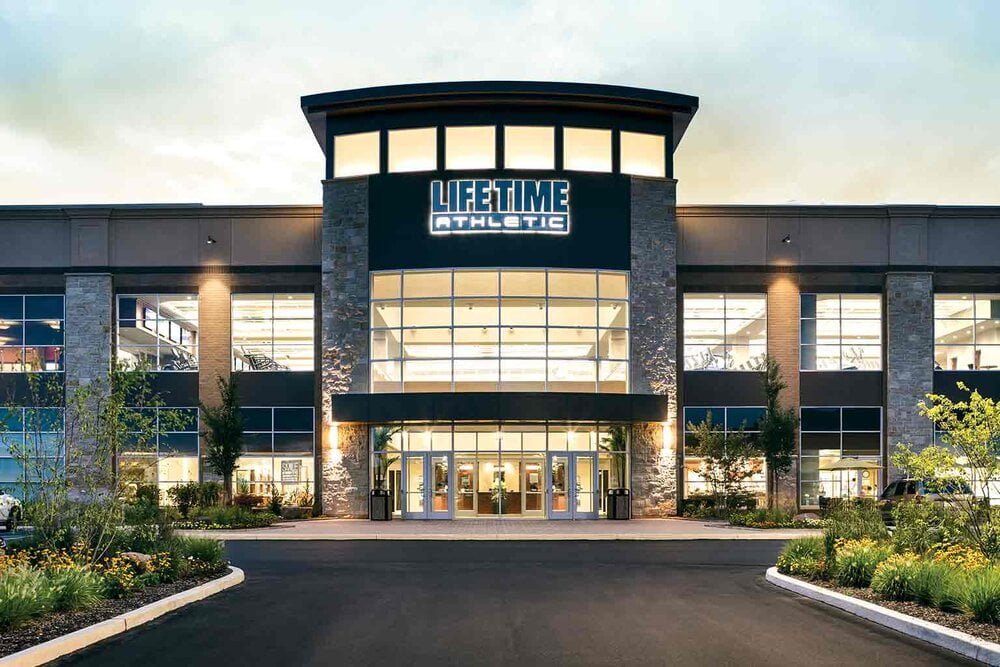
If leasing trends are any indication, Canadians are going to be getting in better shape in the months and years ahead. The fitness craze is in full effect in Canada, with popular and expanding health and fitness brands expanding across the country. There is some clear segmentation within the larger ecosystem of health and fitness concepts. Brands like Movati and Lifetime Athletics offer larger, higher-end facilities with full-service-amenities at a premium price point. Another growing category is occupied by names like U.S. brand Planet Fitness, a fast-growing fitness concept with a combination of premium-style amenities at a lower price point that is fundamentally changing the nature of the fitness market in Canada. There are also the smaller facilities in the 3,000-7,000-square-foot range, brands like Anytime Fitness and Orangetheory, whom continue to be successful.
The industry perception of health and fitness tenants has clearly shifted in recent years. Once viewed as an alternative or even last resort, these brands are recognized as valuable tenants with promising co-tenancy synergies.
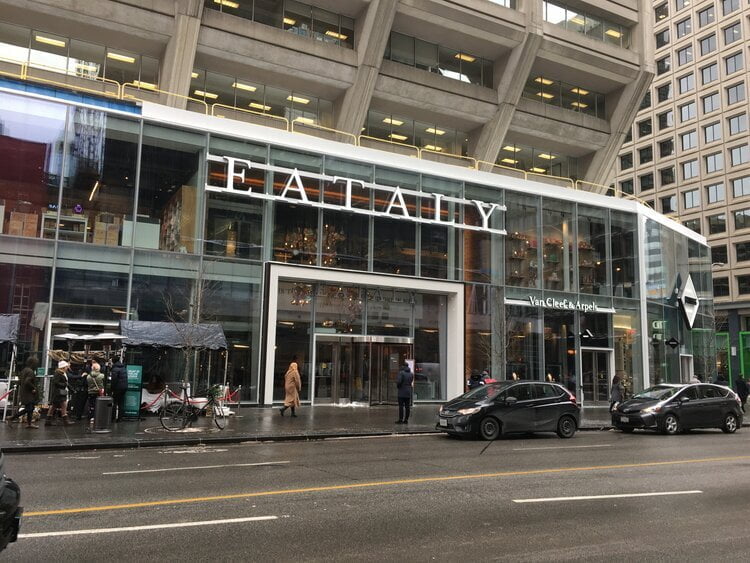
When it comes to food, the picture is a little more complicated. Last year at this time, new restaurants, drinking and dining concepts were a hot ticket. This year, the sluggish economy and some structural economic headwinds have clearly taken somewhat of a toll on this sector. While chef-driven restaurants and innovative dining concepts are still on the menu, flavour-of-the-day restaurants are losing a little steam in several trade areas across the country. The cumulative impact of high property taxes, a rising minimum wage, and a general economic slowdown has sapped some of the momentum. Restaurants in core markets are generally holding up better than those in secondary and tertiary markets. The good news is, quality concepts are still holding strong, and the QSR segment is generally performing well. Qdoba continues its Canadian expansion, recently announcing a multi-location deal across Northern Ontario and additional expansion in Western Canada. Chick-fil-A, which opened its first location outside the U.S. in Fall of 2019 in Toronto, plans to open up to 15 restaurants across the larger Toronto market. That expansion is the beginning of what is hoped to be a larger footprint past Ontario’s borders in the years ahead. Italian Market brand Eataly also made headlines in 2019, opening its first Canadian location in Toronto’s Manulife Centre.
One thing to watch going forward is the spread of unique and specialized grocery concepts. Regional markets and even some farmers market-style concepts are literally and figuratively breaking new ground. In West Calgary’s Greenwich community, Calgary Farmers’ Market recently broke ground on its second location in the region, a 50,000-square-foot indoor facility slated to open in 2021.
Consolidation and Core Markets
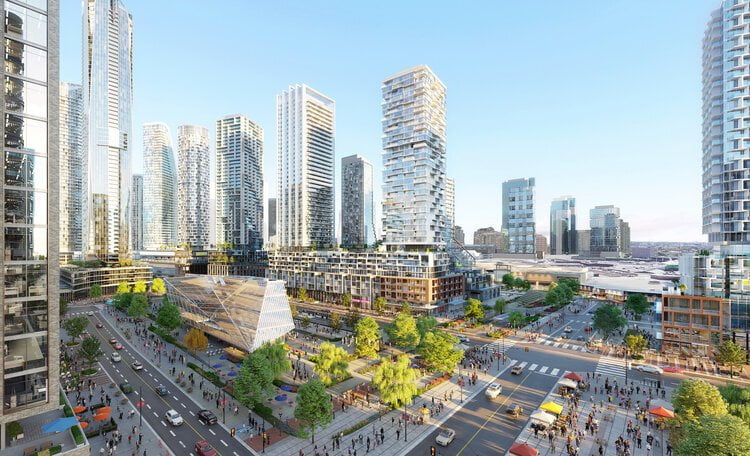
One thing that seemed clear at Whistler was that larger institutional owners are generally focusing more on core markets, with densification, mixed-use redevelopment, and urban infill projects a priority. Consequently, despite the sluggish economy, major urban markets like Toronto and Vancouver are thriving. Growth hasn’t slowed much at all in those markets, and the volume of new residential development in those cities would also seem to bode well for the future. That major-market focus could create some intriguing opportunities in secondary markets for smaller companies and private owners looking to acquire quality centres for a good price.
I think it’s noteworthy that, despite the ongoing economic slowdown, there was still a noticeable atmosphere of optimism and positivity at the ICSC conference. Deals are still being done, and developers continue to be opportunistic, even if timelines have slowed somewhat. Edmonton City Centre, a 1.4-million-square-foot office and retail complex was acquired at the tail end of 2019 to an international group of investors. That deal made headlines and raised some eyebrows, but reinforces the notion that there is an underlying confidence in the fundamental strength of the Canadian retail marketplace. That long-term vision and belief in the future, and a corresponding willingness to reposition, redevelop and invest in tomorrow by taking strategic advantage of opportunities today, is a sign that the answer to the ICSC question of What’s Next might be something that leaves retail professionals across the country smiling.
Arlyn Stoik is a principal with Avison Young specializing in retail. His expertise includes the market analysis and site selection for a number of leading retailers, and advising on some of Canada’s most exciting developments. Arlyn can be reached directly at arlyn.stoik@avisonyoung.com.








I missed this year’s event which I wanted to attend very badly. All thanks to Arlyn Stoik, I got much-needed information from this article. You have done a great job by presenting and explaining everything about the event clearly. Thank you so much. Check out more in http://www.bloghasting.com/