Vancouver-based womenswear retailer Aritzia announced Monday that it has acquired a 75% stake in Vancouver-based men’s athletic wear brand Reigning Champ. Aritzia paid approximately $63 million, with the remaining 25% equity interest purchased in three instalments through 2026.
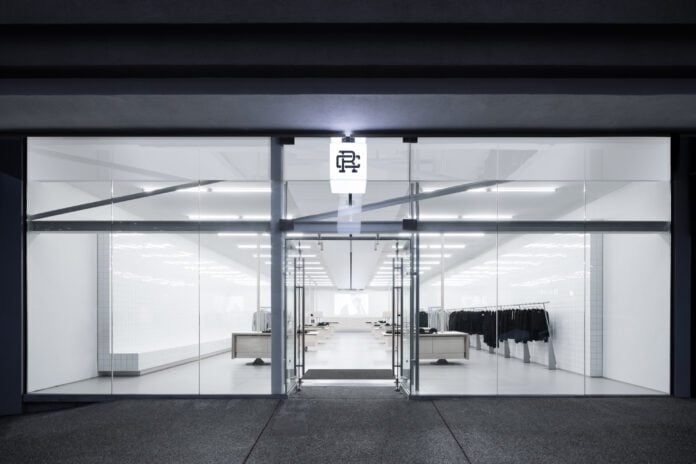
The move follows Aritzia’s first foray into menswear when in 2019 it introduced a puffer jacket which sold out quickly. Vancouver-based Aritzia was founded in 1984 and has more than 100 stores in Canada and the United States and continues to expand — the brand has also spun off its TNA, Wilfred and Babaton in-house brands into separate storefronts in some markets. Vancouver-based Reigning Champ was founded in 2007 and has two stores in Vancouver and two in Toronto as well as distribution in multi-brand retailers globally.
Reigning Champ’s co-founders Chris Nordee and Paul Heathcote will continue operating the business in partnership with Aritzia through a transition period of approximately five years. They said that this will allow both businesses to focus on sustaining their unique brands and cultures while leveraging mutually beneficial synergies and efficiencies.
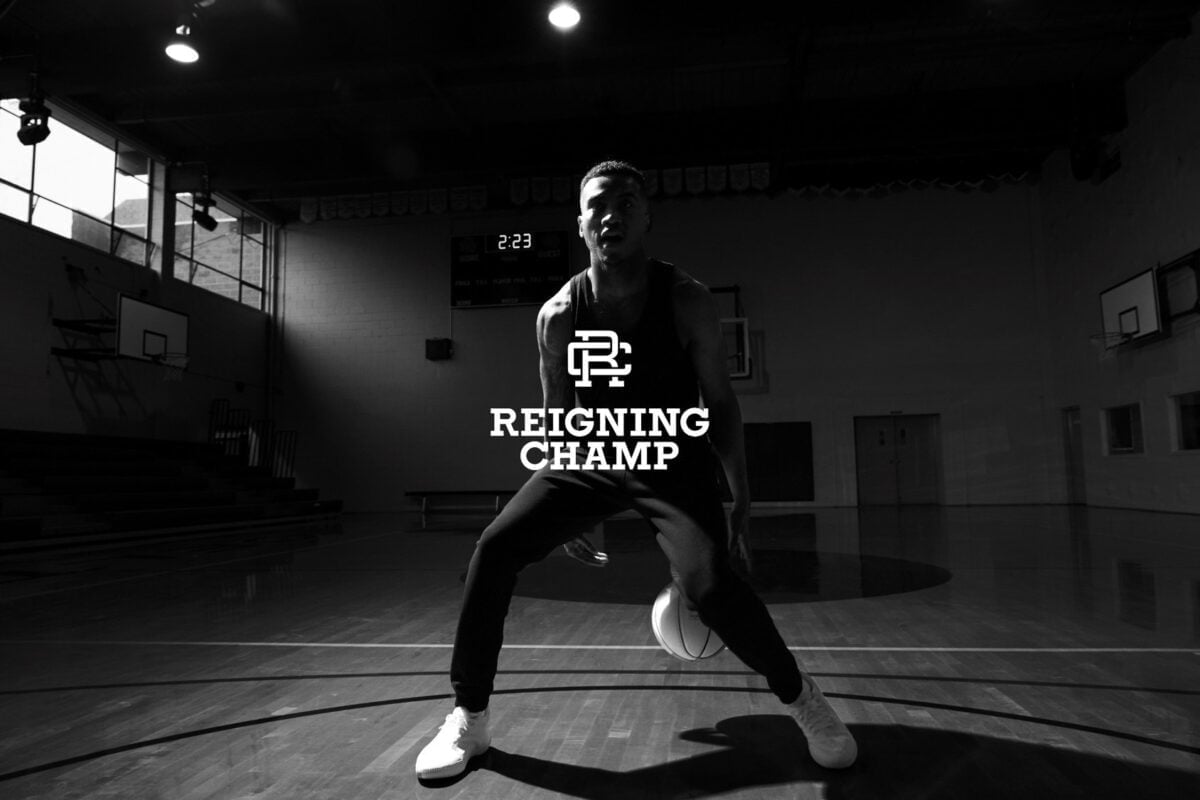
Reigning Champ (CNW Group/Aritzia Inc.)
“We’re excited to welcome Reigning Champ. Rooted in classic, timeless athletic wear, their brand has been carefully curated for just short of fifteen years,” said Brian Hill, Founder, CEO and Chairman of Aritzia. “Building on Aritzia’s strong start to fiscal 2022, this acquisition meaningfully accelerates our product expansion into men’s while bringing incremental growth to our already surging women’s eCommerce and U.S. businesses. Capitalizing on our world-class operational expertise and infrastructure, men’s, merchandised independently, will become a meaningful part of Aritzia’s platform through our Reigning Champ acquisition.”
Hill has said in the past that Aritzia could eventually expand into menswear and it remains to be seen how Reigning Champ will be integrated into the company in terms of space in Aritzia stores, some of which surpass 10,000 square feet.
Craig Atkinson, Co-Founder and CEO of Reigning Champ said, “As an innovative design house offering exceptional experiences through its online and retail platforms, Aritzia’s well-established track record as a successful direct-to-consumer business is one that we’ve long admired. Leveraging Aritzia’s unparalleled world-class infrastructure and expertise, this partnership provides an exciting path forward to elevate Reigning Champ to the next level as a premium athletic wear brand. We look forward to working with the incredibly talented Aritzia team to capitalize on the limitless opportunities ahead.”
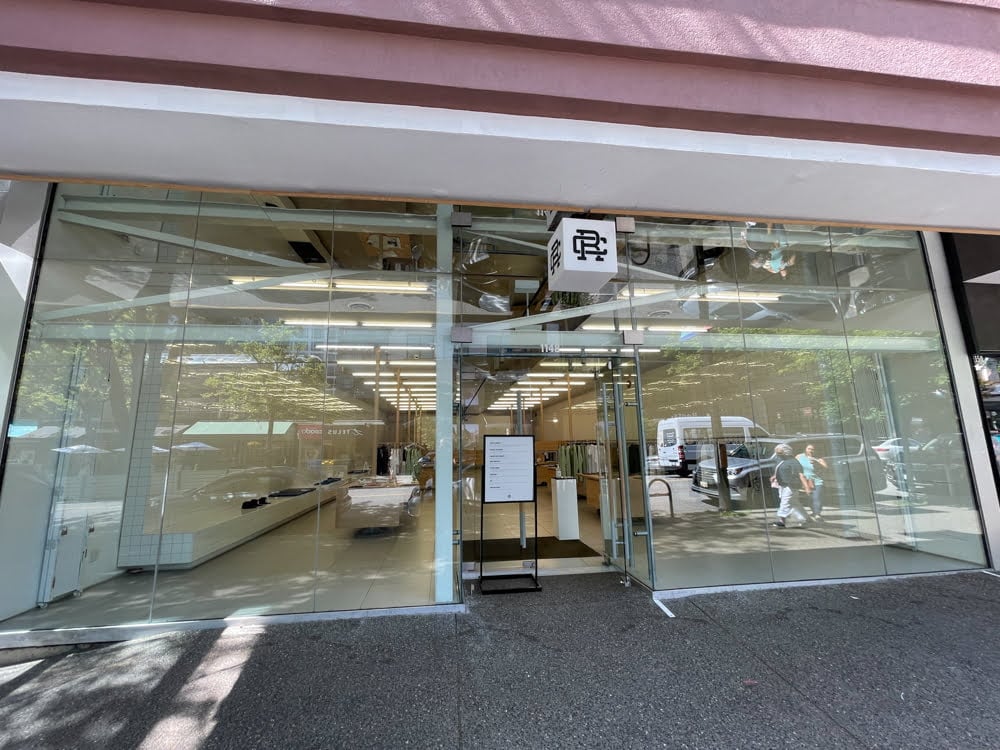
Reigning Champ on Robson Street in Vancouver (June 2021). Photo: Lee Rivett
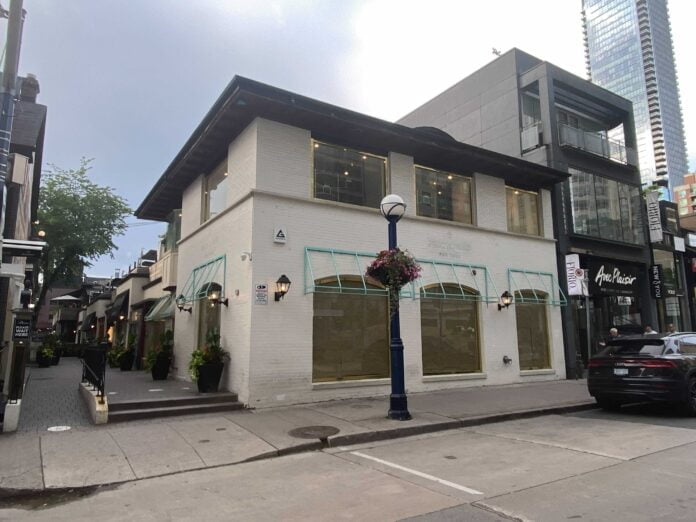
Former Kate Spade store at 138 Cumberland Street in Toronto. Photo: Craig Patterson
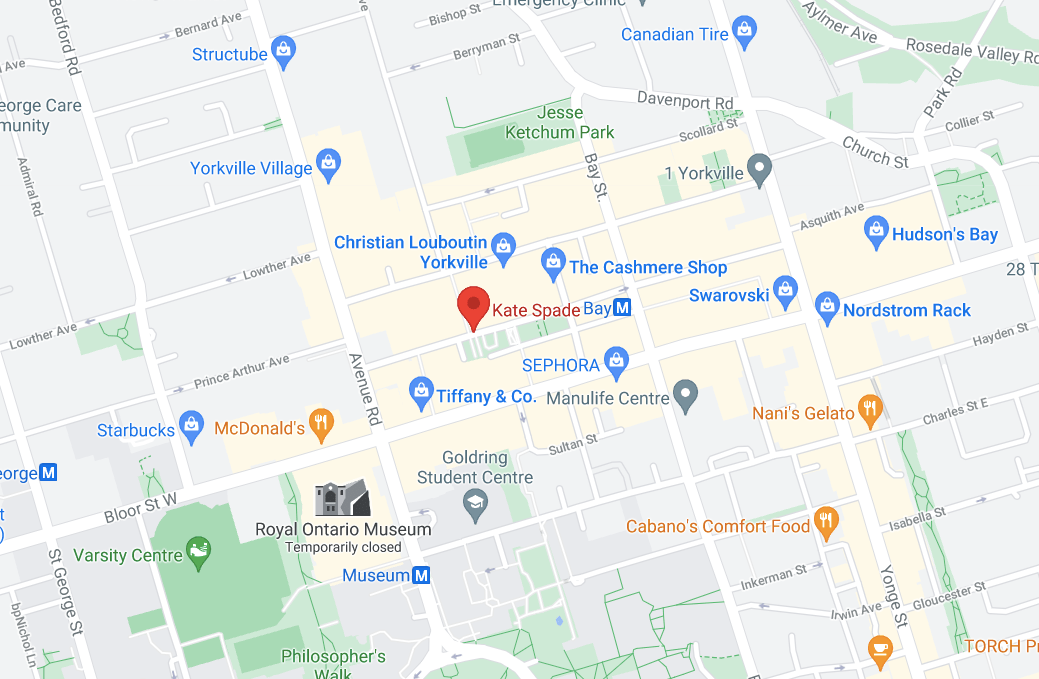
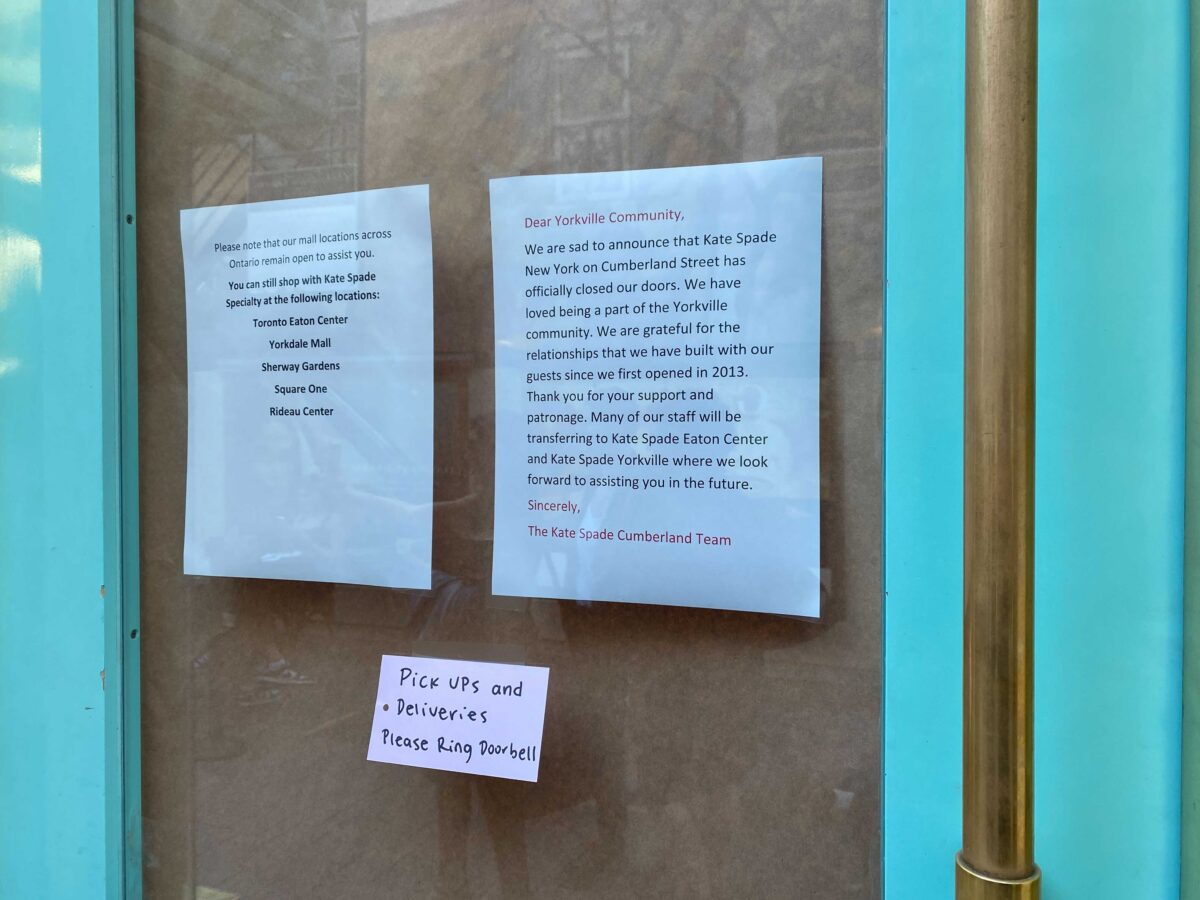
Upscale American fashion brand Kate Spade shut its flagship store at 138 Cumberland Street in Toronto’s Yorkville area on Monday after opening there in June of 2013. A new tenant is said to have already leased the space.
The 4,000 square foot Kate Spade store opened to fanfare with a mix of bags, accessories and apparel and occupied a prominent corner location facing Old York Lane. It replaced a Hugo Boss store. At the time that it opened, Kate Spade was in expansion mode in Canada and was in the process of strategizing opening stores across the country. The Cumberland Street store was the second location for Kate Spade in Canada following the opening of a store at Toronto’s Yorkdale Shopping Centre in 2012. Kate Spade was one of many international brands that was entering Canada during a boom time that eventually faded and numerous brands have since quietly exited Canada over the course of the pandemic.
Kate Spade continues to operate 20 store locations in Canada including 10 full-priced stores and 10 outlet stores. In the Toronto area, Kate Spade has stores in Toronto at CF Toronto Eaton Centre, Yorkdale, CF Sherway Gardens and Square One in Mississauga as well as outlet stores at Vaughan Mills and Toronto Premium Outlets. The Vancouver area has a high density of Kate Spade stores including full-priced locations at CF Pacific Centre in Vancouver, Metropolis at Metrotown in Burnaby and Park Royal in West Vancouver with outlet stores at the McArthurGlen Designer Outlets in Richmond and Tsawwassen Mills in South Delta. In Ottawa, Kate Spade has a full-priced store at CF Rideau Centre as well as an outlet store at the Tanger Outlets. In Edmonton Kate Spade has a full-priced store at West Edmonton Mall as well as an outlet store at the outlet mall beside the airport and in Calgary Kate Spade has a full-priced store at CF Chinook Centre as well as an outlet store north of the city at CrossIron Mills. Other Kate Spade outlet stores are located at the Premium Outlets Montreal, Outlet Collection at Niagara near Niagara Falls and at the Outlet Collection Winnipeg.
Click image for interactive Google Map Kate Spade Yorkville Goodbye Notice – Image by Dustin Fuhs
New York City-based Tapestry Inc., formerly known as Coach, bought the Kate Spade brand in 2017. The Kate Spade brand is said to have struggled to attract younger consumers in recent years as it became somewhat ubiquitous with storefronts and outlets in major markets — when the Kate Spade brand was founded by the late designer of the same name in 1993, it became something of an “it” brand with limited distribution in stores such as Holt Renfrew. Tapestry also owns upscale brands Coach and Stuart Weitzman footwear which is also said to be looking to close its store on Bloor Street in Toronto.
Katherine Noel Brosnahan, later known as Kate Spade, sold a 56% stake in her brand to Neiman Marcus Group which acquired the remaining stake in 2006. In November of 2006 Liz Claiborne Inc. bought the Kate Spade brand and in July of 2017 Coach/Tapestry acquired the brand for a whopping USD $2.4 billion. In 2018, Kate Spade tragically took her own life at her home in New York City at the age of 55.
We have been informed of a brand that has leased the former Kate Spade space and we’ll report back with further details.
Discover More Related Stories From Retail Insider:
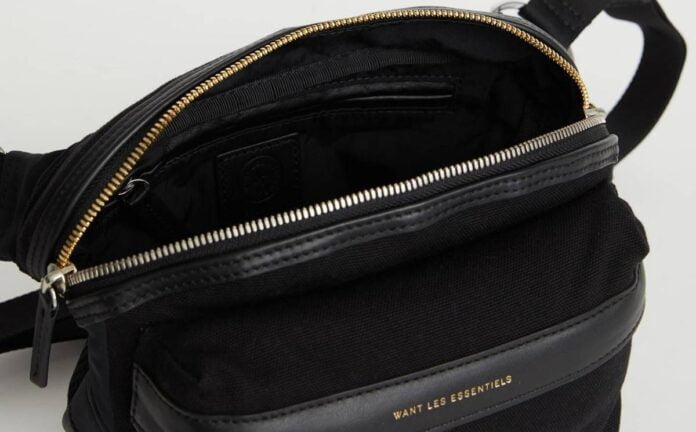
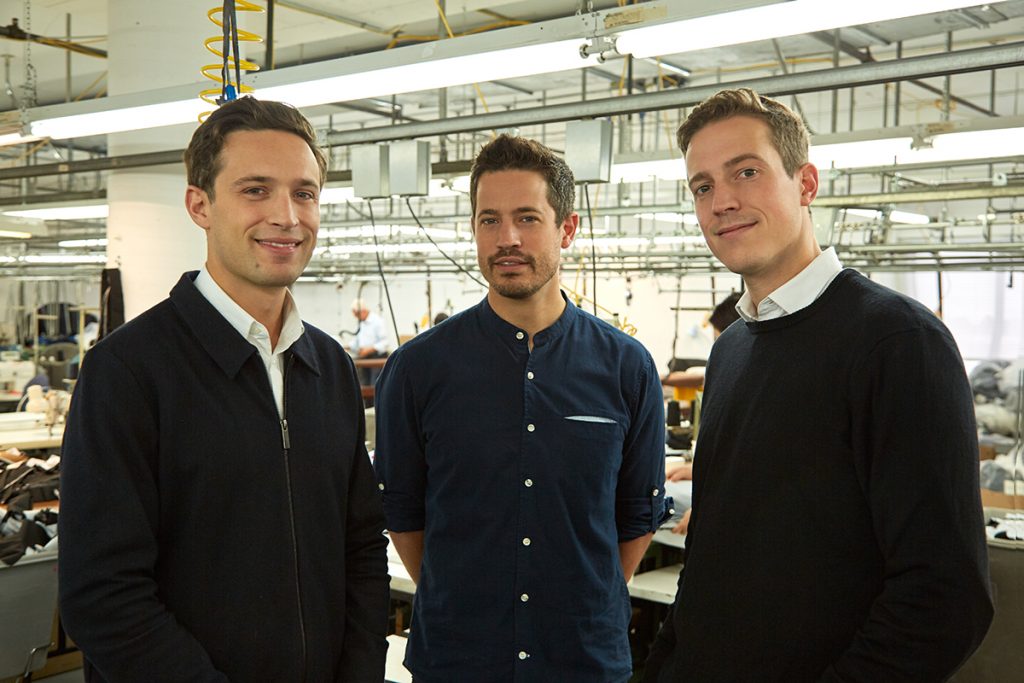
Quebec’s Robert brothers – Jean-Philippe, François-Xavier and Guillaume – are continuing to expand their retail footprint with the acquisition of internationally-renowned Canadian luxury brand WANT Les Essentiels which has been operating in Montreal since 2007. The acquisition complements the brothers’ other retail interest, the winter coat brand Quartz Co.
“WANT Les Essentiels is a brand we have observed for several years with great respect. It stands out for its catalogue of exceptional flagship products, recognized worldwide, emerging from a rich creative universe that also integrates quality, responsible design, and functionality. This acquisition allows us to consolidate our position in the premium clothing and accessories market,” said Jean-Philippe Robert, President of Quartz Co.
Quartz, based in Montreal, specializes in premium made-in-Canada outerwear. The company started in 1997 under the name Quartz Nature. The brothers bought it in 2015 and made a few changes. Today, it operates one physical retail location as it’s mostly a wholesale company with close to 250 stores around the world it sells to. The physical store opened last September in Mile End, and accommodates a showroom, a store, a design studio, and an area that can host events and pop-up installations.
Image: Jean-Philippe, François-Xavier, and Guillaume Robert
“It’s a store that’s right next to our design studio, the showroom, the head office. It’s a real destination store. It’s been doing pretty good. We were expecting a lot more foot traffic because this is a big office area so obviously we were counting on more foot traffic but given the COVID circumstances, we’re pretty happy,” said Robert. “We’re looking at different locations for next season. I cannot confirm anything at this point.”
WANT has been another Montreal brand that the Robert brothers have been watching and admiring for many years. Founded in 2007 in Montréal by Byron and Dexter Peart and Mark and Jacqueline Wiltzer, WANT Les Essentiels specializes in luxury bags, shoes and accessories of minimalist, timeless and functional design.
Recognized for its commitment to sustainability, the brand furthers Montréal’s expertise in design and craftsmanship worldwide. Its products are sold online (wantlesessentiels.com) and at premium retailers in Canada, the United States, Europe and Asia, including Bloomingdale’s, Assembly, Carbon38, Litchfield, mrporter.com, farfetch.com and Liberty of London.
“We bought the brand for four different reasons. The first one is the brand awareness in the market is pretty strong here in Canada but also in the US and elsewhere in the world. Secondly the catalogue of products is also strong. There’s recognizable pieces, iconic pieces, that are a solid foundation for the catalogue,” said Robert.
“The third one is we see interesting synergies between our two companies because we share a lot of the same functions in the business. The plan is to keep the brands separate, to develop the brands separately, so each can seek its own DNA but there will be some synergies. And the fourth reason is that there’s a team coming with the brand which is solid and we plan to integrate through our business. It was very important to have people in place. It’s not just buying a brand.”
WANT used to have seven retail locations mixed with an apothecary concept. But they closed with COVID. The brand wholesales to about 40 accounts at this point and ecommerce is a pretty strong component of the business. Robert said the brothers will definitely look into opening retail locations for WANT.
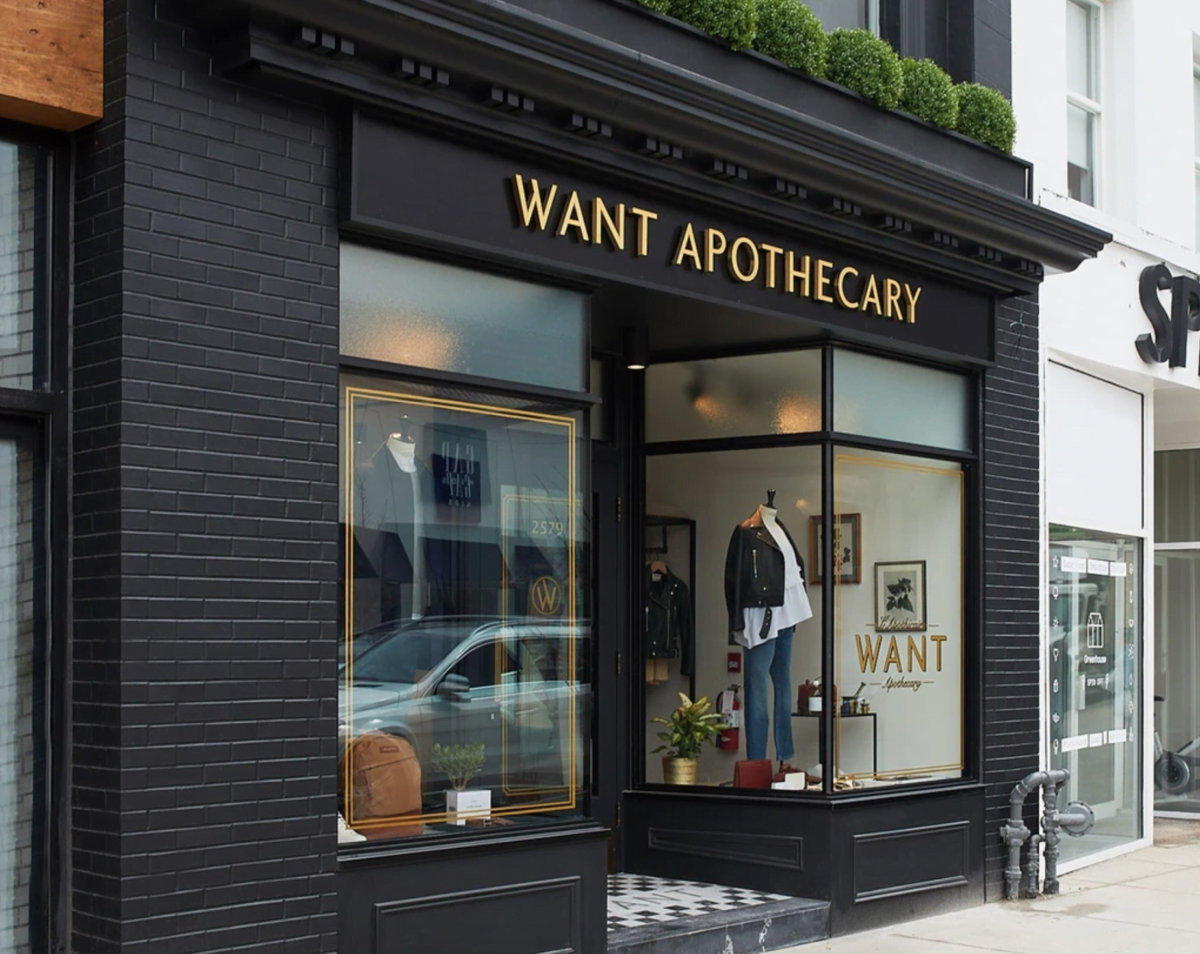
WANT Apothecary store at 2579 Yonge St., Toronto. Photo: WANT Apothecary
“We believe in omnichannel. We think both retail and ecomm and wholesale really help each other. You have to be very strategic and select carefully where you open and when but this is something we’re really going to look into as we integrate the business,” he said.
Since 2015, Quartz has tripled its sales and grown at a rate of 40 per cent year over year. Its winter coats, designed and manufactured in Québec, are sold at major fashion banners and well-known outdoor stores in more than 15 countries, mainly in Canada, United States, Germany, France, Japan, Norway, and Greenland.
“I am convinced that WANT Les Essentiels will continue to flourish thanks to the leadership of Jean-Philippe, François-Xavier and Guillaume Robert. Their solid expertise in the fashion and luxury industry will allow them to propel the growth of this iconic Montréal brand, recognized all over the world,” said Mark Wiltzer, Managing Partner, Mark Edwards Group and co-founder of WANT Les Essentiels, in a statement.
In 2019, the entrepreneurs also acquired Confection Bécotte of Victoriaville and Les Confections Stroma, a major clothing manufacturing workshop established in Montréal for 50 years, allowing them to double Quartz Co.’s winter coat production capacity and triple its workforce.
In 2020, the Robert brothers expanded their new plant in Montréal’s St-Michel borough and decided to invest in the purchase of new equipment to produce thousands of gowns for caregiving personnel in the fight against COVID-19.
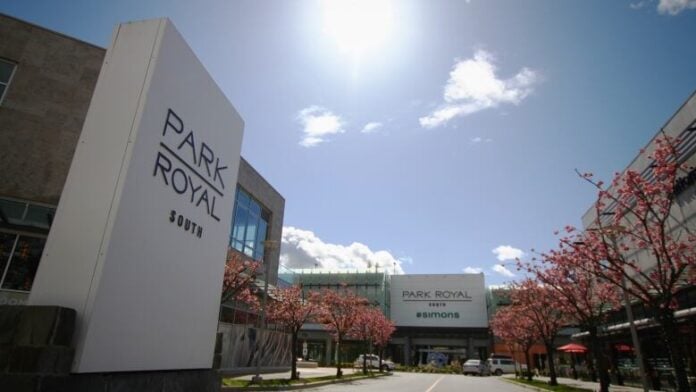
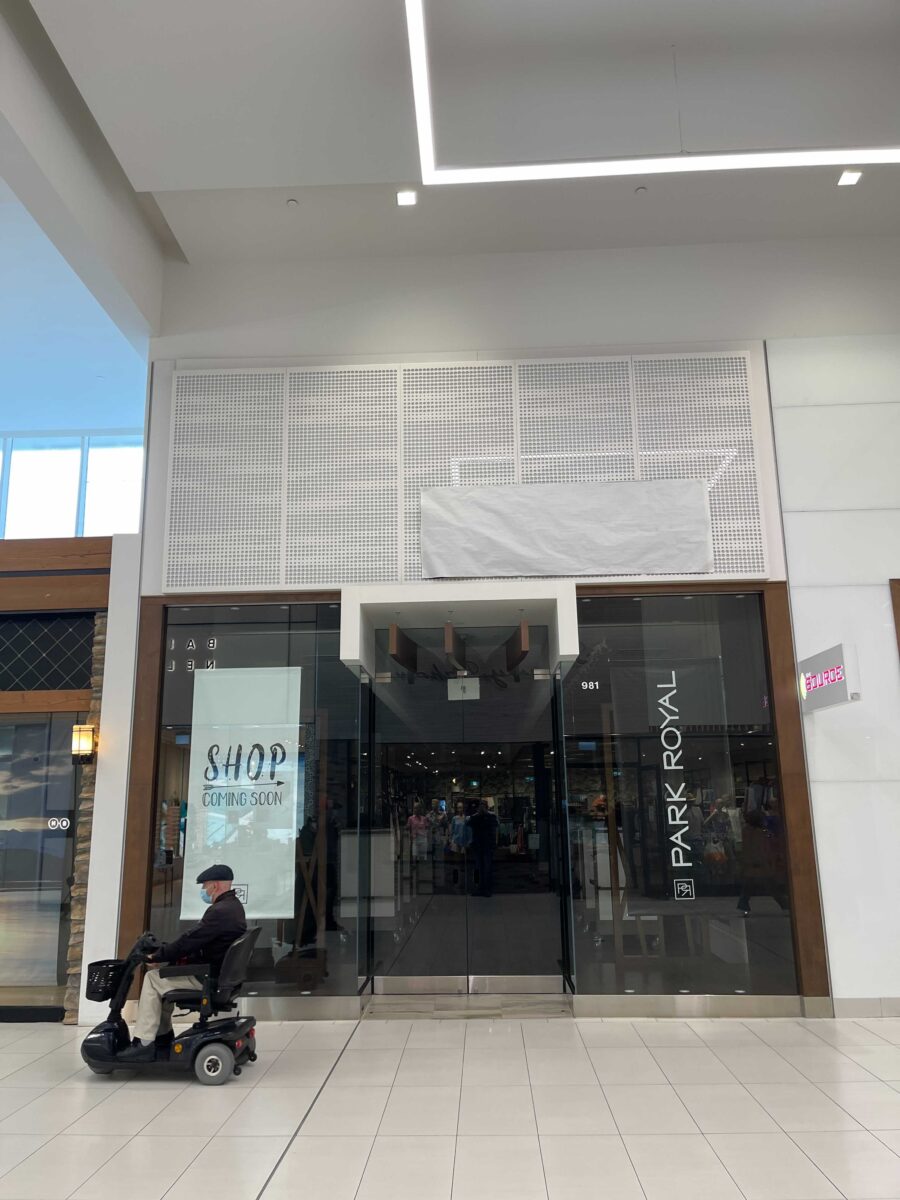
Retail Insider continues its Photo Tour series of Canadian malls to provide a glimpse into shopping centres which may be less frequented lately due to the COVID-19 pandemic. Building upon the video mall tour we did for Park Royal Shopping Centre in September 2020, we revisited the shopping centre this spring to check-in on changes happening to the mall.
In case you missed our first Photo Tour series video tour, check out the September 2020 video tour of Park Royal Shopping Centre below:
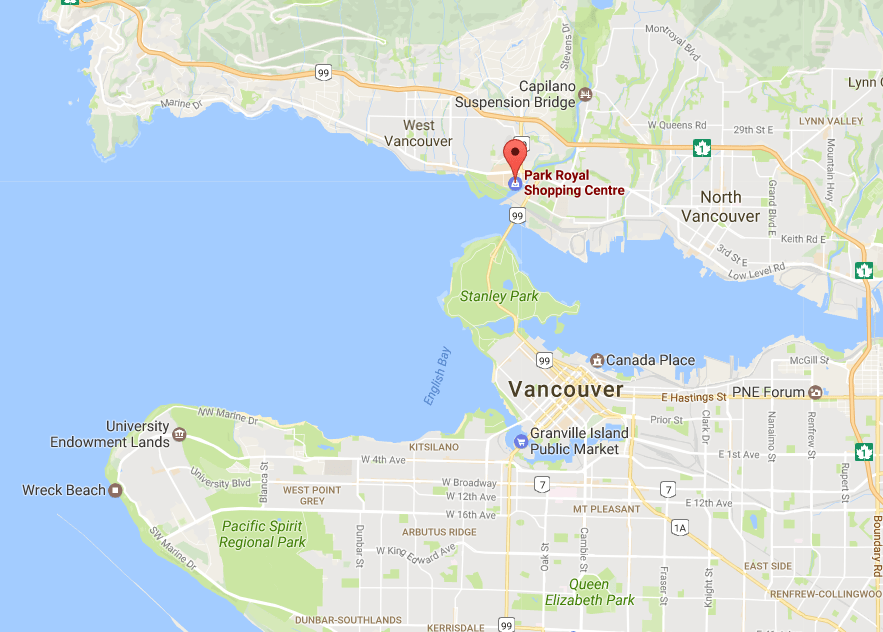
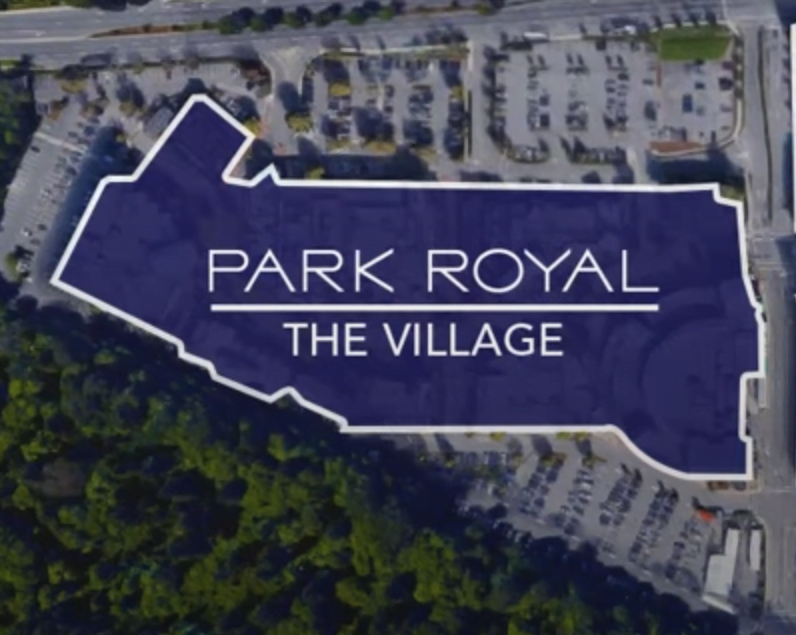
Location of Park Royal Shopping Centre. Photo: Google Maps
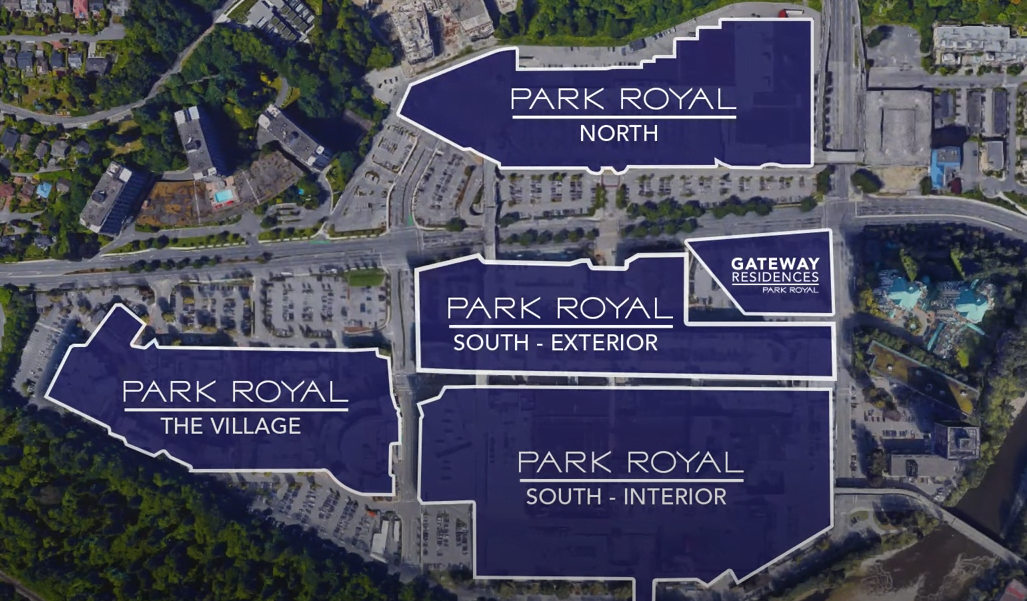
To recap, the Park Royal Shopping Centre has three separate shopping areas: Park Royal South (the largest portion of the shopping centre with interior and exterior components), Park Royal North (across Marine Drive to the north) and The Village at Park Royal (an outdoor, Whistler Village-like shopping area to the west of Park Royal South).
Park Royal Shopping Centre Overview. Photo: Park Royal Shopping Youtube Video
Park Royal South – Exterior Update
The Park Royal South portion of the shopping centre has both interior and exterior components. The outdoor section on the north/top portion is next to the new Gateway Residences currently under construction and sandwiched between Marine Drive and the indoor/interior portion of Park Royal South.
Park Royal South (Exterior and Interior). Photo: Park Royal Shopping Youtube Video
Peloton Opening
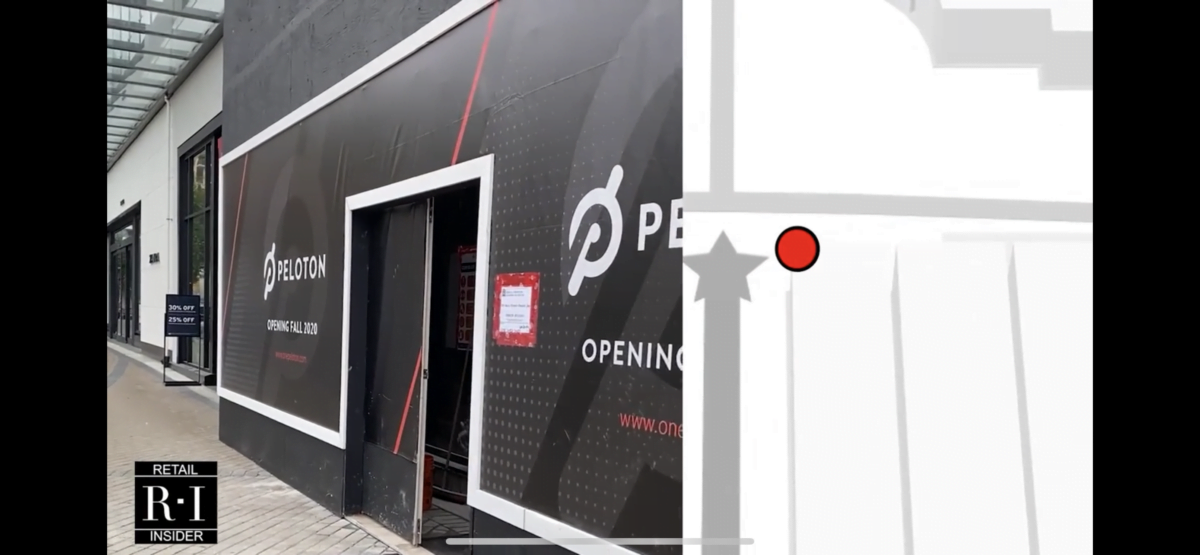
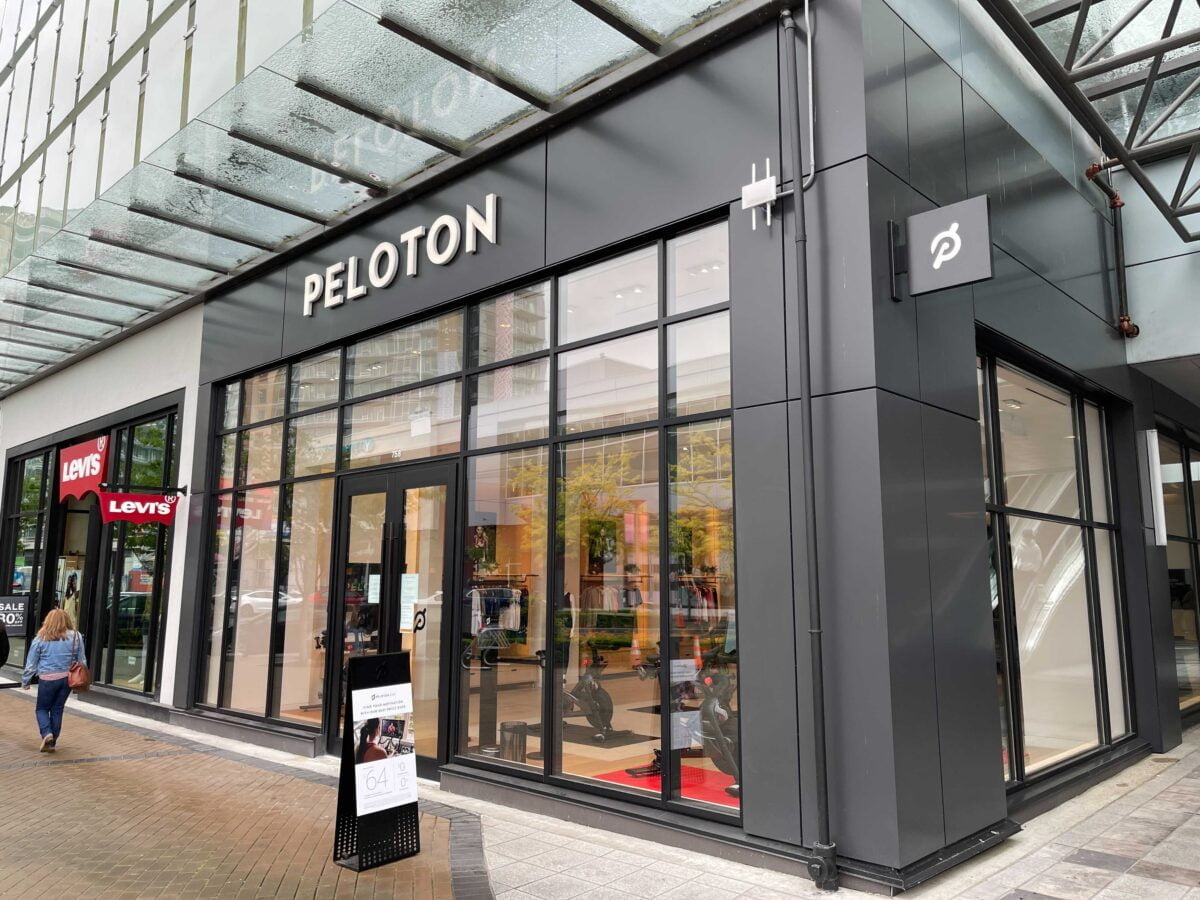
The first retailer in the Park Royal South outdoor component that we noticed wasn’t in our September 2020 tour was Peloton. The New York City-based fitness company, founded in 2012 and known particularly for its luxury stationary bicycles that live-stream spin classes, opened at Park Royal in West Vancouver in October 2020.
Peloton under construction during September 2020 video tourPeloton at Park Royal in West Vancouver in May 2020. Photo: Lee Rivett.
RYU Closing
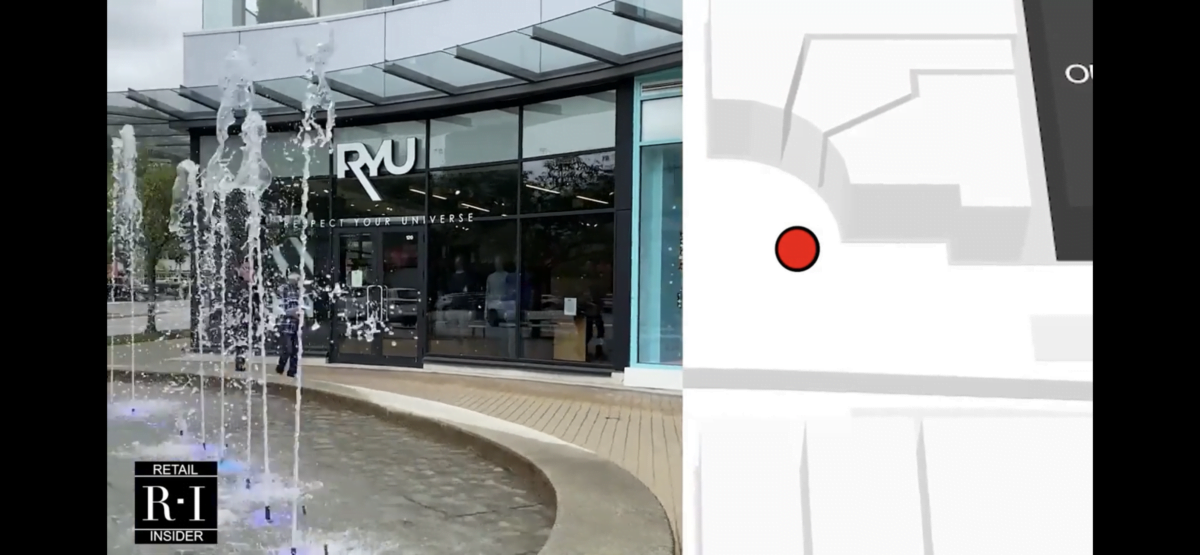
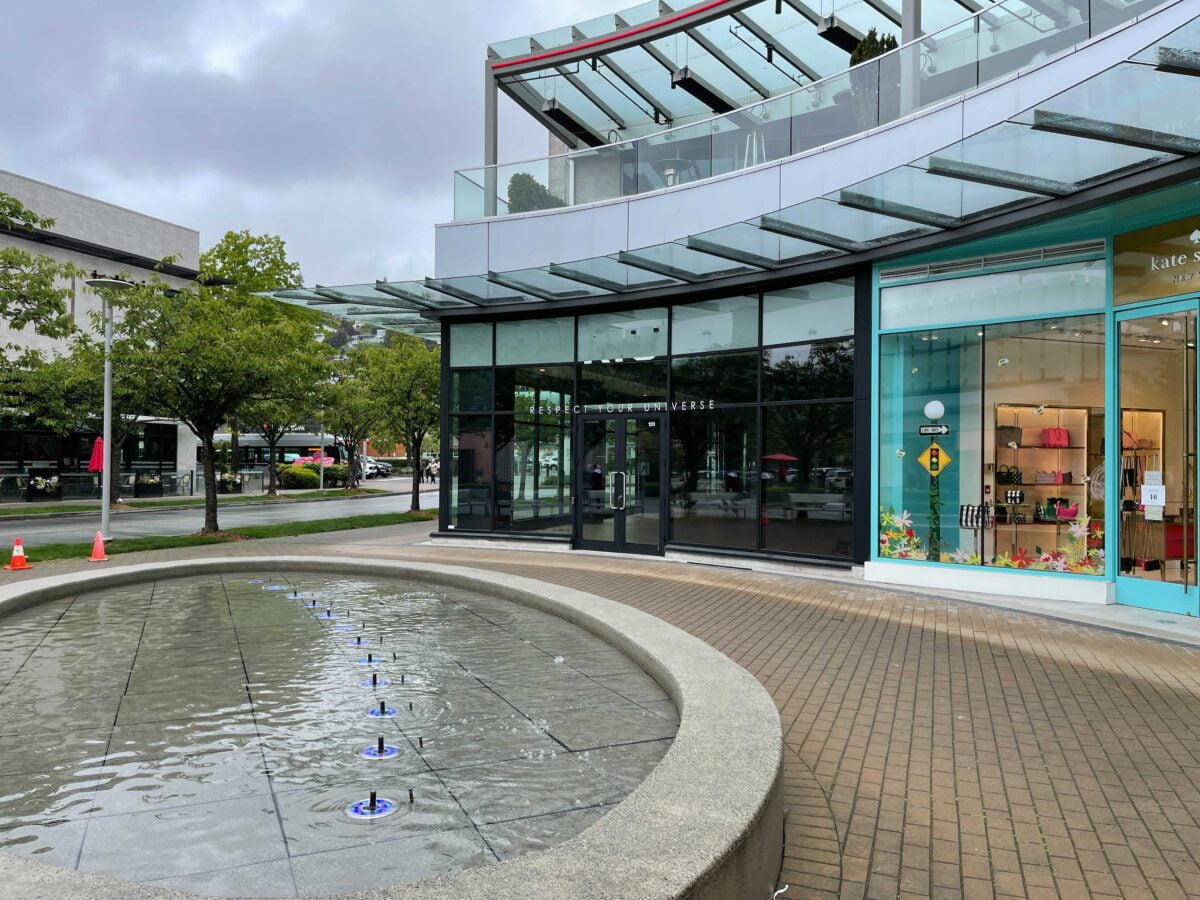
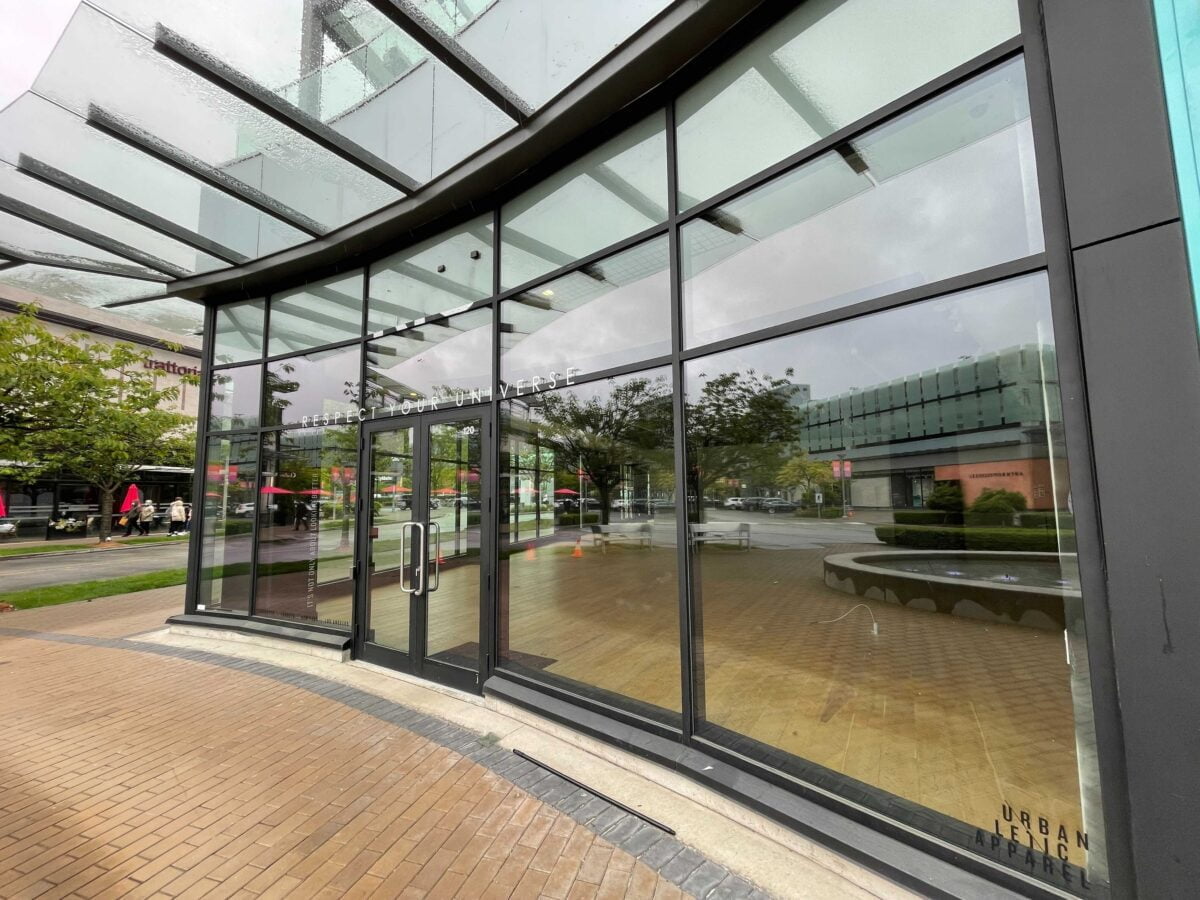
A casualty of restructuring, Vancouver-based RYU (Respect Your Universe) Apparel issued a flurry of news releases in the past few months as it has embarked on stabilizing the retail operations with an optimistic outlook for the future. In Retail Insider’s CEO interview in March 2021, it was noted that the athletic brand RYU announced in February of 2020 several store closures to coincide with its restructuring. In a letter to shareholders, Marcello Leone, the company’s CEO, President and Chairman of the Board at the time, described 2019 as the retailer’s most challenging year since inception. Just over a year ago, the company had a total of 11 stores — there are now just three left in Toronto, Vancouver, and Williamsburg, NY.
RYU in normal operations during September 2020 Park Royal video tourRYU shuttered and empty at Park Royal in West Vancouver in May 2021. Photo: Lee Rivett. RYU shuttered and empty at Park Royal in West Vancouver in May 2021. Photo: Lee Rivett.
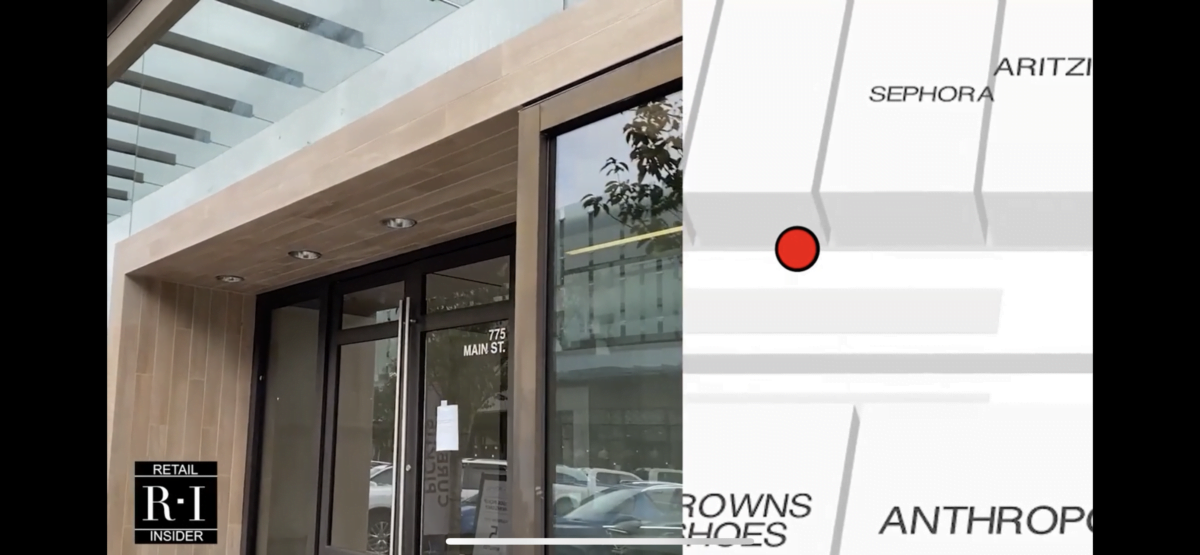
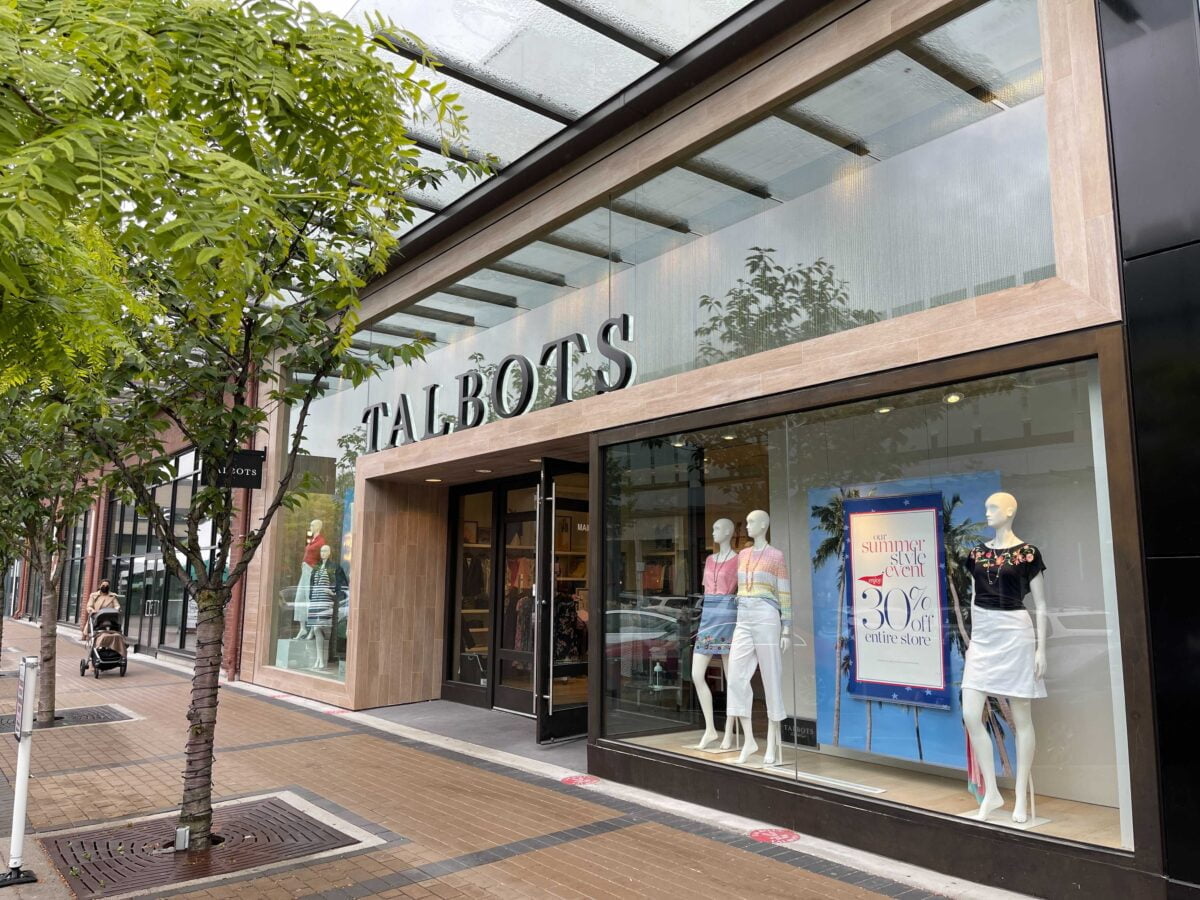
Former Loft location during September 2020 Park Royal video tour
Talbots at Park Royal in West Vancouver in May 2021. Photo: Lee Rivett.
Michael Kors Closing and Restaurant Opening
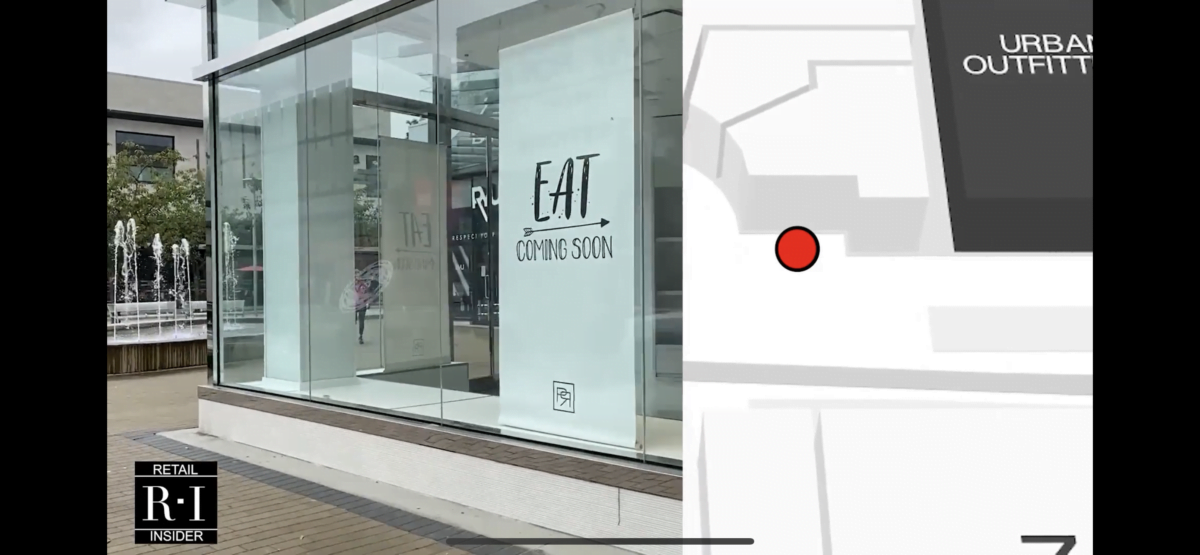
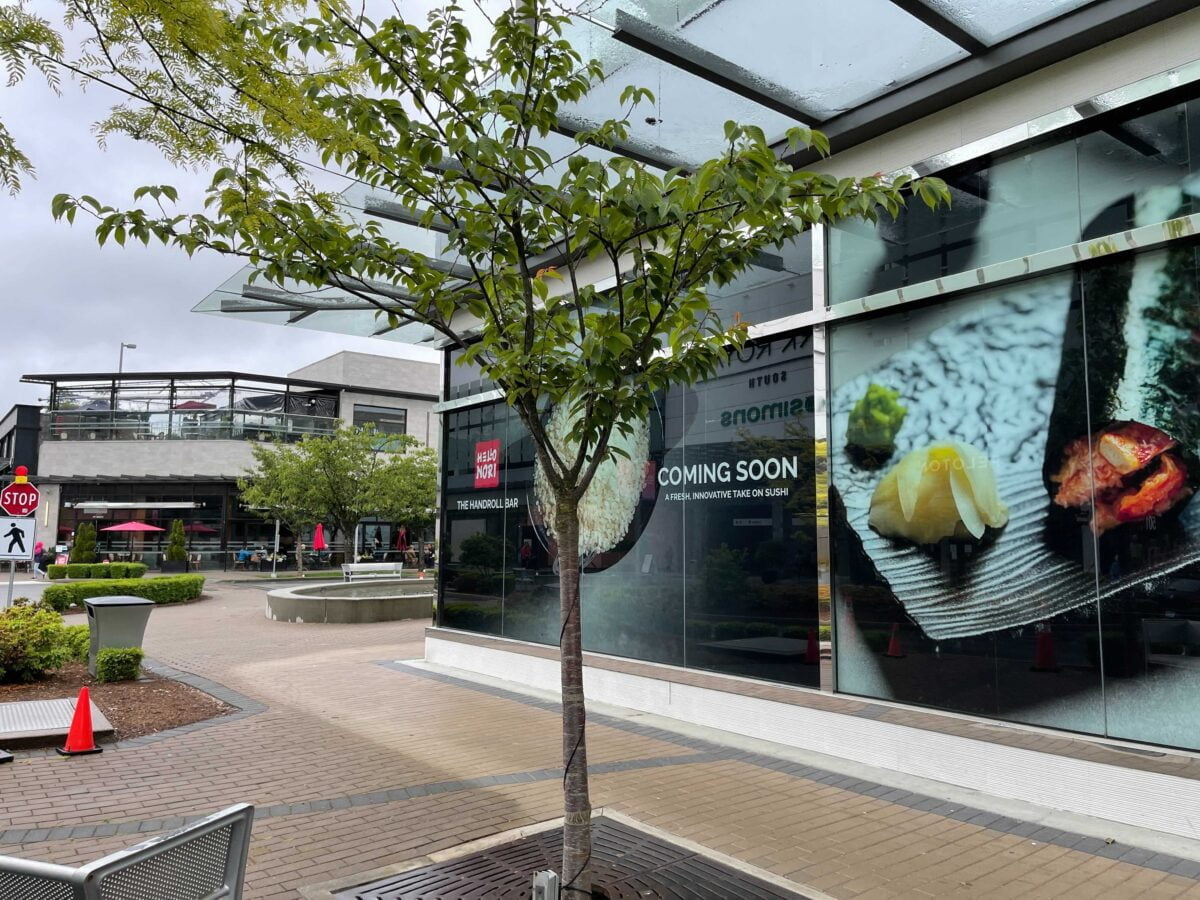
Once a Michael Kors boutique, the September 2020 video tour noted it was vacated with a “Eat – Coming Soon” banner in the window. Signage for the new “Hello Nori” Japanese restaurant was installed and will accompany the Robson location which opened in October 2020.
Former Michael Kors location during September 2020 Park Royal video tour
The Handroll Bar (Coming Soon) to fill the former Michael Kors space at Park Royal in West Vancouver in May 2021. Photo: Lee Rivett.
Park Royal South – Interior Mall Update
Heading indoors, the tour entered the enclosed Park Royal South which is located directly south/below of the exterior section in the map below. The interior mall opens up the two level shopping centre for guests to visit retail shops as well as to purchase takeout from the food court.
Park Royal South (Exterior and Interior). Photo: Park Royal Shopping Youtube Video
Shaw Communications Store Opening
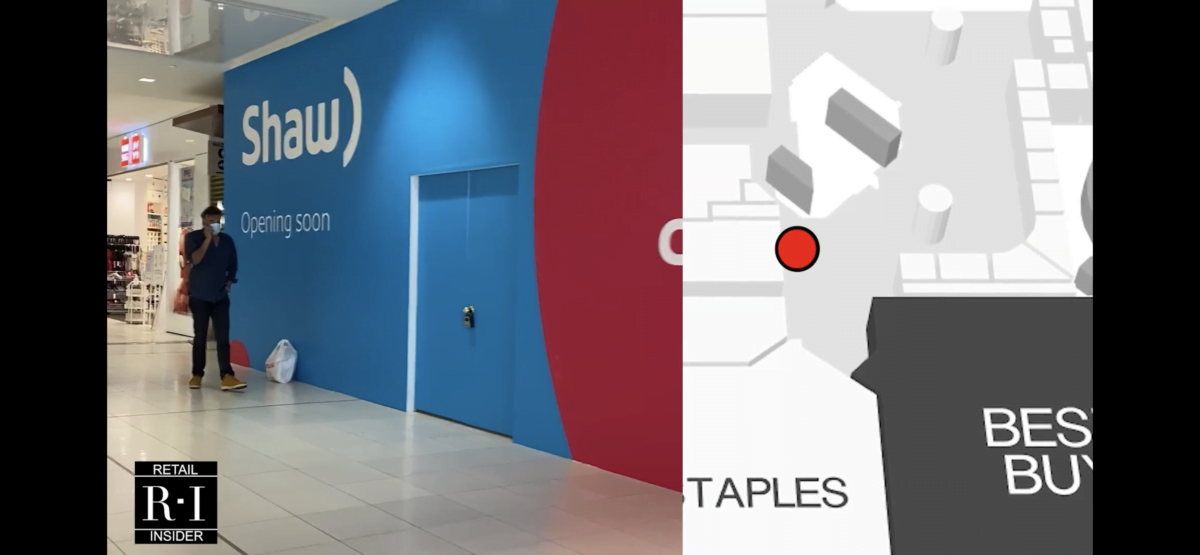
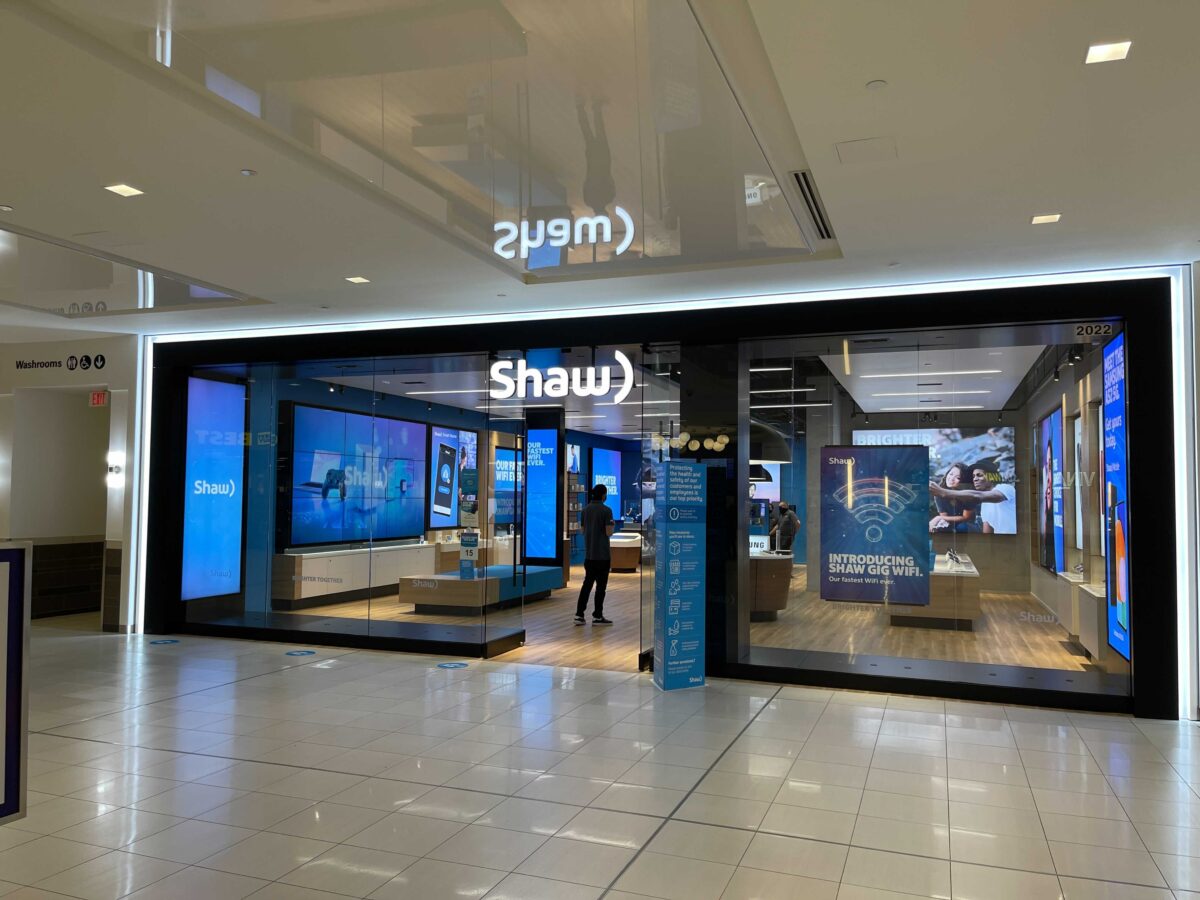
Shaw Communications announced in August 2020 its intention to open 12 new concept stores in Western Canada. The new concept stores were redesigned to provide customers with an immersive destination where they can explore, learn, and interact directly with the latest Shaw products and services, including Shaw’s suite of in-home technology.
Shaw Communications construction signage during September 2020 Park Royal video tour
Shaw Communications retail store at Park Royal in West Vancouver in May 2021. Photo: Lee Rivett.
SwimCo Store Closing
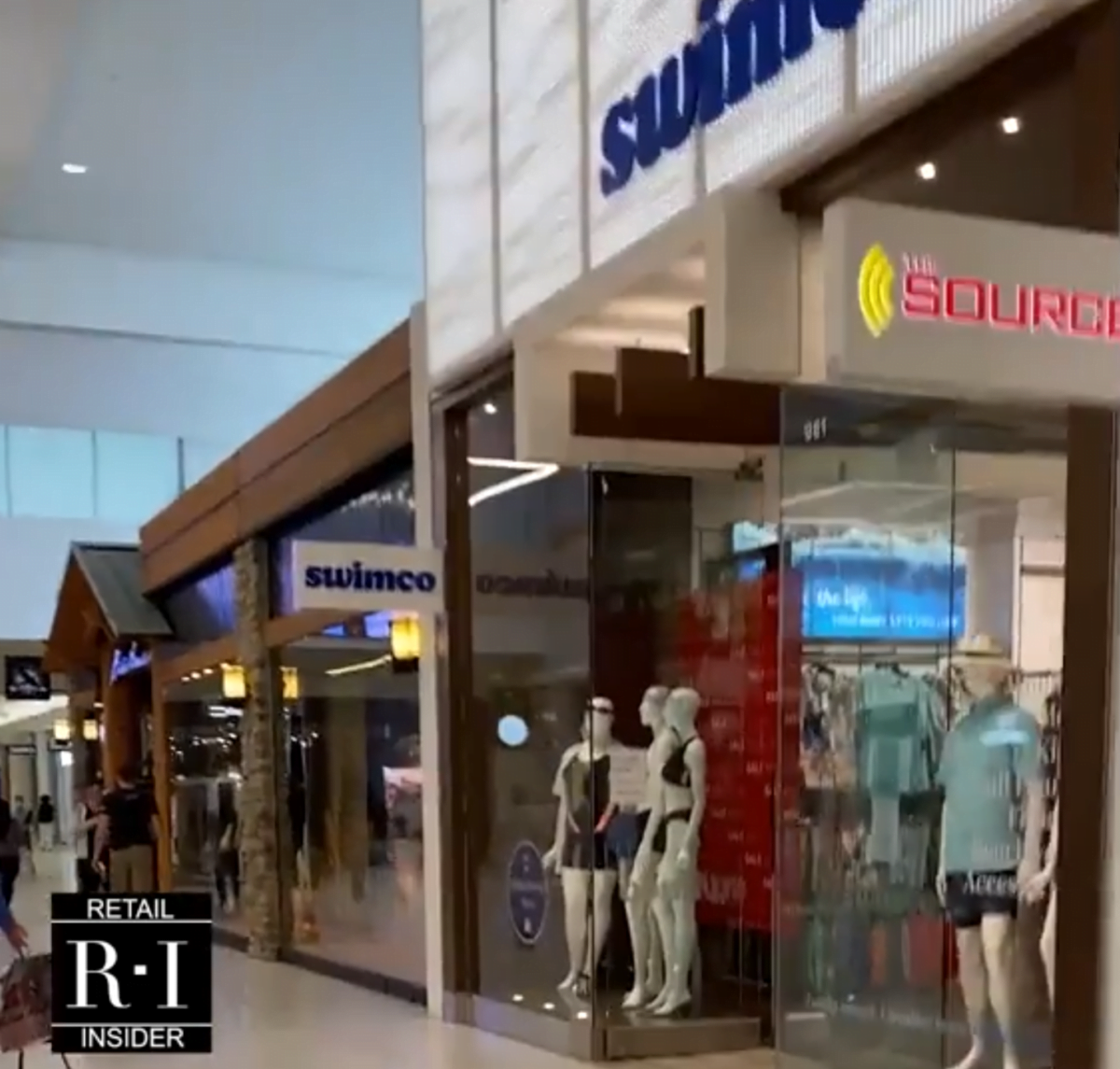
Canadian swimwear retailer Swimco was operating just swimmingly during the September 2020 tour. Unfortunately, the Park Royal location was part of the company-wide closures when it went bankrupt and shut down on October 10, 2020.
SwimCo location which was open during September 2020 Park Royal video tour
Former location of SwimCo at Park Royal in West Vancouver in May 2021. Photo: Lee Rivett.
The Village at Park Royal – Mall Update
The other outdoor area of Park Royal is “The Village” which is similar to the shopping areas in Whistler Village where shoppers can walk from store-to-store in an open-air environment. This area is located to the west of Park Royal South.
Park Royal – The Village. Photo: Park Royal Shopping Youtube Video
Caposhie Closing and Room In Order Opening
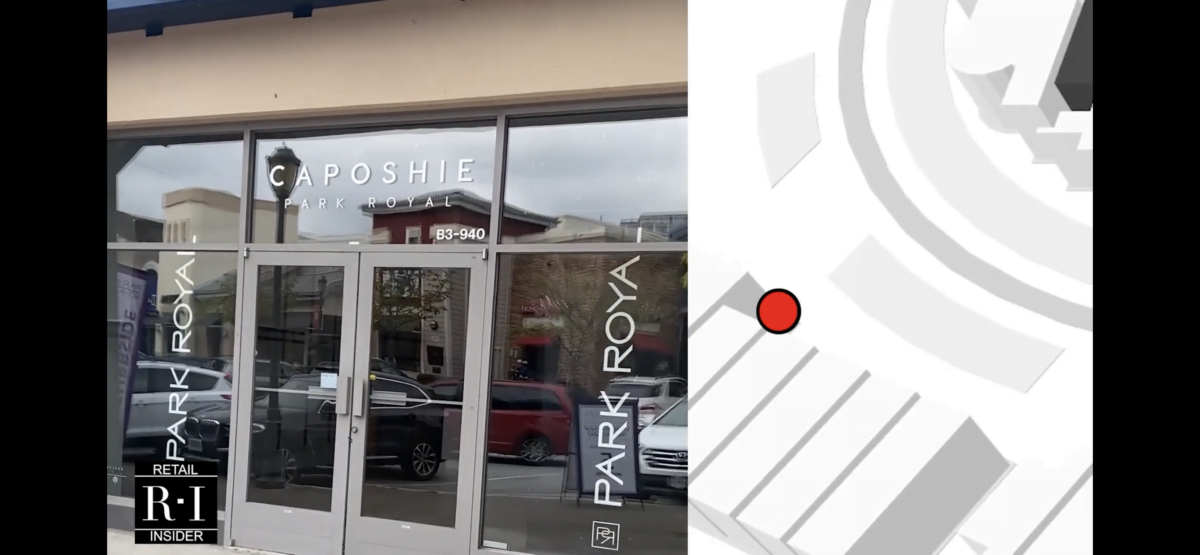
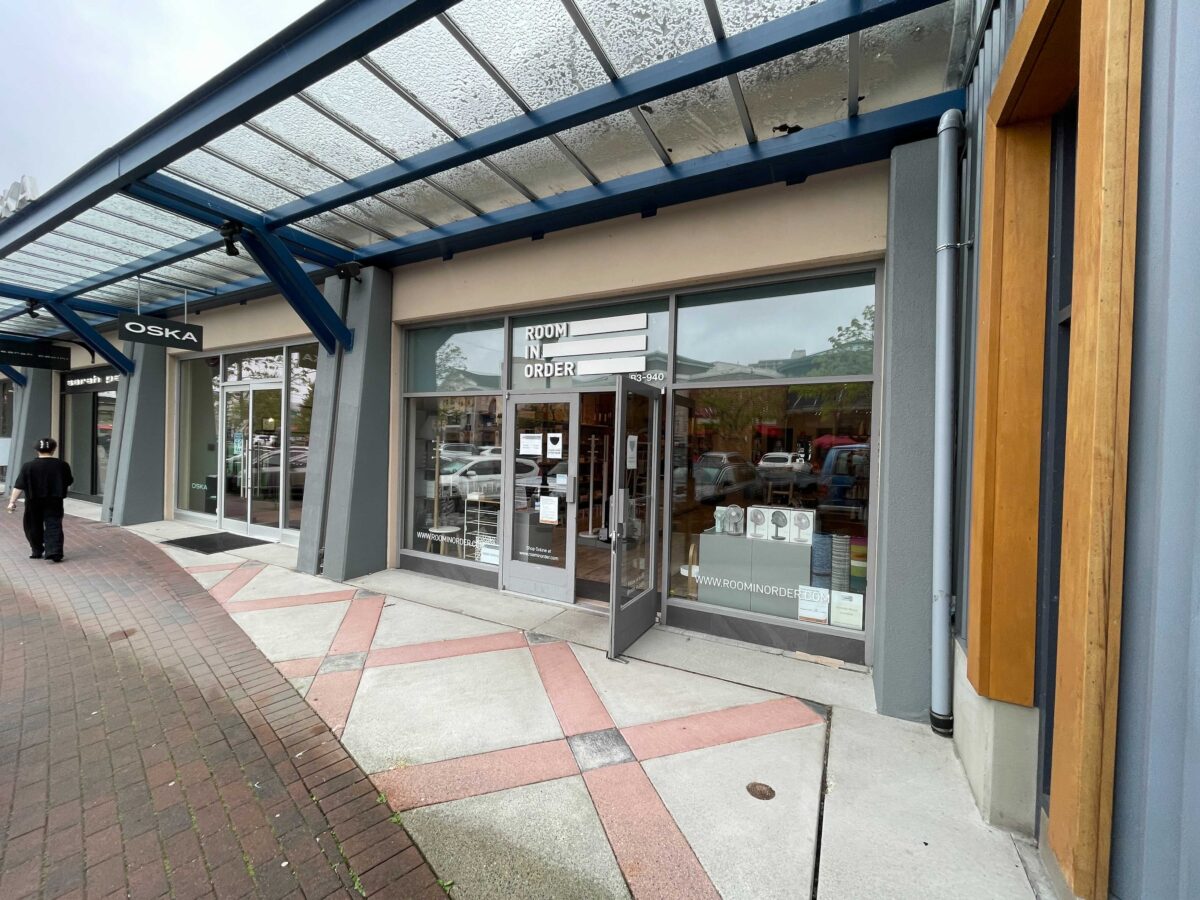
The September 2020 video tour noted a vacant Caposhie location, a retailer known for small batch hand crafted and upcycled naturally made fashion items. Our recent visit noted that Room In Order, a home furnishing retailer specializing in organization solutions, had opened in October 2020.
Former Caposhie location during September 2020 Park Royal video tour
Room In Order at Park Royal in West Vancouver in May 2021. Photo: Lee Rivett.
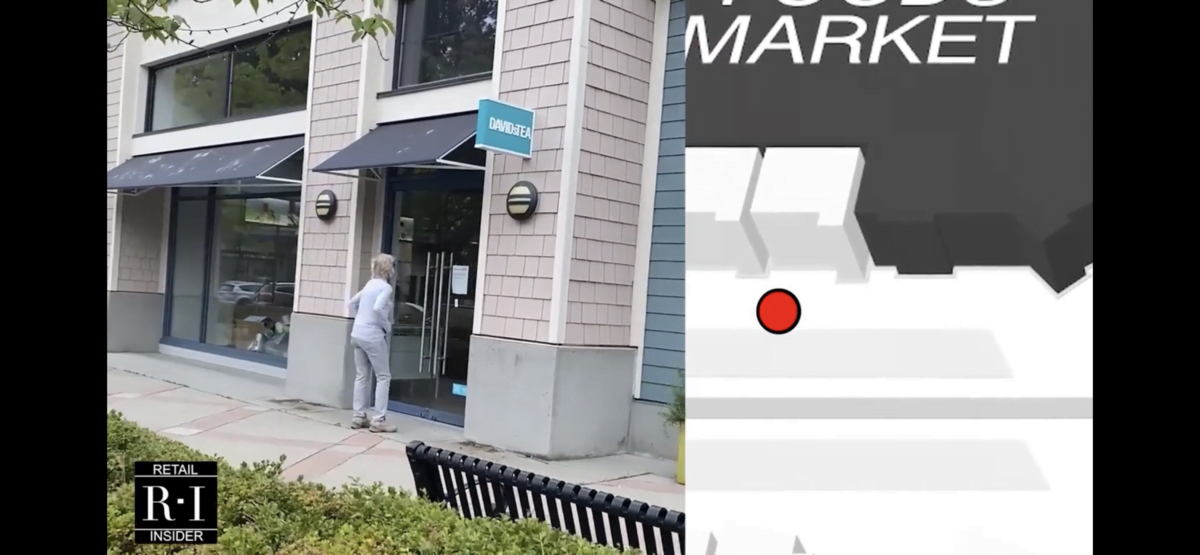
Closing DavidsTea location during September 2020 Park Royal video tour
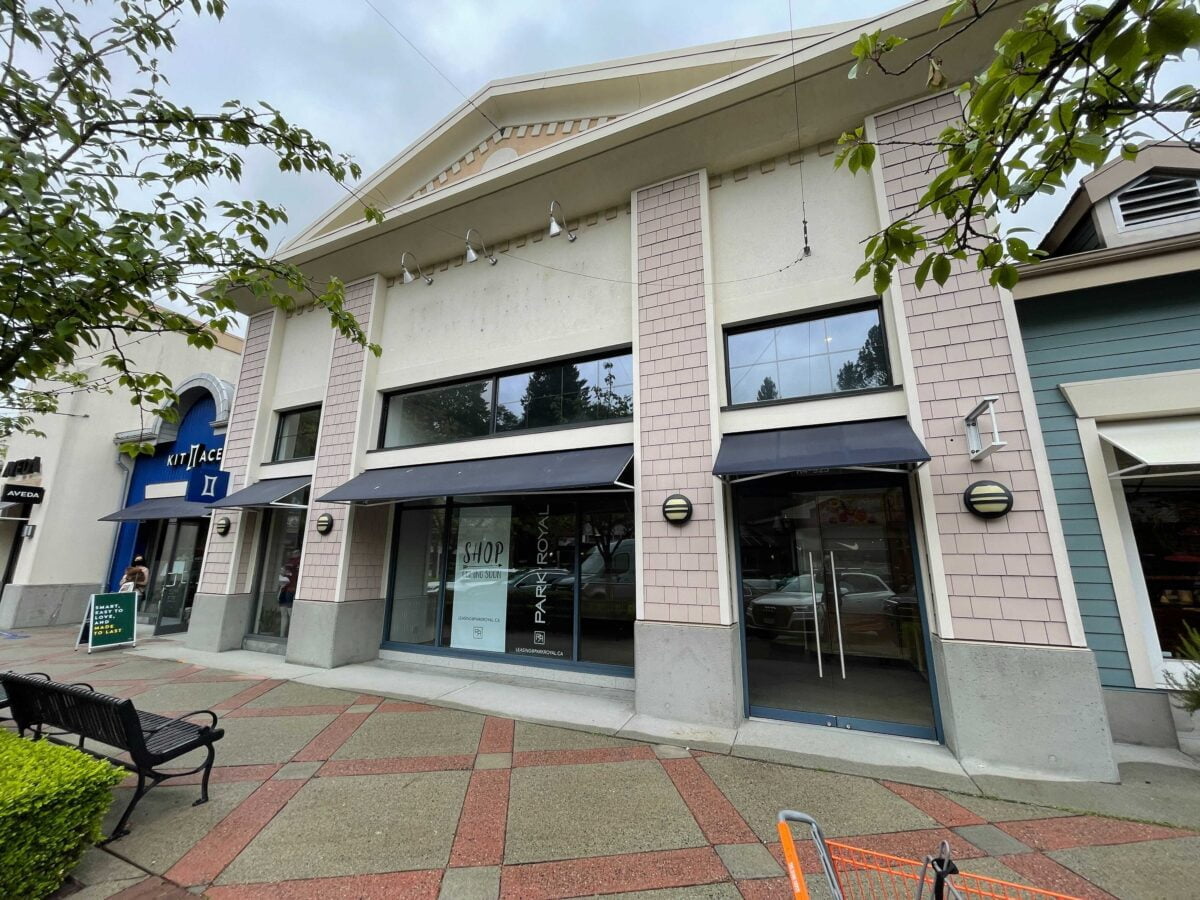
Former location of
DavidsTea at Park Royal in West Vancouver in May 2021. Photo: Lee Rivett.
We hope you enjoyed this update of Park Royal Shopping Centre in West Vancouver, B.C. and are always excited to see the changes at Canadian shopping centres. Don’t forget to check out our other retail photo tours over the past few months. Thank you for taking this tour with us.
Discover More Related Retail Photo Tours From Retail Insider:
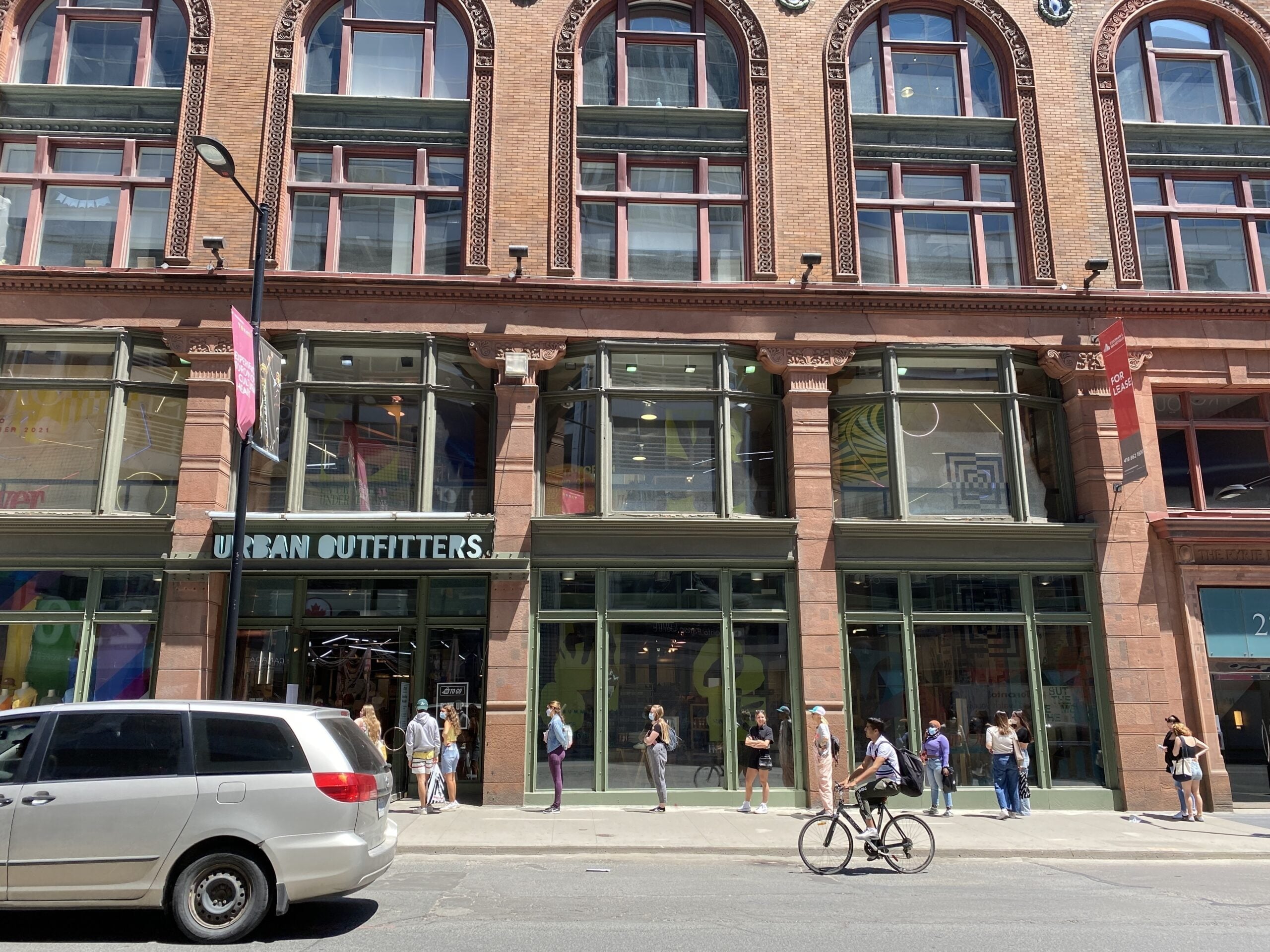
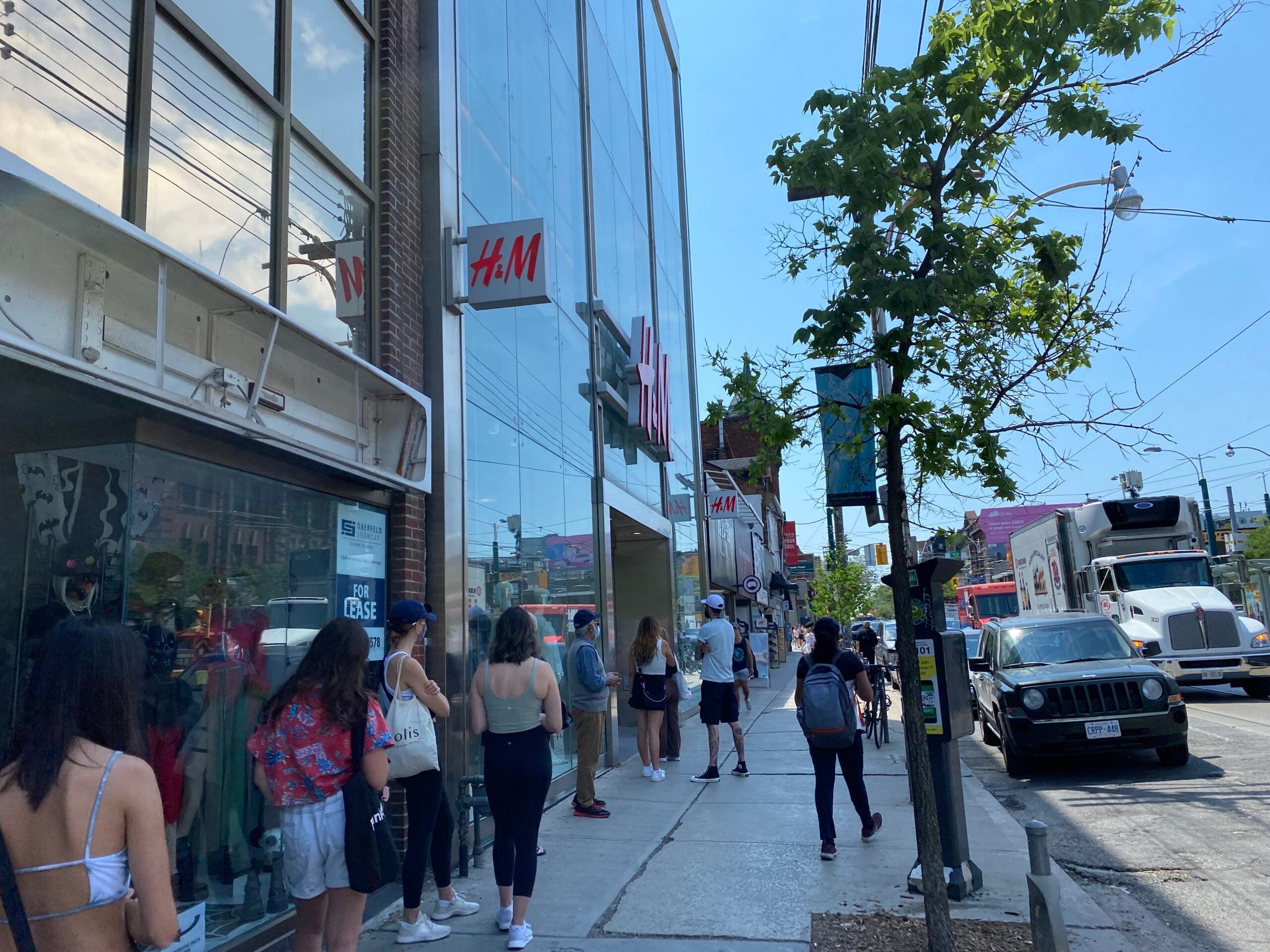
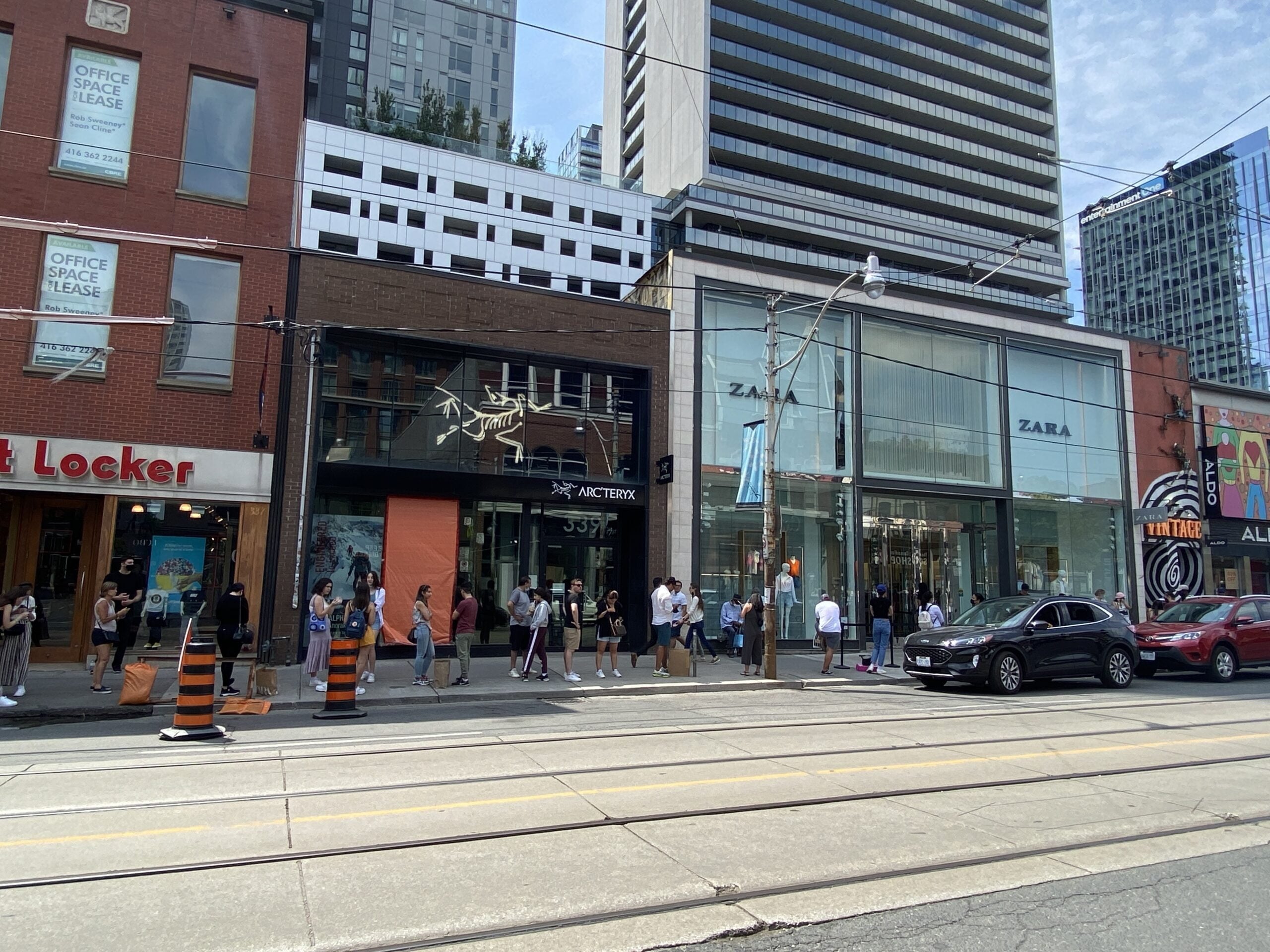
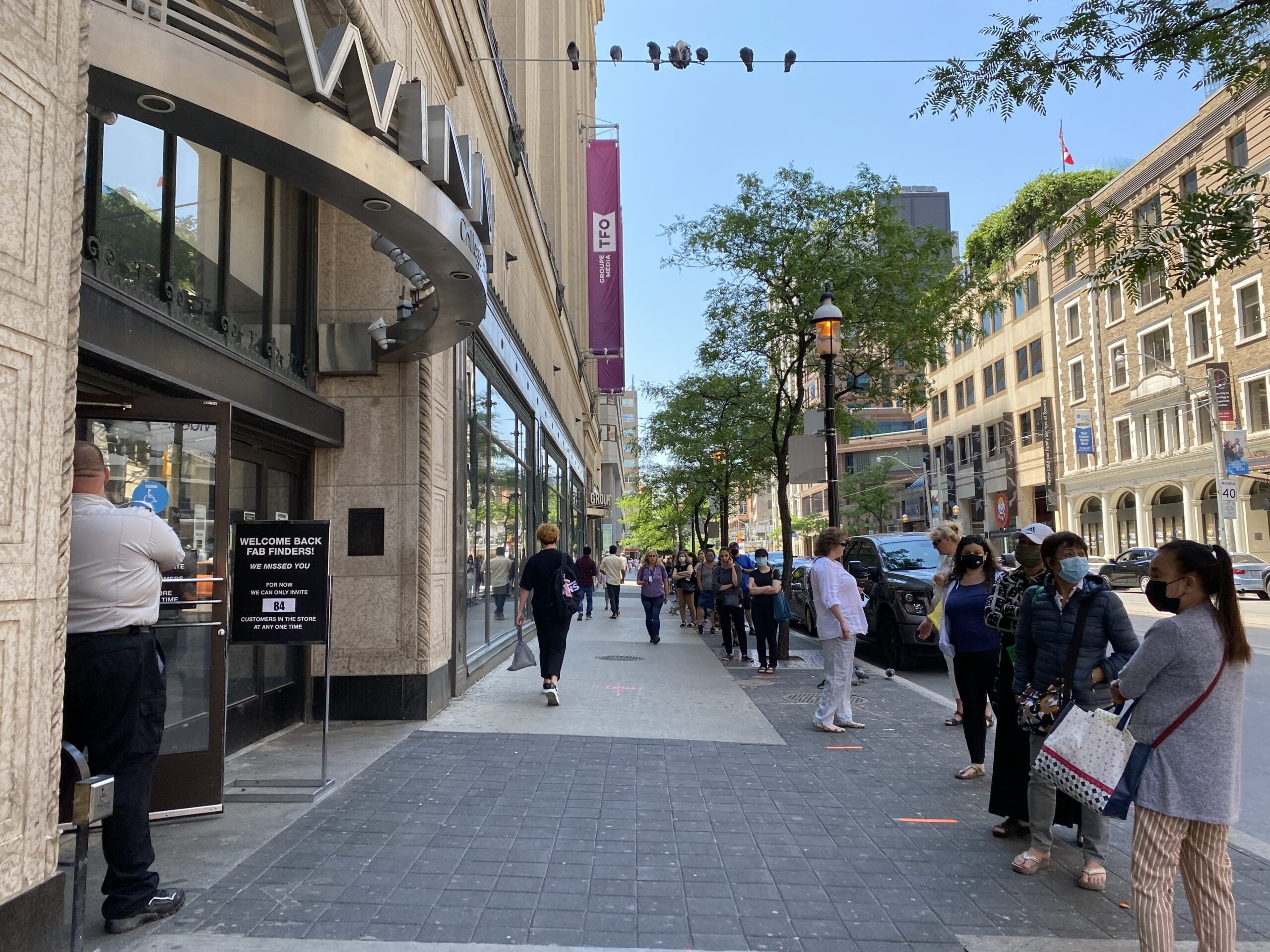
Ontario saw a partial reopening Friday, allowing retailers with street-facing stores to reopen as well as restaurant patios. Lineups at some Toronto retailers were hundreds of feet long with a mix of customers buying and returning products. Patios were hopping on the weekend throughout downtown Toronto on the weekend and sidewalks were crowded, although some rain put a damper on the activity on Sunday afternoon.
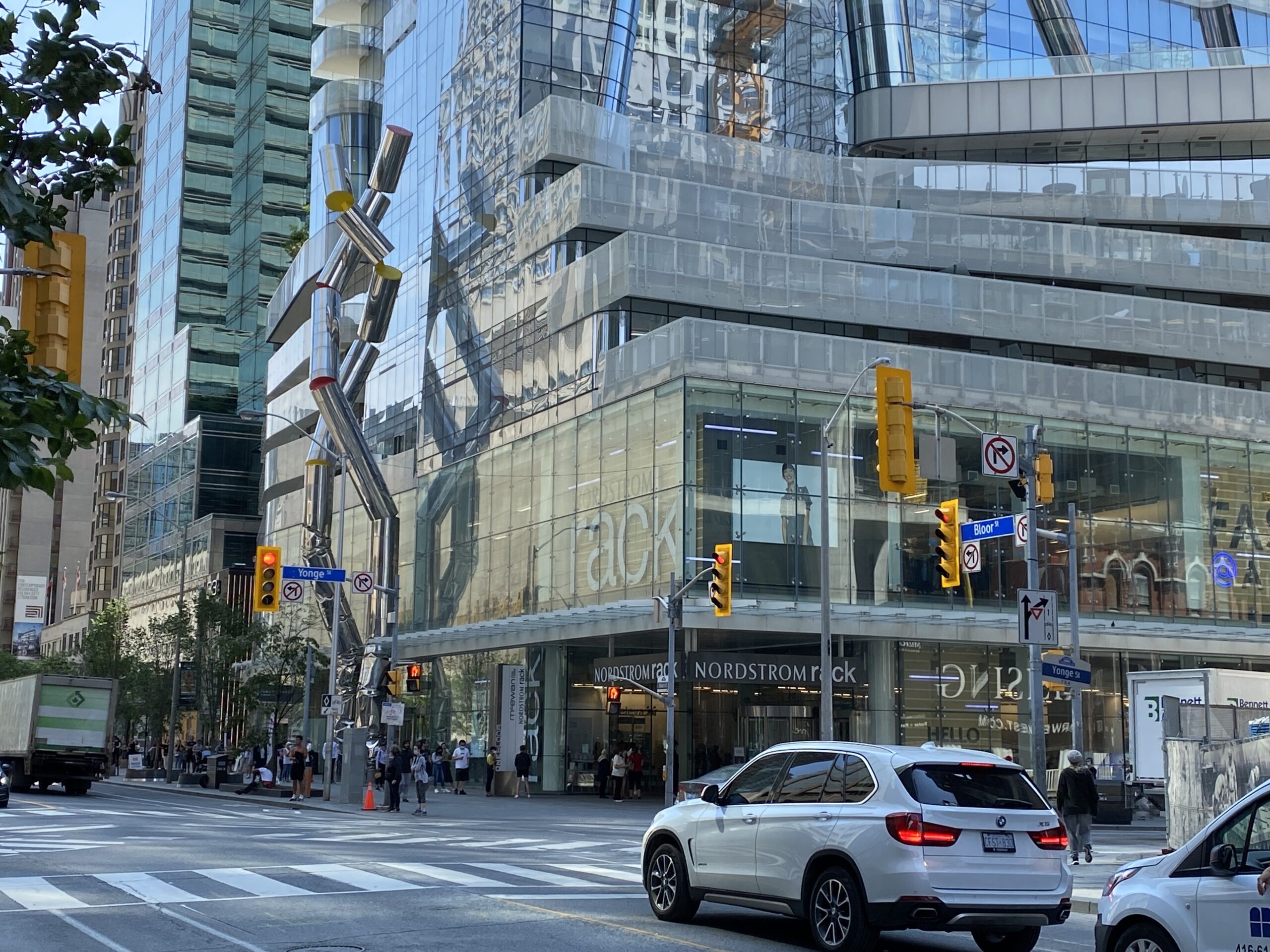
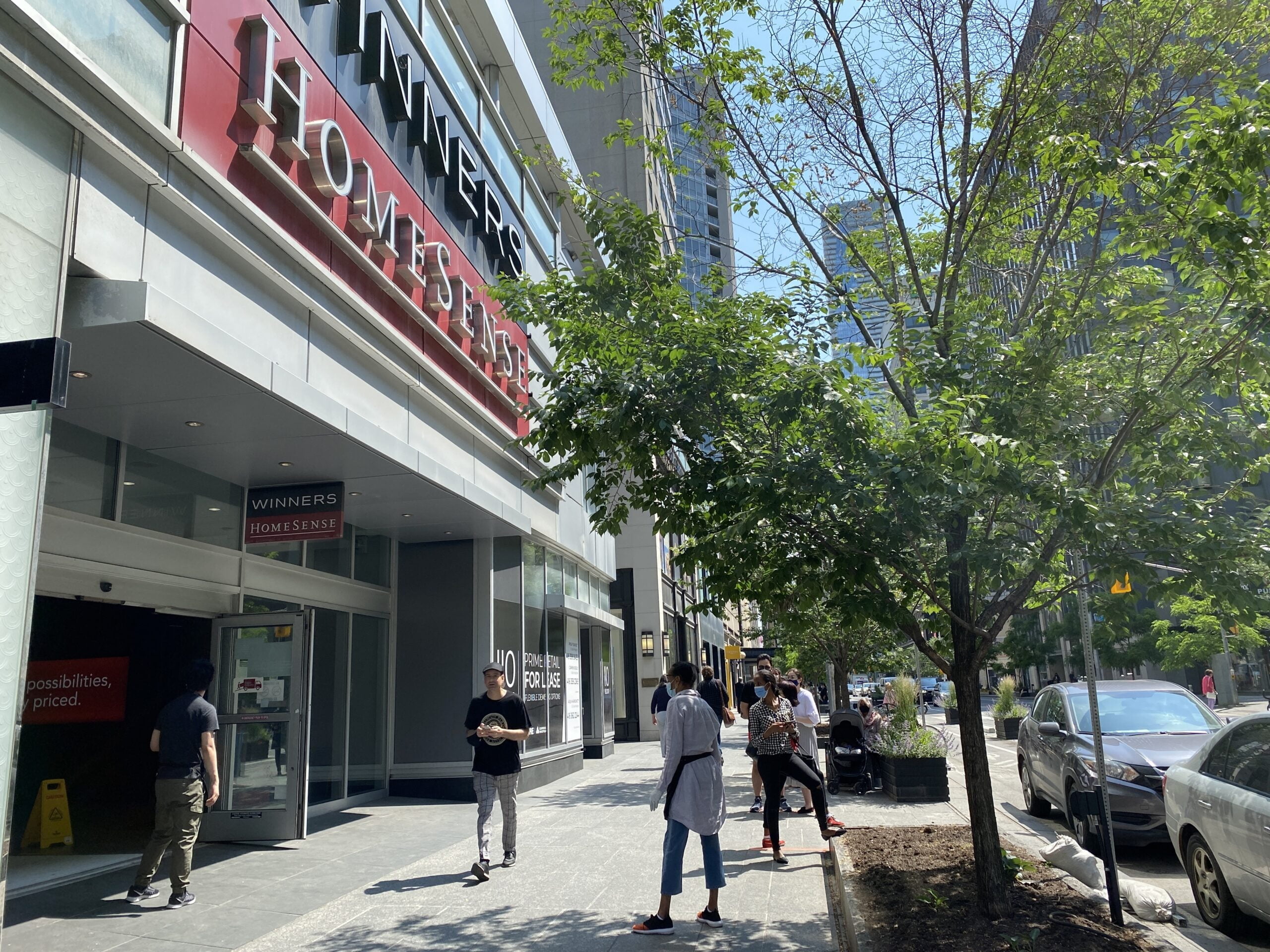
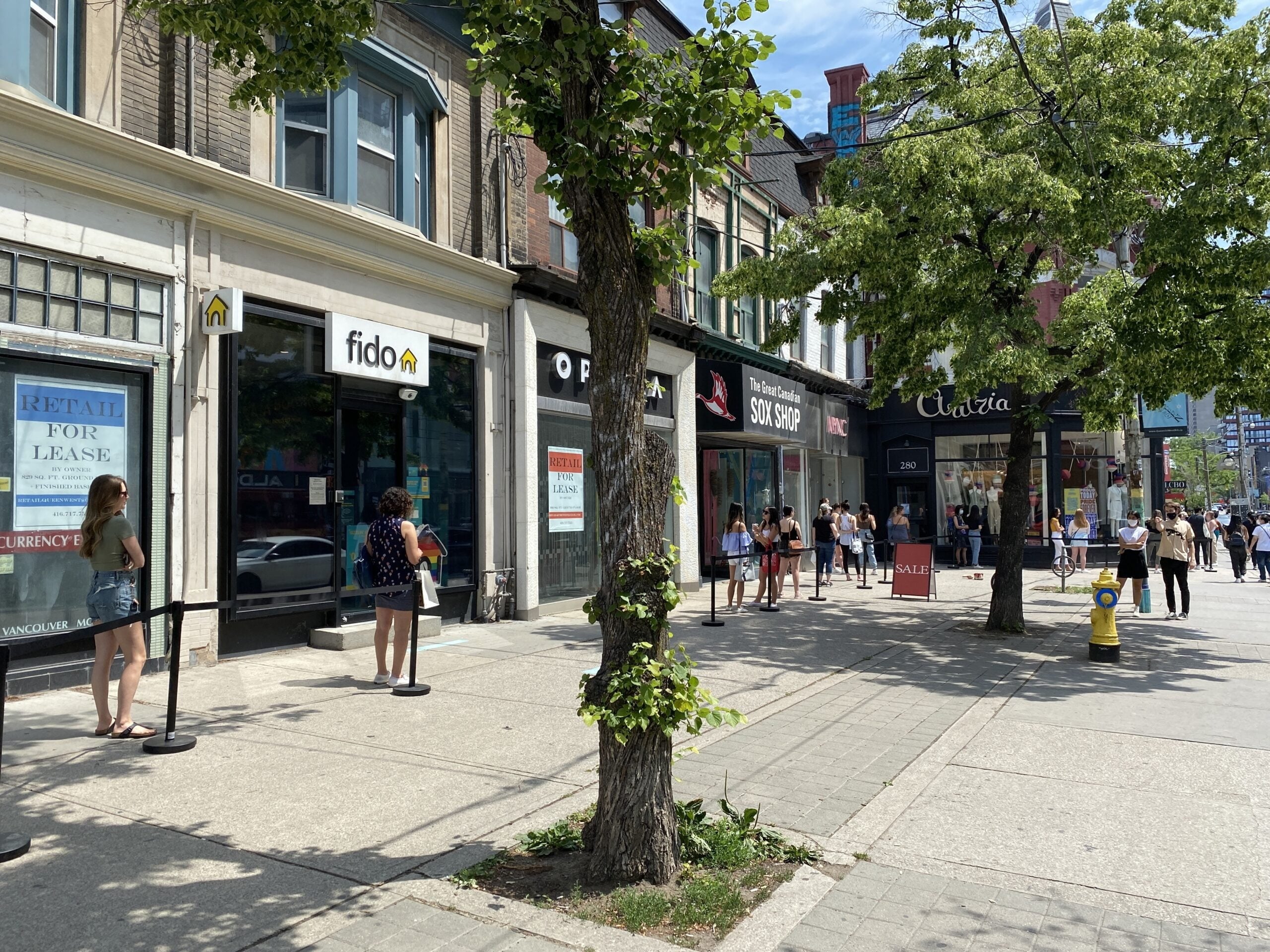
We observed lineups at every Winners, Marshalls and HomeSense store in downtown Toronto as well as at Nordstrom Rack at 1 Bloor E., H&M, Zara, Aritzia and various other retailers in the core. The lineups were a mix of shoppers and people returning items. The overall vibe, coupled with the sunny warm weather, was positive with people getting out into the city enjoying the sun, patios, and stores.
Photos from the Re-Opening of Retail in Toronto in June 2021
1 of 7
Nordstrom Rack at Yonge and Bloor - Photo by Dustin Fuhs
Nordstrom Rack at Yonge and Bloor
Urban Outfitters on Yonge - Photo by Dustin Fuhs
Urban Outfitters on Yonge
H&M Lineup on Queen West - Photo by Dustin Fuhs
H&M Lineup on Queen West
Zara on Queen West - Photo by Dustin Fuhs
Zara on Queen West
Winners at College Park - Photo by Dustin Fuhs
Winners Homesense on Bloor - Photo by Dustin Fuhs
Winners Homesense on Bloor
Aritzia on Queen Street - Photo by Dustin Fuhs
Aritzia on Queen Street
Nicolas Kalatzis of luxury multi-brand fashion retailer Nicolas in Yorkville said there’s a pent-up demand from consumers looking to “get back to a normal life” and that there’s an opportunity for a spending boom. In terms of menswear fashions, smart-casual is selling though because of the current work-from-home situation, many aren’t yet buying suits and sports jackets or pants for that matter.
The Ontario lockdowns have been criticized by many including in an article we ran on Friday in Retail Insider. Aldo CEO David Bensadoun was also quoted in the Toronto Star last week saying, “If you had a bunch of really smart people sitting in a room trying to think up ways to kill retail, you couldn’t have done a better job than the Ford government.” Mall-based retailers lacking exterior entrances are still not permitted open and many are angry, as are other businesses including restaurants not able to open for indoor dining, beauty services, fitness and others.
There’s ongoing good news for brick-and-mortar retail despite rapid growth in digital. We’re aware of numerous lease deals that have either been executed or are in the negotiation phase for retailers, restaurants and other business categories. It’s great to see such optimism from businesses as we look to a less restricted “post-Covid” world. Many are hoping and praying that we don’t see further lockdowns moving forward which could be impacted by new variants.
One interesting development that was announced last Friday is a partnership with Hudson’s Bay and Forever 21. Hudson’s Bay will be carrying the Forever 21 line in several of its stores in a partnership with YM Inc. which relaunched the Forever 21 brand in Canada this spring with standalone stores as reported in Retail Insider. We reported that TopShop/TopMan was exiting Hudson’s Bay by this fall and Forever 21 could be seen as something of a replacement, though Forever 21 may not have such a grand presence within Hudson’s Bay stores at least initially. We’re told that at the Yorkdale Bay store, Forever 21 will occupy the second level of the former TopShop space but not the ground floor. Forever 21 will also have an expansive presence at the Square One Bay store in Mississauga and an expansion will continue. Forever 21 is also available on thebay.com.
Main floor of the downtown Calgary Hudson’s Bay flagship store on June 13 2021. Image: “AL”
We reported this month that the downtown Calgary Hudson’s Bay flagship store would be downsized to three floors. An inside source in Calgary provided Retail Insider with an update. The north side of the street level of the store has been cleared out for a new women’s fashions department with the remainder of the floor to house cosmetics, fragrances and handbags (which once occupied the entire floor). The north half of the second floor will also house womenswear with the remainder of the floor for menswear – the entire second floor for years was dedicated solely to men’s fashions. The north half of the third floor, once all womenswear, will become a housewares floor. The fourth-floor currently housing women’s fashions, kids and toys will be shut down as will the furniture department on the fifth floor, and the basement level is said to be empty as well.
It appears that human-staffed check-outs in stores are on the way out for some retailers in Canada, and many consumers are unhappy. There have been a few news articles recently where Shoppers Drug Mart told shoppers that unless they’re using cash, the self-checkout is the only option. Now there’s a report that a Walmart store in Terrace BC will be the first in Canada to have all self-checkouts as a test. No doubt the trend will continue and unhappy consumers may vote with their dollars.
Retail Insider’s Craig Patterson will be hosting an event for Telus this Wednesday at 2pm Eastern/11am Pacific discussing smart security systems and how the technology is being integrated beyond security to include store operations and analytics. The Retail Insider podcast is also ramping things up with various guests with several segments to be released this week and next. Our most recent podcast features David Goldman of Vancouver-based menswear retailer Boys’Co which will be shutting down towards the end of this year, and it’s a great conversation.
The following is an overview of a few things we’re watching right now in terms of openings, happenings, closings, and other announcements.
Retail Openings and Happenings
1 of 4
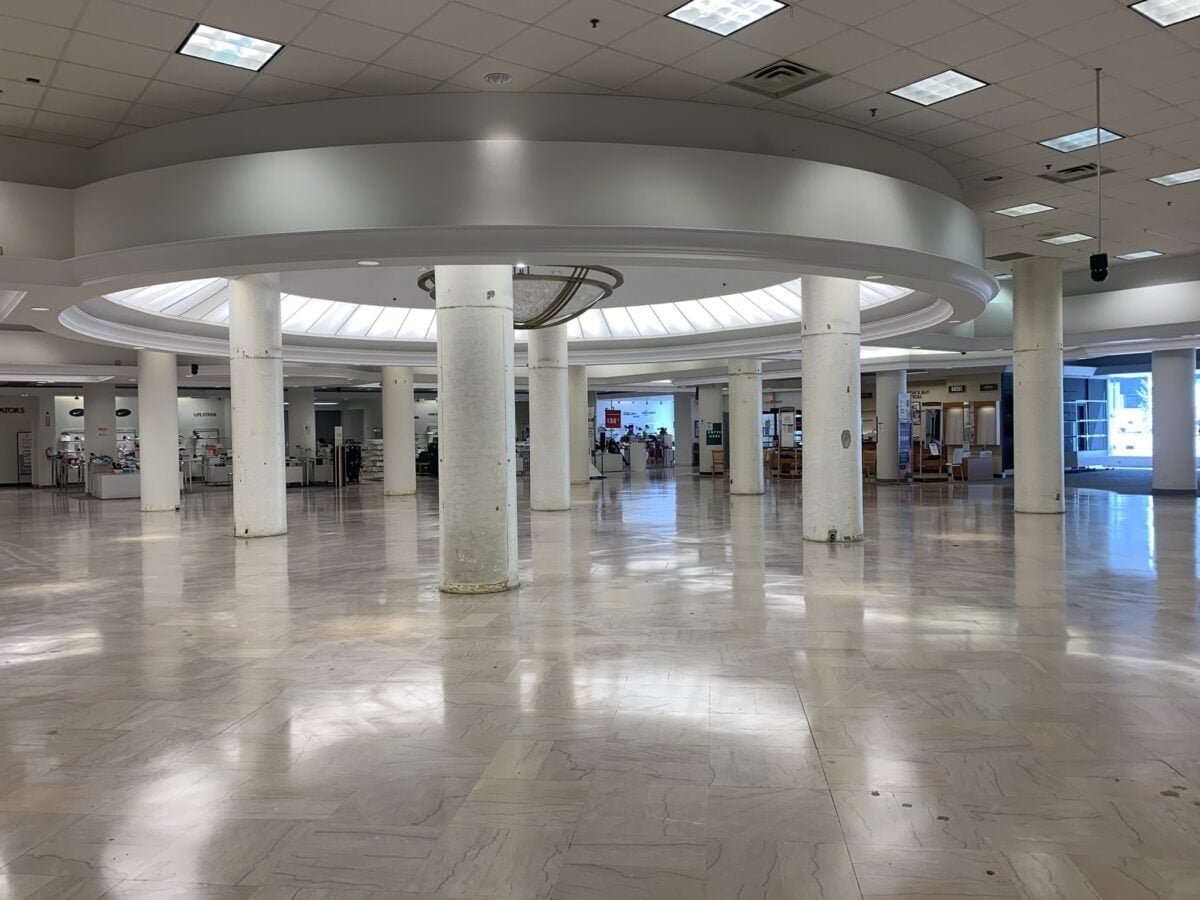
Southcentre Mall - Photo by Brenden Klam
Southcentre Mall - Photo by Brenden Klam
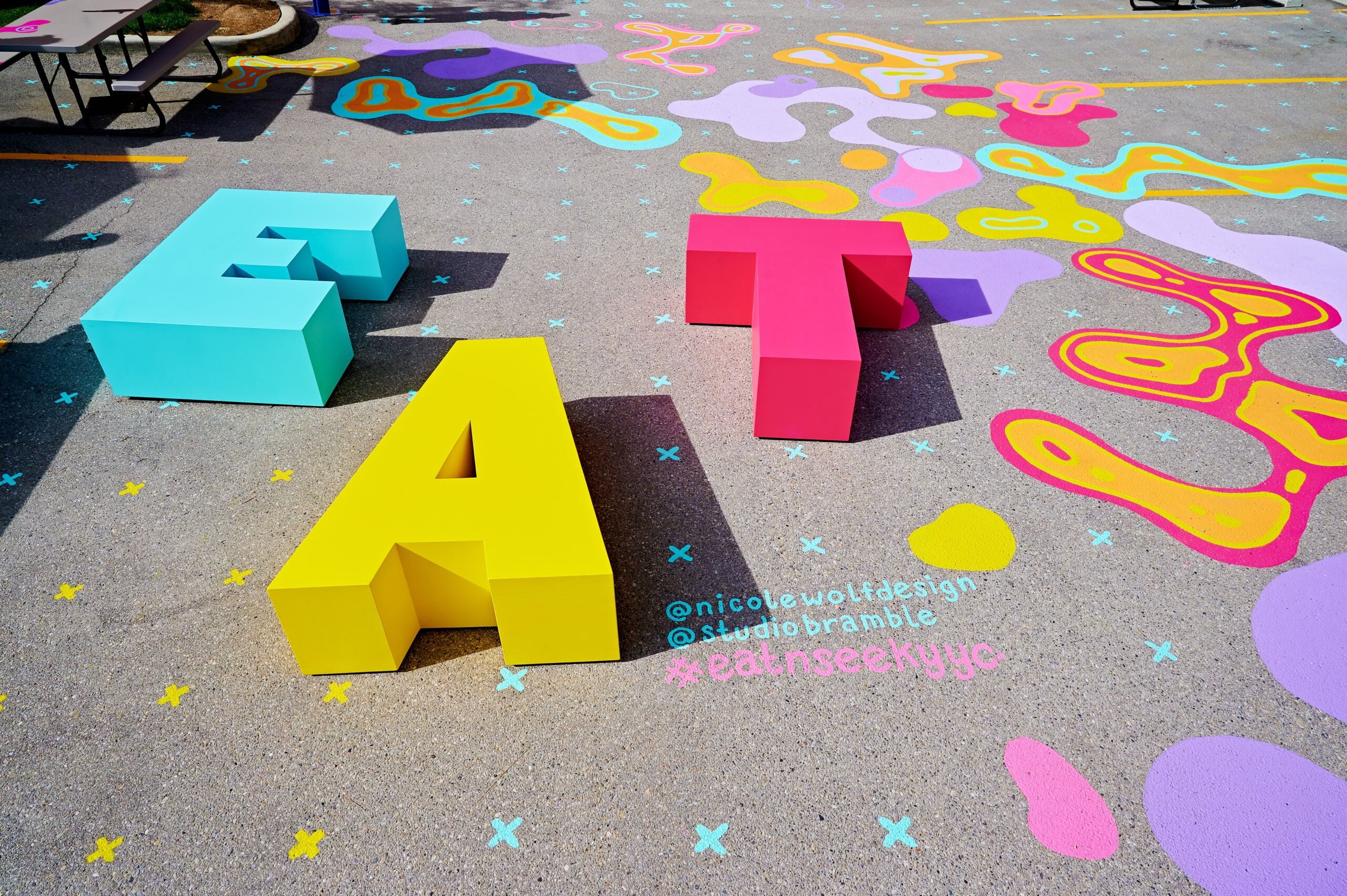
Kingsway Eat n Seek - Photo by Brenden Klam
Kingsway Eat n Seek - Photo by Brenden Klam
French sporting goods behemoth Decathlon opened a permanent store location in Burlington Ontario over the weekend, replacing a temporary storefront that opened last year. The retailer has been profiled several times in Retail Insider and it is expected to open stores in major markets across Canada over the next several years. Brokerage Oberfeld Snowcap is negotiating the lease deals on behalf of the retailer.
The Biway $10 Store concept is expected to open at 95 Orfus Road in Toronto at some point, and its opening was delayed following the death of founder Mal Coven in October of 2020. Coven had plans to revive the brand with a new concept where all products (or a bundle of items) would be priced at $10. Details with his estate are being sorted out and we’ll report back when we have more information.
Vancouver-based fashion retailer Oak + Fort will be opening its largest store to date this summer at West Edmonton Mall in Edmonton. The 5,000 square foot Oak + Fort will be considerably larger than its second-largest location which spans about 3,000 square feet. We’ll be reporting back on more details about the store as well as a broader expansion for the brand that will see new Oak + Fort stores open in Canada as well as the United States where it already has several locations.
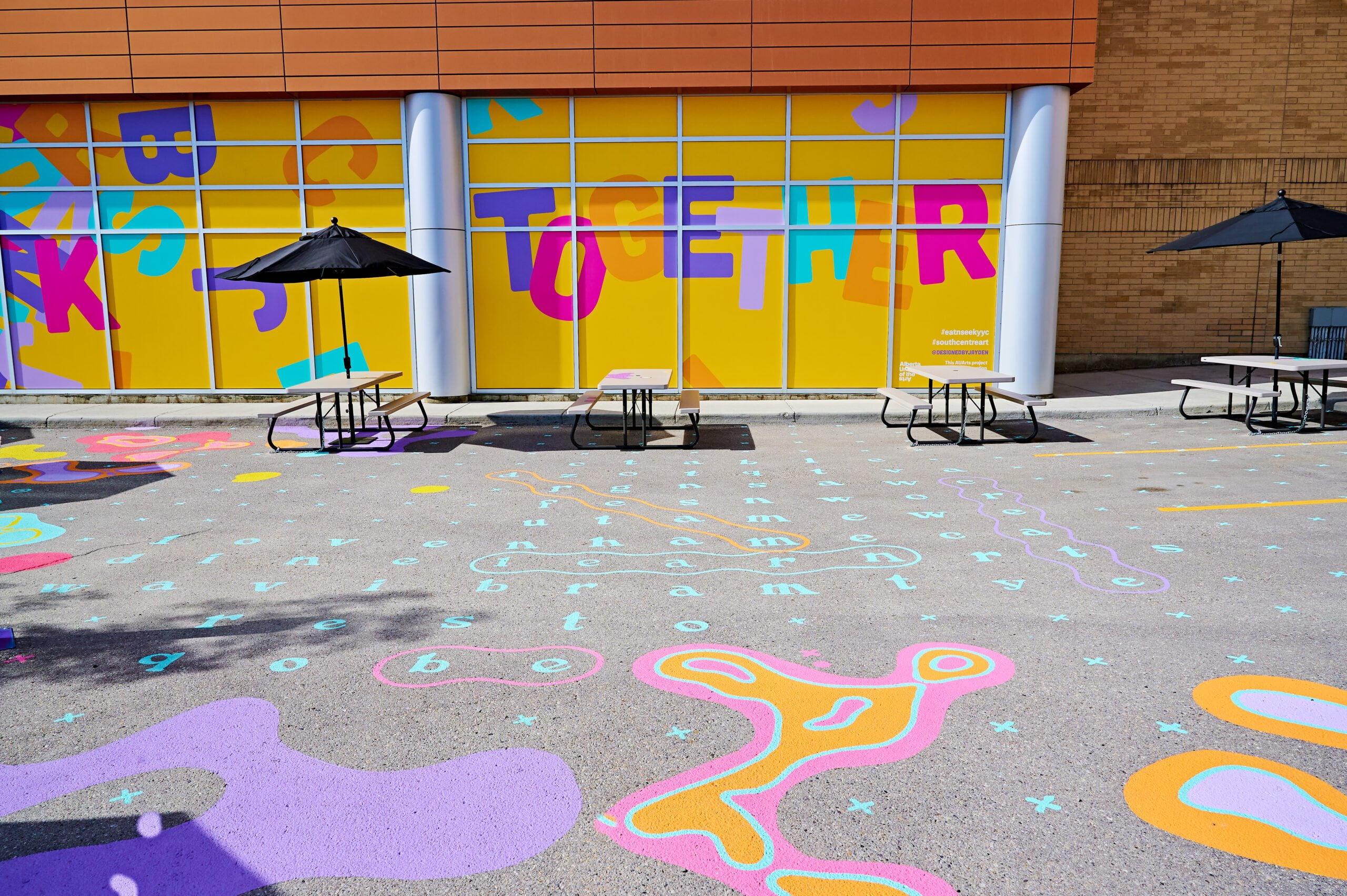
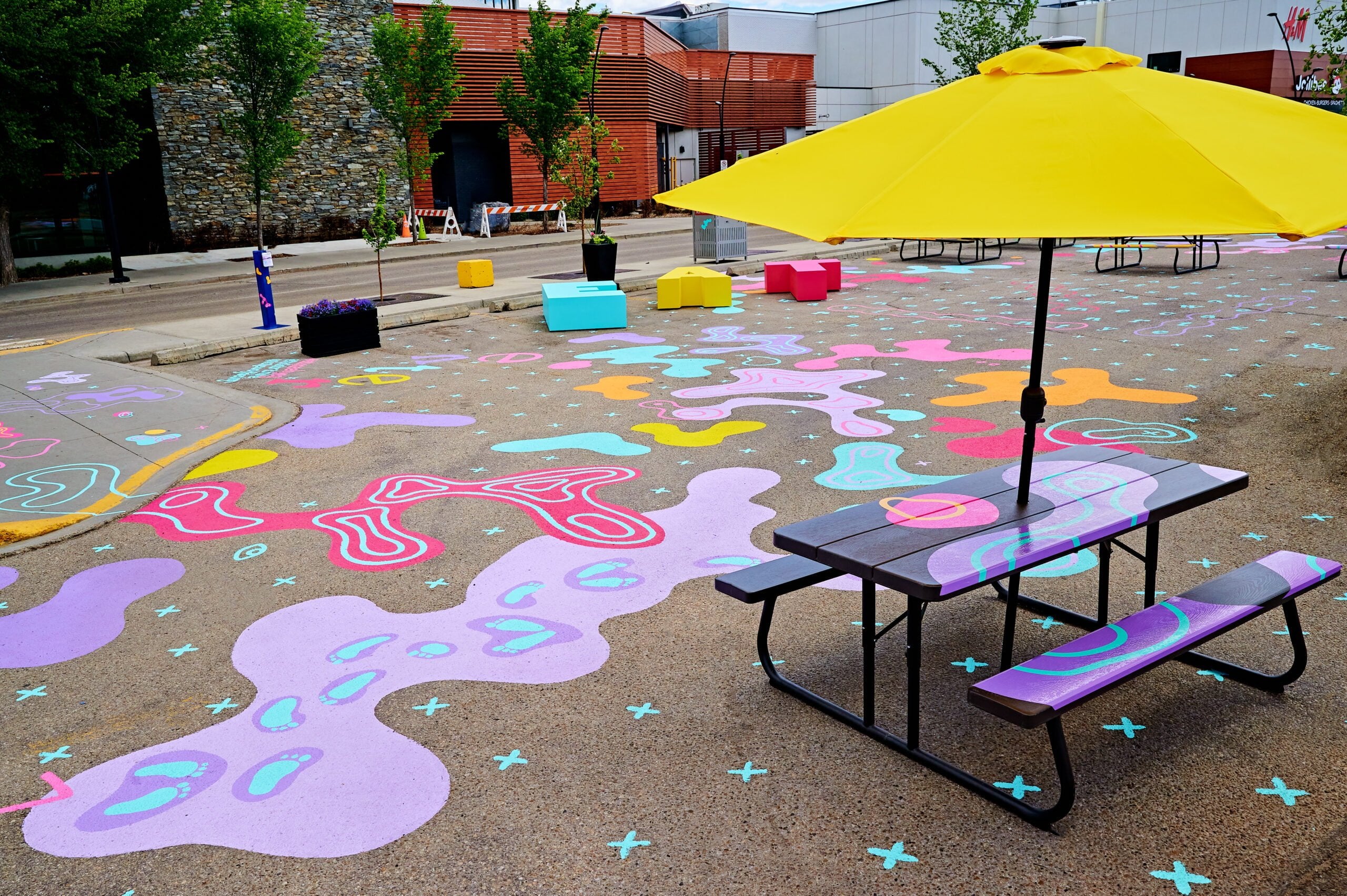
Oxford Properties-managed Southcentre Mall in Calgary and Kingsway Mall in Edmonton launched public art initiatives this month as part of a patio initiative called Eat & Seek with seating for 60 plus guests at Southcentre and 80 plus guests at Kingsway. The expansive outdoor art installations also act as self-serve patio spaces to support the local foodservice businesses at the malls by safely enjoying a takeaway meal outdoors. We reported this spring that shopping centres across Canada are opening outdoor patio spaces in parking lots (see photos above in the slideshow).
Montreal-based outerwear and fashion brand Moose Knuckles announced a significant investment from former CEO of Tapestry, Inc. (the company that owns Coach, Kate Spade and Stuart Weitzman) with Victor Luis appointed as Executive Chairman of Moose Knuckles. Luis is partnering with Moose Knuckles’ founders and Co-CEOs Noah Stern, Ayal Twik and their families, along with global investment firm Cathay Capital to be an investor in the company. Moose Knuckles has experienced significant double-digit year-over-year growth during the past five years under Luis’ guidance and it plans to broaden and accelerate its expansion. Moose Knuckles opened its first permanent store at Toronto’s Yorkdale Shopping Centre in 2017 and has since expanded to other storefronts in Canada and beyond, including several pop-ups that could be converted to permanent storefronts.
Calgary-based C & C Candle company has expanded its operations into a 30,000 square foot building in the city. It’s a positive move despite challenges with the pandemic. The brand says that it is continuing to grow its customer base across Canada and is bullish on the future. The new location recently opened with a grand opening scheduled for July as more stock comes in. The company has three different collections of candles, three different types of essential oils, bath bombs, bath salts and a whole range of supplies to make candles and is primarily an e-commerce retail operation.
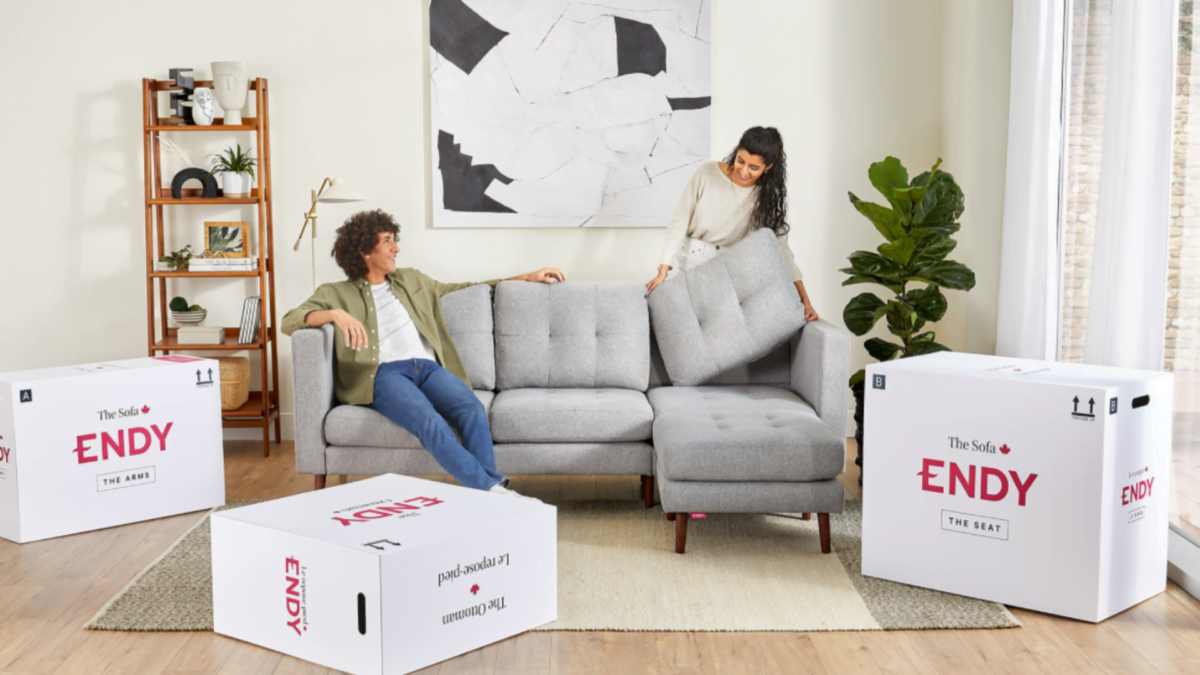
Image: Endy Sofa
Toronto-based bed-in-a-box brand Endy, now owned by Sleep Country Canada after an acquisition in 2018, has launched its first product not intended for the bedroom. The new Endy Sofa is modular and can be configured as an armchair, love-seat, 3-seater, or L-shape sectional and there’s a matching ottoman. The sofas are made with high-density foam and durable synthetic linen fabric and comes with reversible cushions with tufted and non-tufted sides. Shipping is free and averages 3.2 days and there’s a 30 day risk-free trial as with the mattresses. It remains to be seen if Endy continues to develop its home furnishings business which could be a mild disruptor to the segment. It will also be interesting to watch if mattress-in-a-box competitors also try something similar.
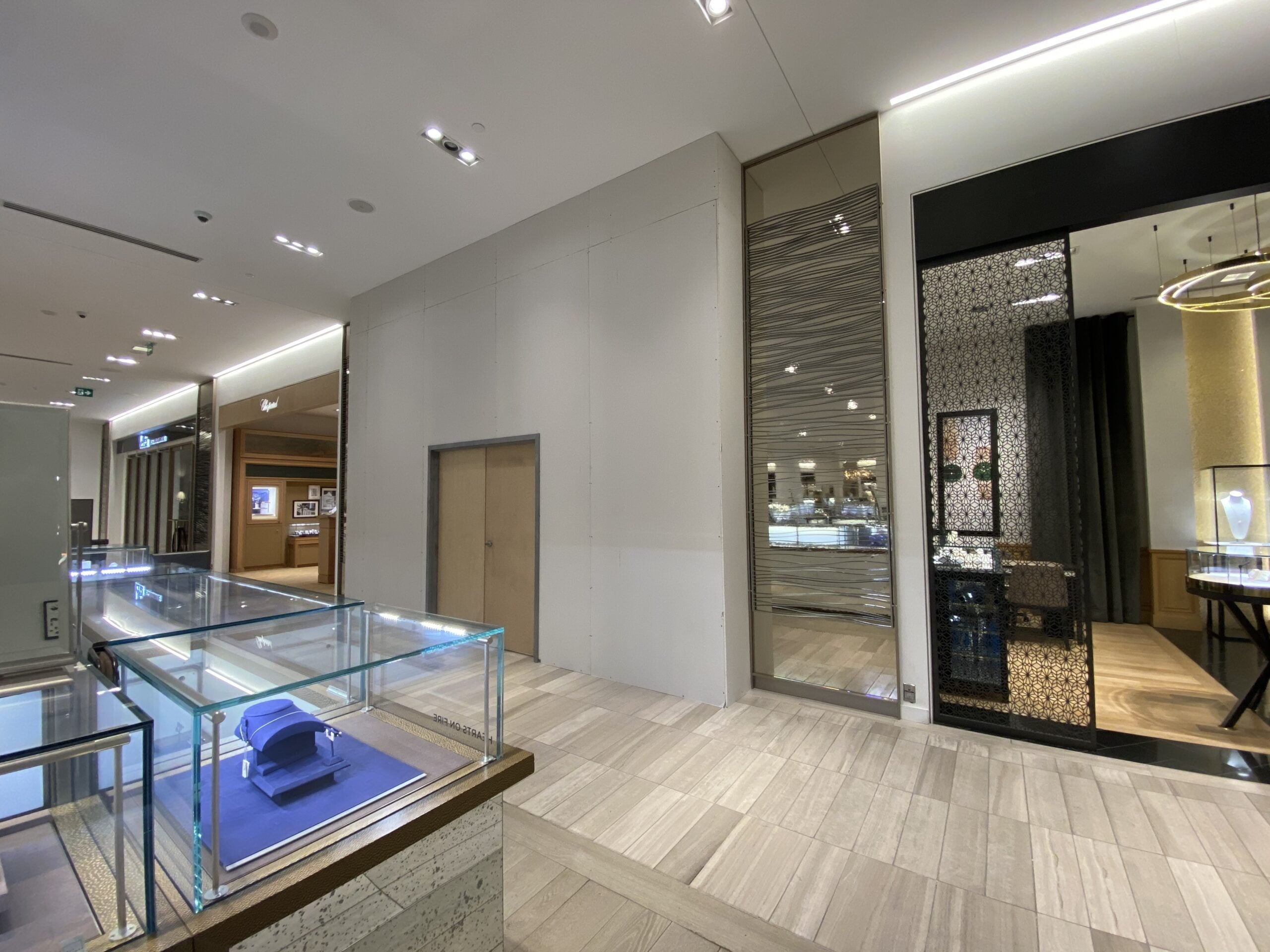
Former De Grisogono boutique at Saks Fifth Avenue in downtown Toronto - Photo by Craig Patterson
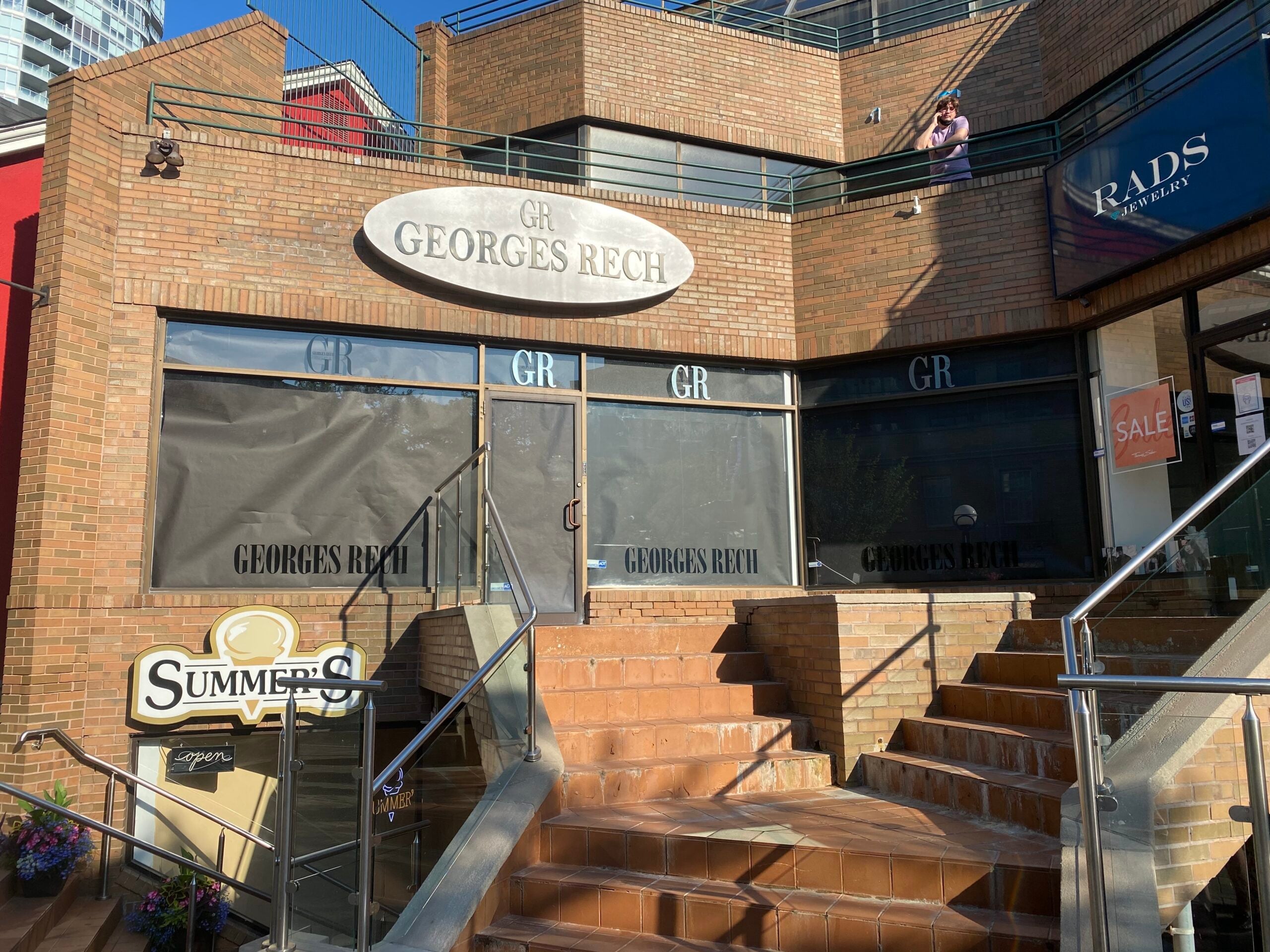
Former Georges Rech at 101 Yorkville - Photo by Craig Patterson
Georges Rech at 101 Yorkville
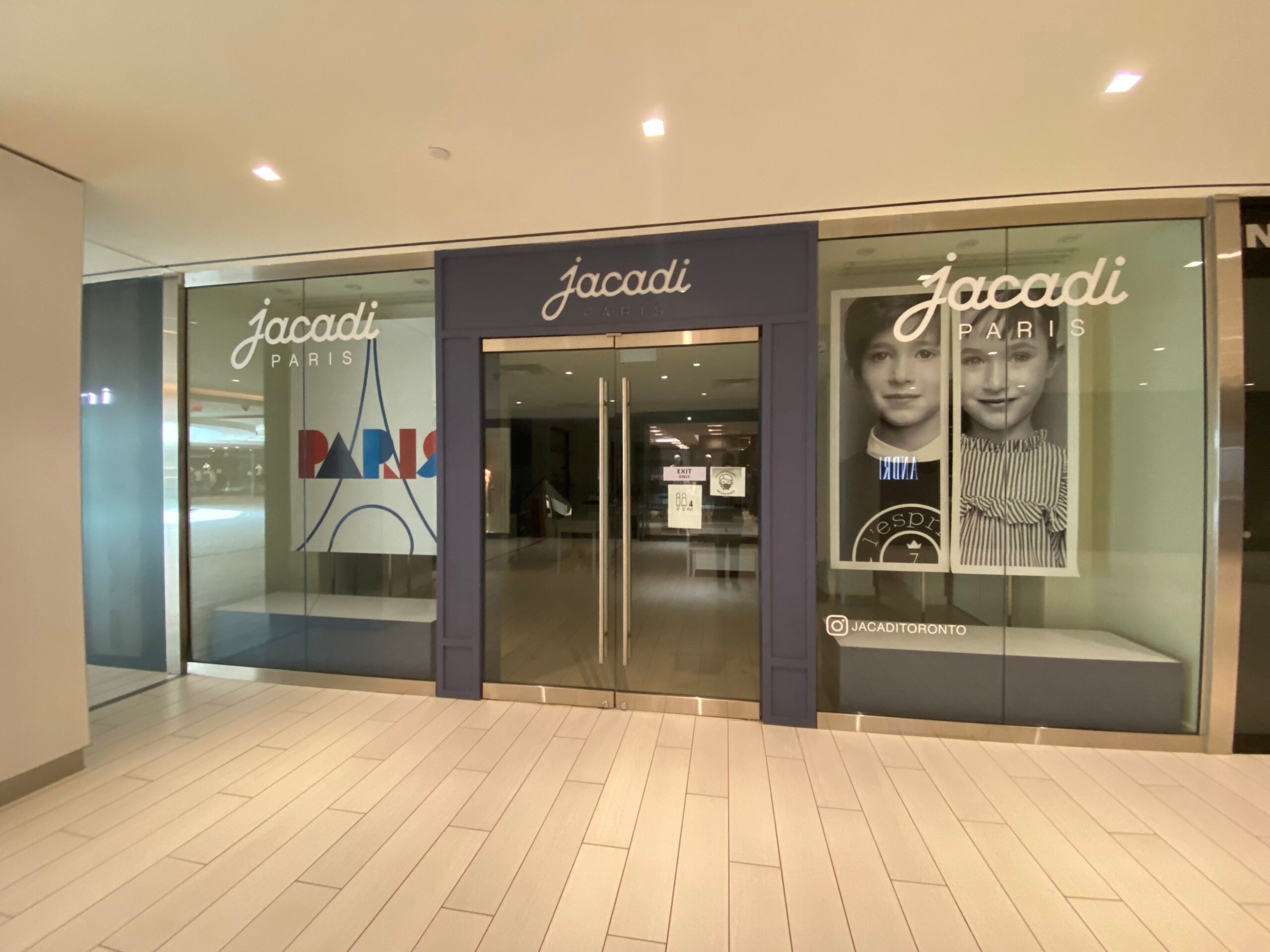
Former Jacadi at Yorkville Village - Photo by Craig Patterson
Several stores have shut in Canada and more could come. American jewelry brand Alex and Ani appears to have shut all of its Canadian stores and the brand filed for bankruptcy in the US last week after struggles. We’ll follow up with a more detailed article about this as the brand began to rapidly open stores after entering Canada in 2015.
Over the past two days we noted that in Toronto’s Yorkville area, two prominent stores have closed. At 101 Yorkville Avenue, upscale French women’s fashion brand Georges Rech shut its store which operated there for several years. Georges Rech has had a presence in Toronto for decades and this could be an end of an era unless a new location is found. A Montreal boutique at 1277 Greene Street in affluent Westmount is still operating for now.
Upscale French children’s brand Jacadi also shut its store at the Yorkville Village shopping centre in Toronto. The brand also has stores at Bayview Village in Toronto, Lakeshore Road E. in Oakville according to its website. A store in Vancouver’s Kerrisdale is closed and a store on Laurier Avenue in Montreal also shut a while ago, and we’ll follow up to see if the company has or will shut all stores in Canada.
The De Grisogono boutique at Saks Fifth Avenue in downtown Toronto has shut down with white hoarding replacing the storefront. The Italian luxury jeweller featured a $100,000 watch in the Toronto boutique when Saks opened in 2016. The jeweller filed for bankruptcy in 2020 amid controversy. Saks in Toronto also lost a Boucheron boutique last year (the line is now carried at Holt Renfrew) and the space is vacant, and we also noticed that Australian skincare brand Aesop has shut its Saks shop-in-stores in downtown Toronto and CF Sherway Gardens.
1 of 3
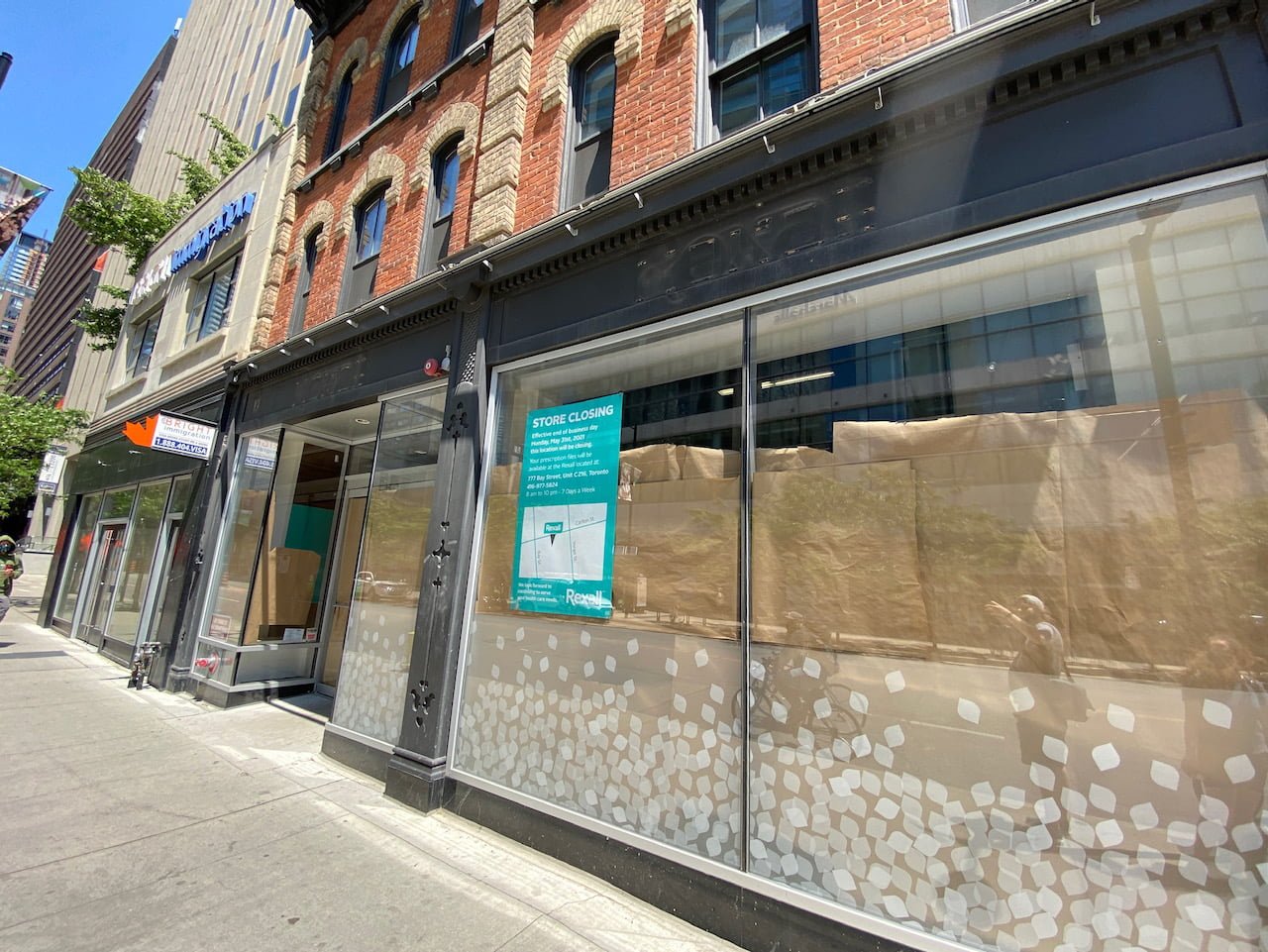
Closed Rexall at Yonge & Gerrard - Photo by Dustin Fuhs
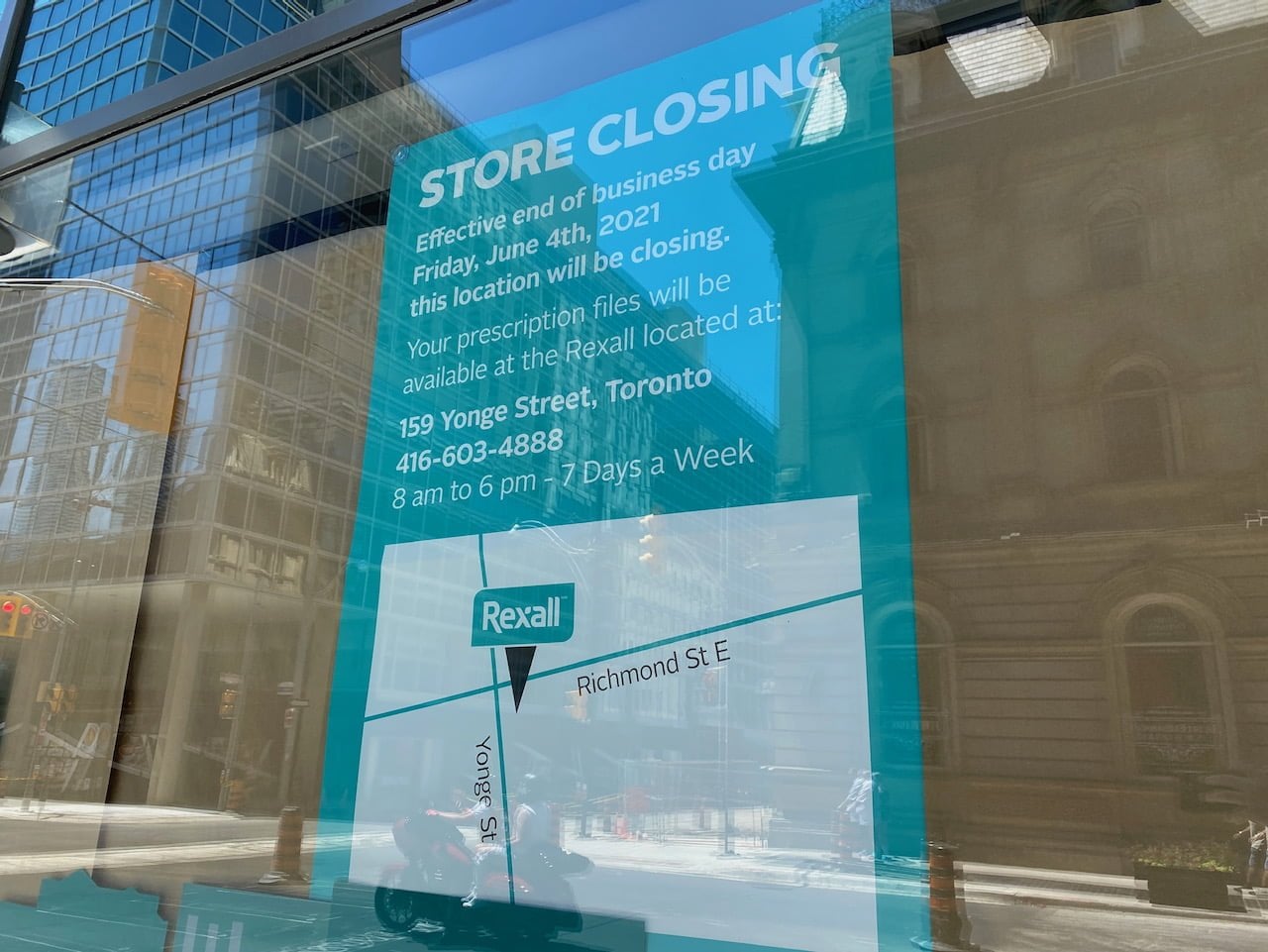
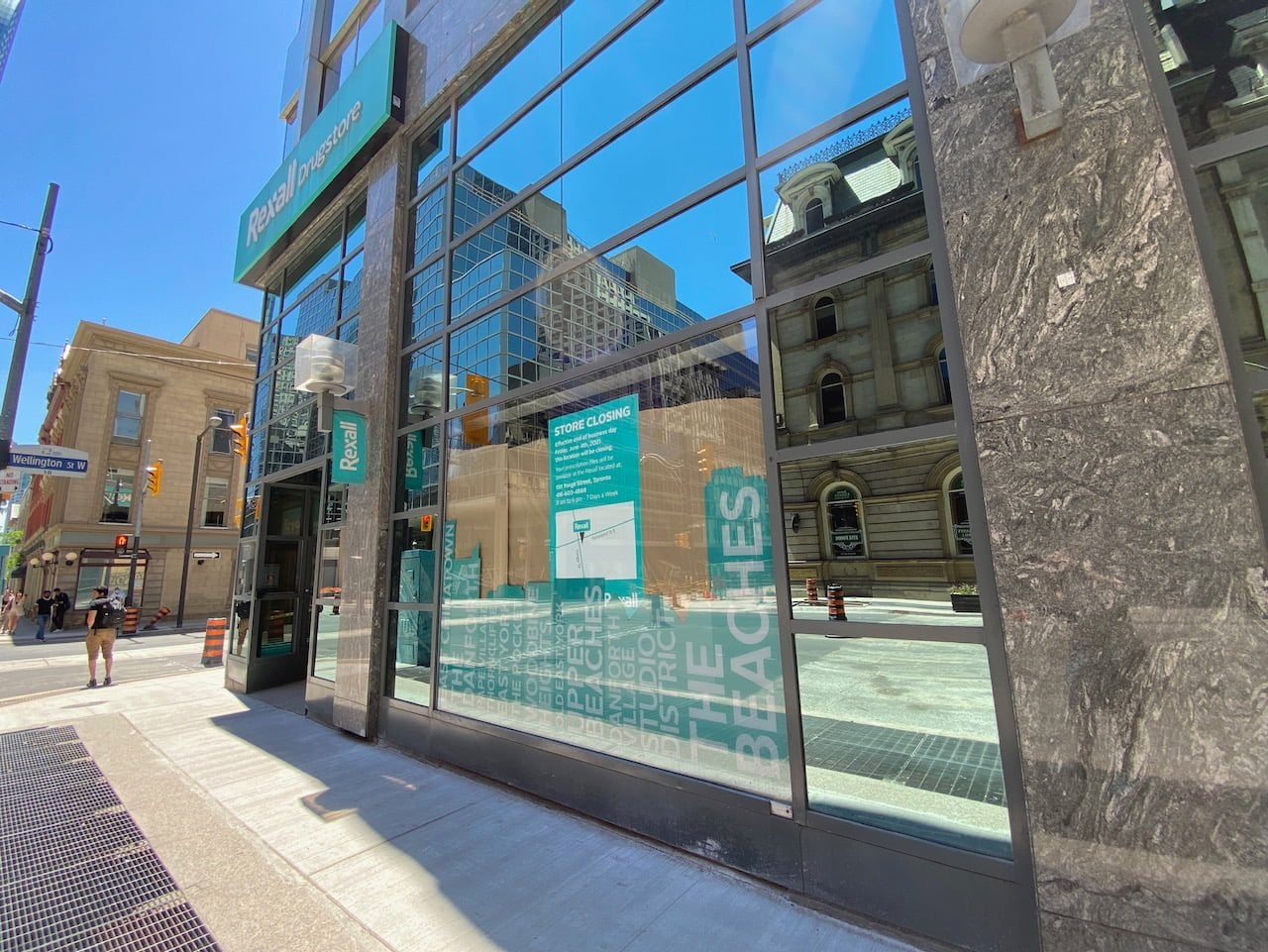
Closed Rexall at Yonge & Wellington - Photo by Dustin Fuhs
Closed Rexall at Yonge & Wellington - Photo by Dustin Fuhs
Two Rexall drug stores in downtown Toronto recently shut, including a location at 48 Yonge Street at the corner of Wellington Street as well as at 401 Yonge Street near Gerrard Street. This follows the recent announcement that the unique Rexall store on Bloor Street near Brunswick Avenue in the Annex will also be shutting – the store opened in a former ‘dive bar’ in the spring of 2017.
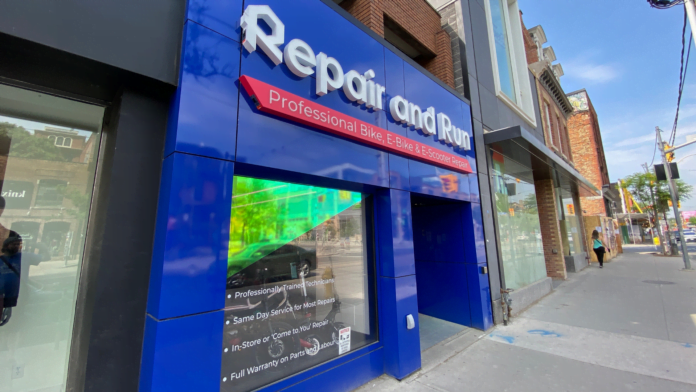
Repair and Run at 363 Queen West - Photo by Dustin Fuhs
Some of the people behind the founding and success of Mobile Klinik, the Canadian chain of smartphone and tablet repair shops, have launched a new business in downtown Toronto for bike, e-bike and scooter repairs.
Repair and Run, with its first location at 363 Queen Street West, has plans to eventually expand the concept to many more locations.
Youssef Botros, VP of Business Development, said the new company is trying to follow the same road map that Mobile Klinik used to become such a national success.
“Repair & Run was actually first started in France about five years ago. The mobile bicycle repair business since then has grown into a network of brick and mortar stores within France. The Canadian branch just started. It’s been in the works for a little while,” said Botros.
“Ken Campbell, my partner, approached me while I was at Mobile Klinik, and said ‘hey we really like the work that you did at Mobile Klinik and we were wondering if you wanted to join this company’. I’m an avid cyclist myself. It’s one of the things I enjoy most. Some people have yoga or the gym. This is my way to disconnect. I love to explore new places.”
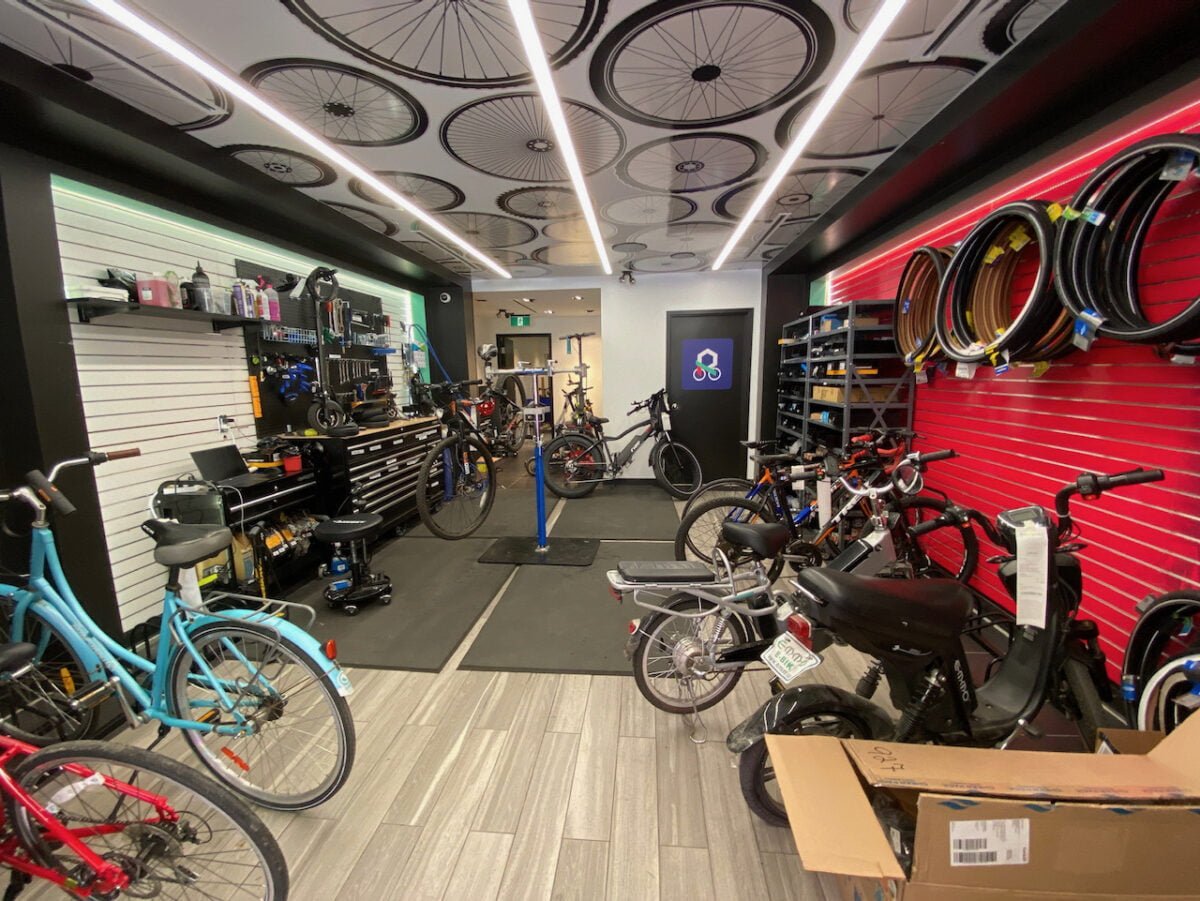
Repair and Run on Queen Street – Photo by Dustin Fuhs
“It’s not really about how fast I’m going or my heart rate. It’s just being outside. Being active. Seeing new places.”
Botros spent six years with Mobile Klinik. As Mobile Klinik’s first employee, he comes to the new venture with a wealth of experience and knowledge in building a national retail repair brand and supported Mobile Klinik’s expansion through to its acquisition by TELUS, by leading the Training and Development and developing key relationships and programs that are still in operation today.
Ken Campbell
Campbell is an experienced executive and entrepreneur. He was a co-founder of Mobile Klinik. He served as founding CEO of WIND Mobile (now Freedom) and was CEO of telecom operators in North Africa and Europe.
“With the first store, we want to make sure we can prove the concept and survive through the off-season by maybe doing a couple of other things on top of bike repair,” said Botros. “But we’re planning to be here for a long time and opening up about 50 locations in the next five years.
“That’s not anything new to me. We’ve done 90 something or so in the last five years with Mobile Klinik.
Repair and Run on Queen Street – Photo by Dustin Fuhs
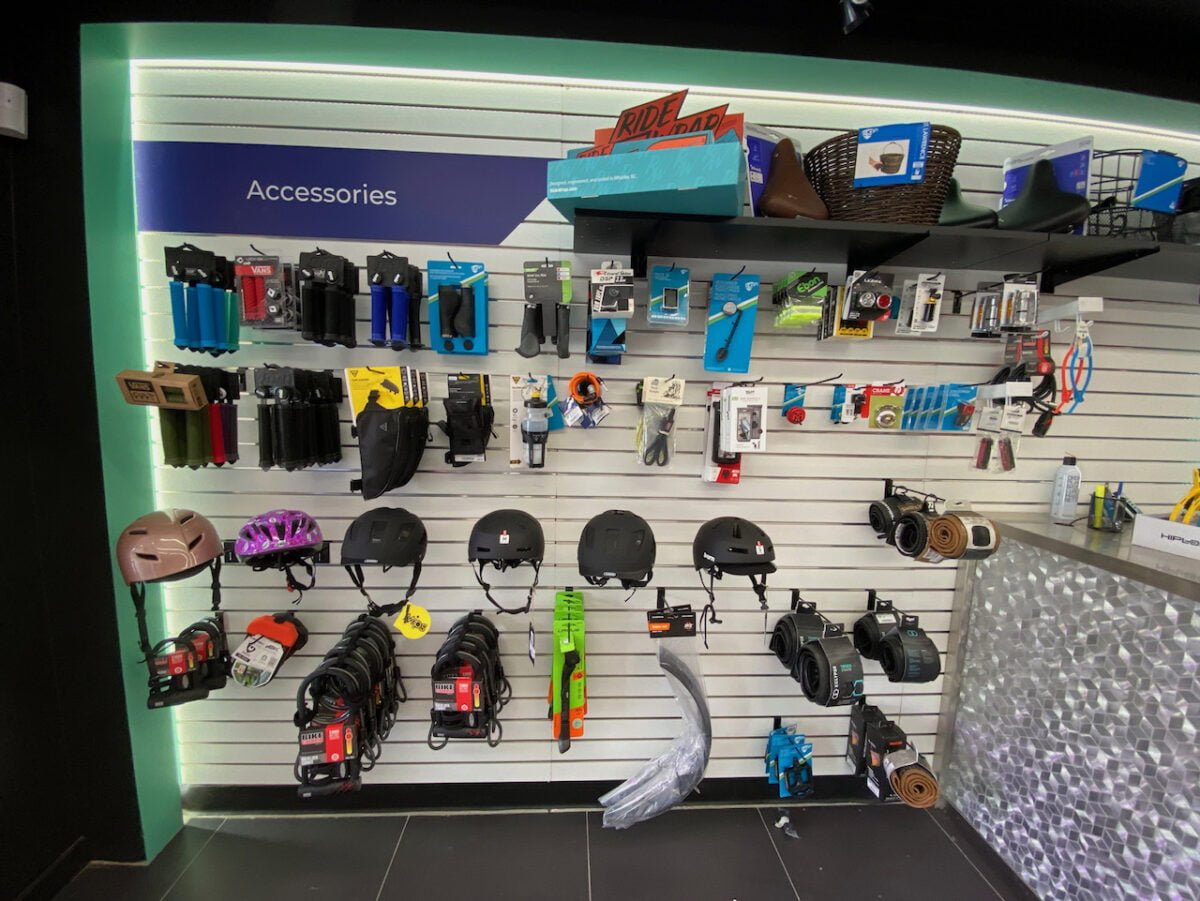
“At the very core, we are very repair focused. We do professional bike, e-bike and e-scooter repairs. We’re very aware of the e-mobility trend that is booming right now. Our business model is a little bit different than a lot of the bike shops you would probably see around. Rather than having 70 per cent of our sales dedicated to bike sales and things of that nature, we actually have the inverse repair business model. Most of our shop floor is dedicated to repairs. We’ve got repair stations set up. In this particular location, we actually have double the space because we have a basement where we’re going to be putting in more technician stations as well to be able to turn around bikes and e-bikes and e-scooters within a fairly good amount of time. Most of the repairs that we do are same-day or within 24 hours.”
Botros said some repairs may take a little bit longer depending on what parts are needed to be replaced.
He said the on-going pandemic has been a major driving factor in the growth in popularity for bikes, e-bikes and e-scooters.
“And fuelled by the fact that e-bikes are becoming so popular, people who are not generally into cycling are getting more interested in it. And even older people. People who may have knee problems or other health problems or feel like they can’t cycle on a regular bike so easily. E-bikes and e-scooters and all of the e-mobility type devices are making things so much easier for people, encouraging people to get out there and to start using it for commutes for example. We have a really big population that are food delivery couriers and almost all of them have e-bikes,” said Botros.
“It’s overwhelmingly positive feedback I would say from all of the people that have e-bikes. It makes them feel like a kid again and makes biking a lot more enjoyable.”
In Ontario, where the third wave was particularly devastating for working-class and racialized people, advocates pointed out that while many workers from these communities were disproportionately deemed “essential,” they were also the least likely to be able to access paid sick leave benefits.
As we hopefully near the end of the pandemic and collectively consider how to transform the workplace in ways that are safer, more equitable and humane, it’s important that the voices and experiences of essential workers are heard.
While media coverage has been crucial in fuelling public discussions about the workplace, our research shows that there’s a disconnect between the way media covered work issues during the pandemic and the stories workers felt were important for the public to understand.
Survey of workers
During the first wave of the pandemic, our research team conducted a survey of three groups of essential workers in Nova Scotia — long-term care workers, retail workers and teachers.
Our survey focused primarily on how working conditions had an impact on their health and well-being, but because essential workers were receiving more media attention, we also asked participants to reflect on how the media covered their occupations.
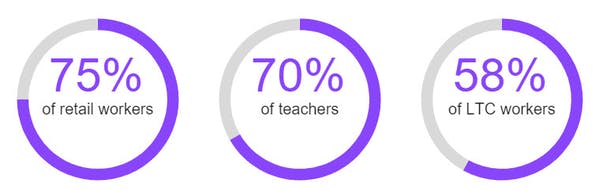
We asked survey participants if the media focused on the most important issues of their work, and 69 per cent of participants responded “no” versus 31 per cent who said “yes.” Broken down by group, retail workers were the most likely to say that the media was not covering the most important issues (75 per cent) followed by teachers (70 per cent) and long-term care workers (58 per cent).
Breakdown by sector of those who responded ‘No’ to the question: Did the media focus on the most important issue of your work? Author provided, Author provided
When asked to describe how they felt about media coverage of their work, some participants expressed gratitude. One long-term care worker told us:
“I think some of the coverage has been good and it has brought to light the ‘gaps’ in the system and how some of the most vulnerable people in society are treated and prioritized.”
However, about half of the open-ended responses stated that coverage was incomplete, one-sided or that the tone became more critical over time. For example, some long-term care workers felt that coverage focused disproportionately on residents, ignoring workers:
“They have focused on the impact to residents but have not talked about the tremendous work the staff did in LTC facilities in NS to keep everyone safe. The staff were viewed as the carriers [of COVID-19] and would be blamed publicly if an outbreak occurred.”
Retail workers, teachers
Retail workers noted that media coverage was largely silent on what some saw as unnecessary risks to their health. According to one participant:
“They show us as these lifesavers and glamourize us when in reality, we’re risking our health and safety so Karen can buy Doritos and ice cream at 10 p.m.”
Teachers noted that they were often portrayed as complaining, whining or lazy, especially when they expressed concerns about working conditions. As one teacher commented:
“It has been interesting to see praises sung as the extent of our jobs was discussed, and then to be referred to in a negative light as we look for clarification of safety measures for returning to school.”
Our participants’ frustrations with media coverage of their work during the first wave of the pandemic underscore the importance of intentionally including workers’ experiences in public dialogue about the economy and public policy.
After all, workers’ lived experiences are not interchangeable with broader questions about business and the labour market, nor can we understand workers’ experiences through a near exclusive focus on policy. Ignoring workers’ experiences leads to missed opportunities for understanding how policy and working conditions can improve.
While economists rejected that connection, worker-centred media coverage provided important insight into why workers were turning away from food services.
In post-pandemic Canada, media will also play a crucial role in shaping public understanding of labour conditions. If we’re committed to creating a future of work that is safe and equitable, workers themselves must be a central voice in the stories that media tell.
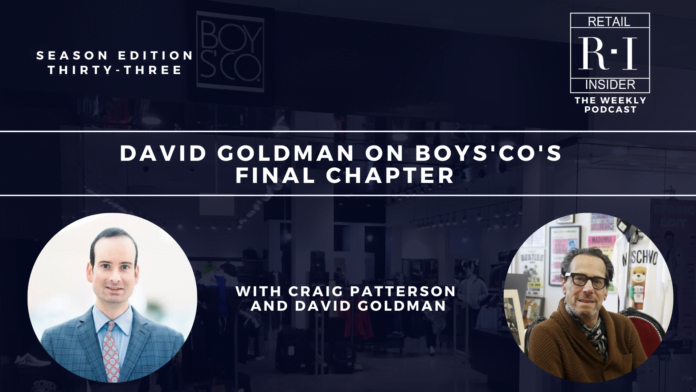
Special Edition 34: David Goldman on Boys'Co's Final Chapter
This week, Craig and David discuss the 75 year fashion legacy of family-owned Murray Goldman, including the 37 year run of iconic Vancouver-based menswear retailer Boys’Co which will shut down at the end of this year. Despite the sad news, it’s a positive conversation with a lot of history and gratitude.
The Weekly podcast by Retail Insider Canada is available on Apple Podcasts, Stitcher, TuneIn, Google Play, or through our dedicated RSS feed for Overcast and other podcast players.
Drop us a line at Craig@Retail-Insider.com. You can also rate us in Apple Podcasts or recommend us in Overcast to help more people discover the show!
Background Music Credit: Hard Boiled Kevin MacLeod (incompetech.com). Licensed under Creative Commons: By Attribution 3.0 License. http://creativecommons.org/licenses/by/3.0/