By Patrick Foster
Entering the ecommerce industry has never been easier. With the rise of easy-to-use online store builders and strong networks of entrepreneurs sharing knowledge and wisdom online, it’s possible for anyone to join the ecommerce fray.
Indeed, ecommerce itself has virtually become a commodity — you can literally buy up and sell ecommerce businesses in a matter of moments — just as you would buy and sell materials, services, and clothes. In such a saturated market, how is it possible to achieve business success?
The answer lies in branding. By crafting a distinct business identity that sets you aside from your competitors, you can draw in customers and stand out in your market niche. To help you achieve this branding success, we’ve listed five Canadian retail startups and identified exactly what makes their branding so awesome.
Frank And Oak
Frank And Oak have been so successful they’ve grown from an ecommerce site in 2012, into an online powerhouse with 24 brick-and-mortar stores worldwide today, even in the face of generally lacklustre retail growth.
What makes Frank And Oak’s branding awesome?
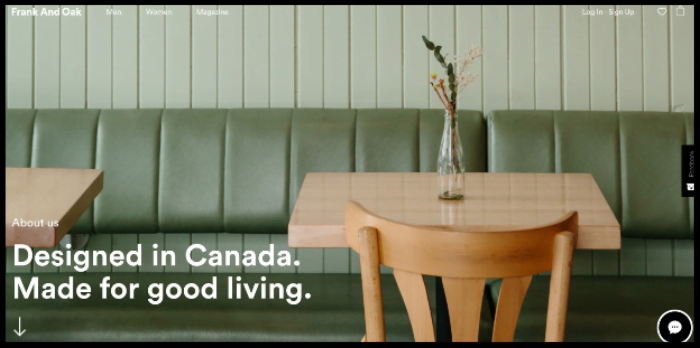
Frank And Oak have an exceptional brand message, encapsulated neatly in their tagline: “Designed in Canada, made for good living.” Their message is tailored towards providing products which are both functional and stylish.
A core brand message is their promise to be sustainable and to reduce their carbon footprint. Their home-page displays the tagline ‘Cruelty free and made from recycled ingredients’ and Minimal is a line of clothing made from primarily eco-friendly methods.
Another core value proposition is their dedication to being a trusted style advisor to their customer. The company offers guidance and advice throughout the purchase process, both online and instore.
Endy
Founded in 2015, the Toronto-based mattress retailer, Endy was named the fastest growing retail company in Canada, on the 2018 Startup list. Endy began life as an ecommerce store however has subsequently exploded and now includes several brick and mortar stores throughout Canada.
What makes Endy’s branding awesome?
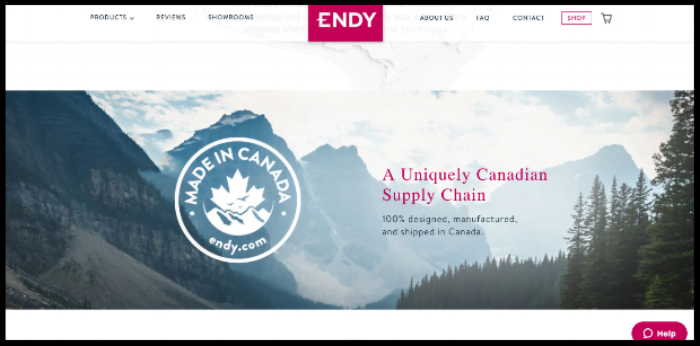
Endy is proud of their Canadian supply chain and uses it heavily in their branding strategy. Their website, marketing materials, and packaging all include heavy use of a Canadian flag. They reinforce the message by using Canadian influencers and athletes as brand ambassadors.
Everyone loves an underdog. Endy plays on the David and Goliath story and places themselves as the underdog competing against American goliath, Casper. Their clever use of small stores reinforce this idea, when compared to the mega warehouses and storefronts of established Canadian retailers, such as Sleep Country. This marketing ploy is working, and Endy is reported to already generate 10% of the revenue of Sleep Country.
Whilst the mattress scene continues to get more competitive, Endy’s founders are staunch believers that their constant innovation to design the best mattress for customers will win the race. Their website defines the steps to “design an amazingly comfortable mattress with Canadians in mind”.
Endy also defines its audience and targets them well on social media. Endy has positioned itself as a hipster mattress for millenials. Affordable, convenient, easy to shop for online, all with celebrity endorsement and a strong social media presence.
Article
Vancouver-based furniture retail startup, founded in 2013, is projected to generate $200 million in 2018. This is an excellent Canadian retail startup, with extremely effective branding. From the tagline, to the brand story, Article is a startup with a clearly defined branding strategy.
What makes Article’s branding awesome?
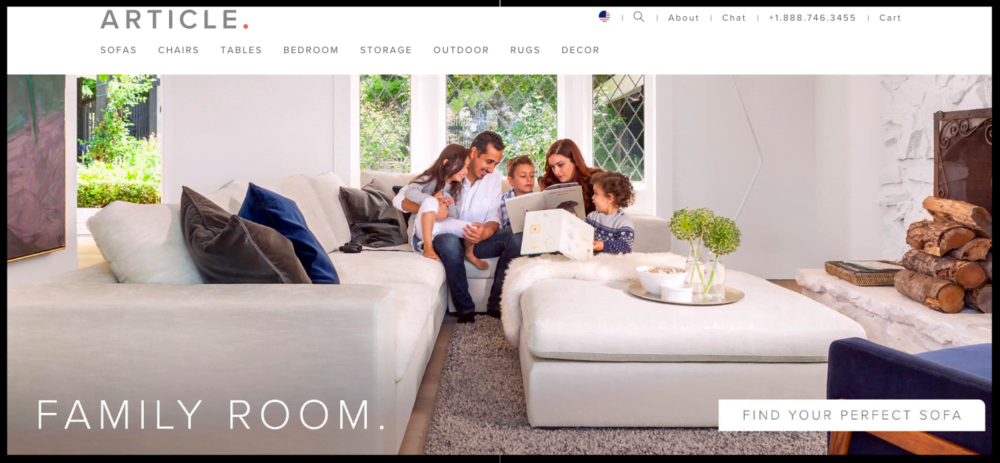
The brand’s tagline succinctly sums up their message: Spend Less. Live More.
Article’s mission is to deliver high quality, modern furniture, at a much lower price point. They achieve this by cutting out the middleman and delivering direct to the consumer.
The logo, typography, imagery and website match the brand vision for simplicity, whilst the products simple tones and clean lines neatly align with their audience.
Their desire for simplicity and ease of purchase is echoed throughout their content. Their copy includes statements such as ‘No showroom. No sales people. No unnecessary layers’. And, their shipping policy, which is flat rated across North America, screams simplicity and efficiency.
Mejuri
Toronto-based Mejuri launched in 2015 as a direct to consumer fine jewellery ecommerce store. Mejuri has seen explosive growth due to its excellent branding and marketing. Since launch, the company has seen their revenue grow year over year by 5X.
What make Mejuri’s branding awesome?
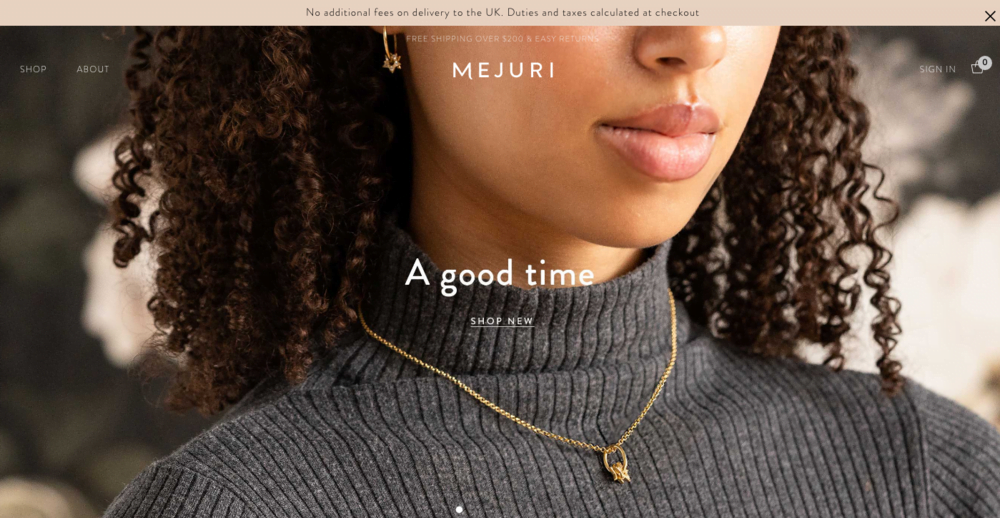
Mejuri have a clearly defined customer persona: millenial women. They focus on making jewellery more accessible to women by bridging the gap between fine jewellery and cheap trinkets.
With regularly updated stock and affordable price points, Mejuri wants women to buy their own jewellery instead of waiting for a man to buy them a gift. Their branding strategy has clearly paid off as currently a whopping 89% of transactions are by women.
A key component to Mejuri’s branding strategy is their interaction with their customers. They are very engaged with their customers, involving them in product feedback via email, text and social media. Customers are central to product development at Mejuri who state on their About Page: “Our inspiration comes from you; real, smart, mindful women”.
A final pillar of Medjuri’s brand strategy is ethical practice. Their brand message includes empowering designers and social responsibility through ethical practices.
Inkbox
Toronto-based startup, Inkbox, is also an outstanding example of a Canadian retailer with awesome branding. The company reinvented tattoos with their non-permanent tattoo which can be applied at home and fades after 18 days.
What makes Inkbox’s branding awesome?

The company uses influencer outreach as a core component of their branding. Influencers naturally provide images, which builds up a resource of lifestyle imagery of the tattoos in use on different skin types, different body locations, and different tattoo styles for the company. The use of influencers makes the startups imagery appear natural, relaxed and trendy.
Inkbox also have a effective social media plan, exemplified spectacularly in their savvy Instagram marketing. Their feed is awash with superb user-generated content that engages their customers and lets them know they are valued — superb.
Using clever slogans such as; “Temporary bad decisions” and “For people with commitment issues”, Inkbox are able to position themselves as a likeable brand, with a funny personality.
Branding is nine tenths of business, and the examples above have nailed it. Which Canadian retail startups do you think have awesome branding?

Patrick Foster is an expert writer from Ecommerce Tips — an industry-leading ecommerce community that shares the latest insights from the sector, spanning everything from business finances to content marketing strategies. Check out the latest posts on Twitter @myecommercetips.