Canadian Landlords Struggle to Fill Anchor Vacancies: Study

Date:

Share post:

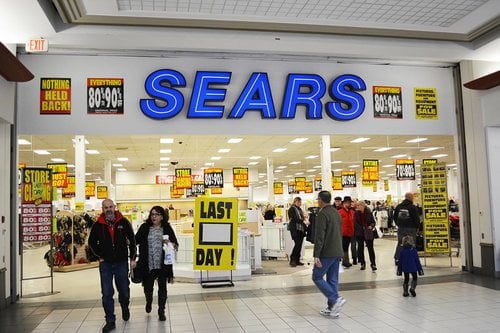
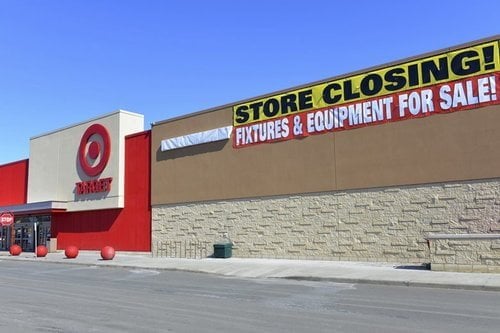
The importance of a mall anchor has always been a key factor in a shopping centre’s success and with the demise in Canada of retailers such as Sears and Target the reality for landlords is they have to be creative in filling the void created by the departure of some anchor tenants.

“The importance of a mall anchor depends on what else is available at competitive malls and shopping areas. In a competitive marketplace, a mall’s anchor could determine whether the rest of the tenants are profitable or not,” says James Smerdon, Vice President, Director | Retail Consulting for Colliers International, a commercial real estate firm.

“Twenty per cent of the vacated Target stores remain vacant.  The rest have been leased to other retailers.  The problem is that the Sears vacancies come at the worst time for landlords because in most markets, retailers have recently had their pick of Target stores. I think the Sears vacancies will be tougher to fill and will require much more creativity on the part of landlords.”
Colliers’ national spring retail report said anchor tenants fulfill three vital roles for every shopping centre:

  • They establish credibility at the early stage of a development project which strengthens the overall desirability of the centre and creates an environment of confidence among smaller tenants, thereby increasing absorption and lease rates;

  • For the life of the centre’s operations, the anchor tenant(s) attract a volume and type of shopper that complements the mall’s CRU (commercial retail unit) tenants. Some estimates have the importance of this function called the “anchor effect” at upwards of 15 per cent on top line CRU revenue. Essentially, the anchor tenant is responsible for the profitability (or not) of the rest of the centre’s tenants; and

  • In a broader sense, anchor tenants can influence the community around them. As shopping centres are redeveloped into higher density town centres, and as grocery stores continue to thrive in strip centres across the country, it is not hard to see or imagine the different demographic character, residential absorption, and pace and type of office users resulting from different anchors.

So moving forward, what are the options for landlords who have large vacancies to fill as a result of retail closures such as Sears? The Colliers’ report cites three ways landlords today are contemplating filling that former anchor tenant space:

  • Back fill with another anchor. Barring any restrictions posed by parking, other existing leases, municipal regulations and so forth, there are a handful of potential candidates for the space, however be prepared to bend over backwards to secure a long-term deal. Some large-format anchor tenants that continue to perform relatively well in Canada include Walmart, Costco, Canadian Tire, Simons, Nordstrom, and Lowe’s, among others. Only a couple of these favour mall sites;

  • Invest in re-demising the space with the intention of replicating the anchor effect with several smaller tenants rather than one larger tenant. Retailers such as Apple, Winners, HomeSense, independent and chain restaurants, and other medium to larger format tenants like fitness clubs and entertainment venues may individually or collectively accomplish what the original anchor was intended to do; and

  • Consider non-retail potential for the space which may support other existing tenants with the same effect as a traditional retail anchor tenant – by generating foot traffic volume. This could include drastic measures such as redeveloping the vacant store into alternative uses such as residential, hotels, offices, institutional space, park space, maker labs, craft breweries, food halls, among others. Or, in an ironic twist, online retail warehouses and fulfillment centres could work as well.

“The bottom-line for Canadian shopping centres is that there are options when anchor tenants go dark. None of the options are easy, and it will take all of the creativity of leasing and development teams to make it work,” said the Colliers report.

“It will be essential to ensure the customer profile of the new anchor tenant aligns with the customer profiles of surrounding CRUs. If done correctly, the end result may be a stronger, more valuable property, and a strategy to be ready to take on the next big vacancy when it inevitably comes.”

The Colliers report said total national retail sales in 2017 of $588.83 billion were 6.46% more than 2016.


2 COMMENTS

  1. One thing I found interesting when visiting family in Italy, was that many of the suburban malls there do not have anchors, as the department stores tend to only have city centre locations.

    So a mall does not always need a large anchor.

    • Very good point. We’ve spoken to some Canadian landlords who also indicate that traditional anchors are no longer nearly as important to their properties and portfolio. Legacy real estate is even more of a problem now because of this, given the need to find uses for millions of square feet of vacated real estate as traditional anchors become fewer and fewer.

LEAVE A REPLY

Please enter your comment!
Please enter your name here

More From Retail Insider

RECENT RETAIL INSIDER VIDEOS

Subscribe to the Newsletter

Subscribe

* indicates required

RECENT articles

Why Vancouver’s West 4th Retail District Continues to Thrive

New retailers including Sephora, Aritzia and Mandy's Gourmet Salads are investing in Vancouver's West 4th retail district as the Kitsilano corridor continues to attract shoppers while maintaining its distinctive character.

Circle K Advances 750-Store Expansion Plan as Foodservice and Loyalty Drive Growth

Circle K parent Alimentation Couche-Tard is advancing its plan to build 750 new stores by 2030 while investing in foodservice, beverages, loyalty programs and digital engagement to drive future growth.

Canada’s only commercial olive farm on Salt Spring Island to be sold through online auction (Video)

Farm produces extra virgin olive oil used by restaurants across the country and internationally.

Mary Brown’s Chicken opens Toronto flagship with José Bautista at Sankofa Square

The chain, founded in St. John’s in 1969, now operates more than 300 locations across Canada and has begun expanding internationally, with sites in markets including Mexico, the United Kingdom, India and Pakistan.

‘Buy Canadian’ movement gains momentum as shoppers prioritize local brands: Healthy Planet

“Canadians are becoming more intentional about the brands they support.”

Secondhand shopping growth outpacing retail overall: Mastercard

When asked what specific factors consumers consider most important when making purchasing decisions, cost (63%), longevity (52%) and brand trust (45%) lead.

Daily Synopsis: Jun 23, 2026

Walmart Canada looks for innovative suppliers at growth summit, RONA recognized as a 'best workplace', Bay Centre buyer looks to add experiential tenants, Loblaw opens at Broadway and Granville in Vancouver, and other news.

VIDEO: Indoor farming push seen as key to Canada’s food security: GoodLeaf CEO

Food security in Canada hinges on ensuring consistent, year-round access to fresh produce despite the country’s extreme seasonal swings.

Most small businesses worry higher fuel costs could cool summer tourism season: CFIB

"Fuel costs have been squeezing small businesses from all sides: at the pump, across their supply chains and in their customers' wallets."

RioCan announces new grocery, fitness, and apparel tenants for HBC space at Georgian Mall in Barrie

Georgian Mall is the largest enclosed shopping centre in Barrie and the greater Simcoe County area.

VIDEO: Amazon Prime Day 2026 expected to draw Canadian shoppers despite affordability pressures: Bruce Winder

Consumers are grappling with elevated living costs, including higher fuel prices and persistent food inflation.

RH to Open in Former Club Monaco Building on Toronto’s Bloor Street

RH is set to open a store in the former Club Monaco flagship building at 157 Bloor Street West in Toronto, bringing a new home furnishings tenant to one of Canada's most prominent retail locations.

How Consumer Preferences Are Reshaping Canadian Grocery Retail

Canadian grocery retail is evolving as consumers embrace curated assortments, ethnic supermarkets, private-label products and value-focused shopping. Industry veteran Michael Commisso shares insights into the trends reshaping the sector.

Competition Bureau Continues Multi-Year Push Against Grocery Property Controls

The Competition Bureau of Canada has expanded its investigation into Sobeys' use of property controls, continuing a multi-year effort that began with its 2023 grocery competition study and has already prompted changes across the grocery industry.

Prime Day spending set to hit $5.4B in Canada as participation jumps from 52% to 65% in a year

70% expect to spend the same amount (51%) or more (19%) than they did last year.

Fran Deck, Steward of Toronto Landmark Fran’s Restaurant, Dies at 89

Fran Deck, longtime steward of Toronto's historic Fran's Restaurant, has died at age 89. His legacy lives on through one of the city's most enduring dining institutions.

AI implementation gap puts client revenue and talent at risk, Thomson Reuters report warns

While AI tools are widely used across legal, tax, audit and risk professions, many organizations are failing to translate that usage into measurable business value, exposing them to financial and operational consequences.

SELLIT9 raises $4.1M to expand recommerce trade-in platform across North America

The funding round was led by the Business Development Bank of Canada’s Seed Venture Fund, with participation from MaRS Investment Accelerator Fund, AQC Capital and Anges Québec.

Federal government investing $173.7 million to expand women entrepreneurship supports

Addressing persistent barriers faced by women entrepreneurs and to build on existing federal programming designed to support business creation and growth.

Thirsty Buddha expands into Costco U.K., Los Angeles as global push accelerates

The move builds on Thirsty Buddha’s existing presence in Costco stores across Canada and reflects the company’s efforts to scale distribution through large-format retail channels.