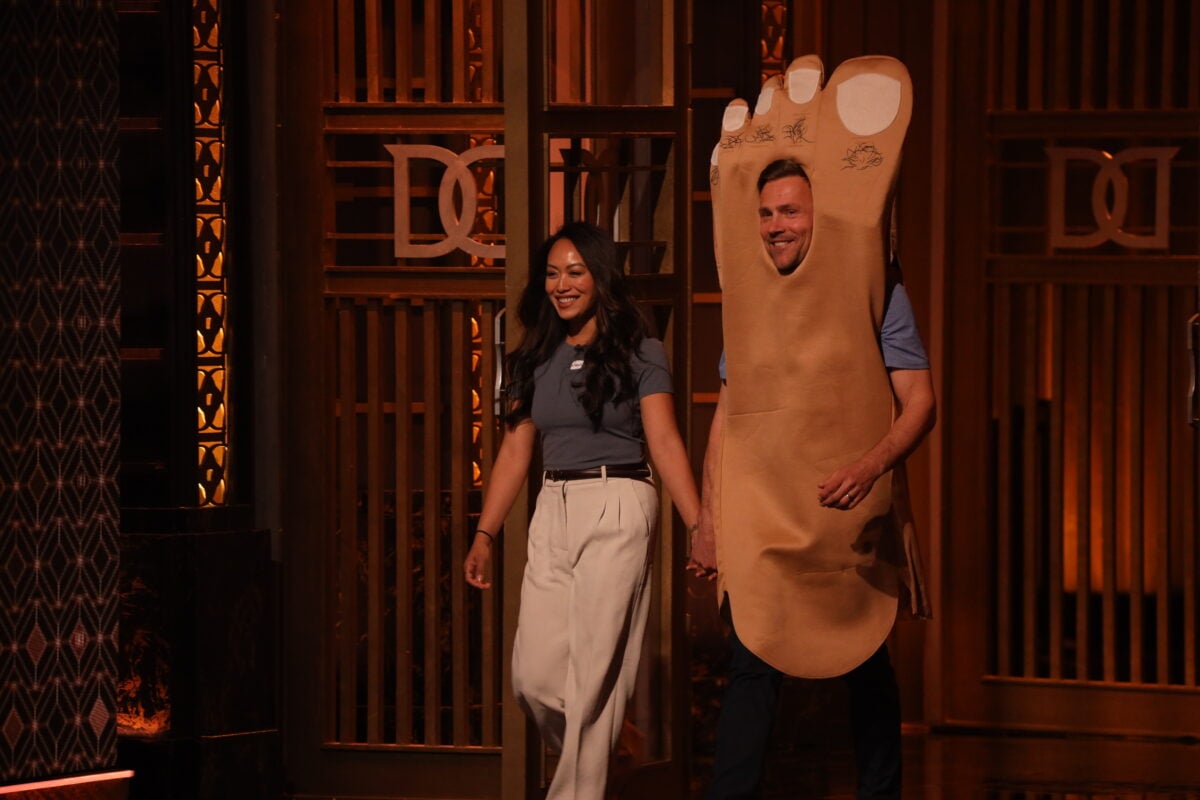
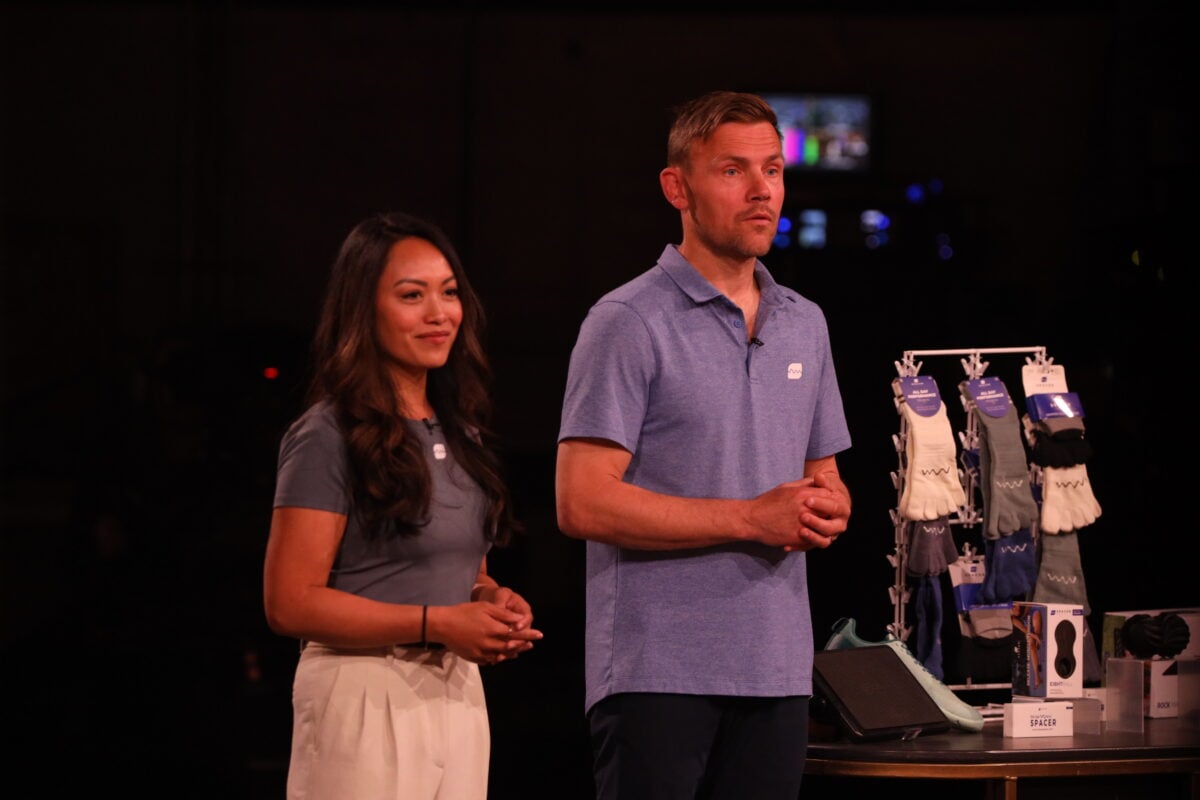
Canadian entrepreneurs Meryl and Mick Baker are looking to accelerate the retail expansion of Spacer Mobility and NUNORM after accepting a $400,000 on-air offer from Michele Romanow on CBC’s Dragons’ Den.
The husband-and-wife founders appeared on the October 8 episode, pitching the two businesses as part of a larger foot-health ecosystem spanning mobility products, education and minimalist footwear.
Romanow offered $400,000 for 20 per cent equity, along with a 10 per cent royalty until the investment is repaid. The proposed transaction remains subject to due diligence.
The television appearance came as the Bakers were already moving beyond the largely direct-to-consumer model that built Spacer Mobility, with physical retail and wholesale distribution becoming a larger part of their plans.
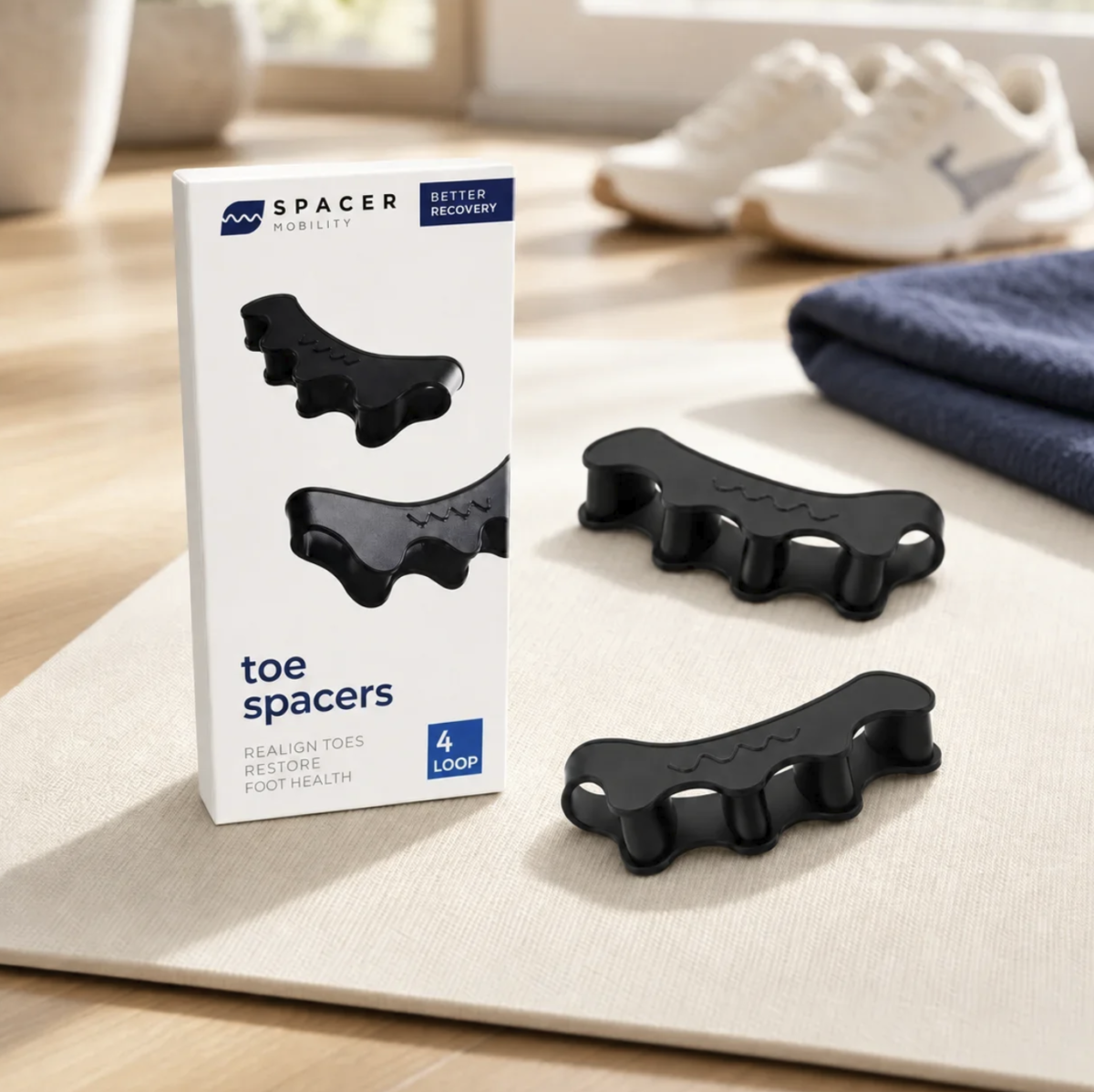
Spacer Mobility came first. The business launched in 2018 after Meryl’s experience with knee pain led her to pay closer attention to foot function, footwear and movement.
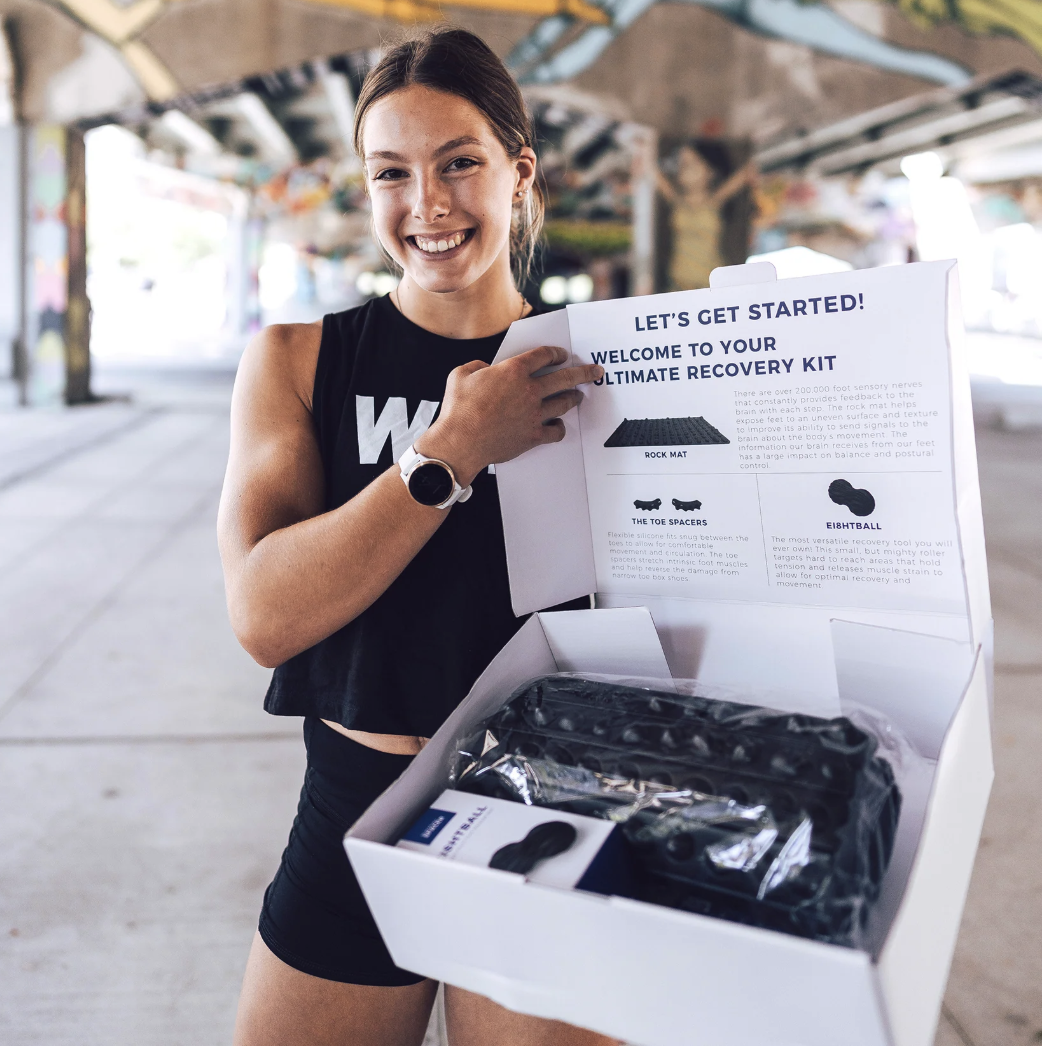
What began with toe spacers developed into a wider range of mobility, recovery and training products. The founders said during an interview with Retail Insider that the business had served more than 200,000 customers globally at the time.
Six years after starting Spacer Mobility, they launched NUNORM, a minimalist footwear brand built around many of the same ideas.
Now, the Bakers are trying to increase the physical retail presence of both brands, with footwear providing a new route into specialty stores and larger retail accounts.
Spacer Mobility Started With a Personal Problem
Meryl said the original business opportunity became apparent after customers began reporting their experiences with the company’s first toe spacers.
“We initially started with just toe spacers and then we saw feedback from our customers and how much improvement they were having with their body just by working with their feet,” she said.
Mick, who had previous entrepreneurial and retail experience, began noticing that orders were arriving from different parts of the world.
“We can turn this into a really great business,” Meryl recalled.
The company says much of its growth has come through word of mouth, social media and educational content around foot health and movement.
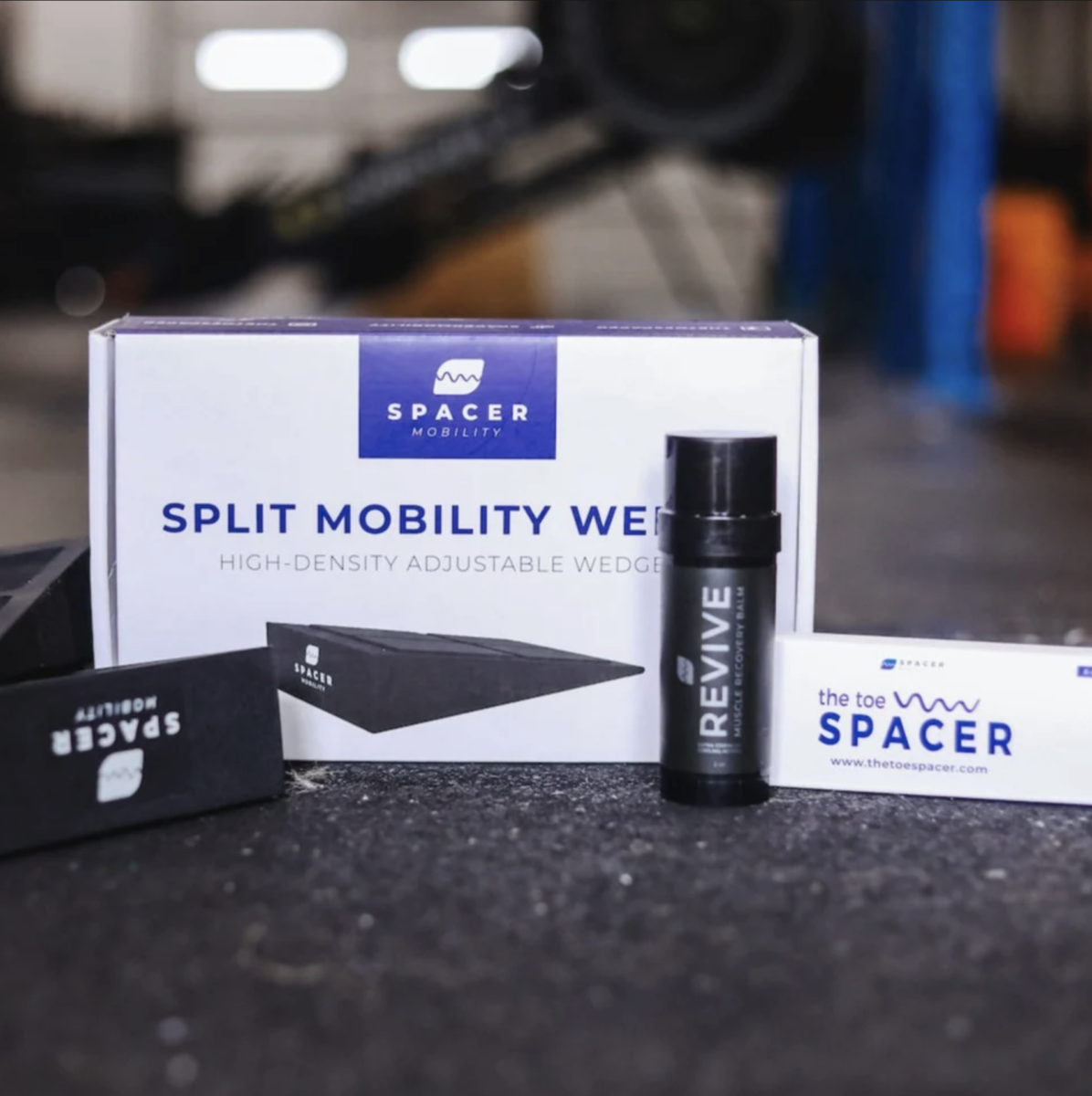
Education remains an important part of Spacer Mobility’s approach. Its product range now extends beyond toe spacers into mobility bands, balance products and training tools focused on the feet and ankles.
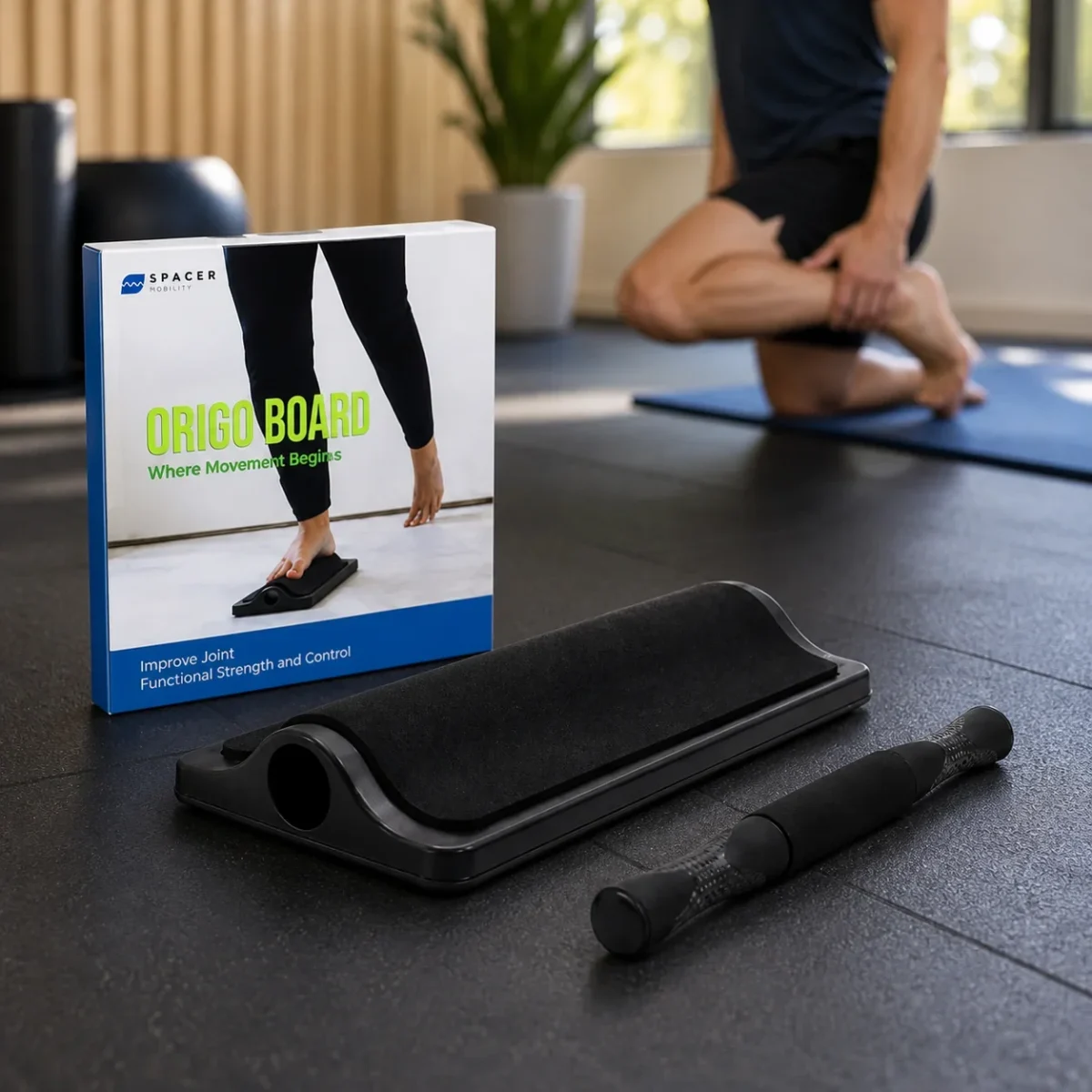
Among those products is the Origo Board, a multifunctional device designed for balance, ankle mobility, stability and toe-mobility exercises.
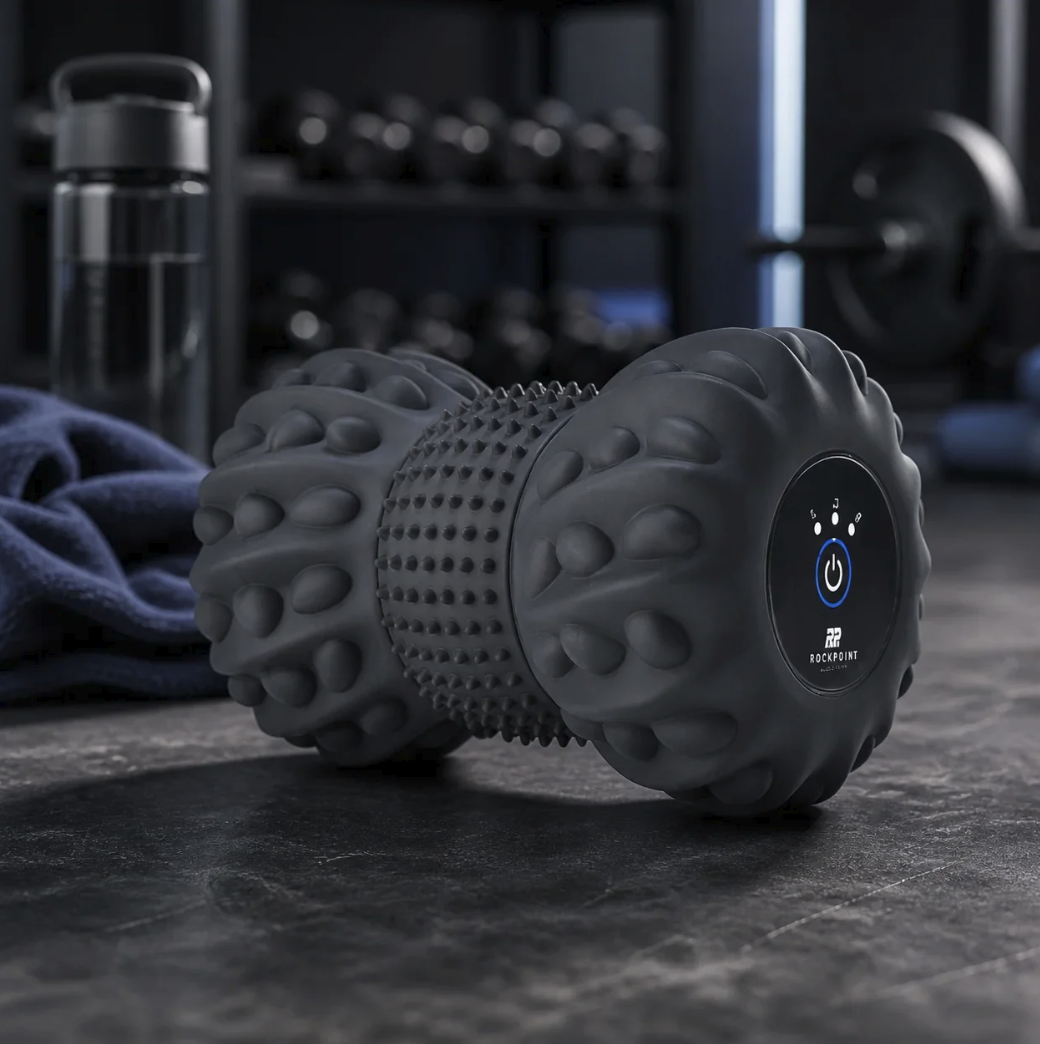
The company also sells a textured Rock Mat. Meryl said the idea was partly influenced by outdoor exercise areas the couple saw while living in Hong Kong, where textured walking surfaces were used as part of exercise routines.
The wider product range has given Spacer Mobility a customer base extending from runners and gym users to older consumers looking for products that support everyday movement.
NUNORM Extends the Business Into Footwear
The move into footwear came much later.
The Bakers operated Spacer Mobility for about six years before developing NUNORM, giving them several years of customer feedback to draw from.
Meryl said creating a shoe felt like a natural extension of what Spacer Mobility was already doing.
“We cover recovery, performance, mobility and stability through the range of products we have for Spacer Mobility,” she said. “It was kind of a natural evolution for us to create a shoe.”
NUNORM was also shaped by feedback the Bakers heard about existing minimalist footwear.
Some consumers liked the functional concept but were less enthusiastic about how barefoot-style shoes looked or how different they felt from conventional sneakers.
“A lot of it was around aesthetics and look,” Meryl said.
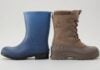
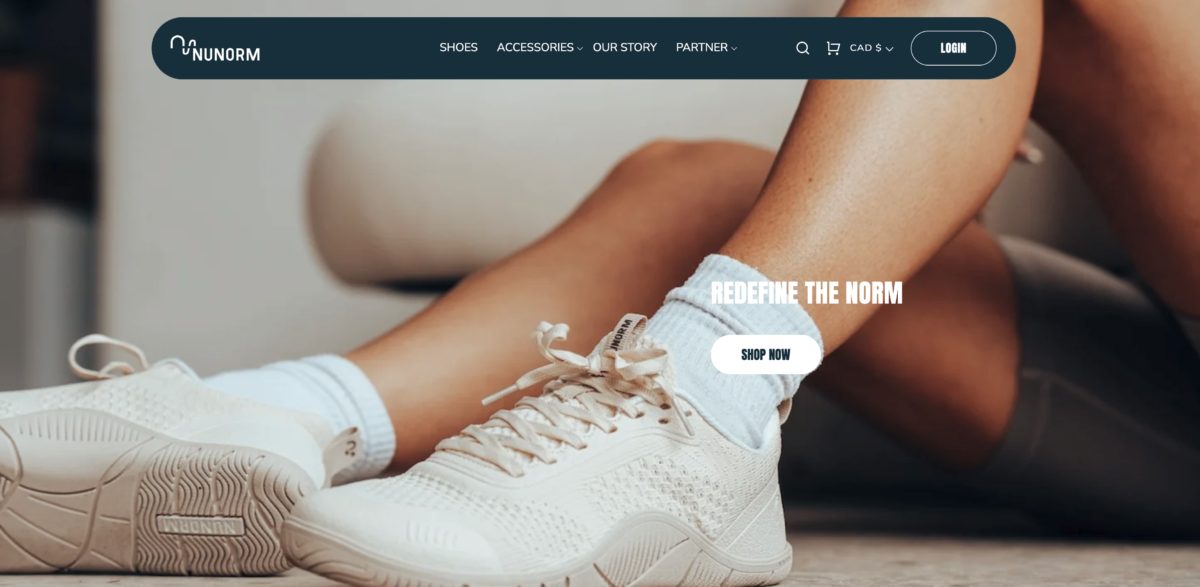
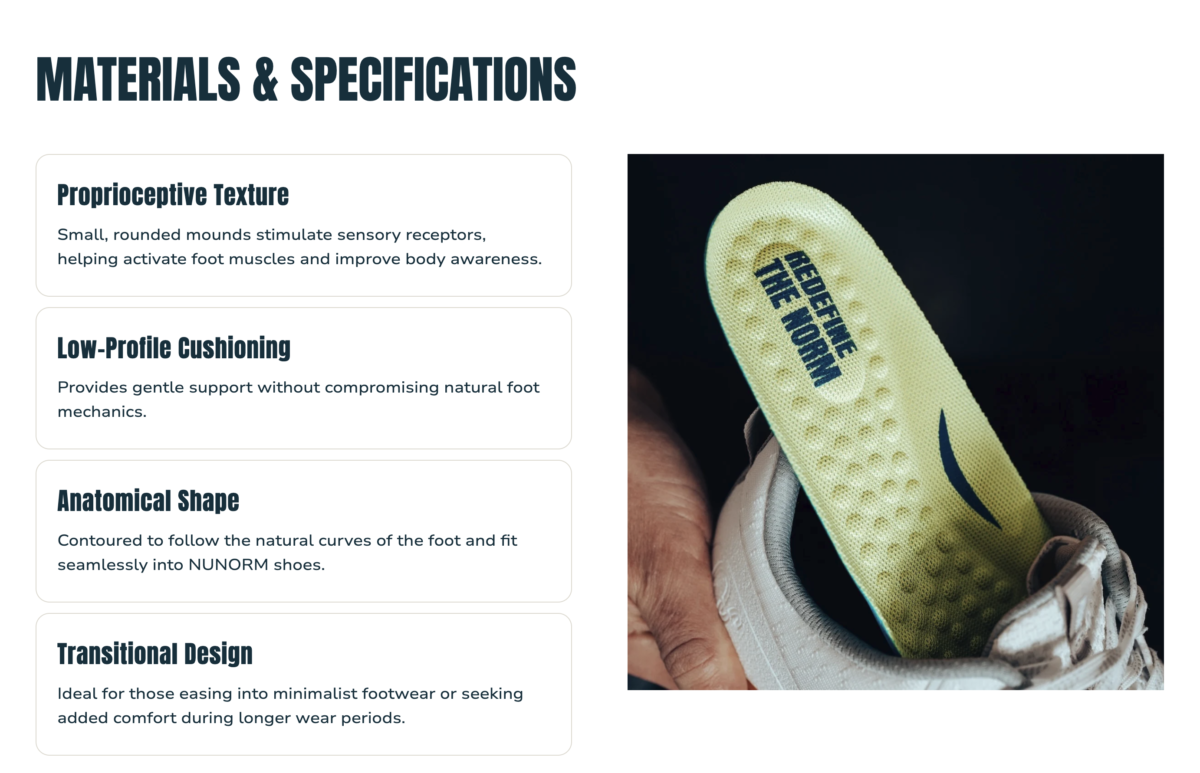
The Bakers wanted to create footwear with a wide toe box, flexible construction and zero-drop design while maintaining the appearance of a casual sneaker.
“The coolest part about NUNORM is that people don’t really notice you’re wearing a barefoot shoe,” she said.
That positioning is intended to give the company access to consumers who may be interested in minimalist footwear but want something they can wear beyond training environments.
Physical Retail Becomes a Bigger Part of Growth
The Bakers built much of Spacer Mobility through e-commerce, but physical stores have become increasingly important to their growth plans.
For NUNORM in particular, allowing consumers to try on footwear creates a strong reason to expand beyond DTC.
“You just need to be where the consumer is,” Meryl said. “People love to try shoes on.”
The founders said they already work with specialty wholesale accounts including running stores, gyms and physiotherapy businesses.
Canadian retailers carrying NUNORM include Sole Freedom, LittleFoot Shoe Co. and Health Essentials.
The longer-term target is considerably larger.
The Bakers said during the interview that they had received interest from larger retailers, although they were not able to disclose the companies involved.
Sports retailers with wellness or recovery categories are among the channels they see as a potential fit for Spacer Mobility. NUNORM gives them another route into specialty footwear and sporting-goods stores.
One challenge is that foot health does not necessarily have an established department within conventional retail.
“In general there isn’t really a foot-health wellness category yet,” Meryl said. “We’re hoping to be able to be that brand of choice.”
That gives Spacer Mobility opportunities across recovery, fitness, mobility and wellness, but also requires the company to make a case for where the products belong inside a store.
Ottawa Pop-Up Offered an Early Retail Test
The Bakers gained an early look at physical retail through a temporary NUNORM store in Ottawa after the company received a STACKT storefront grant.
The pop-up allowed them to watch shoppers encounter the product without first discovering the brand online.
Meryl said customers ranged from young athletes to people in their 70s, including shoppers who had never previously worn minimalist footwear.
“You see their expression, their face change,” she said of consumers trying the shoes.
The experience reinforced the importance of stores for a footwear business where fit and feel are difficult to communicate entirely through a website.
It also gave NUNORM direct consumer feedback at an early point in the brand’s development.
Building Shoes Added New Complexity
Moving into footwear brought a very different set of operational challenges.
Each NUNORM style requires numerous sizes, including half sizes, resulting in roughly 17 SKUs per style before additional colours are considered.
Spacer Mobility also works with fulfilment operations across five markets, requiring the founders to balance inventory according to local demand.
“Supply chain is always a never-ending fun challenge,” Meryl said. “With a shoe, you introduce so many more variables.”
One early mistake demonstrated the financial consequences of getting footwear production wrong.
During development of their first shoe, the team discovered a design problem with the sole after spending more than a year working on the product.
The issue affected close to 4,000 units, according to the founders.
They decided to redo the work.
“If anyone’s looking to start a shoe brand, mistakes are very costly,” Meryl said.
Shoe moulds can cost thousands of dollars for individual sizes, and the wider silhouette NUNORM wanted to develop meant the founders could not simply adopt an existing conventional footwear shape.
Finding a manufacturer was another hurdle.
Meryl said several manufacturers initially turned them down because the founders did not have enough footwear experience.
They eventually developed a relationship with a family-run manufacturer in China that was willing to work with them on the product.
The company continues to handle research and development work in Canada while manufacturing the footwear overseas.
The learning curve was substantial.
“We had no business being in the shoe industry,” Meryl said. “It forced us really to knuckle down and learn everything about how to manufacture a shoe.”
Different Backgrounds Shape the Business
The founders brought different experience into the companies.
Mick previously operated a chain of nutrition and supplement stores in Australia before moving further into e-commerce.
As Spacer Mobility grew, he sold the previous business and the couple went all-in on their new company.
Meryl’s background includes communications and work in the airline industry. She said that experience taught her about branding in competitive consumer markets as well as operating creatively within tight budgets.
Those backgrounds now influence how responsibilities are divided.
Mick generally oversees logistics and financial operations, while Meryl works across branding and other areas of the two businesses. Separate teams support Spacer Mobility and NUNORM, with the founders moving between them as needed.
The relationship between the brands has also become more important as they grow.
Spacer Mobility gives the company a range of tools focused on mobility, recovery and performance. NUNORM extends that philosophy into something consumers wear throughout the day.
Dragons’ Den Came at an Inflection Point
Before Dragons’ Den, the Bakers had built the businesses without outside investment.
Meryl described their decision to enter the Den as coming at an “inflection point” for the companies.
“We’re very entrepreneurial, DTC-led, and we think that we could accelerate our business through strategic partners,” she said before the episode aired.
The experience also put the businesses in front of outside investors after eight years of the founders largely directing their own strategy.
Meryl described walking into the Den as intimidating and vulnerable.
“We’ve never really had anyone tell us or steer us on what to do,” she said.
That made the Dragons’ feedback particularly valuable, even before the outcome of the pitch was known publicly.
The episode ultimately resulted in the Bakers accepting Romanow’s $400,000 on-air offer.
Following the broadcast, the founders said the two brands represented the larger business vision they brought into the Den. The proposed deal remains subject to due diligence, meaning the televised agreement should not be treated as a completed investment.
Retail Growth Is the Next Test
The businesses generated slightly more than $2 million in combined revenue last year and were on track to exceed $2.5 million this year when the Bakers spoke with Retail Insider.
NUNORM was also entering its first full year of operation.
The founders said their longer-term ambitions include new footwear styles, more distribution and a larger Canadian retail presence.
NUNORM is focused primarily on Canada and the United States and also works with a distributor serving eight Asian markets.
Following their Dragons’ Den appearance, the company said retail and wholesale expansion across North America remains one of its priorities.
For Spacer Mobility, the opportunity is to move products developed through years of e-commerce into stores where consumers already shop for fitness, wellness and recovery.
For NUNORM, the challenge is different. Footwear is a crowded category with established competitors, complex inventory requirements and a customer who often wants to try a product before buying it.
The Bakers have already shown that their foot-health concept can build a DTC audience.
The next stage will test whether that audience, national exposure from Dragons’ Den and a growing wholesale network can translate into a larger physical retail presence in Canada.