In the 70s, the most popular holiday gifts were a Space Hopper and the Etch a Sketch. Now 50 years later, gift wrapped boxes under the tree contain iPhone XRs and Nintendo Switch Lites. It’s an accurate snapshot of how the technological evolution is continuing to grow every year – not just in the products themselves, but also in how we buy those products.
With the continued rise of ecommerce in the last decade, we’ve also seen a new demand for omnichannel shopping experiences and a rapid increase in smart in-store technology – retail elements which continue to evolve exponentially.
When it comes to commentating on ecommerce, talking about year-over-year growth is no longer a headline, it’s a given. There’s also no surprise in mentioning “online retail giants” followed closely by a reference to Amazon. In 2021, over 2.14 billion people worldwide are expected to buy goods and services online, up from 1.66 billion global digital buyers in 2016. There’s no denying that online retail is a stronghold, but brands are now faced with a new dilemma as online retail increases the field of competition.
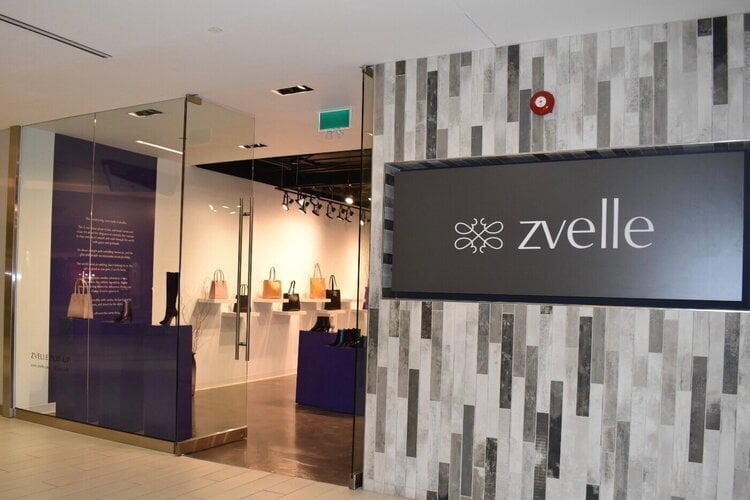
Years ago, when the only avenue for convenient retail therapy was a trip to the local mall, shoppers were limited to specific store choices. Now with a wealth of retailers available online, consumers are given a wider choice to cherry pick brands based on want, price, and product – rather than just because it’s the closest store to home. Brands have to try a lot harder now to win over the hearts and loyalty of customers through targeted marketing and memorable customer experiences.
The greatest irony for online retail is that it is most effective when coupled with offline interactions. Eighty-five percent of 2,000 global consumers surveyed by the Chief Marketing Officer (CMO) Council, in partnership with Pitney Bowes, unearthed that a blend of both digital and physical channel experiences is the preferred way of interfacing with brands.
The consumer path to purchase is no longer linear – the shopping journey has many touch points, both online and offline. Omnichannel retail provides customers with a seamless shopping experience, whether they’re shopping online from a desktop or mobile device, or in a brick-and-mortar store – with a myriad of options, an omnichannel approach is a proven way to increase sales conversion.
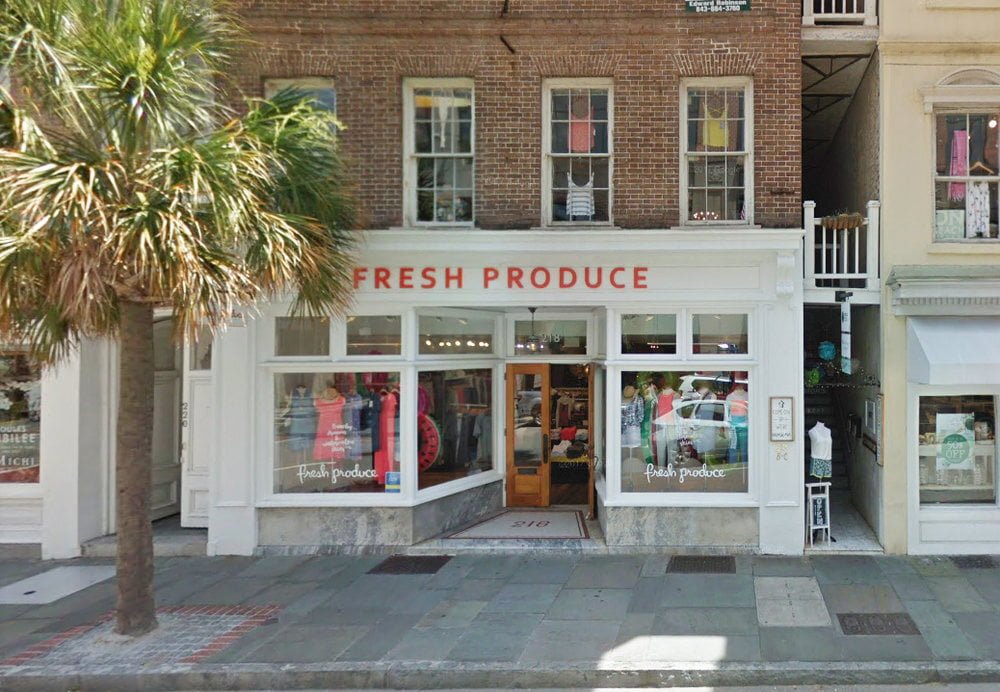
As brands begin to understand the true value of having an offline footprint – they are able to leverage the creation of exceptional customer experiences to build consumer relationships that can help to bolster sales across all channels. Colorado coastal fashion brand, Fresh Produce have both an online and offline sales footprint – and have become experts at using one channel to help bolster the other. Customers can redeem discount codes when purchasing products in-store, which they can then use online for future buys. It’s an example of a simple system that can turn a one dimensional shopping experience into a full circle journey for consumers. The brand further extended their reach with a pop-up this past summer specifically targeting their customers in The Hamptons – creating a locally themed event with exclusive products.
Fresh Produce isn’t the only brand turning to pop-ups to help boost their customer experience and omnichannel potential. Pop-ups have been an offline go-to for brands who don’t have permanent stores, as well as for those who do, but want to try a new concept or explore a new geographical location. Personal real-world interactions with brands beyond the screen creates familiarity and trust, key factors in customer decision making.
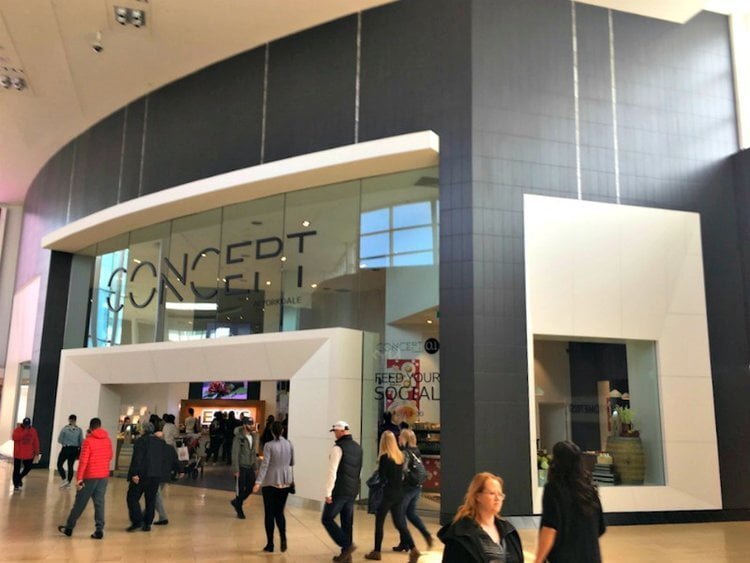
All retail stores, both permanent and pop-up have to step up their game in 2020 and ensure they are meeting the technological demands of today’s customer. It is now considered a basic requirement to have digital display screens, e-receipts, in-store tablets to check stock availability (and if unavailable, the ability to order online with delivery to the store) – to other more complex technology like AI. The drive toward AI in retail environments in 2020 will be fierce for two specific reasons; personalisation and data collection. When shopping online, every click is monitored, allowing systems to better understand customers and make recommendations based on this. Brick-and-mortar retail environments are moving towards testing this same theory in different manners. AI can be applied in-store with things like the virtual changing room and it is also a touchpoint for retailers in collecting important data to help to make business decisions. At the moment, only 10% of businesses use AI but companies who want to lead the pack in 2020 will have to take the risk and explore this emerging trend.
Surprisingly, leading the way in terms of advancing how we shop in brick-and-mortar stores is Amazon. The online retailer opened its first Amazon Go store in December 2016 – and according to Bloomberg, they’re planning to open both larger supermarkets and smaller pop-up stores in 2020 using their Amazon Go technology to create shopping experiences without any checkout lines. Amazon’s stores use cameras and machine vision to track what customers pick up in the stores. Upon entering a Go store, customers scan an app on their smartphone and grab what they need from the shelves (all tracked by the cameras). Then, when exiting, they are automatically billed for their purchases. With the increase in smart phones, smart homes, and intelligence devices like Alexa slipping into people’s everyday lives, it’s no surprise that customers now have an expectation that their retail experiences should match the level of innovation they have in other areas of their lives. Brands mustn’t be afraid of change and take risks in trying out new technology in 2020 if they want to thrive in the coming months.
Linda Farha is founder of Toronto-based Zenergy Communications as well pop-up go, an online platform that helps pair retailers with available temporary retail spaces, which also features a curated pop-up match service that provides access to the ever-growing pipeline of pop-up seekers looking for space.