The Retail Council of Canada (RCC) has created a framework of key issues to consider as retailers prepare to operate within the ongoing COVID-19 pandemic environment.
The playbook offers examples of practices observed from retailers across various sub-sectors around the world and key issues to consider in implementing tactics from other regions and sectors.
A survey found that 85 percent of Canadian consumers require measures prior to resuming going out again with social distancing and increased hygiene seen as the primary drivers.
The COVID-19 Response Planning guide was created in consultation with the Boston Consulting Group, a global management consulting firm, and various retail industry stakeholders.
Diane Brisebois, President and CEO of RCC, said Canadian retailers have been front and centre during this crisis, with grocery retailers, drug stores and other essential retailers demonstrating their ability to keep consumers well fed, healthy, and safe during the crisis.
“However, many retailers located in communities across Canada were required to close their brick-and-mortar businesses or operate at reduced levels. The impact on retail employers and employees cannot be underscored and the return to business necessitates fundamental changes to every aspect of our members’ retail operations,” she said. “With that in mind and recognizing the economic challenges posed by the COVID-19 pandemic, Retail Council of Canada with the assistance of industry Experts and Retail Task Forces, developed two assets to support our retailers during the recovery stage of this crisis.”

The Boston Consulting Group/RCC Retail Recovery Playbook currently includes two chapters: (a) Customer Health & Safety Playbook, and (b) Employee Wellbeing Playbook. Four other Playbooks will be added in the week(s) to come dealing with Retail Operations, Merchandising and Marketing, Omni-channel and Finance.
The RCC Recovery Checklists & Templates includes guidance, checklists and templates:
Returning to work team checklist and action plan
Employee temperature screening
Employees working from home
Employer occupational health & safety considerations
Social distancing and sanitation for retail stores and other workplaces
Sample cleaning checklists for stores and other facilities
Preparing the store for opening: Facilities checklist
The Council said it has compiled these materials through a scan of practices observed from companies in countries that have started to emerge from the government-imposed restrictions on the essential, non-essential, and restaurant sectors.


“These materials are intended to provide you with a framework for key considerations and relevant global best practices as you operate your business in today's challenging environment. They are not intended to be legal advice or to replace local health and government guidelines,” it said on its website.
“The COVID-19 crisis is rapidly evolving and there are different considerations for retailers in different regions and sub-sectors of the retail industry. Readers should consult the applicable laws & regulations, and guidelines issued by federal & provincial health and labor authorities, to make the best decisions for their respective businesses.”
The playbook outlines four key priorities for retailers for customer health and safety:
Customer screening & requirements. Manage access to the store to people who may be exposed to COVID-19, while protecting the vulnerable;
Social distancing. Provide adequate space to allow customers to navigate while avoiding close proximity with others;
Checkout & payment. Limit interaction during checkout and payment processes to minimize transmission risk; and
Store cleanliness. Over-invest in cleaning to ensure any potential virus exposure is quickly eradicated.
Three key priorities for employee wellbeing include:
Safety procedures & protective equipment. Provide preventative and protective equipment to create a safe workplace;
Supporting employees through the pandemic. Assist employees through flexibility and support programs (financial and otherwise); and
Confirmed case response. Re-assure staff & customers with clear, credible communications.


Brisebois said additional assets continue to be developed to address pressing issues such as supply chain, loss prevention, cybersecurity, physical and mental health, retail category specific best practices (e.g. fashion, hard goods, jewellery, etc.), and employee training.
“As new information is included, RCC will endeavour to ensure that all retailers have access to these resources. Our experts and retail member volunteers have been extremely generous and many of our larger members appreciate that our industry is comprised of thousands of small and mid-size retailers who may not have the resources in-house to develop recovery plans. Thus, the focus has been on providing tools and resources for our smaller retailers across Canada to assist them in re-building and growing their businesses,” she said.
“Our team at RCC has been overwhelmed with the generous support of retail members from coast to coast. Everyone stepped up and simply said ‘how can we help? – it has been very gratifying and encouraging. We have been blessed with a huge team of volunteers and a dedicated Board of Directors who, together, have been focused on helping our smaller retailers get the help they need as quickly as possible.
“The Retail Recovery Playbook is also intended as a blueprint, aimed at advancing and promoting a harmonized ‘back to business’ approach with provincial, territorial, federal governments, and Public Health Authorities. Our goal is to ensure the safety of our communities, the safe reopening of retail, the safety of employees and customers under clear and well communicated guidelines and protocols across jurisdictions. This has been a labour of love for us at RCC and we are focused on helping rebuild our retail sector and our communities.”
A Leger survey released on Monday asked the question: ‘once the governments lift the protective measures put in place to fight COVID-19, which of the following would you be comfortable doing. Responses were as follows: shopping at the mall, 50 percent; dining in restaurants, 41 percent; and going to bars, lounges, night clubs and pubs, 17 percent.
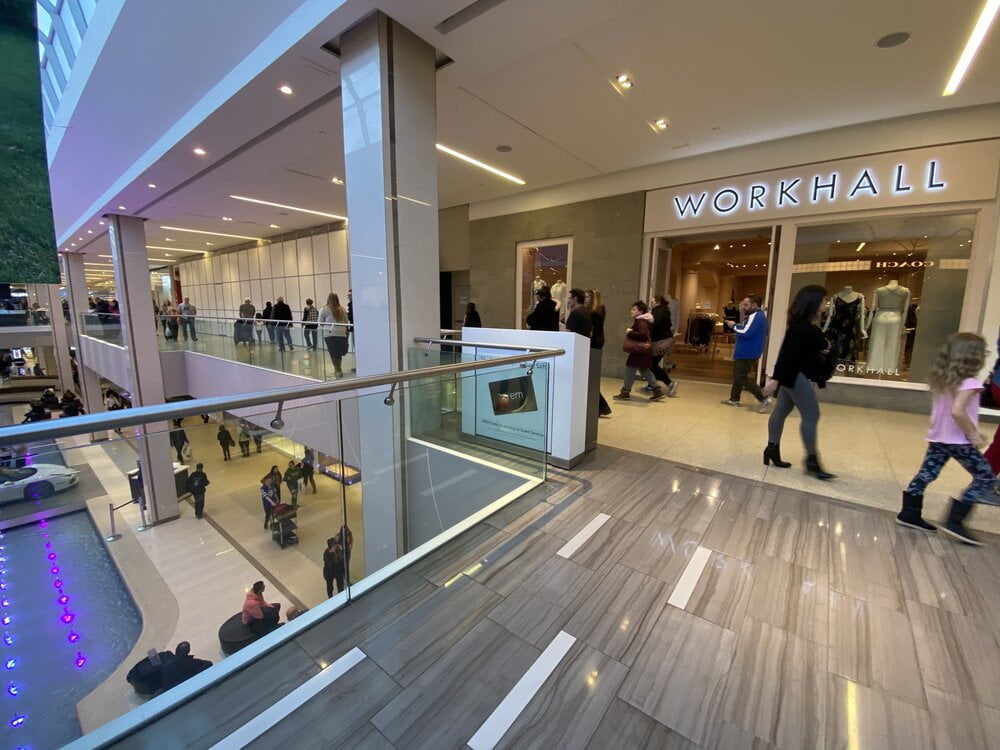

A report by Deloitte said it may take months, a year, or even longer, but the world will emerge from the COVID-19 pandemic. Consumers’ behaviours may take more time to return to what they were—if they ever do.
“Expect a COVID-19 ‘hangover.’ Canadian consumers may continue to act cautiously after the pandemic subsides. People may continue to stockpile food and other supplies. Shifts in discretionary spending could be permanently changed. Consumers may also be slow to travel for leisure or business, or to return to restaurants, malls, gyms, and other public venues. They may instead choose to spend more on in-home entertainment, home offices, and fitness equipment,” said the report.
“Consumers may be open to new ideas and technologies. Consumers still seeking to reduce exposure to others may be more willing to try new technologies, such as self-checkouts, contactless payments, in-store robots, non-contact delivery options, virtual reality, and more.
“Customers may retain the habits and behaviours they adopted during the pandemic. They may continue to buy online or avail themselves of click-and-collect. They may stay loyal to new brands they discovered while searching for hard-to-find items. Older Canadians may grow more comfortable with digital channels, opening up new opportunities for retailers to reach a notoriously challenging demographic.”