Shopping at an airport is not the first thing passengers think of as it is a stressful time as people are focusing on checking in, getting through security, and making it to their gate – but can airports change this from a stressful journey to a seamless retail experience? Larry Leung, Customer Experience Leader, says for Canadian airports to maximize retail, they need to change their perspective.
“It is often not spoken about and I think many people do not know there is luxury retail at airports across Canada, such as Toronto Pearson Airport. In fact, you don’t see a lot of luxury retail in airports in Canada and that is unfortunately a missed opportunity. The Toronto Pearson, for example, has 40 million passengers a year – that is a lot of people to engage with to buy something and is a lot of business,” says Leung.
Current State of Shopping at Canadian Airports
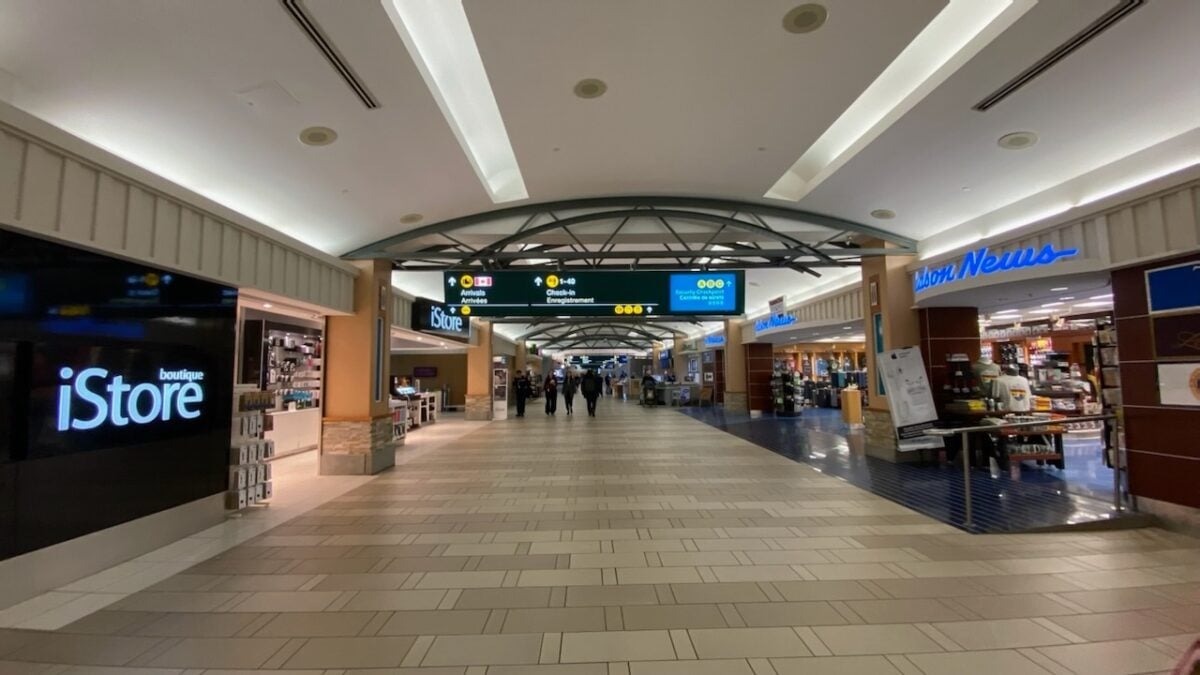
A lot has not changed when it comes to retail landscapes in Canadian airports, says Leung, as there is a lack of understanding what passengers’ needs are to align with the right retailers and services. But the overall goal has remained the same – to get passengers to spend money while waiting for their flight.
“The goal of the airport is to obviously get passengers to spend as much money as possible. When you travel internationally, passengers are waiting three hours in advance and that is something airports want to see, but only if you are not sitting there but you are also spending money.”
Airports currently do not hold any information about passengers so retailers have to guess, leading to a mismatch between passenger needs and retailers leading to people spending less while waiting for their flight. The only information retailers do know is what flights are coming, how large are the planes, and what destinations they are going to and coming from.
Rethink The Duty Free Location
Currently in airports, the duty free shopping is right after security – but is this the proper location to encourage passengers to shop? Leung says no.
“When you go through any international airport, you might see the duty free right at security. It might seem like the perfect idea to get passengers through a shopping maze, but that is the time when people are calming down from going through a potentially hectic, anxious, and stressful process of waiting and that might not necessarily, from a psychological point of view, be the perfect time to go shopping.”
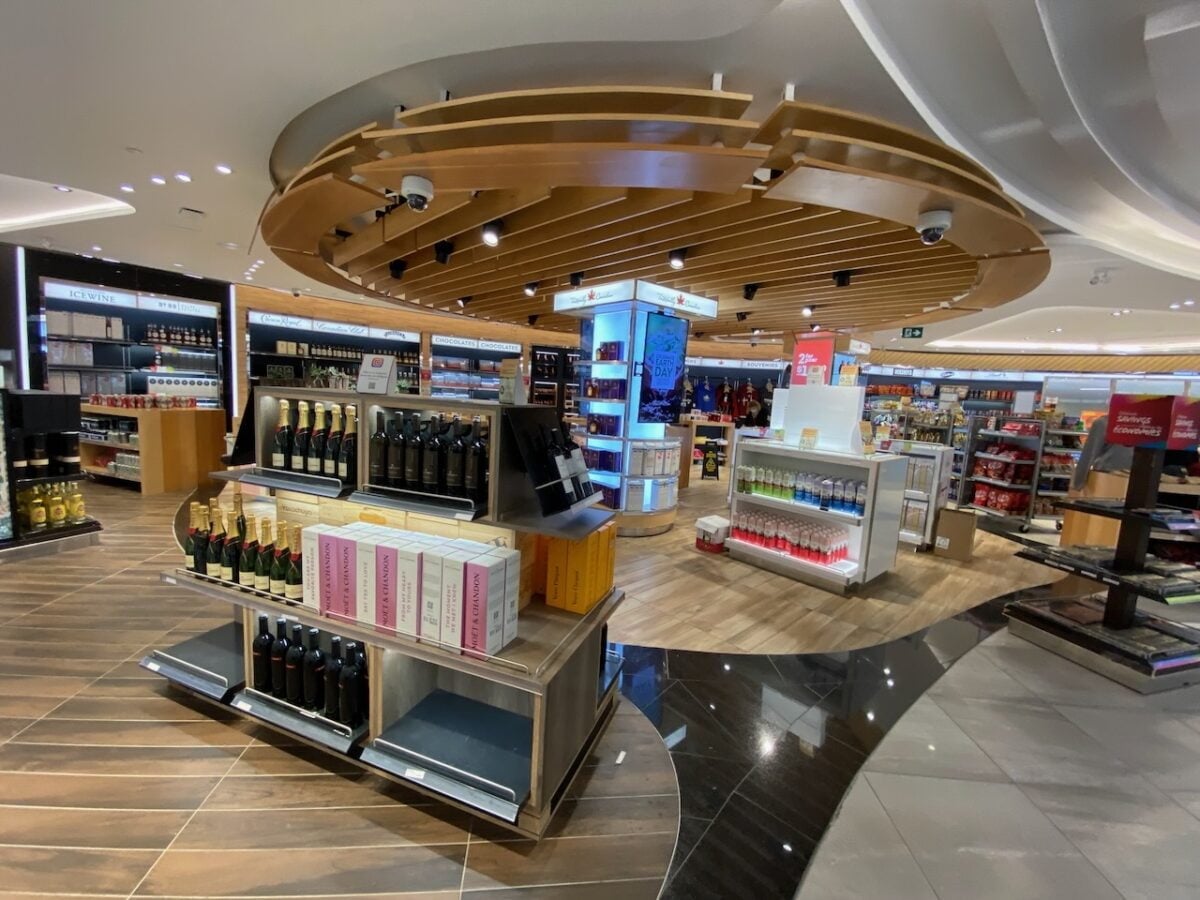
After waiting in security and immigration lines, Leung said passengers usually want to walk quickly through duty free to use the washrooms, get food, and to get to their gate and people tend not to go back. Some airports are considering creating distance between security and duty free shopping so it gives people a breather and motivates passengers to shop.
“Most people do not go backwards to go shopping. We do a lot of research and a lot of people, because of the wait in line, need to use the washroom after security and if the washroom is after duty free, they may just continue moving forward to the gate and will not go back unless they have so much time or saw something at duty free that caught their eye – and this is not always the case. Duty free has so much going on at the same time and it is hard to have one thing at a key point because all of the brands are represented and all the signs are the same, so I think it is really difficult to catch people’s attention.”
Since passengers spend most of their time at their gate, Leung says retailers need to be closer to gates and move away from security. The Toronto Pearson Airport is a perfect example as in Terminal Three, it feels less like an airport and more like a mall and brings a better shopping experience at the airport. If the airport environment is less stressful and more peaceful, it would motivate people to walk around and shop. However, another obstacle in airport retail is passengers do not have the luxury of space.
Two Hands & Limited Space
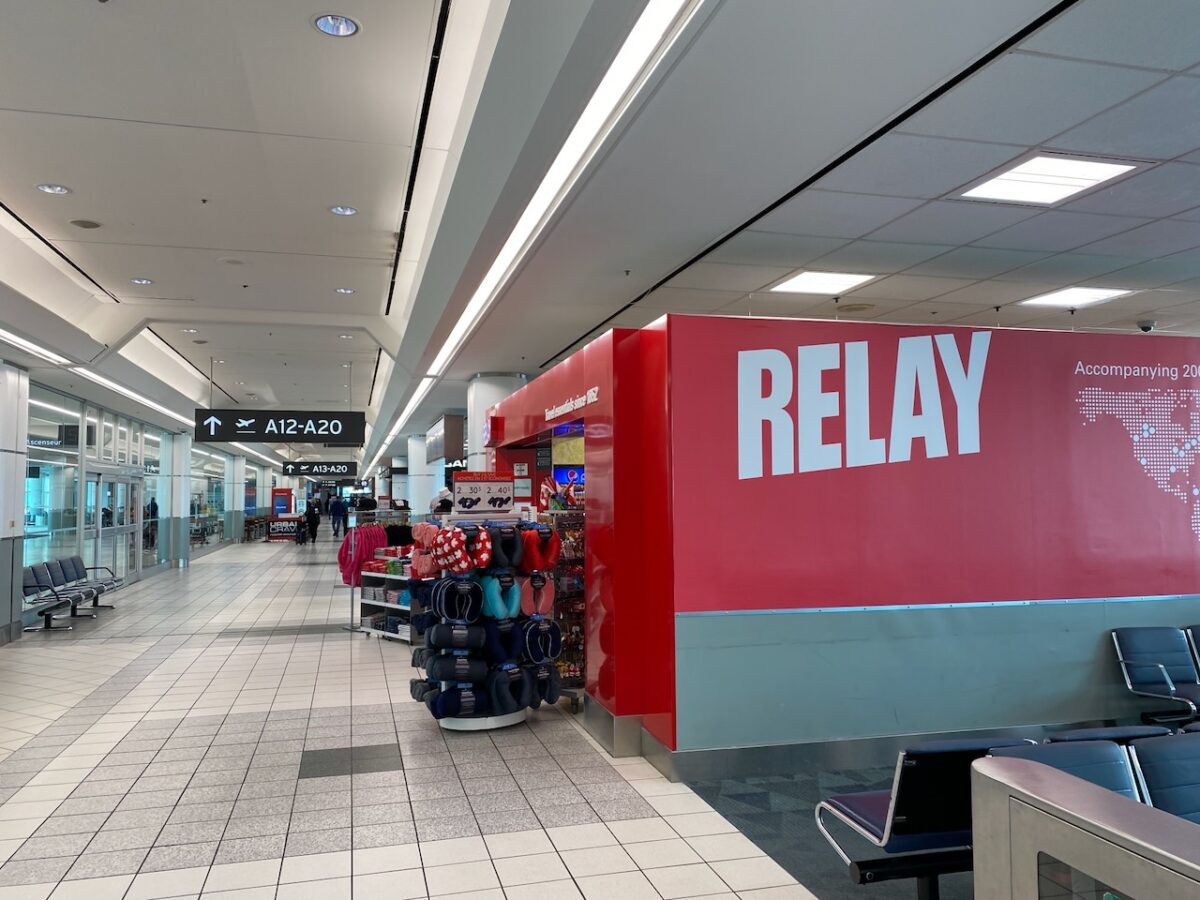
“If a passenger already has a carry-on, a purse, a jacket, or a briefcase, they only really have one more arm to really think about something else – and that is usually coffee. So if there is a coffee place such as Tim Hortons or Starbucks that motivates them to get a coffee, the free hand is now holding a coffee and they really don’t have any more space to think about retail and their motivation to shop may be reduced.”
Passengers not only will be out of hands, but will also have limited space on the plane – so how does that affect retailers in airports? If you already have a carry-on or maxed out on your carry-on space and you can no longer check in anything else to your flight, then how do you carry everything you have bought? It does not matter what class you are flying with, every passenger is limited on space when traveling.
Leung says some brands are starting to create a strategy where they allow the passengers to shop and when they arrive back to Toronto they can pick it up, or ship it to their travel destination, or can ship it to the passenger’s home address.
“This way, passengers do not have to carry everything to their destination. I think there is some anxiety if you buy too much and you can’t bring it on your flight or it is going to cost you hundreds of dollars to put it into the luggage hold which could be problematic. Let’s say you were buying a Louis Vuitton bag and they told you that you had to place it under, it could make you feel uncomfortable. So, brands, especially luxury brands, really need to think about what people are buying, how they are going to store it in case there are obstacles, and need to start thinking about how to reduce or remove these obstacles.”
“Create An Experience Based on Time”
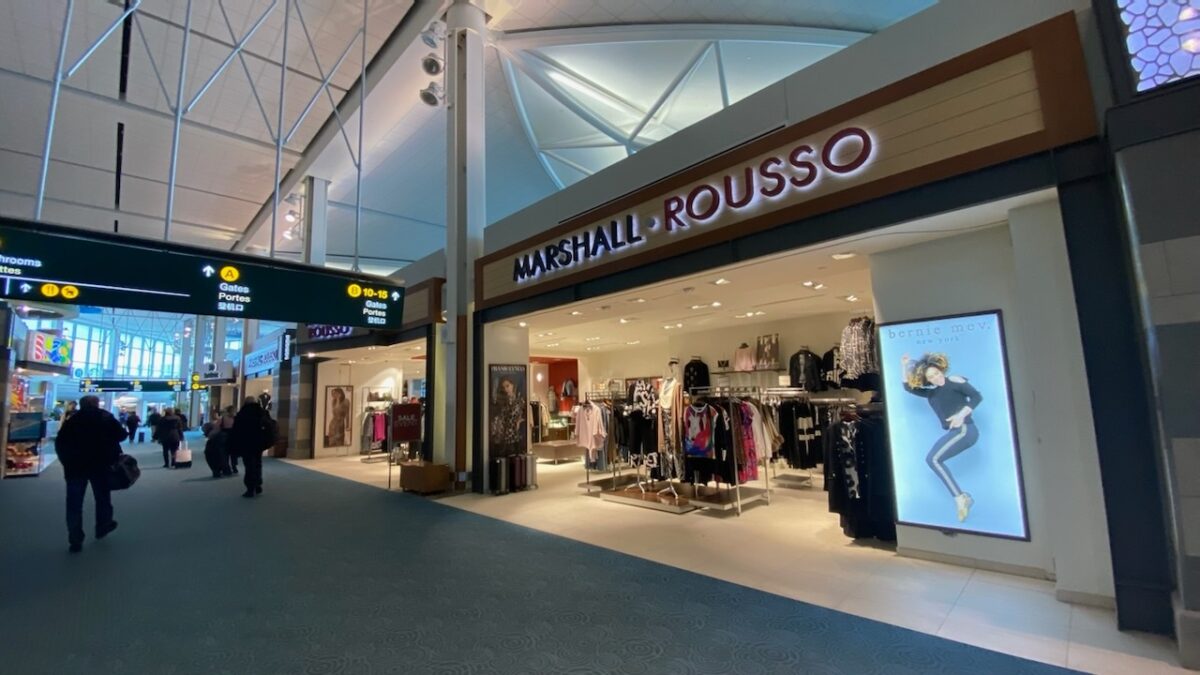
Informing passengers about their retail options before arriving at the airport is one way to minimize obstacles, says Leung. Brands can raise awareness on social media, blogs, websites, or news outlets to tell people what is new at the airport. This would make the airport experience more convenient and less stressful when shopping. Currently, Leung said retail stores do not usually place airports as a location, leaving passengers to rely on the airport website or the directory once inside.
“Some people are at the airport for three hours, or more if it is a layover, and during this time the airport has not really given you an itinerary to do something within those hours, or even for 45 minutes. If you don’t know where things are and you don’t know what you could do – you have to do more research and that can be difficult, so you would simply get lazy and decide to stay at your gate.”
Leung said the one thing the Toronto Pearson Airport started to do was provide online shopping where you can shop duty free products and then they will ship it to your home, a new service available.“There is definitely an opportunity to grow retail in Canadian airports and they need to rethink the airport shopping journey, and it will evolve.” Watch out for the continued article on Canadian airport retail shopping with Larry Leung discussing the evolution of airport retail formats and what passengers should expect next.