

“Some Canadians are losing faith in the capitalistic nature of our food economy, which is why some are asking for a windfall tax or even broader food price regulation. While we should not forget why food companies exist, grocers should also engage with Canadians with the intent to foster trust, and Loblaw’s new receipt checking policy is not a step in the right direction.”
Loblaw’s Receipt Checking is Wrong
Currently, many households are grappling with the rising cost of living. According to a recent report by Community Food Centres Canada, the poverty rate among working-age single adults in Canada is three times higher than the national average. Alarmingly, nearly a quarter of working single adults live below the poverty line. This concerning statistic indicates that a significant portion of the population is facing financial hardship. Many Canadians are personally experiencing or know someone who is struggling compared to just a year ago.
The increasing expenses of shelter and food, which are fundamental necessities of life, are placing a significant financial burden on many Canadians. Approximately 45 percent of mortgage holders have variable rates, directly impacted by the Bank of Canada’s efforts to combat inflation. For instance, if an individual has a $300,000 mortgage spread over 25 years, they are currently paying over $7,000 annually just to maintain their home. As more Canadians renew their mortgages, the number of individuals experiencing increased mortgage payments will inevitably rise. Furthermore, rents across the country are also on the rise, further exacerbating the financial strain on individuals. These escalating costs create a substantial financial burden. In terms of grocery expenses, purchasing the same quantity of food as compared to the previous year would require an average of over $1,100 more. Consequently, individuals would need to allocate over $8,000 to maintain the same quality of life.
Given the difficulty in reducing shelter expenses unless through relocation or shared accommodations, many Canadians are forced to cut back on their food expenditures. Despite inflation, most Canadians are spending less on food. This shift is so significant that many are quick to blame food companies. There is a growing sentiment that food should be free or that food prices should be regulated, which is understandable. As faith in the capitalistic nature of our food economy diminishes, some individuals even propose imposing windfall taxes to discourage companies from excessive profits. However, while these ideas may be intriguing, they are likely to lead to even worse scenarios for Canadians.
Some Canadians, academics, and political leaders have lost sight of the primary purpose of food companies. These companies must generate profits in order to fulfill their mission and continue operating. Profit generation is essential. The debate surrounding how much profit food companies should be permitted to generate has been intensely discussed in recent months. Striking the delicate balance between profit-making and maintaining a food-secure market is unique to the food sector and sets it apart from other industries.
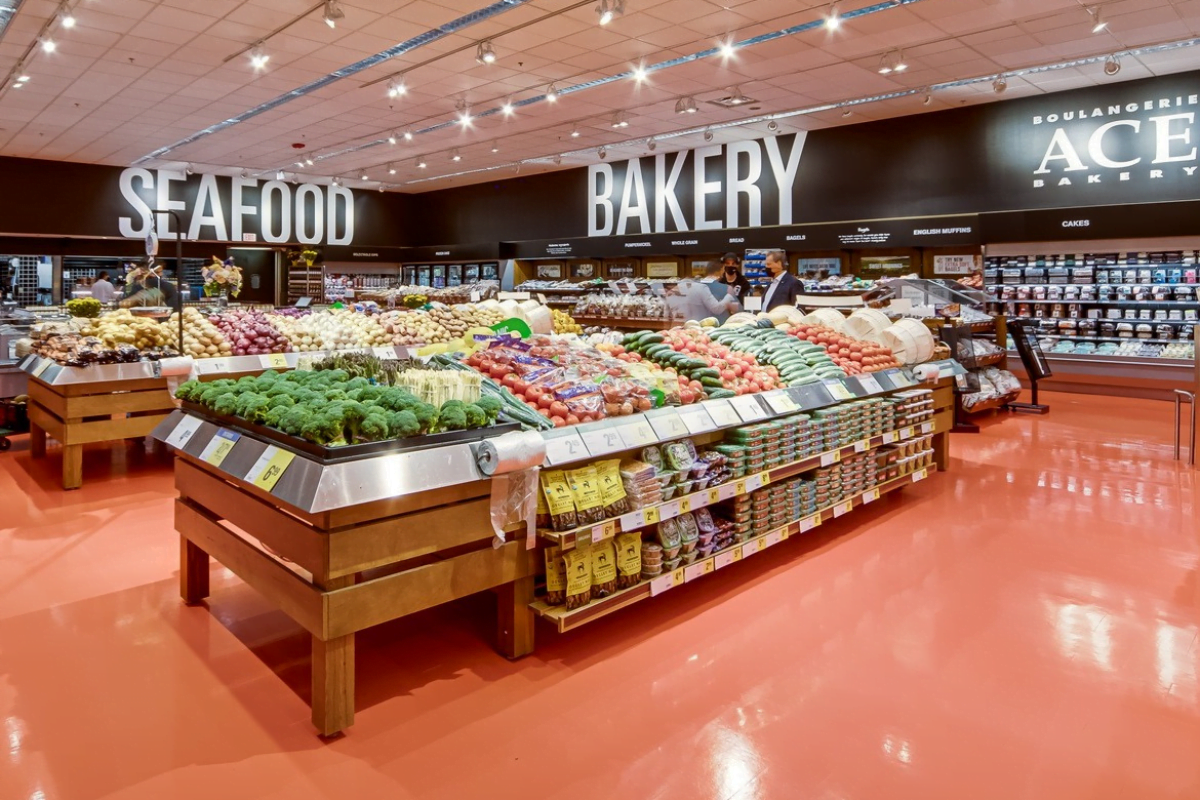
Food companies are established to leverage the advantages that size and expertise bring, primarily to enhance efficiency on a large scale. Not everyone has the ability to hunt, fish, cook, process, and so on. While it may be theoretically possible for everyone to engage in these activities, efficiency is not guaranteed.
The concept of the experience curve aptly demonstrates that as a food company expands, it accumulates greater experience and achieves improved performance, particularly in terms of cost-effectiveness. This surpasses what individuals or small communities can achieve. Large-scale farmers, for example, excel in their craft due to the experience curve. Companies also exhibit remarkable adaptability, enabling them to navigate sudden market shifts caused by climate change, labor disputes, or other socio-technological disruptions. By relying on food companies with an innovative mindset, food systems can enhance their resilience, a perspective that many Canadians have overlooked.
However, numerous market failures have been observed over the years, encompassing various issues such as the manipulation of bread prices, the imposition of “black-out” periods, the exploitation of low-paid employees, the timing of corporate bonuses, the exercise of supply chain bullying by certain grocers, and the remarkable volatility of food prices. While the proposition of making food free or implementing a windfall tax may seem tempting, it is unlikely to effectively address any of these problems. Instead, a more robust and authoritative Competition Bureau, in conjunction with the establishment of a Grocer Code of Conduct, holds greater potential for success in enhancing accountability within the food industry. While challenges will inevitably persist, the elimination of abusive practices within the supply chain and towards consumers is certain to contribute to their mitigation.
And abuse can be quite real for consumers. For instance, Loblaws recently implemented receipt verification in numerous stores across the country without providing a rationale for this decision. In contrast, Costco has been practicing receipt verification for several years as a means of validating memberships. However, it is worth noting that Costco’s approach differs, as they verify receipts for all customers. Randomly inspecting grocery receipts as customers exit stores is not conducive to fostering a social contract that can build trust between Canadians and the food industry.

















Real Canadian Superstore in Vancouver (Grandview Hwy location) has checked receipts for years.
Across the nation Canadian Tire has been doing it for years. Canadian Tire, Bay and Dundas location is like a prison check point! At City Market (Part of Loblaw Group – Weston Corp.) on Yonge and Lawrence the loss prevention workers are the most brutal. I simply go extra length not to do business with them based on how they treat people there. Both staff and customers!
Walmart has been randomly checking receipts for years so Loblaws is not the first retailer to implement this practice. With the rise in self-service it would not surprise me if you don’t see more retailers following suit.
Retailers should check all self checkout receipts. I see two advantages; reducing theft will help slow price increases, and almost as important, customers with large orders will be more likely to use a regular checkout (they’ll avoid the receipt check and make the self checkouts a little faster).
Anyone who is asked to show their receipts apon leaving the store should just do a U-turn back to customer service and ask for a total refund. Then they have to pay someone to restock the items. Not to mention if enough people did this it would cause a huge backlog at customer service.
I think they would reconsider their options very quickly.
So, you’re saying retailers don’t want to employ cashiers and make us check out our own groceries yet they can pay “receipt checkers” at the door? You can’t have your cake and eat it too Loblaws. I’ll goose-step my way down the street to another retailer who doesn’t treat paying customers like criminals and lets ACTUAL criminals walk out the door while blatantly stealing. Staff aren’t allowed to stop THEM. Clown World.
And what exactly is wrong with looking at the receipt? Costco does this and has been doing it forever. I haven’t heard of any complaints towards Costco. Sometimes Loblaws gets picked on unfairly.
At Costco I show my receipt because I am a member and they have a right to ask…. as for the other retailers, including Walmart, I just say no thank you, have a nice day and keep on walking. No reason to comply, just a waste of my time.