A new report by Mastercard says Canadian consumers are expected to prioritize brick-and-mortar shopping this holiday season.
According to the Mastercard SpendingPulse report, Canadian in-store sales are expected to increase 2.8 per cent year-over-year. Coming off a strong post-COVID holiday season in 2022, consumer spending is expected to remain resilient this year. Mastercard SpendingPulse measures in-store and online retail sales across all forms of payment and is not adjusted for inflation.
“The deceleration of inflation in Canada as we head into the critical holiday season offers some respite for consumers,” said Michelle Meyer, Chief Economist, North America, Mastercard Economic Institute. “Consumers are expected to be smart with their holiday budgets this year by trying to stretch their dollars to their maximum potential.”
Mastercard said these are the key trends to watch for this holiday season:
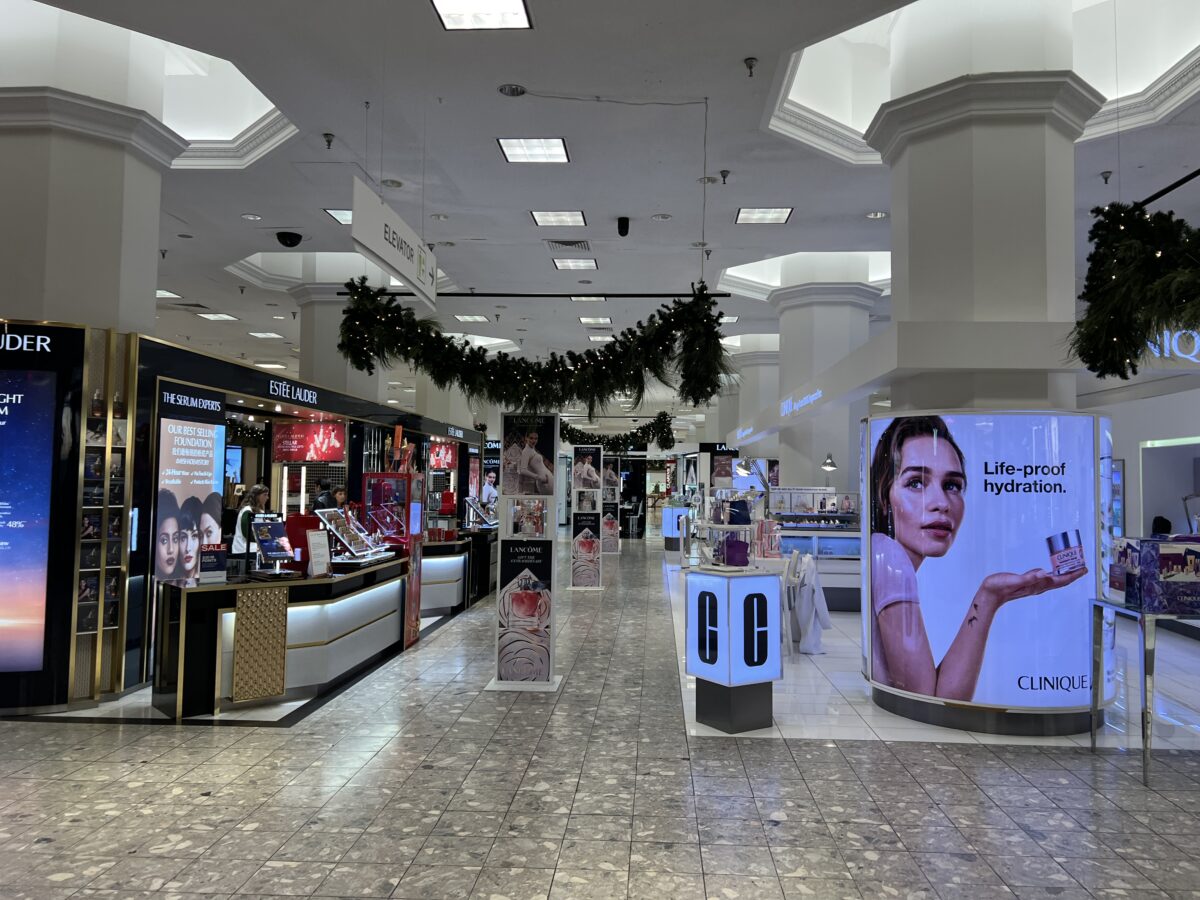
- Deck the malls: Consumers continue to seek out physical retail stores for their holiday shopping, while online sales are expected to soften compared to last year. However, as consumers are accustomed to shorter delivery times, a peak in online sales is expected the weekend before Christmas;
- All I want for Christmas is…Electronics: Electronics sales are expected to see the largest sector growth (3.9 per cent year over year) indicating that consumers could be looking to update to the latest tech gadgets this holiday season. Conversely, apparel and jewelry are not as likely to top wish lists this year with expected softening of sales in both sectors compared to last year; and
- Eat, drink and be merry: Consumers are expected to be celebrating by entertaining at home and out on the town. Both the Restaurants and Grocery sectors are expected to experience moderate growth of 3.4 per cent and 3.1 per cent year over year, respectively.
“In store experiences coupled with ongoing sales and promotions will be paramount for retailers this holiday season,” said Steve Sadove, senior advisor for Mastercard and former CEO and Chairman of SAKS incorporated. “While the convenience of online is still important, consumers are keen to physically interact with their purchases. We can expect retailers to prioritize in-store only promotions, gifts with purchase, point of purchase sales and hands-on sales staff.
“What the (latest data) was telling me is that this is going to be a holiday season that’s very in-store focused. It’s going to be about value. It’s going to be about promotions. The consumer is shopping early. My guess is that it’s going to be promotional but I don’t have enough hard data yet because in the end as the season unfolds, if the consumer is shopping or non-shopping, then you’ll see promotions flex depending upon demand. I think it will be promotional but somewhat planned promotional. So that it’s not going to be deep distressed promotion.”
When inventories are way out of line, that’s when you see deep distress promotion. But Sadove doesn’t see that happening this year. It will be promotional but controlled promotions.
“The consumer is still in the mode of experiences. So they want to go out. Restaurants will continue to perform well. Food, whether it’s entertaining at home or out, that’s going to continue to be strong. But you’re going to see weaker categories in things like apparel and some of the other gifting categories probably will not be as strong.”
He said the forecast in both Canada and the U.S. is for a decent electronics season.

Sadove said the rate of inflation is slowing dramatically and it’s one of the reasons there is a slowing in the rate of retail growth. Supply chain costs have come down. It’s costing retailers and manufacturers much less to ship goods than it cost a couple of years ago when the supply chain was broken. And now there’s a lot of downward pressure on prices because the consumer is stretched. They’re feeling the pain of the higher inflation. Retailers in general are pushing back on suppliers.
“So you’re in an environment right now where there’s a little bit of downward pressure or at least a pressure to slow the rate of increase across the board. That puts a little more pressure on more promotion in a sense,” said Sadove.