Canadian retail sales experienced another month of minimal growth in August 2023 with All Stores up 2.5% YOY and All stores Less Automotive, Food, Pharmacies up only 0.8% YOY. Whereas sales were still up slightly, the regional differences continue to play a large factor with the price of housing, and in August, migration due to wildfires.
The regional differences in Canadian retail spending are continuing to polarize. The more expensive a location is to live (primarily Ontario and British Columbia) are getting the hardest hit for retail, and those who experienced terrible wildfires through August (mainly British Columbia and the Northwest Territories) declined similarly:
- Vancouver retail sales were down -1.82% YOY in August. Considering people were fleeing the Okanagan in August and heading to the lower mainland, this decline is even more significant.
- Toronto retail sales, though up 3.5% YOY in August, are still down -0.3% YTD.
- Though it makes up a relatively small percentage of overall Canadian retail sales, Northwest Territories experienced a decline of -20.2% YOY in August due primarily to wildfire evacuations, higher than the trend of -2.9% YTD.
Though the Okanagan and the Northwest Territories were most affected by the wildfires in August, they continued well into September. With many people waiting at their homes as long as possible, we are expecting to see an even larger drop in retail sales in these two areas in September Canadian Retail Sales.
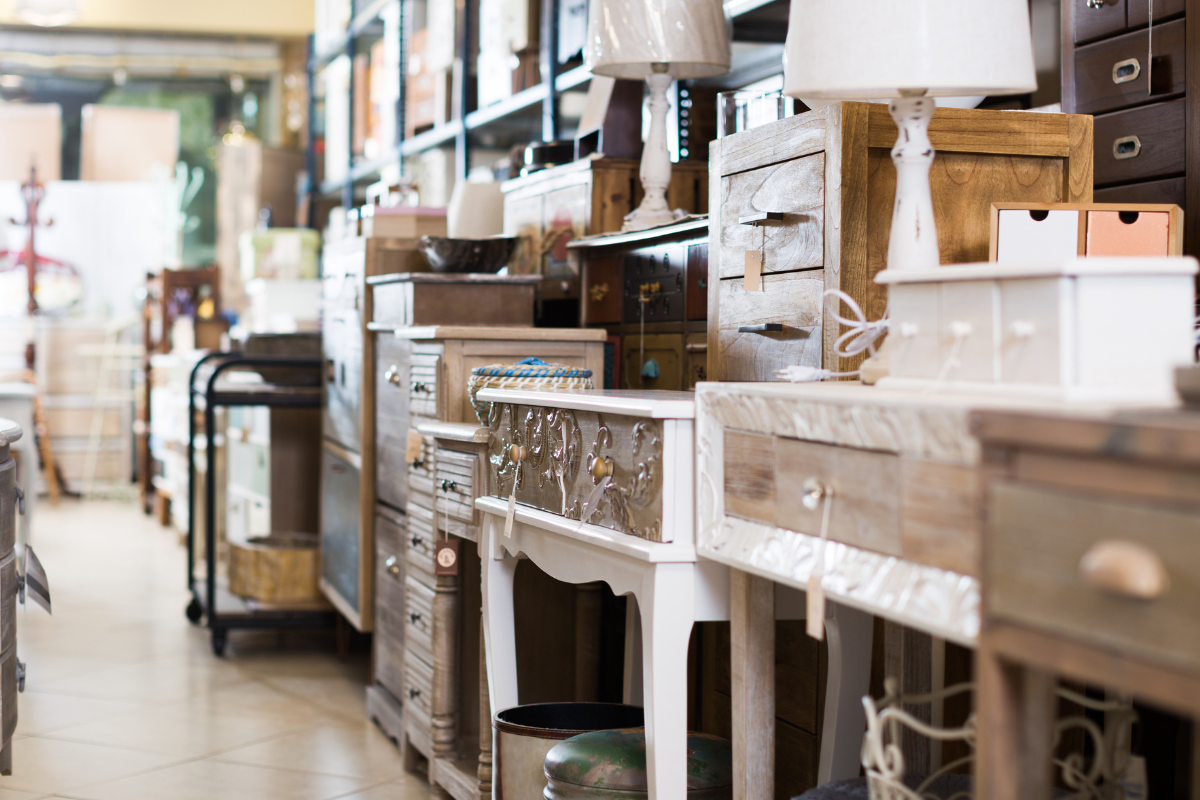
Housing remains top of mind for many Canadians as the availability decreases and prices increase. There are many categories being affected by this, but most directly affected are:
- Furniture Stores, down -6.6% YOY,
- Home Furnishings Stores, down -8.44% YOY, and
- Building Material and Garden Equipment, down -7.2% YOY.
As consumers spend more on their housing, they are forced to spend less on furnishing them or repairing them. In addition, recent laws in B.C. cracking down on short-term rentals could have a lasting effect on these categories. With people looking to get out of investment properties, this could flood the secondary market with the furniture that used to fill their Air BNBs. These regulations are undoubtedly going to come to Toronto and the rest of Ontario very soon, so it is just a matter of time until another large market experiences the same secondary market increase.
Health and wellness related categories continue to outperform most other categories in September 2023, Health and Personal Care Stores were up 9.1% YOY. In addition, Cannabis Stores continue to grow in Canada with retail sales up 19.1% YOY. This is a direct effect, it appears, of the decrease in alcohol sales, as Beer, Wine, and Liquor Stores are down -4.0% YOY. Interestingly, the difference between cannabis and alcohol seem to be nearly identical. Cannabis Stores experienced a growth of $74.4 million, and Beer, Wine, and Liquor Stores experienced a decline of just over $100 million. This “redistribution” of funds will be very interesting to watch closing out 2023 and into 2024.

Holiday remains top of mind at JCWG. Whereas RCC and Leger released their pre-season mini survey results for holiday reporting a decrease in spending, consumers seem to have changed their minds by August, as reports are now showing an increase of 14% over last year. Going into holiday, the JCWG team is now considering:
- Why are discounts less of a focus for consumers this year compared to 2022?
- Though they will be spending more, will customers be stricter with their budget than previous years and less willing to compromise?
- When will consumers complete their holiday shopping, and will there be any purchases after Black Friday?
- Now that we know sales are expected to be higher, how are YOU planning your promotions to be earlier?
For support with your promotion strategy, reach out to the trusted experience at JCWG!