

Canada’s recent railway shutdown has once again highlighted the challenges of doing business in this country, particularly in sectors as critical as food distribution. We are forced to turn to domestic players and policy measures to foster greater competition within the market. This brings us to a significant move by Loblaw, Canada’s largest grocer, which has just made an intriguing announcement that could redefine the competitive landscape of the grocery industry.
Loblaw plans to open three No Name stores in medium-sized Ontario cities—Saint Catharines, Windsor, and Brockville—this Fall. These stores will carry a limited selection of 1,300 products, primarily under the President’s Choice and No Name brands. Notably, these stores will operate without a cold chain, meaning no refrigerators or freezers will be used. The concept is minimalist: no frills, just basic shelving stocked with shelf-stable food, supported by a skeleton staff, and housed in modest real estate. The goal is clear: keep operating costs low to pass on savings to consumers.
For a company with a near-ubiquitous presence across Canada, it’s surprising that Loblaw continues to find new opportunities to expand. However, what’s even more striking is the company’s willingness to potentially cannibalize its own market share by opening these new stores. This move suggests that Loblaw is unafraid to disrupt its own business model to stay ahead of the competition.
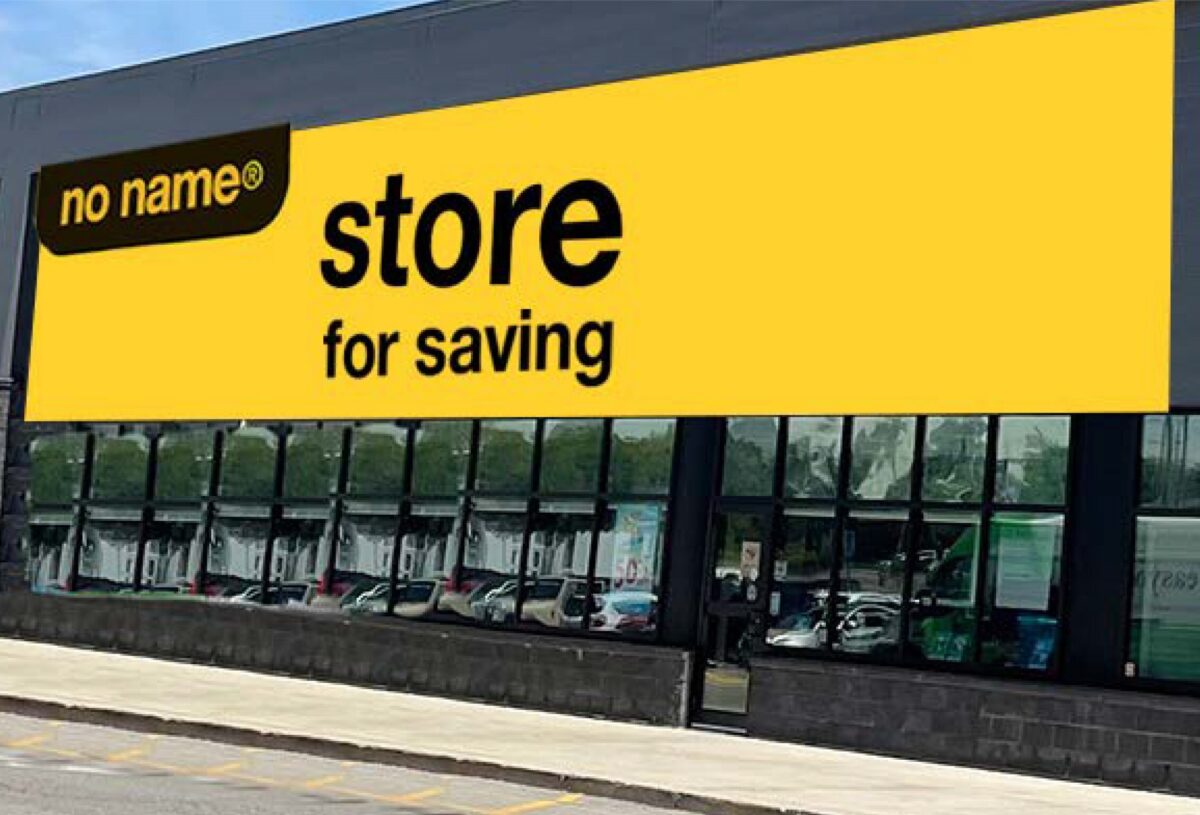
Historically, Canadian grocers have been quite territorial, often focusing on markets that follow the country’s traditional rail lines—a relic of an earlier era in commerce. But in today’s world, where consumers are more informed and price-sensitive, this outdated “rail track” mentality is increasingly irrelevant.
The idea of self-cannibalization has long been a nightmare for grocers, deterring them from expanding in ways that could increase competition and offer Canadians more choices. However, Loblaw’s decision to launch these No Name stores marks a significant departure from this mindset, recognizing that the competitive landscape has evolved, especially in the wake of recent food inflation.
Consumers, now more than ever, are astute bargain hunters, diversifying their shopping habits beyond traditional grocery stores to include dollar stores, discount retailers like Giant Tiger, and even mass merchandisers such as Walmart. Loblaw’s new No Name stores are a strategic response to this shift, aiming to bring budget-conscious shoppers back under the Loblaw umbrella.
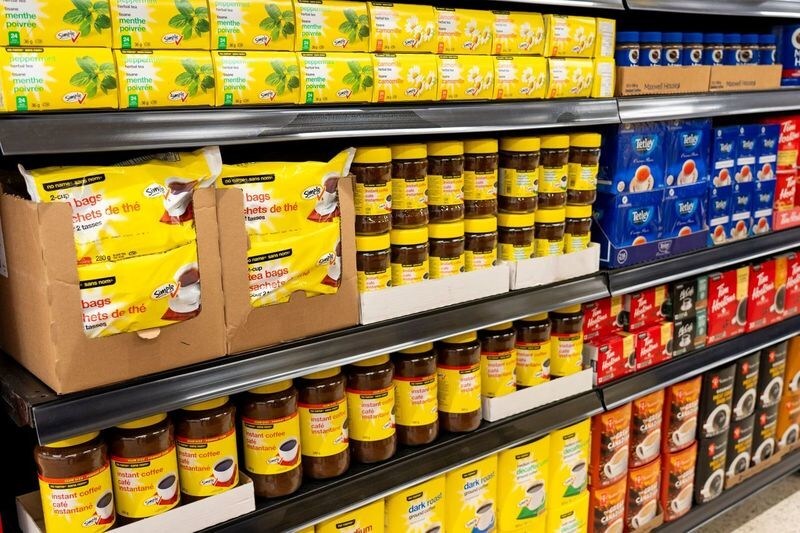
This announcement follows another significant move made by Loblaw in June, when it revealed plans to open 40 new No Frills stores, each spanning 15,000 square feet. Both initiatives underscore a growing trend: discounts are paramount, and they will likely remain so for the foreseeable future. While interest rates are gradually decreasing, the pace is too slow to provide immediate relief to consumers, many of whom are trimming their budgets wherever possible, including their grocery bills.
Another factor at play is the uneven service across different markets. While hyper-urban areas like Toronto, Montreal, Vancouver, and Calgary boast numerous grocery options, smaller or medium-sized cities often suffer from limited competition—a legacy of the old “rail track” mindset. Loblaw has astutely identified this gap and is seizing the opportunity to better serve consumers in these underserved areas, which straddle the line between rural and urban.
Whether this strategy will succeed remains to be seen. However, if it does, Loblaw could quickly scale this No Name concept nationwide. So, Canadians should not be surprised if these minimalist stores pop up in their communities, regardless of where they live.
This move by Loblaw signals a broader trend within the industry: the growing importance of adaptability and innovation in response to shifting consumer demands and economic realities. As competition intensifies, we can expect more bold moves from major players in the market, each vying for a piece of the increasingly frugal consumer’s dollar.









I understand what Loblaw is trying to do here—they’re targeting the consumer who values price above all else and who likely does much of their food shopping in dollar stores. The idea of only carrying No Name and PC brand products in a store is an interesting one, and it’s clear that Loblaw is absolutely, positively trying to slam the door on ALDI ever coming here. (Stores carrying house brands almost exclusively is an ALDI concept from Europe.) But the idea of having no freezers or coolers is deeply problematic. This means that customers of the new Loblaw concept will still have to do much of their shopping elsewhere—because the majority of shoppers will still need to buy dairy case or frozen food aisle products. It’s also worth noting the ALDI—from whom Loblaw cribbed this concept in the first place—DOES have dairy and frozen cases in their stores, allowing for more of a one-stop shopping trip.
If as you and the media suggest that there in not enough competition in Canada.Then why is food inflation an election issue south of the border.It is reported that inflation is just as high there with a lot more competition. The big 5 Canadian grocers are pushing back against price increases from manufacturers to keep the government happy. In the long term is going to put a lot of them and Farmers out of business.Then prices will go higher.