

The (recently settled) strike at Vancouver’s seven grain terminals, which began on September 24, has significant implications for Canada’s agri-food sector. This labour action, led by members of the Grain Workers Union Local 333, threatens to undermine not just Canada’s agricultural economy but also its standing as a reliable global food exporter.
To further complicate matters, dockworkers at the Port of Montreal have recently approved a strike mandate, signalling another potential disruption. With unions asserting their demands, the economic consequences are becoming increasingly severe.
The Grain Growers of Canada estimate that the Vancouver strike alone was costing the economy nearly $35 million in lost exports per day. This figure, now exceeding $100 million in total, underscores the critical role of these terminals, especially as more than half of Canada’s grain exports pass through Vancouver.
Canada is the world’s third-largest exporter of wheat, and with 70% of these exports moving through Vancouver, the stakes are high not only for Canadian farmers but also for global food security. Wheat, which provides 20% of the world’s calories, is central to global food systems, making this disruption a far-reaching problem.
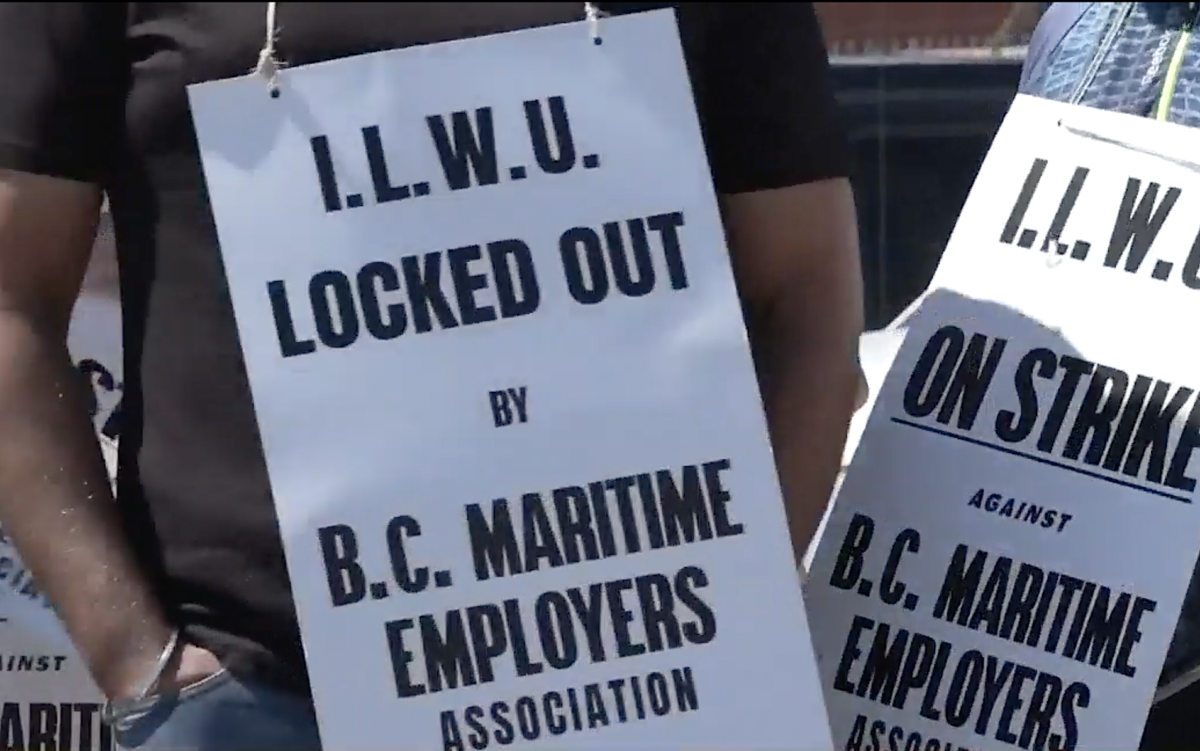
Labour Strikes’ Economic Impact on Canada’s Agri-Food Sector
While most Canadians support workers’ rights to strike for fair wages and improved working conditions, the broader economic impacts of these labour actions are often underappreciated. What is becoming increasingly evident is the toll these disruptions are taking on the cost of doing business in Canada. Stakeholders across the agri-food supply chain—from farm to retail—are being forced to seek alternative supply options, further escalating costs and eroding Canada’s reputation as a reliable trading partner. If the strike expands to Montreal, the country’s food supply chain could be hit from both coasts, amplifying the risks.
These disruptions come on the heels of last year’s port strikes in British Columbia and ongoing challenges with railways this year. In essence, Canada’s food supply chain is being weaponized, with both management and unions using it as leverage. This trend cannot continue if Canada is to maintain its competitiveness on the global stage.
The quality of Canadian grain is likely to suffer due to these delays, damaging our export reputation further. Canada is already struggling to uphold its standing as a consistent supplier in global markets, and these repeated labour disputes only add to the perception of instability.

Ottawa’s Inaction on National Supply Chain Task Force Recommendations
Ottawa has in its hands a clear solution—or at least the start of one. In October 2022, the National Supply Chain Task Force released its final report, Action, Collaboration, and Transformation, which was widely praised for its detailed assessment of vulnerabilities in the transportation system and its recommendations for improving resilience. The report highlighted the critical need to safeguard essential transportation corridors to maintain the flow of goods across the country.
While the report did not explicitly declare the food supply chain an “essential service,” its recommendations clearly implied the system’s vital role in ensuring both economic stability and food security.
Yet, despite these clear warnings and recommendations, the federal government has done little to implement the necessary reforms. The roadmap exists, but Ottawa’s inaction has left Canada’s food supply chain vulnerable to exactly the kinds of shocks we are now experiencing.
At a time when resilience is paramount, this failure to act threatens not only the reliability of our food supply but also Canada’s global competitiveness in agriculture.
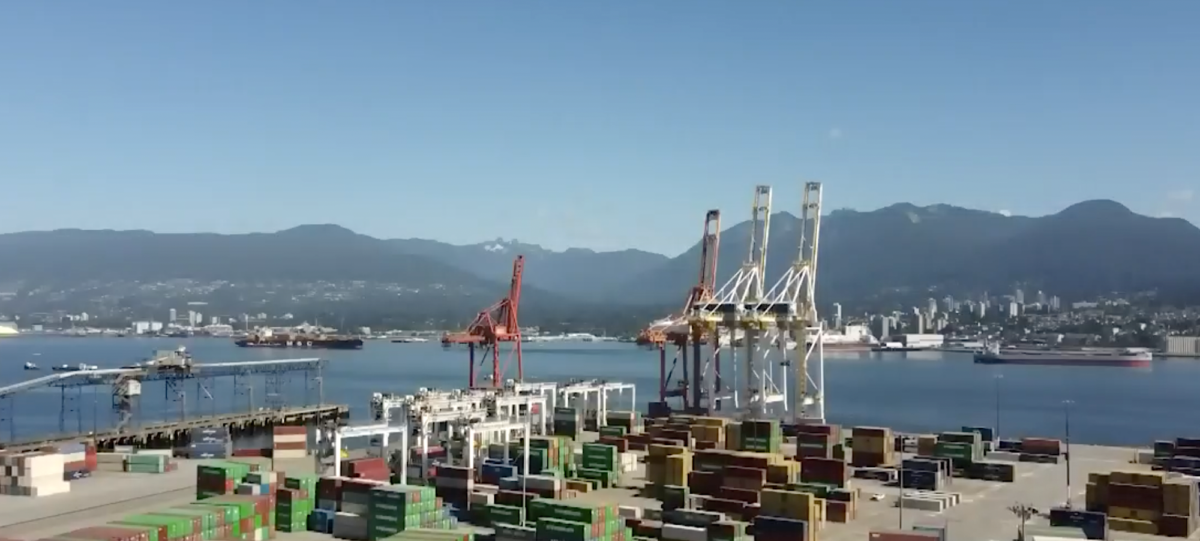
Urging Ottawa to Safeguard the Food Supply Chain
It is time for the federal government to stop ignoring the clear signals from the market and industry experts. We cannot afford to let our food supply chain remain hostage to labour disputes, nor can we allow our agricultural sector to continue absorbing the costs of these disruptions.
Ottawa must act now to implement the recommendations of the National Supply Chain Task Force, safeguarding Canada’s essential role in feeding the world. If not, we risk being left behind, with profound consequences for both our economy and global food security.
Other articles from the author:
Bill C-293 Could Limit Meat Consumption in Canada [Op-Ed]
Feast or Famine: The New Reality of Eating in Canada [Op-Ed]
Declining alcohol consumption in Canada signals major shift [Op-Ed]
















Yes, strikes temporarily affect grain shipments and imports, but it isn’t clear that this will have much of an impact on the average Canadian, certainly not me personally.
I buy as much locally as I can. The cows nearby, fed mostly on local grains, are still producing milk. The vegetables I eat, both fresh and frozen, are grown and packaged nearby. I buy imported fruit in winter, but my lettuce and tomatoes come from a greenhouse. The purchase of durables not available secondhand can wait a few weeks. There are more important food security issues in this country we should be talking about, like the prices in remote northern communities.
For the sake of the farmers, I hope the strikes end soon, but for the average consumer, this is much ado about nothing.