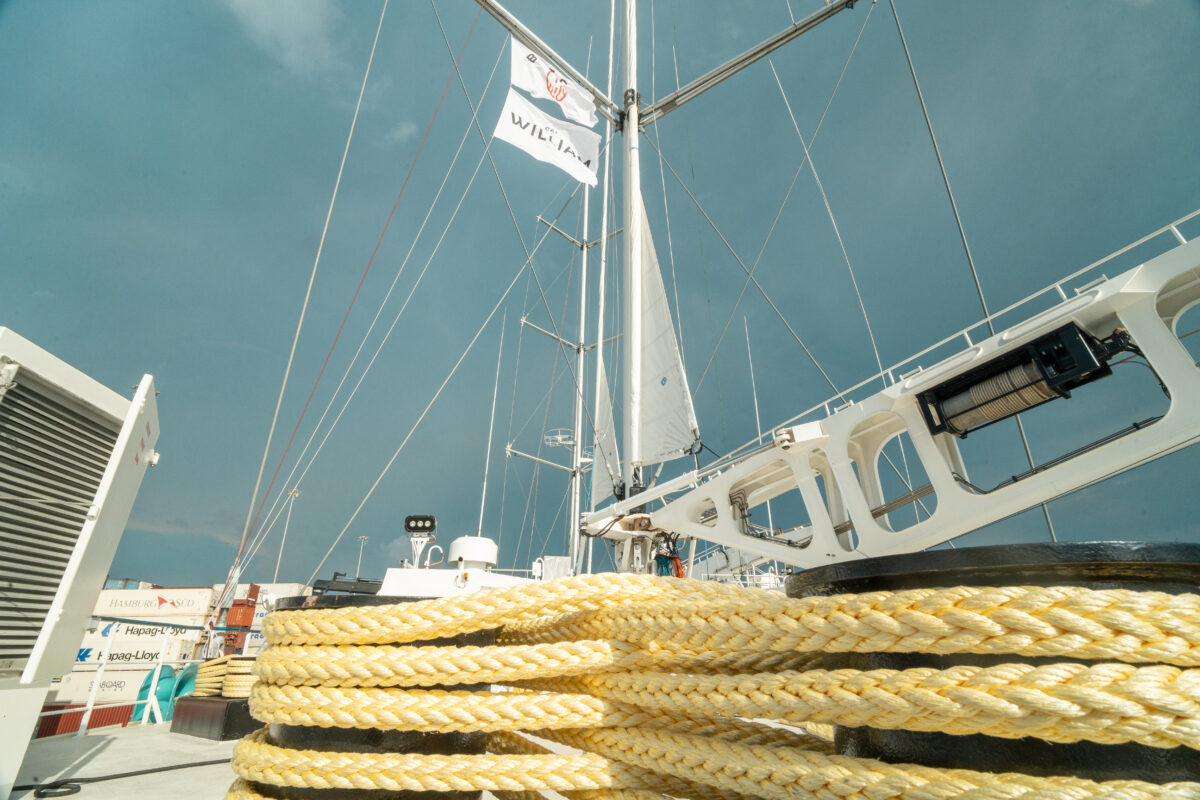
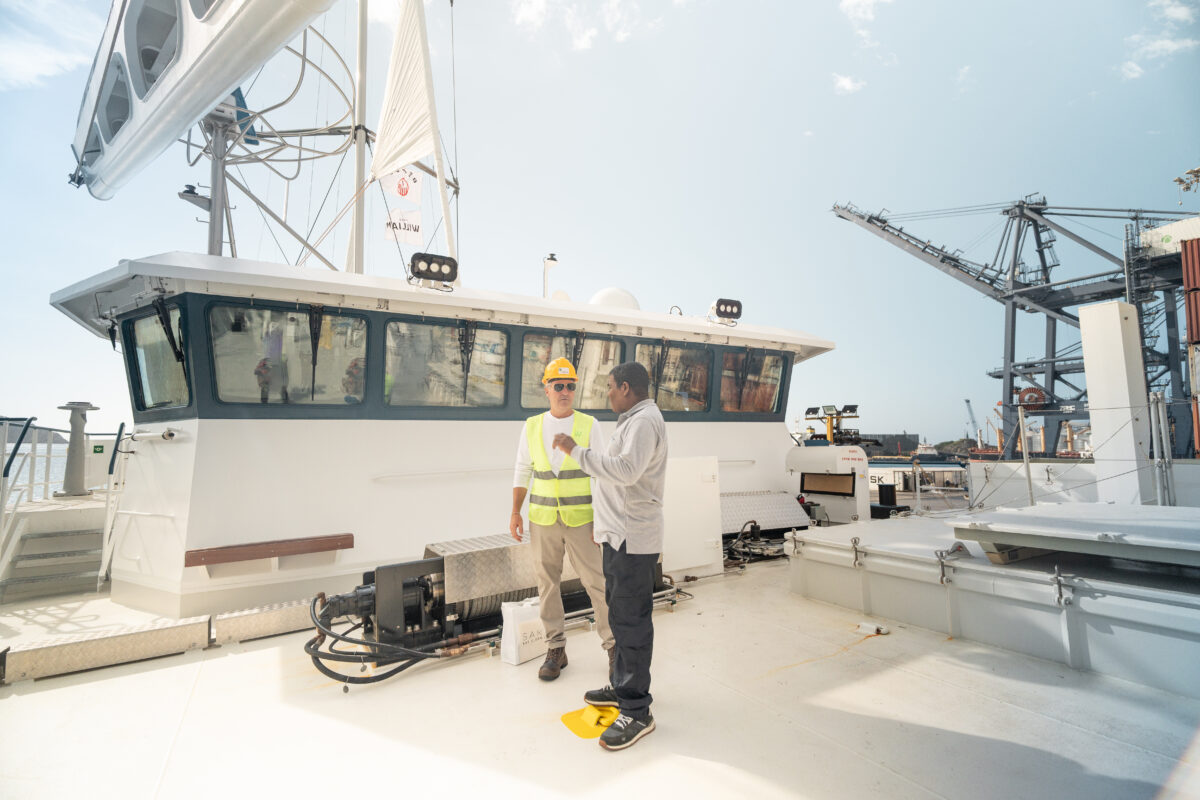
Café William, a renowned Canadian coffee company with a passion for sustainability, has announced a groundbreaking partnership with TransOceanic Wind Transport (TOWT) to decarbonize the transportation of its coffee beans. The inaugural voyage of a new sail-powered cargo ship, transporting 50 containers of green coffee beans, including those from the ANEI cooperative in Colombia, marks the beginning of a new era for both Café William and maritime transport.
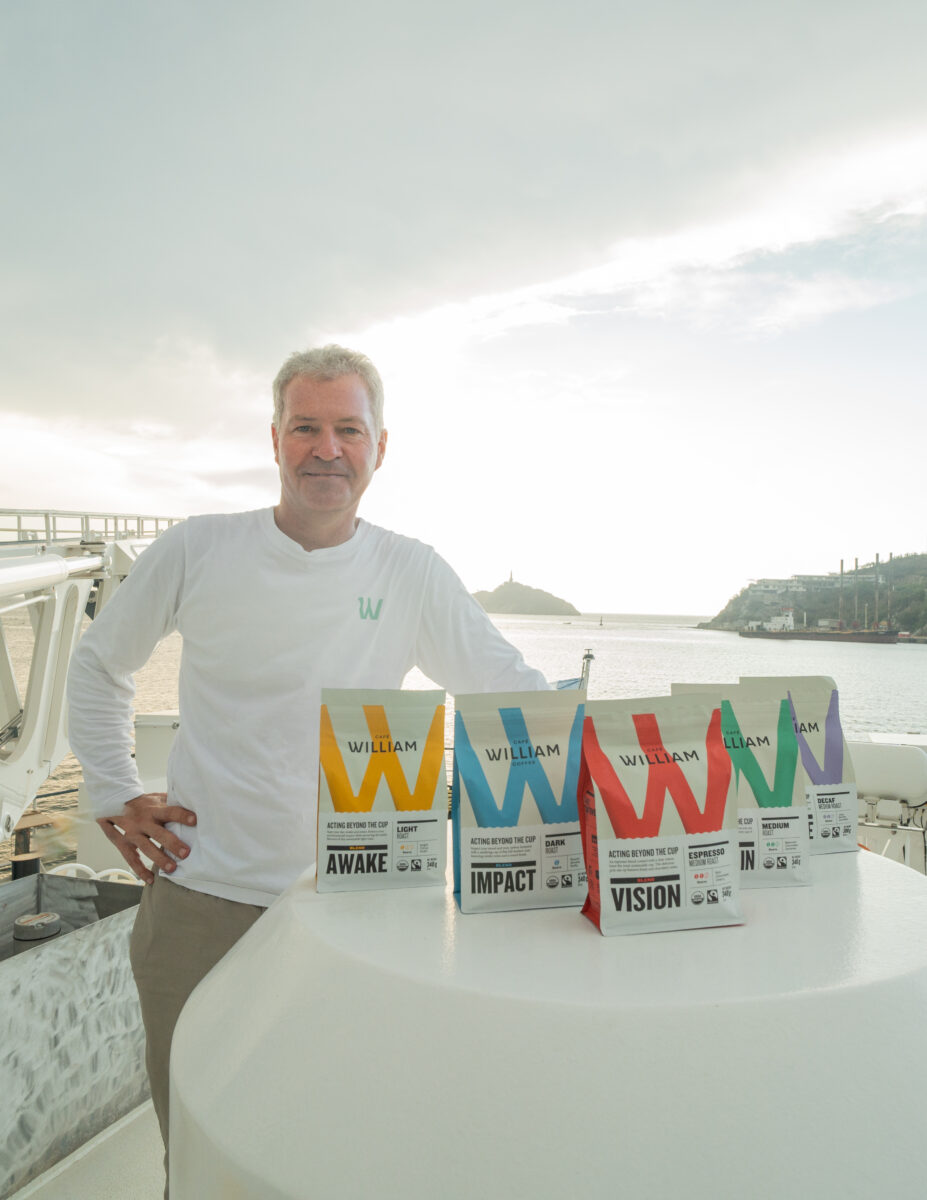
This shipment, 10 times larger than Café William’s initial trial in December 2023, represents a significant step toward achieving zero-emission coffee. “We’re thrilled to partner with TOWT to fulfill our mission of acting beyond the cup and set a precedent for other players in the sector,” said Serge Picard, Owner, Chief Innovation and Commercial Officer of Café William. “It was vital for us to find an alternative method of transporting coffee, which largely depends on fossil-fuel cargo ships. Our first voyage proved that we could use sail power to bring beans to Canada, but this, much larger boat, will allow us to sustain operations and move toward zero-emission coffee.”
Revolutionizing Coffee Transport with Sail-Powered Shipping
The partnership between Café William and TOWT is driven by a shared vision to revolutionize the coffee industry’s impact on the environment. TOWT, a French company specializing in sail cargo transport, aims to provide a decarbonized alternative to traditional cargo shipping. “Maritime transport is closely linked to some of the world’s largest crises – geopolitical, energy, and environmental,” said Guillaume Le Grand, Co-founder and CEO of TOWT. “Our goal is to revolutionize the industry with an offer that is ultimately as fast as fossil fuel merchant ships, and we’re doing just that with the inaugural voyage of our first TOWT sailing cargo ship.”
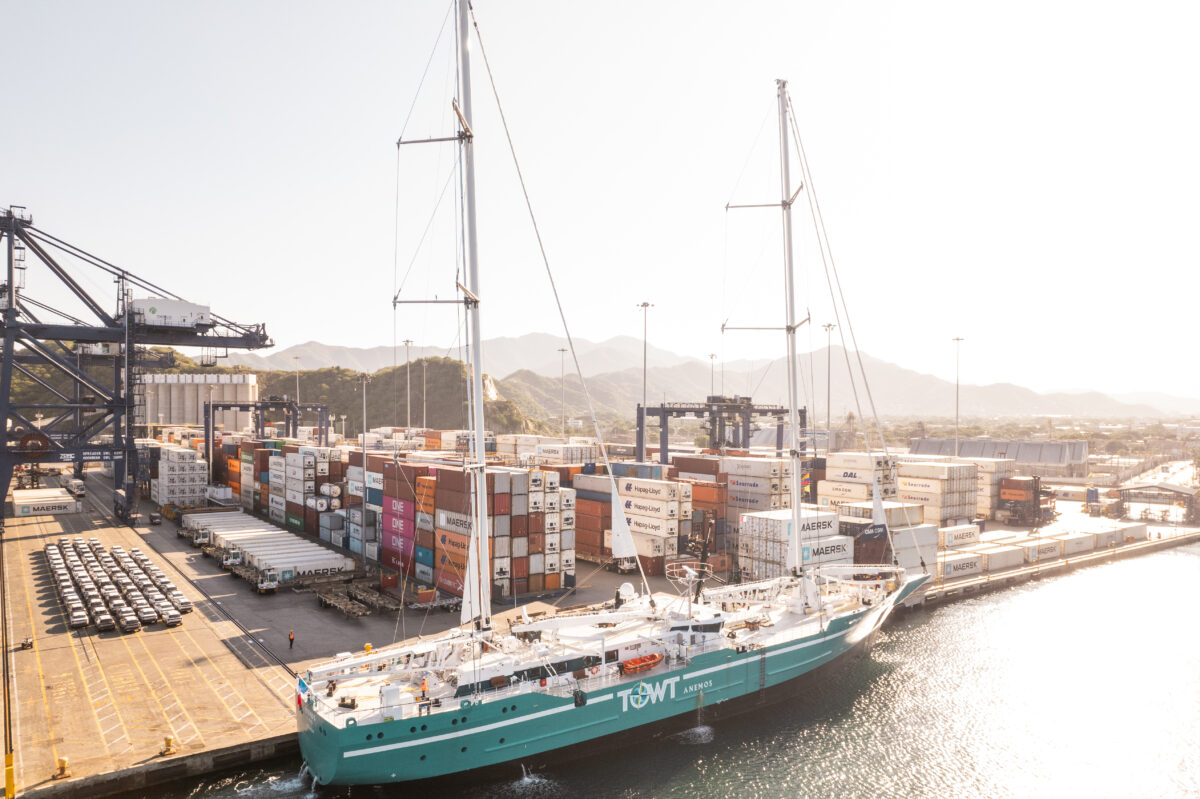
This 50-container sail-powered vessel marks the largest shipment of its kind in the 21st century and sets a new benchmark for sustainable logistics. The beans transported aboard the ship come from the ANEI cooperative, a Colombian organization committed to rebuilding and strengthening Indigenous communities while promoting organic and Fairtrade practices.
Supporting Fairtrade and Organic Coffee
Café William is one of Canada’s leading importers of organic and Fairtrade-certified coffee beans. The company has long been committed to supporting fair wages and sustainable farming practices. The partnership with the ANEI cooperative, whose beans have been certified organic and Fairtrade for over 10 years, is a testament to Café William’s dedication to fostering meaningful relationships with coffee-growing communities.
“The partnership between the ANEI cooperative and Café William is a perfect example of what Fairtrade is all about – fostering thriving relationships between business and coffee-growing communities that lead to positive change for people and the planet,” said Julie Francoeur, CEO of Fairtrade Canada.
By supporting Fairtrade, Café William ensures that farmers receive fair compensation and the resources they need to maintain sustainable livelihoods. The company’s focus on organic coffee further underscores its commitment to environmentally friendly practices, with beans produced in chemical-free ecosystems that protect both the planet and consumers.
A Carbon-Neutral Roasting Process
The journey toward sustainability does not end with transport. Upon arrival in Canada, the beans will be roasted at Café William’s innovative facility in Sherbrooke, Quebec. This facility is home to the world’s first 100% electric industrial coffee roaster, which runs entirely on hydroelectric power. The roaster has the capacity to process 20 million pounds of coffee annually and is expected to avoid approximately 800 tonnes of CO2 emissions each year compared to traditional roasting methods.
“Being based in Quebec, we knew we had the opportunity to leverage hydroelectricity to power our roasting process,” explained Picard. “By doing away with fossil fuels for roasting, we’ve set a new standard in the industry. Our electric roaster is a game-changer, not just for us, but for the entire coffee sector.”
Sustainable Coffee Available for Canadian Consumers
Café William’s efforts to reduce its carbon footprint are not just for show—it is directly impacting the products available to Canadian consumers. This November, the company will launch its limited-edition Wind Series, featuring beans from the ANEI cooperative. These beans will be available in Costco stores across Canada, as well as through Café William’s website and select retailers. Packaged in 300g formats, the Wind Series offers consumers a chance to enjoy premium coffee that has been transported and roasted with minimal environmental impact.
“Customers are increasingly demanding transparency and sustainability from the brands they support,” Picard noted. “We’ve seen incredible demand for our sustainable coffee, especially from those who understand the positive environmental impact of sail-powered transport.”
Looking Ahead: Scaling Sustainable Operations
Café William’s commitment to sustainability extends beyond its current operations. The company’s partnership with TOWT will continue to grow, with plans to scale up sail-powered coffee transport over the coming years. The goal is to achieve 100% clean maritime shipping for their coffee beans, further reducing the environmental impact of their supply chain.
“We’re working closely with our French counterparts at TOWT to explore additional routes and expand sail-powered shipping to other regions, including Indonesia,” Picard shared. “This is a long-term vision, and we’re committed to making it a reality.”
On land, Café William is also investing in electric transportation. The company has placed orders for Tesla semi-trucks and is working with logistics partners to transition to electric trucks powered by renewable energy, further reducing emissions from its distribution network.
A Holistic Approach to Environmental Impact
In addition to decarbonizing transport and roasting, Café William is taking steps to reduce its use of virgin plastic in packaging. The company’s new packaging includes 30% post-consumer recycled plastic, reflecting their commitment to minimizing waste and reliance on fossil fuels.
“Sustainability is at the heart of everything we do,” Picard emphasized. “From the way we transport and roast our coffee to the materials we use for packaging, we’re constantly looking for ways to reduce our environmental footprint.”
A Coffee Brand for the Future
Café William’s bold approach to sustainability is setting new standards for the coffee industry. With sail-powered shipping, electric roasting, and a focus on Fairtrade and organic practices, the company is proving that good coffee can be both high-quality and environmentally responsible.
“We’re not just making coffee—we’re making a difference,” Picard concluded. “Our customers care about the planet, and so do we. That’s why we’ll continue to innovate and push the boundaries of what’s possible in sustainable coffee production.”