Canadian retailers are confronting a potential crisis this holiday season as container traffic halts at the Ports of Montreal and Vancouver while a Canada Post strike looms. Matthew Poirier, Vice President of Federal Government Relations at the Retail Council of Canada (RCC), warns of severe disruptions that could lead to empty shelves, delayed shipments, and increased consumer costs.
Container Traffic Halted at Major Ports
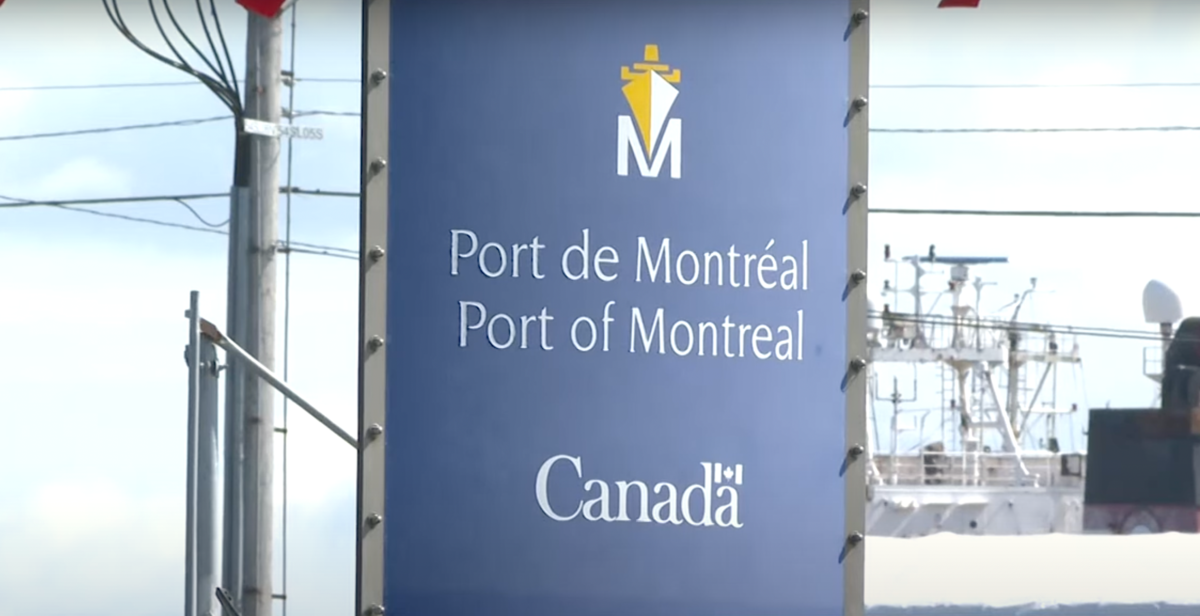
The shutdown of the Termont and Viau terminals in Montreal began on October 31, with a similar situation at the Port of Vancouver. Poirier explained that container traffic, essential for retail goods, has largely stopped, while bulk items such as grain continue moving. “Most of Canada’s container shipments come through Vancouver,” Poirier said, noting the significant impact of the closure.

The timing could not be worse. Many retailers rely on last-minute shipments for holiday inventory, a practice now disrupted by halted container traffic. Poirier highlighted the example of a delayed shipment of Panettone cakes, reflecting how even seasonal staples are affected. “Some retailers saw the potential issue and diverted shipments months ago, but many are now scrambling,” he said.
Ripple Effects Across the Supply Chain
The shutdowns are not limited to ports; they have rippled throughout Canada’s transportation network. “CN isn’t going into the Port of Montreal because there’s nothing to pick up,” Poirier explained, indicating how rail operations have been impacted. This disruption affects all modes of transportation, including intermodal systems crucial for moving goods across the country.
Small retailers are particularly vulnerable, as they often lack the resources to find alternative transportation solutions. “They are at the bottom of the food chain when it comes to securing alternatives,” Poirier noted, adding that many rely heavily on Canada Post for deliveries. The prospect of a postal strike only compounds their difficulties.
Alternative Solutions and High Costs
With major ports shut down, retailers are exploring other options, such as air freight and trucking. However, these alternatives come with high costs. “Air freight is an expensive option, and trucking faces labour shortages and surge pricing,” Poirier said. Diversions to other ports, such as Halifax, increase costs due to the need for long-distance ground transportation.
The situation has put immense pressure on Canada’s already strained transportation infrastructure. “Even raw materials and fixtures for construction companies are being delayed,” Poirier said, pointing to broader supply chain issues beyond retail.
Government Response and Political Complexities
The RCC is calling on the federal government to act swiftly to mitigate the crisis. However, Poirier described a lack of urgency compared to past labour disputes, such as the rail strike earlier this year. “The government’s hesitancy stems from political dynamics and the challenges of implementing back-to-work legislation,” he said.
Poirier emphasized that the RCC does not oppose collective bargaining rights but believes a balanced approach is needed. “There are ways to ensure essential services continue during negotiations, such as binding arbitration or forced mediation,” he said.
Broader Implications for Canada’s Economy
Repeated supply chain disruptions pose a threat to Canada’s reputation as a reliable trade partner. “Every disruption erodes our standing and sends investment elsewhere,” Poirier warned. The impact extends beyond retailers to consumers and other industries reliant on timely shipments.
For remote communities, the crisis is even more severe. “Getting goods to places like Northern Canada is already challenging,” Poirier said. The shutdowns further complicate an already difficult logistical process.
Long-Term Effects on Retail and Inflation
The ripple effects of the shutdowns will be felt for weeks, with Poirier estimating that each day of closure adds a week to the backlog. “In Vancouver, we’re already looking at more than a month to catch up,” he said. The delays could stretch into December, affecting holiday sales and supply availability.
The disruptions are likely to contribute to rising consumer prices, exacerbating inflation. “Costs incurred by retailers will eventually be passed on to consumers,” Poirier said, emphasizing the broader economic impact. “This isn’t just a business problem; it’s a consumer issue that affects everyone.”