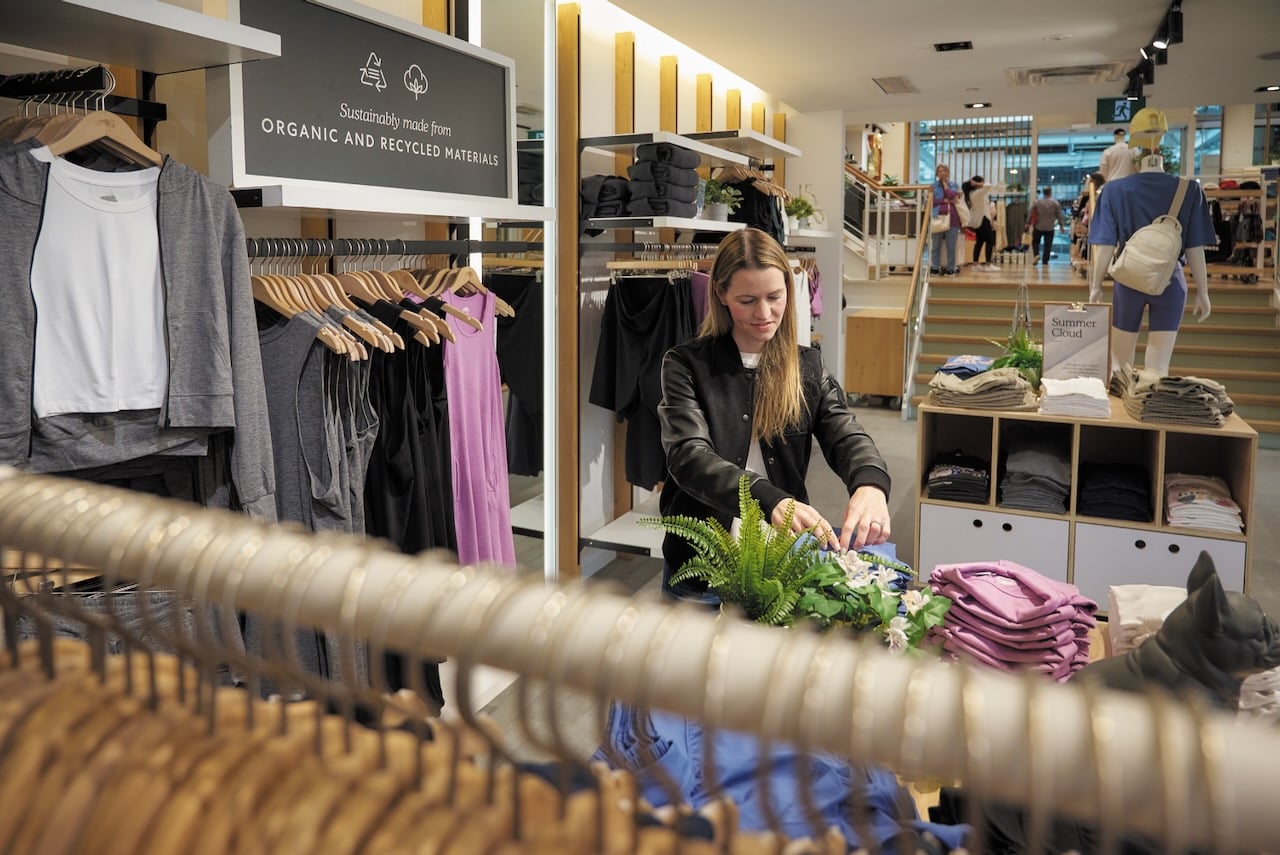
With studies showing that 56% of adult consumers prefer to shop both online and in person at physical stores, the retail landscape is continuing to evolve at a rapid rate. In fact, the hybrid retail journey has quickly become the primary buying method for 27% of consumers.
In this guide, we explore what makes a hybrid retail store and why it has its benefits to both retailers and consumers.
Understanding Hybrid Retail Stores
A hybrid retail store combines the elements of a physical store and a digital shopping experience. By blending the best of both worlds, it creates a shopping experience that is convenient, engaging, and tailored to various needs.
For many of us, there are benefits to both online and in-store shopping. Although it can be great to feel the quality of goods, try on clothing, or browse new collections in store, the option to order to our homes without having to find time to hit the shops maximizes convenience.
The below graph shows that both types of shopping are incredibly popular across all age groups, and with 89% of Americans surveyed confirming that they shop in a hybrid format at least some of the time, it’s a no-brainer for businesses that hybrid shopping is the way forward.

(Image source: Tidio)
How Does a Hybrid Retail Store Work?
There are key characteristics of hybrid retail stores which are designed to suit the modern shopper.
A strong omnichannel strategy is necessary to seamlessly combine online and in-store shopping, allowing customers to interact with a brand through various avenues. Utilizing mobile is key in today’s age, ensuring content is optimized for mobile and implementing QR codes in any offline marketing.
Digital kiosks are another great feature of hybrid stores. Whether they allow store visitors to place orders for home delivery, access more information about a product, or even help a shopper visualize a larger product in their home using augmented reality, the advanced technology capabilities are endless.
Nike has utilized kiosks in certain showrooms, allowing visitors to order the products they can see displayed in front of them. This enables them to maintain a chic and clean aesthetic without compromising on sales.
On the reverse, hybrid shopping can also offer the option for online shoppers to pick up their purchases at the physical store–great for customers who want to avoid shipping fees or don’t want to wait around for their order to arrive. Walmart is a good example of this, introducing curbside pickup so customers can order groceries online and have them brought directly to their cars.

(Image source: Supermarket News)
The Benefits Of Hybrid Retail Stores
By combining online and offline sales channels, hybrid retail expands the reach of a business. Allowing customers to make purchases either in a physical store or through the website means convenience is high and sales can be made to a wider audience.
If a customer is visiting a store and finds that the product they want has either sold out or is not available in their size/color, the opportunity for them to be able to get it ordered either to the store or to their home means the retailer doesn’t miss out on the sale.
As businesses provide various touchpoints with which consumers can interact, they are able to build stronger relationships by creating personalized experiences. Targeted email marketing campaigns are a great tactic, either using sales data to promote products of interest, or sending discounts that encourage store visits since they can only be used in the local store.
By combining data from both online and offline sales using a retail POS system, a retailer is able to gain insights that tailor their strategy. From being able to identify any best-sellers and areas of demand, they are able to manage their inventory more effectively moving forward. Utilizing these data insights means the likelihood of over or under-ordering is minimized as sales patterns can be monitored.
The Future Of Hybrid Retail

As buyer behaviour continues to evolve, the hybrid retail model is expected to keep on growing in both popularity and capabilities.
By delivering on convenience, flexibility, and personalization, the needs of the modern shopper are met and a retailer is able to grow their customer base.
With new technologies forever emerging, the future of the industry is expected to keep on growing as retailers find innovative new ways to enhance the shopping experience. This could include further advancements in payment methods, improved data analytics, and even more overlap when it comes to online and offline platforms.
(Content submitted by Rebecca Barnatt-Smith, Content Marketing Manager at Solvid Digital)
Related articles: